Category: Pharmaceuticals

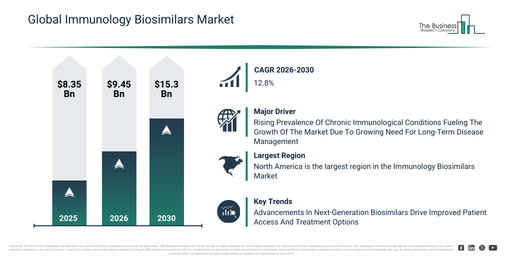
  • Rising Prevalence Of Chronic Immunological Conditions Fueling The Growth Of The Market Due To Growing Need For Long-Term Disease Management Is Supporting Development Across The Immunology Biosimilars Market

    Rising Prevalence Of Chronic Immunological Conditions Fueling The Growth Of The Market Due To Growing Need For Long-Term Disease Management Is Supporting Development Across The Immunology Biosimilars Market

    The Business Research Company’s 2026 market reports feature advanced enhancements such as market attractiveness analysis, total addressable market evaluation, company benchmarking matrices, interactive Excel dashboards, expanded supply chain intelligence, emerging startup coverage, and detailed product insights, delivering more actionable and strategically valuable research.

    What Is The Expected Market Value Outlook For The Immunology Biosimilars Market Through 2030?

    The immunology biosimilars market has experienced significant expansion recently. Its valuation is projected to increase from $8.35 billion in 2025 to $9.45 billion in 2026, demonstrating a compound annual growth rate (CAGR) of 13.2%. Historically, this expansion has been driven by factors such as the elevated costs associated with original biologics, the scarcity of alternative biosimilar options, the rising incidence of autoimmune conditions, the increasing integration of biologics in hospitals and clinical settings, and the rigorous regulatory approval processes for biosimilars.

    The immunology biosimilars market is projected to experience substantial expansion in the coming years. This market is anticipated to reach a value of $15.3 billion by 2030, driven by a compound annual growth rate (CAGR) of 12.8%. Factors contributing to this growth over the projected period include the creation of sophisticated biosimilar molecules, a wider range of homecare and outpatient treatment options, greater alignment in regulations, increased patient knowledge and acceptance, and the proliferation of online and hospital pharmacy distribution networks. Key developments expected during this timeframe involve a surge in the adoption of monoclonal antibody biosimilars, broader application of fusion protein biosimilars, an increase in recombinant protein therapies, an expanding market for interferon-derived treatments, and improved availability of cost-effective immunology treatments.

    Download A Free Sample Report For Comprehensive Market Insights:

    https://www.thebusinessresearchcompany.com/sample.aspx?id=25789&type=smp

    Which Major Factors Are Contributing To The Development Of The Immunology Biosimilars Market?

    The expanding occurrence of chronic immunological conditions is projected to boost the growth of the immunology biosimilars market in the future. These conditions are persistent ailments where the immune system either wrongly targets the body’s own tissues or inadequately defends it. This increase is attributed to more individuals experiencing prolonged immune system dysfunctions necessitating continuous care, proactive management, and consistent medical assistance. Immunology biosimilars aid in managing chronic immunological conditions by offering economical and efficient treatment options, facilitating long-term disease control, and enhancing patient access to crucial therapies for immune system regulation. As an illustration, in November 2023, the Multiple Sclerosis International Federation (MSIF), a UK-based international nonprofit organization involved in global MS research and advocacy, reported that approximately 2.9 million people globally had multiple sclerosis in 2023. Consequently, the rising incidence of chronic immunological conditions is fueling expansion within the immunology biosimilars market.

    Which Segment-Based Categories Are Covered In The Immunology Biosimilars Market?

    The immunology biosimilars market covered in this report is segmented –

    1) By Drug Type: Monoclonal Antibodies, Fusion Proteins, Recombinant Proteins, Interferons, Other Biosimilar Immunomodulators

    2) By Disease: Inflammatory Bowel Disease, Arthritis, Other Diseases

    3) By Distribution Channel: Hospital Pharmacies, Retail Pharmacies, Online Pharmacies, Other Distribution Channels

    4) By End User: Hospitals, Clinics, Homecare Settings, Ambulatory Surgical Centers (ASCs)

    Subsegments:

    1) By Monoclonal Antibodies: Anti-Tumor Necrosis Factor Agents, Anti-Interleukin-6 Agents, Anti-Cluster of Differentiation 20 Agents, Anti-Interleukin-12/23 Agents, Other Monoclonal Antibodies

    2) By Fusion Proteins: Etanercept Biosimilars, Other Fusion Protein Biosimilars

    3) By Recombinant Proteins: Recombinant Human Insulin, Recombinant Human Growth Hormone, Recombinant Human Erythropoietin, Other Recombinant Protein Biosimilars

    4) By Interferons: Interferon Alpha, Interferon Beta, Interferon Gamma

    5) By Other Biosimilar Immunomodulators: Interleukin Inhibitors, Janus Kinase Inhibitors, Other Immunomodulatory Biosimilars

    Which Trends Are Guiding The Development Of The Immunology Biosimilars Market?

    Companies operating in the immunology biosimilars market are prioritizing the creation of next-generation biosimilar innovations, including anticipated interchangeability designation, advanced formulations that offer improved stability, and novel delivery systems, aiming to offer patients more accessible and effective treatment alternatives. Anticipated interchangeability designation indicates that the biosimilar is expected to fulfill regulatory requirements, allowing it to be swapped for the reference biologic at the pharmacy without needing intervention from the prescriber. For example, in February 2025, Sandoz Group AG, a pharmaceutical company based in Switzerland, in collaboration with Samsung Bioepis Co. Ltd., a biopharmaceutical company from South Korea, released Pyzchiva (ustekinumab-ttwe), a biosimilar to Stelara, intended for managing chronic autoimmune conditions such as plaque psoriasis, psoriatic arthritis, Crohn’s disease, and ulcerative colitis. This launch underscores Sandoz’s dedication to broaden access to immunology biosimilars by delivering a treatment that is cost-effective and patient-centric, featuring multiple dosing options, extended stability, and the distinctive capability to be re-refrigerated after initial refrigeration.

    Who Are The Major Companies Operating In The Immunology Biosimilars Market?

    Major companies operating in the immunology biosimilars market are Pfizer Inc., Novartis AG, Amgen Inc., Sandoz Group AG, Fresenius Kabi AG, Intas Pharmaceuticals Ltd., Dr. Reddy’s Laboratories Ltd., Samsung Bioepis Co. Ltd., Gedeon Richter Plc, Celltrion Inc., Biocon Ltd., Innovent Biologics Inc., Biocad, Mabion S.A.

    Access The Complete Immunology Biosimilars Market Report:

    https://www.thebusinessresearchcompany.com/report/immunology-biosimilars-global-market-report

    Which Region Holds The Largest Share In The Immunology Biosimilars Market?

    North America was the largest region in the immunology biosimilars market in 2025. Asia-Pacific is expected to be the fastest-growing region in the forecast period. The regions covered in the immunology biosimilars market report are Asia-Pacific, South East Asia, Western Europe, Eastern Europe, North America, South America, Middle East, Africa.

    Access Immunology Biosimilars Market Report for Deeper Competitive Insights

    https://www.thebusinessresearchcompany.com/sample.aspx?id=25789&type=smp

    Browse Through More Reports Similar to the Global Immunology Biosimilars Market 2026, By The Business Research Company

    Biosimilar Market Report 2026

    https://www.thebusinessresearchcompany.com/report/biosimilar-global-market-report

    Biosimilar Market Report 2026

    https://www.thebusinessresearchcompany.com/report/biosimilar-global-market-report

    Bevacizumab Biosimilars Market Report 2026

    https://www.thebusinessresearchcompany.com/report/bevacizumab-biosimilars-global-market-report

    Get in touch with us:

    The Business Research Company: https://www.thebusinessresearchcompany.com/

    Americas: +1 310-496-7795

    Asia: +44 7882 955267 & +91 8897263534

    Europe: +44 7882 955267

    Email us at: marketing@tbrc.info

    Follow us on:

    LinkedIn: https://in.linkedin.com/company/the-business-research-company

    YouTube: https://www.youtube.com/channel/UC24_fI0rV8cR5DxlCpgmyFQ

    Global Market Model: https://www.thebusinessresearchcompany.com/global-market-model
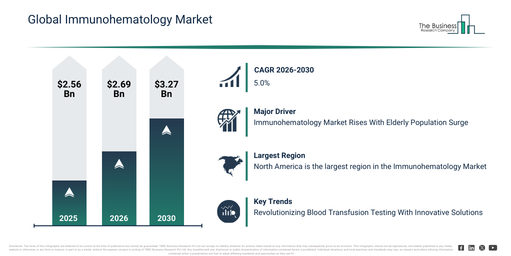
  • Immunohematology Market Rises With Elderly Population Surge Is Supporting Development Across The Immunohematology Market

    Immunohematology Market Rises With Elderly Population Surge Is Supporting Development Across The Immunohematology Market

    The Business Research Company’s 2026 market reports feature advanced enhancements such as market attractiveness analysis, total addressable market evaluation, company benchmarking matrices, interactive Excel dashboards, expanded supply chain intelligence, emerging startup coverage, and detailed product insights, delivering more actionable and strategically valuable research.

    How Will The Market Value Of The Immunohematology Market Increase Between 2026 And 2030?

    The immunohematology market has consistently expanded over recent years. This market is projected to expand from $2.56 billion in 2025 to $2.69 billion in 2026, demonstrating a compound annual growth rate (CAGR) of 4.9%. Historically, this growth has been fueled by factors such as the increasing prevalence of blood disorders, the growing demand for safe blood transfusions, the establishment of blood banks, the expansion of diagnostic laboratories, and innovations in hematology reagents.

    The immunohematology market size is projected to experience substantial expansion over the coming years. It is anticipated to reach a valuation of $3.27 billion by 2030, demonstrating a compound annual growth rate (CAGR) of 5.0%. This projected increase during the forecast period is largely driven by advancements in analyzer technology, the integration of artificial intelligence in lab diagnostics, the emergence of precision medicine, the incorporation of digital health systems, and the broadening scope of blood screening initiatives. Key developments expected in this period include sophisticated blood typing methods, increased automation in immunohematology assessments, tailored transfusion treatments, point-of-care immune diagnostic solutions, and the seamless integration of laboratory information systems.

    Download A Free Sample Report For Comprehensive Market Insights:

    https://www.thebusinessresearchcompany.com/sample.aspx?id=10295&type=smp

    What Key Growth Drivers Are Influencing The Immunohematology Market?

    The immunohematology market is expected to expand moving forward, driven by the aging population. This demographic situation is defined by a growing proportion of older individuals within a society or population. Immunohematology is crucial for addressing age-related transfusion requirements, ensuring the safe application of blood products, and supporting medical procedures for the elderly demographic. For example, in January 2024, the Population Reference Bureau, a US-based nonprofit organization, reported that the population of Americans aged 65 and older is anticipated to climb from 58 million in 2022 to 82 million by 2050, marking a 47% increase. Over the same period, this age group’s proportion of the overall population is also projected to increase from 17% to 23%. Therefore, the aging population is a significant factor propelling the growth of the immunohematology market.

    What Are The Major Segment Categories Within The Immunohematology Market?

    The immunohematology market covered in this report is segmented –

    1) By Product: Analyzers And Systems, Reagents

    2) By Technology: Biochips, Erythrocyte-Magnetized Technology (Met), Gel Cards, Microplates, Polymerase Chain Reaction (PCR)

    3) By Disease: Blood-Related Diseases, HIV, Hepatitis

    4) By Application: Pretransfusion Testing, Investigation Of Immune Hemolysis, Perinatal Testing, Blood Group Phenotyping, Leucocyte And Platelet Serology

    5) By End User: Blood Banks, Diagnostic And Reference Laboratories, Hospitals, Academic And Research Institutes

    Subsegments:

    1) By Analyzers And Systems: Blood Typing Analyzers, Cross-Matching Analyzers, Gel Card Systems

    2) By Reagents: Blood Grouping Reagents, Antisera, Control Serum

    What Trends Are Influencing The Future Of The Immunohematology Market?

    Key companies within the immunohematology market are dedicating efforts to developing innovative diagnostic solutions, such as soluble recombinant proteins designed to counteract the interference caused by the cancer therapy daratumumab. A soluble recombinant protein is one generated via recombinant DNA technology, which maintains its correct folding and functionality in a soluble form within a host cell or solution, thus aiding its use in both research and therapeutic applications. As an illustration, in November 2023, Grifols, S.A., a pharmaceutical company situated in Spain, introduced the Grifols sCD38 solution. Grifols’ sCD38 represents the first soluble recombinant protein ever, created to resolve the interference presented by the cancer treatment daratumumab in essential blood transfusion compatibility testing. This pioneering solution, specifically engineered for multiple myeloma patients, prevents daratumumab from binding to CD38 proteins on red blood cells, thereby ensuring accurate results for pre-transfusion tests. By facilitating a more efficient procedure for screening, identification, and crossmatching, Grifols sCD38 improves blood transfusion protocols and reduces delays in providing critical transfusions.

    Which Companies Are Influencing The Immunohematology Market?

    Major companies operating in the immunohematology market are Ortho Clinical Diagnostics Inc., Immunocor Inc., Abbott Laboratories, Siemens Healthineers AG, Grifols S.A., Beckman Coulter Inc., Thermo Fisher Scientific Inc., Becton Dickinson and Company, Merck Co. & KGaA, Bio-Rad Laboratories, Sysmex Corporation, Danaher Corporation, Biosystems S.A., Roche Holdings AG, Mindray Medical International Limited, F.Hoffmann La-Roche Ltd., Biotest AG, Cardinal Health Inc., Quotient Limited, DiaSorin S.p.A., Lorne Laboratories Ltd., Biokit S.A., Avox Technologies, Diagnostic Automation/Cortez Diagnostics Inc., Inno-train Diagnostik GmbH, Drucker Diagnostics Inc., Immundia Diagnostics Pvt. Ltd.

    Access The Complete Immunohematology Market Report:

    https://www.thebusinessresearchcompany.com/report/immunohematology-global-market-report

    Which Region Is The Dominant Market In The Immunohematology Market?

    North America was the largest region in the immunohematology market in 2025. Asia-Pacific is expected to be the fastest-growing region in the global immunohematology market during the forecast period. The regions covered in the immunohematology market report are Asia-Pacific, South East Asia, Western Europe, Eastern Europe, North America, South America, Middle East, Africa.

    Access Immunohematology Market Report for Deeper Competitive Insights

    https://www.thebusinessresearchcompany.com/sample.aspx?id=10295&type=smp

    Browse Through More Reports Similar to the Global Immunohematology Market 2026, By The Business Research Company

    Immunohematology Market Report 2026

    https://www.thebusinessresearchcompany.com/report/immunohematology-global-market-report

    Immunoassay Market Report 2026

    https://www.thebusinessresearchcompany.com/report/immunoassay-global-market-report

    Immunodiagnostics Market Report 2026

    https://www.thebusinessresearchcompany.com/report/immunodiagnostics-global-market-report

    Get in touch with us:

    The Business Research Company: https://www.thebusinessresearchcompany.com/

    Americas: +1 310-496-7795

    Asia: +44 7882 955267 & +91 8897263534

    Europe: +44 7882 955267

    Email us at: marketing@tbrc.info

    Follow us on:

    LinkedIn: https://in.linkedin.com/company/the-business-research-company

    YouTube: https://www.youtube.com/channel/UC24_fI0rV8cR5DxlCpgmyFQ

    Global Market Model: https://www.thebusinessresearchcompany.com/global-market-model
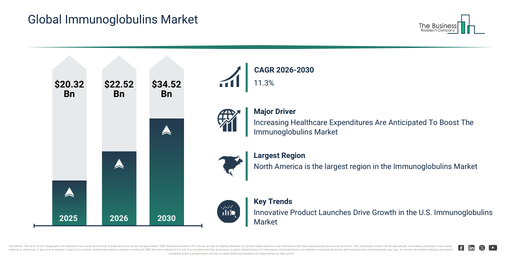
  • Increasing Healthcare Expenditures Are Anticipated To Boost The Immunoglobulins Market Is Supporting Development Across The Immunoglobulins Market

    Increasing Healthcare Expenditures Are Anticipated To Boost The Immunoglobulins Market Is Supporting Development Across The Immunoglobulins Market

    The Business Research Company’s 2026 market reports feature advanced enhancements such as market attractiveness analysis, total addressable market evaluation, company benchmarking matrices, interactive Excel dashboards, expanded supply chain intelligence, emerging startup coverage, and detailed product insights, delivering more actionable and strategically valuable research.

    What Will Be The Estimated Market Size Of The Immunoglobulins Market By 2030?

    The immunoglobulins market size has experienced swift expansion over recent years. It is anticipated to grow from $20.32 billion in 2025 to $22.52 billion in 2026, demonstrating a compound annual growth rate (CAGR) of 10.8%. The expansion observed in the historic period can be attributed to the increasing prevalence of immunodeficiency diseases, a rise in autoimmune disorder cases, enhancements in hospital infrastructure, technological progress in plasma fractionation, and a broader understanding of antibody therapies.

    The immunoglobulins market size is expected to experience substantial growth in the upcoming years. It is projected to reach $34.52 billion in 2030, with a compound annual growth rate (CAGR) of 11.3%. The expansion within this forecast period can be attributed to advancements in personalized medicine, the emergence of novel monoclonal antibodies, an increase in home-based subcutaneous therapies, the broadening of biotechnology and research centers, and greater government backing for immunotherapy programs. Significant trends foreseen for this period include personalized immunoglobulin therapy, a rising adoption of subcutaneous delivery methods, increased demand for IVIG in autoimmune disorders, the expansion of treatments for rare immunodeficiencies, and heightened research in monoclonal antibodies.

    Download A Free Sample Report For Comprehensive Market Insights:

    https://www.thebusinessresearchcompany.com/sample.aspx?id=5284&type=smp

    Which Core Factors Are Supporting The Expansion Of The Immunoglobulins Market?

    The hyperphosphatemia treatment market is anticipated to grow, driven by rising healthcare expenditure. Treatment for hyperphosphatemia involves therapies and medications focused on reducing high phosphate levels in the blood, a common occurrence in individuals with chronic kidney disease and similar conditions. Increased spending on healthcare allows for wider availability of such treatments, supports the research and development of advanced therapies, and enhances strategies for patient management. For example, in November 2023, the Canadian Institute for Health Information, a Canada-based organization, projected that total health spending in Canada would reach $344 billion in 2023, amounting to $8,740 per person. This represents a 2.8% increase compared to 2022, which experienced only a 1.5% growth in health spending, signaling a notable rebound in healthcare investment. Consequently, the increasing healthcare expenditure is propelling the expansion of the hyperphosphatemia treatment market.

    How Is The Immunoglobulins Market Distributed Across Key Segments?

    The immunoglobulins market covered in this report is segmented –

    1) By Product: IGG, IGA, IGM, IGE, IGD

    2) By Mode Of Delivery: Intravenous Mode Of Delivery, Subcutaneous Mode Of Delivery

    3) By Application: Hypogammaglobulinemia, Chronic Inflammatory demyelinating polyneuropathy (CIDP), Immunodeficiency Disease, Myasthenia Gravis, Idiopathic thrombocytopenic purpura (ITP), Other Applications

    Subsegments:

    1) By IGG (Immunoglobulin G): IVIG (Intravenous Immunoglobulin), SCIG (Subcutaneous Immunoglobulin)

    2) By IGA (Immunoglobulin A): Monoclonal IGA, Polyvalent IGA

    3) By IGM (Immunoglobulin M): Monoclonal IGM, Polyvalent IGM

    4) By IGE (Immunoglobulin E): Allergen-Specific IGE, Monoclonal IGE

    5) By IGD (Immunoglobulin D): Research-Use IGD, Monoclonal IGD

    Which Trends Are Contributing To Changes In The Immunoglobulins Market?

    Leading firms within the immunoglobulins market are introducing advanced offerings like intravenous immunoglobulins, aiming to attract broader customer segments, boost sales, and enhance income. As an illustration, GC Biopharma, a biotechnology company from South Korea, unveiled ALYGLO (Immune Globulin Intravenous, Human-stwk) 10% Liquid in the U.S. market in September 2024. This product is designed for treating primary humoral immunodeficiency (PI) in adults aged 17 and above and is currently accessible to patients via specialty pharmacies. This introduction holds considerable importance because the U.S. constitutes the world’s largest immunoglobulin market, estimated at approximately $11.6 billion. GC Biopharma intends to reach $50 million in ALYGLO sales during its inaugural year, with projections to escalate this sum to $300 million by 2028. This ambitious expansion strategy necessitates collaborations with prominent U.S. pharmacy benefit managers and specialty pharmacies, partnerships vital for the efficient distribution of immunoglobulin products.

    Who Are The Companies Shaping The Immunoglobulins Market Landscape?

    Major companies operating in the immunoglobulins market are Baxter International Inc., CSL Behring LLC, Grifols S. A., Octapharma AG, China Biologic Products Holdings Inc., Kedrion SpA, LFB SA, Biotest AG, Sanquin Blood Supply Foundation, ADMA Biologics Inc., Option Care Health Inc., Shanghai RAAS Blood Products Co. Ltd., Antibody Solutions, Bio Products Laboratory Ltd., Immunovant Inc., Kamada Ltd., Emergent BioSolutions Inc., Fresenius Kabi AG, GlaxoSmithKline plc, Pfizer Inc., Roche Holding AG, Samsung Bioepis Co. Ltd., Takeda Pharmaceutical Company Limited, Teva Pharmaceutical Industries Ltd., Zydus Cadila Healthcare Limited

    Access The Complete Immunoglobulins Market Report:

    https://www.thebusinessresearchcompany.com/report/immunoglobulins-global-market-report

    Which Area Represents The Largest Portion Of The Immunoglobulins Market?

    North America was the largest region in the immunoglobulins market in 2025. Asia-Pacific is expected to be the fastest-growing region in the forecast period. The regions covered in the immunoglobulins market report are Asia-Pacific, South East Asia, Western Europe, Eastern Europe, North America, South America, Middle East, Africa.

    Access Immunoglobulins Market Report for Deeper Competitive Insights

    https://www.thebusinessresearchcompany.com/sample.aspx?id=5284&type=smp

    Browse Through More Reports Similar to the Global Immunoglobulins Market 2026, By The Business Research Company

    Immunoglobulins Market Report 2026

    https://www.thebusinessresearchcompany.com/report/immunoglobulins-global-market-report

    Hyperimmune Globulins Market Report 2026

    https://www.thebusinessresearchcompany.com/report/hyperimmune-globulins-global-market-report

    Immunoassay Market Report 2026

    https://www.thebusinessresearchcompany.com/report/immunoassay-global-market-report

    Get in touch with us:

    The Business Research Company: https://www.thebusinessresearchcompany.com/

    Americas: +1 310-496-7795

    Asia: +44 7882 955267 & +91 8897263534

    Europe: +44 7882 955267

    Email us at: marketing@tbrc.info

    Follow us on:

    LinkedIn: https://in.linkedin.com/company/the-business-research-company

    YouTube: https://www.youtube.com/channel/UC24_fI0rV8cR5DxlCpgmyFQ

    Global Market Model: https://www.thebusinessresearchcompany.com/global-market-model

  • The Surge In Autoimmune Disorder Diagnoses Is Boosting The Market Growth Due To Growing Need For Immune-Modulating Therapies Is Supporting Development Across The Immunoglobulin Fusion Protein Market

    The Surge In Autoimmune Disorder Diagnoses Is Boosting The Market Growth Due To Growing Need For Immune-Modulating Therapies Is Supporting Development Across The Immunoglobulin Fusion Protein Market

    The Business Research Company’s 2026 market reports feature advanced enhancements such as market attractiveness analysis, total addressable market evaluation, company benchmarking matrices, interactive Excel dashboards, expanded supply chain intelligence, emerging startup coverage, and detailed product insights, delivering more actionable and strategically valuable research.

    What Is The Estimated Growth In Market Size Of The Immunoglobulin Fusion Protein Market During 2026–2030?

    The immunoglobulin fusion protein market has experienced swift expansion in recent years. This market is anticipated to rise from $46.05 billion in 2025 to $52.44 billion in 2026, demonstrating a compound annual growth rate (CAGR) of 13.9%. The market’s past growth is primarily due to breakthroughs in biologic drug development, the significant burden of autoimmune diseases, the achievements of monoclonal antibodies, the integration of biologics in hospital settings, and effective strategies for chronic disease management.

    The immunoglobulin fusion protein market is poised for significant expansion in the coming years. It is forecast to achieve a valuation of $87.21 billion by 2030, expanding at a compound annual growth rate (CAGR) of 13.6%. This projected growth is driven by the evolution of precision biologics, the emergence of rare disease drug pipelines, intensified biosimilar competition, sophisticated protein engineering, and the increasing need for long-acting treatments. Key developments expected during this period include the rising creation of long-acting biologics, wider utilization of Fc fusion technologies, extended applications in autoimmune and rare diseases, improvements in drug stability and half-life engineering, and greater investment in protein engineering platforms.

    Download A Free Sample Report For Comprehensive Market Insights:

    https://www.thebusinessresearchcompany.com/sample.aspx?id=24568&type=smp

    What Are The Main Drivers Accelerating The Growth Of The Immunoglobulin Fusion Protein Market?

    The expanding occurrence of autoimmune conditions is anticipated to fuel the expansion of the immunoglobulin fusion protein market in the future. These disorders are characterized by the body’s immune system erroneously targeting its own healthy cells and tissues. The rising incidence of autoimmune disorders stems mainly from a blend of genetic susceptibility and environmental elements, with inherited genes increasing individual vulnerability and factors like infections or lifestyle playing a role in their onset. Immunoglobulin fusion protein aids in addressing autoimmune disorders by moderating the immune response, thereby diminishing inflammation and hindering the immune system’s assault on the body’s own tissues. For example, data from February 2024, provided by Arthritis Australia, an Australia-based non-profit organization, projects that by 2025, an estimated 562,378 individuals in Australia will suffer from rheumatoid arthritis (RA), representing 14% of the overall arthritis population. Furthermore, by 2040, the count of Australians affected by RA is forecasted to grow by 33%, totaling 748,721 people. This signifies an increase of 186,343 individuals living with RA relative to 2025. Consequently, the growing frequency of autoimmune disorders is propelling the expansion of the immunoglobulin fusion protein market.

    How Does Segment Analysis Break Down The Immunoglobulin Fusion Protein Market Structure?

    The immunoglobulin fusion protein market covered in this report is segmented –

    1) By Type: Monoclonal Antibodies, Polyclonal Antibodies, Bispecific Antibodies, Recombinant Antibodies

    2) By Drug Class: Immunosuppressive Drugs, Immunostimulatory Drugs

    3) By Mode of Administration: Intravenous, Subcutaneous, Intramuscular

    4) By Application: Autoimmune Disease, Eye Diseases, Diabetes, Hemophilia

    5) By End User: Hospitals, Clinics, Research Institutes

    Subsegments:

    1) By Monoclonal Antibodies: Human Monoclonal Antibodies, Humanized Monoclonal Antibodies, Chimeric Monoclonal Antibodies, Murine Monoclonal Antibodies

    2) By Polyclonal Antibodies: Animal-Derived Polyclonal Antibodies, Human-Derived Polyclonal Antibodies, Recombinant Polyclonal Antibodies

    3) By Bispecific Antibodies: Tandem Single-Chain Variable Fragment, Dual-Variable Domain Antibodies, Bispecific T-Cell Engagers (BiTEs), Dual-Affinity Re-Targeting Antibodies

    4) By Recombinant Antibodies: Fragment Antibodies, Full-Length Recombinant Antibodies, Antibody-Drug Conjugates (ADCs), Engineered Antibody Domains

    What Trends Are Shaping The Immunoglobulin Fusion Protein Market Structure?

    Major companies operating in the immunoglobulin fusion protein market are concentrating on conducting clinical trials to develop innovative products, such as bispecific antibody fusion proteins, aiming to enhance therapeutic efficacy and target multiple disease pathways. A bispecific antibody fusion protein refers to a genetically engineered molecule designed to simultaneously bind two different targets, which helps to improve targeted therapy by bringing immune cells closer to tumor cells or blocking multiple disease pathways at once. For instance, in February 2025, Innovent Biologics, Inc., a China-based biotechnology company, received its second Fast Track Designation (FTD) from the U.S. Food and Drug Administration (FDA) for IBI343, a bispecific antibody fusion protein intended for advanced solid tumors. IBI343 is engineered to concurrently engage tumor-associated antigens and immune effector cells, thereby boosting the precision and potency of anti-tumor immune responses. This designation is expected to accelerate the clinical development and regulatory review of IBI343, reflecting its potential to address significant unmet medical needs in oncology.

    Which Industry Players Are Present In The Immunoglobulin Fusion Protein Market?

    Major companies operating in the immunoglobulin fusion protein market are Amgen Inc., Pfizer Inc., Swedish Orphan Biovitrum AB (Sobi), Regeneron Pharmaceuticals Inc., Sanofi S.A., AbbVie Inc., Bristol-Myers Squibb Company, Roche Holding AG, Genentech Inc., UCB S.A., AstraZeneca PLC, CSL Behring, Takeda Pharmaceutical Company Limited, Novartis AG, Merck & Co. Inc., Biogen Inc., Horizon Therapeutics (Amgen subsidiary), Kyowa Kirin Co. Ltd., Ultragenyx Pharmaceutical Inc., Apellis Pharmaceuticals Inc., Alexion Pharmaceuticals (AstraZeneca subsidiary), Argenx SE, HanAll Biopharma Co. Ltd., Innovent Biologics Inc., 3SBio Inc.

    Access The Complete Immunoglobulin Fusion Protein Market Report:

    https://www.thebusinessresearchcompany.com/report/immunoglobulin-fusion-protein-global-market-report

    Which Region Commands The Largest Share Of The Immunoglobulin Fusion Protein Market?

    North America was the largest region in the immunoglobulin fusion proteins market in 2025. Asia-Pacific is expected to be the fastest-growing region in the forecast period. The regions covered in the immunoglobulin fusion protein market report are Asia-Pacific, South East Asia, Western Europe, Eastern Europe, North America, South America, Middle East, Africa.

    Access Immunoglobulin Fusion Protein Market Report for Deeper Competitive Insights

    https://www.thebusinessresearchcompany.com/sample.aspx?id=24568&type=smp

    Browse Through More Reports Similar to the Global Immunoglobulin Fusion Protein Market 2026, By The Business Research Company

    Immunoglobulins Market Report 2026

    https://www.thebusinessresearchcompany.com/report/immunoglobulins-global-market-report

    Monoclonal Antibodies Market Report 2026

    https://www.thebusinessresearchcompany.com/report/monoclonal-antibodies-global-market-report

    Recombinant Proteins Market Report 2026

    https://www.thebusinessresearchcompany.com/report/recombinant-proteins-global-market-report

    Get in touch with us:

    The Business Research Company: https://www.thebusinessresearchcompany.com/

    Americas: +1 310-496-7795

    Asia: +44 7882 955267 & +91 8897263534

    Europe: +44 7882 955267

    Email us at: marketing@tbrc.info

    Follow us on:

    LinkedIn: https://in.linkedin.com/company/the-business-research-company

    YouTube: https://www.youtube.com/channel/UC24_fI0rV8cR5DxlCpgmyFQ

    Global Market Model: https://www.thebusinessresearchcompany.com/global-market-model
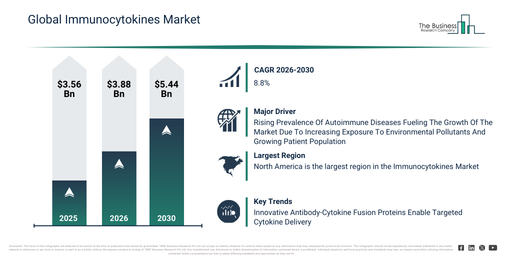
  • Rising Prevalence Of Autoimmune Diseases Fueling The Growth Of The Market Due To Increasing Exposure To Environmental Pollutants And Growing Patient Population Is Supporting Development Across The Immunocytokines Market

    Rising Prevalence Of Autoimmune Diseases Fueling The Growth Of The Market Due To Increasing Exposure To Environmental Pollutants And Growing Patient Population Is Supporting Development Across The Immunocytokines Market

    The Business Research Company’s 2026 market reports feature advanced enhancements such as market attractiveness analysis, total addressable market evaluation, company benchmarking matrices, interactive Excel dashboards, expanded supply chain intelligence, emerging startup coverage, and detailed product insights, delivering more actionable and strategically valuable research.

    What Market Value Expansion Is Expected For The Immunocytokines Market Over The Forecast Period?

    The immunocytokines market size has experienced strong growth in recent years. It is projected to grow from $3.56 billion in 2025 to $3.88 billion in 2026, achieving a compound annual growth rate (CAGR) of 9.0%. Historically, this growth was influenced by the restricted availability of targeted immunocytokine therapies, the prevalent reliance on conventional cytokine treatments, an increase in oncology and autoimmune research, a rising number of clinical trials for cytokine therapies, and the adoption of basic immune-modulating treatment protocols.

    The immunocytokines market is projected to experience substantial expansion over the upcoming years. It is anticipated to reach $5.44 billion by 2030, exhibiting a compound annual growth rate (CAGR) of 8.8%. This projected increase during the forecast period is due to factors such as the advancement of recombinant and modified interleukins, the broadening use of tumor necrosis factor-based immunocytokines, greater investment in antibody-cytokine fusion proteins, increased acceptance in personalized cancer and autoimmune therapies, and the incorporation of immune modulators with sophisticated delivery methods. Key developments expected in this period encompass a growing uptake of immunocytokines in targeted cancer treatments, an increase in research on cytokine-based immunotherapies for autoimmune conditions, a heightened emphasis on minimizing systemic toxicity through precise delivery, the proliferation of specialized clinics and research centers utilizing immunocytokines, and the creation of fusion proteins that combine cytokines with novel antibody structures.

    Download A Free Sample Report For Comprehensive Market Insights:

    https://www.thebusinessresearchcompany.com/sample.aspx?id=27315&type=smp

    Which Growth Drivers Are Expected To Support The Immunocytokines Market Forward?

    The increasing occurrence of autoimmune conditions is anticipated to drive the expansion of the immunocytokines market in the future. Autoimmune diseases are conditions where the body’s immune system erroneously attacks its healthy cells and tissues. The escalating incidence of these diseases largely stems from greater exposure to environmental contaminants, which can impair immune function and initiate immune responses against the body’s own tissues. Immunocytokines address autoimmune diseases by merging focused immune modulation with precise delivery, making them suitable for reducing systemic side effects. They improve the efficacy of treatment by guiding cytokines directly to the affected tissues, thereby enhancing patient results and safety. As an illustration, in February 2024, data from Arthritis Australia, a non-profit organization based in Australia, indicated that approximately 562,378 Australians are projected to have RA in 2025, making up 14% of all arthritis cases for that year. This figure is predicted to increase by 33% to 748,721 individuals by 2040. This signifies an additional 186,343 Australians affected by RA in 2040 compared to 2025. Consequently, the growing prevalence of autoimmune diseases is fueling the growth of the immunocytokines market.

    What Segment Types Are Included In The Immunocytokines Market Analysis?

    The immunocytokines market covered in this report is segmented –

    1) By Product Type: Interleukins, Interferons, Tumor Necrosis Factors, Other Product Types

    2) By Mechanism Of Action: Antagonists, Agonists, Immune Modulators

    3) By Application: Cancer, Autoimmune Diseases, Infectious Diseases, Other Applications

    4) By End-User: Hospitals, Research Institutes, Specialty Clinics, Other End-Users

    Subsegments:

    1) By Interleukins: Recombinant Interleukin, Modified Interleukin

    2) By Interferons: Interferon Alpha, Interferon Beta, Interferon Gamma

    3) By Tumor Necrosis Factors: Tumor Necrosis Factor Alpha, Tumor Necrosis Factor Beta, Tumor Necrosis Factor Receptor Fusion Proteins

    4) By Other Product Types: Colony Stimulating Factors, Immunocytokines

    Which Trends Are Supporting The Evolution Of The Immunocytokines Market?

    Leading companies in the immunocytokines market are focusing on developing innovative solutions, such as antibody cytokine fusion proteins, to enable targeted cytokine delivery and enhance therapeutic efficacy while minimizing systemic toxicity. Antibody cytokine fusion proteins are engineered molecules that combine the targeting ability of antibodies with the immune-modulating effects of cytokines to deliver therapy directly to diseased tissues, such as tumors or inflamed areas. For instance, in July 2023, SunHo BioPharmaceutical Co. Ltd., a China-based biopharmaceutical company, launched IBB0979 (B7H3–IL-10 immunocytokine), a novel antibody-cytokine fusion protein for the treatment of advanced or metastatic solid tumors, and has entered Phase I/II clinical trials. This innovative drug combines the tumor-targeting capabilities of the B7H3 antibody with the anti-inflammatory and immune-modulating effects of interleukin-10 (IL-10). IBB0979 is designed to modify the tumor microenvironment by delivering IL-10 specifically to B7H3-expressing tumor cells, reducing inflammation and boosting the immune response against cancer, potentially offering a new therapeutic approach for difficult-to-treat solid tumors.

    Which Organizations Are Involved In The Immunocytokines Market?

    Major companies operating in the immunocytokines market are Xencor Inc., Philogen S.p.A, Cytimmune Sciences Inc., Cytune Pharma S.A.S.

    Access The Complete Immunocytokines Market Report:

    https://www.thebusinessresearchcompany.com/report/immunocytokines-global-market-report

    Which Region Accounts For The Highest Share Of The Immunocytokines Market?

    North America was the largest region in the immunocytokines market in 2025. Asia-Pacific is expected to be the fastest-growing region in the forecast period. The regions covered in the immunocytokines market report are Asia-Pacific, South East Asia, Western Europe, Eastern Europe, North America, South America, Middle East, Africa.

    Access Immunocytokines Market Report for Deeper Competitive Insights

    https://www.thebusinessresearchcompany.com/sample.aspx?id=27315&type=smp

    Browse Through More Reports Similar to the Global Immunocytokines Market 2026, By The Business Research Company

    Nanotechnology Services Market Report 2026

    https://www.thebusinessresearchcompany.com/report/nanotechnology-services-global-market-report

    Healthcare Nanotechnology Market Report 2026

    https://www.thebusinessresearchcompany.com/report/healthcare-nanotechnology-global-market-report

    Nanotechnology Based Medical Devices Market Report 2026

    https://www.thebusinessresearchcompany.com/report/nanotechnology-based-medical-devices-global-market-report

    Get in touch with us:

    The Business Research Company: https://www.thebusinessresearchcompany.com/

    Americas: +1 310-496-7795

    Asia: +44 7882 955267 & +91 8897263534

    Europe: +44 7882 955267

    Email us at: marketing@tbrc.info

    Follow us on:

    LinkedIn: https://in.linkedin.com/company/the-business-research-company

    YouTube: https://www.youtube.com/channel/UC24_fI0rV8cR5DxlCpgmyFQ

    Global Market Model: https://www.thebusinessresearchcompany.com/global-market-model
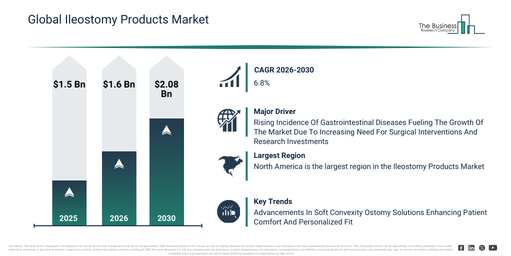
  • Rising Incidence Of Gastrointestinal Diseases Fueling The Growth Of The Market Due To Increasing Need For Surgical Interventions And Research Investments Is Supporting Development Across The Ileostomy Products Market

    Rising Incidence Of Gastrointestinal Diseases Fueling The Growth Of The Market Due To Increasing Need For Surgical Interventions And Research Investments Is Supporting Development Across The Ileostomy Products Market

    The Business Research Company’s 2026 market reports feature advanced enhancements such as market attractiveness analysis, total addressable market evaluation, company benchmarking matrices, interactive Excel dashboards, expanded supply chain intelligence, emerging startup coverage, and detailed product insights, delivering more actionable and strategically valuable research.

    How Will The Market Value Of The Ileostomy Products Market Change Between 2026 And 2030?

    The ileostomy products market has shown significant expansion in recent years. Its valuation is set to rise from $1.5 billion in 2025 to $1.6 billion in 2026, achieving a compound annual growth rate (CAGR) of 6.8%. The historical growth of this market is attributable to a rise in colorectal and bowel surgeries, enhanced survival rates post-gastrointestinal operations, the initial adoption of basic ostomy systems, hospital-focused post-surgical care, and limited customization options for products.

    The ileostomy products market is anticipated to show significant expansion over the next few years, with its value projected to reach **$2.08 billion in 2030, growing at a compound annual growth rate (CAGR) of 6.8%.** This expansion during the forecast period is fueled by an increasing aging population, a growing inclination towards home healthcare options, advancements in ostomy materials and adhesives, enhanced patient awareness and education, and the wider adoption of outpatient surgical procedures. Prominent trends observed in this period encompass a rising need for long-term ostomy care items, a stronger preference for skin-friendly and leak-proof designs, an increase in home-based ostomy management, the development of customizable and patient-specific solutions, and a heightened focus on improving comfort and overall quality of life.

    Download A Free Sample Report For Comprehensive Market Insights:

    https://www.thebusinessresearchcompany.com/sample.aspx?id=24247&type=smp

    What Influential Factors Are Boosting The Ileostomy Products Market Demand?

    The ileostomy products market is projected to experience growth in the coming years due to the increasing incidence of gastrointestinal diseases. These conditions affect digestive organs, hindering digestion and the absorption of nutrients. The rise in gastrointestinal diseases is associated with unhealthy diets, which are typically high in processed foods and low in fiber, leading to gut health disruption and contributing to ailments like IBS and inflammatory bowel disease. Ileostomy products are crucial for managing specific gastrointestinal (GI) diseases, especially when surgical intervention creates an ileostomy. They are vital in enabling patients to live comfortably and hygienically after a portion of their digestive system is bypassed or removed. For instance, in June 2025, the Turkish Journal Of Gastroenterology, a Turkey-based journal, reported that 6.9 million individuals globally are currently suffering from inflammatory bowel disease (IBD). Consequently, the escalating occurrence of gastrointestinal diseases is expected to boost the growth of the ileostomy products market.

    Which Segment Divisions Form The Structure Of The Ileostomy Products Market?

    The ileostomy products market covered in this report is segmented –

    1) By Type: Ileostomy Drainable Bags, Pouches, Flanges, Barriers, Accessories

    2) By Application: Permanent Ileostomy, Temporary Ileostomy

    3) By End User: Hospitals, Ambulatory Surgical Centers, Clinics, Other End Users

    Subsegments:

    1) By Ileostomy Drainable Bags: One-Piece Drainable Bags, Two-Piece Drainable Bags, Transparent Drainable Bags, Opaque Drainable Bags

    2) By Pouches: One-Piece Pouches, Two-Piece Pouches, Closed-End Pouches, High-Output Pouches, Urostomy Pouches

    3) By Flanges: Flat Flanges, Convex Flanges, Pre-Cut Flanges, Cut-To-Fit Flanges

    4) By Barriers: Skin Barrier Wafers, Extended Wear Barriers, Standard Wear Barriers, Moldable Barriers

    5) By Accessories: Barrier Rings, Barrier Strips, Ostomy Belt, Adhesive Removers, Deodorants, Skin Protectants, Seals And Pastes

    What Trends Are Affecting The Growth Of The Ileostomy Products Market?

    Leading firms within the ileostomy products market are prioritizing the creation of innovative, technologically sophisticated items, like soft convexity ostomy solutions, with the goal of improving patient well-being. A soft convexity ostomy solution refers to an ostomy device characterized by a softly curved (convex) baseplate that exerts gentle pressure around the stoma. An example of this is Convatec Group, a medical products and technology firm based in the UK, introducing the Esteem Body with Leak Defense in April 2024. The Esteem Body from Convatec provides a selection of eight combinations, incorporating four distinct tension positions and two convex depths, which enables a personalized fit for ideal stoma protrusion and flattened skin. Such adaptability guarantees that every ostomate can discover the most suitable fit, tailored to their individual requirements. Its Leak Defense technology integrates Convatec’s premium adhesives, Durahesive and Modified Stomahesive, with its soft convexity line to establish a reliable seal and stop leakage, all while ensuring consistent wear duration. Additionally, the newly introduced ‘body’ pouch features a patented ‘8-shape’ design, which reduces sagging when it fills, thereby boosting both comfort and dependability.

    Who Are The Firms Contributing To The Ileostomy Products Market Ecosystem?

    Major companies operating in the ileostomy products market are 3M Healthcare, B. Braun Melsungen AG, Smith & Nephew Plc, Hollister Incorporated, Coloplast A/S, ConvaTec Group Plc, Salts Healthcare Ltd, Welland Medical Ltd, Alcare Co. Ltd., Torbot Group, Cymed Micro Skin, Perfect Choice Medical Technologies, Schena Ostomy Technologies Inc., Flexicare (Group) Limited, TG Eakin Limited, Merlen Manufacturing Ltd, Pelican Healthcare Ltd, Nu-Hope Labs Inc., PermaType Medical, Fortis Medical Products Inc.

    Access The Complete Ileostomy Products Market Report:

    https://www.thebusinessresearchcompany.com/report/ileostomy-products-global-market-report

    Which Region Is The Primary Market For The Ileostomy Products Market?

    North America was the largest region in the ileostomy products market in 2025. Asia-Pacific is expected to be the fastest-growing region in the forecast period. The regions covered in the ileostomy products market report are Asia-Pacific, South East Asia, Western Europe, Eastern Europe, North America, South America, Middle East, Africa.

    Access Ileostomy Products Market Report for Deeper Competitive Insights

    https://www.thebusinessresearchcompany.com/sample.aspx?id=24247&type=smp

    Browse Through More Reports Similar to the Global Ileostomy Products Market 2026, By The Business Research Company

    Gastrointestinal Devices Market Report 2026

    https://www.thebusinessresearchcompany.com/report/gastrointestinal-devices-global-market-report

    Incontinence And Ostomy Care Products Market Report 2026

    https://www.thebusinessresearchcompany.com/report/incontinence-and-ostomy-care-products-global-market-report

    Bathroom Products Market Report 2026

    https://www.thebusinessresearchcompany.com/report/bathroom-products-global-market-report

    Get in touch with us:

    The Business Research Company: https://www.thebusinessresearchcompany.com/

    Americas: +1 310-496-7795

    Asia: +44 7882 955267 & +91 8897263534

    Europe: +44 7882 955267

    Email us at: marketing@tbrc.info

    Follow us on:

    LinkedIn: https://in.linkedin.com/company/the-business-research-company

    YouTube: https://www.youtube.com/channel/UC24_fI0rV8cR5DxlCpgmyFQ

    Global Market Model: https://www.thebusinessresearchcompany.com/global-market-model
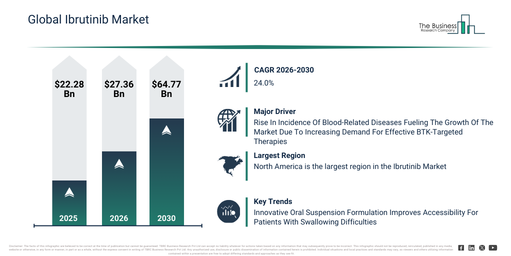
  • Rise In Incidence Of Blood-Related Diseases Fueling The Growth Of The Market Due To Increasing Demand For Effective BTK-Targeted Therapies Is Supporting Development Across The Ibrutinib Market

    Rise In Incidence Of Blood-Related Diseases Fueling The Growth Of The Market Due To Increasing Demand For Effective BTK-Targeted Therapies Is Supporting Development Across The Ibrutinib Market

    The Business Research Company’s 2026 market reports feature advanced enhancements such as market attractiveness analysis, total addressable market evaluation, company benchmarking matrices, interactive Excel dashboards, expanded supply chain intelligence, emerging startup coverage, and detailed product insights, delivering more actionable and strategically valuable research.

    What Is The Forecasted Rise In Market Size Of The Ibrutinib Market During The Forecast Period?

    The ibrutinib market has experienced substantial expansion in recent years. It is projected to increase from $22.28 billion in 2025 to $27.36 billion in 2026, at a compound annual growth rate (CAGR) of 22.8%. This historical growth can be attributed to the rising prevalence of b-cell malignancies, the approvals of ibrutinib for cll and sll, the increasing adoption of oral anticancer therapies, advancements in btki research, and a growing awareness of targeted cancer therapies.

    The ibrutinib market is anticipated to experience substantial growth over the coming years. It is projected to reach $64.77 billion in 2030, demonstrating a compound annual growth rate (CAGR) of 24.0%. This projected expansion is driven by factors such as the broadening of its application into novel hematologic malignancies, the advancement of next-generation BTK inhibitors, a rise in collaborations between pharmaceutical and biotechnology firms, increased funding for personalized oncology, and the proliferation of specialized oncology treatment facilities. Key developments during this period encompass targeted BTK inhibition treatments, individualized oncology solutions, the evolution of oral small-molecule drugs, strategies involving combination therapies, and the increasing presence of specialized oncology centers.

    Download A Free Sample Report For Comprehensive Market Insights:

    https://www.thebusinessresearchcompany.com/sample.aspx?id=13250&type=smp

    Which Drivers Are Advancing The Ibrutinib Market Growth?

    The increasing occurrence of blood-related diseases is anticipated to propel the growth of the ibrutinib market going forward. These medical conditions affect the components of blood, such as red blood cells, white blood cells, platelets, or plasma. The prevalence of blood-related diseases is rising, particularly among aging populations, as older adults are more susceptible to conditions like anemia, leukemia, and clotting disorders due to declining immune function and cumulative health issues. Ibrutinib treats these diseases by blocking BTK signaling, which slows the growth and survival of malignant B-cells. For instance, in 2024, according to the American Cancer Society, a US-based cancer organization, 62,770 new leukemia cases were reported, with the number rising to 66,890 in 2025. Therefore, the rise in incidence of blood-related diseases is driving the growth of the ibrutinib market.

    How Are Different Segment Groups Identified Within The Ibrutinib Market?

    The ibrutinib market covered in this report is segmented –

    1) By Type: Capsules, Tablets

    2) By Distribution Channel: Hospital Pharmacies, Retail Pharmacies, Online Pharmacies

    3) By Applications: Chronic Lymphocytic Leukemia (CLL), Small Lymphocytic Lymphoma (SLL), Other Applications

    4) By End-User: Hospitals, Clinics, Specialty Centers, Ambulatory Surgical Centers

    Subsegments:

    1) By Capsules: Hard Gelatin Capsules, Soft Gelatin Capsules

    2) By Tablets: Immediate Release Tablets, Extended Release Tablets

    Which Trends Are Influencing The Direction Of The Ibrutinib Market?

    Leading companies in the ibrutinib market are innovating by developing flexible cancer treatment solutions. These solutions offer adaptable formulations for patients who encounter difficulties swallowing tablets or capsules, thereby enhancing accessibility and convenience in their treatment. Such flexible cancer treatment solutions embody a patient-centered methodology, designed to improve treatment access and ease by providing alternatives like orally disintegrating tablets, chewable formulations, granules, or liquid suspensions that are easy to ingest. For example, in February 2024, Johnson & Johnson, a US-based healthcare company, along with its alliance partner Pharmacyclics LLC, a US-based biopharmaceutical company, declared the FDA approval of an oral suspension formulation for IMBRUVICA (ibrutinib). This expanded label for IMBRUVICA now includes treatment options for adult patients with chronic lymphocytic leukemia (CLL), small lymphocytic lymphoma (SLL), Waldenström’s macroglobulinemia (WM), and chronic graft versus host disease (cGVHD), presenting a more accessible alternative for individuals who struggle with swallowing tablets or capsules.

    Which Key Players Are Active In The Ibrutinib Market?

    Major companies operating in the ibrutinib market are ABBVie Inc., Teva Pharmaceutical Industries Limited, Dr Reddy’s Laboratories Ltd., Apotex Inc., Cipla Limited, Zydus Lifesciences Limited, Sun Pharmaceutical Industries Ltd., Accord Healthcare Limited, Natco Pharma Ltd., Beacon Pharmaceuticals plc, MSN Laboratories Pvt Ltd., Hetero Drugs Ltd., Aurobindo Pharma Ltd., Glenmark Pharmaceuticals Ltd., Mylan N.V., Lupin Limited, Intas Pharmaceuticals Ltd., Cadila Healthcare Ltd., Torrent Pharmaceuticals Ltd., Alembic Pharmaceuticals Ltd.

    Access The Complete Ibrutinib Market Report:

    https://www.thebusinessresearchcompany.com/report/ibrutinib-global-market-report

    Which Geographic Region Represents The Largest Ibrutinib Market Share?

    North America was the largest region in the ibrutinib market in 2025. The regions covered in the ibrutinib market report are Asia-Pacific, South East Asia, Western Europe, Eastern Europe, North America, South America, Middle East, Africa.

    Access Ibrutinib Market Report for Deeper Competitive Insights

    https://www.thebusinessresearchcompany.com/sample.aspx?id=13250&type=smp

    Browse Through More Reports Similar to the Global Ibrutinib Market 2026, By The Business Research Company

    Ibrutinib Market Report 2026

    https://www.thebusinessresearchcompany.com/report/ibrutinib-global-market-report

    Ranibizumab Market Report 2026

    https://www.thebusinessresearchcompany.com/report/ranibizumab-global-market-report

    Irritable Bowel Syndrome Ibs Treatment Market Report 2026

    https://www.thebusinessresearchcompany.com/report/irritable-bowel-syndrome-ibs-treatment-global-market-report

    Get in touch with us:

    The Business Research Company: https://www.thebusinessresearchcompany.com/

    Americas: +1 310-496-7795

    Asia: +44 7882 955267 & +91 8897263534

    Europe: +44 7882 955267

    Email us at: marketing@tbrc.info

    Follow us on:

    LinkedIn: https://in.linkedin.com/company/the-business-research-company

    YouTube: https://www.youtube.com/channel/UC24_fI0rV8cR5DxlCpgmyFQ

    Global Market Model: https://www.thebusinessresearchcompany.com/global-market-model
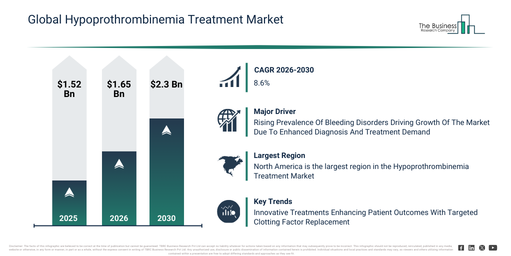
  • Rising Prevalence Of Bleeding Disorders Driving Growth Of The Market Due To Enhanced Diagnosis And Treatment Demand Is Supporting Development Across The Hypoprothrombinemia Treatment Market

    Rising Prevalence Of Bleeding Disorders Driving Growth Of The Market Due To Enhanced Diagnosis And Treatment Demand Is Supporting Development Across The Hypoprothrombinemia Treatment Market

    The Business Research Company’s 2026 market reports feature advanced enhancements such as market attractiveness analysis, total addressable market evaluation, company benchmarking matrices, interactive Excel dashboards, expanded supply chain intelligence, emerging startup coverage, and detailed product insights, delivering more actionable and strategically valuable research.

    How Is The Hypoprothrombinemia Treatment Market’s Market Value Anticipated To Evolve From 2026 To 2030?

    The hypoprothrombinemia treatment market size has seen significant growth in recent years. It is anticipated to expand from $1.52 billion in 2025 to $1.65 billion in 2026, demonstrating a compound annual growth rate (CAGR) of 8.9%. Factors contributing to its historical growth include the prevalence of vitamin k deficiency, complications from liver disease, the overuse of anticoagulants, established hospital transfusion protocols, and inherited clotting disorders.

    The hypoprothrombinemia treatment market is projected to experience substantial expansion over the coming years. Its valuation is anticipated to reach $2.3 billion by 2030, exhibiting a compound annual growth rate (CAGR) of 8.6%. This expected growth during the forecast period is primarily driven by developments in recombinant clotting factors, enhanced emergency care infrastructure, bleeding risks associated with an aging demographic, the embrace of precision hematology, and advancements in outpatient coagulation management. Key trends during this period are predicted to encompass a greater utilization of prothrombin complex concentrates, an increasing dependence on quick coagulation correction therapies, the broadening of vitamin K-based treatment methods, elevated standards for emergency bleeding management, and a rising uptake of recombinant coagulation factors.

    Download A Free Sample Report For Comprehensive Market Insights:

    https://www.thebusinessresearchcompany.com/sample.aspx?id=24566&type=smp

    What Primary Factors Are Fueling The Expansion Of The Hypoprothrombinemia Treatment Market?

    The increasing occurrence of bleeding disorders is anticipated to propel the growth of the hypoprothrombinemia treatment market. These conditions involve the blood’s inability to clot effectively, leading to excessive or prolonged bleeding. The rising frequency of bleeding disorders is primarily attributed to enhanced diagnostic capabilities and increased awareness, which facilitate more accurate identification and reporting of these medical issues. Hypoprothrombinemia treatment aims to restore the blood’s clotting ability in patients with bleeding disorders by replenishing insufficient prothrombin levels. For instance, in November 2024, according to the BMC Health Services Research, a UK-based journal that publishes research on the organization, delivery, and evaluation of health care services, between April 2022 and March 2023 in the United Kingdom, a total of 6,662 males were identified with hemophilia A, of which 5,032 were adults (aged 18 and above), and 2,421 received treatment with either factor replacement therapy or emicizumab. During the same period, 1,342 males were recorded with hemophilia B, including 1,022 adults, of whom 479 underwent factor replacement treatment. Therefore, this increasing prevalence of bleeding disorders is expected to drive the growth of the hypoprothrombinemia treatment market.

    What Segment Categories Are Evaluated In The Hypoprothrombinemia Treatment Market Study?

    The hypoprothrombinemia treatment market covered in this report is segmented –

    1) By Type: Type I Deficiency Treatment, Type II Deficiency Treatment

    2) By Drug Type: Vitamin K, Fresh Frozen Plasma, Prothrombin Complex Concentrates, Recombinant Prothrombin

    3) By Indication Based: Vitamin K Deficiency, Liver Diseases, Cirrhosis, Hepatitis, Anticoagulant related Hypoprothrombinemia, Genetic Disorders, Malabsorption Syndromes

    4) By Drug Delivery Method: Oral Delivery, Injectable Delivery, Intravenous, Intramuscular, Transfusion Based Delivery

    5) By End User: Hospitals, Speciality Clinics, Homecare Settings

    Subsegments:

    1) By Type I Deficiency Treatment: Prothrombin Complex Concentrates (PCCs), Fresh Frozen Plasma (FFP), Recombinant Prothrombin, Plasma-derived Coagulation Factors

    2) By Type II Deficiency Treatment: Vitamin K Therapy, Warfarin Reversal Agents, Liver Function Supportive Therapy, Anticoagulant Adjustment Therapies

    What Trends Are Driving Changes In The Hypoprothrombinemia Treatment Market?

    Leading companies in the hypoprothrombinemia treatment sector are concentrating on innovative therapeutic approaches, particularly non-activated four-factor prothrombin complex concentrate, to swiftly re-establish clotting factor levels and lessen bleeding complications for patients requiring urgent anticoagulation reversal. Non-activated four-factor prothrombin complex concentrate (4F-PCC) is a plasma-sourced treatment containing clotting factors II, VII, IX, and X, employed for the rapid reversal of vitamin K antagonist effects and the management of bleeding disorders such as hypoprothrombinemia. As an illustration, in January 2024, Octapharma USA, a US-based healthcare company and subsidiary of Octapharma AG, introduced Balfaxar. This non-activated four-factor prothrombin complex concentrate (4F-PCC) recently obtained FDA approval for the urgent reversal of vitamin K antagonist-induced coagulation deficiencies in adults who need emergency surgery or invasive procedures. This therapy, which incorporates crucial vitamin K-dependent clotting factors and antithrombotic proteins, fulfills significant requirements in hypoprothrombinemia management.

    Who Are The Leading Firms Participating In The Hypoprothrombinemia Treatment Market?

    Major companies operating in the hypoprothrombinemia treatment market are Biotest AG, Kedrion Biopharma, LFB S.A., Hualan Biological Engineering Inc., China Biologic Products Holdings Inc., Bio Products Laboratory (BPL), Kamada Ltd., Green Cross Corporation, Shanghai RAAS Blood Products Co. Ltd., SK Plasma Co. Ltd., Emergent BioSolutions Inc., Intas Pharmaceuticals Ltd., Bharat Serums and Vaccines Ltd., ZLB Behring (CSL Behring), Mitsubishi Tanabe Pharma Corporation

    Access The Complete Hypoprothrombinemia Treatment Market Report:

    https://www.thebusinessresearchcompany.com/report/hypoprothrombinemia-treatment-global-market-report

    Which Region Leads The Hypoprothrombinemia Treatment Market By Size?

    North America was the largest region in the hypoprothrombinemia treatment market in 2025. Asia-Pacific is expected to be the fastest-growing region in the forecast period. The regions covered in the hypoprothrombinemia treatment market report are Asia-Pacific, South East Asia, Western Europe, Eastern Europe, North America, South America, Middle East, Africa.

    Access Hypoprothrombinemia Treatment Market Report for Deeper Competitive Insights

    https://www.thebusinessresearchcompany.com/sample.aspx?id=24566&type=smp

    Browse Through More Reports Similar to the Global Hypoprothrombinemia Treatment Market 2026, By The Business Research Company

    Hypophosphatasia Treatment Market Report 2026

    https://www.thebusinessresearchcompany.com/report/hypophosphatasia-treatment-global-market-report

    Thalassemia Drugs Market Report 2026

    https://www.thebusinessresearchcompany.com/report/thalassemia-drugs-global-market-report

    Anemia And Other Blood Disorder Drugs Market Report 2026

    https://www.thebusinessresearchcompany.com/report/anemia-and-other-blood-disorder-drugs-global-market-report

    Get in touch with us:

    The Business Research Company: https://www.thebusinessresearchcompany.com/

    Americas: +1 310-496-7795

    Asia: +44 7882 955267 & +91 8897263534

    Europe: +44 7882 955267

    Email us at: marketing@tbrc.info

    Follow us on:

    LinkedIn: https://in.linkedin.com/company/the-business-research-company

    YouTube: https://www.youtube.com/channel/UC24_fI0rV8cR5DxlCpgmyFQ

    Global Market Model: https://www.thebusinessresearchcompany.com/global-market-model
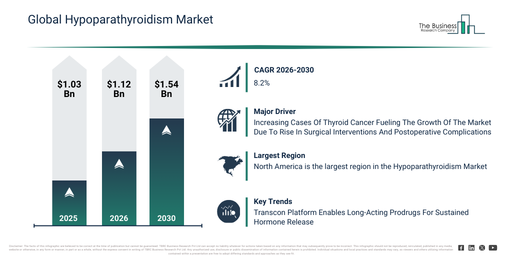
  • Increasing Cases Of Thyroid Cancer Fueling The Growth Of The Market Due To Rise In Surgical Interventions And Postoperative Complications Is Supporting Development Across The Hypoparathyroidism Market

    Increasing Cases Of Thyroid Cancer Fueling The Growth Of The Market Due To Rise In Surgical Interventions And Postoperative Complications Is Supporting Development Across The Hypoparathyroidism Market

    The Business Research Company’s 2026 market reports feature advanced enhancements such as market attractiveness analysis, total addressable market evaluation, company benchmarking matrices, interactive Excel dashboards, expanded supply chain intelligence, emerging startup coverage, and detailed product insights, delivering more actionable and strategically valuable research.

    By 2030, How Much Growth In Market Size Is Expected For The Hypoparathyroidism Market?

    The hypoparathyroidism market has experienced substantial growth in recent years. It is projected to expand from $1.03 billion in 2025 to $1.12 billion in 2026, demonstrating a compound annual growth rate (CAGR) of 8.6%. The historical growth of this market is attributable to factors such as thyroid surgery complications, cases of calcium deficiency, increased awareness of rare diseases, hospital endocrine care, and the availability of hormone replacement.

    The hypoparathyroidism market is anticipated to show significant growth over the coming years. This market is set to reach a valuation of $1.54 billion in 2030, exhibiting a compound annual growth rate (CAGR) of 8.2%. The expansion during the projected period stems from advancements in recombinant therapies, enhanced diagnosis of rare diseases, patient adherence initiatives, the proliferation of specialty clinics, and the integration of precision endocrinology. Significant developments anticipated over the forecast timeframe encompass a rise in the diagnosis of uncommon endocrine disorders, increasing utilization of recombinant parathyroid hormones, the broadening scope of long-term calcium management treatments, heightened awareness of complications following surgery, and the creation of supplementary supportive therapies.

    Download A Free Sample Report For Comprehensive Market Insights:

    https://www.thebusinessresearchcompany.com/sample.aspx?id=24565&type=smp

    Which Strategic Drivers Are Supporting The Hypoparathyroidism Market Development?

    The escalating incidence of thyroid cancer is anticipated to drive expansion in the hypoparathyroidism market in the foreseeable future. Thyroid cancer is defined as a malignancy characterized by the uncontrolled proliferation of abnormal cells within the thyroid gland, frequently manifesting as a mass in the neck. The rise in thyroid cancer diagnoses can be attributed to enhancements in diagnostic imaging techniques, facilitating earlier and more frequent identification of small, asymptomatic thyroid nodules. Thyroid cancer contributes to hypoparathyroidism by elevating the necessity for thyroid operations, which may unintentionally harm the parathyroid glands. This sequence of events results in an imbalance of calcium and a persistent hormone deficit, thereby fueling the requirement for continuous disease management interventions. As an illustration, figures from the American Cancer Society, a US-based non-profit organization, published in May 2024, indicate that new thyroid cancer cases are projected to reach 44,020 in 2025, an increase from 43,720 in 2023. Consequently, the growing prevalence of thyroid cancer is a key factor propelling the expansion of the hypoparathyroidism market.

    How Is The Hypoparathyroidism Market Examined Through Segment Analysis?

    The hypoparathyroidism market covered in this report is segmented –

    1) By Treatment: Hormone Replacement Therapy, Adjunctive Therapies

    2) By Type: Hormone Replacement Therapy, Calcium And Vitamin D Supplements, Emerging Therapies

    3) By Route Of Administration: Oral, Parenteral

    4) By Distribution Channel: Hospital Pharmacy, Retail Pharmacy, Online Pharmacy

    5) By End User: Hospitals, Specialty Clinics, Homecare Settings

    Subsegments:

    1) By Hormone Replacement Therapy: Recombinant Parathyroid Hormone, Parathyroid Hormone Analogues, Calcimimetics, Calcium And Vitamin D Supplements

    2) By Adjunctive Therapies: Magnesium Supplements, Phosphate Binders, Other Supportive Therapies

    Which Trends Are Shaping The Hypoparathyroidism Market Landscape?

    Leading companies in the hypoparathyroidism market are concentrating on creating technologically advanced products, such as those based on transition technology, to enhance treatment effectiveness and improve patient outcomes. TransCon technology-based products are therapeutics developed utilizing TransCon (Transient Conjugation) technology, a proprietary platform designed to optimize drug delivery. For example, in January 2024, Ascendis Pharma A/S, a Denmark-based biopharmaceutical company, introduced YORVIPATH (palopegteriparatide), its second product leveraging TransCon technology, in Germany and Austria for the management of adults with chronic hypoparathyroidism. YORVIPATH is a once-daily prodrug of parathyroid hormone (PTH 1-34) engineered to maintain physiological PTH levels over 24 hours, addressing the underlying hormone deficiency characteristic of chronic hypoparathyroidism.

    Which Companies Are Engaged In The Hypoparathyroidism Market Environment?

    Major companies operating in the hypoparathyroidism market are Pfizer Inc., F. Hoffmann-La Roche Ltd., Merck & Co Inc., AbbVie Inc., Sanofi S.A., Novartis AG, GlaxoSmithKline plc , Takeda Pharmaceutical Company Limited, Eli Lilly and Company, Amgen Inc., Teva Pharmaceutical Industries Ltd., Dr. Reddy’s Laboratories Ltd., Cipla Limited , Lupin Limited, Torrent Pharmaceuticals Ltd., Eagle Pharmaceuticals Inc., BridgeBio Pharma Inc., Ascendis Pharma A/S, Extend Biosciences Inc., Entera Bio Ltd.

    Access The Complete Hypoparathyroidism Market Report:

    https://www.thebusinessresearchcompany.com/report/hypoparathyroidism-global-market-report

    Which Region Has The Strongest Presence In The Hypoparathyroidism Market?

    North America was the largest region in the hypoparathyroidism market in 2025. Asia-Pacific is expected to be the fastest-growing region in the forecast period. The regions covered in the hypoparathyroidism market report are Asia-Pacific, South East Asia, Western Europe, Eastern Europe, North America, South America, Middle East, Africa.

    Access Hypoparathyroidism Market Report for Deeper Competitive Insights

    https://www.thebusinessresearchcompany.com/sample.aspx?id=24565&type=smp

    Browse Through More Reports Similar to the Global Hypoparathyroidism Market 2026, By The Business Research Company

    Homeopathy Market Report 2026

    https://www.thebusinessresearchcompany.com/report/homeopathy-global-market-report

    Thyroid Function Test Market Report 2026

    https://www.thebusinessresearchcompany.com/report/thyroid-function-test-global-market-report

    Anti Thyroid Drugs Market Report 2026

    https://www.thebusinessresearchcompany.com/report/anti-thyroid-drugs-global-market-report

    Get in touch with us:

    The Business Research Company: https://www.thebusinessresearchcompany.com/

    Americas: +1 310-496-7795

    Asia: +44 7882 955267 & +91 8897263534

    Europe: +44 7882 955267

    Email us at: marketing@tbrc.info

    Follow us on:

    LinkedIn: https://in.linkedin.com/company/the-business-research-company

    YouTube: https://www.youtube.com/channel/UC24_fI0rV8cR5DxlCpgmyFQ

    Global Market Model: https://www.thebusinessresearchcompany.com/global-market-model
  • Surge In Incidences Of Obesity Driving Market Growth Due To Increased Need For Cholesterol Management And Metabolic Control Is Supporting Development Across The Hypolipidemics Market

    Surge In Incidences Of Obesity Driving Market Growth Due To Increased Need For Cholesterol Management And Metabolic Control Is Supporting Development Across The Hypolipidemics Market

    The Business Research Company’s 2026 market reports feature advanced enhancements such as market attractiveness analysis, total addressable market evaluation, company benchmarking matrices, interactive Excel dashboards, expanded supply chain intelligence, emerging startup coverage, and detailed product insights, delivering more actionable and strategically valuable research.

    What Market Value Trend Is Expected For The Hypolipidemics Market From 2026 To 2030?

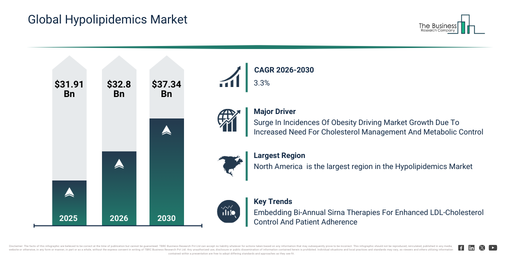
    The hypolipidemics market size has demonstrated consistent growth in recent years. It is projected to expand from $31.91 billion in 2025 to $32.8 billion in 2026, reflecting a compound annual growth rate (CAGR) of 2.8%. The increase observed in the past can be attributed to several factors, including the rising prevalence of cardiovascular disease, the widespread adoption of statins, enhanced cholesterol screening rates, improved access to essential cardiovascular drugs, and the expansion of hospital and pharmacy networks.

    The hypolipidemics market is projected to experience consistent expansion over the upcoming years. This market is forecast to reach $37.34 billion by 2030, exhibiting a compound annual growth rate (CAGR) of 3.3%. This anticipated growth is driven by factors such as an aging worldwide populace, a greater prevalence of dyslipidemia, an intensified emphasis on preventive cardiology, the advancement of combination lipid treatments, and broader healthcare availability in developing regions. Key trends anticipated during this period encompass the growing long-term application of lipid-lowering treatments, increased acceptance of combination hypolipidemic medications, a stronger emphasis on preventive cardiovascular pharmacotherapy, expanded use of generic statins, and enhanced oversight of cholesterol management results.

    Download A Free Sample Report For Comprehensive Market Insights:

    https://www.thebusinessresearchcompany.com/sample.aspx?id=2435&type=smp

    What Major Growth Factors Are Impacting The Hypolipidemics Market?

    An increase in obesity cases is projected to fuel the expansion of the hypolipidemic drugs market in the future. Obesity, a persistent metabolic disorder, involves the accumulation of excessive body fat, frequently resulting in high cholesterol, insulin resistance, and a heightened risk of cardiovascular issues. The escalating number of obesity cases primarily stems from greater consumption of ultra-processed, high-calorie foods, coupled with reduced physical activity associated with contemporary inactive lifestyles. In individuals with excess body fat, hypolipidemic drugs are utilized to reduce elevated cholesterol levels, which pose a risk for cardiovascular complications. For example, Forbes, a US-based business media company, reported in October 2025 that adult obesity prevalence in the United States stood at 40.3%, affecting 41.3% of women and 39.2% of men. Globally, obesity among children and adolescents aged 5 to 19 years reached 9.4%. Consequently, the rising instances of obesity are boosting the expansion of the hypolipidemic drug market.

    Which Segment Groups Define The Hypolipidemics Market Landscape?

    The hypolipidemics market covered in this report is segmented –

    1) By Product Type: HMG-CoA Reductase Inhibitors, Nicotinic Acid Drugs

    2) By Drug Type: Statins, Bile Acid Sequestrants, Cholesterol Absorption Inhibitors, PCSK9 Inhibitors, Other Drug Types

    3) By Application: Hospital, Clinics, Pharmacy

    Subsegments:

    1) By HMG-CoA Reductase Inhibitors: Atorvastatin, Rosuvastatin, Simvastatin, Lovastatin, Pravastatin, Fluvastatin

    2) By Nicotinic Acid Drugs: Niacin (Vitamin B3), Extended-release Niacin

    What Trends Are Influencing The Hypolipidemics Market Outlook?

    Major companies in the hypolipidemics market are prioritizing product innovation and formulation, particularly siRNA-based LDL‑cholesterol–lowering therapies administered twice yearly. This focus aims to boost patient adherence, ease treatment burden, and deliver sustained lipid control with fewer injections. These treatments combine powerful lipid-reducing mechanisms with convenient dosing schedules, impacting both clinical results and patient quality of life. For instance, in July 2025, Novartis, a Switzerland‑based pharmaceutical company, announced the FDA approval of its Leqvio (inclisiran) for first-line use in patients requiring LDL‑cholesterol reduction, broadening access to its twice-yearly dosing regimen. Inclisiran operates by silencing the PCSK9 gene in the liver through RNA interference, providing continuous LDL‑lowering with only two doses per year. This approval signifies a market transition within the hypolipidemics market towards potent, long-acting therapies that aid in long-term cardiovascular risk management without requiring frequent doses.

    Who Are The Prominent Players Across The Hypolipidemics Market?

    Major companies operating in the hypolipidemics market are Pfizer Inc., AstraZeneca Plc, Novartis AG, Sanofi-Aventis, Merck Sharp & Dohme B.V., Amgen Plc, Abbott Laboratories Limited, Daiichi Sankyo Company Limited, Kowa Company Ltd., Viatris Inc., Teva Pharmaceutical Industries Ltd., Sun Pharmaceutical Industries Limited, Dr. Reddy’s Laboratories Ltd., Lupin Limited, Zydus Lifesciences Limited, Torrent Pharmaceuticals Ltd., Cipla Limited, Wockhardt Limited, Alembic Pharmaceuticals Limited, Intas Pharmaceuticals Ltd.

    Access The Complete Hypolipidemics Market Report:

    https://www.thebusinessresearchcompany.com/report/hypolipidemics-global-market-report

    Which Region Stands As The Largest Contributor To The Hypolipidemics Market?

    North America was the largest region in the hypolipidemic drugs market in 2025. The Middle East is expected to be the fastest-growing region in the hypolipidemic drugs market during the forecast period. The regions covered in the hypolipidemics market report are Asia-Pacific, South East Asia, Western Europe, Eastern Europe, North America, South America, Middle East, Africa.

    Access Hypolipidemics Market Report for Deeper Competitive Insights

    https://www.thebusinessresearchcompany.com/sample.aspx?id=2435&type=smp

    Browse Through More Reports Similar to the Global Hypolipidemics Market 2026, By The Business Research Company

    Hypolipidemics Market Report 2026

    https://www.thebusinessresearchcompany.com/report/hypolipidemics-global-market-report

    Phospholipid Market Report 2026

    https://www.thebusinessresearchcompany.com/report/phospholipid-global-market-report

    Lecithin And Phospholipids Market Report 2026

    https://www.thebusinessresearchcompany.com/report/lecithin-and-phospholipids-global-market-report

    Get in touch with us:

    The Business Research Company: https://www.thebusinessresearchcompany.com/

    Americas: +1 310-496-7795

    Asia: +44 7882 955267 & +91 8897263534

    Europe: +44 7882 955267

    Email us at: marketing@tbrc.info

    Follow us on:

    LinkedIn: https://in.linkedin.com/company/the-business-research-company

    YouTube: https://www.youtube.com/channel/UC24_fI0rV8cR5DxlCpgmyFQ

    Global Market Model: https://www.thebusinessresearchcompany.com/global-market-model