Category: Pharmaceuticals

  • Stye Drug Market Explained: What Is Fueling Growth To $6.6 Billion By 2030?

    Stye Drug Market Explained: What Is Fueling Growth To $6.6 Billion By 2030?

    Built to provide research that’s more actionable and strategically valuable, The Business Research Company’s 2026 market reports include market attractiveness analysis, total addressable market sizing, company benchmarking matrices, interactive Excel dashboards, broader supply chain intelligence, emerging startup tracking, and in-depth product insights.

    Stye Drug Market Size And Revenue Outlook Through 2030

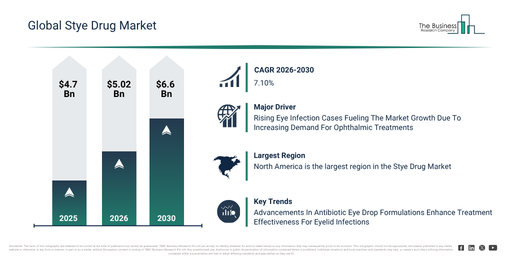
    The stye drug market has experienced robust expansion in recent years. This market is set to expand from $4.7 billion in 2025 to $5.02 billion in 2026, achieving a compound annual growth rate (CAGR) of 6.8%. The historical growth of this market can be linked to the increasing occurrence of bacterial eye infections, a rise in the use of topical antibiotic eye medications, greater public awareness regarding ocular hygiene, the expansion of retail pharmacy distribution networks, and an increase in healthcare spending on ophthalmic treatments.

    The stye drug market size is set to experience substantial expansion in the upcoming years, with projections indicating it will reach $6.6 billion by 2030, displaying a compound annual growth rate (CAGR) of 7.1%. This expansion during the forecast period is fueled by factors such as a heightened need for ophthalmic treatments that act quickly, the increasing acceptance of teleophthalmology services, the ongoing development of combination antibiotic and steroid drugs, the wider spread of online pharmacy access, and a greater emphasis on customized ocular treatment options. Significant trends expected during this period include the rising occurrence of bacterial eyelid infections, a growing desire for over-the-counter ophthalmic remedies, the increasing adoption of combined antibiotic and steroid therapies, broader use of topical ophthalmic formulations, and improved understanding of eyelid hygiene and preventative eye care.

    Get A Free Sample Report With In-Depth Market Insights:

    https://thebusinessresearchcompany.com/sample_request?id=63876887&type=smp&name=Stye%20Drug%20Market%20Report%202026&utm_source=Blogs&utm_medium=Paid&utm_campaign=Oct_PR

    Stye Drug Market Growth Catalysts And Demand Drivers

    The expanding occurrence of eye infections is anticipated to boost the future expansion of the stye drug market. These infections are medical conditions originating from bacteria, viruses, or other harmful agents, impacting various ocular structures like the eyelid, conjunctiva, or cornea, and manifesting as symptoms including redness, swelling, and discomfort. This increase in ocular infections is primarily fueled by heightened screen usage and inadequate eye hygiene habits in affluent nations. Stye drugs aid in combating these infections through specific treatments, including antibiotic ointments, anti-inflammatory drugs, and lubricating solutions, which work to diminish infection severity and hasten healing. An illustrative example is from June 2023, where the Australian Institute of Health and Welfare, an Australian government body, reported that 74 children aged 5–9 years had active trachoma in 67 examined communities. Consequently, the growing incidence of eye infections is fueling the expansion of the stye drug market.

    Stye Drug Market Segment Landscape: Which Areas Lead Development?

    The stye drug market covered in this report is segmented –

    1) By Type: External Hordeolum, Internal Hordeolum

    2) By Drug Class Type: Antibiotics, Ophthalmic Steroids

    3) By Route Of Administration: Oral, Topical, Other Routes Of Administration

    4) By Distribution Channel: Hospital Pharmacies, Retail Pharmacies, Online Pharmacies

    5) By End User: Hospitals, Homecare, Specialty Clinics, Other End Users

    Subsegments:

    1) By External Hordeolum: Antibiotic Eye Drops, Antibiotic Eye Ointments, Anti Inflammatory Eye Drops, Warm Compress Therapy Products, Combination Antibiotic And Steroid Medications

    2) By Internal Hordeolum: Oral Antibiotic Medications, Topical Antibiotic Eye Drops, Anti Inflammatory Medications, Pain Relief Medications, Combination Antibiotic And Steroid Therapies

    Stye Drug Market Trends Shaping Long-Term Demand

    Major companies operating in the stye drug market are prioritizing the development of advanced ophthalmic solutions, such as antibiotic eye drops, to enhance infection control, diminish inflammation, and accelerate the healing of eyelid conditions. Antibiotic eye drops are specialized formulations designed to eliminate bacterial infections in the ocular area, effectively helping to relieve symptoms like swelling and redness associated with styes. For instance, in September 2025, Bausch + Lomb Corporation, a Canada-based eye health company, introduced Soothe Antibiotic Drops in Canada. This product aims to provide effective antibacterial treatment for eye infections, supporting faster recovery and improved patient comfort, thereby strengthening the therapeutic options available within the stye drug market.

    Stye Drug Market Competitive Overview And Top Companies

    Major companies operating in the stye drug market are Johnson & Johnson Services Inc., Pfizer Inc., AbbVie Inc., Bayer Aktiengesellschaft, Novartis AG, Teva Pharmaceutical Industries Ltd., Sandoz Group AG, Alcon Inc., Sun Pharmaceutical Industries Ltd., Bausch & Lomb Corporation, Cipla Limited, Hikma Pharmaceuticals PLC, Lupin Limited, Santen Pharmaceutical Co. Ltd., Alkem Laboratories Limited, Chengdu Kanghong Pharmaceutical Group Co. Ltd., Mylan N. V., Sam Chun Dang Pharm Co. Ltd., Similasan AG, Laboratoires Théa SAS, Allergan plc

    View The Full Stye Drug Market Report:

    https://thebusinessresearchcompany.com/report/stye-drug-market-report?utm_source=Blogs&utm_medium=Paid&utm_campaign=Oct_PR

    Stye Drug Market Leading Geography: Which Region Contributes The Most Revenue?

    North America was the largest region in the stye drug market in 2025. Asia-Pacific is expected to be the fastest-growing region in the forecast period. The regions covered in the stye drug market report are Asia-Pacific, South East Asia, Western Europe, Eastern Europe, North America, South America, Middle East and Africa.

    Reach Out To Our Team:

    The Business Research Company: https://www.thebusinessresearchcompany.com/

    Americas: +1 310-496-7795

    Asia: +44 7882 955267 & +91 8897263534

    Europe: +44 7882 955267

    Email us at: marketing@tbrc.info

    Follow us on:

    LinkedIn: https://in.linkedin.com/company/the-business-research-company

    YouTube: https://www.youtube.com/channel/UC24_fI0rV8cR5DxlCpgmyFQ

    Global Market Model: https://www.thebusinessresearchcompany.com/global-market-model
  • Sphingolipids Market Expected To Grow At 7% CAGR Through 2030: What Businesses Need To Know

    Sphingolipids Market Expected To Grow At 7% CAGR Through 2030: What Businesses Need To Know

    Backed by market attractiveness analysis, total addressable market sizing, company benchmarking matrices, interactive Excel dashboards, wider supply chain intelligence, emerging startup coverage, and detailed product-level insights, The Business Research Company’s 2026 market reports are designed to offer research that is more actionable and strategically valuable than ever.

    Sphingolipids Market Growth Analysis: How Will Revenue Trend Over The Forecast Period?

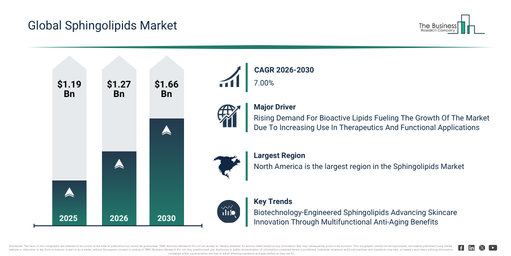
    The sphingolipids market has seen robust growth over the past few years. It is projected to increase from $1.19 billion in 2025 to $1.27 billion in 2026, at a compound annual growth rate (CAGR) of 6.8%. This growth experienced in the historic period is primarily due to increasing research activities in lipid biochemistry, a rising demand for premium skincare ingredients, the growing prevalence of chronic and metabolic disorders, the expansion of pharmaceutical biotechnology applications, and advancements in analytical lipid profiling technologies.

    The sphingolipids market size is projected to experience robust expansion over the coming years. It is expected to grow to $1.66 billion by 2030, demonstrating a compound annual growth rate (CAGR) of 7.0%. This anticipated growth within the forecast period can be attributed to several factors, including increased investment in precision medicine research, a rising adoption of bioactive lipids in nutraceutical products, a growing demand for sustainable and plant-derived lipid ingredients, the expansion of personalized skincare and cosmetic formulations, and the increasing commercialization of sphingolipid-based drug development programs. Prominent trends identified for the forecast period include the growing integration of sphingolipids into advanced skincare formulations, increasing research into sphingolipid-based therapeutic applications, a heightened demand for plant-based sphingolipid ingredients, the expansion of lipidomics studies for cellular function analysis, and the growing utilization of sphingolipids in functional nutrition products.

    Get A Free Sample Report With In-Depth Market Insights:

    https://thebusinessresearchcompany.com/sample_request?id=60664879&type=smp&name=Sphingolipids%20Market%20Report%202026&utm_source=Blogs&utm_medium=Paid&utm_campaign=Oct_PR

    Sphingolipids Market Demand Drivers: What’s Powering Industry Growth?

    The increasing demand for bioactive lipids is projected to drive the expansion of the sphingolipids market moving forward. Bioactive lipids are lipid molecules that perform crucial functions in cellular signaling, inflammation regulation, and disease progression, making them vital across pharmaceutical, cosmetic, and nutritional applications. The need for bioactive lipids is growing due to an elevated emphasis on targeted treatments and functional components that support cellular well-being. Sphingolipids contribute to this demand by offering essential bioactive lipid compounds, such as ceramides and sphingomyelins, which are extensively used in drug creation, skincare formulations, and nutraceutical offerings. For instance, in March 2024, data from the National Institutes of Health, a US-based government research organization, revealed that research related to bioactive lipids grew by over 12% in 2023 compared to 2022, reflecting a surging scientific and industrial interest in lipid-based therapeutics. Consequently, the escalating demand for bioactive lipids is propelling the growth of the sphingolipids market.

    Sphingolipids Market Segment Performance And Emerging Opportunities

    The sphingolipids market covered in this report is segmented –

    1) By Product Type: Ceramide, Sphingomyelin, Glycosphingolipids, Other Types

    2) By Source: Plant-Based, Animal-Based, Synthetic

    3) By Application: Cosmetics, Pharmaceuticals, Food And Beverages, Other Applications

    4) By End-User: Personal Care, Healthcare, Food Industry, Other End-Users

    Subsegments:

    1) By Ceramide: Synthetic Ceramide, Natural Ceramide, Plant Derived Ceramide, Animal Derived Ceramide

    2) By Sphingomyelin: Natural Sphingomyelin, Synthetic Sphingomyelin, Bovine Derived Sphingomyelin, Egg Derived Sphingomyelin

    3) By Glycosphingolipids: Cerebrosides, Gangliosides, Globosides, Sulfatides

    4) By Other Types: Sphingosine, Sphinganine, Ceramide Phosphate, Sphingosine One Phosphate

    Sphingolipids Market Innovation Trends: What Developments Are Reshaping The Industry?

    Leading companies in the sphingolipids market are concentrating on developing biotechnology-engineered ingredients, such as designer sphingolipids, to enhance skin regeneration, barrier function, and anti-aging performance. Designer sphingolipids are sophisticated bioactive lipid molecules created through biotechnological processes to offer specific skin benefits, including better hydration, elasticity, and cellular repair, while maintaining high compatibility with the skin. For example, in March 2026, Evonik Industries AG, a Germany-based chemical company, unveiled SPHINOX Vively. This cutting-edge sphingolipid provides retinol-like effectiveness with improved tolerance, encouraging the production of elastin and hyaluronic acid without causing irritation or disrupting the skin barrier. It also strengthens the skin barrier by elevating ceramide levels and decreasing inflammatory markers such as IL-1a, thereby fostering skin resilience and recovery. Additionally, this ingredient is developed using biotechnology-driven methods that align with sustainability objectives, supporting the demand for high-performing, skin-friendly, and environmentally conscious skincare options.

    Sphingolipids Market Industry Leaders And Competitive Landscape

    Major companies operating in the sphingolipids market are BASF SE, Unilever PLC, Thermo Fisher Scientific Inc., Takara Bio Inc., Merck KGaA, Bruker Corporation, Bio-Techne Corporation, Polypeptide Group, Cayman Chemical Company, Tokyo Chemical Industry Co. Ltd., Metabolon Inc., Lipoid GmbH, Santa Cruz Biotechnology Inc., Creative Biolabs, Galchimia, Bio-Synthesis Inc., Iris Biotech GmbH, Creative Proteomics, Lipotype GmbH, Biotium Inc., CLR Berlin, Lipidomics Consulting GmbH, Lipidomics Analytical Services GmbH, Sphingotec GmbH, Zora Biosciences, ChemShuttle

    View The Full Sphingolipids Market Report:

    https://thebusinessresearchcompany.com/report/sphingolipids-market-report?utm_source=Blogs&utm_medium=Paid&utm_campaign=Oct_PR

    Sphingolipids Market Regional Analysis And Top Geography

    North America was the largest region in the sphingolipids market in 2025. Asia-Pacific is expected to be the fastest-growing region in the forecast period. The regions covered in the sphingolipids market report are Asia-Pacific, South East Asia, Western Europe, Eastern Europe, North America, South America, Middle East and Africa.

    Reach Out To Our Team:

    The Business Research Company: https://www.thebusinessresearchcompany.com/

    Americas: +1 310-496-7795

    Asia: +44 7882 955267 & +91 8897263534

    Europe: +44 7882 955267

    Email us at: marketing@tbrc.info

    Follow us on:

    LinkedIn: https://in.linkedin.com/company/the-business-research-company

    YouTube: https://www.youtube.com/channel/UC24_fI0rV8cR5DxlCpgmyFQ

    Global Market Model: https://www.thebusinessresearchcompany.com/global-market-model
  • Single Photon Emission Computed Tomography (SPECT) Or Positron Emission Tomography (PET) Radiopharmaceutical Market 2026 Outlook: Market Size, CAGR And Key Growth Opportunities

    Single Photon Emission Computed Tomography (SPECT) Or Positron Emission Tomography (PET) Radiopharmaceutical Market 2026 Outlook: Market Size, CAGR And Key Growth Opportunities

    Featuring market attractiveness scoring, total addressable market sizing, company benchmarking matrices, interactive Excel dashboards, deeper supply chain intelligence, emerging startup tracking, and granular product-level insights, The Business Research Company’s 2026 market reports are built to deliver research that is both more actionable and more strategically valuable.

    Single Photon Emission Computed Tomography (SPECT) Or Positron Emission Tomography (PET) Radiopharmaceutical Market CAGR Outlook And Future Development

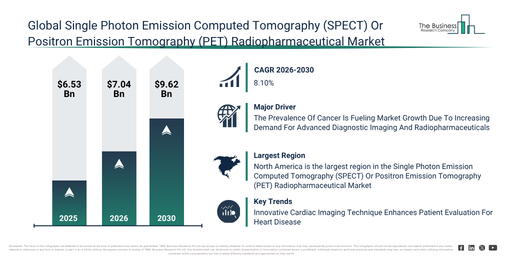
    The single photon emission computed tomography (SPECT) or positron emission tomography (PET) radiopharmaceutical market has shown robust expansion in its size during recent years. This market is expected to increase from $6.53 billion in 2025 to $7.04 billion in 2026, registering a compound annual growth rate (CAGR) of 7.9%. Historically, this growth has been driven by the rising prevalence of cancer and cardiovascular diseases, the expansion of nuclear medicine infrastructure, a growing demand for functional imaging techniques, advancements in radiopharmaceutical development, and the proliferation of diagnostic imaging centers.

    The market for single photon emission computed tomography (SPECT) or positron emission tomography (PET) radiopharmaceuticals is projected to experience substantial expansion over the upcoming years, with an anticipated growth to $9.62 billion by 2030, demonstrating a compound annual growth rate (CAGR) of 8.1%. Key factors driving this expansion during the projection period include a rising need for individualized diagnostic approaches, the proliferation of theranostics applications, increased funding into nuclear medicine research, technological improvements in radioisotope manufacturing, and the broader integration of PET imaging in clinical settings. Significant trends expected in this timeframe encompass the greater acceptance of targeted radiopharmaceuticals for specific disease visualization, a surging preference for hybrid imaging methods that merge SPECT and PET technologies, the expanded utilization of isotopes with short half-lives to enhance safety and imaging accuracy, the broadening scope of radiopharmaceutical applications within oncology and neurology, and a heightened emphasis on prompt disease identification and functional imaging.

    Get A Free Sample Report With In-Depth Market Insights:

    https://thebusinessresearchcompany.com/sample_request?id=90056858&type=smp&name=Single%20Photon%20Emission%20Computed%20Tomography%20%28SPECT%29%20Or%20Positron%20Emission%20Tomography%20%28PET%29%20Radiopharmaceutical%20Market%20Report%202026&utm_source=Blogs&utm_medium=Paid&utm_campaign=Oct_PR

    Single Photon Emission Computed Tomography (SPECT) Or Positron Emission Tomography (PET) Radiopharmaceutical Market Development Factors: What’s Supporting Demand?

    The increasing incidence of cancer is projected to stimulate the expansion of the single photon emission computed tomography (SPECT) or positron emission tomography (PET) radiopharmaceutical market. Cancer, defined by the unregulated multiplication and dissemination of abnormal cells leading to tumor formation and impaired bodily functions, is seeing a rise in prevalence, largely attributable to an aging demographic more prone to genetic mutations that initiate uncontrolled cell division. SPECT and PET radiopharmaceuticals offer highly accurate and sensitive tumor imaging, aiding in early diagnosis, precise staging, therapy tracking, and tailoring personalized treatment plans. For example, the World Health Organization, an international body based in Switzerland, reported in February 2024 a forecast of over 35 million new cancer cases by 2050, marking a 77% rise from the approximately 20 million cases in 2022. Consequently, the growing occurrence of cancer is a key factor propelling the single photon emission computed tomography (SPECT) or positron emission tomography (PET) radiopharmaceutical market forward.

    Single Photon Emission Computed Tomography (SPECT) Or Positron Emission Tomography (PET) Radiopharmaceutical Market Segment Analysis: What Are The Core Market Categories?

    The single photon emission computed tomography (spect) or positron emission tomography (pet) radiopharmaceutical market covered in this report is segmented –

    1) By Type Of Radiopharmaceuticals: Single Photon Emission Computed Tomography, Positron Emission Tomography

    2) By Radioisotope Type: Technetium-99m, Fluorine-18, Iodine-123, Gallium-68

    3) By Route Of Administration: Injectable, Inhalation, Oral

    4) By Application Areas: Oncology, Cardiology, Neurology, Other Application Areas

    5) By End User: Hospitals, Diagnostic Imaging Centers, Research Institutions, Other End Users

    Subsegments:

    1) By Single Photon Emission Computed Tomography: Cardiac Imaging Agents, Bone Imaging Agents, Renal Imaging Agents, Pulmonary Imaging Agents, Thyroid Imaging Agents

    2) By Positron Emission Tomography: Oncology Imaging Agents, Neurology Imaging Agents, Cardiology Imaging Agents, Infection And Inflammation Imaging Agents, Metabolic Imaging Agents

    Single Photon Emission Computed Tomography (SPECT) Or Positron Emission Tomography (PET) Radiopharmaceutical Market Transformation Trends: What Innovations Are Driving Change?

    Leading firms within the positron emission tomography (PET) radiopharmaceutical market are concentrating efforts on creating novel products, specifically cardiac positron emission tomography (PET) tracers, to enhance the precision and availability of diagnostic imaging for coronary artery disease. These cardiac positron emission tomography (PET) tracers are radioactive substances employed in PET imaging for visualizing blood flow and identifying regions of diminished perfusion within the heart, thereby assisting clinicians in precisely diagnosing coronary artery disease and evaluating myocardial ischemia and infarction through a noninvasive and exceptionally sensitive method. An example of this is when, in September 2024, GE HealthCare, a U.S.-based entity specializing in medical technology and pharmaceutical diagnostics, secured U. S. Food and Drug Administration (FDA) approval for Flyrcado (flurpiridaz F 18). This product functions as a cardiac PET (positron emission tomography) tracer intended for myocardial perfusion imaging (MPI) in individuals diagnosed with or suspected of having coronary artery disease. Flyrcado itself is a convenient, ready-to-use unit dose radiotracer featuring a prolonged half-life of 109 minutes. This characteristic allows for high-resolution PET imaging, exercise stress testing, and repeat scans within the same session, which in turn boosts diagnostic accuracy when contrasted with conventional SPECT MPI agents. The aforementioned approval broadens accessibility to advanced cardiac PET imaging, providing significant advantages especially for patients challenging to image, including women and individuals with a high body mass index (BMI).

    Single Photon Emission Computed Tomography (SPECT) Or Positron Emission Tomography (PET) Radiopharmaceutical Market Leading Companies And Competitive Benchmarking

    Major companies operating in the single photon emission computed tomography (spect) or positron emission tomography (pet) radiopharmaceutical market are Cardinal Health Inc., Bayer AG, Siemens Healthineers AG, GE HealthCare Technologies Inc., Bracco Imaging S. p. A., Lantheus Holdings Inc., Jubilant Pharmova Limited, Curium Pharma, Sofie Biosciences Inc., Telix Pharmaceuticals Limited, Eckert & Ziegler SE, Advanced Accelerator Applications S. A., Nordion Inc., NorthStar Medical Radioisotopes LLC, ITM Isotope Technologies Munich SE, Eczacibasi-Monrol Nuclear Products, Radioisotope Centre POLATOM, IBA Radiopharma Solutions, Dongcheng, Pars Isotope Company

    View The Full Single Photon Emission Computed Tomography (SPECT) Or Positron Emission Tomography (PET) Radiopharmaceutical Market Report:

    https://thebusinessresearchcompany.com/report/single-photon-emission-computed-tomography-spect-or-positron-emission-tomography-pet-radiopharmaceutical-market-report?utm_source=Blogs&utm_medium=Paid&utm_campaign=Oct_PR

    Single Photon Emission Computed Tomography (SPECT) Or Positron Emission Tomography (PET) Radiopharmaceutical Market Top Region By Revenue And Market Share

    North America was the largest region in the single photon emission computed tomography (SPECT) or positron emission tomography (PET) radiopharmaceutical market in 2025. Asia-Pacific is expected to be the fastest-growing region in the forecast period. The regions covered in the single photon emission computed tomography (SPECT) or positron emission tomography (PET) radiopharmaceutical market report are Asia-Pacific, South East Asia, Western Europe, Eastern Europe, North America, South America, Middle East and Africa.

    Reach Out To Our Team:

    The Business Research Company: https://www.thebusinessresearchcompany.com/

    Americas: +1 310-496-7795

    Asia: +44 7882 955267 & +91 8897263534

    Europe: +44 7882 955267

    Email us at: marketing@tbrc.info

    Follow us on:

    LinkedIn: https://in.linkedin.com/company/the-business-research-company

    YouTube: https://www.youtube.com/channel/UC24_fI0rV8cR5DxlCpgmyFQ

    Global Market Model: https://www.thebusinessresearchcompany.com/global-market-model
  • Self-Administered Biologics Market Forecast 2026–2030: Market Size, Trends And Growth Opportunities

    Self-Administered Biologics Market Forecast 2026–2030: Market Size, Trends And Growth Opportunities

    Backed by market attractiveness analysis, total addressable market sizing, company benchmarking matrices, interactive Excel dashboards, wider supply chain intelligence, emerging startup coverage, and detailed product-level insights, The Business Research Company’s 2026 market reports are designed to offer research that is more actionable and strategically valuable than ever.

    Self-Administered Biologics Market Size Forecast: How Big Could The Market Get By 2030?

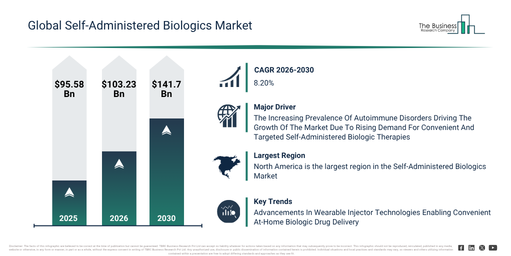
    The self-administered biologics market size has demonstrated strong growth in recent years. It is anticipated to expand from $95.58 billion in 2025 to $103.23 billion in 2026, achieving a compound annual growth rate (CAGR) of 8.0%. Historically, this expansion has been driven by factors including the increasing prevalence of chronic diseases, a rise in biologics drug approvals, the growth of hospital-based infusion therapies, constraints on patient convenience in clinical administration, and the significant strain on healthcare facilities.

    The self-administered biologics market is projected to experience substantial expansion in the coming years. This market is anticipated to reach a valuation of $141.7 billion by 2030, exhibiting a compound annual growth rate (CAGR) of 8.2%. The anticipated growth during this period can be attributed to factors such as the expansion of homecare healthcare delivery models, the increasing adoption of self-injection devices, the growth in the biosimilar pipeline, a rising patient preference for independence in treatment, and advancements in subcutaneous biologic formulations. Major trends expected in the forecast period include the increasing prevalence of home-based biologic self-administration therapies, the rising adoption of patient-centric chronic disease management models, the growing use of prefilled syringes and autoinjectors for simplified dosing, the expansion of biosimilar self-injectable therapies in autoimmune and metabolic diseases, and improving regulatory approvals and reimbursement support for home-use biologics.

    Get A Free Sample Report With In-Depth Market Insights:

    https://thebusinessresearchcompany.com/sample_request?id=78996035&type=smp&name=Self-Administered%20Biologics%20Market%20Report%202026&utm_source=Blogs&utm_medium=Paid&utm_campaign=Oct_PR

    Self-Administered Biologics Market Expansion Drivers: What’s Shaping Future Growth?

    A rise in autoimmune disorders is projected to fuel the expansion of the self-administered biologics market in the future. These conditions involve the immune system erroneously targeting the body’s own healthy components like cells, tissues, or organs, encompassing examples such as rheumatoid arthritis (RA), lupus, and multiple sclerosis. The growing incidence of autoimmune disorders is largely attributed to evolving lifestyles that impact and disturb the immune system’s regular operations. Self-administered biologics assist in handling autoimmune disorders by providing patients with an easy way to administer precise treatments that moderate immune system activity, decrease inflammation, and enhance long-term management of the disease. For example, Arthritis Australia, an Australia-based non-profit organization, reported in February 2024 that 212,136 males and 362,137 females were affected by rheumatoid arthritis (RA) in 2025, with projections indicating an increase to approximately 280,040 males and 479,828 females by 2040. Consequently, the rising occurrence of autoimmune disorders is a key factor propelling the expansion of the self-administered biologics market.

    Self-Administered Biologics Market Segment Landscape: Which Areas Lead Development?

    The self-administered biologics market covered in this report is segmented –

    1) By Product: Prefilled Syringes, Autoinjectors, Wearable Injectors, Drug Reconstitution

    2) By Indications: Diabetes, Rheumatoid Arthritis, Anaphylaxis, Other Indications

    3) By Mode Of Delivery: Subcutaneous, Intramuscular, Transdermal

    4) By Application: Autoimmune Disease Management, Diabetes Care, Oncology Supportive Care, Rare Disease Therapy

    5) By End User: Homecare Settings, Hospitals Or Clinics

    Subsegments:

    1) By Prefilled Syringes: Glass Prefilled Syringes, Plastic Prefilled Syringes, Siliconized Syringes, Polymer Coated Syringes

    2) By Autoinjectors: Spring Activated Autoinjectors, Button Activated Autoinjectors, Manual Autoinjectors, Single Dose Autoinjectors

    3) By Wearable Injectors: Patch Pump Wearable Injectors, Mechanical Wearable Injectors, Electronic Wearable Injectors, Large Volume Wearable Injectors

    4) By Drug Reconstitution: Vial-Based Drug Reconstitution, Dual Chamber Cartridge Reconstitution, Lyophilized Powder Reconstitution, On-Demand Mixing Systems

    Self-Administered Biologics Market Strategic Trends: What Defines The Next Growth Phase?

    Leading companies in the self-administered biologics market are prioritizing the development of technologically advanced solutions, such as wearable injector technologies, to boost patient convenience and facilitate the efficient at-home delivery of complex biologic therapies. These wearable injector technologies are drug delivery devices designed to adhere to the body and automatically dispense precise doses of medications, particularly biologics, over a set period without the need for manual injection. For instance, in July 2025, Becton, Dickinson and Company (BD), a US-based medical technology company, announced the first pharma-sponsored clinical trial utilizing its BD Libertas Wearable Injector. This innovative drug delivery technology is engineered to deliver high-viscosity biologic drugs in volumes greater than standard autoinjectors, enabling patients to self-administer treatments at home with minimal discomfort. It boasts a lightweight, on-body design with a simple activation mechanism, fostering ease of use and improved patient compliance. The system integrates precise flow rate control and safety mechanisms to ensure accurate dosing and mitigate the risk of administration errors. Additionally, it supports a broad spectrum of biologic formulations, making it well-suited for addressing chronic conditions like autoimmune disorders. This technology contributes to reducing the frequency of hospital visits while simultaneously enhancing patient convenience and overall healthcare efficiency.

    Self-Administered Biologics Market Leading Companies And Competitive Benchmarking

    Major companies operating in the self-administered biologics market are Johnson And Johnson, F. Hoffmann-La Roche Ltd., Merck And Co Inc., Pfizer Inc., AbbVie Inc., Sanofi S. A., Novartis AG, AstraZeneca PLC, Bristol-Myers Squibb Company, GlaxoSmithKline plc, Eli Lilly and Company, Novo Nordisk A/S, Takeda Pharmaceutical Company Limited, Amgen Inc., Regeneron Pharmaceuticals Inc., Biogen Inc., UCB S. A., Genentech Inc., Wockhardt Limited, Gan And Lee Pharmaceuticals Co Ltd., The United Laboratories International Holdings Limited, Tonghua Dongbao Pharmaceutical Co Ltd.

    View The Full Self-Administered Biologics Market Report:

    https://thebusinessresearchcompany.com/report/self-administered-biologics-market-report?utm_source=Blogs&utm_medium=Paid&utm_campaign=Oct_PR

    Self-Administered Biologics Market Largest Region By Revenue And Market Share

    North America was the largest region in the self-administered biologics market in 2025. Asia-Pacific is expected to be the fastest-growing region in the forecast period. The regions covered in the self-administered biologics market report are Asia-Pacific, South East Asia, Western Europe, Eastern Europe, North America, South America, Middle East and Africa.

    Reach Out To Our Team:

    The Business Research Company: https://www.thebusinessresearchcompany.com/

    Americas: +1 310-496-7795

    Asia: +44 7882 955267 & +91 8897263534

    Europe: +44 7882 955267

    Email us at: marketing@tbrc.info

    Follow us on:

    LinkedIn: https://in.linkedin.com/company/the-business-research-company

    YouTube: https://www.youtube.com/channel/UC24_fI0rV8cR5DxlCpgmyFQ

    Global Market Model: https://www.thebusinessresearchcompany.com/global-market-model
  • Rx Dermatology Topical Drug Delivery Market Trends Reshaping Industry Growth Through 2030

    Rx Dermatology Topical Drug Delivery Market Trends Reshaping Industry Growth Through 2030

    Backed by market attractiveness analysis, total addressable market sizing, company benchmarking matrices, interactive Excel dashboards, wider supply chain intelligence, emerging startup coverage, and detailed product-level insights, The Business Research Company’s 2026 market reports are designed to offer research that is more actionable and strategically valuable than ever.

    Rx Dermatology Topical Drug Delivery Market Growth Potential: How Will Market Size Shift Through 2030?

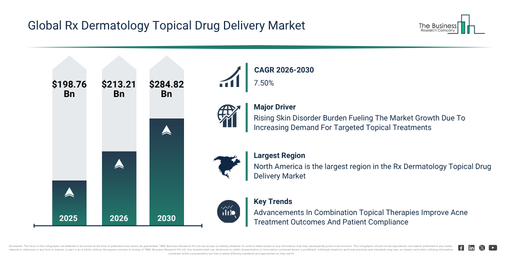
    The rx dermatology topical drug delivery market has experienced robust growth in recent times. Projected to expand further, it is expected to reach $213. 21 billion in 2026 from $198. 76 billion in 2025, demonstrating a compound annual growth rate (CAGR) of 7. 3%. Historically, this growth has been driven by several factors, including the increasing incidence of chronic skin conditions, a heightened demand for prescribed topical treatments, greater understanding of the advantages of localized drug administration, the expansion of dermatological treatment facilities, and innovations in semi-solid formulation techniques.

    The rx dermatology topical drug delivery market size is set for significant expansion in the coming years. It is projected to grow to $284. 82 billion by 2030 at a compound annual growth rate (CAGR) of 7. 5%. This anticipated increase throughout the forecast period stems from factors such as the rising adoption of microneedle-based transdermal systems, the advancement of personalized dermatology treatments, increased investments in sophisticated topical biologic formulations, the growing demand for home-based dermatology care, and a sharpened focus on enhancing drug permeability and sustained release technologies. Major developments expected during this forecast period include a wider embrace of controlled-release topical drug formulations, an escalating need for targeted skin penetration technologies within dermatology therapies, an increase in the use of transdermal patches for managing chronic dermatological conditions, the broadening development of combination topical therapies for treating acne and psoriasis, and a growing preference for non-invasive localized dermatology drug delivery systems.

    Get A Free Sample Report With In-Depth Market Insights:

    https://thebusinessresearchcompany.com/sample_request?id=87437820&type=smp&name=Rx%20Dermatology%20Topical%20Drug%20Delivery%20Market%20Report%202026&utm_source=Blogs&utm_medium=Paid&utm_campaign=Oct_PR

    Rx Dermatology Topical Drug Delivery Market Growth Factors: What’s Supporting Expansion?

    The growing occurrence of skin conditions is anticipated to drive the expansion of the Rx dermatology topical drug delivery market moving ahead. These disorders are medical conditions impacting the skin’s structure and function, frequently necessitating prolonged therapeutic care. The rise in skin disorder prevalence is linked to heightened environmental pollution, which compromises the skin barrier, instigates inflammation, and increases vulnerability to diverse skin ailments. Rx dermatology topical drug delivery addresses skin issues by delivering medication directly to affected regions, ensuring targeted action, quicker outcomes, and minimized systemic adverse effects. For instance, in December 2025, Cancer Australia, an Australia-based government agency, estimated that 17,443 new cases of melanoma of the skin were diagnosed in Australia in 2025, including 10,187 cases in males and 7,256 cases in females. Consequently, the expanding occurrence of skin conditions is fueling the growth of the Rx dermatology topical drug delivery market.

    Rx Dermatology Topical Drug Delivery Market Segment Analysis: What Are The Core Market Categories?

    The rx dermatology topical drug delivery market covered in this report is segmented –

    1) By Product Type: Semi-Solid, Liquid, Solid, Transdermal, Other Product Types

    2) By Route Of Administration: Dermal Drug Delivery, Ophthalmic Drug Delivery, Rectal Drug Delivery, Vaginal Drug Delivery, Nasal Drug Delivery, Other Routes Of Administration

    3) By Category: Branded, Generic, Other Categories

    4) By Application: Skin Infections, Dermatitis, Antiaging, Acne, Hyperpigmentation, Rosacea, Skin Cancer, Psoriasis, Onychomycosis, Other Applications

    5) By End User: Hospitals And Clinics, Homecare Settings, Burn Centers, Diagnostic Centers

    Subsegments:

    1) By Semi-Solid: Creams, Ointments, Gels, Pastes, Foams

    2) By Liquid: Solutions, Lotions, Shampoos, Tinctures, Suspensions

    3) By Solid: Powders, Tablets For Topical Use, Pellets, Granules, Suppositories

    4) By Transdermal: Transdermal Patches, Drug Embedded Films, Microneedle Patches, Adhesive Patches, Polymer Based Patches

    5) By Other Product Types: Sprays, Emulsions, Roll-Ons, Wafers, Hydrogels

    Rx Dermatology Topical Drug Delivery Market Industry Trends: What’s Reshaping Demand?

    Leading companies in the Rx dermatology topical drug delivery market are prioritizing the creation of advanced combination topical therapies. This focus aims to boost treatment effectiveness, simplify dosing, and improve patient adherence. Combination topical therapies are formulations that integrate multiple active ingredients into a single topical product, designed to target various pathogenic factors of skin conditions such as acne. For instance, in October 2023, Bausch Health Companies Inc., a Canada-based pharmaceutical company, obtained approval from the U. S. Food and Drug Administration for IDP-126 topical gel. This product is a triple-combination treatment for acne vulgaris in patients aged 12 years and older. The gel brings together clindamycin phosphate, benzoyl peroxide, and adapalene, providing a comprehensive approach to acne management by addressing inflammation, bacterial growth, and abnormal skin cell turnover, ultimately improving therapeutic outcomes and simplifying treatment regimens.

    Rx Dermatology Topical Drug Delivery Market Leading Players And Competitive Positioning

    Major companies operating in the rx dermatology topical drug delivery market are Johnson & Johnson, Merck & Co. Inc., Pfizer Inc., AbbVie Inc., Bayer AG, Sanofi S. A., Novartis AG, GlaxoSmithKline plc, 3M Company, Teva Pharmaceutical Industries Ltd., Viatris Inc., Sun Pharmaceutical Industries Limited, Perrigo Company plc, Galderma S. A., Dr. Reddy’s Laboratories Ltd., Cipla Limited, LEO Pharma A/S, Glenmark Pharmaceuticals Limited, Almirall S. A., Taro Pharmaceutical Industries Ltd., Biofrontera AG, Medimetriks Pharmaceuticals Inc., Encore Dermatology Inc.

    View The Full Rx Dermatology Topical Drug Delivery Market Report:

    https://thebusinessresearchcompany.com/report/rx-dermatology-topical-drug-delivery-market-report?utm_source=Blogs&utm_medium=Paid&utm_campaign=Oct_PR

    Rx Dermatology Topical Drug Delivery Market Regional Split: Which Areas Are Fueling Growth?

    North America was the largest region in the Rx dermatology topical drug delivery market in 2025. Asia-Pacific is expected to be the fastest-growing region in the forecast period. The regions covered in the rx dermatology topical drug delivery market report are Asia-Pacific, South East Asia, Western Europe, Eastern Europe, North America, South America, Middle East and Africa.

    Reach Out To Our Team:

    The Business Research Company: https://www.thebusinessresearchcompany.com/

    Americas: +1 310-496-7795

    Asia: +44 7882 955267 & +91 8897263534

    Europe: +44 7882 955267

    Email us at: marketing@tbrc.info

    Follow us on:

    LinkedIn: https://in.linkedin.com/company/the-business-research-company

    YouTube: https://www.youtube.com/channel/UC24_fI0rV8cR5DxlCpgmyFQ

    Global Market Model: https://www.thebusinessresearchcompany.com/global-market-model
  • Postbiotic Ingredient Market Analysis: How The Industry Is Evolving Toward A $2.02 Billion Future

    Postbiotic Ingredient Market Analysis: How The Industry Is Evolving Toward A $2.02 Billion Future

    Backed by market attractiveness analysis, total addressable market sizing, company benchmarking matrices, interactive Excel dashboards, wider supply chain intelligence, emerging startup coverage, and detailed product-level insights, The Business Research Company’s 2026 market reports are designed to offer research that is more actionable and strategically valuable than ever.

    Postbiotic Ingredient Market Size, Value And Growth Trajectory Through 2030

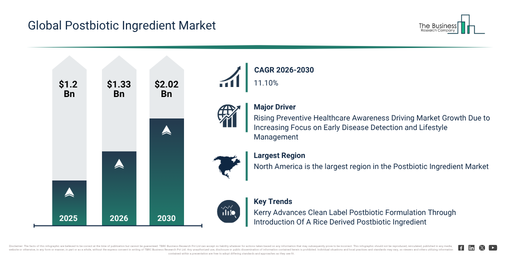
    The market for postbiotic ingredients has seen considerable growth recently. Its value is projected to rise from $1.2 billion in 2025 to $1.33 billion in 2026, achieving a compound annual growth rate (CAGR) of 10.9%. This historical expansion is attributable to several factors, including heightened awareness of gut health benefits, increased adoption of probiotic products, a rise in functional food consumption, the expansion of the dietary supplement industry, and early research into microbiome health benefits.

    The postbiotic ingredient market is anticipated to experience swift expansion in the coming years, with its size expected to reach $2.02 billion by 2030, demonstrating a compound annual growth rate (CAGR) of 11.1%. This growth during the forecast period is primarily attributed to factors such as the increasing demand for immune health support products, the rising prevalence of lifestyle-related disorders, a growing emphasis on preventive healthcare nutrition, the expansion of personalized nutrition solutions, and increased investment in microbiome-based research and development. Key trends identified for the forecast period include the increasing adoption of clean-label and natural postbiotic formulations in functional foods, the growing integration of postbiotics into personalized nutrition and gut health solutions, the rising use of fermentation-derived bioactive compounds in dietary supplements, the expansion of microbiome-targeted product development within pharmaceutical applications, and the increasing demand for stable, non-living probiotic alternatives in food and beverage innovation.

    Get A Free Sample Report With In-Depth Market Insights:

    https://thebusinessresearchcompany.com/sample_request?id=46878604&type=smp&name=Postbiotic%20Ingredient%20Market%20Report%202026&utm_source=Blogs&utm_medium=Paid&utm_campaign=Oct_PR

    Postbiotic Ingredient Market Growth Backed By Core Demand Fundamentals

    The postbiotic ingredient market is anticipated to expand going forward, propelled by the increasing requirement for preventive healthcare options. Preventive healthcare options encompass measures and interventions aimed at reducing the risk of disease, promoting overall wellness, and enabling the early identification of health conditions before they worsen. The rising demand for preventive healthcare stems from a growing understanding of the advantages of early intervention, adopting healthy lifestyles, and long-term disease prevention. Postbiotic ingredients support preventive healthcare by enhancing the balance of the gut microbiome and strengthening immune and metabolic functions, thereby contributing to a reduced likelihood of chronic diseases. For example, in November 2025, according to the Organization for Economic Co-operation and Development report Health at a Glance 2025, a France-based government agency, expenditures on preventive care accounted for approximately 3% of total health expenditure across OECD countries, suggesting that preventive care remains a comparatively small portion of overall health spending. Therefore, the escalating demand for preventive healthcare options is driving the growth of the postbiotic ingredient market.

    Postbiotic Ingredient Market Segmentation: How Does The Market Break Down By Category?

    The postbiotic ingredient market covered in this report is segmented –

    1) By Product Type: Powder, Liquid, Capsules, Tablets, Other Product Types

    2) By Source: Plant-Based, Animal-Based, Microbial-Based, Other Sources

    3) By Distribution Channel: Online Stores, Supermarkets or Hypermarkets, Specialty Stores, Other Distribution Channels

    4) By Application: Dietary Supplements, Functional Food And Beverages, Animal Feed, Pharmaceuticals, Personal Care, Other Applications

    Subsegments:

    1) By Powder: Spray Dried Postbiotic Powder, Freeze Dried Postbiotic Powder, Microencapsulated Postbiotic Powder, Heat Treated Postbiotic Powder, Fermented Postbiotic Powder

    2) By Liquid: Concentrated Postbiotic Liquid, Fermented Postbiotic Liquid, Stabilized Postbiotic Liquid, Ready to Use Postbiotic Liquid, Water Soluble Postbiotic Liquid

    3) By Capsules: Hard Shell Postbiotic Capsules, Soft Gel Postbiotic Capsules, Delayed Release Postbiotic Capsules, Vegetarian Postbiotic Capsules, Enteric Coated Postbiotic Capsules

    4) By Tablets: Chewable Postbiotic Tablets, Effervescent Postbiotic Tablets, Sustained Release Postbiotic Tablets, Film Coated Postbiotic Tablets, Orally Disintegrating Postbiotic Tablets

    5) By Other Product Types: Cell Free Supernatants, Inactivated Microbial Biomass, Peptidoglycan Derivatives, Lipoteichoic Acid Extracts, Exopolysaccharide Compounds, Enzyme Derived Metabolites, Fermentation Derived Organic Acids, Bacterial Lysate Fractions, Microbial Cell Wall Fragments, Post Fermentation Bioactive Compounds

    Postbiotic Ingredient Market Growth Trends Reshaping The Competitive Landscape

    Major companies operating in the postbiotic ingredient market are increasingly focusing on the shift towards clean-label formulations, such as rice-derived heat-inactivated postbiotics, to satisfy growing consumer demand for functional ingredients that are safe, transparent, and naturally derived. These ingredients are non-living microbial preparations designed to provide gut and related wellness benefits, featuring strong processing stability, simple label positioning, and broad compatibility across supplement, food, and beverage formats. For instance, in February 2024, Kerry Group PLC, an Ireland-based taste and nutrition company, launched Plenibiotic. This is a rice-derived postbiotic ingredient that supports gut and skin health, offers stability across diverse temperature, moisture, and pH conditions, and works effectively at a low serving size for formulation versatility across human and pet applications. These capabilities strengthen the relevance of clean-label formulation trends for the postbiotic ingredient market.

    Postbiotic Ingredient Market Industry Leaders And Competitive Landscape

    Major companies operating in the postbiotic ingredient market are Nestlé S. A., Unilever PLC, BASF SE, Danone S. A., Archer Daniels Midland (ADM), Givaudan SA, dsm-firmenich, Associated British Foods (ABF), CJ CheilJedang, International Flavors & Fragrances (IFF), Asahi Group Holdings, Kerry Group, Novonesis (NZYM. VI), Kirin Holdings, Evonik Industries AG, Croda International, Symrise AG, Clariant AG, Ashland Inc., Morinaga Milk Industry

    View The Full Postbiotic Ingredient Market Report:

    https://thebusinessresearchcompany.com/report/postbiotic-ingredient-market-report?utm_source=Blogs&utm_medium=Paid&utm_campaign=Oct_PR

    Postbiotic Ingredient Market Regional Analysis And Top Geography

    North America was the largest region in the postbiotic ingredient market in 2025. Asia-Pacific is expected to be the fastest-growing region in the forecast period. The regions covered in the postbiotic ingredient market report are Asia-Pacific, South East Asia, Western Europe, Eastern Europe, North America, South America, Middle East and Africa.

    Reach Out To Our Team:

    The Business Research Company: https://www.thebusinessresearchcompany.com/

    Americas: +1 310-496-7795

    Asia: +44 7882 955267 & +91 8897263534

    Europe: +44 7882 955267

    Email us at: marketing@tbrc.info

    Follow us on:

    LinkedIn: https://in.linkedin.com/company/the-business-research-company

    YouTube: https://www.youtube.com/channel/UC24_fI0rV8cR5DxlCpgmyFQ

    Global Market Model: https://www.thebusinessresearchcompany.com/global-market-model

  • Amondys 45 Market Forecast To Reach $ Billion By 2030: Key Growth Drivers And Industry Trends

    Amondys 45 Market Forecast To Reach $ Billion By 2030: Key Growth Drivers And Industry Trends

    Backed by market attractiveness analysis, total addressable market sizing, company benchmarking matrices, interactive Excel dashboards, wider supply chain intelligence, emerging startup coverage, and detailed product-level insights, The Business Research Company’s 2026 market reports are designed to offer research that is more actionable and strategically valuable than ever.

    Amondys 45 Market Size And Revenue Outlook Through 2030

    Historical expansion was driven by a scarcity of Duchenne muscular dystrophy treatment options, incentives for orphan drug development, the broadening scope of genetic testing, initial research into antisense technology, and the dedication of patient advocacy groups.

    The expansion observed in the upcoming period is attributable to progress in gene-based treatments, more extensive newborn screening, the increased availability of exon-specific medications, consistent expedited regulatory processes, and a boost in clinical trial funding.

    Significant patterns for the projected timeframe involve the rise of exon skipping treatments, the spread of precision genetic medicine, a greater emphasis on infrequent neuromuscular conditions, targeted interventions prompted by early detection, and growing regulatory assistance for orphan drugs.

    Get A Free Sample Report With In-Depth Market Insights:

    https://thebusinessresearchcompany.com/sample_request?id=65600492&type=smp&name=Amondys%2045%20Market%20Report%202026&utm_source=Blogs&utm_medium=Paid&utm_campaign=Oct_PR

    Amondys 45 Market Industry Drivers: What’s Behind The Revenue Growth?

    The expanding occurrence of genetic conditions is anticipated to fuel the amondys 45 market in the future. A genetic condition is defined as a health issue stemming from irregularities in an individual’s DNA, potentially caused by single or multiple gene mutations, chromosomal alterations, or a combination of genetic and environmental elements. The upward trend in genetic disease prevalence is attributed to enhanced public understanding and breakthroughs in diagnostic tools, which facilitate earlier and more precise identification of previously undetected ailments. amondys 45 assists in addressing genetic disorders by focusing on particular dystrophin gene mutations, making it effective for Duchenne muscular dystrophy patients who require exon 45 skipping. It promotes better muscle performance by enabling the creation of a functional, albeit shorter, dystrophin protein, thereby aiding in decelerating disease progression and improving clinical results. For example, in July 2025, the National Blood Authority, an Australian blood management agency, noted 2,788 patients with hereditary haemophilia A (HMA) in 2023–2024, an increase from 2,681 patients in 2022–2023. Consequently, the increasing accessibility of genetic testing is propelling the growth of the amondys 45 market.

    Amondys 45 Market Segments: Where Is Growth Concentrated?

    The amondys 45 market covered in this report is segmented –

    1) By Indication: Duchenne Muscular Dystrophy (DMD) – Exon 45 Mutation, Other Genetic Mutations

    2) By End-User: Adult, Geriatric, Pediatric

    3) By Distribution Channel: Hospital Pharmacies, Retail Pharmacies, Online Pharmacies

    Amondys 45 Market Key Participants And Competitive Landscape

    Major companies operating in the amondys 45 market are Sarepta Therapeutics Inc.

    View The Full Amondys 45 Market Report:

    https://thebusinessresearchcompany.com/report/amondys-45-global-market-report?utm_source=Blogs&utm_medium=Paid&utm_campaign=Oct_PR

    Amondys 45 Market Geographic Analysis: Where Is Demand Accelerating Fastest?

    North America was the largest region in the amondys 45 market in 2025. Europe is expected to be the fastest-growing region in the forecast period. The regions covered in the amondys 45 market report are Asia-Pacific, Western Europe, Eastern Europe, North America, South America, Middle East, Africa.

    Reach Out To Our Team:

    The Business Research Company: https://www.thebusinessresearchcompany.com/

    Americas: +1 310-496-7795

    Asia: +44 7882 955267 & +91 8897263534

    Europe: +44 7882 955267

    Email us at: marketing@tbrc.info

    Follow us on:

    LinkedIn: https://in.linkedin.com/company/the-business-research-company

    YouTube: https://www.youtube.com/channel/UC24_fI0rV8cR5DxlCpgmyFQ

    Global Market Model: https://www.thebusinessresearchcompany.com/global-market-model

  • Ambirix Market Research 2026: Market Size, Trends, Segments And Growth Forecast

    Ambirix Market Research 2026: Market Size, Trends, Segments And Growth Forecast

    Featuring market attractiveness scoring, total addressable market sizing, company benchmarking matrices, interactive Excel dashboards, deeper supply chain intelligence, emerging startup tracking, and granular product-level insights, The Business Research Company’s 2026 market reports are built to deliver research that is both more actionable and more strategically valuable.

    Ambirix Market Expansion Outlook: What Revenue Opportunities Are Ahead?

    The increase observed historically stemmed from the worldwide burden of hepatitis, routine childhood immunization timelines, governmental public health vaccination policies, the initial approval of combination vaccines, and school-run immunization initiatives.

    Future growth is projected to stem from wider pediatric vaccine coverage, enhanced availability of vaccines in developing economies, the lasting immunity benefits of vaccinations, increased public health funding, and global initiatives aimed at eradicating hepatitis. Key developments anticipated during this period involve an increase in combination vaccine usage, the expansion of childhood immunization programs, a heightened focus on preventing hepatitis, improved vaccine adherence resulting from fewer required doses, and government-backed vaccination drives.

    Get A Free Sample Report With In-Depth Market Insights:

    https://thebusinessresearchcompany.com/sample_request?id=38720424&type=smp&name=Ambirix%20Market%20Report%202026&utm_source=Blogs&utm_medium=Paid&utm_campaign=Oct_PR

    Ambirix Market Growth Factors: What’s Supporting Expansion?

    The expanding understanding of the importance of childhood immunization is projected to propel the ambirix market’s expansion. Pediatric vaccination involves inoculating children to shield them from contagious diseases, a vital step in alleviating the worldwide impact of preventable conditions. This heightened awareness stems from various public health initiatives, immunization programs in schools, and concerted efforts by governmental bodies and healthcare providers to highlight the advantages of vaccination. Products like Ambirix, which target hepatitis A and B, are crucial for protecting children’s well-being and enhancing vaccination rates, particularly in areas with traditionally low immunization levels. For example, as reported by the World Health Organization, a health authority based in Switzerland, in July 2024, the worldwide uptake of the first HPV vaccine dose among girls notably climbed to 27% in 2023, a significant increase from 20% in 2022, spurred by new vaccine rollouts in several nations and the adoption of a single-dose regimen. Consequently, the increasing recognition of pediatric vaccination’s value will fuel the ambirix market.

    Ambirix Market Segment Analysis: What Are The Core Market Categories?

    The ambirix market covered in this report is segmented –

    1) By Indication: Hepatitis A, Hepatitis B

    2) By Distribution Channel: Hospitals, Pharmacies, Public Health Programs

    3) By End User: Pediatric, Geriatric

    Ambirix Market Top Companies Driving Competitive Growth

    Major companies operating in the ambirix market are GSK plc

    View The Full Ambirix Market Report:

    https://thebusinessresearchcompany.com/report/ambirix-global-market-report?utm_source=Blogs&utm_medium=Paid&utm_campaign=Oct_PR

    Ambirix Market Global Footprint: Which Region Leads The Industry?

    North America was the largest region in the ambirix market in 2025. Asia-Pacific is expected to be the fastest-growing region in the forecast period. The regions covered in the ambirix market report are Asia-Pacific, Western Europe, Eastern Europe, North America, South America, Middle East, Africa.

    Reach Out To Our Team:

    The Business Research Company: https://www.thebusinessresearchcompany.com/

    Americas: +1 310-496-7795

    Asia: +44 7882 955267 & +91 8897263534

    Europe: +44 7882 955267

    Email us at: marketing@tbrc.info

    Follow us on:

    LinkedIn: https://in.linkedin.com/company/the-business-research-company

    YouTube: https://www.youtube.com/channel/UC24_fI0rV8cR5DxlCpgmyFQ

    Global Market Model: https://www.thebusinessresearchcompany.com/global-market-model

  • Alyglo Market Forecast 2026: Market Size, Competitive Landscape And Growth Drivers

    Alyglo Market Forecast 2026: Market Size, Competitive Landscape And Growth Drivers

    Built to provide research that’s more actionable and strategically valuable, The Business Research Company’s 2026 market reports include market attractiveness analysis, total addressable market sizing, company benchmarking matrices, interactive Excel dashboards, broader supply chain intelligence, emerging startup tracking, and in-depth product insights.

    Alyglo Market Growth Potential: How Will Market Size Shift Through 2030?

    The expansion observed during the historical period stems from the initial widespread utilization of intravenous immunoglobulin (IVIG) for immunodeficiency, coupled with advancements in plasma fractionation techniques, a heightened understanding among medical professionals, the development of hospital infrastructure for infusions, and improved strategies for managing chronic immune system disorders.

    Anticipated growth during the projection period stems from factors such as an increasing incidence of immune-related conditions, enhanced diagnostic capabilities, the influence of an aging demographic, the proliferation of in-home infusion options, and more robust plasma procurement systems. Key developments expected throughout the forecast horizon encompass an expanding need for IVIG treatments, a greater rate of primary immunodeficiency detection, the enlargement of hospital-based infusion offerings, an emphasis on the safety of plasma-derived therapeutics, and the increasing application of long-term immunoglobulin treatments.

    Get A Free Sample Report With In-Depth Market Insights:

    https://thebusinessresearchcompany.com/sample_request?id=10427104&type=smp&name=Alyglo%20Market%20Report%202026&utm_source=Blogs&utm_medium=Paid&utm_campaign=Oct_PR

    Alyglo Market Demand Drivers: What’s Powering Industry Growth?

    The increasing occurrence of immunodeficiency diseases is projected to fuel the expansion of the alyglo market. These conditions involve a weakened or impaired immune system, increasing vulnerability to infections. Their growth is attributed to factors like heightened environmental pollutants, genetic predispositions, enhanced diagnostic abilities, and the application of immunosuppressive treatments. Alyglo provides intravenous immunoglobulin (IVIG) therapy, strengthening the immune system of individuals with primary humoral immunodeficiency (PI) by restoring inadequate antibodies. This therapy helps to lessen the frequency and severity of infections, thereby enhancing patients’ overall quality of life. For example, in May 2024, the Minnesota Department of Health, a US-based state health agency, reported 324 new HIV diagnoses in 2023, representing a 24% rise from 2022. Consequently, the growing prevalence of immunodeficiency diseases is propelling the growth of the alyglo market.

    Alyglo Market Segment Breakdown: Which Categories Lead On Revenue?

    The alyglo market covered in this report is segmented –

    1) By Clinical Indication: Primary Humoral Immunodeficiency (PI), Secondary Immunodeficiency, Autoimmune Disorders, Bone Marrow Failure Syndromes

    2) By Distribution Channel: Hospital Pharmacies, Specialty Pharmacies

    3) By End-User: Adult, Geriatric, Pediatric

    Alyglo Market Innovation Trends: What Developments Are Reshaping The Industry?

    Companies operating within the alyglo market are concentrating on expanding their array of treatments with advanced therapies, such as intravenous immunoglobulins (IGIV), to manage complex immune deficiencies, improve patient care, and offer more convenient dosing. Intravenous immunoglobulins are antibody-based treatments derived from human plasma, utilized for various immune system disorders by supplying functional antibodies to help combat infections. For instance, in November 2024, GC Biopharma USA Inc., a US-based biopharmaceutical company, introduced ALYGLO. This is a 10% intravenous immunoglobulin therapy specifically formulated for adult patients aged 17 years and older with primary humoral immunodeficiency (PI). Its unique manufacturing process, involving cation exchange chromatography (CEX), eliminates coagulation factor XIa (FXIa) to undetectable quantities, thereby enhancing patient safety. The product is FDA-approved and presents a novel therapeutic option to improve patient access through a limited distribution network of national specialty pharmacy providers.

    Alyglo Market Leading Players And Competitive Positioning

    Major companies operating in the alyglo market are GC Biopharma Corp.

    View The Full Alyglo Market Report:

    https://thebusinessresearchcompany.com/report/alyglo-global-market-report?utm_source=Blogs&utm_medium=Paid&utm_campaign=Oct_PR

    Alyglo Market Regional Distribution: Which Areas Power Market Growth?

    North America was the largest region in the alyglo market in 2025. Asia-Pacific is expected to be the fastest-growing region in the forecast period. The regions covered in the alyglo market report are Asia-Pacific, Western Europe, Eastern Europe, North America, South America, Middle East, Africa.

    Reach Out To Our Team:

    The Business Research Company: https://www.thebusinessresearchcompany.com/

    Americas: +1 310-496-7795

    Asia: +44 7882 955267 & +91 8897263534

    Europe: +44 7882 955267

    Email us at: marketing@tbrc.info

    Follow us on:

    LinkedIn: https://in.linkedin.com/company/the-business-research-company

    YouTube: https://www.youtube.com/channel/UC24_fI0rV8cR5DxlCpgmyFQ

    Global Market Model: https://www.thebusinessresearchcompany.com/global-market-model

  • Altuviiio Market Size In 2026: Regional Growth, Key Segments And Future Outlook

    Altuviiio Market Size In 2026: Regional Growth, Key Segments And Future Outlook

    Backed by market attractiveness analysis, total addressable market sizing, company benchmarking matrices, interactive Excel dashboards, wider supply chain intelligence, emerging startup coverage, and detailed product-level insights, The Business Research Company’s 2026 market reports are designed to offer research that is more actionable and strategically valuable than ever.

    Altuviiio Market Value Analysis: What Growth Lies Ahead Over The Forecast Period?

    The growth observed in the historic period can be ascribed to a combination of factors, including the reliance on standard Factor VIII therapies, a considerable burden from bleeding episodes, the necessity for frequent infusions, the early adoption of recombinant factors, and the expansion of hemophilia treatment centers.

    The projected growth in the forecast period is influenced by several factors, including the increasing demand for long-acting treatments, the broadening of prophylaxis guidelines, higher uptake of pediatric therapies, advancements in clotting factor engineering, and improved reimbursement support.

    Key developments anticipated in the forecast period involve a transition towards extended half-life factor therapies, a reduction in the required frequency of injections for hemophilia patients leading to enhanced adherence and overall quality of life, an expansion in the adoption of prophylactic treatment strategies, and an increasing favorability for advanced recombinant factors.

    Get A Free Sample Report With In-Depth Market Insights:

    https://thebusinessresearchcompany.com/sample_request?id=48199118&type=smp&name=Altuviiio%20Market%20Report%202026&utm_source=Blogs&utm_medium=Paid&utm_campaign=Oct_PR

    Altuviiio Market Growth Drivers: What’s Behind The Acceleration?

    The increasing incidence of hemophilia is projected to drive the growth of the altuviiio market moving forward. Hemophilia is a rare genetic bleeding disorder characterized by the blood’s inability to clot properly due to the absence or deficiency of clotting factors. The expanding prevalence of hemophilia is fueled by advancements in diagnosis and treatment, which improve detection and extend life expectancy. Altuviiio is utilized in hemophilia A to replace the missing factor VIII, effectively controlling bleeding episodes with its extended half-life, allowing for less frequent dosing. For instance, in July 2025, the National Blood Authority, an Australia-based blood management agency, reported that the patient count for hereditary haemophilia A (HMA) rose from 2,681 in 2022–2023 to 2,788 in 2023–2024. Therefore, the rising prevalence of hemophilia is a key factor driving the expansion of the altuviiio market.

    Altuviiio Market Segmentation: How Does The Market Break Down By Category?

    The altuviiio market covered in this report is segmented –

    1) By Indication: Hemophilia A, Prophylaxis Treatment, On-Demand Treatment

    2) By Distribution Channel: Hospital Pharmacies, Specialty Pharmacies

    3) By End Use: Adult, Geriatric, Pediatric

    Altuviiio Market Trends: What’s Defining The Industry’s Next Phase?

    Leading companies in the altuviiio market are concentrating on developing advanced therapies, such as extended half-life factor replacements, to enhance protection, improve patient quality of life, and lessen treatment burden. Extended half-life factor replacements are engineered clotting factors designed to remain active in the bloodstream considerably longer than standard factors, allowing for fewer infusions to prevent bleeding episodes. For instance, in February 2023, Sanofi SA, a pharmaceutical company based in France, received FDA approval for ALTUVIIIO, a pioneering once-weekly therapy for hemophilia A, which marks a significant advancement in treatment options for patients. This new class of factor VIII therapy significantly boosts bleed protection by maintaining normal to near-normal factor activity levels with a single weekly dose. Utilizing innovative Fc fusion technology, ALTUVIIIO offers a longer half-life compared to traditional therapies, resulting in a substantial reduction in bleeding episodes, as evidenced by clinical trials showing a mean annualized bleeding rate of 0.70. This approval, following several designations including Breakthrough Therapy and Fast Track, represents a major advancement in hemophilia management, promising improved quality of life for patients.

    Altuviiio Market Competitive Overview And Top Companies

    Major companies operating in the altuviiio market are Swedish Orphan Biovitrum

    View The Full Altuviiio Market Report:

    https://thebusinessresearchcompany.com/report/altuviiio-global-market-report?utm_source=Blogs&utm_medium=Paid&utm_campaign=Oct_PR

    Altuviiio Market Leading Geography: Which Region Contributes The Most Revenue?

    North America was the largest region in the altuviiio market in 2025. Europe is expected to be the fastest-growing region in the forecast period. The regions covered in the altuviiio market report are Asia-Pacific, Western Europe, Eastern Europe, North America, South America, Middle East, Africa.

    Reach Out To Our Team:

    The Business Research Company: https://www.thebusinessresearchcompany.com/

    Americas: +1 310-496-7795

    Asia: +44 7882 955267 & +91 8897263534

    Europe: +44 7882 955267

    Email us at: marketing@tbrc.info

    Follow us on:

    LinkedIn: https://in.linkedin.com/company/the-business-research-company

    YouTube: https://www.youtube.com/channel/UC24_fI0rV8cR5DxlCpgmyFQ

    Global Market Model: https://www.thebusinessresearchcompany.com/global-market-model