Category: Pharmaceuticals

  • Programmed Death (PD)-1 Non-Small Cell Lung Cancer Market Forecast 2026–2030 Highlighting Expansion Across Industries

    Programmed Death (PD)-1 Non-Small Cell Lung Cancer Market Forecast 2026–2030 Highlighting Expansion Across Industries

    The Business Research Company’s 2026 market reports feature enhanced tools like market attractiveness analysis, TAM assessment, and company scoring matrices, along with interactive dashboards, deeper supply chain insights, and startup coverage strengthening the depth, usability, and strategic value of insights.

    How Much Growth In Market Value Is Expected For The Programmed Death (PD)-1 Non-Small Cell Lung Cancer Market Between 2026 And 2030?

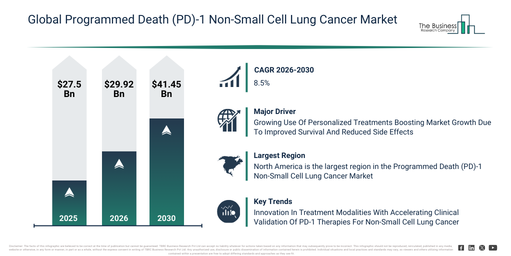
    The programmed death (pd)-1 non-small cell lung cancer market size has experienced significant expansion in recent years. This market is anticipated to increase from $27.5 billion in 2025 to $29.92 billion in 2026, registering a compound annual growth rate (CAGR) of 8.8%. Historically, the growth can be ascribed to elements such as limited pd-1 inhibitors approved for nsclc, the rising incidence of lung cancer, heightened physician awareness concerning immune checkpoint therapies, the reliance on chemotherapy as standard care, and the initial clinical trial successes of pembrolizumab and nivolumab.

    The programmed death (pd)-1 non-small cell lung cancer market size is anticipated to experience robust growth in the coming years. It is projected to expand to $41.45 billion by 2030, demonstrating a compound annual growth rate (CAGR) of 8.5%. This growth during the forecast period is attributable to the development of novel combination therapies, the broadening of biomarker-driven personalized treatments, increased adoption of mRNA vaccine-based therapies, rising investment in immuno-oncology research, and greater government and private funding for cancer immunotherapy. Prominent trends expected in this period include an increased uptake of pd-1 monotherapy for nsclc, an expansion of combination therapies involving chemotherapy, ctla-4 inhibitors, and vegf inhibitors, increased investment in targeted therapy and mrna vaccine research, an extension of first-line and second-line treatment options, and the integration of personalized medicine along with biomarker testing into treatment planning.

    Access Your Free Sample Report For In-Depth Market Analysis:

    https://www.thebusinessresearchcompany.com/sample.aspx?id=25888&type=smp

    Which Important Drivers Are Guiding The Programmed Death (PD)-1 Non-Small Cell Lung Cancer Market Growth?

    The increasing integration of personalized treatments is anticipated to drive forward the growth of the programmed death (PD)-1 non-small cell lung cancer market. These treatments are medical approaches specifically tailored to an individual’s genetic profile, lifestyle, and distinct disease characteristics to achieve more effective and targeted outcomes. The escalating demand for personalized treatments stems from the wider availability of genomic profiling and biomarker testing. These technologies are instrumental in identifying specific mutations and biological markers, thereby enabling clinicians to select therapies that are more likely to be efficacious for each patient. Personalized treatments benefit programmed death (PD)-1 non-small cell lung cancer (NSCLC) by customizing therapies based on a patient’s genetic profile, tumor attributes, and immune response. For instance, in February 2024, the US Food and Drug Administration (FDA) approved 16 new personalized treatments for rare diseases in 2023, significantly more than the 6 approved in the year 2022, according to the Personalized Medicine Coalition, a US-based non-profit organization. Thus, the rising adoption of personalized treatments is a primary factor fueling the expansion of the programmed death (PD)-1 non-small cell lung cancer market.

    Which Segment Types Are Examined In The Programmed Death (PD)-1 Non-Small Cell Lung Cancer Market Segment Study?

    The programmed death (pd)-1 non-small cell lung cancer market covered in this report is segmented –

    1) By Drug Type: Monotherapy, Combination Therapy

    2) By Line of Therapy: First-line Treatment, Second-line And Beyond

    3) By End User: Hospitals, Specialty Cancer Centers, Academic And Research Institutes, Other End Users

    Subsegments:

    1) By Monotherapy: Pembrolizumab (Keytruda), Nivolumab (Opdivo), Cemiplimab (Libtayo), Toripalimab, Tislelizumab, Camrelizumab, Dostarlimab, Other Monotherapy Drug Types

    2) By Combination Therapy: Programmed Death (PD)-1 Inhibitor And Chemotherapy, Programmed Death (PD)-1 Inhibitor And Cytotoxic T-Lymphocyte Associated Protein (CTLA)-4 Inhibitor, Programmed Death (PD)-1 Inhibitor And Vascular Endothelial Growth Factor (VEGF) Inhibitor, Programmed Death (PD)-1 Inhibitor And Targeted Therapy, Programmed Death (PD)-1 Inhibitor And Radiation Therapy, Triple Combination Therapy, Programmed Death (PD)-1 Inhibitor And Messenger Ribonucleic Acid (mRNA) Vaccine, Other Combination Drug Types

    Which Trends Are Contributing To Changes In The Programmed Death (PD)-1 Non-Small Cell Lung Cancer Market?

    Leading firms within the programmed death (PD)-1 non-small cell lung cancer market are prioritizing clinical investigations into novel treatments, including monotherapy, aimed at enhancing patient results. Monotherapy involves employing a singular medication or therapeutic method to address an illness or ailment. As an illustration, Akeso, Inc., a biopharmaceutical firm based in China, revealed favorable findings in March 2025 from its Phase III HARMONi-2 trial, which assessed Ivonescimab (AK112) alongside chemotherapy for the initial treatment of advanced non-small cell lung cancer (NSCLC). This investigation achieved its main objective by considerably prolonging progression-free survival in contrast to pembrolizumab, underscoring the therapeutic promise of the dual-targeted bispecific antibody.

    Which Players Are Part Of The Competitive Landscape Of The Programmed Death (PD)-1 Non-Small Cell Lung Cancer Market?

    Major companies operating in the programmed death (pd)-1 non-small cell lung cancer market are F. Hoffmann-La Roche Ltd, Merck & Co. Inc., Sanofi S.A., Novartis AG, GlaxoSmithKline plc, Regeneron Pharmaceuticals Inc., Incyte Corporation, Ono Pharmaceutical Co. Ltd., BeiGene Ltd., BioNTech SE, Shanghai Junshi Biosciences Co. Ltd., Akeso Inc., Arcus Biosciences Inc., Shandong Boan Biotechnology Co. Ltd., CStone Pharmaceuticals, iTeos Therapeutics Inc., Summit Therapeutics Inc., Shanghai Henlius Biotech Inc.

    Get The Full Programmed Death (PD)-1 Non-Small Cell Lung Cancer Market Report:

    https://www.thebusinessresearchcompany.com/report/programmed-death-pd-1-non-small-cell-lung-cancer-global-market-report

    Which Region Leads The Programmed Death (PD)-1 Non-Small Cell Lung Cancer Market In Overall Market Size?

    North America was the largest region in the programmed death (PD)-1 non-small cell lung cancer market in 2025. Asia-Pacific is expected to be the fastest-growing region in the forecast period. The regions covered in the programmed death (pd)-1 non-small cell lung cancer market report are Asia-Pacific, South East Asia, Western Europe, Eastern Europe, North America, South America, Middle East, Africa.

    Request A Customized Programmed Death (PD)-1 Non-Small Cell Lung Cancer Market Report For Competitive Insights:

    https://www.thebusinessresearchcompany.com/report/programmed-death-pd-1-non-small-cell-lung-cancer-global-market-report

    Browse Through More Reports Similar to the Global Programmed Death (PD)-1 Non-Small Cell Lung Cancer Market 2026, By The Business Research Company

    Pd 1 And Pdl1 Inhibitors Or Immune Checkpoint Inhibitors Market Report 2026

    https://www.thebusinessresearchcompany.com/report/pd-1-and-pdl1-inhibitors-or-immune-checkpoint-inhibitors-global-market-report

    Non Small Cell Lung Cancer Nsclc Market Report 2026

    https://www.thebusinessresearchcompany.com/report/non-small-cell-lung-cancer-nsclc-global-market-report

    Small Cell Lung Cancer Therapeutics Market Report 2026

    https://www.thebusinessresearchcompany.com/report/small-cell-lung-cancer-therapeutics-global-market-report

    Get in touch with us:

    The Business Research Company: https://www.thebusinessresearchcompany.com/

    Americas +1 310-496-7795

    Asia +44 7882 955267 & +91 8897263534

    Europe +44 7882 955267

    Email us at: marketing@tbrc.info

    Follow us on:

    LinkedIn: https://in.linkedin.com/company/the-business-research-company

    YouTube: https://www.youtube.com/channel/UC24_fI0rV8cR5DxlCpgmyFQ

    Global Market Model: https://www.thebusinessresearchcompany.com/global-market-model
  • Global Progesterone Market Analysis For 2026–2030 With Strategic Insights

    Global Progesterone Market Analysis For 2026–2030 With Strategic Insights

    The Business Research Company’s 2026 market reports feature enhanced tools like market attractiveness analysis, TAM assessment, and company scoring matrices, along with interactive dashboards, deeper supply chain insights, and startup coverage strengthening the depth, usability, and strategic value of insights.

    What Is The Estimated Market Size Of The Progesterone Market In 2026, And How Will Its Value Evolve By 2030?

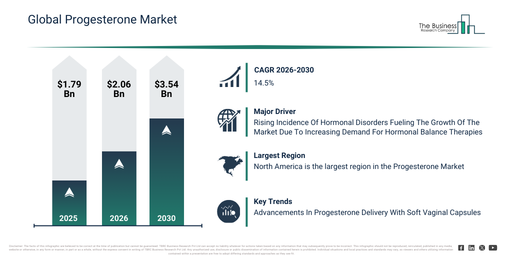
    The progesterone market size has seen significant expansion in recent years. It is forecast to rise from $1.79 billion in 2025 to $2.06 billion in 2026, achieving a compound annual growth rate (CAGR) of 14.8%. The increase observed in the past can be linked to the scarcity of natural progesterone, a reliance on branded products, heightened knowledge of menopausal treatments, a rise in dysfunctional uterine bleeding cases, and the acceptance of standard oral contraceptives.

    The progesterone market is projected to experience swift growth over the upcoming years. Its value is expected to reach $3.54 billion by 2030, growing at a compound annual growth rate (CAGR) of 14.5%. The expansion during this forecast period is attributed to the advancement of synthetic progestins and sophisticated delivery systems, an increasing need for personalized hormone therapy, the proliferation of fertility and contraceptive clinics, escalating research into endometrial cancer treatment, and the adoption of minimally invasive administration methods. Significant trends identified for this period include a heightened demand for natural progesterone formulations, an increase in hormone replacement therapy (HRT) utilization, broader adoption of injectable and transdermal routes, the expansion of contraceptive and fertility treatments, and a strong focus on personalized medicine and endometrial health.

    Access Your Free Sample Report For In-Depth Market Analysis:

    https://www.thebusinessresearchcompany.com/sample.aspx?id=24671&type=smp

    What Major Factors Are Driving The Progesterone Market Forward?

    Future expansion of the progesterone market is anticipated due to the rising incidence of hormonal disorders. These conditions are characterized by imbalances or malfunctions within the body’s endocrine system, which is responsible for hormone production and regulation of crucial functions like metabolism, growth, reproduction, and mood. The surge in these disorders stems from contemporary lifestyle elements, such as inadequate diet, ongoing stress, insufficient exercise, and exposure to environmental pollutants. Progesterone plays a crucial role in managing hormonal imbalances by re-establishing equilibrium, normalizing menstrual cycles, and alleviating symptoms associated with estrogen dominance. Furthermore, it aids the functionality of other hormones, including estrogen and cortisol, thereby contributing to the stabilization of general endocrine system function and mitigating conditions like polycystic ovary syndrome (PCOS) and premenstrual syndrome (PMS). As an illustration, data from January 2025 by the World Health Organization, an intergovernmental body located in Switzerland, highlights polycystic ovary syndrome as a major public health concern and a prevalent hormonal disorder among women of reproductive age, impacting approximately 6–13% yearly. Consequently, the expanding occurrence of hormonal disorders is a key driver for the expansion of the progesterone market.

    How Are Different Segments Classified In The Progesterone Market Segment Analysis?

    The progesterone market covered in this report is segmented –

    1) By Product Type: Natural Progesterone, Synthetic Progesterone

    2) By Drug Type: Branded, Generic

    3) By Route Of Administration: Injectable, Oral, Transdermal, Other Routes Of Administration

    4) By Application: Menopause, Contraception, Dysfunctional Uterine Bleeding, Hyperplastic Precursor Lesions, Endometrial Cancer, Other Applications

    5) By End-User: Hospitals, Clinics, Research Institutes, Other End-Users

    Subsegments:

    1) By Natural Progesterone: Oral Capsules, Vaginal Gels, Creams, Injections, Suppositories

    2) By Synthetic Progesterone: Progestins, Oral Contraceptives, Hormone Replacement Therapy (HRT) Formulations, Injectable Contraceptives, Intrauterine Devices

    What Market Trends Are Affecting The Progesterone Market?

    Major companies in the progesterone market are concentrating on developing advanced formulations, such as soft vaginal capsules, to improve patient adherence and drug absorption. Soft vaginal capsules are smooth, gel-like inserts for vaginal use that deliver medication directly to the vaginal area for treating infections, supporting hormonal balance, or maintaining overall vaginal health. For example, in April 2024, Besins Healthcare (UK) Limited, a UK-based pharmaceutical manufacturer, introduced Prometrium 400mg soft vaginal capsules. These are designed for preventing miscarriage in women with early pregnancy bleeding and a history of recurrent miscarriage. This pioneering formulation is the first licensed product in the UK, created to boost patient compliance and therapeutic outcomes through a targeted, non-invasive delivery method that enhances progesterone absorption at the site of action.

    Who Are The Companies Driving Activity In The Progesterone Market?

    Major companies operating in the progesterone market are Pfizer Inc., Johnson & Johnson, Merck & Co Inc., Allergan plc, AbbVie Inc., Bayer AG, Teva Pharmaceutical Industries Ltd., Sun Pharmaceutical Industries Ltd, Gedeon Richter Plc., Dr. Reddy’s Laboratories Ltd., Cipla Limited, Cadila Pharmaceuticals Ltd., Aspen Pharmacare, BIOCON Ltd., Zhejiang Xianju Pharmaceutical Co. Ltd., Beximco Pharmaceuticals Ltd., Besins healthcare (UK) limited., Sichuan Deebio Pharmaceutical Co. Ltd., Changzhou Siyao Pharmaceuticals Co. Ltd., Shanghai Shyndec Pharmaceutical Co. Ltd.

    Get The Full Progesterone Market Report:

    https://www.thebusinessresearchcompany.com/report/progesterone-global-market-report

    Which Region Is The Top Contributor To The Progesterone Market By Share?

    North America was the largest region in the progesterone market in 2025. Asia-Pacific is expected to be the fastest-growing region in the forecast period. The regions covered in the progesterone market report are Asia-Pacific, South East Asia, Western Europe, Eastern Europe, North America, South America, Middle East, Africa.

    Request A Customized Progesterone Market Report For Competitive Insights:

    https://www.thebusinessresearchcompany.com/report/progesterone-global-market-report

    Browse Through More Reports Similar to the Global Progesterone Market 2026, By The Business Research Company

    Gestational Trophoblastic Disease Market Report 2026

    https://www.thebusinessresearchcompany.com/report/gestational-trophoblastic-disease-global-market-report

    Contraceptives Market Report 2026

    https://www.thebusinessresearchcompany.com/report/contraceptives-global-market-report

    Fetal Monitoring Market Report 2026

    https://www.thebusinessresearchcompany.com/report/fetal-monitoring-global-market-report

    Get in touch with us:

    The Business Research Company: https://www.thebusinessresearchcompany.com/

    Americas +1 310-496-7795

    Asia +44 7882 955267 & +91 8897263534

    Europe +44 7882 955267

    Email us at: marketing@tbrc.info

    Follow us on:

    LinkedIn: https://in.linkedin.com/company/the-business-research-company

    YouTube: https://www.youtube.com/channel/UC24_fI0rV8cR5DxlCpgmyFQ

    Global Market Model: https://www.thebusinessresearchcompany.com/global-market-model
  • Process Analytical Technology Market Outlook 2026–2030 Driven By Growth Factors And Projections

    Process Analytical Technology Market Outlook 2026–2030 Driven By Growth Factors And Projections

    The Business Research Company’s 2026 market reports feature enhanced tools like market attractiveness analysis, TAM assessment, and company scoring matrices, along with interactive dashboards, deeper supply chain insights, and startup coverage strengthening the depth, usability, and strategic value of insights.

    How Does The Market Size Of The Process Analytical Technology Market Compare Between 2026 And 2030?

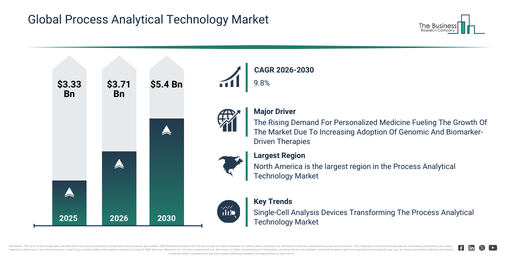
    The process analytical technology market has witnessed rapid expansion in its size over recent years. It is projected to grow from $3.33 billion in 2025 to $3.71 billion in 2026, achieving a compound annual growth rate (CAGR) of 11.6%. The historical growth can be attributed to the adoption of quality-by-design principles, increasing pharmaceutical manufacturing complexity, rising demand for consistent product quality, integration of analytical instruments in batch processes, and the growth of large molecule therapeutics.

    The process analytical technology market is projected to experience robust expansion over the coming years. Its value is anticipated to reach $5.4 billion by 2030, demonstrating a compound annual growth rate (CAGR) of 9.8%. This projected growth during the forecast period stems from factors such as the broadening of continuous manufacturing, the introduction of real-time release testing, innovations in sensor and probe technologies, the rising embrace of AI-powered process control, and regulatory support for the deployment of process analytical technology. Key trends identified for the forecast timeframe encompass real-time process oversight, anticipatory quality management, sophisticated process optimization, the merging of analytical instruments with manufacturing execution systems, alongside adherence to regulations and the standardization of processes.

    Access Your Free Sample Report For In-Depth Market Analysis:

    https://www.thebusinessresearchcompany.com/sample.aspx?id=14777&type=smp

    Which Key Drivers Are Affecting The Process Analytical Technology Market Development?

    The growing need for personalized medicine is anticipated to propel the expansion of the process analytical technology (PAT) market in the future. Personalized medicine represents an approach that customizes healthcare and treatment plans according to an individual’s genetic profile, environmental factors, and lifestyle behaviors, thereby enabling more targeted and effective therapeutic outcomes. Progress in genomics and biomarker-driven technologies is accelerating the adoption of personalized medicine by facilitating the development of highly customized treatments. PAT assists in this transition by providing real-time monitoring, analysis, and control of critical manufacturing parameters for precision therapies, such as gene therapies and individualized biologics, ensuring product quality, accuracy, and batch consistency. For instance, in February 2024, according to the Personalized Medicine Coalition, a US-based non-profit organization, in 2023, the FDA approved 16 new personalized therapies for patients with rare diseases, marking a substantial rise from the 6 approvals recorded in 2022. Therefore, the increasing demand for personalized medicine is driving the growth of the process analytical technology market.

    How Is The Process Analytical Technology Market Categorized Across Its Segment Groups?

    The process analytical technology market covered in this report is segmented –

    1) By Product: Analyzers, Sensors And Probes, Samplers, Software And Services

    2) By Technique: Spectroscopy, Chromatography, Particle Size Analysis, Electrophoresis, Other Techniques

    3) By Application: Small Molecules, Large Molecules, Manufacturing Applications, Other Applications

    4) By End-User: Pharmaceutical Companies, Biotechnology Companies, Other End-Users

    Subsegments:

    1) By Analyzers: Gas Analyzers, Liquid Analyzers, Particle Size Analyzers, Spectrometers, Chromatographs, Others (Moisture Analyzers, PH Meters)

    2) By Sensors And Probes: Temperature Sensors, Pressure Sensors, pH Sensors, Conductivity Sensors, Optical Sensors, Others (Flow Sensors, Humidity Sensors)

    3) By Samplers: Manual Samplers, Automated Samplers, Online Samplers, Batch Samplers

    4) By Software And Services: Software (Data Analytics, Process Control Software), Cloud-based Solutions, Support And Maintenance Services, Consulting Services, Installation And Integration Services

    Which Trends Are Influencing Demand In The Process Analytical Technology Market?

    Leading companies in the process analytical technology market are developing innovative offerings, such as new compact radiance instruments, to achieve a competitive advantage. This new compact radiance instrument evaluates individual cells within a population, enabling high-resolution examination of cellular diversity, responses, and behavior in real time during production. For instance, in October 2023, LumaCyte Inc., a US-based biotechnology company, introduced a new compact radiance instrument specifically created for advanced therapy biomanufacturing and quality control environments. The radiance instrument serves as a high-content, label-free microfluidic cell analyzer and sorter, capable of performing single-cell analysis and sorting. This inventive instrument stands out for its compact footprint, requiring only 16 inches of bench space while retaining sophisticated technological abilities. This technology is crucial for applications in biomanufacturing and quality control environments due to its efficient and precise analytical capacities.

    Which Firms Are Influencing Competition In The Process Analytical Technology Market?

    Major companies operating in the process analytical technology market are Siemens AG, Thermo Fisher Scientific Inc, Danaher Corporation, ABB Ltd, GE Healthcare, Emerson Electric Co, Agilent Technologies Inc, Teledyne Technologies Incorporated, Sartorius AG, Mettler-Toledo, PerkinElmer Inc, Shimadzu Corporation, Waters Corporation, Bruker Corporation, HORIBA Ltd, Carl Zeiss AG, Nova Biomedical, TECAN Group Ltd, Repligen Corporation, Hamilton Company, Oxford Instruments plc, Malvern Panalytical, Hitachi High-Tech Analytical Science, JEOL Ltd, Yokogawa Electric Corporation

    Get The Full Process Analytical Technology Market Report:

    https://www.thebusinessresearchcompany.com/report/process-analytical-technology-global-market-report

    Which Region Represents The Largest Share Of The Process Analytical Technology Market?

    North America was the largest region in the process analytical technology market in 2025. Asia-Pacific is expected to be the fastest-growing region in the forecast period. The regions covered in the process analytical technology market report are Asia-Pacific, South East Asia, Western Europe, Eastern Europe, North America, South America, Middle East, Africa.

    Request A Customized Process Analytical Technology Market Report For Competitive Insights:

    https://www.thebusinessresearchcompany.com/report/process-analytical-technology-global-market-report

    Browse Through More Reports Similar to the Global Process Analytical Technology Market 2026, By The Business Research Company

    Process Analytical Technology Market Report 2026

    https://www.thebusinessresearchcompany.com/report/process-analytical-technology-global-market-report

    Process Analyzer Market Report 2026

    https://www.thebusinessresearchcompany.com/report/process-analyzer-global-market-report

    Process Spectroscopy Market Report 2026

    https://www.thebusinessresearchcompany.com/report/process-spectroscopy-global-market-report

    Get in touch with us:

    The Business Research Company: https://www.thebusinessresearchcompany.com/

    Americas +1 310-496-7795

    Asia +44 7882 955267 & +91 8897263534

    Europe +44 7882 955267

    Email us at: marketing@tbrc.info

    Follow us on:

    LinkedIn: https://in.linkedin.com/company/the-business-research-company

    YouTube: https://www.youtube.com/channel/UC24_fI0rV8cR5DxlCpgmyFQ

    Global Market Model: https://www.thebusinessresearchcompany.com/global-market-model
  • Primary Progressive Multiple Sclerosis (PPMS) Treatment Market Developments And Opportunities Across 2026–2030

    Primary Progressive Multiple Sclerosis (PPMS) Treatment Market Developments And Opportunities Across 2026–2030

    The Business Research Company’s 2026 market reports feature enhanced tools like market attractiveness analysis, TAM assessment, and company scoring matrices, along with interactive dashboards, deeper supply chain insights, and startup coverage strengthening the depth, usability, and strategic value of insights.

    What Is The Forecasted Market Size Trajectory Of The Primary Progressive Multiple Sclerosis (PPMS) Treatment Market From 2026 To 2030?

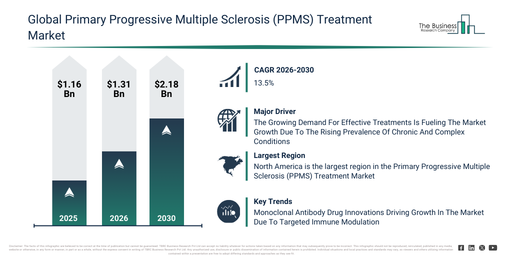
    The primary progressive multiple sclerosis (ppms) treatment market size has seen swift expansion in recent years. It is anticipated to increase from $1.16 billion in 2025 to $1.31 billion in 2026, achieving a compound annual growth rate (CAGR) of 13.7%. This historical growth can be linked to factors including restricted treatment options for ppms, a reliance on corticosteroids for managing symptoms, limited patient awareness of ppms, an underdeveloped hospital pharmacy infrastructure, and the slow integration of immunosuppressants.

    The primary progressive multiple sclerosis (ppms) treatment market is projected to experience substantial expansion in the coming years. This market is anticipated to reach $2.18 billion by 2030, exhibiting a compound annual growth rate (CAGR) of 13.5%. Factors contributing to this projected growth include the introduction of targeted monoclonal antibodies, a rise in research and development efforts for neurodegenerative disorders, the expansion of hospital and online pharmacy channels, an increase in regulatory approvals for new treatments, and enhanced patient awareness along with early diagnosis initiatives. Key trends anticipated during this period encompass the growing acceptance of monoclonal antibodies for PPMS, a heightened emphasis on symptom control and improving patients’ quality of life, a rising preference for intravenous drug delivery, the enlargement of hospital and specialty pharmacy avenues, and the innovation of new therapeutics and combined treatment approaches.

    Access Your Free Sample Report For In-Depth Market Analysis:

    https://www.thebusinessresearchcompany.com/sample.aspx?id=24670&type=smp

    What Factors Are Contributing To The Growth Of The Primary Progressive Multiple Sclerosis (PPMS) Treatment Market?

    The future expansion of the primary progressive multiple sclerosis (PPMS) treatment market is anticipated to be fueled by the increasing need for efficacious therapies. Such therapies represent medical interventions designed to alleviate symptoms, enhance patient results, or eradicate a disease or ailment. This escalating requirement for effective treatments primarily stems from the growing incidence of chronic and intricate health issues, which necessitate ongoing management and sophisticated therapeutic approaches to elevate patient outcomes and living standards. For primary progressive multiple sclerosis (PPMS), effective treatments are instrumental in decelerating disease progression by addressing inflammation and safeguarding neurological function. This, in turn, leads to an improved long-term quality of life, diminished disability progression, and a greater capacity for patients to independently and stably conduct daily activities. As an illustration, in January 2024, the American Society of Gene & Cell Therapy, a US-based organization for gene and cell therapy, reported that gene therapies in Phase III clinical trials totaled 33 Phase III gene therapy trials in 2023, reflecting a 10% rise from 2022 and marking the initial quarterly increase since Q3 2022. Consequently, the rising demand for effective treatments is a key driver for the growth of the primary progressive multiple sclerosis (PPMS) treatment market.

    How Are Segments Identified Within The Primary Progressive Multiple Sclerosis (PPMS) Treatment Market Segment Framework?

    The primary progressive multiple sclerosis (ppms) treatment market covered in this report is segmented –

    1) By Drug Type: Monoclonal Antibodies, Immunosuppressants, Corticosteroids, Other Drug Types

    2) By Route Of Administration: Oral, Intravenous, Other Route Of Administrations

    3) By Distribution Channel: Hospital Pharmacies, Retail Pharmacies, Online Pharmacies, Other Distribution Channels

    Subsegments:

    1) By Monoclonal Antibodies: Ocrelizumab, Rituximab, Ofatumumab, Ublituximab

    2) By Immunosuppressants: Methotrexate, Azathioprine, Mycophenolate Mofetil, Cyclophosphamide

    3) By Corticosteroids: Methylprednisolone, Prednisone, Dexamethasone, Hydrocortisone

    4) By Other Drug Types: Biotin, Ibudilast, Laquinimod, Idebenone

    What Emerging Trends Are Seen In The Primary Progressive Multiple Sclerosis (PPMS) Treatment Market?

    Leading companies within the primary progressive multiple sclerosis (PPMS) treatment market are intensifying their efforts to develop cutting-edge formulations, such as monoclonal antibody drugs, to improve multiple sclerosis therapy. A monoclonal antibody drug works in multiple sclerosis by targeting specific immune cells or proteins that contribute to inflammation and nerve damage, thereby decreasing disease activity and slowing symptom progression. For instance, in February 2024, Roche Pharma India, an India-based pharmaceutical company, launched Ocrevus (ocrelizumab), a monoclonal antibody drug, for the treatment of multiple sclerosis (MS) in India. Ocrevus is significant as the first and only approved disease-modifying therapy (DMT) available in the country for both relapsing-remitting multiple sclerosis (RRMS) and primary progressive multiple sclerosis (PPMS). The medication operates by targeting CD20-positive B cells, an immune cell type involved in the aberrant immune response observed in MS. It is administered via a twice-yearly intravenous infusion lasting only two hours, offering patients a more convenient and effective treatment choice.

    Who Are The Companies Competing Within The Primary Progressive Multiple Sclerosis (PPMS) Treatment Market?

    Major companies operating in the primary progressive multiple sclerosis (ppms) treatment market are F. Hoffmann-La Roche Ltd., Biogen Inc., Novartis AG, Teva Pharmaceutical Industries Ltd., Acorda Therapeutics Inc., Apitope International N.V., Atara Biotherapeutics Inc., Kyverna Therapeutics Inc., Clene Inc., Mapi Pharma Ltd., Abata Therapeutics Inc., MediciNova Inc., MedDay Pharmaceuticals SAS, AB Science S.A., Immunic AG, BrainStorm Cell Therapeutics Inc., TG Therapeutics Inc., EMD Serono Inc. (Merck KGaA), Mitsubishi Tanabe Pharma Corporation, Sanofi Genzyme, Alexion Pharmaceuticals (AstraZeneca Rare Disease), Viela Bio (Horizon Therapeutics), Receptos (Celgene/Bristol-Myers Squibb), Forward Pharma A/S, InnoCare Pharma, NervGen Pharma Corp., Priovant Therapeutics, Tiziana Life Sciences, Reata Pharmaceuticals, Biohaven Pharmaceutical Holding Company, Anokion SA

    Get The Full Primary Progressive Multiple Sclerosis (PPMS) Treatment Market Report:

    https://www.thebusinessresearchcompany.com/report/primary-progressive-multiple-sclerosis-ppms-treatment-global-market-report

    Which Geographic Region Dominates The Primary Progressive Multiple Sclerosis (PPMS) Treatment Market?

    North America was the largest region in the primary progressive multiple sclerosis (PPMS) treatment market in 2025. Asia-Pacific is expected to be the fastest-growing region in the forecast period. The regions covered in the primary progressive multiple sclerosis (ppms) treatment market report are Asia-Pacific, South East Asia, Western Europe, Eastern Europe, North America, South America, Middle East, Africa.

    Request A Customized Primary Progressive Multiple Sclerosis (PPMS) Treatment Market Report For Competitive Insights:

    https://www.thebusinessresearchcompany.com/report/primary-progressive-multiple-sclerosis-ppms-treatment-global-market-report

    Browse Through More Reports Similar to the Global Primary Progressive Multiple Sclerosis (PPMS) Treatment Market 2026, By The Business Research Company

    Multiple Sclerosis Drugs Market Report 2026

    https://www.thebusinessresearchcompany.com/report/multiple-sclerosis-drugs-global-market-report

    Atherosclerosis Drugs Market Report 2026

    https://www.thebusinessresearchcompany.com/report/atherosclerosis-drugs-global-market-report

    Focal Segmental Glomerulosclerosis Drugs Market Report 2026

    https://www.thebusinessresearchcompany.com/report/focal-segmental-glomerulosclerosis-drugs-global-market-report

    Get in touch with us:

    The Business Research Company: https://www.thebusinessresearchcompany.com/

    Americas +1 310-496-7795

    Asia +44 7882 955267 & +91 8897263534

    Europe +44 7882 955267

    Email us at: marketing@tbrc.info

    Follow us on:

    LinkedIn: https://in.linkedin.com/company/the-business-research-company

    YouTube: https://www.youtube.com/channel/UC24_fI0rV8cR5DxlCpgmyFQ

    Global Market Model: https://www.thebusinessresearchcompany.com/global-market-model
  • Primary Myelofibrosis Market Forecast 2026–2030 Presenting Long-Term Industry Insights

    Primary Myelofibrosis Market Forecast 2026–2030 Presenting Long-Term Industry Insights

    The Business Research Company’s 2026 market reports feature enhanced tools like market attractiveness analysis, TAM assessment, and company scoring matrices, along with interactive dashboards, deeper supply chain insights, and startup coverage strengthening the depth, usability, and strategic value of insights.

    How Much Will The Market Value Of The Primary Myelofibrosis Market Grow Between 2026 And 2030?

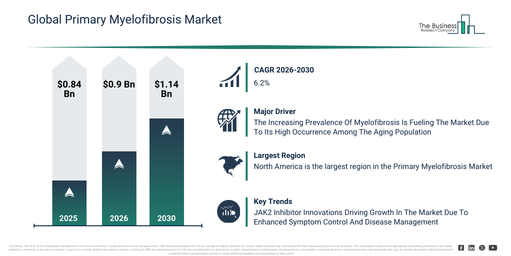
    The market size for primary myelofibrosis has demonstrated substantial growth in recent years. It is projected to expand from $0.84 billion in 2025 to $0.9 billion in 2026, at a compound annual growth rate (CAGR) of 6.4%. The expansion observed historically can be attributed to several factors including limited available therapeutic options, instances of delayed diagnosis and misdiagnosis, insufficient disease awareness, a dependence on conventional treatments, and a restricted patient population.

    The primary myelofibrosis market is anticipated to experience substantial expansion over the upcoming years. This market is projected to reach $1.14 billion by 2030, exhibiting a compound annual growth rate (CAGR) of 6.2%. This projected increase can be attributed to several factors, including the emergence of innovative targeted treatments, a rise in clinical trial engagement, progress in genetic and molecular diagnostic methods, increased funding for hematology research, and the expanding implementation of personalized medicine. Key developments anticipated during this timeframe involve heightened awareness and earlier detection of primary myelofibrosis, an expansion of targeted therapies and individualized treatment strategies, broader use of sophisticated diagnostic instruments, an increase in clinical studies and research endeavors, and a greater emphasis on patient support initiatives and disease management.

    Access Your Free Sample Report For In-Depth Market Analysis:

    https://www.thebusinessresearchcompany.com/sample.aspx?id=24669&type=smp

    Which Strong Drivers Are Impacting The Primary Myelofibrosis Market Growth?

    The growing incidence of myelofibrosis is poised to stimulate the expansion of the primary myelofibrosis market in the future. Myelofibrosis is defined as an uncommon form of bone marrow cancer which interferes with the body’s standard blood cell production, causing significant scarring within the bone marrow, and manifesting as severe anemia, weakness, tiredness, and an enlarged spleen. The heightened prevalence of myelofibrosis largely stems from an aging population, given that the ailment predominantly impacts those above 60 years old, with extended life expectancies contributing to an elevated count of identified instances. An escalating occurrence of myelofibrosis facilitates advancements in the management of primary myelofibrosis by stimulating research, refining early detection, broadening available treatments, and encouraging superior clinical protocols and specialized services. For example, in November 2024, the National Institute for Health and Care Excellence, an independent executive non-departmental public body situated in the UK, reported that myelofibrosis affects 3.2 per 100,000 people in the UK and has an incidence rate of 0.6 per 100,000. Consequently, the growing incidence of myelofibrosis is fueling the expansion of the primary myelofibrosis market.

    What Are The Key Segment Divisions In The Primary Myelofibrosis Market Segment Structure?

    The primary myelofibrosis market covered in this report is segmented –

    1) By Type: Spinocerebellar Primary Myelofibrosiss, Primary Myelofibrosis-Telangiectasia, Episodic Primary Myelofibrosis, Other Types

    2) By Services: Treatment, Diagnosis

    3) By Dosage Forms: Solid, Liquids, Other Dosage Forms

    4) By Age: Adult, Child, Geriatric

    5) By End User: Hospitals, Clinics, Other End Users

    Subsegments:

    1) By Spinocerebellar Primary Myelofibrosis: Spinocerebellar Ataxia With Myelofibrosis, Hereditary Spinocerebellar Degeneration With Bone Marrow Fibrosis, Neurodegenerative Spinocerebellar Syndromes With Fibrotic Manifestations

    2) By Primary Myelofibrosis-Telangiectasia: Cutaneous Telangiectasia With Myelofibrosis, Hereditary Hemorrhagic Telangiectasia With Marrow Fibrosis, Ocular Telangiectasia-Associated Myelofibrosis

    3) By Episodic Primary Myelofibrosis: Intermittent Marrow Fibrosis Episodes, Periodic Cytopenia With Fibrosis Flare, Cyclical Myelofibrosis In Autoimmune Disorders

    4) By Other Types: Familial Primary Myelofibrosis, Idiopathic Myelofibrosis, Therapy-Related Primary Myelofibrosis, Juvenile Primary Myelofibrosis

    Which Trends Are Guiding The Direction Of The Primary Myelofibrosis Market?

    Leading companies within the primary myelofibrosis market are prioritizing the development of innovative products, such as Janus kinase 2 inhibiting tablets, to enhance symptom management and slow disease progression. Janus kinase 2 (JAK2) inhibiting tablets are oral medications that block the activity of the JAK2 enzyme, which plays a role in the abnormal signaling pathways leading to excessive blood cell production in primary myelofibrosis. These tablets help reduce spleen size, alleviate symptoms like fatigue and bone pain, and decelerate the disease’s advancement. For example, in March 2025, GlaxoSmithKline Korea (GSK Korea) Ltd., a Korea-based pharmaceutical and biotechnology company, launched Omjjara (momelotinib), a new treatment for myelofibrosis. This medication is approved by South Korea’s Ministry of Food and Drug Safety and is intended for adult patients with intermediate- or high-risk primary or secondary myelofibrosis who also experience moderate to severe anemia. Omjjara is an oral medication that inhibits Janus kinases (JAK1 and JAK2) and activin A receptor type 1 (ACVR1), proving effective in addressing symptoms such as anemia, enlarged spleen, and fatigue. Its approval is backed by clinical trial data that demonstrated significant improvements in anemia, spleen size, and overall symptoms compared to existing treatments.

    Which Organizations Are Engaged In The Primary Myelofibrosis Market?

    Major companies operating in the primary myelofibrosis market are Merck & Co. Inc., AbbVie Inc., Bristol-Myers Squibb Company, Sumitomo Pharma Oncology Inc., Incyte Corporation, Nippon Shinyaku Co. Ltd., MorphoSys AG, Keros Therapeutics Inc., Geron Corporation, Lynk Pharmaceuticals Co. Ltd., Pharmaxis Ltd, Kartos Therapeutics Inc., Disc Medicine Inc., Galecto Inc., Cellenkos Inc., Chia Tai Tianqing Pharmaceutical Group Co. Ltd., Taiga Biotechnologies Inc., Suzhou Zelgen Biopharmaceuticals Co. Ltd., Telios Pharma Inc., Samus Therapeutics Inc., Jacobio Pharmaceuticals Co. Ltd.

    Get The Full Primary Myelofibrosis Market Report:

    https://www.thebusinessresearchcompany.com/report/primary-myelofibrosis-global-market-report

    Which Region Is The Leading Market For The Primary Myelofibrosis Market?

    North America was the largest region in the primary myelofibrosis market in 2025. Asia-Pacific is expected to be the fastest-growing region in the forecast period. The regions covered in the primary myelofibrosis market report are Asia-Pacific, South East Asia, Western Europe, Eastern Europe, North America, South America, Middle East, Africa.

    Request A Customized Primary Myelofibrosis Market Report For Competitive Insights:

    https://www.thebusinessresearchcompany.com/report/primary-myelofibrosis-global-market-report

    Browse Through More Reports Similar to the Global Primary Myelofibrosis Market 2026, By The Business Research Company

    Myelodysplastic Syndrome Drugs Market Report 2026

    https://www.thebusinessresearchcompany.com/report/myelodysplastic-syndrome-drugs-global-market-report

    Myeloproliferative Disorders Drugs Market Report 2026

    https://www.thebusinessresearchcompany.com/report/myeloproliferative-disorders-drugs-global-market-report

    Thrombectomy Devices Market Report 2026

    https://www.thebusinessresearchcompany.com/report/thrombectomy-devices-global-market-report

    Get in touch with us:

    The Business Research Company: https://www.thebusinessresearchcompany.com/

    Americas +1 310-496-7795

    Asia +44 7882 955267 & +91 8897263534

    Europe +44 7882 955267

    Email us at: marketing@tbrc.info

    Follow us on:

    LinkedIn: https://in.linkedin.com/company/the-business-research-company

    YouTube: https://www.youtube.com/channel/UC24_fI0rV8cR5DxlCpgmyFQ

    Global Market Model: https://www.thebusinessresearchcompany.com/global-market-model
  • Primary Cell Culture Market Growth Analysis 2026–2030 Highlighting Innovation And Competitive Landscape

    Primary Cell Culture Market Growth Analysis 2026–2030 Highlighting Innovation And Competitive Landscape

    The Business Research Company’s 2026 market reports feature enhanced tools like market attractiveness analysis, TAM assessment, and company scoring matrices, along with interactive dashboards, deeper supply chain insights, and startup coverage strengthening the depth, usability, and strategic value of insights.

    What Changes In Market Value Are Expected For The Primary Cell Culture Market Over The 2026–2030 Period?

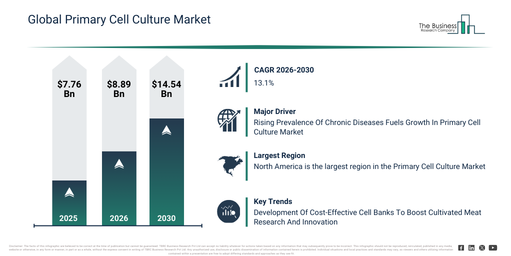
    The primary cell culture market has experienced significant expansion in recent years. This market is projected to increase from $7.76 billion in 2025 to $8.89 billion in 2026, achieving a compound annual growth rate (CAGR) of 14.6%. Historically, this growth has been driven by the advancement of in vitro research methods, the early adoption of tissue culture techniques, the increasing use of animal models in research, the expansion of academic life sciences research, and the rising need for biologically relevant cell models.

    The primary cell culture market is anticipated to experience substantial growth in the upcoming years, with its size expected to reach $14.54 billion in 2030, achieving a compound annual growth rate (CAGR) of 13.1%. This projected growth throughout the forecast period is fueled by the advancement of gene therapy and regenerative medicine research, increasing pharmaceutical R&D investments, a rising need for personalized medicine research tools, the expansion of vaccine development activities, and a growing emphasis on reducing animal testing. Prominent trends for this period include the increasing adoption of primary cells for physiologically relevant research, their expanding use in regenerative medicine applications, a growing demand for human primary cells in drug discovery, the proliferation of serum-free and specialized culture media, and higher utilization of primary cells in cancer and virology research.

    Access Your Free Sample Report For In-Depth Market Analysis:

    https://www.thebusinessresearchcompany.com/sample.aspx?id=15903&type=smp

    What Key Factors Are Shaping The Primary Cell Culture Market Landscape?

    The primary cell culture market is anticipated to experience growth due to the rising occurrence of chronic diseases. These conditions are characterized as long-lasting, typically progressing slowly, and often persisting for an individual’s entire life. The increase in chronic illnesses stems from various factors, including lifestyle alterations, environmental influences, insufficient physical activity, dietary modifications, and demographic shifts. Primary cell cultures are instrumental in enhancing understanding and developing treatment approaches for chronic diseases, ultimately contributing to better patient outcomes. For instance, in January 2023, the National Center For Biotechnology Information, a US-based government agency, reported an estimated 99.5% increase in individuals with at least one chronic disease, from 71.522 million in 2020 to 142.66 million by 2050. Consequently, the expanding prevalence of chronic diseases acts as a significant driver for the primary cell culture market.

    Which Segment Categories Are Included In The Primary Cell Culture Market Segment Analysis?

    The primary cell culture market covered in this report is segmented –

    1) By Product: Primary Cell, Reagents, Supplements, Media

    2) By Cell Type: Animal Cells, Human Cells

    3) By Separation And Culture Techniques: Explant Method, Enzymatic Disaggregation, Mechanical Separation, Other Separation

    4) By Application: Tissue Culture and Tissue Engineering, Vaccine Production, Gene Therapy And Regenerative Medicine, Drug Screening And Toxicity Testing, Cancer Research, Virology, Stem Cell Therapy, Other Applications

    5) By End User: Pharmaceutical And Biotechnology Company And Contract Research Organizations, Academic And Research Institutes, Other End Users

    Subsegments:

    1) By Primary Cell: Human Primary Cells, Animal Primary Cells

    2) By Reagents: Enzymes, Buffers And Salts, Antibodies

    3) By Supplements: Growth Factors, Serum Supplements, Hormones

    4) By Media: Basal Media, Serum-Free Media, Specialty Media

    What Trends Are Affecting The Growth Of The Primary Cell Culture Market?

    Major companies within the primary cell culture market are establishing cell banks containing primary cells specifically for cultivated meat research, with the goal of advancing sustainable and ethical meat production technologies. The Cell Bank initiative is designed to support early-stage companies and researchers by offering high-quality animal primary cells suitable for cultivated meat research and development, at a cost up to 90% lower than other cell line providers, and without licensing restrictions. For example, in June 2023, Extracellular, a UK-based CDMO, launched affordable, license-free cell banks to assist the cultivated meat sector. These cell banks initially supply cells derived from the fat, muscle, and bone marrow tissues of cows, pigs, and lambs. This project highlights a collaborative approach intended to accelerate the expansion of the cultivated meat industry in the UK by increasing the accessibility of cell lines and empowering researchers and companies to develop innovative technologies without the constraints of licensing or commercial agreements.

    Who Are The Active Companies Shaping The Primary Cell Culture Market?

    Major companies operating in the primary cell culture market are Thermo Fisher Scientific Inc., Merck KGaA, FUJIFILM Holdings Corporation, GE HealthCare Technologies Inc., Corning Incorporated, Lonza Group Ltd., Sartorius AG, Miltenyi Biotec and CO.KG, STEMCELL Technologies Inc., Cyagen Biosciences Inc., Hi Media Laboratories Pvt. Ltd., PromoCell GmbH, AllCells LLC, BPS Bioscience Inc., MatTek Ltd., Axol Bioscience Ltd., Lifeline Cell Technology Corp., Neuromics Inc., Cell Biologics Inc., ZenBio Inc., Epithelix Sàrl, ReachBio LLC, AcceGen Biotechnology, Biopredic International, ixCells Biotechnologies

    Get The Full Primary Cell Culture Market Report:

    https://www.thebusinessresearchcompany.com/report/primary-cell-culture-global-market-report

    Where Is The Primary Cell Culture Market Primarily Concentrated By Region?

    North America was the largest region in the primary cell culture market in 2025. Asia-Pacific is expected to be the fastest-growing region in the forecast period. The regions covered in the primary cell culture market report are Asia-Pacific, South East Asia, Western Europe, Eastern Europe, North America, South America, Middle East, Africa.

    Request A Customized Primary Cell Culture Market Report For Competitive Insights:

    https://www.thebusinessresearchcompany.com/report/primary-cell-culture-global-market-report

    Browse Through More Reports Similar to the Global Primary Cell Culture Market 2026, By The Business Research Company

    Primary Cell Culture Market Report 2026

    https://www.thebusinessresearchcompany.com/report/primary-cell-culture-global-market-report

    Cell Cultures Market Report 2026

    https://www.thebusinessresearchcompany.com/report/cell-cultures-global-market-report

    Primary Cells Market Report 2026

    https://www.thebusinessresearchcompany.com/report/primary-cells-global-market-report

    Get in touch with us:

    The Business Research Company: https://www.thebusinessresearchcompany.com/

    Americas +1 310-496-7795

    Asia +44 7882 955267 & +91 8897263534

    Europe +44 7882 955267

    Email us at: marketing@tbrc.info

    Follow us on:

    LinkedIn: https://in.linkedin.com/company/the-business-research-company

    YouTube: https://www.youtube.com/channel/UC24_fI0rV8cR5DxlCpgmyFQ

    Global Market Model: https://www.thebusinessresearchcompany.com/global-market-model
  • Primary Biliary Cholangitis Therapeutics Market Forecast Through 2030 With Insights On Market Patterns And Developments

    Primary Biliary Cholangitis Therapeutics Market Forecast Through 2030 With Insights On Market Patterns And Developments

    The Business Research Company’s 2026 market reports feature enhanced tools like market attractiveness analysis, TAM assessment, and company scoring matrices, along with interactive dashboards, deeper supply chain insights, and startup coverage strengthening the depth, usability, and strategic value of insights.

    By 2030, What Market Size Is The Primary Biliary Cholangitis Therapeutics Market Expected To Reach Based On Its 2026 Value?

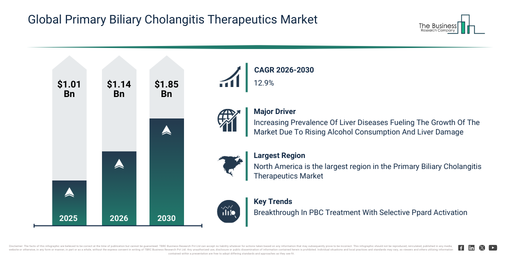
    The primary biliary cholangitis therapeutics market size has experienced rapid growth in recent years. This market is projected to expand from $1.01 billion in 2025 to $1.14 billion in 2026, demonstrating a compound annual growth rate (CAGR) of 12.9%. Historically, this growth can be attributed to factors such as limited treatment options for PBC, a growing prevalence of autoimmune liver diseases, increasing liver disease awareness campaigns, the widespread reliance on ursodeoxycholic acid monotherapy, and the expansion of hospital infrastructure dedicated to liver disease care.

    The primary biliary cholangitis therapeutics market is projected to experience substantial expansion in the coming years, reaching a valuation of $1.85 billion by 2030, driven by a compound annual growth rate (CAGR) of 12.9%. This anticipated growth during the forecast period is fueled by several factors, including advancements in obeticholic acid and various combination therapies, an increase in investigational drugs and promising pipeline candidates, the wider acceptance of receptor agonists and modulators, greater patient awareness alongside early diagnosis efforts, and the expanding reach of online and retail pharmacy distribution channels. Key trends anticipated during this period encompass the increasing use of ursodeoxycholic acid and obeticholic acid treatments, the proliferation of combination therapies and pipeline medications, a stronger emphasis on prompt diagnosis and consistent disease monitoring, the broadening of hospital and retail pharmacy distribution channels, and enhanced public awareness regarding autoimmune liver diseases and patient education initiatives.

    Access Your Free Sample Report For In-Depth Market Analysis:

    https://www.thebusinessresearchcompany.com/sample.aspx?id=25887&type=smp

    Which Factors Are Influencing The Growth Of The Primary Biliary Cholangitis Therapeutics Market?

    The primary biliary cholangitis therapeutics market is anticipated to expand due to the rising occurrence of liver diseases. Liver diseases encompass various ailments that hinder normal liver function, frequently resulting in inflammation, fibrosis, or hepatic failure. This surge in liver disease cases stems from increased alcohol consumption, where excessive intake harms liver cells, causing inflammation and persistent liver issues. These therapeutics for primary biliary cholangitis assist in managing liver ailments by targeting bile duct inflammation, thereby decelerating disease advancement and maintaining liver function. They contribute to better patient results through symptom reduction, improved quality of life, and postponing the necessity for liver transplantation. For example, the Centers for Disease Control and Prevention (CDC), a US-based federal public health agency, reported in September 2025 that chronic liver disease and cirrhosis accounted for 52,222 deaths in the United States in 2023, positioning it as the ninth leading cause of death. Consequently, the growing incidence of liver diseases is a significant impetus for the expansion of the primary biliary cholangitis therapeutics market.

    How Is The Primary Biliary Cholangitis Therapeutics Market Broken Down By Segment Categories?

    The primary biliary cholangitis therapeutics market covered in this report is segmented –

    1) By Drug: Ursodeoxycholic Acid, Obeticholic Acid, Other Drugs

    2) By Mechanism Of Action (MOA): Receptor Agonist, Receptor Modulator, Enzyme Activator, Enzyme Inhibitor, Other Mechanisms Of Action

    3) By Distribution Channel: Hospital Pharmacies, Drug Store And Retail Pharmacies, Online Pharmacies

    4) By Use: Human, Veterinary

    Subsegments:

    1) By Ursodeoxycholic Acid: Branded Ursodeoxycholic Acid, Generic Ursodeoxycholic Acid, Combination Therapies With Ursodeoxycholic Acid

    2) By Obeticholic Acid: Monotherapy, Combination Therapy, Branded Obeticholic Acid

    3) By Other Drugs: Fibrates, Budesonide, Immunosuppressants, Investigational Drugs Or Pipeline Candidates

    Which Trends Are Shaping The Primary Biliary Cholangitis Therapeutics Market?

    Leading firms within the primary biliary cholangitis therapeutics market are dedicating efforts to developing innovative products and securing necessary approvals, such as for peroxisome proliferator-activated receptor agonists, with the goal of enhancing bile acid metabolism and decelerating disease progression in patients. Peroxisome proliferator-activated receptor (PPAR) agonists are pharmaceuticals designed to activate PPAR proteins, which in turn regulate genes instrumental in metabolism, inflammation, and energy balance. For example, in August 2024, Gilead Sciences Inc., a US-based pharmaceutical company, obtained accelerated approval from the U.S. Food and Drug Administration (FDA) for Livdelzi (seladelpar). This approval is for the treatment of primary biliary cholangitis (PBC) in adults who have shown an insufficient response to ursodeoxycholic acid (UDCA) or are unable to tolerate UDCA. Livdelzi is an oral, selective PPARd agonist that operates by activating the PPARd receptor to modulate genes associated with reducing liver inflammation, improving bile acid metabolism, and slowing the advancement of primary biliary cholangitis (PBC).

    Which Players Are Present In The Primary Biliary Cholangitis Therapeutics Market Space?

    Major companies operating in the primary biliary cholangitis therapeutics market are Novartis AG, Gilead Sciences Inc., Ipsen Pharma, Intercept Pharmaceuticals, Enanta Pharmaceuticals, Mirum Pharmaceuticals, Calliditas Therapeutics AB, Dr. Falk Pharma GmbH, NGM Biopharmaceuticals Inc., COUR Pharmaceuticals, HighTide Therapeutics Inc., Pliant Therapeutics Inc., Tiziana Life Sciences, Phenex Pharmaceuticals, Synlogic Therapeutics

    Get The Full Primary Biliary Cholangitis Therapeutics Market Report:

    https://www.thebusinessresearchcompany.com/report/primary-biliary-cholangitis-therapeutics-global-market-report

    Which Region Has The Greatest Market Share In The Primary Biliary Cholangitis Therapeutics Market?

    North America was the largest region in the primary biliary cholangitis therapeutics market in 2025. Asia-Pacific is expected to be the fastest-growing region in the forecast period. The regions covered in the primary biliary cholangitis therapeutics market report are Asia-Pacific, South East Asia, Western Europe, Eastern Europe, North America, South America, Middle East, Africa.

    Request A Customized Primary Biliary Cholangitis Therapeutics Market Report For Competitive Insights:

    https://www.thebusinessresearchcompany.com/report/primary-biliary-cholangitis-therapeutics-global-market-report

    Browse Through More Reports Similar to the Global Primary Biliary Cholangitis Therapeutics Market 2026, By The Business Research Company

    Primary Biliary Cholangitis Market Report 2026

    https://www.thebusinessresearchcompany.com/report/primary-biliary-cholangitis-global-market-report

    Liver Diseases Therapeutics Market Report 2026

    https://www.thebusinessresearchcompany.com/report/liver-diseases-therapeutics-global-market-report

    Cholinergic Drugs Market Report 2026

    https://www.thebusinessresearchcompany.com/report/cholinergic-drugs-global-market-report

    Get in touch with us:

    The Business Research Company: https://www.thebusinessresearchcompany.com/

    Americas +1 310-496-7795

    Asia +44 7882 955267 & +91 8897263534

    Europe +44 7882 955267

    Email us at: marketing@tbrc.info

    Follow us on:

    LinkedIn: https://in.linkedin.com/company/the-business-research-company

    YouTube: https://www.youtube.com/channel/UC24_fI0rV8cR5DxlCpgmyFQ

    Global Market Model: https://www.thebusinessresearchcompany.com/global-market-model
  • Pre-workout Vegan Supplements Market Outlook For 2026–2030 Covering Growth Drivers And Industry Trends

    Pre-workout Vegan Supplements Market Outlook For 2026–2030 Covering Growth Drivers And Industry Trends

    The Business Research Company’s 2026 market reports feature enhanced tools like market attractiveness analysis, TAM assessment, and company scoring matrices, along with interactive dashboards, deeper supply chain insights, and startup coverage strengthening the depth, usability, and strategic value of insights.

    What Is The Anticipated Rise In Market Value Of The Pre-workout Vegan Supplements Market During The Forecast Period?

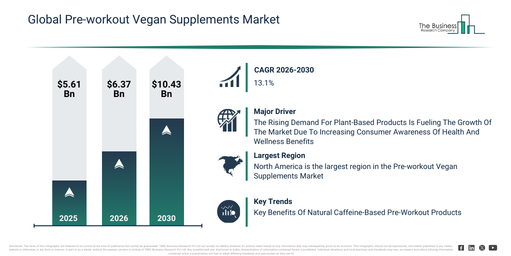
    Over recent years, the pre-workout vegan supplements market size has experienced rapid growth. It is forecast to expand from $5.61 billion in 2025 to $6.37 billion in 2026, achieving a compound annual growth rate (CAGR) of 13.4%. This historical expansion can be attributed to several factors: the initially restricted availability of vegan supplement options, an expanding fitness and gym culture, heightened awareness regarding plant-based nutrition, increased usage of pre-workout products, and the reliance on conventional retail distribution channels.

    The market size for pre-workout vegan supplements is anticipated to experience substantial growth in the coming years. It is projected to expand to $10.43 billion by 2030, demonstrating a compound annual growth rate (CAGR) of 13.1%. This expected increase can be attributed to innovations in plant-based and functional ingredients, the expansion of online retail and direct-to-consumer channels, a growing health-conscious and vegan population, the broadening of pre-workout supplement formulations, and the adoption of personalized nutrition solutions. Prominent trends throughout this forecast period include a rising demand for plant-based and vegan supplements, the advancement of pre-workout formulations for energy and endurance, the increasing popularity of personalized nutrition and fitness supplements, the proliferation of online and e-commerce distribution channels, and an enhanced focus on natural ingredients and clean label products.

    Access Your Free Sample Report For In-Depth Market Analysis:

    https://www.thebusinessresearchcompany.com/sample.aspx?id=24668&type=smp

    What Leading Drivers Are Supporting The Pre-workout Vegan Supplements Market Expansion?

    The burgeoning consumer preference for plant-based items is anticipated to drive the future expansion of the pre-workout vegan supplements market. Plant-based products encompass goods made entirely or largely from ingredients derived from plants, such as various fruits, vegetables, grains, nuts, seeds, and legumes. This heightened demand for plant-based products primarily stems from growing consumer recognition of their associated health benefits, including reduced risks of heart disease, obesity, and diabetes, thereby encouraging more individuals to adopt plant-based diets for improved well-being. Pre-workout vegan supplements contribute to the growth of plant-based products by fostering consumer interest in clean, cruelty-free performance nutrition consistent with vegan lifestyles, spurring innovation in plant-based ingredient sourcing, formulation, and branding, and simultaneously enlarging the market for sustainable, health-conscious alternatives within the broader fitness and wellness industry. For instance, in 2025, according to Veganisingit, a vegan blog-based website, the plant-based protein value grew by 7% from 2022 to 2023. Thus, the increasing demand for plant-based products is a significant impetus for the growth of the pre-workout vegan supplements market.

    What Are The Different Segment Types In The Pre-workout Vegan Supplements Market Segment Breakdown?

    The pre-workout vegan supplements market covered in this report is segmented –

    1) By Product: Vitamins, Minerals, Amino Acids, Plant-Based, Other Products

    2) By Form: Powder, Liquid, Capsules, Bars, Other Forms

    3) By Distribution Channel: Hypermarkets Or Supermarkets, Convenience Stores, Drug Stores And Pharmacies, Health And Wellness Stores, Online Retail

    4) By End-User: Athletes And Fitness Enthusiasts, General Health Consumers

    Subsegments:

    1) By Vitamins: Vitamin B Complex, Vitamin C, Vitamin D, Vitamin E, Vitamin K, Multivitamins

    2) By Minerals: Magnesium, Calcium, Potassium, Zinc, Iron, Electrolytes

    3) By Amino Acids: Branched-Chain Amino Acids (BCAAs), L-Arginine, L-Citrulline, L-Glutamine, L-Taurine, Beta-Alanine

    4) By Plant-Based: Beetroot Extract, Maca Root, Rhodiola Rosea, Ashwagandha, Cordyceps, Spirulina

    5) By Other Products: Natural Caffeine Sources (Green Tea, Guarana), Adaptogens, Electrolyte Blends, Herbal Extracts, Enzyme Blends

    What Trends Are Influencing The Pre-workout Vegan Supplements Market?

    Key companies operating within the pre-workout vegan supplements market are concentrating on developing innovative products, such as natural pre-workout protein, aimed at enhancing workout performance and muscle strength by providing the body with essential amino acids and nutrients before physical activity. Natural pre-workout protein is a protein source originating from whole foods or plant-based ingredients that are minimally processed and free from artificial additives or synthetic substances. It helps to improve muscle protein synthesis and reduce muscle breakdown. For instance, in 2025, Leaft Foods Ltd., a New Zealand-based plant-based protein producer company, launched the Pre-Workout Rubisco Protein Drink, an innovative plant-based performance nutrition product. This ready-to-drink vegan pre-workout supplement is made from Rubisco protein extracted from green leaves like alfalfa, and the drink includes L-tyrosine for enhanced brain function, leucine to stimulate muscle synthesis, and tryptophan to assist in restoring balance. Additionally, it also offers a rich source of vitamins and micronutrients derived from the equivalent of 50,000 green leaves per serving.

    Who Are The Well-Known Companies In The Pre-workout Vegan Supplements Market?

    Major companies operating in the pre-workout vegan supplements market are Thorne HealthTech Inc., Xymogen, The Protein Works Ltd., Vitamin-One Formulas Ltd. (dba VitaminLab), Nutrabay Retail Private Limited, Legion Athletics Inc., Transparent Labs LLC, Clean Machine Inc., Ora Organic Inc., Warrior Supplements Ltd., Cosmix Retail Private Limited, Naked Nutrition Inc., Rari Nutrition LLC, Whitewolf Nutrition Pty Ltd, Vedge Nutrition Inc., ZOA Energy LLC, KOS Naturals Inc., Bulk Powders Ltd., True Athlete, Plantigo Inc.

    Get The Full Pre-workout Vegan Supplements Market Report:

    https://www.thebusinessresearchcompany.com/report/pre-workout-vegan-supplements-global-market-report

    Which Region Accounts For The Largest Portion Of The Pre-workout Vegan Supplements Market?

    North America was the largest region in the pre-workout vegan supplements market in 2025. The regions covered in the pre-workout vegan supplements market report are Asia-Pacific, South East Asia, Western Europe, Eastern Europe, North America, South America, Middle East, Africa.

    Request A Customized Pre-workout Vegan Supplements Market Report For Competitive Insights:

    https://www.thebusinessresearchcompany.com/report/pre-workout-vegan-supplements-global-market-report

    Browse Through More Reports Similar to the Global Pre-workout Vegan Supplements Market 2026, By The Business Research Company

    Botanical Supplements Market Report 2026

    https://www.thebusinessresearchcompany.com/report/botanical-supplements-global-market-report

    Herbal Supplements Market Report 2026

    https://www.thebusinessresearchcompany.com/report/herbal-supplements-global-market-report

    Probiotics Dietary Supplements Market Report 2026

    https://www.thebusinessresearchcompany.com/report/probiotics-dietary-supplements-global-market-report

    Get in touch with us:

    The Business Research Company: https://www.thebusinessresearchcompany.com/

    Americas +1 310-496-7795

    Asia +44 7882 955267 & +91 8897263534

    Europe +44 7882 955267

    Email us at: marketing@tbrc.info

    Follow us on:

    LinkedIn: https://in.linkedin.com/company/the-business-research-company

    YouTube: https://www.youtube.com/channel/UC24_fI0rV8cR5DxlCpgmyFQ

    Global Market Model: https://www.thebusinessresearchcompany.com/global-market-model
  • Rising Prevalence Of Blood Diseases Fueling The Growth Of The Due To Increasing Demand For Accurate Blood Typing And Transfusion Management Is Supporting Expansion In The Preventive Vaccines Market

    Rising Prevalence Of Blood Diseases Fueling The Growth Of The Due To Increasing Demand For Accurate Blood Typing And Transfusion Management Is Supporting Expansion In The Preventive Vaccines Market

    The Business Research Company’s 2026 market reports feature enhanced tools like market attractiveness analysis, TAM assessment, and company scoring matrices, along with interactive dashboards, deeper supply chain insights, and startup coverage strengthening the depth, usability, and strategic value of insights.

    How Is The Market Size Of The Preventive Vaccines Market Expected To Scale Between 2026 And 2030?

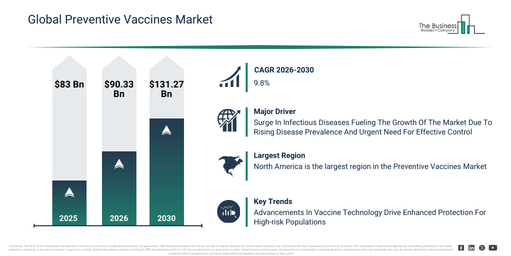
    The preventive vaccines market size has demonstrated strong growth in recent years. This market is set to expand from $83 billion in 2025 to $90.33 billion in 2026, achieving a compound annual growth rate (CAGR) of 8.8%. Factors contributing to its historical growth include the successful eradication and control of infectious diseases, government-led vaccination campaigns, increasing public health awareness, the establishment of global immunization programs, and augmented funding from international health organizations.

    The preventive vaccines market is anticipated to experience robust expansion over the coming years. By 2030, its value is projected to reach $131.27 billion, exhibiting a compound annual growth rate (CAGR) of 9.8%. This expansion during the forecast period is fueled by factors such as the advancement of next-generation vaccine technologies, the increasing global population and urban development, heightened initiatives for outbreak preparedness, the broadening of adult immunization schemes, and the proliferation of public-private collaborations in vaccine creation. Key developments expected during this period involve the broadening of national immunization strategies, a heightened emphasis on proactive healthcare and disease management, a growing need for vaccinations for both children and the elderly, an increase in the adoption of combination and multivalent vaccines, and improvements in cold chain and vaccine storage infrastructure.

    Access Your Free Sample Report For In-Depth Market Analysis:

    https://www.thebusinessresearchcompany.com/sample.aspx?id=24667&type=smp

    Which Key Factors Are Driving The Preventive Vaccines Market Growth?

    The growing incidence of infectious diseases is poised to fuel the expansion of the preventive vaccines market. These diseases originate from pathogenic microorganisms such as bacteria, viruses, fungi, or parasites, capable of transmission between individuals or through the surroundings. The increasing prevalence of these infections is exacerbated by factors including heightened urbanization, international travel, and antimicrobial resistance, which collectively enable quicker dissemination and more challenging containment. Preventive vaccines work by stimulating the immune system to recognize and fight off pathogens before an infection takes hold, thereby diminishing disease occurrence and transmission. For example, in 2024, the World Health Organization reported that new global cases of TB (tuberculosis) reached 8.2 million in 2023, marking an increase from 7.5 million in 2022. Consequently, the rising occurrence of infectious diseases is a key driver for the growth of the preventive vaccines market.

    Which Segment Classifications Are Used In The Preventive Vaccines Market Segment Analysis?

    The preventive vaccines market covered in this report is segmented –

    1) By Type: Live Or Attenuated Vaccines, Inactivated Vaccines, Toxoid Vaccines, Subunit Vaccines, Conjugate Vaccines, DNA Vaccines, Recombinant Vector Vaccines

    2) By Disease Type: Pneumococcal, Poliovirus, Hepatitis, Influenza, Measles, Rubella, Other Disease Types

    3) By Age Group: Pediatric, Adult, Geriatric

    4) By Distribution Channel: Hospitals, Clinics, Pharmacies, Other Distribution Channels

    Subsegments:

    1) By Live or Attenuated Vaccines: Measles, Mumps, and Rubella (MMR) Vaccine, Varicella (Chickenpox) Vaccine, Oral Polio Vaccine (OPV), Yellow Fever Vaccine, Rotavirus Vaccine, Bacillus Calmette-Guérin (BCG) Vaccine

    2) By Inactivated Vaccines: Inactivated Poliovirus Vaccine (IPV), Hepatitis A Vaccine, Rabies Vaccine, Influenza (Inactivated) Vaccine, Japanese Encephalitis Vaccine

    3) By Toxoid Vaccines: Tetanus Toxoid Vaccine, Diphtheria Toxoid Vaccine, Pertussis (whooping cough) Vaccine

    4) By Subunit Vaccines: Hepatitis B Vaccine, Human Papillomavirus (HPV) Vaccine, Pertussis (acellular) Vaccine, Influenza (recombinant protein) Vaccine

    5) By Conjugate Vaccines: Pneumococcal Conjugate Vaccine (PCV), Haemophilus influenzae type b (Hib) Vaccine, Meningococcal Conjugate Vaccine

    6) By DNA Vaccines: Zika Virus DNA Vaccine, Cytomegalovirus (CMV) DNA Vaccine, Infectious Disease DNA Vaccines

    7) By Recombinant Vector Vaccines: Ebola Vaccine (rVSV-ZEBOV), COVID-19 Recombinant Vector Vaccines, Dengue Recombinant Vector Vaccines

    Which Trends Are Shaping Growth In The Preventive Vaccines Market?

    Leading companies within the preventive vaccines market are prioritizing innovations in vaccine technology, including advanced mRNA technology platforms, to boost vaccine efficacy, enhance safety profiles, accelerate development and manufacturing processes, and offer broader protection against evolving variants of infectious diseases. These advanced mRNA technology platforms represent cutting-edge methodologies that utilize messenger RNA to instruct cells to generate specific proteins, thereby initiating a targeted immune response. For example, in March 2025, Moderna Inc., a US-based biotechnology company, announced FDA approval for mRNA-1283 (mNEXSPIKE), its new COVID-19 vaccine. This vaccine is authorized for adults aged 65 and older and individuals aged 12–64 who have one or more CDC-defined risk factors. The release of mNEXSPIKE signifies a notable leap forward in next-generation mRNA vaccine technology, offering superior stability and simplified storage compared to previous versions. This progress is projected to improve vaccine accessibility and distribution, especially in underserved and remote areas.

    Which Firms Are Contributing To The Preventive Vaccines Market Ecosystem?

    Major companies operating in the preventive vaccines market are Pfizer Inc., Johnson & Johnson Services Inc., F. Hoffmann-La Roche Ltd., Sanofi Pasteur SA, AstraZeneca plc, GlaxoSmithKline plc (GSK), Takeda Pharmaceutical Company Limited, Moderna Inc., CSL Limited, Novavax Inc., Emergent BioSolutions Inc., Dynavax Technologies Corporation, Serum Institute of India Pvt. Ltd., Vaxcyte Inc., Bavarian Nordic A/S, Valneva SE, Panacea Biotec Ltd., Inovio Pharmaceuticals Inc., Mitsubishi Tanabe Pharma Corporation, Afrigen Biologics and Vaccines (Pty) Ltd.

    Get The Full Preventive Vaccines Market Report:

    https://www.thebusinessresearchcompany.com/report/preventive-vaccines-global-market-report

    Which Region Holds The Highest Market Share In The Preventive Vaccines Market?

    North America was the largest region in the preventive vaccines market in 2025. Asia-Pacific is expected to be the fastest-growing region in the forecast period. The regions covered in the preventive vaccines market report are Asia-Pacific, South East Asia, Western Europe, Eastern Europe, North America, South America, Middle East, Africa.

    Request A Customized Preventive Vaccines Market Report For Competitive Insights:

    https://www.thebusinessresearchcompany.com/report/preventive-vaccines-global-market-report

    Browse Through More Reports Similar to the Global Preventive Vaccines Market 2026, By The Business Research Company

    Adult Vaccines Market Report 2026

    https://www.thebusinessresearchcompany.com/report/adult-vaccines-global-market-report

    Therapeutic Bcg Vaccines Market Report 2026

    https://www.thebusinessresearchcompany.com/report/therapeutic-bcg-vaccines-global-market-report

    Travel Vaccines Market Report 2026

    https://www.thebusinessresearchcompany.com/report/travel-vaccines-global-market-report

    Get in touch with us:

    The Business Research Company: https://www.thebusinessresearchcompany.com/

    Americas +1 310-496-7795

    Asia +44 7882 955267 & +91 8897263534

    Europe +44 7882 955267

    Email us at: marketing@tbrc.info

    Follow us on:

    LinkedIn: https://in.linkedin.com/company/the-business-research-company

    YouTube: https://www.youtube.com/channel/UC24_fI0rV8cR5DxlCpgmyFQ

    Global Market Model: https://www.thebusinessresearchcompany.com/global-market-model
  • Surge In Prostate Cancer Prevalence Fueling The Growth Of The Due To Increasing Disease Incidence And Rising Treatment Demand Is Contributing To Changes In The Prescription Pain Medication Market

    Surge In Prostate Cancer Prevalence Fueling The Growth Of The Due To Increasing Disease Incidence And Rising Treatment Demand Is Contributing To Changes In The Prescription Pain Medication Market

    The Business Research Company’s 2026 market reports feature enhanced tools like market attractiveness analysis, TAM assessment, and company scoring matrices, along with interactive dashboards, deeper supply chain insights, and startup coverage strengthening the depth, usability, and strategic value of insights.

    What Level Of Market Value Growth Is Predicted For The Prescription Pain Medication Market From 2026 To 2030?

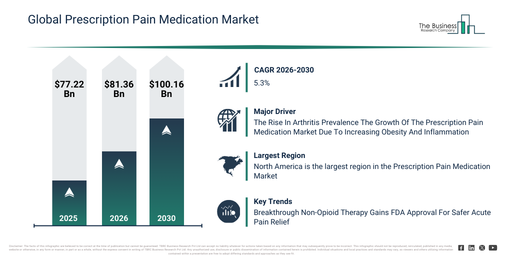
    The prescription pain medication market size has experienced robust expansion in recent years. This market is projected to increase from $77.22 billion in 2025 to $81.36 billion in 2026, achieving a compound annual growth rate (CAGR) of 5.4%. Historically, this expansion was driven by factors such as the high prevalence of chronic pain, widespread opioid prescriptions, a rise in surgical procedures, an aging population, and an increase in cancer pain cases.

    The market for prescription pain medication is anticipated to experience robust expansion over the coming years. This market is projected to reach $100.16 billion by 2030, exhibiting a compound annual growth rate (CAGR) of 5.3%. The expansion during this projection period stems from factors such as the creation of more secure pain treatments, an increase in neuropathic pain cases, the broadening of outpatient services, the adoption of digital platforms for prescriptions, and more rigorous regulations concerning opioids. Key developments foreseen within this timeframe involve a move towards managing pain without opioids, a heightened need for treatments for chronic pain, an increase in the availability of transdermal and long-acting medications, the proliferation of digital and internet-based pharmacies, and more intense governmental oversight of opioid substances.

    Access Your Free Sample Report For In-Depth Market Analysis:

    https://www.thebusinessresearchcompany.com/sample.aspx?id=24385&type=smp

    What Primary Drivers Are Shaping The Prescription Pain Medication Market?

    The rising occurrence of arthritis is projected to boost the expansion of the prescription pain medication market. Arthritis is characterized by the inflammation of one or more joints, leading to pain, swelling, stiffness, and restricted movement. This increase in arthritis cases is largely attributed to obesity, where excessive body weight imposes extra stress on joints, particularly the knees, thereby encouraging inflammation. Prescription pain medication supports arthritis management by reducing inflammation and pain, thereby allowing for improved joint function and enhancing the overall quality of life for individuals with the condition. For example, data from January 2024, sourced from the UK government’s Office for Health Improvement and Disparities, showed that in 2023, 18.4% of people aged 16 and over reported a long-term MSK condition, an increase from 17.6% in 2022. Consequently, the growing prevalence of autoimmune disorders is driving the growth of the prescription pain medications market.

    How Is The Prescription Pain Medication Market Organized By Segment Classification?

    The prescription pain medication market covered in this report is segmented –

    1) By Type: Prescription Non-Steroidal Anti-Inflammatory Drugs, Opioids, Anti-Epileptic Medicines, Antidepressants, Other Types

    2) By Route Of Administration: Oral, Injectable, Transdermal, Other Route Of Administrations

    3) By Application: Neuropathic Pain, Cancer Pain, Post-Operative Pain, Other Applications

    4) By Distribution Channel: Hospital Pharmacies, Retail Pharmacies, Online Pharmacies

    Subsegments:

    1) By Prescription Non-Steroidal Anti-Inflammatory Drugs: COX-2 Inhibitors, Traditional Non-Steroidal Anti-Inflammatory Drugs, Combination Non-Steroidal Anti-Inflammatory Drugs

    2) By Opioids: Strong Opioids, Mild Opioids, Opioid Combination Medications

    3) By Anti-Epileptic Medicines: Sodium Channel Blockers, Gamma-Aminobutyric Acid Modulators, Glutamate Inhibitors

    4) By Antidepressants: Selective Serotonin Reuptake Inhibitors, Tricyclic Antidepressants, Serotonin-Norepinephrine Reuptake Inhibitors, Other Antidepressants

    5) By Other Types: Muscle Relaxants, Topical Pain Medications, Corticosteroids

    What Trends Are Affecting The Direction Of The Prescription Pain Medication Market?

    Leading companies operating within the prescription pain medication market are increasingly concentrating on the creation of alternative treatments, such as non-opioid painkillers, to address growing concerns surrounding opioid addiction and to enhance patient safety. These non-opioid pain relievers provide effective pain management without the inherent addictive dangers of opioids, presenting safer, viable options for prolonged pain relief and diminishing the likelihood of addiction and overdose. Illustratively, in January 2025, Vertex Pharmaceuticals Incorporated, a US-based biotechnology firm, secured approval from the U.S. Food and Drug Administration (FDA), a US-based government entity, for JOURNAVX. This novel, first-in-class non-opioid oral medication functions by selectively blocking NaV1.8 sodium channels in peripheral nerves to inhibit pain signals without involving the central nervous system. It offers effective acute pain relief without addictive potential, showcasing clinically significant pain reduction in Phase 3 trials involving abdominoplasty and bunionectomy with a twice-daily dosing regimen, and is not classified as a controlled substance, thereby fulfilling a vital need for safer acute pain management.

    Who Are The Industry Participants Involved In The Prescription Pain Medication Market?

    Major companies operating in the prescription pain medication market are Mallinckrodt Public Limited Company, Pfizer Inc., Johnson And Johnson, Merck And Co. Inc., AbbVie Inc., Bayer AG, Sanofi S.A., Bristol-Myers Squibb Company, AstraZeneca plc, Novartis International AG, GlaxoSmithKline Public Limited Company, Takeda Pharmaceutical Company Limited, Eli Lilly And Company, Teva Pharmaceutical Industries Ltd., Boehringer Ingelheim GmbH, Mylan N.V., Sandoz Inc, Bausch Health Companies Inc., Purdue Pharma L.P., Endo International Plc

    Get The Full Prescription Pain Medication Market Report:

    https://www.thebusinessresearchcompany.com/report/prescription-pain-medication-global-market-report

    Where Is The Prescription Pain Medication Market Most Concentrated Geographically?

    North America was the largest region in the prescription pain medication market in 2025. Asia-Pacific is expected to be the fastest-growing region in the forecast period. The regions covered in the prescription pain medication market report are Asia-Pacific, South East Asia, Western Europe, Eastern Europe, North America, South America, Middle East, Africa.

    Request A Customized Prescription Pain Medication Market Report For Competitive Insights:

    https://www.thebusinessresearchcompany.com/report/prescription-pain-medication-global-market-report

    Browse Through More Reports Similar to the Global Prescription Pain Medication Market 2026, By The Business Research Company

    Pain Management Drugs Market Report 2026

    https://www.thebusinessresearchcompany.com/report/pain-management-drugs-global-market-report

    Non Opioid Pain Patch Market Report 2026

    https://www.thebusinessresearchcompany.com/report/non-opioid-pain-patch-global-market-report

    Joint Pain Injections Market Report 2026

    https://www.thebusinessresearchcompany.com/report/joint-pain-injections-global-market-report

    Get in touch with us:

    The Business Research Company: https://www.thebusinessresearchcompany.com/

    Americas +1 310-496-7795

    Asia +44 7882 955267 & +91 8897263534

    Europe +44 7882 955267

    Email us at: marketing@tbrc.info

    Follow us on:

    LinkedIn: https://in.linkedin.com/company/the-business-research-company

    YouTube: https://www.youtube.com/channel/UC24_fI0rV8cR5DxlCpgmyFQ

    Global Market Model: https://www.thebusinessresearchcompany.com/global-market-model