Category: Pharmaceuticals

  • Messenger ribonucleic acid (mRNA) Synthesis Raw Materials Market Developments And Opportunities Across 2026–2030

    Messenger ribonucleic acid (mRNA) Synthesis Raw Materials Market Developments And Opportunities Across 2026–2030

    The Business Research Company’s 2026 market reports feature enhanced tools like market attractiveness analysis, TAM assessment, and company scoring matrices, along with interactive dashboards, deeper supply chain insights, and startup coverage strengthening the depth, usability, and strategic value of insights.

    What Are The Market Size Estimates For The Messenger ribonucleic acid (mRNA) Synthesis Raw Materials Market In 2026 And 2030?

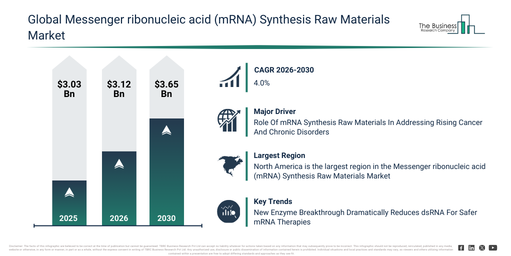
    The market for messenger ribonucleic acid (mrna) synthesis raw materials has experienced consistent growth over recent years. This market is projected to expand from $3.03 billion in 2025 to $3.12 billion in 2026, exhibiting a compound annual growth rate (CAGR) of 3.0%. Factors contributing to its historical growth include the escalating demand for vaccines, progress in molecular biology, increased research and development investments in synthetic biology, the emergence of infectious disease outbreaks, and the creation of efficient transcription enzymes.

    The messenger ribonucleic acid (mrna) synthesis raw materials market size is anticipated to undergo consistent expansion in the coming years. It is predicted to escalate to $3.65 billion by 2030, exhibiting a compound annual growth rate (CAGR) of 4.0%. The projected growth is attributable to the proliferation of mRNA-based therapeutics, the integration of automated mRNA synthesis platforms, an uptick in personalized medicine initiatives, the expansion of biotechnology manufacturing hubs, and breakthroughs in nucleotide modifications. Significant trends during this forecast period include the optimization of synthetic mRNA, the creation of high-purity raw materials, the implementation of scalable in-vitro transcription processes, the standardization of the supply chain for mRNA production, and stringent quality control coupled with regulatory compliance.

    Access Your Free Sample Report For In-Depth Market Analysis:

    https://www.thebusinessresearchcompany.com/sample.aspx?id=12336&type=smp

    What Key Drivers Are Fueling The Growth Of The Messenger ribonucleic acid (mRNA) Synthesis Raw Materials Market?

    The increasing occurrence of cancer and persistent health conditions is anticipated to fuel the expansion of the mRNA synthesis raw materials market. Cancer is a medical condition characterized by the uncontrolled proliferation of abnormal cells, capable of invading adjacent tissues and potentially spreading to distant parts of the body through the bloodstream and lymphatic systems. Chronic illnesses are generally defined as health issues that endure for a minimum of a year, necessitate ongoing medical care, hinder daily functions, or a combination of these factors. Raw materials for mRNA synthesis find application in drug research, vaccine creation, and the production of RNA-based treatments, providing enhanced immunogenicity, greater efficacy, and quicker production times suitable for addressing cancer and chronic ailments. For example, data released by the American Cancer Society, a US-based non-profit, indicated that in January 2024, the United States is expected to record 2,001,140 new cancer diagnoses and 611,720 cancer fatalities in 2024, marking an increase from 1,958,310 cases and 609,820 deaths in 2023. Additionally, as reported by the British Heart Foundation, a UK-based charity, in September 2025, over 7.6 million individuals across the UK, comprising more than 4 million men and over 3.6 million women, are afflicted with cardiovascular disease. Forecasts suggest that this figure could increase by roughly 1 million by 2030 and around 2 million by 2040, due to an aging demographic and better survival rates. Consequently, the rising prevalence of cancer and chronic conditions acts as a significant impetus for the mRNA synthesis of raw materials.

    How Is Segmentation Applied In The Messenger ribonucleic acid (mRNA) Synthesis Raw Materials Market Segment Analysis?

    The messenger ribonucleic acid (mrna) synthesis raw materials market covered in this report is segmented –

    1) By Type: Capping Agents, Nucleotides, Plasmid DNA, Other Types

    2) By Applications: Therapeutics Production, Vaccine Production, Other Applications

    3) By End-Users: Biotechnology Companies, Pharmaceutical Companies, Research And Academic Institutions, Other End-Users

    Subsegments:

    1) By Capping Agents: 7-Methyl Guanylate (M7G) Capping Agents, Other Capping Agents

    2) By Nucleotides: Natural Nucleotides, Modified Nucleotides, Triphosphate Nucleotides

    3) By Plasmid DNA: Linearized Plasmid DNA, Circular Plasmid DNA, High-Purity Plasmid DNA

    4) By Other Types: Buffer Solutions, Enzymes, Other Auxiliary Materials

    What Emerging Trends Are Seen In The Messenger ribonucleic acid (mRNA) Synthesis Raw Materials Market?

    Major companies in the messenger ribonucleic acid (mRNA) synthesis raw materials market are concentrating on forming strategic collaborations to bolster their technological capabilities, broaden their range of high-quality raw materials, and accelerate the development of next-generation mRNA therapeutics. Strategic collaborations denote formal partnerships established between biotechnology firms, enzyme developers, and providers of nucleic acid technology. These partnerships aim to collaboratively create advanced in vitro transcription (IVT) enzymes, modified nucleotides, capping analogs, and other crucial inputs that improve mRNA yield, purity, stability, and safety. For instance, in September 2024, TriLink Biotechnologies, a US-based biotechnology company, teamed up with Alphazyme LLC, a US-based custom molecular biology enzyme company, to introduce the CleanScribe RNA Polymerase. This next-generation IVT enzyme is capable of reducing double-stranded RNA formation by up to 85% during mRNA synthesis, thereby contributing to the creation of safer and more potent mRNA therapeutics.

    Who Are The Companies Participating In The Messenger ribonucleic acid (mRNA) Synthesis Raw Materials Market Environment?

    Major companies operating in the messenger ribonucleic acid (mrna) synthesis raw materials market are Thermo Fisher Scientific Inc., Agilent Technologies Inc., Lonza Group Ltd., Bio-Rad Laboratories Inc., Qiagen N.V., Maravai LifeSciences, Takara Bio Inc., GenScript Biotech Corporation, Promega Corporation, Integrated DNA Technologies Inc., LGC Biosearch Technologies, Merck KGaA, GeneCopoeia Inc., Bio-Synthesis Inc., BOC Sciences Inc., Bio Basic Inc., OriGene Technologies Inc., BioCat GmbH, Creative Biogene, Jena Bioscience GmbH, ATDBio Ltd.

    Get The Full Messenger ribonucleic acid (mRNA) Synthesis Raw Materials Market Report:

    https://www.thebusinessresearchcompany.com/report/messenger-ribonucleic-acid-mrna-synthesis-raw-materials-global-market-report

    Which Region Dominates The Messenger ribonucleic acid (mRNA) Synthesis Raw Materials Market By Market Share?

    North America was the largest region in the mRNA synthesis raw materials market in 2025. The regions covered in the messenger ribonucleic acid (mrna) synthesis raw materials market report are Asia-Pacific, South East Asia, Western Europe, Eastern Europe, North America, South America, Middle East, Africa.

    Request A Customized Messenger ribonucleic acid (mRNA) Synthesis Raw Materials Market Report For Competitive Insights:

    https://www.thebusinessresearchcompany.com/report/messenger-ribonucleic-acid-mrna-synthesis-raw-materials-global-market-report

    Browse Through More Reports Similar to the Global Messenger ribonucleic acid (mRNA) Synthesis Raw Materials Market 2026, By The Business Research Company

    Messenger Ribonucleic Acid Mrna Synthesis Raw Materials Market Report 2026

    https://www.thebusinessresearchcompany.com/report/messenger-ribonucleic-acid-mrna-synthesis-raw-materials-global-market-report

    Gene Synthesis Market Report 2026

    https://www.thebusinessresearchcompany.com/report/gene-synthesis-global-market-report

    Ribose Nucleic Acid Rna Based Therapeutics Market Report 2026

    https://www.thebusinessresearchcompany.com/report/ribose-nucleic-acid-rna-based-therapeutics-global-market-report

    Get in touch with us:

    The Business Research Company: https://www.thebusinessresearchcompany.com/

    Americas +1 310-496-7795

    Asia +44 7882 955267 & +91 8897263534

    Europe +44 7882 955267

    Email us at: marketing@tbrc.info

    Follow us on:

    LinkedIn: https://in.linkedin.com/company/the-business-research-company

    YouTube: https://www.youtube.com/channel/UC24_fI0rV8cR5DxlCpgmyFQ

    Global Market Model: https://www.thebusinessresearchcompany.com/global-market-model
  • Nasal Corticosteroids Market Forecast With Insights On Demand And Industry Growth

    Nasal Corticosteroids Market Forecast With Insights On Demand And Industry Growth

    The Business Research Company’s 2026 market reports feature enhanced tools like market attractiveness analysis, TAM assessment, and company scoring matrices, along with interactive dashboards, deeper supply chain insights, and startup coverage strengthening the depth, usability, and strategic value of insights.

    How Will The Market Value Of The Nasal Corticosteroids Market Progress Between 2026 And 2030?

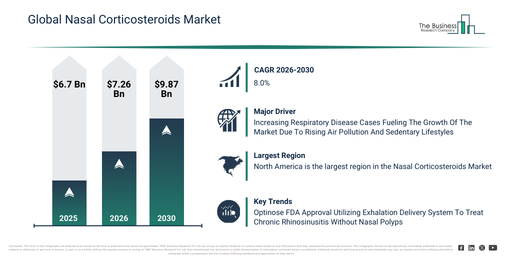
    The market for nasal corticosteroids has shown strong expansion in recent years. It is projected to increase from $6.7 billion in 2025 to $7.26 billion in 2026, exhibiting a compound annual growth rate (CAGR) of 8.4%. The historical growth of this market can be linked to factors such as the limited availability of nasal corticosteroids, a reliance on hospital and clinic-based distribution networks, increasing awareness regarding allergic rhinitis treatments, the prevalence of conventional aqueous sprays, and the rising regulatory approval of generic formulations.

    The nasal corticosteroids market is projected for significant expansion over the coming years, with its size anticipated to reach $9.87 billion by 2030, exhibiting a compound annual growth rate (CAGR) of 8.0%. This anticipated growth during the forecast period is driven by factors such as the development of advanced non-aqueous and oil-based nasal sprays, a growing patient inclination for self-administration, the increasing occurrence of chronic sinusitis and nasal polyps, the broadening reach of e-pharmacy and homecare distribution channels, and advancements in targeted corticosteroid formulations. Key trends expected during this period involve the increasing prevalence of allergic rhinitis and chronic sinusitis, a rise in the adoption of both aqueous and non-aqueous nasal sprays, an expansion in homecare and self-administration treatment options, the growth of online and retail pharmacy distribution channels, and a concentrated effort on formulation innovation coupled with improved patient compliance.

    Access Your Free Sample Report For In-Depth Market Analysis:

    https://www.thebusinessresearchcompany.com/sample.aspx?id=25842&type=smp

    What Leading Drivers Are Supporting The Nasal Corticosteroids Market Expansion?

    The expanding occurrence of respiratory illnesses is projected to fuel the expansion of the nasal corticosteroids market in the future. These are medical conditions impacting the lungs, leading to breathing difficulties, frequently manifesting as coughing or breathlessness. The rising incidence of these diseases stems from increased air pollution and demanding contemporary lifestyles involving exposure to detrimental pollutants, tobacco use, and insufficient physical exertion, all of which compromise lung health and elevate the risk of respiratory issues. Nasal corticosteroids offer assistance in managing respiratory conditions by diminishing inflammation within the nasal passages, thereby facilitating easier breathing, alleviating symptoms like congestion and sneezing, and enhancing general airflow for improved respiratory comfort. For example, in June 2025, data from the Office for Health Improvement and Disparities, a UK government body, indicated that emergency admissions for respiratory diseases in England saw a 7% increase between the financial years ending 2023 and 2024. This included particular rises of 9% for COPD, 17% for adult asthma, and 16% for pneumonia. Consequently, the expanding occurrence of respiratory ailments is a key factor boosting the nasal corticosteroids market’s expansion.

    How Is The Nasal Corticosteroids Market Broken Down By Segment Categories?

    The nasal corticosteroids market covered in this report is segmented –

    1) By Product Type: Aqueous Nasal Sprays, Non-Aqueous Nasal Sprays

    2) By Drug Type: Fluticasone Propionate, Budesonide, Beclomethasone Dipropionate, Mometasone Furoate, Triamcinolone Acetonide, Ciclesonide, Other Drug Types

    3) By Distribution Channel: Hospital Pharmacies, Retail Pharmacies, Online Pharmacies, Other Distribution Channels

    4) By Application: Allergic Rhinitis, Nasal Polyps, Sinusitis, Other Applications

    5) By End-User: Hospitals, Clinics, Homecare Settings, Other End-Users

    Subsegments:

    1) By Aqueous Nasal Sprays: Metered-Dose Aqueous Nasal Sprays, Pump-Action Aqueous Nasal Sprays

    2) By Non-Aqueous Nasal Sprays: Hydroalcoholic Nasal Sprays

    What Trends Are Influencing The Nasal Corticosteroids Market?

    Leading companies operating within the nasal corticosteroids market are concentrating on securing regulatory approval for innovative medications, such as those employing exhalation delivery systems (EDS)-based nasal sprays, with the aim of boosting drug delivery efficiency, improving treatment outcomes, and enhancing patient compliance. Exhalation delivery systems based on nasal spray describe traditional nasal sprays that use the patient’s exhaled breath to close the soft palate and facilitate the deep and high delivery of medication into the nasal passages, thereby optimizing drug deposition at inflamed sites. For example, in May 2024, Optinose, Inc., a US-based pharmaceutical company, received FDA approval for XHANCE (fluticasone propionate) nasal spray, designating it as the first and only medication approved for the treatment of adults with chronic rhinosinusitis without nasal polyps (CRSsNP). XHANCE leverages a unique exhalation delivery system (EDS) technology to administer corticosteroids deeply into the nasal passages using a gentle exhalation, delivering targeted anti-inflammatory action for chronic rhinosinusitis. This technology offers an alternative to conventional nasal sprays, which often have limited reach within the nasal cavity, by enabling effective medication delivery to hard-to-reach inflamed areas. XHANCE helps alleviate nasal congestion and facial pressure associated with chronic rhinosinusitis without nasal polyps. It supports patients requiring long-term management of the condition while simultaneously avoiding invasive procedures or the systemic side effects commonly linked with oral corticosteroids.

    Which Players Are Present In The Nasal Corticosteroids Market Space?

    Major companies operating in the nasal corticosteroids market are Pfizer Inc., Merck & Co Inc., Bayer AG, Sanofi S.A., GSK plc , Viatris Inc., Teva Pharmaceutical Industries Ltd., Sandoz International GmbH, Sun Pharmaceutical Industries Ltd., Apotex Inc., Perrigo Company plc, Aurobindo Pharma Limited, Cipla Limited, Glenmark Pharmaceuticals Ltd, Pharmascience Inc., Mylan N.V.

    Get The Full Nasal Corticosteroids Market Report:

    https://www.thebusinessresearchcompany.com/report/nasal-corticosteroids-global-market-report

    Which Region Dominates The Nasal Corticosteroids Market By Market Share?

    North America was the largest region in the nasal corticosteroids market in 2025. Asia-Pacific is expected to be the fastest-growing region in the forecast period. The regions covered in the nasal corticosteroids market report are Asia-Pacific, South East Asia, Western Europe, Eastern Europe, North America, South America, Middle East, Africa.

    Request A Customized Nasal Corticosteroids Market Report For Competitive Insights:

    https://www.thebusinessresearchcompany.com/report/nasal-corticosteroids-global-market-report

    Browse Through More Reports Similar to the Global Nasal Corticosteroids Market 2026, By The Business Research Company

    Nasal Splints Market Report 2026

    https://www.thebusinessresearchcompany.com/report/nasal-splints-global-market-report

    Internal Nasal Dilators Market Report 2026

    https://www.thebusinessresearchcompany.com/report/internal-nasal-dilators-global-market-report

    Corticosteroid Market Report 2026

    https://www.thebusinessresearchcompany.com/report/corticosteroid-global-market-report

    Get in touch with us:

    The Business Research Company: https://www.thebusinessresearchcompany.com/

    Americas +1 310-496-7795

    Asia +44 7882 955267 & +91 8897263534

    Europe +44 7882 955267

    Email us at: marketing@tbrc.info

    Follow us on:

    LinkedIn: https://in.linkedin.com/company/the-business-research-company

    YouTube: https://www.youtube.com/channel/UC24_fI0rV8cR5DxlCpgmyFQ

    Global Market Model: https://www.thebusinessresearchcompany.com/global-market-model
  • Messenger Ribonucleic Acid (mRNA) Synthesis And Manufacturing Market Forecast 2026–2030 Presenting Long-Term Industry Insights

    Messenger Ribonucleic Acid (mRNA) Synthesis And Manufacturing Market Forecast 2026–2030 Presenting Long-Term Industry Insights

    The Business Research Company’s 2026 market reports feature enhanced tools like market attractiveness analysis, TAM assessment, and company scoring matrices, along with interactive dashboards, deeper supply chain insights, and startup coverage strengthening the depth, usability, and strategic value of insights.

    What Expansion In Market Value Is Forecasted For The Messenger Ribonucleic Acid (mRNA) Synthesis And Manufacturing Market Between 2026 And 2030?

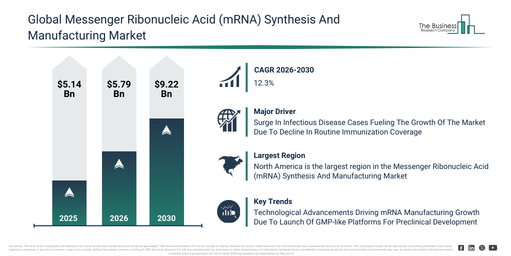
    The messenger ribonucleic acid (mRNA) synthesis and manufacturing market has seen rapid expansion in recent years. Its value is projected to climb from $5.14 billion in 2025 to $5.79 billion in 2026, achieving a compound annual growth rate (CAGR) of 12.6%. The historical growth trajectory can be linked to factors such as the restricted availability of mRNA synthesis platforms, early-stage research efforts in mRNA therapeutics, a reliance on small-scale laboratory production, emerging regulatory frameworks, and the high costs associated with purification and formulation services.

    The messenger ribonucleic acid (mRNA) synthesis and manufacturing market is projected for significant expansion over the coming years. This market is anticipated to reach a valuation of $9.22 billion by 2030, exhibiting a compound annual growth rate (CAGR) of 12.3%. Key drivers for this growth during the forecast period include innovations in automated mRNA synthesis technology, the establishment of more commercial-scale mRNA production facilities, increased funding for vaccine and therapeutic development, a growing need for self-amplifying mRNA and new formulations, and an uptick in preclinical and clinical research partnerships. Prominent trends expected during this period involve wider adoption of GMP-compliant mRNA synthesis, escalating requirements for large-scale mRNA production, the broadening of mRNA therapeutic and vaccine portfolios, a heightened emphasis on purification, capping, and tailing services, and the increasing integration of mRNA-LNP formulations with comprehensive stability testing.

    Access Your Free Sample Report For In-Depth Market Analysis:

    https://www.thebusinessresearchcompany.com/sample.aspx?id=25832&type=smp

    Which Drivers Are Supporting The Messenger Ribonucleic Acid (mRNA) Synthesis And Manufacturing Market Growth?

    The rising incidence of infectious diseases is anticipated to fuel the expansion of the messenger ribonucleic acid (mRNA) synthesis and manufacturing market in the future. These disorders are defined as illnesses originating from pathogenic microorganisms like bacteria, viruses, fungi, or parasites, encompassing conditions such as malaria, which are capable of spreading through direct or indirect means. The heightened prevalence of infectious diseases stems from rapid urbanization, contributing to greater population density and increased close human interaction, thereby accelerating the transmission of infections. Messenger ribonucleic acid (mRNA) synthesis and manufacturing play a crucial role in combating these diseases by allowing for the swift development and scalable creation of targeted vaccines and treatments that provoke a specific immune reaction. For example, data from October 2024, released by the World Health Organization, a Switzerland-based international public health organization, indicated that around 8.2 million individuals received a new tuberculosis diagnosis in 2023, an increase from approximately 7.5 million in 2022, establishing tuberculosis as the foremost infectious disease cause of death. Consequently, the expanding occurrence of infectious diseases is a significant impetus for the growth of the messenger ribonucleic acid (mRNA) synthesis and manufacturing market.

    What Segment Categories Shape The Messenger Ribonucleic Acid (mRNA) Synthesis And Manufacturing Market Segment Landscape?

    The messenger ribonucleic acid (mrna) synthesis and manufacturing market covered in this report is segmented –

    1) By Service Type: Messenger Ribonucleic Acid (mRNA) Drug Synthesis, Messenger Ribonucleic Acid (mRNA) Vaccine Synthesis

    2) By Scale Of Operation: Preclinical, Clinical, Commercial

    3) By Therapeutic Area: Infectious Diseases, Oncology, Other Therapeutic Areas

    4) By Application: Vaccine Production, Therapeutic Development, Drug Discovery, Other Applications

    Subsegments:

    1) By Messenger Ribonucleic Acid (mRNA) Drug Synthesis: Custom Messenger Ribonucleic Acid (mRNA) Synthesis, GMP-Grade Messenger Ribonucleic Acid (mRNA) Synthesis, Large-Scale Messenger Ribonucleic Acid (mRNA) Synthesis, Modified Messenger Ribonucleic Acid (mRNA) Synthesis, Capping And Tailing Services, Purification Services

    2) By Messenger Ribonucleic Acid (mRNA) Vaccine Synthesis: Preclinical Messenger Ribonucleic Acid (mRNA) Vaccine Synthesis, Clinical-Grade Messenger Ribonucleic Acid (mRNA) Vaccine Synthesis, GMP-Compliant Vaccine Batch Production, Self-Amplifying Messenger Ribonucleic Acid (mRNA) Synthesis, Messenger Ribonucleic Acid (mRNA)-LNP Formulation Services For Vaccines, Stability Testing And QC Services

    Which Trends Are Guiding The Direction Of The Messenger Ribonucleic Acid (mRNA) Synthesis And Manufacturing Market?

    Major companies engaged in the messenger ribonucleic acid (mRNA) synthesis and manufacturing market are concentrating on the creation of innovative products, including co-transcriptional capping platforms, to accelerate preclinical research and alleviate regulatory challenges. A co-transcriptional capping platform is a specialized methodology that efficiently affixes a protective cap to messenger ribonucleic acid (mRNA) molecules during their synthesis, thereby enhancing mRNA stability, improving translation efficiency, and enabling better immunogenicity control. For instance, in May 2025, GenScript, a US-based life sciences research tools company, unveiled its good manufacturing practice (GMP)-like messenger ribonucleic acid (mRNA) manufacturing service. This particular service offers a scalable and regulatory-aware manufacturing solution designed to produce high-purity, functional mRNA for investigational new drug (IND)-enabling preclinical assessments, which include toxicology, biodistribution, and pharmacokinetics or pharmacodynamics (PK or PD) evaluations. It is established within cleanroom-compliant, International Organization for Standardization (ISO) 7-classified environments and incorporates patented co-transcriptional capping technology. This service delivers tailored mRNA in a timeframe as brief as seven weeks. This innovation effectively bridges the critical development divide between research-grade and full GMP manufacturing, allowing early-stage biotechnology and pharmaceutical companies to conduct regulatory-aligned studies without the substantial costs and delays typically associated with traditional GMP production.

    Who Are The Companies Operating Across The Messenger Ribonucleic Acid (mRNA) Synthesis And Manufacturing Market Value Chain?

    Major companies operating in the messenger ribonucleic acid (mrna) synthesis and manufacturing market are Thermo Fisher Scientific Inc., Evonik Industries AG, Moderna Inc., BioNTech SE , AGC Biologics A/S, Eurofins Scientific SE, Lonza Group AG, Catalent Inc., WuXi Biologics (Cayman) Inc., Samsung Biologics Co Ltd., GenScript Biotech Corporation, Arcturus Therapeutics Holdings Inc., New England Biolabs Inc., CureVac N.V., Abzena plc, Creative Biolabs Inc., Aldevron LLC, eTheRNA immunotherapies NV, Bio-Synthesis Inc., TriLink BioTechnologies LLC

    Get The Full Messenger Ribonucleic Acid (mRNA) Synthesis And Manufacturing Market Report:

    https://www.thebusinessresearchcompany.com/report/messenger-ribonucleic-acid-mrna-synthesis-and-manufacturing-global-market-report

    Which Region Is The Largest In The Messenger Ribonucleic Acid (mRNA) Synthesis And Manufacturing Market?

    North America was the largest region in the messenger ribonucleic acid (mRNA) synthesis and manufacturing market in 2025. Asia-Pacific is expected to be the fastest-growing region in the forecast period. The regions covered in the messenger ribonucleic acid (mrna) synthesis and manufacturing market report are Asia-Pacific, South East Asia, Western Europe, Eastern Europe, North America, South America, Middle East, Africa.

    Request A Customized Messenger Ribonucleic Acid (mRNA) Synthesis And Manufacturing Market Report For Competitive Insights:

    https://www.thebusinessresearchcompany.com/report/messenger-ribonucleic-acid-mrna-synthesis-and-manufacturing-global-market-report

    Browse Through More Reports Similar to the Global Messenger Ribonucleic Acid (mRNA) Synthesis And Manufacturing Market 2026, By The Business Research Company

    Messenger Ribonucleic Acid Mrna Synthesis Raw Materials Market Report 2026

    https://www.thebusinessresearchcompany.com/report/messenger-ribonucleic-acid-mrna-synthesis-raw-materials-global-market-report

    Gene Synthesis Market Report 2026

    https://www.thebusinessresearchcompany.com/report/gene-synthesis-global-market-report

    Mrna Therapeutics Market Report 2026

    https://www.thebusinessresearchcompany.com/report/mrna-therapeutics-global-market-report

    Get in touch with us:

    The Business Research Company: https://www.thebusinessresearchcompany.com/

    Americas +1 310-496-7795

    Asia +44 7882 955267 & +91 8897263534

    Europe +44 7882 955267

    Email us at: marketing@tbrc.info

    Follow us on:

    LinkedIn: https://in.linkedin.com/company/the-business-research-company

    YouTube: https://www.youtube.com/channel/UC24_fI0rV8cR5DxlCpgmyFQ

    Global Market Model: https://www.thebusinessresearchcompany.com/global-market-model
  • Narcotic Drugs Market Outlook Highlighting Key Drivers And Market Evolution

    Narcotic Drugs Market Outlook Highlighting Key Drivers And Market Evolution

    The Business Research Company’s 2026 market reports feature enhanced tools like market attractiveness analysis, TAM assessment, and company scoring matrices, along with interactive dashboards, deeper supply chain insights, and startup coverage strengthening the depth, usability, and strategic value of insights.

    What Are The Market Size Estimates For The Narcotic Drugs Market In 2026 And 2030?

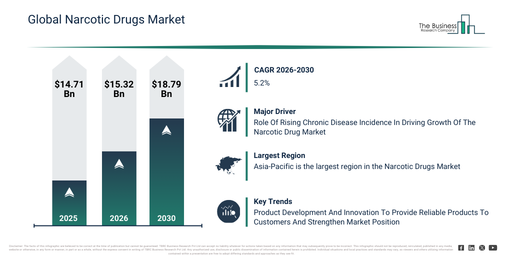
    The narcotic drugs market size has experienced consistent expansion in recent years. It is projected to increase from $14.71 billion in 2025 to $15.32 billion in 2026, demonstrating a compound annual growth rate (CAGR) of 4.2%. This growth in the historic period can be attributed to an increasing prevalence of chronic pain, widespread opium cultivation, a rising incidence of cancer-related pain, traditional reliance on hospital pharmacies, and a high prevalence of cough and diarrhea conditions.

    The narcotic drugs market size is anticipated to undergo significant expansion in the upcoming years. It is projected to climb to $18.79 billion by 2030, demonstrating a compound annual growth rate (CAGR) of 5.2%. This growth over the forecast period is attributable to increasing demand for abuse-deterrent formulations, the expansion of online pharmacy channels, advancements in synthetic narcotics production, a rising focus on personalized pain management, and a surge in regulatory approvals for new narcotic drugs. Prominent trends expected in this period encompass an increase in prescription drug monitoring programs, the advancement of pain management therapies, a rise in the adoption of abuse-deterrent formulations, the growth of specialty pharmacies, and continued development of synthetic narcotics.

    Access Your Free Sample Report For In-Depth Market Analysis:

    https://www.thebusinessresearchcompany.com/sample.aspx?id=12863&type=smp

    Which Key Factors Are Driving The Narcotic Drugs Market Growth?

    The increasing prevalence of chronic diseases is anticipated to drive the expansion of the narcotic drug market in the future. Chronic diseases are defined as long-term health conditions persisting for at least three months, often worsening over time. Narcotic medications are utilized in the management of chronic conditions, offering relief for ailments such as cancer, chronic pain syndrome, terminal illnesses, and severe arthritis. For example, as reported by the UK-based government department, the National Health Service, in June 2024, the NHS in 2023 identified an extra 549,000 individuals in England susceptible to developing type 2 diabetes. This raised the total count of those with non-diabetic hyperglycemia (pre-diabetes) registered with a GP to 3,615,330. This figure shows a substantial surge from the 3,065,825 recorded in 2022, indicating an increase of nearly 20%. Consequently, the growing occurrence of chronic diseases is fueling the expansion of the narcotic drug market.

    What Are The Different Segment Types In The Narcotic Drugs Market Segment Breakdown?

    The narcotic drugs market covered in this report is segmented –

    1) By Drug: Opium, Heroin, Codeine, Oxycodone, Other Drugs

    2) By Source: Natural, Semi-Synthetic, Synthetic

    3) By Indication: Pain Management, Cough, Diarrhea, Dysentery, Other Indications

    4) By Distribution Channel: Hospital Pharmacy, Online Pharmacy, Retail Pharmacy

    5) By End User: Hospitals, Homecare, Specialty Clinics, Other End Users

    Subsegments:

    1) By Opium: Raw Opium, Opium Extracts, Opium Derivatives

    2) By Heroin: Diacetylmorphine, Heroin Hydrochloride, Heroin Acetate

    3) By Codeine: Codeine Phosphate, Codeine Sulfate

    4) By Oxycodone: Oxycodone Hydrochloride, Oxycodone Acetaminophen, Controlled-Release Oxycodone

    5) By Other Drugs: Fentanyl, Morphine, Hydromorphone, Methadone, Buprenorphine

    Which Trends Are Shaping Growth In The Narcotic Drugs Market?

    Companies prominent in the narcotic drug market are increasingly concentrating on product development and innovation to provide reliable offerings to their clientele and bolster their market presence. For instance, in May 2023, Indivior PLC, a US-based pharmaceutical company, launched OPVEE (nalmefene) nasal spray, an emergency medicine for opioid overdose involving natural and synthetic opioids like fentanyl. It is recommended for the immediate treatment of confirmed or suspected opioid overdoses due to natural or synthetic opioids in adults and pediatric patients aged 12 years and older, particularly when signs of respiratory and central nervous system depression are present.

    Who Are The Well-Known Companies In The Narcotic Drugs Market?

    Major companies operating in the narcotic drugs market are Pfizer Inc., Johnson and Johnson Limited, AbbVie Inc., Novartis AG, AstraZeneca PLC, Sanofi S.A., Takeda Pharmaceutical Company Limited, Boehringer Ingelheim International GmbH, Viatris Inc., Teva Pharmaceutical Industries Ltd., Daiichi Sankyo Company Limited, Sun Pharmaceutical Industries Ltd., Purdue Pharma LP, Hikma Pharmaceuticals Plc, Endo Pharmaceuticals Inc., Amneal Pharmaceuticals LLC, Lupin Ltd., Mallinckrodt Pharmaceuticals, Alvogen Inc., Indivior Inc., Impax Laboratories Inc., Collegium Pharmaceutical Inc., Lannett Co Inc., Par Pharmaceutical Inc., West-Ward Pharmaceuticals Corp.

    Get The Full Narcotic Drugs Market Report:

    https://www.thebusinessresearchcompany.com/report/narcotic-drugs-global-market-report

    Which Region Is The Largest In The Narcotic Drugs Market?

    Asia-Pacific was the largest region in the narcotic drugs market in 2025. The regions covered in the narcotic drugs market report are Asia-Pacific, South East Asia, Western Europe, Eastern Europe, North America, South America, Middle East, Africa.

    Request A Customized Narcotic Drugs Market Report For Competitive Insights:

    https://www.thebusinessresearchcompany.com/report/narcotic-drugs-global-market-report

    Browse Through More Reports Similar to the Global Narcotic Drugs Market 2026, By The Business Research Company

    Narcotic Drugs Market Report 2026

    https://www.thebusinessresearchcompany.com/report/narcotic-drugs-global-market-report

    Narcolepsy Drugs Market Report 2026

    https://www.thebusinessresearchcompany.com/report/narcolepsy-drugs-global-market-report

    Morphine Drugs Market Report 2026

    https://www.thebusinessresearchcompany.com/report/morphine-drugs-global-market-report

    Get in touch with us:

    The Business Research Company: https://www.thebusinessresearchcompany.com/

    Americas +1 310-496-7795

    Asia +44 7882 955267 & +91 8897263534

    Europe +44 7882 955267

    Email us at: marketing@tbrc.info

    Follow us on:

    LinkedIn: https://in.linkedin.com/company/the-business-research-company

    YouTube: https://www.youtube.com/channel/UC24_fI0rV8cR5DxlCpgmyFQ

    Global Market Model: https://www.thebusinessresearchcompany.com/global-market-model
  • Messenger Ribonucleic Acid (mRNA) Capping Enzyme Market Growth Analysis 2026–2030 Highlighting Innovation And Competitive Landscape

    Messenger Ribonucleic Acid (mRNA) Capping Enzyme Market Growth Analysis 2026–2030 Highlighting Innovation And Competitive Landscape

    The Business Research Company’s 2026 market reports feature enhanced tools like market attractiveness analysis, TAM assessment, and company scoring matrices, along with interactive dashboards, deeper supply chain insights, and startup coverage strengthening the depth, usability, and strategic value of insights.

    How Large Will The Messenger Ribonucleic Acid (mRNA) Capping Enzyme Market Be By 2030 Compared To Its 2026 Market Size?

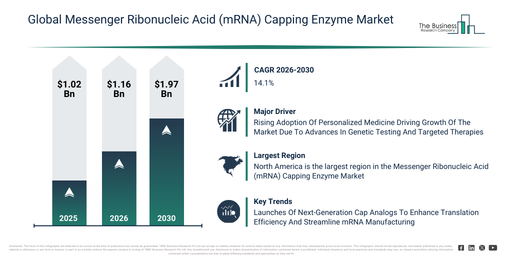
    The messenger ribonucleic acid (mrna) capping enzyme market has expanded significantly in recent years. This market is projected to grow from $1.02 billion in 2025 to $1.16 billion in 2026, at a compound annual growth rate (CAGR) of 14.4%. Key drivers for this historical growth include the expansion of mrna research activities, the increasing use of mrna in vaccine development, advancements in enzymatic synthesis methods, augmented funding for genetic research, and the rising adoption of in vitro transcription technologies.

    The messenger ribonucleic acid (mrna) capping enzyme market size is expected to undergo rapid expansion in the upcoming years. It is projected to climb to $1.97 billion by 2030, exhibiting a compound annual growth rate (CAGR) of 14.1%. This growth during the forecast period can be attributed to the increasing development of mRNA-based therapeutics, rising investments in advanced vaccine platforms, the expansion of biopharmaceutical manufacturing infrastructure, growing demand for high-purity mRNA components, and an increasing focus on scalable mRNA production. Major trends over this period include a heightened demand for high-efficiency mRNA capping enzymes, the rising adoption of enzymatic mRNA modification techniques, growing integration of mRNA therapeutic manufacturing, the expansion of recombinant enzyme production, and an enhanced focus on cap structure optimization.

    Access Your Free Sample Report For In-Depth Market Analysis:

    https://www.thebusinessresearchcompany.com/sample.aspx?id=28266&type=smp

    What Key Factors Are Affecting The Messenger Ribonucleic Acid (mRNA) Capping Enzyme Market Demand?

    The increasing embrace of personalized medicine is projected to advance the expansion of the messenger ribonucleic acid (mRNA) capping enzyme market in the foreseeable future. Personalized medicine represents a healthcare strategy where medical treatments are tailored according to an individual’s distinct genetic makeup, lifestyle, and environmental factors. The prevalence of personalized medicine is escalating, driven by innovations in genetic testing technologies that allow for more precise identification of specific patient requirements, thereby enabling customized and impactful therapies. mRNA capping enzymes contribute significantly to personalized medicines by enhancing the stability and correct functioning of therapeutic mRNA, ensuring its efficient conversion into proteins designed for an individual’s treatment. As an illustration, in February 2024, the Personalized Medicine Coalition, a US-based non-profit organization, reported that the FDA granted approval to 16 new personalized treatments for rare disease patients in 2023, a notable rise from six approvals in 2022. Consequently, the rising acceptance of personalized medicine is fueling the growth of the messenger ribonucleic acid (mRNA) capping enzyme market.

    Which Segment Types Are Examined In The Messenger Ribonucleic Acid (mRNA) Capping Enzyme Market Segment Study?

    The messenger ribonucleic acid (mrna) capping enzyme market covered in this report is segmented –

    1) By Product Type: Recombinant Messenger Ribonucleic Acid (mRNA) Capping Enzymes, Natural Messenger Ribonucleic Acid (mRNA) Capping Enzymes

    2) By Application: Research And Development, Therapeutics, Diagnostics, Other Applications

    3) By End-User: Pharmaceutical And Biotechnology Companies, Research Institutions, Contract Manufacturing Organizations (CMOS)

    Subsegments:

    1) By Recombinant Messenger Ribonucleic Acid (mRNA) Capping Enzymes: Vaccinia Capping Enzyme (VCE), RNA Triphosphatase, Guanylyltransferase, (Guanine-N7)-Methyltransferase

    2) By Natural Messenger Ribonucleic Acid (mRNA) Capping Enzymes: Cap 0 Capping Enzymes, Cap 1 Capping Enzymes, Cap 2 Capping Enzymes

    What Trends Are Affecting The Growth Of The Messenger Ribonucleic Acid (mRNA) Capping Enzyme Market?

    Companies at the forefront of the mRNA capping enzyme market are increasingly concentrating on advanced cap analog technologies, particularly co-transcriptional cap analogs, to improve mRNA stability, translation efficiency, and therapeutic effectiveness. Co-transcriptional cap analogs are chemically modified molecules introduced to mRNA during its synthesis that mimic the natural 5′ cap, thereby enhancing mRNA stability and protein production. For example, in May 2023, TriLink Bio Technologies Inc., a US-based life sciences company, introduced the CleanCap M6 analog. This analog offers elevated protein expression compared to enzymatically capped mRNA, high capping efficiency via a simplified one-pot reaction that accelerates mRNA production, and decreased manufacturing costs due to reduced reagent and process requirements. These technological characteristics include high AU capping efficiency with lower reagent usage, significantly minimizing double-stranded RNA byproducts to boost mRNA safety and effectiveness. It also yields higher amounts of fully capped, long-template self-amplifying mRNA, contributing to lower manufacturing costs and a more streamlined production process.

    Which Players Are Part Of The Competitive Landscape Of The Messenger Ribonucleic Acid (mRNA) Capping Enzyme Market?

    Major companies operating in the messenger ribonucleic acid (mrna) capping enzyme market are Roche AG, Thermo Fisher Scientific Inc., Merck KGaA, Takara Bio Inc., Aldevron, New England Biolabs Inc., CellScript Inc., Krishgen Biosystems, Yeasen Biotechnology Co. Ltd., Novoprotein Scientific Inc., TriLink Biotechnologies LLC, Jena Bioscience GmbH, OZ Biosciences, SBS Biotech Ltd., Vazyme Biotech Co. Ltd., Enzynomics Inc., Creative Enzymes, Canvax Biotech SL, APExBIO Technology LLC, BOC Sciences, KACTUS Biosystems.

    Get The Full Messenger Ribonucleic Acid (mRNA) Capping Enzyme Market Report:

    https://www.thebusinessresearchcompany.com/report/messenger-ribonucleic-acid-mrna-capping-enzyme-global-market-report

    Which Region Leads The Messenger Ribonucleic Acid (mRNA) Capping Enzyme Market In Terms Of Market Share?

    North America was the largest region in the messenger ribonucleic acid (mRNA) capping enzyme market in 2025. Asia-Pacific is expected to be the fastest-growing region in the forecast period. The regions covered in the messenger ribonucleic acid (mrna) capping enzyme market report are Asia-Pacific, South East Asia, Western Europe, Eastern Europe, North America, South America, Middle East, Africa.

    Request A Customized Messenger Ribonucleic Acid (mRNA) Capping Enzyme Market Report For Competitive Insights:

    https://www.thebusinessresearchcompany.com/report/messenger-ribonucleic-acid-mrna-capping-enzyme-global-market-report

    Browse Through More Reports Similar to the Global Messenger Ribonucleic Acid (mRNA) Capping Enzyme Market 2026, By The Business Research Company

    Messenger Ribonucleic Acid Mrna Synthesis Raw Materials Market Report 2026

    https://www.thebusinessresearchcompany.com/report/messenger-ribonucleic-acid-mrna-synthesis-raw-materials-global-market-report

    Mrna Therapeutics Market Report 2026

    https://www.thebusinessresearchcompany.com/report/mrna-therapeutics-global-market-report

    Ribonucleic Acid Rna Sequencing Market Report 2026

    https://www.thebusinessresearchcompany.com/report/ribonucleic-acid-rna-sequencing-global-market-report

    Get in touch with us:

    The Business Research Company: https://www.thebusinessresearchcompany.com/

    Americas +1 310-496-7795

    Asia +44 7882 955267 & +91 8897263534

    Europe +44 7882 955267

    Email us at: marketing@tbrc.info

    Follow us on:

    LinkedIn: https://in.linkedin.com/company/the-business-research-company

    YouTube: https://www.youtube.com/channel/UC24_fI0rV8cR5DxlCpgmyFQ

    Global Market Model: https://www.thebusinessresearchcompany.com/global-market-model
  • Nanotechnology-Based Medical Devices Market Overview 2026–2030 With Insights On Industry Developments

    Nanotechnology-Based Medical Devices Market Overview 2026–2030 With Insights On Industry Developments

    The Business Research Company’s 2026 market reports feature enhanced tools like market attractiveness analysis, TAM assessment, and company scoring matrices, along with interactive dashboards, deeper supply chain insights, and startup coverage strengthening the depth, usability, and strategic value of insights.

    What Expansion In Market Value Is Forecasted For The Nanotechnology-Based Medical Devices Market Between 2026 And 2030?

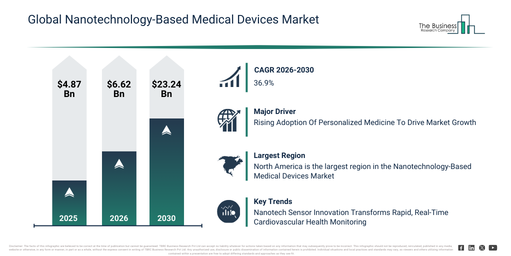
    The market size for nanotechnology-based medical devices has seen substantial expansion in recent years. This sector is forecast to expand from $4.87 billion in 2025 to reach $6.62 billion by 2026, exhibiting a compound annual growth rate (CAGR) of 35.8%. The growth observed in prior periods stemmed from the early integration of nanotechnology into medical devices, an increase in funding for biomedical research, the rising incidence of chronic diseases, the advancement of imaging techniques, and the expansion of tissue engineering research.

    The nanotechnology-based medical devices market is projected to experience rapid expansion over the coming years. This market is anticipated to reach $23.24 billion by 2030, exhibiting a compound annual growth rate (CAGR) of 36.9%. Factors contributing to this growth during the projection period include breakthroughs in nanocomposite and biodegradable materials, the incorporation of AI into diagnostic tools, the broadening use of precision medicine, the rise of implantable smart devices, and increased partnerships between biotechnology and nanotechnology companies. Key trends anticipated for this period encompass the development of sophisticated nanomaterials, the advent of minimally invasive implant technologies, personalized nanomedicine, intelligent diagnostic equipment, and tissue engineering improved by nanotechnology.

    Access Your Free Sample Report For In-Depth Market Analysis:

    https://www.thebusinessresearchcompany.com/sample.aspx?id=12268&type=smp

    What Primary Drivers Are Shaping The Nanotechnology-Based Medical Devices Market?

    The growing embrace of personalized medicine is projected to drive the expansion of the nanotechnology-based medical device market in the future. This innovative healthcare strategy, personalized medicine, customizes medical treatments and interventions for each patient’s unique attributes. Nanotechnology-Based Medical Devices support personalized medicine through the provision of accurate instruments for diagnostics, drug delivery, and the tailoring of treatments at a molecular scale. Such devices allow for targeted therapies, improve imaging for individualized diagnostics, and aid in developing biomaterials specific to individual patient traits, thereby fostering more efficacious and patient-centric healthcare solutions. As an illustration, the Personalised Medicine Coalition, a US-based hospital and health care organization, reported in February 2024 that the FDA sanctioned 16 new personalized treatments for rare disease patients in 2023, which is an increase from 6 in 2022. Consequently, the rising acceptance of personalized medicine is fueling the growth of the nanotechnology-based medical device market.

    Which Segment Classifications Are Used In The Nanotechnology-Based Medical Devices Market Segment Analysis?

    The nanotechnology-based medical devices market covered in this report is segmented –

    1) By Product: Active Implantable Devices, Biochips, Implantable Materials, Medical Textiles And Wound Dressings, Other Products

    2) By Application: Therapeutic Applications, Diagnostic Applications, Research Applications

    3) By End-Users: Hospitals, Clinics, Other End-Users

    Subsegments:

    1) By Active Implantable Devices: Cardiac Pacemakers, Neurostimulators, Implantable Drug Delivery Systems

    2) By Biochips: Lab-On-A-Chip Devices: DNA Microarrays, Protein Microarrays

    3) By Implantable Materials: Nanocomposite Materials, Biodegradable Polymers, Coatings For Implants

    4) By Medical Textiles And Wound Dressings: Nanofiber Dressings, Antimicrobial Textiles, Smart Textiles For Monitoring

    5) By Other Products: Nanoparticles For Imaging, Diagnostic Devices Incorporating Nanotechnology

    What Trends Are Affecting The Direction Of The Nanotechnology-Based Medical Devices Market?

    Leading companies within the nanotechnology-based medical devices market are focusing on developing innovative products, such as nanotechnology diagnostic sensors, to enable faster, more accessible, and real-time monitoring of cardiovascular biomarkers. A nanotechnology diagnostic sensor is a compact medical device that employs nanoscale materials to detect specific biological indicators with enhanced sensitivity, supporting rapid and portable health evaluations. For instance, in October 2024, the Indian Institute of Technology (IIT) Guwahati, an India-based research institution specializing in advanced science and engineering innovation, introduced a nanotechnology-enabled prototype for real-time cardiovascular monitoring. The device utilizes silver–gold nanorods and localized surface plasmon resonance technology to measure cholesterol and triglyceride levels with high sensitivity at the point of care. Designed for portability and low-cost testing, the system enables rapid biomarker analysis and has the potential to expand access to cardiovascular diagnostics in settings with limited laboratory infrastructure.

    Which Firms Are Contributing To The Nanotechnology-Based Medical Devices Market Ecosystem?

    Major companies operating in the nanotechnology-based medical devices market are Johnson & Johnson, Abbott Laboratories, 3M Company, Medtronic PLC, Stryker Corporation, Boston Scientific Corporation, Zimmer Biomet, Smith And Nephew PLC, LivaNova Plc, MED-EL, Keystone Nano, Nanonics Imaging Ltd., Imina Technologies SA, Hummingbird Scientific, PerkinElmer Inc., Bruker Corporation, Sonova Holding AG, Dentsply Sirona Inc., Blueberry Therapeutics, Cello Therapeutics

    Get The Full Nanotechnology-Based Medical Devices Market Report:

    https://www.thebusinessresearchcompany.com/report/nanotechnology-based-medical-devices-global-market-report

    Which Region Leads The Nanotechnology-Based Medical Devices Market In Terms Of Market Share?

    North America was the largest region in the nanotechnology-based medical devices market in 2025. Asia-Pacific is expected to be the fastest-growing region in the forecast period. The regions covered in the nanotechnology-based medical devices market report are Asia-Pacific, South East Asia, Western Europe, Eastern Europe, North America, South America, Middle East, Africa.

    Request A Customized Nanotechnology-Based Medical Devices Market Report For Competitive Insights:

    https://www.thebusinessresearchcompany.com/report/nanotechnology-based-medical-devices-global-market-report

    Browse Through More Reports Similar to the Global Nanotechnology-Based Medical Devices Market 2026, By The Business Research Company

    Nanotechnology Based Medical Devices Market Report 2026

    https://www.thebusinessresearchcompany.com/report/nanotechnology-based-medical-devices-global-market-report

    Healthcare Nanotechnology Market Report 2026

    https://www.thebusinessresearchcompany.com/report/healthcare-nanotechnology-global-market-report

    Nanomedicine Market Report 2026

    https://www.thebusinessresearchcompany.com/report/nanomedicine-global-market-report

    Get in touch with us:

    The Business Research Company: https://www.thebusinessresearchcompany.com/

    Americas +1 310-496-7795

    Asia +44 7882 955267 & +91 8897263534

    Europe +44 7882 955267

    Email us at: marketing@tbrc.info

    Follow us on:

    LinkedIn: https://in.linkedin.com/company/the-business-research-company

    YouTube: https://www.youtube.com/channel/UC24_fI0rV8cR5DxlCpgmyFQ

    Global Market Model: https://www.thebusinessresearchcompany.com/global-market-model
  • Men’s Health Supplements Market Forecast Through 2030 With Insights On Market Patterns And Developments

    Men’s Health Supplements Market Forecast Through 2030 With Insights On Market Patterns And Developments

    The Business Research Company’s 2026 market reports feature enhanced tools like market attractiveness analysis, TAM assessment, and company scoring matrices, along with interactive dashboards, deeper supply chain insights, and startup coverage strengthening the depth, usability, and strategic value of insights.

    What Is The Projected Increase In Market Value Of The Men’s Health Supplements Market During 2026–2030?

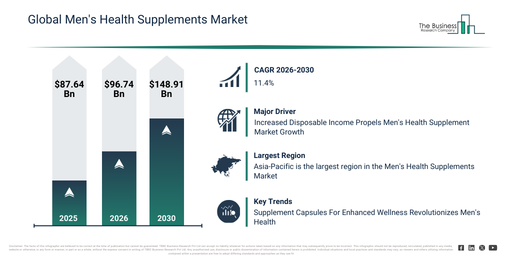
    The market size for men’s health supplements has experienced rapid expansion in recent years. This market is projected to grow from $87.64 billion in 2025 to $96.74 billion in 2026, exhibiting a compound annual growth rate (CAGR) of 10.4%. Historically, this growth can be attributed to several factors including increasing awareness about male health and wellness, a rise in disposable income, the proliferation of gym and fitness culture, the growing popularity of herbal and natural remedies, and the early adoption of sports supplements.

    The men’s health supplements market is projected to experience substantial growth over the coming years, with its size anticipated to reach $148.91 billion by 2030, expanding at a compound annual growth rate (CAGR) of 11.4%. This growth in the forecast period can be attributed to several factors including the expansion of e-commerce platforms, innovation in personalized nutrition, increasing prevalence of lifestyle-related male health issues, growth in male aging population, and a rise in preventive healthcare approaches. Major trends expected within this period include personalized nutrition plans, herbal and natural supplement demand, functional fitness supplements, male hormonal health focus, and online direct-to-consumer sales.

    Access Your Free Sample Report For In-Depth Market Analysis:

    https://www.thebusinessresearchcompany.com/sample.aspx?id=12719&type=smp

    Which Primary Drivers Are Impacting The Men’s Health Supplements Market Growth?

    Rising disposable income is anticipated to propel the men’s health supplement market’s growth moving forward. Generally, an uptick in disposable income stems from an improved economy, leading to higher wages and salaries, which in turn boosts healthcare spending. This financial capacity allows men to invest in health supplements, thereby enhancing their well-being and addressing specific health concerns, ultimately contributing to overall men’s health and fitness. For instance, in August 2023, the Bureau of Economic Analysis, a US-based government agency, reported that in July 2023, disposable personal income increased by $7.3 billion (less than 0.1%) and personal consumption expenditures (PCE) grew by $144.6 billion (0.8 percent). Therefore, increased disposable income is a key driver for the men’s health supplement market’s expansion.

    How Are Different Segments Classified In The Men’s Health Supplements Market Segment Analysis?

    The men’s health supplements market covered in this report is segmented –

    1) By Type: Sports Supplements, Reproductive Health Supplements, Bone And Joint Health Supplements, Cardiovascular Health Supplements, Probiotic Supplements, Anti-Aging Supplements, Hair Growth Supplements, Weight Management Supplements, Immune Health Supplements, Other Types

    2) By Age Group: 20-30, 31-45, 46-60, Above 60

    3) By Formulation: Tablets, Capsules, Liquids, Powders, Gummies, Other Formulations

    4) By Distribution Channel: Online, Offline

    Subsegments:

    1) By Sports Supplements: Protein Powders, Creatine, Branched-Chain Amino Acids (BCAAs), Pre-Workout Formulas

    2) By Reproductive Health Supplements: Testosterone Boosters, Fertility Supplements

    3) By Bone And Joint Health Supplements: Glucosamine, Chondroitin, Calcium and Vitamin D

    4) By Cardiovascular Health Supplements: Omega-3 Fatty Acids, Coenzyme Q10 (CoQ10)

    5) By Probiotic Supplements: Multi-Strain Probiotics, Targeted Probiotic Blends

    6) By Anti-Aging Supplements: Antioxidants, Collagen Supplements

    7) By Hair Growth Supplements: Biotin, Saw Palmetto

    8) By Weight Management Supplements: Fat Burners, Appetite Suppressants

    9) By Immune Health Supplements: Vitamin C, Zinc

    10) By Other Types: Herbal Supplements, Nutraceuticals

    Which Trends Are Shaping The Men’s Health Supplements Market?

    Leading companies operating in the men’s health supplement market are prioritizing the creation of advanced solutions like supplement capsules to cater to specific health requirements and boost overall well-being. Supplement capsules are oral forms, typically constructed from gelatin or other materials, encapsulating concentrated and precise amounts of nutritional or bioactive ingredients. These are intended to supplement an individual’s diet and confer particular health advantages. For example, in September 2023, Olly, a US-based supplier of premium nutrition and wellness items, released its new Mighty Mojo capsule. This product is formulated to foster healthy testosterone levels and improve sexual function, priced at $35. Its primary ingredients include tongkat ali, a flowering plant clinically shown to support testosterone levels and overall well-being. Furthermore, Mighty Mojo incorporates resveratrol and pine bark, robust antioxidants that may enhance immune function and contribute to general wellness. The supplement’s formulation uses carefully studied dosages of these components to guarantee effectiveness.

    Who Are The Companies Driving Activity In The Men’s Health Supplements Market?

    Major companies operating in the men’s health supplements market are Haleon plc, Herbalife Nutrition Ltd., GNC Holdings LLC, Vitamin Shoppe Inc., Biotest LLC, Hims & Hers Health Inc., Now Health Group Inc., Thorne Research Inc., Natrol LLC, Irwin Naturals Inc., Pharmavite LLC, Nutrix International LLC, Nordic Naturals Inc., Matsun Nutrition Inc., Makers Nutrition LLC, NutraBio Labs Inc., Vox Nutrition Inc., Nutricap Labs LLC, Nutrivo LLC, Paragon Laboratories Inc., Nutra Solutions USA Inc., Optimum Nutrition Inc., BioThrive Sciences LLC, Nutraceutical Wellness Inc., Botanic Supplements Private Limited, Custom Nutra LLC, Bio-Tech Pharmacal Inc., NutraPak USA, NuMedica LLC

    Get The Full Men’s Health Supplements Market Report:

    https://www.thebusinessresearchcompany.com/report/mens-health-supplements-global-market-report

    Which Region Leads The Men’s Health Supplements Market In Overall Market Size?

    Asia-Pacific was the largest region in the men’s health supplements market in 2025. The regions covered in the men’s health supplements market report are Asia-Pacific, South East Asia, Western Europe, Eastern Europe, North America, South America, Middle East, Africa.

    Request A Customized Men’s Health Supplements Market Report For Competitive Insights:

    https://www.thebusinessresearchcompany.com/report/mens-health-supplements-global-market-report

    Browse Through More Reports Similar to the Global Men’s Health Supplements Market 2026, By The Business Research Company

    Mens Health Supplements Market Report 2026

    https://www.thebusinessresearchcompany.com/report/mens-health-supplements-global-market-report

    Wellness Supplements Market Report 2026

    https://www.thebusinessresearchcompany.com/report/wellness-supplements-global-market-report

    Sexual Health Supplement Market Report 2026

    https://www.thebusinessresearchcompany.com/report/sexual-health-supplement-global-market-report

    Get in touch with us:

    The Business Research Company: https://www.thebusinessresearchcompany.com/

    Americas +1 310-496-7795

    Asia +44 7882 955267 & +91 8897263534

    Europe +44 7882 955267

    Email us at: marketing@tbrc.info

    Follow us on:

    LinkedIn: https://in.linkedin.com/company/the-business-research-company

    YouTube: https://www.youtube.com/channel/UC24_fI0rV8cR5DxlCpgmyFQ

    Global Market Model: https://www.thebusinessresearchcompany.com/global-market-model
  • Nanopharmaceuticals Market Forecast Highlighting Key Trends And Expansion Potential

    Nanopharmaceuticals Market Forecast Highlighting Key Trends And Expansion Potential

    The Business Research Company’s 2026 market reports feature enhanced tools like market attractiveness analysis, TAM assessment, and company scoring matrices, along with interactive dashboards, deeper supply chain insights, and startup coverage strengthening the depth, usability, and strategic value of insights.

    How Large Will The Nanopharmaceuticals Market Be By 2030 Compared To Its 2026 Market Size?

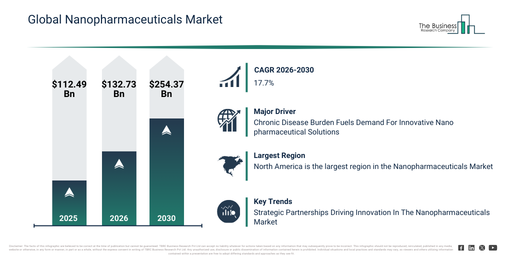
    The nanopharmaceuticals market has demonstrated rapid growth in its size over recent years. It is projected to expand from $112.49 billion in 2025 to $132.73 billion in 2026, registering a compound annual growth rate (CAGR) of 18.0%. Historically, this growth can be ascribed to several factors: the initial limited application of nanotechnology in pharmaceutical development, a reliance on conventional drug delivery systems, increasing research in oncology and neurology, the regulatory approvals granted for early nanopharmaceuticals, and a growing awareness surrounding targeted therapies.

    The nanopharmaceuticals market is expected to experience substantial growth in the upcoming years, with its valuation set to reach $254.37 billion by 2030, exhibiting a compound annual growth rate (CAGR) of 17.7%. This expansion during the forecast period is fueled by advancements in liposomal and polymeric micelle technologies, the increasing prevalence of nanoemulsions and solid lipid nanoparticles, the rising adoption of personalized medicine, intensified research in cardiovascular and anti-infective applications, and greater investment in scalable nanopharmaceutical manufacturing. Key trends anticipated in this period include the expanding use of targeted nanopharmaceutical therapies in oncology, the progression of nano-based drug delivery systems for neurology, an intensified focus on anti-inflammatory and anti-infective applications, the broader availability of pulmonary and injectable nanopharmaceutical formulations, and the innovation of lipid-based and polymeric nanocarriers designed for enhanced bioavailability.

    Access Your Free Sample Report For In-Depth Market Analysis:

    https://www.thebusinessresearchcompany.com/sample.aspx?id=19608&type=smp

    Which Major Drivers Are Influencing The Expansion Of The Nanopharmaceuticals Market?

    The increasing occurrence of chronic illnesses is anticipated to boost the expansion of the nanopharmaceuticals market in the future. These are enduring health issues demanding continuous medical care and management for extended periods, potentially a lifetime, encompassing conditions such as cancer, diabetes, heart disease, and asthma, among others. Several factors contribute to the widespread nature of chronic diseases, including poor dietary habits, insufficient physical activity, tobacco use, excessive alcohol consumption, genetic susceptibility, and environmental influences. Nanopharmaceuticals offer advantages in treating chronic diseases by enabling precise drug targeting, improving bioavailability, facilitating controlled release, reducing adverse reactions, and providing sophisticated combination treatments, which collectively enhance therapeutic effectiveness and patient outcomes. As an illustration, data from April 2025 by the Centers for Disease Control and Prevention, a US-based federal agency, indicated that in 2023, approximately 76.4% of U.S. adults reported experiencing at least one of their 12 selected chronic conditions. Additionally, 51.4% of U.S. adults reported having multiple chronic conditions. Consequently, the rising prevalence of chronic diseases is fostering the growth of the nanopharmaceuticals market.

    How Is The Nanopharmaceuticals Market Organized By Segment Classification?

    The nanopharmaceuticals market covered in this report is segmented –

    1) By Type: Liposomes, Polymeric Micelles, Solid Lipid Nanoparticles, Microemulsion, Nanoemulsion, Other Product Types

    2) By Route Of Administration: Oral, Injectable, Topical, Pulmonary, Other Routes Of Administration

    3) By Application: Oncology, Neurology, Anti-inflammatory, Anti-infective, Cardiovascular, Other Applications

    4) By End-User: Hospitals And Clinics, Specialty Pharmacies, Research Institutions, Other End Users

    Subsegments:

    1) By Liposomes: Conventional Liposomes, Pegylated Liposomes, Cationic Liposomes, Anionic Liposomes, Immunoliposomes, Stealth Liposomes, Thermosensitive Liposomes,

    2) By Polymeric Micelles: Block Copolymer Micelles, Amphiphilic Polymer Micelles, Biodegradable Polymeric Micelles, Nanoparticle-Polymer Hybrid Micelles, pH-Sensitive Micelles, Thermo-responsive Micelles

    3) By Solid Lipid Nanoparticles (SLNs): Conventional SLNs, Nanostructured Lipid Carriers (NLCs), SLNs for Drug Delivery, SLNs with Targeting Ligands, SLNs for Vaccine Delivery

    4) By Microemulsion: Oil-in-Water (O/W) Microemulsions, Water-in-Oil (W/O) Microemulsions, Multi-Phase Microemulsions, Microemulsions for Drug Delivery, Microemulsions with Active Ingredients

    5) By Nanoemulsion: Oil-in-Water (O/W) Nanoemulsions, Water-in-Oil (W/O) Nanoemulsions, Nanoemulsions for Parenteral Administration, Nanoemulsions for Oral Delivery, Nanoemulsions with Enhanced Stability,

    6) By Other Product Types: Nanocrystals, Dendrimers, Nanocomposites, Nanospheres, Nanotubes, Quantum Dots, Magnetic Nanoparticles

    What Trends Are Influencing The Evolution Of The Nanopharmaceuticals Market?

    Prominent corporations active in the nanopharmaceuticals market are increasingly utilizing a strategic collaborations model to deliver vital communication offerings to various entities, including private citizens, businesses, and government bodies. These strategic alliances describe a method where organizations draw upon each other’s specific capabilities and assets to attain shared advantages and favorable results. As an illustration, in April 2024, Nanoform Finland Plc, a Finland-based nanoparticle medicine company, formed a partnership with CBC Co. Ltd., a Japan-based development-type trading company, to investigate potential applications for Nanoform’s advanced nanomedicine engineering technologies. This collaborative strategy represents a significant achievement in their collective endeavors to harness advanced nanotechnology for improving pharmaceutical products for patients globally.

    Who Are The Industry Participants Involved In The Nanopharmaceuticals Market?

    Major companies operating in the nanopharmaceuticals market are Selecta Biosciences Inc., Pfizer Inc., Hoffmann-La Roche Ltd., Merck & Co. Inc., AbbVie Inc., Bayer AG, Sanofi S.A., Bristol Myers Squibb Company, AstraZeneca plc, Abbott Laboratories, Novartis AG, GlaxoSmithKline plc, Eli Lilly and Company, Boehringer Ingelheim International GmbH, Par Pharmaceutial Inc., Samyang Biopharm Corporation

    Get The Full Nanopharmaceuticals Market Report:

    https://www.thebusinessresearchcompany.com/report/nanopharmaceuticals-global-market-report

    Which Region Leads The Nanopharmaceuticals Market In Overall Market Size?

    North America was the largest region in the global nanopharmaceuticals market in 2025. Asia-Pacific is expected to be the fastest-growing region in the forecast period. The regions covered in the nanopharmaceuticals market report are Asia-Pacific, South East Asia, Western Europe, Eastern Europe, North America, South America, Middle East, Africa.

    Request A Customized Nanopharmaceuticals Market Report For Competitive Insights:

    https://www.thebusinessresearchcompany.com/report/nanopharmaceuticals-global-market-report

    Browse Through More Reports Similar to the Global Nanopharmaceuticals Market 2026, By The Business Research Company

    Pharmaceutical Api Manufacturing Market Report 2026

    https://www.thebusinessresearchcompany.com/report/pharmaceutical-api-manufacturing-global-market-report

    Generic Pharmaceuticals Market Report 2026

    https://www.thebusinessresearchcompany.com/report/generic-pharmaceuticals-global-market-report

    Pharmaceutical Sterility Testings Market Report 2026

    https://www.thebusinessresearchcompany.com/report/pharmaceutical-sterility-testings-global-market-report

    Get in touch with us:

    The Business Research Company: https://www.thebusinessresearchcompany.com/

    Americas +1 310-496-7795

    Asia +44 7882 955267 & +91 8897263534

    Europe +44 7882 955267

    Email us at: marketing@tbrc.info

    Follow us on:

    LinkedIn: https://in.linkedin.com/company/the-business-research-company

    YouTube: https://www.youtube.com/channel/UC24_fI0rV8cR5DxlCpgmyFQ

    Global Market Model: https://www.thebusinessresearchcompany.com/global-market-model
  • Menopause Supplement Market Outlook For 2026–2030 Covering Growth Drivers And Industry Trends

    Menopause Supplement Market Outlook For 2026–2030 Covering Growth Drivers And Industry Trends

    The Business Research Company’s 2026 market reports feature enhanced tools like market attractiveness analysis, TAM assessment, and company scoring matrices, along with interactive dashboards, deeper supply chain insights, and startup coverage strengthening the depth, usability, and strategic value of insights.

    How Is The Market Size Of The Menopause Supplement Market Expected To Change From 2026 To 2030?

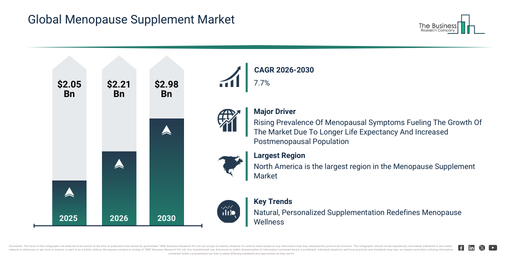
    The menopause supplement market has exhibited robust growth in recent years. It is anticipated to expand from $2.05 billion in 2025 to $2.21 billion in 2026, growing at a compound annual growth rate (CAGR) of 7.9%. The historical growth can be attributed to increasing awareness of menopause-related health management, a rising preference for non-prescription wellness solutions, the expansion of women’s health supplement offerings, growing health literacy among middle-aged women, and the availability of diverse supplement formats.

    The menopause supplement market is projected to experience substantial expansion over the upcoming years. Its value is anticipated to reach $2.98 billion by 2030, demonstrating a compound annual growth rate (CAGR) of 7.7%. This expected growth during the forecast period is driven by several factors, including an increasing need for customized menopause nutrition, the rising use of digital platforms for women’s health, a greater emphasis on comprehensive and lifestyle-oriented menopause support, the expansion of supplement sales through e-commerce, and increased funding for female health research. Key developments anticipated in this period encompass a rising preference for natural hormone support products, a greater uptake of non-hormonal supplement options, the development of more specific formulations addressing menopause symptoms, a heightened focus on wellness products tailored for women, and increased acceptance of proactive menopause management.

    Access Your Free Sample Report For In-Depth Market Analysis:

    https://www.thebusinessresearchcompany.com/sample.aspx?id=30320&type=smp

    What Significant Factors Are Influencing The Menopause Supplement Market Expansion?

    The increasing occurrence of menopausal symptoms is anticipated to drive expansion in the menopause supplement market in the future. These symptoms encompass the physical and emotional shifts women undergo as estrogen levels decrease during the menopausal transition. This prevalence is on the rise because women are living longer and spending more of their lives in the postmenopausal stage, which results in prolonged exposure to physical and hormonal alterations. Menopause supplements frequently aid in managing these conditions by delivering specific nutrients and botanical ingredients that can ease hot flashes, mood fluctuations, and sleep issues, thereby fostering overall hormonal equilibrium and wellness; however, individual use differs. For example, in December 2023, the National Library of Medicine, a U.S.-based government agency, stated that approximately 1.3 million women experience menopause each year, usually between ages 45 and 56. Of these, 5% encounter early menopause at 40–45, and 1% are affected by primary ovarian insufficiency before age 40. Consequently, the growing occurrence of menopausal symptoms acts as a significant catalyst for expansion within the menopause supplement market.

    How Is The Menopause Supplement Market Categorized Across Its Segment Groups?

    The menopause supplement market covered in this report is segmented –

    1) By Product Type: Hormonal supplements, Non-hormonal supplements, Nutritional supplements, Other Product Types

    2) By Form: Tablets, Capsules, Liquids, Powders, Gummies, Soft gels

    3) By Gender: Women, Men

    4) By Sales Channel: Store-based, Modern trade, Hospital pharmacies, Retail pharmacies, Drug stores, Online pharmacies

    5) By End-user: Hospitals, Homecare, Clinics

    Subsegments:

    1) By Hormonal Supplements: Estrogen Therapy, Progesterone Therapy, Combined Hormone Therapy, Bioidentical Hormone Therapy

    2) By Non-Hormonal Supplements: Herbal Extract Supplements, Phytoestrogen Supplements, Homeopathic Supplements, Botanical Blend Supplements

    3) By Nutritional Supplements: Vitamin Supplements, Mineral Supplements, Protein Supplements, Omega Fatty Acid Supplements

    4) By Other Product Types: Probiotic Supplements, Collagen Supplements, Antioxidant Supplements, Enzyme Supplements

    What Trends Are Influencing The Menopause Supplement Market?

    Leading companies in the menopause supplement market are increasingly prioritizing advanced innovations, such as personalized supplements, to deliver targeted symptom relief, improve effectiveness, and cater to the distinct hormonal and nutritional requirements of individual women. Personalized supplements are defined as bespoke nutritional formulations crafted based on an individual’s specific health needs, symptoms, hormonal profile, or lifestyle attributes. For instance, in September 2025, Desert Harvest, a US-based firm recognized for its natural health solutions, unveiled its inaugural menopause supplement, which incorporates human-identical lactoferrin. This development signifies a major breakthrough, given that the lactoferrin utilized closely mirrors the variant naturally present in the human body. The product aims to assist women during peri- and post-menopause by addressing issues like hormonal imbalances, fatigue, and immune system health. By integrating bioidentical lactoferrin with natural components, the company intends to provide a non-hormonal, scientifically validated solution for menopausal relief. This launch also marks Desert Harvest’s expansion into the rapidly flourishing women’s health and menopause supplement market.

    Which Firms Are Influencing Competition In The Menopause Supplement Market?

    Major companies operating in the menopause supplement market are Nestlé Health Science, Procter & Gamble, Bayer AG, Church & Dwight Co. Inc., Herbalife Nutrition Ltd., Amway Corporation, The Nature’s Bounty Co., GNC Holdings Inc., Pharmavite LLC, Blackmores Limited, NOW Foods, Thorne HealthTech, Metagenics Inc., Jarrow Formulas Inc., Nature’s Way, Vitabiotics Ltd., Standard Process Inc., Swisse Wellness Pty Ltd., Bio-Botanica Inc., Life Extension

    Get The Full Menopause Supplement Market Report:

    https://www.thebusinessresearchcompany.com/report/global-menopause-supplement-market-report

    Which Region Is The Top Contributor To The Menopause Supplement Market By Share?

    North America was the largest region in the menopause supplement market in 2025. Asia-Pacific is expected to be the fastest-growing region in the forecast period. The regions covered in the menopause supplement market report are Asia-Pacific, South East Asia, Western Europe, Eastern Europe, North America, South America, Middle East, Africa.

    Request A Customized Menopause Supplement Market Report For Competitive Insights:

    https://www.thebusinessresearchcompany.com/report/global-menopause-supplement-market-report

    Browse Through More Reports Similar to the Global Menopause Supplement Market 2026, By The Business Research Company

    Menopause Market Report 2026

    https://www.thebusinessresearchcompany.com/report/menopause-global-market-report

    Menopausal Hot Flashes Market Report 2026

    https://www.thebusinessresearchcompany.com/report/menopausal-hot-flashes-global-market-report

    Pms And Menstrual Health Supplements Market Report 2026

    https://www.thebusinessresearchcompany.com/report/pms-and-menstrual-health-supplements-global-market-report

    Get in touch with us:

    The Business Research Company: https://www.thebusinessresearchcompany.com/

    Americas +1 310-496-7795

    Asia +44 7882 955267 & +91 8897263534

    Europe +44 7882 955267

    Email us at: marketing@tbrc.info

    Follow us on:

    LinkedIn: https://in.linkedin.com/company/the-business-research-company

    YouTube: https://www.youtube.com/channel/UC24_fI0rV8cR5DxlCpgmyFQ

    Global Market Model: https://www.thebusinessresearchcompany.com/global-market-model
  • Nanomedicine Drug Delivery Market Analysis Covering Growth Drivers And Future Outlook

    Nanomedicine Drug Delivery Market Analysis Covering Growth Drivers And Future Outlook

    The Business Research Company’s 2026 market reports feature enhanced tools like market attractiveness analysis, TAM assessment, and company scoring matrices, along with interactive dashboards, deeper supply chain insights, and startup coverage strengthening the depth, usability, and strategic value of insights.

    What Is The Projected Increase In Market Value Of The Nanomedicine Drug Delivery Market During 2026–2030?

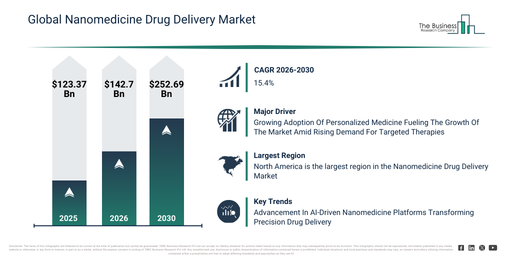
    The nanomedicine drug delivery market has experienced rapid expansion recently. This market is projected to expand from $123.37 billion in 2025 to reach $142.7 billion by 2026, demonstrating a compound annual growth rate (CAGR) of 15.7%. Historically, this growth was driven by factors such as progress in nanotechnology research, an increase in chronic disease prevalence, the broadening of oncology drug development, a rise in academic nanomedicine investigations, and the initial successful outcomes of nanoformulations in clinical settings.

    The nanomedicine drug delivery market is projected for significant expansion in the coming years. This market is forecast to reach $252.69 billion by 2030, exhibiting a compound annual growth rate (CAGR) of 15.4%. Factors contributing to this growth during the projected period include rising investments in precision therapeutics, a surging demand for targeted drug delivery methods, the ongoing expansion of nanomedicine clinical trials, the increasing incorporation of AI into formulation design, and greater regulatory clarity for nanodrugs. Key trends anticipated during the forecast period involve the heightened development of targeted nanocarrier systems, an increased reliance on liposomal drug delivery platforms, the expanding embrace of stimuli-responsive nanomaterials, the broadening scope of oncology-focused nanomedicine applications, and a reinforced emphasis on improving drug bioavailability.

    Access Your Free Sample Report For In-Depth Market Analysis:

    https://www.thebusinessresearchcompany.com/sample.aspx?id=29132&type=smp

    What Key Drivers Are Fueling The Growth Of The Nanomedicine Drug Delivery Market?

    The expanding acceptance of personalized medicine is projected to fuel the advancement of the nanomedicine drug delivery market in the future. Personalized medicine is defined as a medical strategy that tailors treatment and prevention methods to a patient’s unique attributes, including their genetic makeup or specific disease subtype. The uptake of personalized medicine is increasing due to genomic and molecular breakthroughs that facilitate treatments customized to an individual’s genetic profile, thereby boosting efficacy and enabling highly accurate, targeted care. Nanomedicine drug delivery aids personalized medicine through its ability to accurately deliver drugs to specific target cells and to adapt dosages and formulations for every patient, consequently improving treatment efficacy and minimizing adverse effects. For example, data from February 2024, provided by the Personalized Medicine Coalition, a US-based international non-profit, indicates that the US Food and Drug Administration (FDA) sanctioned 16 novel personalized treatments for individuals with rare diseases in 2023, an increase from six approvals recorded in 2022. Consequently, the increasing embrace of personalized medicine is a key factor driving the expansion of the nanomedicine drug delivery market.

    Which Segments Define The Nanomedicine Drug Delivery Market Segment Structure?

    The nanomedicine drug delivery market covered in this report is segmented –

    1) By Product Type: Nanoparticles, Liposomes, Micelles, Dendrimers, Nanotubes, Other Product Types

    2) By Route Of Administration: Oral, Injectable, Topical, Other Routes Of Administration

    3) By Application: Oncology, Cardiovascular Diseases, Neurology, Infectious Diseases, Other Applications

    4) By End-User: Hospitals, Clinics, Research Institutes, Other End-Users

    Subsegments:

    1) By Nanoparticles: Polymeric Nanoparticles, Metallic Nanoparticles, Lipid-Based Nanoparticles, Magnetic Nanoparticles, Quantum Dots

    2) By Liposomes: Conventional Liposomes, Stealth Liposomes, Cationic Liposomes, Anionic Liposomes, pH-Sensitive Liposomes

    3) By Micelles: Polymeric Micelles, Lipid Micelles, Amphiphilic Block Copolymer Micelles, Stimuli-Responsive Micelles, Mixed Micelles

    4) By Dendrimers: Polyamidoamine Dendrimers, Polypropylene Imine Dendrimers, Peptide Dendrimers, Carbohydrate Dendrimers, Hydroxyl-Terminated Dendrimers

    5) By Nanotubes: Carbon Nanotubes, Peptide Nanotubes, Inorganic Nanotubes, Multi-Walled Nanotubes, Single-Walled Nanotubes

    6) By Other Product Types: Nanospheres, Nanocapsules, Nanoemulsions, Nanogels, Hybrid Nanocarrier

    Which Trends Are Impacting The Progress Of The Nanomedicine Drug Delivery Market?

    Leading companies in the nanomedicine drug delivery market are focusing on developing drug delivery solutions, such as AI-powered nano-delivery platforms, to enhance targeting precision and accelerate the development of personalized treatments. These AI-powered nano-delivery platforms are advanced systems that leverage artificial intelligence to design and optimize nanoparticles for precise drug targeting, thereby improving therapeutic outcomes while reducing side effects and enabling personalized treatment. For instance, in September 2025, METiS TechBio, a China-based biotechnology company, launched NanoForge, an AI-driven nano-delivery platform designed to revolutionize how medicines are developed and delivered. This system integrates artificial intelligence with nanotechnology to optimize lipid nanoparticle formulations and deliver drugs precisely to target tissues, enabling faster, safer, and more cost-effective drug development. This innovation aims to overcome key barriers in drug delivery for complex molecules like mRNA, shifting the field toward programmable and reconfigurable therapeutics.

    Who Are The Established Players Within The Nanomedicine Drug Delivery Market?

    Major companies operating in the nanomedicine drug delivery market are Pfizer Inc., Bristol-Myers Squibb Company, Novartis AG, Gilead Sciences Inc., Evonik Industries AG, Ipsen Pharma S.A.S., Pacira BioSciences Inc., Camurus AB, Arcturus Therapeutics Holdings Inc., Nanobiotix S.A., Acuitas Therapeutics Inc., NanoViricides Inc., Taiwan Liposome Company Ltd., Aphios Corporation, Concept Medical Inc., DelSiTech Ltd., ANP Technologies Inc., ProMab Biotechnologies Inc., BlueWillow Biologics Inc., Nanoform Finland Plc.

    Get The Full Nanomedicine Drug Delivery Market Report:

    https://www.thebusinessresearchcompany.com/report/nanomedicine-drug-delivery-global-market-report

    Which Region Is The Top Contributor To The Nanomedicine Drug Delivery Market By Share?

    North America was the largest region in the nanomedicine drug delivery market in 2025. Asia-Pacific is expected to be the fastest-growing region in the forecast period. The regions covered in the nanomedicine drug delivery market report are Asia-Pacific, South East Asia, Western Europe, Eastern Europe, North America, South America, Middle East, Africa.

    Request A Customized Nanomedicine Drug Delivery Market Report For Competitive Insights:

    https://www.thebusinessresearchcompany.com/report/nanomedicine-drug-delivery-global-market-report

    Browse Through More Reports Similar to the Global Nanomedicine Drug Delivery Market 2026, By The Business Research Company

    Nanomedicine Market Report 2026

    https://www.thebusinessresearchcompany.com/report/nanomedicine-global-market-report

    Pharmaceutical Drug Delivery Market Report 2026

    https://www.thebusinessresearchcompany.com/report/pharmaceutical-drug-delivery-global-market-report

    Drug Delivery Devices Market Report 2026

    https://www.thebusinessresearchcompany.com/report/drug-delivery-devices-global-market-report

    Get in touch with us:

    The Business Research Company: https://www.thebusinessresearchcompany.com/

    Americas +1 310-496-7795

    Asia +44 7882 955267 & +91 8897263534

    Europe +44 7882 955267

    Email us at: marketing@tbrc.info

    Follow us on:

    LinkedIn: https://in.linkedin.com/company/the-business-research-company

    YouTube: https://www.youtube.com/channel/UC24_fI0rV8cR5DxlCpgmyFQ

    Global Market Model: https://www.thebusinessresearchcompany.com/global-market-model