Category: Pharmaceuticals

  • Microbial Sealant Market Revenue Growth Forecast To Reach $6.11 Billion By 2030 At 11.9% CAGR

    Microbial Sealant Market Revenue Growth Forecast To Reach $6.11 Billion By 2030 At 11.9% CAGR

    The Business Research Company’s 2026 market reports feature enhanced tools like market attractiveness analysis, TAM assessment, and company scoring matrices, along with interactive dashboards, deeper supply chain insights, and startup coverage strengthening the depth, usability, and strategic value of insights.

    How Does The Market Size Of The Microbial Sealant Market Compare Between 2026 And 2030?

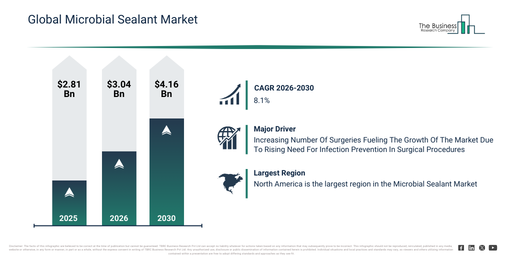
    The microbial sealant market size has experienced robust expansion in recent years. This market is projected to expand from $2.81 billion in 2025 to $3.04 billion in 2026, exhibiting a compound annual growth rate (CAGR) of 8.4%. Historically, this growth has been fueled by factors such as heightened awareness regarding the prevention of surgical site infections, an increase in surgical procedure volumes, the widespread adoption of standardized preoperative protocols, the accessibility of cyanoacrylate-based medical sealants, and rising investments by hospitals in infection control measures.

    The microbial sealant market is anticipated to experience robust expansion over the next few years, projected to reach $4.16 billion by 2030, exhibiting a compound annual growth rate (CAGR) of 8.1%. This expected growth during the forecast period is driven by factors such as the increasing demand for minimally invasive surgeries, a heightened focus on patient safety outcomes, the expansion of ambulatory surgical centers, the growing adoption in dental and wound care applications, and continuous innovation in antimicrobial formulations. Significant trends for the forecast period include the increasing adoption of advanced surgical infection prevention products, the growing use of microbial barrier technologies in operating rooms, a rising demand for fast-drying and long-lasting sealants, the expansion of sealant use across multiple surgical specialties, and an enhanced focus on reducing surgical site infections.

    Access Your Free Sample Report For In-Depth Market Analysis:

    https://www.thebusinessresearchcompany.com/sample.aspx?id=28269&type=smp

    Which Key Drivers Are Affecting The Microbial Sealant Market Development?

    A projected expansion in the volume of surgical procedures is anticipated to fuel the progression of the microbial sealant market. Surgery, a medical intervention where doctors use instruments to treat injuries, diseases, or conditions by cutting into the body or repairing internal tissues and organs, is experiencing an upsurge. This rise is attributed to the increasing incidence of chronic diseases frequently necessitating surgical care. Microbial sealants are vital in surgical settings, forming a durable skin barrier to avert microbial contamination, thus diminishing the likelihood of surgical site infections and fostering a more secure operative atmosphere. As an illustration, the Australian Institute of Health and Welfare, an Australia-based government organization, disclosed in April 2025 that public hospitals registered 778,500 admissions from elective surgery waitlists in 2023–24. This represented a 5.8% rise from the 735,500 admissions recorded in 2022–23. Consequently, the escalating volume of surgeries is propelling the expansion of the microbial sealants market.

    What Are The Key Segment Divisions In The Microbial Sealant Market Segment Structure?

    The microbial sealant market covered in this report is segmented –

    1) By Sealant Origin: Natural Microbial Sealants, Synthetic Microbial Sealants

    2) By Type: Ethylene Oxide, Cyanoacrylate

    3) By Application: Surgical Procedures, Wound Care, Dental Care, Other Applications

    4) By End-User: Hospitals, Ambulatory Surgical Centers, Clinics, Other End Users

    Subsegments:

    1) By Natural Microbial Sealants: Plant-Derived Sealants, Animal-Derived Sealants, Marine-Derived Sealants, Microorganism-Derived Sealants

    2) By Synthetic Microbial Sealants: Polymeric Sealants, Cyanoacrylate-Based Sealants, Hydrogel-based Sealants, Composite Or Hybrid Sealants

    Which Organizations Are Engaged In The Microbial Sealant Market?

    Major companies operating in the microbial sealant market are Johnson & Johnson, Medtronic plc, 3M Company, The Sherwin-Williams Company, Kimberly-Clark Health Care, Becton Dickinson and Company (BD), Evonik Industries AG, Sika AG, B. Braun AG, H.B. Fuller Company, Bostik Inc., Integra LifeSciences Holdings Corporation, Soudal N.V., Technetics Group, Advanced Medical Solutions Group plc, Polymères Technologies Inc., Microban International Ltd., Hodgson Sealants Ltd., Nano-Care Deutschland AG, BioCote Limited

    Get The Full Microbial Sealant Market Report:

    https://www.thebusinessresearchcompany.com/report/microbial-sealant-global-market-report

    Which Region Is The Top Contributor To The Microbial Sealant Market By Share?

    North America was the largest region in the microbial sealant market in 2025. Asia-Pacific is expected to be the fastest-growing region in the forecast period. The regions covered in the microbial sealant market report are Asia-Pacific, South East Asia, Western Europe, Eastern Europe, North America, South America, Middle East, Africa.

    Request A Customized Microbial Sealant Market Report For Competitive Insights:

    https://www.thebusinessresearchcompany.com/report/microbial-sealant-global-market-report

    Browse Through More Reports Similar to the Global Microbial Sealant Market 2026, By The Business Research Company

    Pharmaceutical Processing Seals Market Report 2026

    https://www.thebusinessresearchcompany.com/report/pharmaceutical-processing-seals-global-market-report

    Surgical Sealants And Adhesives Market Report 2026

    https://www.thebusinessresearchcompany.com/report/surgical-sealants-and-adhesives-global-market-report

    Microbial Identification Market Report 2026

    https://www.thebusinessresearchcompany.com/report/microbial-identification-global-market-report

    Get in touch with us:

    The Business Research Company: https://www.thebusinessresearchcompany.com/

    Americas +1 310-496-7795

    Asia +44 7882 955267 & +91 8897263534

    Europe +44 7882 955267

    Email us at: marketing@tbrc.info

    Follow us on:

    LinkedIn: https://in.linkedin.com/company/the-business-research-company

    YouTube: https://www.youtube.com/channel/UC24_fI0rV8cR5DxlCpgmyFQ

    Global Market Model: https://www.thebusinessresearchcompany.com/global-market-model
  • The Neurodegenerative Disease Market Is Evolving Due To Rising Cancer Incidence Fuels Growth In The Capecitabine

    The Neurodegenerative Disease Market Is Evolving Due To Rising Cancer Incidence Fuels Growth In The Capecitabine

    The Business Research Company’s 2026 market reports feature enhanced tools like market attractiveness analysis, TAM assessment, and company scoring matrices, along with interactive dashboards, deeper supply chain insights, and startup coverage strengthening the depth, usability, and strategic value of insights.

    From Its 2026 Market Size, What Value Is The Neurodegenerative Disease Market Projected To Reach By 2030?

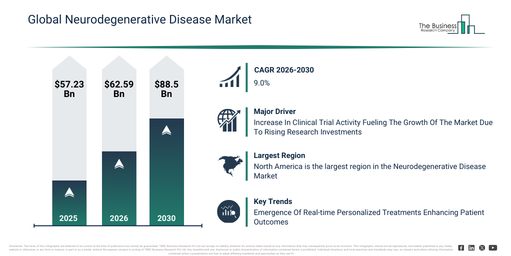
    The neurodegenerative disease market size has experienced robust expansion in recent years. It is projected to expand from $57.23 billion in 2025 to $62.59 billion in 2026, exhibiting a compound annual growth rate (CAGR) of 9.4%. Historically, this growth has been influenced by a combination of factors including a growing aging population and increasing healthcare infrastructure for neurology, alongside prevailing limitations such as a restricted understanding of disease pathology, reliance on conventional symptomatic treatments, and limited availability of advanced diagnostic tools.

    The neurodegenerative disease market is projected to experience substantial expansion in the coming years. It is anticipated to reach $88.5 billion by 2030, exhibiting a compound annual growth rate (CAGR) of 9.0%. This growth during the forecast period can be attributed to several factors, including breakthroughs in gene and cell therapy, increased research and development efforts into innovative neuroprotective drugs, the expansion of clinical trial networks, the incorporation of AI for precise early diagnosis and continuous patient monitoring, and the growing embrace of personalized medicine strategies. Key trends anticipated for the forecast period encompass the escalating prevalence of neurodegenerative disorders, augmented investment in drug development and clinical trials, the uptake of targeted and individualized therapies, enhanced awareness and early diagnostic initiatives, and the broadening availability of home-based and outpatient care options.

    Access Your Free Sample Report For In-Depth Market Analysis:

    https://www.thebusinessresearchcompany.com/sample.aspx?id=24618&type=smp

    Which Drivers Are Supporting The Neurodegenerative Disease Market Growth?

    The future expansion of the neurodegenerative disease market is anticipated to be driven by a surge in research endeavors and clinical trials. These trials involve investigative studies carried out with human participants to assess the safety, effectiveness, and possible adverse reactions of novel therapies, medications, or medical equipment. The primary catalyst behind the rise in research and clinical trials is the growing need for new treatments to meet evolving healthcare requirements and enhance patient results. Specifically for neurodegenerative diseases, clinical trials aid research by supplying essential data regarding the safety and efficacy of emerging treatments, thus facilitating therapeutic progress and improving patient prognoses. For example, a report from December 2024 by the UK-based Association of the British Pharmaceutical Industry (ABPI) indicated that the number of UK industry clinical trials started increased by 3.7% in 2023 compared to 2022. Consequently, the growing volume of research and clinical trials is projected to fuel the growth of the neurodegenerative disease market.

    Which Segments Define The Neurodegenerative Disease Market Segment Structure?

    The neurodegenerative disease market covered in this report is segmented –

    1) By Disease Type: Parkinson’s Disease, Alzheimer’s Disease, Multiple Sclerosis, Huntington Disease, Amyotrophic Lateral Sclerosis

    2) By Drug Type: N-methyl-D-aspartate Receptor antagonists, Cholinesterase Inhibitors, Dopamine Agonists, Immunomodulatory Drugs, Acetylcholinesterase (AChE) Inhibitors, Antagonist, Monoamine Oxidase B (MAO-B) Inhibitor, Catechol-O-Methyltransferase (COMT) Inhibitor, Selective Serotonin Reuptake Inhibitor (SSRIs), Other Drug Types

    3) By Route of Administration: Oral, Injectable, Transdermal, Other Routes Of Administration

    4) By Distribution Channel: Hospital Pharmacies, Retail Pharmacies, Online Pharmacies, Other Distribution Channels

    5) By End-User: Hospital, Retail, Online

    Subsegments:

    1) By Parkinson’s Disease: Idiopathic Parkinson’s Disease, Familial Parkinson’s Disease, Early-Onset Parkinson’s Disease, Parkinsonism

    2) By Alzheimer’s Disease: Early-Onset Alzheimer’s Disease, Late-Onset Alzheimer’s Disease, Familial Alzheimer’s Disease (FAD), Inflammatory Subtype, Non-Inflammatory Subtype, Cortical Subtype

    3) By Multiple Sclerosis (MS): Clinically Isolated Syndrome (CIS), Relapsing-Remitting MS (RRMS), Secondary Progressive MS (SPMS), Primary Progressive MS (PPMS), Progressive-Relapsing MS (PRMS)

    4) By Huntington’s Disease: Adult-Onset Huntington’s Disease, Juvenile Huntington’s Disease

    5) By Amyotrophic Lateral Sclerosis (ALS): Classical ALS, Limb-Onset ALS, Bulbar-Onset ALS, Respiratory-Onset ALS, Primary Lateral Sclerosis (PLS), Progressive Muscular Atrophy (PMA), Juvenile ALS, ALS-Parkinsonism-Dementia Complex (ALS-PDC)

    What Trends Are Influencing The Evolution Of The Neurodegenerative Disease Market?

    Leading companies within the neurodegenerative disease market are concentrating on developing innovative products, such as next-generation adaptive Deep Brain Stimulation (aDBS) systems, aiming to enhance treatment precision, bolster disease-modifying effects, and elevate patient quality of life. These next-generation adaptive deep brain stimulation (aDBS) systems are advanced neurostimulation devices engineered to deliver real-time, personalized treatment for Parkinson’s disease by dynamically adjusting stimulation parameters based on neural feedback, optimizing therapeutic effects, and minimizing side effects for improved patient outcomes. For instance, in February 2025, Medtronic, a US-based medical technology company, received approval from the U.S. Food and Drug Administration (USFDA) for the world’s first adaptive deep brain stimulation (aDBS) system for Parkinson’s disease. This approval pertains to the premarket approval (PMA) application for the Percept RC neurostimulator with BrainSense technology, which automatically adjusts therapy in response to a patient’s brain signals. The system is clinically validated to provide symptom relief for advanced Parkinson’s disease patients and signifies a significant advancement in personalized neuromodulation therapies.

    Who Are The Established Players Within The Neurodegenerative Disease Market?

    Major companies operating in the neurodegenerative disease market are Pfizer Inc., Johnson & Johnson, F. Hoffmann-La Roche Ltd, AbbVie Inc., Sanofi S.A., Novartis AG, Takeda Pharmaceutical Company Limited, Eli Lilly and Company, Merck & Co. Inc., Biogen Inc., Neurocrine Biosciences Inc., Alnylam Pharmaceuticals Inc., Ionis Pharmaceuticals Inc., Cassava Sciences Inc., Denali Therapeutics Inc., Voyager Therapeutics Inc., AC Immune SA, Amylyx Pharmaceuticals Inc., Sage Therapeutics Inc., Alzheon Inc.

    Get The Full Neurodegenerative Disease Market Report:

    https://www.thebusinessresearchcompany.com/report/neurodegenerative-disease-global-market-report

    Which Region Leads The Neurodegenerative Disease Market In Terms Of Market Share?

    North America was the largest region in the neurodegenerative disease market in 2025. Asia-Pacific is expected to be the fastest-growing region in the forecast period. The regions covered in the neurodegenerative disease market report are Asia-Pacific, South East Asia, Western Europe, Eastern Europe, North America, South America, Middle East, Africa.

    Request A Customized Neurodegenerative Disease Market Report For Competitive Insights:

    https://www.thebusinessresearchcompany.com/report/neurodegenerative-disease-global-market-report

    Browse Through More Reports Similar to the Global Neurodegenerative Disease Market 2026, By The Business Research Company

    Rare Neurological Disease Treatment Market Report 2026

    https://www.thebusinessresearchcompany.com/report/rare-neurological-disease-treatment-global-market-report

    Degenerative Disc Disease Treatment Market Report 2026

    https://www.thebusinessresearchcompany.com/report/degenerative-disc-disease-treatment-global-market-report

    Neurological Disorder Drugs Market Report 2026

    https://www.thebusinessresearchcompany.com/report/neurological-disorder-drugs-global-market-report

    Get in touch with us:

    The Business Research Company: https://www.thebusinessresearchcompany.com/

    Americas +1 310-496-7795

    Asia +44 7882 955267 & +91 8897263534

    Europe +44 7882 955267

    Email us at: marketing@tbrc.info

    Follow us on:

    LinkedIn: https://in.linkedin.com/company/the-business-research-company

    YouTube: https://www.youtube.com/channel/UC24_fI0rV8cR5DxlCpgmyFQ

    Global Market Model: https://www.thebusinessresearchcompany.com/global-market-model
  • Microbial API Market Expected To Grow Steadily And Approach $14.58 Billion By 2030

    Microbial API Market Expected To Grow Steadily And Approach $14.58 Billion By 2030

    The Business Research Company’s 2026 market reports feature enhanced tools like market attractiveness analysis, TAM assessment, and company scoring matrices, along with interactive dashboards, deeper supply chain insights, and startup coverage strengthening the depth, usability, and strategic value of insights.

    What Is The Forecasted Market Size Trajectory Of The Microbial API Market From 2026 To 2030?

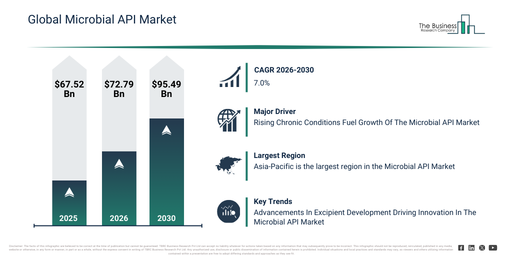
    The microbial api market has experienced robust growth in its size over recent years. Projections indicate it will expand from $67.52 billion in 2025 to $72.79 billion in 2026, demonstrating a compound annual growth rate (CAGR) of 7.8%. The historical growth can be attributed to factors such as the longstanding use of microbial fermentation in antibiotic production, cost advantages over chemical synthesis routes, established microbial strains for api manufacturing, a growing pharmaceutical demand for vitamins and antibiotics, and the inherent scalability of microbial bioprocesses.

    The microbial API market is set to undergo substantial growth in the forthcoming years. It is projected to achieve a size of $95.49 billion by 2030, expanding at a compound annual growth rate (CAGR) of 7.0%. This anticipated growth throughout the forecast period stems from factors such as the escalating demand for biologics and complex APIs, the enlargement of vaccine manufacturing capacity, an increasing focus on sustainable pharmaceutical production, the expansion of contract manufacturing organizations, and the consistent demand for affordable generic APIs. Noteworthy trends during this period include the rising adoption of microbial fermentation for API production, increased outsourcing of microbial API manufacturing to CDMOs, a growing need for antibiotic and vaccine APIs, a shift towards more cost-effective and scalable bioprocessing methods, and the global expansion of generic microbial APIs.

    Access Your Free Sample Report For In-Depth Market Analysis:

    https://www.thebusinessresearchcompany.com/sample.aspx?id=15861&type=smp

    What Factors Are Contributing To The Growth Of The Microbial API Market?

    The increasing incidence of long-term health issues is anticipated to fuel the expansion of the microbial API market in the future. Chronic conditions are defined as enduring illnesses or health ailments that continue over extended periods and typically necessitate continuous medical care and control. Factors contributing to the rise in chronic conditions include an aging global demographic, inactive lifestyles, inadequate nutrition, shifts in environmental factors, and enhanced methods for identifying and diagnosing diseases. The microbial API market aids in addressing chronic conditions by utilizing medicinal compounds sourced from microorganisms to create potent and specific therapies. As an illustration, the World Health Organization, a Switzerland-based intergovernmental organization, reported in February 2024 that worldwide cancer occurrences are forecast to surpass 0.035 billion by 2050. This signifies a 77% surge from the approximately 0.02 billion cases estimated in 2022. Consequently, the expanding occurrence of chronic conditions is stimulating the development of the microbial API market.

    Which Segment Categories Are Included In The Microbial API Market Segment Analysis?

    The microbial api market covered in this report is segmented –

    1) By Type: Peptide, Protein, Small Molecule, Vaccine

    2) By Host: Bacterial, Fungal

    3) By Site: In-House, Outsourced

    4) By Molecule: Innovative, Generic

    5) By End-Use: Pharmaceutical Companies, Biopharmaceutical Companies, Other End-Uses

    Subsegments:

    1) By Peptide: Therapeutic Peptides, Diagnostic Peptides

    2) By Protein: Recombinant Proteins, Native Proteins

    3) By Small Molecule: Antibiotics, Antifungals, Antivirals

    4) By Vaccine: Bacterial Vaccines, Viral Vaccines

    What Trends Are Affecting The Direction Of The Microbial API Market?

    Leading companies in the microbial API market are concentrating on developing innovative API-supporting products, such as pharmaceutical excipients. These efforts aim to boost drug efficacy, enhance formulation stability, and align with evolving regulatory and manufacturing standards. Excipients are inactive substances incorporated alongside active pharmaceutical ingredients, serving to support stability, optimize solubility, improve bioavailability, enable efficient manufacturing, and elevate the overall therapeutic performance of finished drug products. As an illustration, in October 2023, Clariant, a Switzerland-based chemical company, introduced a new range of VitiPure excipients. These were designed to improve API stability and solubility, providing formulation solutions for oral, topical, and parenteral uses. These excipients offer effective carrier systems for complex drug types, including biologics and mRNA-based therapies, thereby supporting better delivery, enhanced bioavailability, and greater formulation flexibility for sensitive pharmaceutical products.

    Who Are The Active Companies Shaping The Microbial API Market?

    Major companies operating in the microbial api market are BASF SE, Lonza Group AG, Evonik Industries AG, Royal DSM NV, Catalent Inc., Patheon, Siegfried Ltd., Recipharm AB, Xellia Pharmaceuticals, Shandong Lukang Pharmaceutical Co. Ltd., Tianjin Tianyao Pharmaceuticals Co. Ltd., Henan Topfond Pharmaceutical Co. Ltd., CSPC Pharmaceutical Group Ltd., Dr. Reddy’s Laboratories Ltd., Aurobindo Pharma Limited, Teva Pharmaceutical Industries Ltd., Boehringer Ingelheim GmbH, AbbVie Inc., Sanofi S.A., Merck & Co. Inc.

    Get The Full Microbial API Market Report:

    https://www.thebusinessresearchcompany.com/report/microbial-api-global-market-report

    Which Region Represents The Largest Share Of The Microbial API Market?

    Asia-Pacific was the largest region in the microbial API market in 2025. The regions covered in the microbial api market report are Asia-Pacific, South East Asia, Western Europe, Eastern Europe, North America, South America, Middle East, Africa.

    Request A Customized Microbial API Market Report For Competitive Insights:

    https://www.thebusinessresearchcompany.com/report/microbial-api-global-market-report

    Browse Through More Reports Similar to the Global Microbial API Market 2026, By The Business Research Company

    Microbial Api Market Report 2026

    https://www.thebusinessresearchcompany.com/report/microbial-api-global-market-report

    Agricultural Microbial Market Report 2026

    https://www.thebusinessresearchcompany.com/report/agricultural-microbial-global-market-report

    Industrial Microbiology Market Report 2026

    https://www.thebusinessresearchcompany.com/report/industrial-microbiology-global-market-report

    Get in touch with us:

    The Business Research Company: https://www.thebusinessresearchcompany.com/

    Americas +1 310-496-7795

    Asia +44 7882 955267 & +91 8897263534

    Europe +44 7882 955267

    Email us at: marketing@tbrc.info

    Follow us on:

    LinkedIn: https://in.linkedin.com/company/the-business-research-company

    YouTube: https://www.youtube.com/channel/UC24_fI0rV8cR5DxlCpgmyFQ

    Global Market Model: https://www.thebusinessresearchcompany.com/global-market-model
  • The Rise Of The Surge In Automated And Semi-Automated Cars Propels Growth In The Camera Module Is Influencing The Netupitant-Palonosetron FDC Market

    The Rise Of The Surge In Automated And Semi-Automated Cars Propels Growth In The Camera Module Is Influencing The Netupitant-Palonosetron FDC Market

    The Business Research Company’s 2026 market reports feature enhanced tools like market attractiveness analysis, TAM assessment, and company scoring matrices, along with interactive dashboards, deeper supply chain insights, and startup coverage strengthening the depth, usability, and strategic value of insights.

    How Much Growth In Market Value Is Expected For The Netupitant-Palonosetron FDC Market Between 2026 And 2030?

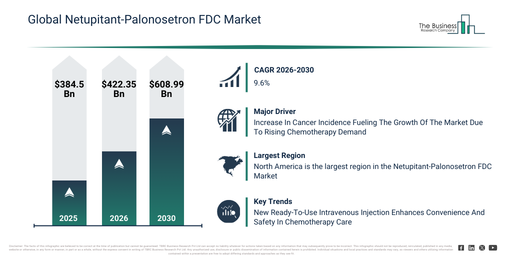
    The netupitant-palonosetron fdc market has experienced significant growth in recent years. It is projected to increase from $384.5 billion in 2025 to $422.35 billion in 2026, exhibiting a compound annual growth rate (CAGR) of 9.8%. The historical expansion of this market can be ascribed to elements such as the limited availability of netupitant and palonosetron formulations, the reliance on conventional antiemetic therapies, a growing chemotherapy patient population, an increase in hospital and oncology clinic setups, and rising awareness of CINV management.

    The netupitant-palonosetron fdc market size is set for significant expansion over the next few years, with projections indicating it will reach $608.99 billion by 2030, achieving a compound annual growth rate (CAGR) of 9.6%. This projected growth during the forecast period is attributed to several factors, including the introduction of novel fdc formulations, the broader adoption of oral and sublingual drug delivery methods, increasing investment in oncology treatments, the implementation of personalized antiemetic regimens, and enhanced market penetration through online and specialty pharmacies. Major trends anticipated in this period encompass the rising acceptance of fixed-dose combination (fdc) therapies, greater utilization of oral and sublingual anti-nausea treatments, the expansion of chemotherapy and oncology care infrastructure, increasing awareness regarding the management of postoperative nausea and vomiting, and a heightened emphasis on patient-centric drug delivery systems.

    Access Your Free Sample Report For In-Depth Market Analysis:

    https://www.thebusinessresearchcompany.com/sample.aspx?id=24617&type=smp

    What Key Factors Are Affecting The Netupitant-Palonosetron FDC Market Demand?

    The growing incidence of cancer is anticipated to drive the expansion of the netupitant-palonosetron fixed-dose combination (FDC) market. Cancer, identified as a group of diseases marked by the uncontrolled proliferation and dissemination of abnormal cells within the body, is seeing an increased prevalence linked to lifestyle factors such as poor diet, smoking, physical inactivity, and excessive alcohol consumption. The netupitant-palonosetron fixed-dose combination (FDC) improves cancer therapy by integrating two potent antiemetic agents, effectively preventing both immediate and prolonged chemotherapy-related nausea and vomiting. This leads to enhanced patient comfort and compliance with treatment regimens, thereby supporting superior overall care outcomes. For example, in February 2025, Cancer Australia, a government agency based in Australia, reported 4,641 new pancreatic cancer cases in 2024, comprising 2,414 in males and 2,227 in females, indicating an increase from 3,968 cases in 2023. Consequently, the rising incidence of cancer is a primary catalyst for the expansion of the netupitant-palonosetron fixed-dose combination (FDC) market.

    How Is The Netupitant-Palonosetron FDC Market Segmented Across Different Segment Categories?

    The netupitant-palonosetron fdc market covered in this report is segmented –

    1) By Product Type: Netupitant, Palonosetron, Fixed Dose Combination (FDC)

    2) By Route Of Administration: Oral Administration, Intravenous (IV) Administration

    3) By Application: Chemotherapy Induced Nausea And Vomiting (CINV), Postoperative Nausea And Vomiting (PONV)

    4) By Distribution Channel: Hospitals, Retail Pharmacies, Online Pharmacies, Specialty Clinics

    Subsegments:

    1) By Netupitant: Oral Netupitant, Injectable Netupitant

    2) By Palonosetron: Oral Palonosetron, Injectable Palonosetron

    3) By Fixed Dose Combination: Oral Fixed Dose Combination, Intravenous Fixed Dose Combination

    Which Trends Are Impacting The Progress Of The Netupitant-Palonosetron FDC Market?

    Companies operating in the netupitant-palonosetron fixed dose combination (FDC) market are concentrating on developing advanced formulation products, such as ready-to-use intravenous solutions, to improve patient convenience and treatment effectiveness. Ready-to-use intravenous formulations are pre-prepared, sterile drug solutions that eliminate the requirement for dilution or mixing, thereby assisting the netupitant-palonosetron fixed dose combination (FDC) by simplifying administration and reducing errors during preparation. For instance, in June 2024, Helsinn Group, a Switzerland-based pharmaceutical company, introduced AKYNZEO (fosnetupitant/palonosetron) injection, a ready-to-use vial made available in the United States. This new formulation is designed to streamline preparation and administration for healthcare providers, enhancing convenience in clinical settings. The injection requires no reconstitution or dilution and can be infused directly from the vial using an integrated hanging strap.

    Which Organizations Play A Role In The Netupitant-Palonosetron FDC Market Landscape?

    Major companies operating in the netupitant-palonosetron fdc market are Taiho Pharmaceutical Co. Ltd., Aurobindo Pharma Limited, Chugai Pharmaceutical Co. Ltd., Eisai Co. Ltd, Dr. Reddy’s Laboratories Ltd., Zhejiang Tiantai Pharmaceutical Co. Ltd., Hikma Pharmaceuticals PLC, Glenmark Pharmaceuticals Limited, Helsinn Group, Heron Therapeutics Inc., Metrochem API Private Limited, Mundipharma Pty Ltd, Guangzhou Tosun Pharmaceutical Co. Ltd., Tesaro Inc., Accord Healthcare Ltd., Century Pharmaceuticals Ltd., Specialised Therapeutics Australia Pty Ltd., Aark Pharmaceuticals Ltd., Chemicea Pharmaceuticals Pvt. Ltd., Teva Pharmaceutical Industries Ltd.

    Get The Full Netupitant-Palonosetron FDC Market Report:

    https://www.thebusinessresearchcompany.com/report/netupitant-palonosetron-fdc-global-market-report

    Which Region Leads The Netupitant-Palonosetron FDC Market In Overall Market Size?

    North America was the largest region in the netupitant-palonosetron fixed dose combination (FDC) market in 2025. Asia-Pacific is expected to be the fastest-growing region in the forecast period. The regions covered in the netupitant-palonosetron fdc market report are Asia-Pacific, South East Asia, Western Europe, Eastern Europe, North America, South America, Middle East, Africa.

    Request A Customized Netupitant-Palonosetron FDC Market Report For Competitive Insights:

    https://www.thebusinessresearchcompany.com/report/netupitant-palonosetron-fdc-global-market-report

    Browse Through More Reports Similar to the Global Netupitant-Palonosetron FDC Market 2026, By The Business Research Company

    Semiconductor Capital Equipment Market Report 2026

    https://www.thebusinessresearchcompany.com/report/semiconductor-capital-equipment-global-market-report

    Next Generation Network Equipment Market Report 2026

    https://www.thebusinessresearchcompany.com/report/next-generation-network-equipment-global-market-report

    Telecom Network Infrastructure Market Report 2026

    https://www.thebusinessresearchcompany.com/report/telecom-network-infrastructure-global-market-report

    Get in touch with us:

    The Business Research Company: https://www.thebusinessresearchcompany.com/

    Americas +1 310-496-7795

    Asia +44 7882 955267 & +91 8897263534

    Europe +44 7882 955267

    Email us at: marketing@tbrc.info

    Follow us on:

    LinkedIn: https://in.linkedin.com/company/the-business-research-company

    YouTube: https://www.youtube.com/channel/UC24_fI0rV8cR5DxlCpgmyFQ

    Global Market Model: https://www.thebusinessresearchcompany.com/global-market-model
  • Mexiletine Hydrochloride Market Expansion Forecast Reaching $3.53 Billion By 2030 At 11.1% CAGR

    Mexiletine Hydrochloride Market Expansion Forecast Reaching $3.53 Billion By 2030 At 11.1% CAGR

    The Business Research Company’s 2026 market reports feature enhanced tools like market attractiveness analysis, TAM assessment, and company scoring matrices, along with interactive dashboards, deeper supply chain insights, and startup coverage strengthening the depth, usability, and strategic value of insights.

    How Much Will The Market Value Of The Mexiletine Hydrochloride Market Grow Between 2026 And 2030?

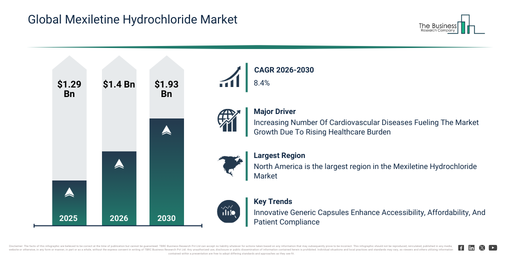
    The mexiletine hydrochloride market has exhibited strong growth in recent years. Its value is projected to increase from $1.29 billion in 2025 to $1.4 billion in 2026, demonstrating a compound annual growth rate (CAGR) of 8.7%. This historic expansion can be attributed to factors such as the rising prevalence of ventricular arrhythmias, the broadening of cardiovascular treatment protocols, the increased use of oral cardiac medications, progress in electrophysiology research, and a heightened demand for chronic arrhythmia management.

    The market for mexiletine hydrochloride is projected to experience robust expansion over the coming years, anticipated to reach a valuation of $1.93 billion by 2030, demonstrating a compound annual growth rate (CAGR) of 8.4%. Factors contributing to this growth during the projection period include a rising elderly demographic suffering from cardiac conditions, a heightened need for economical cardiac medications, the broadening scope of home-based cardiac support, a greater emphasis on addressing neuropathic pain, and the increasing accessibility of generic versions. Significant trends anticipated in the forecast timeframe encompass the expanding application of sodium channel blockers in cardiac treatment, an uptake in oral antiarrhythmic therapies, an increased focus on therapies for neuromuscular disorders, the proliferation of generic drug production, and a stronger concentration on sustained cardiac rhythm management.

    Access Your Free Sample Report For In-Depth Market Analysis:

    https://www.thebusinessresearchcompany.com/sample.aspx?id=28268&type=smp

    Which Strong Drivers Are Impacting The Mexiletine Hydrochloride Market Growth?

    The expansion of the mexiletine hydrochloride market is anticipated to be driven by the rising prevalence of cardiovascular diseases in the future. These conditions, which involve disorders of the heart and blood vessels, encompass ailments such as coronary heart disease, cerebrovascular disease, and various other cardiac-related issues. The uptick in cardiovascular disease cases stems from aging global populations and the adoption of sedentary lifestyles, given that increased longevity coupled with insufficient physical activity and unhealthy eating habits substantially elevates the chances of developing heart-related conditions. Mexiletine hydrochloride functions by obstructing specific electrical signals and sodium channels within the heart, thereby stabilizing erratic heart rhythms; this makes it an effective therapy for ventricular arrhythmias and other cardiac rhythm disturbances linked to cardiovascular diseases. For example, in August 2025, the National Institutes of Health (NIH), recognized as the world’s largest biomedical research agency based in Bethesda, forecasted that between 2025 and 2050, cardiovascular prevalence is set to increase by 90.0%, crude mortality by 73.4%, and crude DALYs by 54.7%, with annual cardiovascular deaths projected to escalate from 20.5 million to 35.6 million. Consequently, the growing incidence of cardiovascular diseases is fueling the expansion of the mexiletine hydrochloride market.

    How Is The Mexiletine Hydrochloride Market Broken Down By Segment Categories?

    The mexiletine hydrochloride market covered in this report is segmented –

    1) By Product Type: Capsules, Tablets, Injection, Other Product Types

    2) By Distribution Channel: Hospital Pharmacies, Retail Pharmacies, Online Pharmacies, Other Distribution Channels

    3) By Application: Arrhythmias, Neuropathic Pain, Myotonic Disorders, Other Applications

    4) By End-User: Hospitals, Clinics, Homecare, Other End-Users

    Subsegments:

    1) By Capsules: Extended Release Capsules, Immediate Release Capsules

    2) By Tablets: Film Coated Tablets, Chewable Tablets, Dispersible Tablets

    3) By Injection: Intravenous Injection, Intramuscular Injection, Subcutaneous Injection

    4) By Other Product Types: Oral Suspension, Topical Solution, Compounded Formulations

    What Trends Are Influencing The Evolution Of The Mexiletine Hydrochloride Market?

    Leading companies in the Mexiletine Hydrochloride market are concentrating on creating innovative solutions, such as generic capsule formulations, to enhance availability, reduce costs, and improve patient adherence. These generic capsule formulations are versions of branded medications that contain the same active ingredient, strength, and dosage form, but are typically more affordable and broadly accessible. For example, in June 2023, Camber Pharmaceuticals Inc., a US-based generic pharmaceutical firm, introduced Mexiletine Hydrochloride Capsules, USP, offered in 150 mg, 200 mg, and 250 mg strengths. This launch provides three distinct advantages: it allows for dose-specific flexibility through its multiple strengths, includes high-count 100-bottle packaging suitable for long-term use, and delivers a cost-effective generic alternative to branded Mexitil, thereby increasing patient accessibility.

    Which Players Are Present In The Mexiletine Hydrochloride Market Space?

    Major companies operating in the mexiletine hydrochloride market are Teva Pharmaceuticals Industries Ltd., Macleods Pharmaceuticals Limited, Cipla Limited, Lupin Limited, Alembic Pharmaceuticals Limited, ANI Pharmaceuticals Inc., Taj Pharmaceuticals Limited, Biophore India Pharmaceuticals Pvt. Ltd., Professional Compounding Centers of America Inc. (PCCA), Medichem S.A., Camber Pharmaceuticals Inc., Ingenus Pharmaceuticals LLC, AGC Pharma Chemicals Europe S.L.U., Rivopharm S.A., Kalintis Healthcare Pvt. Ltd., Senores Pharmaceuticals Inc., Midas Pharma GmbH, Tooba Pharmaceuticals Private Limited, Changzhou Yabang Pharmaceutical Co. Ltd., Shreeji Pharma International

    Get The Full Mexiletine Hydrochloride Market Report:

    https://www.thebusinessresearchcompany.com/report/mexiletine-hydrochloride-global-market-report

    Which Geographic Region Dominates The Mexiletine Hydrochloride Market?

    North America was the largest region in the mexiletine hydrochloride market in 2025. Asia-Pacific is expected to be the fastest-growing region in the forecast period. The regions covered in the mexiletine hydrochloride market report are Asia-Pacific, South East Asia, Western Europe, Eastern Europe, North America, South America, Middle East, Africa.

    Request A Customized Mexiletine Hydrochloride Market Report For Competitive Insights:

    https://www.thebusinessresearchcompany.com/report/mexiletine-hydrochloride-global-market-report

    Browse Through More Reports Similar to the Global Mexiletine Hydrochloride Market 2026, By The Business Research Company

    Chloromethane Market Report 2026

    https://www.thebusinessresearchcompany.com/report/chloromethane-global-market-report

    Cytotoxic Drugs Market Report 2026

    https://www.thebusinessresearchcompany.com/report/cytotoxic-drugs-global-market-report

    Anti Infective Drugs Market 2026

    https://www.thebusinessresearchcompany.com/report/anti-infective-drugs-market

    Get in touch with us:

    The Business Research Company: https://www.thebusinessresearchcompany.com/

    Americas +1 310-496-7795

    Asia +44 7882 955267 & +91 8897263534

    Europe +44 7882 955267

    Email us at: marketing@tbrc.info

    Follow us on:

    LinkedIn: https://in.linkedin.com/company/the-business-research-company

    YouTube: https://www.youtube.com/channel/UC24_fI0rV8cR5DxlCpgmyFQ

    Global Market Model: https://www.thebusinessresearchcompany.com/global-market-model
  • Increasing Focus On Introducing The First Oral Cannabis Capsule Tailored For Chronic Pain Relief Is Playing A Role In Shaping The Nerve Growth Factor Market

    Increasing Focus On Introducing The First Oral Cannabis Capsule Tailored For Chronic Pain Relief Is Playing A Role In Shaping The Nerve Growth Factor Market

    The Business Research Company’s 2026 market reports feature enhanced tools like market attractiveness analysis, TAM assessment, and company scoring matrices, along with interactive dashboards, deeper supply chain insights, and startup coverage strengthening the depth, usability, and strategic value of insights.

    What Is The Estimated Market Size Of The Nerve Growth Factor Market In 2026, And How Will Its Value Evolve By 2030?

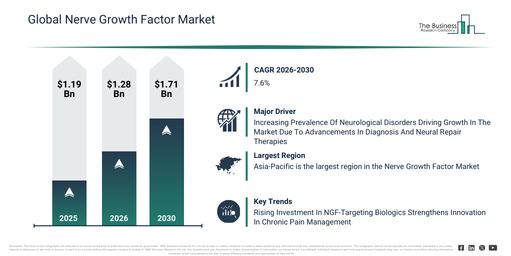
    The nerve growth factor market size has experienced strong growth in recent years. It is projected to increase from $1.19 billion in 2025 to $1.28 billion in 2026, achieving a compound annual growth rate (CAGR) of 7.6%. This historical growth can be linked to advances in neurobiology research, the clinical development of cenegermin, the rising prevalence of neurological disorders, the expansion of ophthalmology treatment adoption, and the growth of biologics manufacturing.

    The nerve growth factor market is poised for significant expansion in the coming years, with forecasts showing it will achieve a size of $1.71 billion by 2030, exhibiting a compound annual growth rate (CAGR) of 7.6%. This anticipated growth throughout the forecast period stems from factors such as the increasing prevalence of neurodegenerative diseases, the broadening scope of regenerative medicine programs, a rise in clinical trials dedicated to nerve repair, augmented funding for biologics R&D, and advancements in NGF delivery systems. Furthermore, prominent trends during this period involve intensified research into neuroregeneration therapies, a greater focus on addressing neurodegenerative diseases, the expansion of recombinant protein therapeutics, increasing clinical utility in ophthalmic disorders, and enhanced investment in nerve repair technologies.

    Access Your Free Sample Report For In-Depth Market Analysis:

    https://www.thebusinessresearchcompany.com/sample.aspx?id=22070&type=smp

    Which Primary Drivers Are Impacting The Nerve Growth Factor Market Growth?

    The rising incidence of neurological conditions is anticipated to drive the expansion of the nerve growth factor market in the future. These disorders are defined as medical ailments impacting the brain, spinal cord, and nerves, stemming from structural, biochemical, or electrical irregularities. The heightened occurrence of neurological disorders is attributable to an aging populace and advancements in diagnostic methods, which improve the detection and reporting of these conditions, resulting in greater documented rates of incidence. Nerve growth factor (NGF) is vital for the upkeep, survival, and renewal of neurons, thereby becoming a significant element in tackling the widespread nature of neurological disorders through fostering neural repair and potentially impeding disease advancement. As an illustration, in September 2024, the Australian Institute of Health and Welfare, an Australia-based government agency, forecasted that dementia (a neurological disorder) cases in Australia would increase from approximately 411,100 in 2023 to 849,300 by 2058. Consequently, the growing frequency of neurological disorders is propelling the expansion of the nerve growth factor market.

    What Are The Main Segments Within The Nerve Growth Factor Market Segment Structure?

    The nerve growth factor market covered in this report is segmented –

    1) By Type: Alpha-Nerve Growth Factor (NGF), Beta-Nerve Growth Factor (NGF), Gamma-Nerve Growth Factor (NGF), Other Types

    2) By Agents: Cenegermin, Other Agents

    3) By Indication: Neurodegenerative Disorders, Spinal Cord Injuries, Eye Disorders, Epithelial Diseases, Tissue Healing, Other Indications

    4) By Distribution Channel: Hospital Pharmacy, Online Pharmacy, Retail Pharmacy

    5) By End-User: Hospitals, Homecare, Specialty Clinics, Other End-Users

    Subsegments:

    1) By Alpha-Nerve Growth Factor (a-NGF): Natural Alpha-NGF, Recombinant Alpha-NGF, Synthetic Alpha-NGF, Alpha-NGF For Research Applications

    2) By Beta-Nerve Growth Factor (ß-NGF): Human Beta-NGF, Animal-Derived Beta-NGF, Recombinant Beta-NGF, Therapeutic Beta-NGF, Research-Grade Beta-NGF

    3) By Gamma-Nerve Growth Factor (?-NGF): Natural Gamma-NGF, Recombinant Gamma-NGF, Synthetic Gamma-NGF, Gamma-NGF for Neurodegenerative Research

    4) By Other Types: Hybrid NGF Molecules, NGF Mimetics, NGF Gene Therapy-Based Products, NGF-Infused Biomaterials

    What Trends Are Transforming The Nerve Growth Factor Market?

    Leading companies in the nerve growth factor market are concentrating on developing biologic therapies that target NGF, particularly anti-NGF monoclonal antibodies, which are formulated to suppress NGF activity and mitigate chronic pain. An anti-NGF monoclonal antibody operates by binding to nerve growth factor, thereby preventing its receptors from being activated. This action contributes to reducing pain signaling and inflammatory responses in individuals afflicted with degenerative or neuropathic conditions. For example, in May 2023, Jiangsu Hengrui Pharmaceuticals, a China-based biopharmaceutical company, unveiled SHR-1314, a cutting-edge anti-NGF monoclonal antibody that has been registered for clinical evaluation in patients with osteoarthritis-related pain. This therapy boasts a highly selective binding profile that decreases NGF-mediated sensitization, along with a long serum half-life that facilitates less frequent dosing, with the goal of providing sustained pain relief for people living with chronic joint disease.

    Who Are The Companies Participating In The Nerve Growth Factor Market?

    Major companies operating in the nerve growth factor market are Dompé farmaceutici S.p.A., Regeneron Pharmaceuticals Inc., Mimetogen Pharmaceuticals, MimeTech Srl, Herantis Pharma, PainCeptor Pharma, Beike Biotechnology, Akeso Inc., Promega Corporation, Enzo Life Sciences Inc., Alomone Labs, Prospec-Tany Technogene Ltd., CUSABIO Technology LLC, Genexis Biotech Pvt. Ltd., Staidson Beijing BioPharmaceuticals, Biomol GmbH, Sino Biological Inc., PeproTech Inc., Abcam plc, Creative BioMart Inc.

    Get The Full Nerve Growth Factor Market Report:

    https://www.thebusinessresearchcompany.com/report/nerve-growth-factor-global-market-report

    Which Region Is The Top Contributor To The Nerve Growth Factor Market By Share?

    Asia-Pacific was the largest region in the nerve growth factor market in 2025. The regions covered in the nerve growth factor market report are Asia-Pacific, South East Asia, Western Europe, Eastern Europe, North America, South America, Middle East, Africa.

    Request A Customized Nerve Growth Factor Market Report For Competitive Insights:

    https://www.thebusinessresearchcompany.com/report/nerve-growth-factor-global-market-report

    Browse Through More Reports Similar to the Global Nerve Growth Factor Market 2026, By The Business Research Company

    Nerve Repair And Regenerative Market Report 2026

    https://www.thebusinessresearchcompany.com/report/nerve-repair-and-regenerative-global-market-report

    Neuromodulation Market Report 2026

    https://www.thebusinessresearchcompany.com/report/neuromodulation-global-market-report

    Peripheral Nerve Injuries Market Report 2026

    https://www.thebusinessresearchcompany.com/report/peripheral-nerve-injuries-global-market-report

    Get in touch with us:

    The Business Research Company: https://www.thebusinessresearchcompany.com/

    Americas +1 310-496-7795

    Asia +44 7882 955267 & +91 8897263534

    Europe +44 7882 955267

    Email us at: marketing@tbrc.info

    Follow us on:

    LinkedIn: https://in.linkedin.com/company/the-business-research-company

    YouTube: https://www.youtube.com/channel/UC24_fI0rV8cR5DxlCpgmyFQ

    Global Market Model: https://www.thebusinessresearchcompany.com/global-market-model
  • Metronidazole Market Revenue Projected To Hit $41.22 Billion By 2030 With 40.6% CAGR

    Metronidazole Market Revenue Projected To Hit $41.22 Billion By 2030 With 40.6% CAGR

    The Business Research Company’s 2026 market reports feature enhanced tools like market attractiveness analysis, TAM assessment, and company scoring matrices, along with interactive dashboards, deeper supply chain insights, and startup coverage strengthening the depth, usability, and strategic value of insights.

    What Changes In Market Value Are Expected For The Metronidazole Market Over The 2026–2030 Period?

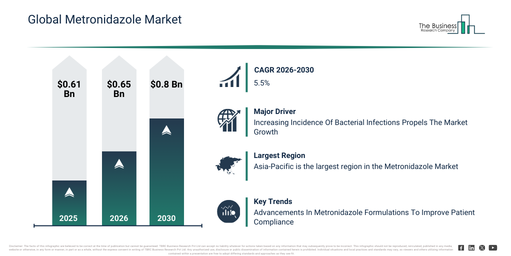
    The metronidazole market size has demonstrated significant expansion in recent years. It is projected to increase from $0.61 billion in 2025 to $0.65 billion in 2026, at a compound annual growth rate (CAGR) of 5.5%. This historical growth can be ascribed to factors such as a high occurrence of bacterial and protozoal infections, its enduring clinical efficacy, widespread inclusion in essential medicines lists, increased hospital antibiotic utilization, and a rise in surgical procedures.

    The metronidazole market size is anticipated to experience robust expansion over the coming years. This market is projected to reach $0.8 billion by 2030, demonstrating a compound annual growth rate (CAGR) of 5.5%. Factors contributing to this growth during the projected period include a rising global infection burden, increasing hospital admissions, sustained demand for affordable antibiotics, expansion of outpatient antimicrobial therapy, and growth in emerging healthcare markets. Key trends expected within the forecast timeframe involve widespread use in anaerobic bacterial infections, growing demand for broad-spectrum antimicrobials, expansion of topical and oral formulations, increased use in gynecological and gastrointestinal infections, and a rising preference for cost-effective generic antibiotics.

    Access Your Free Sample Report For In-Depth Market Analysis:

    https://www.thebusinessresearchcompany.com/sample.aspx?id=21222&type=smp

    What Key Factors Are Shaping The Metronidazole Market Landscape?

    The metronidazole market is projected to expand due to the rising occurrence of bacterial infections. These diseases are characterized by the multiplication and spread of harmful bacteria within the body. The escalation in bacterial infection cases is influenced by factors such as antibiotic resistance, environmental shifts, and an expanding immunocompromised population. Metronidazole functions by damaging bacterial DNA, which stops their reproduction and dissemination, making it effective against anaerobic bacteria and specific protozoal infections by inhibiting their growth and treating the condition. As an illustration, in November 2025, the UK Health Security Agency, a UK government agency, indicated that cases of antibiotic-resistant bacteraemia—a severe infection where bacteria enter the bloodstream—have climbed by 9.3% since 2023, moving from 18,740 cases in 2023 to 20,484 in 2024. Consequently, the increasing incidence of bacterial infections is set to fuel the growth of the metronidazole market.

    What Are The Different Segment Types In The Metronidazole Market Segment Breakdown?

    The metronidazole market covered in this report is segmented –

    1) By Formulation Type: Tablets, Capsules, Intravenous (IV) Solutions, Topical Creams Or Ointments, Other Formulation Types

    2) By Application: Bacterial Infections, Parasitic Infections, Gynecological Infections, Surgical Prophylaxis, Other Applications

    3) By Distribution Channel: Hospital Pharmacies, Retail Pharmacies, Online Pharmacies, Other Distribution Channels

    4) By End-User: Hospitals, Clinics, Homecare, Other End Users

    Subsegments:

    1) By Tablets: Immediate Release Tablets, Extended Release Tablets

    2) By Capsules: Immediate Release Capsules, Extended Release Capsules

    3) By Intravenous (IV) Solutions: Single-dose IV Solutions, Multi-dose IV Solutions

    4) By Topical Creams Or Ointments: Topical Creams, Topical Ointments

    5) By Other Formulation Types: Oral Suspension, Vaginal Gels Or Suppositories

    Which Trends Are Impacting The Progress Of The Metronidazole Market?

    Leading companies active in the metronidazole market are concentrating on developing advanced offerings, such as pre-prepared oral liquids. This focus aims to boost patient adherence, particularly for individuals who find swallowing tablets difficult or require simpler administration for infection treatment. These ready-to-use oral liquids are liquid medications that arrive pre-formulated, eliminating the need for further preparation or mixing before consumption, which provides convenience for patients. For instance, in November 2023, Kesin Pharma Corporation, a US-based specialty pharmaceutical company, announced that the Food and Drug Administration (FDA) approved LIKMEZ (metronidazole) oral suspension, 500 mg/5 mL. This is an innovative version of a widely used antibiotic drug, specifically designed to improve patient compliance, and it is approved for treating trichomoniasis and anaerobic bacterial infections in adults, as well as amebiasis in adults and children. LIKMEZ is offered as a strawberry peppermint-flavored suspension in a 200 mL bottle, featuring a 24-month shelf life and not requiring refrigeration.

    Who Are The Well-Known Companies In The Metronidazole Market?

    Major companies operating in the metronidazole market are Pfizer Inc., Merck & Co. Inc., Abbott Laboratories, Fresenius Kabi AG, Baxter International Inc., Sandoz Group AG, Sun Pharmaceutical Industries Ltd., Aurobindo Pharma Limited, Cipla Limited, Dr. Reddy’s Laboratories Ltd., Lupin Pharmaceuticals Inc., Zydus Lifesciences, YiChang HEC ChangJiang Pharmaceutical Co. Ltd., Aarti Drugs Ltd., Unichem Laboratories, Cosette Pharmaceuticals Inc., Saptalis Pharmaceuticals LLC, Huanggang Saikang Pharmaceutical Co. Ltd., Kesin Pharma, Hubei Hongyuan Pharmaceutical Technology Co. Ltd., Huanggang Yinhe Aarti Pharmaceutical Co. Ltd., Higgs Healthcare

    Get The Full Metronidazole Market Report:

    https://www.thebusinessresearchcompany.com/report/metronidazole-global-market-report

    Which Region Is The Leading Market For The Metronidazole Market?

    Asia-Pacific was the largest region in the metronidazole market in 2025. The regions covered in the metronidazole market report are Asia-Pacific, South East Asia, Western Europe, Eastern Europe, North America, South America, Middle East, Africa.

    Request A Customized Metronidazole Market Report For Competitive Insights:

    https://www.thebusinessresearchcompany.com/report/metronidazole-global-market-report

    Browse Through More Reports Similar to the Global Metronidazole Market 2026, By The Business Research Company

    Microalgae Market Report 2026

    https://www.thebusinessresearchcompany.com/report/microalgae-global-market-report

    Cytotoxic Drugs Market Report 2026

    https://www.thebusinessresearchcompany.com/report/cytotoxic-drugs-global-market-report

    Tofacitinib Market Report 2026

    https://www.thebusinessresearchcompany.com/report/tofacitinib-global-market-report

    Get in touch with us:

    The Business Research Company: https://www.thebusinessresearchcompany.com/

    Americas +1 310-496-7795

    Asia +44 7882 955267 & +91 8897263534

    Europe +44 7882 955267

    Email us at: marketing@tbrc.info

    Follow us on:

    LinkedIn: https://in.linkedin.com/company/the-business-research-company

    YouTube: https://www.youtube.com/channel/UC24_fI0rV8cR5DxlCpgmyFQ

    Global Market Model: https://www.thebusinessresearchcompany.com/global-market-model
  • Global Methylsulfonylmethane (MSM) Supplements Market Set To Expand To $18.12 Billion By 2030 At 23.9% CAGR

    Global Methylsulfonylmethane (MSM) Supplements Market Set To Expand To $18.12 Billion By 2030 At 23.9% CAGR

    The Business Research Company’s 2026 market reports feature enhanced tools like market attractiveness analysis, TAM assessment, and company scoring matrices, along with interactive dashboards, deeper supply chain insights, and startup coverage strengthening the depth, usability, and strategic value of insights.

    By 2030, What Market Size Is The Methylsulfonylmethane (MSM) Supplements Market Expected To Reach Based On Its 2026 Value?

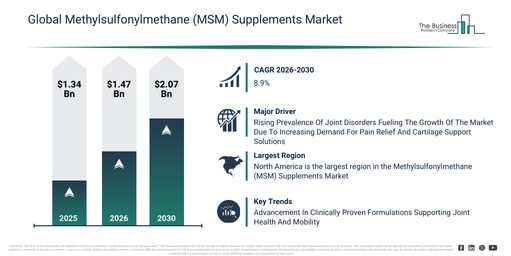
    The methylsulfonylmethane (msm) supplements market has experienced significant growth in recent years. Its value is set to increase from $1.34 billion in 2025 to $1.47 billion in 2026, achieving a compound annual growth rate (CAGR) of 9.2%. This historical growth can be ascribed to several factors, including the increasing occurrence of joint-related conditions, a rise in participation in fitness and active lifestyles, the expanded availability of dietary supplements, a growing reliance on natural anti-inflammatory compounds, and a broader acceptance of sulfur-based supplements.

    The methylsulfonylmethane (msm) supplements market is projected to experience robust expansion over the coming years, anticipated to reach $2.07 billion by 2030, demonstrating a compound annual growth rate (CAGR) of 8.9%. This expansion during the forecast period is primarily driven by factors such as the increasing embrace of preventive joint care solutions, a surge in demand for vegan and non-GMO MSM products, the wider availability of personalized supplement regimens, a heightened emphasis on mobility and wellness for an aging population, and the proliferation of online supplement retail channels. Key trends expected over this period encompass a burgeoning demand for joint health supplements, the increasing integration of MSM into sports nutrition, the development of more combination formulations containing vitamins and minerals, a stronger focus on clean-label and allergen-free product offerings, and an enhanced consumer understanding of inflammation management.

    Access Your Free Sample Report For In-Depth Market Analysis:

    https://www.thebusinessresearchcompany.com/sample.aspx?id=30322&type=smp

    Which Factors Are Influencing The Growth Of The Methylsulfonylmethane (MSM) Supplements Market?

    The expanding occurrence of joint ailments is projected to boost the methylsulfonylmethane (MSM) supplements market in the future. These conditions, including osteoarthritis and rheumatoid arthritis, involve damage or inflammation of joints, causing pain and restricting movement. Their rising incidence is linked to factors like inactive lifestyles and excess weight. MSM supplements are frequently employed as an additional strategy to promote joint well-being, mitigate inflammation, alleviate discomfort, and potentially aid cartilage restoration, though patient adoption differs. As an illustration, the UK-based Health Equity Evidence Centre reported in March 2025 that an estimated 17.1 million individuals in England were affected by musculoskeletal (MSK) conditions, such as arthritis or persistent back and joint issues. Consequently, the growing prevalence of joint disorders is propelling the expansion of the methylsulfonylmethane (MSM) supplements market.

    Which Segment Classifications Are Used In The Methylsulfonylmethane (MSM) Supplements Market Segment Analysis?

    The methylsulfonylmethane (msm) supplements market covered in this report is segmented –

    1) By Product Form: Powder, Capsule, Tablet, Liquid, Softgel

    2) By Formulation: Organic MSM Supplements, Synthetic MSM Supplements, Non-GMO MSM Supplements, Vegan MSM Supplements, Allergen-Free MSM Supplements

    3) By Distribution Channel: Online Retailers, Supermarkets Or Hypermarkets, Health And Wellness Stores, Pharmacies Or Drugstores, Direct Sales

    4) By Application: Joint Health, Skin Care, Allergies And Immune Support, Sports Nutrition, Other Applications

    5) By End User: Athletes And Bodybuilders, Health-Conscious Consumers, Individuals With Joint Disorders, General Fitness Enthusiasts, Aging Population

    Subsegments:

    1) By Powder: Pure MSM Powder, Flavored MSM Powder, Blended MSM Powder, Organic Or Plant-Derived MSM Powder, Micronized MSM Powder

    2) By Capsule: Standard MSM Capsules, High-Strength MSM Capsules, MSM With Herbal Extracts Capsules, MSM With Vitamins Or Minerals Capsules, Vegetarian Or Vegan Capsules

    3) By Tablet: Regular MSM Tablets, Effervescent MSM Tablets, Chewable MSM Tablets, Coated MSM Tablets, Combination MSM Tablets

    4) By Liquid: Pure MSM Liquid, Flavored MSM Liquid, MSM Liquid Concentrate, MSM Liquid With Added Nutrients, Ready-To-Drink MSM Formulations

    5) By Softgel: Standard MSM Softgels, MSM With Omega-3 Softgels, MSM With Collagen Softgels, MSM With Antioxidant Blends, Rapid Absorption MSM Softgels

    What Trends Are Transforming The Methylsulfonylmethane (MSM) Supplements Market?

    Leading companies within the methylsulfonylmethane (MSM) supplements market are prioritizing the creation of clinically validated formulations aimed at improving joint health, flexibility, and general well-being via secure and potent nutritional options. As an illustration, in June 2025, Balchem Corporation, a health product manufacturer located in the U.S., secured Food with Functional Claims (FFC) approval from Japan’s Consumer Affairs Agency for its OptiMSM, marking it as the inaugural methylsulfonylmethane (MSM) product to achieve this. This accolade, backed by a clinical investigation demonstrating that a daily intake of 2,000 mg enhanced joint comfort and mitigated knee pain, confirms OptiMSM’s established safety and effectiveness. Already holding GRAS certification in the U.S., OptiMSM is recognized for its contribution to joint and connective tissue health by supplying vital sulfur for cartilage. The FFC approval enables manufacturers to display joint health claims on product packaging, thereby strengthening OptiMSM’s prominent position in the joint health and mobility segment within Japan’s expanding functional food market.

    Which Firms Are Contributing To The Methylsulfonylmethane (MSM) Supplements Market Ecosystem?

    Major companies operating in the methylsulfonylmethane (msm) supplements market are The Nature’s Bounty Co., NOW Health Group Inc. (NOW Foods), Thorne HealthTech Inc., Jarrow Formulas Inc., Life Extension Foundation Buyers Club Inc., Swanson Health Products Inc., KAL Vitamins (a brand of Nutraceutical Corporation), Pure Encapsulations LLC, Solgar Inc., NutraScience Labs Inc., NutraBio Labs Inc., Bulksupplements.com LLC, Pure Organic Ingredients LLC, Puritan’s Pride Inc., PharmaFreak Holdings Inc., Vita-Flex Nutrition Inc., Source Naturals Inc., Kala Health Inc., Zenwise LLC (Zenwise Health), Bergstrom Nutrition Inc.

    Get The Full Methylsulfonylmethane (MSM) Supplements Market Report:

    https://www.thebusinessresearchcompany.com/report/global-methylsulfonylmethane-msm-supplements-market-report

    Where Is The Methylsulfonylmethane (MSM) Supplements Market Primarily Concentrated By Region?

    North America was the largest region in the methylsulfonylmethane (MSM) supplements market in 2025. Asia-Pacific is expected to be the fastest-growing region in the forecast period. The regions covered in the methylsulfonylmethane (msm) supplements market report are Asia-Pacific, South East Asia, Western Europe, Eastern Europe, North America, South America, Middle East, Africa.

    Request A Customized Methylsulfonylmethane (MSM) Supplements Market Report For Competitive Insights:

    https://www.thebusinessresearchcompany.com/report/global-methylsulfonylmethane-msm-supplements-market-report

    Browse Through More Reports Similar to the Global Methylsulfonylmethane (MSM) Supplements Market 2026, By The Business Research Company

    Liquid Nutritional Supplement Market Report 2026

    https://www.thebusinessresearchcompany.com/report/liquid-nutritional-supplement-global-market-report

    Botanical Supplements Market 2026

    https://www.thebusinessresearchcompany.com/report/botanical-supplements-market

    Weight Loss Supplements Market Report 2026

    https://www.thebusinessresearchcompany.com/report/weight-loss-supplements-global-market-report

    Get in touch with us:

    The Business Research Company: https://www.thebusinessresearchcompany.com/

    Americas +1 310-496-7795

    Asia +44 7882 955267 & +91 8897263534

    Europe +44 7882 955267

    Email us at: marketing@tbrc.info

    Follow us on:

    LinkedIn: https://in.linkedin.com/company/the-business-research-company

    YouTube: https://www.youtube.com/channel/UC24_fI0rV8cR5DxlCpgmyFQ

    Global Market Model: https://www.thebusinessresearchcompany.com/global-market-model
  • The Nephrology Drugs Market Is Witnessing Impact From Surge In Hypertension Prevalence Fueling The Growth Of The Due To Increased Lifestyle Risks And Demand For Effective Management Solutions

    The Nephrology Drugs Market Is Witnessing Impact From Surge In Hypertension Prevalence Fueling The Growth Of The Due To Increased Lifestyle Risks And Demand For Effective Management Solutions

    The Business Research Company’s 2026 market reports feature enhanced tools like market attractiveness analysis, TAM assessment, and company scoring matrices, along with interactive dashboards, deeper supply chain insights, and startup coverage strengthening the depth, usability, and strategic value of insights.

    How Does The Market Size Of The Nephrology Drugs Market Compare Between 2026 And 2030?

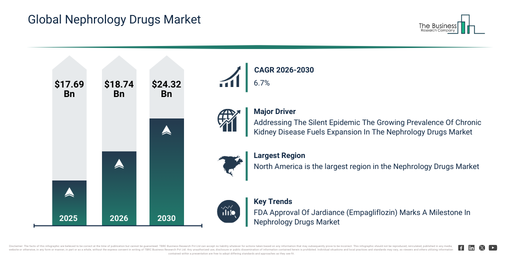
    The nephrology drugs market has demonstrated robust expansion recently. Its valuation is set to increase from $17.69 billion in 2025 to $18.74 billion in 2026, achieving a compound annual growth rate (CAGR) of 5.9%. This historical growth can be linked to factors like the initial uptake of antihypertensive agents, a rise in chronic kidney disease cases, the expansion of hospital facilities for renal care, progress in dialysis and parenteral treatments, and heightened awareness regarding kidney-related conditions.

    The nephrology drugs market is projected to experience robust expansion over the coming years. Its valuation is anticipated to reach $24.32 billion by 2030, driven by a compound annual growth rate (CAGR) of 6.7%. This expansion during the forecast period is primarily fueled by the progression of precision medicine tailored for nephrology, the incorporation of AI into renal drug discovery, the growth of homecare treatment options, increased capital allocation towards biotechnology for kidney-related therapies, and the implementation of digital health monitoring for individuals with kidney conditions. Key trends expected during this period encompass bespoke kidney care approaches, an increase in kidney disorders linked to hypertension, innovations in renal drug compositions, heightened understanding of chronic kidney disease management, and a greater uptake of home-administered renal treatments.

    Access Your Free Sample Report For In-Depth Market Analysis:

    https://www.thebusinessresearchcompany.com/sample.aspx?id=10076&type=smp

    What Significant Factors Are Influencing The Nephrology Drugs Market Expansion?

    The expanding occurrence of chronic kidney disease is anticipated to drive the future growth of the nephrology drugs market. Chronic Kidney Disease (CKD) is characterized by impaired kidney function, where damaged kidneys cannot filter blood as effectively as needed, developing gradually over a long period. This damage can result in the accumulation of wastes within the body. Nephrology drugs are primarily utilized in CKD treatment to improve kidney function, slow disease progression, and prevent further bodily harm, thus boosting the nephrology drug market. As an illustration, in June 2023, according to the Oxford Academic, a UK-based Oxford University Press’s academic research platform, the prevalence of CKD in the UK is projected to rise by 4% from 8.27 million to 8.61 million people between 2022 and 2032. The expected stage distribution in 2032 is 30.36% for stage 1, 21.07% for stage 2, 29.78% for stage 3a, 11.86% for stage 3b, 4.15% for stage 4, and 2.78% for stage 5. Therefore, the increasing prevalence of chronic kidney disease is driving the expansion of the nephrology drug market.

    How Is Segmentation Applied In The Nephrology Drugs Market Segment Analysis?

    The nephrology drugs market covered in this report is segmented –

    1) By Drugs: Antihypertensive Agents, Erythropoiesis-Stimulating Agents, Diuretics, ACE Inhibitors, Antidiabetic Agents, Other Drugs

    2) By Route Of Administration: Oral, Parenteral, Other Route Of Administration

    3) By Distribution Channel: Hospital Pharmacy, Online Pharmacy, Retail Pharmacy

    4) By End User: Hospitals, Homecare, Specialty Clinics, Other End Users

    Subsegments:

    1) By Antihypertensive Agents: Calcium Channel Blockers, Beta-Blockers, Angiotensin II Receptor Blockers (ARBs)

    2) By Erythropoiesis-Stimulating Agents: Epoetin Alfa, Darbepoetin Alfa

    3) By Diuretics: Loop Diuretics, Thiazide Diuretics, Potassium-Sparing Diuretics

    4) By ACE Inhibitors: Lisinopril, Enalapril

    5) By Antidiabetic Agents: Metformin, Insulin

    6) By Other Drugs: Phosphate Binders, Vitamin D Analogues, Renin Inhibitors

    What Trends Are Shaping The Future Of The Nephrology Drugs Market?

    Leading companies within the nephrology drugs market are prioritizing approvals for innovative products, such as the U.S. Food and Drug Administration’s clearance of Jardiance (empagliflozin), to more effectively address the needs of their existing consumers. Empagliflozin serves as a diabetic medication utilized for the control and treatment of type 2 diabetes mellitus. It is classified under the sodium-glucose co-transporter (SGLT-2) family of diabetic medicines. Empagliflozin works by lowering blood sugar levels, achieved by prompting the kidneys to excrete more glucose through urine. For instance, in January 2023, Eli Lilly and Company, a US-based pharmaceutical company, and Boehringer Ingelheim announced that the Food and Drug Administration approved a supplemental New Drug Application (sNDA) for Jardiance (empagliflozin) tablets. These tablets are being explored as a potential treatment to reduce the risk of advancing kidney disease and cardiovascular death in adults diagnosed with chronic kidney disease (CKD). Boehringer Ingelheim is a Germany-based pharmaceutical company.

    Who Are The Companies Participating In The Nephrology Drugs Market Environment?

    Major companies operating in the nephrology drugs market are AstraZeneca plc, AbbVie Inc., Akebia Therapeutics Inc., Amgen Inc., FibroGen Inc., Johnson And Johnson, Pfizer Inc., GlaxoSmithKline plc, Teva Pharmaceutical Industries Limited, Boehringer Ingelheim International GmbH, Reata Pharmaceuticals Inc., Ardelyx Inc., Novo Nordisk A/S, Novartis AG, Baxter International Inc., Bristol Myers Squibb Company, Kissei Pharmaceutical Co. Ltd., Kyowa Kirin Co. Ltd., Mallinckrodt Pharmaceuticals, OPKO Health Inc., Sanofi S.A., Takeda Pharmaceutical Company Limited, Vifor Pharma Group, Bayer AG, Otsuka Pharmaceutical Co. Ltd., Mylan N.V.

    Get The Full Nephrology Drugs Market Report:

    https://www.thebusinessresearchcompany.com/report/nephrology-drugs-global-market-report

    Which Region Represents The Largest Share Of The Nephrology Drugs Market?

    North America was the largest region in the nephrology drug market in 2025. Europe will be the second-largest growing region in the nephrology drug market in 2025. The regions covered in the nephrology drugs market report are Asia-Pacific, South East Asia, Western Europe, Eastern Europe, North America, South America, Middle East, Africa.

    Request A Customized Nephrology Drugs Market Report For Competitive Insights:

    https://www.thebusinessresearchcompany.com/report/nephrology-drugs-global-market-report

    Browse Through More Reports Similar to the Global Nephrology Drugs Market 2026, By The Business Research Company

    Nephrology Drugs Market Report 2026

    https://www.thebusinessresearchcompany.com/report/nephrology-drugs-global-market-report

    Nephrologists Market Report 2020 2030 Covid 19 Implications And Growth 2026

    https://www.thebusinessresearchcompany.com/report/nephrologists-market-global-report-2020-2030-covid-19-implications-and-growth

    Nephrology And Urology Devices Market Report 2026

    https://www.thebusinessresearchcompany.com/report/nephrology-and-urology-devices-global-market-report

    Get in touch with us:

    The Business Research Company: https://www.thebusinessresearchcompany.com/

    Americas +1 310-496-7795

    Asia +44 7882 955267 & +91 8897263534

    Europe +44 7882 955267

    Email us at: marketing@tbrc.info

    Follow us on:

    LinkedIn: https://in.linkedin.com/company/the-business-research-company

    YouTube: https://www.youtube.com/channel/UC24_fI0rV8cR5DxlCpgmyFQ

    Global Market Model: https://www.thebusinessresearchcompany.com/global-market-model
  • Growth In The Neck Pain Treatment Solutions Market Is Being Driven By Government Funding Boosts Cancer Vaccines Growth Through Research And Development Investments

    Growth In The Neck Pain Treatment Solutions Market Is Being Driven By Government Funding Boosts Cancer Vaccines Growth Through Research And Development Investments

    The Business Research Company’s 2026 market reports feature enhanced tools like market attractiveness analysis, TAM assessment, and company scoring matrices, along with interactive dashboards, deeper supply chain insights, and startup coverage strengthening the depth, usability, and strategic value of insights.

    What Is The Forecasted Market Size Trajectory Of The Neck Pain Treatment Solutions Market From 2026 To 2030?

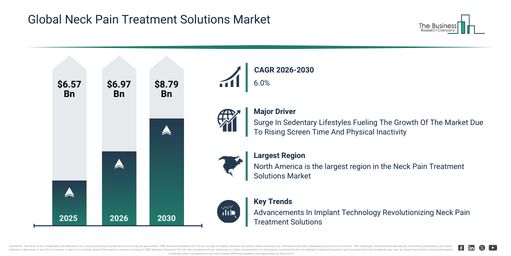
    The neck pain treatment solutions market size has experienced robust growth in recent years. Projections indicate that this market will expand from $6.57 billion in 2025 to $6.97 billion in 2026, demonstrating a compound annual growth rate (CAGR) of 6.1%. Historically, several factors have contributed to this expansion, including increasing sedentary lifestyles, rising workplace-related musculoskeletal disorders, a growing aging population, the expansion of physiotherapy services, and increased use of pain management medications.

    The neck pain treatment solutions market size is anticipated to experience robust growth in the upcoming years. It is projected to expand to $8.79 billion in 2030, at a compound annual growth rate (CAGR) of 6.0%. This growth in the forecast period can be attributed to the rise in remote work culture, increasing demand for long-term pain management, advancements in pain relief devices, rising awareness of posture-related disorders, and the expansion of digital rehabilitation platforms. Major trends expected in this period include the rising adoption of multimodal neck pain therapies, an increasing use of home-based neck pain solutions, a growing preference for non-invasive treatment options, the expansion of telehealth-based pain management, and an increasing demand for ergonomic and preventive solutions.

    Access Your Free Sample Report For In-Depth Market Analysis:

    https://www.thebusinessresearchcompany.com/sample.aspx?id=24330&type=smp

    Which Important Drivers Are Guiding The Neck Pain Treatment Solutions Market Growth?

    The escalating prevalence of sedentary lifestyles is anticipated to propel the growth of the neck pain treatment solutions market going forward. Sedentary lifestyles denote behavioral patterns characterized by prolonged physical inactivity, frequently involving extended periods of sitting or lying, which can contribute to various health issues, including neck pain. This rise in inactive lifestyles stems from increased screen time, promoting lengthy periods of sitting and reduced physical movement, leading to health problems such as neck pain and poor posture. Neck pain treatment solutions offer targeted therapies designed to alleviate discomfort, improve posture, and enhance movement, thereby counteracting the adverse effects of prolonged sitting. For instance, in December 2023, according to the Australian Bureau Of Statistics, an Australia-based government agency, approximately 23.9% of people aged 15+ met physical activity guidelines, while 46.9% of employed adults aged 18–64 spent most of their workday sitting. Consequently, the increasing adoption of sedentary lifestyles is a key driver for the expansion of the neck pain treatment solutions market.

    What Segment Categories Shape The Neck Pain Treatment Solutions Market Segment Landscape?

    The neck pain treatment solutions market covered in this report is segmented –

    1) By Product Type: Pharmaceuticals, Medical Devices, Physical Therapy, Alternative Treatments

    2) By Patient Age: Adults, Seniors

    3) By Pain Severity: Acute Neck Pain, Chronic Neck Pain, Persistent Neck Pain, Intermittent Neck Pain

    4) By Treatment Setting: In-Clinic Treatments, Home Care Solutions, Telehealth Services, Rehabilitation Centers, Hospital Visits

    5) By Distribution Channel: Online Pharmacies, Retail Pharmacies, Hospital Pharmacies

    Subsegments:

    1) By Pharmaceuticals: Non-Steroidal Anti-Inflammatory Drugs (NSAIDs), Muscle Relaxants, Analgesics, Antidepressants, Corticosteroids, Topical Pain Relievers

    2) By Medical Devices: Cervical Collars, Traction Devices, Electrotherapy Devices, Heat Therapy Devices, Cold Therapy Devices, Orthopedic Support Devices

    3) By Physical Therapy: Manual Therapy, Exercise Therapy, Ultrasound Therapy, Dry Needling, Hydrotherapy, Chiropractic Adjustments

    4) By Alternative Treatments: Acupuncture, Massage Therapy, Herbal Remedies, Yoga And Pilates

    Which Trends Are Contributing To Changes In The Neck Pain Treatment Solutions Market?

    Prominent companies within the neck pain treatment solutions market are concentrating on progress in medical technology, notably implant technology, with the aim of elevating patient outcomes by offering more potent, less invasive, and tailored treatment alternatives that improve pain reduction and spinal functionality. Implant technology encompasses medical apparatuses engineered to substitute, bolster, or augment absent or compromised biological structures inside the body, frequently fabricated from biocompatible substances and often integrating sophisticated attributes like sensors or drug delivery mechanisms to better patient results. As an illustration, in June 2024, 4WEB Medical, a US-based orthopedic implant company, unveiled the Cervical Spine Integrated Plating Solution (CSTS-IPS), recognized as the globe’s inaugural integrated plating and interbody fusion device for cervical spine operations. This solution employs advanced 3D-printing technology, providing a secure and simplified option compared to conventional separate plate and cage assemblies in spinal fusion interventions.

    Who Are The Companies Operating Across The Neck Pain Treatment Solutions Market Value Chain?

    Major companies operating in the neck pain treatment solutions market are GlaxoSmithKline (GSK), Medtronic Public Limited Company (Medtronic plc), Stryker Corporation, Globus Medical Inc., Hisamitsu Pharmaceutical Co. Inc., BenchMark Physical Therapy (a part of Upstream Rehabilitation), Nevro Corporation, Hinge Health Inc., Malouf Companies, NeuroSpine Institute, Camber Spine Technologies LLC, DAVID Health Solutions Ltd., ChoiceSpine LP, Converge Medical Technology, Sooma Oy, NeoSpine LLC, Mediflow Inc., Achieve Physical Therapy LLC, NeckCare AB, Coop Cooperative (Coop)

    Get The Full Neck Pain Treatment Solutions Market Report:

    https://www.thebusinessresearchcompany.com/report/neck-pain-treatment-solutions-global-market-report

    Which Geographic Region Dominates The Neck Pain Treatment Solutions Market?

    North America was the largest region in the neck pain treatment solutions market in 2025. Asia-Pacific is expected to be the fastest-growing region in the forecast period. The regions covered in the neck pain treatment solutions market report are Asia-Pacific, South East Asia, Western Europe, Eastern Europe, North America, South America, Middle East, Africa.

    Request A Customized Neck Pain Treatment Solutions Market Report For Competitive Insights:

    https://www.thebusinessresearchcompany.com/report/neck-pain-treatment-solutions-global-market-report

    Browse Through More Reports Similar to the Global Neck Pain Treatment Solutions Market 2026, By The Business Research Company

    Head And Neck Cancer Therapeutics Market Report 2026

    https://www.thebusinessresearchcompany.com/report/head-and-neck-cancer-therapeutics-global-market-report

    Neuralgia Treatment Market Report 2026

    https://www.thebusinessresearchcompany.com/report/neuralgia-treatment-global-market-report

    Pain Management Drugs Market Report 2026

    https://www.thebusinessresearchcompany.com/report/pain-management-drugs-global-market-report

    Get in touch with us:

    The Business Research Company: https://www.thebusinessresearchcompany.com/

    Americas +1 310-496-7795

    Asia +44 7882 955267 & +91 8897263534

    Europe +44 7882 955267

    Email us at: marketing@tbrc.info

    Follow us on:

    LinkedIn: https://in.linkedin.com/company/the-business-research-company

    YouTube: https://www.youtube.com/channel/UC24_fI0rV8cR5DxlCpgmyFQ

    Global Market Model: https://www.thebusinessresearchcompany.com/global-market-model