Category: Pharmaceuticals

  • Leveraging Collaborative Relationships To Enhance Technology And Reach Is Playing A Role In Shaping The Biologics Market

    Leveraging Collaborative Relationships To Enhance Technology And Reach Is Playing A Role In Shaping The Biologics Market

    The Business Research Company’s 2026 market reports feature enhanced tools like market attractiveness analysis, TAM assessment, and company scoring matrices, along with interactive dashboards, deeper supply chain insights, and startup coverage strengthening the depth, usability, and strategic value of insights.

    What Is The Projected Increase In Market Value Of The Biologics Market During 2026–2030?

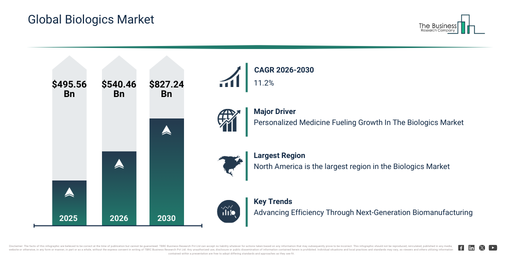
    The biologics market has experienced significant expansion in recent years. Its size is expected to increase from $495.56 billion in 2025 to $540.46 billion in 2026, achieving a compound annual growth rate (CAGR) of 9.1%. The historical growth of this market can be attributed to several factors, including the previously limited availability of biologics, a reliance on traditional therapies, the growing prevalence of immune-related disorders, an expanding healthcare infrastructure, and increasing physician awareness leading to more prescriptions.

    The biologics market is anticipated to experience rapid expansion over the next few years, projected to reach $827.24 billion by 2030, growing at a compound annual growth rate (CAGR) of 11.2%. This growth during the forecast period is driven by factors such as the development of novel monoclonal antibodies, the increasing use of mRNA and viral vector vaccines, the rising adoption of personalized biologic therapies, expanding government support and funding for biologics, and the integration of digital health and patient monitoring platforms. Key trends expected in this period include the growing adoption of monoclonal antibodies and therapeutic proteins, an increase in vaccine development, including mRNA and viral vector vaccines, the expansion of prescription-based biologics and hospital pharmacy distribution, a greater focus on personalized medicine and targeted biologic therapies, and the integration of biologics with advanced healthcare solutions and patient monitoring.

    Access Your Free Sample Report For In-Depth Market Analysis:

    https://www.thebusinessresearchcompany.com/sample.aspx?id=3606&type=smp

    Which Primary Drivers Are Impacting The Biologics Market Growth?

    The rising need for individualized medicine is fueling substantial expansion in the worldwide biologics market. This approach, also termed precision medicine, involves customizing healthcare and treatments based on the unique characteristics of every patient. It provides the capacity to adapt biological therapies to a patient’s distinct genetic and clinical makeup, thereby revolutionizing the healthcare sector. As an illustration, in February 2024, the Personalized Medicine Coalition, a US-based hospital and health care organization, reported that the FDA sanctioned 16 novel personalized treatments for patients with rare diseases in 2023, an increase from six in 2022. Consequently, the growing requirement for personalized medicine is propelling the future growth of the biologics market.

    Which Segment Categories Are Included In The Biologics Market Segment Analysis?

    The biologics market covered in this report is segmented –

    1) By Type: Monoclonal Antibodies (MAbS), Therapeutic Proteins, Vaccines

    2) By Drug Classification: Branded Drugs, Generic Drugs

    3) By Route Of Administration: Oral, Other Route Of Administration

    4) By Mode Of Purchase: Prescription-Based Drugs, Over-The-Counter Drugs

    5) By Distribution Channel: Hospital Pharmacies, Retail Pharmacies Or Drug Stores, Other Distribution Channels

    Subsegments:

    1) By Monoclonal Antibodies (MAbs): Naked Monoclonal Antibodies, Conjugated Monoclonal Antibodies, Bispecific Monoclonal Antibodies

    2) By Therapeutic Proteins: Hormones, Enzymes, Cytokines, Fusion Proteins

    3) By Vaccines: Live Attenuated Vaccines, Inactivated Vaccines, Subunit Vaccines, mRNA Vaccines, Viral Vector Vaccines

    Which Trends Are Guiding The Direction Of The Biologics Market?

    Major companies operating in the biologics market are focusing on developing innovative products such as biosimilars to provide cost-effective alternatives to original biologic therapies. Biosimilars are biologic products highly similar to an already approved reference biologic, with no significant differences in safety, efficacy, or quality, helping reduce treatment costs and increase patient access to advanced therapies. For instance, in July 2025, Biocon Biologics, a subsidiary of Biocon Limited, an India-based biopharmaceutical company, launched Nepexto, a biosimilar to Enbrel (etanercept), in Australia. Nepexto is a fusion-protein biologic designed to inhibit tumor necrosis factor-alpha (TNF-a), a key inflammatory mediator in autoimmune conditions. It is composed of recombinant DNA-derived protein that mimics the binding activity of the original etanercept molecule, delivering comparable efficacy and safety while making treatment more accessible. Its unique features include high biosimilarity backed by robust clinical data, regulatory approvals, and an established supply chain via its local partner Generic Health making it a strong option for long-term management of diseases such as rheumatoid arthritis, psoriasis, and ankylosing spondylitis.

    Who Are The Active Companies Shaping The Biologics Market?

    Major companies operating in the biologics market are Merck & Co. Inc., AbbVie Inc., F. Hoffmann-La Roche AG, Johnson & Johnson, Pfizer Inc., Bristol Myers Squibb Company, Sanofi S.A., GlaxoSmithKline Plc., Eli Lilly and Company, Amgen Inc., Shanghai Fosun Pharmaceuticals, Bayer AG, Novartis AG, BiosanaPharma, WuXi, Teva UK Limited, AstraZeneca, Abbott Laboratories, Vectura Group, Fujifilm, Lonza, Seqens, Piramal Pharma Solutions, Corden Pharma, Procos SpA and BSP Pharmaceuticals., Microgen, Geropharm, Valenta, NovaMedica, SynBi, Rani Therapeutics, Enteris BioPharma, Allena Pharmaceuticals, Biogen Inc., Emisphere Technologies Inc., Apotex, Gilead Sciences

    Get The Full Biologics Market Report:

    https://www.thebusinessresearchcompany.com/report/biologics-global-market-report

    Which Region Is The Largest In The Biologics Market?

    North America was the largest region in the biologics market in 2025. Middle East is expected to be the fastest growing region in the forecast period. The regions covered in the biologics market report are Asia-Pacific, South East Asia, Western Europe, Eastern Europe, North America, South America, Middle East, Africa.

    Request A Customized Biologics Market Report For Competitive Insights:

    https://www.thebusinessresearchcompany.com/report/biologics-global-market-report

    Browse Through More Reports Similar to the Global Biologics Market 2026, By The Business Research Company

    Cancer Biologics Market Report 2026

    https://www.thebusinessresearchcompany.com/report/cancer-biologics-global-market-report

    Orthobiologics Devices And Equipment Market Report 2026

    https://www.thebusinessresearchcompany.com/report/orthobiologics-devices-and-equipment-global-market-report

    Oral Biologics And Biosimilar Drug Market Report 2026

    https://www.thebusinessresearchcompany.com/report/oral-biologics-and-biosimilar-drug-global-market-report

    Get in touch with us:

    The Business Research Company: https://www.thebusinessresearchcompany.com/

    Americas +1 310-496-7795

    Asia +44 7882 955267 & +91 8897263534

    Europe +44 7882 955267

    Email us at: marketing@tbrc.info

    Follow us on:

    LinkedIn: https://in.linkedin.com/company/the-business-research-company

    YouTube: https://www.youtube.com/channel/UC24_fI0rV8cR5DxlCpgmyFQ

    Global Market Model: https://www.thebusinessresearchcompany.com/global-market-model
  • The Biological Stains Market Is Witnessing Impact From Rising Prevalence Of Blood Malignancies To Drive The Growth

    The Biological Stains Market Is Witnessing Impact From Rising Prevalence Of Blood Malignancies To Drive The Growth

    The Business Research Company’s 2026 market reports feature enhanced tools like market attractiveness analysis, TAM assessment, and company scoring matrices, along with interactive dashboards, deeper supply chain insights, and startup coverage strengthening the depth, usability, and strategic value of insights.

    How Is The Market Size Of The Biological Stains Market Expected To Change From 2026 To 2030?

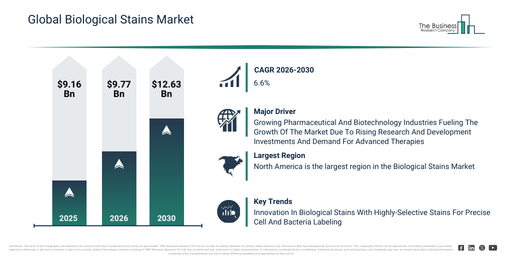
    The biological stains market has experienced robust expansion over recent years. This market is projected to expand from $9.16 billion in 2025 to $9.77 billion in 2026, demonstrating a compound annual growth rate (CAGR) of 6.7%. Historically, this growth is primarily due to factors such as increased clinical diagnostics, the broadening of microscopy-based research, a rise in infectious disease prevalence, extensive adoption of laboratory staining protocols, and the development of pathology laboratories.

    The biological stains market is projected to undergo substantial growth over the next few years, with its size expected to reach $12.63 billion by 2030, exhibiting a compound annual growth rate (CAGR) of 6.6%. This expansion during the forecast period is primarily attributed to advancements in diagnostic research techniques, an increase in life sciences research funding, a rising demand for accurate disease diagnosis, growth in biotechnology research activities, and increasing laboratory automation. Significant trends for the forecast period encompass an increasing use in histology and cytology diagnostics, a growing demand from microbiology and bacteriology laboratories, the rising adoption of specialized and selective stains, an expansion of academic and clinical research activities, and an intensified focus on high-contrast and precision staining.

    Access Your Free Sample Report For In-Depth Market Analysis:

    https://www.thebusinessresearchcompany.com/sample.aspx?id=23325&type=smp

    What Significant Factors Are Influencing The Biological Stains Market Expansion?

    The expanding pharmaceutical and biotechnology industries are anticipated to drive the future growth of the biological stains market. This sector encompasses companies involved in the research, development, manufacturing, and commercialization of drugs, biologics, and medical therapies aimed at preventing, diagnosing, and treating diseases. The pharmaceutical and biotechnology industry is experiencing growth fueled by advancements in biologics, such as mRNA vaccines, which have revolutionized disease prevention and treatment. Biological stains support this expanding industry by enabling precise visualization and analysis of cellular and tissue structures, thereby assisting in drug discovery and quality control processes. For instance, in June 2024, according to the BioIndustry Association (BIA), a UK-based national trade association for the innovative life sciences and biotechnology sector, in the second quarter of 2024, biotech firms in the UK attracted £622 ($670.29) million in venture capital, representing a remarkable 259% increase from the prior quarter and a 48% increase compared to the same timeframe last year. Consequently, the growing pharmaceutical and biotechnology industries are propelling the growth of the biological stains market.

    How Is The Biological Stains Market Broken Down By Segment Categories?

    The biological stains market covered in this report is segmented –

    1) By Nature: Acidic Stains, Basic Stains, Neutral Stains

    2) By Product Type: Acid Fuchsin, Congo Red, Crystal Violet, Eosin, Other Product Types

    3) By Application: Histology And Cytology, Microbiology, Bacteriology, Deoxyribonucleic Acid Staining, Protein Staining, Gram Staining, Other Applications

    4) By End-User: Diagnostic Laboratories, Academic And Research Institutes, Pharmaceutical And Biotechnology Companies, Other End-Users

    Subsegments:

    1) By Acidic Stains: Eosin, Picric Acid, Acid Fuchsin, Congo Red, Nigrosin

    2) By Basic Stains: Methylene Blue, Crystal Violet, Safranin, Basic Fuchsin, Malachite Green

    3) By Neutral Stains: Leishman Stain, Giemsa Stain, Romanowsky Stain, Wright’s Stain, Jenner’s Stain

    What Trends Are Affecting The Growth Of The Biological Stains Market?

    Key players in the biological stains market are concentrating on developing groundbreaking products, such as highly selective stains, to aid advanced research uses in microbiology and pathology. Highly selective stains are specialized dyes crafted to specifically mark and differentiate target cells or components, ensuring precise analysis with minimal background interference. For example, in October 2023, Biotium, Inc., a US-based biotechnology company, released BactoView Dead Stains and BactoView Viability Kits. These novel stains deliver accurate selectivity for both gram-positive and gram-negative bacteria, coupled with minimal background interference. Engineered for effectiveness, they simplify the method with just one 30-minute staining step, removing the requirement for extra wash steps and streamlining bacterial analysis.

    Which Players Are Present In The Biological Stains Market Space?

    Major companies operating in the biological stains market are Arti Chemical Industries, Otto Chemie Pvt Ltd, Royal Industries Inc., Alpha Chemika, Loba Chemie Pvt Ltd, Hunan Yunbang Biotech Inc., Abbey Color Inc., Belami Fine Chemicals, GSP Enterprise, Macsen Labs, Vanshi Chemicals Pvt Ltd, Megha International, Karan Laborates, American Enterprises Pvt Ltd, AB Enterprises, Suvchem, Qualikems Lifesciences Private Limited, Khatau Valabhdas And Co, Spa Corporation, Neha-Chem.

    Get The Full Biological Stains Market Report:

    https://www.thebusinessresearchcompany.com/report/biological-stains-global-market-report

    Which Region Leads The Biological Stains Market In Terms Of Market Share?

    North America was the largest region in the biological stains market in 2025. Asia-Pacific is expected to be the fastest-growing region in the forecast period. The regions covered in the biological stains market report are Asia-Pacific, South East Asia, Western Europe, Eastern Europe, North America, South America, Middle East, Africa.

    Request A Customized Biological Stains Market Report For Competitive Insights:

    https://www.thebusinessresearchcompany.com/report/biological-stains-global-market-report

    Browse Through More Reports Similar to the Global Biological Stains Market 2026, By The Business Research Company

    Lip Stain Market Report 2026

    https://www.thebusinessresearchcompany.com/report/lip-stain-global-market-report

    Bioceramics Market Report 2026

    https://www.thebusinessresearchcompany.com/report/bioceramics-global-market-report

    Biochemical Market Report 2026

    https://www.thebusinessresearchcompany.com/report/biochemical-global-market-report

    Get in touch with us:

    The Business Research Company: https://www.thebusinessresearchcompany.com/

    Americas +1 310-496-7795

    Asia +44 7882 955267 & +91 8897263534

    Europe +44 7882 955267

    Email us at: marketing@tbrc.info

    Follow us on:

    LinkedIn: https://in.linkedin.com/company/the-business-research-company

    YouTube: https://www.youtube.com/channel/UC24_fI0rV8cR5DxlCpgmyFQ

    Global Market Model: https://www.thebusinessresearchcompany.com/global-market-model

  • Growth In The Biologic & Biosimilar RA Drugs Market Is Being Driven By Impact Of Rising Multiple Myeloma Prevalence On The Growth Of The

    Growth In The Biologic & Biosimilar RA Drugs Market Is Being Driven By Impact Of Rising Multiple Myeloma Prevalence On The Growth Of The

    The Business Research Company’s 2026 market reports feature enhanced tools like market attractiveness analysis, TAM assessment, and company scoring matrices, along with interactive dashboards, deeper supply chain insights, and startup coverage strengthening the depth, usability, and strategic value of insights.

    From Its 2026 Market Size, What Value Is The Biologic & Biosimilar RA Drugs Market Projected To Reach By 2030?

    The market size for biologic & biosimilar ra drugs has experienced substantial growth in recent years. It is anticipated to increase from $14.57 billion in 2025 to $15.55 billion in 2026, achieving a compound annual growth rate (CAGR) of 6.8%. The expansion observed in prior periods is attributable to the rising prevalence of rheumatoid arthritis, limited availability of treatment options, growing investment in biologics research, increasing healthcare expenditure, and the patent expiry of key biologics.

    The market size for biologic & biosimilar ra drugs is anticipated to experience robust expansion over the coming years. This market is projected to reach $20.53 billion by 2030, demonstrating a compound annual growth rate (CAGR) of 7.2%. Factors contributing to this growth during the forecast period include the increasing uptake of biosimilars, innovations in drug delivery technology, augmented manufacturing capabilities, supportive regulations for biologics, and heightened understanding of precision medicine. Key developments expected in the forecast timeframe encompass individualized biologic treatments, accelerated adoption of biosimilars, sophisticated drug delivery mechanisms, unified regulatory frameworks for biologics, and efforts to optimize costs in ra treatments.

    Access Your Free Sample Report For In-Depth Market Analysis:

    https://www.thebusinessresearchcompany.com/sample.aspx?id=9255&type=smp

    Which Important Drivers Are Guiding The Biologic & Biosimilar RA Drugs Market Growth?

    The expanding expenditure on healthcare is anticipated to drive the advancement of the biologic and biosimilar RA drug market. This spending represents the overall financial commitment from individuals, governments, and various organizations towards medical products and services, covering costs for preventing, treating, and managing health issues. Biologic and biosimilar RA drugs play a crucial role in optimizing the management of rheumatoid arthritis, offering a balance between effectiveness and affordability for the specialized and frequently costly treatments that are part of healthcare expenditures. For example, data from November 2023, provided by CIHI, a health information institute based in Canada, projects that Canada’s total health spending will hit $344 billion in 2023, equating to $8,740 per person. This signifies a 2.8% rise in 2023, contrasting with a modest 1.5% increase observed in 2022. Consequently, the rise in healthcare spending is a key factor propelling the biologic and biosimilar RA drug market.

    What Are The Different Segment Types In The Biologic & Biosimilar RA Drugs Market Segment Breakdown?

    The biologic & biosimilar ra drugs market covered in this report is segmented –

    1) By Source: Microbial, Mammalian, Other Sources

    2) By Manufacturing: Outsourced, In-House

    3) By Distribution Channel: Hospital Pharmacies, Retail Pharmacies, Online Pharmacies

    Subsegments:

    1) By Microbial: Bacterial Sources, Fungal Sources, Yeast Sources

    2) By Mammalian: Chinese Hamster Ovary (CHO) Cells, Human Embryonic Kidney (HEK) Cells, Other Mammalian Cell Lines

    3) By Other Sources: Plant-Based Sources, Insect-Based Sources, Synthetic Biology Approaches

    Which Trends Are Shaping The Biologic & Biosimilar RA Drugs Market?

    Leading companies in the biologic & biosimilar RA drugs market are prioritizing the creation of innovative solutions, such as dual-concentration biosimilar formulations, to address the increasing demand for cost-effective, readily available, and user-friendly alternatives to expensive biologics. These dual-concentration biosimilar options provide both high- and low-strength formulations that accurately mimic branded biologics, thus facilitating continuous treatment and enhancing patient convenience compared to traditional single-concentration biologics. As an illustration, in July 2023, Organon, a US-based healthcare company, and Samsung Bioepis, a South Korea-based biopharmaceutical company, introduced HADLIMA, a biosimilar of Humira (adalimumab), in the US. Offered in both high and low concentrations, HADLIMA aims to improve access and affordability for individuals with autoimmune diseases. The biosimilar is priced at an 85% discount to Humira, thereby contributing to broader patient access. HADLIMA incorporates an autoinjector, endorsed by the Arthritis Foundation, and a patient support initiative, HADLIMA For You, which offers educational resources and co-pay assistance. It is prescribed for various ailments, including rheumatoid arthritis and Crohn’s disease. HADLIMA is provided in both citrate-free high concentration (100 mg/mL) and citrate-containing low concentration (50 mg/mL), ensuring seamless continuity of care for patients.

    Who Are The Well-Known Companies In The Biologic & Biosimilar RA Drugs Market?

    Major companies operating in the biologic & biosimilar ra drugs market are Samsung BioLogics Co. Ltd., Amgen Inc., AbbVie Inc., Johnson & Johnson Services Inc., Pfizer Inc., Merck & Co. Inc., Eli Lilly and Company, Novartis AG, Bayer AG, F. Hoffmann-La Roche Ltd., AstraZeneca PLC, Teva Pharmaceutical Industries Ltd., Fresenius SE & Co. KGaA, Stada Arzneimittel AG, Boehringer Ingelheim Pharmaceuticals Inc., Gedeon Richter Plc., La Roche Ltd., Regeneron Pharmaceuticals Inc., Bristol-Myers Squibb Company, Dr. Reddy’s Laboratories Ltd., Biogen Inc., Genentech Inc., GlaxoSmithKline plc, Mylan N.V., Sandoz International GmbH, Amneal Pharmaceuticals LLC, Apotex Inc., Biocon Ltd., Coherus BioSciences Inc.

    Get The Full Biologic & Biosimilar RA Drugs Market Report:

    https://www.thebusinessresearchcompany.com/report/biologic-and-biosimilar-ra-drugs-global-market-report

    Which Region Leads The Biologic & Biosimilar RA Drugs Market In Overall Market Size?

    North America was the largest region in the biologic & biosimilar RA drugs market in 2025. Asia-Pacific is expected to be the fastest-growing region in the biologic & biosimilar RA drugs market report during the forecast period. The regions covered in the biologic & biosimilar ra drugs market report are Asia-Pacific, South East Asia, Western Europe, Eastern Europe, North America, South America, Middle East, Africa.

    Request A Customized Biologic & Biosimilar RA Drugs Market Report For Competitive Insights:

    https://www.thebusinessresearchcompany.com/report/biologic-and-biosimilar-ra-drugs-global-market-report

    Browse Through More Reports Similar to the Global Biologic & Biosimilar RA Drugs Market 2026, By The Business Research Company

    Biologic And Biosimilar Ra Drugs Market Report 2026

    https://www.thebusinessresearchcompany.com/report/biologic-and-biosimilar-ra-drugs-global-market-report

    Rheumatoid Arthritis Drugs Market Report 2026

    https://www.thebusinessresearchcompany.com/report/rheumatoid-arthritis-drugs-global-market-report

    Rheumatoid Arthritis Drugs Market Report 2026

    https://www.thebusinessresearchcompany.com/report/rheumatoid-arthritis-drugs-global-market-report

    Get in touch with us:

    The Business Research Company: https://www.thebusinessresearchcompany.com/

    Americas +1 310-496-7795

    Asia +44 7882 955267 & +91 8897263534

    Europe +44 7882 955267

    Email us at: marketing@tbrc.info

    Follow us on:

    LinkedIn: https://in.linkedin.com/company/the-business-research-company

    YouTube: https://www.youtube.com/channel/UC24_fI0rV8cR5DxlCpgmyFQ

    Global Market Model: https://www.thebusinessresearchcompany.com/global-market-model

  • Bioengineered Protein Drugs Market Analysis With Focus On Growth Potential And Future Outlook

    Bioengineered Protein Drugs Market Analysis With Focus On Growth Potential And Future Outlook

    The Business Research Company’s 2026 market reports feature enhanced tools like market attractiveness analysis, TAM assessment, and company scoring matrices, along with interactive dashboards, deeper supply chain insights, and startup coverage strengthening the depth, usability, and strategic value of insights.

    How Much Growth In Market Value Is Expected For The Bioengineered Protein Drugs Market Between 2026 And 2030?

    The bioengineered protein drugs market has demonstrated robust expansion over recent years. This market is set to increase from $435.17 billion in 2025 to $468.82 billion in 2026, showing a compound annual growth rate (CAGR) of 7.7%. Historically, this market’s development can be linked to the implementation of recombinant DNA technology, a heightened need for monoclonal antibodies, developments in cell culture methods, the expansion of biotechnology research and development, and the advent of biosimilars.

    The bioengineered protein drugs market is projected to experience robust expansion over the coming years. Its valuation is anticipated to reach $646.93 billion by 2030, demonstrating a compound annual growth rate (CAGR) of 8.4%. This anticipated growth during the forecast period stems from the increasing incidence of autoimmune and rare diseases, augmented investment in precision medicine, the broadening of biologics manufacturing infrastructure, the incorporation of AI into drug development, and a rising need for personalized therapies. Key developments expected during this period encompass personalized protein therapeutics, sophisticated protein engineering methods, the enlargement of contract manufacturing services, improvements in protein purification technologies, and an uptick in treatments for rare diseases.

    Access Your Free Sample Report For In-Depth Market Analysis:

    https://www.thebusinessresearchcompany.com/sample.aspx?id=10180&type=smp

    What Major Factors Are Driving The Bioengineered Protein Drugs Market Forward?

    The bioengineered protein drug market is expected to grow in the future due to the increasing prevalence of chronic diseases. Chronic diseases are ailments from which individuals suffer for at least a year, require continuous medical care, and restrict daily physical activities. Bioengineered protein drugs are utilized in the treatment of chronic diseases, offering designer protein therapies for applications in oncology and regenerative medicine, developed using combinatorial and logical methodologies. For instance, in February 2024, the World Health Organization, a Switzerland-based intergovernmental organization, projected that over 35 million new cancer cases would arise by 2050, indicating a 77% increase from the estimated 20 million cases in 2022. Thus, the rising incidence of chronic diseases is propelling the expansion of the bioengineered protein drug market.

    Which Segment Classifications Are Used In The Bioengineered Protein Drugs Market Segment Analysis?

    The bioengineered protein drugs market covered in this report is segmented –

    1) By Drug Type: Recombinant Protein, Vaccine, Peptide Antibiotics, Therapeutic Enzymes, Other Drug Type

    2) By Technology: Bioreactors, Fractionation, Genetically Modified Organisms, Genetic Engineering, Pharming, Cell Culture, Microbial Cell Fermentation, Other Technology

    3) By Application: Autoimmune, Heart, Congenital, Infectious Diseases, Cancer, Diabetes, Arthritis, Other Application

    4) By End User: Pharmaceutical, Contract Research Organizations, Research Institutes, Biotechnology Companies

    Subsegments:

    1) By Recombinant Protein: Monoclonal Antibodies, Hormones, Cytokines

    2) By Vaccine: Recombinant Vaccines, DNA Vaccines

    3) By Peptide Antibiotics: Lipopeptide Antibiotics, Glycopeptide Antibiotics

    4) By Therapeutic Enzymes: Enzyme Replacement Therapies, Biosimilar Enzymes

    5) By Other Drug Type: Fusion Proteins, Antibody-Drug Conjugates (ADCs)

    What Trends Are Influencing The Bioengineered Protein Drugs Market?

    Leading companies operating within the bioengineered protein drug market are increasingly adopting strategic partnership approaches to supply essential bioengineered protein drugs to various businesses and governmental bodies. Such strategic partnerships entail a process where companies leverage their respective strengths and resources to realize mutual benefits and achieve shared success. For instance, in June 2023, Future Fields, a biotechnology company based in Canada, collaborated with Jenthera Therapeutics, another Canada-based biotechnology firm specializing in the development of innovative therapies for rare and complex diseases. Through this partnership, their objective is to develop a novel cancer-fighting protein, utilizing Future Fields’ EntoEngine platform for cost-effective and sustainable mass production.

    Which Firms Are Contributing To The Bioengineered Protein Drugs Market Ecosystem?

    Major companies operating in the bioengineered protein drugs market are Abbvie Inc., Amgen Inc., Astrazeneca PLC, Bayer HealthCare Pharmaceuticals LLC, Eli Lilly and Company, F. Hoffmann-La Roche AG, GlaxoSmithKline plc, Johnson & Johnson, Novartis AG, Novo Nordisk A/S, Sanofi S.A., Grifols S.A., Adma Biologics Inc., CSL Limited, Abbott Laboratories, Baxter International Inc., Fresenius Kabi AG, Merck & Co. Inc., Pfizer Inc., Biogen Inc., Bristol-Myers Squibb Company, Genentech Inc., Lonza Group AG, MedImmune LLC, Regeneron Pharmaceuticals Inc., Shire plc., Takeda Pharmaceutical Company Limited, Teva Pharmaceutical Industries Ltd., Shanghai United Cell Biotechnology Co. Ltd., Panacea Biotec Ltd.

    Get The Full Bioengineered Protein Drugs Market Report:

    https://www.thebusinessresearchcompany.com/report/bioengineered-protein-drugs-global-market-report

    Which Region Is The Top Contributor To The Bioengineered Protein Drugs Market By Share?

    North America was the largest region in the bioengineered protein drugs market in 2025. The regions covered in the bioengineered protein drugs market report are Asia-Pacific, South East Asia, Western Europe, Eastern Europe, North America, South America, Middle East, Africa.

    Request A Customized Bioengineered Protein Drugs Market Report For Competitive Insights:

    https://www.thebusinessresearchcompany.com/report/bioengineered-protein-drugs-global-market-report

    Browse Through More Reports Similar to the Global Bioengineered Protein Drugs Market 2026, By The Business Research Company

    Bioengineered Protein Drugs Market Report 2026

    https://www.thebusinessresearchcompany.com/report/bioengineered-protein-drugs-global-market-report

    Protein Engineering Market Report 2026

    https://www.thebusinessresearchcompany.com/report/protein-engineering-global-market-report

    Plasma Protein Therapeutics Market Report 2026

    https://www.thebusinessresearchcompany.com/report/plasma-protein-therapeutics-global-market-report

    Get in touch with us:

    The Business Research Company: https://www.thebusinessresearchcompany.com/

    Americas +1 310-496-7795

    Asia +44 7882 955267 & +91 8897263534

    Europe +44 7882 955267

    Email us at: marketing@tbrc.info

    Follow us on:

    LinkedIn: https://in.linkedin.com/company/the-business-research-company

    YouTube: https://www.youtube.com/channel/UC24_fI0rV8cR5DxlCpgmyFQ

    Global Market Model: https://www.thebusinessresearchcompany.com/global-market-model

  • Biodegradable Medical Polymers Market Forecast Showing Industry Progress And Growth Trends

    Biodegradable Medical Polymers Market Forecast Showing Industry Progress And Growth Trends

    The Business Research Company’s 2026 market reports feature enhanced tools like market attractiveness analysis, TAM assessment, and company scoring matrices, along with interactive dashboards, deeper supply chain insights, and startup coverage strengthening the depth, usability, and strategic value of insights.

    What Is The Estimated Market Size Of The Biodegradable Medical Polymers Market In 2026, And How Will Its Value Evolve By 2030?

    The market size for biodegradable medical polymers has experienced rapid growth in recent years. This market is projected to expand from $2.78 billion in 2025 to $3.24 billion in 2026, demonstrating a compound annual growth rate (CAGR) of 16.7%. Historically, this growth has been fueled by factors such as the rising use of absorbable sutures, early adoption of biodegradable implants, expansion of orthopedic and cardiovascular procedures, advancements in polymer chemistry, and increasing acceptance of resorbable materials.

    The biodegradable medical polymers market size is projected to experience considerable growth over the next few years, reaching $5.95 billion in 2030 with a compound annual growth rate (CAGR) of 16.4%. This expansion during the forecast period is attributed to several factors, including the increasing demand for minimally invasive procedures, a rising emphasis on sustainable medical materials, the proliferation of drug-device combination products, escalating investments in regenerative medicine, and continued advancements in precision polymer engineering. Key trends anticipated during this period encompass the expanded use of bioabsorbable implant materials, a growing demand for controlled degradation polymers, wider adoption of polymers in drug delivery systems, the evolution of advanced biopolymer processing techniques, and an enhanced focus on biocompatibility and safety.

    Access Your Free Sample Report For In-Depth Market Analysis:

    https://www.thebusinessresearchcompany.com/sample.aspx?id=30210&type=smp

    Which Key Drivers Are Affecting The Biodegradable Medical Polymers Market Development?

    The future expansion of the biodegradable medical polymers market is anticipated to be significantly boosted by the escalating demand for minimally invasive procedures. These medical techniques utilize small incisions or non-invasive approaches for surgeries and interventions, leading to reduced tissue damage, quicker recovery periods, and less post-operative discomfort compared to conventional surgical methods. The rise in minimally invasive procedures is attributable to progress in medical technology, fostering a greater global acceptance of precision surgical techniques. Biodegradable medical polymers facilitate minimally invasive surgeries by allowing for the creation of temporary implants, sutures, and drug delivery systems that naturally dissolve in the body. This eliminates the need for subsequent removal operations, lessens tissue trauma, and encourages quicker patient recovery with fewer issues. As an illustration, in February 2023, the American Society of Plastic Surgeons, a US-based specialty organization, reported that the total volume of cosmetic minimally invasive procedures grew from 23.7 million in 2022 to 25.4 million in 2023. Consequently, the increasing demand for minimally invasive procedures is propelling the growth of the biodegradable medical polymers market.

    How Is The Biodegradable Medical Polymers Market Organized By Segment Classification?

    The biodegradable medical polymers market covered in this report is segmented –

    1) By Product Type: Polylactic Acid, Polyglycolic Acid, Polycaprolactone, Polyhydroxyalkanoates, Other Products

    2) By Material Type: Ceramic Matrix Composites (CMC), Oxide Ceramics, Non-Oxide Ceramics, Advanced Porous Ceramics

    3) By Product Form: Powder, Tiles, Coatings, Fibers, Bulk

    4) By Application: Drug Delivery, Implants, Sutures, Other Applications

    Subsegments:

    1) By Polylactic Acid: Lactic Acid Derived Polymers, Copolymers Of Lactic Acid, Stereocomplex Polylactic Acid

    2) By Polyglycolic Acid: Homopolymers Of Glycolic Acid, Copolymers With Other Monomers

    3) By Polycaprolactone: Linear Polycaprolactone, Branched Polycaprolactone, Crosslinked Polycaprolactone

    4) By Polyhydroxyalkanoate: Polyhydroxybutyrate, Polyhydroxyvalerate, Polyhydroxybutyrate Hydroxyvalerate

    5) By Other Products: Starch Based Polymers, Cellulose Based Polymers, Protein Based Polymers

    Which Trends Are Shaping Growth In The Biodegradable Medical Polymers Market?

    Key players in the biodegradable medical polymers market are concentrating on innovative approaches, particularly biopolymer technology, to enhance the performance, biocompatibility, and sustainability of medical devices and drug delivery systems. Biopolymer technology encompasses the science and application of polymers sourced from natural origins, designed to be biodegradable and environmentally sound, serving to create sustainable materials for medical, packaging, and industrial uses while reducing reliance on synthetic plastics. For example, in November 2023, Sulzer Ltd., a Swiss public company based in Switzerland, launched CAPSUL, a new end-to-end licensed technology for the continuous manufacturing of polycaprolactone (PCL), a biodegradable polyester. This introduction enables the production of high-quality PCL grades at competitive prices and seeks to promote the use of sustainable and biodegradable materials, improve production efficiency, and deliver high-quality eco-friendly polymers for medical and industrial applications.

    Who Are The Industry Participants Involved In The Biodegradable Medical Polymers Market?

    Major companies operating in the biodegradable medical polymers market are Evonik Industries AG, Corbion N.V., dsm-firmenich AG, Mitsui Chemicals Inc., Poly Medicure Limited, KLS Martin SE & Co. KG, BASF SE, NatureWorks LLC, Arkema SA, Eastman Chemical Company, Foster LLC, Becton Dickinson and Company, Toray Industries Inc., Celanese Corporation, Teysa Technologies Ltd, Kaneka Corporation, Arthrex Inc., Ashland Inc., Meril Life Sciences India Private Limited, Reva Medical LLC

    Get The Full Biodegradable Medical Polymers Market Report:

    https://www.thebusinessresearchcompany.com/report/global-biodegradable-medical-polymers-market-report

    Which Region Represents The Largest Share Of The Biodegradable Medical Polymers Market?

    North America was the largest region in the biodegradable medical polymers market in 2025. Asia-Pacific is expected to be the fastest-growing region in the forecast period. The regions covered in the biodegradable medical polymers market report are Asia-Pacific, South East Asia, Western Europe, Eastern Europe, North America, South America, Middle East, Africa.

    Request A Customized Biodegradable Medical Polymers Market Report For Competitive Insights:

    https://www.thebusinessresearchcompany.com/report/global-biodegradable-medical-polymers-market-report

    Browse Through More Reports Similar to the Global Biodegradable Medical Polymers Market 2026, By The Business Research Company

    Biodegradable Plastics Market Report 2026

    https://www.thebusinessresearchcompany.com/report/biodegradable-plastics-global-market-report

    Medical Polymers Market Report 2026

    https://www.thebusinessresearchcompany.com/report/medical-polymers-global-market-report

    Polymeric Biomaterials Market Report 2026

    https://www.thebusinessresearchcompany.com/report/polymeric-biomaterials-global-market-report

    Get in touch with us:

    The Business Research Company: https://www.thebusinessresearchcompany.com/

    Americas +1 310-496-7795

    Asia +44 7882 955267 & +91 8897263534

    Europe +44 7882 955267

    Email us at: marketing@tbrc.info

    Follow us on:

    LinkedIn: https://in.linkedin.com/company/the-business-research-company

    YouTube: https://www.youtube.com/channel/UC24_fI0rV8cR5DxlCpgmyFQ

    Global Market Model: https://www.thebusinessresearchcompany.com/global-market-model
  • Bioconvergence Market Future Trends Influencing Growth Through 2030

    Bioconvergence Market Future Trends Influencing Growth Through 2030

    The Business Research Company’s 2026 market reports feature enhanced tools like market attractiveness analysis, TAM assessment, and company scoring matrices, along with interactive dashboards, deeper supply chain insights, and startup coverage strengthening the depth, usability, and strategic value of insights.

    How Does The Market Size Of The Bioconvergence Market Compare Between 2026 And 2030?

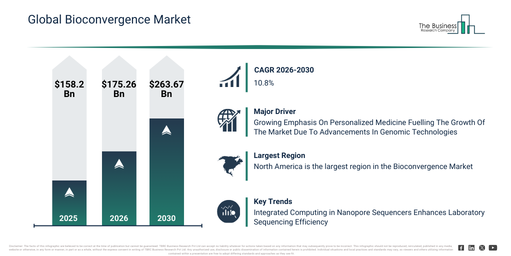
    The bioconvergence market size has experienced swift expansion in recent years. It is anticipated to increase from $158.2 billion in 2025 to $175.26 billion in 2026, achieving a compound annual growth rate (CAGR) of 10.8%. The historical growth of this market stems from several factors, including the expansion of genomics research, the embrace of digital health, increased biotechnology funding, the demand for advanced diagnostics, and various interdisciplinary research initiatives.

    The bioconvergence market is projected to experience substantial expansion in the coming years. This market is anticipated to reach a valuation of $263.67 billion by 2030, demonstrating a compound annual growth rate (CAGR) of 10.8%. The projected growth throughout the forecast period stems from factors such as the acceleration of personalized medicine, advancements in AI-enabled life sciences, innovations in bioengineering, the rise of data-driven healthcare solutions, and growing cross-industry collaborations. Noteworthy trends during this period include the integration of biology with engineering systems, the expansion of precision medicine platforms, the increasing adoption of AI-driven drug discovery, a greater utilization of bioinformatics solutions, and the convergence of digital and biological technologies.

    Access Your Free Sample Report For In-Depth Market Analysis:

    https://www.thebusinessresearchcompany.com/sample.aspx?id=24168&type=smp

    What Factors Are Contributing To The Growth Of The Bioconvergence Market?

    The expanding focus on personalized medicine is anticipated to fuel the future expansion of the bioconvergence market. This medical strategy customizes treatments for individual patients, considering their genetic, environmental, and lifestyle attributes to enhance results and patient care. The rising need for personalized medicine stems from progress in genomic technologies, which facilitate accurate identification of genetic variations and the development of specific treatments. Bioconvergence improves personalized medicine by merging advanced technologies with biological studies, allowing for more precise, unique treatment plans aligned with a patient’s genetic and molecular makeup. This leads to better healthcare outcomes through targeted therapies and reduced negative reactions. For instance, in February 2024, the Personalized Medicine Coalition (PMC), a US-based nonprofit organization, reported that the U.S. Food and Drug Administration (FDA) authorized 26 new personalized medicines in 2023, marking a considerable rise from the 12 approved in 2022. Consequently, the increasing emphasis on personalized medicine acts as a significant catalyst for the growth of the bioconvergence market.

    Which Segments Define The Bioconvergence Market Segment Structure?

    The bioconvergence market covered in this report is segmented –

    1) By Component: Devices, Software, Services, Platforms

    2) By Technology: Artificial Intelligence, Robotics, Three-Dimensional (3D) Printing, Nanotechnology, Synthetic Biology, Bioinformatics, Wearable Devices

    3) By Application: Drug Discovery, Regenerative Medicine, Optogenetics, Nanorobotics For Drug Discovery, Diagnostic And Biological Sensors, Bioelectronics, Precision Medicine

    4) By End-User: Pharmaceutical And Biotechnology Industry, Contract Research Organization, Other End Users

    Subsegments:

    1) By Devices: Diagnostic Devices, Therapeutic Devices, Wearable Medical Devices, Implantable Devices, Robotic Surgical Systems

    2) By Software: Bioinformatics Software, Clinical Decision Support Systems, Genomic Data Analysis Tools, Imaging And Diagnostic Software, Laboratory Information Management Systems (LIMS)

    3) By Services: Contract Research Services, Consulting And Integration Services, Data Management And Analysis Services, Custom Software Development, Regulatory And Compliance Services

    4) By Platforms: Artificial Intelligence Platforms, Omics Integration Platforms, Digital Health Platforms, Personalized Medicine Platforms, Cloud-Based Analytics Platforms

    What Trends Are Affecting The Direction Of The Bioconvergence Market?

    Major companies within the bioconvergence market are prioritizing the development of innovative products, such as integrated nanopore sequencing devices featuring onboard computing. These advancements are designed to remove external computing dependencies, enable real-time data analysis, and streamline laboratory workflows. An integrated nanopore sequencing device with onboard computing functions as a self-contained benchtop system, capable of performing DNA, RNA, and cDNA sequencing alongside built-in basecalling and analysis functionalities. As an illustration, in March 2024, Oxford Nanopore Technologies, a UK-based biotechnology company, launched the PromethION 2 Integrated (P2i) to broaden access to high-output nanopore sequencing for small and medium-sized research laboratories. This innovative bioconvergence tool facilitates on-device real-time basecalling through its onboard NVIDIA Ampere architecture GPU, allowing researchers to generate as much as 290 gigabases of data per flow cell. This feature removes reliance on external computing infrastructure and offers immediate biological insights via its integrated MinKNOW software with plug-and-play functionality. The PromethION 2 Integrated demonstrates high versatility, providing effective sequencing capabilities for diverse applications, including the whole-genome sequencing of large organisms, comprehensive metagenomic studies, and full-transcript-length RNA analysis. It achieves this by combining two independently addressable flow cells with integrated touchscreen control and 15 terabytes of onboard storage, thereby enhancing workflow efficiency and data quality.

    Who Are The Established Players Within The Bioconvergence Market?

    Major companies operating in the bioconvergence market are Pfizer Inc., Johnson & Johnson, Merck & Co. Inc., Veolia Environnement S.A, Novartis AG, Eli Lilly and Company, Amgen Inc., HDR Inc., Ginkgo Bioworks, BICO Group AB, MeMed Diagnostics Ltd., Anima Biotech, Singota Solutions LLC, SetPoint Medical Corporation, Galvani Bioelectronics, Ezassi Inc., Tissue Dynamics Ltd., Sanara Ventures Ltd., BioConvergent Health LLC, Gradiant Bioconvergence Center

    Get The Full Bioconvergence Market Report:

    https://www.thebusinessresearchcompany.com/report/bioconvergence-global-market-report

    Which Geographic Region Dominates The Bioconvergence Market?

    North America was the largest region in the bioconvergence market in 2025. Asia-Pacific is expected to be the fastest-growing region in the forecast period. The regions covered in the bioconvergence market report are Asia-Pacific, South East Asia, Western Europe, Eastern Europe, North America, South America, Middle East, Africa.

    Request A Customized Bioconvergence Market Report For Competitive Insights:

    https://www.thebusinessresearchcompany.com/report/bioconvergence-global-market-report

    Browse Through More Reports Similar to the Global Bioconvergence Market 2026, By The Business Research Company

    Biocontrol Market Report 2026

    https://www.thebusinessresearchcompany.com/report/biocontrol-global-market-report

    Biosimulation Market Report 2026

    https://www.thebusinessresearchcompany.com/report/biosimulation-global-market-report

    Biorational Market Report 2026

    https://www.thebusinessresearchcompany.com/report/biorational-global-market-report

    Get in touch with us:

    The Business Research Company: https://www.thebusinessresearchcompany.com/

    Americas +1 310-496-7795

    Asia +44 7882 955267 & +91 8897263534

    Europe +44 7882 955267

    Email us at: marketing@tbrc.info

    Follow us on:

    LinkedIn: https://in.linkedin.com/company/the-business-research-company

    YouTube: https://www.youtube.com/channel/UC24_fI0rV8cR5DxlCpgmyFQ

    Global Market Model: https://www.thebusinessresearchcompany.com/global-market-model
  • Biobetters Market Growth Patterns And Forecast Outlook Through 2030

    Biobetters Market Growth Patterns And Forecast Outlook Through 2030

    The Business Research Company’s 2026 market reports feature enhanced tools like market attractiveness analysis, TAM assessment, and company scoring matrices, along with interactive dashboards, deeper supply chain insights, and startup coverage strengthening the depth, usability, and strategic value of insights.

    What Is The Forecasted Market Size Trajectory Of The Biobetters Market From 2026 To 2030?

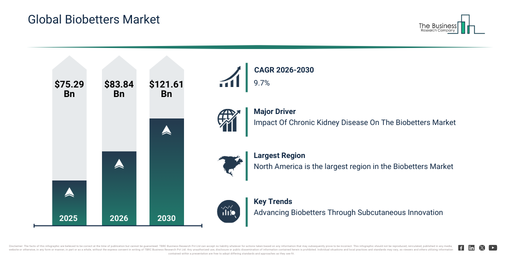
    The biobetters market has witnessed substantial expansion in its size during recent years. It is anticipated to increase from $75.29 billion in 2025 to $83.84 billion in 2026, demonstrating a compound annual growth rate (CAGR) of 11.4%. This past growth can be ascribed to factors such as the increasing incidence of chronic diseases, enhanced understanding of biosimilars, continuous breakthroughs in biotechnology, favorable government programs, and a growing elderly demographic.

    The biobetters market is projected to experience substantial growth in the coming years. By 2030, its valuation is set to reach $121.61 billion, progressing at a compound annual growth rate (CAGR) of 9.7%. This expansion during the forecast period is primarily driven by the increasing preference for biobetters over original biologics, advancements in drug delivery systems, the expansion of healthcare infrastructure in emerging markets, strategic partnerships and collaborations within the biopharma industry, and the growing demand for personalized medicine. Prominent trends anticipated in this period include enhanced drug efficacy and safety, optimized dosing regimens, improved stability and shelf life, convenient administration methods, and broader applications in the treatment of chronic diseases.

    Access Your Free Sample Report For In-Depth Market Analysis:

    https://www.thebusinessresearchcompany.com/sample.aspx?id=15522&type=smp

    Which Strong Drivers Are Impacting The Biobetters Market Growth?

    The biobetters market is projected to grow due to the increasing prevalence of chronic kidney diseases. Chronic kidney disease (CKD) is a prolonged condition where the kidneys gradually lose their capacity to filter waste and manage vital bodily functions. The rise in CKD cases stems from factors such as an aging populace, an increase in diabetes and hypertension, inactive lifestyles, and improved diagnostic methods. The biobetters market supports CKD management by providing therapies that offer enhanced efficacy, better safety profiles, and more convenient dosing regimens compared to original biologics. For instance, in June 2023, Oxford Academic, a UK-based academic research platform, reported that CKD prevalence in the UK is expected to climb from 0.00827 billion people in 2022 to 0.00861 billion people in 2032, indicating a 4% increase. Therefore, the growing incidence of chronic kidney diseases is a key factor propelling the expansion of the biobetters market.

    How Is The Biobetters Market Segmented Across Different Segment Categories?

    The biobetters market covered in this report is segmented –

    1) By Drug Class: Erythropoietin Biobetters, Granulocyte-Colony Stimulating Factor (G-CSF) Bioreactors, Interferon Biobetters, Insulin Biobetters, Monoclonal Antibodies Biobetters, Antihemophilic Factors, Other Drug Classes

    2) By Route Of Administration: Oral, Subcutaneous, Inhaled, Intravenous, Other Routes

    3) By Disease Indication: Diabetes, Cancer, Renal Disease, Neurodegenerative Diseases, Genetic Disorder-Hemophilia, Other Diseases

    4) By Distribution Channel: Hospital Pharmacies, Retail Pharmacies, Online Pharmacies

    Subsegments:

    1) By Erythropoietin Biobetters: Darbepoetin Alfa, Continuous Erythropoietin Receptor Activator (CERA)

    2) By Granulocyte-Colony Stimulating Factor (G-CSF) Biobetters: Pegfilgrastim, Lipegfilgrastim

    3) By Interferon Biobetters: Pegylated Interferon Alfa-2a, Pegylated Interferon Alfa-2b

    4) By Insulin Biobetters: Long-Acting Insulin Analogs (Insulin Glargine), Rapid-Acting Insulin Analogs (Insulin Aspart)

    5) By Monoclonal Antibodies Biobetters: Trastuzumab (Herceptin Biosimilars), Bevacizumab (Avastin Biosimilars), Rituximab (Rituxan Biosimilars)

    6) By Antihemophilic Factors: Recombinant Factor VIII (Nuwiq), Recombinant Factor IX (Alprolix)

    7) By Other Drug Classes: Growth Factors, Cytokines, Enzyme Replacement Therapies, Vaccines

    What Trends Are Influencing The Evolution Of The Biobetters Market?

    Major companies operating in the biobetters market are concentrating on developing biobetters for subcutaneous administration to improve patient convenience, enhance therapeutic outcomes, and reduce overall healthcare burdens. Subcutaneous administration of biobetters refers to the delivery of biologic therapies through an under-the-skin injection rather than traditional intravenous infusion, offering shorter administration times, greater comfort, and improved treatment adherence for patients managing chronic conditions. For instance, in May 2023, Celltrion, a South Korea-based biopharmaceutical company, received approval from the Brazilian Health Regulatory Agency for Remsima SC, a subcutaneous biobetter version of its infliximab biosimilar Remsima, designed for inflammatory bowel diseases such as Crohn’s disease and ulcerative colitis. The product offers the world’s first subcutaneous infliximab option, providing enhanced accessibility, improved convenience compared to IV infusion, and the potential for better clinical outcomes in long-term disease management.

    Which Organizations Play A Role In The Biobetters Market Landscape?

    Major companies operating in the biobetters market are Amgen Inc., F. Hoffmann-La Roche Ltd., Genentech Inc., Sanofi Aventis LLC, Pfizer Inc., Novartis AG, Eli Lilly and Company, Regeneron Pharmaceuticals Inc., CSL Behring GmbH, Biogen Inc., Bristol-Myers Squibb Company, AbbVie Inc., Johnson & Johnson, Bayer AG, GlaxoSmithKline plc, Takeda Pharmaceutical Company Limited, Celltrion Inc., Teva Pharmaceutical Industries Ltd., Lonza Group AG, GRIFOLS USA LLC

    Get The Full Biobetters Market Report:

    https://www.thebusinessresearchcompany.com/report/biobetters-global-market-report

    Which Region Is The Leading Market For The Biobetters Market?

    North America was the largest region in the biobetters market in 2025. Asia-Pacific is expected to be the fastest-growing region in the forecast period. The regions covered in the biobetters market report are Asia-Pacific, South East Asia, Western Europe, Eastern Europe, North America, South America, Middle East, Africa.

    Request A Customized Biobetters Market Report For Competitive Insights:

    https://www.thebusinessresearchcompany.com/report/biobetters-global-market-report

    Browse Through More Reports Similar to the Global Biobetters Market 2026, By The Business Research Company

    Biobetters Market Report 2026

    https://www.thebusinessresearchcompany.com/report/biobetters-global-market-report

    Antidiabetics Market Report 2026

    https://www.thebusinessresearchcompany.com/report/antidiabetics-global-market-report

    Industrial Glucose Market Report 2026

    https://www.thebusinessresearchcompany.com/report/industrial-glucose-global-market-report

    Get in touch with us:

    The Business Research Company: https://www.thebusinessresearchcompany.com/

    Americas +1 310-496-7795

    Asia +44 7882 955267 & +91 8897263534

    Europe +44 7882 955267

    Email us at: marketing@tbrc.info

    Follow us on:

    LinkedIn: https://in.linkedin.com/company/the-business-research-company

    YouTube: https://www.youtube.com/channel/UC24_fI0rV8cR5DxlCpgmyFQ

    Global Market Model: https://www.thebusinessresearchcompany.com/global-market-model
  • Biobased Disinfectant Market Insights On Growth Drivers, Trends, And Opportunities

    Biobased Disinfectant Market Insights On Growth Drivers, Trends, And Opportunities

    The Business Research Company’s 2026 market reports feature enhanced tools like market attractiveness analysis, TAM assessment, and company scoring matrices, along with interactive dashboards, deeper supply chain insights, and startup coverage strengthening the depth, usability, and strategic value of insights.

    How Much Will The Market Value Of The Biobased Disinfectant Market Grow Between 2026 And 2030?

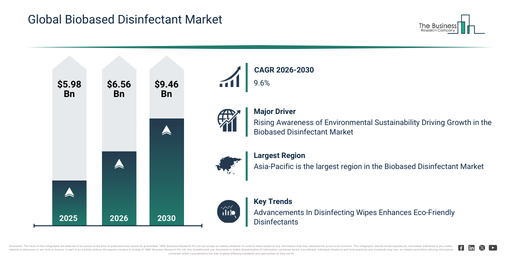
    The biobased disinfectant market has demonstrated robust growth in recent years. It is projected to expand from $5.98 billion in 2025 to $6.56 billion in 2026, exhibiting a compound annual growth rate (CAGR) of 9.7%. Historically, this expansion has been driven by increased environmental awareness among consumers, the proliferation of green cleaning initiatives, the widespread adoption of disinfectants in healthcare settings, the availability of renewable raw materials, and governmental support for eco-friendly products.

    The biobased disinfectant market is projected to experience substantial expansion over the upcoming years. This market is anticipated to reach a valuation of $9.46 billion by 2030, demonstrating a compound annual growth rate (CAGR) of 9.6%. The upward trend during this forecast period is primarily driven by factors such as a heightened demand for sustainable hygiene products, the broader application of biobased disinfectants in food processing, escalating investments in green chemistry, their wider integration into water treatment processes, and a growing consumer preference for disinfectants with reduced toxicity. Key trends identified for the forecast period encompass the increasing integration of plant-derived disinfectant formulations, a surge in demand for non-toxic surface sanitizers, the expansion of bio-enzymatic cleaning solutions, an amplified emphasis on biodegradable disinfectant products, and enhancements in the effectiveness of natural antimicrobial blends.

    Access Your Free Sample Report For In-Depth Market Analysis:

    https://www.thebusinessresearchcompany.com/sample.aspx?id=20510&type=smp

    What Key Factors Are Shaping The Biobased Disinfectant Market Landscape?

    Increased consciousness regarding environmental sustainability is anticipated to drive expansion in the biobased disinfectant market. This concept involves the prudent stewardship and preservation of natural resources, aiming to uphold the environment’s health and stability for present and future generations. Demand for environmental sustainability stems from escalating global concerns over climate change, resource scarcity, and the sustained well-being of ecosystems. Biobased disinfectants support environmental sustainability by lessening reliance on synthetic chemicals derived from nonrenewable sources, mitigating negative ecological impacts, and promoting the incorporation of natural components. For example, in April 2024, data from the NYU Stern Center for Sustainable Business, a US-based academic and research body, indicated that the proportion of products marketed for sustainability rose from 17.3% in 2022 to 18.5% in 2023. Consequently, heightened awareness of environmental sustainability is a key factor propelling the expansion of the biobased disinfectant market.

    What Are The Main Segments Within The Biobased Disinfectant Market Segment Structure?

    The biobased disinfectant market covered in this report is segmented –

    1) By Product Type: Essential Oil-Based Disinfectants, Citric Acid-Based Disinfectants, Hydrogen Peroxide-Based Disinfectants, Vinegar-Based Disinfectants, Bio-Enzymatic Disinfectants, Other Product Types

    2) By Category: Liquid Disinfectants, Gel Disinfectants, Spray Disinfectants, Other Categories

    3) By End-User Industry: Healthcare, Food And Beverage, Pharmaceutical, Home Care, Water Treatment, Other End-User Industries

    Subsegments:

    1) By Essential Oil-Based Disinfectants: Tea Tree Oil Disinfectants, Lavender Oil Disinfectants, Eucalyptus Oil Disinfectants, Citrus Oil Disinfectants

    2) By Citric Acid-Based Disinfectants: Liquid Citric Acid Disinfectants, Citric Acid Sprays, Citric Acid Wipes

    3) By Hydrogen Peroxide-Based Disinfectants: Standard Hydrogen Peroxide Solutions, Stabilized Hydrogen Peroxide Formulations, Hydrogen Peroxide Wipes

    4) By Vinegar-Based Disinfectants: White Vinegar Disinfectant Solutions, Apple Cider Vinegar Disinfectants, Vinegar Cleaning Sprays

    5) By Bio-Enzymatic Disinfectants: Protease-Based Disinfectants, Amylase-Based Disinfectants, Lipase-Based Disinfectants

    6) By Other Product Types: Plant Extract-Based Disinfectants, Organic Acid-Based Disinfectants, Multi-Surface Biobased Disinfectants

    Which Trends Are Impacting The Progress Of The Biobased Disinfectant Market?

    Leading companies in the biobased disinfectant market are actively developing plant-based disinfectants to cater to the growing consumer demand for environmentally friendly and efficient cleaning solutions. Plant-based disinfectants are defined as cleaning agents formulated from natural plant-derived ingredients, specifically designed to eliminate or prevent the growth of harmful microorganisms. For example, in August 2024, The Clorox Company, a US-based manufacturing firm, introduced Clorox EcoClean Disinfecting Wipes. These wipes are intended for cleaning professionals and feature a 100% plant-based substrate, with naturally derived citric acid serving as the active ingredient. They effectively eliminate 99.9% of germs without the inclusion of bleach, ammonia, or alcohol, presenting a safer choice for numerous surfaces. The product’s environmentally conscious formulation is underscored by its certification from the Design for the Environment (DfE) program. Additionally, the packaging employs 38% less plastic than typical alternatives, aligning with current sustainability objectives.

    Who Are The Companies Participating In The Biobased Disinfectant Market?

    Major companies operating in the biobased disinfectant market are BASF SE, The Dow Chemical Company, 3M Company, Ecolab Inc., The Clorox Company, Clariant AG, Diversey Holdings Ltd., GOJO Industries Inc., Betco Corporation, Contec Inc., Seventh Generation Inc., Earth Friendly Products LLC (ECOS), Spartan Chemical Company Inc., Method Products PBC, Virox Technologies Inc., Bio Veda Action Research Pvt Ltd. (Biotique), CleanWell LLC, BioSafe Systems LLC, Bioclean Technologies LLC, Thymox Technology (Laboratoire M2 Inc.)

    Get The Full Biobased Disinfectant Market Report:

    https://www.thebusinessresearchcompany.com/report/biobased-disinfectant-global-market-report

    Where Is The Biobased Disinfectant Market Primarily Concentrated By Region?

    Asia-Pacific was the largest region in the biobased disinfectant market in 2025. The regions covered in the biobased disinfectant market report are Asia-Pacific, South East Asia, Western Europe, Eastern Europe, North America, South America, Middle East, Africa.

    Request A Customized Biobased Disinfectant Market Report For Competitive Insights:

    https://www.thebusinessresearchcompany.com/report/biobased-disinfectant-global-market-report

    Browse Through More Reports Similar to the Global Biobased Disinfectant Market 2026, By The Business Research Company

    Disinfectants Market Report 2026

    https://www.thebusinessresearchcompany.com/report/disinfectants-global-market-report

    Sterilization Equipment And Disinfectants Market Report 2026

    https://www.thebusinessresearchcompany.com/report/sterilization-equipment-and-disinfectants-global-market-report

    Medical Disinfectant Wipes Market Report 2026

    https://www.thebusinessresearchcompany.com/report/medical-disinfectant-wipes-global-market-report

    Get in touch with us:

    The Business Research Company: https://www.thebusinessresearchcompany.com/

    Americas +1 310-496-7795

    Asia +44 7882 955267 & +91 8897263534

    Europe +44 7882 955267

    Email us at: marketing@tbrc.info

    Follow us on:

    LinkedIn: https://in.linkedin.com/company/the-business-research-company

    YouTube: https://www.youtube.com/channel/UC24_fI0rV8cR5DxlCpgmyFQ

    Global Market Model: https://www.thebusinessresearchcompany.com/global-market-model
  • Biguanides Market Developments Shaping Growth Across The Forecast Period

    Biguanides Market Developments Shaping Growth Across The Forecast Period

    The Business Research Company’s 2026 market reports feature enhanced tools like market attractiveness analysis, TAM assessment, and company scoring matrices, along with interactive dashboards, deeper supply chain insights, and startup coverage strengthening the depth, usability, and strategic value of insights.

    What Changes In Market Value Are Expected For The Biguanides Market Over The 2026–2030 Period?

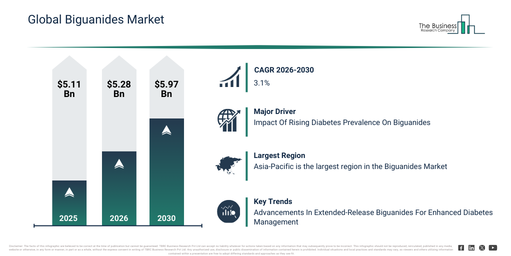
    The biguanides market has experienced consistent expansion over recent years. It is projected to increase from $5.11 billion in 2025 to $5.28 billion in 2026, demonstrating a compound annual growth rate (CAGR) of 3.4%. This historical growth can be attributed to several factors, including the rising prevalence of type 2 diabetes, increased awareness of metabolic disorders, the expansion of generic biguanides availability, the adoption of oral antidiabetic medications, and progress in liver-targeted therapies.

    The biguanides market is projected to experience consistent expansion in the upcoming years. This market is anticipated to reach $5.97 billion by 2030, exhibiting a compound annual growth rate (CAGR) of 3.1%. Several factors will drive this growth during the forecast period, including an increasing demand for personalized medicine, the expansion of telemedicine for diabetes care, a rise in the incidence of pcOS, the progression of combination therapies, and governmental efforts supporting chronic disease management. Key trends anticipated within this timeframe encompass personalized diabetes management solutions, the evolution of combination therapy development, broader indications extending beyond type 2 diabetes, increased adoption of home healthcare & remote patient monitoring, and the availability of cost-effective generic biguanides.

    Access Your Free Sample Report For In-Depth Market Analysis:

    https://www.thebusinessresearchcompany.com/sample.aspx?id=15735&type=smp

    Which Factors Are Influencing The Growth Of The Biguanides Market?

    The increasing prevalence of diabetes is projected to boost the growth of the biguanides market moving forward. Diabetes is a persistent metabolic ailment characterized by elevated blood glucose levels due to either insufficient insulin production or impaired insulin function. This rise in diabetes is primarily fueled by shifts in lifestyle, an aging population, and enhanced diagnostic awareness. The biguanides market contributes to diabetes management by enhancing insulin sensitivity, decreasing hepatic glucose production, and assisting in lowering blood sugar levels for individuals with type 2 diabetes. For example, in March 2024, data from the Office for Health Improvement & Disparities (OHID), a UK-based government department, revealed that between March 2022 and March 2023, the percentage of individuals with type 1 diabetes receiving all eight recommended care processes increased by 22%, while for type 2 diabetes it rose by 21%, and the proportion achieving target HbA1c levels reached 37.9%, marking the highest value ever recorded. Thus, the growing incidence of diabetes is a key driver for the expansion of the biguanides market.

    How Is Segmentation Applied In The Biguanides Market Segment Analysis?

    The biguanides market covered in this report is segmented –

    1) By Type: Metformin, Phenformin, Other Types

    2) By Dosage Form: Tablets, Oral Solutions

    3) By Formulation: Immediate Release, Extended Release

    4) By Distribution Channel: Hospital Pharmacies, Retail Pharmacies, Online Pharmacies

    Subsegments:

    1) By Metformin: Immediate-Release Metformin, Extended-Release Metformin

    2) By Phenformin: Phenformin Hydrochloride

    3) By Other Types: Buformin, Metformin Combinations

    What Trends Are Transforming The Biguanides Market?

    Companies within the biguanide market are concentrating on developing advanced solutions, such as extended-release biguanide formulations, to enhance patient compliance, improve glycemic control, and reduce gastrointestinal side effects. Extended-release biguanide formulations are medications engineered to gradually release their active component over time, maintaining stable blood concentrations, improving tolerability, and supporting better long-term adherence for individuals managing diabetes. For instance, in August 2023, Dr. Reddy’s Laboratories, an India-based biotechnology company, launched saxagliptin and metformin hydrochloride extended-release tablets. This USFDA-approved generic version of KOMBIGLYZE XR combines saxagliptin, a DPP-4 inhibitor, with metformin, a biguanide, providing adults with type 2 diabetes mellitus an effective once-daily treatment option that supports improved glycemic control when used alongside diet and exercise, while also enhancing adherence through its extended-release design.

    Who Are The Companies Participating In The Biguanides Market Environment?

    Major companies operating in the biguanides market are Pfizer Inc., Sanofi-Aventis LLC, Viatris Inc., Aurobindo Pharma Ltd., Cipla Ltd, Dr. Reddy’s Laboratories, Lupin Limited, Zydus Lifesciences Limited, Torrent Pharmaceuticals Limited, Intas Pharmaceuticals Ltd., Apotex Inc, Sun Pharmaceutical Industries Ltd., Glenmark Pharmaceuticals Ltd., Mylan Laboratories Ltd., Teva Pharmaceutical Industries Ltd., Alkem Laboratories Ltd., Panacea Biotech Ltd., Wanbury Ltd, USV Private Limited, Abbott Laboratories

    Get The Full Biguanides Market Report:

    https://www.thebusinessresearchcompany.com/report/biguanides-global-market-report

    Which Region Has The Greatest Market Share In The Biguanides Market?

    Asia-Pacific was the largest region in the biguanides market in 2025. Middle East And Africa is expected to be the fastest-growing region in the forecast period. The regions covered in the biguanides market report are Asia-Pacific, South East Asia, Western Europe, Eastern Europe, North America, South America, Middle East, Africa.

    Request A Customized Biguanides Market Report For Competitive Insights:

    https://www.thebusinessresearchcompany.com/report/biguanides-global-market-report

    Browse Through More Reports Similar to the Global Biguanides Market 2026, By The Business Research Company

    Biguanides Market Report 2026

    https://www.thebusinessresearchcompany.com/report/biguanides-global-market-report

    Artichokes Market Report 2026

    https://www.thebusinessresearchcompany.com/report/artichokes-global-market-report

    Mushroom Market 2026

    https://www.thebusinessresearchcompany.com/report/mushroom-market

    Get in touch with us:

    The Business Research Company: https://www.thebusinessresearchcompany.com/

    Americas +1 310-496-7795

    Asia +44 7882 955267 & +91 8897263534

    Europe +44 7882 955267

    Email us at: marketing@tbrc.info

    Follow us on:

    LinkedIn: https://in.linkedin.com/company/the-business-research-company

    YouTube: https://www.youtube.com/channel/UC24_fI0rV8cR5DxlCpgmyFQ

    Global Market Model: https://www.thebusinessresearchcompany.com/global-market-model
  • Bevacizumab Biosimilars Market Forecast With Insights On Demand And Industry Growth

    Bevacizumab Biosimilars Market Forecast With Insights On Demand And Industry Growth

    The Business Research Company’s 2026 market reports feature enhanced tools like market attractiveness analysis, TAM assessment, and company scoring matrices, along with interactive dashboards, deeper supply chain insights, and startup coverage strengthening the depth, usability, and strategic value of insights.

    By 2030, What Market Size Is The Bevacizumab Biosimilars Market Expected To Reach Based On Its 2026 Value?

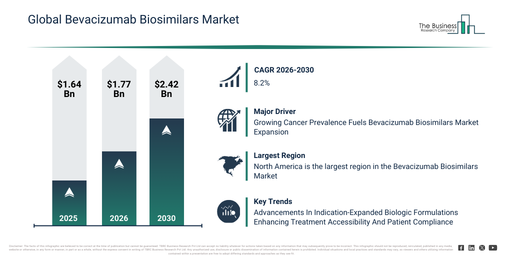
    The bevacizumab biosimilars market size has experienced robust growth in recent years. It is anticipated to expand from $1.64 billion in 2025 to $1.77 billion in 2026, reflecting a compound annual growth rate (CAGR) of 7.5%. Historically, the growth in this market can be ascribed to elements such as the patent expiry of reference bevacizumab, an increase in cancer prevalence, the rising demand for cost-effective biologics, government incentives for biosimilars, and ongoing advancements in recombinant DNA technology.

    The bevacizumab biosimilars market is projected to experience substantial expansion in the coming years, reaching a valuation of $2.42 billion by 2030, driven by a compound annual growth rate (CAGR) of 8.2%. This anticipated growth during the forecast period is primarily attributed to factors such as a rise in biosimilar approvals, the broadening of presence in emerging markets, the incorporation of AI into drug development processes, a growing inclination towards outpatient oncology treatment, and strategic alliances among pharmaceutical firms. Key trends anticipated during the same period encompass a heightened uptake of biosimilars in oncology, the availability of more economical treatment options, an increase in regulatory authorizations for biosimilar products, the expansion of both hospital and retail pharmacy infrastructures, and the proliferation of specialized cancer treatment facilities.

    Access Your Free Sample Report For In-Depth Market Analysis:

    https://www.thebusinessresearchcompany.com/sample.aspx?id=10848&type=smp

    What Leading Drivers Are Supporting The Bevacizumab Biosimilars Market Expansion?

    The increasing incidence of cancer cases is anticipated to fuel the expansion of the bevacizumab biosimilar market moving forward. Cancer incidence refers to the count of new cancer diagnoses observed in a specific demographic over a defined duration. Bevacizumab is a biologic agent that inhibits tumor angiogenesis, potentially leading to tumor shrinkage and suppressed growth, and it exhibits comparable effectiveness and safety to reference biologics when treating patients with advanced non-small cell lung cancer or metastatic colorectal cancer. For instance, in October 2025, according to the NHS England, a UK-based government department, there were 354,820 new cancer diagnoses in England in 2023, which represents 8,605 more than in 2022. Therefore, the rising prevalence of cancer cases acts as a significant impetus for the bevacizumab biosimilars market.

    What Segment Categories Shape The Bevacizumab Biosimilars Market Segment Landscape?

    The bevacizumab biosimilars market covered in this report is segmented –

    1) By Product: Avastin, Mvasi, Zirabev, Aybintio, Other Products

    2) By Distribution Channel: Hospital Pharmacy, Online Pharmacy, Retail Pharmacy, Other Distribution Channels

    3) By Application: Colorectal Cancer, Non-small Cell Lung Cancer, Glioblastoma, Renal Cell Carcinoma, Cervical Cancer, Ovarian Cancer

    What Trends Are Shaping The Future Of The Bevacizumab Biosimilars Market?

    Major companies operating in the bevacizumab biosimilars market are concentrating on technological progress, such as next-generation indication-expanded formulations, to address the increasing need for more adaptable and cost-effective biologic treatments across oncology and non-oncology indications. These advanced formulations allow the core bevacizumab antibody to be used in new ways or for new conditions, permitting non-oncologic applications (e.g., ophthalmology) or simpler patient dosing, all while retaining the same VEGF-neutralizing action that traditional intravenous bevacizumab uses. For instance, in March 2024, Dr. Reddy’s Laboratories, an India-based pharmaceutical company, introduced Versavo (bevacizumab) in the UK. This product is a premium biosimilar of Avastin (bevacizumab) developed for oncology treatments, making therapies for metastatic colorectal cancer, lung cancer, glioblastoma, renal cell carcinoma, cervical cancer, ovarian cancer, and breast cancer more affordable for a wider patient base. Versavo is supplied in 100 mg and 400 mg single-use vials, consistent with standard bevacizumab dosing, and provides a biosimilar cost advantage that helps lessen the financial strain on healthcare systems and patients who depend on anti-VEGF therapy.

    Who Are The Companies Operating Across The Bevacizumab Biosimilars Market Value Chain?

    Major companies operating in the bevacizumab biosimilars market are Cipla Limited, Reliance lifesciences Pvt. Ltd., Fujifilm Kyowa Kirin Biologics Co. Ltd., Pfizer Inc., F. Hoffmann-La Roche Ltd., Teva Pharmaceutical Industries Ltd., Mylan Inc., Daiichi Sankyo Company Limited, Beaconpharma Ltd., Innovent Biologics Inc., STADA Arzneimittel AG, Shanghai Henlius Biotech Inc., Aurobindo Pharma Ltd., Dr. Reddy’s Laboratories Ltd., Biocon Ltd., Intas Pharmaceuticals Ltd., Amneal Pharmaceuticals LLC, Samsung Bioepis Co. Ltd., Celltrion Inc., Coherus BioSciences Inc., Hetero Drugs Ltd., Apotex Inc., BioXpress Therapeutics SA, mAbxience SA

    Get The Full Bevacizumab Biosimilars Market Report:

    https://www.thebusinessresearchcompany.com/report/bevacizumab-biosimilars-global-market-report

    Which Region Accounts For The Largest Portion Of The Bevacizumab Biosimilars Market?

    North America was the largest region in the bevacizumab biosimilars market in 2025. The regions covered in the bevacizumab biosimilars market report are Asia-Pacific, South East Asia, Western Europe, Eastern Europe, North America, South America, Middle East, Africa.

    Request A Customized Bevacizumab Biosimilars Market Report For Competitive Insights:

    https://www.thebusinessresearchcompany.com/report/bevacizumab-biosimilars-global-market-report

    Browse Through More Reports Similar to the Global Bevacizumab Biosimilars Market 2026, By The Business Research Company

    Bevacizumab Biosimilars Market Report 2026

    https://www.thebusinessresearchcompany.com/report/bevacizumab-biosimilars-global-market-report

    Adalimumab Infliximab And Etanercept Biosimilars Market 2026

    https://www.thebusinessresearchcompany.com/report/adalimumab-infliximab-and-etanercept-biosimilars-market

    Biosimilar Market Report 2026

    https://www.thebusinessresearchcompany.com/report/biosimilar-global-market-report

    Get in touch with us:

    The Business Research Company: https://www.thebusinessresearchcompany.com/

    Americas +1 310-496-7795

    Asia +44 7882 955267 & +91 8897263534

    Europe +44 7882 955267

    Email us at: marketing@tbrc.info

    Follow us on:

    LinkedIn: https://in.linkedin.com/company/the-business-research-company

    YouTube: https://www.youtube.com/channel/UC24_fI0rV8cR5DxlCpgmyFQ

    Global Market Model: https://www.thebusinessresearchcompany.com/global-market-model