Category: Pharmaceuticals

  • 2D Cell Culture Market Outlook For 2026–2030 Covering Growth Drivers And Industry Trends

    2D Cell Culture Market Outlook For 2026–2030 Covering Growth Drivers And Industry Trends

    The Business Research Company’s 2026 market reports feature enhanced tools like market attractiveness analysis, TAM assessment, and company scoring matrices, along with interactive dashboards, deeper supply chain insights, and startup coverage strengthening the depth, usability, and strategic value of insights.

    What Is The Estimated Market Size Of The 2D Cell Culture Market In 2026, And How Will Its Value Evolve By 2030?

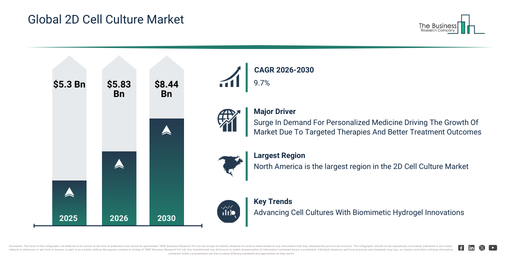
    The 2d cell culture market size has demonstrated significant growth in recent years. It is projected to expand from $5.3 billion in 2025 to $5.83 billion in 2026, achieving a compound annual growth rate (CAGR) of 10.0%. This historical growth can be attributed to the widespread adoption of monolayer culture techniques, its extensive utilization in early-stage drug discovery, the availability of cost-effective plasticware, academic research’s dependence on 2d models, and the implementation of standardized laboratory protocols.

    The 2d cell culture market size is projected to experience robust expansion over the coming years. It is anticipated to grow to $8.44 billion in 2030, achieving a compound annual growth rate (CAGR) of 9.7%. This projected growth during the forecast period is attributable to factors such as increasing integration with automated imaging systems, rising demand from biopharmaceutical pipelines, the expansion of toxicology and safety testing, increased utilization in regenerative medicine studies, and its continued relevance alongside 3d culture models. Prominent trends for the forecast period include the increasing use of standardized cell culture consumables, the rising adoption of automated 2d culture platforms, a growing demand for high-reproducibility assays, the expansion of high-throughput screening applications, and an enhanced focus on cost-efficient cell-based research.

    Access Your Free Sample Report For In-Depth Market Analysis:

    https://www.thebusinessresearchcompany.com/sample.aspx?id=28896&type=smp

    What Key Drivers Are Fueling The Growth Of The 2D Cell Culture Market?

    The expanding need for personalized medicine is projected to stimulate the expansion of the 2D cell culture market in the coming years. Personalized medicine is defined as a healthcare strategy that customizes treatment and prevention plans based on an individual’s distinct genetic profile, lifestyle, and surroundings, moving away from a universal approach. The increased interest in personalized medicine stems from improved therapeutic results, offering specific treatments that are more potent and lead to fewer adverse reactions. Consequently, patients experience quicker recovery and an enhanced quality of life. The requirement for personalized medicine fuels the necessity for 2D cell culture because it facilitates researchers in cultivating and examining cells specific to a patient, thereby allowing for the investigation of individual drug reactions and the creation of customized therapeutic approaches. For example, in February 2024, the Personalized Medicine Coalition, a US-based non-profit group, reported that in 2023, the FDA sanctioned 16 novel personalized therapies for individuals with rare conditions, which was a notable rise from the six approved in 2022. Hence, the escalating demand for personalized medicine is fueling the expansion of the 2D cell culture market.

    What Are The Main Segments Within The 2D Cell Culture Market Segment Structure?

    The 2d cell culture market covered in this report is segmented –

    1) By Type: Skin Cell, Lung Cell, Brain Cell, Kidney Cell, Liver Cell, Breast Cell, Other Types

    2) By Technology: 2D Cell Culture Platforms, Microfluidics Technology, Automated Cell Culture Systems, Incubation and Analysis Systems, Culture Monitoring and Control Systems

    3) By Application: Pharmaceutical, Stem Cell Research, Bioproduction, Food Application, Bioenergy, Environment Testing and Toxicology, Agriculture

    4) By End-User: Pharmaceutical Companies, Biotechnology Companies, Contract Research Organizations, Academic Research Institutes

    Subsegments:

    1) By Skin Cell: Epidermal Cell, Dermal Cell, Melanocyte, Keratinocyte

    2) By Lung Cell: Alveolar Cell, Bronchial Cell, Pneumocyte

    3) By Brain Cell: Neuron, Astrocyte, Microglia, Oligodendrocyte

    4) By Kidney Cell: Glomerular Cell, Tubular Cell, Podocyte

    5) By Liver Cell: Hepatocyte, Kupffer Cell, Stellate Cell

    6) By Breast Cell: Luminal Cell, Myoepithelial Cell, Basal Cell

    7) By Other Types: Endothelial Cell, Fibroblast, Stem Cell, Immune Cell

    What Trends Are Influencing The 2D Cell Culture Market?

    Leading companies within the 2D cell culture market are prioritizing the creation of advanced biomaterials, such as thin hydrogel coatings for 2D substrates, to improve cell adhesion, replicate native tissue environments, and boost experimental consistency. These specialized surface layers, referred to as thin hydrogel coatings for 2D substrates, offer a biomimetic, cell-friendly environment crucial for enhancing cell attachment, growth, and function in 2D cultures. For instance, in September 2025, TheWell Bioscience Inc., a US-based Biotechnology company, launched an innovative, xeno-free biomimetic hydrogel system. This platform is engineered to support both 2D and 3D neuronal cell cultures, as well as in vivo injectable delivery. Its primary goal is to advance neuroregenerative research by closely imitating the natural cellular environment. The technology also finds application in precision medicine, cell therapy, and biomanufacturing. Collectively, it marks a notable advancement in developing effective cell-based therapies.

    Who Are The Companies Participating In The 2D Cell Culture Market?

    Major companies operating in the 2d cell culture market are Tecan Group Ltd., Roche Holding AG, Thermo Fisher Scientific Inc., Takara Bio Inc., Danaher Corporation, Merck KGaA, GE Healthcare, Corning Incorporated, Becton Dickinson and Company (BD), Lonza Group AG, Agilent Technologies Inc., Sartorius AG, PerkinElmer Inc., Bio-Rad Laboratories Inc., Eppendorf AG, Bio-Techne Corporation, STEMCELL Technologies Inc., Greiner Bio-One International AG, Promega Corporation, BICO Group AB, Cedarlane Laboratories Ltd., Creative Bioarray Inc., PromoCell GmbH, Biolamina AB, HiMedia Laboratories Pvt. Ltd., 3H Biomedical AB, Cell Microsystems Inc., AlveoliX AG.

    Get The Full 2D Cell Culture Market Report:

    https://www.thebusinessresearchcompany.com/report/2d-cell-culture-global-market-report

    Which Region Leads The 2D Cell Culture Market In Terms Of Market Share?

    North America was the largest region in the 2D cell culture market in 2025. Asia-Pacific is expected to be the fastest-growing region in the forecast period. The regions covered in the 2d cell culture market report are Asia-Pacific, South East Asia, Western Europe, Eastern Europe, North America, South America, Middle East, Africa.

    Request A Customized 2D Cell Culture Market Report For Competitive Insights:

    https://www.thebusinessresearchcompany.com/report/2d-cell-culture-global-market-report

    Browse Through More Reports Similar to the Global 2D Cell Culture Market 2026, By The Business Research Company

    Cell Cultures Market Report 2026

    https://www.thebusinessresearchcompany.com/report/cell-cultures-global-market-report

    Cell Culture Media Market Report 2026

    https://www.thebusinessresearchcompany.com/report/cell-culture-media-global-market-report

    3D Cell Culture Technologies Market Report 2026

    https://www.thebusinessresearchcompany.com/report/3d-cell-culture-technologies-global-market-report

    Get in touch with us:

    The Business Research Company: https://www.thebusinessresearchcompany.com/

    Americas +1 310-496-7795

    Asia +44 7882 955267 & +91 8897263534

    Europe +44 7882 955267

    Email us at: marketing@tbrc.info

    Follow us on:

    LinkedIn: https://in.linkedin.com/company/the-business-research-company

    YouTube: https://www.youtube.com/channel/UC24_fI0rV8cR5DxlCpgmyFQ

    Global Market Model: https://www.thebusinessresearchcompany.com/global-market-model
  • A major growth driver for the RadioFrequency ElectroSurgery Generators Market is the increasing demand for minimally invasive procedures, driven by preference for safer treatments

    A major growth driver for the RadioFrequency ElectroSurgery Generators Market is the increasing demand for minimally invasive procedures, driven by preference for safer treatments

    The Business Research Company’s 2026 market reports include new capabilities such as market attractiveness scoring and analysis, total addressable market analysis, company scoring matrix, interactive excel data dashboard, improved supply chain analysis, upcoming startups in the market, and overview of key products, aimed at improving the depth, usability, and strategic value of the insights delivered.

    How Much Is The RadioFrequency ElectroSurgery Generators Market Expected To Grow In Terms Of Market Value Between 2026 And 2030?

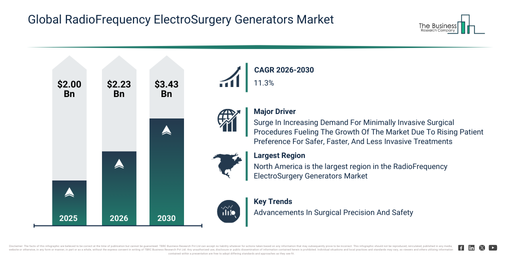
    The market size for radiofrequency electrosurgery generators has experienced rapid growth in recent years. It is anticipated to expand from $2.00 billion in 2025 to $2.23 billion in 2026, at a compound annual growth rate (CAGR) of 11.6%. This growth observed in the historic period is attributable to the increasing adoption of minimally invasive surgeries, the growing prevalence of chronic diseases, a rising demand for electrosurgical procedures, the expansion of hospital and surgical center infrastructure, and the increasing usage of radiofrequency (RF)-based coagulation and cutting tools.

    The radiofrequency electrosurgery generator market is projected to experience substantial expansion in the coming years. This market is set to reach $3.43 billion by 2030, demonstrating a compound annual growth rate (CAGR) of 11.3%. Key drivers for this anticipated growth include an escalating demand for highly accurate surgical systems, a greater embrace of sophisticated RF energy platforms, an uptick in outpatient surgical procedure volumes, heightened healthcare investments in surgical technology, and a growing inclination towards minimally invasive radiofrequency (RF)-based therapeutic options. Noteworthy trends expected during the forecast period encompass technological progress in radiofrequency (RF) energy delivery mechanisms, breakthroughs in safety and power regulation functionalities, the evolution of integrated electrosurgery platforms, ongoing research and development into intelligent and automated generators, and enhancements in digital monitoring and connectivity capabilities.

    Download the Free Sample Report to Explore Key Market Insights:

    https://www.thebusinessresearchcompany.com/sample.aspx?id=30719&type=smp

    What Key Drivers Are Influencing The Growth Of The RadioFrequency ElectroSurgery Generators Market?

    The increasing demand for minimally invasive surgical procedures is expected to propel the growth of the radiofrequency electrosurgery generators market going forward. These surgeries are performed via small incisions with specialized instruments, providing benefits like reduced tissue damage, shorter hospital stays, and quicker recovery compared to open surgeries. The heightened demand for minimally invasive surgical procedures arises from patient preferences for less postoperative pain, reduced infection risk, and a faster return to daily activities, alongside clinician preferences for precision and procedural efficiency. Radiofrequency electrosurgery generators support minimally invasive surgical procedures by enabling precise tissue cutting and controlled coagulation, resulting in reduced bleeding, faster healing, and improved patient outcomes. For instance, in June 2024, according to the American Society of Plastic Surgeons, a US-based non-profit organization, minimally invasive procedures increased by 7% in 2023, outpacing the growth rate of surgical procedures by 2%. Hand surgeries such as carpal tunnel, arthritis, and trigger finger totaled 207,887 procedures, a 2% rise from 2022. Therefore, the growing shift toward minimally invasive surgery is driving the growth of the radiofrequency electrosurgery generators market.

    What Major Segment Divisions Exist Within The RadioFrequency ElectroSurgery Generators Market?

    The radiofrequency electrosurgery generators market covered in this report is segmented –

    1) By Product Type: Monopolar Radiofrequency (RF) Electrosurgery Generators, Bipolar Radiofrequency (RF) Electrosurgery Generators, Hybrid Or Combo Radiofrequency (RF) Electrosurgery Generators, Portable Radiofrequency (RF) Electrosurgery Generators, High-Power Radiofrequency (RF) Electrosurgery Generators

    2) By Technology: Analog Radiofrequency (RF) Generators, Digital Radiofrequency (RF) Generators, Automated Power Control Generators, Impedance-Controlled Radiofrequency (RF) Generators

    3) By Application: General Surgery, Cardiovascular Surgery, Orthopedic Surgery, Gynecological Surgery, Urological Surgery, Neurological Surgery, Ear, Nose, And Throat (ENT) Surgical, Other Applications

    4) By End-User: Hospitals, Ambulatory Surgical Centers (ASCs), Dentistry And Oral Surgery Clinics, Specialty Clinics, Pain Management Clinics, Burn And Trauma Centers, Endoscopy Centers, Orthopedic And Sports Medicine Clinics, Research And Clinical Trial Centers, Other End-Users

    Subsegments:

    1) By Monopolar Radiofrequency (RF) Electrosurgery Generators: Cutting Generators, Coagulation Generators, Combination Generators

    2) By Bipolar Radiofrequency (RF) Electrosurgery Generators: Standard Bipolar Generators, Advanced Bipolar Generators, Precision Bipolar Generators

    3) By Hybrid Or Combo Radiofrequency (RF) Electrosurgery Generators: Monopolar/Bipolar Combo Generators, Energy Adjustable Generators, Multi-Mode Generators

    4) By Portable Radiofrequency (RF) Electrosurgery Generators: Battery Operated Generators, Compact Tabletop Generators, Handheld Generators

    5) By High-Power Radiofrequency (RF) Electrosurgery Generators: Industrial Use Generators, Hospital Use Generators, Research Use Generators

    How Are Trends Shaping The Direction Of The RadioFrequency ElectroSurgery Generators Market?

    Leading companies in the radiofrequency electrosurgery generators market are focusing on developing innovative solutions, such as advanced electrosurgical devices, to gain a competitive advantage. These next-generation electrosurgical devices are sophisticated surgical instruments designed to deliver controlled radiofrequency energy for cutting, coagulating, or ablating tissue with enhanced precision, improved safety features, and reduced collateral damage compared to traditional electrosurgical tools. For instance, in October 2025, Medtronic plc, a US-based medical devices company, introduced its next-generation electrosurgical device in India, featuring adaptive energy control for consistent performance, ergonomic design for improved surgical handling, and integrated safety monitoring to reduce complications. This trend reflects the increasing emphasis on patient safety, procedural efficiency, and clinical outcomes. While adoption requires investment in training and infrastructure, the benefits of precision and reliability are driving widespread interest among hospitals and surgical centers in the radiofrequency electrosurgery generators market.

    Who Are The Leading Companies Operating In The RadioFrequency ElectroSurgery Generators Market?

    Major companies operating in the radiofrequency electrosurgery generators market are Johnson & Johnson, Medtronic plc, Stryker Corporation, Boston Scientific Corporation, B. Braun Melsungen Aktiengesellschaft, Telea Electronic Engineering S.r.l., Olympus Corporation, Smith & Nephew plc, Shenzhen Mindray Bio-Medical Electronics Co. Ltd., Cook Medical LLC, Integra LifeSciences Holdings Corporation, Merit Medical Systems Inc., CONMED Corporation, Erbe Elektromedizin GmbH, XcelLance Medical Technologies Private Limited, Sutter Medizintechnik GmbH, Elliquence LLC, Utah Medical Products Inc., BOWA-Electronic GmbH & Co. KG, Creo Medical Group plc

    Read the full radiofrequency electrosurgery generators market report here:

    https://www.thebusinessresearchcompany.com/report/radiofrequency-electrosurgery-generators-market-report

    Which Region Is Anticipated To See The Fastest Growth In The RadioFrequency ElectroSurgery Generators Market?

    North America was the largest region in the radiofrequency electrosurgery generator market in 2025. Asia-Pacific is expected to be the fastest-growing region in the forecast period. The regions covered in the radiofrequency electrosurgery generators market report are Asia-Pacific, South East Asia, Western Europe, Eastern Europe, North America, South America, Middle East, Africa.

    Request A Tailored RadioFrequency ElectroSurgery Generators Market Research Report For Competitive Advantage:

    https://www.thebusinessresearchcompany.com/customise?id=30719&type=smp

    Browse Through More Reports Similar to the Global RadioFrequency ElectroSurgery Generators Market 2026, By The Business Research Company

    Electrosurgical Generator Market Report 2026

    https://www.thebusinessresearchcompany.com/report/electrosurgical-generator-global-market-report

    Electric Generators Market Report 2026

    https://www.thebusinessresearchcompany.com/report/electric-generators-global-market-report

    electrosurgical devices and equipment global market report

    https://www.thebusinessresearchcompany.com/report/electrosurgical-devices-and-equipment-global-market-report

    Get in touch with us:

    The Business Research Company: https://www.thebusinessresearchcompany.com/

    Americas +1 310-496-7795

    Asia +44 7882 955267 & +91 8897263534

    Europe +44 7882 955267

    Email us at info@tbrc.info

    Follow us on:

    LinkedIn: https://in.linkedin.com/company/the-business-research-company

    YouTube: https://www.youtube.com/channel/UC24_fI0rV8cR5DxlCpgmyFQ

    Global Market Model: https://www.thebusinessresearchcompany.com/global-market-model
  • Quantum Computing in Energy and Utility Market Outlook 2026–2030 Reflecting Demand Growth

    Quantum Computing in Energy and Utility Market Outlook 2026–2030 Reflecting Demand Growth

    The Business Research Company’s 2026 market reports include new capabilities such as market attractiveness scoring and analysis, total addressable market analysis, company scoring matrix, interactive excel data dashboard, improved supply chain analysis, upcoming startups in the market, and overview of key products, aimed at improving the depth, usability, and strategic value of the insights delivered.

    What Is The Estimated Market Size Of The Quantum Computing in Energy and Utility Market During 2026–2030?

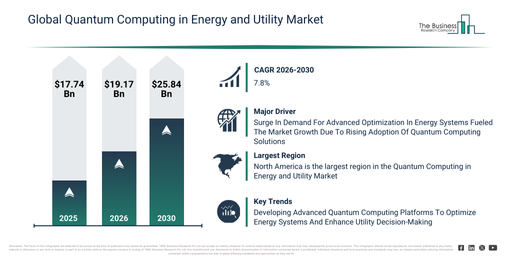
    The quantum computing in energy and utility market has experienced significant expansion in recent years. This market is set to increase from $17.74 billion in 2025 to $19.17 billion in 2026, reflecting a compound annual growth rate (CAGR) of 8.0%. The historical growth can be attributed to several factors, including the increasing digitalization of energy infrastructure, a heightened demand for advanced simulation tools, a growing emphasis on renewable energy optimization, increasing investment in quantum research programs, and the rising need for complex grid management solutions.

    The quantum computing in energy and utility market is projected to experience substantial expansion over the coming years. By 2030, its value is anticipated to reach $25.84 billion, achieving a compound annual growth rate (CAGR) of 7.8%. This anticipated growth within the forecast period stems from several factors, including the increasing uptake of quantum-enabled optimization systems, the rising demand for carbon-free energy modeling, the greater integration of quantum cloud platforms, the expansion of quantum-based energy trading applications, and the evolving requirement for high-precision energy forecasting. Key trends observed during this period encompass advancements in quantum hardware stability, the increasing development of hybrid quantum-classical systems, burgeoning research into quantum cybersecurity for utilities, the broadening application of quantum digital twins, and heightened innovation in quantum simulation for material discovery.

    Download the Free Sample Report to Explore Key Market Insights:

    https://www.thebusinessresearchcompany.com/sample.aspx?id=30715&type=smp

    What Drivers Are Expected To Influence The Quantum Computing in Energy and Utility Market During The Forecast Period?

    The escalating need for sophisticated optimization in energy systems is expected to propel the expansion of the quantum computing in energy and utility market moving forward. Advanced optimization in energy systems entails using computational techniques to enhance decision-making, efficiency, scheduling, and resource allocation across power generation, distribution, storage, and grid operations. Energy system operators face increasing complexity as they must maintain real-time supply and demand balance while integrating intermittent renewable sources such as solar and wind, and managing equipment and grid constraints. The quantum computing in energy and utility supports advanced optimization by developing quantum algorithms and interfaces that can address complex, high-dimensional optimization tasks more rapidly than classical computing, thereby improving efficiency and resilience. For instance, in March 2025, according to The International Renewable Energy Agency (IRENA), a UAE-based intergovernmental organization, the global renewable power capacity additions reached approximately 582 GW, which was a 19.8 % increase compared to 2023. Consequently, the rising demand for advanced optimization in energy systems is driving the growth of the quantum computing in energy and utility market.

    How Are The Various Segments Of The Quantum Computing in Energy and Utility Market Categorized?

    The quantum computing in energy and utility market covered in this report is segmented –

    1) By Component: Hardware, Software, Quantum Algorithms, Quantum Development Platforms, Services

    2) By Deployment Mode: Cloud-Based Quantum Computing, On-Premise Quantum Infrastructure, Hybrid Deployment

    3) By Technology: Quantum Annealing, Superconducting Qubits, Trapped Ion Quantum Computing, Photonic Quantum Computing, Topological Quantum Computing

    4) By Application: Energy Grid Optimization, Renewable Energy Management, Energy Forecasting, Molecular Simulation, Risk Management, Battery and Energy Storage Optimization

    Subsegments:

    1) By Hardware: Quantum Processor, Cryogenic Systems, Control Electronics, Quantum Sensors

    2) By Software: Quantum Simulation Software, Quantum Optimization Software, Quantum Machine Learning Software, Quantum Programming Software

    3) By Quantum Algorithms: Quantum Fourier Transform, Quantum Approximate Optimization Algorithm, Quantum Machine Learning Algorithms, Quantum Search Algorithms

    4) By Quantum Development Platforms: Quantum Cloud Platforms, Quantum Programming Environments, Quantum Software Development Kits, Quantum Middleware

    5) By Services: Consulting Services, Integration Services, Training and Support Services, Managed Quantum Services

    What Trends Are Affecting The Expansion Of The Quantum Computing in Energy and Utility Market?

    Leading companies in the quantum computing in energy and utility market are concentrating on developing advanced commercial solutions, such as general-purpose quantum computing platforms. These platforms are designed to accelerate complex optimization tasks, enhance forecasting accuracy, and support data-intensive simulations across power generation, grid management, and energy trading. General-purpose quantum computing platforms are high-performance systems built to execute hybrid classical-quantum workflows, enabling enterprises to tackle computationally intensive problems that are difficult or time-consuming for conventional computing architectures. For example, in November 2025, Quantinuum, a US-based quantum computing company, launched the Helios Quantum Computer. This commercial quantum system delivers industry-leading physical and logical qubit performance and is supported by a modern, scalable programming stack that allows for seamless integration with classical computing resources. Helios is engineered to accelerate hybrid optimization workflows and advanced simulations relevant to energy systems optimization, complex network planning, and long-term demand forecasting. It provides energy and utility organizations with a scalable and efficient platform for addressing highly complex analytical challenges and improving strategic decision-making across their operations and planning.

    Who Are The Primary Competitors In The Quantum Computing in Energy and Utility Market?

    Major companies operating in the quantum computing in energy and utility market are Google LLC, Microsoft Corporation, International Business Machines Corporation, Fujitsu Limited, Atos SE, IonQ Inc., PsiQuantum Corporation, IQM Quantum Computers Oy, Xanadu Quantum Technologies Inc., QuEra Computing Inc., Multiverse Computing S.L., Q-CTRL Pty Ltd., 1QBit Information Technologies Inc., Zapata Computing Inc., Classiq Technologies Ltd., Rigetti Computing Inc., QC Ware Corp., D-Wave Quantum Inc., Quantum Computing Inc., Alpine Quantum Technologies GmbH

    Read the full quantum computing in energy and utility market report here:

    https://www.thebusinessresearchcompany.com/report/quantum-computing-in-energy-and-utility-market-report

    Which Regions Are Poised For Strategic Growth In The Quantum Computing in Energy and Utility Market?

    North America was the largest region in the quantum computing in energy and utility market in 2025. Asia-Pacific is expected to be the fastest-growing region in the forecast period. The regions covered in the quantum computing in energy and utility market report are Asia-Pacific, South East Asia, Western Europe, Eastern Europe, North America, South America, Middle East, Africa.

    Request A Tailored Quantum Computing in Energy and Utility Market Research Report For Competitive Advantage:

    https://www.thebusinessresearchcompany.com/customise?id=30715&type=smp

    Browse Through More Reports Similar to the Global Quantum Computing in Energy and Utility Market 2026, By The Business Research Company

    Quantum Computing Market Report 2026

    https://www.thebusinessresearchcompany.com/report/quantum-computing-global-market-report

    Quantum Computing And Technologies Market Report 2026

    https://www.thebusinessresearchcompany.com/report/quantum-computing-and-technologies-global-market-report

    enterprise quantum computing global market report

    https://www.thebusinessresearchcompany.com/report/enterprise-quantum-computing-global-market-report

    Get in touch with us:

    The Business Research Company: https://www.thebusinessresearchcompany.com/

    Americas +1 310-496-7795

    Asia +44 7882 955267 & +91 8897263534

    Europe +44 7882 955267

    Email us at info@tbrc.info

    Follow us on:

    LinkedIn: https://in.linkedin.com/company/the-business-research-company

    YouTube: https://www.youtube.com/channel/UC24_fI0rV8cR5DxlCpgmyFQ

    Global Market Model: https://www.thebusinessresearchcompany.com/global-market-model
  • Polyethylene (PE) Coated Paper Market Expected to Grow Steadily to $10.27 Billion by 2030

    Polyethylene (PE) Coated Paper Market Expected to Grow Steadily to $10.27 Billion by 2030

    The Business Research Company’s 2026 market reports include new capabilities such as market attractiveness scoring and analysis, total addressable market analysis, company scoring matrix, interactive excel data dashboard, improved supply chain analysis, upcoming startups in the market, and overview of key products, aimed at improving the depth, usability, and strategic value of the insights delivered.

    What Market Valuation Is Forecasted For The Polyethylene (PE) Coated Paper Market By 2030 Starting From Its 2026 Size?

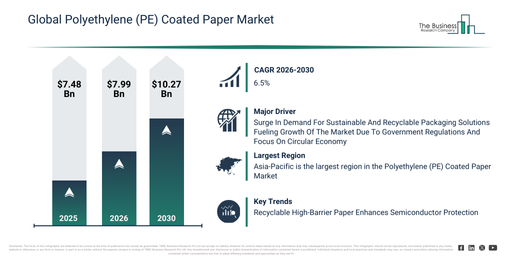
    The polyethylene (PE) coated paper market has shown robust growth over recent years. It is projected to expand from $7.48 billion in 2025 to $7.99 billion in 2026, advancing at a compound annual growth rate (CAGR) of 6.8%. This historical expansion can be attributed to several factors including the rising demand for disposable packaging in food service, the increased adoption of moisture-resistant packaging in retail, a surge in the use of coated papers for labeling and branding, the ongoing growth of fast food and takeaway culture, and the wider accessibility of economical polyethylene coating solutions.

    The polyethylene (PE) coated paper market is projected for significant expansion over the coming years. It is anticipated to reach $10.27 billion by 2030, exhibiting a compound annual growth rate (CAGR) of 6.5%. This anticipated growth during the forecast period is driven by factors such as a greater inclination towards sustainable barrier packaging, the wider acceptance of recyclable and repulpable coated papers, an increasing demand for plastic-free food-grade packaging, the expanded use of e-commerce packaging, and heightened investment in sophisticated extrusion and coating technologies. Key trends expected over this period encompass technological progress in bio-PE coating methods, novelties in multi-layer high-barrier coating designs, advancements in formulas for heat-sealable and grease-resistant coatings, ongoing research and development to enhance lightweight coated paper performance, and improvements in digital automation aimed at optimizing coating quality.

    Download the Free Sample Report to Explore Key Market Insights:

    https://www.thebusinessresearchcompany.com/sample.aspx?id=30704&type=smp

    Which Market Drivers Are Supporting The Expansion Of The Polyethylene (PE) Coated Paper Market?

    The increasing need for sustainable and recyclable packaging solutions is projected to drive the expansion of the polyethylene (PE) coated paper market in the future. These solutions encompass packaging materials, designs, and systems crafted to lessen environmental harm through their recyclability, reusability, or composition from recycled content. The rise in such packaging solutions is attributed to governments and regulatory agencies enforcing compulsory recyclability and sustainability standards for packaging, aiming to decrease waste and improve circular economy results. Polyethylene (PE) coated paper aids sustainable and recyclable packaging by providing a fibre-based material that resists water and grease, meets recyclability standards in major regions, and satisfies food safety requirements. For example, data from July 2025 by the UK-based Department for Environment, Food and Rural Affairs indicated that in 2024, 64.1% of UK packaging waste was recycled. Paper and cardboard exhibited the highest recycling rate at 74.3%, trailed by metal at 68.4% and glass at 65.7%. Consequently, the escalating demand for sustainable and recyclable packaging solutions is fueling the expansion of the polyethylene (PE) coated paper market.

    Which Segment Categories Define The Polyethylene (PE) Coated Paper Market?

    The polyethylene (pe) coated paper market covered in this report is segmented –

    1) By Type Of Coating: Single-Coated Polyethylene (PE) Paper, Double-Coated Polyethylene (PE) Paper, Multi-Coated Polyethylene (PE) Paper

    2) By Paper Grade: Coated Bleached Paper, Coated Unbleached Paper, Recycled Coated Paper, Specialty Coated Paper

    3) By Application: Food Packaging, Non-Food Packaging, Industrial Applications, Consumer Goods Packaging

    4) By End-Use Industry: Food And Beverage, Personal Care And Cosmetics, Healthcare And Pharmaceuticals, Retail And E-Commerce

    Subsegments:

    1) By Single-Coated PE Paper: Glossy Finish, Matte Finish, High-Strength Paper, Lightweight Paper, Printable Paper

    2) By Double-Coated PE Paper: Glossy Double-Layer, Matte Double-Layer, High-Barrier Paper, Flexible Packaging Paper, Heavy-Duty Paper

    3) By Multi-Coated PE Paper: High-Gloss Multi-Coated, Matte Multi-Coated, Barrier Protection Paper, Laminated Paper, Specialty Packaging Paper

    What Major Market Trends Are Driving Changes In The Polyethylene (PE) Coated Paper Market?

    Major companies engaged in the polyethylene (PE) coated paper market are focusing on developing advanced technologies, such as recyclable, high-barrier packaging specifically for semiconductors, to boost sustainability efforts, enhance component protection, and comply with tightening industry regulations. Recyclable, high-barrier packaging denotes advanced, mono-material paper-based solutions that offer robust protection against oxygen, water vapor, and grease, thereby extending shelf life and preserving product quality, while also being ready for recycling. For example, in September 2025, Sappi Limited, a South Africa-based diversified woodfiber company, launched its Guard Pro OHS and Guard Pro OMH packaging papers. These are fully recyclable, mono-material papers engineered to provide high-barrier protection for electronic components like wafers without compromising production efficiency. They incorporate specialized barriers against environmental contaminants and are suitable for direct contact with sensitive items, ensuring secure and compliant packaging without operator intervention. Additionally, they support certifications like FSC and PEFC, helping foundries reduce their environmental footprint and operational costs associated with plastic waste.

    Which Major Players Dominate The Polyethylene (PE) Coated Paper Market?

    Major companies operating in the polyethylene (pe) coated paper market are Smurfit Westrock Plc, International Paper Co., WestRock Co., UPM-Kymmene Corporation, Graphic Packaging Holding Company, ITC Limited, Mondi plc, Nine Dragons Paper Holdings Limited, Sonoco Products Company, Sappi Limited, Huhtamäki Oyj, BillerudKorsnäs AB, Domtar Corporation, Ahlstrom-Munksjö Oyj, JK Paper Ltd, Twin Rivers Paper Company, Metsä Board, Stora Enso Oyj, Oji Paper Co. Ltd., Asia Pulp & Paper Sinar Mas

    Read the full polyethylene (pe) coated paper market report here:

    https://www.thebusinessresearchcompany.com/report/polyethylene-pe-coated-paper-market-report

    Which Region Currently Holds The Largest Share Of The Polyethylene (PE) Coated Paper Market?

    Asia‑Pacific was the largest region in the polyethylene (PE) coated paper market in 2025. Asia‑Pacific is expected to be the fastest-growing region in the forecast period. The regions covered in the polyethylene (pe) coated paper market report are Asia-Pacific, South East Asia, Western Europe, Eastern Europe, North America, South America, Middle East, Africa.

    Request A Tailored Polyethylene (PE) Coated Paper Market Research Report For Competitive Advantage:

    https://www.thebusinessresearchcompany.com/customise?id=30704&type=smp

    Browse Through More Reports Similar to the Global Polyethylene (PE) Coated Paper Market 2026, By The Business Research Company

    Polyethylene Pipes Market Report 2026

    https://www.thebusinessresearchcompany.com/report/polyethylene-pipes-global-market-report

    Coated Paper Market Report 2026

    https://www.thebusinessresearchcompany.com/report/coated-paper-global-market-report

    paper chemicals global market report

    https://www.thebusinessresearchcompany.com/report/paper-chemicals-global-market-report

    Get in touch with us:

    The Business Research Company: https://www.thebusinessresearchcompany.com/

    Americas +1 310-496-7795

    Asia +44 7882 955267 & +91 8897263534

    Europe +44 7882 955267

    Email us at info@tbrc.info

    Follow us on:

    LinkedIn: https://in.linkedin.com/company/the-business-research-company

    YouTube: https://www.youtube.com/channel/UC24_fI0rV8cR5DxlCpgmyFQ

    Global Market Model: https://www.thebusinessresearchcompany.com/global-market-model
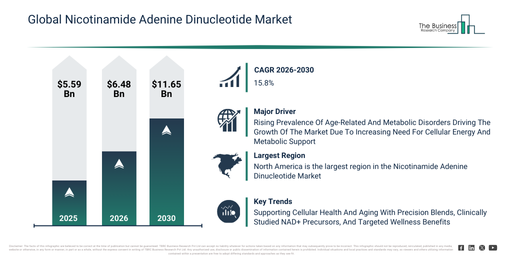
  • Global Nicotinamide Adenine Dinucleotide Market Forecast to Reach $11.64 Billion by 2030 at 15.8% CAGR

    Global Nicotinamide Adenine Dinucleotide Market Forecast to Reach $11.64 Billion by 2030 at 15.8% CAGR

    The Business Research Company’s 2026 market reports include new capabilities such as market attractiveness scoring and analysis, total addressable market analysis, company scoring matrix, interactive excel data dashboard, improved supply chain analysis, upcoming startups in the market, and overview of key products, aimed at improving the depth, usability, and strategic value of the insights delivered.

    What Will Be The Estimated Market Valuation Of The Nicotinamide Adenine Dinucleotide Market By The End Of 2030?

    The nicotinamide adenine dinucleotide market has shown substantial growth in recent times. It is anticipated to expand from $5.59 billion in 2025 to $6.48 billion in 2026, achieving a compound annual growth rate (CAGR) of 16.1%. This past growth is largely attributable to factors such as the escalating demand for anti-aging supplements, increased research concerning cellular metabolism, a heightened focus on preventive healthcare, the broadening of nutraceutical distribution channels, and the greater adoption of wellness and biohacking products.

    The market for nicotinamide adenine dinucleotide is projected to experience substantial expansion in the coming years, anticipated to reach a valuation of $11.65 billion by 2030, demonstrating a robust compound annual growth rate (CAGR) of 15.8%. This projected growth can be attributed to several factors, including heightened consumer expenditure on products promoting longevity and vitality, the increasing integration of NAD precursors into common supplements, the broadening reach of IV therapy and regenerative clinics, a growing focus from the pharmaceutical sector on NAD for managing chronic diseases, and the expanding presence of online personalized supplement programs. Key trends expected during this period involve technological progress in sustained-release and liposomal delivery methods, breakthroughs in multi-ingredient formulations aimed at longevity, the evolution of NAD-based active ingredients for dermatology and skincare, ongoing research and development into therapeutic-grade NAD for neurological and metabolic conditions, and improvements in biomarker-driven personalized supplementation platforms.

    Download the Free Sample Report to Explore Key Market Insights:

    https://www.thebusinessresearchcompany.com/sample.aspx?id=30680&type=smp

    What Primary Drivers Are Shaping The Development Of The Nicotinamide Adenine Dinucleotide Market?

    The growing occurrence of age-related and metabolic conditions is anticipated to drive the expansion of the nicotinamide adenine dinucleotide market in the future. These disorders encompass health issues like diabetes, obesity, cardiovascular ailments, and neurodegenerative conditions, all linked to aging, metabolic impairment, and cellular dysfunction. Their prevalence is increasing due to aging populations and the widespread adoption of unhealthy lifestyles, including sedentary habits, excessive caloric consumption, and escalating obesity rates. Nicotinamide adenine dinucleotide aids in managing these conditions by its vital involvement in cellular energy metabolism, mitochondrial function, and DNA repair, all crucial for upholding metabolic well-being and mitigating age-related cellular deterioration. For example, the International Diabetes Federation, a Belgium-based non-profit organization, forecast in February 2025 that the global population aged over 65 with diabetes will climb to 195.2 million, representing 19.6%, by 2030, and further to 276.2 million by 2045. This underscores a substantial increase in the diabetes burden within aging societies over the next 25 years, carrying significant public health and economic consequences. Consequently, the increasing prevalence of age-related and metabolic disorders is fueling the expansion of the nicotinamide adenine dinucleotide market.

    Which Segment Classifications Shape The Nicotinamide Adenine Dinucleotide Market?

    The nicotinamide adenine dinucleotide market covered in this report is segmented –

    1) By Product Type: Oral Nicotinamide Adenine Dinucleotide Supplements, Nicotinamide Adenine Dinucleotide And NADH Direct-Ingredient Capsules, Nicotinamide Adenine Dinucleotide Injection and Infusion Products, Specialized Anti-Aging and Metabolic Formulations, Nicotinamide Adenine Dinucleotide Precursors, Topical and Cosmetic Nicotinamide Adenine Dinucleotide Formulations

    2) By Grade: Food Grade, Pharmaceutical Grade, Other Grades

    3) By Distribution Channel: Online and E-commerce, Offline Channels

    4) By Application: Dietary Supplements and Wellness, Pharmaceuticals and Therapeutics, Cosmetics and Dermatology, Clinical IV Therapy and Regenerative Medicine, Research and Biotechnology

    5) By End User: Individual Consumers, Healthcare Providers, Pharmaceutical Companies

    Subsegments:

    1) By Oral Nicotinamide Adenine Dinucleotide Supplements: Energy Support Tablets, Healthy Aging Capsules, Metabolism Support Powder, Immune Wellness Tablet, Cognitive Support Capsules

    2) By Nicotinamide Adenine Dinucleotide And NADH Direct-Ingredient Capsules: Nicotinamide Adenine Dinucleotide Plus Capsules, Nicotinamide Adenine Dinucleotide Reduced Capsules, Cellular Energy Enhancement Capsules, Mitochondrial Support Capsules, High Potency Nicotinamide Adenine Dinucleotide Capsules

    3) By Nicotinamide Adenine Dinucleotide Injection and Infusion Products: Intravenous Nicotinamide Adenine Dinucleotide Solutions, Intramuscular Nicotinamide Adenine Dinucleotide Shots, High Concentration Nicotinamide Adenine Dinucleotide Infusions, Detoxification Support Infusions, Regenerative Wellness Infusion Blends

    4) By Specialized Anti-Aging and Metabolic Formulations: Cellular Regeneration Formulas, Mitochondrial Activation Formulas, Longevity Support Formulas, Metabolic Enhancement Formulas, Detoxification Support Formulas

    5) By Nicotinamide Adenine Dinucleotide Precursors: Nicotinamide Mononucleotide Tablets, Nicotinamide Riboside Capsules, Nicotinamide Tablets, Nicotinamide Adenine Dinucleotide Pathway Support Powders, Healthy Aging Precursor Blends

    5) By Topical and Cosmetic Nicotinamide Adenine Dinucleotide Formulations: Anti-Aging Facial Serums, Skin Repair Moisturizers, Brightening Facial Creams, Barrier Strengthening Lotions, Eye Area Rejuvenation Gels

    How Are Trends Impacting The Nicotinamide Adenine Dinucleotide Market?

    Leading companies within the nicotinamide adenine dinucleotide market are concentrating on developing advanced formulations, such as nicotinamide adenine dinucleotide (NAD+) skincare supplements, to aid in anti-aging and enhance skin health. Nicotinamide adenine dinucleotide (NAD+) skincare supplements are defined as dietary or topical products engineered to elevate nicotinamide adenine dinucleotide (NAD+) levels in skin cells, thereby supporting cellular energy, repair, and anti-aging processes to improve skin health and appearance. For example, in November 2025, ChromaDex Corporation, a US-based NAD+ bioscience company, unveiled Tru Niagen Beauty, the first NAD+ skincare supplement made available in the United States, incorporating a precise combination of clinically investigated ingredients, including its patented nicotinamide riboside (Niagen). This specific formulation is crafted to bolster cellular energy production, skin vitality, and overall wellness by boosting NAD+ availability, which naturally diminishes with advancing age.

    Who Are The Top Market Participants Influencing The Nicotinamide Adenine Dinucleotide Market?

    Major companies operating in the nicotinamide adenine dinucleotide market are Thermo Fisher Scientific Inc., Life Extension Foundation Buyers Club Inc., Niagen Bioscience Inc., Tokyo Chemical Industry Co. Ltd., Otto Chemie Pvt. Ltd., HiMedia Laboratories Pvt. Ltd., Sichuan Benepure Pharmaceutical, F. Hoffmann-La Roche Ltd, Herbalmax Ltd., Nuray Chemicals Private Limited, Hefei Home Sunshine Pharmaceutical Technology Co. Ltd., Syncozymes Biotechnology Co. Ltd., OYC Americas Inc., Xi’an Yinherb Bio-Tech Co. Ltd., Shenzhen Hygieia Biotechnology Co. Ltd., Zhejiang Dazhan Biotechnology Co. Ltd., Willow Birch Pharma Inc., Hubei AOKS Bio-Tech Co. Ltd., Shanghai Neutan Pharmaceutical Co. Ltd., Evereen (Shanghai) Biotechnology Co. Ltd.

    Read the full nicotinamide adenine dinucleotide market report here:

    https://www.thebusinessresearchcompany.com/report/nicotinamide-adenine-dinucleotide-market-report

    Which Region Is Anticipated To See The Fastest Growth In The Nicotinamide Adenine Dinucleotide Market?

    North America was the largest region in the nicotinamide adenine dinucleotide market in 2025. Asia-Pacific is expected to be the fastest-growing region in the forecast period. The regions covered in the nicotinamide adenine dinucleotide market report are Asia-Pacific, South East Asia, Western Europe, Eastern Europe, North America, South America, Middle East, Africa.

    Request A Tailored Nicotinamide Adenine Dinucleotide Market Research Report For Competitive Advantage:

    https://www.thebusinessresearchcompany.com/customise?id=30680&type=smp

    Browse Through More Reports Similar to the Global Nicotinamide Adenine Dinucleotide Market 2026, By The Business Research Company

    Oligonucleotides Therapy Market Report 2026

    https://www.thebusinessresearchcompany.com/report/oligonucleotides-therapy-global-market-report

    Peptide And Oligonucleotide Cdmo Market Report 2026

    https://www.thebusinessresearchcompany.com/report/peptide-and-oligonucleotide-cdmo-global-market-report

    n methyl 2 pyrrolidone nmp market

    https://www.thebusinessresearchcompany.com/report/n-methyl-2-pyrrolidone-nmp-market

    Get in touch with us:

    The Business Research Company: https://www.thebusinessresearchcompany.com/

    Americas +1 310-496-7795

    Asia +44 7882 955267 & +91 8897263534

    Europe +44 7882 955267

    Email us at info@tbrc.info

    Follow us on:

    LinkedIn: https://in.linkedin.com/company/the-business-research-company

    YouTube: https://www.youtube.com/channel/UC24_fI0rV8cR5DxlCpgmyFQ

    Global Market Model: https://www.thebusinessresearchcompany.com/global-market-model
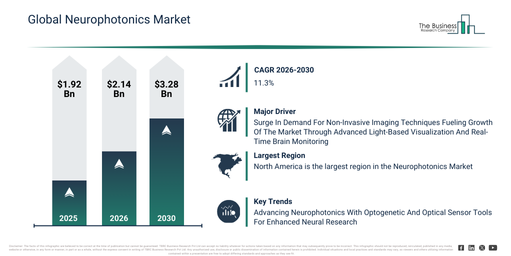
  • Neurophotonics Market Expected to Reach $3.27 Billion by 2030 at 11.3% CAGR

    Neurophotonics Market Expected to Reach $3.27 Billion by 2030 at 11.3% CAGR

    The Business Research Company’s 2026 market reports include new capabilities such as market attractiveness scoring and analysis, total addressable market analysis, company scoring matrix, interactive excel data dashboard, improved supply chain analysis, upcoming startups in the market, and overview of key products, aimed at improving the depth, usability, and strategic value of the insights delivered.

    What Market Size Growth Is Projected For The Neurophotonics Market During The Forecast Period 2026–2030?

    The neurophotonics market size has seen rapid growth in recent years. It is anticipated to expand from $1.92 billion in 2025 to $2.14 billion in 2026, exhibiting a compound annual growth rate (CAGR) of 11.6%. This historical growth can be attributed to several factors, including the increasing demand for noninvasive neuroimaging, the growing adoption of optical imaging in neuroscience research, the rising prevalence of neurological disorders necessitating diagnostic solutions, the expanding use of brain mapping technologies in academic institutions, and increasing investment in biomedical photonics by government and private organizations.

    The neurophotonics market size is poised for significant expansion in the coming years. This market is projected to reach $3.28 billion by 2030, exhibiting a compound annual growth rate (CAGR) of 11.3%. Factors contributing to this growth during the forecast period include a heightened emphasis on the early identification of mental health and neurodegenerative conditions, a greater uptake of optical neuromodulation for therapeutic purposes, the expanding incorporation of artificial intelligence into neuroimaging data analysis, the proliferation of clinical trials utilizing photonic brain monitoring tools, and the escalating commercialization of sophisticated laser-based neurotechnology platforms. Key trends anticipated during the forecast period encompass technological progress in optical coherence and functional spectroscopy, novel developments in multimodal brain imaging systems, swift advancements in noninvasive neural stimulation technology, ongoing research and development efforts in photonic brain signal monitoring, and the integration of cloud-based and real-time analytical capabilities for neuroscience data.

    Download the Free Sample Report to Explore Key Market Insights:

    https://www.thebusinessresearchcompany.com/sample.aspx?id=30679&type=smp

    Which Major Factors Are Driving The Expansion Of The Neurophotonics Market?

    The increasing requirement for non-invasive imaging techniques is anticipated to fuel the expansion of the neurophotonics market in the future. These methods allow researchers and clinicians to visualize internal neurological structures and their activity without resorting to surgery or penetrating the body, utilizing technologies such as MRI, fMRI, EEG, MEG, and optical imaging. This surge in demand for non-invasive imaging techniques arises from the growing need in neuroscience research for safer, repeatable, and high-resolution tools that can examine brain structure and function without risk to subjects. Neurophotonics addresses this need by providing advanced light-based imaging technologies that enable precise visualization of neural circuits and real-time monitoring of brain activity. For instance, as reported in July 2025 by the National Institutes of Health (NIH) BRAIN Initiative, a US-based government research program, the ultra-high-resolution Connectome 2.0 MRI scanner was developed in 2023. Looking ahead, the neurophotonics market is forecast to grow at a compound annual growth rate (CAGR) of roughly 10.7–11.2% from 2025 to 2033, with projections indicating a market size of around USD 5.1 billion by 2033, as light-based neuroimaging gains wider clinical and research adoption. Thus, the growing demand for non-invasive imaging techniques is a significant driver for the neurophotonics market’s growth.

    What Market Segments Are Evaluated Within The Neurophotonics Market?

    The neurophotonics market covered in this report is segmented –

    1) By Component: Devices And Equipment, Software And Data Analysis Platforms, Consumables And Accessories, Services

    2) By Technology: Optical Coherence Tomography, Laser Stimulation And Modulation Systems, Photoacoustic Imaging, Optogenetics, Fluorescence Imaging, Functional Near-Infrared Spectroscopy, Two-Photon Microscopy

    3) By Distribution Channel: Online Platforms, Distributors And Channel Partners, Direct Sales

    4) By Application: Research, Diagnostics, Therapeutics

    5) By End-User: Academic And Research Institutes, Hospitals And Clinics, Pharma And Biotech Companies

    Subsegments:

    1) By Devices And Equipment: Optical Neuroimaging Devices, Laser Stimulation Systems, Photonic Sensors, Fiber Optic Instruments, Imaging Accessories

    2) By Software And Data Analysis Platforms: Neuroimaging Data Analysis Software, Brain Mapping Software, Visualization Platforms, Signal Processing Software, Cloud Based Analytics Platforms

    3) By Consumables And Accessories: Optical Fibers, Imaging Reagents, Laser Safety Equipment, Photonic Consumables, Calibration Kits

    4) By Services: Training And Support Services, Research And Development Services, Clinical Consultation Services, Data Management Services

    What Industry Trends Are Redefining The Neurophotonics Market?

    Companies operating in the Neurophotonics market are primarily engaged in creating sophisticated tools, including optogenetic and optical sensor instruments, to improve the assessment and regulation of neural activity, as well as to advance translational neuroscience research. Optogenetic and optical sensor instruments are essentially engineered systems designed for light delivery and optical sensors that can stimulate and record neural activity at a cellular level, offering vital insights into how the nervous system functions. For example, in September 2025, the NIH Common Fund Venture Program provided grants under its Advancing Non Invasive Optical Imaging Approaches for Biological Systems initiative to support the creation of real-time optical imaging systems capable of deep tissue imaging and molecular contrast, encompassing techniques like synthetic wavelength imaging. These government-funded programs are instrumental in fostering the development of next-generation neurophotonics tools that industry participants can integrate and market for both research and clinical uses.

    Which Global Companies Are Actively Competing In The Neurophotonics Market?

    Major companies operating in the neurophotonics market are Hitachi Ltd., Olympus Corporation, Coherent Corp., Bruker Corporation, HORIBA Ltd., Hamamatsu Photonics K.K., Leica Microsystems GmbH, Thorlabs Inc., Spectra-Physics, NeuroLight Technologies Ltd., Inscopix Inc., NeuroNexus Technologies Inc., Intelligent Imaging Innovations Inc., Femtonics Limited, NIRx Medical Technologies LLC, Hemophotonics S.L., Carl Zeiss AG, Artinis Medical Systems B.V., Plexon Inc., Vielight Inc., Nanoscope Technologies LLC, Neurophotometrics Ltd.

    Read the full neurophotonics market report here:

    https://www.thebusinessresearchcompany.com/report/neurophotonics-market-report

    Which Global Regions Are Shaping The Competitive Landscape Of The Neurophotonics Market?

    North America was the largest region in the neurophotonics market in 2025. Asia-Pacific is expected to be the fastest-growing region in the forecast period. The regions covered in the neurophotonics market report are Asia-Pacific, South East Asia, Western Europe, Eastern Europe, North America, South America, Middle East, Africa.

    Request A Tailored Neurophotonics Market Research Report For Competitive Advantage:

    https://www.thebusinessresearchcompany.com/customise?id=30679&type=smp

    Browse Through More Reports Similar to the Global Neurophotonics Market 2026, By The Business Research Company

    Biophotonics Market Report 2026

    https://www.thebusinessresearchcompany.com/report/biophotonics-global-market-report

    Nanophotonics Market Report 2026

    https://www.thebusinessresearchcompany.com/report/nanophotonics-global-market-report

    neuroprosthetics global market report

    https://www.thebusinessresearchcompany.com/report/neuroprosthetics-global-market-report

    Get in touch with us:

    The Business Research Company: https://www.thebusinessresearchcompany.com/

    Americas +1 310-496-7795

    Asia +44 7882 955267 & +91 8897263534

    Europe +44 7882 955267

    Email us at info@tbrc.info

    Follow us on:

    LinkedIn: https://in.linkedin.com/company/the-business-research-company

    YouTube: https://www.youtube.com/channel/UC24_fI0rV8cR5DxlCpgmyFQ

    Global Market Model: https://www.thebusinessresearchcompany.com/global-market-model
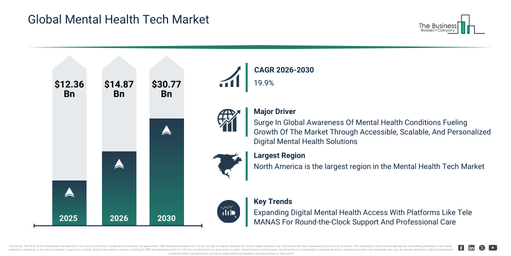
  • A prominent trend in the Mental Health Tech Market is the expansion of digital mental health access through platforms such as Tele MANAS for continuous support

    A prominent trend in the Mental Health Tech Market is the expansion of digital mental health access through platforms such as Tele MANAS for continuous support

    The Business Research Company’s 2026 market reports include new capabilities such as market attractiveness scoring and analysis, total addressable market analysis, company scoring matrix, interactive excel data dashboard, improved supply chain analysis, upcoming startups in the market, and overview of key products, aimed at improving the depth, usability, and strategic value of the insights delivered.

    What Will Be The Estimated Market Valuation Of The Mental Health Tech Market By The End Of 2030?

    The mental health tech market size has experienced significant expansion in recent years. It is forecast to grow from $12.36 billion in 2025 to $14.87 billion in 2026, at a compound annual growth rate (CAGR) of 20.2%. The historical increase can be attributed to several factors, including heightened awareness of mental health conditions, increasing acceptance of digital therapy solutions, rising investment in health IT infrastructures for behavioral care, the expansion of smartphone and internet penetration, and a greater focus on employee wellbeing programs.

    The mental health tech market is projected for substantial expansion over the coming years, with its size anticipated to reach $30.77 billion by 2030, exhibiting a compound annual growth rate (CAGR) of 19.9%. This projected growth during the forecast period is influenced by several factors, including an increasing need for personalized mental health interventions, the rising incidence of stress and anxiety disorders, broader insurance coverage for digital mental health services, the greater integration of mental health into primary care settings, and increasing governmental support for e-mental health initiatives. Additionally, significant trends expected within this period involve advancements in AI-powered diagnostics and monitoring for mental health, innovations in VR- and AR-based exposure and relaxation therapies, the development of wearable sensors for continuous mood tracking, ongoing research and development into digital biomarkers for mental health, and the creation of interoperable platforms to integrate mental health data across different systems.

    Download the Free Sample Report to Explore Key Market Insights:

    https://www.thebusinessresearchcompany.com/sample.aspx?id=30654&type=smp

    What Underlying Factors Are Accelerating The Growth Of The Mental Health Tech Market?

    Global recognition of mental health conditions is projected to substantially fuel the expansion of the mental health tech market in the foreseeable future. Mental health awareness encompasses how extensively individuals, communities, healthcare frameworks, and governmental bodies acknowledge the widespread nature, effects, and necessity for prompt recognition and assistance regarding mental health issues. This heightened understanding stems from broadened public education initiatives, worldwide advocacy drives, and synchronized events designed to diminish stigma and highlight mental health as an essential element of comprehensive well-being. The mental health tech market supports this progression by delivering readily available, adaptable, and increasingly customized digital resources that empower people to identify symptoms, obtain early assistance, and access mental health services outside conventional clinical environments. As an illustration, in October 2024, the World Health Organization, a United Nations agency focused on global public health, reported that World Mental Health Day was commemorated in over 150 countries, an increase from around 120 countries in 2023, signifying a considerable rise in worldwide involvement and organizational commitment to mental health awareness programs. Consequently, the escalating global awareness of mental health conditions is propelling the expansion of the mental health tech market.

    Which Segment Classifications Shape The Mental Health Tech Market?

    The mental health tech market covered in this report is segmented –

    1) By Component: Software, Hardware, Services

    2) By Deployment Mode: On-Premises, Cloud

    3) By Application: Teletherapy, Self-Help Apps, Mental Health Assessment Tools, VR Therapy, Other Applications

    4) By End-User: Hospitals, Clinics, Individuals, Other End-Users

    Subsegments:

    1) By Software: Clinical Information Systems, Non Clinical Information Systems, Artificial Intelligence Platforms, Data Management Tools, Analytics And Reporting Tools, Population Health Management Tools, Clinical Decision Support Systems

    2) By Hardware: Processors, Memory Devices, Network Equipment, Storage Devices, Sensors And Monitoring Devices

    3) By Services: Integration Services, Deployment Services, Maintenance Services, Managed Services, Training And Consulting Services

    How Are Trends Impacting The Mental Health Tech Market?

    Leading entities within the mental health tech market are progressively concentrating on broadening digital mental health accessibility, leveraging platforms like Tele MANAS to furnish continuous support, self-care instruments, and direct expert consultations through mobile and telephonic means. Tele MANAS is defined as a digital mental health platform, spearheaded by the government, crafted to offer reachable, private, and multilingual assistance, facilitating individuals’ connection with qualified mental health specialists and their utilization of evidence-backed stress management and self-care materials. An example of this is the launch of the Tele MANAS mobile application in October 2024 by the Government of India’s Ministry of Health and Family Welfare (MoHFW), providing self-care approaches, emergency instruction modules, and expert advice via phone and video consultations. This platform supports over 20 languages and has processed more than 1.8 million calls since it began, thereby highlighting its contribution to enhancing mental health service reach for populations in remote and underserved areas.

    Who Are The Primary Competitors In The Mental Health Tech Market?

    Major companies operating in the mental health tech market are Lyra Health Inc., Headspace Inc., Charlie Health Inc., Talkspace Inc., Spring Care Inc., BetterUp Inc., Calm Inc., Modern Health Inc., SonderMind Inc., Unmind Ltd., Meru Health Inc., Woebot Labs Inc., KOA Health Digital Solutions Limited, Kaia Health Software Inc., Talkiatry Management Services LLC, Big Health Inc., Mental Fuel Inc., Wysa Ltd., Upheal Inc., Youper Inc.

    Read the full mental health tech market report here:

    https://www.thebusinessresearchcompany.com/report/mental-health-tech-market-report

    Which Geographic Areas Are Emerging As Strong Markets For The Mental Health Tech Market?

    North America was the largest region in the mental health tech market in 2025. Asia-Pacific is expected to be the fastest-growing region in the forecast period. The regions covered in the mental health tech market report are Asia-Pacific, South East Asia, Western Europe, Eastern Europe, North America, South America, Middle East, Africa.

    Request A Tailored Mental Health Tech Market Research Report For Competitive Advantage:

    https://www.thebusinessresearchcompany.com/customise?id=30654&type=smp

    Browse Through More Reports Similar to the Global Mental Health Tech Market 2026, By The Business Research Company

    Mental Health Market Report 2026

    https://www.thebusinessresearchcompany.com/report/mental-health-global-market-report

    Digital Mental Health Market Report 2026

    https://www.thebusinessresearchcompany.com/report/digital-mental-health-global-market-report

    mental health apps global market report

    https://www.thebusinessresearchcompany.com/report/mental-health-apps-global-market-report

    Get in touch with us:

    The Business Research Company: https://www.thebusinessresearchcompany.com/

    Americas +1 310-496-7795

    Asia +44 7882 955267 & +91 8897263534

    Europe +44 7882 955267

    Email us at info@tbrc.info

    Follow us on:

    LinkedIn: https://in.linkedin.com/company/the-business-research-company

    YouTube: https://www.youtube.com/channel/UC24_fI0rV8cR5DxlCpgmyFQ

    Global Market Model: https://www.thebusinessresearchcompany.com/global-market-model
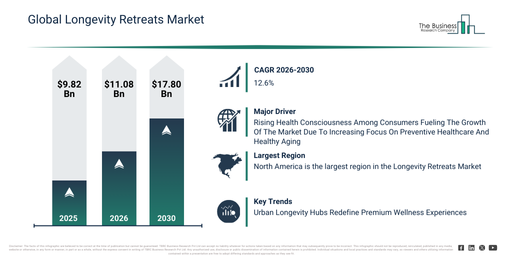
  • Longevity Retreats Market Outlook Indicating Growth to $17.79 Billion by 2030

    Longevity Retreats Market Outlook Indicating Growth to $17.79 Billion by 2030

    The Business Research Company’s 2026 market reports include new capabilities such as market attractiveness scoring and analysis, total addressable market analysis, company scoring matrix, interactive excel data dashboard, improved supply chain analysis, upcoming startups in the market, and overview of key products, aimed at improving the depth, usability, and strategic value of the insights delivered.

    What Is The Estimated Market Size Of The Longevity Retreats Market During 2026–2030?

    The longevity retreats market size has seen swift growth over recent years. It is projected to expand from $9.82 billion in 2025 to $11.08 billion in 2026, demonstrating a compound annual growth rate (CAGR) of 12.9%. Historically, this expansion has been driven by factors such as increased awareness of preventive healthcare, a rising demand for personalized wellness programs, the growing prevalence of lifestyle-related diseases, the expansion of luxury wellness tourism, and an increase in both disposable income and the affluent population.

    The longevity retreats market is projected to expand significantly in the coming years, with its size anticipated to reach $17.80 billion by 2030, showing a compound annual growth rate (CAGR) of 12.6%. This growth during the forecast period is primarily driven by the increasing adoption of digital health and wearable technology, a growing emphasis on mental health and stress management, the expansion of holistic and integrative wellness practices, a rising interest in anti-aging and longevity solutions, and the development of corporate wellness and preventive healthcare packages. Significant trends for the forecast period include technological advancements in medical diagnostics, innovations in therapeutic treatments, research and developments in biohacking and performance enhancement, the evolution of sustainable and eco-friendly retreat practices, and improvements in virtual and hybrid wellness program offerings.

    Download the Free Sample Report to Explore Key Market Insights:

    https://www.thebusinessresearchcompany.com/sample.aspx?id=30642&type=smp

    What Drivers Are Influencing The Longevity Retreats Market?

    An increasing consumer focus on health is anticipated to fuel the expansion of the longevity retreats market in the future. This refers to individuals’ understanding and proactive approach to sustaining good health through their lifestyle and food selections. The uptick in mindful eating stems from a growing recognition of diet-related illnesses, prompting more individuals to opt for wholesome foods and cut down on sugar consumption. Consumer health awareness boosts longevity retreats by fostering greater interest in proactive health measures, comprehensive well-being, and strategies for active aging. This generates a need for immersive retreat experiences incorporating medical assessments, tailored wellness plans, dietary guidance, physical activity, and rejuvenating treatments to promote enduring health and vigor. For example, data from June 2024 provided by the International Food Information Council, a US-based nonprofit organization, indicates a growing focus among most Americans on increasing protein intake, climbing from 59% in 2022 to 67% in 2023 and reaching 71% in 2024. Consequently, heightened health awareness among consumers is stimulating the growth of the longevity retreats market.

    How Are The Various Segments Of The Longevity Retreats Market Categorized?

    The longevity retreats market covered in this report is segmented –

    1) By Type: Wellness Retreats, Medical Retreats, Holistic Retreats, Detox Retreats, Other Types

    2) By Service: Accommodation, Nutrition Programs, Fitness And Physical Activities, Spa And Therapies, Medical Consultations, Other Services

    3) By Age Group: Adults, Seniors, Others Age Groups

    4) By Booking Channel: Online, Offline

    Subsegments:

    1) By Wellness Retreats: Mindfulness Programs, Fitness Programs, Spa Treatments, Nutrition Plans, Yoga Sessions

    2) By Medical Retreats: Medical Assessments, Preventive Screenings, Therapeutic Treatments, Diagnostic Services, Lifestyle Counselling

    3) By Holistic Retreats: Meditation Programs, Energy Healing, Mind Body Therapy, Yoga And Breathing Sessions, Stress Management Programs

    4) By Detox Retreats: Detox Nutrition Plans, Cleansing Programs, Hydrotherapy Sessions, Body Detox Treatments, Digital Detox Programs

    5) By Other Types: Customized Wellness Packages, Corporate Wellness Programs, Family Wellness Programs, Adventure And Wellness Programs, Biohacking Programs

    What Trends Are Affecting The Expansion Of The Longevity Retreats Market?

    Leading companies in the longevity retreats market are concentrating on experience-based and wellness-driven innovations, such as urban Longevity Hubs, to meet the increasing demand for preventive healthcare, personalized wellness, and upscale holistic living. These urban Longevity Hubs incorporate multi-floor luxury wellness centers within hotels and resorts, offering diagnostic assessments, AI-enabled health scoring, and customized interventions including movement therapies, detoxification protocols, and aesthetic treatments to extend healthspan while providing premium, accessible wellness experiences in metropolitan environments. For instance, in March 2024, Clinique La Prairie S.A., a Switzerland-based luxury health and wellness company, partnered with One&Only, a United Arab Emirates-based ultra-luxury hospitality company, to launch a Longevity Hub at One&Only One Za’abeel in Dubai, which features multi-level personalized assessments, cryotherapy, infrared therapies, and membership programs targeting five key health markers to tailor interventions. Such urban hubs facilitate year-round revenue generation for wellness brands while attracting global health-conscious clients seeking data-driven, high-touch longevity services in major metropolitan markets.

    Which Companies Are Expanding Their Footprint In The Longevity Retreats Market?

    Major companies operating in the longevity retreats market are Six Senses Douro Valley, Champneys, Canyon Ranch Holdings LLC, Lanserhof Management GmbH, Clinique La Prairie Group, Pritikin Longevity Center + Spa, SHA Wellness Clinic, Grand Resort Bad Ragaz Group, Fiuggi Palace S.r.l., YO1 Longevity & Health Resorts, The Ranch, Red Mountain Resort, Chenot Palace Weggis AG, Swissmed Health, Euphoria Retreat S.A, MAYRLIFE Medical Health Resort Altaussee, My Longevity Retreat, Palasiet, Your Longevity Retreat, Seven Springs

    Read the full longevity retreats market report here:

    https://www.thebusinessresearchcompany.com/report/longevity-retreats-market-report

    Which Regions Are Poised For Strategic Growth In The Longevity Retreats Market?

    North America was the largest region in the longevity retreats market in 2025. Asia-Pacific is expected to be the fastest-growing region in the forecast period. The regions covered in the longevity retreats market report are Asia-Pacific, South East Asia, Western Europe, Eastern Europe, North America, South America, Middle East, Africa.

    Request A Tailored Longevity Retreats Market Research Report For Competitive Advantage:

    https://www.thebusinessresearchcompany.com/customise?id=30642&type=smp

    Browse Through More Reports Similar to the Global Longevity Retreats Market 2026, By The Business Research Company

    Nature Retreats Market Report 2026

    https://www.thebusinessresearchcompany.com/report/nature-retreats-global-market-report

    Wellness Retreat Market Report 2026

    https://www.thebusinessresearchcompany.com/report/wellness-retreat-global-market-report

    Retirement Communities Market

    https://www.thebusinessresearchcompany.com/report/retirement-communities-market

    Get in touch with us:

    The Business Research Company: https://www.thebusinessresearchcompany.com/

    Americas +1 310-496-7795

    Asia +44 7882 955267 & +91 8897263534

    Europe +44 7882 955267

    Email us at info@tbrc.info

    Follow us on:

    LinkedIn: https://in.linkedin.com/company/the-business-research-company

    YouTube: https://www.youtube.com/channel/UC24_fI0rV8cR5DxlCpgmyFQ

    Global Market Model: https://www.thebusinessresearchcompany.com/global-market-model
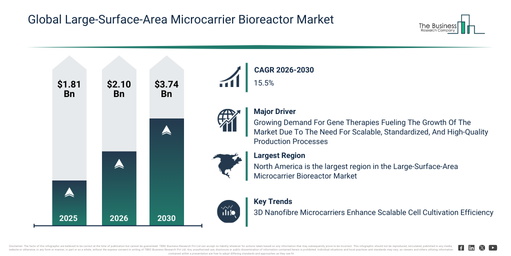
  • Large-Surface-Area Microcarrier Bioreactor Market Projected to Reach $3.73 Billion by 2030 at 15.5% CAGR

    Large-Surface-Area Microcarrier Bioreactor Market Projected to Reach $3.73 Billion by 2030 at 15.5% CAGR

    The Business Research Company’s 2026 market reports include new capabilities such as market attractiveness scoring and analysis, total addressable market analysis, company scoring matrix, interactive excel data dashboard, improved supply chain analysis, upcoming startups in the market, and overview of key products, aimed at improving the depth, usability, and strategic value of the insights delivered.

    What Market Value Is Anticipated For The Large-Surface-Area Microcarrier Bioreactor Market Over The Period 2026–2030?

    The large-surface-area microcarrier bioreactor market has shown rapid expansion in its size over recent years. It is anticipated to increase from $1.81 billion in 2025 to $2.10 billion in 2026, achieving a compound annual growth rate (CAGR) of 15.8%. The historical growth of this market can be linked to the increased adoption of large-surface-area microcarrier bioreactors, a rising demand for high-density adherent cell cultures, greater investment in regenerative medicine research, the expansion of automated cell expansion technologies, and the growing utilization of single-use microcarrier systems.

    The large-surface-area microcarrier bioreactor market is anticipated to experience substantial expansion in the coming years. It is projected to achieve a valuation of $3.74 billion by 2030, demonstrating a compound annual growth rate (CAGR) of 15.5%. This growth over the forecast period is attributable to an increased focus on scalable stem cell production, rising investment in sophisticated microcarrier bioprocessing, a greater need for clinical-grade cell expansion, the expanding scope of biotechnology and pharmaceutical research and development, and a significant uptick in the adoption of automated and high-precision platforms. Prominent trends for this period include technological progress in microcarrier bioreactors, novel developments in automated cell expansion platforms, advancements in high-density adherent cell culture methods, ongoing research and innovations in single-use microcarrier systems, and improvements in real-time monitoring and process control.

    Download the Free Sample Report to Explore Key Market Insights:

    https://www.thebusinessresearchcompany.com/sample.aspx?id=30632&type=smp

    What Major Drivers Are Influencing Demand In The Large-Surface-Area Microcarrier Bioreactor Market?

    The expanding need for gene therapies is anticipated to drive the growth of the large-surface-area microcarrier bioreactor market in the coming years. Gene therapy is a medical approach focused on altering or substituting faulty genes to address or prevent illnesses. This escalating demand for gene therapy stems from advancements in genetic sequencing and diagnostic methods, which allow for the precise identification of disease-causing genes, enabling targeted treatments. Large-surface-area microcarrier bioreactors facilitate gene therapy by offering an expansive surface area for the effective proliferation of adherent cells essential for gene-modified therapies. These bioreactors boost therapeutic progress by enhancing cell yield, ensuring uniformity, and enabling the large-scale production of gene therapy items. For example, in December 2024, the American Society of Gene & Cell Therapy (ASGCT), a US-based non-profit medical and scientific organization, reported that the Food and Drug Administration (FDA) had approved six gene therapy products in 2023, an increase from five approvals in 2022. Consequently, the rising demand for gene therapies is fueling the expansion of the large-surface-area microcarrier bioreactor market.

    How Is The Large-Surface-Area Microcarrier Bioreactor Market Divided Into Its Major Segments?

    The large-surface-area microcarrier bioreactor market covered in this report is segmented –

    1) By Product Type: Single-Use Bioreactors, Multi-Use Bioreactors

    2) By Microcarrier Type: Synthetic Microcarriers, Natural Microcarriers, Hybrid Microcarriers

    3) By Distribution Channel: Hospital Pharmacy, Online Pharmacy, Retail Pharmacy

    4) By Application: Cell Therapy, Vaccine Production, Tissue Engineering, Stem Cell Research, Other Appplications

    5) By End User: Pharmaceutical And Biotechnology Companies, Research Institutes, Contract Manufacturing Organizations, Other End Users

    Subsegments:

    1) By Single-Use Bioreactors: Disposable Microcarrier Vessels, Pre-Sterilized Culture Chambers, Single-Cycle Expansion Units, Plug-And-Play Bioprocessing Modules, Disposable Agitation Systems

    2) By Multi-Use Bioreactors: Autoclavable Microcarrier Vessels, Cleanable Stainless Steel Chambers, Reusable Agitation Systems, Long-Term Operation Bioprocess Units, Reprocessable Culture Modules

    How Are Trends Transforming The Large-Surface-Area Microcarrier Bioreactor Market Landscape?

    Major companies operating in the large-surface-area microcarrier bioreactor market are focusing on developing advanced products, such as 3D nanofibre scaffolds, to boost efficiency, enhance cell growth, and reduce process variability and development timelines. These 3D nanofibre microcarriers are advanced, biomimetic scaffolds that provide a three-dimensional environment for cell adhesion and proliferation, mimicking the natural extracellular matrix. For instance, in February 2025, Cellevate AB, a Sweden-based cell culture materials innovator, launched its Cellevat3D nanofibre microcarrier. This is a customizable, synthetic microcarrier designed for scalable cell cultivation, featuring a unique nanofibrous architecture that increases surface area for enhanced cell attachment and yield. It includes precise biochemical and physical parameter control, enabling optimal growth conditions for various cell types, including stem cells and therapeutic cells, without extensive process re-development. It also incorporates xeno-free and animal-free material options, improving product safety and regulatory compliance for biopharmaceutical and cultivated meat producers.

    Which Leading Firms Are Contributing To The Growth Of The Large-Surface-Area Microcarrier Bioreactor Market?

    Major companies operating in the large-surface-area microcarrier bioreactor market are Thermo Fisher Scientific Inc., Merck KGaA, Corning Incorporated, Lonza Group AG, Cytiva Sweden AB, Sartorius AG, Bio-Rad Laboratories Inc., Eppendorf SE, Repligen Corporation, Pall Corporation, PBS Biotech Inc., Applikon Biotechnology B.V., Esco VacciXcell, Meissner Filtration Products Inc., Distek Inc., Infors HT AG, Adolf Kühner AG, Kuhner Shaker GmbH, Cellexus Ltd., Solaris Biotech S.r.l.

    Read the full large-surface-area microcarrier bioreactor market report here:

    https://www.thebusinessresearchcompany.com/report/large-surface-area-microcarrier-bioreactor-market-report

    Which Geographic Areas Are Emerging As Strong Markets For The Large-Surface-Area Microcarrier Bioreactor Market?

    North America was the largest region in the large-surface-area microcarrier bioreactor market in 2025. Asia-Pacific is expected to be the fastest-growing region in the forecast period. The regions covered in the large-surface-area microcarrier bioreactor market report are Asia-Pacific, South East Asia, Western Europe, Eastern Europe, North America, South America, Middle East, Africa.

    Request A Tailored Large-Surface-Area Microcarrier Bioreactor Market Research Report For Competitive Advantage:

    https://www.thebusinessresearchcompany.com/customise?id=30632&type=smp

    Browse Through More Reports Similar to the Global Large-Surface-Area Microcarrier Bioreactor Market 2026, By The Business Research Company

    Microcarrier Market Report 2026

    https://www.thebusinessresearchcompany.com/report/microcarrier-global-market-report

    Small Scale Bioreactors Market Report 2026

    https://www.thebusinessresearchcompany.com/report/small-scale-bioreactors-global-market-report

    airlift bioreactors global market report

    https://www.thebusinessresearchcompany.com/report/airlift-bioreactors-global-market-report

    Get in touch with us:

    The Business Research Company: https://www.thebusinessresearchcompany.com/

    Americas +1 310-496-7795

    Asia +44 7882 955267 & +91 8897263534

    Europe +44 7882 955267

    Email us at info@tbrc.info

    Follow us on:

    LinkedIn: https://in.linkedin.com/company/the-business-research-company

    YouTube: https://www.youtube.com/channel/UC24_fI0rV8cR5DxlCpgmyFQ

    Global Market Model: https://www.thebusinessresearchcompany.com/global-market-model

  • Global Typing Tutor Software Market Analysis 2026–2030 with Strategic Forecast Insights

    Global Typing Tutor Software Market Analysis 2026–2030 with Strategic Forecast Insights

    The Business Research Company’s 2026 market reports include new capabilities such as market attractiveness scoring and analysis, total addressable market analysis, company scoring matrix, interactive excel data dashboard, improved supply chain analysis, upcoming startups in the market, and overview of key products, aimed at improving the depth, usability, and strategic value of the insights delivered.

    How Large Is The Typing Tutor Software Market Projected To Become By 2030 Based On Its 2026 Valuation?

    The typing tutor software market size has expanded quickly in recent years. It is anticipated to increase from $0.72 billion in 2025 to $0.80 billion in 2026, demonstrating a compound annual growth rate (CAGR) of 11.7%. The expansion observed in the past can be attributed to the rising adoption of typing software in schools, a growing interest in digital literacy, the increasing use of online learning platforms, a rising focus on workplace productivity, and a growing awareness of keyboarding importance.

    The typing tutor software market is projected to experience substantial expansion over the upcoming years. This market is forecast to reach $1.24 billion by 2030, demonstrating a compound annual growth rate (CAGR) of 11.4%. Key drivers for this growth during the forecast timeframe include the wider adoption of cloud-based typing tutors, a growing demand for gamified educational modules, increased incorporation into corporate training initiatives, the proliferation of mobile-centric typing applications, and a rising requirement for multilingual typing utilities. Significant trends anticipated in this period encompass progress in AI personalization, the merging of technology with cloud and mobile platforms, advancements in gamified and interactive instructional content, ongoing research and development into adaptive typing algorithms, and their seamless integration with learning management systems.

    Download the Free Sample Report to Explore Key Market Insights:

    https://www.thebusinessresearchcompany.com/sample.aspx?id=30773&type=smp

    What Drivers Are Influencing The Typing Tutor Software Market?

    The expanding uptake of digital literacy and computer skill development initiatives is anticipated to fuel the future growth of the typing tutor software market. Digital literacy and computer skills training refer to educational programs and utilities crafted to improve individuals’ expertise in utilizing computers, software applications, and digital platforms effectively. This heightened adoption stems from the pervasive integration of technology within both academic and professional environments. The typing tutor software market aids digital literacy and computer skills training by delivering interactive software solutions that boost typing speed, accuracy, and overall computer competence for learners across all age groups. For instance, in February 2025, the Department for Science, Innovation & Technology, a UK-based government agency, reported that in England, 36% of adults who use the internet had engaged in digital skills training in the previous 12 months, marking an increase of 14 percentage points from 22% in 2022/23. Thus, the increasing embrace of digital literacy and computer skills training is a primary driver for the expansion of the typing tutor software market.

    What Segment Groups Are Identified Within The Typing Tutor Software Market?

    The typing tutor software market covered in this report is segmented –

    1) By Type Of Software: Online Typing Tutor, Offline Typing Tutor, Mobile Typing Tutor, Desktop Typing Tutor

    2) By Platform: Desktop-Based Software, Web-Based Software, Mobile-Based Software

    3) By User Demographics: Students, Professionals, Corporates, Institutions, Home Users

    4) By Skill Level: Beginners, Intermediate, Advanced

    5) By Age Group: Children, Adults

    Subsegments:

    1) By Online Typing Tutor: Web-Based Learning Platforms, Cloud-Hosted Typing Programs, Browser-Integrated Typing Modules, Subscription-Based Typing Courses, Interactive Typing Practice Tools

    2) By Offline Typing Tutor: Installable Desktop Programs, Standalone Training Applications, Local Data Storage Typing Tools, One-Time Purchase Software Packages, Keyboard Skill Improvement Modules

    3) By Mobile Typing Tutor: Smartphone Typing Applications, Tablet Typing Training Apps, Touchscreen Typing Practice Tools, Gamified Typing Learning Apps, Skill Tracking And Progress Analytics Apps

    4) By Desktop Typing Tutor: Windows-Based Typing Programs, Mac-Compatible Typing Software, Advanced Keyboard Training Suites, Professional Typing Skill Development Tools, Customizable Typing Curriculum Modules

    What Trends Are Advancing Progress In The Typing Tutor Software Market?

    Leading companies within the typing tutor software market are concentrating on developing sophisticated features, such as advanced multi-language custom typing test configuration capabilities, to boost user engagement, individualize skill development, and achieve language-inclusive learning outcomes. This advanced multi-language custom typing test configuration refers to the software’s capacity to enable users to design, modify, and conduct typing tests in various languages, complete with customizable difficulty, content themes, and performance metrics, thereby allowing learners to practice typing across diverse linguistic environments and for their personal objectives. For instance, in November 2025, TypingMaster Oy, a Finland-based provider of typing training software, introduced TypingMaster Version 12, which incorporates advanced multi-language custom typing test configuration functionality. This update empowers learners to tailor typing tests across a wide array of languages and layouts, select particular text themes, and adjust parameters such as time limits and error tolerance. When integrated with real-time performance feedback, adaptive exercises, and comprehensive progress analytics, this feature significantly improves personalized learning for users at all skill levels. This release underscores the increasing importance of flexible, multi-language typing education tools designed to address the needs of a global user base.

    Who Are The Prominent Organizations Shaping The Typing Tutor Software Market?

    Major companies operating in the typing tutor software market are Typing.com Inc., Ratatype Ltd., TypingClub Inc., KAZ Typing Ltd., Typing Master Finland Oy, SpeedTypingOnline LLC, TypingPal Inc., edclub Inc., Typing Instructor Corporation, Typequick Pty Ltd., TypingDNA Ltd., Keybr.com Inc., AgileFingers Oy, Typesy LLC, TypingBolt LLC, Sense-Lang GmbH, Typing Trainer GmbH, TypingTest.com Inc., The Typing Cat Ltd., RapidTyping Software Ltd.

    Read the full typing tutor software market report here:

    https://www.thebusinessresearchcompany.com/report/typing-tutor-software-market-report

    Which Region Is Expected To Experience The Fastest Growth In The Typing Tutor Software Market?

    North America was the largest region in the typing tutor software market in 2025. Asia-Pacific is expected to be the fastest-growing region in the forecast period. The regions covered in the typing tutor software market report are Asia-Pacific, South East Asia, Western Europe, Eastern Europe, North America, South America, Middle East, Africa.

    Request A Tailored Typing Tutor Software Market Research Report For Competitive Advantage:

    https://www.thebusinessresearchcompany.com/customise?id=30773&type=smp

    Browse Through More Reports Similar to the Global Typing Tutor Software Market 2026, By The Business Research Company

    Private Tutoring Market Report 2026

    https://www.thebusinessresearchcompany.com/report/private-tutoring-global-market-report

    Course Authoring Software Market Report 2026

    https://www.thebusinessresearchcompany.com/report/course-authoring-software-global-market-report

    form automation software global market report

    https://www.thebusinessresearchcompany.com/report/form-automation-software-global-market-report

    Get in touch with us:

    The Business Research Company: https://www.thebusinessresearchcompany.com/

    Americas +1 310-496-7795

    Asia +44 7882 955267 & +91 8897263534

    Europe +44 7882 955267

    Email us at info@tbrc.info

    Follow us on:

    LinkedIn: https://in.linkedin.com/company/the-business-research-company

    YouTube: https://www.youtube.com/channel/UC24_fI0rV8cR5DxlCpgmyFQ

    Global Market Model: https://www.thebusinessresearchcompany.com/global-market-model