Category: Veterinary Healthcare

  • Poultry Healthcare Market Size In 2026: Growth Outlook And Forecast Through 2030

    Poultry Healthcare Market Size In 2026: Growth Outlook And Forecast Through 2030

    Built to provide research that’s more actionable and strategically valuable, The Business Research Company’s 2026 market reports include market attractiveness analysis, total addressable market sizing, company benchmarking matrices, interactive Excel dashboards, broader supply chain intelligence, emerging startup tracking, and in-depth product insights.

    Poultry Healthcare Market Revenue Growth On Track For A 9.8% CAGR Through 2030

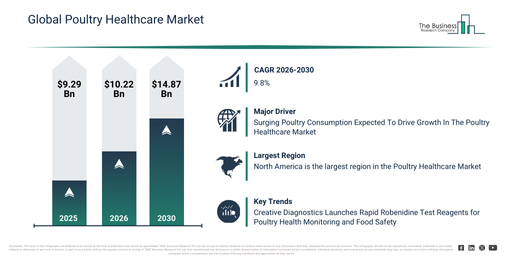
    The poultry healthcare market size has seen rapid growth in recent years. It is projected to expand from $9.29 billion in 2025 to $10.22 billion in 2026, reflecting a compound annual growth rate (CAGR) of 10.0%. This historical growth can be attributed to factors such as increasing poultry production, the widespread presence of bacterial and viral infections in poultry, the conventional use of antibiotics for growth promotion, insufficient awareness of biosecurity practices, and the rising implementation of laboratory testing for poultry diseases.

    The poultry healthcare market is projected to experience substantial expansion over the coming years. Its valuation is anticipated to reach $14.87 billion in 2030, demonstrating a compound annual growth rate (CAGR) of 9.8%. This projected increase during the forecast period is primarily driven by the escalating demand for antibiotic-free poultry products, the rising application of precision medicine and vaccines, the wider acceptance of nutritional supplements and feed additives, the growth of molecular diagnostics and ELISA testing, and increased capital expenditure in poultry healthcare infrastructure and biosecurity measures. Noteworthy developments expected during this timeframe encompass the increasing embrace of live attenuated and recombinant vaccines, a surge in the need for probiotics and prebiotics within poultry feed, the expanding utilization of molecular diagnostic tests for identifying diseases, the enhancement of farm hygiene and biosecurity protocols, and a heightened understanding of alternatives to antibiotic growth promoters (AGP).

    Get A Free Sample Report With In-Depth Market Insights:

    https://thebusinessresearchcompany.com/sample_request?id=5734&type=smp&name=Poultry%20Healthcare%20Market%20Report%202026&utm_source=Blogs&utm_medium=Paid&utm_campaign=Oct_PR

    Poultry Healthcare Market Growth Drivers: What’s Behind The Acceleration?

    The expanding consumption of poultry is projected to boost the poultry healthcare market. Poultry encompasses domesticated birds such as chickens, turkeys, ducks, geese, and quail, which are raised for both meat and egg production. As the demand for poultry products rises, larger flocks are being kept, leading to increased disease risks due to crowded conditions. Therefore, prioritizing poultry healthcare for effective disease prevention, control, and management is becoming increasingly vital. For instance, in July 2024, The Poultry Site, an Australia-based agricultural industry platform, reported that poultry meat consumption in Bulgaria increased by 8.2% in 2023 compared with 2022, reflecting stronger consumer demand for poultry products. Thus, increasing poultry consumption is expected to propel the growth of the poultry healthcare market.

    Poultry Healthcare Market Segment Landscape And Growth Outlook

    The poultry healthcare market covered in this report is segmented –

    1) By Product: Vaccines, Parasiticides, Anti Infectives, Medical Feed Additives

    2) By Test: ELISA, PCR, Molecular Diagnostic test, Laboratory Test

    3) By Application: Farm, House

    Subsegments:

    1) By Vaccines: Live Attenuated Vaccines, Inactivated Vaccines, Recombinant Vaccines

    2) By Parasiticides: Endoparasiticides, Ectoparasiticides, Broad-Spectrum Parasiticides

    3) By Anti-Infectives: Antibiotics, Antifungals, Antivirals

    4) By Medical Feed Additives: Antibiotic Growth Promoters (AGPs), Probiotics, Prebiotics, Nutritional Supplements

    Poultry Healthcare Market Trends: What’s Defining The Industry’s Next Phase?

    Key players in the poultry diagnostics market are engaged in the development of Rapid Robenidine Test Reagents to improve the effectiveness and exactness of diagnosing and monitoring poultry health, specifically for identifying the presence of robenidine, an anticoccidial substance used to prevent coccidiosis in poultry. Robenidine Test Reagents constitute specialized diagnostic instruments designed for the detection of robenidine residues found in poultry meat and organs. These reagents are crucial for ensuring the safety of food products and compliance with regulations pertaining to the application of robenidine, an antibiotic commonly administered in veterinary medicine for the treatment of coccidiosis in poultry. For example, in October 2024, Creative Diagnostics, a US-based company, unveiled Rapid Robenidine Test Reagents intended for the examination of anticoccidial residues. These reagents are formulated to rapidly and accurately discern the existence of robenidine, an anticoccidial agent, within poultry and other sample types to guarantee adherence to safety and quality benchmarks.

    Poultry Healthcare Market Competitive Landscape: Which Companies Lead The Industry?

    Major companies operating in the poultry healthcare market are Ceva Polchem Pvt. Ltd., Zoetis Inc., Venky’s Ltd., Phibro Animal Health Corporation, Merck & Co Inc., C. H. Boehringer Sohn AG & Co. KG, Hester Biosciences Limited, Romvac Company S. A., Bayer AG, Indovax Pvt. Ltd., Affini Technology Limited, Bimeda Inc., IndexxLaboratories Inc., BioChek B. V., BioinGentech, MEGACOR Handel mit Medizintechnik u Diagnostika GmbH, Thermo Fisher Scientific Inc., Provet Pharma Private Limited, Anitox Corp., Aviagen Inc., Cobb-Vantress Inc., Hendrix Genetics BV, Hubbard LLC, Hy-Line International, Novogen, Lohmann Tierzucht, Romer Labs Pte Ltd.

    View The Full Poultry Healthcare Market Report:

    https://thebusinessresearchcompany.com/report/poultry-healthcare-global-market-report?utm_source=Blogs&utm_medium=Paid&utm_campaign=Oct_PR

    Poultry Healthcare Market Regional Breakdown: Where Is Demand Concentrated?

    North America was the largest region in the poultry healthcare market in 2025.Asia-Pacific is expected to be the fastest-growing region in the forecast period. The regions covered in the poultry healthcare market report are Asia-Pacific, South East Asia, Western Europe, Eastern Europe, North America, South America, Middle East, Africa.

    Reach Out To Our Team:

    The Business Research Company: https://www.thebusinessresearchcompany.com/

    Americas: +1 310-496-7795

    Asia: +44 7882 955267 & +91 8897263534

    Europe: +44 7882 955267

    Email us at: marketing@tbrc.info

    Follow us on:

    LinkedIn: https://in.linkedin.com/company/the-business-research-company

    YouTube: https://www.youtube.com/channel/UC24_fI0rV8cR5DxlCpgmyFQ

    Global Market Model: https://www.thebusinessresearchcompany.com/global-market-model

  • Poultry Feed Mycotoxin Binders And Modifiers Market Trends Supporting 4.9% CAGR Growth Through 2030

    Poultry Feed Mycotoxin Binders And Modifiers Market Trends Supporting 4.9% CAGR Growth Through 2030

    Backed by market attractiveness analysis, total addressable market sizing, company benchmarking matrices, interactive Excel dashboards, wider supply chain intelligence, emerging startup coverage, and detailed product-level insights, The Business Research Company’s 2026 market reports are designed to offer research that is more actionable and strategically valuable than ever.

    Poultry Feed Mycotoxin Binders And Modifiers Market Value Growth And Long-Term Outlook

    The poultry feed mycotoxin binders and modifiers market size has shown steady growth over recent years. It is anticipated to increase from $3.22 billion in 2025 to $3.35 billion in 2026, at a compound annual growth rate (CAGR) of 4.1%. This historical growth can be attributed to factors such as the high prevalence of mycotoxin contamination in poultry feed, the expanding poultry industry and production, the past limited availability of effective feed additives, stringent food safety and feed regulations in Europe and North America, and a rising awareness among poultry farmers regarding animal health.

    The market for poultry feed mycotoxin binders and modifiers is anticipated to show consistent expansion over the coming years. It is projected to reach $4.07 billion by 2030, advancing at a compound annual growth rate (CAGR) of 4.9%. This growth during the forecast period can be attributed to advancements in enzyme and biological modifier technologies, a rising demand for organic and natural feed additives, the expansion of poultry farming in Asia-Pacific, increasing adoption of precision feeding methods, and partnerships between feed additive producers and poultry integrators. Key trends expected within this period involve the increasing application of enzyme-based mycotoxin modifiers, a growing uptake of clay and silicate-based binders, the evolution of liquid and dry feed additives, heightened awareness concerning mycotoxin dangers in poultry feed, and the broadening of customized feed additive offerings.

    Get A Free Sample Report With In-Depth Market Insights:

    https://thebusinessresearchcompany.com/sample_request?id=10385&type=smp&name=Poultry%20Feed%20Mycotoxin%20Binders%20And%20Modifiers%20Market%20Report%202026&utm_source=Blogs&utm_medium=Paid&utm_campaign=Oct_PR

    Poultry Feed Mycotoxin Binders And Modifiers Market Growth Factors Behind Sustained Expansion

    Increasing meat consumption is expected to propel the growth of the poultry feed mycotoxin binders and modifiers market going forward. Meat refers to the flesh or edible parts of an animal. Meat consumption is rising due to rising incomes, as higher purchasing power allows consumers to afford meat more frequently and include it as a regular part of their diet. Poultry feed mycotoxin binders and modifiers help in mitigating the effects of toxic substances that can be absorbed by poultry, making it safer to consume. For instance, in 2024, according to the Food and Agriculture Organization (FAO), an Italy-based specialized agency of the United Nations, poultry meat consumption will reach 91 million tons by 2032, an estimated growth of 15% in the next decade. Therefore, rising meat consumption will drive the poultry feed mycotoxin binders and modifiers market.

    Poultry Feed Mycotoxin Binders And Modifiers Market Breakdown By Product Type And Application

    The poultry feed mycotoxin binders and modifiers market covered in this report is segmented –

    1) By Product Type: Mycotoxin Binders, Mycotoxin Modifiers

    2) By Source: Organic, Inorganic

    3) By Form: Liquid, Dry

    Subsegments:

    1) By Mycotoxin Binders: Clay-Based Binders, Silicate-Based Binders, Activated Charcoal Binders

    2) By Mycotoxin Modifiers: Enzyme-Based Modifiers, Chemical Modifiers, Biological Modifiers

    Poultry Feed Mycotoxin Binders And Modifiers Market Industry Trends Fueling Future Revenue Growth

    Leading companies in the poultry feed mycotoxin binders and modifiers market have launched advanced and innovative technologies to strengthen their market position. These new and innovative technologies refer to sophisticated mycotoxin-binding and detoxification solutions that employ improved adsorbents, enzymes, or biological modifiers to enhance toxin control and feed safety. For instance, in August 2024, DSM-Firmenich Animal Nutrition and Health, a Netherlands-based company focused on nutrition, health, and sustainable living, announced that the Canadian Food Inspection Agency (CFIA) had approved a novel enzyme, fumonisin esterase, to assist swine and poultry producers in managing mycotoxins in feed. The firm will offer a new product that includes this fumonisin esterase, named Mycofix®FUMzyme, for use in swine and poultry diets in Canada.

    Poultry Feed Mycotoxin Binders And Modifiers Market Competitive Landscape: Who Leads The Industry?

    Major companies operating in the poultry feed mycotoxin binders and modifiers market are Cargill Incorporated, Phibro Animal Health, Perstorp Holding AB, Archer-Daniels-Midland Company, BASF SE, Bayer AG, Amlan International, Impextraco, Olmix Group, Micron Bio-Systems Ltd., Novus International Inc., Trouw Nutrition USA LLC, Brenntag SE, Norel Animal Nutrition, Adisseo France SAS, Global Nutritech Co. Ltd., Chr. Hansen Holding A/S, Nutreco N.V., BIOMIN Holding GmbH, Kemin Industries Inc., Alltech Inc., Anpario plc, Avitech Nutrition Pvt. Ltd., Biofeed Solutions Inc., Evonik Industries AG, Biovet JSC, DuPont Danisco Animal Nutrition, Diamond V, Dr. Eckel Animal Nutrition GmbH & Co. KG, Elanco Animal Health Incorporated

    View The Full Poultry Feed Mycotoxin Binders And Modifiers Market Report:

    https://thebusinessresearchcompany.com/report/poultry-feed-mycotoxin-binders-and-modifiers-global-market-report?utm_source=Blogs&utm_medium=Paid&utm_campaign=Oct_PR

    Poultry Feed Mycotoxin Binders And Modifiers Market Geographic Landscape: Which Region Dominates Industry Growth?

    North America was the largest region in the poultry feed mycotoxin binders and modifiers market in 2025. The regions covered in the poultry feed mycotoxin binders and modifiers market report are Asia-Pacific, South East Asia, Western Europe, Eastern Europe, North America, South America, Middle East, Africa.

    Reach Out To Our Team:

    The Business Research Company: https://www.thebusinessresearchcompany.com/

    Americas: +1 310-496-7795

    Asia: +44 7882 955267 & +91 8897263534

    Europe: +44 7882 955267

    Email us at: marketing@tbrc.info

    Follow us on:

    LinkedIn: https://in.linkedin.com/company/the-business-research-company

    YouTube: https://www.youtube.com/channel/UC24_fI0rV8cR5DxlCpgmyFQ

    Global Market Model: https://www.thebusinessresearchcompany.com/global-market-model

  • Poultry Healthcare Market Size In 2026: Growth Outlook And Forecast Through 2030

    Built to provide research that’s more actionable and strategically valuable, The Business Research Company’s 2026 market reports include market attractiveness analysis, total addressable market sizing, company benchmarking matrices, interactive Excel dashboards, broader supply chain intelligence, emerging startup tracking, and in-depth product insights.

    Poultry Healthcare Market Revenue Growth On Track For A 9.8% CAGR Through 2030

    The poultry healthcare market size has seen rapid growth in recent years. It is projected to expand from $9.29 billion in 2025 to $10.22 billion in 2026, reflecting a compound annual growth rate (CAGR) of 10.0%. This historical growth can be attributed to factors such as increasing poultry production, the widespread presence of bacterial and viral infections in poultry, the conventional use of antibiotics for growth promotion, insufficient awareness of biosecurity practices, and the rising implementation of laboratory testing for poultry diseases.

    The poultry healthcare market is projected to experience substantial expansion over the coming years. Its valuation is anticipated to reach $14.87 billion in 2030, demonstrating a compound annual growth rate (CAGR) of 9.8%. This projected increase during the forecast period is primarily driven by the escalating demand for antibiotic-free poultry products, the rising application of precision medicine and vaccines, the wider acceptance of nutritional supplements and feed additives, the growth of molecular diagnostics and ELISA testing, and increased capital expenditure in poultry healthcare infrastructure and biosecurity measures. Noteworthy developments expected during this timeframe encompass the increasing embrace of live attenuated and recombinant vaccines, a surge in the need for probiotics and prebiotics within poultry feed, the expanding utilization of molecular diagnostic tests for identifying diseases, the enhancement of farm hygiene and biosecurity protocols, and a heightened understanding of alternatives to antibiotic growth promoters (AGP).

    Get A Free Sample Report With In-Depth Market Insights:

    https://thebusinessresearchcompany.com/sample_request?id=5734&type=smp&name=Poultry%20Healthcare%20Market%20Report%202026&utm_source=Blogs&utm_medium=Paid&utm_campaign=Oct_PR

    Poultry Healthcare Market Growth Drivers: What’s Behind The Acceleration?

    The expanding consumption of poultry is projected to boost the poultry healthcare market. Poultry encompasses domesticated birds such as chickens, turkeys, ducks, geese, and quail, which are raised for both meat and egg production. As the demand for poultry products rises, larger flocks are being kept, leading to increased disease risks due to crowded conditions. Therefore, prioritizing poultry healthcare for effective disease prevention, control, and management is becoming increasingly vital. For instance, in July 2024, The Poultry Site, an Australia-based agricultural industry platform, reported that poultry meat consumption in Bulgaria increased by 8.2% in 2023 compared with 2022, reflecting stronger consumer demand for poultry products. Thus, increasing poultry consumption is expected to propel the growth of the poultry healthcare market.

    Poultry Healthcare Market Segment Landscape And Growth Outlook

    The poultry healthcare market covered in this report is segmented –

    1) By Product: Vaccines, Parasiticides, Anti Infectives, Medical Feed Additives

    2) By Test: ELISA, PCR, Molecular Diagnostic test, Laboratory Test

    3) By Application: Farm, House

    Subsegments:

    1) By Vaccines: Live Attenuated Vaccines, Inactivated Vaccines, Recombinant Vaccines

    2) By Parasiticides: Endoparasiticides, Ectoparasiticides, Broad-Spectrum Parasiticides

    3) By Anti-Infectives: Antibiotics, Antifungals, Antivirals

    4) By Medical Feed Additives: Antibiotic Growth Promoters (AGPs), Probiotics, Prebiotics, Nutritional Supplements

    Poultry Healthcare Market Trends: What’s Defining The Industry’s Next Phase?

    Key players in the poultry diagnostics market are engaged in the development of Rapid Robenidine Test Reagents to improve the effectiveness and exactness of diagnosing and monitoring poultry health, specifically for identifying the presence of robenidine, an anticoccidial substance used to prevent coccidiosis in poultry. Robenidine Test Reagents constitute specialized diagnostic instruments designed for the detection of robenidine residues found in poultry meat and organs. These reagents are crucial for ensuring the safety of food products and compliance with regulations pertaining to the application of robenidine, an antibiotic commonly administered in veterinary medicine for the treatment of coccidiosis in poultry. For example, in October 2024, Creative Diagnostics, a US-based company, unveiled Rapid Robenidine Test Reagents intended for the examination of anticoccidial residues. These reagents are formulated to rapidly and accurately discern the existence of robenidine, an anticoccidial agent, within poultry and other sample types to guarantee adherence to safety and quality benchmarks.

    Poultry Healthcare Market Competitive Landscape: Which Companies Lead The Industry?

    Major companies operating in the poultry healthcare market are Ceva Polchem Pvt. Ltd., Zoetis Inc., Venky’s Ltd., Phibro Animal Health Corporation, Merck & Co Inc., C. H. Boehringer Sohn AG & Co. KG, Hester Biosciences Limited, Romvac Company S. A., Bayer AG, Indovax Pvt. Ltd., Affini Technology Limited, Bimeda Inc., IndexxLaboratories Inc., BioChek B. V., BioinGentech, MEGACOR Handel mit Medizintechnik u Diagnostika GmbH, Thermo Fisher Scientific Inc., Provet Pharma Private Limited, Anitox Corp., Aviagen Inc., Cobb-Vantress Inc., Hendrix Genetics BV, Hubbard LLC, Hy-Line International, Novogen, Lohmann Tierzucht, Romer Labs Pte Ltd.

    View The Full Poultry Healthcare Market Report:

    https://thebusinessresearchcompany.com/report/poultry-healthcare-global-market-report?utm_source=Blogs&utm_medium=Paid&utm_campaign=Oct_PR

    Poultry Healthcare Market Regional Breakdown: Where Is Demand Concentrated?

    North America was the largest region in the poultry healthcare market in 2025.Asia-Pacific is expected to be the fastest-growing region in the forecast period. The regions covered in the poultry healthcare market report are Asia-Pacific, South East Asia, Western Europe, Eastern Europe, North America, South America, Middle East, Africa.

    Reach Out To Our Team:

    The Business Research Company: https://www.thebusinessresearchcompany.com/

    Americas: +1 310-496-7795

    Asia: +44 7882 955267 & +91 8897263534

    Europe: +44 7882 955267

    Email us at: marketing@tbrc.info

    Follow us on:

    LinkedIn: https://in.linkedin.com/company/the-business-research-company

    YouTube: https://www.youtube.com/channel/UC24_fI0rV8cR5DxlCpgmyFQ

    Global Market Model: https://www.thebusinessresearchcompany.com/global-market-model

  • Poultry Feed Mycotoxin Binders And Modifiers Market Trends Supporting 4.9% CAGR Growth Through 2030

    Poultry Feed Mycotoxin Binders And Modifiers Market Trends Supporting 4.9% CAGR Growth Through 2030

    Backed by market attractiveness analysis, total addressable market sizing, company benchmarking matrices, interactive Excel dashboards, wider supply chain intelligence, emerging startup coverage, and detailed product-level insights, The Business Research Company’s 2026 market reports are designed to offer research that is more actionable and strategically valuable than ever.

    Poultry Feed Mycotoxin Binders And Modifiers Market Value Growth And Long-Term Outlook

    The poultry feed mycotoxin binders and modifiers market size has shown steady growth over recent years. It is anticipated to increase from $3.22 billion in 2025 to $3.35 billion in 2026, at a compound annual growth rate (CAGR) of 4.1%. This historical growth can be attributed to factors such as the high prevalence of mycotoxin contamination in poultry feed, the expanding poultry industry and production, the past limited availability of effective feed additives, stringent food safety and feed regulations in Europe and North America, and a rising awareness among poultry farmers regarding animal health.

    The market for poultry feed mycotoxin binders and modifiers is anticipated to show consistent expansion over the coming years. It is projected to reach $4.07 billion by 2030, advancing at a compound annual growth rate (CAGR) of 4.9%. This growth during the forecast period can be attributed to advancements in enzyme and biological modifier technologies, a rising demand for organic and natural feed additives, the expansion of poultry farming in Asia-Pacific, increasing adoption of precision feeding methods, and partnerships between feed additive producers and poultry integrators. Key trends expected within this period involve the increasing application of enzyme-based mycotoxin modifiers, a growing uptake of clay and silicate-based binders, the evolution of liquid and dry feed additives, heightened awareness concerning mycotoxin dangers in poultry feed, and the broadening of customized feed additive offerings.

    Get A Free Sample Report With In-Depth Market Insights:

    https://thebusinessresearchcompany.com/sample_request?id=10385&type=smp&name=Poultry%20Feed%20Mycotoxin%20Binders%20And%20Modifiers%20Market%20Report%202026&utm_source=Blogs&utm_medium=Paid&utm_campaign=Oct_PR

    Poultry Feed Mycotoxin Binders And Modifiers Market Growth Factors Behind Sustained Expansion

    Increasing meat consumption is expected to propel the growth of the poultry feed mycotoxin binders and modifiers market going forward. Meat refers to the flesh or edible parts of an animal. Meat consumption is rising due to rising incomes, as higher purchasing power allows consumers to afford meat more frequently and include it as a regular part of their diet. Poultry feed mycotoxin binders and modifiers help in mitigating the effects of toxic substances that can be absorbed by poultry, making it safer to consume. For instance, in 2024, according to the Food and Agriculture Organization (FAO), an Italy-based specialized agency of the United Nations, poultry meat consumption will reach 91 million tons by 2032, an estimated growth of 15% in the next decade. Therefore, rising meat consumption will drive the poultry feed mycotoxin binders and modifiers market.

    Poultry Feed Mycotoxin Binders And Modifiers Market Breakdown By Product Type And Application

    The poultry feed mycotoxin binders and modifiers market covered in this report is segmented –

    1) By Product Type: Mycotoxin Binders, Mycotoxin Modifiers

    2) By Source: Organic, Inorganic

    3) By Form: Liquid, Dry

    Subsegments:

    1) By Mycotoxin Binders: Clay-Based Binders, Silicate-Based Binders, Activated Charcoal Binders

    2) By Mycotoxin Modifiers: Enzyme-Based Modifiers, Chemical Modifiers, Biological Modifiers

    Poultry Feed Mycotoxin Binders And Modifiers Market Industry Trends Fueling Future Revenue Growth

    Leading companies in the poultry feed mycotoxin binders and modifiers market have launched advanced and innovative technologies to strengthen their market position. These new and innovative technologies refer to sophisticated mycotoxin-binding and detoxification solutions that employ improved adsorbents, enzymes, or biological modifiers to enhance toxin control and feed safety. For instance, in August 2024, DSM-Firmenich Animal Nutrition and Health, a Netherlands-based company focused on nutrition, health, and sustainable living, announced that the Canadian Food Inspection Agency (CFIA) had approved a novel enzyme, fumonisin esterase, to assist swine and poultry producers in managing mycotoxins in feed. The firm will offer a new product that includes this fumonisin esterase, named Mycofix®FUMzyme, for use in swine and poultry diets in Canada.

    Poultry Feed Mycotoxin Binders And Modifiers Market Competitive Landscape: Who Leads The Industry?

    Major companies operating in the poultry feed mycotoxin binders and modifiers market are Cargill Incorporated, Phibro Animal Health, Perstorp Holding AB, Archer-Daniels-Midland Company, BASF SE, Bayer AG, Amlan International, Impextraco, Olmix Group, Micron Bio-Systems Ltd., Novus International Inc., Trouw Nutrition USA LLC, Brenntag SE, Norel Animal Nutrition, Adisseo France SAS, Global Nutritech Co. Ltd., Chr. Hansen Holding A/S, Nutreco N.V., BIOMIN Holding GmbH, Kemin Industries Inc., Alltech Inc., Anpario plc, Avitech Nutrition Pvt. Ltd., Biofeed Solutions Inc., Evonik Industries AG, Biovet JSC, DuPont Danisco Animal Nutrition, Diamond V, Dr. Eckel Animal Nutrition GmbH & Co. KG, Elanco Animal Health Incorporated

    View The Full Poultry Feed Mycotoxin Binders And Modifiers Market Report:

    https://thebusinessresearchcompany.com/report/poultry-feed-mycotoxin-binders-and-modifiers-global-market-report?utm_source=Blogs&utm_medium=Paid&utm_campaign=Oct_PR

    Poultry Feed Mycotoxin Binders And Modifiers Market Geographic Landscape: Which Region Dominates Industry Growth?

    North America was the largest region in the poultry feed mycotoxin binders and modifiers market in 2025. The regions covered in the poultry feed mycotoxin binders and modifiers market report are Asia-Pacific, South East Asia, Western Europe, Eastern Europe, North America, South America, Middle East, Africa.

    Reach Out To Our Team:

    The Business Research Company: https://www.thebusinessresearchcompany.com/

    Americas: +1 310-496-7795

    Asia: +44 7882 955267 & +91 8897263534

    Europe: +44 7882 955267

    Email us at: marketing@tbrc.info

    Follow us on:

    LinkedIn: https://in.linkedin.com/company/the-business-research-company

    YouTube: https://www.youtube.com/channel/UC24_fI0rV8cR5DxlCpgmyFQ

    Global Market Model: https://www.thebusinessresearchcompany.com/global-market-model
  • Zoonotic Disease Treatment Market Analysis: How The Industry Is Evolving Toward A $57.77 Billion Future

    Zoonotic Disease Treatment Market Analysis: How The Industry Is Evolving Toward A $57.77 Billion Future

    Backed by market attractiveness analysis, total addressable market sizing, company benchmarking matrices, interactive Excel dashboards, wider supply chain intelligence, emerging startup coverage, and detailed product-level insights, The Business Research Company’s 2026 market reports are designed to offer research that is more actionable and strategically valuable than ever.

    Zoonotic Disease Treatment Market Forecast: Value Set To Climb From $45.48 Billion To $57.77 Billion

    The zoonotic disease treatment market has experienced robust expansion over recent years. Its value is predicted to increase from $42.51 billion in 2025 to $45.48 billion in 2026, achieving a compound annual growth rate (CAGR) of 7.0%. The expansion observed in the past can be linked to a rise in zoonotic disease transmission incidents, inadequate disease surveillance within animal populations, considerable reliance on conventional antibiotics, a deficiency in integrated animal and human health approaches, and greater interaction between humans and animals.

    The zoonotic disease treatment market size is anticipated to expand significantly in the coming years. It is projected to increase to $57.77 billion in 2030, achieving a compound annual growth rate (CAGR) of 6.2%. This growth over the forecast period is attributed to advancements in zoonotic disease diagnostics and therapeutics, the growing adoption of One Health approaches, increased government funding for controlling zoonotic diseases, wider vaccination coverage for animals, and the expansion of global disease surveillance programs. Notable trends expected during this period include a rising occurrence of zoonotic disease outbreaks, an increasing focus on preventive treatment and prophylaxis, a growing demand for broad-spectrum anti-infective therapies, the broadening of integrated animal and human health initiatives, and an emphasis on early diagnosis and swift treatment initiation.

    Get A Free Sample Report With In-Depth Market Insights:

    https://thebusinessresearchcompany.com/sample_request?id=15965&type=smp&name=Zoonotic%20Disease%20Treatment%20Market%20Report%202026&utm_source=Blogs&utm_medium=Paid&utm_campaign=Oct_PR

    Zoonotic Disease Treatment Market Growth Backed By Core Demand Fundamentals

    The zoonotic disease treatment market is anticipated to expand due to the rising demand for animal proteins. These proteins, sourced from animals like meat, dairy, eggs, and fish, provide all essential amino acids crucial for human well-being. This surge in demand for animal proteins can be attributed to an expanding global population, increased income levels, growing urbanization, and a greater understanding of the health benefits of animal-derived foods. Interventions for zoonotic diseases are vital as they provide strategies for handling illnesses linked to animal proteins, deciphering how they spread, developing effective remedies, and putting in place preventative actions to lessen risks to public health. For example, data from the Australian Bureau of Statistics (ABS) revealed that in March 2025, per capita consumption of meat and poultry products rose by 2.3% compared with 2023-24, indicating a notable increase in the country’s animal-based protein intake by weight. Consequently, the heightened demand for animal proteins is propelling the growth of the zoonotic disease treatment market. The expansion of the zoonotic disease treatment market is projected to be driven by increasing global livestock production. Livestock production encompasses the methodical, human-managed breeding, rearing, keeping, and utilization of domesticated animals to yield food, fiber, labor, and other goods for human use or consumption. The increase in global livestock production is largely a result of the growing demand for animal-based food products, fueled by population expansion and evolving dietary preferences. This production is crucial for zoonotic disease treatment as it provides an essential connection point for monitoring, researching, and managing animal health, facilitating the prompt identification of pathogens, the creation of vaccines and treatments, and the implementation of biosecurity measures that curb transmission between animals and humans, thereby strengthening integrated One Health initiatives. For instance, official statistics from UK government agencies indicated that in July 2025, the overall value of livestock output in the UK reached £20.1 ($23.69) billion in 2024, marking an increase of £1.1 ($1.30) billion or 5.6% compared to 2023. This growth was primarily attributed to higher prices and enhanced production across the eggs, beef, and milk sectors. Thus, the escalating global livestock production is a significant factor propelling the growth of the zoonotic disease treatment market.

    Zoonotic Disease Treatment Market Segmentation: How Does The Market Break Down By Category?

    The zoonotic disease treatment market covered in this report is segmented –

    1) By Disease Type: Rabies, Tuberculosis, Leishmaniasis, Ebola Virus Disease, Other Disease Types

    2) By Drug Class: Anti-Fungal, Anti-Bacterial, Antibiotics, Other Drug Classes

    3) By Causative Agent: Bacteria, Virus, Nematode, Rodents, Ticks, Other Causative Agents

    4) By Route Of Administration: Oral, Topical, Other Routes Of Administrations

    5) By Distribution Channel: Hospital Pharmacy, Retail Pharmacy, Online Pharmacy, Other Distribution Channels

    Subsegments:

    1) By Rabies: Post Exposure Prophylaxis (PEP), Pre-Exposure Prophylaxis (PrEP)

    2) By Tuberculosis: Latent Tuberculosis Treatment, Active Tuberculosis Treatment

    3) By Leishmaniasis: Visceral Leishmaniasis, Cutaneous Leishmaniasis, Mucocutaneous Leishmaniasis

    4) By Ebola Virus Disease: Pre-Exposure Vaccination, Post-Exposure Treatment

    5) By Other Disease Types: Zika Virus, Lassa Fever, Yellow Fever, Chikungunya

    Zoonotic Disease Treatment Market Growth Trends Reshaping The Competitive Landscape

    Leading companies within the zoonotic disease treatment market are concentrating their efforts on funding zoonotic disease treatment to improve diagnostic potential and refine treatment methods. This encompasses the creation of advanced diagnostic technologies, such as PCR kits, to allow for more rapid identification of zoonotic pathogens, alongside the implementation of specific therapeutic interventions. For example, in October 2023, BioPerfectus, a China-based biotechnology company specializing in diagnostic solutions, introduced thirteen new components to its Zoonotic Infectious Diseases Total PCR Solution. This expansion is designed to enhance its diagnostic capabilities for zoonotic diseases, which represent over 60% of identified infectious diseases and 75% of emerging infections. The undertaking is geared towards bolstering health security preparedness and response, particularly as climate change contributes to the spread of infectious diseases into previously unaffected areas. With these new offerings, the company aims to enable faster diagnoses and more effective management of zoonotic infections, emphasizing the critical role of proactive public health strategies.

    Zoonotic Disease Treatment Market Top Companies Driving Competitive Growth

    Major companies operating in the zoonotic disease treatment market are Pfizer Inc., Johnson & Johnson Services Inc., Merck And Co. Inc., Bayer AG, Sanofi S.A., AstraZeneca plc, Novartis International AG, F. Hoffmann-La Roche Ltd., GlaxoSmithKline plc, Takeda Pharmaceutical Company Limited, Eli Lilly and Company, Teva Pharmaceutical Industries Ltd., Zoetis Inc., Boehringer Ingelheim International GmbH, Elanco Animal Health Incorporated, IDEXX Laboretories Inc., Hikma Pharmaceuticals PLC., Ceva Santé Animale, Vir Biotechnology Inc., Virbac, Vetoquinol S.A., BioCryst Pharmaceuticals Inc, Heska Corporation

    View The Full Zoonotic Disease Treatment Market Report:

    https://thebusinessresearchcompany.com/report/zoonotic-disease-treatment-global-market-report?utm_source=Blogs&utm_medium=Paid&utm_campaign=Oct_PR

    Zoonotic Disease Treatment Market Global Footprint: Which Region Leads The Market?

    North America was the largest region in the zoonotic disease treatment market in 2025. Asia-Pacific is expected to be the fastest-growing region in the forecast period. The regions covered in the zoonotic disease treatment market report are Asia-Pacific, South East Asia, Western Europe, Eastern Europe, North America, South America, Middle East, Africa.

    Reach Out To Our Team:

    The Business Research Company: https://www.thebusinessresearchcompany.com/

    Americas: +1 310-496-7795

    Asia: +44 7882 955267 & +91 8897263534

    Europe: +44 7882 955267

    Email us at: marketing@tbrc.info

    Follow us on:

    LinkedIn: https://in.linkedin.com/company/the-business-research-company

    YouTube: https://www.youtube.com/channel/UC24_fI0rV8cR5DxlCpgmyFQ

    Global Market Model: https://www.thebusinessresearchcompany.com/global-market-model
  • Yeast Probiotic Ingredient For Animal Market Outlook Through 2030: Understanding The Growth Opportunity

    Yeast Probiotic Ingredient For Animal Market Outlook Through 2030: Understanding The Growth Opportunity

    Featuring market attractiveness scoring, total addressable market sizing, company benchmarking matrices, interactive Excel dashboards, deeper supply chain intelligence, emerging startup tracking, and granular product-level insights, The Business Research Company’s 2026 market reports are built to deliver research that is both more actionable and more strategically valuable.

    Yeast Probiotic Ingredient For Animal Market Revenue Growth On Track For A 11.4% CAGR Through 2030

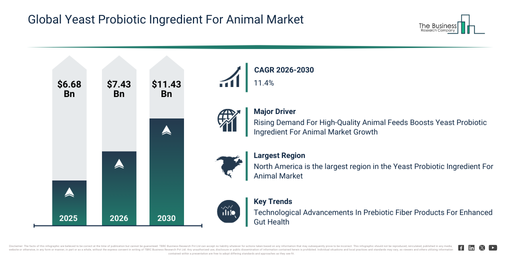
    The market size for yeast probiotic ingredients for animals has seen rapid expansion in recent years. It is anticipated to grow from $6.68 billion in 2025 to $7.43 billion in 2026, at a compound annual growth rate (CAGR) of 11.2%. The historical growth of this market can be attributed to several factors, including the ban on antibiotic growth promoters, increasing livestock production volumes, a heightened awareness of animal nutrition, the expansion of commercial animal farming, and the established benefits of yeast-based feed additives.

    The market for yeast probiotic ingredients in animal products is projected to experience substantial expansion over the upcoming years. This market is anticipated to reach a valuation of $11.43 billion by 2030, exhibiting a compound annual growth rate (CAGR) of 11.4%. This projected expansion is primarily driven by factors such as a heightened demand for sustainable animal protein, a greater emphasis on enhancing animal immunity and preventing diseases, the expansion of aquaculture and pet nutrition sectors, continuous progress in probiotic strain development, and the increasing incorporation of functional feed ingredients. Key trends identified for this period encompass a growing uptake of probiotics as alternatives to antibiotics, an intensifying focus on the gut health and immune systems of livestock, a heightened need for natural feed additives, the broader application of probiotics in poultry and swine diets, and a greater utilization of yeast derivatives in animal feed compositions.

    Get A Free Sample Report With In-Depth Market Insights:

    https://thebusinessresearchcompany.com/sample_request?id=9307&type=smp&name=Yeast%20Probiotic%20Ingredient%20For%20Animal%20Market%20Report%202026&utm_source=Blogs&utm_medium=Paid&utm_campaign=Oct_PR

    Yeast Probiotic Ingredient For Animal Market Growth Catalysts And Demand Drivers

    The growing need for superior animal feeds is anticipated to propel the expansion of the yeast probiotic ingredient for animal market moving forward. High-quality animal feeds are nutritionally balanced formulations that deliver essential nutrients to fulfill animals’ specific dietary requirements, thereby promoting optimal health, growth, and performance. The increase in high-quality animal feeds stems from livestock and pet owners seeking improved nutrition to enhance animal health, growth, and productivity. Integrating yeast probiotic ingredients into high-quality animal feeds offers a strategic method to support animal health, boost performance, and address concerns regarding sustainability and the responsible use of antibiotics in livestock farming. For instance, in February 2025, according to the Institute for Feed Education and Research (IFEEDER), a US-based feed advocacy nonprofit, U.S. livestock, poultry, and farmed aquaculture consumed approximately 283.6 million tons of feed in 2023. This reflects sustained large-scale feed utilization, underscoring a broad demand for quality nutrition inputs like probiotics that improve gut health and feed efficiency, consistent with totals from prior years showing similar scale. Therefore, the expanding demand for high-quality animal feeds is driving the growth of the yeast probiotic ingredient for animal market.

    Yeast Probiotic Ingredient For Animal Market Segment Trends And Revenue Contributors

    The yeast probiotic ingredient for animal market covered in this report is segmented –

    1) By Product Type: Live, Spent, Yeast Derivatives

    2) By Genus: Saccharomyces Spp, Kluyveromyces Spp

    3) By Livestock: Ruminants, Poultry, Swine, Aquatic Animals, Pets, Equine

    Subsegments:

    1) By Live: Probiotic Live Yeast Cultures, Fermented Live Yeast

    2) By Spent: Dried Spent Yeast, Liquid Spent Yeast

    3) By Yeast Derivatives: Yeast Extracts, Yeast Beta-Glucans, Yeast Cell Walls

    Yeast Probiotic Ingredient For Animal Market Trends Shaping Long-Term Demand

    Leading companies in the yeast probiotic ingredient market for animals are concentrating on developing technologically advanced products, such as prebiotic fiber, to gain a competitive edge and expand their customer base. Prebiotic fiber is a specialized technology designed to promote the growth of beneficial gut bacteria. For instance, in September 2023, Alltech, a US-based nutrition company, launched Microbuild, an advanced prebiotic fiber formulated to enhance gut health and support a resilient microbiome in pets. This cutting-edge prebiotic is dedicated to promoting overall well-being and ensuring gut health, especially when facing bacterial challenges. By boosting microbial diversity in the gut, Microbuild strengthens the animal’s natural defenses. Positioned as a nutritional technology, Microbuild assists pets in developing a diverse and healthy microbiome, offering tangible benefits that contribute to noticeable improvements in pet health for owners.

    Yeast Probiotic Ingredient For Animal Market Leading Players And Competitive Positioning

    Major companies operating in the yeast probiotic ingredient for animal market are Chr. Hansen A/S, Koninklijke DSM N V, DuPont de Nemours Inc., Evonik Industries AG, Novozymes A/S, Lallemand Inc., Kemin Industries Inc., Kerry Group PLC, BASF SE, Macco Organiques Inc., Impextraco NV, Lesaffre, Alltech, Provita Eurotech Ltd., BioResource International Inc., Bio-Vet Inc., BioZyme Inc., Diamond V, Novus International Inc., Pure Cultures, Vetanco, Zinpro Corporation

    View The Full Yeast Probiotic Ingredient For Animal Market Report:

    https://thebusinessresearchcompany.com/report/yeast-probiotic-ingredient-for-animal-global-market-report?utm_source=Blogs&utm_medium=Paid&utm_campaign=Oct_PR

    Yeast Probiotic Ingredient For Animal Market Regional Split: Which Areas Are Fueling Growth?

    North America was the largest region in the yeast probiotic ingredient for animal market in 2025. The regions covered in the yeast probiotic ingredient for animal market report are Asia-Pacific, South East Asia, Western Europe, Eastern Europe, North America, South America, Middle East, Africa.

    Reach Out To Our Team:

    The Business Research Company: https://www.thebusinessresearchcompany.com/

    Americas: +1 310-496-7795

    Asia: +44 7882 955267 & +91 8897263534

    Europe: +44 7882 955267

    Email us at: marketing@tbrc.info

    Follow us on:

    LinkedIn: https://in.linkedin.com/company/the-business-research-company

    YouTube: https://www.youtube.com/channel/UC24_fI0rV8cR5DxlCpgmyFQ

    Global Market Model: https://www.thebusinessresearchcompany.com/global-market-model
  • Wildlife Health Market Growth Potential: What The Latest Forecast Reveals

    Wildlife Health Market Growth Potential: What The Latest Forecast Reveals

    Built to provide research that’s more actionable and strategically valuable, The Business Research Company’s 2026 market reports include market attractiveness analysis, total addressable market sizing, company benchmarking matrices, interactive Excel dashboards, broader supply chain intelligence, emerging startup tracking, and in-depth product insights.

    Wildlife Health Market Value Growth And Long-Term Outlook

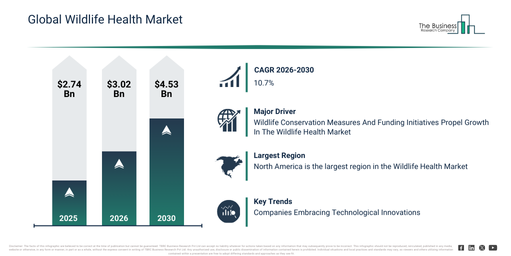
    The wildlife health market has experienced significant growth in recent years. It is projected to increase from $2.74 billion in 2025 to $3.02 billion in 2026, reflecting a compound annual growth rate (CAGR) of 10.0%. The expansion observed historically stems from an escalation in wildlife disease incidents, the increased creation of zoos and wildlife sanctuaries, the wider application of veterinary interventions for mammals and birds, the innovation of specialized wildlife medicines, and a heightened understanding of conservation and animal welfare.

    The size of the wildlife health market is projected to experience substantial expansion over the coming years. This market is anticipated to reach a valuation of $4.53 billion by 2030, exhibiting a compound annual growth rate (CAGR) of 10.7%. This projected growth during the forecast period can be primarily attributed to several factors, including developments in wildlife medicine and treatments, the uptake of digital tools for monitoring and tracking, enhanced governmental backing for wildlife health initiatives, the rise of ecotourism and conservation efforts, and the incorporation of precision medicine into wildlife healthcare. Key trends anticipated over the forecast period encompass a heightened emphasis on monitoring wildlife diseases, the increased use of specialized veterinary medications for wildlife, an expansion in programs for wildlife rescue and rehabilitation, a rising need for habitat health and conservation oversight, and the application of injectable and oral treatments across various species.

    Get A Free Sample Report With In-Depth Market Insights:

    https://thebusinessresearchcompany.com/sample_request?id=12183&type=smp&name=Wildlife%20Health%20Market%20Report%202026&utm_source=Blogs&utm_medium=Paid&utm_campaign=Oct_PR

    Wildlife Health Market Opportunity Drivers: What’s Unlocking New Revenue Potential?

    The future expansion of the wildlife health market is anticipated to be driven by wildlife conservation efforts and their associated funding. These conservation measures encompass a diverse array of strategies and actions aimed at preserving and protecting biodiversity, frequently demanding substantial funding to support critical activities such as habitat restoration, anti-poaching initiatives, research, and community involvement for sustainable wildlife management. The wildlife health market plays a crucial role in bolstering these wildlife conservation measures and funding activities, offering vital services, diagnostic tools, and treatments that enhance the overall well-being of animal populations, thereby strengthening the foundation for sustained conservation efforts. An illustrative example occurred in September 2023 when the United States Department of the Interior, an executive department of the U.S. federal government, allocated over $40.6 million in grants through the U.S. Fish and Wildlife Service. This funding, augmented by an additional $17.6 million, was distributed to 10 states and the U.S. to facilitate the acquisition and protection of 7,200 acres of habitat. It also supported the implementation of state programs under the Endangered Species Act for the conservation and recovery of federally listed and at-risk species on non-federal lands. Consequently, wildlife conservation measures and funding activities are indeed propelling the growth of the wildlife health market.

    Wildlife Health Market Segment Analysis Spotlighting Growth Areas

    The wildlife health market covered in this report is segmented –

    1) By Animal Type: Mammals, Birds, Fish, Reptiles, Amphibians

    2) By Product: Medicine, Equipment And Consumables

    3) By Route Of Administration: Oral, Injectable, Other Routes Of Administration

    4) By End-User: Zoos, Wildlife Sanctuaries, Wildlife Rescue And Rehab Centers, Other End Users

    Subsegments:

    1) By Mammals: Large Mammals, Small Mammals

    2) By Birds: Raptors, Waterfowl, Songbirds

    3) By Fish: Freshwater Fish, Saltwater Fish

    4) By Reptiles: Snakes, Lizards, Turtles And Tortoises

    5) By Amphibians: Frogs, Salamanders, Newts

    Wildlife Health Market Innovation Trends Shaping Future Development

    Leading entities within the wildlife health sector are incorporating innovative technologies to maintain their competitive standing. These new technologies encompass sophisticated diagnostic instruments, therapeutic approaches, and surveillance systems aimed at enhancing wildlife health oversight and preventing illnesses. An example of this is the U.S. Department of Agriculture (USDA), a federal agency based in the US, which launched novel tests in February 2023 for monitoring and identifying COVID variants across wild and domesticated animal populations. Such tools contribute to controlling the propagation of zoonotic diseases. Presently, the USDA’s Animal and Plant Health Inspection Service (APHIS) is utilizing a $300 million allocation from the American Rescue Plan Act to conduct vigilance and observation of animals prone to the COVID virus. Through this collaborative endeavor, ARS, in conjunction with APHIS, is undertaking five research studies aimed at deepening its comprehension of the virus and assisting APHIS in achieving its objective of developing an early detection system, thereby potentially preventing or curtailing the subsequent zoonotic disease outbreak or worldwide pandemic.

    Wildlife Health Market Competitive Overview And Top Companies

    Major companies operating in the wildlife health market are Bayer AG, Novartis AG, Merck & Co Inc., Boehringer Ingelheim International GmbH, Elanco Animal Health Incorporated, IDEXX Laboratories Inc., Génia USA Inc., Orion Corporation, Virbac Group, Royal Canin, Ceva Santé Animale Group, Phibro Animal Health Corporation, Dechra Pharmaceuticals PLC, Huvepharma, Vétoquinol, Indian Immunologicals Limited, Norbrook Laboratories Limited, Heska Corporation, Biogenesis Bago, Animalcare Group plc, Pneu-Dart Inc., PetAg Inc.

    View The Full Wildlife Health Market Report:

    https://thebusinessresearchcompany.com/report/wildlife-health-global-market-report?utm_source=Blogs&utm_medium=Paid&utm_campaign=Oct_PR

    Wildlife Health Market Top Region: Where Does Most Revenue Come From?

    North America was the largest region in the wildlife health market in 2025. The regions covered in the wildlife health market report are Asia-Pacific, South East Asia, Western Europe, Eastern Europe, North America, South America, Middle East, Africa.

    Reach Out To Our Team:

    The Business Research Company: https://www.thebusinessresearchcompany.com/

    Americas: +1 310-496-7795

    Asia: +44 7882 955267 & +91 8897263534

    Europe: +44 7882 955267

    Email us at: marketing@tbrc.info

    Follow us on:

    LinkedIn: https://in.linkedin.com/company/the-business-research-company

    YouTube: https://www.youtube.com/channel/UC24_fI0rV8cR5DxlCpgmyFQ

    Global Market Model: https://www.thebusinessresearchcompany.com/global-market-model
  • Veterinary Vaccines Market Growth Outlook: Why Analysts Expect Continued Expansion

    Veterinary Vaccines Market Growth Outlook: Why Analysts Expect Continued Expansion

    Backed by market attractiveness analysis, total addressable market sizing, company benchmarking matrices, interactive Excel dashboards, wider supply chain intelligence, emerging startup coverage, and detailed product-level insights, The Business Research Company’s 2026 market reports are designed to offer research that is more actionable and strategically valuable than ever.

    Veterinary Vaccines Market Poised To Hit $16.79 Billion By 2030 With A 6% CAGR

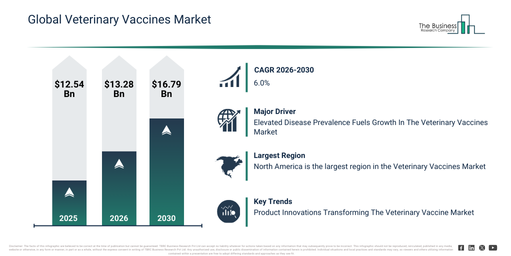
    The veterinary vaccines market has experienced substantial expansion in recent years. It is projected to grow from $12.54 billion in 2025 to $13.28 billion in 2026, demonstrating a compound annual growth rate (CAGR) of 5.9%. This past growth can be attributed to factors such as the increasing prevalence of animal diseases, a rising livestock population, the growth in companion animals, government regulations that support vaccination, and advancements in vaccine research and production.

    The veterinary vaccines market size is projected to experience substantial expansion over the upcoming years. This market is anticipated to reach $16.79 billion by 2030, demonstrating a compound annual growth rate (CAGR) of 6.0%. This expansion during the projection period can be attributed to factors such as advancements in biopharmaceutical vaccine technologies, a growing need for preventive veterinary services, the increasing use of DNA and recombinant vaccines, the broadening of vaccination initiatives in developing economies, and heightened understanding of how to prevent zoonotic diseases. Key trends anticipated within this forecast timeframe encompass the creation of new livestock vaccines, an increase in vaccination programs for companion animals, the wider application of recombinant and toxoid vaccines, the uptake of combination vaccines targeting multiple diseases, and a strong emphasis on stopping the spread of zoonotic diseases.

    Get A Free Sample Report With In-Depth Market Insights:

    https://thebusinessresearchcompany.com/sample_request?id=2456&type=smp&name=Veterinary%20Vaccines%20Market%20Report%202026&utm_source=Blogs&utm_medium=Paid&utm_campaign=Oct_PR

    Veterinary Vaccines Market Growth Momentum: What Factors Are Shaping Demand?

    A surge in the prevalence of various ailments affecting animals is projected to fuel the expansion of the veterinary vaccine market in the future. This condition, where non-human animals contend with simultaneous or consecutive burdens from multiple pathological states, leads to aggravated physical, psychological, and functional damage, significantly impacting their well-being. The escalation in animals afflicted by diverse diseases stems from inadequate sanitation and hygiene in their living environments. Veterinary vaccines assist animals facing various diseases by boosting their immune responses, thereby preventing infections, lessening disease severity, curbing transmission, and improving overall animal health and welfare. For example, in July 2025, the UK Health Security Agency, a UK-based government agency, reported 154 confirmed and probable cases of leptospirosis (a bacterial zoonotic infection) in 2024, representing an 11.6% rise from the 138 cases noted in 2023. Consequently, the growing number of animals afflicted by various diseases is a key factor propelling the expansion of the veterinary vaccine market.

    Veterinary Vaccines Market Segment Performance And Emerging Opportunities

    The veterinary vaccines market covered in this report is segmented –

    1) By Vaccine Type: Live Attenuated, Inactivated (Killed), Recombinant Or Subunit, mRNA And DNA, Other Vaccine Types

    2) By Animal Type: Canine, Feline, Equine, Bovine, Swine, Poultry, Other Animal Types

    3) By Disease Type: Viral Diseases, Bacterial Diseases, Parasitic Diseases, Other Disease Types

    4) By Route Of Administration: Injectable, Oral, Intranasal, Other Route Of Administrations

    5) By End-User Or Customer Type: Pet Owners Or Companion Animal Owners, Farm Or Livestock Owners, Veterinary Clinics Or Hospitals, Animal Shelters Or Rescue Organizations, Research Or Educational Institutions

    Subsegments:

    1) By Live Attenuated: Viral Vaccines, Bacterial Vaccines, Parasitic Vaccines

    2) By Inactivated (Killed): Viral Vaccines, Bacterial Vaccines, Parasitic Vaccines

    3) By Recombinant Or Subunit: Viral Vaccines, Bacterial Vaccines

    4) By mRNA And DNA: Viral Vaccines, Bacterial Vaccines

    5) By Other Vaccine Types: Toxoid Vaccines, Conjugate Vaccines, Vector-based Vaccines

    Veterinary Vaccines Market Trends Redefining Industry Growth

    Leading companies in the veterinary vaccine market are developing novel products to gain a competitive advantage. These new offerings include sophisticated, disease-targeted veterinary vaccines featuring improved formulations, wider pathogen coverage, and enhanced safety and effectiveness profiles. For instance, in June 2023, US-based pharmaceutical company Merck Animal Health introduced Circumvent CML, a new three-in-one swine vaccine. This vaccine provides protection against Porcine Circovirus Type 2a (PCV-2a), Porcine Circovirus Type 2d (PCV-2d), Mycoplasma hyopneumoniae, and Lawsoniaintracellularis. It integrates multiple antigens and adjuvant systems into one bottle, thereby decreasing the necessary dosage volume. Administered as a single intramuscular dose to pigs aged three weeks or older, it streamlines the vaccination procedure and lessens stress for both the animals and their handlers.

    Veterinary Vaccines Market Competitive Landscape: Which Companies Lead The Industry?

    Major companies operating in the veterinary vaccines market are Zoetis Inc., Boehringer Ingelheim GmbH, Merck & Co. Inc., Elanco Animal Health Incorporated, Ceva Santé Animale., Virbac Group, HIPRA, Biogenesis Bago, Kyoritsu Seiyaku Corporation, Phibro Animal Health Corporation, Century Vaccines Limited, Bayer Animal Health, Cadila Vaccines Ltd., Cargill India Pvt. Ltd., China Animal Healthcare Ltd., Jurox Pty Ltd, Nimrod Veterinary Products Ltd., Bimeda, Animalcare, MSD Animal Health, Interfeed, Biotex Plus Ltd., Belfarmacom, IDT Biologika, UCBVET, Lemavet, Syntec, Sauvet, Vetanco, Chemo Argentina, Brouwer, Agrovet Market Animal Health, DBK Pharma S.A.E.

    View The Full Veterinary Vaccines Market Report:

    https://thebusinessresearchcompany.com/report/veterinary-vaccines-global-market-report?utm_source=Blogs&utm_medium=Paid&utm_campaign=Oct_PR

    Veterinary Vaccines Market Regional Breakdown: Where Is Demand Concentrated?

    North America was the largest region in the veterinary vaccines market in 2025. Asia-Pacific was the second-largest region in the global veterinary vaccines market analysis. The regions covered in the veterinary vaccines market report are Asia-Pacific, South East Asia, Western Europe, Eastern Europe, North America, South America, Middle East, Africa.

    Reach Out To Our Team:

    The Business Research Company: https://www.thebusinessresearchcompany.com/

    Americas: +1 310-496-7795

    Asia: +44 7882 955267 & +91 8897263534

    Europe: +44 7882 955267

    Email us at: marketing@tbrc.info

    Follow us on:

    LinkedIn: https://in.linkedin.com/company/the-business-research-company

    YouTube: https://www.youtube.com/channel/UC24_fI0rV8cR5DxlCpgmyFQ

    Global Market Model: https://www.thebusinessresearchcompany.com/global-market-model

  • Veterinary Telehealth Market Forecast Insights: The Road To $6.46 Billion By 2030

    Veterinary Telehealth Market Forecast Insights: The Road To $6.46 Billion By 2030

    Featuring market attractiveness scoring, total addressable market sizing, company benchmarking matrices, interactive Excel dashboards, deeper supply chain intelligence, emerging startup tracking, and granular product-level insights, The Business Research Company’s 2026 market reports are built to deliver research that is both more actionable and more strategically valuable.

    Veterinary Telehealth Market Size And Revenue Outlook Through 2030

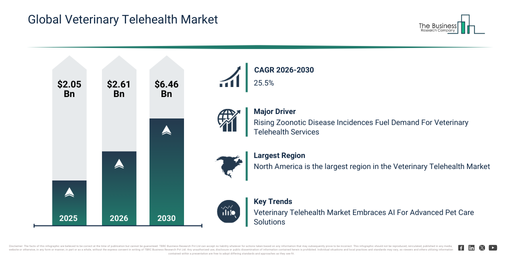
    The veterinary telehealth market has experienced substantial expansion in recent times. This market is projected to expand from $2.05 billion in 2025 to $2.61 billion in 2026, demonstrating a compound annual growth rate (CAGR) of 27.3%. Historically, this growth can be ascribed to a rise in pet ownership, increased understanding of animal health, the incorporation of digital communication into veterinary care, the development of veterinary clinics and hospitals, and progress in telecommunication infrastructure.

    The veterinary telehealth market is anticipated to show substantial expansion in the coming years. It is expected to reach $6.46 billion in 2030, demonstrating a compound annual growth rate (CAGR) of 25.5%. This projected growth stems from factors such as the incorporation of AI-powered diagnostic instruments, the broadening of telehealth platforms to encompass diverse animal types, increased capital expenditure in mobile veterinary technologies, a rising need for preventive care solutions, and the development of real-time remote monitoring services. Significant developments foreseen in this timeframe include the broadening of telemedicine services for pets, an increase in remote monitoring and teleconsulting, the embrace of mobile veterinary telehealth platforms, the integration of veterinary health data analytics, and a heightened focus on preventive care delivered through telehealth.

    Get A Free Sample Report With In-Depth Market Insights:

    https://thebusinessresearchcompany.com/sample_request?id=9377&type=smp&name=Veterinary%20Telehealth%20Market%20Report%202026&utm_source=Blogs&utm_medium=Paid&utm_campaign=Oct_PR

    Veterinary Telehealth Market Expansion Drivers: What’s Shaping Future Growth?

    The increasing occurrence of animal zoonotic diseases is anticipated to fuel the expansion of the veterinary healthcare market. These are widespread illnesses stemming from pathogenic microorganisms like viruses, bacteria, parasites, and fungi, which can induce a range of conditions in both humans and animals, varying from mild to severe sickness, and in some cases, fatality. The rising incidence of zoonotic diseases is attributed to the increased proximity between humans and animals. Veterinary healthcare plays a crucial role in the management of animal zoonotic diseases through early detection and therapy, implementation of preventative measures, surveillance of outbreaks, and advocacy for responsible animal husbandry, thereby protecting both animal and human well-being. As an illustration, in July 2025, the UK Health Security Agency, a UK-based government agencies, reported 154 confirmed and probable cases of leptospirosis (a bacterial zoonotic infection) in 2024. This represented an 11.6% rise compared to the 138 cases documented in 2023. Consequently, the increasing prevalence of zoonotic diseases among animals will stimulate the veterinary telehealth market.

    Veterinary Telehealth Market Segment Landscape And Growth Outlook

    The veterinary telehealth market covered in this report is segmented –

    1) By Animal Type: Canine, Feline, Equine, Bovine, Swine, Other Animal Types

    2) By Service Type: Telemedicine, Teleconsulting, Telemonitoring, Other Service Types

    3) By End-User Or Customer Type: Pet Owners Or Companion Animal Owners, Farm Or Livestock Owners, Veterinary Clinics Or Hospitals, Animal Shelters Or Rescue Organizations, Research Or Educational Institutions

    Subsegments:

    1) By Canine: Small Breed Dogs, Large Breed Dogs

    2) By Feline: Domestic Cats, Exotic Cats

    3) By Equine: Horses, Ponies

    4) By Bovine: Dairy Cattle, Beef Cattle

    5) By Swine: Pigs, Hogs

    6) By Other Animal Types: Poultry, Small Mammals, Reptiles

    Veterinary Telehealth Market Strategic Trends: What Defines The Next Growth Phase?

    Major companies operating in the veterinary telehealth market are increasingly focusing on advanced technologies such as artificial intelligence (AI) to strengthen their position. AI algorithms analyze a pet’s medical history, genetic information, lifestyle factors, and environmental data to develop customized treatment plans. As an example, in May 2023, PetHub Inc., a US-based company that connects pet owners with resources, tools, savings, and a place to store essential pet data, launched a new wellness tool for pet owners, powered by VetInsight. The PetHub Wellness Tools provide unlimited 24/7 veterinary telehealth services, a comprehensive AI symptom checker, and a virtual food and treat finder offering custom recommendations for pets. The Symptom Checker feature functions as an on-demand, artificial intelligence (AI) virtual veterinarian, enabling pet owners to input their pet’s symptoms and receive recommendations for the next steps based on the information supplied.

    Veterinary Telehealth Market Competitive Landscape: Who Leads The Industry?

    Major companies operating in the veterinary telehealth market are FirstVet, Airvet, BondVet, Fuzzy Pet Health, PetDesk, WellHaven Pet Health, VetCT, TeleVet, Vettr, The Vet Connection, Homevet, VetPlanet, VetNOW, Vetster, Pawzy, Vetro Solutions, Pawp, GuardianVets, Doctor Vet, Teleconsulta Veterinaria, Vetwork, Global Vet Ltd.

    View The Full Veterinary Telehealth Market Report:

    https://thebusinessresearchcompany.com/report/veterinary-telehealth-global-market-report?utm_source=Blogs&utm_medium=Paid&utm_campaign=Oct_PR

    Veterinary Telehealth Market Geographic Landscape: Which Region Dominates Industry Growth?

    North America was the largest region in the veterinary telehealth market in 2025. Asia-Pacific is expected to be the fastest-growing region in the forecast period. The regions covered in the veterinary telehealth market report are Asia-Pacific, South East Asia, Western Europe, Eastern Europe, North America, South America, Middle East, Africa.

    Reach Out To Our Team:

    The Business Research Company: https://www.thebusinessresearchcompany.com/

    Americas: +1 310-496-7795

    Asia: +44 7882 955267 & +91 8897263534

    Europe: +44 7882 955267

    Email us at: marketing@tbrc.info

    Follow us on:

    LinkedIn: https://in.linkedin.com/company/the-business-research-company

    YouTube: https://www.youtube.com/channel/UC24_fI0rV8cR5DxlCpgmyFQ

    Global Market Model: https://www.thebusinessresearchcompany.com/global-market-model

  • Veterinary Surgical Instruments Market Explained: What Is Fueling Growth To $2.14 Billion By 2030?

    Veterinary Surgical Instruments Market Explained: What Is Fueling Growth To $2.14 Billion By 2030?

    Built to provide research that’s more actionable and strategically valuable, The Business Research Company’s 2026 market reports include market attractiveness analysis, total addressable market sizing, company benchmarking matrices, interactive Excel dashboards, broader supply chain intelligence, emerging startup tracking, and in-depth product insights.

    Veterinary Surgical Instruments Market Growth From $1.56 Billion In 2026 To $2.14 Billion By 2030 At A CAGR Of 8.2%

    The veterinary surgical instruments market size has seen strong growth in recent years. It is forecast to grow from $1.44 billion in 2025 to $1.56 billion in 2026, with a compound annual growth rate (CAGR) of 8.1%. The expansion observed in the historic period can be linked to the rise in companion animal ownership, the increasing number of veterinary hospitals and clinics, a higher incidence of orthopedic and soft tissue disorders, advancements in fundamental veterinary surgical tools, and improved accessibility to veterinary care.

    The veterinary surgical instruments market is projected to experience substantial expansion over the upcoming years. This market is anticipated to reach $2.14 billion in 2030, exhibiting a compound annual growth rate (CAGR) of 8.2%. This projected growth is driven by several factors, including an increase in complex and specialized animal surgeries, higher expenditure on advanced veterinary care, a growing need for precise surgical instruments, the development of veterinary healthcare infrastructure, and advancements in surgical device technology. Key trends during this period encompass a heightened demand for sophisticated surgical interventions in pets, the expanding use of minimally invasive veterinary surgical techniques, an elevated emphasis on surgical accuracy and patient safety, the broadening of specialized veterinary surgical offerings, and an increasing number of surgeries performed on companion animals.

    Get A Free Sample Report With In-Depth Market Insights:

    https://thebusinessresearchcompany.com/sample_request?id=9384&type=smp&name=Veterinary%20Surgical%20Instruments%20Market%20Report%202026&utm_source=Blogs&utm_medium=Paid&utm_campaign=Oct_PR

    Veterinary Surgical Instruments Market Development Factors: What’s Supporting Demand?

    A swift rise in pet ownership is projected to fuel expansion within the veterinary surgical instrument market in upcoming years. Pet ownership involves acquiring and looking after a domesticated animal for companionship, entailing responsibilities like supplying sustenance, housing, veterinary attention, and emotional backing to ensure the animal’s welfare. This trend is escalating as a greater number of individuals seek camaraderie and emotional comfort from animals, resulting in a surge in pet adoptions and sustained care. Veterinary surgical instruments support pet owners by facilitating secure and efficient surgical interventions, thereby enhancing animal health, expediting recovery, and elevating their general quality of life. For example, data from October 2023, provided by the World Animal Foundation – a US organization focused on animal rights, responsible pet care, and empathy – indicated that dogs were the most commonly owned pets, with 65.1 million dogs compared to 46.5 million cats. Furthermore, 2.2 million horses are owned by equestrians, and 11 million people possess saltwater fish tanks. Consequently, the significant growth in pet ownership is a key factor propelling the veterinary surgical instrument market.

    Veterinary Surgical Instruments Market Breakdown By Product Type And Application

    The veterinary surgical instruments market covered in this report is segmented –

    1) By Product: Sutures, Staplers, And Accessories, Handheld Devices, Electrosurgery Instruments, Other Products

    2) By Animal: Companion Animals, Farm Animals

    3) By Application: Soft Tissue Surgery, Sterilization Surgery, Gynecology And Urology Surgery, Dental Surgery, Orthopedic Surgery, Ophthalmic Surgery, Other Applications

    Subsegments:

    1) By Sutures, Staplers, And Accessories: Absorbable Sutures, Non-Absorbable Sutures, Surgical Staplers, Suture Removal Kits

    2) By Handheld Devices: Scalpels, Scissors, Forceps, Needle Holders

    3) By Electrosurgery Instruments: Electrosurgical Generators, Electrode Tips, Smoke Evacuators

    4) By Other Products: Surgical Drapes And Covers, Surgical Lights, Operating Tables, Sterilization Equipment

    Veterinary Surgical Instruments Market Transformation Trends: What Innovations Are Driving Change?

    Leading companies in the veterinary surgical instruments market are innovating by developing advanced instruments such as state-of-the-art veterinary portable ultrasound systems. These developments aim to improve diagnostic accuracy, increase mobility for field veterinarians, and facilitate real-time imaging during surgical procedures. A cutting-edge veterinary portable ultrasound system is a sophisticated diagnostic imaging device specifically engineered for veterinary use. For example, in May 2024, Esaote North America Inc., a US-based company supplying medical products, launched the MyLab Omega eXP VET, a cutting-edge portable ultrasound system tailored for veterinary applications. This new system, situated within the veterinary surgical instruments market, is intended to boost diagnostic imaging capabilities for veterinarians. The advanced technology offers high-resolution imaging from superficial to deeper tissues, guaranteeing clarity and precision in diagnostics.

    Veterinary Surgical Instruments Market Company Landscape And Competitive Strategy

    Major companies operating in the veterinary surgical instruments market are B. Braun Vet Care GmbH, Jorgen KRUUSE A/S, Neogen Corporation, Ethicon Inc., Jorgensen Laboratories, Integra LifeSciences Holdings Corporation, GerMedUSA Inc., Sklar Surgical Instruments, World Precision Instruments Inc., Stille AB, Eickemeyer Veterinary Equipment Limited, KLS Martin Group, Avante Health Solutions, Karl Storz SE & Co. KG, Summit Hill Laboratories, IM3 Inc., VetSurg Inc., Surgical Holdings Ltd., VSSI (Veterinary Surgical Solutions Inc., Vet Surgical Instruments

    View The Full Veterinary Surgical Instruments Market Report:

    https://thebusinessresearchcompany.com/report/veterinary-surgical-instruments-global-market-report?utm_source=Blogs&utm_medium=Paid&utm_campaign=Oct_PR

    Veterinary Surgical Instruments Market Largest Region: Which Geography Holds The Highest Market Share?

    North America was the largest region in the veterinary surgical instruments market in 2025. Asia-Pacific is expected to be the fastest-growing region in the veterinary surgical instruments market report during the forecast period. The regions covered in the veterinary surgical instruments market report are Asia-Pacific, South East Asia, Western Europe, Eastern Europe, North America, South America, Middle East, Africa.

    Reach Out To Our Team:

    The Business Research Company: https://www.thebusinessresearchcompany.com/

    Americas: +1 310-496-7795

    Asia: +44 7882 955267 & +91 8897263534

    Europe: +44 7882 955267

    Email us at: marketing@tbrc.info

    Follow us on:

    LinkedIn: https://in.linkedin.com/company/the-business-research-company

    YouTube: https://www.youtube.com/channel/UC24_fI0rV8cR5DxlCpgmyFQ

    Global Market Model: https://www.thebusinessresearchcompany.com/global-market-model