Category: Veterinary Healthcare

  • Veterinary Biologics Market Outlook Through 2030: Understanding The Growth Opportunity

    Veterinary Biologics Market Outlook Through 2030: Understanding The Growth Opportunity

    Built to provide research that’s more actionable and strategically valuable, The Business Research Company’s 2026 market reports include market attractiveness analysis, total addressable market sizing, company benchmarking matrices, interactive Excel dashboards, broader supply chain intelligence, emerging startup tracking, and in-depth product insights.

    Veterinary Biologics Market CAGR Outlook And Future Development

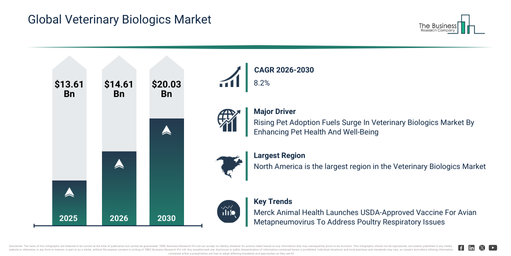
    The veterinary biologics market size has seen robust growth in recent years. Its valuation is expected to rise from $13.61 billion in 2025 to $14.61 billion in 2026, achieving a compound annual growth rate (CAGR) of 7.3%. The expansion observed historically is attributed to the increasing prevalence of livestock diseases, a rise in the companion animal population, advancements in vaccine development, increased government funding for veterinary research, and the ongoing expansion of veterinary healthcare infrastructure.

    The veterinary biologics market is anticipated to experience substantial growth over the next few years. It is projected to expand to $20.03 billion in 2030, achieving a compound annual growth rate (CAGR) of 8.2%. This market expansion in the upcoming period is attributable to technological advancements in biologics, the rising adoption of precision medicine for animals, an increase in global pet ownership, growing public awareness of zoonotic diseases, and the expanding veterinary diagnostics sector. Significant trends identified for the forecast period include a stronger focus on preventive animal healthcare, the increasing utilization of rapid diagnostic solutions, the expansion of biologics for companion animals, the integration of immunomodulators into veterinary treatments, and a growing demand for solutions in livestock disease management.

    Get A Free Sample Report With In-Depth Market Insights:

    https://thebusinessresearchcompany.com/sample_request?id=12366&type=smp&name=Veterinary%20Biologics%20Market%20Report%202026&utm_source=Blogs&utm_medium=Paid&utm_campaign=Oct_PR

    Veterinary Biologics Market Growth Catalysts And Demand Drivers

    The rising trend of pet ownership is anticipated to fuel expansion within the veterinary biologics market. Pet adoption involves assuming responsibility for a domesticated animal, frequently from a shelter or rescue group, to offer a lasting and nurturing home. This increase in pet adoptions is largely driven by a greater understanding of animal welfare, as individuals increasingly acknowledge the advantages of welcoming rescued animals into their homes, preferring adoption over purchasing new pets. Veterinary biologics play a crucial role by preventing various infectious diseases in pets, conferring immunity, managing zoonotic diseases, extending lifespan and enhancing quality of life, lowering veterinary healthcare expenditures, improving reproductive health in pets, and delivering more precise and tailored treatment solutions. For example, data from the American Pet Products Association, a US-based non-profit organization, indicated that in March 2025, ninety-four (94) million U.S. households owned at least one pet, an increase from eighty-two (82) million in 2023. Consequently, the growing rate of pet adoption is a significant impetus behind the growth of the veterinary biologics market.

    Veterinary Biologics Market Segments: Where Is Growth Concentrated?

    The veterinary biologics market covered in this report is segmented –

    1) By Product: Vaccines, Diagnostic Kits, Immunomodulators, Antiserums And Antibodies, Other Products

    2) By Disease Type: Bluetongue, Foot And Mouth Disease, Brucellosis And Tuberculosis, Other Disease Types

    3) By Distribution Channel: Veterinary Hospitals, Veterinary Clinics, Other Distribution Channels

    4) By Application: Production Animal, Companion Animal

    Subsegments:

    1) By Vaccines: Live Attenuated Vaccines, Inactivated Vaccines, Recombinant Vaccines, DNA Vaccines

    2) By Diagnostic Kits: Rapid Tests, Elisa Kits, Pcr-Based Diagnostic Kits

    3) By Immunomodulators: Cytokines, Adjuvants, Immunostimulants

    4) By Antiserums And Antibodies: Monoclonal Antibodies, Polyclonal Antibodies, Hyperimmune Serums

    5) By Other Products: Probiotics, Prebiotics, Growth Factors, Toxoids

    Veterinary Biologics Market Trends Shaping Long-Term Demand

    Leading firms within the veterinary biologics market are prioritizing the creation of innovative biologics, including vaccines, to improve animal well-being and avert diseases. A vaccine functions by stimulating the immune system to identify and combat specific disease-causing agents, thereby preventing contagious illnesses through induced immunity. As an illustration, Merck Animal Health, a global animal health firm based in the US, introduced an experimental autogenous vaccine in August 2024. This vaccine targets avian metapneumovirus (aMPV) type B and received approval from the U.S. Department of Agriculture (USDA) for both production and distribution. Developed collaboratively with Cambridge Technologies, this product is designed to counter the severe respiratory problems in poultry attributed to aMPV type B, which has been responsible for substantial economic losses since late 2023. Manufactured at a cutting-edge facility in Minnesota, the vaccine employs an oil and water emulsion formulation intended to reduce tissue reactions following vaccination, thus addressing a crucial market void given the prior absence of commercially licensed vaccines.

    Veterinary Biologics Market Company Landscape And Competitive Strategy

    Major companies operating in the veterinary biologics market are Zoetis Inc., Merck Animal Health Inc., Boehringer Ingelheim Animal Health Inc., Elanco Animal Health, IDEXX Laboratories Inc., Virbac SA, Phibro Animal Health Corporation, Abaxis Inc., Bimeda Biologicals, Ceva Sante Animale S.A., Heska Corporation, Colorado Serum Company, Hester Biosciences Limited, INDICAL Bioscience GmbH, Intervet Inc., Hebei Veyong Animal Pharmaceutical Co. Ltd., Biomet Biologics LLC, CytoDyn Veterinary Medicine LLC, KM Biologics, HIPRA, Indian Immunologicals Ltd., Vetoquinol, Beijing SVA Vaccines Serums

    View The Full Veterinary Biologics Market Report:

    https://thebusinessresearchcompany.com/report/veterinary-biologics-global-market-report?utm_source=Blogs&utm_medium=Paid&utm_campaign=Oct_PR

    Veterinary Biologics Market Largest Region: Which Geography Holds The Highest Market Share?

    North America was the largest region in the veterinary biologics market in 2025. Asia-Pacific is expected to be the fastest-growing region in the forecast period. The regions covered in the veterinary biologics market report are Asia-Pacific, South East Asia, Western Europe, Eastern Europe, North America, South America, Middle East, Africa.

    Reach Out To Our Team:

    The Business Research Company: https://www.thebusinessresearchcompany.com/

    Americas: +1 310-496-7795

    Asia: +44 7882 955267 & +91 8897263534

    Europe: +44 7882 955267

    Email us at: marketing@tbrc.info

    Follow us on:

    LinkedIn: https://in.linkedin.com/company/the-business-research-company

    YouTube: https://www.youtube.com/channel/UC24_fI0rV8cR5DxlCpgmyFQ

    Global Market Model: https://www.thebusinessresearchcompany.com/global-market-model

  • Veterinary Autoimmune Disease Therapeutics Market Growth Potential: What The Latest Forecast Reveals

    Veterinary Autoimmune Disease Therapeutics Market Growth Potential: What The Latest Forecast Reveals

    Backed by market attractiveness analysis, total addressable market sizing, company benchmarking matrices, interactive Excel dashboards, wider supply chain intelligence, emerging startup coverage, and detailed product-level insights, The Business Research Company’s 2026 market reports are designed to offer research that is more actionable and strategically valuable than ever.

    Veterinary Autoimmune Disease Therapeutics Market Set To Climb From $3.69 Billion In 2026 To $4.61 Billion By 2030

    The market size for veterinary autoimmune disease therapeutics has demonstrated robust growth in recent years. It is projected to increase from $3.46 billion in 2025 to $3.69 billion in 2026, at a compound annual growth rate (CAGR) of 6.6%. This historical expansion can be attributed to factors such as limited treatment options available for animal autoimmune diseases, the widespread occurrence of hypothyroidism and pemphigus, the reliance on corticosteroids as a primary form of therapy, an increase in pet ownership, and a rise in veterinary consultations.

    The veterinary autoimmune disease therapeutics market size is projected to experience substantial expansion over the next few years, reaching $4.61 billion in 2030 at a compound annual growth rate (CAGR) of 5.8%. This growth during the forecast period is primarily attributed to advancements in immunomodulatory therapies, the development of novel oral and injectable formulations, increasing awareness of autoimmune conditions in companion animals, the expansion of veterinary hospital and clinic networks, and a wider adoption of precision medicine approaches. Key trends anticipated in this period include a rising utilization of corticosteroids and immunosuppressive therapies, an increasing focus on companion animal autoimmune disease management, continued expansion of veterinary hospital and clinic networks, the creation of oral and injectable formulations for enhanced compliance, and a growing awareness of rare autoimmune diseases in animals.

    Get A Free Sample Report With In-Depth Market Insights:

    https://thebusinessresearchcompany.com/sample_request?id=16208&type=smp&name=Veterinary%20Autoimmune%20Disease%20Therapeutics%20Market%20Report%202026&utm_source=Blogs&utm_medium=Paid&utm_campaign=Oct_PR

    Veterinary Autoimmune Disease Therapeutics Market Opportunity Drivers: What’s Unlocking New Revenue Potential?

    Enhanced financial backing for research in veterinary medicine is anticipated to propel the expansion of the veterinary autoimmune disease therapeutics market. Veterinary medicine involves the prevention, diagnosis, and treatment of illnesses, disorders, and injuries in animals. This increase in research funding is attributable to factors such as a rise in zoonotic diseases, the burgeoning pet industry, advancements in animal health technology, agricultural demands, and wildlife conservation initiatives. Specifically, this funding supports studies concerning disease mechanisms, diagnostic tools, and treatment approaches for veterinary autoimmune diseases, thereby improving veterinary medicine’s capacity to effectively diagnose and manage these conditions. For instance, in September 2025, according to the American Veterinary Medical Association (AVMA), a US-based not-for-profit organization, the USDA Veterinary Service Grant Program allocated $3.8 million in 2024, projected to increase to $15 million in subsequent years. Consequently, the heightened investment in veterinary medicine research is driving the growth of the veterinary autoimmune disease therapeutics market.

    Veterinary Autoimmune Disease Therapeutics Market Segment Analysis: What Are The Core Market Categories?

    The veterinary autoimmune disease therapeutics market covered in this report is segmented –

    1) By Therapy Type: Corticosteroids, Azathioprine, Cyclosporine, Mycophenolate, Leflunomide, Cyclophosphamide

    2) By Animal Type: Companion Animals, Livestock Animals, Other Animal Types

    3) By Disease: Hypothyroidism, Pemphigus Disease, Canine Lupus, Auto-Immune Hemolytic Anemia, Bullous Pemphigoid, Discoid Lupus Erythematosus (DLE), Immune-Related Arthritis, Other Diseases

    4) By Distribution Channel: Veterinary Hospitals, Veterinary Clinics

    Subsegments:

    1) By Corticosteroids: Prednisone, Prednisolone, Dexamethasone, Methylprednisolone, Triamcinolone

    2) By Azathioprine: Azathioprine Oral Tablets, Azathioprine Injectable Formulation

    3) By Cyclosporine: Oral Cyclosporine (Atopica), Injectable Cyclosporine

    4) By Mycophenolate: Mycophenolate Mofetil (Oral Form), Mycophenolate Sodium (Injectable Form)

    5) By Leflunomide: Leflunomide Tablets (Oral), Leflunomide Injection

    6) By Cyclophosphamide: Oral Cyclophosphamide, Injectable Cyclophosphamide

    Veterinary Autoimmune Disease Therapeutics Market Innovation Trends Shaping Future Development

    Leading companies active in the veterinary autoimmune disease therapeutics market are concentrating on developing technologically advanced solutions, such as RenBiologics, to meet several critical industry demands. RenBiologics creates innovative therapies for kidney-related conditions and chronic diseases, with a focus on biologics and regenerative medicine to improve outcomes in areas like renal function and transplant success. For instance, in January 2024, Biocytogen, a China-based biotechnology company, launched a new sub-brand, RenBiologics, specifically to out-license fully human antibodies for therapeutic development. This initiative aims to leverage Biocytogen’s extensive library of over 400,000 fully human antibody sequences, generated using its proprietary RenMice platforms. RenBiologics will facilitate partnerships with pharmaceutical and biotechnology companies for the co-development and licensing of these antibodies, thereby enhancing the potential for novel antibody-based therapeutics. The launch reflects Biocytogen’s commitment to becoming a global resource in antibody discovery, with a vision to expedite the development of innovative treatments across various therapeutic areas.

    Veterinary Autoimmune Disease Therapeutics Market Key Players Shaping Industry Direction

    Major companies operating in the veterinary autoimmune disease therapeutics market are Pfizer Inc, Merck & Co Inc, AbbVie Inc., Sanofi S.A., Novartis AG, GlaxoSmithKline, Takeda Pharmaceutical Company, Amgen Inc., Teva Pharmaceuticals Industries Ltd., Zoetis Inc, Boehringer Ingelheim International GmbH, Sumitomo Pharma Co. Ltd., IDEXX Laboratories Inc., Cipla Inc., Mallinckrodt Pharmaceuticals, Virbac S.A, Dechra Pharmaceuticals plc, Neogen Corporation, Vetoquinol S.A., Norbrook Laboratories Limited, Heska Corporation, Bimeda Holdings PLC, Bayer Animal Health Inc, Aratana Therapeutics Inc, Hester Biosciences Limited

    View The Full Veterinary Autoimmune Disease Therapeutics Market Report:

    https://thebusinessresearchcompany.com/report/veterinary-autoimmune-disease-therapeutics-global-market-report?utm_source=Blogs&utm_medium=Paid&utm_campaign=Oct_PR

    Veterinary Autoimmune Disease Therapeutics Market Regional Analysis: Which Region Leads By Revenue?

    North America was the largest region in the veterinary autoimmune disease therapeutics market in 2025. The regions covered in the veterinary autoimmune disease therapeutics market report are Asia-Pacific, South East Asia, Western Europe, Eastern Europe, North America, South America, Middle East, Africa.

    Reach Out To Our Team:

    The Business Research Company: https://www.thebusinessresearchcompany.com/

    Americas: +1 310-496-7795

    Asia: +44 7882 955267 & +91 8897263534

    Europe: +44 7882 955267

    Email us at: marketing@tbrc.info

    Follow us on:

    LinkedIn: https://in.linkedin.com/company/the-business-research-company

    YouTube: https://www.youtube.com/channel/UC24_fI0rV8cR5DxlCpgmyFQ

    Global Market Model: https://www.thebusinessresearchcompany.com/global-market-model

  • Veterinary Assistive Reproduction Technology Market Growth Outlook: Why Analysts Expect Continued Expansion

    Veterinary Assistive Reproduction Technology Market Growth Outlook: Why Analysts Expect Continued Expansion

    Featuring market attractiveness scoring, total addressable market sizing, company benchmarking matrices, interactive Excel dashboards, deeper supply chain intelligence, emerging startup tracking, and granular product-level insights, The Business Research Company’s 2026 market reports are built to deliver research that is both more actionable and more strategically valuable.

    Veterinary Assistive Reproduction Technology Market Forecast: Value Set To Climb From $3.91 Billion To $5.24 Billion

    The veterinary assistive reproduction technology market size has experienced robust growth over recent years. It is forecast to increase from $3.63 billion in 2025 to $3.91 billion in 2026, demonstrating a compound annual growth rate (CAGR) of 7.9%. The expansion observed in the historic period can be attributed to factors such as a reliance on natural breeding, limited access to reproductive technologies, growing demand for high-quality livestock, traditional veterinary services, and low awareness of genetic improvement programs.

    The market for veterinary assistive reproduction technology is projected to experience robust expansion over the coming years, with its size anticipated to reach $5.24 billion by 2030, demonstrating a compound annual growth rate (CAGR) of 7.6%. This growth during the forecast period can be attributed to the increasing adoption of AI, IVF, and embryo transfer technologies, the expansion of animal breeding centers, a heightened focus on genetic improvement, the growth of veterinary clinics offering ART services, and the integration of digital reproductive management solutions. Key trends expected within this timeframe include the broadening of embryo transfer and IVF services, a greater utilization of frozen and fresh semen across diverse species, the development of genetic testing services in animal breeding, the implementation of ultrasound and advanced reproductive instruments, and a rising demand for hormonal treatments and AI kits.

    Get A Free Sample Report With In-Depth Market Insights:

    https://thebusinessresearchcompany.com/sample_request?id=20679&type=smp&name=Veterinary%20Assistive%20Reproduction%20Technology%20Market%20Report%202026&utm_source=Blogs&utm_medium=Paid&utm_campaign=Oct_PR

    Veterinary Assistive Reproduction Technology Market Growth Momentum: What Factors Are Shaping Demand?

    The escalating need for livestock is anticipated to drive the expansion of the veterinary assistive reproduction technology market in the future. This growing demand for livestock is a result of consumers’ heightened expectations for superior taste and nutritional content, coupled with advancements in breeding technologies that produce animals with desirable characteristics. Veterinary assistive reproduction technology (VART) is utilized to enhance livestock breeding efficiency by assisting in the fertilization and development of embryos, which in turn leads to improved genetic quality and increased productivity. For example, in August 2024, information from the Agriculture and Horticulture Development Board, a UK-based levy board representing farmers, indicated that by December 2023, the count of female cattle over 24 months old had increased by 5,000 head from the previous year, reaching an aggregate of 235,000. Thus, the rising demand for livestock is propelling the growth of the veterinary assistive reproduction technology market.

    Veterinary Assistive Reproduction Technology Market Segment Breakdown: Which Categories Lead On Revenue?

    The veterinary assistive reproduction technology market covered in this report is segmented –

    1) By Type: Services, Semen, Instruments, Kit And Consumables

    2) By Animal Type: Bovine, Swine, Ovine, Caprine, Equine, Other Animal Types

    3) By Distribution Channel: Private, Public

    4) By Technology: Artificial Insemination (AI), In Vitro Fertilization (IVF), Embryo Transfer (MOET), Other Technologies

    5) By End-Use: Veterinary Clinics And Hospitals, Animal Breeding Centers, Research Institutes And Universities, Other End-Uses

    Subsegments:

    1) By Services: Artificial Insemination Services, In Vitro Fertilization (IVF) Services, Embryo Transfer Services, Genetic Testing Services

    2) By Semen: Frozen Semen, Fresh Semen, Semen Collection Kits, Semen Processing Services

    3) By Instruments: Insemination Cannulas, Embryo Transfer Instruments, Semen Storage Tanks, Ultrasound Machines

    4) By Kits And Consumables: Artificial Insemination Kits, Embryo Transfer Kits, Collection And Storage Consumables, Hormonal Treatment Kits

    Veterinary Assistive Reproduction Technology Market Trends Redefining Industry Growth

    Leading companies in the veterinary assistive reproduction technology market are concentrating on devising innovative products, such as advanced chelated minerals for the reproductive health of dairy animals, to elevate reproductive efficiency and bolster the health and productivity of livestock. Advanced chelated minerals designed for the reproductive health of dairy animals represent a particular type of dietary supplement aimed at improving fertility and reproductive performance in dairy cattle. For example, Rodec Pharma Limited, an India-based producer of veterinary medicines, launched CMIN H8 in July 2023, an advanced chelated mineral feed specifically formulated to enhance the reproductive health of dairy animals. This cutting-edge product is engineered to address prevalent reproductive difficulties faced by the dairy industry, including infertility and other health issues that can hinder productivity. By delivering crucial minerals in a chelated format, CMIN H8 boosts the bioavailability of these nutrients, guaranteeing dairy animals receive optimal support for their reproductive systems.

    Veterinary Assistive Reproduction Technology Market Competitive Analysis Of Leading Industry Participants

    Major companies operating in the veterinary assistive reproduction technology market are Zoetis Inc., Merck Animal Health, IDEXX Laboratories Inc., Neogen Corporation, Genus plc, ABS Global Inc., Cryoport Inc., Minitube International Inc., Semex Alliance, Select Sires Inc., Cogent Breeding Ltd., Trans Ova Genetics LLC, Viking Genetics, Vytelle Inc., Agtech Inc., IMV Technologies, MOFA Global Inc., Emlab Genetics, Avantea Srl, Alta Genetics Inc., Aberekin S.L.

    View The Full Veterinary Assistive Reproduction Technology Market Report:

    https://thebusinessresearchcompany.com/report/veterinary-assistive-reproduction-technology-global-market-report?utm_source=Blogs&utm_medium=Paid&utm_campaign=Oct_PR

    Veterinary Assistive Reproduction Technology Market Geographic Distribution And Regional Opportunities

    North America was the largest region in the veterinary assistive reproduction technology market in 2025. The regions covered in the veterinary assistive reproduction technology market report are Asia-Pacific, South East Asia, Western Europe, Eastern Europe, North America, South America, Middle East, Africa.

    Reach Out To Our Team:

    The Business Research Company: https://www.thebusinessresearchcompany.com/

    Americas: +1 310-496-7795

    Asia: +44 7882 955267 & +91 8897263534

    Europe: +44 7882 955267

    Email us at: marketing@tbrc.info

    Follow us on:

    LinkedIn: https://in.linkedin.com/company/the-business-research-company

    YouTube: https://www.youtube.com/channel/UC24_fI0rV8cR5DxlCpgmyFQ

    Global Market Model: https://www.thebusinessresearchcompany.com/global-market-model

  • Veterinary Artificial Insemination Market Forecast Insights: The Road To $6.59 Billion By 2030

    Veterinary Artificial Insemination Market Forecast Insights: The Road To $6.59 Billion By 2030

    Built to provide research that’s more actionable and strategically valuable, The Business Research Company’s 2026 market reports include market attractiveness analysis, total addressable market sizing, company benchmarking matrices, interactive Excel dashboards, broader supply chain intelligence, emerging startup tracking, and in-depth product insights.

    Veterinary Artificial Insemination Market Revenue Growth On Track For A 7.7% CAGR Through 2030

    The veterinary artificial insemination market has experienced robust expansion in recent years. It is projected to increase from $4.56 billion in 2025 to $4.9 billion in 2026, demonstrating a compound annual growth rate (CAGR) of 7.6%. This historical growth can be ascribed to factors like the continued use of natural breeding techniques, an expanding livestock population, a rising demand for superior animal offspring, advancements in fundamental semen preservation methods, and the initial integration of veterinary AI in cattle.

    The veterinary artificial insemination market is projected to experience substantial expansion in the upcoming years. Its valuation is anticipated to reach $6.59 billion in 2030, demonstrating a compound annual growth rate (CAGR) of 7.7%. This expansion during the projected period stems from progress in sexed semen technology, increased funding for precision breeding, wider acceptance of intracervical and intrauterine insemination methods, the growth of veterinary AI services in developing economies, and an intensified concentration on breeding initiatives for wildlife and companion animals. Key developments foreseen include greater uptake of sexed semen technology, a heightened emphasis on enhancing livestock genetics, the broadened availability of veterinary AI services, the increasing application of frozen semen for breeding across distances, and improved educational and informational programs for agricultural producers.

    Get A Free Sample Report With In-Depth Market Insights:

    https://thebusinessresearchcompany.com/sample_request?id=8624&type=smp&name=Veterinary%20Artificial%20Insemination%20Market%20Report%202026&utm_source=Blogs&utm_medium=Paid&utm_campaign=Oct_PR

    Veterinary Artificial Insemination Market Expansion Drivers: What’s Shaping Future Growth?

    The increasing requirement for livestock is projected to fuel the expansion of the veterinary artificial insemination market moving forward. Livestock refers to domesticated animals raised in agricultural settings to yield products such as meat, milk, eggs, wool, and leather. The population of livestock is increasing because the rising demand for animal-based food products drives greater farming and breeding efforts to satisfy nutritional and commercial needs. Veterinary artificial insemination (AI) is a widely adopted method in livestock production for breeding animals by introducing semen into the female reproductive tract without natural mating, which thereby enhances the quality of livestock and boosts productivity. For instance, in July 2023, the Food and Agriculture Organization, a US-based specialized agency, forecast that world milk production in 2023 would rise to 944 million tonnes, an increase of 0.9% from 2022. This reflects a growing demand for animal-source foods as incomes climb and diets shift towards protein. Consequently, the expanding demand for livestock is propelling the growth of the veterinary artificial insemination market.

    Veterinary Artificial Insemination Market Segmentation: How Does The Market Break Down By Category?

    The veterinary artificial insemination market covered in this report is segmented –

    1) By Product: Normal Semen, Sexed Semen

    2) By Animal Type: Cattle, Swine, Ovine And Caprine, Equine, Other Animal Types

    3) By Technique: Intracervical Insemination, Intrauterine Insemination, Intrauterine Tub Peritoneal Insemination, Intratubal Insemination

    4) By End-Users: Veterinary Hospitals, Veterinary Clinics, Other End Users

    Subsegments:

    1) By Normal Semen: Fresh Semen, Frozen Semen

    2) By Sexed Semen: X-Sorted Semen (Female), Y-Sorted Semen (Male)

    Veterinary Artificial Insemination Market Strategic Trends: What Defines The Next Growth Phase?

    Leading companies and governments engaged in the veterinary artificial insemination market are concentrating on developing innovative offerings, such as livestock care services, to ensure reliable provisions for clients. Livestock care services encompass a broad spectrum of professional interventions aimed at enhancing the health, well-being, and productivity of farm animals. These services are crucial for maintaining sustainable and profitable livestock farming, guaranteeing the safety of animal products, and protecting public health. For instance, in April 2023, the Government of Himachal Pradesh, an India-based supreme governing authority, launched Project Sanjeevani. This initiative is specifically designed to deliver doorstep veterinary services, particularly in geographically isolated regions. The project seeks to address the challenges livestock owners face in accessing timely and quality veterinary care. By leveraging teleconsultation and mobile applications, veterinary professionals can connect with farmers in remote areas, providing immediate guidance and facilitating prompt assistance. These doorstep veterinary provisions are anticipated to offer curative treatments, vaccinations, artificial insemination, preventive care, and comprehensive information related to animal husbandry.

    Veterinary Artificial Insemination Market Leading Companies And Competitive Benchmarking

    Major companies operating in the veterinary artificial insemination market are Swine Genetics International, Semex, Gènes Diffusion, CRV Holding B.V., Select Sires Inc., Shipley Swine Genetics, STgenetics, Hamilton Thorne Inc., Microptic, Medical Electronic Systems LLC., Magapor S.L., Proiser, Zoetis India Limited, GenePro Inc., IMV Technologies, Neogen Corporation, Bovine Elite LLC., Agtech Inc., Genex Cooperative Inc., Alta Genetics Inc., ABS Global Inc., Cogent Breeding Ltd., Viking Genetics, Inseme S.r.l., Semen Cardona S.L., Genus PLC, Trans Ova Genetics, Cattle Genetics Ltd., Cattle Breeding Services

    View The Full Veterinary Artificial Insemination Market Report:

    https://thebusinessresearchcompany.com/report/veterinary-artificial-insemination-global-market-report?utm_source=Blogs&utm_medium=Paid&utm_campaign=Oct_PR

    Veterinary Artificial Insemination Market Largest Region By Revenue And Market Share

    North America was the largest region in the veterinary artificial insemination market in 2025. Asia-Pacific is expected to be the fastest-growing region in the forecast period. The regions covered in the veterinary artificial insemination market report are Asia-Pacific, South East Asia, Western Europe, Eastern Europe, North America, South America, Middle East, Africa.

    Reach Out To Our Team:

    The Business Research Company: https://www.thebusinessresearchcompany.com/

    Americas: +1 310-496-7795

    Asia: +44 7882 955267 & +91 8897263534

    Europe: +44 7882 955267

    Email us at: marketing@tbrc.info

    Follow us on:

    LinkedIn: https://in.linkedin.com/company/the-business-research-company

    YouTube: https://www.youtube.com/channel/UC24_fI0rV8cR5DxlCpgmyFQ

    Global Market Model: https://www.thebusinessresearchcompany.com/global-market-model

  • Veterinary Antimicrobial Susceptibility Testing Market Explained: What Is Fueling Growth To $57.94 Billion By 2030?

    Veterinary Antimicrobial Susceptibility Testing Market Explained: What Is Fueling Growth To $57.94 Billion By 2030?

    Backed by market attractiveness analysis, total addressable market sizing, company benchmarking matrices, interactive Excel dashboards, wider supply chain intelligence, emerging startup coverage, and detailed product-level insights, The Business Research Company’s 2026 market reports are designed to offer research that is more actionable and strategically valuable than ever.

    Veterinary Antimicrobial Susceptibility Testing Market Value Growth And Long-Term Outlook

    The veterinary antimicrobial susceptibility testing market has experienced robust growth recently. It is projected to expand from $39.63 billion in 2025 to reach $42.73 billion in 2026, demonstrating a compound annual growth rate (CAGR) of 7.8%. Historically, this expansion can be linked to factors such as the establishment of veterinary diagnostic labs, an increase in bacterial infections among livestock, a previous limited awareness of antimicrobial resistance, the use of traditional culture-based testing methods, and governmental regulations aimed at supporting animal health.

    The veterinary antimicrobial susceptibility testing market is set to experience robust expansion over the next few years. It is forecast to grow to $57.94 billion in 2030, demonstrating a compound annual growth rate (CAGR) of 7.9%. This projected growth is driven by advancements in automated AST technologies, the increasing adoption of precision medicine in veterinary care, a growing companion animal population, rising investments in veterinary research, and the integration of cloud-based diagnostic data management. Major trends observed during this period encompass the rapid uptake of automated AST instruments, increasing demand for companion animal healthcare, growing awareness of antimicrobial resistance, the expansion of veterinary reference laboratories, and the integration of advanced diagnostic workflows.

    Get A Free Sample Report With In-Depth Market Insights:

    https://thebusinessresearchcompany.com/sample_request?id=8177&type=smp&name=Veterinary%20Antimicrobial%20Susceptibility%20Testing%20Market%20Report%202026&utm_source=Blogs&utm_medium=Paid&utm_campaign=Oct_PR

    Veterinary Antimicrobial Susceptibility Testing Market Development Factors: What’s Supporting Demand?

    The increasing prevalence of pet ownership is elevating the focus on animal welfare and health, which is anticipated to drive the veterinary antimicrobial susceptibility testing market forward. Pet ownership involves the act of having and caring for a domesticated animal as a companion or family member. This trend of rising pet ownership is attributed to people seeking emotional companionship, leading more households to adopt pets for stress relief and improved mental well-being. Veterinary antimicrobial susceptibility testing benefits pet ownership by ensuring effective treatment for infections, reducing the duration of illnesses, and maintaining the overall health and well-being of pets. For example, in 2023, according to the Shelter Animals Count, a US-based non-governmental organization, 4.8 million animals from shelters and rescues were adopted into loving homes. Therefore, the growth in pet ownership is a significant factor propelling the veterinary antimicrobial susceptibility testing market.

    Veterinary Antimicrobial Susceptibility Testing Market Segment Trends And Revenue Contributors

    The veterinary antimicrobial susceptibility testing market covered in this report is segmented –

    1) By Product Type: Disks And Plates, Culture Media, Accessories And Consumables, Automated Antimicrobial Susceptibility Test (AST) Instruments

    2) By Animal Type: Livestock Animals, Companion Animals

    3) By End-Use: Veterinary Reference Lab, Veterinary Research Institutes, Other End-Users

    Subsegments:

    1) By Disks And Plates: Antibiotic Disks, Agar Plates

    2) By Culture Media: Selective Culture Media, General Purpose Media

    3) By Accessories And Consumables: Incubators, Sterilization Equipment, Pipettes And Reagents

    4) By Automated Antimicrobial Susceptibility Test (AST) Instruments: Fully Automated Systems, Semi-Automated Systems

    Veterinary Antimicrobial Susceptibility Testing Market Transformation Trends: What Innovations Are Driving Change?

    Leading firms within the veterinary antimicrobial susceptibility testing market are introducing advanced products, like rapid tests, to maintain their competitive standing. A rapid test, alternately termed a rapid diagnostic test (RDT) or rapid assay, is a diagnostic method created to deliver speedy outcomes in a brief timeframe. An example of this is PDX Biotech LLC, a US-based biotechnology company, which introduced the OraStripdx rapid test in March 2023, capable of identifying active periodontal disease in dogs and cats within just 10 seconds. The OraStripdx utilizes a user-friendly test strip that alters its color according to the thiol concentration in the animal’s oral fluid, and the procedure does not necessitate anesthesia or sedation. This OraStripdx test strip identifies disease progression even when not visible to the naked eye, assisting pet owners and their healthcare professionals in detecting illnesses at their earliest phases, presenting a significant benefit.

    Veterinary Antimicrobial Susceptibility Testing Market Industry Leaders And Competitive Landscape

    Major companies operating in the veterinary antimicrobial susceptibility testing market are BioMérieux SA, Becton, Dickinson and Company, Bio-Rad Laboratories, Bruker Corporation, Condalab SA, FASTinov SA, Hardy Diagnostics Co., HiMedia Laboratories, Liofilchem Srl, Mast Group Ltd., Neogen Corporation, SSI Diagnostica A/S, Synbiosis, Thermo Fisher Scientific Inc., Accelerate Diagnostics Inc., Alifax S.r.l., Biogal Galed Labs Ltd., Creative Diagnostics, Danaher Corporation, Eurofins Scientific SE, IDEXX Laboratories Inc., Merck Co. & KGaA, Microbiologics Inc., QIAGEN N.V., R-Biopharm AG, T2 Biosystems Inc., Vetoquinol S.A., Virbac Inc., Zoetis Inc.

    View The Full Veterinary Antimicrobial Susceptibility Testing Market Report:

    https://thebusinessresearchcompany.com/report/veterinary-antimicrobial-susceptibility-testing-global-market-report?utm_source=Blogs&utm_medium=Paid&utm_campaign=Oct_PR

    Veterinary Antimicrobial Susceptibility Testing Market Regional Analysis And Leading Geography

    North America was the largest region in the veterinary antimicrobial susceptibility testing market in 2025. The regions covered in the veterinary antimicrobial susceptibility testing market report are Asia-Pacific, South East Asia, Western Europe, Eastern Europe, North America, South America, Middle East, Africa.

    Reach Out To Our Team:

    The Business Research Company: https://www.thebusinessresearchcompany.com/

    Americas: +1 310-496-7795

    Asia: +44 7882 955267 & +91 8897263534

    Europe: +44 7882 955267

    Email us at: marketing@tbrc.info

    Follow us on:

    LinkedIn: https://in.linkedin.com/company/the-business-research-company

    YouTube: https://www.youtube.com/channel/UC24_fI0rV8cR5DxlCpgmyFQ

    Global Market Model: https://www.thebusinessresearchcompany.com/global-market-model
  • Veterinary Anti-infectives Market Forecast To Reach $9.53 Billion By 2030: Key Trends Explained

    Veterinary Anti-infectives Market Forecast To Reach $9.53 Billion By 2030: Key Trends Explained

    Featuring market attractiveness scoring, total addressable market sizing, company benchmarking matrices, interactive Excel dashboards, deeper supply chain intelligence, emerging startup tracking, and granular product-level insights, The Business Research Company’s 2026 market reports are built to deliver research that is both more actionable and more strategically valuable.

    Veterinary Anti-infectives Market Poised To Hit $9.53 Billion By 2030 With A 9.7% CAGR

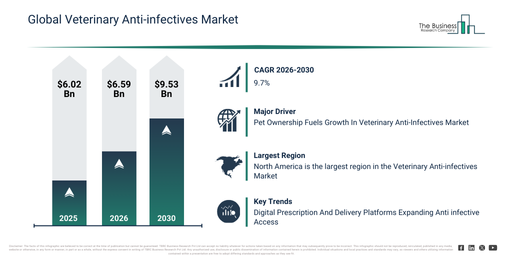
    The veterinary anti-infectives market has demonstrated significant expansion in recent years. It is forecast to grow from $6.02 billion in 2025 to $6.59 billion in 2026, reflecting a compound annual growth rate (CAGR) of 9.6%. The market’s past growth can be attributed to several factors including the rising prevalence of livestock diseases, an increasing companion animal population, a traditional reliance on antibiotics, enhanced veterinary awareness, and the expansion of veterinary clinics, especially in the Asia-Pacific region.

    The veterinary anti-infectives market size is expected to show significant expansion in the upcoming years. It is projected to reach $9.53 billion in 2030, exhibiting a compound annual growth rate (CAGR) of 9.7%. This growth in the forecast period is driven by factors such as an escalating demand for precision veterinary medicines, the increasing adoption of antiviral and antifungal agents, a greater emphasis on preventive healthcare, the expansion of veterinary hospitals and pharmacies, and the development of immune modulators and advanced disinfectants. Dominant trends during the forecast period include the rising application of antibiotics and antimicrobial agents, a greater uptake of vaccines and antiviral medications, an enhanced awareness of animal disease prevention, the enlargement of the companion animal healthcare market, and an increasing need for topical and systemic antifungal treatments.

    Get A Free Sample Report With In-Depth Market Insights:

    https://thebusinessresearchcompany.com/sample_request?id=7802&type=smp&name=Veterinary%20Anti-infectives%20Market%20Report%202026&utm_source=Blogs&utm_medium=Paid&utm_campaign=Oct_PR

    Veterinary Anti-infectives Market Industry Drivers: What’s Behind The Revenue Growth?

    A rise in pet ownership is projected to drive the expansion of the veterinary anti-infectives market in the future. Pet ownership denotes having a dog, cat, or other domestic animal within the household. The adoption of pets is growing as more young individuals regard them as family members, while some owners acquire them for their companionship, faithfulness, and to combat loneliness. Veterinary anti-infectives aid pet owners by preventing and addressing infections in their animals, thereby safeguarding their health and lessening the likelihood of sickness for both pets and humans. For example, in 2023, data from the Shelter Animals Count, a US-based non-governmental organization, revealed that 177,000 more dogs and cats were present in the country’s animal shelter network compared to the corresponding period in 2022. Consequently, the surge in pet ownership is fueling the demand within the veterinary anti-infectives market.

    Veterinary Anti-infectives Market Segment Analysis Spotlighting Growth Areas

    The veterinary anti-infectives market covered in this report is segmented –

    1) By Drug Class: Antimicrobial Agents, Antiviral Agents, Antifungal Agents, Other Drug Classes

    2) By Species Type: Livestock Animals, Companion Animals

    3) By Mode Of Administration: Oral, Parenteral, Topical

    4) By Distribution Channel: Veterinary Hospitals, Veterinary Clinics, Pharmacies, Other Distribution Channels

    Subsegments:

    1) By Antimicrobial Agents: Antibiotics, Antiseptics

    2) By Antiviral Agents: Vaccines, Antiviral Medications

    3) By Antifungal Agents: Topical Antifungals, Systemic Antifungals

    4) By Other Drug Classes: Parasiticides, Immune Modulators, Disinfectants

    #Veterinary Anti-infectives Market Growth Trends: What’s Shaping The Future Outlook?

    Leading companies in the veterinary anti-infectives market are deploying sophisticated technologies to maintain their standing. These advanced technologies encompass inventive methods and instruments that enhance the prevention, diagnosis, and treatment of animal infections, thereby improving both efficacy and safety. For example, in May 2025, Amazon.com Inc., a US-based e-commerce and pharmacy services provider, introduced an expanded selection of pet prescription medications. This initiative, forged in collaboration with Strategic Pharmaceutical Solutions Inc. (Vetsource), a US-based prominent veterinary technology and pharmacy platform, empowers customers to order veterinarian-approved anti-infective and other prescriptions online, typically delivering them within two to six days, and simplifies refill approvals through digital checkout integration and veterinarian verification. While this innovation extends reach and boosts client engagement, it might necessitate meticulous integration into clinical workflows and adherence to regulatory standards.

    Veterinary Anti-infectives Market Key Participants And Competitive Landscape

    Major companies operating in the veterinary anti-infectives market are Bayer AG, C. H. Boehringer Sohn AG & Co. KG, Ceva Santé Animale, Elanco Animal Health Incorporated, Zoetis Inc., Vetoquinol S. A., Merck & Co., Phibro Animal Health, Aspen Veterinary Resources Ltd., Bimeda Animal Health Limited, Dechra Pharmaceuticals Plc, Intervet International B. V., Oceanic Pharmachem Pvt. Ltd., Virbac Ltd., Indian Immunologicals Ltd. (IIL), Norbrook Laboratories Ltd., Ashish Life Science Pvt. Ltd., Kyoritsu Seiyaku Corporation, Tianjin Ringpu Bio-Technology Co. Ltd., HIPRA, Zydus Animal Health and Investments Limited, China Animal Husbandry Group, ZOOVETVARU Ltd., Magnum Veterinaaria Ltd., Inovet (V. M. D. nv/sa), Chanelle Pharmaceuticals Manufacturing Ltd., Huvepharma Inc., Veyx Pharma GmbH, Biovet Pvt. Ltd., Laboratorios Ovejero SA, Laboratorios Syva S. A.

    View The Full Veterinary Anti-infectives Market Report:

    https://thebusinessresearchcompany.com/report/veterinary-anti-infectives-global-market-report?utm_source=Blogs&utm_medium=Paid&utm_campaign=Oct_PR

    Veterinary Anti-infectives Market Geographic Analysis: Where Is Demand Accelerating Fastest?

    North America was the largest region in the veterinary anti-infectives market in 2025. Asia-Pacific is expected to be the fastest-growing region in the forecast period. The regions covered in the veterinary anti-infectives market report are Asia-Pacific, South East Asia, Western Europe, Eastern Europe, North America, South America, Middle East, Africa.

    Reach Out To Our Team:

    The Business Research Company: https://www.thebusinessresearchcompany.com/

    Americas: +1 310-496-7795

    Asia: +44 7882 955267 & +91 8897263534

    Europe: +44 7882 955267

    Email us at: marketing@tbrc.info

    Follow us on:

    LinkedIn: https://in.linkedin.com/company/the-business-research-company

    YouTube: https://www.youtube.com/channel/UC24_fI0rV8cR5DxlCpgmyFQ

    Global Market Model: https://www.thebusinessresearchcompany.com/global-market-model
  • Veterinary Antibiotics Market Analysis: Understanding The Drivers Behind 8.4% CAGR Through 2030 Growth

    Veterinary Antibiotics Market Analysis: Understanding The Drivers Behind 8.4% CAGR Through 2030 Growth

    Built to provide research that’s more actionable and strategically valuable, The Business Research Company’s 2026 market reports include market attractiveness analysis, total addressable market sizing, company benchmarking matrices, interactive Excel dashboards, broader supply chain intelligence, emerging startup tracking, and in-depth product insights.

    Veterinary Antibiotics Market Size And Revenue Outlook Through 2030

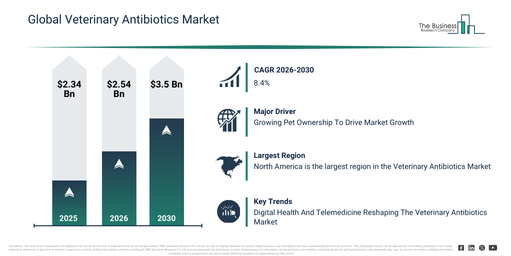
    The veterinary antibiotics market has experienced robust expansion in recent years. This market is projected to increase from $2.34 billion in 2025 to $2.54 billion by 2026, with a compound annual growth rate (CAGR) of 8.3%. Historically, this expansion can be linked to factors such as the high incidence of bacterial infections in livestock, an increasing companion animal population, restricted access to early veterinary healthcare, the use of traditional injectable antibiotic formulations, and growing recognition of animal welfare.

    The veterinary antibiotics market is projected to experience substantial expansion over the coming years. Its valuation is anticipated to reach $3.5 billion by 2030, driven by a compound annual growth rate (CAGR) of 8.4%. This forecasted growth is linked to factors such as the incorporation of precision medicine in animal healthcare, advancements in oral and premix formulations, regulatory initiatives promoting antibiotic stewardship, a rise in pet ownership and related expenditures, and the incorporation of digital monitoring into antibiotic management. Key trends expected during this period encompass a growing need for anti-bacterial and anti-parasitic medications, broader application of antibiotics for companion animals, a move towards convenient oral solutions and premixes, a greater emphasis on nsaids for pain relief in livestock, and the creation of multi-functional veterinary antibiotic products.

    Get A Free Sample Report With In-Depth Market Insights:

    https://thebusinessresearchcompany.com/sample_request?id=2458&type=smp&name=Veterinary%20Antibiotics%20Market%20Report%202026&utm_source=Blogs&utm_medium=Paid&utm_campaign=Oct_PR

    Veterinary Antibiotics Market Growth Factors: What’s Supporting Expansion?

    An increasing rate of pet ownership is anticipated to fuel the expansion of the veterinary antibiotics market in the future. Pet ownership is defined as the legally recognized and responsible act of possessing and caring for domesticated animals as companions, which includes meeting their physical, emotional, and medical requirements. This rate of pet ownership is climbing due to a heightened desire for companionship, as more individuals and families adopt pets to mitigate loneliness and improve their emotional well-being. Veterinary antibiotics play a role in elevating pet ownership rates by ensuring pets stay healthy and free from diseases, thus giving owners assurance in their capacity to provide care. For instance, in October 2024, according to the American Veterinary Medical Association, a US-based nonprofit professional association, the total number of dog-owning households in the U.S. is projected to increase by 59.8 million in 2024, making up 45.5% of all U.S. households, while the number of cat-owning households has risen to 42.1 million in 2024, which constitutes 32.1% of all U.S. households. Therefore, the growing pet ownership rate is a significant driver for the veterinary antibiotics market’s growth.

    Veterinary Antibiotics Market Segment Performance And Emerging Opportunities

    The veterinary antibiotics market covered in this report is segmented –

    1) By Product: Anti-Parasitic, Anti-Bacterial, Non-Steroidal Anti-Inflammatory Drug, Other Products

    2) By Administration: Premixes, Injections, Oral Powders, Oral Solutions, Other Administrations

    3) By End User: Farm Animals, Companion Animals

    Subsegments:

    1) By Anti-Parasitic: Endoparasiticides, Ectoparasiticides

    2) By Anti-Bacterial: Tetracyclines, Penicillins, Macrolides, Aminoglycosides, Sulfonamides

    3) By Non-Steroidal Anti-Inflammatory Drug (NSAID): Carprofen, Meloxicam, Aspirin

    4) By Other Products: Antifungal, Antiviral

    Veterinary Antibiotics Market Industry Trends: What’s Reshaping Demand?

    Major entities operating in the veterinary antibiotics arena are developing telemedicine platforms for pet healthcare, seeking to achieve a competitive edge. Telemedicine denotes a healthcare approach that involves the remote diagnosis, consultation, treatment, and monitoring of patients utilizing telecommunications technology, such as video conferencing, phone calls, or secure messaging platforms. For example, in June 2023, Cargill Inc., a US-based food corporation, launched Zoonivet, a digital pet-care application. This Telehealth platform simplifies pet healthcare by connecting pet parents with qualified veterinarians through video calls, making primary pet care both accessible and convenient. Zoonivet also has plans to provide surgery, home diagnostic services, medication, pet food, and pet boarding throughout key Indian markets.

    Veterinary Antibiotics Market Top Companies Driving Competitive Growth

    Major companies operating in the veterinary antibiotics market are Boehringer Ingelheim GmbH, Zoetis, Inc., Merck & Co., Inc., Elanco Animal Health Incorporated, Vetoquinol S.A., Phibro Animal Health Corporation, Kyoritsu Seiyaku Corporation, Dechra Pharmaceuticals plc, Bayer Animal Health China, China Animal Healthcare Ltd., China Animal Husbandry Industry Corporation Ltd. (CAHIC), Guangdong Wens Dahuanong Biotechnology Co. Ltd., Merial Pulike Biological Engineering, Ceva Santé Animale, Nimrod Veterinary Products Ltd., Bimeda, VIRBAC SA, Orion Animal Health, Laboratorios Calier, SA, Petmedix, Eco Animal Health, Teknofarma, Farmavet, Candioli Pharma, Suanfarma, Marino Ibericamed, MPA veterinary, Lamons Laboratories SA, SUPER’S DIANA, Swetrade Pharmaceuticals AB, Animalcare, VIC Animal Health, AVZ animal health, Provet Group, VitOMEK LCC, Micro-plus, Biowet, Bioveta, Brovapharma, Evrovet, Ukrvetprompostach, VELELEK d.o.o, Veterinarski Zavod Subotica, VetPlanet, Delos Medica, Vetro Solutions, Belfarmacom, IDT Biologika, UCBVET, Syntec, Sauvet, Vetanco, Chemo Argentina, Brouwer, Agrovet Market Animal Health, Lemavet, Saudi Pharmaceutical Industries (SPI), DBK Pharma S.A.E.

    View The Full Veterinary Antibiotics Market Report:

    https://thebusinessresearchcompany.com/report/veterinary-antibiotics-global-market-report?utm_source=Blogs&utm_medium=Paid&utm_campaign=Oct_PR

    Veterinary Antibiotics Market Global Footprint: Which Region Leads The Industry?

    North America was the largest region in the veterinary antibiotics market in 2025. Asia-Pacific was the second-largest region in the global veterinary antibiotics market share. The regions covered in the veterinary antibiotics market report are Asia-Pacific, South East Asia, Western Europe, Eastern Europe, North America, South America, Middle East, Africa.

    Reach Out To Our Team:

    The Business Research Company: https://www.thebusinessresearchcompany.com/

    Americas: +1 310-496-7795

    Asia: +44 7882 955267 & +91 8897263534

    Europe: +44 7882 955267

    Email us at: marketing@tbrc.info

    Follow us on:

    LinkedIn: https://in.linkedin.com/company/the-business-research-company

    YouTube: https://www.youtube.com/channel/UC24_fI0rV8cR5DxlCpgmyFQ

    Global Market Model: https://www.thebusinessresearchcompany.com/global-market-model

  • Veterinary Anesthesia Equipment Market Growth To $1.71 Billion By 2030: What’s Driving The Expansion?

    Veterinary Anesthesia Equipment Market Growth To $1.71 Billion By 2030: What’s Driving The Expansion?

    Backed by market attractiveness analysis, total addressable market sizing, company benchmarking matrices, interactive Excel dashboards, wider supply chain intelligence, emerging startup coverage, and detailed product-level insights, The Business Research Company’s 2026 market reports are designed to offer research that is more actionable and strategically valuable than ever.

    Veterinary Anesthesia Equipment Market Growth From $1.26 Billion In 2026 To $1.71 Billion By 2030 At A CAGR Of 7.9%

    The veterinary anesthesia equipment market has shown significant growth over recent years. Its valuation is set to rise from $1.17 billion in 2025 to $1.26 billion in 2026, reflecting a compound annual growth rate (CAGR) of 7.4%. This past expansion can be linked to an increase in veterinary surgical procedures, a global rise in pet ownership, the expansion of veterinary hospitals and clinics, growing awareness concerning animal pain management, and the accessibility of basic inhalation anesthesia systems.

    The veterinary anesthesia equipment market size is anticipated to experience substantial growth in the upcoming years. It is projected to reach $1.71 billion in 2030, exhibiting a compound annual growth rate (CAGR) of 7.9%. This expansion during the forecast period is primarily driven by an increasing demand for advanced veterinary care, rising expenditure on companion animal health, the proliferation of emergency and critical care services, technological advancements in anesthesia delivery systems, and the broadening of homecare and mobile veterinary services. Noteworthy trends for this period include a rising adoption of advanced anesthesia monitoring systems, a growing demand for portable and compact anesthesia machines, an increased focus on patient safety and precision anesthesia, the expansion of anesthesia equipment in small animal practices, and a higher utilization of inhalation-based anesthesia techniques.

    Get A Free Sample Report With In-Depth Market Insights:

    https://thebusinessresearchcompany.com/sample_request?id=2453&type=smp&name=Veterinary%20Anesthesia%20Equipment%20Market%20Report%202026&utm_source=Blogs&utm_medium=Paid&utm_campaign=Oct_PR

    Veterinary Anesthesia Equipment Market Demand Drivers: What’s Powering Industry Growth?

    An increase in pet ownership is anticipated to fuel the expansion of the veterinary anesthesia equipment market in the foreseeable future. This involves caring for a domesticated animal like a cat, dog, bird, fish, or other small creature, and fulfilling its requirements. Responsibilities associated with pet ownership include supplying food, water, shelter, exercise, and medical attention for the animal. Veterinary anesthetic equipment plays a crucial role in pet care, guaranteeing the safety of animals during surgical procedures. A surge in the pet population is projected to consequently increase the demand for veterinary anesthetic equipment. For example, data from October 2023, shared by the World Animal Foundation, a US-based site advocating for animal rights, responsible pet ownership, and compassionate awareness, indicated a higher prevalence of dog ownership, with 65.1 million dogs versus 46.5 million cats. Additionally, 2.2 million horses are owned by equestrians, and 11 million households possess saltwater fish tanks. Consequently, the growing trend of pet ownership is serving as a key impetus for the veterinary anesthesia equipment market.

    Veterinary Anesthesia Equipment Market Segment Landscape And Growth Outlook

    The veterinary anesthesia equipment market covered in this report is segmented –

    1) By Type: Standalone Anaesthesia Machines, Portable Anaesthesia Machines

    2) By Animal Type: Small, Large

    3) By End User: Veterinary Hospitals, Veterinary Clinics, Emergency Service Centres, Veterinary Homecare Settings

    Subsegments:

    1) By Standalone Anesthesia Machines: Conventional Standalone Anesthesia Machines, Advanced Standalone Anesthesia Machines

    2) By Portable Anesthesia Machines: Battery-operated Portable Anesthesia Machines, Lightweight Portable Anesthesia Machines

    Veterinary Anesthesia Equipment Market Innovation Trends: What Developments Are Reshaping The Industry?

    Leading companies active in the veterinary anesthesia equipment market are directing their efforts toward developing innovative solutions, including anaesthetic gas capture systems integrated with existing anesthesia apparatus, to satisfy the growing demand for sustainable veterinary practices, lower greenhouse gas emissions, and environmentally responsible surgical procedures in veterinary clinics and hospitals. Anaesthetic gas capture systems are specifically designed to safely adsorb and remove exhaled anesthetic agents, such as isoflurane and sevoflurane, prior to their release into the environment, marking a significant advancement over traditional anesthesia setups that permit these gases to enter the atmosphere without any mitigating measures. As an illustration, in April 2024, Mars Veterinary Health, a UK-based veterinary care provider, piloted a cutting-edge anaesthetic gas capture system in partnership with SageTech Veterinary, an innovative technology developer, with the aim of embedding gas capture into veterinary anesthesia workflows; this system incorporates specialized adsorption canisters, offers compact integration with current machines, and ensures minimal disruption to clinical procedures. Through the containment of waste anesthetic gases, this technology reduces its ecological footprint, facilitates adherence to sustainability targets, and maintains the accuracy and safety of anesthesia delivery, thus offering veterinary practices an eco-conscious alternative to conventional methods.

    Veterinary Anesthesia Equipment Market Leading Players And Competitive Positioning

    Major companies operating in the veterinary anesthesia equipment market are JD medical, Midmark Corporation, Smiths medical, Mindray Medical, Kent Scientific, Everest Veterinary Technology, Dispomed Ltd., Henry Schein Company, Mediquip, Patterson Scientific, DRE Veterinary, Beijing Yei Shinhang electronic technology, Vetronic Services LTD, Synthomer plc, Hallowell Engineering, Supera innovations, Vetland Medical, General Electric, BPL limited, Penlon Limited, Tenessee anaesthesia, CRH medical, Jorgensen Laboratories LLC, VetEquip Inc., Mds Medical Limited, Advanced Anesthesia Specialists, SurgiVet, Hallowell Engineering & Manufacturing Corporation, Supera Anesthesia Innovations, Burtons Medical Equipment Ltd, Cattani S.p.A., Eickemeyer Veterinary Equipment Inc., Jørgen Kruuse A/S, Patterson Veterinary Supply Inc., Henry Schein Animal Health Inc., ICU Medical Inc.

    View The Full Veterinary Anesthesia Equipment Market Report:

    https://thebusinessresearchcompany.com/report/veterinary-anesthesia-equipment-global-market-report?utm_source=Blogs&utm_medium=Paid&utm_campaign=Oct_PR

    Veterinary Anesthesia Equipment Market Regional Distribution: Which Areas Power Market Growth?

    North America was the largest region in the veterinary anesthesia equipment market in 2025. Asia-Pacific was the second-largest region in the global veterinary anesthesia equipment market share. The regions covered in the veterinary anesthesia equipment market report are Asia-Pacific, South East Asia, Western Europe, Eastern Europe, North America, South America, Middle East, Africa.

    Reach Out To Our Team:

    The Business Research Company: https://www.thebusinessresearchcompany.com/

    Americas: +1 310-496-7795

    Asia: +44 7882 955267 & +91 8897263534

    Europe: +44 7882 955267

    Email us at: marketing@tbrc.info

    Follow us on:

    LinkedIn: https://in.linkedin.com/company/the-business-research-company

    YouTube: https://www.youtube.com/channel/UC24_fI0rV8cR5DxlCpgmyFQ

    Global Market Model: https://www.thebusinessresearchcompany.com/global-market-model

  • Veterinary Active Pharmaceutical Ingredients Manufacturing Market Trends Reshaping Industry Growth Through 2030

    Veterinary Active Pharmaceutical Ingredients Manufacturing Market Trends Reshaping Industry Growth Through 2030

    Featuring market attractiveness scoring, total addressable market sizing, company benchmarking matrices, interactive Excel dashboards, deeper supply chain intelligence, emerging startup tracking, and granular product-level insights, The Business Research Company’s 2026 market reports are built to deliver research that is both more actionable and more strategically valuable.

    Veterinary Active Pharmaceutical Ingredients Manufacturing Market Expansion Outlook: What Revenue Opportunities Are Ahead?

    The veterinary active pharmaceutical ingredients manufacturing market has experienced substantial growth in recent years. It is anticipated to expand from $8.03 billion in 2025 to $8.71 billion in 2026, reflecting a compound annual growth rate (CAGR) of 8.5%. The historical expansion of this market can be attributed to several factors including the increasing prevalence of animal diseases, the growing populations of livestock and companion animals, the expansion of the veterinary pharmaceutical industry, the development of conventional chemical-based APIs, and the rising demand for anti-infective and antiparasitic drugs.

    The veterinary active pharmaceutical ingredients manufacturing market size is projected to experience substantial growth in the coming years, with an anticipated rise to $12.06 billion by 2030 at a compound annual growth rate (CAGR) of 8.5%. This expansion during the forecast period is driven by factors such as the adoption of biological and recombinant APIs, growth in contract manufacturing services, an increasing demand for highly potent APIs, supportive regulatory environments for veterinary pharmaceutical production, and a growing emphasis on vaccine API innovations. Major trends anticipated in this period include the expansion of contract manufacturing for veterinary APIs, the ongoing development of highly potent APIs, the enhancement of in-house API production capabilities, a heightened focus on anti-infective and antiparasitic APIs, and advancements in vaccine API formulations.

    Get A Free Sample Report With In-Depth Market Insights:

    https://thebusinessresearchcompany.com/sample_request?id=7942&type=smp&name=Veterinary%20Active%20Pharmaceutical%20Ingredients%20Manufacturing%20Market%20Report%202026&utm_source=Blogs&utm_medium=Paid&utm_campaign=Oct_PR

    Veterinary Active Pharmaceutical Ingredients Manufacturing Market Growth Drivers: What’s Behind The Acceleration?

    The rising occurrence of zoonotic diseases is projected to drive the expansion of the veterinary active pharmaceutical ingredients manufacturing market in the future. Zoonotic diseases, also termed zoonoses, are infectious conditions naturally transmissible between animals and humans. Their increase stems from greater human-animal interaction, which facilitates pathogen transmission and new infections. Veterinary APIs are crucial for developing vaccines to prevent zoonotic disease transmission from animals to humans. Moreover, these APIs aid in combating antibiotic resistance, a significant challenge in managing zoonotic diseases. For example, data from February 2023, reported by the Council on Foreign Relations (CFR), indicated that up to 75% of new or emerging infectious diseases (EIDs) and 60% of known infectious diseases originate from zoonoses. Annually, zoonotic diseases are responsible for 2.7 million human fatalities and 2.5 billion instances of illness globally. Consequently, the growing frequency of zoonotic diseases is stimulating the expansion of the veterinary active pharmaceutical ingredients manufacturing market.

    Veterinary Active Pharmaceutical Ingredients Manufacturing Market Breakdown By Product Type And Application

    The veterinary active pharmaceutical ingredients manufacturing market covered in this report is segmented –

    1) By Product: Antiparasitic, Anti-Infectives, Vaccines, NSAIDs

    2) By Service Type: In House, Contract Outsourcing

    3) By Synthesis Type: Chemical Based API, Biological API, Highly Potent API

    Subsegments:

    1) By Antiparasitic: Endectocides, Anthelmintics, Antiprotozoals

    2) By Anti-Infectives: Antibiotics, Antifungals, Antivirals

    3) By Vaccines: Inactivated Vaccines, Live Attenuated Vaccines, Recombinant Vaccines

    4) By Non-Steroidal Anti-Inflammatory Drugs (NSAIDs): Non-Selective NSAIDs, COX-2 Inhibitors

    Veterinary Active Pharmaceutical Ingredients Manufacturing Market Trends: What’s Defining The Industry’s Next Phase?

    Leading companies in the veterinary active pharmaceutical ingredient manufacturing market are prioritizing the establishment of API production facilities to gain a competitive edge. These manufacturing plants for veterinary APIs are specialized facilities that produce the active pharmaceutical ingredients vital for formulating veterinary drugs. For example, in October 2023, Stallen South Asia Private Limited, an India-based animal health company, launched and commenced operations at a new veterinary API facility for Halquinol, which is a non-antibiotic growth promoter from the hydroxyquinoline group. This substance is a combination of 5-chloro-8-hydroxyquinoline, 5,7-dichloro-8-hydroxyquinoline, and 7-chloro-8-hydroxyquinoline. The facility produces products like Halquinol 98%, manufactured according to British Pharmacopeia 1980 (BP 80) guidelines. In addition to the more standard 60% and 12% forms, Stallen is capable of supplying 98% as a chemical API for veterinary formulations and feed additives. Stallen intends to decrease the animal health industry’s reliance on products imported from China by gradually introducing a broad spectrum of APIs from this plant.

    Veterinary Active Pharmaceutical Ingredients Manufacturing Market Competitive Overview And Top Companies

    Major companies operating in the veterinary active pharmaceutical ingredients manufacturing market are Alivira Animal Health Limited, Excel Industries Limited, Ofichem Group B.V., Jiangsu Lingyun Pharmaceutical Co. Ltd., SUANFARMA S.A., NGL Fine-Chem Limited, FIS – Fabbrica Italiana Sintetici S.p.A., Lupin Limited, Aurobindo Pharma Limited, Saneca Pharmaceuticals AS, Neuland Laboratories Limited, Divi’s Laboratories Limited, Zoetis Inc., Grupo Indukern S.L., Sequent Scientific Limited, Chempro Pharma Private Limited, AMGIS Lifescience Ltd., Huvepharma AD, Vetpharma Animal Health S.L., Qilu Pharma Spain S.A., INDUKERN Chemie AG, Chemopharma S.A., Norbrook Laboratories Limited, Ceva Santé Animale S.A., Vetoquinol S.A., Virbac S.A.

    View The Full Veterinary Active Pharmaceutical Ingredients Manufacturing Market Report:

    https://thebusinessresearchcompany.com/report/veterinary-active-pharmaceutical-ingredients-manufacturing-global-market-report?utm_source=Blogs&utm_medium=Paid&utm_campaign=Oct_PR

    Veterinary Active Pharmaceutical Ingredients Manufacturing Market Leading Geography: Which Region Contributes The Most Revenue?

    North America was the largest region in the veterinary active pharmaceutical ingredients manufacturing market in 2025. The regions covered in the veterinary active pharmaceutical ingredients manufacturing market report are Asia-Pacific, South East Asia, Western Europe, Eastern Europe, North America, South America, Middle East, Africa.

    Reach Out To Our Team:

    The Business Research Company: https://www.thebusinessresearchcompany.com/

    Americas: +1 310-496-7795

    Asia: +44 7882 955267 & +91 8897263534

    Europe: +44 7882 955267

    Email us at: marketing@tbrc.info

    Follow us on:

    LinkedIn: https://in.linkedin.com/company/the-business-research-company

    YouTube: https://www.youtube.com/channel/UC24_fI0rV8cR5DxlCpgmyFQ

    Global Market Model: https://www.thebusinessresearchcompany.com/global-market-model
  • Tick Repellent Market Growth To $1.24 Billion Creates New Opportunities Across The Industry

    Tick Repellent Market Growth To $1.24 Billion Creates New Opportunities Across The Industry

    Backed by market attractiveness analysis, total addressable market sizing, company benchmarking matrices, interactive Excel dashboards, wider supply chain intelligence, emerging startup coverage, and detailed product-level insights, The Business Research Company’s 2026 market reports are designed to offer research that is more actionable and strategically valuable than ever.

    Tick Repellent Market Growth Potential: How Will Market Size Shift Through 2030?

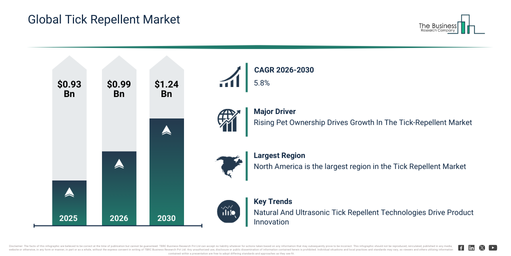
    The tick repellent market size has experienced strong growth in recent years. It is projected to increase from $0.93 billion in 2025 to $0.99 billion in 2026, at a compound annual growth rate (CAGR) of 6.0%. The expansion observed historically is attributable to a high prevalence of tick-borne diseases in pets, limited availability of convenient oral treatments, ongoing reliance on traditional topical sprays, a rise in pet ownership, and increased veterinary consultations.

    The tick repellent market size is projected to experience substantial growth in the upcoming years. It is expected to expand to $1.24 billion in 2030, demonstrating a compound annual growth rate (CAGR) of 5.8%. This expansion during the forecast period is driven by advancements in oral chewable formulations, innovations in wearable tick repellent devices, an increase in online and modern trade distribution, growing awareness of pet healthcare, and the proliferation of preventive veterinary care programs. Key trends identified for the forecast period include the rising adoption of oral chewables and pills for pets, increased use of topical spot-on treatments and sprays, the development of collars and wearable devices for tick repellence, growing awareness of tick-borne diseases in pets, and the expansion of veterinary clinic distribution channels.

    Get A Free Sample Report With In-Depth Market Insights:

    https://thebusinessresearchcompany.com/sample_request?id=18485&type=smp&name=Tick%20Repellent%20Market%20Report%202026&utm_source=Blogs&utm_medium=Paid&utm_campaign=Oct_PR

    Tick Repellent Market Growth Factors Behind Sustained Expansion

    An anticipated increase in pet ownership is set to drive the expansion of the tick repellent market. Pet ownership entails the duty of providing an animal with sustenance, housing, medical attention, security, and companionship on a daily basis. The rise in pet ownership can be attributed to a greater demand for emotional connection and a heightened awareness of the beneficial effects pets have on mental well-being. For pets, tick repellents serve to prevent ticks from attaching to animals, thereby offering protection against diseases transmitted by ticks, including Lyme disease and Ehrlichiosis. For example, in April 2025, the Canadian Animal Health Institute, a trade association located in Canada, reported that in 2024, approximately 7.2 million dogs and 8.2 million cats resided in Canada, indicating that pets are a fundamental component of over 50% of Canadian households. Consequently, the expansion of pet ownership is fueling the growth of the tick repellent market.

    Tick Repellent Market Segment Analysis And Revenue Potential

    The tick repellent market covered in this report is segmented –

    1) By Type: Pills And Chewables, Topical Treatments, Other Types

    2) By Distribution Channel: Modern Trade, Veterinary Clinics, Convenience Stores, Online Sales

    3) By Application: Dogs, Cats, Other Applications

    Subsegments:

    1) By Pills And Chewables: Oral Tablets, Oral Chewables

    2) By Topical Treatments: Spot-On Treatments, Sprays, Powders

    3) By Other Types: Collars, Shampoos, Wearable Devices

    Tick Repellent Market Industry Trends Fueling Future Revenue Growth

    Major companies within the tick repellent market are prioritizing the creation of innovative products, including chemical-free and wearable ultrasonic repellent devices, to ensure safer, eco-conscious pet protection. These devices operate by emitting ultrasonic pulses designed to deter ticks and fleas without the use of toxic chemicals, thus presenting pet owners with a non-invasive, sustainable, and environmentally friendly approach to parasite prevention. They are lightweight, portable, and suitable for pets of various sizes, making them practical for daily use in both indoor and outdoor settings. For instance, in September–November 2024, ProtectOne Global Ltd, a Germany–Hungary-based pet care technology company, released the Tickless Mini ultrasonic tick and flea repellent device. This advanced device features rechargeable operation, chemical-free protection, and enduring performance, guaranteeing continuous parasite deterrence. Additionally, it incorporates user-centric design elements such as simple controls, durable construction, and a compact form factor, enabling pet owners to seamlessly integrate tick and flea prevention into their regular routines.

    Tick Repellent Market Competitive Landscape: Which Companies Lead The Industry?

    Major companies operating in the tick repellent market are Merck & Co. Inc., Bayer AG, Boehringer International GmbH, S.C. Johnson & Son Inc., Zoetis Inc., Perrigo Company plc., Elanco Animal Health, FMC Global Specialty Solutions, Central Garden & Pet Company, Ceva Sante Animale S.A., Wellmark International Inc., Virbac Corporation, The Hartz Mountain Corporation, Penn Veterinary Supply Inc., Sergeant’s Pet Care Products Inc., Central Life Sciences, Insect Shield LLC, AdvaCare Pharma, Ecto Development Corporation, Nantucket Spider, Fulltec GmbH, AtlanTick

    View The Full Tick Repellent Market Report:

    https://thebusinessresearchcompany.com/report/tick-repellent-global-market-report?utm_source=Blogs&utm_medium=Paid&utm_campaign=Oct_PR

    Tick Repellent Market Regional Outlook: Where Is Opportunity Concentrated?

    North America was the largest region in the tick-repellent market in 2025. The regions covered in the tick repellent market report are Asia-Pacific, South East Asia, Western Europe, Eastern Europe, North America, South America, Middle East, Africa.

    Reach Out To Our Team:

    The Business Research Company: https://www.thebusinessresearchcompany.com/

    Americas: +1 310-496-7795

    Asia: +44 7882 955267 & +91 8897263534

    Europe: +44 7882 955267

    Email us at: marketing@tbrc.info

    Follow us on:

    LinkedIn: https://in.linkedin.com/company/the-business-research-company

    YouTube: https://www.youtube.com/channel/UC24_fI0rV8cR5DxlCpgmyFQ

    Global Market Model: https://www.thebusinessresearchcompany.com/global-market-model