Blog

  • Anti-Inflammatory Biologics Market Growth Is Accelerating As Industry Transformation Continues

    Anti-Inflammatory Biologics Market Growth Is Accelerating As Industry Transformation Continues

    Delivering more actionable and strategically valuable research, The Business Research Company’s 2026 market reports feature market attractiveness analysis, total addressable market evaluation, company benchmarking matrices, interactive Excel dashboards, expanded supply chain intelligence, emerging startup coverage, and detailed product insights.

    Anti-Inflammatory Biologics Market Size Outlook: How Fast Will Revenue Grow Through 2030?

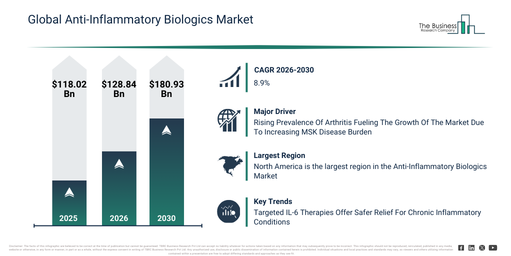
    The market for anti-inflammatory biologics has experienced substantial expansion in recent years. Projections indicate it will increase from $118.02 billion in 2025 to $128.84 billion in 2026, achieving a compound annual growth rate (CAGR) of 9.2%. This historical growth has been driven by factors such as the constrained availability of biologics, dependence on conventional anti-inflammatory medications, a rising incidence of rheumatoid arthritis and psoriasis, the development of hospital and clinic facilities, and growing financial commitments to immunology research.

    The anti-inflammatory biologics market is projected to experience robust expansion over the coming years. By 2030, its value is anticipated to reach $180.93 billion, driven by a compound annual growth rate (CAGR) of 8.9%. This forecasted growth is fueled by the emergence of next-generation cytokine inhibitors, broader availability of home care and self-administration options, an uptick in regulatory approvals alongside expedited clinical trial timelines, heightened investment in precision medicine and biologics research, and expanding collaborations between pharmaceutical and biotechnology firms. Key trends shaping this period include a growing preference for targeted biologics addressing chronic inflammatory conditions, advancements in subcutaneous and injectable drug delivery methods, an increase in clinical trials and research into novel anti-inflammatory biologics, a stronger emphasis on tailored treatment approaches, and greater awareness and accessibility of biologics within emerging markets.

    Download A Free Sample Report For Comprehensive Market Insights:

    https://www.thebusinessresearchcompany.com/sample.aspx?id=25695&type=smp&utm_source=BlogsPR&utm_medium=Paid&utm_campaign=Jul_PR

    Anti-Inflammatory Biologics Market Demand Drivers: What Is Fueling Industry Growth?

    The upward trend in arthritis cases is anticipated to fuel the expansion of the anti-inflammatory biologics market in the coming period. Arthritis is characterized by joint inflammation or swelling, which results in pain, stiffness, and diminished mobility, and these symptoms tend to intensify with advancing age. This increase in arthritis prevalence is largely attributable to climbing obesity rates, as surplus body weight imposes increased pressure on joints, thereby triggering inflammation and joint deterioration. Anti-inflammatory biologics prove beneficial for managing arthritis by zeroing in on particular immune system elements to curb inflammation, decelerate joint deterioration, alleviate symptoms, and enhance both physical function and overall quality of life for individuals suffering from moderate to severe arthritis. As an example, data from the Office for Health Improvement and Disparities, a UK government body, indicates that in January 2024, 18.4% of people aged 16 and over in 2023 reported a long-term musculoskeletal condition, an increase from 17.6% in 2022. Consequently, the growing occurrence of arthritis is propelling the advancement of the anti-inflammatory biologics market.

    Anti-Inflammatory Biologics Market Segment Analysis And Revenue Opportunities

    The anti-inflammatory biologics market covered in this report is segmented –

    1) By Drug Class: Tumor Necrosis Factor Inhibitors, Interleukin Inhibitors, B-Cell Inhibitors, T-Cell Inhibitors, Other Drug Classes

    2) By Route Of Administration: Oral, Injection, Intravenous, Subcutaneous

    3) By Application: Rheumatoid Arthritis, Inflammatory Bowel Disease, Psoriasis, Other Applications

    4) By Distribution Channel: Hospital Pharmacies, Retail Pharmacies, Online Pharmacies, Other Distribution Channels

    5) By End-Users: Hospital, Clinics, Home Care Settings, Research And Academic Institutes

    Subsegments:

    1) By Tumor Necrosis Factor Inhibitors: Adalimumab, Infliximab, Etanercept, Golimumab, Certolizumab Pegol

    2) By Interleukin Inhibitors: Interleukin-1 Inhibitors, Interleukin-6 Inhibitors, Interleukin -12 Or 23 Inhibitors, Interleukin -17 Inhibitors, Interleukin -23 Inhibitors

    3) By B-Cell Inhibitors: Rituximab, Ocrelizumab, Ofatumumab

    4) By T-Cell Inhibitors: Abatacept, Alefacept

    5) By Other Drug Classes: Janus Kinase Inhibitors, Anti-IgE And Other Biologics

    Anti-Inflammatory Biologics Market Innovation Trends: Which Developments Are Transforming The Industry?

    Leading firms in the anti-inflammatory biologics sector are concentrating on creating innovative products, including interleukin-6 (IL-6) receptor antagonists, to treat chronic inflammatory diseases with enhanced precision and minimized adverse effects. These biologic drugs work by blocking the IL-6 receptor, thereby dampening inflammation and immune activity in disorders like rheumatoid arthritis. A notable example occurred in February 2023, when Regeneron Pharmaceuticals Inc., a biotechnology company based in the United States, secured approval from the U.S. Food and Drug Administration (FDA) for Kevzara. This approval marked it as the first and only biologic therapy indicated for patients with polymyalgia rheumatica (PMR) who have an inadequate response to corticosteroids. Kevzara, a fully human monoclonal antibody, functions by inhibiting the IL-6 receptor, which alleviates inflammation associated with PMR—a condition characterized by muscle pain and stiffness, typically affecting older individuals. In contrast to conventional steroids, which pose risks like osteoporosis and diabetes when used over extended periods, Kevzara offers a more targeted, steroid-sparing therapeutic option that promotes better patient outcomes and improved long-term safety.

    Anti-Inflammatory Biologics Market Leading Players Shaping Industry Direction

    Major companies operating in the anti-inflammatory biologics market are Pfizer Inc., Johnson And Johnson, Roche Holding AG, AbbVie Inc, Sanofi S.A, Bristol-Myers Squibb, Novartis AG, Eli Lilly and Company, Amgen Inc., Regeneron Pharmaceuticals Inc, UCB S.A

    Access The Complete Anti-Inflammatory Biologics Market Report:

    https://www.thebusinessresearchcompany.com/report/anti-inflammatory-biologics-global-market-report?utm_source=BlogsPR&utm_medium=Paid&utm_campaign=Jul_PR

    Anti-Inflammatory Biologics Market Regional Analysis And Leading Geography

    North America was the largest region in the anti-inflammatory biologics market in 2025. Europe is expected to be the fastest-growing region in the forecast period. The regions covered in the anti-inflammatory biologics market report are Asia-Pacific, South East Asia, Western Europe, Eastern Europe, North America, South America, Middle East, Africa.

    Get in touch with us:

    The Business Research Company: https://www.thebusinessresearchcompany.com/?utm_source=BlogsPR&utm_medium=Paid&utm_campaign=home_page_test

    Americas: +1 310-496-7795

    Asia: +44 7882 955267 & +91 8897263534

    Europe: +44 7882 955267

    Email us at: marketing@tbrc.info

    Follow us on:

    LinkedIn: https://in.linkedin.com/company/the-business-research-company

    YouTube: https://www.youtube.com/channel/UC24_fI0rV8cR5DxlCpgmyFQ

    Global Market Model: https://www.thebusinessresearchcompany.com/global-market-model
  • Anti-Hypertensive Drugs Market Outlook Highlights The Next Major Growth Opportunities

    Anti-Hypertensive Drugs Market Outlook Highlights The Next Major Growth Opportunities

    Enhanced with market attractiveness analysis, total addressable market evaluation, company benchmarking matrices, interactive Excel dashboards, expanded supply chain intelligence, emerging startup coverage, and detailed product insights, The Business Research Company’s 2026 market reports deliver more actionable and strategically valuable research.

    Anti-Hypertensive Drugs Market Size, Value And Growth Trends Through 2030

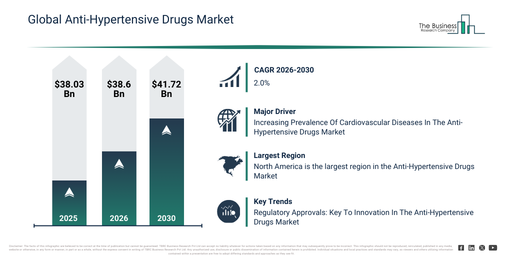
    The market for antihypertensive medications experienced modest expansion in recent years, with projections indicating an increase from $38.03 billion in 2025 to $38.6 billion in 2026, reflecting a compound annual growth rate (CAGR) of 1.5%. This historical growth has been driven by several factors, including a rising incidence of hypertension, widespread use of beta blockers and ACE inhibitors, heightened awareness surrounding cardiovascular diseases, the broadening of hospital and clinic infrastructures, and substantial research and development efforts dedicated to developing new antihypertensive treatments.

    The market for anti-hypertensive drugs is projected to experience modest expansion over the coming years. By 2030, it is anticipated to reach a value of $41.72 billion, with a compound annual growth rate (CAGR) of 2.0%. This forecasted growth is driven by several factors, including the advancement of precision medicine, a broader uptake of telemedicine, heightened demand for homecare monitoring, progress in drug delivery technologies, and growth across emerging markets. Key developments expected during this period encompass a shift toward personalized approaches to hypertension management, an aging population, a greater prevalence of hypertension linked to lifestyle choices, the expansion of homecare and remote patient monitoring, and increased public awareness coupled with more widespread screening initiatives.

    Download A Free Sample Report For Comprehensive Market Insights:

    https://www.thebusinessresearchcompany.com/sample.aspx?id=2410&type=smp&utm_source=BlogsPR&utm_medium=Paid&utm_campaign=Jul_PR

    Anti-Hypertensive Drugs Market Growth Drivers: What Factors Are Accelerating Expansion?

    The growing incidence of cardiovascular conditions is expected to fuel the expansion of the anti-hypertensive drugs market in the coming period. Cardiovascular diseases, often referred to as CVDs, encompass a range of disorders impacting the heart and blood vessels, with common contributors including smoking, elevated blood pressure, high cholesterol, diabetes, obesity, and a lack of physical activity. Anti-hypertensive medications are designed to control and lower high blood pressure—a primary risk factor for CVDs, particularly among elderly populations—thereby aiming to diminish the likelihood of developing such illnesses. As an illustration, data from the Centers for Disease Control and Prevention, a U.S. federal agency, released in October 2024, revealed that 919,032 individuals succumbed to cardiovascular disease in 2023, accounting for one out of every three fatalities. Consequently, the rising prevalence of cardiovascular diseases is propelling the growth of the anti-hypertensive drugs market.

    Anti-Hypertensive Drugs Market Segmentation And Category Breakdown

    The anti-hypertensive drugs market covered in this report is segmented –

    1) By Therapeutics: Diuretics, Angiotensin Receptor Blockers (ARBs), Angiotensin Converting Enzyme (ACE) Inhibitors, Beta Blockers, Alpha Blockers, Calcium Channel Blockers, Renin Inhibitors, Vasodilators

    2) By Disease Source: Primary Hypertension, Secondary Hypertension

    3) By End Users: Hospitals, Clinics, Homecare

    Subsegments:

    1) By Diuretics: Thiazide Diuretics, Loop Diuretics, Potassium-Sparing Diuretics

    2) By Angiotensin Receptor Blockers (ARBs): Losartan, Valsartan, Irbesartan, Candesartan

    3) By Angiotensin Converting Enzyme (ACE) Inhibitors: Enalapril, Lisinopril, Ramipril, Benazepril

    4) By Beta Blockers: Metoprolol, Atenolol, Carvedilol, Bisoprolol

    5) By Alpha Blockers: Doxazosin, Prazosin, Terazosin

    6) By Calcium Channel Blockers: Amlodipine, Diltiazem, Verapamil, Nifedipine

    7) By Renin Inhibitors: Aliskiren

    8) By Vasodilators: Hydralazine, Minoxidil

    Anti-Hypertensive Drugs Market Trends: What Is Shaping Future Industry Growth?

    Key players in the anti-hypertensive drugs market are prioritizing regulatory approvals to broaden their product offerings and boost their competitive edge. These approvals are official clearances given by regulatory bodies that confirm the safety and effectiveness of pharmaceutical items before they can be introduced to consumers. A case in point is March 2024, when Idorsia Pharmaceuticals, a firm based in the United States, secured FDA authorization for its novel drug aprocitentan, sold as Tryvio. This treatment is aimed at adults with resistant hypertension whose condition is not well managed by existing antihypertensive therapies. Aprocitentan stands out as the first endothelin receptor antagonist cleared for this use, introducing a fresh therapeutic approach for managing high blood pressure.

    Anti-Hypertensive Drugs Market Competitive Analysis Of Major Industry Participants

    Major companies operating in the anti-hypertensive drugs market are Pfizer Inc., Johnson & Johnson Ltd., F. Hoffmann-La Roche Ltd, Merck & Co. Inc., AbbVie Inc., Bayer AG, Novartis AG, Sanofi SA, AstraZeneca plc, Abbott Laboratories, GlaxoSmithKline plc, Takeda Pharmaceutical Company Limited, Eli Lilly and Company, C.H. Boehringer Sohn AG & Ko. KG, Teva Pharmaceutical Industries Ltd., Mylan N.V., Daiichi Sankyo Company Limited, Sun Pharmaceuticals LLC, Cipla Limited, Dr. Reddy’s Laboratories, Hikma Pharmaceuticals PLC, Lupin Limited, Torrent Pharmaceuticals Ltd, Noden Pharma DAC, Actelion Pharmaceuticals Ltd.

    Access The Complete Anti-Hypertensive Drugs Market Report:

    https://www.thebusinessresearchcompany.com/report/anti-hypertensive-drugs-global-market-report?utm_source=BlogsPR&utm_medium=Paid&utm_campaign=Jul_PR

    Anti-Hypertensive Drugs Market Geographic Analysis: Where Is Demand Growing The Fastest?

    North America was the largest region in the anti-hypertensive drugs market in 2025. The Middle East is expected to be the largest growing region in the global anti-hypertensive drugs market during the forecast period. The regions covered in the anti-hypertensive drugs market report are Asia-Pacific, South East Asia, Western Europe, Eastern Europe, North America, South America, Middle East, Africa.

    Get in touch with us:

    The Business Research Company: https://www.thebusinessresearchcompany.com/?utm_source=BlogsPR&utm_medium=Paid&utm_campaign=home_page_test

    Americas: +1 310-496-7795

    Asia: +44 7882 955267 & +91 8897263534

    Europe: +44 7882 955267

    Email us at: marketing@tbrc.info

    Follow us on:

    LinkedIn: https://in.linkedin.com/company/the-business-research-company

    YouTube: https://www.youtube.com/channel/UC24_fI0rV8cR5DxlCpgmyFQ

    Global Market Model: https://www.thebusinessresearchcompany.com/global-market-model
  • Antiglaucoma Drugs Market Trends And Growth Drivers Point To Strong Future Potential

    Antiglaucoma Drugs Market Trends And Growth Drivers Point To Strong Future Potential

    Through market attractiveness analysis, total addressable market evaluation, company benchmarking matrices, interactive Excel dashboards, expanded supply chain intelligence, emerging startup coverage, and detailed product insights, The Business Research Company’s 2026 market reports provide more actionable and strategically valuable research.

    Antiglaucoma Drugs Market CAGR Analysis And Future Market Development

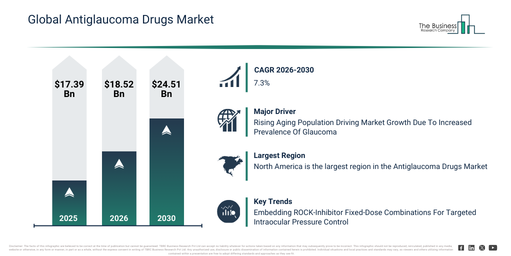
    The antiglaucoma drugs market has experienced robust expansion in recent years, rising from $17.39 billion in 2025 to an anticipated $18.52 billion in 2026, reflecting a compound annual growth rate (CAGR) of 6.5%. This historical growth has been driven by factors such as an increasing elderly population worldwide, proactive early diagnosis programs, the widespread application of beta blockers, sustained demand for chronic glaucoma care, and the broader availability of ophthalmology services.

    The antiglaucoma drugs market is projected to experience robust expansion over the coming years, reaching $24.51 billion by 2030 with a compound annual growth rate (CAGR) of 7.3%. This anticipated growth in the forecast period is driven by a rise in vision impairment cases, broader access to eye care services, the development of innovative glaucoma medications, heightened awareness initiatives, and a growing demand for therapies offering extended duration of action. Key trends shaping the market during this period include the increasing occurrence of glaucoma, a higher preference for prostaglandin analogs, the growing utilization of combination treatments, the widening availability of over-the-counter eye care products, and enhanced strategies focused on improving patient adherence to treatment regimens.

    Download A Free Sample Report For Comprehensive Market Insights:

    https://www.thebusinessresearchcompany.com/sample.aspx?id=3803&type=smp&utm_source=BlogsPR&utm_medium=Paid&utm_campaign=Jul_PR

    Antiglaucoma Drugs Market Growth Factors Supporting Long-Term Expansion

    The growing elderly population is anticipated to drive the antiglaucoma drugs market forward in the coming years. Glaucoma encompasses a set of eye conditions that harm the optic nerve, typically from elevated intraocular pressure, and this issue is more common among older individuals. This demographic increase stems from longer life expectancies, better healthcare access, and worldwide population shifts toward older age brackets. An expanding elderly demographic supports the antiglaucoma drugs market by boosting demand for medications that control intraocular pressure, slow disease advancement, and lower the chances of vision impairment in aging people. To illustrate, the World Health Organization—a Switzerland-based public health agency—reported in October 2025 that by 2030, one out of every six people globally will be aged sixty or older, and the number of individuals aged sixty and above is expected to reach 2.1 billion by 2050, a twofold increase. Thus, the rising number of older adults is propelling the antiglaucoma drugs market ahead.

    The growing incidence of myopia is predicted to fuel expansion of the antiglaucoma drugs market in the future. Myopia is a refractive vision disorder where nearby objects are seen clearly, but distant ones appear blurry. This condition is becoming more common due to extended periods of near-work activities such as reading, along with heavy use of digital screens and limited exposure to natural sunlight outdoors. Antiglaucoma drugs represent the most effective approach for slowing myopia progression and preventing refractive regression in patients, thereby reducing the need for surgical eye procedures. For example, The Guardian—a UK-based news outlet—noted in September 2024 that myopia is expected to impact over one-third of children and teenagers worldwide, with cases likely exceeding 740 million by 2050. Consequently, the rising prevalence of myopia is driving the antiglaucoma drugs market.

    Antiglaucoma Drugs Market Segment Outlook: Which Categories Are Expanding The Fastest?

    The antiglaucoma drugs market covered in this report is segmented –

    1) By Mode Of Availability: Hospital Prescription Drugs, Non-Prescription Drugs

    2) By Product Type: Alpha Agonist, Beta Blockers, Prostaglandin Analogs, Combined Medication, Other Types

    3) By Disease Condition Type: Open-Angle Glaucoma, Angle-Closure Glaucoma, Normal-Tension Glaucoma, Congenital Glaucoma, Other Types Of Glaucoma

    Subsegments:

    1) By Hospital Prescription Drugs: Beta-Blockers (Timolol), Prostaglandin Analogs (Latanoprost), Alpha Agonists (Brimonidine), Carbonic Anhydrase Inhibitors (Dorzolamide), Rho Kinase Inhibitors (Netarsudil)

    2) By Non-Prescription Drugs: Ocular Lubricants, Natural Support Eye Drops

    Antiglaucoma Drugs Market Industry Trends Shaping Future Revenue Growth

    Key players within the antiglaucoma drugs market are prioritizing innovations in product development and formulation, particularly through Rho-kinase (ROCK) inhibitor-based therapeutics, which directly target the impaired function of the trabecular meshwork (TM) to enhance aqueous humor drainage and lower intraocular pressure (IOP). These treatments introduce a distinct mode of action compared to standard glaucoma therapies, focusing on addressing the fundamental causes of outflow obstruction to achieve more effective disease control. For example, in July 2023, Santen, a Japanese ophthalmology firm, introduced Roclanda in the UK, a fixed-dose combination eye drop containing netarsudil and latanoprost. This medication is intended for adults with primary open-angle glaucoma or ocular hypertension who have shown an inadequate response to single-agent therapy. The dual-action formula of netarsudil and latanoprost facilitates increased outflow through both the trabecular, or conventional, route and the uveoscleral pathway, utilizing complementary mechanisms to achieve its effect. Evidence from the MERCURY-3 trial revealed that Roclanda provided a consistent reduction in IOP over a six-month period that was on par with a bimatoprost/timolol combination, while no serious treatment-related adverse events were reported. The debut of Roclanda represents the first new category of glaucoma medication introduced in Europe in 25 years, indicating a shift in the approach to glaucoma management toward therapies that are more targeted and mechanism-driven.

    Antiglaucoma Drugs Market Key Companies And Competitive Benchmarking

    Major companies operating in the antiglaucoma drugs market are Aerie Pharmaceuticals Inc., Allergan Inc., Novartis AG, Alcon AG, Santen Pharmaceutical Company Ltd., Bausch + Lomb Inc., Pfizer Inc., Merck & Co. Inc., Johnson & Johnson, Teva Pharmaceutical Industries Ltd., Sun Pharmaceutical Industries Ltd., Lupin Limited, Zydus Lifesciences Ltd., Wockhardt Ltd., Apotex Inc., Mylan N.V., Akorn Inc., Fera Pharmaceuticals LLC, Thea Pharma Inc., Rafarm S.A.

    Access The Complete Antiglaucoma Drugs Market Report:

    https://www.thebusinessresearchcompany.com/report/antiglaucoma-drugs-global-market-report?utm_source=BlogsPR&utm_medium=Paid&utm_campaign=Jul_PR

    Antiglaucoma Drugs Market Global Footprint: Which Region Holds Market Leadership?

    North America was the largest region in the antiglaucoma drugs market in 2025. Middle East is expected to be the fastest-growing region in the antiglaucoma drugs market during the forecast period. The regions covered in the antiglaucoma drugs market report are Asia-Pacific, South East Asia, Western Europe, Eastern Europe, North America, South America, Middle East, Africa.

    Get in touch with us:

    The Business Research Company: https://www.thebusinessresearchcompany.com/?utm_source=BlogsPR&utm_medium=Paid&utm_campaign=home_page_test

    Americas: +1 310-496-7795

    Asia: +44 7882 955267 & +91 8897263534

    Europe: +44 7882 955267

    Email us at: marketing@tbrc.info

    Follow us on:

    LinkedIn: https://in.linkedin.com/company/the-business-research-company

    YouTube: https://www.youtube.com/channel/UC24_fI0rV8cR5DxlCpgmyFQ

    Global Market Model: https://www.thebusinessresearchcompany.com/global-market-model
  • Antifungals Market Expansion Is Reshaping Competitive Dynamics Across The Industry

    Antifungals Market Expansion Is Reshaping Competitive Dynamics Across The Industry

    Delivering more actionable and strategically valuable research, The Business Research Company’s 2026 market reports feature market attractiveness analysis, total addressable market evaluation, company benchmarking matrices, interactive Excel dashboards, expanded supply chain intelligence, emerging startup coverage, and detailed product insights.

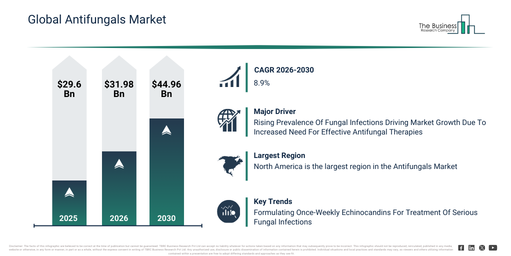
    Antifungals Market Expansion From $31.97 Billion In 2026 To $44.96 Billion In 2030

    The market for antifungal medications has seen significant expansion over the past few years. Projections indicate that it will climb from $29.6 billion in 2025 to $31.98 billion in 2026, reflecting a compound annual growth rate (CAGR) of 8.1%. This historic growth was primarily driven by a rise in hospital-acquired infections, extensive utilization of azoles, a growing population with compromised immune systems, the availability of established antifungal treatments, and the ongoing global impact of mycoses.

    The market for antifungal drugs is anticipated to experience significant expansion over the coming years, with projections indicating it could reach $44.96 billion by 2030, driven by a compound annual growth rate (CAGR) of 8.9%. This upward trajectory during the forecast period is fueled by several factors, including the rising incidence of systemic fungal infections, growing concerns over antifungal resistance, an increasing need for safer therapeutic options, the broadening scope of hospital-based care, and higher rates of disease diagnosis. Key developments shaping this period encompass a higher prevalence of fungal diseases, a surge in the demand for broad-spectrum agents, the widespread adoption of topical treatments, more frequent application in patients with compromised immune systems, and the advent of innovative classes of antifungal drugs.

    Download A Free Sample Report For Comprehensive Market Insights:

    https://www.thebusinessresearchcompany.com/sample.aspx?id=2442&type=smp&utm_source=BlogsPR&utm_medium=Paid&utm_campaign=Jul_PR

    Antifungals Market Demand Drivers Creating New Revenue Opportunities

    The anticipated expansion of the antifungals market is being driven forward by a growing incidence of fungal infections. These infections arise when fungi invade and proliferate within or on the body, impacting areas like the skin, nails, lungs, and mucous membranes. Their increasing frequency is largely attributed to climate change, which fosters conditions that allow fungi to spread and adapt to warmer temperatures, thereby heightening human exposure and infection risks. Antifungals are essential in managing these diseases by curbing fungal growth and reproduction through mechanisms such as disrupting cell walls or membranes, impeding crucial enzymatic functions, or obstructing the synthesis of vital components. This reduces the fungal burden, eases symptoms, and curbs the infection’s spread within the body. For example, in May 2025, the UK Health Security Agency reported that yeast-induced bloodstream infections rose by 4% in 2024 compared to 2023, climbing from 2,170 to 2,247 cases. Consequently, the rising rate of fungal infections is fueling the antifungals market’s growth.

    The antifungals market is expected to benefit from an expanding healthcare infrastructure, which is set to drive its growth in the coming years. This infrastructure encompasses the physical and organizational frameworks, facilities, and systems that enable healthcare delivery, with its growth largely fueled by heightened government backing and investments through policies and incentives that encourage the development of medical facilities. Such infrastructure provides the essential facilities, systems, and resources needed for effective management of fungal infections. A case in point is May 2024, when Baker McKenzie noted that the Australian government allocated $1.82 billion (AUD 2.8 billion) to bolster Medicare, supplementing the $3.95 billion (AUD 6.1 billion) Medicare investment from the 2023-24 Federal Budget, along with $91.48 million (AUD 141.1 million) for medical research and care for individuals with chronic conditions like bowel and skin cancer, diabetes, and dementia. Thus, the ongoing enhancement of healthcare infrastructure is accelerating the antifungals market’s growth.

    Antifungals Market Segment Landscape: Which Areas Lead Market Development?

    The antifungals market covered in this report is segmented –

    1) By Drug Type: Echinocandins, Azoles, Polyenes, Allylamines

    2) By Route of Administration: Oral, Parenteral, Topical

    3) By End users: Hospitals & Clinics, Dermatology clinics, Other Users

    Subsegments:

    1) By Echinocandins: Caspofungin, Micafungin, Anidulafungin

    2) By Azoles: Fluconazole, Itraconazole, Voriconazole, Posaconazole, Ketoconazole

    3) By Polyenes: Amphotericin B, Nystatin

    4) By Allylamines: Terbinafine, Naftifine

    Antifungals Market Trends Driving Strategic Industry Expansion

    Leading players in the antifungals market are prioritizing innovations such as long-acting echinocandin formulations aimed at enhancing patient compliance, minimizing dosing frequency, and tackling unmet needs in severe fungal infections. These advanced antifungal agents achieve prolonged fungal suppression through extended half-lives and optimized pharmacokinetics, allowing for more practical administration schedules. A notable example is the March 2023 FDA approval of REZZAYO (rezafungin for injection) for candidemia and invasive candidiasis, developed by Cidara Therapeutics and Melinta Therapeutics, both U.S.-based companies. As a once-weekly echinocandin, rezafungin demonstrated non-inferior efficacy relative to daily caspofungin in the ReSTORE Phase 3 trials, along with a comparable safety profile. By enabling less frequent dosing, REZZAYO fills an important void in antifungal care, boosting treatment continuity and easing the strain on hospital resources in acute environments.

    Antifungals Market Industry Leaders And Market Competition

    Major companies operating in the antifungals market are Pfizer Inc., Novartis International AG, Merck & Co. Inc., Bayer AG, Abbott Laboratories, Sanofi S.A., Kramer Laboratories Inc., GlaxoSmithKline plc, Gilead Sciences Inc., Basilea Pharmaceutica AG, Sigma-Aldrich, Astellas Pharma Inc., Janssen Pharmaceutica NV, Zydus Cadila Healthcare Ltd., Teva Pharmaceutical Industries Ltd., Sun Pharmaceutical Industries Ltd., Sumitomo Dainippon Pharma Co. Ltd., Scynexis Inc., Mayne Pharma Inc., Cosmo Pharmaceuticals NV, Leadiant Biosciences Inc, Glenmark Pharmaceuticals Limited, Cidara Therapeutics, MATINAS BIOPHARMA, Mylan N.V., Perrigo Company plc, Wockhardt Ltd., Lupin Limited, Dr. Reddy’s Laboratories Ltd, Torrent Pharmaceuticals Ltd., Hikma Pharmaceuticals PLC, Mayne Pharma Group Limited, Fresenius Kabi AG, Baxter International Inc., Akorn Operating Company LLC, Amphastar Pharmaceuticals Inc., Mylan Institutional LLC, West-Ward Pharmaceuticals Corp., Gland Pharma Limited, Aurobindo Pharma Limited

    Access The Complete Antifungals Market Report:

    https://www.thebusinessresearchcompany.com/report/antifungals-global-market-report?utm_source=BlogsPR&utm_medium=Paid&utm_campaign=Jul_PR

    Antifungals Market Regional Distribution: Which Areas Drive Market Expansion?

    North America was the largest region in the drugs for antifungals market in 2025. The Middle East is expected to be the fastest-growing region in the antifungals market. The regions covered in the antifungals market report are Asia-Pacific, South East Asia, Western Europe, Eastern Europe, North America, South America, Middle East, Africa.

    Get in touch with us:

    The Business Research Company: https://www.thebusinessresearchcompany.com/?utm_source=BlogsPR&utm_medium=Paid&utm_campaign=home_page_test

    Americas: +1 310-496-7795

    Asia: +44 7882 955267 & +91 8897263534

    Europe: +44 7882 955267

    Email us at: marketing@tbrc.info

    Follow us on:

    LinkedIn: https://in.linkedin.com/company/the-business-research-company

    YouTube: https://www.youtube.com/channel/UC24_fI0rV8cR5DxlCpgmyFQ

    Global Market Model: https://www.thebusinessresearchcompany.com/global-market-model
  • Antifibrinolytic Drugs Market Forecast Reveals Where Future Industry Value Will Be Created

    Antifibrinolytic Drugs Market Forecast Reveals Where Future Industry Value Will Be Created

    Enhanced with market attractiveness analysis, total addressable market evaluation, company benchmarking matrices, interactive Excel dashboards, expanded supply chain intelligence, emerging startup coverage, and detailed product insights, The Business Research Company’s 2026 market reports deliver more actionable and strategically valuable research.

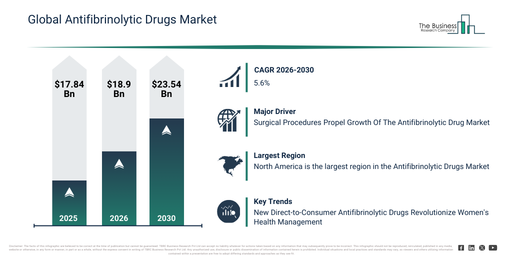
    Antifibrinolytic Drugs Market Forecast Highlighting Growth From $18.9 Billion To $23.54 Billion

    The market for antifibrinolytic drugs has seen notable expansion over the past few years. With a compound annual growth rate (CAGR) of around 6.0%, its valuation is projected to climb from $17.84 billion in 2025 to $18.9 billion in 2026. This historical growth has been driven by a rise in the number of surgical procedures, greater awareness regarding bleeding management during operations, the easy availability of generic versions of these drugs, their confirmed effectiveness in trauma treatment, and their increasing application in gynecological care.

    The market for antifibrinolytic drugs is anticipated to experience robust expansion over the coming years, reaching a valuation of $23.54 billion by 2030, with a compound annual growth rate (CAGR) of 5.6%. This projected growth during the forecast period is driven by heightened demand from ambulatory surgical centers, a stronger emphasis on patient blood management programs, improvements in emergency care infrastructure, expanded applications in orthopedic and cardiovascular surgeries, and ongoing progress in developing safer drug formulations. Key trends shaping this period include the broader utilization of antifibrinolytics across surgical interventions, their growing adoption in trauma and emergency settings, an increase in both oral and injectable formulation options, a heightened focus on controlling blood loss, and the advancement of standardized clinical protocols.

    Download A Free Sample Report For Comprehensive Market Insights:

    https://www.thebusinessresearchcompany.com/sample.aspx?id=20466&type=smp&utm_source=BlogsPR&utm_medium=Paid&utm_campaign=Jul_PR

    Antifibrinolytic Drugs Market Expansion Supported By Key Demand Factors

    A growing volume of surgical interventions is set to boost the antifibrinolytic drugs market in the coming period. This rise in surgeries stems from various factors such as progress in medical technology, an aging demographic, greater public awareness, and cultural or social influences. Antifibrinolytic agents work to minimize blood loss during operations by inhibiting the dissolution of blood clots, thereby enhancing hemostasis and possibly lessening the requirement for blood transfusions. For example, in 2023, as reported by the International Society of Aesthetic Plastic Surgery, a professional organization based in the United States focusing on aesthetic plastic surgery, overall surgical and non-surgical treatments saw a 3.4% rise from the previous year, reaching 34.9 million cases. Consequently, this expanding number of surgical procedures is fueling the expansion of the antifibrinolytic drugs market.

    Antifibrinolytic Drugs Market Segments: Where Are The Largest Growth Opportunities?

    The antifibrinolytic drugs market covered in this report is segmented –

    1) By Indication: Gynecology, Hereditary Angioedema, Fibrinolytic Response Testing, Surgeries, Other Indications

    2) By Route Of Administration: Injectable, Oral, Topical

    3) By End User: Hospitals And Clinics, Ambulatory Surgical Centers, Trauma Centers

    Subsegments:

    1) By Gynecology: Menorrhagia (Heavy Menstrual Bleeding), Postpartum Hemorrhage, Endometriosis-Related Bleeding

    2) By Hereditary Angioedema: Acute Attacks Of Hereditary Angioedema, Prophylaxis For Hereditary Angioedema

    3) By Fibrinolytic Response Testing: Testing For Fibrinolysis Activity in Trauma, Cardiac Surgery Fibrinolytic Response Testing, Testing In Coagulation Disorders

    4) By Surgeries: Orthopedic Surgeries, Cardiovascular Surgeries, Dental Surgeries, Neurosurgeries, Urological Surgeries

    5) By Other Indications: Trauma and Injury-Related Bleeding, Post-Operative Bleeding Management, Hemophilia-Related Bleeding Control

    Antifibrinolytic Drugs Market Growth Trends Influencing Competitive Dynamics

    Prominent players within the antifibrinolytic drugs market are prioritizing the development of novel solutions, particularly through a consumer-first strategy, aimed at offering treatments that are readily accessible to women in need. This consumer-first model involves directly promoting these medications to patients, bypassing the conventional route of healthcare providers. As an example, in May 2024, Maxwellia Ltd., a healthcare firm headquartered in the UK, introduced two new pharmacy brands: Evana Heavy Period Relief 500 mg tablets and Ultravana Period Pain Relief 250 mg gastro-resistant tablets. Evana has been shown to reduce heavy menstrual bleeding by as much as 60%, whereas Ultravana provides significant relief from period-related pain; these products are obtainable without a prescription at UK pharmacies. Their importance lies in enhancing women’s health by confronting widespread yet frequently overlooked menstrual conditions, thereby enabling women to take more effective control of their symptom management.

    Antifibrinolytic Drugs Market Major Participants And Competitive Dynamics

    Major companies operating in the antifibrinolytic drugs market are Pfizer Inc., F. Hoffmann-La Roche Ltd, Bayer AG, DAIICHI SANKYO COMPANY LIMITED, Sun Pharmaceutical Industries Ltd, Takeda Pharmaceuticals, Aurobindo Pharma Limited, Cipla Limited, Intas Pharmaceuticals, Lupin Limited, Zydus Lifesciences Ltd., Hetero Drugs Limited, Glenmark Pharmaceuticals, Alkem Laboratories, Torrent Pharmaceuticals Ltd, Macleods Pharmaceuticals Pvt Ltd, Mankind pharma Ltd, Emcure Pharmaceuticals ltd, Bharat Serums & Vaccines Ltd, Systopic Laboratories Pvt Ltd, Ozone Pharmaceuticals Ltd, ACIC Pharmaceuticals, AmeriGen Life Sciences LLP, Life Sciences Advanced Technologies Inc., Vitruvias Therapeutics Inc.

    Access The Complete Antifibrinolytic Drugs Market Report:

    https://www.thebusinessresearchcompany.com/report/antifibrinolytic-drugs-global-market-report?utm_source=BlogsPR&utm_medium=Paid&utm_campaign=Jul_PR

    Antifibrinolytic Drugs Market Leading Geography: Which Region Generates The Most Revenue?

    North America was the largest region in the antifibrinolytic drugs market in 2025. Asia-Pacific is expected to be the fastest-growing region in the forecast period. The regions covered in the antifibrinolytic drugs market report are Asia-Pacific, South East Asia, Western Europe, Eastern Europe, North America, South America, Middle East, Africa.

    Get in touch with us:

    The Business Research Company: https://www.thebusinessresearchcompany.com/?utm_source=BlogsPR&utm_medium=Paid&utm_campaign=home_page_test

    Americas: +1 310-496-7795

    Asia: +44 7882 955267 & +91 8897263534

    Europe: +44 7882 955267

    Email us at: marketing@tbrc.info

    Follow us on:

    LinkedIn: https://in.linkedin.com/company/the-business-research-company

    YouTube: https://www.youtube.com/channel/UC24_fI0rV8cR5DxlCpgmyFQ

    Global Market Model: https://www.thebusinessresearchcompany.com/global-market-model
  • Antiepileptic Drugs Market Growth Through 2030 Creates New Strategic Opportunities

    Antiepileptic Drugs Market Growth Through 2030 Creates New Strategic Opportunities

    Through market attractiveness analysis, total addressable market evaluation, company benchmarking matrices, interactive Excel dashboards, expanded supply chain intelligence, emerging startup coverage, and detailed product insights, The Business Research Company’s 2026 market reports provide more actionable and strategically valuable research.

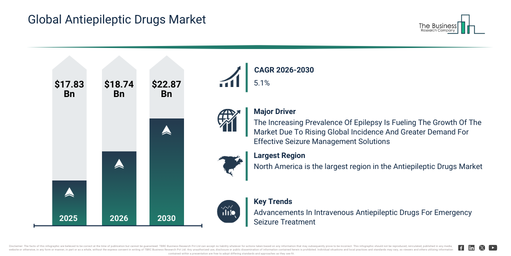
    Antiepileptic Drugs Market Revenue Growth Supported By A CAGR Of 22.87% Through 2030

    Over recent years, the market for antiepileptic drugs has experienced robust expansion. Projected to increase from $17.83 billion in 2025 to $18.74 billion in 2026, this growth reflects a compound annual growth rate (CAGR) of 5.1%. Historically, the upward trend was driven by factors such as a rise in epilepsy prevalence, ongoing dependence on first-generation medications, the broadening of hospital neurology departments, heightened awareness of seizure disorders, and the increasing influence of generic drug penetration.

    Revenue within the antiepileptic drugs market is projected to maintain robust expansion shortly, climbing to $22.87 billion by 2030 with a 5.1% compound annual growth rate (CAGR). This upward trajectory during the forecast period is largely driven by the need to manage treatment-resistant epilepsy, new approvals for antiepileptic drugs (AEDs), advancements in personalized neurological care, better diagnosis of pediatric epilepsy, and the introduction of long-acting formulations. Key emerging trends include a transition toward third-generation AEDs, more frequent application of combination therapies, a wider focus on managing seizures in children, increasing reliance on achieving long-term seizure regulation, and a rising prevalence of generic antiepileptic medications.

    Download A Free Sample Report For Comprehensive Market Insights:

    https://www.thebusinessresearchcompany.com/sample.aspx?id=24145&type=smp&utm_source=BlogsPR&utm_medium=Paid&utm_campaign=Jul_PR

    Antiepileptic Drugs Market Growth Drivers And Industry Catalysts

    The antiepileptic drugs market is anticipated to be driven forward by the rising incidence of epilepsy. Epilepsy is a neurological condition marked by spontaneous, repeated seizures caused by irregular electrical discharges in the brain. An increased frequency of head traumas from accidents heightens the risk of epilepsy due to brain damage and impaired neural function. By modulating neurotransmitters and ion channels, antiepileptic medications help stabilize neural activity, preventing abnormal neuron discharges. This results in diminished seizure occurrence and intensity, thereby enhancing the quality of life for individuals with epilepsy. A September 2025 study in BMC Neurology, a UK-based open-access journal specializing in neurological disorders, indicated that global incident epilepsy cases among 15–39 year-olds are expected to grow from 1.23 million in 2022 to 1.47 million by 2044.

    Antiepileptic Drugs Market Segment Analysis: What Are The Major Market Categories?

    The antiepileptic drugs market covered in this report is segmented –

    1) By Drug: First Generation, Second Generation, Third Generation

    2) By Form: Dry, Liquid

    3) By Route Of Administration: Oral, Intravenous, Other Routes Of Administration

    4) By Distribution Channel: Hospital Pharmacies, Retail Pharmacies, Online Pharmacies, Drug Stores

    Subsegments:

    1) By First Generation: Phenobarbital, Phenytoin, Carbamazepine, Valproate, Primidone, Ethosuximide

    2) By Second Generation: Lamotrigine, Gabapentin, Topiramate, Levetiracetam, Oxcarbazepine, Tiagabine, Felbamate, Zonisamide

    3) By Third Generation: Lacosamide, Eslicarbazepine Acetate, Perampanel, Brivaracetam, Cenobamate

    Antiepileptic Drugs Market Trends Influencing Long-Term Demand

    Major players in the antiepileptic drugs market are concentrating on creating innovative products, particularly intravenous (IV) formulations of antiepileptic drugs, to deliver improved treatment options for acute seizures and urgent scenarios. IV-formulated antiepileptic medications are fast-acting therapies administered directly into the bloodstream via injection or infusion, enabling rapid seizure management, especially in emergencies, or when oral alternatives are not viable or ineffective. As an example, in January 2024, the Japan-based pharmaceutical company Eisai Co., Ltd. secured manufacturing and marketing authorization for Fycompa in Japan. Fycompa represents a first-of-its-kind, highly selective non-competitive AMPA receptor antagonist that lessens neuronal hyperexcitation linked to seizures by targeting glutamate activity at AMPA receptors. This IV formulation was created as an alternative treatment for epilepsy patients temporarily unable to take the drug orally—for instance, during surgery—to mitigate seizure risks stemming from an interruption in oral dosing. Approved in more than 75 countries, Fycompa serves as an adjunctive therapy for partial-onset seizures and primary generalized tonic-clonic seizures in patients aged 4 years and above in Japan.

    Antiepileptic Drugs Market Leading Companies Driving Competitive Growth

    Major companies operating in the antiepileptic drugs market are Pfizer Inc., Sanofi S.A., Novartis AG, Teva Pharmaceutical Industries Ltd., UCB S.A., Eisai Co. Ltd., Sun Pharmaceutical Industries Ltd., Jazz Pharmaceuticals plc, Aurobindo Pharma Ltd., Dr. Reddy’s Laboratories Ltd., Cipla Ltd., Amneal Pharmaceuticals Inc., Lupin Limited, Zydus Lifesciences Ltd., Alkem Laboratories Ltd., Torrent Pharmaceuticals Ltd., Supernus Pharmaceuticals Inc., SK Biopharmaceuticals Co. Ltd., Immedica Pharma AB, Neurelis Inc.

    Access The Complete Antiepileptic Drugs Market Report:

    https://www.thebusinessresearchcompany.com/report/antiepileptic-drugs-global-market-report?utm_source=BlogsPR&utm_medium=Paid&utm_campaign=Jul_PR

    Antiepileptic Drugs Market Regional Outlook: Where Are The Largest Opportunities Located?

    North America was the largest region in the antiepileptic drugs market in 2025. Asia-Pacific is expected to be the fastest-growing region in the forecast period. The regions covered in the antiepileptic drugs market report are Asia-Pacific, South East Asia, Western Europe, Eastern Europe, North America, South America, Middle East, Africa.

    Get in touch with us:

    The Business Research Company: https://www.thebusinessresearchcompany.com/?utm_source=BlogsPR&utm_medium=Paid&utm_campaign=home_page_test

    Americas: +1 310-496-7795

    Asia: +44 7882 955267 & +91 8897263534

    Europe: +44 7882 955267

    Email us at: marketing@tbrc.info

    Follow us on:

    LinkedIn: https://in.linkedin.com/company/the-business-research-company

    YouTube: https://www.youtube.com/channel/UC24_fI0rV8cR5DxlCpgmyFQ

    Global Market Model: https://www.thebusinessresearchcompany.com/global-market-model
  • Candesartan Cilexetil Drug Market Growth Outlook Reveals A CAGR Of 5.5% And A Market Value Of $2.15 Billion By 2030

    Candesartan Cilexetil Drug Market Growth Outlook Reveals A CAGR Of 5.5% And A Market Value Of $2.15 Billion By 2030

    Enhanced with market attractiveness analysis, total addressable market evaluation, company benchmarking matrices, interactive Excel dashboards, expanded supply chain intelligence, emerging startup coverage, and detailed product insights, The Business Research Company’s 2026 market reports deliver more actionable and strategically valuable research.

    Candesartan Cilexetil Drug Market Forecast: What Market Value Is Expected By 2030?

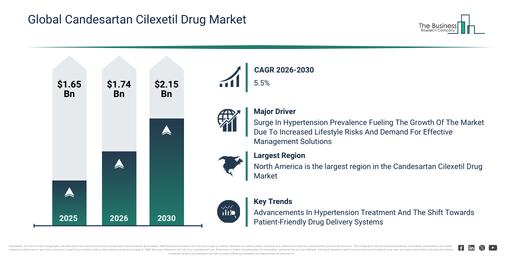
    The candesartan cilexetil market has undergone robust expansion over the past few years. Its valuation is projected to rise from $1.65 billion in 2025 to $1.74 billion in 2026, reflecting a compound annual growth rate (CAGR) of 5.4%. Several factors contributed to this historical upswing, including a growing number of hypertension cases, the proven therapeutic effectiveness of angiotensin receptor blockers, a noticeable transition away from ACE inhibitors, broader cardiovascular management protocols, and an increasingly aging demographic.

    The candesartan cilexetil drug market is predicted to experience robust expansion in the coming years, reaching a valuation of $2.15 billion by 2030, with a compound annual growth rate (CAGR) of 5.5%. This growth during the forecast period is driven by factors such as the rising prevalence of chronic cardiovascular diseases, greater availability of generic medications, increased use of combination therapies, enhanced healthcare access in emerging markets, and a growing emphasis on preventive cardiovascular care. Key trends influencing the market include the growing application of angiotensin receptor blockers for hypertension management, a higher number of prescriptions for heart failure treatment, a rising demand for affordable generic blood pressure drugs, an expansion in the development of combined treatment formulations, and better patient compliance driven by the convenience of once-daily dosing.

    Download A Free Sample Report For Comprehensive Market Insights:

    https://www.thebusinessresearchcompany.com/sample.aspx?id=24183&type=smp&utm_source=BlogsPR&utm_medium=Paid&utm_campaign=Jul_PR

    Candesartan Cilexetil Drug Market Growth Momentum: Which Factors Are Influencing Demand?

    The anticipated expansion of the candesartan cilexetil drug market is being driven forward by the increasing incidence of cardiovascular disorders. These conditions, which impact the heart or blood vessels and impede proper cardiac function, are becoming more common largely due to sedentary lifestyles that foster obesity, elevated blood pressure, and compromised cardiovascular health by diminishing circulatory efficiency. Candesartan cilexetil addresses these disorders by decreasing blood pressure and alleviating cardiac strain, thereby lowering the likelihood of severe outcomes like heart failure, stroke, or kidney impairment. As an example, data from the British Heart Foundation, a UK cardiovascular research charity, released in January 2025 indicated that approximately 7.6 million people in the UK—comprising about 4 million men and 3.6 million women—were living with heart and circulatory diseases. These ailments account for nearly 27% of all deaths in the nation, leading to over 170,000 fatalities annually, or roughly 480 deaths each day. Consequently, the rising prevalence of cardiovascular disorders is fueling growth in the candesartan cilexetil drug market.

    Candesartan Cilexetil Drug Market Segment Breakdown: Which Categories Generate The Most Revenue?

    The candesartan cilexetil drug market covered in this report is segmented –

    1) By Product Type: Tablets, Capsules, Other Product Types

    2) By Indication: Hypertension, Heart Failure, Diabetic Nephropathy, Left Ventricular Hypertrophy

    3) By Dosage Strength: 4 MG, 8 MG, 16 MG, 32 MG

    4) By Distribution Channel: Hospital Pharmacies, Retail Pharmacies, Online Pharmacies, Healthcare Facilities

    5) By Application: Adult, Children And Adolescent

    Subsegments:

    1) By Tablets: Immediate-Release Tablets, Extended-Release Tablets, Dispersible Tablets, Chewable Tablets

    2) By Capsules: Hard Gelatin Capsules, Soft Gelatin Capsules, Modified-Release Capsules

    3) By Other Product Types: Oral Suspensions, Injectable Formulations, Combination Drug Formulations

    Candesartan Cilexetil Drug Market Trends Reshaping Industry Growth

    Leading players in the candesartan cilexetil market are concentrating on creating novel formulations, including hypertension treatments, combination products with other blood pressure-lowering agents, and sustained-release versions, designed to boost patient compliance and improve treatment results. Hypertension management involves utilizing medications, adopting lifestyle adjustments, and implementing various measures to lower and regulate high blood pressure, thereby diminishing the likelihood of complications like heart disease, stroke, and kidney impairment. To illustrate, in March 2025, Scienture Inc., a pharmaceutical firm based in the United States, obtained approval from the US Food & Drug Administration (USFDA) for its New Drug Application (NDA) for SCN-102, which was introduced under the brand name Arbli, a losartan potassium oral suspension at a concentration of 10 mg/mL. This angiotensin II receptor blocker (ARB) formulation provides an option for individuals who face challenges with swallowing tablets, especially within pediatric and geriatric groups. This launch highlights the rising interest in alternative delivery formats within the antihypertensive market and emphasizes the movement toward customized, patient-centric therapeutic approaches.

    Candesartan Cilexetil Drug Market Key Players And Strategic Industry Positioning

    Major companies operating in the candesartan cilexetil drug market are Merck & Co. Inc., Bayer AG, Novartis AG, AstraZeneca plc, GSK plc, Takeda Pharmaceutical Company Limited, Teva Pharmaceutical Industries Ltd., Boehringer Ingelheim International GmbH, Sandoz Group AG, Viatris Inc., Sun Pharmaceutical Industries Limited, Aurobindo Pharma Limited, Dr. Reddy’s Laboratories Limited, Cipla Limited, Zydus Lifesciences Ltd., Hetero Drugs Limited, Torrent Pharmaceuticals Limited, Macleods Pharmaceuticals Ltd., Alembic Pharmaceuticals Limited, Oubari Pharmaceutical Co.

    Access The Complete Candesartan Cilexetil Drug Market Report:

    https://www.thebusinessresearchcompany.com/report/candesartan-cilexetil-drug-global-market-report?utm_source=BlogsPR&utm_medium=Paid&utm_campaign=Jul_PR

    Candesartan Cilexetil Drug Market Geographic Landscape: Which Region Dominates Industry Growth?

    North America was the largest region in the candesartan cilexetil drug market in 2025. Asia-Pacific is expected to be the fastest-growing region in the forecast period. The regions covered in the candesartan cilexetil drug market report are Asia-Pacific, South East Asia, Western Europe, Eastern Europe, North America, South America, Middle East, Africa.

    Get in touch with us:

    The Business Research Company: https://www.thebusinessresearchcompany.com/?utm_source=BlogsPR&utm_medium=Paid&utm_campaign=home_page_test

    Americas: +1 310-496-7795

    Asia: +44 7882 955267 & +91 8897263534

    Europe: +44 7882 955267

    Email us at: marketing@tbrc.info

    Follow us on:

    LinkedIn: https://in.linkedin.com/company/the-business-research-company

    YouTube: https://www.youtube.com/channel/UC24_fI0rV8cR5DxlCpgmyFQ

    Global Market Model: https://www.thebusinessresearchcompany.com/global-market-model
  • Cancer Vaccines Market Forecast Highlights Expansion From $10.65 Billion To $18.2 Billion Through 2030

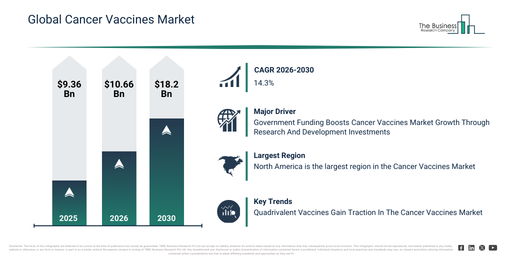
    Cancer Vaccines Market Forecast Highlights Expansion From $10.65 Billion To $18.2 Billion Through 2030

    Through market attractiveness analysis, total addressable market evaluation, company benchmarking matrices, interactive Excel dashboards, expanded supply chain intelligence, emerging startup coverage, and detailed product insights, The Business Research Company’s 2026 market reports provide more actionable and strategically valuable research.

    Cancer Vaccines Market Size Outlook: How Fast Will Revenue Grow Through 2030?

    The market for cancer vaccines has experienced significant expansion in recent years. Projections indicate that it will rise from $9.36 billion in 2025 to $10.66 billion in 2026, reflecting a compound annual growth rate (CAGR) of 13.9%. This historical growth is largely explained by several factors: a rising incidence of cancer worldwide, the constrained efficacy of traditional therapeutic approaches, heightened public understanding of immunotherapy as a treatment option, increased funding directed toward oncology investigations, and early-stage regulatory endorsements granted for cancer vaccines.

    The cancer vaccines market is projected to experience significant expansion over the coming years, reaching an estimated value of $18.2 billion by 2030, driven by a compound annual growth rate (CAGR) of 14.3%. This anticipated growth during the forecast period is fueled by progress in vaccine platforms and delivery mechanisms, a growing uptake of customized cancer vaccines, an expanding array of clinical trials for therapeutic vaccines, heightened governmental investment in cancer research, and an increased need for combination cancer therapies. Key developments shaping this period include the accelerated creation of therapeutic cancer vaccines, a heightened emphasis on personalized and targeted immunotherapies, an uptick in clinical investigations into novel vaccine technologies, the broadening of preventive vaccination initiatives for cancer, and strengthened partnerships between pharmaceutical firms and research institutions.

    Download A Free Sample Report For Comprehensive Market Insights:

    https://www.thebusinessresearchcompany.com/sample.aspx?id=3452&type=smp&utm_source=BlogsPR&utm_medium=Paid&utm_campaign=Jul_PR

    Cancer Vaccines Market Expansion Drivers: What Is Shaping Future Growth?

    An anticipated rise in governmental investment in research and development is expected to fuel the expansion of the cancer vaccines market moving forward. Government funding refers to financial resources allocated by a government to support specific objectives. This funding for research and development is increasing to foster innovation and speed up the creation of new technologies and treatments aimed at addressing pressing health and economic issues. Cancer vaccines contribute to this government investment by generating avenues for backing preventive and therapeutic innovations, thereby encouraging greater financial support for vaccine research initiatives. For example, in September 2023, the National Cancer Institute, a government agency based in the United States, received a budget of $7.3 billion from the United States Congress for the fiscal year 2023, marking an increase of $408 million compared to 2022. Consequently, the growing government funding for research and development is propelling the advancement of the cancer vaccines market.

    Cancer Vaccines Market Segmentation: How Is The Market Structured Across Key Categories?

    The cancer vaccines market covered in this report is segmented –

    1) By Type: Preventive Cancer Vaccines, Therapeutic Cancer Vaccines

    2) By Technology: Dendritic Cells (DC) Cancer Vaccines, Recombinant Cancer Vaccines, Antigen/Adjuvant Cancer Vaccines, Whole Cell Cancer Vaccines, Viral Vector & DNA Cancer Vaccines

    3) By Cancer Type: Prostate, Cervical, Colorectal, Throat, Other Cancer Types

    4) By End-User: Cancer Treatment Centers, Research Institutes

    Subsegments:

    1) By Preventive Cancer Vaccines: HPV Vaccines, Hepatitis B Vaccines

    2) By Therapeutic Cancer Vaccines: Sipuleucel-T (Provenge), Talimogene Laherparepvec (T-VEC), Other Therapeutic Vaccines

    Cancer Vaccines Market Strategic Trends: What Is Defining The Next Phase Of Growth?

    Key players in the cancer vaccines market are placing a stronger emphasis on developing quadrivalent vaccines as a strategy to boost their market revenues. Quadrivalent vaccines are designed to provide protection against four distinct strains or variants of a given virus or bacteria. A notable example occurred in January 2023, when the Serum Institute of India, a biotechnology firm based in India, introduced CERVAVAC, the country’s first domestically produced cervical cancer vaccine. This vaccine targets HPV types 16 and 18, along with types 6 and 11—strains that account for a minimum of 70% of cervical cancer cases. Its administration schedule includes two doses for individuals aged 9 to 14, and three doses for those between 15 and 26 years old.

    Cancer Vaccines Market Competitive Landscape And Leading Companies

    Major companies operating in the cancer vaccines market are GlaxoSmithKline plc, Merck & Co. Inc., Aduro Biotech Inc., AstraZeneca PLC, Dendreon Corporation, Astellas Pharma Inc., Sanofi SA, Sanpower Group, CSL Limited, Pfizer Inc., Serum Institute of India Pvt. Ltd., Advantagene Inc., Advaxis Inc., Agenus Inc., Altor BioScience Corporation, Argos Therapeutics Inc., Oncothyreon Inc., Oncovir Inc., Oxford BioMedica plc., Prima BioMed Ltd., Sotio LLC, Transgene SA, Ubivac LLC, Vaccinogen and Vaxon Biotech, Bavarian Nordic A/S, Bharat Biotech International Limited, Bristol-Myers Squibb Company, Dynavax Technologies Corporation, Emergent BioSolutions Inc., Galena Biopharma Inc., Moderna Inc., Biothera Pharmaceuticals Inc., Celldex Therapeutics Inc., Genexine Inc., Gritstone Oncology Inc., Heat Biologics Inc., ISA Pharmaceuticals B.V., Northwest Biotherapeutics Inc., OncBioMune Pharmaceuticals Inc., TapImmune Inc., Vaxil Bio Ltd., VBI Vaccines Inc., Ziopharm Oncology Inc.

    Access The Complete Cancer Vaccines Market Report:

    https://www.thebusinessresearchcompany.com/report/cancer-vaccine-global-market-report?utm_source=BlogsPR&utm_medium=Paid&utm_campaign=Jul_PR

    Cancer Vaccines Market Largest Region: Which Geography Holds The Highest Market Share?

    North America was the largest region in the cancer vaccines market in 2025. The regions covered in the cancer vaccines market report are Asia-Pacific, South East Asia, Western Europe, Eastern Europe, North America, South America, Middle East, Africa.

    Get in touch with us:

    The Business Research Company: https://www.thebusinessresearchcompany.com/?utm_source=BlogsPR&utm_medium=Paid&utm_campaign=home_page_test

    Americas: +1 310-496-7795

    Asia: +44 7882 955267 & +91 8897263534

    Europe: +44 7882 955267

    Email us at: marketing@tbrc.info

    Follow us on:

    LinkedIn: https://in.linkedin.com/company/the-business-research-company

    YouTube: https://www.youtube.com/channel/UC24_fI0rV8cR5DxlCpgmyFQ

    Global Market Model: https://www.thebusinessresearchcompany.com/global-market-model
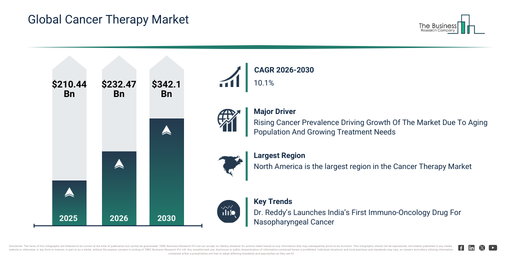
  • Cancer Therapy Market Expected To Reach $342.09 Billion By 2030 As Growth Accelerates At 10.1% CAGR

    Cancer Therapy Market Expected To Reach $342.09 Billion By 2030 As Growth Accelerates At 10.1% CAGR

    Delivering more actionable and strategically valuable research, The Business Research Company’s 2026 market reports feature market attractiveness analysis, total addressable market evaluation, company benchmarking matrices, interactive Excel dashboards, expanded supply chain intelligence, emerging startup coverage, and detailed product insights.

    Cancer Therapy Market Size, Value And Growth Trends Through 2030

    The cancer therapy market has experienced swift expansion in recent times, with projections indicating growth from $210.44 billion in 2025 to $232.47 billion in 2026, reflecting a compound annual growth rate (CAGR) of 10.5%. Several key factors drove this increase during the historic period, including a growing number of cancer cases, the widespread use of chemotherapy, enhanced hospital oncology facilities, the expansion of radiation therapy services, and the effects of an aging population.

    The market for cancer therapies is anticipated to experience swift expansion over the coming years, reaching a valuation of $342.1 billion by 2030, progressing at a compound annual growth rate (CAGR) of 10.1%. This projected growth during the forecast period is driven by factors such as biomarker-guided treatments, an expanding immuno-oncology pipeline, the uptake of precision medicine, increasing healthcare spending, and enhanced early cancer detection capabilities. Key developments shaping this period include the swift integration of immunotherapy into clinical practice, the rise of targeted cancer interventions, the broadening scope of precision oncology, a growing emphasis on combined therapeutic approaches, and a notable trend toward customized treatment plans.

    Download A Free Sample Report For Comprehensive Market Insights:

    https://www.thebusinessresearchcompany.com/sample.aspx?id=24492&type=smp&utm_source=BlogsPR&utm_medium=Paid&utm_campaign=Jul_PR

    Cancer Therapy Market Development Factors: Which Trends Are Supporting Demand?

    The anticipated rise in cancer cases is set to drive expansion in the cancer therapy market moving forward. Cancer encompasses a range of diseases marked by the unregulated growth and dissemination of abnormal cells within the body. This increase in cancer is largely attributed to heightened contact with environmental carcinogens like pollution and tobacco smoke. By treating current cases, enhancing survival rates, and slowing disease advancement, cancer therapy is instrumental in addressing the growing prevalence of the condition. As an example, in February 2024, the World Health Organization (WHO), an intergovernmental body headquartered in Switzerland, projected that global cancer incidence would surpass 35 million new cases by 2050—a 77% jump from the approximate 20 million cases reported in 2022. Consequently, the climbing incidence of cancer is fueling the cancer therapy market.

    Cancer Therapy Market Segmentation Trends And Revenue Drivers

    The cancer therapy market covered in this report is segmented –

    1) By Therapy Type: Chemotherapy, Target Therapy, Immunotherapy, Radiotherapy, Other Therapy Types

    2) By Cancer Type: Blood Cancer, Breast Cancer, Prostate Cancer, Gastrointestinal Cancer, Gynaecologic Cancer, Respiratory Or Lung Cancer, Other Cancer Types

    3) By End User: Hospitals, Specialty Clinics, Cancer And Radiation Therapy Centers

    Subsegments:

    1) By Chemotherapy: Alkylating Agents, Antimetabolites, Anti-Tumor Antibiotics, Topoisomerase Inhibitors, Mitotic Inhibitors, Corticosteroids, Other Chemotherapy Drugs

    2) By Targeted Therapy: Monoclonal Antibodies, Tyrosine Kinase Inhibitors (TKIs), mTOR Inhibitors, Proteasome Inhibitors, PARP Inhibitors, Other Targeted Agents

    3) By Immunotherapy: Immune Checkpoint Inhibitors, CAR T-cell Therapy, Cancer Vaccines, Cytokines, Oncolytic Virus Therapy, Other Immunotherapies

    4) By Radiotherapy: External Beam Radiation Therapy (EBRT), Internal Radiation Therapy (Brachytherapy), Systemic Radiation Therapy, Stereotactic Radiosurgery (SRS), Intensity-Modulated Radiation Therapy (IMRT), Image-Guided Radiation Therapy (IGRT)

    5) By Other Therapy Types: Hormone Therapy, Stem Cell Transplant, Photodynamic Therapy, Cryoablation, Hyperthermia Therapy

    Cancer Therapy Market Transformation Trends: Which Innovations Are Driving Change?

    Within the cancer therapy market, key players are concentrating their efforts on the development of advanced treatment approaches, particularly immuno-oncology drugs, which are designed to improve therapeutic results by leveraging the body’s immune system to identify and eliminate cancer cells. These immuno-oncology agents represent a specific category of cancer treatments that work by either stimulating or enhancing the natural immune response, enabling it to more effectively recognize and attack malignant cells. A notable example of this trend occurred in December 2024, when Dr. Reddy’s Laboratories Ltd., a pharmaceutical company based in India, launched Toripalimab in the country. This drug is distinguished as the first and only immuno-oncology therapy approved for treating nasopharyngeal cancer, offering a novel and targeted treatment option for patients affected by this uncommon and aggressive form of the disease. By making Toripalimab available, Dr. Reddy’s is demonstrating a clear commitment to providing access to innovative cancer therapies in regions where such advanced treatments have often been limited.

    Cancer Therapy Market Industry Leaders: Which Organizations Are Driving Competition?

    Major companies operating in the cancer therapy market are Pfizer Inc., Johnson & Johnson, F. Hoffmann-La Roche Ltd, Merck & Co. Inc., Bayer Aktiengesellschaft, Bristol-Myers Squibb Company, AstraZeneca PLC, Novartis International AG, GlaxoSmithKline PLC, Elekta AB, Exelixis Inc., Accuray Incorporated, Akeso Inc., Nanobiotix S.A., SOTIO Biotech a.s., AdvanCell Isotopes Pty Ltd, Axcynsis Therapeutics Pte Ltd, Clarity Pharmaceuticals Ltd, Affimed N.V., Aptadel Therapeutics S.L.

    Access The Complete Cancer Therapy Market Report:

    https://www.thebusinessresearchcompany.com/report/cancer-therapy-global-market-report?utm_source=BlogsPR&utm_medium=Paid&utm_campaign=Jul_PR

    Cancer Therapy Market Regional Analysis: Which Region Leads By Revenue?

    North America was the largest region in the cancer therapy market in 2025. Asia-Pacific is expected to be the fastest-growing region in the forecast period. The regions covered in the cancer therapy market report are Asia-Pacific, South East Asia, Western Europe, Eastern Europe, North America, South America, Middle East, Africa.

    Get in touch with us:

    The Business Research Company: https://www.thebusinessresearchcompany.com/?utm_source=BlogsPR&utm_medium=Paid&utm_campaign=home_page_test

    Americas: +1 310-496-7795

    Asia: +44 7882 955267 & +91 8897263534

    Europe: +44 7882 955267

    Email us at: marketing@tbrc.info

    Follow us on:

    LinkedIn: https://in.linkedin.com/company/the-business-research-company

    YouTube: https://www.youtube.com/channel/UC24_fI0rV8cR5DxlCpgmyFQ

    Global Market Model: https://www.thebusinessresearchcompany.com/global-market-model

  • Le savoir-faire de Cabarino Casino en matière d’innovation

    Le cabarino casino se distingue sur le marché des jeux en ligne grâce à son engagement en matière d’innovation. Cette plateforme moderne allie technologie de pointe et expérience utilisateur exceptionnelle, assurant ainsi que les joueurs bénéficient d’une expérience de jeu à la fois immersive et sécurisée.

    Une gamme de jeux diversifiée

    Cabarino Casino propose une vaste sélection de jeux qui répondent à tous les goûts et préférences des joueurs. Des machines à sous aux jeux de table, en passant par les jeux avec croupiers en direct, la richesse du catalogue se démarque sur le marché. De plus, la plateforme collabore avec des fournisseurs de jeux renommés, garantissant des titres de haute qualité et des graphismes impressionnants.

    Les nouveautés sont régulièrement ajoutées, ce qui témoigne de l’engagement de Cabarino à rester à la pointe des tendances et de la technologie.

    Infrastructure de paiement efficace

    En ce qui concerne les transactions, Cabarino Casino offre une gamme complète de méthodes de paiement. Les joueurs peuvent choisir parmi plusieurs options, y compris les cartes de crédit, les portefeuilles électroniques et les cryptomonnaies. Cette souplesse permet d’attirer un large éventail de joueurs, en facilitant les dépôts et les retraits.

    Les temps de traitement sont rapides, ce qui est un atout majeur pour les utilisateurs. Voici un aperçu des méthodes de paiement disponibles :

    • Cartes de crédit (Visa, MasterCard)
    • Portefeuilles électroniques (Skrill, Neteller)
    • Cryptomonnaies (Bitcoin, Ethereum)
    • Virement bancaire

    Expérience mobile améliorée

    Cabarino Casino a développé une plateforme mobile optimisée, permettant aux joueurs d’accéder à leurs jeux préférés depuis n’importe où. Que ce soit via un navigateur mobile ou une application dédiée, l’expérience de jeu est fluide et réactive. Les joueurs peuvent profiter d’une interface conviviale qui simplifie la navigation et l’accès aux jeux.

    Cette approche mobile illustre l’évolutivité de la plateforme et son adaptation aux besoins des joueurs modernes.

    Questions fréquentes

    • Cabarino Casino est-il fiable ? Oui, la plateforme est licenciée et utilise des technologies de cryptage pour protéger les données des utilisateurs.
    • Quels types de jeux sont disponibles ? Cabarino propose une large gamme de machines à sous, jeux de table et jeux en direct.
    • Comment effectuer un dépôt ? Les dépôts peuvent être effectués via plusieurs méthodes comme les cartes de crédit et les portefeuilles électroniques.

    En résumé, le savoir-faire de Cabarino Casino en matière d’innovation se manifeste à travers son approche centrée sur l’utilisateur, ses tendances de jeu actuelles et sa solution de paiement efficace. Avec un catalogue de jeux diversifiés et une expérience mobile optimisée, cette plateforme continue de s’imposer comme un acteur majeur du secteur des jeux en ligne.