Blog

  • Intestine Cancer Therapeutics Market Analysis Through 2030: Market Size, Growth Trends And Industry Outlook

    Intestine Cancer Therapeutics Market Analysis Through 2030: Market Size, Growth Trends And Industry Outlook

    Built to provide research that’s more actionable and strategically valuable, The Business Research Company’s 2026 market reports include market attractiveness analysis, total addressable market sizing, company benchmarking matrices, interactive Excel dashboards, broader supply chain intelligence, emerging startup tracking, and in-depth product insights.

    Intestine Cancer Therapeutics Market Expansion Outlook: What Revenue Opportunities Are Ahead?

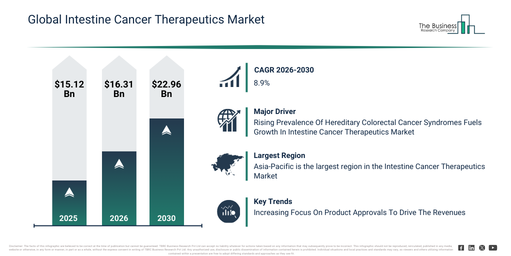
    The intestine cancer therapeutics market has shown robust growth in recent years. It is anticipated to increase from $15.12 billion in 2025 to $16.31 billion in 2026, achieving a compound annual growth rate (CAGR) of 7.9%. This historical growth can be ascribed to the increasing occurrence of colorectal and small intestine cancers, greater public awareness of digestive system cancers, breakthroughs in chemotherapy and surgical procedures, the expansion of oncology services within hospitals, and improved cancer screening initiatives.

    The intestine cancer therapeutics market size is expected to demonstrate robust growth over the next few years. It is predicted to reach $22.96 billion by 2030, with a compound annual growth rate (CAGR) of 8.9%. This expansion during the forecast period is attributed to the increasing adoption of immunotherapy treatments, greater investment in oncology research, escalating demand for targeted cancer therapies, the proliferation of personalized cancer treatment approaches, and improved survival outcomes that drive the need for prolonged treatment. Key trends for the forecast period include the rising acceptance of combination cancer therapies, an intensified focus on early-stage cancer treatment, increasing utilization of multimodal treatment approaches, the growth of specialized oncology treatment centers, and enhanced patient access to advanced cancer care.

    Get A Free Sample Report With In-Depth Market Insights:

    https://thebusinessresearchcompany.com/sample_request?id=41270053&type=smp&name=Intestine%20Cancer%20Therapeutics%20Market%20Report%202026&utm_source=Blogs&utm_medium=Paid&utm_campaign=Oct_PR

    Intestine Cancer Therapeutics Market Opportunity Drivers: What’s Unlocking New Revenue Potential?

    The rising occurrence of hereditary colorectal cancer syndromes is anticipated to fuel the expansion of the intestine cancer therapeutics market in the future. These syndromes are defined as genetic conditions that heighten a person’s susceptibility to colorectal cancer, affecting either the colon or rectum. They are crucial in intestinal cancer therapeutics because they offer insights into particular genetic mutations that markedly elevate the likelihood of developing colorectal cancer. For example, data from July 2023, shared by the World Health Organization, an intergovernmental body located in Switzerland, projects a substantial rise in hereditary colorectal cancer prevalence by 2040, with an estimated 3.2 million new cases and 1.6 million deaths each year. This forecast indicates a 63% surge in new diagnoses and a 73% rise in mortalities when compared to present figures. Consequently, the growing incidence of hereditary colorectal cancer syndromes is propelling the expansion of the intestine cancer therapeutics market.

    Intestine Cancer Therapeutics Market Segment Landscape: Which Areas Lead Development?

    The intestine cancer therapeutics market covered in this report is segmented –

    1) By Treatment Type: Immunotherapy, Chemotherapy, Other Treatments

    2) By Distribution Channel: Hospital Pharmacy, Online Pharmacy, Retail Pharmacy

    3) By Application: Hospitals, Homecare, Specialty Centers, Other Applications

    Subsegments:

    1) By Immunotherapy: Checkpoint Inhibitors, CAR T-Cell Therapy, Cancer Vaccines

    2) By Chemotherapy: Adjuvant Chemotherapy, Neoadjuvant Chemotherapy, Palliative Chemotherapy

    3) By Other Treatments: Targeted Therapy, Radiation Therapy, Surgery

    Intestine Cancer Therapeutics Market Innovation Trends Shaping Future Development

    Key companies operating within the intestine cancer therapeutics market are developing advanced products, such as Lonsurf, and obtaining necessary regulatory approvals to expand their customer base, increase sales, and boost revenue. LONSURF is a medication composed of trifluridine and tipiracil, intended for the treatment of adult patients diagnosed with metastatic colorectal cancer. An example of this is the approval Taiho Oncology Inc., a pharmaceutical company based in the US, received for Lonsurf from the US Food and Drug Administration in August 2023. Lonsurf is provided in the form of a single oral tablet. Trifluridine functions by stopping the multiplication of cancer cells, and tipiracil helps trifluridine maintain its effectiveness for a longer duration by preventing its breakdown in the body. The approval of Lonsurf provides individuals with metastatic colorectal cancer and other eligible cancers a new treatment possibility that has the potential to improve outcomes and their overall quality of life.

    Intestine Cancer Therapeutics Market Industry Leaders And Competitive Landscape

    Major companies operating in the intestine cancer therapeutics market are Pfizer Inc., Johnson & Johnson Private Limited, Roche Holding AG, AbbVie Inc., Bayer AG, Novartis AG, Sanofi S.A., Bristol-Myers Squibb Company, Takeda Pharmaceutical Company Limited, Eli Lilly and Company, Merck KGaA, Astellas Pharma Inc., Daiichi Sankyo Company Limited, Eisai Co. Ltd., Boehringer Ingelheim International GmbH, Sun Pharmaceutical Industries Ltd., Ipsen Pharma, Hikma Pharmaceuticals plc, Amneal Pharmaceuticals LLC, Cipla Inc., Aurobindo Pharma Limited, Lupin Limited

    View The Full Intestine Cancer Therapeutics Market Report:

    https://thebusinessresearchcompany.com/report/intestine-cancer-therapeutics-global-market-report?utm_source=Blogs&utm_medium=Paid&utm_campaign=Oct_PR

    Intestine Cancer Therapeutics Market Top Region By Revenue And Market Share

    Asia-Pacific was the largest region in the intestine cancer therapeutics market in 2025. North America is expected to be the fastest-growing region in the forecast period. The regions covered in the intestine cancer therapeutics market report are Asia-Pacific, South East Asia, Western Europe, Eastern Europe, North America, South America, Middle East, Africa.

    Reach Out To Our Team:

    The Business Research Company: https://www.thebusinessresearchcompany.com/

    Americas: +1 310-496-7795

    Asia: +44 7882 955267 & +91 8897263534

    Europe: +44 7882 955267

    Email us at: marketing@tbrc.info

    Follow us on:

    LinkedIn: https://in.linkedin.com/company/the-business-research-company

    YouTube: https://www.youtube.com/channel/UC24_fI0rV8cR5DxlCpgmyFQ

    Global Market Model: https://www.thebusinessresearchcompany.com/global-market-model
  • Intestinal Pseudo-Obstruction Treatment Market Outlook From 2026 To 2030: Key Growth Factors And Future Opportunities

    Intestinal Pseudo-Obstruction Treatment Market Outlook From 2026 To 2030: Key Growth Factors And Future Opportunities

    Backed by market attractiveness analysis, total addressable market sizing, company benchmarking matrices, interactive Excel dashboards, wider supply chain intelligence, emerging startup coverage, and detailed product-level insights, The Business Research Company’s 2026 market reports are designed to offer research that is more actionable and strategically valuable than ever.

    Intestinal Pseudo-Obstruction Treatment Market Growth Potential: How Will Market Size Shift Through 2030?

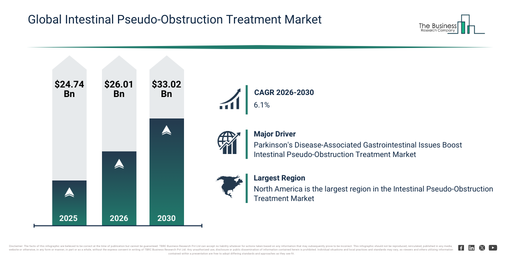
    The intestinal pseudo-obstruction treatment market size has demonstrated robust growth in recent years. This market is anticipated to expand from $24.74 billion in 2025 to $26.01 billion in 2026, registering a compound annual growth rate (CAGR) of 5.1%. The historical growth can be attributed to several factors including a limited understanding of gastrointestinal motility disorders, increased hospitalization for unexplained bowel obstruction symptoms, reliance on symptomatic drug therapies, advancements in diagnostic imaging and motility testing, and the growth in specialist gastroenterology clinics.

    The intestinal pseudo-obstruction treatment market size is projected to experience substantial growth in the coming years, with an estimated increase to $33.02 billion by 2030, demonstrating a compound annual growth rate (CAGR) of 6.1%. This expansion during the forecast period can be attributed to intensifying research into intestinal motility disorders, an increasing demand for personalized IPO treatment strategies, the rising adoption of advanced diagnostic techniques, the expansion of multidisciplinary gastroenterology care, and improved clinical guidelines for rare GI disorders. Prominent trends anticipated within this forecast period include a heightened focus on the early and accurate diagnosis of IPO, the growing utilization of multimodal symptom management approaches, an increasing embrace of conservative and non-surgical treatments, the broadening of long-term disease management and supportive care, and enhanced awareness of rare gastrointestinal motility disorders.

    Get A Free Sample Report With In-Depth Market Insights:

    https://thebusinessresearchcompany.com/sample_request?id=51333393&type=smp&name=Intestinal%20Pseudo-Obstruction%20Treatment%20Market%20Report%202026&utm_source=Blogs&utm_medium=Paid&utm_campaign=Oct_PR

    Intestinal Pseudo-Obstruction Treatment Market Growth Momentum: What Factors Are Shaping Demand?

    An anticipated surge in Parkinson’s disease cases is projected to significantly boost the intestinal pseudo-obstruction treatment market. This neurodegenerative condition specifically targets dopamine-producing neurons within the brain’s substantia nigra region. Individuals with Parkinson’s disease experience a higher occurrence of IPO, largely due to the disease’s impact on the enteric nervous system, which leads to gastrointestinal dysmotility and subsequent issues like megacolon or intestinal blockage, such as acute colonic pseudo-obstruction. For example, Sutter Health, a US-based nonprofit healthcare network, reported that in July 2025, an estimated 1.1 million people in the United States were living with Parkinson’s disease in 2025, with projections indicating a rise to 1.2 million by 2030. Consequently, the escalating number of Parkinson’s disease cases is a key driver for the expansion of the intestinal pseudo-obstruction treatment market.

    Intestinal Pseudo-Obstruction Treatment Market Segments: Where Is Growth Concentrated?

    The intestinal pseudo-obstruction treatment market covered in this report is segmented –

    1) By Drug Class: Antibiotics, Antidepressants, Antidiarrheals

    2) By Treatment: Medication, Surgery, Diet, Decompression, Other Treatments

    3) By Route Of Administration: Oral, Intravenous, Other Routes Of Administration

    4) By Diagnosis: Physical Examination, Biopsy, Blood Test, Gastric Emptying Tests, Imaging Tests, Other Diagnosis

    5) By End User: Clinic, Hospitals, Other End Users

    Subsegments:

    1) By Antibiotics: Broad-Spectrum Antibiotics, Narrow-Spectrum Antibiotics

    2) By Antidepressants: Tricyclic Antidepressants (TCAs), Selective Serotonin Reuptake Inhibitors (SSRIs)

    3) By Antidiarrheals: Loperamide, Bismuth Subsalicylate

    Intestinal Pseudo-Obstruction Treatment Market Key Participants And Competitive Landscape

    Major companies operating in the intestinal pseudo-obstruction treatment market are F. Hoffmann-La Roche AG, Merck Sharp & Dohme Corp, Bayer AG, Sanofi S.A., AstraZeneca plc, GSK plc, Takeda Pharmaceutical Company Limited, Amgen PLC, Boehringer Ingelheim International GmbH, Teva Pharmaceutical Industries Ltd., Astellas Pharma Inc., Mylan N.V., Biogen Inc., Penn Medicine, Sun Pharmaceutical Industries Ltd., Aurobindo Pharma Ltd, Cipla Inc., Dr. Reddy’s Laboratories Ltd., Allergan plc, Torrent Pharmaceuticals Limited, Basilea Pharmaceutica Ltd, Paratek Pharmaceuticals Inc., Melinta Therapeutics LLC, Tetraphase Pharmaceuticals Inc., Callisto Pharmaceuticals Inc.

    View The Full Intestinal Pseudo-Obstruction Treatment Market Report:

    https://thebusinessresearchcompany.com/report/intestinal-pseudo-obstruction-treatment-global-market-report?utm_source=Blogs&utm_medium=Paid&utm_campaign=Oct_PR

    Intestinal Pseudo-Obstruction Treatment Market Regional Analysis And Top Geography

    North America was the largest region in the intestinal pseudo-obstruction treatment market in 2025. The regions covered in the intestinal pseudo-obstruction treatment market report are Asia-Pacific, South East Asia, Western Europe, Eastern Europe, North America, South America, Middle East, Africa.

    Reach Out To Our Team:

    The Business Research Company: https://www.thebusinessresearchcompany.com/

    Americas: +1 310-496-7795

    Asia: +44 7882 955267 & +91 8897263534

    Europe: +44 7882 955267

    Email us at: marketing@tbrc.info

    Follow us on:

    LinkedIn: https://in.linkedin.com/company/the-business-research-company

    YouTube: https://www.youtube.com/channel/UC24_fI0rV8cR5DxlCpgmyFQ

    Global Market Model: https://www.thebusinessresearchcompany.com/global-market-model
  • Intestinal Fistula Treatment Market Growth Forecast: Market Size, Key Trends And Emerging Opportunities Through 2030

    Intestinal Fistula Treatment Market Growth Forecast: Market Size, Key Trends And Emerging Opportunities Through 2030

    Featuring market attractiveness scoring, total addressable market sizing, company benchmarking matrices, interactive Excel dashboards, deeper supply chain intelligence, emerging startup tracking, and granular product-level insights, The Business Research Company’s 2026 market reports are built to deliver research that is both more actionable and more strategically valuable.

    Intestinal Fistula Treatment Market Value Analysis: What Growth Lies Ahead Over The Forecast Period?

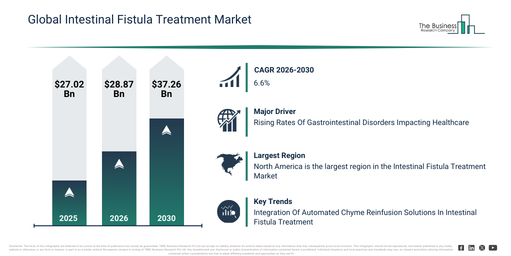
    The intestinal fistula treatment market has experienced substantial growth in recent years. It is projected to expand from $27.02 billion in 2025 to $28.87 billion in 2026, reflecting a compound annual growth rate (CAGR) of 6.8%. This historical growth can be attributed to several factors, including the increasing incidence of postoperative gastrointestinal complications, the rising prevalence of inflammatory bowel diseases, an expansion in complex abdominal surgeries, advancements in surgical fistula repair techniques, and improved hospital-based nutritional support programs.

    The market for intestinal fistula treatments is projected to experience substantial expansion in the coming years. This market is anticipated to reach a valuation of $37.26 billion by 2030, demonstrating a compound annual growth rate (CAGR) of 6.6%. Several factors contribute to this growth during the projected period, including an escalating demand for minimally invasive fistula interventions, the broader acceptance of sophisticated nutritional therapies, heightened recognition of prompt fistula management, breakthroughs in endoscopic closure techniques, and the proliferation of dedicated gastrointestinal treatment facilities. Key developments expected during this timeframe encompass a growing inclination towards multidisciplinary treatment strategies, the increasing utilization of minimally invasive and endoscopic methods, a heightened focus on optimizing nutrition in fistula care, the broader implementation of personalized treatment plans tailored to specific fistula types, and enhanced post-operative care along with better complication management.

    Get A Free Sample Report With In-Depth Market Insights:

    https://thebusinessresearchcompany.com/sample_request?id=60469264&type=smp&name=Intestinal%20Fistula%20Treatment%20Market%20Report%202026&utm_source=Blogs&utm_medium=Paid&utm_campaign=Oct_PR

    Intestinal Fistula Treatment Market Expansion Drivers: What’s Shaping Future Growth?

    The increasing occurrence of gastrointestinal conditions is anticipated to drive the expansion of the Intestinal Fistula Treatment Market. These conditions involve affections of the digestive tract, presenting symptoms like pain, bloating, diarrhea, or constipation, which require medical assessment and therapy. The rising prevalence of gastrointestinal disorders stems from various factors, including poor dietary choices, stress, and mental health challenges. Intestinal fistula treatment assists in managing gastrointestinal disorders by closing unusual intestinal connections, thereby preventing infections, re-establishing gut function, and reducing complications such as malnutrition and sepsis. For instance, data from the Centers for Disease Control and Prevention in September 2023 indicated that approximately 14.8 million adults in the US have ulcers, constituting 5.9% of the population, alongside 35.4 million physician visits for digestive issues. Hence, the growing incidence of gastrointestinal disorders is propelling the growth of the Intestinal Fistula Treatment Market.

    Intestinal Fistula Treatment Market Segment Analysis: What Are The Core Market Categories?

    The intestinal fistula treatment market covered in this report is segmented –

    1) By Treatment Type: Medications, Surgery, Nutritional Support, Other Treatment Types

    2) By Route Of Administration: Oral, Rectal, Parenteral

    3) By Distribution Channel: Hospital Pharmacy, Retail Pharmacy, Online Pharmacy

    4) By End-User: Hospitals, Ambulatory Surgical Centers, Specialty Clinics, Other End-Users

    Subsegments:

    1) By Medications: Antibiotics, Immunosuppressants, Antisecretory Agents, Pain Management Medications

    2) By Surgery: Fistula Closure Surgery, Bowel Resection Surgery, Stoma Formation Surgery

    3) By Nutritional Support: Parenteral Nutrition, Enteral Nutrition

    4) By Other Treatment Type: Hyperbaric Oxygen Therapy, Endoscopic Fistula Closure

    Intestinal Fistula Treatment Market Strategic Trends: What Defines The Next Growth Phase?

    Major companies operating in the intestinal fistula treatment market are increasingly focusing on incorporating automated chyme-reinfusion solutions, specifically closed-circuit reinfusion systems, to improve nutritional recovery, intestinal function, and the efficiency of patient management. Closed-circuit reinfusion systems are medical devices that facilitate the return of proximal intestinal effluent (chyme) to the distal intestine using a controlled, automated mechanism, thus providing capabilities such as continuous reinfusion, effective output management, and the maintenance of intestinal continuity. For instance, in April 2025, The Insides Company, a New Zealand-based medical device manufacturer, introduced The Insides Channel, a closed-circuit chyme-reinfusion platform developed to support patients with separated stomas and enterocutaneous fistulas by reinfusing chyme to restore intestinal function. This platform features bag-to-bag chyme transfer, a sealed closed-loop system, and is compatible with high-output ostomy appliances. The Insides Channel contributes to better nutritional autonomy, enhanced treatment efficiency, and improved overall clinical outcomes.

    Intestinal Fistula Treatment Market Top Companies Driving Competitive Growth

    Major companies operating in the intestinal fistula treatment market are Merck & Co. KGaA, Bristol-Myers Squibb, AstraZeneca plc, Pfizer Inc., Medtronic plc, Medtronic plc, Eli Lilly and Company, Astellas Pharma Inc., Boehringer Ingelheim International GmbH, Cook Group Incorporated, Integra LifeSciences, Avante Health Solutions, Angiplast Pvt. Ltd., Angiplast Pvt. Ltd., Biolitec AG, Sklar Surgical Instruments, Livealth BioPharma, Surtex Instruments Limited, Advin Health Care

    View The Full Intestinal Fistula Treatment Market Report:

    https://thebusinessresearchcompany.com/report/intestinal-fistula-treatment-global-market-report?utm_source=Blogs&utm_medium=Paid&utm_campaign=Oct_PR

    Intestinal Fistula Treatment Market Geographic Analysis: Where Is Demand Rising Fastest?

    North America was the largest region in the Intestinal Fistula Treatment market in 2025 Asia-Pacific is expected to be the fastest-growing region in the forecast period. The regions covered in the intestinal fistula treatment market report are Asia-Pacific, South East Asia, Western Europe, Eastern Europe, North America, South America, Middle East, Africa.

    Reach Out To Our Team:

    The Business Research Company: https://www.thebusinessresearchcompany.com/

    Americas: +1 310-496-7795

    Asia: +44 7882 955267 & +91 8897263534

    Europe: +44 7882 955267

    Email us at: marketing@tbrc.info

    Follow us on:

    LinkedIn: https://in.linkedin.com/company/the-business-research-company

    YouTube: https://www.youtube.com/channel/UC24_fI0rV8cR5DxlCpgmyFQ

    Global Market Model: https://www.thebusinessresearchcompany.com/global-market-model
  • Interventional Oncology Market CAGR Forecast Through 2030: Key Trends Shaping Industry Expansion

    Interventional Oncology Market CAGR Forecast Through 2030: Key Trends Shaping Industry Expansion

    Built to provide research that’s more actionable and strategically valuable, The Business Research Company’s 2026 market reports include market attractiveness analysis, total addressable market sizing, company benchmarking matrices, interactive Excel dashboards, broader supply chain intelligence, emerging startup tracking, and in-depth product insights.

    Interventional Oncology Market Size Forecast: How Big Could The Market Get By 2030?

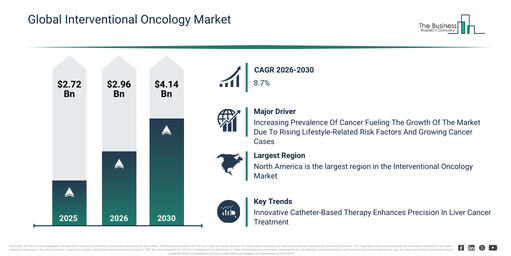
    The interventional oncology market has demonstrated substantial growth in recent years. It is anticipated to expand from $2.72 billion in 2025 to $2.96 billion in 2026, achieving a compound annual growth rate (CAGR) of 8.8%. This historical expansion can be ascribed to several factors: increasing global cancer incidence rates, an expansion of interventional radiology services, a growing inclination towards minimally invasive procedures, improved availability of imaging-guided devices, and heightened investments in hospital oncology.

    The interventional oncology market is anticipated to exhibit robust growth in the coming years, with its size projected to reach $4.14 billion by 2030, driven by a compound annual growth rate (CAGR) of 8.7%. This expansion during the forecast period is attributed to several factors, including the increasing adoption of AI-assisted imaging guidance, a rising demand for outpatient cancer treatments, the broadening of personalized oncology approaches, growing investments in advanced ablation technologies, and an increasing focus on reducing patient recovery times. Prominent trends expected in this period include the wider acceptance of image-guided cancer therapies, a rising utilization of minimally invasive ablation procedures, the growing integration of advanced imaging modalities, an expansion of targeted tumor treatment techniques, and an enhanced focus on precision oncology.

    Get A Free Sample Report With In-Depth Market Insights:

    https://thebusinessresearchcompany.com/sample_request?id=12688645&type=smp&name=Interventional%20Oncology%20Market%20Report%202026&utm_source=Blogs&utm_medium=Paid&utm_campaign=Oct_PR

    Interventional Oncology Market Development Factors: What’s Supporting Demand?

    The interventional oncology market is projected to grow due to the rising prevalence of cancer. Cancer prevalence refers to the total number of individuals, both newly and previously diagnosed, who are living with a history of cancer at a given time. This increase in cancer prevalence is attributed to lifestyle-related risks such as poor diet, smoking, alcohol consumption, and exposure to environmental pollutants, all of which elevate the risk of developing various cancers. Interventional oncology aids in cancer treatment by offering minimally invasive, targeted therapies that directly focus on tumors. It improves patient outcomes by minimizing damage to healthy tissue and provides faster recovery times compared to traditional treatments. For instance, in February 2024, the World Health Organization, a Switzerland-based international organization specializing in global health policy and public health initiatives, predicted over 35 million new cancer cases in 2050, a 77% increase from the estimated 20 million cases in 2022. Therefore, the growing prevalence of cancer is a key driver for the interventional oncology market’s expansion.

    Interventional Oncology Market Segment Breakdown: Which Categories Lead On Revenue?

    The interventional oncology market covered in this report is segmented –

    1) By Type: Radiation Therapy Devices, Ablation Devices, Embolization Devices

    2) By Technology Type: Ultrasound, Computed Tomography Guided, Magnetic Resonance-Guided

    3) By Procedure: Tumor Ablation, Tumor Biopsy, Vascular Interventions, Palliative Care

    4) By Application Areas: Liver Cancer, Lung Cancer, Kidney Cancer, Pancreatic Cancer, Prostate Cancer

    5) By End-Users: Hospitals, Ambulatory Surgical Centers, Specialty Clinics, Research And Academic Institutions

    Subsegments:

    1) By Radiation Therapy Devices: Linear Accelerators, Proton Therapy Systems, Brachytherapy Devices

    2) By Ablation Devices: Radiofrequency Ablation Devices, Microwave Ablation Devices, Cryoablation Devices, Irreversible Electroporation Systems

    3) By Embolization Devices: Microspheres, Coil Embolization Devices, Liquid Embolic Agents, Embolic Protection Devices

    Interventional Oncology Market Transformation Trends: What Innovations Are Driving Change?

    Major companies within the interventional oncology market are concentrating on developing sophisticated products, such as microcatheter-based embolization systems, to deliver precise, targeted cancer therapy while minimizing damage to surrounding healthy tissue. Microcatheter-based embolization systems are medical devices that employ tiny, flexible catheters to accurately deliver embolic agents into blood vessels, intending to block or reduce blood flow, typically for treating tumors, vascular malformations, or bleeding. For instance, in March 2025, Terumo Corporation, a Japan-based medical device company, launched the Occlusafe balloon occlusion catheter, which is based on its advanced Balloon-TACE (B-TACE) therapy for the treatment of liver cancer, particularly hepatocellular carcinoma (HCC). This specialized microcatheter utilizes the pressure gradient effect to redirect blood flow and access the microcirculation, allowing for higher concentrations of therapeutic agents at the tumor site while minimizing off-target embolization. This targeted approach seeks to improve clinical outcomes in difficult-to-treat liver cancer cases by enhancing drug delivery precision and providing improved visualization during procedures.

    Interventional Oncology Market Leading Players And Competitive Positioning

    Major companies operating in the interventional oncology market are Johnson & Johnson, Siemens Healthineers AG, Stryker Corporation, GE HealthCare Technologies Inc., Boston Scientific Corporation, Terumo Corporation, Hologic Inc., Teleflex Incorporated, Lantheus Holdings Inc., Penumbra Inc., Merit Medical Systems Inc., Guerbet SA, Asahi Intecc Co. Ltd., AngioDynamics Inc., Sirtex Medical Limited, Delcath Systems Inc., ABK Biomedical Inc., Profound Medical Inc., IceCure Medical Ltd., Medtronic plc, Koninklijke Philips NV, Cook Medical Incorporated

    View The Full Interventional Oncology Market Report:

    https://thebusinessresearchcompany.com/report/interventional-oncology-global-market-report?utm_source=Blogs&utm_medium=Paid&utm_campaign=Oct_PR

    Interventional Oncology Market Global Footprint: Which Region Leads The Market?

    North America was the largest region in the interventional oncology market in 2025. Asia-Pacific is expected to be the fastest-growing region in the forecast period. The regions covered in the interventional oncology market report are Asia-Pacific, South East Asia, Western Europe, Eastern Europe, North America, South America, Middle East, Africa.

    Reach Out To Our Team:

    The Business Research Company: https://www.thebusinessresearchcompany.com/

    Americas: +1 310-496-7795

    Asia: +44 7882 955267 & +91 8897263534

    Europe: +44 7882 955267

    Email us at: marketing@tbrc.info

    Follow us on:

    LinkedIn: https://in.linkedin.com/company/the-business-research-company

    YouTube: https://www.youtube.com/channel/UC24_fI0rV8cR5DxlCpgmyFQ

    Global Market Model: https://www.thebusinessresearchcompany.com/global-market-model
  • Interventional Neuroradiology Market To Witness 5.8% CAGR Growth Through 2030: Key Industry Drivers

    Interventional Neuroradiology Market To Witness 5.8% CAGR Growth Through 2030: Key Industry Drivers

    Backed by market attractiveness analysis, total addressable market sizing, company benchmarking matrices, interactive Excel dashboards, wider supply chain intelligence, emerging startup coverage, and detailed product-level insights, The Business Research Company’s 2026 market reports are designed to offer research that is more actionable and strategically valuable than ever.

    Interventional Neuroradiology Market Revenue Outlook: What CAGR Lies Ahead Through 2030?

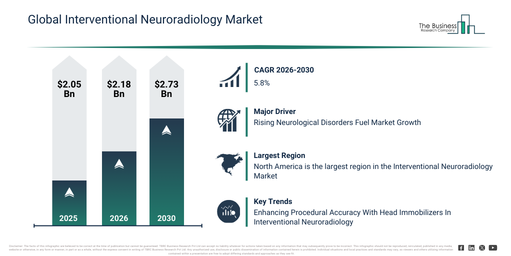
    The interventional neuroradiology market size has demonstrated robust expansion in recent years. This market is anticipated to climb from $2.05 billion in 2025 to $2.18 billion in 2026, at a compound annual growth rate (CAGR) of 6.1%. Historically, this growth can be ascribed to the increasing prevalence of cerebral aneurysms and stroke, alongside advancements in medical imaging technologies, the limitations inherent in open neurosurgical procedures, a growing availability of trained interventional specialists, and the expansion of neurovascular care infrastructure.

    The interventional neuroradiology market is projected to experience substantial expansion over the coming years, reaching a valuation of $2.73 billion by 2030, demonstrating a compound annual growth rate (CAGR) of 5.8%. This anticipated growth during the forecast period is driven by factors such as the increasing worldwide prevalence of neurological disorders, greater uptake of flow diversion and embolization techniques, a heightened need for quicker stroke interventions, advancements in microcatheter and guidewire technology, and increased funding in neurointerventional research. Key developments during this period are anticipated to include a rising preference for minimally invasive neurovascular operations, wider use of endovascular treatment for acute stroke, the broadening of sophisticated neurovascular device offerings, an intensified emphasis on enhancing procedural accuracy and safety, and the establishment of more specialized interventional neuroradiology facilities.

    Get A Free Sample Report With In-Depth Market Insights:

    https://thebusinessresearchcompany.com/sample_request?id=23406885&type=smp&name=Interventional%20Neuroradiology%20Market%20Report%202026&utm_source=Blogs&utm_medium=Paid&utm_campaign=Oct_PR

    Interventional Neuroradiology Market Industry Drivers: What’s Behind The Revenue Growth?

    The increasing incidence of neurological conditions is anticipated to drive expansion in the interventional neuroradiology market moving ahead. These conditions encompass medical issues impacting the brain, spinal cord, or peripheral nerves, subsequently hindering functions such as movement, sensation, thought processes, or speech. The rise in neurological disorder cases can be attributed to the world’s aging populace, elevating the likelihood of developing age-associated diseases like Alzheimer’s, alongside advancements in diagnostic methods enabling quicker and more precise identification of these ailments. Interventional neuroradiology offers diagnosis and treatment for neurological ailments through the application of minimally invasive, image-guided procedures for issues including aneurysms, strokes, and arteriovenous malformations. For example, data from October 2023, shared by the World Federation of Neurology (WFN), an international nonprofit neurological organization based in the UK, indicated that over 40% of the worldwide population had a neurological condition, with the total burden of neurological diseases predicted to nearly double by 2050. Consequently, the expanding occurrence of neurological disorders is serving as a key impetus for the interventional neuroradiology market’s growth.

    Interventional Neuroradiology Market Segmentation: How Does The Market Break Down By Category?

    The interventional neuroradiology market covered in this report is segmented –

    1) By Device Type: Microcatheters, Neurovascular Embolization And Coiling Assist Devices, Embolic Coils, Flow Diversion Devices, Liquid Embolic Agents, Accessories, Micro Guidewires

    2) By Disease: Cerebral Aneurysms, Intra-Cranial Tumors, Acute Strokes, Other Diseases

    3) By End Users: Hospitals, Ambulatory Surgical Centers, Diagnostic Centers

    Subsegments:

    1) By Microcatheters: Single-Lumen Microcatheters, Dual-Lumen Microcatheters, High-Flow Microcatheters

    2) By Neurovascular Embolization And Coiling Assist Devices: Coiling Assist Devices, Embolization Assist Devices

    3) By Embolic Coils: Soft Coils, Stiff Coils, Detachable Coils

    4) By Flow Diversion Devices: Stent-Based Flow Diversion Devices, Non-Stent-Based Flow Diversion Devices

    5) By Liquid Embolic Agents: Polymer-Based Liquid Embolic Agents, Gel-Based Liquid Embolic Agents, Onyx Liquid Embolic Agents

    6) By Accessories: Guide Catheters, Sheath Introducers, Vascular Access Devices

    7) By Micro Guidewires: Hydrophilic Micro Guidewires, Pushable Micro Guidewires, Coated Micro Guidewires

    #Interventional Neuroradiology Market Growth Trends: What’s Shaping The Future Outlook?

    Companies operating in the interventional neuroradiology market are concentrating on developing technologically advanced solutions, such as head immobilizers, specifically designed to improve imaging quality and patient safety during interventional radiology and neuroradiology procedures. A head immobilizer is a medical apparatus created to temporarily fix a patient’s head and neck, primarily ensuring safety and stability when a head or spinal injury is suspected. For instance, in June 2023, Adept Medical, a New Zealand-based medical devices manufacturing company, introduced a new head immobilizer aimed at enhancing patient comfort and imaging quality during interventional radiology and neuroradiology procedures. This innovative device integrates vacuum suction technology for secure head fixation, a radiolucent design to minimize interference with X-ray imaging, and compatibility with various imaging tables. Its rapid setup process optimizes workflows, and its capacity to accommodate diverse head shapes guarantees patient comfort.

    Interventional Neuroradiology Market Competitive Overview And Top Companies

    Major companies operating in the interventional neuroradiology market are Medtronic PLC, Siemens Healthineers AG, Fujifilm Corporation, Philips Healthcare, Stryker Corporation, GE Healthcare Life Sciences, Boston Scientific Corporation, Terumo Corporation, Canon Medical Systems Corporation, W. L. Gore & Associates Inc., Teleflex Incorporated, Cook Medical LLC, Merit Medical Systems Inc., MicroPort Scientific Corporation, Penumbra Inc., Guerbet Group, Mediterra LLC, Acandis GmbH, Medico’s Hirata Inc.

    View The Full Interventional Neuroradiology Market Report:

    https://thebusinessresearchcompany.com/report/interventional-neuroradiology-global-market-report?utm_source=Blogs&utm_medium=Paid&utm_campaign=Oct_PR

    Interventional Neuroradiology Market Regional Split: Which Areas Are Fueling Growth?

    North America was the largest region in the interventional neuroradiology market in 2025. Asia-Pacific is expected to be the fastest-growing region in the forecast period. The regions covered in the interventional neuroradiology market report are Asia-Pacific, South East Asia, Western Europe, Eastern Europe, North America, South America, Middle East, Africa.

    Reach Out To Our Team:

    The Business Research Company: https://www.thebusinessresearchcompany.com/

    Americas: +1 310-496-7795

    Asia: +44 7882 955267 & +91 8897263534

    Europe: +44 7882 955267

    Email us at: marketing@tbrc.info

    Follow us on:

    LinkedIn: https://in.linkedin.com/company/the-business-research-company

    YouTube: https://www.youtube.com/channel/UC24_fI0rV8cR5DxlCpgmyFQ

    Global Market Model: https://www.thebusinessresearchcompany.com/global-market-model
  • Interstitial Lung Disease Market Projected For Strong Expansion Through 2030: Key Trends And Future Outlook

    Interstitial Lung Disease Market Projected For Strong Expansion Through 2030: Key Trends And Future Outlook

    Featuring market attractiveness scoring, total addressable market sizing, company benchmarking matrices, interactive Excel dashboards, deeper supply chain intelligence, emerging startup tracking, and granular product-level insights, The Business Research Company’s 2026 market reports are built to deliver research that is both more actionable and more strategically valuable.

    Interstitial Lung Disease Market Growth Analysis: How Will Revenue Trend Over The Forecast Period?

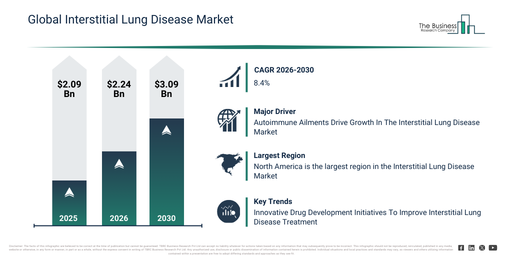
    The interstitial lung disease market has experienced robust expansion in recent times. Projections indicate a rise from $2.09 billion in 2025 to $2.24 billion by 2026, demonstrating a compound annual growth rate (CAGR) of 7.2%. This historical growth can be ascribed to several factors, including the increasing occurrence of chronic respiratory diseases, greater exposure to occupational and environmental pollutants, developments in pulmonary imaging techniques, heightened awareness of idiopathic pulmonary fibrosis, and the proliferation of specialty pulmonary clinics.

    The market for interstitial lung disease is projected to experience substantial expansion in the coming years. By 2030, its size is anticipated to reach $3.09 billion, demonstrating a compound annual growth rate (CAGR) of 8.4%. This anticipated growth during the forecast period is primarily driven by factors such as an expanding aging population, an increase in the diagnosis rates of interstitial lung disorders, the broader adoption of targeted anti-fibrotic medications, an escalation of research into innovative ILD therapies, and enhanced patient screening and monitoring initiatives. Key trends expected over this period encompass a heightened focus on early and precise ILD diagnosis, the wider acceptance of anti-fibrotic treatments, a stronger emphasis on managing disease progression, the spread of multidisciplinary care strategies, and better availability of long-term ILD treatment options.

    Get A Free Sample Report With In-Depth Market Insights:

    https://thebusinessresearchcompany.com/sample_request?id=12535701&type=smp&name=Interstitial%20Lung%20Disease%20Market%20Report%202026&utm_source=Blogs&utm_medium=Paid&utm_campaign=Oct_PR

    Interstitial Lung Disease Market Growth Factors: What’s Supporting Expansion?

    The interstitial lung disease market is anticipated to expand due to the increasing occurrence of autoimmune conditions. These ailments are defined as health issues where the body’s immune system mistakenly targets and damages its own healthy cells and tissues. The growing prevalence of autoimmune diseases influences the interstitial lung disease market by elevating the need for ILD-specific healthcare, stimulating research and development efforts, and fostering progress in treatment options and patient management. For example, data from September 2023, provided by the US-based global health research center, the Institute for Health Metrics and Evaluation, forecasts that global cases of rheumatoid arthritis will climb to an estimated 31.7 million by 2050, signifying a substantial increase during this timeframe. Consequently, the increased occurrence of autoimmune conditions is a key force propelling the expansion of the interstitial lung disease market.

    Interstitial Lung Disease Market Segment Trends And Revenue Contributors

    The interstitial lung disease market covered in this report is segmented –

    1) By Drug Type: Oral Corticosteroids, Immune Suppressing, Anti-Fibrotic Medication, Other Drugs

    2) By Disease Type: Interstitial Pneumonia, Idiopathic Pulmonary Fibrosis, Nonspecific Interstitial Pneumonitis, Hypersensitivity Pneumonitis, Cryptogenic Organizing Pneumonia (COP), Sarcoidosis, Acute Interstitial Pneumonitis

    3) By Application: Adults, Children

    4) By Distribution Channel: Hospital Pharmacies, Retail Pharmacies, Online Pharmacies

    Subsegments:

    1) By Oral Corticosteroids: Prednisone, Methylprednisolone, Dexamethasone

    2) By Immune Suppressing: Azathioprine, Methotrexate, Mycophenolate Mofetil

    3) By Anti-Fibrotic Medication: Pirfenidone, Nintedanib

    4) By Other Drugs: Antioxidants, Anticoagulants, Other Novel Therapies

    Interstitial Lung Disease Market Industry Trends: What’s Reshaping Demand?

    Major companies in the interstitial lung disease market are focusing on new product introductions, particularly innovative therapies for various interstitial lung diseases such as idiopathic pulmonary fibrosis (IPF). Idiopathic pulmonary fibrosis (IPF) is a chronic, progressive lung disease characterized by scarring of lung tissue, which leads to breathing difficulties and reduced oxygen transfer. For example, in February 2024, C.H. Boehringer Sohn AG & Co. KG, a Germany-based biopharmaceutical company, received FDA approval for BI 1015550 Therapy for the treatment of Idiopathic Pulmonary Fibrosis. BI 1015550 is an investigational oral therapy that inhibits phosphodiesterase 4B (PDE4B), delivering antifibrotic and anti-inflammatory effects aimed at slowing lung function decline in idiopathic pulmonary fibrosis (IPF).

    Interstitial Lung Disease Market Competitive Landscape: Which Companies Lead The Industry?

    Major companies operating in the interstitial lung disease market are Roche Laboratories Inc., Merck & Co. Inc., Bayer AG, Novartis Pharmaceuticals Corporation, The Bristol-Myers Squibb Company, Amgen Inc., Boehringer Ingelheim, Teva Pharmaceuticals USA Inc., AstraZeneca plc, Horizon Pharma USA Inc., Genentech Inc., Amneal Pharmaceuticals LLC, Insmed Inc., EmphyCorp Inc., Verseau Therapeutics, Regend Therapeutics Co., LTT Bio-Pharma Co. Ltd., Galecto Biotech, Pulmatrix Inc., PureTech Health plc, Pneuma Respiratory Inc., Bellerophon Therapeutics Inc., MediciNova Inc., Altavant Sciences Inc., Verona Pharma plc

    View The Full Interstitial Lung Disease Market Report:

    https://thebusinessresearchcompany.com/report/interstitial-lung-disease-global-market-report?utm_source=Blogs&utm_medium=Paid&utm_campaign=Oct_PR

    Interstitial Lung Disease Market Top Region: Where Does Most Revenue Come From?

    North America was the largest region in the interstitial lung disease market in 2025. Asia-Pacific is expected to be the fastest-growing region in the forecast period. The regions covered in the interstitial lung disease market report are Asia-Pacific, South East Asia, Western Europe, Eastern Europe, North America, South America, Middle East, Africa.

    Reach Out To Our Team:

    The Business Research Company: https://www.thebusinessresearchcompany.com/

    Americas: +1 310-496-7795

    Asia: +44 7882 955267 & +91 8897263534

    Europe: +44 7882 955267

    Email us at: marketing@tbrc.info

    Follow us on:

    LinkedIn: https://in.linkedin.com/company/the-business-research-company

    YouTube: https://www.youtube.com/channel/UC24_fI0rV8cR5DxlCpgmyFQ

    Global Market Model: https://www.thebusinessresearchcompany.com/global-market-model
  • Interstitial Cystitis Market Outlook 2026–2030: Growth Trends, Market Dynamics And Emerging Opportunities

    Interstitial Cystitis Market Outlook 2026–2030: Growth Trends, Market Dynamics And Emerging Opportunities

    Built to provide research that’s more actionable and strategically valuable, The Business Research Company’s 2026 market reports include market attractiveness analysis, total addressable market sizing, company benchmarking matrices, interactive Excel dashboards, broader supply chain intelligence, emerging startup tracking, and in-depth product insights.

    Interstitial Cystitis Market Forecast: What Value Will The Market Reach By 2030?

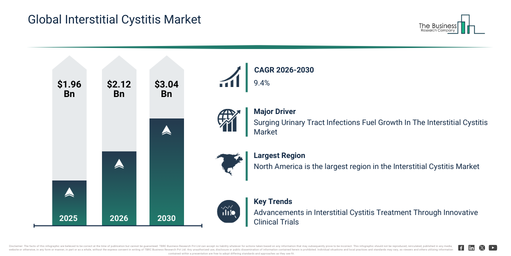
    The interstitial cystitis market has shown robust expansion in recent years. It is projected to expand from $1.96 billion in 2025 to $2.12 billion in 2026, demonstrating a compound annual growth rate (CAGR) of 8.2%. Key drivers of this historical growth include the underdiagnosis of interstitial cystitis, the growing prevalence of chronic pelvic pain disorders, increased utilization of oral antidepressants and antihistamines, the expansion of urology specialty clinics, and a surge in healthcare consultations for bladder pain.

    The interstitial cystitis market is poised for significant expansion in the coming years, with its valuation expected to climb to $3.04 billion by 2030, demonstrating a compound annual growth rate (CAGR) of 9.4%. This anticipated growth throughout the forecast period stems from factors such as increased research into IC pathophysiology, a rising demand for tailored treatment regimens, the expanding adoption of nerve stimulation therapies, the broadening scope of homecare treatment options, and refinements in clinical guidelines and diagnostic criteria. Key trends during this period include a heightened focus on early and precise diagnosis, an uptick in the utilization of multimodal pain management strategies, the growing embrace of minimally invasive therapies, the evolution of patient-centered and long-term care models, and improved understanding and diagnosis of chronic bladder disorders.

    Get A Free Sample Report With In-Depth Market Insights:

    https://thebusinessresearchcompany.com/sample_request?id=95403950&type=smp&name=Interstitial%20Cystitis%20Market%20Report%202026&utm_source=Blogs&utm_medium=Paid&utm_campaign=Oct_PR

    Interstitial Cystitis Market Demand Drivers: What’s Powering Industry Growth?

    The increasing occurrence of urinary tract infections is anticipated to boost expansion within the interstitial cystitis market. These infections are bacterial in nature, capable of affecting any part of the urinary system, and result from bacteria entering the urethra. UTIs can directly or indirectly trigger bacterial cystitis, and if left untreated, they may result in chronic bladder inflammation, which is the root cause of interstitial cystitis. Addressing urinary tract infections linked to interstitial cystitis enhances pain relief and improves the quality of life for affected individuals. For example, a research article from January 2024 by National Kidney Foundation Inc., an US-based organization for awareness, prevention, and treatment of kidney disease in the US, reported that approximately 50%–60% of women encounter a UTI at least once during their lives. Consequently, the growing incidence of urinary tract infections is expected to fuel the interstitial cystitis market.

    Interstitial Cystitis Market Segment Analysis Spotlighting Growth Areas

    The interstitial cystitis market covered in this report is segmented –

    1) By Treatment: Medications, Bladder Instillation, Botulinum Toxin A, Nerve Stimulation, Surgery

    2) By Patient Type: Pediatric Patients, Adult Patients

    3) By Drug Type: Over-The-Counter (OTC) Drugs, Prescription Drugs

    4) By End User: Hospitals And Clinics, Homecare

    Subsegments:

    1) By Medications: Oral Medications, Antihistamines, Nonsteroidal Anti-Inflammatory Drugs (NSAIDs), Antidepressants

    2) By Bladder Instillation: Dimethyl Sulfoxide (DMSO) Instillations, Heparin Instillations, Lidocaine Instillations

    3) By Botulinum Toxin A: Intravesical Botulinum Toxin Injections

    4) By Nerve Stimulation: Sacral Nerve Stimulation, Percutaneous Tibial Nerve Stimulation (PTNS)

    5) By Surgery: Bladder Augmentation, Cystectomy, Fulguration

    Interstitial Cystitis Market Innovation Trends: What Developments Are Reshaping The Industry?

    Major companies engaged in the interstitial cystitis treatment market are concentrating on initiating new clinical trial phases to develop fresh interstitial cystitis treatments and boost revenues within the market. These innovative therapies significantly improve the care and outcomes for individuals dealing with this chronic and frequently intricate bladder ailment. For example, in May 2023, Vaneltix Pharma, Inc., collaborated with Prevail Infoworks, Inc., to commence a Phase 2 clinical trial. This specific trial is designed to evaluate the safety and efficacy of VNX001, contrasting it with its constituent elements (lidocaine and heparin) or a placebo for patients diagnosed with interstitial cystitis/bladder pain syndrome (IC/BPS). This partnership is currently recruiting participants and merges pharmaceutical and analytics expertise to advance promising treatments for IC/BPS, thereby showcasing a dedication to cutting-edge healthcare solutions.

    Interstitial Cystitis Market Leading Companies: Who Holds The Strongest Market Presence?

    Major companies operating in the interstitial cystitis market are Astellas Pharma Inc, Perrigo Company plc, Aurobindo Pharma Ltd, Purdue Pharma LP, Apotex Inc, Endo International plc, Amneal Pharmaceuticals Inc, Alvogen Inc., Kyorin Pharmaceutical Co. Ltd, Seikagaku Corp, Strides Pharma Science Limited, AlgoTherapeutix SAS

    View The Full Interstitial Cystitis Market Report:

    https://thebusinessresearchcompany.com/report/interstitial-cystitis-global-market-report?utm_source=Blogs&utm_medium=Paid&utm_campaign=Oct_PR

    Interstitial Cystitis Market Regional Breakdown: Where Is Demand Concentrated?

    North America was the largest region in the interstitial cystitis market in 2025. The regions covered in the interstitial cystitis market report are Asia-Pacific, South East Asia, Western Europe, Eastern Europe, North America, South America, Middle East, Africa.

    Reach Out To Our Team:

    The Business Research Company: https://www.thebusinessresearchcompany.com/

    Americas: +1 310-496-7795

    Asia: +44 7882 955267 & +91 8897263534

    Europe: +44 7882 955267

    Email us at: marketing@tbrc.info

    Follow us on:

    LinkedIn: https://in.linkedin.com/company/the-business-research-company

    YouTube: https://www.youtube.com/channel/UC24_fI0rV8cR5DxlCpgmyFQ

    Global Market Model: https://www.thebusinessresearchcompany.com/global-market-model
  • Intermittent Claudication Market Growth Outlook From $14.31 Billion In 2026 To $17.98 Billion By 2030

    Intermittent Claudication Market Growth Outlook From $14.31 Billion In 2026 To $17.98 Billion By 2030

    Backed by market attractiveness analysis, total addressable market sizing, company benchmarking matrices, interactive Excel dashboards, wider supply chain intelligence, emerging startup coverage, and detailed product-level insights, The Business Research Company’s 2026 market reports are designed to offer research that is more actionable and strategically valuable than ever.

    Intermittent Claudication Market Size Outlook: How Quickly Will Revenue Expand Through 2030?

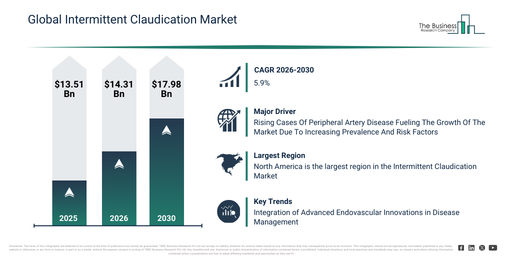
    The intermittent claudication market has seen significant growth in recent years. It is anticipated to expand from $13.51 billion in 2025 to $14.31 billion in 2026, exhibiting a compound annual growth rate (CAGR) of 5.9%. The market’s historical growth can be linked to the rising prevalence of peripheral artery disease, an increasing aging demographic, the high incidence of smoking-related vascular disorders, a growing cardiovascular disease burden, and the expanded availability of vascular intervention procedures.

    The market size for intermittent claudication is anticipated to show considerable expansion over the next few years. It is projected to climb to $17.98 billion by 2030, achieving a compound annual growth rate (CAGR) of 5.9%. This projected growth can be attributed to several factors, including increasing public knowledge of peripheral artery disease symptoms, a rising demand for less invasive vascular treatments, ongoing progress in pharmacological therapies, the growing acceptance of home-based disease management strategies, and enhancements in screening and diagnostic programs. Prominent trends expected during the forecast period encompass an intensified focus on the early diagnosis of peripheral artery disease, a rise in the use of combination drug therapies, a developing preference for minimally invasive revascularization procedures, the expansion of supervised exercise therapy programs, and improved patient awareness and overall disease management.

    Get A Free Sample Report With In-Depth Market Insights:

    https://thebusinessresearchcompany.com/sample_request?id=25683838&type=smp&name=Intermittent%20Claudication%20Market%20Report%202026&utm_source=Blogs&utm_medium=Paid&utm_campaign=Oct_PR

    Intermittent Claudication Market Growth Drivers: What’s Behind The Acceleration?

    The escalating incidence of peripheral artery disease (PAD) is projected to boost the expansion of the intermittent claudication market moving ahead. PAD is a circulatory ailment characterized by constricted arteries that impede blood flow to the limbs, resulting in discomfort, numbness, and various complications. The rise in PAD diagnoses is linked to factors such as an aging demographic, diabetes, tobacco use, high blood pressure, excessive weight, and inactive lifestyles. PAD leads to intermittent claudication by diminishing the supply of blood to leg muscles during physical activity, which causes pain and cramping due to insufficient oxygen. For example, in June 2023, data from the American Heart Association Journals, a US-based peer-reviewed open-access scientific journal, indicated that peripheral artery disease (PAD) impacts 7-12 million individuals in the U.S. and 200 million people globally. Consequently, the growing prevalence of peripheral artery disease (PAD) is stimulating the development of the intermittent claudication market.

    Intermittent Claudication Market Segment Performance And Emerging Opportunities

    The intermittent claudication market covered in this report is segmented –

    1) By Type: Medication Therapies, Revascularization

    2) By Route Of Administration: Parenteral Route, Oral Route, Other Routes Of Administration

    3) By Application: Hospitals, Clinics, Home Healthcare, Other Applications

    4) By Distribution Channel: Hospital Pharmacies, Retail Pharmacies, Online Pharmacies

    Subsegments:

    1) By Medication Therapies: Antiplatelet Agents, Vasodilators, Phosphodiesterase Inhibitors, Cilostazol, Pentoxifylline

    2) By Revascularization: Angioplasty, Stenting, Bypass Surgery, Endarterectomy

    Intermittent Claudication Market Trends: What’s Defining The Industry’s Next Phase?

    Leading companies operating within the Intermittent Claudication market are focusing on integrating minimally invasive endovascular innovations, such as percutaneous bypass systems, to improve treatment efficiency, procedural success, and patient outcomes. Percutaneous bypass systems are sophisticated vascular technologies that establish an endovascular bypass pathway using specialized stent grafts and catheters, providing capabilities like restoring blood flow across long arterial blockages, reducing dependence on open surgical bypass, and supporting faster patient recovery. For instance, in June 2023, Endologix LLC, a US-based medical device company specializing in therapies for vascular disease, secured FDA approval for its DETOUR System, a minimally invasive percutaneous bypass solution designed to address long, complex superficial femoropopliteal lesions in patients with peripheral artery disease (PAD). This system incorporates the TORUS stent graft platform, a novel endovascular bypass technique, and the capacity to manage long-segment occlusions, enabling effective treatment of challenging femoropopliteal blockages. The DETOUR System significantly improves blood flow restoration, decreases procedural morbidity, and expands therapeutic options for patients with symptomatic PAD and intermittent claudication.

    Intermittent Claudication Market Key Players: Which Companies Lead Industry Competition?

    Major companies operating in the intermittent claudication market are Pfizer Inc., Bristol Myers Squibb Company, AstraZeneca PLC, Novartis AG, Teva Pharmaceutical, Otsuka Pharmaceutical Co. Ltd., Sanofi S.A., Bayer AG, Hikma Pharmaceuticals PLC, Dr. Reddy’s Laboratories, Alkem Laboratories, Aastrid Life Sciences Pvt. Ltd., Manus Aktteva Biopharma LLP, Enomark Pharma.

    View The Full Intermittent Claudication Market Report:

    https://thebusinessresearchcompany.com/report/intermittent-claudication-global-market-report?utm_source=Blogs&utm_medium=Paid&utm_campaign=Oct_PR

    Intermittent Claudication Market Geographic Landscape: Which Region Leads Industry Growth?

    North America was the largest region in the intermittent claudication market in 2025. Asia-Pacific is expected to be the fastest-growing region in the forecast period. The regions covered in the intermittent claudication market report are Asia-Pacific, South East Asia, Western Europe, Eastern Europe, North America, South America, Middle East, Africa.

    Reach Out To Our Team:

    The Business Research Company: https://www.thebusinessresearchcompany.com/

    Americas: +1 310-496-7795

    Asia: +44 7882 955267 & +91 8897263534

    Europe: +44 7882 955267

    Email us at: marketing@tbrc.info

    Follow us on:

    LinkedIn: https://in.linkedin.com/company/the-business-research-company

    YouTube: https://www.youtube.com/channel/UC24_fI0rV8cR5DxlCpgmyFQ

    Global Market Model: https://www.thebusinessresearchcompany.com/global-market-model
  • Interleukin (IL)-4 Antibody Market Forecast To Reach $3.5 Billion By 2030: Key Growth Drivers And Industry Trends

    Interleukin (IL)-4 Antibody Market Forecast To Reach $3.5 Billion By 2030: Key Growth Drivers And Industry Trends

    Featuring market attractiveness scoring, total addressable market sizing, company benchmarking matrices, interactive Excel dashboards, deeper supply chain intelligence, emerging startup tracking, and granular product-level insights, The Business Research Company’s 2026 market reports are built to deliver research that is both more actionable and more strategically valuable.

    Interleukin (IL)-4 Antibody Market Size, Value And Growth Trajectory Through 2030

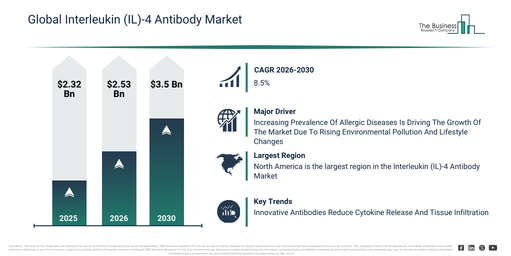
    The market size for interleukin (il)-4 antibodies has shown significant growth in recent years. This market is anticipated to expand from $2.32 billion in 2025 to $2.53 billion in 2026, progressing at a compound annual growth rate (CAGR) of 8.8%. The historical growth of this market can be linked to factors such as increased research in allergy and asthma, the rising utilization of cytokine assays, the expansion of academic immunology studies, enhanced availability of monoclonal antibody platforms, and an increase in biomedical research funding.

    The interleukin (il)-4 antibody market is projected to experience robust expansion in the coming years. This market is anticipated to reach $3.5 billion by 2030, exhibiting a compound annual growth rate (CAGR) of 8.5%. This forecasted growth is attributable to factors such as the escalating demand for precision immunomodulators, the broadening scope of autoimmune disease research, increasing capital injection into biologics development, an amplified emphasis on translational research applications, and the wider integration of advanced immunoassays. Key developments expected during this period involve the increasing application of il-4 antibodies in immunology studies, the progressive creation of targeted immunotherapies, the wider acceptance of high-specificity monoclonal antibodies, the broader utility of cytokine profiling applications, and a heightened commitment to antibody validation benchmarks.

    Get A Free Sample Report With In-Depth Market Insights:

    https://thebusinessresearchcompany.com/sample_request?id=54189596&type=smp&name=Interleukin%20%28IL%29-4%20Antibody%20Market%20Report%202026&utm_source=Blogs&utm_medium=Paid&utm_campaign=Oct_PR

    Interleukin (IL)-4 Antibody Market Growth Factors Behind Sustained Expansion

    The growing incidence of allergic diseases is anticipated to fuel the expansion of the interleukin (IL)-4 antibody market in the future. Allergic diseases are immune system disorders where the body reacts excessively to harmless substances like pollen, dust, or food, leading to symptoms such as inflammation, itching, and breathing difficulties. The heightened prevalence of these conditions is attributed to urbanization and environmental shifts, which lead to increased exposure to pollutants and allergens that trigger immune overreactions. Interleukin (IL)-4 antibody assists in managing allergic diseases by specifically targeting IL-4 pathways, proving effective in reducing immune system overreactions. This alleviates symptoms such as inflammation, itching, and breathing difficulties, thereby enhancing patient comfort and quality of life. For instance, in February 2025, according to the National Asthma Council Australia (NAC), an Australia-based not-for-profit organization, Australia recorded a total of 474 asthma-related deaths, representing a marginal year-on-year increase of 0.2% from 473 deaths in 2022, with females accounting for 68.6% (325 deaths) and males comprising 31.4% (149 deaths). Therefore, the increasing prevalence of allergic diseases is driving the growth of the interleukin (IL)-4 antibody market.

    Interleukin (IL)-4 Antibody Market Segment Landscape And Growth Outlook

    The interleukin (il)-4 antibody market covered in this report is segmented –

    1) By Type: Monoclonal Antibodies, Polyclonal Antibodies

    2) By Application: Enzyme Linked Immunosorbent Assay, Immunohistochemistry Frozen, Immunohistochemistry Paraffin, Western Blot, Other Applications

    3) By End User: Pharmaceutical Companies, Biotechnology Companies, Academic And Research Institutions, Contract Research Organizations (CROs)

    Subsegments:

    1) By Monoclonal Antibodies: Humanized Monoclonal Antibodies, Chimeric Monoclonal Antibodies, Fully Human Monoclonal Antibodies, Murine Monoclonal Antibodies

    2) By Polyclonal Antibodies: Rabbit Polyclonal Antibodies, Goat Polyclonal Antibodies, Sheep Polyclonal Antibodies, Mouse Polyclonal Antibodies, Donkey Polyclonal Antibodies

    Interleukin (IL)-4 Antibody Market Industry Trends Fueling Future Revenue Growth

    Within the interleukin (IL)-4 antibody market, major companies are directing their efforts toward developing innovative products, such as next-generation bispecific antibodies, to overcome tumor resistance and improve anti-cancer efficacy. Next-generation bispecific antibodies are engineered to simultaneously attach to two distinct antigens or epitopes, thereby enhancing therapeutic effectiveness by modulating multiple pathways concurrently, improving specificity, and potentially reducing side effects compared to traditional single-target antibodies. As an example, in February 2025, Akeso Inc., a China-based biopharmaceutical company, obtained Investigational New Drug (IND) acceptance from the China National Medical Products Administration (NMPA) for AK139, a bispecific antibody. AK139 integrates dual targeting of interleukin-4 receptor alpha and the ST2 receptor to block the interleukin-4/interleukin-13 and interleukin-33 pathways simultaneously, delivering mechanistic synergy beyond single-target antibodies. This design seeks to more effectively diminish inflammatory cytokine release and tissue infiltration, potentially offering stronger and more durable control of type-2 and related inflammation in respiratory and dermatological diseases.

    Interleukin (IL)-4 Antibody Market Competitive Landscape: Who Leads The Industry?

    Major companies operating in the interleukin (il)-4 antibody market are Sanofi S.A., Thermo Fisher Scientific Inc., Merck KGaA, Becton Dickinson and Company, Regeneron Pharmaceuticals Inc., Bio-Rad Laboratories Inc., GeneTex Inc., Miltenyi Biotec B.V. & Co. KG, GenScript Biotech Corporation, Cell Signaling Technology Inc., Elabscience Biotechnology Inc., RayBiotech Life Inc., Santa Cruz Biotechnology Inc., Atlas Antibodies AB, Creative Biolabs Inc., Abnova (Taiwan) Corporation, Wuhan Fine Biotech Co. Ltd., United States Biological LLC, NSJ Bioreagents, Boster Biological Technology Co. Ltd.

    View The Full Interleukin (IL)-4 Antibody Market Report:

    https://thebusinessresearchcompany.com/report/global-interleukin-il-4-antibody-market-report?utm_source=Blogs&utm_medium=Paid&utm_campaign=Oct_PR

    Interleukin (IL)-4 Antibody Market Largest Region: Which Geography Holds The Biggest Share?

    North America was the largest region in the interleukin (IL)-4 antibody market in 2025. Asia-Pacific is expected to be the fastest-growing region in the forecast period. The regions covered in the interleukin (il)-4 antibody market report are Asia-Pacific, South East Asia, Western Europe, Eastern Europe, North America, South America, Middle East, Africa.

    Reach Out To Our Team:

    The Business Research Company: https://www.thebusinessresearchcompany.com/

    Americas: +1 310-496-7795

    Asia: +44 7882 955267 & +91 8897263534

    Europe: +44 7882 955267

    Email us at: marketing@tbrc.info

    Follow us on:

    LinkedIn: https://in.linkedin.com/company/the-business-research-company

    YouTube: https://www.youtube.com/channel/UC24_fI0rV8cR5DxlCpgmyFQ

    Global Market Model: https://www.thebusinessresearchcompany.com/global-market-model
  • Interactive Wound Dressing Market Research 2026: Market Size, Trends, Segments And Growth Forecast

    Interactive Wound Dressing Market Research 2026: Market Size, Trends, Segments And Growth Forecast

    Built to provide research that’s more actionable and strategically valuable, The Business Research Company’s 2026 market reports include market attractiveness analysis, total addressable market sizing, company benchmarking matrices, interactive Excel dashboards, broader supply chain intelligence, emerging startup tracking, and in-depth product insights.

    Interactive Wound Dressing Market CAGR Outlook And Future Development

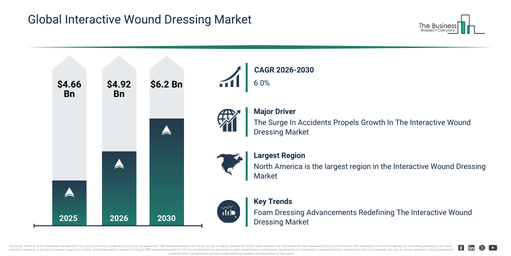
    The interactive wound dressing market has experienced significant expansion in recent years. This market is projected to grow from $4.66 billion in 2025 to $4.92 billion in 2026, exhibiting a compound annual growth rate (CAGR) of 5.5%. Historically, this growth can be attributed to the increasing occurrence of chronic wounds, a rising incidence of diabetes and pressure ulcers, an increase in surgical procedures, the adoption of contemporary wound care methods, and the expansion of hospital and outpatient treatment facilities.

    The interactive wound dressing market is anticipated to experience substantial expansion over the upcoming years. This market is projected to reach $6.2 billion by 2030, exhibiting a compound annual growth rate (CAGR) of 6.0%. This projected growth is driven by factors such as an expanding aging population, an increasing need for sophisticated wound healing options, the growing acceptance of home healthcare services, innovations in wound dressing technologies, and heightened recognition of the benefits of quicker wound recovery. Key trends anticipated during this period encompass the wider use of advanced wound care items, a surging demand for moist wound healing approaches, a greater emphasis on preventing infections in wound treatment, the broadening scope of wound care provided at home, and the creation of affordable, user-friendly dressings.

    Get A Free Sample Report With In-Depth Market Insights:

    https://thebusinessresearchcompany.com/sample_request?id=87518141&type=smp&name=Interactive%20Wound%20Dressing%20Market%20Report%202026&utm_source=Blogs&utm_medium=Paid&utm_campaign=Oct_PR

    Interactive Wound Dressing Market Demand Drivers Opening New Revenue Streams

    The rising incidence of accidents is anticipated to stimulate the expansion of the interactive wound dressing market in the future. An accident refers to an unforeseen occurrence, often resulting in harm, injury, damage, or loss, particularly involving vehicles. During accidents, interactive wound dressing is utilized to treat minor cuts and scrapes, which could otherwise develop into more severe injuries like lacerations, burns, and puncture wounds. For example, data from December 2023, provided by the Bureau of Infrastructure and Transport Research Economics (BITRE), an Australia-based government agency, indicated that the total road-fatalities in Australia during 2023 climbed to 1,266, showing a 7.3% rise compared to 2022. Consequently, the growing frequency of accidents is fueling the expansion of the interactive wound dressing market.

    Interactive Wound Dressing Market Breakdown By Product Type And Application

    The interactive wound dressing market covered in this report is segmented –

    1) By Product: Semi-Permeable Films Dressing, Semi-Permeable Foams Dressing, Hydrogel Dressing

    2) By Application: Chronic Wounds, Acute Wounds

    3) By End-User: Hospitals, Outpatient Facilities, Home Care, Research And Manufacturing

    Subsegments:

    1) By Semi-Permeable Films Dressing: Transparent Film Dressings, Adhesive Film Dressings, Non-Adhesive Film Dressings

    2) By Semi-Permeable Foams Dressing: Hydrophilic Foam Dressings, Hydrophobic Foam Dressings, Adhesive Foam Dressings

    3) By Hydrogel Dressing: Sheet Hydrogel Dressings, Gel-Based Hydrogel Dressings, Hydrogel Impregnated Dressings

    Interactive Wound Dressing Market Trends Powering Strategic Industry Growth

    Major companies in the interactive wound dressing market are actively developing advanced products featuring unique technological attributes, such as silicone technology, to serve larger customer bases, boost sales, and increase revenue. Silicone technology in interactive wound dressings provides numerous advantages, including better patient comfort, reduced risk of infection, and enhanced wound healing. For instance, in January 2023, Convatec Group PLC, a UK-based medical device company, introduced the ConvaFoam. ConvaFoam, an advanced foam dressing, is distinctively engineered to address the diverse requirements of healthcare providers and patients. Its notable characteristics encompass enhanced silicone technology for superior adhesion, improved fluid handling and absorbency, an impressive 7-day wear time, a patterned film design that facilitates exudate monitoring, and the integration of a superabsorbent layer. Crucially, ConvaFoam offers the versatility of being cut to size, simplifying its application to challenging and difficult-to-dress wound areas. This extensive array of features establishes ConvaFoam as a primary selection for wound management and skin protection across various stages of the wound healing journey.

    Interactive Wound Dressing Market Company Landscape And Competitive Strategy

    Major companies operating in the interactive wound dressing market are McKesson Corporation, Cardinal Health Inc., Johnson & Johnson Services Inc., 3M Co, Medline Industries Inc., Essity AB, B Braun Melsungen AG, Smith & Nephew PLC, Coloplast AS, Paul Hartmann AG, Mativ Holdings Inc., ConvaTec Group PLC, Molnlycke Health Care AB, Integra LifeSciences Holdings Corp, Derma Sciences, Hollister Incorporated, Organogenesis, BSN Medical, MiMedx, MediWound Ltd., Vomaris Wound Care Inc.

    View The Full Interactive Wound Dressing Market Report:

    https://thebusinessresearchcompany.com/report/interactive-wound-dressing-global-market-report?utm_source=Blogs&utm_medium=Paid&utm_campaign=Oct_PR

    Interactive Wound Dressing Market Regional Analysis: Which Geography Leads On Revenue?

    North America was the largest region in the interactive wound dressing market in 2025. Asia-Pacific is expected to be the fastest-growing region in the forecast period. The regions covered in the interactive wound dressing market report are Asia-Pacific, South East Asia, Western Europe, Eastern Europe, North America, South America, Middle East, Africa.

    Reach Out To Our Team:

    The Business Research Company: https://www.thebusinessresearchcompany.com/

    Americas: +1 310-496-7795

    Asia: +44 7882 955267 & +91 8897263534

    Europe: +44 7882 955267

    Email us at: marketing@tbrc.info

    Follow us on:

    LinkedIn: https://in.linkedin.com/company/the-business-research-company

    YouTube: https://www.youtube.com/channel/UC24_fI0rV8cR5DxlCpgmyFQ

    Global Market Model: https://www.thebusinessresearchcompany.com/global-market-model