Blog

  • Gouty Arthritis Market Forecast Insights: The Road To $5.06 Billion By 2030

    Gouty Arthritis Market Forecast Insights: The Road To $5.06 Billion By 2030

    Built to provide research that’s more actionable and strategically valuable, The Business Research Company’s 2026 market reports include market attractiveness analysis, total addressable market sizing, company benchmarking matrices, interactive Excel dashboards, broader supply chain intelligence, emerging startup tracking, and in-depth product insights.

    Gouty Arthritis Market Growth Analysis: How Will Revenue Trend Over The Forecast Period?

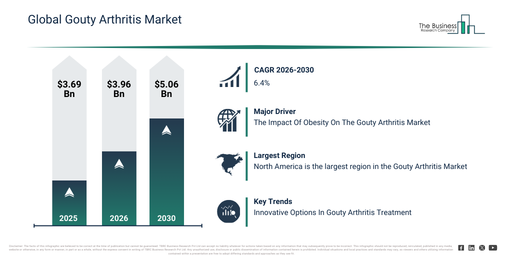
    The gouty arthritis market size has experienced robust expansion in recent years. It is projected to expand from $3.69 billion in 2025 to $3.96 billion in 2026, reflecting a compound annual growth rate (CAGR) of 7.2%. The historical expansion can be traced to evolving dietary patterns, the widespread availability of NSAIDs, a rise in arthritis diagnoses, the proliferation of rheumatology clinics, and advancements in pain management drug development.

    The gouty arthritis market is projected to experience significant expansion in the coming years. Its valuation is expected to ascend to $5.06 billion by 2030, demonstrating a compound annual growth rate (CAGR) of 6.4%. This anticipated growth throughout the forecast period can be attributed to elements such as an expanding aging population, heightened awareness of chronic diseases, a greater emphasis on preventive arthritis care, enhanced patient compliance, and personalized approaches to gout treatment. Furthermore, major developments anticipated during this period include an increasing prevalence of hyperuricemia, a growing demand for long-term disease management, the proliferation of combination drug therapies, improved adoption of diagnostic imaging techniques, and the expansion of lifestyle-based disease management strategies.

    Get A Free Sample Report With In-Depth Market Insights:

    https://thebusinessresearchcompany.com/sample_request?id=72039277&type=smp&name=Gouty%20Arthritis%20Market%20Report%202026&utm_source=Blogs&utm_medium=Paid&utm_campaign=Nov_PR

    Gouty Arthritis Market Demand Drivers: What’s Powering Industry Growth?

    The escalating incidence of obesity is anticipated to stimulate the expansion of the gouty arthritis market in the future. Obesity is a medical condition defined by an excessive accumulation of body fat that compromises an individual’s health and is commonly evaluated using the body mass index (BMI). The increasing rate of obesity stems from a greater intake of high-calorie, processed foods and inactive lifestyles. Obesity contributes to gouty arthritis by augmenting the generation of uric acid and impairing the body’s capability to eliminate it, leading to the buildup of uric acid crystals in the joints. Moreover, surplus body weight imposes additional strain on joints, worsening the inflammation and discomfort associated with gout. For instance, in May 2025, as per the Office for Health Improvement and Disparities, a UK-based government body, an estimated 64.5% of adults aged 18 and over in England were overweight or living with obesity from 2023 to 2024, representing an increase from 64.0% reported in 2022 to 2023. Thus, the rising prevalence of obesity is propelling the growth of the gouty arthritis market.

    Gouty Arthritis Market Segment Performance And Emerging Opportunities

    The gouty arthritis market covered in this report is segmented –

    1) By Type: Acute Gouty Arthritis, Chronic Gouty Arthritis

    2) By Treatment: Non-Steroidal Anti-Inflammatory Drugs (NSAIDs), Pain Reliever, Corticosteroids, Xanthine Oxidase Inhibitors, Uricosurics, Other Treatments

    3) By Diagnosis: Joint Fluid Test, Blood Test, X-Ray Imaging, Ultrasound, Dual Energy Computed Tomography (CT) Scan, Other Diagnosis

    4) By Distribution Channel: Hospital Pharmacy, Retail Pharmacy, Other Distribution Channels

    5) By End-Users: Hospitals, Specialty Clinics, Other End-Users

    Subsegments:

    1) By Acute Gouty Arthritis: Monosodium Urate Crystals-Induced Acute Gout, Acute Gout Attack (Intermittent Flares), Severe Acute Gout With Joint Deformities

    2) By Chronic Gouty Arthritis: Tophaceous Gout (Presence Of Uric Acid Deposits), Chronic Gout With Joint Damage, Chronic Gout With Renal Complications, Chronic Gout With Comorbidities (Hypertension, Diabetes)

    Gouty Arthritis Market Innovation Trends Shaping Future Development

    Leading companies in the gouty arthritis market are intensifying their endeavors to develop innovative products, such as cortrophin gel, with the aim of delivering more effective and targeted treatments for managing the condition. Cortrophin gel, also known as repository corticotropin injection, is a purified form of the adrenocorticotropic hormone (ACTH). It is utilized to address various inflammatory and autoimmune conditions, including gouty arthritis. For example, in October 2023, ANI Pharmaceuticals, a US-based pharmaceutical company, obtained approval from the Food and Drug Administration for a new 1-mL vial size of Purified Cortrophin Gel. This product is designed for the adjunctive treatment of specific patients experiencing acute gouty arthritis flares. Cortrophin Gel is currently the exclusive FDA-approved adrenocorticotropic hormone (ACTH) therapy indicated for treating appropriate patients with acute gouty arthritis flares.

    Gouty Arthritis Market Key Players: Which Companies Lead Industry Competition?

    Major companies operating in the gouty arthritis market are Horizon Therapeutics plc, Pfizer Inc., Takeda Pharmaceutical Company Limited, AbbVie Inc., Bayer AG, Bristol Myers Squibb, Novartis International AG, Eli Lilly and Company, Amgen Inc., Gilead Sciences Inc., AstraZeneca plc, GlaxoSmithKline plc, Teijin Pharma Ltd, Regeneron Pharmaceuticals Inc., Boehringer Ingelheim International GmbH, JW Pharmaceutical, Arthrosi Therapeutics Ltd, XORTX Therapeutics Inc, Atom Therapeutics Co Ltd, Olatec Therapeutics LLC, InventisBio Co Ltd, Shanton Pharma, Selecta Biosciences Inc, LG Chem Ltd, Protalix BioTherapeutics Inc

    View The Full Gouty Arthritis Market Report:

    https://thebusinessresearchcompany.com/report/gouty-arthritis-global-market-report?utm_source=Blogs&utm_medium=Paid&utm_campaign=Nov_PR

    Gouty Arthritis Market Regional Analysis And Top Geography

    North America was the largest region in the gouty arthritis market in 2025. Europe is expected to be the fastest-growing region in the forecast period. The regions covered in the gouty arthritis market report are Asia-Pacific, South East Asia, Western Europe, Eastern Europe, North America, South America, Middle East, Africa.

    Reach Out To Our Team:

    The Business Research Company: https://www.thebusinessresearchcompany.com/

    Americas: +1 310-496-7795

    Asia: +44 7882 955267 & +91 8897263534

    Europe: +44 7882 955267

    Email us at: marketing@tbrc.info

    Follow us on:

    LinkedIn: https://in.linkedin.com/company/the-business-research-company

    YouTube: https://www.youtube.com/channel/UC24_fI0rV8cR5DxlCpgmyFQ

    Global Market Model: https://www.thebusinessresearchcompany.com/global-market-model
  • Gout Therapeutics Market Explained: What Is Fueling Growth To $5.6 Billion By 2030?

    Gout Therapeutics Market Explained: What Is Fueling Growth To $5.6 Billion By 2030?

    Backed by market attractiveness analysis, total addressable market sizing, company benchmarking matrices, interactive Excel dashboards, wider supply chain intelligence, emerging startup coverage, and detailed product-level insights, The Business Research Company’s 2026 market reports are designed to offer research that is more actionable and strategically valuable than ever.

    Gout Therapeutics Market Forecast: What Value Will The Market Reach By 2030?

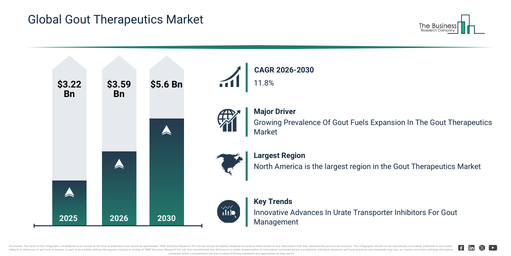
    The market for gout therapeutics has experienced substantial expansion recently. This market is projected to expand from $3.22 billion in 2025 to $3.59 billion by 2026, demonstrating a compound annual growth rate (CAGR) of 11.6%. Factors contributing to its historical growth include shifts in dietary lifestyles, the widespread availability of NSAIDs, a rise in arthritis diagnoses, the provision of hospital rheumatology services, and advancements in pain management drug development.

    The market for gout therapeutics is projected to experience substantial expansion over the upcoming years. By 2030, this market is anticipated to reach a valuation of $5.6 billion, demonstrating a compound annual growth rate (CAGR) of 11.8%. Factors contributing to this growth during the projected period include an increasing aging population, the escalating burden of chronic diseases, advancements in preventive arthritis care, enhanced patient compliance tools, and the adoption of personalized treatment approaches. Key trends anticipated during the forecast period encompass a rising incidence of lifestyle-related arthritis, greater utilization of uric acid-lowering therapies, the broadening scope of chronic gout management, heightened awareness regarding early diagnosis, and better long-term monitoring of the disease.

    Get A Free Sample Report With In-Depth Market Insights:

    https://thebusinessresearchcompany.com/sample_request?id=95647685&type=smp&name=Gout%20Therapeutics%20Market%20Report%202026&utm_source=Blogs&utm_medium=Paid&utm_campaign=Nov_PR

    Gout Therapeutics Market Growth Drivers: What’s Behind The Acceleration?

    The increasing prevalence of gout is anticipated to drive the expansion of the gout therapeutics market in the future. Gout is defined as an inflammatory form of arthritis characterized by joint pain and swelling. This increase in gout cases largely stems from obesity and metabolic syndrome, conditions that elevate uric acid concentrations in the bloodstream, resulting in the crystallization of urate within joints. Therapies for gout effectively mitigate its incidence and severity through mechanisms such as reducing uric acid levels, controlling inflammation, and averting acute attacks. For example, a publication in June 2025, cited by PubMed Central, a U.S.-based platform for biomedical and life sciences journals, indicated that by 2050, age-standardized rates of gout incidence and prevalence are forecast to rise even more, signifying a growing global burden of the disease. Additionally, in June 2024, data from The National Library of Medicine (NLM), a US-based largest biomedical library, revealed that in 2023, the coexistence of gout and chronic kidney disease (CKD) affected 7.9 million individuals in the USA, a figure expected to climb by 29% to 9.6 million by 2035 under a baseline projection. Consequently, the escalating incidence of gout is acting as a key driver for the expansion of the gout therapeutics market.

    Gout Therapeutics Market Segment Landscape And Growth Outlook

    The gout therapeutics market covered in this report is segmented –

    1) By Type: Nonsteroidal Anti-Inflammatory Drugs (NSAIDs), Corticosteroid, Diuretics

    2) By Treatment: Xanthine Oxidase Inhibitor, Uricosuria Medication

    3) By Disease Condition: Acute, Chronic

    4) By End-Users: Hospitals, Specialty Clinics, Other End Users

    Subsegments:

    1) By Nonsteroidal Anti-Inflammatory Drugs (NSAIDs): Traditional NSAIDs, Selective COX-2 Inhibitors

    2) By Corticosteroid: Oral Corticosteroids, Injectable Corticosteroids

    3) By Diuretics: Thiazide Diuretics, Loop Diuretics

    Gout Therapeutics Market Trends Redefining Industry Growth

    Leading companies in the gout therapeutics market are developing innovative products, such as urate transporters, which facilitate the reabsorption of uric acid from the urine back into the blood. A urate transporter is a protein that assists in moving uric acid (urate) across cell membranes in the kidneys or intestines, thereby regulating blood uric acid levels. For instance, in July 2025, Eisai Co. Ltd., a Japan-based pharmaceutical company, introduced URECE (dotinurad), a selective urate transporter 1 (URAT1) inhibitor, now part of Eisai’s global specialty care portfolio. URECE is utilized for treating hyperuricemia associated with gout, effectively lowering serum uric acid levels by enhancing its excretion through the kidneys. Additionally, it presents a favorable safety profile with minimal off-target effects and demonstrated efficacy in patients with mild-to-moderate renal impairment, making it appropriate for a diverse group of gout patients.

    Gout Therapeutics Market Competitive Landscape: Who Leads The Industry?

    Major companies operating in the gout therapeutics market are Takeda Pharmaceutical Company Ltd, Novartis AG, AstraZeneca plc, GlaxoSmithKline plc, Merck & Co Inc, Regeneron Pharmaceuticals Inc, Teijin Pharma Ltd, Zydus Group, Teva Pharmaceutical Industries Ltd, Sun Pharmaceutical Industries Ltd, Dr Reddy’s Laboratories Ltd, Amneal Pharmaceuticals Inc, Lupin Limited, Ironwood Pharmaceuticals Inc, Pharvaris NV, Selecta Biosciences Inc, Dyve Biosciences Inc, Arthrosi Therapeutics Inc, Atom Therapeutics Co Ltd, Olatec Therapeutics LLC

    View The Full Gout Therapeutics Market Report:

    https://thebusinessresearchcompany.com/report/gout-therapeutics-global-market-report?utm_source=Blogs&utm_medium=Paid&utm_campaign=Nov_PR

    Gout Therapeutics Market Geographic Analysis: Where Is Demand Rising Fastest?

    North America was the largest region in the gout therapeutics market in 2025. Asia-Pacific is expected to be the fastest-growing region in the forecast period. The regions covered in the gout therapeutics market report are Asia-Pacific, South East Asia, Western Europe, Eastern Europe, North America, South America, Middle East, Africa.

    Reach Out To Our Team:

    The Business Research Company: https://www.thebusinessresearchcompany.com/

    Americas: +1 310-496-7795

    Asia: +44 7882 955267 & +91 8897263534

    Europe: +44 7882 955267

    Email us at: marketing@tbrc.info

    Follow us on:

    LinkedIn: https://in.linkedin.com/company/the-business-research-company

    YouTube: https://www.youtube.com/channel/UC24_fI0rV8cR5DxlCpgmyFQ

    Global Market Model: https://www.thebusinessresearchcompany.com/global-market-model
  • Gonorrhea Therapeutics Market Forecast To Reach $2.52 Billion By 2030: Key Trends Explained

    Gonorrhea Therapeutics Market Forecast To Reach $2.52 Billion By 2030: Key Trends Explained

    Featuring market attractiveness scoring, total addressable market sizing, company benchmarking matrices, interactive Excel dashboards, deeper supply chain intelligence, emerging startup tracking, and granular product-level insights, The Business Research Company’s 2026 market reports are built to deliver research that is both more actionable and more strategically valuable.

    Gonorrhea Therapeutics Market Size Outlook: How Quickly Will Revenue Expand Through 2030?

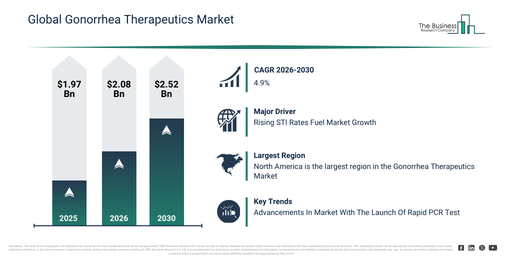
    The gonorrhea therapeutics market has seen robust expansion over recent years. Its valuation is anticipated to climb from $1.97 billion in 2025 to $2.08 billion in 2026, reflecting a compound annual growth rate (CAGR) of 5.2%. The contributing factors to this past growth include the worldwide prevalence of STIs, the availability of antibiotics, various public health initiatives, established protocols for hospital infection treatment, and the increasing reach of diagnostic laboratories.

    The market size for gonorrhea therapeutics is anticipated to experience consistent expansion over the upcoming years. It is projected to climb to $2.52 billion in 2030, demonstrating a compound annual growth rate (CAGR) of 4.9%. This expansion during the forecast period can be attributed to drug innovation driven by resistance, an uptick in sexual health screenings, public health funding, the development of novel antibiotics, and telehealth STI management. Significant trends within the forecast period encompass heightened monitoring of antibiotic resistance, increased application of combination antibiotic therapy, the broadening of STI screening programs, a rise in public health awareness campaigns, and the adoption of improved diagnostic testing.

    Get A Free Sample Report With In-Depth Market Insights:

    https://thebusinessresearchcompany.com/sample_request?id=20422520&type=smp&name=Gonorrhea%20Therapeutics%20Market%20Report%202026&utm_source=Blogs&utm_medium=Paid&utm_campaign=Nov_PR

    Gonorrhea Therapeutics Market Growth Factors Behind Sustained Expansion

    The anticipated expansion of the gonorrhea therapeutics market is largely driven by the rising incidence of sexually transmitted infections. A sexually transmitted infection (STI) refers to an infection spread via sexual activity, caused by agents such as bacteria, viruses, or parasites. Various factors contribute to the surge in STIs, including engaging in unprotected sex, insufficient public awareness or education, an uptick in the number of sexual partners, decreased condom usage, and a delay or inadequacy in testing and treatment procedures. Gonorrhea therapeutics are employed in treating sexually transmitted infections by specifically targeting the Neisseria gonorrhoeae bacteria, thereby averting potential complications and further transmission. An illustration of this trend is a June 2024 report from the National Institute for Public Health and the Environment, a government body in the Netherlands, which noted a substantial year-over-year rise in diagnosed gonorrhea cases at SHCs, climbing from 10,600 in 2022 to 13,853 in 2023, representing a 31% increase. Consequently, the growing prevalence of sexually transmitted infections is fueling the expansion of the gonorrhea therapeutics market.

    Gonorrhea Therapeutics Market Breakdown By Product Type And Application

    The gonorrhea therapeutics market covered in this report is segmented –

    1) By Therapeutic Class: Antibiotics, Combination Therapy

    2) By Route Of Administration: Oral, Intravenous, Intramuscular

    3) By Age Group: Pediatric, Adult, Geriatric

    4) By Distribution Channel: Hospital Pharmacies, Retail Pharmacies, Online Pharmacies

    5) By End User: Hospitals, Clinics, Home Care

    Subsegments:

    1) By Antibiotics: Beta-lactams, Macrolides, Fluoroquinolones, Aminoglycosides

    2) By Combination Therapy: Dual Antibiotic Therapy, Triple Antibiotic Therapy

    Gonorrhea Therapeutics Market Strategic Trends: What Defines The Next Growth Phase?

    Leading companies operating within the gonorrhea therapeutics market are engaged in developing innovative products, such as rapid polymerase chain reaction (PCR) tests, to ensure swift, precise detection of pathogens and their characteristics, including antibiotic resistance, at the point of care. A rapid polymerase chain reaction (PCR) test functions as a diagnostic method that quickly amplifies and identifies specific DNA or RNA sequences, enabling fast recognition of pathogens or genetic material. For instance, in February 2024, Visby Medical, Inc., a US-based medical technology company, launched a gonorrhea test that incorporates an antimicrobial resistance check. This rapid diagnostic test is engineered to detect the presence of Neisseria gonorrhoeae, the bacterium responsible for gonorrhea, and evaluate its susceptibility to ciprofloxacin, an antibiotic to which some gonorrhea strains have developed resistance. The test is integrated into a portable, instrument-free PCR platform, facilitating immediate testing at the point of care. Its development was supported by funding from the US non-profit organization CARB-X, and the company intends to expand the test to include the detection of other sexually transmitted infections, such as Chlamydia trachomatis and Trichomonas vaginalis, in men.

    Gonorrhea Therapeutics Market Company Landscape And Competitive Strategy

    Major companies operating in the gonorrhea therapeutics market are Pfizer Inc., F Hoffmann La Roche Ltd, GlaxoSmithKline plc, Aurobindo Pharma Limited, Melinta Therapeutics LLC, VenatoRx Pharmaceuticals Inc., Recce Pharmaceuticals Ltd., Therapyx Inc., Entasis Therapeutics Inc., Apotex Inc., Summit Therapeutics Inc., Merck Co Inc, AstraZeneca plc, Takeda Pharmaceutical Company Limited, Novartis AG, Sanofi S A, Bayer AG, Nobelex Biotech, Evofem Biosciences Inc., NextGen Pharma

    View The Full Gonorrhea Therapeutics Market Report:

    https://thebusinessresearchcompany.com/report/gonorrhea-therapeutics-global-market-report?utm_source=Blogs&utm_medium=Paid&utm_campaign=Nov_PR

    Gonorrhea Therapeutics Market Global Footprint: Which Region Leads The Market?

    North America was the largest region in the gonorrhea therapeutics market in 2025. Asia-Pacific is expected to be the fastest-growing region in the forecast period. The regions covered in the gonorrhea therapeutics market report are Asia-Pacific, South East Asia, Western Europe, Eastern Europe, North America, South America, Middle East, Africa.

    Reach Out To Our Team:

    The Business Research Company: https://www.thebusinessresearchcompany.com/

    Americas: +1 310-496-7795

    Asia: +44 7882 955267 & +91 8897263534

    Europe: +44 7882 955267

    Email us at: marketing@tbrc.info

    Follow us on:

    LinkedIn: https://in.linkedin.com/company/the-business-research-company

    YouTube: https://www.youtube.com/channel/UC24_fI0rV8cR5DxlCpgmyFQ

    Global Market Model: https://www.thebusinessresearchcompany.com/global-market-model
  • Gonadotropin-Releasing Hormone (GnRH) Agonist Market Analysis: Understanding The Drivers Behind 2.5% CAGR Through 2030 Growth

    Gonadotropin-Releasing Hormone (GnRH) Agonist Market Analysis: Understanding The Drivers Behind 2.5% CAGR Through 2030 Growth

    Built to provide research that’s more actionable and strategically valuable, The Business Research Company’s 2026 market reports include market attractiveness analysis, total addressable market sizing, company benchmarking matrices, interactive Excel dashboards, broader supply chain intelligence, emerging startup tracking, and in-depth product insights.

    Gonadotropin-Releasing Hormone (GnRH) Agonist Market Size, Value And Growth Trajectory Through 2030

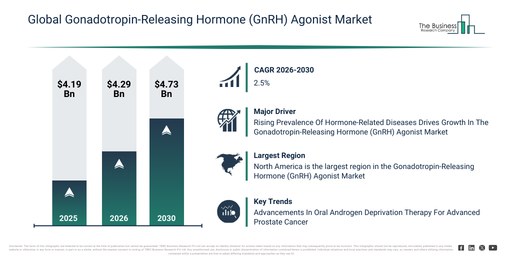
    The gonadotropin-releasing hormone (gnrh) agonist market size has demonstrated consistent expansion in recent years. It is anticipated to increase from $4.19 billion in 2025 to $4.29 billion in 2026, achieving a compound annual growth rate (CAGR) of 2.4%. This historical growth can be linked to the rise in IVF procedures, the adoption of prostate cancer treatments, ongoing developments in hormone therapy, the enlargement of hospital endocrinology services, and innovations in injectable drug formulations.

    The gonadotropin-releasing hormone (gnrh) agonist market is anticipated to exhibit steady expansion in the coming years. This market is predicted to reach $4.73 billion by 2030, demonstrating a compound annual growth rate (CAGR) of 2.5%. This anticipated growth during the forecast period is due to factors such as an increase in infertility rates, a greater need for oncology treatments, advancements in long-acting implant development, enhanced access to reproductive healthcare, and the expansion of specialty clinics. Key developments expected within this period encompass a rise in their application for fertility treatments, broader use in hormone-dependent cancers, the development of more long-acting drug formulations, increasing demand for assisted reproductive technologies, and better management of hormonal disorders.

    Get A Free Sample Report With In-Depth Market Insights:

    https://thebusinessresearchcompany.com/sample_request?id=42614678&type=smp&name=Gonadotropin-Releasing%20Hormone%20%28GnRH%29%20Agonist%20Market%20Report%202026&utm_source=Blogs&utm_medium=Paid&utm_campaign=Nov_PR

    Gonadotropin-Releasing Hormone (GnRH) Agonist Market Demand Drivers Opening New Revenue Streams

    The rising incidence of hormone-related conditions is anticipated to fuel the expansion of the gonadotropin-releasing hormone (GnRH) agonist market in the coming years. These medical disorders stem from imbalances or dysfunctions within the endocrine system, which is responsible for producing and regulating hormones. Such conditions include diabetes, hyperthyroidism, and prostate cancer, with their increasing occurrence attributed to environmental factors, obesity, metabolic syndrome, genetics, and an aging population. Gonadotropin-releasing hormone (GnRH) agonists are crucial for carefully managing hormone levels and providing a tailored approach to treating issues linked to hormonal imbalances and dependent diseases. A notable example is from June 2024, when the National Health Service, a UK-based government department, reported that in 2023, the NHS identified over half a million (549,000) new individuals in England at risk of developing type 2 diabetes. This brought the total number of people with non-diabetic hyperglycemia, or pre-diabetes, registered with a GP to 3,615,330, a significant increase compared to 3,065,825 in 2022, representing a rise of nearly 20%. Therefore, the growing prevalence of hormone-related diseases is a key driver for the gonadotropin-releasing hormone (GnRH) agonist market.

    Gonadotropin-Releasing Hormone (GnRH) Agonist Market Segment Analysis And Revenue Potential

    The gonadotropin-releasing hormone (gnrh) agonist market covered in this report is segmented –

    1) By Type: Leuprorelin, Goserelin, Taltirelin, Histrelin, Other Types

    2) By Formulation: Injectable, Implants, Oral, Nasal Sprays

    3) By Distribution Channel: Hospital Pharmacies, Retail Pharmacies, Online Pharmacies

    4) By Application: Prostate Cancer, Breast Cancer, Endometriosis, Uterine Fibroids, Precocious Puberty, Fertility Treatment, Other Applications

    5) By End-User: Hospital, Specialty Clinics, Ambulatory Surgical Centers (ASCs), Other End-Users

    Subsegments:

    1) By Leuprorelin: Injectable Leuprorelin, Implantable Leuprorelin

    2) By Goserelin: Goserelin Injection, Goserelin Implant

    3) By Taltirelin: Injectable Taltirelin, Oral Taltirelin

    4) By Histrelin: Histrelin Implant, Histrelin Injection

    5) By Other Type: Triptorelin, Buserelin, Nafarelin

    Gonadotropin-Releasing Hormone (GnRH) Agonist Market Transformation Trends: What Innovations Are Driving Change?

    Leading companies within the gonadotropin-releasing hormone (GnRH) agonist market are innovating advanced androgen deprivation therapy drugs, aiming to improve the efficacy and accuracy of treatment for hormone-sensitive cancers. These androgen deprivation therapy (ADT) drugs, which encompass gonadotropin-releasing hormone (GnRH) analogs, function by lowering or removing androgen levels, thereby decelerating or stopping the proliferation of hormone-sensitive cancers. A notable example is Zydus Lifesciences Limited, an India-based pharmaceutical firm, which introduced Relugolix as Rexigo in January 2024. This product marks India’s inaugural and sole once-daily oral treatment designed for testosterone suppression in cases of advanced prostate cancer, thereby removing the necessity for injectable therapies. This user-friendly oral alternative contains Relugolix, an active ingredient acknowledged globally for its ability to provide quick testosterone suppression. Furthermore, Rexigo is priced 50% more affordably than the currently available injectable treatments for advanced prostate cancer in India. Its launch signifies a significant stride forward in prostate cancer management, presenting a secure, potent, and easy-to-use treatment option for both patients and medical professionals.

    Gonadotropin-Releasing Hormone (GnRH) Agonist Market Key Players Shaping Industry Direction

    Major companies operating in the gonadotropin-releasing hormone (gnrh) agonist market are Pfizer Inc., AbbVie Inc., Takeda Pharmaceutical Company Limited, Sandoz Group AG, Ipsen Pharma, Aurobindo Pharma Limited, Cipla Limited, Dr Reddy’s Laboratories Ltd., Intas Pharmaceuticals Ltd., Ferring Pharmaceuticals, Amneal Pharmaceuticals Inc., Endo International plc, Lupin Limited, Gland Pharma Limited, Glenmark Pharmaceuticals Ltd., Zydus Lifesciences Limited, Sun Pharmaceutical Industries Ltd., AstraZeneca plc, Merck KGaA, Sumitomo Pharma Co Ltd, Gedeon Richter Plc, Myovant Sciences Ltd

    View The Full Gonadotropin-Releasing Hormone (GnRH) Agonist Market Report:

    https://thebusinessresearchcompany.com/report/gonadotropin-releasing-hormone-gnrh-agonist-global-market-report?utm_source=Blogs&utm_medium=Paid&utm_campaign=Nov_PR

    Gonadotropin-Releasing Hormone (GnRH) Agonist Market Regional Split: Which Areas Are Fueling Growth?

    North America was the largest region in the gonadotropin-releasing hormone (GnRH) agonist market in 2025. The regions covered in the gonadotropin-releasing hormone (gnrh) agonist market report are Asia-Pacific, South East Asia, Western Europe, Eastern Europe, North America, South America, Middle East, Africa.

    Reach Out To Our Team:

    The Business Research Company: https://www.thebusinessresearchcompany.com/

    Americas: +1 310-496-7795

    Asia: +44 7882 955267 & +91 8897263534

    Europe: +44 7882 955267

    Email us at: marketing@tbrc.info

    Follow us on:

    LinkedIn: https://in.linkedin.com/company/the-business-research-company

    YouTube: https://www.youtube.com/channel/UC24_fI0rV8cR5DxlCpgmyFQ

    Global Market Model: https://www.thebusinessresearchcompany.com/global-market-model
  • GM1 Gangliosidosis Market Growth To $0.96 Billion By 2030: What’s Driving The Expansion?

    GM1 Gangliosidosis Market Growth To $0.96 Billion By 2030: What’s Driving The Expansion?

    Backed by market attractiveness analysis, total addressable market sizing, company benchmarking matrices, interactive Excel dashboards, wider supply chain intelligence, emerging startup coverage, and detailed product-level insights, The Business Research Company’s 2026 market reports are designed to offer research that is more actionable and strategically valuable than ever.

    GM1 Gangliosidosis Market CAGR Outlook And Future Development

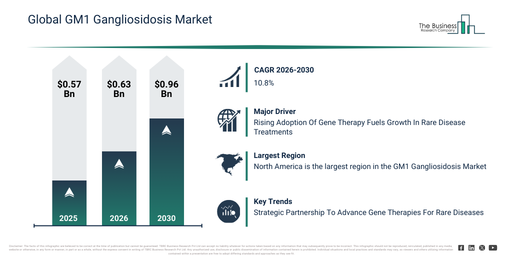
    The gm1 gangliosidosis market has seen substantial growth over recent years. Projections indicate its value will increase from $0.57 billion in 2025 to $0.63 billion by 2026, reflecting a compound annual growth rate (CAGR) of 11.1%. Historically, this expansion has been driven by factors such as rare disease research initiatives, the identification of enzyme deficiencies, improvements in genetic diagnostics, hospital-based pediatric care, and initial clinical studies.

    The market for gm1 gangliosidosis is projected to experience substantial expansion in the coming years. It is forecast to reach $0.96 billion by 2030, demonstrating a compound annual growth rate (CAGR) of 10.8%. This growth in the forecast period can be attributed to advancements in the gene therapy pipeline, incentives for orphan drugs, enhanced diagnostic screening, a rise in patient advocacy efforts, and an expansion of biotechnology funding. Major trends anticipated during this period include a heightened focus on rare disease drug development, increased research in gene therapy, a broader application of enzyme replacement therapies, the expansion of newborn genetic screening programs, and increased clinical trial activity.

    Get A Free Sample Report With In-Depth Market Insights:

    https://thebusinessresearchcompany.com/sample_request?id=26787721&type=smp&name=GM1%20Gangliosidosis%20Market%20Report%202026&utm_source=Blogs&utm_medium=Paid&utm_campaign=Nov_PR

    GM1 Gangliosidosis Market Growth Backed By Core Demand Fundamentals

    The rising integration of gene therapy is projected to boost the expansion of the GM1 gangliosidosis market in the future. This therapeutic approach modifies or substitutes genes within human cells to address or avert illnesses. The broader acceptance of gene therapy stems from progress in genetic studies, better results for conditions that were once untreatable, and increasing backing from regulators for new treatments. Specifically for GM1 gangliosidosis, gene therapy entails introducing a working version of the faulty GLB1 gene into patient cells to reactivate ß-galactosidase enzyme and lessen the accumulation of harmful substances. As an example, in January 2024, data from the American Society of Gene & Cell Therapy, a US-based organization focused on gene and cell therapy, indicated that the count of gene therapies in Phase III trials experienced a 10% rise in Q4 2023 relative to the prior quarter, marking its initial surge since Q3 2022. Consequently, the expanding use of gene therapy is propelling the growth of the GM1 gangliosidosis market.

    GM1 Gangliosidosis Market Segmentation And Category Overview

    The gm1 gangliosidosis market covered in this report is segmented –

    1) By Disease Type: Type 1 GM1 Gangliosidosis, Type 2 GMT Gangliosidosis, Type 3 GMT Gangliosidosis

    2) By Treatment: Anticonvulsants, Bone Marrow Transplantation, Cord-Blood Hematopoietic Stem-Cell Transplantation, Enzyme Replacement, Gene Therapy

    3) By End-User: Research Institutes, Hospitals, Other End-Users

    Subsegments:

    1) By Type 1 GM1 Gangliosidosis: Classic Infantile Onset, Atypical Infantile Onset

    2) By Type 2 GM1 Gangliosidosis: Classic Juvenile Onset, Atypical Juvenile Onset

    3) By Type 3 GM1 Gangliosidosis: Classic Adult Onset, Atypical Adult Onset

    #GM1 Gangliosidosis Market Growth Trends: What’s Shaping The Future Outlook?

    Leading companies in the GM1 gangliosidosis market are concentrating on strategic alliances to preserve their position. These collaborations are essential for fostering gene therapy progress, as they unite expertise, resources, and technologies to accelerate discovery, clinical trials, and market introduction. For example, in October 2024, GEMMA Biotherapeutics Inc., a US-based biotechnology company, joined forces with Oswaldo Cruz Foundation (Fiocruz), a Brazil-based health research institution, to advance gene therapies for rare conditions, including GM1 gangliosidosis. This arrangement includes up to $100 million in funding from Fiocruz for clinical investigation and manufacturing, intended to make these cutting-edge therapies available via Brazil’s public healthcare system. The partnership underscores technology transfer and seeks to universalize access to treatments that were historically confined to higher-income demographics.

    GM1 Gangliosidosis Market Competitive Analysis Of Leading Industry Participants

    Major companies operating in the gm1 gangliosidosis market are Pfizer Inc, Sanofi S A, Novartis AG, Takeda Pharmaceutical Company Limited, Sarepta Therapeutics Inc, CRISPR Therapeutics AG, REGENXBIO Inc, Passage Bio Inc, Orchard Therapeutics plc, AVROBIO Inc, uniQure N V, Lysogene S A, Sio Gene Therapies Inc, bluebird bio Inc, Axovant Gene Therapies Ltd, Lysosomal Therapeutics Inc, Encoded Therapeutics Inc, Abeona Therapeutics Inc, JCR Pharmaceuticals Co Ltd, Sangamo Therapeutics Inc

    View The Full GM1 Gangliosidosis Market Report:

    https://thebusinessresearchcompany.com/report/gm1-gangliosidosis-global-market-report?utm_source=Blogs&utm_medium=Paid&utm_campaign=Nov_PR

    GM1 Gangliosidosis Market Top Region: Where Does Most Revenue Come From?

    North America was the largest region in the GM1 gangliosidosis market in 2025. The regions covered in the gm1 gangliosidosis market report are Asia-Pacific, South East Asia, Western Europe, Eastern Europe, North America, South America, Middle East, Africa.

    Reach Out To Our Team:

    The Business Research Company: https://www.thebusinessresearchcompany.com/

    Americas: +1 310-496-7795

    Asia: +44 7882 955267 & +91 8897263534

    Europe: +44 7882 955267

    Email us at: marketing@tbrc.info

    Follow us on:

    LinkedIn: https://in.linkedin.com/company/the-business-research-company

    YouTube: https://www.youtube.com/channel/UC24_fI0rV8cR5DxlCpgmyFQ

    Global Market Model: https://www.thebusinessresearchcompany.com/global-market-model
  • Glycomics or Glycobiology Market Trends Reshaping Industry Growth Through 2030

    Glycomics or Glycobiology Market Trends Reshaping Industry Growth Through 2030

    Featuring market attractiveness scoring, total addressable market sizing, company benchmarking matrices, interactive Excel dashboards, deeper supply chain intelligence, emerging startup tracking, and granular product-level insights, The Business Research Company’s 2026 market reports are built to deliver research that is both more actionable and more strategically valuable.

    Glycomics or Glycobiology Market Set To Climb From $2.49 Billion In 2026 To $4.66 Billion By 2030

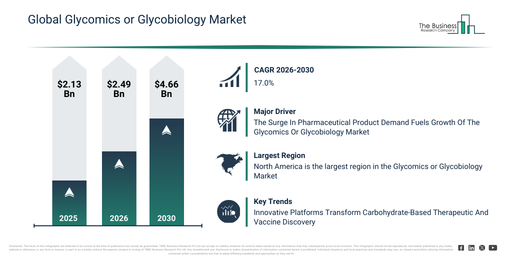
    The glycomics or glycobiology market size has seen rapid expansion in recent years. This market is anticipated to increase from $2.13 billion in 2025 to $2.49 billion in 2026, achieving a compound annual growth rate (CAGR) of 17.1%. The historical growth of this market can be linked to improvements in carbohydrate chemistry, the expansion of life sciences research, increased academic research funding, early efforts in biomolecule characterization, and the development of new analytical instruments.

    The glycomics or glycobiology market is projected to experience substantial expansion in the coming years, with its size anticipated to reach $4.66 billion by 2030, driven by a compound annual growth rate (CAGR) of 17.0%. This significant growth during the forecast period is primarily attributed to the broadening scope of precision medicine, increased investments in pharmaceutical research and development, a rising demand for biomarker discovery, technological advancements in mass spectrometry, and an escalation in translational research efforts. Concurrently, major trends expected during this period include the wider application of glycan-based biological research, enhanced utilization of glycomics in drug discovery, a growing requirement for sophisticated glycan analysis tools, the progressive incorporation of glycobiology into diagnostics, and a surge in cooperative ventures between academic institutions and industry.

    Get A Free Sample Report With In-Depth Market Insights:

    https://thebusinessresearchcompany.com/sample_request?id=81208628&type=smp&name=Glycomics%20or%20Glycobiology%20Market%20Report%202026&utm_source=Blogs&utm_medium=Paid&utm_campaign=Nov_PR

    Glycomics or Glycobiology Market Growth Catalysts And Demand Drivers

    The escalating need for pharmaceutical goods is projected to fuel the expansion of the glycomics or glycobiology market in the future. Pharmaceutical items denote drugs or medicines specifically created to diagnose, avert, treat, or alleviate illnesses or health issues in humans or animals. Glycomics and glycobiology play a crucial role in pharmaceutical progress by offering understanding into disease processes, pinpointing therapeutic objectives, and refining the formulation and effectiveness of medications for various medical ailments. As an illustration, in February 2024, the US-based non-profit, Personalized Medicine Coalition, reported that in 2023, the FDA sanctioned 16 novel personalized therapies for patients with rare diseases, a significant rise from six in 2022. Among these newly approved personalized treatments for 2023 were also seven drugs for cancer and three for other conditions and diseases. Consequently, the rising requirement for pharmaceutical products is propelling the growth of the glycomics or glycobiology market.

    Glycomics or Glycobiology Market Segment Outlook: Which Categories Are Growing Fastest?

    The glycomics or glycobiology market covered in this report is segmented –

    1) By Product: Enzymes, Kits, Reagents And Chemicals, Instruments, Carbohydrates

    2) By Application: Drug Discovery And Development, Disease Diagnostics, Other Applications

    3) By End-User: Academic Research Institutes, Pharmaceutical And Biotechnology Companies, Clinical Laboratories

    Subsegments:

    1) By Enzymes: Glycosidases, Glycosyltransferases, Sialidases

    2) By Kits: Glycan Analysis Kits, Glycobiology Research Kits

    3) By Reagents And Chemicals: Monosaccharides, Oligosaccharides, Chemical Modifiers

    4) By Instruments: Mass Spectrometers, Chromatography Systems, Imaging Systems

    5) By Carbohydrates: Natural Carbohydrates, Synthetic Carbohydrates

    Glycomics or Glycobiology Market Industry Trends: What’s Reshaping Demand?

    Major companies operating in the glycobiology market are concentrating on developing innovative solutions, such as glycan-display platforms, to accelerate the discovery of carbohydrate-based therapeutics and vaccines. Glycan-display platforms are technologies that present diverse sugar molecules (glycans) on surfaces or scaffolds to study their interactions with proteins, cells, or pathogens for drug and vaccine development. For instance, in October 2024, CD BioGlyco, a US-based biotechnology company, introduced its Glycan Display Platform. This advanced, integrated glycan-display technology provides multiple modalities, including traditional glycan arrays, cell-based glycan display, neoglycolipid (NGL) display, liquid glycan arrays (LiGA), glyco-phage display, and de novo glycan display, supporting a wide range of glycobiology research applications such as drug discovery and glycan-protein interaction studies. This platform utilizes synthesized or natural glycans, immobilizing or presenting them on carriers like lipids, phage particles, or engineered cells, enabling researchers to explore glycan binding properties under various contexts, for example, fluid versus immobilized or monovalent versus multivalent. Such capabilities facilitate high-throughput screening, fine-tuned control over glycan density or presentation format, and offer greater physiological relevance compared to traditional glycan microarrays, which typically immobilize glycans on rigid surfaces.

    Glycomics or Glycobiology Market Leading Companies And Competitive Benchmarking

    Major companies operating in the glycomics or glycobiology market are Aligent Technologies Inc., Bruker Corporation, Merck Co. & KgaA, New England Biolabs Inc., Danaher Corporation, Shimadzu Corporation, ProZyme Inc., Takara Bio Inc., Asparia Glycomics SL, Lectenz Bio, Chemily Glycoscience LLC, Z Biotech LLC, RayBiotech Inc., Thermo Fisher Scientific Inc., Promega Corporation, Bio-Techne Corp., AMS Bio LLC, Ludger Ltd., CD BioGlyco Ltd., GlycoDiag SAS, Kode Biotech Limited, Glyxera GmBH, Glycomix Ltd., R&D Systems Inc.

    View The Full Glycomics or Glycobiology Market Report:

    https://thebusinessresearchcompany.com/report/glycomics-or-glycobiology-global-market-report?utm_source=Blogs&utm_medium=Paid&utm_campaign=Nov_PR

    Glycomics or Glycobiology Market Regional Breakdown: Where Is Demand Concentrated?

    North America was the largest region in the glycomics or glycobiology market share in 2025. Asia-Pacific is expected to be the fastest-growing region in the forecast period. The regions covered in the glycomics or glycobiology market report are Asia-Pacific, South East Asia, Western Europe, Eastern Europe, North America, South America, Middle East, Africa.

    Reach Out To Our Team:

    The Business Research Company: https://www.thebusinessresearchcompany.com/

    Americas: +1 310-496-7795

    Asia: +44 7882 955267 & +91 8897263534

    Europe: +44 7882 955267

    Email us at: marketing@tbrc.info

    Follow us on:

    LinkedIn: https://in.linkedin.com/company/the-business-research-company

    YouTube: https://www.youtube.com/channel/UC24_fI0rV8cR5DxlCpgmyFQ

    Global Market Model: https://www.thebusinessresearchcompany.com/global-market-model
  • Glycomic Therapeutics Market Growth To $424.67 Billion Creates New Opportunities Across The Industry

    Glycomic Therapeutics Market Growth To $424.67 Billion Creates New Opportunities Across The Industry

    Built to provide research that’s more actionable and strategically valuable, The Business Research Company’s 2026 market reports include market attractiveness analysis, total addressable market sizing, company benchmarking matrices, interactive Excel dashboards, broader supply chain intelligence, emerging startup tracking, and in-depth product insights.

    Glycomic Therapeutics Market Forecast: Value Set To Climb From $221.98 Billion To $424.67 Billion

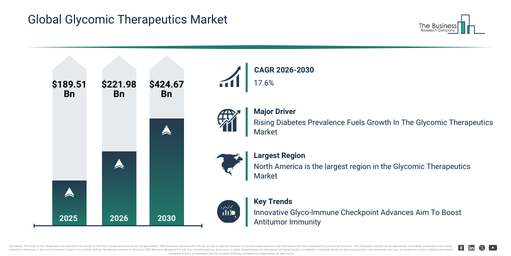
    The glycomic therapeutics market has experienced substantial expansion in recent years. Its size is anticipated to grow from $189.51 billion in 2025 to $221.98 billion in 2026, reflecting a compound annual growth rate (CAGR) of 17.1%. This historical growth can be attributed to several factors, including advancements in glycobiology research, the development of enzyme therapy, approvals for rare disease drugs, increased academic research funding, and the expansion of biologics manufacturing.

    The glycomic therapeutics market size is anticipated to undergo significant growth over the next few years. It is projected to expand to $424.67 billion by 2030, demonstrating a compound annual growth rate (CAGR) of 17.6%. This expansion within the forecast period can be linked to the adoption of precision medicine, the discovery of glycan biomarkers, the enlargement of orphan drug pipelines, innovation in synthetic biology, and increased pharmaceutical research investment. Prominent trends for the forecast period include the broadening of glycan-based drug development, a rising focus on immune modulation therapies, the greater utilization of enzyme replacement therapies, escalating research efforts into rare and metabolic diseases, and the advancement of synthetic glycan technologies.

    Get A Free Sample Report With In-Depth Market Insights:

    https://thebusinessresearchcompany.com/sample_request?id=49213109&type=smp&name=Glycomic%20Therapeutics%20Market%20Report%202026&utm_source=Blogs&utm_medium=Paid&utm_campaign=Nov_PR

    Glycomic Therapeutics Market Opportunity Drivers: What’s Unlocking New Revenue Potential?

    The increasing incidence of diabetes is anticipated to propel the expansion of the glycomic therapeutics market. Diabetes is a persistent health condition that impairs the body’s capacity to regulate blood sugar (glucose) levels. Within the context of diabetes, alterations in glycans have been observed, which can contribute to insulin resistance and other metabolic irregularities. Specific glycan patterns function as biomarkers for the diagnosis of diabetes, predicting its progression, and monitoring responses to treatment. For instance, in March 2025, according to GOV.UK, a UK-based non-profit government organization, the prevalence of type 2 diabetes recorded by GPs in adults was 7.0% for those aged 17 and over in England at March 2024, which represented an increase from 6.8% at March 2023. Therefore, the rise in the prevalence of diabetes is stimulating the growth of the glycomic therapeutics market.

    Glycomic Therapeutics Market Segment Landscape: Which Areas Lead Development?

    The glycomic therapeutics market covered in this report is segmented –

    1) By Class: Isolated, Synthetic

    2) By Structures: Glycoproteins, Targeting Sialic Acid, Proteoglycans, Targeting Glycosaminoglycans, Glycosylphosphatidylinositol (GPI)-Anchored Proteins And Heparin Based Glycans, Targeting Glycosphingolipids, Other Structures

    3) By Mode Of Action: Inhibits Neuraminidase, Inhibits Heparanase And Selectins And Blocks Interactions Between Growth Factors And Heparan Sulfate, Erythropoietin And Enzyme Replacement Therapy (ERT), Tissue Plasminogen Activator, Inhibits Glucosylceramide Synthase, Interleukin 1, 2 And 3, Beta And Gamma Interferons, Other Mode Of Action

    4) By Indications: Thrombosis And Chemoprophylaxis, Anemia, Anti-Adhesive And Anti-Inflammatory, Cataracts, Gaucher’s Disease, Mps-1 And IV, Cancer, Alzheimer’s Disease, Influenza Type A And B, Other Indications

    Subsegments:

    1) By Isolated: Natural Glycans, Glycan Derivatives, Glycoproteins

    2) By Synthetic: Chemically Synthesized Glycans, Recombinant Glycans, Glycopeptides

    Glycomic Therapeutics Market Innovation Trends: What Developments Are Reshaping The Industry?

    Companies operating in the glycomic therapeutics market are concentrating on developing innovative solutions, such as glyco-immune checkpoint inhibitors, to overcome tumor immune evasion and enhance treatment efficacy. Glyco-immune checkpoint inhibitors are therapies designed to block immunosuppressive sugar molecules on cancer cells, helping the immune system better recognize and attack tumors. For instance, in June 2023, Palleon Pharmaceuticals Inc., a US-based biopharmaceutical company, announced that the first patient was dosed in the combination therapy cohort of the Phase 1/2 GLIMMER-01 clinical trial, evaluating their lead glyco-immunology candidate E-602 in combination with cemiplimab (Libtayo®) in patients with advanced cancers. This trial studies E-602 both as a monotherapy and combined with cemiplimab to assess safety, pharmacodynamics, and antitumor activity. E-602 is a first-in-class glyco-immune checkpoint inhibitor designed to enzymatically degrade immunosuppressive sialoglycans on tumor and immune cells, aiming to restore antitumor immunity.

    Glycomic Therapeutics Market Industry Leaders And Competitive Landscape

    Major companies operating in the glycomic therapeutics market are F Hoffmann-La Roche Ltd., Sanofi SA, Thermo Fisher Scientific Inc., GlaxoSmithKline plc, Merck KGaA, Agilent Technologies Inc., AMS Bio, Shimadzu Corporation, Waters Corporation, Bruker Corporation, BioMarin Pharmaceutical Inc., Bio Techne Corp., Halozyme Therapeutics Inc., Takara Bio Inc., Vector Laboratories, New England Biolabs Inc., Protalix Biotherapeutics Inc., Genovis AB, Ludger Ltd, GlycoMar Limited

    View The Full Glycomic Therapeutics Market Report:

    https://thebusinessresearchcompany.com/report/glycomic-therapeutics-global-market-report?utm_source=Blogs&utm_medium=Paid&utm_campaign=Nov_PR

    Glycomic Therapeutics Market Geographic Landscape: Which Region Leads Industry Growth?

    North America was the largest region in the glycomic therapeutics in 2025. Asia-Pacific is expected to be the fastest-growing region in the forecast period. The regions covered in the glycomic therapeutics market report are Asia-Pacific, South East Asia, Western Europe, Eastern Europe, North America, South America, Middle East, Africa.

    Reach Out To Our Team:

    The Business Research Company: https://www.thebusinessresearchcompany.com/

    Americas: +1 310-496-7795

    Asia: +44 7882 955267 & +91 8897263534

    Europe: +44 7882 955267

    Email us at: marketing@tbrc.info

    Follow us on:

    LinkedIn: https://in.linkedin.com/company/the-business-research-company

    YouTube: https://www.youtube.com/channel/UC24_fI0rV8cR5DxlCpgmyFQ

    Global Market Model: https://www.thebusinessresearchcompany.com/global-market-model
  • Glucagon-Like Peptide (GLP)-1 Agonists Weight Loss Drugs Market Forecast: Breaking Down The Numbers Behind Future Expansion

    Glucagon-Like Peptide (GLP)-1 Agonists Weight Loss Drugs Market Forecast: Breaking Down The Numbers Behind Future Expansion

    Backed by market attractiveness analysis, total addressable market sizing, company benchmarking matrices, interactive Excel dashboards, wider supply chain intelligence, emerging startup coverage, and detailed product-level insights, The Business Research Company’s 2026 market reports are designed to offer research that is more actionable and strategically valuable than ever.

    Glucagon-Like Peptide (GLP)-1 Agonists Weight Loss Drugs Market Revenue Growth On Track For A 16.2% CAGR Through 2030

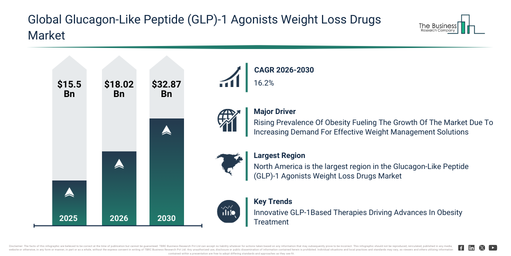
    The market size for glucagon-like peptide (glp)-1 agonists weight loss drugs has experienced rapid expansion in recent years. Projections indicate it will expand from $15.5 billion in 2025 to $18.02 billion in 2026, demonstrating a compound annual growth rate (CAGR) of 16.3%. This historical growth is largely due to factors such as rising obesity prevalence, diabetes drug innovation, the burden of lifestyle diseases, early glp-1 diabetes use, and various healthcare awareness campaigns.

    The market for glucagon-like peptide (glp)-1 agonists weight loss drugs is projected to experience swift expansion over the coming years, reaching a valuation of $32.87 billion by 2030, demonstrating a compound annual growth rate (CAGR) of 16.2%. This anticipated growth during the forecast period is primarily driven by factors such as the approval of novel glp-1 medications, the broadening of obesity clinic networks, enhanced insurance coverage, a greater emphasis on sustained weight management, and increasing worldwide obesity prevalence. Key trends identified for the forecast period encompass a surging demand for drug-based weight management solutions, an uptick in the utilization of injectable weight loss medications, the expanding application of glp-1 therapies for conditions other than diabetes, the enlargement of obesity treatment initiatives, and better patient compliance with extended therapeutic regimens.

    Get A Free Sample Report With In-Depth Market Insights:

    https://thebusinessresearchcompany.com/sample_request?id=70080861&type=smp&name=Glucagon-Like%20Peptide%20%28GLP%29-1%20Agonists%20Weight%20Loss%20Drugs%20Market%20Report%202026&utm_source=Blogs&utm_medium=Paid&utm_campaign=Nov_PR

    Glucagon-Like Peptide (GLP)-1 Agonists Weight Loss Drugs Market Growth Momentum: What Factors Are Shaping Demand?

    The increasing incidence of obesity is anticipated to drive the expansion of the glucagon-like peptide (GLP)-1 agonist weight loss drugs market in the future. This medical condition is defined by the dangerous accumulation of excess body fat, posing significant health risks. The rise in obesity rates primarily stems from poor dietary choices, including higher consumption of fast food and sugary beverages, which often lack essential nutrients and balance. As a growing number of individuals are affected by obesity and its associated health issues, the demand for effective treatment options is escalating. This, in turn, boosts the adoption of glucagon-like peptide (GLP)-1 agonist weight loss drugs due to their demonstrated efficacy in promoting weight loss and improving metabolic well-being. For instance, data released in May 2025 by the Office for Health Improvement and Disparities, a UK government entity, revealed that from 2023 to 2024, approximately 64.5% of adults aged 18 and over in England were classified as overweight or obese, marking an increase from 64.0% observed in the period of 2022 to 2023. Consequently, the expanding prevalence of obesity is a key factor propelling the growth of the glucagon-like peptide (GLP)-1 agonist weight loss drugs market.

    Glucagon-Like Peptide (GLP)-1 Agonists Weight Loss Drugs Market Segments: Where Is Growth Concentrated?

    The glucagon-like peptide (glp)-1 agonists weight loss drugs market covered in this report is segmented –

    1) By Drugs: Semaglutide, Liraglutide, Tirzepatide, Other Drugs

    2) By Route of Administration: Parenteral, Oral

    3) By Distribution Channel: Hospital Pharmacies, Retail Pharmacies, Other Pharmacies

    Subsegments:

    1) By Semaglutide: Ozempic, Wegovy, Rybelsus

    2) By Liraglutide: Saxenda, Victoza

    3) By Tirzepatide: Mounjaro, Zepbound

    4) By Other Drugs: Exenatide, Dulaglutide, Albiglutide, Efpeglenatide

    Glucagon-Like Peptide (GLP)-1 Agonists Weight Loss Drugs Market Trends: What’s Defining The Industry’s Next Phase?

    Leading companies in the glucagon-like peptide (GLP)-1 agonist weight loss drugs market are creating innovative obesity treatment solutions designed to boost their efficacy and improve patient outcomes. These obesity treatment solutions are therapies engineered to mimic the GLP-1 hormone, thereby managing appetite, increasing feelings of fullness, and facilitating weight reduction. Such medications aid in controlling obesity by refining metabolic function and fostering sustained weight management. For example, in November 2023, Eli Lilly and Company, a US-based pharmaceutical company, obtained US Food and Drug Administration approval for Zepbound. This drug is intended for chronic weight management in adults with obesity or those who are overweight and have associated health conditions like type 2 diabetes or sleep apnea. Zepbound operates by activating both GIP and GLP-1 hormone receptors to suppress appetite and enhance metabolic function.

    Glucagon-Like Peptide (GLP)-1 Agonists Weight Loss Drugs Market Key Participants And Competitive Landscape

    Major companies operating in the glucagon-like peptide (glp)-1 agonists weight loss drugs market are Novo Nordisk A/S, Eli Lilly and Company, Pfizer Inc., Merck & Co Inc, Boehringer Ingelheim, Hanmi Pharmaceutical, Jiangsu Hengrui Medicine Co Ltd, Zealand Pharma A/S, I-Mab Biopharma Shanghai Co Ltd, Altimmune Inc, BioAge Labs, Innovent Biologics Inc, Viking Therapeutics Inc, Structure Therapeutics Inc, Regor Therapeutics Inc, TheracosBio LLC, Oramed Pharmaceuticals, Amgen Inc, Roche Holding AG, Teva Pharmaceutical Industries Ltd

    View The Full Glucagon-Like Peptide (GLP)-1 Agonists Weight Loss Drugs Market Report:

    https://thebusinessresearchcompany.com/report/glucagon-like-peptide-glp-1-agonists-weight-loss-drugs-global-market-report?utm_source=Blogs&utm_medium=Paid&utm_campaign=Nov_PR

    Glucagon-Like Peptide (GLP)-1 Agonists Weight Loss Drugs Market Largest Region: Which Geography Holds The Biggest Share?

    North America was the largest region in the glucagon-like peptide (GLP) -1 agonists weight loss drugs market in 2025. The regions covered in the glucagon-like peptide (glp)-1 agonists weight loss drugs market report are Asia-Pacific, South East Asia, Western Europe, Eastern Europe, North America, South America, Middle East, Africa.

    Reach Out To Our Team:

    The Business Research Company: https://www.thebusinessresearchcompany.com/

    Americas: +1 310-496-7795

    Asia: +44 7882 955267 & +91 8897263534

    Europe: +44 7882 955267

    Email us at: marketing@tbrc.info

    Follow us on:

    LinkedIn: https://in.linkedin.com/company/the-business-research-company

    YouTube: https://www.youtube.com/channel/UC24_fI0rV8cR5DxlCpgmyFQ

    Global Market Model: https://www.thebusinessresearchcompany.com/global-market-model
  • Glomerulonephritis Market Expected To Grow At 4.7% CAGR Through 2030: What Businesses Need To Know

    Glomerulonephritis Market Expected To Grow At 4.7% CAGR Through 2030: What Businesses Need To Know

    Featuring market attractiveness scoring, total addressable market sizing, company benchmarking matrices, interactive Excel dashboards, deeper supply chain intelligence, emerging startup tracking, and granular product-level insights, The Business Research Company’s 2026 market reports are built to deliver research that is both more actionable and more strategically valuable.

    Glomerulonephritis Market Value Growth And Long-Term Outlook

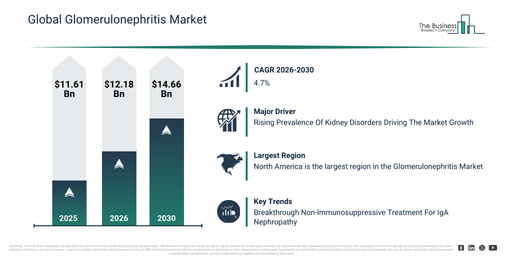
    The glomerulonephritis market has observed consistent expansion over recent years. Projections indicate it will rise from $11.61 billion in 2025 to $12.18 billion in 2026, achieving a compound annual growth rate (CAGR) of 5.0%. Historically, this growth is attributable to factors such as the prevalence of autoimmune disorders, the adoption of kidney biopsies, the expansion of nephrology clinics, the availability of immunosuppressive drugs, and the broadening of diagnostic laboratory services.

    The glomerulonephritis market is anticipated to exhibit sustained expansion over the coming years. It is predicted to reach a valuation of $14.66 billion by 2030, growing at a compound annual growth rate (CAGR) of 4.7%. This projected growth throughout the forecast period stems from breakthroughs in renal diagnostics, the evolution of precision nephrology, a rise in the prevalence of chronic kidney disease, the broadening of specialized nephrology care, and better patient adherence to treatment. Noteworthy trends for the same period include a heightened emphasis on the early detection of kidney disease, an increasing application of immunosuppressive therapies, the rising integration of biomarker-based testing, the expansion of dialysis support services, and enhanced chronic disease management strategies.

    Get A Free Sample Report With In-Depth Market Insights:

    https://thebusinessresearchcompany.com/sample_request?id=30691962&type=smp&name=Glomerulonephritis%20Market%20Report%202026&utm_source=Blogs&utm_medium=Paid&utm_campaign=Nov_PR

    Glomerulonephritis Market Expansion Drivers: What’s Shaping Future Growth?

    The increasing incidence of kidney disorders is anticipated to propel the expansion of the glomerulonephritis market in the foreseeable future. Kidney disorders encompass a spectrum of conditions that impact the structure or function of the kidneys, leading to impaired filtration, waste elimination, and proper fluid balance. The growing occurrence of these disorders is attributed to factors such as aging populations, escalating rates of chronic diseases like diabetes and hypertension, and various lifestyle choices. Kidney ailments contribute to glomerulonephritis by triggering immune system dysregulation, persistent inflammation, or structural damage, which subsequently compromises kidney filtration and overall function. For instance, in June 2023, according to Kidney Research UK, a UK-based charitable organization dedicated to research and advocacy for improving the understanding, prevention, and treatment of kidney diseases, an estimated 7.19 million people in the UK were affected by chronic kidney disease in 2023, representing over 10% of the UK population, with projections indicating an increase to 7.61 million people by 2033. Hence, the rising prevalence of kidney disorders is poised to drive the growth of the glomerulonephritis market.

    Glomerulonephritis Market Segment Analysis: What Are The Core Market Categories?

    The glomerulonephritis market covered in this report is segmented –

    1) By Type: Acute Glomerulonephritis, Chronic Glomerulonephritis

    2) By Diagnosis: Urine And Blood Tests, Imaging Tests, Kidney Biopsy, Other Diagnosis

    3) By Treatment: Medication, Surgery, Dialysis, Other Treatments

    4) By Distribution Channel: Hospital Pharmacy, Retail Pharmacy, Other Distribution Channels

    5) By End-User: Hospitals, Specialty Clinics, Other End-Users

    Subsegments:

    1) By Acute Glomerulonephritis: Post-infectious Glomerulonephritis, IgA Nephropathy, Lupus Nephritis, Rapidly Progressive Glomerulonephritis (RPGN), Goodpasture Syndrome

    2) By Chronic Glomerulonephritis: Focal Segmental Glomerulosclerosis (FSGS), Membranous Nephropathy, Minimal Change Disease, Alport Syndrome, Diabetic Nephropathy, Hypertensive Nephrosclerosis

    Glomerulonephritis Market Industry Trends Fueling Future Revenue Growth

    Major companies in the glomerulonephritis market are prioritizing the development of advanced non-immunosuppressive treatments to address current medical needs and improve patient results. Non-immunosuppressive treatments are therapies designed not to weaken or suppress the immune system, aiming to treat conditions without compromising immune function. For example, in September 2024, Travere Therapeutics Inc., a US-based biopharmaceutical company, introduced FILSPARI (sparsentan), which received approval from the Food and Drug Administration (FDA) for treating IgA nephropathy, a specific kidney disease. This drug is the only non-immunosuppressive treatment demonstrated to significantly slow the decline in kidney function for these patients. The approval of FILSPARI signifies a major breakthrough in managing IgA nephropathy, which is identified as the most common form of primary glomerulonephritis. This therapy offers a new choice for patients who previously had limited options. This approval highlights Travere’s dedication to improving patient outcomes in kidney disease.

    Glomerulonephritis Market Top Companies Driving Competitive Growth

    Major companies operating in the glomerulonephritis market are Pfizer Inc., F. Hoffmann-La Roche Ltd., AstraZeneca PLC, Novartis International AG, Eli Lilly and Company, Boehringer Ingelheim International GmbH, Apellis Pharmaceuticals Inc., MorphoSys AG, Travere Therapeutics Inc., Vera Therapeutics Inc., Calliditas Therapeutics AB, Omeros Corporation, Otsuka Pharmaceutical Co. Ltd., Aurinia Pharmaceuticals Inc., Alexion Pharmaceuticals Inc., Anthera Pharmaceuticals Inc., Chinook Therapeutics, Purespring Therapeutics, Walden Biosciences, Visterra Inc.

    View The Full Glomerulonephritis Market Report:

    https://thebusinessresearchcompany.com/report/glomerulonephritis-global-market-report?utm_source=Blogs&utm_medium=Paid&utm_campaign=Nov_PR

    Glomerulonephritis Market Regional Analysis: Which Geography Leads On Revenue?

    North America was the largest region in the glomerulonephritis market in 2025. The regions covered in the glomerulonephritis market report are Asia-Pacific, South East Asia, Western Europe, Eastern Europe, North America, South America, Middle East, Africa.

    Reach Out To Our Team:

    The Business Research Company: https://www.thebusinessresearchcompany.com/

    Americas: +1 310-496-7795

    Asia: +44 7882 955267 & +91 8897263534

    Europe: +44 7882 955267

    Email us at: marketing@tbrc.info

    Follow us on:

    LinkedIn: https://in.linkedin.com/company/the-business-research-company

    YouTube: https://www.youtube.com/channel/UC24_fI0rV8cR5DxlCpgmyFQ

    Global Market Model: https://www.thebusinessresearchcompany.com/global-market-model
  • Gliosarcoma Market Forecast To Reach $1.6 Billion By 2030: Key Trends Explained

    Gliosarcoma Market Forecast To Reach $1.6 Billion By 2030: Key Trends Explained

    Built to provide research that’s more actionable and strategically valuable, The Business Research Company’s 2026 market reports include market attractiveness analysis, total addressable market sizing, company benchmarking matrices, interactive Excel dashboards, broader supply chain intelligence, emerging startup tracking, and in-depth product insights.

    Gliosarcoma Market Poised To Hit $1.6 Billion By 2030 With A 5% CAGR

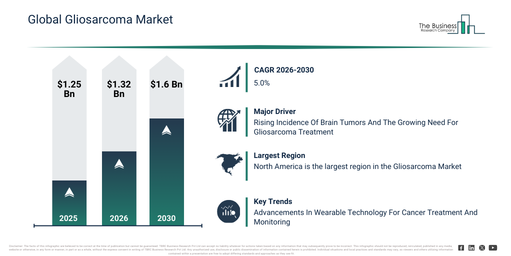
    The gliosarcoma market size has witnessed robust growth in recent years. It is projected to expand from $1.25 billion in 2025 to $1.32 billion in 2026, achieving a compound annual growth rate (CAGR) of 5.3%. The expansion observed in the historic period is primarily driven by factors such as limited clinical understanding, strides in neuro-pathology, the establishment of oncology research institutes, advancements in imaging technologies, and a strong academic interest in research.

    The gliosarcoma market is projected to experience robust expansion over the coming years. Its valuation is set to reach $1.6 billion by 2030, driven by a compound annual growth rate (CAGR) of 5.0%. This anticipated growth during the forecast period stems from several factors, including enhanced funding for rare cancer research, advancements in precision diagnostics, refined treatment approaches, broader application of molecular testing, and collaborative efforts among research institutions. Key developments expected within this timeframe involve intensified investigation into rare brain tumors, increasing adoption of molecular diagnostic tools, diversification of multimodal therapeutic strategies, greater emphasis on studying tumor biology, and enhancements in diagnostic precision.

    Get A Free Sample Report With In-Depth Market Insights:

    https://thebusinessresearchcompany.com/sample_request?id=49764136&type=smp&name=Gliosarcoma%20Market%20Report%202026&utm_source=Blogs&utm_medium=Paid&utm_campaign=Nov_PR

    Gliosarcoma Market Development Factors: What’s Supporting Demand?

    The rising occurrence of brain tumors is anticipated to stimulate expansion within the gliosarcoma market in the future. A brain tumor involves the unusual proliferation of cells within the brain, potentially benign or malignant, leading to symptoms such as headaches, seizures, and difficulties with vision. The frequency of brain tumors is escalating, attributed to advancements in diagnostic tools, heightened public understanding, and possible environmental and lifestyle elements that heighten exposure to associated risks. Treating gliosarcoma is crucial for brain tumors, as it addresses this aggressive and uncommon form of cancer, with goals including symptom management, extending life expectancy, and enhancing patients’ overall quality of life. For example, data from February 2025, released by Dementia Australia, a non-profit organization located in Australia, indicates that roughly 433,300 Australians currently have dementia. This figure is projected to increase significantly to 812,500 by 2054. Furthermore, younger-onset dementia impacts approximately 29,000 people in 2025, with forecasts suggesting a climb to 41,000 by 2054. Consequently, the growing prevalence of brain tumors is fueling the expansion of the gliosarcoma market.

    Gliosarcoma Market Segment Breakdown: Which Categories Lead On Revenue?

    The gliosarcoma market covered in this report is segmented –

    1) By Diagnosis Method: Imaging Techniques, Histopathological Examination, Biomarker Testing

    2) By Treatment Type: Surgery, Radiation Therapy, Chemotherapy, Targeted Therapy, Immunotherapy

    3) By End-User: Hospitals, Cancer Research Institutes, Specialty Clinics

    Subsegments:

    1) By Imaging Techniques: Magnetic Resonance Imaging (MRI), Computed Tomography (CT) Scan, Positron Emission Tomography (PET) Scan

    2) By Histopathological Examination: Hematoxylin and Eosin (H&E) Staining, Immunohistochemistry (IHC), Electron Microscopy

    3) By Biomarker Testing: IDH Mutation Testing, MGMT Promoter Methylation Testing, ATRX Mutation Testing, TP53 Mutation Analysis

    Gliosarcoma Market Trends Powering Strategic Industry Growth

    Major companies within the gliosarcoma market are directing their efforts towards creating technologically advanced products, including wearable devices, to ensure convenient and continuous monitoring of health and activity data, which offers real-time insights and improves user engagement with their wellness goals. Wearable devices are electronic gadgets designed to be affixed to the body that monitor, track, or enhance various elements of health, fitness, or daily routines. An example of this occurred in November 2024, when Novocure Ltd., an oncology company situated in the UK, disclosed that the U.S. Food and Drug Administration (FDA) had granted approval for the Head Flexible Electrode (HFE) transducer arrays to be used alongside Optune Gio for treating adult patients afflicted with glioblastoma multiforme (GBM). The Optune Gio is a portable, wearable system that employs non-invasive wearable arrays to generate tumor-treating fields (TTFields), which apply physical forces to the electrically charged components of proliferating cancer cells to impede their rapid division. Comprising a flexible polymer substance, the new HFE arrays are 50% thinner and one-third lighter than the ceramic discs found in the current Optune Gio arrays, thereby improving patient comfort and usability.

    Gliosarcoma Market Leading Players And Competitive Positioning

    Major companies operating in the gliosarcoma market are Pfizer Inc., F. Hoffmann-La Roche Ltd., Merck & Co. Inc., AbbVie Inc., Bayer AG, Bristol-Myers Squibb Company, Novartis AG, Eli Lilly and Company, Regeneron Pharmaceuticals Inc., Bio-Rad Laboratories Inc., Carl Zeiss AG, Elekta AB, Novocure Ltd., ImmunityBio Inc., Immatics Biotechnologies, Karyopharm Therapeutics Inc., Kintara Therapeutics Inc., Aveta Biomics Inc., Vigeo Therapeutics Inc.

    View The Full Gliosarcoma Market Report:

    https://thebusinessresearchcompany.com/report/gliosarcoma-global-market-report?utm_source=Blogs&utm_medium=Paid&utm_campaign=Nov_PR

    Gliosarcoma Market Geographic Spread And Regional Opportunities

    North America was the largest region in the gliosarcoma market in 2025. Asia-Pacific is expected to be the fastest-growing region in the forecast period. The regions covered in the gliosarcoma market report are Asia-Pacific, South East Asia, Western Europe, Eastern Europe, North America, South America, Middle East, Africa.

    Reach Out To Our Team:

    The Business Research Company: https://www.thebusinessresearchcompany.com/

    Americas: +1 310-496-7795

    Asia: +44 7882 955267 & +91 8897263534

    Europe: +44 7882 955267

    Email us at: marketing@tbrc.info

    Follow us on:

    LinkedIn: https://in.linkedin.com/company/the-business-research-company

    YouTube: https://www.youtube.com/channel/UC24_fI0rV8cR5DxlCpgmyFQ

    Global Market Model: https://www.thebusinessresearchcompany.com/global-market-model