Blog

  • Gene Therapy Clinical Trial Services Market Forecast Insights: The Road To $4.39 Billion By 2030

    Gene Therapy Clinical Trial Services Market Forecast Insights: The Road To $4.39 Billion By 2030

    Featuring market attractiveness scoring, total addressable market sizing, company benchmarking matrices, interactive Excel dashboards, deeper supply chain intelligence, emerging startup tracking, and granular product-level insights, The Business Research Company’s 2026 market reports are built to deliver research that is both more actionable and more strategically valuable.

    Gene Therapy Clinical Trial Services Market Revenue Outlook: What CAGR Lies Ahead Through 2030?

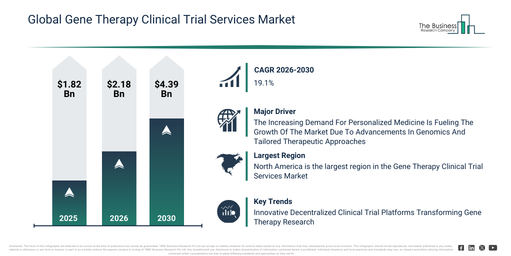
    The gene therapy clinical trial services market size has expanded significantly in recent years. It is projected to grow from $1.82 billion in 2025 to $2.18 billion in 2026, demonstrating a compound annual growth rate (CAGR) of 19.4%. The expansion observed historically can be ascribed to increasing investment in gene therapy R&D, the broadening of early-stage gene therapy pipelines, rising collaboration between biotech firms and CROs, the evolving complexity of gene therapy trial protocols, and increased regulatory scrutiny of advanced therapies.

    The gene therapy clinical trial services market is projected for swift expansion over the coming years, reaching a valuation of $4.39 billion by 2030, driven by a compound annual growth rate (CAGR) of 19.1%. This anticipated growth during the forecast period stems from several factors, including a rise in late-stage gene therapy trials, greater need for global trial execution, the broadening of rare disease gene therapy initiatives, increasing reliance on digital platforms for trial management, and a heightened emphasis on faster regulatory clearances. Key trends expected within this period encompass a growing requirement for expert gene therapy trial management, the increasing embrace of decentralized and hybrid trial structures, an intensified focus on advanced cold chain and logistical assistance, the evolution of patient-centric trial designs, and a stronger commitment to services ensuring regulatory compliance and data integrity.

    Get A Free Sample Report With In-Depth Market Insights:

    https://thebusinessresearchcompany.com/sample_request?id=54510080&type=smp&name=Gene%20Therapy%20Clinical%20Trial%20Services%20Market%20Report%202026&utm_source=Blogs&utm_medium=Paid&utm_campaign=Nov_PR

    Gene Therapy Clinical Trial Services Market Growth Factors Behind Sustained Expansion

    The future expansion of the gene therapy clinical trial services market is anticipated to be driven by the rising need for personalized medicine. This medical strategy customizes treatments based on unique individual attributes like genetic makeup, biomarkers, and lifestyle choices. The growing requirement for personalized medicine stems from progress in genomics and biotechnology, allowing for more accurate therapeutic targeting. Gene therapy clinical trial services aid personalized medicine by examining patient-specific genetic profiles and adapting treatments. This involves utilizing biomarker analysis and companion diagnostics to refine therapy for every patient, thereby improving both safety and efficacy. A relevant example is from February 2024, when the Personalized Medicine Coalition, a US-based hospital and health care organization, reported that the FDA approved 16 new personalized treatments for rare disease patients in 2023, an increase from six in 2022. Consequently, the escalating demand for personalized medicine is a key factor pushing the expansion of the gene therapy clinical trial services market.

    Gene Therapy Clinical Trial Services Market Segment Trends And Revenue Contributors

    The gene therapy clinical trial services market covered in this report is segmented –

    1) By Type: Clinical Trial Design And Planning, Supply And Logistics Services, Regulatory Services, Data Management And Biostatistics, Site Management And Monitoring, Other Types

    2) By Application: Oncology, Hematology, Endocrine or Metabolic Disorders, Musculoskeletal Diseases, Cardiovascular Diseases, Neurology Disorders, Infectious Diseases, Ophthalmology, Immunology, Other Applications

    3) By End-User: Pharmaceutical Companies, Biotechnology Companies, Academic Institutions, Government Research Institutes, Contract Research Organizations (CROs)

    Subsegments:

    1) By Clinical Trial Design And Planning: Protocol Development, Feasibility Studies, Patient Recruitment Strategy Design

    2) By Supply And Logistics Services: Cold Chain Management, Investigational Product Packaging And Labeling, Controlled-Temperature Storage

    3) By Regulatory Services: Regulatory Consulting And Strategy, Ethics Committee Submissions, Regulatory Compliance Monitoring

    4) By Data Management And Biostatistics: Clinical Data Capture And Database Design, Data Validation And Quality Control, Statistical Analysis And Modeling

    5) By Site Management And Monitoring: Site Selection And Qualification, Investigator Training And Support, On-Site Monitoring Visits

    6) By Other Types: Pharmacovigilance And Safety Reporting, Quality Assurance And Auditing, Patient Engagement And Retention

    Gene Therapy Clinical Trial Services Market Strategic Trends: What Defines The Next Growth Phase?

    Leading companies within the gene therapy clinical trial services market are concentrating on developing innovative solutions, such as the long-term follow-up (LTFU) model for cell and gene therapy (CGT) trials, to accelerate the overall trial process while upholding regulatory compliance and safety standards. A Long-Term Follow-Up (LTFU) model for cell and gene therapy (CGT) trials is a structured framework developed to oversee patients for an extended duration, frequently up to 15 years following a CGT treatment. For example, in May 2025, Medable Inc., a US-based SaaS company, introduced a digital-first Long-Term Follow-Up (LTFU) model specifically engineered for cell and gene therapy (CGT) trials. This model supports cell and gene therapy trials by decreasing patient and site burdens while maintaining scientific rigor throughout the FDA-required 15-year monitoring period. It also improves patient access, retention, and data continuity via remote and hybrid follow-up methods, thereby enhancing the monitoring of long-term safety and efficacy.

    Gene Therapy Clinical Trial Services Market Competitive Landscape: Which Companies Lead The Industry?

    Major companies operating in the gene therapy clinical trial services market are Thermo Fisher Scientific Inc., Sharp Services LLC, Labcorp, Pharmaceutical Product Development LLC, ICON plc, Syneos Health Inc., WuXi AppTec, Franklin Biolabs, Catalent Inc., Charles River Laboratories International Inc., Parexel International Corporation, Medpace Holdings Inc., Precision Medicine Group LLC, Worldwide Clinical Trials, IQVIA Holdings Inc., TFS HealthScience, Veristat LLC, Novotech Health Holdings Pte Limited, Covance Inc., PPD Clinical Research Services, PRA Health Sciences Inc.

    View The Full Gene Therapy Clinical Trial Services Market Report:

    https://thebusinessresearchcompany.com/report/gene-therapy-clinical-trial-services-global-market-report?utm_source=Blogs&utm_medium=Paid&utm_campaign=Nov_PR

    Gene Therapy Clinical Trial Services Market Geographic Landscape: Which Region Leads Industry Growth?

    North America was the largest region in the gene therapy clinical trial services market in 2025. Asia-Pacific is expected to be the fastest-growing region in the forecast period. The regions covered in the gene therapy clinical trial services market report are Asia-Pacific, South East Asia, Western Europe, Eastern Europe, North America, South America, Middle East, Africa.

    Reach Out To Our Team:

    The Business Research Company: https://www.thebusinessresearchcompany.com/

    Americas: +1 310-496-7795

    Asia: +44 7882 955267 & +91 8897263534

    Europe: +44 7882 955267

    Email us at: marketing@tbrc.info

    Follow us on:

    LinkedIn: https://in.linkedin.com/company/the-business-research-company

    YouTube: https://www.youtube.com/channel/UC24_fI0rV8cR5DxlCpgmyFQ

    Global Market Model: https://www.thebusinessresearchcompany.com/global-market-model
  • Gene Switch Market Explained: What Is Fueling Growth To $1.8 Billion By 2030?

    Gene Switch Market Explained: What Is Fueling Growth To $1.8 Billion By 2030?

    Built to provide research that’s more actionable and strategically valuable, The Business Research Company’s 2026 market reports include market attractiveness analysis, total addressable market sizing, company benchmarking matrices, interactive Excel dashboards, broader supply chain intelligence, emerging startup tracking, and in-depth product insights.

    Gene Switch Market Growth Analysis: How Will Revenue Trend Over The Forecast Period?

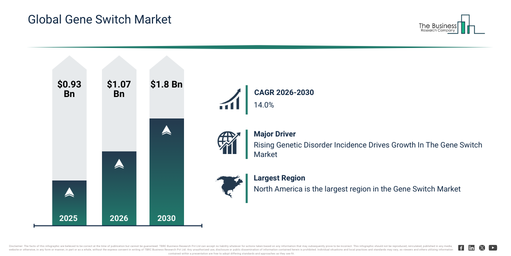
    The gene switch market has experienced rapid expansion recently. It is projected to grow from $0.93 billion in 2025 to $1.07 billion in 2026 at a compound annual growth rate (CAGR) of 14.3%. Historically, this growth can be attributed to advancements in molecular biology research, the expansion of gene therapy clinical trials, increasing investment in synthetic biology, the rising use of regulated gene expression tools, and improvements in vector delivery technologies.

    The gene switch market is projected to experience substantial expansion in the coming years, reaching $1.8 billion by 2030, demonstrating a compound annual growth rate (CAGR) of 14.0%. This growth during the forecast period is primarily driven by factors such as the greater acceptance of next-generation gene therapies, a heightened need for safer and more manageable therapeutic mechanisms, the broadening of personalized medicine strategies, increased capital flowing into advanced biotech platforms, and the expanding regulatory approval of gene-modulated therapies. Key trends anticipated for this period encompass the accelerated development of precision gene regulation platforms, a surge in the adoption of inducible gene expression systems, the expanding utilization of gene switches within cell and gene therapies, the broader application of synthetic biology, and a strengthened emphasis on achieving controlled therapeutic outcomes.

    Get A Free Sample Report With In-Depth Market Insights:

    https://thebusinessresearchcompany.com/sample_request?id=71349988&type=smp&name=Gene%20Switch%20Market%20Report%202026&utm_source=Blogs&utm_medium=Paid&utm_campaign=Nov_PR

    Gene Switch Market Demand Drivers Opening New Revenue Streams

    The increasing occurrence of genetic conditions is anticipated to fuel the expansion of the gene switch market in the future. These disorders stem from irregularities in an individual’s DNA, resulting from mutations, inherited genetic alterations, or chromosomal defects. This growing prevalence is mainly due to enhanced awareness, better diagnostic tools, advancements in healthcare, and a demographic shift towards an older population. Gene switches offer a crucial benefit in treating and managing genetic disorders, as they allow for accurate regulation of gene expression, which in turn fosters the creation of targeted and potent treatments. For example, in February 2023, the World Health Organization, a Switzerland based international public health agency of the United Nations, reported that congenital disorders were estimated to be responsible for approximately 240,000 newborn fatalities globally within their initial 28 days of life annually, coupled with an extra 170,000 deaths among children between 1 month and 5 years old. Consequently, the escalating occurrence of genetic disorders propels the expansion of the gene switch market.

    Gene Switch Market Segment Analysis Spotlighting Growth Areas

    The gene switch market covered in this report is segmented –

    1) By Type: CAR T Cell Therapies, Gene Therapies, Other Therapies

    2) By Payment Model Employed: Upfront Payments, Milestone Payments

    3) By Application Area: Management Of Treatment Related Toxicity, Regulation Of Gene Expression, Other Applications

    Subsegments:

    1) By CAR T Cell Therapies: CD19-Targeted CAR T Cell Therapies, BCMA-Targeted CAR T Cell Therapies, CD22-Targeted CAR T Cell Therapies, Multi-Antigen CAR T Cell Therapies, Next-Generation CAR T Cell Therapies

    2) By Gene Therapies: Adenoviral Vector-Based Gene Therapies, Lentiviral Vector-Based Gene Therapies, AAV (Adeno-Associated Virus) Gene Therapies, CRISPR-Cas9 Gene Editing Therapies, RNA Interference-Based Gene Therapies

    3) By Other Therapies: Stem Cell Therapies, RNA Therapy, Protein Replacement Therapy, Gene Editing Technologies, Immunotherapy Approaches

    Gene Switch Market Leading Companies: Who Holds The Strongest Market Presence?

    Major companies operating in the gene switch market are Bristol-Myers Squibb Company, Novartis AG, Charles River Laboratories International Inc, bluebird bio Inc., Regenxbio Inc., Kite Pharma Inc., Genomatica Inc., Intellia Therapeutics Inc., Voyager Therapeutics Inc., Precigen Inc., Editas Medicine Inc., Cellectis SA, Autolus Therapeutics plc, aceRNA Technologies, Cartherics Pty Ltd, panCELLa Inc., Aptamer Group plc, Bellicum Pharmaceuticals Inc., Genocea Biosciences Inc., CRISPR Therapeutics AG

    View The Full Gene Switch Market Report:

    https://thebusinessresearchcompany.com/report/gene-switch-global-market-report?utm_source=Blogs&utm_medium=Paid&utm_campaign=Nov_PR

    Gene Switch Market Largest Region: Which Geography Holds The Biggest Share?

    North America was the largest region in the gene switch market in 2025. The regions covered in the gene switch market report are Asia-Pacific, South East Asia, Western Europe, Eastern Europe, North America, South America, Middle East, Africa.

    Reach Out To Our Team:

    The Business Research Company: https://www.thebusinessresearchcompany.com/

    Americas: +1 310-496-7795

    Asia: +44 7882 955267 & +91 8897263534

    Europe: +44 7882 955267

    Email us at: marketing@tbrc.info

    Follow us on:

    LinkedIn: https://in.linkedin.com/company/the-business-research-company

    YouTube: https://www.youtube.com/channel/UC24_fI0rV8cR5DxlCpgmyFQ

    Global Market Model: https://www.thebusinessresearchcompany.com/global-market-model
  • Gene Panel Market Forecast To Reach $4.96 Billion By 2030: Key Trends Explained

    Gene Panel Market Forecast To Reach $4.96 Billion By 2030: Key Trends Explained

    Backed by market attractiveness analysis, total addressable market sizing, company benchmarking matrices, interactive Excel dashboards, wider supply chain intelligence, emerging startup coverage, and detailed product-level insights, The Business Research Company’s 2026 market reports are designed to offer research that is more actionable and strategically valuable than ever.

    Gene Panel Market Forecast: What Value Will The Market Reach By 2030?

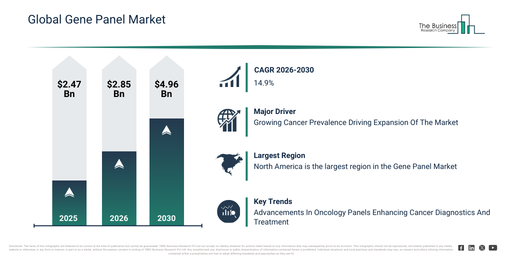
    The gene panel market has experienced significant expansion recently. Forecasts indicate its valuation will rise from $2.47 billion in 2025 to $2.85 billion in 2026, exhibiting a compound annual growth rate (CAGR) of 15.3%. This historical growth can be attributed to advancements in next-generation sequencing, reduced sequencing costs, the adoption of clinical genetics, the expansion of diagnostic laboratories, and oncology biomarker research.

    The gene panel market is projected to experience substantial expansion over the upcoming years. Its valuation is anticipated to reach $4.96 billion by 2030, exhibiting a compound annual growth rate (CAGR) of 14.9%. Key contributors to this anticipated growth include the rise in personalized medicine, increased hereditary disease testing, a strong demand for precision diagnostics, the incorporation of ai in genomic analysis, and broader clinical adoption. Prominent trends expected during this period encompass the increasing acceptance of multi-gene diagnostic panels, their expanded application in cancer risk assessment, the growth of customized gene panel testing, a surging need for pharmacogenomic insights, and the embedding of gene panels into clinical decision-making processes.

    Get A Free Sample Report With In-Depth Market Insights:

    https://thebusinessresearchcompany.com/sample_request?id=64825449&type=smp&name=Gene%20Panel%20Market%20Report%202026&utm_source=Blogs&utm_medium=Paid&utm_campaign=Nov_PR

    Gene Panel Market Growth Backed By Core Demand Fundamentals

    The gene panel market is expected to expand progressively due to the escalating prevalence of cancer. Cancer is defined as a collection of diseases typified by the unrestrained multiplication and dissemination of abnormal cells, which can infiltrate and harm surrounding tissues and organs. The increase in cancer occurrences is fueled by factors like aging populations, shifts in lifestyle, environmental exposures, and improvements in detection and diagnostic technologies. Gene panels assist in cancer management by enabling comprehensive genetic analysis to identify mutations and alterations in specific genes, which in turn informs personalized treatment strategies and enhances outcomes for patients. For instance, in January 2023, according to PubMed, a US-based free search engine for biomedical and life sciences literature sustained by the United States National Library of Medicine, it was projected that 1,958,310 new cancer cases and 609,820 cancer deaths would occur in the United States in 2023. Consequently, the rising incidence of cancer is a primary driver for the growth of the gene panel market.

    Gene Panel Market Segment Performance And Emerging Opportunities

    The gene panel market covered in this report is segmented –

    1) By Product And Services: Test Kits, Testing Services

    2) By Technology: Amplicon-Based, Hybridization-Based, Other Technologies

    3) By Design: Predesigned Gene Panel, Customized Gene Panel

    4) By Application: Cancer Risk Assessment, Diagnosis Of Congenital Diseases, Pharmacogenetics, Other Applications

    5) By End-User: Research Institutes, Hospital, Diagnosis Centers, Pharmaceutical Companies, Other End-Users

    Subsegments:

    1) By Test Kits: Predesigned Gene Panels, Customized Gene Panels

    2) By Testing Services: Cancer Risk Assessment Panels, Pharmacogenetic Testing Panels, Neurological Disorder Panels, Cardiovascular Disease Panels, Rare Disease Panels

    #Gene Panel Market Growth Trends: What’s Shaping The Future Outlook?

    Leading companies within the gene panel market are prioritizing the creation of advanced technologies, such as oncology panels, to bolster the precision, efficacy, and thoroughness of cancer diagnosis and individualized treatment plans. Oncology panels represent specialized gene panels designed to analyze numerous genes linked to cancer, aiming to identify genetic mutations and alterations, thereby assisting in cancer diagnosis, prognosis, and therapeutic decisions. As an illustration, Vizgen Inc., a US-based biotechnology firm, introduced the MERFISH PanCancer Pathways Panel in May 2023, providing a customizable option for scientists venturing into the field of spatial genomics. These predesigned panels are tailored for diverse research applications, including cancer studies, and have been optimized for enhanced error robustness, ensuring dependable and consistent results. By combining spatial information with gene expression data, these panels deliver profound insights into tumor microenvironments and cellular interactions, thereby enabling more precise and personalized cancer research and the development of therapies. This introduction signifies a notable leap forward in spatial biology, empowering researchers to investigate intricate biological systems with a previously unattainable level of detail.

    Gene Panel Market Key Players: Which Companies Lead Industry Competition?

    Major companies operating in the gene panel market are F. Hoffmann-La Roche, Thermo Fisher Scientific, Quest Diagnostics, Eurofins Scientific, Agilent Technologies, Illumina, Qiagen, Myriad Genetics, Guardant Health, Invitae, Integrated DNA Technologies, Bio-Rad, Novogene, Fulgent Genetics, MedGenome, Centogene, Blueprint Genetics, BIONEER, BGI Group.

    View The Full Gene Panel Market Report:

    https://thebusinessresearchcompany.com/report/gene-panel-global-market-report?utm_source=Blogs&utm_medium=Paid&utm_campaign=Nov_PR

    Gene Panel Market Regional Analysis: Which Geography Leads On Revenue?

    North America was the largest region in the gene panel market in 2025. Asia-Pacific is expected to be the fastest-growing region in the forecast period. The regions covered in the gene panel market report are Asia-Pacific, South East Asia, Western Europe, Eastern Europe, North America, South America, Middle East, Africa.

    Reach Out To Our Team:

    The Business Research Company: https://www.thebusinessresearchcompany.com/

    Americas: +1 310-496-7795

    Asia: +44 7882 955267 & +91 8897263534

    Europe: +44 7882 955267

    Email us at: marketing@tbrc.info

    Follow us on:

    LinkedIn: https://in.linkedin.com/company/the-business-research-company

    YouTube: https://www.youtube.com/channel/UC24_fI0rV8cR5DxlCpgmyFQ

    Global Market Model: https://www.thebusinessresearchcompany.com/global-market-model
  • Gene Editing Market Analysis: Understanding The Drivers Behind 18.8% CAGR Through 2030 Growth

    Gene Editing Market Analysis: Understanding The Drivers Behind 18.8% CAGR Through 2030 Growth

    Featuring market attractiveness scoring, total addressable market sizing, company benchmarking matrices, interactive Excel dashboards, deeper supply chain intelligence, emerging startup tracking, and granular product-level insights, The Business Research Company’s 2026 market reports are built to deliver research that is both more actionable and more strategically valuable.

    Gene Editing Market Size Outlook: How Quickly Will Revenue Expand Through 2030?

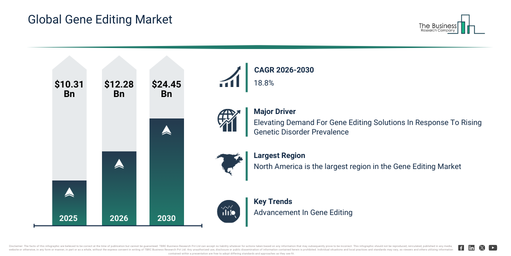
    The gene editing market has experienced rapid expansion in recent years. Projections indicate its size will increase from $10.31 billion in 2025 to $12.28 billion in 2026, at a compound annual growth rate (CAGR) of 19.0%. Factors contributing to its historical growth include the discovery of CRISPR-Cas systems, academic gene editing research, the development of ZFN and TALEN technologies, the availability of research funding, and the expansion of molecular biology tools.

    The gene editing market is anticipated to experience substantial growth in the upcoming years. It is forecast to grow to $24.45 billion in 2030, achieving a compound annual growth rate (CAGR) of 18.8%. This expansion during the forecast period is propelled by the clinical application of gene editing therapies, the securing of regulatory approvals, ongoing innovation in advanced editing tools, increased financial commitment from the industry, and the broadening scope of precision medicine. Key trends during this period involve the quick adoption of CRISPR-based technologies, the expanding use of gene editing in cell line engineering, its greater deployment in agricultural and animal genetics, a rise in therapeutic gene editing research, and an escalating demand for precise genome modification.

    Get A Free Sample Report With In-Depth Market Insights:

    https://thebusinessresearchcompany.com/sample_request?id=49252336&type=smp&name=Gene%20Editing%20Market%20Report%202026&utm_source=Blogs&utm_medium=Paid&utm_campaign=Nov_PR

    Gene Editing Market Growth Catalysts And Demand Drivers

    The increasing incidence of genetic disorders is projected to drive the expansion of the gene editing global market in the future. Genetic disorders are defined as a group of health conditions resulting from anomalies or changes in a person’s DNA. These disorders can be inherited from parents or arise from spontaneous genetic mutations, leading to diverse health problems that may be apparent at birth or emerge subsequently. Gene editing presents significant promise for addressing severe genetic illnesses such as sickle cell disease, Huntington’s disease, ß-thalassemia, cystic fibrosis, Alzheimer’s, and Parkinson’s. For example, the National Library of Medicine (NLM), a US-based medical library, reported in April 2023 that approximately 6.7 million Americans aged 65 and above are anticipated to have Alzheimer’s dementia (AD) in 2023. This figure is projected to reach 13.8 million by 2060, unless medical advancements emerge to prevent, slow, or cure AD. Consequently, the growing prevalence of genetic disorders is anticipated to stimulate the gene editing market.

    Gene Editing Market Segment Landscape And Growth Outlook

    The gene editing market covered in this report is segmented –

    1) By Technology: CRISPR, TALEN, ZFN

    2) By Application: Animal Genetic Engineering, Plant Genetic Engineering, Cell Line Engineering

    3) By End Users: Biotechnology, Pharmaceutical, Contract Research Organization

    Subsegments:

    1) By CRISPR: CRISPR-Cas9, CRISPR-Cas12, CRISPR-Cas13, CRISPR-based Gene Drives

    2) By TALEN (Transcription Activator-Like Effector Nucleases): Custom TALENs, Commercial TALEN Kits

    3) By ZFN (Zinc Finger Nucleases): Custom ZFNs, Commercial ZFN Kits

    Gene Editing Market Industry Trends: What’s Reshaping Demand?

    Major companies within the gene editing markets are introducing innovative gene editing technology, such as a technique based on special cell-penetrating peptides that offers advantages over current methods, to gain a competitive edge. This approach could also facilitate the development of advanced cell therapies for cancer and other diseases. For instance, in April 2023, Penn Medicine, a US-based major multi-hospital health system, found that protein fragments utilized by some viruses to enter cells could also be employed to deliver CRISPR-Cas gene editing molecules into cells and their DNA-containing nuclei with extraordinarily high efficiency and low cellular toxicity. Scientists expect this new technique to be particularly useful for modifying T cells and other cells from a patient’s own body to produce cell therapies. One such application could be CAR T (chimeric antigen receptor T cell) therapy, which uses specially modified immune cells from a patient to treat cancer. This new approach to the genetic engineering of cells promises significant improvements in speed, efficiency, and a reduction in cellular toxicity compared to current methods.

    Gene Editing Market Competitive Landscape: Who Leads The Industry?

    Major companies operating in the gene editing market are AstraZeneca plc, Thermo Fisher Scientific Inc., Merck KGaA, GE Healthcare Life Sciences, Agilent Technologies Inc., Lonza Group AG, PerkinElmer Inc., Bio-Rad Laboratories Inc., Qiagen N.V., CRISPR Therapeutics, Promega Corporation, GenScript USA Inc., Integrated DNA Technologies Inc., Intellia Therapeutics Inc., DNA Script Inc., Dharmacon Inc., Precision Biosciences Inc., Editas Medicine Inc., OriGene Technologies Inc., Tecan Group Ltd., Sangamo Therapeutics Inc., Horizon Discovery Group plc, Addgene Inc., New England Biolabs Inc., Cellectis SA, Recombinetics Inc., Allele Biotechnology LLC, Transposagen Biopharmaceuticals Inc., Synthego Corporation, Beam Therapeutics Inc., Caribou Biosciences Inc., Inscripta Inc., Mammoth Biosciences Inc., ToolGen Inc., Mirus Bio LLC

    View The Full Gene Editing Market Report:

    https://thebusinessresearchcompany.com/report/Gene-Editing-Global-Market-Report?utm_source=Blogs&utm_medium=Paid&utm_campaign=Nov_PR

    Gene Editing Market Geographic Spread And Regional Opportunities

    North America was the largest region in the gene editing market in 2025. Western Europe was the second largest region in the global gene editing market share. The regions covered in the gene editing market report are Asia-Pacific, South East Asia, Western Europe, Eastern Europe, North America, South America, Middle East, Africa.

    Reach Out To Our Team:

    The Business Research Company: https://www.thebusinessresearchcompany.com/

    Americas: +1 310-496-7795

    Asia: +44 7882 955267 & +91 8897263534

    Europe: +44 7882 955267

    Email us at: marketing@tbrc.info

    Follow us on:

    LinkedIn: https://in.linkedin.com/company/the-business-research-company

    YouTube: https://www.youtube.com/channel/UC24_fI0rV8cR5DxlCpgmyFQ

    Global Market Model: https://www.thebusinessresearchcompany.com/global-market-model
  • Gene Delivery Technologies Market Growth To $8.46 Billion By 2030: What’s Driving The Expansion?

    Gene Delivery Technologies Market Growth To $8.46 Billion By 2030: What’s Driving The Expansion?

    Built to provide research that’s more actionable and strategically valuable, The Business Research Company’s 2026 market reports include market attractiveness analysis, total addressable market sizing, company benchmarking matrices, interactive Excel dashboards, broader supply chain intelligence, emerging startup tracking, and in-depth product insights.

    Gene Delivery Technologies Market Size, Value And Growth Trajectory Through 2030

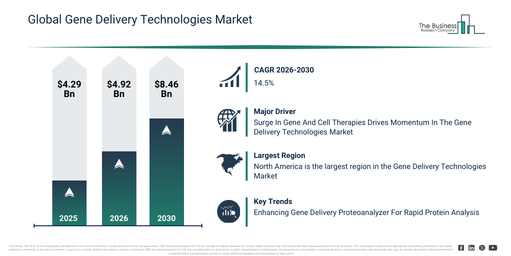
    The gene delivery technologies market size has experienced rapid growth in recent years. This market is anticipated to expand from $4.29 billion in 2025 to $4.92 billion by 2026, demonstrating a compound annual growth rate (CAGR) of 14.7%. The growth observed in the historic period can be attributed to several factors, including the increase in gene therapy research, the development of viral vectors, academic research funding, the utilization of electroporation techniques, and various vaccine development programs.

    The gene delivery technologies market size is anticipated to experience substantial expansion in the coming years. This market is projected to reach $8.46 billion by 2030, exhibiting a compound annual growth rate (CAGR) of 14.5%. During the projected period, several factors will drive this growth, including the broadening of gene therapy pipelines, advancements in delivery vectors, the need for more secure delivery techniques, the increase in cell therapy uses, and heightened clinical trial engagements. Key trends expected during this forecast span encompass the escalating deployment of both viral and non-viral delivery systems, greater integration into gene and cell therapy, the evolution of lipid nanoparticle technologies, an intensified emphasis on precise gene delivery, and improvements in physical gene transfer techniques.

    Get A Free Sample Report With In-Depth Market Insights:

    https://thebusinessresearchcompany.com/sample_request?id=40236416&type=smp&name=Gene%20Delivery%20Technologies%20Market%20Report%202026&utm_source=Blogs&utm_medium=Paid&utm_campaign=Nov_PR

    Gene Delivery Technologies Market Opportunity Drivers: What’s Unlocking New Revenue Potential?

    The future expansion of the gene delivery technologies market is anticipated to be fueled by the growing prevalence of cell and gene therapies. These therapies are defined as medical interventions designed to treat or mitigate illnesses through modifications to the genetic and cellular composition of a patient’s body. This rise in cell and gene therapies is primarily propelled by innovations in gene editing technologies, which are instrumental in their development and market introduction. Illustrating this trend, IQVIA, a US-based firm specializing in advanced analytics, technology solutions, and contract research services, indicated in March 2025 that new CAR T trial starts totaled 199 in 2024, while gene therapy trial starts reached 130; these numbers represented increases of 54% and 65%, respectively. Consequently, the expansion of cell and gene therapies is a key driver for the gene delivery technologies market.

    Gene Delivery Technologies Market Breakdown By Product Type And Application

    The gene delivery technologies market covered in this report is segmented –

    1) By Mode: Biological, Chemical, Physical

    2) By Method: Ex Vivo, In Vivo, In Vitro

    3) By Application: Gene Therapy, Cell Therapy, Vaccines, Research

    Subsegments:

    1) By Biological: Viral Vectors, Bacterial Vectors, Lipid Nanoparticles

    2) By Chemical: Cationic Lipids, Polymers, Chemical Transfection Agents

    3) By Physical: Electroporation, Microinjection, Gene Gun, Sonoporation

    Gene Delivery Technologies Market Innovation Trends: What Developments Are Reshaping The Industry?

    Major companies in gene delivery technologies are focused on developing advanced products, such as ProteoAnalyzer, to gain a competitive edge. The ProteoAnalyzer is an advanced automated system developed by Agilent Technologies for protein analysis, specifically utilizing parallel capillary electrophoresis (CE) technology. For instance, in July 2024, Agilent Technologies Inc., a US-based life sciences company, launched the ProteoAnalyzer system. This innovative platform is designed for automated parallel capillary electrophoresis (CE), enabling rapid, high-resolution protein analysis with minimal sample consumption. This capability is particularly beneficial for researchers working with complex protein mixtures in pharmaceuticals, biopharma, and bioengineered food ingredients, facilitating faster discoveries and advancements in translational research. The system allows for detailed examination of protein mixtures, which is crucial for developing therapeutic proteins.

    Gene Delivery Technologies Market Company Landscape And Competitive Strategy

    Major companies operating in the gene delivery technologies market are Thermo Fisher Scientific Inc., QIAGEN NV, Horizon Discovery Group Co, OriGene Technologies Inc., Oxford Biomedica Solutions LLC, SignaGen Laboratories LLC, Vectalys SAS, Takara Bio Inc., Bio-Rad Laboratories Inc., System Biosciences LLC, Promega Corporation, Catalent Inc., Pfizer Inc., Becton Dickinson and Company, Novartis AG, Intellia Therapeutics Inc., Editas Medicine Inc., CRISPR Therapeutics AG, Spark Therapeutics Inc., Bluebird Bio Inc., Sarepta Therapeutics Inc., Beam Therapeutics Inc., Arrowhead Pharmaceuticals Inc., Alnylam Pharmaceuticals Inc., Moderna Inc., BioNTech SE, Translate Bio Inc., CureVac N.V., Lonza Group AG

    View The Full Gene Delivery Technologies Market Report:

    https://thebusinessresearchcompany.com/report/gene-delivery-technologies-global-market-report?utm_source=Blogs&utm_medium=Paid&utm_campaign=Nov_PR

    Gene Delivery Technologies Market Top Region By Revenue And Market Share

    North America was the largest region in the gene delivery technologies market in 2025.Asia-Pacific is expected to be the fastest-growing region in the global gene delivery technologies market report during the forecast period. The regions covered in the gene delivery technologies market report are Asia-Pacific, South East Asia, Western Europe, Eastern Europe, North America, South America, Middle East, Africa.

    Reach Out To Our Team:

    The Business Research Company: https://www.thebusinessresearchcompany.com/

    Americas: +1 310-496-7795

    Asia: +44 7882 955267 & +91 8897263534

    Europe: +44 7882 955267

    Email us at: marketing@tbrc.info

    Follow us on:

    LinkedIn: https://in.linkedin.com/company/the-business-research-company

    YouTube: https://www.youtube.com/channel/UC24_fI0rV8cR5DxlCpgmyFQ

    Global Market Model: https://www.thebusinessresearchcompany.com/global-market-model
  • Gender Reassignment Surgery Market Trends Reshaping Industry Growth Through 2030

    Gender Reassignment Surgery Market Trends Reshaping Industry Growth Through 2030

    Backed by market attractiveness analysis, total addressable market sizing, company benchmarking matrices, interactive Excel dashboards, wider supply chain intelligence, emerging startup coverage, and detailed product-level insights, The Business Research Company’s 2026 market reports are designed to offer research that is more actionable and strategically valuable than ever.

    Gender Reassignment Surgery Market CAGR Outlook And Future Development

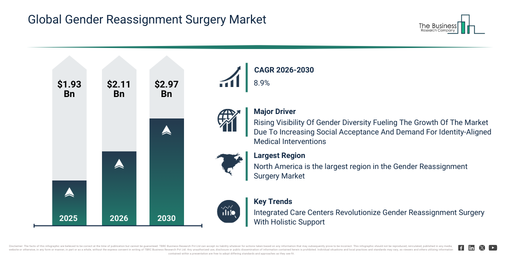
    The gender reassignment surgery market size has seen significant expansion in recent years. It is anticipated to increase from $1.93 billion in 2025 to $2.11 billion in 2026, registering a compound annual growth rate (CAGR) of 9.3%. The market’s historical growth can be linked to the greater acknowledgment of gender dysphoria, the development of specialized surgical expertise, the growing acceptance of gender-affirming healthcare, the introduction of advanced surgical techniques, and enhanced awareness through advocacy and educational efforts.

    The gender reassignment surgery market size is anticipated to experience substantial growth in the coming years. Projections indicate it will reach $2.97 billion by 2030, driven by a compound annual growth rate (CAGR) of 8.9%. This expansion throughout the forecast period can be attributed to increasing demand for gender-affirming healthcare services, rising investments in specialized surgical infrastructure, the expansion of insurance coverage for procedures, the growing adoption of advanced surgical technologies, and an increasing focus on multidisciplinary care models. Major trends expected in this period include the increasing adoption of minimally invasive surgical techniques, a rise in robotic-assisted gender-affirming surgeries, a growing focus on comprehensive gender-affirming care pathways, the expansion of specialized surgical centers, and an enhanced emphasis on patient safety and outcomes.

    Get A Free Sample Report With In-Depth Market Insights:

    https://thebusinessresearchcompany.com/sample_request?id=13838997&type=smp&name=Gender%20Reassignment%20Surgery%20Market%20Report%202026&utm_source=Blogs&utm_medium=Paid&utm_campaign=Nov_PR

    Gender Reassignment Surgery Market Growth Momentum: What Factors Are Shaping Demand?

    The increasing population of transgender and non-binary individuals is projected to fuel the expansion of the gender reassignment surgery market in the future. Transgender and non-binary persons are those whose self-identified gender does not match the sex they were assigned at birth, with non-binary individuals defining themselves outside conventional male and female categories. The growth in the count of transgender and non-binary individuals is predominantly due to enhanced societal understanding and tolerance, enabling more people to openly express their authentic identities. Gender reassignment surgery supports transgender and non-binary individuals by harmonizing their physical characteristics with their gender identity, leading to better mental well-being, confidence, and overall life satisfaction. For example, a report released by USAFacts, a US-based nonpartisan research organization, in February 2025, indicated that approximately 0.95% of the U.S. adult population identified as transgender, based on Household Pulse Survey data gathered from May to September 2024. The vast majority of adults (97.35%) identified as cisgender, while 1.70% did not identify as male, female, or transgender, opting for terms like “non-binary,” “intersex,” or “gender non-conforming.” Consequently, the increasing population of transgender and non-binary individuals is propelling the expansion of the gender reassignment surgery market.

    Gender Reassignment Surgery Market Segment Analysis And Revenue Potential

    The gender reassignment surgery market covered in this report is segmented –

    1) By Type: Male To Female, Female To Male

    2) By Technology: Minimally Invasive Techniques, Robotic-Assisted Surgery, Traditional Open Surgery

    3) By Distribution Channel: Public Healthcare Systems, Private Healthcare Providers

    4) By End-User: Hospitals, Specialty Clinics, Ambulatory Surgical Centers (ASCs)

    Subsegments:

    1) By Male To Female: Penectomy, Clitoroplasty, Labiaplasty, Urethral Repositioning, Facial And Body Feminization Surgical Procedures

    2) By Female To Male: Vaginectomy, Urethral Lengthening, Testicular Implantation, Monsplasty, Glansplasty

    Gender Reassignment Surgery Market Trends: What’s Defining The Industry’s Next Phase?

    Leading organizations in the gender reassignment surgery market are concentrating on creating innovative solutions, such as integrated care centers, to improve access to extensive and culturally sensitive care for transgender individuals. Integrated care centers are facilities that provide a combination of medical, mental health, and social support services in a single setting, ensuring coordinated and holistic care for patients. For example, in March 2023, Mount Sinai Health System, a US-based academic medical institution, introduced its Center for Transgender Medicine and Surgery. This center offers a comprehensive array of services, including hormone therapy, surgical care, mental health support, and primary healthcare, delivered by a single coordinated multidisciplinary team. This approach significantly enhances transgender healthcare by replacing fragmented, location-based treatment with a more cohesive and accessible model. It also integrates inclusive intake procedures and specialized training programs to guarantee culturally competent care. Moreover, the application of data-informed practices boosts the overall effectiveness of care within a major urban hospital system.

    Gender Reassignment Surgery Market Key Players Shaping Industry Direction

    Major companies operating in the gender reassignment surgery market are Kaiser Permanente, The Regents Of The University Of California, Mayo Clinic, Cleveland Clinic, New York Presbyterian Hospital, Cedars Sinai Medical Centre, Vancouver Coastal Health, Mount Sinai Hospital, Boston Medical Center Corporation, Sheba Medical Center, Ghent University Hospital, Rochester Regional Health System, Chettawut Plastic Surgery Center, GRS Montreal Inc, Moein Surgical Arts, Phuket Plastic Surgery Institute, Regents Of The University Of Michigan, Rumer Cosmetic Surgery, Sava Perovic Foundation Surgery, The London Transgender Clinic, CNY Cosmetic And Reconstructive Surgery, IM Gender Clinic

    View The Full Gender Reassignment Surgery Market Report:

    https://thebusinessresearchcompany.com/report/gender-reassignment-surgery-global-market-report?utm_source=Blogs&utm_medium=Paid&utm_campaign=Nov_PR

    Gender Reassignment Surgery Market Regional Analysis And Top Geography

    North America was the largest region in the gender reassignment surgery market in 2025. Asia-Pacific is expected to be the fastest-growing region in the forecast period. The regions covered in the gender reassignment surgery market report are Asia-Pacific, South East Asia, Western Europe, Eastern Europe, North America, South America, Middle East, Africa.

    Reach Out To Our Team:

    The Business Research Company: https://www.thebusinessresearchcompany.com/

    Americas: +1 310-496-7795

    Asia: +44 7882 955267 & +91 8897263534

    Europe: +44 7882 955267

    Email us at: marketing@tbrc.info

    Follow us on:

    LinkedIn: https://in.linkedin.com/company/the-business-research-company

    YouTube: https://www.youtube.com/channel/UC24_fI0rV8cR5DxlCpgmyFQ

    Global Market Model: https://www.thebusinessresearchcompany.com/global-market-model
  • Gaucher’s Disease Market Growth To $2.32 Billion Creates New Opportunities Across The Industry

    Gaucher’s Disease Market Growth To $2.32 Billion Creates New Opportunities Across The Industry

    Featuring market attractiveness scoring, total addressable market sizing, company benchmarking matrices, interactive Excel dashboards, deeper supply chain intelligence, emerging startup tracking, and granular product-level insights, The Business Research Company’s 2026 market reports are built to deliver research that is both more actionable and more strategically valuable.

    Gaucher’s Disease Market Set To Climb From $1.84 Billion In 2026 To $2.32 Billion By 2030

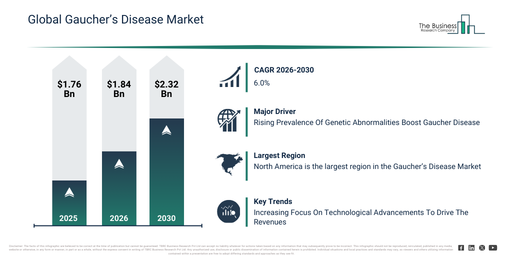
    The gaucher’s disease market has seen consistent expansion in recent years. Its valuation is anticipated to rise from $1.76 billion in 2025 to $1.84 billion in 2026, achieving a compound annual growth rate (CAGR) of 4.9%. This historical increase can be attributed to several factors, including the approval of enzyme replacement therapies, enhanced diagnostic blood tests, financial support for rare disease research, the presence of specialist care, and various patient advocacy programs.

    The gaucher’s disease market size is anticipated to experience robust expansion over the next few years. It is projected to climb to $2.32 billion by 2030, showing a compound annual growth rate (CAGR) of 6.0%. The primary drivers for this growth during the forecast period include the advancement of next-generation therapies, the broader implementation of newborn screening, improved access to treatments for rare diseases, the development of personalized medicine, and enhanced patient survival. Key trends anticipated in the forecast period encompass a rising adoption of enzyme replacement therapy, a greater emphasis on early genetic diagnosis, the expansion of substrate reduction therapies, increasing awareness of rare genetic disorders, and more effective long-term disease management.

    Get A Free Sample Report With In-Depth Market Insights:

    https://thebusinessresearchcompany.com/sample_request?id=30597589&type=smp&name=Gaucher%E2%80%99s%20Disease%20Market%20Report%202026&utm_source=Blogs&utm_medium=Paid&utm_campaign=Nov_PR

    Gaucher’s Disease Market Expansion Drivers: What’s Shaping Future Growth?

    The increasing incidence of genetic abnormalities is projected to fuel the expansion of the Gaucher’s disease market moving forward. Genetic abnormalities refer to alterations or mutations occurring in a person’s DNA sequence, which can lead to abnormal features, functions, or characteristics. Gaucher’s disease exhibits an autosomal recessive inheritance pattern, meaning an individual must inherit two copies of the mutated GBA gene, one from each parent, to develop the condition. Those affected by Gaucher’s disease do not produce adequate amounts of this enzyme, resulting in the accumulation of fatty substances known as lipids in specific organs such as the spleen and liver. For instance, in 2023, the Cystic Fibrosis Foundation, a US-based non-profit organization, reported that the total population with Cystic Fibrosis without a lung transplant was 31,171 in 2022, which subsequently grew to 31,752 in 2023. Thus, the escalating prevalence of genetic abnormalities is driving the growth of the Gaucher’s disease market.

    Gaucher’s Disease Market Segmentation And Category Overview

    The gaucher’s disease market covered in this report is segmented –

    1) By Type: Gaucher Disease Type 1, Gaucher Disease Type 2, Gaucher Disease Type 3, Other Types

    2) By Diagnosis: Physical Exam, Blood Tests, Imaging Tests, Preconception Screening And Prenatal Testing, Other Diagnoses

    3) By Therapy: Enzyme Replacement Therapy, Substrate Reduction Therapy

    4) By Route Of Administration: Oral, Parenteral, Other Routes Of Administration

    5) By End User: Hospitals, Specialty Clinics, Homecare, Other End Users

    Subsegments:

    1) By Gaucher Disease Type 1: Enzyme Replacement Therapy (ERT), Substrate Reduction Therapy (SRT)

    2) By Gaucher Disease Type 2: Supportive Care, Experimental Therapies

    3) By Gaucher Disease Type 3: Enzyme Replacement Therapy (ERT), Symptomatic Management

    4) By Other Types: Rare Variants Of Gaucher Disease, Related Syndromes

    Gaucher’s Disease Market Industry Trends Fueling Future Revenue Growth

    Leading companies in the Gaucher’s disease market are developing innovative technologies, such as next-generation sequencing (NGS), to enhance patient care. Next-generation sequencing (NGS), also known as high-throughput sequencing, is a revolutionary technology that facilitates the rapid and cost-effective sequencing of DNA and RNA molecules. For instance, in February 2023, Eurofins Genomics LLC, a US-based biotechnology company, introduced a whole plasmid sequencing service utilizing advanced Gen3 NGS (next-generation sequencing) technology. This innovative offering provides rapid, same-day results with an impressive single-base accuracy of up to 99%. By strategically combining the precision and quick turnaround of Sanger sequencing with the comprehensive analytical capabilities of NGS, the whole plasmid sequencing service effectively bridges the gap between these two methods. This service can accommodate long DNA constructs ranging from 2.5 to 300 kb. With this new approach, Eurofins Genomics US equips researchers with a cost-effective, time-efficient solution for long-read sequencing, offering a unique blend of accuracy and speed in genetic analysis.

    Gaucher’s Disease Market Competitive Analysis Of Leading Industry Participants

    Major companies operating in the gaucher’s disease market are Pfizer Inc., Johnson & Johnson, Takeda Pharmaceutical Company Limited, Sanofi S.A., BioMarin Pharmaceutical Inc., Ultragenyx Pharmaceutical Inc., Amicus Therapeutics Inc., Protalix BioTherapeutics, AVROBIO Inc., REGENXBIO Inc., Orphazyme A/S, Freeline Therapeutics Holdings plc, CANbridge Life Sciences Ltd, Sangamo Therapeutics Inc, Sigilon Therapeutics Inc, Spur Therapeutics, BioArctic AB, Horizon Therapeutics plc, ERAD Therapeutic, M6P Therapeutics, Lysogene

    View The Full Gaucher’s Disease Market Report:

    https://thebusinessresearchcompany.com/report/gauchers-disease-global-market-report?utm_source=Blogs&utm_medium=Paid&utm_campaign=Nov_PR

    Gaucher’s Disease Market Geographic Analysis: Where Is Demand Rising Fastest?

    North America was the largest region in the Gaucher’s disease market in 2025. Europe is expected to be the fastest growing region in the forecast period. The regions covered in the gaucher’s disease market report are Asia-Pacific, South East Asia, Western Europe, Eastern Europe, North America, South America, Middle East, Africa.

    Reach Out To Our Team:

    The Business Research Company: https://www.thebusinessresearchcompany.com/

    Americas: +1 310-496-7795

    Asia: +44 7882 955267 & +91 8897263534

    Europe: +44 7882 955267

    Email us at: marketing@tbrc.info

    Follow us on:

    LinkedIn: https://in.linkedin.com/company/the-business-research-company

    YouTube: https://www.youtube.com/channel/UC24_fI0rV8cR5DxlCpgmyFQ

    Global Market Model: https://www.thebusinessresearchcompany.com/global-market-model
  • Gastroretentive Drug Delivery Systems Outsourcing Market Forecast: Breaking Down The Numbers Behind Future Expansion

    Gastroretentive Drug Delivery Systems Outsourcing Market Forecast: Breaking Down The Numbers Behind Future Expansion

    Built to provide research that’s more actionable and strategically valuable, The Business Research Company’s 2026 market reports include market attractiveness analysis, total addressable market sizing, company benchmarking matrices, interactive Excel dashboards, broader supply chain intelligence, emerging startup tracking, and in-depth product insights.

    Gastroretentive Drug Delivery Systems Outsourcing Market Forecast: Value Set To Climb From $1.61 Billion To $2.1 Billion

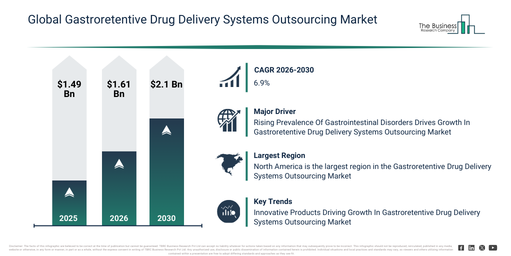
    The gastroretentive drug delivery systems outsourcing market size has demonstrated robust growth over recent years. This market is anticipated to expand from $1.49 billion in 2025 to $1.61 billion in 2026, achieving a compound annual growth rate (CAGR) of 7.8%. The historical development of this market can be ascribed to several factors including the constraints of traditional oral drug delivery, an increase in CRO services, the necessity for better drug absorption, the broadening of the pharmaceutical pipeline, and innovations in formulation technology.

    The gastroretentive drug delivery systems outsourcing market is projected to experience substantial expansion in the coming years. This market is anticipated to reach $2.1 billion by 2030, exhibiting a compound annual growth rate (CAGR) of 6.9%. Factors contributing to this growth during the forecast timeframe include the rising complexity of drug molecules, a growing need for patient-focused delivery systems, broadened outsourcing approaches, advancements in gastroretentive technologies, and pharmaceutical companies’ drive for cost efficiency. Key trends identified for this period encompass the increasing trend of outsourcing advanced drug delivery development, higher demand for formulations with extended gastrointestinal retention, the increasing implementation of floating drug delivery systems, a widening of CRO collaborations in formulation development, and a strong emphasis on improving drug bioavailability.

    Get A Free Sample Report With In-Depth Market Insights:

    https://thebusinessresearchcompany.com/sample_request?id=94744993&type=smp&name=Gastroretentive%20Drug%20Delivery%20Systems%20Outsourcing%20Market%20Report%202026&utm_source=Blogs&utm_medium=Paid&utm_campaign=Nov_PR

    Gastroretentive Drug Delivery Systems Outsourcing Market Development Factors: What’s Supporting Demand?

    The increasing occurrence of gastrointestinal ailments is anticipated to fuel the expansion of the gastroretentive drug delivery systems outsourcing market. These disorders encompass various conditions impacting the digestive tract, such as the stomach, liver, gallbladder, intestines, and pancreas. Factors contributing to the rise in gastrointestinal disorders include an aging population, antibiotic consumption, infectious agents, shifts in diet, stress, lifestyle choices, and obesity. By outsourcing gastroretentive drug delivery systems, pharmaceutical firms gain the necessary resources and specialized knowledge to manage the increasing impact of gastrointestinal conditions, which in turn enhances patient health and overall well-being. For example, in August 2023, the National Institute of Diabetes and Digestive and Kidney Diseases, a US-based government-funded research institute and public health agency, indicated that 60 to 70 million people were affected by all digestive diseases. Consequently, the growing incidence of gastrointestinal disorders is propelling the gastroretentive drug delivery systems outsourcing market. The rising occurrence of age-related conditions is projected to stimulate the expansion of gastroretentive drug delivery systems in the future. These disorders encompass a wide array of medical issues and functional decline primarily affecting seniors, such as cardiovascular ailments, neurodegenerative conditions, musculoskeletal problems, and sensory deficits. The incidence of these conditions is increasing due to an aging global population, extended lifespans, lifestyle elements, and the aggregation of chronic diseases. For example, in April 2025, the Centers for Disease Control and Prevention, a US-based government public health agency, reported that in 2023, around 194 million American adults, including 6 in 10 young adults, 8 in 10 midlife adults, and 9 in 10 older adults, had one or more conditions. The prevalence of chronic conditions saw an increase of 7.0 percentage points among young adults. Thus, the growing prevalence of age-related disorders is fueling the gastroretentive drug delivery systems outsourcing market.

    Gastroretentive Drug Delivery Systems Outsourcing Market Segment Outlook: Which Categories Are Growing Fastest?

    The gastroretentive drug delivery systems outsourcing market covered in this report is segmented –

    1) By Type: Floating Systems, Bioadhesive Systems, Other Types

    2) By Dosage Form: Tablets, Liquid, Microspheres, Capsule, Other Dosage Forms

    3) By Application: Gastroesophageal Reflux Disease (GERD), Neurological Disorders, Other Applications

    4) By End User: Pharmaceutical Companies, Contract Research Organizations (CROs), Other End Users

    Subsegments:

    1) By Floating Systems: Single Unit Systems, Multiple Unit Systems

    2) By Bioadhesive Systems: Hydrogels, Mucoadhesive Polymers

    3) By Other Types: Magnetically Assisted Systems, High-Density Systems, Osmotic Systems

    Gastroretentive Drug Delivery Systems Outsourcing Market Trends Powering Strategic Industry Growth

    Companies operating within the gastroretentive drug delivery systems outsourcing market are concentrating on developing innovative products, such as ready-to-fill (RTF) colon functional capsules, to boost drug delivery efficiency and patient convenience. Ready-to-fill (RTF) colon functional capsules refer to pre-manufactured, empty capsules designed to be filled with specific formulations or active ingredients tailored for the colon. For instance, in September 2024, Evonik, a Germany-based advanced drug delivery provider, launched EUDRACAP colon functional capsules, engineered for the targeted delivery of oral drugs to the ileo-colonic region. These novel capsules are the first ready-to-fill option available in the market, intended for delivering sensitive active ingredients like live biotherapeutic products (LBPs). Currently provided in technical grade, a GMP-grade product is also being developed. EUDRACAP colon streamlines the oral drug development process by simplifying formulation and accelerating time to market, thereby representing a significant advancement in gastroretentive drug delivery systems.

    Gastroretentive Drug Delivery Systems Outsourcing Market Leading Companies And Competitive Benchmarking

    Major companies operating in the gastroretentive drug delivery systems outsourcing market are Pfizer Inc., Merck & Co. Inc., Sanofi S.A., AstraZeneca plc, Novartis AG, Evonik Industries AG, SGS SA, Lonza Group AG, Sun Pharmaceutical Industries Ltd., Catalent Inc., AptarGroup Inc., Cadila Pharmaceuticals, Ashland Global Holdings Inc, Lupin Limited, Torrent Pharmaceuticals Ltd., Evotec SE, Colorcon Inc., Quotient Sciences Limited, Aenova Group, Vectura Group Ltd., Coating Place Inc., Xiromed LLC, SPI Pharma Inc.

    View The Full Gastroretentive Drug Delivery Systems Outsourcing Market Report:

    https://thebusinessresearchcompany.com/report/gastroretentive-drug-delivery-systems-outsourcing-global-market-report?utm_source=Blogs&utm_medium=Paid&utm_campaign=Nov_PR

    Gastroretentive Drug Delivery Systems Outsourcing Market Global Footprint: Which Region Leads The Market?

    North America was the largest region in the gastroretentive drug delivery systems outsourcing market in 2025. Asia-Pacific is expected to be the fastest-growing region in the forecast period. The regions covered in the gastroretentive drug delivery systems outsourcing market report are Asia-Pacific, South East Asia, Western Europe, Eastern Europe, North America, South America, Middle East, Africa.

    Reach Out To Our Team:

    The Business Research Company: https://www.thebusinessresearchcompany.com/

    Americas: +1 310-496-7795

    Asia: +44 7882 955267 & +91 8897263534

    Europe: +44 7882 955267

    Email us at: marketing@tbrc.info

    Follow us on:

    LinkedIn: https://in.linkedin.com/company/the-business-research-company

    YouTube: https://www.youtube.com/channel/UC24_fI0rV8cR5DxlCpgmyFQ

    Global Market Model: https://www.thebusinessresearchcompany.com/global-market-model
  • Gastroparesis Market Expected To Grow At 5.5% CAGR Through 2030: What Businesses Need To Know

    Gastroparesis Market Expected To Grow At 5.5% CAGR Through 2030: What Businesses Need To Know

    Backed by market attractiveness analysis, total addressable market sizing, company benchmarking matrices, interactive Excel dashboards, wider supply chain intelligence, emerging startup coverage, and detailed product-level insights, The Business Research Company’s 2026 market reports are designed to offer research that is more actionable and strategically valuable than ever.

    Gastroparesis Market Revenue Growth On Track For A 5.5% CAGR Through 2030

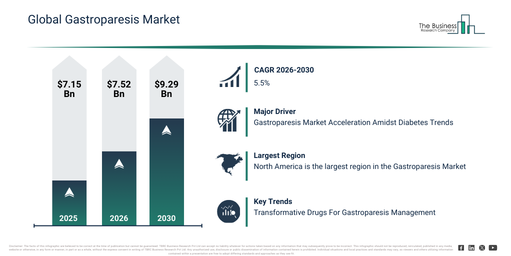
    The gastroparesis market has experienced robust growth in recent years. It is projected to expand from $7.15 billion in 2025 to $7.52 billion in 2026, achieving a compound annual growth rate (CAGR) of 5.1%. The historical increase in this market can be attributed to elements like diabetes-related gastric disorders, the application of antiemetic medications, hospital-based GI care, various dietary management approaches, and the accessibility of diagnostic imaging.

    The gastroparesis market is projected to experience substantial expansion in the coming years, set to reach a valuation of $9.29 billion by 2030, exhibiting a compound annual growth rate (CAGR) of 5.5%. Factors contributing to this anticipated growth include advancements in implantable stimulation devices, the rise of outpatient treatment approaches, an increasing diabetic population, the need for therapies targeting specific symptoms, and enhanced clinical understanding. Key trends anticipated during this period encompass a greater reliance on prokinetic medications, wider acceptance of gastric electrical stimulation devices, an elevated emphasis on managing diet and lifestyle, the availability of more minimally invasive surgical choices, and more accurate diagnosis of diabetic gastroparesis.

    Get A Free Sample Report With In-Depth Market Insights:

    https://thebusinessresearchcompany.com/sample_request?id=38569581&type=smp&name=Gastroparesis%20Market%20Report%202026&utm_source=Blogs&utm_medium=Paid&utm_campaign=Nov_PR

    Gastroparesis Market Industry Drivers: What’s Behind The Revenue Growth?

    The escalating incidence of diabetes is projected to fuel the expansion of the gastroparesis market in the future. Diabetes is a long-term health issue marked by high blood sugar, occurring when the body fails to produce sufficient insulin or utilize it efficiently. The widespread occurrence of diabetes substantially raises the probability of developing gastroparesis, given its critical role in enlarging the demographic susceptible to this ailment. For example, the International Diabetes Federation, an advocacy body based in Belgium, reported in April 2025 that approximately one in nine adults worldwide (589 million) currently live with diabetes. Out of this total, an estimated 252 million individuals remain undiagnosed, putting them at an elevated risk of severe complications and premature mortality. Consequently, the swift increase in diabetes prevalence is propelling the gastroparesis market.

    Gastroparesis Market Segment Landscape: Which Areas Lead Development?

    The gastroparesis market covered in this report is segmented –

    1) By Treatment Modality: Medications, Dietary Modifications, Medical Devices, Other Therapies

    2) By Gastroparesis Type: Idiopathic, Diabetic, Post- Surgical, Other Types

    3) By Patient Demographics: Pediatric Gastroparesis, Adult Gastroparesis

    4) By Distribution Channel: Retail Pharmacies, Hospital Pharmacies, Other Distribution Channels

    5) By End User: Hospitals And Clinics, Ambulatory Surgical Centers, Home Care Settings

    Subsegments:

    1) By Medications: Prokinetic Agents, Antiemetic Medications, Pain Management Medications

    2) By Dietary Modifications: Low-Fiber Diets, Small, Frequent Meals, Pureed Or Liquid Diets

    3) By Medical Devices: Gastric Electrical Stimulation Devices, Enteral Feeding Tubes

    4) By Other Therapies: Acupuncture, Behavioral Therapies, Nutritional Supplements

    Gastroparesis Market Growth Trends Reshaping The Competitive Landscape

    Major companies within the gastroparesis market are actively developing pharmaceuticals to enhance their profitability in the sector. Medications utilized in managing gastroparesis aim to alleviate various symptoms associated with delayed gastric emptying. For instance, in December 2023, Vanda Pharmaceuticals Inc., a US-based biopharmaceutical entity, reported that the U.S. FDA accepted the New Drug Application for Tradipitant, a significant step towards its potential endorsement for gastroparesis therapy. The FDA has scheduled September 18, 2024, as the decision date for Tradipitant, as per the Prescription Drug User Fee Act (PDUFA). If successful, Tradipitant would represent the first novel FDA-approved drug for gastroparesis in over 40 years, signifying a crucial achievement as the first drug in more than three decades to undergo FDA review specifically for this condition.

    Gastroparesis Market Industry Leaders And Competitive Landscape

    Major companies operating in the gastroparesis market are Pfizer Inc., GlaxoSmithKline plc., Abbott Laboratories Inc., AstraZeneca Plc., Medtronic Plc., Takeda Pharmaceutical Company Limited, Johnson And Johnson Services Inc., Teva Pharmaceutical Industries Ltd, AbbVie Inc., Boston Scientific Corporation, Cadila Pharmaceuticals Ltd., Daewoong Pharmaceutical Co. ltd, ANI Pharmaceuticals Inc., Dompe Farmaceutici S.p.A, Sucampo Pharmaceuticals Inc., Ironwood Pharmaceuticals Inc., RedHill Biopharma Ltd., CinRx Pharma LLC, Ritter Pharmaceuticals Inc., Evoke Pharma Inc., Metacrine Inc., Neurogastrx Inc.

    View The Full Gastroparesis Market Report:

    https://thebusinessresearchcompany.com/report/gastroparesis-global-market-report?utm_source=Blogs&utm_medium=Paid&utm_campaign=Nov_PR

    Gastroparesis Market Regional Split: Which Areas Are Fueling Growth?

    North America was the largest region in the gastroparesis market in 2025. The regions covered in the gastroparesis market report are Asia-Pacific, South East Asia, Western Europe, Eastern Europe, North America, South America, Middle East, Africa.

    Reach Out To Our Team:

    The Business Research Company: https://www.thebusinessresearchcompany.com/

    Americas: +1 310-496-7795

    Asia: +44 7882 955267 & +91 8897263534

    Europe: +44 7882 955267

    Email us at: marketing@tbrc.info

    Follow us on:

    LinkedIn: https://in.linkedin.com/company/the-business-research-company

    YouTube: https://www.youtube.com/channel/UC24_fI0rV8cR5DxlCpgmyFQ

    Global Market Model: https://www.thebusinessresearchcompany.com/global-market-model
  • Gastrointestinal Stromal Tumor Market Forecast To Reach $1.98 Billion By 2030: Key Trends Explained

    Gastrointestinal Stromal Tumor Market Forecast To Reach $1.98 Billion By 2030: Key Trends Explained

    Featuring market attractiveness scoring, total addressable market sizing, company benchmarking matrices, interactive Excel dashboards, deeper supply chain intelligence, emerging startup tracking, and granular product-level insights, The Business Research Company’s 2026 market reports are built to deliver research that is both more actionable and more strategically valuable.

    Gastrointestinal Stromal Tumor Market Value Growth And Long-Term Outlook

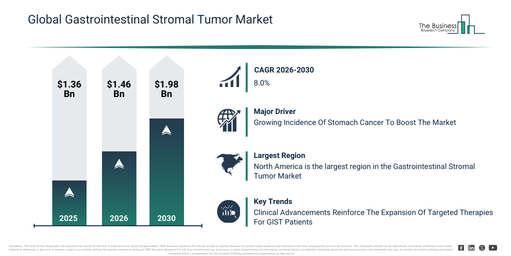
    The gastrointestinal stromal tumor market size has demonstrated robust expansion in recent years. It is anticipated to increase from $1.36 billion in 2025 to $1.46 billion in 2026, registering a compound annual growth rate (CAGR) of 6.9%. The growth witnessed in the historic period stems from the approval of imatinib therapy, improved tumor classification, the expansion of oncology care centers, heightened awareness of rare gi tumors, and the availability of surgical interventions.

    The gastrointestinal stromal tumor market size is anticipated to experience significant growth over the next few years. It is projected to expand to $1.98 billion by 2030, exhibiting a compound annual growth rate (CAGR) of 8.0%. The expansion during the forecast period is attributable to the development of next-generation targeted therapies, an increase in precision diagnostics, a rise in clinical trials, the broader adoption of personalized cancer treatment, and improved survival outcomes. Prominent trends for the forecast period include the increasing utilization of targeted tyrosine kinase inhibitors, a greater focus on molecular tumor profiling, the expansion of precision oncology approaches, an uptick in surgical and drug combination therapy, and enhanced long-term disease management.

    Get A Free Sample Report With In-Depth Market Insights:

    https://thebusinessresearchcompany.com/sample_request?id=64024950&type=smp&name=Gastrointestinal%20Stromal%20Tumor%20Market%20Report%202026&utm_source=Blogs&utm_medium=Paid&utm_campaign=Nov_PR

    Gastrointestinal Stromal Tumor Market Growth Factors: What’s Supporting Expansion?

    The increasing incidence of stomach cancer is anticipated to propel the expansion of the gastrointestinal stromal tumor market moving forward. Stomach cancer refers to the uncontrolled growth and multiplication of malignant cells within the stomach’s lining. While gastrointestinal stromal tumors (GISTs) can manifest in the stomach, they are distinct from stomach cancer. Patients with GISTs have been observed to have a heightened risk of developing additional cancers, such as small bowel adenocarcinoma, especially when two separate tumors collide and merge. For example, in January 2024, the American Cancer Society, a US-based professional organization, estimated that around 26,890 new cases of stomach cancer and 10,880 deaths are expected in the U.S. for 2024, constituting 1.5% of all new cancer diagnoses. Thus, the rising occurrence of stomach cancer is fueling the growth of the gastrointestinal stromal tumor market.

    Gastrointestinal Stromal Tumor Market Segments: Where Is Growth Concentrated?

    The gastrointestinal stromal tumor market covered in this report is segmented –

    1) By Treatment Type: Chemotherapy, Targeted Therapy, Other Treatment Types

    2) By Indication: Stomach, Small Intestine, Others Indications

    3) By End-User: Hospitals, Clinics, Specialized Cancer Treatment Centers, Other End-Users

    Subsegments:

    1) By Chemotherapy: Traditional Chemotherapy Agents, Combination Chemotherapy Regimens

    2) By Targeted Therapy: Tyrosine Kinase Inhibitors, Other Targeted Agents

    3) By Other Treatment Types: Surgery, Radiation Therapy, Clinical Trials For Novel Therapies

    Gastrointestinal Stromal Tumor Market Trends Shaping Long-Term Demand

    Leading firms in the gastrointestinal stromal tumor market are developing novel medications, including signal transduction and targeted therapy, with the aim of enhancing treatment effectiveness, overcoming resistance to current therapies, and addressing unfulfilled clinical needs. Signal transduction and targeted therapy denote treatments crafted to obstruct or alter particular cellular signaling pathways responsible for tumor proliferation and survival. For example, in November 2025, Ascentage Pharma Group International Inc., a China-based commercial-stage biopharmaceutical company, reported the publication of Phase Ib clinical data for olverembatinib (HQP1351) in Signal Transduction and Targeted Therapy. This data emphasized encouraging efficacy and safety in SDH-deficient gastrointestinal stromal tumors (GIST), and also pinpointed a novel antitumor mechanism related to lipid metabolism modulation.

    Gastrointestinal Stromal Tumor Market Key Participants And Competitive Landscape

    Major companies operating in the gastrointestinal stromal tumor market are Pfizer Inc., F. Hoffmann-La Roche AG, Bayer AG, Novartis AG, Merck & Co. Inc., GlaxoSmithKline plc, Bristol-Myers Squibb Company, Sanofi S.A., AstraZeneca plc, Eli Lilly and Company, Daiichi Sankyo Co. Ltd., Eisai Co. Ltd., Sun Pharmaceutical Industries Limited, Jiangsu Hengrui Medicine Co. Ltd., Exelixis Inc., NATCO Pharma Ltd., Blueprint Medicines Corporation, Array BioPharma Inc., Deciphera Pharmaceuticals Inc., Ono Pharmaceutical Co. Ltd.

    View The Full Gastrointestinal Stromal Tumor Market Report:

    https://thebusinessresearchcompany.com/report/gastrointestinal-stromal-tumor-global-market-report?utm_source=Blogs&utm_medium=Paid&utm_campaign=Nov_PR

    Gastrointestinal Stromal Tumor Market Top Region: Where Does Most Revenue Come From?

    North America was the largest region in the gastrointestinal stromal tumor market in 2025. Asia-Pacific is expected to be the fastest-growing region in the forecast period. The regions covered in the gastrointestinal stromal tumor market report are Asia-Pacific, South East Asia, Western Europe, Eastern Europe, North America, South America, Middle East, Africa.

    Reach Out To Our Team:

    The Business Research Company: https://www.thebusinessresearchcompany.com/

    Americas: +1 310-496-7795

    Asia: +44 7882 955267 & +91 8897263534

    Europe: +44 7882 955267

    Email us at: marketing@tbrc.info

    Follow us on:

    LinkedIn: https://in.linkedin.com/company/the-business-research-company

    YouTube: https://www.youtube.com/channel/UC24_fI0rV8cR5DxlCpgmyFQ

    Global Market Model: https://www.thebusinessresearchcompany.com/global-market-model