Blog

  • Facial Paralysis Market Analysis Through 2030: Market Size, Growth Trends And Industry Outlook

    Facial Paralysis Market Analysis Through 2030: Market Size, Growth Trends And Industry Outlook

    Featuring market attractiveness scoring, total addressable market sizing, company benchmarking matrices, interactive Excel dashboards, deeper supply chain intelligence, emerging startup tracking, and granular product-level insights, The Business Research Company’s 2026 market reports are built to deliver research that is both more actionable and more strategically valuable.

    Facial Paralysis Market Value Growth And Long-Term Outlook

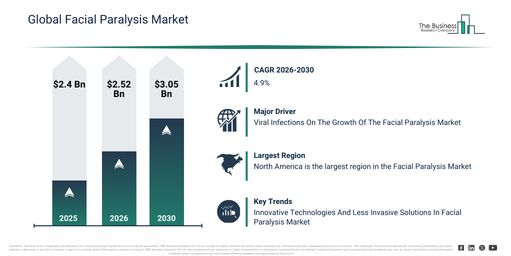
    The facial paralysis market size has experienced robust expansion in recent years. This market is projected to expand from $2.4 billion in 2025 to $2.52 billion in 2026, exhibiting a compound annual growth rate (CAGR) of 5.1%. Historically, this expansion has been driven by factors such as the increasing incidence of bell’s palsy, growth in neurological disorders, improved diagnostic tools, expansion of rehabilitation centers, and rising healthcare awareness.

    The facial paralysis market is projected to experience consistent expansion in the coming years. This market is anticipated to reach $3.05 billion by 2030, exhibiting a compound annual growth rate (CAGR) of 4.9%. Factors contributing to this growth during the forecast period include progress in nerve regeneration treatments, an increase in neuromuscular rehabilitation services, a growing need for prompt intervention, the proliferation of specialized care facilities, and enhanced diagnostic imaging capabilities. Key trends for the forecast period encompass heightened public awareness regarding early diagnosis of facial paralysis, an uptick in the application of physical and rehabilitation therapies, broader acceptance of electrophysiological diagnostic methods, the broadening of multidisciplinary treatment strategies, and better availability of neurological care.

    Get A Free Sample Report With In-Depth Market Insights:

    https://thebusinessresearchcompany.com/sample_request?id=94406745&type=smp&name=Facial%20Paralysis%20Market%20Report%202026&utm_source=Blogs&utm_medium=Paid&utm_campaign=Nov_PR

    Facial Paralysis Market Growth Factors Behind Sustained Expansion

    The increasing impact of viral infections is anticipated to boost the expansion of the facial paralysis market in the future. These infections stem from tiny organisms capable of affecting different bodily regions, resulting in diverse symptoms and health consequences. The increase in viral infections can be attributed to worldwide shifts in travel, alterations in the environment, the development of antimicrobial resistance, socioeconomic elements, and the ongoing evolution of viruses. Viral infections may induce facial paralysis by causing inflammation and harm to the facial nerve, thereby impeding its function in regulating facial muscles, which results in either temporary or lasting weakness or paralysis. For example, in May 2023, an international research group noted in JAMA Otolaryngology a US-based medical journal Head & Neck Surgery, that SARS-CoV-2 infection was associated with a 3.23-fold higher risk of Bell’s palsy when contrasted with SARS-CoV-2 vaccination. Consequently, the expanding impact of viral infections is a key factor propelling the development of the facial paralysis market.

    Facial Paralysis Market Segment Landscape: Which Areas Lead Development?

    The facial paralysis market covered in this report is segmented –

    1) By Type: Bell’s Palsy, Ramsay Hunt Syndrome

    2) By Diagnosis: Electromyography, Computerized Tomography

    3) By Treatment: Medications, Physical Therapy

    4) By End-User: Hospitals, Specialty Centers

    Subsegments:

    1) By Bell’s Palsy: Idiopathic Bell’s Palsy, Postpartum Bell’s Palsy, Bell’s Palsy in Children

    2) By Ramsay Hunt Syndrome: Type 1 (Herpes Zoster Oticus), Type 2 (Varicella-Zoster Virus)

    Facial Paralysis Market Strategic Trends: What Defines The Next Growth Phase?

    Leading companies in the facial paralysis market are concentrating on creating advanced solutions, like exosome-based nerve regeneration therapy, to secure a competitive advantage. This treatment utilizes extracellular vesicles originating from cells to deliver molecular payloads that encourage axonal regrowth and restore function in compromised facial nerves. For example, in April 2025, NurExone Biologic, a Canada-based biotech firm, launched its key candidate, ExoPTEN, which demonstrated in a preclinical facial nerve injury model a significant boost in functional recovery and nerve regeneration by reducing PTEN. ExoPTEN’s distinctive attributes include its minimally invasive delivery via exosomes, its capacity to target several high-value indications (e.g., spinal cord and optic nerve), and its scalable production process using a unified platform. This innovation could revolutionize the facial paralysis market by addressing the underlying nerve damage rather than simply managing symptoms, although extensive long-term safety and clinical validation are still necessary.

    Facial Paralysis Market Industry Leaders And Competitive Landscape

    Major companies operating in the facial paralysis market are Pfizer Inc., Johnson & Johnson, Merck & Co. Inc., Sanofi SA, Abbott Laboratories, GlaxoSmithKline Plc, Medtronic plc, Ipsen S.A., Merz Pharma GmbH & Co. KGaA, Revance Therapeutics Inc., Novartis AG, Biogen Inc, Teva Pharmaceutical Industries Ltd, Sun Pharmaceutical Industries Ltd, Cadila Healthcare Ltd, Galderma Laboratories L.P., Medytox Inc, Evolus Inc, Suneva Medical Inc, Sinclair Pharmaceuticals Ltd, Axogen Inc, Integra LifeSciences Holdings Corporation

    View The Full Facial Paralysis Market Report:

    https://thebusinessresearchcompany.com/report/facial-paralysis-global-market-report?utm_source=Blogs&utm_medium=Paid&utm_campaign=Nov_PR

    Facial Paralysis Market Regional Analysis And Top Geography

    North America was the largest region in the facial paralysis market in 2025. Asia-Pacific is expected to be the fastest-growing region in the market going forward. The regions covered in the facial paralysis market report are Asia-Pacific, South East Asia, Western Europe, Eastern Europe, North America, South America, Middle East, Africa.

    Reach Out To Our Team:

    The Business Research Company: https://www.thebusinessresearchcompany.com/

    Americas: +1 310-496-7795

    Asia: +44 7882 955267 & +91 8897263534

    Europe: +44 7882 955267

    Email us at: marketing@tbrc.info

    Follow us on:

    LinkedIn: https://in.linkedin.com/company/the-business-research-company

    YouTube: https://www.youtube.com/channel/UC24_fI0rV8cR5DxlCpgmyFQ

    Global Market Model: https://www.thebusinessresearchcompany.com/global-market-model
  • Facial Injectable Market Outlook From 2026 To 2030: Key Growth Factors And Future Opportunities

    Facial Injectable Market Outlook From 2026 To 2030: Key Growth Factors And Future Opportunities

    Built to provide research that’s more actionable and strategically valuable, The Business Research Company’s 2026 market reports include market attractiveness analysis, total addressable market sizing, company benchmarking matrices, interactive Excel dashboards, broader supply chain intelligence, emerging startup tracking, and in-depth product insights.

    Facial Injectable Market Poised To Hit $23.14 Billion By 2030 With A 8.8% CAGR

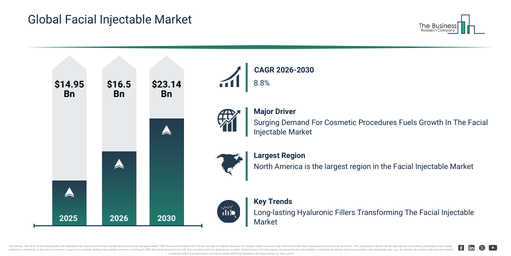
    The facial injectable market has seen swift expansion in recent years. Its value is expected to rise from $14.95 billion in 2025 to $16.5 billion in 2026, indicating a compound annual growth rate (CAGR) of 10.3%. The market’s historical growth can be attributed to several factors including increasing aesthetic awareness, growth in disposable income, the expansion of cosmetic clinics, social media influence, and advancements in injectable formulations.

    The facial injectable market is projected to experience substantial growth in the upcoming years, with its valuation set to reach $23.14 billion by 2030, exhibiting a compound annual growth rate (CAGR) of 8.8%. This anticipated expansion during the forecast period is primarily driven by factors such as a growing demand for personalized aesthetic treatments, advancements in durable fillers, an uptick in male patient engagement, the rise of medical tourism, and the broadening availability of minimally invasive cosmetic procedures. Key trends expected within this period encompass an escalating demand for non-surgical aesthetic interventions, the increasing appeal of hyaluronic acid fillers, higher acceptance rates among younger age groups, the proliferation of dermatology and cosmetic clinics, and a marked preference for minimally invasive facial improvements.

    Get A Free Sample Report With In-Depth Market Insights:

    https://thebusinessresearchcompany.com/sample_request?id=15567&type=smp&name=Facial%20Injectable%20Market%20Report%202026&utm_source=Blogs&utm_medium=Paid&utm_campaign=Nov_PR

    Facial Injectable Market Demand Drivers Opening New Revenue Streams

    The escalating need for cosmetic interventions is projected to fuel the expansion of the facial injectable market in the future. Cosmetic procedures are medical treatments designed to improve an individual’s appearance with minimal alteration to natural body structures, usually being less invasive than conventional surgeries and often conducted as outpatient services. The surge in demand for these procedures stems from a greater societal focus on aesthetics, progress in medical technology enhancing safety and accessibility, and an expanding wish for personal betterment and increased confidence. Within cosmetic procedures, facial injectables serve to temporarily diminish wrinkles, restore volume to specific regions, and refine facial contours via the precise administration of substances like botulinum toxin or dermal fillers. For example, in June 2024, data from the American Society of Plastic Surgeons (ASPS), a US-based professional association, indicated that minimally invasive cosmetic procedures saw a 7 percent year-on-year increase in 2023. Consequently, the heightened demand for cosmetic procedures is a significant factor propelling the facial injectable market’s growth.

    Facial Injectable Market Segments: Where Is Growth Concentrated?

    The facial injectable market covered in this report is segmented –

    1) By Type: Botulinum Toxin, Collagen, Hyaluronic Acid, Calcium Hydroxyapatite, Polylactic Acid, Polymethyl-Methacrylate Microspheres (PMMA), Fat Injection, Other Types

    2) By Application: Wrinkle Reduction, Facelift, Acne Scar Treatment, Lipoatrophy Treatment, Lip Enhancement, Other Applications

    3) By End-User: Hospitals And Ambulatory Surgery Centers, Dermatology And Cosmetic Clinics, Other End-Users

    Subsegments:

    1) By Botulinum Toxin: Botulinum Toxin Type A (Botox, Dysport, Xeomin), Botulinum Toxin Type B (Myobloc, Neurobloc)

    2) By Collagen: Bovine Collagen, Human Collagen, Synthetic Collagen

    3) By Hyaluronic Acid: Cross-linked Hyaluronic Acid, Non-Cross-Linked Hyaluronic Acid

    4) By Calcium Hydroxyapatite: Radiesse (Calcium Hydroxyapatite-Based Fillers)

    5) By Polylactic Acid: Sculptra (Polylactic Acid-Based Fillers)

    6) By Polymethyl Methacrylate Microspheres (PMMA): Artefill (PMMA-Based Fillers)

    7) By Fat Injection: Autologous Fat Transfer (Liposuction And Injection), Fat Grafting For Volume Restoration

    8) By Other Types: Poly-L-Lactic Acid, Polycaprolactone-Based Fillers, Other Emerging Injectable Fillers

    Facial Injectable Market Transformation Trends: What Innovations Are Driving Change?

    Leading enterprises within the facial injectable market are developing cutting-edge products, such as long-lasting hyaluronic acid (HA) fillers, to meet the increasing demand for minimally invasive aesthetic procedures that deliver natural-looking and durable outcomes. Hyaluronic acid (HA) fillers are cosmetic injectables utilized to restore volume, smooth out wrinkles, and enhance facial contours by replenishing the skin’s naturally occurring substances. For instance, in January 2023, Allergan plc, an Ireland-based pharmaceutical company, introduced JUVEDERM VOLUX XC, a hyaluronic acid filler specifically engineered to improve jawline definition in individuals aged 21 and above who experience moderate to severe loss of contour. JUVEDERM VOLUX XC provides long-lasting effects for up to twelve months and aims to deliver natural-looking results. Its minimally invasive quality ensures minimal downtime for patients seeking non-surgical remedies. This innovative filler is supported by extensive research and high patient satisfaction levels, empowering cosmetic specialists to craft personalized treatment plans.

    Facial Injectable Market Key Participants And Competitive Landscape

    Major companies operating in the facial injectable market are AbbVie Inc., Ipsen Pharma, Galderma S.A., Merz Pharma GmbH & Co. KGaA, Sinclair Pharma Plc, Revance Therapeutics Inc., Suneva Medical Inc., Prollenium Medical Technologies, Anteis S.A., Anika Therapeutics Inc., Q-Med AB, Bloomage BioTechnology, Medytox Inc., Teoxane Laboratories, Alphaeon Corporation, Hugel Inc., Evolus Inc., Croma-Pharma GmbH, Sientra Inc., Grex Pharma SaS, Daewoong Pharmaceuticals, LG Life Sciences

    View The Full Facial Injectable Market Report:

    https://thebusinessresearchcompany.com/report/facial-injectable-global-market-report?utm_source=Blogs&utm_medium=Paid&utm_campaign=Nov_PR

    Facial Injectable Market Geographic Analysis: Where Is Demand Rising Fastest?

    North America was the largest region in the facial injectable market in 2025. Asia-Pacific is expected to be the fastest-growing region in the forecast period. The regions covered in the facial injectable market report are Asia-Pacific, South East Asia, Western Europe, Eastern Europe, North America, South America, Middle East, Africa.

    Reach Out To Our Team:

    The Business Research Company: https://www.thebusinessresearchcompany.com/

    Americas: +1 310-496-7795

    Asia: +44 7882 955267 & +91 8897263534

    Europe: +44 7882 955267

    Email us at: marketing@tbrc.info

    Follow us on:

    LinkedIn: https://in.linkedin.com/company/the-business-research-company

    YouTube: https://www.youtube.com/channel/UC24_fI0rV8cR5DxlCpgmyFQ

    Global Market Model: https://www.thebusinessresearchcompany.com/global-market-model
  • Fabry Disease Treatment Market Growth Forecast: Market Size, Key Trends And Emerging Opportunities Through 2030

    Fabry Disease Treatment Market Growth Forecast: Market Size, Key Trends And Emerging Opportunities Through 2030

    Backed by market attractiveness analysis, total addressable market sizing, company benchmarking matrices, interactive Excel dashboards, wider supply chain intelligence, emerging startup coverage, and detailed product-level insights, The Business Research Company’s 2026 market reports are designed to offer research that is more actionable and strategically valuable than ever.

    Fabry Disease Treatment Market Size And Revenue Outlook Through 2030

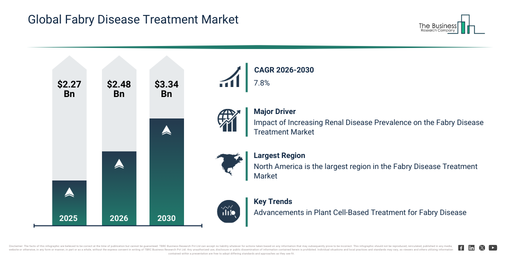
    The fabry disease treatment market has experienced substantial growth in recent years. It is anticipated to increase from $2.27 billion in 2025 to $2.48 billion in 2026, growing at a compound annual growth rate (CAGR) of 8.8%. The expansion observed in the past can be attributed to factors such as improved awareness of rare genetic disorders, the approval of enzyme replacement therapies, the expansion of genetic testing, the growth in specialty hospitals, and increased patient advocacy.

    The fabry disease treatment market is projected for significant expansion in the coming years. By 2030, this market is anticipated to reach $3.34 billion, exhibiting a compound annual growth rate (CAGR) of 7.8%. Factors contributing to this growth during the forecast period include advancements in gene therapy, the increasing application of personalized medicine, enhancements in newborn screening programs, the broader availability of oral therapies, and a rise in funding for rare diseases. Furthermore, key trends for this period encompass the greater adoption of enzyme replacement therapy, a heightened focus on early genetic diagnosis, the expansion of oral chaperone therapies, growing research into gene therapy approaches, and improved patient access to rare disease treatments.

    Get A Free Sample Report With In-Depth Market Insights:

    https://thebusinessresearchcompany.com/sample_request?id=76109713&type=smp&name=Fabry%20Disease%20Treatment%20Market%20Report%202026&utm_source=Blogs&utm_medium=Paid&utm_campaign=Nov_PR

    Fabry Disease Treatment Market Growth Backed By Core Demand Fundamentals

    The increasing prevalence of renal diseases is projected to drive the growth of the fabry disease treatment market moving forward. Renal diseases, also referred to as kidney diseases, signify any conditions that impair the kidneys’ ability to function. The number of renal disease cases is rising due to genetic predispositions, lifestyle choices, environmental factors, and underlying health issues. Fabry disease is caused by the buildup of globotriaosylceramide (Gb3) in kidney cells, leading to damage and dysfunction, thereby highlighting the crucial need for early detection and intervention to prevent kidney complications. For example, in March 2023, according to the International Society of Nephrology (ISN), a professional society based in Belgium, approximately 850 million people worldwide were living with chronic kidney disease (CKD), which represented an increase compared to previous years. Therefore, the growing prevalence of renal diseases is propelling the expansion of the fabry disease treatment market.

    Fabry Disease Treatment Market Segment Analysis: What Are The Core Market Categories?

    The fabry disease treatment market covered in this report is segmented –

    1) By Treatment: Substrate Reduction Therapy, Enzyme Replacement Therapy, Chaperone Treatment, Other Treatments

    2) By Route Of Administration: Oral Route, Intravenous Route

    3) By Disease Severity: Classic Fabry Disease, Late-Onset Fabry Disease

    4) By Distribution Channel: Hospital Pharmacies, Retail Pharmacies, Online Pharmacies

    Subsegments:

    1) By Substrate Reduction Therapy: Migalastat Hydrochloride (Galafold), Other Substrate Reduction Therapies

    2) By Enzyme Replacement Therapy: Agalsidase Beta (Fabrazyme), Agalsidase Alfa (Replagal), Other Enzyme Replacement Therapies

    3) By Chaperone Treatment: Migalastat Hydrochloride (Galafold), Other Chaperone Therapies

    4) By Other Treatments: Gene Therapy, Symptomatic Treatment

    #Fabry Disease Treatment Market Growth Trends: What’s Shaping The Future Outlook?

    Leading companies within the Fabry disease treatment market are actively developing plant cell-based therapies to boost therapeutic efficacy, decrease treatment expenses, and enhance patient outcomes through innovative and sustainable methodologies. This plant cell-based treatment for Fabry disease involves leveraging plant cells to produce the enzymes deficient in individuals suffering from the condition. These plant-derived enzymes serve as a therapeutic strategy to substitute the absent or faulty enzymes in the body, with the goal of alleviating symptoms and improving the health of patients affected by Fabry disease. For example, in May 2023, ELFABRIO received approval, a collaborative effort between Chiesi Global Rare Diseases, an Italy-based pharmaceutical company, and Protalix BioTherapeutics Inc., an Israel-based pharmaceutical company. ELFABRIO offers an alternative treatment option for individuals with Fabry disease. It functions as an enzyme replacement therapy (ERT) where the recombinant human a-Galactosidase-A enzyme is generated in plant-cell culture and subsequently modified with PEGylation to significantly extend its half-life. This particular treatment reduces the required frequency of administration, improves convenience, and enhances the overall management of Fabry disease symptoms, ultimately improving patients’ quality of life.

    Fabry Disease Treatment Market Top Companies Driving Competitive Growth

    Major companies operating in the fabry disease treatment market are Sanofi S.A., Takeda Pharmaceutical Company Limited, Ultragenyx Pharmaceutical Inc., Sangamo Therapeutics Inc., Protalix BioTherapeutics, Avrobio Inc., Freeline Therapeutics Holdings PLC, M6P Therapeutics Inc., Yuhan Corporation, Orchard Therapeutics Ltd., Regenxbio Inc., Synlogic Inc., AceLink Therapeutics Inc., Greenovation Biotech GmbH, CANbridge Life Sciences Ltd., Sigilon Therapeutics Inc., BioMarin Pharmaceutical Inc., Sarepta Therapeutics Inc., Daiichi Sankyo Company Ltd., Audentes Therapeutics Inc., Genesis Therapeutics Inc., Idorsia Pharmaceuticals Ltd., JCR Pharmaceuticals Co Ltd., ISU Abxis Co Ltd.

    View The Full Fabry Disease Treatment Market Report:

    https://thebusinessresearchcompany.com/report/fabry-disease-treatment-global-market-report?utm_source=Blogs&utm_medium=Paid&utm_campaign=Nov_PR

    Fabry Disease Treatment Market Global Footprint: Which Region Leads The Market?

    North America was the largest region in the fabry disease treatment market in 2025. Asia-Pacific is expected to be the fastest-growing region in the forecast period. The regions covered in the fabry disease treatment market report are Asia-Pacific, South East Asia, Western Europe, Eastern Europe, North America, South America, Middle East, Africa.

    Reach Out To Our Team:

    The Business Research Company: https://www.thebusinessresearchcompany.com/

    Americas: +1 310-496-7795

    Asia: +44 7882 955267 & +91 8897263534

    Europe: +44 7882 955267

    Email us at: marketing@tbrc.info

    Follow us on:

    LinkedIn: https://in.linkedin.com/company/the-business-research-company

    YouTube: https://www.youtube.com/channel/UC24_fI0rV8cR5DxlCpgmyFQ

    Global Market Model: https://www.thebusinessresearchcompany.com/global-market-model
  • Eyelid Scrub Market CAGR Forecast Through 2030: Key Trends Shaping Industry Expansion

    Eyelid Scrub Market CAGR Forecast Through 2030: Key Trends Shaping Industry Expansion

    Featuring market attractiveness scoring, total addressable market sizing, company benchmarking matrices, interactive Excel dashboards, deeper supply chain intelligence, emerging startup tracking, and granular product-level insights, The Business Research Company’s 2026 market reports are built to deliver research that is both more actionable and more strategically valuable.

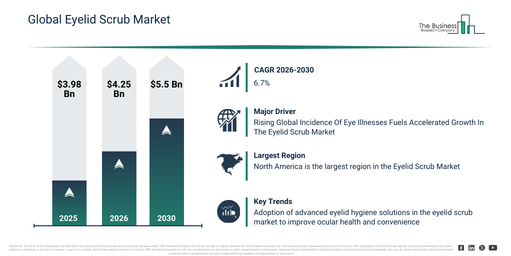
    Eyelid Scrub Market Growth From $4.25 Billion In 2026 To $5.5 Billion By 2030 At A CAGR Of 6.7%

    The eyelid scrub market has shown substantial growth over recent years. It is anticipated to increase from $3.98 billion in 2025 to $4.25 billion in 2026, achieving a compound annual growth rate (CAGR) of 6.8%. This expansion in past periods is linked to the growing prevalence of blepharitis, an increase in dry eye conditions, more frequent ophthalmology visits, the enlargement of retail pharmacies, and greater consumer understanding.

    The eyelid scrub market size is anticipated to undergo significant expansion in the coming years. It is projected to achieve a value of $5.5 billion by 2030, exhibiting a compound annual growth rate (CAGR) of 6.7%. This growth over the forecast period is primarily driven by factors such as increasing demand for preservative-free formulations, a rise in preventive eye care, a growing aging population, the expansion of online pharmacies, and innovation in eyelid cleansing products. Major trends expected during this period include a heightened awareness of eyelid hygiene, greater adoption in chronic eye conditions, an increased demand for medicated eyelid scrubs, the broadening of online and retail distribution channels, and a preference for hypoallergenic and gentle formulations.

    Get A Free Sample Report With In-Depth Market Insights:

    https://thebusinessresearchcompany.com/sample_request?id=60956751&type=smp&name=Eyelid%20Scrub%20Market%20Report%202026&utm_source=Blogs&utm_medium=Paid&utm_campaign=Nov_PR

    Eyelid Scrub Market Growth Catalysts And Demand Drivers

    The rising occurrence of eye conditions is anticipated to fuel the expansion of the eyelid scrub market in the future. Eye illnesses encompass a wide range of medical problems and ailments impacting the eyes, sight, and general ocular well-being. Eyelid scrubs serve to address diverse eye conditions by cleansing the eyelids of debris, bacteria, and surplus oils, thereby diminishing the likelihood of inflammation and enhancing overall eye comfort. As an illustration, in June 2023, the BrightFocus Foundation, a US-based non-profit organization, reported that the global population of glaucoma patients is projected to rise to 111 million by 2040. Consequently, the growing incidence of eye illnesses will be a key factor propelling the eyelid scrub market.

    Eyelid Scrub Market Segment Breakdown: Which Categories Lead On Revenue?

    The eyelid scrub market covered in this report is segmented –

    1) By Product: Pre-Moistened Scrubs, Spray Scrubs, Dry Pad Scrubs

    2) By Distribution Channel: Online Pharmacies, Retail Pharmacies, Hospital Pharmacies, Eye Health Clinics

    3) By Application: Allergies, Dry Eyes, Eye Health, Minor Eye Irritation

    Subsegments:

    1) By Pre-Moistened Scrubs: Hypoallergenic Scrubs, Antibacterial Pre-Moistened Scrubs, Medicated Pre-Moistened Scrubs

    2) By Spray Scrubs: Antibacterial Spray Scrubs, Hypoallergenic Spray Scrubs, Soothing Spray Scrubs

    3) By Dry Pad Scrubs: Sensitive Skin Dry Pads, Exfoliating Dry Pads, Medicated Dry Pads

    Eyelid Scrub Market Industry Trends: What’s Reshaping Demand?

    Leading companies in the eyelid scrub market are concentrating on creating innovative products like preservative-free lid wipes for everyday hygiene, aiming to boost cleaning effectiveness, lessen irritation, and improve user adherence. A preservative-free lid wipe is a pre-moistened cloth containing mild cleansing agents, tea tree oil, hyaluronic acid, and chamomile, which enables the safe and easy removal of debris, oil, and allergens from the eyelid margin without needing to be rinsed, unlike conventional baby shampoo or soap-based cleansers. For instance, in October 2024, Myze, a U.S.-based digital eye-care company, introduced the Daily Lid Wipe. This product features individually wrapped, sterile wipes containing antimicrobial and soothing ingredients that help reduce eyelid inflammation, maintain barrier health, and provide convenient daily cleaning without irritation.

    Eyelid Scrub Market Leading Players And Competitive Positioning

    Major companies operating in the eyelid scrub market are Johnson & Johnson’s, Alcon AG, Bausch & Lomb Incorporated, OCuSOFT Inc., Cliradex, Eye Love (Heyedrate), TheraTears, Avenova, Systane, The Eye Doctor, Bruder Healthcare, Optase, CorneaCare, I-Med Pharma, Lunovus, Noveha, TearRestore, Thea Pharmaceuticals, Zocular, OptiScrub, Blephaclean, Retaine MGD, Ocusoft Lid Wipes

    View The Full Eyelid Scrub Market Report:

    https://thebusinessresearchcompany.com/report/eyelid-scrub-global-market-report?utm_source=Blogs&utm_medium=Paid&utm_campaign=Nov_PR

    Eyelid Scrub Market Regional Split: Which Areas Are Fueling Growth?

    North America was the largest region in the eyelid scrub market in 2025. The regions covered in the eyelid scrub market report are Asia-Pacific, South East Asia, Western Europe, Eastern Europe, North America, South America, Middle East, Africa.

    Reach Out To Our Team:

    The Business Research Company: https://www.thebusinessresearchcompany.com/

    Americas: +1 310-496-7795

    Asia: +44 7882 955267 & +91 8897263534

    Europe: +44 7882 955267

    Email us at: marketing@tbrc.info

    Follow us on:

    LinkedIn: https://in.linkedin.com/company/the-business-research-company

    YouTube: https://www.youtube.com/channel/UC24_fI0rV8cR5DxlCpgmyFQ

    Global Market Model: https://www.thebusinessresearchcompany.com/global-market-model
  • Eye-Drop And Lubricants Market To Witness 5.1% CAGR Growth Through 2030: Key Industry Drivers

    Eye-Drop And Lubricants Market To Witness 5.1% CAGR Growth Through 2030: Key Industry Drivers

    Built to provide research that’s more actionable and strategically valuable, The Business Research Company’s 2026 market reports include market attractiveness analysis, total addressable market sizing, company benchmarking matrices, interactive Excel dashboards, broader supply chain intelligence, emerging startup tracking, and in-depth product insights.

    Eye-Drop And Lubricants Market Expansion Outlook: What Revenue Opportunities Are Ahead?

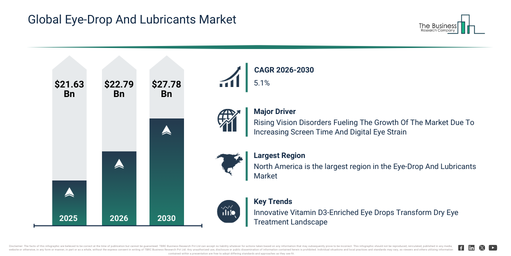
    The eye-drop and lubricants market size has observed substantial growth in recent years. It is anticipated to increase from $21.63 billion in 2025 to $22.79 billion in 2026, exhibiting a compound annual growth rate (CAGR) of 5.4%. This historical expansion can be attributed to the rising prevalence of eye disorders, the proliferation of self-medication practices, heightened awareness of eye hygiene, the expansion of pharmacy retail networks, and enhanced access to ophthalmic products.

    The eye-drop and lubricants market is anticipated to experience robust expansion over the coming years. Projections indicate it will reach $27.78 billion by 2030, demonstrating a compound annual growth rate (CAGR) of 5.1%. This projected growth during the forecast period is driven by several factors, including the rising need for sophisticated eye care products, the broadening of online retail channels, a heightened emphasis on managing chronic eye conditions, increased usage among older demographics, and greater investment in ophthalmic research. Key developments expected within this period include a surge in demand for preservative-free eye lubricants, the growing acceptance of multi-dose delivery systems, wider application of combined eye care treatments, an increase in gel and ointment product varieties, and a stronger emphasis on providing extended relief.

    Get A Free Sample Report With In-Depth Market Insights:

    https://thebusinessresearchcompany.com/sample_request?id=23682374&type=smp&name=Eye-Drop%20And%20Lubricants%20Market%20Report%202026&utm_source=Blogs&utm_medium=Paid&utm_campaign=Nov_PR

    Eye-Drop And Lubricants Market Opportunity Drivers: What’s Unlocking New Revenue Potential?

    The increasing occurrence of vision-related conditions is projected to drive the growth of the eye-drop and lubricants market moving forward. Vision-related cases encompass medical conditions, disorders, or problems that impact the ability to see clearly or comfortably. The rising prevalence of such cases is largely attributed to increased screen time, which leads to digital eye strain and accelerates the onset of myopia, especially among children and young adults. Eye drops and lubricants help relieve symptoms of vision-related issues like dry eye, irritation, and redness by providing moisture, reducing inflammation, and enhancing the stability of the tear film, thereby improving overall eye comfort and visual clarity. For instance, in October 2024, according to the Royal National Institute of Blind People, a UK-based charity that serves people living with visual impairments, the number of individuals with severe sight loss or registered as blind is projected to increase by 29%, rising from 298,000 in 2022 to 379,000 by 2035. Therefore, the growing incidence of vision-related cases is fueling the expansion of the eye-drop and lubricant market.

    Eye-Drop And Lubricants Market Segmentation: How Does The Market Break Down By Category?

    The eye-drop and lubricants market covered in this report is segmented –

    1) By Type: Antibiotics, Hormones, Artificial Tears, Other Types

    2) By Formulation Type: Liquid, Ointment, Gel, Spray

    3) By Distribution Channel: Online Retail, Pharmacies, Supermarkets Or Hypermarkets, Specialty Stores

    4) By Application: Eye Disease, Eye Care, Other Applications

    5) By End User: Hospitals, Clinics, Homecare, Eyewear Centers

    Subsegments:

    1) By Antibiotics: Broad-Spectrum Antibiotics, Fluoroquinolones, Aminoglycosides, Macrolides

    2) By Hormones: Corticosteroids, Non-Corticosteroid Hormones

    3) By Artificial Tears: Preserved Artificial Tears, Preservative-Free Artificial Tears

    4) By Other Types: Antihistamines, Decongestants, Antiglaucoma Agents, Immunomodulators

    Eye-Drop And Lubricants Market Innovation Trends: What Developments Are Reshaping The Industry?

    Major companies in the eye-drop and lubricants market are focusing on introducing advanced solutions, such as vitamin D3-enriched lubricating eye drops, to more effectively manage dry eye symptoms and cater to the expanding need for multi-purpose ocular health products. Vitamin D3-enriched lubricating eye drops are defined as ophthalmic solutions containing vitamin D3 (cholecalciferol) along with moisturizing agents, formulated to not only relieve dry eye discomfort but also provide anti-inflammatory and immune-regulatory advantages. For instance, in May 2024, Entod Pharmaceuticals, an India-based pharmaceutical company, launched vitamin D3-enriched lubricating eye drops, representing a notable development in ocular health by offering precise relief for individuals suffering from dry eye syndrome. This innovative formulation incorporates vitamin D3 into select lubricant eye drop brands, with the goal of improving ocular surface health, enhancing tear stability, and supporting corneal wound healing. The product is accessible solely through prescription from healthcare professionals, addressing the widespread issue of vitamin D deficiency in India, which is linked to various eye health problems, including age-related macular degeneration and diabetic retinopathy.

    Eye-Drop And Lubricants Market Competitive Overview And Top Companies

    Major companies operating in the eye-drop and lubricants market are Bayer AG, Sanofi S.A., Novartis AG, Viatris Inc., Teva Pharmaceutical Industries Ltd., Otsuka Pharmaceutical Co. Ltd., Alcon Inc., Bausch + Lomb Incorporated, Santen Pharmaceutical Co. Ltd., Nicox S.A., Scope Ophthalmics Ltd., Lenz Therapeutics Inc., Eyeris Vision Care Pvt. Ltd., Akums Drugs and Pharmaceuticals Ltd., Medtech Products Inc., Rohto Pharmaceutical Co. Ltd, Eyevance Pharmaceuticals LLC, Sun Pharmaceutical Industries Ltd, Johnson & Johnson Vision, Similasan Corporation, Sager Pharma Kft, Cipla Ltd, Ajanta Pharma Ltd, Intas Pharmaceuticals Ltd, FDC Ltd, Alkem Laboratories Ltd, Entod Pharmaceuticals Ltd

    View The Full Eye-Drop And Lubricants Market Report:

    https://thebusinessresearchcompany.com/report/eye-drop-and-lubricants-global-market-report?utm_source=Blogs&utm_medium=Paid&utm_campaign=Nov_PR

    Eye-Drop And Lubricants Market Top Region: Where Does Most Revenue Come From?

    North America was the largest region in the eye-drop and lubricants market in 2025. North America is expected to be the fastest-growing region in the forecast period. The regions covered in the eye-drop and lubricants market report are Asia-Pacific, South East Asia, Western Europe, Eastern Europe, North America, South America, Middle East, Africa.

    Reach Out To Our Team:

    The Business Research Company: https://www.thebusinessresearchcompany.com/

    Americas: +1 310-496-7795

    Asia: +44 7882 955267 & +91 8897263534

    Europe: +44 7882 955267

    Email us at: marketing@tbrc.info

    Follow us on:

    LinkedIn: https://in.linkedin.com/company/the-business-research-company

    YouTube: https://www.youtube.com/channel/UC24_fI0rV8cR5DxlCpgmyFQ

    Global Market Model: https://www.thebusinessresearchcompany.com/global-market-model
  • Eye Tracking Solutions Market Projected For Strong Expansion Through 2030: Key Trends And Future Outlook

    Eye Tracking Solutions Market Projected For Strong Expansion Through 2030: Key Trends And Future Outlook

    Backed by market attractiveness analysis, total addressable market sizing, company benchmarking matrices, interactive Excel dashboards, wider supply chain intelligence, emerging startup coverage, and detailed product-level insights, The Business Research Company’s 2026 market reports are designed to offer research that is more actionable and strategically valuable than ever.

    Eye Tracking Solutions Market Growth Potential: How Will Market Size Shift Through 2030?

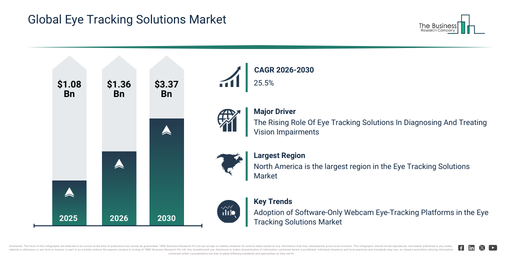
    The eye tracking solutions market has experienced rapid expansion lately. This market is projected to expand from $1.08 billion in 2025 to $1.36 billion in 2026, exhibiting a compound annual growth rate (CAGR) of 26.1%. Historically, this growth can be linked to factors such as an increase in digital advertising research, a heightened emphasis on user experience testing, developments in eye tracking software, the broadening of academic studies, and the expansion of consumer electronics testing.

    The eye tracking solutions market size is projected to experience substantial expansion in the upcoming years. This market is anticipated to reach $3.37 billion by 2030, exhibiting a compound annual growth rate (CAGR) of 25.5%. Several factors are expected to drive this growth during the forecast period, such as AI-driven eye tracking analytics, increasing integration into metaverse applications, expanded utilization in neuromarketing, the proliferation of cloud platforms, and the advancement of remote research tools. Furthermore, significant trends for the forecast period include a heightened demand for software-based eye tracking analytics, broader applications in marketing and consumer research, wider adoption in human-computer interaction studies, increased use in gaming and virtual reality, and the integration of cloud-based eye tracking platforms.

    Get A Free Sample Report With In-Depth Market Insights:

    https://thebusinessresearchcompany.com/sample_request?id=93480176&type=smp&name=Eye%20Tracking%20Solutions%20Market%20Report%202026&utm_source=Blogs&utm_medium=Paid&utm_campaign=Nov_PR

    Eye Tracking Solutions Market Growth Momentum: What Factors Are Shaping Demand?

    The increasing need for ophthalmology is set to boost the growth of the eye tracking solutions market in the upcoming years. Ophthalmology is a branch of medicine dedicated to studying the eyes’ anatomy, function, and diseases. In ophthalmology, eye-tracking solutions enable early detection of eye problems, help assess ocular motility for operations, and provide essential data for measuring patients’ visual attention and cognitive skills. For instance, in May 2024, according to the Centers for Disease Control and Prevention, a US-based national public health agency, 90 million Americans over 40 suffer from vision and eye problems, which is more than 3 in 5. By 2050, if effective interventions are not in place, cataracts will increase 87%, glaucoma will double, and vision impairment and blindness will increase 150%. Therefore, the expanding demand for ophthalmology is fueling the growth of the eye tracking solutions market.

    Eye Tracking Solutions Market Segment Trends And Revenue Contributors

    The eye tracking solutions market covered in this report is segmented –

    1) By Type: Eye Attached Tracking, Optical Tracking, Electrooculography

    2) By Solution: Hardware, Software

    3) By End-User Industry: Retail And Advertisement Sector, Automotive And Transportation, Media And Entertainment, Aerospace And Defense, Consumer Electronics, Other End-User Industries

    Subsegments:

    1) By Eye Attached Tracking: Wearable Eye Trackers, Smart Glasses

    2) By Optical Tracking: Remote Eye Tracking Systems, Screen-Based Tracking Solutions

    3) By Electrooculography: Fixed Electrode Systems, Mobile Or Portable Electrode Systems

    Eye Tracking Solutions Market Trends: What’s Defining The Industry’s Next Phase?

    Leading companies within the eye tracking solutions market are concentrating on developing technological advancements, such as software-only webcam-based eye-tracking platforms, to address the increasing need for scalable, affordable attention-computing applications across education, healthcare, and productivity sectors. Unlike traditional eye trackers that depend on dedicated infrared hardware, a software-only webcam eye-tracking platform leverages AI to deduce gaze direction from a user’s standard webcam video feed, enabling eye tracking on nearly any device without requiring additional sensors. For instance, in June 2024, Tobii AB, a Sweden-based leader in eye-tracking technology, launched Tobii Nexus, an integration platform specifically for eye-tracking data that operates solely on software. This product utilizes an AI-powered inference engine to transform webcam images into real-time gaze data. It performs reliably regardless of varying eye shapes, skin tones, or the presence of glasses or face coverings, and is designed for minimal computational load. It supports a range of applications including behavioral assessments for conditions like ADHD and depression, educational insights into student attention, hands-free interaction for digital collaboration, and VR-style 3D experiences on standard desktop computers.

    Eye Tracking Solutions Market Competitive Landscape: Which Companies Lead The Industry?

    Major companies operating in the eye tracking solutions market are Fujitsu Limited, ISCAN Inc., Tobii AB, Seeing Machines, Noldus Information Technology BV, Smart Eye AB, SensoMotoric Instruments, BIOPAC Systems Inc., AdHawk Microsystems, iMotions A/S, Mirametrix Inc., LC Technologies, SR Research Ltd., ERGONEERS GmbH, Gazepoint Research Inc., EyeTracking Inc., Pupil Labs GmbH, FOVE Inc., Neuroset Italia S.R.L., SeeTrue Technology LLC, EyeTech Digital Systems Inc., Eyeware Tech SA, CoolTool, The Eye Tribe, Eyegaze Inc., BEQUIPE, Sens-vue

    View The Full Eye Tracking Solutions Market Report:

    https://thebusinessresearchcompany.com/report/eye-tracking-solutions-global-market-report?utm_source=Blogs&utm_medium=Paid&utm_campaign=Nov_PR

    Eye Tracking Solutions Market Regional Breakdown: Where Is Demand Concentrated?

    North America was the largest region in the eye tracking solutions market in 2025. Asia-Pacific is expected to be the fastest-growing region in the forecast period. The regions covered in the eye tracking solutions market report are Asia-Pacific, South East Asia, Western Europe, Eastern Europe, North America, South America, Middle East, Africa.

    Reach Out To Our Team:

    The Business Research Company: https://www.thebusinessresearchcompany.com/

    Americas: +1 310-496-7795

    Asia: +44 7882 955267 & +91 8897263534

    Europe: +44 7882 955267

    Email us at: marketing@tbrc.info

    Follow us on:

    LinkedIn: https://in.linkedin.com/company/the-business-research-company

    YouTube: https://www.youtube.com/channel/UC24_fI0rV8cR5DxlCpgmyFQ

    Global Market Model: https://www.thebusinessresearchcompany.com/global-market-model
  • Eye Tracking Market Outlook 2026–2030: Growth Trends, Market Dynamics And Emerging Opportunities

    Eye Tracking Market Outlook 2026–2030: Growth Trends, Market Dynamics And Emerging Opportunities

    Featuring market attractiveness scoring, total addressable market sizing, company benchmarking matrices, interactive Excel dashboards, deeper supply chain intelligence, emerging startup tracking, and granular product-level insights, The Business Research Company’s 2026 market reports are built to deliver research that is both more actionable and more strategically valuable.

    Eye Tracking Market Value Analysis: What Growth Lies Ahead Over The Forecast Period?

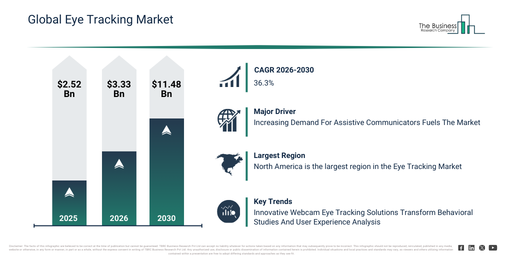
    The eye tracking market has experienced significant expansion in recent years. Its valuation is set to increase from $2.52 billion in 2025 to $3.33 billion in 2026, driven by a compound annual growth rate (CAGR) of 31.9%. The market’s historical growth is linked to factors such as an increase in human-computer interaction studies, greater research funding, wider adoption of usability testing, developments in sensor technologies, and enhanced academic integration.

    The eye tracking market is expected to undergo substantial expansion in the coming years. It is forecast to reach $11.48 billion by 2030, demonstrating a compound annual growth rate (CAGR) of 36.3%. The drivers for this growth during the forecast period include its integration with AI-powered analytics, an escalating demand for immersive technologies, the advancement of autonomous vehicles, wider applications in healthcare, and innovations in wearable electronics. Key trends in the same period involve increased utilization in behavioral and cognitive research, growing incorporation into automotive safety systems, the proliferation of wearable eye tracking devices, a rise in healthcare diagnostic applications, and integration with virtual and augmented reality.

    Get A Free Sample Report With In-Depth Market Insights:

    https://thebusinessresearchcompany.com/sample_request?id=42778175&type=smp&name=Eye%20Tracking%20Market%20Report%202026&utm_source=Blogs&utm_medium=Paid&utm_campaign=Nov_PR

    Eye Tracking Market Expansion Drivers: What’s Shaping Future Growth?

    A growing need for assistive communicators is anticipated to propel the eye-tracking market. These devices are tools designed to support individuals with communication impairments, enhancing or augmenting their capacity to convey thoughts, ideas, and needs. Eye-tracking technology enables users to control and navigate assistive communicators by monitoring their eye movements, providing a more natural and efficient mode of communication. For example, in January 2024, the World Health Organization (WHO), a Switzerland-based national agency, reported that over 2.5 billion people globally require one or more assistive products. Furthermore, with an aging worldwide population and an increase in noncommunicable diseases, it is estimated that 3.5 billion people will need assistive technology by 2050. Thus, the escalating demand for assistive communicators is expected to significantly drive the expansion of the eye-tracking market.

    Eye Tracking Market Segment Analysis Spotlighting Growth Areas

    The eye tracking market covered in this report is segmented –

    1) By Type: Eye Attached Tracking, Optical Tracking, Electrooculography

    2) By Component: Hardware, Software

    3) By Location: Remote, Mobile

    4) By Application: Healthcare, Retail, Research, Automotive, Consumer Electronics, Other Application

    Subsegments:

    1) By Eye Attached Tracking: Wearable Devices, Head-Mounted Displays (HMDs)

    2) By Optical Tracking: Remote Eye Trackers, Camera-Based Systems, Video-Based Eye Tracking Solutions

    3) By Electrooculography: Contact Electrooculography Devices, Non-Contact Electrooculography Devices, Research-Grade Electrooculography Systems

    Eye Tracking Market Industry Trends Fueling Future Revenue Growth

    Leading companies in the eye-tracking market are prioritizing the development of advanced solutions, such as webcam eye-tracking, to achieve a competitive advantage. This webcam eye-tracking technology utilizes a standard webcam or a similar camera to observe and analyze a user’s eye movements and gaze direction in real-time. For example, in June 2024, Tobii AB, a Swedish computer software company, unveiled the Tobii Nexus, a webcam eye tracker. The Tobii Nexus is a sophisticated webcam eye-tracking solution designed for seamless integration with standard webcams, facilitating accurate gaze tracking without the necessity for specialized hardware. Its distinctive functionalities include real-time eye-tracking, simple user calibration, and extensive compatibility with various software programs, positioning it as an excellent tool for research, accessibility improvements, and user experience assessments.

    Eye Tracking Market Leading Companies: Who Holds The Strongest Market Presence?

    Major companies operating in the eye tracking market are Tobii AB, Varjo, Smart Eye AB, RealEye, Noldus Information Technology, Seeing Machine, Sensomotoric Instruments (SMI), iMotions A/S, NovaSight, Eyegaze Inc., Element Human Ltd., Ergoneers GmbH, Eye Tracking Inc., Gazepoint Research Inc., LC Technologies Inc., 4tiitoo AG, The Eye Tribe, Mirametrix Inc., EyeTech Digital Systems, SR Research, Phoenix Research Labs, GazeHawk, Pupil Labs

    View The Full Eye Tracking Market Report:

    https://thebusinessresearchcompany.com/report/eye-tracking-global-market-report?utm_source=Blogs&utm_medium=Paid&utm_campaign=Nov_PR

    Eye Tracking Market Geographic Landscape: Which Region Leads Industry Growth?

    North America was the largest region in the eye tracking market in 2025. Asia-Pacific is expected to be the fastest-growing region in the forecast period. The regions covered in the eye tracking market report are Asia-Pacific, South East Asia, Western Europe, Eastern Europe, North America, South America, Middle East, Africa.

    Reach Out To Our Team:

    The Business Research Company: https://www.thebusinessresearchcompany.com/

    Americas: +1 310-496-7795

    Asia: +44 7882 955267 & +91 8897263534

    Europe: +44 7882 955267

    Email us at: marketing@tbrc.info

    Follow us on:

    LinkedIn: https://in.linkedin.com/company/the-business-research-company

    YouTube: https://www.youtube.com/channel/UC24_fI0rV8cR5DxlCpgmyFQ

    Global Market Model: https://www.thebusinessresearchcompany.com/global-market-model
  • Eye Melanoma Market Growth Outlook From $10.69 Billion In 2026 To $15.17 Billion By 2030

    Eye Melanoma Market Growth Outlook From $10.69 Billion In 2026 To $15.17 Billion By 2030

    Built to provide research that’s more actionable and strategically valuable, The Business Research Company’s 2026 market reports include market attractiveness analysis, total addressable market sizing, company benchmarking matrices, interactive Excel dashboards, broader supply chain intelligence, emerging startup tracking, and in-depth product insights.

    Eye Melanoma Market Size Forecast: How Big Could The Market Get By 2030?

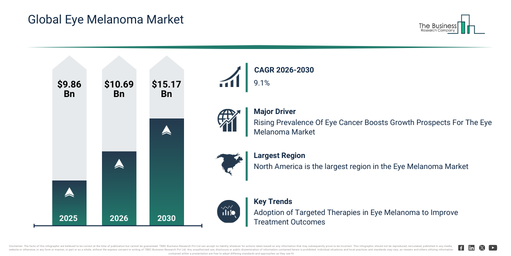
    The eye melanoma market has observed robust expansion in recent years. The market is anticipated to expand from $9.86 billion in 2025 to $10.69 billion in 2026, demonstrating a compound annual growth rate (CAGR) of 8.4%. This historical growth can be linked to improvements in ocular imaging technologies, rising cancer awareness, the proliferation of oncology treatment facilities, advancements in diagnostic capabilities, and better survival outcomes.

    The eye melanoma market size is anticipated to experience robust expansion over the next few years. It is projected to reach $15.17 billion by 2030, demonstrating a compound annual growth rate (CAGR) of 9.1%. This growth during the forecast period can be attributed to several factors, including the development of innovative immunotherapies, increasing adoption of precision oncology, an expansion in genetic testing, rising investment in rare cancer research, and improvements in early screening programs. Significant trends anticipated for the forecast period involve a heightened focus on early cancer detection, a growing embrace of targeted and immunotherapies, increased utilization of advanced ocular imaging, the expansion of specialized oncology centers, and growing clinical research dedicated to rare eye cancers.

    Get A Free Sample Report With In-Depth Market Insights:

    https://thebusinessresearchcompany.com/sample_request?id=54739003&type=smp&name=Eye%20Melanoma%20Market%20Report%202026&utm_source=Blogs&utm_medium=Paid&utm_campaign=Nov_PR

    Eye Melanoma Market Development Factors: What’s Supporting Demand?

    The escalating incidence of eye cancer is anticipated to propel the growth of the eye melanoma market in the forthcoming period. Eye cancer is characterized by the abnormal and unchecked proliferation of cells within the eye’s structures. The expanding recognition and successful handling of early cases are fostering a greater need for specialized therapies and interventions, driven by enhanced detection methods, increased awareness, and advances in treatment approaches. For instance, in 2025, according to the American Cancer Society, a US-based non-profit organization, there were approximately 3,140 new cases of eye and orbital cancers (mainly melanomas), including 1,620 in males and 1,520 in females. Furthermore, there were about 490 deaths from these cancers, comprising 270 males and 220 females. Therefore, the rising prevalence of eye cancer will further drive the expansion of the eye melanoma market.

    Eye Melanoma Market Segment Performance And Emerging Opportunities

    The eye melanoma market covered in this report is segmented –

    1) By Site: Uvea, Sclera, Retina

    2) By Diagnosis: Imaging, Biopsy, Eye Exam

    3) By Treatment: Surgery, Radiation Therapy, Targeted Therapy, Immunotherapy, Other Treatment

    4) By End User: Hospitals And Clinics, Academic Institutes

    Subsegments:

    1) By Uvea: Choroid Melanoma, Ciliary Body Melanoma, Iris Melanoma

    2) By Sclera: Episcleral Melanoma, Scleral Surface Melanoma, Conjunctival Melanoma

    3) By Retina: Macular Melanoma, Peripheral Retinal Melanoma, Optic Disc Melanoma

    Eye Melanoma Market Trends Powering Strategic Industry Growth

    Prominent companies operating in the eye melanoma market are prioritizing the development of technological advancements, such as protein-kinase C (PKC) inhibitors, to fulfill the growing demand for effective, eye-preserving systemic treatments. PKC inhibitors function as small-molecule agents that specifically obstruct PKC enzymes linked to tumor growth, thereby providing a non-surgical alternative to established therapies like plaque brachytherapy or enucleation. For instance, in March 2025, IDEAYA Biosciences, a US-based precision oncology company, introduced darovasertib, a pioneering first-in-class PKC inhibitor tailored for uveal melanoma. This therapy targets PKC isoforms involved in tumor proliferation, exhibiting tumor shrinkage rates of approximately 82% and eye-preservation rates of 61% in its Phase 2 trials. Darovasertib can be administered to patients eligible for either enucleation or plaque brachytherapy, presenting a systemic, eye-sparing treatment option for primary uveal melanoma.

    Eye Melanoma Market Key Players: Which Companies Lead Industry Competition?

    Major companies operating in the eye melanoma market are Pfizer Inc., Johnson & Johnson, F. Hoffmann-La Roche Ltd, Merck & Co. Inc, AbbVie Inc., Bayer AG, Novartis AG, Bristol-Myers Squibb Company, AstraZeneca PLC, Sanofi S.A., Amgen Inc., Castle Biosciences Inc., IDEAYA Biosciences Inc., Delcath Systems Inc., Immunocore Holdings plc, Aura Biosciences Inc., TriSalus Life Sciences Inc., Replimune Group Inc., Linnaeus Therapeutics, iOnctura, LES LABORATOIRES SERVIER, Immatics NV

    View The Full Eye Melanoma Market Report:

    https://thebusinessresearchcompany.com/report/eye-melanoma-global-market-report?utm_source=Blogs&utm_medium=Paid&utm_campaign=Nov_PR

    Eye Melanoma Market Largest Region: Which Geography Holds The Biggest Share?

    North America was the largest region in the eye melanoma market in 2025. Asia-Pacific is expected to be the fastest-growing region in the forecast period. The regions covered in the eye melanoma market report are Asia-Pacific, South East Asia, Western Europe, Eastern Europe, North America, South America, Middle East, Africa.

    Reach Out To Our Team:

    The Business Research Company: https://www.thebusinessresearchcompany.com/

    Americas: +1 310-496-7795

    Asia: +44 7882 955267 & +91 8897263534

    Europe: +44 7882 955267

    Email us at: marketing@tbrc.info

    Follow us on:

    LinkedIn: https://in.linkedin.com/company/the-business-research-company

    YouTube: https://www.youtube.com/channel/UC24_fI0rV8cR5DxlCpgmyFQ

    Global Market Model: https://www.thebusinessresearchcompany.com/global-market-model
  • Eye Infections Market Forecast To Reach $10.24 Billion By 2030: Key Growth Drivers And Industry Trends

    Eye Infections Market Forecast To Reach $10.24 Billion By 2030: Key Growth Drivers And Industry Trends

    Backed by market attractiveness analysis, total addressable market sizing, company benchmarking matrices, interactive Excel dashboards, wider supply chain intelligence, emerging startup coverage, and detailed product-level insights, The Business Research Company’s 2026 market reports are designed to offer research that is more actionable and strategically valuable than ever.

    Eye Infections Market Revenue Outlook: What CAGR Lies Ahead Through 2030?

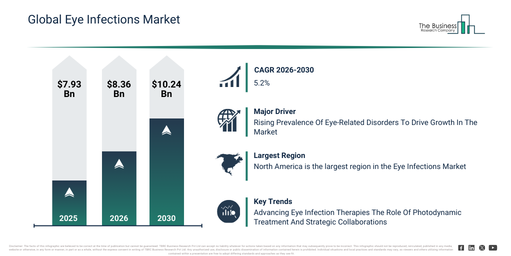
    The eye infections market size has experienced significant growth in recent years. It is anticipated to increase from $7.93 billion in 2025 to $8.36 billion in 2026, demonstrating a compound annual growth rate (CAGR) of 5.4%. This historical expansion can be linked to the high occurrence of conjunctivitis and keratitis, a rise in contact lens usage, increasing urban pollution, improved healthcare access, and the proliferation of ophthalmology clinics.

    The eye infections market is anticipated to experience substantial growth in the coming years. It is projected to expand to $10.24 billion by 2030, achieving a compound annual growth rate (CAGR) of 5.2%. This growth over the forecast period is primarily driven by factors such as the development of innovative antimicrobial eye drugs, an expanding aging population, an increase in digital eye strain incidents, enhanced access to ophthalmic care, and the proliferation of online pharmacies. Significant trends for the forecast period include a rising prevalence of bacterial and viral eye infections, greater utilization of prescription ophthalmic drugs, increasing awareness regarding early diagnosis and treatment, the expansion of online and retail pharmacy networks, and the creation of broad-spectrum ophthalmic therapies.

    Get A Free Sample Report With In-Depth Market Insights:

    https://thebusinessresearchcompany.com/sample_request?id=34992420&type=smp&name=Eye%20Infections%20Market%20Report%202026&utm_source=Blogs&utm_medium=Paid&utm_campaign=Nov_PR

    Eye Infections Market Industry Drivers: What’s Behind The Revenue Growth?

    The growing occurrence and widespread presence of eye-related disorders are expected to drive the eye infections market. These disorders encompass various ocular conditions, including illnesses like glaucoma, cataracts, and macular degeneration, alongside refractive issues such as myopia and hyperopia. The rise in individuals suffering from eye-related disorders stems from elements such as an aging demographic, evolving lifestyles, environmental influences, and insufficient diagnostic abilities that cause delays in identifying problems. Eye infections can exacerbate or initiate these disorders through inducing inflammation, damaging tissues, and compromising the eye’s inherent protective mechanisms, potentially resulting in complications like vision loss or persistent conditions. As an illustration, information from October 2024, provided by the World Health Organization, a health authority based in Switzerland, indicated that in 2023, surgical interventions for advanced trachoma were performed on 130,746 individuals, and 32.9 million received antibiotic treatments, achieving a worldwide coverage of 29%. Consequently, the escalating incidence and prevalence of eye-related disorders are set to propel the eye infections market in the foreseeable future.

    Eye Infections Market Segment Landscape And Growth Outlook

    The eye infections market covered in this report is segmented –

    1) By Indications: Conjunctivitis, Keratitis, Endophthalmitis, Blepharitis, Stye, Uveitis, Cellulitis, Ocular Herpes

    2) By Drug Type: Corticosteroids, Quinolone Antibiotics, Macrolide Antibiotics, Tetracycline Antibiotics, Polyene Antifungals

    3) By Distribution Channel: Hospital Pharmacies, Retail Pharmacies, Online Pharmacies

    Subsegments:

    1) By Conjunctivitis: Bacterial Conjunctivitis, Viral Conjunctivitis, Allergic Conjunctivitis

    2) By Keratitis: Bacterial Keratitis, Viral Keratitis, Fungal Keratitis, Acanthamoeba Keratitis

    3) By Endophthalmitis: Post-surgical Endophthalmitis, Post-traumatic Endophthalmitis, Endogenous Endophthalmitis

    4) By Blepharitis: Anterior Blepharitis, Posterior Blepharitis

    5) By Stye: Internal Stye, External Stye

    6) By Uveitis: Anterior Uveitis, Intermediate Uveitis, Posterior Uveitis, Panuveitis

    7) By Cellulitis: Periorbital Cellulitis, Orbital Cellulitis

    8) By Ocular Herpes: Herpes Simplex Keratitis, Herpes Simplex Conjunctivitis

    Eye Infections Market Growth Trends Reshaping The Competitive Landscape

    Major companies operating in the eye infections market are concentrating on devising innovative therapies, such as photodynamic therapy, to bolster treatment efficacy and mitigate side effects. Photodynamic therapy is a medical procedure that employs a light-sensitive drug, activated by specific light wavelengths, to pinpoint and eliminate abnormal or infected cells. For example, in December 2024, VisiRose Inc., a US-based clinical-stage biotechnology company, joined forces with Provectus Biopharmaceuticals Inc., a US-based pharmaceutical company, and Bascom Palmer Eye Institute, a US-based health center, to unveil Rose Bengal Photodynamic Antimicrobial Therapy (RB PDAT). This groundbreaking, non-invasive investigational treatment is designed for infectious keratitis and other severe eye infections. The RB PDAT presents a promising resolution to the escalating global issue of antimicrobial resistance (AMR), offering a broad-spectrum ocular treatment. This therapy is engineered to be safe, effective, and cost-efficient, thereby addressing the pressing requirement for novel treatments in this domain.

    Eye Infections Market Competitive Landscape: Who Leads The Industry?

    Major companies operating in the eye infections market are Pfizer Inc, F. Hoffmann-La Roche AG, Merck And Co Inc, AbbVie Inc., Abbott Laboratories, Novartis AG, Takeda Pharmaceutical Company Limited, Teva Pharmaceutical Industries Limited, Otsuka Pharmaceutical Co Ltd, Regeneron Pharmaceuticals Inc, Alcon Laboratories Inc., Bausch Health Companies Inc., Sun Pharmaceutical Industries Limited, Santen Pharmaceuticals Co Ltd, Rohto Pharmaceutical Co Ltd, Alembic Pharmaceuticals Limited, Novaliq GmbH, Eyevance Pharmaceuticals LLC, Ocular Therapeutix, I-Med Pharma Inc., EyeGate Pharmaceuticals Inc

    View The Full Eye Infections Market Report:

    https://thebusinessresearchcompany.com/report/eye-infections-global-market-report?utm_source=Blogs&utm_medium=Paid&utm_campaign=Nov_PR

    Eye Infections Market Regional Analysis: Which Geography Leads On Revenue?

    North America was the largest region in the eye infections market in 2025. Asia-Pacific is expected to be the fastest-growing region in the forecast period. The regions covered in the eye infections market report are Asia-Pacific, South East Asia, Western Europe, Eastern Europe, North America, South America, Middle East, Africa.

    Reach Out To Our Team:

    The Business Research Company: https://www.thebusinessresearchcompany.com/

    Americas: +1 310-496-7795

    Asia: +44 7882 955267 & +91 8897263534

    Europe: +44 7882 955267

    Email us at: marketing@tbrc.info

    Follow us on:

    LinkedIn: https://in.linkedin.com/company/the-business-research-company

    YouTube: https://www.youtube.com/channel/UC24_fI0rV8cR5DxlCpgmyFQ

    Global Market Model: https://www.thebusinessresearchcompany.com/global-market-model
  • Extreme Lateral Interbody Fusion (XLIF) Surgery  Market Research 2026: Market Size, Trends, Segments And Growth Forecast

    Extreme Lateral Interbody Fusion (XLIF) Surgery  Market Research 2026: Market Size, Trends, Segments And Growth Forecast

    Featuring market attractiveness scoring, total addressable market sizing, company benchmarking matrices, interactive Excel dashboards, deeper supply chain intelligence, emerging startup tracking, and granular product-level insights, The Business Research Company’s 2026 market reports are built to deliver research that is both more actionable and more strategically valuable.

    Extreme Lateral Interbody Fusion (XLIF) Surgery  Market Growth Analysis: How Will Revenue Trend Over The Forecast Period?

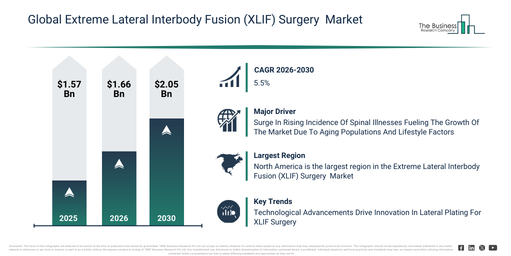
    The extreme lateral interbody fusion (xlif) surgery market size has demonstrated robust expansion over recent years. This market is projected to expand from $1.57 billion in 2025 to $1.66 billion in 2026, exhibiting a compound annual growth rate (CAGR) of 5.8%. Factors contributing to its historical growth include an escalating prevalence of degenerative disc disease, an increase in spinal disorder cases, a growing preference for minimally invasive surgical procedures, advancements in surgical instrumentation, and the proliferation of orthopedic hospitals.

    The market size for extreme lateral interbody fusion (xlif) surgery is poised for robust expansion in the coming years, with projections indicating it will climb to $2.05 billion by 2030, achieving a compound annual growth rate (CAGR) of 5.5%. This anticipated growth during the forecast period is fueled by several factors, including the increasing elderly demographic, continuous technological advancements in spinal implants, a growing preference among surgeons for lateral surgical approaches, escalating investments in healthcare infrastructure, and a heightened awareness of minimally invasive spine surgery. Noteworthy trends expected during this period involve the rising adoption of minimally invasive spine procedures, a growing demand for accelerated post-surgical recovery, an increased deployment of advanced interbody cages, the expansion of specialized spine surgery centers, and enhanced surgical outcomes facilitated by lateral access techniques.

    Get A Free Sample Report With In-Depth Market Insights:

    https://thebusinessresearchcompany.com/sample_request?id=68497513&type=smp&name=Extreme%20Lateral%20Interbody%20Fusion%20%28XLIF%29%20Surgery%C2%A0%20Market%20Report%202026&utm_source=Blogs&utm_medium=Paid&utm_campaign=Nov_PR

    Extreme Lateral Interbody Fusion (XLIF) Surgery  Market Growth Factors: What’s Supporting Expansion?

    An increasing occurrence of spinal ailments is projected to boost the expansion of the extreme lateral interbody fusion (XLIF) surgery market throughout the forecast period. These conditions encompass various medical issues impacting the spine, such as its vertebrae, discs, nerves, spinal cord, and adjacent muscles and ligaments. Sedentary habits are a primary contributor to the increase in spinal illnesses, given that prolonged sitting and insufficient physical exercise lead to inadequate posture and weakened core musculature, thereby elevating the likelihood of spinal deterioration and persistent back discomfort. XLIF surgical procedures are necessary for addressing spinal conditions because they non-invasively correct disc height and spinal alignment, alleviating pressure on nerves and stabilizing the spine without requiring incisions through significant back muscles. For example, in June 2024, data from the Australian Institute of Health and Welfare, an Australian government body, indicated that by 2023, back issues had emerged as the third primary source of disease burden in Australia, accounting for 4.3% of the overall disease burden. Consequently, the growing frequency of spinal disorders is propelling the expansion of the extreme lateral interbody fusion (XLIF) surgery market.

    Extreme Lateral Interbody Fusion (XLIF) Surgery  Market Breakdown By Product Type And Application

    The extreme lateral interbody fusion (xlif) surgery market covered in this report is segmented –

    1) By Product Type: Extreme Lateral Interbody Fusion (XLIF) Interbody Fusion Systems, Extreme Lateral Interbody Fusion (XLIF) Interbody Cages

    2) By Procedure Type: Single Segment, Multi-Segment, Mini Open

    3) By Application: Spinal Stenosis, Herniated Disc, Degenerative Disc Disease

    4) By End-User: Hospitals, Ambulatory Surgical Centers, Orthopedic Clinic

    Subsegments:

    1) By XLIF Interbody Fusion Systems: Minimally Invasive XLIF Systems, Stand-Alone XLIF Systems, Expandable XLIF Systems, Biomechanical XLIF System

    2) By XLIF Interbody Cages: PEEK (Polyether Ether Ketone) XLIF Cages, Titanium XLIF Cages, 3D-Printed XLIF Cages, Expandable XLIF Cages

    Extreme Lateral Interbody Fusion (XLIF) Surgery  Market Trends Shaping Long-Term Demand

    Leading companies in the extreme lateral interbody fusion (XLIF) surgery market are concentrating on developing technologically advanced products, such as lateral plating systems, with the goal of reducing operative time and promoting quicker patient recovery. These lateral plating systems are orthopedic implants utilized in spine surgery to provide stabilization and support by attaching plates to the side (lateral aspect) of the vertebrae, frequently in conjunction with interbody fusion procedures, including XLIF. For instance, in August 2024, Globus Medical Inc., a US-based medical device manufacturer, introduced the ADIRA XLIF Plate System. This ADIRA XLIF Plate System provides a streamlined lateral plating solution incorporating a secure coupling mechanism that precisely aligns plates over interbody spacers for improved stability. Compatible with bone screws and lateral MIS anchors, it supports various fixation methods and spacer types. Integrated within the Globus Medical lateral portfolio, it directly threads into multiple interbody spacers to mitigate the risk of spacer movement and adapt to diverse patient needs and surgical preferences, thereby enhancing both efficiency and reliability.

    Extreme Lateral Interbody Fusion (XLIF) Surgery  Market Company Landscape And Competitive Strategy

    Major companies operating in the extreme lateral interbody fusion (xlif) surgery market are Medtronic plc, Stryker Corporation, Zimmer Biomet Holdings Inc., NuVasive Inc., Globus Medical Inc., Orthofix Medical Inc., Alphatec Holdings Inc. (Alphatec Spine), Spinal Elements Inc., Surgalign Holdings Inc., Spineology Inc., CoreLink LLC, Aurora Spine Corporation, Life Spine Inc., Premia Spine Ltd., Nexxt Spine LLC, Spinal Simplicity LLC, CoreSpine Technologies LLC, NU-Spine LLC, ATEC Spine Inc., Captiva Spine Inc., Xtant Medical Holdings Inc., Centinel Spine LLC

    View The Full Extreme Lateral Interbody Fusion (XLIF) Surgery  Market Report:

    https://thebusinessresearchcompany.com/report/extreme-lateral-interbody-fusion-xlif-surgery-global-market-report?utm_source=Blogs&utm_medium=Paid&utm_campaign=Nov_PR

    Extreme Lateral Interbody Fusion (XLIF) Surgery  Market Geographic Spread And Regional Opportunities

    North America was the largest region in the extreme lateral interbody fusion (XLIF) surgery market in 2025. Asia-Pacific is expected to be the fastest-growing region in the forecast period. The regions covered in the extreme lateral interbody fusion (xlif) surgery market report are Asia-Pacific, South East Asia, Western Europe, Eastern Europe, North America, South America, Middle East, Africa.

    Reach Out To Our Team:

    The Business Research Company: https://www.thebusinessresearchcompany.com/

    Americas: +1 310-496-7795

    Asia: +44 7882 955267 & +91 8897263534

    Europe: +44 7882 955267

    Email us at: marketing@tbrc.info

    Follow us on:

    LinkedIn: https://in.linkedin.com/company/the-business-research-company

    YouTube: https://www.youtube.com/channel/UC24_fI0rV8cR5DxlCpgmyFQ

    Global Market Model: https://www.thebusinessresearchcompany.com/global-market-model