Blog

  • Female Infertility Market Forecast Insights: The Road To $2.26 Billion By 2030

    Female Infertility Market Forecast Insights: The Road To $2.26 Billion By 2030

    Backed by market attractiveness analysis, total addressable market sizing, company benchmarking matrices, interactive Excel dashboards, wider supply chain intelligence, emerging startup coverage, and detailed product-level insights, The Business Research Company’s 2026 market reports are designed to offer research that is more actionable and strategically valuable than ever.

    Female Infertility Market Size Forecast: How Big Could The Market Get By 2030?

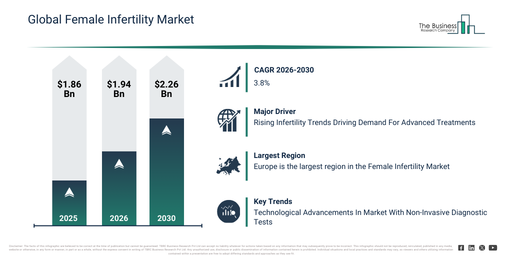
    The female infertility market size has exhibited consistent growth in recent years. It is forecast to increase from $1.86 billion in 2025 to $1.94 billion in 2026, achieving a compound annual growth rate (CAGR) of 4.1%. In the past, this market expansion can be ascribed to trends such as delayed childbearing, a greater understanding of infertility, the accessibility of fertility drugs, the establishment of more reproductive health clinics, and enhancements in diagnostic imaging.

    The female infertility market is projected to experience consistent expansion over the upcoming years. This market is forecast to reach $2.26 billion by 2030, exhibiting a compound annual growth rate (CAGR) of 3.8%. Factors driving this expansion during the forecast period include enhanced fertility drug developments, the rise of individualized fertility care, greater uptake of AI-powered fertility monitoring, the broadening scope of fertility tourism, and increasing capital directed towards reproductive health. Key trends anticipated for the forecast period encompass a surge in demand for assisted reproductive technologies, a heightened emphasis on hormonal and ovulation therapies, the increasing application of sophisticated diagnostic methods, the proliferation of fertility clinics and related services, and the incorporation of digital platforms into fertility management.

    Get A Free Sample Report With In-Depth Market Insights:

    https://thebusinessresearchcompany.com/sample_request?id=89002248&type=smp&name=Female%20Infertility%20Market%20Report%202026&utm_source=Blogs&utm_medium=Paid&utm_campaign=Nov_PR

    Female Infertility Market Growth Backed By Core Demand Fundamentals

    The rising occurrence of infertility is projected to fuel the expansion of the female infertility market in the future. Infertility is defined as the inability to achieve pregnancy following 12 months of consistent, unprotected sexual activity. The escalating rates of infertility stem from elements such as postponed childbearing, shifts in lifestyle, exposure to environmental toxins, a surge in obesity, and elevated stress levels. Addressing and managing underlying medical, hormonal, or structural conditions that hinder fertility necessitates female infertility treatment, thereby boosting the likelihood of conception and averting irreversible infertility. For example, in April 2023, the World Health Organization, a Switzerland-based intergovernmental body, reported that roughly 17.5% of the worldwide adult population, equivalent to approximately 1 in 6 people, experience infertility. Consequently, the growing incidence of infertility is a key factor driving the development of the female infertility market.

    Female Infertility Market Segment Breakdown: Which Categories Lead On Revenue?

    The female infertility market covered in this report is segmented –

    1) By Treatment: Clomiphene Citrate, Gonadotropins, Metformin, Letrozole, Bromocriptine

    2) By Route Of Administration: Oral, Parenteral, Other Route Of Administrations

    3) By End-User: Hospital Pharmacy, Retail Pharmacy, Online Pharmacy

    Subsegments:

    1) By Clomiphene Citrate: Oral Clomiphene Citrate, Injectable Clomiphene Citrate

    2) By Gonadotropins: Recombinant Gonadotropins, Urinary Gonadotropins, Human Chorionic Gonadotropin (hCG)

    3) By Metformin: Immediate-Release Metformin, Extended-Release Metformin

    4) By Letrozole: Oral Letrozole Tablets, Injectable Letrozole

    5) By Bromocriptine: Oral Bromocriptine Tablets, Intranasal Bromocriptine

    #Female Infertility Market Growth Trends: What’s Shaping The Future Outlook?

    Key enterprises within the female infertility market are concentrating on developing innovative products, such as non-invasive diagnostic tests, to secure a competitive advantage in the sector. A noninvasive diagnostic test is a medical procedure that identifies conditions or diseases without requiring surgical intervention or penetration of the body. For instance, in August 2024, Heranova Lifesciences, a US-based biotech company, launched an early access program for HerResolve, a non-invasive diagnostic test specifically for endometriosis. Endometriosis impacts approximately 200 million women worldwide, manifesting symptoms like infertility, pain, and bleeding. For many women, obtaining an accurate diagnosis typically requires an average of 7-10 years from the initial appearance of symptoms, primarily due to the diverse presentation of symptoms and the invasive character of the most reliable diagnostic technique, exploratory laparoscopic surgery. HerResolve offers the potential to reduce this diagnostic waiting period from years to months, which would lead to improved patient and healthcare outcomes. HerResolve aims to significantly shorten this timeline, thereby enhancing patient care and overall results.

    Female Infertility Market Leading Players And Competitive Positioning

    Major companies operating in the female infertility market are Pfizer Inc, Merck And Co Inc, Mayo Clinic, Teva Pharmaceutical Industries Ltd, Organon Theramex, Juniper Reproductive Health Ltd, Ferring Pharmaceuticals, Mankind Pharma, ARMC IVF, Zydus Cadila Healthcare, IBSA Institut Biochimique, Oxolife, Ava AG, Merck KGaA, Gedeon Richter Plc, Novartis AG, AbbVie Inc, Ipsen, Theramex, Vitrolife AB, Conceivable Life Sciences, AIVF

    View The Full Female Infertility Market Report:

    https://thebusinessresearchcompany.com/report/female-infertility-global-market-report?utm_source=Blogs&utm_medium=Paid&utm_campaign=Nov_PR

    Female Infertility Market Geographic Analysis: Where Is Demand Rising Fastest?

    Europe was the largest region in the female infertility market in 2025. Asia-Pacific is expected to be the fastest-growing region in the forecast period. The regions covered in the female infertility market report are Asia-Pacific, South East Asia, Western Europe, Eastern Europe, North America, South America, Middle East, Africa.

    Reach Out To Our Team:

    The Business Research Company: https://www.thebusinessresearchcompany.com/

    Americas: +1 310-496-7795

    Asia: +44 7882 955267 & +91 8897263534

    Europe: +44 7882 955267

    Email us at: marketing@tbrc.info

    Follow us on:

    LinkedIn: https://in.linkedin.com/company/the-business-research-company

    YouTube: https://www.youtube.com/channel/UC24_fI0rV8cR5DxlCpgmyFQ

    Global Market Model: https://www.thebusinessresearchcompany.com/global-market-model
  • Fecal Transplant Therapy Market Explained: What Is Fueling Growth To $2.87 Billion By 2030?

    Fecal Transplant Therapy Market Explained: What Is Fueling Growth To $2.87 Billion By 2030?

    Featuring market attractiveness scoring, total addressable market sizing, company benchmarking matrices, interactive Excel dashboards, deeper supply chain intelligence, emerging startup tracking, and granular product-level insights, The Business Research Company’s 2026 market reports are built to deliver research that is both more actionable and more strategically valuable.

    Fecal Transplant Therapy Market Revenue Outlook: What CAGR Lies Ahead Through 2030?

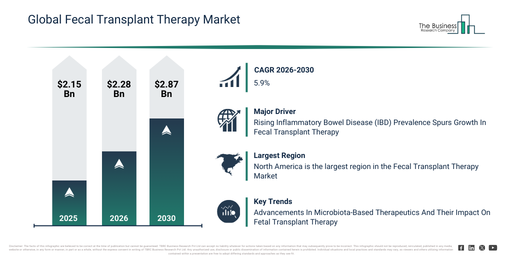
    The fecal transplant therapy market size has experienced significant growth in recent years. This market is anticipated to expand from $2.15 billion in 2025 to $2.28 billion in 2026, exhibiting a compound annual growth rate (CAGR) of 6.2%. The historical growth can be attributed to its documented effectiveness in treating recurrent CDI, increasing hospital awareness of microbiome therapies, the expansion of gastroenterology specialty services, the availability of basic stool preparation technologies, and early-stage clinical trials.

    The fecal transplant therapy market is projected to experience substantial growth in the coming years. It is anticipated to reach $2.87 billion by 2030, with a compound annual growth rate (CAGR) of 5.9%. This market expansion during the forecast period is driven by an increasing diversification of disease indications, a rising demand for regulated and standardized products, the expansion of outpatient fmt procedures, growing investment in microbiome therapeutics, and advancements in automated stool processing systems. Key trends expected in the forecast period include an increasing clinical adoption of stool-based therapies, a rising development of capsule and suspension formats, a growing exploration of neurological and metabolic indications, the expansion of in-hospital fmt programs, and an enhanced emphasis on safety and standardization.

    Get A Free Sample Report With In-Depth Market Insights:

    https://thebusinessresearchcompany.com/sample_request?id=98127453&type=smp&name=Fecal%20Transplant%20Therapy%20Market%20Report%202026&utm_source=Blogs&utm_medium=Paid&utm_campaign=Nov_PR

    Fecal Transplant Therapy Market Growth Catalysts And Demand Drivers

    The growing incidence of inflammatory bowel disease is anticipated to propel the future expansion of fecal transplant therapy markets. Inflammatory bowel disease (IBD) is defined as persistent inflammation of the gastrointestinal tract, encompassing conditions such as Crohn’s disease and ulcerative colitis. The rise in IBD cases stems from factors including increased consumption of highly processed foods, frequent or inappropriate use of antibiotics, enhanced hygiene, and reduced exposure to infectious agents during childhood. Fecal transplant therapy aims to restore a balanced gut microbiota, which assists in mitigating inflammation and improving symptoms for individuals with inflammatory bowel disease, potentially impacting its management and progression. For instance, in June 2023, according to Crohn’s and Colitis Canada, a Canada-based non-profit organization, 470,000 inflammatory bowel disease (IBD) sufferers are projected in Canada by 2035, an increase from an estimated 322,600 in 2023. Consequently, the increasing prevalence of inflammatory bowel disease is driving the growth of the fecal transplant therapy market.

    Fecal Transplant Therapy Market Segmentation: How Does The Market Break Down By Category?

    The fecal transplant therapy market covered in this report is segmented –

    1) By Procedure: Fecal Enema, Fecal Bacteriotherapy, Stool Transplant, Human Probiotic Infusion, Fecal Transfusion

    2) By Disease: Clostridium Difficile Infection, Autism, Obesity, Parkinson’s Disease (PD), Diabetes Mellitus, Other Diseases

    3) By End-User: Hospitals, Specialty Clinics, Other End-Users

    Subsegments:

    1) By Fecal Enema: Retention Enema, Cleansing Enema, Retention-Based Fecal Transplants, Home Administration Kits

    2) By Fecal Bacteriotherapy: Suspension-Based Bacteriotherapy, Capsule Formulations, Customized Bacterial Preparations, Single Strain vs. Multi-Strain Products

    3) By Stool Transplant: Direct Stool Transplant Procedures, Stool Suspension Transplant, Stool Capsule Transplant, Automated Stool Preparation Systems

    4) By Human Probiotic Infusion: Single-Strain Probiotic Infusions, Multi-Strain Probiotic Infusions, Probiotic Blends With Prebiotics, Infusion Kits for Healthcare Providers

    5) By Fecal Transfusion: Intravenous Fecal Transfusion, Transfusion via Gastrostomy Tube, Pre-Packaged Fecal Transfusion Solutions, Fecal Transfusion For Research Purposes

    Fecal Transplant Therapy Market Industry Trends: What’s Reshaping Demand?

    Key players within the fecal transplant therapy market are concentrating on creating novel treatments, including oral pill versions of fecal microbiota transplantation (FMT) therapy, aiming to boost patient adherence and expand the availability of the therapy. This oral form of fecal microbiota transplantation (FMT) therapy comprises live bacteria from donor feces, enclosed in capsules for ingestion, whose purpose is to restore beneficial gut bacteria and enhance overall intestinal well-being. For example, in April 2023, Seres Therapeutics Inc., a US-based biotechnology company, along with Nestlé Health Science S.A., a Switzerland-based healthcare company, introduced VOWST. Delivered in capsule form, VOWST offers a convenient and less intrusive treatment alternative for preventing recurrent clostridioides difficile infection (rCDI) in adults after receiving antibacterial therapy. In contrast to conventional fecal microbiota transplantation (FMT), which entails the transfer of entire stools, VOWST employs live bacterial spores from various Firmicute species sourced from the fecal microbiota of healthy human donors, believed to re-establish the gut microbiome.

    Fecal Transplant Therapy Market Competitive Overview And Top Companies

    Major companies operating in the fecal transplant therapy market are Mayo Clinic, Mount Sinai Health System Inc., Northwestern Medicine, NYU Langone Health, Michigan Medicine, UCLA Health, Duke University Health System Inc., Stanford Health Care, Ferring Pharmaceuticals, Cincinnati Children’s Hospital Medical Center, Emory Healthcare, Cambridge University Hospitals NHS Foundation Trust, Hamilton Health Sciences Corporation, Brigham and Women’s Faulkner Hospital Inc., Rebiotix Inc., Seres Therapeutics Inc., UPMC Hillman Cancer Center, OpenBiome, Center for Digestive Disease, BiomeBank Incorporated, The Regents of the University of California

    View The Full Fecal Transplant Therapy Market Report:

    https://thebusinessresearchcompany.com/report/fecal-transplant-therapy-global-market-report?utm_source=Blogs&utm_medium=Paid&utm_campaign=Nov_PR

    Fecal Transplant Therapy Market Global Footprint: Which Region Leads The Market?

    North America was the largest region in the fecal transplant therapy market in 2025. Asia-Pacific is expected to be the fastest-growing region in the forecast period. The regions covered in the fecal transplant therapy market report are Asia-Pacific, South East Asia, Western Europe, Eastern Europe, North America, South America, Middle East, Africa.

    Reach Out To Our Team:

    The Business Research Company: https://www.thebusinessresearchcompany.com/

    Americas: +1 310-496-7795

    Asia: +44 7882 955267 & +91 8897263534

    Europe: +44 7882 955267

    Email us at: marketing@tbrc.info

    Follow us on:

    LinkedIn: https://in.linkedin.com/company/the-business-research-company

    YouTube: https://www.youtube.com/channel/UC24_fI0rV8cR5DxlCpgmyFQ

    Global Market Model: https://www.thebusinessresearchcompany.com/global-market-model
  • Fecal Microbiota Transplantation (FMT) Market Forecast To Reach $1.27 Billion By 2030: Key Trends Explained

    Fecal Microbiota Transplantation (FMT) Market Forecast To Reach $1.27 Billion By 2030: Key Trends Explained

    Built to provide research that’s more actionable and strategically valuable, The Business Research Company’s 2026 market reports include market attractiveness analysis, total addressable market sizing, company benchmarking matrices, interactive Excel dashboards, broader supply chain intelligence, emerging startup tracking, and in-depth product insights.

    Fecal Microbiota Transplantation (FMT) Market Growth Analysis: How Will Revenue Trend Over The Forecast Period?

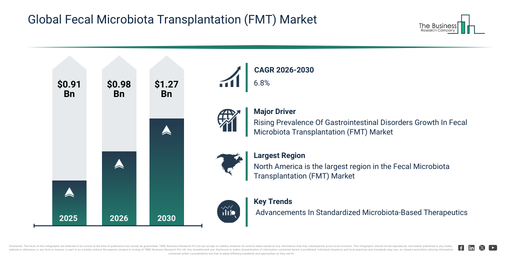
    The fecal microbiota transplantation (fmt) market has experienced significant growth in recent years. It is projected to expand from $0.91 billion in 2025 to $0.98 billion in 2026, demonstrating a compound annual growth rate (CAGR) of 7.1%. This historical growth can be primarily attributed to the growing recognition of the gut microbiome’s role in disease, the documented success of fmt in recurrent cdi cases, the expansion of hospital-based fmt programs, the provision of early regulatory guidance on microbiome therapies, and the increased availability of stool banks.

    The fecal microbiota transplantation (fmt) market is projected to experience substantial expansion over the upcoming years. This market is anticipated to reach a valuation of $1.27 billion by 2030, demonstrating a compound annual growth rate (CAGR) of 6.8%. Key factors driving this growth during the forecast period include intensified research into microbiome-derived therapies, a heightened need for standardized fmt products, the broadening of treatment applications beyond digestive disorders, increasing capital flowing into microbiome biotechnology, and advancements in oral administration methods. Significant trends emerging in the forecast timeframe encompass a greater emphasis on standardizing donor screening procedures, increased uptake of cryopreserved fmt options, wider clinical adoption beyond cdi treatment, the proliferation of capsule-based delivery methods, and an amplified focus on microbiome analytics.

    Get A Free Sample Report With In-Depth Market Insights:

    https://thebusinessresearchcompany.com/sample_request?id=36885286&type=smp&name=Fecal%20Microbiota%20Transplantation%20%28FMT%29%20Market%20Report%202026&utm_source=Blogs&utm_medium=Paid&utm_campaign=Nov_PR

    Fecal Microbiota Transplantation (FMT) Market Opportunity Drivers: What’s Unlocking New Revenue Potential?

    The increasing occurrence of gastrointestinal conditions is projected to boost the expansion of the fecal microbiota transplantation (FMT) market in the future. Gastrointestinal (GI) disorders encompass diverse medical issues impacting the gastrointestinal tract, comprising organs such as the esophagus, stomach, small intestine, large intestine (colon), rectum, and anus. The surge in gastrointestinal ailments stems from elevated stress levels, inactive lifestyles, and greater intake of processed foods. Fecal microbiota transplantation finds application in gastrointestinal disorders for re-establishing beneficial gut bacteria, especially in managing recurring Clostridioides difficile infections. For example, data from Crohn’s and Colitis Canada, a non-profit organization based in Canada, indicated a rapid increase in the number of individuals in Canada suffering from IBD, rising from 322,600 in 2023 (representing 0.8% of the population) to an anticipated 470,000 by 2035 (or 1.1% of the population). In 2023, 11,000 people will receive a diagnosis (equating to 1 every 48 minutes), with this figure expected to climb to 14,000 by 2035 (meaning 1 every 38 minutes). Consequently, the growing occurrence of gastrointestinal disorders serves as a significant impetus for the expansion of the fecal microbiota transplantation (FMT) market.

    Fecal Microbiota Transplantation (FMT) Market Segment Trends And Revenue Contributors

    The fecal microbiota transplantation (fmt) market covered in this report is segmented –

    1) By Type: Fermentation, Fresh, Cryopreservation

    2) By Donor Type: Stool-Derived, Fecal-Derived, Whole-Microbiome Derived

    3) By Indication: Clostridioides Difficile Infection, Inflammatory Bowel Disease, Metabolic Syndrome, Other Indications

    4) By Administration Route: Oral, Rectal, Nasogastric, Colon Capsule

    5) By End-User: Hospitals, Specialty Clinics, Other End-Users

    Subsegments:

    1) By Fermentation: Fermented FMT Products, Fermented Capsules, Fermented Liquids, In-House Fermentation Techniques

    2) By Fresh: Fresh Stool Samples, Fresh FMT Capsules, Fresh FMT Solutions for In-Hospital Use, Freshly Prepared FMT for Outpatient Use

    3) By Cryopreservation: Cryopreserved Stool Samples, Cryopreserved FMT Capsules, Cryopreserved Liquid FMT, Long-Term Storage Solutions for Cryopreserved FMT

    Fecal Microbiota Transplantation (FMT) Market Innovation Trends: What Developments Are Reshaping The Industry?

    Major companies operating in the fecal microbiota transplantation (FMT) market are focusing on incorporating standardized microbiota-based therapies, such as fecal microbiota spores, live-brpk, to enhance safety, patient compliance, treatment consistency, and scalability. Fecal microbiota spores, live-brpk are highly processed donor-derived microbial spores manufactured under strict screening and purification procedures to restore healthy gut microbiota with controlled dosing and reduced infection risk. For instance, in April 2023, Seres Therapeutics, a US-based microbiome therapeutics company, received FDA approval for VOWST, a fecal microbiota spores, live-brpk therapy designed to prevent recurrence of Clostridioides difficile infection in adults, featuring oral capsule delivery, defined microbial spore composition, and rigorous pathogen-screening protocols. VOWST improves treatment convenience, safety, and commercial scalability in the FMT sector.

    Fecal Microbiota Transplantation (FMT) Market Competitive Landscape: Which Companies Lead The Industry?

    Major companies operating in the fecal microbiota transplantation (fmt) market are Ferring Pharmaceuticals, Johns Hopkins Medicine, Seres Therapeutics, Taconic Biosciences, Enterome, Rebiotix Inc, Finch Therapeutics Group Inc, Locus Biosciences, Yeda Research and Development Co. Ltd, Microbiotica Limited, CosmosID Inc, AOBiome, Synthetic Biologics Inc., Osel Inc., OpenBiome, Asia Microbiota Bank, Taymount Clinic, MicroBiome Therapeutics LLC, MaaT Pharma SA, Kallyope

    View The Full Fecal Microbiota Transplantation (FMT) Market Report:

    https://thebusinessresearchcompany.com/report/fecal-microbiota-transplantation-fmt-global-market-report?utm_source=Blogs&utm_medium=Paid&utm_campaign=Nov_PR

    Fecal Microbiota Transplantation (FMT) Market Regional Split: Which Areas Are Fueling Growth?

    North America was the largest region in the fecal microbiota transplantation (FMT) market in 2025. The regions covered in the fecal microbiota transplantation (fmt) market report are Asia-Pacific, South East Asia, Western Europe, Eastern Europe, North America, South America, Middle East, Africa.

    Reach Out To Our Team:

    The Business Research Company: https://www.thebusinessresearchcompany.com/

    Americas: +1 310-496-7795

    Asia: +44 7882 955267 & +91 8897263534

    Europe: +44 7882 955267

    Email us at: marketing@tbrc.info

    Follow us on:

    LinkedIn: https://in.linkedin.com/company/the-business-research-company

    YouTube: https://www.youtube.com/channel/UC24_fI0rV8cR5DxlCpgmyFQ

    Global Market Model: https://www.thebusinessresearchcompany.com/global-market-model
  • Fecal Incontinence Market Analysis: Understanding The Drivers Behind 6.5% CAGR Through 2030 Growth

    Fecal Incontinence Market Analysis: Understanding The Drivers Behind 6.5% CAGR Through 2030 Growth

    Backed by market attractiveness analysis, total addressable market sizing, company benchmarking matrices, interactive Excel dashboards, wider supply chain intelligence, emerging startup coverage, and detailed product-level insights, The Business Research Company’s 2026 market reports are designed to offer research that is more actionable and strategically valuable than ever.

    Fecal Incontinence Market Forecast: What Value Will The Market Reach By 2030?

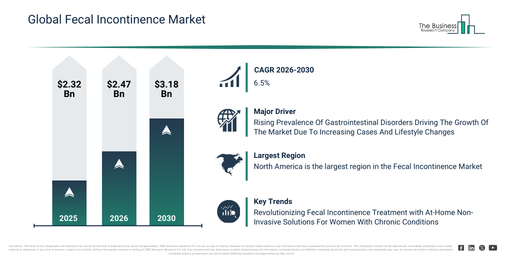
    The fecal incontinence market has experienced robust expansion in recent years. It is anticipated to expand from $2.32 billion in 2025 to $2.47 billion in 2026, reflecting a compound annual growth rate (CAGR) of 6.6%. The historical surge in this market was influenced by factors including an escalating geriatric population, a rising prevalence of gastrointestinal disorders, enhanced accessibility of disposable continence products, increasing understanding of bowel health conditions, and more accurate diagnosis of pelvic floor dysfunction.

    The fecal incontinence market is projected to experience substantial expansion over the coming years. By 2030, its valuation is anticipated to reach $3.18 billion, exhibiting a compound annual growth rate (CAGR) of 6.5%. This forecasted growth is primarily driven by factors such as the greater acceptance of non-invasive treatment methods, a heightened need for tailored continence solutions, increased prevalence of home healthcare services, the proliferation of digital pelvic floor therapy instruments, and a stronger emphasis in healthcare on improving patients’ quality of life. Key developments expected during this period involve the wider embrace of sophisticated absorbent items, a rise in the application of electrical stimulation treatments, an increasing inclination towards managing conditions at home, the broader availability of less invasive treatment alternatives, and a heightened commitment to ensuring patient comfort and discretion.

    Get A Free Sample Report With In-Depth Market Insights:

    https://thebusinessresearchcompany.com/sample_request?id=21965&type=smp&name=Fecal%20Incontinence%20Market%20Report%202026&utm_source=Blogs&utm_medium=Paid&utm_campaign=Nov_PR

    Fecal Incontinence Market Growth Momentum: What Factors Are Shaping Demand?

    The growing incidence of gastrointestinal disorders is projected to boost the expansion of the fecal incontinence market in the future. Gastrointestinal (GI) disorders are medical conditions that impact the digestive system, including the esophagus, stomach, intestines, liver, pancreas, and gallbladder. The occurrence of gastrointestinal disorders is escalating due to poor dietary habits and shifts in lifestyle, such as high consumption of processed foods and insufficient fiber intake. GI conditions like inflammatory bowel disease (IBD), chronic diarrhea, and irritable bowel syndrome (IBS) can lead to fecal incontinence by disrupting bowel function in various ways. For instance, in June 2023, Crohn’s and Colitis Canada, a Canada-based charity focused on helping and improving the lives of people living with Crohn’s or colitis, stated that the number of individuals living with inflammatory bowel disease (IBD) is expected to increase from 322,600 in 2023 (0.8% of the population) to 470,000 by 2035 (1.1% of the population). Additionally, 11,000 new cases were projected for 2023 (equivalent to one diagnosis every 48 minutes), increasing to 14,000 new cases in 2035 (one every 38 minutes). Thus, the rising prevalence of gastrointestinal disorders is fostering the growth of the fecal incontinence market.

    Fecal Incontinence Market Segment Analysis Spotlighting Growth Areas

    The fecal incontinence market covered in this report is segmented –

    1) By Product Type: Absorbent Products, Anal Inserts, Electrical Stimulation Devices, Other Product Types

    2) By Age Group: Pediatric, Adult, Geriatric

    3) By Application: Hospitals, Clinics, Home Care Settings, Other Applications

    4) By Distribution Channel: Online Stores, Pharmacies, Specialty Stores, Other Distribution Channels

    Subsegments:

    1) By Absorbent Products: Adult Diapers, Protective Underwear, Pads And Liners

    2) By Anal Inserts: Disposable Anal Inserts, Reusable Anal Inserts

    3) By Electrical Stimulation Devices: Implantable Devices, Non-Implantable Devices

    4) By Other Product Types: Biofeedback Systems, Injectable Bulking Agents, Surgical Devices

    Fecal Incontinence Market Trends: What’s Defining The Industry’s Next Phase?

    Companies active in the fecal incontinence market are prioritizing the development of cutting-edge solutions, such as pelvic health systems, with the goals of elevating patient comfort, improving treatment outcomes, and expanding market reach. A pelvic health system denotes a collection of medical technologies, services, and therapies dedicated to diagnosing, managing, and enhancing the well-being of pelvic organs and structures. These systems are typically engineered to address conditions impacting the pelvic floor, including incontinence, pelvic discomfort, and reproductive health challenges. For example, in June 2023, Axena Health Inc., a U.S.-based medical device enterprise, unveiled the Leva pelvic health system, having secured U.S. Food and Drug Administration clearance. This advanced system presents a convenient, non-invasive, and drug-free strategy for strengthening pelvic floor muscles, utilizing motion sensors and live feedback to guide individuals through efficacious five-minute daily exercises. Through heightened accessibility and efficiency facilitated by telehealth integration, the system specifically targets fecal incontinence, providing a practical option for those afflicted.

    Fecal Incontinence Market Leading Companies: Who Holds The Strongest Market Presence?

    Major companies operating in the fecal incontinence market are 3M Company, Medtronic plc, Medline Industries LP, Essity AB, B. Braun Melsungen AG, Domtar Corporation, Coloplast Corp., HARTMANN Direct, ConvaTec Group plc, Ontex Group NV, Hollister Incorporated, Abena Group, Laborie Medical Technologies, Home Care Delivered, 180 Medical, Attends Healthcare Products Inc., Principle Business Enterprises Inc., Carewell, NorthShore Care Supply, InControl Medical, Tranquility Products, Aeroflow Urology, Reliance Medical Inc., TZMO SA, Allegro Medical

    View The Full Fecal Incontinence Market Report:

    https://thebusinessresearchcompany.com/report/fecal-incontinence-global-market-report?utm_source=Blogs&utm_medium=Paid&utm_campaign=Nov_PR

    Fecal Incontinence Market Top Region: Where Does Most Revenue Come From?

    North America was the largest region in the fecal incontinence market in 2025. The regions covered in the fecal incontinence market report are Asia-Pacific, South East Asia, Western Europe, Eastern Europe, North America, South America, Middle East, Africa.

    Reach Out To Our Team:

    The Business Research Company: https://www.thebusinessresearchcompany.com/

    Americas: +1 310-496-7795

    Asia: +44 7882 955267 & +91 8897263534

    Europe: +44 7882 955267

    Email us at: marketing@tbrc.info

    Follow us on:

    LinkedIn: https://in.linkedin.com/company/the-business-research-company

    YouTube: https://www.youtube.com/channel/UC24_fI0rV8cR5DxlCpgmyFQ

    Global Market Model: https://www.thebusinessresearchcompany.com/global-market-model
  • Febrile Neutropenia Market Growth To $15.19 Billion By 2030: What’s Driving The Expansion?

    Febrile Neutropenia Market Growth To $15.19 Billion By 2030: What’s Driving The Expansion?

    Featuring market attractiveness scoring, total addressable market sizing, company benchmarking matrices, interactive Excel dashboards, deeper supply chain intelligence, emerging startup tracking, and granular product-level insights, The Business Research Company’s 2026 market reports are built to deliver research that is both more actionable and more strategically valuable.

    Febrile Neutropenia Market Size Outlook: How Quickly Will Revenue Expand Through 2030?

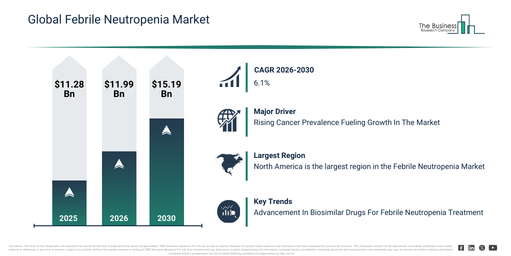
    The febrile neutropenia market has seen robust expansion over recent years. Its valuation is predicted to rise from $11.28 billion in 2025 to $11.99 billion in 2026, achieving a compound annual growth rate (CAGR) of 6.3%. This historical growth can be linked to an increase in cancer chemotherapy utilization, a surge in hospital admissions, the accessibility of a wide range of broad-spectrum antibiotics, heightened awareness about infections, and the establishment of more oncology centers.

    The febrile neutropenia market size is anticipated to undergo significant expansion in the coming years, projected to swell to $15.19 billion by 2030, demonstrating a compound annual growth rate (CAGR) of 6.1%. This growth during the forecast period can be primarily ascribed to advancements in targeted antimicrobial therapy, an increasing oncology patient population, enhanced early infection detection, the growing application of G-CSFs, and the widening reach of precision oncology care. Noteworthy trends for the forecast period include an escalating incidence of chemotherapy-induced neutropenia, a rise in empirical antibiotic therapy utilization, the increasing adoption of supportive care treatments, an expansion of hospital-based infection management practices, and improvements in diagnostic and monitoring technologies.

    Get A Free Sample Report With In-Depth Market Insights:

    https://thebusinessresearchcompany.com/sample_request?id=85689504&type=smp&name=Febrile%20Neutropenia%20Market%20Report%202026&utm_source=Blogs&utm_medium=Paid&utm_campaign=Nov_PR

    Febrile Neutropenia Market Expansion Drivers: What’s Shaping Future Growth?

    The expanding occurrence of cancer is projected to advance the growth of the febrile neutropenia market. Cancer is characterized as a complex group of illnesses where abnormal cells proliferate uncontrollably, potentially invading adjacent tissues and metastasizing throughout the body. The escalating incidence of cancer is attributable to factors like an aging population, exposure to environmental and occupational hazards, genetic predispositions, and hormonal and reproductive elements. Febrile neutropenia offers vital support to cancer patients by highlighting the heightened risk of infections during chemotherapy, thereby promoting prompt intervention and targeted therapies to prevent severe, life-threatening complications, which in turn improves patient outcomes and facilitates the continuous delivery of cancer treatment. For instance, in 2024, the Canadian Cancer Society, a Canada-based national cancer charity, noted that 32,100 people in Canada were diagnosed with lung cancer, accounting for 23.5% of all cancer-related deaths. It was also observed that lung cancer cases among females rose from 15,800 cases in 2023 to 17,300 cases in 2024. As a result, the increasing prevalence of cancer is a key driver for the growth of the febrile neutropenia market.

    Febrile Neutropenia Market Segment Performance And Emerging Opportunities

    The febrile neutropenia market covered in this report is segmented –

    1) By Treatment: Empirical Antibiotic Therapy, Targeted Antibiotic Therapy, Supportive Care

    2) By Risk Factors: Chemotherapy-Induced Neutropenia, Transplant-Related Neutropenia, Genetic Disorders

    3) By Etiology: Gram-Negative Bacteria, Gram-Positive Bacteria, Fungal Infections, Viral Infections

    4) By Diagnostic Methods: Blood Cultures, Imaging Tests, Bone Marrow Aspiration

    Subsegments:

    1) By Empirical Antibiotic Therapy: Broad-Spectrum Beta-Lactams, Glycopeptides, Carbapenems

    2) By Targeted Antibiotic Therapy: Antifungal Therapy, Antiviral Therapy, Gram-Positive Bacterial Therapy, Gram-Negative Bacterial Therapy

    3) By Supportive Care: Granulocyte Colony-Stimulating Factors (G-CSFs), Intravenous Fluids, Antipyretics And Pain Management

    Febrile Neutropenia Market Industry Trends Fueling Future Revenue Growth

    Leading firms within the febrile neutropenia sector are prioritizing the creation of sophisticated biosimilar medications, including long-acting granulocyte-colony stimulating factor (G-CSF) fusion proteins, aiming for a competitive edge. Such fusion G-CSFs consist of recombinant proteins that connect G-CSF with an Fc fragment, allowing for prolonged neutrophil stimulation throughout a chemotherapy cycle. As an illustration, in November 2024, Evive Biotech, a biopharmaceutical firm headquartered in Singapore, launched in Germany a non-pegylated, long-acting G-CSF intended for chemotherapy-induced neutropenia. This product provides an extended half-life through an IgG2-Fc fusion and utilizes mammalian cell expression to achieve human-like glycosylation. While these next-generation and biosimilar G-CSFs enhance patient accessibility and decrease the required dosing frequency, they are confronted with intricate regulatory challenges and possible immunogenicity issues.

    Febrile Neutropenia Market Key Players: Which Companies Lead Industry Competition?

    Major companies operating in the febrile neutropenia market are Pfizer Inc., Sanofi S.A., Amgen Inc., Teva Pharmaceutical Industries Ltd., Fresenius Kabi, Aurobindo Pharma Ltd., Lupin Limited, Hospira Inc., Coherus BioSciences Inc., Gennova Biopharmaceuticals Limited, Dr Reddy’s Laboratories Ltd., Sun Pharmaceutical Industries Ltd., Novartis AG, Merck & Co. Inc., AstraZeneca PLC, Bayer AG, Cipla Ltd., Zydus Cadila, Celltrion Inc., Samsung Bioepis Co. Ltd.

    View The Full Febrile Neutropenia Market Report:

    https://thebusinessresearchcompany.com/report/febrile-neutropenia-global-market-report?utm_source=Blogs&utm_medium=Paid&utm_campaign=Nov_PR

    Febrile Neutropenia Market Regional Breakdown: Where Is Demand Concentrated?

    North America was the largest region in the febrile neutropenia market in 2025. Asia-Pacific is expected to be the fastest-growing region in the forecast period. The regions covered in the febrile neutropenia market report are Asia-Pacific, South East Asia, Western Europe, Eastern Europe, North America, South America, Middle East, Africa.

    Reach Out To Our Team:

    The Business Research Company: https://www.thebusinessresearchcompany.com/

    Americas: +1 310-496-7795

    Asia: +44 7882 955267 & +91 8897263534

    Europe: +44 7882 955267

    Email us at: marketing@tbrc.info

    Follow us on:

    LinkedIn: https://in.linkedin.com/company/the-business-research-company

    YouTube: https://www.youtube.com/channel/UC24_fI0rV8cR5DxlCpgmyFQ

    Global Market Model: https://www.thebusinessresearchcompany.com/global-market-model
  • Fatty Liver Treatment Market Trends Reshaping Industry Growth Through 2030

    Fatty Liver Treatment Market Trends Reshaping Industry Growth Through 2030

    Built to provide research that’s more actionable and strategically valuable, The Business Research Company’s 2026 market reports include market attractiveness analysis, total addressable market sizing, company benchmarking matrices, interactive Excel dashboards, broader supply chain intelligence, emerging startup tracking, and in-depth product insights.

    Fatty Liver Treatment Market Size, Value And Growth Trajectory Through 2030

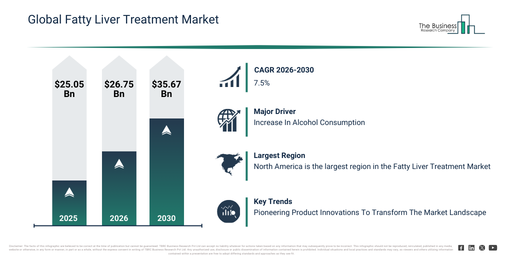
    The fatty liver treatment market has experienced robust growth in recent years. It is projected to expand from $25.05 billion in 2025 to $26.75 billion in 2026, achieving a compound annual growth rate (CAGR) of 6.8%. This historical growth can be attributed to several factors including an increase in obesity rates, rising diabetes prevalence, improvements in liver diagnostic tools, growing awareness of liver health, and the expansion of hepatology clinics.

    The fatty liver treatment market is projected for substantial expansion in the coming years, reaching a valuation of $35.67 billion by 2030, driven by a compound annual growth rate (CAGR) of 7.5%. This anticipated growth during the forecast period is attributable to several factors, including the creation of new NAFLD medications, the greater adoption of non-invasive diagnostic methods, the expansion of preventive healthcare initiatives, the wider availability of tele-hepatology services, and increased funding for liver disease research. Key trends expected over the forecast horizon encompass the increasing incidence of non-alcoholic fatty liver disease, a heightened emphasis on lifestyle-oriented treatment strategies, the broader application of targeted drug therapies, an increase in early liver disease screening efforts, and the incorporation of digital health solutions for disease tracking.

    Get A Free Sample Report With In-Depth Market Insights:

    https://thebusinessresearchcompany.com/sample_request?id=21351243&type=smp&name=Fatty%20Liver%20Treatment%20Market%20Report%202026&utm_source=Blogs&utm_medium=Paid&utm_campaign=Nov_PR

    Fatty Liver Treatment Market Development Factors: What’s Supporting Demand?

    Rising alcohol consumption is anticipated to propel the expansion of the fatty liver treatment market in the future. This consumption refers to the intake of beverages that contain alcohol, which is a psychoactive substance known for its depressant effects on the central nervous system. Alcohol consumption can exacerbate fatty liver disease and potentially lead to more severe liver conditions, including alcoholic fatty liver disease (AFLD) and alcoholic hepatitis. For instance, in November 2025, the OECD, a Paris-based intergovernmental organization, reported that in 2023, the average annual per capita alcohol consumption across its member countries stood at 8.5 liters of pure alcohol. Consequently, the increasing levels of alcohol consumption are a primary driver for the growth of the fatty liver treatment market.

    Fatty Liver Treatment Market Segment Landscape And Growth Outlook

    The fatty liver treatment market covered in this report is segmented –

    1) By Treatment Type: Anti-Viral Drugs, Chemotherapy Drugs, Targeted Therapy, Anti-Fibrotic Drugs

    2) By Disease Type: Hepatitis, Liver Cancer, Non-Alcoholic Fatty Liver Disease, Other Diseases

    3) By End User: Hospitals, Ambulatory Surgery Centers, Other End Users

    Subsegments:

    1) By Anti-Viral Drugs: Direct-Acting Antivirals (DAAs), Nucleos(t)ide Analogs

    2) By Chemotherapy Drugs: Conventional Chemotherapy Agents, Novel Chemotherapeutics Under Investigation

    3) By Targeted Therapy: Small Molecule Inhibitors, Monoclonal Antibodies

    4) By Anti-Fibrotic Drugs: PPAR Agonists, FXR Agonists, GLP-1 Receptor Agonists, SGLT2 Inhibitors, Other Insulin Sensitizers

    Fatty Liver Treatment Market Trends Powering Strategic Industry Growth

    Prominent companies operating in the fatty liver treatment market are dedicated to devising novel solutions, including next-generation metabolic-modulating biologics, to fulfill the escalating demand for effective treatments that target the core mechanisms of NAFLD and NASH. These biologic therapies engage with crucial metabolic and inflammatory pathways, presenting a more focused and disease-modifying approach compared to traditional lifestyle-based interventions, which offer restricted therapeutic impact for advanced disease. For instance, in March 2023, Akero Therapeutics, a US-based biotechnology company, released positive Phase II reports for efruxifermin, a treatment intended for non-invasively diagnosed nonalcoholic fatty liver disease (NAFLD) and nonalcoholic steatohepatitis (NASH). It functions as a differentiated Fc-FGF21 fusion protein, mimicking the biological activity of fibroblast growth factor 21 (FGF21), which regulates a multitude of metabolic pathways and cellular processes.

    Fatty Liver Treatment Market Competitive Landscape: Who Leads The Industry?

    Major companies operating in the fatty liver treatment market are Pfizer Inc., Johnson & Johnson Services Inc., Hoffmann La Roche Ltd., AstraZeneca plc, Merck & Co. Inc., AbbVie Inc., Bayer AG, Novartis AG, Sanofi S.A., The Bristol-Myers Squibb Company, Gilead Sciences Inc., Novo Nordisk A/S, Intercept Pharmaceuticals Inc., Madrigal Pharmaceuticals Inc., Genfit, Conatus Pharmaceuticals Inc., NGM Biopharmaceuticals Inc., Cardax Inc., Eisai Co. Ltd., Alnylam Pharmaceuticals Inc.

    View The Full Fatty Liver Treatment Market Report:

    https://thebusinessresearchcompany.com/report/fatty-liver-treatment-global-market-report?utm_source=Blogs&utm_medium=Paid&utm_campaign=Nov_PR

    Fatty Liver Treatment Market Geographic Landscape: Which Region Leads Industry Growth?

    North America was the largest region in the fatty liver treatment market in 2025. Asia-Pacific is expected to be the fastest-growing region in the forecast period. The regions covered in the fatty liver treatment market report are Asia-Pacific, South East Asia, Western Europe, Eastern Europe, North America, South America, Middle East, Africa.

    Reach Out To Our Team:

    The Business Research Company: https://www.thebusinessresearchcompany.com/

    Americas: +1 310-496-7795

    Asia: +44 7882 955267 & +91 8897263534

    Europe: +44 7882 955267

    Email us at: marketing@tbrc.info

    Follow us on:

    LinkedIn: https://in.linkedin.com/company/the-business-research-company

    YouTube: https://www.youtube.com/channel/UC24_fI0rV8cR5DxlCpgmyFQ

    Global Market Model: https://www.thebusinessresearchcompany.com/global-market-model

  • Fatty Acid Oxidation Disorders (FAODs) Market Growth To $14.69 Billion Creates New Opportunities Across The Industry

    Fatty Acid Oxidation Disorders (FAODs) Market Growth To $14.69 Billion Creates New Opportunities Across The Industry

    Backed by market attractiveness analysis, total addressable market sizing, company benchmarking matrices, interactive Excel dashboards, wider supply chain intelligence, emerging startup coverage, and detailed product-level insights, The Business Research Company’s 2026 market reports are designed to offer research that is more actionable and strategically valuable than ever.

    Fatty Acid Oxidation Disorders (FAODs) Market CAGR Outlook And Future Development

    The market for fatty acid oxidation disorders (FAODs) has experienced robust growth in recent years. It is projected to expand from $10.23 billion in 2025 to $11.01 billion by 2026, achieving a compound annual growth rate (CAGR) of 7.6%. This historical expansion can be attributed to factors such as the implementation of neonatal screening initiatives, an increased diagnosis of inherited metabolic disorders, improved clinical awareness, the expansion of hospital-based metabolic clinics, and the availability of supportive drug therapies.

    The market size for fatty acid oxidation disorders (faods) is set to demonstrate robust growth over the next few years. It is projected to expand to $14.69 billion by 2030, achieving a compound annual growth rate (CAGR) of 7.5%. This growth during the forecast period is primarily driven by progress in enzyme replacement therapies, the expansion of genetic research, an increase in personalized nutrition plans, better reimbursement policies for rare diseases, and more government support for early screening. Prominent trends anticipated in the forecast period include the increasing adoption of newborn screening programs, a greater focus on the early diagnosis of metabolic disorders, the growing utilization of nutritional and dietary management, broadened awareness of rare disease treatments, and improved access to therapies for metabolic disorders.

    Get A Free Sample Report With In-Depth Market Insights:

    https://thebusinessresearchcompany.com/sample_request?id=85286714&type=smp&name=Fatty%20Acid%20Oxidation%20Disorders%20%28FAODs%29%20Market%20Report%202026&utm_source=Blogs&utm_medium=Paid&utm_campaign=Nov_PR

    Fatty Acid Oxidation Disorders (FAODs) Market Industry Drivers: What’s Behind The Revenue Growth?

    The growing need for gene therapy is anticipated to boost the expansion of the fatty acid oxidation disorders (FAODs) market moving forward. Gene therapy is defined as a medical approach involving the alteration or replacement of faulty genes to either treat existing diseases or prevent their occurrence. This rising demand for gene therapy is attributed to its capability to address genetic conditions, cancer, and rare diseases by targeting their fundamental genetic causes, thereby attracting significant investments and fostering advancements in biotechnology. For fatty acid oxidation disorders, gene therapy aims to rectify metabolic shortcomings by delivering functional genes, restoring enzymatic activity, improving energy production, and averting disease complications. Illustrating this, the American Society of Gene & Cell Therapy (ASGCT), a US-based nonprofit professional medical and scientific organization, reported in 2024 that the global pipeline of gene, cell, and RNA therapies increased from 3,483 in Q4 2022 to 3,951 in Q4 2023, ultimately reaching 4,238 in Q4 2024. Therefore, the heightened demand for gene therapy is a significant driver for the growth of the fatty acid oxidation disorders (FAODs) market.

    Fatty Acid Oxidation Disorders (FAODs) Market Breakdown By Product Type And Application

    The fatty acid oxidation disorders (faods) market covered in this report is segmented –

    1) By Type: Long Chain, Short Chain

    2) By Drug Type: Levocarnitine, Dextrose, Riboflavin, Other Drug Types

    3) By Route of Administration: Oral, Intravenous

    4) By Distribution Channel: Hospital Pharmacies, Retail Pharmacies, Drug Stores, Online Stores

    5) By End User: Hospitals, Clinics, Pharmaceutical Companies

    Subsegments:

    1) By Long Chain: Very Long-Chain Acyl-CoA Dehydrogenase Deficiency (VLCAD), Long-Chain 3-Hydroxyacyl-CoA Dehydrogenase Deficiency (LCHAD), Trifunctional Protein Deficiency (TFP), Carnitine Palmitoyltransferase II Deficiency (CPT II)

    2) By Short Chain: Medium-Chain Acyl-CoA Dehydrogenase Deficiency (MCAD), Short-Chain Acyl-CoA Dehydrogenase Deficiency (SCAD), Carnitine Uptake Defect (CUD)

    Fatty Acid Oxidation Disorders (FAODs) Market Growth Trends Reshaping The Competitive Landscape

    Leading companies in the fatty acid oxidation disorders (FAODs) market are concentrating on developing innovative solutions, such as peroxisome proliferator-activated receptor delta (PPARd) agonists, to improve metabolic control and enhance treatment outcomes for patients with FAODs. A PPARd agonist is a compound that stimulates the PPARd receptor, which plays a role in regulating lipid metabolism, inflammation, and energy balance, potentially offering therapeutic benefits for metabolic disorders and cardiovascular diseases. For instance, in January 2023, Reneo Pharmaceuticals Inc., a U.S.-based clinical-stage pharmaceutical company, was granted Fast Track designation by the U.S. Food and Drug Administration (FDA) for its investigational drug, Mavodelpar (REN001). This drug targets long-chain 3-hydroxyacyl-CoA dehydrogenase (LCHAD) deficiency, a genotype associated with long-chain fatty acid oxidation disorder (LC-FAOD). By activating PPARd, mavodelpar intends to enhance mitochondrial function, improve energy metabolism, and mitigate symptoms linked to LC-FAOD.

    Fatty Acid Oxidation Disorders (FAODs) Market Company Landscape And Competitive Strategy

    Major companies operating in the fatty acid oxidation disorders (faods) market are Takeda Pharmaceutical Company Limited, Ultragenyx Pharmaceutical Inc, Sanofi SA, Novo Nordisk A S, Pfizer Inc, Merck & Co Inc, AstraZeneca PLC, Amgen Inc, AbbVie Inc, BioMarin Pharmaceutical Inc, PTC Therapeutics Inc, Horizon Therapeutics PLC, Recordati Rare Diseases SpA, Orphazyme A S, Mitsubishi Tanabe Pharma Corporation, Alexion Pharmaceuticals Inc (AstraZeneca Rare Disease), REGENXBIO Inc, Avrobio Inc, Homology Medicines Inc, Abeona Therapeutics Inc

    View The Full Fatty Acid Oxidation Disorders (FAODs) Market Report:

    https://thebusinessresearchcompany.com/report/fatty-acid-oxidation-disorders-faods-global-market-report?utm_source=Blogs&utm_medium=Paid&utm_campaign=Nov_PR

    Fatty Acid Oxidation Disorders (FAODs) Market Largest Region: Which Geography Holds The Biggest Share?

    Asia-Pacific was the largest region in the fatty acid oxidation disorders (FAODs) market in 2025. The regions covered in the fatty acid oxidation disorders (faods) market report are Asia-Pacific, South East Asia, Western Europe, Eastern Europe, North America, South America, Middle East, Africa.

    Reach Out To Our Team:

    The Business Research Company: https://www.thebusinessresearchcompany.com/

    Americas: +1 310-496-7795

    Asia: +44 7882 955267 & +91 8897263534

    Europe: +44 7882 955267

    Email us at: marketing@tbrc.info

    Follow us on:

    LinkedIn: https://in.linkedin.com/company/the-business-research-company

    YouTube: https://www.youtube.com/channel/UC24_fI0rV8cR5DxlCpgmyFQ

    Global Market Model: https://www.thebusinessresearchcompany.com/global-market-model
  • Family Medicine Services Market Forecast: Breaking Down The Numbers Behind Future Expansion

    Family Medicine Services Market Forecast: Breaking Down The Numbers Behind Future Expansion

    Featuring market attractiveness scoring, total addressable market sizing, company benchmarking matrices, interactive Excel dashboards, deeper supply chain intelligence, emerging startup tracking, and granular product-level insights, The Business Research Company’s 2026 market reports are built to deliver research that is both more actionable and more strategically valuable.

    Family Medicine Services Market Set To Climb From $355.43 Billion In 2026 To $450.46 Billion By 2030

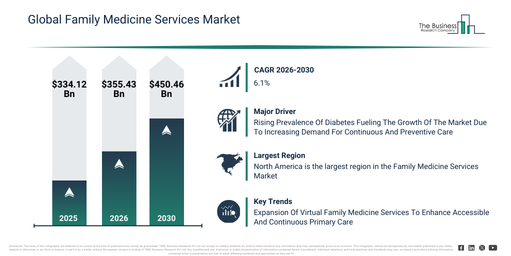
    The family medicine services market has experienced substantial expansion in recent years. This market is projected to grow from $334.12 billion in 2025 to $355.43 billion in 2026, demonstrating a compound annual growth rate (CAGR) of 6.4%. Historically, this growth was driven by factors such as the increasing demand for primary healthcare services, the expansion of outpatient clinic networks, a rising prevalence of chronic diseases, an increase in insured patient populations, and improvements in electronic health record adoption.

    The family medicine services market is poised for significant expansion in the coming years. By 2030, this market is projected to reach $450.46 billion, exhibiting a compound annual growth rate (CAGR) of 6.1%. This anticipated growth throughout the forecast period stems from factors such as an intensified focus on value-based care models, increased investments in remote patient monitoring, the expansion of home-based healthcare services, a heightened emphasis on integrated care delivery, and the growing application of AI-supported diagnostics within primary care. Key trends during this period are expected to involve the wider adoption of telemedicine for primary care, the increasing integration of digital patient management systems, a greater concentration on preventive and wellness-oriented care, the broadening of community-based healthcare delivery, and improved utilization of data for care coordination.

    Get A Free Sample Report With In-Depth Market Insights:

    https://thebusinessresearchcompany.com/sample_request?id=28218&type=smp&name=Family%20Medicine%20Services%20Market%20Report%202026&utm_source=Blogs&utm_medium=Paid&utm_campaign=Nov_PR

    Family Medicine Services Market Growth Factors: What’s Supporting Expansion?

    The rising incidence of diabetes is projected to fuel expansion within the family medicine services market. Diabetes is characterized as a chronic ailment where the body struggles to manage blood sugar levels, stemming from issues with insulin production or utilization. The growing occurrence of diabetes is attributed to contemporary inactive lifestyles, marked by less physical activity and extended periods of sitting, which significantly contribute to higher obesity rates – a key risk factor for developing the condition. Family medicine services aid in managing diabetes by offering continuous, personalized care, helping patients regulate blood sugar, encouraging healthy lifestyle modifications, and minimizing complication risks through ongoing supervision and guidance. For example, as reported by the International Diabetes Federation, a Belgium-based umbrella organization, in April 2025, approximately 589 million adults aged 20–79 were living with diabetes in 2024, a figure anticipated to climb to 853 million by 2050. Consequently, the increasing prevalence of diabetes is stimulating the growth of the family medicine services market.

    Family Medicine Services Market Segment Analysis And Revenue Potential

    The family medicine services market covered in this report is segmented –

    1) By Service Type: Preventive Care, Chronic Disease Management, Acute Care Services, Wellness Programs, Telemedicine Services

    2) By Patient Demographics: Pediatric Patients, Adult Patients, Geriatric Patients, Pregnant Women, Special Needs Patients

    3) By Care Delivery Model: Traditional Office Visits, Urgent Care Centers, Community Health Clinics, Mobile Health Units, Home Health Care

    4) By Technology Integration: Electronic Health Record Systems, Remote Patient Monitoring, Mobile Health Applications, Artificial Intelligence (AI) In Diagnoses, Data Analytics For Patient Management

    5) By End-User: Hospitals, Clinics, Home Care, Other End-Users

    Subsegments:

    1) By Preventive Care: Health Screenings, Vaccination Services, Routine Physical Examinations, Lifestyle Counseling

    2) By Chronic Disease Management: Diabetes Management, Hypertension Management, Cardiovascular Disease Management, Asthma And Respiratory Care

    3) By Acute Care Services: Emergency Treatment, Infectious Disease Treatment, Injury And Trauma Care, Surgical Consultations

    4) By Wellness Programs: Nutrition Counseling, Fitness And Exercise Programs, Stress Management Programs, Mental Health Support

    5) By Telemedicine Services: Virtual Consultations, Remote Patient Monitoring, Online Prescription Services, Telehealth Follow-Ups

    Family Medicine Services Market Trends Shaping Long-Term Demand

    Major companies engaged in the family medicine services market are prioritizing the expansion of virtual primary care provisions, including virtual family medicine, with the aim of improving patient access, reducing wait times for appointments, and providing continuous management for chronic conditions. Virtual family medicine describes the delivery of primary healthcare remotely through digital platforms, such as video calls, phone consultations, or mobile applications. For example, in September 2023, Atrium Health, a US-based healthcare provider, launched its Virtual Primary Care service. This service enables patients to cultivate an ongoing relationship with a dedicated family medicine provider, receiving comprehensive primary care virtually via secure video visits. Available 24/7 with flexible scheduling, this offering allows patients to obtain care for chronic conditions, preventative health, mental health, medication management, lab orders, and virtual specialist consults without requiring in-person visits. It targets individuals leading busy lives, those who frequently travel, or those facing access barriers, delivering convenient, personalized care from their home, office, or while traveling across North Carolina, South Carolina, and Georgia.

    Family Medicine Services Market Key Players Shaping Industry Direction

    Major companies operating in the family medicine services market are Kaiser Permanente, Trinity Health, Banner Health, Tenet Healthcare Corporation, NYU Langone Hospitals, Intermountain Health Care Inc., Baylor Scott & White Health LLC, Geisinger Clinic, Ascension Health, Michigan Health Corp., UW Health, Stanford Health Care, Evergreen Health, Providence, Sutter Health, UCI Health, Altru Health System, Blessing Health System, Samaritan Health Services, Allcare Health, Skagit Regional Health, Olathe Health

    View The Full Family Medicine Services Market Report:

    https://thebusinessresearchcompany.com/report/family-medicine-services-global-market-report?utm_source=Blogs&utm_medium=Paid&utm_campaign=Nov_PR

    Family Medicine Services Market Regional Analysis: Which Geography Leads On Revenue?

    North America was the largest region in the family medicine services market in 2025. The regions covered in the family medicine services market report are Asia-Pacific, South East Asia, Western Europe, Eastern Europe, North America, South America, Middle East, Africa.

    Reach Out To Our Team:

    The Business Research Company: https://www.thebusinessresearchcompany.com/

    Americas: +1 310-496-7795

    Asia: +44 7882 955267 & +91 8897263534

    Europe: +44 7882 955267

    Email us at: marketing@tbrc.info

    Follow us on:

    LinkedIn: https://in.linkedin.com/company/the-business-research-company

    YouTube: https://www.youtube.com/channel/UC24_fI0rV8cR5DxlCpgmyFQ

    Global Market Model: https://www.thebusinessresearchcompany.com/global-market-model
  • Familial Adenomatous Polyposis Treatment Market Expected To Grow At 11.1% CAGR Through 2030: What Businesses Need To Know

    Familial Adenomatous Polyposis Treatment Market Expected To Grow At 11.1% CAGR Through 2030: What Businesses Need To Know

    Built to provide research that’s more actionable and strategically valuable, The Business Research Company’s 2026 market reports include market attractiveness analysis, total addressable market sizing, company benchmarking matrices, interactive Excel dashboards, broader supply chain intelligence, emerging startup tracking, and in-depth product insights.

    Familial Adenomatous Polyposis Treatment Market Forecast: Value Set To Climb From $1.66 Billion To $2.54 Billion

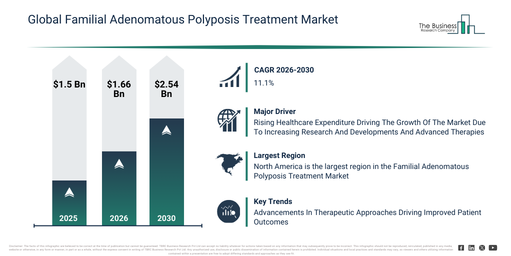
    The familial adenomatous polyposis treatment market has seen substantial growth recently. A projection indicates its expansion from $1.5 billion in 2025 to $1.66 billion in 2026, driven by a compound annual growth rate (CAGR) of 11.3%. Factors contributing to this historical growth encompass the early identification of inherited colorectal disorders, enhanced access to genetic testing, the proliferation of colorectal cancer prevention programs, a heightened understanding of hereditary cancers, and improvements in endoscopic technologies.

    The familial adenomatous polyposis treatment market size is projected to experience significant expansion over the coming years. This market is anticipated to reach a valuation of $2.54 billion by 2030, demonstrating a compound annual growth rate (CAGR) of 11.1%. Key factors contributing to this anticipated growth include breakthroughs in gene-based therapies, a greater embrace of individualized treatment approaches, the broadening scope of preventive oncology initiatives, the increasing application of AI in diagnostics, and heightened investment in research for rare diseases. Dominant trends during the forecast period are expected to encompass an elevated emphasis on genetic screening and counseling, the expanded implementation of preventive surgical procedures, a surge in the adoption of targeted drug therapies, the enlargement of long-term surveillance initiatives, and the incorporation of artificial intelligence for detecting early cancer risks.

    Get A Free Sample Report With In-Depth Market Insights:

    https://thebusinessresearchcompany.com/sample_request?id=95152052&type=smp&name=Familial%20Adenomatous%20Polyposis%20Treatment%20Market%20Report%202026&utm_source=Blogs&utm_medium=Paid&utm_campaign=Nov_PR

    Familial Adenomatous Polyposis Treatment Market Demand Drivers: What’s Powering Industry Growth?

    The familial adenomatous polyposis (FAP) treatment market is anticipated to grow significantly due to increasing healthcare expenditure. This spending includes all funds allocated by individuals, governments, and private entities for medical care, treatments, pharmaceuticals, and health infrastructure, aimed at maintaining and improving health outcomes. The rise in healthcare costs is primarily attributed to an aging global population and continuous advancements in medical technology. As individuals live longer, there is a greater demand for long-term care, chronic disease management, and frequent medical interventions, which inevitably drives up healthcare expenses. This elevated spending fosters greater investment in research and development for familial adenomatous polyposis (FAP) treatment, leading to innovations such as enhanced genetic testing, more targeted therapies, and less invasive surgical procedures that improve early detection, disease management, and patient results. For instance, in December 2024, the Centers for Medicare & Medicaid Services, a US-based federal agency, reported that Medicare spending in the US surged by 8.1%, reaching $1,029.8 billion, constituting 21% of the total national health expenditures (NHE). Therefore, the expansion of healthcare spending is a key factor driving the growth of the familial adenomatous polyposis (FAP) treatment market.

    Familial Adenomatous Polyposis Treatment Market Segmentation And Category Overview

    The familial adenomatous polyposis treatment market covered in this report is segmented –

    1) By Product Type: Icosapent, Eflornithine Hydrochloride, Aspirin, Cetuximab Oral Formulation (CEQ)-508, Other Product Types

    2) By Disease Type: Attenuated FAP, Familial Adenomatous Polyposis, Gardner Syndrome, Turcot Syndrome

    3) By Symptoms: Bloody Stool, Unexplained Diarrhea, Abdominal Cramps, Bloating , Weight Loss, Lethargy And Vomiting

    4) By Application: Colorectal Cancer Prevention, Genetic Counseling, Surgical Treatment

    5) By End-Users: Clinics, Hospitals, Diagnostic Centres, Home Healthcare, Other End-Users

    Subsegments:

    1) By Icosapent: High-Purity Icosapent, Combination Formulations, Extended-Release Icosapent

    2) By Eflornithine Hydrochloride: Oral Eflornithine Hydrochloride, Topical Eflornithine Hydrochloride, Intravenous Eflornithine Hydrochloride

    3) By Aspirin: Low-Dose Aspirin Therapy, Enteric-Coated Aspirin, Buffered Aspirin

    4) By CEQ-508: Monotherapy CEQ-508, Adjunctive CEQ-508 Therapy, Targeted CEQ-508 Formulations

    5) By Other Product Types: Genetic Testing Kits And Biomarkers, Endoscopic Surveillance Devices, Surgical Instruments And Medical Implants, Probiotics And Microbiome Modulators, Bowel Preparation Solutions, Dietary Supplements And Nutraceuticals

    Familial Adenomatous Polyposis Treatment Market Innovation Trends Shaping Future Development

    Leading companies within the familial adenomatous polyposis (FAP) treatment market are making significant strides in therapeutic methodologies to improve patient outcomes and introduce innovative solutions. These advancements include new drug formulations and targeted therapies aimed at reducing polyp formation and slowing the progression of the disease. For example, in June 2024, Biodexa Pharmaceuticals PLC, a biopharmaceutical firm based in the UK, announced encouraging outcomes from its Phase 2 clinical trial of eRapa for treating FAP. The trial revealed a 75% non-progression rate and a 17% median reduction in polyp burden over 12 months. Participants in Cohort 2 showed an even higher 81% non-progression rate and a 29% reduction in polyps with a specific dosing regimen. The treatment was well-tolerated, demonstrating a 95% compliance rate. These promising findings lay the groundwork for a Phase 3 trial involving around 168 high-risk FAP patients, potentially transitioning the treatment approach from surgery to effective medical therapy.

    Familial Adenomatous Polyposis Treatment Market Competitive Analysis Of Leading Industry Participants

    Major companies operating in the familial adenomatous polyposis treatment market are Mayo Clinic, Mount Sinai Health System, Johns Hopkins Medicine, Cleveland Clinic, UCLA Health, Houston Methodist Hospital, Scripps Health, Duke University Health System, Texas Children’s Hospital, Massachusetts General Hospital, Inova Health Care Services, Brigham and Women’s Hospital, Stanford Health Care, Barnes-Jewish Hospital, Northwestern Medicine, Geisinger Health, Max Healthcare, Sapience Therapeutics Inc., Frederick Gastroenterology Associates PA, Therapyx

    View The Full Familial Adenomatous Polyposis Treatment Market Report:

    https://thebusinessresearchcompany.com/report/familial-adenomatous-polyposis-treatment-global-market-report?utm_source=Blogs&utm_medium=Paid&utm_campaign=Nov_PR

    Familial Adenomatous Polyposis Treatment Market Geographic Spread And Regional Opportunities

    North America was the largest region in the familial adenomatous polyposis (FAP) treatment market in 2025. Asia-Pacific is expected to be the fastest-growing region in the forecast period. The regions covered in the familial adenomatous polyposis treatment market report are Asia-Pacific, South East Asia, Western Europe, Eastern Europe, North America, South America, Middle East, Africa.

    Reach Out To Our Team:

    The Business Research Company: https://www.thebusinessresearchcompany.com/

    Americas: +1 310-496-7795

    Asia: +44 7882 955267 & +91 8897263534

    Europe: +44 7882 955267

    Email us at: marketing@tbrc.info

    Follow us on:

    LinkedIn: https://in.linkedin.com/company/the-business-research-company

    YouTube: https://www.youtube.com/channel/UC24_fI0rV8cR5DxlCpgmyFQ

    Global Market Model: https://www.thebusinessresearchcompany.com/global-market-model
  • Facial Rejuvenation Market Forecast To Reach $5.66 Billion By 2030: Key Trends Explained

    Facial Rejuvenation Market Forecast To Reach $5.66 Billion By 2030: Key Trends Explained

    Backed by market attractiveness analysis, total addressable market sizing, company benchmarking matrices, interactive Excel dashboards, wider supply chain intelligence, emerging startup coverage, and detailed product-level insights, The Business Research Company’s 2026 market reports are designed to offer research that is more actionable and strategically valuable than ever.

    Facial Rejuvenation Market Revenue Growth On Track For A 10.2% CAGR Through 2030

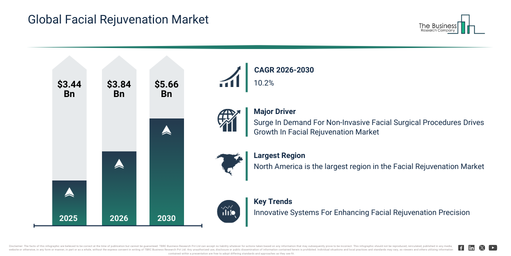
    The scale of the facial rejuvenation market has seen rapid growth in recent years. Its value is set to increase from $3.44 billion in 2025 to $3.84 billion in 2026, with a compound annual growth rate (CAGR) of 11.5%. Historically, this growth can be ascribed to factors such as an expanding aging population, a heightened awareness of beauty, the proliferation of cosmetic clinics, innovations in skin treatment technologies, and an uptick in disposable income.

    The facial rejuvenation market is anticipated to experience substantial growth over the next few years. It is forecast to expand to $5.66 billion by 2030, achieving a compound annual growth rate (CAGR) of 10.2%. This expected growth can be primarily attributed to innovation in energy-based devices, a rising demand for personalized skincare, the growth in minimally invasive treatments, increasing male aesthetic adoption, and the broader expansion of dermatology services. Furthermore, major trends identified for this period include the rising demand for anti-aging treatments, the growing popularity of non-invasive procedures, an increased use of combination rejuvenation therapies, the expansion of medical aesthetic centers, and the adoption of advanced skin rejuvenation devices.

    Get A Free Sample Report With In-Depth Market Insights:

    https://thebusinessresearchcompany.com/sample_request?id=91230711&type=smp&name=Facial%20Rejuvenation%20Market%20Report%202026&utm_source=Blogs&utm_medium=Paid&utm_campaign=Nov_PR

    Facial Rejuvenation Market Growth Drivers: What’s Behind The Acceleration?

    The increasing consumer preference for non-invasive facial surgical procedures is anticipated to fuel the expansion of the facial rejuvenation market. Non-invasive facial procedures are cosmetic treatments designed to enhance facial appearance without the need for surgery or extensive incisions. The significant uptake of these procedures is attributed to their minimal recovery periods, reduced invasiveness, lower risks, and the natural aesthetic results they provide. Facial rejuvenation employs noninvasive methods to lessen the visibility of wrinkles and fine lines by temporarily deactivating the muscles responsible for their formation. For example, as reported in June 2024 by the International Society of Aesthetic Plastic Surgery (ISAPS), a US-based professional society, nonsurgical facial rejuvenation procedures reached a total of 19,182,141 worldwide in 2023, marking a 1.7% increase over 2022. Hence, the growing demand for non-invasive facial surgical procedures is expected to drive the growth of the facial rejuvenation market.

    Facial Rejuvenation Market Segment Outlook: Which Categories Are Growing Fastest?

    The facial rejuvenation market covered in this report is segmented –

    1) By Product Type: Botulinum Toxin (BOTOX), Soft Tissue Fillers, Micro Abrasion Equipment, Chemical Peels, Topical Skin Care Products, Skin Rejuvenation Devices

    2) By Mode Of Treatment: Drugs, Injectables, Surgical Means, Other Mode Of Treatment

    3) By End-User: Hospital And Clinics, Beauty Centers And Spa, Dermatology Clinics, Other End-Users

    Subsegments:

    1) By Botulinum Toxin (BOTOX): Botulinum Toxin Type A, Botulinum Toxin Type B

    2) By Soft Tissue Fillers: Hyaluronic Acid-Based Fillers, Collagen-Based Fillers, Calcium Hydroxylapatite-Based Fillers, Poly-L-Lactic Acid-Based Fillers

    3) By Micro Abrasion Equipment: Crystal Microdermabrasion Devices, Diamond Microdermabrasion Devices, Ultrasonic Microdermabrasion Devices

    4) By Chemical Peels: Alpha Hydroxy Acid (AHA) Peels, Beta Hydroxy Acid (BHA) Peels, Trichloroacetic Acid (TCA) Peels, Jessner’s Peels

    5) By Topical Skin Care Products: Anti-Aging Creams And Serums, Moisturizers, Sunscreens, Exfoliators

    6) By Skin Rejuvenation Devices: Laser Skin Rejuvenation Devices, Radiofrequency (RF) Skin Rejuvenation Devices, Ultrasound Skin Rejuvenation Devices, Intense Pulsed Light (IPL) Devices

    Facial Rejuvenation Market Trends Redefining Industry Growth

    Leading firms operating in the facial rejuvenation market are introducing novel treatments, such as permanent hair reduction and skin rejuvenation procedures, to satisfy a growing demand for non-invasive and minimally invasive cosmetic options. These advanced cosmetic procedures for permanent hair reduction and skin rejuvenation aim to improve the skin’s appearance and health while reducing unwanted hair growth. For instance, in March 2024, Reveal Lasers LLC, a US-based aesthetic laser & RF device manufacturer, launched the AlloraPro Laser Workstation, a state-of-the-art device engineered for permanent hair reduction and skin rejuvenation treatments. The AlloraPro features an intuitive interface and customizable treatment settings, enhancing efficiency with a 25% larger spot size. This device can also target vascular lesions such as leg veins and facial veins, alongside pigmented lesions and photorejuvenation. The AlloraPro Laser Workstation’s adjustable pulse width, fluence, repetition rate, automatic spot recognition system, and convenient handpiece storage make it a versatile, effective, and profitable solution for aesthetic practices globally.

    Facial Rejuvenation Market Leading Companies And Competitive Benchmarking

    Major companies operating in the facial rejuvenation market are AbbVie Inc., Bausch Health Companies Inc., Galderma S/A, Contura International A/S, Hologic Inc., Fibrocell Science Inc., Merz Pharma GmbH & Co. KGaA, InMode Ltd., Lumenis Ltd., Cynosure LLC, Cutera Inc., Lutronic Corporation, Anika Therapeutics Inc., Croma-Pharma GmbH, Revance Therapeutics Inc., Sciton Inc., Alma Lasers, Venus Concept Ltd., Zimmer MedizinSystems, Ulthera Inc., Jeisys Medical Inc., Lynton Lasers Ltd., Candela Corporation, Revance Aesthetics Inc.

    View The Full Facial Rejuvenation Market Report:

    https://thebusinessresearchcompany.com/report/facial-rejuvenation-global-market-report?utm_source=Blogs&utm_medium=Paid&utm_campaign=Nov_PR

    Facial Rejuvenation Market Top Region By Revenue And Market Share

    North America was the largest region in the facial rejuvenation market in 2025. Asia-Pacific is expected to be the fastest-growing region in the forecast period. The regions covered in the facial rejuvenation market report are Asia-Pacific, South East Asia, Western Europe, Eastern Europe, North America, South America, Middle East, Africa.

    Reach Out To Our Team:

    The Business Research Company: https://www.thebusinessresearchcompany.com/

    Americas: +1 310-496-7795

    Asia: +44 7882 955267 & +91 8897263534

    Europe: +44 7882 955267

    Email us at: marketing@tbrc.info

    Follow us on:

    LinkedIn: https://in.linkedin.com/company/the-business-research-company

    YouTube: https://www.youtube.com/channel/UC24_fI0rV8cR5DxlCpgmyFQ

    Global Market Model: https://www.thebusinessresearchcompany.com/global-market-model