Blog

  • Rapid Immunoassay Analyzers Market Size In 2026: Regional Growth, Key Segments And Future Outlook

    Rapid Immunoassay Analyzers Market Size In 2026: Regional Growth, Key Segments And Future Outlook

    Built to provide research that’s more actionable and strategically valuable, The Business Research Company’s 2026 market reports include market attractiveness analysis, total addressable market sizing, company benchmarking matrices, interactive Excel dashboards, broader supply chain intelligence, emerging startup tracking, and in-depth product insights.

    Rapid Immunoassay Analyzers Market Expansion Outlook: What Revenue Opportunities Are Ahead?

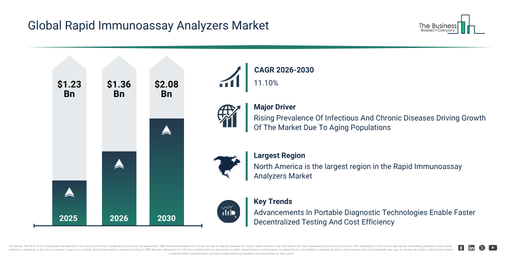
    The rapid immunoassay analyzers market has experienced significant expansion recently. This market is projected to expand from $1.23 billion in 2025 to $1.36 billion in 2026, exhibiting a compound annual growth rate (CAGR) of 10.8%. Historically, this growth has been driven by the increasing prevalence of infectious and chronic diseases, the rising demand for early and rapid disease diagnosis, the increasing adoption of point of care testing solutions, the expansion of diagnostic laboratory infrastructure, and growing awareness regarding preventive healthcare and routine screening.

    The market size for rapid immunoassay analyzers is projected to experience swift expansion over the coming years. This market is predicted to reach a valuation of $2. 08 billion by 2030, demonstrating a compound annual growth rate (CAGR) of 11.1%. Factors contributing to this growth during the forecast period include the increasing advancement of next-generation biomarker detection technologies, a rise in investments towards decentralized healthcare diagnostics, an escalating demand for home-based diagnostic testing solutions, the broadening of automated laboratory testing systems, and the greater integration of digital health monitoring alongside connected diagnostic platforms. Key trends anticipated for this period encompass a rise in the adoption of rapid point-of-care diagnostic testing solutions, an expanding demand for portable and handheld immunoassay analyzers, greater utilization of multiplex testing for detecting infectious diseases, the proliferation of high-throughput automated immunoassay systems within laboratories, and a heightened emphasis on quick turnaround times and precise clinical diagnostics.

    Get A Free Sample Report With In-Depth Market Insights:

    https://thebusinessresearchcompany.com/sample_request?id=21165559&type=smp&name=Rapid%20Immunoassay%20Analyzers%20Market%20Report%202026&utm_source=Blogs&utm_medium=Paid&utm_campaign=Oct_PR

    Rapid Immunoassay Analyzers Market Demand Drivers Opening New Revenue Streams

    The escalating incidence of infectious and chronic diseases is projected to fuel the advancement of the rapid immunoassay analyzers market moving forward. These conditions are defined as health issues resulting from pathogenic microorganisms or long-term physiological ailments that demand continuous monitoring and timely diagnosis. The increasing prevalence of infectious and chronic diseases is linked to aging populations. The rapid immunoassay analyzers market is bolstered by this rising prevalence, given that these systems provide swift, dependable diagnostic results that facilitate early detection, appropriate treatment, and effective disease management. For instance, in April 2025, data from the Centers for Disease Control and Prevention, a US-based federal agency, indicated that in 2023, approximately 76.4% of U.S. adults reported experiencing at least one of 12 selected chronic conditions, with 51.4% of U.S. adults reporting multiple chronic conditions. Therefore, the expanding occurrence of infectious and chronic diseases is a key driver for the growth of the rapid immunoassay analyzers market.

    Rapid Immunoassay Analyzers Market Segment Trends And Revenue Contributors

    The rapid immunoassay analyzers market covered in this report is segmented –

    1) By Type: Benchtop Immunoassay Analyzers, Portable Immunoassay Analyzers, Fully Automated Systems, Semi-Automated Analyzers, Lateral Flow Assay Readers

    2) By Technology: Lateral Flow Immunoassay, Fluorescence Immunoassay, Chemiluminescence Immunoassay, Enzyme-Linked Immunosorbent Assay, Radioimmunoassay

    3) By Mode Of Use: Point Of Care Testing, Laboratory-Based Testing

    4) By Application: Infectious Disease Testing, Cardiac Marker Testing, Oncology Testing, Hormone Testing, Allergy Testing, Drug Of Abuse Testing, Pregnancy And Fertility Testing

    5) By End-User: Hospitals And Clinics, Diagnostic Laboratories, Home Care Settings, Research And Academic Institutes, Other End-Users

    Subsegments:

    1) By Benchtop Immunoassay Analyzers: Single Channel Benchtop Analyzers, Multi Channel Benchtop Analyzers, Compact Benchtop Analyzers, High Throughput Benchtop Analyzers

    2) By Portable Immunoassay Analyzers: Handheld Immunoassay Analyzers, Battery Operated Portable Analyzers, Point Of Care Portable Analyzers, Field Use Immunoassay Analyzers

    3) By Fully Automated Systems: Random Access Automated Systems, Batch Processing Automated Systems, Integrated Laboratory Automation Systems, High Throughput Automated Systems

    4) By Semi-Automated Analyzers: Manual Sample Loading Semi Automated Analyzers, Programmable Semi Automated Analyzers, Compact Semi Automated Analyzers, Low Throughput Semi Automated Analyzers

    5) By Lateral Flow Assay Readers: Optical Lateral Flow Readers, Digital Lateral Flow Readers, Smartphone Based Lateral Flow Readers, Quantitative Lateral Flow Readers

    Rapid Immunoassay Analyzers Market Trends Powering Strategic Industry Growth

    Leading companies in the rapid immunoassay analyzers market are prioritizing portable diagnostic technologies, such as handheld fluorescence immunoassay analyzers, to minimize testing duration and enhance cost-efficiency in decentralized healthcare environments. Handheld fluorescence immunoassay analyzers are compact diagnostic devices that utilize fluorescence-labeled antibodies to detect specific biomarkers with high precision, delivering fast results at the point of care without requiring extensive centralized laboratory facilities. For example, in November 2025, Boditech Med Inc., a diagnostics company based in South Korea, presented its expanded range of point-of-care diagnostic products at MEDICA 2025. This solution portfolio features portable immunoassay systems designed with simplified workflows and brief testing times, which contributes to improved operational efficiency. Additionally, it supports both automated and manual formats, offering greater adaptability in resource-constrained settings and reducing infrastructure-associated expenses.

    Rapid Immunoassay Analyzers Market Key Players Shaping Industry Direction

    Major companies operating in the rapid immunoassay analyzers market are Thermo Fisher Scientific Inc., Abbott Laboratories, Danaher Corporation, Siemens Healthineers AG, BioMérieux S. A., Quidelortho Corporation, Tecan Trading AG, DiaSorin S. p. A., Euroimmun Medizinische Labordiagnostika AG, Autobio Diagnostics Co. Ltd., EKF Diagnostics, Boditech Med Inc., Dynex Technologies Inc., QuantuMDx Group Ltd., NanoEntek, J. Mitra & Co. Pvt. Ltd., Baebies, Micropoint Bioscience, Coris BioConcept, MiCo BioMed Inc., Abionic SA, ANP Technologies Inc., Epitope Diagnostics Inc., MedMira Inc., Nanomix Inc.

    View The Full Rapid Immunoassay Analyzers Market Report:

    https://thebusinessresearchcompany.com/report/rapid-immunoassay-analyzers-market-report?utm_source=Blogs&utm_medium=Paid&utm_campaign=Oct_PR

    Rapid Immunoassay Analyzers Market Regional Analysis: Which Geography Leads On Revenue?

    North America was the largest region in the rapid immunoassay analyzers market in 2025. Asia-Pacific is expected to be the fastest-growing region in the forecast period. The regions covered in the rapid immunoassay analyzers market report are Asia-Pacific, South East Asia, Western Europe, Eastern Europe, North America, South America, Middle East and Africa.

    Reach Out To Our Team:

    The Business Research Company: https://www.thebusinessresearchcompany.com/

    Americas: +1 310-496-7795

    Asia: +44 7882 955267 & +91 8897263534

    Europe: +44 7882 955267

    Email us at: marketing@tbrc.info

    Follow us on:

    LinkedIn: https://in.linkedin.com/company/the-business-research-company

    YouTube: https://www.youtube.com/channel/UC24_fI0rV8cR5DxlCpgmyFQ

    Global Market Model: https://www.thebusinessresearchcompany.com/global-market-model
  • Radiopharmacies Market Analysis: $11.12 Billion Market Size In 2026 And Future Growth Prospects

    Radiopharmacies Market Analysis: $11.12 Billion Market Size In 2026 And Future Growth Prospects

    Featuring market attractiveness scoring, total addressable market sizing, company benchmarking matrices, interactive Excel dashboards, deeper supply chain intelligence, emerging startup tracking, and granular product-level insights, The Business Research Company’s 2026 market reports are built to deliver research that is both more actionable and more strategically valuable.

    Radiopharmacies Market Value Analysis: What Growth Lies Ahead Over The Forecast Period?

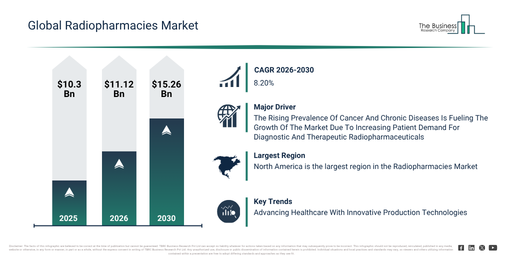
    The radiopharmacies market has experienced substantial expansion in recent years. Its value is expected to increase from $10.3 billion in 2025 to $11.12 billion in 2026, progressing at a compound annual growth rate (CAGR) of 8.0%. This historical growth can be linked to the rising prevalence of cancer and chronic diseases, the increasing adoption of nuclear medicine imaging procedures, a growing demand for accurate diagnostic radiopharmaceuticals, the expansion of hospital-based nuclear medicine departments, and an enhanced regulatory focus on the safe handling of radioactive materials.

    The radiopharmacies market is anticipated to experience robust expansion over the coming years. This market is projected to reach $15.26 billion by 2030, exhibiting a compound annual growth rate (CAGR) of 8.2%. This expansion during the forecast period is fueled by several factors, including the rising development of targeted radionuclide therapies, increased investment in PET and SPECT imaging technologies, the broadening scope of personalized medicine applications, the growing establishment of centralized radiopharmacy networks, and the escalating demand for sophisticated radiopharmaceutical logistics and cold chain solutions. Key trends anticipated during this period encompass a surging demand for targeted radiopharmaceutical therapies in oncology, the expanding uptake of centralized radiopharmacy services for streamlined dose preparation, a heightened emphasis on radiation safety and regulatory adherence within radiopharmacies, the broadening of nuclear medicine applications in fields such as cardiology and neurology, and increased investment in advanced quality control and assurance systems for managing radiopharmaceuticals.

    Get A Free Sample Report With In-Depth Market Insights:

    https://thebusinessresearchcompany.com/sample_request?id=87320329&type=smp&name=Radiopharmacies%20Market%20Report%202026&utm_source=Blogs&utm_medium=Paid&utm_campaign=Oct_PR

    Radiopharmacies Market Growth Catalysts And Demand Drivers

    The increasing occurrence of cancer and various chronic diseases is projected to stimulate the expansion of the radiopharmacies market moving forward. Cancer and chronic diseases refer to persistent health conditions, such as cancer, diabetes, heart disease, and respiratory ailments, which demand continuous medical attention and can endure for extended periods. The rising prevalence of these conditions is linked to aging populations, as individuals naturally face an elevated risk of developing long-term illnesses like cancer, diabetes, and heart disease as they grow older. Radiopharmacies facilitate the diagnosis and treatment of cancer and chronic diseases by producing and supplying specialized radioactive drugs employed in medical imaging and targeted therapies, enabling precise detection, monitoring, and intervention for these conditions. For instance, in February 2024, the World Health Organization indicated that over 35 million new cancer cases are anticipated by 2050, representing a 77% surge from the approximately 20 million cases estimated in 2022. Consequently, the growing prevalence of cancer and chronic diseases is a key driver for the radiopharmacies market’s growth.

    Radiopharmacies Market Segment Performance And Emerging Opportunities

    The radiopharmacies market covered in this report is segmented –

    1) By Product Type: Diagnostic Radiopharmaceuticals, Therapeutic Radiopharmaceuticals

    2) By Service Type: Radiopharmaceutical Compounding, Dose Preparation, Nuclear Medicine Drug Dispensing, Quality Control And Assurance, Radiation Safety Management, Logistics And Delivery, Inventory Management, Regulatory Compliance Support, Consulting And Training Services

    3) By Radioisotope Type: Technetium-Based Radiopharmaceuticals, Fluorine-Based Radiopharmaceuticals, Iodine-Based Radiopharmaceuticals, Gallium-Based Radiopharmaceuticals, Lutetium-Based Radiopharmaceuticals, Other Radioisotope Types

    4) By Application: Oncology, Cardiology, Neurology, Endocrinology, Other Applications

    5) By End User: Hospitals, Diagnostic Imaging Centers, Research Institutes, Specialty Clinics

    Subsegments:

    1) By Diagnostic Radiopharmaceuticals: Single Photon Emission Computed Tomography Radiopharmaceuticals, Positron Emission Tomography Radiopharmaceuticals, Bone Imaging Radiopharmaceuticals, Cardiac Imaging Radiopharmaceuticals, Renal Imaging Radiopharmaceuticals

    2) By Therapeutic Radiopharmaceuticals: Radioiodine Therapy Radiopharmaceuticals, Radiolabeled Antibody Therapy, Peptide Receptor Radionuclide Therapy, Bone Pain Palliation Radiopharmaceuticals, Liver Cancer Therapy Radiopharmaceuticals

    Radiopharmacies Market Trends Shaping Long-Term Demand

    Leading firms within the radiopharmacies market are prioritizing the creation of novel strategies, including sophisticated radiopharmaceutical manufacturing sites, to boost production effectiveness and guarantee a steady provision of both diagnostic and therapeutic radiopharmaceuticals. These cutting-edge facilities are specialized hubs dedicated to producing radioactive compounds for medical imaging and treatment, characterized by high precision and safety. They contribute to maintaining consistent quality, expediting production, and ensuring a dependable flow of diagnostic and therapeutic radiopharmaceuticals. As an illustration, in October 2024, PharmaLogic Holdings Corp., a US-based manufacturing enterprise, inaugurated a modern radiopharmaceutical production plant in Los Angeles. This expansion aims to augment its capability to deliver essential imaging agents. This new site incorporates automated synthesis modules, rigorous quality control measures, and adaptable production lines, facilitating the manufacture of consistent and high-purity radiotracers. Furthermore, it supports the fabrication of PET and SPECT imaging agents, thereby decreasing human error, lessening contamination hazards, and enhancing turnaround times when contrasted with traditional laboratories.

    Radiopharmacies Market Leading Companies And Competitive Benchmarking

    Major companies operating in the radiopharmacies market are Cardinal Health Inc., Siemens Healthineers AG, GE HealthCare Technologies Inc., BWX Technologies Inc., Bracco Imaging S. p. A., Lantheus Holdings Inc., China Isotope & Radiation Corporation, Ion Beam Applications S. A. (IBA), Telix Pharmaceuticals Limited, Eckert & Ziegler Strahlen, PharmaLogic Holdings Corp., Shine Technologies LLC, NTP Radioisotopes SOC Ltd., NorthStar Medical Radioisotopes LLC, ITM Isotope Technologies Munich SE, ARTBIO Inc., Isotopia Molecular Imaging Ltd., AdvanCell Isotopes Pty Ltd, Futurechem Co. Ltd., Jubilant Radiopharma Pvt. Ltd., Cyclotek (Aust) Pty Ltd., Radiomedix Inc., Iso-Tex Diagnostics Inc., Nucleus RadioPharma Inc.

    View The Full Radiopharmacies Market Report:

    https://thebusinessresearchcompany.com/report/radiopharmacies-market-report?utm_source=Blogs&utm_medium=Paid&utm_campaign=Oct_PR

    Radiopharmacies Market Top Region By Revenue And Market Share

    North America was the largest region in the radiopharmacies market in 2025. Asia-Pacific is expected to be the fastest-growing region in the forecast period. The regions covered in the radiopharmacies market report are Asia-Pacific, South East Asia, Western Europe, Eastern Europe, North America, South America, Middle East and Africa.

    Reach Out To Our Team:

    The Business Research Company: https://www.thebusinessresearchcompany.com/

    Americas: +1 310-496-7795

    Asia: +44 7882 955267 & +91 8897263534

    Europe: +44 7882 955267

    Email us at: marketing@tbrc.info

    Follow us on:

    LinkedIn: https://in.linkedin.com/company/the-business-research-company

    YouTube: https://www.youtube.com/channel/UC24_fI0rV8cR5DxlCpgmyFQ

    Global Market Model: https://www.thebusinessresearchcompany.com/global-market-model
  • Radiation-Sterilized Ultra-High Molecular Weight (UHMW) Polyethylene Market Reaches $0.45 Billion In 2026: Forecast And Growth Opportunities

    Radiation-Sterilized Ultra-High Molecular Weight (UHMW) Polyethylene Market Reaches $0.45 Billion In 2026: Forecast And Growth Opportunities

    Featuring market attractiveness scoring, total addressable market sizing, company benchmarking matrices, interactive Excel dashboards, deeper supply chain intelligence, emerging startup tracking, and granular product-level insights, The Business Research Company’s 2026 market reports are built to deliver research that is both more actionable and more strategically valuable.

    Radiation-Sterilized Ultra-High Molecular Weight (UHMW) Polyethylene Market Growth Analysis: How Will Revenue Trend Over The Forecast Period?

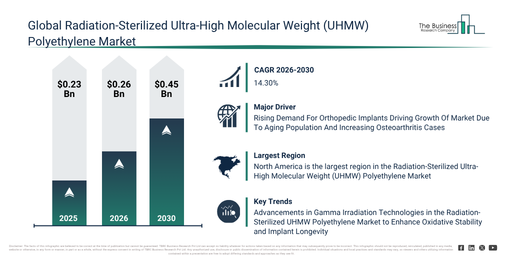
    The radiation-sterilized ultra-high molecular weight (UHMW) polyethylene market size has experienced rapid growth in recent years. This market is set to expand from $0.23 billion in 2025 to $0.26 billion in 2026, achieving a compound annual growth rate (CAGR) of 14.1%. Historically, this growth was driven by factors including the increasing demand for durable orthopedic implant materials, advances in radiation sterilization technologies, the rising adoption of biocompatible polymers in healthcare, increased investments in medical device manufacturing, and the broader application of industrial wear-resistant materials.

    The radiation-sterilized ultra-high molecular weight (UHMW) polyethylene market is projected for significant expansion over the coming years, anticipated to reach $0.45 billion by 2030, exhibiting a compound annual growth rate (CAGR) of 14.3%. This projected growth stems from several factors, including the escalating development of advanced crosslinked polymer technologies, a surge in demand for high-performance sterilized biomaterials, the rising uptake of lightweight ballistic protection materials, the broadened application of precision manufacturing processes for medical polymers, and increased investments into next-generation implant materials. Concurrently, key trends anticipated during this period encompass the growing integration of highly crosslinked UHMW polyethylene in orthopedic implants, an increasing need for wear-resistant biomaterials within medical devices, the greater application of radiation sterilization to extend product longevity, the widening availability of antioxidant-stabilized polymer solutions, and the expanded deployment of UHMW polyethylene in both industrial and defense sectors.

    Get A Free Sample Report With In-Depth Market Insights:

    https://thebusinessresearchcompany.com/sample_request?id=50778826&type=smp&name=Radiation-Sterilized%20Ultra-High%20Molecular%20Weight%20%28UHMW%29%20Polyethylene%20Market%20Report%202026&utm_source=Blogs&utm_medium=Paid&utm_campaign=Oct_PR

    Radiation-Sterilized Ultra-High Molecular Weight (UHMW) Polyethylene Market Expansion Drivers: What’s Shaping Future Growth?

    The growth of the radiation-sterilized UHMW polyethylene market is anticipated to be propelled by an increasing demand for orthopedic implants. These medical devices, utilized to replace or support compromised bones and joints, frequently incorporate UHMW polyethylene due to its robustness and ideal characteristics for joint articulation. This heightened demand stems largely from an expanding elderly demographic, prone to degenerative ailments like osteoarthritis, complemented by rising injury occurrences and enhanced accessibility to surgical interventions. A surge in joint replacement operations consequently elevates the requirement for advanced biomaterials. Within this scenario, radiation-sterilized UHMW polyethylene is crucial, providing wear resistance, biocompatibility, and sterility – attributes vital for implant durability and patient safety. An illustrative example comes from February 2025, where NHS England, a UK-based publicly funded healthcare system, reported 78,000 hip replacement episodes in 2023/24, receiving 55,000 pre-operative responses and 21,000 post operative responses. Consequently, the escalating need for orthopedic implants is propelling the expansion of the radiation-sterilized UHMW polyethylene market.

    Radiation-Sterilized Ultra-High Molecular Weight (UHMW) Polyethylene Market Segment Analysis And Revenue Potential

    The radiation-sterilized ultra-high molecular weight (uhmw) polyethylene market covered in this report is segmented –

    1) By Sterilization Method: Gamma Irradiation, Electron-Beam Irradiation, Radiation Plus Barrier Packaging

    2) By Product Type: Virgin Ultra High Molecular Weight Polyethylene, Highly Crosslinked Ultra High Molecular Weight Polyethylene, Antioxidant-Stabilized Ultra High Molecular Weight Polyethylene, Ultra High Molecular Weight Polyethylene Fibres

    3) By Form: Powder, Sheets, Pre-Formed Liners, Tapes

    4) By Application: Orthopedic Implants, Defense And Ballistics, Industrial Wear Parts, Other Medical Devices

    5) By End User: Medical Device Original Equipment Manufacturers, Surgical Centers, Military Suppliers, Industrial Manufacturers

    Subsegments:

    1) By Gamma Irradiation: Low Dose Gamma Sterilization, Standard Dose Gamma Sterilization, High Dose Gamma Sterilization, Vacuum Packaged Gamma Sterilization

    2) By Electron Beam Irradiation: Low Energy Electron Beam Sterilization, High Energy Electron Beam Sterilization, Continuous Electron Beam Sterilization, Pulsed Electron Beam Sterilization

    3) By Radiation Plus Barrier Packaging: Single Layer Barrier Packaging, Multi Layer Barrier Packaging, Vacuum Barrier Packaging, Inert Gas Barrier Packaging

    Radiation-Sterilized Ultra-High Molecular Weight (UHMW) Polyethylene Market Strategic Trends: What Defines The Next Growth Phase?

    Major companies operating in the radiation-sterilized UHMW polyethylene market are prioritizing enhancements in gamma irradiation technologies to boost implant performance and durability. These innovations include highly crosslinked UHMWPE with antioxidant stabilization, created to satisfy the increasing demand for resilient orthopedic implants that offer superior wear resistance and oxidative stability. This technology involves exposing UHMW polyethylene to controlled gamma radiation, which promotes crosslinking between polymer chains and significantly enhances wear performance. For instance, in March 2025, Zimmer Biomet, a US-based medical technology company, introduced its ROSA Knee System, featuring advanced polyethylene materials designed to extend implant longevity. The system utilizes highly crosslinked UHMWPE with an optimized crosslink density to reduce wear debris while maintaining mechanical strength. It is processed under controlled sterilization conditions to minimize oxidation, supporting smoother articulation, reduced friction, and improved load distribution. Additionally, its compatibility with robotic-assisted surgical platforms enables more precise implantation and alignment, contributing to enhanced patient outcomes and a prolonged implant lifespan.

    Radiation-Sterilized Ultra-High Molecular Weight (UHMW) Polyethylene Market Top Companies Driving Competitive Growth

    Major companies operating in the radiation-sterilized ultra-high molecular weight (uhmw) polyethylene market are MITSUI CHEMICALS AMERICA INC, LyondellBasell Industries Holdings B. V., Honeywell International Inc., Mitsubishi Chemical Group Corporation., Asahi Kasei Corporation , Westlake Corporation, Celanese Corporation, TEIJIN LIMITED, Chevron Phillips Chemical Company, Avient Corporation, Rochling SE & Co. KG, Sotera Health, Ensinger GmbH, Medacta International, Professional Plastics Inc., Curbell Plastics Inc., Waldemar Link GmbH & Co. KG, E-BEAM Services Inc., BGS Beta-Gamma-Service GmbH & Co. KG, dsm-firmenich.  , Modern Plastics, Vivirad Group, BeePlastic

    View The Full Radiation-Sterilized Ultra-High Molecular Weight (UHMW) Polyethylene Market Report:

    https://thebusinessresearchcompany.com/report/radiation-sterilized-ultra-high-molecular-weight-uhmw-polyethylene-market-report?utm_source=Blogs&utm_medium=Paid&utm_campaign=Oct_PR

    Radiation-Sterilized Ultra-High Molecular Weight (UHMW) Polyethylene Market Global Footprint: Which Region Leads The Market?

    North America was the largest region in the radiation-sterilized UHMW polyethylene market in 2025. Asia-Pacific is expected to be the fastest-growing region in the forecast period. The regions covered in the radiation-sterilized ultra-high molecular weight (UHMW) polyethylene market report are Asia-Pacific, South East Asia, Western Europe, Eastern Europe, North America, South America, Middle East and Africa.

    Reach Out To Our Team:

    The Business Research Company: https://www.thebusinessresearchcompany.com/

    Americas: +1 310-496-7795

    Asia: +44 7882 955267 & +91 8897263534

    Europe: +44 7882 955267

    Email us at: marketing@tbrc.info

    Follow us on:

    LinkedIn: https://in.linkedin.com/company/the-business-research-company

    YouTube: https://www.youtube.com/channel/UC24_fI0rV8cR5DxlCpgmyFQ

    Global Market Model: https://www.thebusinessresearchcompany.com/global-market-model
  • Radiation-Free Fetal Heart Rate Monitor Market Growth In 2026: Market Size, Key Drivers And Future Outlook

    Radiation-Free Fetal Heart Rate Monitor Market Growth In 2026: Market Size, Key Drivers And Future Outlook

    Built to provide research that’s more actionable and strategically valuable, The Business Research Company’s 2026 market reports include market attractiveness analysis, total addressable market sizing, company benchmarking matrices, interactive Excel dashboards, broader supply chain intelligence, emerging startup tracking, and in-depth product insights.

    Radiation-Free Fetal Heart Rate Monitor Market Forecast: What Value Will The Market Reach By 2030?

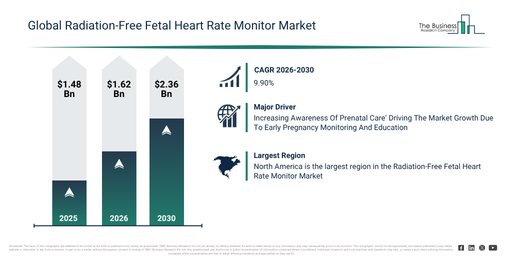
    The market for radiation-free fetal heart rate monitors has shown strong growth in recent years. It is expected to grow from $1.48 billion in 2025 to $1.62 billion in 2026, achieving a compound annual growth rate (CAGR) of 9.7%. This historical growth can be attributed to increased awareness concerning prenatal health monitoring, the rising occurrence of high-risk pregnancies, developments in non-invasive diagnostic technologies, the increasing adoption of portable healthcare devices, and the expansion of maternal healthcare infrastructure.

    The radiation-free fetal heart rate monitor market is anticipated to show significant expansion over the next few years, with its valuation expected to reach $2.36 billion by 2030, exhibiting a compound annual growth rate (CAGR) of 9.9%. This projected increase can be attributed to several factors, including the surging demand for remote pregnancy monitoring solutions, the increasing integration of AI-enabled fetal analysis systems, the growing adoption of wearable healthcare technologies, the expansion of telehealth services within maternal care, and rising investments in advanced prenatal diagnostic devices. Furthermore, prominent trends during the forecast period involve the increasing embrace of non-invasive fetal monitoring technologies, the growing need for continuous real-time tracking of fetal health, a rising preference for portable and home-based monitoring devices, the expansion of wireless wearable fetal monitoring solutions, and an enhanced focus on the early detection of fetal abnormalities.

    Get A Free Sample Report With In-Depth Market Insights:

    https://thebusinessresearchcompany.com/sample_request?id=76278039&type=smp&name=Radiation-Free%20Fetal%20Heart%20Rate%20Monitor%20Market%20Report%202026&utm_source=Blogs&utm_medium=Paid&utm_campaign=Oct_PR

    Radiation-Free Fetal Heart Rate Monitor Market Development Factors: What’s Supporting Demand?

    The growing recognition of prenatal care is projected to stimulate the expansion of the radiation-free fetal heart rate monitor market moving forward. Prenatal care encompasses routine medical evaluations, guidance, and assistance offered to pregnant women to safeguard the well-being of both mother and infant throughout gestation. The understanding of prenatal care is increasing, fueled by public health initiatives that educate expectant mothers on the significance of early medical visits, screenings, and healthy practices during pregnancy to prevent complications and ensure the baby’s health. This heightened awareness encourages future parents and medical professionals to prioritize consistent and safe fetal health monitoring, which in turn promotes the adoption of radiation-free fetal heart rate monitors as a non-invasive, practical, and dependable instrument for tracking the baby’s health throughout pregnancy. For instance, in December 2024, the Office for Health Improvement & Disparities, a UK government department, noted that the proportion of women attending their first antenatal appointment within 10 weeks of pregnancy climbed to 63. 5% in 2024. Therefore, the rising awareness of prenatal care is significantly driving the growth of the radiation-free fetal heart rate monitor market.

    Radiation-Free Fetal Heart Rate Monitor Market Segmentation And Category Overview

    The radiation-free fetal heart rate monitor market covered in this report is segmented –

    1) By Type: Doppler-Based Monitors, Electrocardiography Based Monitors, Optical Sensor Based Monitors, Wearable Fetal Monitoring Devices, Portable Handheld Monitors

    2) By Distribution Channel: Online Retail Stores, Direct Sales Or Institutional Sales, Specialized Medical Stores

    3) By Application: Hospitals, Maternity Clinics, Homecare Settings, Diagnostic Centers

    4) By End-User: Obstetricians, Midwives, Pregnant Women

    Subsegments:

    1) By Doppler-Based Monitors: Continuous Wave Doppler Monitors, Pulsed Wave Doppler Monitors, Handheld Doppler Fetal Monitors, Tabletop Doppler Monitoring Systems, Portable Doppler Monitoring Devices

    2) By Electrocardiography Based Monitors: Direct Fetal Electrocardiography Monitors, Indirect Fetal Electrocardiography Monitors, Multi Lead Fetal Electrocardiography Systems, Non Invasive Fetal Electrocardiography Devices, Real Time Electrocardiography Monitoring Systems

    3) By Optical Sensor Based Monitors: Infrared Optical Sensor Monitors, Near Infrared Spectroscopy Based Monitors, Photoplethysmography Based Monitors, Fiber Optic Sensor Based Monitors, Non Invasive Optical Monitoring Systems

    4) By Wearable Fetal Monitoring Devices: Belt Based Wearable Monitoring Devices, Patch Based Wearable Monitoring Devices, Wireless Wearable Monitoring Systems, Smart Textile Based Monitoring Devices, Continuous Remote Monitoring Wearables

    5) By Portable Handheld Monitors: Battery Operated Handheld Monitors, Compact Handheld Fetal Monitoring Devices, Wireless Handheld Monitoring Systems, Digital Display Handheld Monitors, Point Of Care Handheld Monitoring Devices

    Radiation-Free Fetal Heart Rate Monitor Market Leading Players And Competitive Positioning

    Major companies operating in the radiation-free fetal heart rate monitor market are Koninklijke Philips N. V., GE HealthCare, Mindray Medical International Limited, Drägerwerk AG & Co. KGaA, Nihon Kohden Corporation, CooperSurgical Inc., CONTEC Medical Systems Co. Ltd., Beurer GmbH, Spacelabs Healthcare, Heal Force Co. Ltd., Edan Instruments Inc., EasyCare Medical Pvt. Ltd., Bionet Co. Ltd., B-Arm Medical Pvt. Ltd., Huntleigh Healthcare Ltd., HeraMED, InnAccel Technologies Pvt. Ltd., Accusure, Banglijian Medical, Babyfun, Promed Group, Paxmax, Wallach Surgical Devices

    View The Full Radiation-Free Fetal Heart Rate Monitor Market Report:

    https://thebusinessresearchcompany.com/report/radiation-free-fetal-heart-rate-monitor-market-report?utm_source=Blogs&utm_medium=Paid&utm_campaign=Oct_PR

    Radiation-Free Fetal Heart Rate Monitor Market Regional Split: Which Areas Are Fueling Growth?

    North America was the largest region in the radiation-free fetal heart rate monitor market in 2025. Asia-Pacific is expected to be the fastest-growing region in the forecast period. The regions covered in the radiation-free fetal heart rate monitor market report are Asia-Pacific, South East Asia, Western Europe, Eastern Europe, North America, South America, Middle East and Africa.

    Reach Out To Our Team:

    The Business Research Company: https://www.thebusinessresearchcompany.com/

    Americas: +1 310-496-7795

    Asia: +44 7882 955267 & +91 8897263534

    Europe: +44 7882 955267

    Email us at: marketing@tbrc.info

    Follow us on:

    LinkedIn: https://in.linkedin.com/company/the-business-research-company

    YouTube: https://www.youtube.com/channel/UC24_fI0rV8cR5DxlCpgmyFQ

    Global Market Model: https://www.thebusinessresearchcompany.com/global-market-model
  • Precision Cancer Imaging Market Size Reaches $19.58 Billion In 2026: What Is Driving Growth?

    Precision Cancer Imaging Market Size Reaches $19.58 Billion In 2026: What Is Driving Growth?

    Featuring market attractiveness scoring, total addressable market sizing, company benchmarking matrices, interactive Excel dashboards, deeper supply chain intelligence, emerging startup tracking, and granular product-level insights, The Business Research Company’s 2026 market reports are built to deliver research that is both more actionable and more strategically valuable.

    Precision Cancer Imaging Market Size Forecast: How Big Could The Market Get By 2030?

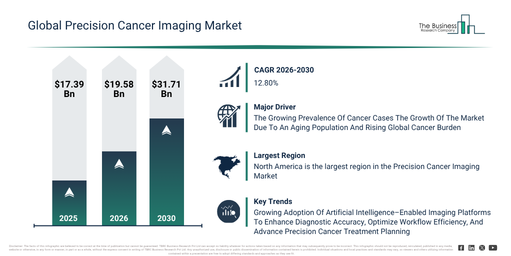
    The precision cancer imaging market has expanded rapidly in recent years. This sector is projected to grow from $17.39 billion in 2025 to $19.58 billion in 2026, achieving a compound annual growth rate (CAGR) of 12.6%. The historical expansion of this market is attributable to the rising occurrence of cancer cases, innovations in molecular imaging technologies, increased adoption of PET and MRI systems, the development of hospital diagnostic infrastructure, and the increase in government-sponsored cancer screening programs.

    The precision cancer imaging market size is forecasted to undergo significant expansion in the coming years. It is expected to grow to $31.71 billion by 2030, achieving a compound annual growth rate (CAGR) of 12.8%. This expansion during the forecast period is primarily driven by the increasing demand for personalized oncology treatments, the wider deployment of AI-driven imaging analytics, growing investments in precision medicine research, the rising adoption of cloud-based imaging platforms, and the increasing development of non-invasive diagnostic solutions. Noteworthy trends in the forecast period include the uptake of precision oncology imaging, the integration of hybrid imaging systems, the development of multi-modal diagnostic workflows, radiomics-based tumor characterization, and advancements in early-stage cancer detection.

    Get A Free Sample Report With In-Depth Market Insights:

    https://thebusinessresearchcompany.com/sample_request?id=84579753&type=smp&name=Precision%20Cancer%20Imaging%20Market%20Report%202026&utm_source=Blogs&utm_medium=Paid&utm_campaign=Oct_PR

    Precision Cancer Imaging Market Growth Factors: What’s Supporting Expansion?

    The increasing occurrence of cancer diagnoses is projected to fuel the expansion of the precision cancer imaging market. This rise in cancer cases is primarily linked to an aging population, as older individuals carry a higher risk of developing cancer due to the accumulation of genetic mutations and extended exposure to risk factors over time. Precision cancer imaging aids cancer management by enabling earlier identification, more accurate tumor placement, and personalized therapy planning, which improves patient outcomes and reduces unnecessary medical procedures. For example, in February 2024, the World Health Organization reported that over 35 million new cancer cases are forecast for 2050, representing a 77% increase from the estimated 20 million cases in 2022. Therefore, the growing incidence of cancer cases is a significant driver for the growth of the precision cancer imaging market.

    Precision Cancer Imaging Market Segment Outlook: Which Categories Are Growing Fastest?

    The precision cancer imaging market covered in this report is segmented –

    1) By Component: Hardware, Software, Services

    2) By Cancer Type: Breast Cancer, Lung Cancer, Prostate Cancer, Colorectal Cancer, Other Cancer Types

    3) By Imaging Modality: Magnetic Resonance Imaging (MRI), Computed Tomography (CT), Positron Emission Tomography (PET), Single Photon Emission Computed Tomography (SPECT), Other Modalities

    4) By Application: Cardiovascular, Neurology, Gastroenterology, Infectious Diseases, Oncology, Other Applications

    5) By End-user: Hospitals And Clinics, Diagnostic Imaging Centers, Ambulatory Surgical Centers, Other End-users

    Subsegments:

    1) By Hardware: Imaging Systems, Detection Devices, Radiation Equipment, Biopsy Guidance Systems, Monitoring Devices

    2) By Software: Image Analysis Software, Visualization Software, Data Management Software, Diagnostic Software, Reporting Software

    3) By Services: Imaging Services, Consulting Services, Maintenance Services, Training Services, Integration Services

    Precision Cancer Imaging Market Industry Trends: What’s Reshaping Demand?

    Leading firms in the precision cancer imaging market are concentrating on employing advanced technologies, including artificial intelligence-powered imaging platforms, to improve diagnostic precision and simplify the process of planning cancer treatment. These AI-driven platforms represent sophisticated CT and MR systems, utilizing machine learning algorithms to enhance image clarity, identify tumors, and visualize anatomy, thereby enabling medical professionals to achieve quicker, more accurate diagnoses and tailor cancer treatment plans with greater exactitude. As an illustration, in September 2025, Koninklijke Philips N. V., a health technology company based in the Netherlands, introduced its newest CT and MR solutions at the American Society for Radiation Oncology (ASTRO) 2025 meeting, specifically developed to progress precision cancer care. These systems incorporate features such as exceptionally fast AI-supported reconstruction, sustainable helium-free MR systems, expanded field-of-view 4D imaging, and user-friendly interfaces, all aimed at simplifying radiation therapy planning and enhancing patient comfort. The integration of superior image quality with streamlined operational processes allows oncology teams to provide individualized treatment plans with increased assurance and accuracy.

    Precision Cancer Imaging Market Competitive Landscape: Who Leads The Industry?

    Major companies operating in the precision cancer imaging market are Hitachi Medical Corporation, Thermo Fisher Scientific Inc., Siemens Healthineers AG, FUJIFILM Holdings Corporation, Koninklijke Philips N. V., GE HealthCare Technologies Inc., Shimadzu Corporation, Agilent Technologies Inc., Mindray Bio-Medical Electronics Co Ltd., Bruker Corporation, Canon Medical Systems Corporation, Shanghai United Imaging Healthcare Co Ltd., Agfa-Gevaert N. V., Hologic Inc., Carestream Health Inc., Perceptive Discovery, Esaote S. p. A., Alliance Medical Group, Quibim S. L., Mediso Ltd

    View The Full Precision Cancer Imaging Market Report:

    https://thebusinessresearchcompany.com/report/precision-cancer-imaging-market-report?utm_source=Blogs&utm_medium=Paid&utm_campaign=Oct_PR

    Precision Cancer Imaging Market Geographic Landscape: Which Region Leads Industry Growth?

    North America was the largest region in the precision cancer imaging market in 2025. Asia-Pacific is expected to be the fastest-growing region in the forecast period. The regions covered in the precision cancer imaging market report are Asia-Pacific, South East Asia, Western Europe, Eastern Europe, North America, South America, Middle East and Africa.

    Reach Out To Our Team:

    The Business Research Company: https://www.thebusinessresearchcompany.com/

    Americas: +1 310-496-7795

    Asia: +44 7882 955267 & +91 8897263534

    Europe: +44 7882 955267

    Email us at: marketing@tbrc.info

    Follow us on:

    LinkedIn: https://in.linkedin.com/company/the-business-research-company

    YouTube: https://www.youtube.com/channel/UC24_fI0rV8cR5DxlCpgmyFQ

    Global Market Model: https://www.thebusinessresearchcompany.com/global-market-model
  • Postbiotic Ingredient Market Analysis: How The Industry Is Evolving Toward A $2.02 Billion Future

    Postbiotic Ingredient Market Analysis: How The Industry Is Evolving Toward A $2.02 Billion Future

    Backed by market attractiveness analysis, total addressable market sizing, company benchmarking matrices, interactive Excel dashboards, wider supply chain intelligence, emerging startup coverage, and detailed product-level insights, The Business Research Company’s 2026 market reports are designed to offer research that is more actionable and strategically valuable than ever.

    Postbiotic Ingredient Market Size, Value And Growth Trajectory Through 2030

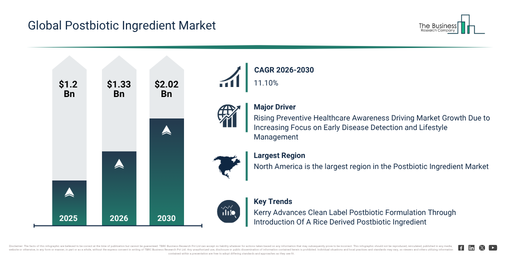
    The market for postbiotic ingredients has seen considerable growth recently. Its value is projected to rise from $1.2 billion in 2025 to $1.33 billion in 2026, achieving a compound annual growth rate (CAGR) of 10.9%. This historical expansion is attributable to several factors, including heightened awareness of gut health benefits, increased adoption of probiotic products, a rise in functional food consumption, the expansion of the dietary supplement industry, and early research into microbiome health benefits.

    The postbiotic ingredient market is anticipated to experience swift expansion in the coming years, with its size expected to reach $2.02 billion by 2030, demonstrating a compound annual growth rate (CAGR) of 11.1%. This growth during the forecast period is primarily attributed to factors such as the increasing demand for immune health support products, the rising prevalence of lifestyle-related disorders, a growing emphasis on preventive healthcare nutrition, the expansion of personalized nutrition solutions, and increased investment in microbiome-based research and development. Key trends identified for the forecast period include the increasing adoption of clean-label and natural postbiotic formulations in functional foods, the growing integration of postbiotics into personalized nutrition and gut health solutions, the rising use of fermentation-derived bioactive compounds in dietary supplements, the expansion of microbiome-targeted product development within pharmaceutical applications, and the increasing demand for stable, non-living probiotic alternatives in food and beverage innovation.

    Get A Free Sample Report With In-Depth Market Insights:

    https://thebusinessresearchcompany.com/sample_request?id=46878604&type=smp&name=Postbiotic%20Ingredient%20Market%20Report%202026&utm_source=Blogs&utm_medium=Paid&utm_campaign=Oct_PR

    Postbiotic Ingredient Market Growth Backed By Core Demand Fundamentals

    The postbiotic ingredient market is anticipated to expand going forward, propelled by the increasing requirement for preventive healthcare options. Preventive healthcare options encompass measures and interventions aimed at reducing the risk of disease, promoting overall wellness, and enabling the early identification of health conditions before they worsen. The rising demand for preventive healthcare stems from a growing understanding of the advantages of early intervention, adopting healthy lifestyles, and long-term disease prevention. Postbiotic ingredients support preventive healthcare by enhancing the balance of the gut microbiome and strengthening immune and metabolic functions, thereby contributing to a reduced likelihood of chronic diseases. For example, in November 2025, according to the Organization for Economic Co-operation and Development report Health at a Glance 2025, a France-based government agency, expenditures on preventive care accounted for approximately 3% of total health expenditure across OECD countries, suggesting that preventive care remains a comparatively small portion of overall health spending. Therefore, the escalating demand for preventive healthcare options is driving the growth of the postbiotic ingredient market.

    Postbiotic Ingredient Market Segmentation: How Does The Market Break Down By Category?

    The postbiotic ingredient market covered in this report is segmented –

    1) By Product Type: Powder, Liquid, Capsules, Tablets, Other Product Types

    2) By Source: Plant-Based, Animal-Based, Microbial-Based, Other Sources

    3) By Distribution Channel: Online Stores, Supermarkets or Hypermarkets, Specialty Stores, Other Distribution Channels

    4) By Application: Dietary Supplements, Functional Food And Beverages, Animal Feed, Pharmaceuticals, Personal Care, Other Applications

    Subsegments:

    1) By Powder: Spray Dried Postbiotic Powder, Freeze Dried Postbiotic Powder, Microencapsulated Postbiotic Powder, Heat Treated Postbiotic Powder, Fermented Postbiotic Powder

    2) By Liquid: Concentrated Postbiotic Liquid, Fermented Postbiotic Liquid, Stabilized Postbiotic Liquid, Ready to Use Postbiotic Liquid, Water Soluble Postbiotic Liquid

    3) By Capsules: Hard Shell Postbiotic Capsules, Soft Gel Postbiotic Capsules, Delayed Release Postbiotic Capsules, Vegetarian Postbiotic Capsules, Enteric Coated Postbiotic Capsules

    4) By Tablets: Chewable Postbiotic Tablets, Effervescent Postbiotic Tablets, Sustained Release Postbiotic Tablets, Film Coated Postbiotic Tablets, Orally Disintegrating Postbiotic Tablets

    5) By Other Product Types: Cell Free Supernatants, Inactivated Microbial Biomass, Peptidoglycan Derivatives, Lipoteichoic Acid Extracts, Exopolysaccharide Compounds, Enzyme Derived Metabolites, Fermentation Derived Organic Acids, Bacterial Lysate Fractions, Microbial Cell Wall Fragments, Post Fermentation Bioactive Compounds

    Postbiotic Ingredient Market Growth Trends Reshaping The Competitive Landscape

    Major companies operating in the postbiotic ingredient market are increasingly focusing on the shift towards clean-label formulations, such as rice-derived heat-inactivated postbiotics, to satisfy growing consumer demand for functional ingredients that are safe, transparent, and naturally derived. These ingredients are non-living microbial preparations designed to provide gut and related wellness benefits, featuring strong processing stability, simple label positioning, and broad compatibility across supplement, food, and beverage formats. For instance, in February 2024, Kerry Group PLC, an Ireland-based taste and nutrition company, launched Plenibiotic. This is a rice-derived postbiotic ingredient that supports gut and skin health, offers stability across diverse temperature, moisture, and pH conditions, and works effectively at a low serving size for formulation versatility across human and pet applications. These capabilities strengthen the relevance of clean-label formulation trends for the postbiotic ingredient market.

    Postbiotic Ingredient Market Industry Leaders And Competitive Landscape

    Major companies operating in the postbiotic ingredient market are Nestlé S. A., Unilever PLC, BASF SE, Danone S. A., Archer Daniels Midland (ADM), Givaudan SA, dsm-firmenich, Associated British Foods (ABF), CJ CheilJedang, International Flavors & Fragrances (IFF), Asahi Group Holdings, Kerry Group, Novonesis (NZYM. VI), Kirin Holdings, Evonik Industries AG, Croda International, Symrise AG, Clariant AG, Ashland Inc., Morinaga Milk Industry

    View The Full Postbiotic Ingredient Market Report:

    https://thebusinessresearchcompany.com/report/postbiotic-ingredient-market-report?utm_source=Blogs&utm_medium=Paid&utm_campaign=Oct_PR

    Postbiotic Ingredient Market Regional Analysis And Top Geography

    North America was the largest region in the postbiotic ingredient market in 2025. Asia-Pacific is expected to be the fastest-growing region in the forecast period. The regions covered in the postbiotic ingredient market report are Asia-Pacific, South East Asia, Western Europe, Eastern Europe, North America, South America, Middle East and Africa.

    Reach Out To Our Team:

    The Business Research Company: https://www.thebusinessresearchcompany.com/

    Americas: +1 310-496-7795

    Asia: +44 7882 955267 & +91 8897263534

    Europe: +44 7882 955267

    Email us at: marketing@tbrc.info

    Follow us on:

    LinkedIn: https://in.linkedin.com/company/the-business-research-company

    YouTube: https://www.youtube.com/channel/UC24_fI0rV8cR5DxlCpgmyFQ

    Global Market Model: https://www.thebusinessresearchcompany.com/global-market-model
  • Antidiabetics Market 2026 Market Size And Growth Forecast: Key Trends To Watch

    Antidiabetics Market 2026 Market Size And Growth Forecast: Key Trends To Watch

    Featuring market attractiveness scoring, total addressable market sizing, company benchmarking matrices, interactive Excel dashboards, deeper supply chain intelligence, emerging startup tracking, and granular product-level insights, The Business Research Company’s 2026 market reports are built to deliver research that is both more actionable and more strategically valuable.

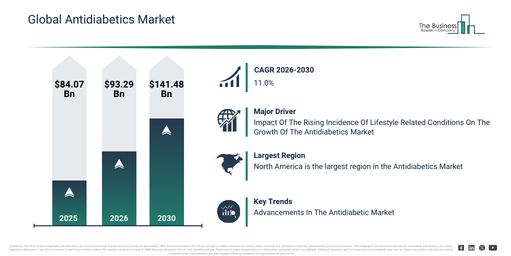
    Antidiabetics Market Growth From $93.29 Billion In 2026 To $141.48 Billion By 2030 At A CAGR Of 11%

    The market size for antidiabetics has experienced rapid expansion over recent years. This market is projected to expand from $84.07 billion in 2025 to $93.29 billion in 2026, demonstrating a compound annual growth rate (CAGR) of 11.0%. Historically, this expansion can be ascribed to several factors, including the increasing global prevalence of diabetes, enhanced availability of insulin therapies, the broadening range of oral antidiabetic medications, better disease awareness and diagnosis, and improved access to healthcare.

    The antidiabetics market is projected to experience substantial expansion over the upcoming years. By 2030, its valuation is anticipated to reach $141.48 billion, demonstrating a compound annual growth rate (CAGR) of 11.0%. This projected growth during the forecast period stems from several factors, including the heightened embrace of advanced diabetes medications, a growing emphasis on long-acting and once-weekly treatments, the broader integration of digital diabetes management solutions, increased financial commitments to metabolic disorder research, and a greater need for treatment approaches centered around patients. Key trends observed within the forecast period encompass the wider utilization of GLP-1 and SGLT2 therapies, an escalating interest in combination drug regimens, an expanding requirement for customized diabetes care, an increase in the application of oral antidiabetic drugs, and a reinforced focus on the advantages related to cardiovascular health and weight management.

    Get A Free Sample Report With In-Depth Market Insights:

    https://thebusinessresearchcompany.com/sample_request?id=60905750&type=smp&name=Antidiabetics%20Market%20Report%202026&utm_source=Blogs&utm_medium=Paid&utm_campaign=Oct_PR

    Antidiabetics Market Growth Factors Behind Sustained Expansion

    An increasing prevalence of lifestyle-related health conditions is projected to drive the expansion of the antidiabetics market moving forward. These conditions encompass health issues stemming from or worsened by behaviors including poor diet, insufficient exercise, smoking, and excessive alcohol intake. The occurrence of such lifestyle-associated conditions is on the rise, attributed to factors like unhealthy dietary practices, a lack of physical activity, and heightened stress. Antidiabetic drugs are effective in managing common lifestyle-related conditions such as obesity and metabolic syndrome by enhancing insulin sensitivity and regulating blood sugar levels. For instance, in August 2024, Statistics Canada, a Canada-based government agency, reported that Canadian manufacturers produced 1.2 billion cigarettes in July 2024. This represented a 4.3% increase from June 2024 and a 2.3% rise compared to July 2023. Consequently, the increasing prevalence of lifestyle-related conditions is a key driver for the antidiabetics market.

    Antidiabetics Market Segment Landscape: Which Areas Lead Development?

    The antidiabetics market covered in this report is segmented –

    1) By Drug Class: Insulin, GLP-1 Receptor Agonists, DPP- 4 Inhibitors, SGLT2 Inhibitors, Other Drug Classes

    2) By Diabetes Type: Type 1, Type 2

    3) By Patient Population: Antidiabetics For Pediatrics, Antidiabetics For Adults, Antidiabetics For Geriatrics

    4) By Route Of Administration: Antidiabetics Administration Through Insulin Syringes Or Insulin Pens, Antidiabetics Administration Through Insulin Pumps, Intravenous Antidiabetics Infusion, Oral Antidiabetics Administration, Other Routes Of Antidiabetics Administration

    5) By Distribution Channel: Online Pharmacies, Hospital Pharmacies, Retail Pharmacies

    Subsegments:

    1) By Insulin: Rapid-Acting Insulin, Short-Acting Insulin, Intermediate-Acting Insulin, Long-Acting Insulin, Premixed Insulin

    2) By GLP-1 Receptor Agonists: Exenatide, Liraglutide, Dulaglutide, Semaglutide, Lixisenatide

    3) By DPP-4 Inhibitors: Sitagliptin, Saxagliptin, Linagliptin, Alogliptin

    4) By SGLT2 Inhibitors: Canagliflozin, Dapagliflozin, Empagliflozin, Ertugliflozin

    5) By Other Drug Classes: Sulfonylureas, Thiazolidinediones (TZDs), Alpha-Glucosidase Inhibitors, Meglitinides, GLP-1/Insulin Combination Therapy

    Antidiabetics Market Industry Trends Fueling Future Revenue Growth

    Key companies operating within the antidiabetics market are innovating advanced therapies, such as anti-diabetic biosimilars, to enhance glycemic management, mitigate the risk of cardiovascular incidents, and provide more potent treatment solutions for individuals with diabetes. An anti-diabetic biosimilar is a pharmaceutical agent that is biologically similar to an existing approved reference drug for diabetes, delivering comparable safety, effectiveness, and quality. For example, in January 2024, Glenmark Pharmaceuticals Limited, a pharmaceutical company based in India, introduced the first biosimilar version of Liraglutide, an anti-diabetic medication. This biosimilar of the Liraglutide anti-diabetic drug, branded as Lirafit, aims to improve glycemic control in adults afflicted with type 2 diabetes mellitus. Clinical investigations have shown its efficacy in lowering glycemic parameters, assisting with weight loss, and augmenting cardiovascular safety. Functioning as a GLP-1 receptor agonist, it promotes glucose-dependent insulin secretion and diminishes undue glucagon secretion. It has received global authorization for the management of type 2 diabetes in adult patients.

    Antidiabetics Market Industry Leaders And Competitive Landscape

    Major companies operating in the antidiabetics market are Pfizer Inc., Johnson & Johnson, Merck & Co. Inc., Sanofi S.A., Bristol-Myers Squibb Company, AstraZeneca plc, Abbott Laboratories, Novartis AG, Takeda Pharmaceutical Company Limited, GSK plc, Eli Lilly and Company, Boehringer Ingelheim International GmbH, Novo Nordisk A/S, Teva Pharmaceutical Industries Ltd., Astellas Pharma Inc., Sun Pharmaceutical Industries Limited, Cipla Limited, Dr. Reddy’s Laboratories, Lupin Limited, Torrent Pharmaceuticals Ltd, Biocon Limited, Glenmark Pharmaceuticals Ltd.

    View The Full Antidiabetics Market Report:

    https://thebusinessresearchcompany.com/report/antidiabetics-global-market-report?utm_source=Blogs&utm_medium=Paid&utm_campaign=Oct_PR

    Antidiabetics Market Global Footprint: Which Region Leads The Market?

    North America was the largest region in the antidiabetics market in 2025. The regions covered in the antidiabetics market report are Asia-Pacific, South East Asia, Western Europe, Eastern Europe, North America, South America, Middle East, Africa.

    Reach Out To Our Team:

    The Business Research Company: https://www.thebusinessresearchcompany.com/

    Americas: +1 310-496-7795

    Asia: +44 7882 955267 & +91 8897263534

    Europe: +44 7882 955267

    Email us at: marketing@tbrc.info

    Follow us on:

    LinkedIn: https://in.linkedin.com/company/the-business-research-company

    YouTube: https://www.youtube.com/channel/UC24_fI0rV8cR5DxlCpgmyFQ

    Global Market Model: https://www.thebusinessresearchcompany.com/global-market-model
  • Antibody Validation Market Size Forecast: How The Industry Is Expected To Grow From 2026 To 2030

    Antibody Validation Market Size Forecast: How The Industry Is Expected To Grow From 2026 To 2030

    Built to provide research that’s more actionable and strategically valuable, The Business Research Company’s 2026 market reports include market attractiveness analysis, total addressable market sizing, company benchmarking matrices, interactive Excel dashboards, broader supply chain intelligence, emerging startup tracking, and in-depth product insights.

    Antibody Validation Market Expansion Outlook: What Revenue Opportunities Are Ahead?

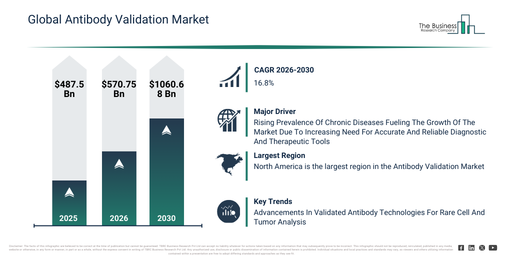
    The antibody validation market has experienced rapid growth in recent years. It is projected to expand from $487.5 billion in 2025 to $570.75 billion by 2026, reflecting a compound annual growth rate (CAGR) of 17.1%. This historical growth can be attributed to several factors, including increasing concerns about variability in research antibodies, the expansion of proteomics and genomics research, rising regulatory scrutiny on research reproducibility, the growth of antibody-based assays, and increased funding for life sciences research.

    The antibody validation market size is anticipated to experience substantial growth over the coming years. It is forecast to expand to $1060.68 billion by 2030, achieving a compound annual growth rate (CAGR) of 16.8%. This expansion during the projection period is driven by factors such as the increasing need for rigor and reproducibility, the growing utilization of antibodies in clinical research, the development of precision diagnostics, the rising adoption of validated antibodies in drug discovery, and the enhanced integration of digital validation data platforms. Significant trends expected in this timeframe include the broader implementation of standardized antibody validation protocols, an escalating requirement for application-specific validation services, the increasing deployment of multiplex validation techniques, the proliferation of reproducibility-focused testing frameworks, and a heightened emphasis on data transparency.

    Get A Free Sample Report With In-Depth Market Insights:

    https://thebusinessresearchcompany.com/sample_request?id=94488074&type=smp&name=Antibody%20Validation%20Market%20Report%202026&utm_source=Blogs&utm_medium=Paid&utm_campaign=Oct_PR

    Antibody Validation Market Demand Drivers Opening New Revenue Streams

    An increasing occurrence of chronic illnesses is anticipated to boost the expansion of the antibody validation market in the future. These conditions are long-term health issues that progress gradually and persist over an extended duration, frequently necessitating ongoing medical attention. The increasing incidence of chronic ailments is partly linked to sedentary habits, since extended periods of sitting and insufficient physical exercise elevate the likelihood of developing conditions like heart conditions and diabetes. Antibody validation supports the management of chronic diseases by guaranteeing the accuracy, specificity, and reliability of antibodies utilized in diagnostic tests and therapeutic treatments. This process enhances the detection of disease biomarkers, facilitates accurate tracking, and refines the creation of targeted treatments, thereby promoting effective and individualized care for chronic conditions. For example, data from June 2024 by the National Health Service, a UK-based government department, indicated that 3,615,330 people registered with a general practitioner (GP) received a diagnosis of non-diabetic hyperglycemia or pre-diabetes (a condition with elevated blood sugar levels, not high enough to be classified as diabetes) in 2023. This represented an 18% rise from 3,065,825 instances recorded in 2022. Consequently, the growing occurrence of chronic diseases is stimulating the expansion of the antibody validation market.

    Antibody Validation Market Segments: Where Is Growth Concentrated?

    The antibody validation market covered in this report is segmented –

    1) By Product Type: Monoclonal Antibodies, Polyclonal Antibodies, Anti-Body Drug Complexes

    2) By Disease Indication: Cardiovascular Diseases, Central Nervous System (CNS) Disorders, Cancer, Autoimmune Disorders

    3) By End User: Pharmaceutical And Biotechnological Firms, Contract Research Organizations, Research Institutes

    Subsegments:

    1) By Monoclonal Antibodies: Recombinant Monoclonal Antibodies, Humanized Monoclonal Antibodies, Chimeric Monoclonal Antibodies, Murine Monoclonal Antibodies

    2) By Polyclonal Antibodies: Rabbit Polyclonal Antibodies, Goat Polyclonal Antibodies, Sheep Polyclonal Antibodies, Donkey Polyclonal Antibodies

    3) By Antibody Drug Complexes: Immunoconjugates, Radioimmunoconjugates, Immunotoxins, Bispecific Antibody Drug Complexes

    Antibody Validation Market Trends Powering Strategic Industry Growth

    Major companies operating in the antibody validation market are focusing on advanced innovations, such as Celselect slides enumeration stain kits, to enhance the accuracy and sensitivity of rare cell and circulating tumor cell identification, improve validation efficiency, and support high-precision cancer research and diagnostic applications. Celselect slides enumeration stain kits refer to specialized reagent kits designed to enable the detection, staining, and enumeration of rare cells and circulating tumor cells (CTCs). For instance, in March 2024, Bio-Rad Laboratories Inc., a US-based life science research company, launched the celselect slides validated antibodies for rare cell and circulating tumor cell (CTC) enumeration. This launch aimed to facilitate sensitive and specific identification of CTC surface markers, advance tumor heterogeneity studies, and support high-precision cancer research through improved rare cell capture, enrichment, and analysis. This expansion bolstered the company’s single-cell oncology portfolio by equipping researchers with validated reagents for precise immunostaining and enumeration of CTCs.

    Antibody Validation Market Key Participants And Competitive Landscape

    Major companies operating in the antibody validation market are F. Hoffmann-La Roche Ltd., Merck & Co. Inc., Thermo Fisher Scientific Inc., Danaher Corporation, Becton Dickinson and Company, Agilent Technologies Inc., PerkinElmer Inc., Bio-Rad Laboratories Inc., Azenta Inc., GenScript Biotech Corporation, Promega Corporation, Sino Biological Inc., Cell Signaling Technology Inc., Fortis Life Sciences, Proteintech Group Inc., Santa Cruz Biotechnology Inc., Novus Biologicals LLC, Creative Diagnostics, Rockland Immunochemicals Inc., Biorbyt Ltd.

    View The Full Antibody Validation Market Report:

    https://thebusinessresearchcompany.com/report/global-antibody-validation-market-report?utm_source=Blogs&utm_medium=Paid&utm_campaign=Oct_PR

    Antibody Validation Market Regional Split: Which Areas Are Fueling Growth?

    North America was the largest region in the antibody validation market in 2025. The regions covered in the antibody validation market report are Asia-Pacific, South East Asia, Western Europe, Eastern Europe, North America, South America, Middle East, Africa.

    Reach Out To Our Team:

    The Business Research Company: https://www.thebusinessresearchcompany.com/

    Americas: +1 310-496-7795

    Asia: +44 7882 955267 & +91 8897263534

    Europe: +44 7882 955267

    Email us at: marketing@tbrc.info

    Follow us on:

    LinkedIn: https://in.linkedin.com/company/the-business-research-company

    YouTube: https://www.youtube.com/channel/UC24_fI0rV8cR5DxlCpgmyFQ

    Global Market Model: https://www.thebusinessresearchcompany.com/global-market-model
  • Antibody Production Services Market Reaches $11.45 Billion In 2026: Forecast And Growth Opportunities

    Antibody Production Services Market Reaches $11.45 Billion In 2026: Forecast And Growth Opportunities

    Backed by market attractiveness analysis, total addressable market sizing, company benchmarking matrices, interactive Excel dashboards, wider supply chain intelligence, emerging startup coverage, and detailed product-level insights, The Business Research Company’s 2026 market reports are designed to offer research that is more actionable and strategically valuable than ever.

    Antibody Production Services Market Growth Potential: How Will Market Size Shift Through 2030?

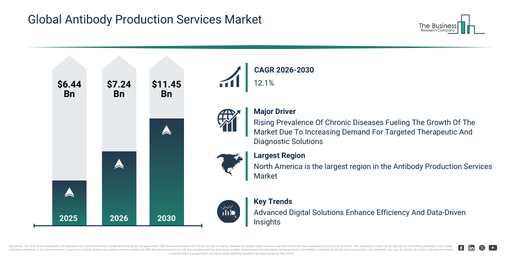
    The antibody production services market has witnessed substantial growth in recent years. This market is projected to expand from $6.44 billion in 2025 to $7.24 billion in 2026, achieving a compound annual growth rate (CAGR) of 12.4%. The historical expansion of this market stems from several factors, including the expansion of biomedical research activities, growth in monoclonal antibody therapeutics, increasing use of antibodies in diagnostics, rising investments in life science research, and the availability of advanced antibody engineering techniques.

    The antibody production services market is poised for significant expansion in the coming years. Its valuation is projected to reach $11.45 billion by 2030, exhibiting a robust compound annual growth rate (CAGR) of 12.1%. This anticipated growth during the forecast period stems from factors such as the escalating demand for personalized medicine, the burgeoning pipelines for biologics drug development, the growing trend of outsourcing by pharmaceutical firms, the proliferation of advanced antibody formats, and a heightened emphasis on reproducibility and quality control. Key trends anticipated over the same period encompass a surge in the demand for custom antibody generation, the increasing integration of recombinant antibody technologies, a sharpened focus on antibodies possessing high affinity and specificity, the broadening scope of outsourced antibody production services, and an intensified commitment to stringent quality validation standards.

    Get A Free Sample Report With In-Depth Market Insights:

    https://thebusinessresearchcompany.com/sample_request?id=32004789&type=smp&name=Antibody%20Production%20Services%20Market%20Report%202026&utm_source=Blogs&utm_medium=Paid&utm_campaign=Oct_PR

    Antibody Production Services Market Growth Backed By Core Demand Fundamentals

    The increasing prevalence of chronic diseases is projected to drive the growth of the antibody production services market in the coming years. Chronic diseases are persistent health conditions that emerge slowly and endure for extended periods, frequently necessitating continuous medical care. The rising occurrence of these diseases is partly linked to inactive lifestyles, as prolonged sitting and minimal physical activity heighten the risk of conditions like heart disease and diabetes. Antibody production services play a vital role in managing chronic diseases by providing targeted therapeutic and diagnostic solutions, making them indispensable for conditions such as cancer, autoimmune disorders, and diabetes. These services improve treatment precision through early detection, diligent monitoring, and personalized therapy, thereby enhancing patient outcomes and the overall efficiency of disease management. For instance, in June 2024, data from the National Health Service, a UK-based government department, revealed that 3,615,330 individuals registered with a general practitioner (GP) were diagnosed with non-diabetic hyperglycemia or pre-diabetes (a condition with elevated blood sugar levels, not high enough to be classified as diabetes) in 2023. This figure represents an 18% increase from 3,065,825 cases recorded in 2022. Consequently, the growing incidence of chronic diseases is a key factor propelling the expansion of the antibody production services market.

    Antibody Production Services Market Segment Analysis: What Are The Core Market Categories?

    The antibody production services market covered in this report is segmented –

    1) By Type: Monoclonal Antibodies, Chimeric Antibodies, Humanized Antibodies, Recombinant Antibodies, Polyclonal Antibodies

    2) By Technology: Hybridoma Technology, Phage Display Technology, Yeast Display Technology, Cell-Based Technology

    3) By Application: Therapeutic, Research, Diagnostic

    4) By End User: Pharmaceutical and Biotechnology Companies, Academic and Research Institutes, Hospitals and Clinics, Contract Research Organizations

    Subsegments:

    1) By Monoclonal Antibodies: Human Monoclonal Antibodies, Mouse Monoclonal Antibodies, Rabbit Monoclonal Antibodies, Rat Monoclonal Antibodies

    2) By Chimeric Antibodies: Mouse-Human Chimeric Antibodies, Rat-Human Chimeric Antibodies, Rabbit-Human Chimeric Antibodies, Primate-Human Chimeric Antibodies

    3) By Humanized Antibodies: Complementarity Determining Region Grafted Antibodies, Framework Shuffling Antibodies, Resurfaced Humanized Antibodies, Germline Humanized Antibodies

    4) By Recombinant Antibodies: Single Chain Variable Fragment Antibodies, Fragment Antigen Binding Antibodies, Bispecific Recombinant Antibodies, Nanobodies

    5) By Polyclonal Antibodies: Rabbit Polyclonal Antibodies, Goat Polyclonal Antibodies, Sheep Polyclonal Antibodies, Donkey Polyclonal Antibodies

    Antibody Production Services Market Growth Trends Reshaping The Competitive Landscape

    Major companies operating in the antibody production services market are directing their efforts towards developing sophisticated digital solutions, including AI-powered analytics, to boost operational efficiency, enhance data-driven insights, and accelerate discovery timelines. AI-powered analytics refer to complex computational models that process intricate biological and chemical data to predict outcomes, identify patterns, and generate novel designs, such as for therapeutic antibodies. For instance, in August 2025, Zifo, an India-based provider of scientific informatics services, launched the Zifo AI Engine for Antibody Engineering application on the Snowflake Marketplace. This cloud-native application utilizes generative AI and machine learning models to rapidly design and optimize antibody-based therapeutics. It features predictive affinity maturation and humanization capabilities, enabling seamless data analysis and candidate generation within a secure, scalable data platform without requiring extensive internal AI infrastructure.

    Antibody Production Services Market Top Companies Driving Competitive Growth

    Major companies operating in the antibody production services market are Pfizer Inc., AbbVie Inc., Novartis AG, Thermo Fisher Scientific Inc., Merck KGaA, Danaher Corporation, Agilent Technologies Inc., PerkinElmer Inc., Sartorius AG, Bio-Rad Laboratories Inc., Bio-Techne Corporation, Azenta Inc., GenScript Biotech Corporation, Invenra Inc., Sino Biological Inc., Proteintech Group Inc., Rapid Novor, Rockland Immunochemicals Inc., Biorbyt Ltd., [New Company: Creative Biolabs

    View The Full Antibody Production Services Market Report:

    https://thebusinessresearchcompany.com/report/global-antibody-production-services-market-report?utm_source=Blogs&utm_medium=Paid&utm_campaign=Oct_PR

    Antibody Production Services Market Top Region: Where Does Most Revenue Come From?

    North America was the largest region in the antibody production services market in 2025. Asia-Pacific is expected to be the fastest-growing region in the forecast period. The regions covered in the antibody production services market report are Asia-Pacific, South East Asia, Western Europe, Eastern Europe, North America, South America, Middle East, Africa.

    Reach Out To Our Team:

    The Business Research Company: https://www.thebusinessresearchcompany.com/

    Americas: +1 310-496-7795

    Asia: +44 7882 955267 & +91 8897263534

    Europe: +44 7882 955267

    Email us at: marketing@tbrc.info

    Follow us on:

    LinkedIn: https://in.linkedin.com/company/the-business-research-company

    YouTube: https://www.youtube.com/channel/UC24_fI0rV8cR5DxlCpgmyFQ

    Global Market Model: https://www.thebusinessresearchcompany.com/global-market-model
  • Antibody Production Market Growth In 2026: Market Size, Key Drivers And Future Outlook

    Antibody Production Market Growth In 2026: Market Size, Key Drivers And Future Outlook

    Featuring market attractiveness scoring, total addressable market sizing, company benchmarking matrices, interactive Excel dashboards, deeper supply chain intelligence, emerging startup tracking, and granular product-level insights, The Business Research Company’s 2026 market reports are built to deliver research that is both more actionable and more strategically valuable.

    Antibody Production Market Value Analysis: What Growth Lies Ahead Over The Forecast Period?

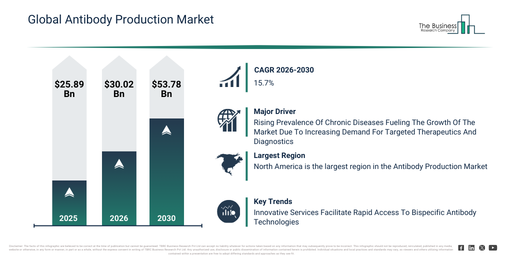
    The antibody production market has experienced substantial growth in recent years. This market is projected to expand from $25.89 billion in 2025 to $30.02 billion in 2026, demonstrating a compound annual growth rate (CAGR) of 16.0%. Historically, this expansion has been driven by factors including the broadening scope of pharmaceutical and biotechnology research, the increasing utilization of monoclonal antibodies in therapeutics, advancements in bioprocessing technologies, the escalating demand for research-grade antibodies, and the growth of CRO and CDMO services.

    The antibody production market is projected to experience substantial growth over the next few years. It is forecast to expand to $53.78 billion by 2030, achieving a compound annual growth rate (CAGR) of 15.7%. This anticipated growth can be attributed to several factors, including increasing investments in biologics manufacturing, the rising adoption of continuous bioprocessing, the expansion of therapeutic antibody pipelines, a growing demand for cost-efficient antibody production, and the increasing integration of digital biomanufacturing systems. During this forecast period, key trends are expected to include a greater adoption of recombinant antibody production methods, an escalating demand for high-yield expression systems, increased automation in both upstream and downstream processing, an expansion of contract antibody manufacturing services, and an enhanced focus on scalability and reproducibility.

    Get A Free Sample Report With In-Depth Market Insights:

    https://thebusinessresearchcompany.com/sample_request?id=60185566&type=smp&name=Antibody%20Production%20Market%20Report%202026&utm_source=Blogs&utm_medium=Paid&utm_campaign=Oct_PR

    Antibody Production Market Growth Catalysts And Demand Drivers

    The increasing occurrence of chronic illnesses is anticipated to drive the expansion of the antibody production market in the future. These are long-term health issues that progress gradually and persist for prolonged durations, frequently necessitating ongoing medical attention. The increasing incidence of chronic diseases is partly linked to sedentary lifestyles, where extended periods of sitting and insufficient physical activity heighten the risk of ailments like cardiovascular diseases and diabetes. Antibody production supports the management of chronic diseases by offering specific therapeutic and diagnostic options, rendering them crucial for conditions such as cancer, autoimmune disorders, and diabetes. They enhance the effectiveness of treatment and patient oversight through facilitating accurate interventions and prompt diagnoses, thereby improving overall healthcare results. As an illustration, figures from June 2024, provided by the National Health Service, a UK-based government department, indicated that 3,615,330 individuals registered with a general practitioner (GP) received a diagnosis of non-diabetic hyperglycemia or pre-diabetes (a state characterized by elevated blood sugar levels, but not sufficiently high to be deemed diabetes) in 2023. This represented an 18% increase from 3,065,825 reported cases in 2022. Consequently, the expanding occurrence of chronic diseases is propelling the growth of the antibody production market.

    Antibody Production Market Segment Breakdown: Which Categories Lead On Revenue?

    The antibody production market covered in this report is segmented –

    1) By Type: Monoclonal Antibody, Polyclonal Antibody

    2) By Process: Upstream Processing, Downstream Processing

    3) By End-User: Pharmaceutical and Biotechnology Companies, Research Laboratories, Contract Research Organizations And Contract Development And Manufacturing Organizations

    Subsegments:

    1) By Monoclonal Antibody: Mouse Monoclonal Antibody, Human Monoclonal Antibody, Rabbit Monoclonal Antibody, Rat Monoclonal Antibody

    2) By Polyclonal Antibody: Rabbit Polyclonal Antibody, Goat Polyclonal Antibody, Sheep Polyclonal Antibody, Donkey Polyclonal Antibody

    Antibody Production Market Trends Shaping Long-Term Demand

    Prominent companies within the antibody production market are concentrating on establishing advanced service frameworks, including rapid-access platforms, to quicken research, strengthen collaboration, and shorten development schedules. Rapid-access platforms are defined as optimized service provisions that allow collaborating firms to promptly assess and integrate a proprietary technology into their own drug development endeavors. For example, in April 2025, Invenra Inc., a US-based biotechnology company, introduced the B-Body Express Service. This service grants swift entry to Invenra’s leading B-Body bispecific antibody platform, facilitating researchers in accelerating the initial phases of therapeutic discovery. The service provides a standardized procedure for creating functional bispecific antibodies against a partner’s specified targets, considerably decreasing the usual time spent awaiting the commencement of testing new drug candidates.

    Antibody Production Market Leading Players And Competitive Positioning

    Major companies operating in the antibody production market are Johnson & Johnson, Roche Holding AG, Merck & Co. Inc., Pfizer Inc., AbbVie Inc., Bayer AG, Novartis AG, Thermo Fisher Scientific Inc., Amgen Inc., Danaher Corporation, Agilent Technologies Inc., Bio-Rad Laboratories Inc., Azenta Inc., GenScript Biotech Corporation, Sino Biological Inc., Proteintech Group Inc., Rapid Novor, Rockland Immunochemicals Inc., Biorbyt Ltd., Invenra Inc

    View The Full Antibody Production Market Report:

    https://thebusinessresearchcompany.com/report/global-antibody-production-market-report?utm_source=Blogs&utm_medium=Paid&utm_campaign=Oct_PR

    Antibody Production Market Regional Breakdown: Where Is Demand Concentrated?

    North America was the largest region in the antibody production market in 2025. Asia-Pacific is expected to be the fastest-growing region in the forecast period. The regions covered in the antibody production market report are Asia-Pacific, South East Asia, Western Europe, Eastern Europe, North America, South America, Middle East, Africa.

    Reach Out To Our Team:

    The Business Research Company: https://www.thebusinessresearchcompany.com/

    Americas: +1 310-496-7795

    Asia: +44 7882 955267 & +91 8897263534

    Europe: +44 7882 955267

    Email us at: marketing@tbrc.info

    Follow us on:

    LinkedIn: https://in.linkedin.com/company/the-business-research-company

    YouTube: https://www.youtube.com/channel/UC24_fI0rV8cR5DxlCpgmyFQ

    Global Market Model: https://www.thebusinessresearchcompany.com/global-market-model