Blog

  • Bilirubin Meters Market Expected To Grow At 7.2% CAGR Through 2030: What Businesses Need To Know

    Bilirubin Meters Market Expected To Grow At 7.2% CAGR Through 2030: What Businesses Need To Know

    Built to provide research that’s more actionable and strategically valuable, The Business Research Company’s 2026 market reports include market attractiveness analysis, total addressable market sizing, company benchmarking matrices, interactive Excel dashboards, broader supply chain intelligence, emerging startup tracking, and in-depth product insights.

    Bilirubin Meters Market Revenue Growth On Track For A 7.2% CAGR Through 2030

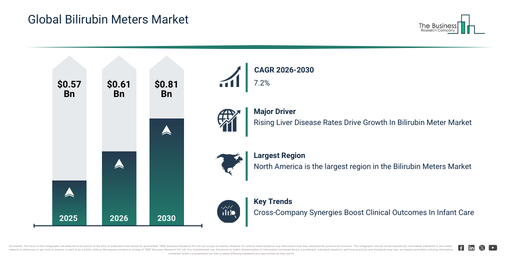
    The bilirubin meters market has shown significant expansion in recent years. This market is anticipated to expand from $0.57 billion in 2025 to $0.61 billion in 2026, achieving a compound annual growth rate (CAGR) of 7.6%. Historically, the market’s growth has been driven by the increasing prevalence of neonatal jaundice, the expansion of hospital diagnostic infrastructure, the adoption of laboratory-based bilirubin testing, growing awareness of liver-related disorders, and improvements in optical sensing technologies.

    The bilirubin meters market is projected to experience substantial expansion in the coming years. It is set to reach $0.81 billion by 2030, exhibiting a compound annual growth rate (CAGR) of 7.2%. This growth during the forecast period can be primarily ascribed to factors such as the increasing need for home-based monitoring solutions, the growing acceptance of connected diagnostic tools, the broadening of neonatal screening initiatives, the expanding utilization of digital diagnostics platforms, and improvements in the accuracy of non-invasive measurement technologies. Key trends anticipated in this period encompass the wider adoption of non-invasive transcutaneous devices, a heightened demand for portable and handheld meters, increased integration with digital health records, the proliferation of point-of-care testing solutions, and a stronger emphasis on applications for neonatal care.

    Get A Free Sample Report With In-Depth Market Insights:

    https://thebusinessresearchcompany.com/sample_request?id=47242085&type=smp&name=Bilirubin%20Meters%20Market%20Report%202026&utm_source=Blogs&utm_medium=Paid&utm_campaign=Oct_PR

    Bilirubin Meters Market Opportunity Drivers: What’s Unlocking New Revenue Potential?

    The growing incidence of liver ailments is projected to fuel the expansion of the bilirubin meter market in the future. Liver diseases represent a diverse collection of conditions that compromise liver functionality, frequently involving inflammation, scarring, or injury resulting from factors like infections, toxins, genetic disorders, or chronic illnesses. The rise in liver diseases is attributed to the increasing presence of risk factors such as obesity, excessive alcohol consumption, viral infections, and lifestyle-related issues, coupled with enhancements in diagnostic capabilities. Bilirubin meters are crucial for liver diseases to accurately and non-invasively measure bilirubin levels, which assists in diagnosing, monitoring, and managing conditions associated with liver dysfunction and jaundice. For instance, in April 2024, according to the UK’s Office for Health Improvement and Disparities (OHID), a UK-based government department unit under the UK’s Department of Health and Social Care, hospital admission rates due to liver disease continue to rise. In the financial year ending 2023, this rate ascended to 155.2 (152.9 to 157.5) per 100,000 population from a rate of 150.6 (148.2 to 152.9) in the prior financial year. Hence, the increasing prevalence of liver diseases is a key factor driving the growth of the bilirubin meter market.

    Bilirubin Meters Market Segment Breakdown: Which Categories Lead On Revenue?

    The bilirubin meters market covered in this report is segmented –

    1) By Product: Transcutaneous Devices, Benchtop

    2) By Age Group: Neonates, Adults

    3) By Indication: Jaundice, Hepatitis, Other Indications

    4) By Application: Hospital, Medical Center, Other Applications

    Subsegments:

    1) By Transcutaneous Devices: Handheld Transcutaneous Bilirubin Meters, Portable Transcutaneous Bilirubin Meters

    2) By Benchtop: Single-Channel Benchtop Bilirubin Meters, Multi-Channel Benchtop Bilirubin Meters

    Bilirubin Meters Market Innovation Trends Shaping Future Development

    Leading companies in the bilirubin meters market are adopting a strategic partnership approach to enhance technology integration and expand their market reach. A strategic partnership typically involves a collaborative relationship between two or more organizations, where they combine their resources, expertise, and efforts to achieve shared goals or objectives. For instance, in July 2024, Konica Minolta, a Japan-based technology company, and Picterus AS, a Norway-based medical-technology company, announced a strategic collaboration to advance non-invasive jaundice screening technologies for newborn care. Leveraging Konica Minolta’s leadership in transcutaneous bilirubin measurement with its JM-105 jaundice meter and Picterus’ smartphone-based Picterus Jaundice Pro solution, the partnership aims to improve the early detection of pathological jaundice, reduce the need for invasive blood tests, and strengthen clinical outcomes by preventing severe bilirubin-related complications in infants.

    Bilirubin Meters Market Leading Players And Competitive Positioning

    Major companies operating in the bilirubin meters market are Hoffmann-La Roche Ltd., Abbott Laboratories, Siemens Healthineers AG, Koninklijke Philips N.V., GE Healthcare, Shenzhen Mindray Bio-Medical Electronics Co. Ltd., PerkinElmer, Drägerwerk AG & Co., Sysmex Corporation, Konica Minolta Business Solutions Inc., Masimo Corp., Beckman Coulter Inc., Nova Biomedical, Ningbo David Medical Device Co. Ltd., Reichert Inc., A. Menarini Diagnostics Srl, Delta Medical International Ltd., AVI Healthcare Pvt Ltd., Olidef, Micro Lab Instruments, Aegis Medical Innovations Inc., Medi Waves Inc., Ginevri Srl

    View The Full Bilirubin Meters Market Report:

    https://thebusinessresearchcompany.com/report/bilirubin-meters-global-market-report?utm_source=Blogs&utm_medium=Paid&utm_campaign=Oct_PR

    Bilirubin Meters Market Regional Breakdown: Where Is Demand Concentrated?

    North America was the largest region in the bilirubin meters market in 2025. Asia-Pacific is expected to be the fastest-growing region in the forecast period. The regions covered in the bilirubin meters market report are Asia-Pacific, South East Asia, Western Europe, Eastern Europe, North America, South America, Middle East, Africa.

    Reach Out To Our Team:

    The Business Research Company: https://www.thebusinessresearchcompany.com/

    Americas: +1 310-496-7795

    Asia: +44 7882 955267 & +91 8897263534

    Europe: +44 7882 955267

    Email us at: marketing@tbrc.info

    Follow us on:

    LinkedIn: https://in.linkedin.com/company/the-business-research-company

    YouTube: https://www.youtube.com/channel/UC24_fI0rV8cR5DxlCpgmyFQ

    Global Market Model: https://www.thebusinessresearchcompany.com/global-market-model

  • Biliary Tract Cancer Market Forecast To Reach $1.01 Billion By 2030: Key Trends Explained

    Biliary Tract Cancer Market Forecast To Reach $1.01 Billion By 2030: Key Trends Explained

    Backed by market attractiveness analysis, total addressable market sizing, company benchmarking matrices, interactive Excel dashboards, wider supply chain intelligence, emerging startup coverage, and detailed product-level insights, The Business Research Company’s 2026 market reports are designed to offer research that is more actionable and strategically valuable than ever.

    Biliary Tract Cancer Market Value Growth And Long-Term Outlook

    The biliary tract cancer market size has observed substantial growth in recent years. It is projected to expand from $0.72 billion in 2025 to $0.77 billion in 2026, achieving a compound annual growth rate (CAGR) of 7.3%. This historic growth is attributable to increasing incidence of biliary tract malignancies, limited effectiveness of conventional chemotherapy, advancements in molecular profiling techniques, growing awareness among healthcare professionals, and expansion of oncology treatment infrastructure.

    The biliary tract cancer market is anticipated to experience robust expansion over the next few years. It is forecast to grow to $1.01 billion by 2030, exhibiting a compound annual growth rate (CAGR) of 7.0%. This increase during the projected period can be attributed to a rise in approvals for novel targeted drugs, escalating investments in rare cancer research, increasing adoption of personalized medicine, an expansion of biomarker-based diagnostics, and improved patient access to advanced oncology care. Significant trends expected during the forecast period include a growing embrace of targeted therapy approaches, an increased use of immunotherapy in treatment regimens, a heightened focus on early diagnosis and screening programs, an expansion of precision oncology research, and enhanced clinical trial activity for rare cancers.

    Get A Free Sample Report With In-Depth Market Insights:

    https://thebusinessresearchcompany.com/sample_request?id=64488968&type=smp&name=Biliary%20Tract%20Cancer%20Market%20Report%202026&utm_source=Blogs&utm_medium=Paid&utm_campaign=Oct_PR

    Biliary Tract Cancer Market Growth Momentum: What Factors Are Shaping Demand?

    The increasing occurrence of obesity is anticipated to drive the expansion of the biliary tract cancer market going forward. Obesity is a chronic medical condition defined by an excessive accumulation of body fat that can negatively affect one’s health. The rise in obesity prevalence is attributed to factors like physical inactivity, psychological elements, age, and genetic and biological predispositions. Obesity initiates chronic inflammation, insulin resistance, and excessive bile acid secretion, leading to DNA damage and tumor development. It also disrupts hormones and metabolism, fostering an environment in the biliary tract that is susceptible to cancer. For instance, in September 2024, according to the Centers for Disease Control and Prevention (CDC), a U.S.-based government agency, the number of states with adult obesity prevalence of 35% or higher rose from 22 states in 2022 to 23 states in 2023. Therefore, the increasing prevalence of obesity is propelling the growth of the biliary tract cancer market.

    Biliary Tract Cancer Market Segmentation: How Does The Market Break Down By Category?

    The biliary tract cancer market covered in this report is segmented –

    1) By Cancer Type: Intrahepatic Bile Duct Cancer, Extrahepatic Bile Duct Cancer, Gallbladder Cancer

    2) By Treatment: Chemotherapy, Targeted Therapy, Immunotherapy

    3) By End-User: Hospitals, Specialty Cancer Centres, Ambulatory Surgical Centres, Other End-Users

    Subsegments:

    1) By Intrahepatic Bile Duct Cancer: Peripheral Intrahepatic Bile Duct Cancer, Hilar Intrahepatic Bile Duct Cancer

    2) By Extrahepatic Bile Duct Cancer: Perihilar Bile Duct Cancer, Distal Bile Duct Cancer

    3) By Gallbladder Cancer: Localized Gallbladder Cancer, Advanced Gallbladder Cancer

    Biliary Tract Cancer Market Trends Redefining Industry Growth

    Leading companies operating in the biliary tract cancer market are prioritizing the development of advanced combination treatments to enhance their effectiveness and improve patient outcomes. Combination therapy refers to the concurrent use of two or more medications or treatment modalities to address a single disease. For instance, in November 2023, Merck & Co. Inc., a US-based pharmaceutical company, obtained U.S. Food and Drug Administration (FDA) approval for KEYTRUDA (pembrolizumab) in conjunction with gemcitabine and cisplatin for treating patients with locally advanced unresectable or metastatic biliary tract cancer (BTC). This decision was supported by the findings from the Phase 3 KEYNOTE-966 trial, which illustrated a statistically significant enhancement in overall survival, lowering the risk of death by 17% when compared to chemotherapy used alone. The median overall survival for patients undergoing the combination therapy was 12.7 months, whereas it was 10.9 months for those receiving only chemotherapy, thus signifying a considerable advancement in therapeutic alternatives for this challenging cancer.

    Biliary Tract Cancer Market Competitive Overview And Top Companies

    Major companies operating in the biliary tract cancer market are Pfizer Inc., F. Hoffmann-La Roche Ltd., Merck & Co. Inc., Bayer AG, Bristol-Myers Squibb Company, AstraZeneca Plc, Eli Lily and Company, Boehringer Ingelheim International GmbH, Eisai Co. Ltd., Servier Pharmaceuticals, Jazz Pharmaceuticals plc, Incyte Corporation, BeiGene LTD., Zymeworks, Basilea Pharmaceutica Ltd., Taiho Oncology Inc., RenovoRx Inc., TransThera Sciences Inc., QED Therapeutics Inc., Helsinn Group

    View The Full Biliary Tract Cancer Market Report:

    https://thebusinessresearchcompany.com/report/biliary-tract-cancer-global-market-report?utm_source=Blogs&utm_medium=Paid&utm_campaign=Oct_PR

    Biliary Tract Cancer Market Geographic Landscape: Which Region Leads Industry Growth?

    North America was the largest region in the biliary tract cancer market in 2025. Asia-Pacific is expected to be the fastest-growing region in the forecast period. The regions covered in the biliary tract cancer market report are Asia-Pacific, South East Asia, Western Europe, Eastern Europe, North America, South America, Middle East, Africa.

    Reach Out To Our Team:

    The Business Research Company: https://www.thebusinessresearchcompany.com/

    Americas: +1 310-496-7795

    Asia: +44 7882 955267 & +91 8897263534

    Europe: +44 7882 955267

    Email us at: marketing@tbrc.info

    Follow us on:

    LinkedIn: https://in.linkedin.com/company/the-business-research-company

    YouTube: https://www.youtube.com/channel/UC24_fI0rV8cR5DxlCpgmyFQ

    Global Market Model: https://www.thebusinessresearchcompany.com/global-market-model
  • Bile Duct Cancer Market Size Forecast From 2026 To 2030: Key Industry Trends

    Bile Duct Cancer Market Size Forecast From 2026 To 2030: Key Industry Trends

    Featuring market attractiveness scoring, total addressable market sizing, company benchmarking matrices, interactive Excel dashboards, deeper supply chain intelligence, emerging startup tracking, and granular product-level insights, The Business Research Company’s 2026 market reports are built to deliver research that is both more actionable and more strategically valuable.

    Bile Duct Cancer Market Poised To Hit $3.89 Billion By 2030 With A 8.4% CAGR

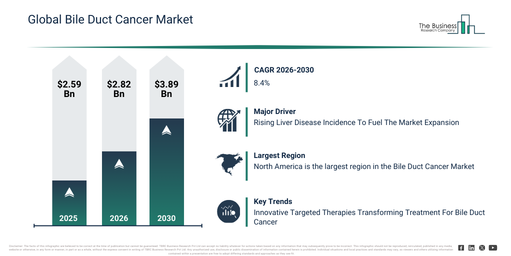
    The bile duct cancer market size has experienced substantial expansion in recent years. It is anticipated to grow from $2.59 billion in 2025 to $2.82 billion in 2026, reflecting a compound annual growth rate (CAGR) of 8.7%. The historical period’s growth can be linked to factors such as limited early diagnostic capabilities, a rising occurrence of liver and bile duct disorders, the expansion of oncology treatment centers, the increasing application of chemotherapy regimens, and a growing awareness of rare cancers.

    The market for bile duct cancer is projected to experience robust expansion in the upcoming years. This market is set to reach $3.89 billion by 2030, demonstrating a compound annual growth rate (CAGR) of 8.4%. This anticipated growth during the forecast period is fueled by several factors, including greater investment in precision oncology research, an uptick in the adoption of immunotherapy treatments, the expansion of advanced diagnostic screening programs, the increasing application of AI-assisted cancer diagnostics, and an intensified focus on personalized cancer treatment pathways. Key trends defining this forecast period encompass the growing uptake of targeted and immunotherapy treatments, an increased utilization of advanced diagnostic imaging techniques, the expanding incorporation of multidisciplinary cancer care models, the broadening of precision oncology approaches, and a heightened emphasis on early detection and staging.

    Get A Free Sample Report With In-Depth Market Insights:

    https://thebusinessresearchcompany.com/sample_request?id=30662502&type=smp&name=Bile%20Duct%20Cancer%20Market%20Report%202026&utm_source=Blogs&utm_medium=Paid&utm_campaign=Oct_PR

    Bile Duct Cancer Market Expansion Drivers: What’s Shaping Future Growth?

    An increasing incidence of liver ailments is anticipated to fuel the expansion of the bile duct cancer market in the future. Liver diseases encompass various conditions that impair the liver’s proper functioning, such as hepatitis, cirrhosis, fatty liver disease, and liver cancer. The growing occurrence of liver diseases is largely attributable to factors including elevated alcohol intake, poor dietary habits, obesity, viral infections like hepatitis, and insufficient physical exercise. Understanding bile duct cancer contributes to comprehending liver diseases by emphasizing the vital role of bile ducts in liver operation, since their blockage or malfunction frequently results in liver complications like jaundice and cholestasis. For example, in July 2024, data from the World Health Organization (WHO), an intergovernmental body based in Switzerland, showed that the worldwide prevalence of chronic liver diseases, including non-alcoholic fatty liver disease (NAFLD), reached about 30.2%, marking an increase from 26% in previous estimations, which suggests a rising demographic susceptible to bile duct cancer. Consequently, the increasing prevalence of liver diseases is a key driver for the expansion of the bile duct cancer market.

    Bile Duct Cancer Market Segment Trends And Revenue Contributors

    The bile duct cancer market covered in this report is segmented –

    1) By Type: Extrahepatic Bile Duct Cancer (eCCA), Intrahepatic Bile Duct Cancer (iCCA)

    2) By Treatment Type: Surgery, Chemotherapy, Radiation Therapy, Targeted Therapy, Immunotherapy

    3) By Stage of Disease: Localized, Regional, Distant

    4) By Diagnosis Type: Imaging Tests, Biopsy, Blood Tests

    5) By End User: Hospitals, Clinics, Ambulatory Surgical Centers, Cancer Research Institutes

    Subsegments:

    1) By Extrahepatic Bile Duct Cancer (eCCA): Perihilar Cholangiocarcinoma (Klatskin Tumor), Distal Cholangiocarcinoma

    2) By Intrahepatic Bile Duct Cancer (iCCA): Mass-Forming iCCA, Periductal Infiltrating iCCA, Intraductal Growth iCCA

    Bile Duct Cancer Market Strategic Trends: What Defines The Next Growth Phase?

    Leading companies active in the bile duct cancer market are prioritizing the development of innovative solutions, such as targeted therapies, to enhance treatment outcomes, lessen side effects, and provide renewed hope for patients facing this rare and difficult cancer. Targeted therapies are designed to specifically focus on particular genes, proteins, or molecules that aid cancer cell growth. These treatments function by interrupting the processes that enable cancer to proliferate, aiming to halt tumor expansion, reduce adverse reactions, and improve overall treatment effectiveness. For instance, in August 2023, Taiho Pharmaceutical Co. Ltd., a pharmaceutical company based in Japan, announced the release of its FGFR Inhibitor LYTGOBI Tablets 4 mg. The tablet format of LYTGOBI offers an accessible oral administration method, boosting patient adherence and simplifying treatment. This introduction provides a novel therapeutic choice for patients with advanced or metastatic bile duct cancer, especially those harboring FGFR2 fusion or rearrangement mutations, thereby addressing a crucial unmet need in cancer treatment.

    Bile Duct Cancer Market Competitive Landscape: Which Companies Lead The Industry?

    Major companies operating in the bile duct cancer market are AbbVie Inc., Bristol-Myers Squibb Company, AstraZeneca plc, Eli Lilly and Company, Gilead Sciences Inc., Amgen Inc., Merck & Co. Inc., Boehringer Ingelheim International GmbH, Eisai Co. Ltd., Genentech Inc., Jazz Pharmaceuticals plc, Incyte Corporation, Exelixis Inc., Hutchison China MediTech Limited, Zymeworks Inc., Mirati Therapeutics Inc., RenovoRx Inc., Spectrum Pharmaceuticals Inc., Specialised Therapeutics Pty Ltd, Taiho Pharmaceutical Co. Ltd.

    View The Full Bile Duct Cancer Market Report:

    https://thebusinessresearchcompany.com/report/bile-duct-cancer-global-market-report?utm_source=Blogs&utm_medium=Paid&utm_campaign=Oct_PR

    Bile Duct Cancer Market Largest Region: Which Geography Holds The Biggest Share?

    North America was the largest region in the bile duct cancer market in 2025. The regions covered in the bile duct cancer market report are Asia-Pacific, South East Asia, Western Europe, Eastern Europe, North America, South America, Middle East, Africa.

    Reach Out To Our Team:

    The Business Research Company: https://www.thebusinessresearchcompany.com/

    Americas: +1 310-496-7795

    Asia: +44 7882 955267 & +91 8897263534

    Europe: +44 7882 955267

    Email us at: marketing@tbrc.info

    Follow us on:

    LinkedIn: https://in.linkedin.com/company/the-business-research-company

    YouTube: https://www.youtube.com/channel/UC24_fI0rV8cR5DxlCpgmyFQ

    Global Market Model: https://www.thebusinessresearchcompany.com/global-market-model
  • Benign Prostatic Hyperplasia Treatment Market 2026: Market Size, Growth Drivers And Emerging Opportunities

    Benign Prostatic Hyperplasia Treatment Market 2026: Market Size, Growth Drivers And Emerging Opportunities

    Built to provide research that’s more actionable and strategically valuable, The Business Research Company’s 2026 market reports include market attractiveness analysis, total addressable market sizing, company benchmarking matrices, interactive Excel dashboards, broader supply chain intelligence, emerging startup tracking, and in-depth product insights.

    Benign Prostatic Hyperplasia Treatment Market Size And Revenue Outlook Through 2030

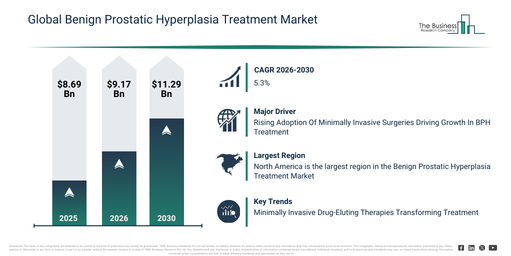
    The benign prostatic hyperplasia treatment market has experienced significant growth in recent years. It is projected to expand from $8.69 billion in 2025 to $9.17 billion in 2026, with a compound annual growth rate (CAGR) of 5.6%. The historical growth in this market is attributable to factors such as an increasing aging male population, a rising prevalence of urinary disorders, the expansion of urology specialty services, a growing use of pharmacological treatments, and improved access to diagnostic screening.

    The benign prostatic hyperplasia treatment market is projected to experience robust expansion over the coming years. This market is anticipated to reach $11.29 billion by 2030, exhibiting a compound annual growth rate (CAGR) of 5.3%. Factors driving this growth during the forecast period include the increased uptake of robotic-assisted prostate procedures, a heightened emphasis on personalized treatment planning, the broadening of home-based therapy options, the growing incorporation of digital patient monitoring tools, and an escalating demand for minimally invasive interventions. Key trends anticipated for this period encompass a greater embrace of minimally invasive surgical techniques, a surging demand for targeted drug therapies, an increasing application of combination treatment approaches, the expansion of outpatient treatment environments, and an improved focus on managing symptoms and enhancing quality of life.

    Get A Free Sample Report With In-Depth Market Insights:

    https://thebusinessresearchcompany.com/sample_request?id=28329715&type=smp&name=Benign%20Prostatic%20Hyperplasia%20Treatment%20Market%20Report%202026&utm_source=Blogs&utm_medium=Paid&utm_campaign=Oct_PR

    Benign Prostatic Hyperplasia Treatment Market Development Factors: What’s Supporting Demand?

    The increasing acceptance of minimally invasive surgeries is anticipated to drive the expansion of the benign prostatic hyperplasia treatment market in the coming years. Minimally invasive surgeries are procedures characterized by small or no incisions, employing specialized instruments to lessen recovery periods, discomfort, and potential complications. The growing embrace of these surgeries is fueled by advantages such as quicker recovery times, reduced pain, lower risk of complications, and improved cosmetic outcomes. When applied to benign prostatic hyperplasia treatment, minimally invasive procedures offer patients shorter recovery times, fewer risks of complications, and effective symptom relief, thereby enhancing overall surgical success. For instance, in September 2023, according to the American Society of Plastic Surgeons (ASPS), a U.S.-based professional association, nearly 25.4 million minimally invasive cosmetic procedures were performed in 2023, a rise of 7% from 23.7 million in 2022. Thus, the increased adoption of minimally invasive surgeries is a significant factor propelling the growth of the benign prostatic hyperplasia treatment market.

    Benign Prostatic Hyperplasia Treatment Market Segment Analysis Spotlighting Growth Areas

    The benign prostatic hyperplasia treatment market covered in this report is segmented –

    1) By Treatment: Minimal Invasive Surgery, Invasive Surgery

    2) By Therapeutic Class: Alpha Blockers, 5-Alpha Reductase Inhibitors, Phosphodiesterase-5 Inhibitors, Other Therapeutic classes

    3) By End User: Home Healthcare, Hospitals And Clinics

    Subsegments:

    1) By Minimal Invasive Surgery: Transurethral Resection of the Prostate (TURP), Laser Surgery, Prostatic Urethral Lift, Transurethral Incision of the Prostate (TUIP), Microwave Therapy

    2) By Invasive Surgery: Open Prostatectomy, Robotic Prostatectomy

    Benign Prostatic Hyperplasia Treatment Market Transformation Trends: What Innovations Are Driving Change?

    Leading firms within the benign prostatic hyperplasia treatment market are concentrating on creating cutting-edge therapies, like intraprostatic drug elution, to secure a competitive edge. This method entails inserting a bioabsorbable device directly into the prostate gland for the sustained, localized release of a therapeutic compound. An example of this is Resurge Therapeutics, a US-based urology technology developer, which launched a paclitaxel-eluting bioabsorbable implant for BPH in May 2025; this innovation allows for administration in a clinical setting, precise drug targeting, and reduced discomfort following the procedure. Such a localized approach minimizes systemic absorption, boosts effectiveness, and helps maintain sexual health. Nevertheless, its long-term safety and widespread implementation are still undergoing assessment.

    Benign Prostatic Hyperplasia Treatment Market Leading Companies: Who Holds The Strongest Market Presence?

    Major companies operating in the benign prostatic hyperplasia treatment market are Astellas Pharma Inc., Bayer AG, Pfizer Inc., Merck & Co Inc., Eli Lilly and Company, AbbVie Inc., Teva Pharmaceutical Industries Ltd., Boehringer Ingelheim, Sanofi S.A., Boston Scientific Corporation, Olympus Corporation, Teleflex Incorporated, Cook Medical Incorporated, Coloplast Group, Medtronic Public Limited Company, Urovant Sciences Ltd., UroGen Pharma Ltd., Urologix Inc., Zenflow Inc., HistoSonics Inc.

    View The Full Benign Prostatic Hyperplasia Treatment Market Report:

    https://thebusinessresearchcompany.com/report/benign-prostatic-hyperplasia-treatment-global-market-report?utm_source=Blogs&utm_medium=Paid&utm_campaign=Oct_PR

    Benign Prostatic Hyperplasia Treatment Market Regional Analysis: Which Geography Leads On Revenue?

    North America was the largest region in the benign prostatic hyperplasia treatment market in 2025. Asia-Pacific is expected to be the fastest-growing region in the forecast period. The regions covered in the benign prostatic hyperplasia treatment market report are Asia-Pacific, South East Asia, Western Europe, Eastern Europe, North America, South America, Middle East, Africa.

    Reach Out To Our Team:

    The Business Research Company: https://www.thebusinessresearchcompany.com/

    Americas: +1 310-496-7795

    Asia: +44 7882 955267 & +91 8897263534

    Europe: +44 7882 955267

    Email us at: marketing@tbrc.info

    Follow us on:

    LinkedIn: https://in.linkedin.com/company/the-business-research-company

    YouTube: https://www.youtube.com/channel/UC24_fI0rV8cR5DxlCpgmyFQ

    Global Market Model: https://www.thebusinessresearchcompany.com/global-market-model
  • Benchtop Laboratory Water Purifier Market Set To Expand From $22.55 Billion In 2026: Growth Outlook Through 2030

    Benchtop Laboratory Water Purifier Market Set To Expand From $22.55 Billion In 2026: Growth Outlook Through 2030

    Backed by market attractiveness analysis, total addressable market sizing, company benchmarking matrices, interactive Excel dashboards, wider supply chain intelligence, emerging startup coverage, and detailed product-level insights, The Business Research Company’s 2026 market reports are designed to offer research that is more actionable and strategically valuable than ever.

    Benchtop Laboratory Water Purifier Market Growth From $16.4 Billion In 2026 To $22.55 Billion By 2030 At A CAGR Of 8.3%

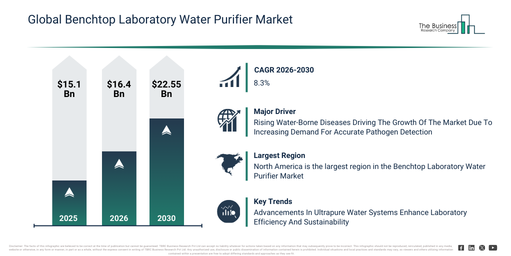
    The benchtop laboratory water purifier market has exhibited strong growth over recent years. It is projected to increase from $15.1 billion in 2025 to $16.4 billion in 2026, achieving a compound annual growth rate (CAGR) of 8.6%. This historical expansion can be ascribed to several factors, including the widening scope of pharmaceutical and life science research, the growing trend of laboratory automation, an escalating need for reproducible experimental results, increased academic research endeavors, and the accessibility of advanced filtration technologies.

    The benchtop laboratory water purifier market is projected to experience substantial expansion in the coming years. This market is anticipated to reach a size of $22.55 billion by 2030, exhibiting a compound annual growth rate (CAGR) of 8.3%. Factors contributing to this projected growth include heightened investments in biotech and pharmaceutical research and development, a growing uptake of intelligent laboratory equipment, the proliferation of decentralized laboratory configurations, an increased emphasis on water sustainability, and technological progress in membrane and purification methods. Key trends expected during this period involve a rising demand for compact systems providing high-purity water, an expanding adoption of smart monitoring functionalities, the development of more energy-efficient purification technologies, a heightened emphasis on maintaining consistent laboratory water quality, and improved integration with existing laboratory processes.

    Get A Free Sample Report With In-Depth Market Insights:

    https://thebusinessresearchcompany.com/sample_request?id=69633257&type=smp&name=Benchtop%20Laboratory%20Water%20Purifier%20Market%20Report%202026&utm_source=Blogs&utm_medium=Paid&utm_campaign=Oct_PR

    Benchtop Laboratory Water Purifier Market Industry Drivers: What’s Behind The Revenue Growth?

    The rising occurrence of waterborne diseases is expected to propel the expansion of the benchtop laboratory water purifier market in the foreseeable future. These ailments arise from pathogens spread via consuming or contacting tainted water. The increase in waterborne diseases is attributed to insufficient sanitation facilities, enabling human and animal waste to pollute water sources and thus fostering the spread of infectious agents. Benchtop laboratory water purifiers play a crucial role in tackling waterborne diseases by supplying laboratories with clean, impurity-free water, which is vital for precise testing and research. These devices assist in detecting and tracking disease-causing microbes in water supplies, contributing to successful disease prevention, management, and treatment strategies. For instance, in September 2024, according to the World Health Organization, a Switzerland-based intergovernmental organization, cholera cases saw a 13% uptick in 2023, while the number of deaths surged by 71% compared to 2022. Consequently, the growing incidence of waterborne diseases will drive the growth of the benchtop laboratory water purifier market.

    Benchtop Laboratory Water Purifier Market Segment Performance And Emerging Opportunities

    The benchtop laboratory water purifier market covered in this report is segmented –

    1) By Type: Reverse Osmosis, Ultrafiltration, Microfiltration, Nanofiltration, Deionization, Distillation, UV Purification, Activated Carbon Filtration

    2) By Installation Type: Desktop, Wall-Mounted

    3) By Distribution Channel: Direct Sales, Indirect Sales

    4) By End-Use: Food And Beverages, Pulp And Paper, Pharmaceuticals, Chemicals, Other End-Uses

    Subsegments:

    1) By Reverse Osmosis: Low-Pressure RO, High-Pressure RO, Brackish Water RO, Seawater RO

    2) By Ultrafiltration: Hollow Fiber, Spiral Wound, Tubular

    3) By Microfiltration: Ceramic Membrane, Polymer Membrane

    4) By Nanofiltration: Spiral Wound, Hollow Fiber

    5) By Deionization: Mixed Bed, Two-Bed, Continuous Electrodeionization (CEDI)

    6) By Distillation: Single-Stage Distillation, Multi-Stage Distillation

    7) By UV Purification: Low-Pressure UV, Medium-Pressure UV

    8) By Activated Carbon Filtration: Granular Activated Carbon (GAC), Carbon Block, Catalytic Carbon

    #Benchtop Laboratory Water Purifier Market Growth Trends: What’s Shaping The Future Outlook?

    Leading companies in the benchtop laboratory water purifier market are concentrating on developing advanced solutions, such as ultrapure water systems, to aid in preventing equipment damage and contamination. Ultrapure water systems are specialized configurations created to produce water with extremely low impurity levels, suitable for highly sensitive laboratory and industrial applications. For instance, in November 2023, Avidity Science, a US-based supplier of water purification technologies, launched its Avidity Science Solo S ultrapure water system. The Solo S is a compact benchtop Type 1 water purifier that generates up to 10 liters of ultrapure water daily directly from tap water. Its distinctive design enables the reuse of plastic consumables via the AvRecycle program, considerably reducing carbon emissions by up to 90% and minimizing plastic waste without impacting water purity. This system offers ease of use and maintenance, featuring a 5-inch touchscreen with icon-based controls and Near Field Communication (NFC) technology for cartridge tracking and identification. It also supports paperless data logging and adheres to regulatory requirements, making it an ideal choice for modern research laboratories.

    Benchtop Laboratory Water Purifier Market Key Players: Which Companies Lead Industry Competition?

    Major companies operating in the benchtop laboratory water purifier market are Thermo Fisher Scientific Inc., Sartorius AG, Evoqua Water Technologies LLC, Ion Exchange (India) Limited, Labconco Corp., Analytical Technologies Limited, ELGA LabWater, Labindia Instruments Pvt. Ltd., Labtron Equipment Ltd., Chengdu Ultrapure Technology Co. Ltd., Yamato Scientific Co. Ltd., RephiLe Bioscience Ltd., Aqua Solutions Inc., Linco Scientific Instrument & Chemicals Pvt. Ltd., Wasserlab, Biolab Scientific Ltd., Purite, High Purity Water Services, Pure Flow, AQUA Lab Equipment, AQUA SOLUTIONS Inc., SUEZ / Veolia Water Technologies.

    View The Full Benchtop Laboratory Water Purifier Market Report:

    https://thebusinessresearchcompany.com/report/benchtop-laboratory-water-purifier-global-market-report?utm_source=Blogs&utm_medium=Paid&utm_campaign=Oct_PR

    Benchtop Laboratory Water Purifier Market Geographic Spread And Regional Opportunities

    North America was the largest region in the benchtop laboratory water purifier market in 2025. Asia-Pacific is expected to be the fastest-growing region in the forecast period. The regions covered in the benchtop laboratory water purifier market report are Asia-Pacific, South East Asia, Western Europe, Eastern Europe, North America, South America, Middle East, Africa.

    Reach Out To Our Team:

    The Business Research Company: https://www.thebusinessresearchcompany.com/

    Americas: +1 310-496-7795

    Asia: +44 7882 955267 & +91 8897263534

    Europe: +44 7882 955267

    Email us at: marketing@tbrc.info

    Follow us on:

    LinkedIn: https://in.linkedin.com/company/the-business-research-company

    YouTube: https://www.youtube.com/channel/UC24_fI0rV8cR5DxlCpgmyFQ

    Global Market Model: https://www.thebusinessresearchcompany.com/global-market-model
  • Bell’s Palsy Treatment Market Size And Growth In 2026: Key Factors Shaping Future Demand

    Bell’s Palsy Treatment Market Size And Growth In 2026: Key Factors Shaping Future Demand

    Featuring market attractiveness scoring, total addressable market sizing, company benchmarking matrices, interactive Excel dashboards, deeper supply chain intelligence, emerging startup tracking, and granular product-level insights, The Business Research Company’s 2026 market reports are built to deliver research that is both more actionable and more strategically valuable.

    Bell’s Palsy Treatment Market Expansion Outlook: What Revenue Opportunities Are Ahead?

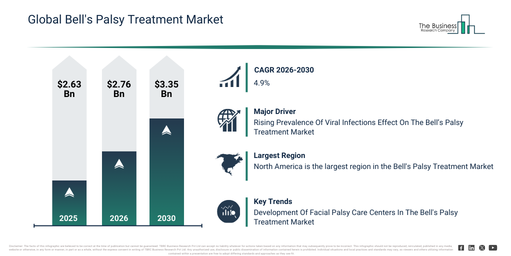
    The bell’s palsy treatment market size has demonstrated considerable growth in recent years. It is projected to expand from $2.63 billion in 2025 to $2.76 billion in 2026, achieving a compound annual growth rate (CAGR) of 5.1%. This past growth can be ascribed to several factors, including enhanced awareness of facial nerve disorders, a greater availability of diagnostic imaging tools, the proliferation of specialty neurology clinics, an increased adoption of corticosteroid therapies, and improved access to rehabilitative care.

    The bell’s palsy treatment market is projected to experience consistent expansion in the coming years. By 2030, this market is anticipated to reach a valuation of $3.35 billion, demonstrating a compound annual growth rate (CAGR) of 4.9%. This expansion during the forecast period is largely driven by factors such as intensified research into nerve regeneration therapies, a greater embrace of personalized treatment plans, the broadening of outpatient physical therapy provisions, the increasing utilization of digital tools for diagnosis, and a heightened focus on prompt diagnosis and intervention. Key developments anticipated in the forecast period encompass a surge in the application of advanced diagnostic imaging methods, a growing preference for multidisciplinary treatment methodologies, an elevated emphasis on strategies for early intervention, the broadening of recovery programs centered on physical therapy, and an increased focus on non-invasive treatment alternatives.

    Get A Free Sample Report With In-Depth Market Insights:

    https://thebusinessresearchcompany.com/sample_request?id=45289900&type=smp&name=Bell%27s%20Palsy%20Treatment%20Market%20Report%202026&utm_source=Blogs&utm_medium=Paid&utm_campaign=Oct_PR

    Bell’s Palsy Treatment Market Growth Factors: What’s Supporting Expansion?

    The increasing occurrence of viral infections is anticipated to boost the bell’s palsy treatment market’s expansion in the future. Viral infections refer to diseases resulting from viruses, tiny pathogens that infiltrate living cells for reproduction, frequently causing cellular harm and symptomatic illness. The widespread presence of viral infections is expanding, attributed to factors like heightened global travel, urban development, and climatic shifts, all of which aid in the dissemination and evolution of viruses. Treatment for bell’s palsy commonly includes corticosteroids to alleviate inflammation and antiviral drugs, such as acyclovir or valacyclovir, when a viral cause is suspected, with the goal of enhancing facial muscle recovery and function. As an illustration, in November 2024, the Centers for Disease Control and Prevention (CDC), a US-based government agency, reported that the 2022–2023 flu season saw about 31 million flu illnesses, 14 million medical appointments, 360,000 hospitalizations, and 21,000 fatalities. Consequently, the growing occurrence of viral infections is propelling expansion within the bell’s palsy treatment market.

    Bell’s Palsy Treatment Market Segment Landscape And Growth Outlook

    The bell’s palsy treatment market covered in this report is segmented –

    1) By Diagnosis: Magnetic Resonance Imaging (MRI), Computed Tomography (CT) Scan, Electromyography

    2) By Treatment: Medication, Physical Therapy

    3) By End-User: Hospital, Specialty Clinics

    Subsegments:

    1) By Magnetic Resonance Imaging (MRI): Brain MRI To Rule Out Other Causes, MRI With Contrast For Facial Nerve Evaluation

    2) By Computed Tomography (CT) Scan: CT Scan For Skull And Facial Bone Assessment, High-Resolution CT For Nerve Damage Evaluation

    3) By Electromyography (EMG): EMG For Facial Nerve Conduction, Nerve Conduction Velocity (NCV) Testing, EMG To Assess Severity Of Nerve Damage

    Bell’s Palsy Treatment Market Industry Trends: What’s Reshaping Demand?

    Leading businesses within the bell’s palsy treatment market are concentrating their efforts on establishing facial palsy care centers, aiming to offer holistic care, improve patient results, and optimize treatment procedures. Such a center represents a specialized healthcare institution focused on the diagnosis, therapy, and recovery of individuals experiencing facial paralysis. As an illustration, Sakra World Hospital, a multi-specialty facility located in India, inaugurated a Comprehensive Facial Palsy Care Center in July 2023, designed to deliver expert care for facial paralysis. This center employs a collaborative method, bringing together neurologists, plastic surgeons, physiotherapists, and speech therapists to diagnose and address diverse forms of facial paralysis, such as Bell’s palsy, congenital facial palsy, and injuries to the facial nerve.

    Bell’s Palsy Treatment Market Competitive Landscape: Who Leads The Industry?

    Major companies operating in the bell’s palsy treatment market are Pfizer Inc., Johnson & Johnson, Merck & Co. Inc., AbbVie Inc., Bayer AG, Sanofi SA, Bristol-Myers Squibb, AstraZeneca, Abbott Laboratories, Novartis AG, GlaxoSmithKline PLC, Roche Holding AG, Takeda Pharmaceutical Company Limited, Eli Lilly and Company, Gilead Sciences Inc., Siemens Healthcare GmbH, Teva Pharmaceutical Industries Ltd., Regeneron Pharmaceuticals Inc., Biogen Inc., Astellas Pharma Inc., Sun Pharmaceutical Industries Ltd., Torrent Pharmaceuticals Ltd., Aurobindo Pharma, Cipla Inc., Lupin Limited, Zydus Lifesciences Limited, Glenmark Pharmaceuticals Limited

    View The Full Bell’s Palsy Treatment Market Report:

    https://thebusinessresearchcompany.com/report/bells-palsy-treatment-global-market-report?utm_source=Blogs&utm_medium=Paid&utm_campaign=Oct_PR

    Bell’s Palsy Treatment Market Top Region By Revenue And Market Share

    North America was the largest region in the bell’s palsy treatment market in 2025. The regions covered in the bell’s palsy treatment market report are Asia-Pacific, South East Asia, Western Europe, Eastern Europe, North America, South America, Middle East, Africa.

    Reach Out To Our Team:

    The Business Research Company: https://www.thebusinessresearchcompany.com/

    Americas: +1 310-496-7795

    Asia: +44 7882 955267 & +91 8897263534

    Europe: +44 7882 955267

    Email us at: marketing@tbrc.info

    Follow us on:

    LinkedIn: https://in.linkedin.com/company/the-business-research-company

    YouTube: https://www.youtube.com/channel/UC24_fI0rV8cR5DxlCpgmyFQ

    Global Market Model: https://www.thebusinessresearchcompany.com/global-market-model
  • Behavioral Therapy Market Forecast 2026–2030: Market Size, Trends And Growth Opportunities

    Behavioral Therapy Market Forecast 2026–2030: Market Size, Trends And Growth Opportunities

    Built to provide research that’s more actionable and strategically valuable, The Business Research Company’s 2026 market reports include market attractiveness analysis, total addressable market sizing, company benchmarking matrices, interactive Excel dashboards, broader supply chain intelligence, emerging startup tracking, and in-depth product insights.

    Behavioral Therapy Market Growth Potential: How Will Market Size Shift Through 2030?

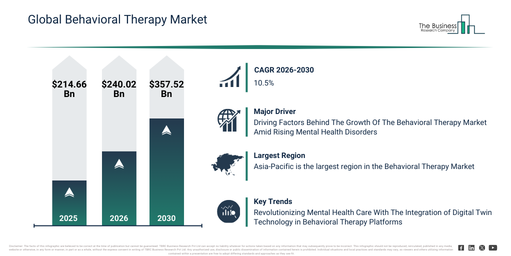
    The behavioral therapy market has witnessed substantial growth in recent years. This market is set to expand from $214.66 billion in 2025 to $240.02 billion in 2026, demonstrating a compound annual growth rate (CAGR) of 11.8%. Throughout its history, this growth can be ascribed to heightened awareness of mental health conditions, an increase in the diagnosis rates for anxiety and depression, the proliferation of outpatient psychotherapy services, rising acceptance of cognitive behavioral therapy, and the accessibility of qualified mental health professionals.

    The behavioral therapy market is projected to experience substantial expansion over the upcoming years. By 2030, this market is anticipated to reach $357.52 billion, demonstrating a compound annual growth rate (CAGR) of 10.5%. This projected growth can be attributed to several factors, including the expanding integration of digital therapeutic platforms, a heightened demand for remote mental health services, the proliferation of AI-supported therapy tools, an increasing emphasis on preventive mental healthcare, and the rising personalization of therapy delivery models. Key trends predicted for this period encompass the wider adoption of virtual reality-assisted therapy, an increased demand for online behavioral therapy services, the growing application of personalized treatment protocols, the expansion of therapy programs for children and adolescents, and a strengthened focus on evidence-based therapy models.

    Get A Free Sample Report With In-Depth Market Insights:

    https://thebusinessresearchcompany.com/sample_request?id=29837208&type=smp&name=Behavioral%20Therapy%20Market%20Report%202026&utm_source=Blogs&utm_medium=Paid&utm_campaign=Oct_PR

    Behavioral Therapy Market Demand Drivers: What’s Powering Industry Growth?

    The future expansion of the behavioral therapy market is anticipated, driven by the growing incidence of mental health conditions. These conditions, alternatively termed mental illnesses or psychiatric disorders, encompass a wide array of ailments impacting mood, thought processes, and conduct. The rise in mental health disorders stems from factors such as stressful lifestyles, traumatic childhood experiences like abuse, neglect, or witnessing violence, and social media pressures. Behavioral therapy focuses on specific behaviors contributing to distress or impairment, making it a practical and action-oriented method for addressing mental health concerns. Its versatile nature allows for seamless integration into comprehensive treatment plans tailored to each client’s specific needs. For instance, in 2024, according to the National Alliance on Mental Illness, a US-based organization, psychosis spectrum and mood disorders are responsible for nearly 6 million hospitalizations annually among individuals in the US aged 18-44. Consequently, the increasing prevalence of mental health drives the behavioral therapy market.

    Behavioral Therapy Market Breakdown By Product Type And Application

    The behavioral therapy market covered in this report is segmented –

    1) By Type: Cognitive Behavioral Therapy, Systematic Desensitization, Cognitive Behavioral Play Therapy, Other Types

    2) By Treatment Settings: Hospitals, Community Health Centers, Outpatient Clinics, Other Treatment Settings

    3) By Application: Depression, Substance Abuse, Post-Traumatic Stress Disorder (PTSD), Anxiety Disorders, Eating Disorders, Bipolar Disorder, Attention-Deficit Or Hyperactivity Disorder (ADHD), Other Applications

    Subsegments:

    1) By Cognitive Behavioral Therapy (Cbt): Individual Cbt, Group Cbt, Online Or Telehealth Cbt

    2) By Systematic Desensitization: In-Vivo Desensitization, Imaginal Desensitization, Virtual Reality Desensitization

    3) By Cognitive Behavioral Play Therapy: Play-Based Cbt For Children, Family-Based Cognitive Play Therapy

    4) By Other Types: Dialectical Behavior Therapy (DBT), Acceptance and Commitment Therapy (ACT), Exposure Therapy

    Behavioral Therapy Market Innovation Trends: What Developments Are Reshaping The Industry?

    Key players in the behavioral therapy market are concentrating on developing novel technological solutions, such as digital twin technology specifically for mental health, to improve the scalability, personalization, and effectiveness of mental health interventions. Mental health digital twin technology refers to the utilization of digital twin concepts and related technologies within mental health care settings. A digital twin is essentially a virtual representation of a physical object, process, or system, created and updated with real-time data and simulations. For instance, in May 2024, Ontrack, a US-based mental health company, unveiled a pioneering mental health digital twin technology designed to revolutionize the delivery of precision mental healthcare. This innovative technology constructs a virtual duplicate of a patient’s mental health, enabling real-time oversight and customized treatment plans.

    Behavioral Therapy Market Company Landscape And Competitive Strategy

    Major companies operating in the behavioral therapy market are Universal Health Services, Magellan Health, Acadia Healthcare Company, Headspace Inc., American Addiction Centers Inc., Behavioral Health Group, Landmark Recovery, Haven Behavioural Healthcare Inc., Talkspace Inc., Springstone Inc., Diversus Health, North Range Behavioral Health, Behavior Frontiers LLC, Elements Behavioral Health, Family Innovations Inc., Foundations Recovery Network LLC, People’s Care Holdings Inc., Forge Health, Strategic Behavioral Health LLC, National Mentor Holdings Inc., Ocean Mental Health Services Inc., Cognitive Behavioral Therapy Los Angeles, McRory Pediatric Services Inc., First Coast Behavior Solutions, PsyCare Inc.

    View The Full Behavioral Therapy Market Report:

    https://thebusinessresearchcompany.com/report/behavioral-therapy-global-market-report?utm_source=Blogs&utm_medium=Paid&utm_campaign=Oct_PR

    Behavioral Therapy Market Regional Analysis And Top Geography

    Asia-Pacific was the largest region in the behavivoral therapy market in 2025. The regions covered in the behavioral therapy market report are Asia-Pacific, South East Asia, Western Europe, Eastern Europe, North America, South America, Middle East, Africa.

    Reach Out To Our Team:

    The Business Research Company: https://www.thebusinessresearchcompany.com/

    Americas: +1 310-496-7795

    Asia: +44 7882 955267 & +91 8897263534

    Europe: +44 7882 955267

    Email us at: marketing@tbrc.info

    Follow us on:

    LinkedIn: https://in.linkedin.com/company/the-business-research-company

    YouTube: https://www.youtube.com/channel/UC24_fI0rV8cR5DxlCpgmyFQ

    Global Market Model: https://www.thebusinessresearchcompany.com/global-market-model
  • Behavioral Rehabilitation Market Size Reaches $283.79 Billion In 2026: What Is Driving Growth?

    Behavioral Rehabilitation Market Size Reaches $283.79 Billion In 2026: What Is Driving Growth?

    Backed by market attractiveness analysis, total addressable market sizing, company benchmarking matrices, interactive Excel dashboards, wider supply chain intelligence, emerging startup coverage, and detailed product-level insights, The Business Research Company’s 2026 market reports are designed to offer research that is more actionable and strategically valuable than ever.

    Behavioral Rehabilitation Market Value Analysis: What Growth Lies Ahead Over The Forecast Period?

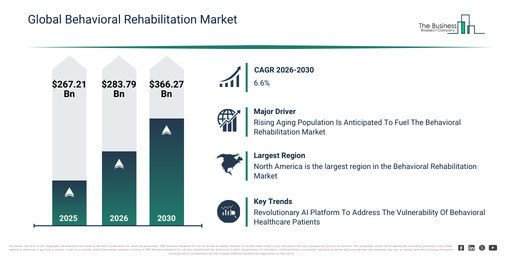
    The behavioral rehabilitation market size has demonstrated robust growth in recent years. It is anticipated to expand from $267.21 billion in 2025 to $283.79 billion in 2026, exhibiting a compound annual growth rate (CAGR) of 6.2%. The historical expansion of this market can be attributed to the rising prevalence of mental health disorders, increasing acceptance of behavioral health interventions, the expansion of outpatient rehabilitation services, growing awareness of behavior modification therapies, and the availability of trained behavioral health professionals.

    The behavioral rehabilitation market is projected to experience substantial expansion in the coming years, set to reach $366.27 billion by 2030 with a compound annual growth rate (CAGR) of 6.6%. The anticipated growth during this period stems from factors such as the increasing embrace of virtual behavioral rehabilitation platforms, a growing need for tailored treatment plans, the spread of home-based rehabilitation options, the deepening integration of digital health solutions, and a heightened emphasis on outcome-oriented behavioral care. Key trends expected during the forecast timeframe encompass the expanding use of teletherapy-driven rehabilitation initiatives, an increased reliance on data-informed behavioral assessment instruments, the broader incorporation of digital monitoring into therapy designs, the development of individualized rehabilitation guidelines, and a stronger focus on engaging patients remotely.

    Get A Free Sample Report With In-Depth Market Insights:

    https://thebusinessresearchcompany.com/sample_request?id=46591229&type=smp&name=Behavioral%20Rehabilitation%20Market%20Report%202026&utm_source=Blogs&utm_medium=Paid&utm_campaign=Oct_PR

    Behavioral Rehabilitation Market Growth Drivers: What’s Behind The Acceleration?

    The expansion of the behavioral rehabilitation market is anticipated to be fueled by an increasing elderly demographic. This demographic shift, known as an aging population, is defined by a greater proportion of older people compared to younger individuals in a specific society or area. For elderly individuals, behavioral rehabilitation serves as a therapeutic approach aimed at enhancing mental health, emotional state, and adaptable behaviors. As an illustration, Age UK, a UK-registered charity, reported that in 2023, England had 11 million individuals aged over 65. This figure is forecasted to grow by 10% within the subsequent five years and by 32% by the year 2043, translating to an additional 1.1 million and 3.5 million people, respectively. Furthermore, the demographic segment aged 85+, which is the most probable group to require health and care services, is also expected to experience swift growth, expanding by 8.2% over the next five years and by 62.7%. Consequently, the expanding elderly demographic is a key driver for the behavioral rehabilitation market.

    Behavioral Rehabilitation Market Segment Analysis And Revenue Potential

    The behavioral rehabilitation market covered in this report is segmented –

    1) By Treatment Method: Counseling, Medication, Support Services, Other Treatment Methods

    2) By Application: Anxiety Disorders, Mood Disorders, Substance Abuse Disorders, Personality Disorders, Attention Deficit Disorders

    3) By Healthcare Settings: Outpatient Behavioral Rehabilitation, Inpatient Behavioral Rehabilitation, Residential Behavioral Rehabilitation

    Subsegments:

    1) By Counseling: Individual Therapy, Group Therapy, Family Therapy, Cognitive Behavioral Therapy (CBT)

    2) By Medication: Antidepressants, Anti-anxiety Medications, Mood Stabilizers, Antipsychotics

    3) By Support Services: Peer Support Programs, Case Management, Rehabilitation Support Groups, Educational Workshops

    4) By Other Treatment Methods: Art And Music Therapy, Mindfulness And Meditation, Holistic Approaches, Teletherapy Services

    Behavioral Rehabilitation Market Trends: What’s Defining The Industry’s Next Phase?

    Leading companies in the behavioral rehabilitation market are concentrating on developing groundbreaking platforms, like AI platforms, to address the susceptibilities of behavioral healthcare patients and enhance their market revenues. An AI platform is a computer system or software that integrates artificial intelligence functionalities, enabling processes such as learning, problem-solving, and decision-making. For instance, in October 2023, Discovery Behavioral Health Inc., a US-based firm specializing in residential treatment, introduced Discovery365, an artificial intelligence (AI) platform aimed at decreasing relapse rates among behavioral healthcare patients in the year following treatment. This platform analyzes video interactions between providers and patients, prompting patients to complete digital check-ins, with AI evaluating verbal and non-verbal cues for indicators of distress or relapse. The algorithm, which was developed by Discovery and analyzed by Videra Health, has been validated and optimized by psychiatrists from Brigham and Women’s Hospital.

    Behavioral Rehabilitation Market Key Players Shaping Industry Direction

    Major companies operating in the behavioral rehabilitation market are Universal Health Services Inc., Magellan Health Inc., Acadia Healthcare Company Inc., Behavioral Health Group Inc., Baxter Regional Medical Center, Hazelden Betty Ford Foundation, Aurora Behavioral Health System, People Care Holdings Inc., American Addiction Centers Inc., Caron Treatment Centers, Parkview Health & Rehab Center, BHG Holdings LLC, Sierra Tucson Inc., The Camp Recovery Center, Forge Health Group, CuraLinc Healthcare Co, The Recovery Village, ViaMar Health, Haven Behavioral Healthcare Inc., Niznik Behavioral Health Resources Inc., Promises Behavioral Health Inc., PsychSolutions Inc., CRC Health Group

    View The Full Behavioral Rehabilitation Market Report:

    https://thebusinessresearchcompany.com/report/behavioral-rehabilitation-global-market-report?utm_source=Blogs&utm_medium=Paid&utm_campaign=Oct_PR

    Behavioral Rehabilitation Market Geographic Analysis: Where Is Demand Rising Fastest?

    North America was the largest region in the behavioral rehabilitation market in 2025. Asia-Pacific is expected to be the fastest-growing region in the behavioral rehabilitation market report during the forecast period. The regions covered in the behavioral rehabilitation market report are Asia-Pacific, South East Asia, Western Europe, Eastern Europe, North America, South America, Middle East, Africa.

    Reach Out To Our Team:

    The Business Research Company: https://www.thebusinessresearchcompany.com/

    Americas: +1 310-496-7795

    Asia: +44 7882 955267 & +91 8897263534

    Europe: +44 7882 955267

    Email us at: marketing@tbrc.info

    Follow us on:

    LinkedIn: https://in.linkedin.com/company/the-business-research-company

    YouTube: https://www.youtube.com/channel/UC24_fI0rV8cR5DxlCpgmyFQ

    Global Market Model: https://www.thebusinessresearchcompany.com/global-market-model
  • Behavioral Health Market Valued At $197.59 Billion In 2026: Key Trends And Growth Drivers

    Behavioral Health Market Valued At $197.59 Billion In 2026: Key Trends And Growth Drivers

    Featuring market attractiveness scoring, total addressable market sizing, company benchmarking matrices, interactive Excel dashboards, deeper supply chain intelligence, emerging startup tracking, and granular product-level insights, The Business Research Company’s 2026 market reports are built to deliver research that is both more actionable and more strategically valuable.

    Behavioral Health Market Size Forecast: How Big Could The Market Get By 2030?

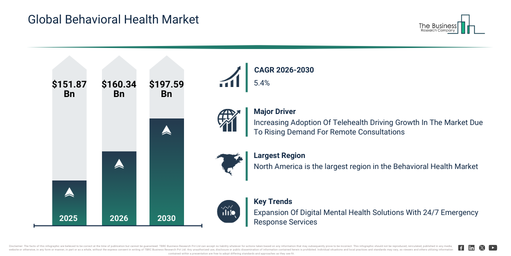
    The behavioral health market has demonstrated robust expansion over recent years. Projections indicate it will increase from $151.87 billion in 2025 to $160.34 billion in 2026, exhibiting a compound annual growth rate (CAGR) of 5.6%. This historical growth can be attributed to several factors, including the rising prevalence of mental health disorders, the expansion of outpatient mental health services, a greater acceptance of psychotherapy, enhanced awareness of substance use disorders, and the availability of skilled behavioral health professionals.

    The behavioral health market is projected to experience robust expansion over the coming years, anticipated to reach a valuation of $197.59 billion by 2030, exhibiting a compound annual growth rate (CAGR) of 5.4%. This projected growth is driven by several factors, including heightened investments in digital mental health solutions, a surge in demand for remote and hybrid care approaches, the broadening of workplace mental health initiatives, an increased emphasis on early intervention strategies, and the greater incorporation of behavioral health analytics. Key trends for this period encompass the growing uptake of telebehavioral health services, the increasing utilization of digital therapy platforms, the expanding integration of data-driven approaches to treatment planning, the enlargement of community-focused mental health programs, and an elevated commitment to preventive mental healthcare.

    Get A Free Sample Report With In-Depth Market Insights:

    https://thebusinessresearchcompany.com/sample_request?id=45555068&type=smp&name=Behavioral%20Health%20Market%20Report%202026&utm_source=Blogs&utm_medium=Paid&utm_campaign=Oct_PR

    Behavioral Health Market Growth Factors Behind Sustained Expansion

    The growing use of telehealth is projected to boost the expansion of the behavioral health market moving forward. Telehealth involves employing digital communication technologies, such as video calls, mobile applications, and remote monitoring, to deliver healthcare services and consultations without requiring in-person visits. The rising adoption of telehealth is driven by its ability to offer convenient and timely healthcare access, particularly for remote and underserved areas. Telehealth enhances behavioral health by expanding access to mental health services, offering remote therapy options, and improving patient engagement through digital platforms. For instance, in June 2023, TechTarget, a U.S.-based digital media company, reported that 31% of survey respondents used telehealth for behavioral health or counseling in 2023, up from 25% in 2022, underscoring growing patient reliance on virtual mental health care. Thus, the increasing adoption of telehealth is a significant factor driving growth in the behavioral health market.

    Behavioral Health Market Segmentation And Category Overview

    The behavioral health market covered in this report is segmented –

    1) By Service Type: Outpatient Counselling, Intensive Care Management, Home-Based Treatment Services, Inpatient Hospitals Management, Emergency Mental Health Service, Other Services

    2) By Disorder Type: Anxiety Disorder, Attention Deficit Hyperactivity Disorder (ADHD), Bipolar Disorder, Depression, Eating Disorder, Post-Traumatic Stress Disorder (PTSD), Substance Abuse Disorder, Psychosis, Schizoaffective Disorder, Other Disorders

    3) By End-User: Outpatient Clinics, Hospitals, Rehabilitation Centers, Homecare Setting

    Subsegments:

    1) By Outpatient Counseling: Individual Therapy, Group Therapy, Family Therapy, Cognitive Behavioral Therapy (CBT), Dialectical Behavior Therapy (DBT)

    2) By Intensive Care Management: Case Management Services, Assertive Community Treatment (ACT), Medication-Assisted Treatment (MAT), Behavioral Rehabilitation Programs

    3) By Home-Based Treatment Services: Home Visits By Psychiatrists, Telepsychiatry Services, Crisis Intervention At Home, Community-Based Mental Health Programs

    4) By Inpatient Hospitals Management: Psychiatric Hospitals, Substance Abuse Rehabilitation Centers, Dual Diagnosis Treatment Programs, Acute Mental Health Crisis Units

    5) By Emergency Mental Health Service: Suicide Prevention Hotlines, Mobile Crisis Teams, Psychiatric Emergency Rooms, Walk-In Crisis Centers

    6) By Other Services: Peer Support Programs, School-Based Mental Health Services, Workplace Mental Health Programs, Behavioral Health Digital Apps

    Behavioral Health Market Industry Trends Fueling Future Revenue Growth

    Major companies operating in the behavioral health market are prioritizing the expansion of digital mental health solutions, such as 24×7 mental health emergency response services, to deliver immediate support, improve accessibility, and enhance patient outcomes. A 24/7 mental health emergency response service is a round-the-clock support system that provides prompt assistance to individuals experiencing mental health crises through helplines, digital platforms, or in-person interventions. For instance, in December 2024, Sukoon Healthcare Services Private Limited, an India-based non-government company, launched MERA Sukoon, a 24/7 mental health emergency service providing immediate support to individuals in distress and their families. This initiative addresses challenges like limited awareness and inadequate mental healthcare infrastructure by ensuring continuous access to expert-led care. MERA Sukoon focuses on timely, safe, and effective treatment, adhering to clinical and legal standards under the Mental Healthcare Act, with a strong emphasis on high-risk cases and patient safety.

    Behavioral Health Market Competitive Analysis Of Leading Industry Participants

    Major companies operating in the behavioral health market are Cigna Corporation, Elevance Health Inc., Centene Corporation, Accenture plc, Ascension Health Alliance, Streamline Healthcare Solutions LLC, Universal Health Services Inc., Evernorth Health Inc., Acadia Healthcare Company Inc., Bright Harbor Healthcare, Behavioral Health Network Inc., Spring Care Inc., Pyramid Healthcare Inc., North Range Behavioral Health, Uprise Health Inc., Medic Management Group LLC, Behavioral Health Services Inc., Core Solutions Inc., Welligent Inc.

    View The Full Behavioral Health Market Report:

    https://thebusinessresearchcompany.com/report/behavioral-health-global-market-report?utm_source=Blogs&utm_medium=Paid&utm_campaign=Oct_PR

    Behavioral Health Market Global Footprint: Which Region Leads The Market?

    North America was the largest region in the behavioral health market in 2025. Asia-Pacific is expected to be the fastest-growing region in the forecast period. The regions covered in the behavioral health market report are Asia-Pacific, South East Asia, Western Europe, Eastern Europe, North America, South America, Middle East, Africa.

    Reach Out To Our Team:

    The Business Research Company: https://www.thebusinessresearchcompany.com/

    Americas: +1 310-496-7795

    Asia: +44 7882 955267 & +91 8897263534

    Europe: +44 7882 955267

    Email us at: marketing@tbrc.info

    Follow us on:

    LinkedIn: https://in.linkedin.com/company/the-business-research-company

    YouTube: https://www.youtube.com/channel/UC24_fI0rV8cR5DxlCpgmyFQ

    Global Market Model: https://www.thebusinessresearchcompany.com/global-market-model
  • Bed Monitoring System & Baby Monitoring System Market Size In 2026: Growth Outlook And Forecast Through 2030

    Bed Monitoring System & Baby Monitoring System Market Size In 2026: Growth Outlook And Forecast Through 2030

    Built to provide research that’s more actionable and strategically valuable, The Business Research Company’s 2026 market reports include market attractiveness analysis, total addressable market sizing, company benchmarking matrices, interactive Excel dashboards, broader supply chain intelligence, emerging startup tracking, and in-depth product insights.

    Bed Monitoring System & Baby Monitoring System Market Revenue Outlook: What CAGR Lies Ahead Through 2030?

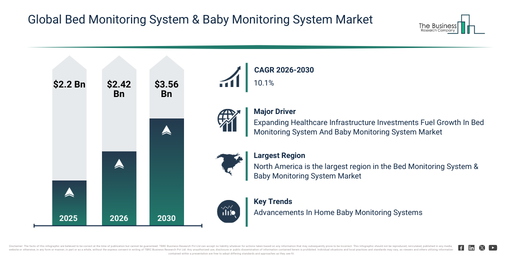
    The bed monitoring system & baby monitoring system market size has experienced rapid growth in recent years. This market is anticipated to expand from $2.2 billion in 2025 to $2.42 billion in 2026, exhibiting a compound annual growth rate (CAGR) of 10.3%. The drivers behind its past growth include increased awareness of neonatal care, a heightened focus in hospitals on patient safety monitoring, the expansion of facilities for elderly care, the availability of sensor-based monitoring technologies, and a rising demand for systems designed to prevent falls.

    The market size for bed monitoring systems and baby monitoring systems is projected to experience swift expansion over the coming years. This sector is predicted to grow to $3.56 billion by 2030, demonstrating a compound annual growth rate (CAGR) of 10.1%. The expansion during the forecast period is attributable to the increasing adoption of AI-powered monitoring analytics, a rising demand for smart home healthcare solutions, the broadening of remote patient monitoring programs, a growing focus on preventive care technologies, and increasing integration with digital health platforms. Key trends anticipated in the forecast period include a growing embrace of sensor-based monitoring systems, rising integration of remote alert technologies, an escalating demand for non-invasive monitoring solutions, the expansion of home-based care monitoring, and an enhanced focus on real-time activity tracking.

    Get A Free Sample Report With In-Depth Market Insights:

    https://thebusinessresearchcompany.com/sample_request?id=79350950&type=smp&name=Bed%20Monitoring%20System%20%26%20Baby%20Monitoring%20System%20Market%20Report%202026&utm_source=Blogs&utm_medium=Paid&utm_campaign=Oct_PR

    Bed Monitoring System & Baby Monitoring System Market Demand Drivers Opening New Revenue Streams

    The bed monitoring system & baby monitoring system market is projected to grow due to increasing investments in healthcare infrastructural development. Governments globally are launching various initiatives to invest in hospital infrastructure, aiming to enhance healthcare development in impoverished areas, which in turn will stimulate demand for bed monitoring systems and baby monitoring systems. As an illustration, in February 2024, the National Bureau of Statistics of China, a China-based national statistical agency, reported that by year-end 2023, China’s healthcare infrastructure included approximately 1.071 million medical and health institutions, comprising about 39,000 hospitals. Therefore, the expanding investment in healthcare infrastructural development is fueling the growth of the bed monitoring system & baby monitoring system market.

    Bed Monitoring System & Baby Monitoring System Market Segment Outlook: Which Categories Are Growing Fastest?

    The bed monitoring system & baby monitoring system market covered in this report is segmented –

    1) By Type: Bedsore Monitoring Solutions, Baby Monitoring Solutions, Elderly Monitoring Solutions, Sleep Monitoring Solutions

    2) By Component: Hardware, Software, Services

    3) By End-User: Homecare Settings, Hospitals, Nursing Home, Assisted Living Facilities

    Subsegments:

    1) By Bedsore Monitoring Solutions: Pressure Mapping Systems, Wearable Sensors, Smart Mattresses

    2) By Baby Monitoring Solutions: Video Baby Monitors, Audio Baby Monitors, Wearable Baby Monitors

    3) By Elderly Monitoring Solutions: Fall Detection Systems, Health Monitoring Wearables, Remote Monitoring Systems

    4) By Sleep Monitoring Solutions: Sleep Trackers, Smart Mattresses, Sleep Apnea Monitors

    Bed Monitoring System & Baby Monitoring System Market Trends Powering Strategic Industry Growth

    Leading companies operating within the bed monitoring system and baby monitoring system market are developing new products, such as home baby monitoring systems, to reach broader customer bases, increase sales, and boost revenue. A home baby monitoring system consists of devices and technology designed to help parents or caregivers closely observe an infant or young child while they are resting or playing in their crib or a designated area within the home. For instance, in May 2023, Masimo Corporation, a US-based medical device company, launched Stork. A notable aspect of this product is its ability to provide parents with valuable insights into their baby’s health data, cultivating a deeper understanding and a stronger connection with their child. The Masimo Stork incorporates a high-resolution camera with 2K QHD capabilities, which is paired with a mobile app. This camera stands out for its exceptional nighttime vision and offers high-quality two-way audio functionality, allowing parents to communicate with their babies as if they were close by. Additionally, the camera includes room condition monitoring, providing precise measurements of room temperature, humidity, and noise levels. These various components are smoothly integrated with the Masimo Stork app, enabling parents to access their baby’s monitoring data and developmental milestones, review summary statistics and trends, and soon share images directly with others.

    Bed Monitoring System & Baby Monitoring System Market Leading Companies And Competitive Benchmarking

    Major companies operating in the bed monitoring system & baby monitoring system market are Wellsens Inc., XSENSOR Technology Corporation, SensorCare Systems Ltd., Smart Caregiver Corporation, Eight Sleep Inc., Infant Optics Inc., Koninklijke Philips N.V., VTech Communications Inc., Nanit Inc., iBaby Labs Inc., Withings Inc., Motorola Mobility LLC., Emfit Ltd., EarlySense Inc., Tekscan Inc., Sleep Number Corporation, Angelcare Monitors Inc., Owlet Baby Care Inc., Samsung Electronics Co. Ltd., Summer Infant Inc., Levana LLC, Safety 1st Inc., Mobi Technologies Inc., Graco Children’s Products Inc., Cocoon Cam Inc., Lollipop Baby Camera Inc., Cubo AI Inc., MonDevices Inc., Bluebell Baby Inc.

    View The Full Bed Monitoring System & Baby Monitoring System Market Report:

    https://thebusinessresearchcompany.com/report/bed-monitoring-system-and-baby-monitoring-system-global-market-report?utm_source=Blogs&utm_medium=Paid&utm_campaign=Oct_PR

    Bed Monitoring System & Baby Monitoring System Market Regional Split: Which Areas Are Fueling Growth?

    North America was the largest region in the bed monitoring system and baby monitoring system market in 2025. Asia-Pacific is expected to be the fastest-growing region in the forecast period. The regions covered in the bed monitoring system & baby monitoring system market report are Asia-Pacific, South East Asia, Western Europe, Eastern Europe, North America, South America, Middle East, Africa.

    Reach Out To Our Team:

    The Business Research Company: https://www.thebusinessresearchcompany.com/

    Americas: +1 310-496-7795

    Asia: +44 7882 955267 & +91 8897263534

    Europe: +44 7882 955267

    Email us at: marketing@tbrc.info

    Follow us on:

    LinkedIn: https://in.linkedin.com/company/the-business-research-company

    YouTube: https://www.youtube.com/channel/UC24_fI0rV8cR5DxlCpgmyFQ

    Global Market Model: https://www.thebusinessresearchcompany.com/global-market-model