Blog

  • Primary Progressive Multiple Sclerosis (PPMS) Treatment Market Size Forecast: How The Industry Is Expected To Grow From 2026 To 2030

    Primary Progressive Multiple Sclerosis (PPMS) Treatment Market Size Forecast: How The Industry Is Expected To Grow From 2026 To 2030

    Featuring market attractiveness scoring, total addressable market sizing, company benchmarking matrices, interactive Excel dashboards, deeper supply chain intelligence, emerging startup tracking, and granular product-level insights, The Business Research Company’s 2026 market reports are built to deliver research that is both more actionable and more strategically valuable.

    Primary Progressive Multiple Sclerosis (PPMS) Treatment Market Expansion Outlook: What Revenue Opportunities Are Ahead?

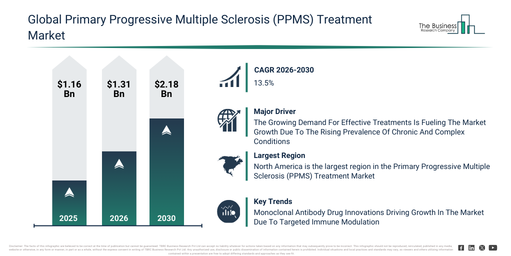
    The primary progressive multiple sclerosis (ppms) treatment market size has experienced swift growth in recent years. It is projected to increase from $1.16 billion in 2025 to $1.31 billion in 2026, at a compound annual growth rate (CAGR) of 13.7%. The historical growth in this market can be attributed to factors such as limited treatment options for ppms, a reliance on corticosteroids for symptom management, low awareness of ppms among patients, underdeveloped hospital pharmacy infrastructure, and the slow adoption of immunosuppressants.

    The primary progressive multiple sclerosis (ppms) treatment market is projected for substantial expansion in the upcoming years, with its valuation expected to reach $2.18 billion by 2030, demonstrating a compound annual growth rate (CAGR) of 13.5%. This anticipated growth during the forecast period is attributed to factors such as the introduction of targeted monoclonal antibodies, a surge in research and development activities for neurodegenerative disorders, the expansion of hospital and online pharmacy networks, an increase in regulatory approvals for novel therapeutics, and enhanced patient awareness and early diagnosis programs. Key trends anticipated in the same period include the rising adoption of monoclonal antibodies for ppms, an increased focus on symptom management and quality of life, a growing preference for intravenous drug administration, the expansion of hospital and specialty pharmacy channels, and the development of novel therapeutics and combination therapies.

    Get A Free Sample Report With In-Depth Market Insights:

    https://thebusinessresearchcompany.com/sample_request?id=90215028&type=smp&name=Primary%20Progressive%20Multiple%20Sclerosis%20%28PPMS%29%20Treatment%20Market%20Report%202026&utm_source=Blogs&utm_medium=Paid&utm_campaign=Oct_PR

    Primary Progressive Multiple Sclerosis (PPMS) Treatment Market Growth Catalysts And Demand Drivers

    The increasing need for effective treatments is projected to fuel the expansion of the primary progressive multiple sclerosis (PPMS) treatment market in the future. Effective treatments are medical interventions aimed at alleviating symptoms, improving patient results, or curing a disease or condition. This rising demand for successful therapies is predominantly driven by the growing prevalence of chronic and complex health conditions, which necessitate long-term management and advanced therapeutic solutions to enhance patient outcomes and quality of life. Effective treatments contribute to slowing the progression of primary progressive multiple sclerosis (PPMS) by targeting inflammation and preserving neurological function, thereby enhancing long-term quality of life, reducing disability accumulation, and improving patients’ ability to manage daily activities with greater independence and stability. For instance, in January 2024, the American Society of Gene & Cell Therapy, a US-based organization focused on gene and cell therapy, reported that the number of gene therapies in Phase III clinical trials reached 33 Phase III gene therapy trials in 2023, representing a 10% increase compared to 2022, and marked the first quarterly increase since Q3 2022. Therefore, the growing demand for effective treatments is a key driver for the primary progressive multiple sclerosis (PPMS) treatment market’s growth.

    Primary Progressive Multiple Sclerosis (PPMS) Treatment Market Breakdown By Product Type And Application

    The primary progressive multiple sclerosis (ppms) treatment market covered in this report is segmented –

    1) By Drug Type: Monoclonal Antibodies, Immunosuppressants, Corticosteroids, Other Drug Types

    2) By Route Of Administration: Oral, Intravenous, Other Route Of Administrations

    3) By Distribution Channel: Hospital Pharmacies, Retail Pharmacies, Online Pharmacies, Other Distribution Channels

    Subsegments:

    1) By Monoclonal Antibodies: Ocrelizumab, Rituximab, Ofatumumab, Ublituximab

    2) By Immunosuppressants: Methotrexate, Azathioprine, Mycophenolate Mofetil, Cyclophosphamide

    3) By Corticosteroids: Methylprednisolone, Prednisone, Dexamethasone, Hydrocortisone

    4) By Other Drug Types: Biotin, Ibudilast, Laquinimod, Idebenone

    Primary Progressive Multiple Sclerosis (PPMS) Treatment Market Trends Shaping Long-Term Demand

    Major companies in the primary progressive multiple sclerosis (PPMS) treatment market are prioritizing the development of innovative formulations, such as monoclonal antibody drugs, to enhance multiple sclerosis treatment. A monoclonal antibody drug aids in multiple sclerosis by precisely targeting particular immune cells or proteins that induce inflammation and harm to the nervous system, thus diminishing disease activity and decelerating symptom progression. For example, in February 2024, Roche Pharma India, an India-based pharmaceutical firm, introduced Ocrevus (ocrelizumab), a monoclonal antibody drug, for multiple sclerosis (MS) treatment in India. Ocrevus is significant as the first and only approved disease-modifying therapy (DMT) for both relapsing-remitting multiple sclerosis (RRMS) and primary progressive multiple sclerosis (PPMS) in the nation. The medication functions by targeting CD20-positive B cells, an immune cell type implicated in the abnormal immune response characteristic of MS. It is administered via a twice-yearly intravenous infusion lasting only two hours, presenting patients with a more convenient and effective treatment choice.

    Primary Progressive Multiple Sclerosis (PPMS) Treatment Market Company Landscape And Competitive Strategy

    Major companies operating in the primary progressive multiple sclerosis (ppms) treatment market are F. Hoffmann-La Roche Ltd., Biogen Inc., Novartis AG, Teva Pharmaceutical Industries Ltd., Acorda Therapeutics Inc., Apitope International N.V., Atara Biotherapeutics Inc., Kyverna Therapeutics Inc., Clene Inc., Mapi Pharma Ltd., Abata Therapeutics Inc., MediciNova Inc., MedDay Pharmaceuticals SAS, AB Science S.A., Immunic AG, BrainStorm Cell Therapeutics Inc., TG Therapeutics Inc., EMD Serono Inc. (Merck KGaA), Mitsubishi Tanabe Pharma Corporation, Sanofi Genzyme, Alexion Pharmaceuticals (AstraZeneca Rare Disease), Viela Bio (Horizon Therapeutics), Receptos (Celgene/Bristol-Myers Squibb), Forward Pharma A/S, InnoCare Pharma, NervGen Pharma Corp., Priovant Therapeutics, Tiziana Life Sciences, Reata Pharmaceuticals, Biohaven Pharmaceutical Holding Company, Anokion SA

    View The Full Primary Progressive Multiple Sclerosis (PPMS) Treatment Market Report:

    https://thebusinessresearchcompany.com/report/primary-progressive-multiple-sclerosis-ppms-treatment-global-market-report?utm_source=Blogs&utm_medium=Paid&utm_campaign=Oct_PR

    Primary Progressive Multiple Sclerosis (PPMS) Treatment Market Regional Analysis And Leading Geography

    North America was the largest region in the primary progressive multiple sclerosis (PPMS) treatment market in 2025. Asia-Pacific is expected to be the fastest-growing region in the forecast period. The regions covered in the primary progressive multiple sclerosis (ppms) treatment market report are Asia-Pacific, South East Asia, Western Europe, Eastern Europe, North America, South America, Middle East, Africa.

    Reach Out To Our Team:

    The Business Research Company: https://www.thebusinessresearchcompany.com/

    Americas: +1 310-496-7795

    Asia: +44 7882 955267 & +91 8897263534

    Europe: +44 7882 955267

    Email us at: marketing@tbrc.info

    Follow us on:

    LinkedIn: https://in.linkedin.com/company/the-business-research-company

    YouTube: https://www.youtube.com/channel/UC24_fI0rV8cR5DxlCpgmyFQ

    Global Market Model: https://www.thebusinessresearchcompany.com/global-market-model
  • Primary Myelofibrosis Market Reaches $1.14 Billion In 2026: Forecast And Growth Opportunities

    Primary Myelofibrosis Market Reaches $1.14 Billion In 2026: Forecast And Growth Opportunities

    Built to provide research that’s more actionable and strategically valuable, The Business Research Company’s 2026 market reports include market attractiveness analysis, total addressable market sizing, company benchmarking matrices, interactive Excel dashboards, broader supply chain intelligence, emerging startup tracking, and in-depth product insights.

    Primary Myelofibrosis Market Growth Potential: How Will Market Size Shift Through 2030?

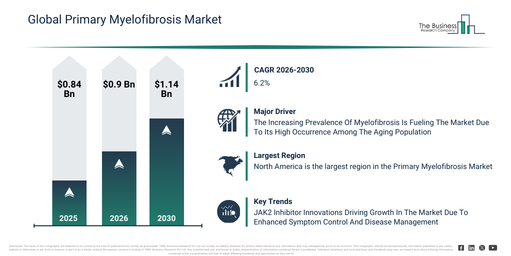
    The primary myelofibrosis market has experienced significant expansion recently. This market is projected to grow from $0.84 billion in 2025 to $0.9 billion in 2026, achieving a compound annual growth rate (CAGR) of 6.4%. The historical growth of this market can be attributed to several factors including limited therapeutic options, challenges with delayed and incorrect diagnosis, low disease awareness, a reliance on conventional treatments, and a relatively small patient population.

    The primary myelofibrosis market is anticipated to observe significant expansion over the next few years. It is projected to attain a value of $1.14 billion by 2030, exhibiting a compound annual growth rate (CAGR) of 6.2%. This projected growth throughout the forecast period stems from the advancement of novel targeted therapies, heightened clinical trial activities, breakthroughs in genetic and molecular diagnostics, increased investment in hematology research, and the growing implementation of personalized medicine. Prominent trends for the forecast period include enhanced awareness and earlier diagnosis of primary myelofibrosis, an increase in targeted therapies and customized treatment methods, broader adoption of advanced diagnostic tools, the expansion of clinical trials and research initiatives, and a concentrated effort on patient support programs and disease management.

    Get A Free Sample Report With In-Depth Market Insights:

    https://thebusinessresearchcompany.com/sample_request?id=87302757&type=smp&name=Primary%20Myelofibrosis%20Market%20Report%202026&utm_source=Blogs&utm_medium=Paid&utm_campaign=Oct_PR

    Primary Myelofibrosis Market Opportunity Drivers: What’s Unlocking New Revenue Potential?

    The future growth of the primary myelofibrosis market is anticipated to be significantly propelled by the rising occurrence of myelofibrosis. Myelofibrosis is defined as a rare type of bone marrow cancer that disrupts the body’s normal blood cell production, leading to extensive scarring within the bone marrow and consequently causing severe anemia, weakness, fatigue, and an enlarged spleen. This increasing prevalence of myelofibrosis is primarily attributed to the aging population, as the condition most frequently affects individuals over the age of 60, with longer life expectancies contributing to a higher number of diagnosed cases. The expanding prevalence of myelofibrosis also enhances the management of primary myelofibrosis by stimulating research, improving early diagnosis, expanding treatment options, and advocating for superior clinical guidelines and specialized care. As an illustration, a report published in November 2024 by the National Institute for Health and Care Excellence, a UK-based independent executive non-departmental public body, stated that myelofibrosis has a prevalence of 3.2 per 100,000 people in the UK and an incidence rate of 0.6 per 100,000. Thus, the escalating prevalence of myelofibrosis is a key factor driving the expansion of the primary myelofibrosis market.

    Primary Myelofibrosis Market Segment Analysis And Revenue Potential

    The primary myelofibrosis market covered in this report is segmented –

    1) By Type: Spinocerebellar Primary Myelofibrosiss, Primary Myelofibrosis-Telangiectasia, Episodic Primary Myelofibrosis, Other Types

    2) By Services: Treatment, Diagnosis

    3) By Dosage Forms: Solid, Liquids, Other Dosage Forms

    4) By Age: Adult, Child, Geriatric

    5) By End User: Hospitals, Clinics, Other End Users

    Subsegments:

    1) By Spinocerebellar Primary Myelofibrosis: Spinocerebellar Ataxia With Myelofibrosis, Hereditary Spinocerebellar Degeneration With Bone Marrow Fibrosis, Neurodegenerative Spinocerebellar Syndromes With Fibrotic Manifestations

    2) By Primary Myelofibrosis-Telangiectasia: Cutaneous Telangiectasia With Myelofibrosis, Hereditary Hemorrhagic Telangiectasia With Marrow Fibrosis, Ocular Telangiectasia-Associated Myelofibrosis

    3) By Episodic Primary Myelofibrosis: Intermittent Marrow Fibrosis Episodes, Periodic Cytopenia With Fibrosis Flare, Cyclical Myelofibrosis In Autoimmune Disorders

    4) By Other Types: Familial Primary Myelofibrosis, Idiopathic Myelofibrosis, Therapy-Related Primary Myelofibrosis, Juvenile Primary Myelofibrosis

    Primary Myelofibrosis Market Innovation Trends Shaping Future Development

    Leading companies in the primary myelofibrosis market are dedicated to developing innovative products, such as Janus kinase 2 inhibiting tablets, to enhance symptom management and slow the progression of the disease. Janus kinase 2 (JAK2) inhibiting tablets are oral medications that block the activity of the JAK2 enzyme, which is involved in the irregular signaling pathways causing excessive blood cell production in primary myelofibrosis. These tablets are instrumental in reducing spleen size, alleviating fatigue and bone pain, and hindering disease progression. For instance, in March 2025, GlaxoSmithKline Korea (GSK Korea) Ltd., a Korea-based pharmaceutical and biotechnology company, introduced Omjjara (momelotinib) as a new treatment for myelofibrosis. Approved by South Korea’s Ministry of Food and Drug Safety, it is designed for adult patients with intermediate- or high-risk primary or secondary myelofibrosis who also experience moderate to severe anemia. Omjjara is an oral medication that inhibits Janus kinases (JAK1 and JAK2) and activin A receptor type 1 (ACVR1), effectively addressing symptoms such as anemia, an enlarged spleen, and fatigue. Its approval is substantiated by clinical trial data demonstrating significant improvements in anemia, spleen size, and overall symptoms when compared to existing treatments.

    Primary Myelofibrosis Market Key Players Shaping Industry Direction

    Major companies operating in the primary myelofibrosis market are Merck & Co. Inc., AbbVie Inc., Bristol-Myers Squibb Company, Sumitomo Pharma Oncology Inc., Incyte Corporation, Nippon Shinyaku Co. Ltd., MorphoSys AG, Keros Therapeutics Inc., Geron Corporation, Lynk Pharmaceuticals Co. Ltd., Pharmaxis Ltd, Kartos Therapeutics Inc., Disc Medicine Inc., Galecto Inc., Cellenkos Inc., Chia Tai Tianqing Pharmaceutical Group Co. Ltd., Taiga Biotechnologies Inc., Suzhou Zelgen Biopharmaceuticals Co. Ltd., Telios Pharma Inc., Samus Therapeutics Inc., Jacobio Pharmaceuticals Co. Ltd.

    View The Full Primary Myelofibrosis Market Report:

    https://thebusinessresearchcompany.com/report/primary-myelofibrosis-global-market-report?utm_source=Blogs&utm_medium=Paid&utm_campaign=Oct_PR

    Primary Myelofibrosis Market Geographic Analysis: Where Is Demand Accelerating Fastest?

    North America was the largest region in the primary myelofibrosis market in 2025. Asia-Pacific is expected to be the fastest-growing region in the forecast period. The regions covered in the primary myelofibrosis market report are Asia-Pacific, South East Asia, Western Europe, Eastern Europe, North America, South America, Middle East, Africa.

    Reach Out To Our Team:

    The Business Research Company: https://www.thebusinessresearchcompany.com/

    Americas: +1 310-496-7795

    Asia: +44 7882 955267 & +91 8897263534

    Europe: +44 7882 955267

    Email us at: marketing@tbrc.info

    Follow us on:

    LinkedIn: https://in.linkedin.com/company/the-business-research-company

    YouTube: https://www.youtube.com/channel/UC24_fI0rV8cR5DxlCpgmyFQ

    Global Market Model: https://www.thebusinessresearchcompany.com/global-market-model
  • Primary Cell Culture Market Growth In 2026: Market Size, Key Drivers And Future Outlook

    Primary Cell Culture Market Growth In 2026: Market Size, Key Drivers And Future Outlook

    Backed by market attractiveness analysis, total addressable market sizing, company benchmarking matrices, interactive Excel dashboards, wider supply chain intelligence, emerging startup coverage, and detailed product-level insights, The Business Research Company’s 2026 market reports are designed to offer research that is more actionable and strategically valuable than ever.

    Primary Cell Culture Market Value Analysis: What Growth Lies Ahead Over The Forecast Period?

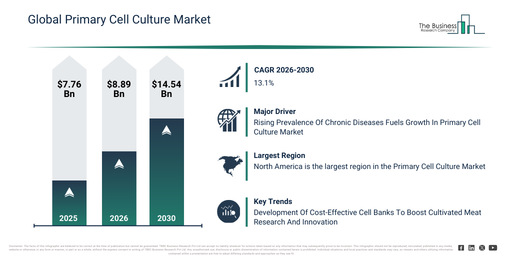
    The primary cell culture market size has experienced significant expansion in recent years. This market is set to increase from $7.76 billion in 2025 to $8.89 billion in 2026, reflecting a compound annual growth rate (CAGR) of 14.6%. The historical growth of this market can be linked to the progression of in vitro research methods, the initial implementation of tissue culture techniques, the rising incorporation of animal models in research, the expansion within academic life sciences research, and the escalating requirement for biologically relevant cell models.

    The primary cell culture market is poised for substantial expansion in the upcoming years. It is forecast to achieve a valuation of $14.54 billion by 2030, growing at a compound annual growth rate (CAGR) of 13.1%. This anticipated growth during the forecast period is fueled by advancements in gene therapy and regenerative medicine research, increased investments in pharmaceutical R&D, a rising need for personalized medicine research tools, an expansion of vaccine development activities, and a stronger focus on minimizing animal testing. Significant trends expected during this period include a greater adoption of primary cells for physiologically relevant studies, an expanding application of primary cell culture in regenerative medicine, an increasing demand for human primary cells in drug discovery, the proliferation of serum-free and specialized culture media, and a higher utilization of primary cells in cancer and virology research.

    Get A Free Sample Report With In-Depth Market Insights:

    https://thebusinessresearchcompany.com/sample_request?id=37029993&type=smp&name=Primary%20Cell%20Culture%20Market%20Report%202026&utm_source=Blogs&utm_medium=Paid&utm_campaign=Oct_PR

    Primary Cell Culture Market Growth Momentum: What Factors Are Shaping Demand?

    The expanding occurrence of chronic diseases is anticipated to boost the expansion of the primary cell culture market in the future. These conditions are enduring, typically advancing slowly and lasting for extended periods, frequently for an individual’s entire life. Several elements contribute to the increase in chronic diseases, such as lifestyle alterations, ecological factors, lack of physical activity, changes in diet, and population shifts. Primary cell cultures play a crucial role in advancing understanding and therapeutic approaches for chronic diseases, thereby enhancing patient results. For example, in January 2023, the National Center For Biotechnology Information, a US-based government agency, reported projections indicating that the population afflicted with at least one chronic disease is set to climb by 99.5% from 71.522 million in 2020 to 142.66 million by 2050. Consequently, the rising incidence of chronic diseases acts as a key driver for the primary cell culture market.

    Primary Cell Culture Market Segmentation And Category Overview

    The primary cell culture market covered in this report is segmented –

    1) By Product: Primary Cell, Reagents, Supplements, Media

    2) By Cell Type: Animal Cells, Human Cells

    3) By Separation And Culture Techniques: Explant Method, Enzymatic Disaggregation, Mechanical Separation, Other Separation

    4) By Application: Tissue Culture and Tissue Engineering, Vaccine Production, Gene Therapy And Regenerative Medicine, Drug Screening And Toxicity Testing, Cancer Research, Virology, Stem Cell Therapy, Other Applications

    5) By End User: Pharmaceutical And Biotechnology Company And Contract Research Organizations, Academic And Research Institutes, Other End Users

    Subsegments:

    1) By Primary Cell: Human Primary Cells, Animal Primary Cells

    2) By Reagents: Enzymes, Buffers And Salts, Antibodies

    3) By Supplements: Growth Factors, Serum Supplements, Hormones

    4) By Media: Basal Media, Serum-Free Media, Specialty Media

    Primary Cell Culture Market Trends Redefining Industry Growth

    Major companies operating in the primary cell culture market are developing cell banks that contain primary cells specifically for cultivated meat research, with the goal of advancing sustainable and ethical meat production technologies. The Cell Bank initiative aims to support early-stage companies and researchers by providing high-quality animal primary cells suitable for cultivated meat research and development, at a cost up to 90% cheaper than other cell line providers, and free from licensing restrictions. For instance, in June 2023, Extracellular, a UK-based contract development and manufacturing organization (CDMO), launched low-cost, license-free cell banks to support the cultivated meat sector. These cell banks initially offer cells isolated from the fat, muscle, and bone marrow tissues of cows, pigs, and lambs. This project demonstrates a collaborative approach to accelerate the growth of the cultivated meat industry in the UK by increasing the availability of cell lines and enabling researchers and companies to develop innovative technologies without restrictions from licensing or commercial agreements.

    Primary Cell Culture Market Competitive Analysis Of Leading Industry Participants

    Major companies operating in the primary cell culture market are Thermo Fisher Scientific Inc., Merck KGaA, FUJIFILM Holdings Corporation, GE HealthCare Technologies Inc., Corning Incorporated, Lonza Group Ltd., Sartorius AG, Miltenyi Biotec and CO.KG, STEMCELL Technologies Inc., Cyagen Biosciences Inc., Hi Media Laboratories Pvt. Ltd., PromoCell GmbH, AllCells LLC, BPS Bioscience Inc., MatTek Ltd., Axol Bioscience Ltd., Lifeline Cell Technology Corp., Neuromics Inc., Cell Biologics Inc., ZenBio Inc., Epithelix Sàrl, ReachBio LLC, AcceGen Biotechnology, Biopredic International, ixCells Biotechnologies

    View The Full Primary Cell Culture Market Report:

    https://thebusinessresearchcompany.com/report/primary-cell-culture-global-market-report?utm_source=Blogs&utm_medium=Paid&utm_campaign=Oct_PR

    Primary Cell Culture Market Global Footprint: Which Region Leads The Industry?

    North America was the largest region in the primary cell culture market in 2025. Asia-Pacific is expected to be the fastest-growing region in the forecast period. The regions covered in the primary cell culture market report are Asia-Pacific, South East Asia, Western Europe, Eastern Europe, North America, South America, Middle East, Africa.

    Reach Out To Our Team:

    The Business Research Company: https://www.thebusinessresearchcompany.com/

    Americas: +1 310-496-7795

    Asia: +44 7882 955267 & +91 8897263534

    Europe: +44 7882 955267

    Email us at: marketing@tbrc.info

    Follow us on:

    LinkedIn: https://in.linkedin.com/company/the-business-research-company

    YouTube: https://www.youtube.com/channel/UC24_fI0rV8cR5DxlCpgmyFQ

    Global Market Model: https://www.thebusinessresearchcompany.com/global-market-model

  • Primary Biliary Cholangitis Therapeutics Market Size And Forecast 2026–2030: Trends Driving Industry Expansion

    Primary Biliary Cholangitis Therapeutics Market Size And Forecast 2026–2030: Trends Driving Industry Expansion

    Featuring market attractiveness scoring, total addressable market sizing, company benchmarking matrices, interactive Excel dashboards, deeper supply chain intelligence, emerging startup tracking, and granular product-level insights, The Business Research Company’s 2026 market reports are built to deliver research that is both more actionable and more strategically valuable.

    Primary Biliary Cholangitis Therapeutics Market Size Forecast: How Big Could The Market Get By 2030?

    The primary biliary cholangitis therapeutics market size has seen swift expansion over recent years. This market is expected to increase from $1.01 billion in 2025 to $1.14 billion in 2026, achieving a compound annual growth rate (CAGR) of 12.9%. The growth witnessed in the past can be credited to elements such as limited treatment options for PBC, an increasing prevalence of autoimmune liver diseases, enhanced liver disease awareness campaigns, the dependence on ursodeoxycholic acid monotherapy, and the expansion of hospital infrastructure dedicated to liver disease care.

    The primary biliary cholangitis therapeutics market size is set to undergo significant expansion in the coming years. It is forecast to achieve a valuation of $1.85 billion by 2030, growing at a compound annual growth rate (CAGR) of 12.9%. This projected growth is driven by the ongoing development of obeticholic acid and various combination therapies, an increase in investigational drugs and pipeline candidates, the rising adoption of receptor agonists and modulators, increased patient awareness and early diagnosis initiatives, and the expansion of online and retail pharmacy distribution channels. Noteworthy trends for the forecast period include the increasing use of ursodeoxycholic acid and obeticholic acid treatments, the emergence of more combination therapies and pipeline drugs, a greater emphasis on early diagnosis and disease monitoring, the broadening of hospital and retail pharmacy distribution networks, and enhanced awareness regarding autoimmune liver diseases along with patient education.

    Get A Free Sample Report With In-Depth Market Insights:

    https://thebusinessresearchcompany.com/sample_request?id=18186526&type=smp&name=Primary%20Biliary%20Cholangitis%20Therapeutics%20Market%20Report%202026&utm_source=Blogs&utm_medium=Paid&utm_campaign=Oct_PR

    Primary Biliary Cholangitis Therapeutics Market Expansion Drivers: What’s Shaping Future Growth?

    A rising incidence of liver conditions is anticipated to fuel expansion within the primary biliary cholangitis therapeutics market in the coming years. Liver diseases refer to a group of ailments that hinder the liver’s proper operation, frequently resulting in inflammation, fibrosis, or hepatic insufficiency. The growing occurrence of these conditions stems from increased alcohol consumption, as excessive intake damages liver cells, causing inflammation and chronic liver ailments. Primary biliary cholangitis therapeutics aid in managing liver conditions by addressing inflammation in the bile ducts, decelerating the illness’s advancement, and maintaining liver functionality. These treatments enhance patient well-being by alleviating symptoms, improving life quality, and postponing the necessity for liver transplants. For example, in September 2025, the Centers for Disease Control and Prevention (CDC), a US-based federal public health agency, stated that chronic liver disease and cirrhosis led to 52,222 deaths in the United States in 2023, ranking it as the ninth leading cause of death. Thus, the heightened occurrence of liver diseases is a key factor propelling the expansion of the primary biliary cholangitis therapeutics market.

    Primary Biliary Cholangitis Therapeutics Market Segment Outlook: Which Categories Are Growing Fastest?

    The primary biliary cholangitis therapeutics market covered in this report is segmented –

    1) By Drug: Ursodeoxycholic Acid, Obeticholic Acid, Other Drugs

    2) By Mechanism Of Action (MOA): Receptor Agonist, Receptor Modulator, Enzyme Activator, Enzyme Inhibitor, Other Mechanisms Of Action

    3) By Distribution Channel: Hospital Pharmacies, Drug Store And Retail Pharmacies, Online Pharmacies

    4) By Use: Human, Veterinary

    Subsegments:

    1) By Ursodeoxycholic Acid: Branded Ursodeoxycholic Acid, Generic Ursodeoxycholic Acid, Combination Therapies With Ursodeoxycholic Acid

    2) By Obeticholic Acid: Monotherapy, Combination Therapy, Branded Obeticholic Acid

    3) By Other Drugs: Fibrates, Budesonide, Immunosuppressants, Investigational Drugs Or Pipeline Candidates

    Primary Biliary Cholangitis Therapeutics Market Strategic Trends: What Defines The Next Growth Phase?

    Major companies engaged in the primary biliary cholangitis therapeutics market are prioritizing the development of advanced products and the acquisition of approvals, particularly for peroxisome proliferator-activated receptor agonists, with the objective of enhancing bile acid metabolism and decelerating disease progression in patients. Peroxisome proliferator-activated receptor (PPAR) agonists function as drugs that activate PPAR proteins, which are instrumental in regulating genes involved in metabolism, inflammation, and energy balance. For instance, in August 2024, Gilead Sciences Inc., a US-based pharmaceutical company, secured accelerated approval from the U.S. Food and Drug Administration (FDA) for Livdelzi (seladelpar). This approval targets the treatment of primary biliary cholangitis (PBC) in adults who have demonstrated an insufficient response to ursodeoxycholic acid (UDCA) or are unable to tolerate UDCA. Livdelzi (seladelpar) is an oral, selective PPARd agonist that operates by activating the PPARd receptor to regulate genes, consequently reducing liver inflammation, improving bile acid metabolism, and slowing the progression of primary biliary cholangitis (PBC).

    Primary Biliary Cholangitis Therapeutics Market Leading Companies And Competitive Benchmarking

    Major companies operating in the primary biliary cholangitis therapeutics market are Novartis AG, Gilead Sciences Inc., Ipsen Pharma, Intercept Pharmaceuticals, Enanta Pharmaceuticals, Mirum Pharmaceuticals, Calliditas Therapeutics AB, Dr. Falk Pharma GmbH, NGM Biopharmaceuticals Inc., COUR Pharmaceuticals, HighTide Therapeutics Inc., Pliant Therapeutics Inc., Tiziana Life Sciences, Phenex Pharmaceuticals, Synlogic Therapeutics

    View The Full Primary Biliary Cholangitis Therapeutics Market Report:

    https://thebusinessresearchcompany.com/report/primary-biliary-cholangitis-therapeutics-global-market-report?utm_source=Blogs&utm_medium=Paid&utm_campaign=Oct_PR

    Primary Biliary Cholangitis Therapeutics Market Regional Distribution: Which Areas Power Market Growth?

    North America was the largest region in the primary biliary cholangitis therapeutics market in 2025. Asia-Pacific is expected to be the fastest-growing region in the forecast period. The regions covered in the primary biliary cholangitis therapeutics market report are Asia-Pacific, South East Asia, Western Europe, Eastern Europe, North America, South America, Middle East, Africa.

    Reach Out To Our Team:

    The Business Research Company: https://www.thebusinessresearchcompany.com/

    Americas: +1 310-496-7795

    Asia: +44 7882 955267 & +91 8897263534

    Europe: +44 7882 955267

    Email us at: marketing@tbrc.info

    Follow us on:

    LinkedIn: https://in.linkedin.com/company/the-business-research-company

    YouTube: https://www.youtube.com/channel/UC24_fI0rV8cR5DxlCpgmyFQ

    Global Market Model: https://www.thebusinessresearchcompany.com/global-market-model
  • Pre-workout Vegan Supplements Market 2026 Outlook: Market Size, CAGR And Key Growth Opportunities

    Pre-workout Vegan Supplements Market 2026 Outlook: Market Size, CAGR And Key Growth Opportunities

    Built to provide research that’s more actionable and strategically valuable, The Business Research Company’s 2026 market reports include market attractiveness analysis, total addressable market sizing, company benchmarking matrices, interactive Excel dashboards, broader supply chain intelligence, emerging startup tracking, and in-depth product insights.

    Pre-workout Vegan Supplements Market Revenue Outlook: What CAGR Lies Ahead Through 2030?

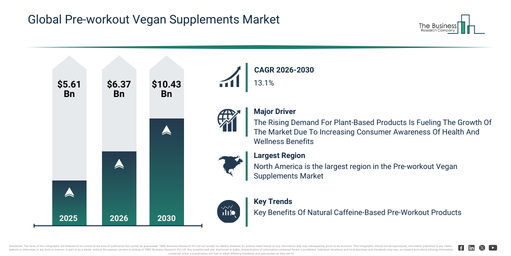
    The pre-workout vegan supplements market has experienced significant expansion in recent years. This market is set to expand from $5.61 billion in 2025 to $6.37 billion in 2026, exhibiting a compound annual growth rate (CAGR) of 13.4%. Historically, this growth has stemmed from factors such as a scarcity of vegan supplement choices, the increasing prevalence of fitness and gym culture, heightened consciousness regarding plant-based nutrition, greater uptake of pre-workout items, and the dependence on traditional retail distribution methods.

    The pre-workout vegan supplements market size is projected to experience substantial expansion over the upcoming years. This market is forecast to reach $10.43 billion in 2030, exhibiting a compound annual growth rate (CAGR) of 13.1%. Factors contributing to this anticipated growth include advancements in plant-based and functional ingredients, the expansion of online retail and direct-to-consumer sales channels, an increase in health-aware and vegan consumers, diversification of pre-workout supplement formulas, and the integration of personalized nutrition approaches. Key trends anticipated during this period encompass a growing consumer preference for plant-based and vegan supplements, the development of more pre-workout formulations targeting energy and endurance, the increasing appeal of personalized nutrition and fitness products, the widening reach of online and e-commerce distribution, and a stronger emphasis on natural components and clean label offerings.

    Get A Free Sample Report With In-Depth Market Insights:

    https://thebusinessresearchcompany.com/sample_request?id=48572132&type=smp&name=Pre-workout%20Vegan%20Supplements%20Market%20Report%202026&utm_source=Blogs&utm_medium=Paid&utm_campaign=Oct_PR

    Pre-workout Vegan Supplements Market Development Factors: What’s Supporting Demand?

    The upward trend in the demand for plant-based items is anticipated to fuel the expansion of the pre-workout vegan supplements market moving forward. Plant-based products are defined as goods composed entirely or mainly of ingredients sourced from plants, including fruits, vegetables, grains, nuts, seeds, and legumes. This heightened demand for plant-based offerings stems primarily from consumers becoming more aware of their associated health advantages, such as reduced risks of heart disease, obesity, and diabetes, prompting more individuals to adopt plant-based diets for enhanced well-being. Pre-workout vegan supplements bolster the growth of plant-based products by catering to consumer desires for clean, cruelty-free performance nutrition that aligns with vegan lifestyles. This also fosters innovation in plant-based ingredient sourcing, formulation, and branding, while simultaneously enlarging the market for sustainable, health-conscious alternatives within the wider fitness and wellness industry. For instance, in 2025, as reported by Veganisingit, a vegan blog-based website, the plant-based protein value grew by 7% from 2022 to 2023. Consequently, the increasing demand for plant-based products is propelling the growth of the pre-workout vegan supplements market.

    Pre-workout Vegan Supplements Market Segment Landscape: Which Areas Lead Development?

    The pre-workout vegan supplements market covered in this report is segmented –

    1) By Product: Vitamins, Minerals, Amino Acids, Plant-Based, Other Products

    2) By Form: Powder, Liquid, Capsules, Bars, Other Forms

    3) By Distribution Channel: Hypermarkets Or Supermarkets, Convenience Stores, Drug Stores And Pharmacies, Health And Wellness Stores, Online Retail

    4) By End-User: Athletes And Fitness Enthusiasts, General Health Consumers

    Subsegments:

    1) By Vitamins: Vitamin B Complex, Vitamin C, Vitamin D, Vitamin E, Vitamin K, Multivitamins

    2) By Minerals: Magnesium, Calcium, Potassium, Zinc, Iron, Electrolytes

    3) By Amino Acids: Branched-Chain Amino Acids (BCAAs), L-Arginine, L-Citrulline, L-Glutamine, L-Taurine, Beta-Alanine

    4) By Plant-Based: Beetroot Extract, Maca Root, Rhodiola Rosea, Ashwagandha, Cordyceps, Spirulina

    5) By Other Products: Natural Caffeine Sources (Green Tea, Guarana), Adaptogens, Electrolyte Blends, Herbal Extracts, Enzyme Blends

    Pre-workout Vegan Supplements Market Transformation Trends: What Innovations Are Driving Change?

    Leading businesses within the pre-workout vegan supplements market are concentrating on creating novel offerings, such as natural pre-workout protein, designed to improve workout effectiveness and muscle power by supplying the body with crucial amino acids and nutrients before physical activity. This natural pre-workout protein originates from whole foods or plant-based components, undergoing minimal processing and lacking artificial additives or synthetic compounds. Its function is to boost muscle protein synthesis and decrease muscle degradation. An example is Leaft Foods Ltd., a New Zealand-based producer of plant-based protein, which introduced Pre-Workout Rubisco Protein Drink in 2025. This represents an innovative plant-based performance nutrition item, a ready-to-drink vegan pre-workout supplement utilizing Rubisco protein derived from green leaves such as alfalfa. The beverage incorporates L-tyrosine to improve brain function, leucine for stimulating muscle synthesis, and tryptophan to aid in restoring equilibrium. Furthermore, it provides a plentiful supply of vitamins and micronutrients, equivalent to 50,000 green leaves per serving.

    Pre-workout Vegan Supplements Market Industry Leaders And Competitive Landscape

    Major companies operating in the pre-workout vegan supplements market are Thorne HealthTech Inc., Xymogen, The Protein Works Ltd., Vitamin-One Formulas Ltd. (dba VitaminLab), Nutrabay Retail Private Limited, Legion Athletics Inc., Transparent Labs LLC, Clean Machine Inc., Ora Organic Inc., Warrior Supplements Ltd., Cosmix Retail Private Limited, Naked Nutrition Inc., Rari Nutrition LLC, Whitewolf Nutrition Pty Ltd, Vedge Nutrition Inc., ZOA Energy LLC, KOS Naturals Inc., Bulk Powders Ltd., True Athlete, Plantigo Inc.

    View The Full Pre-workout Vegan Supplements Market Report:

    https://thebusinessresearchcompany.com/report/pre-workout-vegan-supplements-global-market-report?utm_source=Blogs&utm_medium=Paid&utm_campaign=Oct_PR

    Pre-workout Vegan Supplements Market Leading Geography: Which Region Contributes The Most Revenue?

    North America was the largest region in the pre-workout vegan supplements market in 2025. The regions covered in the pre-workout vegan supplements market report are Asia-Pacific, South East Asia, Western Europe, Eastern Europe, North America, South America, Middle East, Africa.

    Reach Out To Our Team:

    The Business Research Company: https://www.thebusinessresearchcompany.com/

    Americas: +1 310-496-7795

    Asia: +44 7882 955267 & +91 8897263534

    Europe: +44 7882 955267

    Email us at: marketing@tbrc.info

    Follow us on:

    LinkedIn: https://in.linkedin.com/company/the-business-research-company

    YouTube: https://www.youtube.com/channel/UC24_fI0rV8cR5DxlCpgmyFQ

    Global Market Model: https://www.thebusinessresearchcompany.com/global-market-model
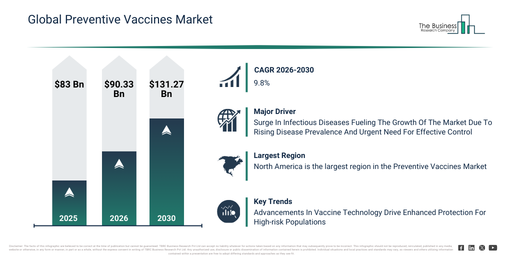
  • Preventive Vaccines Market Size Growth: From $90.32 Billion In 2026 To $131.26 Billion By 2030

    Preventive Vaccines Market Size Growth: From $90.32 Billion In 2026 To $131.26 Billion By 2030

    Backed by market attractiveness analysis, total addressable market sizing, company benchmarking matrices, interactive Excel dashboards, wider supply chain intelligence, emerging startup coverage, and detailed product-level insights, The Business Research Company’s 2026 market reports are designed to offer research that is more actionable and strategically valuable than ever.

    Preventive Vaccines Market Growth Analysis: How Will Revenue Trend Over The Forecast Period?

    The preventive vaccines market size has experienced strong growth in recent years. It is projected to expand from $83 billion in 2025 to $90.33 billion in 2026, at a compound annual growth rate (CAGR) of 8.8%. The growth observed in the historic period can be attributed to the eradication and control of infectious diseases, government-led vaccination initiatives, rising public health awareness, the establishment of global immunization programs, and increased funding from international health organizations.

    The preventive vaccines market is projected to experience robust expansion over the coming years, reaching a valuation of $131.27 billion in 2030, driven by a compound annual growth rate (CAGR) of 9.8%. This anticipated growth during the forecast period is fueled by several factors, including the advancement of next-generation vaccine technologies, the increasing global population and urbanization, enhanced outbreak readiness efforts, the broadening of adult immunization campaigns, and a rise in public–private collaborations for vaccine development. Key trends expected during this period involve the extension of national immunization programs, a heightened emphasis on preventive healthcare and disease management, growing demand for both pediatric and geriatric vaccinations, an increase in the development of combination and multivalent vaccines, and improvements in cold chain and vaccine storage facilities.

    Get A Free Sample Report With In-Depth Market Insights:

    https://thebusinessresearchcompany.com/sample_request?id=28600657&type=smp&name=Preventive%20Vaccines%20Market%20Report%202026&utm_source=Blogs&utm_medium=Paid&utm_campaign=Oct_PR

    Preventive Vaccines Market Industry Drivers: What’s Behind The Revenue Growth?

    The rising occurrence of infectious diseases is anticipated to boost the expansion of the preventive vaccines market in the future. These diseases are conditions caused by harmful microorganisms like bacteria, viruses, fungi, or parasites, capable of spreading between individuals or via the environment. Their growing prevalence stems from factors such as increased urbanization, international travel, and antimicrobial resistance, which contribute to the quicker dissemination and greater difficulty in managing infections. Preventive vaccines play a crucial role in managing infectious diseases by priming the immune system to identify and combat pathogens prior to infection, consequently lowering disease rates and spread. As an example, the World Health Organization, an intergovernmental body based in Switzerland, reported in 2024 that global newly diagnosed TB (tuberculosis) cases hit 8.2 million in 2023, an increase from 7.5 million in 2022. Consequently, the expanding occurrence of infectious diseases is propelling the growth of the preventive vaccines market.

    Preventive Vaccines Market Segments: Where Is Growth Concentrated?

    The preventive vaccines market covered in this report is segmented –

    1) By Type: Live Or Attenuated Vaccines, Inactivated Vaccines, Toxoid Vaccines, Subunit Vaccines, Conjugate Vaccines, DNA Vaccines, Recombinant Vector Vaccines

    2) By Disease Type: Pneumococcal, Poliovirus, Hepatitis, Influenza, Measles, Rubella, Other Disease Types

    3) By Age Group: Pediatric, Adult, Geriatric

    4) By Distribution Channel: Hospitals, Clinics, Pharmacies, Other Distribution Channels

    Subsegments:

    1) By Live or Attenuated Vaccines: Measles, Mumps, and Rubella (MMR) Vaccine, Varicella (Chickenpox) Vaccine, Oral Polio Vaccine (OPV), Yellow Fever Vaccine, Rotavirus Vaccine, Bacillus Calmette-Guérin (BCG) Vaccine

    2) By Inactivated Vaccines: Inactivated Poliovirus Vaccine (IPV), Hepatitis A Vaccine, Rabies Vaccine, Influenza (Inactivated) Vaccine, Japanese Encephalitis Vaccine

    3) By Toxoid Vaccines: Tetanus Toxoid Vaccine, Diphtheria Toxoid Vaccine, Pertussis (whooping cough) Vaccine

    4) By Subunit Vaccines: Hepatitis B Vaccine, Human Papillomavirus (HPV) Vaccine, Pertussis (acellular) Vaccine, Influenza (recombinant protein) Vaccine

    5) By Conjugate Vaccines: Pneumococcal Conjugate Vaccine (PCV), Haemophilus influenzae type b (Hib) Vaccine, Meningococcal Conjugate Vaccine

    6) By DNA Vaccines: Zika Virus DNA Vaccine, Cytomegalovirus (CMV) DNA Vaccine, Infectious Disease DNA Vaccines

    7) By Recombinant Vector Vaccines: Ebola Vaccine (rVSV-ZEBOV), COVID-19 Recombinant Vector Vaccines, Dengue Recombinant Vector Vaccines

    #Preventive Vaccines Market Growth Trends: What’s Shaping The Future Outlook?

    Leading companies within the preventive vaccines sector are prioritizing innovations in vaccine science, particularly advanced mRNA technology platforms. This focus aims to boost vaccine effectiveness, refine safety characteristics, accelerate development and production, and offer wider defense against new strains of infectious illnesses. These sophisticated mRNA technology platforms represent state-of-the-art techniques utilizing messenger RNA to direct cellular protein synthesis, thereby initiating a precise immunological reaction. As an illustration, in March 2025, Moderna Inc., a biotechnology firm located in the US, declared FDA clearance for mRNA-1283 (mNEXSPIKE), which is a novel COVID-19 vaccine. Its authorization covers adults 65 and older, alongside individuals aged 12–64 who possess at least one risk factor as specified by the CDC. The introduction of mNEXSPIKE signifies a major stride in the evolution of next-generation mRNA vaccine technology, providing enhanced stability and simpler storage requirements when contrasted with previous iterations. This progression is anticipated to improve the availability and distribution of vaccines, especially within marginalized and distant regions.

    Preventive Vaccines Market Key Participants And Competitive Landscape

    Major companies operating in the preventive vaccines market are Pfizer Inc., Johnson & Johnson Services Inc., F. Hoffmann-La Roche Ltd., Sanofi Pasteur SA, AstraZeneca plc, GlaxoSmithKline plc (GSK), Takeda Pharmaceutical Company Limited, Moderna Inc., CSL Limited, Novavax Inc., Emergent BioSolutions Inc., Dynavax Technologies Corporation, Serum Institute of India Pvt. Ltd., Vaxcyte Inc., Bavarian Nordic A/S, Valneva SE, Panacea Biotec Ltd., Inovio Pharmaceuticals Inc., Mitsubishi Tanabe Pharma Corporation, Afrigen Biologics and Vaccines (Pty) Ltd.

    View The Full Preventive Vaccines Market Report:

    https://thebusinessresearchcompany.com/report/preventive-vaccines-global-market-report?utm_source=Blogs&utm_medium=Paid&utm_campaign=Oct_PR

    Preventive Vaccines Market Regional Outlook: Where Is Opportunity Concentrated?

    North America was the largest region in the preventive vaccines market in 2025. Asia-Pacific is expected to be the fastest-growing region in the forecast period. The regions covered in the preventive vaccines market report are Asia-Pacific, South East Asia, Western Europe, Eastern Europe, North America, South America, Middle East, Africa.

    Reach Out To Our Team:

    The Business Research Company: https://www.thebusinessresearchcompany.com/

    Americas: +1 310-496-7795

    Asia: +44 7882 955267 & +91 8897263534

    Europe: +44 7882 955267

    Email us at: marketing@tbrc.info

    Follow us on:

    LinkedIn: https://in.linkedin.com/company/the-business-research-company

    YouTube: https://www.youtube.com/channel/UC24_fI0rV8cR5DxlCpgmyFQ

    Global Market Model: https://www.thebusinessresearchcompany.com/global-market-model
  • Prescription Pain Medication Market Analysis 2026: Market Size, Growth Trends And Industry Outlook

    Prescription Pain Medication Market Analysis 2026: Market Size, Growth Trends And Industry Outlook

    Featuring market attractiveness scoring, total addressable market sizing, company benchmarking matrices, interactive Excel dashboards, deeper supply chain intelligence, emerging startup tracking, and granular product-level insights, The Business Research Company’s 2026 market reports are built to deliver research that is both more actionable and more strategically valuable.

    Prescription Pain Medication Market Forecast: What Value Will The Market Reach By 2030?

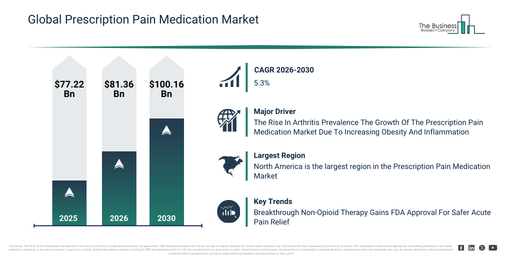
    The prescription pain medication market size has shown significant growth in recent years. It is anticipated to increase from $77.22 billion in 2025 to $81.36 billion in 2026, registering a compound annual growth rate (CAGR) of 5.4%. This historical expansion can be linked to the high occurrence of chronic pain, extensive opioid prescribing practices, a rise in surgical operations, an aging demographic, and an increase in instances of cancer pain.

    The prescription pain medication market size is anticipated to experience strong growth over the next few years, with expectations for it to reach $100.16 billion in 2030, expanding at a compound annual growth rate (CAGR) of 5.3%. The projected growth within the forecast period is attributable to the development of safer pain therapies, a rising incidence of neuropathic pain, the expansion of outpatient care services, the adoption of digital prescription platforms, and stricter opioid regulations. Key trends defining this forecast period include a move towards non-opioid pain management, an increasing demand for chronic pain therapies, the development of transdermal and long-acting drugs, the proliferation of digital and online pharmacies, and increased regulatory scrutiny on opioids.

    Get A Free Sample Report With In-Depth Market Insights:

    https://thebusinessresearchcompany.com/sample_request?id=65685459&type=smp&name=Prescription%20Pain%20Medication%20Market%20Report%202026&utm_source=Blogs&utm_medium=Paid&utm_campaign=Oct_PR

    Prescription Pain Medication Market Growth Factors: What’s Supporting Expansion?

    The rising occurrence of arthritis is anticipated to boost the expansion of the prescription pain medication market. Arthritis is characterized by the inflammation of one or more joints, leading to symptoms such as pain, swelling, stiffness, and diminished flexibility. The heightened prevalence of arthritis is largely attributed to obesity, given that extra body weight imposes further strain on joints, especially the knees, and contributes to inflammatory processes. Prescription pain medication plays a crucial role in managing arthritis by easing inflammation and discomfort, thereby facilitating improved joint movement and enhancing the overall quality of life for individuals suffering from the condition. A relevant example is found in data from January 2024, where the Office for Health Improvement and Disparities, a UK-based government department, reported that in 2023, 18.4% of individuals aged 16 and over stated they had a long-term MSK condition, which was an increase from 17.6% in 2022. Consequently, the increasing prevalence of autoimmune disorders is propelling the growth of the prescription pain medications market.

    Prescription Pain Medication Market Segment Analysis: What Are The Core Market Categories?

    The prescription pain medication market covered in this report is segmented –

    1) By Type: Prescription Non-Steroidal Anti-Inflammatory Drugs, Opioids, Anti-Epileptic Medicines, Antidepressants, Other Types

    2) By Route Of Administration: Oral, Injectable, Transdermal, Other Route Of Administrations

    3) By Application: Neuropathic Pain, Cancer Pain, Post-Operative Pain, Other Applications

    4) By Distribution Channel: Hospital Pharmacies, Retail Pharmacies, Online Pharmacies

    Subsegments:

    1) By Prescription Non-Steroidal Anti-Inflammatory Drugs: COX-2 Inhibitors, Traditional Non-Steroidal Anti-Inflammatory Drugs, Combination Non-Steroidal Anti-Inflammatory Drugs

    2) By Opioids: Strong Opioids, Mild Opioids, Opioid Combination Medications

    3) By Anti-Epileptic Medicines: Sodium Channel Blockers, Gamma-Aminobutyric Acid Modulators, Glutamate Inhibitors

    4) By Antidepressants: Selective Serotonin Reuptake Inhibitors, Tricyclic Antidepressants, Serotonin-Norepinephrine Reuptake Inhibitors, Other Antidepressants

    5) By Other Types: Muscle Relaxants, Topical Pain Medications, Corticosteroids

    Prescription Pain Medication Market Industry Trends: What’s Reshaping Demand?

    Leading companies in the prescription pain medication market are concentrating on developing alternative therapies, such as non-opioid painkillers, to address increasing concerns regarding opioid addiction and to enhance patient safety. Non-opioid painkillers are medications designed to manage pain without the addictive risks associated with opioids, providing safer, effective alternatives for long-term pain management and reducing the potential for addiction and overdose. For example, in January 2025, Vertex Pharmaceuticals Incorporated, a US-based biotechnology company, secured approval from the U.S. Food and Drug Administration (FDA), a US-based government agency, for JOURNAVX, a groundbreaking non-opioid oral medication. This medication works by selectively blocking NaV1.8 sodium channels in peripheral nerves, thus inhibiting pain signals without central nervous system involvement, which delivers effective acute pain relief without addictive potential. It offers clinically significant pain reduction, as evidenced by Phase 3 trials in abdominoplasty and bunionectomy, with a twice-daily dosing regimen and is not a controlled substance, thereby fulfilling a crucial demand for safer acute pain management.

    Prescription Pain Medication Market Top Companies Driving Competitive Growth

    Major companies operating in the prescription pain medication market are Mallinckrodt Public Limited Company, Pfizer Inc., Johnson And Johnson, Merck And Co. Inc., AbbVie Inc., Bayer AG, Sanofi S.A., Bristol-Myers Squibb Company, AstraZeneca plc, Novartis International AG, GlaxoSmithKline Public Limited Company, Takeda Pharmaceutical Company Limited, Eli Lilly And Company, Teva Pharmaceutical Industries Ltd., Boehringer Ingelheim GmbH, Mylan N.V., Sandoz Inc, Bausch Health Companies Inc., Purdue Pharma L.P., Endo International Plc

    View The Full Prescription Pain Medication Market Report:

    https://thebusinessresearchcompany.com/report/prescription-pain-medication-global-market-report?utm_source=Blogs&utm_medium=Paid&utm_campaign=Oct_PR

    Prescription Pain Medication Market Geographic Landscape: Which Region Leads Industry Growth?

    North America was the largest region in the prescription pain medication market in 2025. Asia-Pacific is expected to be the fastest-growing region in the forecast period. The regions covered in the prescription pain medication market report are Asia-Pacific, South East Asia, Western Europe, Eastern Europe, North America, South America, Middle East, Africa.

    Reach Out To Our Team:

    The Business Research Company: https://www.thebusinessresearchcompany.com/

    Americas: +1 310-496-7795

    Asia: +44 7882 955267 & +91 8897263534

    Europe: +44 7882 955267

    Email us at: marketing@tbrc.info

    Follow us on:

    LinkedIn: https://in.linkedin.com/company/the-business-research-company

    YouTube: https://www.youtube.com/channel/UC24_fI0rV8cR5DxlCpgmyFQ

    Global Market Model: https://www.thebusinessresearchcompany.com/global-market-model
  • Prescription Orthopedic Drugs Market Forecast To 2030: Starting From $67.5 Billion In 2026

    Prescription Orthopedic Drugs Market Forecast To 2030: Starting From $67.5 Billion In 2026

    Built to provide research that’s more actionable and strategically valuable, The Business Research Company’s 2026 market reports include market attractiveness analysis, total addressable market sizing, company benchmarking matrices, interactive Excel dashboards, broader supply chain intelligence, emerging startup tracking, and in-depth product insights.

    Prescription Orthopedic Drugs Market Size Outlook: How Quickly Will Revenue Expand Through 2030?

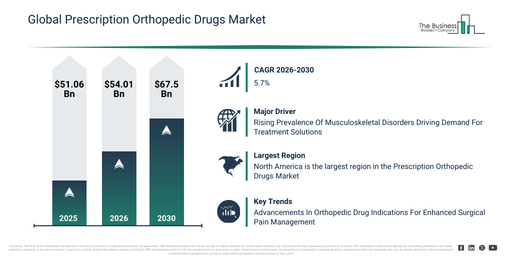
    The prescription orthopedic drugs market has demonstrated robust growth in recent years. It is projected to expand from $51.06 billion in 2025 to $54.01 billion in 2026, exhibiting a compound annual growth rate (CAGR) of 5.8%. The growth observed in the historic period can be attributed to the high prevalence of arthritis, increased orthopedic surgeries, widespread NSAID use, joint disorders affecting the aging population, and the expansion of orthopedic healthcare facilities.

    The prescription orthopedic drugs market size is expected to undergo significant expansion in the coming years. It is projected to reach $67.5 billion in 2030, demonstrating a compound annual growth rate (CAGR) of 5.7%. This growth over the forecast period is attributed to factors such as increasing cases of osteoarthritis, a rising requirement for long-term pain management, the expansion of biologic orthopedic drugs, an elevated incidence of sports injuries, and a greater number of orthopedic drug prescriptions. Key trends identified for this period include a surging demand for pain management therapies, an increased utilization of anti-inflammatory orthopedic drugs, a growing emphasis on treating chronic joint disorders, the broader use of DMARDs in orthopedics, and a heightened adoption of combination pain therapies.

    Get A Free Sample Report With In-Depth Market Insights:

    https://thebusinessresearchcompany.com/sample_request?id=58492760&type=smp&name=Prescription%20Orthopedic%20Drugs%20Market%20Report%202026&utm_source=Blogs&utm_medium=Paid&utm_campaign=Oct_PR

    Prescription Orthopedic Drugs Market Demand Drivers: What’s Powering Industry Growth?

    The rising occurrence of musculoskeletal disorders is projected to propel the expansion of the prescription orthopedic drugs market going forward. Musculoskeletal disorders (MSDs) are injuries and conditions that impact the movement and functionality of the human body’s musculoskeletal system, which encompasses muscles, tendons, ligaments, nerves, and joints, leading to pain and reduced mobility. The growing prevalence of these disorders primarily stems from factors such as aging, occupational activities involving repetitive movements and awkward postures, lifestyle choices including physical inactivity and poor nutrition, and genetic predispositions. Prescription orthopedic drugs are crucial for managing musculoskeletal disorders by alleviating pain, reducing inflammation, and enhancing the healing process, thereby improving mobility and overall quality of life. For instance, in March 2023, according to the Office for Health Improvement & Disparities (UK), the prevalence of long-term self-reported musculoskeletal (MSK) conditions in people aged 16 and over rose to 17.6% in 2022. Consequently, the increasing incidence of musculoskeletal disorders is driving the growth of the prescription orthopedic drugs market.

    Prescription Orthopedic Drugs Market Segment Breakdown: Which Categories Lead On Revenue?

    The prescription orthopedic drugs market covered in this report is segmented –

    1) By Drug Type: Nonsteroidal Anti-Inflammatory Drugs (NSAIDs), Opioids, Corticosteroids, Disease-Modifying Antirheumatic Drugs (DMARDs), Other Drug Types

    2) By Application: Osteoarthritis, Rheumatoid Arthritis, Osteoporosis, Other Applications

    3) By Distribution Channel: Hospital Pharmacies, Retail Pharmacies, Online Pharmacies

    Subsegments:

    1) By Nonsteroidal Anti-Inflammatory Drugs (NSAIDs): Ibuprofen, Naproxen, Diclofenac, Celecoxib, Indomethacin

    2) By Opioids: Morphine, Oxycodone, Hydrocodone, Fentanyl, Tramadol

    3) By Corticosteroids: Prednisone, Methylprednisolone, Dexamethasone, Hydrocortisone, Betamethasone

    4) By Disease-Modifying Antirheumatic Drugs (DMARDs): Methotrexate, Hydroxychloroquine, Leflunomide, Sulfasalazine, Azathioprine

    5) By Other Drug Types: Bisphosphonates, Calcitonin, Monoclonal Antibodies, Muscle Relaxants, Hyaluronic Acid Injections

    Prescription Orthopedic Drugs Market Innovation Trends: What Developments Are Reshaping The Industry?

    Major companies operating in the prescription orthopedic drugs market are concentrating on broadening the indications for their medications, such as extended-indication analgesic formulations, to improve postoperative pain management across a wider variety of orthopedic and soft-tissue procedures. An extended-indication analgesic formulation describes a pain-relief drug whose approved clinical application has been expanded to encompass additional medical procedures, conditions, or patient populations beyond its original approval. For instance, in January 2023, Heron Therapeutics Inc., a US-based biotechnology company, obtained FDA approval for the expanded application of ZYNRELEF (bupivacaine and meloxicam) in soft tissue and orthopedic procedures, specifically including foot and ankle surgeries. This extended-release solution is uniquely formulated to deliver prolonged pain relief for up to 72 hours, thereby reducing or eliminating the need for opioids after surgery. The expanded indication now covers additional orthopedic and soft tissue procedures, including foot and ankle surgeries, enhancing its versatility in clinical settings. Its innovative dual-drug composition provides both local anesthetic and anti-inflammatory effects, making it a comprehensive option for effective post-operative pain management with improved patient outcomes.

    Prescription Orthopedic Drugs Market Leading Players And Competitive Positioning

    Major companies operating in the prescription orthopedic drugs market are Pfizer Inc., Johnson & Johnson, Roche Holding AG, Merck KGaA, AbbVie Inc., Bayer AG, Sanofi S.A., Bristol-Myers Squibb Company, AstraZeneca plc, GSK plc, Takeda Pharmaceutical Company Limited, Eli Lilly and Company, Amgen Inc., Teva Pharmaceutical Industries Ltd., Mylan N.V., Biogen Inc., UCB S.A., Allergan plc, Horizon Therapeutics plc, Sun Pharmaceutical Industries Ltd.

    View The Full Prescription Orthopedic Drugs Market Report:

    https://thebusinessresearchcompany.com/report/prescription-orthopedic-drugs-global-market-report?utm_source=Blogs&utm_medium=Paid&utm_campaign=Oct_PR

    Prescription Orthopedic Drugs Market Largest Region: Which Geography Holds The Biggest Share?

    North America was the largest region in the prescription orthopedic drugs market in 2025. The regions covered in the prescription orthopedic drugs market report are Asia-Pacific, South East Asia, Western Europe, Eastern Europe, North America, South America, Middle East, Africa.

    Reach Out To Our Team:

    The Business Research Company: https://www.thebusinessresearchcompany.com/

    Americas: +1 310-496-7795

    Asia: +44 7882 955267 & +91 8897263534

    Europe: +44 7882 955267

    Email us at: marketing@tbrc.info

    Follow us on:

    LinkedIn: https://in.linkedin.com/company/the-business-research-company

    YouTube: https://www.youtube.com/channel/UC24_fI0rV8cR5DxlCpgmyFQ

    Global Market Model: https://www.thebusinessresearchcompany.com/global-market-model
  • Prescription Drugs Market Size In 2026 And Beyond: Understanding Future Growth Potential

    Prescription Drugs Market Size In 2026 And Beyond: Understanding Future Growth Potential

    Backed by market attractiveness analysis, total addressable market sizing, company benchmarking matrices, interactive Excel dashboards, wider supply chain intelligence, emerging startup coverage, and detailed product-level insights, The Business Research Company’s 2026 market reports are designed to offer research that is more actionable and strategically valuable than ever.

    Prescription Drugs Market Size, Value And Growth Trajectory Through 2030

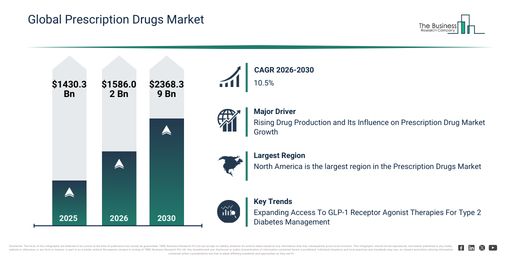
    The prescription drugs market has experienced rapid expansion in recent years. It is projected to expand from $1430.3 billion in 2025 to $1586.02 billion in 2026, demonstrating a compound annual growth rate (CAGR) of 10.9%. The historical period’s growth can be linked to several factors, including the expansion of pharmaceutical manufacturing capacity, the rising prevalence of chronic diseases, the growth of branded drug portfolios, increasing healthcare expenditure, and the wider expansion of hospital-based drug dispensing.

    The prescription drugs market is projected to experience swift expansion over the coming years, anticipated to reach $2368.39 billion in 2030, exhibiting a compound annual growth rate (CAGR) of 10.5%. This expansion during the forecast period is driven by factors such as a heightened demand for affordable generic medicines, the increasing acceptance of biosimilars, the proliferation of digital platforms for prescriptions, a greater emphasis on customized drug treatments, and enhanced regulatory alignment across various markets. Key developments expected in the forecast timeframe encompass the wider embrace of specialty prescription medications, a surging need for generic alternatives, a stronger emphasis on managing chronic diseases, the broadening of biologic and biosimilar treatments, and improved regulatory supervision concerning drug safety.

    Get A Free Sample Report With In-Depth Market Insights:

    https://thebusinessresearchcompany.com/sample_request?id=55390230&type=smp&name=Prescription%20Drugs%20Market%20Report%202026&utm_source=Blogs&utm_medium=Paid&utm_campaign=Oct_PR

    Prescription Drugs Market Growth Drivers: What’s Behind The Acceleration?

    The expansion of drug manufacturing is anticipated to stimulate the growth of the prescription drug market in the coming years. Drug production encompasses the structured process of developing pharmaceutical goods, involving their formulation, rigorous testing, and proper packaging to uphold standards of quality, safety, and efficacy. An increase in drug production is essential for addressing the rising worldwide demand for medications, tackling prevalent public health challenges, and ensuring the prompt availability of therapies for various medical conditions. This heightened production can lead to improved availability, greater affordability, and increased innovation within the prescription drug market, ultimately benefiting patients and the broader healthcare system by enhancing access to vital medications and supporting superior health outcomes. For instance, in October 2025, the European pharmaceutical industry demonstrated substantial production growth, escalating from $438 billion (€405,701 million) in 2023 to $475 billion (€440,000 million) in 2024, as stated by the European Federation of Pharmaceutical Industries and Associations (EFPIA), a Belgium-based organization representing the pharmaceutical sector. Consequently, an upturn in drug production will undoubtedly propel the development of the prescription drug market.

    Prescription Drugs Market Segmentation: How Does The Market Break Down By Category?

    The prescription drugs market covered in this report is segmented –

    1) By Type: Branded, Generics

    2) By Route Of Administration: Oral, Topical, Parenteral, Other Routes Of Administration

    3) By Therapy Area: Oncology, Immunology, Ophthalmology, Respiratory, Dermatology, Gastroenterology, Urology, Gynecology, Endocrinology, Other Therapy Areas

    4) By End-Users: Hospitals, Specialty Clinics, Homecare, Other End-Users

    Subsegments:

    1) By Branded: Innovative Drugs, Patented Drugs, Blockbuster Drugs, Over-the-Counter (OTC) Prescription Drugs, Biosimilars, Specialty Drugs, Orphan Drugs, Combination Drugs

    2) By Generics: Small Molecule Generics, Generic Biologics, Over-the-Counter (OTC) Generics, Authorized Generics, Generic Combination Drugs, High-Volume Generics, Generic Versions Of Blockbuster Drugs

    Prescription Drugs Market Trends: What’s Defining The Industry’s Next Phase?

    Major companies in the prescription drug market are developing alternatives to Victoza (liraglutide) or analogous GLP-1 receptor agonist therapies to offer improved options for managing type 2 diabetes. Victoza is a branded prescription drug containing the active substance liraglutide, which acts as a glucagon-like peptide-1 (GLP-1) receptor agonist. Its main purpose is to manage type 2 diabetes in adults and children aged 10 and above. For instance, in June 2024, Teva Announces, an Israel-based firm, introduced an authorized generic of Victoza (liraglutide injection 1.8 mg). This provides a more economical alternative, preserving the identical formulation, effectiveness, and quality of the original branded product. This launch aims to enhance patient access to crucial diabetes treatments, offering cost-effective choices for managing type 2 diabetes and reducing the cardiovascular risks linked with the condition.

    Prescription Drugs Market Competitive Overview And Top Companies

    Major companies operating in the prescription drugs market are Pfizer Inc., Johnson & Johnson Private Limited, F. Hoffmann-La Roche Ltd., Merck & Co. Inc., AbbVie Inc., Allergan plc, Bayer AG, Novartis AG, Sanofi SA, Bristol-Myers Squibb Company, AstraZeneca Plc, GlaxoSmithKline plc, Takeda Pharmaceutical Company Limited, Eli Lilly and Company, Boehringer Ingelheim International GmbH, Gilead Sciences Inc, Amgen Inc., Viatris Inc., Teva Pharmaceutical Industries Ltd., Astellas Pharma Inc., Biogen Inc., Sun Pharmaceutical Industries Ltd., Dr. Reddy’s Laboratories Ltd., Hikma Pharmaceuticals PLC, Lupin Limited

    View The Full Prescription Drugs Market Report:

    https://thebusinessresearchcompany.com/report/prescription-drugs-global-market-report?utm_source=Blogs&utm_medium=Paid&utm_campaign=Oct_PR

    Prescription Drugs Market Regional Analysis: Which Geography Leads On Revenue?

    North America was the largest region in the prescription drugs market in 2025. Asia-Pacific is expected to be the fastest-growing region in the forecast period. The regions covered in the prescription drugs market report are Asia-Pacific, South East Asia, Western Europe, Eastern Europe, North America, South America, Middle East, Africa.

    Reach Out To Our Team:

    The Business Research Company: https://www.thebusinessresearchcompany.com/

    Americas: +1 310-496-7795

    Asia: +44 7882 955267 & +91 8897263534

    Europe: +44 7882 955267

    Email us at: marketing@tbrc.info

    Follow us on:

    LinkedIn: https://in.linkedin.com/company/the-business-research-company

    YouTube: https://www.youtube.com/channel/UC24_fI0rV8cR5DxlCpgmyFQ

    Global Market Model: https://www.thebusinessresearchcompany.com/global-market-model
  • Prescription Dermatological Drugs Market Reaches $54.27 Billion In 2026: Key Developments Shaping Expansion

    Prescription Dermatological Drugs Market Reaches $54.27 Billion In 2026: Key Developments Shaping Expansion

    Featuring market attractiveness scoring, total addressable market sizing, company benchmarking matrices, interactive Excel dashboards, deeper supply chain intelligence, emerging startup tracking, and granular product-level insights, The Business Research Company’s 2026 market reports are built to deliver research that is both more actionable and more strategically valuable.

    Prescription Dermatological Drugs Market CAGR Outlook And Future Development

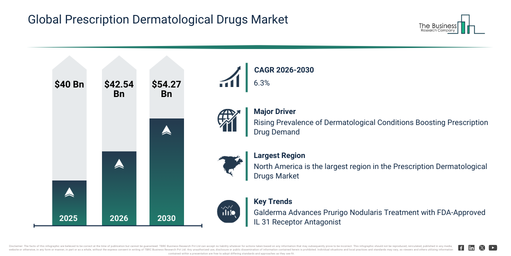
    The prescription dermatological drugs market size has seen robust growth over recent years. It is anticipated to expand from $40 billion in 2025 to $42.54 billion in 2026, exhibiting a compound annual growth rate (CAGR) of 6.3%. The market’s expansion in the past can be ascribed to a high incidence of acne and dermatitis, the extensive use of topical corticosteroids, an increase in dermatology clinics, a rise in skin infection cases, and heightened physician prescribing rates.

    The prescription dermatological drugs market size is expected to demonstrate robust growth over the next few years. It is forecast to grow to $54.27 billion in 2030, achieving a compound annual growth rate (CAGR) of 6.3%. This expansion during the forecast period can be ascribed to the increasing prevalence of psoriasis, a rising demand for advanced dermatology drugs, the growth in skin disorders affecting the aging population, the expansion of specialty dermatology care, and enhanced awareness of skin health. Major trends anticipated in the forecast period include the increasing prevalence of chronic skin disorders, a growing demand for prescription-strength topicals, an increased use of combination dermatology therapies, the expansion of long-term skin disease management strategies, and greater adoption of targeted dermatological drugs.

    Get A Free Sample Report With In-Depth Market Insights:

    https://thebusinessresearchcompany.com/sample_request?id=11235658&type=smp&name=Prescription%20Dermatological%20Drugs%20Market%20Report%202026&utm_source=Blogs&utm_medium=Paid&utm_campaign=Oct_PR

    Prescription Dermatological Drugs Market Growth Factors Behind Sustained Expansion

    The increasing occurrence of dermatological conditions is projected to drive the expansion of the prescription dermatological drugs market moving forward. These conditions encompass disorders affecting the skin, hair, and nails, such as eczema, psoriasis, acne, and fungal infections, all of which require medical intervention. The rise in these conditions is linked to factors including urbanization, environmental pollution, and lifestyle adjustments, leading to increased exposure to elements that aggravate skin problems. The prescription dermatological drugs market supports this trend by delivering targeted therapies that manage symptoms, reduce flare-ups, and improve patient quality of life. For instance, in October 2023, according to the European Academy of Dermatology and Venereology (EADV), a survey of 44,689 adults across 27 European countries found that 43 % of respondents reported having at least one skin disease in the past 12 months, with the most common conditions being fungal infections, eczema (atopic dermatitis), alopecia, and acne. Hence, the growing prevalence of dermatological conditions is fueling the growth of the prescription dermatological drugs market.

    Prescription Dermatological Drugs Market Segment Trends And Revenue Contributors

    The prescription dermatological drugs market covered in this report is segmented –

    1) By Drug Class: Corticosteroids, Retinoids, Calcineurin Inhibitors, Antifungal Agents, Antibiotics, Other Drug Classes

    2) By Indication: Acne, Psoriasis, Dermatitis, Fungal Skin Infections, Other Indications

    3) By Distribution Channel: Hospital Pharmacies, Retail Pharmacies, Online Pharmacies, Other Distribution Channels

    Subsegments:

    1) By Corticosteroids: Topical Corticosteroids, Oral Corticosteroids, Injectable Corticosteroids

    2) By Retinoids: Topical Retinoids, Oral Retinoids

    3) By Calcineurin Inhibitors: Topical Calcineurin Inhibitors, Oral Calcineurin Inhibitors

    4) By Antifungal Agents: Topical Antifungals, Oral Antifungals

    5) By Antibiotics: Topical Antibiotics, Oral Antibiotics

    6) By Other Drug Classes: Immunosuppressants, Phototherapy Agents

    Prescription Dermatological Drugs Market Industry Trends Fueling Future Revenue Growth

    Leading firms within the prescription dermatological drugs sector are prioritizing the creation of novel therapies for prurigo nodularis, including interleukin-31 (IL 31) receptor antagonists, aiming to deliver superior disease management and sustained relief for patients. This type of antagonist is a biological treatment designed to target the IL 31 signaling pathway, a key contributor to the severe itching and skin inflammation associated with the condition. As an example, in December 2024, Galderma, a dermatology company based in Switzerland, secured US FDA approval for its product Nemluvio (nemolizumab), which is a fully human monoclonal antibody designed to inhibit IL-31 receptor alpha. This therapy demonstrated significant reductions in both the intensity of itching and the number of nodules throughout several crucial clinical trials, underscoring its efficacy for individuals suffering from prurigo nodularis. Nemluvio is administered as a subcutaneous injection given once every four weeks, providing a convenient dosage regimen that aids in long-term disease management and enhances patient compliance.

    Prescription Dermatological Drugs Market Competitive Landscape: Which Companies Lead The Industry?

    Major companies operating in the prescription dermatological drugs market are Pfizer Inc., Johnson & Johnson, Merck KGaA, AbbVie Inc., Bayer AG, Novartis AG, GSK plc, Amgen Inc., Teva Pharmaceutical Industries Ltd., Intas Pharmaceuticals Inc., Regeneron Pharmaceuticals Inc., Mylan NV, Sun Pharmaceutical Industries Ltd., Cipla Limited, Dr. Reddy’s Laboratories Ltd., Zydus Cadila Health Care Limited, Leo Pharma A/S, Glenmark Pharmaceuticals Limited, Almirall S.A., DermBiont Inc.

    View The Full Prescription Dermatological Drugs Market Report:

    https://thebusinessresearchcompany.com/report/prescription-dermatological-drugs-global-market-report?utm_source=Blogs&utm_medium=Paid&utm_campaign=Oct_PR

    Prescription Dermatological Drugs Market Geographic Spread And Regional Opportunities

    North America was the largest region in the prescription dermatological drugs market in 2025. Asia-Pacific is expected to be the fastest-growing region in the forecast period. The regions covered in the prescription dermatological drugs market report are Asia-Pacific, South East Asia, Western Europe, Eastern Europe, North America, South America, Middle East, Africa.

    Reach Out To Our Team:

    The Business Research Company: https://www.thebusinessresearchcompany.com/

    Americas: +1 310-496-7795

    Asia: +44 7882 955267 & +91 8897263534

    Europe: +44 7882 955267

    Email us at: marketing@tbrc.info

    Follow us on:

    LinkedIn: https://in.linkedin.com/company/the-business-research-company

    YouTube: https://www.youtube.com/channel/UC24_fI0rV8cR5DxlCpgmyFQ

    Global Market Model: https://www.thebusinessresearchcompany.com/global-market-model