Blog

  • Pregnancy Care Products Market Growth Outlook For 2026: Drivers, Trends And Future Opportunities

    Pregnancy Care Products Market Growth Outlook For 2026: Drivers, Trends And Future Opportunities

    Built to provide research that’s more actionable and strategically valuable, The Business Research Company’s 2026 market reports include market attractiveness analysis, total addressable market sizing, company benchmarking matrices, interactive Excel dashboards, broader supply chain intelligence, emerging startup tracking, and in-depth product insights.

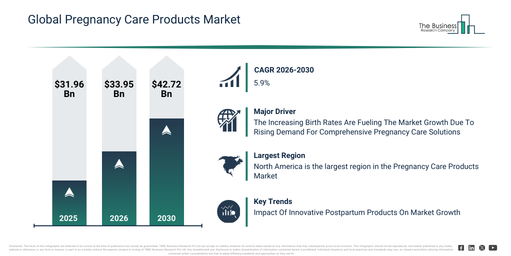
    Pregnancy Care Products Market Set To Climb From $33.95 Billion In 2026 To $42.72 Billion By 2030

    The market for pregnancy care products has shown robust expansion over recent years. It is anticipated to expand from $31.96 billion in 2025 to $33.95 billion in 2026, achieving a compound annual growth rate (CAGR) of 6.2%. This historical rise can be linked to heightened understanding of pregnancy skincare, an increasing count of expectant mothers, a scarcity of specialized pregnancy care items, a surge in postpartum care requirements, and the proliferation of retail pharmacies and healthcare facilities.

    The pregnancy care products market size is projected to experience significant expansion in the coming years. This market is expected to reach $42.72 billion in 2030, showing a compound annual growth rate (CAGR) of 5.9%. The projected growth can be attributed to several factors such as the development of advanced formulations incorporating natural ingredients, the rise of digital marketing and online sales platforms, increasing government initiatives aimed at maternal health, the expansion of personalized and targeted pregnancy care products, and the integration of smart pregnancy monitoring tools. Prominent trends for the forecast period include a growing demand for stretch mark minimizers and breast creams, an increase in postpartum recovery and body restructuring products, the rising adoption of natural, botanical, and organic formulations, the broadening of e-commerce and specialty boutique sales channels, and an elevated focus on pregnancy and postpartum wellness and self-care.

    Get A Free Sample Report With In-Depth Market Insights:

    https://thebusinessresearchcompany.com/sample_request?id=56323858&type=smp&name=Pregnancy%20Care%20Products%20Market%20Report%202026&utm_source=Blogs&utm_medium=Paid&utm_campaign=Oct_PR

    Pregnancy Care Products Market Demand Drivers Opening New Revenue Streams

    The upward trend in birth rates is projected to stimulate expansion within the pregnancy care products market. The birth rate refers to the count of live births within a population over a specific year, divided by that year’s average total population, usually presented per 1,000 persons. This increase in birth rate stems from enhanced availability of healthcare services, resulting in superior maternal and child health and motivating families to expand. Consequently, growing birth rates are boosting the need for pregnancy care products by enlarging the segment of expectant mothers seeking extensive prenatal, maternal, and infant care, such as nutritional aids, skin treatment items, maternity clothing, and monitoring equipment, essential for a healthy pregnancy and better maternal and neonatal results. As an illustration, the National Bureau of Statistics, a Chinese government statistical body, reported in January 2025 that China registered 9.54 million newborns in 2024, representing an increase of 520,000 from 2023. Concurrently, the birth rate climbed to 6.77 per 1,000 people, an increase of 0.38 per thousand over the prior year. Thus, the growing birth rate is a key driver for the expansion of the pregnancy care products market.

    Pregnancy Care Products Market Segment Analysis Spotlighting Growth Areas

    The pregnancy care products market covered in this report is segmented –

    1) By Type: Stretch Mark Minimizer, Breast Cream, Toning Or Firming Lotion, Itching Prevention Cream, Nipple Protection Cream, Body Restructuring Gel, Stressed Leg Product, Other Types

    2) By Stage Of Pregnancy: Pre-Conception, First Trimester, Second Trimester, Third Trimester, Postpartum

    3) By Application: Orthopedic Care, Urinary Incontinence, Pelvic Pain, Pregnancy And Postpartum Care

    4) By End User: Individual Consumers (Self-Purchase), Hospitals And Healthcare Facilities, Pharmacies And Drugstores, Electronic-Commerce Or Specialty Boutiques

    Subsegments:

    1) By Stretch Mark Minimizer: Cream-Based Stretch Mark Minimizer, Oil-Based Stretch Mark Minimizer, Gel-Based Stretch Mark Minimizer, Natural Or Botanical Stretch Mark Minimizer

    2) By Breast Cream: Firming Breast Cream, Moisturizing Breast Cream, Anti-Sagging Breast Cream, Stretch Mark Prevention Breast Cream

    3) By Toning Or Firming Lotion: Cellulite Reduction Lotion, Skin Tightening Lotion, Postpartum Recovery Lotion, Hydrating Firming Lotion

    4) By Itching Prevention Cream: Cooling Itch Relief Cream, Moisturizing Anti-Itch Cream, Botanical Extract-Based Itch Cream, Allergy-Safe Itch Prevention Cream

    5) By Nipple Protection Cream: Lanolin-Based Nipple Cream, Organic Nipple Cream, Fragrance-Free Nipple Cream, Hydrating Barrier Nipple Cream

    6) By Body Restructuring Gel: Skin Renewal Gel, Toning Gel, Cell Regeneration Gel, Postpartum Restructuring Gel

    7) By Stressed Leg Product: Cooling Leg Gel, Anti-Fatigue Leg Cream, Soothing Leg Spray, Leg Circulation Booster Cream

    8) By Other Types: Anti-Pigmentation Cream, Hydrating Body Oil, Belly Butter, Perineal Massage Cream

    Pregnancy Care Products Market Trends Powering Strategic Industry Growth

    Leading companies in the pregnancy care products market are concentrating on developing innovative items like perineal gel pads to improve postpartum recovery and comfort for new mothers. Perineal gel pads are reusable or disposable pads created to deliver hot or cold therapy to the perineal region after childbirth, aiding in the reduction of swelling, alleviation of pain, soothing discomfort from stitches or tearing, and promoting quicker healing during the postpartum recovery period. For instance, in January 2025, Lola, a US-based feminine care and reproductive wellness company, launched a clean postpartum care product line. This line includes a stretch mark prevention cream formulated with 15 botanical oils and extracts to help enhance skin elasticity and diminish the appearance of stretch marks; organic cotton postpartum pads that are three times more absorbent than standard heavy pads, providing superior protection and comfort during the postpartum bleeding phase; and hot and cold perineal gel pads with 24 disposable liners, designed to offer targeted hot or cold therapy for the perineal area to reduce swelling, relieve pain from stitches or tearing, and support faster healing.

    Pregnancy Care Products Market Leading Companies: Who Holds The Strongest Market Presence?

    Major companies operating in the pregnancy care products market are Abbott Laboratories, CLARINS SAS, Lifevision Healthcare and Cosmetics Private Limited, Artsana India Private Limited, Expanscience S.A.S, Burt’s Bees Inc, Mothercare (India) Limited, Me N Moms Private Limited, E.T. Browne Drug Co. Inc., Oscar Medicare Private Limited, Noodle & Boo LLC, Earth Mama Organics LLC, Himalaya Global Holdings Ltd., Dabur India Limited, Biocorp Lifesciences Private Limited, Centurion Healthcare Private Limited, Amishi Consumer Technologies Private Limited, Mother Sparsh Baby Care Private Limited, The Spoiled Mama LLC, Bloom and Blossom Limited

    View The Full Pregnancy Care Products Market Report:

    https://thebusinessresearchcompany.com/report/pregnancy-care-products-global-market-report?utm_source=Blogs&utm_medium=Paid&utm_campaign=Oct_PR

    Pregnancy Care Products Market Top Region By Revenue And Market Share

    North America was the largest region in the pregnancy care products market in 2025. Asia-Pacific is expected to be the fastest-growing region in the forecast period. The regions covered in the pregnancy care products market report are Asia-Pacific, South East Asia, Western Europe, Eastern Europe, North America, South America, Middle East, Africa.

    Reach Out To Our Team:

    The Business Research Company: https://www.thebusinessresearchcompany.com/

    Americas: +1 310-496-7795

    Asia: +44 7882 955267 & +91 8897263534

    Europe: +44 7882 955267

    Email us at: marketing@tbrc.info

    Follow us on:

    LinkedIn: https://in.linkedin.com/company/the-business-research-company

    YouTube: https://www.youtube.com/channel/UC24_fI0rV8cR5DxlCpgmyFQ

    Global Market Model: https://www.thebusinessresearchcompany.com/global-market-model
  • Preeclampsia Drugs Market Size Forecast From 2026 To 2030: Key Industry Trends

    Preeclampsia Drugs Market Size Forecast From 2026 To 2030: Key Industry Trends

    Backed by market attractiveness analysis, total addressable market sizing, company benchmarking matrices, interactive Excel dashboards, wider supply chain intelligence, emerging startup coverage, and detailed product-level insights, The Business Research Company’s 2026 market reports are designed to offer research that is more actionable and strategically valuable than ever.

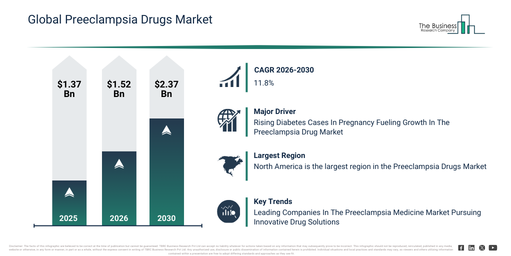
    Preeclampsia Drugs Market Forecast: Value Set To Climb From $1.51 Billion To $2.37 Billion

    The preeclampsia drugs market size has seen substantial growth in recent years. Its value is expected to rise from $1.37 billion in 2025 to $1.52 billion in 2026, exhibiting a compound annual growth rate (CAGR) of 10.6%. In previous periods, this expansion was largely due to factors such as restricted knowledge of preeclampsia management, an over-reliance on traditional treatments, a scarcity of advanced monitoring technologies, inadequate hospital infrastructure, and low investment in maternal health medications.

    The preeclampsia drugs market is projected to expand significantly over the coming years. It is anticipated to reach a valuation of $2.37 billion by 2030, exhibiting a compound annual growth rate (CAGR) of 11.8%. This expansion during the projection period stems from progress in pharmaceutical formulations, broader healthcare infrastructure, a greater need for outpatient maternal services, the incorporation of digital health technologies, and enhanced research and development efforts in precision medicine for gestational complications. Key developments anticipated within this timeframe involve a higher occurrence of preeclampsia in pregnant individuals, the creation of new antihypertensive medications, a strengthened emphasis on monitoring maternal and fetal health, the expansion of distribution channels through hospital pharmacies and specialized clinics, and the use of combination therapies for more serious instances.

    Get A Free Sample Report With In-Depth Market Insights:

    https://thebusinessresearchcompany.com/sample_request?id=82281477&type=smp&name=Preeclampsia%20Drugs%20Market%20Report%202026&utm_source=Blogs&utm_medium=Paid&utm_campaign=Oct_PR

    Preeclampsia Drugs Market Growth Backed By Core Demand Fundamentals

    The increasing incidence of diabetes among pregnant women is anticipated to boost the preeclampsia drug market. Diabetes is a chronic metabolic condition characterized by elevated blood glucose levels, while preeclampsia is a serious pregnancy-related complication involving high blood pressure and organ damage. Metformin, a medicine for preeclampsia, is commonly prescribed to pregnant women experiencing preterm preeclampsia. For example, in June 2024, the National Health Service, a UK-based government department, reported that in 2023, an additional 549,000 individuals in England were identified as being at risk of developing type 2 diabetes. This brought the total number of people with non-diabetic hyperglycemia, or pre-diabetes, registered with a GP to 3,615,330, marking a significant increase compared to 3,065,825 in 2022, which represents a rise of nearly 20%. Consequently, the growing number of diabetes cases among pregnant women will drive the preeclampsia drug market.

    Preeclampsia Drugs Market Segment Performance And Emerging Opportunities

    The preeclampsia drugs market covered in this report is segmented –

    1) By Type: Mild Preeclampsia, Severe Preeclampsia

    2) By Treatment: Medication to Lower Hypertension (B.P), Corticosteroids, Anticonvulsants Medication

    3) By Route of Administration: Oral, Parenteral, Other Route of Administration

    4) By Distribution Channel: Hospital Pharmacy, Retail Pharmacy, Online Pharmacies, Other Distribution Channels

    5) By End-User: Hospitals, Specialty Clinics, Diagnostic Centers, Other End-Users

    Subsegments:

    1) By Mild Preeclampsia: Blood Pressure Management

    2) By Severe Preeclampsia: Antihypertensive Medications, Magnesium Sulfate Therapy

    Preeclampsia Drugs Market Growth Trends Reshaping The Competitive Landscape

    Major companies in the preeclampsia medicine market are concentrating on developing advanced therapies, such as small interfering RNA (siRNA) treatments, to address critical unmet medical needs through novel mechanisms of action. Investigational siRNA therapies are a class of medications designed to silence or switch off specific genes responsible for causing a disease, offering a targeted treatment approach. For instance, in March 2023, Comanche Biopharma Corp., a US-based biopharmaceutical firm, announced that the Food and Drug Administration (FDA) had approved an investigational new drug (IND) application for CBP-4888, Comanche’s unique siRNA treatment for preeclampsia. CBP-4888 is an siRNA therapy administered subcutaneously that reduces the synthesis of soluble fms-like tyrosine kinase-1 (sFLT1) in the placenta. The primary cause of preeclampsia is the placenta’s overproduction of the protein sFLT1, which then enters the mother’s circulation. CBP-4888 has the potential to alleviate preeclampsia symptoms, such as high blood pressure and organ damage, and may facilitate the safe extension of pregnancy.

    Preeclampsia Drugs Market Key Players: Which Companies Lead Industry Competition?

    Major companies operating in the preeclampsia drugs market are AbbVie Inc., Pfizer Inc., Johnson & Johnson Co, F. Hoffmann-La Roche Ltd., Merck & Co. Inc., Novartis AG, Sanofi S.A., AstraZeneca plc, GlaxoSmithKline PLC, Takeda Pharmaceuticals Company Limited, Eli Lilly and Company, Boehringer Ingelheim Group, Viatris Inc., Teva Pharmaceutical Industries Ltd., Baxter International Inc., Otsuka Pharmaceutical Co. Ltd., Mallinckrodt Pharmaceuticals Limited, Union Chimique Belge SA, Kyowa Kirin Co Ltd, Comanche Biopharma Corp

    View The Full Preeclampsia Drugs Market Report:

    https://thebusinessresearchcompany.com/report/preeclampsia-drugs-global-market-report?utm_source=Blogs&utm_medium=Paid&utm_campaign=Oct_PR

    Preeclampsia Drugs Market Regional Analysis And Top Geography

    North America was the largest region in the preeclampsia drugs market in 2025. The regions covered in the preeclampsia drugs market report are Asia-Pacific, South East Asia, Western Europe, Eastern Europe, North America, South America, Middle East, Africa.

    Reach Out To Our Team:

    The Business Research Company: https://www.thebusinessresearchcompany.com/

    Americas: +1 310-496-7795

    Asia: +44 7882 955267 & +91 8897263534

    Europe: +44 7882 955267

    Email us at: marketing@tbrc.info

    Follow us on:

    LinkedIn: https://in.linkedin.com/company/the-business-research-company

    YouTube: https://www.youtube.com/channel/UC24_fI0rV8cR5DxlCpgmyFQ

    Global Market Model: https://www.thebusinessresearchcompany.com/global-market-model
  • Precision Oncology Market 2026: Market Size, Growth Drivers And Emerging Opportunities

    Precision Oncology Market 2026: Market Size, Growth Drivers And Emerging Opportunities

    Featuring market attractiveness scoring, total addressable market sizing, company benchmarking matrices, interactive Excel dashboards, deeper supply chain intelligence, emerging startup tracking, and granular product-level insights, The Business Research Company’s 2026 market reports are built to deliver research that is both more actionable and more strategically valuable.

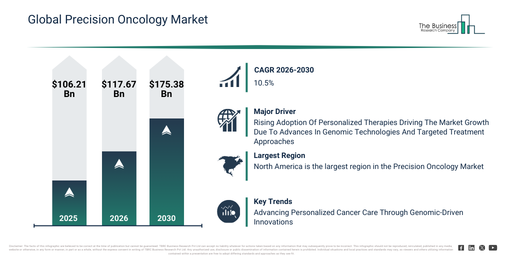
    Precision Oncology Market Revenue Growth On Track For A 10.5% CAGR Through 2030

    The precision oncology market has seen substantial growth in recent years. Its value is anticipated to rise from $106.21 billion in 2025 to $117.67 billion in 2026, reflecting a compound annual growth rate (CAGR) of 10.8%. The historical expansion of this market stems from factors including the limited availability of genomic sequencing technologies, a reliance on conventional chemotherapy, the increasing global prevalence of cancer, the early adoption of immunotherapy, and expanding research in molecular oncology.

    The precision oncology market is projected to experience swift expansion over the coming years. Its valuation is set to reach $175.38 billion by 2030, exhibiting a compound annual growth rate (CAGR) of 10.5%. This expansion during the forecast timeframe is primarily driven by the advancement of next-generation sequencing platforms, greater incorporation of bioinformatics and AI within oncology, heightened uptake of liquid biopsy and molecular imaging, the broadening of personalized treatment alternatives, and increased research partnerships between medical institutions and pharmaceutical firms. Key trends anticipated for the upcoming period encompass the wider application of targeted cancer therapies derived from molecular profiling, growing acceptance of liquid biopsy and non-invasive diagnostic approaches, an increase in biomarker-guided testing for tailored treatment strategies, the intensifying fusion of immunotherapy with genomic sequencing, and a stronger emphasis on rare and challenging cancer forms.

    Get A Free Sample Report With In-Depth Market Insights:

    https://thebusinessresearchcompany.com/sample_request?id=99847619&type=smp&name=Precision%20Oncology%20Market%20Report%202026&utm_source=Blogs&utm_medium=Paid&utm_campaign=Oct_PR

    Precision Oncology Market Growth Catalysts And Demand Drivers

    The rising recognition and adoption of personalized therapies are projected to stimulate the expansion of the precision oncology market moving forward. Personalized therapies involve treatments custom-designed based on an individual’s genetic composition, biomarkers, and distinct disease characteristics to improve effectiveness and lessen adverse effects. The growth in personalized therapies is attributable to breakthroughs in genomic technologies that allow for the precise identification of mutations driving diseases, thereby enabling more efficient and targeted interventions. Precision oncology aids in advancing personalized therapies by employing genomic and molecular profiling to adapt cancer treatment to the specific genetic makeup of a patient’s tumor. For instance, in February 2023, as per GOV.UK, a UK-based government department, the Health and Social Care Secretary entered into an MoU with BioNTech SE to further cancer vaccine research in England, with an objective to deliver 10,000 personalized therapy doses to UK patients by 2030. Consequently, the increasing awareness and shift towards personalized therapies are propelling the growth of the precision oncology market.

    Precision Oncology Market Segment Landscape And Growth Outlook

    The precision oncology market covered in this report is segmented –

    1) By Type: Genomic Sequencing, Immunotherapy

    2) By Test Type: Genetic Tests, Biomarker-Based Tests, Therapeutics

    3) By Cancer Type: Breast Cancer, Lung Cancer, Colorectal Cancer, Prostate Cancer, Skin Cancer, Stomach Cancer, Other Cancers

    4) By Technology: Next-Generation Sequencing, Bioinformatics, Molecular Imaging, Liquid Biopsy

    5) By End-users: Hospitals, Research Laboratories, Pharmaceutical Companies, Diagnostic Centers

    Subsegments:

    1) By Genomic Sequencing: Whole Genome Sequencing, Whole Exome Sequencing, Targeted Gene Sequencing

    2) By Immunotherapy: Immune Checkpoint Inhibitors, Cancer Vaccines, Adoptive Cell Therapy

    Precision Oncology Market Trends Shaping Long-Term Demand

    Leading entities within the precision oncology market are concentrating on creating novel methodologies, such as the molecular tumor board, to facilitate customized treatment decisions by integrating genomic information with clinical context. A molecular tumor board constitutes a specialized group of experts who analyze and interpret intricate genomic and molecular test outcomes to guide precision-driven cancer therapies specifically adapted to individual patient tumor characteristics. As an illustration, in December 2024, Aster DM Healthcare Ltd., a healthcare provider based in the UAE, launched a precision oncology clinic, which forms part of three personalized cancer care initiatives aimed at transforming treatment through strategies driven by data and focused on genomics. This particular clinic delivers tailored cancer therapy founded on each patient’s tumor genetic profile, thereby enabling more accurate, impactful treatments with diminished adverse effects. Such an approach enhances treatment efficacy, minimizes harmful side effects, and elevates the quality of life by aligning therapeutic interventions with the distinct molecular attributes of a patient’s cancer.

    Precision Oncology Market Competitive Landscape: Who Leads The Industry?

    Major companies operating in the precision oncology market are Pfizer Inc., F. Hoffmann-La Roche Ltd., Thermo Fisher Scientific Inc., AstraZeneca plc., Novartis AG, Amgen Inc., Agilent Technologies Inc., Illumina Inc., Qiagen N.V., Exact Sciences Corporation, NeoGenomics Laboratories Inc., Myriad Genetics Inc., Invitae Corporation, Caris Life Sciences, Foundation Medicine Inc., NanoString Technologies Inc., Personalis Inc., Strata Oncology Inc.

    View The Full Precision Oncology Market Report:

    https://thebusinessresearchcompany.com/report/precision-oncology-global-market-report?utm_source=Blogs&utm_medium=Paid&utm_campaign=Oct_PR

    Precision Oncology Market Geographic Analysis: Where Is Demand Rising Fastest?

    North America was the largest region in the precision oncology market in 2025. Asia-Pacific is expected to be the fastest-growing region in the forecast period. The regions covered in the precision oncology market report are Asia-Pacific, South East Asia, Western Europe, Eastern Europe, North America, South America, Middle East, Africa.

    Reach Out To Our Team:

    The Business Research Company: https://www.thebusinessresearchcompany.com/

    Americas: +1 310-496-7795

    Asia: +44 7882 955267 & +91 8897263534

    Europe: +44 7882 955267

    Email us at: marketing@tbrc.info

    Follow us on:

    LinkedIn: https://in.linkedin.com/company/the-business-research-company

    YouTube: https://www.youtube.com/channel/UC24_fI0rV8cR5DxlCpgmyFQ

    Global Market Model: https://www.thebusinessresearchcompany.com/global-market-model
  • Precision Medicine Market Set To Expand From $137.69 Billion In 2026: Growth Outlook Through 2030

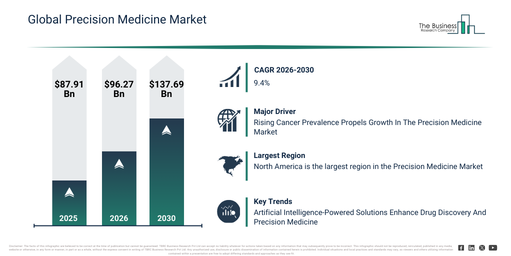
    Precision Medicine Market Set To Expand From $137.69 Billion In 2026: Growth Outlook Through 2030

    Built to provide research that’s more actionable and strategically valuable, The Business Research Company’s 2026 market reports include market attractiveness analysis, total addressable market sizing, company benchmarking matrices, interactive Excel dashboards, broader supply chain intelligence, emerging startup tracking, and in-depth product insights.

    Precision Medicine Market Value Growth And Long-Term Outlook

    The precision medicine market has experienced significant growth in recent years. This market is projected to expand from $87.91 billion in 2025 to $96.27 billion in 2026, demonstrating a compound annual growth rate (CAGR) of 9.5%. Historically, this expansion has been driven by factors such as progress in genomic research, the decreasing expense of gene sequencing, a rise in the incidence of cancer and genetic conditions, increased investment in biopharmaceutical R&D, and regulatory approvals for specific therapies.

    The precision medicine market is expected to experience significant expansion in the upcoming years. This market is projected to reach $137.69 billion in 2030, showing a compound annual growth rate (CAGR) of 9.4%. The growth anticipated during the forecast period is primarily driven by factors such as the increased adoption of next-generation sequencing, a growing demand for customized treatment plans, the expanding application of AI in drug discovery, elevated investments in precision diagnostics, and the greater integration of digital health platforms. Notable trends for this period include the rising embrace of companion diagnostics, a shift towards personalized oncology therapies, the incorporation of multi-omics data into clinical decision-making, the broader application of precision medicine in rare and genetic diseases, and strengthened collaborations between pharmaceutical and diagnostic companies.

    Get A Free Sample Report With In-Depth Market Insights:

    https://thebusinessresearchcompany.com/sample_request?id=20620080&type=smp&name=Precision%20Medicine%20Market%20Report%202026&utm_source=Blogs&utm_medium=Paid&utm_campaign=Oct_PR

    Precision Medicine Market Opportunity Drivers: What’s Unlocking New Revenue Potential?

    The increasing incidence of cancer is anticipated to propel the expansion of the precision medicine market. Globally, cancer stands as a primary contributor to mortality, affecting one in five people during their lifetime. Within oncology, precision medicine involves examining tumor DNA to identify mutations or other genetic irregularities responsible for the disease’s development. This enables medical professionals to select highly specific treatments for a patient’s cancer, designed to precisely target these identified tumor DNA alterations. As an illustration, the World Health Organization, a Switzerland-based specialized agency dedicated to international public health, reported in February 2024 that new cancer cases are expected to exceed 35 million by 2050, marking a substantial 77% rise from the approximately 20 million cases estimated in 2022. Consequently, the growing incidence of cancer is a key driver for the expansion of the precision medicine market.

    Precision Medicine Market Breakdown By Product Type And Application

    The precision medicine market covered in this report is segmented –

    1) By Technology: Big Data Analytics, Bioinformatics, Gene Sequencing, Drug Discovery, Companion Diagnostics, Other Technology

    2) By Application: Oncology, Respiratory Diseases, Central Nervous System Disorders, Immunology, Genetic Diseases, Other Applications.

    3) By End-Use: Pharmaceutical Companies, Diagnostic Companies, Healthcare And IT Firms, Others

    Subsegments:

    1) By Big Data Analytics: Predictive Analytics, Prescriptive Analytics, Data Mining

    2) By Bioinformatics: Genomic Data Analysis, Proteomics Data Analysis, Metabolomics Data Analysis

    3) By Gene Sequencing: Next-Generation Sequencing (NGS), Sanger Sequencing, Whole Genome Sequencing

    4) By Drug Discovery: Target Identification And Validation, Lead Compound Discovery, Preclinical And Clinical Trials

    5) By Companion Diagnostics: Biomarker Testing, Genomic Profiling, Companion Diagnostic Tests

    6) By Other Technology: Personalized Treatment Plans, Telemedicine And Digital Health Solutions, Wearable Health Technology

    Precision Medicine Market Innovation Trends Shaping Future Development

    Leading companies in the precision medicine market are emphasizing innovation, such as data ingestion, which provides access to public datasets via Google Cloud’s Analytics Hub. Data ingestion refers to the method of collecting and importing information from various sources into either a storage system or a data processing platform. For example, in May 2023, Google Cloud, a US-based software development firm, introduced two novel AI-powered solutions intended to improve drug discovery and precision medicine. These new AI-powered solutions are instrumental in accelerating drug discovery and precision medicine for the biotech and pharmaceutical industries. Researchers can now more efficiently pinpoint protein structures and interpret genomic data, which enhances drug development processes. These tools decrease the time-to-market for crucial treatments and bolster collaboration among research teams. Furthermore, they support multi-cloud environments for effortless integration.

    Precision Medicine Market Company Landscape And Competitive Strategy

    Major companies operating in the precision medicine market are Quest Diagnostics, Thermo Fisher Scientific Inc., Roche Holding AG, Medtronic plc, Novartis AG, Pfizer Inc., Qiagen, AstraZeneca plc., Abbott Laboratories, Nordic Bioscience A/S, Takeda Pharmaceutical Company Ltd., Otsuka Pharmaceutical Co. Ltd., Daiichi Sankyo, China National Pharmaceutical Group Co. Ltd., GE Healthcare, Randox Laboratories, Almac Group, Sun Pharma, Nichi-Iko Pharmaceutical Co. Ltd., Daewoong Pharmaceutical Co.Ltd, GlaxoSmithKline, Teva UK Limited, Vectura Group, Merck & Co., Boehringer Ingelheim, Mylan, Zentiva, Sanofi, Apotex, Gilead Sciences, Bayer, AbbVie Inc., Amgen, Janssen Pharmaceutica, Accord Healthcare Inc., Acerus Precision Medicine Corporation, AA Pharma Inc, Sanfer, LABORATORIOS SENOSIAIN SA DE CV, Siegfried Rhein, Biocrates LifeSciences, Nanostring Technologies, Tepnel Pharma Services, Intomics, Silicon Biosystems, EMS Pharma, Eurofarma, Biolab Farmaceutica, Cristalia, União Quimica

    View The Full Precision Medicine Market Report:

    https://thebusinessresearchcompany.com/report/precision-medicine-global-market-report?utm_source=Blogs&utm_medium=Paid&utm_campaign=Oct_PR

    Precision Medicine Market Global Footprint: Which Region Leads The Market?

    North America was the largest region in the precision medicine market in 2025. Asia-Pacific is expected to be the fastest-growing region in the forecast period. The regions covered in the precision medicine market report are Asia-Pacific, South East Asia, Western Europe, Eastern Europe, North America, South America, Middle East, Africa.

    Reach Out To Our Team:

    The Business Research Company: https://www.thebusinessresearchcompany.com/

    Americas: +1 310-496-7795

    Asia: +44 7882 955267 & +91 8897263534

    Europe: +44 7882 955267

    Email us at: marketing@tbrc.info

    Follow us on:

    LinkedIn: https://in.linkedin.com/company/the-business-research-company

    YouTube: https://www.youtube.com/channel/UC24_fI0rV8cR5DxlCpgmyFQ

    Global Market Model: https://www.thebusinessresearchcompany.com/global-market-model
  • Prebiotics For Infant Formula Market Size And Growth In 2026: Key Factors Shaping Future Demand

    Prebiotics For Infant Formula Market Size And Growth In 2026: Key Factors Shaping Future Demand

    Backed by market attractiveness analysis, total addressable market sizing, company benchmarking matrices, interactive Excel dashboards, wider supply chain intelligence, emerging startup coverage, and detailed product-level insights, The Business Research Company’s 2026 market reports are designed to offer research that is more actionable and strategically valuable than ever.

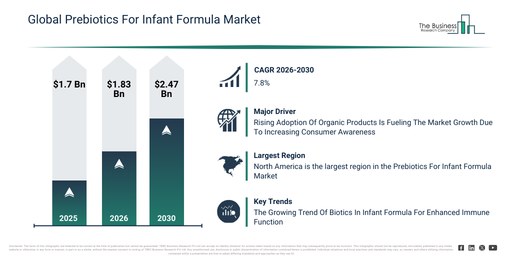
    Prebiotics For Infant Formula Market Poised To Hit $2.47 Billion By 2030 With A 7.8% CAGR

    The prebiotics for infant formula market size has experienced robust growth in recent years. It is projected to expand from $1.7 billion in 2025 to $1.83 billion in 2026, demonstrating a compound annual growth rate (CAGR) of 7.7%. The growth observed in prior periods can be attributed to the significant prevalence of infant digestive disorders, increased awareness regarding infant nutrition, rising expenditure on pediatric healthcare, an uptake in infant formula consumption, and the clinical validation of prebiotics.

    The prebiotics for infant formula market is anticipated to experience robust expansion over the coming years. Its valuation is projected to reach $2.47 billion by 2030, demonstrating a compound annual growth rate (CAGR) of 7.8%. This forecasted growth is primarily driven by factors such as an increase in demand for specialty infant formula, ongoing advancements in microbiome research, a rise in urban birth rates, enhanced regulatory backing for fortified nutritional products, and continuous innovation in functional ingredients. Key trends during this period include a greater incorporation of GOS and FOS in infant formulas, an emphasis on fostering early-life gut microbiome development, an escalating need for immune-boosting nutrition, the broader application of prebiotics in specialty infant formulas, and a consumer preference for ingredients that are clean-label and clinically validated.

    Get A Free Sample Report With In-Depth Market Insights:

    https://thebusinessresearchcompany.com/sample_request?id=98143940&type=smp&name=Prebiotics%20For%20Infant%20Formula%20Market%20Report%202026&utm_source=Blogs&utm_medium=Paid&utm_campaign=Oct_PR

    Prebiotics For Infant Formula Market Growth Momentum: What Factors Are Shaping Demand?

    The increasing embrace of organic products is anticipated to boost the prebiotics for infant formula market in the future. Organic items are defined as those cultivated or manufactured without synthetic chemicals, fertilizers, or genetically modified organisms (GMOs). This surge in organic product adoption primarily stems from growing consumer awareness regarding potential health hazards linked to synthetic chemicals. Prebiotics for infant formula augment organic products by fostering natural gut health and immune system development in infants. They emulate the positive impacts of breast milk, encouraging a balanced microbiota, and are consistent with the clean-label movement, making them highly suitable for health-conscious and environmentally aware households. For example, in February 2025, the Organic Research Centre, a UK-based nonprofit research organization dedicated to organic and agroecological farming, reported that European retail sales of organic products reached 54.7 billion euros in 2023, marking a 3.0 % or 1.6 billion-euro rise from 2022. Consequently, the expanding adoption of organic products is propelling the prebiotics for infant formula market’s growth.

    Prebiotics For Infant Formula Market Segment Analysis And Revenue Potential

    The prebiotics for infant formula market covered in this report is segmented –

    1) By Type Of Prebiotics: Fructooligosaccharides (FOS), Galactooligosaccharides (GOS), Inulin, Short-chain Fructooligosaccharides (scFOS)

    2) By Functionality: Digestive Health Improvement, Enhanced Immune Response, Mineral Absorption Enhancement, Growth Promotion Of Beneficial Gut Bacteria, Reduction Of Gastrointestinal Disorders

    3) By Application: Standard Infant Formula, Follow-On Formula, Specialty Formula, Other Applications

    4) By End-User: Infant Formula Manufacturers, Retailers And Distributors, Parents And Caregivers

    Subsegments:

    1) By Fructooligosaccharides: Linear Fructooligosaccharides, Branched Fructooligosaccharides, High-Purity Fructooligosaccharides, Enzyme-Synthesized Fructooligosaccharides

    2) By Galactooligosaccharides: High Galactooligosaccharide Content, Low Galactooligosaccharide Content, Beta-Galactooligosaccharides, Alpha-Galactooligosaccharides

    3) By Inulin: Short-Chain Inulin, Long-Chain Inulin, Native Inulin, Oligofructose-Enriched Inulin

    4) By Short-Chain Fructooligosaccharides: Glucose-Based Short-Chain Fructooligosaccharides, Sucrose-Based Short-Chain Fructooligosaccharides, Vegetable-Derived Short-Chain Fructooligosaccharides, Commercial-Grade Short-Chain Fructooligosaccharides

    Prebiotics For Infant Formula Market Trends Redefining Industry Growth

    Major companies within the prebiotics for infant formula market are concentrating on developing innovative formulations, such as biotics, to bolster infants’ gut health and immune function. Biotics formulations refer to dietary products, encompassing probiotics, prebiotics, postbiotics, or synbiotics, specifically designed to support and improve gut health, immune function, and overall well-being. An example of this is seen in September 2024, when Happy Family Organics, a US-based food and beverage services company, introduced Happy Family Organics infant formula with biotics. This new line of United States Department of Agriculture (USDA)-certified organic infant formulas combines probiotics and prebiotics to support digestive and immune health in infants. These formulas are crafted to nourish babies during the critical first 1,000 days of life, a pivotal developmental window for the gut microbiome. The inclusion of prebiotics in these formulas is aimed at encouraging the growth of beneficial gut bacteria, thereby further enhancing the baby’s immune system and overall health.

    Prebiotics For Infant Formula Market Key Players Shaping Industry Direction

    Major companies operating in the prebiotics for infant formula market are Nestle S.A., Abbott Laboratories, Danone S.A., FrieslandCampina, Ingredion Incorporated, Morinaga Milk Industry Co. Ltd., Yakult Honsha Co. Ltd., Tate & Lyle PLC, HiPP GmbH & Co. Vertrieb KG, Glanbia Nutritionals, ByHeart Inc., Synutra International Inc., BUBS Australia Ltd., Dana Dairy Group, Bobbie Baby Inc, New Francisco (Yunfu City) Biotechnology Corporation, Glycosyn Inc., Clasado Biosciences Limited, zuChem Inc., Dupont Nutrition & Health

    View The Full Prebiotics For Infant Formula Market Report:

    https://thebusinessresearchcompany.com/report/prebiotics-for-infant-formula-global-market-report?utm_source=Blogs&utm_medium=Paid&utm_campaign=Oct_PR

    Prebiotics For Infant Formula Market Regional Split: Which Areas Are Fueling Growth?

    North America was the largest region in the prebiotics for infant formula market in 2025. Asia-Pacific is expected to be the fastest-growing region in the forecast period. The regions covered in the prebiotics for infant formula market report are Asia-Pacific, South East Asia, Western Europe, Eastern Europe, North America, South America, Middle East, Africa.

    Reach Out To Our Team:

    The Business Research Company: https://www.thebusinessresearchcompany.com/

    Americas: +1 310-496-7795

    Asia: +44 7882 955267 & +91 8897263534

    Europe: +44 7882 955267

    Email us at: marketing@tbrc.info

    Follow us on:

    LinkedIn: https://in.linkedin.com/company/the-business-research-company

    YouTube: https://www.youtube.com/channel/UC24_fI0rV8cR5DxlCpgmyFQ

    Global Market Model: https://www.thebusinessresearchcompany.com/global-market-model
  • Post-Traumatic Stress Disorder Therapeutics Market Forecast 2026–2030: Market Size, Trends And Growth Opportunities

    Post-Traumatic Stress Disorder Therapeutics Market Forecast 2026–2030: Market Size, Trends And Growth Opportunities

    Featuring market attractiveness scoring, total addressable market sizing, company benchmarking matrices, interactive Excel dashboards, deeper supply chain intelligence, emerging startup tracking, and granular product-level insights, The Business Research Company’s 2026 market reports are built to deliver research that is both more actionable and more strategically valuable.

    Post-Traumatic Stress Disorder Therapeutics Market Size And Revenue Outlook Through 2030

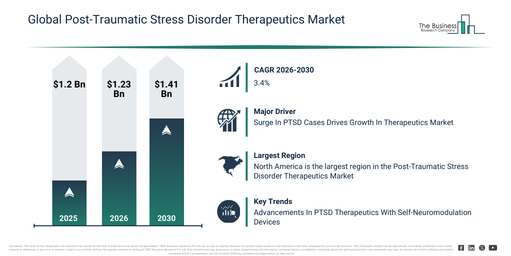
    The post-traumatic stress disorder therapeutics market size has demonstrated steady expansion in recent years. Its valuation is anticipated to climb from $1.2 billion in 2025 to $1.23 billion in 2026, exhibiting a compound annual growth rate (CAGR) of 3.1%. The historical growth of this market is attributable to the heightened prevalence of PTSD, increasing mental health awareness, the constrained availability of specialized therapists, a reliance on conventional pharmacological treatments, and a rising incidence of trauma stemming from conflicts and disasters.

    The post-traumatic stress disorder therapeutics market is projected to experience consistent expansion over the upcoming years. This market is forecast to reach $1.41 billion by 2030, exhibiting a compound annual growth rate (CAGR) of 3.4%. This anticipated growth is largely fueled by several factors, including breakthroughs in AI-powered diagnostics, the increasing availability of telehealth platforms, the development of precision medicine solutions, the uptake of wearable health monitoring devices, and a rise in funding for comprehensive mental health treatments. Key trends expected during this period encompass tailored PTSD treatment strategies, the widespread use of teletherapy and remote mental health support, the incorporation of nutritional approaches into PTSD management, a greater acceptance of non-pharmacological therapies, and the deployment of wearable monitoring tools for stress management.

    Get A Free Sample Report With In-Depth Market Insights:

    https://thebusinessresearchcompany.com/sample_request?id=50585961&type=smp&name=Post-Traumatic%20Stress%20Disorder%20Therapeutics%20Market%20Report%202026&utm_source=Blogs&utm_medium=Paid&utm_campaign=Oct_PR

    Post-Traumatic Stress Disorder Therapeutics Market Expansion Drivers: What’s Shaping Future Growth?

    The increasing global prevalence of post-traumatic stress disorder (PTSD) cases is projected to drive the expansion of the post-traumatic stress disorder therapeutics market. PTSD is a condition that develops in individuals following exposure to a terrifying, shocking, or dangerous event. Therapeutic interventions for post-traumatic stress disorder, such as psychotherapy and medication, can assist patients in regaining a sense of control over their lives. For instance, data from March 2024, reported by a UK-based website covering defense industry news and attributed to the Ministry of Defence (MoD) Department of Community Mental Health (DCMH) – a UK-based entity offering mental health services to serving personnel and reservists – showed that initial PTSD assessments for armed forces personnel by a specialist mental health clinician rose from 266 cases in 2022 to 320 cases in 2023, indicating a considerable increase in reported instances. This escalation in the burden of post-traumatic stress disorder (PTSD) cases is therefore propelling the growth of the post-traumatic stress disorder therapeutics market.

    Post-Traumatic Stress Disorder Therapeutics Market Segmentation And Category Overview

    The post-traumatic stress disorder therapeutics market covered in this report is segmented –

    1) By Drug Class: Antidepressants, Anti-Anxiety, Antihypertensive, Antipsychotics Or Second Generation Antipsychotics (SGOs), Beta-Blockers, Other Classes

    2) By Age Group: Pediatric, Geriatric, Adult

    3) By End User: Mental Health Center, Hospitals, Outpatient Clinics, Other End Users

    Subsegments:

    1) By Antidepressants: Selective Serotonin Reuptake Inhibitors (SSRIs), Serotonin-Norepinephrine Reuptake Inhibitors (SNRIs)

    2) By Anti-Anxiety: Benzodiazepines, Buspirone

    3) By Antihypertensive: Prazosin, Clonidine

    4) By Antipsychotics (Second Generation Antipsychotics – SGOs): Risperidone, Quetiapine

    5) By Beta-Blockers: Propranolol, Atenolol

    6) By Other Classes: Mood Stabilizers, Adjunctive Therapies

    Post-Traumatic Stress Disorder Therapeutics Market Strategic Trends: What Defines The Next Growth Phase?

    Leading companies within the post-traumatic stress disorder therapeutics market are prioritizing the creation of advanced technological instruments, such as self-neuromodulation devices, to enhance patient outcomes and offer alternative approaches to conventional therapies. These self-neuromodulation devices aim to improve treatment for post-traumatic stress disorder by integrating computer simulations with EEG technology, empowering patients to regulate amygdala activity, thereby addressing the hyperactivity often associated with PTSD and providing a complementary therapy alongside existing treatments. For instance, in January 2024, GrayMatters Health, a US-based health technology company, officially launched Prism for PTSD in the U.S., becoming the first FDA-approved self-neuromodulation device designed for treating post-traumatic stress disorder. This system employs a combination of computer simulations and an EEG headset to create an immersive environment, assisting individuals in modulating amygdala-based biomarker activity linked to PTSD. The foundational technology behind Prism for PTSD is the digital EEG-fMRI-Pattern (EFP) biomarker, which stands as the world’s first to track brain-area-specific activity. This technology, developed through sophisticated statistical models, synchronizes fMRI amygdala data with EEG readings. The therapy specifically targets an amygdala-based biomarker, aligning with research findings that connect PTSD to elevated amygdala activity.

    Post-Traumatic Stress Disorder Therapeutics Market Competitive Analysis Of Leading Industry Participants

    Major companies operating in the post-traumatic stress disorder therapeutics market are Pfizer Inc., GlaxoSmithKline plc, Otsuka Pharmaceutical Co Ltd., Eli Lilly and Company, AstraZeneca plc, Tonix Pharmaceuticals Holding Corp., Freespira Inc., MicroTransponder Inc., Halucenex Life Sciences Inc., MAPS Europe BV, Hoffmann-La Roche Ltd., Praxis Precision Medicines Inc., H Lundbeck A/S, Johnson & Johnson, Sanofi SA, Compass Pathways plc, Alkermes plc, MindMed Inc., Atai Life Sciences, Karuna Therapeutics, Mindbloom Inc.

    View The Full Post-Traumatic Stress Disorder Therapeutics Market Report:

    https://thebusinessresearchcompany.com/report/post-traumatic-stress-disorder-therapeutics-global-market-report?utm_source=Blogs&utm_medium=Paid&utm_campaign=Oct_PR

    Post-Traumatic Stress Disorder Therapeutics Market Top Region: Where Does Most Revenue Come From?

    North America was the largest region in the post-traumatic stress disorder therapeutics market in 2025. Asia-Pacific is expected to be the fastest-growing region in the forecast period. The regions covered in the post-traumatic stress disorder therapeutics market report are Asia-Pacific, South East Asia, Western Europe, Eastern Europe, North America, South America, Middle East, Africa.

    Reach Out To Our Team:

    The Business Research Company: https://www.thebusinessresearchcompany.com/

    Americas: +1 310-496-7795

    Asia: +44 7882 955267 & +91 8897263534

    Europe: +44 7882 955267

    Email us at: marketing@tbrc.info

    Follow us on:

    LinkedIn: https://in.linkedin.com/company/the-business-research-company

    YouTube: https://www.youtube.com/channel/UC24_fI0rV8cR5DxlCpgmyFQ

    Global Market Model: https://www.thebusinessresearchcompany.com/global-market-model
  • Postpartum Health Supplements Market Size Reaches $1.63 Billion In 2026: What Is Driving Growth?

    Postpartum Health Supplements Market Size Reaches $1.63 Billion In 2026: What Is Driving Growth?

    Built to provide research that’s more actionable and strategically valuable, The Business Research Company’s 2026 market reports include market attractiveness analysis, total addressable market sizing, company benchmarking matrices, interactive Excel dashboards, broader supply chain intelligence, emerging startup tracking, and in-depth product insights.

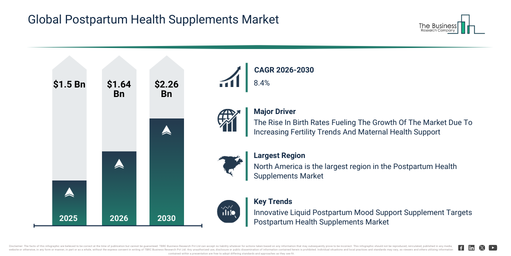
    Postpartum Health Supplements Market Growth From $1.63 Billion In 2026 To $2.26 Billion By 2030 At A CAGR Of 8.4%

    The postpartum health supplements market has experienced significant growth in recent years. This market is projected to expand from $1.5 billion in 2025 to $1.64 billion in 2026, achieving a compound annual growth rate (CAGR) of 9.3%. The historical increase in this market can be linked to the widespread occurrence of postpartum anemia, the customary use of supplements following childbirth, insufficient dietary intake during postpartum recuperation, guidance from healthcare practitioners, and a global rise in institutional births.

    The postpartum health supplements market size is set to experience robust expansion over the coming years. It is projected to reach $2.26 billion in 2030, demonstrating a compound annual growth rate (CAGR) of 8.4%. This anticipated growth during the forecast period is fueled by several factors, such as increasing awareness regarding maternal health, a rising embrace of preventive nutrition practices, the proliferation of digital health education for new mothers, the expansion of e-commerce platforms dedicated to nutrition, and innovations in formulations specifically designed for postpartum needs. Furthermore, significant trends shaping this period include a growing demand for targeted nutritional support after childbirth, an increasing inclination towards natural and herbal postpartum supplements, a heightened focus on maternal recovery and energy restoration, the widening reach of direct-to-consumer online supplement sales, and greater recognition of micronutrient deficiencies post-delivery.

    Get A Free Sample Report With In-Depth Market Insights:

    https://thebusinessresearchcompany.com/sample_request?id=63319964&type=smp&name=Postpartum%20Health%20Supplements%20Market%20Report%202026&utm_source=Blogs&utm_medium=Paid&utm_campaign=Oct_PR

    Postpartum Health Supplements Market Development Factors: What’s Supporting Demand?

    The expansion of the postpartum health supplement market in the coming years is projected to be propelled by increasing birth rates. Birth rates represent the count of live births within a population over a given period, serving as a vital metric for demographic growth, fertility patterns, and overall population health. This upward trend in birth rates is attributable to improvements in maternal healthcare, expanded access to reproductive services, supportive family policies, and cultural inclinations in some areas that encourage larger families. Postpartum health supplements assist maternal recovery by addressing nutritional deficiencies, boosting energy, and enhancing general postnatal wellbeing. For instance, in October 2025, the Australian Bureau of Statistics, a national statistical agency in Australia, reported 292,318 registered births in 2024, indicating a 1.9% increase (or 5,320 additional births) compared to 2023. Thus, the escalating birth rates are a key factor driving the growth of the postpartum health supplement market.

    Postpartum Health Supplements Market Segment Outlook: Which Categories Are Growing Fastest?

    The postpartum health supplements market covered in this report is segmented –

    1) By Product Type: Iron Supplements, Calcium Supplements, Herbal Supplements, Other Product Types

    2) By Formulation: Capsules Or Tablets, Softgels, Powder, Liquid, Other Formulations

    3) By Application: Online Sales, Offline Sales

    Subsegments:

    1) By Iron Supplements: Ferrous Sulfate, Ferrous Gluconate, Iron Polysaccharide Complex

    2) By Calcium Supplements: Calcium Carbonate, Calcium Citrate, Calcium Hydroxyapatite

    3) By Herbal Supplements: Fenugreek Supplements, Ginger Supplements, Alfalfa Supplements

    4) By Other Product Types: Omega-3 Fatty Acids, Multivitamins, Protein Supplements

    Postpartum Health Supplements Market Transformation Trends: What Innovations Are Driving Change?

    Leading businesses within the postpartum health supplements market are concentrating on creating novel products, including postpartum mood support dietary supplements, aimed at meeting the distinct emotional and mental health requirements of new mothers post-childbirth. These dietary supplements are nutritional aids specifically designed to assist new mothers in handling and enhancing their emotional and mental state following childbirth. For example, in April 2024, the US-based pharmaceutical firm Exeltis USA Inc. introduced Blues Away, an unprecedented postpartum mood support dietary supplement. This distinctive liquid supplement is formulated to counteract postpartum hormonal changes and includes a mix of mood-enhancing components, clinically demonstrated to lessen postpartum mood symptoms.

    Postpartum Health Supplements Market Leading Companies And Competitive Benchmarking

    Major companies operating in the postpartum health supplements market are Abbott Laboratories, DSM-firmenich, Church & Dwight Co. Inc., Pharmavite LLC, The Honest Company Inc., Garden of Life, Nutraceutical Wellness Inc., MegaFood, New Chapter Inc., Actif USA, Oriflame India, New Chapter Inc., Ritual, HUM Nutrition, Pure Encapsulations Inc., Pink Stork, Bonafide Health LLC, Mommy’s Bliss Inc., Mama’s Select, Fairhaven Health LLC, Vimerson Health, Happy Healthy Hippie, Nutraceutical Wellness Inc.

    View The Full Postpartum Health Supplements Market Report:

    https://thebusinessresearchcompany.com/report/postpartum-health-supplements-global-market-report?utm_source=Blogs&utm_medium=Paid&utm_campaign=Oct_PR

    Postpartum Health Supplements Market Regional Breakdown: Where Is Demand Concentrated?

    North America was the largest region in the postpartum health supplements market in 2025. Asia-Pacific is expected to be the fastest-growing region in the forecast period. The regions covered in the postpartum health supplements market report are Asia-Pacific, South East Asia, Western Europe, Eastern Europe, North America, South America, Middle East, Africa.

    Reach Out To Our Team:

    The Business Research Company: https://www.thebusinessresearchcompany.com/

    Americas: +1 310-496-7795

    Asia: +44 7882 955267 & +91 8897263534

    Europe: +44 7882 955267

    Email us at: marketing@tbrc.info

    Follow us on:

    LinkedIn: https://in.linkedin.com/company/the-business-research-company

    YouTube: https://www.youtube.com/channel/UC24_fI0rV8cR5DxlCpgmyFQ

    Global Market Model: https://www.thebusinessresearchcompany.com/global-market-model
  • Postmenopausal Vaginal Atrophy Treatment Market Valued At $3.38 Billion In 2026: Key Trends And Growth Drivers

    Postmenopausal Vaginal Atrophy Treatment Market Valued At $3.38 Billion In 2026: Key Trends And Growth Drivers

    Backed by market attractiveness analysis, total addressable market sizing, company benchmarking matrices, interactive Excel dashboards, wider supply chain intelligence, emerging startup coverage, and detailed product-level insights, The Business Research Company’s 2026 market reports are designed to offer research that is more actionable and strategically valuable than ever.

    Postmenopausal Vaginal Atrophy Treatment Market Expansion Outlook: What Revenue Opportunities Are Ahead?

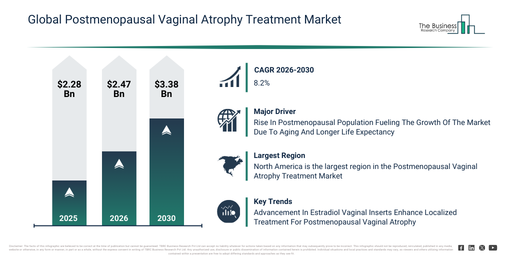
    The postmenopausal vaginal atrophy treatment market size has seen strong growth in recent years. It is anticipated to increase from $2.28 billion in 2025 to $2.47 billion in 2026, achieving a compound annual growth rate (CAGR) of 8.5%. This historical expansion can be linked to factors such as limited awareness regarding vaginal atrophy symptoms, a dependency on estrogen-based therapies, insufficient diagnosis among postmenopausal women, restricted access to treatment through hospital environments, and the societal stigma associated with menopausal health.

    The postmenopausal vaginal atrophy treatment market is anticipated to show significant expansion in the coming years, projected to reach $3.38 billion by 2030 at a compound annual growth rate (CAGR) of 8.2%. The growth during this forecast period is driven by an increasing aging female population, innovations in non-estrogen therapeutic approaches, a rising acceptance of sexual wellness treatments, the expansion of specialty clinics and telehealth services, and more robust regulatory approvals for novel therapies. Key developments expected during this period include a rising adoption of vaginal estrogen therapies, a growing demand for non-estrogen and hormone-free treatments, enhanced awareness of postmenopausal sexual health, a shift towards homecare and self-administered therapies, and the broadening of online and retail pharmacy distribution.

    Get A Free Sample Report With In-Depth Market Insights:

    https://thebusinessresearchcompany.com/sample_request?id=36119478&type=smp&name=Postmenopausal%20Vaginal%20Atrophy%20Treatment%20Market%20Report%202026&utm_source=Blogs&utm_medium=Paid&utm_campaign=Oct_PR

    Postmenopausal Vaginal Atrophy Treatment Market Industry Drivers: What’s Behind The Revenue Growth?

    The postmenopausal vaginal atrophy treatment market is anticipated to experience growth, propelled by the expanding postmenopausal population. This population segment refers to women who have completed menopause, a period characterized by a natural reduction in estrogen, resulting in symptoms such as vaginal dryness, irritation, and discomfort. The rise in the postmenopausal population is primarily attributed to increased life expectancy and a globally aging demographic, leading to more women living longer in the postmenopausal phase. Postmenopausal Vaginal Atrophy Treatment offers benefits to this population by alleviating dryness, irritation, and discomfort, thereby enhancing sexual health, improving overall quality of life, and promoting urogenital well-being through targeted hormonal and non-hormonal therapeutic approaches. For instance, in March 2024, the Department for Work and Pensions, a UK government body, reported on a 2023 survey involving over 2,000 employed women in the UK, aged 40 to 60, who were potentially navigating the menopause transition. Therefore, the increasing postmenopausal population is a significant driver of the postmenopausal vaginal atrophy treatment market’s expansion.

    Postmenopausal Vaginal Atrophy Treatment Market Segment Landscape: Which Areas Lead Development?

    The postmenopausal vaginal atrophy treatment market covered in this report is segmented –

    1) By Therapy Type: Estrogen Based Drugs, Non-Estrogen Based Drugs, Other Therapy Types

    2) By Route Of Administration: Oral, Intravaginal, Other Routes Of Administration

    3) By Distribution Channel: Hospital Pharmacy, Online Pharmacy, Retail Pharmacy

    4) By Application: Gynecology, Sexual Health, Pharmaceuticals

    5) By End-User: Hospitals, Homecare, Specialty Clinics, Other End-Users

    Subsegments:

    1) By Estrogen Based Drugs: Oral Estrogen Therapy, Transdermal Estrogen Therapy, Estrogen Implants, Vaginal Estrogen Therapy, Branded Products

    2) By Non-Estrogen Based Drugs: Selective Estrogen Receptor Modulators, Prasterone, Other Non-Estrogen Hormonal Agents

    3) By Other Therapy Types: Non-Drug Therapies, Over-The-Counter Products

    #Postmenopausal Vaginal Atrophy Treatment Market Growth Trends: What’s Shaping The Future Outlook?

    Leading companies in the postmenopausal vaginal atrophy treatment market are concentrating on developing advanced solutions, such as estradiol vaginal inserts, to offer targeted relief from symptoms and enhance patient compliance with hormone therapy. Estradiol vaginal inserts are small devices placed in the vagina that release estrogen locally, aiding in the rebuilding of thinning vaginal tissue caused by menopause. They effectively alleviate symptoms like dryness, itching, and discomfort with minimal absorption into the bloodstream. For instance, in January 2024, Knight Therapeutics, a Canada-based pharmaceutical company, launched IMVEXXY in Canada. This product is designed to treat moderate to severe dyspareunia, a symptom of vulvar and vaginal atrophy due to menopause. It delivers 4 mcg or 10 mcg of estradiol directly to the vaginal tissue, promoting mucosal integrity and alleviating discomfort during intercourse. Its unique softgel formulation ensures rapid dissolution and minimal systemic absorption, making it suitable for women seeking localized therapy with a favorable safety profile. IMVEXXY distinguishes itself from traditional estrogen creams or tablets by offering a mess-free, easy-to-use, applicator-free option, which enhances patient compliance and comfort. This launch reflects the industry’s commitment to advancing patient-centric treatments that address the nuanced needs of postmenopausal women.

    Postmenopausal Vaginal Atrophy Treatment Market Industry Leaders And Competitive Landscape

    Major companies operating in the postmenopausal vaginal atrophy treatment market are Pfizer Inc., Bayer AG, Novartis AG, Viatris Inc., Teva Pharmaceutical Industries Ltd., Perrigo Company plc, Mayne Pharma Group Limited, TherapeuticsMD Inc., Dare Bioscience Inc., Amneal Pharmaceuticals LLC, Lupin Limited, Hikma Pharmaceuticals PLC, Alvogen, Upsher-Smith Laboratories LLC, Shionogi & Co. Ltd., Millicent Pharma Limited, Mylan N.V., AbbVie Women’s Health (Allergan Aesthetics), Ferring Pharmaceuticals, Besins Healthcare, Organon & Co., Exeltis Healthcare, Gedeon Richter Plc, Aspen Pharmacare Holdings Limited, Zydus Lifesciences Limited, Sun Pharmaceutical Industries Ltd., Glenmark Pharmaceuticals Ltd., Cipla Limited, Endoceutics Inc., Meda AB, Knight Therapeutics Inc., Torrent Pharmaceuticals Ltd., Intas Pharmaceuticals Ltd., Cadila Pharmaceuticals Ltd., Alembic Pharmaceuticals Ltd., Strides Pharma Science Ltd.

    View The Full Postmenopausal Vaginal Atrophy Treatment Market Report:

    https://thebusinessresearchcompany.com/report/postmenopausal-vaginal-atrophy-treatment-global-market-report?utm_source=Blogs&utm_medium=Paid&utm_campaign=Oct_PR

    Postmenopausal Vaginal Atrophy Treatment Market Geographic Landscape: Which Region Dominates Industry Growth?

    North America was the largest region in the postmenopausal vaginal atrophy treatment market in 2025. Asia-Pacific is expected to be the fastest-growing region in the forecast period. The regions covered in the postmenopausal vaginal atrophy treatment market report are Asia-Pacific, South East Asia, Western Europe, Eastern Europe, North America, South America, Middle East, Africa.

    Reach Out To Our Team:

    The Business Research Company: https://www.thebusinessresearchcompany.com/

    Americas: +1 310-496-7795

    Asia: +44 7882 955267 & +91 8897263534

    Europe: +44 7882 955267

    Email us at: marketing@tbrc.info

    Follow us on:

    LinkedIn: https://in.linkedin.com/company/the-business-research-company

    YouTube: https://www.youtube.com/channel/UC24_fI0rV8cR5DxlCpgmyFQ

    Global Market Model: https://www.thebusinessresearchcompany.com/global-market-model

  • Post-Marketing Pharmacovigilance And Medical Information Market Size In 2026: Growth Outlook And Forecast Through 2030

    Post-Marketing Pharmacovigilance And Medical Information Market Size In 2026: Growth Outlook And Forecast Through 2030

    Featuring market attractiveness scoring, total addressable market sizing, company benchmarking matrices, interactive Excel dashboards, deeper supply chain intelligence, emerging startup tracking, and granular product-level insights, The Business Research Company’s 2026 market reports are built to deliver research that is both more actionable and more strategically valuable.

    Post-Marketing Pharmacovigilance And Medical Information Market Growth Potential: How Will Market Size Shift Through 2030?

    The post-marketing pharmacovigilance and medical information market has observed rapid expansion in recent years. It will grow from $6.9 billion in 2025 to $7.71 billion in 2026 at a compound annual growth rate (CAGR) of 11.7%. The market’s historical growth can be linked to factors like a constrained post-marketing surveillance infrastructure, reliance on manual adverse drug reaction reporting, increasing regulatory mandates for drug safety, a rise in new drug approvals, and the absence of integrated hospital data systems.

    The post-marketing pharmacovigilance and medical information market is projected to experience substantial expansion in the coming years. This market is set to reach $11.89 billion by 2030, exhibiting a compound annual growth rate (CAGR) of 11.4%. Factors contributing to this growth over the forecast period include the incorporation of AI and ML algorithms in signal detection, the increasing use of longitudinal patient data analysis, the expansion of monitoring linked to disease registries, a rise in digital app-based reporting, and greater investments in real-time pharmacovigilance technologies. Key trends anticipated during the forecast period involve the growing acceptance of electronic health record (EHR) mining, increased deployment of real-time adverse drug reaction (ADR) monitoring systems, a surge in reporting based on risk populations and therapeutic classes, the expansion of cohort event monitoring for new drug users, and the integration of digital and mobile platforms for pharmacovigilance reporting.

    Get A Free Sample Report With In-Depth Market Insights:

    https://thebusinessresearchcompany.com/sample_request?id=62415193&type=smp&name=Post-Marketing%20Pharmacovigilance%20And%20Medical%20Information%20Market%20Report%202026&utm_source=Blogs&utm_medium=Paid&utm_campaign=Oct_PR

    Post-Marketing Pharmacovigilance And Medical Information Market Growth Factors: What’s Supporting Expansion?

    The expansion of the post-marketing pharmacovigilance and medical information market is anticipated to be driven by the growing occurrence of adverse drug reactions. These reactions are defined as undesirable or detrimental effects that arise when a medication is administered at its prescribed dosage for purposes such as prevention, diagnosis, or treatment. The frequency of adverse drug reactions is increasing due to the aging demographic’s rising need for managing multiple chronic health conditions. This often involves taking several medications concurrently, which escalates the potential for harmful drug interactions and unforeseen side effects. The post-marketing pharmacovigilance and medical information sector plays a crucial role in addressing adverse drug reactions by identifying, monitoring, and disseminating information about potential side effects once a drug has been released to the market, thereby helping to preserve its safety and efficacy. For example, data from January 2023, reported by Navikenz, a US-based IT services firm specializing in artificial intelligence, indicates that in the US, adverse drug reactions are estimated to be responsible for 200,000 to 400,000 deaths annually. This figure surpasses the combined fatalities from stroke and diabetes, with approximately 2.7 million cases occurring each year, leading to over 100,000 hospitalizations and more than 15,000 deaths. Consequently, the escalating incidence of adverse drug reactions is fueling the development of the post-marketing pharmacovigilance and medical information market.

    Post-Marketing Pharmacovigilance And Medical Information Market Segments: Where Is Growth Concentrated?

    The post-marketing pharmacovigilance and medical information market covered in this report is segmented –

    1) By Type: Spontaneous Reporting, Intensified Adverse Drug Reaction (ADR) Reporting, Targeted Spontaneous Reporting, Cohort Event Monitoring, Electronic Health Record (EHR) Mining

    2) By Publication Type: Books, Online Media, Journals

    3) By End User: Hospitals, Research Organizations, Other End-Users

    Subsegments:

    1) By Spontaneous Reporting: Consumer Reporting, Healthcare Professional Reporting, Regulatory Authority Reporting, Pharmaceutical Company Reporting, Digital App-Based Reporting

    2) By Intensified Adverse Drug Reaction (ADR) Reporting: Hospital-Based Surveillance, Program-Specific Monitoring, Disease-Specific Monitoring, Product-Specific Monitoring, Real-Time Monitoring Systems

    3) By Targeted Spontaneous Reporting: Risk Population-Based Reporting, Therapeutic Class-Based Reporting, Adverse Drug Reaction Focused Reporting, Region-Specific Reporting, Healthcare Setting-Specific Reporting

    4) By Cohort Event Monitoring: Prospective Cohort Monitoring, Retrospective Cohort Monitoring, Active Follow-Up Monitoring, New Drug User Monitoring, Disease Registry-Linked Monitoring

    5) By Electronic Health Record (EHR) Mining: Natural Language Processing-Based Mining, Artificial Intelligence (AI) And Machine Learning Algorithms, Rule-Based Signal Detection, Longitudinal Patient Data Analysis, Integrated Hospital Data Systems

    Post-Marketing Pharmacovigilance And Medical Information Market Industry Trends: What’s Reshaping Demand?

    Leading companies in the post-marketing pharmacovigilance and medical information market are focusing on developing sophisticated solutions, such as AI-driven pharmacovigilance workflows, to enhance the precision of adverse event detection and enable real-time safety oversight for improved patient outcomes. These AI-powered pharmacovigilance workflows utilize artificial intelligence to automate drug safety monitoring, facilitating quicker adverse event identification and improved adherence to regulations. For instance, in January 2024, PubHive Ltd., a UK-based cloud-based software-as-a-service (SaaS) company, unveiled a centralized Summary of Product Characteristics (SmPC) management system for life science companies and research organizations. This platform consolidates essential drug safety information into a single, easily accessible repository, automates literature surveillance and regulatory submissions, improves team collaboration, and optimizes compliance processes through advanced AI functionalities. This allows pharmacovigilance teams to operate with greater efficiency and proactivity, ensuring both patient well-being and conformity to regulatory standards.

    Post-Marketing Pharmacovigilance And Medical Information Market Key Participants And Competitive Landscape

    Major companies operating in the post-marketing pharmacovigilance and medical information market are Accenture plc, Sanofi S.A., Capgemini SE, Merck & Co. Inc., Cognizant Technology Solutions Corporation, IQVIA Holdings Inc., HCL Technologies Limited, ICON plc, Syneos Health Inc., Genpact Limited, Parexel International Corporation, Avalere Health LLC, Quanticate Limited, Inizio Consulting LLC

    View The Full Post-Marketing Pharmacovigilance And Medical Information Market Report:

    https://thebusinessresearchcompany.com/report/post-marketing-pharmacovigilance-and-medical-information-global-market-report?utm_source=Blogs&utm_medium=Paid&utm_campaign=Oct_PR

    Post-Marketing Pharmacovigilance And Medical Information Market Largest Region: Which Geography Holds The Highest Market Share?

    North America was the largest region in the post-marketing pharmacovigilance and medical information market in 2025. Asia-Pacific is expected to be the fastest-growing region in the forecast period. The regions covered in the post-marketing pharmacovigilance and medical information market report are Asia-Pacific, South East Asia, Western Europe, Eastern Europe, North America, South America, Middle East, Africa.

    Reach Out To Our Team:

    The Business Research Company: https://www.thebusinessresearchcompany.com/

    Americas: +1 310-496-7795

    Asia: +44 7882 955267 & +91 8897263534

    Europe: +44 7882 955267

    Email us at: marketing@tbrc.info

    Follow us on:

    LinkedIn: https://in.linkedin.com/company/the-business-research-company

    YouTube: https://www.youtube.com/channel/UC24_fI0rV8cR5DxlCpgmyFQ

    Global Market Model: https://www.thebusinessresearchcompany.com/global-market-model
  • Post-Inflammatory Hyperpigmentation Treatment Market Trends Supporting 11.7% CAGR Growth Through 2030

    Post-Inflammatory Hyperpigmentation Treatment Market Trends Supporting 11.7% CAGR Growth Through 2030

    Built to provide research that’s more actionable and strategically valuable, The Business Research Company’s 2026 market reports include market attractiveness analysis, total addressable market sizing, company benchmarking matrices, interactive Excel dashboards, broader supply chain intelligence, emerging startup tracking, and in-depth product insights.

    Post-Inflammatory Hyperpigmentation Treatment Market Value Analysis: What Growth Lies Ahead Over The Forecast Period?

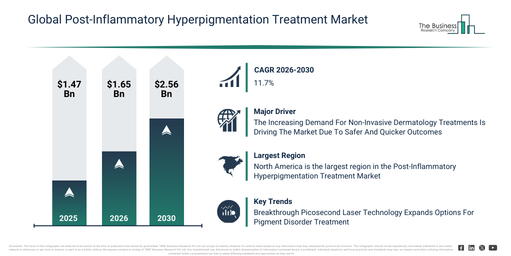
    The post-inflammatory hyperpigmentation treatment market has experienced rapid expansion in its size during recent years. Projections indicate it will grow from $1.47 billion in 2025 to $1.65 billion in 2026, reflecting a compound annual growth rate (CAGR) of 11.9%. The growth observed in the historic period is attributable to the increasing prevalence of acne and inflammatory skin conditions, rising awareness of aesthetic dermatology treatments, expansion of dermatology clinics and medspas, growing consumer focus on skin appearance, and the availability of diverse topical formulations.

    The post-inflammatory hyperpigmentation treatment market is anticipated to experience significant expansion in the coming years. This market is projected to reach $2.56 billion by 2030, exhibiting a compound annual growth rate (CAGR) of 11.7%. The expected expansion during the forecast period stems from factors such as increasing demand for customized dermatology solutions, the growing use of advanced laser and light treatments, a greater emphasis on procedures that are minimally invasive, the broadening availability of tele-dermatology services, and rising consumer expenditure on aesthetic interventions. Key trends identified for the forecast period encompass a greater integration of combination dermatological therapies, an escalating preference for non-invasive aesthetic procedures, a wider deployment of sophisticated laser-based treatments, the development of individualized skin treatment protocols, and a heightened commitment to managing long-term skin health.

    Get A Free Sample Report With In-Depth Market Insights:

    https://thebusinessresearchcompany.com/sample_request?id=79321829&type=smp&name=Post-Inflammatory%20Hyperpigmentation%20Treatment%20Market%20Report%202026&utm_source=Blogs&utm_medium=Paid&utm_campaign=Oct_PR

    Post-Inflammatory Hyperpigmentation Treatment Market Demand Drivers: What’s Powering Industry Growth?

    The future expansion of the post-inflammatory hyperpigmentation treatment market is anticipated to be fueled by the rising need for non-invasive dermatological procedures. These treatments encompass medical or cosmetic methods aimed at enhancing or managing skin conditions without surgical intervention, often involving topical products, energy-based tools, or techniques that cause minimal disruption, thus avoiding cuts or tissue extraction. The primary impetus behind the escalating demand for these non-invasive treatments stems from a growing preference for methods that offer noticeable outcomes with short recovery periods, as individuals increasingly seek effective solutions that fit their active lifestyles and mitigate the risks and discomfort linked to surgical operations. Post-inflammatory hyperpigmentation treatment serves as a prime example of this trend, providing focused, non-surgical approaches to address uneven skin tone and discoloration, which in turn strengthens the attractiveness and uptake of non-invasive dermatological procedures. For instance, according to data from June 2024 provided by the American Society of Plastic Surgeons, a US-based specialty organization, minimally invasive procedures experienced a 7 percent growth in 2023, surpassing surgical procedures by 2 percent, with neuromodulator injections and hyaluronic acid fillers each exceeding 9 million and 5 million treatments, respectively. Consequently, the expanding demand for non-invasive dermatological treatments is a key driver for the post-inflammatory hyperpigmentation treatment market.

    Post-Inflammatory Hyperpigmentation Treatment Market Segment Analysis: What Are The Core Market Categories?

    The post-inflammatory hyperpigmentation treatment market covered in this report is segmented –

    1) By Product Type: Topical Creams, Oral Medications, Laser Therapy, Chemical Peels, Microdermabrasion, Other Product Type

    2) By Distribution Channel: Hospital Pharmacies, Retail Pharmacies, Online Pharmacies, Other Distribution Channels

    3) By End User: Hospitals, Dermatology Clinics, Homecare Settings, Other End Users

    Subsegments:

    1) By Topical Creams: Hydroquinone, Kojic Acid, Azelaic Acid, Vitamin C, Retinoids

    2) By Oral Medications: Tranexamic Acid, Polypodium Leucotomos Extract, Glutathione

    3) By Laser Therapy: Fractional Laser, Q Switched Laser, Intense Pulsed Light

    4) By Chemical Peels: Glycolic Acid, Salicylic Acid, TCA Peel, Lactic Acid

    5) By Microdermabrasion: Crystal Microdermabrasion, Diamond Tip Microdermabrasion

    6) By Product Type: Home Remedies, Natural Extracts, Cosmetic Masks

    Post-Inflammatory Hyperpigmentation Treatment Market Innovation Trends: What Developments Are Reshaping The Industry?

    Major companies within the post-inflammatory hyperpigmentation treatment market are emphasizing the creation of innovative solutions, such as picosecond dermatology lasers, to broaden the range of clinically validated treatment options for complex pigmentary disorders. A picosecond dermatology laser is a medical device that emits extremely short pulses of laser energy at multiple wavelengths to fragment and disperse unwanted skin pigments or tattoos with minimal thermal injury to surrounding tissue. For instance, in March 2023, Candela Corporation, a US-based global medical aesthetic device company, launched the PicoWay laser system. The PicoWay system received clearance from the United States Food and Drug Administration and licensing from Health Canada to extend its use to difficult pigmentary conditions, including melasma, lentigines, café-au-lait macules, and Nevus of Ota. This expanded approval enhances the device’s ability to deliver ultra-short picosecond pulses that target pigment beneath the skin surface while minimizing heat-related risks, thereby offering a more versatile and safer option for treating a wide range of skin types and pigmentary disorders.

    Post-Inflammatory Hyperpigmentation Treatment Market Top Companies Driving Competitive Growth

    Major companies operating in the post-inflammatory hyperpigmentation treatment market are Johnson & Johnson, Procter & Gamble Co., Unilever plc, AbbVie Inc., Bayer AG, L’Oréal Group, Estée Lauder Companies Inc., Beiersdorf AG, Shiseido Company Limited, Coty Inc., Galderma S.A., Pierre Fabre Group, Amorepacific Corporation, Obagi Cosmeceuticals LLC (Waldencast Acquisition Corp), Mesoestetic, Murad LLC, Soma Medical Spa, The Naderi Center, Orange Coast Aesthetics, Cutis Medical Laser Clinics

    View The Full Post-Inflammatory Hyperpigmentation Treatment Market Report:

    https://thebusinessresearchcompany.com/report/post-inflammatory-hyperpigmentation-treatment-global-market-report?utm_source=Blogs&utm_medium=Paid&utm_campaign=Oct_PR

    Post-Inflammatory Hyperpigmentation Treatment Market Regional Analysis: Which Region Leads By Revenue?

    North America was the largest region in the post-inflammatory hyperpigmentation treatment market in 2025. Asia-Pacific is expected to be the fastest-growing region in the forecast period. The regions covered in the post-inflammatory hyperpigmentation treatment market report are Asia-Pacific, South East Asia, Western Europe, Eastern Europe, North America, South America, Middle East, Africa.

    Reach Out To Our Team:

    The Business Research Company: https://www.thebusinessresearchcompany.com/

    Americas: +1 310-496-7795

    Asia: +44 7882 955267 & +91 8897263534

    Europe: +44 7882 955267

    Email us at: marketing@tbrc.info

    Follow us on:

    LinkedIn: https://in.linkedin.com/company/the-business-research-company

    YouTube: https://www.youtube.com/channel/UC24_fI0rV8cR5DxlCpgmyFQ

    Global Market Model: https://www.thebusinessresearchcompany.com/global-market-model