Blog

  • Phenobarbital Market Size Forecast: How The Industry Is Expected To Grow From 2026 To 2030

    Phenobarbital Market Size Forecast: How The Industry Is Expected To Grow From 2026 To 2030

    Backed by market attractiveness analysis, total addressable market sizing, company benchmarking matrices, interactive Excel dashboards, wider supply chain intelligence, emerging startup coverage, and detailed product-level insights, The Business Research Company’s 2026 market reports are designed to offer research that is more actionable and strategically valuable than ever.

    Phenobarbital Market Growth From $1.61 Billion In 2026 To $1.96 Billion By 2030 At A CAGR Of 5%

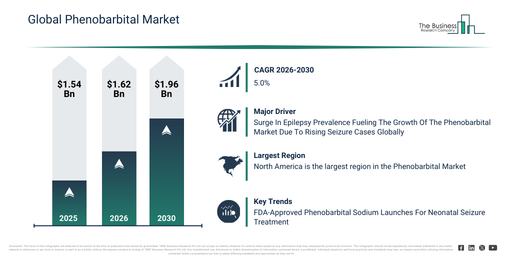
    The phenobarbital market size has shown consistent expansion over recent years. It is anticipated to increase from $1.54 billion in 2025 to $1.62 billion in 2026, demonstrating a compound annual growth rate (CAGR) of 4.9%. The market’s historical development can be attributed to its enduring clinical effectiveness, its extensive inclusion in essential medicine inventories, the significant occurrence of epilepsy, its utilization in neonatal treatment, and its economical pricing compared to more modern pharmaceuticals.

    The phenobarbital market is projected to experience consistent expansion over the upcoming years. Its value is anticipated to reach $1.96 billion by 2030, exhibiting a compound annual growth rate (CAGR) of 5.0%. This anticipated growth is driven by several factors, including sustained demand in low-resource environments, the increase in generic manufacturing, the expansion of neonatal intensive care units, an uptick in epilepsy diagnosis rates, and an emphasis on access to essential medicines. Key trends expected during this period involve its ongoing application in managing epilepsy and neonatal seizures, the increasing accessibility of generic phenobarbital, a heightened focus on affordable anticonvulsant treatments, the broader implementation of hospital-based seizure management strategies, and enhanced surveillance of long-term drug safety.

    Get A Free Sample Report With In-Depth Market Insights:

    https://thebusinessresearchcompany.com/sample_request?id=30253413&type=smp&name=Phenobarbital%20Market%20Report%202026&utm_source=Blogs&utm_medium=Paid&utm_campaign=Oct_PR

    Phenobarbital Market Growth Momentum: What Factors Are Shaping Demand?

    The rising occurrence of epilepsy is projected to drive the expansion of the phenobarbital market in the future. This neurological condition, epilepsy, is defined by repeated, unprovoked seizures stemming from unusual electrical activity within the brain. The growing incidence of epilepsy can be attributed to enhanced awareness, with a greater number of individuals identifying symptoms and pursuing medical evaluation, resulting in an increase in documented cases. Phenobarbital proves beneficial for epilepsy because it is an anticonvulsant drug that functions by reducing the activity of brain neurons, thereby assisting in the prevention and management of seizures. As an illustration, in February 2024, data from the World Health Organization, an international public health agency located in Switzerland, indicated that approximately 50 million people worldwide suffered from epilepsy, underscoring its status as among the most widespread neurological conditions globally. Consequently, the expanding occurrence of epilepsy is anticipated to stimulate the growth of the phenobarbital market.

    Phenobarbital Market Segment Performance And Emerging Opportunities

    The phenobarbital market covered in this report is segmented –

    1) By Indication: Epilepsy, Neonatal Seizures

    2) By Dosage Forms: Tablets, Capsules, Injectables

    3) By Distribution Channel: Hospital Pharmacies, Retail Pharmacies, Online Pharmacies

    4) By Application: Seizure Management, Anesthesia, Sleep Disorders, Alcohol Withdrawal Syndrome

    5) By End User: Hospitals, Clinics, Research Laboratories, Homecare Settings

    Subsegments:

    1) By Epilepsy: Focal (Partial) Seizures, Generalized Tonic-Clonic Seizures, Status Epilepticus, Refractory Epilepsy, Idiopathic Epilepsy

    2) By Neonatal Seizures: Hypoxic-Ischemic Encephalopathy (HIE)-Induced Seizures, Intracranial Hemorrhage-Induced Seizures, Metabolic Disorders, Congenital Brain Malformations, Infections

    Phenobarbital Market Trends Redefining Industry Growth

    Leading companies in the phenobarbital market are concentrating on developing innovative solutions, such as phenobarbital sodium, to improve the effectiveness and safety of treatments. Phenobarbital sodium refers to the sodium salt form of phenobarbital, a medication primarily employed as an anticonvulsant and sedative. It is frequently prescribed to manage seizures, particularly in conditions like epilepsy, and also to address anxiety and insomnia, sometimes being used to induce sedation before medical procedures. For instance, in January 2023, Sun Pharmaceutical Industries Ltd., an India-based pharmaceutical company, launched SEZABY (phenobarbital sodium) in the U.S., which is the first and only FDA-approved medication specifically indicated for treating seizures in both term and preterm neonates. This new formulation is benzyl alcohol-free and propylene glycol-free, enhancing its safety for use in newborns. SEZABY obtained orphan drug designation and is supported by clinical data demonstrating its effective control of neonatal seizures, thereby addressing a critical unmet need within this vulnerable patient population.

    Phenobarbital Market Key Players: Which Companies Lead Industry Competition?

    Major companies operating in the phenobarbital market are Teva Pharmaceutical Industries Ltd., Sandoz Group AG, Hikma Pharmaceuticals PLC, Sun Pharmaceutical Industries Ltd., Dr. Reddy’s Laboratories Ltd., Lupin Limited, Fresenius Kabi AG, Baxter International Inc., Par Pharmaceutical Inc., Harman Finochem Ltd., Manus Aktteva Biopharma LLP, Shandong Xinhua Pharmaceutical Co. Ltd., Alkaloida Chemical Company Zrt., Yashiro Pharmaceutical Co. Ltd., JPN Pharma Pvt. Ltd., Pfizer CentreOne, Macleods Pharmaceuticals Ltd., Alembic Pharmaceuticals Ltd., Zydus Lifesciences Ltd., Aurobindo Pharma Ltd.

    View The Full Phenobarbital Market Report:

    https://thebusinessresearchcompany.com/report/phenobarbital-global-market-report?utm_source=Blogs&utm_medium=Paid&utm_campaign=Oct_PR

    Phenobarbital Market Geographic Landscape: Which Region Leads Industry Growth?

    North America was the largest region in the phenobarbital market in 2025. Asia-Pacific is expected to be the fastest-growing region in the forecast period. The regions covered in the phenobarbital market report are Asia-Pacific, South East Asia, Western Europe, Eastern Europe, North America, South America, Middle East, Africa.

    Reach Out To Our Team:

    The Business Research Company: https://www.thebusinessresearchcompany.com/

    Americas: +1 310-496-7795

    Asia: +44 7882 955267 & +91 8897263534

    Europe: +44 7882 955267

    Email us at: marketing@tbrc.info

    Follow us on:

    LinkedIn: https://in.linkedin.com/company/the-business-research-company

    YouTube: https://www.youtube.com/channel/UC24_fI0rV8cR5DxlCpgmyFQ

    Global Market Model: https://www.thebusinessresearchcompany.com/global-market-model
  • Pharmerging Market Reaches $3674.16 Billion In 2026: Forecast And Growth Opportunities

    Pharmerging Market Reaches $3674.16 Billion In 2026: Forecast And Growth Opportunities

    Featuring market attractiveness scoring, total addressable market sizing, company benchmarking matrices, interactive Excel dashboards, deeper supply chain intelligence, emerging startup tracking, and granular product-level insights, The Business Research Company’s 2026 market reports are built to deliver research that is both more actionable and more strategically valuable.

    Pharmerging Market Expansion Outlook: What Revenue Opportunities Are Ahead?

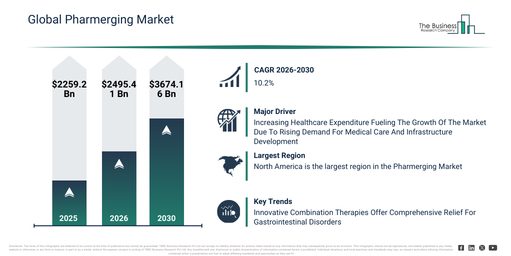
    Recent years have seen substantial growth in the pharmerging market size. This market is set to expand from $2259.2 billion in 2025 to $2495.41 billion in 2026, achieving a compound annual growth rate (CAGR) of 10.5%. Historically, this growth is linked to several factors such as higher healthcare spending in emerging economies, wider availability of generic drugs, an increasing prevalence of infectious and lifestyle diseases, the development of local pharmaceutical manufacturing, and enhanced access to healthcare infrastructure.

    The pharmerging market is anticipated to experience substantial growth in the upcoming years. Its valuation is projected to reach $3674.16 billion by 2030, exhibiting a compound annual growth rate (CAGR) of 10.2%. This expansion during the forecast period is largely driven by the increasing availability of specialty medicines in pharmerging areas, rising capital allocation towards regional R&D facilities, the broadening of digital distribution channels, an escalating need for chronic disease treatments, and greater regulatory alignment across emerging markets. Noteworthy trends identified for this period encompass the expanded footprint of pharmaceutical operations in emerging markets, an increase in localized drug manufacturing, a stronger emphasis on budget-friendly healthcare solutions, the enlargement of generic and biosimilar product portfolios, and a reinforced focus on market-specific product development strategies.

    Get A Free Sample Report With In-Depth Market Insights:

    https://thebusinessresearchcompany.com/sample_request?id=85815154&type=smp&name=Pharmerging%20Market%20Report%202026&utm_source=Blogs&utm_medium=Paid&utm_campaign=Oct_PR

    Pharmerging Market Expansion Drivers: What’s Shaping Future Growth?

    The rising healthcare expenditure is projected to stimulate the expansion of the pharmerging market in the coming years. Healthcare expenditure refers to the aggregate sum of money disbursed on medical services, treatments, facilities, research, and public health initiatives to maintain or enhance health outcomes. The escalating need for healthcare expenditure is attributed to the demographic shift towards an older population, which necessitates increased medical attention, therapies, and long-term healthcare provisions. Elevated healthcare spending propels the growth of pharmerging by enhancing accessibility to medical services, facilitating superior infrastructure development, and encouraging broader adoption of cost-effective medicines. As an illustration, in December 2024, the US federal agency, Centers for Medicare & Medicaid Services (CMS), disclosed that national health expenditures (NHE) grew by 7.5% in 2023, reaching $4.9 trillion and representing 17.6% of GDP. Looking ahead, NHE is anticipated to increase at an average annual rate of 5.6% from 2023 to 2032, with health spending’s share of GDP expected to rise from 17.3% in 2022 to 19.7% by 2032. Consequently, the increasing healthcare expenditure is a key driver for the growth of the pharmerging market.

    Pharmerging Market Segment Landscape And Growth Outlook

    The pharmerging market covered in this report is segmented –

    1) By Product Type: Pharmaceuticals, Medical Devices, Diagnostics, Biotechnology, Generics

    2) By Indication: Lifestyle Diseases, Cancer And Autoimmune Diseases, Infectious Diseases, Other Indications

    3) By Formulation: Solid Oral, Liquid Oral, Injectable, Topical, Other Formulation Types

    4) By Application: Therapeutic, Diagnostic, Preventive, Research And Development

    5) By Distribution Channel: Hospitals And Clinics, Retail Pharmacies, Online Marketplaces, Wholesale Distributors, Direct-To-Consumer

    Subsegments:

    1) By Pharmaceuticals: Small Molecule Drugs, Biological Drugs, Over The Counter Drugs, Patented Drugs, Branded Generics, Vaccines

    2) By Medical Devices: Diagnostic Imaging Devices, Surgical Instruments, Patient Monitoring Devices, Therapeutic Devices, Implantable Devices

    3) By Diagnostics: In Vitro Diagnostics, Molecular Diagnostics, Imaging Diagnostics, Point Of Care Testing, Companion Diagnostics, Digital Diagnostics

    4) By Biotechnology: Genomic Medicine, Cell Therapy, Gene Therapy, Monoclonal Antibodies, Biosimilars

    5) By Generics: Oral Solid Dosage Generics, Injectable Generics, Topical Generics, Inhalable Generics, Ophthalmic Generics, Transdermal Generics

    Pharmerging Market Strategic Trends: What Defines The Next Growth Phase?

    Leading companies operating within the pharmerging market are concentrating on developing innovative solutions, such as combination drug therapies, to address complex medical conditions and enhance treatment outcomes. Combination drug therapies involve treatments that utilize two or more active drugs together in a single regimen to boost efficacy and target multiple aspects of a medical condition concurrently. For instance, in June 2024, Akums Drugs and Pharmaceuticals Limited, an India-based contract development and manufacturing organization, introduced Rabeprazole + Levosulpiride SR capsules, a newly approved formulation by the Drug Controller General of India (DCGI) designed to treat gastroesophageal reflux disease (GERD) and other gastrointestinal disorders. These capsules incorporate Rabeprazole, a proton pump inhibitor that suppresses stomach acid production, with Levosulpiride, a prokinetic agent that improves stomach and intestinal motility to prevent acid reflux. This dual mechanism offers comprehensive relief from GERD symptoms by simultaneously reducing acid secretion and enhancing gastrointestinal function.

    Pharmerging Market Competitive Landscape: Who Leads The Industry?

    Major companies operating in the pharmerging market are Pfizer Inc., Roche Holding AG, AbbVie Inc., Sanofi S.A., Bristol-Myers Squibb, AstraZeneca PLC, Novartis AG, GlaxoSmithKline plc, Eli Lilly and Company, GE Healthcare Technologies Inc., Alembic Ltd., Intas Pharmaceuticals Ltd., Sun Pharmaceutical Industries Limited, Aurobindo Pharma Limited, Dr. Reddy’s Laboratories Ltd., Cipla Limited, Aspen Pharmacare Holdings Limited, Zydus Lifesciences Limited, Lupin Limited, Beximco Pharmaceuticals Ltd.

    View The Full Pharmerging Market Report:

    https://thebusinessresearchcompany.com/report/pharmerging-global-market-report?utm_source=Blogs&utm_medium=Paid&utm_campaign=Oct_PR

    Pharmerging Market Largest Region: Which Geography Holds The Biggest Share?

    North America was the largest region in the pharmerging market in 2025. Asia-Pacific is expected to be the fastest-growing region in the forecast period. The regions covered in the pharmerging market report are Asia-Pacific, South East Asia, Western Europe, Eastern Europe, North America, South America, Middle East, Africa.

    Reach Out To Our Team:

    The Business Research Company: https://www.thebusinessresearchcompany.com/

    Americas: +1 310-496-7795

    Asia: +44 7882 955267 & +91 8897263534

    Europe: +44 7882 955267

    Email us at: marketing@tbrc.info

    Follow us on:

    LinkedIn: https://in.linkedin.com/company/the-business-research-company

    YouTube: https://www.youtube.com/channel/UC24_fI0rV8cR5DxlCpgmyFQ

    Global Market Model: https://www.thebusinessresearchcompany.com/global-market-model

  • Pharmacy Inventory Management Software Solutions and Cabinets Market Growth In 2026: Market Size, Key Drivers And Future Outlook

    Pharmacy Inventory Management Software Solutions and Cabinets Market Growth In 2026: Market Size, Key Drivers And Future Outlook

    Built to provide research that’s more actionable and strategically valuable, The Business Research Company’s 2026 market reports include market attractiveness analysis, total addressable market sizing, company benchmarking matrices, interactive Excel dashboards, broader supply chain intelligence, emerging startup tracking, and in-depth product insights.

    Pharmacy Inventory Management Software Solutions and Cabinets Market Growth Potential: How Will Market Size Shift Through 2030?

    The pharmacy inventory management software solutions and cabinets market has witnessed strong growth in recent times. The market is projected to expand from $6.41 billion in 2025 to $7.05 billion in 2026, exhibiting a compound annual growth rate (CAGR) of 9.9%. Factors contributing to its historical growth include issues such as manual inventory errors, high operational costs, frequent stockouts, limited integration with other pharmacy systems, and a dependency on paper-based records.

    The pharmacy inventory management software solutions and cabinets market is expected to demonstrate significant expansion in the foreseeable future. This market is set to achieve a size of $10.05 billion by 2030, progressing at a compound annual growth rate (CAGR) of 9.3%. This projected increase can be attributed to factors such as the implementation of AI-driven inventory solutions, the integration with hospital ERP systems, the rise in automated dispensing cabinets, the growing need for regulatory compliance, and the ongoing demand for efficient pharmacy operations. Prominent trends for the forecast period encompass automated inventory tracking, real-time stock analytics, predictive restocking and demand forecasting, integration with e-prescriptions, and initiatives focused on workflow optimization and cost reduction.

    Get A Free Sample Report With In-Depth Market Insights:

    https://thebusinessresearchcompany.com/sample_request?id=91212246&type=smp&name=Pharmacy%20Inventory%20Management%20Software%20Solutions%20and%20Cabinets%20Market%20Report%202026&utm_source=Blogs&utm_medium=Paid&utm_campaign=Oct_PR

    Pharmacy Inventory Management Software Solutions and Cabinets Market Development Factors: What’s Supporting Demand?

    The increasing count of long-term care (LTC) pharmacies is anticipated to fuel the expansion of the pharmacy inventory management software solutions and cabinets market. These pharmacies cater to the medication and clinical requirements of elderly patients with complex medical conditions. The growing demand for long-term care has, in turn, led to a rise in the number of long-term care pharmacies. For instance, according to Milliman, Inc., a US-based insurance company, there will be 1,282 pharmacies designated as long-term care (LTC) pharmacies by October 2023, offering their services to long-term care facilities. Moreover, Medicaid and Medicare collectively represent more than 60% of total expenditure on long-term care (LTC) services. Consequently, the rising number of long-term care (LTC) pharmacies is driving the pharmacy inventory management software solutions and cabinets market.

    Pharmacy Inventory Management Software Solutions and Cabinets Market Breakdown By Product Type And Application

    The pharmacy inventory management software solutions and cabinets market covered in this report is segmented –

    1) By Product: Decentralized Dispensing Systems, Centralized Dispensing Systems

    2) By End-Use: Independent Pharmacies, Hospital Pharmacies, Long-Term Care Centers

    3) By Deployment: On-Premise Software Solutions, Cloud-Based, Hybrid Solutions

    Subsegments:

    1) By Decentralized Dispensing Systems: Automated Dispensing Cabinets (ADCs), Point-Of-Care Dispensing Systems, Medication Cart Solutions

    2) By Centralized Dispensing Systems: Central Pharmacy Dispensing Systems, Robotic Dispensing Systems, Pharmacy Workflow Management Systems

    Pharmacy Inventory Management Software Solutions and Cabinets Market Transformation Trends: What Innovations Are Driving Change?

    Within the pharmacy inventory management software solutions and cabinets market, leading companies are innovating solutions such as cloud-based platforms to boost operational effectiveness, improve immediate data insights, and optimize purchasing, stock management, and delivery workflows within healthcare organizations. Cloud-based platforms are digital systems that run on remote servers, accessible over the internet, contrasting with traditional local or on-premise hosting. For instance, in March 2024, United Parcel Service (UPS) Inc., a US-based logistics and supply chain management entity, introduced UPS Supply Chain Symphony for UPS Healthcare, encompassing pharmacy operations. UPS Supply Chain Symphony is a cloud-based tool aimed at improving healthcare supply chain administration by consolidating diverse logistics elements into a unified framework. It empowers users to effectively manage and visualize their warehouse and transportation data, offering valuable insights to streamline supply chain activities. This enables tracking of shipment specifics from departure to arrival, complemented by customizable reports on UPS deliveries, warehouse conditions, and stock quantities.

    Pharmacy Inventory Management Software Solutions and Cabinets Market Company Landscape And Competitive Strategy

    Major companies operating in the pharmacy inventory management software solutions and cabinets market are ARxIUM, Becton Dickinson and Company, Clanwilliam IRL, DATASCAN-DCS Pharmacy Inc., Epicor Software Corporation, GlobeMed Ltd., Health Business Systems Inc., Logic ERP Solutions Pvt Ltd., Liberty Software Inc., McKesson Corporation, Omnicell Inc., Oracle Corporation, Supplylogix LLC, Talyst LLC, Swisslog Holding AG, Capsa Healthcare, ScriptPro LLC, Accu-Chart Plus Healthcare Systems Inc., Cerner Corporation, GE Healthcare Technolgies Inc., Kirby Lester LLC, Medacist Solutions Group LLC, Parata Systems LLC, AbacusRx Inc., Cardinal Health Inc.

    View The Full Pharmacy Inventory Management Software Solutions and Cabinets Market Report:

    https://thebusinessresearchcompany.com/report/pharmacy-inventory-management-software-solutions-and-cabinets-global-market-report?utm_source=Blogs&utm_medium=Paid&utm_campaign=Oct_PR

    Pharmacy Inventory Management Software Solutions and Cabinets Market Regional Analysis: Which Geography Leads On Revenue?

    North America was the largest region in the pharmacy inventory management software solutions and cabinets market in 2025. Asia-Pacific is expected to be the fastest growing region during the forecast period. The regions covered in the pharmacy inventory management software solutions and cabinets market report are Asia-Pacific, South East Asia, Western Europe, Eastern Europe, North America, South America, Middle East, Africa.

    Reach Out To Our Team:

    The Business Research Company: https://www.thebusinessresearchcompany.com/

    Americas: +1 310-496-7795

    Asia: +44 7882 955267 & +91 8897263534

    Europe: +44 7882 955267

    Email us at: marketing@tbrc.info

    Follow us on:

    LinkedIn: https://in.linkedin.com/company/the-business-research-company

    YouTube: https://www.youtube.com/channel/UC24_fI0rV8cR5DxlCpgmyFQ

    Global Market Model: https://www.thebusinessresearchcompany.com/global-market-model

  • Pharmacovigilance Outsourcing Market Size And Forecast 2026–2030: Trends Driving Industry Expansion

    Pharmacovigilance Outsourcing Market Size And Forecast 2026–2030: Trends Driving Industry Expansion

    Backed by market attractiveness analysis, total addressable market sizing, company benchmarking matrices, interactive Excel dashboards, wider supply chain intelligence, emerging startup coverage, and detailed product-level insights, The Business Research Company’s 2026 market reports are designed to offer research that is more actionable and strategically valuable than ever.

    Pharmacovigilance Outsourcing Market Value Analysis: What Growth Lies Ahead Over The Forecast Period?

    The pharmacovigilance outsourcing market has experienced substantial growth in recent years. It is anticipated to expand from $7.24 billion in 2025 to $8.51 billion in 2026, exhibiting a compound annual growth rate (CAGR) of 17.6%. This historical increase can be ascribed to a rising number of new drug approvals, heightened pharmacovigilance awareness within pharmaceutical companies, a deficit of internal PV expertise, increased regulatory oversight, and the broadening scope of global clinical trials.

    The pharmacovigilance outsourcing market is projected for significant expansion over the coming years, with its size anticipated to reach $16.09 billion in 2030, exhibiting a compound annual growth rate (CAGR) of 17.2%. This projected growth during the forecast period is driven by several factors, including the integration of AI and data analytics into PV processes, increased reliance on outsourcing to CRO and BPO providers, the widespread adoption of cloud-based pharmacovigilance platforms, the broadening of global safety reporting requirements, and increased investment in IT infrastructure and technological support. Key trends observed during this period encompass a rising uptake of outsourced pharmacovigilance services by pharmaceutical companies, stricter regulatory compliance and reporting standards, increased automation in adverse drug reaction (ADR) capture and case processing, the development of knowledge management and data integration solutions, and a heightened emphasis on risk management and quality assurance services.

    Get A Free Sample Report With In-Depth Market Insights:

    https://thebusinessresearchcompany.com/sample_request?id=49317354&type=smp&name=Pharmacovigilance%20Outsourcing%20Market%20Report%202026&utm_source=Blogs&utm_medium=Paid&utm_campaign=Oct_PR

    Pharmacovigilance Outsourcing Market Industry Drivers: What’s Behind The Revenue Growth?

    The expansion in clinical trial volumes is anticipated to drive forward the pharmacovigilance outsourcing market. These trials represent research investigations designed to assess the safety, effectiveness, and potential adverse reactions of new therapies, medications, or medical instruments. The increase in clinical trials stems from various factors, such as a heightened emphasis on individualized medicine, a greater prevalence of chronic illnesses, supportive regulations, and the global spread of research activities. By employing specialized knowledge and capabilities, pharmacovigilance outsourcing in clinical trials improves drug safety surveillance, ensuring adherence to regulatory standards and boosting operational effectiveness. As an illustration, in December 2024, data from the Association of the British Pharmaceutical Industry (ABPI), a UK-based trade association, showed that the number of industry clinical trials started in the UK rose to 426 in 2023, up from 411 in 2022. Consequently, the growing frequency of clinical trials is propelling the expansion of the pharmacovigilance outsourcing market.

    Pharmacovigilance Outsourcing Market Segment Analysis And Revenue Potential

    The pharmacovigilance outsourcing market covered in this report is segmented –

    1) By Type: Adverse Drug Reaction Capture (ADR), Case Processing, Reporting And Submission, Report Publishing, Quality Check, Risk Management, Knowledge Management, Enabling Architecture

    2) By Service Provider: Contract Research Organization, Business Processing Outsourcing

    3) By End User: Pharmaceutical Industry, Research Organization, Other End Users

    Subsegments:

    1) By Adverse Drug Reaction Capture (ADR): Automated ADR Reporting Tools, Manual ADR Reporting Solutions, ADR Data Mining Software

    2) By Case Processing: Case Intake and Triage Services, Medical Review and Evaluation Services, Data Entry and Management Services

    3) By Reporting And Submission: Regulatory Reporting Services, Submission to Health Authorities, Compliance Tracking Services

    4) By Report Publishing: Clinical Study Report Publishing, Safety Update Report Publishing, Final Study Report Publishing

    5) By Quality Check: Quality Assurance Services, Audit and Inspection Services, Compliance Monitoring Services

    6) By Risk Management: Risk Assessment Services, Risk Minimization Strategies, Benefit-Risk Evaluation Services

    7) By Knowledge Management: Data Management Solutions, Pharmacovigilance Database Management, Knowledge Sharing Platforms

    8) By Enabling Architecture: IT Infrastructure Solutions, Data Integration Services, Technology Platform Support

    #Pharmacovigilance Outsourcing Market Growth Trends: What’s Shaping The Future Outlook?

    Leading companies active in the pharmacovigilance outsourcing market are prioritizing the development of innovative solutions, such as cloud-based data lake platforms, to streamline pharmacovigilance case processing and safety data management procedures, thereby enhancing clinical research registries and ensuring adherence to regulatory mandates. A cloud-based data lake platform functions as a centralized repository capable of storing and managing vast quantities of raw data in its original format until it is required. For example, in December 2023, Thermo Fisher Scientific Inc., a US-based biotechnology and laboratory equipment company, introduced CorEvidence, specifically designed to augment clinical research registries. This platform aims to simplify pharmacovigilance case processing by integrating multiple data sources and optimizing the coding, classification, and reporting of adverse events. Its significance lies in offering scalable, compliant, and auditable safety management, which improves CorEvitas clinical research registries and supports long-term post-authorization safety studies across a variety of therapeutic areas.

    Pharmacovigilance Outsourcing Market Key Players Shaping Industry Direction

    Major companies operating in the pharmacovigilance outsourcing market are ACCENTURE PLC, International Business Machines Corporation (IBM), Tata Consultancy Services, Capgemini SE, Cognizant Technology Solutions Corporation, IQVIA Holdings Inc., Wipro Limited, ICON PLC, Syneos Health, Genpact limited, Parexel International Corp, Veeva Systems Inc., Medpace Holdings Inc., ProPharma Group, Pharmalex GmbH, PrimeVigilance Ltd., Veristat LLC, United BioSource LLC, Lambda Therapeutic Research, ArisGlobal, Biomapas

    View The Full Pharmacovigilance Outsourcing Market Report:

    https://thebusinessresearchcompany.com/report/pharmacovigilance-outsourcing-global-market-report?utm_source=Blogs&utm_medium=Paid&utm_campaign=Oct_PR

    Pharmacovigilance Outsourcing Market Geographic Spread And Regional Opportunities

    North America was the largest region in the pharmacovigilance outsourcing market in 2025. Asia-Pacific is expected to be the fastest-growing region in the forecast period. The regions covered in the pharmacovigilance outsourcing market report are Asia-Pacific, South East Asia, Western Europe, Eastern Europe, North America, South America, Middle East, Africa.

    Reach Out To Our Team:

    The Business Research Company: https://www.thebusinessresearchcompany.com/

    Americas: +1 310-496-7795

    Asia: +44 7882 955267 & +91 8897263534

    Europe: +44 7882 955267

    Email us at: marketing@tbrc.info

    Follow us on:

    LinkedIn: https://in.linkedin.com/company/the-business-research-company

    YouTube: https://www.youtube.com/channel/UC24_fI0rV8cR5DxlCpgmyFQ

    Global Market Model: https://www.thebusinessresearchcompany.com/global-market-model
  • Pharmacovigilance And Drug Safety Software Market 2026 Outlook: Market Size, CAGR And Key Growth Opportunities

    Pharmacovigilance And Drug Safety Software Market 2026 Outlook: Market Size, CAGR And Key Growth Opportunities

    Featuring market attractiveness scoring, total addressable market sizing, company benchmarking matrices, interactive Excel dashboards, deeper supply chain intelligence, emerging startup tracking, and granular product-level insights, The Business Research Company’s 2026 market reports are built to deliver research that is both more actionable and more strategically valuable.

    Pharmacovigilance And Drug Safety Software Market Size Forecast: How Big Could The Market Get By 2030?

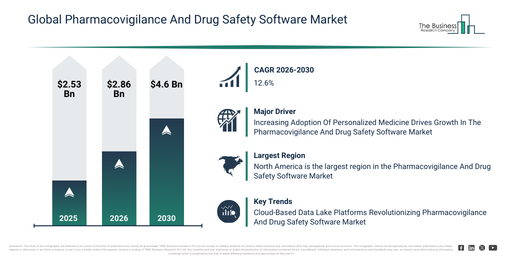
    The pharmacovigilance and drug safety software market has experienced substantial expansion in recent times. This market is projected to expand from $2.53 billion in 2025 to $2.86 billion by 2026, exhibiting a compound annual growth rate (CAGR) of 12.8%. Factors contributing to its historical growth include a rise in adverse drug reaction reporting, the global expansion of clinical trials, stricter drug safety regulations, an increase in pharmaceutical manufacturing, and escalating demands for post-marketing surveillance.

    The pharmacovigilance and drug safety software market is projected for substantial expansion over the coming years. This market is set to reach $4.6 billion by 2030, exhibiting a compound annual growth rate (CAGR) of 12.6%. Factors contributing to this anticipated growth during the forecast period encompass the proliferation of AI-driven signal detection, the rise in biologics and specialty drugs, intensified regulatory oversight, increased outsourcing of pharmacovigilance services, and the need for real-time safety analytics. Significant trends expected during this period include the wider acceptance of cloud-based pharmacovigilance platforms, a heightened emphasis on real-world evidence monitoring, greater automation in adverse event reporting, the extension of integrated drug safety systems, and a stronger demand for solutions ensuring regulatory compliance.

    Get A Free Sample Report With In-Depth Market Insights:

    https://thebusinessresearchcompany.com/sample_request?id=30537089&type=smp&name=Pharmacovigilance%20And%20Drug%20Safety%20Software%20Market%20Report%202026&utm_source=Blogs&utm_medium=Paid&utm_campaign=Oct_PR

    Pharmacovigilance And Drug Safety Software Market Growth Factors: What’s Supporting Expansion?

    The increasing need for personalized medicine is anticipated to drive expansion in the pharmacovigilance and drug safety software market going forward. Personalized medicine, also referred to as precision medicine, is a healthcare approach that tailors treatment decisions to an individual’s genetic, biological, and lifestyle characteristics. The demand for personalized medicine is escalating due to improved treatment outcomes, more effective prevention and early detection strategies, and greater cost-effectiveness. The pharmacovigilance and drug safety software market supports personalized medicine by integrating pharmacogenetics, real-time data analytics, and post-marketing surveillance to optimize patient safety, monitor individualized treatments, and strengthen risk-management practices. For instance, in February 2024, according to the Personalized Medicine Coalition (PMC), a US-based non-profit organization, the FDA approved 16 novel personalized therapies for patients with rare diseases in 2023, a significant increase from 6 approvals in 2022. Therefore, the expanding demand for personalized medicine is fueling the growth of the pharmacovigilance and drug safety software market.

    Pharmacovigilance And Drug Safety Software Market Segmentation And Category Overview

    The pharmacovigilance and drug safety software market covered in this report is segmented –

    1) By Software Type: Adverse Event Reporting Software, Drug Safety Audits Software, Issue Tracking Software, Fully Integrated Software

    2) By Delivery Mode: On-premise, Cloud-based

    3) By End User: Pharmaceutical And Biotechnology Companies, Contract Research Organizations, Business Process Outsourcing Firms, Other End Users

    Subsegments:

    1) By Adverse Event Reporting Software: Spontaneous Reporting Systems, EHR Integration Solutions, Mobile Reporting Applications

    2) By Drug Safety Audits Software: Audit Management Solutions, Compliance Tracking Tools, Reporting And Analytics Modules

    3) By Issue Tracking Software: Incident Reporting Systems, Workflow Management Tools, Collaboration Platforms

    4) By Fully Integrated Software: Pharmacovigilance Platforms, Regulatory Compliance Systems, Data Analytics And Visualization Tools

    Pharmacovigilance And Drug Safety Software Market Industry Trends: What’s Reshaping Demand?

    Major companies operating in the pharmacovigilance and drug safety software market are strategically developing innovative technologies, such as cloud-based data lake platforms, to strengthen adverse event monitoring, improve regulatory compliance, and enhance overall patient safety across clinical trials and post-market surveillance activities. A cloud-based data lake platform is defined as a scalable, centralized system capable of storing and analyzing large volumes of both structured and unstructured safety data in real time, thereby enabling advanced analytics, AI/ML modeling, and streamlined case processing within pharmacovigilance workflows. For example, in December 2023, Thermo Fisher Scientific Inc., a US-based biotechnology company, launched CorEvidence, a proprietary cloud-based data lake platform designed to optimize pharmacovigilance processes by improving safety data management and case processing efficiency, particularly supporting post-authorization safety studies within clinical research registries.

    Pharmacovigilance And Drug Safety Software Market Competitive Analysis Of Leading Industry Participants

    Major companies operating in the pharmacovigilance and drug safety software market are IQVIA, Oracle Corporation, ArisGlobal, RXLogix, Anju Software Inc., EXTEDO GmbH, Sarjen Systems Pvt Ltd, Ennov Group, AB Cube, Clinevo Technologies, Accenture plc, International Business Machines Corporation, Capgemini SE, Cognizant Technology Solutions, Wipro Limited, Genpact, Indegene Limited, PharmaLex, Deloitte Touche Tohmatsu Limited, Parexel

    View The Full Pharmacovigilance And Drug Safety Software Market Report:

    https://thebusinessresearchcompany.com/report/pharmacovigilance-and-drug-safety-software-global-market-report?utm_source=Blogs&utm_medium=Paid&utm_campaign=Oct_PR

    Pharmacovigilance And Drug Safety Software Market Top Region By Revenue And Market Share

    North America was the largest region in the pharmacovigilance and drug safety software market in 2025. Asia-Pacific is expected to be the fastest-growing region in the forecast period. The regions covered in the pharmacovigilance and drug safety software market report are Asia-Pacific, South East Asia, Western Europe, Eastern Europe, North America, South America, Middle East, Africa.

    Reach Out To Our Team:

    The Business Research Company: https://www.thebusinessresearchcompany.com/

    Americas: +1 310-496-7795

    Asia: +44 7882 955267 & +91 8897263534

    Europe: +44 7882 955267

    Email us at: marketing@tbrc.info

    Follow us on:

    LinkedIn: https://in.linkedin.com/company/the-business-research-company

    YouTube: https://www.youtube.com/channel/UC24_fI0rV8cR5DxlCpgmyFQ

    Global Market Model: https://www.thebusinessresearchcompany.com/global-market-model
  • Pharmacovigilance Market Size Growth: From $10.86 Billion In 2026 To $17.4 Billion By 2030

    Pharmacovigilance Market Size Growth: From $10.86 Billion In 2026 To $17.4 Billion By 2030

    Built to provide research that’s more actionable and strategically valuable, The Business Research Company’s 2026 market reports include market attractiveness analysis, total addressable market sizing, company benchmarking matrices, interactive Excel dashboards, broader supply chain intelligence, emerging startup tracking, and in-depth product insights.

    Pharmacovigilance Market Revenue Outlook: What CAGR Lies Ahead Through 2030?

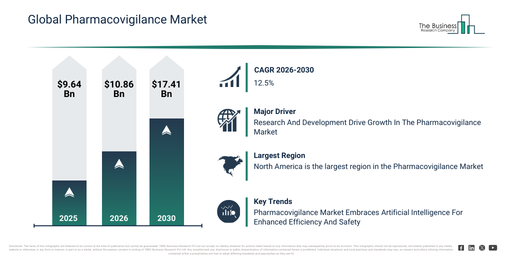
    The pharmacovigilance market size has experienced rapid growth in recent years. It is anticipated to expand from $9.64 billion in 2025 to $10.86 billion in 2026, exhibiting a compound annual growth rate (CAGR) of 12.7%. The expansion observed in the historic period can be attributed to increasing adverse drug reaction reporting, expansion of global pharmaceutical approvals, rising clinical trial volumes, establishment of international drug safety regulations, and growth in chronic disease drug usage.

    The pharmacovigilance market is anticipated to undergo significant expansion in the coming years, with its size projected to reach $17.41 billion in 2030, exhibiting a compound annual growth rate (CAGR) of 12.5%. This growth during the forecast period is attributed to several factors, including the increasing utilization of real-world data, a rise in approvals for biologics and biosimilars, the escalating complexity of combination therapies, the expansion of pharmacovigilance activities into emerging markets, and a heightened focus on patient safety outcomes. Prominent trends expected in this period encompass the broadening of post-marketing surveillance efforts, a growing reliance on real-world evidence in safety monitoring, more rigorous regulatory oversight and compliance demands, an increase in the outsourcing of pharmacovigilance services, and the integration of diverse safety data platforms.

    Get A Free Sample Report With In-Depth Market Insights:

    https://thebusinessresearchcompany.com/sample_request?id=43491693&type=smp&name=Pharmacovigilance%20Market%20Report%202026&utm_source=Blogs&utm_medium=Paid&utm_campaign=Oct_PR

    Pharmacovigilance Market Demand Drivers: What’s Powering Industry Growth?

    Elevated levels of research and development undertakings are projected to fuel the expansion of the pharmacovigilance market. Through strategic investment in R&D, pharmaceutical firms are able to create novel and cutting-edge medications featuring enhanced safety profiles. Thorough preclinical and clinical evaluations conducted throughout the drug development cycle facilitate the prompt detection of possible safety issues, thereby enabling the deployment of suitable risk mitigation tactics. Furthermore, R&D initiatives contribute significantly to the progression of technologies utilized for adverse event surveillance, data analytics, and signal identification, thus aiding the swift discovery of adverse drug reactions during the post-marketing period. As an illustration, in 2023, data from the Office for National Statistics, a UK-based government agency, showed that the UK government’s net expenditure on research and development (R&D) climbed to £17.4 billion in 2023, an increase from £16.1 billion in 2022, representing an 8.2% rise. Consequently, the heightened engagement in research and development activities has effectively bolstered the expansion of the pharmacovigilance market.

    Pharmacovigilance Market Segment Outlook: Which Categories Are Growing Fastest?

    The pharmacovigilance market covered in this report is segmented –

    1) By Type: Spontaneous Reporting, Intensified ADR Reporting, Targeted Spontaneous Reporting, Cohort Event Monitoring, EHR Mining

    2) By Service Provider: In-House, Contract Outsourcing

    3) By Process Flow: Case Data Management, Signal Detection, Risk Management System

    4) By Clinical Trial Phases: Preclinical, Phase I, Phase II, Phase III, Phase IV

    5) By End User: Hospitals, Pharmaceutical Companies, Other End Users

    Subsegments:

    1) By Spontaneous Reporting: Individual Case Safety Reports (ICSRs), Voluntary Reporting Systems, Case Reports From Healthcare Professionals

    2) By Intensified ADR Reporting: Active Surveillance Programs, Enhanced Monitoring In Clinical Trials, Risk Minimization Strategies

    3) By Targeted Spontaneous Reporting: Reporting For Specific Drug Classes, Condition-Specific Reporting, Focused Surveillance Programs

    4) By Cohort Event Monitoring: Prospective Cohort Studies, Retrospective Cohort Studies, Longitudinal Studies

    5) By EHR Mining: Data Extraction From Electronic Health Records, Signal Detection Through EHR Analysis, Integration Of EHR Data With Pharmacovigilance Systems

    Pharmacovigilance Market Innovation Trends: What Developments Are Reshaping The Industry?

    Leading companies within the pharmacovigilance market are increasingly concentrating on artificial intelligence (AI) to enhance their operational efficiency. AI has the potential to boost the effectiveness and precision of pharmacovigilance activities, ultimately resulting in improved patient outcomes. By leveraging AI, pharmaceutical firms can streamline their operations, optimize data management, and accelerate drug discovery, concurrently lowering costs and increasing safety. For example, in August 2024, the Government of India introduced the Adverse Drug Reaction Monitoring System (ADRMS) software, launched by the Minister of Health & Family Welfare and Minister of Chemicals and Fertilizers. This pharmacovigilance software assists in the collection and analysis of adverse events associated with medicines and medical devices, thereby simplifying the reporting process for both consumers and healthcare professionals. This initiative considerably strengthens India’s pharmacovigilance infrastructure by ensuring a more extensive capture of safety data and elevating drug safety monitoring. The ADRMS endeavors to improve the efficiency of drug safety oversight and adherence to standards, thereby helping to establish India as a prominent player in the global pharmaceutical industry.

    Pharmacovigilance Market Leading Companies And Competitive Benchmarking

    Major companies operating in the pharmacovigilance market are IQVIA, Cognizant, ICON Plc, Accenture plc, PAREXEL International Corporation, United BioSource LLC, ArisGlobal, Quanticate, Wipro Limited, Linical Americas, Novotech CRO, EXTEDO, Arriello, PrimeVigilance, Axios International, C3i Solutions, Secure AI Labs, OmniSol dot Tech, Prevnos Inc., Lifescient Inc, QuintilesIMS, Labcorp Drug Development, Pharmaceutical Product Development Inc., PRA Health Sciences, Synowledge LLC, RAPAhub, illuminate health, Invenio Medical, ClinChoice Inc., Novasyte, Fortrea Holdings Inc., Syneos Health Clinical, Telerx Marketing Inc.

    View The Full Pharmacovigilance Market Report:

    https://thebusinessresearchcompany.com/report/pharmacovigilance-global-market-report?utm_source=Blogs&utm_medium=Paid&utm_campaign=Oct_PR

    Pharmacovigilance Market Regional Analysis And Top Geography

    North America was the largest region in the pharmacovigilance market in 2025. Asia-Pacific is expected to be the fastest-growing region in the forecast region. The regions covered in the pharmacovigilance market report are Asia-Pacific, South East Asia, Western Europe, Eastern Europe, North America, South America, Middle East, Africa.

    Reach Out To Our Team:

    The Business Research Company: https://www.thebusinessresearchcompany.com/

    Americas: +1 310-496-7795

    Asia: +44 7882 955267 & +91 8897263534

    Europe: +44 7882 955267

    Email us at: marketing@tbrc.info

    Follow us on:

    LinkedIn: https://in.linkedin.com/company/the-business-research-company

    YouTube: https://www.youtube.com/channel/UC24_fI0rV8cR5DxlCpgmyFQ

    Global Market Model: https://www.thebusinessresearchcompany.com/global-market-model
  • Pharmacogenetic Testing Market Analysis 2026: Market Size, Growth Trends And Industry Outlook

    Pharmacogenetic Testing Market Analysis 2026: Market Size, Growth Trends And Industry Outlook

    Backed by market attractiveness analysis, total addressable market sizing, company benchmarking matrices, interactive Excel dashboards, wider supply chain intelligence, emerging startup coverage, and detailed product-level insights, The Business Research Company’s 2026 market reports are designed to offer research that is more actionable and strategically valuable than ever.

    Pharmacogenetic Testing Market Growth Analysis: How Will Revenue Trend Over The Forecast Period?

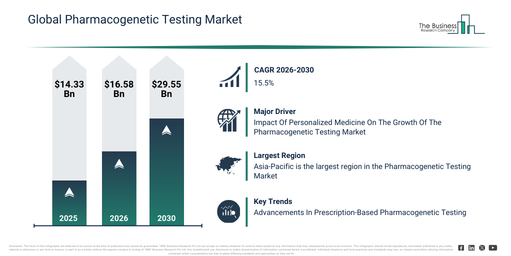
    The pharmacogenetic testing market has experienced substantial expansion in recent years. Its valuation is projected to grow from $14.33 billion in 2025 to $16.58 billion in 2026, at a compound annual growth rate (CAGR) of 15.7%. The market’s historical growth can be attributed to advancements in genomic sequencing technologies, concerns regarding adverse drug reactions, the increasing burden of chronic diseases, declining genetic testing costs, and a rise in clinical awareness.

    The pharmacogenetic testing market size is anticipated to undergo substantial growth over the next few years, with projections indicating it will reach $29.55 billion in 2030, exhibiting a compound annual growth rate (CAGR) of 15.5%. This expansion during the forecast period is primarily driven by factors such as the advancement of precision healthcare, the broadening availability of direct-to-consumer testing, enhanced integration with electronic health records, increasing regulatory support, and greater investment in genomics research. Additionally, significant trends expected during this period include a rising adoption of personalized medicine, a more widespread use of genetic testing in drug selection, an expansion of its applications in oncology and cardiology, a growing demand for precision diagnostics, and the integration of pharmacogenomics into routine clinical practice.

    Get A Free Sample Report With In-Depth Market Insights:

    https://thebusinessresearchcompany.com/sample_request?id=89547410&type=smp&name=Pharmacogenetic%20Testing%20Market%20Report%202026&utm_source=Blogs&utm_medium=Paid&utm_campaign=Oct_PR

    Pharmacogenetic Testing Market Growth Drivers: What’s Behind The Acceleration?

    The future growth of the pharmacogenetic testing market is anticipated to be boosted by the escalating need for personalized medicine. Personalized medicine, also known as precision medicine, is a healthcare strategy that customizes treatments and medical choices based on a person’s distinct genetic makeup, biological traits, and lifestyle. The heightened call for personalized medicine stems from its capacity to enhance treatment efficacy, facilitate early diagnosis, and improve cost efficiency in patient care. The pharmacogenetic testing market facilitates personalized medicine by examining an individual’s genetic profile to forecast drug reactions, thereby allowing for better treatment choices and minimizing the likelihood of negative side effects. For instance, in February 2024, according to the Personalized Medicine Coalition (PMC), a US-based non-profit organization, the FDA approved 16 novel personalized therapies for patients with rare diseases in 2023, compared to 6 approvals in 2022. Consequently, the rising demand for personalized medicine is fueling the expansion of the pharmacogenetic testing market.

    Pharmacogenetic Testing Market Segment Landscape: Which Areas Lead Development?

    The pharmacogenetic testing market covered in this report is segmented –

    1) By Type: Whole Genome Sequencing, Whole Exome Sequencing, Array-Based Tests, Single Gene Tests

    2) By Drug Type: Prescription Drugs, Nutraceuticals, Recreational Drugs, Herbal Supplements, Vitamins, Over-The-Counter Medications

    3) By Therapeutic Area: Cardiology, Gastroenterology, Anesthesiology, Genomics, Endocrinology, Immunology And Hypersensitivity, Dermatology, Gynecology, Oncology, Other Therapeutic Areas

    4) By Distribution Channel: Hospital Pharmacy, Retail Pharmacies, Mail-Order Pharmacies, Direct-to-Customer Services

    5) By End User: Healthcare Providers, Pharmaceutical And Biotechnology Companies, Centers And Academic Institutes, Other End Users

    Subsegments:

    1) By Whole Genome Sequencing: Illumina Sequencing, Ion Torrent Sequencing, Pacific Biosciences Sequencing, Oxford Nanopore Sequencing

    2) By Whole Exome Sequencing: Capture-Based Exome Sequencing, Targeted Enrichment Exome Sequencing, Hybridization-Based Exome Sequencing

    3) By Array-Based Tests: SNP Array Testing, Expression Array Testing, Copy Number Variation Array Testing

    4) By Single Gene Tests: Targeted Gene Panels, Mutation Detection Tests, Sequencing Of Specific Genes

    Pharmacogenetic Testing Market Trends: What’s Defining The Industry’s Next Phase?

    Key companies within the pharmacogenetics testing market are prioritizing the creation of advanced pharmacogenomics testing services, including prescription-based pharmacogenetic testing, to improve medication safety, enhance treatment precision, and support personalized therapeutic decision-making. Prescription-based pharmacogenetic testing involves genetic analyses initiated by licensed healthcare providers to investigate how an individual’s genetic composition influences their response to specific medications, thus empowering clinicians to optimize drug selection and dosing while mitigating the probability of adverse drug reactions. For instance, in May 2023, UCSF, a US-based healthcare organization, unveiled its pharmacogenomics testing service, which was designed to elevate the precision of medical treatments. This service equips healthcare professionals with genetic insights that aid in tailoring drug therapies to each patient’s unique profile, thereby strengthening drug efficacy and minimizing the risk of harmful side effects.

    Pharmacogenetic Testing Market Industry Leaders And Competitive Landscape

    Major companies operating in the pharmacogenetic testing market are CVS Health Corporation, Thermo Fisher Scientific Inc., Quest Diagnostics Incorporated, Eurofins Scientific Inc., Bio-Rad Laboratories, Precision Medicine Advsiors, Azenta Life Sciences, Fulgent Genetics, Pacific Biosciences of California Inc., Castle Biosciences, 23andMe Holding Co., Helix Inc., Genomind Inc., MD Labs, Sonic Genetics, AutoGenomics Inc., LabClinics SA, Gene By Gene Ltd., Xcode Life Sciences, YouScript, RxGenomix LLC

    View The Full Pharmacogenetic Testing Market Report:

    https://thebusinessresearchcompany.com/report/pharmacogenetic-testing-global-market-report?utm_source=Blogs&utm_medium=Paid&utm_campaign=Oct_PR

    Pharmacogenetic Testing Market Geographic Analysis: Where Is Demand Rising Fastest?

    Asia-Pacific was the largest region in the pharmacogenetic testing market in 2025. Asia-Pacific is expected to be the fastest-growing region in the forecast period. The regions covered in the pharmacogenetic testing market report are Asia-Pacific, South East Asia, Western Europe, Eastern Europe, North America, South America, Middle East, Africa.

    Reach Out To Our Team:

    The Business Research Company: https://www.thebusinessresearchcompany.com/

    Americas: +1 310-496-7795

    Asia: +44 7882 955267 & +91 8897263534

    Europe: +44 7882 955267

    Email us at: marketing@tbrc.info

    Follow us on:

    LinkedIn: https://in.linkedin.com/company/the-business-research-company

    YouTube: https://www.youtube.com/channel/UC24_fI0rV8cR5DxlCpgmyFQ

    Global Market Model: https://www.thebusinessresearchcompany.com/global-market-model
  • Pharmaceuticals Native Starch Market Forecast To 2030: Starting From $9.22 Billion In 2026

    Pharmaceuticals Native Starch Market Forecast To 2030: Starting From $9.22 Billion In 2026

    Featuring market attractiveness scoring, total addressable market sizing, company benchmarking matrices, interactive Excel dashboards, deeper supply chain intelligence, emerging startup tracking, and granular product-level insights, The Business Research Company’s 2026 market reports are built to deliver research that is both more actionable and more strategically valuable.

    Pharmaceuticals Native Starch Market Forecast: What Value Will The Market Reach By 2030?

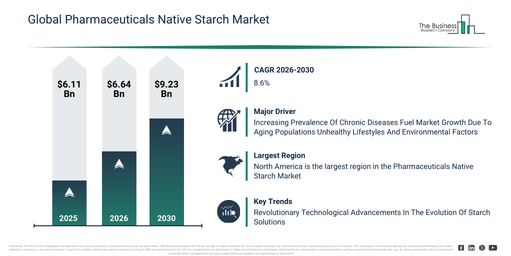
    The pharmaceuticals native starch market size has shown significant growth in recent years. This market is expected to expand from $6.11 billion in 2025 to $6.64 billion in 2026, achieving a compound annual growth rate (CAGR) of 8.6%. The historical growth of this market stemmed from factors including the accessibility of natural starch sources, the rise of generic pharmaceuticals, the widespread application in tablets and capsules, cost sensitivity in drug manufacturing, and the regulatory acceptance of native starch.

    The pharmaceuticals native starch market is predicted to experience significant expansion over the next few years. It is expected to grow to $9.23 billion in 2030 at a compound annual growth rate (CAGR) of 8.6%. This growth during the forecast period is driven by an increase in clean-label drug formulations, stricter sustainability requirements, the expansion of pharmaceutical manufacturing into emerging markets, a rising demand for biodegradable excipients, and advancements in starch processing. Major trends anticipated during this period include a growing demand for natural and clean-label excipients, increasing utilization in solid oral dosage forms, greater adoption as a binder and disintegrant, the expansion of plant-based pharmaceutical ingredients, and an increasing focus on cost-effective excipients.

    Get A Free Sample Report With In-Depth Market Insights:

    https://thebusinessresearchcompany.com/sample_request?id=67338368&type=smp&name=Pharmaceuticals%20Native%20Starch%20Market%20Report%202026&utm_source=Blogs&utm_medium=Paid&utm_campaign=Oct_PR

    Pharmaceuticals Native Starch Market Growth Factors Behind Sustained Expansion

    The increasing prevalence of chronic diseases is anticipated to propel the growth of the pharmaceuticals native starch market moving forward. Chronic conditions are long-term medical issues that typically progress slowly and last for a year or more. The rising incidence of chronic diseases is primarily attributed to an aging population, as older individuals are more susceptible to long-term health problems such as diabetes, cardiovascular diseases, arthritis, and cancer, which become more common with advancing age. Pharmaceuticals native starch is beneficial for chronic diseases by enhancing drug formulation stability, improving bioavailability, enabling controlled drug release, supporting patient adherence, and ultimately strengthening the effectiveness and long-term management of chronic medical conditions. For instance, in April 2025, according to the Centers for Disease Control and Prevention, a US-based federal public health agency, 76.4% of U.S. adults, representing approximately 194 million people, reported having one or more chronic conditions in 2023, with prevalence at 59.5% among young adults, 78.4% among midlife adults, and 93.0% among older adults. Therefore, the growing prevalence of chronic diseases is driving the expansion of the pharmaceuticals native starch market. The expansion of generic drug manufacturing is expected to propel the growth of the pharmaceuticals native starch market in the future. Generic drug manufacturing refers to the production of off-patent medications that are bioequivalent to branded drugs. Generic drug manufacturing is on the rise due to increasing regulatory support that accelerates approvals and encourages more companies to produce affordable alternatives to branded medicines. The growth of generic drug manufacturing supports pharmaceuticals native starch by increasing the need for reliable, cost-effective excipients that enhance tablet formulation, stability, and drug delivery efficiency across a broader range of high-volume generic medicines. For instance, in November 2024, according to the Food and Drug Administration (FDA), a US-based federal agency, in FY 2023, the FDA approved 782 Abbreviated New Drug Applications (ANDAs), an increase from 722 approvals recorded in FY 2022. Therefore, the expansion of generic drug manufacturing is driving the growth of the pharmaceuticals native starch market.

    Pharmaceuticals Native Starch Market Segments: Where Is Growth Concentrated?

    The pharmaceuticals native starch market covered in this report is segmented –

    1) By Type: Potato Starch, Corn Starch, Other Types

    2) By Formulation Type: Oral Solid Dosage Forms, Liquid Dosage Forms, Topical Formulations, Injectable Drugs, Controlled Release Formulations

    3) By Functionality: Texturizing Agent, Moisture Retention Agent, Bulking Agent, Emulsifying Agent, Film-Forming Agent

    4) By Application: Binders And Coating Agents, Disintegrants, Fillers And Extenders, Stabilizers, Thickening Agents

    5) By End-User: Pharmaceutical Manufacturers, Contract Research Organizations (CROs), Contract Manufacturing Organizations (CMOs), Research And Development Labs, Academic Institutions, Other End-users

    Subsegments:

    1) By Potato Starch: Native Potato Starch (Pharmaceutical Grade), Low Moisture Native Potato Starch, Fine Particle Size Native Potato Starch, High Purity Native Potato Starch

    2) By Corn Starch: Native Corn Starch (Pharmaceutical Grade), Low Moisture Native Corn Starch, Fine Particle Size Native Corn Starch, High Purity Native Corn Starch

    3) By Other Types: Rice Starch, Wheat Starch, Tapioca Starch

    Pharmaceuticals Native Starch Market Industry Trends Fueling Future Revenue Growth

    Leading companies in the pharmaceuticals native starch market are focusing on developing innovative products, such as plant-based textures, to enhance drug formulation and improve patient compliance. Plant-based texture refers to the physical properties derived from plant ingredients, such as thickness and gel strength, and helps pharmaceuticals utilize native starch by improving tablet binding, disintegration, and mouthfeel for enhanced natural drug formulations. For instance, in February 2024, Ingredion Incorporated, a US-based food company, launched Novation Indulge 2940 starch, a clean-label texturizer aimed at improving texture and stability in dairy and alternative dairy products. This innovative pharmaceutical native starch offers functional properties that enhance drug formulation performance, bioavailability, and controlled release while supporting the development of clean-label, sustainable products. NOVATION Indulge 2940 starch is a versatile ingredient that improves texture, stability, and consumer acceptance in both dairy and alternative dairy products, using clean-label, natural ingredients.

    Pharmaceuticals Native Starch Market Key Participants And Competitive Landscape

    Major companies operating in the pharmaceuticals native starch market are Cargill Incorporated, Archer Daniels Midland Company, Ingredion Incorporated, Roquette Frères SA, Emsland Group, Tereos SCA, AGRANA Beteiligungs-AG, Grain Processing Corporation, Universal Starch-Chem Allied Ltd., SPAC Starch Products (India) Private Limited, Sanstar Biopolymers Ltd., Gulshan Polyols Ltd., Tate & Lyle Public Limited Company, BENEO GmbH, Hungrana Kft., Bluecraft Agro Pvt. Ltd., Visco Starch, Manildra Group, Shandong Liujia Pharmaceutical Excipient Co. Ltd., Zhucheng Xingmao Corn Developing Co. Ltd.

    View The Full Pharmaceuticals Native Starch Market Report:

    https://thebusinessresearchcompany.com/report/pharmaceuticals-native-starch-global-market-report?utm_source=Blogs&utm_medium=Paid&utm_campaign=Oct_PR

    Pharmaceuticals Native Starch Market Global Footprint: Which Region Leads The Market?

    North America was the largest region in the pharmaceuticals native starch market in 2025. Asia-Pacific is expected to be the fastest-growing region in the forecast period. The regions covered in the pharmaceuticals native starch market report are Asia-Pacific, South East Asia, Western Europe, Eastern Europe, North America, South America, Middle East, Africa.

    Reach Out To Our Team:

    The Business Research Company: https://www.thebusinessresearchcompany.com/

    Americas: +1 310-496-7795

    Asia: +44 7882 955267 & +91 8897263534

    Europe: +44 7882 955267

    Email us at: marketing@tbrc.info

    Follow us on:

    LinkedIn: https://in.linkedin.com/company/the-business-research-company

    YouTube: https://www.youtube.com/channel/UC24_fI0rV8cR5DxlCpgmyFQ

    Global Market Model: https://www.thebusinessresearchcompany.com/global-market-model
  • Pharmaceutical Water Market Size In 2026 And Beyond: Understanding Future Growth Potential

    Pharmaceutical Water Market Size In 2026 And Beyond: Understanding Future Growth Potential

    Built to provide research that’s more actionable and strategically valuable, The Business Research Company’s 2026 market reports include market attractiveness analysis, total addressable market sizing, company benchmarking matrices, interactive Excel dashboards, broader supply chain intelligence, emerging startup tracking, and in-depth product insights.

    Pharmaceutical Water Market Size Outlook: How Quickly Will Revenue Expand Through 2030?

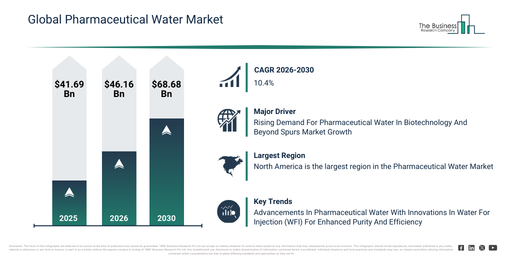
    The pharmaceutical water market has experienced rapid expansion in recent years. Its value is set to increase from $41.69 billion in 2025 to $46.16 billion in 2026, achieving a compound annual growth rate (CAGR) of 10.7%. This historic growth is attributable to factors including the restricted supply of pharmaceutical-grade water, a reliance on traditional purification systems, increasing pharmaceutical production activities, stricter regulatory demands for water quality, and the expansion of research laboratories and academic institutions.

    The pharmaceutical water market size is anticipated to undergo substantial growth in the upcoming years. Its value is projected to reach $68.68 billion by 2030, expanding at a compound annual growth rate (CAGR) of 10.4%. This projected growth throughout the forecast period is driven by factors such as the adoption of advanced water purification technologies, the expansion of biopharmaceutical production, an increasing demand for sterile water in injections and inhalation products, growing investments in pharmaceutical research and development, and a rising focus on sustainable water treatment and recycling practices. Major trends expected during this period include a heightened demand for highly purified and sterile water in pharmaceutical manufacturing, the expansion of cell culture and bioprocessing applications, an increasing integration of water for injection and inhalation products, a strong emphasis on regulatory compliance and quality assurance in water systems, and the growth of contract research and manufacturing organizations (CROS) utilizing specialized water.

    Get A Free Sample Report With In-Depth Market Insights:

    https://thebusinessresearchcompany.com/sample_request?id=98718419&type=smp&name=Pharmaceutical%20Water%20Market%20Report%202026&utm_source=Blogs&utm_medium=Paid&utm_campaign=Oct_PR

    Pharmaceutical Water Market Demand Drivers Opening New Revenue Streams

    The escalating requirements from the biotechnology sector are projected to propel the expansion of the pharmaceutical water market in the future. Biotechnology is a scientific discipline that employs biological processes, organisms, or systems to formulate products and technologies beneficial to society. The need for pharmaceutical water in the biotechnology industry arises from innovations in genetic engineering, advancements in research techniques, and the development of biopharmaceuticals. Pharmaceutical water supports biotechnology by supplying the essential purity and quality for its research, development, and production activities, ensuring that biotech products are safe, effective, and adhere to regulatory standards. For instance, in January 2025, as per the BioIndustry Association (BIA), a UK-based trade association, the UK biotech sector attracted £3.5bn ($4.04) in 2024, representing a 94% rise from the prior year. Hence, the increasing demand from the biotechnology industry is a key driver for growth in the pharmaceutical water market.

    Pharmaceutical Water Market Segment Analysis: What Are The Core Market Categories?

    The pharmaceutical water market covered in this report is segmented –

    1) By Product Type: Highly Purified Water, Water For Injection, Water For Inhalation, Deionized Water, Distilled Water, Other Product Types

    2) By Application: Drug Formulation, Cleaning And Purification, Cell Culture Production, Equipment Cleaning, Buffers And Solutions, Other Applications

    3) By End User: Pharmaceutical And Biotechnology Companies, Contract Research And Manufacturing Organizations, Academics And Research Laboratories, Hospitals And Healthcare Facilities, Diagnostic Laboratories, Other End-Users

    Subsegments:

    1) By Highly Purified Water: Reverse Osmosis Water, Ultrapure Water, Purified Water Systems

    2) By Water For Injection: Sterile Water For Injection, Non-Sterile Water For Injection, Single-Dose Water For Injection

    3) By Water For Inhalation: Sterile Water For Inhalation, Non-Sterile Water For Inhalation, Preservative-Free Water For Inhalation

    4) By Deionized Water: Type I Deionized Water, Type II Deionized Water, Type III Deionized Water

    5) By Distilled Water: Laboratory Grade Distilled Water, Medical Grade Distilled Water, Industrial Grade Distilled Water

    6) By Other Product Types: Water For Hemodialysis, Water For Laboratory Use, Water For Pharmaceutical Processing

    Pharmaceutical Water Market Trends Powering Strategic Industry Growth

    Key players within the pharmaceutical waters market are concentrating on creating cutting-edge products, such as water for Injection (WFI), to elevate the effectiveness and standard of water purification methods. Water for Injection (WFI) is a category of pharmaceutical water that fulfills the most rigorous purity criteria and is specifically formulated for manufacturing injectable medications. For example, in June 2024, Asahi Kasei Corporation, a Japan-based chemicals company, unveiled a new membrane system engineered to produce Water for Injection (WFI), which is crucial for preparing injections. This system incorporates a Microza hollow-fiber membrane, providing a more energy-efficient and environmentally conscious option compared to traditional distillation techniques. The system’s design simplifies the production sequence by removing the requirement for steam cooling and condensation, thus rendering it more efficient and intuitive to operate.

    Pharmaceutical Water Market Top Companies Driving Competitive Growth

    Major companies operating in the pharmaceutical water market are Merck & Co. Inc., Thermo Fisher Scientific Inc., Danaher Corporation, Ecolab Inc., Baxter International Inc., B. Braun Melsungen AG, Xylem Inc., Sartorius AG, Pentair PLC, Waters Corporation, Pall Corporation, Veolia Water Solutions And Technologies, Hikma Pharmaceuticals PLC, Hach Company, BWT AG, Evoqua Water Technologies, Kinetico Incorporated, Nexus Pharmaceuticals, Aqua-Chem Inc., FujiFilm Irvine Scientific Inc., Medi-Pure Incorporated, Lenntech B.V.

    View The Full Pharmaceutical Water Market Report:

    https://thebusinessresearchcompany.com/report/pharmaceutical-water-global-market-report?utm_source=Blogs&utm_medium=Paid&utm_campaign=Oct_PR

    Pharmaceutical Water Market Regional Split: Which Areas Are Fueling Growth?

    North America was the largest region in the pharmaceutical water market in 2025. Asia-Pacific is expected to be the fastest-growing region in the market going forward. The regions covered in the pharmaceutical water market report are Asia-Pacific, South East Asia, Western Europe, Eastern Europe, North America, South America, Middle East, Africa.

    Reach Out To Our Team:

    The Business Research Company: https://www.thebusinessresearchcompany.com/

    Americas: +1 310-496-7795

    Asia: +44 7882 955267 & +91 8897263534

    Europe: +44 7882 955267

    Email us at: marketing@tbrc.info

    Follow us on:

    LinkedIn: https://in.linkedin.com/company/the-business-research-company

    YouTube: https://www.youtube.com/channel/UC24_fI0rV8cR5DxlCpgmyFQ

    Global Market Model: https://www.thebusinessresearchcompany.com/global-market-model
  • Pharmaceutical Unit-Dose Packaging Market Reaches $93.07 Billion In 2026: Key Developments Shaping Expansion

    Pharmaceutical Unit-Dose Packaging Market Reaches $93.07 Billion In 2026: Key Developments Shaping Expansion

    Backed by market attractiveness analysis, total addressable market sizing, company benchmarking matrices, interactive Excel dashboards, wider supply chain intelligence, emerging startup coverage, and detailed product-level insights, The Business Research Company’s 2026 market reports are designed to offer research that is more actionable and strategically valuable than ever.

    Pharmaceutical Unit-Dose Packaging Market Size, Value And Growth Trajectory Through 2030

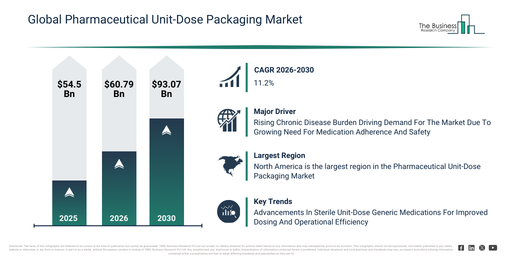
    The market size for pharmaceutical unit-dose packaging has experienced rapid expansion over recent years. Projections indicate it will increase from $54.5 billion in 2025 to $60.79 billion in 2026, exhibiting a compound annual growth rate (CAGR) of 11.6%. Historically, this growth has been driven by several factors, including heightened hospital medication safety efforts, a greater need for accurate drug dosing, the broadening use of injectable and biologic treatments, the expansion of outpatient care environments, and innovations in pharmaceutical packaging materials.

    The pharmaceutical unit-dose packaging market size is projected to undergo significant expansion over the coming years, reaching $93.07 billion by 2030, driven by a compound annual growth rate (CAGR) of 11.2%. This projected growth can be attributed to factors such as the increasing adoption of smart packaging technologies, a heightened focus on patient-centric drug delivery, the expansion of biologics and specialty drugs, a growing demand for compliance-ready packaging, and enhanced automation in pharmaceutical packaging lines. Noteworthy trends anticipated during this period include the wider implementation of unit-dose safety packaging, an escalating demand for blister and prefilled syringe formats, the increasing integration of track-and-trace technologies, the development of high-barrier packaging materials, and an intensified effort to reduce medication errors.

    Get A Free Sample Report With In-Depth Market Insights:

    https://thebusinessresearchcompany.com/sample_request?id=81209637&type=smp&name=Pharmaceutical%20Unit-Dose%20Packaging%20Market%20Report%202026&utm_source=Blogs&utm_medium=Paid&utm_campaign=Oct_PR

    Pharmaceutical Unit-Dose Packaging Market Growth Backed By Core Demand Fundamentals

    The future growth of the pharmaceutical unit-dose packaging market is expected to be driven by the increasing scope of immunization programs and vaccination campaigns. These initiatives represent organized public health efforts designed to safeguard populations from infectious diseases through the systematic administration of vaccines. The surge in immunization programs and vaccination campaigns stems from the rising frequency of infectious disease outbreaks, which prompts governments and health organizations to intensify their efforts to prevent transmission and protect public health. Pharmaceutical unit-dose packaging aids immunization programs and vaccination campaigns by ensuring accurate dosage, minimizing medication errors, maintaining sterility, and streamlining distribution and administration during large-scale vaccination efforts. For example, in June 2023, the UK Health Security Agency, a UK-based government agency, reported that a total of 3,502,566 children (from Reception to Year 9) were vaccinated in the school-aged program during 2022 to 2023, in contrast to 3,615,536 children in the same age range during 2021 to 2022. Thus, the expansion of immunization programs and vaccination campaigns is fueling the growth of the pharmaceutical unit-dose packaging market.

    Pharmaceutical Unit-Dose Packaging Market Segment Breakdown: Which Categories Lead On Revenue?

    The pharmaceutical unit-dose packaging market covered in this report is segmented –

    1) By Product: Blisters, Ampoules, Vials, Prefilled Syringes And Cartridges

    2) By Material: Plastics, Glass, Paper And Paperboard, Metal

    3) By End-Use: Ophthalmic, Injectable, Biologics, Wound Care, Respiratory Therapy, Orals

    Subsegments:

    1) By Blisters: Push-Through Blisters, Peelable Blisters, Cold Formed Blisters, Thermoformed Blisters

    2) By Ampoules: Open Ampoules, Closed Ampoules, Flame-Sealed Ampoules, Pressure-Sealed Ampoules

    3) By Vials: Single-Dose Vials, Multi-Dose Vials, Crimp Neck Vials, Screw Neck Vials

    4) By Prefilled Syringes And Cartridges: Disposable Prefilled Syringes, Reusable Prefilled Syringes, Glass Cartridges, Plastic Cartridges

    Pharmaceutical Unit-Dose Packaging Market Growth Trends Reshaping The Competitive Landscape

    Companies operating within the pharmaceutical unit-dose packaging market are prioritizing the development of advanced solutions, such as sterile unit-dose generic products, to enhance dosing accuracy and streamline the operations of hospitals and pharmacies. These sterile unit-dose generic products are pre-measured, individually packaged medications formulated to be free from microbial contamination, ensuring safe and accurate dosing while simultaneously offering a cost-effective alternative to branded sterile drugs. For instance, in August 2023, Ritedose Pharmaceuticals, a US-based pharmaceutical company, launched a cromolyn sodium inhalation solution, USP (20 mg/2 ml). This new sterile unit-dose generic product serves as an inhaled anti-inflammatory agent for the preventive management of asthma and is supplied in cartons containing 60 single-dose vials. The introduction expands Ritedose’s portfolio of inhalation solutions and provides a reliable supply for clients who regularly need this medication.

    Pharmaceutical Unit-Dose Packaging Market Leading Players And Competitive Positioning

    Major companies operating in the pharmaceutical unit-dose packaging market are Pfizer Inc., Johnson & Johnson Innovation LLC, Merck & Co. Inc., AbbVie Inc., Becton Dickinson and Company, Amcor Plc, Nipro Corporation, Aptar Group Inc., West Pharmaceutical Services Inc., Constantia Flexibles Group GmbH, Klöckner Pentaplast, Stevanato Group S.p.A., SGD SA, SP Group, Jones Healthcare Group, Innovative Pharmacy Packaging Corporation Inc., Medical Packaging Inc. LLC, Adelphi Healthcare Packaging, Sonic Packaging Industries, Alfipa, Unit Pack Company Inc.

    View The Full Pharmaceutical Unit-Dose Packaging Market Report:

    https://thebusinessresearchcompany.com/report/pharmaceutical-unit-dose-packaging-global-market-report?utm_source=Blogs&utm_medium=Paid&utm_campaign=Oct_PR

    Pharmaceutical Unit-Dose Packaging Market Top Region: Where Does Most Revenue Come From?

    North America was the largest region in the pharmaceutical unit-dose packaging market in 2025. Asia-Pacific is expected to be the fastest-growing region in the forecast period. The regions covered in the pharmaceutical unit-dose packaging market report are Asia-Pacific, South East Asia, Western Europe, Eastern Europe, North America, South America, Middle East, Africa.

    Reach Out To Our Team:

    The Business Research Company: https://www.thebusinessresearchcompany.com/

    Americas: +1 310-496-7795

    Asia: +44 7882 955267 & +91 8897263534

    Europe: +44 7882 955267

    Email us at: marketing@tbrc.info

    Follow us on:

    LinkedIn: https://in.linkedin.com/company/the-business-research-company

    YouTube: https://www.youtube.com/channel/UC24_fI0rV8cR5DxlCpgmyFQ

    Global Market Model: https://www.thebusinessresearchcompany.com/global-market-model