Blog

  • Plexiform Neurofibroma Treatment Market Trends Reshaping Industry Growth Through 2030

    Plexiform Neurofibroma Treatment Market Trends Reshaping Industry Growth Through 2030

    Featuring market attractiveness scoring, total addressable market sizing, company benchmarking matrices, interactive Excel dashboards, deeper supply chain intelligence, emerging startup tracking, and granular product-level insights, The Business Research Company’s 2026 market reports are built to deliver research that is both more actionable and more strategically valuable.

    Plexiform Neurofibroma Treatment Market Value Growth And Long-Term Outlook

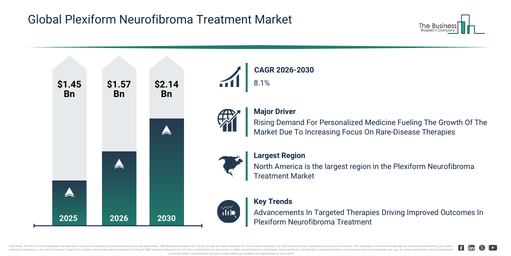
    The plexiform neurofibroma treatment market has experienced significant expansion recently. Its valuation is set to increase from $1.45 billion in 2025 to $1.57 billion in 2026, reflecting a compound annual growth rate (CAGR) of 8.4%. This historical growth can be attributed to several factors, including the limited array of treatment options for complex nerve sheath tumors, a prevalent reliance on surgical interventions for symptom alleviation, low rates of disease awareness and diagnosis, substantial treatment costs, and a scarcity of specialized care centers.

    The plexiform neurofibroma treatment market is anticipated to experience substantial expansion over the upcoming years. This market is projected to reach $2.14 billion by 2030, exhibiting a compound annual growth rate (CAGR) of 8.1%. This growth trajectory during the forecast period can be attributed to several factors, including progress in targeted and precision therapies, a rise in clinical research and drug approvals, increased awareness concerning rare genetic disorders, the broadening of pediatric oncology services, and the incorporation of personalized treatment strategies. Significant trends anticipated for the forecast duration involve the increasing embrace of targeted therapies for tumor management, a rise in the application of minimally invasive and robotic surgical procedures, an intensified focus on treatment approaches tailored specifically for pediatric patients, the expansion of combination therapy protocols, and enhanced outcomes regarding symptom management and patient quality of life.

    Get A Free Sample Report With In-Depth Market Insights:

    https://thebusinessresearchcompany.com/sample_request?id=42817598&type=smp&name=Plexiform%20Neurofibroma%20Treatment%20Market%20Report%202026&utm_source=Blogs&utm_medium=Paid&utm_campaign=Oct_PR

    Plexiform Neurofibroma Treatment Market Growth Factors: What’s Supporting Expansion?

    The plexiform neurofibroma treatment market is anticipated to expand due to the rising demand for personalized medicine. Personalized medicine involves tailoring medical interventions according to a patient’s unique genetic makeup and molecular indicators, allowing for treatments precisely targeted to an individual’s tumor biology and genetic alterations. This surge in personalized medicine stems from an increased emphasis on individuals with rare diseases and the development of therapies that target specific mutations. The heightened demand for personalized medicine is accelerating progress in Plexiform Neurofibroma treatment. This is achieved by encouraging the creation of targeted therapies and precise methods that customize interventions based on each patient’s distinct genetic and molecular profiles, leading to enhanced effectiveness, reduced adverse effects, and a better response to the diverse ways tumors manifest. As an illustration, the Personalized Medicine Coalition, a professional organization in the U.S., reported that the U.S. FDA gave approval to 26 novel personalized treatments in February 2024. These included 20 molecular entities and six gene- or cell-based therapies, with 16 specifically addressing rare-disease patients, which is over twice the 6 approvals seen in 2022. Consequently, the growing need for personalized medicine is a key driver for the expansion of the plexiform neurofibroma treatment market.

    Plexiform Neurofibroma Treatment Market Segment Landscape: Which Areas Lead Development?

    The plexiform neurofibroma treatment market covered in this report is segmented –

    1) By Type: Surgery, Radiation Therapy, Chemotherapy, Targeted Therapy

    2) By Indication: Pain Management, Tumor Reduction, Functional Restoration

    3) By Patient Population: Pediatric, Adult

    4) By End User: Hospitals, Clinics, Home Care Settings

    Subsegments:

    1) By Surgery: Open Surgery, Minimally Invasive Surgery, Robotic Surgery, Laparoscopic Surgery, Laser Surgery

    2) By Radiation Therapy: External Beam Radiation Therapy (EBRT), Internal Radiation Therapy (Brachytherapy)

    3) By Chemotherapy: Alkylating Agents, Antimetabolites, Anti-Tumor Antibiotics, Plant Alkaloids, Topoisomerase Inhibitors, Miscellaneous Agents, Combination Chemotherapy

    4) By Targeted Therapy: Monoclonal Antibodies, Small Molecule Inhibitors, Angiogenesis Inhibitors, Tyrosine Kinase Inhibitors, mTOR Inhibitors, PARP Inhibitors, CDK Inhibitors

    Plexiform Neurofibroma Treatment Market Industry Trends: What’s Reshaping Demand?

    Leading companies operating in the plexiform neurofibroma treatment market are concentrating on developing sophisticated solutions, such as small-molecule inhibitors, to enhance therapeutic outcomes. These low-weight compounds are engineered to interfere with specific proteins or enzymes, thereby obstructing abnormal cellular processes. For instance, in February 2025, SpringWorks Therapeutics, a US-based biopharmaceutical company, announced that the U.S. Food and Drug Administration (FDA) had approved Gomekli, an oral small-molecule MEK inhibitor. Gomekli is indicated for the treatment of adults and children aged 2 years and older with neurofibromatosis type 1 (NF1) who have symptomatic plexiform neurofibromas that cannot be completely removed by surgery. Clinical trials showed that 41% of adults and 52% of pediatric patients experienced a confirmed reduction in tumor size. The average decrease in tumor volume was 41% in adults and 42% in children. Additionally, responses lasting at least 12 months were observed in 88% of adults and 90% of children, with nearly half of all patients in both groups maintaining their response for more than 24 months.

    Plexiform Neurofibroma Treatment Market Industry Leaders And Competitive Landscape

    Major companies operating in the plexiform neurofibroma treatment market are SpringWorks Therapeutics, AstraZeneca, Roche Holding AG, Novartis AG, Bayer AG, Eli Lilly and Company, Pfizer Inc., Sanofi, Takeda Pharmaceutical Company Limited, Regeneron Pharmaceuticals Inc., AbbVie Inc., Merck KGaA, Ipsen Pharma, Bristol-Myers Squibb, BioMarin Pharmaceutical Inc., Sangamo Therapeutics, Recursion Pharmaceuticals, Day One Biopharmaceuticals, BridgeBio Pharma, Loxo Oncology (Eli Lilly subsidiary), Blueprint Medicines, Kura Oncology, Exelixis Inc., Natera Inc., Amgen Inc., Taiho Pharmaceutical Co. Ltd., Zai Lab Limited, Innovent Biologics, BeiGene Ltd., Deciphera Pharmaceuticals, Cullinan Oncology

    View The Full Plexiform Neurofibroma Treatment Market Report:

    https://thebusinessresearchcompany.com/report/plexiform-neurofibroma-treatment-global-market-report?utm_source=Blogs&utm_medium=Paid&utm_campaign=Oct_PR

    Plexiform Neurofibroma Treatment Market Regional Analysis: Which Geography Leads On Revenue?

    North America was the largest region in the plexiform neurofibroma treatment market in 2025. The regions covered in the plexiform neurofibroma treatment market report are Asia-Pacific, South East Asia, Western Europe, Eastern Europe, North America, South America, Middle East, Africa.

    Reach Out To Our Team:

    The Business Research Company: https://www.thebusinessresearchcompany.com/

    Americas: +1 310-496-7795

    Asia: +44 7882 955267 & +91 8897263534

    Europe: +44 7882 955267

    Email us at: marketing@tbrc.info

    Follow us on:

    LinkedIn: https://in.linkedin.com/company/the-business-research-company

    YouTube: https://www.youtube.com/channel/UC24_fI0rV8cR5DxlCpgmyFQ

    Global Market Model: https://www.thebusinessresearchcompany.com/global-market-model
  • Plasmid Purification Market Growth To $4.44 Billion Creates New Opportunities Across The Industry

    Plasmid Purification Market Growth To $4.44 Billion Creates New Opportunities Across The Industry

    Built to provide research that’s more actionable and strategically valuable, The Business Research Company’s 2026 market reports include market attractiveness analysis, total addressable market sizing, company benchmarking matrices, interactive Excel dashboards, broader supply chain intelligence, emerging startup tracking, and in-depth product insights.

    Plasmid Purification Market Poised To Hit $4.44 Billion By 2030 With A 14.4% CAGR

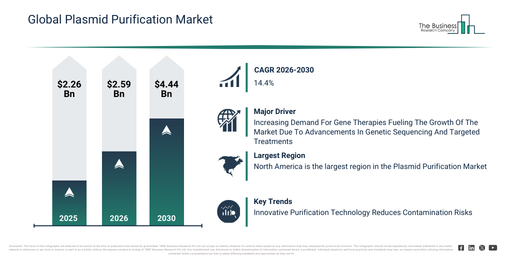
    The plasmid purification market has seen rapid growth in recent years. It is anticipated to increase from $2.26 billion in 2025 to $2.59 billion in 2026, achieving a compound annual growth rate (CAGR) of 14.6%. Historically, this growth was driven by factors including the limited supply of purification kits, dependence on manual plasmid isolation techniques, the expansion of molecular biology research, a rise in academic research funding, and the widespread adoption of standard genetic engineering protocols.

    The plasmid purification market is projected to experience significant expansion in the coming years. Its valuation is anticipated to reach $4.44 billion by 2030, demonstrating a compound annual growth rate (CAGR) of 14.4%. This projected growth is driven by several factors, including the advancement of automated high-throughput purification systems, the increasing need for large-scale plasmid production, the expansion of applications in vaccine and gene therapy, enhanced cooperation between biotechnology and pharmaceutical firms, and the adoption of magnetic bead and advanced filtration techniques. Key trends during this period are expected to encompass a growing demand for high-purity plasmid DNA in molecular biology research, the uptake of automated purification systems and high-throughput methods, the broadening of vaccine development and genetic engineering applications, increased utilization of magnetic bead and spin column-based purification kits, and heightened investment in academic and pharmaceutical research initiatives.

    Get A Free Sample Report With In-Depth Market Insights:

    https://thebusinessresearchcompany.com/sample_request?id=93895899&type=smp&name=Plasmid%20Purification%20Market%20Report%202026&utm_source=Blogs&utm_medium=Paid&utm_campaign=Oct_PR

    Plasmid Purification Market Demand Drivers: What’s Powering Industry Growth?

    The escalating demand for gene therapies is anticipated to propel the growth of the plasmid purification market going forward. Gene therapy is a medical technique focused on modifying or replacing defective genes to treat or prevent diseases. The heightened demand for gene therapy arises from progress in genetic sequencing and diagnostics, enabling precise identification of disease-causing genes for targeted treatment. Plasmid purification enhances gene therapy development by providing high-quality, pure plasmid DNA, which is essential for efficient and safe therapeutic applications. It helps reduce production bottlenecks by allowing scalable and reproducible plasmid isolation, thereby improving research and biomanufacturing outcomes. For instance, in December 2024, according to the American Society of Gene & Cell Therapy (ASGCT), a US-based non-profit medical and scientific organization, the Food and Drug Administration (FDA) approved six gene therapy products in 2023, an increase from five approvals in 2022. Consequently, the increasing demand for gene therapies is driving the growth of the plasmid purification market.

    Plasmid Purification Market Segments: Where Is Growth Concentrated?

    The plasmid purification market covered in this report is segmented –

    1) By Product Type: Mini Plasmid Purification Kits, Midi Plasmid Purification Kits, Maxi Plasmid Purification Kits, Reagents And Consumables, Instruments And Systems, Other Product Types

    2) By Technology: Alkaline Lysis Method, Spin Column Method, Magnetic Bead-Based Method, Filter-Based Method

    3) By Application: Genetic Engineering, Cloning, Transfection, Vaccines Development

    4) By End-User: Academic Research Institutions, Pharmaceutical Companies, Biotechnology Firms, Contract Research Organizations (CROs)

    Subsegments:

    1) By Mini Plasmid Purification Kits: Spin Column Kits, Magnetic Bead Kits, Filter Plate Kits, Manual Kit Systems

    2) By Midi Plasmid Purification Kits: Spin Column Kits, Gravity Flow Kits, Vacuum Filtration Kits, Automated Midi Kits

    3) By Maxi Plasmid Purification Kits: Gravity Flow Kits, Vacuum Filtration Kits, Large-Scale Automated Kits, Membrane Adsorption Kits

    4) By Reagents And Consumables: Buffers, Enzymes, Solutions, Columns, Membranes

    5) By Instruments And Systems: Automated Purification Systems, Centrifuges, Magnetic Separators, Filtration Devices

    6) By Other Product Types: Kits For Endotoxin Removal, Kits For Ribonucleic Acid (RNA) Removal, Kits For Genomic Deoxyribonucleic Acid (DNA) Removal, Accessories And Others

    Plasmid Purification Market Innovation Trends: What Developments Are Reshaping The Industry?

    Leading companies within the plasmid purification market are concentrating on developing technologically advanced products, including the automated plasmid maxi-prep purification system, to improve efficiency, increase yield, and ensure higher purity of plasmid DNA. An automated plasmid maxi-prep purification system refers to a technology that autonomously isolates significant quantities of high-purity plasmid DNA from bacterial cultures, thereby streamlining the purification process for greater efficiency and consistency. For example, in June 2023, GenScript Biotech Corporation, a US-based biotechnology company, unveiled the AmMag Quatro, an advanced, fully automated high-throughput system for plasmid maxi-prep purification. This scalable and modular platform can simultaneously manage up to four independent purification modules, processing a total of 24 samples in approximately two hours. The AmMag Quatro employs magnetic silica bead technology to deliver high-quality, transfection-grade plasmid DNA with low endotoxin levels and a high supercoiled DNA ratio, ensuring plasmids are ready for downstream applications. Its innovative design guarantees high reproducibility, lessens contamination risks, and substantially boosts processing capacity, making it optimal for large-scale research and bioproduction uses.

    Plasmid Purification Market Key Participants And Competitive Landscape

    Major companies operating in the plasmid purification market are Thermo Fisher Scientific Inc., Merck KGaA, Bio-Rad Laboratories Inc., Qiagen N.V., GenScript Biotech Corporation, Takara Bio Inc., Promega Corporation, Aldevron LLC, New England Biolabs Inc., Origene Technologies Inc., Applied Biological Materials, InvivoGen, Omega Bio-tek Inc., ABP Biosciences, Zymo Research Corporation, Oxford Genetics Ltd., Norgen Biotek Corp., PlasmidFactory GmbH & Co. KG.

    View The Full Plasmid Purification Market Report:

    https://thebusinessresearchcompany.com/report/plasmid-purification-global-market-report?utm_source=Blogs&utm_medium=Paid&utm_campaign=Oct_PR

    Plasmid Purification Market Geographic Spread And Regional Opportunities

    North America was the largest region in the plasmid purification market in 2025. Asia-Pacific is expected to be the fastest-growing region in the forecast period. The regions covered in the plasmid purification market report are Asia-Pacific, South East Asia, Western Europe, Eastern Europe, North America, South America, Middle East, Africa.

    Reach Out To Our Team:

    The Business Research Company: https://www.thebusinessresearchcompany.com/

    Americas: +1 310-496-7795

    Asia: +44 7882 955267 & +91 8897263534

    Europe: +44 7882 955267

    Email us at: marketing@tbrc.info

    Follow us on:

    LinkedIn: https://in.linkedin.com/company/the-business-research-company

    YouTube: https://www.youtube.com/channel/UC24_fI0rV8cR5DxlCpgmyFQ

    Global Market Model: https://www.thebusinessresearchcompany.com/global-market-model
  • Plasma Therapy Market Forecast: Breaking Down The Numbers Behind Future Expansion

    Plasma Therapy Market Forecast: Breaking Down The Numbers Behind Future Expansion

    Backed by market attractiveness analysis, total addressable market sizing, company benchmarking matrices, interactive Excel dashboards, wider supply chain intelligence, emerging startup coverage, and detailed product-level insights, The Business Research Company’s 2026 market reports are designed to offer research that is more actionable and strategically valuable than ever.

    Plasma Therapy Market Size And Revenue Outlook Through 2030

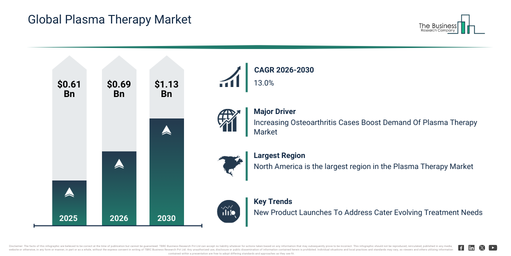
    The plasma therapy market has experienced rapid expansion in recent years. Its size is expected to increase from $0.61 billion in 2025 to $0.69 billion in 2026, demonstrating a compound annual growth rate (CAGR) of 12.6%. The historical period’s growth can be linked to factors such as limited understanding of plasma therapy’s advantages, a reliance on traditional treatments, an uptick in orthopedic and sports medicine procedures, the development of hospital and clinic infrastructure, and the early incorporation of PRP in cosmetic applications.

    The plasma therapy market is projected to experience substantial expansion in the coming years. It is set to reach $1.13 billion by 2030, exhibiting a compound annual growth rate (CAGR) of 13.0%. This anticipated growth during the forecast period is fueled by several factors, including the creation of sophisticated PRP and PRF formulations, an increase in regenerative medicine research, the broader application of plasma therapy in treating chronic and cardiac injuries, its growing use in dermatology and dental care, and the proliferation of clinical trials and research institutions. Key trends for the forecast duration encompass the increasing acceptance of platelet-rich plasma (PRP) and platelet-rich fibrin (PRF) treatments, the broadening scope of regenerative medicine and orthopedic applications, greater utilization in dermatology, hair restoration, and plastic surgery, a surge in demand for injectable and membrane-based fibrin items, and the incorporation of research and clinical trials to achieve better therapeutic results.

    Get A Free Sample Report With In-Depth Market Insights:

    https://thebusinessresearchcompany.com/sample_request?id=57980626&type=smp&name=Plasma%20Therapy%20Market%20Report%202026&utm_source=Blogs&utm_medium=Paid&utm_campaign=Oct_PR

    Plasma Therapy Market Growth Drivers: What’s Behind The Acceleration?

    The increasing incidence of osteoarthritis is projected to stimulate growth in the plasma therapy market during the forecast period. Platelet-rich plasma (PRP), a specific kind of plasma therapy, is acknowledged as a safe and effective therapeutic option for osteoarthritis. As a concentrated autologous blood growth factor, Platelet-rich plasma (PRP) is injected into the joint, offering symptomatic relief by diminishing inflammation and decelerating the progression of osteoarthritis. For instance, data from September 2023, published by the Journal of Elsevier, a Netherlands-based publishing company, forecasts that by 2050, the global rise in osteoarthritis cases is anticipated to be 74.9% (ranging from 59.4% to 89.9%) for the knee, 48.6% (ranging from 35.9% to 67.1%) for the hand, 78.6% (ranging from 57.7% to 105.3%) for the hip, and 95.1% (ranging from 68.1% to 135.0%) for other types of osteoarthritis. Common treatments currently utilized for osteoarthritis include autologous chondrocyte implantation and scaffold implants. Therefore, the expanding prevalence of osteoarthritis is expected to be a key driver for the plasma therapy market.

    Plasma Therapy Market Segment Analysis: What Are The Core Market Categories?

    The plasma therapy market covered in this report is segmented –

    1) By Type: Pure PRP, Leukocyte-rich PRP, Pure Platelet-rich Fibrin (PRF), Leukocyte-rich Fibrin (L-PRF)

    2) By Application: Orthopedics, Arthritis, Chronic Tendinitis, Bone Repair & Regeneration, Dermatology, Androgenic Alopecia, Plastic Surgery, Dental, Cardiac Muscle Injury, Other Applications

    3) By End-Users: Hospitals & Clinics, Laboratories: Research Institutes

    Subsegments:

    1) By Pure PRP: High Concentration PRP, Low Concentration PRP

    2) By Leukocyte-Rich PRP: PRP With White Blood Cells, PRP With Growth Factors

    3) By Pure Platelet-rich Fibrin (PRF): Injectable PRF, Membrane PRF

    4) By Leukocyte-rich Fibrin (L-PRF): L-PRF Clots, L-PRF Membranes

    Plasma Therapy Market Trends: What’s Defining The Industry’s Next Phase?

    Key players in the plasma therapy market are bringing innovative products, such as the ESG-410, to meet evolving demands and enhance treatment alternatives. The ESG-410 is an Electrosurgical Generator specifically developed to deliver versatile options and improved efficiency in managing NMIBC (non-muscle-invasive bladder cancer) and benign prostatic hyperplasia. For illustration, in June 2023, Olympus Corporation, a medical technology company based in Japan, introduced its next-generation electrosurgical generator, the ESG-410. This device is utilized for treating bladder cancer and an enlarged prostate. The ESG-410 incorporates advanced design features, including enhanced capacitors, to ensure superior plasma stability during ignition. It offers rapid ignition and optimized plasma stability, marking an improvement over the ESG-400, particularly when employed with different loop sizes and oval buttons. The ESG-410 Electrosurgical Generator provides advanced treatment solutions for NMIBC and BPH by supplying a variety of resection loops, electrodes, and vaporization tools.

    Plasma Therapy Market Top Companies Driving Competitive Growth

    Major companies operating in the plasma therapy market are Takeda Pharmaceutical Company Limited, Bio Products Laboratory Ltd., Arthrex Inc., Biotest AG, China Biologic Products Holdings Inc., DePuy Synthes Companies, CSL Limited, Grifols S.A., Octapharma AG, Terumo BCT Inc., Pfizer Inc., Kedrion Biopharma, ADMA Biologics Inc., SK Plasma Co. Ltd., Kamada Ltd., Fusion HealthCare, LFB Plasma, Baxter International Inc., Bayer AG, GC Biopharma Corp, Hualan Biological Engineering Inc., Japan Blood Products Organization, PlasmaCare Inc., ProMetic Life Sciences Inc., Sanquin, Shanghai RAAS Blood Products Co. Ltd., Canadian Plasma Resources, B Positive Plasma, Proesis Biologics Inc.

    View The Full Plasma Therapy Market Report:

    https://thebusinessresearchcompany.com/report/Plasmas-Therapy-global-market-report?utm_source=Blogs&utm_medium=Paid&utm_campaign=Oct_PR

    Plasma Therapy Market Top Region By Revenue And Market Share

    North America was the largest region in the plasma therapy market in 2025. The Middle East is expected to be the fastest-growing region in the global plasma therapy market share during the forecast period. The regions covered in the plasma therapy market report are Asia-Pacific, South East Asia, Western Europe, Eastern Europe, North America, South America, Middle East, Africa.

    Reach Out To Our Team:

    The Business Research Company: https://www.thebusinessresearchcompany.com/

    Americas: +1 310-496-7795

    Asia: +44 7882 955267 & +91 8897263534

    Europe: +44 7882 955267

    Email us at: marketing@tbrc.info

    Follow us on:

    LinkedIn: https://in.linkedin.com/company/the-business-research-company

    YouTube: https://www.youtube.com/channel/UC24_fI0rV8cR5DxlCpgmyFQ

    Global Market Model: https://www.thebusinessresearchcompany.com/global-market-model
  • Plasma Protein Therapeutics Market Expected To Grow At 7.2% CAGR Through 2030: What Businesses Need To Know

    Plasma Protein Therapeutics Market Expected To Grow At 7.2% CAGR Through 2030: What Businesses Need To Know

    Featuring market attractiveness scoring, total addressable market sizing, company benchmarking matrices, interactive Excel dashboards, deeper supply chain intelligence, emerging startup tracking, and granular product-level insights, The Business Research Company’s 2026 market reports are built to deliver research that is both more actionable and more strategically valuable.

    Plasma Protein Therapeutics Market Growth From $37.08 Billion In 2026 To $48.98 Billion By 2030 At A CAGR Of 7.2%

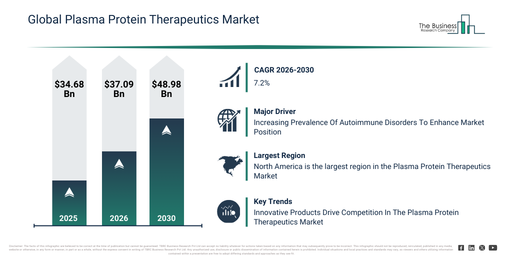
    The plasma protein therapeutics market has experienced significant expansion in recent years. Its valuation is projected to increase from $34.68 billion in 2025 to $37.09 billion in 2026, at a compound annual growth rate (CAGR) of 6.9%. This historical growth can be ascribed to factors such as the increasing prevalence of primary immunodeficiency disorder, the rising demand for immunoglobulin therapies, a constrained plasma donation infrastructure, advancements in protein purification technologies, and regulatory approvals for plasma-derived therapies.

    The plasma protein therapeutics market is projected to experience robust expansion over the coming years. It will grow to $48.98 billion in 2030 at a compound annual growth rate (CAGR) of 7.2%. This anticipated growth is driven by factors such as an increase in recombinant albumin and coagulation factors, the broader adoption of subcutaneous administration techniques, rising healthcare spending in developing economies, innovations in precision medicine, and a surge in public-private partnerships for collecting plasma. Key trends expected during this period involve the creation of personalized plasma protein therapies, the growth in recombinant protein manufacturing, a greater embrace of subcutaneous administration, heightened understanding of uncommon blood conditions, and improvements in supply chain and cold chain management.

    Get A Free Sample Report With In-Depth Market Insights:

    https://thebusinessresearchcompany.com/sample_request?id=9213&type=smp&name=Plasma%20Protein%20Therapeutics%20Market%20Report%202026&utm_source=Blogs&utm_medium=Paid&utm_campaign=Oct_PR

    Plasma Protein Therapeutics Market Growth Factors Behind Sustained Expansion

    The expanding occurrence of autoimmune disorders is anticipated to stimulate the growth of the plasma protein therapeutics market in the future. An autoimmune disorder describes a state where the body’s immune system wrongly attacks and harms its own healthy cells. Therapeutic plasma exchange is employed to manage these autoimmune diseases, which manifest when the body mistakes a part of itself as foreign and produces proteins, known as autoantibodies, that target the misidentified body part. For instance, in May 2023, research conducted by the University of Glasgow, a UK-based public university, involving 22 million people, discovered that autoimmune disorders impact about 10% of the UK’s population, a figure higher than previous estimates from 2022. Consequently, the increasing prevalence of autoimmune disorders is driving the growth of the plasma protein therapeutics market going forward.

    Plasma Protein Therapeutics Market Segment Breakdown: Which Categories Lead On Revenue?

    The plasma protein therapeutics market covered in this report is segmented –

    1) By Product: Immunoglobulin, Albumin, Coagulation Factor, C1-esterase Inhibitors, Other Products

    2) By Route Of Administration: Intravenous, Subcutaneous

    3) By Applications: Primary Immunodeficiency Disorder (PID), Idiopathic Thrombocytopenic Purpura, Secondary Immunodeficiency, Hereditary Angioedema, Other Applications

    Subsegments:

    1) By Immunoglobulin: Intravenous Immunoglobulin (IVIG), Subcutaneous Immunoglobulin (SCIG)

    2) By Albumin: Human Serum Albumin, Recombinant Albumin

    3) By Coagulation Factor: Factor VIII, Factor IX, Prothrombin Complex Concentrates

    4) By C1-Esterase Inhibitors: Human C1-Esterase Inhibitors, Recombinant C1-Esterase Inhibitors

    5) By Other Products: Fibrinogen, Alpha-1 Antitrypsin, Clotting Factor Concentrates

    Plasma Protein Therapeutics Market Industry Trends Fueling Future Revenue Growth

    Leading companies in the plasma protein therapeutics market are concentrating on developing innovative solutions, such as lyophilized plasma formulations, to fulfill the increasing need for portable, stable, and quick-to-use blood products in emergency and pre-hospital medical environments. These freeze-dried plasma products offer an extended shelf life, simpler storage, and faster reconstitution compared to conventional frozen plasma, making them highly suitable for trauma, emergency medicine, and field settings. For instance, in October 2023, Octapharma AG, a Switzerland-based pharmaceutical company, secured approval from European medical authorities for the lyophilized version of its octaplasLG product. This advanced formulation facilitates convenient pre-hospital transfusion, providing rapid availability, simplified handling, and enhanced stability for critical care situations. The product supports the effective management of trauma and bleeding emergencies, showcasing Octapharma’s dedication to advancing patient care through innovative plasma-based therapies.

    Plasma Protein Therapeutics Market Leading Players And Competitive Positioning

    Major companies operating in the plasma protein therapeutics market are CSL Behring LLC, Grifols SA, China Biologic Products Holdings Inc., Takeda Pharmaceutical Company Limited, Baxter International Inc., Kedrion SpA, LFB SA, Emergent BioSolutions Inc., Reliance Life Sciences Private Limited, ADMA Biologics Inc., Prothya Biosolutions BV, Bio Products Laboratory Ltd., Biotest AG, Taibang Biological Group Co Ltd, Octapharma Plasma Inc., Green Cross Corporation, China National Biotec Group Company Limited, Kamada Ltd., Shire PLC, Octapharma AG

    View The Full Plasma Protein Therapeutics Market Report:

    https://thebusinessresearchcompany.com/report/plasma-protein-therapeutics-global-market-report?utm_source=Blogs&utm_medium=Paid&utm_campaign=Oct_PR

    Plasma Protein Therapeutics Market Regional Analysis And Top Geography

    North America was the largest region in the plasma protein therapeutics market in 2025. Asia-Pacific is expected to be the fastest-growing region in the forecast period. The regions covered in the plasma protein therapeutics market report are Asia-Pacific, South East Asia, Western Europe, Eastern Europe, North America, South America, Middle East, Africa.

    Reach Out To Our Team:

    The Business Research Company: https://www.thebusinessresearchcompany.com/

    Americas: +1 310-496-7795

    Asia: +44 7882 955267 & +91 8897263534

    Europe: +44 7882 955267

    Email us at: marketing@tbrc.info

    Follow us on:

    LinkedIn: https://in.linkedin.com/company/the-business-research-company

    YouTube: https://www.youtube.com/channel/UC24_fI0rV8cR5DxlCpgmyFQ

    Global Market Model: https://www.thebusinessresearchcompany.com/global-market-model
  • Plasma Powder Market Forecast To Reach $4.24 Billion By 2030: Key Trends Explained

    Plasma Powder Market Forecast To Reach $4.24 Billion By 2030: Key Trends Explained

    Built to provide research that’s more actionable and strategically valuable, The Business Research Company’s 2026 market reports include market attractiveness analysis, total addressable market sizing, company benchmarking matrices, interactive Excel dashboards, broader supply chain intelligence, emerging startup tracking, and in-depth product insights.

    Plasma Powder Market Expansion Outlook: What Revenue Opportunities Are Ahead?

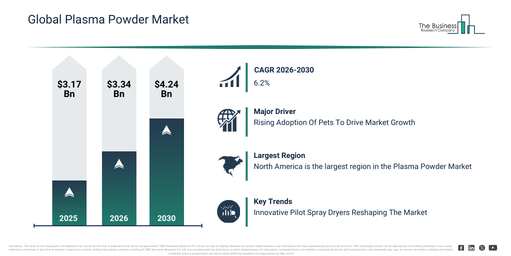
    The plasma powder market size has experienced significant expansion in recent years. This growth trajectory is expected to continue, with the market growing from $3.17 billion in 2025 to $3.34 billion in 2026, at a compound annual growth rate (CAGR) of 5.3%. The previous period’s growth can be attributed to the rise in industrial livestock farming, increased utilization of animal protein in feed formulations, a global surge in pet ownership, the demonstrated advantages of plasma proteins for animal health, and the ongoing expansion of commercial feed manufacturing.

    The plasma powder market is projected to experience robust expansion over the coming years. Its valuation is anticipated to reach $4.24 billion by 2030, exhibiting a compound annual growth rate (CAGR) of 6.2%. This projected increase is driven by several factors, including the surging demand for high-performance animal nutrition, the rise of premium and functional pet food products, a heightened emphasis on feed efficiency and gut health, the expansion of aquaculture feed markets, and advancements in animal-derived protein processing techniques. Key developments during this period are expected to feature the increasing integration of plasma powder into premium pet nutrition, its growing utilization in diets for young and weaning animals, a rising preference for functional protein ingredients, the broader application of plasma powder in aqua feed, and a sustained need for enhanced feed palatability and digestibility.

    Get A Free Sample Report With In-Depth Market Insights:

    https://thebusinessresearchcompany.com/sample_request?id=93487915&type=smp&name=Plasma%20Powder%20Market%20Report%202026&utm_source=Blogs&utm_medium=Paid&utm_campaign=Oct_PR

    Plasma Powder Market Demand Drivers Opening New Revenue Streams

    The growing trend of pet adoption is anticipated to fuel the expansion of the plasma powder market moving forward. Pet adoption refers to the practice of providing a permanent home and care for an animal, typically sourced from an animal shelter or rescue organization. Plasma powder is utilized in pet food formulations as a high-quality protein source derived from blood plasma. When incorporated into these foods, it supplies essential amino acids and nutrients, contributing significantly to the overall nutritional profile and well-being of pets. For example, in March 2025, the American Pet Products Association, a US-based non-profit association, stated that 94 million households in the U.S. currently possess at least one pet, which represents an increase from 82 million households in 2023. Consequently, the rising number of pet adoptions is acting as a primary driver for the plasma powder market’s growth.

    Plasma Powder Market Segmentation: How Does The Market Break Down By Category?

    The plasma powder market covered in this report is segmented –

    1) By Source: Bovine, Porcine, Ovine, Other Sources

    2) By Form: Dry, Wet

    3) By Sales Channel: Online, Offline

    4) By Application: Pet Food, Pig Feed, Poultry Feed, Aqua Feed, Ruminant Feed, Human Food, Other Applications

    Subsegments:

    1) By Bovine: Bovine Serum Powder, Bovine Plasma Protein

    2) By Porcine: Porcine Serum Powder, Porcine Plasma Protein

    3) By Ovine: Ovine Serum Powder, Ovine Plasma Protein

    4) By Other Sources: Equine (Horse), Avian (Chicken), Other Animal Sources

    Plasma Powder Market Trends Powering Strategic Industry Growth

    Leading companies in the plasma powder sector are creating innovative pilot spray dryers to enhance their market competitiveness. These pilot spray dryers represent smaller-scale iterations of industrial spray dryers, designed for manufacturing powdered or granulated substances from liquid or slurry inputs. For example, in April 2023, RELCO LLC, an American company specializing in food processing equipment, introduced the Parvus pilot spray dryer, intended for diverse food-related uses. This system comes in two configurations: the Parvus Nomad, a single-stage dryer suitable for trial batches and reduced production quantities, and the Parvus Multi-Stage, which incorporates a wide-body design for increased production volumes. The pilot spray dryer provides adaptability for preliminary testing and expandability, facilitating its combination with other pilot technologies for comprehensive full-scale planning. It delivers capabilities for moisture management and powder handling akin to those found in full-scale systems, yet it is tailored for smaller-scale and experimental requirements. The apparatus is engineered for straightforward assembly and disassembly, while its compact dimensions address limitations in space and shipping logistics. This pilot spray dryer also targets new prospects within markets such as plant protein, fermentation, and collagen.

    Plasma Powder Market Competitive Overview And Top Companies

    Major companies operating in the plasma powder market are Takeda, CSL Behring, Darling Ingredients, Grifols, Octapharma, Valley Proteins Inc., Proliant Biologicals, Veos Group, Uruguayan Animal Proteins, Haripro SpA, Lihme Protein Solutions, Saria SE & Co. KG, Acontex GmbH, APC Inc., British Aqua Feeds, Shenzhen Taier Biotechnology Co. Ltd, Animix LLC, Kraeber & Co GmbH, Rocky Mountain Biologicals, MB Sugars & Pharmaceuticals Limited

    View The Full Plasma Powder Market Report:

    https://thebusinessresearchcompany.com/report/plasma-powder-global-market-report?utm_source=Blogs&utm_medium=Paid&utm_campaign=Oct_PR

    Plasma Powder Market Geographic Analysis: Where Is Demand Rising Fastest?

    North America was the largest region in the plasma powder market in 2025. Asia-Pacific is expected to be the fastest-growing region in the forecast period. The regions covered in the plasma powder market report are Asia-Pacific, South East Asia, Western Europe, Eastern Europe, North America, South America, Middle East, Africa.

    Reach Out To Our Team:

    The Business Research Company: https://www.thebusinessresearchcompany.com/

    Americas: +1 310-496-7795

    Asia: +44 7882 955267 & +91 8897263534

    Europe: +44 7882 955267

    Email us at: marketing@tbrc.info

    Follow us on:

    LinkedIn: https://in.linkedin.com/company/the-business-research-company

    YouTube: https://www.youtube.com/channel/UC24_fI0rV8cR5DxlCpgmyFQ

    Global Market Model: https://www.thebusinessresearchcompany.com/global-market-model
  • Plasma Fractionation Market Analysis Through 2030: Market Size, Growth Trends And Industry Outlook

    Plasma Fractionation Market Analysis Through 2030: Market Size, Growth Trends And Industry Outlook

    Backed by market attractiveness analysis, total addressable market sizing, company benchmarking matrices, interactive Excel dashboards, wider supply chain intelligence, emerging startup coverage, and detailed product-level insights, The Business Research Company’s 2026 market reports are designed to offer research that is more actionable and strategically valuable than ever.

    Plasma Fractionation Market Growth Potential: How Will Market Size Shift Through 2030?

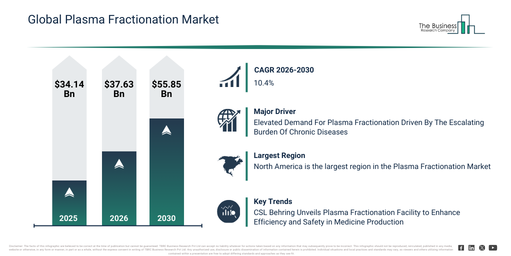
    The plasma fractionation market size has seen rapid growth in recent years. It is anticipated to expand from $34.14 billion in 2025 to $37.63 billion in 2026, achieving a compound annual growth rate (CAGR) of 10.2%. Historically, this market’s growth can be attributed to several factors, including increased demand for immunoglobulins, a rise in the prevalence of hematological disorders, advancements in plasma fractionation technology, the expansion of hospital and clinical infrastructure, and a greater awareness of plasma-derived therapies.

    The plasma fractionation market is projected to undergo significant expansion in the coming years, reaching $55.85 billion by 2030, with a compound annual growth rate (CAGR) of 10.4%. This anticipated growth is fueled by factors such as the increasing adoption of precision medicine, the integration of artificial intelligence in plasma manufacturing, the expansion of global biopharmaceutical collaborations, rising investments in plasma collection centers, and the development of novel plasma-derived therapies. Prominent trends expected during this forecast period include advanced plasma fractionation techniques, the diversification of biopharmaceutical products, enhanced quality control and regulatory compliance, the growth of contract manufacturing organizations (CMOs/CDMOs), and optimized supply chain management for plasma products.

    Get A Free Sample Report With In-Depth Market Insights:

    https://thebusinessresearchcompany.com/sample_request?id=11432073&type=smp&name=Plasma%20Fractionation%20Market%20Report%202026&utm_source=Blogs&utm_medium=Paid&utm_campaign=Oct_PR

    Plasma Fractionation Market Growth Backed By Core Demand Fundamentals

    A rising prevalence of chronic illnesses is anticipated to drive expansion in the plasma fractionation market moving ahead. These long-term conditions, requiring continuous medical management for a year or longer, encompass ailments like heart disease, cancer, and diabetes. Providing plasma products for chronic disease patients helps reduce illness, enhances life quality, and offers cost-effective solutions, consequently boosting the need for plasma fractionation. An example of this trend is seen in March 2025, where GOV.UK, a UK-based non-profit government organization, reported that GP noted a type 2 diabetes prevalence of 7.0% among adults aged 17 and over in England in March 2024, marking a rise from 6.8% in March 2023. Hence, a growing incidence of chronic diseases across all age groups is projected to stimulate the growth of the plasma fractionation market.

    Plasma Fractionation Market Segment Trends And Revenue Contributors

    The plasma fractionation market covered in this report is segmented –

    1) By Product: Immunoglobulins, Coagulation Factors, Albumin, Protease Inhibitors

    2) By Application: Immunology, Hematology, Neurology, Critical Care, Hemato-Oncology, Rheumatology

    3) By End User: Hospitals and Clinics, Clinical Research Laboratories, Academic Institutes

    Subsegments:

    1) By Immunoglobulins: Intravenous Immunoglobulin (IVIG), Subcutaneous Immunoglobulin (SCIG)

    2) By Coagulation Factors: Factor VIII, Factor IX, Prothrombin Complex Concentrates (PCC)

    3) By Albumin: Human Albumin, Bovine Serum Albumin (BSA)

    4) By Protease Inhibitors: Alpha-1 Antitrypsin (AAT), C1 Esterase Inhibitor (C1-INH)

    Plasma Fractionation Market Growth Trends Reshaping The Competitive Landscape

    Major companies within the market are implementing novel technologies, including high-tech facility processes that transform donated human plasma into vital medicines and leverage advanced technology to make the procedure more streamlined and secure. For example, in March 2023, CSL Behring, a German-based company, inaugurated a new $470 million plasma fractionation facility employing cutting-edge technology to enhance the efficiency and safety of plasma processing, leading to higher quality and more dependable medicines. By increasing the provision of these critical medicines, the facility contributes to meeting the escalating demand, ensuring more patients can access life-saving treatments. Its advanced automation and self-cleaning systems significantly lower the risk of contamination and improve overall hygienic conditions, thereby enhancing patient safety.

    Plasma Fractionation Market Competitive Landscape: Which Companies Lead The Industry?

    Major companies operating in the plasma fractionation market are Baxter International Inc., Bio Products Laboratory Limited, Biotest AG, CSL Limited, Grifols S. A, ADMA Biologics Inc., Green Cross Corporation, Hualan Bioengineering Inc., Intas Pharmaceuticals Ltd., Japan Blood Products Organization, Kedrion S. P. A., Kamada Ltd., LFB Biomedicaments S. A. S, Octapharma AG, Sanquin Plasma Products B. V., Shanghai Raas Blood Products Co. Ltd., Takeda Pharmaceutical Company, Terumo BCT, China Biologic Products Holdings Inc., China National Biotec Group, Emergent BioSolutions Inc., Bharat Serum Vaccines Limited, Plasma Therapeutics, Prothya Biosolutions B. V., BioPharma Plasma LLC, BioLife Plasma Services LP

    View The Full Plasma Fractionation Market Report:

    https://thebusinessresearchcompany.com/report/plasma-fractionation-global-market-report?utm_source=Blogs&utm_medium=Paid&utm_campaign=Oct_PR

    Plasma Fractionation Market Global Footprint: Which Region Leads The Market?

    North America was the largest region in the plasma fractionation market in 2025.Asia-Pacific is expected to be the fastest-growing region in the forecast period. The regions covered in the plasma fractionation market report are Asia-Pacific, South East Asia, Western Europe, Eastern Europe, North America, South America, Middle East, Africa.

    Reach Out To Our Team:

    The Business Research Company: https://www.thebusinessresearchcompany.com/

    Americas: +1 310-496-7795

    Asia: +44 7882 955267 & +91 8897263534

    Europe: +44 7882 955267

    Email us at: marketing@tbrc.info

    Follow us on:

    LinkedIn: https://in.linkedin.com/company/the-business-research-company

    YouTube: https://www.youtube.com/channel/UC24_fI0rV8cR5DxlCpgmyFQ

    Global Market Model: https://www.thebusinessresearchcompany.com/global-market-model
  • Plant-Based Vaccines Market Outlook From 2026 To 2030: Key Growth Factors And Future Opportunities

    Plant-Based Vaccines Market Outlook From 2026 To 2030: Key Growth Factors And Future Opportunities

    Featuring market attractiveness scoring, total addressable market sizing, company benchmarking matrices, interactive Excel dashboards, deeper supply chain intelligence, emerging startup tracking, and granular product-level insights, The Business Research Company’s 2026 market reports are built to deliver research that is both more actionable and more strategically valuable.

    Plant-Based Vaccines Market Value Analysis: What Growth Lies Ahead Over The Forecast Period?

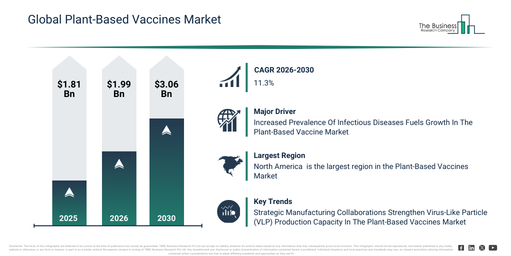
    The plant-based vaccines market has experienced rapid expansion in recent years. This market is projected to expand from $1.81 billion in 2025 to $1.99 billion in 2026, exhibiting a compound annual growth rate (CAGR) of 10.2%. Historically, this growth can be attributed to several factors, including limited cold chain infrastructure in developing regions, high cost of conventional vaccine production, increasing prevalence of zoonotic diseases, early academic research in plant molecular farming, and government support for alternative biologics.

    The plant-based vaccines market is projected to experience substantial growth in the upcoming years. It is forecast to expand to $3.06 billion in 2030, achieving a compound annual growth rate (CAGR) of 11.3%. This expansion during the forecast period is primarily driven by an increasing need for scalable vaccine platforms, the development of pandemic preparedness programs, heightened investment in plant biotechnology startups, the demand for affordable veterinary vaccines, and improvements in regulatory pathways for innovative vaccine platforms. Noteworthy trends during this period include the wider application of recombinant antigen expression in plants, the growing adoption of plant-based systems for veterinary vaccines, an intensified focus on developing oral and edible vaccines, increased public and private sector funding for alternative vaccine solutions, and breakthroughs in downstream processing and purification technologies.

    Get A Free Sample Report With In-Depth Market Insights:

    https://thebusinessresearchcompany.com/sample_request?id=32897993&type=smp&name=Plant-Based%20Vaccines%20Market%20Report%202026&utm_source=Blogs&utm_medium=Paid&utm_campaign=Oct_PR

    Plant-Based Vaccines Market Growth Catalysts And Demand Drivers

    The widespread occurrence of infectious diseases is anticipated to drive expansion in the plant-based vaccines market in the future. These diseases are conditions triggered by disease-causing microorganisms like bacteria, viruses, or parasites, capable of transmission through direct or indirect means, presenting substantial global health threats. Factors contributing to the rise in infectious disease incidents include enhanced global movement, dense urban populations, and compromised immune systems within specific groups. Plant-based vaccines provide novel platforms that are quickly scalable and adaptable for tackling these escalating health concerns. An example illustrates this: in March 2024, data from the Centers for Disease Control and Prevention (CDC), a US-based federal agency, indicated an increase in tuberculosis (TB) cases from 8,320 in 2022 to 9,615 in 2023, marking an increment of 1,295 cases. Consequently, the widespread presence of infectious diseases is a key factor boosting the development of the plant-based vaccines market.

    Plant-Based Vaccines Market Segment Analysis Spotlighting Growth Areas

    The plant-based vaccines market covered in this report is segmented –

    1) By Vaccine Type: Bacterial Vaccines, Viral Vaccines, Parasite Vaccines, Other Vaccine Types

    2) By Source: Tobacco Plant, Maize, Potato, Other Sources

    3) By Application: Influenza, Zika Virus, Ebola Virus, Poultry Disease, Other Applications

    Subsegments:

    1) By Bacterial Vaccines: Recombinant Bacterial Vaccines, Conjugate Bacterial Vaccines, DNA-Based Bacterial Vaccines

    2) By Viral Vaccines: Inactivated Viral Vaccines, Live Attenuated Viral Vaccines, Subunit Viral Vaccines

    3) By Parasite Vaccines: Recombinant Parasite Vaccines, DNA-Based Parasite Vaccines

    4) By Other Vaccine Types: Fungal Vaccines, Multivalent Vaccines, Toxin-Based Vaccines

    Plant-Based Vaccines Market Trends Shaping Long-Term Demand

    Major companies in the plant-based vaccines market are entering into strategic manufacturing collaborations to enhance clinical-stage production capabilities and accelerate the advancement of next-generation VLP-based vaccines. These strategic manufacturing partnerships aim to improve downstream processing efficiency, ensure GMP-compliant manufacturing, and support a smooth transition from early-stage research to clinical development. For instance, in December 2024, Aramis Biotechnologies Inc., a Canada-based company specializing in plant-based biomanufacturing of innovative vaccines, partnered with Biodextris Inc., a Canada-based CDMO focused on cGMP complex biologic products, to support Phase 1 and Phase 2 clinical trials. Under this collaboration, the partner will perform purification, formulation, and fill-finish activities for plant-expressed VLP vaccine candidates, enabling faster scale-up, improved production quality, and strengthened readiness for advanced clinical evaluation.

    Plant-Based Vaccines Market Leading Companies: Who Holds The Strongest Market Presence?

    Major companies operating in the plant-based vaccines market are British American Tobacco PLC, Medicago Inc., Creative Biolabs Inc., Fraunhofer USA Inc., Biodextris Inc., Avesthagen Limited, Calyxt Inc., Mapp Biopharmaceutical Inc., Kentucky BioProcessing Inc., Planet Biotechnology Inc., Icon Genetics GmbH, PlantForm Corporation, LenioBio GmbH, iBio Inc., Lumen Bioscience Inc., Baiya Phytopharm Co. Ltd., Greenovation Biotech GmbH, Pevion Biotech AG, Zyus Life Sciences Inc., Agenus Inc.

    View The Full Plant-Based Vaccines Market Report:

    https://thebusinessresearchcompany.com/report/plant-based-vaccines-global-market-report?utm_source=Blogs&utm_medium=Paid&utm_campaign=Oct_PR

    Plant-Based Vaccines Market Regional Split: Which Areas Are Fueling Growth?

    North America was the largest region in the plant-based vaccines market in 2025. The regions covered in the plant-based vaccines market report are Asia-Pacific, South East Asia, Western Europe, Eastern Europe, North America, South America, Middle East, Africa.

    Reach Out To Our Team:

    The Business Research Company: https://www.thebusinessresearchcompany.com/

    Americas: +1 310-496-7795

    Asia: +44 7882 955267 & +91 8897263534

    Europe: +44 7882 955267

    Email us at: marketing@tbrc.info

    Follow us on:

    LinkedIn: https://in.linkedin.com/company/the-business-research-company

    YouTube: https://www.youtube.com/channel/UC24_fI0rV8cR5DxlCpgmyFQ

    Global Market Model: https://www.thebusinessresearchcompany.com/global-market-model
  • Plant-Based Protein Supplements Market Growth Forecast: Market Size, Key Trends And Emerging Opportunities Through 2030

    Plant-Based Protein Supplements Market Growth Forecast: Market Size, Key Trends And Emerging Opportunities Through 2030

    Built to provide research that’s more actionable and strategically valuable, The Business Research Company’s 2026 market reports include market attractiveness analysis, total addressable market sizing, company benchmarking matrices, interactive Excel dashboards, broader supply chain intelligence, emerging startup tracking, and in-depth product insights.

    Plant-Based Protein Supplements Market Size Forecast: How Big Could The Market Get By 2030?

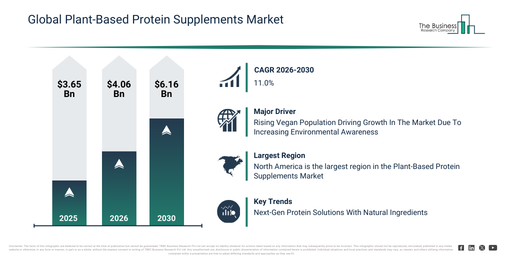
    The plant-based protein supplements market size has experienced rapid growth in recent years. It is projected to expand from $3.65 billion in 2025 to $4.06 billion in 2026, achieving a compound annual growth rate (CAGR) of 11.3%. Historically, this growth has been driven by factors such as the expanding vegetarian and vegan population, increased awareness of protein nutrition, the limited availability of plant protein sources, early adoption within sports nutrition, and rising concerns regarding lactose intolerance.

    The plant-based protein supplements market is projected to experience substantial expansion over the coming years. This market is set to reach $6.16 billion by 2030, demonstrating an 11.0% compound annual growth rate (CAGR). Several factors contribute to this anticipated growth, including the wider application of functional foods, a rising need for sustainable protein sources, advancements in plant protein extraction methods, the expansion of online retail channels, and a heightened awareness of health and wellness. Key trends driving this period involve a noticeable shift in consumer preferences towards vegan and plant-based diets, an increasing appetite for clean label and non-GMO protein supplements, the broadening consumption within sports and fitness nutrition, continuous product innovation in terms of flavor and texture, and a growing demand for allergen-free and gluten-free protein options.

    Get A Free Sample Report With In-Depth Market Insights:

    https://thebusinessresearchcompany.com/sample_request?id=89363489&type=smp&name=Plant-Based%20Protein%20Supplements%20Market%20Report%202026&utm_source=Blogs&utm_medium=Paid&utm_campaign=Oct_PR

    Plant-Based Protein Supplements Market Opportunity Drivers: What’s Unlocking New Revenue Potential?

    The increasing vegan demographic is anticipated to propel the expansion of the plant-based protein supplements market in the coming years. A vegan population refers to individuals within a specific geographical area, country, or globally who adhere to a vegan diet and lifestyle. The rise in the vegan population is attributed to growing environmental awareness, as more individuals adopt vegan diets to lessen their carbon footprint and minimize the ecological impact of animal agriculture. Plant-based protein supplements are beneficial for vegans, providing a convenient, high-quality source of essential nutrients and protein vital for muscle growth, recovery, and overall health, while fully supporting a vegan lifestyle without reliance on animal products. For instance, in January 2025, data from Finder UK, a UK-based financial comparison website, revealed that by early 2024, approximately 2.5 million adults in the UK, constituting 4.7% of the population, followed a vegan diet, representing a significant year-over-year rise of 1.1 million individuals. Thus, the expanding vegan population is a primary force driving the growth of the plant-based protein supplements market.

    Plant-Based Protein Supplements Market Segment Performance And Emerging Opportunities

    The plant-based protein supplements market covered in this report is segmented –

    1) By Type: Soy Protein, Wheat Protein, Pea Protein, Other Types

    2) By Product Form: Protein Powder, Protein Bars, Ready-To-Drink, Other Product Forms

    3) By Distribution Channel: Mass Merchandisers, Pharmacies Or Drugstores, Specialty Stores, Online Retail, Other Distribution Channels

    4) By Application: Sports Nutrition, Functional Food, Other Applications

    Subsegments:

    1) By Soy Protein: Concentrate, Isolate, Hydrolysate

    2) By Wheat Protein: Gluten, Hydrolyzed Wheat Protein, Wheat Protein Isolate

    3) By Pea Protein: Pea Protein Isolate, Pea Protein Concentrate

    4) By Other Types: Rice Protein, Hemp Protein, Pumpkin Seed Protein, Chia Protein

    Plant-Based Protein Supplements Market Innovation Trends Shaping Future Development

    Leading companies in the plant-based protein supplements market are concentrating on product innovation, such as plant-based protein powder, to bolster their market position and satisfy evolving consumer needs. Plant-based protein powder is defined as a dietary supplement crafted entirely from plant sources, intended to deliver a concentrated protein form for individuals seeking alternatives to animal-derived proteins. For example, in January 2025, Zyra Protein, a Columbia-based wellness and fitness services provider, introduced a plant-based protein powder characterized by its straightforwardness and integrity, containing merely four natural, allergen-free ingredients, with no artificial flavors or sweeteners including monk fruit, stevia, or sucralose. This product is gluten-free, soy-free, and vegan, rendering it appropriate for various dietary preferences.

    Plant-Based Protein Supplements Market Key Players: Which Companies Lead Industry Competition?

    Major companies operating in the plant-based protein supplements market are Abbott Laboratories, Glanbia plc, NOW Foods Inc., Garden of Life LLC, Myprotein, Huel Ltd, Ghost Lifestyle LLC, Bulk Ltd, Ritual Inc., Nutiva Inc., Sunwarrior LLC, TB12 Sports Inc., Nutrabay Online Services Pvt. Ltd., Naked Nutrition, Ka’Chava Inc., MuscleBlaze, Plantigo Nutritional Supplements Pvt Ltd, Ora Organic Inc., Vega, Genetic Nutrition Pvt Ltd, Amazing Grass, Orgain, Vega Sport, KOS Naturals, Aloha, Four Sigmatic, Prana Organic, PlantFusion, True Nutrition, MyVegan, Tone It Up, Purely Inspired, Bob’s Red Mill, Nature’s Way, Future Kind.

    View The Full Plant-Based Protein Supplements Market Report:

    https://thebusinessresearchcompany.com/report/plant-based-protein-supplements-global-market-report?utm_source=Blogs&utm_medium=Paid&utm_campaign=Oct_PR

    Plant-Based Protein Supplements Market Top Region: Where Does Most Revenue Come From?

    North America was the largest region in the plant-based protein supplements market in 2025. The regions covered in the plant-based protein supplements market report are Asia-Pacific, South East Asia, Western Europe, Eastern Europe, North America, South America, Middle East, Africa.

    Reach Out To Our Team:

    The Business Research Company: https://www.thebusinessresearchcompany.com/

    Americas: +1 310-496-7795

    Asia: +44 7882 955267 & +91 8897263534

    Europe: +44 7882 955267

    Email us at: marketing@tbrc.info

    Follow us on:

    LinkedIn: https://in.linkedin.com/company/the-business-research-company

    YouTube: https://www.youtube.com/channel/UC24_fI0rV8cR5DxlCpgmyFQ

    Global Market Model: https://www.thebusinessresearchcompany.com/global-market-model
  • Plant-Based Active Pharmaceutical Ingredients (API) Market CAGR Forecast Through 2030: Key Trends Shaping Industry Expansion

    Plant-Based Active Pharmaceutical Ingredients (API) Market CAGR Forecast Through 2030: Key Trends Shaping Industry Expansion

    Backed by market attractiveness analysis, total addressable market sizing, company benchmarking matrices, interactive Excel dashboards, wider supply chain intelligence, emerging startup coverage, and detailed product-level insights, The Business Research Company’s 2026 market reports are designed to offer research that is more actionable and strategically valuable than ever.

    Plant-Based Active Pharmaceutical Ingredients (API) Market Revenue Outlook: What CAGR Lies Ahead Through 2030?

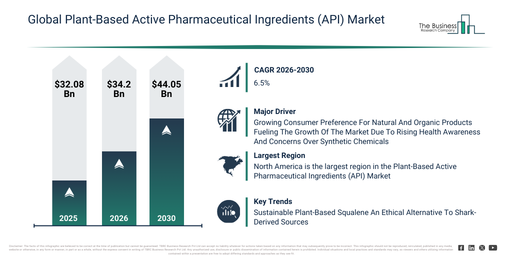
    The market for plant-based active pharmaceutical ingredients (API) has demonstrated robust expansion over recent years. Projections indicate it will expand from $32.08 billion in 2025 to $34.2 billion by 2026, exhibiting a compound annual growth rate (CAGR) of 6.6%. Historically, this growth has been driven by factors such as the adoption of traditional medicine, the availability of medicinal plants, the cost benefits compared to synthetic APIs, an increase in herbal drug formulations, and a growing consumer preference for natural products.

    The market size for plant-based active pharmaceutical ingredients (API) is anticipated to experience robust growth over the next few years. It is projected to expand to $44.05 billion in 2030, achieving a compound annual growth rate (CAGR) of 6.5%. This growth during the forecast period can be attributed to sustainability-driven API sourcing, the expansion of plant-based drug pipelines, an increasing overlap between nutraceuticals and pharmaceuticals, improvements in standardization techniques, and a global demand for green pharmaceutical products. Significant trends for the forecast period include a rising demand for natural and herbal APIs, the advancement of phytochemical extraction technologies, the increasing utilization of plant APIs in chronic therapies, greater regulatory acceptance of herbal APIs, and a shift towards sustainable API sourcing.

    Get A Free Sample Report With In-Depth Market Insights:

    https://thebusinessresearchcompany.com/sample_request?id=96068295&type=smp&name=Plant-Based%20Active%20Pharmaceutical%20Ingredients%20%28API%29%20Market%20Report%202026&utm_source=Blogs&utm_medium=Paid&utm_campaign=Oct_PR

    Plant-Based Active Pharmaceutical Ingredients (API) Market Growth Momentum: What Factors Are Shaping Demand?

    The increasing consumer inclination towards natural and organic products is projected to drive the growth of the plant-based active pharmaceutical ingredients (API) market going forward. Natural and organic products are defined as items crafted from naturally sourced ingredients that undergo minimal processing and are devoid of synthetic chemicals and genetically modified organisms (GMOs). This rising consumer preference stems from growing health awareness and concerns regarding synthetic chemicals, as individuals become more conscious of the potential risks associated with synthetic ingredients. Plant-based active pharmaceutical ingredients (APIs) support natural and organic products by providing effective, chemical-free medicinal benefits that align with consumer demand for clean, safe, and sustainable healthcare solutions. For instance, in April 2025, the Organic Trade Association, a US-based membership-based business association, reported that U.S. sales of certified organic products grew rapidly in 2024, increasing by 5.2%, which was more than double the 2.5% growth rate of the overall market. Organic sales also reached a record $71.6 billion for the year. Thus, the growing consumer preference for natural and organic products is a primary driver for the expansion of the plant-based active pharmaceutical ingredients (API) market.

    Plant-Based Active Pharmaceutical Ingredients (API) Market Segment Landscape And Growth Outlook

    The plant-based active pharmaceutical ingredients (api) market covered in this report is segmented –

    1) By Product Type: Alkaloids, Glycosides, Cannabinoids, Flavonoid, Terpenes And Terpenoids, Polyphenols, Saponins, Other Product Types

    2) By Source: Leaves, Roots, Bark, Flowers, Seeds, Fruits, Resin And Gums, Other Sources

    3) By Distribution Channel: Online Retailers, Supermarkets Or Hypermarkets, Specialty Food Stores, Foodservice

    4) By End-Use: Pharmaceuticals, Nutraceuticals, Herbal Based Industries, Other End-Uses

    Subsegments:

    1) By Alkaloids: Morphine Alkaloids, Tropane Alkaloids, Quinolizidine Alkaloids, Indole Alkaloids, Isoquinoline Alkaloids, Pyrrolizidine Alkaloids

    2) By Glycosides: Cardiac Glycosides, Anthraquinone Glycosides, Flavonoid Glycosides, Saponin Glycosides, Cyanogenic Glycosides

    3) By Cannabinoids: Tetrahydrocannabinol (THC), Cannabidiol (CBD), Cannabigerol (CBG), Cannabichromene (CBC), Cannabinol (CBN)

    4) By Flavonoid: Flavones, Flavonols, Isoflavones, Flavanones, Anthocyanins

    5) By Terpenes And Terpenoids: Monoterpenes, Sesquiterpenes, Diterpenes, Triterpenes, Tetraterpenes

    6) By Polyphenols: Phenolic Acids, Stilbenes, Lignans, Flavonoid Polyphenols

    7) By Saponins: Steroidal Saponins, Triterpenoid Saponins

    8) By Other Product Types: Coumarins, Tannins, Lignins, Phenolic Glycosides

    Plant-Based Active Pharmaceutical Ingredients (API) Market Trends Redefining Industry Growth

    Companies operating within the plant-based active pharmaceutical ingredients (API) market are concentrating on developing innovative products, such as plant-based squalene, to provide sustainable and ethical alternatives to traditional animal-derived sources. This plant-based squalene presents an environmentally friendly and ethical substitute for shark-derived squalene, being sourced from plants like amaranth, olives, and sugarcane for its application in pharmaceuticals, cosmetics, and vaccines. For instance, in October 2023, Evonik Industries AG, a Germany-based specialty chemicals company, launched PhytoSquene, which is the first GMP-quality, plant-based squalene derived from amaranth oil. This innovation offers a sustainable alternative to shark-derived squalene while ensuring high purity, batch-to-batch consistency, and compliance with European Pharmacopoeia (Ph. Eur.) standards. Squalene plays a crucial role in vaccine adjuvants by enhancing immune response. By providing a plant-based option, PhytoSquene addresses biodiversity concerns, reduces reliance on animal sources, and meets various cultural and religious preferences.

    Plant-Based Active Pharmaceutical Ingredients (API) Market Competitive Landscape: Who Leads The Industry?

    Major companies operating in the plant-based active pharmaceutical ingredients (api) market are Indena S.p.A., Centroflora Group, Alkaloids Corporation, Alchem International Pvt. Ltd., C2 Pharma, Brains Bioceutical Corp., Bright Green Corporation, Sichuan Xieli Pharmaceutical Co. Ltd., Roquette Frères, Koninklijke DSM N.V., Evonik Industries AG, Sun Pharmaceutical Industries Ltd., Aurobindo Pharma Limited, Alembic Pharmaceuticals Ltd., Seppic, PAI Pharma, SCL Lifesciences Ltd., AMGIS Lifescience Ltd., Organotechnie, HimPharm

    View The Full Plant-Based Active Pharmaceutical Ingredients (API) Market Report:

    https://thebusinessresearchcompany.com/report/plant-based-active-pharmaceutical-ingredients-api-global-market-report?utm_source=Blogs&utm_medium=Paid&utm_campaign=Oct_PR

    Plant-Based Active Pharmaceutical Ingredients (API) Market Regional Breakdown: Where Is Demand Concentrated?

    North America was the largest region in the plant-based active pharmaceutical ingredients (API) market in 2025. Asia-Pacific is expected to be the fastest-growing region in the forecast period. The regions covered in the plant-based active pharmaceutical ingredients (api) market report are Asia-Pacific, South East Asia, Western Europe, Eastern Europe, North America, South America, Middle East, Africa.

    Reach Out To Our Team:

    The Business Research Company: https://www.thebusinessresearchcompany.com/

    Americas: +1 310-496-7795

    Asia: +44 7882 955267 & +91 8897263534

    Europe: +44 7882 955267

    Email us at: marketing@tbrc.info

    Follow us on:

    LinkedIn: https://in.linkedin.com/company/the-business-research-company

    YouTube: https://www.youtube.com/channel/UC24_fI0rV8cR5DxlCpgmyFQ

    Global Market Model: https://www.thebusinessresearchcompany.com/global-market-model
  • Pimozide Tablet Market To Witness 9.5% CAGR Growth Through 2030: Key Industry Drivers

    Pimozide Tablet Market To Witness 9.5% CAGR Growth Through 2030: Key Industry Drivers

    Featuring market attractiveness scoring, total addressable market sizing, company benchmarking matrices, interactive Excel dashboards, deeper supply chain intelligence, emerging startup tracking, and granular product-level insights, The Business Research Company’s 2026 market reports are built to deliver research that is both more actionable and more strategically valuable.

    Pimozide Tablet Market Growth Analysis: How Will Revenue Trend Over The Forecast Period?

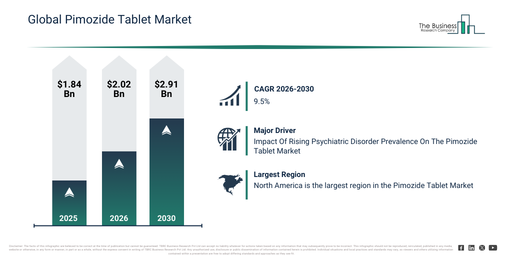
    The pimozide tablet market size has experienced significant expansion in recent years. It is anticipated to expand from $1.84 billion in 2025 to $2.02 billion in 2026, demonstrating a compound annual growth rate (CAGR) of 9.9%. Historically, this growth can be ascribed to a scarcity of treatment options for Tourette’s syndrome, a rise in the prevalence of chronic schizophrenia, an expansion in hospital and clinic infrastructure, increased awareness of antipsychotic therapies, and a continued dependence on traditional offline pharmacies.

    The pimozide tablet market is projected to undergo significant expansion in the coming years, with an anticipated increase to $2.91 billion by 2030, reflecting a compound annual growth rate (CAGR) of 9.5%. This projected growth stems from factors such as the development of low-dose and unit-dose pimozide tablets, the proliferation of online pharmacy platforms, the growing adoption of home healthcare services, an increase in government initiatives for mental health, and the integration of digital tools for adherence monitoring. Important trends anticipated during this period include enhanced awareness of Tourette’s syndrome and chronic schizophrenia, a rising preference for oral antipsychotic medications, an increase in home-based mental health care and therapy, the expansion of online pharmaceutical distribution channels, and the innovation of personalized dosing and packaging options.

    Get A Free Sample Report With In-Depth Market Insights:

    https://thebusinessresearchcompany.com/sample_request?id=81441065&type=smp&name=Pimozide%20Tablet%20Market%20Report%202026&utm_source=Blogs&utm_medium=Paid&utm_campaign=Oct_PR

    Pimozide Tablet Market Expansion Drivers: What’s Shaping Future Growth?

    The increasing occurrence of psychiatric disorders is anticipated to fuel the expansion of the pimozide tablet market going forward. These are mental health issues marked by considerable disruptions in thinking, feeling, or actions, resulting in distress or impaired abilities. The growing incidence of psychiatric disorders is largely due to factors such as elevated stress levels, evolving societal standards, improved recognition and diagnosis, and inherited susceptibilities. Pimozide tablets address symptoms like delusions and tics in psychiatric disorders by obstructing dopamine receptors, thereby assisting in the reduction of irregular brain activity. For instance, data from August 2025 by the Substance Abuse and Mental Health Services Administration (SAMHSA), a US-based federal agency, indicated that 23.4% of adults aged 18 or older (approximately 61.5 million people) suffered from any mental illness (AMI), with around 5.6 % reporting a serious mental illness (SMI). In comparison, 22.8 % (58.7 million people) and 5.7 % (14.6 million people) of adults reported AMI and SMI, respectively, in 2023. Consequently, the increasing occurrence of psychiatric disorders is propelling the pimozide tablet market.

    Pimozide Tablet Market Breakdown By Product Type And Application

    The pimozide tablet market covered in this report is segmented –

    1) By Type: 1 Milligram, 2 Milligram, 4 Milligram

    2) By Distribution Channel: Online, Offline

    3) By Application: Tourette’s Syndrome, Chronic Schizophrenia

    4) By End User: Hospitals, Clinics, Home Use

    Pimozide Tablet Market Company Landscape And Competitive Strategy

    Major companies operating in the pimozide tablet market are Pfizer Inc., Johnson & Johnson, AbbVie Inc., Novartis AG, Bristol-Myers Squibb, GlaxoSmithKline plc, C.H. Boehringer Sohn AG & Co. KG, Teva Pharmaceutical Industries Ltd., Hetero Drugs, Sun Pharmaceutical Industries Ltd., Jazz Pharmaceuticals, Aurobindo Pharma, Cipla Limited, Apotex Inc., H. Lundbeck A/S, Dr. Reddy’s Laboratories, Hikma Pharmaceuticals, Amneal Pharmaceuticals, Endo International, Lupin Limited, Zydus Cadila, Alkem Laboratories, Torrent Pharmaceuticals, Glenmark Pharmaceuticals, Mallinckrodt Pharmaceuticals, Jubilant Life Sciences, Alembic Pharmaceuticals, Wockhardt, AA Pharma, Taj Pharmaceuticals

    View The Full Pimozide Tablet Market Report:

    https://thebusinessresearchcompany.com/report/pimozide-tablet-global-market-report?utm_source=Blogs&utm_medium=Paid&utm_campaign=Oct_PR

    Pimozide Tablet Market Geographic Landscape: Which Region Dominates Industry Growth?

    North America was the largest region in the pimozide tablet market in 2025. The regions covered in the pimozide tablet market report are Asia-Pacific, South East Asia, Western Europe, Eastern Europe, North America, South America, Middle East, Africa.

    Reach Out To Our Team:

    The Business Research Company: https://www.thebusinessresearchcompany.com/

    Americas: +1 310-496-7795

    Asia: +44 7882 955267 & +91 8897263534

    Europe: +44 7882 955267

    Email us at: marketing@tbrc.info

    Follow us on:

    LinkedIn: https://in.linkedin.com/company/the-business-research-company

    YouTube: https://www.youtube.com/channel/UC24_fI0rV8cR5DxlCpgmyFQ

    Global Market Model: https://www.thebusinessresearchcompany.com/global-market-model