Blog

  • Plasbumin-25 Market Growth Forecast: Market Size, Key Trends And Emerging Opportunities Through 2030

    Plasbumin-25 Market Growth Forecast: Market Size, Key Trends And Emerging Opportunities Through 2030

    Backed by market attractiveness analysis, total addressable market sizing, company benchmarking matrices, interactive Excel dashboards, wider supply chain intelligence, emerging startup coverage, and detailed product-level insights, The Business Research Company’s 2026 market reports are designed to offer research that is more actionable and strategically valuable than ever.

    Plasbumin-25 Market Size And Revenue Outlook Through 2030

    Over the historical timeframe, growth was largely a consequence of its consistent utilization in cases of shock and hypovolemia. Additional contributing elements included the expansion of critical care medicine, increased dependence on plasma albumin therapies, a rise in surgical procedures, and the formal adoption within hospital protocols.

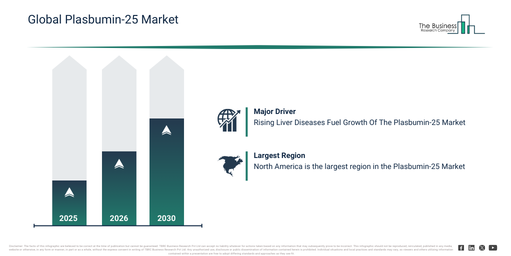
    The anticipated expansion during the forecast period is due to an increase in the occurrence of liver diseases, a rise in intensive care unit admissions, an uptick in burn and trauma incidents, the development of hospital facilities, and a consistent need for plasma proteins.

    Key developments expected during the forecast period involve the widespread application of concentrated albumin solutions, an increasing requirement in managing critical care, a strong preference for volume expansion treatments, an expansion in surgical and ICU uses, and ongoing dependence on proteins derived from plasma.

    Get A Free Sample Report With In-Depth Market Insights:

    https://thebusinessresearchcompany.com/sample_request?id=37782128&type=smp&name=Plasbumin-25%20Market%20Report%202026&utm_source=Blogs&utm_medium=Paid&utm_campaign=Oct_PR

    Plasbumin-25 Market Growth Backed By Core Demand Fundamentals

    The escalating prevalence of liver disorders is anticipated to fuel the expansion of the plasbumin-25 market. Liver disorders encompass various conditions that compromise the liver’s proper functioning, including cirrhosis, hepatitis, fatty liver disease, and liver cancer. The growing incidence of these conditions is attributed to factors such as increased alcohol consumption, obesity, diabetes, and viral infections like hepatitis. Plasbumin-25 is utilized in liver diseases to re-establish albumin levels in conditions such as cirrhosis, hepatic failure, and ascites, assisting in fluid balance management and preventing complications. For instance, in April 2024, the Office for Health Improvement and Disparities, a UK-based government body, reported that hospital admissions for liver disease in England increased to 85,665, corresponding to a directly standardized rate of 155.2 per 100,000 population, indicating a rise compared with previous years. Admissions solely due to alcoholic liver disease amounted to 27,085, emphasizing a persistent increase in alcohol-related liver complications. Thus, the escalating prevalence of liver disorders is a key driver for the plasbumin-25 market growth. The rising count of deaths from road accidents is projected to boost the plasbumin-25 market’s expansion. Road fatalities refer to deaths directly resulting from injuries acquired in traffic collisions or road-related incidents. The surge in such fatalities is linked to factors like elevated vehicle speeds, driver distraction from mobile phones, and inadequate road safety provisions. Furthermore, increasing urbanization and a greater volume of vehicles on roads lead to more frequent and serious traffic incidents. Plasbumin-25 is commonly employed for managing hypovolemic shock stemming from accidents like vehicle collisions, severe burns, or trauma, characterized by considerable blood or fluid loss. For example, data from February 2023, compiled by Statistisches Bundesamt, a German federal statistical agency, indicated that around 21,600 people sustained injuries in road traffic in 2023, representing an increase of about 900 injuries, or 5%, compared to 2022. Moreover, the death toll from traffic accidents climbed by 13, reaching a total of 167 in February 2023. Consequently, the growing incidence of road fatalities will propel the plasbumin-25 market.

    Plasbumin-25 Market Segment Performance And Emerging Opportunities

    The plasbumin-25 market covered in this report is segmented –

    1) By Packaging Size: 50 mL, 250 mL, 500 mL

    2) By Indication: Hypovolemic Shock, Hypoproteinemia, Acute Respiratory Distress Syndrome (ARDS), Cardiopulmonary Bypass, Acute Liver Failure

    3) By Distribution Channel: Hospitals And Clinics, Retail And Specialty Pharmacies

    4) By End User: Adult Patients, Geriatric Patients

    Plasbumin-25 Market Key Players: Which Companies Lead Industry Competition?

    Major companies operating in the plasbumin-25 market are Grifols S.A.

    View The Full Plasbumin-25 Market Report:

    https://thebusinessresearchcompany.com/report/plasbumin-25-global-market-report?utm_source=Blogs&utm_medium=Paid&utm_campaign=Oct_PR

    Plasbumin-25 Market Regional Distribution: Which Areas Power Market Growth?

    North America was the largest region in the plasbumin-25 market in 2025. Asia-Pacific is expected to be the fastest-growing region in the forecast period. The regions covered in the plasbumin-25 market report are Asia-Pacific, Western Europe, Eastern Europe, North America, South America, Middle East, Africa.

    Reach Out To Our Team:

    The Business Research Company: https://www.thebusinessresearchcompany.com/

    Americas: +1 310-496-7795

    Asia: +44 7882 955267 & +91 8897263534

    Europe: +44 7882 955267

    Email us at: marketing@tbrc.info

    Follow us on:

    LinkedIn: https://in.linkedin.com/company/the-business-research-company

    YouTube: https://www.youtube.com/channel/UC24_fI0rV8cR5DxlCpgmyFQ

    Global Market Model: https://www.thebusinessresearchcompany.com/global-market-model
  • Modular Fill-Finish Micro-Factory Market Growth Outlook For 2026: Drivers, Trends And Future Opportunities

    Modular Fill-Finish Micro-Factory Market Growth Outlook For 2026: Drivers, Trends And Future Opportunities

    Backed by market attractiveness analysis, total addressable market sizing, company benchmarking matrices, interactive Excel dashboards, wider supply chain intelligence, emerging startup coverage, and detailed product-level insights, The Business Research Company’s 2026 market reports are designed to offer research that is more actionable and strategically valuable than ever.

    Modular Fill-Finish Micro-Factory Market Growth Analysis: How Will Revenue Trend Over The Forecast Period?

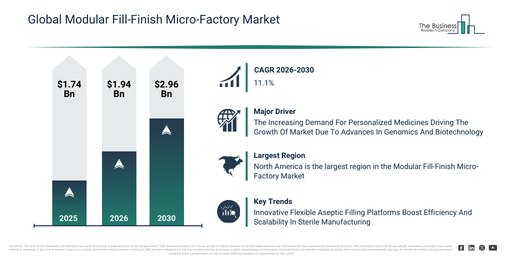
    The modular fill-finish micro-factory market has seen substantial growth in recent years. This market is projected to expand from $1.74 billion in 2025 to $1.94 billion in 2026, registering a compound annual growth rate (CAGR) of 11.4%. The increase observed historically is primarily due to the rise in biologics manufacturing, growing requirements for vaccine production, the expansion of contract manufacturing services, an increasing demand for sterile injectable drugs, and the early embrace of modular production concepts.

    The modular fill-finish micro-factory market is set to undergo significant expansion in the coming years. It is forecast to achieve a valuation of $2.96 billion by 2030, showing a compound annual growth rate (CAGR) of 11.1%. This anticipated growth during the forecast period can be attributed to escalating investments in decentralized production, an increasing need for rapid-response vaccine facilities, the broadening scope of personalized medicine manufacturing, a heightened emphasis on operational flexibility, and greater regulatory acceptance of modular installations. Prominent trends expected in this period involve the wider deployment of modular sterile manufacturing units, a growing embrace of robotic fill-finish systems, an escalating requirement for quick manufacturing scale-up, the expansion of prefabricated GMP facilities, and an intensified focus on adaptable production capacity.

    Get A Free Sample Report With In-Depth Market Insights:

    https://thebusinessresearchcompany.com/sample_request?id=72020722&type=smp&name=Modular%20Fill-Finish%20Micro-Factory%20Market%20Report%202026&utm_source=Blogs&utm_medium=Paid&utm_campaign=Oct_PR

    Modular Fill-Finish Micro-Factory Market Growth Drivers: What’s Behind The Acceleration?

    The growing demand for personalized medicines is anticipated to propel the expansion of the modular fill-finish micro-factory market in the future. Personalized medicine defines a medical approach that customizes the prevention, diagnosis, and treatment of illnesses according to an individual’s genetic, environmental, and lifestyle factors. This escalating demand for personalized medicines is a result of advancements in genomics and biotechnology, which enable the creation of treatments precisely tailored to a person’s genetic makeup for enhanced efficacy and safety. Modular fill-finish micro-factories accelerate the manufacturing of personalized medicines by allowing flexible, small-batch, and rapid production suited to individual patient requirements. For example, in February 2024, the Personalized Medicine Coalition, a US-based non-profit organization, stated that in 2023, the FDA approved 16 new personalized therapies for rare disease patients, indicating a considerable rise from the six approvals observed in 2022. Thus, the increasing demand for personalized medicines is a primary driver for the growth of the modular fill-finish micro-factory market.

    Modular Fill-Finish Micro-Factory Market Breakdown By Product Type And Application

    The modular fill-finish micro-factory market covered in this report is segmented –

    1) By Product Type: Automated Modular Fill-Finish Systems, Semi-Automated Modular Fill-Finish Systems, Manual Modular Fill-Finish Systems

    2) By Scale: Clinical, Commercial

    3) By Application: Pharmaceuticals, Biotechnology, Contract Manufacturing Organizations, Other Applications

    4) By End-User: Pharmaceutical Companies, Biotech Companies, Research Institutes, Other End-Users

    Subsegments:

    1) By Automated Modular Fill-Finish Systems: Robotic Filling Units, Automated Capping Units, Automated Labeling Units, Sterile Transfer Systems, Integrated Packaging Modules

    2) By Semi-Automated Modular Fill-Finish Systems: Semi-Automated Filling Machines, Semi-Automated Capping Machines, Semi-Automated Labeling Machines, Semi-Automated Transfer Systems, Partially Integrated Packaging Units

    3) By Manual Modular Fill-Finish Systems: Manual Filling Stations, Manual Capping Stations, Manual Labeling Stations, Manual Transfer Tools, Manual Packaging Workstations

    Modular Fill-Finish Micro-Factory Market Trends: What’s Defining The Industry’s Next Phase?

    Leading enterprises within the modular fill-finish micro-factory market are concentrating on creating innovative solutions, such as adaptable and interchangeable aseptic filling platforms, to improve manufacturing efficiency, precision, and scalability in sterile production. These flexible and interchangeable aseptic filling platforms represent advanced systems engineered to handle multiple container varieties and batch volumes within a sterile setting, facilitating rapid configuration adjustments to meet diverse product and production requirements. For example, in February 2025, Recipharm AB, a contract development and manufacturing organization based in Sweden, introduced a novel modular sterile filling system intended to support process development, pilot-scale, and clinical supply production. This system functions inside a Grade A isolator and fully adheres to Good Manufacturing Practice (GMP) standards, ensuring a completely GMP-compliant aseptic filling process. Tailored for small-batch manufacturing, ranging from 500 to 50,000 units per batch, it provides outstanding versatility through interchangeable modules compatible with various product forms, including syringes and vials. Its economical design restricts the loss of high-value product to less than 500 mL, rendering it especially suitable for clinical development initiatives in areas like rare diseases, cell and gene therapies, and other cutting-edge modalities.

    Modular Fill-Finish Micro-Factory Market Company Landscape And Competitive Strategy

    Major companies operating in the modular fill-finish micro-factory market are Groninger And Co. GmbH, Lonza Group AG, Sartorius AG, Turner Industries Group LLC, ATS Life Sciences Systems Inc., IMA Group S.p.A., Recipharm AB, Syntegon Technology GmbH, Truking Technology Limited, Optima Packaging Group GmbH, Marchesini Group SPA, Tofflon Science and Technology Co. Ltd., Comecer S.p.A., G-CON Manufacturing Inc., Aseptic Technologies S.A., Steriline S.r.l., Colanar AG, Litek Pharma Solutions Co. Ltd., SKAN AG, Modular Mobile Facility.

    View The Full Modular Fill-Finish Micro-Factory Market Report:

    https://thebusinessresearchcompany.com/report/modular-fill-finish-micro-factory-global-market-report?utm_source=Blogs&utm_medium=Paid&utm_campaign=Oct_PR

    Modular Fill-Finish Micro-Factory Market Largest Region: Which Geography Holds The Highest Market Share?

    North America was the largest region in the modular fill-finish micro-factory market in 2025. Asia-Pacific is expected to be the fastest-growing region in the forecast period. The regions covered in the modular fill-finish micro-factory market report are Asia-Pacific, South East Asia, Western Europe, Eastern Europe, North America, South America, Middle East, Africa.

    Reach Out To Our Team:

    The Business Research Company: https://www.thebusinessresearchcompany.com/

    Americas: +1 310-496-7795

    Asia: +44 7882 955267 & +91 8897263534

    Europe: +44 7882 955267

    Email us at: marketing@tbrc.info

    Follow us on:

    LinkedIn: https://in.linkedin.com/company/the-business-research-company

    YouTube: https://www.youtube.com/channel/UC24_fI0rV8cR5DxlCpgmyFQ

    Global Market Model: https://www.thebusinessresearchcompany.com/global-market-model
  • Plasbumin-20 Market CAGR Forecast Through 2030: Key Trends Shaping Industry Expansion

    Plasbumin-20 Market CAGR Forecast Through 2030: Key Trends Shaping Industry Expansion

    Featuring market attractiveness scoring, total addressable market sizing, company benchmarking matrices, interactive Excel dashboards, deeper supply chain intelligence, emerging startup tracking, and granular product-level insights, The Business Research Company’s 2026 market reports are built to deliver research that is both more actionable and more strategically valuable.

    Plasbumin-20 Market Expansion Outlook: What Revenue Opportunities Are Ahead?

    During the historical period, the observed growth was driven by the application of albumin for volume replacement, an increase in surgical interventions, the expansion of trauma care, the requirements for managing liver disease, and existing hospital critical care guidelines.

    Anticipated expansion during the forecast period is fueled by an aging global demographic, a rise in critical care admissions, the development of recombinant albumin, enhancements in plasma collection infrastructure, and the growing prevalence of hospital-administered treatments.

    Key developments expected within the forecast timeframe encompass an increasing need for plasma-derived treatments, a rise in the application of albumin in critical care, broader utilization in surgical and trauma scenarios, a heightened emphasis on protein replacement therapies, and advancements in plasma fractionation methods.

    Get A Free Sample Report With In-Depth Market Insights:

    https://thebusinessresearchcompany.com/sample_request?id=68307358&type=smp&name=Plasbumin-20%20Market%20Report%202026&utm_source=Blogs&utm_medium=Paid&utm_campaign=Oct_PR

    Plasbumin-20 Market Growth Catalysts And Demand Drivers

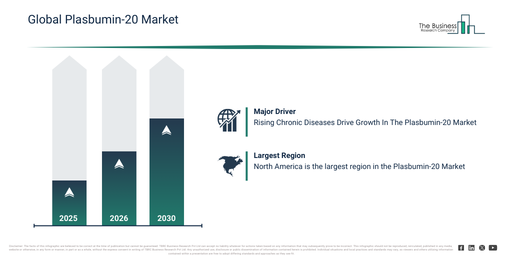
    The plasbumin-20 market is projected to expand due to the increasing prevalence of chronic diseases. These long-term health conditions, such as heart disease, diabetes, and arthritis, persist for a year or more, requiring continuous medical care or restricting daily activities. Factors like an aging population, shifting lifestyles, urbanization, and genetic predispositions largely contribute to the rise in chronic illnesses. As the global incidence of these conditions grows, particularly influenced by an aging demographic and lifestyle choices, the demand for supportive therapies like Plasbumin-20 is set to escalate, making it crucial for managing long-term healthcare needs. For example, data from May 2025 by the Centers for Disease Control and Prevention, a US-based government public health agency, indicated that chronic obstructive pulmonary disease (COPD) was the fifth leading cause of death in the United States in 2023, causing 141,733 fatalities. In that same year, the age-adjusted prevalence of diagnosed COPD among adults aged 18 years and above was 3.8 percent. Consequently, the increase in chronic diseases acts as a primary catalyst for the growth of the plasbumin-20 market. The global expansion of healthcare infrastructure is anticipated to fuel the future growth of the plasbumin-20 market. Healthcare infrastructure encompasses the essential physical and organizational structures, facilities, resources, and systems required for delivering medical services to populations. This worldwide expansion is propelled by several key elements, including an aging global population, the increasing burden of chronic diseases, and advancements in technology. Plasbumin-20, a pharmaceutical product, is primarily utilized in plasma protein therapy as a human albumin solution derived from pooled human plasma, often employed in various medical conditions to enhance clinical outcomes. As an illustration, in May 2023, according to the American Health Care Association, a US-based nonprofit organization, the United States recorded 6,129 hospitals, marking a 0.591% increase from the 6,093 hospitals present in the preceding year. Thus, the ongoing global expansion of healthcare infrastructure is driving the growth of the plasbumin-20 market.

    Plasbumin-20 Market Segment Landscape And Growth Outlook

    The plasbumin-20 market covered in this report is segmented –

    1) By Product Type: Human Albumin, Recombinant Albumin

    2) By Indication: Hypovolemic Shock, Hypoproteinemia, ARDS, Cardiopulmonary Bypass, Acute Liver Failure

    3) By Distribution Channel: Direct Sales, Pharmaceutical Distributors, Online Sales

    4) By End User: Adult Patients, Geriatric Patients

    Plasbumin-20 Market Competitive Landscape: Who Leads The Industry?

    Major companies operating in the plasbumin-20 market are Grifols SA

    View The Full Plasbumin-20 Market Report:

    https://thebusinessresearchcompany.com/report/plasbumin-20-global-market-report?utm_source=Blogs&utm_medium=Paid&utm_campaign=Oct_PR

    Plasbumin-20 Market Leading Geography: Which Region Contributes The Most Revenue?

    North America was the largest region in the plasbumin-20 market in 2025. Asia-Pacific is expected to be the fastest-growing region in the forecast period. The regions covered in the plasbumin-20 market report are Asia-Pacific, Western Europe, Eastern Europe, North America, South America, Middle East, Africa.

    Reach Out To Our Team:

    The Business Research Company: https://www.thebusinessresearchcompany.com/

    Americas: +1 310-496-7795

    Asia: +44 7882 955267 & +91 8897263534

    Europe: +44 7882 955267

    Email us at: marketing@tbrc.info

    Follow us on:

    LinkedIn: https://in.linkedin.com/company/the-business-research-company

    YouTube: https://www.youtube.com/channel/UC24_fI0rV8cR5DxlCpgmyFQ

    Global Market Model: https://www.thebusinessresearchcompany.com/global-market-model
  • Phesgo Market To Witness % CAGR Growth Through 2030: Key Industry Drivers

    Phesgo Market To Witness % CAGR Growth Through 2030: Key Industry Drivers

    Built to provide research that’s more actionable and strategically valuable, The Business Research Company’s 2026 market reports include market attractiveness analysis, total addressable market sizing, company benchmarking matrices, interactive Excel dashboards, broader supply chain intelligence, emerging startup tracking, and in-depth product insights.

    Phesgo Market Growth Potential: How Will Market Size Shift Through 2030?

    The historical period’s growth was driven by an escalating diagnosis of HER2-positive breast cancer, progress in monoclonal antibody development, the expansion of oncology infusion centers, better survival outcomes from targeted therapy, and a surge in biologic drug approvals.

    The anticipated growth during the forecast period is primarily driven by the wider implementation of home-based oncology treatment models, increased investments in combination biologic therapies, the growing adoption of subcutaneous drug delivery methods, advancements in formulation stability technologies, and a rising demand for efficient cancer treatment protocols. Major trends expected within the forecast period include the increasing uptake of fixed-dose combination therapies, a growing preference for subcutaneous oncology treatments, the expansion of therapies for HER2-positive breast cancer, an intensifying focus on patient convenience and compliance, and continuous enhancements in biologic formulation technologies.

    Get A Free Sample Report With In-Depth Market Insights:

    https://thebusinessresearchcompany.com/sample_request?id=37721656&type=smp&name=Phesgo%20Market%20Report%202026&utm_source=Blogs&utm_medium=Paid&utm_campaign=Oct_PR

    Phesgo Market Opportunity Drivers: What’s Unlocking New Revenue Potential?

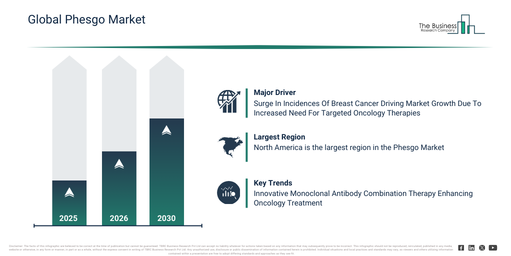
    The rising number of breast cancer cases is anticipated to fuel the expansion of the phesgo market. Breast cancer originates in the cells of the breast, often within milk ducts or lobules, and can metastasize. This surge in incidence is linked to an aging population, genetic predispositions, changes in lifestyle, environmental exposures, and hormonal factors. Phesgo offers a beneficial, fixed-dose combination of pertuzumab and trastuzumab, two targeted therapies that work together to inhibit the HER2 protein responsible for tumor growth and progression, thereby aiding breast cancer patients by reducing administration time and enhancing the overall treatment experience. For example, the American Cancer Society, a US-based professional body, reported an increase in new breast cancer diagnoses in the United States from 300,590 in 2023 to 313,510 in 2024. Consequently, the growing incidence of breast cancer is a key factor propelling the phesgo market. The increasing need for personalized medicine is expected to drive the growth of the phesgo market in the future. Personalized medicine involves customizing medical treatment to suit each patient’s unique attributes, such as their genetic makeup, lifestyle, and environment, to deliver more effective and targeted therapies. The escalating demand for personalized medicine stems from advancements in genomics, which enable tailored treatments that enhance patient outcomes and minimize side effects. Phesgo contributes to personalized medicine by integrating pertuzumab and trastuzumab, targeted therapies designed to block the HER2 protein in HER2-positive breast cancer patients, into a single subcutaneous injection. This streamlines treatment delivery and aligns with individual patient requirements for precise care. As an illustration, in February 2024, the Personalized Medicine Coalition, a US-based non-profit organization, noted that the FDA approved 16 new personalized treatments for rare disease patients in 2023, an increase from six in 2022. These 2023 approvals also included seven cancer drugs and three for other conditions. Therefore, the expanding demand for personalized medicine is a significant driver for the phesgo market.

    Phesgo Market Breakdown By Product Type And Application

    The phesgo market covered in this report is segmented –

    1) By Indication: Early Breast Cancer, Metastatic Breast Cancer

    2) By Formulation: Subcutaneous Injection, Intravenous Infusion

    3) By Distribution Channel: Direct Sales, Online Pharmacies, Wholesale Distributors

    4) By End User: Hospitals, Oncology Clinics, Home Healthcare

    Phesgo Market Innovation Trends Shaping Future Development

    Key companies operating in the phesgo market are prioritizing the introduction of innovative therapies, such as monoclonal antibody combination therapy, to improve treatment effectiveness and patient outcomes in oncology. Monoclonal antibody combination therapy is defined as the simultaneous application of two or more monoclonal antibodies to target distinct facets of a disease, often resulting in better treatment success and the circumvention of potential resistance mechanisms. For instance, in November 2023, Chugai Pharmaceutical Co. Ltd., a Japan-based pharmaceutical company, introduced Phesgo combination for Subcutaneous Injection MA, IN. Phesgo is an injectable combination medication that delivers pertuzumab and trastuzumab, both monoclonal antibodies, together with hyaluronidase alfa, for the treatment of HER2-positive breast cancer and advanced HER2-positive colorectal cancer, providing a convenient subcutaneous administration option instead of intravenous infusion.

    Phesgo Market Company Landscape And Competitive Strategy

    Major companies operating in the phesgo market are F. Hoffmann-La Roche AG, Chugai Pharmaceutical Co. Ltd.

    View The Full Phesgo Market Report:

    https://thebusinessresearchcompany.com/report/phesgo-global-market-report?utm_source=Blogs&utm_medium=Paid&utm_campaign=Oct_PR

    Phesgo Market Regional Outlook: Where Is Opportunity Concentrated?

    North America was the largest region in the phesgo market in 2025. Asia-Pacific is expected to be the fastest-growing region in the forecast period. The regions covered in the phesgo market report are Asia-Pacific, Western Europe, Eastern Europe, North America, South America, Middle East, Africa.

    Reach Out To Our Team:

    The Business Research Company: https://www.thebusinessresearchcompany.com/

    Americas: +1 310-496-7795

    Asia: +44 7882 955267 & +91 8897263534

    Europe: +44 7882 955267

    Email us at: marketing@tbrc.info

    Follow us on:

    LinkedIn: https://in.linkedin.com/company/the-business-research-company

    YouTube: https://www.youtube.com/channel/UC24_fI0rV8cR5DxlCpgmyFQ

    Global Market Model: https://www.thebusinessresearchcompany.com/global-market-model
  • Minimal Residual Disease Testing Market Size Forecast From 2026 To 2030: Key Industry Trends

    Minimal Residual Disease Testing Market Size Forecast From 2026 To 2030: Key Industry Trends

    Featuring market attractiveness scoring, total addressable market sizing, company benchmarking matrices, interactive Excel dashboards, deeper supply chain intelligence, emerging startup tracking, and granular product-level insights, The Business Research Company’s 2026 market reports are built to deliver research that is both more actionable and more strategically valuable.

    Minimal Residual Disease Testing Market Forecast: What Value Will The Market Reach By 2030?

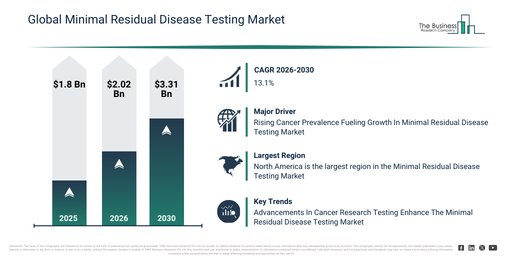
    The minimal residual disease testing market has experienced substantial growth in its size recently. This market is forecasted to expand from $1.8 billion in 2025 to $2.02 billion in 2026, exhibiting a compound annual growth rate (CAGR) of 12.5%. Historically, this upward trend can be ascribed to factors like the increasing prevalence of hematological malignancies, advancements in molecular diagnostic technologies, heightened awareness about minimal residual disease, a wider embrace of precision medicine, and supportive government healthcare initiatives.

    The minimal residual disease testing market is projected to experience substantial expansion in the coming years, anticipated to reach a valuation of $3.31 billion by 2030, exhibiting a compound annual growth rate (CAGR) of 13.1%. Factors driving this growth during the forecast period include improvements in technologies such as nGS and digital PCR, increased investment in cancer research, stronger partnerships between diagnostic and pharmaceutical firms, a greater need for individualized treatment oversight, and enhancements in healthcare infrastructure within developing economies. Key trends anticipated for this period encompass the widespread use of liquid biopsy, customized cancer monitoring, advances in early detection and prognosis, the incorporation of molecular diagnostics, and a broader scope of oncology research.

    Get A Free Sample Report With In-Depth Market Insights:

    https://thebusinessresearchcompany.com/sample_request?id=50133134&type=smp&name=Minimal%20Residual%20Disease%20Testing%20Market%20Report%202026&utm_source=Blogs&utm_medium=Paid&utm_campaign=Oct_PR

    Minimal Residual Disease Testing Market Growth Factors Behind Sustained Expansion

    The rising incidence of cancer is anticipated to fuel the expansion of the minimal residual disease testing market moving forward. Cancer is defined as a condition where some cells in the body proliferate uncontrollably and disseminate to other areas. Minimal residual disease testing, a highly sensitive technique for identifying cancer cells in the human body, is crucial for detecting cancer stages. This method assists patients in averting the progression of cancer at an early stage, thereby stimulating the minimal residual disease testing market. For example, data from January 2023, released by the National Institutes of Health (NIH), a U.S.-based government body, indicated that the United States was expected to see 1,958,310 new cancer cases and 609,820 cancer deaths in 2023. Consequently, the growing prevalence of cancer is propelling the growth of the minimal residual disease testing market.

    Minimal Residual Disease Testing Market Segment Analysis And Revenue Potential

    The minimal residual disease testing market covered in this report is segmented –

    1) By Test Type: DNA – Based Test, RNA- Based Test, Immunological Test

    2) By Technology: Flow Cytometry, Polymerase Chain Reaction (PCR), Next-Generation Sequencing (NGS), Other Technologies

    3) By Application: Hematological Malignancies, Leukemia, Lymphoma, Solid Tumors, Other Application

    4) By End User: Hospitals And Specialty Clinics, Diagnostic Laboratories, Academic And Research Institutes, Other End Users

    Subsegments:

    1) By DNA-Based Test: Polymerase Chain Reaction (PCR) Tests, Next-Generation Sequencing (NGS), Digital PCR

    2) By RNA-Based Test: Reverse Transcription PCR (RT-PCR), RNA Sequencing, Quantitative PCR (qPCR)

    3) By Immunological Test: Flow Cytometry, Enzyme-Linked Immunosorbent Assay (ELISA), Immunohistochemistry

    Minimal Residual Disease Testing Market Industry Trends Fueling Future Revenue Growth

    Leading companies in the minimal residual disease testing market are introducing cancer research testing solutions to enhance detection sensitivity, improve treatment monitoring, and advance precision medicine approaches for better patient outcomes. The IDT Archer FUSIONPlex Core Solid Tumor Panel refers to a targeted next-generation sequencing assay utilized for identifying gene fusions and mutations in solid tumors, aiding in precision oncology and treatment decision-making. For instance, in April 2023, Integrated DNA Technologies (IDT), a US-based provider of genomic solutions, launched the IDT Archer FUSIONPlex Core Solid Tumor Panel, an enhanced cancer research testing solution, now offering expanded and optimized coverage for single nucleotide variants (SNVs) and indels. This RNA-based sequencing assay simplifies fusion detection and variant calling in solid tumors, using a single sample input and providing researchers with a scalable, user-friendly solution that conserves time, resources, and costs.

    Minimal Residual Disease Testing Market Key Players Shaping Industry Direction

    Major companies operating in the minimal residual disease testing market are Natera Inc., Guardant Health Inc., Laboratory Corporation of America Holdings, QIAGEN NV, F. Hoffmann-La Roche Ltd., Bio-Techne Corporation, Bio-Rad Laboratories Inc., Sysmex Corporation, Exact Sciences Corporation, GRAIL LLC, Veracyte Inc., Cergentis B.V, Mdxhealth SA, NeoGenomics Laboratories Inc., Adaptive Biotechnologies, Thermo Fisher Scientific Inc., Siemens Healthineers AG, PerkinElmer Inc., Agilent Technologies Inc., ArcherDx Inc., Asuragen Inc., Becton Dickinson and Company, Cepheid Inc., Fluidigm Corporation, Illumina Inc., Invitae Corporation, Luminex Corporation, Menarini Silicon Biosystems S.p.A.

    View The Full Minimal Residual Disease Testing Market Report:

    https://thebusinessresearchcompany.com/report/minimal-residual-disease-testing-global-market-report?utm_source=Blogs&utm_medium=Paid&utm_campaign=Oct_PR

    Minimal Residual Disease Testing Market Regional Analysis: Which Region Leads By Revenue?

    North America was the largest region in the minimal residual disease testing market in 2025. The regions covered in the minimal residual disease testing market report are Asia-Pacific, South East Asia, Western Europe, Eastern Europe, North America, South America, Middle East, Africa.

    Reach Out To Our Team:

    The Business Research Company: https://www.thebusinessresearchcompany.com/

    Americas: +1 310-496-7795

    Asia: +44 7882 955267 & +91 8897263534

    Europe: +44 7882 955267

    Email us at: marketing@tbrc.info

    Follow us on:

    LinkedIn: https://in.linkedin.com/company/the-business-research-company

    YouTube: https://www.youtube.com/channel/UC24_fI0rV8cR5DxlCpgmyFQ

    Global Market Model: https://www.thebusinessresearchcompany.com/global-market-model
  • Pertzye Market Projected For Strong Expansion Through 2030: Key Trends And Future Outlook

    Pertzye Market Projected For Strong Expansion Through 2030: Key Trends And Future Outlook

    Backed by market attractiveness analysis, total addressable market sizing, company benchmarking matrices, interactive Excel dashboards, wider supply chain intelligence, emerging startup coverage, and detailed product-level insights, The Business Research Company’s 2026 market reports are designed to offer research that is more actionable and strategically valuable than ever.

    Pertzye Market Value Analysis: What Growth Lies Ahead Over The Forecast Period?

    The historical growth can be attributed to the rising prevalence of exocrine pancreatic insufficiency associated with cystic fibrosis, increased identification of chronic pancreatitis, the clinical validation of pancrelipase formulations, an expansion of gastroenterology treatment protocols, and a heightened awareness of malabsorption disorders.

    The anticipated growth throughout the forecast period stems from several factors, including the expansion of personalized digestive care, increased adoption of advanced enzyme formulations, a heightened focus on long-term EPI management strategies, a rising demand for high-strength enzyme variants, and ongoing innovation in drug delivery coatings. Concurrently, significant trends expected in the same period involve a greater utilization of pancreatic enzyme replacement therapies, an increasing need for buffered enteric coatings, the broadening of chronic EPI management programs, a stronger emphasis on digestive efficacy, and improved patient adherence achieved through advances in formulation.

    Get A Free Sample Report With In-Depth Market Insights:

    https://thebusinessresearchcompany.com/sample_request?id=58324000&type=smp&name=Pertzye%20Market%20Report%202026&utm_source=Blogs&utm_medium=Paid&utm_campaign=Oct_PR

    Pertzye Market Growth Momentum: What Factors Are Shaping Demand?

    The increasing incidence of chronic pancreatitis is projected to fuel the expansion of the pertzye market in the coming years. This condition involves persistent pancreatic inflammation, leading to permanent damage, digestive problems, and possible issues such as diabetes. Its occurrence is linked to various factors including heavy alcohol consumption, inherited susceptibilities, autoimmune conditions, and prolonged blockage of pancreatic ducts due to gallstones or tumors. Pertzye offers an effective solution for managing chronic pancreatitis by delivering crucial pancreatic enzymes, thereby assisting digestion and mitigating malabsorption symptoms in individuals suffering from exocrine pancreatic insufficiency. For example, a population-based epidemiology study published in the World Journal of Gastroenterology, a China-based journal, reported that in August 2023, the point prevalence of chronic pancreatitis stood at 45.52 per 100,000 individuals in Sichuan Province, China. Consequently, the growing prevalence of chronic pancreatitis is a key factor propelling the pertzye market’s growth.

    Pertzye Market Segment Analysis And Revenue Potential

    The pertzye market covered in this report is segmented –

    1) By Indication: Exocrine Pancreatic Insufficiency (EPI) Due To Cystic Fibrosis, Exocrine Pancreatic Insufficiency (EPI) Due To Chronic Pancreatitis, Exocrine Pancreatic Insufficiency (EPI) Due To Pancreatitis Surgery, Other Indications

    2) By Formulation: Delayed-Release Capsules, Strength Variants

    3) By Distribution Channel: Hospital Pharmacies, Retail Pharmacies, Online Pharmacies

    Pertzye Market Key Players Shaping Industry Direction

    Major companies operating in the pertzye market are Digestive Care Inc.

    View The Full Pertzye Market Report:

    https://thebusinessresearchcompany.com/report/pertzye-global-market-report?utm_source=Blogs&utm_medium=Paid&utm_campaign=Oct_PR

    Pertzye Market Geographic Landscape: Which Region Leads Industry Growth?

    North America was the largest region in the pertzye market in 2025. Asia-Pacific is expected to be the fastest-growing region in the forecast period. The regions covered in the pertzye market report are Asia-Pacific, Western Europe, Eastern Europe, North America, South America, Middle East, Africa.

    Reach Out To Our Team:

    The Business Research Company: https://www.thebusinessresearchcompany.com/

    Americas: +1 310-496-7795

    Asia: +44 7882 955267 & +91 8897263534

    Europe: +44 7882 955267

    Email us at: marketing@tbrc.info

    Follow us on:

    LinkedIn: https://in.linkedin.com/company/the-business-research-company

    YouTube: https://www.youtube.com/channel/UC24_fI0rV8cR5DxlCpgmyFQ

    Global Market Model: https://www.thebusinessresearchcompany.com/global-market-model
  • Perjeta (Pertuzumab) Market Outlook 2026–2030: Growth Trends, Market Dynamics And Emerging Opportunities

    Perjeta (Pertuzumab) Market Outlook 2026–2030: Growth Trends, Market Dynamics And Emerging Opportunities

    Featuring market attractiveness scoring, total addressable market sizing, company benchmarking matrices, interactive Excel dashboards, deeper supply chain intelligence, emerging startup tracking, and granular product-level insights, The Business Research Company’s 2026 market reports are built to deliver research that is both more actionable and more strategically valuable.

    Perjeta (Pertuzumab) Market Expansion Outlook: What Revenue Opportunities Are Ahead?

    The market for perjeta (pertuzumab) has experienced rapid expansion in recent years. It is anticipated to increase from $1.08 million in 2025 to $1.26 million in 2026, at a compound annual growth rate (CAGR) of 15.7%. The growth observed in prior periods can be attributed to the authorization of HER2 monoclonal antibodies, a rising incidence of breast cancer, advancements in HER2 diagnostic methods, impressive clinical trial data, and its integration into oncology guidelines.

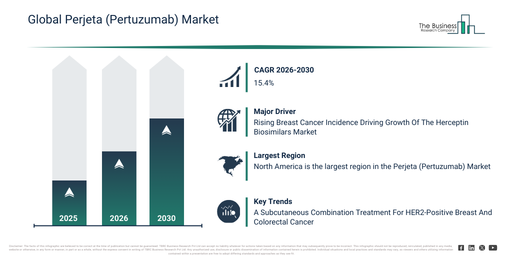
    The perjeta (pertuzumab) market is projected to experience substantial growth in the upcoming years, reaching $2.23 million by 2030, with a compound annual growth rate (CAGR) of 15.4%. This anticipated expansion during the forecast period is primarily driven by factors such as enhanced identification of HER2-positive patients, broader application in adjuvant therapy settings, increased adoption of combination treatment regimens, rising expenditure on oncology drugs, and deeper global market penetration. Significant trends anticipated during this period include the expansion of HER2-targeted combination therapies, growing utilization in both early and metastatic breast cancer, an increase in the adoption of dual HER2 blockade, a heightened focus on precision oncology, and improved survival outcomes for HER2-positive patients.

    Get A Free Sample Report With In-Depth Market Insights:

    https://thebusinessresearchcompany.com/sample_request?id=38237275&type=smp&name=Perjeta%20%28Pertuzumab%29%20Market%20Report%202026&utm_source=Blogs&utm_medium=Paid&utm_campaign=Oct_PR

    Perjeta (Pertuzumab) Market Expansion Drivers: What’s Shaping Future Growth?

    The anticipated increase in breast cancer cases is set to fuel the expansion of the Perjeta (pertuzumab) market in the future. Breast cancer is defined as a condition characterized by the formation of cancerous cells within breast tissue, typically starting in the ducts or lobules. This growing incidence of breast cancer can be linked to evolving lifestyle factors such as higher rates of obesity and less physical activity, alongside more effective early diagnosis facilitated by extensive screening initiatives. Perjeta (pertuzumab) serves as a treatment for HER2-positive breast cancer, operating by targeting the HER2 receptor, and is commonly administered with trastuzumab and chemotherapy to enhance therapeutic results. As an illustration, data from October 2023, provided by Ray of Light Wales, a not-for-profit charity in the UK, indicated that approximately 600,000 individuals in the UK are living post-breast cancer diagnosis, a figure anticipated to rise to 1.2 million by 2030. Consequently, the increasing prevalence of breast cancer is stimulating expansion within the herceptin biosimilars market.

    Perjeta (Pertuzumab) Market Segmentation And Category Overview

    The perjeta (pertuzumab) market covered in this report is segmented –

    1) By Source: Human source, Animal source

    2) By Product: Monoclonal Antibody, Biologic Drug

    3) By Indication: Early Breast Cancer, Metastatic Breast Cancer

    4) By Distribution Channel: Hospital Pharmacies, Retail Pharmacies, Online Pharmacies

    Perjeta (Pertuzumab) Market Strategic Trends: What Defines The Next Growth Phase?

    A primary trend in the Perjeta (pertuzumab) market centers on the development of technologically advanced solutions, such as subcutaneous combination therapies, to improve patient outcomes and make treatment more convenient. Subcutaneous combination therapies are defined as treatment methods where two or more drugs are combined into a single injection administered under the skin to treat a particular condition. For instance, in November 2023, Chugai Pharmaceutical Co., Ltd., a Japan-based pharmaceutical company, launched Phesgo, which is a subcutaneous combination treatment for HER2-positive breast cancer and advanced or recurrent HER2-positive colorectal cancer. This innovative subcutaneous treatment combines the monoclonal antibodies pertuzumab and trastuzumab with vorhyaluronidase alfa, enabling administration in just 5 to 8 minutes, a significant reduction in time compared to traditional intravenous infusions. Phesgo is indicated for patients with advanced or recurrent HER2-positive colorectal cancer and is the first subcutaneous option available for this condition.

    Perjeta (Pertuzumab) Market Competitive Analysis Of Leading Industry Participants

    Major companies operating in the perjeta (pertuzumab) market are Roche Holding AG

    View The Full Perjeta (Pertuzumab) Market Report:

    https://thebusinessresearchcompany.com/report/perjeta-pertuzumab-global-market-report?utm_source=Blogs&utm_medium=Paid&utm_campaign=Oct_PR

    Perjeta (Pertuzumab) Market Largest Region: Which Geography Holds The Biggest Share?

    North America was the largest region in the perjeta (pertuzumab) market in 2025. Asia-Pacific is expected to be the fastest-growing region in the forecast period. The regions covered in the perjeta (pertuzumab) market report are Asia-Pacific, Western Europe, Eastern Europe, North America, South America, Middle East, Africa.

    Reach Out To Our Team:

    The Business Research Company: https://www.thebusinessresearchcompany.com/

    Americas: +1 310-496-7795

    Asia: +44 7882 955267 & +91 8897263534

    Europe: +44 7882 955267

    Email us at: marketing@tbrc.info

    Follow us on:

    LinkedIn: https://in.linkedin.com/company/the-business-research-company

    YouTube: https://www.youtube.com/channel/UC24_fI0rV8cR5DxlCpgmyFQ

    Global Market Model: https://www.thebusinessresearchcompany.com/global-market-model
  • Mineral Supplements Market 2026: Market Size, Growth Drivers And Emerging Opportunities

    Mineral Supplements Market 2026: Market Size, Growth Drivers And Emerging Opportunities

    Built to provide research that’s more actionable and strategically valuable, The Business Research Company’s 2026 market reports include market attractiveness analysis, total addressable market sizing, company benchmarking matrices, interactive Excel dashboards, broader supply chain intelligence, emerging startup tracking, and in-depth product insights.

    Mineral Supplements Market Size Outlook: How Quickly Will Revenue Expand Through 2030?

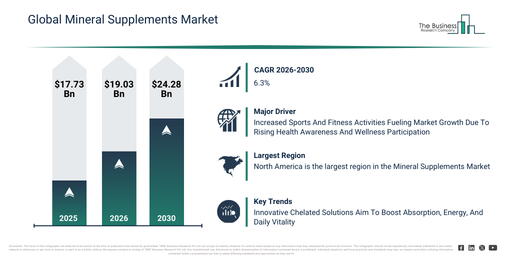
    The mineral supplements market size has demonstrated significant expansion in recent years. It will grow from $17.73 billion in 2025 to $19.03 billion in 2026 at a compound annual growth rate (CAGR) of 7.3%. Historically, this growth can be attributed to several factors such as the high prevalence of mineral deficiencies across populations, the long-standing use of calcium and iron supplements, an increasing public health focus on nutrition, physician recommendations for mineral supplementation, and the widespread retail availability of mineral products.

    The mineral supplements market is projected to experience robust expansion over the coming years. It is anticipated to reach $24.28 billion by 2030, exhibiting a compound annual growth rate (CAGR) of 6.3%. This projected growth is driven by factors such as a globally aging population needing more minerals, a heightened emphasis on immunity and bone well-being, the increasing acceptance of personalized nutrition, growing health awareness among younger demographics, and the proliferation of online channels for supplement sales. Key developments expected during this period include a greater understanding among consumers regarding micronutrient deficiencies, rising demand for supplements for prevention and daily wellness, the availability of mineral supplements in diverse forms, an intensified focus on skeletal, immune, and metabolic health, and the widespread accessibility of cost-effective generic mineral options.

    Get A Free Sample Report With In-Depth Market Insights:

    https://thebusinessresearchcompany.com/sample_request?id=30620815&type=smp&name=Mineral%20Supplements%20Market%20Report%202026&utm_source=Blogs&utm_medium=Paid&utm_campaign=Oct_PR

    Mineral Supplements Market Demand Drivers Opening New Revenue Streams

    The rising prevalence of sports and fitness activities is projected to stimulate the growth of the mineral supplements market moving forward. These activities encompass various physical pursuits intended to enhance overall health, improve physical conditioning, and boost athletic performance. The increased engagement in sports and fitness stems from a growing understanding of health benefits, greater availability of fitness facilities, and a stronger societal emphasis on personal well-being. Mineral supplements play a crucial role in supporting active individuals by helping to satisfy the heightened mineral requirements linked to intense or prolonged physical exertion, thereby fostering optimal muscle function, energy metabolism, and recovery. As an illustration, in February 2024, the Sports And Fitness Industry Association, a US-based Trade Association, reported that in 2023, 78.8% of Americans aged six and older, amounting to 242 million people, participated in at least one sports or fitness activity, indicating a 2.2% increase from 2022. Therefore, the expansion of sports and fitness activities is a significant driver for the growth of the mineral supplements market.

    Mineral Supplements Market Segmentation And Category Overview

    The mineral supplements market covered in this report is segmented –

    1) By Product: Calcium, Magnesium, Iron, Potassium, Zinc, Chromium, Selenium, Other Products

    2) By Formulation: Capsule, Tablet, Powder, Liquid Or Gel, Other Formulations

    3) By Sales Channel: Pharmacies And Drug Stores, Supermarkets And Hypermarkets, Online Channels

    4) By Application: General Health, Bone And Joint Health, Gastrointestinal Health, Immunity, Other Applications

    5) By End Use: Adults, Geriatric, Pregnant Women, Children, Infants

    Subsegments:

    1) By Calcium: Calcium Carbonate, Calcium Citrate, Calcium Gluconate, Calcium Lactate

    2) By Magnesium: Magnesium Citrate, Magnesium Oxide, Magnesium Glycinate, Magnesium Sulfate

    3) By Iron: Ferrous Sulfate, Ferrous Fumarate, Ferrous Gluconate, Iron Polysaccharide Complex

    4) By Potassium: Potassium Chloride, Potassium Citrate, Potassium Gluconate

    5) By Zinc: Zinc Gluconate, Zinc Sulfate, Zinc Picolinate, Zinc Acetate

    6) By Chromium: Chromium Picolinate, Chromium Chloride, Chromium Nicotinate

    7) By Selenium: Selenium Methionine, Sodium Selenite, Selenomethionine

    8) By Other Products: Manganese Supplements, Copper Supplements, Iodine Supplements, Phosphorus Supplements

    Mineral Supplements Market Trends Powering Strategic Industry Growth

    Leading companies in the mineral supplement market are concentrating on developing advanced chelated mineral solutions to improve bioavailability and absorption compared to traditional mineral forms. Chelated mineral solutions are dietary supplements where minerals are chemically bound to amino acids or organic molecules, which enhances their absorption and bioavailability over conventional inorganic mineral forms. For instance, in July 2025, Bayer AG, a Germany-based life sciences company, launched Supradyn Naturals Ginseng, its first multivitamin formulated specifically for men, marketed with the campaign tagline Morning Wala. Josh, Poore Din. This supplement incorporates 30% more active ginseng and antioxidants from grape seed extract, aiming to relieve fatigue and boost daily vitality and stamina. It also supports mental clarity and overall wellness, with the goal of enabling men to maintain energy and focus throughout the day to effectively manage professional and personal demands. The product contains essential vitamins such as B12, C, and D3, and minerals including calcium, magnesium, and zinc, making it a comprehensive option for men’s everyday energy requirements and cognitive health.

    Mineral Supplements Market Competitive Analysis Of Leading Industry Participants

    Major companies operating in the mineral supplements market are Cargill Incorporated, Nestlé S.A., Archer Daniels Midland Company, Pfizer Inc., BASF SE, Bayer AG, Sanofi SA, Abbott Laboratories, GlaxoSmithKline PLC, Otsuka Holdings Co. Ltd., DSM (Koninklijke DSM NV), Amway Corp., Glanbia plc., Orkla, Herbalife International of America Inc., GNC Holdings Inc., Kirkland Signature, Nature’s Way Products LLC, Atrium Innovations Inc., NOW Health Group Inc., Himalaya Wellness Company, Blackmores Limited, Vitabiotics Ltd., MegaFood, Pharmavite LLC

    View The Full Mineral Supplements Market Report:

    https://thebusinessresearchcompany.com/report/mineral-supplements-global-market-report?utm_source=Blogs&utm_medium=Paid&utm_campaign=Oct_PR

    Mineral Supplements Market Geographic Distribution And Regional Opportunities

    North America was the largest region in the mineral supplements market in 2025. The regions covered in the mineral supplements market report are Asia-Pacific, South East Asia, Western Europe, Eastern Europe, North America, South America, Middle East, Africa.

    Reach Out To Our Team:

    The Business Research Company: https://www.thebusinessresearchcompany.com/

    Americas: +1 310-496-7795

    Asia: +44 7882 955267 & +91 8897263534

    Europe: +44 7882 955267

    Email us at: marketing@tbrc.info

    Follow us on:

    LinkedIn: https://in.linkedin.com/company/the-business-research-company

    YouTube: https://www.youtube.com/channel/UC24_fI0rV8cR5DxlCpgmyFQ

    Global Market Model: https://www.thebusinessresearchcompany.com/global-market-model
  • Pergoveris Market Growth Outlook From $ Billion In 2026 To $ Billion By 2030

    Pergoveris Market Growth Outlook From $ Billion In 2026 To $ Billion By 2030

    Built to provide research that’s more actionable and strategically valuable, The Business Research Company’s 2026 market reports include market attractiveness analysis, total addressable market sizing, company benchmarking matrices, interactive Excel dashboards, broader supply chain intelligence, emerging startup tracking, and in-depth product insights.

    Pergoveris Market Growth Potential: How Will Market Size Shift Through 2030?

    Historical growth stemmed from a rise in the diagnosis of gonadotropin deficiencies, the proliferation of assisted reproductive technology clinics, improved success rates for IVF treatments, the introduction and accessibility of recombinant hormone technologies, and heightened awareness regarding infertility.

    The anticipated growth during the forecast period stems from a heightened demand for advanced in vitro fertilization protocols, an escalating emphasis on precision hormone therapy, the proliferation of fertility tourism, the growing adoption of patient-friendly injectable formats, and increasing investments in reproductive biotechnology.

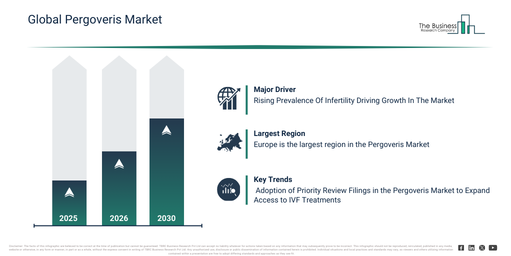
    Key trends observable in the forecast period encompass a rising adoption of recombinant hormone therapies, an escalating demand for IVF and Assisted Reproductive Technology procedures, the growing use of injectable pen formulations, the expansion of precision-controlled fertility treatments, and an enhanced focus on hormone deficiency management.

    Get A Free Sample Report With In-Depth Market Insights:

    https://thebusinessresearchcompany.com/sample_request?id=73447233&type=smp&name=Pergoveris%20Market%20Report%202026&utm_source=Blogs&utm_medium=Paid&utm_campaign=Oct_PR

    Pergoveris Market Development Factors: What’s Supporting Demand?

    The increasing prevalence of infertility is anticipated to stimulate the growth of the pergoveris market going forward. Infertility denotes the incapacity to conceive, sustain a pregnancy, or carry it to full term. The increase in infertility is attributed to factors such as delaying parenthood, various lifestyle choices, exposure to environmental toxins, and the growing occurrence of medical conditions like polycystic ovary syndrome (PCOS) and endometriosis. Pergoveris aids infertility patients by activating ovarian function through its blend of follicle-stimulating hormone (FSH) and luteinizing hormone (LH), which encourages the maturation of eggs in women suffering from severe gonadotropin deficiency. For example, in April 2023, the World Health Organization, a Switzerland-based intergovernmental organization, reported that around 17.5% of the global adult population, or approximately 1 in 6 individuals, experience infertility. Thus, the rising incidence of infertility is a significant driver for the expansion of the pergoveris market.

    Pergoveris Market Segment Outlook: Which Categories Are Growing Fastest?

    The pergoveris market covered in this report is segmented –

    1) By Formulation: Injectable Pen, Vial Formulation

    2) By Indication: Anovulation, Assisted Reproductive Technology (ART) Procedures

    3) By Distribution Channel: Hospitals Pharmacies, Retail Pharmacies, Online Pharmacies

    4) By End Use: Hospitals, Clinics, Ambulatory Care, Home Care

    Pergoveris Market Transformation Trends: What Innovations Are Driving Change?

    Leading pharmaceutical firms within the pergoveris market are concentrating their efforts on driving advancements related to regulations and patient accessibility. These include strategies like priority-review filings facilitated by the FDA Commissioner’s National Priority Voucher (CNPV) program, with the aim of shortening approval durations, broadening patient access, and making intricate fertility treatments more affordable. This particular filing mechanism enables regulatory bodies to condense the typical review timeframe from 10–12 months down to 1–2 months, thereby accelerating the introduction of novel reproductive therapies without compromising their safety or effectiveness. An example of this is the October 2025 submission of Pergoveris® by EMD Serono, which is Merck KGaA, Darmstadt, Germany’s healthcare division, under the FDA CNPV program. This specific treatment unites recombinant human follicle-stimulating hormone (r-hFSH) and recombinant human luteinizing hormone (r-hLH) in a 2:1 ratio, administered through a pre-filled Redi-ject® pen for easier dosing, fewer injections, and an improved overall patient experience. Pergoveris is engineered to replicate the body’s natural reproductive processes, aiding in follicular development and maturation during medically assisted reproductive cycles. Furthermore, the program is consistent with both public-private collaborations and direct-to-consumer access initiatives, ultimately enhancing affordability and broadening the range of treatment choices for women experiencing severe FSH/LH deficiency.

    Pergoveris Market Leading Companies And Competitive Benchmarking

    Major companies operating in the pergoveris market are Merck KGaA

    View The Full Pergoveris Market Report:

    https://thebusinessresearchcompany.com/report/pergoveris-global-market-report?utm_source=Blogs&utm_medium=Paid&utm_campaign=Oct_PR

    Pergoveris Market Regional Analysis: Which Geography Leads On Revenue?

    Europe was the largest region in the pergoveris market in 2025. Asia-Pacific is expected to be the fastest-growing region in the forecast period. The regions covered in the pergoveris market report are Asia-Pacific, Western Europe, Eastern Europe, North America, South America, Middle East, Africa.

    Reach Out To Our Team:

    The Business Research Company: https://www.thebusinessresearchcompany.com/

    Americas: +1 310-496-7795

    Asia: +44 7882 955267 & +91 8897263534

    Europe: +44 7882 955267

    Email us at: marketing@tbrc.info

    Follow us on:

    LinkedIn: https://in.linkedin.com/company/the-business-research-company

    YouTube: https://www.youtube.com/channel/UC24_fI0rV8cR5DxlCpgmyFQ

    Global Market Model: https://www.thebusinessresearchcompany.com/global-market-model

  • Milk Protein Concentrate (MPC) Market Set To Expand From $4.25 Billion In 2026: Growth Outlook Through 2030

    Milk Protein Concentrate (MPC) Market Set To Expand From $4.25 Billion In 2026: Growth Outlook Through 2030

    Backed by market attractiveness analysis, total addressable market sizing, company benchmarking matrices, interactive Excel dashboards, wider supply chain intelligence, emerging startup coverage, and detailed product-level insights, The Business Research Company’s 2026 market reports are designed to offer research that is more actionable and strategically valuable than ever.

    Milk Protein Concentrate (MPC) Market Size, Value And Growth Trajectory Through 2030

    The milk protein concentrate (mpc) market size has demonstrated significant growth over recent years. It is anticipated to expand from $3.03 billion in 2025 to $3.25 billion in 2026, achieving a compound annual growth rate (CAGR) of 7.2%. The historical expansion of this market can be attributed to advancements in dairy processing, increasing demand for food fortification, the rise of sports nutrition, various applications in infant formula, and the utilization of whey and casein.

    The market for milk protein concentrate (mpc) is projected to experience substantial expansion over the coming years. This market is anticipated to reach $4.25 billion by 2030, demonstrating a compound annual growth rate (CAGR) of 6.9%. Factors contributing to this growth during the forecast period include advancements in plant-dairy blend innovation, increasing consumer demand for protein-enriched foods, the expansion of medical nutrition applications, sustainable dairy processing techniques, and rising consumption in emerging markets. Key trends identified for this period encompass a growing appetite for high-protein nutrition, the proliferation of sports and clinical nutrition products, wider incorporation into functional foods, broader applications of dairy ingredients, and a strong preference for clean-label protein sources.

    Get A Free Sample Report With In-Depth Market Insights:

    https://thebusinessresearchcompany.com/sample_request?id=67839372&type=smp&name=Milk%20Protein%20Concentrate%20%28MPC%29%20Market%20Report%202026&utm_source=Blogs&utm_medium=Paid&utm_campaign=Oct_PR

    Milk Protein Concentrate (MPC) Market Growth Backed By Core Demand Fundamentals

    The market for Milk protein concentrate (MPC) is anticipated to expand in the future due to the increasing preference for high-protein foods. This growing demand indicates that consumers are placing greater emphasis on protein as an essential component of their dietary intake. Furthermore, heightened health consciousness and fitness trends motivate individuals to choose foods that offer prolonged feelings of fullness and support muscle upkeep. Milk protein concentrate addresses this need by providing a concentrated, functional dairy protein source that food manufacturers can integrate into various protein-enhanced items. A relevant example is from July 2025, where the International Food Information Council (IFIC), a US-based nutrition non-profit, reported that 70% of Americans were actively trying to increase their protein intake, and 23% had adopted a high-protein diet in the preceding year, an increase from 18% in 2023. Consequently, the increased consumption of high-protein foods is a primary factor driving the expansion of the Milk protein concentrate (MPC) market.

    Milk Protein Concentrate (MPC) Market Segment Outlook: Which Categories Are Growing Fastest?

    The milk protein concentrate (mpc) market covered in this report is segmented –

    1) By Composition: Milk Protein Concentrate 40%, Milk Protein Concentrate 70%, Milk Protein Concentrate 85%

    2) By Ingredient Type: Total Milk Proteins, Co-Precipitates, Milk Protein Isolates, Blends, Other Ingredient Types

    3) By Nature: Organic, Conventional

    4) By Form: Liquid, Powder

    5) By End-User Industry: Healthcare, Food And Beverage, Automotive, Electronics, Chemicals And Materials

    Subsegments:

    1) By Milk Protein Concentrate 40%: Standard MPC 40% Powder, Instantized MPC 40%, Low-Lactose MPC 40%, Conventional MPC 40%

    2) By Milk Protein Concentrate 70%: Standard MPC 70% Powder, Instantized MPC 70%, High-Functional MPC 70%, Low-Fat MPC 70%

    3) By Milk Protein Concentrate 85%: Ultra-Filtered MPC 85%, High-Purity MPC 85%, Instantized MPC 85%, Sports And Clinical Nutrition Grade MPC 85%

    Milk Protein Concentrate (MPC) Market Growth Trends Reshaping The Competitive Landscape

    Leading firms within the milk protein concentrate market are concentrating on creating novel offerings, like lactose-free milk protein, to cater to lactose-intolerant individuals and broaden their market presence. This particular product, lactose-free milk protein, denotes a milk protein concentrate specifically treated to extract lactose, thereby rendering it appropriate for consumers with lactose intolerance. As an illustration, in November 2023, Valio Ltd., a US-based dairy enterprise, introduced Valio Eila MPC 65, a protein concentrate formulated to improve the flavor and nutritional advantages of high-protein items. This concentrate integrates the inherent whey and casein proteins along with amino acids present in milk, enabling producers to develop high-protein goods that possess a smooth consistency and a delightful milky taste, circumventing the grainy feel and undesirable flavors frequently associated with numerous protein powders. It facilitates more straightforward ingredient declarations, is adaptable for diverse uses ranging from drinks to sweet treats, and contributes to optimizing production by removing the necessity for extra processing stages.

    Milk Protein Concentrate (MPC) Market Leading Companies And Competitive Benchmarking

    Major companies operating in the milk protein concentrate (mpc) market are Lactalis Group, Arla Foods, Fonterra Co-operative Group Limited, Saputo Inc., Royal FrieslandCampina N.V., Agropur Dairy Cooperative, Valio Ltd., Glanbia Nutritionals, Actus Nutrition Inc., California Dairies Inc., Ingredia SA, Numidia Dairy Company, Idaho Milk Products LLC, BioHealth Products Inc., Paras Dairy Foods Pvt. Ltd., Open Country Dairy LLC, Interfood Group A/S, Eurial Coopérative Laitière, Amco Proteins Ltd., Agrocomplex Group

    View The Full Milk Protein Concentrate (MPC) Market Report:

    https://thebusinessresearchcompany.com/report/milk-protein-concentrate-mpc-global-market-report?utm_source=Blogs&utm_medium=Paid&utm_campaign=Oct_PR

    Milk Protein Concentrate (MPC) Market Largest Region By Revenue And Market Share

    North America was the largest region in the milk protein concentrate market in 2025. The regions covered in the milk protein concentrate (mpc) market report are Asia-Pacific, South East Asia, Western Europe, Eastern Europe, North America, South America, Middle East, Africa.

    Reach Out To Our Team:

    The Business Research Company: https://www.thebusinessresearchcompany.com/

    Americas: +1 310-496-7795

    Asia: +44 7882 955267 & +91 8897263534

    Europe: +44 7882 955267

    Email us at: marketing@tbrc.info

    Follow us on:

    LinkedIn: https://in.linkedin.com/company/the-business-research-company

    YouTube: https://www.youtube.com/channel/UC24_fI0rV8cR5DxlCpgmyFQ

    Global Market Model: https://www.thebusinessresearchcompany.com/global-market-model