Blog

  • Esketamine Market Forecast 2026: Market Size, Competitive Landscape And Growth Drivers

    Esketamine Market Forecast 2026: Market Size, Competitive Landscape And Growth Drivers

    Backed by market attractiveness analysis, total addressable market sizing, company benchmarking matrices, interactive Excel dashboards, wider supply chain intelligence, emerging startup coverage, and detailed product-level insights, The Business Research Company’s 2026 market reports are designed to offer research that is more actionable and strategically valuable than ever.

    Esketamine Market Growth Potential: How Will Market Size Shift Through 2030?

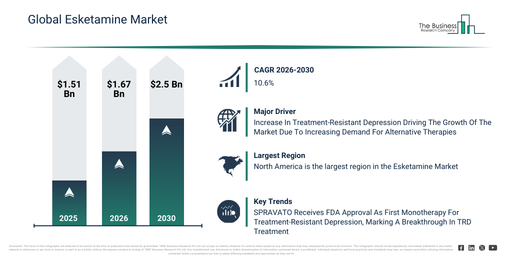
    The esketamine market has seen substantial growth in recent years. The market is forecast to expand from $1.51 billion in 2025 to $1.67 billion in 2026, achieving a compound annual growth rate (CAGR) of 10.8%. Historically, this growth can be attributed to unmet needs in major depressive disorder, limitations of traditional antidepressants, regulatory approvals for nasal esketamine, rising mental health awareness, and the expansion of specialty psychiatric clinics.

    The esketamine market is anticipated to experience significant expansion in the coming years. Its valuation is projected to reach $2.5 billion by 2030, demonstrating a compound annual growth rate (CAGR) of 10.6%. This expansion during the projection period stems from factors such as the rising incidence of treatment-resistant depression, a need for swift-acting treatments, the broader adoption of supervised outpatient delivery, an expanding mental health infrastructure, and ongoing investment in clinical research. Key developments anticipated within this timeframe involve the increasing uptake for treatment-resistant depression, the wider availability of nasal spray administration, greater utilization in acute psychiatric care environments, enhanced monitoring and regulated distribution, and intensified research efforts into rapid-acting antidepressants.

    Get A Free Sample Report With In-Depth Market Insights:

    https://thebusinessresearchcompany.com/sample_request?id=96700594&type=smp&name=Esketamine%20Market%20Report%202026&utm_source=Blogs&utm_medium=Paid&utm_campaign=Oct_PR

    Esketamine Market Industry Drivers: What’s Behind The Revenue Growth?

    The anticipated expansion of the esketamine market over the next few years is largely attributed to the growing occurrence of treatment-resistant depression (TRD). TRD is defined as a form of depression that fails to respond even after trials of at least two distinct antidepressant drugs administered in appropriate dosages for an adequate period. The rise in TRD cases stems from the inadequate effectiveness of traditional antidepressants, resulting in extended and recurring depressive states. Esketamine offers assistance for TRD by utilizing a rapid-onset mechanism that targets NMDA receptors, thereby providing relief to individuals unresponsive to conventional antidepressant therapies. For instance, in September 2023, the National Institute of Mental Health (NIMH), a US-based federal agency, reported that, in 2023, approximately 30% of individuals with major depressive disorder in the U.S. were resistant to standard treatments. Consequently, the escalating occurrence of treatment-resistant depression is serving as a key driver for the growth of the esketamine market.

    Esketamine Market Segment Landscape And Growth Outlook

    The esketamine market covered in this report is segmented –

    1) By Formulation Type: Nasal Spray, Injectable Form

    2) By Indication: Treatment-Resistant Depression (TRD), Major Depressive Disorder with Suicidal Ideation or Behavior

    3) By Patient Type: Adult Patients

    4) By Treatment Setting: Hospital-Based Administration, Certified Specialty Clinics

    5) By Distribution Channel: Hospital Pharmacies, Specialty Pharmacies

    Subsegments:

    1) By Nasal Spray: Single-Agent Esketamine Nasal Spray, Esketamine + Oral Antidepressant Combination Therapy

    2) By Injectable Form: Intravenous (IV) Esketamine, Intramuscular (IM) Esketamine

    #Esketamine Market Growth Trends: What’s Shaping The Future Outlook?

    Leading companies within the esketamine market are focusing on developing advanced treatment solutions like monotherapy, aiming to improve depressive symptom relief beyond placebo effects. Monotherapy refers to managing a disease or medical condition using a single drug or treatment, rather than multiple combined therapies. For instance, in January 2025, US-based pharmaceutical company Johnson & Johnson announced that the U.S. Food and Drug Administration (FDA) approved SPRAVATO (esketamine) as the first and only monotherapy for adults with treatment-resistant depression (TRD). Clinical trials supported this approval, demonstrating SPRAVATO’s rapid ability to alleviate depressive symptoms, with significant improvements observed within 24 hours. This breakthrough offers a crucial option for approximately 30% of individuals unresponsive to traditional antidepressants, removing the need for concurrent oral medications. Although SPRAVATO has a favorable safety profile, it is administered under a Risk Evaluation and Mitigation Strategy (REMS) to address potential side effects. This achievement represents a significant advancement in TRD treatment, providing renewed hope for better patient outcomes.

    Esketamine Market Competitive Landscape: Who Leads The Industry?

    Major companies operating in the esketamine market are Johnson & Johnson, Janssen Pharmaceuticals, Sage Therapeutics Inc., VistaGen Therapeutics Inc., Cerecor Inc., Celon Pharma S.A., Hikma Pharmaceuticals plc, Seqens Group, Arevipharma GmbH, Nortec Química S.A., Supriya Lifescience Ltd., Maithri Drugs Pvt. Ltd., SynZeal Research Pvt. Ltd., XWPharma Ltd., Sun Pharmaceutical Industries Ltd., Dr. Reddy’s Laboratories Ltd., Lupin Limited, Aurobindo Pharma Ltd., H. Lundbeck A/S, Otsuka Pharmaceutical Co. Ltd.

    View The Full Esketamine Market Report:

    https://thebusinessresearchcompany.com/report/esketamine-global-market-report?utm_source=Blogs&utm_medium=Paid&utm_campaign=Oct_PR

    Esketamine Market Geographic Landscape: Which Region Dominates Industry Growth?

    North America was the largest region in the esketamine market in 2025. The regions covered in the esketamine market report are Asia-Pacific, South East Asia, Western Europe, Eastern Europe, North America, South America, Middle East, Africa.

    Reach Out To Our Team:

    The Business Research Company: https://www.thebusinessresearchcompany.com/

    Americas: +1 310-496-7795

    Asia: +44 7882 955267 & +91 8897263534

    Europe: +44 7882 955267

    Email us at: marketing@tbrc.info

    Follow us on:

    LinkedIn: https://in.linkedin.com/company/the-business-research-company

    YouTube: https://www.youtube.com/channel/UC24_fI0rV8cR5DxlCpgmyFQ

    Global Market Model: https://www.thebusinessresearchcompany.com/global-market-model
  • Erythropoietin (EPO) Market Size In 2026: Regional Growth, Key Segments And Future Outlook

    Erythropoietin (EPO) Market Size In 2026: Regional Growth, Key Segments And Future Outlook

    Featuring market attractiveness scoring, total addressable market sizing, company benchmarking matrices, interactive Excel dashboards, deeper supply chain intelligence, emerging startup tracking, and granular product-level insights, The Business Research Company’s 2026 market reports are built to deliver research that is both more actionable and more strategically valuable.

    Erythropoietin (EPO) Market Value Analysis: What Growth Lies Ahead Over The Forecast Period?

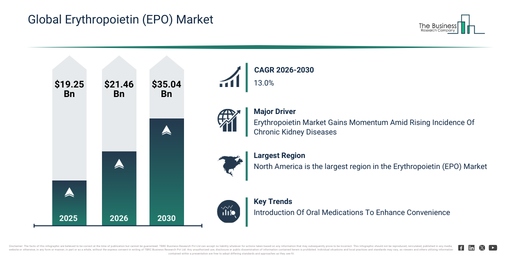
    The erythropoietin (epo) market has seen substantial growth in recent times. Its value is forecast to expand from $19.25 billion in 2025 to $21.46 billion by 2026, achieving a compound annual growth rate (CAGR) of 11.5%. Key drivers for this historical expansion include the increasing prevalence of anemia, a growing incidence of chronic kidney disease, the established clinical effectiveness of epo therapy, progress in recombinant biologic manufacturing, and the expanded application of epo in the management of cancer-related anemia.

    The erythropoietin (epo) market is projected to experience significant growth in the upcoming years. It is anticipated to expand to $35.04 billion by 2030, achieving a compound annual growth rate (CAGR) of 13.0%. This growth during the forecast period can be attributed to an increase in biosimilar approvals, a growing elderly demographic, a rising global volume of dialysis patients, innovations in sustained-release epo drugs, and improved access to biologic therapies in emerging economies. Noteworthy trends for the forecast period include the expanded use of erythropoietin in chronic kidney disease, increasing adoption of biosimilar erythropoietin therapies, growing demand for long-acting epo formulations, more frequent use of epo in oncology supportive care, and stricter regulatory oversight concerning epo safety and dosing.

    Get A Free Sample Report With In-Depth Market Insights:

    https://thebusinessresearchcompany.com/sample_request?id=32132342&type=smp&name=Erythropoietin%20%28EPO%29%20Market%20Report%202026&utm_source=Blogs&utm_medium=Paid&utm_campaign=Oct_PR

    Erythropoietin (EPO) Market Growth Factors: What’s Supporting Expansion?

    The erythropoietin market is expected to experience increased demand in the upcoming years, driven by the growing occurrence of chronic kidney diseases. Erythropoietin is administered in an increasing number of chronic kidney disease cases because it helps produce red blood cells to boost immunity. For example, data from 2023, as per the Centers for Disease Control, a US-based federal agency, estimates that roughly 14% of U.S. adults, which translates to about 35.5 million people, are affected by chronic kidney disease (CKD). Consequently, the escalating incidence of chronic kidney diseases directly raises the demand for erythropoietin, thus propelling the market’s revenues.

    Erythropoietin (EPO) Market Breakdown By Product Type And Application

    The erythropoietin (epo) market covered in this report is segmented –

    1) By Product: Epoetin-alfa, Epoetin-beta, Darbepoetin-alfa, Other Products

    2) By Drug Class: Biologist, Biosimilar

    3) By Application: Cancer, Hematology, Renal Diseases, Neurology, Other Applications

    Subsegments:

    1) By Epoetin-Alfa: Epoetin-Alfa, Epoetin-Alfa Biosimilars

    2) By Epoetin-Beta: Epoetin-Beta, Epoetin-Beta Biosimilars

    3) By Darbepoetin-Alfa: Darbepoetin-Alfa, Darbepoetin-Alfa Biosimilars

    4) By Other Products: Peginesatide, Novel EPO Products

    Erythropoietin (EPO) Market Industry Trends: What’s Reshaping Demand?

    Leading companies within the erythropoietin market are concentrating on introducing oral medications, which serve as more convenient options than conventional injectable therapies. This initiative seeks to enhance patient comfort, adherence, and treatment flexibility, particularly for individuals managing chronic ailments such as anemia associated with chronic kidney disease (CKD). For example, in February 2023, GlaxoSmithKline (GSK), a UK-based multinational pharmaceutical and biotechnology company, released Jesduvroq (daprodustat) tablets. This oral medicine works to elevate erythropoietin levels, thereby aiding in the management of anemia in CKD patients by sustaining hemoglobin levels within a specified range. The core purpose of Jesduvroq is to present a more accessible alternative to injectable treatments, thereby improving patient comfort, compliance, and treatment flexibility for dialysis patients.

    Erythropoietin (EPO) Market Company Landscape And Competitive Strategy

    Major companies operating in the erythropoietin (epo) market are Amgen Inc., Roche Holding AG, Pfizer Inc., Merck & Co., Teva Pharmaceutical Industries Ltd., 3SBio Inc., Celltrion Inc., Intas Pharmaceuticals Ltd., Boehringer Ingelheim GmbH, Dr. Reddy’s Laboratories Ltd., Sun Pharmaceutical Industries Ltd., Reliance Life Sciences Pvt. Ltd., Biocon Limited, Chugai Pharmaceutical Co., Kyowa Kirin Co. Ltd., Apotex Inc., CJ Healthcare Corp., STADA Arzneimittel AG, Hospira Inc., Sandoz International GmbH, Torrent Pharmaceuticals Ltd., LG Life Sciences Ltd., Sanofi S.A., Bayer AG, Hikma Pharmaceuticals.

    View The Full Erythropoietin (EPO) Market Report:

    https://thebusinessresearchcompany.com/report/erythropoietins-global-market-report?utm_source=Blogs&utm_medium=Paid&utm_campaign=Oct_PR

    Erythropoietin (EPO) Market Largest Region: Which Geography Holds The Highest Market Share?

    North America was the largest region in the erythropoietin (EPO) market in 2025. The Middle East is expected to be the fastest growing region in the global erythropoietin (EPO) market analysis in the forecast period. The regions covered in the erythropoietin (epo) market report are Asia-Pacific, South East Asia, Western Europe, Eastern Europe, North America, South America, Middle East, Africa.

    Reach Out To Our Team:

    The Business Research Company: https://www.thebusinessresearchcompany.com/

    Americas: +1 310-496-7795

    Asia: +44 7882 955267 & +91 8897263534

    Europe: +44 7882 955267

    Email us at: marketing@tbrc.info

    Follow us on:

    LinkedIn: https://in.linkedin.com/company/the-business-research-company

    YouTube: https://www.youtube.com/channel/UC24_fI0rV8cR5DxlCpgmyFQ

    Global Market Model: https://www.thebusinessresearchcompany.com/global-market-model
  • Erythrocytes Monoclonal Antibody Market Growth Forecast Through 2030: Market Size And Trends In 2026

    Erythrocytes Monoclonal Antibody Market Growth Forecast Through 2030: Market Size And Trends In 2026

    Built to provide research that’s more actionable and strategically valuable, The Business Research Company’s 2026 market reports include market attractiveness analysis, total addressable market sizing, company benchmarking matrices, interactive Excel dashboards, broader supply chain intelligence, emerging startup tracking, and in-depth product insights.

    Erythrocytes Monoclonal Antibody Market Size Forecast: How Big Could The Market Get By 2030?

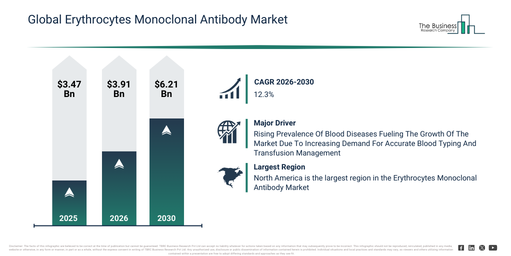
    The erythrocytes monoclonal antibody market has experienced substantial expansion in recent years. This market is set to increase from $3.47 billion in 2025 to $3.91 billion in 2026, at a compound annual growth rate (CAGR) of 12.6%. Historically, this growth can be ascribed to the proliferation of clinical diagnostic laboratories, an uptick in blood transfusion procedures, the wider adoption of standardized blood testing protocols, advancements in immunohematology research, and the improved accessibility of monoclonal antibody technologies.

    The erythrocytes monoclonal antibody market is anticipated to experience swift expansion over the coming years. Its value is projected to reach $6.21 billion by 2030, demonstrating a compound annual growth rate (CAGR) of 12.3%. This expansion during the forecast period is primarily driven by greater investments in automated blood testing platforms, a growing need for swift and precise diagnostics, the expansion of precision laboratory medicine, increasing incorporation of AI into diagnostic processes, and a heightened emphasis on blood safety regulations. Key developments expected in this period encompass the expanded application of monoclonal antibodies in blood typing, a wider implementation of automated immunohematology systems, the proliferation of advanced diagnostic assays, an escalating demand for high-specificity antibody reagents, and a stronger focus on transfusion safety.

    Get A Free Sample Report With In-Depth Market Insights:

    https://thebusinessresearchcompany.com/sample_request?id=41585922&type=smp&name=Erythrocytes%20Monoclonal%20Antibody%20Market%20Report%202026&utm_source=Blogs&utm_medium=Paid&utm_campaign=Oct_PR

    Erythrocytes Monoclonal Antibody Market Demand Drivers: What’s Powering Industry Growth?

    An anticipated increase in blood disease cases is projected to boost the expansion of the erythrocytes monoclonal antibody market going forward. These conditions encompass medical issues impacting the makeup, operation, or generation of blood, involving anomalies in red blood cells, white blood cells, platelets, hemoglobin, or plasma. This growing occurrence of blood diseases primarily stems from the increasing rates of chronic illnesses, which directly affect blood health and necessitate continuous oversight. Erythrocytes monoclonal antibodies assist in managing blood disorders by precisely targeting red blood cell antigens, thereby facilitating accurate blood typing and compatibility assessments. These antibodies also contribute to the diagnosis and surveillance of transfusion-associated issues, enhancing patient safety and therapeutic results. For example, as reported in July 2024 by the Perth Blood Institute, an Australia-based nonprofit organization, approximately 19,400 Australians receive a blood cancer diagnosis each year, with projections indicating 275,000 cases by 2035. Consequently, the increasing occurrence of blood diseases is a key factor propelling the growth of the erythrocytes monoclonal antibody market.

    Erythrocytes Monoclonal Antibody Market Segment Analysis And Revenue Potential

    The erythrocytes monoclonal antibody market covered in this report is segmented –

    1) By Type: Immunoglobulin G (IgG) Monoclonal Antibody, Immunoglobulin M (IgM) Monoclonal Antibody, Immunoglobulin A (IgA) Monoclonal Antibody, Immunoglobulin E (IgE) Monoclonal Antibody

    2) By Source: Human-Derived, Mouse- Derived, Chimeric, Humanized

    3) By Application: Flow Cytometry, ELISA (Enzyme-Linked Immunosorbent Assay), Western Blot, Immunoprecipitation, Other Applications

    4) By End Use: Hospital, Clinical Laboratories, Academic And Research Institutes, Pharmaceutical Companies

    Subsegments:

    1) By Immunoglobulin G (IgG) Monoclonal Antibody: Humanized Immunoglobulin G, Fully Human Immunoglobulin G, Chimeric Immunoglobulin G, Murine Immunoglobulin G

    2) By Immunoglobulin M (IgM) Monoclonal Antibody: Pentameric Immunoglobulin M, Hexameric Immunoglobulin M, Recombinant Immunoglobulin M

    3) By Immunoglobulin A (IgA) Monoclonal Antibody: Secretory Immunoglobulin A, Serum Immunoglobulin A, Dimeric Immunoglobulin A

    4) By Immunoglobulin E (IgE) Monoclonal Antibody: Allergen-Specific Immunoglobulin E, Anti-Immunoglobulin E Therapeutic Antibody

    Erythrocytes Monoclonal Antibody Market Key Players Shaping Industry Direction

    Major companies operating in the erythrocytes monoclonal antibody market are Micro Life Sciences Pvt. Ltd., Bio-Rad Laboratories Inc., Bio-Techne Corporation, OriGene Technologies Inc., RayBiotech Inc., Creative Diagnostics Inc., Diagast S.A., JMitra & Co. Pvt. Ltd., Mediclone Biotech Pvt. Ltd., LifeSpan BioSciences Inc., Arigo Biolaboratories Corporation, Alba Bioscience Ltd., MyBioSource Inc., Siwa Biotech Corp., Lorne Laboratories Ltd., Tulip Diagnostics Pvt. Ltd., Shiva Scientific Pvt. Ltd., Biorbyt Ltd., Assay Genie Pvt. Ltd., Abbexa Ltd.

    View The Full Erythrocytes Monoclonal Antibody Market Report:

    https://thebusinessresearchcompany.com/report/global-erythrocytes-monoclonal-antibody-market-report?utm_source=Blogs&utm_medium=Paid&utm_campaign=Oct_PR

    Erythrocytes Monoclonal Antibody Market Regional Analysis: Which Region Leads By Revenue?

    North America was the largest region in the erythrocytes monoclonal antibody market in 2025. Asia-Pacific is expected to be the fastest-growing region in the forecast period. The regions covered in the erythrocytes monoclonal antibody market report are Asia-Pacific, South East Asia, Western Europe, Eastern Europe, North America, South America, Middle East, Africa.

    Reach Out To Our Team:

    The Business Research Company: https://www.thebusinessresearchcompany.com/

    Americas: +1 310-496-7795

    Asia: +44 7882 955267 & +91 8897263534

    Europe: +44 7882 955267

    Email us at: marketing@tbrc.info

    Follow us on:

    LinkedIn: https://in.linkedin.com/company/the-business-research-company

    YouTube: https://www.youtube.com/channel/UC24_fI0rV8cR5DxlCpgmyFQ

    Global Market Model: https://www.thebusinessresearchcompany.com/global-market-model
  • Erleada Market Analysis: $3.3 Billion Market Size In 2026 And Future Growth Prospects

    Erleada Market Analysis: $3.3 Billion Market Size In 2026 And Future Growth Prospects

    Backed by market attractiveness analysis, total addressable market sizing, company benchmarking matrices, interactive Excel dashboards, wider supply chain intelligence, emerging startup coverage, and detailed product-level insights, The Business Research Company’s 2026 market reports are designed to offer research that is more actionable and strategically valuable than ever.

    Erleada Market Revenue Outlook: What CAGR Lies Ahead Through 2030?

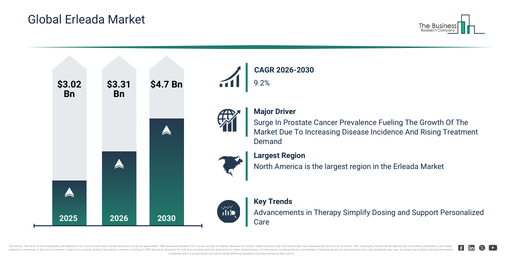
    The erleada market has demonstrated robust growth in recent years. Projections indicate it will expand from $3.02 billion in 2025 to $3.31 billion by 2026, reflecting a compound annual growth rate (CAGR) of 9.5%. This historical upward trend was driven by factors including an increase in prostate cancer diagnoses, enhanced availability of advanced oncology medications, the broader adoption of hormone-based cancer treatments, a rise in the utilization of oral cancer drugs, and successful regulatory clearances for targeted prostate cancer therapies.

    The erleada market is projected for substantial expansion over the coming years, reaching $4.7 billion in 2030 at a compound annual growth rate (CAGR) of 9.2%. This forecasted expansion is driven by a rising need for tailored prostate cancer interventions, broader management strategies for metastatic prostate cancer, a greater emphasis on patient-focused oral treatments, wider implementation of precision oncology methods, and ongoing innovation in next-generation androgen inhibitors. Key developments anticipated during this period encompass the expanded application of androgen receptor inhibitors in prostate cancer care, increased uptake of combined hormone therapies, a wider availability of oral oncology treatment choices, an intensified focus on managing prostate cancer at earlier stages, and improved oversight of treatment efficacy.

    Get A Free Sample Report With In-Depth Market Insights:

    https://thebusinessresearchcompany.com/sample_request?id=91727013&type=smp&name=Erleada%20Market%20Report%202026&utm_source=Blogs&utm_medium=Paid&utm_campaign=Oct_PR

    Erleada Market Growth Drivers: What’s Behind The Acceleration?

    The increasing incidence of prostate cancer is projected to fuel the expansion of the Erleada market in the future. Prostate cancer is defined as a cancerous growth originating in the prostate gland, an organ integral to the male reproductive system. The growing occurrence of prostate cancer is linked to longer life expectancies, given that advanced age substantially increases the risk of developing this condition. Erleada addresses prostate cancer by inhibiting androgen receptors, thereby stopping male hormones from encouraging the proliferation and metastasis of cancer cells. For example, figures released by the Australian Government in November 2025 indicated approximately 28,868 new prostate cancer cases, representing about 30% of all new male cancer diagnoses, alongside an estimated 3,975 deaths. Consequently, the escalating prevalence of prostate cancer is a key factor propelling the Erleada market’s expansion. Increased healthcare spending is anticipated to stimulate the future growth of the Erleada market. Healthcare expenditure encompasses the overall financial outlay by individuals, entities, or governments dedicated to preventing, addressing, and overseeing health-related conditions. This rise in expenditure stems from progress in medical technology, where novel diagnostic methods, treatments, and pioneering therapies frequently entail higher expenses, consequently elevating total healthcare spending. Elevated healthcare spending facilitates the adoption of Erleada by enhancing patient accessibility, affordability, reimbursement mechanisms, and the foundational infrastructure for oncology care. As an illustration, data from December 2024 by the Centers for Medicare & Medicaid Services—a U.S. agency managing Medicare and Medicaid—revealed that in 2023, U.S. health care spending rose by 7.5%, reaching $4.9 trillion, which translates to approximately $14,570 per person. Consequently, the escalation in healthcare expenditure is a primary driver for the expansion of the Erleada market.

    Erleada Market Segmentation And Category Overview

    The erleada market covered in this report is segmented –

    1) By Type: Branded, Generic

    2) By Indication Or Disease Stage: Metastatic Castration-Resistant Prostate Cancer (mCRPC), Non-Metastatic Castration-Resistant Prostate Cancer (nmCRPC), Metastatic Castration-Sensitive Prostate Cancer (mCSPC)

    3) By Distribution Channel: Hospital Pharmacies, Retail Pharmacies, Other Distribution Channels

    4) By Patient Type Or End User: Hospitals, Specialty Clinics Or Oncology Centers, Home Care Or Outpatient Settings

    Subsegments:

    1) By Branded: Innovator Brand, Co-Branded Formulation, Licensed Brand Extension

    2) By Generic: Unbranded Generic, Authorized Generic, Parallel Import Generic

    Erleada Market Trends: What’s Defining The Industry’s Next Phase?

    Within the erleada market, major companies are concentrating on innovations like reduced pill burden to improve patient convenience, foster better treatment adherence, and offer more personalized therapy options for prostate cancer patients. Reduced pill burden entails decreasing the number of pills a patient needs to take, either by combining medications or lessening dosing frequency, which helps enhance treatment adherence and overall patient comfort. Illustratively, in April 2023, Johnson & Johnson, a U.S.-based company engaged in developing, manufacturing, and selling pharmaceuticals for various diseases including oncology, immunology, and neuroscience, as well as medical devices for surgery, orthopedics, and vision, announced the availability of an additional tablet strength of Erleada (apalutamide) in the United States. This introduction of the 240 mg tablet establishes the first and only option for a once-daily, single-tablet Androgen Receptor Inhibitor (ARI) approved for the treatment of patients with non-metastatic castration-resistant prostate cancer (nmCRPC) and for patients with metastatic castration-sensitive prostate cancer (mCSPC).

    Erleada Market Competitive Analysis Of Leading Industry Participants

    Major companies operating in the erleada market are Johnson & Johnson

    View The Full Erleada Market Report:

    https://thebusinessresearchcompany.com/report/global-erleada-market-report?utm_source=Blogs&utm_medium=Paid&utm_campaign=Oct_PR

    Erleada Market Geographic Distribution And Regional Opportunities

    North America was the largest region in the erleada market in 2025. Asia-Pacific is expected to be the fastest-growing region in the forecast period. The regions covered in the erleada market report are Asia-Pacific, South East Asia, Western Europe, Eastern Europe, North America, South America, Middle East, Africa.

    Reach Out To Our Team:

    The Business Research Company: https://www.thebusinessresearchcompany.com/

    Americas: +1 310-496-7795

    Asia: +44 7882 955267 & +91 8897263534

    Europe: +44 7882 955267

    Email us at: marketing@tbrc.info

    Follow us on:

    LinkedIn: https://in.linkedin.com/company/the-business-research-company

    YouTube: https://www.youtube.com/channel/UC24_fI0rV8cR5DxlCpgmyFQ

    Global Market Model: https://www.thebusinessresearchcompany.com/global-market-model
  • Epinephrine Market 2026 Market Size And Growth Forecast: Key Trends To Watch

    Epinephrine Market 2026 Market Size And Growth Forecast: Key Trends To Watch

    Featuring market attractiveness scoring, total addressable market sizing, company benchmarking matrices, interactive Excel dashboards, deeper supply chain intelligence, emerging startup tracking, and granular product-level insights, The Business Research Company’s 2026 market reports are built to deliver research that is both more actionable and more strategically valuable.

    Epinephrine Market Growth Analysis: How Will Revenue Trend Over The Forecast Period?

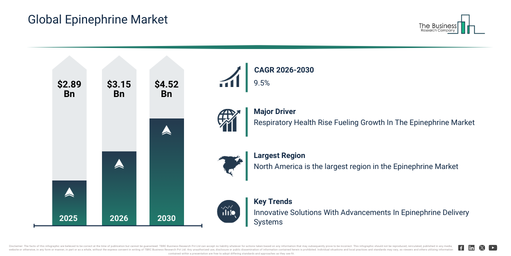
    The epinephrine market has experienced substantial expansion in recent years. Its valuation is projected to increase from $2.89 billion in 2025 to $3.15 billion in 2026, at a compound annual growth rate (CAGR) of 8.8%. This historical growth can be ascribed to several factors, including the rising incidence of severe allergic reactions, the increasing prevalence of food and drug allergies, heightened awareness of anaphylaxis management, the expansion of hospital-based emergency care, and the accessibility of branded epinephrine injections.

    The epinephrine market is expected to demonstrate robust expansion in the coming years, with projections indicating it will reach $4.52 billion by 2030, exhibiting a compound annual growth rate (CAGR) of 9.5%. This anticipated growth during the forecast period is primarily driven by factors such as the increasing development of self-administration devices, the expansion of epinephrine programs in schools and public spaces, the rising prevalence of online pharmacies, an increase in generic drug approvals, and improvements in cold-chain and drug delivery infrastructure. Significant trends in the forecast period include the growing adoption of auto-injectors for emergency use, an escalating demand for prefilled, ready-to-use epinephrine devices, the wider application of epinephrine in community and homecare settings, a concentrated effort on extending shelf-life and improving formulation stability, and an increasing focus on affordable generic epinephrine products.

    Get A Free Sample Report With In-Depth Market Insights:

    https://thebusinessresearchcompany.com/sample_request?id=82754597&type=smp&name=Epinephrine%20Market%20Report%202026&utm_source=Blogs&utm_medium=Paid&utm_campaign=Oct_PR

    Epinephrine Market Growth Factors Behind Sustained Expansion

    The increasing occurrence of chronic respiratory diseases is projected to fuel the expansion of the epinephrine market. These conditions, which affect the lungs and airways of the human body’s respiratory system and can lead to complications, are growing in prevalence. Examples like asthma, chronic obstructive pulmonary disease (COPD), interstitial lung disease, pulmonary sarcoidosis, and pneumoconiosis are on the rise due to air pollution and harmful environmental, occupational, and behavioral inhalation exposures. Epinephrine serves as a vital medication in treating severe asthma attacks and anaphylactic reactions, which often cause respiratory distress and potentially fatal complications. For instance, in December 2023, a research study published by JAMA Network Open, a medical journal by the American Medical Association, estimated that the global burden of chronic obstructive pulmonary disease (COPD) could reach nearly 600 million cases worldwide by 2050, indicating a 23% increase in prevalence. Therefore, as the incidence of chronic respiratory diseases continues to climb, the need for epinephrine is also expected to rise.

    Epinephrine Market Segment Outlook: Which Categories Are Growing Fastest?

    The epinephrine market covered in this report is segmented –

    1) By Type: Prefilled Syringe, Auto-injector, Ampoules And Vials

    2) By Application: Anaphylaxis, Cardiac Arrest, Superficial Bleeding, Respiratory Disorders, Other Applications

    3) By Distribution Channel: Hospital Pharmacies, Retail Pharmacies, Online Pharmacies

    Subsegments:

    1) By Prefilled Syringe: Single-Dose Prefilled Syringes, Multi-Dose Prefilled Syringes

    2) By Auto-Injector: Manual Auto-Injectors, Electronic Auto-Injectors

    3) By Ampoules And Vials: Single-Dose Ampoules, Multi-Dose Vials

    Epinephrine Market Industry Trends Fueling Future Revenue Growth

    Leading companies within the epinephrine market are actively pursuing the development of innovative solutions, such as sulfite-free injections and advanced auto-injector technologies. This strategic focus aims to satisfy the increasing demand for safer formulations, enhanced user convenience, and improved emergency preparedness for anaphylaxis care. Sulfite-free epinephrine injections represent preservative-free formulations specifically designed to mitigate risks of sulfite-related hypersensitivity, thereby offering a more secure alternative compared to traditional epinephrine products containing sulfites. Illustratively, in March 2023, American Regent, a pharmaceutical firm based in the US, launched its sulfite-free Epinephrine Injection, USP. This Epinephrine Injection, USP, is indicated for the urgent treatment of Type I allergic reactions, including anaphylaxis, which can arise from insect stings or bites, foods, drugs, sera, diagnostic testing substances, and other allergens, along with idiopathic or exercise-induced anaphylaxis. Additionally, epinephrine is also prescribed to raise the mean arterial blood pressure in adult patients suffering from hypotension associated with septic shock.

    Epinephrine Market Leading Companies And Competitive Benchmarking

    Major companies operating in the epinephrine market are Pfizer Inc., Teva Pharmaceutical Industries Ltd., Amneal Pharmaceuticals Inc., Bausch Health Companies Inc., Sanofi SA, Viatris Inc., Kaleo Inc., Gland Pharma Limited, Adamis Pharmaceuticals Corporation, Merit Pharmaceutical, Antares Pharma Inc., Sandoz International GmbH, Tianjin Jinyao Group Co. Ltd., Amphastar Pharmaceuticals Inc., Par Sterile Products LLC, Amedra Pharmaceuticals LLC, Intas Pharmaceuticals Ltd., Cipla Limited, Sun Pharmaceutical Industries Ltd., Mylan N V

    View The Full Epinephrine Market Report:

    https://thebusinessresearchcompany.com/report/epinephrine-global-market-report?utm_source=Blogs&utm_medium=Paid&utm_campaign=Oct_PR

    Epinephrine Market Largest Region By Revenue And Market Share

    North America was the largest region in the epinephrine market in 2025. The regions covered in the epinephrine market report are Asia-Pacific, South East Asia, Western Europe, Eastern Europe, North America, South America, Middle East, Africa.

    Reach Out To Our Team:

    The Business Research Company: https://www.thebusinessresearchcompany.com/

    Americas: +1 310-496-7795

    Asia: +44 7882 955267 & +91 8897263534

    Europe: +44 7882 955267

    Email us at: marketing@tbrc.info

    Follow us on:

    LinkedIn: https://in.linkedin.com/company/the-business-research-company

    YouTube: https://www.youtube.com/channel/UC24_fI0rV8cR5DxlCpgmyFQ

    Global Market Model: https://www.thebusinessresearchcompany.com/global-market-model
  • Epilepsy Drugs Market Size Forecast: How The Industry Is Expected To Grow From 2026 To 2030

    Epilepsy Drugs Market Size Forecast: How The Industry Is Expected To Grow From 2026 To 2030

    Built to provide research that’s more actionable and strategically valuable, The Business Research Company’s 2026 market reports include market attractiveness analysis, total addressable market sizing, company benchmarking matrices, interactive Excel dashboards, broader supply chain intelligence, emerging startup tracking, and in-depth product insights.

    Epilepsy Drugs Market Forecast: What Value Will The Market Reach By 2030?

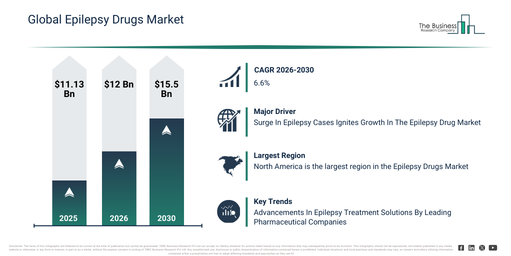
    The epilepsy drugs market has demonstrated robust expansion in recent years. Looking ahead, it is projected to expand from $11.13 billion in 2025 to $12 billion in 2026, exhibiting a compound annual growth rate (CAGR) of 7.8%. The historical growth can be linked to several factors, including the enduring prevalence of epilepsy across all age groups, the established clinical adoption of first-generation antiepileptic medications, the expansion of neurology care provisions, the accessibility of affordable generic antiseizure drugs, and an elevated rate of seizure disorder diagnoses.

    The epilepsy drugs market size is projected to experience substantial expansion over the upcoming years, reaching $15.5 billion by 2030, driven by a compound annual growth rate (CAGR) of 6.6%. This anticipated growth during the forecast period can be attributed to several factors, including the increasing global prevalence of epilepsy, the wider uptake of more recent antiepileptic medications, enhanced understanding and management of epilepsy, broadened availability of neurological care in developing regions, and the desire for drugs with better safety and tolerability characteristics. Key trends anticipated during this period involve a consistent need for broad-spectrum antiepileptic drugs, the expanding utilization of second and third-generation anti-epileptics, a heightened emphasis on treatments providing long-term seizure management, an increasing preference for oral antiepileptic forms, and ongoing dependence on combination drug regimens for epilepsy that is resistant to treatment.

    Get A Free Sample Report With In-Depth Market Insights:

    https://thebusinessresearchcompany.com/sample_request?id=91714732&type=smp&name=Epilepsy%20Drugs%20Market%20Report%202026&utm_source=Blogs&utm_medium=Paid&utm_campaign=Oct_PR

    Epilepsy Drugs Market Demand Drivers Opening New Revenue Streams

    The increasing incidence of individuals affected by epilepsy is anticipated to drive the expansion of the epilepsy drug market in the foreseeable future. Epilepsy is characterized as a neurological disorder marked by recurrent seizures, which can vary in intensity and their impact on daily life. This condition is more prevalent among older age groups, and individuals who are survivors of traumatic brain injuries (TBIs), strokes, brain tumors, and other neurological conditions face a higher risk of developing epilepsy. Epilepsy drugs function by stabilizing electrical activity in the brain, thereby reducing the likelihood and severity of seizures, which helps in the management and control of epilepsy. For instance, in February 2024, according to the world health organization, a US-based national agency, worldwide, approximately 5 million individuals receive an epilepsy diagnosis annually, with high-income countries reporting an estimated 49 cases per 100,000 people annually, while in low- and middle-income nations, this rate can soar to 139 cases per 100,000. Consequently, the rising in number of people affected with epilepsy is fueling the growth of the epilepsy drug market.

    Epilepsy Drugs Market Segment Landscape: Which Areas Lead Development?

    The epilepsy drugs market covered in this report is segmented –

    1) By Seizure Type: Focal Seizures, Generalized Seizures

    2) By Generation Type: First Generation Anti-Epileptics, Second Generation Anti-Epileptics, Third Generation Anti-Epileptics

    3) By Route Of Administration: Oral, Intravenous, Intra-Muscular

    4) By Distribution Channel: Drug Stores And Retail Pharmacies, Hospital Pharmacies

    Subsegments:

    1) By Focal Seizures: Simple Focal Seizures, Complex Focal Seizures

    2) By Generalized Seizures: Tonic-Clonic Seizures (Grand Mal), Absence Seizures (Petit Mal), Myoclonic Seizures, Tonic Seizures, Atonic Seizures

    Epilepsy Drugs Market Trends Powering Strategic Industry Growth

    Leading companies active in the epilepsy drug market are concentrating on developing innovative treatments to enhance seizure control and improve the quality of life for patients. These innovative epilepsy treatments may involve new drug formulations, advanced neurostimulation techniques, individualized precision medicine approaches, gene therapies, and emerging technologies such as closed-loop systems for seizure detection and intervention. For example, in January 2024, Akumentis Healthcare, an India-based pharmaceutical company, launched Clasepi, a prescription cannabidiol (CBD) drug specifically formulated to treat seizures associated with Lennox-Gastaut Syndrome (LGS), Dravet Syndrome, or Tuberous Sclerosis Complex (TSC) in patients aged 1 year and older. It has received approval from the Drug Controller General of India (DCGI) and has demonstrated effectiveness in reducing seizures, particularly in cases where conventional anti-seizure medications have proven unsuccessful.

    Epilepsy Drugs Market Industry Leaders And Competitive Landscape

    Major companies operating in the epilepsy drugs market are Pfizer Inc, SK Biopharmaceuticals, Sanofi, Abbott Laboratories, Novartis AG, GlaxoSmithKline plc, H. Lundbeck, Viatris, Otsuka America Pharmaceutical Inc, Bausch Health Companies Inc, UCB S.A, Sun Pharmaceutical Industries Ltd, Eisai Co Ltd, Sumitomo Pharma Co Ltd, Jazz Pharmaceuticals plc, Dr. Reddy’s Laboratories Ltd, Angelini S.p.a, Amneal Pharmaceuticals, Alkem Laboratories, Sunovion Pharmaceuticals Inc, Upsher-Smith, Zogenix, Neurelis Inc

    View The Full Epilepsy Drugs Market Report:

    https://thebusinessresearchcompany.com/report/epilepsy-drugs-global-market-report?utm_source=Blogs&utm_medium=Paid&utm_campaign=Oct_PR

    Epilepsy Drugs Market Regional Analysis And Leading Geography

    North America was the largest region in the epilepsy drugs market in 2025. The regions covered in the epilepsy drugs market report are Asia-Pacific, South East Asia, Western Europe, Eastern Europe, North America, South America, Middle East, Africa.

    Reach Out To Our Team:

    The Business Research Company: https://www.thebusinessresearchcompany.com/

    Americas: +1 310-496-7795

    Asia: +44 7882 955267 & +91 8897263534

    Europe: +44 7882 955267

    Email us at: marketing@tbrc.info

    Follow us on:

    LinkedIn: https://in.linkedin.com/company/the-business-research-company

    YouTube: https://www.youtube.com/channel/UC24_fI0rV8cR5DxlCpgmyFQ

    Global Market Model: https://www.thebusinessresearchcompany.com/global-market-model
  • Epigenetics Drugs And Diagnostic Technologies Market Reaches $49.78 Billion In 2026: Forecast And Growth Opportunities

    Epigenetics Drugs And Diagnostic Technologies Market Reaches $49.78 Billion In 2026: Forecast And Growth Opportunities

    Backed by market attractiveness analysis, total addressable market sizing, company benchmarking matrices, interactive Excel dashboards, wider supply chain intelligence, emerging startup coverage, and detailed product-level insights, The Business Research Company’s 2026 market reports are designed to offer research that is more actionable and strategically valuable than ever.

    Epigenetics Drugs And Diagnostic Technologies Market Size Outlook: How Quickly Will Revenue Expand Through 2030?

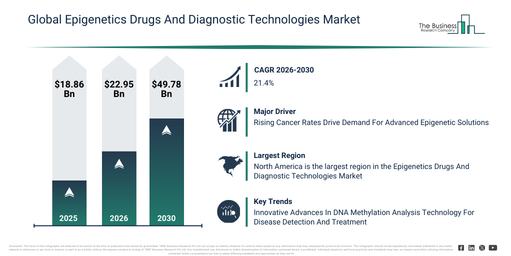
    The epigenetics drugs and diagnostic technologies market size has experienced significant growth in recent years. This market is projected to expand from $18.86 billion in 2025 to $22.95 billion in 2026, exhibiting a compound annual growth rate (CAGR) of 21.7%. The growth observed in the historical period can be attributed to factors such as the restricted access to epigenetic diagnostic technologies, a dependence on traditional genetic testing, the rising incidence of oncology and inflammatory conditions, increasing recognition of epigenetic therapies, and the implementation of fundamental methylation and acetylation assays.

    The epigenetics drugs and diagnostic technologies market size is anticipated to undergo significant growth in the coming years, projected to reach $49.78 billion in 2030, demonstrating a compound annual growth rate (CAGR) of 21.4%. This expansion during the forecast period is attributed to several factors, including the development of advanced microRNA and lncRNA therapeutics, the broadening of high-throughput chromatin profiling platforms, increasing investment in personalized epigenetic medicine, the greater adoption of bioinformatics tools for epigenetic analysis, and the integration of epigenetic diagnostics into routine clinical workflows. Major trends expected in this period include the wider availability of epigenetic biomarker-based diagnostics, the growing use of histone modification inhibitors for therapy, the continued development of microRNA and lncRNA-based therapeutics, a heightened focus on personalized epigenetic medicine, and the incorporation of high-throughput epigenetic profiling in clinical research.

    Get A Free Sample Report With In-Depth Market Insights:

    https://thebusinessresearchcompany.com/sample_request?id=11717258&type=smp&name=Epigenetics%20Drugs%20And%20Diagnostic%20Technologies%20Market%20Report%202026&utm_source=Blogs&utm_medium=Paid&utm_campaign=Oct_PR

    Epigenetics Drugs And Diagnostic Technologies Market Growth Backed By Core Demand Fundamentals

    The epigenetics drugs and diagnostic technologies market is projected to expand due to the rising incidence of cancer. Cancer refers to a range of illnesses characterized by uncontrolled cell division that can spread or invade other body parts. The widespread occurrence of cancer is attributable to factors such as aging populations, changes in lifestyle, environmental pollutants, genetic predispositions, and advancements in diagnostic techniques. Epigenetic drugs and diagnostic technologies are instrumental in addressing the growing cancer challenge by targeting and altering gene expression, thereby enabling early detection and customized treatment strategies. For illustration, the World Health Organization, a Switzerland-based international organization dedicated to global health policy and public health initiatives, reported in February 2024 that more than 35 million new cancer cases are anticipated by 2050. This signifies a 77% surge from the estimated 20 million cases in 2022. Thus, the increasing prevalence of cancer is a key driver for the growth of the epigenetics drugs and diagnostic technologies market.

    Epigenetics Drugs And Diagnostic Technologies Market Segments: Where Is Growth Concentrated?

    The epigenetics drugs and diagnostic technologies market covered in this report is segmented –

    1) By Technology: Deoxyribonucleic Acid (DNA) Methylation, Histone Methylation, Histone Acetylation, Large Non Coding Ribonucleic Acid (RNA), MicroRNA Modification, Chromatin Structures

    2) By Application: Oncology, Solid Tumors, Liquid Tumors, Non Oncology, Inflammatory Diseases, Metabolic Diseases, Infectious Diseases, Cardiovascular Diseases, Other Applications

    3) By End-User: Hospitals And Clinics, Diagnostic Centers, Other End Users

    Subsegments:

    1) By Deoxyribonucleic Acid (DNA) Methylation: Methylation Inhibitors, Methylation Detection Kits, Methylation Profiling Technologies, Bisulfite Sequencing

    2) By Histone Methylation: Histone Methyltransferase Inhibitors, Histone Demethylase Inhibitors, Histone Methylation Assays, Chromatin Immunoprecipitation (ChIP) Techniques

    3) By Histone Acetylation: Histone Acetyltransferase Inhibitors, Histone Deacetylase Inhibitors (HDACi), Acetylation Detection Kits, Western Blotting for Acetylation

    4) By Large Non-Coding Ribonucleic Acid (RNA): lncRNA Expression Profiling, lncRNA Modulation Technologies, lncRNA Detection Kits, Bioinformatics Tools for lncRNA Analysis

    5) By MicroRNA Modification: MicroRNA Mimics, MicroRNA Inhibitors, MicroRNA Expression Analysis, MicroRNA Detection Assays

    6) By Chromatin Structures: Chromatin Remodeling Agents, Chromatin Accessibility Assays, 3D Chromatin Architecture Technologies, Nuclear Imaging Techniques

    Epigenetics Drugs And Diagnostic Technologies Market Growth Trends Reshaping The Competitive Landscape

    Leading firms within the epigenetics drugs and diagnostic technologies market prioritize creating cutting-edge solutions, including DNA methylation analysis technology, to boost the accuracy and impact of identifying illnesses, refine tailored treatment approaches, and deepen knowledge of gene control across different conditions. This DNA methylation analysis technology encompasses various methods designed to examine DNA methylation patterns, a chemical alteration to DNA where a methyl group is attached to the cytosine base. As an illustration, in August 2023, Watchmaker Genomics Inc., a biotechnology firm located in the US, collaborated with Exact Sciences Corp., a US-based company specializing in molecular diagnostics, to create and market a new DNA methylation analysis technology called TET-assisted pyridine borane sequencing (TAPS). The partnership seeks to improve cancer screening and diagnostic abilities by utilizing Watchmaker’s proficiency in designing DNA-modifying enzymes to refine the TAPS chemistry. This is crucial for detecting cancer early and for tracking minimal residual disease (MRD) via liquid biopsies, as DNA methylation patterns function as indicators of health status.

    Epigenetics Drugs And Diagnostic Technologies Market Key Participants And Competitive Landscape

    Major companies operating in the epigenetics drugs and diagnostic technologies market are Pfizer Inc., F. Hoffmann-La Roche Ltd., Merck & Co Inc., Novartis AG, Bristol-Myers Squibb Company, Thermo Fisher Scientific Inc., AstraZeneca PLC, Illumina Inc., QIAGEN NV, Exact Sciences Corporation, Abcam PLC, Syndax Pharmaceuticals Inc., Astex Pharmaceuticals Inc., Diagenode LLC, Cisbio Bioassays, 4SC AG, Verogen Inc., Watchmaker Genomics Inc., Oryzon Genomics SA, Cell Centric Ltd., Epiaxis Therapeutics

    View The Full Epigenetics Drugs And Diagnostic Technologies Market Report:

    https://thebusinessresearchcompany.com/report/epigenetics-drugs-and-diagnostic-technologies-global-market-report?utm_source=Blogs&utm_medium=Paid&utm_campaign=Oct_PR

    Epigenetics Drugs And Diagnostic Technologies Market Geographic Analysis: Where Is Demand Accelerating Fastest?

    North America was the largest region in the epigenetics drugs and diagnostic technologies market in 2025. Asia-Pacific is expected to be the fastest-growing region in the forecast period. The regions covered in the epigenetics drugs and diagnostic technologies market report are Asia-Pacific, South East Asia, Western Europe, Eastern Europe, North America, South America, Middle East, Africa.

    Reach Out To Our Team:

    The Business Research Company: https://www.thebusinessresearchcompany.com/

    Americas: +1 310-496-7795

    Asia: +44 7882 955267 & +91 8897263534

    Europe: +44 7882 955267

    Email us at: marketing@tbrc.info

    Follow us on:

    LinkedIn: https://in.linkedin.com/company/the-business-research-company

    YouTube: https://www.youtube.com/channel/UC24_fI0rV8cR5DxlCpgmyFQ

    Global Market Model: https://www.thebusinessresearchcompany.com/global-market-model
  • Epidermal Growth Factor Patch Market Growth In 2026: Market Size, Key Drivers And Future Outlook

    Epidermal Growth Factor Patch Market Growth In 2026: Market Size, Key Drivers And Future Outlook

    Featuring market attractiveness scoring, total addressable market sizing, company benchmarking matrices, interactive Excel dashboards, deeper supply chain intelligence, emerging startup tracking, and granular product-level insights, The Business Research Company’s 2026 market reports are built to deliver research that is both more actionable and more strategically valuable.

    Epidermal Growth Factor Patch Market Size, Value And Growth Trajectory Through 2030

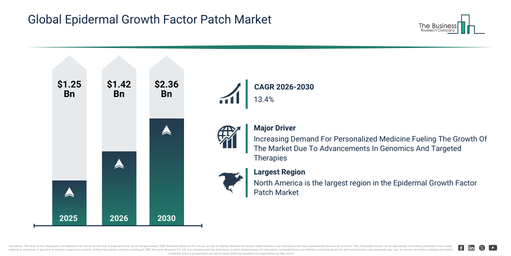
    The epidermal growth factor patch market size has experienced swift expansion in recent years. It is anticipated to grow from $1.25 billion in 2025 to $1.42 billion in 2026, achieving a compound annual growth rate (CAGR) of 13.8%. This historical growth stems from factors such as the increasing utilization of growth factors in dermatology, the wider adoption of wound care products, a heightened demand for aesthetic skin treatments, the progressive availability of advanced transdermal technologies, and the rising acceptance of patch-based therapies.

    The epidermal growth factor patch market is projected to experience swift expansion in the coming years. It is anticipated to reach $2.36 billion by 2030, exhibiting a compound annual growth rate (CAGR) of 13.4%. This growth during the projection period stems from factors such as the increasing acceptance of regenerative skincare solutions, a rising need for scar and anti-aging remedies, the broadening scope of home-based dermatological care, increased investment in sophisticated biomaterial research, and a greater emphasis on patient-friendly delivery methods. Key trends expected over the forecast horizon encompass the growing uptake of transdermal growth factor application, wider utilization of microneedle patch technologies, an increasing call for non-invasive wound healing options, the spread of advanced skincare patch uses, and a sharpened focus on the engineering of controlled-release patches.

    Get A Free Sample Report With In-Depth Market Insights:

    https://thebusinessresearchcompany.com/sample_request?id=72874637&type=smp&name=Epidermal%20Growth%20Factor%20Patch%20Market%20Report%202026&utm_source=Blogs&utm_medium=Paid&utm_campaign=Oct_PR

    Epidermal Growth Factor Patch Market Growth Catalysts And Demand Drivers

    The rising demand for personalized medicine is projected to drive the expansion of the epidermal growth factor patch market in the coming years. Personalized medicine is defined as a healthcare strategy that customizes treatment and prevention plans to suit an individual’s unique genetic profile, lifestyle, and environment. The increasing adoption of personalized medicine is predominantly attributed to advancements in genomics, which enable precise detection of genetic variations and the creation of tailored treatments for individuals. Epidermal Growth Factor (EGF) patches enhance personalized medicine by offering targeted and localized delivery of growth factors, making them highly effective for wound healing and skin regeneration. They expedite recovery by promoting cell proliferation and tissue repair, leading to improved patient-specific treatment outcomes. For example, in February 2024, as reported by the Personalized Medicine Coalition (PMC), a US-based nonprofit organization, the U.S. Food and Drug Administration (FDA) approved 26 new personalized medicines in 2023, a significant rise from the 12 approvals in 2022. Therefore, the growing demand for personalized medicine is a key factor propelling the growth of the epidermal growth factor patch market.

    Epidermal Growth Factor Patch Market Segment Analysis: What Are The Core Market Categories?

    The epidermal growth factor patch market covered in this report is segmented –

    1) By Product Type: Hydrogel Patches, Microneedle Patches, Film Patches, Other Product Types

    2) By Application: Wound Healing, Anti-Aging, Scar Treatment, Skin Rejuvenation, Other Applications

    3) By Distribution Channel: Online Pharmacies, Retail Pharmacies, Hospital Pharmacies, Other Distribution Channels

    4) By End-User: Hospitals And Clinics, Dermatology Centers, Home Care, Other End-Users

    Subsegments:

    1) By Hydrogel Patches: Moisturizing Repair, Anti Aging, Scar Reduction, Wound Healing

    2) By Microneedle Patches: Epidermal Growth Factor Delivery, Vaccine Delivery, Pain Management, Cosmetic Treatment

    3) By Film Patches: Skin Brightening, Anti Wrinkle, Acne Treatment, Hydration Boost

    4) By Other Product Types: Cooling Soothing, Anti Inflammatory, Detoxifying, Skin Firming

    Epidermal Growth Factor Patch Market Top Companies Driving Competitive Growth

    Major companies operating in the epidermal growth factor patch market are Nissha Co. Ltd., Daewoong Pharmaceutical Co. Ltd., Kindeva Drug Delivery L.L.C., LTS Lohmann Therapie-Systeme AG, Teikoku Seiyaku Co. Ltd., Katecho Inc., QuadMedicine Inc., DermaJect AB, Micropoint Technologies Ltd., CD Bioparticles Inc., CosMED Pharmaceutical Co. Ltd., Alliqua BioMedical Inc., NEXGEL Inc., Pocono Pharma Inc., Micron Biomedical Inc., Raphas Co. Ltd., Heber Biotech S.A., Zosano Pharma Corporation, Hebei Feifan Biotechnology Co. Ltd., QuadMedicine Inc.

    View The Full Epidermal Growth Factor Patch Market Report:

    https://thebusinessresearchcompany.com/report/epidermal-growth-factor-patch-global-market-report?utm_source=Blogs&utm_medium=Paid&utm_campaign=Oct_PR

    Epidermal Growth Factor Patch Market Global Footprint: Which Region Leads The Industry?

    North America was the largest region in the epidermal growth factor patch market in 2025. Asia-Pacific is expected to be the fastest-growing region in the forecast period. The regions covered in the epidermal growth factor patch market report are Asia-Pacific, South East Asia, Western Europe, Eastern Europe, North America, South America, Middle East, Africa.

    Reach Out To Our Team:

    The Business Research Company: https://www.thebusinessresearchcompany.com/

    Americas: +1 310-496-7795

    Asia: +44 7882 955267 & +91 8897263534

    Europe: +44 7882 955267

    Email us at: marketing@tbrc.info

    Follow us on:

    LinkedIn: https://in.linkedin.com/company/the-business-research-company

    YouTube: https://www.youtube.com/channel/UC24_fI0rV8cR5DxlCpgmyFQ

    Global Market Model: https://www.thebusinessresearchcompany.com/global-market-model
  • E-Pharmacy Market Size And Forecast 2026–2030: Trends Driving Industry Expansion

    E-Pharmacy Market Size And Forecast 2026–2030: Trends Driving Industry Expansion

    Built to provide research that’s more actionable and strategically valuable, The Business Research Company’s 2026 market reports include market attractiveness analysis, total addressable market sizing, company benchmarking matrices, interactive Excel dashboards, broader supply chain intelligence, emerging startup tracking, and in-depth product insights.

    E-Pharmacy Market CAGR Outlook And Future Development

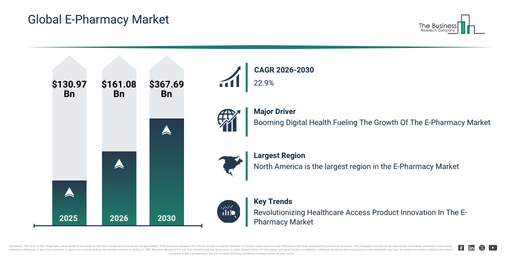
    The e-pharmacy market has experienced significant expansion in recent years. Its valuation is set to rise from $130.97 billion in 2025 to $161.08 billion in 2026, achieving a compound annual growth rate (CAGR) of 23.0%. The historical growth trajectory can be ascribed to elements such as increased internet penetration, a growing urban population, the escalating prevalence of chronic illnesses, broader smartphone adoption, and the timely acceptance of online retail models.

    The e-pharmacy market is projected to experience significant expansion over the coming years, reaching a valuation of $367.69 billion by 2030, with a compound annual growth rate (CAGR) of 22.9%. This expansion during the forecast period is propelled by factors such as the incorporation of AI into pharmacy operations, a heightened need for doorstep healthcare, greater adoption of digital payment methods, regulatory backing for electronic prescriptions, and broadened access to in both semi-urban and rural regions. Key trends anticipated for this period encompass the swift rise of app-centric e-pharmacy platforms, an increase in home delivery and same-day fulfillment options, greater uptake of e-prescriptions and digital refill services, a surge in demand for chronic disease medication subscriptions, and an evolving consumer preference for pharmacy services that are contactless.

    Get A Free Sample Report With In-Depth Market Insights:

    https://thebusinessresearchcompany.com/sample_request?id=58979311&type=smp&name=E-Pharmacy%20Market%20Report%202026&utm_source=Blogs&utm_medium=Paid&utm_campaign=Oct_PR

    E-Pharmacy Market Opportunity Drivers: What’s Unlocking New Revenue Potential?

    The thriving digital health sector is projected to drive the growth of healthcare IT and telemedicine markets in the upcoming years. Digital health encompasses various technologies such as telemedicine, mobile health applications, wearable devices, and virtual consultations that improve access to care, patient involvement, and healthcare efficiency. The rise in the adoption of digital health is propelled by patient demand for convenient care, advancements in technology, and supportive regulatory frameworks. For instance, in May 2024, a report published by Eurostat, a Luxembourg-based government agency, indicated that in 2023, 8.5% of individuals in the EU aged 16 to 74 utilized the internet for online consultations. Hence, the increasing deployment of digital health solutions is fostering market expansion.

    E-Pharmacy Market Segment Breakdown: Which Categories Lead On Revenue?

    The e-pharmacy market covered in this report is segmented –

    1) By Drug Type: Prescription Drugs, Over-The-Counter (OTC) Drugs

    2) By Product Type: Skin Care, Dental, Cold And Flu, Vitamins, Weight Loss, Other Product Types

    3) By Payment Method: Cash on Delivery, Online Payment

    4) By Platform: App-Based, Web-Based

    Subsegments:

    1) By Prescription Drugs: Chronic Disease Medications, Acute Disease Medications, Specialty Drugs, Controlled Substances

    2) By Over-The-Counter (OTC) Drugs: Pain Relievers, Cold And Allergy Medications, Digestive Health Products, Vitamins And Supplements

    E-Pharmacy Market Innovation Trends Shaping Future Development

    Leading companies within the E-Pharmacy market are harnessing digital technology to improve patient access to medicines, providing services such as at-home delivery, virtual consultations, and individualized medication management to enhance healthcare convenience and adherence. For example, in January 2024, Eli Lilly and Company, a US-based pharmaceutical firm, launched LillyDirect, a new digital healthcare experience in the U.S. This unique platform is specifically designed to simplify healthcare access for patients living with chronic conditions like obesity, migraine, and diabetes, offering personalized disease management resources, telehealth services, and direct home delivery of medications. LillyDirect incorporates LillyDirect Pharmacy Solutions, a component that allows patients to order select Lilly medications online for direct delivery to their homes via partnered online pharmacy fulfillment services, thereby increasing user convenience.

    E-Pharmacy Market Leading Players And Competitive Positioning

    Major companies operating in the e-pharmacy market are Walgreen Company, Express Scripts Holding Company, CVS Health Corporation, DocMorris N. V, OptumRx Holdings LLC, PharmEasy, Tata 1mg, Netmeds, Amazon Inc., Apollo Pharmacy Ltd., Rowlands Phamacy, The Kroger Co., Wal-Mart Stores Inc., Medlife International Private Limited, MedPlus Health Services Private Limited, Medikabazaar Private Limited, MedPlusMart Private Limited, MedsIndia Limited, MedsOnCall Healthcare Private Limited, MedsSure Healthcare Private Limited, MedsDelight Healthcare Private Limited, MedsBazaar Healthcare Private Limited

    View The Full E-Pharmacy Market Report:

    https://thebusinessresearchcompany.com/report/E-pharmacy-global-market-report?utm_source=Blogs&utm_medium=Paid&utm_campaign=Oct_PR

    E-Pharmacy Market Regional Distribution: Which Areas Power Market Growth?

    North America was the largest region in the e-pharmacy market in 2025. Asia-Pacific is expected to be the fastest-growing region in the forecast period. The regions covered in the e-pharmacy market report are Asia-Pacific, South East Asia, Western Europe, Eastern Europe, North America, South America, Middle East, Africa.

    Reach Out To Our Team:

    The Business Research Company: https://www.thebusinessresearchcompany.com/

    Americas: +1 310-496-7795

    Asia: +44 7882 955267 & +91 8897263534

    Europe: +44 7882 955267

    Email us at: marketing@tbrc.info

    Follow us on:

    LinkedIn: https://in.linkedin.com/company/the-business-research-company

    YouTube: https://www.youtube.com/channel/UC24_fI0rV8cR5DxlCpgmyFQ

    Global Market Model: https://www.thebusinessresearchcompany.com/global-market-model
  • Enzymes Market 2026 Outlook: Market Size, CAGR And Key Growth Opportunities

    Enzymes Market 2026 Outlook: Market Size, CAGR And Key Growth Opportunities

    Backed by market attractiveness analysis, total addressable market sizing, company benchmarking matrices, interactive Excel dashboards, wider supply chain intelligence, emerging startup coverage, and detailed product-level insights, The Business Research Company’s 2026 market reports are designed to offer research that is more actionable and strategically valuable than ever.

    Enzymes Market Set To Climb From $17.28 Billion In 2026 To $28.7 Billion By 2030

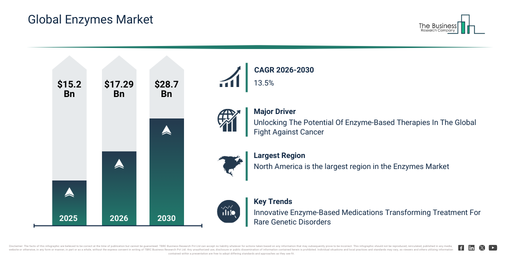
    The enzymes market has experienced substantial expansion in recent years. It will grow from $15.2 billion in 2025 to $17.29 billion in 2026 at a compound annual growth rate (CAGR) of 13.7%. Historically, this growth is linked to factors such as an increasing need for therapeutic enzymes, advancements in microbial fermentation technology, enhanced biotechnology research, the implementation of enzyme-based diagnostic tools, and the enlargement of pharmaceutical production.

    The enzymes market is projected for swift expansion in the coming years, reaching $28.7 billion in 2030 with a compound annual growth rate (CAGR) of 13.5%. This projected growth during the forecast period stems from factors such as the rise of personalized medicine, progress in protein engineering, increased demand for industrial enzymes in the food and beverage sectors, a greater emphasis on sustainable enzyme manufacturing, and the expansion of developing markets in the Asia-Pacific region. Key trends anticipated for this period encompass enzyme engineering and protein design, the broadening of industrial enzyme applications, personalized enzyme therapy, advancements in microbial enzymes, and the development of eco-friendly and sustainable enzyme production methods.

    Get A Free Sample Report With In-Depth Market Insights:

    https://thebusinessresearchcompany.com/sample_request?id=64981146&type=smp&name=Enzymes%20Market%20Report%202026&utm_source=Blogs&utm_medium=Paid&utm_campaign=Oct_PR

    Enzymes Market Growth Momentum: What Factors Are Shaping Demand?

    The escalating incidence of cancer, which necessitates drug-metabolizing enzymes (DMEs) for effective chemotherapy, is projected to propel the expansion of the enzyme market in the coming years. The activation of enzymes within the human body plays a vital role in eliminating cancer cells and breaking down tumors. Therefore, the expression and proper functioning of drug-metabolizing enzymes (DMEs) in the tumor tissues and metabolic organs of cancer patients are indispensable, providing crucial support for patients who exhibit low reaction to anticancer drugs and poor response to chemotherapy. For instance, in September 2025, according to the American Cancer Society, a US-based professional organization, an estimated 313,780 new cases of prostate cancer are anticipated in the United States in 2025. The risk of developing prostate cancer also increases sharply with age, escalating from 0.2% in men under 50 to 6.5% in those aged 70–79. Consequently, the rising prevalence of cancer conditions amenable to treatment with therapeutic enzymes is expected to fuel the enzyme market growth.

    Enzymes Market Segmentation: How Does The Market Break Down By Category?

    The enzymes market covered in this report is segmented –

    1) By Product Type: Asparaginase, Lipase, Protease, Nattokinase, Chitinase, Serratiopeptidase, Collagenase, Ligase, Other Products

    2) By Application: Leukemia, Stomach Disorders, Antitumor, Skin Ulcers, Gaucher Disease, Fabry Disease, Other Applications

    3) By End User: Drug Manufacturers, Hospitals, Private Clinics, Research Laboratories

    Subsegments:

    1) By Asparaginase: L-asparaginase, Erwinia Asparaginase, Pegylated Asparaginase

    2) By Lipase: Gastric Lipase, Pancreatic Lipase, Fungal Lipase, Bacterial Lipase

    3) By Protease: Serine Proteases, Cysteine Proteases, Aspartic Proteases, Metalloproteases

    4) By Nattokinase: Nattokinase Powder, Nattokinase Capsules

    5) By Chitinase: Plant Chitinase, Microbial Chitinase

    6) By Serratiopeptidase: Serratiopeptidase Tablets, Serratiopeptidase Capsules

    7) By Collagenase: Type I Collagenase, Type II Collagenase, Type III Collagenase

    8) By Ligase: DNA Ligase, RNA Ligase

    9) By Other Products: Amylase, Cellulase, Beta-Glucanase

    Enzymes Market Trends Redefining Industry Growth

    Key players in the enzyme market are actively developing innovative products, such as Lamzede, to enhance patient care. Lamzede (velmanase alfa) is a medication specifically designed for the treatment of alpha-mannosidosis, a rare genetic condition resulting from deficient activity of the lysosomal alpha-galactosidase-A enzyme. For instance, in May 2023, Chiesi Global Rare Diseases, a US-based pharmaceutical manufacturing company, secured FDA approval for Lamzede (velmanase alfa) for managing non-neurological symptoms in patients with mild-to-moderate alpha-mannosidosis. This drug, Lamzede, is a recombinant form of human alpha-mannosidase, engineered in mammalian Chinese hamster ovary (CHO) cells through recombinant DNA technology. It holds the distinction of being the first enzyme replacement therapy approved in the U.S. for addressing the non-central nervous system manifestations of alpha-mannosidosis.

    Enzymes Market Competitive Overview And Top Companies

    Major companies operating in the enzymes market are Novozymes A/S, DuPont Industrial Biosciences, BASF SE, Koninklijke DSM N.V., Chr. Hansen Holding A/S, Roche Holding AG, Advanced Enzyme Technologies Ltd., AB Enzymes GmbH, Codexis Inc., Dyadic International Inc., Amano Enzyme Inc., Adisseo France SAS, Biocatalysts Ltd., Amano Enzyme Inc., Enzyme Development Corporation, Creative Enzymes, Hayashibara Co. Ltd., Thermo Fisher Scientific Inc., Associated British Foods Plc, Lonza Group AG, Novus International Inc., Epygen Biotech, DSM Nutritional Products AG, Soufflet Biotechnologies SAS, Beijing Leili Marine Bioindustry Inc., Jiangsu Boli Bioproducts Co. Ltd.

    View The Full Enzymes Market Report:

    https://thebusinessresearchcompany.com/report/Enzyme-global-market-report?utm_source=Blogs&utm_medium=Paid&utm_campaign=Oct_PR

    Enzymes Market Leading Geography: Which Region Contributes The Most Revenue?

    North America was the largest region in the enzymes market in 2025. The regions covered in the enzymes market report are Asia-Pacific, South East Asia, Western Europe, Eastern Europe, North America, South America, Middle East, Africa.

    Reach Out To Our Team:

    The Business Research Company: https://www.thebusinessresearchcompany.com/

    Americas: +1 310-496-7795

    Asia: +44 7882 955267 & +91 8897263534

    Europe: +44 7882 955267

    Email us at: marketing@tbrc.info

    Follow us on:

    LinkedIn: https://in.linkedin.com/company/the-business-research-company

    YouTube: https://www.youtube.com/channel/UC24_fI0rV8cR5DxlCpgmyFQ

    Global Market Model: https://www.thebusinessresearchcompany.com/global-market-model