Blog

  • Fabry Disease Market Analysis Through 2030: Market Size, Growth Trends And Industry Outlook

    Fabry Disease Market Analysis Through 2030: Market Size, Growth Trends And Industry Outlook

    Built to provide research that’s more actionable and strategically valuable, The Business Research Company’s 2026 market reports include market attractiveness analysis, total addressable market sizing, company benchmarking matrices, interactive Excel dashboards, broader supply chain intelligence, emerging startup tracking, and in-depth product insights.

    Fabry Disease Market Size, Value And Growth Trajectory Through 2030

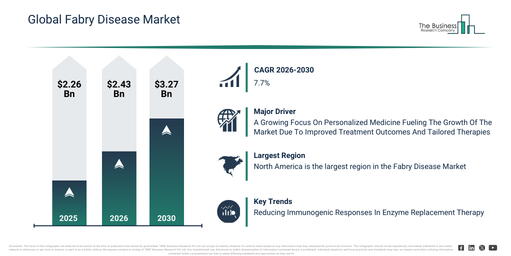
    The Fabry disease market has experienced robust expansion in recent years. It is projected to increase from $2.26 billion in 2025 to $2.43 billion in 2026, exhibiting a compound annual growth rate (CAGR) of 7.7%. Historically, this market growth can be attributed to heightened awareness of rare genetic disorders, the approval of enzyme replacement therapies, the expansion of specialty clinics, the growth in genetic screening programs, and rising diagnosis rates.

    The Fabry disease market is projected to undergo significant expansion in the coming years, with its size expected to reach $3.27 billion by 2030, demonstrating a compound annual growth rate (CAGR) of 7.7%. This anticipated growth during the forecast period is primarily driven by advancements in gene-based therapies, the broadening of newborn screening initiatives, increased healthcare investment in rare diseases, the evolution of personalized medicine, and the creation of next-generation oral therapies. Significant trends influencing this period include the rising adoption of enzyme replacement therapy, a heightened emphasis on diagnosing rare diseases, the growing application of genetic testing for early detection, the expansion of oral and adjunct treatment options, and the increasing implementation of patient-centric treatment approaches.

    Get A Free Sample Report With In-Depth Market Insights:

    https://thebusinessresearchcompany.com/sample_request?id=76502108&type=smp&name=Fabry%20Disease%20Market%20Report%202026&utm_source=Blogs&utm_medium=Paid&utm_campaign=Oct_PR

    Fabry Disease Market Demand Drivers: What’s Powering Industry Growth?

    An increasing emphasis on personalized medicine is anticipated to fuel the expansion of the fabry disease market in the future. This treatment approach utilizes an individual’s genetic, environmental, and lifestyle data to customize medical care and therapies, aiming for improved patient results. The heightened attention on personalized medicine stems from its capacity to enhance treatment efficacy and mitigate adverse effects through the customization of therapies for specific patient requirements. It facilitates the customization of treatment strategies according to a patient’s particular genetic mutation and the seriousness of their disease, thereby bettering outcomes and reducing unwarranted side effects. For instance, in February 2024, the Personalized Medicine Coalition, a US-based non-profit organization, reported that in 2023, the FDA granted approval for 16 new personalized treatments for rare disease patients, marking a substantial increase from the six approvals in 2022. Consequently, an increasing focus on personalized medicine is a key driver for the growth of the fabry disease market.

    Fabry Disease Market Segmentation And Category Overview

    The fabry disease market covered in this report is segmented –

    1) By Type: Type 1, Type 2, Other Types

    2) By Treatment: Enzyme Replacement Therapy, Oral Therapy, Adjunct Therapy, Other Treatments

    3) By Diagnosis: Blood Test, Genetic Test, Other Diagnosis

    4) By Distribution Channel: Hospital Pharmacy, Online Pharmacy, Retail Pharmacy

    5) By End User: Hospitals, Homecare, Specialty Clinics, Other End Users

    Subsegments:

    1) By Type 1: Classic Fabry Disease, Later-Onset Fabry Disease

    2) By Type 2: Cardiovascular-Focused Fabry Disease, Renal-Focused Fabry Disease

    3) By Other Types: Variant Fabry Disease, X-linked Fabry Disease

    Fabry Disease Market Innovation Trends: What Developments Are Reshaping The Industry?

    Major companies in the fabry disease market are concentrating on creating novel therapies, such as PEGylated enzyme replacement therapy (ERT). This focus aims to boost treatment effectiveness, improve patient adherence, and decrease immunogenic reactions often seen with traditional ERTs. PEGylated enzyme replacement therapy (ERT) represents an altered version of standard ERT, where polyethylene glycol (PEG) chains are joined to the enzyme. This modification serves to elevate its stability, extend its circulation duration within the body, and diminish reactions from the immune system. An illustrative example is the announcement in May 2023 by Chiesi Global Rare Diseases, a division of the Italy-based pharmaceutical company Chiesi Group, regarding the U.S. Food and Drug Administration (FDA), a US-based government agency, granting approval for PRX-102 (pegunigalsidase alfa) for treating adult Fabry disease patients. This approval stems from a comprehensive clinical program involving more than 140 patients, with long-term monitoring spanning up to 7.5 years. The program conclusively showed the therapy’s capability in lessening renal Gb3 deposits and sustaining kidney function, all while demonstrating a favorable safety profile.

    Fabry Disease Market Competitive Analysis Of Leading Industry Participants

    Major companies operating in the fabry disease market are Sanofi S.A., GlaxoSmithKline plc, Takeda Pharmaceutical Company Limited, JCR Pharmaceuticals Co. Ltd., Sumitomo Pharma Co. Ltd, Chiesi Farmaceutici S.p.A., Amicus Therapeutics Inc., Idorsia Pharmaceuticals Ltd, Sangamo Therapeutics Inc., uniQure N.V., Protalix BioTherapeutics Inc., Spur Therapeutics Inc., Exegenesis Bio Inc., ISU ABXIS Co. Ltd., Eleva GmbH, AceLink Therapeutics Inc., 4D Molecular Therapeutics Inc., iBio Inc., Freeline Therapeutics Holdings plc, Greenovation Biotech GmbH

    View The Full Fabry Disease Market Report:

    https://thebusinessresearchcompany.com/report/fabry-disease-global-market-report?utm_source=Blogs&utm_medium=Paid&utm_campaign=Oct_PR

    Fabry Disease Market Largest Region: Which Geography Holds The Biggest Share?

    North America was the largest region in the fabry disease market in 2025. Asia-Pacific is expected to be the fastest-growing region in the forecast period. The regions covered in the fabry disease market report are Asia-Pacific, South East Asia, Western Europe, Eastern Europe, North America, South America, Middle East, Africa.

    Reach Out To Our Team:

    The Business Research Company: https://www.thebusinessresearchcompany.com/

    Americas: +1 310-496-7795

    Asia: +44 7882 955267 & +91 8897263534

    Europe: +44 7882 955267

    Email us at: marketing@tbrc.info

    Follow us on:

    LinkedIn: https://in.linkedin.com/company/the-business-research-company

    YouTube: https://www.youtube.com/channel/UC24_fI0rV8cR5DxlCpgmyFQ

    Global Market Model: https://www.thebusinessresearchcompany.com/global-market-model
  • Eylea Market Outlook From 2026 To 2030: Key Growth Factors And Future Opportunities

    Eylea Market Outlook From 2026 To 2030: Key Growth Factors And Future Opportunities

    Backed by market attractiveness analysis, total addressable market sizing, company benchmarking matrices, interactive Excel dashboards, wider supply chain intelligence, emerging startup coverage, and detailed product-level insights, The Business Research Company’s 2026 market reports are designed to offer research that is more actionable and strategically valuable than ever.

    Eylea Market CAGR Outlook And Future Development

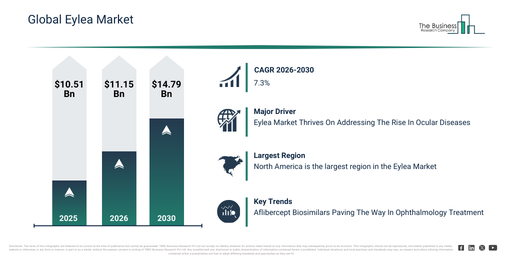
    The eylea market has shown robust expansion in recent years. Its value is expected to rise from $10.51 billion in 2025 to $11.15 billion in 2026, demonstrating a compound annual growth rate (CAGR) of 6.2%. This past growth can be attributed to several factors including the rising occurrence of age-related macular degeneration, an aging global demographic, the high clinical efficacy of anti-vegf drugs, an increase in ophthalmology specialty centers, and supportive reimbursement policies for retinal therapies.

    The eylea market is projected for substantial expansion over the coming years. By 2030, its valuation is predicted to reach $14.79 billion, exhibiting a compound annual growth rate (CAGR) of 7.3%. Factors contributing to this anticipated growth during the forecast timeframe include a rising diabetic demographic, broader application in more retinal conditions, advancements in long-acting formulations, enhancements in drug delivery methods, and wider availability in developing economies. Key developments expected within the same period encompass longer-interval anti-VEGF treatments, a move towards using prefilled syringes, increased application in managing diabetic retinopathy, a rise in hospital-administered intravitreal procedures, and a greater emphasis on real-world data and patient results.

    Get A Free Sample Report With In-Depth Market Insights:

    https://thebusinessresearchcompany.com/sample_request?id=88524868&type=smp&name=Eylea%20Market%20Report%202026&utm_source=Blogs&utm_medium=Paid&utm_campaign=Oct_PR

    Eylea Market Growth Drivers: What’s Behind The Acceleration?

    The Eylea market is anticipated to grow due to the rising occurrence of ocular diseases. These conditions refer to eye issues that interfere with proper eye function, negatively affecting vision and clarity, often without symptoms until they become advanced. Eylea provides treatment for various ocular diseases, specifically targeting conditions like wet age-related macular degeneration (AMD) and glaucoma, which damage the retina or macula and impair vision. Its mechanism involves blocking the protein responsible for developing new, weaker blood vessels and reducing retinal swelling caused by blockages in blood vessels. For instance, according to the BrightFocus Foundation, in 2024, approximately 80 million people globally are living with glaucoma, and this figure is projected to rise to 111 million by 2040. Consequently, the increasing prevalence of ocular diseases is driving the Eylea market.

    Eylea Market Segment Outlook: Which Categories Are Growing Fastest?

    The eylea market covered in this report is segmented –

    1) By Product: Prefilled Syringe Package, Vial Package

    2) By Disorder: Wet Age-Related Macular Degeneration (AMD), Diabetic Retinopathy, Other Disorders

    3) By Application: Hospitals, Retail Pharmacy, Other Applications

    Subsegments:

    1) By Prefilled Syringe Package: Single-Dose Prefilled Syringes, Multi-Dose Prefilled Syringes

    2) By Vial Package: Single-Dose Vials, Multi-Dose Vials

    Eylea Market Trends: What’s Defining The Industry’s Next Phase?

    Key companies within the eylea market are concentrating on creating biologic medications, such as aflibercept biosimilar, to secure a competitive edge. An Aflibercept Biosimilar represents a biologically analogous version of the original aflibercept drug, engineered to exhibit no clinically relevant discrepancies and provide an economical substitute for managing specific eye conditions. For example, in September 2023, Biocon Biologics Ltd., an India-based biopharmaceutical enterprise, obtained marketing approval from the European Commission (EC) for YESAFILI, an Aflibercept biosimilar, across the European Union (EU). This authorization followed a positive recommendation from the European Medicines Agency’s Committee for Medicinal Products for Human Use (CHMP) in July. YESAFILI, an ophthalmology solution, is developed for addressing various eye ailments, and its approval demonstrates its equivalence in terms of quality, safety, and efficacy when compared to the reference product Eylea (aflibercept).

    Eylea Market Leading Companies And Competitive Benchmarking

    Major companies operating in the eylea market are Regeneron Pharmaceuticals Inc., Bayer AG, Novartis AG, Roche Holding AG, Pfizer Inc., Amgen Inc., Sanofi S.A., AbbVie Inc., Alcon Inc., Genentech Inc., Johnson & Johnson, Samsung Bioepis Co. Ltd., Boehringer Ingelheim GmbH, Eisai Co. Ltd., Daiichi Sankyo Company Limited, Aerie Pharmaceuticals Inc., Otsuka Pharmaceutical Co. Ltd., Santen Pharmaceutical Co. Ltd., Allergan plc, BioMarin Pharmaceutical Inc.

    View The Full Eylea Market Report:

    https://thebusinessresearchcompany.com/report/eylea-global-market-report?utm_source=Blogs&utm_medium=Paid&utm_campaign=Oct_PR

    Eylea Market Regional Analysis: Which Geography Leads On Revenue?

    North America was the largest region in the eylea market in 2025. Asia-Pacific is expected to be the fastest-growing region in the eylea market during the forecast period. The regions covered in the eylea market report are Asia-Pacific, South East Asia, Western Europe, Eastern Europe, North America, South America, Middle East, Africa.

    Reach Out To Our Team:

    The Business Research Company: https://www.thebusinessresearchcompany.com/

    Americas: +1 310-496-7795

    Asia: +44 7882 955267 & +91 8897263534

    Europe: +44 7882 955267

    Email us at: marketing@tbrc.info

    Follow us on:

    LinkedIn: https://in.linkedin.com/company/the-business-research-company

    YouTube: https://www.youtube.com/channel/UC24_fI0rV8cR5DxlCpgmyFQ

    Global Market Model: https://www.thebusinessresearchcompany.com/global-market-model
  • Eye Drop Mist Market Growth Forecast: Market Size, Key Trends And Emerging Opportunities Through 2030

    Eye Drop Mist Market Growth Forecast: Market Size, Key Trends And Emerging Opportunities Through 2030

    Featuring market attractiveness scoring, total addressable market sizing, company benchmarking matrices, interactive Excel dashboards, deeper supply chain intelligence, emerging startup tracking, and granular product-level insights, The Business Research Company’s 2026 market reports are built to deliver research that is both more actionable and more strategically valuable.

    Eye Drop Mist Market Set To Climb From $1.71 Billion In 2026 To $2.6 Billion By 2030

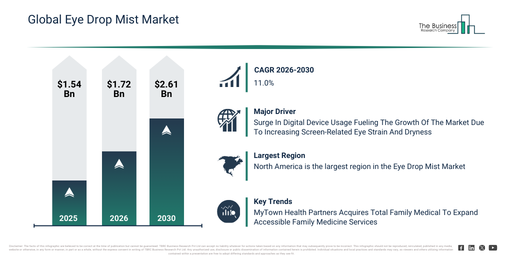
    The eye drop mist market has experienced swift expansion in recent times. This market is projected to expand from $1.54 billion in 2025 to $1.72 billion in 2026, demonstrating a compound annual growth rate (CAGR) of 11.3%. Historically, this expansion has been driven by factors such as the rising incidence of dry eye syndrome, increased exposure to screens, wider adoption of contact lenses, heightened public awareness concerning eye hygiene, and the accessibility of over-the-counter eye care products.

    The eye drop mist market is projected to experience substantial expansion over the upcoming years, with its valuation anticipated to reach $2.61 billion by 2030, exhibiting a compound annual growth rate (CAGR) of 11.0%. This anticipated growth during the forecast timeframe is primarily driven by factors such as the surging demand for portable eye care solutions, a heightened emphasis on formulations without preservatives, the expanding eye care requirements of an aging demographic, the rising integration of novel spray delivery methods, and a greater focus on everyday eye comfort. Key trends identified for this period encompass a greater uptake of preservative-free eye mist products, an increased need for accessible ocular hydration options, the widening application of multi-dose spray delivery mechanisms, the broadening scope of medicated eye mist uses, and an elevated concentration on user-friendly eye care items.

    Get A Free Sample Report With In-Depth Market Insights:

    https://thebusinessresearchcompany.com/sample_request?id=79083915&type=smp&name=Eye%20Drop%20Mist%20Market%20Report%202026&utm_source=Blogs&utm_medium=Paid&utm_campaign=Oct_PR

    Eye Drop Mist Market Growth Factors Behind Sustained Expansion

    The increasing adoption of digital devices is anticipated to fuel expansion in the eye drop mist market. This term denotes how people interact with electronics like smartphones, tablets, computers, and wearables for various activities including communication, entertainment, professional tasks, or education. This rise in digital device engagement stems from greater internet penetration, which has made online access more readily available and economical for a broader demographic. Using digital devices leads to increased eye strain and dryness associated with screens, thereby boosting the need for eye drop mist. Such mists offer rapid hydration and comfort, alleviating eye discomfort and mitigating irritation resulting from extended screen exposure. An example illustrates this trend: in October 2023, the GSM Association, a UK-based non-profit organization, reported that almost 4.3 billion people (53% of the global population) were using their smartphones for internet access, with approximately 80% of mobile internet users utilizing 4G or 5G smartphones, marking a rise of 330 million people from 2022 to 2023. Consequently, the growing prevalence of digital device usage is propelling the expansion of the eye drop mist market.

    Eye Drop Mist Market Segment Landscape: Which Areas Lead Development?

    The eye drop mist market covered in this report is segmented –

    1) By Product Type: Preservative-Free Eye Drop Mist, Medicated Eye Drop Mist, Lubricating Eye Drop Mist, Other Product Types

    2) By Application: Dry Eye Syndrome, Allergies, Eye Fatigue, Other Applications

    3) By Distribution Channel: Hospital Pharmacies, Retail Pharmacies, Online Pharmacies, Other Distribution Channels

    4) By End-User: Hospitals, Clinics, Homecare, Other End-Users

    Subsegments:

    1) By Preservative-Free Eye Drop Mist: Single Dose Units, Multi Dose Systems

    2) By Medicated Eye Drop Mist: Allergy Relief, Anti Inflammatory, Antibiotic Formulation, Antihistamine Formulation, Glaucoma Treatment

    3) By Lubricating Eye Drop Mist: Dry Eye Relief, Contact Lens Rewetting, Redness Relief, Moisturizing Formulation

    4) By Other Product Types Eye Drop Mist: Herbal Formulation, Vitamin Enriched Formulation, Combination Therapy, Specialty Use Formulation

    Eye Drop Mist Market Industry Trends Fueling Future Revenue Growth

    Major companies operating in the eye drop mist market are focusing on developing innovative solutions, such as microdosing systems, to deliver precise, controlled eye medication or moisture with minimal waste. A microdosing system is a delivery mechanism that administers precise, controlled, and minimal amounts of medication or fluid to the eyes, ensuring uniform coverage and reducing wastage compared to traditional droppers. For instance, in March 2023, EYE-GO A/S, a Denmark-based MedTech company, launched MistGo, an advanced microdosing delivery system for topical ophthalmic treatments. This system administers a precise, gentle mist of approximately 6 µL evenly over the cornea, maximizing drug absorption while avoiding issues such as overdosing, contamination, and incorrect application often seen with conventional eyedroppers. MistGo features integrated eye interfaces that allow safe, contact-free administration, enhancing patient adherence and improving therapeutic outcomes.

    Eye Drop Mist Market Industry Leaders And Competitive Landscape

    Major companies operating in the eye drop mist market are Bausch + Lomb Incorporated, AptarGroup Inc., Laboratoires Théa, Similasan AG, Reckitt Benckiser Group plc, OCuSOFT Inc., Scope Ophthalmics Ltd., Medicom Healthcare Ltd., AFT Pharmaceuticals Ltd., Aero Pump GmbH, I-MED Pharma Inc., Eyeeco Inc., EYE-GO A/S, Iskon Remedies Pvt. Ltd., Max Concept Enterprises Ltd., Servocare Lifesciences Pvt. Ltd., Dry Eye Shop LLC, Eyenovia Inc., KBIDI Co. Ltd., Swissvision Pharmaceuticals Pvt. Ltd.

    View The Full Eye Drop Mist Market Report:

    https://thebusinessresearchcompany.com/report/eye-drop-mist-global-market-report?utm_source=Blogs&utm_medium=Paid&utm_campaign=Oct_PR

    Eye Drop Mist Market Geographic Spread And Regional Opportunities

    North America was the largest region in the eye drop mist market in 2025. Asia-Pacific is expected to be the fastest-growing region in the forecast period. The regions covered in the eye drop mist market report are Asia-Pacific, South East Asia, Western Europe, Eastern Europe, North America, South America, Middle East, Africa.

    Reach Out To Our Team:

    The Business Research Company: https://www.thebusinessresearchcompany.com/

    Americas: +1 310-496-7795

    Asia: +44 7882 955267 & +91 8897263534

    Europe: +44 7882 955267

    Email us at: marketing@tbrc.info

    Follow us on:

    LinkedIn: https://in.linkedin.com/company/the-business-research-company

    YouTube: https://www.youtube.com/channel/UC24_fI0rV8cR5DxlCpgmyFQ

    Global Market Model: https://www.thebusinessresearchcompany.com/global-market-model
  • Eye Allergy Therapeutics Market CAGR Forecast Through 2030: Key Trends Shaping Industry Expansion

    Eye Allergy Therapeutics Market CAGR Forecast Through 2030: Key Trends Shaping Industry Expansion

    Built to provide research that’s more actionable and strategically valuable, The Business Research Company’s 2026 market reports include market attractiveness analysis, total addressable market sizing, company benchmarking matrices, interactive Excel dashboards, broader supply chain intelligence, emerging startup tracking, and in-depth product insights.

    Eye Allergy Therapeutics Market Forecast: Value Set To Climb From $3.44 Billion To $4.34 Billion

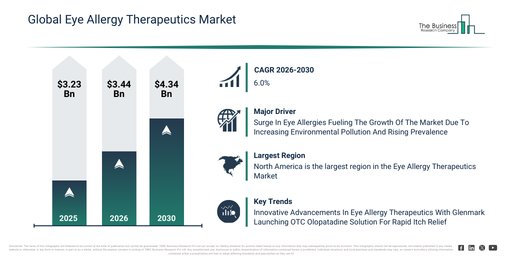
    The eye allergy therapeutics market size has demonstrated strong growth in recent years. This market is projected to expand from $3.23 billion in 2025 to $3.44 billion in 2026, at a compound annual growth rate (CAGR) of 6.5%. The historical growth in this sector can be attributed to several factors, including limited treatment options available for eye allergies, a reliance on traditional antihistamines, the growing prevalence of allergic conjunctivitis, an increase in ophthalmology clinic visits, and rising awareness of ocular allergy management.

    The eye allergy therapeutics market is projected to experience substantial expansion in the coming years, with its size expected to reach $4.34 billion by 2030, demonstrating a compound annual growth rate (CAGR) of 6.0%. Key factors contributing to this growth over the forecast period include the emergence of dual-action and biologic treatments, the broadening of immunotherapy choices, intensified research into innovative ocular drug delivery methods, a rise in the uptake of homecare treatment approaches, and the incorporation of digital health technologies for monitoring allergies. Noteworthy trends anticipated during this period encompass the increasing occurrence of both seasonal and perennial eye allergies, a greater acceptance of dual-action agents and new drug formulations, an expansion in homecare and self-administered therapies, the growth of online and retail pharmacy distribution networks, and a heightened emphasis on patient-focused care and safety.

    Get A Free Sample Report With In-Depth Market Insights:

    https://thebusinessresearchcompany.com/sample_request?id=60818467&type=smp&name=Eye%20Allergy%20Therapeutics%20Market%20Report%202026&utm_source=Blogs&utm_medium=Paid&utm_campaign=Oct_PR

    Eye Allergy Therapeutics Market Demand Drivers Opening New Revenue Streams

    The increasing occurrence of eye allergies is anticipated to drive the expansion of the eye allergy therapeutics market in the future. Eye allergies are defined as immune responses that lead to inflammation and irritation in the eyes when exposed to allergens. This surge in eye allergy cases stems from escalating environmental pollution, which exposes people to a greater quantity of airborne allergens, consequently leading to more frequent allergic reactions. Eye allergy therapeutics manage these conditions by diminishing inflammation, alleviating itching and redness, and inhibiting allergic responses to deliver effective symptom alleviation. For example, data from May 2025, provided by the National Library of Medicine, a US-based biomedical library, indicated that ocular allergy (OA) impacted 49.3% (n=207) of surveyed cases. Among these, seasonal allergic conjunctivitis (SAC) accounted for 90.3%, with a notable prevalence among 14-year-olds (23.4%) and females (58.8%). Consequently, the growing incidence of eye allergies is boosting the expansion of the eye allergy therapeutics market.

    Eye Allergy Therapeutics Market Segments: Where Is Growth Concentrated?

    The eye allergy therapeutics market covered in this report is segmented –

    1) By Drug Class: Antihistamines, Mast Cell Stabilizers, Dual-Action Agents, Corticosteroids, Immunotherapy, Other Drug Classes

    2) By Allergy Type: Seasonal Allergic Conjunctivitis (SAC), Perennial Allergic Conjunctivitis (PAC), Vernal Keratoconjunctivitis (VKC), Atopic Keratoconjunctivitis (AKC), Giant Papillary Conjunctivitis

    3) By Route of Administration: Topical, Oral, Injectable, Ocular, Systemic

    4) By Distribution Channel: Hospital Pharmacies, Retail Pharmacies, Online Pharmacies, Other Channels

    5) By End User: Hospitals, Clinics, Homecare Settings, Pharmacies, Research Institutions

    Subsegments:

    1) By Antihistamines: Olopatadine, Ketotifen, Emedastine, Levocabastine, Bepotastine

    2) By Mast Cell Stabilizers: Cromolyn Sodium, Nedocromil, Lodoxamide, Pemirolast

    3) By Dual-action Agents: Olopatadine, Ketotifen Fumarate, Azelastine, Alcaftadine

    4) By Corticosteroids: Loteprednol Etabonate, Prednisolone Acetate, Dexamethasone, Fluorometholone

    5) By Immunotherapy: Subcutaneous Immunotherapy, Sublingual Immunotherapy, Allergen-specific Desensitization Drops

    6) By Other Drug Classes: Nonsteroidal Anti-inflammatory Drugs, Biologics

    Eye Allergy Therapeutics Market Trends Powering Strategic Industry Growth

    Major companies operating in the eye allergy therapeutics market are concentrating on creating innovative solutions, such as eye allergy itch relief therapeutics, to provide quicker symptom alleviation, enhance patient comfort, and expand access via over-the-counter availability. Eye allergy itch relief therapeutics are treatments specifically formulated to alleviate itching caused by allergic reactions in the eyes. For instance, in August 2024, Glenmark Pharmaceuticals Limited, an India-based pharmaceutical company, launched Olopatadine Hydrochloride Ophthalmic Solution USP, 0.1% (OTC), aimed at relieving eye allergy symptoms. This formulation is designed for twice-daily use and provides rapid and long-lasting relief from allergic conjunctivitis symptoms such as itching, redness, and watery eyes. The over-the-counter availability aligns with the growing demand for self-care solutions and supports wider consumer reach in the eye care segment.

    Eye Allergy Therapeutics Market Key Participants And Competitive Landscape

    Major companies operating in the eye allergy therapeutics market are Novartis AG, Teva Pharmaceutical Industries Limited, Alcon Inc., Bausch Health Companies Inc., Sun Pharmaceutical Industries Limited, Santen Pharmaceutical Co. Ltd., Ocular Therapeutix Inc., Nicox S.A.

    View The Full Eye Allergy Therapeutics Market Report:

    https://thebusinessresearchcompany.com/report/eye-allergy-therapeutics-global-market-report?utm_source=Blogs&utm_medium=Paid&utm_campaign=Oct_PR

    Eye Allergy Therapeutics Market Top Region By Revenue And Market Share

    North America was the largest region in the eye allergy therapeutics market in 2025. The regions covered in the eye allergy therapeutics market report are Asia-Pacific, South East Asia, Western Europe, Eastern Europe, North America, South America, Middle East, Africa.

    Reach Out To Our Team:

    The Business Research Company: https://www.thebusinessresearchcompany.com/

    Americas: +1 310-496-7795

    Asia: +44 7882 955267 & +91 8897263534

    Europe: +44 7882 955267

    Email us at: marketing@tbrc.info

    Follow us on:

    LinkedIn: https://in.linkedin.com/company/the-business-research-company

    YouTube: https://www.youtube.com/channel/UC24_fI0rV8cR5DxlCpgmyFQ

    Global Market Model: https://www.thebusinessresearchcompany.com/global-market-model
  • Extended-Release Drugs Market To Witness 13% CAGR Growth Through 2030: Key Industry Drivers

    Extended-Release Drugs Market To Witness 13% CAGR Growth Through 2030: Key Industry Drivers

    Backed by market attractiveness analysis, total addressable market sizing, company benchmarking matrices, interactive Excel dashboards, wider supply chain intelligence, emerging startup coverage, and detailed product-level insights, The Business Research Company’s 2026 market reports are designed to offer research that is more actionable and strategically valuable than ever.

    Extended-Release Drugs Market Revenue Growth On Track For A 13% CAGR Through 2030

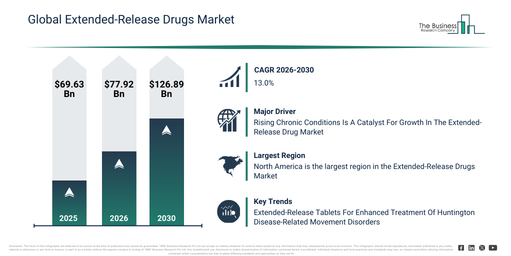
    The extended-release drugs market has observed rapid expansion in recent years. Projections indicate its value will escalate from $69.63 billion in 2025 to $77.92 billion in 2026, achieving a compound annual growth rate (CAGR) of 11.9%. Historically, this growth can be linked to the increasing prevalence of chronic diseases, the demand for patient-centric drug formulations, the limitations of immediate-release drugs, rising healthcare expenditure, and advancements in pharmaceutical excipients.

    The extended-release drugs market is projected to experience substantial expansion in the coming years. It will grow to $126.89 billion in 2030 at a compound annual growth rate (CAGR) of 13.0%. This anticipated growth during the forecast period is largely due to factors such as the development of precision medicine, the growing acceptance of oral controlled-release formulations, the expansion of hospital and retail pharmacy networks, an increasing elderly population, and investments in new delivery technologies. Key trends anticipated within this period include tailored dosage regimens, sophisticated drug delivery systems, efforts to improve patient adherence, innovative formulation technologies, and the use of extended-release combination therapies.

    Get A Free Sample Report With In-Depth Market Insights:

    https://thebusinessresearchcompany.com/sample_request?id=12977612&type=smp&name=Extended-Release%20Drugs%20Market%20Report%202026&utm_source=Blogs&utm_medium=Paid&utm_campaign=Oct_PR

    Extended-Release Drugs Market Growth Backed By Core Demand Fundamentals

    The anticipated rise in the occurrence of chronic conditions is poised to stimulate the expansion of the extended-release drug market in the future. Chronic conditions are defined as ailments lasting for a year or more, necessitating continuous medical attention, limiting daily activities, or both. Examples include heart disease, cancer, obesity, and diabetes. Extended-release drug delivery systems are engineered to deliver a relatively constant concentration of medication in the body over an extended duration. This design helps maintain a consistent therapeutic effect and prevents the fluctuations in drug levels that can arise with immediate-release medications. For instance, in January 2023, the National Center for Biotechnology Information (NCBI), a US-based National Library of Medicine, projected that by the year 2050, the count of individuals aged 50 years and older experiencing at least one chronic illness would increase by 99.5%, amounting to 142.66 million. Thus, the escalating incidence of chronic conditions is a key driver for the growth of the extended-release drug market.

    Extended-Release Drugs Market Segment Analysis: What Are The Core Market Categories?

    The extended-release drugs market covered in this report is segmented –

    1) By Type: Sustained Release Drug, Controlled Release Drug

    2) By Mode: Over-The-Counter, Prescription

    3) By Distribution Channel: Hospital Pharmacies, Retail Pharmacies, Mail Order Pharmacies, Drug Stores

    Subsegments:

    1) By Sustained Release Drug: Matrix Systems, Coating Systems

    2) By Controlled Release Drug: Osmotic Systems, Microencapsulation Systems, Targeted Delivery Systems

    Extended-Release Drugs Market Growth Trends Reshaping The Competitive Landscape

    Leading companies within the extended-release drugs market are actively developing innovative products, including next-generation extended-release tablets, to enhance their offerings and secure a competitive edge. Extended-release tablets represent a pharmaceutical design crafted to gradually release their active ingredients over an extended duration. As an illustration, in February 2023, Teva Pharmaceutical Industries Ltd., an Israel-based pharmaceutical company, obtained approval from the U.S. Food and Drug Administration (FDA) for austedo XR (deutetrabenazine). Austedo XR is recommended for the treatment of adults suffering from chorea and tardive dyskinesia linked to Huntington disease. It is available in dosages of 6, 12, and 24 mg. With the approval of austedo XR, patients affected by tardive dyskinesia and Huntington disease chorea now have access to another efficient treatment option. This allows individuals to manage these disorders, with the medication administered once daily. The development of austedo XR, which offers a practical and effective therapeutic alternative for those with certain movement disorders, signifies a substantial advancement in the management of these ailments.

    Extended-Release Drugs Market Top Companies Driving Competitive Growth

    Major companies operating in the extended-release drugs market are Pfizer Inc., AbbVie Inc., Novartis AG, Sanofi SA, GlaxoSmithKline PLC, AstraZeneca Plc, Gilead Sciences Inc., Boehringer Ingelheim International GmbH, Viatris Inc., Teva Pharmaceuticals Inc., Sun Pharmaceutical Industries Limited, Purdue Pharma LP, Amneal Pharmaceuticals Inc., Endo Pharmaceuticals Inc., Mallinckrodt LLC, Allergan plc, Janssen Pharmaceuticals Inc., Noven Pharmaceuticals Inc., Mayne Pharma Group Ltd., Neos Therapeutics Inc., Oakwood Laboratories LLC, Roxane Laboratories Inc., Watson Pharmaceuticals Inc.

    View The Full Extended-Release Drugs Market Report:

    https://thebusinessresearchcompany.com/report/extended-release-drugs-global-market-report?utm_source=Blogs&utm_medium=Paid&utm_campaign=Oct_PR

    Extended-Release Drugs Market Regional Analysis And Top Geography

    North America was the largest region in the extended-release drugs market in 2025. Asia-Pacific is expected to be the fastest-growing region in the forecast period. The regions covered in the extended-release drugs market report are Asia-Pacific, South East Asia, Western Europe, Eastern Europe, North America, South America, Middle East, Africa.

    Reach Out To Our Team:

    The Business Research Company: https://www.thebusinessresearchcompany.com/

    Americas: +1 310-496-7795

    Asia: +44 7882 955267 & +91 8897263534

    Europe: +44 7882 955267

    Email us at: marketing@tbrc.info

    Follow us on:

    LinkedIn: https://in.linkedin.com/company/the-business-research-company

    YouTube: https://www.youtube.com/channel/UC24_fI0rV8cR5DxlCpgmyFQ

    Global Market Model: https://www.thebusinessresearchcompany.com/global-market-model
  • Exocrine Pancreatic Insufficiency (EPI) Therapeutics And Diagnostics Market Projected For Strong Expansion Through 2030: Key Trends And Future Outlook

    Exocrine Pancreatic Insufficiency (EPI) Therapeutics And Diagnostics Market Projected For Strong Expansion Through 2030: Key Trends And Future Outlook

    Featuring market attractiveness scoring, total addressable market sizing, company benchmarking matrices, interactive Excel dashboards, deeper supply chain intelligence, emerging startup tracking, and granular product-level insights, The Business Research Company’s 2026 market reports are built to deliver research that is both more actionable and more strategically valuable.

    Exocrine Pancreatic Insufficiency (EPI) Therapeutics And Diagnostics Market Value Growth And Long-Term Outlook

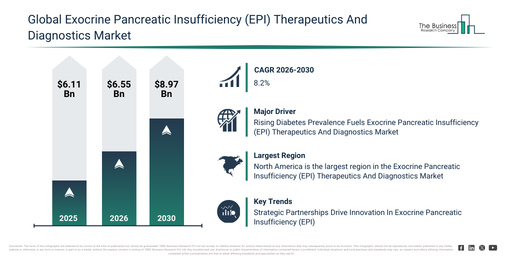
    The exocrine pancreatic insufficiency (epi) therapeutics and diagnostics market size has demonstrated significant expansion in recent years. It is anticipated to increase from $6.11 billion in 2025 to $6.55 billion in 2026, exhibiting a compound annual growth rate (CAGR) of 7.1%. This historical development can be attributed to the rising occurrence of chronic pancreatitis, heightened awareness surrounding digestive ailments, constrained access to specialized diagnostic methods, the adoption of nutritional supplements, and the expansion of home healthcare offerings.

    The exocrine pancreatic insufficiency (epi) therapeutics and diagnostics market is set to experience substantial expansion in the upcoming years. It is forecast to grow to $8.97 billion in 2030, achieving a compound annual growth rate (CAGR) of 8.2%. This projected increase is attributed to several factors, including advancements in personalized enzyme therapies, the integration of artificial intelligence in diagnostics, a growing need for non-invasive imaging techniques, the expansion of telehealth services, and an increasing focus on patient-centric nutritional management. Notable trends for the forecast period encompass advanced pancreatic enzyme replacement therapies, the development of point-of-care diagnostic solutions, personalized nutritional management programs, non-invasive imaging techniques specifically for EPI, and the wider integration of telehealth into EPI management.

    Get A Free Sample Report With In-Depth Market Insights:

    https://thebusinessresearchcompany.com/sample_request?id=12992&type=smp&name=Exocrine%20Pancreatic%20Insufficiency%20%28EPI%29%20Therapeutics%20And%20Diagnostics%20Market%20Report%202026&utm_source=Blogs&utm_medium=Paid&utm_campaign=Oct_PR

    Exocrine Pancreatic Insufficiency (EPI) Therapeutics And Diagnostics Market Growth Catalysts And Demand Drivers

    The rising prevalence of diabetes is projected to fuel the expansion of the exocrine pancreatic insufficiency (EPI) therapeutics and diagnostics market moving forward. Diabetes is defined as a long-term metabolic condition marked by persistently elevated blood sugar levels (hyperglycemia), stemming from the body’s insufficient insulin production or ineffective insulin utilization. Pancreatic enzyme replacement therapy (PERT), a component of EPI treatment, aids in enhancing nutrient absorption and can also improve glycemic control in individuals with both diabetes and EPI. As an illustration, in June 2024, data from The National Health Service (NHS England), a publicly funded UK healthcare system, revealed that the count of individuals identified with pre-diabetes in England climbed to 3,615,330 in 2023, representing an 18% increase from 3,065,825 in 2022. Furthermore, for those under 40, pre-diabetes cases saw a substantial increase of almost 25%, rising from 173,166 in 2022 to 216,440 in 2023. Consequently, the growing population affected by diabetes is a key factor propelling the development of the exocrine pancreatic insufficiency (EPI) therapeutics and diagnostics market.

    Exocrine Pancreatic Insufficiency (EPI) Therapeutics And Diagnostics Market Segment Breakdown: Which Categories Lead On Revenue?

    The exocrine pancreatic insufficiency (epi) therapeutics and diagnostics market covered in this report is segmented –

    1) By Therapies: Nutritional Management, Pancreatic Enzyme Replacement Therapy (PERT), Lifestyle Modifications Approach

    2) By Diagnostics: Blood Tests, Magnetic Resonance Imaging (MRI), Endoscopic Ultra-Sonography (EUS), Computerized Tomography (CT) Scanning

    3) By Drug Type: Generic, Branded

    4) By Distribution Channel: Direct Tender, Retail Pharmacy , Third-Party Distributor, Other Distribution Channels

    5) By End User: Hospitals, Specialty Clinics, Homecare, Diagnostic Center, Research And Academic Institutes, Other End Users

    Subsegments:

    1) By Nutritional Management: Dietary Modifications, Nutritional Supplements

    2) By Pancreatic Enzyme Replacement Therapy (PERT): Capsule Formulations, Tablet Formulations, Powder Formulations

    3) By Lifestyle Modifications Approach: Weight Management, Physical Activity Recommendations, Smoking Cessation Programs

    Exocrine Pancreatic Insufficiency (EPI) Therapeutics And Diagnostics Market Trends Shaping Long-Term Demand

    Key companies active in the exocrine pancreatic insufficiency (EPI) therapeutics and diagnostics market are employing a strategic alliance approach to boost technology integration and expand their market presence. A strategic partnership typically describes a collaborative relationship where two or more organizations combine their assets, expertise, and endeavors to achieve mutual goals. For example, in February 2023, Codexis, Inc., a US-based protein engineering company, and Nestlé Health Science, a Switzerland-based science of nutrition company, announced the interim results from their Phase 1 clinical trial of CDX-7108, an experimental treatment designed for exocrine pancreatic insufficiency (EPI). The outcomes from this Phase 1 trial lay the groundwork for further research that could significantly enhance treatment possibilities for patients living with EPI.

    Exocrine Pancreatic Insufficiency (EPI) Therapeutics And Diagnostics Market Leading Players And Competitive Positioning

    Major companies operating in the exocrine pancreatic insufficiency (epi) therapeutics and diagnostics market are Abbott Laboratories, Metagenics LLC, Chiesi Farmaceutici S.p.A., Nordmark Arzneimittel GmbH & Co. KG, Digestive Care Inc., Bioserv Diagnostics Gmbh, Aptalis Pharma Inc., EagleBiosciences Inc., ScheBo Biotech AG, Solvay S.A., Codexis Inc., ChiRhoClin Inc., Alcresta Therapeutics Inc., Cilian AG, First Wave BioPharma Inc., Laboratory Corporation of America Holdings, Organon, Vivus Inc., Anthera Pharmaceuticals Inc., Teva Pharmaceutical Industries Ltd

    View The Full Exocrine Pancreatic Insufficiency (EPI) Therapeutics And Diagnostics Market Report:

    https://thebusinessresearchcompany.com/report/exocrine-pancreatic-insufficiency-epi-therapeutics-and-diagnostics-global-market-report?utm_source=Blogs&utm_medium=Paid&utm_campaign=Oct_PR

    Exocrine Pancreatic Insufficiency (EPI) Therapeutics And Diagnostics Market Geographic Analysis: Where Is Demand Rising Fastest?

    North America was the largest region in the exocrine pancreatic insufficiency (EPI) therapeutics and diagnostics market in 2025. The regions covered in the exocrine pancreatic insufficiency (epi) therapeutics and diagnostics market report are Asia-Pacific, South East Asia, Western Europe, Eastern Europe, North America, South America, Middle East, Africa.

    Reach Out To Our Team:

    The Business Research Company: https://www.thebusinessresearchcompany.com/

    Americas: +1 310-496-7795

    Asia: +44 7882 955267 & +91 8897263534

    Europe: +44 7882 955267

    Email us at: marketing@tbrc.info

    Follow us on:

    LinkedIn: https://in.linkedin.com/company/the-business-research-company

    YouTube: https://www.youtube.com/channel/UC24_fI0rV8cR5DxlCpgmyFQ

    Global Market Model: https://www.thebusinessresearchcompany.com/global-market-model
  • Ethical Pharmaceuticals Market Outlook 2026–2030: Growth Trends, Market Dynamics And Emerging Opportunities

    Ethical Pharmaceuticals Market Outlook 2026–2030: Growth Trends, Market Dynamics And Emerging Opportunities

    Built to provide research that’s more actionable and strategically valuable, The Business Research Company’s 2026 market reports include market attractiveness analysis, total addressable market sizing, company benchmarking matrices, interactive Excel dashboards, broader supply chain intelligence, emerging startup tracking, and in-depth product insights.

    Ethical Pharmaceuticals Market Poised To Hit $14.79 Billion By 2030 With A 13.2% CAGR

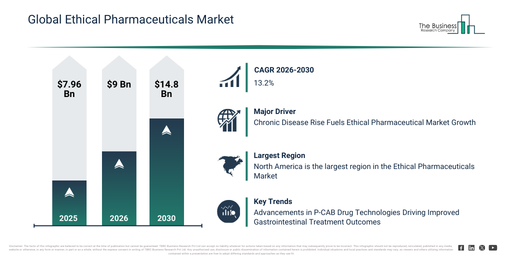
    The ethical pharmaceuticals market has experienced substantial expansion in its size over recent years. It is forecast to grow from $7.96 billion in 2025 to $9 billion in 2026, demonstrating a compound annual growth rate (CAGR) of 13.1%. This historical development can be attributed to the rise in chronic and lifestyle diseases, the expansion of hospital and clinical infrastructure, increasing physician preference for prescription drugs, regulatory enforcement of prescription-only medicines, and rising healthcare expenditure.

    The ethical pharmaceuticals market is projected to expand significantly over the coming years, reaching $14.8 billion by 2030, driven by a compound annual growth rate (CAGR) of 13.2%. This anticipated expansion is fueled by factors such as an aging demographic requiring sustained medication, the wider acceptance of specialized ethical drugs, the enlargement of hospital pharmacy systems, heightened public awareness of preventive and therapeutic medicines, and increasing capital directed towards pharmaceutical research and development. Key trends during this period are anticipated to involve the broadening of prescription therapies for chronic illnesses, increased examination by regulatory bodies and the standardization of compliance, a greater appetite for branded generic medicines and ethical formulations, the reinforcement of drug distribution systems centered in hospitals, and a heightened emphasis on the safety, effectiveness, and pharmacovigilance of drugs.

    Get A Free Sample Report With In-Depth Market Insights:

    https://thebusinessresearchcompany.com/sample_request?id=35008576&type=smp&name=Ethical%20Pharmaceuticals%20Market%20Report%202026&utm_source=Blogs&utm_medium=Paid&utm_campaign=Oct_PR

    Ethical Pharmaceuticals Market Opportunity Drivers: What’s Unlocking New Revenue Potential?

    The increasing occurrence of long-term illnesses acts as a key factor boosting the ethical pharmaceutical market. These conditions are defined as lasting for a minimum of one year and requiring continuous medical management, including examples like diabetes, cancer, and heart ailments. Ethical pharmaceutical medications are frequently prescribed for the sustained management of chronic diseases, which subsequently fuels the demand for these pharmaceuticals. To illustrate, data from June 2024, released by the UK government’s National Health Service, revealed that 3,615,330 individuals registered with a general practitioner (GP) had a diagnosis of non-diabetic hyperglycemia or pre-diabetes (a state of elevated blood sugar not meeting diabetes criteria) in 2023. This represented an 18% rise from the 3,065,825 cases recorded in 2022. Consequently, the growing incidence of chronic diseases is anticipated to drive the expansion of the ethical pharmaceutical market.

    Ethical Pharmaceuticals Market Segmentation: How Does The Market Break Down By Category?

    The ethical pharmaceuticals market covered in this report is segmented –

    1) By Type: Lipid Regulators, Narcotic Analgesics, ACE Inhibitors, Respiratory Agents, Diuretics, Calcium Antagonists, Hormonal Contraceptives, Penicillin, Vitamin, Minerals

    2) By Distribution Channel: Hospital Pharmacy, Retail Pharmacies, Other Distribution Channels

    3) By Application: Hospitals And Clinics, Pharmaceutical Company

    Subsegments:

    1) By Lipid Regulators: Statins, Fibrates, Omega-3 Fatty Acids

    2) By Narcotic Analgesics: Opioids, Combination Pain Relievers

    3) By ACE Inhibitors: Enalapril, Lisinopril, Ramipril

    4) By Respiratory Agents: Bronchodilators, Corticosteroids, Leukotriene Receptor Antagonists

    5) By Diuretics: Thiazide Diuretics, Loop Diuretics, Potassium-Sparing Diuretics

    6) By Calcium Antagonists: Dihydropyridines, Non-Dihydropyridines

    7) By Hormonal Contraceptives: Oral Contraceptives, Intrauterine Devices (IUDs), Injectable Contraceptives

    8) By Penicillin: Natural Penicillin, Aminopenicillin, Penicillinase-Resistant Penicillin

    9) By Vitamins: Water-Soluble Vitamins, Water-Soluble Vitamins

    10) By Minerals: Calcium, Iron, Magnesium

    Ethical Pharmaceuticals Market Innovation Trends Shaping Future Development

    Leading companies within the ethical pharmaceuticals market are prioritizing advancements in drug development technologies, such as Abeprazan, to boost the efficacy of treatments and enhance patient well-being. Abeprazan, a novel potassium-competitive acid blocker (P-CAB), is specifically designed to offer swift and prolonged reduction of gastric acid secretion for conditions including erosive esophagitis, gastroesophageal reflux disease, and other related acid-mediated ailments. As an illustration, in April 2025, Sun Pharmaceutical Industries Limited, an Indian pharmaceutical firm, introduced fexuprazan in India. This product is intended to provide superior acid suppression and significant relief for individuals suffering from erosive esophagitis and associated gastrointestinal issues. This introduction brings forth a next-generation P-CAB therapy that boasts a quicker onset and more enduring acid suppression compared to traditional proton pump inhibitors, thereby offering improved symptom alleviation and mucosal healing in erosive esophagitis, which ultimately contributes to better patient treatment results.

    Ethical Pharmaceuticals Market Competitive Overview And Top Companies

    Major companies operating in the ethical pharmaceuticals market are Johnson & Johnson Services Inc., GlaxoSmithKline PLC, Teva Pharmaceutical Industries Ltd., Merck & Co. Inc., Novartis AG, AstraZeneca PLC, Bristol-Myers Squibb Company, Eli Lilly and Company, Mylan NV, Pfizer Inc., Sanofi S.A., AbbVie Inc., Amgen Inc., Biogen Inc., Boehringer Ingelheim International GmbH, Gilead Sciences Inc., Novo Nordisk A/S, Regeneron Pharmaceuticals Inc., Roche Holding AG, Takeda Pharmaceutical Company Limited, Abbott Laboratories, Bayer AG, Daiichi Sankyo Company Limited, Eisai Co. Ltd., Ipsen Biopharmaceuticals Inc., Kyowa Kirin Co. Ltd., Mallinckrodt Pharmaceuticals, Sun Pharmaceutical Industries Ltd., Amarin Corporation PLC, Vertex Pharmaceuticals Incorporated, Aimmune Therapeutics Inc.

    View The Full Ethical Pharmaceuticals Market Report:

    https://thebusinessresearchcompany.com/report/ethical-pharmaceuticals-global-market-report?utm_source=Blogs&utm_medium=Paid&utm_campaign=Oct_PR

    Ethical Pharmaceuticals Market Global Footprint: Which Region Leads The Market?

    North America was the largest region in the ethical pharmaceutical market share in 2025. Asia-Pacific is expected to be the fastest-growing region in the forecast period. The regions covered in the ethical pharmaceuticals market report are Asia-Pacific, South East Asia, Western Europe, Eastern Europe, North America, South America, Middle East, Africa.

    Reach Out To Our Team:

    The Business Research Company: https://www.thebusinessresearchcompany.com/

    Americas: +1 310-496-7795

    Asia: +44 7882 955267 & +91 8897263534

    Europe: +44 7882 955267

    Email us at: marketing@tbrc.info

    Follow us on:

    LinkedIn: https://in.linkedin.com/company/the-business-research-company

    YouTube: https://www.youtube.com/channel/UC24_fI0rV8cR5DxlCpgmyFQ

    Global Market Model: https://www.thebusinessresearchcompany.com/global-market-model
  • Estrogen Replacement Therapy Market Growth Outlook From $10.42 Billion In 2026 To $12.51 Billion By 2030

    Estrogen Replacement Therapy Market Growth Outlook From $10.42 Billion In 2026 To $12.51 Billion By 2030

    Backed by market attractiveness analysis, total addressable market sizing, company benchmarking matrices, interactive Excel dashboards, wider supply chain intelligence, emerging startup coverage, and detailed product-level insights, The Business Research Company’s 2026 market reports are designed to offer research that is more actionable and strategically valuable than ever.

    Estrogen Replacement Therapy Market Size And Revenue Outlook Through 2030

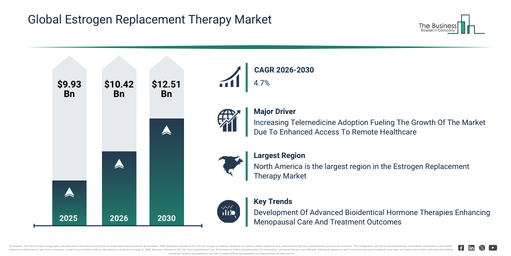
    The estrogen replacement therapy market has demonstrated consistent expansion in recent years. It is projected to increase from $9.93 billion in 2025 to $10.42 billion in 2026, achieving a compound annual growth rate (CAGR) of 4.9%. Historically, this market’s growth has been fueled by elements such as restricted awareness of hormone replacement benefits, a dependency on oral estrogen formulations, the expanding aging female population, a surge in clinical research pertaining to menopause, and the widening reach of hospital and clinic networks.

    The estrogen replacement therapy market is anticipated to experience consistent expansion in the coming years. Its valuation is projected to reach $12.51 billion in 2030, exhibiting a compound annual growth rate (CAGR) of 4.7%. This projected expansion over the forecast period is driven by factors such as the development of transdermal and vaginal delivery systems, an increase in the adoption of personalized and bioidentical estrogen therapies, the broadening of online and retail pharmacy channels, a rise in regulatory approvals for innovative dosage forms, and an intensified focus on managing osteoporosis and hypogonadism. Key trends expected during this period encompass a surging demand for menopause management therapies, an increasing preference for non-oral estrogen delivery methods, the expansion of homecare and remote patient monitoring services, a heightened emphasis on treating osteoporosis and hypogonadism, and the widespread adoption of personalized hormone replacement therapies.

    Get A Free Sample Report With In-Depth Market Insights:

    https://thebusinessresearchcompany.com/sample_request?id=98412343&type=smp&name=Estrogen%20Replacement%20Therapy%20Market%20Report%202026&utm_source=Blogs&utm_medium=Paid&utm_campaign=Oct_PR

    Estrogen Replacement Therapy Market Growth Momentum: What Factors Are Shaping Demand?

    The estrogen replacement therapy market is expected to expand in the coming years, propelled by the rising adoption of telemedicine. Telemedicine utilizes digital communication technologies to deliver remotely, enabling patients to receive medical consultations and treatment without needing to be physically present. Its increasing usage is attributed to improved accessibility, particularly for individuals in remote or underserved areas who can now connect with healthcare professionals more readily. The growing integration of telemedicine supports the demand for estrogen replacement therapy, as it allows women to consult specialists and obtain prescriptions for hormone treatments without the need for frequent in-person visits, especially where gynecological care is limited. For instance, in November 2025, according to the Australian Bureau of Statistics (ABS), an Australia-based government statistical agency, 22.5% of Australians used telehealth services in 2024–25. Among those who had a telehealth consultation, 90.3% reported they would use telehealth again if offered, an increase from 89.2% in 2023–24, indicating growing acceptance and continued adoption. Therefore, the expanding use of telemedicine is driving the growth of the estrogen replacement therapy market.

    Estrogen Replacement Therapy Market Segment Trends And Revenue Contributors

    The estrogen replacement therapy market covered in this report is segmented –

    1) By Type: Oral, Topical, Transdermal, Vaginal, Parenteral

    2) By Dosage Form: Tablets, Patches, Gels, Implants, Injections, Suppositories

    3) By Distribution Channel: Hospital Pharmacies, Retail Pharmacies, Online Pharmacies, Other Distribution Channels

    4) By Application: Menopause, Hypogonadism, Osteoporosis, Other Applications

    5) By End-User: Hospitals, Clinics, Homecare, Other End-Users

    Subsegments:

    1) By Oral: Conjugated Estrogens Tablets, Estradiol Tablets, Estropipate Tablets, Combined Estrogen-Progestin Tablets

    2) By Topical: Estrogen Creams, Estrogen Gels, Estrogen Sprays, Estrogen Emulsions

    3) By Transdermal: Transdermal Patches, Transdermal Gels, Microneedle Patches

    4) By Vaginal: Vaginal Creams, Vaginal Tablets Or Inserts, Vaginal Rings, Vaginal Suppositories

    5) By Parenteral: Intramuscular Injections, Subcutaneous Implants, Intravenous Formulations

    Estrogen Replacement Therapy Market Trends Redefining Industry Growth

    Leading companies operating in the estrogen replacement therapy market are focusing on developing advanced solutions, such as bioidentical estradiol, to meet individual hormonal needs and specific dosage requirements. Bioidentical estradiol is a lab-produced form of estrogen that has the same molecular structure as the estrogen naturally made by the human body and is often used in hormone therapy. For instance, in May 2024, Jagsonpal Pharmaceuticals Limited, an India-based pharmaceutical company, launched MemUp, a hormone replacement therapy (HRT) option that delivers a single daily oral dose containing a combination of bioidentical estradiol and bioidentical progesterone, both approved by the United States Food and Drug Administration. This marks a notable advancement in women’s healthcare, designed to effectively manage menopause-related symptoms such as hot flashes, night sweats, and sleep issues. It fulfills the growing demand for contemporary and efficient hormone therapy solutions. By utilizing a combination that closely resembles the body’s own hormones, it offers a more natural and balanced therapeutic approach. Its convenient, single-capsule formulation also helps improve patient consistency and treatment success.

    Estrogen Replacement Therapy Market Competitive Landscape: Which Companies Lead The Industry?

    Major companies operating in the estrogen replacement therapy market are Pfizer Inc., Merck & Co. Inc., Bayer AG, AstraZeneca PLC, Abbott Laboratories Inc., Novartis AG, Novo Nordisk A/S, Viatris Inc., Teva Pharmaceutical Industries Ltd., Perrigo Company Plc, Gedeon Richter Plc, Orion Corporation, Hisamitsu Pharmaceutical Co. Inc., ANI Pharmaceuticals Inc., Theramex Limited, Noven Pharmaceuticals Inc., Besins Healthcare S.A., TherapeuticsMD Inc., Montage Labs Inc., Gynogen GmbH.

    View The Full Estrogen Replacement Therapy Market Report:

    https://thebusinessresearchcompany.com/report/estrogen-replacement-therapy-global-market-report?utm_source=Blogs&utm_medium=Paid&utm_campaign=Oct_PR

    Estrogen Replacement Therapy Market Regional Split: Which Areas Are Fueling Growth?

    North America was the largest region in the estrogen replacement therapy market in 2025. Asia-Pacific is expected to be the fastest-growing region in the forecast period. The regions covered in the estrogen replacement therapy market report are Asia-Pacific, South East Asia, Western Europe, Eastern Europe, North America, South America, Middle East, Africa.

    Reach Out To Our Team:

    The Business Research Company: https://www.thebusinessresearchcompany.com/

    Americas: +1 310-496-7795

    Asia: +44 7882 955267 & +91 8897263534

    Europe: +44 7882 955267

    Email us at: marketing@tbrc.info

    Follow us on:

    LinkedIn: https://in.linkedin.com/company/the-business-research-company

    YouTube: https://www.youtube.com/channel/UC24_fI0rV8cR5DxlCpgmyFQ

    Global Market Model: https://www.thebusinessresearchcompany.com/global-market-model
  • Estrogen Receptor Modulators Market Forecast To Reach $25.65 Billion By 2030: Key Growth Drivers And Industry Trends

    Estrogen Receptor Modulators Market Forecast To Reach $25.65 Billion By 2030: Key Growth Drivers And Industry Trends

    Featuring market attractiveness scoring, total addressable market sizing, company benchmarking matrices, interactive Excel dashboards, deeper supply chain intelligence, emerging startup tracking, and granular product-level insights, The Business Research Company’s 2026 market reports are built to deliver research that is both more actionable and more strategically valuable.

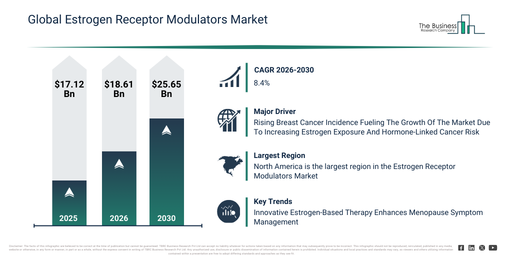
    Estrogen Receptor Modulators Market Growth From $18.6 Billion In 2026 To $25.65 Billion By 2030 At A CAGR Of 8.4%

    The estrogen receptor modulators market has experienced significant expansion over recent years. Its projected growth trajectory indicates an increase from $17.12 billion in 2025 to $18.61 billion in 2026, demonstrating a compound annual growth rate (CAGR) of 8.7%. This historical expansion can be primarily ascribed to factors such as the widespread prevalence of breast cancer, the uptake of tamoxifen, the acceptance of hormone therapy, the approval of various oncology drugs, and the overall growth of hospital oncology services.

    The estrogen receptor modulators market size is anticipated to undergo significant expansion in the coming years. It is projected to grow to $25.65 billion in 2030 at a compound annual growth rate (CAGR) of 8.4%. The increase observed during the forecast period can be attributed to the development of oral SERDs, advancements in precision oncology, an expanding aging female population, broader oncology indications, and the growth of specialty pharmacies. Noteworthy trends for the forecast period include a rising adoption in breast cancer treatment, the proliferation of oral SERDs, an expansion of applications for osteoporosis, an intensified focus on targeted hormonal therapy, and increased generic drug penetration.

    Get A Free Sample Report With In-Depth Market Insights:

    https://thebusinessresearchcompany.com/sample_request?id=28375285&type=smp&name=Estrogen%20Receptor%20Modulators%20Market%20Report%202026&utm_source=Blogs&utm_medium=Paid&utm_campaign=Oct_PR

    Estrogen Receptor Modulators Market Expansion Drivers: What’s Shaping Future Growth?

    The increasing incidence of breast cancer is anticipated to drive the expansion of the estrogen receptor modulators market in the future. Breast cancer is defined as a condition where abnormal breast cells multiply without control, creating a tumor capable of invading adjacent tissues or metastasizing to other bodily areas. The increasing occurrence of breast cancer is attributed to a growing number of women postponing childbirth, which results in modified hormone levels and extended lifetime exposure to estrogen, thereby heightening cancer risk. Estrogen receptor modulators are employed in the management of breast cancer to obstruct or modify estrogen’s impact on breast cancer cells, thereby decelerating or halting their proliferation and decreasing the likelihood of disease advancement or return. As an example, in February 2025, the United Nations, a US-based intergovernmental organization, reported that in 2022, breast cancer was responsible for roughly 2.3 million new cases and 670,000 global deaths. Global forecasts suggest that by 2050, there will be a 38% surge in new cases and a 68% increase in yearly fatalities, underscoring a considerable escalating burden of the illness. Consequently, the escalating prevalence of breast cancer is fueling the expansion of the estrogen receptor modulators market.

    Estrogen Receptor Modulators Market Segment Analysis Spotlighting Growth Areas

    The estrogen receptor modulators market covered in this report is segmented –

    1) By Type: Select Estrogen Receptor Modulators, Non-Selective Estrogen Receptor Modulators, Selective Estrogen Receptor Downregulators (SERDs)

    2) By Route Of Administration: Oral, Injectable, Topical

    3) By Application: Breast Cancer Treatment, Osteoporosis Treatment, Infertility Treatment, Hormone Replacement Therapy (HRT)

    4) By Distribution Channel: Hospital Pharmacy, Online Pharmacy, Retail Pharmacy

    5) By End-Users: Homecare, Speciality Centres, Other End Users

    Subsegments:

    1) By Select Estrogen Receptor Modulators: Tamoxifen, Raloxifene, Toremifene, Bazedoxifene, Lasofoxifene

    2) By Non-Selective Estrogen Receptor Modulators: Clomiphene, Diethylstilbestrol (DES), Other Non-Selective Modulators

    3) By Selective Estrogen Receptor Downregulators (SERDs): Fulvestrant, Elacestrant, OP-1250 (Investigational), Other Oral SERDs

    Estrogen Receptor Modulators Market Strategic Trends: What Defines The Next Growth Phase?

    Key companies within the estrogen receptor modulators market are focusing on developing innovative solutions, such as estrogen-based menopause hormone therapy, to effectively manage menopausal symptoms like hot flashes while simultaneously reducing the risk of hormone-related cancers and cardiovascular complications. Estrogen-based menopause hormone therapy refers to a medical treatment that involves administering estrogen, either alone or in combination with progestin, to alleviate symptoms associated with menopause. For instance, in June 2023, Pfizer Inc., a US-based pharmaceutical and biotechnology company, launched DUAVEE (conjugated estrogens/bazedoxifene), a hormone therapy for postmenopausal women with a uterus, which is now back in stock with improved packaging. This therapy combines conjugated estrogens with bazedoxifene, a selective estrogen receptor modulator, providing an alternative to traditional estrogen-progestin therapies by diminishing the risk of uterine lining thickening. The medication is taken as a once-daily oral tablet and is recommended for the shortest duration necessary to manage symptoms, with common side effects including muscle spasms, nausea, and stomach discomfort.

    Estrogen Receptor Modulators Market Leading Companies: Who Holds The Strongest Market Presence?

    Major companies operating in the estrogen receptor modulators market are Gedeon Richter Plc., Pfizer CentreOne, Viatris Inc., Amneal Pharmaceuticals Inc., Lupin Limited, Cipla Limited, Hikma Pharmaceuticals PLC, Zydus Lifesciences Ltd., Dr. Reddy’s Laboratories Ltd., Glenmark Pharmaceuticals Ltd., Torrent Pharmaceuticals Ltd., Natco Pharma Ltd., Cadila Healthcare Ltd., Mylan N.V., Accord Healthcare Ltd., Intas Pharmaceuticals Ltd., Sunovion Pharmaceuticals Inc., Taiho Pharmaceutical Co. Ltd., Radius Health Inc., Menarini Group, Chugai Pharmaceutical Co. Ltd., Eisai Co. Ltd., Jiangsu Chia Tai Tianqing Pharmaceutical Co. Ltd., Shanghai Fosun Pharmaceutical Group Co. Ltd., Zhejiang Hisun Pharmaceutical Co. Ltd., Laurus Labs Ltd., Strides Pharma Science Ltd., Alembic Pharmaceuticals Ltd., Wockhardt Ltd., Emcure Pharmaceuticals Ltd., Macleods Pharmaceuticals Ltd., Biocon Ltd.

    View The Full Estrogen Receptor Modulators Market Report:

    https://thebusinessresearchcompany.com/report/estrogen-receptor-modulators-global-market-report?utm_source=Blogs&utm_medium=Paid&utm_campaign=Oct_PR

    Estrogen Receptor Modulators Market Top Region: Where Does Most Revenue Come From?

    North America was the largest region in the estrogen receptor modulators market in 2025. Asia-Pacific is expected to be the fastest-growing region in the forecast period. The regions covered in the estrogen receptor modulators market report are Asia-Pacific, South East Asia, Western Europe, Eastern Europe, North America, South America, Middle East, Africa.

    Reach Out To Our Team:

    The Business Research Company: https://www.thebusinessresearchcompany.com/

    Americas: +1 310-496-7795

    Asia: +44 7882 955267 & +91 8897263534

    Europe: +44 7882 955267

    Email us at: marketing@tbrc.info

    Follow us on:

    LinkedIn: https://in.linkedin.com/company/the-business-research-company

    YouTube: https://www.youtube.com/channel/UC24_fI0rV8cR5DxlCpgmyFQ

    Global Market Model: https://www.thebusinessresearchcompany.com/global-market-model
  • Estrogen Blockers Market Research 2026: Market Size, Trends, Segments And Growth Forecast

    Estrogen Blockers Market Research 2026: Market Size, Trends, Segments And Growth Forecast

    Built to provide research that’s more actionable and strategically valuable, The Business Research Company’s 2026 market reports include market attractiveness analysis, total addressable market sizing, company benchmarking matrices, interactive Excel dashboards, broader supply chain intelligence, emerging startup tracking, and in-depth product insights.

    Estrogen Blockers Market Expansion Outlook: What Revenue Opportunities Are Ahead?

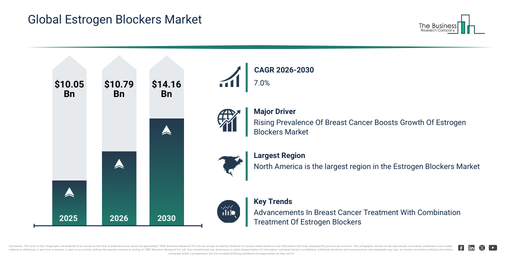
    The market size for estrogen blockers has experienced significant growth in recent years. Its value is projected to rise from $10.05 billion in 2025 to $10.79 billion in 2026, reflecting a compound annual growth rate (CAGR) of 7.3%. Historically, this expansion can be linked to factors such as the restricted supply of estrogen blockers, a dependence on traditional chemotherapy, the increasing occurrence of breast cancer, insufficient knowledge about hormone therapies, and the development of hospital and oncology clinic infrastructure.

    The estrogen blockers market size is anticipated to experience substantial growth in the coming years. It will grow to $14.16 billion in 2030 at a compound annual growth rate (CAGR) of 7.0%. This expansion during the forecast period is driven by the development of combination therapies and natural estrogen blockers, the broadening of personalized medicine approaches, an increasing uptake of online pharmacy channels, rising government and healthcare initiatives for breast cancer, and advancements in diagnostics for hormone receptor testing. Key trends observed within this period include the increasing adoption of selective estrogen receptor modulators (serms) and aromatase inhibitors, the expanded use of estrogen blockers in hormone replacement therapy (hrt), the growth of personalized breast cancer treatment protocols, the extension of online and retail pharmacy distribution channels, and enhanced awareness of infertility and post-menopausal osteoporosis management.

    Get A Free Sample Report With In-Depth Market Insights:

    https://thebusinessresearchcompany.com/sample_request?id=23413810&type=smp&name=Estrogen%20Blockers%20Market%20Report%202026&utm_source=Blogs&utm_medium=Paid&utm_campaign=Oct_PR

    Estrogen Blockers Market Development Factors: What’s Supporting Demand?

    The increasing occurrence of breast cancer is anticipated to drive the expansion of the estrogen blocker market in the future. Breast cancer is defined as a malignancy that develops within the breast tissue, predominantly impacting the milk ducts and lobules. This condition arises when regular breast cells mutate, resulting in uncontrolled proliferation and the development of tumors. The growing incidence of breast cancer is attributable to various factors, including an aging demographic, shifts in lifestyle like increased alcohol intake and inactive routines, and enhanced detection facilitated by advanced screening and diagnostic methods. Estrogen blockers assist in combating breast cancer by suppressing the hormone estrogen, which is known to stimulate the proliferation of specific breast cancer cell types. This action can decelerate or halt the progression of hormone receptor-positive breast cancers, thereby contributing to treatment and potentially lowering the risk of recurrence. As an illustration, the Australian Institute of Health and Welfare, an Australia-based government agency, reported in January 2024 that an estimated 20,458 cases of breast cancer were diagnosed in females in 2023, representing an age-standardized incidence rate of 128.6 cases per 100,000 females. Furthermore, in 2022, approximately 20,004 cases of breast cancer were identified in females, with an age-standardized incidence rate of 128.2 cases per 100,000 females. Consequently, the increasing occurrence of breast cancer is fueling the expansion of the estrogen blocker market.

    Estrogen Blockers Market Segment Performance And Emerging Opportunities

    The estrogen blockers market covered in this report is segmented –

    1) By Product: Selective Estrogen Receptor Modulators (SERMs), Aromatase Inhibitors, Estrogen Receptor Downregulators (ERDs), Other Products

    2) By Distribution Channel: Hospital Pharmacies, Retail Pharmacies, Online Pharmacies

    3) By Application: Breast Cancer Treatment, Hormone Replacement Therapy (HRT), Infertility Treatment, Post-Menopausal Osteoporosis, Other Applications

    Subsegments:

    1) By Selective Estrogen Receptor Modulators (SERMs): Tamoxifen, Raloxifene, Toremifene, Fulvestrant

    2) By Aromatase Inhibitors: Anastrozole, Letrozole, Exemestane, Vorozole

    3) By Estrogen Receptor Downregulators (ERDs): Fulvestrant, Elacestrant, Giredestrant

    4) By Other Products: Phytochemicals, Natural Estrogen Blockers, Combination Therapies

    Estrogen Blockers Market Transformation Trends: What Innovations Are Driving Change?

    Major companies within the estrogen blocker market are concentrating on developing advanced estrogen blocker drugs. These drugs integrate AKT (Protein Kinase B) inhibitors and selective estrogen receptor degraders (SERD) to enhance treatment effectiveness and address resistance in breast cancer therapy. This therapeutic approach, combining AKT (Protein Kinase B) inhibitors and selective estrogen receptor degraders (SERDs), is employed for treating hormone receptor-positive breast cancer. Its mechanism involves targeting cancer cell survival pathways and degrading estrogen receptors, thereby inhibiting tumor growth and overcoming resistance to hormonal therapies. For example, in November 2023, AstraZeneca, a UK-based pharmaceutical industry company, obtained approval from the U.S. Food and Drug Administration (FDA) for Truqap (capivasertib), an AKT (Protein Kinase B) inhibitor, when used in conjunction with Faslodex (fulvestrant), a selective estrogen receptor degrader (SERD). This approval pertains to adult patients with hormone receptor (HR)-positive, HER2-negative locally advanced or metastatic breast cancer who possess specific biomarker alterations, namely PIK3CA, AKT1, or PTEN. This authorization is significant as it addresses patients whose disease has progressed on at least one endocrine-based therapy or experienced recurrence within 12 months after completing adjuvant therapy.

    Estrogen Blockers Market Key Players: Which Companies Lead Industry Competition?

    Major companies operating in the estrogen blockers market are Pfizer Inc, F. Hoffmann-La Roche AG, Merck & Co. Inc, Novartis AG, Sanofi S.A, AstraZeneca PLC, GlaxoSmithKline plc, Eli Lilly and Company, Viatris Inc, Teva Pharmaceutical Industries Ltd., Fresenius Kabi AG, Sun Pharmaceutical Industries Ltd., Ipsen S.A., Cadila Pharmaceuticals Ltd., Intas Pharmaceuticals Limited, Dr. Reddy’s Laboratories Ltd., Hikma Pharmaceuticals PLC, Amneal Pharmaceuticals Inc., Lupin Limited, Glenmark Pharmaceuticals Limited, Alvogen Inc., Alembic Pharmaceuticals Limited, Olema Pharmaceuticals Inc, Cipla Inc, Criterium Inc

    View The Full Estrogen Blockers Market Report:

    https://thebusinessresearchcompany.com/report/estrogen-blockers-global-market-report?utm_source=Blogs&utm_medium=Paid&utm_campaign=Oct_PR

    Estrogen Blockers Market Regional Breakdown: Where Is Demand Concentrated?

    North America was the largest region in the estrogen blockers market in 2025. The regions covered in the estrogen blockers market report are Asia-Pacific, South East Asia, Western Europe, Eastern Europe, North America, South America, Middle East, Africa.

    Reach Out To Our Team:

    The Business Research Company: https://www.thebusinessresearchcompany.com/

    Americas: +1 310-496-7795

    Asia: +44 7882 955267 & +91 8897263534

    Europe: +44 7882 955267

    Email us at: marketing@tbrc.info

    Follow us on:

    LinkedIn: https://in.linkedin.com/company/the-business-research-company

    YouTube: https://www.youtube.com/channel/UC24_fI0rV8cR5DxlCpgmyFQ

    Global Market Model: https://www.thebusinessresearchcompany.com/global-market-model