Blog

  • Oncology Ablation Market Explained: What Is Fueling Growth To $2.61 Billion By 2030?

    Oncology Ablation Market Explained: What Is Fueling Growth To $2.61 Billion By 2030?

    Featuring market attractiveness scoring, total addressable market sizing, company benchmarking matrices, interactive Excel dashboards, deeper supply chain intelligence, emerging startup tracking, and granular product-level insights, The Business Research Company’s 2026 market reports are built to deliver research that is both more actionable and more strategically valuable.

    Oncology Ablation Market Growth From $1.64 Billion In 2026 To $2.61 Billion By 2030 At A CAGR Of 12.4%

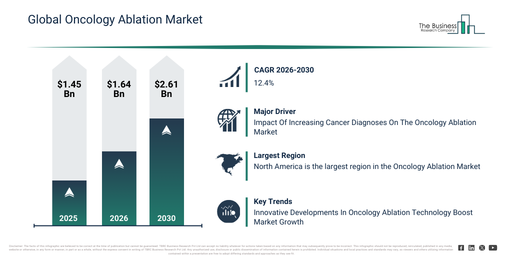
    The oncology ablation market has experienced rapid expansion in recent years. This market is projected to expand from $1.45 billion in 2025 to $1.64 billion in 2026, exhibiting a compound annual growth rate (CAGR) of 12.5%. The historical growth in this sector is primarily driven by factors such as the increasing incidence of liver, kidney, and lung cancers, a rising preference for minimally invasive treatment options, the increasing availability of sophisticated imaging technologies, the proliferation of hospitals and specialized oncology centers, and heightened recognition of ablation as a viable alternative to surgical procedures.

    The oncology ablation market is projected to experience substantial expansion in the coming years, reaching a valuation of $2.61 billion by 2030, exhibiting a compound annual growth rate (CAGR) of 12.4%. This anticipated growth during the forecast period is driven by several factors, including the development of targeted and individualized ablation treatments, a rise in the use of percutaneous and laparoscopic ablation methods, ongoing technological improvements in ablation devices, the proliferation of oncology treatment centers in developing areas, and the increased incorporation of digital systems for patient management and oversight. Key trends expected within this period encompass the greater embrace of digital platforms for overseeing oncology ablation procedures, the growing incorporation of AI and machine learning into tumor detection and treatment planning, the expanding application of precision medicine and genomic profiling in ablation treatments, increasing automation in both ablation instruments and surgical tools, and enhanced IoT-powered monitoring of ablation devices and patient results.

    Get A Free Sample Report With In-Depth Market Insights:

    https://thebusinessresearchcompany.com/sample_request?id=69494903&type=smp&name=Oncology%20Ablation%20Market%20Report%202026&utm_source=Blogs&utm_medium=Paid&utm_campaign=Nov_PR

    Oncology Ablation Market Growth Catalysts And Demand Drivers

    The increasing prevalence of cancer diagnoses is anticipated to drive the expansion of the oncology ablation market moving forward. Cancer diagnosis involves the identification and confirmation of cancer through various medical assessments, imaging techniques, and detailed pathological examinations of tissue samples. The rise in cancer diagnoses can be attributed to several factors, including an aging global populace, enhanced screening initiatives, heightened public awareness leading to earlier detection, and environmental influences. Oncology ablation serves as a treatment for tumors identified through these diagnoses, providing minimally invasive approaches to destroy malignancies and improve patient outcomes. Therefore, the growing number of cancer diagnoses is set to be a significant driver for the oncology ablation market.

    Oncology Ablation Market Segment Performance And Emerging Opportunities

    The oncology ablation market covered in this report is segmented –

    1) By Technology: Radiofrequency Ablation, Microwave Ablation, Cryoablation, Irreversible Electroporation Ablation

    2) By Treatment: Surgical Ablation, Laparoscopic Ablation, Percutaneous Ablation

    3) By Application: Kidney Cancer, Liver Cancer, Breast Cancer, Lung Cancer, Prostate Cancer

    Subsegments:

    1) By Radiofrequency Ablation: Monopolar Radiofrequency Ablation, Bipolar Radiofrequency Ablation

    2) By Microwave Ablation: Single-Probe Microwave Ablation, Multi-Probe Microwave Ablation

    3) By Cryoablation: Cryo-Needle Ablation, Cryo-Generator System Ablation

    4) By Irreversible Electroporation Ablation: Transurethral IRE, Transperineal IRE, Percutaneous IRE

    Oncology Ablation Market Trends Shaping Long-Term Demand

    Major companies in the oncology ablation market are developing innovative products such as advanced ablation systems that offer improved precision, integrated imaging technologies for real-time guidance, and enhanced safety features. Advanced ablation systems with improved precision are medical devices that utilize sophisticated technology to precisely target and eliminate abnormal tissue, such as tumors, while minimizing damage to surrounding healthy tissue.

    Oncology Ablation Market Key Players: Which Companies Lead Industry Competition?

    Major companies operating in the oncology ablation market are Medtronic plc, Boston Scientific Corporation, AngioDynamics Inc, EDAP TMS S.A., Merit Medical Systems Inc, Misonix Inc, BSD Medical Corporation, Sonacare Medical, Chongqing Haifu Medical Technology Co Ltd, HealthTronics Inc, Galil Medical Inc, SonaCare Medical LLC, BVM Medical Ltd, BTG International Ltd, Mermaid Medical, HistoSonics Inc, Medigus Ltd, Miramar Labs Inc, KLS Martin Group, Endocare Inc, InnovaCore Inc, IceCure Medical Inc, RF Medical Co Ltd, CSA Medical Inc

    View The Full Oncology Ablation Market Report:

    https://thebusinessresearchcompany.com/report/oncology-ablation-global-market-report?utm_source=Blogs&utm_medium=Paid&utm_campaign=Nov_PR

    Oncology Ablation Market Regional Analysis: Which Geography Leads On Revenue?

    North America was the largest region in the oncology ablation market in 2025. Asia-Pacific is expected to be the fastest-growing region in the forecast period. The regions covered in the oncology ablation market report are Asia-Pacific, South East Asia, Western Europe, Eastern Europe, North America, South America, Middle East, Africa.

    Reach Out To Our Team:

    The Business Research Company: https://www.thebusinessresearchcompany.com/

    Americas: +1 310-496-7795

    Asia: +44 7882 955267 & +91 8897263534

    Europe: +44 7882 955267

    Email us at: marketing@tbrc.info

    Follow us on:

    LinkedIn: https://in.linkedin.com/company/the-business-research-company

    YouTube: https://www.youtube.com/channel/UC24_fI0rV8cR5DxlCpgmyFQ

    Global Market Model: https://www.thebusinessresearchcompany.com/global-market-model
  • Oncologists Market Forecast To Reach $25.07 Billion By 2030: Key Trends Explained

    Oncologists Market Forecast To Reach $25.07 Billion By 2030: Key Trends Explained

    Built to provide research that’s more actionable and strategically valuable, The Business Research Company’s 2026 market reports include market attractiveness analysis, total addressable market sizing, company benchmarking matrices, interactive Excel dashboards, broader supply chain intelligence, emerging startup tracking, and in-depth product insights.

    Oncologists Market Expansion Outlook: What Revenue Opportunities Are Ahead?

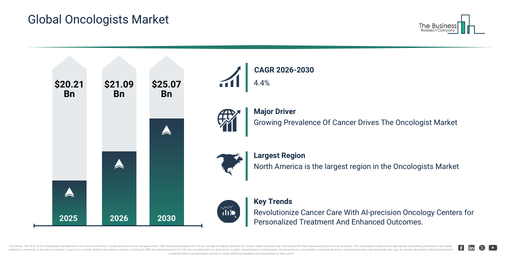
    The oncologists market has experienced consistent growth over recent years. The market is expected to increase from $20.21 billion in 2025 to $21.09 billion in 2026, with a compound annual growth rate (CAGR) of 4.4%. During the historical period, this growth resulted from factors such as the increasing incidence of cancer globally, a growing demand for specialized oncology care, the expansion of hospital and clinic networks, advancements in diagnostic imaging technologies, and increasing awareness of early cancer detection.

    The oncologists market is anticipated to experience consistent expansion in the coming years, projected to reach $25.07 billion by 2030, demonstrating a compound annual growth rate (CAGR) of 4.4%. This growth during the forecast timeframe is attributable to several factors, including the proliferation of personalized and targeted cancer therapies, the adoption of digital solutions for oncology management, technological advancements in immunotherapy and targeted therapy, the expansion of oncology centers in developing markets, and the expanding application of genomics and molecular diagnostics in designing treatment plans. Key trends anticipated in the forecast period encompass the growing embrace of digital oncology platforms for patient care, the increasing incorporation of AI and machine learning into cancer diagnosis, the expanded use of precision medicine and genomic profiling for customized cancer treatment, the surge in automation for chemotherapy compounding and drug administration, and the enhanced IoT-driven monitoring of oncology equipment and patient information.

    Get A Free Sample Report With In-Depth Market Insights:

    https://thebusinessresearchcompany.com/sample_request?id=64311704&type=smp&name=Oncologists%20Market%20Report%202026&utm_source=Blogs&utm_medium=Paid&utm_campaign=Nov_PR

    Oncologists Market Opportunity Drivers: What’s Unlocking New Revenue Potential?

    The expanding incidence of cancer is poised to fuel the oncologists market moving forward. Cancer is defined as a disease where specific body cells grow uncontrollably and disseminate to other regions. The prevalence of cancer refers to the count of new cancer occurrences observed in a given population over a set timeframe. Oncologists are medical specialists dedicated to the detection and management of cancer, performing tasks such as patient assessment, cancer identification, and outlining therapeutic options. Therefore, the increasing prevalence of cancer is a significant impetus for the oncologists market.

    Oncologists Market Segment Landscape And Growth Outlook

    The oncologists market covered in this report is segmented –

    1) By Cancer Diagnostics And Treatment: Cancer Diagnostics, Cancer Treatment

    2) By Indication: Lungs Cancer, Colorectal Cancer, Breast Cancer, Liver Cancer, Bladder Cancer, Head And Neck Cancer, Prostate Cancer, Other Indications

    3) By End Use: Hospitals, Diagnostic Laboratories, Diagnostic Imaging Centers, Specialty Clinics, Academia, Other End Uses

    Subsegments:

    1) By Cancer Diagnostics: Imaging Tests, Biopsy, Blood Tests, Molecular Diagnostics, Genetic Testing

    2) By Cancer Treatment: Chemotherapy, Radiation Therapy, Immunotherapy, Targeted Therapy, Hormone Therapy, Stem Cell Transplant

    Oncologists Market Innovation Trends Shaping Future Development

    Key players within the oncologists market are concentrating on developing AI-precision oncology centers to advance personalized cancer treatment, elevate diagnostic precision, and refine treatment strategies based on specific patient data and tumor characteristics. AI-precision oncology centers are defined as specialized medical facilities that harness artificial intelligence (AI) and machine learning technologies to deliver highly individualized cancer care.

    Oncologists Market Competitive Landscape: Who Leads The Industry?

    Major companies operating in the oncologists market are Abramson Cancer Center, MD Anderson Cancer Center of the University of Texas, Lilavati Hospital & Research Centre, Mount Elizabeth Hospital, Mount Miriam Cancer Hospital, Charité – Universitätsmedizin Berlin, General Electric Healthcare, F. Hoffmann-La Roche AG, Pfizer Inc., Bayer AG, Merck & Co. Inc., AbbVie Inc., Amgen Inc., Takeda Pharmaceuticals USA Inc., Becton Dickinson and Company, Cook Medical LLC, Terumo Corporation, AngioDynamics Inc., Thermo Fisher Scientific Inc., Illumina Inc., Bristol-Myers Squibb Company, AstraZeneca plc, Novartis AG, Eli Lilly and Company, Gilead Sciences Inc., Regeneron Pharmaceuticals Inc., Incyte Corporation, Seattle Genetics Inc.

    View The Full Oncologists Market Report:

    https://thebusinessresearchcompany.com/report/oncologists-global-market-report?utm_source=Blogs&utm_medium=Paid&utm_campaign=Nov_PR

    Oncologists Market Geographic Spread And Regional Opportunities

    North America was the largest region in the oncologists market in 2025. The regions covered in the oncologists market report are Asia-Pacific, South East Asia, Western Europe, Eastern Europe, North America, South America, Middle East, Africa.

    Reach Out To Our Team:

    The Business Research Company: https://www.thebusinessresearchcompany.com/

    Americas: +1 310-496-7795

    Asia: +44 7882 955267 & +91 8897263534

    Europe: +44 7882 955267

    Email us at: marketing@tbrc.info

    Follow us on:

    LinkedIn: https://in.linkedin.com/company/the-business-research-company

    YouTube: https://www.youtube.com/channel/UC24_fI0rV8cR5DxlCpgmyFQ

    Global Market Model: https://www.thebusinessresearchcompany.com/global-market-model
  • Omics-Based Clinical Trials Market Analysis: Understanding The Drivers Behind 8.5% CAGR Through 2030 Growth

    Omics-Based Clinical Trials Market Analysis: Understanding The Drivers Behind 8.5% CAGR Through 2030 Growth

    Backed by market attractiveness analysis, total addressable market sizing, company benchmarking matrices, interactive Excel dashboards, wider supply chain intelligence, emerging startup coverage, and detailed product-level insights, The Business Research Company’s 2026 market reports are designed to offer research that is more actionable and strategically valuable than ever.

    Omics-Based Clinical Trials Market Growth Potential: How Will Market Size Shift Through 2030?

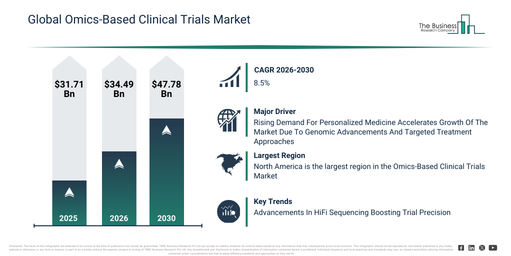
    The omics-based clinical trials market size has experienced significant expansion in recent years. It is projected to expand from $31.71 billion in 2025 to $34.49 billion in 2026, demonstrating a compound annual growth rate (CAGR) of 8.8%. The growth observed in the past can be ascribed to several factors, including the increasing complexity of clinical trial designs, advancements in genomic and proteomic research, a rising demand for personalized therapies, the expansion of clinical research infrastructure, and enhanced collaboration between pharmaceutical and academic institutions.

    The omics-based clinical trials market is projected to experience substantial expansion over the upcoming years. By 2030, its value is anticipated to reach $47.78 billion, demonstrating a compound annual growth rate (CAGR) of 8.5%. This growth during the forecast period can be primarily ascribed to the wider acceptance of precision medicine strategies, increased capital directed towards data-centric clinical trials, the broader implementation of AI for patient recruitment, expanding regulatory approval for omics-based endpoints, and a heightened need for effective trial results. Key trends expected throughout this period encompass a greater embrace of biomarker-guided trial designs, an increase in employing multi-omics for patient stratification, the expanding incorporation of real-world evidence analytics, the enlargement of precision oncology clinical trials, and a sharpened emphasis on optimizing trials through data.

    Get A Free Sample Report With In-Depth Market Insights:

    https://thebusinessresearchcompany.com/sample_request?id=52392377&type=smp&name=Omics-Based%20Clinical%20Trials%20Market%20Report%202026&utm_source=Blogs&utm_medium=Paid&utm_campaign=Nov_PR

    Omics-Based Clinical Trials Market Growth Momentum: What Factors Are Shaping Demand?

    The projected expansion of the omics-based clinical trials market is anticipated to be fueled by the growing requirement for personalized medicine. Personalized medicine, by definition, is a medical strategy that adapts disease prevention, diagnosis, and treatment to the unique traits of each patient. The escalating need for personalized medicine stems from advancements in genomic technologies, which facilitate quicker, more economical analysis of individual genetic profiles to inform specific treatments. Omics-based clinical trials play a crucial role in supporting personalized medicine through the identification of individual genetic, proteomic, and metabolic profiles, thus enabling the development of more precise and efficacious treatment strategies customized for each patient. Consequently, the rising demand for personalized medicine is acting as a key driver for the expansion of the omics-based clinical trials market.

    Omics-Based Clinical Trials Market Breakdown By Product Type And Application

    The omics-based clinical trials market covered in this report is segmented –

    1) By Type: Genomics, Proteomics, Metabolomics, Transcriptomics

    2) By Phase: Phase I, Phase II, Phase III, Phase IV

    3) By Study Design: Interventional Studies, Observational Studies, Expanded Access Studies

    4) By Application: Oncology, Cardiovascular, Neurology, Infectious Diseases, Metabolic Disorders

    5) By End-User: Pharmaceutical And Biotechnology Companies, Academic And Research Institutes, Contract Research Organizations (CROs), Hospitals And Diagnostic Laboratories

    Subsegments:

    1) By Genomics: Whole Genome Sequencing, Whole Exome Sequencing, Targeted Gene Sequencing

    2) By Proteomics: Protein Expression Profiling, Post-Translational Modifications Analysis, Protein-Protein Interaction Mapping

    3) By Metabolomics: Targeted Metabolomics, Untargeted Metabolomics, Metabolic Flux Analysis

    4) By Transcriptomics: Microarray Analysis, Single-Cell Transcriptomics, Gene Expression Profiling

    Omics-Based Clinical Trials Market Trends Redefining Industry Growth

    Leading companies in the omics-based clinical trials market are increasingly adopting innovative solutions, such as HiFi sequencing technology, to enhance the accuracy, speed, and depth of multi-omics data analysis, which ultimately improves trial outcomes and personalized treatment strategies. HiFi sequencing itself is a next-generation sequencing (NGS) technology that generates long, highly accurate reads using circular consensus sequencing (CCS), facilitating comprehensive and precise analysis of genomes, transcriptomes, and epigenomes.

    Omics-Based Clinical Trials Market Company Landscape And Competitive Strategy

    Major companies operating in the omics-based clinical trials market are Pfizer Inc., F. Hoffmann-La Roche Ltd., Thermo Fisher Scientific Inc., GlaxoSmithKline Plc, Eli Lilly and Company, Novo Nordisk A/S, BioNTech SE, IQVIA Inc., Laboratory Corporation of America Holdings, ICON Public Limited Company, SGS Société Générale de Surveillance SA, Eurofins Scientific SE, Syneos Health Inc., Illumina Inc., Charles River Laboratories International Inc., Parexel International Corporation, Bruker Corporation, Fulgent Genetics Inc., Signios Biosciences, BioAro Inc.

    View The Full Omics-Based Clinical Trials Market Report:

    https://thebusinessresearchcompany.com/report/omics-based-clinical-trials-global-market-report?utm_source=Blogs&utm_medium=Paid&utm_campaign=Nov_PR

    Omics-Based Clinical Trials Market Top Region By Revenue And Market Share

    North America was the largest region in the omics-based clinical trials market in 2025. Asia-Pacific is expected to be the fastest-growing region in the forecast period. The regions covered in the omics-based clinical trials market report are Asia-Pacific, South East Asia, Western Europe, Eastern Europe, North America, South America, Middle East, Africa.

    Reach Out To Our Team:

    The Business Research Company: https://www.thebusinessresearchcompany.com/

    Americas: +1 310-496-7795

    Asia: +44 7882 955267 & +91 8897263534

    Europe: +44 7882 955267

    Email us at: marketing@tbrc.info

    Follow us on:

    LinkedIn: https://in.linkedin.com/company/the-business-research-company

    YouTube: https://www.youtube.com/channel/UC24_fI0rV8cR5DxlCpgmyFQ

    Global Market Model: https://www.thebusinessresearchcompany.com/global-market-model
  • Omics Lab Services Market Growth To $224.14 Billion By 2030: What’s Driving The Expansion?

    Omics Lab Services Market Growth To $224.14 Billion By 2030: What’s Driving The Expansion?

    Featuring market attractiveness scoring, total addressable market sizing, company benchmarking matrices, interactive Excel dashboards, deeper supply chain intelligence, emerging startup tracking, and granular product-level insights, The Business Research Company’s 2026 market reports are built to deliver research that is both more actionable and more strategically valuable.

    Omics Lab Services Market Value Analysis: What Growth Lies Ahead Over The Forecast Period?

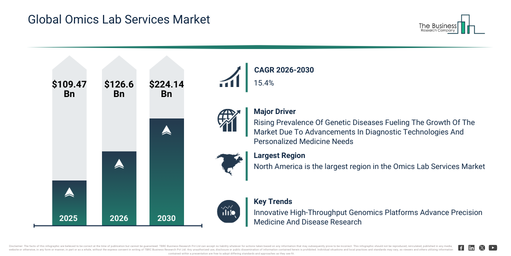
    The omics lab services market size has seen rapid expansion in recent years. It is projected to increase from $109.47 billion in 2025 to $126.6 billion in 2026, exhibiting a compound annual growth rate (CAGR) of 15.7%. The growth observed in the past can be attributed to several factors including the expansion of life sciences research activities, growth of pharmaceutical r&d pipelines, increasing availability of omics technologies, rising outsourcing of laboratory services, and the expansion of academic and clinical research collaborations.

    The omics lab services market is anticipated to experience substantial expansion in the coming years, with its size projected to reach $224.14 billion by 2030, exhibiting a compound annual growth rate (CAGR) of 15.4%. This upward trajectory in the forecast period can be primarily ascribed to the increasing integration of personalized medicine research, growing financial commitments to systems biology, the wider availability of AI-enabled bioinformatics tools, a heightened demand for comprehensive omics solutions, and a stronger emphasis on data-driven drug discovery initiatives. Prominent developments expected during this timeframe include a surging requirement for integrated multi-omics analysis, the increasing engagement of contract research services, the broadened application of bioinformatics in data interpretation, a rise in the deployment of high-throughput analytical platforms, and a more pronounced focus on supporting translational research.

    Get A Free Sample Report With In-Depth Market Insights:

    https://thebusinessresearchcompany.com/sample_request?id=28284&type=smp&name=Omics%20Lab%20Services%20Market%20Report%202026&utm_source=Blogs&utm_medium=Paid&utm_campaign=Nov_PR

    Omics Lab Services Market Expansion Drivers: What’s Shaping Future Growth?

    The increasing occurrence of genetic diseases is anticipated to drive the expansion of the omics lab services market in the future. Genetic diseases are conditions resulting from anomalies or mutations in an individual’s DNA, which can be either inherited or develop spontaneously. The rise in genetic disease prevalence is attributed to advancements in diagnostic technologies, particularly next-generation sequencing and other genomic tools, significantly enhancing the capability to detect and identify a broad spectrum of genetic disorders that previously remained undiagnosed or were misclassified. Omics lab services assist in addressing genetic diseases by analyzing complex biological data to identify mutations and molecular alterations, thereby enabling early diagnosis and personalized treatment. Hence, the increasing prevalence of genetic diseases is propelling the growth of the omics lab services market.

    Omics Lab Services Market Segment Analysis And Revenue Potential

    The omics lab services market covered in this report is segmented –

    1) By Type Of Omics Services: Genomics, Transcriptomics, Proteomics, Metabolomics, Epigenomics

    2) By Service Model: Contract Services, In-House Services, Consultative Services, Collaborative Research, Custom Solutions

    3) By Technology Platform: Next-Generation Sequencing (NGS), Microarray Technology, Mass Spectrometry, Chromatography, Bioinformatics Tools

    4) By Application: Drug Discovery, Diagnostics, Personalized Medicine, Other Applications

    5) By End Users: Research Institutions, Pharmaceutical Companies, Biotechnology Firms, Academic Institutions, Clinical Laboratories

    Subsegments:

    1) By Genomics: Whole Genome Sequencing, Whole Exome Sequencing, Targeted Gene Sequencing, Single-Cell Genomics, Comparative Genomic Hybridization

    2) By Transcriptomics: Messenger Ribonucleic Acid (RNA) Sequencing, Non-Coding Ribonucleic Acid (RNA) Sequencing, Expression Profiling, Ribonucleic Acid (RNA) Microarrays, Single-Cell Transcriptomics

    3) By Proteomics: Protein Identification, Protein Quantification, Post-Translational Modifications Analysis, Protein-Protein Interaction Mapping, Structural Proteomics

    4) By Metabolomics: Targeted Metabolomics, Untargeted Metabolomics, Lipidomics, Fluxomics, Metabolic Fingerprinting

    5) By Epigenomics: Deoxyribonucleic Acid (DNA) Methylation Analysis, Histone Modification Profiling, Chromatin Accessibility Assays, Chromatin Immunoprecipitation Sequencing, Non-Coding Ribonucleic Acid (RNA) Epigenetic Regulation

    Omics Lab Services Market Strategic Trends: What Defines The Next Growth Phase?

    Leading companies in the omics lab services market are prioritizing the development of innovative solutions, such as high-throughput genomics, to advance biomedical research and precision medicine. High-throughput genomics involves leveraging advanced technologies to quickly sequence and analyze large quantities of DNA or RNA, thereby enabling efficient, large-scale genetic studies.

    Omics Lab Services Market Key Players Shaping Industry Direction

    Major companies operating in the omics lab services market are Thermo Fisher Scientific Inc., Eurofins Scientific SE, Agilent Technologies Inc., Illumina Inc., Revvity Inc., QIAGEN N.V., Novogene Co. Ltd., Oxford Nanopore Technologies plc, Pacific Biosciences of California Inc., Macrogen Inc., MedGenome Labs Ltd., Metabolon Inc., Zymo Research Corporation, CD Genomics, BaseClear B.V., Strand Life Sciences Pvt. Ltd., Sengenics Corporation Pte Ltd., Psomagen Inc., Biocrates Life Sciences AG, Creative Proteomics

    View The Full Omics Lab Services Market Report:

    https://thebusinessresearchcompany.com/report/omics-lab-services-global-market-report?utm_source=Blogs&utm_medium=Paid&utm_campaign=Nov_PR

    Omics Lab Services Market Regional Analysis And Top Geography

    North America was the largest region in the omics lab services market in 2025. Asia-Pacific is expected to be the fastest-growing region in the forecast period. The regions covered in the omics lab services market report are Asia-Pacific, South East Asia, Western Europe, Eastern Europe, North America, South America, Middle East, Africa.

    Reach Out To Our Team:

    The Business Research Company: https://www.thebusinessresearchcompany.com/

    Americas: +1 310-496-7795

    Asia: +44 7882 955267 & +91 8897263534

    Europe: +44 7882 955267

    Email us at: marketing@tbrc.info

    Follow us on:

    LinkedIn: https://in.linkedin.com/company/the-business-research-company

    YouTube: https://www.youtube.com/channel/UC24_fI0rV8cR5DxlCpgmyFQ

    Global Market Model: https://www.thebusinessresearchcompany.com/global-market-model
  • Omeprazole Market Trends Reshaping Industry Growth Through 2030

    Omeprazole Market Trends Reshaping Industry Growth Through 2030

    Built to provide research that’s more actionable and strategically valuable, The Business Research Company’s 2026 market reports include market attractiveness analysis, total addressable market sizing, company benchmarking matrices, interactive Excel dashboards, broader supply chain intelligence, emerging startup tracking, and in-depth product insights.

    Omeprazole Market Size Forecast: How Big Could The Market Get By 2030?

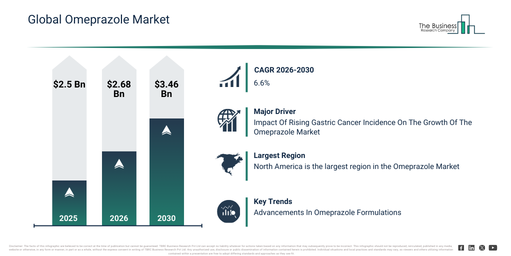
    The omeprazole market has shown robust growth over recent years. The market is forecast to expand, increasing from $2.5 billion in 2025 to $2.68 billion in 2026, with a compound annual growth rate (CAGR) of 7.3%. Historically, this expansion has been driven by several factors, including the increasing prevalence of gastric and duodenal ulcers, rising cases of gastroesophageal reflux disease (gerd), growing awareness of proton pump inhibitors, limited availability of alternative therapies, and the expansion of hospital and retail pharmacy networks.

    The omeprazole market is projected to experience robust expansion over the coming years, reaching a valuation of $3.46 billion by 2030, propelled by a compound annual growth rate (CAGR) of 6.6%. This anticipated growth during the forecast period is primarily driven by factors such as an increasing need for tailored gastric treatments, the expansion of online pharmacy platforms, innovations in drug delivery technologies, the wider acceptance of omeprazole for both pediatric and elderly patients, and the scaling up of pharmaceutical production in developing markets. Key trends shaping this period encompass the growing embrace of digital health systems for managing prescriptions, the incorporation of AI into drug development and individualized treatment, the evolution of precision medicine strategies for digestive tract conditions, heightened automation in drug manufacturing and quality assurance, and IoT-driven surveillance of drug storage and distribution.

    Get A Free Sample Report With In-Depth Market Insights:

    https://thebusinessresearchcompany.com/sample_request?id=65958863&type=smp&name=Omeprazole%20Market%20Report%202026&utm_source=Blogs&utm_medium=Paid&utm_campaign=Nov_PR

    Omeprazole Market Development Factors: What’s Supporting Demand?

    A rise in gastric cancer cases is anticipated to drive the future expansion of the omeprazole market. These cancers are defined as malignant growths developing in the stomach’s inner lining. The growing occurrence of gastric cancers stems from factors such as prolonged Helicobacter pylori infection, substantial alcohol intake, inherited genetic susceptibility, persistent gastritis, excess body weight, and differences in prevalence across regions. Omeprazole, classified as a proton pump inhibitor, contributes to the management of gastric cancers by decreasing the production of stomach acid, thereby easing symptoms, enhancing patient quality of life, and aiding in the recovery of stomach lining ulcers or lesions. As an illustration, in January 2025, data from the American Cancer Society (ACS), a US-based health organization, revealed approximately 30,300 new instances of gastric cancer, with men accounting for 17,720 cases against 12,580 in women, demonstrating a higher frequency among men. Likewise, out of roughly 10,780 fatalities attributed to this cancer, 6,400 were men and 4,380 were women, indicating a greater mortality impact on the male population. Consequently, the rising rate of gastric cancers is a key driver for the omeprazole market.

    Omeprazole Market Segmentation And Category Overview

    The omeprazole market covered in this report is segmented –

    1) By Dosage Form: Capsule, Powder, Tablet

    2) By Indication: Duodenal Ulcer, Gastric Ulcer, Gastroesophageal Reflux Disease, Erosive Esophagitis, Other Indications

    3) By Distribution Channel: Hospital Pharmacies, Retail Pharmacies, Online Pharmacies

    Subsegments:

    1) By Capsule: Delayed-Release Capsules, Immediate-Release Capsules

    2) By Powder: Oral Suspension Powder, Injectable Powder

    3) By Tablet: Delayed-Release Tablets, Immediate-Release Tablets

    Omeprazole Market Transformation Trends: What Innovations Are Driving Change?

    Leading companies in the omeprazole market are developing ready-to-use liquid formulations to improve patient convenience and compliance, particularly for individuals who struggle with swallowing tablets or capsules. These liquid omeprazole preparations help enhance patient adherence, boost convenience, ensure accurate dosing, provide a faster onset of action, and guarantee better medication stability.

    Omeprazole Market Competitive Analysis Of Leading Industry Participants

    Major companies operating in the omeprazole market are Pfizer Inc., AstraZeneca plc, Viatris Inc., Teva Pharmaceutical Industries Ltd., Sandoz Group AG, Macleods Pharmaceuticals Pvt Ltd., Perrigo Company plc, Sun Pharmaceutical Industries Ltd., Intas Pharmaceuticals Ltd., Aurobindo Pharma, Dr. Reddy’s Laboratories, Cipla, Apotex Inc., Amneal Pharmaceuticals, Lupin Limited, Glenmark Pharmaceuticals Ltd., Alkem Laboratories Ltd., Torrent Pharmaceuticals, Jubilant Generics Limited, Accord Healthcare, Hetero Healthcare Limited, Zydus Cadila, Ranbaxy Laboratories Limited

    View The Full Omeprazole Market Report:

    https://thebusinessresearchcompany.com/report/omeprazole-global-market-report?utm_source=Blogs&utm_medium=Paid&utm_campaign=Nov_PR

    Omeprazole Market Geographic Analysis: Where Is Demand Rising Fastest?

    North America was the largest region in the omeprazole market in 2025. The regions covered in the omeprazole market report are Asia-Pacific, South East Asia, Western Europe, Eastern Europe, North America, South America, Middle East, Africa.

    Reach Out To Our Team:

    The Business Research Company: https://www.thebusinessresearchcompany.com/

    Americas: +1 310-496-7795

    Asia: +44 7882 955267 & +91 8897263534

    Europe: +44 7882 955267

    Email us at: marketing@tbrc.info

    Follow us on:

    LinkedIn: https://in.linkedin.com/company/the-business-research-company

    YouTube: https://www.youtube.com/channel/UC24_fI0rV8cR5DxlCpgmyFQ

    Global Market Model: https://www.thebusinessresearchcompany.com/global-market-model
  • Oligonucleotide Synthesis Market Growth To $26.08 Billion Creates New Opportunities Across The Industry

    Oligonucleotide Synthesis Market Growth To $26.08 Billion Creates New Opportunities Across The Industry

    Backed by market attractiveness analysis, total addressable market sizing, company benchmarking matrices, interactive Excel dashboards, wider supply chain intelligence, emerging startup coverage, and detailed product-level insights, The Business Research Company’s 2026 market reports are designed to offer research that is more actionable and strategically valuable than ever.

    Oligonucleotide Synthesis Market Revenue Outlook: What CAGR Lies Ahead Through 2030?

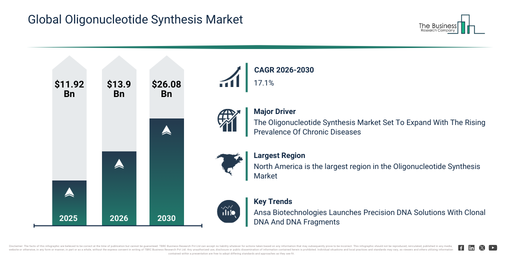
    The oligonucleotide synthesis market has demonstrated rapid expansion in recent years. It is projected to increase from $11.92 billion in 2025 to $13.9 billion in 2026, exhibiting a compound annual growth rate (CAGR) of 16.6%. The expansion observed historically can be ascribed to several factors, including the high cost of synthesis equipment, limited availability of custom oligos, dependency on manual synthesis processes, low awareness among researchers, and lengthy production timelines.

    The oligonucleotide synthesis market is projected to experience substantial growth in the coming years. It is expected to reach $26.08 billion by 2030, demonstrating a compound annual growth rate (CAGR) of 17.1%. This projected expansion is primarily driven by an increasing demand from therapeutic and diagnostic applications, the rising adoption of automated synthesis platforms, ongoing advancements in gene therapy research, increased investment in biotechnology research, and the global expansion of oligo-based research and diagnostics. Significant trends during the forecast period include innovations in gene editing and personalized medicine, the integration of cloud-based data management platforms, the application of AI for sequence optimization and design, further automation in oligonucleotide synthesis processes, and IoT-enabled equipment monitoring and process tracking.

    Get A Free Sample Report With In-Depth Market Insights:

    https://thebusinessresearchcompany.com/sample_request?id=28514108&type=smp&name=Oligonucleotide%20Synthesis%20Market%20Report%202026&utm_source=Blogs&utm_medium=Paid&utm_campaign=Nov_PR

    Oligonucleotide Synthesis Market Industry Drivers: What’s Behind The Revenue Growth?

    The escalating incidence of chronic diseases is projected to drive the expansion of the oligonucleotide synthesis market moving forward. Chronic diseases are defined as conditions lasting a year or more that require continuous medical attention and may progressively worsen. Oligonucleotides function by influencing gene expression responsible for chronic diseases through various mechanisms. They have the ability to target mRNA, pre-mRNA, or non-coding RNA to modify splicing events, induce degradation, or obstruct protein translation. Therefore, the increasing prevalence of chronic and rare diseases is stimulating the growth of the oligonucleotide synthesis market.

    Oligonucleotide Synthesis Market Segment Outlook: Which Categories Are Growing Fastest?

    The oligonucleotide synthesis market covered in this report is segmented –

    1) By Type: Custom Oligos, Predesigned Oligos

    2) By Solution Type: Oligonucleotides, Reagents, Equipment, Services, Purification, Modification

    3) By Application: Therapeutic Applications, Research Applications, Diagnostic Applications

    Subsegments:

    1) By Custom Oligos: Long Oligonucleotides, Short Oligonucleotides, Modified Oligonucleotides

    2) By Predesigned Oligos: Gene-Specific Oligos, Probe Oligos, Primers For PCR And RT-PCR

    #Oligonucleotide Synthesis Market Growth Trends: What’s Shaping The Future Outlook?

    Leading companies in the oligonucleotide synthesis market are concentrating on developing innovative DNA products aimed at improving sequence accuracy, streamlining workflows, and supporting advanced research applications.

    Oligonucleotide Synthesis Market Leading Companies And Competitive Benchmarking

    Major companies operating in the oligonucleotide synthesis market are Thermo Fisher Scientific Inc., Danaher Corporation, Merck KGaA, GE HealthCare Technologies Inc., Eurofins Scientific SE, Agilent Technologies Inc., Nitto Denko Avecia Inc., Alnylam Pharmaceuticals Inc., Maravai Life Sciences, LGC Limited, Ionis Pharmaceuticals Inc., GenScript Inc., Ajinomoto Bio-Pharma Services, Sarepta Therapeutics Inc., Integrated DNA Technologies Inc., Twist Bioscience Corporation, Eurogentec SA, Kaneka Eurogentec S.A., Biocomma Limited, Bio-Synthesis Inc., TriLink BioTechnologies Incorporated, Generi Biotech s.r.o., ATDBio Ltd., BioAutomation Corporation, Biolegio B.V., Dharmacon Research Inc.

    View The Full Oligonucleotide Synthesis Market Report:

    https://thebusinessresearchcompany.com/report/oligonucleotide-synthesis-global-market-report?utm_source=Blogs&utm_medium=Paid&utm_campaign=Nov_PR

    Oligonucleotide Synthesis Market Global Footprint: Which Region Leads The Market?

    North America was the largest region in the oligonucleotide synthesis market in 2025. Asia-Pacific is expected to be the fastest-growing region in the forecast period. The regions covered in the oligonucleotide synthesis market report are Asia-Pacific, South East Asia, Western Europe, Eastern Europe, North America, South America, Middle East, Africa.

    Reach Out To Our Team:

    The Business Research Company: https://www.thebusinessresearchcompany.com/

    Americas: +1 310-496-7795

    Asia: +44 7882 955267 & +91 8897263534

    Europe: +44 7882 955267

    Email us at: marketing@tbrc.info

    Follow us on:

    LinkedIn: https://in.linkedin.com/company/the-business-research-company

    YouTube: https://www.youtube.com/channel/UC24_fI0rV8cR5DxlCpgmyFQ

    Global Market Model: https://www.thebusinessresearchcompany.com/global-market-model
  • Offsite Sterilization Service Market Forecast: Breaking Down The Numbers Behind Future Expansion

    Offsite Sterilization Service Market Forecast: Breaking Down The Numbers Behind Future Expansion

    Featuring market attractiveness scoring, total addressable market sizing, company benchmarking matrices, interactive Excel dashboards, deeper supply chain intelligence, emerging startup tracking, and granular product-level insights, The Business Research Company’s 2026 market reports are built to deliver research that is both more actionable and more strategically valuable.

    Offsite Sterilization Service Market Growth Analysis: How Will Revenue Trend Over The Forecast Period?

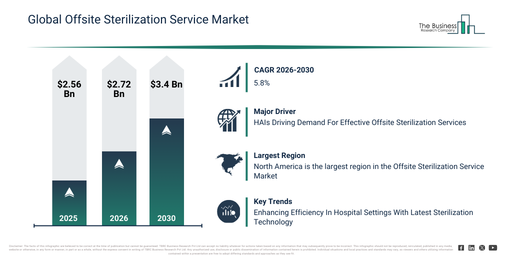
    The offsite sterilization service market has shown significant expansion in recent years. This market is anticipated to increase from $2.56 billion in 2025 to $2.72 billion in 2026, progressing at a compound annual growth rate (CAGR) of 6.0%. Historically, this growth can be linked to factors such as the restricted availability of offsite sterilization facilities, a reliance on in-house sterilization methods, limited understanding of contract sterilization services, the high capital cost associated with sterilization equipment, and a lack of consistent validation protocols.

    The offsite sterilization service market is poised for significant expansion over the forthcoming years. It is predicted to reach a valuation of $3.4 billion by 2030, demonstrating a compound annual growth rate (CAGR) of 5.8%. This anticipated growth during the forecast period can be attributed to factors such as the increasing outsourcing of sterilization functions, a heightened demand from medical device and pharmaceutical enterprises, an escalating regulatory focus on process validation, continuous technological advancements in sterilization techniques, and the broadening networks of hospitals and clinics. Prominent trends throughout this period will involve the increased adoption of cloud-based systems for tracking sterilization, the integration of IoT-enabled equipment for monitoring, a rise in the application of AI and automation for process optimization, a burgeoning demand for sterilization services within the biotechnology and pharmaceutical sectors, and improved data analytics to support regulatory compliance and validate processes.

    Get A Free Sample Report With In-Depth Market Insights:

    https://thebusinessresearchcompany.com/sample_request?id=24850105&type=smp&name=Offsite%20Sterilization%20Service%20Market%20Report%202026&utm_source=Blogs&utm_medium=Paid&utm_campaign=Nov_PR

    Offsite Sterilization Service Market Growth Factors: What’s Supporting Expansion?

    The increasing prevalence of hospital-acquired infections (HAIs) is anticipated to propel the expansion of the offsite sterilization service market in the future. Hospital-acquired infections are defined as those contracted by patients during healthcare treatment in a hospital or other medical facility. Offsite sterilization service strategies are designed to address HAIs by implementing various measures to minimize infection risk and enhance patient safety. Therefore, the escalating occurrence of hospital-acquired infections (HAIs) is a key driver for the growth of the offsite sterilization service market.

    Offsite Sterilization Service Market Segment Landscape: Which Areas Lead Development?

    The offsite sterilization service market covered in this report is segmented –

    1) By Type: Contract Sterilization Services, Sterilization Validation Services

    2) By Service Technology: Ethylene Oxide Sterilization, Gamma Sterilization, Electron Beam Sterilization, Steam Sterilization, No2 Sterilization, Other Service Technologies

    3) By End User: Hospitals, Clinics, Medical Device Companies, Pharmaceutical Companies, Food And Beverage Companies, Academic And Research Institutes, Other End Users

    Subsegments:

    1) By Contract Sterilization Services: Ethylene Oxide Sterilization, Gamma Radiation Sterilization, Electron Beam Sterilization, Steam Sterilization, Hydrogen Peroxide Sterilization

    2) By Sterilization Validation Services: Method Development And Validation, Process Validation, Equipment Qualification, Sterility Assurance Testing, Compliance And Regulatory Support

    Offsite Sterilization Service Market Industry Trends: What’s Reshaping Demand?

    Leading firms in the offsite sterilization service market are establishing advanced facilities, including surgical instrument sterilization solutions, aiming to boost their market profitability. These surgical instrument sterilization solutions comprise chemical or physical agents applied to eradicate all microorganisms, such as bacteria, viruses, and fungi, from surgical tools.

    Offsite Sterilization Service Market Industry Leaders And Competitive Landscape

    Major companies operating in the offsite sterilization service market are Steris plc, Andersen Scientific Inc., Sotera Health Company, Sterigenics LLC, Cantel Medical Corporation, CRETEX Medical, B. Braun Sterilog Ltd., Midwest Sterilization Corporation, Quality Tech Services LLC, Etone Technologies Ltd., Life Science Outsourcing Inc., E-BEAM Services Inc., Infinity Laboratories, Medistri SA, BGS Beta-Gamma-Service GmbH & Co. KG, ClorDiSys Solutions Inc., Noxilizer Inc., Blue Line Sterilization Services LLC, Prince Sterilization Services LLC, SteriPack Group, Microtrol Sterilization Services Pvt Ltd, Centurion Sterilization Services, SteriTech, VPT Rad Inc, Yamato Scientific, BioReliance

    View The Full Offsite Sterilization Service Market Report:

    https://thebusinessresearchcompany.com/report/offsite-sterilization-service-global-market-report?utm_source=Blogs&utm_medium=Paid&utm_campaign=Nov_PR

    Offsite Sterilization Service Market Regional Split: Which Areas Are Fueling Growth?

    North America was the largest region in the offsite sterilization service market in 2025. The regions covered in the offsite sterilization service market report are Asia-Pacific, South East Asia, Western Europe, Eastern Europe, North America, South America, Middle East, Africa.

    Reach Out To Our Team:

    The Business Research Company: https://www.thebusinessresearchcompany.com/

    Americas: +1 310-496-7795

    Asia: +44 7882 955267 & +91 8897263534

    Europe: +44 7882 955267

    Email us at: marketing@tbrc.info

    Follow us on:

    LinkedIn: https://in.linkedin.com/company/the-business-research-company

    YouTube: https://www.youtube.com/channel/UC24_fI0rV8cR5DxlCpgmyFQ

    Global Market Model: https://www.thebusinessresearchcompany.com/global-market-model
  • Ocular Inflammation Treatment Market Expected To Grow At 4.8% CAGR Through 2030: What Businesses Need To Know

    Ocular Inflammation Treatment Market Expected To Grow At 4.8% CAGR Through 2030: What Businesses Need To Know

    Built to provide research that’s more actionable and strategically valuable, The Business Research Company’s 2026 market reports include market attractiveness analysis, total addressable market sizing, company benchmarking matrices, interactive Excel dashboards, broader supply chain intelligence, emerging startup tracking, and in-depth product insights.

    Ocular Inflammation Treatment Market Forecast: What Value Will The Market Reach By 2030?

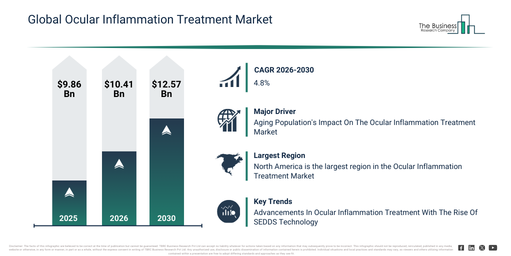
    The ocular inflammation treatment market size has experienced significant expansion in recent times. This market is projected to expand from $9.86 billion in 2025 to $10.41 billion in 2026, demonstrating a compound annual growth rate (CAGR) of 5.6%. Historically, this growth has been driven by factors such as the restricted supply of advanced immunosuppressants, the predominant use of corticosteroids as initial therapy, insufficient public understanding of ocular inflammatory conditions, the considerable expense of monoclonal antibody treatments, and insufficient reach to specialized ophthalmology centers.

    The ocular inflammation treatment market size is anticipated to undergo steady expansion in the coming years, reaching $12.57 billion by 2030, exhibiting a compound annual growth rate (CAGR) of 4.8%. This projected growth throughout the forecast period can be attributed to several factors such as the increasing prevalence of ocular inflammatory disorders, greater investment in targeted biologics, wider adoption of digital ophthalmology and remote monitoring, the expansion of specialty eye care centers, and advancements in AI and predictive tools for personalized treatment. Prominent trends for the forecast period include the increasing development of targeted immunosuppressants and monoclonal antibodies, the rising adoption of combination therapies for ocular inflammation, a growing utilization of digital patient monitoring and remote diagnostics, an increasing focus on minimally invasive treatment modalities, and intensified research into AI-based predictive tools for disease progression.

    Get A Free Sample Report With In-Depth Market Insights:

    https://thebusinessresearchcompany.com/sample_request?id=50964470&type=smp&name=Ocular%20Inflammation%20Treatment%20Market%20Report%202026&utm_source=Blogs&utm_medium=Paid&utm_campaign=Nov_PR

    Ocular Inflammation Treatment Market Demand Drivers: What’s Powering Industry Growth?

    The increase in the aging population is anticipated to propel the ocular inflammation treatment market. Aging, characterized as the natural process of growing older, involves a gradual decline in physiological functions and tissue integrity. This demographic is expanding due to factors such as increased life expectancy, declining birth rates, and advancements in healthcare leading to improved longevity. Ocular inflammation treatment is vital for aging individuals to manage and preserve their vision by addressing inflammation-related conditions that often arise with age. Therefore, the growing aging population is set to drive the ocular inflammation treatment market forward.

    Ocular Inflammation Treatment Market Segments: Where Is Growth Concentrated?

    The ocular inflammation treatment market covered in this report is segmented –

    1) By Treatment Type: Immunosuppressant, Antivirals, Corticosteroids, Monoclonal Antibodies, Antifungal, Cycloplegic

    2) By Mode Of Operation: Injectables, Oral, Topical, Other Modes Of Operations

    3) By Disease Type: Anterior Uveitis, Intermediate Uveitis, Episcleritis Or Scleritis, Posterior Uveitis, Panuveitis

    4) By Distribution Channel: Retail Pharmacies, Online Pharmacies, Hospital Pharmacies, Drug Stores

    Subsegments:

    1) By Immunosuppressant: Systemic Immunosuppressants (Methotrexate, Azathioprine), Topical Immunosuppressants Cyclosporine

    2) By Antivirals: Oral Antivirals (Acyclovir, Valacyclovir), Topical Antivirals (Ganciclovir, Idoxuridine)

    3) By Corticosteroids: Topical Corticosteroids (Prednisolone, Dexamethasone), Systemic Corticosteroids (Oral Prednisone), Intraocular Steroid Injections (Triamcinolone)

    4) By Monoclonal Antibodies: Anti-TNF Alpha Monoclonal Antibodies (Infliximab, Adalimumab), Anti-Il-6 Monoclonal Antibodies (Tocilizumab)

    5) By Antifungal: Topical Antifungal (Natamycin), Oral Antifungal (Fluconazole, Itraconazole)

    6) By Cycloplegic: Atropine, Cyclopentolate, Tropicamide

    Ocular Inflammation Treatment Market Innovation Trends: What Developments Are Reshaping The Industry?

    Leading companies engaged in ocular inflammation treatment are emphasizing the incorporation of sophisticated technologies, like the self-emulsifying drug delivery system (SEDDS), into eye drops to improve drug uptake, extend therapeutic benefits, and enhance user convenience. This self-emulsifying drug delivery system (SEDDS) technology in eye drops facilitates enhanced bioavailability and better ocular absorption of medicinal agents, promising more effective treatment results for diverse eye conditions.

    Ocular Inflammation Treatment Market Key Participants And Competitive Landscape

    Major companies operating in the ocular inflammation treatment market are Pfizer Inc., Johnson & Johnson Services Inc., F. Hoffmann-La Roche Ltd., AbbVie Inc., Novartis AG, Amgen Inc., Teva Pharmaceutical Industries Ltd., Regeneron Pharmaceuticals Inc., Mylan N.V., Alcon Laboratories Inc., Bausch Health Companies Inc., Santen Pharmaceutical Co. Ltd., Mallinckrodt Pharmaceuticals, Alimera Sciences, Ocular Therapeutix Inc., EyePoint Pharmaceuticals Inc., NicOx S.A., Ajanta Pharma Ltd., Clearside Biomedical Inc., Kala Pharmaceuticals Inc., SIFI S.p.A., Dompé farmaceutici S.p.A., Opthea Limited, Oxurion NV

    View The Full Ocular Inflammation Treatment Market Report:

    https://thebusinessresearchcompany.com/report/ocular-inflammation-treatment-global-market-report?utm_source=Blogs&utm_medium=Paid&utm_campaign=Nov_PR

    Ocular Inflammation Treatment Market Top Region: Where Does Most Revenue Come From?

    North America was the largest region in the ocular inflammation treatment market in 2025. The regions covered in the ocular inflammation treatment market report are Asia-Pacific, South East Asia, Western Europe, Eastern Europe, North America, South America, Middle East, Africa.

    Reach Out To Our Team:

    The Business Research Company: https://www.thebusinessresearchcompany.com/

    Americas: +1 310-496-7795

    Asia: +44 7882 955267 & +91 8897263534

    Europe: +44 7882 955267

    Email us at: marketing@tbrc.info

    Follow us on:

    LinkedIn: https://in.linkedin.com/company/the-business-research-company

    YouTube: https://www.youtube.com/channel/UC24_fI0rV8cR5DxlCpgmyFQ

    Global Market Model: https://www.thebusinessresearchcompany.com/global-market-model
  • Ocular Hypertension Treatment Market Forecast To Reach $6.76 Billion By 2030: Key Trends Explained

    Ocular Hypertension Treatment Market Forecast To Reach $6.76 Billion By 2030: Key Trends Explained

    Backed by market attractiveness analysis, total addressable market sizing, company benchmarking matrices, interactive Excel dashboards, wider supply chain intelligence, emerging startup coverage, and detailed product-level insights, The Business Research Company’s 2026 market reports are designed to offer research that is more actionable and strategically valuable than ever.

    Ocular Hypertension Treatment Market Size Outlook: How Quickly Will Revenue Expand Through 2030?

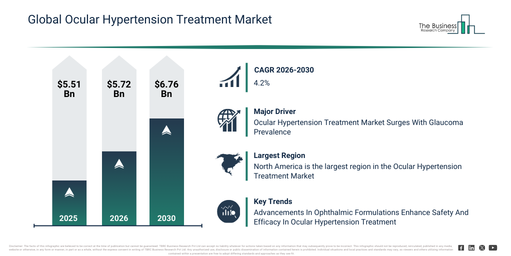
    The ocular hypertension treatment market size has consistently grown over recent years. It is projected to expand from $5.51 billion in 2025 to $5.72 billion in 2026, achieving a compound annual growth rate (CAGR) of 3.9%. Historically, this market expansion can be linked to several factors: the scarce availability of advanced IOP-lowering drugs, a continued reliance on conventional treatment protocols, insufficient awareness of ocular hypertension risks, restricted access to specialty clinics, and the high cost of various treatment options.

    The ocular hypertension treatment market is projected to experience consistent expansion over the upcoming years. This market is forecast to reach a size of $6.76 billion by 2030, demonstrating a compound annual growth rate (CAGR) of 4.2%. Key factors contributing to this expansion during the projection period include the increasing incidence of ocular hypertension and glaucoma, enhanced investments in novel drug development, wider embrace of digital ophthalmology platforms, the proliferation of specialized eye care facilities, and progress in using predictive analytics and AI for patient care. Significant trends anticipated within the forecast timeframe encompass the intensified creation of new beta blockers and prostaglandin analogs, a surge in the application of personalized glaucoma treatments, the expanding incorporation of digital patient monitoring solutions, an increased emphasis on combination therapies for IOP management, and the growing deployment of AI-powered predictive tools for tracking disease progression.

    Get A Free Sample Report With In-Depth Market Insights:

    https://thebusinessresearchcompany.com/sample_request?id=95860511&type=smp&name=Ocular%20Hypertension%20Treatment%20Market%20Report%202026&utm_source=Blogs&utm_medium=Paid&utm_campaign=Nov_PR

    Ocular Hypertension Treatment Market Growth Drivers: What’s Behind The Acceleration?

    The expanding occurrence of glaucoma is anticipated to fuel the expansion of the ocular hypertension treatment market in the future. This chronic eye condition leads to vision impairment and blindness due to damage to the optic nerve at the back of the eye. Ocular hypertension, characterized by elevated intraocular pressure, is linked to the onset and advancement of glaucoma, which encompasses a set of eye disorders capable of causing irreversible vision loss. Consequently, an increase in glaucoma cases is projected to positively influence the growth of the ocular hypertension treatment market. Hence, the rising incidence of glaucoma is a key driver for the expansion of the ocular hypertension treatment market.

    Ocular Hypertension Treatment Market Segment Analysis: What Are The Core Market Categories?

    The ocular hypertension treatment market covered in this report is segmented –

    1) By Type: Intraocular Hypertension, Glaucoma

    2) By Route Of Administration: Oral, Parenteral, Other Route Of Administrations

    3) By Distribution Channel: Hospital Pharmacy, Retail Pharmacy, Online Pharmacy, Other Distribution Channels

    4) By End-Users: Hospitals, Specialty Clinics, Other End-Users

    Subsegments:

    1) By Intraocular Hypertension: Beta Blockers, Prostaglandin Analogs, Carbonic Anhydrase Inhibitors, Alpha Agonists, Rho Kinase Inhibitors

    2) By Glaucoma: Open-Angle Glaucoma Treatments, Angle-Closure Glaucoma Treatments, Secondary Glaucoma Treatments, Congenital Glaucoma Treatments, Combination Therapies

    Ocular Hypertension Treatment Market Trends: What’s Defining The Industry’s Next Phase?

    Leading companies in the ocular hypertension treatment market are concentrating on developing advanced ophthalmic solutions, such as generic travoprost ophthalmic formulation deployment, to enhance intraocular pressure (IOP) reduction outcomes and improve patient safety. Generic travoprost ophthalmic formulation deployment refers to the introduction and distribution of a bioequivalent travoprost 0.004% ophthalmic solution designed to decrease intraocular pressure by boosting aqueous humor outflow. For example, in September 2025, Sagent Pharmaceuticals, a US-based pharmaceutical company, launched Travoprost Ophthalmic Solution USP 0.004%, featuring distinct packaging and standardized labeling to assist in minimizing medication errors. The product is indicated for lowering elevated IOP in patients with open-angle glaucoma or ocular hypertension. Key attributes of the product include consistent labeling across packaging components, a strong emphasis on patient safety, a reliable formulation for effective IOP reduction, and its integration into Sagent’s PreventIV Measures initiative. This launch signifies Sagent’s initial entry into the ophthalmic sector, with intentions to further expand its ophthalmic portfolio by leveraging its expertise across more than 100 injectable and specialty pharmaceutical products to guarantee long-term quality and value for patients and healthcare providers.

    Ocular Hypertension Treatment Market Top Companies Driving Competitive Growth

    Major companies operating in the ocular hypertension treatment market are Alcon, Novartis AG, AbbVie Inc., Bausch Health Companies Inc., Nicox SA, Ocular Therapeutix Inc., Teva Pharmaceutical Industries Ltd., Sun Pharmaceutical Industries Ltd., Laboratorios Salvat SA, Sylentis S.A, Regeneron Pharmaceuticals Inc., Santen Pharmaceutical Co Ltd, Inotek Pharmaceuticals Corp, Glaukos Corporation, Thea Pharma, Qlaris Bio, Eyevance Pharmaceuticals, Akorn Inc, SIFI SPA, Glenmark Pharmaceuticals, Cipla Ltd, Alembic Pharmaceuticals, Ono Pharmaceutical Co Ltd, Visiox Pharma, MediPrint Ophthalmics, Tarsier Pharma, Peregrine Ophthalmic, EyePoint Pharmaceuticals Inc, Horus Pharma

    View The Full Ocular Hypertension Treatment Market Report:

    https://thebusinessresearchcompany.com/report/ocular-hypertension-treatment-global-market-report?utm_source=Blogs&utm_medium=Paid&utm_campaign=Nov_PR

    Ocular Hypertension Treatment Market Regional Breakdown: Where Is Demand Concentrated?

    North America was the largest region in the ocular hypertension treatment market in 2025. The regions covered in the ocular hypertension treatment market report are Asia-Pacific, South East Asia, Western Europe, Eastern Europe, North America, South America, Middle East, Africa.

    Reach Out To Our Team:

    The Business Research Company: https://www.thebusinessresearchcompany.com/

    Americas: +1 310-496-7795

    Asia: +44 7882 955267 & +91 8897263534

    Europe: +44 7882 955267

    Email us at: marketing@tbrc.info

    Follow us on:

    LinkedIn: https://in.linkedin.com/company/the-business-research-company

    YouTube: https://www.youtube.com/channel/UC24_fI0rV8cR5DxlCpgmyFQ

    Global Market Model: https://www.thebusinessresearchcompany.com/global-market-model
  • Ocular Genetic Diagnostic Market Analysis Through 2030: Market Size, Growth Trends And Industry Outlook

    Ocular Genetic Diagnostic Market Analysis Through 2030: Market Size, Growth Trends And Industry Outlook

    Featuring market attractiveness scoring, total addressable market sizing, company benchmarking matrices, interactive Excel dashboards, deeper supply chain intelligence, emerging startup tracking, and granular product-level insights, The Business Research Company’s 2026 market reports are built to deliver research that is both more actionable and more strategically valuable.

    Ocular Genetic Diagnostic Market Size, Value And Growth Trajectory Through 2030

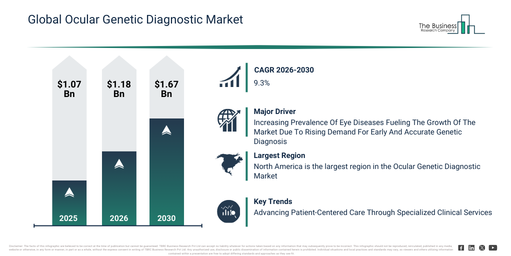
    The ocular genetic diagnostic market size has experienced significant growth over the past few years. It is projected to expand from $1.07 billion in 2025 to $1.18 billion in 2026, achieving a compound annual growth rate (CAGR) of 9.5%. This historical growth can be ascribed to several contributing factors, including the increasing prevalence of inherited ocular conditions, breakthroughs in sequencing technologies, the establishment of specialized ophthalmic clinics, heightened awareness of genetic eye disorders, and the expansion of diagnostic laboratory capabilities.

    The ocular genetic diagnostic market is anticipated to experience substantial expansion in the coming years. It is projected to reach $1.67 billion by 2030, exhibiting a compound annual growth rate (CAGR) of 9.3%. This projected growth is attributable to several factors, including the escalating demand for tailored ophthalmic treatments, the increasing uptake of whole genome sequencing, the broadening of preventive genetic screening initiatives, the expanding incorporation of AI in genetic interpretation, and a surge in investments within precision ophthalmology. Key trends anticipated during this period encompass the growing acceptance of extensive genetic screening panels, the increasing application of next-generation sequencing in ophthalmology, the broadening of early diagnostic capabilities for inherited eye conditions, the expanding incorporation of genetic counseling services, and a heightened emphasis on precise eye care.

    Get A Free Sample Report With In-Depth Market Insights:

    https://thebusinessresearchcompany.com/sample_request?id=63583094&type=smp&name=Ocular%20Genetic%20Diagnostic%20Market%20Report%202026&utm_source=Blogs&utm_medium=Paid&utm_campaign=Nov_PR

    Ocular Genetic Diagnostic Market Growth Factors Behind Sustained Expansion

    The rising incidence of eye diseases is anticipated to drive the future expansion of the ocular genetic diagnostic market. Eye diseases represent diverse medical conditions that impair the structure or function of the eye, potentially leading to vision loss or blindness if left untreated. The increase in these conditions is largely attributable to greater screen time and digital device usage, which contributes to eye strain, dry eye, and other vision-related issues. Ocular genetic diagnostics offers benefits for eye diseases by enabling the early detection of inherited genetic factors, providing clearer insights into the causes of these diseases, and assisting in more precise diagnosis and management. For example, in February 2025, a survey by the American Foundation for the Blind, a US-based organization focused on individuals with vision loss, revealed that 51.9 million American adults aged 18 and older reported experiencing some level of vision difficulty. Among these, 3.7 million had significant trouble seeing even with glasses, and 307,000 were completely blind. The remaining 47.9 million indicated mild vision difficulties despite wearing glasses. Therefore, the increasing prevalence of eye diseases is a key factor propelling the growth of the ocular genetic diagnostic market.

    Ocular Genetic Diagnostic Market Segment Breakdown: Which Categories Lead On Revenue?

    The ocular genetic diagnostic market covered in this report is segmented –

    1) By Test Type: Single Gene Testing, Panel Testing, Whole Exome Sequencing, Whole Genome Sequencing

    2) By Technology Type: Sequencing Technology, Polymerase Chain Reaction (PCR), Microarray Technology, Next-Generation Sequencing (NGS)

    3) By Application: Retinal Disorders, Cataract Diagnosis, Inherited Ocular Disorders, Age-Related Macular Degeneration

    4) By End-User: Hospitals, Diagnostic Laboratories, Academic And Research Institutes, Other End-Users

    Subsegments:

    1) By Single Gene Testing: Retinoblastoma Gene Testing (RB1), RPE65 Gene Mutation Testing, MYOC Gene Testing (Glaucoma), OPA1 Gene Testing (Optic Atrophy), BEST1 Gene Testing (Best Disease)

    2) By Panel Testing: Inherited Retinal Disease (IRD) Panels, Glaucoma Genetic Panels, Macular Dystrophy Panels, Optic Neuropathy Panels, Syndromic Ocular Disorder Panels

    3) By Whole Exome Sequencing (WES): Trio Exome Sequencing, Diagnostic Exome Sequencing, Exome Reanalysis Services, Rapid Exome Testing, Prenatal Exome Sequencing

    4) By Whole Genome Sequencing (WGS): Clinical Whole Genome Sequencing, Rapid Whole Genome Sequencing, Pediatric Genome Sequencing, Prenatal Whole Genome Sequencing, Ultra-Rare Eye Disease Genome Sequencing

    Ocular Genetic Diagnostic Market Industry Trends Fueling Future Revenue Growth

    Major companies in the ocular genetic diagnostic market are dedicated to developing advanced services, such as clinical services, aimed at improving early detection, diagnostic precision, and personalized treatment for inherited eye diseases. A clinical service involves healthcare activities conducted by professionals to evaluate, diagnose, treat, and manage patients’ health conditions.

    Ocular Genetic Diagnostic Market Leading Players And Competitive Positioning

    Major companies operating in the ocular genetic diagnostic market are Thermo Fisher Scientific Inc., Quest Diagnostics Inc., Illumina Inc., The Children’s Hospital of Philadelphia, University of Iowa Hospitals and Clinics, PerkinElmer Inc., Natera Inc., Myriad Genetics Inc., Fulgent Genetics Inc., ARUP Laboratories Inc., Invitae Corporation, Spark Therapeutics Inc., GeneDx LLC, Blueprint Genetics Oy, Medgenome Labs Inc., Centogene NV, PreventionGenetics LLC, Molecular Vision Laboratory LLC, Casey Eye Institute, Moorfields Eye Hospital & UCL Institute of Ophthalmology.

    View The Full Ocular Genetic Diagnostic Market Report:

    https://thebusinessresearchcompany.com/report/ocular-genetic-diagnostic-global-market-report?utm_source=Blogs&utm_medium=Paid&utm_campaign=Nov_PR

    Ocular Genetic Diagnostic Market Geographic Landscape: Which Region Leads Industry Growth?

    North America was the largest region in the ocular genetic diagnostics market in 2025. Asia-Pacific is expected to be the fastest-growing region in the forecast period. The regions covered in the ocular genetic diagnostic market report are Asia-Pacific, South East Asia, Western Europe, Eastern Europe, North America, South America, Middle East, Africa.

    Reach Out To Our Team:

    The Business Research Company: https://www.thebusinessresearchcompany.com/

    Americas: +1 310-496-7795

    Asia: +44 7882 955267 & +91 8897263534

    Europe: +44 7882 955267

    Email us at: marketing@tbrc.info

    Follow us on:

    LinkedIn: https://in.linkedin.com/company/the-business-research-company

    YouTube: https://www.youtube.com/channel/UC24_fI0rV8cR5DxlCpgmyFQ

    Global Market Model: https://www.thebusinessresearchcompany.com/global-market-model