Blog

  • Nurse Call System Market Size In 2026: Regional Growth, Key Segments And Future Outlook

    Nurse Call System Market Size In 2026: Regional Growth, Key Segments And Future Outlook

    Backed by market attractiveness analysis, total addressable market sizing, company benchmarking matrices, interactive Excel dashboards, wider supply chain intelligence, emerging startup coverage, and detailed product-level insights, The Business Research Company’s 2026 market reports are designed to offer research that is more actionable and strategically valuable than ever.

    Nurse Call System Market Value Analysis: What Growth Lies Ahead Over The Forecast Period?

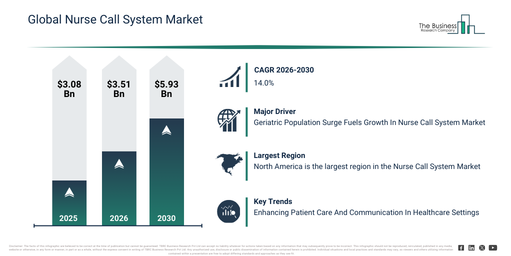
    The nurse call system market has seen rapid expansion in recent years. It is expected to grow from $3.08 billion in 2025 to $3.51 billion in 2026, achieving a compound annual growth rate (CAGR) of 14.1%. The factors contributing to this growth in the past included limited connectivity in healthcare facilities, a reliance on manual call systems, the slow adoption of wireless technology, a fragmented healthcare IT infrastructure, and low awareness of workflow optimization benefits.

    The nurse call system market is anticipated to experience significant expansion in the next few years, with its size expected to reach $5.93 billion by 2030, driven by a compound annual growth rate (CAGR) of 14.0%. This growth throughout the forecast period is largely attributed to the increasing adoption of IoT-enabled nurse call systems, enhanced integration with EHRs and patient monitoring devices, a growing demand for remote patient monitoring solutions, advancements in wearable alert devices, and a heightened focus on ensuring patient safety and improving operational efficiency. Prominent trends for the forecast period include greater integration with hospital information systems, the development of wireless and mobile nurse call solutions, more sophisticated patient monitoring and alert systems, smart workflow and staff optimization strategies, and the integration of remote communication and telehealth features.

    Get A Free Sample Report With In-Depth Market Insights:

    https://thebusinessresearchcompany.com/sample_request?id=32673175&type=smp&name=Nurse%20Call%20System%20Market%20Report%202026&utm_source=Blogs&utm_medium=Paid&utm_campaign=Nov_PR

    Nurse Call System Market Growth Drivers: What’s Behind The Acceleration?

    The expanding geriatric demographic is a primary impetus for the future growth of the nurse call system market. As individuals age, their immune systems gradually weaken, making the elderly population susceptible to various health issues like osteoarthritis, chronic obstructive pulmonary disease, and diabetes mellitus. This global rise in the elderly has heightened the need for proficient nursing care services capable of delivering prompt responses and personalized communication for patients. Consequently, the increasing geriatric population is fueling the expansion of the nurse call system market.

    Nurse Call System Market Segments: Where Is Growth Concentrated?

    The nurse call system market covered in this report is segmented –

    1) By Type: Button-Based Systems, Integrated Communication Systems, Mobile Systems, Intercom Systems

    2) By Technology: Wired Communication, Wireless Communication

    3) By Application: Emergency Medical Alarms, Wanderer Control, Workflow Support, Other Applications

    4) By End User: Hospitals, Long-term Care Facilities, Clinics and Physician Offices, Other End Users

    Subsegments:

    1) By Button-Based Systems: Wired Button-Based Systems, Wireless Button-Based Systems, Corded Call Buttons, Cordless Call Buttons

    2) By Integrated Communication Systems: Audio-Visual Communication Systems, Centralized Communication Panels, Integration With Patient Monitoring Systems, Nurse Call And Paging Integration

    3) By Mobile Systems: Smartphone Applications For Nurse Calls, Wireless Handheld Devices, Wearable Devices For Alerts, Mobile Paging Systems

    4) By Intercom Systems: Audio Intercom Systems, Video Intercom Systems, Two-Way Intercom Systems, Intercom Integration With Nurse Call Systems

    Nurse Call System Market Trends: What’s Defining The Industry’s Next Phase?

    Leading companies in the nurse call system market are concentrating on developing innovative solutions, such as advanced nurse call systems, to enhance patient care, improve response times, and integrate seamlessly with existing healthcare technologies. These advanced nurse call systems refer to sophisticated communication technologies designed to elevate patient care and streamline workflows in medical environments.

    Nurse Call System Market Key Participants And Competitive Landscape

    Major companies operating in the nurse call system market are Johnson Controls International plc, Rauland-Borg Corporation, Ascom Holding AG, Azure Healthcare Limited, Jeron Electronic Systems Inc, Courtney Thorne Limited, Hill-Rom Services Inc., Austco Communication Systems Pty Ltd., West-Com Nurse Call Systems Inc., Wireless NurseCall Systems Inc., TekTone Sound & Signal Mfg. Inc., Caretronic Systems Pvt. Ltd., Intercall Systems Inc., Static Systems Group plc., Aid Call Limited, Schrack Seconet AG, Critical Alert Systems LLC, IgeaCare Solutions Inc., BEC Integrated Solutions LLC, Legrand North America LLC, Cornell Communications Inc., Mircom Technologies Ltd., MEEYI Medical Technology Co. Ltd., Honeywell International Inc., Siemens Energy & Automation Inc., Systems Technologies Inc., Fujian Huanyutong Technology Co. Ltd., Momentum Healthware Inc.

    View The Full Nurse Call System Market Report:

    https://thebusinessresearchcompany.com/report/nurse-call-system-global-market-report?utm_source=Blogs&utm_medium=Paid&utm_campaign=Nov_PR

    Nurse Call System Market Geographic Landscape: Which Region Leads Industry Growth?

    North America was the largest region in the nurse call system market in 2025. Asia-Pacific is expected to be the fastest-growing region in the forecast period. The regions covered in the nurse call system market report are Asia-Pacific, South East Asia, Western Europe, Eastern Europe, North America, South America, Middle East, Africa.

    Reach Out To Our Team:

    The Business Research Company: https://www.thebusinessresearchcompany.com/

    Americas: +1 310-496-7795

    Asia: +44 7882 955267 & +91 8897263534

    Europe: +44 7882 955267

    Email us at: marketing@tbrc.info

    Follow us on:

    LinkedIn: https://in.linkedin.com/company/the-business-research-company

    YouTube: https://www.youtube.com/channel/UC24_fI0rV8cR5DxlCpgmyFQ

    Global Market Model: https://www.thebusinessresearchcompany.com/global-market-model
  • Nucleic Acid Labeling Market Growth Forecast Through 2030: Market Size And Trends In 2026

    Nucleic Acid Labeling Market Growth Forecast Through 2030: Market Size And Trends In 2026

    Featuring market attractiveness scoring, total addressable market sizing, company benchmarking matrices, interactive Excel dashboards, deeper supply chain intelligence, emerging startup tracking, and granular product-level insights, The Business Research Company’s 2026 market reports are built to deliver research that is both more actionable and more strategically valuable.

    Nucleic Acid Labeling Market Size Forecast: How Big Could The Market Get By 2030?

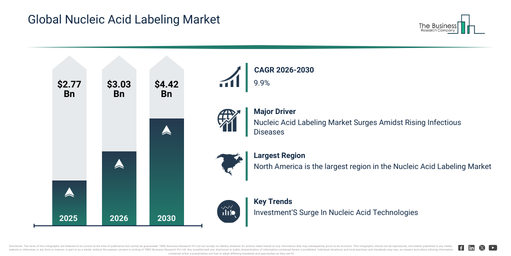
    The nucleic acid labeling market size has demonstrated robust expansion over recent years. It is projected to grow from $2.77 billion in 2025 to $3.03 billion by 2026, at a compound annual growth rate (CAGR) of 9.4%. This growth observed in the historic period can be attributed to several factors, including the limited availability of sensitive labeling reagents, low awareness of nucleic acid labeling applications, the high cost of instruments, a reliance on traditional labeling methods, and the slow adoption of high-throughput technologies.

    The nucleic acid labeling market is anticipated to experience substantial expansion in the coming years. By 2030, this market is projected to reach $4.42 billion, demonstrating a compound annual growth rate (CAGR) of 9.9%. This projected growth is driven by several factors, including innovations in fluorescent and non-radioactive labels, heightened research and development activities in genomics and molecular diagnostics, a growing need for high-throughput and multiplex assays, increased acceptance in hospitals and diagnostic centers, and greater financial support for research endeavors. Key trends anticipated during this period encompass the expanded use of nucleic acid labeling techniques, the ongoing creation of sophisticated labeling kits and reagents, broadening applications within diagnostic and research sectors, an enhanced emphasis on multiplex and high-throughput labeling approaches, and the increasing incorporation of imaging and analytical instrumentation.

    Get A Free Sample Report With In-Depth Market Insights:

    https://thebusinessresearchcompany.com/sample_request?id=22942572&type=smp&name=Nucleic%20Acid%20Labeling%20Market%20Report%202026&utm_source=Blogs&utm_medium=Paid&utm_campaign=Nov_PR

    Nucleic Acid Labeling Market Growth Factors Behind Sustained Expansion

    The nucleic acid labeling market is anticipated to expand due to the increasing prevalence of infectious diseases. These conditions are caused by typically microscopic organisms like parasites, fungi, viruses, and bacteria, which spread between individuals through either direct or indirect contact. Nucleic acid labeling techniques offer enhanced specificity, sensitivity, multiplexing capability, visualization, real-time monitoring, and automation for detecting infectious diseases such as tuberculosis, hepatitis, and gonorrhea. Therefore, the rise in infectious diseases is a driving force behind the growth of the nucleic acid labeling market.

    Nucleic Acid Labeling Market Segment Analysis: What Are The Core Market Categories?

    The nucleic acid labeling market covered in this report is segmented –

    1) By Product Type: Kits, Reagents, Instruments

    2) By Labeling Type: Radioisotope Or Radioactive Labels, Non-Radioactive Labels

    3) By Method: Enzyme-Based, Chemical-Based

    4) By Application: DNA Sequencing, Polymerase Chain Reaction, Fluorescence In Situ Hybridization (FISH), Microarrays, Blotting, In Situ Hybridization, Other Applications

    5) By End-User: Hospitals Or Clinics, Diagnostic Centers, Other End-Users

    Subsegments:

    1) By Kits: DNA Labeling Kits, RNA Labeling Kits, Multiplex Labeling Kits

    2) By Reagents: Labeling Reagents, Buffer Solutions, Conjugation Reagents

    3) By Instruments: Nucleic Acid Analyzers, Microarray Processors, Imaging Systems

    Nucleic Acid Labeling Market Industry Trends Fueling Future Revenue Growth

    Leading companies within the nucleic acid labeling market are allocating capital to enhance their market profitability. Investments in nucleic acid labeling signify financial contributions, funding, or capital injections provided by individuals, organizations, venture capitalists, or other bodies towards ventures, companies, or projects concerning nucleic acid labeling technologies, research, and development.

    Nucleic Acid Labeling Market Top Companies Driving Competitive Growth

    Major companies operating in the nucleic acid labeling market are Thermo Fisher Scientific Inc., Merck Group, Roche Diagnostics Corporation, GE Healthcare Bio Sciences AB, Agilent Technologies Inc., PerkinElmer Inc., Bio-Rad Laboratories Inc., Cytiva, Qiagen N.V., Biotium Inc., Illumina Inc., LGC Group, Promega Corporation, New England Biolabs, Enzo Biochem Inc., LI-COR Biosciences Inc., Eurogentec S.A., OriGene Technologies Inc., BaseClear B.V., Vector Laboratories Inc., Bio-Synthesis Inc., BioCat GmbH, Jena Bioscience GmbH, LubioScience GmbH, GeneCopoeia Inc., Mirus Bio LLC, Daicel Arbor Biosciences

    View The Full Nucleic Acid Labeling Market Report:

    https://thebusinessresearchcompany.com/report/nucleic-acid-labeling-global-market-report?utm_source=Blogs&utm_medium=Paid&utm_campaign=Nov_PR

    Nucleic Acid Labeling Market Largest Region: Which Geography Holds The Biggest Share?

    North America was the largest region in the nucleic acid labeling market in 2025. Asia-Pacific is expected to be the fastest-growing region in the forecast period. The regions covered in the nucleic acid labeling market report are Asia-Pacific, South East Asia, Western Europe, Eastern Europe, North America, South America, Middle East, Africa.

    Reach Out To Our Team:

    The Business Research Company: https://www.thebusinessresearchcompany.com/

    Americas: +1 310-496-7795

    Asia: +44 7882 955267 & +91 8897263534

    Europe: +44 7882 955267

    Email us at: marketing@tbrc.info

    Follow us on:

    LinkedIn: https://in.linkedin.com/company/the-business-research-company

    YouTube: https://www.youtube.com/channel/UC24_fI0rV8cR5DxlCpgmyFQ

    Global Market Model: https://www.thebusinessresearchcompany.com/global-market-model
  • Nucleic Acid And Gene Therapies In Neuromuscular Disorders Market Analysis: $8.22 Billion Market Size In 2026 And Future Growth Prospects

    Nucleic Acid And Gene Therapies In Neuromuscular Disorders Market Analysis: $8.22 Billion Market Size In 2026 And Future Growth Prospects

    Built to provide research that’s more actionable and strategically valuable, The Business Research Company’s 2026 market reports include market attractiveness analysis, total addressable market sizing, company benchmarking matrices, interactive Excel dashboards, broader supply chain intelligence, emerging startup tracking, and in-depth product insights.

    Nucleic Acid And Gene Therapies In Neuromuscular Disorders Market Revenue Outlook: What CAGR Lies Ahead Through 2030?

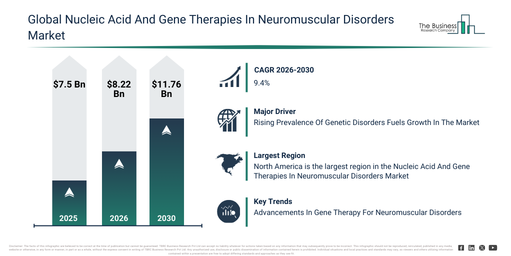
    The nucleic acid and gene therapies in neuromuscular disorders market has experienced robust expansion in recent years. This market is projected to expand from $7.5 billion in 2025 to reach $8.22 billion by 2026, demonstrating a compound annual growth rate (CAGR) of 9.7%. Historically, its growth has been driven by several factors, including the limited therapeutic options available for NMDs, a low awareness of gene therapies, the high cost associated with gene therapy development, a shortage of specialized treatment centers, and slow regulatory approval procedures.

    The market for nucleic acid and gene therapies in neuromuscular disorders is projected to demonstrate significant expansion in the coming years. It is expected to grow to $11.76 billion by 2030, with a compound annual growth rate (CAGR) of 9.4%. This projected growth can be attributed to advancements in adeno-associated virus and postnatal gene therapies, increasing research and development investments in NMDs, a growing number of hospitals and specialty clinics providing gene therapies, the rising prevalence of neuromuscular disorders, and increasing patient awareness and advocacy initiatives. Notable trends during the forecast period include a rising adoption of gene therapy techniques, increasing development of nucleic acid therapeutics, a growing focus on rare neuromuscular disorders, rising investment in personalized medicine approaches, and increasing integration of advanced diagnostic and monitoring tools.

    Get A Free Sample Report With In-Depth Market Insights:

    https://thebusinessresearchcompany.com/sample_request?id=93600953&type=smp&name=Nucleic%20Acid%20And%20Gene%20Therapies%20In%20Neuromuscular%20Disorders%20Market%20Report%202026&utm_source=Blogs&utm_medium=Paid&utm_campaign=Nov_PR

    Nucleic Acid And Gene Therapies In Neuromuscular Disorders Market Demand Drivers Opening New Revenue Streams

    The rising occurrence of genetic disorders is projected to fuel the expansion of the nucleic acid and gene therapies in neuromuscular disorders market. These conditions arise from irregularities in an individual’s DNA, either inherited or caused by mutations. The growth in genetic disorders can be linked to factors such as genetic mutations, environmental influences, lifestyle modifications, and enhanced diagnostic capabilities. Nucleic acid and gene therapies address genetic disorders by correcting or replacing defective genes in neuromuscular conditions to restore normal function. Hence, the increasing prevalence of genetic disorders is stimulating the growth of the nucleic acid and gene therapies in neuromuscular disorders market.

    Nucleic Acid And Gene Therapies In Neuromuscular Disorders Market Segment Breakdown: Which Categories Lead On Revenue?

    The nucleic acid and gene therapies in neuromuscular disorders market covered in this report is segmented –

    1) By Disorder: Motor Neuron Diseases, Neuropathies, Neuromuscular Junction Disorders, Myopathies Including Muscular Dystrophies

    2) By Therapy: Adeno-Associated Viruses Gene Therapy, Postnatal Gene Therapy

    3) By End-User: Hospitals, Specialty Clinics, Ambulatory Surgery Centers

    Subsegments:

    1) By Motor Neuron Diseases: Amyotrophic Lateral Sclerosis (ALS), Spinal Muscular Atrophy (SMA), Primary Lateral Sclerosis (PLS)

    2) By Neuropathies: Charcot-Marie-Tooth Disease (CMT), Hereditary Sensory and Autonomic Neuropathy (HSAN), Peripheral Neuropathies

    3) By Neuromuscular Junction Disorders: Myasthenia Gravis, Lambert-Eaton Myasthenic Syndrome (LEMS)

    4) By Myopathies Including Muscular Dystrophies: Duchenne Muscular Dystrophy (DMD), Becker Muscular Dystrophy (BMD), Limb-Girdle Muscular Dystrophy (LGMD), Facioscapulohumeral Muscular Dystrophy (FSHD)

    Nucleic Acid And Gene Therapies In Neuromuscular Disorders Market Trends Powering Strategic Industry Growth

    Leading firms within the nucleic acid and gene therapies in neuromuscular disorders market are dedicated to creating ground-breaking treatments, particularly gene therapy, aimed at tackling the fundamental origins of genetic neuromuscular conditions through precise gene modification or replacement. Gene therapy involves treating illnesses by introducing, modifying, or repairing genetic material inside a patient’s cells to rectify or substitute flawed genes.

    Nucleic Acid And Gene Therapies In Neuromuscular Disorders Market Leading Players And Competitive Positioning

    Major companies operating in the nucleic acid and gene therapies in neuromuscular disorders market are Pfizer Inc, F. Hoffmann-La Roche Ltd, Sanofi S.A, Novartis AG, Biogen Inc, BioMarin Pharmaceuticals Inc, Sarepta Therapeutics Inc, Ionis Pharmaceuticals Inc, Ultragenyx Pharmaceutical Inc, Regenxbio Inc, UniQure N.V, Généthon S.A, Axovant Gene Therapies Inc, PTC Therapeutics Inc, Wave Life Sciences Ltd, CRISPR Therapeutics AG, Editas Medicine Inc, Helixmith Co Ltd, MeiraGTx Ltd, Cure Rare Disease, Beam Therapeutics Inc, Intellia Therapeutics Inc, Prime Medicine Inc, Arcturus Therapeutics Holdings Inc, Takeda Pharmaceutical Company Ltd.

    View The Full Nucleic Acid And Gene Therapies In Neuromuscular Disorders Market Report:

    https://thebusinessresearchcompany.com/report/nucleic-acid-and-gene-therapies-in-neuromuscular-disorders-global-market-report?utm_source=Blogs&utm_medium=Paid&utm_campaign=Nov_PR

    Nucleic Acid And Gene Therapies In Neuromuscular Disorders Market Regional Analysis: Which Geography Leads On Revenue?

    North America was the largest region in the nucleic acid and gene therapies in neuromuscular disorders market in 2025. The regions covered in the nucleic acid and gene therapies in neuromuscular disorders market report are Asia-Pacific, South East Asia, Western Europe, Eastern Europe, North America, South America, Middle East, Africa.

    Reach Out To Our Team:

    The Business Research Company: https://www.thebusinessresearchcompany.com/

    Americas: +1 310-496-7795

    Asia: +44 7882 955267 & +91 8897263534

    Europe: +44 7882 955267

    Email us at: marketing@tbrc.info

    Follow us on:

    LinkedIn: https://in.linkedin.com/company/the-business-research-company

    YouTube: https://www.youtube.com/channel/UC24_fI0rV8cR5DxlCpgmyFQ

    Global Market Model: https://www.thebusinessresearchcompany.com/global-market-model
  • Nuclear Protein In Testis Midline Carcinoma Treatment Market 2026 Market Size And Growth Forecast: Key Trends To Watch

    Nuclear Protein In Testis Midline Carcinoma Treatment Market 2026 Market Size And Growth Forecast: Key Trends To Watch

    Backed by market attractiveness analysis, total addressable market sizing, company benchmarking matrices, interactive Excel dashboards, wider supply chain intelligence, emerging startup coverage, and detailed product-level insights, The Business Research Company’s 2026 market reports are designed to offer research that is more actionable and strategically valuable than ever.

    Nuclear Protein In Testis Midline Carcinoma Treatment Market Growth Analysis: How Will Revenue Trend Over The Forecast Period?

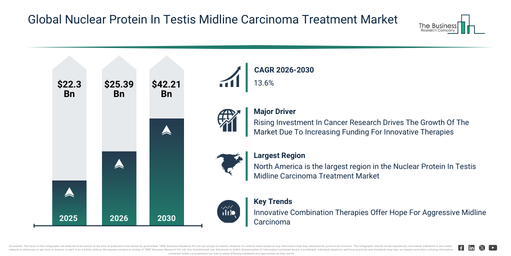
    The nuclear protein in testis midline carcinoma treatment market size has witnessed significant expansion in recent years. It is anticipated to increase from $22.3 billion in 2025 to $25.39 billion in 2026, progressing at a compound annual growth rate (CAGR) of 13.8%. The growth observed in the past period can be attributed to several factors such as enhanced recognition of nut midline carcinoma, developments in molecular diagnostic capabilities, the accessibility of combination chemotherapy protocols, the proliferation of specialized oncology treatment centers, and heightened awareness of rare cancers.

    The nuclear protein in testis midline carcinoma treatment market is anticipated to experience significant growth in the upcoming years. This market is expected to expand to $42.21 billion by 2030, reflecting a compound annual growth rate (CAGR) of 13.6%. The expansion during the forecast period is largely driven by increased investments in targeted oncology drug development, the rising adoption of precision oncology approaches, the broadening scope of immunotherapy research for rare cancers, growing collaborations between academic centers and pharmaceutical companies, and increasing regulatory support for orphan drugs. Major developments expected in this period include the rising development of targeted NUT fusion inhibitors, an increased reliance on molecular profiling for treatment selection, the growing acceptance of personalized therapy regimens, an expansion of clinical trials for rare cancers, and a heightened focus on combination treatment approaches.

    Get A Free Sample Report With In-Depth Market Insights:

    https://thebusinessresearchcompany.com/sample_request?id=74946267&type=smp&name=Nuclear%20Protein%20In%20Testis%20Midline%20Carcinoma%20Treatment%20Market%20Report%202026&utm_source=Blogs&utm_medium=Paid&utm_campaign=Nov_PR

    Nuclear Protein In Testis Midline Carcinoma Treatment Market Growth Backed By Core Demand Fundamentals

    The rising investment in cancer research is expected to drive the growth of the nuclear protein in testis midline carcinoma treatment market. Investment in cancer research involves the allocation of financial resources by governments, organizations, or private entities to fund studies, clinical trials, and innovations aimed at understanding, preventing, and treating cancer. This increasing investment is attributed to the growing prevalence of cancer, as a higher number of cases generates an urgent requirement for better treatments and innovative therapies. Rising investment in cancer research supports nuclear protein in testis (NUT) midline carcinoma treatment by facilitating the development of targeted therapies, advanced diagnostics, and innovative treatment approaches. Therefore, the rising investment in cancer research is fueling the growth of the nuclear protein in testis midline carcinoma treatment market.

    Nuclear Protein In Testis Midline Carcinoma Treatment Market Segmentation: How Does The Market Break Down By Category?

    The nuclear protein in testis midline carcinoma treatment market covered in this report is segmented –

    1) By Treatment: Chemotherapy, Targeted Therapy, Immunotherapy, Radiation Therapy, Other Treatments

    2) By Technology: Molecular Profiling, Personalized Medicine Approaches, Next-Generation Sequencing (NGS), Other Technologies

    3) By Route Of Administration: Oral, Intravenous, Other Routes Of Administration

    4) By Distribution Channels: Hospital Pharmacies, Retail Pharmacies, Online Pharmacies, Direct Sales

    5) By End-Use: Hospitals, Specialty Cancer Clinics, Ambulatory Surgical Centers, Cancer Research Institutes And Academic Hospitals, Other End-Uses

    Subsegments:

    1) By Chemotherapy: Platinum-Based Chemotherapy, Combination Chemotherapy, Single-Agent Chemotherapy, Adjuvant Chemotherapy

    2) By Targeted Therapy: Tyrosine Kinase Inhibitors, Small Molecule Inhibitors, Monoclonal Antibodies, Epigenetic Modulators

    3) By Immunotherapy: Immune Checkpoint Inhibitors, Adoptive Cell Therapy, Cancer Vaccines, Cytokine Therapy

    4) By Radiation Therapy: External Beam Radiation, Stereotactic Radiation, Proton Therapy, Brachytherapy

    5) By Other Treatments: Surgical Resection, Supportive Care, Palliative Care, Experimental Therapies

    Nuclear Protein In Testis Midline Carcinoma Treatment Market Growth Trends Reshaping The Competitive Landscape

    Leading companies in the nuclear protein in testis midline carcinoma treatment market are prioritizing innovative treatments, particularly combination therapies, to enhance efficacy and improve patient outcomes. Combination therapies involve using two or more distinct drugs or approaches concurrently to boost effectiveness and mitigate resistance in combating a disease. For instance, in July 2025, Zenith Epigenetics Ltd., a clinical-stage biotechnology company based in Canada, secured Fast Track designation from the U.S. Food and Drug Administration (FDA) for ZEN 3694, to be used in combination with abemaciclib. This treatment is intended for patients with metastatic or unresectable NUT carcinoma who have previously received at least one chemotherapy regimen. This designation aims to expedite the development and regulatory assessment of therapies addressing serious conditions with unfulfilled medical needs. These therapeutic agents, including an oral BET inhibitor, target the oncogenic NUTM1 fusion protein that drives NUT carcinoma, while abemaciclib, a CDK4/6 inhibitor, contributes to inhibiting the proliferation of cancer cells.

    Nuclear Protein In Testis Midline Carcinoma Treatment Market Competitive Overview And Top Companies

    Major companies operating in the nuclear protein in testis midline carcinoma treatment market are Johnson And Johnson, F. Hoffmann-La Roche Limited, Merck & Company Inc., Pfizer Inc., AbbVie Incorporated, Novartis International AG, Bristol-Myers Squibb Company, GlaxoSmithKline Public Limited Company, Takeda Pharmaceutical Company Limited, Gilead Sciences Inc., Siemens Healthineers AG, Biogen Inc., Illumina Inc., Varian Medical Systems Inc., Elekta AB, Accuray Incorporated, ViewRay Inc., Arcus Biosciences Inc., Xilio Therapeutics Inc., Zenith Epigenetics Inc.

    View The Full Nuclear Protein In Testis Midline Carcinoma Treatment Market Report:

    https://thebusinessresearchcompany.com/report/global-nuclear-protein-in-testis-midline-carcinoma-treatment-market-report?utm_source=Blogs&utm_medium=Paid&utm_campaign=Nov_PR

    Nuclear Protein In Testis Midline Carcinoma Treatment Market Geographic Spread And Regional Opportunities

    North America was the largest region in the nuclear protein in testis midline carcinoma treatment market in 2025. Asia-Pacific is expected to be the fastest-growing region in the forecast period. The regions covered in the nuclear protein in testis midline carcinoma treatment market report are Asia-Pacific, South East Asia, Western Europe, Eastern Europe, North America, South America, Middle East, Africa.

    Reach Out To Our Team:

    The Business Research Company: https://www.thebusinessresearchcompany.com/

    Americas: +1 310-496-7795

    Asia: +44 7882 955267 & +91 8897263534

    Europe: +44 7882 955267

    Email us at: marketing@tbrc.info

    Follow us on:

    LinkedIn: https://in.linkedin.com/company/the-business-research-company

    YouTube: https://www.youtube.com/channel/UC24_fI0rV8cR5DxlCpgmyFQ

    Global Market Model: https://www.thebusinessresearchcompany.com/global-market-model
  • Nuclear Medicine Market Size Forecast: How The Industry Is Expected To Grow From 2026 To 2030

    Nuclear Medicine Market Size Forecast: How The Industry Is Expected To Grow From 2026 To 2030

    Featuring market attractiveness scoring, total addressable market sizing, company benchmarking matrices, interactive Excel dashboards, deeper supply chain intelligence, emerging startup tracking, and granular product-level insights, The Business Research Company’s 2026 market reports are built to deliver research that is both more actionable and more strategically valuable.

    Nuclear Medicine Market Forecast: What Value Will The Market Reach By 2030?

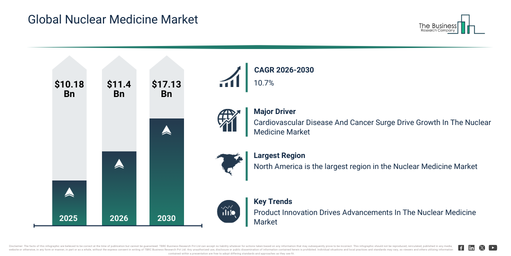
    The nuclear medicine market has experienced significant expansion in recent times. This market is forecast to increase from $10.18 billion in 2025 to $11.4 billion in 2026, exhibiting a compound annual growth rate (CAGR) of 11.9%. The growth observed in the historic period was attributed to elements like limited access to nuclear imaging equipment, the high cost of radiopharmaceuticals, a scarcity of trained personnel, insufficient hospital and diagnostic center infrastructure, and low patient awareness.

    The nuclear medicine market is projected to undergo significant expansion in the coming years, with its size expected to reach $17.13 billion by 2030, growing at a compound annual growth rate (CAGR) of 10.7%. This anticipated growth during the forecast period is fueled by several factors, including an escalating demand for advanced diagnostic and therapeutic procedures, growing government efforts in cancer and cardiac care, increased adoption by hospitals and diagnostic centers, continuous technological progress in radiopharmaceuticals and imaging, and rising patient awareness coupled with higher healthcare expenditure. Prominent trends for this period involve the increasing uptake of diagnostic imaging methods, wider application of therapeutic radiopharmaceuticals, a surge in demand for PET and SPECT scans, a heightened focus on oncology and cardiology applications, and expanded implementation within hospitals and diagnostic centers.

    Get A Free Sample Report With In-Depth Market Insights:

    https://thebusinessresearchcompany.com/sample_request?id=10524988&type=smp&name=Nuclear%20Medicine%20Market%20Report%202026&utm_source=Blogs&utm_medium=Paid&utm_campaign=Nov_PR

    Nuclear Medicine Market Growth Catalysts And Demand Drivers

    The rising incidence and widespread occurrence of cardiovascular disease (CVD) and cancer are anticipated to drive the expansion of the nuclear medicine market in the future. CVDs encompass various conditions affecting the heart and blood vessels, while cancer is characterized by uncontrolled cell growth that can metastasize to other areas of the body. Swift diagnosis of cardiac conditions can be facilitated by nuclear cardiac imaging. Furthermore, nuclear medicine therapy offers a treatment modality for cancer, potentially employed alongside or following other therapeutic approaches like surgery and chemotherapy. Consequently, the increasing incidence and prevalence of cardiovascular disease and cancer fuel the demand for the nuclear medicine market. Hence, the escalating incidence and commonness of cardiovascular diseases and cancer are acting as a primary driver for the nuclear medicine market.

    Nuclear Medicine Market Segment Trends And Revenue Contributors

    The nuclear medicine market covered in this report is segmented –

    1) By Type: Diagnostic, Therapeutic

    2) By Application: Cardiology, Lymphoma, Thyroid, Neurology, Oncology, Other Applications

    3) By End-User: Hospitals And Clinics, Diagnostic Centers, Other End-Users

    Subsegments:

    1) By Diagnostic: Single Photon Emission Computed Tomography (SPECT), Positron Emission Tomography (PET), Gamma Cameras

    2) By Therapeutic: Radiopharmaceuticals For Targeted Therapy, Beta Emitters, Alpha Emitters, Radiosynovectomy Agents

    Nuclear Medicine Market Trends Shaping Long-Term Demand

    Companies operating in the nuclear medicine market are prioritizing the development of innovative solutions, such as nuclear medicine cyclotrons, to improve the production of radiopharmaceuticals and enhance diagnostic imaging capabilities. Nuclear medicine cyclotrons are specialized particle accelerators that create radioactive isotopes for medical imaging and therapy by directing high-energy particles at target materials, thus enabling the synthesis of radiopharmaceuticals used in procedures like positron emission tomography (PET).

    Nuclear Medicine Market Competitive Landscape: Which Companies Lead The Industry?

    Major companies operating in the nuclear medicine market are Bracco Imaging S.P.A., Lantheus Medical Imaging Inc., NTP Radioisotopes SOC Ltd., Eckert & Ziegler Group, Jubilant Pharma LLC, Australian Nuclear Science & Technology Organisation, Cardinal Health Inc., GE Healthcare Technologies Inc., Curium Pharma, Advanced Accelerator Applications USA Inc., Nordion Inc., The Institute for Radioelements, Eczacibasi-Monrol Nuclear Products Co., Siemens Healthineers AG, Cambridge Isotope Laboratories Inc., Bayer AG, Triad Isotopes Inc., Mallinckrodt Pharmaceuticals plc, PharmaLogic Holdings Corp., Institute of Isotopes Co. Ltd., Sinotau Pharmaceuticals Limited, Isotopia Molecular Imaging Limited, SHINE Medical Technologies Inc., JSC Isotope Inc., NorthStar Medical Radioisotopes LLC, Global Medical Solutions LLC

    View The Full Nuclear Medicine Market Report:

    https://thebusinessresearchcompany.com/report/nuclear-medicine-global-market-report?utm_source=Blogs&utm_medium=Paid&utm_campaign=Nov_PR

    Nuclear Medicine Market Top Region By Revenue And Market Share

    North America was the largest region in the nuclear medicine market in 2025. Asia-Pacific is expected to be the fastest-growing region in the forecast period. The regions covered in the nuclear medicine market report are Asia-Pacific, South East Asia, Western Europe, Eastern Europe, North America, South America, Middle East, Africa.

    Reach Out To Our Team:

    The Business Research Company: https://www.thebusinessresearchcompany.com/

    Americas: +1 310-496-7795

    Asia: +44 7882 955267 & +91 8897263534

    Europe: +44 7882 955267

    Email us at: marketing@tbrc.info

    Follow us on:

    LinkedIn: https://in.linkedin.com/company/the-business-research-company

    YouTube: https://www.youtube.com/channel/UC24_fI0rV8cR5DxlCpgmyFQ

    Global Market Model: https://www.thebusinessresearchcompany.com/global-market-model
  • Nootropics Market Reaches $13.23 Billion In 2026: Forecast And Growth Opportunities

    Nootropics Market Reaches $13.23 Billion In 2026: Forecast And Growth Opportunities

    Built to provide research that’s more actionable and strategically valuable, The Business Research Company’s 2026 market reports include market attractiveness analysis, total addressable market sizing, company benchmarking matrices, interactive Excel dashboards, broader supply chain intelligence, emerging startup tracking, and in-depth product insights.

    Nootropics Market Size Outlook: How Quickly Will Revenue Expand Through 2030?

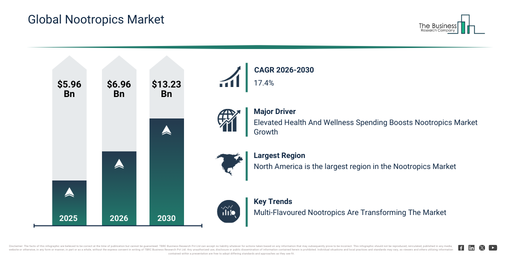
    The nootropics market size has experienced rapid expansion in recent years. Its value is projected to climb from $5.96 billion in 2025 to $6.96 billion by 2026, achieving a compound annual growth rate (CAGR) of 16.9%. Historically, the market’s development was shaped by elements like the constrained availability of prescription nootropics, limited consumer awareness, a dependency on traditional stimulants, the high expense of sophisticated cognitive enhancers, and restricted online distribution avenues.

    The nootropics market is projected to experience significant expansion in the coming years. By 2030, its valuation is set to reach $13.23 billion, demonstrating a compound annual growth rate (CAGR) of 17.4%. This expansion during the forecast period is fueled by several factors, including the increasing uptake of otc and prescription nootropics, a greater need for natural and synthetic blend products, improvements in both online and offline distribution channels, a heightened emphasis on cognitive health and anti-aging solutions, and advancements in formulation and delivery system technologies. Key trends during this period encompass a growing demand for cognitive enhancers and prescription nootropics, the rising popularity of otc nootropic supplements, an increase in the consumption of nootropic drinks and powders, a heightened focus on improving memory and mental performance, and greater consumer understanding of their benefits for mood, sleep, and anti-aging.

    Get A Free Sample Report With In-Depth Market Insights:

    https://thebusinessresearchcompany.com/sample_request?id=43552535&type=smp&name=Nootropics%20Market%20Report%202026&utm_source=Blogs&utm_medium=Paid&utm_campaign=Nov_PR

    Nootropics Market Opportunity Drivers: What’s Unlocking New Revenue Potential?

    The future expansion of the nootropics market is anticipated to be driven by increasing expenditure on health and wellness. Health and wellness are broadly defined as an individual’s pursuit of mental and physical well-being, representing a core aspect of the health and wellness industry. Nootropics contribute to maintaining an individual’s health and wellness, thus a rising demand for healthcare and wellness will correspondingly boost the need for nootropics. Therefore, the growing investment in healthcare and wellness acts as a key driver for the nootropics market.

    Nootropics Market Segment Analysis Spotlighting Growth Areas

    The nootropics market covered in this report is segmented –

    1) By Drug Type: Prescription Nootropics, Over-The-Counter (OTC) Nootropics

    2) By Form: Capsules Or Tablets, Powder, Drinks, Other Forms

    3) By Distribution Channel: Offline, Online

    4) By Application: Memory Enhancement, Mood And Depression, Attention And Focus, Sleep And Recovery, Anxiety

    Subsegments:

    1) By Prescription Nootropics: Stimulants, Cognitive Enhancers

    2) By Over-The-Counter (OTC) Nootropics: Natural Nootropics, Synthetic Nootropics, Nootropic Blends

    Nootropics Market Innovation Trends Shaping Future Development

    Leading companies in the nootropics market are developing multi-flavored nootropics, such as product line extensions in nutraceuticals, to improve cognitive and physical well-being. A product line extension in nutraceuticals signifies a strategy where a company introduces a new offering or variation within its existing health-focused brand portfolio, specifically in the nutraceutical sector, to address additional consumer requirements or expand benefits.

    Nootropics Market Leading Companies: Who Holds The Strongest Market Presence?

    Major companies operating in the nootropics market are Accelerated Intelligence Inc., AlternaScript Inc. Health Via Modern Nutrition Inc., Mental Mojo LLC., Peak Nootropics, PureLife Bioscience Co. Ltd., TruBrain, PepsiCo, Superior Supplement Manufacturing, Equinox Nutraceuticals, Natural Stacks Inc., Gaia Herbs Farms., Kimera Koffee LLC., Onnit Labs LLC., Reckitt Benckiser Group plc., OUTLIERS INC., Teva Pharmaceutical Industries Ltd., United Pharmacies o, Clarity Nootropics, OptiMind, HVMN Inc., BioAdaptives Inc., Powder City

    View The Full Nootropics Market Report:

    https://thebusinessresearchcompany.com/report/nootropics-global-market-report?utm_source=Blogs&utm_medium=Paid&utm_campaign=Nov_PR

    Nootropics Market Regional Analysis And Top Geography

    North America was the largest region in the nootropics market in 2025. Asia-Pacific is expected to be the fastest-growing region in the forecast period. The regions covered in the nootropics market report are Asia-Pacific, South East Asia, Western Europe, Eastern Europe, North America, South America, Middle East, Africa.

    Reach Out To Our Team:

    The Business Research Company: https://www.thebusinessresearchcompany.com/

    Americas: +1 310-496-7795

    Asia: +44 7882 955267 & +91 8897263534

    Europe: +44 7882 955267

    Email us at: marketing@tbrc.info

    Follow us on:

    LinkedIn: https://in.linkedin.com/company/the-business-research-company

    YouTube: https://www.youtube.com/channel/UC24_fI0rV8cR5DxlCpgmyFQ

    Global Market Model: https://www.thebusinessresearchcompany.com/global-market-model
  • Noonan Syndrome Market Growth In 2026: Market Size, Key Drivers And Future Outlook

    Noonan Syndrome Market Growth In 2026: Market Size, Key Drivers And Future Outlook

    Backed by market attractiveness analysis, total addressable market sizing, company benchmarking matrices, interactive Excel dashboards, wider supply chain intelligence, emerging startup coverage, and detailed product-level insights, The Business Research Company’s 2026 market reports are designed to offer research that is more actionable and strategically valuable than ever.

    Noonan Syndrome Market Size, Value And Growth Trajectory Through 2030

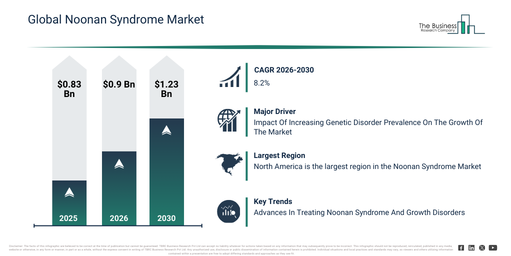
    The noonan syndrome market has witnessed robust expansion in recent years. This market is projected to expand from $0.83 billion in 2025 to $0.9 billion in 2026, demonstrating a compound annual growth rate (CAGR) of 8.5%. Factors contributing to the historic period’s growth include limited awareness of noonan syndrome, delayed genetic diagnosis, a lack of standardized treatment protocols, low accessibility of specialized clinics, and dependence on traditional diagnostic tests.

    The market for noonan syndrome is projected to experience robust expansion in the coming years. This market is anticipated to reach a valuation of $1.23 billion by 2030, exhibiting a compound annual growth rate (CAGR) of 8.2%. Key factors contributing to this anticipated growth include the increasing uptake of DNA sequencing and chromosomal analysis, the wider availability of individualized therapies, the expansion of early intervention initiatives, the broadening of hospital and home healthcare provisions, and progress in AI-powered diagnostic assistance. Significant trends expected during this period involve a greater embrace of genetic testing and DNA sequencing, the increased application of sophisticated ultrasound diagnostics, the growing incorporation of tailored treatment strategies, the broader implementation of early intervention methods, and the enhanced accessibility of remote and home healthcare services.

    Get A Free Sample Report With In-Depth Market Insights:

    https://thebusinessresearchcompany.com/sample_request?id=59478662&type=smp&name=Noonan%20Syndrome%20Market%20Report%202026&utm_source=Blogs&utm_medium=Paid&utm_campaign=Nov_PR

    Noonan Syndrome Market Growth Momentum: What Factors Are Shaping Demand?

    The rising occurrence of genetic conditions is projected to boost the expansion of the noonan syndrome market moving forward. These are illnesses resulting from alterations or flaws in an individual’s DNA, which may be passed down or emerge without a known cause. This growing frequency of genetic disorders stems from various elements, such as better detection methods, extended lifespans, and the impact of environmental elements. Noonan syndrome is significant for comprehending genetic disorders as it underscores how particular gene mutations affect physical growth, cardiac function, and general well-being, thereby furthering genetic studies and refining ways to diagnose and treat similar ailments. Consequently, the expanding occurrence of genetic disorders is fueling the growth of the noonan syndrome market.

    Noonan Syndrome Market Segment Performance And Emerging Opportunities

    The noonan syndrome market covered in this report is segmented –

    1) By Diagnosis: Ultrasound Test, Genetic Test, Other Diagnosis

    2) By Treatment: Heart Treatment, Learning Disabilities Treatment, Low Growth Treatment, Vision And Hearing Treatment, Bleeding And Bruising Treatment, Genital Problem Treatment, Lymphatic Problem Treatment, Other Treatments

    3) By Route Of Administration: Oral, Parenteral, Other Routes Of Administration

    4) By Distribution Channel: Direct Tenders, Retail Sales, Hospital Pharmacy, Retail Pharmacy, Online Pharmacy, Other Distribution Channels

    5) By End-User: Clinics, Hospitals, Home Healthcare, Other End-Users

    Subsegments:

    1) By Ultrasound Test: Cardiac Ultrasound (Echocardiogram), Abdominal Ultrasound

    2) By Genetic Test: DNA Sequencing, Chromosomal Analysis

    3) By Other Diagnosis: Physical Examination, Clinical Assessment, Imaging Tests (MRI, CT scans), Electrocardiogram (ECG)

    Noonan Syndrome Market Trends Redefining Industry Growth

    Leading companies within the noonan syndrome market are developing various treatments for growth-related conditions to enhance children’s health and disease management. Multiple growth-related disorders encompass diverse conditions that impact typical physical development, often originating from genetic, hormonal, or nutritional factors.

    Noonan Syndrome Market Key Players: Which Companies Lead Industry Competition?

    Major companies operating in the noonan syndrome market are Blueprint Genetics Inc., Prevention Genetics Inc., Mayo Clinic Laboratories, Labcorp Holdings Inc., Quest Diagnostics Inc., EasyDNA Limited, Illumina Inc., The Children’s Hospital of Philadelphia, BioMarin Pharmaceutical Incorporated, Children’s Hospital Colorado, Natera Incorporated, Fulgent Genetics Incorporated, Invitae Corporation, GeneDx Incorporated, Ambry Genetics Corporation, Baylor Genetics LLC, Dante Labs Inc., NIMGenetics S.L., 3billion Inc.

    View The Full Noonan Syndrome Market Report:

    https://thebusinessresearchcompany.com/report/noonan-syndrome-global-market-report?utm_source=Blogs&utm_medium=Paid&utm_campaign=Nov_PR

    Noonan Syndrome Market Geographic Analysis: Where Is Demand Rising Fastest?

    North America was the largest region in the noonan syndrome market in 2025. The regions covered in the noonan syndrome market report are Asia-Pacific, South East Asia, Western Europe, Eastern Europe, North America, South America, Middle East, Africa.

    Reach Out To Our Team:

    The Business Research Company: https://www.thebusinessresearchcompany.com/

    Americas: +1 310-496-7795

    Asia: +44 7882 955267 & +91 8897263534

    Europe: +44 7882 955267

    Email us at: marketing@tbrc.info

    Follow us on:

    LinkedIn: https://in.linkedin.com/company/the-business-research-company

    YouTube: https://www.youtube.com/channel/UC24_fI0rV8cR5DxlCpgmyFQ

    Global Market Model: https://www.thebusinessresearchcompany.com/global-market-model
  • Nontuberculous Mycobacterial Infection Market Size And Forecast 2026–2030: Trends Driving Industry Expansion

    Nontuberculous Mycobacterial Infection Market Size And Forecast 2026–2030: Trends Driving Industry Expansion

    Featuring market attractiveness scoring, total addressable market sizing, company benchmarking matrices, interactive Excel dashboards, deeper supply chain intelligence, emerging startup tracking, and granular product-level insights, The Business Research Company’s 2026 market reports are built to deliver research that is both more actionable and more strategically valuable.

    Nontuberculous Mycobacterial Infection Market CAGR Outlook And Future Development

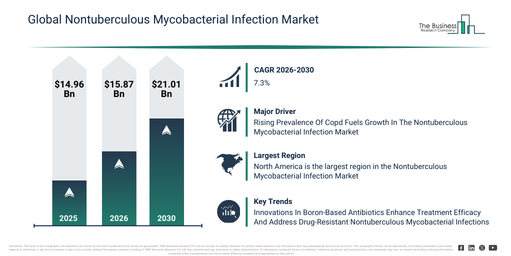
    The nontuberculous mycobacterial infection market has seen substantial growth in recent years. It is forecast to increase from $14.96 billion in 2025 to $15.87 billion in 2026, demonstrating a compound annual growth rate (CAGR) of 6.1%. This expansion historically stems from the high prevalence of pulmonary infections, the limited availability of effective treatments, challenges in the timely diagnosis of nontuberculous mycobacteria, ongoing reliance on traditional antibiotic regimens, and insufficient awareness among healthcare professionals.

    The nontuberculous mycobacterial infection market size is projected to experience robust expansion over the coming years. This market is set to reach $21.01 billion by 2030, exhibiting a compound annual growth rate (CAGR) of 7.3%. This expansion during the forecast period is fueled by several factors, including the increasing uptake of macrolide and rifampin combination therapies, the broader availability of aminoglycosides, the rise of personalized treatment methods, the enlargement of hospital and specialty pharmacy networks, and the creation of AI-powered monitoring and diagnostic tools. Key trends anticipated during this period encompass the growing adoption of macrolide and rifampin treatments, the increased application of aminoglycoside-based therapies, the broader implementation of combination drug regimens, the wider deployment of advanced diagnostic instruments, and the progressive integration of AI-driven treatment monitoring.

    Get A Free Sample Report With In-Depth Market Insights:

    https://thebusinessresearchcompany.com/sample_request?id=51924528&type=smp&name=Nontuberculous%20Mycobacterial%20Infection%20Market%20Report%202026&utm_source=Blogs&utm_medium=Paid&utm_campaign=Nov_PR

    Nontuberculous Mycobacterial Infection Market Expansion Drivers: What’s Shaping Future Growth?

    The increasing occurrence of chronic obstructive pulmonary disease (COPD) is anticipated to boost the expansion of the nontuberculous mycobacterial infection market in the future. COPD is a long-term respiratory ailment marked by ongoing and often worsening restrictions in lung airflow. For individuals with COPD, nontuberculous mycobacterial (NTM) infections are linked to a more substantial reduction in forced expiratory volume in one second (FEV1) and a higher rate of exacerbations. This condition can compromise the immune system and harm lung tissue, thereby facilitating NTM bacterial infection of the lungs. Consequently, the growing prevalence of chronic obstructive pulmonary disease (COPD) is propelling the expansion of the nontuberculous mycobacterial infection market.

    Nontuberculous Mycobacterial Infection Market Segment Landscape And Growth Outlook

    The nontuberculous mycobacterial infection market covered in this report is segmented –

    1) By Drug Class: Macrolides, Rifampin, Aminoglycoside, Other Drug Classes

    2) By Route Of Administration: Oral, Parenteral, Other Routes Of Administration

    3) By Distribution Channel: Hospital Pharmacies, Retail Pharmacies, Online Pharmacies

    Subsegments:

    1) By Macrolides: Azithromycin, Clarithromycin, Erythromycin

    2) By Rifampin: Rifampin Monotherapy, Rifampin Combination Therapy, Extended-Duration Rifampin Therapy

    3) By Aminoglycoside: Amikacin, Streptomycin, Tobramycin

    4) By Other Drug Classes: Fluoroquinolones, Ethambutol, Linezolid, Clofazimine

    Nontuberculous Mycobacterial Infection Market Strategic Trends: What Defines The Next Growth Phase?

    Leading companies in the nontuberculous mycobacterial infection market are prioritizing the creation of advanced therapies, including boron-based antibiotics, to improve the effectiveness of treatments, combat drug resistance, and enhance patient results. These boron-based antibiotics are small-molecule treatments engineered to impede bacterial protein synthesis, providing powerful and safer choices for stubborn infections.

    Nontuberculous Mycobacterial Infection Market Competitive Landscape: Who Leads The Industry?

    Major companies operating in the nontuberculous mycobacterial infection market are Teva Pharmaceutical Industries Ltd., Mylan N.V., Sun Pharmaceutical Industries Ltd., Lupin Limited, Insmed Incorporated, Paratek Pharmaceuticals Inc., Spero Therapeutics Inc., Aradigm Corporation, Dauntless Pharmaceuticals Inc., Validus Pharmaceuticals LLC, Savara Inc, Mannkind Corporation, Matinas BioPharma Holdings Inc, Vast Therapeutics Inc, Crestone Inc, AN2 Therapeutics Inc, Revimmune Inc, Shionogi Co Ltd, Summit Therapeutics plc, BioVersys AG, RedHill Biopharma Ltd, Shanghai MicuRx Pharmaceutical Co Ltd, Otsuka Pharmaceutical Co Ltd, Cipla Limited, Daiichi Sankyo Company Ltd.

    View The Full Nontuberculous Mycobacterial Infection Market Report:

    https://thebusinessresearchcompany.com/report/nontuberculous-mycobacterial-infection-global-market-report?utm_source=Blogs&utm_medium=Paid&utm_campaign=Nov_PR

    Nontuberculous Mycobacterial Infection Market Global Footprint: Which Region Leads The Market?

    North America was the largest region in the nontuberculous mycobacterial infection market in 2025. North America is expected to be the fastest-growing region in the forecast period. The regions covered in the nontuberculous mycobacterial infection market report are Asia-Pacific, South East Asia, Western Europe, Eastern Europe, North America, South America, Middle East, Africa.

    Reach Out To Our Team:

    The Business Research Company: https://www.thebusinessresearchcompany.com/

    Americas: +1 310-496-7795

    Asia: +44 7882 955267 & +91 8897263534

    Europe: +44 7882 955267

    Email us at: marketing@tbrc.info

    Follow us on:

    LinkedIn: https://in.linkedin.com/company/the-business-research-company

    YouTube: https://www.youtube.com/channel/UC24_fI0rV8cR5DxlCpgmyFQ

    Global Market Model: https://www.thebusinessresearchcompany.com/global-market-model
  • Non-Surgical Cosmetic Procedures Market 2026 Outlook: Market Size, CAGR And Key Growth Opportunities

    Non-Surgical Cosmetic Procedures Market 2026 Outlook: Market Size, CAGR And Key Growth Opportunities

    Built to provide research that’s more actionable and strategically valuable, The Business Research Company’s 2026 market reports include market attractiveness analysis, total addressable market sizing, company benchmarking matrices, interactive Excel dashboards, broader supply chain intelligence, emerging startup tracking, and in-depth product insights.

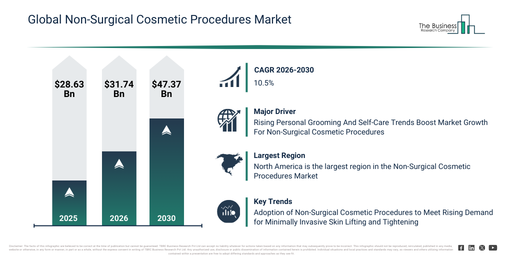
    Non-Surgical Cosmetic Procedures Market Set To Climb From $31.74 Billion In 2026 To $47.37 Billion By 2030

    The market size for non-surgical cosmetic procedures has experienced rapid expansion in recent years. It is projected to increase from $28.63 billion in 2025 to $31.74 billion in 2026, demonstrating a compound annual growth rate (CAGR) of 10.9%. The growth observed in the past can be ascribed to factors such as growing aesthetic awareness among consumers, the proliferation of outpatient cosmetic clinics, increasing social media influence on appearance, rising acceptance of cosmetic treatments, and improved availability of trained practitioners.

    The non-surgical cosmetic procedures market is anticipated to experience significant expansion in the coming years. Its valuation is projected to reach $47.37 billion by 2030, driven by a compound annual growth rate (CAGR) of 10.5%. The projected growth during this period is attributable to an escalating demand for personalized aesthetics, the increasing integration of advanced laser and energy-based devices, the broadening adoption of male cosmetic treatments, a greater emphasis on preventive aesthetics, and ongoing advancements in minimally invasive technologies. Prominent trends anticipated within the forecast period include a surging demand for injectable aesthetic treatments, the rising uptake of non-invasive skin rejuvenation technologies, an expanding application of personalized cosmetic procedures, the proliferation of energy-based aesthetic devices, and an intensified focus on minimally invasive techniques.

    Get A Free Sample Report With In-Depth Market Insights:

    https://thebusinessresearchcompany.com/sample_request?id=33840658&type=smp&name=Non-Surgical%20Cosmetic%20Procedures%20Market%20Report%202026&utm_source=Blogs&utm_medium=Paid&utm_campaign=Nov_PR

    Non-Surgical Cosmetic Procedures Market Development Factors: What’s Supporting Demand?

    The expanding focus on personal grooming and self-care is anticipated to fuel the growth of the non-surgical cosmetic procedures market moving forward. Personal grooming and self-care encompass the routines and actions individuals undertake to uphold their physical appearance, hygiene, and general well-being. The surge in personal grooming and self-care is propelled by heightened beauty awareness, the influence of social media, and an increasing emphasis on wellness and self-confidence. Non-surgical cosmetic procedures complement personal grooming and self-care by offering swift, minimally invasive alternatives for enhancing looks and improving self-assurance. Therefore, the increasing demand for personal grooming and self-care is a significant driver for the growth of the non-surgical cosmetic procedures market.

    Non-Surgical Cosmetic Procedures Market Breakdown By Product Type And Application

    The non-surgical cosmetic procedures market covered in this report is segmented –

    1) By Technique: Botulinum Toxins, Hyaluronic Acid-Based Derma Fillers, Hair Removal, Other Techniques

    2) By Gender: Women, Men

    3) By End User: Hospitals Or Surgery Centers, MedSpas, Healthcare Professionals-Owned Clinics

    Subsegments:

    1) By Botulinum Toxins: Botox, Dysport, Xeomin, Jeuveau

    2) By Hyaluronic Acid-Based Derma Fillers: Juvederm, Restylane, Belotero, Teosyal, Captique

    3) By Hair Removal: Laser Hair Removal, Intense Pulsed Light (IPL) Hair Removal, Radiofrequency-Based Hair Removal, Electrolysis

    4) By Other Techniques: Chemical Peels, Microdermabrasion, Non-Surgical Fat Reduction, Skin Tightening, Non-Surgical Facelift, Lip Augmentation, Cellulite Treatment, Dermal Micro-Needling

    Non-Surgical Cosmetic Procedures Market Transformation Trends: What Innovations Are Driving Change?

    Leading companies active within the non-surgical cosmetic procedures market are prioritizing the creation of technological advancements, such as micro-focused ultrasound skin-lifting platforms, to address the growing need for effective, non-invasive facial rejuvenation, skin tightening, and treatment for age-related skin laxity. A micro-focused ultrasound system transmits focused ultrasound energy to deep dermal and sub-dermal tissue layers, triggering the body’s own generation of natural collagen and elastin without requiring incisions, anesthesia, or recovery periods, thereby presenting a non-surgical option instead of traditional facelifts.

    Non-Surgical Cosmetic Procedures Market Company Landscape And Competitive Strategy

    Major companies operating in the non-surgical cosmetic procedures market are AbbVie Inc., Galderma S.A., Merz Pharma GmbH and Co KGaA, Revance Therapeutics Inc., Cynosure Inc., BTL Industries, InMode Ltd, Lumenis Be Ltd., Sisram Medical Ltd, Cutera Inc., Lutronic Corporation, Candela Corporation, Fotona d.o.o., Alma Lasers Ltd, Sciton Inc., EndyMed Medical Ltd, Johnson and Johnson, Shiseido Company Limited, Sientra Inc., Strata Skin Sciences

    View The Full Non-Surgical Cosmetic Procedures Market Report:

    https://thebusinessresearchcompany.com/report/non-surgical-cosmetic-procedures-global-market-report?utm_source=Blogs&utm_medium=Paid&utm_campaign=Nov_PR

    Non-Surgical Cosmetic Procedures Market Regional Split: Which Areas Are Fueling Growth?

    North America was the largest region in the non-surgical cosmetic procedures market in 2025. The regions covered in the non-surgical cosmetic procedures market report are Asia-Pacific, South East Asia, Western Europe, Eastern Europe, North America, South America, Middle East, Africa.

    Reach Out To Our Team:

    The Business Research Company: https://www.thebusinessresearchcompany.com/

    Americas: +1 310-496-7795

    Asia: +44 7882 955267 & +91 8897263534

    Europe: +44 7882 955267

    Email us at: marketing@tbrc.info

    Follow us on:

    LinkedIn: https://in.linkedin.com/company/the-business-research-company

    YouTube: https://www.youtube.com/channel/UC24_fI0rV8cR5DxlCpgmyFQ

    Global Market Model: https://www.thebusinessresearchcompany.com/global-market-model
  • Non-Small Cell Lung Cancer (NSCLC) Market Size Growth: From $46.65 Billion In 2026 To $70.81 Billion By 2030

    Non-Small Cell Lung Cancer (NSCLC) Market Size Growth: From $46.65 Billion In 2026 To $70.81 Billion By 2030

    Backed by market attractiveness analysis, total addressable market sizing, company benchmarking matrices, interactive Excel dashboards, wider supply chain intelligence, emerging startup coverage, and detailed product-level insights, The Business Research Company’s 2026 market reports are designed to offer research that is more actionable and strategically valuable than ever.

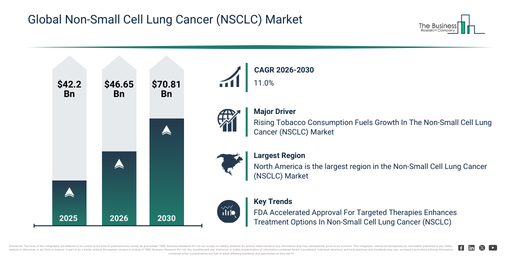
    Non-Small Cell Lung Cancer (NSCLC) Market Forecast: Value Set To Climb From $46.65 Billion To $70.81 Billion

    The non-small cell lung cancer (nsclc) market has experienced rapid expansion recently. It is projected to expand from $42.2 billion in 2025 to $46.65 billion by 2026, demonstrating a compound annual growth rate (CAGR) of 10.5%. Historically, this growth has been influenced by a high prevalence of smoking, exposure to air pollution, late-stage diagnosis, limited targeted therapy options, and a reliance on conventional chemotherapy.

    The non-small cell lung cancer (nsclc) market size is projected to undergo rapid expansion in the coming years. It is forecast to grow to $70.81 billion by 2030, achieving a compound annual growth rate (CAGR) of 11.0%. The anticipated increase during this period can be ascribed to the rising adoption of targeted therapies and immunotherapy, enhanced investment in lung cancer diagnostics, the advancement of personalized medicine, the growth of oncology centers and specialty clinics, and the development of AI-based predictive models and imaging solutions. Prominent trends expected in the forecast period include the increasing acceptance of targeted therapy and immunotherapy, greater utilization of advanced radiotherapy techniques, the growing application of laser therapy and photodynamic therapy, expanding deployment of early diagnosis and screening programs, and the progressing integration of AI-powered imaging and predictive oncology.

    Get A Free Sample Report With In-Depth Market Insights:

    https://thebusinessresearchcompany.com/sample_request?id=78489878&type=smp&name=Non-Small%20Cell%20Lung%20Cancer%20%28NSCLC%29%20Market%20Report%202026&utm_source=Blogs&utm_medium=Paid&utm_campaign=Nov_PR

    Non-Small Cell Lung Cancer (NSCLC) Market Industry Drivers: What’s Behind The Revenue Growth?

    The non-small cell lung cancer (NSCLC) market is projected to expand due to the rising prevalence of tobacco consumption. This involves individuals utilizing tobacco products, commonly through smoking, chewing, or snuffing, thereby introducing nicotine and various other chemicals into their systems. Numerous carcinogens found in tobacco smoke are capable of harming the DNA (deoxyribonucleic acid) within lung cells, resulting in mutations and the unchecked proliferation of cancerous cells, such as non-small-cell lung cancer (NSCLC). Consequently, the escalating rate of tobacco consumption is fueling the expansion of the non-small cell lung cancer (NSCLC) market.

    Non-Small Cell Lung Cancer (NSCLC) Market Segment Analysis And Revenue Potential

    The non-small cell lung cancer (nsclc) market covered in this report is segmented –

    1) By Type: Squamous Cell Carcinoma, Large Cell Carcinoma, Adenocarcinoma, Other Types

    2) By Therapy: Radiotherapy, Laser Therapy, Photodynamic Therapy (PDT), Other Therapies

    3) By Distribution Channel: Hospital Pharmacy, Online Pharmacy, Other Distribution Channels

    Subsegments:

    1) By Squamous Cell Carcinoma: Keratinizing Squamous Cell Carcinoma, Non-Keratinizing Squamous Cell Carcinoma

    2) By Large Cell Carcinoma: Undifferentiated Large Cell Carcinoma, Large Cell Neuroendocrine Carcinoma

    3) By Adenocarcinoma: Invasive Adenocarcinoma, Bronchioloalveolar Carcinoma

    4) By Other Types: Mixed Cell Type Carcinoma, Sarcomatoid Carcinoma

    #Non-Small Cell Lung Cancer (NSCLC) Market Growth Trends: What’s Shaping The Future Outlook?

    Leading firms in the non-small cell lung cancer sector are concentrating on creating targeted treatments, like those receiving FDA accelerated approval for specific genetic mutations, to improve patient care. This regulatory route allows the U.S. Food and Drug Administration (FDA) to grant earlier clearance for treatments designed to address molecular or genetic irregularities in a condition, relying on surrogate or intermediate clinical measures that are expected to forecast clinical benefits. As an illustration, in July 2025, Dizal (Jiangsu) Pharmaceutical Co., Ltd., a research-focused biotechnology company from China, introduced sunvozertinib (Zegfrovy) for adult individuals suffering from locally advanced or metastatic NSCLC with EGFR exon 20 insertion mutations, particularly those whose disease progressed following platinum-based chemotherapy. Zegfrovy is taken orally, 200 mg once daily, alongside food, continuing until the disease advances or intolerable side effects occur. In the WU-KONG1B trial, the treatment exhibited a confirmed overall response rate of 46% and an 11.1-month duration of response. The FDA’s clearance further encompassed the Oncomine Dx Express Test, serving as a companion diagnostic tool to identify suitable patients. Sunvozertinib comes with cautionary notes regarding interstitial lung disease, gastrointestinal and skin reactions, ocular toxicity, and embryo-fetal toxicity, indicating its extensive safety considerations.

    Non-Small Cell Lung Cancer (NSCLC) Market Key Players Shaping Industry Direction

    Major companies operating in the non-small cell lung cancer (nsclc) market are Pfizer Inc., F. Hoffmann-La Roche AG, Merck & Co. Inc., AbbVie Inc., Novartis AG, Sanofi S.A., Bristol-Myers Squibb Company, AstraZeneca plc, GlaxoSmithKline Plc, Takeda Pharmaceutical Company Limited, Eli Lilly and Company, Amgen Inc., Regeneron Pharmaceuticals Inc., Astellas Pharma Inc., Clovis Oncology, Revolution Medicines, Boehringer Ingelheim GmbH, Johnson & Johnson, Daiichi Sankyo Company Limited, BeiGene Ltd., DualityBio, Gilead Sciences Inc., Mirati Therapeutics Inc., Arcus Biosciences Inc., NeoImmuneTech

    View The Full Non-Small Cell Lung Cancer (NSCLC) Market Report:

    https://thebusinessresearchcompany.com/report/non-small-cell-lung-cancer-nsclc-global-market-report?utm_source=Blogs&utm_medium=Paid&utm_campaign=Nov_PR

    Non-Small Cell Lung Cancer (NSCLC) Market Top Region: Where Does Most Revenue Come From?

    North America was the largest region in the non-small cell lung cancer (NSCLC) market in 2025. Asia-Pacific is expected to be the fastest-growing region in the forecast period. The regions covered in the non-small cell lung cancer (nsclc) market report are Asia-Pacific, South East Asia, Western Europe, Eastern Europe, North America, South America, Middle East, Africa.

    Reach Out To Our Team:

    The Business Research Company: https://www.thebusinessresearchcompany.com/

    Americas: +1 310-496-7795

    Asia: +44 7882 955267 & +91 8897263534

    Europe: +44 7882 955267

    Email us at: marketing@tbrc.info

    Follow us on:

    LinkedIn: https://in.linkedin.com/company/the-business-research-company

    YouTube: https://www.youtube.com/channel/UC24_fI0rV8cR5DxlCpgmyFQ

    Global Market Model: https://www.thebusinessresearchcompany.com/global-market-model