Blog

  • Duchenne Muscular Dystrophy (DMD) Therapeutics Market Forecast Insights: The Road To $62.12 Billion By 2030

    Duchenne Muscular Dystrophy (DMD) Therapeutics Market Forecast Insights: The Road To $62.12 Billion By 2030

    Backed by market attractiveness analysis, total addressable market sizing, company benchmarking matrices, interactive Excel dashboards, wider supply chain intelligence, emerging startup coverage, and detailed product-level insights, The Business Research Company’s 2026 market reports are designed to offer research that is more actionable and strategically valuable than ever.

    Duchenne Muscular Dystrophy (DMD) Therapeutics Market Poised To Hit $62.12 Billion By 2030 With A 30.5% CAGR

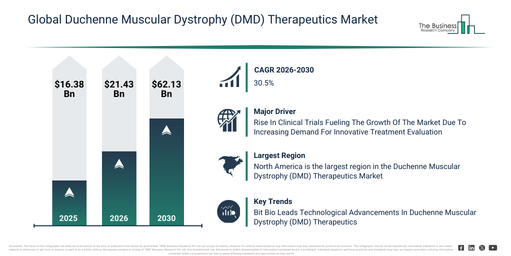
    The duchenne muscular dystrophy (dmd) therapeutics market size has experienced significant expansion in recent years. It is anticipated to increase from $16.38 billion in 2025 to $21.43 billion in 2026, demonstrating a compound annual growth rate (CAGR) of 30.8%. The historical growth in this sector is attributable to the rising prevalence of duchenne muscular dystrophy, enhanced awareness among healthcare providers, the initiation of early-stage clinical trials, broader adoption of physiotherapy and supportive care, and government incentives for rare disease treatments.

    The duchenne muscular dystrophy (dmd) therapeutics market is anticipated to experience significant expansion in the upcoming years. It is projected to reach $62.13 billion in 2030, exhibiting a compound annual growth rate (CAGR) of 30.5%. This growth over the forecast period is fueled by advancements in gene therapy, increasing investment in precision medicine, the integration of technology in patient monitoring, the scaling up of biologics manufacturing, and enhanced collaboration between pharmaceutical and biotech companies. Prominent trends for the forecast period include the development of personalized therapeutics, continued progress in gene editing and gene therapy, innovative drug delivery systems, the broadening of the orphan drug market, and the adoption of patient-centric care models.

    Get A Free Sample Report With In-Depth Market Insights:

    https://thebusinessresearchcompany.com/sample_request?id=41186216&type=smp&name=Duchenne%20Muscular%20Dystrophy%20%28DMD%29%20Therapeutics%20Market%20Report%202026&utm_source=Blogs&utm_medium=Paid&utm_campaign=Oct_PR

    Duchenne Muscular Dystrophy (DMD) Therapeutics Market Growth Backed By Core Demand Fundamentals

    An increasing volume of clinical trials is anticipated to drive the expansion of the Duchenne muscular dystrophy (DMD) therapeutics market in the future. These trials involve research studies with human subjects, aiming to assess the safety, effectiveness, and prospective advantages of novel medical therapies, procedures, or pharmaceuticals. The surge in clinical trials is a result of the rising need for groundbreaking treatments that cater to existing medical gaps. Specifically, Duchenne muscular dystrophy (DMD) therapeutics undergo testing in these trials to determine their capacity to decelerate the disease’s progression and enhance patients’ muscle function. As an illustration, a report from April 2025 by the NLM (National Library of Medicine), a US government agency, indicated that 27,751 interventional clinical trials commenced in 2023. Consequently, the increasing initiation of clinical trials is set to boost the expansion of the Duchenne muscular dystrophy (DMD) therapeutics market.

    Duchenne Muscular Dystrophy (DMD) Therapeutics Market Segment Outlook: Which Categories Are Growing Fastest?

    The duchenne muscular dystrophy (dmd) therapeutics market covered in this report is segmented –

    1) By Type: Small Molecules, Biologics

    2) By Distribution Channel: Offline, Online

    3) By Application: Hospitals, Clinics, Home Care

    Subsegments:

    1) By Small Molecules: Exon Skipping Therapies, Antisense Oligonucleotides, Read-Through Compounds

    2) By Biologics: Gene Therapies, Cell Therapies, Protein Replacement Therapies

    Duchenne Muscular Dystrophy (DMD) Therapeutics Market Growth Trends Reshaping The Competitive Landscape

    Leading companies in the duchenne muscular dystrophy (DMD) therapeutics market are integrating novel technologies to boost the effectiveness and accessibility of treatments for DMD patients, thereby sustaining their market standing. For example, Bit Bio Ltd., a UK-based synthetic biology company, released disease model products in July 2023 to further Duchenne muscular dystrophy treatments. These disease models, identified as ioSkeletal Myocytes DMD Exon 44 Deletion and ioSkeletal Myocytes DMD Exon 52 Deletion, consist of human skeletal myocytes with genetically engineered deletions in the gene that produces dystrophin protein. Bit. Bio’s models, which are reprogrammed from induced pluripotent stem cells (iPSCs), offer a consistent and scalable supply of human cells for research, thereby resolving issues linked to variability and the procurement of primary cells. The models aid in the advancement of DMD treatments, furnishing insights into disease mechanisms and prospective therapies. This breakthrough could hasten researchers’ pursuit of effective DMD treatments.

    Duchenne Muscular Dystrophy (DMD) Therapeutics Market Leading Companies And Competitive Benchmarking

    Major companies operating in the duchenne muscular dystrophy (dmd) therapeutics market are BioMarin Pharmaceutical Inc., Sarepta Therapeutics Inc., PTC Therapeutics Inc., Exonics Therapeutics Inc., Wave Life Sciences Ltd., MeiraGTx Holdings plc, Editas Medicine Inc., Solid Biosciences Inc., Santhera Pharmaceuticals Holding, Avidity Biosciences LLC, ReveraGen BioPharma Inc., Capricor Therapeutics Inc., Dynacure S.A., Summit Therapeutics plc, CRISPR Therapeutics AG, Akouos Inc., Audentes Therapeutics Inc., Stoke Therapeutics Inc., Astellas Pharma Inc., Translate Bio Inc., Ultragenyx Pharmaceutical Inc.

    View The Full Duchenne Muscular Dystrophy (DMD) Therapeutics Market Report:

    https://thebusinessresearchcompany.com/report/duchenne-muscular-dystrophy-dmd-therapeutics-global-market-report?utm_source=Blogs&utm_medium=Paid&utm_campaign=Oct_PR

    Duchenne Muscular Dystrophy (DMD) Therapeutics Market Regional Distribution: Which Areas Power Market Growth?

    North America was the largest region in the DMD therapeutics market in 2025. The regions covered in the duchenne muscular dystrophy (dmd) therapeutics market report are Asia-Pacific, South East Asia, Western Europe, Eastern Europe, North America, South America, Middle East, Africa.

    Reach Out To Our Team:

    The Business Research Company: https://www.thebusinessresearchcompany.com/

    Americas: +1 310-496-7795

    Asia: +44 7882 955267 & +91 8897263534

    Europe: +44 7882 955267

    Email us at: marketing@tbrc.info

    Follow us on:

    LinkedIn: https://in.linkedin.com/company/the-business-research-company

    YouTube: https://www.youtube.com/channel/UC24_fI0rV8cR5DxlCpgmyFQ

    Global Market Model: https://www.thebusinessresearchcompany.com/global-market-model
  • Duchenne Muscular Dystrophy Market Explained: What Is Fueling Growth To $1.87 Billion By 2030?

    Duchenne Muscular Dystrophy Market Explained: What Is Fueling Growth To $1.87 Billion By 2030?

    Featuring market attractiveness scoring, total addressable market sizing, company benchmarking matrices, interactive Excel dashboards, deeper supply chain intelligence, emerging startup tracking, and granular product-level insights, The Business Research Company’s 2026 market reports are built to deliver research that is both more actionable and more strategically valuable.

    Duchenne Muscular Dystrophy Market Size And Revenue Outlook Through 2030

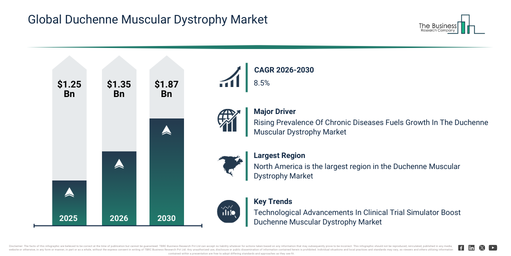
    The duchenne muscular dystrophy market size has shown significant growth in recent years. It is anticipated to expand from $1.25 billion in 2025 to $1.35 billion in 2026, exhibiting a compound annual growth rate (CAGR) of 7.9%. The growth observed in the past can be attributed to the increasing prevalence of duchenne muscular dystrophy, advancements in molecular biology techniques, rising awareness about rare genetic disorders, the development of early diagnostic tools, and increasing research collaborations between academic and pharmaceutical institutions.

    The duchenne muscular dystrophy market is anticipated to show significant expansion in the coming years. It is projected to increase to $1.87 billion in 2030, achieving a compound annual growth rate (CAGR) of 8.5%. This anticipated growth can be attributed to several factors, including the rising adoption of gene therapy, the broadening application of precision medicine, increased financial commitment to rare disease drug development, regulatory inducements for orphan drugs, and the incorporation of digital health technologies into patient care. Prominent developments for the forecast period encompass advancements in gene editing, the establishment of personalized treatment protocols, enhanced funding for rare disease research, the evolution of patient-centric care models, and continued progress in orphan drug development.

    Get A Free Sample Report With In-Depth Market Insights:

    https://thebusinessresearchcompany.com/sample_request?id=82018469&type=smp&name=Duchenne%20Muscular%20Dystrophy%20Market%20Report%202026&utm_source=Blogs&utm_medium=Paid&utm_campaign=Oct_PR

    Duchenne Muscular Dystrophy Market Growth Catalysts And Demand Drivers

    The rising occurrence of chronic diseases is projected to drive the growth of the Duchenne muscular dystrophy market in the upcoming period. A chronic disease is defined as a health problem or state characterized by symptoms persisting for at least a year. Duchenne muscular dystrophy contributes to the prevalence of chronic diseases by addressing the unique therapeutic requirements of individuals living with this genetic condition, thereby emphasizing the broader importance of personalized medicine in managing and potentially reducing the impact of chronic conditions. For instance, in January 2023, as per the National Library of Medicine, a US-based government agency, the count of individuals in the US aged 50 and older with at least 1 chronic condition is expected to increase to 142.66 million by 2050. Hence, the increasing prevalence of chronic diseases is propelling the expansion of the Duchenne muscular dystrophy market.

    Duchenne Muscular Dystrophy Market Segment Landscape: Which Areas Lead Development?

    The duchenne muscular dystrophy market covered in this report is segmented –

    1) By Therapy: Mutation Suppression, Exon Skipping Approach

    2) By Therapeutic Class: Molecular Based Therapies, Steroid Therapy

    3) By Route Of Administration: Oral, Parenteral, Other Routes Of Administration

    4) By Distribution Channel: Hospital Pharmacy, Online Pharmacy, Retail Pharmacy

    5) By End User: Hospitals, Homecare, Specialty Clinics, Other End-Users

    Subsegments:

    1) By Mutation Suppression: Antisense Oligonucleotides (ASOs), Small Molecules, Gene Therapy

    2) By Exon Skipping Approach: Exon-Skipping Therapies, Combination Therapies, Clinical Trials And Investigational Drugs

    Duchenne Muscular Dystrophy Market Trends Shaping Long-Term Demand

    Leading firms within the Duchenne muscular dystrophy market are implementing technological improvements, including advancements in clinical trial design, with the goal of boosting the efficacy and speed of drug development, improving patient results, and expediting the authorization of novel treatments. This involves the structured planning and organization of a clinical trial to assess a new therapy’s safety and effectiveness, encompassing the establishment of objectives, participant selection, and the definition of methodologies and analyses. As an illustration, in March 2024, the Critical Path Institute (C-Path), a US-based non-profit entity, introduced the DMD Clinical Trial Simulator (CTS). This groundbreaking tool, created by C-Path’s Duchenne Regulatory Science Consortium, is designed to refine the structure of efficacy investigations for DMD treatments. Its primary functionalities encompass sophisticated modeling of functional test outcomes, the capacity to simulate diverse situations, enhanced efficiency in trial planning, and public availability through the C-Path website and the Rare Disease Cures Accelerator-Data and Analytics Platform (RDCA-DAP). Consequently, it stands as an important asset for researchers and pharmaceutical enterprises involved in DMD studies.

    Duchenne Muscular Dystrophy Market Industry Leaders And Competitive Landscape

    Major companies operating in the duchenne muscular dystrophy market are Pfizer Inc., GlaxoSmithKline plc, BioMarin Pharmaceutical Inc., Sarepta Therapeutics Inc., PTC Therapeutics Inc., Asklepios BioPharmaceutical Inc., Catabasis Pharmaceuticals Inc., Wave Life Sciences Ltd., Bristol Myers Squibb Company, BridgeBio Pharma Inc., Rocket Pharmaceuticals Inc., Italfarmaco SpA, Solid Biosciences Inc., Avidity Biosciences Inc., Fulcrum Therapeutics Inc., Akashi Therapeutics Inc., Capricor Therapeutics Inc., Santhera Pharmaceuticals Holding, Armagen Technologies Inc., Dyne Therapeutics Inc., Benitec Biopharma Limited, Edgewise Therapeutics Inc., WAVE Life Sciences Ltd.

    View The Full Duchenne Muscular Dystrophy Market Report:

    https://thebusinessresearchcompany.com/report/duchenne-muscular-dystrophy-global-market-report?utm_source=Blogs&utm_medium=Paid&utm_campaign=Oct_PR

    Duchenne Muscular Dystrophy Market Leading Geography: Which Region Contributes The Most Revenue?

    North America was the largest region in the Duchenne muscular dystrophy market in 2025. Asia-Pacific is expected to be the fastest-growing region in the global duchenne muscular dystrophy market during the forecast period. The regions covered in the duchenne muscular dystrophy market report are Asia-Pacific, South East Asia, Western Europe, Eastern Europe, North America, South America, Middle East, Africa.

    Reach Out To Our Team:

    The Business Research Company: https://www.thebusinessresearchcompany.com/

    Americas: +1 310-496-7795

    Asia: +44 7882 955267 & +91 8897263534

    Europe: +44 7882 955267

    Email us at: marketing@tbrc.info

    Follow us on:

    LinkedIn: https://in.linkedin.com/company/the-business-research-company

    YouTube: https://www.youtube.com/channel/UC24_fI0rV8cR5DxlCpgmyFQ

    Global Market Model: https://www.thebusinessresearchcompany.com/global-market-model
  • DTP Vaccines Market Forecast To Reach $7.62 Billion By 2030: Key Trends Explained

    DTP Vaccines Market Forecast To Reach $7.62 Billion By 2030: Key Trends Explained

    Built to provide research that’s more actionable and strategically valuable, The Business Research Company’s 2026 market reports include market attractiveness analysis, total addressable market sizing, company benchmarking matrices, interactive Excel dashboards, broader supply chain intelligence, emerging startup tracking, and in-depth product insights.

    DTP Vaccines Market Growth From $5.78 Billion In 2026 To $7.62 Billion By 2030 At A CAGR Of 7.1%

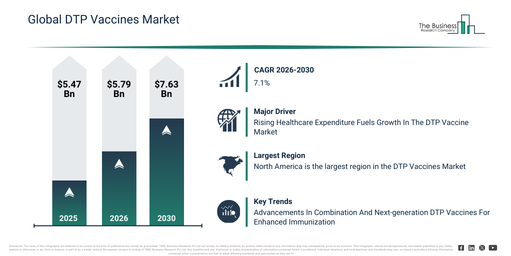
    The dtp vaccines market size has shown significant growth in recent years. It is anticipated to expand from $5.47 billion in 2025 to $5.79 billion in 2026, demonstrating a compound annual growth rate (CAGR) of 5.8%. The historical growth in this period is attributable to the increasing prevalence of diphtheria, tetanus, and pertussis, an expanding pediatric population, the rise of government immunization programs, challenges with vaccine accessibility in rural areas, and increasing awareness regarding the benefits of childhood vaccination.

    The dtp vaccines market is anticipated to experience substantial expansion over the forthcoming years. Projections indicate it will reach $7.63 billion by 2030, demonstrating a compound annual growth rate (CAGR) of 7.1%. This projected growth is driven by factors such as the creation of advanced combination vaccines, the widening scope of school and community immunization initiatives, the incorporation of digital systems for vaccine tracking, a rise in public-private collaborations for immunization efforts, and increased worldwide financial backing and aid for children’s health programs. Key trends anticipated during this period encompass the broadening of pediatric immunization campaigns and programs, a heightened understanding among parents regarding the advantages of dtp vaccination, an increase in the uptake of combination vaccines for ease and adherence, the establishment of systems for tracking and reminding about vaccinations, and an upsurge in governmental efforts for maternal and child immunization.

    Get A Free Sample Report With In-Depth Market Insights:

    https://thebusinessresearchcompany.com/sample_request?id=65351194&type=smp&name=DTP%20Vaccines%20Market%20Report%202026&utm_source=Blogs&utm_medium=Paid&utm_campaign=Oct_PR

    DTP Vaccines Market Opportunity Drivers: What’s Unlocking New Revenue Potential?

    The ongoing rise in healthcare spending is projected to stimulate the expansion of the DTP vaccine market. Healthcare expenditure encompasses the total funds allocated to healthcare products and services, including medical equipment, hospital care, physician services, prescription drugs, and public health initiatives. This spending is vital for cultivating an environment that supports the development, manufacturing, distribution, and effective utilization of DTP vaccines. For illustration, in May 2024, the Office for National Statistics, a UK-based government department, reported that UK healthcare expenditure reached approximately $379 billion (£292 billion) in 2023. This figure represented a 5.6% nominal increase compared to 2022, indicating a substantial acceleration from the 0.9% growth observed in the prior year. Thus, the escalating healthcare expenditure is a primary driver behind the growth of the DTP vaccine market.

    DTP Vaccines Market Segments: Where Is Growth Concentrated?

    The dtp vaccines market covered in this report is segmented –

    1) By Product Type: DTaP, TD, Tdap

    2) By Disease: Diphtheria, Pertussis, Tetanus

    3) By End-User: Hospitals, Clinics, Vaccination Centers

    Subsegments:

    1) By DTaP (Diphtheria, Tetanus, And Pertussis): Pediatric DTaP Vaccines, Combination Vaccines

    2) By TD (Tetanus And Diphtheria): TD Vaccines for Adults, Boosters for Teens and Adults

    3) By Tdap (Tetanus, Diphtheria, And Pertussis): Tdap Vaccines for Adolescents, Tdap Vaccines for Pregnant Women, Boosters for Adults

    DTP Vaccines Market Innovation Trends Shaping Future Development

    Companies prominent in the DTP vaccines market are concentrating on creating novel solutions, such as combination and next-generation vaccine initiatives, with the aim of boosting immunization coverage, streamlining administration timelines, and strengthening defenses against diphtheria, tetanus, and pertussis for children and at-risk groups. Combination vaccines incorporate several antigens into a single formulation, which reduces the necessary number of injections, increases patient compliance, and sustains strong immune responses when compared to traditional single-antigen vaccines. For example, in December 2023, Gavi, the Vaccine Alliance, a Switzerland-based public-private health partnership, broadened its range of offerings by launching new vaccine programs, among them updated DTP-containing vaccines, as part of its immunization efforts. These particular vaccines are designed to safeguard against diphtheria, tetanus, and pertussis, occasionally alongside other pediatric vaccines like hepatitis B and Haemophilus influenzae type b. Their mechanism involves generating powerful adaptive immune responses against several pathogens concurrently. Notable characteristics encompass fewer dosing appointments, integrated antigen delivery, and systematic incorporation for low- and middle-income countries. Their uses span regular childhood immunization initiatives, preventing outbreaks, and administering booster shots. The advantages include greater vaccination uptake, streamlined logistical processes, and bolstered protection against diseases preventable by vaccination.

    DTP Vaccines Market Key Participants And Competitive Landscape

    Major companies operating in the dtp vaccines market are GlaxoSmithKline, Sanofi, Merck & Co Inc, Meiji Holdings Co. Ltd, Shenzhen Kangtai Biological Products, AJ Vaccines, PT Bio Farma, Bio Med, Sinergium Biotech SA, Teva Pharmaceutical Industries Ltd F. Hoffmann-La Roche AG, Boehringer Ingelheim, CanSino Biologics, Gilead Sciences, Panacea Biotec Ltd, Fiocruz, Johnson & Johnson, Walvax biotechnology, National Administration of Laboratories and Institutes of Health (ANLIS), Zentiva, Afrigen Biologics & Vaccines

    View The Full DTP Vaccines Market Report:

    https://thebusinessresearchcompany.com/report/Dtp-Vaccine-global-market-report?utm_source=Blogs&utm_medium=Paid&utm_campaign=Oct_PR

    DTP Vaccines Market Regional Outlook: Where Is Opportunity Concentrated?

    North America was the largest region in the DTP vaccines market in 2025. The regions covered in the dtp vaccines market report are Asia-Pacific, South East Asia, Western Europe, Eastern Europe, North America, South America, Middle East, Africa.

    Reach Out To Our Team:

    The Business Research Company: https://www.thebusinessresearchcompany.com/

    Americas: +1 310-496-7795

    Asia: +44 7882 955267 & +91 8897263534

    Europe: +44 7882 955267

    Email us at: marketing@tbrc.info

    Follow us on:

    LinkedIn: https://in.linkedin.com/company/the-business-research-company

    YouTube: https://www.youtube.com/channel/UC24_fI0rV8cR5DxlCpgmyFQ

    Global Market Model: https://www.thebusinessresearchcompany.com/global-market-model
  • Dry Mouth Spray Market Analysis: Understanding The Drivers Behind 10.1% CAGR Through 2030 Growth

    Dry Mouth Spray Market Analysis: Understanding The Drivers Behind 10.1% CAGR Through 2030 Growth

    Backed by market attractiveness analysis, total addressable market sizing, company benchmarking matrices, interactive Excel dashboards, wider supply chain intelligence, emerging startup coverage, and detailed product-level insights, The Business Research Company’s 2026 market reports are designed to offer research that is more actionable and strategically valuable than ever.

    Dry Mouth Spray Market Expansion Outlook: What Revenue Opportunities Are Ahead?

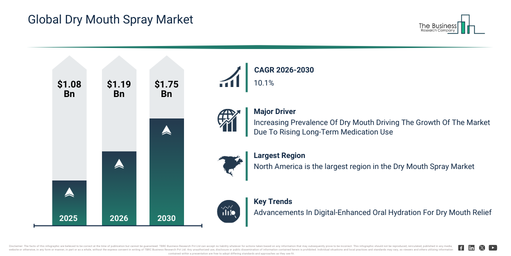
    The dry mouth spray market size has seen rapid expansion in recent years. It is anticipated to increase from $1.08 billion in 2025 to $1.19 billion in 2026, exhibiting a compound annual growth rate (CAGR) of 10.4%. The historical growth in this sector is attributable to the increasing prevalence of dry mouth conditions, the rising geriatric population, an increase in medication-induced xerostomia cases, the expansion of oral healthcare awareness, and the availability of over-the-counter relief products.

    The dry mouth spray market size is anticipated to experience substantial growth in the upcoming years, projected to reach $1.75 billion in 2030, demonstrating a compound annual growth rate (CAGR) of 10.1%. This expansion during the forecast period can be attributed to factors such as the increasing demand for medicated oral care solutions, a heightened focus on preventive oral healthcare, the broadening of e-commerce healthcare distribution, the rising development of natural ingredient formulations, and a growing consumer preference for convenient oral products. Significant trends expected in the forecast period encompass an increasing demand for xerostomia relief products, a rising adoption of sugar-free oral care formulations, the growing use of portable and easy-to-use oral sprays, an expansion of therapeutic ingredient-based sprays, and an enhanced focus on oral comfort and overall quality of life.

    Get A Free Sample Report With In-Depth Market Insights:

    https://thebusinessresearchcompany.com/sample_request?id=49540611&type=smp&name=Dry%20Mouth%20Spray%20Market%20Report%202026&utm_source=Blogs&utm_medium=Paid&utm_campaign=Oct_PR

    Dry Mouth Spray Market Growth Momentum: What Factors Are Shaping Demand?

    The expanding global elderly population is anticipated to drive the growth of the dry mouth spray market in the future. This demographic refers to individuals aged 65 and above, a group that is increasing worldwide due to rising life expectancy and declining birth rates. The surge in the elderly population is primarily due to advancements in healthcare and medicine leading to longer lifespans, combined with decreasing fertility rates across many regions. Dry mouth spray proves beneficial for the elderly as it offers immediate, localized relief for xerostomia (dry mouth), a common condition in older adults resulting from age-related salivary gland dysfunction and the use of multiple medications. For instance, in July 2024, according to the UK Parliament’s House of Commons Library, a UK-based government administration, in 2022, there were 12.7 million people aged 65 or older in the UK, representing 19% of the total population. This figure is projected to increase to 22.1 million by 2072, accounting for 27% of the population. Consequently, the growing elderly population worldwide is a key factor propelling the expansion of the dry mouth spray market.

    Dry Mouth Spray Market Segment Analysis: What Are The Core Market Categories?

    The dry mouth spray market covered in this report is segmented –

    1) By Type: Sugary Dry Mouth Spray, Sugar-Free Dry Mouth Spray

    2) By Distribution Channel: Online Pharmacies, Retail Pharmacies, Supermarkets Or Hypermarkets, Other Distribution Channels

    3) By Application: Hospitals And Clinics, Home Care, Dental Clinics, Other Applications

    Subsegments:

    1) By Sugary Dry Mouth Spray: Mint-Flavored, Fruit-Flavored, Herbal-Flavored

    2) By Sugar-Free Dry Mouth Spray: Mint-Flavored, Fruit-Flavored, Herbal-Flavored, Medicated Or Flavored With Therapeutic Agents

    Dry Mouth Spray Market Trends Redefining Industry Growth

    Leading companies within the dry mouth spray market are prioritizing technological advancements, such as oxidized glycerol triesters (OGT), to boost the effectiveness, precision of delivery, and user experience of oral hydration solutions, thus ensuring faster symptom relief and improved oral health outcomes. Oxidized glycerol triesters (OGT) are a category of chemical substances formed when triglycerides, commonly known as fats and oils, undergo an oxidation process. As an illustration, in October 2023, K Pharmaceuticals Private Limited, a US-based telehealth company, introduced Aquoral, a clinically validated oral spray designed to alleviate dry mouth, also known as xerostomia. This product, available by prescription only through its integrated telehealth platform following a virtual consultation, incorporates a patented lipid-based formulation that mimics natural saliva and offers extended mucosal protection. Aquoral contributes to better oral comfort and supports general oral health by preserving moisture in the mouth, particularly for individuals experiencing chronic dry mouth conditions. Its lipid-based formula is specifically engineered to adhere to the oral mucosa, establishing a protective barrier that diminishes dryness and irritation throughout the day.

    Dry Mouth Spray Market Top Companies Driving Competitive Growth

    Major companies operating in the dry mouth spray market are 3M Company, Colgate-Palmolive Company, Haleon plc, Bausch Health Companies Inc., Perrigo Company plc, Lion Corporation, Sunstar Suisse S.A., Benco Dental Supply Co., Mission Pharmacal Company, Curaden AG, Xlear Inc., ICPA Health Products Ltd., You First Services Inc., Livealth Biopharma Private Limited, Tymk Health & Wellness Pvt. Ltd., Elevate Oral Care LLC, Essential Sprays LLC, Lubricity Innovations LLC, StellaLife Inc., GlaxoSmithKline (GSK)

    View The Full Dry Mouth Spray Market Report:

    https://thebusinessresearchcompany.com/report/dry-mouth-spray-global-market-report?utm_source=Blogs&utm_medium=Paid&utm_campaign=Oct_PR

    Dry Mouth Spray Market Geographic Landscape: Which Region Leads Industry Growth?

    North America was the largest region in the dry mouth spray market in 2025. Asia-Pacific is expected to be the fastest-growing region in the forecast period. The regions covered in the dry mouth spray market report are Asia-Pacific, South East Asia, Western Europe, Eastern Europe, North America, South America, Middle East, Africa.

    Reach Out To Our Team:

    The Business Research Company: https://www.thebusinessresearchcompany.com/

    Americas: +1 310-496-7795

    Asia: +44 7882 955267 & +91 8897263534

    Europe: +44 7882 955267

    Email us at: marketing@tbrc.info

    Follow us on:

    LinkedIn: https://in.linkedin.com/company/the-business-research-company

    YouTube: https://www.youtube.com/channel/UC24_fI0rV8cR5DxlCpgmyFQ

    Global Market Model: https://www.thebusinessresearchcompany.com/global-market-model
  • Dry Eye Syndrome Market Growth To $5.95 Billion By 2030: What’s Driving The Expansion?

    Dry Eye Syndrome Market Growth To $5.95 Billion By 2030: What’s Driving The Expansion?

    Featuring market attractiveness scoring, total addressable market sizing, company benchmarking matrices, interactive Excel dashboards, deeper supply chain intelligence, emerging startup tracking, and granular product-level insights, The Business Research Company’s 2026 market reports are built to deliver research that is both more actionable and more strategically valuable.

    Dry Eye Syndrome Market Growth Potential: How Will Market Size Shift Through 2030?

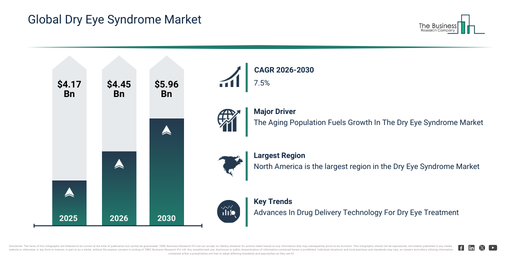
    The dry eye syndrome market has shown significant expansion in recent years. It is projected to grow from $4.17 billion in 2025 to $4.45 billion in 2026, achieving a compound annual growth rate (CAGR) of 6.9%. This past growth can be attributed to factors such as the increasing prevalence of dry eye syndrome, an expanding geriatric population, a rise in screen time and the use of digital devices, greater awareness of eye health, and developments in artificial tear formulations.

    The dry eye syndrome market is anticipated to experience significant expansion in the coming years. Its valuation is projected to reach $5.96 billion by 2030, demonstrating a compound annual growth rate (CAGR) of 7.5%. This growth over the forecast period can be attributed to the advancement of novel drug delivery systems, the expansion of personalized medicine, an increase in the adoption of wearable eye care devices, the broadening of online pharmacy channels, and heightened research into natural and herbal eye care products. Key trends for the forecast period include advanced tear film diagnostics, innovative drug delivery systems, customized dry eye treatments, natural and herbal formulations, and wearable eye care devices.

    Get A Free Sample Report With In-Depth Market Insights:

    https://thebusinessresearchcompany.com/sample_request?id=94013814&type=smp&name=Dry%20Eye%20Syndrome%20Market%20Report%202026&utm_source=Blogs&utm_medium=Paid&utm_campaign=Oct_PR

    Dry Eye Syndrome Market Expansion Drivers: What’s Shaping Future Growth?

    The increasing older demographic is anticipated to fuel the expansion of the dry eye syndrome market in the future. This demographic trend signifies a rising percentage of older people within a society, and it contributes to the growth of dry eye syndrome because a greater number of older individuals will correspond to a higher need for effective remedies and treatments for this widespread condition. For example, the World Health Organization (WHO), a United Nations (UN) entity based in Switzerland, reported in October 2025 that by 2030, one in six people worldwide will be 60 or older, and this age group’s population is expected to reach 2.1 billion by 2050, effectively doubling. Consequently, the expanding older demographic is stimulating the growth of the dry eye syndrome market.

    Dry Eye Syndrome Market Segment Breakdown: Which Categories Lead On Revenue?

    The dry eye syndrome market covered in this report is segmented –

    1) By Product: Liquid Drops, Gel, Liquid Wipes, Eye Ointment, Other Products

    2) By Treatment: Corticosteroids, Artificial Tears, Oral Omega Supplements, Lubricating Agent, Other Treatments

    3) By Disease Type: Evaporative, Aqueous

    4) By Distribution Channel: Offline, Online

    5) By Application: Hospitals And Clinics, Medical Laboratories, Other Applications

    Subsegments:

    1) By Liquid Drops: Preservative-Free Drops, Preserved Liquid Drops, Antibiotic-Infused Drops

    2) By Gel: Long-Lasting Gels, Hydrogel Formulations

    3) By Liquid Wipes: Pre-Moistened Wipes, Anti-Bacterial Wipes

    4) By Eye Ointment: Night-Time Ointments, Therapeutic Ointments

    5) By Other Products: Eye Masks, Contact Lens Solutions, Nutritional Supplements

    Dry Eye Syndrome Market Strategic Trends: What Defines The Next Growth Phase?

    Leading companies within the dry eye syndrome market are concentrating on developing advanced solutions, such as nanomicellar drug delivery technology, to improve treatment efficacy and enhance patient comfort. This nanomicellar drug delivery method utilizes tiny micelles to boost the penetration of active ingredients into ocular tissues, supporting quicker therapeutic action. The objective of this strategy is to overcome the limitations of current treatments and address the substantial unmet demand in dry eye disease. For example, in April 2023, Sun Pharma, an India-based pharmaceutical company, introduced CEQUA, which incorporates NCELL nanomicellar technology. This product is the first dry eye treatment in India delivered using this technology, offering superior delivery compared to cyclosporine emulsion 0.05 percent. It is supported by several years of clinical experience acquired in the United States and other geographies, providing faster results alongside good patient comfort from the initiation of treatment. The launch is a response to the increasing prevalence of dry eye disease in India, where extended screen time has contributed to a rise in cases and is projected to expand the disease burden in the coming years.

    Dry Eye Syndrome Market Leading Players And Competitive Positioning

    Major companies operating in the dry eye syndrome market are Allergan plc, Novartis AG, Otsuka Pharmaceutical Co. Ltd., Santendo Pharmaceutical Co. Ltd., Sentiss Pharma Pvt. Ltd., Johnson & Johnson, Alcon Vision LLC, Akorn Operating Company LLC, Sun Pharmaceutical Industries Ltd., Bausch Health Companies Inc., AbbVie Inc., I-MED Pharma Inc., AFT Pharmaceuticals, Horus Pharma, Novaliq GmbH, OASIS Medical, Prestige Consumer Healthcare, VISUfarma, Alimera Science, Kala Pharmaceuticals Inc., Nicox S.A., EyeGate Pharmaceuticals Inc., ReVision Therapeutics Inc., Itear Medical

    View The Full Dry Eye Syndrome Market Report:

    https://thebusinessresearchcompany.com/report/dry-eye-syndrome-global-market-report?utm_source=Blogs&utm_medium=Paid&utm_campaign=Oct_PR

    Dry Eye Syndrome Market Largest Region: Which Geography Holds The Biggest Share?

    North America was the largest region in the dry eye syndrome market in 2025. Asia-Pacific is expected to be the fastest-growing region in the global dry eye syndrome market report during the forecast period. The regions covered in the dry eye syndrome market report are Asia-Pacific, South East Asia, Western Europe, Eastern Europe, North America, South America, Middle East, Africa.

    Reach Out To Our Team:

    The Business Research Company: https://www.thebusinessresearchcompany.com/

    Americas: +1 310-496-7795

    Asia: +44 7882 955267 & +91 8897263534

    Europe: +44 7882 955267

    Email us at: marketing@tbrc.info

    Follow us on:

    LinkedIn: https://in.linkedin.com/company/the-business-research-company

    YouTube: https://www.youtube.com/channel/UC24_fI0rV8cR5DxlCpgmyFQ

    Global Market Model: https://www.thebusinessresearchcompany.com/global-market-model
  • Dry Eye Medication Market Trends Reshaping Industry Growth Through 2030

    Dry Eye Medication Market Trends Reshaping Industry Growth Through 2030

    Built to provide research that’s more actionable and strategically valuable, The Business Research Company’s 2026 market reports include market attractiveness analysis, total addressable market sizing, company benchmarking matrices, interactive Excel dashboards, broader supply chain intelligence, emerging startup tracking, and in-depth product insights.

    Dry Eye Medication Market Value Analysis: What Growth Lies Ahead Over The Forecast Period?

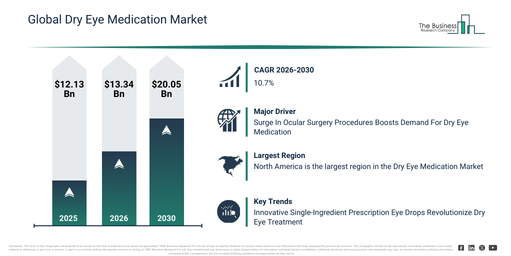
    The dry eye medication market has demonstrated robust growth over recent years. It is anticipated to expand from $12.13 billion in 2025 to $13.34 billion in 2026, marking a compound annual growth rate (CAGR) of 10.0%. This historical growth can be attributed to factors such as an aging population, increased screen time, the widespread occurrence of autoimmune disorders, insufficient public knowledge regarding dry eye treatments, and the absence of sophisticated formulations.

    The dry eye medication market is projected to experience substantial expansion in the coming years. It will grow to $20.05 billion in 2030 at a compound annual growth rate (CAGR) of 10.7%. This anticipated growth during the forecast period is attributable to several factors, including advances in eye care technology, the spread of teleophthalmology services, an increasing inclination towards home-based treatments, rising expenditure on healthcare, and the launch of multi-action eye care solutions. Key trends anticipated for the forecast period encompass a greater uptake of combination eye drops, an increase in otc dry eye products, the evolution of lipid-based eye therapies, an uptick in the use of prescription eye drops, and the widening reach of online pharmacy distribution channels.

    Get A Free Sample Report With In-Depth Market Insights:

    https://thebusinessresearchcompany.com/sample_request?id=33548970&type=smp&name=Dry%20Eye%20Medication%20Market%20Report%202026&utm_source=Blogs&utm_medium=Paid&utm_campaign=Oct_PR

    Dry Eye Medication Market Development Factors: What’s Supporting Demand?

    The escalating volume of ocular surgery procedures is projected to spur the growth of the dry eye medication market. Ocular surgery encompasses a specialized area focused on the diagnosis, treatment, and surgical management of various eye conditions and diseases. Dry eye medication is vital in eye surgery to ensure the eye’s surface remains lubricated and comfortable, aiding in smoother surgical procedures and post-operative recovery. For instance, in July 2025, according to the GOV.UK, a UK-based intergovernmental organization, the financial year ending 2024 saw 581,369 admissions to hospital for cataract surgery in England, a rate of 5,160 (5,144 to 5,176) per 100,000 population, which was considerably higher than the preceding financial year’s rate of 4,679 (4,663 to 4,694). Thus, the increasing occurrence of ocular surgery procedures is driving the expansion of the dry eye medication market.

    Dry Eye Medication Market Segmentation: How Does The Market Break Down By Category?

    The dry eye medication market covered in this report is segmented –

    1) By Type Of Product: Aqueous, Evaporative, Aqueous and Evaporative

    2) By Delivery System: Liquid, Gel, Ointment, Other Delivery System

    3) By Prescription Type: OTC Drugs, Prescription Drugs

    4) By End-User: Hospital Pharmacies, Eye Health Clinics, Retail Pharmacies, Online Pharmacies

    Subsegments:

    1) By Aqueous: Artificial Tears, Prescription Eye Drops, Ophthalmic Solutions

    2) By Evaporative: Punctal Plugs, Lipid-Based Eye Drops, Eye Ointments

    3) By Aqueous and Evaporative: Combination Eye Drops, Multi-Action Eye Care Products

    Dry Eye Medication Market Transformation Trends: What Innovations Are Driving Change?

    Leading firms in the dry eye treatment market are concentrating more on launching single-ingredient prescription eye drops like Miebo to boost their earnings within the sector. Miebo serves as a prescription eye drop designed to address the indications and manifestations of dry eye disease. A notable example is Bausch + Lomb, an eye health company from the US, which introduced Miebo in the United States in September 2023, specifically for managing the signs and symptoms of dry eye disease. Distinctively, Miebo stands as the inaugural and sole prescription eye drop engineered to directly tackle tear evaporation, recognized as the primary contributor to dry eye disease. Characterized as a single-ingredient prescription eye drop, Miebo is formulated without water, preservatives, or steroids, ensuring rapid and comfortable dispersion while effectively lessening tear evaporation on the eye’s surface.

    Dry Eye Medication Market Competitive Overview And Top Companies

    Major companies operating in the dry eye medication market are Allergan plc, Alcon Inc., Bausch Health Companies Inc., Novartis AG, Otsuka Holdings Co. Ltd., Santen Pharmaceutical Co. Ltd., Sentiss Pharma Pvt. Ltd., OASIS Medical Inc., VISUfarma B.V., Sun Pharmaceutical Industries Limited, Bayer AG, Pfizer, Johnson & Johnson, Daiichi Sankyo, Zhaoke Ophthalmology Pharmaceutical, Implandata ophthalmic products GmbH, The Geuder Group, Novamedika, Aflofarm Farmacja Polska, VUAB Pharma Inc., Alimera Sciences, Eyegate, Neurotech, Opthotech, Eyepoint Pharmaceuticals, ReGenTree LLC, Regenerx Biopharmaceuticals Inc, Shire, Gama Vision, Biolab Pharma, Novaliq GmbH, Horus Pharma, Prestige Consumer Healthcare Inc., Azura Ophthamics Ltd, Similasan, Hoya Corporation, Adcock Ingram

    View The Full Dry Eye Medication Market Report:

    https://thebusinessresearchcompany.com/report/Dry-Eye-Medication-Global-Market-Report?utm_source=Blogs&utm_medium=Paid&utm_campaign=Oct_PR

    Dry Eye Medication Market Regional Analysis: Which Geography Leads On Revenue?

    North America was the largest region in the market in 2025. Middle East is expected to be the fastest-growing region in the global dry eye medication market share during the forecast period. The regions covered in the dry eye medication market report are Asia-Pacific, South East Asia, Western Europe, Eastern Europe, North America, South America, Middle East, Africa.

    Reach Out To Our Team:

    The Business Research Company: https://www.thebusinessresearchcompany.com/

    Americas: +1 310-496-7795

    Asia: +44 7882 955267 & +91 8897263534

    Europe: +44 7882 955267

    Email us at: marketing@tbrc.info

    Follow us on:

    LinkedIn: https://in.linkedin.com/company/the-business-research-company

    YouTube: https://www.youtube.com/channel/UC24_fI0rV8cR5DxlCpgmyFQ

    Global Market Model: https://www.thebusinessresearchcompany.com/global-market-model
  • Drugs for Immunotherapy Market Growth To $570 Billion Creates New Opportunities Across The Industry

    Drugs for Immunotherapy Market Growth To $570 Billion Creates New Opportunities Across The Industry

    Backed by market attractiveness analysis, total addressable market sizing, company benchmarking matrices, interactive Excel dashboards, wider supply chain intelligence, emerging startup coverage, and detailed product-level insights, The Business Research Company’s 2026 market reports are designed to offer research that is more actionable and strategically valuable than ever.

    Drugs for Immunotherapy Market Size Forecast: How Big Could The Market Get By 2030?

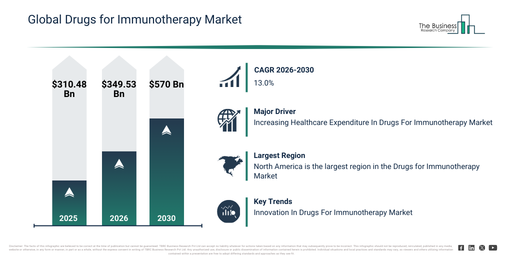
    The drugs for immunotherapy market has witnessed rapid expansion in recent years. It is forecast to grow from $310.48 billion in 2025 to $349.53 billion in 2026, achieving a compound annual growth rate (CAGR) of 12.6%. The market’s historical growth can be ascribed to several factors, including the initial limited immunotherapy options, the dependence on conventional cancer treatments, a rising prevalence of cancer and autoimmune diseases, an increase in clinical trials for monoclonal antibodies, and enhancements in healthcare infrastructure.

    The market for immunotherapy drugs is anticipated to experience substantial expansion in the coming years. Its valuation is projected to reach $570 billion by 2030, demonstrating a compound annual growth rate (CAGR) of 13.0%. This projected growth during the forecast period is due to advancements in bispecific and conjugated antibodies, the broadening scope of personalized immunotherapy, increased uptake of checkpoint inhibitors, greater investments in therapeutic vaccine research, and the incorporation of digital patient monitoring and AI-guided immunotherapy. Key developments expected in this period encompass the growing use of monoclonal antibodies and checkpoint inhibitors, expansion in treatments for cancer immunotherapy and autoimmune diseases, heightened creation of therapeutic and preventive vaccines, the extension of t-cell receptor and cytokine-based therapies, and the incorporation of immunotherapy into both ambulatory and hospital settings.

    Get A Free Sample Report With In-Depth Market Insights:

    https://thebusinessresearchcompany.com/sample_request?id=93761069&type=smp&name=Drugs%20for%20Immunotherapy%20Market%20Report%202026&utm_source=Blogs&utm_medium=Paid&utm_campaign=Oct_PR

    Drugs for Immunotherapy Market Industry Drivers: What’s Behind The Revenue Growth?

    The expanding healthcare expenditure is projected to stimulate the growth of the drugs for immunotherapy market in the future. Healthcare expenditure refers to the total monetary amount spent on healthcare goods and services within a specific region or country over a defined period, encompassing costs for doctor visits, hospital stays, surgeries, diagnostic procedures, and treatments. Such financial resources for health care are allocated by individuals, healthcare providers, insurance companies, and government agencies to cover the expenses linked with drugs for immunotherapy and various treatments. For instance, in December 2024, the Centers for Medicare & Medicaid Services, a US-based agency administering Medicare and Medicaid programs, stated that U.S. health care expenditures in 2023 saw an increase of 7.5%, reaching $4.9 trillion, which amounts to roughly $14,570 for each individual. Thus, the rising healthcare expenditure is a key factor propelling the expansion of the drugs for immunotherapy market.

    Drugs for Immunotherapy Market Segment Trends And Revenue Contributors

    The drugs for immunotherapy market covered in this report is segmented –

    1) By Type: Monoclonal Antibodies, Interferons, Interleukins, Vaccines, Checkpoint Inhibitors, Other Types

    2) By Therapy Area: Cancer, Autoimmune & Inflammatory Diseases, Infectious Diseases, Other Therapy Areas

    3) By End User: Hospitals & Clinics, Ambulatory Surgical Centers, Other End Users

    Subsegments:

    1) By Monoclonal Antibodies: Naked Monoclonal Antibodies, Conjugated Monoclonal Antibodies, Bispecific Monoclonal Antibodies

    2) By Interferons: Interferon Alfa, Interferon Beta, Interferon Gamma

    3) By Interleukins: Interleukin-2 (IL-2), Interleukin-6 (IL-6), Interleukin-12 (IL-12)

    4) By Vaccines: Preventive Vaccines, Therapeutic Vaccines

    5) By Checkpoint Inhibitors: PD-1 Inhibitors, PD-L1 Inhibitors, CTLA-4 Inhibitors

    6) By Other Types: Cancer Cell Therapies, Cytokine Therapy, T-Cell Receptor Therapy

    #Drugs for Immunotherapy Market Growth Trends: What’s Shaping The Future Outlook?

    Major companies operating in the drugs for immunotherapy market are concentrating on developing novel products, such as Keytruda (pembrolizumab), to offer dependable services to customers. Keytruda (pembrolizumab) is an immunotherapy, specifically a targeted therapy drug classified as an immune checkpoint inhibitor for adult patients. For instance, in January 2023, Merck & Co., Inc., a US-based pharmaceutical company, introduced Keytruda (pembrolizumab), which received approval from the Food and Drug Administration, a US-based federal agency. Keytruda (pembrolizumab) immunotherapy is utilized to address various types of cancer by collaborating with the immune system to combat cancer cells. KEYTRUDA (pembrolizumab) is also approved as an adjuvant treatment for non-small cell lung cancer (NSCLC). This represents a notable progression in the field of cancer treatment and is projected to have a favorable effect on the healthcare industry.

    Drugs for Immunotherapy Market Competitive Landscape: Which Companies Lead The Industry?

    Major companies operating in the drugs for immunotherapy market are F. Hoffmann-La Roche Ltd., Novartis AG, Merck & Co. Inc., UbiVac, Bayer AG, Celgene Corporation, Incyte Corporation, Juno Therapeutics Inc., Bluebird bio, Celldex Therapeutics, BeiGene, BioNTech AG, CytomX Therapeutics, Eisai Co. Ltd., Flexus Biosciences Inc., Genscript Biotech Corporation, Harpoon Therapeutics Inc., Heptares Therapeutics Ltd., Ignyta Inc., Immatics Biotechnologies, Jounce Therapeutics Inc.

    View The Full Drugs for Immunotherapy Market Report:

    https://thebusinessresearchcompany.com/report/drugs-for-immunotherapy-global-market-report?utm_source=Blogs&utm_medium=Paid&utm_campaign=Oct_PR

    Drugs for Immunotherapy Market Geographic Spread And Regional Opportunities

    North America was the largest region in the immunotherapy market in 2025. Middle East is expected to be the fastest growing region in the drug for immunotherapy market report during the forecast period. The regions covered in the drugs for immunotherapy market report are Asia-Pacific, South East Asia, Western Europe, Eastern Europe, North America, South America, Middle East, Africa.

    Reach Out To Our Team:

    The Business Research Company: https://www.thebusinessresearchcompany.com/

    Americas: +1 310-496-7795

    Asia: +44 7882 955267 & +91 8897263534

    Europe: +44 7882 955267

    Email us at: marketing@tbrc.info

    Follow us on:

    LinkedIn: https://in.linkedin.com/company/the-business-research-company

    YouTube: https://www.youtube.com/channel/UC24_fI0rV8cR5DxlCpgmyFQ

    Global Market Model: https://www.thebusinessresearchcompany.com/global-market-model
  • Drugs For Hormonal Replacement Therapy Market Forecast: Breaking Down The Numbers Behind Future Expansion

    Drugs For Hormonal Replacement Therapy Market Forecast: Breaking Down The Numbers Behind Future Expansion

    Featuring market attractiveness scoring, total addressable market sizing, company benchmarking matrices, interactive Excel dashboards, deeper supply chain intelligence, emerging startup tracking, and granular product-level insights, The Business Research Company’s 2026 market reports are built to deliver research that is both more actionable and more strategically valuable.

    Drugs For Hormonal Replacement Therapy Market Revenue Outlook: What CAGR Lies Ahead Through 2030?

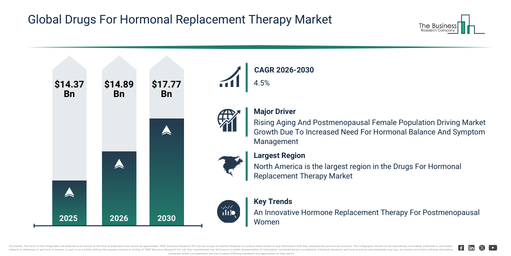
    The market size for drugs used in hormonal replacement therapy has experienced consistent growth over recent years. This market is expected to expand from $14.37 billion in 2025 to $14.89 billion in 2026, demonstrating a compound annual growth rate (CAGR) of 3.6%. Historically, this expansion has been driven by factors such as health requirements related to menopause, various hormone deficiency disorders, the clinical acceptance of HRT, the provision of endocrinology services in hospitals, and the widespread availability of oral hormone drugs.

    The drugs for hormonal replacement therapy market is poised for consistent expansion in the coming years. It is projected to achieve a size of $17.77 billion by 2030, expanding at a compound annual growth rate (CAGR) of 4.5%. This growth during the forecast period is primarily driven by factors such as a globally aging population, increased understanding of hormone imbalance, advancements in bioidentical hormones, the spread of outpatient endocrinology care, and better diagnostic testing. Key developments expected within this timeframe include a growing need for menopause management, an uptick in testosterone replacement therapy, the proliferation of personalized hormone treatments, more extensive use of transdermal therapies, and a heightened focus on the long-term safety of hormone applications.

    Get A Free Sample Report With In-Depth Market Insights:

    https://thebusinessresearchcompany.com/sample_request?id=75859640&type=smp&name=Drugs%20For%20Hormonal%20Replacement%20Therapy%20Market%20Report%202026&utm_source=Blogs&utm_medium=Paid&utm_campaign=Oct_PR

    Drugs For Hormonal Replacement Therapy Market Growth Factors: What’s Supporting Expansion?

    The rising demographic of aging and postmenopausal women is anticipated to propel the Drugs for Hormonal Replacement Therapy Market forward. Postmenopausal women are defined as females who frequently experience reduced levels of estrogen and progesterone, which can lead to symptoms such as hot flashes, mood swings, bone density loss, and sleep disturbances. The increase in the postmenopausal female population is primarily a result of longer life expectancy and an aging global female populace, enabling more women to live extended periods beyond menopause. This growth in the postmenopausal demographic supports the hormonal replacement therapy market by creating demand for medications that restore hormonal balance, prevent long-term complications like osteoporosis, and enhance overall well-being. For instance, in May 2025, according to Impacts of Menopause, a global research initiative focused on women’s health, by 2030 the population of women aged 45 to 55 is expected to reach nearly 500 million, meaning that approximately 6 percent of the world’s population will be in menopause. Therefore, the expanding population of aging and postmenopausal women is driving the growth of the Drugs for Hormonal Replacement Therapy Market.

    Drugs For Hormonal Replacement Therapy Market Segment Analysis Spotlighting Growth Areas

    The drugs for hormonal replacement therapy market covered in this report is segmented –

    1) By Therapy Type: Estrogen Replacement Therapy, Human Growth Hormone (HGH) Replacement Therapy, Thyroid Replacement Therapy, Testosterone Replacement Therapy

    2) By Distribution Channel: Hospital Pharmacies, Retail Pharmacies, Online Pharmacies

    3) By Application: Hypothyroidism, Male Hypogonadism, Growth Hormone Deficiency, Menopause, Other Applications

    Subsegments:

    1) By Estrogen Replacement Therapy: Oral Estrogen Therapy (Estradiol, Conjugated Estrogens), Transdermal Estrogen Therapy (Estradiol Patches), Estrogen Implants, Vaginal Estrogen Therapy (Creams, Tablets, Rings)

    2) By Human Growth Hormone (HGH) Replacement Therapy: Recombinant Human Growth Hormone (Somatropin), Synthetic Growth Hormone Preparations, HGH Injections

    3) By Thyroid Replacement Therapy: Levothyroxine Sodium (Synthetic T4), Liothyronine Sodium (Synthetic T3), Combination Therapy (T4 and T3), Natural Desiccated Thyroid (Armour Thyroid)

    4) By Testosterone Replacement Therapy: Injectable Testosterone (Testosterone Enanthate, Testosterone Cypionate), Transdermal Testosterone (Patches, Gels), Oral Testosterone (Testosterone Undecanoate), Buccal Testosterone, Testosterone Implants

    Drugs For Hormonal Replacement Therapy Market Industry Trends: What’s Reshaping Demand?

    Leading companies operating in the hormonal replacement therapy market are concentrating on developing technologically advanced solutions, such as novel hormone replacement therapies, specifically designed for postmenopausal women with a uterus. New Hormone Replacement Therapy (HRT) refers to innovative treatments aimed at replacing or balancing hormones in the body, typically when natural hormone levels decline due to aging or various medical conditions. For example, in June 2023, Pfizer., a US-based pharmaceutical industry company, launched DUAVEE (conjugated estrogens/bazedoxifene) for the management of moderate to severe vasomotor symptoms associated with menopause, such as hot flashes, and for the prevention of postmenopausal osteoporosis. It features a unique combination of conjugated estrogens with bazedoxifene, a selective estrogen receptor modulator (SERM), rather than a progestin. This innovative blend assists in reducing the risk of endometrial hyperplasia, a condition that can occur with estrogen-alone therapies, thereby presenting a safer choice for women with a uterus experiencing menopausal symptoms.

    Drugs For Hormonal Replacement Therapy Market Leading Companies: Who Holds The Strongest Market Presence?

    Major companies operating in the drugs for hormonal replacement therapy market are Novo Nordisk AS, Eli Lilly and Company, Pfizer Inc., Abbott Laboratories, Bayer AG, Novartis AG, Teva Pharmaceutical Industries Ltd., Mylan N.V., Viatris Inc., Orion Pharma AB, Allergan Plc, Wyeth Ltd., Amgen Inc., Genentech USA Inc., TherapeuticsMD Inc., GlaxoSmithKline plc, Sanofi S.A., Johnson & Johnson Services Inc., Takeda Pharmaceutical Company Limited, Hisamitsu Pharmaceutical Co. Inc.

    View The Full Drugs For Hormonal Replacement Therapy Market Report:

    https://thebusinessresearchcompany.com/report/Drugs-For-Hormonal-Replacement-Therapy-Global-Market-Report?utm_source=Blogs&utm_medium=Paid&utm_campaign=Oct_PR

    Drugs For Hormonal Replacement Therapy Market Top Region By Revenue And Market Share

    North America was the largest region in the drugs for hormonal replacement therapy market in 2025. The Middle East is expected to be the fastest-growing region in the drugs for hormonal replacement therapy market during the forecast period. The regions covered in the drugs for hormonal replacement therapy market report are Asia-Pacific, South East Asia, Western Europe, Eastern Europe, North America, South America, Middle East, Africa.

    Reach Out To Our Team:

    The Business Research Company: https://www.thebusinessresearchcompany.com/

    Americas: +1 310-496-7795

    Asia: +44 7882 955267 & +91 8897263534

    Europe: +44 7882 955267

    Email us at: marketing@tbrc.info

    Follow us on:

    LinkedIn: https://in.linkedin.com/company/the-business-research-company

    YouTube: https://www.youtube.com/channel/UC24_fI0rV8cR5DxlCpgmyFQ

    Global Market Model: https://www.thebusinessresearchcompany.com/global-market-model
  • Drugs For Erectile Dysfunction Market Expected To Grow At 1.8% CAGR Through 2030: What Businesses Need To Know

    Drugs For Erectile Dysfunction Market Expected To Grow At 1.8% CAGR Through 2030: What Businesses Need To Know

    Built to provide research that’s more actionable and strategically valuable, The Business Research Company’s 2026 market reports include market attractiveness analysis, total addressable market sizing, company benchmarking matrices, interactive Excel dashboards, broader supply chain intelligence, emerging startup tracking, and in-depth product insights.

    Drugs For Erectile Dysfunction Market Growth Analysis: How Will Revenue Trend Over The Forecast Period?

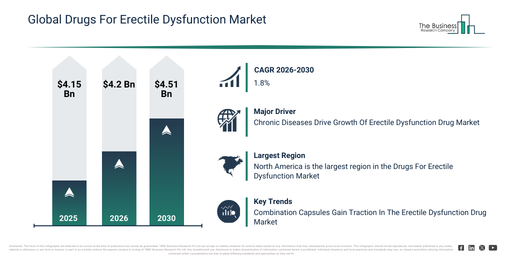
    The market size for drugs used to treat erectile dysfunction has experienced marginal growth in recent years. It is projected to expand from $4.15 billion in 2025 to $4.2 billion in 2026, achieving a compound annual growth rate (CAGR) of 1.0%. This market’s historical growth can be attributed to factors such as the increasing prevalence of erectile dysfunction among the aging male population, rising awareness about sexual health, the expansion of hospital and retail pharmacies, the patent expiration of key drugs, and increasing research and development in erectile dysfunction therapies.

    The market for drugs treating erectile dysfunction is projected to experience modest growth over the coming years. This market is forecast to reach $4.51 billion by 2030, demonstrating a compound annual growth rate (CAGR) of 1.8%. The anticipated expansion during this period can be attributed to several factors, including advancements in personalized medicine, the increasing use of combination therapies, the growth of telemedicine and online pharmacies, greater investments in biotechnology and precision medicine, and the proliferation of male reproductive health awareness campaigns. Key trends influencing this forecast period involve personalized erectile dysfunction therapy, the development of minimally invasive drug delivery systems, heightened male reproductive health awareness, diverse combination therapy approaches, and the continued expansion of online pharmacies.

    Get A Free Sample Report With In-Depth Market Insights:

    https://thebusinessresearchcompany.com/sample_request?id=59342539&type=smp&name=Drugs%20For%20Erectile%20Dysfunction%20Market%20Report%202026&utm_source=Blogs&utm_medium=Paid&utm_campaign=Oct_PR

    Drugs For Erectile Dysfunction Market Demand Drivers: What’s Powering Industry Growth?

    A significant rise in chronic illnesses is propelling the drugs for the erectile dysfunction market. These enduring health issues evolve gradually, necessitating continuous care rather than immediate, temporary interventions. Their surge is primarily linked to increasingly inactive lifestyles, which contribute to obesity and metabolic problems that heighten prolonged health risks. Drugs for erectile dysfunction assist in managing chronic ailments by enhancing blood circulation and vessel performance, thereby positively impacting conditions like hypertension, diabetes-related circulatory issues, and cardiovascular problems. As an illustration, a Centers for Disease Control and Prevention (CDC) report from April 2025 indicated that in 2023, approximately 194 million U.S. adults, representing 76.4% of the population, suffered from at least one chronic ailment. The incidence stood at 59.5% for young adults, 78.4% for midlife adults, and 93.0% for older adults. Consequently, the considerable rise in chronic disease cases is set to propel the drugs for the erectile dysfunction market.

    Drugs For Erectile Dysfunction Market Segment Performance And Emerging Opportunities

    The drugs for erectile dysfunction market covered in this report is segmented –

    1) By Drugs: Sildenafil Citrate, Mirodenafil, Vardenafil

    2) By Mode Of Administration: Oral, Topical, Injections

    3) By End Users: Hospital Pharmacies, Retail Pharmacies, Online Pharmacies

    Subsegments:

    1) By Sildenafil Citrate: Brand Names (Viagra), Generic Forms, Dosage Forms (Tablets, Chewables)

    2) By Mirodenafil: Brand Names (Mvix), Dosage Forms, Combination Products

    3) By Vardenafil: Brand Names (Levitra, Staxyn), Dosage Forms, Administration Routes (Oral, Dissolvable)

    Drugs For Erectile Dysfunction Market Innovation Trends: What Developments Are Reshaping The Industry?

    Major companies in the drugs for erectile dysfunction market are increasingly focusing on introducing combination capsules, such as therapy capsules, to maximize their revenue. Tamsulosin and Tadalafil is a combination of medications utilized to manage both benign prostatic hyperplasia (BPH) and erectile dysfunction. For instance, in September 2023, Akums Drugs & Pharmaceuticals Ltd., an India-based pharmaceutical company, launched a therapy capsule for the treatment of erectile dysfunction and enlarged prostate within the Indian market. This capsule contains a blend of Tamsulosin and Tadalafil, which has demonstrated significant improvements in BPH (Benign Prostatic Hyperplasia) and the Erectile Dysfunction Index. The combination markedly improves total, voiding, and other symptoms associated with BPH. The introduction of this therapy capsule is expected to offer a new treatment option for patients suffering from both conditions.

    Drugs For Erectile Dysfunction Market Key Players: Which Companies Lead Industry Competition?

    Major companies operating in the drugs for erectile dysfunction market are Pfizer Inc., Eli Lilly and Company, Bayer AG, Viatris Inc., Teva Pharmaceutical Industries Ltd., Futura Medical plc, Zydus Cadila, Lupin Limited, Cipla Limited, Dong-A Pharmaceutical Co., Ltd., Aurobindo Pharma Ltd., Alembic Pharmaceuticals Ltd., Lupin Limited, Glenmark Pharmaceuticals Ltd., Sun Pharmaceutical Industries Ltd., AvKARE Inc., Endo Pharmaceuticals Inc., Teva Pharmaceutical USA, Aurobindo Pharma USA, Hims & Hers Health Inc., Antares Pharma Inc., Acrux Limited, Mankind Pharma Ltd., Futura Medical plc, Adamis Pharmaceuticals Corporation

    View The Full Drugs For Erectile Dysfunction Market Report:

    https://thebusinessresearchcompany.com/report/Drugs-For-Erectile-Dysfunction-Global-Market-Report?utm_source=Blogs&utm_medium=Paid&utm_campaign=Oct_PR

    Drugs For Erectile Dysfunction Market Regional Analysis And Top Geography

    North America was the largest region in the drugs for erectile dysfunction market in 2025. Middle East is expected to be the fastest-growing region in the global drugs for erectile dysfunction market during the forecast period. The regions covered in the drugs for erectile dysfunction market report are Asia-Pacific, South East Asia, Western Europe, Eastern Europe, North America, South America, Middle East, Africa.

    Reach Out To Our Team:

    The Business Research Company: https://www.thebusinessresearchcompany.com/

    Americas: +1 310-496-7795

    Asia: +44 7882 955267 & +91 8897263534

    Europe: +44 7882 955267

    Email us at: marketing@tbrc.info

    Follow us on:

    LinkedIn: https://in.linkedin.com/company/the-business-research-company

    YouTube: https://www.youtube.com/channel/UC24_fI0rV8cR5DxlCpgmyFQ

    Global Market Model: https://www.thebusinessresearchcompany.com/global-market-model
  • Drugs For Benign Prostatic hypertrophy Market Forecast To Reach $5.83 Billion By 2030: Key Trends Explained

    Drugs For Benign Prostatic hypertrophy Market Forecast To Reach $5.83 Billion By 2030: Key Trends Explained

    Backed by market attractiveness analysis, total addressable market sizing, company benchmarking matrices, interactive Excel dashboards, wider supply chain intelligence, emerging startup coverage, and detailed product-level insights, The Business Research Company’s 2026 market reports are designed to offer research that is more actionable and strategically valuable than ever.

    Drugs For Benign Prostatic hypertrophy Market Forecast: What Value Will The Market Reach By 2030?

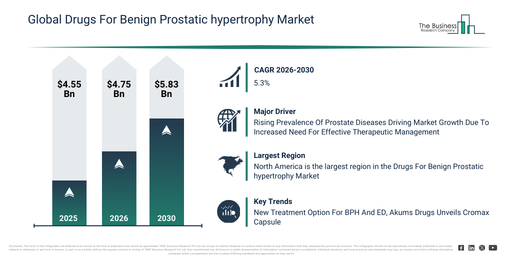
    The market for drugs treating benign prostatic hypertrophy has experienced consistent growth in recent years. It is anticipated to expand from $4.55 billion in 2025 to $4.75 billion in 2026, registering a compound annual growth rate (CAGR) of 4.4%. The historical market expansion is attributable to several factors, including an aging population’s growth, the continued use of alpha blockers, the provision of hospital-based urology care, the wider availability of oral therapies, and advancements in diagnostic tools.

    The market for drugs treating benign prostatic hypertrophy is projected to experience robust expansion over the coming years. Its valuation is set to reach $5.83 billion in 2030, exhibiting a compound annual growth rate (CAGR) of 5.3%. This anticipated growth during the forecast period is primarily driven by factors such as an increase in male life expectancy, improved access to healthcare, advancements in combination drug therapies, the proliferation of outpatient urology clinics, and prevalent lifestyle-related risk factors. Key trends characterizing this period encompass a heightened demand stemming from the aging male demographic, greater uptake of combination therapies, the emergence of minimally invasive drug treatments, the broadening availability of generic BPH drugs, and enhanced awareness leading to earlier diagnoses.

    Get A Free Sample Report With In-Depth Market Insights:

    https://thebusinessresearchcompany.com/sample_request?id=81562707&type=smp&name=Drugs%20For%20Benign%20Prostatic%20hypertrophy%20Market%20Report%202026&utm_source=Blogs&utm_medium=Paid&utm_campaign=Oct_PR

    Drugs For Benign Prostatic hypertrophy Market Growth Drivers: What’s Behind The Acceleration?

    The rising incidence of prostate conditions is anticipated to fuel the expansion of the drugs for benign prostatic hypertrophy market. Prostate diseases are a collection of medical ailments impacting the prostate gland, a male reproductive organ situated just beneath the bladder. This increase in prevalence is largely linked to aging, alongside metabolic and inflammatory elements that foster conditions such as benign prostatic hyperplasia (BPH) and prostate cancer. Medications for benign prostatic hypertrophy (BPH) play a crucial role in managing and easing urinary issues tied to prostate conditions, offering relief through reduced prostate gland size and enhanced urine flow. For instance, in August 2024, Cancer Therapy Advisor, a US-based medical information provider, projected approximately 299,010 new prostate cancer diagnoses in the US in 2024, representing 14.9 percent of all new cancer cases, with over 35,000 projected deaths. Consequently, the heightened occurrence of prostate diseases is stimulating growth in the drugs for benign prostatic hypertrophy market.

    Drugs For Benign Prostatic hypertrophy Market Segment Landscape And Growth Outlook

    The drugs for benign prostatic hypertrophy market covered in this report is segmented –

    1) By Type: Alpha Blocker, 5-alpha Reductase Inhibitor, Phosphodiesterase-5 Inhibitor, Other Types

    2) By Distribution Channel: Hospital Pharmacies, Retail Pharmacies, Online Pharmacies

    3) By End User: Hospital Pharmacies, Retail Pharmacies, Other End-Users

    Subsegments:

    1) By Alpha Blocker: Tamsulosin, Alfuzosin, Doxazosin, Terazosin, Silodosin

    2) By 5-alpha Reductase Inhibitor: Finasteride, Dutasteride

    3) By Phosphodiesterase-5 Inhibitor: Tadalafil, Sildenafil

    4) By Other Types: Anticholinergics, Herbal Supplements (Saw Palmetto), Combination Therapy Drugs (Alpha Blocker + 5-alpha Reductase Inhibitor)

    Drugs For Benign Prostatic hypertrophy Market Trends: What’s Defining The Industry’s Next Phase?

    Leading companies within the drugs for benign prostatic hypertrophy market are concentrating on developing technologically advanced solutions, such as new medications for both enlarged prostate (benign prostatic hyperplasia, BPH) and erectile dysfunction, to gain a competitive edge. Benign Prostatic Hyperplasia (BPH) is a non-cancerous enlargement of the prostate gland, while erectile dysfunction (ED) refers to the inability to achieve or maintain an erection sufficient for sexual activity. For instance, in September 2023, Akums Drugs and Pharmaceuticals Ltd., an Indian-based paint and coating manufacturing pharmaceutical contract manufacturer, launched Tamsulosin + Tadalafil Capsule. This initiative aimed to expand its product offerings in the pharmaceutical sector, specifically addressing common men’s health issues. This innovative product, Cromax, boasts unique features like a dual-action formulation that combines Tamsulosin, which targets smooth muscle relaxation in the prostate and urethra to improve urine flow, and Tadalafil, which enhances blood flow to the penis to facilitate erections. This combination therapy not only offers a more convenient treatment option for men experiencing both benign prostatic hyperplasia (BPH) and erectile dysfunction but also exhibits significant improvements in the International Prostate Symptom Score (IPSS).

    Drugs For Benign Prostatic hypertrophy Market Competitive Landscape: Who Leads The Industry?

    Major companies operating in the drugs for benign prostatic hypertrophy market are Astellas Pharma Inc., Boehringer Ingelheim International GmbH, GlaxoSmithKline plc, Teva Pharmaceutical Industries Limited, Sanofi S.A., Pfizer Inc., Ipsen S.A., Novartis International AG, Bayer AG, Merck & Co. Inc., Endo Pharmaceuticals Inc., Impax Laboratories Inc., Kissei Pharmaceutical Co. Ltd., Abbott Laboratories, Eli Lilly and Company, Bausch Health Companies Inc., Aurobindo Pharma Limited, Sun Pharmaceutical Industries Ltd., Zydus Lifesciences Ltd., Cipla Ltd

    View The Full Drugs For Benign Prostatic hypertrophy Market Report:

    https://thebusinessresearchcompany.com/report/Drugs-For-Benign-Prostatic-hypertrophy-Global-Market-Report?utm_source=Blogs&utm_medium=Paid&utm_campaign=Oct_PR

    Drugs For Benign Prostatic hypertrophy Market Geographic Analysis: Where Is Demand Rising Fastest?

    North America was the largest region in the drugs for benign prostatic hypertrophy market in 2025. Middle East is expected to be the fastest-growing region in the drugs for benign prostatic hypertrophy market. The regions covered in the drugs for benign prostatic hypertrophy market report are Asia-Pacific, South East Asia, Western Europe, Eastern Europe, North America, South America, Middle East, Africa.

    Reach Out To Our Team:

    The Business Research Company: https://www.thebusinessresearchcompany.com/

    Americas: +1 310-496-7795

    Asia: +44 7882 955267 & +91 8897263534

    Europe: +44 7882 955267

    Email us at: marketing@tbrc.info

    Follow us on:

    LinkedIn: https://in.linkedin.com/company/the-business-research-company

    YouTube: https://www.youtube.com/channel/UC24_fI0rV8cR5DxlCpgmyFQ

    Global Market Model: https://www.thebusinessresearchcompany.com/global-market-model