Blog

  • Zorbtive or serostim Market 2026 Outlook: Market Size, CAGR And Key Growth Opportunities

    Zorbtive or serostim Market 2026 Outlook: Market Size, CAGR And Key Growth Opportunities

    Backed by market attractiveness analysis, total addressable market sizing, company benchmarking matrices, interactive Excel dashboards, wider supply chain intelligence, emerging startup coverage, and detailed product-level insights, The Business Research Company’s 2026 market reports are designed to offer research that is more actionable and strategically valuable than ever.

    Zorbtive or serostim Market Expansion Outlook: What Revenue Opportunities Are Ahead?

    Historical growth has been driven by a rise in the diagnosis of growth hormone deficiency, the broadening of HIV-associated wasting treatment protocols, enhancements in recombinant hormone manufacturing processes, greater clinician awareness of anabolic therapies, and the presence of hospital-based hormone treatments.

    Projected growth within the forecast period is propelled by the escalating adoption of individualized hormone therapies, a heightened demand for treatments aimed at improving quality of life, the expanding reach of specialty pharmacy distribution, a growing emphasis on long-acting medication formulations, and increasing regulatory backing for rare disease treatments. Prominent trends throughout this period include the rising utilization of recombinant growth hormone therapies, an increased focus on treatments for enhancing body composition, the broadening acceptance of long-term hormone replacement regimens, the expansion of prescriptions tailored for specific indications, and improved oversight of therapy outcomes.

    Get A Free Sample Report With In-Depth Market Insights:

    https://thebusinessresearchcompany.com/sample_request?id=57446446&type=smp&name=Zorbtive%20or%20serostim%20Market%20Report%202026&utm_source=Blogs&utm_medium=Paid&utm_campaign=Oct_PR

    Zorbtive or serostim Market Growth Drivers: What’s Behind The Acceleration?

    The zorbtive or serostim market is anticipated to expand due to an increasing count of individuals living with HIV. Human immunodeficiency virus (HIV) is identified as a pathogen that impairs the immune system, specifically by targeting and eliminating CD4 cells crucial for the body’s defense against infections. The growing occurrence of HIV stems from various factors, including a rise in unprotected sexual encounters, limited availability of preventive healthcare, inadequate knowledge and educational initiatives, and difficulties encountered in HIV testing and treatment, particularly within vulnerable populations. For those affected by HIV, zorbtive or serostim provides assistance by counteracting HIV-associated wasting syndrome, facilitating an increase in body weight, enhancing lean body mass, and elevating general physical function and life quality for patients whose immune systems are weakened by the virus. As an illustration, data from October 2024, released by the Health Security Agency (UKHSA), a US-based government agency, indicated a 15% surge in new HIV diagnoses in England, climbing from 2,451 cases in 2022 to 2,810 in 2023. Consequently, the increasing population of HIV patients is serving as a catalyst for the expansion of the zorbtive or serostim market.

    Zorbtive or serostim Market Segment Analysis Spotlighting Growth Areas

    The zorbtive or serostim market covered in this report is segmented –

    1) By Indication: Short Bowel Syndrome, HIV-Associated Wasting

    2) By Distribution Channel: Hospital Pharmacies, Retail Pharmacies, Online Pharmacies

    3) By End User: Adult Patients, Geriatric Patients

    Zorbtive or serostim Market Leading Companies: Who Holds The Strongest Market Presence?

    Major companies operating in the zorbtive or serostim market are EMD Serono Inc.

    View The Full Zorbtive or serostim Market Report:

    https://thebusinessresearchcompany.com/report/zorbtive-or-serostim-global-market-report?utm_source=Blogs&utm_medium=Paid&utm_campaign=Oct_PR

    Zorbtive or serostim Market Largest Region: Which Geography Holds The Highest Market Share?

    North America was the largest region in the zorbtive or serostim market in 2025. The regions covered in the zorbtive or serostim market report are Asia-Pacific, Western Europe, Eastern Europe, North America, South America, Middle East, Africa.

    Reach Out To Our Team:

    The Business Research Company: https://www.thebusinessresearchcompany.com/

    Americas: +1 310-496-7795

    Asia: +44 7882 955267 & +91 8897263534

    Europe: +44 7882 955267

    Email us at: marketing@tbrc.info

    Follow us on:

    LinkedIn: https://in.linkedin.com/company/the-business-research-company

    YouTube: https://www.youtube.com/channel/UC24_fI0rV8cR5DxlCpgmyFQ

    Global Market Model: https://www.thebusinessresearchcompany.com/global-market-model
  • Smart Surgical Helmet Systems Market Analysis: How The Industry Is Evolving Toward A $1.27 Billion Future

    Smart Surgical Helmet Systems Market Analysis: How The Industry Is Evolving Toward A $1.27 Billion Future

    Backed by market attractiveness analysis, total addressable market sizing, company benchmarking matrices, interactive Excel dashboards, wider supply chain intelligence, emerging startup coverage, and detailed product-level insights, The Business Research Company’s 2026 market reports are designed to offer research that is more actionable and strategically valuable than ever.

    Smart Surgical Helmet Systems Market Size Outlook: How Quickly Will Revenue Expand Through 2030?

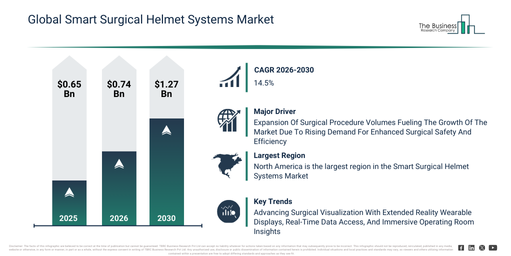
    The smart surgical helmet systems market has witnessed rapid growth in recent years. It is projected to expand from $0.65 billion in 2025 to $0.74 billion in 2026, achieving a compound annual growth rate (CAGR) of 14.8%. The historical expansion can be attributed to the increasing adoption of advanced surgical protective equipment, a greater demand for infection control in operating rooms, the rising use of wearable technology in healthcare, the expansion of orthopedic and complex surgical procedures, and an increased focus on surgeon safety and comfort.

    The market size for smart surgical helmet systems is projected to experience substantial expansion in the coming years, with expectations to reach $1.27 billion by 2030, growing at a compound annual growth rate (CAGR) of 14.5%. This growth during the forecast period is primarily attributed to the increasing integration of artificial intelligence (AI) and augmented reality (AR) technologies into these systems, a rising demand for enhanced surgical visualization, the growing adoption of minimally invasive and robotic surgical procedures, the ongoing expansion of hospital and surgical center infrastructure, and an increase in investment towards ergonomic and connected surgical equipment. Significant trends anticipated for the forecast period include technology-driven innovations resulting in lightweight and ergonomic helmet designs, advancements in AI-assisted surgical navigation, developments in augmented reality (AR) overlays and real-time imaging, a surge in research and development for smart sterilization and safety features, and innovations in integrated communication and monitoring systems.

    Get A Free Sample Report With In-Depth Market Insights:

    https://thebusinessresearchcompany.com/sample_request?id=33667376&type=smp&name=Smart%20Surgical%20Helmet%20Systems%20Market%20Report%202026&utm_source=Blogs&utm_medium=Paid&utm_campaign=Oct_PR

    Smart Surgical Helmet Systems Market Opportunity Drivers: What’s Unlocking New Revenue Potential?

    The smart surgical helmet systems market is projected to be driven by the increasing volume of surgical procedures. This rise in surgical procedure volumes signifies a growing number of both elective and emergency operations conducted in hospitals and surgical facilities, largely attributed to an aging global population, a higher incidence of chronic illnesses, and improved availability of healthcare. As the world’s population gets older and the prevalence of chronic and lifestyle-related conditions grows, the demand for surgical treatments also increases. Smart surgical helmet systems play a crucial role in these procedures by offering surgeons superior protection, continuous monitoring, and integrated visual aids. These systems enhance procedural efficiency and patient safety in the operating room through their blend of ergonomic design and advanced technological support. For instance, in June 2025, according to Intuitive Surgical Inc., a US-based medical technology company, approximately 2,683,000 procedures were performed using da Vinci surgical systems in 2024, compared to 2,286,000 procedures in 2023 and 1,875,000 in 2022, demonstrating a year on year increase in 2024. Consequently, the expanding volume of surgical procedures is a key factor propelling the growth of the smart surgical helmet systems market.

    Smart Surgical Helmet Systems Market Segment Analysis: What Are The Core Market Categories?

    The smart surgical helmet systems market covered in this report is segmented –

    1) By Product Type: Integrated Camera Systems, Ventilated Helmet Systems, Communication Enabled Helmets, Other Product Types

    2) By Distribution Channel: Direct Sales, Distributors, Online Sales, Other Distribution Channel

    3) By Application: Orthopedic Surgery, Neurosurgery, General Surgery, Ear Nose And Throat Surgery, Other Applications

    4) By End User: Hospitals, Ambulatory Surgical Centers, Specialty Clinics, Other End Users

    Subsegments:

    1) By Integrated Camera Systems: High Resolution Camera Systems, Thermal Imaging Camera Systems, Three Dimensional Imaging Camera Systems

    2) By Ventilated Helmet Systems: Active Airflow Helmet Systems, Filter Equipped Helmet Systems, Cooling Enhanced Helmet Systems

    3) By Communication Enabled Helmets: Wireless Communication Helmet Systems, Hands Free Communication Helmet Systems, Integrated Audio Visual Communication Helmets

    4) By Other Product Types: Protective Helmet Accessories, Lighting Integrated Helmet Systems, Modular Surgical Helmet Components

    Smart Surgical Helmet Systems Market Innovation Trends Shaping Future Development

    Companies actively involved in the smart surgical helmet systems market are prioritizing the development of advanced technological offerings, such as extended reality (XR) wearable displays, to boost surgical accuracy, situational awareness, and decision-making during operations. Extended reality wearable displays are defined as head-mounted devices that merge virtual, augmented, or mixed reality content directly into a surgeon’s view, enabling the projection of vital imaging, live patient information, and interactive guidance during medical procedures. For example, in April 2024, MediThinQ Inc., a medical technology startup from South Korea, launched extended reality (XR) surgical displays specifically designed for smart surgical helmet systems. These wearable displays provide surgeons with an immersive, real-time view of patient anatomy, procedural instructions, and cooperative data sharing within the operating room. By integrating XR technology into wearable surgical helmets, MediThinQ contributes to enhanced precision, reduces cognitive effort, and supports safer, more efficient surgical workflows, thereby broadening worldwide access to next-generation surgical visualization tools.

    Smart Surgical Helmet Systems Market Competitive Landscape: Who Leads The Industry?

    Major companies operating in the smart surgical helmet systems market are Cardinal Health Inc., Johnson & Johnson, Medtronic plc, 3M Company, Stryker Corporation, Ecolab Inc., Smith & Nephew plc, Baxter International Inc., Zimmer Biomet Holdings Inc., STERIS plc, Arthrex Inc., KARL STORZ SE & Co. KG, Ansell Limited, Integra LifeSciences Holdings Corporation, NuVasive Inc., MicroPort Scientific Corporation, Orthofix Medical Inc., Synaptive Medical Inc., SurgiTel, Maxair Systems, Enova Illumination, Bioservo Technologies AB, Illumigyn Ltd., Kaiser Technology Co. Ltd., THI Total Healthcare Innovation GmbH

    View The Full Smart Surgical Helmet Systems Market Report:

    https://thebusinessresearchcompany.com/report/smart-surgical-helmet-systems-market-report?utm_source=Blogs&utm_medium=Paid&utm_campaign=Oct_PR

    Smart Surgical Helmet Systems Market Geographic Landscape: Which Region Dominates Industry Growth?

    North America was the largest region in the smart surgical helmet systems market in 2025. Asia-Pacific is expected to be the fastest-growing region in the forecast period. The regions covered in the smart surgical helmet systems market report are Asia-Pacific, South East Asia, Western Europe, Eastern Europe, North America, South America, Middle East, Africa.

    Reach Out To Our Team:

    The Business Research Company: https://www.thebusinessresearchcompany.com/

    Americas: +1 310-496-7795

    Asia: +44 7882 955267 & +91 8897263534

    Europe: +44 7882 955267

    Email us at: marketing@tbrc.info

    Follow us on:

    LinkedIn: https://in.linkedin.com/company/the-business-research-company

    YouTube: https://www.youtube.com/channel/UC24_fI0rV8cR5DxlCpgmyFQ

    Global Market Model: https://www.thebusinessresearchcompany.com/global-market-model
  • Zomacton Market Size Growth: From $ Billion In 2026 To $ Billion By 2030

    Zomacton Market Size Growth: From $ Billion In 2026 To $ Billion By 2030

    Featuring market attractiveness scoring, total addressable market sizing, company benchmarking matrices, interactive Excel dashboards, deeper supply chain intelligence, emerging startup tracking, and granular product-level insights, The Business Research Company’s 2026 market reports are built to deliver research that is both more actionable and more strategically valuable.

    Zomacton Market Growth Potential: How Will Market Size Shift Through 2030?

    Historically, this expansion was driven by a rise in the diagnosis of growth hormone deficiencies, the presence of recombinant somatropin products, an increase in pediatric endocrinology services, broader clinical acceptance of hormone therapy, and advancements in cold-chain pharmaceutical logistics.

    The anticipated growth during the forecast period is primarily fueled by a heightened need for tailored hormone therapies, greater recognition of uncommon growth conditions, the proliferation of at-home injectable treatments, increasing capital allocation towards creating biologic drugs, and a sharpened emphasis on strategies to improve treatment compliance. Concurrently, key developments expected in this timeframe include a wider application of synthetic growth hormone treatments, growing preference for sustained hormone replacement protocols, an escalating emphasis on endocrine conditions affecting children, the increased availability of self-administered biologic drug forms, and more sophisticated patient tracking and compliance initiatives.

    Get A Free Sample Report With In-Depth Market Insights:

    https://thebusinessresearchcompany.com/sample_request?id=58398358&type=smp&name=Zomacton%20Market%20Report%202026&utm_source=Blogs&utm_medium=Paid&utm_campaign=Oct_PR

    Zomacton Market Growth Factors Behind Sustained Expansion

    The increasing use of personalized medicine is projected to boost the zomacton market’s expansion in the future. This approach entails adapting healthcare solutions to each person’s genetic makeup, daily habits, and surroundings to achieve superior results. Several elements contribute to the increasing uptake of personalized medicine, including progress in genomic studies, enhanced diagnostic instruments, and a greater need for highly specific and successful therapies. Zomacton’s dosage can be customized for specific patients, especially those with growth hormone deficiency (GHD) in both children and adults, with adjustments made according to the patient’s reaction, physical dimensions, and age, thus reflecting personalized medicine principles. For example, reports from the US-based non-profit, Personalized Medicine Coalition, in February 2024, indicated that the FDA cleared 16 new personalized treatments for individuals with rare conditions in 2023, a notable increase from six in 2022. Consequently, the expanding implementation of personalized medicine is a key factor propelling the zomacton market’s development.

    Zomacton Market Segment Performance And Emerging Opportunities

    The zomacton market covered in this report is segmented –

    1) By Indication: Pediatric Growth Hormone Deficiency, Adult Growth Hormone Deficiency, Turner Syndrome, Idiopathic Short Stature, Small For Gestational Age, Prader-Willi Syndrome

    2) By Distribution Channel: Hospital Pharmacies, Retail Pharmacies, Online Pharmacies

    3) By End User: Adult, Pediatric

    Zomacton Market Key Players: Which Companies Lead Industry Competition?

    Major companies operating in the zomacton market are Ferring Pharmaceuticals Inc.

    View The Full Zomacton Market Report:

    https://thebusinessresearchcompany.com/report/zomacton-global-market-report?utm_source=Blogs&utm_medium=Paid&utm_campaign=Oct_PR

    Zomacton Market Regional Analysis: Which Region Leads By Revenue?

    North America was the largest region in the zomacton market in 2025. The regions covered in the zomacton market report are Asia-Pacific, Western Europe, Eastern Europe, North America, South America, Middle East, Africa.

    Reach Out To Our Team:

    The Business Research Company: https://www.thebusinessresearchcompany.com/

    Americas: +1 310-496-7795

    Asia: +44 7882 955267 & +91 8897263534

    Europe: +44 7882 955267

    Email us at: marketing@tbrc.info

    Follow us on:

    LinkedIn: https://in.linkedin.com/company/the-business-research-company

    YouTube: https://www.youtube.com/channel/UC24_fI0rV8cR5DxlCpgmyFQ

    Global Market Model: https://www.thebusinessresearchcompany.com/global-market-model
  • Smart Oximetry Devices Market Outlook Through 2030: Understanding The Growth Opportunity

    Smart Oximetry Devices Market Outlook Through 2030: Understanding The Growth Opportunity

    Featuring market attractiveness scoring, total addressable market sizing, company benchmarking matrices, interactive Excel dashboards, deeper supply chain intelligence, emerging startup tracking, and granular product-level insights, The Business Research Company’s 2026 market reports are built to deliver research that is both more actionable and more strategically valuable.

    Smart Oximetry Devices Market Size, Value And Growth Trajectory Through 2030

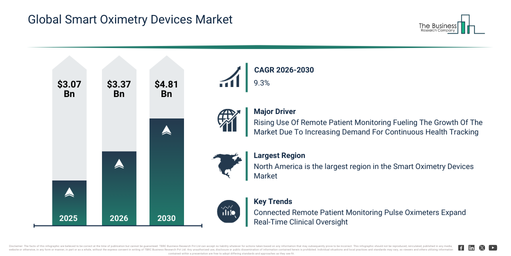
    The smart oximetry devices market has experienced significant expansion recently. Its valuation is predicted to rise from $3.07 billion in 2025 to $3.37 billion in 2026, reflecting a compound annual growth rate (CAGR) of 9.6%. This historical expansion can be attributed to elements such as early adoption within hospital settings, the clinical validation of SpO2 monitoring, integration with bedside monitors, obtaining regulatory approvals for pulse oximeters, and the expansion of critical care infrastructure.

    The smart oximetry devices market is projected to experience substantial expansion over the coming years. This market is anticipated to reach $4.81 billion by 2030, demonstrating a compound annual growth rate (CAGR) of 9.3%. Key factors contributing to this growth during the forecast period include the rising incidence of respiratory conditions, the broader integration of remote patient monitoring, an escalating need for home healthcare equipment, the widening availability of telehealth services, and a growing elderly demographic. Significant trends expected within this period involve technological improvements in sensor precision, novel developments in wearable oximetry devices, progress in wireless and Bluetooth connectivity, ongoing research and development in multi-parameter monitoring, and enhancements in AI-powered data analytics.

    Get A Free Sample Report With In-Depth Market Insights:

    https://thebusinessresearchcompany.com/sample_request?id=64013510&type=smp&name=Smart%20Oximetry%20Devices%20Market%20Report%202026&utm_source=Blogs&utm_medium=Paid&utm_campaign=Oct_PR

    Smart Oximetry Devices Market Growth Momentum: What Factors Are Shaping Demand?

    The increasing implementation of remote patient monitoring is anticipated to propel the expansion of the smart oximetry devices market moving forward. Remote patient monitoring involves leveraging digital technologies to observe and collect medical and other health information from patients, subsequently sending this data electronically to healthcare providers for evaluation, and if necessary, for guidance and instructions. The adoption of remote patient monitoring is escalating as healthcare providers and payers increasingly depend on continuous data gathered at home to manage chronic diseases more proactively, thereby decreasing hospital readmissions and overall healthcare expenditures. Smart oximetry devices facilitate remote patient monitoring by constantly measuring blood oxygen levels and transmitting this real-time data directly to healthcare professionals. These devices enhance patient care by enabling the prompt detection of hypoxia, facilitating timely medical interventions, and allowing for improved management of chronic respiratory and cardiovascular conditions. For instance, data from September 2025, as reported by the U.S. Department of Health and Human Services Office of Inspector General (OIG), a US-based government agency, indicated that payments for remote patient monitoring reached $536 million across Original Medicare also known as Medicare fee for service and Medicare Advantage, marking a 31% increase from 2023. Concurrently, close to 1 million Medicare enrollees utilized remote patient monitoring services, which represents a 27% increase compared to 2023. Consequently, the increasing utilization of remote patient monitoring is a key factor propelling the expansion of the smart oximetry devices market.

    Smart Oximetry Devices Market Segment Breakdown: Which Categories Lead On Revenue?

    The smart oximetry devices market covered in this report is segmented –

    1) By Product Type: Fingertip Oximeters, Handheld Oximeters, Wrist-Worn Oximeters, Tabletop Or Bedside Oximeters, Other Produt Types

    2) By Technology: Conventional, Bluetooth-Enabled, Wi-Fi Enabled

    3) By Distribution Channel: Online, Offline

    4) By End-User: Hospitals And Clinics, Homecare Settings, Ambulatory Surgical Centers, Others

    Subsegments:

    1) By Fingertip Oximeters: Basic Fingertip Oximeters, Rechargeable Fingertip Oximeters, Bluetooth-Enabled Fingertip Oximeters

    2) By Handheld Oximeters: Portable Handheld Oximeters, Multi-Parameter Handheld Oximeters, Clinical-Grade Handheld Oximeters

    3) By Wrist-Worn Oximeters: Fitness Wrist-Worn Oximeters, Medical Wrist-Worn Oximeters, Continuous Monitoring Wrist-Worn Oximeters

    4) By Tabletop Or Bedside Oximeters: Standard Bedside Oximeters, Advanced Monitoring Bedside Oximeters, Multi-Parameter Bedside Oximeters

    5) By Other Produt Types: Pediatric Oximeters, Veterinary Oximeters, Specialty Application Oximeters

    Smart Oximetry Devices Market Trends Redefining Industry Growth

    Leading companies within the smart oximetry devices market are concentrating on developing sophisticated monitoring solutions, such as cellular-enabled pulse oximeters, to deliver secure, real-time SpO2 and pulse rate data to clinicians for proactive patient care. Cellular-enabled pulse oximeters refer to devices equipped with integrated cellular connectivity, capable of transmitting oxygen saturation (SpO2) and pulse rate information directly to healthcare providers or cloud platforms in real time. For instance, in August 2024, Prevounce Health, a US-based remote care management provider, introduced the Pylo OX1-LTE pulse oximeter. This clinically validated, cellular-enabled device features roaming 5G/4G LTE connectivity with 2G fallback, provides highly accurate SpO2 and pulse rate measurements, and includes a bright OLED display for clear readings. The Pylo OX1-LTE also ensures secure data transmission directly to remote monitoring platforms and is compatible with third-party health software to support extensive remote patient monitoring programs.

    Smart Oximetry Devices Market Company Landscape And Competitive Strategy

    Major companies operating in the smart oximetry devices market are Medtronic plc, GE HealthCare Technologies Inc., Koninklijke Philips N.V., Shenzhen Mindray Bio-Medical Electronics Co. Ltd., Masimo Corporation, Nihon Kohden Corporation, Lepu Medical Technology Co. Ltd., Contec Medical Systems Co. Ltd., Beurer GmbH, Heal Force Bio-Meditech Holdings Ltd., Edan Instruments Inc., Biolight Meditech Co. Ltd., Omron Healthcare Co. Ltd., Nonin Medical Inc., Viatom Technology Co. Ltd., A&D Company Limited, iHealth Labs Inc., Smiths Medical International Ltd., Wellue Health Inc., Creative Medical Technology Co. Ltd., Berry Global Healthcare, Oxitone Medical Ltd., Movano Health Inc., ChoiceMMed America Corp.

    View The Full Smart Oximetry Devices Market Report:

    https://thebusinessresearchcompany.com/report/smart-oximetry-devices-market-report?utm_source=Blogs&utm_medium=Paid&utm_campaign=Oct_PR

    Smart Oximetry Devices Market Largest Region: Which Geography Holds The Highest Market Share?

    North America was the largest region in the smart oximetry devices market in 2025. Asia-Pacific is expected to be the fastest-growing region in the forecast period. The regions covered in the smart oximetry devices market report are Asia-Pacific, South East Asia, Western Europe, Eastern Europe, North America, South America, Middle East, Africa.

    Reach Out To Our Team:

    The Business Research Company: https://www.thebusinessresearchcompany.com/

    Americas: +1 310-496-7795

    Asia: +44 7882 955267 & +91 8897263534

    Europe: +44 7882 955267

    Email us at: marketing@tbrc.info

    Follow us on:

    LinkedIn: https://in.linkedin.com/company/the-business-research-company

    YouTube: https://www.youtube.com/channel/UC24_fI0rV8cR5DxlCpgmyFQ

    Global Market Model: https://www.thebusinessresearchcompany.com/global-market-model
  • Zolgensma Market Analysis 2026: Market Size, Growth Trends And Industry Outlook

    Zolgensma Market Analysis 2026: Market Size, Growth Trends And Industry Outlook

    Built to provide research that’s more actionable and strategically valuable, The Business Research Company’s 2026 market reports include market attractiveness analysis, total addressable market sizing, company benchmarking matrices, interactive Excel dashboards, broader supply chain intelligence, emerging startup tracking, and in-depth product insights.

    Zolgensma Market Value Analysis: What Growth Lies Ahead Over The Forecast Period?

    The observed growth during the historical period was driven by advancements in gene therapy delivery systems, successful clinical applications in managing SMA type 1, early identification facilitated by newborn screening, supportive regulatory frameworks for gene therapies, and the broadening of pediatric neuromuscular care.

    During the projected period, the expansion can be linked to a surge in investment directed towards gene therapy development, alongside the broadening scope of newborn screening initiatives. A heightened demand for curative treatments for rare diseases, coupled with continuous advancements in viral vector manufacturing, further contributes to this growth. Additionally, an increasing emphasis on the long-term economic benefits associated with health outcomes is a significant driving factor.

    Significant developments anticipated within the forecast timeframe encompass the wider acceptance of single-dose gene therapies and an elevated focus on early genetic intervention. The increasing application of viral vector technologies is also notable, alongside the expansion of treatment strategies aimed at curing diseases. Furthermore, there is a heightened importance placed on achieving improved long-term survival outcomes.

    Get A Free Sample Report With In-Depth Market Insights:

    https://thebusinessresearchcompany.com/sample_request?id=65197594&type=smp&name=Zolgensma%20Market%20Report%202026&utm_source=Blogs&utm_medium=Paid&utm_campaign=Oct_PR

    Zolgensma Market Demand Drivers Opening New Revenue Streams

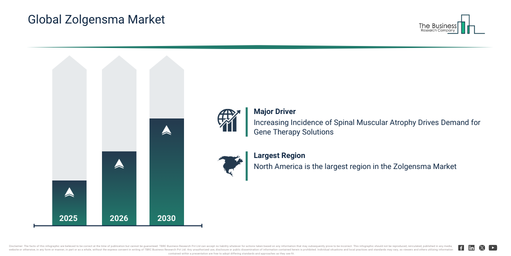
    The rising occurrence of spinal muscular atrophy (SMA) is projected to drive the expansion of the Zolgensma market. SMA is a genetic condition marked by the degeneration of motor neurons in the spinal cord, causing progressive muscle weakness and atrophy, predominantly affecting infants and young children, potentially resulting in severe physical disabilities and life-threatening issues. This rise in SMA incidence is linked to improved genetic testing and newborn screening programs, which allow for earlier and more accurate diagnoses, thus identifying more cases that might have previously gone undetected. Zolgensma works by providing a functional copy of the SMN1 gene to SMA patients, addressing the disease’s underlying genetic cause and helping to restore the critical survival motor neuron (SMN) protein, which is vital for motor function and muscle strength, ultimately improving motor skills and survival in affected infants and young children. For instance, in August 2025, according to the Nice organization, a UK-based health guidance provider, SMA is estimated to affect roughly 1 out of every 14,000 births worldwide, and in the UK alone around 47 babies were born with SMA in 2023. Therefore, the growing incidence of spinal muscular atrophy is fueling the Zolgensma market’s growth. The increasing occurrence of rare diseases is anticipated to boost the Zolgensma market’s expansion, driving demand for advanced gene therapies. A rare disease is defined as a medical condition impacting a small segment of the population, often presenting with distinct symptoms and difficulties in diagnosis and treatment. The growing incidence of these conditions stems from enhanced diagnostic tools and heightened awareness, which aid in the earlier detection and identification of previously undiagnosed cases. Zolgensma addresses rare diseases such as spinal muscular atrophy by delivering a functional copy of the faulty SMN1 gene, thus enabling the creation of the SMN protein vital for motor neuron survival and muscle function. For example, in September 2024, the European Union, an international organization based in the Netherlands, stated that more than 6,000 distinct rare diseases collectively affect up to 36 million people throughout the European Union. Consequently, the rising prevalence of rare diseases is propelling the growth of the Zolgensma market.

    Zolgensma Market Segment Landscape And Growth Outlook

    The zolgensma market covered in this report is segmented –

    1) By Indication: Spinal Muscular Atrophy (SMA) Type 1, Spinal Muscular Atrophy (SMA) Type 2, Spinal Muscular Atrophy (SMA) Type 3, Pre-symptomatic Spinal Muscular Atrophy (SMA)

    2) By Age Group: Pediatric (Infants And Children), Adults

    3) By Distribution Channel: Hospitals, Specialty Clinics, Pharmacies

    Zolgensma Market Competitive Landscape: Who Leads The Industry?

    Major companies operating in the zolgensma market are Novartis AG

    View The Full Zolgensma Market Report:

    https://thebusinessresearchcompany.com/report/zolgensma-global-market-report?utm_source=Blogs&utm_medium=Paid&utm_campaign=Oct_PR

    Zolgensma Market Geographic Distribution And Regional Opportunities

    North America was the largest region in the zolgensma market in 2025. The regions covered in the zolgensma market report are Asia-Pacific, Western Europe, Eastern Europe, North America, South America, Middle East, Africa.

    Reach Out To Our Team:

    The Business Research Company: https://www.thebusinessresearchcompany.com/

    Americas: +1 310-496-7795

    Asia: +44 7882 955267 & +91 8897263534

    Europe: +44 7882 955267

    Email us at: marketing@tbrc.info

    Follow us on:

    LinkedIn: https://in.linkedin.com/company/the-business-research-company

    YouTube: https://www.youtube.com/channel/UC24_fI0rV8cR5DxlCpgmyFQ

    Global Market Model: https://www.thebusinessresearchcompany.com/global-market-model
  • Smart Mattress Sensor Market Growth Potential: What The Latest Forecast Reveals

    Smart Mattress Sensor Market Growth Potential: What The Latest Forecast Reveals

    Built to provide research that’s more actionable and strategically valuable, The Business Research Company’s 2026 market reports include market attractiveness analysis, total addressable market sizing, company benchmarking matrices, interactive Excel dashboards, broader supply chain intelligence, emerging startup tracking, and in-depth product insights.

    Smart Mattress Sensor Market CAGR Outlook And Future Development

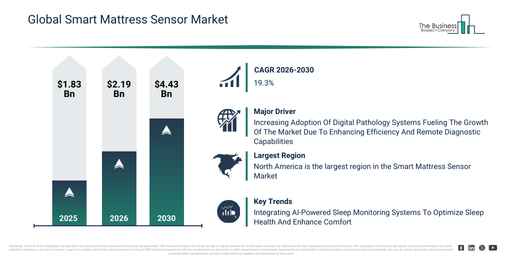
    The smart mattress sensor market has experienced substantial growth in recent years. This market is projected to expand from $1.83 billion in 2025 to $2.19 billion in 2026, demonstrating a compound annual growth rate (CAGR) of 19.5%. Historically, this expansion has been driven by several factors, including heightened awareness regarding sleep health, increased adoption of wearable and sleep monitoring devices, a growing need for comfortable and supportive mattresses, wider integration of smart home technology, and an intensifying focus on tailored sleep solutions.

    The smart mattress sensor market size is projected to experience swift expansion in the coming years. This market is anticipated to reach $4.43 billion in 2030, exhibiting a compound annual growth rate (CAGR) of 19.3%. Factors contributing to this growth during the forecast period include the increasing adoption of AI-powered sleep tracking, greater integration of IoT-enabled mattress sensors, a rising demand for real-time sleep quality monitoring, the expanding utilization of cloud-based health data platforms, and a heightened focus on preventive health and wellness. Key trends anticipated for this period encompass technological advancements in sensor accuracy and sensitivity, innovations in AI-driven sleep analytics, progress in connected mattress and bedding systems, ongoing research and development in non-intrusive monitoring technologies, and improvements in predictive and personalized sleep optimization.

    Get A Free Sample Report With In-Depth Market Insights:

    https://thebusinessresearchcompany.com/sample_request?id=29554634&type=smp&name=Smart%20Mattress%20Sensor%20Market%20Report%202026&utm_source=Blogs&utm_medium=Paid&utm_campaign=Oct_PR

    Smart Mattress Sensor Market Expansion Drivers: What’s Shaping Future Growth?

    The anticipated growth of the smart mattress sensor market is set to be propelled by the escalating prevalence of sleep disorders. These medical conditions, including insomnia and sleep-related breathing disorders, detrimentally impact sleep quality, duration, or timing, and are linked to adverse physical, cognitive, and cardiovascular outcomes. The increasing occurrence of sleep disorders can be attributed to rising obesity rates and an aging population, both contributing to a higher incidence of conditions such as sleep-disordered breathing. Smart mattress sensors assist in mitigating sleep disorders by monitoring sleep patterns, body movements, and vital signs to deliver personalized insights and recommendations. This technology enhances sleep quality and overall health through the early detection of disturbances and the support of targeted interventions. For instance, in March 2024, as reported by the National Sleep Foundation, a US-based non-profit sleep health organization, adults reporting poor sleep quality saw an increase from 35% in 2023 to 38% in 2024, indicating a measurable rise in sleep-related health issues that demand continuous monitoring solutions. Therefore, the growing prevalence of sleep disorders is a key driver for the smart mattress sensor market’s expansion.

    Smart Mattress Sensor Market Segmentation: How Does The Market Break Down By Category?

    The smart mattress sensor market covered in this report is segmented –

    1) By Product Type: Pressure Sensors, Motion Sensors, Temperature Sensors, Multi-Sensor Systems, Other Product Types

    2) By Connectivity: Wired, Wireless

    3) By Distribution Channel: Online Retail, Specialty Stores, Direct Sales, Other Distribution Channels

    4) By End-User: Individual, Commercial, Healthcare, Hospitality, Other End-Users

    Subsegments:

    1) By Pressure Sensors: Mattress Pressure Mapping Units, Sleep Posture Detection Sensors, Weight Distribution Monitoring Devices, Bed Occupancy Detection Modules, High Sensitivity Pressure Tracking Systems

    2) By Motion Sensors: Sleep Movement Tracking Devices, Restlessness And Activity Monitoring Units, Micro Motion Detection Modules, Body Rotation Tracking Sensors, Nighttime Motion Analysis Systems

    3) By Temperature Sensors: Bed Temperature Monitoring Units, Skin Contact Temperature Detection Sensors, Climate Adjustable Sensor Modules, Thermal Comfort Tracking Devices, Smart Heat Regulation Sensors

    4) By Multi-Sensor Systems: Integrated Sleep Monitoring Modules, Combined Pressure And Motion Detection Units, Multi Parameter Sleep Analysis Systems, Comprehensive Bed Sensor Platforms, Advanced Sleep Behavior Tracking Devices

    5) By Other Product Types: Smart Humidity Monitoring Sensors, Biometric Sleep Tracking Devices, Sound And Vibration Detection Modules, Smart Bedding Integration Sensors, Innovative Sleep Environment Monitoring Units

    Smart Mattress Sensor Market Strategic Trends: What Defines The Next Growth Phase?

    Major companies operating in the smart mattress sensor market are concentrating on developing advanced solutions, such as multi-sensor sleep monitoring systems, to observe sleep patterns, body movements, and vital signs, thereby providing actionable insights for improved sleep quality and preventive wellness. Multi-sensor sleep monitoring systems are defined as embedded technologies that continuously gather physiological and environmental data, including heart rate, respiratory rate, body position, and mattress pressure distribution, to analyze sleep quality and detect irregularities. For instance, in November 2023, De Rucci Healthy Sleep Co. Ltd., a China-based sleep technology company, launched the DeRUCCI T11 Pro Smart Mattress. This mattress is a multi-sensor sleep monitoring system featuring 23 AI-driven sensors and 18 adaptive support units, capable of real-time body position and physiological tracking, sleep quality analysis, and dynamic comfort adjustment. These functionalities enable users to obtain personalized sleep insights, early warnings for potential health issues, and enhanced comfort, representing a significant progression in sleep health management by integrating precision monitoring, AI analysis, and responsive mattress technology.

    Smart Mattress Sensor Market Key Players Shaping Industry Direction

    Major companies operating in the smart mattress sensor market are Xiaomi Corporation, Nokia, Koninklijke Philips N.V., Tempur Sealy International Inc., Serta Simmons Bedding LLC, Hilding Anders International AB, Saatva Inc., Sleep Number Corporation, Casper Sleep Inc., Silentnight Group Limited, DeRUCCI International Holdings Limited, Kingsdown Inc., Withings SAS, Bosch Sensortec GmbH, Eight Sleep Inc., Sleepace Technology Co. Ltd., Responsive Surface Technology Inc., Emfit Ltd., RestOn Sleep Technology Pvt. Ltd., Slairzz Inc.

    View The Full Smart Mattress Sensor Market Report:

    https://thebusinessresearchcompany.com/report/smart-mattress-sensor-market-report?utm_source=Blogs&utm_medium=Paid&utm_campaign=Oct_PR

    Smart Mattress Sensor Market Regional Analysis: Which Region Leads By Revenue?

    North America was the largest region in the smart mattress sensor market in 2025. Asia-Pacific is expected to be the fastest-growing region in the forecast period. The regions covered in the smart mattress sensor market report are Asia-Pacific, South East Asia, Western Europe, Eastern Europe, North America, South America, Middle East, Africa.

    Reach Out To Our Team:

    The Business Research Company: https://www.thebusinessresearchcompany.com/

    Americas: +1 310-496-7795

    Asia: +44 7882 955267 & +91 8897263534

    Europe: +44 7882 955267

    Email us at: marketing@tbrc.info

    Follow us on:

    LinkedIn: https://in.linkedin.com/company/the-business-research-company

    YouTube: https://www.youtube.com/channel/UC24_fI0rV8cR5DxlCpgmyFQ

    Global Market Model: https://www.thebusinessresearchcompany.com/global-market-model
  • Smart Hospital Heating, Ventilation, And Air Conditioning (HVAC) Market Growth Outlook: Why Analysts Expect Continued Expansion

    Smart Hospital Heating, Ventilation, And Air Conditioning (HVAC) Market Growth Outlook: Why Analysts Expect Continued Expansion

    Backed by market attractiveness analysis, total addressable market sizing, company benchmarking matrices, interactive Excel dashboards, wider supply chain intelligence, emerging startup coverage, and detailed product-level insights, The Business Research Company’s 2026 market reports are designed to offer research that is more actionable and strategically valuable than ever.

    Smart Hospital Heating, Ventilation, And Air Conditioning (HVAC) Market Set To Climb From $7.18 Billion In 2026 To $12.81 Billion By 2030

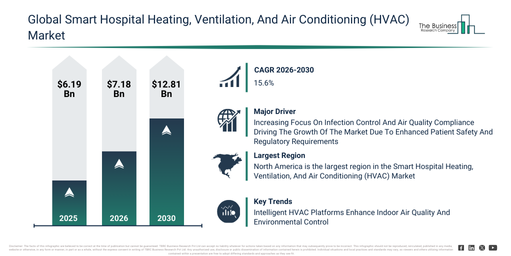
    The smart hospital heating, ventilation, and air conditioning (HVAC) market has expanded notably in recent years. It is projected to increase from $6.19 billion in 2025 to $7.18 billion in 2026, growing at a compound annual growth rate (CAGR) of 15.9%. The market’s past growth was fueled by factors including the rising construction of new hospitals and healthcare facilities, an increasing demand for patient-centric care environments, a heightened focus on reducing operational costs in hospitals, growing healthcare investments by both public and private sectors, and the escalating need for dependable climate control in critical care areas.

    The smart hospital heating, ventilation, and air conditioning (HVAC) market size is forecast to grow rapidly over the next few years. It is projected to achieve a value of $12.81 billion by 2030, exhibiting a compound annual growth rate (CAGR) of 15.6%. This anticipated expansion during the forecast period stems from factors such as increasing hospital infrastructure development, a stronger emphasis on indoor air quality within healthcare facilities, the rising demand for infection control environments, expanding healthcare expenditure, and a heightened awareness of patient comfort requirements. Significant trends for this period include advancements in intelligent HVAC control systems; innovations in sensor-driven indoor air quality monitoring; developments in artificial intelligence-enabled building management systems; ongoing research and developments in energy-efficient HVAC designs; and progress in predictive maintenance for hospital HVAC setups.

    Get A Free Sample Report With In-Depth Market Insights:

    https://thebusinessresearchcompany.com/sample_request?id=72644885&type=smp&name=Smart%20Hospital%20Heating%2C%20Ventilation%2C%20And%20Air%20Conditioning%20%28HVAC%29%20Market%20Report%202026&utm_source=Blogs&utm_medium=Paid&utm_campaign=Oct_PR

    Smart Hospital Heating, Ventilation, And Air Conditioning (HVAC) Market Development Factors: What’s Supporting Demand?

    A growing emphasis on infection control and adhering to air quality standards is anticipated to drive the expansion of the smart hospital heating, ventilation, and air conditioning (HVAC) market in the future. These terms, infection control and air quality compliance, describe the application of environmental measures within healthcare environments, such as ventilation, filtration, and air handling protocols, aimed at lessening the spread of airborne pathogens and fulfilling safety regulations. The significance placed on infection control and air quality compliance is escalating because healthcare systems globally are enhancing their initiatives to avert healthcare-associated infections and protect both patients and personnel. Smart hospital HVAC systems contribute to infection control and air quality compliance by fine-tuning ventilation rates, managing pressure differentials, and maximizing filtration effectiveness, consequently enhancing indoor air quality while simultaneously ensuring energy efficiency. For example, data from November 2024 by the Center for Infectious Disease Research and Policy, a US-based infectious disease research center, indicates that US acute care hospitals experienced a 15% decline in central line-associated bloodstream infections and an 11% drop in catheter-associated urinary tract infections in 2023 when contrasted with 2022. This demonstrates improved infection control practices, including advanced environmental controls like HVAC systems. Consequently, the heightened attention to infection control and air quality compliance is a key factor boosting the expansion of the smart hospital heating, ventilation, and air conditioning (HVAC) market.

    Smart Hospital Heating, Ventilation, And Air Conditioning (HVAC) Market Segment Trends And Revenue Contributors

    The smart hospital heating, ventilation, and air conditioning (hvac) market covered in this report is segmented –

    1) By Component: Heating Equipment, Ventilation Equipment, Air Conditioning Equipment, Control Systems, Services

    2) By Technology: Internet Of Things (IoT)-Enabled Heating, Ventilation, And Air Conditioning (HVAC), Artificial Intelligence (AI)-Based Heating, Ventilation, And Air Conditioning (HVAC), Cloud-Based Heating, Ventilation, And Air Conditioning (HVAC), Traditional Heating, Ventilation, And Air Conditioning (HVAC)

    3) By Application: Patient Rooms, Operating Theaters, Intensive Care Units (ICUs), Laboratories, Pharmacies, Administrative Areas, Other Applications

    4) By End User: Public Hospitals, Private Hospitals, Specialty Hospitals

    Subsegments:

    1) By Heating Equipment: Boilers, Heat Pumps, Radiant Heaters, Electric Heaters, Gas Fired Heaters

    2) By Ventilation Equipment: Air Handling Units, Energy Recovery Ventilators, Exhaust Fans, Supply Fans, Terminal Units

    3) By Air Conditioning Equipment: Chiller Systems, Packaged Air Conditioners, Split Air Conditioning Units, Variable Refrigerant Flow Systems, Rooftop Air Conditioning Units

    4) By Control Systems: Building Management Systems, Smart Thermostat Systems, Variable Frequency Drive Controllers, Zonal Control Modules, Automated Monitoring Sensors

    5) By Services: Installation Services, Maintenance Services, Repair Services, System Upgrade Services, Energy Optimization Services

    Smart Hospital Heating, Ventilation, And Air Conditioning (HVAC) Market Transformation Trends: What Innovations Are Driving Change?

    Major companies within the smart hospital heating, ventilation, and air conditioning (HVAC) market are concentrating on creating sophisticated systems, such as building automation systems, to improve energy efficiency, better indoor air quality, and ensure accurate environmental control in vital care zones. A building automation system is defined as an integrated hardware and software setup that oversees and automatically manages building operations like heating, ventilation, air conditioning, lighting, and security to maximize comfort, energy efficiency, and operational performance. For instance, in September 2024, Johnson Controls Inc., a US-based building technology and controls company, introduced Metasys 14.0, an enhanced building automation system. This system provides advanced analytics dashboards, improved network efficiency, compatibility with up to 800 IP devices, and superior energy management instruments that assist facility managers in cutting energy consumption while upholding crucial environmental conditions for healthcare facilities. The release of Metasys 14.0 incorporates ready-to-use energy-management dashboards and HVAC applications aligned with ASHRAE Guideline 36, equipping building operators with quick, pre-configured tools to visualize usage, decrease energy waste, and elevate equipment performance, all while contributing to decarbonization objectives.

    Smart Hospital Heating, Ventilation, And Air Conditioning (HVAC) Market Competitive Analysis Of Leading Industry Participants

    Major companies operating in the smart hospital heating, ventilation, and air conditioning (hvac) market are Siemens AG, LG Electronics Inc., Mitsubishi Electric Corporation, Honeywell International Inc., ABB Ltd., Carrier Global Corporation, Trane Technologies, Emerson Electric Co., Taikisha Ltd., Lindab Group AB, Systemair AB, Swegon Group AB, TROX GmbH, Ruskin Company, Johnson Controls International, Delta Controls Inc., KMC Controls, Bosch Thermotechnology, Vibro-Acoustics, Airflow Developments Ltd., Alerton, Kieback&Peter Co.

    View The Full Smart Hospital Heating, Ventilation, And Air Conditioning (HVAC) Market Report:

    https://thebusinessresearchcompany.com/report/smart-hospital-heating-ventilation-and-air-conditioning-hvac-market-report?utm_source=Blogs&utm_medium=Paid&utm_campaign=Oct_PR

    Smart Hospital Heating, Ventilation, And Air Conditioning (HVAC) Market Geographic Distribution And Regional Opportunities

    North America was the largest region in the smart hospital heating, ventilation, and air conditioning (HVAC) market in 2025. Asia-Pacific is expected to be the fastest-growing region in the forecast period. The regions covered in the smart hospital heating, ventilation, and air conditioning (hvac) market report are Asia-Pacific, South East Asia, Western Europe, Eastern Europe, North America, South America, Middle East, Africa.

    Reach Out To Our Team:

    The Business Research Company: https://www.thebusinessresearchcompany.com/

    Americas: +1 310-496-7795

    Asia: +44 7882 955267 & +91 8897263534

    Europe: +44 7882 955267

    Email us at: marketing@tbrc.info

    Follow us on:

    LinkedIn: https://in.linkedin.com/company/the-business-research-company

    YouTube: https://www.youtube.com/channel/UC24_fI0rV8cR5DxlCpgmyFQ

    Global Market Model: https://www.thebusinessresearchcompany.com/global-market-model
  • Zinplava Market Forecast To 2030: Starting From $ Billion In 2026

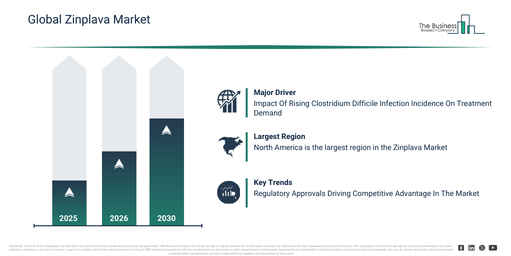
    Zinplava Market Forecast To 2030: Starting From $ Billion In 2026

    Backed by market attractiveness analysis, total addressable market sizing, company benchmarking matrices, interactive Excel dashboards, wider supply chain intelligence, emerging startup coverage, and detailed product-level insights, The Business Research Company’s 2026 market reports are designed to offer research that is more actionable and strategically valuable than ever.

    Zinplava Market Size Forecast: How Big Could The Market Get By 2030?

    The growth in the historic period can be attributed to the escalating prevalence of Clostridioides difficile infections, a rise in hospital-acquired infection incidents, the integration of adjunctive biologic treatments, enhanced understanding of recurrent CDI dangers, and the presence of monoclonal antibody production capabilities.

    The market expansion during the forecast period is driven by a heightened emphasis on preventive biological treatments, an increasing elderly demographic vulnerable to C. difficile infection, the expanding application of precision medicine for infectious diseases, elevated hospital investments in advanced therapeutic options, and a rising demand for solutions aimed at reducing recurrences.

    Significant trends anticipated in the forecast period encompass a growing adoption of monoclonal antibody therapies, an increasing focus on preventing recurrence in C. difficile infection treatment, the expanding use of targeted immunotherapies, an increase in hospital-based biologic administration, and a reinforced emphasis on infection control outcomes.

    Get A Free Sample Report With In-Depth Market Insights:

    https://thebusinessresearchcompany.com/sample_request?id=70542488&type=smp&name=Zinplava%20Market%20Report%202026&utm_source=Blogs&utm_medium=Paid&utm_campaign=Oct_PR

    Zinplava Market Growth Backed By Core Demand Fundamentals

    The zinplava market is anticipated to expand due to the escalating occurrence of clostridium difficile infection. Clostridium difficile infection (CDI), a bacterial ailment affecting the colon, manifests with symptoms from mild diarrhea to severe, life-threatening colitis, frequently linked to recent antibiotic usage. The rise in CDI cases is primarily attributed to increased antibiotic consumption, the emergence of highly virulent strains such as ribotype 027, and a greater number of community-acquired infections. Zinplava is administered to adults undergoing antibiotic treatment for CDI to mitigate the risk of recurrence, especially in patients at high risk, by targeting and neutralizing toxin B produced by C. difficile, thereby preventing further gut damage and reinfection. For example, a report from the UK Health Security Agency in November 2024 indicated a 17.6% increase in the all-reported incidence rate of clostridioides difficile infection (CDI) from April to June 2024, rising from 28.4 to 33.4 cases per 100,000 population compared to the same quarter in the prior year. Consequently, the rising incidence of Clostridium difficile infection is a key factor driving the growth of the zinplava market. The zinplava market is also projected to grow as a result of increasing healthcare spending. Healthcare spending encompasses the total expenditure on health services and goods, covering personal health care like hospital services, outpatient care, and pharmaceuticals, alongside collective services such as public health initiatives and health administration, all aimed at improving health outcomes. This rise in healthcare expenditure is largely propelled by factors including population growth, an aging demographic requiring more intricate care, the growing prevalence of chronic diseases, higher costs for medical services and pharmaceuticals, and increased demand for advanced healthcare technologies. Augmented healthcare spending benefits zinplava by providing more financial resources for its adoption and utilization in managing Clostridium difficile infections, which is critical for preventing infection recurrence in high-risk patients. For instance, in May 2024, the Office for National Statistics, a UK government agency, reported that approximately $292 billion was allocated to current healthcare in the UK at nominal prices in 2023, representing a 5.6% increase in total healthcare expenditure from 2022 to 2023, significantly higher than the 0.9% growth rate seen in 2022. Therefore, the increasing healthcare spending is significantly contributing to the expansion of the zinplava market.

    Zinplava Market Breakdown By Product Type And Application

    The zinplava market covered in this report is segmented –

    1) By Indication: Clostridium Difficile Infection (CDI), Other Gastrointestinal Infections

    2) By Distribution Channel: Hospital Pharmacies, Retail Pharmacies, Online Pharmacies

    3) By End User: Adult, Geriatric

    Zinplava Market Growth Trends Reshaping The Competitive Landscape

    A key trend in the zinplava market focuses on obtaining drug approval from authorities to gain a competitive advantage within the industry. Drug approval represents the process through which regulatory bodies evaluate and authorize a new drug for sale and use, confirming its safety, efficacy, and quality based on clinical trial data. For instance, in May 2023, Merck & Co. Inc., a US-based pharmaceutical company, announced that the U.S. Food and Drug Administration (FDA) approved Zinplava (bezlotoxumab) for treating adults and pediatric patients. Zinplava is intended to reduce the recurrence of clostridioides difficile infection (CDI) in adults and children aged 1 year and older who are receiving antibacterial treatment for CDI and are at high risk for recurrence. The use of Zinplava in pediatric patients is supported by evidence from well-controlled trials conducted in adults, in addition to pharmacokinetic and safety data for those aged 1 year and older. The adverse reactions and pharmacokinetics observed in pediatric patients were comparable to those reported in adults.

    Zinplava Market Company Landscape And Competitive Strategy

    Major companies operating in the zinplava market are Merck & Co. Inc.

    View The Full Zinplava Market Report:

    https://thebusinessresearchcompany.com/report/zinplava-global-market-report?utm_source=Blogs&utm_medium=Paid&utm_campaign=Oct_PR

    Zinplava Market Largest Region By Revenue And Market Share

    North America was the largest region in the zinplava market in 2025. The regions covered in the zinplava market report are Asia-Pacific, Western Europe, Eastern Europe, North America, South America, Middle East, Africa.

    Reach Out To Our Team:

    The Business Research Company: https://www.thebusinessresearchcompany.com/

    Americas: +1 310-496-7795

    Asia: +44 7882 955267 & +91 8897263534

    Europe: +44 7882 955267

    Email us at: marketing@tbrc.info

    Follow us on:

    LinkedIn: https://in.linkedin.com/company/the-business-research-company

    YouTube: https://www.youtube.com/channel/UC24_fI0rV8cR5DxlCpgmyFQ

    Global Market Model: https://www.thebusinessresearchcompany.com/global-market-model
  • Smart Hospital Command Center Market Forecast Insights: The Road To $6.27 Billion By 2030

    Smart Hospital Command Center Market Forecast Insights: The Road To $6.27 Billion By 2030

    Featuring market attractiveness scoring, total addressable market sizing, company benchmarking matrices, interactive Excel dashboards, deeper supply chain intelligence, emerging startup tracking, and granular product-level insights, The Business Research Company’s 2026 market reports are built to deliver research that is both more actionable and more strategically valuable.

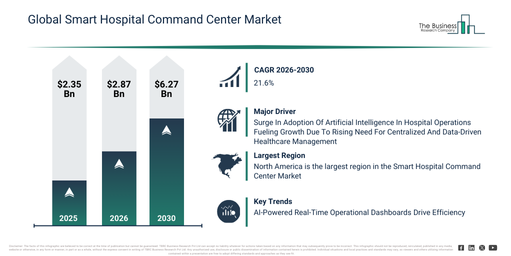
    Smart Hospital Command Center Market Forecast: Value Set To Climb From $2.87 Billion To $6.27 Billion

    The smart hospital command center market has seen exponential growth in recent years. Its value is forecast to expand from $2.35 billion in 2025 to $2.87 billion in 2026, achieving a compound annual growth rate (CAGR) of 21.9%. Historically, this growth can be linked to increasing hospital digitalization, a growing demand for real-time operational visibility, a rising focus on patient safety and quality improvement, the expanding adoption of data analytics in healthcare, and the increasing need for coordinated emergency response.

    The smart hospital command center market size is expected to undergo significant growth in the coming years. It is projected to reach $6.27 billion in 2030, showing a compound annual growth rate (CAGR) of 21.6%. This expansion during the forecast period is attributed to the increasing integration of artificial intelligence in hospital operations, growing investments in smart healthcare infrastructure, a rising need for predictive analytics for patient flow management, the expanding implementation of connected medical devices, and a stronger focus on operational efficiency and resource optimization. Key trends anticipated in the forecast period include technological advancements in real-time monitoring platforms, innovations in artificial intelligence-powered decision support systems, developments in integrated hospital automation solutions, research and developments in digital health analytics, and new approaches in digital twin-based hospital operations management.

    Get A Free Sample Report With In-Depth Market Insights:

    https://thebusinessresearchcompany.com/sample_request?id=72148221&type=smp&name=Smart%20Hospital%20Command%20Center%20Market%20Report%202026&utm_source=Blogs&utm_medium=Paid&utm_campaign=Oct_PR

    Smart Hospital Command Center Market Industry Drivers: What’s Behind The Revenue Growth?

    The swift incorporation of artificial intelligence (AI) into hospital operations is anticipated to drive the future expansion of the smart hospital command center market. Artificial intelligence (AI) in hospital operations refers to employing machine learning algorithms and automation to streamline administrative duties such as scheduling, staffing, inventory management, and resource allocation, thereby boosting efficiency and reducing operational expenses. The adoption of artificial intelligence (AI) in hospital operations is increasing due to the growing need to optimize intricate administrative and operational workflows. Smart hospital command centers aid artificial intelligence (AI) in hospital operations by utilizing real-time data integration and predictive analytics that improve responsiveness across various hospital services. For instance, in September 2025, data from the Assistant Secretary for Technology Policy, a US-based government office, showed that in 2024, 71% of hospitals reported using predictive AI integrated with the electronic health record (EHR), an increase from 66% in 2023, with roughly 7 in 10 hospitals confirming predictive AI usage in 2024. Therefore, the quick integration of artificial intelligence (AI) in hospital operations is fostering the growth of the smart hospital command center market.

    Smart Hospital Command Center Market Segment Analysis Spotlighting Growth Areas

    The smart hospital command center market covered in this report is segmented –

    1) By Component: Software, Hardware, Services

    2) By Deployment Mode: On-Premises, Cloud-Based

    3) By Application: Patient Flow Management, Resource Allocation, Clinical Operations, Asset Management, Communication And Coordination, Others

    4) By End User: Large Hospitals, Medium Hospitals, Small Hospitals

    Subsegments:

    1) By Software: Real-Time Analytics Platforms, Hospital Workflow Automation Systems, Patient Flow Management Software, Digital Communication And Coordination Tools, Integrated Dashboard And Visualization Software, Clinical Decision Support Solutions, Resource Allocation Optimization Software

    2) By Hardware: Centralized Monitoring Systems, Internet Of Things Enabled Devices, Servers And Data Storage Units, Networking And Connectivity Equipment, Control Room Display Panels, Sensor Based Tracking Devices, Integrated Command Center Consoles

    3) By Services: Implementation And Integration Services, Training And Education Services, Maintenance And Technical Support Services, Consulting And Workflow Optimization Services, System Upgradation And Enhancement Services, Remote Monitoring And Management Services, Customization And Configuration Services

    #Smart Hospital Command Center Market Growth Trends: What’s Shaping The Future Outlook?

    Leading companies within the smart hospital command center market are concentrating on creating sophisticated solutions, such as real-time predictive analytics, to bolster operational efficiency, streamline patient movement, and enhance clinical decision-making across health systems. Real-time predictive analytics denotes software-powered functionalities that consistently compile and examine live hospital information to predict demand, pinpoint obstacles, and facilitate preemptive operational actions. For instance, in October 2024, GE HealthCare Technologies Inc., a US-based medical technology company, introduced the Hospital Pulse Tile for its Command Center Software. This launch integrates real-time predictive analytics to deliver system-wide insight into capacity, staffing levels, patient flow, and the effectiveness of care delivery. The Command Center employs advanced analytics and AI to transform complex hospital data into practical insights, empowering leaders to anticipate patient surges, optimize resource deployment, and minimize delays in care.

    Smart Hospital Command Center Market Leading Companies And Competitive Benchmarking

    Major companies operating in the smart hospital command center market are IBM Corporation, Oracle Corporation, Honeywell International Inc., Siemens Healthineers AG, Koninklijke Philips N.V., GE HealthCare Technologies Inc., Palantir Technologies Inc., Huron Consulting Group Inc., Dedalus Group, Allscripts Healthcare Solutions Inc., Everbridge Inc., Ascom Ltd., Care Logistics LLC, Spok Holdings Inc., TeleTracking Technologies Inc., LeanTaaS Inc., Qventus Inc., Connexall, Pointcore, Epic Systems Corporation

    View The Full Smart Hospital Command Center Market Report:

    https://thebusinessresearchcompany.com/report/smart-hospital-command-center-market-report?utm_source=Blogs&utm_medium=Paid&utm_campaign=Oct_PR

    Smart Hospital Command Center Market Largest Region By Revenue And Market Share

    North America was the largest region in the smart hospital command center market in 2025. Asia-Pacific is expected to be the fastest-growing region in the forecast period. The regions covered in the smart hospital command center market report are Asia-Pacific, South East Asia, Western Europe, Eastern Europe, North America, South America, Middle East, Africa.

    Reach Out To Our Team:

    The Business Research Company: https://www.thebusinessresearchcompany.com/

    Americas: +1 310-496-7795

    Asia: +44 7882 955267 & +91 8897263534

    Europe: +44 7882 955267

    Email us at: marketing@tbrc.info

    Follow us on:

    LinkedIn: https://in.linkedin.com/company/the-business-research-company

    YouTube: https://www.youtube.com/channel/UC24_fI0rV8cR5DxlCpgmyFQ

    Global Market Model: https://www.thebusinessresearchcompany.com/global-market-model
  • Zevalin Market Size In 2026 And Beyond: Understanding Future Growth Potential

    Zevalin Market Size In 2026 And Beyond: Understanding Future Growth Potential

    Featuring market attractiveness scoring, total addressable market sizing, company benchmarking matrices, interactive Excel dashboards, deeper supply chain intelligence, emerging startup tracking, and granular product-level insights, The Business Research Company’s 2026 market reports are built to deliver research that is both more actionable and more strategically valuable.

    Zevalin Market Revenue Outlook: What CAGR Lies Ahead Through 2030?

    Growth witnessed during the historic period was primarily a consequence of the advancement of monoclonal antibody development, the expansion of nuclear medicine capabilities, an increase in the diagnosis of non-hodgkin lymphoma, the early clinical use of radiolabeled therapies, and improvements in oncology imaging technologies.

    The anticipated expansion during the projection period is driven by greater funding for specific cancer treatments, a heightened need for customized cancer care, the enlargement of facilities for radioactive drugs, a prioritization of effective treatments with fewer side effects, and ongoing advancements in antibody-driven cancer therapies.

    Key developments expected during this timeframe involve broader acceptance of focused radioimmunotherapy, wider application of precise cancer treatment methods, the expansion of lymphoma-specific treatment guidelines, improved integration of nuclear medicine facilities, and an increased emphasis on treatment specificity.

    Get A Free Sample Report With In-Depth Market Insights:

    https://thebusinessresearchcompany.com/sample_request?id=16821915&type=smp&name=Zevalin%20Market%20Report%202026&utm_source=Blogs&utm_medium=Paid&utm_campaign=Oct_PR

    Zevalin Market Growth Catalysts And Demand Drivers

    The increasing occurrence of non-Hodgkin’s lymphoma is poised to boost the expansion of the zevalin market in the coming period. This type of lymphoma comprises various blood cancers originating in lymphocytes, affecting both the lymphatic and immune systems. Factors contributing to its prevalence include an aging demographic, heightened exposure to risk elements such as immunosuppression, alongside environmental factors and evolving lifestyles. Zevalin functions as a monoclonal antibody, specifically targeting CD20, a protein present on B-cells frequently impacted in non-Hodgkin’s lymphoma. It provides focused radiation to eliminate cancerous B-cells, leading to tumor reduction and a higher chance of remission. As an illustration, a January 2024 report from the American Cancer Society, Inc., a US-based nonprofit, identified non-Hodgkin lymphoma as one of the most common cancers in the United States, accounting for roughly 4% of all new cancer diagnoses. In 2024, an estimated 80,620 people are projected to receive this diagnosis, with 44,590 being males and 36,030 females. Consequently, the growing incidence of non-Hodgkin’s lymphoma is fueling the expansion of the zevalin market. The expansion of healthcare infrastructure is a key factor propelling the zevalin market’s growth moving forward. Healthcare infrastructure encompasses the facilities, operational frameworks, equipment, and personnel essential for delivering medical services. This expansion is influenced by an aging population, increasing demand for high-quality medical care, greater government funding and backing, and progress in medical technology. Improved healthcare infrastructure facilitates better access to sophisticated cancer treatments, elevating the importance of zevalin in cancer therapy, with its targeted radioimmunotherapy enhancing patient recovery within a more robust healthcare system. For example, data from May 2023, provided by the American Health Care Association, a US-based nonprofit, indicated that the United States possessed 6,129 hospitals, marking a 0.591% rise from 6,093 hospitals recorded in the preceding year. Thus, the development of healthcare infrastructure is fueling the expansion of the zevalin market.

    Zevalin Market Segment Analysis And Revenue Potential

    The zevalin market covered in this report is segmented –

    1) By Indication: Relapsed Or Refractory Low-Grade Non-Hodgkin Lymphoma (NHL), Previously Untreated Follicular Non-Hodgkin Lymphoma (NHL)

    2) By Formulation: In-111 Zevalin, Y-90 Zevalin

    3) By Distribution Channel: Hospitals, Specialty Pharmacies, Online Pharmacies

    4) By End-User: Adult Patients, Geriatric Patients

    Zevalin Market Key Players Shaping Industry Direction

    Major companies operating in the zevalin market are Acrotech Biopharma Inc.

    View The Full Zevalin Market Report:

    https://thebusinessresearchcompany.com/report/zevalin-global-market-report?utm_source=Blogs&utm_medium=Paid&utm_campaign=Oct_PR

    Zevalin Market Regional Analysis And Leading Geography

    North America was the largest region in the zevalin market in 2025. The regions covered in the zevalin market report are Asia-Pacific, Western Europe, Eastern Europe, North America, South America, Middle East, Africa.

    Reach Out To Our Team:

    The Business Research Company: https://www.thebusinessresearchcompany.com/

    Americas: +1 310-496-7795

    Asia: +44 7882 955267 & +91 8897263534

    Europe: +44 7882 955267

    Email us at: marketing@tbrc.info

    Follow us on:

    LinkedIn: https://in.linkedin.com/company/the-business-research-company

    YouTube: https://www.youtube.com/channel/UC24_fI0rV8cR5DxlCpgmyFQ

    Global Market Model: https://www.thebusinessresearchcompany.com/global-market-model