Blog

  • Neurodiagnostics Market Size In 2026: Regional Growth, Key Segments And Future Outlook

    Neurodiagnostics Market Size In 2026: Regional Growth, Key Segments And Future Outlook

    Built to provide research that’s more actionable and strategically valuable, The Business Research Company’s 2026 market reports include market attractiveness analysis, total addressable market sizing, company benchmarking matrices, interactive Excel dashboards, broader supply chain intelligence, emerging startup tracking, and in-depth product insights.

    Neurodiagnostics Market Growth Potential: How Will Market Size Shift Through 2030?

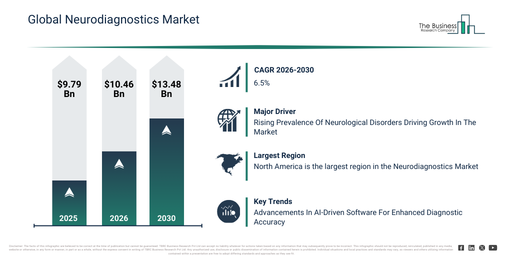
    The neurodiagnostics market has experienced strong expansion in recent years. It is anticipated to grow from $9.79 billion in 2025 to $10.46 billion in 2026, achieving a compound annual growth rate (CAGR) of 6.8%. The market’s past growth is attributable to several factors, including an increased prevalence of neurological disorders, the early adoption of MRI and CT scanning, advancements in EEG and EMG systems, a rising need for stroke diagnosis tools, and the expansion of hospital-based neurodiagnostic infrastructure.

    The neurodiagnostics market size is projected to experience substantial growth in the upcoming years. It is expected to reach $13.48 billion by 2030, demonstrating a compound annual growth rate (CAGR) of 6.5%. The expansion during the forecast period can be attributed to the proliferation of biomarker-based diagnostics, increasing investment in neuroimaging innovation, the rising adoption of digital neuroinformatics platforms, the development of portable and wearable neurodiagnostic devices, and a growing demand for point-of-care neurological testing. Prominent trends for the forecast period include the increasing adoption of advanced neuroimaging modalities, the growing use of in-vitro neurodiagnostic biomarkers, a rising demand for the early detection of neurological disorders, the expansion of EEG and MEG for real-time brain monitoring, and an increasing focus on non-invasive and minimally invasive diagnostics.

    Get A Free Sample Report With In-Depth Market Insights:

    https://thebusinessresearchcompany.com/sample_request?id=90437610&type=smp&name=Neurodiagnostics%20Market%20Report%202026&utm_source=Blogs&utm_medium=Paid&utm_campaign=Nov_PR

    Neurodiagnostics Market Demand Drivers Opening New Revenue Streams

    The future expansion of the neurodiagnostics market is anticipated to be fueled by the rising occurrence of neurological conditions. These disorders encompass conditions impacting the brain, spinal cord, or nerves, leading to various cognitive, motor, and sensory impairments. The increase in neurological disorders is largely attributed to aging populations, environmental influences, shifts in lifestyle, genetic factors, and advancements in diagnostic techniques. Neurodiagnostic methods are vital for precisely identifying, evaluating, and monitoring neurological disorders, enabling accurate diagnoses, informed treatment decisions, and effective management of conditions affecting the brain, spinal cord, and nerves. Therefore, the growing prevalence of neurological disorders is driving the growth of the neurodiagnostics market.

    Neurodiagnostics Market Segment Outlook: Which Categories Are Growing Fastest?

    The neurodiagnostics market covered in this report is segmented –

    1) By Type: Diagnostic And Imaging Solutions, In-Vitro Diagnostics

    2) By Technology: Neuroimaging Technologies, Nuclear Medicine Imaging, Near Infrared Spectroscopic Imaging (NIRS), Magneto-Encephalography (MEG), Voxel Based Morphometry (VBM), Neuroinformatics

    3) By Condition: Epilepsy, Alzheimer’s Disease, Parkinson’s Disease, Stroke, Other Conditions

    4) By End Use: Hospitals And Clinics, Diagnostic Laboratories, Imaging Centers, Other End Uses

    Subsegments:

    1) By Diagnostic And Imaging Solutions: MRI (Magnetic Resonance Imaging) Systems, CT (Computed Tomography) Scanners, EEG (Electroencephalogram) Systems, EMG (Electromyography) Systems, MEG (Magnetoencephalography) Systems, PET (Positron Emission Tomography) Scanners, SPECT (Single Photon Emission Computed Tomography) Scanners, Functional MRI (fMRI) Systems, Intracranial Pressure Monitors

    2) By In-Vitro Diagnostics: Blood-Based Diagnostics, Cerebrospinal Fluid (Csf) Analysis, Genetic Testing And Biomarkers, Neurochemical Diagnostics, Point-Of-Care Neurodiagnostics, Diagnostic Kits For Neurodegenerative Disorders

    Neurodiagnostics Market Trends Powering Strategic Industry Growth

    Companies in the neurodiagnostics market are increasingly emphasizing technological advancements, including advanced software algorithms, to elevate diagnostic precision and better patient outcomes. Such algorithms are sophisticated sets of instructions that process and analyze data, leveraging techniques like artificial intelligence (AI) or machine learning to improve decision-making and diagnostic processes.

    Neurodiagnostics Market Leading Companies And Competitive Benchmarking

    Major companies operating in the neurodiagnostics market are Nihon Kohden Corporation, Cephalon LLC, Stratus Neuro LLC, Cadwell Industries Inc., Compumedics Limited, Ceribell Inc., CND Life Sciences Inc., Lifelines Neuro Inc., ANT Neuro B.V., Neurovative Diagnostics LLC, Firefly Neuroscience Inc, IntraNerve Neuroscience Inc, NeuroDiagnostics Laboratories LLC, Advanced Brain Monitoring Inc, Spes Medica S.r.l., BioSignal Group Inc, Combinostics Inc., Deymed Diagnostic LLC, NeuLine Health Inc., Ridge Diagnostics Inc., Beacon Biosignals Inc., Intch Inc.

    View The Full Neurodiagnostics Market Report:

    https://thebusinessresearchcompany.com/report/neurodiagnostics-global-market-report?utm_source=Blogs&utm_medium=Paid&utm_campaign=Nov_PR

    Neurodiagnostics Market Geographic Analysis: Where Is Demand Rising Fastest?

    North America was the largest region in the neurodiagnostics market in 2025. Asia-Pacific is expected to be the fastest-growing region in the forecast period. The regions covered in the neurodiagnostics market report are Asia-Pacific, South East Asia, Western Europe, Eastern Europe, North America, South America, Middle East, Africa.

    Reach Out To Our Team:

    The Business Research Company: https://www.thebusinessresearchcompany.com/

    Americas: +1 310-496-7795

    Asia: +44 7882 955267 & +91 8897263534

    Europe: +44 7882 955267

    Email us at: marketing@tbrc.info

    Follow us on:

    LinkedIn: https://in.linkedin.com/company/the-business-research-company

    YouTube: https://www.youtube.com/channel/UC24_fI0rV8cR5DxlCpgmyFQ

    Global Market Model: https://www.thebusinessresearchcompany.com/global-market-model
  • Neurocutaneous Disorder Market Growth Forecast Through 2030: Market Size And Trends In 2026

    Neurocutaneous Disorder Market Growth Forecast Through 2030: Market Size And Trends In 2026

    Backed by market attractiveness analysis, total addressable market sizing, company benchmarking matrices, interactive Excel dashboards, wider supply chain intelligence, emerging startup coverage, and detailed product-level insights, The Business Research Company’s 2026 market reports are designed to offer research that is more actionable and strategically valuable than ever.

    Neurocutaneous Disorder Market Value Analysis: What Growth Lies Ahead Over The Forecast Period?

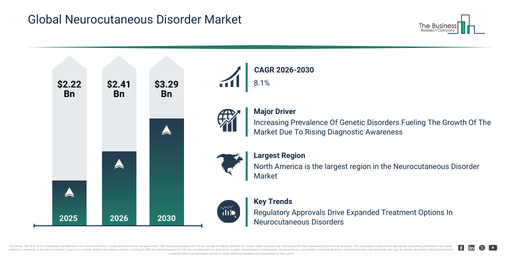
    The neurocutaneous disorder market has demonstrated considerable growth in recent years. This market is projected to expand from $2.22 billion in 2025 to $2.41 billion in 2026, reflecting a compound annual growth rate (CAGR) of 8.3%. The historical increase can be ascribed to factors such as enhanced awareness of rare genetic disorders, advancements in neurological and dermatological diagnostics, the expansion of specialized treatment centers, greater availability of symptomatic therapies, and the proliferation of rare disease research initiatives.

    The neurocutaneous disorder market is projected to experience substantial expansion over the coming years, reaching $3.29 billion by 2030, driven by a compound annual growth rate (CAGR) of 8.1%. This projected growth throughout the forecast period stems from the increasing progress in gene-based therapies, a surge in investments aimed at rare disease drug development, the broadening application of precision medicine, the growing integration of digital tools for patient monitoring, and an intensified focus on early intervention methods. Key developments anticipated during this period encompass a greater acceptance of genetic testing for early detection, a strengthened emphasis on multidisciplinary care, an increase in targeted therapeutic choices, a rise in the utilization of advanced imaging and diagnostic techniques, and a heightened commitment to managing diseases over the long term.

    Get A Free Sample Report With In-Depth Market Insights:

    https://thebusinessresearchcompany.com/sample_request?id=30634871&type=smp&name=Neurocutaneous%20Disorder%20Market%20Report%202026&utm_source=Blogs&utm_medium=Paid&utm_campaign=Nov_PR

    Neurocutaneous Disorder Market Growth Backed By Core Demand Fundamentals

    The expanding occurrence of genetic disorders is projected to boost the neurocutaneous disorder market moving forward. Genetic disorders are conditions that stem from anomalies in an individual’s DNA, which can be passed down or emerge spontaneously. Neurocutaneous disorders, such as tuberous sclerosis complex and neurofibromatosis, result from particular genetic mutations impacting both the nervous system and the skin, leading to neurological signs alongside distinct skin irregularities. Developments in genetic testing and heightened awareness are facilitating earlier detection, thereby contributing to a greater reported prevalence. Consequently, the growing prevalence of genetic disorders is stimulating the expansion of the neurocutaneous disorder market.

    Neurocutaneous Disorder Market Segment Landscape: Which Areas Lead Development?

    The neurocutaneous disorder market covered in this report is segmented –

    1) By Type Of Neurocutaneous Disorder: Neurofibromatosis, Tuberous Sclerosis Complex, Sturge-Weber Syndrome, Angiomatosis, Hypomelanosis Of Ito

    2) By Treatment Type: Pharmacological Treatment, Surgical Intervention, Laser Therapy, Physical Therapy, Psychosocial Support

    3) By Age Group: Pediatric Patients (0-18 Years), Adult Patients (19-65 Years), Geriatric Patients (65 Years And Above)

    4) By Severity Of Condition: Mild Cases, Moderate Cases, Severe Cases, Critical Cases

    5) By End User: Hospitals, Specialist Clinics, Homecare Settings, Research Organizations, Pharmaceutical Companies

    Subsegments:

    1) By Neurofibromatosis: Peripheral Neurofibromatosis, Central Neurofibromatosis, Plexiform Neurofibromatosis

    2) By Tuberous Sclerosis Complex: Classic Tuberous Sclerosis, Infantile-Onset Tuberous Sclerosis, Adult-Onset Tuberous Sclerosis

    3) By Sturge-Weber Syndrome: Facial Sturge-Weber Syndrome, Cerebral Sturge-Weber Syndrome, Ophthalmic Sturge-Weber Syndrome

    4) By Angiomatosis: Generalized Angiomatosis, Localized Angiomatosis, Mixed Angiomatosis

    5) By Hypomelanosis Of Ito: Linear Hypomelanosis, Segmental Hypomelanosis, Whorled Hypomelanosis

    Neurocutaneous Disorder Market Growth Trends Reshaping The Competitive Landscape

    Leading companies within the neurocutaneous disorder market are focused on securing regulatory approvals to broaden their range of available treatments, improve patient outcomes, and capitalize on the rising demand for innovative medical solutions. Such regulatory approvals represent official permissions issued by government bodies, allowing a firm to legally market, sell, or test a drug or therapy subsequent to verifying its safety and effectiveness. For example, in September 2025, AstraZeneca plc, a UK-based pharmaceutical and biotechnology company, obtained Food and Drug Administration (FDA) approval for selumetinib (brand name Koselugo) to treat pediatric patients aged 1 year and older who have neurofibromatosis type 1 (NF1) with symptomatic, inoperable plexiform neurofibromas (PNs). This particular approval extends the prior indication, which was applicable to children aged 2 years and older. Selumetinib, classified as a MEK inhibitor, functions by blocking the MAPK pathway, which is responsible for tumor growth in NF1. Patients are administered oral selumetinib twice daily until their disease progresses or unacceptable side effects manifest, with common adverse effects including gastrointestinal, skin, cardiac, and ocular toxicities. This significant approval provides a vital therapeutic choice for young children confronting these challenging and often disfiguring tumors, which are frequently difficult to manage through surgical intervention.

    Neurocutaneous Disorder Market Industry Leaders And Competitive Landscape

    Major companies operating in the neurocutaneous disorder market are Merck KGaA, Novartis AG, Recursion Pharmaceuticals Inc., Marinus Pharmaceuticals Inc., Healx Limited, NF2 Therapeutics Inc., NFlection Therapeutics Inc., SpringWorks Therapeutics, Pfizer Inc., Johnson & Johnson, AstraZeneca PLC, GSK plc, Takeda Pharmaceutical Company Limited, Eli Lilly and Company, Bristol Myers Squibb, Teva Pharmaceutical Industries, Vertex Pharmaceuticals, Regeneron Pharmaceuticals, Horizon Therapeutics, Aleva NeurOthersapeutics

    View The Full Neurocutaneous Disorder Market Report:

    https://thebusinessresearchcompany.com/report/neurocutaneous-disorder-global-market-report?utm_source=Blogs&utm_medium=Paid&utm_campaign=Nov_PR

    Neurocutaneous Disorder Market Global Footprint: Which Region Leads The Market?

    North America was the largest region in the neurocutaneous disorder market in 2025. Asia-Pacific is expected to be the fastest-growing region in the forecast period. The regions covered in the neurocutaneous disorder market report are Asia-Pacific, South East Asia, Western Europe, Eastern Europe, North America, South America, Middle East, Africa.

    Reach Out To Our Team:

    The Business Research Company: https://www.thebusinessresearchcompany.com/

    Americas: +1 310-496-7795

    Asia: +44 7882 955267 & +91 8897263534

    Europe: +44 7882 955267

    Email us at: marketing@tbrc.info

    Follow us on:

    LinkedIn: https://in.linkedin.com/company/the-business-research-company

    YouTube: https://www.youtube.com/channel/UC24_fI0rV8cR5DxlCpgmyFQ

    Global Market Model: https://www.thebusinessresearchcompany.com/global-market-model
  • Neurocognitive Assessment And Rehabilitation Market Analysis: $16.02 Billion Market Size In 2026 And Future Growth Prospects

    Neurocognitive Assessment And Rehabilitation Market Analysis: $16.02 Billion Market Size In 2026 And Future Growth Prospects

    Featuring market attractiveness scoring, total addressable market sizing, company benchmarking matrices, interactive Excel dashboards, deeper supply chain intelligence, emerging startup tracking, and granular product-level insights, The Business Research Company’s 2026 market reports are built to deliver research that is both more actionable and more strategically valuable.

    Neurocognitive Assessment And Rehabilitation Market Size Forecast: How Big Could The Market Get By 2030?

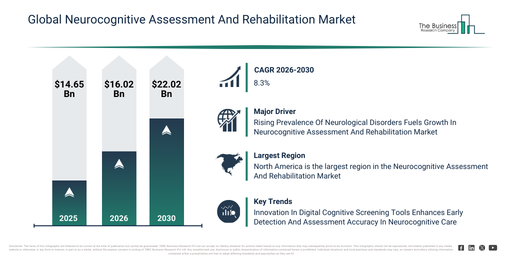
    The neurocognitive assessment and rehabilitation market has observed substantial growth over recent years. Forecasts indicate it will expand from $14.65 billion in 2025 to $16.02 billion in 2026, achieving a compound annual growth rate (CAGR) of 9.3%. Historically, this expansion is largely due to factors including the increasing occurrence of cognitive impairment disorders, the prompt uptake of standardized neurocognitive tests, the proliferation of hospital-based rehabilitation initiatives, enhanced understanding of neurological assessment, and the innovation in paper-based cognitive testing methods.

    The neurocognitive assessment and rehabilitation market is projected to experience substantial expansion over the upcoming years. This market is anticipated to reach a valuation of $22.02 billion by 2030, exhibiting a compound annual growth rate (CAGR) of 8.3%. Factors contributing to this growth during the forecast period include the proliferation of digital cognitive testing platforms, the growing acceptance of VR-based rehabilitation therapy, the increased utilization of AI-enabled assessment software, a rising demand for homecare cognitive therapy solutions, and the advancement of sophisticated neuromodulation devices. Key trends expected within this period encompass the increased uptake of computerized cognitive assessment tools, a surging demand for virtual reality-based rehabilitation, the expanding application of standardized neuropsychological tests, the broader availability of neurofeedback and TMS-based therapy, and a growing inclination towards home-based cognitive rehabilitation.

    Get A Free Sample Report With In-Depth Market Insights:

    https://thebusinessresearchcompany.com/sample_request?id=84736960&type=smp&name=Neurocognitive%20Assessment%20And%20Rehabilitation%20Market%20Report%202026&utm_source=Blogs&utm_medium=Paid&utm_campaign=Nov_PR

    Neurocognitive Assessment And Rehabilitation Market Growth Catalysts And Demand Drivers

    The rising occurrence of neurological conditions is anticipated to fuel expansion in the neurocognitive assessment and rehabilitation market moving forward. These disorders are medical ailments impacting the nervous system, encompassing the brain, spinal cord, and nerves, resulting in symptoms like muscle weakness, issues with coordination, and diminished cognitive abilities. Various factors contribute to neurological disorders, including an aging demographic and the widespread presence of age-related illnesses such as Alzheimer’s disease and Parkinson’s disease. Neurocognitive assessment offers clarity on cognitive function, assisting in the diagnosis and development of treatment plans for neurological disorders, whereas rehabilitation interventions strive to improve neural functioning and elevate the quality of life through specific therapies and strategies. Consequently, the expanding occurrence of neurological disorders is a key impetus for the neurocognitive assessment and rehabilitation market’s growth.

    Neurocognitive Assessment And Rehabilitation Market Segments: Where Is Growth Concentrated?

    The neurocognitive assessment and rehabilitation market covered in this report is segmented –

    1) By Components: Neurocognitive Assessment Testing, Neurorehabilitation Therapy

    2) By Providers: Rehab Centers, Hospital And Clinics, Homecare Settings, Physiotherapy Centers

    3) By Organization Size: Large Enterprises, Small And Medium-Sized Enterprises (SMEs)

    Subsegments:

    1) By Neurocognitive Assessment Testing: Standardized Tests, Computerized Neurocognitive Assessments, Paper-Based Neurocognitive Tests

    2) By Neurorehabilitation Therapy: Cognitive Behavioral Therapy (CBT), Virtual Reality Therapy, Transcranial Magnetic Stimulation (TMS), Neurofeedback Therapy, Physical Therapy And Occupational Therapy

    Neurocognitive Assessment And Rehabilitation Market Trends Shaping Long-Term Demand

    Major companies operating in the neurocognitive assessment and rehabilitation market are primarily focused on developing advanced solutions, such as digital cognitive screening tools, to improve the early detection of cognitive impairment and aid in clinical decision-making. Digital cognitive screening tools represent software-based assessments that evaluate key functions like attention, memory, processing speed, and executive function, thereby providing faster and more accessible evaluation within clinical settings.

    Neurocognitive Assessment And Rehabilitation Market Key Participants And Competitive Landscape

    Major companies operating in the neurocognitive assessment and rehabilitation market are Cogstate Ltd, Posit Science Corporation, Lumos Labs Inc., The Magstim Company Ltd, MindMaze SA, CogniFit Inc, Cambridge Cognition Holdings plc, ImPACT Applications Inc., Neurotrack Technologies Inc., Neuroelectrics Corporation, SCHUHFRIED GmbH, Constant Therapy Health Inc., NeuronUP S.L., Qbtech AB, Neurometrix Inc., CogniVue Corporation, Neurohealth Associates LLP, BrainTrain Inc., NeuroEM Therapeutics Inc., HASOMED GmbH, Neurosoft Bioelectronics Corporation, AnthroTronix Inc., Flow Neuroscience AB, NPsych Limited

    View The Full Neurocognitive Assessment And Rehabilitation Market Report:

    https://thebusinessresearchcompany.com/report/neurocognitive-assessment-and-rehabilitation-global-market-report?utm_source=Blogs&utm_medium=Paid&utm_campaign=Nov_PR

    Neurocognitive Assessment And Rehabilitation Market Regional Split: Which Areas Are Fueling Growth?

    North America was the largest region in the neurocognitive assessment and rehabilitation market in 2025. The regions covered in the neurocognitive assessment and rehabilitation market report are Asia-Pacific, South East Asia, Western Europe, Eastern Europe, North America, South America, Middle East, Africa.

    Reach Out To Our Team:

    The Business Research Company: https://www.thebusinessresearchcompany.com/

    Americas: +1 310-496-7795

    Asia: +44 7882 955267 & +91 8897263534

    Europe: +44 7882 955267

    Email us at: marketing@tbrc.info

    Follow us on:

    LinkedIn: https://in.linkedin.com/company/the-business-research-company

    YouTube: https://www.youtube.com/channel/UC24_fI0rV8cR5DxlCpgmyFQ

    Global Market Model: https://www.thebusinessresearchcompany.com/global-market-model
  • Neuroblastoma Market 2026 Market Size And Growth Forecast: Key Trends To Watch

    Neuroblastoma Market 2026 Market Size And Growth Forecast: Key Trends To Watch

    Built to provide research that’s more actionable and strategically valuable, The Business Research Company’s 2026 market reports include market attractiveness analysis, total addressable market sizing, company benchmarking matrices, interactive Excel dashboards, broader supply chain intelligence, emerging startup tracking, and in-depth product insights.

    Neuroblastoma Market Revenue Outlook: What CAGR Lies Ahead Through 2030?

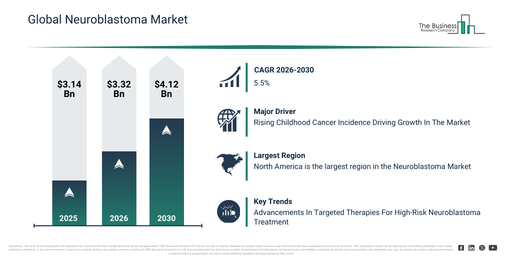
    The neuroblastoma market has experienced robust expansion over the past few years. This market is projected to expand from $3.14 billion in 2025 to $3.32 billion by 2026, exhibiting a compound annual growth rate (CAGR) of 5.8%. Historically, this expansion has been driven by several factors, including the rising incidence of pediatric neuroblastoma cases, the swift integration of chemotherapy treatments, advancements in immunotherapy vaccines, enhanced clinical diagnostic capacities, and a greater understanding of childhood cancer indicators.

    The neuroblastoma market is projected to experience substantial expansion in the coming years, reaching a valuation of $4.12 billion by 2030, driven by a compound annual growth rate (CAGR) of 5.5%. This anticipated growth during the forecast period is primarily due to factors such as broader targeted therapy research, increased capital allocation for cell therapy innovations, greater use of precision oncology techniques, the creation of novel pediatric immunotherapy treatments, and advancements in diagnostic imaging for prompt detection. Key developments expected during this period involve a rise in the use of immunotherapy vaccines for childhood cancer, an increased preference for targeted oral chemotherapy pills, the continuous advancement of monoclonal antibody therapies, broader applications of cell therapy and regenerative oncology strategies, and an intensified emphasis on early diagnosis alongside effective symptom management.

    Get A Free Sample Report With In-Depth Market Insights:

    https://thebusinessresearchcompany.com/sample_request?id=66976497&type=smp&name=Neuroblastoma%20Market%20Report%202026&utm_source=Blogs&utm_medium=Paid&utm_campaign=Nov_PR

    Neuroblastoma Market Opportunity Drivers: What’s Unlocking New Revenue Potential?

    The growing occurrence of childhood cancer is anticipated to drive expansion in the neuroblastoma market in the future. Childhood cancer encompasses various malignancies predominantly impacting children and teenagers, frequently affecting organs like the brain, blood, and bones, thus requiring specific therapeutic methods. This surge in childhood cancer cases stems from elements including enhanced diagnostic methods, increased awareness, environmental factors, genetic susceptibilities, and progress in medical research. Neuroblastoma treatment delivers focused therapies for childhood cancer, facilitating prompt and potent intervention which reduces the likelihood of recurrence and enhances prognosis for pediatric patients. Consequently, the rising incidence of childhood cancer is propelling the neuroblastoma market’s expansion.

    Neuroblastoma Market Segment Analysis: What Are The Core Market Categories?

    The neuroblastoma market covered in this report is segmented –

    1) By Product Type: Tablets, Vaccines, Other Product Types

    2) By Treatment Type: Chemotherapy, Immunotherapy, Other Treatment Types

    3) By Distribution Channel: Online, Offline

    4) By End-User: Hospitals, Clinics

    Subsegments:

    1) By Tablets: Oral Chemotherapy Tablets, Targeted Therapy Tablets

    2) By Vaccines: Immunotherapy Vaccines, Therapeutic Vaccines

    3) By Other Product Types: Injectable Drugs, Monoclonal Antibodies, Cell Therapy Products

    Neuroblastoma Market Innovation Trends Shaping Future Development

    Leading companies active in the neuroblastoma market are prioritizing the creation of advanced therapeutic approaches, such as humanized anti-GD2 monoclonal antibodies, to more effectively and safely target and treat cancerous cells. A humanized anti-GD2 monoclonal antibody is engineered to pinpoint the GD2 molecule on cancer cells, diminishing immune rejection through the incorporation of human components.

    Neuroblastoma Market Top Companies Driving Competitive Growth

    Major companies operating in the neuroblastoma market are Pfizer Inc., F. Hoffmann-La Roche Ltd., Eli Lilly and Company, Sartorius AG, Recordati S.p.A, United Therapeutics Corporation, BeiGene Ltd., MacroGenics Inc., Y-mAbs Therapeutics Inc., RedHill Biopharma Ltd., Clarity Pharmaceuticals Ltd., EUSA Pharma (UK) Ltd., US WorldMeds LLC, Ascentage Pharma, Laboratorio Elea Phoenix S.A, Curis Inc., PersonGen BioTherapeutics (Suzhou) Co. Ltd., Essential Pharma S.A, Cellectar Biosciences Inc., Provectus Biopharmaceuticals Inc.

    View The Full Neuroblastoma Market Report:

    https://thebusinessresearchcompany.com/report/neuroblastoma-global-market-report?utm_source=Blogs&utm_medium=Paid&utm_campaign=Nov_PR

    Neuroblastoma Market Top Region: Where Does Most Revenue Come From?

    North America was the largest region in the neuroblastoma market in 2025. Asia-Pacific is expected to be the fastest-growing region in the forecast period. The regions covered in the neuroblastoma market report are Asia-Pacific, South East Asia, Western Europe, Eastern Europe, North America, South America, Middle East, Africa.

    Reach Out To Our Team:

    The Business Research Company: https://www.thebusinessresearchcompany.com/

    Americas: +1 310-496-7795

    Asia: +44 7882 955267 & +91 8897263534

    Europe: +44 7882 955267

    Email us at: marketing@tbrc.info

    Follow us on:

    LinkedIn: https://in.linkedin.com/company/the-business-research-company

    YouTube: https://www.youtube.com/channel/UC24_fI0rV8cR5DxlCpgmyFQ

    Global Market Model: https://www.thebusinessresearchcompany.com/global-market-model
  • Neuralgia Treatment Market Size Forecast: How The Industry Is Expected To Grow From 2026 To 2030

    Neuralgia Treatment Market Size Forecast: How The Industry Is Expected To Grow From 2026 To 2030

    Backed by market attractiveness analysis, total addressable market sizing, company benchmarking matrices, interactive Excel dashboards, wider supply chain intelligence, emerging startup coverage, and detailed product-level insights, The Business Research Company’s 2026 market reports are designed to offer research that is more actionable and strategically valuable than ever.

    Neuralgia Treatment Market Growth Analysis: How Will Revenue Trend Over The Forecast Period?

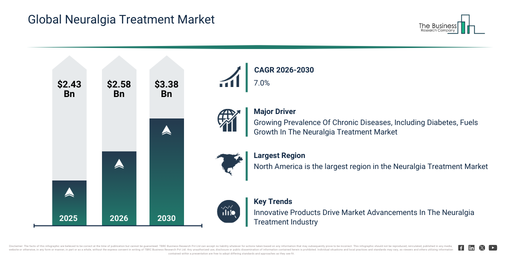
    The neuralgia treatment market size has experienced robust growth in recent years. It is projected to increase from $2.43 billion in 2025 to $2.58 billion in 2026, exhibiting a compound annual growth rate (CAGR) of 6.1%. The historical growth within this market can be attributed to the rising prevalence of diabetic neuropathy cases, the early adoption of anticonvulsant medications, an increase in opioid-based pain treatment options, enhanced awareness of neuralgia symptoms, and the expansion of hospital-based pain clinics.

    Significant growth is anticipated for the neuralgia treatment market size over the next few years. It is forecast to reach $3.38 billion in 2030, demonstrating a compound annual growth rate (CAGR) of 7.0%. This projected expansion can be attributed to the increase in minimally invasive surgical pain treatments, a rising demand for spinal cord stimulation devices, the growing use of targeted topical therapies, the broadening of telemedicine-based neuralgia care, and the development of next-generation non-opioid pain medications. Major trends observed within the forecast period include the expanding utilization of drug-based neuralgia management, increased adoption of nerve block and decompression procedures, a rising demand for topical pain relief therapies, the wider application of spinal cord stimulation for chronic neuralgia, and a greater focus on early diagnosis and long-term pain management.

    Get A Free Sample Report With In-Depth Market Insights:

    https://thebusinessresearchcompany.com/sample_request?id=82009176&type=smp&name=Neuralgia%20Treatment%20Market%20Report%202026&utm_source=Blogs&utm_medium=Paid&utm_campaign=Nov_PR

    Neuralgia Treatment Market Growth Momentum: What Factors Are Shaping Demand?

    The growing incidence of chronic conditions, such as diabetes, is projected to stimulate the expansion of the neuralgia treatment market moving forward. Chronic diseases are health problems that persist for a year or longer, demanding continuous medical care, restricting daily activities, or both. Diabetes is a long-term metabolic ailment characterized by elevated blood glucose, also known as blood sugar. Neuralgia treatment is capable of managing diabetic neuropathy, which refers to nerve damage that can occur in individuals with diabetes. Therefore, the increasing prevalence of chronic diseases, like diabetes, is driving the growth of the neuralgia treatment market.

    Neuralgia Treatment Market Segment Breakdown: Which Categories Lead On Revenue?

    The neuralgia treatment market covered in this report is segmented –

    1) By Treatment: Drug-Based, Surgeries

    2) By Indication: Diabetic Neuropathy, Intercostal Neuralgia, Occipital Neuralgia, Peripheral Neuralgia, Postherpetic Neuralgia

    3) By Distribution channel: Drug Stores, Hospital Pharmacies, Online Pharmacies, Retail Pharmacies

    4) By End-User: Hospitals And Clinics, Ambulatory Surgery Centers, Other End-Users

    Subsegments:

    1) By Drug-Based: Anticonvulsants, Antidepressants, Opioids, Topical Treatments, Non-Steroidal Anti-Inflammatory Drugs (NSAIDs)

    2) By Surgeries: Nerve Block Procedures, Decompression Surgery, Neurectomy, Spinal Cord Stimulation

    Neuralgia Treatment Market Trends Redefining Industry Growth

    Major companies within the neuralgia treatment market are concentrating on developing advanced solutions, such as peripheral nerve-targeted delivery systems, to enhance therapeutic precision, mitigate chronic neuropathic pain, and improve long-term patient outcomes. Peripheral nerve-targeted delivery systems are defined as specialized therapeutic platforms that deliver analgesic or neuromodulatory agents directly to affected nerves, allowing for more precise modulation of pain signals while minimizing systemic exposure.

    Neuralgia Treatment Market Leading Players And Competitive Positioning

    Major companies operating in the neuralgia treatment market are Pfizer Inc., Johnson & Johnson, F. Hoffmann-La Roche Ltd., Merck & Co. Inc., Bayer AG, Novartis AG, Bristol-Myers Squibb Company, AstraZeneca plc, Abbott Laboratories, GlaxoSmithKline plc, Eli Lilly and Company, Teva Pharmaceutical Industries Ltd., Mylan N.V., Biogen Inc., Boehringer Ingelheim International GmbH, Sun Pharmaceutical Industries Limited, Purdue Pharma, Dr. Reddy’s Laboratories, Cipla Limited, Hikma Pharmaceuticals plc, Zydus Lifesciences Ltd., Lupin Limited, Mallinckrodt Pharmaceuticals, Glenmark Pharmaceuticals

    View The Full Neuralgia Treatment Market Report:

    https://thebusinessresearchcompany.com/report/neuralgia-treatment-global-market-report?utm_source=Blogs&utm_medium=Paid&utm_campaign=Nov_PR

    Neuralgia Treatment Market Regional Breakdown: Where Is Demand Concentrated?

    North America was the largest region in the neuralgia treatment market in 2025. Asia-Pacific is expected to be the fastest-growing region in the forecast period. The regions covered in the neuralgia treatment market report are Asia-Pacific, South East Asia, Western Europe, Eastern Europe, North America, South America, Middle East, Africa.

    Reach Out To Our Team:

    The Business Research Company: https://www.thebusinessresearchcompany.com/

    Americas: +1 310-496-7795

    Asia: +44 7882 955267 & +91 8897263534

    Europe: +44 7882 955267

    Email us at: marketing@tbrc.info

    Follow us on:

    LinkedIn: https://in.linkedin.com/company/the-business-research-company

    YouTube: https://www.youtube.com/channel/UC24_fI0rV8cR5DxlCpgmyFQ

    Global Market Model: https://www.thebusinessresearchcompany.com/global-market-model
  • Neural Network Software Market Reaches $133.48 Billion In 2026: Forecast And Growth Opportunities

    Neural Network Software Market Reaches $133.48 Billion In 2026: Forecast And Growth Opportunities

    Featuring market attractiveness scoring, total addressable market sizing, company benchmarking matrices, interactive Excel dashboards, deeper supply chain intelligence, emerging startup tracking, and granular product-level insights, The Business Research Company’s 2026 market reports are built to deliver research that is both more actionable and more strategically valuable.

    Neural Network Software Market Forecast: What Value Will The Market Reach By 2030?

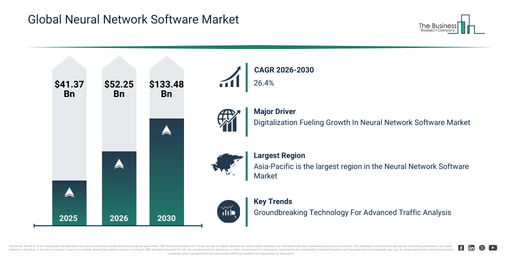
    The neural network software market has experienced substantial growth in recent years. This market is set to expand from $41.37 billion in 2025 to $52.25 billion in 2026, achieving a compound annual growth rate (CAGR) of 26.3%. Historically, this expansion has been fueled by elements such as the initial uptake of machine learning tools, the continuous generation of data across diverse industries, the emergence of statistical analysis platforms, the increasing utilization of cloud-based software, and the broadening scope of enterprise automation efforts.

    The neural network software market is projected to experience substantial expansion over the upcoming years. It is forecast to reach $133.48 billion by 2030, exhibiting a compound annual growth rate (CAGR) of 26.4%. This anticipated growth during the forecast period stems from factors such as increasing demand for deep learning solutions, enhanced integration of neural networks within the finance and healthcare sectors, wider adoption of real-time analytics, the proliferation of AI-driven optimization tools, and accelerated investments in enterprise digital transformation. Key trends expected during this period involve a heightened demand for predictive analytics software, broader deployment of deep learning models, an uptick in the adoption of visualization tools for gaining real-time insights, an increasing application of optimization algorithms in decision-making processes, and the integration of neural network platforms into enterprise workflows.

    Get A Free Sample Report With In-Depth Market Insights:

    https://thebusinessresearchcompany.com/sample_request?id=12706782&type=smp&name=Neural%20Network%20Software%20Market%20Report%202026&utm_source=Blogs&utm_medium=Paid&utm_campaign=Nov_PR

    Neural Network Software Market Expansion Drivers: What’s Shaping Future Growth?

    The future expansion of the neural network software market is anticipated to be fueled by the increasing need for digitalization. Digitalization involves incorporating digital instruments, methods, and processes throughout business activities, transforming conventional operations into streamlined, data-centric systems. This increasing adoption of digital operations creates vast quantities of both structured and unstructured data, thereby escalating the requirement for sophisticated neural network software to handle, examine, and derive valuable information from this evolving data landscape. Throughout various industries, neural network software facilitates digital transformation through boosted automation, refined decision-making processes, and the implementation of predictive analytics. Consequently, the escalating demand for digitalization is a primary catalyst for the expansion of the neural network software market.

    Neural Network Software Market Segmentation: How Does The Market Break Down By Category?

    The neural network software market covered in this report is segmented –

    1) By Type: Data Mining And Archiving, Analytical Software, Optimization Software, Visualization Software, Other Types

    2) By Component: Artificial Neural Network, Deep Neural Network, Services, Platform, Other Components

    3) By End User: BFSI, Healthcare, Telecom And IT, Transportation, Other End Users

    Subsegments:

    1) By Data Mining and Archiving: Data Preparation Tools, Data Warehousing Solutions, ETL (Extract, Transform, Load) Tools

    2) By Analytical Software: Predictive Analytics Tools, Statistical Analysis Software, Machine Learning Platforms

    3) By Optimization Software: Linear Programming Tools, Constraint Programming Tools, Heuristic And Metaheuristic Algorithms

    4) By Visualization Software: Dashboard And Reporting Tools, Data Visualization Platforms, Geographic Information Systems (GIS)

    5) By Other Types: Simulation Software, Neural Network Frameworks, Specialized AI Software Solutions

    Neural Network Software Market Strategic Trends: What Defines The Next Growth Phase?

    Leading entities within the neural network software market are concentrating on creating innovative technology, incorporating novel features like on-chip neural networks (NetGNT) for sophisticated traffic analysis. NetGNT denotes an artificial intelligence inference engine directly embedded onto a semiconductor chip, thereby facilitating machine learning functionalities.

    Neural Network Software Market Competitive Overview And Top Companies

    Major companies operating in the neural network software market are Google LLC, Microsoft Corporation, Intel Corporation, IBM Corporation, Alyuda Research LLC, Neural Technologies Limited, Starmind International AG, Ward Systems Group Inc., Afiniti Ltd., NVIDIA Corporation, Oracle Corporation, Qualcomm Technologies Inc., GMDH Inc., Amazon.com Inc., Meta Platforms Inc., Cognex Corporation, BrainChip Holdings Ltd., Skymind Inc., Sentient Technologies, Vicarious, General Vision Inc., Darktrace Limited, Ayasdi Inc., Numenta Inc., Preferred Networks Inc., AIBrain AB, Fluid AI Inc., Clarifai Inc., Squirrel AI Inc., Darwin AI

    View The Full Neural Network Software Market Report:

    https://thebusinessresearchcompany.com/report/neural-network-software-global-market-report?utm_source=Blogs&utm_medium=Paid&utm_campaign=Nov_PR

    Neural Network Software Market Geographic Landscape: Which Region Leads Industry Growth?

    Asia-Pacific was the largest region in the Neural network software market in 2025.Asia-Pacific is expected to be the fastest-growing region in the global neural network software market report during the forecast period. The regions covered in the neural network software market report are Asia-Pacific, South East Asia, Western Europe, Eastern Europe, North America, South America, Middle East, Africa.

    Reach Out To Our Team:

    The Business Research Company: https://www.thebusinessresearchcompany.com/

    Americas: +1 310-496-7795

    Asia: +44 7882 955267 & +91 8897263534

    Europe: +44 7882 955267

    Email us at: marketing@tbrc.info

    Follow us on:

    LinkedIn: https://in.linkedin.com/company/the-business-research-company

    YouTube: https://www.youtube.com/channel/UC24_fI0rV8cR5DxlCpgmyFQ

    Global Market Model: https://www.thebusinessresearchcompany.com/global-market-model
  • Netherton Syndrome Market Growth In 2026: Market Size, Key Drivers And Future Outlook

    Netherton Syndrome Market Growth In 2026: Market Size, Key Drivers And Future Outlook

    Built to provide research that’s more actionable and strategically valuable, The Business Research Company’s 2026 market reports include market attractiveness analysis, total addressable market sizing, company benchmarking matrices, interactive Excel dashboards, broader supply chain intelligence, emerging startup tracking, and in-depth product insights.

    Netherton Syndrome Market Size Outlook: How Quickly Will Revenue Expand Through 2030?

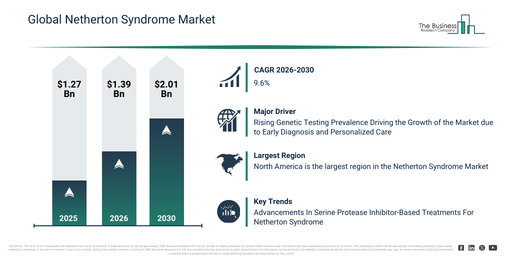
    The netherton syndrome market has experienced significant growth in recent years. It is projected to expand from $1.27 billion in 2025 to $1.39 billion in 2026, demonstrating a compound annual growth rate (CAGR) of 10.0%. The growth observed in the historic period can be ascribed to factors such as limited treatment options for rare genetic disorders, a reliance on basic dermatological therapies, increasing diagnosis through clinical evaluation, the gradual rise in genetic testing adoption, and early research concerning skin barrier dysfunction.

    The netherton syndrome market size is projected to experience substantial expansion over the upcoming years. This market is set to achieve a valuation of $2.01 billion by 2030, exhibiting a compound annual growth rate (CAGR) of 9.6%. The anticipated growth during this period stems from factors such as increasing investments in precision dermatology, the growing availability of genetic sequencing technologies, the ongoing development of biologic therapies aimed at rare skin disorders, a surge in clinical trials for immune-modulating treatments, and the expanding need for sophisticated skin barrier repair solutions. Key trends anticipated for the forecast timeframe encompass an increasing emphasis on early genetic diagnostics, the progressing development of targeted dermatological treatments, the wider adoption of advanced barrier repair therapies, heightened research interest in uncommon skin and immunological conditions, and the broadening application of supportive phototherapy alongside combination treatments.

    Get A Free Sample Report With In-Depth Market Insights:

    https://thebusinessresearchcompany.com/sample_request?id=92282757&type=smp&name=Netherton%20Syndrome%20Market%20Report%202026&utm_source=Blogs&utm_medium=Paid&utm_campaign=Nov_PR

    Netherton Syndrome Market Development Factors: What’s Supporting Demand?

    The increasing adoption of genetic testing is anticipated to boost the growth of the Netherton syndrome market in the future. Genetic testing involves analyzing DNA to identify changes, mutations, or variations that might be associated with inherited characteristics, illnesses, or medical conditions. The rise in genetic testing is a consequence of heightened awareness regarding hereditary diseases and the increasing demand for personalized medicine. This advancement in genetic testing allows for an early and precise diagnosis of Netherton Syndrome by identifying SPINK5 mutations, leading to timely interventions and tailored treatment plans. It also contributes to better patient management, more effective genetic counseling, and improved overall outcomes. For instance, in February 2025, Genomics England, a UK-based company fully owned by the UK Department of Health and Social Care, reported research indicating strong public endorsement for personalized medicine, with nearly 90% of people in England expected to consent to genetic testing by 2025 to optimize medication and reduce side effects. Therefore, the expanding use of genetic testing is a significant driver for the growth of the Netherton syndrome market.

    Netherton Syndrome Market Segment Trends And Revenue Contributors

    The netherton syndrome market covered in this report is segmented –

    1) By Diagnosis Type: Genetic Testing, Physical Examination, Biopsy Analysis

    2) By Treatment: Topical Treatments, Systemic Treatments, Phototherapy, Other Treatments

    3) By Distribution Channel: Hospital Pharmacies, Retail Pharmacies, Online Pharmacies, Other Distribution Channels

    4) By End-User: Hospitals, Dermatology Clinics, Research Institutes, Other End-Users

    Subsegments:

    1) By Genetic Testing: SPINK5 Gene Sequencing, Next-Generation Sequencing (NGS), Polymerase Chain Reaction (PCR) Testing, Microarray Analysis

    2) By Physical Examination: Clinical Assessment Of Ichthyosis-Like Scaling, Hair Shaft Microscopy, Evaluation Of Atopic Dermatitis Symptoms, Growth And Developmental Assessment

    3) By Biopsy Analysis: Skin Histopathology, Immunohistochemical Staining, Electron Microscopy For Hair And Skin Structure, Epidermal Barrier Function Testing

    Netherton Syndrome Market Transformation Trends: What Innovations Are Driving Change?

    Leading companies in the netherton syndrome market are concentrating on creating innovative products, specifically topical lotions containing serine protease inhibitors, with the aim of enhancing skin barrier function and alleviating inflammation. These serine protease inhibitor-based topical lotions are designed to obstruct the activity of serine proteases, enzymes that play a role in both inflammation and immune reactions. By targeting these enzymes, these lotions contribute to calming irritation and reducing inflammation, thereby easing symptoms of skin conditions such as Netherton Syndrome, which is characterized by excessive inflammation causing skin discomfort.

    Netherton Syndrome Market Competitive Landscape: Which Companies Lead The Industry?

    Major companies operating in the netherton syndrome market are Novartis AG, Evotec AG, Fulgent Genetics, Invitae Corp., GeneDx, Prevention Genetics, Blueprint Genetics Oy, DNA Labs India, Krystal Biotech Inc., Azitra Inc., Dermelix Biotherapeutics, ResVita Bio, Ultragenyx Pharmaceutical Inc., CRISPR Therapeutics AG, Editas Medicine Inc., Arcturus Therapeutics Holdings Inc., UniQure NV, Abeona Therapeutics Inc., BioMarin Pharmaceutical Inc., BridgeBio Pharma Inc., Sangamo Therapeutics Inc., Vertex Pharmaceuticals Inc., Regenxbio Inc., Bluebird Bio Inc., Spark Therapeutics Inc., Intellia Therapeutics Inc., Moderna Inc.

    View The Full Netherton Syndrome Market Report:

    https://thebusinessresearchcompany.com/report/netherton-syndrome-global-market-report?utm_source=Blogs&utm_medium=Paid&utm_campaign=Nov_PR

    Netherton Syndrome Market Largest Region: Which Geography Holds The Biggest Share?

    North America was the largest region in the netherton syndrome market in 2025. The regions covered in the netherton syndrome market report are Asia-Pacific, South East Asia, Western Europe, Eastern Europe, North America, South America, Middle East, Africa.

    Reach Out To Our Team:

    The Business Research Company: https://www.thebusinessresearchcompany.com/

    Americas: +1 310-496-7795

    Asia: +44 7882 955267 & +91 8897263534

    Europe: +44 7882 955267

    Email us at: marketing@tbrc.info

    Follow us on:

    LinkedIn: https://in.linkedin.com/company/the-business-research-company

    YouTube: https://www.youtube.com/channel/UC24_fI0rV8cR5DxlCpgmyFQ

    Global Market Model: https://www.thebusinessresearchcompany.com/global-market-model
  • Nerve Repair And Regenerative Market Size And Forecast 2026–2030: Trends Driving Industry Expansion

    Nerve Repair And Regenerative Market Size And Forecast 2026–2030: Trends Driving Industry Expansion

    Backed by market attractiveness analysis, total addressable market sizing, company benchmarking matrices, interactive Excel dashboards, wider supply chain intelligence, emerging startup coverage, and detailed product-level insights, The Business Research Company’s 2026 market reports are designed to offer research that is more actionable and strategically valuable than ever.

    Nerve Repair And Regenerative Market Size, Value And Growth Trajectory Through 2030

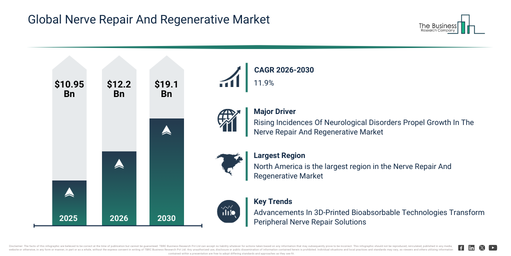
    The nerve repair and regenerative market has experienced swift expansion recently. Projections indicate it will increase from $10.95 billion in 2025 to $12.2 billion by 2026, demonstrating a compound annual growth rate (CAGR) of 11.5%. Historically, this growth is linked to factors such as restricted regenerative technologies, a dependence on conventional nerve grafting techniques, a rise in traumatic injury occurrences, the initial clinical uptake of neurostimulation devices, and a steady increase in biomaterial usage.

    The nerve repair and regenerative market is projected to experience substantial growth over the coming years. This market is set to reach $19.1 billion by 2030, exhibiting a compound annual growth rate (CAGR) of 11.9%. This anticipated growth during the forecast period is driven by factors such as progress in stem cell therapy, increasing demand for less invasive surgical options, the evolution of next-generation biomaterials, the spread of neuromodulation technologies, and greater investment in research for nerve regeneration. Key trends anticipated for this period encompass the wider acceptance of biomaterials to improve nerve regeneration, the growing application of stem cell therapy in nerve repair, a rising preference for nerve repair procedures that are minimally invasive, the broader implementation of treatment approaches based on neuromodulation, and increased need for nerve grafting methods in trauma and injury management.

    Get A Free Sample Report With In-Depth Market Insights:

    https://thebusinessresearchcompany.com/sample_request?id=14919724&type=smp&name=Nerve%20Repair%20And%20Regenerative%20Market%20Report%202026&utm_source=Blogs&utm_medium=Paid&utm_campaign=Nov_PR

    Nerve Repair And Regenerative Market Industry Drivers: What’s Behind The Revenue Growth?

    The nerve repair and regenerative market is anticipated to experience growth driven by the rising prevalence of neurological disorders, which are conditions affecting the structure or function of the nervous system, including the brain, spinal cord, and peripheral nerves. The escalating incidence of these disorders is largely attributed to an aging global population, evolving lifestyles, genetic predispositions, and insufficient physical activity. Nerve repair and regenerative techniques play a crucial role by facilitating the healing and restoration of damaged nerves, thereby enhancing recovery prospects and mitigating the impact of neurological disorders, which directly contributes to the expansion of the nerve repair and regenerative market. Consequently, the increasing occurrences of neurological disorders are a key factor propelling the growth of the nerve repair and regenerative market.

    Nerve Repair And Regenerative Market Segment Analysis Spotlighting Growth Areas

    The nerve repair and regenerative market covered in this report is segmented –

    1) By Product: Biomaterials, Neurostimulation And Neuromodulation Devices

    2) By Application: Direct Nerve Repair Or Neurorrhaphy, Nerve Grafting, Stem Cell Therapy, Neurostimulation And Neuromodulation Surgeries, Other Applications

    3) By End-User: Hospitals And Clinics, Ambulatory Surgical Centers (ASCs), Research And Academic Institutions, Specialty Clinics, Other End-Users

    Subsegments:

    1) By Biomaterials: Nerve Conduits, Scaffolds, Hydrogels, Nerve Grafts

    2) By Neurostimulation And Neuromodulation Devices: Peripheral Nerve Stimulators, Spinal Cord Stimulators, Transcranial Magnetic Stimulation Devices, Deep Brain Stimulators, Vagus Nerve Stimulators, Sacral Nerve Stimulators

    #Nerve Repair And Regenerative Market Growth Trends: What’s Shaping The Future Outlook?

    Companies at the forefront of the nerve repair and regenerative market are actively focusing on developing next-generation bioengineered solutions, including 3D-printed bioabsorbable implants, to enhance functional recovery, improve nerve regeneration, and reduce complications often associated with traditional autografts. These advanced solutions utilize precision-engineered scaffolds designed to guide axonal growth and support tissue healing across damaged nerve gaps. For instance, in June 2025, 3D Systems Inc., a US-based additive manufacturing and healthcare technology company, announced the launch of a first-of-its-kind FDA-cleared bioabsorbable 3D-printed device for peripheral nerve repair. Developed using the company’s proprietary polymer-based printing technology, the device enables customizable nerve reconstruction and provides a resorbable structural conduit that supports guided nerve regeneration. This technological advancement represents a significant step forward in regenerative medicine by offering surgeons a more precise, patient-specific approach to restoring nerve function.

    Nerve Repair And Regenerative Market Leading Companies: Who Holds The Strongest Market Presence?

    Major companies operating in the nerve repair and regenerative market are Neuronetics Inc., Abbott Laboratories, Medtronic PLC, Boston Scientific Corporation, Integra LifeSciences Holdings Corporation, LivaNova PLC, Nevro Corporation, AxoGen Inc., NeuroPace Inc., BioWave Corporation, Soterix Medical Inc., Nuvectra Corp., Synovis Micro Companies Alliance Inc., NeuroSigma, Regenity Biosciences, Epineuron Technologies Inc., Polyganics BV, Aleva Neurotherapeutics SA, KeriMedical, tVNS Technologies GmbH, GiMer Medical, BlueWind Medical, Helius Medical Technologies, BioControl Medical

    View The Full Nerve Repair And Regenerative Market Report:

    https://thebusinessresearchcompany.com/report/nerve-repair-and-regenerative-global-market-report?utm_source=Blogs&utm_medium=Paid&utm_campaign=Nov_PR

    Nerve Repair And Regenerative Market Regional Analysis: Which Geography Leads On Revenue?

    North America was the largest region in the nerve repair and regenerative market in 2025. Asia-Pacific is expected to be the fastest-growing region in the forecast period. The regions covered in the nerve repair and regenerative market report are Asia-Pacific, South East Asia, Western Europe, Eastern Europe, North America, South America, Middle East, Africa.

    Reach Out To Our Team:

    The Business Research Company: https://www.thebusinessresearchcompany.com/

    Americas: +1 310-496-7795

    Asia: +44 7882 955267 & +91 8897263534

    Europe: +44 7882 955267

    Email us at: marketing@tbrc.info

    Follow us on:

    LinkedIn: https://in.linkedin.com/company/the-business-research-company

    YouTube: https://www.youtube.com/channel/UC24_fI0rV8cR5DxlCpgmyFQ

    Global Market Model: https://www.thebusinessresearchcompany.com/global-market-model
  • Nerve Entrapment Syndrome Market 2026 Outlook: Market Size, CAGR And Key Growth Opportunities

    Nerve Entrapment Syndrome Market 2026 Outlook: Market Size, CAGR And Key Growth Opportunities

    Featuring market attractiveness scoring, total addressable market sizing, company benchmarking matrices, interactive Excel dashboards, deeper supply chain intelligence, emerging startup tracking, and granular product-level insights, The Business Research Company’s 2026 market reports are built to deliver research that is both more actionable and more strategically valuable.

    Nerve Entrapment Syndrome Market CAGR Outlook And Future Development

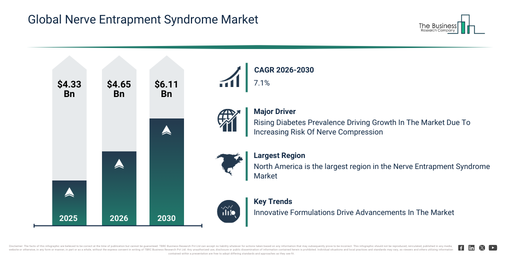
    The nerve entrapment syndrome market size has experienced robust growth in recent years. It is anticipated to expand from $4.33 billion in 2025 to $4.65 billion in 2026, demonstrating a compound annual growth rate (CAGR) of 7.4%. This historical growth can be attributed to the high prevalence of repetitive strain injuries, reliance on conservative treatment approaches, limited awareness of early nerve entrapment symptoms, dependence on opioid medications for pain relief, and the gradual adoption of physical therapy interventions.

    The nerve entrapment syndrome market is projected to demonstrate robust expansion over the next few years. It is foreseen to attain a valuation of $6.11 billion by 2030, progressing at a compound annual growth rate (CAGR) of 7.1%. This projected growth during the forecast period is attributable to breakthroughs in imaging and diagnostic technologies, an escalating demand for minimally invasive nerve decompression procedures, enhanced uptake of non-opioid therapies, a rising prevalence of diabetes-related neuropathies, and the establishment of more specialized pain management centers. Dominant trends expected in the forecast period include the increasing embrace of minimally invasive treatment strategies, the expanding utilization of ultrasound and imaging guidance in nerve diagnostics, a heightened preference for physical therapy and rehabilitation-focused interventions, the proliferation of non-opioid pain management solutions, and a greater occurrence of nerve entrapments linked to repetitive strain and lifestyle factors.

    Get A Free Sample Report With In-Depth Market Insights:

    https://thebusinessresearchcompany.com/sample_request?id=46727784&type=smp&name=Nerve%20Entrapment%20Syndrome%20Market%20Report%202026&utm_source=Blogs&utm_medium=Paid&utm_campaign=Nov_PR

    Nerve Entrapment Syndrome Market Growth Factors: What’s Supporting Expansion?

    The increasing number of individuals suffering from diabetes is anticipated to fuel the expansion of the nerve entrapment syndrome market in the future. Diabetic patients are people with chronic health issues where the body is unable to properly manage blood sugar levels, either due to insufficient insulin production or ineffective use of insulin. The growing count of diabetic patients results from the rising prevalence of obesity and inactive lifestyles, which significantly contribute to the increase in type 2 diabetes. This continually expanding population of diabetic patients heightens the risk of nerve entrapment syndrome, as peripheral neuropathy induced by diabetes weakens nerves and surrounding structures, making them more susceptible to compression. Therefore, the expanding group of diabetic patients is driving the growth of the nerve entrapment syndrome market.

    Nerve Entrapment Syndrome Market Segment Performance And Emerging Opportunities

    The nerve entrapment syndrome market covered in this report is segmented –

    1) By Type: Carpal Tunnel Syndrome, Cubital Tunnel Syndrome, Tarsal Tunnel Syndrome, Meralgia Parasthetica, Other Types

    2) By Treatment Modality: Medications, Physical Therapy, Interventional Procedures, Alternative Therapies

    3) By Administration Route: Oral Administration, Injectable Administration, Topical Administration

    4) By Severity Of Condition: Mild, Moderate, Severe, Post-Surgical Complications

    Subsegments:

    1) By Carpal Tunnel Syndrome (CTS): Idiopathic Carpal Tunnel Syndrome, Work-Related/Repetitive Strain CTS, Diabetic Neuropathy-Associated CTS, Traumatic or Post-Surgical CTS, Pregnancy-Induced CTS

    2) By Cubital Tunnel Syndrome: Idiopathic Cubital Tunnel Syndrome, Repetitive Motion-Induced Cubital Tunnel Syndrome, Post-Traumatic or Ulnar Nerve Injury-Related Cubital Tunnel Syndrome, Osteoarthritis-Related Cubital Tunnel Syndrome, Post-Surgical Cubital Tunnel Syndrome

    3) By Tarsal Tunnel Syndrome (TTS): Idiopathic Tarsal Tunnel Syndrome, Trauma-Induced Tarsal Tunnel Syndrome, Diabetes-Associated Tarsal Tunnel Syndrome, Flatfoot-Related Tarsal Tunnel Syndrome, Post-Surgical Or Scar Tissue-Related TTS

    4) By Meralgia Paresthetica (MP): Idiopathic Meralgia Paresthetica, Obesity-Associated Meralgia Paresthetica, Pregnancy-Related Meralgia Paresthetica, Post-Surgical Or Scar-Induced Meralgia Paresthetica, Diabetic Neuropathy-Related Meralgia Paresthetica

    5) By Other Types: Radial Tunnel Syndrome, Thoracic Outlet Syndrome, Peroneal Nerve Entrapment, Sciatic Nerve Entrapment, Brachial Plexus Compression Syndromes

    Nerve Entrapment Syndrome Market Industry Trends: What’s Reshaping Demand?

    Major companies in the nerve entrapment syndrome market are concentrating on developing novel products, such as peripheral nerve stimulators, to improve therapeutic outcomes for patients with persistent neuropathic pain. A peripheral nerve stimulator is a minimally invasive device designed to deliver controlled electrical impulses to specific peripheral nerves, aiming to alleviate chronic pain associated with nerve irritation or compression. For instance, in July 2025, Bioventus Inc., a US-based manufacturer of active healing and pain management therapies, announced the U.S. Food and Drug Administration (FDA) 510(k) clearance for its TalisMann and StimTrial solutions. These solutions incorporate advanced electric field conduction technology and a dedicated trial lead, enabling clinicians to evaluate and provide more precise neuromodulation therapy. These innovations expand physicians’ capability to treat deeper or larger nerves and strengthen the role of peripheral nerve stimulation as an effective, non-opioid treatment for chronic neuropathic pain.

    Nerve Entrapment Syndrome Market Key Players: Which Companies Lead Industry Competition?

    Major companies operating in the nerve entrapment syndrome market are Pfizer Inc., Dr Reddy’s Laboratories, Glenmark Pharmaceuticals, Athletico Physical Therapy, Hinge Health, Kessler Rehabilitation Center, SPR Therapeutics, Centaur Pharmaceuticals, ProActive Physical Therapy & Rehabilitation, Grünenthal GmbH, Total Performance Physical Therapy, Back 2 Health, Cornerstone Physical Therapy, OrthoSport Physical Therapy & Rehabilitation, Physio Tattva, InvaGen Pharmaceuticals Inc., WEX Pharmaceuticals Inc., Eli Lilly and Company, Johnson & Johnson, Novartis AG, GlaxoSmithKline plc, AbbVie Inc., Teva Pharmaceutical Industries Ltd., Boston Scientific Corporation

    View The Full Nerve Entrapment Syndrome Market Report:

    https://thebusinessresearchcompany.com/report/nerve-entrapment-syndrome-global-market-report?utm_source=Blogs&utm_medium=Paid&utm_campaign=Nov_PR

    Nerve Entrapment Syndrome Market Geographic Spread And Regional Opportunities

    North America was the largest region in the nerve entrapment syndrome market in 2025. The regions covered in the nerve entrapment syndrome market report are Asia-Pacific, South East Asia, Western Europe, Eastern Europe, North America, South America, Middle East, Africa.

    Reach Out To Our Team:

    The Business Research Company: https://www.thebusinessresearchcompany.com/

    Americas: +1 310-496-7795

    Asia: +44 7882 955267 & +91 8897263534

    Europe: +44 7882 955267

    Email us at: marketing@tbrc.info

    Follow us on:

    LinkedIn: https://in.linkedin.com/company/the-business-research-company

    YouTube: https://www.youtube.com/channel/UC24_fI0rV8cR5DxlCpgmyFQ

    Global Market Model: https://www.thebusinessresearchcompany.com/global-market-model
  • Nephrotic Syndrome Market Size Growth: From $1.06 Billion In 2026 To $1.58 Billion By 2030

    Nephrotic Syndrome Market Size Growth: From $1.06 Billion In 2026 To $1.58 Billion By 2030

    Built to provide research that’s more actionable and strategically valuable, The Business Research Company’s 2026 market reports include market attractiveness analysis, total addressable market sizing, company benchmarking matrices, interactive Excel dashboards, broader supply chain intelligence, emerging startup tracking, and in-depth product insights.

    Nephrotic Syndrome Market Set To Climb From $1.06 Billion In 2026 To $1.58 Billion By 2030

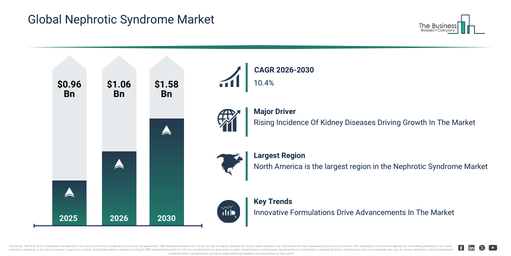
    The nephrotic syndrome market has seen rapid expansion in recent years. It is anticipated to expand from $0.96 billion in 2025 to $1.06 billion in 2026, achieving a compound annual growth rate (CAGR) of 10.6%. The historical market growth can be attributed to several factors including the high prevalence of diabetes and hypertension, the reliance on steroids for treatment, restricted diagnostic awareness, the progressive adoption of dialysis technologies, and an increasing incidence of childhood nephrotic syndrome.

    The nephrotic syndrome market size is projected to experience substantial growth over the next few years, with an estimated value of $1.58 billion by 2030, demonstrating a compound annual growth rate (CAGR) of 10.4%. This expansion during the forecast period is fueled by advancements in targeted therapies, the growing application of precision nephrology, the creation of improved dialysis devices, increased investment in innovations for kidney replacement therapy, and the rising acceptance of molecular diagnostic tools. Prominent trends anticipated in this period include the increased use of immunosuppressive therapies, a heightened demand for advanced dialysis and kidney support devices, the wider implementation of early diagnostic screening programs, the increasing prevalence of chronic kidney diseases driving the need for treatment, and the expansion of personalized medicine approaches within nephrology.

    Get A Free Sample Report With In-Depth Market Insights:

    https://thebusinessresearchcompany.com/sample_request?id=67128295&type=smp&name=Nephrotic%20Syndrome%20Market%20Report%202026&utm_source=Blogs&utm_medium=Paid&utm_campaign=Nov_PR

    Nephrotic Syndrome Market Demand Drivers: What’s Powering Industry Growth?

    The rising occurrence of kidney diseases is anticipated to propel the expansion of the nephrotic syndrome market in the coming years. Kidney diseases are defined as any conditions or disorders that impair the function of the kidneys, which are essential organs responsible for filtering waste and excess fluids from the blood. The heightened incidence of kidney diseases is linked to various factors, including diabetes, hypertension, obesity, an aging populace, and lifestyle modifications such as high sodium consumption and insufficient hydration. Nephrotic syndrome contributes to kidney diseases by causing damage to the glomeruli, thereby compromising the kidneys’ ability to filter waste and retain crucial proteins. Therefore, the increasing incidence of kidney diseases is driving the growth of the nephrotic syndrome market.

    Nephrotic Syndrome Market Segment Landscape And Growth Outlook

    The nephrotic syndrome market covered in this report is segmented –

    1) By Type: Drugs, Devices

    2) By Diagnosis Tests: Urinalysis, Glomerular Filtration Rate (GFR), Blood Test, Kidney Biopsy, Computerized Tomography (CT) Scan

    3) By Application: Clinics, Hospitals, Specialty Centres, Other Applications

    Subsegments:

    1) By Drugs: Steroids, Immunosuppressants, Diuretics, ACE Inhibitors

    2) By Devices: Dialysis Machines, Peritoneal Dialysis Catheters, Hemodialysis Catheters, Kidney Replacement Therapy Devices

    Nephrotic Syndrome Market Innovation Trends: What Developments Are Reshaping The Industry?

    Major companies active in the nephrotic syndrome market are concentrating on developing advanced formulations, such as loop diuretic injections, to enhance fluid management and decrease edema in patients suffering from nephrotic syndrome. A loop diuretic injection is an injectable medicine that impedes sodium and chloride reabsorption in the loop of Henle, thereby stimulating rapid urine production. It is employed to manage conditions like acute pulmonary edema, heart failure, and severe hypertension by reducing fluid overload.

    Nephrotic Syndrome Market Competitive Landscape: Who Leads The Industry?

    Major companies operating in the nephrotic syndrome market are Pfizer Inc., F. Hoffmann-La Roche AG, AbbVie Inc., Bristol-Myers Squibb Company, Abbott Laboratories, Novartis AG, GlaxoSmithKline plc, Amgen Inc., Eli Lilly and Company, Asahi Kasei Corporation, Otsuka Pharmaceutical Co. Ltd., Astellas Pharma Inc., Vertex Pharmaceuticals, Chugai Pharmaceutical Co. Ltd., Mallinckrodt Company, Evotec SE, Travere Therapeutics Inc., Aurinia Pharmaceuticals Inc., Orbis Biosciences Inc., Alpine Immune Sciences, Kezar Life Sciences, Zenyaku Kogyo Co. Ltd

    View The Full Nephrotic Syndrome Market Report:

    https://thebusinessresearchcompany.com/report/nephrotic-syndrome-global-market-report?utm_source=Blogs&utm_medium=Paid&utm_campaign=Nov_PR

    Nephrotic Syndrome Market Top Region By Revenue And Market Share

    North America was the largest region in the nephrotic syndrome market in 2025. The regions covered in the nephrotic syndrome market report are Asia-Pacific, South East Asia, Western Europe, Eastern Europe, North America, South America, Middle East, Africa.

    Reach Out To Our Team:

    The Business Research Company: https://www.thebusinessresearchcompany.com/

    Americas: +1 310-496-7795

    Asia: +44 7882 955267 & +91 8897263534

    Europe: +44 7882 955267

    Email us at: marketing@tbrc.info

    Follow us on:

    LinkedIn: https://in.linkedin.com/company/the-business-research-company

    YouTube: https://www.youtube.com/channel/UC24_fI0rV8cR5DxlCpgmyFQ

    Global Market Model: https://www.thebusinessresearchcompany.com/global-market-model