Blog

  • Next Generation Immunotherapies Market Explained: What Is Fueling Growth To $262.82 Billion By 2030?

    Next Generation Immunotherapies Market Explained: What Is Fueling Growth To $262.82 Billion By 2030?

    Backed by market attractiveness analysis, total addressable market sizing, company benchmarking matrices, interactive Excel dashboards, wider supply chain intelligence, emerging startup coverage, and detailed product-level insights, The Business Research Company’s 2026 market reports are designed to offer research that is more actionable and strategically valuable than ever.

    Next Generation Immunotherapies Market Size And Revenue Outlook Through 2030

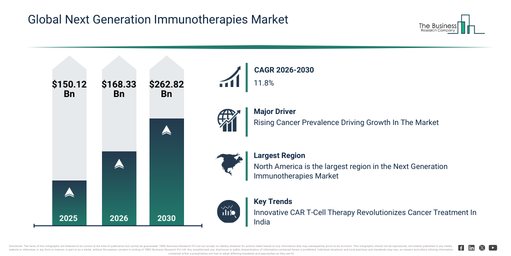
    The next generation immunotherapies market size has seen swift expansion in recent years. This market is expected to increase from $150.12 billion in 2025 to $168.33 billion in 2026, achieving a compound annual growth rate (CAGR) of 12.1%. The historical period’s growth can be ascribed to factors such as rising global cancer prevalence, the initial successes of immune checkpoint inhibitors, augmented oncology R&D investments, regulatory approvals of monoclonal antibodies, and increasing awareness of immuno-oncology therapies.

    The next generation immunotherapies market size is projected to experience substantial growth over the upcoming years. This market is expected to expand to $262.82 billion by 2030, exhibiting a compound annual growth rate (CAGR) of 11.8%. This anticipated expansion during the forecast period is driven by progress in advanced antibody engineering, the diversification of applications beyond oncology, the increasing approval of ADC-based treatments, the rise in biomarker-guided treatment selection, and a growing demand for durable and long-lasting therapeutic options. Significant trends expected in this period include the broader adoption of combination immunotherapy regimens, an increase in personalized cancer vaccines, the escalating use of bispecific antibodies, a greater emphasis on minimizing immune-related adverse events, and intensified clinical trial activity concerning solid tumors.

    Get A Free Sample Report With In-Depth Market Insights:

    https://thebusinessresearchcompany.com/sample_request?id=72376450&type=smp&name=Next%20Generation%20Immunotherapies%20Market%20Report%202026&utm_source=Blogs&utm_medium=Paid&utm_campaign=Nov_PR

    Next Generation Immunotherapies Market Growth Momentum: What Factors Are Shaping Demand?

    The next-generation immunotherapies market is anticipated to expand due to the rising occurrence of cancer. This condition encompasses various diseases marked by the unchecked proliferation and dissemination of atypical cells within the body. The widespread presence of cancer stems from elements like demographic shifts towards older populations, evolving lifestyles, environmental risk factors, and advancements in diagnostic techniques. These advanced immunotherapies deliver sophisticated, precise treatments that boost the body’s immune system to combat cancer, thereby providing superior efficacy, lasting results, and tailored approaches. Consequently, the expanding occurrence of cancer is a key catalyst for the growth of the next-generation immunotherapies market.

    Next Generation Immunotherapies Market Segment Trends And Revenue Contributors

    The next generation immunotherapies market covered in this report is segmented –

    1) By Drug Class: Monoclonal Antibodies, Antibody-Drug Conjugates (ADCs), Angiotensin-Converting Enzyme (ACE) Inhibitors, Immune Checkpoint Inhibitors

    2) By Route Of Administration: Intravenous, Parenteral, Intratumoral, Subcutaneous, Oral

    3) By Distribution Channel: Hospital Pharmacies, Clinical Pharmacies, Other Distribution Channels

    Subsegments:

    1) By Monoclonal Antibodies: Anti-PD-1 Antibodies, Anti-PD-L1 Antibodies, Anti-CTLA-4 Antibodies, Anti-CD20 Antibodies

    2) By Antibody-Drug Conjugates (ADCs): HER2-Targeted ADCs, CD30-Targeted ADCs, CD19-Targeted ADCs

    3) By Angiotensin-Converting Enzyme (ACE) Inhibitors: ACE Inhibitors For Cancer Therapy, ACE Inhibitors For Other Indications

    4) By Immune Checkpoint Inhibitors: PD-1 Or PD-L1 Inhibitors, CTLA-4 Inhibitors

    Next Generation Immunotherapies Market Trends Redefining Industry Growth

    Companies operating in the next-generation immunotherapies market are primarily focused on developing innovative treatments, such as CAR T-cell therapy, to address various cancers, autoimmune diseases, and infectious diseases. CAR T-cell therapy represents a form of immunotherapy where a patient’s T cells (a specific type of immune cell) are genetically engineered to express chimeric antigen receptors (CARs). For example, in January 2025, Immuneel Therapeutics Private Limited, an India-based cell and gene therapy startup, introduced Qartemi, which is India’s first CAR T-cell therapy. This therapy is designed for adult B-cell non-Hodgkin lymphoma, working by genetically modifying a patient’s immune cells to specifically target and eliminate cancer cells, thus offering a highly effective and personalized treatment option. It provides renewed optimism for patients for whom conventional treatments have been ineffective, with the benefit of being more affordable than comparable global options.

    Next Generation Immunotherapies Market Competitive Landscape: Which Companies Lead The Industry?

    Major companies operating in the next generation immunotherapies market are Pfizer Inc., F. Hoffmann-La Roche Ltd., Merck & Co. Inc., AbbVie Inc., Sanofi S.A., Bristol-Myers Squibb Company, AstraZeneca PLC, Novartis AG, GlaxoSmithKline plc (GSK), Eli Lilly and Company, Gilead Sciences Inc., Amgen Inc., Boehringer Ingelheim International GmbH, Regeneron Pharmaceuticals Inc., Incyte Corporation, BioNTech SE, Xencor Inc., Fate Therapeutics Inc., Immatics N.V., Atara Biotherapeutics Inc., Menarini Group, Alpine Immune Sciences Inc., Mereo Biopharma Group plc, Immunomic Therapeutics Inc., Indaptus Therapeutics Inc.

    View The Full Next Generation Immunotherapies Market Report:

    https://thebusinessresearchcompany.com/report/next-generation-immunotherapies-global-market-report?utm_source=Blogs&utm_medium=Paid&utm_campaign=Nov_PR

    Next Generation Immunotherapies Market Regional Split: Which Areas Are Fueling Growth?

    North America was the largest region in the next-generation immunotherapies market in 2025. Asia-Pacific is expected to be the fastest-growing region in the forecast period. The regions covered in the next generation immunotherapies market report are Asia-Pacific, South East Asia, Western Europe, Eastern Europe, North America, South America, Middle East, Africa.

    Reach Out To Our Team:

    The Business Research Company: https://www.thebusinessresearchcompany.com/

    Americas: +1 310-496-7795

    Asia: +44 7882 955267 & +91 8897263534

    Europe: +44 7882 955267

    Email us at: marketing@tbrc.info

    Follow us on:

    LinkedIn: https://in.linkedin.com/company/the-business-research-company

    YouTube: https://www.youtube.com/channel/UC24_fI0rV8cR5DxlCpgmyFQ

    Global Market Model: https://www.thebusinessresearchcompany.com/global-market-model
  • Next Generation Cancer Diagnostics Market Forecast To Reach $26.44 Billion By 2030: Key Trends Explained

    Next Generation Cancer Diagnostics Market Forecast To Reach $26.44 Billion By 2030: Key Trends Explained

    Featuring market attractiveness scoring, total addressable market sizing, company benchmarking matrices, interactive Excel dashboards, deeper supply chain intelligence, emerging startup tracking, and granular product-level insights, The Business Research Company’s 2026 market reports are built to deliver research that is both more actionable and more strategically valuable.

    Next Generation Cancer Diagnostics Market Growth From $16.29 Billion In 2026 To $26.44 Billion By 2030 At A CAGR Of 12.9%

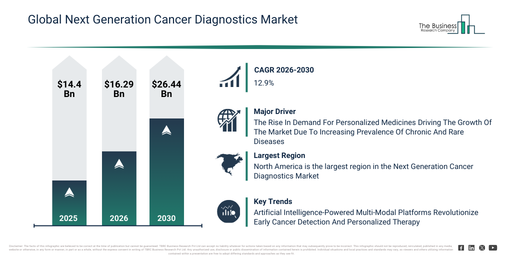
    The next generation cancer diagnostics market size has seen rapid growth in recent years. It is projected to expand from $14.4 billion in 2025 to $16.29 billion in 2026, exhibiting a compound annual growth rate (CAGR) of 13.2%. The market’s expansion historically can be linked to factors such as increasing cancer incidence rates, advancements in genomic sequencing technologies, the growing clinical adoption of biomarker-based diagnostics, expanded oncology research funding, and a rising demand for precision diagnostics.

    The next generation cancer diagnostics market is projected to experience swift expansion over the coming years. This market is anticipated to reach a valuation of $26.44 billion by 2030, demonstrating a compound annual growth rate (CAGR) of 12.9%. Factors contributing to this growth during the forecast period include the rising acceptance of personalized medicine approaches, greater investments in sophisticated cancer screening programs, the increasing application of minimally invasive diagnostic methods, the broadening scope of companion diagnostics development, and the growing incorporation of AI-driven clinical decision support. Key trends anticipated for this period encompass the wider embrace of liquid biopsy technologies, an uptick in the utilization of multi-omics diagnostic platforms, the expanding integration of AI-based cancer analytics, the development of personalized oncology diagnostics, and a heightened emphasis on identifying cancer at its early stages.

    Get A Free Sample Report With In-Depth Market Insights:

    https://thebusinessresearchcompany.com/sample_request?id=72578146&type=smp&name=Next%20Generation%20Cancer%20Diagnostics%20Market%20Report%202026&utm_source=Blogs&utm_medium=Paid&utm_campaign=Nov_PR

    Next Generation Cancer Diagnostics Market Expansion Drivers: What’s Shaping Future Growth?

    The expanding requirement for personalized medicines is projected to boost the growth of the next generation cancer diagnostics market moving forward. Personalized medicines refer to medical treatments customized to an individual’s genetic makeup, lifestyle, and environment, aiming to ensure the most efficacious therapy for that specific patient. The heightened demand for personalized medicines arises from the increasing prevalence of chronic and rare diseases, which necessitate targeted, patient-specific therapies for more effective treatment outcomes. Next generation cancer diagnostics enable personalized medicine by offering precise molecular insights that guide tailored treatment strategies based on an individual patient’s unique genetic and tumor profile. Therefore, the increasing demand for personalized medicines is propelling the growth of the next generation cancer diagnostics market.

    Next Generation Cancer Diagnostics Market Segment Analysis Spotlighting Growth Areas

    The next generation cancer diagnostics market covered in this report is segmented –

    1) By Technology: Next-Generation Sequencing (NGS), Lab-On-A-Chip (LOAC) And Reverse Transcriptase-Polymerase Chain Reaction (RT-PCR), Circulating Tumor Deoxyribonucleic Acid (ctDNA) Assays, Protein Microarrays, Deoxyribonucleic Acid Microarrays, Other Multi-Omics Platforms

    2) By Cancer Type: Lung Cancer, Breast Cancer, Colorectal Cancer, Cervical Cancer

    3) By Function: Therapeutic Monitoring, Companion Diagnostics, Prognostics, Cancer Screening, Risk Analysis

    4) By Application: Biomarker Development, Circulating Tumor Cell (CTC) Analysis, Proteomic Analysis, Epigenetic Analysis, Genetic Analysis

    5) By End User: Hospitals And Clinics, Diagnostic Laboratories, Research And Academic Institutions, Pharmaceutical And Biotechnology Companies, Home Care Settings

    Subsegments:

    1) By Next-Generation Sequencing: Whole Genome Sequencing, Targeted Gene Sequencing, Exome Sequencing, Transcriptome Sequencing

    2) By Lab-On-A-Chip And Reverse Transcriptase-Polymerase Chain Reaction: Microfluidic Chip Assays, Integrated Reverse Transcriptase-Polymerase Chain Reaction Chips, Point-of-Care Lab-On-A-Chip Devices, High-Throughput Lab-On-A-Chip Systems

    3) By Circulating Tumor Deoxyribonucleic Acid Assays: Single-Gene Circulating Tumor Deoxyribonucleic Acid Assays, Multi-Gene Circulating Tumor Deoxyribonucleic Acid Panels, Digital Droplet Circulating Tumor Deoxyribonucleic Acid Assays, Next-Generation Sequencing Circulating Tumor Deoxyribonucleic Acid Assays

    4) By Protein Microarrays: Analytical Protein Microarrays, Functional Protein Microarrays, Reverse Phase Protein Microarrays, Antibody-Based Protein Microarrays

    5) By Deoxyribonucleic Acid Microarrays: Gene Expression Deoxyribonucleic Acid Microarrays, Single Nucleotide Polymorphism Genotyping Deoxyribonucleic Acid Microarrays, Comparative Genomic Hybridization Deoxyribonucleic Acid Microarrays, Methylation Deoxyribonucleic Acid Microarrays

    6) By Other Multi-Omics Platforms: Metabolomics Platforms, Epigenomics Platforms, Transcriptomics Platforms, Integrated Multi-Omics Systems

    Next Generation Cancer Diagnostics Market Strategic Trends: What Defines The Next Growth Phase?

    Leading companies in the next generation cancer diagnostics market are concentrating on developing advanced solutions, such as artificial intelligence-driven multi-modal diagnostic platforms, to bolster early detection, individualized treatment, and clinical decision-making. These AI-driven multi-modal diagnostic platforms are sophisticated systems that leverage artificial intelligence to integrate and analyze various forms of biological data, including genomic, proteomic, imaging, and clinical information, thereby enabling more precise and personalized cancer detection and diagnosis. For example, in April 2025, OneCell Diagnostics Pvt Ltd., an India-based precision oncology company, introduced OncoIncytes, a multi-modal cancer diagnostic platform specifically designed for precision oncology. This platform incorporates different data types, such as circulating tumor DNA, single-cell circulating tumor cells, RNA information, and detailed protein profiles of 150 proteins at the single-cell level. Utilizing a 1080-gene panel powered by AI and machine learning, OncoIncytes delivers highly sensitive and specific insights to enhance clinical trial outcomes, particularly in early-stage research and antibody-drug conjugate development. The platform allows for personalized cancer detection, therapy monitoring, and drug development through non-invasive, real-time, and scalable diagnostics, all accessible through OneCell’s proprietary iDiscover application from a CLIA-certified laboratory.

    Next Generation Cancer Diagnostics Market Leading Companies: Who Holds The Strongest Market Presence?

    Major companies operating in the next generation cancer diagnostics market are F. Hoffmann-La Roche AG, Novartis AG, Thermo Fisher Scientific Inc., Abbott Laboratories Inc., Siemens Healthineers AG, Danaher Corporation, Koninklijke Philips N.V., General Electric Company, Becton, Dickinson and Company, Agilent Technologies Inc., Illumina Inc., Sysmex Corporation, Bio-Rad Laboratories Inc., Exact Sciences Corporation, QIAGEN N.V., Almac Group Ltd., Natera Inc., Myriad Genetics Inc., NeoGenomics Inc., Guardant Health Inc., Freenome Holdings Inc., Personalis Inc., Burning Rock Biotech Limited., SOPHiA GENETICS S.A., Singlera Genomics Co. Ltd.

    View The Full Next Generation Cancer Diagnostics Market Report:

    https://thebusinessresearchcompany.com/report/global-next-generation-cancer-diagnostics-market-report?utm_source=Blogs&utm_medium=Paid&utm_campaign=Nov_PR

    Next Generation Cancer Diagnostics Market Top Region: Where Does Most Revenue Come From?

    North America was the largest region in the next generation cancer diagnostics market in 2025. Asia-Pacific is expected to be the fastest-growing region in the forecast period. The regions covered in the next generation cancer diagnostics market report are Asia-Pacific, South East Asia, Western Europe, Eastern Europe, North America, South America, Middle East, Africa.

    Reach Out To Our Team:

    The Business Research Company: https://www.thebusinessresearchcompany.com/

    Americas: +1 310-496-7795

    Asia: +44 7882 955267 & +91 8897263534

    Europe: +44 7882 955267

    Email us at: marketing@tbrc.info

    Follow us on:

    LinkedIn: https://in.linkedin.com/company/the-business-research-company

    YouTube: https://www.youtube.com/channel/UC24_fI0rV8cR5DxlCpgmyFQ

    Global Market Model: https://www.thebusinessresearchcompany.com/global-market-model
  • Neurotrophic Keratitis Treatment Market Analysis: Understanding The Drivers Behind 35.8% CAGR Through 2030 Growth

    Neurotrophic Keratitis Treatment Market Analysis: Understanding The Drivers Behind 35.8% CAGR Through 2030 Growth

    Built to provide research that’s more actionable and strategically valuable, The Business Research Company’s 2026 market reports include market attractiveness analysis, total addressable market sizing, company benchmarking matrices, interactive Excel dashboards, broader supply chain intelligence, emerging startup tracking, and in-depth product insights.

    Neurotrophic Keratitis Treatment Market Expansion Outlook: What Revenue Opportunities Are Ahead?

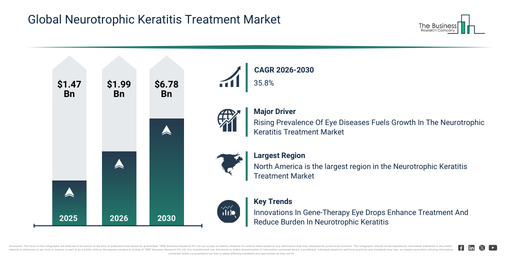
    The neurotrophic keratitis treatment market has experienced rapid expansion in its size over recent years. Projections indicate it will expand from $1.47 billion in 2025 to $1.99 billion by 2026, demonstrating a compound annual growth rate (CAGR) of 36.1%. This historical growth is attributable to several factors, including the increasing prevalence of diabetes-related corneal disorders, a rising incidence of herpes simplex eye infections, the expansion of ophthalmology specialty clinics, enhanced awareness of neurotrophic keratitis among clinicians, and the broader availability of hospital-based eye care services.

    The neurotrophic keratitis treatment market is anticipated to experience substantial expansion in the coming years. This market is projected to reach $6.78 billion by 2030, exhibiting a compound annual growth rate (CAGR) of 35.8%. Several factors are expected to fuel this growth during the forecast period, including progress in regenerative ophthalmic treatments, a rise in the approval of rhNGF-based medications, an expanding elderly demographic susceptible to nerve degeneration, increased funding for rare eye disease research, and improved availability of advanced eye care services in developing regions. Key trends anticipated for the forecast period encompass a greater uptake of recombinant human nerve growth factor treatments, a developing preference for less invasive corneal repair methods, an enhanced emphasis on early diagnosis and proactive intervention, the wider availability of homecare-supported ophthalmic treatment options, and innovations in amniotic membrane preservation.

    Get A Free Sample Report With In-Depth Market Insights:

    https://thebusinessresearchcompany.com/sample_request?id=77067906&type=smp&name=Neurotrophic%20Keratitis%20Treatment%20Market%20Report%202026&utm_source=Blogs&utm_medium=Paid&utm_campaign=Nov_PR

    Neurotrophic Keratitis Treatment Market Development Factors: What’s Supporting Demand?

    The increasing incidence of eye diseases is projected to fuel the expansion of the neurotrophic keratitis treatment market moving forward. Eye diseases cover a broad spectrum of conditions that impact the structure and operation of the eyes, potentially leading to impaired vision or blindness. The rising prevalence of eye conditions is attributed to factors such as an aging population, lifestyle modifications, and the growing occurrence of chronic illnesses like diabetes. Neurotrophic keratitis treatment aids eye health by enhancing corneal sensation, fostering healing, preventing infections, and alleviating discomfort. Thus, the growing prevalence of eye diseases is propelling the growth of the neurotrophic keratitis treatment market.

    Neurotrophic Keratitis Treatment Market Segment Performance And Emerging Opportunities

    The neurotrophic keratitis treatment market covered in this report is segmented –

    1) By Treatment: Topical Antibiotics, Recombinant Human Nerve Growth Factor (rhNGF), Amniotic Membrane Transplantation, Keratoplasty, Other Treatments

    2) By Route Of Administration: Oral, Topical, Other Routes Of Administrations

    3) By Application: Stage I, Stage II, Stage III

    4) By End-User: Hospitals, Homecare, Specialty Clinics, Other End-Users

    Subsegments:

    1) By Topical Antibiotics: Broad-Spectrum Antibiotics, Narrow-Spectrum Antibiotics

    2) By Recombinant Human Nerve Growth Factor (rhNGF): Cenegermin Ophthalmic Solution

    3) By Amniotic Membrane Transplantation: Cryopreserved Amniotic Membrane, Dehydrated Amniotic Membrane

    4) By Keratoplasty: Penetrating Keratoplasty, Lamellar Keratoplasty

    5) By Other Treatments: Tarsorrhaphy, Therapeutic Contact Lenses

    Neurotrophic Keratitis Treatment Market Transformation Trends: What Innovations Are Driving Change?

    Key companies active in the neurotrophic keratitis market are prioritizing the creation of advanced gene-therapy options, like redosable eye-drop treatments, to enhance corneal recovery, sustain nerve growth factor (NGF) expression, and alleviate the patient’s treatment load. Redosable eye-drop gene therapy is defined as a therapeutic strategy that introduces genes encoding NGF directly into the cornea, thereby enabling extended NGF production and fostering nerve regeneration over time. For example, in July 2025, Krystal Biotech, a US-based biotechnology firm, declared that the first patient had been dosed in its Phase 1/2 EMERALD 1 study, a randomized, double-masked, placebo-controlled investigation enrolling up to 27 adults with stage 2 or 3 neurotrophic keratitis. KB801, which is formulated for administration twice weekly for eight weeks, intends to safely stimulate corneal healing while considerably lessening the treatment burden when compared to current six-times-a-day recombinant NGF eye drops.

    Neurotrophic Keratitis Treatment Market Key Players: Which Companies Lead Industry Competition?

    Major companies operating in the neurotrophic keratitis treatment market are Eyevance Pharmaceuticals LLC, Johnson & Johnson, Allergan Inc, Alcon Inc, Bausch Health Companies Inc, Bausch & Lomb Inc, CooperVision Inc, Santen Pharmaceutical Co Ltd, Dompe farmaceutici S.p.A, Aurolab, Ocular Therapeutix Inc, Laboratoires Thea SAS, ReGenTree LLC, Contacare Ophthalmic Private Limited, Neuroptika Inc, Surgitech Innovation Private Limited, Aerie Pharmaceuticals Inc, RegeneRx Biopharmaceuticals Inc, Noveome Biotherapeutics Inc, Oyster Point Pharma, Claris Biotherapeutics, Recordati Rare Diseases, Mitotech SA, Kala Pharmaceuticals, Oxurion NV

    View The Full Neurotrophic Keratitis Treatment Market Report:

    https://thebusinessresearchcompany.com/report/neurotrophic-keratitis-treatment-global-market-report?utm_source=Blogs&utm_medium=Paid&utm_campaign=Nov_PR

    Neurotrophic Keratitis Treatment Market Regional Breakdown: Where Is Demand Concentrated?

    North America was the largest region in the neurotrophic keratitis treatment market in 2025. The regions covered in the neurotrophic keratitis treatment market report are Asia-Pacific, South East Asia, Western Europe, Eastern Europe, North America, South America, Middle East, Africa.

    Reach Out To Our Team:

    The Business Research Company: https://www.thebusinessresearchcompany.com/

    Americas: +1 310-496-7795

    Asia: +44 7882 955267 & +91 8897263534

    Europe: +44 7882 955267

    Email us at: marketing@tbrc.info

    Follow us on:

    LinkedIn: https://in.linkedin.com/company/the-business-research-company

    YouTube: https://www.youtube.com/channel/UC24_fI0rV8cR5DxlCpgmyFQ

    Global Market Model: https://www.thebusinessresearchcompany.com/global-market-model
  • Neurotechnology Market Growth To $33.64 Billion By 2030: What’s Driving The Expansion?

    Neurotechnology Market Growth To $33.64 Billion By 2030: What’s Driving The Expansion?

    Backed by market attractiveness analysis, total addressable market sizing, company benchmarking matrices, interactive Excel dashboards, wider supply chain intelligence, emerging startup coverage, and detailed product-level insights, The Business Research Company’s 2026 market reports are designed to offer research that is more actionable and strategically valuable than ever.

    Neurotechnology Market Growth Potential: How Will Market Size Shift Through 2030?

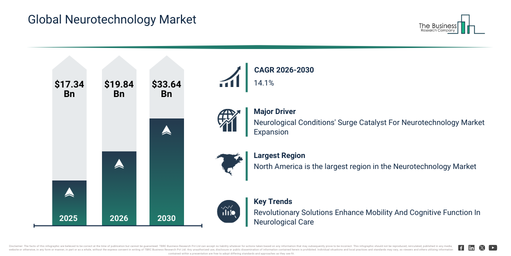
    The neurotechnology market has demonstrated rapid expansion over recent years. Forecasts show it is set to grow from $17.34 billion in 2025 to $19.84 billion in 2026, achieving a compound annual growth rate (CAGR) of 14.4%. This historic growth is attributable to progress in medical imaging technologies, the initial adoption of neurostimulation therapies, an uptick in clinical research within neurology, the increasing prevalence of neurological disorders, and technological improvements in implantable devices.

    The neurotechnology market is projected to experience swift expansion over the coming years. By 2030, this market is anticipated to reach $33.64 billion, exhibiting a compound annual growth rate (CAGR) of 14.1%. Factors contributing to this growth during the forecast period include increasing investment in brain-computer interfaces, a rising need for individualized neurological treatments, the broadening application of AI-powered diagnostics, greater uptake of home-based neurotechnology solutions, and the evolution of minimally invasive neurotherapies. Key trends for the forecast period encompass the proliferation of brain-computer interface solutions, increased acceptance of non-invasive neurostimulation devices, deeper integration of neuroimaging into clinical diagnostics, a surging requirement for cognitive rehabilitation technologies, and improvements in materials used for neurological implants.

    Get A Free Sample Report With In-Depth Market Insights:

    https://thebusinessresearchcompany.com/sample_request?id=92721068&type=smp&name=Neurotechnology%20Market%20Report%202026&utm_source=Blogs&utm_medium=Paid&utm_campaign=Nov_PR

    Neurotechnology Market Industry Drivers: What’s Behind The Revenue Growth?

    The rising incidence of neurological conditions is anticipated to boost the expansion of the neurotechnology market moving forward. These conditions encompass any disorder or disease affecting the brain, with prevalent examples including Alzheimer’s disease, Parkinson’s disease, epilepsy, and migraine. Neurotechnology serves various applications in diagnosing and treating neurological disorders, utilizing methods such as brain imaging, neurostimulation, neurofeedback, and brain-computer interfaces. Consequently, the increasing occurrence of neurological conditions is fueling the growth of the neurotechnology market in the future.

    Neurotechnology Market Segment Landscape And Growth Outlook

    The neurotechnology market covered in this report is segmented –

    1) By Conditions: Cognitive Disorders, Pain Treatment, Urinary And Fecal Incontinence, Epilepsy, Parkinson’s Disease, Hearing Conditions, Sleep Disorder, Depression, Other Conditions

    2) By Type: Imaging Modalities, Neurostimulation, Cranial Surface Measurement, Neurological Implants, Other Types

    3) By End Use: Ambulatory Surgical Centers, Hospitals, Homecare Facilities, Other End Uses

    Subsegments:

    1) By Cognitive Disorders: Alzheimer’s Disease, Attention Deficit Hyperactivity Disorder (ADHD), Dementia

    2) By Pain Treatment: Chronic Pain, Neuropathic Pain, Acute Pain

    3) By Urinary And Fecal Incontinence: Overactive Bladder, Neurogenic Bladder, Fecal Incontinence Management

    4) By Epilepsy: Drug-Resistant Epilepsy, Seizure Management Devices

    5) By Parkinson’s Disease: Motor Symptoms Management, Non-Motor Symptoms Management

    6) By Hearing Conditions: Tinnitus, Hearing Loss Solutions

    7) By Sleep Disorder: Insomnia, Sleep Apnea, Restless Legs Syndrome

    8) By Depression: Major Depressive Disorder, Treatment-Resistant Depression

    9) By Other Conditions: Anxiety Disorders, Autism Spectrum Disorder, Traumatic Brain Injury (TBI)

    #Neurotechnology Market Growth Trends: What’s Shaping The Future Outlook?

    Leading companies in the neurotechnology market are concentrating on creating sophisticated therapeutic solutions, such as the endovascular brain-computer interface (BCI), to improve cognitive abilities and re-establish mobility for patients with neurological impairments. The endovascular BCI technology allows for direct neural access through blood vessels, thereby enhancing interaction and expanding treatment possibilities for individuals with neurological disorders.

    Neurotechnology Market Competitive Landscape: Who Leads The Industry?

    Major companies operating in the neurotechnology market are General Electric, Medtronic PLC, Koninklijke Philips N.V., Shimadzu Corporation, Elekta AB, Natus Medical Incorporated, Abbott, Boston Scientific Corporation, Nihon Kohden Corporation, LivaNova PLC, Siemens Healthcare Private Limited, Hitachi Medical Corporation, Cochlear Limited, NeuroPace Inc., NeuroSigma Inc., NeuroMetrix Inc., NeuroSky Inc., NeuroVigil Inc., Neurotech Pharmaceuticals Inc., Neuralink, Synchron Inc., Blackrock Neurotech, Neuronetics Inc., Neurable Inc.

    View The Full Neurotechnology Market Report:

    https://thebusinessresearchcompany.com/report/neurotechnology-global-market-report?utm_source=Blogs&utm_medium=Paid&utm_campaign=Nov_PR

    Neurotechnology Market Geographic Landscape: Which Region Leads Industry Growth?

    North America was the largest region in the neurotechnology market in 2025. Europe is expected to be the fastest-growing region in the neurotechnology market report during the forecast period. The regions covered in the neurotechnology market report are Asia-Pacific, South East Asia, Western Europe, Eastern Europe, North America, South America, Middle East, Africa.

    Reach Out To Our Team:

    The Business Research Company: https://www.thebusinessresearchcompany.com/

    Americas: +1 310-496-7795

    Asia: +44 7882 955267 & +91 8897263534

    Europe: +44 7882 955267

    Email us at: marketing@tbrc.info

    Follow us on:

    LinkedIn: https://in.linkedin.com/company/the-business-research-company

    YouTube: https://www.youtube.com/channel/UC24_fI0rV8cR5DxlCpgmyFQ

    Global Market Model: https://www.thebusinessresearchcompany.com/global-market-model
  • Neuroscience Market Trends Reshaping Industry Growth Through 2030

    Neuroscience Market Trends Reshaping Industry Growth Through 2030

    Featuring market attractiveness scoring, total addressable market sizing, company benchmarking matrices, interactive Excel dashboards, deeper supply chain intelligence, emerging startup tracking, and granular product-level insights, The Business Research Company’s 2026 market reports are built to deliver research that is both more actionable and more strategically valuable.

    Neuroscience Market Value Analysis: What Growth Lies Ahead Over The Forecast Period?

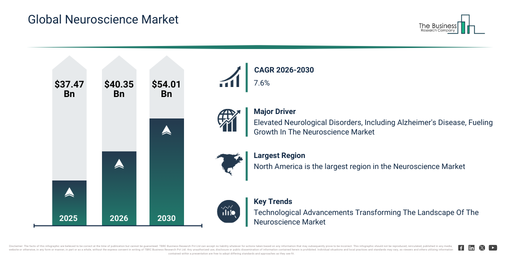
    The neuroscience market has demonstrated robust expansion over recent years. Its valuation is anticipated to climb from $37.47 billion in 2025 to $40.35 billion in 2026, reflecting a compound annual growth rate (CAGR) of 7.7%. The market’s past growth was primarily fueled by progress in cellular imaging technologies, a surge in neuroscience research funding, the initial creation of electrophysiology systems, an uptick in the prevalence of neurological diseases, and the adoption of brain imaging techniques.

    The neuroscience market size is anticipated to experience robust expansion over the next few years. It is forecast to reach $54.01 billion by 2030, growing at a compound annual growth rate (CAGR) of 7.6%. This projected growth throughout the forecast period stems from the increasing demand for advanced microscopy systems, greater integration of AI in neuroscience research, the expanding utility of neuroinformatics, a surge in the adoption of brain-mapping tools, and the development of next-generation electrophysiology devices. Significant trends for the forecast period include the rising uptake of neuro-microscopy platforms, increased utilization of electrophysiology technologies, growth in neuro-cellular manipulation techniques, the broadening of whole-brain imaging applications, and ongoing advancements in neuroscience research tools and instruments.

    Get A Free Sample Report With In-Depth Market Insights:

    https://thebusinessresearchcompany.com/sample_request?id=31108250&type=smp&name=Neuroscience%20Market%20Report%202026&utm_source=Blogs&utm_medium=Paid&utm_campaign=Nov_PR

    Neuroscience Market Growth Factors: What’s Supporting Expansion?

    The rising prevalence of neurological disorders, such as Alzheimer’s disease, is anticipated to propel the neuroscience market. Neurological disorders constitute a broad spectrum of medical conditions primarily affecting the nervous system, encompassing the brain, spinal cord, and peripheral nerves. Alzheimer’s disease itself is a progressive neurodegenerative condition predominantly impacting the brain, leading to a decline in cognitive function and memory. Neuroscience plays a crucial role in understanding and treating Alzheimer’s disease (AD) as neuroscientists, by studying the nervous system’s structure and function, are gaining insights into the causes of AD and developing new strategies for its diagnosis, prevention, and treatment. Thus, the increasing instances of neurological disorders, including Alzheimer’s disease, are driving the neuroscience market.

    Neuroscience Market Breakdown By Product Type And Application

    The neuroscience market covered in this report is segmented –

    1) By Type: Neuro-Microscopy, Electrophysiology Technologies, Neuro-Cellular Manipulation, Whole Brain Imaging, Other Types

    2) By Service: Instruments And Consumables, Software And Services

    3) By End User: Hospitals, Diagnostic Labs, Research And Academic Institutes

    Subsegments:

    1) By Neuro-Microscopy: Two-Photon Microscopy, Confocal Microscopy, Super-Resolution Microscopy

    2) By Electrophysiology Technologies: Patch Clamp Systems, Multi-Electrode Arrays (MEAs), Intracellular And Extracellular Recorders

    3) By Neuro-Cellular Manipulation: Optogenetics Tools, Microinjection Systems, Electroporation Devices

    4) By Whole Brain Imaging: Functional Magnetic Resonance Imaging (fMRI), Positron Emission Tomography (PET), Diffusion Tensor Imaging (DTI)

    5) By Other Types: Neuroinformatics Tools, Brain-Computer Interface Technologies, Neuromodulation Devices

    Neuroscience Market Industry Trends: What’s Reshaping Demand?

    Leading firms in the neuroscience sector are focusing on developing cutting-edge technologies like artificial intelligence and machine learning to drive progress in neuroscience. Artificial intelligence empowers machines to imitate and surpass human cognitive abilities, with machine learning being a subset of AI. AI models are designed for intelligence-driven tasks, providing fresh perspectives on the regulation of similar processes within the brain.

    Neuroscience Market Company Landscape And Competitive Strategy

    Major companies operating in the neuroscience market are Alpha Omega Inc., General Electric Company, Siemens Healthineers AG, NeuroNexus Technologies Inc., Doric Lenses Inc., Blackrock Neurotech, Axion Biosystems Inc., Femtonics Ltd., Carl Zeiss AG, Danaher Corporation (Leica Microsystems), Koninklijke Philips N.V., Toshiba Corporation, Hitachi Medical Corporation, Scientifica Ltd., Intan Technologies Inc., Laserglow Technologies Inc., Mightex Systems, Neuralink Corporation, Kernel Corporation, BrainCo Inc., MindMaze Inc., Paradromics Inc., NeuroPro Inc., NeuroSky Inc., EMOTIV Inc., Cercare Medical A/S, Plexon Inc., Noldus Information Technology bv, Neuralynx Inc., Vigil Neuroscience

    View The Full Neuroscience Market Report:

    https://thebusinessresearchcompany.com/report/neuroscience-global-market-report?utm_source=Blogs&utm_medium=Paid&utm_campaign=Nov_PR

    Neuroscience Market Largest Region: Which Geography Holds The Biggest Share?

    North America was the largest region in the neuroscience market in 2025. Asia-Pacific is expected to be the fastest-growing region in the forecast period. The regions covered in the neuroscience market report are Asia-Pacific, South East Asia, Western Europe, Eastern Europe, North America, South America, Middle East, Africa.

    Reach Out To Our Team:

    The Business Research Company: https://www.thebusinessresearchcompany.com/

    Americas: +1 310-496-7795

    Asia: +44 7882 955267 & +91 8897263534

    Europe: +44 7882 955267

    Email us at: marketing@tbrc.info

    Follow us on:

    LinkedIn: https://in.linkedin.com/company/the-business-research-company

    YouTube: https://www.youtube.com/channel/UC24_fI0rV8cR5DxlCpgmyFQ

    Global Market Model: https://www.thebusinessresearchcompany.com/global-market-model
  • Neuroprosthetics Market Growth To $23.1 Billion Creates New Opportunities Across The Industry

    Neuroprosthetics Market Growth To $23.1 Billion Creates New Opportunities Across The Industry

    Built to provide research that’s more actionable and strategically valuable, The Business Research Company’s 2026 market reports include market attractiveness analysis, total addressable market sizing, company benchmarking matrices, interactive Excel dashboards, broader supply chain intelligence, emerging startup tracking, and in-depth product insights.

    Neuroprosthetics Market Size Forecast: How Big Could The Market Get By 2030?

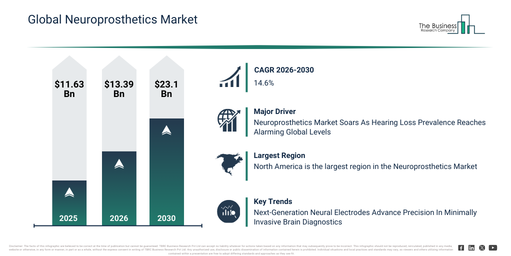
    The neuroprosthetics market has shown significant rapid expansion in recent years. It is projected to expand from $11.63 billion in 2025 to $13.39 billion in 2026, maintaining a compound annual growth rate (CAGR) of 15.1%. This historical growth can be ascribed to factors like the early development of functional electrical stimulation systems, increased research into brain-machine interfaces, the rising prevalence of motor neuron disorders, advancements in cochlear implant technologies, and the initial adoption of deep brain stimulation.

    The neuroprosthetics market size is projected to experience swift expansion in the coming years. Its valuation is anticipated to reach $23.1 billion by 2030, demonstrating a compound annual growth rate (CAGR) of 14.6%. This growth during the forecast period is attributed to an escalating demand for advanced prosthetic limbs featuring neural control, increased investment in cognitive neuroprosthetics, the broadening scope of vagus nerve stimulation applications, a rising acceptance of retinal implant innovations, and the creation of advanced exoskeletons designed for rehabilitation. Prominent trends throughout the forecast period include an increasing uptake of motor neuroprosthetic systems, more widespread application of auditory neuroprosthetics to restore hearing, developments in retinal and visual prosthetic technologies, expanded integration of cognitive neuroprosthetics into therapeutic regimens, and a broader application of neurostimulation techniques for achieving functional recovery.

    Get A Free Sample Report With In-Depth Market Insights:

    https://thebusinessresearchcompany.com/sample_request?id=94268403&type=smp&name=Neuroprosthetics%20Market%20Report%202026&utm_source=Blogs&utm_medium=Paid&utm_campaign=Nov_PR

    Neuroprosthetics Market Demand Drivers: What’s Powering Industry Growth?

    The increasing occurrence of hearing impairment is anticipated to boost the expansion of the neuroprosthetics market in the future. Hearing impairment, interchangeably termed deafness, signifies a complete or partial inability to perceive sounds in either one or both ears, profoundly impacting communication, overall quality of life, and engagement in social activities. Devices categorized as neuroprosthetics, including cochlear implants and auditory prostheses, aid in reestablishing hearing, enhancing the perception of speech, and delivering auditory rehabilitation services. As an illustration, in February 2025, data from the World Health Organization (WHO), a United Nations agency based in Switzerland, projected globally that by 2050, close to 2.5 billion individuals will suffer from some degree of hearing loss. Out of these, more than 700 million are predicted to need hearing rehabilitation. Furthermore, untreated hearing impairment already accounts for annual costs approaching US$1 trillion, and over 1 billion young adults face the danger of irreversible, preventable damage from listening habits that are unsafe. Consequently, the growing incidence of hearing loss is a key factor propelling the neuroprosthetics market.

    Neuroprosthetics Market Segment Analysis And Revenue Potential

    The neuroprosthetics market covered in this report is segmented –

    1) By Type: Motor Neuroprosthetics, Auditory Neuroprosthetics Or Cochlear implants, Visual Neuroprosthetics Or Retinal implants, Cognitive Neuroprosthetics

    2) By Technique: Spinal Cord Stimulation, Deep Brain Stimulation, Vagus Nerve Stimulation, Sacral Nerve Stimulation, Transcranial Magnetic Stimulation

    3) By Application: Motor Neuron Disorders, Physiological Disorders, Cognitive Disorders

    Subsegments:

    1) By Motor Neuroprosthetics: Functional Electrical Stimulation (FES) Systems, Brain-Machine Interfaces (BMIs), Prosthetic Limbs With Neural Control, Exoskeletons For Rehabilitation

    2) By Auditory Neuroprosthetics Or Cochlear Implants: Cochlear Implants (Single and Multi-Channel), Auditory Brainstem Implants (ABI), Bone-Anchored Hearing Aids (BAHA)

    3) By Visual Neuroprosthetics Or Retinal Implants: Retinal Prostheses, Optogenetic Implants, Visual Cortical Implants

    4) By Cognitive Neuroprosthetics: Deep Brain Stimulation (DBS) Devices, Cognitive Enhancement Implants, Neurostimulation Devices For Cognitive Disorders

    Neuroprosthetics Market Innovation Trends: What Developments Are Reshaping The Industry?

    Major companies active in the neuroprosthetics market are concentrating on developing innovative advancements, including sEEG electrode systems, to improve neural interfacing capabilities and enhance minimally invasive diagnostic and therapeutic procedures. An sEEG electrode system is a specialized neural device designed to record and stimulate subsurface brain activity, enabling high-precision mapping and neuromodulation.

    Neuroprosthetics Market Key Players Shaping Industry Direction

    Major companies operating in the neuroprosthetics market are Abbott Laboratories, Boston Scientific Corp., Cochlear Ltd., Demant AS, LivaNova plc, MED-EL GmbH, Neuropace Inc., Nevro Corp., Oticon US Inc., Retina Implant AG, Second Sight Medical Products Inc., Sonova Holding AG, St. Jude Medical Inc., Aleva Neurotherapeutics SA, Axonics Modulation Technologies Inc., Bionic Vision Technologies Pty Ltd., Blackrock Microsystems LLC, Cognixion, Cyberonics Inc., Medtronic plc, NeuroKinetics Inc., NeuroMetrix Inc., Pixium Vision SA, SPR Therapeutics Inc., Synapse Biomedical Inc., Synchron Inc.

    View The Full Neuroprosthetics Market Report:

    https://thebusinessresearchcompany.com/report/neuroprosthetics-global-market-report?utm_source=Blogs&utm_medium=Paid&utm_campaign=Nov_PR

    Neuroprosthetics Market Regional Analysis: Which Geography Leads On Revenue?

    North America was the largest region in the neuroprosthetics market in 2025. Asia-Pacific is expected to be the fastest-growing region in the forecast period. The regions covered in the neuroprosthetics market report are Asia-Pacific, South East Asia, Western Europe, Eastern Europe, North America, South America, Middle East, Africa.

    Reach Out To Our Team:

    The Business Research Company: https://www.thebusinessresearchcompany.com/

    Americas: +1 310-496-7795

    Asia: +44 7882 955267 & +91 8897263534

    Europe: +44 7882 955267

    Email us at: marketing@tbrc.info

    Follow us on:

    LinkedIn: https://in.linkedin.com/company/the-business-research-company

    YouTube: https://www.youtube.com/channel/UC24_fI0rV8cR5DxlCpgmyFQ

    Global Market Model: https://www.thebusinessresearchcompany.com/global-market-model
  • Neuroplasticity Market Forecast: Breaking Down The Numbers Behind Future Expansion

    Neuroplasticity Market Forecast: Breaking Down The Numbers Behind Future Expansion

    Backed by market attractiveness analysis, total addressable market sizing, company benchmarking matrices, interactive Excel dashboards, wider supply chain intelligence, emerging startup coverage, and detailed product-level insights, The Business Research Company’s 2026 market reports are designed to offer research that is more actionable and strategically valuable than ever.

    Neuroplasticity Market Revenue Outlook: What CAGR Lies Ahead Through 2030?

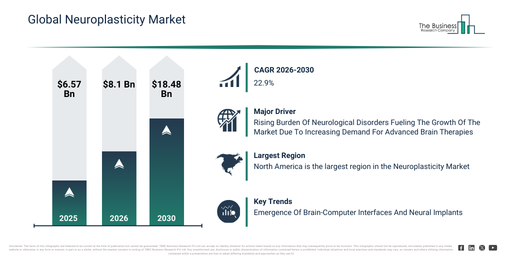
    The neuroplasticity market size has experienced significant, rapid expansion in recent years. Projections indicate it will grow from $6.57 billion in 2025 to $8.1 billion in 2026, achieving a compound annual growth rate (CAGR) of 23.2%. This historical growth can be primarily attributed to several key factors, including the early development of neurofeedback tools, rising awareness of brain rehabilitation, increased research in neurodegenerative disorders, the adoption of cognitive training platforms, and the initial use of wearable neurostimulation devices.

    The neuroplasticity market is projected to experience significant growth in the coming years, with its size expected to reach $18.48 billion by 2030, growing at a compound annual growth rate (CAGR) of 22.9%. This expansion during the forecast period is driven by factors such as the increasing demand for AI-driven neurotherapy, the growing adoption of VR rehabilitation tools, the wider application of neuroplasticity-based mental health treatments, rising investment in brain recovery research, and the continued development of advanced brain-computer interfaces. Significant trends anticipated during this period include a growing need for stroke rehabilitation solutions, the increasing implementation of cognitive training programs, a rise in the use of neurostimulation for mental health treatment, the expansion of TBI rehabilitation technologies, and the creation of platforms for enhancing learning and memory.

    Get A Free Sample Report With In-Depth Market Insights:

    https://thebusinessresearchcompany.com/sample_request?id=58599443&type=smp&name=Neuroplasticity%20Market%20Report%202026&utm_source=Blogs&utm_medium=Paid&utm_campaign=Nov_PR

    Neuroplasticity Market Growth Drivers: What’s Behind The Acceleration?

    The neuroplasticity market is projected to expand significantly due to the rising occurrence of neurological disorders. These conditions, which impact the brain, spinal cord, and nerves, result in various physical, cognitive, and behavioral deficits. Diseases such as Alzheimer’s, Parkinson’s, epilepsy, and multiple sclerosis are examples experiencing growing prevalence, largely attributable to the world’s aging demographic and lifestyle influences, where extended lifespans elevate the likelihood of developing age-related neurological ailments. Consequently, the surge in neurological disorders boosts neuroplasticity, fostering a need for advanced treatments and rehabilitation technologies designed to improve brain function, enhance patient recovery, and support the creation of new therapies for numerous neurological conditions.

    Neuroplasticity Market Segmentation And Category Overview

    The neuroplasticity market covered in this report is segmented –

    1) By Product Type: Software-Based Solutions, Hardware-Based Solutions

    2) By Technology Type: Artificial Intelligence, Virtual Reality, Neurostimulation, Wearable Technology

    3) By Application: Stroke Rehabilitation, Traumatic Brain Injury (TBI) Rehabilitation, Neurodegenerative Disorders, Learning And Memory Enhancement, Mental Health Disorders

    4) By End User: Hospitals And Clinics, Research Institutes And Academic Centers, Pharmaceutical And Biotechnology Companies, Other End Users

    Subsegments:

    1) By Software-Based Solutions: Cognitive Training Programs, Neurofeedback Software, Brain Simulation Platforms, Mobile Neurotherapy Apps, Virtual Reality Rehabilitation Software, AI-Based Cognitive Assessment Tools

    2) By Hardware-Based Solutions: EEG Headsets, Transcranial Magnetic Stimulation (TMS) Devices, Transcranial Direct Current Stimulation (tDCS) Devices, Brain-Computer Interface (BCI) Systems, Wearable Neurostimulation Devices, Neuroimaging And Monitoring Equipment

    Neuroplasticity Market Trends: What’s Defining The Industry’s Next Phase?

    Leading companies in the neuroplasticity market are concentrating on developing sophisticated technologies, such as brain-computer interfaces and neural implants, to maintain their market position. These advanced neurotechnologies create direct communication pathways between the brain and external devices; BCIs typically allow control of computers or prosthetics via brain signals, while neural implants are devices placed in the brain or nervous system to monitor, stimulate, or modulate neural activity for therapeutic or functional enhancement.

    Neuroplasticity Market Competitive Analysis Of Leading Industry Participants

    Major companies operating in the neuroplasticity market are Medtronic PLC, Boston Scientific Corporation, NeuroPace Inc, BrainsWay Ltd, Magstim, MindMaze, Emotiv Inc, BrainCo, ElectroCore, NeuroMetrix, Soterix Medical, Neurable, NeuroSigma Inc, Cognixion, NeuroTracker, Neuralink, Synchron Inc, Paradromics Inc, Precision Neuroscience, g.tec medical engineering GmbH, Neuroelectrics, OpenBCI, Kernel, Blackrock Neurotech, NeuroSky Inc, BrainScope Company Inc, i-BrainTech LTD

    View The Full Neuroplasticity Market Report:

    https://thebusinessresearchcompany.com/report/neuroplasticity-global-market-report?utm_source=Blogs&utm_medium=Paid&utm_campaign=Nov_PR

    Neuroplasticity Market Geographic Spread And Regional Opportunities

    North America was the largest region in the Neuroplasticity market in 2025. Asia-Pacific is expected to be the fastest-growing region in the forecast period. The regions covered in the neuroplasticity market report are Asia-Pacific, South East Asia, Western Europe, Eastern Europe, North America, South America, Middle East, Africa.

    Reach Out To Our Team:

    The Business Research Company: https://www.thebusinessresearchcompany.com/

    Americas: +1 310-496-7795

    Asia: +44 7882 955267 & +91 8897263534

    Europe: +44 7882 955267

    Email us at: marketing@tbrc.info

    Follow us on:

    LinkedIn: https://in.linkedin.com/company/the-business-research-company

    YouTube: https://www.youtube.com/channel/UC24_fI0rV8cR5DxlCpgmyFQ

    Global Market Model: https://www.thebusinessresearchcompany.com/global-market-model
  • Neuropathic Pain Market Expected To Grow At 8.1% CAGR Through 2030: What Businesses Need To Know

    Neuropathic Pain Market Expected To Grow At 8.1% CAGR Through 2030: What Businesses Need To Know

    Featuring market attractiveness scoring, total addressable market sizing, company benchmarking matrices, interactive Excel dashboards, deeper supply chain intelligence, emerging startup tracking, and granular product-level insights, The Business Research Company’s 2026 market reports are built to deliver research that is both more actionable and more strategically valuable.

    Neuropathic Pain Market Growth Analysis: How Will Revenue Trend Over The Forecast Period?

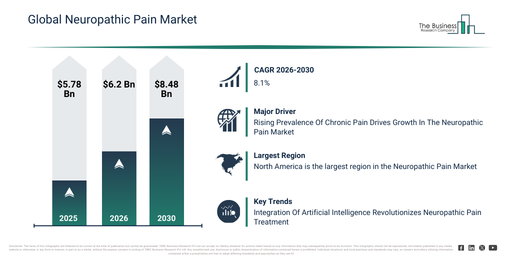
    The neuropathic pain market has shown strong expansion in recent years. It is anticipated to grow from $5.78 billion in 2025 to $6.2 billion in 2026, at a compound annual growth rate (CAGR) of 7.3%. This historical growth can be attributed to the rising prevalence of diabetes, early adoption of antidepressants and anticonvulsants, increased awareness of neuropathic pain conditions, the development of opioid-based treatments, and the initial use of imaging for diagnosis.

    The neuropathic pain market is projected to experience substantial expansion over the coming years. By 2030, its valuation is anticipated to reach $8.48 billion, demonstrating a compound annual growth rate (CAGR) of 8.1%. This expansion during the forecast period is driven by several factors, including an increasing preference for non-opioid treatments, a heightened need for tailored pain management, wider adoption of complementary therapies, greater investment in diagnostic breakthroughs, and the creation of sophisticated multimodal treatment options. Key developments expected during this timeframe involve a rise in multimodal therapy strategies, a growing call for non-opioid solutions for pain, broader incorporation of physical and psychological therapies, advancements in early detection via imaging, and a concentrated effort on managing diabetic neuropathy.

    Get A Free Sample Report With In-Depth Market Insights:

    https://thebusinessresearchcompany.com/sample_request?id=97663493&type=smp&name=Neuropathic%20Pain%20Market%20Report%202026&utm_source=Blogs&utm_medium=Paid&utm_campaign=Nov_PR

    Neuropathic Pain Market Growth Factors Behind Sustained Expansion

    The increasing incidence of chronic pain is anticipated to drive the expansion of the neuropathic pain market in the future. Chronic pain, characterized by enduring discomfort for three months or longer, impacts a significant segment of the population, leading to a considerable reduction in their quality of life. The surge in chronic pain occurrences stems from factors including an aging demographic, nerve damage, and chronic conditions such as diabetes. Therapies for neuropathic pain contribute to public health by addressing nerve dysfunction, alleviating symptoms, and enhancing the daily functioning of patients. Consequently, the growing prevalence of chronic pain is propelling the neuropathic pain market.

    Neuropathic Pain Market Segment Outlook: Which Categories Are Growing Fastest?

    The neuropathic pain market covered in this report is segmented –

    1) By Treatment: Medications, Multimodal Therapy

    2) By Diagnosis: Imaging, Blood Tests And Physical Examination

    3) By Indication: Diabetic Neuropathy, Spinal Stenosis, Chemotherapy-Induced Peripheral Neuropathy, Other Indications

    4) By End User: Hospitals, Clinics, Home Healthcare, Ambulatory Surgical Centers, Other End Users

    Subsegments:

    1) By Medications: Anticonvulsants, Antidepressants, Opioids, Topical Treatments, Non-Steroidal Anti-Inflammatory Drugs (NSAIDs)

    2) By Multimodal Therapy: Combination Of Medications, Physical Therapy, Psychological Therapy, Lifestyle Modifications, Complementary Therapies

    Neuropathic Pain Market Industry Trends Fueling Future Revenue Growth

    Leading companies in the neuropathic pain market are integrating artificial intelligence technologies to enhance diagnosis, customize treatment plans, provide real-time monitoring, accelerate drug discovery, and generate data-driven insights, all with the goal of improving patient outcomes and refining pain management strategies.

    Neuropathic Pain Market Leading Companies And Competitive Benchmarking

    Major companies operating in the neuropathic pain market are Pfizer Inc., Johnson & Johnson Private Limited, Sanofi S.A., Bristol-Myers Squibb Company, Abbott Laboratories, GlaxoSmithKline Plc, Medtronic Inc., Eli Lilly and Company, Teva Pharmaceutical Industries Ltd, Boston Scientific Corporation, Sun Pharmaceutical Industries Ltd., Mallinckrodt Pharmaceuticals, Grünenthal GmbH, Lupin Ltd., Nevro Corp., InvaGen Pharmaceuticals Inc, Centaur Pharmaceuticals Pvt Ltd., Stimwave LLC, Novartis AG, Astellas Pharma Inc., Vertex Pharmaceuticals Incorporated, Assertio Therapeutics Inc, NeuroMetrix Inc, OMRON Healthcare Co Ltd

    View The Full Neuropathic Pain Market Report:

    https://thebusinessresearchcompany.com/report/neuropathic-pain-global-market-report?utm_source=Blogs&utm_medium=Paid&utm_campaign=Nov_PR

    Neuropathic Pain Market Top Region By Revenue And Market Share

    North America was the largest region in the neuropathic pain market in 2025. Asia-Pacific is expected to be the fastest-growing region in the forecast period. The regions covered in the neuropathic pain market report are Asia-Pacific, South East Asia, Western Europe, Eastern Europe, North America, South America, Middle East, Africa.

    Reach Out To Our Team:

    The Business Research Company: https://www.thebusinessresearchcompany.com/

    Americas: +1 310-496-7795

    Asia: +44 7882 955267 & +91 8897263534

    Europe: +44 7882 955267

    Email us at: marketing@tbrc.info

    Follow us on:

    LinkedIn: https://in.linkedin.com/company/the-business-research-company

    YouTube: https://www.youtube.com/channel/UC24_fI0rV8cR5DxlCpgmyFQ

    Global Market Model: https://www.thebusinessresearchcompany.com/global-market-model
  • Neuromyelitis Optica Spectrum Disorder Market Forecast To Reach $3.76 Billion By 2030: Key Trends Explained

    Neuromyelitis Optica Spectrum Disorder Market Forecast To Reach $3.76 Billion By 2030: Key Trends Explained

    Built to provide research that’s more actionable and strategically valuable, The Business Research Company’s 2026 market reports include market attractiveness analysis, total addressable market sizing, company benchmarking matrices, interactive Excel dashboards, broader supply chain intelligence, emerging startup tracking, and in-depth product insights.

    Neuromyelitis Optica Spectrum Disorder Market Forecast: What Value Will The Market Reach By 2030?

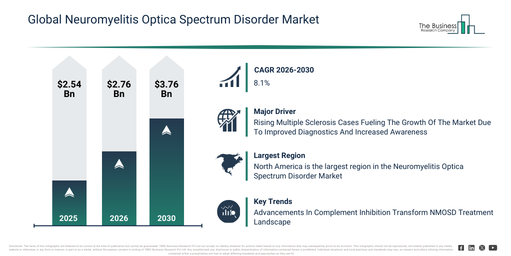
    The neuromyelitis optica spectrum disorder market size has experienced substantial growth in recent years. It is anticipated to expand from $2.54 billion in 2025 to $2.76 billion in 2026, exhibiting a compound annual growth rate (CAGR) of 8.4%. This historical growth can be attributed to factors such as increasing awareness of NMOSD, the early development of immunosuppressive treatments, the initial use of corticosteroids for managing flares, the adoption of imaging for differential diagnosis, and the rising identification of AQP4 antibodies.

    The neuromyelitis optica spectrum disorder market is projected to experience substantial expansion over the upcoming years. Its valuation is anticipated to reach $3.76 billion by 2030, exhibiting a compound annual growth rate (CAGR) of 8.1%. This expansion during the projection period is primarily driven by factors such as the increasing need for targeted biologics, the ongoing progress in developing mog-antibody therapies, the broader availability of advanced diagnostic platforms, a rise in funding for autoimmune research, and the creation of innovative immunotherapy solutions. Key developments expected during this timeframe encompass the greater integration of monoclonal antibody therapies, an uptick in the utilization of sophisticated imaging methods for early detection, an elevated requirement for plasma exchange and immunoglobulin therapy, the broadening scope of aqp4-positive and mog-antibody testing, and an intensified emphasis on preventing relapses and managing the disease over the long term.

    Get A Free Sample Report With In-Depth Market Insights:

    https://thebusinessresearchcompany.com/sample_request?id=63501006&type=smp&name=Neuromyelitis%20Optica%20Spectrum%20Disorder%20Market%20Report%202026&utm_source=Blogs&utm_medium=Paid&utm_campaign=Nov_PR

    Neuromyelitis Optica Spectrum Disorder Market Demand Drivers Opening New Revenue Streams

    The rising occurrence of multiple sclerosis is anticipated to drive expansion in the neuromyelitis optica spectrum disorder market in the future. Multiple sclerosis, an enduring autoimmune condition, impacts the central nervous system, resulting in inflammation, damage to nerves, and various neurological manifestations. The heightened prevalence of multiple sclerosis stems from enhanced diagnostic methods, environmental factors, and genetic susceptibility. Improvements in medical imaging, for example, MRI, have facilitated earlier and more precise diagnoses, contributing to a noticeable increase in reported cases. With more people receiving an MS diagnosis, there is an elevated understanding of neurological autoimmune conditions, which in turn leads to superior diagnostic approaches and a clearer identification of neuromyelitis optica spectrum disorder. Consequently, the growing incidence of multiple sclerosis fuels the advancement of the neuromyelitis optica spectrum disorder market.

    Neuromyelitis Optica Spectrum Disorder Market Segment Landscape: Which Areas Lead Development?

    The neuromyelitis optica spectrum disorder market covered in this report is segmented –

    1) By Type: Neuromyelitis Optica Spectrum Disorder With Aquaporin-4 Antibodies, Neuromyelitis Optica Spectrum Disorder Without Aquaporin-4 Antibodies

    2) By Diagnosis: Imaging Tests, Magnetic Resonance Imaging (MRI), Blood Tests, Other Diagnosis

    3) By Treatment Type: C5 Protein Inhibitor, Monoclonal Antibodies, Plasma Exchange Therapy, Corticosteroids, Immunoglobulin Therapy, Medication, Other Treatment Types

    4) By Distribution Channel: Hospital Pharmacy, Retail Pharmacy, Online Pharmacy

    5) By End-User: Hospitals, Specialty Clinics, Homecare, Other End-Users

    Subsegments:

    1) By Neuromyelitis Optica Spectrum Disorder With Aquaporin-4 Antibodies: Relapsing NMOSD With AQP4-IgG, Monophasic NMOSD With AQP4-IgG, Severe Optic Neuritis With AQP4-IgG, Longitudinally Extensive Transverse Myelitis (LETM) With AQP4-IgG

    2) By Neuromyelitis Optica Spectrum Disorder Without Aquaporin-4 Antibodies: NMOSD With Myelin Oligodendrocyte Glycoprotein (MOG) Antibodies (MOG-IgG), Seronegative NMOSD, Idiopathic NMOSD Cases, NMOSD Associated With Other Autoimmune Disorders

    Neuromyelitis Optica Spectrum Disorder Market Trends Powering Strategic Industry Growth

    Leading companies within the neuromyelitis optica spectrum disorder market are concentrating on developing innovative products, such as long-acting complement inhibitors, to improve treatment efficacy and patient outcomes. Long-acting complement inhibitors are therapies designed to suppress the complement system for an extended duration, thereby preventing inflammation and nerve damage in neuromyelitis optica spectrum disorder (NMOSD). These inhibitors are instrumental in minimizing relapses and supporting sustained disease control.

    Neuromyelitis Optica Spectrum Disorder Market Industry Leaders And Competitive Landscape

    Major companies operating in the neuromyelitis optica spectrum disorder market are F. Hoffmann-La Roche Ltd, Laboratory Corporation of America Holding, Chugai Pharmaceutical Co. Ltd, Mayo Foundation for Medical Education and Research, Penn Medicine, Genentech Inc, Oregon Health & Science University, Arup Laboratories, Argenx SE, Metropolis Healthcare, Rush University Medical Center, Mitsubishi Tanabe Pharma Corporation, Viela Bio, Alexion Pharmaceuticals, Horizon Therapeutics plc, UCB S.A, Teva Pharmaceutical Industries Ltd, Novartis AG, Sanofi S.A, Pfizer Inc, Eli Lilly and Company, Immune Pharmaceuticals Inc.

    View The Full Neuromyelitis Optica Spectrum Disorder Market Report:

    https://thebusinessresearchcompany.com/report/neuromyelitis-optica-spectrum-disorder-global-market-report?utm_source=Blogs&utm_medium=Paid&utm_campaign=Nov_PR

    Neuromyelitis Optica Spectrum Disorder Market Regional Analysis And Top Geography

    North America was the largest region in the neuromyelitis optica spectrum disorder market in 2025. Asia-Pacific is expected to be the fastest-growing region in the forecast period. The regions covered in the neuromyelitis optica spectrum disorder market report are Asia-Pacific, South East Asia, Western Europe, Eastern Europe, North America, South America, Middle East, Africa.

    Reach Out To Our Team:

    The Business Research Company: https://www.thebusinessresearchcompany.com/

    Americas: +1 310-496-7795

    Asia: +44 7882 955267 & +91 8897263534

    Europe: +44 7882 955267

    Email us at: marketing@tbrc.info

    Follow us on:

    LinkedIn: https://in.linkedin.com/company/the-business-research-company

    YouTube: https://www.youtube.com/channel/UC24_fI0rV8cR5DxlCpgmyFQ

    Global Market Model: https://www.thebusinessresearchcompany.com/global-market-model
  • Neurology Clinical Trials Market Analysis Through 2030: Market Size, Growth Trends And Industry Outlook

    Neurology Clinical Trials Market Analysis Through 2030: Market Size, Growth Trends And Industry Outlook

    Backed by market attractiveness analysis, total addressable market sizing, company benchmarking matrices, interactive Excel dashboards, wider supply chain intelligence, emerging startup coverage, and detailed product-level insights, The Business Research Company’s 2026 market reports are designed to offer research that is more actionable and strategically valuable than ever.

    Neurology Clinical Trials Market Size Outlook: How Quickly Will Revenue Expand Through 2030?

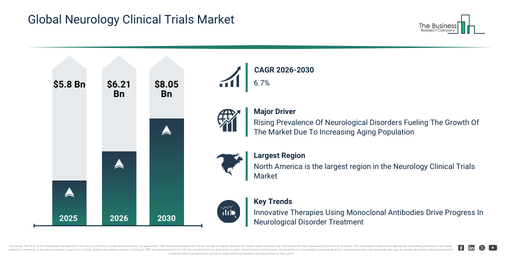
    The neurology clinical trials market size has shown robust growth over recent years. It is forecast to increase from $5.8 billion in 2025 to $6.21 billion in 2026, progressing at a compound annual growth rate (CAGR) of 7.0%. This market’s historical growth can be attributed to factors such as an increase in neurological disease prevalence, the expansion of pharmaceutical research pipelines, heightened investment in neurology drug development, the availability of advanced imaging tools, and a rise in participation in clinical research.

    The neurology clinical trials market size is expected to demonstrate robust growth over the next few years. It is predicted to expand to $8.05 billion in 2030, achieving a compound annual growth rate (CAGR) of 6.7%. This projected growth can be attributed to factors such as the increasing utilization of AI-driven trial analytics, a rising demand for more rapid trial execution, the expansion of patient-centric trial models, the growing incorporation of remote monitoring technologies, and an enhanced focus on rare neurological conditions. Prominent trends anticipated within the forecast period include a growing adoption of adaptive clinical trial designs, increased use of digital patient monitoring tools, an intensifying focus on biomarker-based neurology trials, the wider implementation of decentralized clinical trial models, and a stronger emphasis on the generation of real-world evidence.

    Get A Free Sample Report With In-Depth Market Insights:

    https://thebusinessresearchcompany.com/sample_request?id=44187967&type=smp&name=Neurology%20Clinical%20Trials%20Market%20Report%202026&utm_source=Blogs&utm_medium=Paid&utm_campaign=Nov_PR

    Neurology Clinical Trials Market Growth Backed By Core Demand Fundamentals

    The growing occurrence of neurological disorders is projected to boost the expansion of the neurology clinical trials market in the coming years. These conditions, which disrupt the normal functioning of the nervous system, affect the brain, spinal cord, or nerves. The primary reason for this increase in neurological disorders is the aging population, as older adults are more vulnerable to age-related ailments like Alzheimer’s and Parkinson’s disease. Neurology clinical trials are instrumental in addressing these disorders by evaluating new treatments, drugs, or interventions to enhance diagnosis, manage symptoms, slow disease progression, and improve patient outcomes. Thus, the escalating prevalence of neurological disorders is a key driver for the growth of the neurology clinical trials market.

    Neurology Clinical Trials Market Segments: Where Is Growth Concentrated?

    The neurology clinical trials market covered in this report is segmented –

    1) By Phase: Phase I, Phase II, Phase III, Phase IV

    2) By Study Design: Interventional, Observational, Expanded Access

    3) By Indication: Epilepsy, Parkinson’s Disease (PD), Huntington’s Disease, Stroke, Traumatic Brain Injury (TBI), Amyotrophic Lateral Sclerosis (ALS), Multiple Sclerosis, Other Indications

    4) By End-User: Hospitals, Clinics, Research Institutes, Other End- Users

    Subsegments:

    1) By Phase I: Drug Safety Evaluation, Pharmacokinetics Assessment, Dosage Range Finding, Tolerability Studies

    2) By Phase II: Efficacy Evaluation, Dose Response Studies, Therapeutic Effectiveness, Biomarker Identification

    3) By Phase III: Large Scale Efficacy Studies, Safety Monitoring, Comparative Effectiveness, Risk Benefit Analysis

    4) By Phase IV: Post Marketing Surveillance, Long Term Safety Follow Up, Real World Evidence Collection, Quality Of Life Assessment

    Neurology Clinical Trials Market Growth Trends Reshaping The Competitive Landscape

    Key companies operating within the neurology clinical trials market are concentrating on developing innovative solutions, including monoclonal antibodies, to target specific neurological pathways, improve treatment efficacy, and accelerate the creation of novel therapies. A monoclonal antibody is a laboratory-produced molecule engineered to recognize and bind to specific proteins or antigens, often utilized for precise targeting of disease mechanisms in therapeutic and diagnostic applications.

    Neurology Clinical Trials Market Key Participants And Competitive Landscape

    Major companies operating in the neurology clinical trials market are AbbVie Inc., Sanofi S.A., Novartis AG, Eli Lilly and Company, Teva Pharmaceutical Industries Ltd., IQVIA Holdings Inc., Biogen Inc., ICON plc., Syneos Health, Charles River Laboratories International Inc., Parexel International Corporation, CMIC Holdings Co. Ltd., Medpace Holdings Inc., PSI CRO AG., Supernus Pharmaceuticals Inc., Worldwide Clinical Trials LLC., Ergomed plc., Biotrial S.A.S., Clinilabs Drug Development Corporation, Lindus Health Ltd.

    View The Full Neurology Clinical Trials Market Report:

    https://thebusinessresearchcompany.com/report/neurology-clinical-trials-global-market-report?utm_source=Blogs&utm_medium=Paid&utm_campaign=Nov_PR

    Neurology Clinical Trials Market Geographic Analysis: Where Is Demand Rising Fastest?

    North America was the largest region in the neurology clinical trials market in 2025. Asia-Pacific is expected to be the fastest-growing region in the forecast period. The regions covered in the neurology clinical trials market report are Asia-Pacific, South East Asia, Western Europe, Eastern Europe, North America, South America, Middle East, Africa.

    Reach Out To Our Team:

    The Business Research Company: https://www.thebusinessresearchcompany.com/

    Americas: +1 310-496-7795

    Asia: +44 7882 955267 & +91 8897263534

    Europe: +44 7882 955267

    Email us at: marketing@tbrc.info

    Follow us on:

    LinkedIn: https://in.linkedin.com/company/the-business-research-company

    YouTube: https://www.youtube.com/channel/UC24_fI0rV8cR5DxlCpgmyFQ

    Global Market Model: https://www.thebusinessresearchcompany.com/global-market-model