Blog

  • Salivary Gland Infection Market Expansion Outlook: $6.04 Billion by 2029 Forecast

    Salivary Gland Infection Market Expansion Outlook: $6.04 Billion by 2029 Forecast

    Unlock Global Insights – Save 20% on Market Reports with Code ONLINE20

    #What Is The Projected Market Size Of The Salivary Gland Infection Market By 2029?

    The salivary gland infection market has shown strong growth in recent years. Its value is anticipated to rise from $4.12 billion in 2024 to $4.45 billion in 2025, demonstrating a compound annual growth rate (CAGR) of 8.1%. This historical expansion can be attributed to an increase in oral health issues, heightened awareness of salivary disorders, a growing prevalence of bacterial and viral infections, expanding healthcare infrastructure, a rise in the geriatric population, and an increase in the adoption of minimally invasive treatments.

    The salivary gland infection market is anticipated to experience substantial growth over the next few years. It is forecast to reach $6.04 billion by 2029, exhibiting a compound annual growth rate (CAGR) of 7.9%. This expansion during the forecast period can be attributed to heightened awareness concerning oral health, the increasing embrace of minimally invasive procedures, a rising prevalence of chronic conditions, enhancements in healthcare infrastructure, and broadened patient access to specialized care. Notable trends anticipated in this period include the adoption of minimally invasive procedures, advancements in sialendoscopy techniques, sophisticated imaging technologies, the development of biocompatible stents, the integration of robotic-assisted surgeries, the implementation of targeted antimicrobial therapies, and diagnostic tools driven by artificial intelligence.

    Unlock Your Free Sample Report for Exclusive Market Data:

    https://www.thebusinessresearchcompany.com/sample.aspx?id=21281&type=smp

    Which Industry Drivers Are Expected To Accelerate The Salivary Gland Infection Market From 2025 To 2029?

    An anticipated increase in oral health problems is set to fuel the expansion of the salivary gland infections market in the future. These issues encompass conditions like dental caries, periodontal diseases, and various other mouth-related problems. The surge in oral health concerns is largely propelled by insufficient oral hygiene practices, detrimental dietary patterns, and limited access to dental services. An escalation in such challenges elevates the likelihood of salivary gland infections by fostering bacterial proliferation and obstructions within the salivary ducts. As an illustration, data from May 2024, reported by the National Health Service (NHS), a government body in the UK, indicated that 32.5 million dental treatments were administered in 2022-23, marking a 23.2% rise from the prior year. Consequently, the growing prevalence of oral health issues is a key factor propelling the expansion of the salivary gland infections market.

    How Is The Salivary Gland Infection Market Segmented?

    The salivary gland infectionmarket covered in this report is segmented –

    1) By Diagnosis: Plain Radiography; Sialography; Computed Tomography (CT); Magnetic Resonance Imaging (MRI); Radionuclide Scintigraphy; High-resolution Ultrasonography; Other Diagnoses

    2) By Treatment: Medications; Surgery; Aspiration; Home Care; Other Treatments

    3) By End User: Hospitals And Clinics; Medical Research Centers; Academic Institutes; Other End User

    Subsegments:

    1) By Plain Radiography: X-ray Of Salivary Glands; Sialography With X-ray

    2) By Sialography: Conventional Sialography; Digital Subtraction Sialography (DSS)

    3) By Computed Tomography (CT): Non-contrast CT; Contrast-enhanced CT

    4) By Magnetic Resonance Imaging (MRI): MRI without contrast; MRI With contrast (Dynamic MRI)

    5) By Radionuclide Scintigraphy: Planar Scintigraphy; SPECT (Single Photon Emission Computed Tomography)

    6) By High-resolution Ultrasonography: Standard Ultrasonography; Doppler Ultrasonography

    7) By Other Diagnoses: Fine Needle Aspiration (FNA) Biopsy; Endoscopy; Salivary Flow Test

    Which Ongoing Trends Are Expected To Shape The Salivary Gland Infection Market Outlook?

    Leading companies in the salivary gland infections market are emphasizing technological progress, especially in minimally invasive procedures, to optimize treatment results, expedite patient healing, and boost overall healthcare efficacy. Minimally invasive methods utilize smaller cuts and specialized equipment, resulting in reduced tissue damage and promoting more rapid recovery. As an illustration, in March 2024, Amrita Hospital, an India-based healthcare institution, unveiled the Amrita Centre for minimally invasive salivary gland surgery. This center delivers a pioneering treatment for salivary disorders using sialendoscopy, which minimizes the requirement for surgery and preserves glandular function. The inauguration was distinguished by a two-day workshop that presented expert demonstrations.

    Which Key Players Are Driving Competition In The Salivary Gland Infection Market?

    Major companies operating in the salivary gland infection market are Pfizer Inc., Johnson & Johnson, Roche Holding AG, Merck & Co. Inc., AbbVie Inc., AstraZeneca plc, Novartis AG, GSK plc, Eli Lilly and Company, Gilead Sciences, Inc., Amgen Inc., FUJIFILM Holdings Corporation, Teva Pharmaceutical Industries Ltd., Boehringer Ingelheim GmbH, Astellas Pharma Inc., Sandoz International GmbH, Vertex Pharmaceuticals Incorporated, Incyte Corporation., Hikma Pharmaceuticals PLC, Lupin Pharmaceuticals Inc., Ionis Pharmaceuticals Inc., Vanda Pharmaceuticals Inc., Mylan N.V., Zydus Cadila Healthcare Ltd.

    Download The Full Report For Exclusive Market Findings:

    https://www.thebusinessresearchcompany.com/report/salivary-gland-infection-global-market-report

    What Are The Key Regional Factors Influencing The Salivary Gland Infection Market Growth?

    North America was the largest region in the salivary gland infection market in 2024. The regions covered in the salivary gland infection market report are Asia-Pacific, Western Europe, Eastern Europe, North America, South America, Middle East, Africa.

    Request A Customized Version Of The Salivary Gland Infection Market Report:

    https://www.thebusinessresearchcompany.com/customise?id=21281&type=smp

    Browse Through More Reports Similar to the Global Salivary Gland Infection Market 2025, By The Business Research Company

    Hospital Acquired Infection Control Global Market Report 2025

    https://www.thebusinessresearchcompany.com/report/hospital-acquired-infection-control-global-market-report

    High Level Disinfection Services Global Market Report 2025

    https://www.thebusinessresearchcompany.com/report/high-level-disinfection-services-global-market-report

    Uv Disinfection Equipment Global Market Report 2025

    https://www.thebusinessresearchcompany.com/report/uv-disinfection-equipment-global-market-report

    Get in touch with us:

    The Business Research Company: https://www.thebusinessresearchcompany.com/

    Americas +1 310-496-7795

    Asia +44 7882 955267 & +91 8897263534

    Europe +44 7882 955267

    Email us at info@tbrc.info

    Follow us on:

    LinkedIn: https://in.linkedin.com/company/the-business-research-company

    YouTube: https://www.youtube.com/channel/UC24_fI0rV8cR5DxlCpgmyFQ

    Global Market Model: https://www.thebusinessresearchcompany.com/global-market-model
  • Global Ringworm Treatment Industry Trends: Where the Market Is Headed by 2029

    Global Ringworm Treatment Industry Trends: Where the Market Is Headed by 2029

    Unlock Global Insights – Save 20% on Market Reports with Code ONLINE20

    How Much Was The Ringworm Treatment Market Worth In 2025, And What Is Its Anticipated Value By 2029?

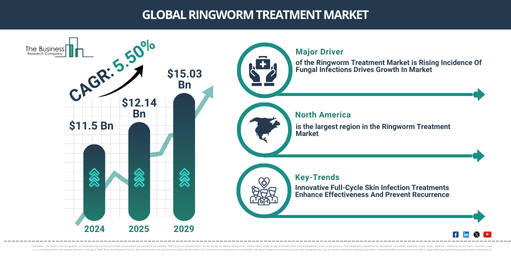
    The ringworm treatment market size has experienced significant growth in recent years. It is projected to expand from $11.5 billion in 2024 to $12.14 billion in 2025, at a compound annual growth rate (CAGR) of 5.6%. This historical expansion can be attributed to the increasing occurrence of fungal infections, greater awareness concerning hygiene and personal care, the expanding availability of over-the-counter antifungal medications, a rise in the adoption of topical antifungal treatments, and the growing incidence of immunocompromised conditions.

    The ringworm treatment market is anticipated to experience substantial growth over the next few years, reaching an estimated $15.03 billion by 2029, exhibiting a compound annual growth rate (CAGR) of 5.5%. This projected expansion can be attributed to several factors, including an increasing need for combination therapies, the growing incidence of diabetes and other conditions that compromise the immune system, the wider adoption of telemedicine for dermatological care, intensified research into innovative antifungal compounds, and a rising consumer preference for natural and herbal antifungal products. Significant trends expected during this forecast period encompass the evolution of nanotechnology-based antifungal treatments, the expanding application of artificial intelligence in diagnosing fungal infections, an increasing demand for prescription antifungal remedies, the proliferation of direct-to-consumer antifungal brands, and the greater integration of antifungal solutions into skincare product lines.

    Unlock Your Free Sample Report for Exclusive Market Data:

    https://www.thebusinessresearchcompany.com/sample.aspx?id=21279&type=smp

    What Are The Top Growth Drivers Impacting The Ringworm Treatment Market Outlook?

    The escalating prevalence of fungal infections is projected to fuel the expansion of the ringworm treatment market moving forward. Fungal infections are medical conditions stemming from the excessive growth or infiltration of fungi within the body, leading to symptoms that can impact diverse organs and tissues. The increased incidence of fungal infections can be attributed to elements such as the expanded application of immunosuppressive treatments, global warming, and an increasing number of individuals with compromised immune systems. Ringworm treatment addresses fungal infections by delivering effective antifungal therapies designed to prevent their dissemination, reduce associated complications, and manage infection rates, particularly within vulnerable populations. For instance, in November 2024, the UK Health Security Agency (UKHSA), a UK-based government agency, reported that England observed a 4% rise in bloodstream infections caused by yeast in 2022 compared to the previous year, highlighting an ascending trend in fungal-related health issues. Furthermore, in September 2024, the International Society For Infectious Diseases, a US-based non-profit organization, indicated through global estimates that invasive fungal infections occur at an annual rate of 6.5 million cases, resulting in approximately 3.8 million deaths, with 2.5 million directly linked to these infections. Annually, over 2.1 million people develop invasive aspergillosis. Therefore, the rising occurrence of fungal infections is driving the growth of the ringworm treatment market.

    What Are The Key Segments In The Ringworm Treatment Market?

    The ringworm treatmentmarket covered in this report is segmented –

    1) By Drug Classes: Antifungals; Combination Drugs

    2) By Treatment Types: Tinea Corpois; Tinea Pedis; Tinea Cruris; Tinea Capitis; Tinea Manuum; Other Treatment Types

    3) By Route Of Administrations: Topical; Oral; Parenteral

    4) By Distribution Channels: Hospital Pharmacies; Retail Pharmacies; Online Pharmacies

    Subsegments:

    1) By Antifungals: Topical Antifungals; Oral Antifungals; Antifungal Shampoos

    2) By Combination Drugs: Antifungal Plus Steroid Combinations; Antifungal Plus Antiseptic Combinations

    Which Competitive Trends Are Defining The Ringworm Treatment Market Structure?

    Major companies operating in the ringworm treatment market are concentrating on developing innovations, such as comprehensive full-cycle skin infection control formulations, to provide more potent and prolonged treatments for ringworm and other fungal skin infections. A full-cycle skin infection control formulation is a treatment specifically designed to address all phases of a skin infection, from eliminating the causative pathogen to preventing its return, calming inflammation, and encouraging overall skin healing. For example, in May 2022, Bayer AG, a Germany-based pharmaceutical firm, introduced the new and improved line of Canesten, a well-known antifungal brand. Canesten features several unique characteristics that boost its effectiveness and appeal to consumers. The updated Canesten product range incorporates a new, advanced formulation intended to offer faster relief from fungal infections while being gentle on the skin. The relaunch emphasizes delivering a full-cycle treatment, combining antifungal, anti-inflammatory, and skin-soothing qualities in one product, thus ensuring not only effective infection control but also long-term prevention of recurrence.

    Who Are The Top Performing Companies In The Ringworm Treatment Market In Recent Years?

    Major companies operating in the ringworm treatment market are Pfizer Inc., Merck & Co. Inc., Bayer Healthcare, Sanofi-Aventis, Abbott Laboratories, Novartis AG, GlaxoSmithKline Plc (GSK), Teva Pharmaceutical Industries Ltd., Sun Pharmaceutical Industries Ltd., Perrigo Company plc, Aurobindo Pharma Ltd., Dr Reddy’s Laboratories Ltd., Cipla Ltd., Intas Pharmaceuticals Ltd., Zydus Group, Glenmark Pharmaceuticals Inc., Biocon Limited, Torrent Pharmaceuticals Ltd., Taro Pharmaceutical Industries Ltd., Enzon Pharmaceuticals

    Download The Full Report For Exclusive Market Findings:

    https://www.thebusinessresearchcompany.com/report/ringworm-treatment-global-market-report

    How Do Regional Market Performances Compare Within The Ringworm Treatment Industry?

    North America was the largest region in the ringworm treatment market in 2024. Asia-Pacific is expected to be the fastest-growing region in the forecast period. The regions covered in the ringworm treatment market report are Asia-Pacific, Western Europe, Eastern Europe, North America, South America, Middle East, Africa.

    Request A Customized Version Of The Ringworm Treatment Market Report:

    https://www.thebusinessresearchcompany.com/customise?id=21279&type=smp

    Browse Through More Reports Similar to the Global Ringworm Treatment Market 2025, By The Business Research Company

    Antifungals Global Market Report 2025

    https://www.thebusinessresearchcompany.com/report/antifungals-global-market-report

    Smart Pills Global Market Report 2025

    https://www.thebusinessresearchcompany.com/report/smart-pills-global-market-report

    Oral Contraceptive Pills Global Market Report 2025

    https://www.thebusinessresearchcompany.com/report/oral-contraceptive-pills-global-market-report

    Get in touch with us:

    The Business Research Company: https://www.thebusinessresearchcompany.com/

    Americas +1 310-496-7795

    Asia +44 7882 955267 & +91 8897263534

    Europe +44 7882 955267

    Email us at info@tbrc.info

    Follow us on:

    LinkedIn: https://in.linkedin.com/company/the-business-research-company

    YouTube: https://www.youtube.com/channel/UC24_fI0rV8cR5DxlCpgmyFQ

    Global Market Model: https://www.thebusinessresearchcompany.com/global-market-model
  • Richter Syndrome Industry Forecast to Hit $0.6 Billion by 2029 With a Strong 6.1% CAGR

    Richter Syndrome Industry Forecast to Hit $0.6 Billion by 2029 With a Strong 6.1% CAGR

    Unlock Global Insights – Save 20% on Market Reports with Code ONLINE20

    What Is The Future Market Size Estimation For The Richter Syndrome Market Covering 2025–2034?

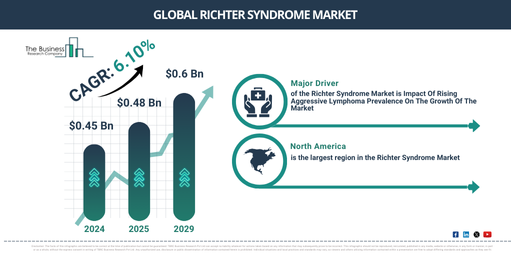
    The richter syndrome market size has experienced substantial growth in recent years. It is projected to increase from $0.45 billion in 2024 to $0.48 billion in 2025, demonstrating a compound annual growth rate (CAGR) of 6.1%. The expansion observed in the past can be attributed to factors such as the rising prevalence of chronic lymphocytic leukemia, the increasing utilization of chemotherapy regimens, the growing adoption of immunotherapy, enhanced patient awareness, and increasing healthcare expenditures.

    The richter syndrome market is anticipated to experience substantial expansion over the upcoming years. By 2029, its value is projected to reach $0.6 billion, demonstrating a compound annual growth rate (CAGR) of 6.1%. This forecasted increase is driven by factors such as the development of CAR T-cell therapy, an escalating need for personalized medicine, enhanced government investment in rare disease studies, the broader application of precision oncology, and the increasing uptake of next-generation sequencing technologies. Key developments expected during this period involve a move towards integrated combination therapies, a heightened emphasis on assessing minimal residual disease, the expanding integration of artificial intelligence in formulating treatment strategies, an increase in clinical trials guided by biomarkers, and the growing significance of real-world evidence in the process of drug approval.

    Unlock Your Free Sample Report for Exclusive Market Data:

    https://www.thebusinessresearchcompany.com/sample.aspx?id=21278&type=smp

    Which Major Market Drivers Are Shaping The Future Of The Richter Syndrome Market?

    The increasing occurrence of aggressive lymphoma is anticipated to drive the expansion of the Richter syndrome market in the future. Lymphoma is a form of cancer that begins in the lymphatic system, a component of the body’s immune defense, impacting lymph nodes and other related tissues. The escalating incidence of aggressive lymphoma stems from elements like enhanced diagnostic methods, a growing elderly population, and heightened public awareness, resulting in a greater detection of cases. Treatment for Richter syndrome assists individuals with aggressive lymphoma through a combination of intensive chemotherapy, specific targeted therapies like BTK and BCL-2 inhibitors, monoclonal antibodies, and advanced interventions such as CAR T-cell therapy and stem cell transplantation. These approaches aim to control disease progression, enhance treatment responses, and prolong survival, alongside integrating novel therapies and clinical studies for resistant cases. For example, data from the American Cancer Society, a non-profit organization based in the US, indicates that the projected number of new non-Hodgkin lymphoma diagnoses grew from 80,550 in 2023 to 80,620 in 2024, signifying a slight increase in identified cases. Consequently, the growing occurrence of aggressive lymphoma is fueling the expansion of the Richter syndrome market.

    What Are The Leading Segments Analyzed In The Richter Syndrome Market?

    The richter syndromemarket covered in this report is segmented –

    1) By Disease Type: Chronic Lymphocytic Leukemia (CLL)-Associated Richter Syndrome; Non-CLL-Associated Richter Syndrome

    2) By Treatment Type: Chemotherapy; Targeted Therapy; Immunotherapy; Immune Checkpoint Inhibitors; Stem Cell Transplantation; Supportive Care And Palliative Treatments

    3) By Route Of Administration: Oral; Intravenous

    4) By Distribution Channel: Hospital Pharmacies; Retail Pharmacies; Online Pharmacies

    5) By End-User: Hospitals; Specialty Clinics; Cancer Treatment Centers; Research And Academic Institutes

    Subsegments:

    1) By Chronic Lymphocytic Leukemia (CLL)-Associated Richter Syndrome: Transformation To Diffuse Large B-cell Lymphoma; Transformation To Hodgkin Lymphoma

    2) By Non-CLL-Associated Richter Syndrome: De Novo Diffuse Large B-cell Lymphoma; De Novo Hodgkin Lymphoma

    Which Leading Companies Dominate The Richter Syndrome Market Share?

    Major companies operating in the richter syndrome market are Pfizer Inc., Janssen Pharmaceuticals Inc., F. Hoffmann-La Roche Ltd., AbbVie Inc., Bristol Myers Squibb Company, AstraZeneca PLC, Novartis AG, GlaxoSmithKline plc, Takeda Pharmaceutical Company Limited, Eli Lilly and Company, Gilead Sciences Inc., Baxter International Inc., Chugai Pharmaceutical Co. Ltd., Genentech Inc., Incyte Corporation, Kyowa Kirin Co. Ltd., Celltrion Healthcare Co. Ltd., BeiGene Ltd., Accredo Health Group Inc., Nippon Shinyaku Co. Ltd., MorphoSys AG, TG Therapeutics Inc.

    Download The Full Report For Exclusive Market Findings:

    https://www.thebusinessresearchcompany.com/report/richter-syndrome-global-market-report

    Which Region Currently Holds The Largest Share Of The Richter Syndrome Market?

    North America was the largest region in the richter syndrome market in 2024. Asia-Pacific is expected to be the fastest-growing region in the forecast period. The regions covered in the richter syndrome market report are Asia-Pacific, Western Europe, Eastern Europe, North America, South America, Middle East, Africa.

    Request A Customized Version Of The Richter Syndrome Market Report:

    https://www.thebusinessresearchcompany.com/customise?id=21278&type=smp

    Browse Through More Reports Similar to the Global Richter Syndrome Market 2025, By The Business Research Company

    Hepatorenal Syndrome Treatment Global Market Report 2025

    https://www.thebusinessresearchcompany.com/report/hepatorenal-syndrome-treatment-global-market-report

    Myelodysplastic Syndrome Drugs Global Market Report 2025

    https://www.thebusinessresearchcompany.com/report/myelodysplastic-syndrome-drugs-global-market-report

    Dry Eye Syndrome Global Market Report 2025

    https://www.thebusinessresearchcompany.com/report/dry-eye-syndrome-global-market-report

    Get in touch with us:

    The Business Research Company: https://www.thebusinessresearchcompany.com/

    Americas +1 310-496-7795

    Asia +44 7882 955267 & +91 8897263534

    Europe +44 7882 955267

    Email us at info@tbrc.info

    Follow us on:

    LinkedIn: https://in.linkedin.com/company/the-business-research-company

    YouTube: https://www.youtube.com/channel/UC24_fI0rV8cR5DxlCpgmyFQ

    Global Market Model: https://www.thebusinessresearchcompany.com/global-market-model
  • Rhabdomyosarcoma Market to Reach $2.58 Billion by 2029, Growing at a CAGR of 15.9%

    Rhabdomyosarcoma Market to Reach $2.58 Billion by 2029, Growing at a CAGR of 15.9%

    Unlock Global Insights – Save 20% on Market Reports with Code ONLINE20

    What Is The Expected Total Market Size Of The Rhabdomyosarcoma Industry By The Forecast Year 2029?

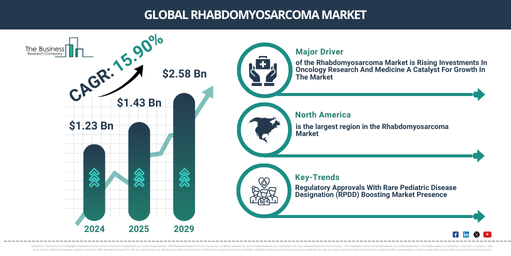
    The rhabdomyosarcoma market size has experienced significant expansion in recent years. It is anticipated to increase from $1.23 billion in 2024 to $1.43 billion in 2025, at a compound annual growth rate (CAGR) of 16.2%. Historically, this growth can be linked to increased funding for cancer research, the availability of targeted therapies, advancements in surgical techniques and approaches, the expansion of pediatric oncology programs, and improved healthcare policies.

    The rhabdomyosarcoma market is projected for significant expansion over the coming years. This market is anticipated to reach $2.58 billion by 2029, exhibiting a compound annual growth rate (CAGR) of 15.9%. This expansion during the forecast period is propelled by factors such as a deeper comprehension of cancer biology, advancements in prognostic tools, an increased emphasis on early detection and prevention, the proliferation of global oncology networks, and the adoption of multi-disciplinary treatment strategies. Key trends influencing this period encompass developments in immunotherapy, the use of liquid biopsy for early diagnosis, organoids utilized for drug screening, improved radiotherapy techniques, and the emergence of regenerative medicine.

    Unlock Your Free Sample Report for Exclusive Market Data:

    https://www.thebusinessresearchcompany.com/sample.aspx?id=21276&type=smp

    What Are The Main Drivers Boosting The Rhabdomyosarcoma Industry’s Expansion?

    The projected expansion of the rhabdomyosarcoma market is anticipated to be fueled by growing financial commitments to oncology research and medicine. These investments represent funds directed by governmental bodies, drug manufacturers, research organizations, and individual investors towards improving the comprehension, avoidance, identification, and care for cancer. The surge in oncology research and medicine funding stems from several factors, including the escalating worldwide incidence of cancer, progress in precision medicine, a rising need for novel therapeutic approaches, an increase in clinical trials, support from both public and private funding programs, and the creation of specific and immune-based treatments. For rhabdomyosarcoma specifically, these investments facilitate progress in prompt detection, improve therapeutic alternatives like targeted therapies and immunotherapy, finance clinical studies for more potent medications, enhance the infrastructure for pediatric cancer treatment, and encourage groundbreaking research to gain deeper insights into the disease’s biological mechanisms and development. A notable example is data from May 2024, where IQVIA, an advanced analytics provider based in India, reported that worldwide expenditures on cancer drugs reached $223 billion in 2023, representing a $25 billion increase compared to 2022, with projections indicating a further rise to $409 billion by 2028. Consequently, the expanding financial commitments to oncology research and medicine are a key catalyst for the rhabdomyosarcoma market.

    What Are The Segment Types Shaping The Rhabdomyosarcoma Market?

    The rhabdomyosarcomamarket covered in this report is segmented –

    1) By Type: Embryonal Rhabdomyosarcoma; Alveolar Rhabdomyosarcoma; Other Types

    2) By Treatment: Surgery; Radiation Therapy; Chemotherapy; Stem Cell Therapy

    3) By Diagnosis: Imaging Tests; X-Ray; Computed Tomography Scan; Magnetic Resonance Imaging Scan; Positron Emission Tomography Scan; Bone Scan; Biopsy; Needle Biopsy; Surgical Biopsy

    Subsegments:

    1) By Embryonal Rhabdomyosarcoma: Botryoid Rhabdomyosarcoma; Spindle Cell Rhabdomyosarcoma

    2) Alveolar Rhabdomyosarcoma (ARMS): Fusion-Positive ARMS; Fusion-Negative ARMS

    3) Other Types of Rhabdomyosarcoma: Pleomorphic Rhabdomyosarcoma; Mixed-Type Rhabdomyosarcoma; Sclerosing Rhabdomyosarcoma

    What Trends Are Redefining The Rhabdomyosarcoma Market Dynamics?

    Major companies operating in the rhabdomyosarcoma market are actively pursuing Rare Pediatric Disease Designation (RPDD) for their drugs, aiming to broaden their reach and establish a stronger foothold in the treatment landscape for rhabdomyosarcoma. Rare Pediatric Disease Designation (RPDD) represents a specific status bestowed by regulatory bodies, intended to stimulate the creation of therapies for severe or life-threatening rare diseases predominantly affecting children. For example, in January 2022, Immix Biopharma, Inc., a US-based biotech company, secured Rare Pediatric Disease Designation (RPDD) for IMX-110, its treatment for rhabdomyosarcoma in children, from the Food and Drug Administration, a US-based government agency. IMX-110 holds the distinction of being the first clinical-stage product within the SMARxT Tissue-Specific Platform. It encapsulates a poly-kinase inhibitor and an apoptosis inducer, which is delivered deeply into the tumor microenvironment. This drug is engineered to accumulate at its intended therapeutic sites at a rate 3 to 5 times higher than that of conventional therapeutics. IMX-110 targets the malignant cells directly, as well as cancer-associated fibroblasts and tumor-associated macrophages or immune cells. This action disrupts the essential metabolic and structural connections supporting the tumor, ultimately inducing tumor cell death through apoptosis.

    Who Are The Major Companies Operating In The Rhabdomyosarcoma Market?

    Major companies operating in the rhabdomyosarcoma market are Pfizer Inc., Merck & Co Inc., Bristol-Myers Squibb Company, Thermo Fisher Scientific Inc., AstraZeneca PLC, Novartis AG, Eli Lilly and Company, Gilead Sciences Inc., GE HealthCare Technologies Inc., Eisai Co Ltd., Ipsen S.A., Elekta AB, Acrivon Therapeutics Inc., Larvol Inc., Oasmia Pharmaceutical AB, Immix Biopharma Inc., Cellectar Biosciences Inc., Lantern Pharma Inc., ApconiX Ltd., Oncoheroes Biosciences Inc.

    Download The Full Report For Exclusive Market Findings:

    https://www.thebusinessresearchcompany.com/report/rhabdomyosarcoma-global-market-report

    What Regional Growth Trends Are Shaping The Rhabdomyosarcoma Market Outlook?

    North America was the largest region in the rhabdomyosarcoma market in 2024. Asia-Pacific is expected to be the fastest-growing region in the forecast period. The regions covered in the rhabdomyosarcoma market report are Asia-Pacific, Western Europe, Eastern Europe, North America, South America, Middle East, Africa.

    Request A Customized Version Of The Rhabdomyosarcoma Market Report:

    https://www.thebusinessresearchcompany.com/customise?id=21276&type=smp

    Browse Through More Reports Similar to the Global Rhabdomyosarcoma Market 2025, By The Business Research Company

    Sarcoma Drugs Global Market Report 2025

    https://www.thebusinessresearchcompany.com/report/sarcoma-drugs-global-market-report

    Soft Tissue Sarcoma Global Market Report 2025

    https://www.thebusinessresearchcompany.com/report/soft-tissue-sarcoma-global-market-report

    Muscle Relaxant Drugs Global Market Report 2025

    https://www.thebusinessresearchcompany.com/report/muscle-relaxant-drugs-global-market-report

    Get in touch with us:

    The Business Research Company: https://www.thebusinessresearchcompany.com/

    Americas +1 310-496-7795

    Asia +44 7882 955267 & +91 8897263534

    Europe +44 7882 955267

    Email us at info@tbrc.info

    Follow us on:

    LinkedIn: https://in.linkedin.com/company/the-business-research-company

    YouTube: https://www.youtube.com/channel/UC24_fI0rV8cR5DxlCpgmyFQ

    Global Market Model: https://www.thebusinessresearchcompany.com/global-market-model

  • Global Retail Clinics And In Store Healthcare Market Size Projected to Reach $76.79 Billion During the Forecast Period

    Global Retail Clinics And In Store Healthcare Market Size Projected to Reach $76.79 Billion During the Forecast Period

    Unlock Global Insights – Save 20% on Market Reports with Code ONLINE20

    How Does The Market Size Of The Retail Clinics And In Store Healthcare Industry Compare Between 2025 And 2029?

    The market size for retail clinics and in-store healthcare has expanded rapidly in recent years. It is anticipated to increase from $32.3 billion in 2024 to $38.48 billion in 2025, demonstrating a compound annual growth rate (CAGR) of 19.1%. This historical growth can be ascribed to factors like escalating healthcare costs, greater consumer demand for accessible and affordable healthcare services, an increased need for convenient and accessible healthcare services, rising healthcare expenditure, and the growing incidence of chronic diseases.

    The retail clinics and in-store healthcare market is anticipated to experience substantial expansion in the coming years. This market is projected to reach a valuation of $76.79 billion by 2029, growing at a compound annual growth rate (CAGR) of 18.9%. The expected growth during this forecast period is attributed to factors such as the rising incidence of chronic diseases, a greater demand for easily accessible healthcare services, improvements in healthcare infrastructure, the increasing adoption of telehealth integration, and the expanded delivery of vaccines within retail care clinics. Noteworthy trends for this period encompass a move towards value-based care, continuous technological progress, broader engagement in chronic disease management, the incorporation of telemedicine, and developing opportunities for the e-pharmacy model.

    Unlock Your Free Sample Report for Exclusive Market Data:

    https://www.thebusinessresearchcompany.com/sample.aspx?id=21275&type=smp

    Which Factors And Drivers Are Influencing The Retail Clinics And In Store Healthcare Market In 2025?

    The rising prevalence of communicable diseases is projected to fuel the expansion of the retail clinics and in-store healthcare market moving forward. These illnesses are caused by infectious agents such as bacteria, viruses, fungi, or parasites, which can transmit from person to person through various methods. The increase in communicable diseases is attributed to factors like poor sanitation, lack of vaccination, and overcrowded living conditions. Retail clinics and in-store healthcare services effectively address communicable diseases by offering convenient access to preventive care, vaccinations, and early diagnosis, thereby reducing the spread of infections and promoting better public health outcomes. For instance, in March 2024, information from the Centers for Disease Control and Prevention, a US-based government agency, indicated that the tuberculosis (TB) rate rose by 15%, climbing from 2.5 cases per 100,000 persons in 2022 to 2.9 in 2023. Therefore, the escalating prevalence of communicable diseases is a significant driver for the growth of the retail clinics and in-store healthcare market.

    What Are The Different Segment Classifications Within The Retail Clinics And In Store Healthcare Market?

    The retail clinics and in store healthcaremarket covered in this report is segmented –

    1) By Service Type: Acute Care; Preventive Care; Wellness And Screening; Chronic Disease Management

    2) By Ownership: Retail-Owned; Hospital-Owned; Independent

    3) By Payment Mode: Insurance; Out-Of-Pocket

    4) By Application: Big Box Retailer; Drugstore Chain; Grocery Chain; Standalone Drug Store

    Subsegments:

    1) By Acute Care: Treatment For Minor Injuries; Treatment For Common Illnesses; Infections And Skin Conditions

    2) By Preventive Care: Vaccinations And Immunizations; Health Risk Assessments; Counseling And Education On Lifestyle Changes

    3) By Wellness And Screening: Blood Pressure Monitoring; Cholesterol And Blood Glucose Screening; Weight Management And Body Composition Analysis

    4) By Chronic Disease Management: Diabetes Management; Hypertension Monitoring; Asthma And COPD Management

    How Are Emerging Market Trends Shaping The Retail Clinics And In Store Healthcare Industry Landscape?

    Major companies within the retail clinics and in-store healthcare market are concentrating on developing advanced solutions, such as innovative comprehensive healthcare services delivered in-store, to improve customer convenience. These in-store comprehensive healthcare services provide a variety of medical provisions directly within a retail setting, featuring enhanced pharmacy and health services, enabling customers to manage their well-being from a single location. For example, in November 2024, Tesco plc, a UK-based retail company, unveiled its inaugural health zone, a novel store concept currently being piloted at the renovated Cheshunt Extra store. This zone integrates food, health, and wellness product lines with upgraded pharmacy and healthcare services, offering patrons advice, treatment, and virtual GP appointments for various health issues. Its goal is to simplify well-being management and offer the convenience of shopping while accessing health services.

    Which Global Market Leaders Are Shaping The Future Of The Retail Clinics And In Store Healthcare Sector?

    Major companies operating in the retail clinics and in store healthcare market are Walmart Inc., CVS Health Corporation, The Kroger Co., Walgreens Boots Alliance Inc., Albertsons Companies Inc., Albertsons Companie, Inc., Tesco PLC, Publix Super Markets Inc., Loblaw Companies Limited, H-E-B, LP, Asda Stores Limited, Rite Aid Corporation, Meije, Inc., Giant Eagle Inc., Lloyds Pharmacy Limited, Superdrug Stores PLC, Waitrose & Partners, Bashas’ Inc., Safeway Inc., RediClinic LLC

    Download The Full Report For Exclusive Market Findings:

    https://www.thebusinessresearchcompany.com/report/retail-clinics-and-in-store-healthcare-global-market-report

    Which Regional Markets Are Contributing Most To The Retail Clinics And In Store Healthcare Industry Expansion?

    North America was the largest region in the retail clinics and the in-store healthcare market in 2024. Asia-Pacific is expected to be the fastest-growing region in the forecast period. The regions covered in the retail clinics and in store healthcare market report are Asia-Pacific, Western Europe, Eastern Europe, North America, South America, Middle East, Africa.

    Request A Customized Version Of The Retail Clinics And In Store Healthcare Market Report:

    https://www.thebusinessresearchcompany.com/customise?id=21275&type=smp

    Browse Through More Reports Similar to the Global Retail Clinics And In Store Healthcare Market 2025, By The Business Research Company

    Virtual Clinical Trials Global Market Report 2025

    https://www.thebusinessresearchcompany.com/report/virtual-clinical-trials-global-market-report

    Eclinical Solutions Global Market Report 2025

    https://www.thebusinessresearchcompany.com/report/eclinical-solutions-global-market-report

    Electronic Clinical Outcome Assessment Solutions Global Market Report 2025

    https://www.thebusinessresearchcompany.com/report/electronic-clinical-outcome-assessment-solutions-global-market-report

    Get in touch with us:

    The Business Research Company: https://www.thebusinessresearchcompany.com/

    Americas +1 310-496-7795

    Asia +44 7882 955267 & +91 8897263534

    Europe +44 7882 955267

    Email us at info@tbrc.info

    Follow us on:

    LinkedIn: https://in.linkedin.com/company/the-business-research-company

    YouTube: https://www.youtube.com/channel/UC24_fI0rV8cR5DxlCpgmyFQ

    Global Market Model: https://www.thebusinessresearchcompany.com/global-market-model
  • Restless Leg Syndrome Industry Anticipated to Expand at 13.2% CAGR During the Forecast Period

    Restless Leg Syndrome Industry Anticipated to Expand at 13.2% CAGR During the Forecast Period

    Unlock Global Insights – Save 20% on Market Reports with Code ONLINE20

    What Is The Predicted Market Size Trajectory For The Restless Leg Syndrome Market From 2025 To 2034?

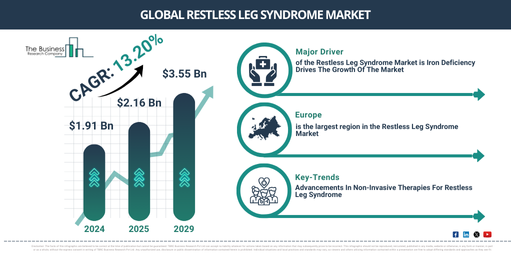
    The market size for restless leg syndrome has seen rapid expansion in recent years. It is projected to increase from $1.91 billion in 2024 to $2.16 billion in 2025, with a compound annual growth rate (CAGR) of 13.5%. This historical growth can be attributed to several factors, including escalating rates of alcohol consumption, greater health insurance coverage, the accessibility of over-the-counter medications, a rise in public health initiatives, and an increase in mental health issues.

    The restless leg syndrome market is projected to experience substantial expansion in the coming years, reaching a valuation of $3.55 billion by 2029, driven by a compound annual growth rate (CAGR) of 13.2%. This anticipated growth over the forecast period is due to factors such as greater investment in healthcare, more extensive awareness and educational initiatives, earlier detection of the condition, increased government financial support, and more robust participation in clinical trials. Key developments expected during this timeframe involve AI-driven individualized treatment strategies, advanced neurostimulation equipment, diagnostic applications utilizing deep learning algorithms, innovative brainwave modulation techniques, and wearable exoskeletons to assist leg movements.

    Unlock Your Free Sample Report for Exclusive Market Data:

    https://www.thebusinessresearchcompany.com/sample.aspx?id=21274&type=smp

    What Are The Key Drivers Of Growth In The Restless Leg Syndrome Market?

    The restless leg syndrome market is anticipated to expand due to the rising occurrence of iron deficiency. This condition, known as iron deficiency, arises when the body’s iron supply is insufficient for adequate healthy red blood cell production, manifesting in symptoms like tiredness, feebleness, and pale complexion. The growing incidence of iron deficiency stems from various factors including inadequate diet, blood loss, issues with nutrient absorption, and heightened iron demands during periods such as pregnancy or development. Treatments for restless leg syndrome frequently incorporate iron supplements or dietary changes. These interventions not only relieve the bothersome urges and sensations but also address the root cause of iron deficiency by replenishing the body’s iron reserves, enhancing red blood cell creation, and re-establishing normal neurological activity. As an illustration, the Nation Health Service England, an England-based government agency, reported in January 2025 that the 2023-24 period saw 191,927 admissions related to iron deficiency, which indicates an 11% rise from the 2022-23 figures. Consequently, the escalating occurrence of iron deficiency acts as a significant catalyst for the expansion of the restless leg syndrome market.

    What Are The Primary Types Of Segments Analyzed In The Restless Leg Syndrome Market?

    The restless leg syndromemarket covered in this report is segmented –

    1) By Type: Primary Restless Legs Syndrome; Secondary Restless Legs Syndrome

    2) By Treatment Type: Medicine And Devices; Surgery

    3) By Route Of Administration: Oral; Injectable

    4) By Distribution Channel: Hospital Pharmacy; Retail Pharmacy; Online Pharmacy

    5) By Application: Neurological Treatment; Sleep Disorders; Movement Disorders; Symptom Management

    Subsegments:

    1) By Primary Restless Legs Syndrome: Idiopathic Restless Legs Syndrome; Hereditary Restless Legs Syndrome

    2) By Secondary Restless Legs Syndrome: Iron Deficiency-related Restless Legs Syndrome; Chronic Kidney Disease-related Restless Legs Syndrome; Pregnancy-related Restless Legs Syndrome; Medication-induced Restless Legs Syndrome

    Which Key Trends Are Expected To Influence The Restless Leg Syndrome Market In The Coming Years?

    Leading companies within the restless leg syndrome (RLS) market are concentrating on developing innovative solutions, such as novel non-invasive therapies, to enhance symptom management and improve patient outcomes. These novel non-invasive therapies refer to advanced medical treatments that do not necessitate surgery or skin penetration, aiming to provide relief from various conditions through sophisticated techniques like electrical stimulation, light therapy, or external devices. For instance, in April 2023, Varco Leg Care, an India-based consumer health-technology company, received FDA De Novo approval for its NTX100 Tonic Motor Activation (TOMAC) System. The NTX100 Tonic Motor Activation (TOMAC) System is engineered to treat moderate to severe symptoms of restless legs syndrome (RLS) and improve sleep quality in patients who do not respond to medications. This device functions by electrically activating the peroneal nerves on both sides of the body to produce tonic, sustained muscle activation, which is compatible with sleep. This activation aids in suppressing the symptoms of restless leg syndrome (RLS).

    Which Industry Leaders Are Driving Innovation Across The Restless Leg Syndrome Market?

    Major companies operating in the restless leg syndrome market are Pfizer Inc., Roche Holding AG, Merck & Co Inc., Novartis International AG, GlaxoSmithKline plc, Teva Pharmaceutical Industries Ltd., Boehringer Ingelheim International GmbH, Baxter International Inc., Astellas Pharma Inc., UCB S.A., Kyowa Kirin Co Ltd., Amneal Pharmaceuticals Inc., Lupin Pharmaceuticals Inc., Alembic Pharmaceuticals Limited, Mundipharma International Limited, Azurity Pharmaceuticals LLC, Otsuka Pharmaceutical Co Ltd., Horizon Therapeutics plc, Mylan N.V., Apollo Pharmacy Limited

    Download The Full Report For Exclusive Market Findings:

    https://www.thebusinessresearchcompany.com/report/restless-leg-syndrome-global-market-report

    How Does The Restless Leg Syndrome Market Perform Across Key Geographic Regions?

    Europe was the largest region in the restless leg syndrome market in 2024. North-America is expected to be the fastest-growing region in the forecast period. The regions covered in the restless leg syndrome market report are Asia-Pacific, Western Europe, Eastern Europe, North America, South America, Middle East, Africa.

    Request A Customized Version Of The Restless Leg Syndrome Market Report:

    https://www.thebusinessresearchcompany.com/customise?id=21274&type=smp

    Browse Through More Reports Similar to the Global Restless Leg Syndrome Market 2025, By The Business Research Company

    Polycystic Ovarian Syndrome Treatment Global Market Report 2025

    https://www.thebusinessresearchcompany.com/report/polycystic-ovarian-syndrome-treatment-global-market-report

    Wolff Parkinson White Syndrome Global Market Report 2025

    https://www.thebusinessresearchcompany.com/report/wolff-parkinson-white-syndrome-global-market-report

    Gardner Syndrome Treatment Global Market Report 2025

    https://www.thebusinessresearchcompany.com/report/gardner-syndrome-treatment-global-market-report

    Get in touch with us:

    The Business Research Company: https://www.thebusinessresearchcompany.com/

    Americas +1 310-496-7795

    Asia +44 7882 955267 & +91 8897263534

    Europe +44 7882 955267

    Email us at info@tbrc.info

    Follow us on:

    LinkedIn: https://in.linkedin.com/company/the-business-research-company

    YouTube: https://www.youtube.com/channel/UC24_fI0rV8cR5DxlCpgmyFQ

    Global Market Model: https://www.thebusinessresearchcompany.com/global-market-model
  • Global Respiratory Syncytial Virus (RSV) Diagnostics Market Projected to Expand at 10.5% CAGR by 2029

    Global Respiratory Syncytial Virus (RSV) Diagnostics Market Projected to Expand at 10.5% CAGR by 2029

    Unlock Global Insights – Save 20% on Market Reports with Code ONLINE20

    How Much Larger Is The Respiratory Syncytial Virus (RSV) Diagnostics Market Expected To Become By 2029 Compared With Its 2025 Level?

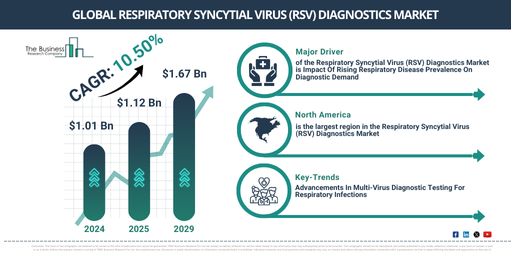
    The respiratory syncytial virus (rsv) diagnostics market has experienced significant expansion recently. Its valuation is projected to increase from $1.01 billion in 2024 to $1.12 billion in 2025, demonstrating a compound annual growth rate (CAGR) of 10.7%. This historical expansion is largely due to increased uptake of point-of-care diagnostics, governmental efforts to enhance RSV diagnostics, an uptick in respiratory illnesses affecting children, an increase in hospital-acquired infections, and a greater preference for non-invasive diagnostic approaches.

    The respiratory syncytial virus (rsv) diagnostics market is projected to experience substantial expansion over the coming years. This market is forecast to reach $1.67 billion by 2029, demonstrating a compound annual growth rate (CAGR) of 10.5%. The anticipated growth during this period is largely driven by factors such as the rising incidence of respiratory syncytial virus (RSV) infections, enhanced understanding and recognition of RSV diagnostic needs, the development of healthcare facilities, an increase in global healthcare expenditures, and the expanding demographic of older individuals. Key developments expected in the forecast period encompass progress in molecular diagnostic techniques, innovations in diagnostic equipment, the wider acceptance of rapid diagnostic tests (RDTs), companies broadening their range of diagnostic offerings, and breakthroughs in genetic and proteomic diagnostics.

    Unlock Your Free Sample Report for Exclusive Market Data:

    https://www.thebusinessresearchcompany.com/sample.aspx?id=21273&type=smp

    Which Drivers Are Supporting Growth Of The Respiratory Syncytial Virus (RSV) Diagnostics Market?

    The increasing occurrence of respiratory illnesses is projected to propel the expansion of the respiratory syncytial virus (RSV) diagnostics market in the future. These diseases encompass various conditions impacting the airways and lungs, hindering respiration and oxygen transfer, such as asthma, chronic obstructive pulmonary disease (COPD), pneumonia, and other respiratory infections. Several elements contribute to the increasing prevalence of respiratory diseases, including heightened air pollution, tobacco use, global warming, urban expansion, and the rising incidence of infections and chronic ailments such as asthma and COPD. Accurate and prompt detection of RSV infections through respiratory syncytial virus (RSV) diagnostics is crucial for managing respiratory conditions, facilitating suitable treatment, overall management, and preventing serious complications, particularly among susceptible groups. For instance, data from November 2024 released by the Australian Institute of Health and Welfare, an Australia-based government agency, indicated that approximately 2.8 million people (11% of the population) in Australia lived with asthma in 2022. In 2023, asthma constituted 2.5% of the overall disease burden and 35% of the burden attributed to all respiratory conditions. It was the primary cause of 467 deaths in 2022, corresponding to 1.8 deaths per 100,000 people and making up 0.2% of all fatalities. Consequently, the increasing occurrence of respiratory illnesses is stimulating the growth of the respiratory syncytial virus (RSV) diagnostics market.

    Which Key Segments Fueling The Respiratory Syncytial Virus (RSV) Diagnostics Market?

    The respiratory syncytial virus (rsv) diagnosticsmarket covered in this report is segmented –

    1) By Product Type: Kits And Assays; Instruments; Reagents; Other Product Types

    2) By Technology: Molecular Diagnostics; Immunoassays; Rapid Antigen Detection Tests; Other Technologies

    3) By Sample Type: Nasal Swabs; Throat Swabs; Bronchoalveolar Lavage

    4) By End User: Hospitals; Diagnostic Laboratories; Home Care Settings; Other End Users

    Subsegments:

    1) By Kits And Assays: Rapid Antigen Detection Kits; PCR-based Assays; Serological Assays

    2) By Instruments: PCR Analyzers; Immunoassay Analyzers

    3) By Reagents: PCR Reagents; Antibody Reagents; Enzyme Reagents

    4) By Other Product Types: Sample Collection Devices; Transport Media

    What Are The Major Trends Driving The Growth Of The Respiratory Syncytial Virus (RSV) Diagnostics Market?

    Leading companies in the respiratory syncytial virus (RSV) diagnostics market are developing innovative products, such as respiratory virus combination testing, to offer accurate and efficient solutions for consumers. Respiratory virus combination testing is a diagnostic technique that simultaneously identifies multiple respiratory viruses, including influenza, respiratory syncytial virus (RSV), and others, from a single sample to help determine viral infections. For instance, in January 2023, Sonora Quest Laboratories, a US-based clinical laboratory testing company, released the COVID-19, RSC, and influenza diagnostic test. This molecular diagnostic test conducts a qualitative, multi-target analysis using a single patient sample to detect COVID-19, respiratory syncytial virus (RSV), and influenza. Unifying these three virus tests into a single one streamlines the testing procedure and minimizes the requirement for multiple samples. The capacity to rapidly identify all three infections assists healthcare providers in making quicker treatment decisions, potentially enhancing patient outcomes. Additionally, this test can aid in slowing the spread of these viruses, thereby reducing the risk of transmission to others.

    Who Are The Key Multinational Companies Dominating The Respiratory Syncytial Virus (RSV) Diagnostics Market?

    Major companies operating in the respiratory syncytial virus (RSV) diagnostics market are F. Hoffmann-La Roche Ltd., Thermo Fisher Scientific Inc., Abbott Laboratories, Siemens Healthineers AG, Merck KGaA, Becton, Dickinson, and Company, Quest Diagnostics Incorporated, Hologic Inc., BIOMÉRIEUX SA, QuidelOrtho Corporation, Bio-Rad Laboratories Inc., DiaSorin S.p.A., Acon Laboratories Inc., Cepheid Inc., Meridian Bioscience Inc., Seegene Inc., LumiraDx Ltd., Sekisui Diagnostics Ltd., Boditech Med Inc., Trinity Biotech plc, R-Biopharm AG, GeneTex Inc., Creative Diagnostics, Certest Biotec S.L., Clarity Diagnostics LLC, Genes 2Me LLP, Coris BioConcept S.A.

    Download The Full Report For Exclusive Market Findings:

    https://www.thebusinessresearchcompany.com/report/respiratory-syncytial-virus-rsv-diagnostics-global-market-report

    Which Region Is Expected To Witness The Fastest Growth In The Respiratory Syncytial Virus (RSV) Diagnostics Market?

    North America was the largest region in the respiratory syncytial virus (RSV) diagnostics market in 2024. Asia-Pacific is expected to be the fastest-growing region in the forecast period. The regions covered in the respiratory syncytial virus (RSV) diagnostics market report are Asia-Pacific, Western Europe, Eastern Europe, North America, South America, Middle East, Africa.

    Request A Customized Version Of The Respiratory Syncytial Virus (RSV) Diagnostics Market Report:

    https://www.thebusinessresearchcompany.com/customise?id=21273&type=smp

    Browse Through More Reports Similar to the Global Respiratory Syncytial Virus (RSV) Diagnostics Market 2025, By The Business Research Company

    Respiratory Disposables Global Market Report 2025

    https://www.thebusinessresearchcompany.com/report/respiratory-disposables-global-market-report

    Respiratory Devices And Equipment Therapeutic Global Market Report 2025

    https://www.thebusinessresearchcompany.com/report/respiratory-devices-and-equipment-therapeutic-global-market-report

    Respiratory Monitoring Devices Global Market Report 2025

    https://www.thebusinessresearchcompany.com/report/respiratory-monitoring-devices-global-market-report

    Get in touch with us:

    The Business Research Company: https://www.thebusinessresearchcompany.com/

    Americas +1 310-496-7795

    Asia +44 7882 955267 & +91 8897263534

    Europe +44 7882 955267

    Email us at info@tbrc.info

    Follow us on:

    LinkedIn: https://in.linkedin.com/company/the-business-research-company

    YouTube: https://www.youtube.com/channel/UC24_fI0rV8cR5DxlCpgmyFQ

    Global Market Model: https://www.thebusinessresearchcompany.com/global-market-model

  • Resorbable Vascular Scaffolds Market to Grow at a CAGR of 12.5% from 2025 to 2029

    Resorbable Vascular Scaffolds Market to Grow at a CAGR of 12.5% from 2025 to 2029

    Unlock Global Insights – Save 20% on Market Reports with Code ONLINE20

    #What Are The Current (2025) And Forecast (2029) Sizes Of The Resorbable Vascular Scaffolds Market?

    The market for resorbable vascular scaffolds has experienced substantial growth in recent years. This market is anticipated to expand, climbing from $0.46 billion in 2024 to $0.51 billion in 2025, at a compound annual growth rate (CAGR) of 12.6%. The historical expansion of this market can be attributed to several contributing factors, including the increasing prevalence of cardiovascular diseases, heightened consumer health awareness, the rising incidence of coronary artery disease (CAD), the growing adoption of minimally invasive procedures, and the increasing prevalence of diabetes.

    The resorbable vascular scaffolds market is projected to experience substantial expansion over the upcoming years. Its valuation is anticipated to reach $0.82 billion in 2029, demonstrating a compound annual growth rate (CAGR) of 12.5%. This projected growth can be attributed to factors such as the increasing prevalence of coronary artery disease (CAD) and peripheral artery disease (PAD) in the geriatric population, increased funding for research and development (R&D) in surgical procedures, a growing aging population, rising healthcare expenditure, and an upward trend in coronary artery disease prevalence. Significant developments expected during this forecast period include a shift towards drug-eluting devices for angioplasty, continuous technological advancements and product innovation, followed by advancements in stent technology, further developments in stent technology, and progress in diagnostic technologies.

    Unlock Your Free Sample Report for Exclusive Market Data:

    https://www.thebusinessresearchcompany.com/sample.aspx?id=21272&type=smp

    Which Drivers Are Shaping The Resorbable Vascular Scaffolds Industry’s Market Share?

    The projected expansion of the resorbable vascular scaffolds market is linked to the rising incidence of cardiovascular diseases. These conditions stem from various elements including unhealthy lifestyle decisions, advancing age, elevated blood pressure, high cholesterol levels, diabetes, tobacco use, and inherent genetic factors. Resorbable vascular scaffolds are transforming how cardiovascular diseases are addressed by offering temporary structural aid to re-establish blood circulation, progressively dissolving, thereby lessening complications often seen with permanent implants over time, and fostering the natural recovery and performance of blood vessels. As an illustration, data from September 2024, provided by the Minnesota Department of Health, a US-based state agency, indicated that in 2023, 4% of adults in Minnesota, which corresponds to nearly 180,000 people, had suffered a heart attack. Furthermore, heart disease accounted for approximately 17% of all fatalities within the state, resulting in 8,972 deaths during 2022. Consequently, the expanding occurrence of cardiovascular diseases is propelling the development of the resorbable vascular scaffolds market.

    How Is The Resorbable Vascular Scaffolds Market Classified Into Different Segments?

    The resorbable vascular scaffoldsmarket covered in this report is segmented –

    1) By Product Design: Multilumen; Single Lumen

    2) By Material Type: Poly-Glycolic Acid; Poly-L-Lactic Acid; Poly-L-Lactic-Co-Glycolic Acid

    3) By Deployment Technique: Balloon-Expandable; Self-Expandable

    4) By Application: Coronary Artery Disease; Peripheral Vascular Disease; Pulmonary Artery Disease

    5) By End User: Ambulatory Surgical Centers; Hospitals; Specialty Clinics

    Subsegments:

    1) By Multilumen: Helical Design; Braided Design; Other Multilumen Designs

    2) By Single Lumen: Straight Tube Design; Corrugated Tube Design; Other Single Lumen Designs

    What Trends Are Expected To Drive The Resorbable Vascular Scaffolds Market?

    Major companies operating in the resorbable vascular scaffolds market are developing magnesium scaffolds to enhance biocompatibility and provide improved mechanical support. Magnesium scaffolds facilitate natural vessel healing while reducing inflammation and complications often associated with traditional polymer-based scaffolds. For instance, in March 2024, Biotronik, a Germany-based medical device company, received Food and Drug Administration (FDA) breakthrough device designation for its Freesolve below-the-knee resorbable magnesium scaffold (BTK RMS). The Freesolve RMS is a breakthrough device specifically designed for individuals with chronic limb-threatening ischemia (CLTI), offering an advanced treatment option for below-the-knee (BTK) interventions. It features BIOmag magnesium alloy and Orsiro drug-eluting stent (DES) coating technology, which collectively enhance safety, deliverability, and vessel support. The scaffold provides short-term support to resist vessel recoil during the healing process.

    Which Leading Players Are Enhancing Their Resorbable Vascular Scaffolds Market Presence Worldwide?

    Major companies operating in the resorbable vascular scaffolds market are Abbott Laboratories, Medtronic plc, Boston Scientific Corporation, Terumo Corporation, Getinge Group, Biotronik, LivaNova plc, Lepu Medical Technology, Gore Medical, Biosensors International, Blue Medical, Reva Medical, Elixir Medical, S3V Vascular Technologies, Amaranth Medical Inc., Meril Life Sciences Pvt. Ltd., Arterius Limited, Zorion Medical, Kyoto Medical Planning Co. Ltd., ICON Interventional Systems.

    Download The Full Report For Exclusive Market Findings:

    https://www.thebusinessresearchcompany.com/report/resorbable-vascular-scaffolds-global-market-report

    Which Global Regions Are Influencing The Competitive Landscape Of The Resorbable Vascular Scaffolds Market?

    North America was the largest region in the resorbable vascular scaffolds market in 2024. Asia-Pacific is expected to be the fastest-growing region in the forecast period. The regions covered in the resorbable vascular scaffolds market report are Asia-Pacific, Western Europe, Eastern Europe, North America, South America, Middle East, Africa.

    Request A Customized Version Of The Resorbable Vascular Scaffolds Market Report:

    https://www.thebusinessresearchcompany.com/customise?id=21272&type=smp

    Browse Through More Reports Similar to the Global Resorbable Vascular Scaffolds Market 2025, By The Business Research Company

    Vascular Embolization Global Market Report 2025

    https://www.thebusinessresearchcompany.com/report/vascular-embolization-global-market-report

    Cardiovascular Ultrasound Global Market Report 2025

    https://www.thebusinessresearchcompany.com/report/cardiovascular-ultrasound-global-market-report

    Vascular Closure Devices Global Market Report 2025

    https://www.thebusinessresearchcompany.com/report/vascular-closure-devices-global-market-report

    Get in touch with us:

    The Business Research Company: https://www.thebusinessresearchcompany.com/

    Americas +1 310-496-7795

    Asia +44 7882 955267 & +91 8897263534

    Europe +44 7882 955267

    Email us at info@tbrc.info

    Follow us on:

    LinkedIn: https://in.linkedin.com/company/the-business-research-company

    YouTube: https://www.youtube.com/channel/UC24_fI0rV8cR5DxlCpgmyFQ

    Global Market Model: https://www.thebusinessresearchcompany.com/global-market-model
  • Global Renal Insufficiency Market 2025–2029: Competitive Insights and Opportunities

    Global Renal Insufficiency Market 2025–2029: Competitive Insights and Opportunities

    Unlock Global Insights – Save 20% on Market Reports with Code ONLINE20

    What Market Value Is The Renal Insufficiency Industry Expected To Reach By 2029, Starting From 2025 Levels?

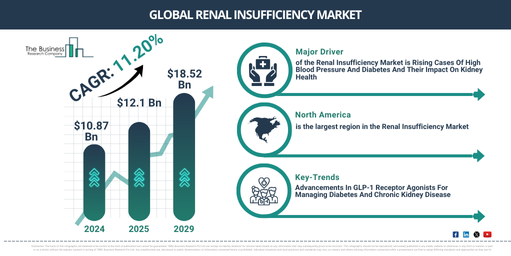
    The renal insufficiency market has seen swift expansion in recent years. Its size is expected to increase from $10.87 billion in 2024 to $12.1 billion in 2025, progressing at a compound annual growth rate (CAGR) of 11.4%. The contributing factors to this growth historically include a rise in high blood pressure and diabetes cases, the increasing prevalence of chronic kidney disease (CKD), a growing incidence of urinary tract obstructions, an aging population, and enhanced awareness and education regarding kidney health.

    The renal insufficiency market size is projected to experience substantial growth over the coming years, with expectations to reach $18.52 billion by 2029, demonstrating a compound annual growth rate (CAGR) of 11.2%. This projected expansion during the forecast period is primarily driven by the increasing incidence of acute kidney injuries (AKI), the growing acceptance of home-based treatment options, a significant rise in healthcare expenditure, and increased investments in research and development. Key trends anticipated in this period include advancements in medical technology, improvements in technology and treatment options, the integration of personalized medicine approaches, further advancements in dialysis technology, and the creation of novel and innovative medications.

    Unlock Your Free Sample Report for Exclusive Market Data:

    https://www.thebusinessresearchcompany.com/sample.aspx?id=21271&type=smp

    What Are The Drivers Pushing New Developments In The Renal Insufficiency Market?

    The rising incidence of high blood pressure and diabetes cases is projected to fuel the expansion of the renal insufficiency market in the coming years. These conditions are linked to factors such as poor dietary habits, insufficient physical activity, obesity, genetic predispositions, and an aging population. Elevated blood pressure harms kidney blood vessels through scarring and diminished filtration, while diabetes causes kidney vessels to thicken and become overworked due to high blood sugar levels. Both conditions consequently hasten kidney deterioration, culminating in renal insufficiency. As an illustration, in May 2024, the National Health Service, a UK government body, reported that in December 2023, high blood pressure diagnoses in the South East rose by 71,120 patients, signifying a 5.4% increase from December 2022. Moreover, in April 2023, according to the British Diabetic Association, a UK-based charity, 4.3 million individuals in the UK are living with a diabetes diagnosis. Consequently, the growing number of high blood pressure and diabetes diagnoses is powering the growth of the renal insufficiency market.

    What Are The Major Segments Identified In The Renal Insufficiency Market?

    The renal insufficiencymarket covered in this report is segmented –

    1) By Treatment Type: Medications; Dialysis; Kidney Transplantation; Other Treatment Types

    2) By Disease Stage: Chronic Kidney Disease (CKD) Stages; End-Stage Renal Disease (ESRD)

    3) By Distribution Channel: Hospital Pharmacies; Retail Pharmacies; Online Pharmacies

    4) By End-User: Dialysis Centers; Hospital And Clinics; Research And Academic Institutes

    Subsegments:

    1) By Medications: Angiotensin-Converting Enzyme (ACE) Inhibitors; Angiotensin II Receptor Blockers (ARBs); Diuretics; Erythropoiesis-Stimulating Agents (ESAs); Phosphate Binders; Sodium Bicarbonate

    2) By Dialysis: Hemodialysis; Peritoneal Dialysis; Home Dialysis; Continuous Renal Replacement Therapy (CRRT)

    3) By Kidney Transplantation: Living Donor Kidney Transplant; Deceased Donor Kidney Transplant; Kidney Transplant Immunosuppressive Therapy

    4) By Other Treatment Types: Lifestyle And Dietary Modifications; Stem Cell Therapy; Gene Therapy

    Which Trends Are Impacting The Renal Insufficiency Market?

    Leading firms within the renal insufficiency market are creating glucagon-like peptide-1 receptor agonists (GLP-1 RAs) aimed at managing renal and cardiovascular issues in individuals suffering from diabetes and chronic kidney disease (CKD). These GLP-1 RAs work by enhancing glucose regulation, decreasing inflammation, and mitigating oxidative stress in the kidneys, which in turn decelerates the advancement of renal insufficiency. For instance, in January 2025, Novo Nordisk, a Denmark-based pharmaceutical company, secured Food and Drug Administration (FDA) approval for its medication Ozempic (semaglutide). This approval specifically targets the reduction of worsening kidney disease, kidney failure, and cardiovascular death risks in adults diagnosed with type 2 diabetes and chronic kidney disease (CKD). This significant approval underscores the increasing focus on glucagon-like peptide-1 receptor agonists (GLP-1 RAs) as a comprehensive strategy for simultaneously treating diabetes and renal insufficiency, thereby fulfilling crucial unmet needs for patients experiencing progressive CKD.

    Which Major Firms Are Strengthening Their Position In The Renal Insufficiency Industry?

    Major companies operating in the renal insufficiency market are Kaiser Permanente, Johnson & Johnson, Roche Holding AG, Sanofi S.A., Abbott Laboratories, Medtronic plc, Amgen Inc., Asahi Kasei Medical Co. Ltd., Fujifilm Holdings Corporation, Fresenius Medical Care, Toray Industries Inc., Baxter International Inc., Boehringer Ingelheim, DaVita Inc., Eisai Co. Ltd., Nipro Corporation, Biocon Limited, HemoCue AB, Rockwell Medical, Mitsubishi Tanabe Pharma Corporation, Sorin Group.

    Download The Full Report For Exclusive Market Findings:

    https://www.thebusinessresearchcompany.com/report/renal-insufficiency-global-market-report

    What Are The Regional Market Dynamics Impacting The Renal Insufficiency Industry?

    North America was the largest region in the renal insufficiency market in 2024. The regions covered in the renal insufficiency market report are Asia-Pacific, Western Europe, Eastern Europe, North America, South America, Middle East, Africa.

    Request A Customized Version Of The Renal Insufficiency Market Report:

    https://www.thebusinessresearchcompany.com/customise?id=21271&type=smp

    Browse Through More Reports Similar to the Global Renal Insufficiency Market 2025, By The Business Research Company

    End Stage Renal Disease Esrd Drug Global Market Report 2025

    https://www.thebusinessresearchcompany.com/report/end-stage-renal-disease-esrd-drug-global-market-report

    Hepatorenal Syndrome Treatment Global Market Report 2025

    https://www.thebusinessresearchcompany.com/report/hepatorenal-syndrome-treatment-global-market-report

    Renal Denervation Devices Global Market Report 2025

    https://www.thebusinessresearchcompany.com/report/renal-denervation-devices-global-market-report

    Get in touch with us:

    The Business Research Company: https://www.thebusinessresearchcompany.com/

    Americas +1 310-496-7795

    Asia +44 7882 955267 & +91 8897263534

    Europe +44 7882 955267

    Email us at info@tbrc.info

    Follow us on:

    LinkedIn: https://in.linkedin.com/company/the-business-research-company

    YouTube: https://www.youtube.com/channel/UC24_fI0rV8cR5DxlCpgmyFQ

    Global Market Model: https://www.thebusinessresearchcompany.com/global-market-model

  • Renal Fanconi Syndrome Market Trends 2025–2029: Forecasts for Key Growth Segments

    Renal Fanconi Syndrome Market Trends 2025–2029: Forecasts for Key Growth Segments

    Unlock Global Insights – Save 20% on Market Reports with Code ONLINE20

    What Is The Anticipated Size Of The Renal Fanconi Syndrome Market Over The Five-Year Period 2025–2029?

    The market size for renal Fanconi syndrome has shown consistent expansion in recent years. It is anticipated to increase from $0.53 billion in 2024 to $0.55 billion in 2025, achieving a compound annual growth rate (CAGR) of 3.7%. The expansion observed historically can be attributed to factors such as a high prevalence rate of blood disorder, an increased incidence of kidney diseases, the growing adoption of erythropoiesis-stimulating agents (ESAs), a rise in the elderly population, and the increasing prevalence of acute kidney injury (AKI).

    The market size for renal fanconi syndrome is anticipated to experience consistent expansion over the upcoming years. Its value is projected to reach $0.63 billion by 2029, growing at a compound annual growth rate (CAGR) of 3.6%. This projected growth during the forecast period is attributable to several factors, including the increasing occurrence of renal syndromes, a rise in the incidence of fanconi-bickel syndrome, the growing prevalence of chronic kidney disease (CKD), heightened research and development efforts, and an increase in the volume of clinical trials. Key trends anticipated during this period encompass progress in novel therapeutic approaches, various technological innovations, and enhancements in both technology and diagnostic methods.

    Unlock Your Free Sample Report for Exclusive Market Data:

    https://www.thebusinessresearchcompany.com/sample.aspx?id=21270&type=smp

    What Are The Emerging Market Drivers Creating New Opportunities In The Renal Fanconi Syndrome Industry?

    The growing occurrence of renal syndrome is anticipated to fuel the expansion of the renal fanconi syndrome market in the future. Renal syndromes describe a collection of kidney ailments that lead to compromised kidney function, resulting in abnormalities in filtration, reabsorption, and the balance of electrolytes. Factors such as the rising prevalence of chronic kidney disease, an aging populace, unhealthy lifestyles, and environmental influences contribute to renal syndromes. This condition often encompasses underlying issues or complications that disrupt kidney function, thereby increasing the risk of proximal tubular dysfunction. This disruption then generates a greater need for diagnostic tools, treatments, and therapies specifically developed to manage and lessen the impact of renal Fanconi syndrome. For instance, in June 2023, according to a report published by Kidney Research UK, a UK-based non-profit organization, approximately 7.2 million people in the UK are affected by chronic kidney disease, representing over 10% of the population. Of these individuals, 3.25 million are in the advanced stages of the disease, while an additional 3.9 million are in its early stages. It is projected that by 2033, the number of individuals impacted by chronic kidney disease will climb to 7.61 million. Therefore, the increasing prevalence of renal syndrome is a key factor driving the growth of the renal fanconi syndrome market.

    What Are The Emerging Segments Gaining Attention In The Renal Fanconi Syndrome Market?

    The renal fanconi syndromemarket covered in this report is segmented –

    1) By Disease Type: Inherited (Genetic); Acquired

    2) By Treatment: Cystinosis Treatment; Symptomatic Management; Dietary Changes And Adjustments; Antibiotics; Kidney Transplantation; Supplements

    3) By Route Of Administration: Oral; Intravenous

    4) By Distribution Channel: Hospital Pharmacy; Retail Pharmacy; Online Pharmacy; Other Distribution Channels

    5) By End-User: Hospitals; Specialty Clinics; Homecare; Other End-Users

    Subsegments:

    1) By Inherited (Genetic): Cystinosis; Wilson Disease; Lowe Syndrome; Dent Disease

    2) By Acquired: Drug-Induced Fanconi Syndrome; Heavy Metal Toxicity; Multiple Myeloma-Associated Fanconi Syndrome; Other Acquired Conditions

    Who Are The Primary Competitors In The Global Renal Fanconi Syndrome Market?

    Major companies operating in the renal fanconi syndrome market are Pfizer Inc., F. Hoffmann-La Roche AG, Merck & Co. Inc., AbbVie Inc., Novartis AG, Sanofi, Bristol-Myers Squibb, Gilead Sciences Inc., Amgen Inc., Teva Pharmaceutical Industries Ltd., Baxter International Inc., Boehringer Ingelheim, Biogen Inc., Eisai Co. Ltd., Hikma Pharmaceuticals plc, Astellas Pharma Inc., Mallinckrodt Pharmaceuticals plc, CSL Vifor, Indivior plc, Alnylam Pharmaceuticals Inc.

    Download The Full Report For Exclusive Market Findings:

    https://www.thebusinessresearchcompany.com/report/renal-fanconi-syndrome-global-market-report

    Which Region Shows The Highest Potential For Future Expansion In The Renal Fanconi Syndrome Market?

    North America was the largest region in the renal fanconi syndrome market in 2024. Asia-Pacific is expected to be the fastest-growing region in the forecast period. The regions covered in the renal fanconi syndrome market report are Asia-Pacific, Western Europe, Eastern Europe, North America, South America, Middle East, Africa.

    Request A Customized Version Of The Renal Fanconi Syndrome Market Report:

    https://www.thebusinessresearchcompany.com/customise?id=21270&type=smp

    Browse Through More Reports Similar to the Global Renal Fanconi Syndrome Market 2025, By The Business Research Company

    Renal Biomarkers Global Market Report 2025

    https://www.thebusinessresearchcompany.com/report/renal-biomarkers-global-market-report

    End Stage Renal Disease Esrd Drug Global Market Report 2025

    https://www.thebusinessresearchcompany.com/report/end-stage-renal-disease-esrd-drug-global-market-report

    Hepatorenal Syndrome Treatment Global Market Report 2025

    https://www.thebusinessresearchcompany.com/report/hepatorenal-syndrome-treatment-global-market-report

    Get in touch with us:

    The Business Research Company: https://www.thebusinessresearchcompany.com/

    Americas +1 310-496-7795

    Asia +44 7882 955267 & +91 8897263534

    Europe +44 7882 955267

    Email us at info@tbrc.info

    Follow us on:

    LinkedIn: https://in.linkedin.com/company/the-business-research-company

    YouTube: https://www.youtube.com/channel/UC24_fI0rV8cR5DxlCpgmyFQ

    Global Market Model: https://www.thebusinessresearchcompany.com/global-market-model