Blog

  • Phenylketonuria (PKU) Market Expansion Outlook: $1.29 Billion by 2029 Forecast

    Phenylketonuria (PKU) Market Expansion Outlook: $1.29 Billion by 2029 Forecast

    Unlock Global Insights – Save 20% on Market Reports with Code ONLINE20

    What Is The Predicted Market Size Trajectory For The Phenylketonuria (PKU) Market From 2025 To 2034?

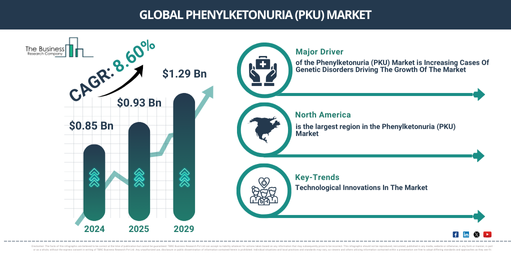
    The market for phenylketonuria (pku) has experienced substantial growth in recent times. It is projected to expand from $0.85 billion in 2024 to $0.93 billion in 2025, advancing at a compound annual growth rate (CAGR) of 8.8%. The historical expansion can be traced to several factors, including the rise of newborn screening programs, greater recognition of metabolic disorders, effective PKU dietary management strategies, wider availability of medical foods, and successful regulatory clearances for PKU therapies.

    The phenylketonuria (pku) market size is expected to show significant expansion in the upcoming years. It is projected to reach $1.29 billion by 2029, exhibiting a compound annual growth rate (CAGR) of 8.6%. This anticipated growth during the forecast period is fueled by the increasing uptake of gene therapy, the broader availability of enzyme replacement therapies, increased investment in rare disease research, a growing demand for personalized medicine, and governmental assistance for PKU treatment coverage. Prominent trends for the forecast period include the development of RNA-based therapies, the introduction of digital health solutions for PKU management, a rise in collaborations between biotech firms and research institutions, an emphasis on non-dietary treatment options, and the expansion of telehealth services for individuals with PKU.

    Unlock Your Free Sample Report for Exclusive Market Data:

    https://www.thebusinessresearchcompany.com/sample.aspx?id=21257&type=smp

    What Are The Emerging Market Drivers Creating New Opportunities In The Phenylketonuria (PKU) Industry?

    The growing incidence of genetic disorders is anticipated to propel the expansion of the phenylketonuria (PKU) market moving forward. Genetic disorders are defined as medical conditions resulting from irregularities in an individual’s DNA, such as mutations, deletions, or duplications within genes or chromosomes. The rising number of genetic disorder cases can be attributed to factors like increasing maternal age, environmental influences, advancements in diagnostic technologies, and heightened awareness, which collectively lead to improved detection rates. Phenylketonuria aids in understanding genetic disorders by illustrating how inherited enzyme deficiencies can lead to severe metabolic complications. For instance, in March 2024, Gene People, a UK-based registered charity, stated that genetic conditions affect an estimated 1 in 25 children, impacting over 2.4 million children and adults in the UK. Additionally, approximately 30,000 newborns and children in the UK are diagnosed with a genetic condition annually. Consequently, the increasing cases of genetic disorders are driving the growth of the phenylketonuria (PKU) market.

    What Are The Major Segments Identified In The Phenylketonuria (PKU) Market?

    The phenylketonuria (pku)market covered in this report is segmented –

    1) By Type: Hyperphenylalaninemia; Mild Phenylketonuria (PKU); Moderate And Variant; Classic Phenylketonuria (PKU)

    2) By Treatment Type: Enzyme Replacement Therapy; Gene Therapy; Medication; Dietary Therapy

    3) By Diagnosis: Genetic Testing; Biochemical Testing; Newborn Screening

    4) By End-User: Specialty Clinics; Research Institutes; Home Healthcare; Hospitals

    Subsegments:

    1) By Hyperphenylalaninemia: Mild Hyperphenylalaninemia; Moderate Hyperphenylalaninemia; Severe Hyperphenylalaninemia

    2) By Mild Phenylketonuria (PKU): Mild PKU with dietary management; Mild PKU with enzyme supplementation

    3) By Moderate And Variant: Moderate PKU with medication; Variant PKU with treatment variations

    4) By Classic Phenylketonuria (PKU): Classic PKU with strict dietary management; Classic PKU with enzyme replacement therapy

    What Trends Are Expected To Drive The Phenylketonuria (PKU) Market?

    Leading companies in the phenylketonuria (PKU) market are concentrating on developing innovative products, utilizing various technologies like Physiomimic technology. Their goal is to enhance the efficacy and safety of PKU treatments by mimicking human physiological conditions to improve drug absorption and metabolism. Physiomimic technology encompasses a comprehensive collection of hardware, consumables, and assay protocols designed to accurately reproduce complex human biology and predict drug responses. For instance, in October 2022, Relief Therapeutics Holding SA, a biopharmaceutical company based in Switzerland, announced the introduction of PKU Golike. PKU Golike is an advanced medical food product created with patented, pharmaceutical-grade Physiomimic technology for the dietary management of phenylketonuria (PKU). This product is a prolonged-release amino acid formulation, available as granules, packets, and medical food bars. Its distinct coating facilitates the physiological absorption of amino acids, akin to natural proteins, while effectively concealing their disagreeable taste, odor, and aftertaste.

    Who Are The Key Multinational Companies Dominating The Phenylketonuria (PKU) Market?

    Major companies operating in the phenylketonuria (PKU) market are Abbott Laboratories, Merck KGaA, Agios Pharmaceuticals Inc., BioMarin Pharmaceutical Inc., PTC Therapeutics Inc., Ultragenyx Pharmaceutical Inc., Nutricia International Private Limited, Codexis Inc., Eton Pharmaceuticals Inc., Vitaflo International Ltd., American Gene Technologies International Inc., Cambrooke Therapeutics Inc., Generation Bio Co., Mead Johnson & Company, LLC, Relief Therapeutics Holding SA, SOM Innovation Biotech S.A., Synlogic Inc., Galen Ltd, Aptatek Biosciences Inc., Homology Medicines Inc

    Download The Full Report For Exclusive Market Findings:

    https://www.thebusinessresearchcompany.com/report/phenylketonuria-pku-global-market-report

    Which Global Regions Are Influencing The Competitive Landscape Of The Phenylketonuria (PKU) Market?

    North America was the largest region in the phenylketonuria (PKU) market in 2024. Europe is expected to be the fastest-growing region in the forecast period. The regions covered in the phenylketonuria (PKU) market report are Asia-Pacific, Western Europe, Eastern Europe, North America, South America, Middle East, Africa.

    Request A Customized Version Of The Phenylketonuria (PKU) Market Report:

    https://www.thebusinessresearchcompany.com/customise?id=21257&type=smp

    Browse Through More Reports Similar to the Global Phenylketonuria (PKU) Market 2025, By The Business Research Company

    Nasal Splints Global Market Report 2025

    https://www.thebusinessresearchcompany.com/report/nasal-splints-global-market-report

    Nasal Drug Delivery Technology Global Market Report 2025

    https://www.thebusinessresearchcompany.com/report/nasal-drug-delivery-technology-global-market-report

    High Flow Nasal Cannula Global Market Report 2025

    https://www.thebusinessresearchcompany.com/report/high-flow-nasal-cannula-global-market-report

    Get in touch with us:

    The Business Research Company: https://www.thebusinessresearchcompany.com/

    Americas +1 310-496-7795

    Asia +44 7882 955267 & +91 8897263534

    Europe +44 7882 955267

    Email us at info@tbrc.info

    Follow us on:

    LinkedIn: https://in.linkedin.com/company/the-business-research-company

    YouTube: https://www.youtube.com/channel/UC24_fI0rV8cR5DxlCpgmyFQ

    Global Market Model: https://www.thebusinessresearchcompany.com/global-market-model
  • Global Persistent Epithelial Defect Management Industry Trends: Where the Market Is Headed by 2029

    Global Persistent Epithelial Defect Management Industry Trends: Where the Market Is Headed by 2029

    Unlock Global Insights – Save 20% on Market Reports with Code ONLINE20

    How Much Larger Is The Persistent Epithelial Defect Management Market Expected To Become By 2029 Compared With Its 2025 Level?

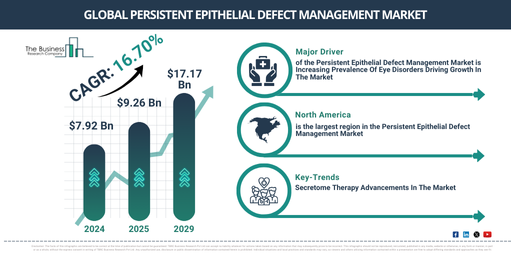
    The persistent epithelial defect management market size has experienced rapid expansion in recent years. It is projected to increase from $7.92 billion in 2024 to $9.26 billion in 2025, demonstrating a compound annual growth rate (CAGR) of 17.0%. Historically, this growth was primarily driven by increased research activities, higher demand for hospitals, the rising prevalence of ocular surface disorders, a growing incidence of eye disorders, and an aging population.

    The persistent epithelial defect management market is set for substantial expansion in the forthcoming years. This market’s size is anticipated to reach $17.17 billion by 2029, exhibiting a compound annual growth rate (CAGR) of 16.7%. The projected increase during this period stems from factors such as a surge in partnerships and collaborative efforts, greater awareness and educational campaigns, a stronger focus on value-based care, the rising incidence of conditions like diabetes and hypertension, and the adoption of early intervention and management strategies. Prominent trends for the forecast period include advancements in technology, a heightened demand for innovative treatment types, sophisticated treatment modalities, the availability of cutting-edge surgical tools and techniques, and the introduction of novel drugs.

    Unlock Your Free Sample Report for Exclusive Market Data:

    https://www.thebusinessresearchcompany.com/sample.aspx?id=21256&type=smp

    Which Drivers Are Impacting The Persistent Epithelial Defect Management Market?

    The market for persistent epithelial defect management is anticipated to expand due to the rising occurrence of eye disorders. Eye disorders encompass a wide variety of medical ailments impacting the eyes’ structure, function, or overall health, potentially resulting in impaired vision, discomfort, or blindness. Factors contributing to the widespread presence of eye disorders include an aging global population, extended periods of screen use, and shifts in environmental conditions. Effective management of persistent epithelial defects is crucial for addressing eye disorders, as it facilitates recovery, reduces inflammation, and guards against potential issues like infections or scarring. An example of this trend is observed in December 2024 data from the World Health Organization, an intergovernmental body located in Switzerland, which indicated an overall pooled prevalence of childhood myopia at 5.23% in 2023. Notably, the rate was considerably higher for females at 4.90% compared to males at 3.94%. Consequently, the rising incidence of eye disorders acts as a primary catalyst for the expansion of the persistent epithelial defect management market.

    What Are The Emerging Segments Gaining Attention In The Persistent Epithelial Defect Management Market?

    The persistent epithelial defect managementmarket covered in this report is segmented –

    1) By Disease Type: Epithalial Or Limbal; Inflammatory Disease; Neurotrophic Disease; Other Disease Types

    2) By Distribution Channel: Direct Sales; Online Pharmacy; Retail Pharmacy; Hospitals

    3) By End User: Hospital Or Clinical Laboratories; Physician Offices; Reference Laboratories; Other End Users

    Subsegments:

    1) By Epithelial Or Limbal: Limbal Stem Cell Deficiency (LSCD); Limbal Transplantation; Conjunctival Transplantation

    2) By Inflammatory Disease: Dry Eye Syndrome; Allergic Conjunctivitis; Uveitis

    3) By Neurotrophic Disease: Herpes Simplex Virus (HSV) Keratitis; Diabetic Neuropathy; Neurotrophic Keratopathy

    4) By Other Disease Types: Chemical Burns; Trauma-Induced Defects; Congenital Corneal Opacities

    Which Trends Are Impacting The Persistent Epithelial Defect Management Market?

    Major companies operating in the persistent epithelial defect management market are concentrating on developing innovative therapies, such as secretome therapy, to accelerate healing and improve treatment outcomes for persistent epithelial defects. Secretome therapy involves using bioactive molecules secreted by cells, including proteins, lipids, and extracellular vesicles, to promote tissue repair, modulate immune responses, and treat various diseases. For instance, in April 2023, Kala Pharmaceuticals Inc., a US-based biopharmaceutical company, was granted U.S. Food and Drug Administration (FDA) Fast Track Designation for KPI-012, a human MSC-S therapy specifically for persistent corneal epithelial defect. The drug’s multifactorial mechanism of action seeks to address all underlying etiologies of persistent epithelial defect management by encouraging corneal healing through bioactive molecules such as growth factors, protease inhibitors, and neurotrophic factors.

    Which Leading Players Are Enhancing Their Persistent Epithelial Defect Management Market Presence Worldwide?

    Major companies operating in the persistent epithelial defect management market are AbbVie Inc., Novartis AG, Johnson & Johnson Vision, RegeneRx Biopharmaceuticals Inc., Regeneron Pharmaceuticals Inc., Alcon Inc., Bausch Health Companies Inc., Hoya Vision Care, Santen Pharmaceutical Co. Ltd., Recordati Rare Diseases Inc., Dompé Farmaceutici S.p.A., Lumenis Ltd., TissueTech Inc., Ocular Therapeutix Inc., Oculus Surgical Inc., Amber Ophthalmics Inc., Noveome Biotherapeutics Inc., OcuNexus Therapeutics Inc., Lux Bio Inc., Eyenovia Inc.

    Download The Full Report For Exclusive Market Findings:

    https://www.thebusinessresearchcompany.com/report/persistent-epithelial-defect-management-global-market-report

    What Are The Regional Market Dynamics Impacting The Persistent Epithelial Defect Management Industry?

    North America was the largest region in the persistent epithelial defect management market in 2024. Asia-Pacific is expected to be the fastest-growing region in the forecast period. The regions covered in the persistent epithelial defect management market report are Asia-Pacific, Western Europe, Eastern Europe, North America, South America, Middle East, Africa.

    Request A Customized Version Of The Persistent Epithelial Defect Management Market Report:

    https://www.thebusinessresearchcompany.com/customise?id=21256&type=smp

    Browse Through More Reports Similar to the Global Persistent Epithelial Defect Management Market 2025, By The Business Research Company

    Defect Detection Global Market Report 2025

    https://www.thebusinessresearchcompany.com/report/defect-detection-global-market-report

    Epigenetics Global Market Report 2025

    https://www.thebusinessresearchcompany.com/report/epigenetics-global-market-report

    Poultry Keeping Machinery Global Market Report 2025

    https://www.thebusinessresearchcompany.com/report/poultry-keeping-machinery-global-market-report

    Get in touch with us:

    The Business Research Company: https://www.thebusinessresearchcompany.com/

    Americas +1 310-496-7795

    Asia +44 7882 955267 & +91 8897263534

    Europe +44 7882 955267

    Email us at info@tbrc.info

    Follow us on:

    LinkedIn: https://in.linkedin.com/company/the-business-research-company

    YouTube: https://www.youtube.com/channel/UC24_fI0rV8cR5DxlCpgmyFQ

    Global Market Model: https://www.thebusinessresearchcompany.com/global-market-model

  • Peripheral T-Cell Lymphoma Industry Forecast to Hit $0.77 Billion by 2029 With a Strong 5.4% CAGR

    Peripheral T-Cell Lymphoma Industry Forecast to Hit $0.77 Billion by 2029 With a Strong 5.4% CAGR

    Unlock Global Insights – Save 20% on Market Reports with Code ONLINE20

    #What Are The Current (2025) And Forecast (2029) Sizes Of The Peripheral T-Cell Lymphoma Market?

    The peripheral t-cell lymphoma market size has seen strong expansion in recent years. It is anticipated to grow from $0.59 billion in 2024 to $0.62 billion in 2025, exhibiting a compound annual growth rate (CAGR) of 5.6%. This historical increase can be attributed to factors like heightened awareness of rare lymphomas, the emergence of monoclonal antibodies, early orphan drug designations, progress in hematologic cancer research, increased adoption of stem cell transplants, enhancements in diagnostic accuracy, the expansion of oncology healthcare infrastructure, and initial immunotherapy innovations.

    The peripheral t-cell lymphoma market is anticipated to experience substantial expansion in the coming years. This market is projected to reach $0.77 billion by 2029, demonstrating a compound annual growth rate (CAGR) of 5.4%. Several factors are contributing to this growth during the forecast period, including progress in targeted therapies, the wider uptake of personalized medicine, an increase in immunotherapy applications, a strong pipeline of new drugs, greater healthcare investments in developing regions, the broadening of patient access initiatives, the incorporation of artificial intelligence into diagnostics, regulatory encouragement for orphan drugs, and a heightened emphasis on combination therapies. Key trends for the forecast period encompass the creation of new biologics, breakthroughs in gene editing technologies, the embrace of liquid biopsy for diagnostics, the application of artificial intelligence in formulating treatment plans, developments in CAR-T cell therapy, progress in next-generation sequencing, the utilization of nanotechnology for drug delivery, the development of individualized vaccines, the rise of bispecific antibodies, and the automation of clinical trial procedures.

    Unlock Your Free Sample Report for Exclusive Market Data:

    https://www.thebusinessresearchcompany.com/sample.aspx?id=21255&type=smp

    Which Industry Drivers Are Expected To Accelerate The Peripheral T-Cell Lymphoma Market From 2025 To 2029?

    The peripheral T-cell lymphoma market is anticipated to expand due to the high incidence of lymphoma. Lymphoma is a cancer originating in the lymphatic system, a component of the body’s immune system. Its elevated incidence stems from genetic predisposition, environmental exposures, viral infections like Epstein-Barr virus, immunodeficiency conditions, and lifestyle factors such as smoking and obesity. Peripheral T-cell lymphoma (PTCL) advances lymphoma by developing from mature T-cells, resulting in aggressive disease behavior, immune system dysregulation, and diminished treatment responsiveness compared to other lymphoma subtypes. For example, the American Cancer Society Facts and Figures, a US-based professional organizations company, reported an estimated 80,550 new non-Hodgkin lymphoma cases in both 2023 and 2024. Consequently, the high incidence of lymphoma is fueling the growth of the peripheral T-cell lymphoma market.

    What Are The Major Segment Types Covered In The Peripheral T-Cell Lymphoma Market?

    The peripheral t-cell lymphomamarket covered in this report is segmented –

    1) By Type: Peripheral T-Cell Lymphoma Not Otherwise Specified (PTCL-NOS); Angioimmunoblastic T- Cell Lymphoma (AITL); Anaplastic Large Cell Lymphoma (ALCL); Adult T- Cell Leukaemia Or Lymphoma (ATLL); Enteropathy-Associated T- Cell Lymphoma ( EATL); Hepatosplenic T- Cell Lymphoma; Other Types

    2) By Treatment Type: Chemotherapy; Target Therapy; Immunotherapy; Stem Cell Therapy; Radiation Therapy

    3) By Drug Class: Histone Deacetylase (HDAC) Inhibitors; Monoclonal Antibodies; Alkylating Angents; Antimetabolites; Other Drug Class

    4) By Route Of Administration: Oral; Injectable

    5) By End-User: Hospitals; Specialty Clinics; Ambulatory Surgical Center; Research Institute

    Subsegments:

    1) By Peripheral T-Cell Lymphoma Not Otherwise Specified (PTCL-NOS): Cutaneous PTCL; Systemic PTCL

    2) By Angioimmunoblastic T-Cell Lymphoma (AITL): Classical AITL; Variant AITL

    3) By Anaplastic Large Cell Lymphoma (ALCL): Systemic ALCL; Cutaneous ALCL

    4) By Adult T-Cell Leukaemia Or Lymphoma (ATLL): Acute ATLL; Chronic ATLL; Smoldering ATLL; Lymphoma Type ATLL

    5) By Enteropathy-Associated T-Cell Lymphoma (EATL): Type 1 EATL; Type 2 EATL

    6) By Hepatosplenic T-Cell Lymphoma: Hepatic Type; Splenic Type

    7) By Other Types: Subcutaneous T-Cell Lymphoma; Lymphomatoid Granulomatosis

    What Long-Term Trends Will Shape The Future Growth Of The Peripheral T-Cell Lymphoma Industry?

    Companies active in the peripheral T-cell lymphoma market are prioritizing the development of innovative solutions, such as dihydrofolate reductase inhibitor, to improve treatment efficacy and patient outcomes. A dihydrofolate reductase inhibitor is a medication that obstructs the function of the dihydrofolate reductase enzyme, which is vital for DNA synthesis and cell division. For example, in December 2024, Fresenius Kabi AG, a pharmaceutical company based in Germany, launched Pralatrexate Injection, a generic counterpart to Folotyn, for treating relapsed or refractory peripheral T-cell lymphoma. This introduction expands the company’s oncology offerings, providing clinicians and patients with a high-quality and cost-effective therapeutic option. The injection is provided in 20 mg/1 mL and 40 mg/2 mL single-dose vials. It received accelerated approval based on its overall response rate, with continued approval contingent on the results of confirmatory trials.

    Which Major Firms Are Strengthening Their Position In The Peripheral T-Cell Lymphoma Industry?

    Major companies operating in the peripheral T-cell lymphoma market are Pfizer Inc., Johnson & Johnson, Bristol Myers Squibb Company, AstraZeneca plc, Novartis AG, Eli Lilly and Company, Eisai Co. Ltd., Kyowa Kirin Co. Ltd., Takeda Pharmaceutical Company Limited, BeiGene Ltd., Daiichi Sankyo Company Limited, HUYA Bioscience International LLC, Zymeworks Inc., Genor Biopharma Co. Ltd., Kura Oncology Inc., Acrotech Biopharma LLC, Spectrum Pharmaceuticals Inc., Verastem Inc., Astellas Pharma Inc., Autolus Therapeutics plc

    Download The Full Report For Exclusive Market Findings:

    https://www.thebusinessresearchcompany.com/report/peripheral-t-cell-lymphoma-global-market-report

    Which Region Shows The Highest Potential For Future Expansion In The Peripheral T-Cell Lymphoma Market?

    North America was the largest region in the peripheral T-cell lymphoma market in 2024. Asia-Pacific is expected to be the fastest-growing region in the forecast period. The regions covered in the peripheral T-cell lymphoma market report are Asia-Pacific, Western Europe, Eastern Europe, North America, South America, Middle East, Africa.

    Request A Customized Version Of The Peripheral T-Cell Lymphoma Market Report:

    https://www.thebusinessresearchcompany.com/customise?id=21255&type=smp

    Browse Through More Reports Similar to the Global Peripheral T-Cell Lymphoma Market 2025, By The Business Research Company

    Non Hodgkin Lymphoma Nhl Global Market Report 2025

    https://www.thebusinessresearchcompany.com/report/non-hodgkin-lymphoma-nhl-global-market-report

    Follicular Lymphoma Treatment Global Market Report 2025

    https://www.thebusinessresearchcompany.com/report/follicular-lymphoma-treatment-global-market-report

    Diffuse Large B Cell Lymphoma Therapeutics Global Market Report 2025

    https://www.thebusinessresearchcompany.com/report/diffuse-large-b-cell-lymphoma-therapeutics-global-market-report

    Get in touch with us:

    The Business Research Company: https://www.thebusinessresearchcompany.com/

    Americas +1 310-496-7795

    Asia +44 7882 955267 & +91 8897263534

    Europe +44 7882 955267

    Email us at info@tbrc.info

    Follow us on:

    LinkedIn: https://in.linkedin.com/company/the-business-research-company

    YouTube: https://www.youtube.com/channel/UC24_fI0rV8cR5DxlCpgmyFQ

    Global Market Model: https://www.thebusinessresearchcompany.com/global-market-model

  • Peripheral Neuritis Treatment Market to Reach $2.34 Billion by 2029, Growing at a CAGR of 4.9%

    Peripheral Neuritis Treatment Market to Reach $2.34 Billion by 2029, Growing at a CAGR of 4.9%

    Unlock Global Insights – Save 20% on Market Reports with Code ONLINE20

    What Market Value Is The Peripheral Neuritis Treatment Industry Expected To Reach By 2029, Starting From 2025 Levels?

    The peripheral neuritis treatment market size has demonstrated robust growth in recent years. It is forecast to grow from $1.84 billion in 2024 to $1.93 billion in 2025, exhibiting a compound annual growth rate (CAGR) of 5.1%. This historic expansion can be linked to factors such as an increase in healthcare expenditure, the rise in chronic diseases, the escalating burden of conditions related to peripheral neuritis, a higher prevalence rate among diabetic people, and a progressively aging population.

    The peripheral neuritis treatment market is projected to experience consistent expansion over the upcoming years. It is anticipated to reach a valuation of $2.34 billion by 2029, exhibiting a compound annual growth rate (CAGR) of 4.9%. This growth during the forecast period can be primarily attributed to an increasing array of treatment alternatives, the expanding elderly demographic, escalating rates of obesity, the widespread presence of HIV/AIDS, the expansion of the generic drug market, and various governmental and healthcare initiatives. Key developments expected in this period include collaborations and partnerships, advancements in technology, a surge in launches of diabetic peripheral neuritis treatment products, a heightened emphasis on personalized medicine, the development of non-pharmacological treatments, and the integration of digital health solutions.

    Unlock Your Free Sample Report for Exclusive Market Data:

    https://www.thebusinessresearchcompany.com/sample.aspx?id=21254&type=smp

    What Are The Top Growth Drivers Impacting The Peripheral Neuritis Treatment Market Outlook?

    The increasing occurrence of diabetes is projected to fuel expansion in the peripheral neuritis treatment market moving forward. Diabetes is a chronic health condition where the body struggles to maintain appropriate blood sugar (glucose) levels. This surge in diabetes cases can be attributed to elements like inactive lifestyles, poor dietary habits, excessive weight, an aging demographic, and inherited susceptibility. Treatment for peripheral neuritis aids individuals with diabetes by alleviating nerve discomfort, decreasing inflammation, and boosting nerve functionality, thereby contributing to an enhanced quality of life and the prevention of related complications. As an illustration, the American Diabetes Association, a US-based non-profit body, reported in November 2023 that approximately 25.5 million individuals in the U.S. had received a diabetes diagnosis in 2022, representing 7.6% of the overall populace. Consequently, the increasing incidence of diabetes is a key factor propelling the expansion of the peripheral neuritis treatment market.

    What Are The Major Segment Categories Driving The Peripheral Neuritis Treatment Market Growth?

    The peripheral neuritis treatmentmarket covered in this report is segmented –

    1) By Treatment Type: Pharmacological Therapies; Non Pharmacological Therapies

    2) By Drug Class: Anti-Depressants; Anticonvulsants; Local Anesthesia; Analgesics; Steroids; Other Drug Classes

    3) By Distribution Channel: Hospital Pharmacies; Retail Pharmacies; Online Pharmacies; Drug Stores

    4) By Application: Diabetic Peripheral Neuropathy; Chemotherapy-Induced Peripheral Neuropathy; Idiopathic Peripheral Neuropathy; Other Applications

    Subsegments:

    1) By Pharmacological Therapies: Pain Relievers (Analgesics); Antidepressants; Anticonvulsants; Topical Medications

    2) By Non-Pharmacological Therapies: Physical Therapy; Transcutaneous Electrical Nerve Stimulation (TENS); Acupuncture; Lifestyle And Dietary Modifications

    Which Market Trends Are Creating New Opportunities In The Peripheral Neuritis Treatment Industry?

    Leading companies in the peripheral neuritis treatment market are focusing on the development of innovative treatments, such as magnetic peripheral nerve stimulation (mPNS) treatment, to improve nerve regeneration and lessen neuropathic pain. Magnetic peripheral nerve stimulation (mPNS) treatment is defined as a non-invasive neuromodulation technique that utilizes magnetic fields to stimulate peripheral nerves, thereby helping to manage pain, foster nerve regeneration, and enhance motor function in conditions like neuropathy and musculoskeletal disorders. For instance, in January 2024, Neuralace Medical Inc., a US-based medical equipment manufacturing company, announced that Axon Therapy (mPNS), intended for the treatment of chronic painful diabetic neuropathy (PDN), received approval from the Food and Drug administration, a US-based government agency. This therapy offers a swift, pain-free, and non-invasive method for pain relief. Clinical trials demonstrated a 72.3% responder rate at Day 30 and an 81.4% responder rate at Day 90, underscoring its effectiveness in reducing both pain and numbness. This approval signifies a significant stride in pain management, offering patients an alternative to traditional treatments without the common side effects of medication.

    Who Are The Primary Competitors In The Global Peripheral Neuritis Treatment Market?

    Major companies operating in the peripheral neuritis treatment market are Pfizer Inc., Johnson & Johnson (J&J), AstraZeneca Plc, Novartis AG, GSK plc, Takeda Pharmaceuticals & Co. Ltd., Eli Lilly and Co., Mallinckrodt Pharmaceuticals plc, Viatris Inc., Teva Pharmaceutical Industries Ltd., Astellas Pharma Inc., Sun Pharmaceutical Industries Ltd., Apotex Inc., Dr Reddys Laboratories Ltd., Cipla Inc., Amneal Pharmaceuticals LLC, Lupin Ltd., Daiichi Sankyo Co. Ltd., Glenmark Pharmaceuticals Ltd., Cadila Pharmaceuticals Ltd.

    Download The Full Report For Exclusive Market Findings:

    https://www.thebusinessresearchcompany.com/report/peripheral-neuritis-treatment-global-market-report

    How Is Peripheral Neuritis Treatment Market Demand Varying Across Different Regions?

    North America was the largest region in the peripheral neuritis treatment market in 2024. Asia-Pacific is expected to be the fastest-growing region in the forecast period. The regions covered in the peripheral neuritis treatment market report are Asia-Pacific, Western Europe, Eastern Europe, North America, South America, Middle East, Africa.

    Request A Customized Version Of The Peripheral Neuritis Treatment Market Report:

    https://www.thebusinessresearchcompany.com/customise?id=21254&type=smp

    Browse Through More Reports Similar to the Global Peripheral Neuritis Treatment Market 2025, By The Business Research Company

    Neuralgia Treatment Global Market Report 2025

    https://www.thebusinessresearchcompany.com/report/neuralgia-treatment-global-market-report

    Neuropathic Pain Global Market Report 2025

    https://www.thebusinessresearchcompany.com/report/neuropathic-pain-global-market-report

    Neurotrophic Keratitis Treatment Global Market Report 2025

    https://www.thebusinessresearchcompany.com/report/neurotrophic-keratitis-treatment-global-market-report

    Get in touch with us:

    The Business Research Company: https://www.thebusinessresearchcompany.com/

    Americas +1 310-496-7795

    Asia +44 7882 955267 & +91 8897263534

    Europe +44 7882 955267

    Email us at info@tbrc.info

    Follow us on:

    LinkedIn: https://in.linkedin.com/company/the-business-research-company

    YouTube: https://www.youtube.com/channel/UC24_fI0rV8cR5DxlCpgmyFQ

    Global Market Model: https://www.thebusinessresearchcompany.com/global-market-model

  • Global Periodontal Disease Treatment Market Size Projected to Reach $2.19 Billion During the Forecast Period

    Global Periodontal Disease Treatment Market Size Projected to Reach $2.19 Billion During the Forecast Period

    Unlock Global Insights – Save 20% on Market Reports with Code ONLINE20

    What Is The Anticipated Size Of The Periodontal Disease Treatment Market Over The Five-Year Period 2025–2029?

    The market size for periodontal disease treatment has experienced substantial expansion in recent years. It is anticipated to increase from $1.56 billion in 2024 to $1.67 billion in 2025, achieving a compound annual growth rate (CAGR) of 7.0%. This past growth can be attributed to several factors including the rising elderly population, an expansion in dental care infrastructure, a greater prevalence of chronic and aggressive periodontitis conditions, an elevated risk of periodontal diseases, and an increase in the number of periodontitis patients leading sedentary lifestyles.

    The periodontal disease treatment market is anticipated to experience significant expansion over the upcoming years. This market is projected to reach $2.19 billion by 2029, demonstrating a compound annual growth rate (CAGR) of 6.9%. The drivers for this growth during the forecast period include a heightened demand for improved oral hygiene, an increase in edentulism cases, a greater volume of periodontal therapeutic procedures, escalating advertising expenditures, and expanding medical and dental tourism in developing countries. Key trends expected within this period involve technological innovations, the adoption of novel technologies, advanced periodontal treatment methods, the application of artificial intelligence in diagnosis, and sophisticated periodontal flap surgery.

    Unlock Your Free Sample Report for Exclusive Market Data:

    https://www.thebusinessresearchcompany.com/sample.aspx?id=21253&type=smp

    Which Major Market Drivers Are Shaping The Future Of The Periodontal Disease Treatment Market?

    The increasing occurrence of oral health conditions is projected to stimulate the expansion of the periodontal disease treatment market in the future. Oral health disorders refer to problems impacting the teeth, gums, and mouth, such as cavities, gum disease, oral infections, and oral cancer. The growing incidence of these disorders is fueled by poor oral hygiene, unhealthy diets, tobacco and alcohol consumption, an aging demographic, and limited availability of dental care. Periodontal disease treatment is employed to manage and avert oral health disorders by addressing gum infections, inflammation, and bone loss. For instance, in October 2024, according to the Australian Institute of Health and Welfare (AIHW), an Australia-based government agency, inadequate oral health, encompassing tooth decay, gum disease, and tooth loss, impacted a significant portion of Australian children and adults, contributing 4.5% to the overall non-fatal disease burden in 2022. Thus, the rising incidence of oral health disorders will propel the growth of the periodontal disease treatment market.

    How Is The Periodontal Disease Treatment Market Segmented?

    The periodontal disease treatmentmarket covered in this report is segmented –

    1) By Type: Gingivitis; Chronic Periodontal Disease; Aggressive Periodontal Disease; Other Types

    2) By Treatment Type: Non-Surgical Treatment; Scaling And Root Planning; Medication; Surgical Treatment; Flap Surgery; Bone Grafts; Other Treatment Types

    3) By Route Of Administration: Oral; Injectable

    4) By Distribution Channel: Hospital Pharmacies; Retail Pharmacies; Other Distribution Channels

    5) By End-User: Hospitals; Clinic; Dental Clinic; Dental Academics And Research Institutes; Other End-Users

    Subsegments:

    1) By Gingivitis: Plaque-Induced Gingivitis; Non-Plaque-Induced Gingivitis

    2) By Chronic Periodontal Disease: Mild Periodontitis; Moderate Periodontitis; Severe Periodontitis

    3) By Aggressive Periodontal Disease: Localized Aggressive Periodontitis; Generalized Aggressive Periodontitis

    4) By Other Types: Necrotizing Periodontal Disease; Periodontitis Associated With Systemic Conditions

    How Are Trends Influencing The Periodontal Disease Treatment Market?

    Companies operating within the periodontal disease treatment market are prioritizing the development of innovative solutions, such as dental gel, with the goals of improving bone regeneration, enhancing treatment accessibility, reducing invasiveness, and offering more effective and patient-centric alternatives to traditional periodontal treatments. Dental gel is an oral medicated product that contains antibacterial, anti-inflammatory, or fluoride agents, utilized to prevent cavities, decrease gum disease, and relieve oral discomfort. For instance, in October 2024, Oral Biolife Inc., a US-based biotechnology company, announced Ambrilux Dental Gel. This groundbreaking treatment is designed to promote bone regeneration in periodontal disease and has shown promising results in large animal trials. After successful testing in Beagle dogs, where 100% of treated animals displayed increased bone growth, this innovation is poised to revolutionize non-invasive dental care for both humans and companion animals, addressing a significant unmet medical need.

    Which Key Market Players Are Investing In Expansion And Innovation Of Periodontal Disease Treatment Market?

    Major companies operating in the periodontal disease treatment market are Bausch Health Companies Inc, DENTSPLY SIRONA Inc., Straumann AG, Sunstar Suisse S.A, NovaBone Products LLC, Nakanishi Inc., Brasseler USA, Geistlich Pharma AG, BIOLASE Inc., Bien-Air Dental, Convergent Dental Inc., Carl Martin GmbH, Karl Schumacher, Yoshida Dental MFG. Co. Ltd., Botiss Biomaterials GmbH, Millennium Dental Technologies Inc., PreXion Inc., AMD Lasers Inc., Steris Healthcare Pvt Ltd, Perio Protect, Deppeler SA.

    Download The Full Report For Exclusive Market Findings:

    https://www.thebusinessresearchcompany.com/report/periodontal-disease-treatment-global-market-report

    Which Geographies Are Emerging As Strong Markets For The Periodontal Disease Treatment Industry?

    North America was the largest region in the periodontal disease treatment market in 2024. Asia-Pacific is expected to be the fastest-growing region in the forecast period. The regions covered in the periodontal disease treatment market report are Asia-Pacific, Western Europe, Eastern Europe, North America, South America, Middle East, Africa.

    Request A Customized Version Of The Periodontal Disease Treatment Market Report:

    https://www.thebusinessresearchcompany.com/customise?id=21253&type=smp

    Browse Through More Reports Similar to the Global Periodontal Disease Treatment Market 2025, By The Business Research Company

    Alzheimer Disease Treatment Global Market Report 2025

    https://www.thebusinessresearchcompany.com/report/alzheimer-disease-treatment-global-market-report

    Inflammatory Bowel Disease Treatment Global Market Report 2025

    https://www.thebusinessresearchcompany.com/report/inflammatory-bowel-disease-treatment-global-market-report

    Lysosomal Disease Treatment Global Market Report 2025

    https://www.thebusinessresearchcompany.com/report/lysosomal-disease-treatment-global-market-report

    Get in touch with us:

    The Business Research Company: https://www.thebusinessresearchcompany.com/

    Americas +1 310-496-7795

    Asia +44 7882 955267 & +91 8897263534

    Europe +44 7882 955267

    Email us at info@tbrc.info

    Follow us on:

    LinkedIn: https://in.linkedin.com/company/the-business-research-company

    YouTube: https://www.youtube.com/channel/UC24_fI0rV8cR5DxlCpgmyFQ

    Global Market Model: https://www.thebusinessresearchcompany.com/global-market-model

  • Pelvic Inflammatory Disease (PID) Treatment Industry Anticipated to Expand at 5.4% CAGR During the Forecast Period

    Pelvic Inflammatory Disease (PID) Treatment Industry Anticipated to Expand at 5.4% CAGR During the Forecast Period

    Unlock Global Insights – Save 20% on Market Reports with Code ONLINE20

    What Are The Forecasted Market Size Estimates For The Pelvic Inflammatory Disease (PID) Treatment Market Between 2025 And 2029?

    The pelvic inflammatory disease (pid) treatment market size has demonstrated robust expansion in recent years. It is anticipated to expand from $4.49 billion in 2024 to $4.74 billion in 2025, reflecting a compound annual growth rate (CAGR) of 5.5%. The historical growth trajectory is largely a result of the burgeoning adoption of telemedicine, an escalating incidence of sexually transmitted infections, the increasing occurrence of sexually transmitted infection (STI) cases, heightened public awareness concerning pelvic inflammatory disease, and a general rise in healthcare expenditure.

    The pelvic inflammatory disease (pid) treatment market is projected to experience robust expansion over the coming years. This market is set to reach $5.84 billion by 2029, exhibiting a compound annual growth rate (CAGR) of 5.4%. The expansion during the forecast period is propelled by the increasing prevalence of sexually transmitted infections, rising awareness concerning women’s reproductive health, greater understanding of pelvic inflammatory disease, growing dependence on telehealth services, and the escalating incidence of sexually transmitted infections (STIs). Key trends anticipated during this period encompass novel pelvic inflammatory disease treatment products, progress in diagnostic technologies, developments like personalized treatment, sophisticated imaging methods, and overall technological improvements.

    Unlock Your Free Sample Report for Exclusive Market Data:

    https://www.thebusinessresearchcompany.com/sample.aspx?id=21251&type=smp

    What Are The Main Drivers Boosting The Pelvic Inflammatory Disease (PID) Treatment Industry’s Expansion?

    The growing incidence of sexually transmitted infections is anticipated to boost the pelvic inflammatory disease (PID) treatment market in the future. STIs, which are caused by bacteria, viruses, or parasites, are predominantly transmitted via sexual activities such as vaginal, anal, or oral sex. The rise in STI prevalence can be attributed to elements like risky sexual practices, unprotected intercourse, insufficient knowledge, and delays in testing and treatment. PID treatment plays a crucial role in addressing STIs by employing antibiotics to eradicate infectious bacteria, preventing issues like chronic pelvic pain and infertility, and lessening the likelihood of repeated infections. For instance, in October 2024, a report from the UK Health Security Agency (UKHSA), a UK government body, indicated that England registered 6,008 new human immunodeficiency virus (HIV) diagnoses in 2023, representing a 51% increase from the 3,975 diagnoses in 2022. Consequently, the increasing occurrence of sexually transmitted infections is propelling the expansion of the pelvic inflammatory disease (PID) treatment market.

    What Are The Key Segments In The Pelvic Inflammatory Disease (PID) Treatment Market?

    The pelvic inflammatory disease (pid) treatmentmarket covered in this report is segmented –

    1) By Treatment Type: Antibiotic Therapy; Surgery; Pain Management; Hormonal Therapy

    2) By Route Of Administration: Oral; Intravenous; Intramuscular

    3) By End User: Hospitals; Clinics; Homecare

    Subsegments:

    1) By Antibiotic Therapy: Broad-spectrum Antibiotics; Combination Antibiotic Therapy; Oral Antibiotics; Intravenous Antibiotics

    2) By Surgery: Laparoscopy; Hysterectomy; Tubal Surgery

    3) By Pain Management: Nonsteroidal Anti-inflammatory Drugs (NSAIDs); Opioid Analgesics; Acetaminophen; Localized Pain Management

    4) By Hormonal Therapy: Birth Control Pills; Hormonal Intrauterine Device (IUD); Progesterone Therapy

    What Key Innovation Trends Are Fueling Advancements In The Pelvic Inflammatory Disease (PID) Treatment Market?

    Companies active in the pelvic inflammatory disease (PID) treatment market are emphasizing innovative formulations, including probiotic supplements, to boost treatment effectiveness, restore the balance of vaginal microbiota, and decrease the reoccurrence of infections in patients with pelvic inflammatory disease (PID). A probiotic supplement is defined as a product containing beneficial live bacteria or yeasts that contribute to maintaining or re-establishing a healthy equilibrium of gut and vaginal microbiota. For example, in November 2024, Lee Health Domain, an India-based pharmaceutical company, introduced V-Ferin, a probiotic supplement developed to support vaginal health. This product, formulated with Lactobacillus acidophilus, lactoferrin peptide, and cranberry extract, seeks to restore the natural microbiome and prevent common vaginal infections like bacterial vaginosis and yeast infections. Considering that around 25-30% of women are affected by these conditions, which can potentially lead to pelvic inflammatory disease if left unaddressed, V-Ferin presents a novel solution to improve health and deter complications.

    Who Are The Core Companies Influencing The Pelvic Inflammatory Disease (PID) Treatment Market Landscape?

    Major companies operating in the pelvic inflammatory disease (PID) treatment market are Pfizer Inc., Bayer AG, Eli Lilly and Company, Otsuka Pharmaceutical Co. Ltd., Astellas Pharma Inc., Daiichi Sankyo Company Limited, Hetero Drugs Ltd., Sun Pharmaceutical Industries Ltd., Takeda Pharmaceutical Company Limited, Dr. Reddy’s Laboratories Ltd., Cipla Limited, Hikma Pharmaceuticals PLC, Lupin Pharmaceuticals Inc., Torrent Pharmaceuticals Ltd., Mankind Pharma Ltd., Mayne Pharma Group Limited, Saphnix Lifesciences, Aristo Pharmaceuticals Pvt. Ltd., Zydus Cadila Healthcare Ltd., Amagen India Life Sciences.

    Download The Full Report For Exclusive Market Findings:

    https://www.thebusinessresearchcompany.com/report/pelvic-inflammatory-disease-pid-treatment-global-market-report

    Which Region Is Projected To Lead The Pelvic Inflammatory Disease (PID) Treatment Market During The Forecast Period?

    North America was the largest region in the pelvic inflammatory disease (PID) treatment market in 2024. Asia-Pacific is expected to be the fastest-growing region in the forecast period. The regions covered in the pelvic inflammatory disease (PID) treatment market report are Asia-Pacific, Western Europe, Eastern Europe, North America, South America, Middle East, Africa.

    Request A Customized Version Of The Pelvic Inflammatory Disease (PID) Treatment Market Report:

    https://www.thebusinessresearchcompany.com/customise?id=21251&type=smp

    Browse Through More Reports Similar to the Global Pelvic Inflammatory Disease (PID) Treatment Market 2025, By The Business Research Company

    Urinary Incontinence And Pelvic Organ Prolapse Devices And Equipment Global Market Report 2025

    https://www.thebusinessresearchcompany.com/report/urinary-incontinence-and-pelvic-organ-prolapse-devices-and-equipment-global-market-report

    Inflammatory Bowel Disease Treatment Global Market Report 2025

    https://www.thebusinessresearchcompany.com/report/inflammatory-bowel-disease-treatment-global-market-report

    Non Steroidal Anti Inflammatory Drugs Global Market Report 2025

    https://www.thebusinessresearchcompany.com/report/non-steroidal-anti-inflammatory-drugs-global-market-report

    Get in touch with us:

    The Business Research Company: https://www.thebusinessresearchcompany.com/

    Americas +1 310-496-7795

    Asia +44 7882 955267 & +91 8897263534

    Europe +44 7882 955267

    Email us at info@tbrc.info

    Follow us on:

    LinkedIn: https://in.linkedin.com/company/the-business-research-company

    YouTube: https://www.youtube.com/channel/UC24_fI0rV8cR5DxlCpgmyFQ

    Global Market Model: https://www.thebusinessresearchcompany.com/global-market-model

  • Global Pediatric Growth Hormone Deficiency Market Projected to Expand at 8.9% CAGR by 2029

    Global Pediatric Growth Hormone Deficiency Market Projected to Expand at 8.9% CAGR by 2029

    Unlock Global Insights – Save 20% on Market Reports with Code ONLINE20

    How Is The Pediatric Growth Hormone Deficiency Market Size Likely To Evolve From 2025 Through 2034?

    The pediatric growth hormone deficiency market has experienced significant growth in recent years. This market is expected to expand from $3.8 billion in 2024 to $4.15 billion in 2025, exhibiting a compound annual growth rate (CAGR) of 9.1%. Historically, this growth has been fueled by increased awareness concerning the treatment of pediatric growth disorders, enhanced diagnostic capabilities, a rise in investments dedicated to research and development of next-generation products, and a stronger public insurance scheme.

    The market for pediatric growth hormone deficiency is projected to experience robust expansion over the coming years, reaching a valuation of $5.83 billion by 2029, with a compound annual growth rate (CAGR) of 8.9%. This anticipated growth during the forecast period can be attributed to several factors, including the expansion of healthcare infrastructure and improved access to treatment, progress in growth hormone therapies, increased public awareness and patient support, favorable governmental policies and health programs, and a rising incidence of PGHD. Key trends anticipated during this period encompass the introduction of new treatments, customized therapeutic approaches, advancements in existing products, the adoption of telemedicine and remote patient monitoring, and the rise of personalized medicine alongside genetic testing.

    Unlock Your Free Sample Report for Exclusive Market Data:

    https://www.thebusinessresearchcompany.com/sample.aspx?id=21250&type=smp

    Which Factors And Drivers Are Influencing The Pediatric Growth Hormone Deficiency Market In 2025?

    The rising occurrence of pediatric diseases is anticipated to propel the growth of the pediatric growth hormone deficiency market going forward. Pediatric diseases are defined as medical conditions or illnesses that primarily affect children, ranging from infancy to adolescence. The surge in pediatric diseases is largely due to environmental factors, enhanced detection methods, lifestyle changes, genetic predispositions, and increasing rates of chronic conditions and allergies among children. Pediatric diseases can contribute to pediatric growth hormone deficiency (GHD) by impacting the hypothalamus or pituitary gland, which are responsible for producing growth hormone. For instance, in March 2024, according to the United Nations Children’s Fund (UNICEF), a US-based government organization, in 2022, approximately 4.9 million children under the age of five lost their lives, averaging 13,400 deaths per day. Globally, leading causes of under-five mortality included infectious diseases such as pneumonia, diarrhea, and malaria, as well as complications from preterm birth and intrapartum-related issues. Therefore, the increasing prevalence of pediatric diseases is driving the growth of the pediatric growth hormone deficiency market.

    What Are The Leading Segments Analyzed In The Pediatric Growth Hormone Deficiency Market?

    The pediatric growth hormone deficiencymarket covered in this report is segmented –

    1) By Type: Congenital GH Deficiency; Acquired GH Deficiency; Idiopathic GH deficiency

    2) By Product: Recombinant Human Growth Hormone (rhGH); Human Growth Hormone (HGH) Analogs; Long-Acting Growth Hormones

    3) By Route Of Administration: Subcutaneous; Intramuscular; Oral

    4) By Distribution Channel: Hospital Pharmacies; Retail Pharmacies; Online Pharmacies

    5) By Application: Growth Hormone Deficiency; Idiopathic Short Stature; Turner Syndrome; Small For Gestational Age; Prader Willi Syndrome; Other Applications

    Subsegments:

    1) By Congenital GH Deficiency: Isolated GH Deficiency; Combined Pituitary Hormone Deficiency

    2) By Acquired GH Deficiency: GH Deficiency Due To Pituitary Tumors; GH Deficiency Due To Brain Injury; GH Deficiency Due To Radiation Therapy

    3) By Idiopathic GH Deficiency: Primary Idiopathic GH Deficiency; Secondary Idiopathic GH Deficiency

    Which Ongoing Trends Are Expected To Shape The Pediatric Growth Hormone Deficiency Market Outlook?

    Leading companies in the pediatric growth hormone deficiency market are concentrating on developing innovative solutions, such as long-acting, once-weekly human growth hormone analogs, to enhance patient compliance and convenience. An extended-release, once-weekly human growth hormone (HGH) analog represents a modified version of the natural human growth hormone engineered for a longer duration of effect in the body. For example, in June 2023, Pfizer Inc., a US-based pharmaceutical company, and OPKO Health Inc., a US-based medication company, jointly introduced NGENLA (somatrogon-ghla), a once-weekly human growth hormone analog approved by the Food and Drug Administration, a US-based government agency, for treating pediatric patients aged three years and older with growth failure due to insufficient secretion of endogenous growth hormone. This novel therapy aims to improve patient adherence by reducing the frequency of injections, unlike traditional treatments which often require daily doses. Clinical trials have indicated that NGENLA provides comparable efficacy to daily growth hormone treatments, offering a more practical and manageable choice for children and their families.

    Which Major Industry Participants Are Leading The Pediatric Growth Hormone Deficiency Market Growth?

    Major companies operating in the pediatric growth hormone deficiency market are Pfizer Inc., Eli Lilly and Company, Novo Nordisk A/S, Genentech Inc., Merck KGaA Darmstadt Germany, Teva Pharmaceutical Industries Ltd., Mylan N.V., Sandoz International GmbH, Sun Pharmaceutical Industries Ltd., I-Mab Biopharma Co. Ltd., Ipsen Pharma, Gedeon Richter Plc, Ferring Pharmaceuticals, Celltrion Healthcare Co. Ltd., OPKO Health Inc., Zhejiang Hisun Pharmaceutical Co., Ltd., Dong-A ST Co. Ltd., Ascendis Pharma A/S, AnkeBio, Versartis Inc., Changchun Changsheng Life Sciences Ltd.

    Download The Full Report For Exclusive Market Findings:

    https://www.thebusinessresearchcompany.com/report/pediatric-growth-hormone-deficiency-global-market-report

    What Are The Key Regional Factors Influencing The Pediatric Growth Hormone Deficiency Market Growth?

    North America was the largest region in the pediatric growth hormone deficiency market in 2024. Asia-Pacific is expected to be the fastest-growing region in the forecast period. The regions covered in the pediatric growth hormone deficiency market report are Asia-Pacific, Western Europe, Eastern Europe, North America, South America, Middle East, Africa.

    Request A Customized Version Of The Pediatric Growth Hormone Deficiency Market Report:

    https://www.thebusinessresearchcompany.com/customise?id=21250&type=smp

    Browse Through More Reports Similar to the Global Pediatric Growth Hormone Deficiency Market 2025, By The Business Research Company

    Biosimilar Growth Hormone Global Market Report 2025

    https://www.thebusinessresearchcompany.com/report/biosimilar-growth-hormone-global-market-report

    Parathyroid Hormones Global Market Report 2025

    https://www.thebusinessresearchcompany.com/report/parathyroid-hormones-global-market-report

    Biosimilar Hormone Global Market Report 2025

    https://www.thebusinessresearchcompany.com/report/biosimilar-hormone-global-market-report

    Get in touch with us:

    The Business Research Company: https://www.thebusinessresearchcompany.com/

    Americas +1 310-496-7795

    Asia +44 7882 955267 & +91 8897263534

    Europe +44 7882 955267

    Email us at info@tbrc.info

    Follow us on:

    LinkedIn: https://in.linkedin.com/company/the-business-research-company

    YouTube: https://www.youtube.com/channel/UC24_fI0rV8cR5DxlCpgmyFQ

    Global Market Model: https://www.thebusinessresearchcompany.com/global-market-model
  • Pediatric Brain Tumors Market to Grow at a CAGR of 6.8% from 2025 to 2029

    Pediatric Brain Tumors Market to Grow at a CAGR of 6.8% from 2025 to 2029

    Unlock Global Insights – Save 20% on Market Reports with Code ONLINE20

    What Are The Growth Projections For The Pediatric Brain Tumors Market Size During 2025–2029?

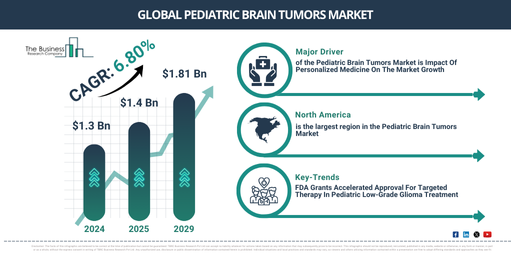
    The pediatric brain tumors market size has experienced robust growth in recent years. It is projected to expand from $1.3 billion in 2024 to $1.4 billion in 2025, at a compound annual growth rate (CAGR) of 7.0%. Historically, this expansion has been driven by several factors, including the increasing global incidence of pediatric brain tumors, the development of emerging economies, heightened investment in research and development, and the rising demand for diagnostic technology.

    The pediatric brain tumors market size is anticipated to undergo significant expansion in the upcoming years. It is projected to achieve a value of $1.81 billion by 2029, demonstrating a compound annual growth rate (CAGR) of 6.8%. This growth during the forecast period can be attributed to factors such as precision medicine, molecular profiling, targeted therapy, the growth of healthcare infrastructure, and expanded insurance coverage. Prominent trends throughout the forecast period include enhancements in magnetic resonance imaging (MRI), positron emission tomography (PET), and computed tomography (CT) scanning technologies, the implementation of genetic and molecular profiling, the advancement of targeted therapies, the introduction of immunotherapies, and the increasing use of minimally invasive surgical techniques.

    Unlock Your Free Sample Report for Exclusive Market Data:

    https://www.thebusinessresearchcompany.com/sample.aspx?id=21248&type=smp

    What Are The Key Drivers Of Growth In The Pediatric Brain Tumors Market?

    The increasing need for personalized medicine is anticipated to drive expansion in the pediatric brain tumors market. This healthcare approach involves tailoring treatments and medical choices to an individual’s genetic profile, lifestyle, and specific health needs. Its demand is escalating due to progress in genetic research, enhanced diagnostic methods, and the promise of more precise and efficacious therapies. By customizing treatments based on a child’s unique tumor type, mutation, and response, personalized medicine facilitates targeted therapies that are more potent, result in better outcomes, and minimize harm to healthy tissues while decreasing adverse effects. As an illustration, in February 2024, the Personalized Medicine Coalition, a US-based hospital and health care organization, reported that the FDA approved 16 new personalized treatments for rare disease patients in 2023, an increase from six in 2022. Consequently, the heightened demand for personalized medicine is fueling the growth of the pediatric brain tumor market.

    What Are The Segment Types Shaping The Pediatric Brain Tumors Market?

    The pediatric brain tumorsmarket covered in this report is segmented –

    1) By Type: Gliomas; Mixed Neuronal-Glial Tumors; Embryonal Tumors; Choroid Plexus Papilloma Or Carcinoma; Tumors Arising From Non-Neuroepithelial Tissue; Meningeal Tumors

    2) By Treatment Type: Surgery; Radiation Therapy; Chemotherapy; Targeted Therapy; Immunotherapy

    3) By Diagnosis Method: Imaging Techniques; Biopsy; Neurological Exam; Lumbar Puncture

    4) By Age Group: Infants; Toddlers; Children; Adolescents

    5) By Application: Hospitals And Clinics; Medical Research Centers; Academic Institutes; Other Applications

    Subsegments:

    1) By Gliomas: Low-Grade Gliomas; High-Grade Gliomas

    2) By Mixed Neuronal-Glial Tumors: Gangliogliomas; Dysembryoplastic Neuroepithelial Tumors (DNET)

    3) By Embryonal Tumors: Medulloblastoma; Atypical Teratoid Rhabdoid Tumor (ATRT); Primitive Neuroectodermal Tumors (PNET)

    4) By Choroid Plexus Papilloma or Carcinoma: Choroid Plexus Papilloma; Choroid Plexus Carcinoma

    5) By Tumors Arising from Non-Neuroepithelial Tissue: Rhabdomyosarcoma; Ewing’s Sarcoma

    6) By Meningeal Tumors: Meningiomas; Hemangiopericytomas

    Which Competitive Trends Are Defining The Pediatric Brain Tumors Market Structure?

    Companies operating in the pediatric brain tumors market are concentrating on developing innovative treatments like type II RAF inhibitors to enhance targeted therapies and improve outcomes for patients. Type II RAF inhibitors represent targeted interventions focused on suppressing RAF kinases, especially those with mutations that drive tumor proliferation. These inhibitors are engineered to pinpoint abnormal RAF protein structures present in certain pediatric low-grade glioma (pLGG) subtypes, effectively blocking the erroneous signaling pathways that contribute to tumor cell multiplication and endurance. An illustration of this is Day One Biopharmaceuticals, a US-based biotechnology company, announcing in April 2024 that the U.S. Food and Drug Administration (FDA) granted accelerated approval for OJEMDA (tovorafenib) for managing relapsed or refractory pediatric low-grade glioma (pLGG) in patients aged 6 months and older who have specific BRAF alterations. This approval positions OJEMDA as the first FDA-approved treatment specifically targeting BRAF fusions or mutations within this patient demographic. The approval is substantiated by the reported overall response rate of 51% from the FIREFLY-1 clinical trial, which assessed the drug’s efficacy in this specific use. The treatment is particularly aimed at children whose brain tumor has not responded to previous therapies.

    Who Are The Prominent Global Companies Shaping The Pediatric Brain Tumors Market?

    Major companies operating in the pediatric brain tumors market are AbbVie Inc., Bayer AG, Novartis AG, Roche Holding AG, Takeda Pharmaceutical Company, UCLA Health, Ipsen Pharma, Novocure, Blueprint Medicines, Karyopharm Therapeutics Inc., Renaissance Pharma, Servier Laboratories, Matica Biotechnology, Curis Inc., Oncoheroes Biosciences, Treovir Inc., Plus Therapeutics Inc., Stemline Therapeutics Inc., BrainChild Bio Inc., Seattle Children’s Therapeutics

    Download The Full Report For Exclusive Market Findings:

    https://www.thebusinessresearchcompany.com/report/pediatric-brain-tumors-global-market-report

    How Do Regional Market Performances Compare Within The Pediatric Brain Tumors Industry?

    North America was the largest region in the pediatric brain tumors market in 2024. The regions covered in the pediatric brain tumors market report are Asia-Pacific, Western Europe, Eastern Europe, North America, South America, Middle East, Africa.

    Request A Customized Version Of The Pediatric Brain Tumors Market Report:

    https://www.thebusinessresearchcompany.com/customise?id=21248&type=smp

    Browse Through More Reports Similar to the Global Pediatric Brain Tumors Market 2025, By The Business Research Company

    Brain Tumor Drugs Global Market Report 2025

    https://www.thebusinessresearchcompany.com/report/brain-tumor-drugs-global-market-report

    Brain And Neuroimaging Devices Global Market Report 2025

    https://www.thebusinessresearchcompany.com/report/brain-and-neuroimaging-devices-global-market-report

    Brain Monitoring Global Market Report 2025

    https://www.thebusinessresearchcompany.com/report/brain-monitoring-global-market-report

    Get in touch with us:

    The Business Research Company: https://www.thebusinessresearchcompany.com/

    Americas +1 310-496-7795

    Asia +44 7882 955267 & +91 8897263534

    Europe +44 7882 955267

    Email us at info@tbrc.info

    Follow us on:

    LinkedIn: https://in.linkedin.com/company/the-business-research-company

    YouTube: https://www.youtube.com/channel/UC24_fI0rV8cR5DxlCpgmyFQ

    Global Market Model: https://www.thebusinessresearchcompany.com/global-market-model
  • Global Parkinson’s Disease Market 2025–2029: Competitive Insights and Opportunities

    Global Parkinson’s Disease Market 2025–2029: Competitive Insights and Opportunities

    Unlock Global Insights – Save 20% on Market Reports with Code ONLINE20

    What Is The Global Market Value Of The Parkinson’s Disease Industry In 2025?

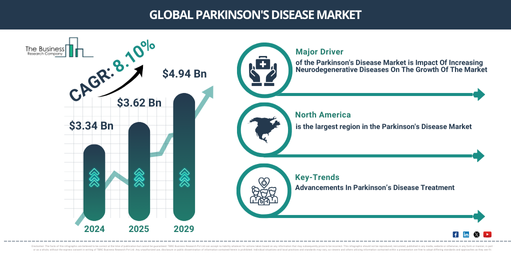
    The Parkinson’s disease market has shown strong growth in recent years. It is anticipated to expand from $3.34 billion in 2024 to $3.62 billion in 2025, achieving a compound annual growth rate (CAGR) of 8.2%. The historical increase in the market can be linked to factors such as increasing research and development, growth in government funding, the emergence of personalized treatment plans, the expansion of support networks for Parkinson’s disease patients, and the rising application of advanced rehabilitation therapies.

    The market for Parkinson’s disease is projected to experience robust expansion over the coming years, anticipated to reach $4.94 billion by 2029, demonstrating a compound annual growth rate (CAGR) of 8.1%. Factors contributing to this growth during the forecast period include greater recognition of Parkinson’s disease symptoms, increased governmental programs, higher expenditure on healthcare, an expanding number of Parkinson’s disease clinical trials, and the growing uptake of gene therapies. Key trends shaping the forecast period encompass advancements in technology, government-led initiatives and financial support, the application of artificial intelligence in diagnostics, novel solutions, and personalized medical approaches.

    Unlock Your Free Sample Report for Exclusive Market Data:

    https://www.thebusinessresearchcompany.com/sample.aspx?id=21247&type=smp

    Which Drivers Are Supporting Growth Of The Parkinson’s Disease Market?

    The expanding presence of neurodegenerative diseases is anticipated to fuel the growth of the parkinson’s disease market in the future. Neurodegenerative diseases are conditions marked by the progressive deterioration and loss of function of neurons within the brain and nervous system. The escalation in the occurrence of these diseases is attributed to factors such as an aging population, genetic predisposition, environmental influences, enhanced diagnosis, increasing chronic health conditions, and lifestyle changes. Parkinson’s disease facilitates a deeper understanding of neurodegenerative diseases by offering crucial perspectives on their underlying mechanisms, potential therapeutic targets, and the creation of innovative treatment approaches. For instance, in April 2022, data from the European Brain Council, a Belgium-based non-profit organization, revealed that over 600 neurological diseases and nearly 300 psychiatric conditions impact millions globally, including 65 million with epilepsy. In Europe, 10.5 million people have dementia, with projections indicating a rise to 18.7 million by 2050. Consequently, the increasing prevalence of neurodegenerative diseases is stimulating the expansion of the parkinson’s disease market.

    What Are The Different Segment Classifications Within The Parkinson’s Disease Market?

    The parkinson’s diseasemarket covered in this report is segmented –

    1) By Drug Class: Dopamine Agonists; Catechol-O-Methyltransferase Inhibitors; Monoamine Oxidase B Inhibitors; Anticholinergics; Carbidopa-Levodopa; Other Drug Classes

    2) By Route Of Administration: Oral; Injectable; Intestinal infusion; Subcutaneous; Other Route Of Administrations

    3) By Distribution Channel: Retail Pharmacies; Hospital Pharmacies; Online Pharmacies

    4) By Patient Care Setting: Clinics; Hospitals

    Subsegments:

    1) By Dopamine Agonists: Ergot Derivatives; Non-Ergot Derivatives

    2) By Catechol-O-Methyltransferase (COMT) Inhibitors: Entacapone; Tolcapone; Opicapone

    3) By Monoamine Oxidase B (MAO-B) Inhibitors: Selegiline; Rasagiline; Safinamide

    4) By Anticholinergics: Trihexyphenidyl; Benztropine; Procyclidine

    5) By Carbidopa-Levodopa: Immediate-Release Formulation; Extended-Release Formulation; Inhaled And Intestinal Gel Formulations

    6) By Other Drug Classes: Amantadine And Derivatives; Adenosine A2A Receptor Antagonists; Glutamate Antagonists

    What Are The Latest Industry Trends Transforming The Parkinson’s Disease Market?

    Leading companies in the Parkinson’s disease market are prioritizing the development of innovative treatments, such as levodopa-based therapy, to enhance motor function and ensure continuous symptom management for individuals with advanced Parkinson’s disease. Levodopa-based therapy involves administering levodopa, a medication that converts into dopamine in the brain, to improve motor function and alleviate symptoms of Parkinson’s disease. As an illustration, in October 2024, AbbVie Inc., a US-based biopharmaceutical company, obtained US Food and Drug Administration (FDA) approval for VYALEV, a combination therapy comprising levodopa and carbidopa, specifically developed for the treatment of Parkinson’s disease. Its design aims to increase levodopa’s effectiveness by preventing its breakdown before it reaches the brain, thereby elevating dopamine levels. This medication proves beneficial in controlling motor symptoms of Parkinson’s disease, including tremors, rigidity, and bradykinesia, which consequently improves a patient’s ability to perform daily activities. It is regarded as a crucial therapeutic option for Parkinson’s disease patients who experience motor fluctuations.

    Which Key Players Are Driving Competition In The Parkinson’s Disease Market?

    Major companies operating in the parkinson’s disease market are Roche Holding AG, AbbVie Inc., Novo Nordisk A/S, Takeda Pharmaceutical Company Limited, UCB S.A., Eisai Co. Ltd., Kyowa Kirin Co. Ltd., Amneal Pharmaceuticals Inc., Neurocrine Biosciences Inc., Supernus Pharmaceuticals Inc., Sunovion Pharmaceuticals Inc., Intracellular Therapies Inc., Voyager Therapeutics Inc., Sage Therapeutics Inc., Adamas Pharmaceuticals Inc., Sun Pharma Advanced Research Company Ltd., Neuraly Inc., Mitsubishi Tanabe Pharma Corporation, Athira Pharma Inc., VistaGen Therapeutics Inc.

    Download The Full Report For Exclusive Market Findings:

    https://www.thebusinessresearchcompany.com/report/parkinsons-disease-global-market-report

    Which Region Currently Holds The Largest Share Of The Parkinson’s Disease Market?

    North America was the largest region in the parkinson’s disease market in 2024. Asia-Pacific is expected to be the fastest-growing region in the forecast period. The regions covered in the parkinson’s disease market report are Asia-Pacific, Western Europe, Eastern Europe, North America, South America, Middle East, Africa.

    Request A Customized Version Of The Parkinson’s Disease Market Report:

    https://www.thebusinessresearchcompany.com/customise?id=21247&type=smp

    Browse Through More Reports Similar to the Global Parkinson’s Disease Market 2025, By The Business Research Company

    Autoimmune Disease Diagnosis Global Market Report 2025

    https://www.thebusinessresearchcompany.com/report/autoimmune-disease-diagnosis-global-market-report

    Alzheimer Disease Treatment Global Market Report 2025

    https://www.thebusinessresearchcompany.com/report/alzheimer-disease-treatment-global-market-report

    Chronic Disease Management Global Market Report 2025

    https://www.thebusinessresearchcompany.com/report/chronic-disease-management-global-market-report

    Get in touch with us:

    The Business Research Company: https://www.thebusinessresearchcompany.com/

    Americas +1 310-496-7795

    Asia +44 7882 955267 & +91 8897263534

    Europe +44 7882 955267

    Email us at info@tbrc.info

    Follow us on:

    LinkedIn: https://in.linkedin.com/company/the-business-research-company

    YouTube: https://www.youtube.com/channel/UC24_fI0rV8cR5DxlCpgmyFQ

    Global Market Model: https://www.thebusinessresearchcompany.com/global-market-model
  • Global In The Canal (ITC) Hearing Aids Industry Trends: Where the Market Is Headed by 2029

    Global In The Canal (ITC) Hearing Aids Industry Trends: Where the Market Is Headed by 2029

    Unlock Global Insights – Save 20% on Market Reports with Code ONLINE20

    How Is The In The Canal (ITC) Hearing Aids Market Size Likely To Evolve From 2025 Through 2034?

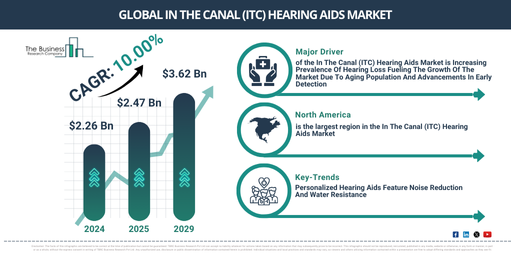
    The in the canal (itc) hearing aids market size has shown significant expansion in recent years. It is anticipated to increase from $2.26 billion in 2024 to $2.47 billion in 2025, exhibiting a compound annual growth rate (CAGR) of 9.5%. The expansion observed in the past can be ascribed to heightened awareness of hearing health, an expanding elderly population, a greater incidence of hearing loss, rising demand for custom-fit solutions, and an increasing number of hearing professionals.

    The in the canal (itc) hearing aids market size is anticipated to undergo significant growth over the next few years. It is expected to expand to $3.62 billion in 2029, demonstrating a compound annual growth rate (CAGR) of 10.0%. This projected growth during the forecast period stems from factors such as the increasing adoption of digital hearing aids, the escalating demand for wireless and smart hearing devices, the rising incidence of noise-induced hearing loss, a growing interest in personalized health devices, and the enhanced affordability of hearing aids. Prominent trends for this period involve the advancement of algorithms, the development of new audio processing technologies, the incorporation of cloud-based solutions, the integration of voice assistants, and ongoing innovation in noise-filtering technology.

    Unlock Your Free Sample Report for Exclusive Market Data:

    https://www.thebusinessresearchcompany.com/sample.aspx?id=24249&type=smp

    Which Drivers Are Impacting The In The Canal (ITC) Hearing Aids Market?

    The anticipated expansion of the in-the-canal (ITC) hearing aids market is driven by the rising occurrence of hearing loss. This condition refers to a partial or complete incapacity to perceive sounds in one or both ears, frequently resulting from damage to the ear or auditory pathways. A primary factor contributing to this growing prevalence of hearing loss is the aging demographic, where age-related alterations within the auditory system lead to a greater frequency of hearing impairments among older individuals. In-the-canal (ITC) hearing aids assist in managing hearing loss by providing unobtrusive, custom-fitted designs, rendering them suitable for everyday use. These devices improve sound clarity using advanced technology, thereby decreasing the effort required for listening and enhancing communication across diverse settings. For example, data from January 2025 by the Centers for Disease Control and Prevention, a US-based government agency, indicated that over 98% of U.S. newborns underwent hearing loss screening in 2022. From this group, more than 6,000 infants were diagnosed with permanent hearing loss, showing a prevalence rate of 1.7 cases per 1,000 babies screened. Consequently, the rising occurrence of hearing loss fuels the expansion of the in-the-canal (ITC) hearing aids market.

    What Are The Primary Types Of Segments Analyzed In The In The Canal (ITC) Hearing Aids Market?

    The in the canal (itc) hearing aidsmarket covered in this report is segmented –

    1) By Product Type: Full-Shell In The Canal Hearing Aids; Half-Shell In The Canal Hearing Aids; Custom In The Canal Hearing Aids; Programmable In The Canal Hearing Aids

    2) By Technology: Analog In The Canal Hearing Aids; Digital In The Canal Hearing Aids; Bluetooth-Enabled In The Canal Hearing Aids; Rechargeable In The Canal Hearing Aids

    3) By Price Range: Economical In The Canal Hearing Aids; Mid-Range In The Canal Hearing Aids; Premium In The Canal Hearing Aids

    4) By Distribution Channel: Online Stores; Pharmacies; Specialty Stores; Direct Sales

    5) By End User: Children; Adults; Gerontology

    Subsegments:

    1) By Full-Shell In The Canal Hearing Aids: Custom-Fit For The Ear Canal; Offers Maximum Amplification

    2) By Half-Shell In The Canal Hearing Aids: Smaller Than Full-Shell Models; Partially Fills The Ear Canal

    3) By Custom In The Canal Hearing Aids: Single Custom Mold; Multi-Mold Custom Options

    4) By Programmable In The Canal Hearing Aids: Digital Programmable; Analog Programmable

    What Long-Term Trends Will Shape The Future Growth Of The In The Canal (ITC) Hearing Aids Industry?

    Companies operating within the in-the-canal (ITC) hearing aids market are primarily focusing on developing advanced offerings, such as custom in-the-ear (ITE) devices, with the aim of enhancing user comfort, sound quality, and discreetness. Custom in-the-ear (ITE) devices are defined as hearing aids individually molded to conform to the unique shape of a person’s ear canal, thereby offering a discreet appearance and personalized comfort while simultaneously providing improved sound amplification. For instance, in August 2022, Oticon A/S, a Denmark-based hearing aid manufacturer, unveiled Oticon Own hearing aids, specifically designed to offer a fully customized fit for optimal comfort. These aids are equipped with an on-board deep neural network (DNN) that utilizes artificial intelligence to achieve natural sound processing and superior speech understanding, even in loud environments. They are completely custom in-the-ear (ITE) devices, highly discreet, and include advanced feedback suppression, digital noise reduction, and a water- and dust-resistant design for consistent comfort and reliability throughout the day.

    Who Are The Core Companies Influencing The In The Canal (ITC) Hearing Aids Market Landscape?

    Major companies operating in the in the canal (ITC) hearing aids market are Siemens Healthineers AG, Sonova Holding AG, Demant A/S, ?Amplifon, GN Store Nord A/S, WS Audiology A/S, Sivantos, Argosy Hearing, Coselgi, Interton, Hansaton, MicroTech Hearing, Audina Hearing Instruments, Beltone, JINGHAO Medical Technology Co. Ltd., Banglijian Hearing Aids, Unitron, Zounds Hearing Inc., Eargo, Cochlear Limited

    Download The Full Report For Exclusive Market Findings:

    https://www.thebusinessresearchcompany.com/report/in-the-canal-itc-hearing-aids-global-market-report

    Which Region Shows The Highest Potential For Future Expansion In The In The Canal (ITC) Hearing Aids Market?

    North America was the largest region in the in-the-canal (ITC) hearing aids market in 2024. Asia-Pacific is expected to be the fastest-growing region in the forecast period. The regions covered in the in the canal (ITC) hearing aids market report are Asia-Pacific, Western Europe, Eastern Europe, North America, South America, Middle East, Africa.

    Request A Customized Version Of The In The Canal (ITC) Hearing Aids Market Report:

    https://www.thebusinessresearchcompany.com/customise?id=24249&type=smp

    Browse Through More Reports Similar to the Global In The Canal (ITC) Hearing Aids Market 2025, By The Business Research Company

    Hearing Aid Devices And Equipment Global Market Report 2025

    https://www.thebusinessresearchcompany.com/report/hearing-aid-devices-and-equipment-global-market-report

    Hearing Diagnostic Devices And Equipment Global Market Report 2025

    https://www.thebusinessresearchcompany.com/report/hearing-diagnostic-devices-and-equipment-global-market-report

    Hearing Implants Global Market Report 2025

    https://www.thebusinessresearchcompany.com/report/hearing-implants-global-market-report

    Get in touch with us:

    The Business Research Company: https://www.thebusinessresearchcompany.com/

    Americas +1 310-496-7795

    Asia +44 7882 955267 & +91 8897263534

    Europe +44 7882 955267

    Email us at info@tbrc.info

    Follow us on:

    LinkedIn: https://in.linkedin.com/company/the-business-research-company

    YouTube: https://www.youtube.com/channel/UC24_fI0rV8cR5DxlCpgmyFQ

    Global Market Model: https://www.thebusinessresearchcompany.com/global-market-model