Blog

  • Liver Cirrhosis Market Growth Opportunities: Insights from 2025–2029

    Liver Cirrhosis Market Growth Opportunities: Insights from 2025–2029

    Unlock Global Insights – Save 20% on Market Reports with Code ONLINE20

    By How Much Is The Liver Cirrhosis Market Expected To Expand Between 2025 And 2029?

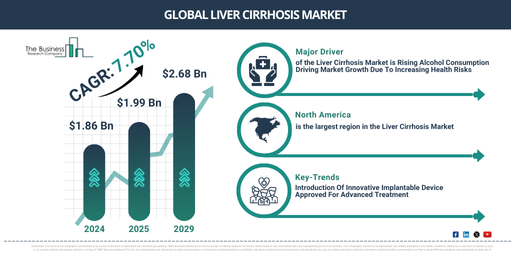
    The liver cirrhosis market has experienced substantial growth recently. It is projected to expand from $1.86 billion in 2024 to $1.99 billion in 2025, at a compound annual growth rate (CAGR) of 7.0%. This historical growth can be attributed to the increasing incidence of liver diseases, high levels of alcohol consumption, an aging global population, augmented healthcare expenditure, and the rise in government-led initiatives.

    The liver cirrhosis market is anticipated to experience robust expansion in the upcoming years. Its valuation is projected to reach $2.68 billion by 2029, achieving a compound annual growth rate (CAGR) of 7.7%. This projected increase throughout the forecast period stems from factors such as the increasing prevalence of hepatitis infections, a surge in economic growth, expanding urbanization, evolving lifestyle patterns, and the rise of medical tourism. Key developments expected during this period encompass progress in diagnostic instrumentation, breakthroughs in technology, strategic alliances and joint ventures, the incorporation of artificial intelligence, and the adoption of holistic treatment approaches.

    Unlock Your Free Sample Report for Exclusive Market Data:

    https://www.thebusinessresearchcompany.com/sample.aspx?id=22040&type=smp

    What Are The Key Drivers Of Growth In The Liver Cirrhosis Market?

    The anticipated increase in alcohol consumption is expected to propel the growth of the liver cirrhosis market going forward. Alcohol consumption refers to the intake of alcoholic beverages, typically measured by quantity and frequency. People are increasingly consuming alcohol because it helps them unwind from daily stress, fosters social connections in gatherings, and enhances moments of relaxation, while also benefiting from widespread media promotion and greater accessibility in various settings. Liver cirrhosis treatment for patients with excessive alcohol consumption focuses on managing liver damage through abstinence, medications, and supportive care, concurrently addressing alcohol dependence with counseling and rehabilitation. For instance, in March 2023, according to the National Drugs Library, an Ireland-based data collection organization, in 2022, the average alcohol consumption for individuals over 15 years old rose to 10.2 liters of pure alcohol per capita, reflecting a 7.6% increase from 2021. Therefore, increasing alcohol consumption drives the liver cirrhosis market.

    What Are The Major Segment Categories Driving The Liver Cirrhosis Market Growth?

    The liver cirrhosismarket covered in this report is segmented –

    1) By Type: Alcoholic Cirrhosis; Atrophic Cirrhosis; Biliary Cirrhosis; Cardiac Cirrhosis; Cryptogenic Cirrhosis

    2) By Treatment: Antibiotics; Immunosuppressants; Other Treatments

    3) By End Users: Hospitals; Specialty Clinics; Ambulatory Surgical Centers; Academic And Research Institutes; Other End Users

    Subsegments:

    1) By Alcoholic Cirrhosis: Compensated Alcoholic Cirrhosis; Decompensated Alcoholic Cirrhosis; Alcoholic Steatohepatitis (ASH)-Associated Cirrhosis

    2) By Atrophic Cirrhosis: Post-necrotic Atrophic Cirrhosis; Macronodular Atrophic Cirrhosis; Micronodular Atrophic Cirrhosis

    3) By Biliary Cirrhosis: Primary Biliary Cirrhosis (PBC); Secondary Biliary Cirrhosis; Autoimmune Biliary Cirrhosis

    4) By Cardiac Cirrhosis: Right Heart Failure-Induced Cirrhosis; Chronic Passive Congestion Cirrhosis; Ischemic Hepatitis Cirrhosis

    5) By Cryptogenic Cirrhosis: Non-Alcoholic Steatohepatitis (NASH)-Associated Cirrhosis; Idiopathic Cirrhosis; Metabolic Syndrome-Associated Cirrhosis

    How Are Emerging Market Trends Shaping The Liver Cirrhosis Industry Landscape?

    Companies operating in the liver cirrhosis market are increasingly concentrating on advancements in treatment options, such as the development of active implantable medical devices, with the aim of improving patient outcomes and expanding therapeutic possibilities. Active implantable medical devices are electronically powered implants specifically designed to monitor, support, or improve organ function within the body. For example, in December 2024, Sequana Medical NV, a Belgium-based medical device company, obtained U.S. FDA approval for its alfapump system, which is the first active implantable medical device in the U.S. for managing recurrent or refractory ascites caused by liver cirrhosis. This innovative technology offers a continuous, automated solution for fluid management by moving excess abdominal fluid to the bladder, considerably lessening reliance on invasive therapeutic paracentesis. The alfapump represents a significant advancement in enhancing patient outcomes and elevating quality of life, addressing a market of approximately 70,000 patients in the United States.

    Who Are The Primary Competitors In The Global Liver Cirrhosis Market?

    Major companies operating in the liver cirrhosis market are Pfizer Inc., F. Hoffmann-La Roche AG, Merck & Co. Inc., AbbVie Inc., Bayer AG, Bristol-Myers Squibb Company, AstraZeneca PLC, Abbott Laboratories, Novartis AG, Takeda Pharmaceutical Company Limited, Eli Lilly and Company, Gilead Sciences Inc., Novo Nordisk A/S, Viatris Inc., Grifols Therapeutics LLC, Shionogi Inc., Galectin Therapeutics Inc., NGM Biopharmaceuticals Inc., Madrigal Pharmaceuticals Inc., Akero Therapeutics Inc.

    Download The Full Report For Exclusive Market Findings:

    https://www.thebusinessresearchcompany.com/report/liver-cirrhosis-global-market-report

    Which Regional Markets Are Contributing Most To The Liver Cirrhosis Industry Expansion?

    North America was the largest region in the liver cirrhosis market in 2024. Asia-Pacific is expected to be the fastest-growing region in the forecast period. The regions covered in the liver cirrhosis market report are Asia-Pacific, Western Europe, Eastern Europe, North America, South America, Middle East, Africa.

    Request A Customized Version Of The Liver Cirrhosis Market Report:

    https://www.thebusinessresearchcompany.com/customise?id=22040&type=smp

    Browse Through More Reports Similar to the Global Liver Cirrhosis Market 2025, By The Business Research Company

    Liver Diseases Therapeutics Global Market Report 2025

    https://www.thebusinessresearchcompany.com/report/liver-diseases-therapeutics-global-market-report

    Liver Cancer Diagnostics Global Market Report 2025

    https://www.thebusinessresearchcompany.com/report/liver-cancer-diagnostics-global-market-report

    Human Liver Model Global Market Report 2025

    https://www.thebusinessresearchcompany.com/report/human-liver-model-global-market-report

    Get in touch with us:

    The Business Research Company: https://www.thebusinessresearchcompany.com/

    Americas +1 310-496-7795

    Asia +44 7882 955267 & +91 8897263534

    Europe +44 7882 955267

    Email us at info@tbrc.info

    Follow us on:

    LinkedIn: https://in.linkedin.com/company/the-business-research-company

    YouTube: https://www.youtube.com/channel/UC24_fI0rV8cR5DxlCpgmyFQ

    Global Market Model: https://www.thebusinessresearchcompany.com/global-market-model
  • Liver Cancer Market Expansion Outlook: $5.62 Billion by 2029 Forecast

    Liver Cancer Market Expansion Outlook: $5.62 Billion by 2029 Forecast

    Unlock Global Insights – Save 20% on Market Reports with Code ONLINE20

    #What Is The Projected Market Size Of The Liver Cancer Market By 2029?

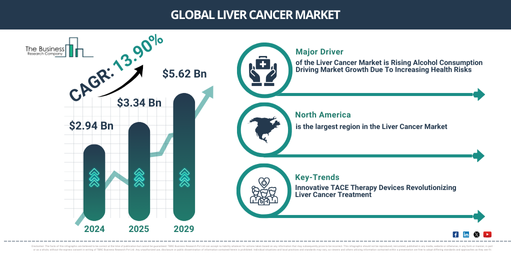
    The liver cancer market has seen significant expansion in recent years. Its value is anticipated to rise from $2.94 billion in 2024 to $3.34 billion in 2025, achieving a compound annual growth rate (CAGR) of 13.6%. Historically, this growth can be ascribed to an escalating global occurrence of liver cancer, a broadening prevalence of hepatitis B and C infections, increasing instances of non-alcoholic fatty liver disease, governmental programs designed to foster early diagnosis, and an increase in public understanding of liver health.

    The liver cancer market is projected to experience significant expansion in the coming years. It is forecast to achieve a size of $5.62 billion by 2029, demonstrating a compound annual growth rate (CAGR) of 13.9%. This anticipated growth during the forecast period is driven by factors such as an increasing elderly demographic, higher healthcare spending, a growing preference for less invasive treatment methods, an expansion in specialty clinics, and an uptake in medical tourism. Prominent trends for the forecast period include innovations in diagnostic technologies, the evolution of targeted treatments, the introduction of combined therapy approaches, advancements in surgical techniques, and improvements in radiotherapy methods.

    Unlock Your Free Sample Report for Exclusive Market Data:

    https://www.thebusinessresearchcompany.com/sample.aspx?id=22039&type=smp

    Which Drivers Are Supporting Growth Of The Liver Cancer Market?

    The expansion of the liver cancer market is projected to be propelled by an escalation in alcohol consumption. This refers to the ingestion of alcoholic beverages, typically gauged by both volume and frequency. People are increasing their alcohol intake because it assists them in unwinding from daily stressors, fosters social interactions at gatherings, and enhances moments of leisure, while also benefiting from widespread media promotion and increased accessibility across various venues. Excessive consumption of alcohol can lead to conditions such as liver cirrhosis, inflammation, and DNA damage, thereby heightening the risk of liver cancer through the encouragement of abnormal cell growth. For instance, according to the National Drugs Library, an Ireland-based data collection organization, it was reported in March 2023 that in 2022, the average alcohol consumption for individuals over 15 years old climbed to 10.2 liters of pure alcohol per capita, which represented a 7.6% increase from 2021. Consequently, the rising consumption of alcohol is a significant driving force for the liver cancer market.

    How Is The Liver Cancer Market Segmented?

    The liver cancermarket covered in this report is segmented –

    1) By Type: Hepatoblastoma; Intrahepatic Cholangiocarcinoma; Hepatocellular Carcinoma; Fibrolamellar Carcinoma

    2) By Stage Of Liver Cancer: Early Stage; Intermediate Stage; Advanced Stage

    3) By Treatment: Targeted Therapy; Radiation Therapy; Surgery; Chemotherapy; Immunotherapy

    4) By End User: Hospitals; Specialty Clinics; Ambulatory Surgical Centers; Cancer Research Institutes

    Subsegments:

    1) By Hepatoblastoma: Epithelial Hepatoblastoma; Mixed Epithelial and Mesenchymal Hepatoblastoma

    2) By Intrahepatic Cholangiocarcinoma: Mass-forming Cholangiocarcinoma; Periductal Infiltrating Cholangiocarcinoma; Intraductal Growing Cholangiocarcinoma

    3) By Hepatocellular Carcinoma: Fibrolamellar Hepatocellular Carcinoma; Conventional Hepatocellular Carcinoma; Scirrhous Hepatocellular Carcinoma; Clear Cell Hepatocellular Carcinoma; Lymphoepithelioma-like Hepatocellular Carcinoma

    4) By Fibrolamellar Carcinoma: Classic Fibrolamellar Carcinoma; Mixed Fibrolamellar and Conventional Hepatocellular Carcinoma

    Which Key Trends Are Expected To Influence The Liver Cancer Market In The Coming Years?

    Major companies active in the liver cancer market are concentrating on developing innovative therapy devices, including those offering transcatheter arterial chemoembolization (TACE), to elevate treatment precision, improve patient outcomes, and minimize side effects. Transcatheter arterial chemoembolization (TACE) is a minimally invasive procedure that delivers chemotherapy directly to a liver tumor while simultaneously blocking its blood supply, thereby enhancing treatment effectiveness. For example, in November 2023, Terumo Corporation, a Japan-based medical technology company, launched Occlusafe and LifePearl, innovative therapy devices designed for the management of liver cancer. These devices are intended to improve the treatment of liver cancer, especially hepatocellular carcinoma (HCC), which is the most common form of primary liver cancer in India, with over 20,000 new cases reported annually. Occlusafe is part of an advanced therapy called Balloon-TACE (B-TACE), which enhances the precision and effectiveness of TACE by using a balloon to occlude blood flow during the procedure. LifePearl are polyethylene glycol (PEG) embolization microspheres that can be loaded with chemotherapeutic agents.

    Which Key Market Players Are Investing In Expansion And Innovation Of Liver Cancer Market?

    Major companies operating in the liver cancer market are Pfizer Inc., Johnson & Johnson, F. Hoffmann-La Roche Ltd., Merck & Co. Inc., Bayer AG, Sanofi S.A., Bristol-Myers Squibb Company, Thermo Fisher Scientific Inc., AstraZeneca PLC, Abbott Laboratories, Novartis AG, Eli Lilly and Company, Siemens Healthineers AG, Terumo Corporation, Eisai Co. Ltd., Qiagen N.V., Exelixis Inc., BeiGene Ltd., RayzeBio Inc., Innovent Biologics Inc., Celsion Corporation

    Download The Full Report For Exclusive Market Findings:

    https://www.thebusinessresearchcompany.com/report/liver-cancer-global-market-report

    How Does The Liver Cancer Market Perform Across Key Geographic Regions?

    North America was the largest region in the liver cancer market in 2024. Asia-Pacific is expected to be the fastest-growing region in the forecast period. The regions covered in the liver cancer market report are Asia-Pacific, Western Europe, Eastern Europe, North America, South America, Middle East, Africa.

    Request A Customized Version Of The Liver Cancer Market Report:

    https://www.thebusinessresearchcompany.com/customise?id=22039&type=smp

    Browse Through More Reports Similar to the Global Liver Cancer Market 2025, By The Business Research Company

    Liver Cancer Diagnostics Global Market Report 2025

    https://www.thebusinessresearchcompany.com/report/liver-cancer-diagnostics-global-market-report

    Skin Cancer Drugs Global Market Report 2025

    https://www.thebusinessresearchcompany.com/report/skin-cancer-drugs-global-market-report

    Pancreatic Cancer Drugs Global Market Report 2025

    https://www.thebusinessresearchcompany.com/report/pancreatic-cancer-drugs-global-market-report

    Get in touch with us:

    The Business Research Company: https://www.thebusinessresearchcompany.com/

    Americas +1 310-496-7795

    Asia +44 7882 955267 & +91 8897263534

    Europe +44 7882 955267

    Email us at info@tbrc.info

    Follow us on:

    LinkedIn: https://in.linkedin.com/company/the-business-research-company

    YouTube: https://www.youtube.com/channel/UC24_fI0rV8cR5DxlCpgmyFQ

    Global Market Model: https://www.thebusinessresearchcompany.com/global-market-model
  • Global Lenegre’s Disease Industry Trends: Where the Market Is Headed by 2029

    Global Lenegre’s Disease Industry Trends: Where the Market Is Headed by 2029

    Unlock Global Insights – Save 20% on Market Reports with Code ONLINE20

    How Much Was The Lenegre’s Disease Market Worth In 2025, And What Is Its Anticipated Value By 2029?

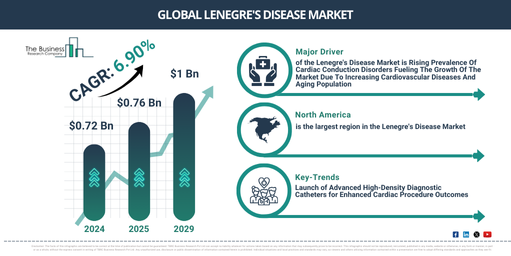
    The lenegre’s disease market size has experienced robust growth in recent years. It is projected to expand from $0.72 billion in 2024 to $0.76 billion in 2025, achieving a compound annual growth rate (CAGR) of 5.9%. This historical growth can be ascribed to a rise in prevalence of cardiovascular diseases, an aging population, an increase in awareness of conduction disorders, growth in healthcare expenditure, and early diagnosis initiatives.

    The lenegre’s disease market is anticipated to experience robust expansion over the coming years. By 2029, its valuation is projected to reach $1 billion, exhibiting a compound annual growth rate (CAGR) of 6.9%. This projected expansion during the forecast timeframe is due to factors such as a rise in arrhythmia cases, increased uptake of remote patient monitoring, greater investment in cardiac research, an expanding healthcare infrastructure, and enhanced access to electrophysiology treatments. Significant developments expected during this period involve a move towards AI-powered diagnostics, the creation of advanced pacemakers, the incorporation of big data in cardiac care, improvements in electrocardiography techniques, and an increase in telehealth service provision.

    Unlock Your Free Sample Report for Exclusive Market Data:

    https://www.thebusinessresearchcompany.com/sample.aspx?id=22034&type=smp

    Which Drivers Are Shaping The Lenegre’s Disease Industry’s Market Share?

    The lenegre disease market is anticipated to be propelled by the growing occurrence of cardiac conduction disorders in the upcoming period. These disorders are characterized by interruptions in the heart’s electrical signals, resulting in uneven heartbeats or poorly coordinated cardiac activity. The heightened frequency of cardiac conduction disorders stems from a greater number of cardiovascular diseases and an expanding elderly demographic. When cardiovascular ailments like hypertension, coronary artery disease, and heart failure proliferate, they directly impact the heart’s electrical conduction system, consequently causing conditions such as arrhythmias and heart block. Lenègre’s disease is induced by cardiac conduction disorders through the gradual deterioration of the heart’s conduction system, which in turn results in blockages and arrhythmias. As an illustration, the American Heart Association, a US-based non-profit organization, reported in January 2025 that the U.S. had 941,652 cardiovascular diseases (CVD)-related fatalities in 2022, signifying an increase of over 10,000 from the 931,578 deaths observed in 2021. Consequently, the expanding occurrence of cardiac conduction disorders fuels the lenegre disease market.

    What Are The Key Segments In The Lenegre’s Disease Market?

    The lenegre’s diseasemarket covered in this report is segmented –

    1) By Disorder Type: Cutaneous Lenegres Disease; Systemic Lenegres Disease

    2) By Treatment: Corticosteroids; Immunosuppressants; Biological Therapies; Phototherapy; Other Treatments

    3) By End User: Hospital; Dermatology Clinics; Ambulatory Surgical Centers; Other End Users

    Subsegments:

    1) By Cutaneous Lenegre’s Disease: Autoimmune-Related Cutaneous Lenegre’s Disease; Genetic Cutaneous Lenegre’s Disease; Idiopathic Cutaneous Lenegre’s Disease; Drug-Induced Cutaneous Lenegre’s Disease

    2) By Systemic Lenegre’s Disease: Primary Systemic Lenegre’s Disease; Secondary Systemic Lenegre’s Disease; Congenital Systemic Lenegre’s Disease; Aging-related Systemic Lenegre’s Disease

    What Are The Major Trends Driving The Growth Of The Lenegre’s Disease Market?

    Leading companies in the lenegre disease market are concentrating on bringing advanced products, such as high-density diagnostic catheters, to market to elevate the accuracy and effectiveness of cardiac procedures. High-density diagnostic catheters are specialized medical instruments used in cardiology to precisely map the heart’s electrical activity, enabling thorough diagnosis and treatment of cardiac arrhythmias. For instance, in July 2023, Biosense Webster Inc., a US-based medical equipment manufacturing company, introduced an OPTRELL mapping catheter with TRUEref technology. The OPTRELL mapping catheter with TRUEref technology, powered by the CARTO 3 System, facilitates high-definition electrophysiological mapping with 48 small electrodes, empowering clinicians to map complex cardiac arrhythmias with enhanced precision and devise more effective ablation strategies.

    Who Are The Core Companies Influencing The Lenegre’s Disease Market Landscape?

    Major companies operating in the lenegre’s disease market are Pfizer Inc., F. Hoffmann-La Roche Ltd., Merck & Co. Inc., Sanofi S.A., Bristol-Myers Squibb Company, AstraZeneca PLC, Abbott Laboratories, Novartis AG, Medtronic plc, Eli Lilly and Company, Amgen Inc., Intas Pharmaceuticals Ltd., Boston Scientific Corporation, Dr. Reddy’s Laboratories Ltd., Hikma Pharmaceuticals PLC, Biotronik SE & Co. KG, LivaNova PLC, Lepu Medical Technology (Beijing) Co. Ltd., Osypka AG, Medico S.R.L.

    Download The Full Report For Exclusive Market Findings:

    https://www.thebusinessresearchcompany.com/report/lenegres-disease-global-market-report

    Which Region Is Expected To Witness The Fastest Growth In The Lenegre’s Disease Market?

    North America was the largest region in the lenegre’s disease market in 2024. The regions covered in the lenegre’s disease market report are Asia-Pacific, Western Europe, Eastern Europe, North America, South America, Middle East, Africa.

    Request A Customized Version Of The Lenegre’s Disease Market Report:

    https://www.thebusinessresearchcompany.com/customise?id=22034&type=smp

    Browse Through More Reports Similar to the Global Lenegre’s Disease Market 2025, By The Business Research Company

    Cardiac Pacemakers Global Market Report 2025

    https://www.thebusinessresearchcompany.com/report/cardiac-pacemakers-global-market-report

    Cardiac Valve Global Market Report 2025

    https://www.thebusinessresearchcompany.com/report/cardiac-valve-global-market-report

    Cardiac Arrhythmia Monitoring Devices Global Market Report 2025

    https://www.thebusinessresearchcompany.com/report/cardiac-arrhythmia-monitoring-devices-global-market-report

    Get in touch with us:

    The Business Research Company: https://www.thebusinessresearchcompany.com/

    Americas +1 310-496-7795

    Asia +44 7882 955267 & +91 8897263534

    Europe +44 7882 955267

    Email us at info@tbrc.info

    Follow us on:

    LinkedIn: https://in.linkedin.com/company/the-business-research-company

    YouTube: https://www.youtube.com/channel/UC24_fI0rV8cR5DxlCpgmyFQ

    Global Market Model: https://www.thebusinessresearchcompany.com/global-market-model
  • Leber Congenital Amaurosis Industry Forecast to Hit $1.31 Billion by 2029 With a Strong 5.5% CAGR

    Leber Congenital Amaurosis Industry Forecast to Hit $1.31 Billion by 2029 With a Strong 5.5% CAGR

    Unlock Global Insights – Save 20% on Market Reports with Code ONLINE20

    What Is The Future Market Size Estimation For The Leber Congenital Amaurosis Market Covering 2025–2034?

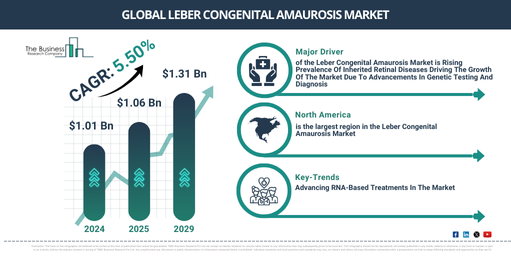
    The market size for leber congenital amaurosis has experienced steady growth in recent years. This market is projected to expand from $1.01 billion in 2024 to $1.06 billion in 2025, at a compound annual growth rate (CAGR) of 4.9%. The growth observed in the past can be ascribed to a rise in awareness regarding rare eye disorders, increased government funding, enhanced diagnostic techniques, the expansion of ophthalmic research centers, and patient advocacy initiatives.

    The leber congenital amaurosis market is anticipated to show substantial expansion in the upcoming years. Its valuation is projected to reach $1.31 billion by 2029, exhibiting a compound annual growth rate (CAGR) of 5.5%. This expected growth within the forecast period stems from factors such as increasing investment in gene therapy, the rising occurrence of inherited retinal diseases, regulatory authorizations for new therapies, a growing number of clinical trials, and an increase in healthcare expenditure. Significant trends for the forecast period encompass the introduction of CRISPR-based treatments, strengthened collaboration among biotech enterprises, the evolution of personalized medicine, broader application of teleophthalmology, and advancements in retinal imaging technology.

    Unlock Your Free Sample Report for Exclusive Market Data:

    https://www.thebusinessresearchcompany.com/sample.aspx?id=22033&type=smp

    What Are The Drivers Pushing New Developments In The Leber Congenital Amaurosis Market?

    The rising occurrence of inherited retinal disorders is projected to boost the expansion of the leber congenital amaurosis (LCA) market. Inherited retinal diseases (IRDs) are genetic conditions impacting the retina, which is the light-sensitive tissue located at the eye’s rear, crucial for sight. This rise in inherited retinal diseases can be attributed to enhancements in genetic testing, increased awareness and diagnostic capabilities, and extended life expectancies. Progress in genetic testing technology has simplified the diagnosis of inherited retinal diseases, resulting in the detection of a greater number of instances. Leber congenital amaurosis plays a role in furthering knowledge about inherited retinal diseases by uncovering genetic mutations and mechanisms of the disease, which aids in the development of specific therapies and treatments. As an illustration, in January 2025, data from the UK Parliament’s House of Commons Library, a UK-based government administration, indicated that around 25,000 individuals in the UK suffered from inherited retinal diseases in 2024, representing a 2% annual increment. Consequently, the growing incidence of inherited retinal diseases is a key driver for the leber congenital amaurosis market.

    What Are The Leading Segments Analyzed In The Leber Congenital Amaurosis Market?

    The leber congenital amaurosismarket covered in this report is segmented –

    1) By Treatment Type: Gene Therapy; Pharmaceutical Drugs; Retinal Prosthesis; Assistive Devices; Other Treatments

    2) By Age Of Onset: Congenital Leber Congenital Amaurosis (LCA) (From Birth); Early Childhood Leber Congenital Amaurosis (LCA) (1-5 Years); Late-Onset Leber Congenital Amaurosis (LCA) (6 Years And Above)

    3) By Distribution Channel:; Direct Tender; Retail Sales

    4) By End User: Hospitals; Specialized Eye Clinics; Ophthalmology Research Centers; Home Care Settings; Other End Users

    Subsegments:

    1) By Gene Therapy: RPE65 Gene Replacement Therapy; CRISPR-Based Gene Editing; AAV (Adeno-Associated Virus) Vector Therapy; Emerging Experimental Gene Therapies

    2) By Pharmaceutical Drugs: Retinoid-Based Therapies; Neuroprotective Agents; Anti-Inflammatory Drugs; Antioxidant Therapies

    3) By Retinal Prosthesis: Implantable Retinal Chips; Artificial Retinal Stimulation Devices; Bionic Eye Technology

    4) By Assistive Devices: Low Vision Aids; Screen Readers and Braille Devices; Mobility Aids for Vision Impairment

    5) By Other Treatments: Stem Cell Therapy; Optogenetics-Based Treatments; Visual Rehabilitation Programs; Nutritional and Dietary Interventions

    What Trends Are Expected To Drive The Leber Congenital Amaurosis Market?

    Key companies operating within the leber congenital amaurosis market are prioritizing the development of innovative treatments, including RNA-based solutions, to improve vision restoration and disease management. RNA-based treatments utilize RNA molecules to address diseases by specifically targeting genetic processes, examples of which include mRNA vaccines, siRNA therapies, antisense oligonucleotides, and RNA aptamers. As an illustration, Laboratoires Théa S.A.S., a pharmaceutical company based in France, launched Sepul Bio in January 2025. This dedicated business unit aims to advance RNA therapies for inherited retinal diseases, specifically focusing on sepofarsen for leber congenital amaurosis 10 (LCA10) and ultevursen for USH2A-associated retinitis pigmentosa. Following the successful dosing of the first patient in the LUNA Phase 2b clinical trial for ultevursen, Sepul Bio is well-positioned to make substantial progress in treating these rare genetic conditions.

    Which Major Industry Participants Are Leading The Leber Congenital Amaurosis Market Growth?

    Major companies operating in the leber congenital amaurosis market are Sanofi S.A., Novartis AG, Astellas Pharma Inc., Invitae Corporation, Novelion Therapeutics Inc., Andelyn Biosciences Inc., CD Genomics Inc., Editas Medicine Inc., MeiraGTx Holdings plc, Sangamo Therapeutics Inc., LKC Technologies Inc., Aldeyra Therapeutics Inc., Asper Biogene OÜ, Allergan Inc., ProQR Therapeutics N.V., GenSight Biologics S.A., Ocugen Inc., IVERIC bio Inc. (formerly Ophthotech Corporation), Atsena Therapeutics Inc., HuidaGene Therapeutics Co. Ltd.

    Download The Full Report For Exclusive Market Findings:

    https://www.thebusinessresearchcompany.com/report/leber-congenital-amaurosis-global-market-report

    Which Global Regions Are Influencing The Competitive Landscape Of The Leber Congenital Amaurosis Market?

    North America was the largest region in the leber congenital amaurosis market in 2024. Asia-Pacific is expected to be the fastest-growing region in the forecast period. The regions covered in the leber congenital amaurosis market report are Asia-Pacific, Western Europe, Eastern Europe, North America, South America, Middle East, Africa.

    Request A Customized Version Of The Leber Congenital Amaurosis Market Report:

    https://www.thebusinessresearchcompany.com/customise?id=22033&type=smp

    Browse Through More Reports Similar to the Global Leber Congenital Amaurosis Market 2025, By The Business Research Company

    Congenital Diaphragmatic Hernia Drugs Global Market Report 2025

    https://www.thebusinessresearchcompany.com/report/congenital-diaphragmatic-hernia-drugs-global-market-report

    Vitreoretinal Surgery Devices Global Market Report 2025

    https://www.thebusinessresearchcompany.com/report/vitreoretinal-surgery-devices-global-market-report

    Retinal Biologics Global Market Report 2025

    https://www.thebusinessresearchcompany.com/report/retinal-biologics-global-market-report

    Get in touch with us:

    The Business Research Company: https://www.thebusinessresearchcompany.com/

    Americas +1 310-496-7795

    Asia +44 7882 955267 & +91 8897263534

    Europe +44 7882 955267

    Email us at info@tbrc.info

    Follow us on:

    LinkedIn: https://in.linkedin.com/company/the-business-research-company

    YouTube: https://www.youtube.com/channel/UC24_fI0rV8cR5DxlCpgmyFQ

    Global Market Model: https://www.thebusinessresearchcompany.com/global-market-model
  • Ischemia Reperfusion Injury Market to Reach $2.22 Billion by 2029, Growing at a CAGR of 7.4%

    Ischemia Reperfusion Injury Market to Reach $2.22 Billion by 2029, Growing at a CAGR of 7.4%

    Unlock Global Insights – Save 20% on Market Reports with Code ONLINE20

    What Is The Expected Total Market Size Of The Ischemia Reperfusion Injury Industry By The Forecast Year 2029?

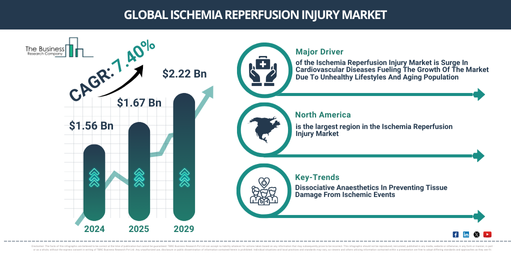
    The ischemia reperfusion injury market has experienced robust expansion in recent years. It is projected to expand from $1.56 billion in 2024 to reach $1.67 billion by 2025, showing a compound annual growth rate (CAGR) of 6.8%. This historical growth can be attributed to an uptick in the prevalence of cardiovascular diseases, an increase in surgical procedures, a heightened demand for organ transplantation, the expansion of the aging population, and a greater incidence of stroke.

    The ischemia reperfusion injury market size is expected to experience significant expansion in the coming years, reaching $2.22 billion by 2029 with a compound annual growth rate (CAGR) of 7.4%. This growth throughout the forecast period is driven by increasing demand for biomarker-based diagnostics, rising awareness of organ preservation techniques, a higher incidence of myocardial infarction, growing investments in pharmaceutical research and development, and an increasing demand for stem cell therapy. Major trends anticipated during this period include technological advancements in imaging, the development of new pharmacological agents, the integration of AI and machine learning into treatment, the adoption of 3D printing for organ modelling, and a movement towards telemedicine.

    Unlock Your Free Sample Report for Exclusive Market Data:

    https://www.thebusinessresearchcompany.com/sample.aspx?id=22025&type=smp

    What Are The Emerging Market Drivers Creating New Opportunities In The Ischemia Reperfusion Injury Industry?

    The ischemia-reperfusion injury market is expected to expand due to the increasing prevalence of cardiovascular diseases. These diseases are a category of disorders impacting the heart and blood vessels, covering conditions such as coronary artery disease, heart failure, and stroke. The rising incidence of cardiovascular diseases is attributed to unhealthy lifestyle choices and an aging population. Specifically, diets rich in saturated fats, sugar, and salt, combined with insufficient physical activity, lead to higher rates of obesity, hypertension, and diabetes, which are all significant risk factors for cardiovascular diseases. Ischemia-reperfusion injury contributes to the worsening of cardiovascular diseases by intensifying tissue damage through oxidative stress, inflammation, and cell death, ultimately impairing cardiac function and raising the risk of heart failure and other complications. For example, in December 2023, the Australian Institute of Health and Welfare, an Australia-based government agency, reported that deaths due to coronary heart disease (CHD) were 14,100 in 2021 and rose to 14,900 in 2022. Therefore, the growing prevalence of cardiovascular diseases is a primary driver for the ischemia-reperfusion injury market.

    What Are The Segment Types Shaping The Ischemia Reperfusion Injury Market?

    The ischemia reperfusion injurymarket covered in this report is segmented –

    1) By Treatment Type: Pharmacological Therapy; Non-pharmacological Therapy

    2) By Application: Cardiovascular Diseases; Stroke; Organ Transplantation; Heart Attack; Diabetes

    3) By End Users: Hospitals; Clinics; Ambulatory Services; Nursing Home

    Subsegments:

    1) By Pharmacological Therapy: Antioxidants; Anti-inflammatory Agents; Calcium Channel Blockers; Free Radical Scavengers; Nitric Oxide Donors; Mitochondrial Protective Agents.

    2) By Non-Pharmacological Therapy: Ischemic Preconditioning (IPC); Ischemic Postconditioning (IPO); Remote Ischemic Conditioning (RIC); Hypothermia Therapy; Mechanical Interventions; Gene and Stem Cell Therapy.

    Which Trends Are Impacting The Ischemia Reperfusion Injury Market?

    Key companies within the ischemia-reperfusion injury market are dedicated to developing innovative therapeutic approaches, such as ketamine-based treatments, to alleviate tissue damage and inflammation linked to ischemia-reperfusion injury. Ketamine-based treatments are medical interventions that utilize ketamine, a dissociative anesthetic, for addressing various health conditions. These therapies are primarily employed for mental health conditions including depression, anxiety, and post-traumatic stress disorder (PTSD), as well as for managing pain. For example, in December 2022, PharmaTher Holdings Ltd., a pharmaceutical company based in Canada, was granted an orphan drug designation by the U.S. Food and Drug Administration (FDA) for ketamine, aimed at preventing ischemia-reperfusion injury stemming from organ transplantation. This medication mitigates ischemia-reperfusion injury by inhibiting NF-κB, which in turn suppresses the production of proinflammatory cytokines such as IL-6 and TNF-α. Additionally, it demonstrates anti-inflammatory effects by impeding leukocyte reactivity, contributing to a reduction in immune-mediated damage to transplanted organs.

    Who Are The Prominent Global Companies Shaping The Ischemia Reperfusion Injury Market?

    Major companies operating in the ischemia reperfusion injury market are Pfizer Inc., Prolong Pharmaceuticals LLC, BMG LABTECH GmbH, Domainex Ltd, CFM Pharma Holding BV, Simcere Innovation Inc., Larix Bioscience LLC, Faron Pharmaceuticals Oy, LUCA Science Inc., Faraday Pharmaceuticals Inc., Athersys Inc., Alloksys Life Sciences B.V., Ischemix Inc., New Horizons Pharma Inc., Oxitope Pharma BV, PharmaTher Holdings Ltd, Revive Therapeutics Ltd, Corline Biomedical AB, Angion Biomedica Corp., Radikal Therapeutics Inc.

    Download The Full Report For Exclusive Market Findings:

    https://www.thebusinessresearchcompany.com/report/ischemia-reperfusion-injury-global-market-report

    What Are The Regional Market Dynamics Impacting The Ischemia Reperfusion Injury Industry?

    North America was the largest region in the ischemia reperfusion injury market in 2024. Asia-Pacific is expected to be the fastest-growing region in the forecast period. The regions covered in the ischemia reperfusion injury market report are Asia-Pacific, Western Europe, Eastern Europe, North America, South America, Middle East, Africa.

    Request A Customized Version Of The Ischemia Reperfusion Injury Market Report:

    https://www.thebusinessresearchcompany.com/customise?id=22025&type=smp

    Browse Through More Reports Similar to the Global Ischemia Reperfusion Injury Market 2025, By The Business Research Company

    Acute Spinal Cord Injury Global Market Report 2025

    https://www.thebusinessresearchcompany.com/report/acute-spinal-cord-injury-global-market-report

    Traumatic Brain Injury Global Market Report 2025

    https://www.thebusinessresearchcompany.com/report/traumatic-brain-injury-global-market-report

    Repetitive Strain Injury Rsi Treatment Global Market Report 2025

    https://www.thebusinessresearchcompany.com/report/repetitive-strain-injury-rsi-treatment-global-market-report

    Get in touch with us:

    The Business Research Company: https://www.thebusinessresearchcompany.com/

    Americas +1 310-496-7795

    Asia +44 7882 955267 & +91 8897263534

    Europe +44 7882 955267

    Email us at info@tbrc.info

    Follow us on:

    LinkedIn: https://in.linkedin.com/company/the-business-research-company

    YouTube: https://www.youtube.com/channel/UC24_fI0rV8cR5DxlCpgmyFQ

    Global Market Model: https://www.thebusinessresearchcompany.com/global-market-model
  • Global Intermittent Claudication Market Size Projected to Reach $16.99 Billion During the Forecast Period

    Global Intermittent Claudication Market Size Projected to Reach $16.99 Billion During the Forecast Period

    Unlock Global Insights – Save 20% on Market Reports with Code ONLINE20

    How Does The Market Size Of The Intermittent Claudication Industry Compare Between 2025 And 2029?

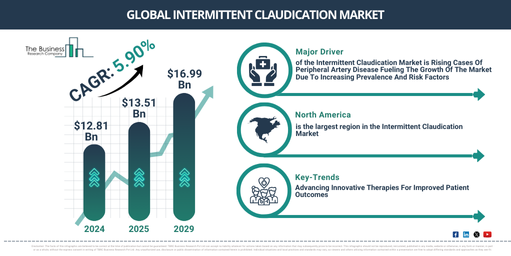
    The intermittent claudication market has shown significant growth in recent years. It is anticipated to expand from $12.81 billion in 2024 to $13.51 billion in 2025, exhibiting a compound annual growth rate (CAGR) of 5.5%. This historical expansion is attributable to several factors, including a rise in peripheral artery disease, increased awareness regarding vascular diseases, growth in the geriatric population, higher diagnosis rates, and an increase in healthcare expenditure.

    The market size for intermittent claudication is projected to experience substantial growth in the upcoming years. It is anticipated to expand to $16.99 billion by 2029, demonstrating a compound annual growth rate (CAGR) of 5.9%. This anticipated growth during the forecast period can be attributed to factors such as the increasing prevalence of diabetes, rising rates of obesity, a growing incidence of cardiovascular diseases, elevated alcohol and tobacco consumption, and increased healthcare spending. Key trends expected in this period include advancements in pad diagnostics, the integration of wearable devices, the adoption of personalized medicine, a move towards drug-eluting stents, and progress in stem cell therapy.

    Unlock Your Free Sample Report for Exclusive Market Data:

    https://www.thebusinessresearchcompany.com/sample.aspx?id=22021&type=smp

    Which Drivers Are Impacting The Intermittent Claudication Market?

    A surge in peripheral artery disease (PAD) cases is anticipated to stimulate the expansion of the intermittent claudication market moving forward. Peripheral artery disease is defined as a circulatory disorder where arteries narrow, decreasing blood flow to the limbs, which can cause pain, numbness, and further complications. The increasing incidence of peripheral artery disease is attributed to factors like an aging population, diabetes, smoking, hypertension, obesity, and sedentary lifestyles. PAD contributes to intermittent claudication by diminishing blood flow to leg muscles during exertion, resulting in pain and cramping from a lack of oxygen. For instance, in June 2023, as per the American Heart Association Journals, a US-based peer-reviewed open-access scientific journal, peripheral artery disease (PAD) impacts 7-12 million in the U.S. and 200 million globally. Hence, the rising number of peripheral artery disease (PAD) cases is a key driver for the growth of the intermittent claudication market.

    What Are The Different Segment Classifications Within The Intermittent Claudication Market?

    The intermittent claudicationmarket covered in this report is segmented –

    1) By Type: Medication Therapies; Revascularization

    2) By Route Of Administration: Parenteral Route; Oral Route; Other Routes Of Administration

    3) By Application: Hospitals; Clinics; Home Healthcare; Other Applications

    4) By Distribution Channel: Hospital Pharmacies; Retail Pharmacies; Online Pharmacies

    Subsegments:

    1) By Medication Therapies: Antiplatelet Agents; Vasodilators; Phosphodiesterase Inhibitors; Cilostazol; Pentoxifylline

    2) By Revascularization: Angioplasty; Stenting; Bypass Surgery; Endarterectomy

    What Long-Term Trends Will Shape The Future Growth Of The Intermittent Claudication Industry?

    Leading companies within the intermittent claudication market are increasingly focusing on developing advanced medicinal therapies, such as RIPK1 inhibitors, to improve treatment outcomes for individuals suffering from peripheral artery disease (PAD) accompanied by intermittent claudication. The aim of these innovations is to enhance blood circulation, alleviate inflammation, and halt disease progression. RIPK1 inhibitors are specifically designed drugs that work by blocking RIPK1 kinase activity, which consequently diminishes inflammation and cell death. An example of this trend is seen in August 2022, when GenFleet, a biotechnology firm based in China, obtained approval from the US Food and Drug Administration (FDA) to commence a Phase II clinical trial for GFH312. This particular therapy is an innovative solution for peripheral artery disease (PAD) with intermittent claudication (IC). The upcoming study, designed as a randomized, double-blinded, placebo-controlled trial, is planned to be carried out across 15 research centers. GFH312, a RIPK1 inhibitor, has previously demonstrated encouraging results in preclinical investigations by effectively suppressing the inflammatory response observed in animal models.

    Which Key Players Are Driving Competition In The Intermittent Claudication Market?

    Major companies operating in the intermittent claudication market are Pfizer Inc., Bristol Myers Squibb Company, AstraZeneca PLC, Novartis AG, GSK plc, Eli Lilly and Company, Merck KGaA, Teva Pharmaceutical, Otsuka Pharmaceutical Co. Ltd., Sanofi S.A., Bayer AG, Hikma Pharmaceuticals PLC, Dr. Reddy’s Laboratories, Pipelinepharma, Pharmaoffer, Alkem Laboratories, LGM Pharma, Aastrid Life Sciences Pvt. Ltd., Manus Aktteva Biopharma LLP, Enomark Pharma, Pharmacompass.

    Download The Full Report For Exclusive Market Findings:

    https://www.thebusinessresearchcompany.com/report/intermittent-claudication-global-market-report

    Which Region Shows The Highest Potential For Future Expansion In The Intermittent Claudication Market?

    North America was the largest region in the intermittent claudication market in 2024. Asia-Pacific is expected to be the fastest-growing region in the forecast period. The regions covered in the intermittent claudication market report are Asia-Pacific, Western Europe, Eastern Europe, North America, South America, Middle East, Africa.

    Request A Customized Version Of The Intermittent Claudication Market Report:

    https://www.thebusinessresearchcompany.com/customise?id=22021&type=smp

    Browse Through More Reports Similar to the Global Intermittent Claudication Market 2025, By The Business Research Company

    Intermittent Catheters Global Market Report 2025

    https://www.thebusinessresearchcompany.com/report/intermittent-catheters-global-market-report

    Intermittent Pneumatic Compression Ipc Devices Global Market Report 2025

    https://www.thebusinessresearchcompany.com/report/intermittent-pneumatic-compression-ipc-devices-global-market-report

    Coronary Artery Disease Global Market Report 2025

    https://www.thebusinessresearchcompany.com/report/coronary-artery-disease-global-market-report

    Get in touch with us:

    The Business Research Company: https://www.thebusinessresearchcompany.com/

    Americas +1 310-496-7795

    Asia +44 7882 955267 & +91 8897263534

    Europe +44 7882 955267

    Email us at info@tbrc.info

    Follow us on:

    LinkedIn: https://in.linkedin.com/company/the-business-research-company

    YouTube: https://www.youtube.com/channel/UC24_fI0rV8cR5DxlCpgmyFQ

    Global Market Model: https://www.thebusinessresearchcompany.com/global-market-model
  • Immune Thrombocytopenia Industry Anticipated to Expand at 5.6% CAGR During the Forecast Period

    Immune Thrombocytopenia Industry Anticipated to Expand at 5.6% CAGR During the Forecast Period

    Unlock Global Insights – Save 20% on Market Reports with Code ONLINE20

    What Is The Predicted Market Size Trajectory For The Immune Thrombocytopenia Market From 2025 To 2034?

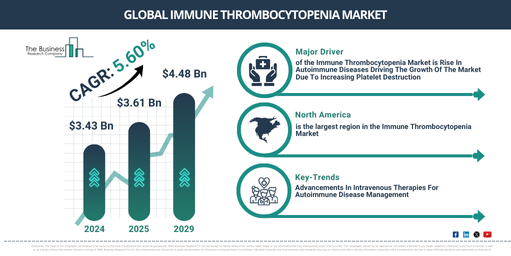
    The immune thrombocytopenia market size has experienced significant expansion over recent years. Projections indicate it will advance from $3.43 billion in 2024 to $3.61 billion in 2025, demonstrating a compound annual growth rate (CAGR) of 5.1%. The market’s growth in the historical period was primarily influenced by the increasing prevalence of autoimmune disorders, a rise in the incidence of chronic liver diseases, increasing penetration of healthcare services, expansion of healthcare infrastructure, and rising government support.

    The market for immune thrombocytopenia is projected to experience substantial expansion over the coming years. This market is anticipated to reach $4.48 billion by 2029, exhibiting a compound annual growth rate (CAGR) of 5.6%. Factors contributing to this anticipated growth include an increase in the prevalence of thrombocytopenia and blood disorders, rising healthcare spending, the broadening of available therapies, and an expanding elderly demographic. Key developments expected during this period involve progress in diagnostic technology, the incorporation of digital health solutions, a move towards multi-drug treatments, the embrace of telemedicine, and the application of artificial intelligence in diagnostics.

    Unlock Your Free Sample Report for Exclusive Market Data:

    https://www.thebusinessresearchcompany.com/sample.aspx?id=22012&type=smp

    Which Industry Drivers Are Expected To Accelerate The Immune Thrombocytopenia Market From 2025 To 2029?

    The increasing occurrence of autoimmune diseases is anticipated to drive expansion in the immune thrombocytopenia market in the future. These conditions arise when the immune system erroneously targets the body’s healthy cells and tissues, perceiving them as alien dangers. Such an atypical reaction results in inflammation and harm across different organs and systems. The uptick in autoimmune diseases is connected to genetic susceptibilities, environmental elements, shifts in lifestyle, and improved diagnostic capabilities due to greater awareness. These diseases induce immune thrombocytopenia by prompting the immune system to assault and eliminate the body’s platelets or hinder their generation in the bone marrow. As an illustration, in November 2024, data from Versorgungsatlas.de, a Germany-based organization, indicated that in 2022, out of 73,241,305 insured individuals, 6,304,340 received a diagnosis of at least one autoimmune condition, yielding a raw prevalence rate of 8.61%. Consequently, the expanding prevalence of autoimmune diseases is fostering the growth of the immune thrombocytopenia market.

    What Are The Primary Types Of Segments Analyzed In The Immune Thrombocytopenia Market?

    The immune thrombocytopeniamarket covered in this report is segmented –

    1) By Type: Primary Immune Thrombocytopenia; Secondary Immune Thrombocytopenia; Acquired Immune Thrombocytopenia

    2) By Treatment Type: Intravenous Immunoglobulin; Thrombopoietin Receptor Agonists; Immunosuppressive Therapy

    3) By Distribution Channel: Hospital Pharmacies; Retail Pharmacies; Online Pharmacies

    Subsegments:

    1) By Primary Immune Thrombocytopenia: Acute Primary ITP; Chronic Primary ITP; Persistent Primary ITP

    2) By Secondary Immune Thrombocytopenia: Drug-Induced ITP; Infection-Associated ITP; Autoimmune Disorder-Related ITP

    3) By Acquired Immune Thrombocytopenia: Immune-Mediated Acquired ITP; Non-Immune Acquired ITP

    Which Market Trends Are Creating New Opportunities In The Immune Thrombocytopenia Industry?

    Companies prominent in the immune thrombocytopenia market are prioritizing advancements in therapeutic options, especially those involving intravenous therapy. This emphasis aims to enhance treatment efficacy, reduce response times, improve patient adherence, and address existing unmet medical needs in the management of thrombocytopenia. Intravenous (IV) therapy is a medical process that delivers fluids, medications, or nutrients directly into a patient’s vein using an IV line. For instance, in March 2024, Argenx SE, a biotechnology company based in the Netherlands, announced that the Japan Ministry of Health, Labor, and Welfare (MHLW) had given its approval for VYVGART to be administered intravenously to adults diagnosed with primary immune thrombocytopenia (ITP). This approval represents a significant step forward in treatment choices, offering a targeted approach that provides rapid effectiveness and a sustained platelet response, thereby addressing critical unmet needs in the management of autoimmune diseases.

    Who Are The Top Performing Companies In The Immune Thrombocytopenia Market In Recent Years?

    Major companies operating in the immune thrombocytopenia market are Pfizer Inc., Merck & Co. Inc., Sanofi S.A., Novartis AG, Amgen Inc., Takeda Pharmaceutical Company Limited, Eli Lilly and Company, Intas Pharmaceuticals Ltd., CSL Behring, Griffols, UCB Pharma, Kyowa Kirin, Sobi (Swedish Orphan Biovitrum), 3SBio Inc., Biotest AG, Shionogi & Co. Ltd., Ligand Pharmaceuticals, Rigel Pharmaceuticals, Symphogen, Hansa Biopharma, Argenx.

    Download The Full Report For Exclusive Market Findings:

    https://www.thebusinessresearchcompany.com/report/immune-thrombocytopenia-global-market-report

    How Is Immune Thrombocytopenia Market Demand Varying Across Different Regions?

    North America was the largest region in the immune thrombocytopenia market in 2024. Asia-Pacific is expected to be the fastest-growing region in the forecast period. The regions covered in the immune thrombocytopenia market report are Asia-Pacific, Western Europe, Eastern Europe, North America, South America, Middle East, Africa.

    Request A Customized Version Of The Immune Thrombocytopenia Market Report:

    https://www.thebusinessresearchcompany.com/customise?id=22012&type=smp

    Browse Through More Reports Similar to the Global Immune Thrombocytopenia Market 2025, By The Business Research Company

    Autoimmune Disease Diagnosis Global Market Report 2025

    https://www.thebusinessresearchcompany.com/report/autoimmune-disease-diagnosis-global-market-report

    Granulocyte Colony Stimulating Factors Market 2025

    https://www.thebusinessresearchcompany.com/report/granulocyte-colony-stimulating-factors-market

    Drug Delivery Devices Market 2025

    https://www.thebusinessresearchcompany.com/report/drug-delivery-devices-market

    Get in touch with us:

    The Business Research Company: https://www.thebusinessresearchcompany.com/

    Americas +1 310-496-7795

    Asia +44 7882 955267 & +91 8897263534

    Europe +44 7882 955267

    Email us at info@tbrc.info

    Follow us on:

    LinkedIn: https://in.linkedin.com/company/the-business-research-company

    YouTube: https://www.youtube.com/channel/UC24_fI0rV8cR5DxlCpgmyFQ

    Global Market Model: https://www.thebusinessresearchcompany.com/global-market-model
  • Global Huntington’s Disease Market Projected to Expand at 17.7% CAGR by 2029

    Global Huntington’s Disease Market Projected to Expand at 17.7% CAGR by 2029

    Unlock Global Insights – Save 20% on Market Reports with Code ONLINE20

    How Much Larger Is The Huntington’s Disease Market Expected To Become By 2029 Compared With Its 2025 Level?

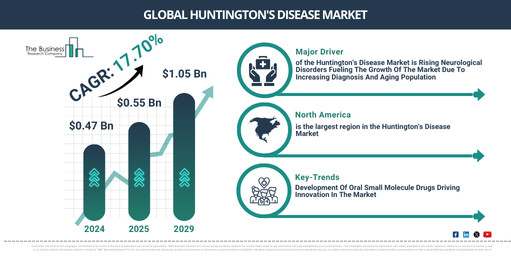
    The Huntington’s disease market size has seen rapid expansion in recent years. It is anticipated to increase from $0.47 billion in 2024 to $0.55 billion in 2025, achieving a compound annual growth rate (CAGR) of 16.0%. The historical growth of this market can be attributed to several factors, including increasing public understanding of chronic diseases, a rise in government awareness initiatives, growing government efforts to spread information about Huntington’s disease, an expanding geriatric demographic, and increased research into genetic disorders.

    The huntington’s disease market is projected to experience swift expansion over the coming years. This market is anticipated to reach $1.05 billion by 2029, exhibiting a compound annual growth rate (CAGR) of 17.7%. The expansion anticipated during this period stems from the increasing incidence of neurological conditions, heightened public consciousness, escalating healthcare spending, increased investments in research and development, and a rise in clinical research initiatives. Key developments expected in the forecast timeframe encompass the integration of novel medications, extensive drug innovation, the emergence of new technologies, continuous technological improvements, and a strong demand for advanced solutions.

    Unlock Your Free Sample Report for Exclusive Market Data:

    https://www.thebusinessresearchcompany.com/sample.aspx?id=22008&type=smp

    What Are The Top Growth Drivers Impacting The Huntington’s Disease Market Outlook?

    The increasing occurrence of neurological disorders is projected to boost the expansion of the huntington’s disease market in the future. These neurological conditions are medical ailments that impact the brain, spinal cord, and nerves, leading to symptoms such as impaired movement, coordination, sensation, or cognitive function. The rise in neurological disorders can be linked to factors like aging populations, environmental toxins, changes in lifestyle, improved diagnostic capabilities, and genetic predispositions, which facilitate the detection and identification of more cases. Huntington’s disease is a neurodegenerative condition stemming from a genetic mutation, manifesting as motor dysfunction, cognitive decline, and psychiatric symptoms that progressively worsen over time. For example, in March 2023, the Alzheimer’s Association, a US-based nonprofit voluntary health organization, stated that an estimated 6.7 million Americans aged 65 and older currently live with Alzheimer’s dementia. Without significant medical advancements to prevent, slow, or cure this disease, this figure could escalate to 13.8 million by 2060. Therefore, the growing prevalence of neurological disorders is stimulating the growth of the huntington’s disease market.

    Which Key Segments Fueling The Huntington’s Disease Market?

    The huntington’s diseasemarket covered in this report is segmented –

    1) By Treatment Type: Symptomatic Therapy; Disease-Modifying Therapy; Other Treatment Types

    2) By Diagnosis: Magnetic Resonance Imaging (MRI); Computed Tomography (CT) Scan; Genetic Testing; Other Diagnosis

    3) By Route of Administration: Oral; Parenteral; Other Routes Of Administration

    4) By Distribution Channel: Hospital Pharmacy; Online Pharmacy; Retail Pharmacy

    5) By End User: Hospitals; Homecare; Specialty Clinics; Other End Users

    Subsegments:

    1) By Symptomatic Therapy: Antipsychotics; Antidepressants; Mood Stabilizers; Muscle Relaxants

    2) By Disease-Modifying Therapy: Gene Silencing Therapies; Stem Cell Therapy; Neuroprotective Agents

    3) By Other Treatment Types: Physical Therapy; Occupational Therapy; Speech Therapy

    How Are Trends Influencing The Huntington’s Disease Market?

    Major companies within the huntington’s disease market are focusing their efforts on creating innovative solutions, such as oral small molecule drugs, aimed at managing symptoms and slowing the disease’s advancement. An oral small molecule drug is a low-molecular-weight compound that can be consumed orally and is engineered to engage with biological targets, including proteins or enzymes, to treat various conditions. For instance, in September 2024, PTC Therapeutics Inc., a US-based pharmaceutical company, obtained Fast Track designation from the U.S. Food and Drug Administration (USFDA) for its PTC518 program, which is designed for treating Huntington’s disease. This designation is granted to therapies that address significant unmet medical needs, highlighting the potential of PTC518 as a disease-modifying treatment for individuals affected by this genetic disorder.

    Which Leading Companies Dominate The Huntington’s Disease Market Share?

    Major companies operating in the huntington’s disease market are Novartis AG, Eli Lilly and Company, Teva Pharmaceutical Industries Ltd, Bausch Health Companies Inc., Sun Pharmaceutical Industries Ltd., Apotex Inc, Ipsen S.A., Vertex Pharmaceuticals Incorporated, H. Lundbeck A/S, Dr. Reddy’s Laboratories Ltd., Hikma Pharmaceuticals PLC, Lupin Limited., Neurocrine Biosciences Inc., Alnylam Pharmaceuticals Inc, PTC Therapeutics Inc., Annexon Inc., Voyager Therapeutics Inc., Stealth BioTherapeutics Corp., Vaccinex Inc., SOM Biotech S.L., Alterity Therapeutics Limited, Medesis pharma SA.

    Download The Full Report For Exclusive Market Findings:

    https://www.thebusinessresearchcompany.com/report/huntingtons-disease-global-market-report

    Which Geographies Are Emerging As Strong Markets For The Huntington’s Disease Industry?

    North America was the largest region in the huntington’s disease market in 2024. Asia-Pacific is expected to be the fastest-growing region in the forecast period. The regions covered in the huntington’s disease market report are Asia-Pacific, Western Europe, Eastern Europe, North America, South America, Middle East, Africa.

    Request A Customized Version Of The Huntington’s Disease Market Report:

    https://www.thebusinessresearchcompany.com/customise?id=22008&type=smp

    Browse Through More Reports Similar to the Global Huntington’s Disease Market 2025, By The Business Research Company

    Brain Tumor Drugs Global Market Report 2025

    https://www.thebusinessresearchcompany.com/report/brain-tumor-drugs-global-market-report

    Brain And Neuroimaging Devices Global Market Report 2025

    https://www.thebusinessresearchcompany.com/report/brain-and-neuroimaging-devices-global-market-report

    Brain Tumor Drugs Global Market 2025

    https://www.thebusinessresearchcompany.com/report/brain-tumor-drugs-global-market

    Get in touch with us:

    The Business Research Company: https://www.thebusinessresearchcompany.com/

    Americas +1 310-496-7795

    Asia +44 7882 955267 & +91 8897263534

    Europe +44 7882 955267

    Email us at info@tbrc.info

    Follow us on:

    LinkedIn: https://in.linkedin.com/company/the-business-research-company

    YouTube: https://www.youtube.com/channel/UC24_fI0rV8cR5DxlCpgmyFQ

    Global Market Model: https://www.thebusinessresearchcompany.com/global-market-model

  • Hereditary Transthyretin Amyloidosis Market to Grow at a CAGR of 9% from 2025 to 2029

    Hereditary Transthyretin Amyloidosis Market to Grow at a CAGR of 9% from 2025 to 2029

    Unlock Global Insights – Save 20% on Market Reports with Code ONLINE20

    #What Are The Current (2025) And Forecast (2029) Sizes Of The Hereditary Transthyretin Amyloidosis Market?

    The hereditary transthyretin amyloidosis market size has shown substantial growth in recent years. It is projected to increase from $1.36 billion in 2024 to $1.49 billion in 2025, achieving a compound annual growth rate (CAGR) of 9.3%. The expansion observed historically is attributed to the escalating incidence of this condition, a boost in research and development activities, an increasing prevalence of cardiac amyloidosis cases, heightened disease awareness, and the development of healthcare infrastructure.

    The market size for hereditary transthyretin amyloidosis is anticipated to show robust expansion over the next few years. It is projected to reach $2.09 billion by 2029, growing at a compound annual growth rate (CAGR) of 9.0%. The expansion during the forecast period is driven by an increasing geriatric population, higher disposable incomes, a rising incidence of hereditary transthyretin amyloidosis, an increase in new drug development, and a growth in genetic testing. Noteworthy trends for the forecast period include advanced treatment products, enhancements in diagnostic techniques, progress in drug development, a demand for effective therapies, and advancements in medical technology.

    Unlock Your Free Sample Report for Exclusive Market Data:

    https://www.thebusinessresearchcompany.com/sample.aspx?id=22003&type=smp

    Which Major Market Drivers Are Shaping The Future Of The Hereditary Transthyretin Amyloidosis Market?

    The market for hereditary transthyretin amyloidosis is anticipated to expand due to the increasing geriatric population. This demographic refers to individuals aged 65 and older, who frequently require specialized healthcare and support as they age. The expansion of the geriatric population stems from longer life expectancies, fueled by advancements in healthcare and improved living conditions. Hereditary transthyretin amyloidosis (hATTR) notably affects older adults by inducing progressive neuropathy and cardiomyopathy, thereby increasing health complications in aging individuals. For example, in January 2024, according to the US-based nonprofit Population Reference Bureau, the US population aged 65 and older is projected to grow from 58 million in 2022 to 82 million by 2050, marking a 47% increase. Consequently, the expanding geriatric population is a key factor propelling the growth of the hereditary transthyretin amyloidosis market.

    How Is The Hereditary Transthyretin Amyloidosis Market Classified Into Different Segments?

    The hereditary transthyretin amyloidosismarket covered in this report is segmented –

    1) By Type: Oral; Subcutaneous Injection; Other Types

    2) By Drug Class: RNAi Agents (Patisiran); Small Interfering RNAs (siRNAs) (Vutrisiran)

    3) By Distribution Channel: Hospital Pharmacies; Retail Pharmacies

    4) By Application: Hospital; Clinic; Other Applications

    Subsegments:

    1) By Oral: Tafamidis; Diflunisal; Experimental Oral Therapies

    2) By Subcutaneous Injection: Patisiran; Inotersen; Vutrisiran

    3) By Other Types: Intravenous Therapies; Gene Silencing Therapies; CRISPR-Based Therapies

    What Key Innovation Trends Are Fueling Advancements In The Hereditary Transthyretin Amyloidosis Market?

    Leading companies in the hereditary transthyretin amyloidosis market are developing innovative treatments, such as RNAi therapeutics, aimed at targeting and lowering the production of the transthyretin (TTR) protein. These RNAi therapeutics represent a class of medications that utilize RNA interference technology to silence specific genes, thereby reducing the synthesis of disease-causing proteins. For instance, in October 2024, Alnylam Pharmaceuticals, Inc., a US-based biopharmaceutical firm, submitted a supplemental new drug application (sNDA) to the US FDA for Vutrisiran (AMVUTTRA) for the treatment of transthyretin amyloidosis with cardiomyopathy. This submission emphasizes its pioneering RNAi therapeutic strategy, specifically designed to target and diminish transthyretin (TTR) protein, a crucial factor in the progression of the disease. The subcutaneous administration of Vutrisiran offers a more convenient and patient-friendly dosing regimen compared to traditional intravenous treatments, positioning it as a potentially transformative choice for individuals living with this serious condition.

    Who Are The Major Companies Operating In The Hereditary Transthyretin Amyloidosis Market?

    Major companies operating in the hereditary transthyretin amyloidosis market are Pfizer Inc., AbbVie Inc., Sanofi S.A., AstraZeneca plc, Novo Nordisk, Regeneron Pharmaceuticals Inc., Alexion Pharmaceuticals Inc., Alnylam Pharmaceuticals Inc., PTC Therapeutics Inc., Ionis Pharmaceuticals Inc., BridgeBio Pharma Inc., Akcea Therapeutics, Prothena Corporation plc, Intellia Therapeutics Inc., YoITech Therapeutics, Corino Therapeutics Inc., Attralus Inc., BSIM Therapeutics SA, Eidos Therapeutics, Autotac Bio Inc.

    Download The Full Report For Exclusive Market Findings:

    https://www.thebusinessresearchcompany.com/report/hereditary-transthyretin-amyloidosis-global-market-report

    Which Region Is Projected To Lead The Hereditary Transthyretin Amyloidosis Market During The Forecast Period?

    North America was the largest region in the hereditary transthyretin amyloidosis market in 2024. Asia-Pacific is expected to be the fastest-growing region in the forecast period. The regions covered in the hereditary transthyretin amyloidosis market report are Asia-Pacific, Western Europe, Eastern Europe, North America, South America, Middle East, Africa.

    Request A Customized Version Of The Hereditary Transthyretin Amyloidosis Market Report:

    https://www.thebusinessresearchcompany.com/customise?id=22003&type=smp

    Browse Through More Reports Similar to the Global Hereditary Transthyretin Amyloidosis Market 2025, By The Business Research Company

    Hereditary Cancer Testing Global Market Report 2025

    https://www.thebusinessresearchcompany.com/report/hereditary-cancer-testing-global-market-report

    Hereditary Angioedema Therapeutics Global Market Report 2025

    https://www.thebusinessresearchcompany.com/report/hereditary-angioedema-therapeutics-global-market-report

    Hereditary Breast And Ovarian Cancer Syndrome Treatment Global Market Report 2025

    https://www.thebusinessresearchcompany.com/report/hereditary-breast-and-ovarian-cancer-syndrome-treatment-global-market-report

    Get in touch with us:

    The Business Research Company: https://www.thebusinessresearchcompany.com/

    Americas +1 310-496-7795

    Asia +44 7882 955267 & +91 8897263534

    Europe +44 7882 955267

    Email us at info@tbrc.info

    Follow us on:

    LinkedIn: https://in.linkedin.com/company/the-business-research-company

    YouTube: https://www.youtube.com/channel/UC24_fI0rV8cR5DxlCpgmyFQ

    Global Market Model: https://www.thebusinessresearchcompany.com/global-market-model
  • Global Hereditary Angioedema Market 2025–2029: Competitive Insights and Opportunities

    Global Hereditary Angioedema Market 2025–2029: Competitive Insights and Opportunities

    Unlock Global Insights – Save 20% on Market Reports with Code ONLINE20

    What Market Value Is The Hereditary Angioedema Industry Expected To Reach By 2029, Starting From 2025 Levels?

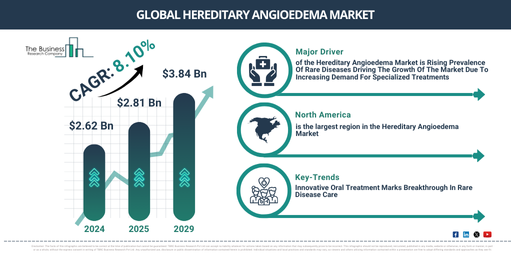
    The hereditary angioedema market size has witnessed robust growth in recent years. It is projected to increase from $2.62 billion in 2024 to $2.81 billion in 2025, exhibiting a compound annual growth rate (CAGR) of 7.4%. The expansion observed in the historic period can be ascribed to the increasing prevalence of hereditary angioedema, heightened investment in research and development activities, a rising volume of drug approvals, increasing product approvals, and growing disposable income.

    The hereditary angioedema market is anticipated to witness substantial growth over the next few years, with projections indicating it will reach $3.84 billion by 2029, growing at a compound annual growth rate (CAGR) of 8.1%. This expansion during the forecast period can be attributed to the increasing prevalence of rare diseases, greater medical expenditure, rising support from non-profit organizations, heightened awareness of hereditary angioedema, and increased emphasis on earlier diagnoses. Significant trends for the upcoming period include advancements in technology, the development of innovative therapies, the introduction of new drugs, enhanced diagnostic tools, and progress in genetic testing.

    Unlock Your Free Sample Report for Exclusive Market Data:

    https://www.thebusinessresearchcompany.com/sample.aspx?id=22002&type=smp

    What Are The Main Drivers Boosting The Hereditary Angioedema Industry’s Expansion?

    The increasing occurrence of rare diseases is anticipated to fuel expansion in the hereditary angioedema market moving ahead. Rare diseases, also referred to as orphan diseases, are medical conditions impacting a small segment of the population. This rise in rare disease prevalence stems from various factors, including advancements in medical research, shifts in population demographics, and environmental influences. Hereditary angioedema (HAE) stands out as a notable rare disease, underscoring the necessity for specialized treatments and public awareness given its potentially fatal swelling episodes. Its infrequent occurrence and genetic basis necessitate early diagnosis and focused therapies for effective management and better patient results. For example, in June 2022, information from Rare Disease Advisor, a US-based online resource for healthcare professionals, indicated that hereditary angioedema (HAE) affects around 1 in 50,000 individuals, with prevalence estimates varying from 1 in 10,000 to 1 in 150,000. Annually in the United States, HAE episodes lead to roughly 15,000 to 30,000 emergency room visits. Consequently, the increasing prevalence of rare diseases is fueling the expansion of the hereditary angioedema market.

    What Are The Major Segments Identified In The Hereditary Angioedema Market?

    The hereditary angioedemamarket covered in this report is segmented –

    1) By Type: Hereditary Angioedema Type I; Hereditary Angioedema Type II

    2) By Treatment Type: Prophylaxis; On-demand

    3) By Drug Class: C-1 Esterase Inhibitors; Bradykynin Receptor Antagonist; Kallikrein Inhibitors; Other Drug Classes

    4) By Route Of Administration: Subcutaneous; Intravenous; Oral

    5) By Distribution channel: Hospital Pharmacies; Retail Pharmacies; Online Pharmacies

    Subsegments:

    1) By Hereditary Angioedema Type I: C1-Inhibitor Deficiency; Low C1-Inhibitor Levels; Reduced C1-Inhibitor Function

    2) By Hereditary Angioedema Type II: Normal C1-Inhibitor Levels; Dysfunctional C1-Inhibitor; Genetic Mutations In SERPING1 Gene

    Which Ongoing Trends Are Expected To Shape The Hereditary Angioedema Market Outlook?

    Leading companies in the hereditary angioedema market are actively developing innovative products, such as oral plasma kallikrein inhibitors, to offer patients more convenient and effective on-demand treatment options. These oral plasma kallikrein inhibitors are medications designed to block plasma kallikrein, thereby preventing excessive bradykinin production, and are primarily utilized for managing hereditary angioedema. For instance, in September 2024, KalVista Pharmaceuticals, Inc., a pharmaceutical company based in the US, announced the FDA’s acceptance of its new drug application (NDA) for sebetralstat. This investigational oral plasma kallikrein inhibitor is intended for the on-demand treatment of hereditary angioedema (HAE) attacks in both adult and pediatric patients aged 12 and older. Sebetralstat introduces a new treatment approach by targeting and inhibiting plasma kallikrein activity. The acceptance of the NDA marks a significant milestone toward potential approval and commercialization.

    Which Global Market Leaders Are Shaping The Future Of The Hereditary Angioedema Sector?

    Major companies operating in the hereditary angioedema market are Intellia Therapeutics Inc., Sanofi S.A., Takeda Pharmaceutical Company Limited, Otsuka Pharmaceutical Co. Ltd., CSL Limited, Cipla Limited, BioMarin Pharmaceutical Inc., Ionis Pharmaceuticals Inc., BioCryst Pharmaceuticals Inc., Arrowhead Pharmaceuticals Inc., Spark Therapeutics Inc., Pharming Group N.V., Pharvaris N.V., Astria Therapeutics Inc., CENTOGENE N.V., KalVista Pharmaceuticals Inc., ADARx Pharmaceuticals Inc., Adverum Biotechnologies Inc., Attune Pharmaceuticals Inc., Lev Pharmaceuticals Inc.

    Download The Full Report For Exclusive Market Findings:

    https://www.thebusinessresearchcompany.com/report/hereditary-angioedema-global-market-report

    What Are The Key Regional Factors Influencing The Hereditary Angioedema Market Growth?

    North America was the largest region in the hereditary angioedema market in 2024. Asia-Pacific is expected to be the fastest-growing region in the forecast period. The regions covered in the hereditary angioedema market report are Asia-Pacific, Western Europe, Eastern Europe, North America, South America, Middle East, Africa.

    Request A Customized Version Of The Hereditary Angioedema Market Report:

    https://www.thebusinessresearchcompany.com/customise?id=22002&type=smp

    Browse Through More Reports Similar to the Global Hereditary Angioedema Market 2025, By The Business Research Company

    Hereditary Cancer Testing Global Market Report 2025

    https://www.thebusinessresearchcompany.com/report/hereditary-cancer-testing-global-market-report

    Hereditary Angioedema Therapeutics Global Market Report 2025

    https://www.thebusinessresearchcompany.com/report/hereditary-angioedema-therapeutics-global-market-report

    Hereditary Breast And Ovarian Cancer Syndrome Treatment Global Market Report 2025

    https://www.thebusinessresearchcompany.com/report/hereditary-breast-and-ovarian-cancer-syndrome-treatment-global-market-report

    Get in touch with us:

    The Business Research Company: https://www.thebusinessresearchcompany.com/

    Americas +1 310-496-7795

    Asia +44 7882 955267 & +91 8897263534

    Europe +44 7882 955267

    Email us at info@tbrc.info

    Follow us on:

    LinkedIn: https://in.linkedin.com/company/the-business-research-company

    YouTube: https://www.youtube.com/channel/UC24_fI0rV8cR5DxlCpgmyFQ

    Global Market Model: https://www.thebusinessresearchcompany.com/global-market-model