Blog

  • Poly (ADP-Ribose) Polymerase (PARP) Inhibitors Market Growth Opportunities: Insights from 2025–2029

    Poly (ADP-Ribose) Polymerase (PARP) Inhibitors Market Growth Opportunities: Insights from 2025–2029

    Unlock Global Insights – Save 20% on Market Reports with Code ONLINE20

    What Is The Anticipated Size Of The Poly (ADP-Ribose) Polymerase (PARP) Inhibitors Market Over The Five-Year Period 2025–2029?

    The poly (adp-ribose) polymerase (parp) inhibitors market has experienced swift expansion recently. Forecasts indicate it will expand from $6.53 billion in 2024 to $7.49 billion in 2025, demonstrating a compound annual growth rate (CAGR) of 14.8%. This historical growth is linked to factors such as a rise in cancer cases, expanded genetic testing, greater success in clinical trials, broader insurance coverage, and enhanced cancer research efforts.

    The poly (adp-ribose) polymerase (parp) inhibitors market is poised for significant expansion in the coming years. Projections indicate its size will reach $13.15 billion by 2029, demonstrating a compound annual growth rate (CAGR) of 15.1%. This anticipated growth during the forecast period is primarily driven by factors such as increased drug production and supply, the escalating incidence of BRCA-mutated cancers, the rising prevalence of breast cancer, the expanded application of monoclonal antibodies, and increasing healthcare spending. Key trends influencing this market include progress in biomarker research, the emergence of combination therapies, the incorporation of artificial intelligence into drug development processes, strides in biomarker-driven therapy, and the creation of next-generation PARP inhibitors.

    Unlock Your Free Sample Report for Exclusive Market Data:

    https://www.thebusinessresearchcompany.com/sample.aspx?id=22102&type=smp

    Which Drivers Are Shaping The Poly (ADP-Ribose) Polymerase (PARP) Inhibitors Industry’s Market Share?

    The increasing incidence of breast cancer is anticipated to drive the expansion of the poly(ADP-ribose) polymerase (PARP) inhibitors market in the future. Breast cancer is defined as a condition where breast cells multiply without control, creating a malignant tumor capable of metastasizing to other bodily regions. This growing prevalence stems from factors including an aging global population, shifts in lifestyle, genetic susceptibilities, hormonal disruptions, obesity, alcohol intake, and heightened exposure to environmental hazards. PARP inhibitors offer therapeutic benefits to breast cancer patients by obstructing the PARP enzyme’s capacity to mend DNA damage within cancer cells, thereby inducing cell demise, especially in tumors possessing BRCA1 or BRCA2 mutations. For example, the National Breast Cancer Foundation, a US-based entity, reported in January 2025 that one in every eight women in the United States is projected to receive a breast cancer diagnosis at some point in her life. During 2024, 310,720 women and 2,800 men were diagnosed with invasive forms of breast cancer. Consequently, the increasing incidence of breast cancer is a key driver for the expansion of the poly(ADP-ribose) polymerase (PARP) inhibitors market.

    What Are The Segment Types Shaping The Poly (ADP-Ribose) Polymerase (PARP) Inhibitors Market?

    The poly (adp-ribose) polymerase (parp) inhibitorsmarket covered in this report is segmented –

    1) By Type: Olaparib; Rucaparib; Niraparib; Talazoparib; Other Types

    2) By Indication: Ovarian Cancer; Breast Cancer; Prostate Cancer; Pancreatic Cancer

    3) By Distribution Channel: Hospital Pharmacies; Retail Pharmacies; Online Pharmacies

    4) By End-User: Hospitals; Specialty Clinics; Research Institutions; Other End-Users

    Subsegments:

    1) By Olaparib: BRCA-Mutated Cancers; HRD-Positive Cancers; Maintenance Therapy

    2) By Rucaparib: Ovarian Cancer; Prostate Cancer; Pancreatic Cancer

    3) By Niraparib: First-Line Treatment; Recurrent Cancer Treatment; Late-Stage Cancer

    4) By Talazoparib: Breast Cancer; Germline BRCA-Mutated Tumors; Neoadjuvant Or Adjuvant Therapy

    5) By Other Types: Emerging PARP Inhibitors; Investigational Therapies; Novel Combinations

    Which Market Trends Are Creating New Opportunities In The Poly (ADP-Ribose) Polymerase (PARP) Inhibitors Industry?

    Major companies operating in the poly(ADP-ribose) polymerase (PARP) inhibitors market are concentrating on developing advanced cancer treatments, specifically anticancer medicines, to target particular genetic mutations found in certain cancers. These medicines are utilized to combat cancer by either inhibiting the growth of cancer cells, preventing their spread, or destroying them, working through diverse mechanisms such as interfering with cell division, blocking specific proteins vital for tumor growth, or stimulating the immune system to fight the disease. For example, in March 2024, Zydus Lifesciences Limited, an India-based pharmaceutical company, introduced IBYRA, a generic version of the PARP inhibitor olaparib, in India. This drug offers an affordable and targeted treatment option for patients with HRD-positive and BRCA-positive cancers, significantly reducing treatment costs compared to the innovator drug.

    Who Are The Major Companies Operating In The Poly (ADP-Ribose) Polymerase (PARP) Inhibitors Market?

    Major companies operating in the poly(ADP-ribose) polymerase (PARP) inhibitors market are Pfizer Inc., Johnson & Johnson Services Inc., AbbVie Inc., Merck & Co. Inc., Bayer AG, AstraZeneca plc, Bristol-Myers Squibb Company, GSK plc, Takeda Pharmaceutical Company Limited, Boehringer Ingelheim, Vertex Pharmaceuticals Inc., Jiangsu Hengrui Pharmaceuticals Co. Ltd., BeiGene LTD, Karyopharm Therapeutics Inc., Clovis Oncology Inc., Repare Therapeutics Inc., Ribon Therapeutics, Artios Pharma, IMPACT Therapeutics Inc., BiPar Sciences Inc., Allarity Therapeutics Inc.

    Download The Full Report For Exclusive Market Findings:

    https://www.thebusinessresearchcompany.com/report/polyadp-ribose-polymerase-parp-inhibitors-global-market-report

    How Is Poly (ADP-Ribose) Polymerase (PARP) Inhibitors Market Demand Varying Across Different Regions?

    North America was the largest region in the poly(ADP-ribose) polymerase (PARP) inhibitors market in 2024. Asia-Pacific is expected to be the fastest-growing region in the forecast period. The regions covered in the poly(ADP-ribose) polymerase (PARP) inhibitors market report are Asia-Pacific, Western Europe, Eastern Europe, North America, South America, Middle East, Africa.

    Request A Customized Version Of The Poly (ADP-Ribose) Polymerase (PARP) Inhibitors Market Report:

    https://www.thebusinessresearchcompany.com/customise?id=22102&type=smp

    Browse Through More Reports Similar to the Global Poly (ADP-Ribose) Polymerase (PARP) Inhibitors Market 2025, By The Business Research Company

    Her2 Inhibitor Global Market Report 2025

    https://www.thebusinessresearchcompany.com/report/her2-inhibitor-global-market-report

    Checkpoint Inhibitor Global Market Report 2025

    https://www.thebusinessresearchcompany.com/report/checkpoint-inhibitor-global-market-report

    Protein Inhibitor Global Market Report 2025

    https://www.thebusinessresearchcompany.com/report/protein-inhibitor-global-market-report

    Get in touch with us:

    The Business Research Company: https://www.thebusinessresearchcompany.com/

    Americas +1 310-496-7795

    Asia +44 7882 955267 & +91 8897263534

    Europe +44 7882 955267

    Email us at info@tbrc.info

    Follow us on:

    LinkedIn: https://in.linkedin.com/company/the-business-research-company

    YouTube: https://www.youtube.com/channel/UC24_fI0rV8cR5DxlCpgmyFQ

    Global Market Model: https://www.thebusinessresearchcompany.com/global-market-model
  • Pleural Diseases Market Expansion Outlook: $6.88 Billion by 2029 Forecast

    Pleural Diseases Market Expansion Outlook: $6.88 Billion by 2029 Forecast

    Unlock Global Insights – Save 20% on Market Reports with Code ONLINE20

    What Are The Forecasted Market Size Estimates For The Pleural Diseases Market Between 2025 And 2029?

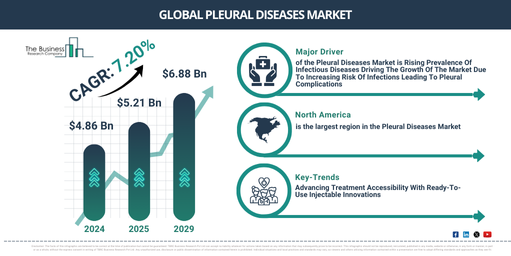
    The pleural diseases market has experienced robust growth in recent years. This market is projected to expand from $4.86 billion in 2024 to $5.21 billion in 2025, demonstrating a compound annual growth rate (CAGR) of 7.3%. The growth observed in the historic period can be attributed to the rising incidence of pleural effusion, growing awareness regarding pleural diseases, an increasing focus on early diagnosis, a growing number of healthcare facilities, and a rising number of pleural disease clinical trials.

    The pleural diseases market is projected to experience substantial expansion over the upcoming years, with its valuation expected to reach $6.88 billion by 2029, growing at a compound annual growth rate (CAGR) of 7.2%. This anticipated growth during the forecast period stems from several factors, including an increase in the prevalence of pleural diseases, an expanding aging population, a rise in occupational hazards, an uptick in clinical trials, and a proliferation of diagnostic centers. Key developments shaping this period encompass progress in diagnostics, enhanced diagnostic tools, the implementation of minimally invasive procedures, improvements in drug development, and the increasing embrace of telemedicine.

    Unlock Your Free Sample Report for Exclusive Market Data:

    https://www.thebusinessresearchcompany.com/sample.aspx?id=22099&type=smp

    What Are The Drivers Pushing New Developments In The Pleural Diseases Market?

    The rising occurrence of infectious diseases is anticipated to propel the expansion of the pleural diseases market in the future. These diseases are health conditions stemming from detrimental microorganisms like bacteria, viruses, fungi, or parasites. Shifts in human behavior due to environmental factors and progress in worldwide travel contribute to the growing frequency of infectious diseases. Conditions like bacterial pneumonia, tuberculosis, or viral infections, which are infectious diseases, are capable of inducing pleural disease through the stimulation of inflammation, infection, or the buildup of fluid within the pleural cavity. As an illustration, in January 2023, data from the National Library of Medicine, a US-based medical library for research and information, indicated that infectious diseases are responsible for more than 52 million deaths each year, endangering half of the global population. Moreover, around 14 million children under the age of five perish annually, and 70% of these fatalities are linked to illnesses preventable by vaccination. Consequently, the growing incidence of infectious diseases stimulates the expansion of the pleural diseases market.

    What Are The Different Segment Classifications Within The Pleural Diseases Market?

    The pleural diseasesmarket covered in this report is segmented –

    1) By Disease Type: Pleurisy; Pleural Effusion; Pneumothelioma; Mesothelioma; Other Disease Types

    2) By Treatment Modalities: Medications; Thoracentesis And Pleurodesis; Minimally Invasive Interventions; Surgical Interventions

    3) By Diagnostic Tools: Imaging Techniques; Molecular Diagnostics; Thoracoscopy; Pleuroscopy

    4) By End User: Hospitals And Clinics; Diagnostic Centers; Research And Academic Institutions

    Subsegments:

    1) By Pleurisy: Acute Pleurisy; Chronic Pleurisy; Infectious Pleurisy; Non-infectious Pleurisy

    2) By Pleural Effusion: Transudative Pleural Effusion; Exudative Pleural Effusion; Malignant Pleural Effusion; Parapneumonic Pleural Effusion; Hemothorax; Chylothorax

    3) By Pneumothelioma: Primary Pneumothelioma; Secondary Pneumothelioma (Metastatic); Localized Pneumothelioma; Diffuse Pneumothelioma

    4) By Mesothelioma: Pleural Mesothelioma; Peritoneal Mesothelioma; Pericardial Mesothelioma; Testicular Mesothelioma

    5) Other Disease Types: Pulmonary Embolism; Fibrothorax; Pneumothorax; Lung Cancer; Tuberculosis-Related Pleural Disease; Sarcoidosis

    How Are Trends Influencing The Pleural Diseases Market?

    Leading companies in the pleural diseases market are concentrating on creating innovative treatment options, such as the development of ready-to-use injectable treatments, to enhance convenience, decrease preparation time, and reduce dosing errors. These ready-to-use injectable treatments are pre-formulated, pre-diluted medications that do not require reconstitution or mixing before administration, thereby ensuring accuracy, ease of use, and reduced preparation time. For example, in April 2024, Amneal Pharmaceuticals, a US-based pharmaceutical company, unveiled PEMRYDI RTU, which is the first ready-to-use version of pemetrexed for injection. This development assists patients with pleural diseases by offering a convenient, pre-prepared treatment that eliminates the need for reconstitution or dilution, shortens preparation time, minimizes the likelihood of dosing errors, and improves access to effective therapy for conditions like malignant pleural mesothelioma.

    Which Global Market Leaders Are Shaping The Future Of The Pleural Diseases Sector?

    Major companies operating in the pleural diseases market are Pfizer Inc., Merck & Co. Inc., Bristol Myers Squibb Company, GSK plc, Astrazeneca plc, Koninklijke Philips N.V., Becton Dickinson and Company, Boehringer Ingelheim International GmbH, Sanofi SA, Penn Medicine, Henry Ford Health, Dragerwerk AG, Emory Healthcare, Boston Medical Center, Cook Medical, WakeMed, Weill Cornell Medicine, Fox Chase Cancer Center, B. Braun SE, Bicakcilar, Redax S.p.a, Rocket Medical

    Download The Full Report For Exclusive Market Findings:

    https://www.thebusinessresearchcompany.com/report/pleural-diseases-global-market-report

    Which Geographies Are Emerging As Strong Markets For The Pleural Diseases Industry?

    North America was the largest region in the pleural diseases market in 2024. Asia-Pacific is expected to be the fastest-growing region in the forecast period. The regions covered in the pleural diseases market report are Asia-Pacific, Western Europe, Eastern Europe, North America, South America, Middle East, Africa.

    Request A Customized Version Of The Pleural Diseases Market Report:

    https://www.thebusinessresearchcompany.com/customise?id=22099&type=smp

    Browse Through More Reports Similar to the Global Pleural Diseases Market 2025, By The Business Research Company

    Liver Diseases Therapeutics Global Market Report 2025

    https://www.thebusinessresearchcompany.com/report/liver-diseases-therapeutics-global-market-report

    Rare Diseases Treatment Global Market Report 2025

    https://www.thebusinessresearchcompany.com/report/rare-diseases-treatment-global-market-report

    Rare Kidney Diseases Global Market Report 2025

    https://www.thebusinessresearchcompany.com/report/rare-kidney-diseases-global-market-report

    Get in touch with us:

    The Business Research Company: https://www.thebusinessresearchcompany.com/

    Americas +1 310-496-7795

    Asia +44 7882 955267 & +91 8897263534

    Europe +44 7882 955267

    Email us at info@tbrc.info

    Follow us on:

    LinkedIn: https://in.linkedin.com/company/the-business-research-company

    YouTube: https://www.youtube.com/channel/UC24_fI0rV8cR5DxlCpgmyFQ

    Global Market Model: https://www.thebusinessresearchcompany.com/global-market-model
  • Global Pemphigus Vulgaris Industry Trends: Where the Market Is Headed by 2029

    Global Pemphigus Vulgaris Industry Trends: Where the Market Is Headed by 2029

    Unlock Global Insights – Save 20% on Market Reports with Code ONLINE20

    How Is The Pemphigus Vulgaris Market Size Likely To Evolve From 2025 Through 2034?

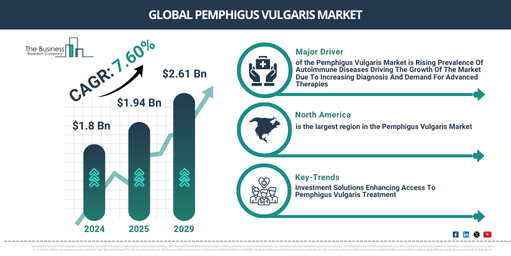
    The pemphigus vulgaris market has experienced significant growth in recent years. It is anticipated to increase from $1.8 billion in 2024 to $1.94 billion in 2025, demonstrating a compound annual growth rate (CAGR) of 8.0%. The expansion observed historically can be attributed to factors such as the increasing adoption of biologic therapies, a rising incidence of genetic predisposition, the growing prevalence of pemphigus vulgaris, the expanding role of biosimilars, and improvements in healthcare infrastructure.

    The market for pemphigus vulgaris is projected to experience robust expansion over the coming years. This market is anticipated to reach $2.61 billion by 2029, exhibiting a compound annual growth rate (CAGR) of 7.6%. Factors contributing to this growth during the forecast period include a surge in clinical trials, the expansion of precision medicine, an increase in digital health solutions, rising demand for biologics, and the growing application of telemedicine. Key trends anticipated during the forecast period encompass progress in biologic therapies, a rise in regulatory approvals, the embrace of combination therapies, advancements in personalized medicine, and new developments in oral formulations of biologic therapies.

    Unlock Your Free Sample Report for Exclusive Market Data:

    https://www.thebusinessresearchcompany.com/sample.aspx?id=22094&type=smp

    What Are The Emerging Market Drivers Creating New Opportunities In The Pemphigus Vulgaris Industry?

    The rising prevalence of autoimmune diseases is anticipated to propel the growth of the pemphigus vulgaris market moving forward. Autoimmune diseases involve the immune system mistakenly attacking and harming the body’s healthy cells, tissues, or organs. The increase in their occurrence is attributed to genetic predisposition, environmental triggers, and lifestyle shifts. Genetic factors are significant, making individuals with a family history more prone to developing these conditions due to inherited immune vulnerabilities. As autoimmune diseases become more widespread due to these genetic, environmental, and lifestyle factors, more individuals are being diagnosed with conditions like pemphigus vulgaris, thus increasing the demand for advanced therapies. For instance, in January 2025, the Mayo Clinic Health System indicated that the global incidence and prevalence of autoimmune diseases are on the rise, with estimated annual increases of 19.1% and 12.5%, respectively. Therefore, the expanding prevalence of autoimmune diseases is a key driver for the growth of the pemphigus vulgaris market.

    What Are The Primary Types Of Segments Analyzed In The Pemphigus Vulgaris Market?

    The pemphigus vulgarismarket covered in this report is segmented –

    1) By Diagnosis And Treatment: Diagnosis; Treatment

    2) By Population Type: Pediatric; Adults; Geriatric

    3) By Distribution Channel: Hospitals Pharmacy; Retail Pharmacy; Online Pharmacy

    4) By End-User: Hospitals; Specialty Clinics; Research Institutes; Other End-Users

    Subsegments:

    1) By Diagnosis: Clinical Examination; Skin Biopsy; Direct Immunofluorescence; Serological Tests; Polymerase Chain Reaction (PCR)

    2) By Treatment: Pharmacological Therapy; Non-Pharmacological Therapy

    What Key Innovation Trends Are Fueling Advancements In The Pemphigus Vulgaris Market?

    Major companies in the pemphigus vulgaris market are directing their efforts towards investment strategies aimed at enhancing treatment effectiveness and expanding therapeutic options. These investment solutions involve financial plans and resources allocated for treatment development, research, and market introduction. For example, in January 2023, the US-based non-profit Patient Access Network Foundation (PAN) Foundation initiated a financial assistance program. This program provides up to $6,600 annually for eligible patients with pemphigus vulgaris to assist with deductibles, copayments, and coinsurance costs. To qualify, patients must be undergoing treatment for pemphigus vulgaris, hold Medicare health insurance that covers their required medications, and have an income at or below 400% of the federal poverty level. Additionally, the PAN Foundation offers transportation assistance and connects patients with supportive organizations.

    Which Industry Leaders Are Driving Innovation Across The Pemphigus Vulgaris Market?

    Major companies operating in the pemphigus vulgaris market are Pfizer Inc., F. Hoffmann-La Roche Ltd, Thermo Fisher Scientific Inc., GlaxoSmithKline plc, Amgen Inc., Sanofi S.A, Biogen Inc., Genentech, Genmab A/S, argenx SE, Daewoong Pharmaceutical Co. Ltd., HanAll Biopharma Co. Ltd., Artiva Biotherapeutics, Cabaletta Bio Inc., SinoMab BioScience Limited, Topas Therapeutics GmbH, Principia Biopharma Inc., Serpin Pharma LLC, Syntimmune Inc., International Pemphigus & Pemphigoid Foundation

    Download The Full Report For Exclusive Market Findings:

    https://www.thebusinessresearchcompany.com/report/pemphigus-vulgaris-global-market-report

    Which Region Is Projected To Lead The Pemphigus Vulgaris Market During The Forecast Period?

    North America was the largest region in the pemphigus vulgaris market in 2024. Asia-Pacific is expected to be the fastest-growing region in the forecast period. The regions covered in the pemphigus vulgaris market report are Asia-Pacific, Western Europe, Eastern Europe, North America, South America, Middle East, Africa.

    Request A Customized Version Of The Pemphigus Vulgaris Market Report:

    https://www.thebusinessresearchcompany.com/customise?id=22094&type=smp

    Browse Through More Reports Similar to the Global Pemphigus Vulgaris Market 2025, By The Business Research Company

    Autoimmune Disease Diagnosis Global Market Report 2025

    https://www.thebusinessresearchcompany.com/report/autoimmune-disease-diagnosis-global-market-report

    Autoimmune Treatment Global Market Report 2025

    https://www.thebusinessresearchcompany.com/report/autoimmune-treatment-global-market-report

    Inflammatory Bowel Disease Treatment Global Market Report 2025

    https://www.thebusinessresearchcompany.com/report/inflammatory-bowel-disease-treatment-global-market-report

    Get in touch with us:

    The Business Research Company: https://www.thebusinessresearchcompany.com/

    Americas +1 310-496-7795

    Asia +44 7882 955267 & +91 8897263534

    Europe +44 7882 955267

    Email us at info@tbrc.info

    Follow us on:

    LinkedIn: https://in.linkedin.com/company/the-business-research-company

    YouTube: https://www.youtube.com/channel/UC24_fI0rV8cR5DxlCpgmyFQ

    Global Market Model: https://www.thebusinessresearchcompany.com/global-market-model

  • PD-1 Resistant Head And Neck Cancer Industry Forecast to Hit $2.17 Billion by 2029 With a Strong 11.1% CAGR

    PD-1 Resistant Head And Neck Cancer Industry Forecast to Hit $2.17 Billion by 2029 With a Strong 11.1% CAGR

    Unlock Global Insights – Save 20% on Market Reports with Code ONLINE20

    What Are The Growth Projections For The PD-1 Resistant Head And Neck Cancer Market Size During 2025–2029?

    The market size for pd-1 resistant head and neck cancer has seen rapid expansion in recent years. Projections show it will grow from $1.28 billion in 2024 to $1.43 billion in 2025, achieving a compound annual growth rate (CAGR) of 11.4%. This historical growth can be attributed to an increase in prevalence, the rising adoption of immunotherapy, a surge in clinical trial activities, escalating resistance to PD-1 inhibitors, and a heightened focus on combination therapies.

    The market size for pd-1 resistant head and neck cancer is poised for rapid expansion over the next few years. It is projected to reach $2.17 billion by 2029, demonstrating a compound annual growth rate (CAGR) of 11.1%. This growth during the forecast period can be attributed to several factors, including an increase in biomarker research, the growing development of novel therapies, a rise in personalized medicine approaches, escalating investment in oncology research and development, and increasing regulatory approvals. Prominent trends expected in the forecast period involve advanced combination therapies, progress in precision oncology, the adoption of next-generation sequencing, enhanced tumor microenvironment research, and the integration of AI-driven drug discovery.

    Unlock Your Free Sample Report for Exclusive Market Data:

    https://www.thebusinessresearchcompany.com/sample.aspx?id=22092&type=smp

    Which Drivers Are Impacting The PD-1 Resistant Head And Neck Cancer Market?

    Heightened awareness and prompt diagnosis are anticipated to fuel expansion in the PD-1-resistant head and neck cancer market moving ahead. The rise in cancer awareness and early diagnosis is attributed to enhancements in screening initiatives, healthcare programs, and sophisticated diagnostic tools, facilitating prompt identification and management. Detecting PD-1-resistant head and neck cancer early permits swift intervention with alternative treatments, thereby enhancing therapeutic results and patient survival rates. As an illustration, rapid cancer registration data from The National Health Service (NHS), a UK-based government department, reported in January 2025 that between September 2023 and August 2024, an early stage diagnosis was made for 120,958 out of 206,038 common cancers (58.7%). This represents a 2.7 percentage point rise compared to pre-pandemic periods, corresponding to an estimated 7,000 more patients identified early. Consequently, heightened awareness and prompt diagnosis are propelling the expansion of the PD-1-resistant head and neck cancer market.

    Which Key Segments Fueling The PD-1 Resistant Head And Neck Cancer Market?

    The pd-1 resistant head and neck cancermarket covered in this report is segmented –

    1) By Treatment Type: Chemotherapy; Radiation Therapy; Surgery; Targeted Therapy

    2) By Stage Of Cancer: Early Stage; Locally Advanced Stage; Metastatic Stage

    3) By Application: Squamous Cell Carcinoma; Adenocarcinoma; Nasopharyngeal Carcinoma; Throat Cancer

    4) By End User: Hospitals; Cancer Research Centers; Clinics

    Subsegments:

    1) By Chemotherapy: Platinum-Based Chemotherapy; Taxanes; Antimetabolites; Topoisomerase Inhibitors

    2) By Radiation Therapy: Intensity-Modulated Radiation Therapy (IMRT); Stereotactic Body Radiation Therapy (SBRT); Proton Beam Therapy; Brachytherapy

    3) By Surgery: Tumor Resection; Neck Dissection; Reconstructive Surgery; Laser Surgery

    4) By Targeted Therapy: EGFR Inhibitors; Angiogenesis Inhibitors; Cyclin-Dependent Kinase Inhibitors; PI3K/AKT/mTOR Inhibitors

    Which Ongoing Trends Are Expected To Shape The PD-1 Resistant Head And Neck Cancer Market Outlook?

    Companies operating in the PD-1 resistant head and neck cancer market are focusing on advanced innovations, like personalized cancer treatments, to improve efficacy and overcome resistance. This approach tailors therapies to a patient’s genetic profile, tumor characteristics, and immune response, enabling more precise and effective care. For instance, in November 2024, CEL-SCI Corporation, a US-based biotechnology company, obtained FDA approval for using the PD-L1 biomarker in a head and neck cancer study. This trial, set to begin in early 2025, will recruit newly diagnosed patients with low PD-L1 expression and no lymph node involvement to evaluate the safety and efficacy of Multikine (Leukocyte Interleukin, Injection). Following positive results from a previous Phase 3 study, this research marks a significant advancement in personalized cancer treatment, offering new prospects for more effective management of PD-1-resistant cancers.

    Who Are The Key Multinational Companies Dominating The PD-1 Resistant Head And Neck Cancer Market?

    Major companies operating in the PD-1 resistant head and neck cancer market are Pfizer Inc., Roche Holding AG, Merck & Co. Inc., Novartis AG, Bristol-Myers Squibb Company, AstraZeneca PLC, GSK plc, Amgen Inc., Boehringer Ingelheim International GmbH, Regeneron Pharmaceuticals Inc., Incyte Corporation, Coherus BioSciences Inc., Akeso Biopharma, Rakuten Medical Inc., PDS Biotechnology Corporation, LARVOL, Nanobiotix, ALX Oncology Holdings Inc., RAPT Therapeutics Inc., Immutep Limited.

    Download The Full Report For Exclusive Market Findings:

    https://www.thebusinessresearchcompany.com/report/pd-1-resistant-head-and-neck-cancer-global-market-report

    What Are The Key Regional Factors Influencing The PD-1 Resistant Head And Neck Cancer Market Growth?

    North America was the largest region in the PD-1 resistant head and neck cancer market 2024. The regions covered in the PD-1 resistant head and neck cancer market report are Asia-Pacific, Western Europe, Eastern Europe, North America, South America, Middle East, Africa.

    Request A Customized Version Of The PD-1 Resistant Head And Neck Cancer Market Report:

    https://www.thebusinessresearchcompany.com/customise?id=22092&type=smp

    Browse Through More Reports Similar to the Global PD-1 Resistant Head And Neck Cancer Market 2025, By The Business Research Company

    Head And Neck Cancer Diagnostics Global Market Report 2025

    https://www.thebusinessresearchcompany.com/report/head-and-neck-cancer-diagnostics-global-market-report

    Head And Neck Cancer Therapeutics Global Market Report 2025

    https://www.thebusinessresearchcompany.com/report/head-and-neck-cancer-therapeutics-global-market-report

    Pd 1 And Pdl1 Inhibitors Or Immune Checkpoint Inhibitors Global Market Report 2025

    https://www.thebusinessresearchcompany.com/report/pd-1-and-pdl1-inhibitors-or-immune-checkpoint-inhibitors-global-market-report

    Get in touch with us:

    The Business Research Company: https://www.thebusinessresearchcompany.com/

    Americas +1 310-496-7795

    Asia +44 7882 955267 & +91 8897263534

    Europe +44 7882 955267

    Email us at info@tbrc.info

    Follow us on:

    LinkedIn: https://in.linkedin.com/company/the-business-research-company

    YouTube: https://www.youtube.com/channel/UC24_fI0rV8cR5DxlCpgmyFQ

    Global Market Model: https://www.thebusinessresearchcompany.com/global-market-model
  • Palmoplantar Pustulosis Market to Reach $2.82 Billion by 2029, Growing at a CAGR of 7.7%

    Palmoplantar Pustulosis Market to Reach $2.82 Billion by 2029, Growing at a CAGR of 7.7%

    Unlock Global Insights – Save 20% on Market Reports with Code ONLINE20

    What Is The Global Market Value Of The Palmoplantar Pustulosis Industry In 2025?

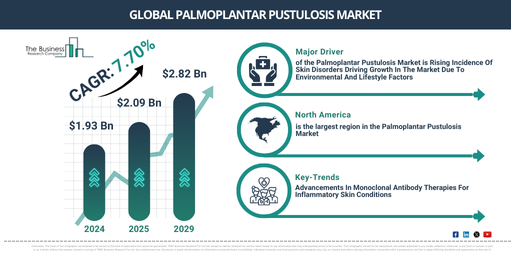
    The palmoplantar pustulosis market has experienced robust expansion in recent years. It is projected to grow from $1.93 billion in 2024 to $2.09 billion in 2025, at a compound annual growth rate (CAGR) of 8.5%. The expansion witnessed in the historic period can be attributed to the increasing prevalence of autoimmune disorders, growing awareness about rare skin diseases, rising healthcare expenditure, and increasing adoption of telemedicine for dermatology.

    The palmoplantar pustulosis market is projected to experience robust expansion in the coming years. By 2029, it is anticipated to reach $2.82 billion, demonstrating a compound annual growth rate (CAGR) of 7.7%. This growth throughout the forecast period can be attributed to several factors, including the increasing adoption of biologic therapies, heightened investments in dermatology research, an expanding pipeline of novel treatments, a rising demand for personalized medical approaches, and the growing occurrence of chronic skin conditions. Key trends during this period are expected to encompass significant advancements in dermatology research, a noticeable shift towards biologics and immunomodulators, the incorporation of artificial intelligence into dermatological diagnostics, the creation of sophisticated topical formulations, and the integration of machine learning within dermatological research.

    Unlock Your Free Sample Report for Exclusive Market Data:

    https://www.thebusinessresearchcompany.com/sample.aspx?id=22090&type=smp

    Which Industry Drivers Are Expected To Accelerate The Palmoplantar Pustulosis Market From 2025 To 2029?

    The rising prevalence of skin conditions is anticipated to drive expansion in the palmoplantar pustulosis market in the future. Skin disorders are defined as ailments impacting the skin’s structure, functionality, or visual aspect. This increase in skin disorder cases stems from environmental shifts, lifestyle choices, and genetic factors. Environmental elements like air pollution, harsh weather, and contact with detrimental chemicals can irritate the skin, resulting in conditions such as eczema or acne. Palmoplantar pustulosis, a chronic dermatological condition, primarily impacts the skin on the palms of the hands and soles of the feet, manifesting as pustules, redness, and scaling; it can be addressed with different therapies to enhance skin health and reduce discomfort. As an illustration, data from the International Eczema Council, a US-based organization, reported in 2022 that approximately 223 million individuals suffered from atopic dermatitis, with around 43 million of these being aged 1 to 4. Consequently, the growing frequency of skin conditions is a key driver for the palmoplantar pustulosis market.

    How Is The Palmoplantar Pustulosis Market Classified Into Different Segments?

    The palmoplantar pustulosismarket covered in this report is segmented –

    1) By Treatment Type: Topical Treatments; Systemic Treatments; Biologics; Phototherapy

    2) By Application: Hospitals; Dermatology Clinics; Homecare Settings

    3) By Distribution Channel: Online Pharmacies; Retail Pharmacies; Hospitals

    Subsegments:

    1) By Topical Treatments: Corticosteroids; Vitamin D Analogues; Calcineurin Inhibitors; Keratolytics

    2) By Systemic Treatments: Retinoids; Immunosuppressants; Phosphodiesterase-4 (PDE4) Inhibitors; Corticosteroids

    3) By Biologics: Tumor Necrosis Factor (TNF) Inhibitors; Interleukin-17 (IL-17) Inhibitors; Interleukin-23 (IL-23) Inhibitors; Interleukin-12/23 (IL-12/23) Inhibitors

    4) By Phototherapy: Narrowband UVB Therapy (NB-UVB); Psoralen plus Ultraviolet A (PUVA) Therapy; Excimer Laser Therapy; Targeted Phototherapy

    Which Competitive Trends Are Defining The Palmoplantar Pustulosis Market Structure?

    Leading companies in the palmoplantar pustulosis market are concentrating on developing innovative treatments, such as monoclonal antibodies that target inflammatory pathways, to achieve better patient outcomes. A monoclonal antibody (mAb) is a uniform antibody generated by a single B cell clone, designed to specifically bind to an antigen for either therapeutic or diagnostic purposes. For example, in August 2023, Kyowa Kirin Co., Ltd., a Japan-based pharmaceutical company, obtained a partial change approval for LUMICEF in Japan for palmoplantar pustulosis. LUMICEF represents a targeted therapy that inhibits IL-17, delivering prompt and enduring relief for inflammatory conditions like psoriasis and palmoplantar pustulosis. Its aim is to decrease inflammation and enhance the quality of life for patients affected by these chronic diseases.

    Which Leading Players Are Enhancing Their Palmoplantar Pustulosis Market Presence Worldwide?

    Major companies operating in the palmoplantar pustulosis market are Pfizer Inc., AbbVie Inc., Sanofi S.A., Bristol-Myers Squibb Company, Novartis International AG, GlaxoSmithKline PLC (GSK), Amgen Inc., C.H. Boehringer Sohn AG & Co. KG, Bausch Health Companies Inc., Chugai Pharmaceutical Co. Ltd., Janssen Pharmaceuticals Inc., Kyowa Kirin Co. Ltd., Swedish Orphan Biovitrum AB (Sobi), Almirall S.A., MorphoSys AG, MoonLake Immunotherapeutics AG, Aristea Therapeutics Inc., AnaptysBio Inc., Taiho Pharmaceutical Co. Ltd., Kamari Pharma Ltd.

    Download The Full Report For Exclusive Market Findings:

    https://www.thebusinessresearchcompany.com/report/palmoplantar-pustulosis-global-market-report

    How Do Regional Market Performances Compare Within The Palmoplantar Pustulosis Industry?

    North America was the largest region in the palmoplantar pustulosis market in 2024. The regions covered in the palmoplantar pustulosis market report are Asia-Pacific, Western Europe, Eastern Europe, North America, South America, Middle East, Africa.

    Request A Customized Version Of The Palmoplantar Pustulosis Market Report:

    https://www.thebusinessresearchcompany.com/customise?id=22090&type=smp

    Browse Through More Reports Similar to the Global Palmoplantar Pustulosis Market 2025, By The Business Research Company

    Natural Skin Care Products Global Market Report 2025

    https://www.thebusinessresearchcompany.com/report/natural-skin-care-products-global-market-report

    Organic Skincare Global Market Report 2025

    https://www.thebusinessresearchcompany.com/report/organic-skincare-global-market-report

    Dna Based Skin Care Products Global Market Report 2025

    https://www.thebusinessresearchcompany.com/report/dna-based-skin-care-products-global-market-report

    Get in touch with us:

    The Business Research Company: https://www.thebusinessresearchcompany.com/

    Americas +1 310-496-7795

    Asia +44 7882 955267 & +91 8897263534

    Europe +44 7882 955267

    Email us at info@tbrc.info

    Follow us on:

    LinkedIn: https://in.linkedin.com/company/the-business-research-company

    YouTube: https://www.youtube.com/channel/UC24_fI0rV8cR5DxlCpgmyFQ

    Global Market Model: https://www.thebusinessresearchcompany.com/global-market-model
  • Global Paget Disease Treatment Market Size Projected to Reach $2.52 Billion During the Forecast Period

    Global Paget Disease Treatment Market Size Projected to Reach $2.52 Billion During the Forecast Period

    Unlock Global Insights – Save 20% on Market Reports with Code ONLINE20

    By How Much Is The Paget Disease Treatment Market Expected To Expand Between 2025 And 2029?

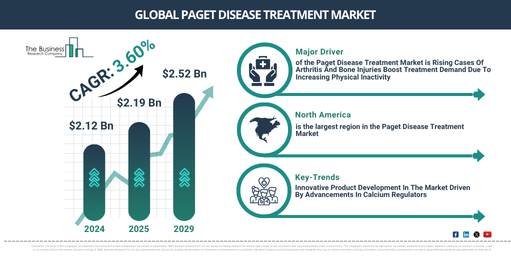
    The paget disease treatment market size has experienced consistent expansion in recent years. It is projected to increase from $2.12 billion in 2024 to $2.19 billion in 2025, exhibiting a compound annual growth rate (CAGR) of 3.2%. The expansion observed in previous periods can be linked to factors like the rising prevalence of paget disease, improved awareness and diagnosis rates, an expanding geriatric population, advancements in healthcare infrastructure, and the growing adoption of bisphosphonates.

    The paget disease treatment market is anticipated to observe consistent growth over the next few years, with its valuation expected to reach $2.52 billion by 2029, demonstrating a compound annual growth rate (CAGR) of 3.6%. This projected growth stems from factors such as increasing demand for targeted therapies, rising healthcare expenditure, a growing aging population, an increase in clinical trials for novel therapies, and an enhanced focus on personalized medicine. Significant trends for the forecast period include advancements in treatment options, a shift towards biologic treatments, the development of combination therapies, the integration of digital health solutions, and progress in diagnostic technologies.

    Unlock Your Free Sample Report for Exclusive Market Data:

    https://www.thebusinessresearchcompany.com/sample.aspx?id=22088&type=smp

    What Are The Top Growth Drivers Impacting The Paget Disease Treatment Market Outlook?

    The paget disease treatment market is anticipated to expand due to an increase in arthritis and bone injury cases. Arthritis, characterized by joint inflammation, can be aggravated by bone injuries. The rise in these conditions is often linked to insufficient physical activity, which diminishes muscle and joint strength, impairing their capacity to support movement and absorb impacts. This elevates the risk of joint degeneration, stiffness, and fractures over time. Paget disease treatment aids in managing arthritis and bone injuries by alleviating bone pain, improving joint functionality, and preventing issues like fractures and deformities resulting from abnormal bone remodeling. For example, in February 2024, The Centers for Disease Control and Prevention (CDC), a US-based national public health institute, reported that in 2022, the age-adjusted prevalence of diagnosed arthritis among adults aged 18 and older was 18.9%. Women showed a higher prevalence at 21.5% compared to men at 16.1%. The prevalence of arthritis also increased with age, from 3.6% in individuals aged 18–34 to 53.9% in those aged 75 and above. Thus, the escalating incidence of arthritis and bone injuries is a key driver for the growth of the paget disease treatment market.

    What Are The Major Segments Identified In The Paget Disease Treatment Market?

    The paget disease treatmentmarket covered in this report is segmented –

    1) By Treatment Type: Actonel; Reclast; Zoledronic Acid; Fosamax; Miacalcin; Aredia; Calcitonin; Zometa; Other Treatments

    2) By Route Of Administration: Oral; Intravenous; Topical

    3) By Distribution Channels: Hospital Pharmacies; Retail Pharmacies; Online Pharmacie; Drug stores

    4) By End User: Hospitals; Clinics; Other End-Users

    Subsegments:

    1) By Actonel: Risedronate Sodium Tablets; Delayed-Release Risedronate.

    2) By Reclast: Intravenous Reclast; Annual Reclast Infusion.

    3) By Zoledronic Acid: Zoledronic Acid 5 mg Injection; Zoledronic Acid 4 mg Injection.

    4) By Fosamax: Alendronate Sodium Tablets; Alendronate Oral Solution

    5) By Miacalcin: Miacalcin Nasal Spray; Miacalcin Injection

    6) By Aredia: Pamidronate Disodium 30 mg Injection; Pamidronate Disodium 90 mg Injection

    7) By Calcitonin: Synthetic Salmon Calcitonin; Human Calcitonin

    8) By Zometa: Zometa 4 mg/5 mL Concentrate; Zometa 4 mg Infusion

    9) By Other Treatments: Pain Management Medications; Physical Therapy; Surgical Interventions

    What Are The Latest Industry Trends Transforming The Paget Disease Treatment Market?

    Leading companies in the paget disease treatment market are concentrating on developing innovative products, such as calcium regulators, to improve treatment efficacy, enhance patient outcomes, and increase their market share. A calcium regulator is a substance or medication that aids in managing calcium levels within the blood and bones, ensuring balance to support various physiological processes. For example, Fresenius Kabi AG, a Germany-based healthcare company, launched Calcitonin Salmon Injection, USP Synthetic, a calcium regulator designed for treating symptomatic Paget’s disease of the bone, hypercalcemia, and postmenopausal osteoporosis, in February 2025. This launch aims to offer a more economical treatment solution, strengthen their supply chain, and expand their portfolio of generic injectables. Fresenius Kabi has made considerable investments in its facilities to secure a steady provision of essential medicines, with the objective of improving patient care and establishing itself as a key healthcare provider.

    Which Major Firms Are Strengthening Their Position In The Paget Disease Treatment Industry?

    Major companies operating in the paget disease treatment market are Pfizer Inc., Merck & Co. Inc., AbbVie Inc., Novartis AG, Takeda Pharmaceutical Company Limited, Eli Lilly and Company, Teva Pharmaceutical Industries Ltd., Mylan N.V., Fresenius Kabi AG, Zimmer Biomet Holdings Inc., Eisai Co. Ltd., Sun Pharmaceutical Industries Limited, Apotex Inc., Sumitomo Pharma Co. Ltd., Aurobindo Pharma Limited, Dr. Reddy’s Laboratories Ltd., Cipla Limited, Endo International plc, Zaklady Farmaceutyczne Polpharma S.A., Abiogen Pharma S.p.A.

    Download The Full Report For Exclusive Market Findings:

    https://www.thebusinessresearchcompany.com/report/paget-disease-treatment-global-market-report

    Which Region Currently Holds The Largest Share Of The Paget Disease Treatment Market?

    North America was the largest region in the paget disease treatment market in 2024. Asia-Pacific is expected to be the fastest-growing region in the forecast period. The regions covered in the paget disease treatment market report are Asia-Pacific, Western Europe, Eastern Europe, North America, South America, Middle East, Africa.

    Request A Customized Version Of The Paget Disease Treatment Market Report:

    https://www.thebusinessresearchcompany.com/customise?id=22088&type=smp

    Browse Through More Reports Similar to the Global Paget Disease Treatment Market 2025, By The Business Research Company

    Inflammatory Bowel Disease Treatment Global Market Report 2025

    https://www.thebusinessresearchcompany.com/report/inflammatory-bowel-disease-treatment-global-market-report

    Chronic Disease Management Global Market Report 2025

    https://www.thebusinessresearchcompany.com/report/chronic-disease-management-global-market-report

    Liver Diseases Therapeutics Global Market Report 2025

    https://www.thebusinessresearchcompany.com/report/liver-diseases-therapeutics-global-market-report

    Get in touch with us:

    The Business Research Company: https://www.thebusinessresearchcompany.com/

    Americas +1 310-496-7795

    Asia +44 7882 955267 & +91 8897263534

    Europe +44 7882 955267

    Email us at info@tbrc.info

    Follow us on:

    LinkedIn: https://in.linkedin.com/company/the-business-research-company

    YouTube: https://www.youtube.com/channel/UC24_fI0rV8cR5DxlCpgmyFQ

    Global Market Model: https://www.thebusinessresearchcompany.com/global-market-model

  • Over The Counter Test Industry Anticipated to Expand at 13.9% CAGR During the Forecast Period

    Over The Counter Test Industry Anticipated to Expand at 13.9% CAGR During the Forecast Period

    Unlock Global Insights – Save 20% on Market Reports with Code ONLINE20

    #What Is The Projected Market Size Of The Over The Counter Test Market By 2029?

    The over the counter test market size has experienced rapid expansion in recent years. Its valuation is set to grow from $23.79 billion in 2024 to $27.13 billion in 2025, reflecting a compound annual growth rate (CAGR) of 14.0%. Contributing to this historical growth have been the rise of smart home healthcare, increased remote patient monitoring, the emergence of outpatient clinics, the proliferation of mHealth (mobile health) solutions, and the development of subscription-based services.

    The over the counter test market size is anticipated to experience substantial growth in the upcoming years. It is projected to expand to $45.71 billion by 2029, demonstrating a compound annual growth rate (CAGR) of 13.9%. This expansion during the forecast period can be attributed to the rising incidence of infectious diseases, an increase in the number of HIV-infected individuals, the growth of remote patient monitoring, increased smartphone penetration, and the surge in healthcare-associated infections (HAIs). Significant trends expected in this period include the integration of digital health, connectivity with mobile applications, the adoption of integrated care models, the incorporation of AI and machine learning, and remote infection control monitoring.

    Unlock Your Free Sample Report for Exclusive Market Data:

    https://www.thebusinessresearchcompany.com/sample.aspx?id=22085&type=smp

    Which Major Market Drivers Are Shaping The Future Of The Over The Counter Test Market?

    The increasing prevalence of chronic diseases is projected to drive the expansion of the over the counter test market moving forward. Chronic diseases are defined as long-term health issues that persist for at least a year, necessitating ongoing medical attention or restricting daily activities. The surge in chronic diseases is linked to elements such as unhealthy lifestyles, inadequate dietary habits, physical inactivity, and an aging demographic, all of which heighten the risk of conditions like heart disease, diabetes, and obesity. Over-the-counter tests are vital for the management of chronic diseases, allowing individuals to consistently monitor their health, detect potential problems early, and adjust their treatment strategies promptly. For instance, in June 2024, data from the Australian Institute of Health and Welfare, an Australia-based government agency, indicated that the death rate from chronic conditions rose to 459 per 100,000 population in 2021 and further climbed to 490 per 100,000 population in 2022. Thus, the growing incidence of chronic diseases is a significant driver for the growth of the over the counter test market.

    What Are The Emerging Segments Gaining Attention In The Over The Counter Test Market?

    The over the counter testmarket covered in this report is segmented –

    1) By Product Type: Glucose Monitoring Test; Pregnancy And Fertility Test; Coagulation Monitoring Test; Urinalysis Test; Cholesterol Test; Other Tests

    2) By Technology: Immunoassays; Lateral Flow Assays; Dipsticks

    3) By Application: Cardiology; Oncology; Glucose Monitoring; Pregnancy And Fertility; Infectious Disease; Toxicology

    4) By End-User: Hospital And Clinic; Home Care; Diagnostic Laboratory; Other End Users

    Subsegments:

    1) By Glucose Monitoring Test: Blood Glucose Meters; Glucose Test Strips; Continuous Glucose Monitors (CGMs); Lancets

    2) By Pregnancy And Fertility Test: Pregnancy Test Strips; Digital Pregnancy Tests; Ovulation Prediction Kits; Fertility Monitors

    3) By Coagulation Monitoring Test: Prothrombin Time (PT/INR) Test Kits; Activated Partial Thromboplastin Time (aPTT) Test Kits; D-Dimer Test Kits

    4) By Urinalysis Test: Dipstick Test Kits; Urine Test Strips; Digital Urinalysis Devices; Home Drug Test Kits

    5) By Cholesterol Test: Total Cholesterol Test Kits; HDL And LDL Cholesterol Test Kits; Triglyceride Test Kits; Lipid Panel Test Kits

    6) By Other Tests: Infectious Disease Test Kits; Allergy Test Kits; Vitamin And Mineral Deficiency Test Kits; Thyroid Function Test Kits; Cancer Screening Kits

    What Trends Are Redefining The Over The Counter Test Market Dynamics?

    Leading companies within the over the counter test market are concentrating on creating advanced offerings, such as non-invasive at-home diagnostic tools, to enhance precision, convenience, and prompt disease identification for personal health management. Non-invasive at-home diagnostics refer to medical assessments and monitoring equipment that empower individuals to evaluate their health status without skin penetration or the need for intrusive procedures. These diagnostic solutions leverage technologies like biosensors, saliva or urine analysis, wearable gadgets, and imaging instruments to gauge vital signs, identify illnesses, or manage persistent conditions remotely. For example, in December 2023, DiaCarta Inc., a US-based molecular diagnostics firm offering molecular diagnostics solutions, introduced the iColon test. This over-the-counter (OTC) at-home Fecal Occult Blood Test (FOBT) obtained US FDA 510(k) clearance. The non-invasive iColon test allows people to detect blood in their stool, a vital marker for gastrointestinal issues and colorectal cancer, from home. Its objective is to boost early disease discovery and promote proactive health oversight, thereby improving patient results.

    Who Are The Primary Competitors In The Global Over The Counter Test Market?

    Major companies operating in the over the counter test market are Johnson & Johnson, Abbott Laboratories, Danaher Corporation, Siemens Healthineers AG, Becton Dickinson and Company, Viatris Inc., Roche Diagnostics Corporation, Hologic Inc., Nipro Diagnostics Inc., Quidel Corporation, Dexcom Inc., Bio-Rad Laboratories Inc., SD Biosensor Inc., Everlywell Inc., LetsGetChecked Inc., OraSure Technologies Inc., Ellume Health Ltd., Bionime Corporation, ACON Laboratories Inc., Wondfo Biotech Co. Ltd., Geratherm Medical AG.

    Download The Full Report For Exclusive Market Findings:

    https://www.thebusinessresearchcompany.com/report/over-the-counter-test-global-market-report

    What Regional Growth Trends Are Shaping The Over The Counter Test Market Outlook?

    North America was the largest region in the over-the-counter test market in 2024. Asia-Pacific is expected to be the fastest-growing region in the forecast period. The regions covered in the over the counter test market report are Asia-Pacific, Western Europe, Eastern Europe, North America, South America, Middle East, Africa.

    Request A Customized Version Of The Over The Counter Test Market Report:

    https://www.thebusinessresearchcompany.com/customise?id=22085&type=smp

    Browse Through More Reports Similar to the Global Over The Counter Test Market 2025, By The Business Research Company

    Hospital Acquired Infections Testing Kits Global Market Report 2025

    https://www.thebusinessresearchcompany.com/report/hospital-acquired-infections-testing-kits-global-market-report

    Pharma Microbiology Testing Kits Global Market Report 2025

    https://www.thebusinessresearchcompany.com/report/pharma-microbiology-testing-kits-global-market-report

    Non Invasive Prenatal Testing Global Market Report 2025

    https://www.thebusinessresearchcompany.com/report/non-invasive-prenatal-testing-global-market-report

    Get in touch with us:

    The Business Research Company: https://www.thebusinessresearchcompany.com/

    Americas +1 310-496-7795

    Asia +44 7882 955267 & +91 8897263534

    Europe +44 7882 955267

    Email us at info@tbrc.info

    Follow us on:

    LinkedIn: https://in.linkedin.com/company/the-business-research-company

    YouTube: https://www.youtube.com/channel/UC24_fI0rV8cR5DxlCpgmyFQ

    Global Market Model: https://www.thebusinessresearchcompany.com/global-market-model

  • Global Ornithine Transcarbamylase Deficiency (OTC Deficiency) Market Projected to Expand at 6.8% CAGR by 2029

    Global Ornithine Transcarbamylase Deficiency (OTC Deficiency) Market Projected to Expand at 6.8% CAGR by 2029

    Unlock Global Insights – Save 20% on Market Reports with Code ONLINE20

    How Much Was The Ornithine Transcarbamylase Deficiency (OTC Deficiency) Market Worth In 2025, And What Is Its Anticipated Value By 2029?

    The ornithine transcarbamylase deficiency (otc deficiency) market has demonstrated robust growth over the past few years. This market is projected to expand from $0.83 billion in 2024 to reach $0.89 billion by 2025, reflecting a compound annual growth rate (CAGR) of 6.9%. Historically, this expansion has been driven by factors such as enhanced recognition of rare metabolic conditions, advancements in genetic screening and diagnostic methods, the refinement of neonatal screening initiatives, and the increasing adoption of genetic testing for rare diseases.

    The market size for ornithine transcarbamylase deficiency (otc deficiency) is anticipated to experience substantial growth over the next few years. It is projected to expand to $1.15 billion by 2029, achieving a compound annual growth rate (CAGR) of 6.8%. This expansion during the forecast period can be attributed to increasing awareness and diagnosis, a rising prevalence of urea cycle disorders, a growing focus on rare disease treatment, an increase in research and clinical trials, and improved patient access to treatments. Significant trends expected during this period include advancements in genetic therapies and gene editing technologies, the development of enzyme replacement therapies, collaborative research initiatives and partnerships, technological improvements in diagnostic tools, and government funding and incentives for orphan drugs.

    Unlock Your Free Sample Report for Exclusive Market Data:

    https://www.thebusinessresearchcompany.com/sample.aspx?id=22084&type=smp

    What Are The Main Drivers Boosting The Ornithine Transcarbamylase Deficiency (OTC Deficiency) Industry’s Expansion?

    The increasing need for gene therapies is projected to fuel the expansion of the ornithine transcarbamylase deficiency market in the future. Gene therapy is defined as a medical approach or method that involves modifying or adjusting an individual’s genetic makeup to address or avoid illnesses. This demand stems from the increasing occurrence of genetic disorders, given that these conditions frequently present with few available treatments, and gene therapy provides a hopeful strategy to tackle the underlying cause instead of merely controlling symptoms. Ornithine transcarbamylase deficiency exemplifies the potential of gene therapies by rectifying the genetic mutation responsible for disrupting the urea cycle, thereby enabling precise treatment to recover metabolic function and avert the buildup of toxic ammonia. As an illustration, in January 2024, data from the American Society of Gene & Cell Therapy, a US-based organization dedicated to gene and cell therapy, indicated that in Q4 2023, the count of gene therapies in Phase III saw a 10% increase compared to the prior quarter, representing the initial rise observed since Q3 2022. Consequently, the expanding need for gene therapies is propelling the growth of the ornithine transcarbamylase deficiency market.

    What Are The Major Segment Types Covered In The Ornithine Transcarbamylase Deficiency (OTC Deficiency) Market?

    The ornithine transcarbamylase deficiency (otc deficiency)market covered in this report is segmented –

    1) By Product Type: DTX-301; SEL-313; SHP-641; PRX-OTC

    2) By Treatment Type: Gene Therapy; Liver Transplant; Dietary Management; Other Treatement Type

    3) By Diagnosis: Genetic Testing; Ammonia Level Testing

    4) By End-User: Hospitals; Specialty Clinics; Research Institutes; Other End Users

    Subsegments:

    1) By DTX-301: Adeno-Associated Virus (AAV)-Based Gene Therapy; Intravenous Dosing Formulation

    2) By SEL-313: Immune Tolerance-Inducing Therapy; Enzyme Replacement Therapy (ERT) Combination

    3) By SHP-641: Small Molecule Therapy; mRNA-Based Therapeutic Approach

    4) By PRX-OTC: Recombinant Enzyme Replacement Therapy; Protein Engineering-Based Therapy

    How Are Emerging Market Trends Shaping The Ornithine Transcarbamylase Deficiency (OTC Deficiency) Industry Landscape?

    Leading companies operating within the ornithine transcarbamylase deficiency (OTC Deficiency) market are channeling their efforts into creating advanced therapies, particularly mRNA therapeutics, to improve treatment effectiveness and tackle the underlying genetic cause of OTC deficiency. mRNA therapeutics represent a class of treatments that utilize messenger RNA (mRNA) to direct cells to produce specific proteins for therapeutic purposes. These therapies leverage the body’s inherent protein synthesis mechanisms to treat diseases, including genetic disorders, infectious diseases, and cancers. As an illustration, in June 2023, Arcturus Therapeutics Holdings Inc., a US-based biotechnology company, obtained Fast Track Designation from the U.S. Food and Drug Administration (FDA) for ARCT-810, its mRNA therapeutic candidate intended for ornithine transcarbamylase (OTC) deficiency. This designation is aimed at accelerating the drug’s development and review process, potentially offering benefits such as increased interactions with the FDA and priority review. ARCT-810 is formulated to enable patients with OTC deficiency, a urea cycle disorder, to produce the necessary functional OTC enzyme in their liver cells, thereby addressing the condition’s root cause and potentially enhancing their quality of life.

    Which Key Market Players Are Investing In Expansion And Innovation Of Ornithine Transcarbamylase Deficiency (OTC Deficiency) Market?

    Major companies operating in the ornithine transcarbamylase deficiency (OTC deficiency) market are Thermo Fisher Scientific, Novartis AG, GlaxoSmithKline plc, Roche Holding AG, Eli Lilly and Company, Amgen Inc., Merck & Co. Inc, Biogen Idec, Bausch Health Companies Inc, Alexion Pharmaceuticals, Sobi, BioMarin Pharmaceutical Inc, Glenmark Pharmaceuticals Ltd., Nutricia, Vertex Pharmaceuticals Incorporated, Ultragenyx Pharmaceutical Inc, Arcturus Therapeutics, Regenxbio, OrphanPacific Inc, Ucyclyd Pharma Inc.

    Download The Full Report For Exclusive Market Findings:

    https://www.thebusinessresearchcompany.com/report/ornithine-transcarbamylase-deficiency-otc-deficiency-global-market-report

    Which Regional Markets Are Contributing Most To The Ornithine Transcarbamylase Deficiency (OTC Deficiency) Industry Expansion?

    North America was the largest region in the ornithine transcarbamylase deficiency (OTC Deficiency) market in 2024. Asia-Pacific is expected to be the fastest-growing region in the forecast period. The regions covered in the ornithine transcarbamylase deficiency (OTC deficiency) market report are Asia-Pacific, Western Europe, Eastern Europe, North America, South America, Middle East, Africa.

    Request A Customized Version Of The Ornithine Transcarbamylase Deficiency (OTC Deficiency) Market Report:

    https://www.thebusinessresearchcompany.com/customise?id=22084&type=smp

    Browse Through More Reports Similar to the Global Ornithine Transcarbamylase Deficiency (OTC Deficiency) Market 2025, By The Business Research Company

    5 Alpha Reductase Deficiency Global Market Report 2025

    https://www.thebusinessresearchcompany.com/report/5-alpha-reductase-deficiency-global-market-report

    Iron Deficiency Injectable Global Market Report 2025

    https://www.thebusinessresearchcompany.com/report/iron-deficiency-injectable-global-market-report

    Alpha 1 Antitrypsin Deficiency Augmentation Therapy Global Market Report 2025

    https://www.thebusinessresearchcompany.com/report/alpha-1-antitrypsin-deficiency-augmentation-therapy-global-market-report

    Get in touch with us:

    The Business Research Company: https://www.thebusinessresearchcompany.com/

    Americas +1 310-496-7795

    Asia +44 7882 955267 & +91 8897263534

    Europe +44 7882 955267

    Email us at info@tbrc.info

    Follow us on:

    LinkedIn: https://in.linkedin.com/company/the-business-research-company

    YouTube: https://www.youtube.com/channel/UC24_fI0rV8cR5DxlCpgmyFQ

    Global Market Model: https://www.thebusinessresearchcompany.com/global-market-model
  • Ophthalmoplegia Market to Grow at a CAGR of 9.9% from 2025 to 2029

    Ophthalmoplegia Market to Grow at a CAGR of 9.9% from 2025 to 2029

    Unlock Global Insights – Save 20% on Market Reports with Code ONLINE20

    What Is The Future Market Size Estimation For The Ophthalmoplegia Market Covering 2025–2034?

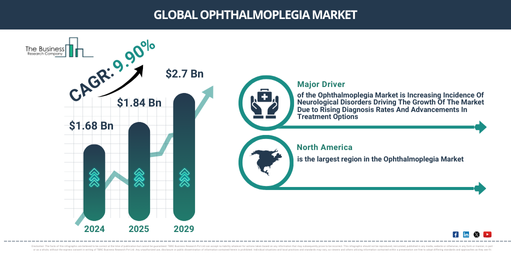
    The ophthalmoplegia market size has shown significant development in recent years. It is projected to increase from $1.68 billion in 2024 to $1.84 billion in 2025, achieving a compound annual growth rate (CAGR) of 9.8%. The reasons for this growth in previous periods include the escalating occurrence of neurological disorders, an expanding elderly demographic, the broadening reach of specialty clinics and hospitals, the heightened need for prompt diagnosis and therapy, an increase in clinical trials being conducted, and improved healthcare insurance coverage.

    The ophthalmoplegia market is projected to experience substantial expansion over the coming years. Its valuation is set to reach $2.7 billion by 2029, exhibiting a compound annual growth rate (CAGR) of 9.9%. This anticipated growth during the forecast period stems from factors such as the increasing incidence of neurological conditions, a growing elderly demographic, heightened recognition of eye movement disorders, escalating healthcare spending, boosted healthcare investments from major entities, and an expanding patient base affected by diabetes and hypertension. Key trends expected throughout this period encompass progress in diagnostic technologies, the creation of innovative treatment methods, strategic alliances and joint ventures, improvements in eye tracking device technology, and the introduction of medications designed to strengthen muscles.

    Unlock Your Free Sample Report for Exclusive Market Data:

    https://www.thebusinessresearchcompany.com/sample.aspx?id=22081&type=smp

    Which Factors And Drivers Are Influencing The Ophthalmoplegia Market In 2025?

    The escalating occurrence of neurological disorders is anticipated to boost the ophthalmoplegia market’s expansion in the future. These disorders are medical conditions impacting the nervous system, encompassing the brain, spinal cord, and nerves, and resulting in issues like muscle weakness, coordination difficulties, and cognitive deficits. The rise in neurological disorder cases stems from factors such as genetic predisposition, making individuals more prone to conditions like Alzheimer’s and Parkinson’s, and evolving lifestyle choices, including inadequate diet, inactive behavior, and ongoing stress, which foster neurodegeneration and diminished brain function. Ophthalmoplegia aids in identifying neurological disorders like Alzheimer’s disease, multiple sclerosis, and stroke, by revealing compromised eye muscle control, which in turn signals underlying nervous system problems. For example, in March 2023, the Alzheimer’s Association, a US-based nonprofit voluntary health organization, reported that in 2023, approximately 6.7 million Americans aged 65 and older were experiencing Alzheimer’s dementia, with forecasts predicting this number to climb to 13.8 million by 2060. Consequently, the growing prevalence of neurological disorders is propelling the growth of the ophthalmoplegia market.

    What Are The Major Segment Categories Driving The Ophthalmoplegia Market Growth?

    The ophthalmoplegiamarket covered in this report is segmented –

    1) By Type: External Opthalmoplegia; Internuclear Opthalmoplegia

    2) By Treatment: Surgery; Drug Treatment

    3) By End-User: Hospitals; Clinics; Ambulatory Clinics

    Subsegments:

    1) By External Ophthalmoplegia: Chronic Progressive External Ophthalmoplegia (CPEO); Myasthenic External Ophthalmoplegia; Mitochondrial Myopathy-Associated External Ophthalmoplegia

    2) By Internuclear Ophthalmoplegia: Unilateral Internuclear Ophthalmoplegia; Bilateral Internuclear Ophthalmoplegia

    Who Are The Core Companies Influencing The Ophthalmoplegia Market Landscape?

    Major companies operating in the ophthalmoplegia market are Hoffmann-La Roche Ltd., AbbVie Inc., Novartis AG, Medline Industries Inc., Regeneron Pharmaceuticals Inc., Carl Zeiss AG, Bausch Health Companies Inc., Sun Pharmaceutical Industries Limited, Bayer AG, Santen Pharmaceutical Co. Ltd., Oculis Holding AG, Innovative Pharmaceuticals Pvt. Ltd., Clearside Biomedical Inc., Altacor Limited, Azura Ophthalmics Ltd., ViGeneron GmbH, Amritt Inc., GenSight Biologics SA, EyeBio Inc., Opthea Limited

    Download The Full Report For Exclusive Market Findings:

    https://www.thebusinessresearchcompany.com/report/ophthalmoplegia-global-market-report

    How Does The Ophthalmoplegia Market Perform Across Key Geographic Regions?

    North America was the largest region in the ophthalmoplegia market in 2024. Asia-Pacific is expected to be the fastest-growing region in the forecast period. The regions covered in the ophthalmoplegia market report are Asia-Pacific, Western Europe, Eastern Europe, North America, South America, Middle East, Africa.

    Request A Customized Version Of The Ophthalmoplegia Market Report:

    https://www.thebusinessresearchcompany.com/customise?id=22081&type=smp

    Browse Through More Reports Similar to the Global Ophthalmoplegia Market 2025, By The Business Research Company

    Ophthalmic Devices Global Market Report 2025

    https://www.thebusinessresearchcompany.com/report/ophthalmic-devices-global-market-report

    Ophthalmic Medical Lasers Global Market Report 2025

    https://www.thebusinessresearchcompany.com/report/ophthalmic-medical-lasers-global-market-report

    Diagnostic And Monitoring Ophthalmic Devices And Equipment Global Market Report 2025

    https://www.thebusinessresearchcompany.com/report/diagnostic-and-monitoring-ophthalmic-devices-and-equipment-global-market-report

    Get in touch with us:

    The Business Research Company: https://www.thebusinessresearchcompany.com/

    Americas +1 310-496-7795

    Asia +44 7882 955267 & +91 8897263534

    Europe +44 7882 955267

    Email us at info@tbrc.info

    Follow us on:

    LinkedIn: https://in.linkedin.com/company/the-business-research-company

    YouTube: https://www.youtube.com/channel/UC24_fI0rV8cR5DxlCpgmyFQ

    Global Market Model: https://www.thebusinessresearchcompany.com/global-market-model

  • Global Neuromyelitis Optica Spectrum Disorder Market 2025–2029: Competitive Insights and Opportunities

    Global Neuromyelitis Optica Spectrum Disorder Market 2025–2029: Competitive Insights and Opportunities

    Unlock Global Insights – Save 20% on Market Reports with Code ONLINE20

    What Is The Expected Total Market Size Of The Neuromyelitis Optica Spectrum Disorder Industry By The Forecast Year 2029?

    The market for neuromyelitis optica spectrum disorder has experienced substantial expansion recently. It is projected to increase from $2.35 billion in 2024 to $2.54 billion in 2025, exhibiting a compound annual growth rate (CAGR) of 8.2%. Historically, this growth can be attributed to the increasing prevalence of Neuromyelitis Optica Spectrum Disorder (NMOSD), enhanced awareness and earlier diagnosis, the expansion of therapeutic options and FDA approvals, growing research and development activities, and an increase in clinical trials for novel therapies.

    The neuromyelitis optica spectrum disorder market is projected to demonstrate significant expansion in the upcoming years. It is foreseen to reach $3.49 billion by 2029, growing at a compound annual growth rate (CAGR) of 8.2%. This growth over the forecast period is primarily driven by heightened awareness and prompt diagnosis, escalating healthcare spending, increased investments in research and development, a rising incidence of autoimmune diseases, an increase in clinical trials for NMOSD therapies, and an expanding need for personalized medicine. Prominent trends expected during this period include advancements in precision medicine, strategic collaborations and partnerships, ongoing technological innovations, the integration of AI and big data in research, and a move towards home-based treatment options.

    Unlock Your Free Sample Report for Exclusive Market Data:

    https://www.thebusinessresearchcompany.com/sample.aspx?id=22072&type=smp

    What Are The Key Drivers Of Growth In The Neuromyelitis Optica Spectrum Disorder Market?

    The rising incidence of multiple sclerosis is projected to drive expansion within the neuromyelitis optica spectrum disorder market in the future. Multiple sclerosis is defined as a chronic autoimmune condition that targets the central nervous system, resulting in inflammation, damage to nerves, and various neurological manifestations. The growing occurrence of multiple sclerosis can be attributed to enhancements in diagnostic methods, environmental factors, and genetic susceptibility. Progress in medical imaging technologies, notably MRI, has enabled quicker and more precise diagnoses, contributing to a visible increase in reported cases. With a greater number of individuals receiving an MS diagnosis, awareness of neurological autoimmune conditions grows, fostering better diagnostic approaches and a clearer identification of neuromyelitis optica spectrum disorder. For example, data from May 2024, provided by the Multiple Sclerosis Trust, a national charity based in the UK, indicates that the UK experiences roughly 7,100 new multiple sclerosis cases every year, with around 135 individuals receiving an MS diagnosis weekly. Consequently, the expanding prevalence of multiple sclerosis acts as a catalyst for the expansion of the neuromyelitis optica spectrum disorder market.

    How Is The Neuromyelitis Optica Spectrum Disorder Market Segmented?

    The neuromyelitis optica spectrum disordermarket covered in this report is segmented –

    1) By Type: Neuromyelitis Optica Spectrum Disorder With Aquaporin-4 Antibodies; Neuromyelitis Optica Spectrum Disorder Without Aquaporin-4 Antibodies

    2) By Diagnosis: Imaging Tests; Magnetic Resonance Imaging (MRI); Blood Tests; Others Diagnosis

    3) By Treatment Type: C5 Protein Inhibitor; Monoclonal Antibodies; Plasma Exchange Therapy; Corticosteroids; Immunoglobulin Therapy; Medication; Other Treatment Types

    4) By Distribution Channel: Hospital Pharmacy; Retail Pharmacy; Online Pharmacy

    5) By End-User: Hospitals; Specialty Clinics; Homecare; Other End-Users

    Subsegments:

    1) By Neuromyelitis Optica Spectrum Disorder (NMOSD) With Aquaporin-4 (AQP4) Antibodies: Relapsing NMOSD with AQP4-IgG; Monophasic NMOSD with AQP4-IgG; Severe Optic Neuritis with AQP4-IgG; Longitudinally Extensive Transverse Myelitis (LETM) with AQP4-IgG

    2) By Neuromyelitis Optica Spectrum Disorder (NMOSD) Without Aquaporin-4 (AQP4) Antibodies: NMOSD with Myelin Oligodendrocyte Glycoprotein (MOG) Antibodies (MOG-IgG); Seronegative NMOSD; Idiopathic NMOSD Cases; NMOSD Associated With Other Autoimmune Disorders

    What Are The Major Trends Driving The Growth Of The Neuromyelitis Optica Spectrum Disorder Market?

    Leading firms within the neuromyelitis optica spectrum disorder market are concentrating on creating novel solutions, including long-acting complement inhibitors, with the aim of boosting treatment effectiveness and bettering patient results. These long-acting complement inhibitors function by suppressing the complement system for a prolonged period, thereby averting inflammation and nerve damage in neuromyelitis optica spectrum disorder (NMOSD). Their utility lies in reducing relapses and facilitating enduring disease management. An example of this is the March 2024 approval granted to Alexion Pharmaceuticals, a US-based biopharmaceutical company, and AstraZeneca, a UK-based pharmaceutical industry, for ULTOMIRIS (ravulizumab-cwvz) for treating adults with anti-aquaporin-4 (AQP4) antibody-positive neuromyelitis optica spectrum disorder (NMOSD). This achievement establishes Ultomiris as the sole and inaugural long-acting C5 complement inhibitor accessible for NMOSD therapy. The basis for this decision stemmed from the Phase III CHAMPION-NMOSD trial, which showed Ultomiris achieving a 98.6% reduction in relapse risk over 73 weeks when compared to a placebo. Participants in the trial experienced no relapses, and no new safety issues emerged.

    Which Major Industry Participants Are Leading The Neuromyelitis Optica Spectrum Disorder Market Growth?

    Major companies operating in the neuromyelitis optica spectrum disorder market are F. Hoffmann-La Roche Ltd., AstraZeneca, Merck KGaA, Laboratory Corporation of America Holding, Chugai Pharmaceutical Co. Ltd., Mayo Foundation for Medical Education and Research, Penn Medicine, Genentech Inc., Oregon Health & Science University, Arup Laboratories, Argenx SE, TG Therapeutics Inc., RemeGen Co. Ltd., Metropolis Healthcare, IASO Biotherapeutics, Harbour BioMed, Rush University Medical Center, Bio-Thera Solutions Ltd., Mitsubishi Tanabe Pharma Corporation, Viela Bio, Opexa Therapeutics

    Download The Full Report For Exclusive Market Findings:

    https://www.thebusinessresearchcompany.com/report/neuromyelitis-optica-spectrum-disorder-global-market-report

    Which Region Is Expected To Witness The Fastest Growth In The Neuromyelitis Optica Spectrum Disorder Market?

    North America was the largest region in the neuromyelitis optica spectrum disorder market in 2024. Asia-Pacific is expected to be the fastest-growing region in the forecast period. The regions covered in the neuromyelitis optica spectrum disorder market report are Asia-Pacific, Western Europe, Eastern Europe, North America, South America, Middle East, Africa.

    Request A Customized Version Of The Neuromyelitis Optica Spectrum Disorder Market Report:

    https://www.thebusinessresearchcompany.com/customise?id=22072&type=smp

    Browse Through More Reports Similar to the Global Neuromyelitis Optica Spectrum Disorder Market 2025, By The Business Research Company

    Autism Spectrum Disorders Treatment Global Market Report 2025

    https://www.thebusinessresearchcompany.com/report/autism-spectrum-disorders-treatment-global-market-report

    Spectrum Analyzers Global Market Report 2025

    https://www.thebusinessresearchcompany.com/report/spectrum-analyzers-global-market-report

    Neuroprosthetics Global Market Report 2025

    https://www.thebusinessresearchcompany.com/report/neuroprosthetics-global-market-report

    Get in touch with us:

    The Business Research Company: https://www.thebusinessresearchcompany.com/

    Americas +1 310-496-7795

    Asia +44 7882 955267 & +91 8897263534

    Europe +44 7882 955267

    Email us at info@tbrc.info

    Follow us on:

    LinkedIn: https://in.linkedin.com/company/the-business-research-company

    YouTube: https://www.youtube.com/channel/UC24_fI0rV8cR5DxlCpgmyFQ

    Global Market Model: https://www.thebusinessresearchcompany.com/global-market-model