Blog

  • Non-Insulin Therapies For Diabetes Industry Anticipated to Expand at 6.2% CAGR During the Forecast Period

    Non-Insulin Therapies For Diabetes Industry Anticipated to Expand at 6.2% CAGR During the Forecast Period

    Unlock Global Insights – Save 20% on Market Reports with Code ONLINE20

    What Are The Forecasted Market Size Estimates For The Non-Insulin Therapies For Diabetes Market Between 2025 And 2029?

    The non-insulin therapies for diabetes market has seen robust expansion in recent years. Its valuation is set to climb from $19.98 billion in 2024 to $21.21 billion in 2025, exhibiting a compound annual growth rate (CAGR) of 6.1%. This historical growth can be linked to factors such as rising diabetes prevalence, heightened awareness of diabetes management, an increase in healthcare expenditure, lifestyle alterations leading to higher incidence rates, a surge in diagnoses, growing government initiatives for diabetes care, and increased investment in pharmaceutical R&D.

    The non-insulin therapies for diabetes market is projected to experience substantial expansion over the upcoming years. This market is anticipated to reach $26.98 billion by 2029, exhibiting a compound annual growth rate (CAGR) of 6.2%. Factors contributing to this growth during the forecast period include the increasing incidence of diabetes, heightened awareness regarding diabetes management, the wider acceptance of combination therapies, a growing elderly demographic, increased spending on healthcare, the broadening scope of telemedicine, and an increasing preference for oral drug formulations. Key trends expected within the forecast timeframe encompass innovations in both oral and injectable medications, progress in drug delivery mechanisms, breakthroughs in oral peptide delivery, the integration of telemedicine and digital health technologies, and ongoing developments in combination treatment approaches.

    Unlock Your Free Sample Report for Exclusive Market Data:

    https://www.thebusinessresearchcompany.com/sample.aspx?id=16494&type=smp

    What Are The Key Drivers Of Growth In The Non-Insulin Therapies For Diabetes Market?

    The rising incidence of diabetes is anticipated to propel the expansion of the non-insulin therapies for the diabetes market moving forward. Diabetes is a chronic medical condition characterized by elevated blood glucose levels, occurring when the body fails to produce sufficient insulin or utilize it effectively. The increasing number of diabetes cases stems from factors such as sedentary lifestyles, unhealthy diets, genetic predisposition, aging populations, obesity, ethnicity, lack of awareness, limited access to healthcare, and environmental influences. Non-insulin therapies for diabetes aid in managing the condition by improving insulin sensitivity, reducing glucose production in the liver, enhancing glucose uptake in muscle cells, and improving overall glycemic control. For instance, in April 2023, The British Diabetic Association, a UK-based diabetes charity, published a report stating that 4.3 million individuals in the UK were diagnosed with diabetes. Registration data for 2021-22 revealed an increase of 148,951 cases compared to 2020-21. Moreover, over 2.4 million people in the UK are at high risk of developing type 2 diabetes. Thus, the escalating prevalence of diabetes is driving the growth of the non-insulin therapies for the diabetes market.

    What Are The Key Segments In The Non-Insulin Therapies For Diabetes Market?

    The non-insulin therapies for diabetesmarket covered in this report is segmented –

    1) By Drug Class: Biguanides; Sulfonylureas; Thiazolidinedione’s; Alpha-Glucosidase Inhibitors; Dipeptidyl peptidase-4 (DPP-4) Inhibitors; Glucagon-like peptide-1 (GLP-1) Analogs; Sodium-glucose co-transporter-2 (SGLT2) Inhibitors

    2) By Route Of Administration: Oral; Intramuscular

    3) By Distribution Channel: Retail Pharmacy; Hospital Pharmacy; Online Pharmacy

    4) By Application: Monitoring; Diagnosis; Treatment; Other Applications

    Subsegments:

    1) By Biguanides: Metformin; Combination Of Metformin With Other Drugs

    2) By Sulfonylureas: Glimepiride; Glipizide; Glyburide

    3) By Thiazolidinediones: Pioglitazone; Rosiglitazone

    4) By Alpha-Glucosidase Inhibitors: Acarbose; Miglitol

    5) By Dipeptidyl Peptidase-4 (DPP-4) Inhibitors: Sitagliptin; Saxagliptin; Linagliptin; Alogliptin

    6) By Glucagon-Like Peptide-1 (GLP-1) Analogs: Exenatide; Liraglutide; Dulaglutide; Semaglutide

    7) By Sodium-Glucose Co-Transporter-2 (SGLT2) Inhibitors: Canagliflozin; Dapagliflozin; Empagliflozin

    What Trends Are Redefining The Non-Insulin Therapies For Diabetes Market Dynamics?

    Major companies operating in the non-insulin therapies for diabetes market are developing personalized diabetes management systems to enhance patient outcomes through continuous monitoring, data analysis, and tailored treatment plans. A customized diabetes management system adapts care and supervision based on each patient’s unique needs, leveraging real-time data and analytics to improve care and results. For example, in November 2022, Eli Lilly and Company, a US-based pharmaceutical firm, launched the Tempo personalized diabetes management platform. The Tempo platform incorporates three key components: the Tempo Smart Button, the TempoSmart app, and the prefilled insulin pen, the Tempo Pen. These elements work in conjunction to offer individualized guidance for adults with diabetes. The technology is designed to assist adults with type 1 or type 2 diabetes and their healthcare providers in making informed, data-driven treatment decisions utilizing Lilly insulins.

    Who Are The Core Companies Influencing The Non-Insulin Therapies For Diabetes Market Landscape?

    Major companies operating in the non-insulin therapies for diabetes market are Pfizer Inc., F. Hoffmann-La Roche AG, Merck & Co. Inc., Sanofi, The Bristol-Myers Squibb Company, AstraZeneca plc, Novartis AG, GSK plc, Takeda Pharmaceutical Company Limited, Eli Lilly and Company, Novo Nordisk A/S, Boehringer Ingelheim International GmbH, Les Servier Laboratories, Sumitomo Dainippon Pharma Co. Ltd., Jiangsu Hansoh Pharmaceutical Group Co. Ltd., Uni-Bio Science Group Ltd., Intarcia Therapeutics, Janssen Pharmaceuticals, Boan Biotech, SatRx LLC

    Download The Full Report For Exclusive Market Findings:

    https://www.thebusinessresearchcompany.com/report/non-insulin-therapies-for-diabetes-global-market-report

    What Regional Growth Trends Are Shaping The Non-Insulin Therapies For Diabetes Market Outlook?

    North America was the largest region in the non-insulin therapies for diabetes market in 2024. The regions covered in the non-insulin therapies for diabetes market report are Asia-Pacific, Western Europe, Eastern Europe, North America, South America, Middle East, Africa.

    Request A Customized Version Of The Non-Insulin Therapies For Diabetes Market Report:

    https://www.thebusinessresearchcompany.com/customise?id=16494&type=smp

    Browse Through More Reports Similar to the Global Non-Insulin Therapies For Diabetes Market 2025, By The Business Research Company

    Insulin Patch Pumps Global Market Report 2025

    https://www.thebusinessresearchcompany.com/report/insulin-patch-pumps-global-market-report

    Insulin Biosimilars Global Market Report 2025

    https://www.thebusinessresearchcompany.com/report/insulin-biosimilars-global-market-report

    Non Injectable Insulin Global Market Report 2025

    https://www.thebusinessresearchcompany.com/report/non-injectable-insulin-global-market-report

    Get in touch with us:

    The Business Research Company: https://www.thebusinessresearchcompany.com/

    Americas +1 310-496-7795

    Asia +44 7882 955267 & +91 8897263534

    Europe +44 7882 955267

    Email us at info@tbrc.info

    Follow us on:

    LinkedIn: https://in.linkedin.com/company/the-business-research-company

    YouTube: https://www.youtube.com/channel/UC24_fI0rV8cR5DxlCpgmyFQ

    Global Market Model: https://www.thebusinessresearchcompany.com/global-market-model
  • Global Knee Braces Market Analysis 2025–2029: Opportunities for Strategic Growth

    Global Knee Braces Market Analysis 2025–2029: Opportunities for Strategic Growth

    Unlock Global Insights – Save 20% on Market Reports with Code ONLINE20

    How Much Larger Is The Knee Braces Market Expected To Become By 2029 Compared With Its 2025 Level?

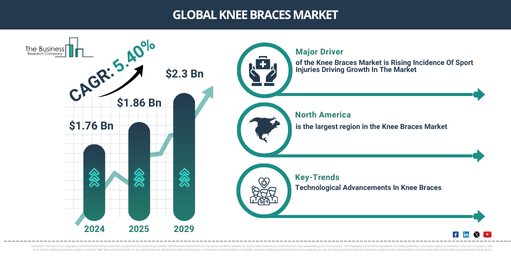
    The knee braces market has experienced robust expansion in its size over recent years. It is projected to expand from $1.76 billion in 2024 to $1.86 billion in 2025, demonstrating a compound annual growth rate (CAGR) of 5.9%. The historical growth in this sector is attributable to increased product penetration, a rise in osteoarthritis (OA) cases, the frequency of orthopedic knee surgeries, an uptick in healthcare spending, enhanced awareness, and a greater participation in sports activities.

    The knee braces market size is anticipated to undergo significant expansion over the next few years. It is projected to reach a value of $2.3 billion in 2029, exhibiting a compound annual growth rate (CAGR) of 5.4%. This anticipated growth during the forecast period is driven by factors such as a growing aging population, increased awareness, a rise in the adoption of non-invasive treatment options, increasing participation in sports and fitness trends, and the rising prevalence of osteoarthritis. Notable trends expected in this period include technological advancements, the global impact of an aging demographic, product innovation, strategic collaborations, and the development of advanced knee braces.

    Unlock Your Free Sample Report for Exclusive Market Data:

    https://www.thebusinessresearchcompany.com/sample.aspx?id=20859&type=smp

    Which Industry Drivers Are Expected To Accelerate The Knee Braces Market From 2025 To 2029?

    The increasing occurrence of sports injuries is poised to fuel the expansion of the knee braces market. Sports injuries encompass a range of physical ailments resulting from participation in athletic pursuits, affecting areas such as muscles, bones, tendons, ligaments, and joints. The rising trend of these injuries is attributed to the growing popularity of sports and fitness activities, which leads to more participants undertaking high-intensity training and experiencing greater physical stress. Knee braces are frequently utilized for sports injuries to provide support, stability, and protection to the knee joint. They help mitigate the risk of injuries like ligament tears or strains by restricting excessive movement and offering compression. For instance, in September 2024, data released by the National Safety Council, a US-based public health and safety organization, showed that the number of reported sports and recreational injuries in the US increased by 2% in 2023, with a total of 3.7 million individuals receiving medical treatment in emergency departments for injuries related to sports and recreational equipment. Therefore, the escalating incidence of sports injuries is a primary driver for the growth of the knee braces market.

    What Are The Segment Types Shaping The Knee Braces Market?

    The knee bracesmarket covered in this report is segmented –

    1) By Type: Prophylactic Knee Braces; Rehabilitative Knee Braces; Patellofemoral Knee Braces; Functional Knee Braces

    2) By Application: Medical Use; Sports Use

    3) By End Use: Orthopedic Clinics; Over-the-Counter (OTC); Hospital; Durable Medical Equipment (DME) Dealers; Other End Users

    Subsegments:

    1) By Prophylactic Knee Braces: Hinged Prophylactic Braces; Sleeve-Style Prophylactic Braces; Wraparound Prophylactic Braces; Others

    2) By Rehabilitative Knee Braces: Post-Operative Braces; Recovery Knee Braces; Adjustable Braces For Rehabilitation; Others

    3) By Patellofemoral Knee Braces: Patella Stabilizing Braces; Patella Tracking Braces; Open Patella Braces; Others

    4) By Functional Knee Braces: Ligament Knee Braces; ACL Support Braces; Hinged Knee Braces For Support; Custom-Made Functional Knee Braces; Others

    Which Market Trends Are Creating New Opportunities In The Knee Braces Industry?

    Prominent companies within the knee brace market are prioritizing the development of technological improvements, such as unloader braces. These advancements are designed to heighten comfort, optimize offloading mechanisms, integrate wearable technology, and offer more impactful, individualized treatment for knee osteoarthritis. An unloader brace serves as a knee support engineered to alleviate pain and enhance performance by redirecting pressure from the affected part of the knee, frequently utilized by individuals with unicompartmental knee osteoarthritis. For example, in January 2024, Enovis Corporation, a US-based medical technology enterprise, unveiled the DonJoy ROAM OA Knee Brace. This product delivers dynamic unloading to the knee, aiming to diminish pain and improve mobility for those with unicompartmental osteoarthritis. Its intuitive design, customizable sizing, and lightweight construction make it an effective solution for conservative management and provides support during daily activities.

    Which Leading Players Are Enhancing Their Knee Braces Market Presence Worldwide?

    Major companies operating in the knee braces market are Johnson & Johnson Services Inc., 3M Company, Medline Industries Inc., Essity AB., Enovis Corporation, Weber Orthopedic Inc, Otto Bock Healthcare GmbH, Össur hf., Orthofix Medical Inc., Breg Inc., Bauerfeind AG, McDavid Inc., Tynor Orthotics Pvt. Ltd., Mueller Sports Medicine Inc., Aspen Medical Products Inc., Medi GmbH & Co. KG, BioSkin LLC., Rehband AB., Medi-Dyne Healthcare Products Inc., ThermoSki

    Download The Full Report For Exclusive Market Findings:

    https://www.thebusinessresearchcompany.com/report/knee-braces-global-market-report

    How Is Knee Braces Market Demand Varying Across Different Regions?

    North America was the largest region in the knee braces market in 2024. Asia-Pacific is expected to be the fastest-growing region in the forecast period. The regions covered in the knee braces market report are Asia-Pacific, Western Europe, Eastern Europe, North America, South America, Middle East, Africa.

    Request A Customized Version Of The Knee Braces Market Report:

    https://www.thebusinessresearchcompany.com/customise?id=20859&type=smp

    Browse Through More Reports Similar to the Global Knee Braces Market 2025, By The Business Research Company

    Knee Implants Global Market Report 2025

    https://www.thebusinessresearchcompany.com/report/knee-implants-global-market-report

    Total Hip And Knee Replacements Global Market Report 2025

    https://www.thebusinessresearchcompany.com/report/total-hip-and-knee-replacements-global-market-report

    Orthopedic Braces And Support Devices And Equipment Global Market Report 2025

    https://www.thebusinessresearchcompany.com/report/orthopedic-braces-and-support-devices-and-equipment-global-market-report

    Get in touch with us:

    The Business Research Company: https://www.thebusinessresearchcompany.com/

    Americas +1 310-496-7795

    Asia +44 7882 955267 & +91 8897263534

    Europe +44 7882 955267

    Email us at info@tbrc.info

    Follow us on:

    LinkedIn: https://in.linkedin.com/company/the-business-research-company

    YouTube: https://www.youtube.com/channel/UC24_fI0rV8cR5DxlCpgmyFQ

    Global Market Model: https://www.thebusinessresearchcompany.com/global-market-model
  • Global Non-Cystic Fibrosis Bronchiectasis Market Projected to Expand at 6.1% CAGR by 2029

    Global Non-Cystic Fibrosis Bronchiectasis Market Projected to Expand at 6.1% CAGR by 2029

    Unlock Global Insights – Save 20% on Market Reports with Code ONLINE20

    How Is The Non-Cystic Fibrosis Bronchiectasis Market Size Likely To Evolve From 2025 Through 2034?

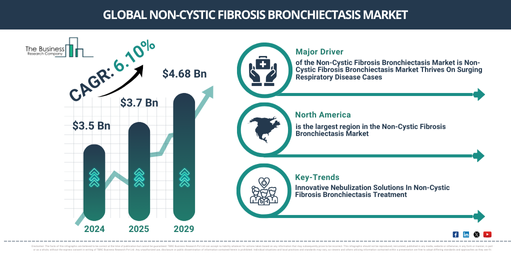
    The non-cystic fibrosis bronchiectasis market size has seen robust growth in recent years. It is forecast to expand from $3.5 billion in 2024 to $3.7 billion in 2025, registering a compound annual growth rate (CAGR) of 5.8%. This historical expansion can be attributed to factors such as rising incidence and prevalence, advancements in diagnostic technologies, an increasing geriatric population, government support and funding, improved healthcare infrastructure, heightened diagnosis awareness, a growing geriatric population, and environmental exposure.

    The non-cystic fibrosis bronchiectasis market size is anticipated to demonstrate robust expansion over the next few years. It is set to reach $4.68 billion in 2029, growing at a compound annual growth rate (CAGR) of 6.1%. This projected growth throughout the forecast period is attributed to advancements in personalized medicine, the emergence of new biomarkers, increased investment in respiratory medicine, expanding research and development efforts, various public health initiatives, the global aging population, and the creation of targeted therapies. Major trends expected during this timeframe include digital health solutions, a strong focus on targeted therapies, the integration of AI and machine learning, a shift towards home-based care, patient-centric approaches, and the proliferation of mobile health (mHealth) solutions.

    Unlock Your Free Sample Report for Exclusive Market Data:

    https://www.thebusinessresearchcompany.com/sample.aspx?id=17209&type=smp

    Which Drivers Are Supporting Growth Of The Non-Cystic Fibrosis Bronchiectasis Market?

    The non-cystic fibrosis bronchiectasis market is anticipated to experience growth due to the increasing incidence of respiratory diseases. These conditions encompass various ailments affecting the lungs and respiratory system, thereby hindering breathing and overall respiratory function. A primary cause of the escalating prevalence of respiratory diseases is growing environmental pollution, including both outdoor pollutants and indoor irritants like tobacco smoke. The increasing number of respiratory infections offers opportunities to advance the understanding, diagnosis, and management of non-cystic fibrosis bronchiectasis through targeted interventions and public health efforts. As an illustration, in June 2023, a report by the Office for Health Improvement and Disparities, a UK-based governmental body, revealed 4,622 notifications of scarlet fever Group A Streptococcus bacteria were received from week 37 to week 46 during the 2022-2023 season in England, with 851 notifications recorded in week 46 alone. This total far exceeds the average of 1,294 notifications (ranging from 258 to 2,008) for the same period (weeks 37 to week 46) over the previous five years. Therefore, the rising prevalence of respiratory diseases is set to drive the expansion of the non-cystic fibrosis bronchiectasis market.

    What Are The Leading Segments Analyzed In The Non-Cystic Fibrosis Bronchiectasis Market?

    The non-cystic fibrosis bronchiectasismarket covered in this report is segmented –

    1) By Diagnosis: Computed Tomography (CT) Scan; Bronchoscopy; Chest X Ray; Lung Function; Sputum Culture Test; Blood Tests; Other Diagnosis Types

    2) By Treatment: Surgery; Physiotherapy; Vaccination; Airway Pharmacotherapy; Antibiotics; Other Treatments

    3) By End Use: Hospitals And Clinics; Ambulatory Care Centers; Other End Uses

    Subsegments:

    1) By Computed Tomography (CT) Scan: High-Resolution CT (HRCT); Standard CT

    2) By Bronchoscopy: Flexible Bronchoscopy; Rigid Bronchoscopy

    3) By Chest X-Ray: Standard Chest X-Ray; Digital Chest X-Ray

    4) By Lung Function: Spirometry; Peak Flow Measurement

    5) By Sputum Culture Test: Bacterial Culture; Fungal Culture; Viral Culture

    6) By Blood Tests: Complete Blood Count (CBC); C-Reactive Protein (CRP); Immunoglobulin Levels

    7) By Other Diagnosis Types: Sweat Test; Genetic Testing; Exhaled Nitric Oxide Test

    How Are Emerging Market Trends Shaping The Non-Cystic Fibrosis Bronchiectasis Industry Landscape?

    Leading companies operating in the non-cystic fibrosis bronchiectasis market are concentrating on personalized medicine approaches, such as nebulization solutions, to optimize the efficiency of drug delivery and patient adherence. Nebulization solutions provide advanced technology for the precise and effective administration of respiratory medications, thereby improving patient compliance and treatment outcomes. For example, in April 2022, Zambon S.P.A, an Italy-based multinational pharmaceutical company, received a US FDA designation for CMS I-neb therapy intended for patients with non-cystic fibrosis bronchiectasis (NCFB). CMS I-neb is an investigational treatment under development as a potential first-in-class inhaled therapy for adult patients with NCFB colonized with P. aeruginosa. NCFB is a chronic, progressive, and irreversible respiratory disease. This breakthrough designation validates the registrational path for CMS I-neb in NCFB and facilitates its potentially expedited development and review.

    Which Major Industry Participants Are Leading The Non-Cystic Fibrosis Bronchiectasis Market Growth?

    Major companies operating in the non-cystic fibrosis bronchiectasis market are Pfizer Inc., F Hoffmann-La Roche Ltd., Merck & Co. Inc., Bayer AG, Sanofi SA, Bristol-Myers Squibb Company, AstraZeneca plc, Abbott Laboratories, Novartis AG, GlaxoSmithKline plc (GSK), Boehringer Ingelheim International GmbH, Viatris Inc, Teva Pharmaceutical Industries Ltd, Vertex Pharmaceuticals, Sun Pharmaceutical Industries Ltd, Aurobindo Pharma Ltd, Dr Reddy’s Laboratories Ltd, Chiesi Farmaceutici SpA, Lupin Limited, Zambon Company SpA, Sunovion Pharmaceuticals Inc, Insmed Incorporated, Genentech, Zydus Cadila, Santhera Pharmaceuticals, TSRL Inc

    Download The Full Report For Exclusive Market Findings:

    https://www.thebusinessresearchcompany.com/report/non-cystic-fibrosis-bronchiectasis-global-market-report

    Which Regional Markets Are Contributing Most To The Non-Cystic Fibrosis Bronchiectasis Industry Expansion?

    North America was the largest region in the non-cystic fibrosis bronchiectasis market in 2024. The regions covered in the non-cystic fibrosis bronchiectasis market report are Asia-Pacific, Western Europe, Eastern Europe, North America, South America, Middle East, Africa.

    Request A Customized Version Of The Non-Cystic Fibrosis Bronchiectasis Market Report:

    https://www.thebusinessresearchcompany.com/customise?id=17209&type=smp

    Browse Through More Reports Similar to the Global Non-Cystic Fibrosis Bronchiectasis Market 2025, By The Business Research Company

    Cystic Fibrosis Cf Therapeutics Global Market Report 2025

    https://www.thebusinessresearchcompany.com/report/cystic-fibrosis-cf-therapeutics-global-market-report

    Idiopathic Pulmonary Fibrosis Global Market Report 2025

    https://www.thebusinessresearchcompany.com/report/idiopathic-pulmonary-fibrosis-global-market-report

    Polycystic Ovarian Syndrome Treatment Global Market Report 2025

    https://www.thebusinessresearchcompany.com/report/polycystic-ovarian-syndrome-treatment-global-market-report

    Get in touch with us:

    The Business Research Company: https://www.thebusinessresearchcompany.com/

    Americas +1 310-496-7795

    Asia +44 7882 955267 & +91 8897263534

    Europe +44 7882 955267

    Email us at info@tbrc.info

    Follow us on:

    LinkedIn: https://in.linkedin.com/company/the-business-research-company

    YouTube: https://www.youtube.com/channel/UC24_fI0rV8cR5DxlCpgmyFQ

    Global Market Model: https://www.thebusinessresearchcompany.com/global-market-model

  • Non Invasive Fat Reduction Market to Grow at a CAGR of 14.6% from 2025 to 2029

    Non Invasive Fat Reduction Market to Grow at a CAGR of 14.6% from 2025 to 2029

    Unlock Global Insights – Save 20% on Market Reports with Code ONLINE20

    What Are The Growth Projections For The Non Invasive Fat Reduction Market Size During 2025–2029?

    The non invasive fat reduction market has experienced rapid expansion in recent times. This market is projected to expand from $1.29 billion in 2024 to $1.49 billion in 2025, demonstrating a compound annual growth rate (CAGR) of 15.6%. Historically, this growth can be ascribed to several factors, including heightened awareness regarding body image, progress in non-invasive fat reduction technologies, an increase in disposable income, a rising preference for minimally invasive cosmetic interventions, and an enlarging demographic of older individuals pursuing aesthetic enhancements.

    The non invasive fat reduction market is projected for significant expansion in the coming years, with its size anticipated to reach $2.57 billion by 2029, demonstrating a compound annual growth rate (CAGR) of 14.6%. This expected growth can be attributed to several factors, including ongoing technological innovation that leads to more effective and safer procedures, increasing market penetration in emerging economies, a heightened emphasis on wellness and body positivity, advancements in personalized treatment options, and the growing adoption of combination therapies for enhanced results. Major trends shaping the market during this forecast period include continuous technological innovation, a rising demand for minimally invasive procedures, expanding market penetration, increased adoption of combination therapies, a growing emphasis on wellness and body positivity, advancements in personalized treatment options, and an expanding aging population seeking aesthetic treatments.

    Unlock Your Free Sample Report for Exclusive Market Data:

    https://www.thebusinessresearchcompany.com/sample.aspx?id=15872&type=smp

    Which Drivers Are Shaping The Non Invasive Fat Reduction Industry’s Market Share?

    An increasing obese population is anticipated to drive expansion in the non-invasive fat reduction market in the future. This demographic consists of individuals with a body mass index (BMI) of 30 or more, signifying excess body fat that substantially elevates health risks. Its growth stems from various factors, such as higher intake of calorie-dense, processed foods, inactive lifestyles, genetic tendencies, and socioeconomic conditions that restrict access to nutritious diets and physical activity. Non-surgical fat reduction methods like cryolipolysis and laser lipolysis offer a less hazardous option than invasive procedures, assisting the obese in diminishing localized fat accumulation without surgical intervention. For example, a March 2024 report from the World Obesity Federation, a UK organization dedicated to fighting obesity via research, advocacy, and policy, forecasts a rise in obese adults from 0.81 billion in 2020 to 1.53 billion by 2035. Consequently, the expanding obese population is fueling the development of the non-invasive fat reduction market.

    What Are The Segment Types Shaping The Non Invasive Fat Reduction Market?

    The non invasive fat reductionmarket covered in this report is segmented –

    1) By Technology: Cryolipolysis; Ultrasound; Low Level Lasers

    2) By Gender: Female; Male

    3) By End Users: Hospitals; Stand Alone Practices; Multispecialty Clinic

    Subsegments:

    1) By Cryolipolysis: CoolSculpting; Cryolipolysis With Vacuum-Assisted Technology

    2) By Ultrasound: High-Intensity Focused Ultrasound (HIFU); Low-Intensity Ultrasound

    3) By Low Level Lasers: Red Light Therapy; Diode Laser Systems

    Which Key Trends Are Expected To Influence The Non Invasive Fat Reduction Market In The Coming Years?

    Leading companies in the non-invasive fat reduction market are concentrating on advancing technologies, like muscle-stimulating methods, to improve fat loss and treatment efficacy. Muscle-stimulating technologies denote a fat reduction technique that utilizes electrical impulses to contract muscles, thereby intensifying fat burning and body toning without requiring surgery. For example, in April 2024, Cartessa Aesthetics, a US-based supplier of innovative aesthetic medical devices, unveiled PHYSIQ 360, an advanced body contouring solution. PHYSIQ 360 delivers enhanced, customizable fat reduction and muscle-building treatments suitable for various skin and body types. It incorporates exclusive sequential thermal and electrical pulse (STEP) technology, which combines laser energy (LZR) with proprietary pure beam technology for uniform fat reduction and electrical muscle stimulation (EMS) for effective muscle contractions. The device is fitted with up to four independently programmable applicators, allowing for the simultaneous treatment of multiple body regions.

    Who Are The Prominent Global Companies Shaping The Non Invasive Fat Reduction Market?

    Major companies operating in the non invasive fat reduction market are Cynosure LLC, Hologic Inc., Alma Lasers, Lumenis Ltd., BTL Industries, ZELTIQ Aesthetics Inc., LPG Systems S.A., Sono Bello, Solta Medical, Cutera Inc., Merz Pharma GmbH & Co. KGaA, Sciton Inc., Venus Concept, Syneron Candela, Sientra Inc., Zimmer MedizinSysteme GmbH (Zimmer Aesthetics), Fotona d.o.o., Apyx Medical Corporation, Erchonia Corporation, Aesthetics Biomedical Inc., Lynton Lasers Ltd., Allergan Aesthetics, Body BeneFits Inc., INDIBA S.A.

    Download The Full Report For Exclusive Market Findings:

    https://www.thebusinessresearchcompany.com/report/non-invasive-fat-reduction-global-market-report

    How Does The Non Invasive Fat Reduction Market Perform Across Key Geographic Regions?

    North America was the largest region in the non invasive fat reduction market in 2024. The regions covered in the non invasive fat reduction market report are Asia-Pacific, Western Europe, Eastern Europe, North America, South America, Middle East and Africa.

    Request A Customized Version Of The Non Invasive Fat Reduction Market Report:

    https://www.thebusinessresearchcompany.com/customise?id=15872&type=smp

    Browse Through More Reports Similar to the Global Non Invasive Fat Reduction Market 2025, By The Business Research Company

    Non Invasive Prenatal Testing Global Market Report 2025

    https://www.thebusinessresearchcompany.com/report/non-invasive-prenatal-testing-global-market-report

    Non Invasive Brain Trauma Monitoring Devices Global Market Report 2025

    https://www.thebusinessresearchcompany.com/report/non-invasive-brain-trauma-monitoring-devices-global-market-report

    Minimally Invasive And Non Invasive Product And Service Global Market Report 2025

    https://www.thebusinessresearchcompany.com/report/minimally-invasive-and-non-invasive-product-and-service-global-market-report

    Get in touch with us:

    The Business Research Company: https://www.thebusinessresearchcompany.com/

    Americas +1 310-496-7795

    Asia +44 7882 955267 & +91 8897263534

    Europe +44 7882 955267

    Email us at info@tbrc.info

    Follow us on:

    LinkedIn: https://in.linkedin.com/company/the-business-research-company

    YouTube: https://www.youtube.com/channel/UC24_fI0rV8cR5DxlCpgmyFQ

    Global Market Model: https://www.thebusinessresearchcompany.com/global-market-model
  • Global Night Blindness Treatment Market 2025–2029: Competitive Insights and Opportunities

    Global Night Blindness Treatment Market 2025–2029: Competitive Insights and Opportunities

    Unlock Global Insights – Save 20% on Market Reports with Code ONLINE20

    What Is The Global Market Value Of The Night Blindness Treatment Industry In 2025?

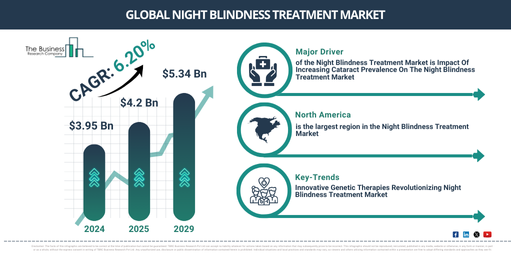
    The night blindness treatment market has experienced robust growth recently. Its size is projected to increase from $3.95 billion in 2024 to $4.2 billion in 2025, demonstrating a compound annual growth rate (CAGR) of 6.3%. Historically, this expansion has been driven by factors such as the rising prevalence of vitamin A deficiency, the growing geriatric population susceptible to night vision problems, the expansion of healthcare infrastructure, a greater emphasis on nutritional interventions for vision health, and an increased incidence of retinitis pigmentosa.

    The night blindness treatment market is projected to experience robust expansion over the coming years. This market is anticipated to reach $5.34 billion by 2029, exhibiting a compound annual growth rate (CAGR) of 6.2%. This growth during the forecast period is attributable to factors such as the greater adoption of advanced diagnostic technologies, a rise in eye health awareness campaigns, increased demand for personalized medicine, an expanding number of eye care clinics and facilities, and advancements in healthcare infrastructure development. Key trends expected within this period encompass the use of advanced diagnostic technologies, the application of personalized treatment approaches, the evolution of gene therapy and stem cell treatments, the incorporation of wearable technology for real-time monitoring, and the establishment of multi-disciplinary clinics.

    Unlock Your Free Sample Report for Exclusive Market Data:

    https://www.thebusinessresearchcompany.com/sample.aspx?id=18413&type=smp

    What Are The Drivers Pushing New Developments In The Night Blindness Treatment Market?

    The expanding occurrence of cataracts is anticipated to fuel the progress of the night blindness treatment market in the future. Cataracts are defined as a medical condition characterized by the clouding of the eye’s natural lens, resulting in compromised eyesight. Elevated exposure to ultraviolet (UV) light from solar radiation, smoking habits, and inadequate dietary intake are factors that promote the formation of cataracts. This condition diminishes the eye’s capacity to differentiate between varying degrees of brightness and darkness, an ability essential for proper night vision. Consequently, this reduced contrast sensitivity impedes navigation and object recognition in dim lighting conditions. An illustrative example from July 2023 shows that, based on the 2021-23 National UK Eye Care Statistics Survey conducted by the Well-being of Future Generations Act (WFG), a UK-based government agency, approximately 16,500 (16,510) cataract admissions were recorded in 2022-23, representing a 23.7% rise compared to the preceding year. Thus, the rising incidence of cataracts is a key impetus for the night blindness treatment market.

    What Are The Different Segment Classifications Within The Night Blindness Treatment Market?

    The night blindness treatmentmarket covered in this report is segmented –

    1) By Treatment: Medication; Surgery; Other Treatments

    2) By Diagnosis: Blood Tests; Color Vision Testing; Pupil Light Reflex; Refraction; Retinal Exam; Electroretinogram (ERG); Other Diagnoses

    3) By Symptom: Eye Pain; Vomiting; Cloudy Vision; Halos; Light Sensitivity; Distance Vision Problem; Headache; Other Symptoms

    4) By End User: Clinic; Hospital; Other End Users

    Subsegments:

    1) By Medication: Vitamin A Supplements; Retinoid Therapy; Beta-Carotene Supplements; Anti-Glaucoma Medications; Other Pharmaceutical Treatments

    2) By Surgery: Cataract Surgery; Retinal Surgery; Corneal Transplantation; LASIK Surgery

    3) By Other Treatments: Light Therapy; Gene Therapy; Low Vision Aids And Assistive Devices; Nutritional Therapy

    What Are The Major Trends Driving The Growth Of The Night Blindness Treatment Market?

    Leading companies within the night blindness treatment market are actively developing innovative genetic therapies. These therapies are designed to target the underlying genetic mutations responsible, aiming to enhance treatment efficacy and improve patient outcomes. Genetic therapies contribute to treating night blindness by precisely targeting and repairing specific genetic mutations that impact retinal function, holding the potential to restore vision in individuals with inherited retinal disorders such, as retinitis pigmentosa. For instance, in August 2023, HuidaGene Therapeutics., a US-based clinical-stage biotechnology company, unveiled HG004, a gene therapy created to address inherited retinal diseases like Leber’s congenital amaurosis. This particular therapy has demonstrated superior performance over existing treatments in preclinical studies, with its goal being to restore retinal function and relieve night blindness, alongside other conditions linked to RPE65-induced impairments.

    Which Key Players Are Driving Competition In The Night Blindness Treatment Market?

    Major companies operating in the night blindness treatment market are Johnson & Johnson Private Limited, F. Hoffmann-La Roche Ltd., Bayer AG, Abbott Laboratories, Novartis AG, Boehringer Ingelheim, Regeneron Pharmaceuticals Inc., Astellas Pharma Inc., Biogen Inc., Bausch Health Companies Inc., Eisai Co. Ltd, Cipla Inc., Nature’s Way, Spark Therapeutics Inc., Garden of Life, Apellis Pharmaceuticals Inc, Solgar, Acucela Inc., Swanson Health Products, NOW Foods

    Download The Full Report For Exclusive Market Findings:

    https://www.thebusinessresearchcompany.com/report/night-blindness-treatment-global-market-report

    Which Region Is Expected To Witness The Fastest Growth In The Night Blindness Treatment Market?

    North America was the largest region in the night blindness treatment market in 2024. Asia-Pacific is expected to be the fastest-growing region in the forecast period. The regions covered in the night blindness treatment market report are Asia-Pacific, Western Europe, Eastern Europe, North America, South America, Middle East, Africa.

    Request A Customized Version Of The Night Blindness Treatment Market Report:

    https://www.thebusinessresearchcompany.com/customise?id=18413&type=smp

    Browse Through More Reports Similar to the Global Night Blindness Treatment Market 2025, By The Business Research Company

    Mattresses Blinds And Shades Global Market Report 2025

    https://www.thebusinessresearchcompany.com/report/mattresses-blinds-and-shades-global-market-report

    Benign Prostatic Hyperplasia Bph Treatment Devices And Equipment Global Market Report 2025

    https://www.thebusinessresearchcompany.com/report/benign-prostatic-hyperplasia-bph-treatment-devices-and-equipment-global-market-report

    Polycystic Ovarian Syndrome Treatment Global Market Report 2025

    https://www.thebusinessresearchcompany.com/report/polycystic-ovarian-syndrome-treatment-global-market-report

    Get in touch with us:

    The Business Research Company: https://www.thebusinessresearchcompany.com/

    Americas +1 310-496-7795

    Asia +44 7882 955267 & +91 8897263534

    Europe +44 7882 955267

    Email us at info@tbrc.info

    Follow us on:

    LinkedIn: https://in.linkedin.com/company/the-business-research-company

    YouTube: https://www.youtube.com/channel/UC24_fI0rV8cR5DxlCpgmyFQ

    Global Market Model: https://www.thebusinessresearchcompany.com/global-market-model
  • Iodine Industry Overview 2025: Growth Projections and Market Trends

    Iodine Industry Overview 2025: Growth Projections and Market Trends

    Unlock Global Insights – Save 20% on Market Reports with Code ONLINE20

    #What Are The Current (2025) And Forecast (2029) Sizes Of The Iodine Market?

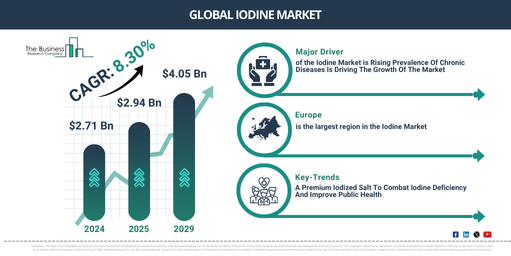
    The size of the iodine market has exhibited robust growth in recent years. This market is projected to expand from $2.71 billion in 2024 to $2.94 billion in 2025, demonstrating a compound annual growth rate (CAGR) of 8.5%. Historically, this expansion has been driven by factors such as rising demand within the medical sector, greater use in water treatment, an increase in veterinary applications, heightened demand for biocides and disinfectants, and variations in crude iodine prices.

    The iodine market size is projected to experience robust expansion over the coming years. It is anticipated to reach $4.05 billion by 2029, demonstrating a compound annual growth rate (CAGR) of 8.3%. This projected growth during the forecast period stems from factors such as increasing demand within the medical sector, greater utilization in water treatment processes, expanding veterinary applications, a rising need for biocides and disinfectants, and fluctuating crude iodine prices. Prominent trends expected in the forecast period encompass advanced membrane separation technologies, intelligent disinfection and antimicrobial solutions, nanotechnology featuring iodine nanoparticles, innovative iodine-containing pharmaceuticals, and iodine-augmented LED and OLED technologies.

    Unlock Your Free Sample Report for Exclusive Market Data:

    https://www.thebusinessresearchcompany.com/sample.aspx?id=20858&type=smp

    What Are The Top Growth Drivers Impacting The Iodine Market Outlook?

    The anticipated expansion of the iodine market going forward is linked to the increasing occurrence of chronic illnesses. These conditions refer to long-lasting health issues that typically persist for more than three months and often progress slowly over time. The growing prevalence of chronic diseases, such as thyroid disorders, cardiovascular diseases, and cancer, drives the demand for iodine due to its critical role in medical imaging, pharmaceutical applications, and dietary supplements aimed at managing and preventing these conditions. Iodine plays a vital role in addressing chronic ailments by supporting thyroid function, regulating metabolism, enhancing immune response, and reducing inflammation, which collectively contribute to improved overall health and disease resilience. For instance, in January 2023, according to the National Library of Medicine, a US-based medical library, it is predicted that 142.66 million Americans 50 and older are expected to suffer from at least one chronic illness by 2050. Therefore, the increasing prevalence of chronic diseases is fueling the growth of the iodine market.

    What Are The Different Segment Classifications Within The Iodine Market?

    The iodinemarket covered in this report is segmented –

    1) By Form: Inorganic Salts And Complexes; Elemental And Isotopes; Organic Compound

    2) By Source: Underground Brines; Seaweeds; Caliche Ore; Recycling

    3) By Application: Pharmaceuticals; Biocides; Iodophors; X-Ray Contrast Media; Catalyst In Polymer Processing; Optical Polarizing Films; Human Nutrition; Fluorochemicals; Animal Feed; Other Applications

    Subsegments:

    1) By Inorganic Salts And Complexes: Sodium Iodide; Potassium Iodide; Calcium Iodate

    2) By Elemental And Isotopes: Elemental Iodine; Iodine-131; Iodine-123

    3) By Organic Compound: Iodophors; Iodinated Contrast Media; Iodinated Organic Chemicals

    How Are Trends Influencing The Iodine Market?

    Major companies within the iodine market are actively developing innovative products, such as iodized salt, to combat iodine deficiencies and improve public health, especially in regions highly affected by deficiency-related disorders. Iodized salt is essentially table salt fortified with iodine, a crucial trace mineral that prevents iodine deficiency, which can cause thyroid conditions like goiter and developmental issues. For example, in February 2022, Tata Consumer Products Limited, an India-based fast-moving consumer goods company, launched Shuddh by Tata Salt, a premium iodized salt product aimed at delivering high-quality salt with enhanced purity and promoting better health by addressing iodine deficiency in Indian households. This premium offering is designed to provide not only superior purity but also a consistent and reliable source of iodine, thereby addressing the increasing concern of iodine deficiency in the country. The salt undergoes careful sourcing and refining, ensuring it meets stringent quality and safety standards. This initiative underscores the brand’s commitment to advancing public health by making iodine accessible to a broader audience, contributing to improved overall well-being, particularly for families and individuals seeking to boost their daily nutrition.

    Which Major Firms Are Strengthening Their Position In The Iodine Industry?

    Major companies operating in the iodine market are Sociedad Química y Minera de Chile S.A., MilliporeSigma, Albemarle Corporation, ACF Minera S.A., BASF SE, Nippoh Chemicals Co. Ltd., ISE Chemicals Corporation, Algorta Norte S.A., Godo Shigen Co. Ltd., Iofina plc, American Elements, Chemlock Metals Corporation, Iochem Corporation, Deepwater Chemicals Inc., Kanto Chemical Co. Inc., Eskay Iodine, Salvi Chemicals Industries Limited, Azer Yod LLC, SAGAR Life Sciences Private Limited, Junsei Chemical Co. Ltd.

    Download The Full Report For Exclusive Market Findings:

    https://www.thebusinessresearchcompany.com/report/iodine-global-market-report

    Which Geographies Are Emerging As Strong Markets For The Iodine Industry?

    Europe was the largest region in the iodine market in 2024. Asia-Pacific is expected to be the fastest-growing region in the forecast period. The regions covered in the iodine market report are Asia-Pacific, Western Europe, Eastern Europe, North America, South America, Middle East, Africa.

    Request A Customized Version Of The Iodine Market Report:

    https://www.thebusinessresearchcompany.com/customise?id=20858&type=smp

    Browse Through More Reports Similar to the Global Iodine Market 2025, By The Business Research Company

    Biosimilar Growth Hormone Global Market Report 2025

    https://www.thebusinessresearchcompany.com/report/biosimilar-growth-hormone-global-market-report

    Parathyroid Hormones Global Market Report 2025

    https://www.thebusinessresearchcompany.com/report/parathyroid-hormones-global-market-report

    Biosimilar Hormone Global Market Report 2025

    https://www.thebusinessresearchcompany.com/report/biosimilar-hormone-global-market-report

    Get in touch with us:

    The Business Research Company: https://www.thebusinessresearchcompany.com/

    Americas +1 310-496-7795

    Asia +44 7882 955267 & +91 8897263534

    Europe +44 7882 955267

    Email us at info@tbrc.info

    Follow us on:

    LinkedIn: https://in.linkedin.com/company/the-business-research-company

    YouTube: https://www.youtube.com/channel/UC24_fI0rV8cR5DxlCpgmyFQ

    Global Market Model: https://www.thebusinessresearchcompany.com/global-market-model
  • Neurogenetic Testing Market Trends 2025–2029: Forecasts for Key Growth Segments

    Neurogenetic Testing Market Trends 2025–2029: Forecasts for Key Growth Segments

    Unlock Global Insights – Save 20% on Market Reports with Code ONLINE20

    By How Much Is The Neurogenetic Testing Market Expected To Expand Between 2025 And 2029?

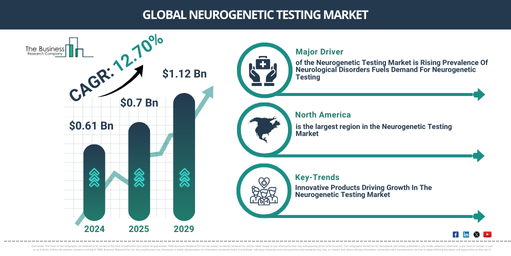
    The neurogenetic testing market size has seen rapid expansion in recent years. It is anticipated to increase from $0.61 billion in 2024 to $0.7 billion in 2025, reflecting a compound annual growth rate (CAGR) of 13.5%. This historical development can be ascribed to a greater occurrence of neurological disease cases, an uptick in life science research, a growing prevalence of Parkinson’s disease, more cases of cancer, and heightened awareness among healthcare professionals.

    The neurogenetic testing market is poised for significant expansion in the coming years. This market is projected to reach $1.12 billion by 2029, demonstrating a compound annual growth rate (CAGR) of 12.7%. This anticipated growth is driven by several factors, including the expanding uses of personalized medicine, an increase in chronic illnesses, a rise in the number of hospitals and diagnostic laboratories, and the escalating need for early disease identification. Key trends anticipated during this period encompass advancements in technology, increased acceptance of non-invasive testing approaches, the introduction of new products, formation of strategic partnerships, and the identification of new biomarkers for neurological disorders.

    Unlock Your Free Sample Report for Exclusive Market Data:

    https://www.thebusinessresearchcompany.com/sample.aspx?id=16131&type=smp

    What Are The Emerging Market Drivers Creating New Opportunities In The Neurogenetic Testing Industry?

    The increasing incidence of neurological conditions is projected to boost the expansion of the neurogenetic testing market. These disorders encompass illnesses impacting the nervous system, such as the brain, spinal cord, and nerves. Factors contributing to their widespread occurrence include genetic predispositions, infections, injuries, toxins, autoimmune reactions, and degenerative processes. Neurogenetic testing substantially improves the diagnosis, treatment, and overall management of neurological disorders by providing tailored understanding of genetic risk factors, informing therapeutic choices, and enabling individuals and their families to make well-informed healthcare decisions, ultimately leading to better patient care and results. For example, as reported in April 2022 by the European Brain Council, a non-profit organization based in Belgium, more than 600 neurological diseases and almost 300 psychiatric conditions affect millions worldwide, with 65 million suffering from epilepsy. Within Europe, 10.5 million individuals are living with dementia, a number expected to climb to 18.7 million by 2050. Consequently, the growing occurrence of neurological disorders is anticipated to fuel the expansion of the neurogenetic testing market.

    What Are The Primary Types Of Segments Analyzed In The Neurogenetic Testing Market?

    The neurogenetic testingmarket covered in this report is segmented –

    1) By Type: Microarray Analysis; Whole-Exome Sequencing (WES); Multiplex Ligation Dependent Probe Amplification (MLPA); Polymerase Chain Reaction (PCR) Tests; Other Types

    2) By Disease: Rare Genetic Disorder; Cancer; Cystic Fibrosis; Sickle Cell Anemia; Duchenne Muscular Dystrophy; Thalassemia; Huntington’s Disease; Fragile X Syndrome; Other Diseases

    3) By End-Users: Hospitals; Specialty Clinics; Research Institutes; Diagnostics Laboratories

    Subsegments:

    1) By Microarray Analysis: Comparative Genomic Hybridization (CGH) Microarray; Single Nucleotide Polymorphism (SNP) Microarray; Gene Expression Microarray

    2) By Whole-Exome Sequencing (WES): Targeted Exome Sequencing; Clinical Exome Sequencing; Research-Grade Exome Sequencing

    3) By Multiplex Ligation Dependent Probe Amplification (MLPA): MLPA For Copy Number Variation; MLPA For Methylation Analysis; MLPA For Specific Disease Detection

    4) By Polymerase Chain Reaction (PCR) Tests: Quantitative PCR (qPCR); Reverse Transcription PCR (RT-PCR); Digital PCR (dPCR)

    5) By Other Types: Next-Generation Sequencing (NGS); Southern Blotting; Fluorescence In Situ Hybridization (FISH); Sanger Sequencing

    What Trends Are Expected To Drive The Neurogenetic Testing Market?

    Key companies operating within the neurogenetic testing market are developing advanced products, such as whole-genome sequencing, to enhance both the precision and breadth of genetic analysis, thereby enabling more comprehensive and personalized testing for neurological conditions. Whole-genome sequencing (WGS) represents a thorough genetic testing approach that involves mapping the complete DNA sequence of an individual’s entire genome. As an illustration, in March 2024, Nucleus Genomics, a US-based entity specializing in genetic analysis, introduced a new DNA analysis product. This platform seeks to equip individuals with a deeper comprehension of their genetic predispositions, facilitating well-informed decisions concerning their health and overall well-being. With its cutting-edge technology and expert genetic counseling offerings, Nucleus Genomics is set to redefine the scope of genetic testing, making the power of whole-genome sequencing directly accessible to individuals and fundamentally changing the field of genomic medicine.

    Who Are The Top Performing Companies In The Neurogenetic Testing Market In Recent Years?

    Major companies operating in the neurogenetic testing market are Thermo Fisher Scientific Inc., Mayo Clinic, Roche Diagnostics Corporation, Laboratory Corporation, Quest Diagnostics Incorporated, Eurofins Scientific Inc., Agilent Technologies Inc., PerkinElmer Inc., Illumina Inc., Bio-Rad Laboratories Inc., QIAGEN N.V., Exact Sciences Corporation, Myriad Genetics Inc., BioReference Laboratories Inc., Connecticut Children’s, Invitae Corp., Ambry Genetics Corporation, Fulgent Genetics Inc., Blueprint Genetics Inc., GeneDx LLC, Pacific Biosciences of California Inc., MedGenome Labs, CENTOGENE, Baylor Genetics, Victorian Clinical Genetics Services

    Download The Full Report For Exclusive Market Findings:

    https://www.thebusinessresearchcompany.com/report/neurogenetic-testing-global-market-report

    Which Global Regions Are Influencing The Competitive Landscape Of The Neurogenetic Testing Market?

    North America was the largest region in the neurogenetic testing market in 2024. Asia-Pacific is expected to be the fastest-growing region in the forecast period. The regions covered in the neurogenetic testing market report are Asia-Pacific, Western Europe, Eastern Europe, North America, South America, Middle East, Africa.

    Request A Customized Version Of The Neurogenetic Testing Market Report:

    https://www.thebusinessresearchcompany.com/customise?id=16131&type=smp

    Browse Through More Reports Similar to the Global Neurogenetic Testing Market 2025, By The Business Research Company

    Genetic Testing Global Market Report 2025

    https://www.thebusinessresearchcompany.com/report/genetic-testing-global-market-report

    Epigenetics Global Market Report 2025

    https://www.thebusinessresearchcompany.com/report/epigenetics-global-market-report

    Optogenetics Global Market Report 2025

    https://www.thebusinessresearchcompany.com/report/optogenetics-global-market-report

    Get in touch with us:

    The Business Research Company: https://www.thebusinessresearchcompany.com/

    Americas +1 310-496-7795

    Asia +44 7882 955267 & +91 8897263534

    Europe +44 7882 955267

    Email us at info@tbrc.info

    Follow us on:

    LinkedIn: https://in.linkedin.com/company/the-business-research-company

    YouTube: https://www.youtube.com/channel/UC24_fI0rV8cR5DxlCpgmyFQ

    Global Market Model: https://www.thebusinessresearchcompany.com/global-market-model
  • Neurocognitive Assessment And Rehabilitation Market Forecast 2025–2034: Where Businesses Should Invest Next

    Neurocognitive Assessment And Rehabilitation Market Forecast 2025–2034: Where Businesses Should Invest Next

    Unlock Global Insights – Save 20% on Market Reports with Code ONLINE20

    #What Is The Projected Market Size Of The Neurocognitive Assessment And Rehabilitation Market By 2029?

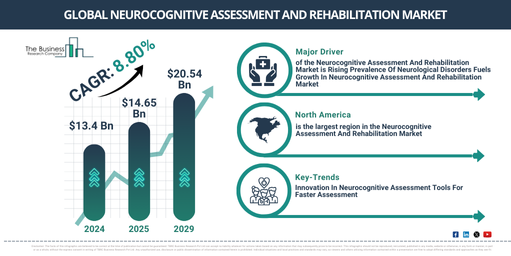
    The neurocognitive assessment and rehabilitation market has shown substantial growth in recent years. It is expected to expand from $13.4 billion in 2024 to $14.65 billion in 2025, reflecting a compound annual growth rate (CAGR) of 9.4%. This historical expansion can be attributed to several factors including a higher incidence of neurocognitive disorders, an aging global population, increased public awareness and educational initiatives, supportive healthcare policies and funding, improvements in diagnostic techniques, and a rise in mental health issues.

    The neurocognitive assessment and rehabilitation market is projected to experience robust expansion in the coming years. By 2029, its valuation is anticipated to reach $20.54 billion, growing at a compound annual growth rate (CAGR) of 8.8%. This anticipated growth during the forecast period is attributable to factors such as personalized medicine approaches, corporate wellness programs, continuous technological advancements, enhancements in insurance coverage and reimbursement, and increased integration with telehealth services. Key trends expected within this period encompass the widespread adoption of wearable technology, advancements in regenerative medicine and neuroplasticity research, the development of personalized rehabilitation programs, the increasing utilization of virtual reality (VR) and augmented reality (AR), and the implementation of interdisciplinary approaches.

    Unlock Your Free Sample Report for Exclusive Market Data:

    https://www.thebusinessresearchcompany.com/sample.aspx?id=15870&type=smp

    Which Drivers Are Impacting The Neurocognitive Assessment And Rehabilitation Market?

    The growing occurrence of neurological conditions is anticipated to drive the expansion of the neurocognitive assessment and rehabilitation market moving forward. These are health issues impacting the nervous system, encompassing the brain, spinal cord, and nerves, which can manifest as symptoms like muscle weakness, difficulties with coordination, and diminished cognitive abilities. Multiple factors contribute to neurological disorders, including an aging demographic and the widespread presence of age-related diseases such as Alzheimer’s disease and Parkinson’s disease. Neurocognitive assessment offers understanding into cognitive functions, assisting in the diagnosis and treatment planning for neurological disorders, whereas rehabilitation interventions strive to improve neural functioning and elevate the quality of life through specific therapies and strategies. For example, data from the Alzheimer’s Association, a US-based voluntary health organization, indicates that the occurrence of Alzheimer’s dementia, a neurological disorder, among US individuals aged 85 and above is predicted to reach 2.4 million people in 2024, and is projected to increase substantially to 6.7 million by 2060. Consequently, the rising incidence of neurological disorders fuels the expansion of the neurocognitive assessment and rehabilitation market.

    Which Key Segments Fueling The Neurocognitive Assessment And Rehabilitation Market?

    The neurocognitive assessment and rehabilitationmarket covered in this report is segmented –

    1) By Components: Neurocognitive Assessment Testing; Neurorehabilitation Therapy

    2) By Providers: Rehab Centers; Hospital And Clinics; Homecare Settings; Physiotherapy Centers

    3) By Organization Size: Large Enterprises; Small And Medium-sized Enterprises (SMEs)

    Subsegments:

    1) By Neurocognitive Assessment Testing: Standardized Tests; Computerized Neurocognitive Assessments; Paper-Based Neurocognitive Tests

    2) By Neurorehabilitation Therapy: Cognitive Behavioral Therapy (CBT); Virtual Reality Therapy; Transcranial Magnetic Stimulation (TMS); Neurofeedback Therapy; Physical Therapy And Occupational Therapy

    Which Trends Are Impacting The Neurocognitive Assessment And Rehabilitation Market?

    Leading firms within the neurocognitive assessment and rehabilitation market are creating advanced solutions, particularly digital tests, aimed at identifying cognitive impairment and securing a competitive advantage. These digital tests are evaluations performed via digital platforms or software, designed to appraise diverse cognitive functions like memory, attention, language, and executive function. As an example, in November 2022, Neurotrack Technologies, a US-based provider of web-based screening tools and cognitive health programs, introduced a 3-minute digital test for screening cognitive impairment. This instrument allows primary care teams to quickly identify cognitive decline during routine annual wellness visits, supporting the early discovery of neurodegenerative conditions, such as Alzheimer’s. Its culturally neutral features improve both accuracy and accessibility, thereby fulfilling the crucial demand for cognitive screening among an increasingly elderly demographic. This novel solution empowers healthcare providers to smoothly incorporate cognitive testing into their clinical processes, potentially transforming dementia care and intervention approaches.

    Which Leading Companies Dominate The Neurocognitive Assessment And Rehabilitation Market Share?

    Major companies operating in the neurocognitive assessment and rehabilitation market are Cogstate Ltd., Posit Science Corporation, Lumos Labs Inc., The Magstim Company Ltd., MindMaze SA, CogniFit Inc., Cambridge Cognition Holdings plc, ImPACT Applications Inc., Neurotrack Technologies Inc., Neuroelectrics Corporation, SCHUHFRIED GmbH, Constant Therapy Health Inc., NeuronUP S.L., Qbtech AB, Neurometrix Inc., CogniVue Corporation, Neurohealth Associates LLP, BrainTrain Inc., NeuroEM Therapeutics Inc., HASOMED GmbH, Neurosoft Bioelectronics Corporation, AnthroTronix Inc., Flow Neuroscience AB, NPsych Limited

    Download The Full Report For Exclusive Market Findings:

    https://www.thebusinessresearchcompany.com/report/neurocognitive-assessment-and-rehabilitation-global-market-report

    What Are The Regional Market Dynamics Impacting The Neurocognitive Assessment And Rehabilitation Industry?

    North America was the largest region in the neurocognitive assessment and rehabilitation market in 2024. The regions covered in the neurocognitive assessment and rehabilitation market report are Asia-Pacific, Western Europe, Eastern Europe, North America, South America, Middle East and Africa.

    Request A Customized Version Of The Neurocognitive Assessment And Rehabilitation Market Report:

    https://www.thebusinessresearchcompany.com/customise?id=15870&type=smp

    Browse Through More Reports Similar to the Global Neurocognitive Assessment And Rehabilitation Market 2025, By The Business Research Company

    Neuromodulation Global Market Report 2025

    https://www.thebusinessresearchcompany.com/report/neuromodulation-global-market-report

    Neurovascular Catheters Global Market Report 2025

    https://www.thebusinessresearchcompany.com/report/neurovascular-catheters-global-market-report

    Neurodegenerative Disorder Therapeutic Global Market Report 2025

    https://www.thebusinessresearchcompany.com/report/neurodegenerative-disorder-therapeutic-global-market-report

    Get in touch with us:

    The Business Research Company: https://www.thebusinessresearchcompany.com/

    Americas +1 310-496-7795

    Asia +44 7882 955267 & +91 8897263534

    Europe +44 7882 955267

    Email us at info@tbrc.info

    Follow us on:

    LinkedIn: https://in.linkedin.com/company/the-business-research-company

    YouTube: https://www.youtube.com/channel/UC24_fI0rV8cR5DxlCpgmyFQ

    Global Market Model: https://www.thebusinessresearchcompany.com/global-market-model

  • Intraoral/IOL Scanners Market Size Forecast: Revenue and CAGR by 2029

    Intraoral/IOL Scanners Market Size Forecast: Revenue and CAGR by 2029

    Unlock Global Insights – Save 20% on Market Reports with Code ONLINE20

    What Market Value Is The Intraoral/IOL Scanners Industry Expected To Reach By 2029, Starting From 2025 Levels?

    The intraoral/iol scanners market size has experienced robust expansion in recent years. It is anticipated to increase from $0.68 billion in 2024 to $0.74 billion in 2025, showing a compound annual growth rate (CAGR) of 8.5%. The historical growth in this market can be attributed to the escalating adoption of digital dentistry, heightened awareness regarding oral health, an increased occurrence of periodontal disease, the necessity for chairside solutions, a surge in orthodontic treatments, and the expanding demand for clear aligners.

    The intraoral/iol scanners market is projected to experience substantial expansion in the coming years. This market is anticipated to reach a size of $1.03 billion by 2029, exhibiting a compound annual growth rate (CAGR) of 8.8%. Factors contributing to this growth during the forecast period include the increasing demand for cosmetic dentistry, the broader adoption of telehealth and virtual consultations, a greater emphasis on optimizing workflow efficiency, the expansion of digital orthodontics, and an increase in various dental conditions. Key trends shaping the market over the forecast period encompass the advancement of wireless scanners, the prevalence of clear aligners, the utilization of 3D scans, the integration of augmented reality (AR) and virtual reality (VR) technologies, sophisticated digital scanning technologies, and capabilities for real-time diagnostics.

    Unlock Your Free Sample Report for Exclusive Market Data:

    https://www.thebusinessresearchcompany.com/sample.aspx?id=20856&type=smp

    Which Major Market Drivers Are Shaping The Future Of The Intraoral/IOL Scanners Market?

    The anticipated increase in dental problems is projected to boost the expansion of the intraoral/IOL scanners market in the future. These problems encompass various conditions impacting the teeth, gums, or other oral structures, such as cavities, gum disease, heightened tooth sensitivity, and malocclusion. An uptick in dental issues stems from factors like inadequate oral hygiene, limited availability of dental care, and a greater intake of sugary and acidic diets. Intraoral scanners become essential for addressing these dental conditions by offering accurate digital impressions, which enhance diagnosis, streamline treatment planning, and increase patient comfort, all while cutting down on errors and time in contrast to conventional techniques. As an illustration, data from March 2023, released by the British Dental Association, a UK-based trade union and professional body, indicated that the prevalence of dental decay stood at 35.1% in more deprived areas during 2022, whereas it was 13.5% in more affluent regions. Consequently, the growing incidence of dental problems is a key driver for the intraoral/IOL scanners market.

    What Are The Primary Types Of Segments Analyzed In The Intraoral/IOL Scanners Market?

    The intraoral/iol scannersmarket covered in this report is segmented –

    1) By Modality: Wired Scanner; Wireless Scanner

    2) By Application: Orthodontics; Prosthodontics; Endodontics; Other Applications

    3) By End-User: Dental Hospitals And Clinics; Dental Academic And Research Institutes; Other End-Users

    Subsegments:

    1) By Wired Scanner: USB-Connected Scanners; Ethernet-Connected Scanners

    2) By Wireless Scanner: Bluetooth-Enabled Scanners; Wi-Fi-Enabled Scanners

    What Key Innovation Trends Are Fueling Advancements In The Intraoral/IOL Scanners Market?

    Major companies in the intraoral/IOL scanners market are focusing on developing technologically advanced offerings, such as sophisticated communication and diagnostic instruments, to improve the efficiency of dental care, enhance diagnostic accuracy, and streamline operations for dental practitioners. Advanced communication and diagnostic tools refer to a variety of technologies and methods designed to help identify, analyze, and resolve issues within diverse systems. For instance, in September 2024, Dentsply Sirona Inc., a US-based manufacturer and supplier of dental products and technologies, unveiled the Primescan 2, an advanced intraoral scanning solution that is the first to be entirely cloud-native. This inventive device functions on the DS Core cloud platform, allowing dental professionals to perform scans directly using any internet-connected device, thus removing the need for a dedicated computer. The seamless integration with DS Core offers enhanced communication and diagnostic capabilities, supporting dental professionals in delivering high standards of care and comfort to their patients.

    Who Are The Primary Competitors In The Global Intraoral/IOL Scanners Market?

    Major companies operating in the intraoral/IOL scanners market are 3M Company, Zimmer Biomet Holdings Inc., Dentsply Sirona Inc, Align Technology Inc, Envista Holdings Corporation, Straumann Group, Carestream Health Inc, Medit Corp., Planmeca Oy, 3shape A/S, Kulzer, Roland DG Corporation, KaVo Dental GmbH, Midmark Corporation, Acteon Group, VATECH Co. Ltd., Dental Wings Inc., GC International AG, Shining 3D, NewTom, Denterprise International, Guangdong Launca Medical Device Technology Co. Ltd, Owandy Radiology Inc., Condor Technologies NV, Densys Ltd

    Download The Full Report For Exclusive Market Findings:

    https://www.thebusinessresearchcompany.com/report/intraoraliol-scanners-global-market-report

    Which Region Is Projected To Lead The Intraoral/IOL Scanners Market During The Forecast Period?

    North America was the largest region in the intraoral/IOL scanners market in 2024. Asia-Pacific is expected to be the fastest-growing region in the forecast period. The regions covered in the intraoral/IOL scanners market report are Asia-Pacific, Western Europe, Eastern Europe, North America, South America, Middle East, Africa.

    Request A Customized Version Of The Intraoral/IOL Scanners Market Report:

    https://www.thebusinessresearchcompany.com/customise?id=20856&type=smp

    Browse Through More Reports Similar to the Global Intraoral/IOL Scanners Market 2025, By The Business Research Company

    Oral Thin Films Global Market Report 2025

    https://www.thebusinessresearchcompany.com/report/oral-thin-films-global-market-report

    Oral Biologics And Biosimilars Global Market Report 2025

    https://www.thebusinessresearchcompany.com/report/oral-biologics-and-biosimilars-global-market-report

    Oral Care Global Market Report 2025

    https://www.thebusinessresearchcompany.com/report/oral-care-global-market-report

    Get in touch with us:

    The Business Research Company: https://www.thebusinessresearchcompany.com/

    Americas +1 310-496-7795

    Asia +44 7882 955267 & +91 8897263534

    Europe +44 7882 955267

    Email us at info@tbrc.info

    Follow us on:

    LinkedIn: https://in.linkedin.com/company/the-business-research-company

    YouTube: https://www.youtube.com/channel/UC24_fI0rV8cR5DxlCpgmyFQ

    Global Market Model: https://www.thebusinessresearchcompany.com/global-market-model

  • Global Needle-Free Drug Delivery Devices Market Analysis 2025–2029: Opportunities for Strategic Growth

    Global Needle-Free Drug Delivery Devices Market Analysis 2025–2029: Opportunities for Strategic Growth

    Unlock Global Insights – Save 20% on Market Reports with Code ONLINE20

    How Much Was The Needle-Free Drug Delivery Devices Market Worth In 2025, And What Is Its Anticipated Value By 2029?

    The needle-free drug delivery devices market size has seen swift expansion in recent years. It is projected to increase from $16.7 billion in 2024 to $18.54 billion in 2025, achieving a compound annual growth rate (CAGR) of 11.0%. The historical growth can be attributed to the growing prevalence of chronic diseases, a heightened demand for painless methods of drug administration, a substantial geriatric population, increased emphasis on patient compliance and safety, regulatory encouragement for needle-free technologies, and the expansion of the pharmaceutical industry.

    The market for needle-free drug delivery devices is projected to experience swift expansion over the coming years. This market is anticipated to reach a valuation of $27.68 billion by 2029, exhibiting a compound annual growth rate (CAGR) of 10.5%. Key factors contributing to this anticipated growth include a heightened demand for medication delivery without pain, a stronger focus on healthcare approaches centered around patients, broader utility across child and elderly patient groups, an increase in chronic illnesses requiring regular injections, improvements in technology that boost device effectiveness and ease of use, improved healthcare accessibility in developing economies, and increased funding for research and development into novel delivery methods. Significant trends expected during this period involve a rise in the use of wearable and interconnected devices, the introduction of innovative microfluidic technologies, a greater emphasis on needle-free options suitable for children, the incorporation of artificial intelligence and machine learning, and broader utilization within home healthcare environments.

    Unlock Your Free Sample Report for Exclusive Market Data:

    https://www.thebusinessresearchcompany.com/sample.aspx?id=15615&type=smp

    Which Industry Drivers Are Expected To Accelerate The Needle-Free Drug Delivery Devices Market From 2025 To 2029?

    The rising incidence of diabetes is anticipated to fuel the expansion of the needle-free drug delivery device market. Diabetes is a chronic health condition characterized by elevated blood sugar levels, stemming from inadequate insulin production or the body’s ineffective utilization of insulin. This increase in diabetes cases is attributed to factors like inactive lifestyles, poor eating habits, genetic predisposition, urbanization, and aging populations, alongside restricted healthcare access and growing global obesity rates. For diabetes management, needle-free drug delivery devices offer an alternative method for administering insulin, replacing traditional injections. These devices employ technologies such as jet injectors or transdermal patches to deliver insulin through the skin without needles, thereby reducing the discomfort and anxiety frequently associated with injections and enhancing patient comfort. For instance, in June 2024, according to the National Health Service, a UK-based government department, in 2023, the NHS identified over half a million (549,000) additional individuals in England at risk of developing type 2 diabetes. This brought the total number of people with non-diabetic hyperglycemia, or pre-diabetes, registered with a GP to 3,615,330, a significant increase compared to 3,065,825 in 2022, highlighting a rise of nearly 20%. Therefore, the expanding prevalence of diabetes is driving the growth of the needle-free drug delivery device market.

    How Is The Needle-Free Drug Delivery Devices Market Classified Into Different Segments?

    The needle-free drug delivery devicesmarket covered in this report is segmented –

    1) By Device Type: Inhalers; Jet Injectors; Novel Needles; Transdermal Patches; Other Device Types

    2) By Application: Pain Management; Vaccine Delivery; Pediatric Injections; Insulin Delivery; Other Applications

    3) By End-User: Hospitals And Clinics; Home Healthcare

    Subsegments:

    1) By Inhalers: Dry Powder Inhalers (Dpi); Metered Dose Inhalers (Mdi); Nebulizers

    2) By Jet Injectors: High-Pressure Jet Injectors; Spring-Powered Jet Injectors; Battery-Operated Jet Injectors

    3) By Novel Needles: Micro-Needle Arrays; Nano-Needle Arrays

    4) By Transdermal Patches: Microneedle Patches; Conventional Patches ( Nicotine, Hormonal, Pain Relief)

    5) By Other Device Types: Oral Drug Delivery Devices; Implantable Drug Delivery Systems; Sublingual Drug Delivery Devices

    What Long-Term Trends Will Shape The Future Growth Of The Needle-Free Drug Delivery Devices Industry?

    Leading companies in the needle-free drug delivery device market are concentrating on advanced solutions, such as dual-chamber inhalers, to enhance efficacy, simplify administration, and address the evolving requirements of patients and healthcare providers. A dual-chamber inhaler is a system comprising two separate compartments designed to hold different medications. This configuration allows for the integration of multiple drugs into a single inhaler, thereby streamlining treatment and improving patient convenience. For example, in April 2024, Berry Global, a US-based plastic manufacturing company, introduced the BerryHaler, an innovative dry powder inhaler (DPI) engineered to revolutionize patient-centered healthcare solutions. This dual-chamber inhaler features a dose counter, ensuring precise medication delivery. Its entirely plastic construction, free from any metal parts, makes it ideal for complex inhalation treatments, simplifying dosage and effectively combining various drugs. Its advanced attributes include a bi-directional mouthpiece cover for convenience and hygiene, alongside audible signals to indicate proper usage. The integrated dose counter assists in accurately monitoring medication consumption, thereby preventing dosing errors.

    Who Are The Major Companies Operating In The Needle-Free Drug Delivery Devices Market?

    Major companies operating in the needle-free drug delivery devices market are Pfizer Inc., Merck & Co. Inc., Bayer AG, 3M Company, Medtronic plc, Novo Nordisk AS, Becton, Dickinson and Company, Endo International plc, Insulet Corporation, Purdue Pharma L.P., Antares Pharma Inc., MannKind Corporation, Med-Jet Inc., Portal Instruments, PharmaJet, Inovio Pharmaceuticals, Inc., National Medical Products Inc., Mika Medical Co. Ltd., Medical International Technology Inc. (MTI), NanoPass Technologies Ltd., PenJet Corporation, Akra Dermojet S.A., NuGen Medical Devices Inc., Crossject SA, Injex Pharma AG

    Download The Full Report For Exclusive Market Findings:

    https://www.thebusinessresearchcompany.com/report/needle-free-drug-delivery-devices-global-market-report

    Which Region Shows The Highest Potential For Future Expansion In The Needle-Free Drug Delivery Devices Market?

    North America was the largest region in the needle-free drug delivery devices market in 2024. Asia-Pacific is expected to be the fastest-growing region in the forecast period. The regions covered in the needle-free drug delivery devices market report are Asia-Pacific, Western Europe, Eastern Europe, North America, South America, Middle East, Africa.

    Request A Customized Version Of The Needle-Free Drug Delivery Devices Market Report:

    https://www.thebusinessresearchcompany.com/customise?id=15615&type=smp

    Browse Through More Reports Similar to the Global Needle-Free Drug Delivery Devices Market 2025, By The Business Research Company

    Microneedle Drug Delivery Systems Global Market Report 2025

    https://www.thebusinessresearchcompany.com/report/microneedle-drug-delivery-systems-global-market-report

    Hypodermic Syringes And Needles Global Market Report 2025

    https://www.thebusinessresearchcompany.com/report/hypodermic-syringes-and-needles-global-market-report

    Injectable Drug Delivery Devices Market 2025

    https://www.thebusinessresearchcompany.com/report/injectable-drug-delivery-devices-market

    Get in touch with us:

    The Business Research Company: https://www.thebusinessresearchcompany.com/

    Americas +1 310-496-7795

    Asia +44 7882 955267 & +91 8897263534

    Europe +44 7882 955267

    Email us at info@tbrc.info

    Follow us on:

    LinkedIn: https://in.linkedin.com/company/the-business-research-company

    YouTube: https://www.youtube.com/channel/UC24_fI0rV8cR5DxlCpgmyFQ

    Global Market Model: https://www.thebusinessresearchcompany.com/global-market-model