Blog

  • Narcolepsy Drugs Industry Overview 2025: Growth Projections and Market Trends

    Narcolepsy Drugs Industry Overview 2025: Growth Projections and Market Trends

    Unlock Global Insights – Save 20% on Market Reports with Code ONLINE20

    What Is The Future Market Size Estimation For The Narcolepsy Drugs Market Covering 2025–2034?

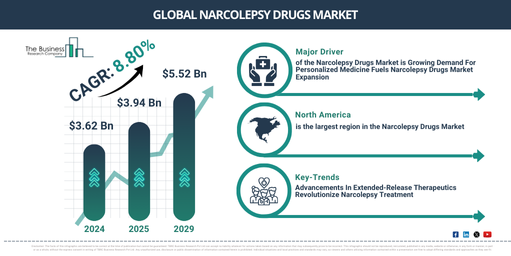
    The narcolepsy drugs market has demonstrated robust expansion in recent years. It is projected to increase from $3.62 billion in 2024 to $3.94 billion in 2025, exhibiting a compound annual growth rate (CAGR) of 8.9%. Historically, this growth can be attributed to heightened awareness and diagnosis, advancements in treatment options, various regulatory approvals, rising awareness and diagnosis rates, and the expansion of healthcare services.

    The narcolepsy drugs market is anticipated to experience robust expansion over the coming years, with its size projected to reach $5.52 billion by 2029, growing at a compound annual growth rate (CAGR) of 8.8%. This projected increase during the forecast period is primarily driven by the escalating prevalence of sleep disorders, advancements in personalized medicine, an aging demographic with heightened susceptibility to sleep conditions, the proliferation of enhanced patient support and assistance programs, and wider healthcare coverage. Significant trends within this period are expected to involve technological innovations, pharmaceutical companies sustaining patient-centric methodologies, increased research and development in biologic therapies, the introduction of innovative drug formulations, and a noticeable transition towards non-stimulant treatment options.

    Unlock Your Free Sample Report for Exclusive Market Data:

    https://www.thebusinessresearchcompany.com/sample.aspx?id=16490&type=smp

    What Are The Top Growth Drivers Impacting The Narcolepsy Drugs Market Outlook?

    The increasing need for personalized medicine is anticipated to fuel expansion in the narcolepsy drugs market. Personalized medicine is a healthcare approach focused on customizing treatments and interventions to suit the specific needs of individual patients. This demand stems from rapid advancements in omics technology, enhanced data integration, breakthroughs in genetics, and a greater understanding of the importance of individualized medications and preventative measures for patients. Within personalized medicine, narcolepsy drugs are utilized to craft treatment plans specific to each patient, considering their genetic makeup, symptom severity, metabolic rates, and personal preferences to maximize treatment efficacy and reduce adverse effects. For example, the Personalized Medicine Coalition, a professional organization based in the US, reported that approximately 12 new tailored medications received approval in 2022, representing about 34% of all newly approved treatments when compared to the year 2021. Consequently, the rising demand for personalized medicine is a key factor propelling the growth of the narcolepsy drugs market.

    What Are The Major Segments Identified In The Narcolepsy Drugs Market?

    The narcolepsy drugsmarket covered in this report is segmented –

    1) By Type: Narcolepsy With Cataplexy; Narcolepsy Without Cataplexy; Secondary Narcolepsy

    2) By Disease: Daytime Extreme Sleepiness; Cataplexia; Other Diseases

    3) By Therapeutic: Sodium Oxybate; Central Nervous System Stimulants; Tricyclic Antidepressants; Selective Serotonin Reuptake Inhibitor; Other Therapeutics

    Subsegments:

    1) By Narcolepsy With Cataplexy: Stimulant Medications; Antidepressants; Sodium Oxybate

    2) By Narcolepsy Without Cataplexy: Stimulant Medications; Sodium Oxybate; Selective Serotonin And Norepinephrine Reuptake Inhibitors (SNRIs)

    3) By Secondary Narcolepsy: Treatment For Underlying Conditions; Stimulants And Other Medications For Symptom Management

    Which Market Trends Are Creating New Opportunities In The Narcolepsy Drugs Industry?

    Leading companies in the narcolepsy drugs market are developing innovative products, such as extended-release therapeutics, to enhance treatment efficacy and patient experience. These extended-release (ER) medications provide considerable advantages for individuals with narcolepsy, such as fostering better adherence to medication, ensuring consistent drug concentrations, minimizing adverse effects, and improving general symptom control. As an example, in May 2023, Avadel Pharmaceuticals, a specialty pharmaceutical company based in Ireland, introduced Lumryz. This extended-release sodium oxybate medication received approval from the Food and Drug Administration (FDA), a federal agency located in the US. Lumryz incorporates an advanced extended-release system, enabling patients to sustain stable therapeutic concentrations throughout the night from just one dose, thereby boosting convenience and adherence over conventional multi-dose approaches. This novel medication addresses a considerable previously unfulfilled requirement by streamlining treatment regimens, potentially leading to enhanced patient adherence and an improved overall quality of life for individuals living with narcolepsy.

    Which Global Market Leaders Are Shaping The Future Of The Narcolepsy Drugs Sector?

    Major companies operating in the narcolepsy drugs market are Pfizer Inc., Merck & Co. Inc., Sanofi S.A., Takeda Pharmaceutical Company Limited, Teva Pharmaceutical Industries Ltd., UCB SA, Sun Pharmaceutical Industries Ltd., Jazz Pharmaceutical plc, Ipsen Group, Lundbeck AS, Hikma Pharmaceuticals plc, Lupin Limited, Viatris Inc., Harmony Biosciences Holdings Inc., Ligand Pharmaceuticals Incorporated, Sumitomo Dainippon Pharma Co. Ltd., Avadel Pharmaceuticals plc, Bioprojet Pharma s.a.r.l, Graymark Healthcare Inc., Flamel Technologies SA, Arena Pharmaceuticals

    Download The Full Report For Exclusive Market Findings:

    https://www.thebusinessresearchcompany.com/report/narcolepsy-drugs-global-market-report

    How Is Narcolepsy Drugs Market Demand Varying Across Different Regions?

    North America was the largest region in the narcolepsy drugs market in 2024. Asia-Pacific is expected to be the fastest-growing region in the forecast period. The regions covered in the narcolepsy drugs market report are Asia-Pacific, Western Europe, Eastern Europe, North America, South America, Middle East, Africa.

    Request A Customized Version Of The Narcolepsy Drugs Market Report:

    https://www.thebusinessresearchcompany.com/customise?id=16490&type=smp

    Browse Through More Reports Similar to the Global Narcolepsy Drugs Market 2025, By The Business Research Company

    Narcotics Scanner Global Market Report 2025

    https://www.thebusinessresearchcompany.com/report/narcotics-scanner-global-market-report

    Narcotic Drugs Global Market Report 2025

    https://www.thebusinessresearchcompany.com/report/narcotic-drugs-global-market-report

    Narcotics Scanner Market 2025

    https://www.thebusinessresearchcompany.com/report/narcotics-scanner-market

    Get in touch with us:

    The Business Research Company: https://www.thebusinessresearchcompany.com/

    Americas +1 310-496-7795

    Asia +44 7882 955267 & +91 8897263534

    Europe +44 7882 955267

    Email us at info@tbrc.info

    Follow us on:

    LinkedIn: https://in.linkedin.com/company/the-business-research-company

    YouTube: https://www.youtube.com/channel/UC24_fI0rV8cR5DxlCpgmyFQ

    Global Market Model: https://www.thebusinessresearchcompany.com/global-market-model
  • Narcolepsy Market Size Forecast: Revenue and CAGR by 2029

    Narcolepsy Market Size Forecast: Revenue and CAGR by 2029

    Unlock Global Insights – Save 20% on Market Reports with Code ONLINE20

    What Is The Expected Total Market Size Of The Narcolepsy Industry By The Forecast Year 2029?

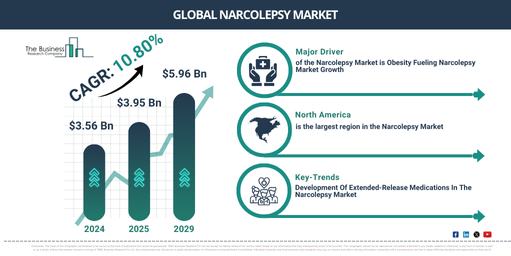
    The narcolepsy market has observed significant growth in recent years. Its valuation is set to expand from $3.56 billion in 2024 to $3.95 billion in 2025, achieving a compound annual growth rate (CAGR) of 10.9%. This historical expansion can be attributed to heightened awareness of narcolepsy, the ongoing development and refinement of diagnostic tools, the market entry of new pharmacological treatments, strategic investments in research and development, and improved patient education efforts.

    The narcolepsy market is projected to experience substantial growth over the upcoming years, reaching a valuation of $5.96 billion by 2029, driven by a compound annual growth rate (CAGR) of 10.8%. This anticipated expansion throughout the forecast period stems from factors such as the increasing occurrence of sleep disorders, enhancements in healthcare infrastructure, favorable government regulations, an expanding elderly demographic, and heightened consumer awareness regarding health. Key developments expected during this timeframe encompass progress in genetic research, breakthroughs in diagnostic technology, the launch of new medications and therapeutic approaches, strategic alliances and partnerships among major market participants, and the integration of digital health solutions and telemedicine.

    Unlock Your Free Sample Report for Exclusive Market Data:

    https://www.thebusinessresearchcompany.com/sample.aspx?id=16491&type=smp

    Which Major Market Drivers Are Shaping The Future Of The Narcolepsy Market?

    The increasing population affected by obesity is anticipated to boost the expansion of the narcolepsy market in the future. Obesity, a medical state marked by an excessive buildup of body fat, presents significant health dangers. This rise in obese individuals stems from increasingly inactive lifestyles, suboptimal eating habits, and environmental influences that encourage high-calorie food intake while discouraging physical movement. It can contribute to narcolepsy through the disturbance of metabolic and hormonal equilibria, potentially causing alterations in sleep patterns and wakefulness regulation. As an illustration, in March 2022, the World Health Organization, a Switzerland-based specialized United Nations agency overseeing global public health, reported that approximately 1 billion individuals, including 650 million adults, 340 million teenagers, and 39 million children, were identified as obese, with this count on an upward trend. Furthermore, forecasts suggest that by 2025, roughly 167 million adults and children will face health complications attributable to excess weight. Consequently, the rising prevalence of obesity is fueling the growth of the narcolepsy market.

    What Are The Emerging Segments Gaining Attention In The Narcolepsy Market?

    The narcolepsymarket covered in this report is segmented –

    1) By Type: Type 1; Type 2

    2) By Treatment: Antidepressants; Stimulants; Sodium Oxybate; Other Treatments

    3) By Diagnosis: Polysomnogram; Multiple Sleep Latency Test

    4) By End Users: Hospitals; Retail Pharmacies; Other End Users

    Subsegments:

    1) By Type 1: Stimulant Medications; Antidepressants; Sodium Oxybate; Immunosuppressive Treatments

    2) By Type 2: Stimulant Medications; Sodium Oxybate; Antidepressants

    How Are Trends Influencing The Narcolepsy Market?

    Leading companies in the narcolepsy market are increasingly concentrating on creating innovative medications, such as extended-release sodium oxybate, to satisfy the rising need for effective treatments. Extended-release sodium oxybate is a medication employed in the treatment of narcolepsy. The extended-release version facilitates a controlled release of the drug over an extended period, ensuring continuous symptom relief overnight and improving sleep quality for individuals with narcolepsy. For instance, in June 2023, Avadel Pharmaceuticals plc, an Ireland-based pharmaceutical company, launched LUMRYZ in the United States. LUMRYZ is an extended-release formulation of sodium oxybate approved by the FDA for managing cataplexy or excessive daytime sleepiness (EDS) in adults with narcolepsy. It represents the first and only once-at-bedtime oxybate treatment for narcolepsy, delivering a significant enhancement over twice-nightly oxybate products by eliminating the need to wake for a second dose at night.

    Which Industry Leaders Are Driving Innovation Across The Narcolepsy Market?

    Major companies operating in the narcolepsy market are Pfizer Inc., Merck & Co. Inc, Novartis AG, Takeda Pharmaceutical Company Limited, Viatris Inc, Teva Pharmaceutical Industries, Otsuka Pharmaceutical, Sumitomo Pharma Company Limited, Jazz Pharmaceuticals, Ono Pharmaceutical Co. Ltd, Lupin Pharmaceuticals, Alkermes, Harmony Biosciences, Arena Pharmaceuticals, Cerevel Therapeutics, Axsome Therapeutics Inc., Avadel Pharmaceuticals, NLS Pharmaceutics AG, KemPharm, Suven Life Sciences Ltd

    Download The Full Report For Exclusive Market Findings:

    https://www.thebusinessresearchcompany.com/report/narcolepsy-global-market-report

    Which Geographies Are Emerging As Strong Markets For The Narcolepsy Industry?

    North America was the largest region in the narcolepsy market in 2024. Asia-Pacific is expected to be the fastest-growing region in the forecast period. The regions covered in the narcolepsy market report are Asia-Pacific, Western Europe, Eastern Europe, North America, South America, Middle East, Africa.

    Request A Customized Version Of The Narcolepsy Market Report:

    https://www.thebusinessresearchcompany.com/customise?id=16491&type=smp

    Browse Through More Reports Similar to the Global Narcolepsy Market 2025, By The Business Research Company

    Narcotics Scanner Global Market Report 2025

    https://www.thebusinessresearchcompany.com/report/narcotics-scanner-global-market-report

    Narcotic Drugs Global Market Report 2025

    https://www.thebusinessresearchcompany.com/report/narcotic-drugs-global-market-report

    Narcotics Scanner Market 2025

    https://www.thebusinessresearchcompany.com/report/narcotics-scanner-market

    Get in touch with us:

    The Business Research Company: https://www.thebusinessresearchcompany.com/

    Americas +1 310-496-7795

    Asia +44 7882 955267 & +91 8897263534

    Europe +44 7882 955267

    Email us at info@tbrc.info

    Follow us on:

    LinkedIn: https://in.linkedin.com/company/the-business-research-company

    YouTube: https://www.youtube.com/channel/UC24_fI0rV8cR5DxlCpgmyFQ

    Global Market Model: https://www.thebusinessresearchcompany.com/global-market-model
  • Global Intracranial Aneurysm Market Trends and Growth Analysis 2025–2029

    Global Intracranial Aneurysm Market Trends and Growth Analysis 2025–2029

    Unlock Global Insights – Save 20% on Market Reports with Code ONLINE20

    What Is The Anticipated Size Of The Intracranial Aneurysm Market Over The Five-Year Period 2025–2029?

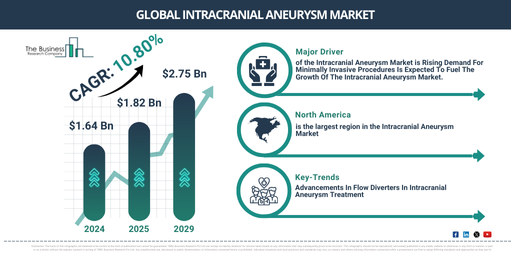
    Rapid growth has been observed in the intracranial aneurysm market size recently. Forecasts indicate it will expand from $1.64 billion in 2024 to reach $1.82 billion by 2025, demonstrating a compound annual growth rate (CAGR) of 11.3%. Historically, this growth can be attributed to several factors including outbreaks in emerging economies, the availability of limited treatment options, international funding directed towards tropical diseases, an increased focus on early diagnosis, and various government vaccination campaigns.

    The intracranial aneurysm market is projected to experience substantial expansion over the upcoming years. This market is anticipated to reach $2.75 billion by 2029, exhibiting a compound annual growth rate (CAGR) of 10.8%. Factors contributing to this growth during the forecast period include climate shifts and fluctuating weather, worldwide health efforts by WHO and UNICEF, novel therapeutic developments, clearances for new therapies, and broader health insurance coverage. Key trends anticipated for the forecast period encompass progress in vector control, the merging of artificial intelligence, the introduction of new antiviral agents, the incorporation of big data into treatment plans, and a move towards comprehensive disease management.

    Unlock Your Free Sample Report for Exclusive Market Data:

    https://www.thebusinessresearchcompany.com/sample.aspx?id=20854&type=smp

    What Are The Main Drivers Boosting The Intracranial Aneurysm Industry’s Expansion?

    The intracranial aneurysm market is anticipated to expand due to the increasing adoption of minimally invasive procedures. These medical interventions involve small incisions or openings, which significantly decrease patient trauma and shorten recovery periods. Patients are increasingly drawn to minimally invasive methods because they provide faster recovery, lower complication risks, reduced pain, and smaller scars, offering more desirable quick and safe treatment solutions. Minimally invasive techniques have transformed intracranial aneurysm management, allowing for accurate and targeted interventions that decrease patient recovery duration and improve surgical results. For example, The Aesthetic Society, a US organization for plastic surgery and cosmetic medicine, reported in August 2023 that Americans spent over $11.8 billion on aesthetic procedures in 2023, representing a 2% increase from the prior year. Furthermore, data from the American Society of Plastic Surgeons, a US specialty organization, indicated an increase in total cosmetic minimally invasive procedures from 23.7 million in 2022 to 25.4 million in 2023. Consequently, the growing demand for minimally invasive procedures is anticipated to propel the expansion of the intracranial aneurysm market.

    Which Key Segments Fueling The Intracranial Aneurysm Market?

    The intracranial aneurysmmarket covered in this report is segmented –

    1) By Type: Endovascular Coiling; Surgical Clipping; Flow Diverters; Other Types

    2) By Product Type: Aneurysm Therapeutic Devices; Embolization Devices; Aspiration Devices; Access Devices

    3) By End User: Hospitals; Specialty Clinics; Other End Users

    Subsegments:

    1) By Endovascular Coiling: Soft Coils; Detachable Coils; Balloon-Assisted Coiling

    2) By Surgical Clipping: Standard Surgical Clipping; Intraoperative Flow Diversion With Clipping

    3) By Flow Diverters: Stent-Assisted Flow Diverters; Flow Diverter Devices For Complex Aneurysms

    4) By Other Types: Intracranial Aneurysm Clipping With Bypass Surgery; Liquid Embolic Agents

    Which Ongoing Trends Are Expected To Shape The Intracranial Aneurysm Market Outlook?

    Leading companies active in the intracranial aneurysm market are innovating technologies, such as new flow diverters, to improve the treatment of complex aneurysms, enhance patient outcomes, and lower the risk of complications. A flow diverter is a medical instrument employed in addressing intracranial aneurysms, especially those that are wide-necked or difficult to manage with conventional techniques like coiling. For example, in June 2022, Medtronic plc, an Ireland-based medical device company, introduced the Pipeline Vantage with Shield Technology, developed for the treatment of intracranial aneurysms. This device operates as a flow diverter, aiding in the effective management of these aneurysms. It provides distinctive attributes, including enhanced hemocompatibility thanks to its synthetic phosphorylcholine surface, which considerably lowers thrombogenicity; an optimized design with either 48 or 64 cobalt chromium wires that boost deliverability and endothelial growth; an advanced delivery system allowing for easier deployment and repositioning; a greater pore density compared to its precursor, potentially improving aneurysm occlusion rates; and a warranty program for patients treated with the device, signifying assurance in its prolonged effectiveness and safety.

    Which Key Market Players Are Investing In Expansion And Innovation Of Intracranial Aneurysm Market?

    Major companies operating in the intracranial aneurysm market are Johnson & Johnson, Medtronic plc, Stryker Corporation, Terumo Corporation, Integra LifeSciences Holdings Corporation, MicroPort Scientific Corporation, Penumbra Inc., MicroVention Inc., B. Braun SE, Phenox GmbH, Rapid Medical Ltd., Balt Group, Sim&Cure, Acandis GmbH & Co. KG, Codman Neuro, Microbot Medical Inc., EndoStream Medical Ltd., NeuroSigma Inc., Shape Memory Medical Inc., Evasc Neurovascular Enterprises ULC

    Download The Full Report For Exclusive Market Findings:

    https://www.thebusinessresearchcompany.com/report/intracranial-aneurysm-global-market-report

    What Are The Key Regional Factors Influencing The Intracranial Aneurysm Market Growth?

    North America was the largest region in the intracranial aneurysm market in 2024. Asia-Pacific is expected to be the fastest-growing region in the forecast period. The regions covered in the intracranial aneurysm market report are Asia-Pacific, Western Europe, Eastern Europe, North America, South America, Middle East, Africa.

    Request A Customized Version Of The Intracranial Aneurysm Market Report:

    https://www.thebusinessresearchcompany.com/customise?id=20854&type=smp

    Browse Through More Reports Similar to the Global Intracranial Aneurysm Market 2025, By The Business Research Company

    Aortic Aneurysm Global Market Report 2025

    https://www.thebusinessresearchcompany.com/report/aortic-aneurysm-global-market-report

    Abdominal Aortic Aneurysm Aaa Repair Devices Global Market Report 2025

    https://www.thebusinessresearchcompany.com/report/abdominal-aortic-aneurysm-aaa-repair-devices-global-market-report

    Transcranial Magnetic Stimulator Global Market Report 2025

    https://www.thebusinessresearchcompany.com/report/transcranial-magnetic-stimulator-global-market-report

    Get in touch with us:

    The Business Research Company: https://www.thebusinessresearchcompany.com/

    Americas +1 310-496-7795

    Asia +44 7882 955267 & +91 8897263534

    Europe +44 7882 955267

    Email us at info@tbrc.info

    Follow us on:

    LinkedIn: https://in.linkedin.com/company/the-business-research-company

    YouTube: https://www.youtube.com/channel/UC24_fI0rV8cR5DxlCpgmyFQ

    Global Market Model: https://www.thebusinessresearchcompany.com/global-market-model
  • Global Nanoparticles Contract Manufacturing Market Trends and Growth Analysis 2025–2029

    Global Nanoparticles Contract Manufacturing Market Trends and Growth Analysis 2025–2029

    Unlock Global Insights – Save 20% on Market Reports with Code ONLINE20

    How Does The Market Size Of The Nanoparticles Contract Manufacturing Industry Compare Between 2025 And 2029?

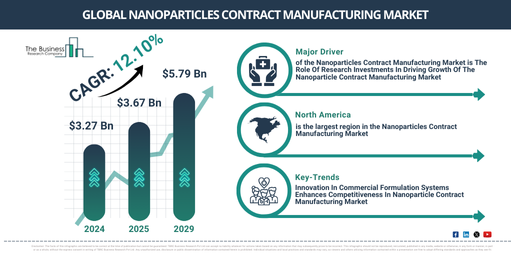
    The nanoparticles contract manufacturing market size has experienced rapid expansion in recent years. This market is expected to grow from $3.27 billion in 2024 to $3.67 billion in 2025, at a compound annual growth rate (CAGR) of 12.3%. The historical period’s growth can be attributed to an escalating preference for contract manufacturing, a growing requirement for nanomaterials across diverse applications, increased utilization in therapeutic drug delivery applications, a rising demand for nanomedicine, and the continuous need for high-quality nanoparticles.

    The nanoparticles contract manufacturing market is poised for significant expansion over the coming years. It is projected to reach $5.79 billion in 2029, demonstrating a compound annual growth rate (CAGR) of 12.1%. This growth during the forecast period can be primarily ascribed to a heightened understanding of pharmaceutical delivery systems, ongoing progress in nanotechnology and materials science, the rising need for sophisticated drug delivery methods, substantial demand for metal nanoparticles in cancer treatment, and the rapid development of pharmaceutical firms. Noteworthy trends expected in this timeframe include strategic collaborations among industry leaders, continuous technological innovation, a transition towards sustainable and environmentally friendly nanoparticle production techniques, the incorporation of nanoparticles into food and beverage packaging, and broader technological integration.

    Unlock Your Free Sample Report for Exclusive Market Data:

    https://www.thebusinessresearchcompany.com/sample.aspx?id=15869&type=smp

    What Are The Main Drivers Boosting The Nanoparticles Contract Manufacturing Industry’s Expansion?

    An increase in research investments is projected to fuel the expansion of the nanoparticle contract manufacturing market. Research investments are defined as financial resources allocated to conducting investigative activities with the goal of generating new knowledge, advancing scientific understanding, developing innovative technologies, or resolving specific challenges. The rise in these investments is attributed to several factors, such as a strong focus on innovation and technology, growing awareness of societal difficulties, support for new technologies, strategic policy backing and long-term planning, and government funding initiatives. These investments are vital for the advancement of nanoparticle contract manufacturing because they stimulate technological innovation, customization, quality control, scalability, cross-disciplinary cooperation, market growth, and economic development. For instance, in April 2023, according to the House of Commons, a UK governing body, the Chancellor announced a substantial increase in public Research and Development (R&D) expenditures, with the aim of raising the budget to £22 billion ($27.64 billion) by fiscal year 2024–2025, from approximately £9 billion ($11.30 billion) in the previous year, equating to 0.8% of GDP, reflecting a commitment to enhancing R&D efforts and driving domestic innovation. Thus, the surge in research investments is acting as a catalyst for the growth of the nanoparticle contract manufacturing market.

    What Are The Major Segment Types Covered In The Nanoparticles Contract Manufacturing Market?

    The nanoparticles contract manufacturingmarket covered in this report is segmented –

    1) By Type Of Nanoparticle: Metal Nanoparticles; Lipid Nanoparticles; Other Nanoparticles

    2) By Manufacturing Scale: Commercial; Clinical; Pre-Clinical

    3) By Application: Therapeutics; Diagnostics; Vaccines

    4) By End-User: Pharmaceutical Companies; Biotechnology Companies

    Subsegments:

    1) By Metal Nanoparticles: Gold Nanoparticles; Silver Nanoparticles; Copper Nanoparticles; Iron Nanoparticles

    2) By Lipid Nanoparticles: Solid Lipid Nanoparticles (SLNs); Nanostructured Lipid Carriers (NLCs); Lipid-Core Micelles

    3) By Other Nanoparticles: Polymeric Nanoparticles; Carbon Nanotubes; Quantum Dots; Dendrimers

    What Key Innovation Trends Are Fueling Advancements In The Nanoparticles Contract Manufacturing Market?

    Major companies in the nanoparticle contract manufacturing market are developing innovative technologies, such as commercial formulation systems, to produce medicines for clinical and commercial manufacturing and gain a competitive advantage. A commercial formulation system is a comprehensive platform designed for the efficient development and production of nanoparticle-based products. For instance, in July 2023, Cytiva, a US-based provider of life sciences products and solutions, launched the NanoAssemblr commercial formulation system. This system is engineered to minimize the risk of cross-contamination, which is especially vital for genomic medicines. It employs a single-use fluid path that helps boost production by reducing downtime for sanitizing and cleaning, allowing for the manufacture of multiple lipid nanoparticle products within the same facility. The system is powered by 21 CFR Part 11-compliant software that facilitates electronic batch records, captures in-process monitoring of flow rate, and automates the priming, calibrating, formulating, and in-line dilution processes.

    Who Are The Key Multinational Companies Dominating The Nanoparticles Contract Manufacturing Market?

    Major companies operating in the nanoparticles contract manufacturing market are AstraZeneca plc, Evonik Industries AG, Emergent BioSolutions Inc., CordenPharma International GmbH, Ajinomoto Bio-Pharma Services, IBA Worldwide, BioVectra Inc., Mevion Medical Systems Inc., Fortis Life Sciences, Ascendia Pharmaceuticals LLC, LSNE Contract Manufacturing, Precision NanoSystems Inc., Ardena Holding NV, American Elements, Polymun Scientific Immunbiologische Forschung GmbH, Danfysik A/S, Hitachi Chemical Advanced Therapeutics Solutions LLC, Axolabs GmbH, AVANSA Technology & Services, Cytodiagnostics Inc., Encapsula NanoSciences LLC, MyBiotech GmbH, Nanochemazone, RiboPro GmbH, TechNano India

    Download The Full Report For Exclusive Market Findings:

    https://www.thebusinessresearchcompany.com/report/nanoparticles-contract-manufacturing-global-market-report

    Which Region Is Projected To Lead The Nanoparticles Contract Manufacturing Market During The Forecast Period?

    North America was the largest region in the nanoparticles contract manufacturing market in 2024. The regions covered in the nanoparticles contract manufacturing market report are Asia-Pacific, Western Europe, Eastern Europe, North America, South America, Middle East, Africa.

    Request A Customized Version Of The Nanoparticles Contract Manufacturing Market Report:

    https://www.thebusinessresearchcompany.com/customise?id=15869&type=smp

    Browse Through More Reports Similar to the Global Nanoparticles Contract Manufacturing Market 2025, By The Business Research Company

    Metal Nanoparticles Global Market Report 2025

    https://www.thebusinessresearchcompany.com/report/metal-nanoparticles-global-market-report

    Lipid Nanoparticles Global Market Report 2025

    https://www.thebusinessresearchcompany.com/report/lipid-nanoparticles-global-market-report

    Nanoparticle Analysis Global Market Report 2025

    https://www.thebusinessresearchcompany.com/report/nanoparticle-analysis-global-market-report

    Get in touch with us:

    The Business Research Company: https://www.thebusinessresearchcompany.com/

    Americas +1 310-496-7795

    Asia +44 7882 955267 & +91 8897263534

    Europe +44 7882 955267

    Email us at info@tbrc.info

    Follow us on:

    LinkedIn: https://in.linkedin.com/company/the-business-research-company

    YouTube: https://www.youtube.com/channel/UC24_fI0rV8cR5DxlCpgmyFQ

    Global Market Model: https://www.thebusinessresearchcompany.com/global-market-model
  • Myocardial Ischemia Market Forecast: What to Expect by 2029

    Myocardial Ischemia Market Forecast: What to Expect by 2029

    Unlock Global Insights – Save 20% on Market Reports with Code ONLINE20

    What Is The Predicted Market Size Trajectory For The Myocardial Ischemia Market From 2025 To 2034?

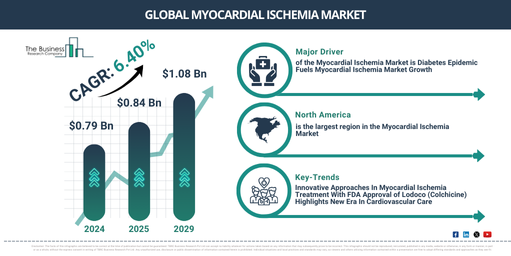
    The market size for myocardial ischemia has shown robust growth in recent years. It is expected to expand from $0.79 billion in 2024 to $0.84 billion in 2025, achieving a compound annual growth rate (CAGR) of 6.7%. The growth observed in the past can be attributed to the increased use of telemedicine and remote monitoring, the development of new reperfusion therapies for MI, and a rise in instances of obesity, high blood pressure, and heart attacks.

    The myocardial ischemia market size is projected to experience robust expansion over the next few years. It is anticipated to grow to $1.08 billion by 2029, achieving a compound annual growth rate (CAGR) of 6.4%. This growth during the forecast period can be attributed to the prevalence of various heart-related illnesses, increasing public understanding of cardiovascular diseases, continuously evolving lifestyles, a rise in diabetes cases, and growing healthcare expenditure. Significant trends in the forecast period encompass the adoption of myocardial ischemia treatments, enhanced healthcare infrastructures, advancements in treatment options, the integration of digital health solutions, and the introduction of cardiac rehabilitation programs.

    Unlock Your Free Sample Report for Exclusive Market Data:

    https://www.thebusinessresearchcompany.com/sample.aspx?id=16488&type=smp

    Which Factors And Drivers Are Influencing The Myocardial Ischemia Market In 2025?

    The escalating occurrence of diabetes is anticipated to stimulate the growth of the myocardial ischemia market moving forward. Diabetes refers to a collection of metabolic conditions characterized by the body’s impaired capacity to produce or effectively utilize insulin, a hormone from the pancreas crucial for blood sugar regulation. This increasing incidence of diabetes is primarily attributed to factors like obesity, severe obesity, insufficient physical activity, and genetic predispositions. The expanding prevalence of diabetes, in turn, contributes to a higher rate of myocardial ischemia, consequently generating greater demand for diagnostic, therapeutic, and management solutions for the condition. For example, in April 2023, a report from The British Diabetic Association, a UK-based diabetes charity, stated that 4.3 million individuals in the UK had been diagnosed with diabetes. Registration data for 2021-22 further revealed an increase of 148,951 cases compared to 2020-21. Moreover, over 2.4 million people in the UK are at a significant risk of developing type 2 diabetes. The rising incidence of diabetes is therefore a significant driver for the growth of the myocardial ischemia market.

    What Are The Major Segment Categories Driving The Myocardial Ischemia Market Growth?

    The myocardial ischemiamarket covered in this report is segmented –

    1) By Type: Symptomatic; Asymptomatic

    2) By Treatment And Diagnosis: Diagnosis; Treatment

    3) By End User: Hospitals And Clinics; Diagnostic Centers; Ambulatory Surgery Centers

    Subsegments:

    1) By Symptomatic: Acute Myocardial Ischemia; Chronic Myocardial Ischemia; Stable Angina; Unstable Angina

    2) By Asymptomatic: Silent Myocardial Ischemia; Exercise-Induced Asymptomatic Ischemia

    Which Ongoing Trends Are Expected To Shape The Myocardial Ischemia Market Outlook?

    Major companies within the myocardial ischemia market are actively developing innovative drugs, such as Lodoco (colchicine), with the goal of reducing inflammation and decreasing the risk of cardiovascular events in patients suffering from coronary artery disease. Lodoco is prescribed to mitigate the risk of myocardial infarction (MI), stroke, coronary revascularization, and cardiovascular death in adult patients who have established atherosclerotic disease or possess multiple risk factors for cardiovascular disease. For example, in June 2023, Agepha Pharma, a US-based pharmaceutical company, introduced Lodoco (colchicine) following its approval by the Food and Drug Administration, a US-based government agency. This marks the initial FDA-approved therapy designed to target cardiovascular inflammation. Its approval is substantiated by data from the LoDoCo2 trial, which demonstrated a 31% relative reduction in the risk of cardiovascular events for patients administered colchicine 0.5 mg once daily when compared to a placebo. Lodoco is thereby utilized to lower the risk of myocardial infarction (MI), stroke, coronary revascularization, and cardiovascular death in adult patients presenting with existing atherosclerotic disease or several cardiovascular risk factors.

    Which Leading Players Are Enhancing Their Myocardial Ischemia Market Presence Worldwide?

    Major companies operating in the myocardial ischemia market are Cardinal Health Inc., Pfizer Inc., Roche Holding AG, Bayer AG, Sanofi SA, Novartis AG, Bristol-Myers Squibb Company, AstraZeneca Plc, Abbott Laboratories Inc., Eli Lilly and Company, Novo Nordisk A/S, Medtronic Plc, Boehringer Ingelheim International GmbH, Gilead Sciences Inc., Siemens Healthineers AG, Merck KGaA, GE HealthCare Technologies Inc., Fujifilm Holdings Corporation, Baxter International Inc., Regeneron Pharmaceuticals Inc., Boston Scientific Corporation, Daiichi Sankyo Company Limited, Canon Medical Systems Corporation

    Download The Full Report For Exclusive Market Findings:

    https://www.thebusinessresearchcompany.com/report/myocardial-ischemia-global-market-report

    What Are The Key Regional Factors Influencing The Myocardial Ischemia Market Growth?

    North America was the largest region in the myocardial ischemia market in 2024. Europe is expected to be the fastest-growing region in the forecast period. The regions covered in the myocardial ischemia market report are Asia-Pacific, Western Europe, Eastern Europe, North America, South America, Middle East, Africa.

    Request A Customized Version Of The Myocardial Ischemia Market Report:

    https://www.thebusinessresearchcompany.com/customise?id=16488&type=smp

    Browse Through More Reports Similar to the Global Myocardial Ischemia Market 2025, By The Business Research Company

    Myocardial Infarction Global Market Report 2025

    https://www.thebusinessresearchcompany.com/report/myocardial-infarction-global-market-report

    Critical Limb Ischemia Global Market Report 2025

    https://www.thebusinessresearchcompany.com/report/critical-limb-ischemia-global-market-report

    Cardiac Pacemakers Global Market Report 2025

    https://www.thebusinessresearchcompany.com/report/cardiac-pacemakers-global-market-report

    Get in touch with us:

    The Business Research Company: https://www.thebusinessresearchcompany.com/

    Americas +1 310-496-7795

    Asia +44 7882 955267 & +91 8897263534

    Europe +44 7882 955267

    Email us at info@tbrc.info

    Follow us on:

    LinkedIn: https://in.linkedin.com/company/the-business-research-company

    YouTube: https://www.youtube.com/channel/UC24_fI0rV8cR5DxlCpgmyFQ

    Global Market Model: https://www.thebusinessresearchcompany.com/global-market-model
  • Mycosis Fungoides Treatment Industry Insights: Market Forecast to 2029

    Mycosis Fungoides Treatment Industry Insights: Market Forecast to 2029

    Unlock Global Insights – Save 20% on Market Reports with Code ONLINE20

    How Much Larger Is The Mycosis Fungoides Treatment Market Expected To Become By 2029 Compared With Its 2025 Level?

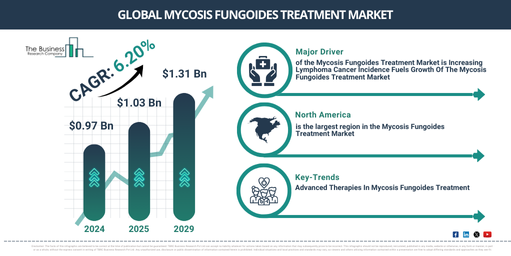
    The mycosis fungoides treatment market has experienced robust growth in recent years. It is anticipated to expand from $0.97 billion in 2024 to $1.03 billion in 2025, reflecting a compound annual growth rate (CAGR) of 6.8%. Historically, this growth has been driven by several factors, including an uptick in immune system dysfunction cases, the increasing deployment of effective therapeutic options, the broad adoption of phototherapy, a rise in the application of radiation therapy, and the heightened popularity of supportive care strategies.

    The mycosis fungoides treatment market is anticipated to experience substantial expansion over the upcoming years. This market is projected to reach $1.31 billion by 2029, exhibiting a compound annual growth rate (CAGR) of 6.2%. Factors contributing to this growth during the forecast period include enhancements in healthcare infrastructure, a growing patient demographic, and a rise in the incidence of mycosis fungoides stemming from unhygienic lifestyles. Key trends expected during this period involve technological progress in chemotherapy-related treatments, an increasing preference for monoclonal antibodies as initial therapy, the introduction of innovative advanced products, and escalating funding for research and development.

    Unlock Your Free Sample Report for Exclusive Market Data:

    https://www.thebusinessresearchcompany.com/sample.aspx?id=15613&type=smp

    What Are The Key Drivers Of Growth In The Mycosis Fungoides Treatment Market?

    The increasing occurrence of lymphoma cancer is anticipated to drive the expansion of the mycosis fungoides treatment market in the future. Lymphoma is defined as a malignancy affecting the lymphatic system, comprising components such as lymph nodes, the spleen, the thymus gland, and bone marrow. The growing incidence of lymphoma cancer stems from multiple contributing elements, among them environmental exposures, a rise in viral infections, an aging demographic, and various lifestyle choices. Management of cutaneous T-cell lymphomas utilizes mycosis fungoides treatments, which include options like topical corticosteroids, phototherapy, and systemic therapies. The objective of these treatments is to manage skin lesions, alleviate symptoms, and control the advancement of the disease in individuals with lymphoma. For example, data from January 2024, released by the American Cancer Society, a non-profit entity based in the United States, indicated that non-Hodgkin lymphoma (NHL) ranked among the prevalent cancers in the United States, constituting approximately 4% of all cancer cases. Projections for 2024 estimated that roughly 80,620 individuals (44,590 males and 36,030 females) would be diagnosed with NHL, with around 20,140 people (11,780 males and 8,360 females) succumbing to the disease. Consequently, the escalating incidence of lymphoma cancer is propelling the expansion of the mycosis fungoides treatment market.

    How Is The Mycosis Fungoides Treatment Market Segmented?

    The mycosis fungoides treatmentmarket covered in this report is segmented –

    1) By Drug Type: Topical Steroids; Mechlorethamine

    2) By Treatment Type: Photodynamic Therapy; Radiation Therapy; Targeted Therapy; Chemotherapy

    3) By End-user: Hospitals; Private Clinics; Specialty Clinics

    Subsegments:

    1) By Topical Steroids: Corticosteroid Creams Or Ointments ( Hydrocortisone, Clobetasol); Topical Steroid Lotions

    2) By Mechlorethamine: Topical Mechlorethamine ( Nitrogen Mustard Cream); Injectable Mechlorethamine

    Which Competitive Trends Are Defining The Mycosis Fungoides Treatment Market Structure?

    Leading entities within the mycosis fungoides treatment market are focused on creating sophisticated therapies, like CAR T cell therapy, aimed at improving the effectiveness and targeted nature of interventions. Chimeric antigen receptor T cell therapy, commonly known as CAR T cell therapy, is an immunotherapeutic approach where a patient’s T cells are genetically modified to more effectively identify and combat cancer cells, particularly those linked to mycosis fungoides. As an example, in September 2022, CRISPR Therapeutics AG, a biotechnology firm based in Switzerland, revealed that the U.S. Food and Drug Administration (FDA) had bestowed the Regenerative Medicine Advanced Therapy (RMAT) designation upon CTX130. This is the company’s proprietary allogeneic CAR T cell therapy, which targets CD70 and is intended for the treatment of Mycosis Fungoides and Sézary Syndrome (MF or SS). This particular designation marks a crucial achievement for the CTX130 initiative, acknowledging the groundbreaking capabilities of this cell therapy for individuals suffering from T-cell lymphomas, a recognition supported by encouraging clinical outcomes. The RMAT designation forms part of a specialized program initiated under the 21st Century Cures Act, designed to accelerate the development and review procedures for genetic therapies aimed at addressing severe or life-threatening conditions.

    Which Major Firms Are Strengthening Their Position In The Mycosis Fungoides Treatment Industry?

    Major companies operating in the mycosis fungoides treatment market are Pfizer Inc., Merck & Co. Inc., Bristol Myers Squibb, Abbott Laboratories, Novartis AG, GlaxoSmithKline plc, Tocris Bioscience, Viatris Inc., Astellas Pharma Inc., Daiichi Sankyo Company, Takeda Pharmaceutical Company Limited, Bausch Health, Eisai Co. Ltd., Horizon Therapeutics plc, Varian Medical Systems, Kyowa Kirin Co. Ltd., Seattle Genetics Inc., Azurity Pharmaceuticals Inc., Innate Pharma S.A., Helsinn Therapeutics, Jubilant Cadista Pharmaceuticals Inc., Elorac Inc., Soligenix Inc., Ceptaris Therapeutics Inc.

    Download The Full Report For Exclusive Market Findings:

    https://www.thebusinessresearchcompany.com/report/mycosis-fungoides-treatment-global-market-report

    How Do Regional Market Performances Compare Within The Mycosis Fungoides Treatment Industry?

    North America was the largest region in the mycosis fungoides treatment market in 2024. Asia-Pacific is expected to be the fastest-growing region in the forecast period. The regions covered in the mycosis fungoides treatment market report are Asia-Pacific, Western Europe, Eastern Europe, North America, South America, Middle East, Africa.

    Request A Customized Version Of The Mycosis Fungoides Treatment Market Report:

    https://www.thebusinessresearchcompany.com/customise?id=15613&type=smp

    Browse Through More Reports Similar to the Global Mycosis Fungoides Treatment Market 2025, By The Business Research Company

    Onychomycosis Treatment Global Market Report 2025

    https://www.thebusinessresearchcompany.com/report/onychomycosis-treatment-global-market-report

    Onychomycosis Global Market Report 2025

    https://www.thebusinessresearchcompany.com/report/onychomycosis-global-market-report

    Psoriatic Arthritis Treatments Global Market Report 2025

    https://www.thebusinessresearchcompany.com/report/psoriatic-arthritis-treatments-global-market-report

    Get in touch with us:

    The Business Research Company: https://www.thebusinessresearchcompany.com/

    Americas +1 310-496-7795

    Asia +44 7882 955267 & +91 8897263534

    Europe +44 7882 955267

    Email us at info@tbrc.info

    Follow us on:

    LinkedIn: https://in.linkedin.com/company/the-business-research-company

    YouTube: https://www.youtube.com/channel/UC24_fI0rV8cR5DxlCpgmyFQ

    Global Market Model: https://www.thebusinessresearchcompany.com/global-market-model

  • Interventional Neuroradiology Market Forecast: What to Expect by 2029

    Interventional Neuroradiology Market Forecast: What to Expect by 2029

    Unlock Global Insights – Save 20% on Market Reports with Code ONLINE20

    What Are The Forecasted Market Size Estimates For The Interventional Neuroradiology Market Between 2025 And 2029?

    The interventional neuroradiology market has experienced robust growth over the past few years. It is projected to expand from $1.94 billion in 2024 to $2.05 billion in 2025, achieving a compound annual growth rate (CAGR) of 5.9%. This expansion in the historic period can be linked to the increased acceptance of catheter-based intervention, the development of healthcare infrastructure, the rising prevalence of hypertension, the growing incidence of diabetes, and the broader implementation of telemedicine.

    The interventional neuroradiology market is projected to experience substantial expansion in the coming years, anticipated to reach $2.59 billion by 2029, exhibiting a compound annual growth rate (CAGR) of 5.9%. Factors contributing to this growth during the forecast period include the introduction of liquid embolic agents, the increasing adoption of endovascular treatment methods, a surge in the utilization of mechanical thrombectomy, greater reliance on detachable embolic coils, and the expanding deployment of bioresorbable scaffolds. Key trends expected over the forecast period encompass advancements in navigation systems, novel developments in radiolucent support devices, the incorporation of artificial intelligence into neuroimaging devices, the refinement of thrombectomy devices, and the application of artificial intelligence in interventional devices.

    Unlock Your Free Sample Report for Exclusive Market Data:

    https://www.thebusinessresearchcompany.com/sample.aspx?id=20853&type=smp

    Which Factors And Drivers Are Influencing The Interventional Neuroradiology Market In 2025?

    The increasing occurrence of neurological conditions is anticipated to drive expansion in the interventional neuroradiology market in the future. These disorders encompass health issues impacting the brain, spinal cord, or peripheral nerves, leading to impairments in movement, sensation, cognitive function, or communication. The rise in neurological disorder prevalence stems from an aging global demographic, escalating the likelihood of age-associated ailments such as Alzheimer’s, along with advancements in diagnostic techniques enabling earlier and more precise identification of these conditions. Interventional neuroradiology addresses neurological disorders by utilizing minimally invasive, image-guided methods for the diagnosis and treatment of conditions including aneurysms, strokes, and arteriovenous malformations. As an illustration, data from May 2023 released by Alzheimer’s Research UK, a UK-based dementia research charity, indicated that dementia was the primary cause of mortality in the UK in 2022, responsible for over 74,000 deaths (11.3% of all deaths), marking an increase of 5,000 from 2021. Consequently, the expanding occurrence of neurological disorders is fueling the expansion of the interventional neuroradiology market.

    How Is The Interventional Neuroradiology Market Classified Into Different Segments?

    The interventional neuroradiologymarket covered in this report is segmented –

    1) By Device Type: Microcatheters; Neurovascular Embolization And Coiling Assist Devices; Embolic Coils; Flow Diversion Devices; Liquid Embolic Agents; Accessories; Micro Guidewires

    2) By Disease: Cerebral Aneurysms; Intra-Cranial Tumors; Acute Strokes; Other Diseases

    3) By End Users: Hospitals; Ambulatory Surgical Centers; Diagnostic Centers

    Subsegments:

    1) By Microcatheters: Single-Lumen Microcatheters; Dual-Lumen Microcatheters; High-Flow Microcatheters

    2) By Neurovascular Embolization And Coiling Assist Devices: Coiling Assist Devices; Embolization Assist Devices

    3) By Embolic Coils: Soft Coils; Stiff Coils; Detachable Coils

    4) By Flow Diversion Devices: Stent-Based Flow Diversion Devices; Non-Stent-Based Flow Diversion Devices

    5) By Liquid Embolic Agents: Polymer-Based Liquid Embolic Agents; Gel-Based Liquid Embolic Agents; Onyx Liquid Embolic Agents

    6) By Accessories: Guide Catheters; Sheath Introducers; Vascular Access Devices

    7) By Micro Guidewires: Hydrophilic Micro Guidewires; Pushable Micro Guidewires; Coated Micro Guidewires

    Which Competitive Trends Are Defining The Interventional Neuroradiology Market Structure?

    Leading companies in the interventional neuroradiology market are prioritizing the creation of advanced solutions, such as head immobilizers, developed to improve imaging quality and patient safety during interventional radiology and neuroradiology procedures. A head immobilizer is a medical instrument engineered to temporarily stabilize a patient’s head and neck, primarily to provide security and steadiness when a head or spinal injury is suspected. For example, in June 2023, Adept Medical, a New Zealand-based medical devices manufacturing company, unveiled a new head immobilizer aimed at enhancing patient comfort and imaging clarity during interventional radiology and neuroradiology procedures. This innovative product features vacuum suction technology for firm head fixation, a radiolucent design that reduces interference with X-ray imaging, and is compatible with various imaging tables. Its swift setup process streamlines operational workflows, while its adaptability to different head shapes ensures patient comfort.

    Who Are The Core Companies Influencing The Interventional Neuroradiology Market Landscape?

    Major companies operating in the interventional neuroradiology market are Bayer HealthCare, Abbott Laboratories, Medtronic PLC, Siemens Healthineers AG, Fujifilm Corporation, Philips Healthcare, Stryker Corporation, GE Healthcare Life Sciences, Boston Scientific Corporation, Terumo Corporation, Canon Medical Systems Corporation, W. L. Gore & Associates Inc., Teleflex Incorporated, Cook Medical LLC, Biotronik SE & Co. KG, Merit Medical Systems Inc., MicroPort Scientific Corporation, Penumbra Inc., Guerbet Group, Mediterra LLC, Acandis GmbH, Medico’s Hirata Inc.

    Download The Full Report For Exclusive Market Findings:

    https://www.thebusinessresearchcompany.com/report/interventional-neuroradiology-global-market-report

    How Do Regional Market Performances Compare Within The Interventional Neuroradiology Industry?

    North America was the largest region in the interventional neuroradiology market in 2024. Asia-Pacific is expected to be the fastest-growing region in the forecast period. The regions covered in the interventional neuroradiology market report are Asia-Pacific, Western Europe, Eastern Europe, North America, South America, Middle East, Africa.

    Request A Customized Version Of The Interventional Neuroradiology Market Report:

    https://www.thebusinessresearchcompany.com/customise?id=20853&type=smp

    Browse Through More Reports Similar to the Global Interventional Neuroradiology Market 2025, By The Business Research Company

    Telehealth Global Market 2025

    https://www.thebusinessresearchcompany.com/report/telehealth-global-market

    Interventional Radiology Global Market Report 2025

    https://www.thebusinessresearchcompany.com/report/interventional-radiology-global-market-report

    Teleradiology Global Market Report 2025

    https://www.thebusinessresearchcompany.com/report/teleradiology-global-market-report

    Get in touch with us:

    The Business Research Company: https://www.thebusinessresearchcompany.com/

    Americas +1 310-496-7795

    Asia +44 7882 955267 & +91 8897263534

    Europe +44 7882 955267

    Email us at info@tbrc.info

    Follow us on:

    LinkedIn: https://in.linkedin.com/company/the-business-research-company

    YouTube: https://www.youtube.com/channel/UC24_fI0rV8cR5DxlCpgmyFQ

    Global Market Model: https://www.thebusinessresearchcompany.com/global-market-model

  • Muscle Tension Dysphonia Treatment Market Size and Growth Forecast for Businesses 2025–2029

    Muscle Tension Dysphonia Treatment Market Size and Growth Forecast for Businesses 2025–2029

    Unlock Global Insights – Save 20% on Market Reports with Code ONLINE20

    #What Are The Current (2025) And Forecast (2029) Sizes Of The Muscle Tension Dysphonia Treatment Market?

    The muscle tension dysphonia treatment market size has shown steady growth over recent years. It is anticipated to expand from $12.77 billion in 2024 to $13.29 billion in 2025, achieving a compound annual growth rate (CAGR) of 4.1%. The growth observed in previous periods is largely due to high awareness about voice therapy, insufficient knowledge about abnormal sounds, an increase in chronic illnesses, an increased risk of benign laryngeal development, and increased stress among adults and children.

    The muscle tension dysphonia treatment market size is projected to experience consistent growth over the coming years. It is forecast to expand to $15.58 billion by 2029, exhibiting a compound annual growth rate (CAGR) of 4.1%. This projected growth can be attributed to several factors, including an increase in voice disorder incidences, the rising utilization of generic medications, escalating healthcare expenditure, expanding government-sponsored research and development efforts, and a growing need for personalized diagnostic techniques. Significant trends expected during the forecast period involve technological breakthroughs, product innovations, strategic collaborations, further investments in research and development, and the integration of personalized diagnostic methods.

    Unlock Your Free Sample Report for Exclusive Market Data:

    https://www.thebusinessresearchcompany.com/sample.aspx?id=18683&type=smp

    Which Drivers Are Supporting Growth Of The Muscle Tension Dysphonia Treatment Market?

    The anticipated expansion of the muscle tension dysphonia treatment market is linked to the increasing occurrence of voice disorders. These conditions are defined as those impacting an individual’s vocal pitch, volume, tone, and overall quality. Several factors contribute to this rise, such as heightened vocal strain from extensive speaking, exposure to noisy settings, and the expanding need for professions reliant on voice. Treatment for muscle tension dysphonia proves beneficial in managing voice disorders by addressing excessive muscle tension around the larynx through methods like voice therapy, physical exercises, and stress management techniques. For instance, data from March 2024, provided by the National Institutes of Health, a US-based government agency, indicates that in the preceding year, approximately 17.9 million U.S. adults aged 18 or older, constituting 7.6% of the population, reported experiencing voice problems, with around 9.4 million (4.0%) having issues lasting a week or more. Consequently, the increasing occurrence of voice disorders is fueling the expansion of the muscle tension dysphonia treatment market.

    What Are The Key Segments In The Muscle Tension Dysphonia Treatment Market?

    The muscle tension dysphonia treatmentmarket covered in this report is segmented –

    1) By Treatment Type: Drugs; Nonsteroidal Anti-Inflammatory Drugs (NSAIDs); Proton-Pump Inhibitors; Analgesics; Antacids; Voice Therapy; Behavioral Counseling

    2) By Age Group: Pediatrics; Adults; Elderly

    3) By Cause: Muscle Tension; Vocal Cord Damage; Other Cause

    4) By Distribution Channel: Institutional Sales; Hospitals; Clinics; Specialized Centers; Retail Sales; Retail Pharmacies; Online Pharmacies; Drug Store

    Subsegments:

    1) By Drugs: Systemic Medications; Topical Medications

    2) By Nonsteroidal Anti-Inflammatory Drugs (NSAIDS): Ibuprofen; Naproxen; Aspirin

    3) By Proton-Pump Inhibitors: Omeprazole; Esomeprazole; Lansoprazole

    4) By Analgesics: Acetaminophen; Opioid Analgesics; Combination Analgesics

    5) By Antacids: Calcium Carbonate; Magnesium Hydroxide; Aluminium Hydroxide

    6) By Voice Therapy: Resonant Voice Therapy; Semi-Occluded Vocal Tract Exercises; Lee Silverman Voice Treatment (LSVT)

    7) By Behavioral Counseling: Stress Management Techniques; Cognitive Behavioral Therapy (CBT); Relaxation Training

    What Are The Latest Industry Trends Transforming The Muscle Tension Dysphonia Treatment Market?

    Leading companies in the muscle tension dysphonia treatment market are focused on developing advanced medical solutions, such as medications for cervical dystonia, to improve treatment effectiveness and patient outcomes. Cervical dystonia is a neurological condition where involuntary muscle contractions in the neck result in abnormal movements and postures. For instance, in August 2023, Daxxify, a US-based pharmaceutical company, secured FDA approval for its initial therapeutic indication, which is to treat cervical dystonia in adults. This approval was based on data from phase 3 clinical trials, including ASPEN-1 and ASPEN-OLS. The primary endpoint of ASPEN-1, which involved 382 participants, was successfully met, demonstrating significant improvement in the Toronto Western Spasmodic Torticollis Rating Scale (TWSTRS) at weeks 4 and 6. The median duration of effect was 20.3 weeks for the high-dose group and 24.0 weeks for the low-dose group. Common treatment-related adverse events observed included dysphagia, muscular weakness, and injection site pain. In ASPEN-OLS, 357 participants received up to 4 sequential doses of Daxxify, also showing improvements in TWSTRS with a median duration of 19.9 to 26.0 weeks. Common adverse events in this study were injection site pain, headache, and injection site erythema.

    Who Are The Primary Competitors In The Global Muscle Tension Dysphonia Treatment Market?

    Major companies operating in the muscle tension dysphonia treatment market are Mayo Clinic, Cleveland Clinic, Mount Sinai Health System, Johns Hopkins Medicine, NYU Langone Hospitals, Memorial Sloan Kettering Cancer Center, University of Michigan Health System, UCLA Health, Children’s Hospital of Philadelphia, Emory Healthcare, Roswell Park Comprehensive Cancer Center, Freudenberg Medical, St. Jude Children’s Research Hospital, The University of California, Massachusetts General Hospital, American Laryngological Association, Synovis Micro Companies Alliance Inc., American Medical Association, Weill Cornell Medicine., Duke University Health System

    Download The Full Report For Exclusive Market Findings:

    https://www.thebusinessresearchcompany.com/report/muscle-tension-dysphonia-treatment-global-market-report

    Which Region Currently Holds The Largest Share Of The Muscle Tension Dysphonia Treatment Market?

    North America was the largest region in the muscle tension dysphonia treatment market in 2024. Europe is expected to be the fastest-growing region in the forecast period. The regions covered in the muscle tension dysphonia treatment market report are Asia-Pacific, Western Europe, Eastern Europe, North America, South America, Middle East, Africa.

    Request A Customized Version Of The Muscle Tension Dysphonia Treatment Market Report:

    https://www.thebusinessresearchcompany.com/customise?id=18683&type=smp

    Browse Through More Reports Similar to the Global Muscle Tension Dysphonia Treatment Market 2025, By The Business Research Company

    Muscle Relaxant Drugs Global Market Report 2025

    https://www.thebusinessresearchcompany.com/report/muscle-relaxant-drugs-global-market-report

    Muscle Wasting Disorders Global Market Report 2025

    https://www.thebusinessresearchcompany.com/report/muscle-wasting-disorders-global-market-report

    Pulmonary Arterial Hypertension Global Market Report 2025

    https://www.thebusinessresearchcompany.com/report/pulmonary-arterial-hypertension-global-market-report

    Get in touch with us:

    The Business Research Company: https://www.thebusinessresearchcompany.com/

    Americas +1 310-496-7795

    Asia +44 7882 955267 & +91 8897263534

    Europe +44 7882 955267

    Email us at info@tbrc.info

    Follow us on:

    LinkedIn: https://in.linkedin.com/company/the-business-research-company

    YouTube: https://www.youtube.com/channel/UC24_fI0rV8cR5DxlCpgmyFQ

    Global Market Model: https://www.thebusinessresearchcompany.com/global-market-model
  • Global Muscle Spasticity Market Overview: Trends Shaping Growth to 2029

    Global Muscle Spasticity Market Overview: Trends Shaping Growth to 2029

    Unlock Global Insights – Save 20% on Market Reports with Code ONLINE20

    What Market Value Is The Muscle Spasticity Industry Expected To Reach By 2029, Starting From 2025 Levels?

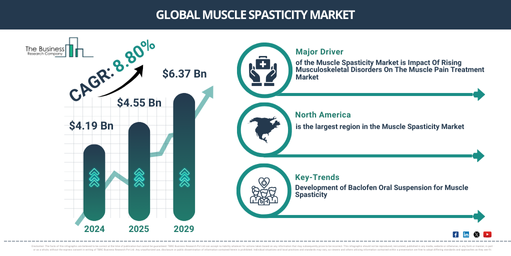
    The muscle spasticity market size has demonstrated significant expansion in recent years. It is anticipated to increase from $4.19 billion in 2024 to $4.55 billion in 2025, showing a compound annual growth rate (CAGR) of 8.8%. This historical expansion can be linked to several factors, including greater investments in research and development, a wider scope of clinical indications, beneficial regulatory approvals and reimbursement policies, a growing emphasis on implementing a multimodal approach, and the rising prevalence of multiple sclerosis.

    The muscle spasticity market is projected to experience substantial expansion over the forthcoming years. Its valuation is anticipated to reach $6.37 billion by 2029, exhibiting a compound annual growth rate (CAGR) of 8.8%. This projected growth is attributable to an increased emphasis on creating patient-focused care, the broadening of distribution networks, efforts to enhance the quality of life, the development of targeted drug delivery mechanisms, and the identification of new biomarkers. Key trends anticipated during this period encompass the adoption of value-based reimbursement frameworks, the incorporation of artificial intelligence and machine learning technologies, the use of telehealth and remote monitoring solutions, advancements in neurostimulation methods, and the application of regenerative medicine strategies.

    Unlock Your Free Sample Report for Exclusive Market Data:

    https://www.thebusinessresearchcompany.com/sample.aspx?id=18411&type=smp

    Which Drivers Are Shaping The Muscle Spasticity Industry’s Market Share?

    The rising incidence of musculoskeletal disorders is projected to propel the muscle spasticity market forward. Musculoskeletal disorders are defined as conditions affecting the body’s muscles, bones, and joints, frequently causing pain, stiffness, and restricted movement. The surge in musculoskeletal cases is linked to factors such as aging populations, sedentary lifestyles, and an increasing prevalence of chronic conditions. Muscle spasticity aims to alleviate the symptoms of musculoskeletal disorders by reducing discomfort, enhancing mobility, preventing complications, and improving patients’ overall quality of life and functional capabilities. For instance, in November 2023, a study from The Lancet, a UK-based medical journal, indicated that an estimated 494 million people globally experienced other musculoskeletal disorders in 2020, with projections suggesting a potential 115% increase by 2050. Moreover, Amgen, a US-based biopharmaceutical company, reported in May 2022 that the annual number of fractures due to osteoporosis is expected to increase by 68% from 1.9 million in 2018 to 3.2 million by 2040. Therefore, the growing prevalence of musculoskeletal disorders is a key driving factor for the muscle spasticity market.

    What Are The Leading Segments Analyzed In The Muscle Spasticity Market?

    The muscle spasticitymarket covered in this report is segmented –

    1) By Drug Type: Baclofen; Botulinum Toxin; Diazepam; Dantrolene Sodium; Other Drugs

    2) By Route Of Administration: Oral; Intramuscular; Other Routes

    3) By Distribution Channel: Hospital Pharmacies; Retail Pharmacies; Online Pharmacies

    Subsegments:

    1) By Baclofen: Oral Baclofen; Intrathecal Baclofen (Pump)

    2) By Botulinum Toxin: Botox (Botulinum Toxin Type A); Dysport (Botulinum Toxin Type A); Xeomin (Botulinum Toxin Type A); Myobloc (Botulinum Toxin Type B)

    3) By Diazepam: Oral Diazepam; Injectable Diazepam

    4) By Dantrolene Sodium: Oral Dantrolene; Injectable Dantrolene

    5) By Other Drugs: Tizanidine; Clonidine; Gabapentin; Other Muscle Relaxants; Selective Serotonin Reuptake Inhibitors (SSRIs)

    What Trends Are Redefining The Muscle Spasticity Market Dynamics?

    Key companies active in the muscle spasticity market are concentrating on creating oral suspensions to manage muscle spasms related to conditions like multiple sclerosis and spinal cord injuries. Oral suspensions are liquid pharmaceutical preparations where active ingredients are dispersed for oral consumption. For example, in April 2024, ANI Pharmaceuticals, a US-based pharmaceutical manufacturing company, introduced baclofen oral suspension. This baclofen oral suspension, a generic version of fleqsuvy, is utilized to treat muscle spasms resulting from conditions such as multiple sclerosis and spinal cord injuries by assisting in muscle relaxation.

    Which Key Market Players Are Investing In Expansion And Innovation Of Muscle Spasticity Market?

    Major companies operating in the muscle spasticity market are F. Hoffmann-La Roche AG, AbbVie Inc., Abbott Laboratories, Novartis AG, Medtronic plc, Teva Pharmaceutical Industries Ltd., Boston Scientific Corporation, Sun Pharmaceutical Industries Ltd., Ipsen Pharma, Hikma Pharmaceuticals plc, Endo Pharmaceuticals Inc., Lupin Pharmaceuticals Inc., Amneal Pharmaceuticals Inc., Mallinckrodt Pharmaceuticals, Neurocrine Biosciences Inc., Merz Pharmaceuticals GmbH, Beximco Pharmaceuticals Ltd., ANI Pharmaceuticals Inc., Taj Pharmaceuticals Limited, Revance Therapeutics Inc., Acorda Therapeutics Inc., Mylan N.V., Camber Pharmaceuticals Inc., Saol Therapeutics Inc., Zydus Cadila

    Download The Full Report For Exclusive Market Findings:

    https://www.thebusinessresearchcompany.com/report/muscle-spasticity-global-market-report

    What Regional Growth Trends Are Shaping The Muscle Spasticity Market Outlook?

    North America was the largest region in the muscle spasticity market in 2024. Asia-Pacific is expected to be the fastest-growing region in the forecast period. The regions covered in the muscle spasticity market report are Asia-Pacific, Western Europe, Eastern Europe, North America, South America, Middle East, Africa.

    Request A Customized Version Of The Muscle Spasticity Market Report:

    https://www.thebusinessresearchcompany.com/customise?id=18411&type=smp

    Browse Through More Reports Similar to the Global Muscle Spasticity Market 2025, By The Business Research Company

    Muscle Relaxant Drugs Global Market Report 2025

    https://www.thebusinessresearchcompany.com/report/muscle-relaxant-drugs-global-market-report

    Muscle Wasting Disorders Global Market Report 2025

    https://www.thebusinessresearchcompany.com/report/muscle-wasting-disorders-global-market-report

    Coworking Space Global Market Report 2025

    https://www.thebusinessresearchcompany.com/report/coworking-space-global-market-report

    Get in touch with us:

    The Business Research Company: https://www.thebusinessresearchcompany.com/

    Americas +1 310-496-7795

    Asia +44 7882 955267 & +91 8897263534

    Europe +44 7882 955267

    Email us at info@tbrc.info

    Follow us on:

    LinkedIn: https://in.linkedin.com/company/the-business-research-company

    YouTube: https://www.youtube.com/channel/UC24_fI0rV8cR5DxlCpgmyFQ

    Global Market Model: https://www.thebusinessresearchcompany.com/global-market-model

  • Muscle Pain Treatment Market Growth Opportunities: Insights from 2025–2029

    Muscle Pain Treatment Market Growth Opportunities: Insights from 2025–2029

    Unlock Global Insights – Save 20% on Market Reports with Code ONLINE20

    What Is The Anticipated Size Of The Muscle Pain Treatment Market Over The Five-Year Period 2025–2029?

    The muscle pain treatment market size has seen consistent expansion over recent years. Its valuation is projected to increase from $12.95 billion in 2024 to $13.59 billion in 2025, demonstrating a compound annual growth rate (CAGR) of 5.0%. Historically, this expansion can be linked to factors such as an aging demographic experiencing more chronic pain, a rise in sports-related injuries driven by increased participation, the commonness of manual labor occupations resulting in musculoskeletal issues, inactive lifestyles contributing to muscle stiffness and discomfort, and insufficient physical activity leading to muscle weakness and soreness.

    The muscle pain treatment market is projected to experience substantial expansion over the upcoming years. This market is anticipated to reach $16.66 billion by 2029, exhibiting a compound annual growth rate (CAGR) of 5.2%. Key factors contributing to this anticipated growth include the increased uptake of non-opioid and non-invasive pain management options, escalating healthcare spending along with a strong need for effective pain relief, new regulatory authorizations for pain management treatments and devices, a greater focus on preventative healthcare to lessen chronic pain issues, and an expanding interest in alternative remedies such as acupuncture and chiropractic care. Significant trends expected during this period encompass telehealth and virtual consultations for managing pain, the creation of wearable devices and smart apparel for pain relief, advancements in biopharmaceutical pain treatments, personalized pain management solutions powered by AI, and regenerative medicine approaches for tissue repair and alleviating pain.

    Unlock Your Free Sample Report for Exclusive Market Data:

    https://www.thebusinessresearchcompany.com/sample.aspx?id=17206&type=smp

    What Are The Drivers Pushing New Developments In The Muscle Pain Treatment Market?

    The rising occurrence of musculoskeletal disorders is projected to propel the muscle pain treatment market in the coming years. These conditions, which involve the body’s muscles, bones, and joints, frequently lead to discomfort, rigidity, and restricted movement. The increase in musculoskeletal cases stems from factors like an aging demographic, inactive lifestyles, and the growing incidence of long-term health issues. The goal of muscle pain treatment is to lessen the impact of musculoskeletal disorder symptoms by alleviating discomfort, enhancing movement, averting complications, and improving patients’ general well-being and functional capacity. For instance, in November 2023, a study from The Lancet, a UK-based medical journal, reported that around 494 million individuals worldwide suffered from other musculoskeletal disorders in 2020, with forecasts suggesting a significant 115% surge by 2050. Consequently, the growing prevalence of musculoskeletal disorders is a key driver for the muscle pain treatment market.

    What Are The Segment Types Shaping The Muscle Pain Treatment Market?

    The muscle pain treatmentmarket covered in this report is segmented –

    1) By Pharmacological Treatment: Analgesics; Muscle Relaxants; Topical Analgesics; Other Pharmacological Treatments

    2) By Non-Pharmacological Treatment: Physical Therapy; Massage Therapy; Acupuncture; Heat And Cold Therapy; Exercise And Stretching; Other Non-Pharmacological Treatments

    3) By Type Of Pain: Acute Muscle Pain; Chronic Muscle Pain

    4) By Cause Of Muscle Pain: Overuse And Strain; Injury Or Trauma; Inflammatory Conditions; Neurological Conditions; Infections; Other Cause Of Muscle Pain

    5) By Application: Hospital; Clinic; Other Applications

    Subsegments:

    1) By Analgesics: Nonsteroidal Anti-Inflammatory Drugs (NSAIDs); Acetaminophen

    2) By Muscle Relaxants: Centrally Acting Muscle Relaxants; Peripherally Acting Muscle Relaxants

    3) By Topical Analgesics: Creams & Ointments; Gels & Sprays; Patches

    4) By Other Pharmacological Treatments: Corticosteroids; Antidepressants; Anticonvulsants

    How Are Emerging Market Trends Shaping The Muscle Pain Treatment Industry Landscape?

    Leading companies in the muscle pain treatment market are concentrating on developing innovative solutions, particularly topical analgesic products, to improve their effectiveness and user convenience. These topical analgesic products are medications applied directly to the skin to alleviate pain by targeting the affected area, and they are frequently employed for conditions such as muscle aches, arthritis, and minor injuries. For example, in July 2024, Wellness Formulations LLC, a US-based provider of health and wellness products, launched Ralli Rapid Pain Relief. This new product integrates menthol’s pain-relieving properties with advanced penetration enhancers and skin conditioners, delivering efficient pain relief without a greasy residue. It offers quick and lasting relief from muscle aches, joint pain, arthritis, strains, and sprains. Available in gel, spray, and roll-on formats, it ensures convenient application directly to the affected region, eliminating the need for rubbing or massaging.

    Who Are The Core Companies Influencing The Muscle Pain Treatment Market Landscape?

    Major companies operating in the muscle pain treatment market are Pfizer Inc., Johnson & Johnson, Roche Holding AG, Merck & Co. Inc., AbbVie Inc., Bayer AG, Sanofi SA, Bristol Myers Squibb Company, AstraZeneca PLC, Novartis International AG, GlaxoSmithKline plc (GSK), Eli Lilly and Company, Amgen Inc., Teva Pharmaceutical Industries Ltd., Baxter International Inc., Haleon Plc, Select Medical Holdings Corporation, Purdue Pharma, Endo Pharmaceuticals Inc., Concentra Inc., Athletico Physical Therapy, ATI Physical Therapy Inc., Physiotherapy Associates Inc, NovaCare Rehabilitation Inc, CORA Health Services Inc., Select Physical Therapy Holdings Inc., ProActive Physical Therapy

    Download The Full Report For Exclusive Market Findings:

    https://www.thebusinessresearchcompany.com/report/muscle-pain-treatment-global-market-report

    Which Regional Markets Are Contributing Most To The Muscle Pain Treatment Industry Expansion?

    North America was the largest region in the muscle pain treatment market in 2024. Asia-Pacific is expected to be the fastest-growing region in the forecast period. The regions covered in the muscle pain treatment market report are Asia-Pacific, Western Europe, Eastern Europe, North America, South America, Middle East, Africa.

    Request A Customized Version Of The Muscle Pain Treatment Market Report:

    https://www.thebusinessresearchcompany.com/customise?id=17206&type=smp

    Browse Through More Reports Similar to the Global Muscle Pain Treatment Market 2025, By The Business Research Company

    Joint Pain Injections Global Market Report 2025

    https://www.thebusinessresearchcompany.com/report/joint-pain-injections-global-market-report

    Cold Pain Therapy Global Market Report 2025

    https://www.thebusinessresearchcompany.com/report/cold-pain-therapy-global-market-report

    Pain Management Drugs Global Market Report 2025

    https://www.thebusinessresearchcompany.com/report/pain-management-drugs-global-market-report

    Get in touch with us:

    The Business Research Company: https://www.thebusinessresearchcompany.com/

    Americas +1 310-496-7795

    Asia +44 7882 955267 & +91 8897263534

    Europe +44 7882 955267

    Email us at info@tbrc.info

    Follow us on:

    LinkedIn: https://in.linkedin.com/company/the-business-research-company

    YouTube: https://www.youtube.com/channel/UC24_fI0rV8cR5DxlCpgmyFQ

    Global Market Model: https://www.thebusinessresearchcompany.com/global-market-model