Blog

  • Chromatography Data Systems Industry Forecast to Hit $1.83 Billion by 2029 With a Strong 8.7% CAGR

    Chromatography Data Systems Industry Forecast to Hit $1.83 Billion by 2029 With a Strong 8.7% CAGR

    Unlock Global Insights – Save 20% on Market Reports with Code ONLINE20

    What Is The Future Market Size Estimation For The Chromatography Data Systems Market Covering 2025–2034?

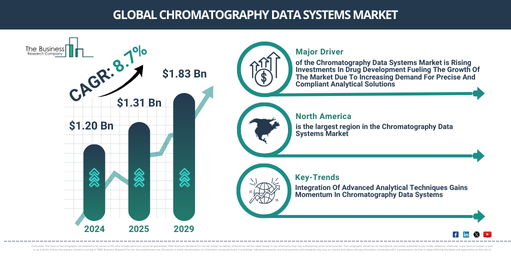
    The market for chromatography data systems has demonstrated substantial growth in recent times. Projections indicate a rise from $1.20 billion in 2024 to $1.31 billion by 2025, reflecting a compound annual growth rate (CAGR) of 9.0%. This historical expansion was driven by several factors, including a growing need for standardized documentation in widespread clinical trials, heightened institutional investment in optimizing laboratory processes, an increasing global count of accredited testing facilities, expanded international trade of food and pharmaceutical products, and elevated government funding for clinical research initiatives.

    The chromatography data systems market is projected to experience robust expansion over the coming years. This market is expected to reach $1.83 billion by 2029, growing at a compound annual growth rate (CAGR) of 8.7%. The anticipated growth during this period stems from several factors, including the escalating requirement for regulatory compliance within pharmaceutical laboratories, a growing emphasis on audit preparedness, increased focus on documentation integrity in healthcare, the proliferation of public-private research collaborations in life sciences, and the rising global incidence of chronic diseases. Prominent trends for the forecast period feature voice-activated lab interfaces and CDS commands, the utilization of blockchain for ensuring data integrity and comprehensive audit trails, the application of augmented reality (AR) for training and maintenance purposes, the availability of no-code or low-code customization options for CDS dashboards, and the implementation of a microservices-based CDS architecture.

    Unlock Your Free Sample Report for Exclusive Market Data:

    https://www.thebusinessresearchcompany.com/sample.aspx?id=27255&type=smp

    What Are The Top Growth Drivers Impacting The Chromatography Data Systems Market Outlook?

    The increasing investments in drug development are projected to drive the growth of the chromatography data systems market moving forward. Drug development encompasses the discovery, testing, and market introduction of new pharmaceutical drugs, ensuring their safety, effectiveness, and quality for patient use. These investments are on the rise due to advancements in biotechnology and precision medicine, which present opportunities to develop highly targeted therapies. Such therapies are designed to improve treatment outcomes, reduce side effects, and address unmet medical needs across both common and rare diseases. The surge in drug development investments is boosting the adoption of chromatography data systems, as these systems facilitate precise, compliant, and efficient management of the complex analytical data necessary for drug discovery and regulatory approval. For example, in November 2023, a report published by the European Federation of Pharmaceutical Industries and Associations, a Belgium-based trade association, indicated that pharmaceutical industry research and development expenditure reached 50,000 million in 2023, an increase from 47,010 million in 2022. Therefore, the expanding investments in drug development are fueling the expansion of the chromatography data systems market.

    What Are The Leading Segments Analyzed In The Chromatography Data Systems Market?

    The chromatography data systems market covered in this report is segmented

    1) By Type: Integrated, Standalone

    2) By Technology: On-Premise, Cloud-Based, Hybrid

    3) By Enterprise Size: Large Enterprises, Small And Medium Enterprises

    4) By Application: Pharmaceuticals, Clinical Research, Academic Research, Other Applications

    5) By End User: Academic And Research Institutes, Pharmaceutical And Biopharmaceutical Industry, Biotechnology Industry, Food And Beverage Industry, Environmental Testing, Other End-Users

    Subsegments:

    1) By Integrated: Instrument Control Software, Data Acquisition Software, Data Processing Software, System Validation Tools

    2) By Standalone: Data Integration Tools, Reporting And Visualization Software, Audit Trail Management, Compliance Management Tools

    What Trends Are Redefining The Chromatography Data Systems Market Dynamics?

    Leading companies in the chromatography data systems market are prioritizing the adoption of advanced analytical methods, such as full-stack chromatography systems, to improve data integration, boost workflow efficiency, and ensure regulatory compliance across laboratories. A full-stack chromatography system refers to a complete, integrated solution that brings together hardware, software, data acquisition, processing, and compliance tools to streamline and automate the entire chromatography workflow. For instance, in March 2025, Axcend Corporation, a US-based biotechnology company, unveiled a full-stack chromatography system specifically designed for high-performance liquid chromatography (HPLC) applications. This compact system, built upon the Axcend Focus LC platform, integrates a 40-vial/96-well plate autosampler, an in-line process analytical technology (PAT) monitoring system, and a full-spectrum diode array detector (DAD). This innovative system empowers scientists to conduct real-time, low-flow HPLC analysis directly at the sampling point, presenting a versatile, efficient, and sustainable solution for laboratories seeking advanced, portable chromatography capabilities.

    Which Key Players Are Driving Competition In The Chromatography Data Systems Market?

    Major companies operating in the chromatography data systems market are Merck KGaA, Thermo Fisher Scientific, Eurofins Scientific SE, Agilent Technologies, Hitachi High-Tech Corporation, PerkinElmer Inc., Shimadzu Corporation, Waters Corporation, Bio-Rad Laboratories Inc., Bruker Corporation, Metrohm AG, Analytik Jena GmbH+Co. KG, Gilson Incorporated, LabVantage Solutions Inc., KNAUER Wissenschaftliche Geräte GmbH, JASCO Corporation, Sepsolve Analytical Ltd., SRI Instruments Inc., S-Matrix Corporation, DataApex spol. s r.o.

    Download The Full Report For Exclusive Market Findings:

    https://www.thebusinessresearchcompany.com/report/chromatography-data-systems-global-market-report

    Which Region Is Projected To Lead The Chromatography Data Systems Market During The Forecast Period?

    North America was the largest region in the chromatography data systems market in 2024. Asia-Pacific is expected to be the fastest-growing region in the forecast period. The regions covered in the chromatography data systems market report are Asia-Pacific, Western Europe, Eastern Europe, North America, South America, Middle East, Africa.

    Request A Customized Version Of The Chromatography Data Systems Market Report:

    https://www.thebusinessresearchcompany.com/customise?id=27255&type=smp

    Browse Through More Reports Similar to the Global Chromatography Data Systems Market 2025, By The Business Research Company

    Building Panels Global Market Report 2025

    https://www.thebusinessresearchcompany.com/report/building-panels-global-market-report

    Aircraft Interior Decoration Materials Global Market Report 2025

    https://www.thebusinessresearchcompany.com/report/aircraft-interior-decoration-materials-global-market-report

    Wall Decor Global Market Report 2025

    https://www.thebusinessresearchcompany.com/report/wall-decor-global-market-report

    Get in touch with us:

    The Business Research Company: https://www.thebusinessresearchcompany.com/

    Americas +1 310-496-7795

    Asia +44 7882 955267 & +91 8897263534

    Europe +44 7882 955267

    Email us at info@tbrc.info

    Follow us on:

    LinkedIn: https://in.linkedin.com/company/the-business-research-company

    YouTube: https://www.youtube.com/channel/UC24_fI0rV8cR5DxlCpgmyFQ

    Global Market Model: https://www.thebusinessresearchcompany.com/global-market-model
  • Chimeric Antigen Receptor-Natural Killer (CAR-NK) Cell Therapy Market to Reach $3.09 Billion by 2029, Growing at a CAGR of 6.3%

    Chimeric Antigen Receptor-Natural Killer (CAR-NK) Cell Therapy Market to Reach $3.09 Billion by 2029, Growing at a CAGR of 6.3%

    Unlock Global Insights – Save 20% on Market Reports with Code ONLINE20

    What Is The Expected Total Market Size Of The Chimeric Antigen Receptor-Natural Killer (CAR-NK) Cell Therapy Industry By The Forecast Year 2029?

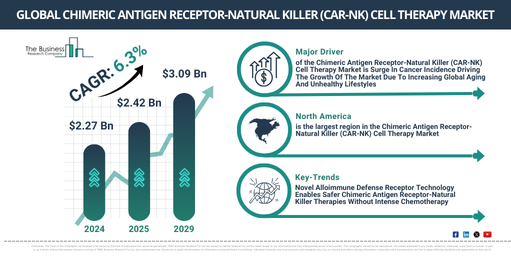
    The chimeric antigen receptor-natural killer (CAR-NK) cell therapy market has experienced robust growth recently. Its size is projected to expand from $2.27 billion in 2024 to $2.42 billion in 2025, achieving a compound annual growth rate (CAGR) of 6.6%. This historical growth can be attributed to several factors, including the global rise in cancer incidence, a growing focus on immunotherapy, early positive clinical results for natural killer (NK) cell therapies, government funding allocated to cancer research, and the expansion of cell therapy manufacturing facilities.

    The chimeric antigen receptor-natural killer (CAR-NK) cell therapy market is anticipated to experience substantial expansion in the coming years, projected to reach $3.09 billion by 2029, exhibiting a compound annual growth rate (CAGR) of 6.3%. This forecasted growth is attributable to factors such as increasing investments in cellular immunotherapy, a surge in partnerships between biotechnology and pharmaceutical firms, a rising need for readily available cancer treatments, the proliferation of clinical trials for chimeric antigen receptor-natural killer (CAR-NK) therapies, and the broader acceptance of precision oncology. Key trends during this period are expected to encompass technological breakthroughs in genetic engineering, novel approaches in chimeric antigen receptor (CAR) construct design, the establishment of allogeneic natural killer (NK) cell platforms, ongoing research and development focused on modulating the tumor microenvironment, and the incorporation of artificial intelligence (AI) into the development of cell therapies.

    Unlock Your Free Sample Report for Exclusive Market Data:

    https://www.thebusinessresearchcompany.com/sample.aspx?id=27254&type=smp

    Which Major Market Drivers Are Shaping The Future Of The Chimeric Antigen Receptor-Natural Killer (CAR-NK) Cell Therapy Market?

    The global rise in cancer cases is anticipated to propel the expansion of the chimeric antigen receptor-natural killer (CAR-NK) cell therapy market moving forward. Cancer refers to a collection of diseases characterized by the uncontrolled proliferation and spread of abnormal cells capable of invading and damaging body tissues. The increasing prevalence of cancer is attributable to factors such as aging populations and unhealthy lifestyles; older age leads to greater mutation accumulation over time, and poor habits like smoking, inadequate diet, and inactivity elevate cancer risk. Chimeric antigen receptor-natural killer (CAR-NK) cell therapy assists cancer treatment by genetically engineering natural killer cells to precisely identify and eradicate cancer cells, thereby enhancing the immune system’s targeted attack on tumors. For example, in February 2024, the World Health Organization (WHO), a Switzerland-based intergovernmental organization, estimated that the 20 million new cancer cases in 2022 are expected to increase by 77% to over 35 million cases in 2050. Therefore, the escalating incidence of cancer worldwide is driving the growth of the chimeric antigen receptor-natural killer (CAR-NK) cell therapy market.

    What Are The Segment Types Shaping The Chimeric Antigen Receptor-Natural Killer (CAR-NK) Cell Therapy Market?

    The chimeric antigen receptor-natural killer (CAR-NK) cell therapy market covered in this report is segmented

    1) By Type: Cytokine Therapy, Adoptive Natural Killer (NK) Cell Therapy, Genetically Engineered Natural Killer Cell Therapy, Other Types

    2) By Cell Source: Peripheral Blood-Derived Natural Killer Cells, Cord Blood-Derived Natural Killer Cells, Induced Pluripotent Stem Cell (iPSC)-Derived Natural Killer Cells, Natural Killer Cell Lines

    3) By Application: Solid Tumors, Hematological Malignancies, Other Applications

    4) By End User: Hospitals, Cancer Research Institutes, Biotechnology And Pharmaceutical Companies

    Subsegments:

    1) By Cytokine Therapy: Interleukin Therapy, Interferon Therapy, Colony Stimulating Factor Therapy, Tumor Necrosis Factor Therapy

    2) By Adoptive Natural Killer Cell Therapy: Autologous Natural Killer Cell Therapy, Allogeneic Natural Killer Cell Therapy, Expanded Natural Killer Cell Therapy, Activated Natural Killer Cell Therapy

    3) By Genetically Engineered Natural Killer Cell Therapy: Chimeric Antigen Receptor Natural Killer Cell Therapy, T Cell Receptor Engineered Natural Killer Cell Therapy, Gene Edited Natural Killer Cell Therapy, Cytokine Gene Modified Natural Killer Cell Therapy

    4) By Other Types: Combination Therapy, Immune Checkpoint Inhibitor Therapy, Antibody Dependent Cellular Cytotoxicity Therapy, Oncolytic Virus Therapy

    How Are Emerging Market Trends Shaping The Chimeric Antigen Receptor-Natural Killer (CAR-NK) Cell Therapy Industry Landscape?

    Leading companies within the chimeric antigen receptor-natural killer (CAR-NK) cell therapy market are prioritizing the development of advanced solutions, such as conditioning chemotherapy-free treatment, to create safer and more effective off-the-shelf cellular therapies. This therapeutic method, conditioning chemotherapy-free treatment, eliminates the requirement for intense pre-treatment chemotherapy to suppress a patient’s immune system before cellular therapies are administered, thereby reducing toxicity and associated side effects. As an illustration, in November 2024, Fate Therapeutics Inc., a US-based clinical-stage biopharmaceutical company, introduced FT522, an off-the-shelf CD19-targeted CAR NK cell therapy. This innovative treatment integrates alloimmune defense receptor technology, allowing CAR NK cells to persist and selectively deplete pathogenic B cells in patients with relapsed or refractory B-cell lymphoma and autoimmune diseases, demonstrating encouraging safety and efficacy results in early-phase clinical trials without the necessity for strong immune system suppression.

    Who Are The Top Performing Companies In The Chimeric Antigen Receptor-Natural Killer (CAR-NK) Cell Therapy Market In Recent Years?

    Major companies operating in the chimeric antigen receptor-natural killer (CAR-NK) cell therapy market are Takeda Pharmaceutical Company Limited, Artiva Biotherapeutics Inc., Nkarta Inc., ImmunityBio Inc., Fate Therapeutics Inc., Acepodia Inc., PersonGen BioTherapeutics Inc., Cartherics Inc., Century Therapeutics Inc., Catamaran Bio Inc., Glycostem Therapeutics Ltd., ImmuneBridge Co. Ltd., ONK Therapeutics Inc., Senti Biosciences Inc., Wugen Therapeutics Inc., Chimeric Therapeutics Limited, East Ocyon Bio, Nuwacell Biotechnologies Co. Ltd., Nkarta Therapeutics Inc., and GICELL Co. Ltd.

    Download The Full Report For Exclusive Market Findings:

    https://www.thebusinessresearchcompany.com/report/chimeric-antigen-receptor-natural-killer-car-nk-cell-therapy-global-market-report

    What Are The Key Regional Factors Influencing The Chimeric Antigen Receptor-Natural Killer (CAR-NK) Cell Therapy Market Growth?

    North America was the largest region in the chimeric antigen receptor-natural killer (CAR-NK) cell therapy market in 2024. Asia-Pacific is expected to be the fastest-growing region in the forecast period. The regions covered in the chimeric antigen receptor-natural killer (CAR-NK) cell therapy market report are Asia-Pacific, Western Europe, Eastern Europe, North America, South America, Middle East, Africa.

    Request A Customized Version Of The Chimeric Antigen Receptor-Natural Killer (CAR-NK) Cell Therapy Market Report:

    https://www.thebusinessresearchcompany.com/customise?id=27254&type=smp

    Browse Through More Reports Similar to the Global Chimeric Antigen Receptor-Natural Killer (CAR-NK) Cell Therapy Market 2025, By The Business Research Company

    Home Healthcare Equipment Global Market Report 2025

    https://www.thebusinessresearchcompany.com/report/home-healthcare-equipment-global-market-report

    Computer Peripheral Equipment Global Market Report 2025

    https://www.thebusinessresearchcompany.com/report/computer-peripheral-equipment-global-market-report

    Mortuary Equipment Global Market Report 2025

    https://www.thebusinessresearchcompany.com/report/mortuary-equipment-global-market-report

    Get in touch with us:

    The Business Research Company: https://www.thebusinessresearchcompany.com/

    Americas +1 310-496-7795

    Asia +44 7882 955267 & +91 8897263534

    Europe +44 7882 955267

    Email us at info@tbrc.info

    Follow us on:

    LinkedIn: https://in.linkedin.com/company/the-business-research-company

    YouTube: https://www.youtube.com/channel/UC24_fI0rV8cR5DxlCpgmyFQ

    Global Market Model: https://www.thebusinessresearchcompany.com/global-market-model
  • Global Chimeric Antibody Market Size Projected to Reach $21.31 Billion During the Forecast Period

    Global Chimeric Antibody Market Size Projected to Reach $21.31 Billion During the Forecast Period

    Unlock Global Insights – Save 20% on Market Reports with Code ONLINE20

    How Does The Market Size Of The Chimeric Antibody Industry Compare Between 2025 And 2029?

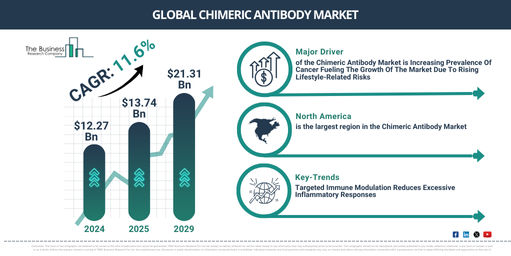
    The market size for chimeric antibodies has experienced swift expansion in recent years. It is anticipated to expand from $12.27 billion in 2024 to $13.74 billion in 2025, reflecting a compound annual growth rate (CAGR) of 12.0%. The expansion observed in the past can be attributed to several factors, including increasing cancer incidence rates, a rising demand for immunotherapy, growing investment in biologics, the increasing adoption of monoclonal antibodies, and an elevated prevalence of autoimmune diseases.

    The chimeric antibody market is projected to experience substantial expansion over the forthcoming years. This market is anticipated to reach $21.31 billion by 2029, demonstrating a compound annual growth rate (CAGR) of 11.6%. Key factors driving this growth during the forecast period include an escalating emphasis on targeted therapies, heightened clinical trial activities, expanding diagnostic applications, a burgeoning pipeline of biopharmaceuticals, and increased government expenditure on healthcare. Prominent trends expected in the forecast period encompass the integration of technologies and ecosystems, the incorporation of genomic and precision medicine, continuous technological progress in production and engineering, the creation of biosimilars and next-generation antibodies, and breakthroughs in manufacturing platforms.

    Unlock Your Free Sample Report for Exclusive Market Data:

    https://www.thebusinessresearchcompany.com/sample.aspx?id=27253&type=smp

    What Are The Main Drivers Boosting The Chimeric Antibody Industry’s Expansion?

    The escalating incidence of cancer is projected to stimulate the expansion of the chimeric antibody market moving forward. Cancer prevalence refers to the total number of individuals, both newly and previously diagnosed, who are alive with a history of cancer at a specific point in time. The increasing prevalence of cancer is attributed to lifestyle-related risks like poor nutrition, smoking, alcohol consumption, and exposure to environmental pollutants, which elevate the likelihood of developing various cancers. Chimeric antibodies enhance cancer treatment strategies by offering targeted therapies, proving effective against specific tumor cells. They reduce side effects by precisely attacking malignant cells, thereby improving patient outcomes and treatment efficiency. For instance, in July 2024, according to the Australian Institute of Health and Welfare, an Australia-based government agency, the number of cancer cases diagnosed in Australia reached 160,570 in 2022, marking an increase of 3,789 cases from 156,781 in 2021. Thus, the rising prevalence of cancer is a significant force driving the growth of the chimeric antibody market.

    What Are The Different Segment Classifications Within The Chimeric Antibody Market?

    The chimeric antibody market covered in this report is segmented

    1) By Type Of Antibody: Immunoglobulin G Chimeric Antibodies, Fragment Antigen-Binding Chimeric Antibodies, Single-Chain Variable Fragment Chimeric Antibodies

    2) By Manufacturing Process: Recombinant Deoxyribonucleic Acid (DNA) Technology, Hybridoma Technology, Phage Display Technology, Transgenic Technology

    3) By Mode Of Administration: Intravenous (IV) Administration, Subcutaneous Administration, Intramuscular Administration

    4) By Application: Cancer Therapy, Autoimmune Diseases, Infectious Diseases, Transplant Rejection

    5) By End User: Pharmaceutical Companies, Research Institutes, Clinics And Hospitals, Diagnostic Laboratories

    Subsegments:

    1) By Immunoglobulin G Chimeric Antibodies: Full Length Immunoglobulin G (IgG), Engineered Immunoglobulin G 1 (IgG1), Engineered Immunoglobulin G4 (IgG4), Humanized Immunoglobulin G (IgG)

    2) By Fragment Antigen-Binding Chimeric Antibodies, By Type: Bivalent Fragment Antigen-Binding (Fab) Fragments, Monovalent Fragment Antigen-Binding (Fab) Fragments, Conjugated Fragment Antigen-Binding (Fab) Fragments, Pegylated Fragment Antigen-Binding (Fab) Fragments

    3) By Single-Chain Variable Fragment Chimeric Antibodies: Standard Single-Chain Fragment Variable, Tandem Single-Chain Fragment Variable, Bispecific Single-Chain Fragment Variable, Multivalent Single-Chain Fragment Variable

    Which Key Trends Are Expected To Influence The Chimeric Antibody Market In The Coming Years?

    Entities within the chimeric antibody market are primarily focusing on advanced therapeutic strategies, such as monoclonal antibodies, to enhance treatment results, elevate patient survival rates, and tackle serious medical ailments. Monoclonal antibodies are laboratory-developed proteins that replicate the immune system’s capability to fight harmful pathogens, encompassing viruses and agents causing inflammation. An example includes InflaRx N.V., a biopharmaceutical firm from Germany, which in June 2023, commercially introduced Gohibic (vilobelimab). This chimeric monoclonal antibody specifically targets C5a in the complement system, thereby blocking C5a-mediated immune reactions to reduce severe inflammation. It is employed for treating COVID-19 in hospitalized adults when administered within 48 hours of initiating invasive mechanical ventilation (IMV) or extracorporeal membrane oxygenation (ECMO). This innovative treatment represents a notable leap forward in addressing hyperinflammation in severe infections, offering a fresh therapeutic option for patients at high risk.

    Which Leading Companies Dominate The Chimeric Antibody Market Share?

    Major companies operating in the chimeric antibody market are Pfizer Inc., Johnson & Johnson, F. Hoffmann-La Roche Ltd., AbbVie Inc., Sanofi S.A., Bristol-Myers Squibb Company, AstraZeneca PLC, Abbott Laboratories, Novartis AG, Amgen Inc., Merck KGaA, BioNTech SE, Regeneron Pharmaceuticals Inc., Biogen Inc., Lonza Group AG, Eurofins Scientific SE, Charles River Laboratories International Inc., GenScript Biotech Corporation, Biocytogen Pharmaceuticals Co. Ltd., Creative Biolabs Inc., FairJourney Biologics S.A.

    Download The Full Report For Exclusive Market Findings:

    https://www.thebusinessresearchcompany.com/report/chimeric-antibody-global-market-report

    How Do Regional Market Performances Compare Within The Chimeric Antibody Industry?

    North America was the largest region in the chimeric antibody market in 2024. Asia-Pacific is expected to be the fastest-growing region in the forecast period. The regions covered in the chimeric antibody market report are Asia-Pacific, Western Europe, Eastern Europe, North America, South America, Middle East, Africa.

    Request A Customized Version Of The Chimeric Antibody Market Report:

    https://www.thebusinessresearchcompany.com/customise?id=27253&type=smp

    Browse Through More Reports Similar to the Global Chimeric Antibody Market 2025, By The Business Research Company

    Semiconductor Intellectual Property Global Market Report 2025

    https://www.thebusinessresearchcompany.com/report/semiconductor-intellectual-property-global-market-report

    Commercial Services Global Market Report 2025

    https://www.thebusinessresearchcompany.com/report/commercial-services-global-market-report

    Legal Services Global Market Report 2025

    https://www.thebusinessresearchcompany.com/report/legal-services-global-market-report

    Get in touch with us:

    The Business Research Company: https://www.thebusinessresearchcompany.com/

    Americas +1 310-496-7795

    Asia +44 7882 955267 & +91 8897263534

    Europe +44 7882 955267

    Email us at info@tbrc.info

    Follow us on:

    LinkedIn: https://in.linkedin.com/company/the-business-research-company

    YouTube: https://www.youtube.com/channel/UC24_fI0rV8cR5DxlCpgmyFQ

    Global Market Model: https://www.thebusinessresearchcompany.com/global-market-model
  • Chemiluminescence Immunoassay Industry Anticipated to Expand at 8.6% CAGR During the Forecast Period

    Chemiluminescence Immunoassay Industry Anticipated to Expand at 8.6% CAGR During the Forecast Period

    Unlock Global Insights – Save 20% on Market Reports with Code ONLINE20

    What Is The Predicted Market Size Trajectory For The Chemiluminescence Immunoassay Market From 2025 To 2034?

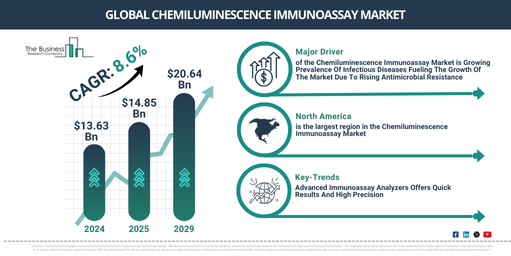
    The chemiluminescence immunoassay market size has experienced robust growth in recent years. It is projected to expand from $13.63 billion in 2024 to $14.85 billion in 2025, demonstrating a compound annual growth rate (CAGR) of 8.9%. The market’s historical expansion can be attributed to an elevated focus on high-sensitivity detection methods, greater integration with point-of-care testing devices, an increasing demand for multiplex assay capabilities, the expanded application of chemiluminescence in oncology diagnostics, and the rising prevalence of infectious diseases.

    The chemiluminescence immunoassay market is projected to experience significant expansion over the next few years. Its value is expected to reach $20.64 billion by 2029, driven by a compound annual growth rate (CAGR) of 8.6%. This growth during the forecast period is attributed to several factors, including the increasing demand for personalized medicine, the rising adoption of digital health technologies, growing investments in healthcare infrastructure, the broadening applications in infectious disease diagnostics, and the expansion of automated central laboratory settings. Noteworthy trends predicted for this period encompass advancements in automated immunoassay platforms, the evolution of multiplex chemiluminescence immunoassay technologies, innovative point-of-care diagnostic solutions, the integration of AI for result interpretation, and the incorporation of chemiluminescence immunoassay into personalized medicine.

    Unlock Your Free Sample Report for Exclusive Market Data:

    https://www.thebusinessresearchcompany.com/sample.aspx?id=27252&type=smp

    Which Factors And Drivers Are Influencing The Chemiluminescence Immunoassay Market In 2025?

    The chemiluminescence immunoassay market is anticipated to expand due to the increasing incidence of infectious diseases. Infectious diseases are defined as conditions resulting from detrimental microorganisms like bacteria, viruses, fungi, or parasites, which can transmit between individuals, either directly or indirectly. The rising occurrence of these diseases is linked to an increase in antimicrobial resistance, which makes standard treatments ineffective, thereby enabling infections to persist and spread. Chemiluminescence immunoassays are crucial for diagnosing infectious diseases, offering highly sensitive and specific detection of biomarkers, which facilitates the early and precise identification of pathogens. These assays also minimize diagnostic waiting times by yielding quick and dependable results, leading to better patient care and more effective treatment. For instance, in February 2024, the UK Health Security Agency reported that tuberculosis cases in England reached 4,850 in 2023, marking a 10.7% increase from 4,380 cases in 2022. Consequently, the growing prevalence of infectious diseases is a key factor propelling the expansion of the chemiluminescence immunoassay market.

    What Are The Primary Types Of Segments Analyzed In The Chemiluminescence Immunoassay Market?

    The chemiluminescence immunoassay market covered in this report is segmented

    1) By Product Type: Analyzers, Kits, Reagents

    2) By Sample Type: Blood, Saliva, Urine, Other Samples

    3) By Technology: Chemiluminescence Enzyme Technology (CLEIA), Electrochemiluminescence Immunoassay (ECLI), Microparticle Chemiluminescence Immunoassay

    4) By Application: Therapeutic Drug Monitoring, Oncology, Cardiology, Endocrinology, Infectious Disease, Autoimmune Disease, Other Applications

    5) By End-User: Hospitals, Pharmaceutical And Biotechnology Companies, Clinical Laboratories, Other End-Users

    Subsegments:

    1) By Analyzers: Fully Automated Analyzers, Semi Automated Analyzers, Portable Analyzers

    2) By Kits: Detection Kits, Quantitative Kits, Qualitative Kits, Multiparameter Kits

    3) By Reagents: Luminol Reagents, Isoluminol Reagents, Acridinium Ester Reagents, Other Reagents

    What Are The Major Trends Driving The Growth Of The Chemiluminescence Immunoassay Market?

    Major companies operating in the chemiluminescence immunoassay market are concentrating on developing advanced products, such as sophisticated chemiluminescence immunoassay analyzers, to improve test accuracy, increase throughput, and provide faster diagnostic results for a wide array of clinical applications. Chemiluminescence immunoassay analyzers are automated instruments that detect and measure light emitted during chemical reactions to precisely identify specific biomarkers in diagnostic tests. For instance, in July 2023, Fapon Biotech Inc., a China-based biotechnology company, introduced the Shine i8000/9000, a chemiluminescence immunoassay analyzer. This system is engineered for medium to large laboratories, delivering quick preliminary results within 10 minutes and high precision through its compact, stable, and user-friendly design. Key features encompass a 360-degree large-span display, one-touch bulk loading for reaction cups, a dual-tube backup substrate system, and automatic reaction cup disposal to minimize contamination. Its fully automated workflow lessens manual intervention, while advanced algorithms boost result consistency, making it well-suited for high-volume diagnostic settings.

    Who Are The Major Companies Operating In The Chemiluminescence Immunoassay Market?

    Major companies operating in the chemiluminescence immunoassay market are F. Hoffmann-La Roche AG, Thermo Fisher Scientific Inc., Abbott Laboratories, Danaher Corporation, Siemens Healthineers AG, Shenzhen Mindray Bio-Medical Electronics Co. Ltd., QuidelOrtho Corporation, Sysmex Corporation, Bio-Rad Laboratories Inc., Revvity Inc., DiaSorin S.p.A., Tecan Group Ltd., Euroimmun AG, Randox Laboratories Ltd., Autobio Diagnostics Co. Ltd., Wondfo Biotech Co. Ltd., Fujirebio Diagnostics Inc., Trivitron Healthcare Pvt. Ltd., Getein Biotech Inc., Fapon Biotech Inc., Diazyme Laboratories Inc

    Download The Full Report For Exclusive Market Findings:

    https://www.thebusinessresearchcompany.com/report/chemiluminescence-immunoassay-global-market-report

    Which Region Currently Holds The Largest Share Of The Chemiluminescence Immunoassay Market?

    North America was the largest region in the chemiluminescence immunoassay market in 2024. Asia-Pacific is expected to be the fastest-growing region in the forecast period. The regions covered in the chemiluminescence immunoassay market report are Asia-Pacific, Western Europe, Eastern Europe, North America, South America, Middle East, Africa.

    Request A Customized Version Of The Chemiluminescence Immunoassay Market Report:

    https://www.thebusinessresearchcompany.com/customise?id=27252&type=smp

    Browse Through More Reports Similar to the Global Chemiluminescence Immunoassay Market 2025, By The Business Research Company

    Waterproof Adhesives And Sealants Global Market Report 2025

    https://www.thebusinessresearchcompany.com/report/waterproof-adhesives-and-sealants-global-market-report

    Waterproofing Chemicals Global Market Report 2025

    https://www.thebusinessresearchcompany.com/report/waterproofing-chemicals-global-market-report

    Water Infrastructure Repair Technologies Global Market Report 2025

    https://www.thebusinessresearchcompany.com/report/water-infrastructure-repair-technologies-global-market-report

    Get in touch with us:

    The Business Research Company: https://www.thebusinessresearchcompany.com/

    Americas +1 310-496-7795

    Asia +44 7882 955267 & +91 8897263534

    Europe +44 7882 955267

    Email us at info@tbrc.info

    Follow us on:

    LinkedIn: https://in.linkedin.com/company/the-business-research-company

    YouTube: https://www.youtube.com/channel/UC24_fI0rV8cR5DxlCpgmyFQ

    Global Market Model: https://www.thebusinessresearchcompany.com/global-market-model
  • Global Checkpoint Inhibitor Refractory Cancer Market Projected to Expand at 11.5% CAGR by 2029

    Global Checkpoint Inhibitor Refractory Cancer Market Projected to Expand at 11.5% CAGR by 2029

    Unlock Global Insights – Save 20% on Market Reports with Code ONLINE20

    How Much Larger Is The Checkpoint Inhibitor Refractory Cancer Market Expected To Become By 2029 Compared With Its 2025 Level?

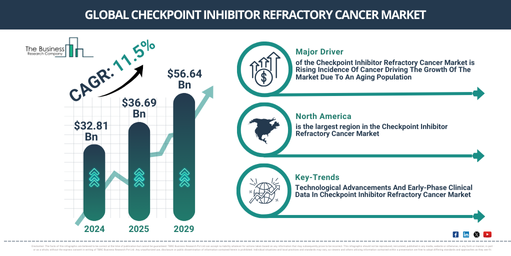
    The market for checkpoint inhibitor refractory cancer has experienced rapid expansion in recent years. Its value is projected to rise from $32.81 billion in 2024 to $36.69 billion by 2025, demonstrating a compound annual growth rate (CAGR) of 11.8%. Historically, this expansion can be linked to factors such as the rising incidence of cancer, heightened understanding of checkpoint inhibitors, broader cancer screening initiatives, intensified clinical trial operations, and a greater need for individualized therapies.

    The checkpoint inhibitor refractory cancer market is projected to experience swift expansion over the coming years. This market is anticipated to reach a valuation of $56.64 billion by 2029, exhibiting a compound annual growth rate (CAGR) of 11.5%. The predicted growth during this period stems from factors such as an increasing number of diagnoses, a heightened demand for personalized medicine, broader applications for checkpoint inhibitors, a growing elderly demographic, and the amplified use of biomarkers for patient selection. Key trends projected for the forecast period encompass progress in combination therapies, the emergence of next-generation checkpoint inhibitors, the incorporation of artificial intelligence (AI) into treatment strategies, the introduction of oral checkpoint inhibitors, and the creation of personalized cancer vaccines.

    Unlock Your Free Sample Report for Exclusive Market Data:

    https://www.thebusinessresearchcompany.com/sample.aspx?id=27251&type=smp

    What Are The Key Drivers Of Growth In The Checkpoint Inhibitor Refractory Cancer Market?

    The increasing occurrence of cancer is projected to stimulate the expansion of the checkpoint inhibitor refractory cancer market going forward. Cancer is defined as an ailment marked by the unrestricted division and proliferation of aberrant cells within the body. This upward trend in cancer incidence primarily stems from an aging demographic, given that extended life expectancy raises the probability of developing cancer over time. Identifying checkpoint inhibitor refractory cancer holds significance in managing the disease, as it allows for prompt detection of treatment resistance, thereby guiding medical professionals to swiftly adjust therapy and explore alternative methods that could improve patient outcomes. As an illustration, the United Nations, a US-based intergovernmental organization, reported in February 2025 that approximately 2.3 million new breast cancer cases were identified in 2022, leading to 670,000 fatalities, with global forecasts predicting a 38% surge in cases and a 68% jump in yearly deaths by 2050. Consequently, the escalating occurrence of cancer is fueling the expansion of the checkpoint inhibitor refractory cancer market.

    Which Key Segments Fueling The Checkpoint Inhibitor Refractory Cancer Market?

    The checkpoint inhibitor refractory cancer market covered in this report is segmented

    1) By Therapy: Immune Checkpoint Inhibitors, Combination Therapies, Targeted Therapies

    2) By Cancer Type: Non-Small Cell Lung Cancer (NSCLC), Melanoma, Renal Cell Carcinoma (RCC), Head And Neck Squamous Cell Carcinoma (HNSCC), Urothelial Carcinoma, Triple-Negative Breast Cancer (TNBC), Colorectal Cancer, Other Cancer Types

    3) By Mechanism Of Action: Programmed Cell Death Protein (PD)-1 Inhibitors, Programmed Death-Ligand (PD)-L1 Inhibitors, Cytotoxic T-Lymphocyte–Associated Protein (CTLA)-4 Inhibitors, Other Mechanism Of Actions

    4) By Administration Route: Intravenous (IV), Oral

    5) By End-User: Hospital Pharmacies, Retail Pharmacies, Online Pharmacies

    Subsegments:

    1) By Immune Checkpoint Inhibitors (ICIs): PD-1 Inhibitors, PD-L1 Inhibitors, CTLA-4 Inhibitors

    2) By Combination Therapies: Checkpoint Inhibitor + Chemotherapy, Checkpoint Inhibitor + Targeted Therapy, Checkpoint Inhibitor + Other Immunotherapies, Dual Checkpoint Inhibitor Combinations

    3) By Targeted Therapies: Tyrosine Kinase Inhibitors (TKIs), Monoclonal Antibodies Targeting Specific Cancer Markers

    What Are The Major Trends Driving The Growth Of The Checkpoint Inhibitor Refractory Cancer Market?

    Leading companies in the checkpoint inhibitor refractory cancer market are prioritizing the development of innovative products, such as dual selective inhibitors, to lessen the probability of drug resistance by targeting two crucial pathways involved in disease progression. Dual selective inhibitors are compounds designed to block two distinct biological targets or pathways simultaneously while minimizing impact on other unrelated pathways. For example, in March 2025, Pliant Therapeutics Inc., a US-based clinical-stage biopharmaceutical company, announced Interim Phase 1 Data for PLN-101095 in Patients with Immune Checkpoint Inhibitor-Refractory Advanced Solid Tumors. Pliant Therapeutics’ interim Phase 1 data for PLN-101095 in patients with immune checkpoint inhibitor–refractory advanced solid tumors demonstrated promising early activity and a manageable safety profile. At the highest tested dose of 1,000 mg twice daily combined with pembrolizumab, the trial reported a 50% objective response rate, including confirmed partial responses in patients with non-small cell lung cancer, cholangiocarcinoma, and melanoma, indicating significant tumor reductions. PLN-101095 was generally well tolerated, with most treatment-emergent adverse events being mild to moderate. The study is ongoing, with higher-dose cohorts currently enrolling and additional data expected by the end of 2025.

    Which Global Market Leaders Are Shaping The Future Of The Checkpoint Inhibitor Refractory Cancer Sector?

    Major companies operating in the checkpoint inhibitor refractory cancer market are Pfizer Inc., Johnson & Johnson Private Limited, Merck & Co. Inc., AbbVie Inc., Novartis International AG, Sanofi S.A., Bristol-Myers Squibb Company, AstraZeneca PLC, GlaxoSmithKline Plc, Eli Lilly and Company, Gilead Sciences Inc., Amgen Inc., Regeneron Pharmaceuticals Inc., Eisai Co. Ltd., Exelixis Inc., Exicure Inc., ImmunityBio Inc., ENB Therapeutics Inc., Kartos Therapeutics Inc., and Pliant Therapeutics Inc.

    Download The Full Report For Exclusive Market Findings:

    https://www.thebusinessresearchcompany.com/report/checkpoint-inhibitor-refractory-cancer-global-market-report

    What Regional Growth Trends Are Shaping The Checkpoint Inhibitor Refractory Cancer Market Outlook?

    North America was the largest region in the checkpoint inhibitor refractory cancer market in 2024. Asia-Pacific is expected to be the fastest-growing region in the forecast period. The regions covered in the checkpoint inhibitor refractory cancer market report are Asia-Pacific, Western Europe, Eastern Europe, North America, South America, Middle East, Africa.

    Request A Customized Version Of The Checkpoint Inhibitor Refractory Cancer Market Report:

    https://www.thebusinessresearchcompany.com/customise?id=27251&type=smp

    Browse Through More Reports Similar to the Global Checkpoint Inhibitor Refractory Cancer Market 2025, By The Business Research Company

    Green Cement Global Market Report 2025

    https://www.thebusinessresearchcompany.com/report/green-cement-global-market-report

    Concrete Materials Global Market Report 2025

    https://www.thebusinessresearchcompany.com/report/concrete-materials-global-market-report

    Polished Concrete Global Market Report 2025

    https://www.thebusinessresearchcompany.com/report/polished-concrete-global-market-report

    Get in touch with us:

    The Business Research Company: https://www.thebusinessresearchcompany.com/

    Americas +1 310-496-7795

    Asia +44 7882 955267 & +91 8897263534

    Europe +44 7882 955267

    Email us at info@tbrc.info

    Follow us on:

    LinkedIn: https://in.linkedin.com/company/the-business-research-company

    YouTube: https://www.youtube.com/channel/UC24_fI0rV8cR5DxlCpgmyFQ

    Global Market Model: https://www.thebusinessresearchcompany.com/global-market-model
  • Cervical Cancer Screening, Diagnostics, And Pre-cancerous Dysplasia Lesion Treatment Market to Grow at a CAGR of 6.8% from 2025 to 2029

    Cervical Cancer Screening, Diagnostics, And Pre-cancerous Dysplasia Lesion Treatment Market to Grow at a CAGR of 6.8% from 2025 to 2029

    Unlock Global Insights – Save 20% on Market Reports with Code ONLINE20

    #What Are The Current (2025) And Forecast (2029) Sizes Of The Cervical Cancer Screening, Diagnostics, And Pre-cancerous Dysplasia Lesion Treatment Market?

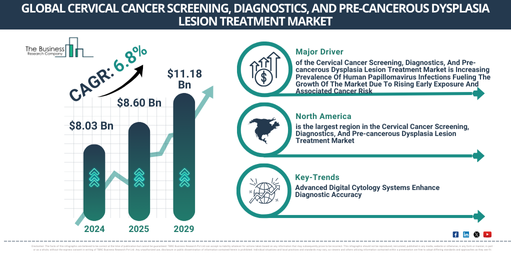
    The cervical cancer screening, diagnostics, and pre-cancerous dysplasia lesion treatment market has seen significant expansion in recent years. It is anticipated to grow from $8.03 billion in 2024 to $8.60 billion in 2025, achieving a compound annual growth rate (CAGR) of 7.1%. This historical growth can be attributed to the increased adoption of pap smear tests, a rise in government-led screening programs, the growing prevalence of human papillomavirus infections, enhanced access to women’s healthcare services, a greater emphasis on early detection and precision diagnostics, and an increasing number of diagnostic laboratories.

    The market size for cervical cancer screening, diagnostics, and pre-cancerous dysplasia lesion treatment is anticipated to show significant expansion in the upcoming years. It is projected to reach $11.18 billion by 2029, growing at a compound annual growth rate (CAGR) of 6.8%. This projected increase can be attributed to several factors, including the increasing demand for human papillomavirus deoxyribonucleic acid-based testing, a rise in the adoption of self-sampling kits, the development of healthcare infrastructure in developing countries, a growing focus on personalized medicine, and the increasing prevalence of cervical intraepithelial neoplasia. Significant trends expected in the forecast period involve advancements in molecular diagnostic techniques, sophisticated artificial intelligence-assisted colposcopy tools, innovative portable screening devices, the integration of digital health into cervical diagnostics, new developments in minimally invasive treatment options, and the incorporation of cloud-based diagnostic data platforms.

    Unlock Your Free Sample Report for Exclusive Market Data:

    https://www.thebusinessresearchcompany.com/sample.aspx?id=27250&type=smp

    Which Drivers Are Supporting Growth Of The Cervical Cancer Screening, Diagnostics, And Pre-cancerous Dysplasia Lesion Treatment Market?

    An anticipated boost in the cervical cancer screening, diagnostics, and pre-cancerous dysplasia lesion treatment market is linked to the rising occurrence of human papillomavirus infections. Human papillomavirus infections are defined as a category of widespread viral diseases stemming from the human papillomavirus, capable of impacting skin and mucous membranes, potentially resulting in issues like warts, or occasionally, cervical and other cancers. The uptick in human papillomavirus infection prevalence is attributed to the earlier commencement of sexual activity, which heightens the probability of viral exposure at younger ages. These measures—cervical cancer screening, diagnostics, and precancerous dysplasia lesion treatment—contribute to mitigating the impact of human papillomavirus infections through early detection and prompt intervention, thereby stopping the advancement of human papillomavirus infection-associated cellular irregularities into cervical cancer. To illustrate, a survey conducted in southern Iran involving 3960 cases between July 2021 and July 2023, as reported by the National Library of Medicine, a US government agency, indicated in March 2025 that 1303 (32.9%) tested positive for HPV. Furthermore, the rate of HPV infection rose to 36.05% in 2022-2023, up from 29.92% in 2021-2022. Consequently, the growing incidence of human papillomavirus infections is a primary factor fueling the expansion of the cervical cancer screening, diagnostics, and precancerous dysplasia lesion treatment market.

    How Is The Cervical Cancer Screening, Diagnostics, And Pre-cancerous Dysplasia Lesion Treatment Market Classified Into Different Segments?

    The cervical cancer screening, diagnostics, and pre-cancerous dysplasia lesion treatment market covered in this report is segmented

    1) By Type: Cervical Cancer Screening, Cervical Cancer Diagnostics, Pre-Cancerous Lesion Treatment

    2) By Indication: Cervical Intraepithelial Neoplasia (CIN) 1 (Mild Dysplasia), Cervical Intraepithelial Neoplasia (CIN) 2 (Moderate Dysplasia), Cervical Intraepithelial Neoplasia (CIN) 3 (Severe Dysplasia), Invasive Cervical Cancer

    3) By Age Group: 21–29 Years, 30–65 Years, Above 65 Years

    4) By End-User: Hospitals, Diagnostic Laboratories, Specialty Gynecology Clinics, Ambulatory Surgical Centers, Academic And Research Institutes

    Subsegments:

    1) By Cervical Cancer Screening: Pap Smear Test, Human Papillomavirus Deoxyribonucleic Acid Test, Visual Inspection With Acetic Acid, Liquid-Based Cytology

    2) By Cervical Cancer Diagnostics: Colposcopy Examination, Cervical Biopsy, Endocervical Curettage, Loop Electrosurgical Excision Procedure

    3) By Pre-Cancerous Dysplasia Lesion Treatment: Cryotherapy Treatment, Laser Therapy Treatment, Cold Knife Conization, Loop Electrosurgical Excision Procedure Treatment

    What Trends Are Expected To Drive The Cervical Cancer Screening, Diagnostics, And Pre-cancerous Dysplasia Lesion Treatment Market?

    Major companies operating in the cervical cancer screening, diagnostics, and precancerous dysplasia lesion treatment market are concentrating on developing advanced products, such as digital cytology systems. This effort is aimed at enhancing diagnostic accuracy, minimizing human error, and improving the early identification of abnormal cervical cells. Digital cytology systems are sophisticated diagnostic instruments that utilize high-resolution imaging and artificial intelligence to analyze cervical cell samples for abnormalities, providing quicker and more precise outcomes than conventional manual microscopy. For example, in February 2024, Hologic Inc., a US-based health technology company, secured clearance from the U.S. Food and Drug Administration (FDA) for its Genius Digital Diagnostics System, a digital cytology system designed for cervical cancer screening. This artificial intelligence-powered platform combines high-resolution imaging with deep learning algorithms to improve the detection of abnormal cervical cells, offering greater sensitivity and reduced false negatives compared to traditional manual microscopy. The system also optimizes workflow by focusing cytologists’ attention on targeted cells and supports remote case reviews, representing a significant advancement over conventional methods. It is expected to enhance accuracy, efficiency, and collaboration in cervical cancer screening.

    Which Industry Leaders Are Driving Innovation Across The Cervical Cancer Screening, Diagnostics, And Pre-cancerous Dysplasia Lesion Treatment Market?

    Major companies operating in the cervical cancer screening, diagnostics, and pre-cancerous dysplasia lesion treatment market are F. Hoffmann-La Roche Ltd, Merck & Co. Inc., Thermo Fisher Scientific Inc., Abbott Laboratories, Siemens Healthineers AG, Becton Dickinson and Company (BD), Quest Diagnostics Incorporated, Hologic Inc., bioMérieux S.A., Sysmex Inostics GmbH, Qiagen N.V., BGI Genomics Co. Ltd., CooperSurgical Inc., Fujirebio Holdings Inc., Sansure Biotech Inc., Pregna International Ltd., Arbor Vita Corporation, DYSIS Medical Ltd., Guided Therapeutics Inc., and Femasys Inc.

    Download The Full Report For Exclusive Market Findings:

    https://www.thebusinessresearchcompany.com/report/cervical-cancer-screening-diagnostics-and-pre-cancerous-dysplasia-lesion-treatment-global-market-report

    Which Regional Markets Are Contributing Most To The Cervical Cancer Screening, Diagnostics, And Pre-cancerous Dysplasia Lesion Treatment Industry Expansion?

    North America was the largest region in the cervical cancer screening, diagnostics, and pre-cancerous dysplasia lesion treatment market in 2024. The regions covered in the cervical cancer screening, diagnostics, and pre-cancerous dysplasia lesion treatment market report are Asia-Pacific, Western Europe, Eastern Europe, North America, South America, Middle East, Africa.

    Request A Customized Version Of The Cervical Cancer Screening, Diagnostics, And Pre-cancerous Dysplasia Lesion Treatment Market Report:

    https://www.thebusinessresearchcompany.com/customise?id=27250&type=smp

    Browse Through More Reports Similar to the Global Cervical Cancer Screening, Diagnostics, And Pre-cancerous Dysplasia Lesion Treatment Market 2025, By The Business Research Company

    Insurance Business Process Outsourcing Global Market Report 2025

    https://www.thebusinessresearchcompany.com/report/insurance-business-process-outsourcing-global-market-report

    Outsourced Customer Care Services Global Market Report 2025

    https://www.thebusinessresearchcompany.com/report/outsourced-customer-care-services-global-market-report

    Outsourced Software Testing Services Global Market Report 2025

    https://www.thebusinessresearchcompany.com/report/outsourced-software-testing-services-global-market-report

    Get in touch with us:

    The Business Research Company: https://www.thebusinessresearchcompany.com/

    Americas +1 310-496-7795

    Asia +44 7882 955267 & +91 8897263534

    Europe +44 7882 955267

    Email us at info@tbrc.info

    Follow us on:

    LinkedIn: https://in.linkedin.com/company/the-business-research-company

    YouTube: https://www.youtube.com/channel/UC24_fI0rV8cR5DxlCpgmyFQ

    Global Market Model: https://www.thebusinessresearchcompany.com/global-market-model
  • Global Central Nervous System Therapeutics Market 2025–2029: Competitive Insights and Opportunities

    Global Central Nervous System Therapeutics Market 2025–2029: Competitive Insights and Opportunities

    Unlock Global Insights – Save 20% on Market Reports with Code ONLINE20

    What Market Value Is The Central Nervous System Therapeutics Industry Expected To Reach By 2029, Starting From 2025 Levels?

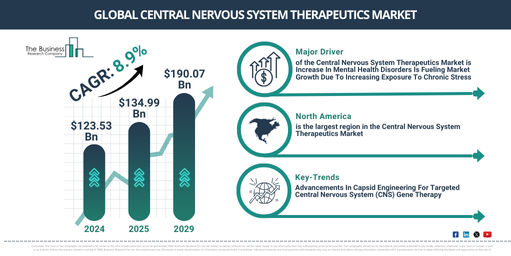
    The central nervous system therapeutics market size has seen robust expansion in recent years. It is forecast to grow from $123.53 billion in 2024 to $134.99 billion in 2025, representing a compound annual growth rate (CAGR) of 9.3%. The market’s past growth can be ascribed to an increase in neurological disorders, a rise in mental health awareness, an increase in research and development activities, a rise in demand for personalized medicine, and an increase in trade agreements.

    The central nervous system therapeutics market is projected to experience substantial expansion over the upcoming years. This market is set to reach $190.07 billion by 2029, demonstrating a compound annual growth rate (CAGR) of 8.9%. This anticipated growth is driven by factors such as the rising incidence of CNS disorders, a heightened emphasis on therapeutic development, the growing occurrence of conditions like Alzheimer’s, an expanding elderly demographic, and a greater need for efficacious treatments. Key trends expected during this period encompass artificial intelligence applications in diagnostics, progress in antidepressant drug development, innovations in drug delivery systems, advancements within neurology, and the identification of biomarkers.

    Unlock Your Free Sample Report for Exclusive Market Data:

    https://www.thebusinessresearchcompany.com/sample.aspx?id=27249&type=smp

    Which Drivers Are Shaping The Central Nervous System Therapeutics Industry’s Market Share?

    The rising occurrence of mental health disorders is anticipated to propel the growth of the central nervous system therapeutics market moving forward. These conditions encompass a wide spectrum of issues that impact an individual’s thought processes, emotions, behavior, or mood, such as depression, anxiety disorders, schizophrenia, and bipolar disorder. The increasing prevalence of mental health disorders stems from heightened exposure to chronic stress, which can disrupt emotional regulation, weaken coping mechanisms, and contribute to conditions like anxiety, depression, and burnout. Central Nervous System (CNS) therapeutics aid in treating mental health disorders by targeting specific brain chemicals and neural pathways involved in mood, behavior, and cognition. For example, in December 2025, a report from the UK-based Bristol City Council indicated that in Bristol, 66,815 patients aged 18 and over were recorded on GP practice depression registers in 2022/23, marking a 6.0% rise from 2021/22. Consequently, the increasing prevalence of mental health disorders is a key driver for the central nervous system therapeutics market’s expansion.

    What Are The Major Segments Identified In The Central Nervous System Therapeutics Market?

    The central nervous system therapeutics market covered in this report is segmented

    1) By Drug Class: Anesthetics, Anticonvulsants, Antiemetics, Central Nervous System (CNS) Stimulants, Pain Relievers, Other Drug Classes

    2) By Disease: Neurovascular Diseases, Mental Health, Degenerative Disorders, Genetic Diseases, Substance Abuse Disorders, Autoimmune And Inflammatory Diseases, Central Nervous System (CNS) Trauma, Infectious Diseases, Central Nervous System (CNS) Cancer, Other Diseases

    3) By Distribution Channel: Hospital Pharmacies, Retail Pharmacies, Other Distribution Channels

    4) By Application: Hospital, Clinic, Homecare, Other Applications

    Subsegments:

    1) By Anesthetics: General Anesthetics, Local Anesthetics, Dissociative Anesthetics, Inhalation Anesthetics, Intravenous Anesthetics

    2) By Anticonvulsants: Sodium Channel Blockers, GABA Enhancers, Calcium Channel Blockers, SV2A Modulators, Mixed Mechanism Agents

    3) By Antiemetics: Serotonin 5-HT3 Antagonists, Dopamine Antagonists, Neurokinin-1 (NK1) Receptor Antagonists, Antihistamines, Cannabinoids

    4) By Central Nervous System (CNS) Stimulants: Amphetamines, Methylphenidates, Modafinil and Armodafinil, Caffeine-Based Stimulants, Xanthine Derivatives

    5) By Pain Relievers: Opioid Analgesics, Non-Steroidal Anti-Inflammatory Drugs (NSAIDs), Antidepressants for Neuropathic Pain, Anticonvulsants for Pain Relief, Topical Agents

    6) By Other Drug Classes: Antipsychotics, Antidepressants, Muscle Relaxants, Sedatives and Hypnotics, Neuroprotective Agents

    Which Trends Are Impacting The Central Nervous System Therapeutics Market?

    Leading companies in the central nervous system therapeutics market are prioritizing the development of innovative solutions, such as capsid engineering, to improve targeted gene delivery, therapeutic effectiveness, and blood-brain barrier penetration for better treatment of neurological disorders. Capsid engineering involves modifying and optimizing the protein shell (capsid) of viral vectors, commonly adeno-associated viruses (AAVs), utilized in gene therapy. For instance, in May 2025, Coave Therapeutics S.A., a biotechnology company based in France, introduced coAAV CSF 01, a novel adeno-associated virus (AAV) designed for central nervous system (CNS) delivery using their proprietary ALIGATER platform. It demonstrated significantly improved transduction efficiency and safety compared to AAV9. When delivered via intracisternal magna and intracerebroventricular routes, coAAV-CSF-01 achieved 100-fold higher transgene expression in the cortex and 10,000-fold higher expression in the hippocampus at the same dose. Remarkably, expression levels equivalent to AAV9 were attained at merely one-fifth of the dose, showcasing its superior potency. Additionally, the vector displayed substantially reduced off-target expression in peripheral organs such as the liver, while sustaining a favorable safety profile, including preserved peripheral nerve integrity. These results highlight the vector’s potential to enhance CNS gene therapy outcomes with greater precision and reduced systemic risk.

    Who Are The Key Multinational Companies Dominating The Central Nervous System Therapeutics Market?

    Major companies operating in the central nervous system therapeutics market are Biogen Inc., Otsuka Pharmaceutical Co Ltd., UCB S.A., Jazz Pharmaceuticals plc, Supernus Pharmaceuticals Inc., Biohaven Ltd., Acadia Pharmaceuticals Inc., Neumora Therapeutics Inc., Cerevel Therapeutics LLC, Axsome Therapeutics Inc., TauRx Therapeutics Ltd., Kyverna Therapeutics Inc., Immunic Inc., LEXEO Therapeutics Inc., Autobahn Therapeutics, BrainStorm Cell Therapeutics Inc., Progentos Therapeutics Inc., Tonix Pharmaceuticals Holding Corp., Neuroplast B.V., and Assertio Holdings Inc.

    Download The Full Report For Exclusive Market Findings:

    https://www.thebusinessresearchcompany.com/report/central-nervous-system-therapeutics-global-market-report

    How Does The Central Nervous System Therapeutics Market Perform Across Key Geographic Regions?

    North America was the largest region in the central nervous system therapeutics market in 2024. Asia-Pacific is expected to be the fastest-growing region in the forecast period. The regions covered in the central nervous system therapeutics market report are Asia-Pacific, Western Europe, Eastern Europe, North America, South America, Middle East, Africa.

    Request A Customized Version Of The Central Nervous System Therapeutics Market Report:

    https://www.thebusinessresearchcompany.com/customise?id=27249&type=smp

    Browse Through More Reports Similar to the Global Central Nervous System Therapeutics Market 2025, By The Business Research Company

    Coronavirus Current Therapy Global Market Report 2025

    https://www.thebusinessresearchcompany.com/report/coronavirus-current-therapy-global-market-report

    Insurance Global Market Report 2025

    https://www.thebusinessresearchcompany.com/report/insurance-global-market-report

    Critical Illness Insurance Global Market Report 2025

    https://www.thebusinessresearchcompany.com/report/critical-illness-insurance-global-market-report

    Get in touch with us:

    The Business Research Company: https://www.thebusinessresearchcompany.com/

    Americas +1 310-496-7795

    Asia +44 7882 955267 & +91 8897263534

    Europe +44 7882 955267

    Email us at info@tbrc.info

    Follow us on:

    LinkedIn: https://in.linkedin.com/company/the-business-research-company

    YouTube: https://www.youtube.com/channel/UC24_fI0rV8cR5DxlCpgmyFQ

    Global Market Model: https://www.thebusinessresearchcompany.com/global-market-model
  • Cementless Total Knee Arthroplasty Market Trends 2025–2029: Forecasts for Key Growth Segments

    Cementless Total Knee Arthroplasty Market Trends 2025–2029: Forecasts for Key Growth Segments

    Unlock Global Insights – Save 20% on Market Reports with Code ONLINE20

    What Is The Anticipated Size Of The Cementless Total Knee Arthroplasty Market Over The Five-Year Period 2025–2029?

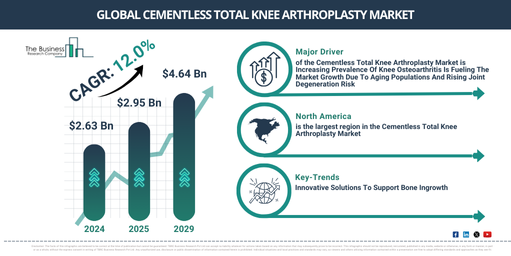
    The market for cementless total knee arthroplasty has experienced swift expansion recently. This sector is projected to increase from $2.63 billion in 2024 to $2.95 billion by 2025, achieving a compound annual growth rate (CAGR) of 12.3%. The historical growth can be attributed to a heightened demand for durable orthopedic implants, the rising adoption of biologically integrated joint replacements, an increase in knee replacement surgeries performed on younger patients, the expansion of the aging demographic, and an improved understanding of implant longevity.

    The market size for cementless total knee arthroplasty is anticipated to experience swift expansion over the next few years. It is projected to reach $4.64 billion in 2029, demonstrating a compound annual growth rate (CAGR) of 12.0%. This growth during the forecast period can be attributed to an increasing move towards personalized knee implant designs, a rising demand for revision-friendly knee replacement solutions, a heightened focus on mitigating implant loosening complications, the expansion of outpatient orthopedic surgical centers, and escalating healthcare expenditure. Significant trends for the forecast period include the integration of robotic-assisted alignment in cementless knee surgeries, the adoption of 3D-printed custom-fit cementless implants, the application of advanced biomimetic coatings to enhance osseointegration, the introduction of modular component designs for flexible intraoperative adjustments, and the development of bioactive surface coatings.

    Unlock Your Free Sample Report for Exclusive Market Data:

    https://www.thebusinessresearchcompany.com/sample.aspx?id=27248&type=smp

    What Are The Drivers Pushing New Developments In The Cementless Total Knee Arthroplasty Market?

    The expanding occurrence of knee osteoarthritis is projected to stimulate the growth of the cementless total knee arthroplasty market moving forward. Knee osteoarthritis represents a degenerative joint ailment characterized by discomfort, swelling, and rigidity in the knee, impacting a person’s ability to move without restriction. The escalation in knee osteoarthritis is largely attributed to the increasing rates of obesity, as surplus body weight imposes extra stress on knee joints, accelerating the wear of cartilage and joint degeneration. Cementless total knee arthroplasty aids knee osteoarthritis by substituting damaged joint surfaces with prosthetic components engineered to encourage natural bone growth for enduring stability and improved joint functionality. For instance, in March 2023, according to the Office for Health Improvement and Disparities, a UK-based government department, in 2022, 17.6% of individuals aged 16 and above reported having a long-term musculoskeletal (MSK) condition, such as arthritis or persistent back or joint problems, marking an increase from 17.0% in 2021. Thus, the escalating prevalence of knee osteoarthritis is driving the expansion of the cementless total knee arthroplasty market.

    What Are The Emerging Segments Gaining Attention In The Cementless Total Knee Arthroplasty Market?

    The cementless total knee arthroplasty market covered in this report is segmented

    1) By Product: Fixed-Bearing, Mobile-Bearing

    2) By Material: Titanium, Cobalt-Chromium, Polyethylene, Ceramic

    3) By Distribution Channels: Direct Sales, Distributors And Resellers

    4) By Application: Primary Total Knee Arthroplasty, Revision Total Knee Arthroplasty

    5) By End User: Hospitals, Specialty Clinics, Ambulatory Surgery Centers, Other End Users

    Subsegments:

    1) By Fixed-Bearing: Posterior Stabilized Fixed-Bearing, Cruciate Retaining Fixed-Bearing, Medial Pivot Fixed-Bearing

    2) By Mobile-Bearing: Rotating Platform Mobile-Bearing, Meniscal Bearing Mobile-Bearing, Dual Mobility Mobile-Bearing

    What Long-Term Trends Will Shape The Future Growth Of The Cementless Total Knee Arthroplasty Industry?

    Leading companies within the cementless total knee arthroplasty market are prioritizing the development of innovative products, such as advanced 3D-printed implants, to encourage bone ingrowth, improve implant fixation over time, and satisfy the functional demands of younger, more active individuals. These next-generation 3D-printed implants are sophisticated orthopedic devices created using additive manufacturing technology, featuring porous structures that mirror natural bone, thereby enhancing biological fixation by promoting bone growth into the implant surface for superior long-term stability without requiring bone cement. As an illustration, in March 2022, DePuy Synthes Sales Inc., a US-based medical device company, launched the Attune cementless fixed bearing knee, incorporating affixium 3DP technology. This product is a next-generation 3D-printed cementless knee implant designed to offer advanced biological fixation and improved initial implant stability for active patients, leveraging a lattice structure with porosity comparable to natural bone. This development is part of the company’s broader Attune knee portfolio and aligns with the growing shift towards cementless fixation, with goals to enhance patient outcomes, lower revision rates, and support the functional needs of a younger and more mobile patient population.

    Which Leading Players Are Enhancing Their Cementless Total Knee Arthroplasty Market Presence Worldwide?

    Major companies operating in the cementless total knee arthroplasty market are Johnson & Johnson, Stryker Corporation, Zimmer Biomet Holdings Inc., Smith & Nephew Plc, Enovis Corporation, CONMED Corporation, Globus Medical Inc., MicroPort Scientific Corporation, Medacta Group SA, B. Braun Melsungen SE, TTK Healthcare Limited, Waldemar Link GmbH & Co. KG, United Orthopedic Corporation, Symbios Orthopédie SA, Gruppo Bioimpianti S.p.A., Permedica Orthopaedics S.p.A., Uteshiya Medicare Private Limited, LINK Orthopaedics GmbH, Plus Orthopaedics India Pvt. Ltd., and XLO India Pvt. Ltd.

    Download The Full Report For Exclusive Market Findings:

    https://www.thebusinessresearchcompany.com/report/cementless-total-knee-arthroplasty-global-market-report

    Which Region Is Expected To Witness The Fastest Growth In The Cementless Total Knee Arthroplasty Market?

    North America was the largest region in the cementless total knee arthroplasty market in 2024. Asia-Pacific is expected to be the fastest-growing region in the forecast period. The regions covered in the cementless total knee arthroplasty market report are Asia-Pacific, Western Europe, Eastern Europe, North America, South America, Middle East, Africa.

    Request A Customized Version Of The Cementless Total Knee Arthroplasty Market Report:

    https://www.thebusinessresearchcompany.com/customise?id=27248&type=smp

    Browse Through More Reports Similar to the Global Cementless Total Knee Arthroplasty Market 2025, By The Business Research Company

    Insulation Products Global Market Report 2025

    https://www.thebusinessresearchcompany.com/report/insulation-products-global-market-report

    Technical Insulation Global Market Report 2025

    https://www.thebusinessresearchcompany.com/report/technical-insulation-global-market-report

    Aerospace Insulation Global Market Report 2025

    https://www.thebusinessresearchcompany.com/report/aerospace-insulation-global-market-report

    Get in touch with us:

    The Business Research Company: https://www.thebusinessresearchcompany.com/

    Americas +1 310-496-7795

    Asia +44 7882 955267 & +91 8897263534

    Europe +44 7882 955267

    Email us at info@tbrc.info

    Follow us on:

    LinkedIn: https://in.linkedin.com/company/the-business-research-company

    YouTube: https://www.youtube.com/channel/UC24_fI0rV8cR5DxlCpgmyFQ

    Global Market Model: https://www.thebusinessresearchcompany.com/global-market-model
  • Cellular Tumor Antigen p53 Market Forecast 2025–2034: Where Businesses Should Invest Next

    Cellular Tumor Antigen p53 Market Forecast 2025–2034: Where Businesses Should Invest Next

    Unlock Global Insights – Save 20% on Market Reports with Code ONLINE20

    What Are The Forecasted Market Size Estimates For The Cellular Tumor Antigen p53 Market Between 2025 And 2029?

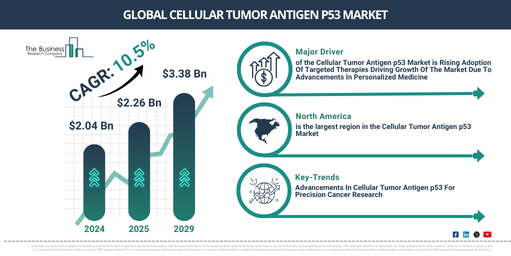
    The market size for cellular tumor antigen p53 has seen swift expansion in recent years. This market is set to increase from $2.04 billion in 2024 to $2.26 billion in 2025, achieving a compound annual growth rate (CAGR) of 10.9%. The historical growth can be linked to a rise in cancer occurrence, an increasing population of patients with p53 mutations, a heightened need for early detection tests, intensified research in oncology, and the growing embrace of personalized medicine.

    The market for cellular tumor antigen p53 is expected to experience substantial growth in the upcoming years, projected to reach $3.38 billion by 2029 at a compound annual growth rate of 10.5%. This expansion during the forecast period is attributed to several factors, including an increased focus on targeted therapies, rising investments in p53-based research, a growing demand for novel diagnostics, increasing healthcare expenditures, and enhanced government funding for cancer research. Furthermore, significant trends anticipated in this period encompass advancements in molecular diagnostics, the integration of personalized medicine, technological improvements in assay sensitivity, developments within immuno-oncology, and continued progress in targeted therapeutic approaches.

    Unlock Your Free Sample Report for Exclusive Market Data:

    https://www.thebusinessresearchcompany.com/sample.aspx?id=27247&type=smp

    What Are The Emerging Market Drivers Creating New Opportunities In The Cellular Tumor Antigen p53 Industry?

    The cellular tumor antigen p53 market is anticipated to expand due to the escalating emphasis on targeted therapies. These treatments are defined as therapies specifically designed to block or modify molecular targets involved in disease progression, offering more precise and less harmful alternatives compared to conventional methods. The increasing focus on targeted therapies is driven by the growing demand for personalized medicine, as they enable treatments tailored to specific genetic profiles for higher efficacy and fewer side effects. Cellular tumor antigen p53 is instrumental in targeted therapies by serving as a crucial biomarker and therapeutic target, given that mutations in p53 are common in cancers, and therapies aimed at restoring or modulating its function can selectively inhibit tumor growth while sparing normal cells. For instance, in April 2024, according to the American Society of Gene & Cell Therapy, a US-based organization, the number of gene therapies in Phase III clinical trials increased by 10% in the fourth quarter, marking the first quarterly growth of this kind since third quoter 2022. Consequently, the increasing focus on targeted therapies is driving the growth of the cellular tumor antigen p53 market.

    What Are The Major Segment Types Covered In The Cellular Tumor Antigen p53 Market?

    The cellular tumor antigen p53 market covered in this report is segmented

    1) By Type: Coti-2, D-12PGJ3, APR-246, ATRN-502, Cenersen Sodium, MJ-05, MX-225, Other Types

    2) By Product Type: Antibodies, Assays, Kits, Reagents

    3) By Application: Cancer Research, Diagnostics, Therapeutic Development, Drug Discovery, Biomarker Identification

    4) By End-User: Academic Research Institutions, Pharmaceutical Companies, Biotechnology Companies, Diagnostic Laboratories, Contract Research Organizations

    Subsegments:

    1) By Coti-2: Oral Formulation, Injectable Formulation, Nanoparticle-Based Deliver

    2) By D-12PGJ3: Recombinant Protein, Peptide-Based Therapy, Liposomal Formulation, APR-246: Small Molecule Activators, Combination Therapy, Targeted Delivery Systems

    3) By ATRN-502: Antisense Oligonucleotides, Conjugated Delivery, Inhalation Formulation, Cenersen Sodium: Intravenous Infusion, Lyophilized Powder, Combination Therapy

    4) By Cenersen Sodium: Intravenous Infusion, Lyophilized Powder, Combination Therapy

    5) By APR-246: Small Molecule Activators, Combination Therapy, Targeted Delivery Systems

    6) By MJ-05: Monoclonal Antibody, Bispecific Antibody, Conjugated Antibody

    7) By MX-225: Synthetic Peptide, Gene Therapy Vector, Controlled-Release Formulation

    8) By Other Types: Experimental Compounds, Research Reagents, Preclinical Formulations

    Which Market Trends Are Creating New Opportunities In The Cellular Tumor Antigen p53 Industry?

    Leading companies in the cellular tumor antigen p53 market are concentrating on developing sophisticated products, such as potent tumor suppressor research molecules, to expedite the creation of personalized treatment strategies. These potent tumor suppressor research molecules are powerful compounds designed to mimic, activate, or restore tumor suppressor protein function, thereby aiding research and therapy development to inhibit cancer cell growth and trigger apoptosis. For instance, in January 2024, Creative Diagnostics, a US-based biotechnology company that manufactures antibodies, antigens, and assay kits, unveiled an extensive portfolio of P53 and TP53 antibodies and solutions aimed at supporting researchers in the vital field of cancer research. This portfolio is engineered to facilitate advanced cancer research by enabling the precise detection and differentiation of wild-type and mutant p53 proteins, as well as various post-translational modifications. This innovative cellular tumor antigen, p53, offers advanced mutation differentiation, comprehensive post-translational modification detection, and high specificity, which allows for precise cancer research, an improved understanding of tumor biology, and support for the development of targeted therapies.

    Which Major Firms Are Strengthening Their Position In The Cellular Tumor Antigen p53 Industry?

    Major companies operating in the cellular tumor antigen p53 market are Abcam Limited, Stemline Therapeutics Inc., Sino Biological Inc, CUSABIO Technology LLC, Cell Signaling Technology Inc, RayBiotech Life Inc, GeneTex, Bioss Inc., Creative Diagnostics, Active Motif Inc, Aviva Systems Biology Corporation, Biomatik Corporation, ScienCell Research Laboratories, MyBiosource Inc, United States Biological, Boster Biological Technology Ltd, ORCA Therapeutics B.V, ABBEXA LTD., Aprea Therapeutics AB, Geno Biosciences Private Limited, INDIGO BIOSCIENCES INC, ProteoGenix.

    Download The Full Report For Exclusive Market Findings:

    https://www.thebusinessresearchcompany.com/report/cellular-tumor-antigen-p53-global-market-report

    Which Global Regions Are Influencing The Competitive Landscape Of The Cellular Tumor Antigen p53 Market?

    North America was the largest region in the cellular tumor antigen p53 market in 2024. Asia-Pacific is expected to be the fastest-growing region in the forecast period. The regions covered in the cellular tumor antigen p53 market report are Asia-Pacific, Western Europe, Eastern Europe, North America, South America, Middle East, Africa.

    Request A Customized Version Of The Cellular Tumor Antigen p53 Market Report:

    https://www.thebusinessresearchcompany.com/customise?id=27247&type=smp

    Browse Through More Reports Similar to the Global Cellular Tumor Antigen p53 Market 2025, By The Business Research Company

    Breathable Membranes Global Market Report 2025

    https://www.thebusinessresearchcompany.com/report/breathable-membranes-global-market-report

    Specialty Breathable Membranes Global Market Report 2025

    https://www.thebusinessresearchcompany.com/report/specialty-breathable-membranes-global-market-report

    Vacuum Insulation Global Market Report 2025

    https://www.thebusinessresearchcompany.com/report/vacuum-insulation-global-market-report

    Get in touch with us:

    The Business Research Company: https://www.thebusinessresearchcompany.com/

    Americas +1 310-496-7795

    Asia +44 7882 955267 & +91 8897263534

    Europe +44 7882 955267

    Email us at info@tbrc.info

    Follow us on:

    LinkedIn: https://in.linkedin.com/company/the-business-research-company

    YouTube: https://www.youtube.com/channel/UC24_fI0rV8cR5DxlCpgmyFQ

    Global Market Model: https://www.thebusinessresearchcompany.com/global-market-model
  • Global Cell-Based Ophthalmic Therapies Market Analysis 2025–2029: Opportunities for Strategic Growth

    Global Cell-Based Ophthalmic Therapies Market Analysis 2025–2029: Opportunities for Strategic Growth

    Unlock Global Insights – Save 20% on Market Reports with Code ONLINE20

    How Is The Cell-Based Ophthalmic Therapies Market Size Likely To Evolve From 2025 Through 2034?

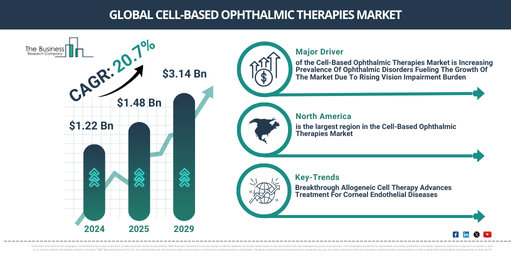
    The cell-based ophthalmic therapies market size has experienced significant expansion recently. This market is projected to expand from $1.22 billion in 2024 to $1.48 billion in 2025, demonstrating a compound annual growth rate (CAGR) of 21.1%. Historically, this expansion has been driven by factors such as the increasing occurrence of eye disorders, a heightened need for vision restoration, the wider acceptance of regenerative medicine, an increase in age-related degenerative conditions, and greater investments in clinical trials.

    The cell-based ophthalmic therapies market size is poised for substantial expansion in the coming years, with projections indicating it will reach $3.14 billion by 2029, growing at a compound annual growth rate (CAGR) of 20.7%. This anticipated growth is primarily fueled by the increasing success of cell therapies, rising global healthcare spending, an expanding elderly patient population, a robust pipeline of innovative products, and the growing application of stem cells. During this forecast period, significant trends include advancements in stem cell and gene editing technologies, the development of targeted drug delivery systems, innovations in regenerative medicine aimed at restoring retinal and corneal tissues, improvements in biomaterials to enhance the efficacy and safety of cell therapy, and the establishment of global collaborations.

    Unlock Your Free Sample Report for Exclusive Market Data:

    https://www.thebusinessresearchcompany.com/sample.aspx?id=27246&type=smp

    Which Drivers Are Impacting The Cell-Based Ophthalmic Therapies Market?

    The rising incidence of ophthalmic disorders is projected to propel the growth of the cell-based ophthalmic therapies market going forward. Ophthalmic disorders refer to diseases or conditions impacting the eyes, which cause vision problems or damage to eye health. These disorders are increasing as the aging population faces a greater risk of age-related eye diseases, leading to vision impairment with longer life expectancy. Cell-based ophthalmic therapies work by repairing or replacing damaged retinal and eye cells to restore vision and prevent further damage, while also promoting regeneration and enhancing overall eye function. For instance, in September 2023, according to the Association of Optometrists, a UK-based representative membership organization, England recorded 22,552 new vision impairment certifications in 2022, including 1,344 from diabetic eye disease, 3,614 from glaucoma, and 10,865 from age-related macular degeneration. Therefore, the increasing prevalence of ophthalmic disorders is driving the growth of the cell-based ophthalmic therapies market.

    What Are The Major Segment Categories Driving The Cell-Based Ophthalmic Therapies Market Growth?

    The cell-based ophthalmic therapies market covered in this report is segmented

    1) By Therapy Type: Stem Cell Therapy, Gene Therapy, Tissue Engineering

    2) By Application: Retinal Disorders, Corneal Disorders, Glaucoma, Other Applications

    3) By End-User: Hospitals, Ophthalmic Clinics, Research Institutes, Other End-Users

    Subsegment:

    1) By Stem Cell Therapy: Embryonic Stem Cell Therapy, Mesenchymal Stem Cell Therapy, Induced Pluripotent Stem Cell Therapy, Retinal Pigment Epithelium Cell Therapy, Limbal Stem Cell Therapy

    2) By Gene Therapy: Viral Vector-Based Gene Therapy, Non-Viral Vector Based Gene Therapy, In-Vivo Gene Therapy, Ex-Vivo Gene Therapy, Clustered Regularly Interspaced Short Palindromic Repeats (CRISPR)-Based Gene Therapy

    3) By Tissue Engineering: Bioengineered Corneal Tissue, Amniotic Membrane Transplantation, Hydrogel-Based Scaffolds, Synthetic Polymer Scaffolds, Decellularized Tissue Constructs

    How Are Trends Influencing The Cell-Based Ophthalmic Therapies Market?

    Key companies active in the cell-based ophthalmic therapies market are prioritizing the development of advanced treatments, such as allogeneic cell therapy, to meet critical needs in addressing corneal endothelial diseases. Allogeneic cell therapy describes a treatment approach that utilizes stem cells or other cells contributed by a genetically distinct individual of the same species to restore or replace damaged tissues or manage diseases. For example, in September 2024, Aurion Biotech, Inc., a US-based clinical-stage biotechnology company, announced the commercial debut of Vyznova (neltependocel) in Japan. This treatment is formulated for bullous keratopathy, a severe affliction of the corneal endothelium. Vyznova is recognized as the first approved allogeneic cell therapy specifically addressing corneal endothelial disease, having secured both regulatory and reimbursement authorizations in Japan.

    Who Are The Primary Competitors In The Global Cell-Based Ophthalmic Therapies Market?

    Major companies operating in the cell-based ophthalmic therapies market are F. Hoffmann-La Roche Ltd., Bayer AG, Novartis AG, Astellas Pharma Inc., Sumitomo Pharma Co. Ltd., Healios K.K., Lineage Cell Therapeutics, Pandorum Technologies Pvt. Ltd., ActualEyes Inc., Neurotech Pharmaceuticals Inc., Coave Therapeutics SAS, jCyte Inc., Eyestem Research Pvt. Ltd., Opsis Therapeutics, Regenerative Patch Technologies LLC, Emmetrope Ophthalmics LLC, GenSight Biologics S.A., MEDIPOST Co. Ltd., Riken, Luxa Biotechnology Inc.

    Download The Full Report For Exclusive Market Findings:

    https://www.thebusinessresearchcompany.com/report/cell-based-ophthalmic-therapies-global-market-report

    What Are The Regional Market Dynamics Impacting The Cell-Based Ophthalmic Therapies Industry?

    North America was the largest region in the cell-based ophthalmic therapies market in 2024. The regions covered in the cell-based ophthalmic therapies market report are Asia-Pacific, Western Europe, Eastern Europe, North America, South America, Middle East, Africa.

    Request A Customized Version Of The Cell-Based Ophthalmic Therapies Market Report:

    https://www.thebusinessresearchcompany.com/customise?id=27246&type=smp

    Browse Through More Reports Similar to the Global Cell-Based Ophthalmic Therapies Market 2025, By The Business Research Company

    Wooden Interior Door Global Market Report 2025

    https://www.thebusinessresearchcompany.com/report/wooden-interior-door-global-market-report

    Aluminum Doors And Windows Market 2025

    https://www.thebusinessresearchcompany.com/report/aluminum-doors-and-windows-market

    Aluminum Doors And Windows Global Market Report 2025

    https://www.thebusinessresearchcompany.com/report/aluminum-doors-and-windows-global-market-report

    Get in touch with us:

    The Business Research Company: https://www.thebusinessresearchcompany.com/

    Americas +1 310-496-7795

    Asia +44 7882 955267 & +91 8897263534

    Europe +44 7882 955267

    Email us at info@tbrc.info

    Follow us on:

    LinkedIn: https://in.linkedin.com/company/the-business-research-company

    YouTube: https://www.youtube.com/channel/UC24_fI0rV8cR5DxlCpgmyFQ

    Global Market Model: https://www.thebusinessresearchcompany.com/global-market-model