Blog

  • Cancer In Vitro Diagnostics (IVD) Market to Reach $18.62 Billion by 2029, Growing at a CAGR of 6.8%

    Cancer In Vitro Diagnostics (IVD) Market to Reach $18.62 Billion by 2029, Growing at a CAGR of 6.8%

    Unlock Global Insights – Save 20% on Market Reports with Code ONLINE20

    What Market Value Is The Cancer In Vitro Diagnostics (IVD) Industry Expected To Reach By 2029, Starting From 2025 Levels?

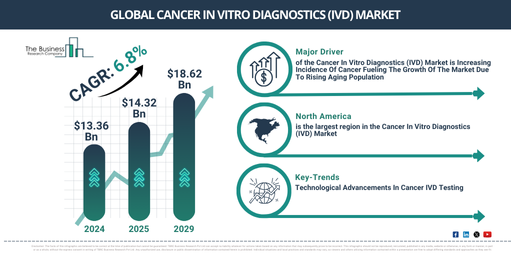
    The cancer in vitro diagnostics (IVD) market size has experienced significant expansion in recent years. It is projected to increase from $13.36 billion in 2024 to $14.32 billion in 2025, achieving a compound annual growth rate (CAGR) of 7.2%. This market’s historical growth can be attributed to several factors, including rising stimulation for cancer biomarker research, an increase in oncological trials that require testing, more government health initiatives, growing support for laboratory infrastructure, and an uptick in biotech funding.

    The cancer in vitro diagnostics (IVD) market is anticipated to experience robust expansion over the coming years. Its valuation is projected to reach $18.62 billion by 2029, demonstrating a compound annual growth rate (CAGR) of 6.8%. This projected increase during the forecast period can be primarily linked to government and non-governmental organization screening programs, a growing elderly population, heightened understanding regarding early cancer detection, broadened reimbursement options, and the increasing adoption of point-of-care (POC) diagnostics. Key developments expected during this period involve the wider application of liquid biopsy technologies, progress in next-generation sequencing, the incorporation of artificial intelligence and machine learning, the integration of microfluidics, and the adoption of digital pathology.

    Unlock Your Free Sample Report for Exclusive Market Data:

    https://www.thebusinessresearchcompany.com/sample.aspx?id=27234&type=smp

    Which Industry Drivers Are Expected To Accelerate The Cancer In Vitro Diagnostics (IVD) Market From 2025 To 2029?

    The escalating occurrence of cancer is projected to drive the expansion of the cancer in vitro diagnostics (IVD) market moving forward. Cancer describes the uncontrolled multiplication and spread of abnormal cells within the body, which have the ability to invade neighboring tissues and form masses. The heightened incidence of cancer stems from an aging global population, where extended life expectancy and reduced mortality from infectious diseases result in more elderly individuals facing a higher risk of developing cancer. Cancer in vitro diagnostics (IVD) assists in addressing cancer by enabling prompt and accurate detection, ongoing monitoring, and effective management of the illness through laboratory tests conducted on patient specimens, thereby allowing for timely treatment decisions and better patient outcomes. For instance, in February 2024, according to the World Health Organization (WHO), a Switzerland-based intergovernmental organization, the global number of new cancer cases stood at 20 million in 2022 and is forecasted to increase to 35 million by 2050, representing a 77% rise. Therefore, the increasing incidence of cancer is stimulating the growth of the cancer in vitro diagnostics (IVD) market.

    What Are The Major Segment Categories Driving The Cancer In Vitro Diagnostics (IVD) Market Growth?

    The cancer in vitro diagnostics (IVD) market covered in this report is segmented

    1) By Product Type: Reagents And Kits, Instruments, Software And Services

    2) By Technology: Clinical Chemistry, Immunochemistry Or Immunoassays, Hematology, Coagulation And Hemostasis, Microbiology, Molecular Diagnostics, Other Technology

    3) By Cancer Type: Breast Cancer, Lung Cancer, Prostate Cancer, Colorectal Cancer

    4) By End-Users: Hospitals, Laboratories, Academics, Point-Of-Care Testing, Patient Self-Testing, Other End Users

    Subsegments:

    1) By Reagents And Kits: PCR Reagents And Kits, NGS Reagents And Kits, Immunoassay Reagents And Kits, In Situ Hybridization (ISH) Reagents And Kits, Others

    2) By Instruments: PCR Instruments, NGS Instruments, Immunoassay Analyzers, ISH Instruments, Others

    3) By Software And Services: Data Analysis Software, Laboratory Information Management Systems, Cloud-Based Data Management, Instrument Integration Software, Support And Maintenance Services

    What Long-Term Trends Will Shape The Future Growth Of The Cancer In Vitro Diagnostics (IVD) Industry?

    Major companies operating within the cancer in vitro diagnostics (IVD) market are concentrating on technological advancements, such as the CE in vitro diagnostic (IVD) cancer testing kits, to improve the accessibility, accuracy, and standardization of hereditary cancer testing across clinical environments. CE-in vitro diagnostic (IVD) cancer testing kits refer to diagnostic assays that comply with the European Union’s in vitro diagnostic directive (IVDD), thereby ensuring validated performance, safety, and quality for use in patient testing within European laboratories. For instance, in February 2022, Invitae, a US-based medical genetics company, introduced FusionPlex Dx and LiquidPlex Dx in Europe to strengthen its oncology diagnostics portfolio. FusionPlex Dx offers sensitive detection of low-frequency variants in FFPE samples for routine clinical applications. LiquidPlex Dx enables non-invasive cancer genomic profiling from blood, providing rapid results and capturing tumor heterogeneity, making it valuable for personalized treatment and disease monitoring when tissue samples are limited.

    Which Leading Players Are Enhancing Their Cancer In Vitro Diagnostics (IVD) Market Presence Worldwide?

    Major companies operating in the cancer in vitro diagnostics (IVD) market are F. Hoffmann-La Roche Ltd, Thermo Fisher Scientific Inc., Abbott Laboratories, Danaher Corporation, Siemens Healthineers AG, GE HealthCare Technologies Inc., Hologic Inc., Illumina Inc., bioMérieux SA, Sysmex Corporation, Exact Sciences Corporation, Bio-Rad Laboratories Inc., QIAGEN N.V., Autobio Diagnostics Co Ltd., Transasia Bio-Medicals Ltd., NanoString Technologies Inc., Genetron Holdings Limited, Cancer Diagnostics Inc., J. Mitra & Co. Pvt Ltd., and Tulip Diagnostics (P) Ltd.

    Download The Full Report For Exclusive Market Findings:

    https://www.thebusinessresearchcompany.com/report/cancer-in-vitro-diagnostics-ivd-global-market-report

    Which Global Regions Are Influencing The Competitive Landscape Of The Cancer In Vitro Diagnostics (IVD) Market?

    North America was the largest region in the cancer in vitro diagnostics (IVD) market in 2024. Asia-Pacific is expected to be the fastest-growing region in the forecast period. The regions covered in the cancer in vitro diagnostics (IVD) market report are Asia-Pacific, Western Europe, Eastern Europe, North America, South America, Middle East, Africa.

    Request A Customized Version Of The Cancer In Vitro Diagnostics (IVD) Market Report:

    https://www.thebusinessresearchcompany.com/customise?id=27234&type=smp

    Browse Through More Reports Similar to the Global Cancer In Vitro Diagnostics (IVD) Market 2025, By The Business Research Company

    Hvac And Commercial And Industrial Refrigeration Equipment Global Market Report 2025

    https://www.thebusinessresearchcompany.com/report/hvac-and-commercial-and-industrial-refrigeration-equipment-global-market-report

    Commercial Fan And Air Purification Equipment Market 2025

    https://www.thebusinessresearchcompany.com/report/commercial-fan-and-air-purification-equipment-market

    Commercial Fan And Air Purification Equipment Market 2025

    https://www.thebusinessresearchcompany.com/report/commercial-fan-and-air-purification-equipment-market

    Get in touch with us:

    The Business Research Company: https://www.thebusinessresearchcompany.com/

    Americas +1 310-496-7795

    Asia +44 7882 955267 & +91 8897263534

    Europe +44 7882 955267

    Email us at info@tbrc.info

    Follow us on:

    LinkedIn: https://in.linkedin.com/company/the-business-research-company

    YouTube: https://www.youtube.com/channel/UC24_fI0rV8cR5DxlCpgmyFQ

    Global Market Model: https://www.thebusinessresearchcompany.com/global-market-model
  • Global Cancer Gene Therapy Market Size Projected to Reach $7.67 Billion During the Forecast Period

    Global Cancer Gene Therapy Market Size Projected to Reach $7.67 Billion During the Forecast Period

    Unlock Global Insights – Save 20% on Market Reports with Code ONLINE20

    What Is The Anticipated Size Of The Cancer Gene Therapy Market Over The Five-Year Period 2025–2029?

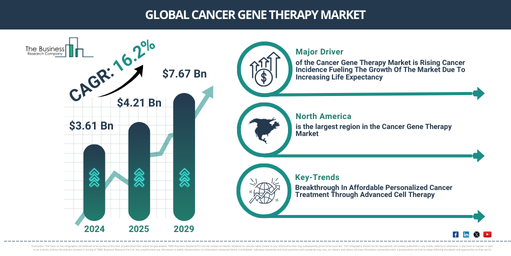
    The cancer gene therapy market size has seen rapid expansion in recent years. It is anticipated to increase from $3.61 billion in 2024 to $4.21 billion in 2025, achieving a compound annual growth rate (CAGR) of 16.6%. This historical growth is attributable to several key factors, including a rising awareness of oncovirus-related cancers, an increase in collaborations between biotechnology firms and academic institutions, heightened clinical trial activity for early-phase gene therapies, a growing demand for ex vivo modified cell therapies, and a surge in strategic licensing agreements for gene therapy platforms.

    The cancer gene therapy market size is projected to experience substantial growth in the near future, forecast to reach $7.67 billion by 2029, exhibiting a compound annual growth rate (CAGR) of 16.2%. This anticipated expansion during the forecast period is primarily driven by an increased emphasis on non-viral delivery methods, wider access to companion diagnostics, a burgeoning interest in readily available off-the-shelf allogeneic cell therapies, the expanding role of contract development & manufacturing organizations (CDMOs), and advancements in synthetic biology facilitating customizable gene circuits. Furthermore, key trends anticipated during this period encompass progress in non-viral gene delivery platforms, enhanced manufacturing automation for gene therapy production, the creation of synthetic promoters for specific cancer expression, novel approaches in intratumoral gene therapy administration, and the formulation of multiplexed gene modulation strategies.

    Unlock Your Free Sample Report for Exclusive Market Data:

    https://www.thebusinessresearchcompany.com/sample.aspx?id=27233&type=smp

    What Are The Top Growth Drivers Impacting The Cancer Gene Therapy Market Outlook?

    A rising occurrence of cancer is anticipated to fuel the expansion of the cancer gene therapy market in the future. Cancer is characterized as a condition involving the uncontrolled multiplication of abnormal cells, which can invade and spread to various parts of the body, originating in diverse tissues and organs, and classified according to its cellular or tissue source. The growing number of cancer cases is attributed to increasing life expectancy, as the risk of developing cancer rises with age. Cancer gene therapy offers treatment by modifying or replacing faulty genes to halt cancer cell growth or to enhance the immune system’s ability to destroy them. For example, Macmillan Cancer Support, a UK-based organization, reported in August 2024 that more than 3 million people in the UK are living with cancer. This figure is projected to reach 3.5 million by 2025, 4 million by 2030, and 5.3 million by 2040. Consequently, the increasing incidence of cancer is a key driver for the growth of the cancer gene therapy market.

    How Is The Cancer Gene Therapy Market Segmented?

    The cancer gene therapy market covered in this report is segmented

    1) By Therapy: Gene Induced Immunotherapy, Oncolytic Virotherapy, Gene Transfer

    2) By Indication: Large B-Cell Lymphoma, Multiple Myeloma, Acute Lymphoblastic Leukemia (ALL), Melanoma (lesions), Other Indications

    3) By Vector Type: Lentivirus, RetroVirus And Gamma RetroVirus, Adeno-Associated Virus (AAV), Modified Herpes Simplex Virus, Adenovirus, Other Vector Types

    4) By End-User: Hospitals, Research Institutes, Biopharma Companies, Diagnostic centers, Other End Users

    Subsegments:

    1) By Gene Induced Immunotherapy: CAR-T Cell Therapy, TCR (T-Cell Receptor) Therapy, Tumor-Infiltrating Lymphocyte (TIL) Therapy, Dendritic Cell-Based Gene Therapy, NK Cell Gene Therapy

    2) By Oncolytic Virotherapy: Adenoviruses, Herpes Simplex Virus (HSV), Reovirus, Vaccinia Virus, Newcastle Disease Virus (NDV)

    3) By Gene Transfer: Viral Gene Transfer, Non-Viral Gene Transfer

    Which Market Trends Are Creating New Opportunities In The Cancer Gene Therapy Industry?

    Leading companies in the cancer gene therapy market are concentrating on developing innovative treatments, such as CAR-T cell therapy, to enhance therapeutic accuracy, improve patient outcomes, and more effectively target cancer cells while minimizing harm to healthy tissues. CAR-T therapy is a sophisticated immunotherapy method where a patient’s immune cells are genetically engineered to better detect and eliminate cancer cells by integrating specialized receptors onto them. For instance, in April 2024, ImmunoACT, an India-based biotechnology company, unveiled NexCAR19 (actalycabtagene autoleucel), marking it as India’s first domestically developed CAR-T cell therapy for cancer. Specifically designed to address B-cell lymphomas and leukemias, NexCAR19 operates by reprogramming a patient’s own T cells to recognize and destroy malignant cells. Built upon advanced chimeric antigen receptor (CAR) technology, the therapy is manufactured locally, thus making it more affordable and accessible compared to imported options. This launch represents a significant milestone for India’s presence in the global cancer gene therapy arena, emphasizing notable strides in indigenous innovation and personalized cancer care.

    Which Major Firms Are Strengthening Their Position In The Cancer Gene Therapy Industry?

    Major companies operating in the cancer gene therapy market are Bristol Myers Company, Novartis AG, GSK plc., Gilead Sciences Inc., Amgen Inc., Orchard Therapeutics Plc, Biogen Inc., Sarepta Therapeutics Inc., AGC Biologics, Adaptimmune Limited, Sibiono, Elevate Bio Inc., Bluebird Bio Inc., Uniqure N.V., Shanghai Sunway Biotech Co. Ltd., Anges Inc., Gensight Biologics, Genelux Corporation, Cellectis, and Abeona Therapeutics Inc.

    Download The Full Report For Exclusive Market Findings:

    https://www.thebusinessresearchcompany.com/report/cancer-gene-therapy-global-market-report

    What Are The Regional Market Dynamics Impacting The Cancer Gene Therapy Industry?

    North America was the largest region in the cancer gene therapy market in 2024. Asia-Pacific is expected to be the fastest-growing region in the forecast period. The regions covered in the cancer gene therapy market report are Asia-Pacific, Western Europe, Eastern Europe, North America, South America, Middle East, Africa.

    Request A Customized Version Of The Cancer Gene Therapy Market Report:

    https://www.thebusinessresearchcompany.com/customise?id=27233&type=smp

    Browse Through More Reports Similar to the Global Cancer Gene Therapy Market 2025, By The Business Research Company

    Mortgage Lender Global Market Report 2025

    https://www.thebusinessresearchcompany.com/report/mortgage-lender-global-market-report

    Property And Casualty Insurance Global Market Report 2025

    https://www.thebusinessresearchcompany.com/report/property-and-casualty-insurance-global-market-report

    Home Insurance Global Market Report 2025

    https://www.thebusinessresearchcompany.com/report/home-insurance-global-market-report

    Get in touch with us:

    The Business Research Company: https://www.thebusinessresearchcompany.com/

    Americas +1 310-496-7795

    Asia +44 7882 955267 & +91 8897263534

    Europe +44 7882 955267

    Email us at info@tbrc.info

    Follow us on:

    LinkedIn: https://in.linkedin.com/company/the-business-research-company

    YouTube: https://www.youtube.com/channel/UC24_fI0rV8cR5DxlCpgmyFQ

    Global Market Model: https://www.thebusinessresearchcompany.com/global-market-model
  • Biliary Stents Industry Insights: Market Forecast to 2029

    Biliary Stents Industry Insights: Market Forecast to 2029

    Unlock Global Insights – Save 20% on Market Reports with Code ONLINE20

    How Much Larger Is The Biliary Stents Market Expected To Become By 2029 Compared With Its 2025 Level?

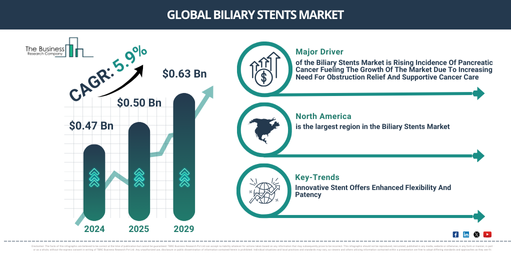
    The biliary stents market size has experienced significant expansion in recent years. It is projected to increase from $0.47 billion in 2024 to $0.50 billion in 2025, achieving a compound annual growth rate (CAGR) of 6.3%. This historical growth can be attributed to the rising prevalence of biliary diseases, an increasing incidence of pancreatic and liver cancers, the expanding geriatric population, the growing adoption of minimally invasive procedures, and enhanced awareness among both patients and physicians.

    The biliary stents market is projected to demonstrate substantial growth over the upcoming years, with its size expected to reach $0.63 billion by 2029, achieving a compound annual growth rate (CAGR) of 5.9%. This anticipated growth during the forecast period is driven by factors such as the increasing demand for personalized and precision medicine, the rising adoption of biodegradable stents, a growing emphasis on outpatient and ambulatory care settings, the expansion of medical tourism in developing countries, an increase in lifestyle-related liver disorders, and rising healthcare investments within emerging economies. Furthermore, significant trends anticipated in this period include the integration of drug-eluting technologies, advancements in self-expanding stent materials, the application of 3D printing for customized stents, the miniaturization of stent delivery systems, the incorporation of radiopaque markers for enhanced imaging, and the use of nanotechnology in coating materials.

    Unlock Your Free Sample Report for Exclusive Market Data:

    https://www.thebusinessresearchcompany.com/sample.aspx?id=27221&type=smp

    Which Major Market Drivers Are Shaping The Future Of The Biliary Stents Market?

    The escalating prevalence of pancreatic cancer is anticipated to stimulate the growth of the biliary stents market. Pancreatic cancer refers to a form of cancer that originates in the tissues of the pancreas, an organ essential for digestion and regulating blood sugar. The incidence of pancreatic cancer is increasing largely due to an aging demographic along with the rising occurrence of risk factors such as obesity, diabetes, and smoking. Biliary stents assist in pancreatic cancer care by relieving obstructions in the bile duct, improving liver function, and reducing jaundice. They enhance patient comfort through facilitating improved bile flow, enabling continuous cancer treatment, and enhancing overall quality of life. For instance, in February 2025, as per Cancer Australia, an Australia-based government agency, there were 4,641 new pancreatic cancer cases in 2024, with 2,414 in males and 2,227 in females. Therefore, the increasing incidence of pancreatic cancer is a significant driver for the biliary stents market growth.

    How Is The Biliary Stents Market Segmented?

    The biliary stents market covered in this report is segmented

    1) By Type: Metal, Polymer, Plastic

    2) By Design: Single Stent, Double Stent, Triple Stent

    3) By Procedure: Endoscopic Retrograde Cholangiopancreatography, Percutaneous Transhepatic Cholangiography

    4) By Application: Biliopancreatic Leakages, Pancreatic Cancer, Benign Biliary Structures, Gallstones, Other Applications

    5) By End User: Hospitals, Ambulatory Surgical Centers, Specialty clinics, Other End-Users

    Subsegments:

    1) By Metal: Self-Expandable Metal Stents (SEMS), Covered Metal Stents, Uncovered Metal Stents, Partially Covered Metal Stents

    2) By Polymer: Biodegradable Polymer Stents, Non-Biodegradable Polymer Stents

    3) By Plastic: Straight Plastic Stents, Double Pigtail Plastic Stents, Multiple Side Hole Stents, Teflon Stents, Polyurethane Stents

    Which Trends Are Impacting The Biliary Stents Market?

    Leading companies within the biliary stents market are concentrating on developing sophisticated products, such as drug-eluting stents, to enhance patient outcomes, bolster durability, and mitigate complications like restenosis. These drug-eluting stents are specialized biliary stents, coated with medication that is gradually released to prevent tissue overgrowth and blockages in the bile ducts. For instance, in July 2024, CGBIO, a medical device company based in South Korea, obtained Pharmaceuticals and Medical Devices Agency (PMDA) approval in Japan for its biliary ARISTENT. This product is engineered to treat bile duct blockages, featuring a patented ‘HOOK & CROSS’ structure for increased flexibility and enduring patency. The stent is designed to conform to the bile duct’s anatomy, thereby reducing migration risk and enhancing patient comfort. Additionally, it integrates an advanced drug-eluting coating to minimize inflammation and extend stent patency, providing a more effective solution for biliary obstructions.

    Who Are The Key Multinational Companies Dominating The Biliary Stents Market?

    Major companies operating in the biliary stents market are Cardinal Health Inc., Abbott Laboratories, Medtronic plc, Becton, Dickinson & Company, Stryker Corporation, Boston Scientific Corporation, Olympus Corporation, Smith & Nephew Plc., W. L. Gore & Associates Inc., Nipro Corporation, Teleflex Incorporated, Cook Group, NuVasive Inc., Merit Medical Systems Inc., CONMED Corporation, Brainlab, Bard Peripheral Vascular Inc., Argon Medical Devices Inc., B Braun Melsungen AG, M.I Tech.

    Download The Full Report For Exclusive Market Findings:

    https://www.thebusinessresearchcompany.com/report/biliary-stents-global-market-report

    Which Global Regions Are Influencing The Competitive Landscape Of The Biliary Stents Market?

    North America was the largest region in the biliary stents market in 2024. Asia-Pacific is expected to be the fastest-growing region in the forecast period. The regions covered in the biliary stents market report are Asia-Pacific, Western Europe, Eastern Europe, North America, South America, Middle East, Africa.

    Request A Customized Version Of The Biliary Stents Market Report:

    https://www.thebusinessresearchcompany.com/customise?id=27221&type=smp

    Browse Through More Reports Similar to the Global Biliary Stents Market 2025, By The Business Research Company

    Aircraft Elevator Global Market Report 2025

    https://www.thebusinessresearchcompany.com/report/aircraft-elevator-global-market-report

    Hydraulics Global Market Report 2025

    https://www.thebusinessresearchcompany.com/report/hydraulics-global-market-report

    Smart Elevators Global Market Report 2025

    https://www.thebusinessresearchcompany.com/report/smart-elevators-global-market-report

    Get in touch with us:

    The Business Research Company: https://www.thebusinessresearchcompany.com/

    Americas +1 310-496-7795

    Asia +44 7882 955267 & +91 8897263534

    Europe +44 7882 955267

    Email us at info@tbrc.info

    Follow us on:

    LinkedIn: https://in.linkedin.com/company/the-business-research-company

    YouTube: https://www.youtube.com/channel/UC24_fI0rV8cR5DxlCpgmyFQ

    Global Market Model: https://www.thebusinessresearchcompany.com/global-market-model
  • Breast Lesion Localization Methods Industry Anticipated to Expand at 10.6% CAGR During the Forecast Period

    Breast Lesion Localization Methods Industry Anticipated to Expand at 10.6% CAGR During the Forecast Period

    Unlock Global Insights – Save 20% on Market Reports with Code ONLINE20

    What Are The Forecasted Market Size Estimates For The Breast Lesion Localization Methods Market Between 2025 And 2029?

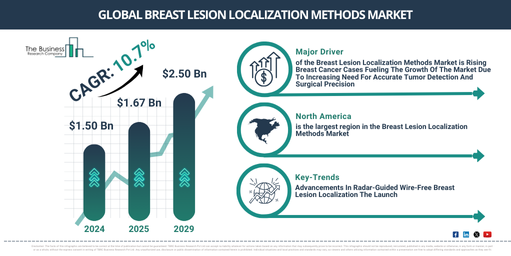
    The market size for breast lesion localization methods has experienced rapid growth in recent years. This market is projected to expand from $1.50 billion in 2024 to reach $1.67 billion by 2025, demonstrating a compound annual growth rate (CAGR) of 11.0%. Historically, this growth has been driven by factors such as increased disposable incomes, enhanced awareness regarding early detection, a surge in demand for minimally invasive surgical interventions, wider embrace of image-guided procedures, and the growing accessibility of sophisticated diagnostic instruments.

    The breast lesion localization methods market is poised for substantial expansion in the upcoming years. It is predicted to reach $2.50 billion by 2029, exhibiting a compound annual growth rate (CAGR) of 10.7%. This expansion during the forecast period can be attributed to factors such as an expanding aging population, increasing healthcare expenditure, broader availability of reimbursement policies, rising demand for personalized treatment options, and the growing adoption of minimally invasive procedures. Significant trends expected during this period include advancements in wireless localization technologies, innovations in magnetic and radar-based localization, the integration of artificial intelligence into imaging systems, sophisticated imaging-guided surgical techniques, and the incorporation of emerging technologies.

    Unlock Your Free Sample Report for Exclusive Market Data:

    https://www.thebusinessresearchcompany.com/sample.aspx?id=27232&type=smp

    Which Major Market Drivers Are Shaping The Future Of The Breast Lesion Localization Methods Market?

    The escalating occurrence of breast cancer is anticipated to fuel the expansion of the breast lesion localization methods market moving forward. Breast cancer describes a condition where breast cells proliferate without control, creating a tumor often visible on an X-ray or detectable as a lump. The increase in breast cancer diagnoses is propelled by extended life expectancies, considering that aging is a significant risk factor for the emergence of breast tumors. Breast lesion localization methods support breast cancer treatment by enabling accurate identification and marking of abnormal tissue, which permits surgeons to precisely remove tumors while preserving healthy breast tissue. For example, in February 2025, according to the American Association for Cancer Research, a US-based nonprofit organization, around 2.3 million individuals globally were diagnosed with breast cancer in 2022, and approximately 670,000 died from the illness. If existing trends continue, diagnoses might increase to 3.2 million cases and deaths to 1.1 million annually by 2050. Consequently, the rising incidence of breast cancer is a key factor driving the growth of the breast lesion localization methods market.

    What Are The Key Segments In The Breast Lesion Localization Methods Market?

    The breast lesion localization methods market covered in this report is segmented

    1) By Type Of Localization Method: Wire Localization, Radioactive Seed Localization, Magnetic Seed Localization, Ultrasound-Guided Localization, Needle Localization

    2) By Usage: Tumor Identification, Sentinel Lymph-Node Identification, Other Usages

    3) By Technology: Radioactive, Magnetic, Radiofrequency, Other Technologies

    4) By Application: Breast Biopsy, Breast-Conserving Surgery, Neoadjuvant Therapy, Other Applications

    5) By End User: Hospitals, Ambulatory Surgical Centers, Specialty Clinics, Academic And Research Institutes

    Subsegments:

    1) By Wire Localization: Single-Hook Wire Localization, Double-Hook Wire Localization, Anchor-Shaped Wire Localization, Hooked Needle Wire Localization, Flexible Wire Localization

    2) By Radioactive Seed Localization (RSL): Iodine-125 Seed Localization, Technetium-99m Seed Localization, Dual-Isotope Seed Localization, Gamma Probe-Guided Seed Localization

    3) By Magnetic Seed Localization: Magnetic Tracer-Based Localization, Magnetic Clip Localization, Ferromagnetic Marker-Based Localization, Dual Magnetic-Marker And Ultrasound-Guided Systems

    4) By Ultrasound-Guided Localization: Conventional Ultrasound-Guided Needle Localization, Ultrasound-Guided Wire Placement, Real-Time Ultrasound-Guided Seed Placement, Contrast-Enhanced Ultrasound Localization

    5) By Needle Localization: Fine Needle Localization, Core Needle Localization, Vacuum-Assisted Needle Localization, Stereotactic-Guided Needle Localization, Palpation-Guided Needle Localization

    How Are Trends Influencing The Breast Lesion Localization Methods Market?

    Major companies operating in the breast lesion localization methods market are focusing on developing advanced solutions, such as radar reflector localization systems, to enhance accuracy, patient comfort, and surgical outcomes during breast-conserving procedures. A radar reflector localization system utilizes a small radar reflector implanted at the tumor site prior to surgery, offering a wire-free breast lesion localization technology. For instance, in December 2022, Merit Medical Systems, Inc., a US-based manufacturer of disposable medical devices, launched Scout Bx. This wireless, radar-guided localization system is designed to assist breast surgeons in identifying biopsied tumors for removal. Scout Bx provides a range of unique features intended to improve precision and patient comfort in breast-conserving surgeries. Unlike conventional wire-based localization, Scout Bx leverages radar technology to precisely detect and localize biopsied tumors, enabling surgeons to plan incisions more effectively and minimize the removal of healthy tissue. Its wire-free design helps reduce patient anxiety, eliminates scheduling constraints between radiology and surgery, and permits placement days or even weeks before the procedure. The system is especially beneficial for dense breast tissue, offering real-time surgical guidance and enhanced workflow efficiency.

    Who Are The Primary Competitors In The Global Breast Lesion Localization Methods Market?

    Major companies operating in the breast lesion localization methods market are Becton, Dickinson and Company, Hologic Inc., Halma Plc, Cook Medical LLC, Merit Medical Systems Inc., Argon Medical Devices Inc., Eckert & Ziegler AG, Theragenics Corporation, SOMATEX Medical Technologies GmbH, BPB Medica S.r.l., Devicor Medical Products Inc., Cianna Medical Inc., Mermaid Medical A/S, Ranfac Corporation, Sirius Medical B.V., MOLLI Surgical Inc., IsoAid LLC, STERYLAB S.r.l., MDL S.r.l., Biomedical Srl.

    Download The Full Report For Exclusive Market Findings:

    https://www.thebusinessresearchcompany.com/report/breast-lesion-localization-methods-global-market-report

    Which Region Shows The Highest Potential For Future Expansion In The Breast Lesion Localization Methods Market?

    North America was the largest region in the breast lesion localization methods market in 2024. Asia-Pacific is expected to be the fastest-growing region in the forecast period. The regions covered in the breast lesion localization methods market report are Asia-Pacific, Western Europe, Eastern Europe, North America, South America, Middle East, Africa.

    Request A Customized Version Of The Breast Lesion Localization Methods Market Report:

    https://www.thebusinessresearchcompany.com/customise?id=27232&type=smp

    Browse Through More Reports Similar to the Global Breast Lesion Localization Methods Market 2025, By The Business Research Company

    Construction And Demolition Waste Management Global Market Report 2025

    https://www.thebusinessresearchcompany.com/report/construction-and-demolition-waste-management-global-market-report

    Excavation And Demolition Global Market Report 2025

    https://www.thebusinessresearchcompany.com/report/excavation-and-demolition-global-market-report

    Industrial Maintenance Services Global Market Report 2025

    https://www.thebusinessresearchcompany.com/report/industrial-maintenance-services-global-market-report

    Get in touch with us:

    The Business Research Company: https://www.thebusinessresearchcompany.com/

    Americas +1 310-496-7795

    Asia +44 7882 955267 & +91 8897263534

    Europe +44 7882 955267

    Email us at info@tbrc.info

    Follow us on:

    LinkedIn: https://in.linkedin.com/company/the-business-research-company

    YouTube: https://www.youtube.com/channel/UC24_fI0rV8cR5DxlCpgmyFQ

    Global Market Model: https://www.thebusinessresearchcompany.com/global-market-model
  • Global Breast Cancer Gene (BRCA) Mutations Treatment Market Projected to Expand at 7% CAGR by 2029

    Global Breast Cancer Gene (BRCA) Mutations Treatment Market Projected to Expand at 7% CAGR by 2029

    Unlock Global Insights – Save 20% on Market Reports with Code ONLINE20

    How Is The Breast Cancer Gene (BRCA) Mutations Treatment Market Size Likely To Evolve From 2025 Through 2034?

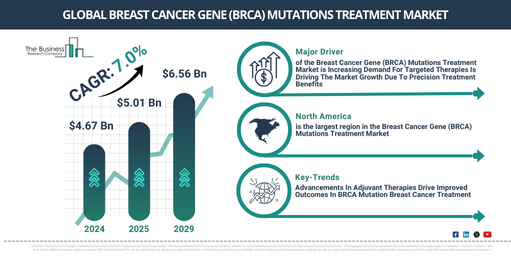
    The market for treating breast cancer gene (BRCA) mutations has experienced significant expansion recently. Its value is projected to increase from $4.67 billion in 2024 to $5.01 billion in 2025, demonstrating a compound annual growth rate (CAGR) of 7.4%. This historical growth can be linked to factors such as the expanded access to genetic testing, increased public and private investment in cancer research, a growing need for tailored medical treatments, wider acceptance of preventative health strategies, and a rise in at-risk individuals participating in screening programs.

    The breast cancer gene (BRCA) mutations treatment market is anticipated to experience substantial growth over the next few years. It is projected to expand to $6.56 billion by 2029, demonstrating a compound annual growth rate (CAGR) of 7.0%. This growth during the forecast period can be attributed to the increasing integration of genetic testing into insurance coverage, a growing demand for companion diagnostics, a heightened focus on hereditary cancer screening programs, an increase in clinical trials targeting BRCA-related cancers, and the rising adoption of risk-reducing surgical procedures. Prominent trends within the forecast period involve advancements in gene editing technologies, innovations in non-invasive diagnostic techniques, the integration of AI and machine learning in genetic risk assessment, further developments in liquid biopsy applications for BRCA-related cancers, and the emergence of innovative personalized treatment algorithms.

    Unlock Your Free Sample Report for Exclusive Market Data:

    https://www.thebusinessresearchcompany.com/sample.aspx?id=27231&type=smp

    What Are The Main Drivers Boosting The Breast Cancer Gene (BRCA) Mutations Treatment Industry’s Expansion?

    The future expansion of the breast cancer gene (BRCA) mutation treatment market is anticipated, driven by the growing need for targeted therapies. These medical interventions are designed to precisely attack cancer cells by concentrating on specific genetic mutations or proteins that contribute to tumor development. The increasing preference for targeted therapies stems largely from their capacity to pinpoint and attack disease-causing cells or molecules, thereby reducing harm to healthy tissues. This leads to enhanced treatment efficacy and a reduction in adverse effects when contrasted with conventional treatments. For breast cancer gene (BRCA) mutations, targeted therapies provide crucial support through precision medicines that directly address the underlying genetic changes causing the condition, thus enhancing patient outcomes and mitigating unwanted side effects. An illustration of this trend is seen in a report from the American Society of Gene & Cell Therapy (ASGCT), a US-based professional organization, published in July 2023. This report noted that by the close of Q1 2023, there were 247 gene therapies in Phase II, a figure that subsequently increased by 5% to reach 260 by the end of Q2 2023. Consequently, the expanding need for targeted therapies is a key factor propelling the expansion of the breast cancer gene (BRCA) mutation treatment market.

    What Are The Leading Segments Analyzed In The Breast Cancer Gene (BRCA) Mutations Treatment Market?

    The breast cancer gene (BRCA) mutations treatment market covered in this report is segmented

    1) By Treatment Type: Targeted Therapies, Chemotherapy, Hormonal Therapy, Immunotherapy

    2) By Indication: Breast Cancer, Ovarian Cancer, Pancreatic Cancer, Prostate Cancer

    3) By Administration Route: Oral, Intravenous, Subcutaneous

    4) By End-User: Hospitals, Clinics, Cancer Specialty Clinics

    Subsegments:

    1) By Targeted Therapies: Poly (ADP-Ribose) Polymerase Inhibitors, Mammalian Target Of Rapamycin Inhibitors, Cyclin-Dependent Kinase 4 And 6 Inhibitors, Tyrosine Kinase Inhibitors

    2) By Chemotherapy: Platinum-Based chemotherapy, Anthracyclines, Taxanes, Antimetabolites

    3) By Hormonal Therapy: Selective Estrogen Receptor Modulators (SERMs), Aromatase Inhibitors, Selective Estrogen Receptor Degraders (SERDs), Luteinizing Hormone-Releasing Hormone (LHRH) Agonists

    4) By Immunotherapy: Immune Checkpoint Inhibitors, Cancer Vaccines, Monoclonal Antibodies, Adoptive Cell Transfer (ACT)

    What Key Innovation Trends Are Fueling Advancements In The Breast Cancer Gene (BRCA) Mutations Treatment Market?

    Leading companies within the breast cancer gene (BRCA) mutation treatment market are prioritizing the development of advanced solutions, such as adjuvant treatment, to enhance therapeutic and patient outcomes. Adjuvant treatment is a supplemental therapy administered after the primary treatment to eradicate any remaining cancer cells and mitigate the risk of recurrence, thereby improving overall treatment success and extending patient survival. For instance, in August 2022, AstraZeneca plc, a UK-based biotechnology company, and Merck & Co., Inc., a US-based pharmaceutical company, introduced LYNPARZA (olaparib), which secured European Commission approval for adult patients with germline BRCA-mutated, HER2-negative high-risk early breast cancer. This approval enables LYNPARZA to be utilized as monotherapy or in combination with endocrine therapy for patients who have previously received neoadjuvant or adjuvant chemotherapy. The approval was granted based on findings from the phase 3 OlympiA trial, which showed a significant improvement in invasive disease-free survival and overall survival, considerably lowering the risk of breast cancer recurrence or death.

    Which Key Market Players Are Investing In Expansion And Innovation Of Breast Cancer Gene (BRCA) Mutations Treatment Market?

    Major companies operating in the breast cancer gene (BRCA) mutations treatment market are Pfizer Inc., Merck & Co. Inc., AbbVie Inc., Thermo Fisher Scientific Inc., AstraZeneca PLC, Novartis AG, GSK plc, Janssen Biotech Inc., Astellas Pharma Inc., Agilent Technologies Inc., Genentech Inc., Illumina Inc., Bio-Rad Laboratories Inc., QIAGEN N.V., Invitae Corporation, Guardant Health Inc., Clovis Oncology Inc., Owkin Inc., Allarity Therapeutics Inc., VBL Therapeutics.

    Download The Full Report For Exclusive Market Findings:

    https://www.thebusinessresearchcompany.com/report/breast-cancer-gene-brca-mutations-treatment-global-market-report

    How Is Breast Cancer Gene (BRCA) Mutations Treatment Market Demand Varying Across Different Regions?

    North America was the largest region in the breast cancer gene (BRCA) mutations treatment market in 2024. Asia-Pacific is expected to be the fastest-growing region in the forecast period. The regions covered in the breast cancer gene (BRCA) mutations treatment market report are Asia-Pacific, Western Europe, Eastern Europe, North America, South America, Middle East, Africa.

    Request A Customized Version Of The Breast Cancer Gene (BRCA) Mutations Treatment Market Report:

    https://www.thebusinessresearchcompany.com/customise?id=27231&type=smp

    Browse Through More Reports Similar to the Global Breast Cancer Gene (BRCA) Mutations Treatment Market 2025, By The Business Research Company

    Converted Paper Products Global Market Report 2025

    https://www.thebusinessresearchcompany.com/report/converted-paper-products-global-market-report

    Decorative Concrete Global Market Report 2025

    https://www.thebusinessresearchcompany.com/report/decorative-concrete-global-market-report

    Concrete Materials Global Market Report 2025

    https://www.thebusinessresearchcompany.com/report/concrete-materials-global-market-report

    Get in touch with us:

    The Business Research Company: https://www.thebusinessresearchcompany.com/

    Americas +1 310-496-7795

    Asia +44 7882 955267 & +91 8897263534

    Europe +44 7882 955267

    Email us at info@tbrc.info

    Follow us on:

    LinkedIn: https://in.linkedin.com/company/the-business-research-company

    YouTube: https://www.youtube.com/channel/UC24_fI0rV8cR5DxlCpgmyFQ

    Global Market Model: https://www.thebusinessresearchcompany.com/global-market-model
  • Benchtop Bioreactors Market Size and Growth Forecast for Businesses 2025–2029

    Benchtop Bioreactors Market Size and Growth Forecast for Businesses 2025–2029

    Unlock Global Insights – Save 20% on Market Reports with Code ONLINE20

    #What Are The Current (2025) And Forecast (2029) Sizes Of The Benchtop Bioreactors Market?

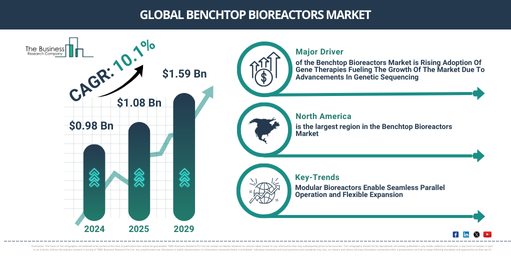
    The benchtop bioreactors market has seen rapid expansion over recent years. It is anticipated to grow from $0.98 billion in 2024 to $1.08 billion in 2025, exhibiting a compound annual growth rate (CAGR) of 10.5%. This historical growth can be attributed to a heightened focus on cell-based research, an increase in funding for academic and research institutions, a rising interest in tissue engineering, the expanding utilization of microbial fermentation processes, and a growing adoption in pilot-scale biomanufacturing.

    The benchtop bioreactors market size is projected to witness substantial expansion in the upcoming years. This market is predicted to reach $1.59 billion by 2029, exhibiting a compound annual growth rate (CAGR) of 10.1%. Several factors are expected to fuel this growth during the projected timeframe, including the increasing need for personalized medicine, the proliferation of biotechnology startups, escalating government funding for biotech infrastructure, greater integration of single-use bioreactor systems, and the expansion of contract research and manufacturing organizations. Prominent trends over the forecast period are expected to involve enhancements in sensor and monitoring technologies, sophisticated process control and automation functionalities, novel single-use bioreactor designs, the incorporation of artificial intelligence and machine learning within bioprocessing, and advancements in miniaturized bioprocess systems.

    Unlock Your Free Sample Report for Exclusive Market Data:

    https://www.thebusinessresearchcompany.com/sample.aspx?id=27220&type=smp

    What Are The Main Drivers Boosting The Benchtop Bioreactors Industry’s Expansion?

    The increasing utilization of gene therapies is projected to fuel the expansion of the benchtop bioreactors market in the forthcoming period. Gene therapy is a medical approach that entails altering or substituting faulty genes to address or prevent diseases. The escalating demand for gene therapy results from advancements in genetic sequencing and diagnostics, which facilitate the precise identification of disease-causing genes for targeted intervention. Benchtop bioreactors accelerate gene therapies by providing exact control and efficient production of gene-modified cells. They support swift research and small-scale manufacturing, thus enhancing process speed and consistency. For example, in December 2024, the American Society of Gene & Cell Therapy (ASGCT), a US-based non-profit medical and scientific organization, indicated that the Food and Drug Administration (FDA) approved six gene therapy products in 2023, marking an increase from five approvals in 2022. As a result, the growing acceptance of gene therapies is propelling the growth of the benchtop bioreactors market.

    What Are The Key Segments In The Benchtop Bioreactors Market?

    The benchtop bioreactors market covered in this report is segmented

    1) By Type: Swing-Style Bioreactors, Stirred-Tank Bioreactors, Wave-Mixed Bioreactors, Airlift Bioreactors, Bubble Column Bioreactors

    2) By Control Type: Automated Bioreactors, Manual Bioreactors, Continuous Bioreactors, Batch Bioreactors

    3) By Material: Stainless Steel, Glass, Plastic, Composite Materials

    4) By Application: Research And Development, Process Development, Bioproduction, Quality Control, Training And Education

    5) By End User: Pharmaceutical Companies, Biotechnology Companies, Academic And Research Institutes, Contract Research Organizations (CROs), Food And Beverage Industry

    Subsegments:

    1) By Swing-Style Bioreactors: Single-Use Swing Bioreactors, Multi-Use Swing Bioreactors, Compact Swing Bioreactors, Automated Swing Bioreactors

    2) By Stirred-Tank Bioreactors: Single-Use Stirred-Tank Bioreactors, Glass Stirred-Tank Bioreactors, Stainless-Steel Stirred-Tank Bioreactors, Modular Stirred-Tank Bioreactors, Automated Stirred-Tank Bioreactors

    3) By Wave-Mixed Bioreactors: Single-Use Wave-Mixed Bioreactors, Dual-Motion Wave-Mixed Bioreactors, Automated Wave-Mixed Bioreactors, Compact Wave-Mixed Bioreactors

    4) By Airlift Bioreactors: Internal Loop Airlift Bioreactors, External Loop Airlift Bioreactors, Single-Use Airlift Bioreactors, Pilot-Scale Airlift Bioreactors

    5) By Bubble Column Bioreactors: Vertical Bubble Column Bioreactors, Single-Use Bubble Column Bioreactors, Gas-Lift Bubble Column Bioreactors, Automated Bubble Column Bioreactors

    What Long-Term Trends Will Shape The Future Growth Of The Benchtop Bioreactors Industry?

    Leading companies within the benchtop bioreactors market are actively pursuing the creation of advanced solutions, specifically benchtop fermenters, aiming to improve both precise control and scalability for research activities and modest production needs. These compact, laboratory-sized bioreactors, known as benchtop fermenters, are engineered for the regulated growth of microorganisms or cells, serving to facilitate research and low-volume production. An example of this innovation is seen in September 2024, when VFL Sciences Private Limited, an Indian biotechnology equipment producer, introduced its GreatFlo series of benchtop fermenters or bioreactors. This adaptable and modular product line is designed for straightforward scale-up processes and ensures reliable reproducibility across various fermentation and cell culture uses. The fermenters enable smooth parallel operation, offering flexible expansion capabilities ranging from 2 to 16 vessels, with each vessel providing a working volume of 200-500 ml. Equipped with Peltier-controlled heating and cooling mechanisms, along with exhaust condensers and software adhering to 21 CFR Part 11, the system offers exact control over agitation, pH levels, dissolved oxygen, and the mixing of individual gases.

    Which Leading Players Are Enhancing Their Benchtop Bioreactors Market Presence Worldwide?

    Major companies operating in the benchtop bioreactors market are Thermo Fisher Scientific Inc., Danaher Corporation, Merck KGaA, GE Healthcare, Sartorius AG, Eppendorf AG, Solaris Biotech Solutions, IKA-Werke GmbH And Co. KG, GPC Bio USA, Praj HiPurity Systems Limited., PBS Biotech Inc., Bioengineering AG, Broadley‑James Ltd., Infors HT, Solida Biotech, Bbi-biotech GmbH, Applikon Biotechnology B.V., Labfirst Scientific Instruments Co. Ltd, Pharsol Ltd., Uma Pharmatech Machinery.

    Download The Full Report For Exclusive Market Findings:

    https://www.thebusinessresearchcompany.com/report/benchtop-bioreactors-global-market-report

    What Are The Regional Market Dynamics Impacting The Benchtop Bioreactors Industry?

    North America was the largest region in the benchtop bioreactors market in 2024. Asia-Pacific is expected to be the fastest-growing region in the forecast period. The regions covered in the benchtop bioreactors market report are Asia-Pacific, Western Europe, Eastern Europe, North America, South America, Middle East, Africa.

    Request A Customized Version Of The Benchtop Bioreactors Market Report:

    https://www.thebusinessresearchcompany.com/customise?id=27220&type=smp

    Browse Through More Reports Similar to the Global Benchtop Bioreactors Market 2025, By The Business Research Company

    Hydraulic Fracturing Global Market Report 2025

    https://www.thebusinessresearchcompany.com/report/hydraulic-fracturing-global-market-report

    Hydraulic Excavator Global Market Report 2025

    https://www.thebusinessresearchcompany.com/report/hydraulic-excavator-global-market-report

    Hydraulic Equipment Global Market Report 2025

    https://www.thebusinessresearchcompany.com/report/hydraulic-equipment-global-market-report

    Get in touch with us:

    The Business Research Company: https://www.thebusinessresearchcompany.com/

    Americas +1 310-496-7795

    Asia +44 7882 955267 & +91 8897263534

    Europe +44 7882 955267

    Email us at info@tbrc.info

    Follow us on:

    LinkedIn: https://in.linkedin.com/company/the-business-research-company

    YouTube: https://www.youtube.com/channel/UC24_fI0rV8cR5DxlCpgmyFQ

    Global Market Model: https://www.thebusinessresearchcompany.com/global-market-model
  • Global Bacterial And Viral Specimen Collection Market Overview: Trends Shaping Growth to 2029

    Global Bacterial And Viral Specimen Collection Market Overview: Trends Shaping Growth to 2029

    Unlock Global Insights – Save 20% on Market Reports with Code ONLINE20

    What Market Value Is The Bacterial And Viral Specimen Collection Industry Expected To Reach By 2029, Starting From 2025 Levels?

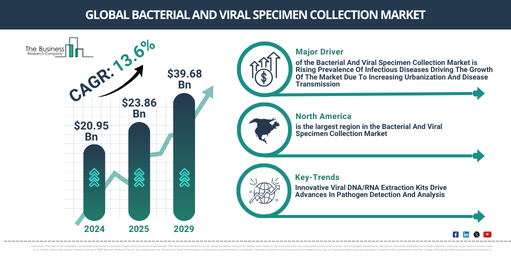
    The bacterial and viral specimen collection market has experienced rapid expansion in recent years. This market is projected to expand from $20.95 billion in 2024 to $23.86 billion by 2025, demonstrating a compound annual growth rate (CAGR) of 13.9%. Historically, this growth can be attributed to several factors, including increased demand for precise and prompt diagnosis, a rise in viral outbreak occurrences, enhanced government funding, an increase in global healthcare spending, and the expansion of telemedicine services.

    The market for bacterial and viral specimen collection is anticipated to experience substantial growth over the next few years. It is projected to reach $39.68 billion by 2029, demonstrating a compound annual growth rate (CAGR) of 13.6%. This expansion during the forecast period is driven by factors such as the broadening of global disease surveillance networks, increased investment in pandemic preparedness, the rising prevalence of infectious diseases, an increase in antimicrobial resistance, and a surge in bacterial infections. Significant trends expected in this period include technological innovations, the integration of digital tracking, the adoption of non-invasive specimen collection methods, the use of microfluidic devices, and the implementation of automated specimen tracking systems.

    Unlock Your Free Sample Report for Exclusive Market Data:

    https://www.thebusinessresearchcompany.com/sample.aspx?id=27219&type=smp

    Which Factors And Drivers Are Influencing The Bacterial And Viral Specimen Collection Market In 2025?

    The increasing occurrence of infectious diseases is anticipated to drive the expansion of the bacterial and viral specimen collection market in the future. Infectious diseases are conditions resulting from detrimental microorganisms, including bacteria, viruses, fungi, or parasites, capable of direct or indirect human-to-human transmission. This growth in infectious disease prevalence is largely attributable to greater urbanization, which fosters increased population density and more intimate human interaction, thereby accelerating disease spread and establishing favorable environments for pathogens to disseminate more readily within populations. The collection of bacterial and viral specimens aids in managing infectious diseases by supplying crucial samples that allow for accurate detection and diagnosis, thereby supporting prompt and specific medical treatment. For example, data from March 2024, reported by the US-based government agency, the Centers for Disease Control and Prevention, showed an increase in tuberculosis cases from 8,320 in 2022 to 9,615 in 2023, representing a rise of 1,295 cases. Concurrently, the incidence rate climbed from 2.5 to 2.9 per 100,000 persons, indicating a notable year-over-year upward trajectory. Consequently, the expanding occurrence of infectious diseases is fueling the expansion of the bacterial and viral specimen collection market.

    What Are The Leading Segments Analyzed In The Bacterial And Viral Specimen Collection Market?

    The bacterial and viral specimen collection market covered in this report is segmented

    1) By Product: Bacterial Specimen Collection, Viral Specimen Collection

    2) By Application: Diagnostics, Research

    3) By End User: Hospitals And Clinics, Diagnostic Laboratories, Academic And Research Institutions, Other End User

    Subsegments:

    1) By Bacterial Specimen Collection: Swabs, Transport Media, Culture Plates & Media, Blood Culture Bottles, Biopsy And Tissue Collection Kits, Urine Collection Containers, Other Specialized Collection Devices

    2) By Viral Specimen Collection: Viral Transport Media, Blood Collection Tubes, Saliva Collection Kits, Sputum Collection Containers, Stool Collection Kits, Other Specialized Collection Devices

    Which Market Trends Are Creating New Opportunities In The Bacterial And Viral Specimen Collection Industry?

    Leading companies within the bacterial and viral specimen collection market are prioritizing the development of novel solutions, specifically viral DNA and RNA extraction kits, to enhance the efficiency, precision, and pace of pathogen identification and examination. These kits serve as laboratory instruments designed to separate and refine viral genetic material from clinical specimens, facilitating precise molecular testing and diagnosis. As an illustration, in April 2024, New England Biolabs, a life sciences firm based in the US, introduced the Monarch Mag Viral DNA and RNA Extraction Kit. This magnetic bead-based purification system is engineered for quick, dependable, and highly sensitive extraction of viral DNA and RNA from diverse sample types, including saliva, respiratory swabs, and enriched wastewater. It supports both manual and automated processes, being compatible with platforms like KingFisher Flex and Agilent Bravo, thereby allowing for high-throughput processing. The kit boosts detection sensitivity even for low viral loads, incorporates carrier RNA to improve recovery, and is appropriate for subsequent applications such as qPCR, RT-qPCR, ddPCR, and next-generation sequencing (NGS). Its objective is to address requirements in infectious disease screening, viral genome sequencing, and environmental monitoring through scalable, hands-free workflows.

    Which Major Firms Are Strengthening Their Position In The Bacterial And Viral Specimen Collection Industry?

    Major companies operating in the bacterial and viral specimen collection market are Roche Diagnostics International AG, Thermo Fisher Scientific Inc., Becton Dickinson and Company, Lonza Group AG, Hologic Inc., bioMérieux SA, Quidel Corporation, QIAGEN N.V., DiaSorin S.p.A., Greiner Bio-One International GmbH, Spectrum Solutions LLC, Hardy Diagnostics Inc., EKF Diagnostics Holdings Plc, Trinity Biotech Plc, Puritan Medical Products Company LLC, Wuxi NEST Biotechnology Co. Ltd., Copan Diagnostics Inc., VIRCELL S.L., Medical Wire & Equipment Co. Ltd., HiMedia Laboratories Pvt. Ltd., Longhorn Vaccines and Diagnostics LLC, and Beaver Biomedical Engineering Co. Ltd.

    Download The Full Report For Exclusive Market Findings:

    https://www.thebusinessresearchcompany.com/report/bacterial-and-viral-specimen-collection-global-market-report

    Which Region Shows The Highest Potential For Future Expansion In The Bacterial And Viral Specimen Collection Market?

    North America was the largest region in the bacterial and viral specimen collection market in 2024. Asia-Pacific is expected to be the fastest-growing region in the forecast period. The regions covered in the bacterial and viral specimen collection market report are Asia-Pacific, Western Europe, Eastern Europe, North America, South America, Middle East, Africa.

    Request A Customized Version Of The Bacterial And Viral Specimen Collection Market Report:

    https://www.thebusinessresearchcompany.com/customise?id=27219&type=smp

    Browse Through More Reports Similar to the Global Bacterial And Viral Specimen Collection Market 2025, By The Business Research Company

    Fire Protection System Global Market Report 2025

    https://www.thebusinessresearchcompany.com/report/fire-protection-system-global-market-report

    Insulation Products Global Market Report 2025

    https://www.thebusinessresearchcompany.com/report/insulation-products-global-market-report

    Sun Care Products Global Market Report 2025

    https://www.thebusinessresearchcompany.com/report/sun-care-products-global-market-report

    Get in touch with us:

    The Business Research Company: https://www.thebusinessresearchcompany.com/

    Americas +1 310-496-7795

    Asia +44 7882 955267 & +91 8897263534

    Europe +44 7882 955267

    Email us at info@tbrc.info

    Follow us on:

    LinkedIn: https://in.linkedin.com/company/the-business-research-company

    YouTube: https://www.youtube.com/channel/UC24_fI0rV8cR5DxlCpgmyFQ

    Global Market Model: https://www.thebusinessresearchcompany.com/global-market-model
  • Autonomous Surgical Robotics Market Growth Opportunities: Insights from 2025–2029

    Autonomous Surgical Robotics Market Growth Opportunities: Insights from 2025–2029

    Unlock Global Insights – Save 20% on Market Reports with Code ONLINE20

    What Is The Anticipated Size Of The Autonomous Surgical Robotics Market Over The Five-Year Period 2025–2029?

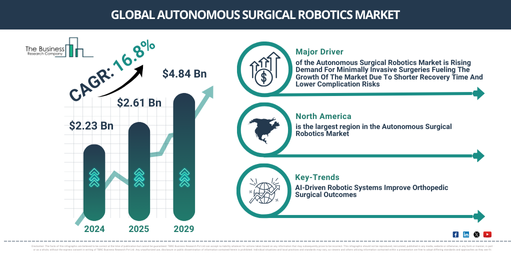
    The autonomous surgical robotics market has seen rapid expansion over recent years. Its valuation is forecast to climb from $2.23 billion in 2024 to $2.61 billion in 2025, indicating a compound annual growth rate (CAGR) of 17.1%. Historically, this growth has been fueled by several factors, including the increasing demand for minimally invasive surgery, a rise in surgical complications, the scarcity of skilled surgeons, growing healthcare expenditure, and an expanding geriatric population.

    The autonomous surgical robotics market is projected to experience swift expansion over the coming years. This market is anticipated to reach a valuation of $4.84 billion by 2029, exhibiting a compound annual growth rate (CAGR) of 16.8%. This expansion during the projected period stems from several factors, including the increasing range of surgical robotics applications, a heightened emphasis on personalized medicine, the increasing demand for surgical precision and accuracy, an increase in robotic surgery training initiatives, and improved understanding of surgical precision and desired outcomes. Key developments expected in this forecast period encompass the creation of autonomous suturing systems, the incorporation of robotics with imaging and hospital information systems, advancements in soft-tissue robotics, breakthroughs in miniaturized robotic instruments, and the creation of surgical robots designed for specialized fields.

    Unlock Your Free Sample Report for Exclusive Market Data:

    https://www.thebusinessresearchcompany.com/sample.aspx?id=27218&type=smp

    What Are The Key Drivers Of Growth In The Autonomous Surgical Robotics Market?

    The increasing need for minimally invasive operations is anticipated to boost the expansion of the autonomous surgical robotics market. These procedures involve medical interventions conducted via small cuts or openings, which lessens patient injury and shortens healing periods. Patient preference for minimally invasive surgical techniques is growing because they provide quicker recovery, lower complication risks, reduced discomfort, and minimal scarring, appealing to those desiring faster and safer treatment. Autonomous surgical robots improve minimally invasive operations by offering accurate and steady robotic support, thereby decreasing the necessity for large incisions. These robots enhance surgical precision and patient results, simultaneously cutting down recovery periods and surgeon exhaustion. As an illustration, in June 2024, the American Society of Plastic Surgeons, a US-based non-profit body, reported a 7% increase in minimally invasive procedures in 2023 compared to 2022. Consequently, the increasing requirement for minimally invasive surgeries is a key factor propelling the expansion of the autonomous surgical robotics market.

    What Are The Segment Types Shaping The Autonomous Surgical Robotics Market?

    The autonomous surgical robotics market covered in this report is segmented

    1) By Type: Interventional Surgical Robots, Assisted Surgical Robots, Minimally Invasive Surgical Robots, Other Types

    2) By Application: Urology Surgery, Orthopedic Surgery, Cardiology Surgery, Neurology Surgery, Other Applications

    3) By End-Users: Hospitals, Ambulatory Surgery Centers, Other End-Users

    Subsegments:

    1) By Interventional Surgical Robots: Catheter-Based Interventional Robots, Endovascular Robots, Interventional Radiology Robots, Percutaneous Robots

    2) By Assisted Surgical Robots: Robotic Arm Systems, Robotic Navigation Systems, Robotic Visualization Platforms, Robotic Positioning Systems

    3) By Minimally Invasive Surgical Robots: Laparoscopic Robots, Thoracoscopic Robots, Robotic Endoscopes, Single-Port Surgical Robots

    4) By Other Types: Orthopedic Surgical Robots, Neurosurgical Robots, Dental Surgical Robots, Microsurgical Robots, Autonomous Surgical Robots

    How Are Trends Influencing The Autonomous Surgical Robotics Market?

    Companies operating within the autonomous surgical robotics market are concentrating on developing advanced products, such as fully autonomous guidance systems, to enhance precision, improve surgical outcomes, and lessen surgeon fatigue. Fully autonomous guidance systems describe intelligent robotic platforms that support surgeons by autonomously executing pre-planned surgical steps with high accuracy. For instance, in July 2023, Stryker Corporation, a US-based medical technology company, introduced the Ortho Q Guidance system. This cutting-edge robotic surgical system is engineered for orthopedic procedures, featuring AI-driven automation that allows it to perform bone resections and implant placements without manual intervention. This sophisticated system includes a state-of-the-art camera with enhanced optical tracking, a dual-PC architecture for real-time data processing, and implant-agnostic software compatible with express knee, precision knee, and versatile hip procedures. The system also offers real-time intraoperative adjustments and predictive analytics, ensuring optimal alignment and reducing the risk of human error.

    Who Are The Primary Competitors In The Global Autonomous Surgical Robotics Market?

    Major companies operating in the autonomous surgical robotics market are Johnson & Johnson, Medtronic plc, Stryker Corporation, Intuitive Surgical Inc., Zimmer Biomet Holdings Inc., Smith & Nephew plc, Globus Medical Inc., Renishaw plc, Memic Innovative Surgery Ltd., CMR Surgical Ltd., Noah Medical Inc., THINK Surgical Inc., Medical Microinstruments S.p.A., Distalmotion SA, Moon Surgical SAS, Activ Surgical Inc., Curexo Inc., Virtual Incision Corporation, Andromeda Surgical Inc, Beijing Tuodao Medical Technology Co. Ltd.

    Download The Full Report For Exclusive Market Findings:

    https://www.thebusinessresearchcompany.com/report/autonomous-surgical-robotics-global-market-report

    How Is Autonomous Surgical Robotics Market Demand Varying Across Different Regions?

    North America was the largest region in the autonomous surgical robotics market in 2024. Asia-Pacific is expected to be the fastest-growing region in the forecast period. The regions covered in the autonomous surgical robotics market report are Asia-Pacific, Western Europe, Eastern Europe, North America, South America, Middle East, Africa.

    Request A Customized Version Of The Autonomous Surgical Robotics Market Report:

    https://www.thebusinessresearchcompany.com/customise?id=27218&type=smp

    Browse Through More Reports Similar to the Global Autonomous Surgical Robotics Market 2025, By The Business Research Company

    Rolled And Drawn Steel Global Market Report 2025

    https://www.thebusinessresearchcompany.com/report/rolled-and-drawn-steel-global-market-report

    Plastic Wire Rolling Machine Global Market Report 2025

    https://www.thebusinessresearchcompany.com/report/plastic-wire-rolling-machine-global-market-report

    Yarn Winding Machine Global Market Report 2025

    https://www.thebusinessresearchcompany.com/report/yarn-winding-machine-global-market-report

    Get in touch with us:

    The Business Research Company: https://www.thebusinessresearchcompany.com/

    Americas +1 310-496-7795

    Asia +44 7882 955267 & +91 8897263534

    Europe +44 7882 955267

    Email us at info@tbrc.info

    Follow us on:

    LinkedIn: https://in.linkedin.com/company/the-business-research-company

    YouTube: https://www.youtube.com/channel/UC24_fI0rV8cR5DxlCpgmyFQ

    Global Market Model: https://www.thebusinessresearchcompany.com/global-market-model
  • Automated Sample Storage Systems Market Expansion Outlook: $2.67 Billion by 2029 Forecast

    Automated Sample Storage Systems Market Expansion Outlook: $2.67 Billion by 2029 Forecast

    Unlock Global Insights – Save 20% on Market Reports with Code ONLINE20

    What Are The Forecasted Market Size Estimates For The Automated Sample Storage Systems Market Between 2025 And 2029?

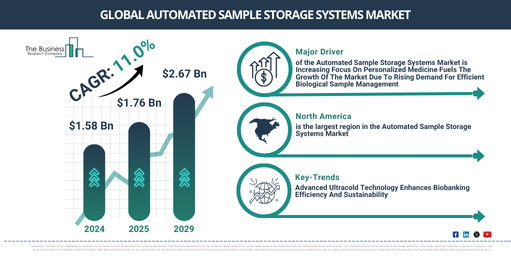
    The market size for automated sample storage systems has seen rapid expansion in recent years. It is forecast to increase from $1.58 billion in 2024 to $1.76 billion in 2025, progressing at a compound annual growth rate (CAGR) of 11.4%. This historical growth can be attributed to factors such as the escalating demand for high-throughput screening, the increasing application of robotics in laboratory workflows, a heightened reliance on centralized lab operations, an intensified focus on sample traceability and auditability, and the broader implementation of barcode and RFID-based inventory systems.

    The automated sample storage systems market is projected for significant expansion in the coming years, reaching $2.67 billion by 2029, exhibiting a compound annual growth rate (CAGR) of 11.0%. This growth during the forecast period is primarily driven by several factors, including the escalating demand for biobanking, the increasing embrace of personalized medicine, the heightened requirement for sample traceability and security, the expansion of laboratory digitalization, and the surge in both clinical trials and diagnostic testing. Key trends anticipated for this forecast timeframe encompass advancements in hybrid cloud-LIMS integration, the implementation of sophisticated cybersecurity protocols for data-sensitive laboratories, the creation of compact benchtop automated storage units, novel developments in remote monitoring and control interfaces, and progress in eco-friendly refrigeration technologies.

    Unlock Your Free Sample Report for Exclusive Market Data:

    https://www.thebusinessresearchcompany.com/sample.aspx?id=27217&type=smp

    Which Drivers Are Supporting Growth Of The Automated Sample Storage Systems Market?

    The growing focus on personalized medicine is anticipated to drive the expansion of the automated sample storage systems market moving forward. Personalized medicine describes a medical strategy that adapts treatment and care to individual patient traits, such as genetic makeup, lifestyle, and environment, aiming to improve health outcomes. The rise of personalized medicine is largely due to advancements in genetic testing, which allow for more precise, customized treatments based on an individual’s unique genetic composition. Within personalized medicine, automated sample storage systems are utilized to securely store and manage biological samples, facilitating efficient access and analysis for patient-specific treatment planning. For example, in February 2024, the Personalized Medicine Coalition, a US-based non-profit organization, stated that the Food and Drug Administration (FDA) approved 16 novel personalized therapies for patients with rare diseases in 2023, an increase from six in 2022. Thus, the increasing emphasis on personalized medicine is a significant driver for the growth of the automated sample storage systems services market.

    What Are The Different Segment Classifications Within The Automated Sample Storage Systems Market?

    The automated sample storage systems market covered in this report is segmented

    1) By Type: Liquid Nitrogen Storage Systems, Mechanical Freezers, Automated Cryogenic Storage

    2) By Technology: Robotics, Liquid Handling Systems, Temperature Monitoring Systems, Cloud-Based Storage Solutions

    3) By Sample: Blood Samples, Tissue Samples, Cellular Samples, DNA Or RNA Samples

    4) By Application: Biobanking, Pharmaceuticals, Clinical Research, Genomics

    5) By End User: Hospitals, Neurological Clinics, Rehabilitation Centers, Sports Medicine Clinics, Other End Users

    Subsegments:

    1) By Liquid Nitrogen Storage Systems: Vapor Phase Storage Systems, Liquid Phase Storage Systems, Manual Fill LN2 Systems, Auto-fill LN2 Systems, Dewar Vessels And Canisters

    2) By Mechanical Freezers: Ultra-Low Temperature Freezers (ULT, -80°C), Low Temperature Freezers (-20°C to -40°C), High-Capacity Mechanical Freezers, Single-Door And Double-Door Units, Energy-Efficient Mechanical Freezers

    3) By Automated Cryogenic Storage: Robotic Sample Retrieval Systems, Modular Cryogenic Storage Units, High-Throughput Cryo Storage Systems, RFID Or Barcode-Enabled Cryo Units, Integrated Cryo-Inventory Management Systems

    What Key Innovation Trends Are Fueling Advancements In The Automated Sample Storage Systems Market?

    Major companies operating in the automated sample storage systems market are focusing on developing advanced solutions, such as ultracold automated technology, with the aim of enhancing the long-term preservation of sensitive biological samples. This is achieved by maintaining ultra-low temperatures with high precision and minimal manual intervention. Ultracold automated technology utilizes sophisticated systems to store and manage biological samples at very low temperatures, thereby ensuring their stability and reducing the manual effort required in labs. For instance, in July 2023, Azenta Life Sciences, a US-based biotechnology research company, introduced the BioArc Ultra, an advanced, eco-friendly ultracold automated sample storage system. Designed specifically for high-capacity biorepositories, this system enables automated storage and retrieval capabilities at temperatures as low as -80°C, facilitating secure and efficient management of up to 10 million 2D barcoded tubes. The BioArc Ultra is characterized by a modular architecture for scalability, redundant cooling and power systems to ensure reliability, and a user-friendly interface for streamlined operations. Its energy-efficient design works to minimize environmental impact while maximizing uptime and maintaining sample integrity, establishing it as a cutting-edge solution for modern biobanking needs.

    Which Key Market Players Are Investing In Expansion And Innovation Of Automated Sample Storage Systems Market?

    Major companies operating in the automated sample storage systems market are Thermo Fisher Scientific Inc., Micronic Holding B.V., Revvity Inc., Beckman Coulter Inc., Getinge, Eppendorf SE, Brooks Automation Inc., Hamilton Company, Azenta Inc., Oxford Instruments plc, SPT Labtech Ltd., B Medical Systems S.à r.l., Hier Biomedical Corporation, Simport Scientific Inc., LiCONiC AG, Starlab International GmbH, Biotron Healthcare (India) Pvt. Ltd., ASKION GmbH, Biofortuna Limited, and Angelantoni Life Science S.r.l.

    Download The Full Report For Exclusive Market Findings:

    https://www.thebusinessresearchcompany.com/report/automated-sample-storage-systems-global-market-report

    Which Geographies Are Emerging As Strong Markets For The Automated Sample Storage Systems Industry?

    North America was the largest region in the automated sample storage systems market in 2024. Asia-Pacific is expected to be the fastest-growing region in the forecast period. The regions covered in the automated sample storage systems market report are Asia-Pacific, Western Europe, Eastern Europe, North America, South America, Middle East, Africa.

    Request A Customized Version Of The Automated Sample Storage Systems Market Report:

    https://www.thebusinessresearchcompany.com/customise?id=27217&type=smp

    Browse Through More Reports Similar to the Global Automated Sample Storage Systems Market 2025, By The Business Research Company

    Water Based Heating And Cooling Systems Global Market Report 2025

    https://www.thebusinessresearchcompany.com/report/water-based-heating-and-cooling-systems-global-market-report

    Water Heaters Global Market Report 2025

    https://www.thebusinessresearchcompany.com/report/water-heaters-global-market-report

    Hot Melt Based Adhesives Global Market Report 2025

    https://www.thebusinessresearchcompany.com/report/hot-melt-based-adhesives-global-market-report

    Get in touch with us:

    The Business Research Company: https://www.thebusinessresearchcompany.com/

    Americas +1 310-496-7795

    Asia +44 7882 955267 & +91 8897263534

    Europe +44 7882 955267

    Email us at info@tbrc.info

    Follow us on:

    LinkedIn: https://in.linkedin.com/company/the-business-research-company

    YouTube: https://www.youtube.com/channel/UC24_fI0rV8cR5DxlCpgmyFQ

    Global Market Model: https://www.thebusinessresearchcompany.com/global-market-model
  • Global Automated Next-Generation Sequencing (NGS) Library Preparation Industry Trends: Where the Market Is Headed by 2029

    Global Automated Next-Generation Sequencing (NGS) Library Preparation Industry Trends: Where the Market Is Headed by 2029

    Unlock Global Insights – Save 20% on Market Reports with Code ONLINE20

    How Is The Automated Next-Generation Sequencing (NGS) Library Preparation Market Size Likely To Evolve From 2025 Through 2034?

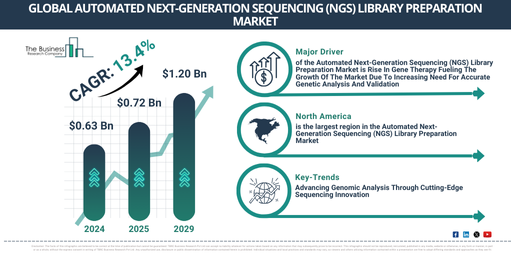
    The automated next-generation sequencing (NGS) library preparation market has experienced swift expansion in recent years. Its valuation is projected to climb from $0.63 billion in 2024 to $0.72 billion in 2025, demonstrating a compound annual growth rate (CAGR) of 13.8%. This historical growth can be attributed to factors such as its expanding utilization in infectious disease surveillance, increased financial support for genomic research, growing deployment during pandemic situations, enhanced accessibility for research laboratories, and its rising application in precision medicine.

    The automated next-generation sequencing (NGS) library preparation market is projected for substantial expansion in the coming years, with its size expected to reach $1.20 billion by 2029, exhibiting a compound annual growth rate (CAGR) of 13.4%. This anticipated growth during the forecast period is primarily driven by its increasing uptake in clinical diagnostics, a rising demand for personalized medicine, expanding applications in oncology research, the growing requirement for high-throughput sequencing, and a heightened focus on reducing turnaround time. Prominent trends for the forecast period include enhancements in workflow efficiency, the integration of artificial intelligence in data analysis, technology-driven standardization of protocols, the development of user-friendly systems, and advancements in cloud-based data solutions.

    Unlock Your Free Sample Report for Exclusive Market Data:

    https://www.thebusinessresearchcompany.com/sample.aspx?id=27216&type=smp

    Which Drivers Are Shaping The Automated Next-Generation Sequencing (NGS) Library Preparation Industry’s Market Share?

    The anticipated expansion of gene therapy is poised to fuel the growth of the automated next-generation sequencing (NGS) library preparation market in the future. This therapeutic approach involves modifying an individual’s genes to treat or avert illnesses. Its growth stems from the increasing occurrence of genetic conditions necessitating specific and enduring treatment options. Within gene therapy, automated NGS library preparation facilitates the precise analysis and verification of genetic alterations through the creation of high-quality DNA or RNA samples ready for sequencing. As an illustration, data from April 2024, provided by the American Society of Gene and Cell Therapy, a US-based non-profit medical and scientific body, indicated that phase III gene therapy clinical trials saw a 10% rise in the fourth quarter, representing the initial quarterly growth since the third quarter of 2022. Consequently, the expansion of gene therapy is a significant impetus behind the growth of the automated next-generation sequencing (NGS) library preparation market.

    What Are The Primary Types Of Segments Analyzed In The Automated Next-Generation Sequencing (NGS) Library Preparation Market?

    The automated next-generation sequencing (NGS) library preparation market covered in this report is segmented

    1) By Type: Targeted Genome Sequencing, Whole Genome Sequencing, Whole Exome Sequencing, Other Sequencing Types

    2) By Workflow: Nucleic Acid Extraction, Fragmentation, Adapter Ligation, Purification And Quantification

    3) By Application: Drug And Biomarker Discovery, Disease Diagnostics, Other Applications

    4) By End-Use: Hospitals And Clinics, Academic And Research Institutions, Pharmaceutical And Biotechnology Companies, Other End-Users

    Subsegments:

    1) By Targeted Genome Sequencing: Amplicon-Based Targeted Sequencing, Hybridization Capture-Based Targeted Sequencing, Custom Targeted Panels, Pre-designed Gene Panels

    2) By Whole Genome Sequencing: Human Whole Genome Sequencing, Animal Whole Genome Sequencing, Plant Whole Genome Sequencing, Microbial Whole Genome Sequencing

    3) By Whole Exome Sequencing: Standard Exome Sequencing, Clinical Exome Sequencing, Custom Exome Panels, Ultra-Rapid Exome Sequencing

    4) By Other Sequencing Types: RNA Sequencing (RNA-Seq), Epigenome Sequencing, Metagenomic Sequencing, Single-Cell Sequencing

    Which Ongoing Trends Are Expected To Shape The Automated Next-Generation Sequencing (NGS) Library Preparation Market Outlook?

    Leading companies within the automated next-generation sequencing (NGS) library preparation market are focusing on developing advanced technologies, such as Xpandomer technology, to enhance sequencing speed, improve data accuracy, and increase scalability, thereby streamlining workflows and supporting more efficient and reliable genomic analysis. Xpandomer technology is an advanced deoxyribonucleic acid (DNA) or ribonucleic acid (RNA) sequencing method that converts a target nucleic acid molecule into a synthetic, expanded polymer called an Xpandomer, which is approximately 50 times longer than the original deoxyribonucleic acid (DNA) or ribonucleic acid (RNA) strand. For instance, in February 2025, Roche AG, a Switzerland-based biotechnology company, launched Sequencing by Expansion, a cutting-edge sequencing platform designed to improve genomic resolution for advanced diagnostics, disease research, and precision medicine applications. This innovative automated next-generation sequencing (NGS) library preparation system streamlines complex workflows, enhances data quality, and accelerates genomic analysis to support advanced research and personalized medicine. The sequencing by expansion platform is highly versatile, enabling precise analysis of various genomic alterations across a wide range of diseases, including cancer and rare genetic disorders, by enhancing resolution and accuracy for deeper biological insights.

    Who Are The Core Companies Influencing The Automated Next-Generation Sequencing (NGS) Library Preparation Market Landscape?

    Major companies operating in the automated next-generation sequencing (NGS) library preparation market are F. Hoffmann-La Roche Ltd., Thermo Fisher Scientific Inc., Agilent Technologies India Private Limited, Illumina Inc., Beckman Coulter Inc., Bio-Rad Laboratories Inc., IDT Corporation, Tecan Group AG, Hamilton Company, Takara Bio Inc., 10x Genomics Inc., Oxford Nanopore Technologies plc, Twist Bioscience Corporation, New England Biolabs Inc., SPT Labtech Limited, Watchmaker Genomics Inc., Pillar Biosciences Inc., Aurora Biomed Inc., BGI Group, SEQWELL INC., and Hudson Robotics Inc.

    Download The Full Report For Exclusive Market Findings:

    https://www.thebusinessresearchcompany.com/report/automated-next-generation-sequencing-ngs-library-preparation-global-market-report

    Which Region Is Projected To Lead The Automated Next-Generation Sequencing (NGS) Library Preparation Market During The Forecast Period?

    North America was the largest region in the automated next-generation sequencing (NGS) library preparation market in 2024. Asia-Pacific is expected to be the fastest-growing region in the forecast period. The regions covered in the automated next-generation sequencing (NGS) library preparation market report are Asia-Pacific, Western Europe, Eastern Europe, North America, South America, Middle East, Africa.

    Request A Customized Version Of The Automated Next-Generation Sequencing (NGS) Library Preparation Market Report:

    https://www.thebusinessresearchcompany.com/customise?id=27216&type=smp

    Browse Through More Reports Similar to the Global Automated Next-Generation Sequencing (NGS) Library Preparation Market 2025, By The Business Research Company

    Livestock Insurance Global Market Report 2025

    https://www.thebusinessresearchcompany.com/report/livestock-insurance-global-market-report

    Insurance Global Market Report 2025

    https://www.thebusinessresearchcompany.com/report/insurance-global-market-report

    Rideshare Insurance Global Market Report 2025

    https://www.thebusinessresearchcompany.com/report/rideshare-insurance-global-market-report

    Get in touch with us:

    The Business Research Company: https://www.thebusinessresearchcompany.com/

    Americas +1 310-496-7795

    Asia +44 7882 955267 & +91 8897263534

    Europe +44 7882 955267

    Email us at info@tbrc.info

    Follow us on:

    LinkedIn: https://in.linkedin.com/company/the-business-research-company

    YouTube: https://www.youtube.com/channel/UC24_fI0rV8cR5DxlCpgmyFQ

    Global Market Model: https://www.thebusinessresearchcompany.com/global-market-model