Blog

  • Global Oral Clinical Nutrition Supplement Industry Trends: Where the Market Is Headed by 2029

    Global Oral Clinical Nutrition Supplement Industry Trends: Where the Market Is Headed by 2029

    Unlock Global Insights – Save 20% on Market Reports with Code ONLINE20

    How Is The Oral Clinical Nutrition Supplement Market Size Likely To Evolve From 2025 Through 2034?

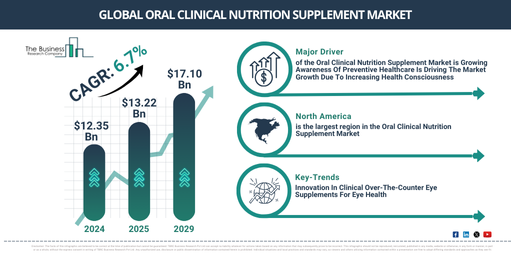
    The oral clinical nutrition supplement market has seen substantial expansion in recent years. This market is set to increase from $12.35 billion in 2024 to $13.22 billion in 2025, reflecting a compound annual growth rate (CAGR) of 7.0%. The past growth in this sector is attributable to heightened awareness of nutrition benefits, an increase in the prevalence of chronic diseases, an expanding elderly demographic, a rising incidence of malnutrition, and growing demand for condition-specific nutrition products.

    The oral clinical nutrition supplement market is projected to experience robust expansion in the upcoming years. This market is anticipated to reach $17.10 billion by 2029, exhibiting a compound annual growth rate (CAGR) of 6.7%. Key factors driving this growth during the forecast period include the increasing incidence of cancer, an expanding elderly population, heightened awareness regarding healthcare, a surge in demand for personalized nutrition, and greater recognition of supplements in emerging economies. Significant trends identified for the forecast timeframe encompass progress in personalized nutrition, the incorporation of functional ingredients, improvements in formulation technology, innovations in product delivery methods, and developments in environmentally friendly packaging.

    Unlock Your Free Sample Report for Exclusive Market Data:

    https://www.thebusinessresearchcompany.com/sample.aspx?id=27372&type=smp

    Which Drivers Are Shaping The Oral Clinical Nutrition Supplement Industry’s Market Share?

    The escalating awareness of preventive healthcare is anticipated to drive the future expansion of the oral clinical nutrition supplement market. This form of healthcare encompasses medical practices and lifestyle strategies aimed at preventing diseases, detecting health problems early, and fostering overall well-being. The growth of preventive healthcare is attributed to rising consciousness about chronic illnesses, prompting individuals to take proactive measures to avoid complications and reduce healthcare expenses. Oral clinical nutrition supplements support preventive healthcare by delivering vital nutrients that enhance immunity, aid in maintaining a healthy body weight, and reduce the risks of malnutrition, concurrently assisting in the management of chronic conditions and improving overall health. For instance, Eurostat, a government agency based in Luxembourg, reported in March 2025 that European countries invested $103.03 billion (€90.4 billion) in preventive healthcare in 2022, which represented 0.57% of their GDP, demonstrating a significant financial commitment. Thus, the increasing focus on preventive healthcare is fueling the growth of the oral clinical nutrition supplement market.

    What Are The Primary Types Of Segments Analyzed In The Oral Clinical Nutrition Supplement Market?

    The oral clinical nutrition supplement market covered in this report is segmented

    1) By Type: Liquid Supplements, Powder Supplements, Ready-To-Drink Supplements, Gel Supplements

    2) By Indication: Inflammatory Bowel Disease And Gastrointestinal Disorders, Neurological Disorders, Respiratory Disorders, General Well-Being, Diabetes, Dysphagia, Renal Disorders, Hepatic Disorders, Oncology Nutrition, Other Indications

    3) By Distribution Channel: Hospital Pharmacies, Retail Pharmacies, Online Pharmacies, Other Distribution Channels

    4) By Application: Hospital, Home Care, Long-Term Care, Other Applications

    5) By End-User: Adults, Children, Elderly, Patients With Chronic Diseases, Athletes

    Subsegments:

    1) By Liquid Supplements: Bottled Liquid, Concentrated Liquid, Reconstitutable Liquid

    2) By Powder Supplements: Whey Protein Powder, Casein Protein Powder, Soy Protein Powder

    3) By Ready To Drink Supplements: High Protein Ready To Drink, Low Calorie Ready To Drink, Fiber Enriched Ready To Drink

    4) By Supplements: Energy Gels, Protein Gels, Vitamin Infused Gels

    How Are Trends Influencing The Oral Clinical Nutrition Supplement Market?

    Companies operating within the oral clinical nutrition supplement market are increasingly prioritizing the development of advanced products, such as clinical over-the-counter eye supplements, to bolster eye health and address the expanding consumer demand for specialized nutritional solutions. A clinical over-the-counter eye supplement functions as a non-prescription nutrient product that both promotes eye health and supports clear vision, delivering crucial vitamins, minerals, and antioxidants to alleviate eye strain, decelerate age-related degeneration, and safeguard overall visual function. For example, in June 2024, Bausch + Lomb Corporation, an eye health company based in Canada, introduced Blink Nutritears. This innovative product is formulated to stimulate healthy tear production and improve ocular health through its distinct blend of nutrients. The oral clinical nutrition supplement incorporates a targeted combination of bioactive ingredients, boasts enhanced bioavailability, and exhibits clinically validated efficacy, thus supporting improved ocular health, providing symptom relief, and contributing to overall nutritional wellness. Blink Nutritears proves highly effective in maintaining ocular health by leveraging its proprietary nutrient blend, which enhances tear film stability and fosters prolonged eye hydration for increased comfort and protection.

    Who Are The Core Companies Influencing The Oral Clinical Nutrition Supplement Market Landscape?

    Major companies operating in the oral clinical nutrition supplement market are Pfizer Inc., Abbott Laboratories, Danone S.A., Medline Industries LP, Otsuka Pharmaceutical Co. Ltd., Ajinomoto Cambrooke Inc., Fresenius Kabi Aktiengesellschaft, Nestlé Health Science S.A, Metagenics Inc., Blackmores Limited, Wockhardt Ltd., B. Braun SE, Kate Farms Inc., Lipa Pharmaceuticals Limited, Cytoplan Ltd., Pristine Organics Pvt. Ltd., Medtrition Inc., Medifood International SA, Victus Inc., Nualtra Limited.

    Download The Full Report For Exclusive Market Findings:

    https://www.thebusinessresearchcompany.com/report/oral-clinical-nutrition-supplement-global-market-report

    Which Region Is Projected To Lead The Oral Clinical Nutrition Supplement Market During The Forecast Period?

    North America was the largest region in the oral clinical nutrition supplement market in 2024. Asia-Pacific is expected to be the fastest-growing region in the forecast period. The regions covered in the oral clinical nutrition supplement market report are Asia-Pacific, Western Europe, Eastern Europe, North America, South America, Middle East, Africa.

    Request A Customized Version Of The Oral Clinical Nutrition Supplement Market Report:

    https://www.thebusinessresearchcompany.com/customise?id=27372&type=smp

    Browse Through More Reports Similar to the Global Oral Clinical Nutrition Supplement Market 2025, By The Business Research Company

    Silica Sand Global Market Report 2025

    https://www.thebusinessresearchcompany.com/report/silica-sand-global-market-report

    Polymer Foam Global Market Report 2025

    https://www.thebusinessresearchcompany.com/report/polymer-foam-global-market-report

    Sandblasting Media Global Market Report 2025

    https://www.thebusinessresearchcompany.com/report/sandblasting-media-global-market-report

    Get in touch with us:

    The Business Research Company: https://www.thebusinessresearchcompany.com/

    Americas +1 310-496-7795

    Asia +44 7882 955267 & +91 8897263534

    Europe +44 7882 955267

    Email us at info@tbrc.info

    Follow us on:

    LinkedIn: https://in.linkedin.com/company/the-business-research-company

    YouTube: https://www.youtube.com/channel/UC24_fI0rV8cR5DxlCpgmyFQ

    Global Market Model: https://www.thebusinessresearchcompany.com/global-market-model
  • Oncology Clinical Trials Industry Forecast to Hit $19.22 Billion by 2029 With a Strong 6.4% CAGR

    Oncology Clinical Trials Industry Forecast to Hit $19.22 Billion by 2029 With a Strong 6.4% CAGR

    Unlock Global Insights – Save 20% on Market Reports with Code ONLINE20

    What Are The Growth Projections For The Oncology Clinical Trials Market Size During 2025–2029?

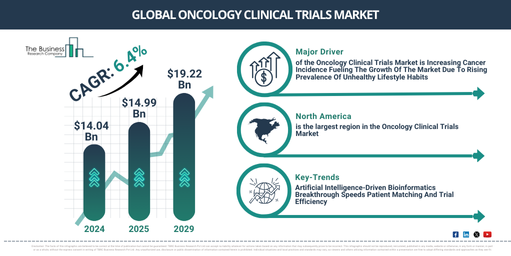
    The oncology clinical trials market has experienced significant expansion over recent years. Projections indicate it will expand from $14.04 billion in 2024 to $14.99 billion in 2025, demonstrating a compound annual growth rate (CAGR) of 6.8%. This past growth is primarily due to factors such as the rising incidence of cancer, the wider acceptance of targeted cancer treatments, enhanced awareness campaigns for prompt cancer detection and screening, the proliferation of clinical research organizations specializing in oncology, and increased involvement of patients via support and advocacy organizations.

    The oncology clinical trials market is anticipated to experience robust expansion in the upcoming years, with projections indicating a rise to $19.22 billion by 2029, achieving a compound annual growth rate (CAGR) of 6.4%. This growth throughout the forecast period stems from various factors, such as the escalating demand for personalized and precision oncology treatments, an intensified focus on rare and orphan oncology indications, the increasing embrace of decentralized and virtual oncology trials, and the growing implementation of genomic sequencing in the selection of trial patients. Significant trends anticipated during this period include advancements in biomarker-based trials, the utilization of advanced data analytics in trial design, innovations in immuno-oncology therapies, the integration of artificial intelligence and machine learning, progress in patient-centric trial models, and the incorporation of real-world data into trial evaluation.

    Unlock Your Free Sample Report for Exclusive Market Data:

    https://www.thebusinessresearchcompany.com/sample.aspx?id=27371&type=smp

    What Are The Drivers Pushing New Developments In The Oncology Clinical Trials Market?

    A rise in cancer cases is projected to boost the expansion of the oncology clinical trials market in the future. Cancer incidence signifies the count of new cancer diagnoses within a particular population over a set timeframe. This escalating incidence of cancer largely stems from detrimental lifestyle choices such as inadequate nutrition, lack of physical activity, smoking, and heavy alcohol intake, all of which heighten the likelihood of various cancer developments. Oncology clinical trials play a crucial role in advancing cancer treatment by assessing novel therapies and interventions, thereby enhancing patient results through scientific, evidence-based studies. These trials also quicken medical breakthroughs by verifying safety and effectiveness, thus fostering advancements in the prevention, detection, and management of cancer. As an illustration, data from July 2024, provided by the Australian Institute of Health and Welfare, an Australia-based government body, indicated that cancer diagnoses in Australia hit 160,570 in 2022, representing an increase of 3,789 cases from 156,781 recorded in 2021. Consequently, the rising prevalence of cancer is fueling the expansion of oncology clinical trials.

    Which Key Segments Fueling The Oncology Clinical Trials Market?

    The oncology clinical trials market covered in this report is segmented

    1) By Phase: Phase I, Phase II, Phase III, Phase IV

    2) By Study Design: Interventional, Observational, Expanded Access

    3) By Therapeutic Modality: Immunotherapy, Targeted Therapy, Chemotherapy, Cell And Gene Therapy, Other Therapeutic Modalities

    4) By Indication: Lung Cancer, Breast Cancer, Colorectal Cancer, Prostate Cancer, Blood Cancer, Other Indications

    5) By Sponsor Type: Pharmaceutical And Biotech Companies, Academic And Research Institutes, Government Organizations, Other Sponsor Types

    Subsegments:

    1) By Phase I: Safety And Dosage Studies, Pharmacokinetics And Pharmacodynamics Studies, Biomarker Identification Studies

    2) By Phase II: Efficacy And Side Effects Studies, Dose-Response Relationship Studies, Therapeutic Effectiveness Studies

    3) By Phase III: Large-Scale Efficacy Studies, Comparative Effectiveness Studies, Multicenter Randomized Controlled Trials

    4) By Phase IV: Post Marketing Surveillance Studies, Long-Term Safety Studies, Quality Of Life Studies

    What Key Innovation Trends Are Fueling Advancements In The Oncology Clinical Trials Market?

    Leading companies in the oncology clinical trials market are concentrating on developing advanced technological solutions, such as sophisticated bioinformatics platforms, to improve data analysis, accelerate patient enrollment, and optimize trial outcomes. These advanced bioinformatics platforms are complex software systems that utilize computational tools and algorithms to gather, analyze, and interpret intricate biological and clinical data for research and healthcare applications. For instance, in September 2023, Deep 6 AI, a US-based healthcare technology company, introduced an AI-powered genomics module aimed at speeding up enrollment in precision medicine and oncology clinical trials. This module employs artificial intelligence and natural language processing to extract both structured and unstructured genomics data from electronic medical records, enabling real-time identification and accurate matching of patients with specific genetic markers. It allows researchers to search millions of records for more than 19,000 genes and 30,000 mutation names, significantly expediting patient recruitment and boosting the efficiency of clinical trial design.

    Which Major Industry Participants Are Leading The Oncology Clinical Trials Market Growth?

    Major companies operating in the oncology clinical trials market are Pfizer Inc., Johnson & Johnson, Merck And Co. Inc., AbbVie Inc., Bayer AG, Novartis International AG, Sanofi S.A., Bristol-Myers Squibb Company, AstraZeneca plc, GSK plc, Takeda Pharmaceutical Company Limited, Eli Lilly and Company, Gilead Sciences Inc., Amgen Inc., Boehringer Ingelheim GmbH, Teva Pharmaceutical Industries Ltd., Regeneron Pharmaceuticals Inc., Genentech Inc., BeiGene Ltd., Seagen Inc.

    Download The Full Report For Exclusive Market Findings:

    https://www.thebusinessresearchcompany.com/report/oncology-clinical-trials-global-market-report

    What Are The Key Regional Factors Influencing The Oncology Clinical Trials Market Growth?

    North America was the largest region in the oncology clinical trials market in 2024. Asia-Pacific is expected to be the fastest-growing region in the forecast period. The regions covered in the oncology clinical trials market report are Asia-Pacific, Western Europe, Eastern Europe, North America, South America, Middle East, Africa.

    Request A Customized Version Of The Oncology Clinical Trials Market Report:

    https://www.thebusinessresearchcompany.com/customise?id=27371&type=smp

    Browse Through More Reports Similar to the Global Oncology Clinical Trials Market 2025, By The Business Research Company

    Concrete Materials Global Market Report 2025

    https://www.thebusinessresearchcompany.com/report/concrete-materials-global-market-report

    Decorative Concrete Global Market Report 2025

    https://www.thebusinessresearchcompany.com/report/decorative-concrete-global-market-report

    Cellular Concrete Global Market Report 2025

    https://www.thebusinessresearchcompany.com/report/cellular-concrete-global-market-report

    Get in touch with us:

    The Business Research Company: https://www.thebusinessresearchcompany.com/

    Americas +1 310-496-7795

    Asia +44 7882 955267 & +91 8897263534

    Europe +44 7882 955267

    Email us at info@tbrc.info

    Follow us on:

    LinkedIn: https://in.linkedin.com/company/the-business-research-company

    YouTube: https://www.youtube.com/channel/UC24_fI0rV8cR5DxlCpgmyFQ

    Global Market Model: https://www.thebusinessresearchcompany.com/global-market-model
  • Oncology Adjuvants Market to Reach $2.35 Billion by 2029, Growing at a CAGR of 8%

    Oncology Adjuvants Market to Reach $2.35 Billion by 2029, Growing at a CAGR of 8%

    Unlock Global Insights – Save 20% on Market Reports with Code ONLINE20

    What Is The Global Market Value Of The Oncology Adjuvants Industry In 2025?

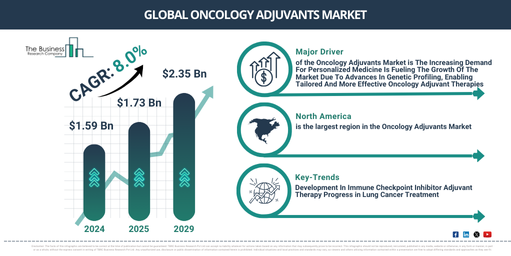
    The oncology adjuvants market has experienced substantial growth in recent years. It is anticipated to expand from $1.59 billion in 2024 to $1.73 billion in 2025, representing a compound annual growth rate (CAGR) of 8.4%. This past growth can be attributed to several factors, including the increasing global incidence of cancer, a growing requirement for better preclinical predictability, the expanded utilization of patient-derived xenograft (PDX) models, a greater reliance on in vivo efficacy data, and an increased focus on early-stage immuno-oncology.

    The oncology adjuvants market size is anticipated to undergo significant expansion in the upcoming years, projected to reach $2.35 billion by 2029, demonstrating a compound annual growth rate (CAGR) of 8.0%. This growth during the forecast period is largely attributable to an increasing emphasis on human-relevant models, a rising demand for precision oncology, the proliferation of immuno-oncology treatments, a heightened need for high-throughput screening models, and expanding engagement with rare cancer models. Noteworthy trends in the forecast period encompass the integration of nanotechnology, adjuvants developed to enhance CAR-T cell therapies, progress in immuno-oncology adjuvants, and the utilization of artificial intelligence and machine learning.

    Unlock Your Free Sample Report for Exclusive Market Data:

    https://www.thebusinessresearchcompany.com/sample.aspx?id=27370&type=smp

    What Are The Emerging Market Drivers Creating New Opportunities In The Oncology Adjuvants Industry?

    The future expansion of the oncology adjuvants market is anticipated to be driven by the escalating requirement for personalized medicine. This medical approach involves utilizing an individual’s genetic and lifestyle data to customize treatments and health interventions according to their unique requirements. Its increasing prevalence stems from progress in genetic and molecular profiling, facilitating therapies specifically adapted to a patient’s distinct biological characteristics, thereby enhancing efficacy and minimizing side effects. Oncology adjuvants support personalized medicine by enabling the tailoring of supplementary cancer treatments, considering a patient’s specific genetic profile and tumor attributes. This ensures effective targeting of remaining cancer cells and reduces unwanted side effects. An example illustrates this trend: in February 2023, the Personalized Medicine Coalition, a US-based professional membership organization, reported that in 2022, 12 new personalized medicines received approval, accounting for roughly 34% of all recently approved therapies, which signifies a notable rise compared to prior years. Consequently, the expanding need for personalized medicine is fueling the growth within the oncology adjuvants market.

    How Is The Oncology Adjuvants Market Classified Into Different Segments?

    The oncology adjuvants market covered in this report is segmented

    1) By Type Of Adjuvant: Chemotherapy Adjuvants, Radiation Adjuvants, Immunotherapy Adjuvants, Hormonal Adjuvants, Targeted Therapy Adjuvants

    2) By Administration Route: Oral, Intravenous, Subcutaneous, Topical, Intramuscular

    3) By Indication: Breast Cancer, Glioblastoma, Lung Cancer, Colorectal Cancer, Ovarian Cancer, Sarcoma, Prostate Cancer, Other Indications

    4) By End User: Cancer Research Institute, Cancer Hospitals

    Subsegments:

    1) By Chemotherapy Adjuvants: Alkylating Agents, Antimetabolites, Anthracyclines, Plant Alkaloids, Topoisomerase Inhibitors, Platinum-Based Compounds, Others

    2) By Radiation Adjuvants: Radiosensitizers, Radioprotectors, Hypoxic Cell Sensitizers, Deoxyribonucleic Acid (DNA) Repair Inhibitors, Immune Modulating Agents Combined With Radiation

    3) By Immunotherapy Adjuvants: Checkpoint Inhibitors, Cytokines, Cancer Vaccines, Adoptive Cell Transfer, Immune Modulating Agents

    4) By Hormonal Adjuvants: Selective Estrogen Receptor Modulators, Aromatase Inhibitors, Gonadotropin-Releasing Hormone Agonists Or Antagonists, Androgen Receptor Inhibitors, Estrogen Receptor Downregulators

    5) By Targeted Therapy Adjuvants: Tyrosine Kinase Inhibitors (TKIs), Proteasome Inhibitors, Poly (ADP-Ribose) Polymerase (PARP) Inhibitors, mTOR Inhibitors, v-Raf Murine Sarcoma Viral Oncogene Homolog B (BRAF) Or Mitogen-Activated Protein Kinase Kinase (MEK) Inhibitors, Vascular Endothelial Growth Factor (VEGF) Inhibitors

    Which Ongoing Trends Are Expected To Shape The Oncology Adjuvants Market Outlook?

    Major companies in the oncology adjuvants market are prioritizing the development of advanced solutions, such as immune checkpoint inhibitor adjuvant therapy, to improve the effectiveness of post-surgical treatments and increase overall patient survival by leveraging the body’s immune system against residual tumor cells. Immune checkpoint inhibitor adjuvant therapy involves drugs that block immune checkpoint proteins like PD-1, PD-L1, or CTLA-4, which normally suppress the immune system. For example, in January 2023, Merck & Co., Inc., a US-based pharmaceutical company, launched KEYTRUDA (pembrolizumab) as an adjuvant treatment after receiving approval from the Food and Drug Administration (FDA). This therapy is administered following surgical resection and platinum-based chemotherapy for patients diagnosed with Stage IB (T2a =4 centimeters), II, or IIIA non-small cell lung cancer (NSCLC). KEYTRUDA (pembrolizumab) achieves targeted immune checkpoint inhibition by blocking the PD-1 receptor, thereby restoring the immune system’s capacity to detect and attack cancer cells. It provides an effective adjuvant treatment alternative for non-small cell lung cancer (NSCLC) patients after surgery and chemotherapy, helping to lower the risk of cancer recurrence and enhance overall survival. Additionally, KEYTRUDA supports personalized cancer therapy by utilizing the patient’s immune response, making it an essential tool in modern immuno-oncology.

    Who Are The Prominent Global Companies Shaping The Oncology Adjuvants Market?

    Major companies operating in the oncology adjuvants market are Pfizer Inc., Johnson and Johnson, Roche Holding AG, Merck And Co. Inc., Bayer AG, Bristol-Myers Squibb Company, AstraZeneca PLC, Novartis AG, Eli Lilly and Company, Amgen Inc., Regeneron Pharmaceuticals, Daiichi Sankyo Company Limited, SEPPIC, Ipsen S.A., Jiangsu Hengrui Pharmaceuticals Co. Ltd., Croda International Plc, Dynavax Technologies Corporation, Agenus Inc., Aurorium, Elicio Therapeutics Inc.

    Download The Full Report For Exclusive Market Findings:

    https://www.thebusinessresearchcompany.com/report/oncology-adjuvants-global-market-report

    How Do Regional Market Performances Compare Within The Oncology Adjuvants Industry?

    North America was the largest region in the oncology adjuvants market in 2024. Asia-Pacific is expected to be the fastest-growing region in the forecast period. The regions covered in the oncology adjuvants market report are Asia-Pacific, Western Europe, Eastern Europe, North America, South America, Middle East, Africa.

    Request A Customized Version Of The Oncology Adjuvants Market Report:

    https://www.thebusinessresearchcompany.com/customise?id=27370&type=smp

    Browse Through More Reports Similar to the Global Oncology Adjuvants Market 2025, By The Business Research Company

    Concrete Repair Mortars Global Market Report 2025

    https://www.thebusinessresearchcompany.com/report/concrete-repair-mortars-global-market-report

    Cumene Global Market Report 2025

    https://www.thebusinessresearchcompany.com/report/cumene-global-market-report

    Supplementary Cementitious Materials Global Market Report 2025

    https://www.thebusinessresearchcompany.com/report/supplementary-cementitious-materials-global-market-report

    Get in touch with us:

    The Business Research Company: https://www.thebusinessresearchcompany.com/

    Americas +1 310-496-7795

    Asia +44 7882 955267 & +91 8897263534

    Europe +44 7882 955267

    Email us at info@tbrc.info

    Follow us on:

    LinkedIn: https://in.linkedin.com/company/the-business-research-company

    YouTube: https://www.youtube.com/channel/UC24_fI0rV8cR5DxlCpgmyFQ

    Global Market Model: https://www.thebusinessresearchcompany.com/global-market-model
  • Global Omics-Based Clinical Trials Market Size Projected to Reach $44.07 Billion During the Forecast Period

    Global Omics-Based Clinical Trials Market Size Projected to Reach $44.07 Billion During the Forecast Period

    Unlock Global Insights – Save 20% on Market Reports with Code ONLINE20

    By How Much Is The Omics-Based Clinical Trials Market Expected To Expand Between 2025 And 2029?

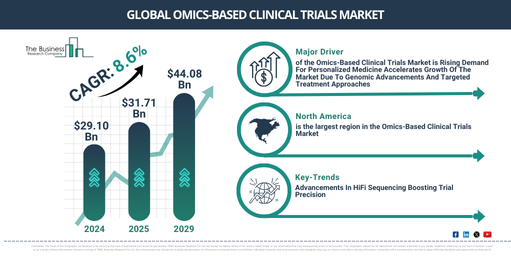
    The omics-based clinical trials market has experienced significant expansion in recent years. This market is set to grow from $29.10 billion in 2024 to $31.71 billion in 2025, with a compound annual growth rate (CAGR) of 8.9%. Historically, this growth can be attributed to a rising number of clinical trials incorporating omics technologies, an increased emphasis on translational research, growing government support and funding, the expanding availability of biobanks and biospecimens, and heightened awareness regarding the advantages of precision therapies.

    The omics-based clinical trials market is set to experience significant expansion over the coming years. It is projected to reach $44.08 billion by 2029, growing at a compound annual growth rate (CAGR) of 8.6%. This growth during the forecast period is driven by factors such as the increasing demand for personalized medicine, greater adoption of multi-omics methodologies, the rising incidence of chronic and rare diseases, increased investment in genomic research and biotechnology, and a growing emphasis on biomarker discovery. Prominent trends for the forecast duration encompass advancements in next-generation sequencing (NGS) technologies, the integration of artificial intelligence with omics platforms, technological progress in bioinformatics tools, improvements in proteomics and metabolomics platforms, and the integration of multi-omics data.

    Unlock Your Free Sample Report for Exclusive Market Data:

    https://www.thebusinessresearchcompany.com/sample.aspx?id=27369&type=smp

    Which Drivers Are Impacting The Omics-Based Clinical Trials Market?

    The anticipated expansion of the omics-based clinical trials market is driven by the growing need for personalized medicine. This medical strategy customizes disease prevention, diagnosis, and treatment plans based on each patient’s unique characteristics. The increasing adoption of personalized medicine is fueled by progress in genomic technologies, which enable quicker and more economical analysis of individual genetic profiles to direct specific treatments. Omics-based clinical trials facilitate personalized medicine through the identification of distinct genetic, proteomic, and metabolic profiles, leading to more precise and efficacious treatment strategies customized for individual patients. As an illustration, the Personalized Medicine Coalition, a US-based professional membership organization, reported in February 2023 that 12 new personalized medicines were approved in 2022. This figure constituted approximately 34% of all newly approved therapies, signifying a notable rise compared to prior years. Consequently, the rising requirement for personalized medicine is a key impetus behind the expansion of the omics-based clinical trials market.

    What Are The Major Segments Identified In The Omics-Based Clinical Trials Market?

    The omics-based clinical trials market covered in this report is segmented

    1) By Type: Genomics, Proteomics, Metabolomics, Transcriptomics

    2) By Phase: Phase I, Phase II, Phase III, Phase IV

    3) By Study Design: Interventional Studies, Observational Studies, Expanded Access Studies

    4) By Application: Oncology, Cardiovascular, Neurology, Infectious Diseases, Metabolic Disorders

    5) By End-User: Pharmaceutical And Biotechnology Companies, Academic And Research Institutes, Contract Research Organizations (CROs), Hospitals And Diagnostic Laboratories

    Subsegments:

    1) By Genomics: Whole Genome Sequencing, Whole Exome Sequencing, Targeted Gene Sequencing

    2) By Proteomics: Protein Expression Profiling, Post-Translational Modifications Analysis, Protein-Protein Interaction Mapping

    3) By Metabolomics: Targeted Metabolomics, Untargeted Metabolomics, Metabolic Flux Analysis

    4) By Transcriptomics: Microarray Analysis, Single-Cell Transcriptomics, Gene Expression Profiling

    Which Competitive Trends Are Defining The Omics-Based Clinical Trials Market Structure?

    Leading companies within the omics-based clinical trials market are concentrating on innovative solutions, such as HiFi sequencing technology, to enhance the accuracy, speed, and depth of multi-omics data analysis, ultimately improving trial outcomes and personalized treatment strategies. HiFi sequencing is defined as a next-generation sequencing (NGS) technology that generates long, highly accurate reads through circular consensus sequencing (CCS), enabling comprehensive and precise analysis of genomes, transcriptomes, and epigenomes. For instance, in October 2024, Pacific Biosciences of California Inc., a US-based biotechnology company, in collaboration with the Agency for Science, Technology, and Research (A*STAR), a Singapore-based research and product development agency, and Macrogen Inc., a South Korea-based biotechnology company, launched a state-of-the-art lab to accelerate genomics innovation in Singapore with cutting-edge long-read sequencing technology. This facility empowers researchers to conduct advanced genomic studies with greater precision and speed, supporting a wide range of applications, including whole genome sequencing, transcriptomics, epigenetics, and metagenomics. The lab also fosters collaboration among global scientists and local institutions, aiming to accelerate discoveries in personalized medicine, rare disease diagnostics, and precision oncology. Additionally, it offers training programs and shared access to high-throughput sequencing infrastructure, promoting capacity-building and innovation within the Asia-Pacific region.

    Which Key Players Are Driving Competition In The Omics-Based Clinical Trials Market?

    Major companies operating in the omics-based clinical trials market are Pfizer Inc., F. Hoffmann-La Roche Ltd., Thermo Fisher Scientific Inc., GlaxoSmithKline Plc, Eli Lilly and Company, Novo Nordisk A/S, BioNTech SE, IQVIA Inc., Laboratory Corporation of America Holdings, ICON Public Limited Company, SGS Société Générale de Surveillance SA, Eurofins Scientific SE, Syneos Health Inc., Illumina Inc., Charles River Laboratories International Inc., Parexel International Corporation, Bruker Corporation, Fulgent Genetics Inc., Signios Biosciences, and BioAro Inc.

    Download The Full Report For Exclusive Market Findings:

    https://www.thebusinessresearchcompany.com/report/omics-based-clinical-trials-global-market-report

    Which Region Currently Holds The Largest Share Of The Omics-Based Clinical Trials Market?

    North America was the largest region in the omics-based clinical trials market in 2024. Asia-Pacific is expected to be the fastest-growing region in the forecast period. The regions covered in the omics-based clinical trials market report are Asia-Pacific, Western Europe, Eastern Europe, North America, South America, Middle East, Africa.

    Request A Customized Version Of The Omics-Based Clinical Trials Market Report:

    https://www.thebusinessresearchcompany.com/customise?id=27369&type=smp

    Browse Through More Reports Similar to the Global Omics-Based Clinical Trials Market 2025, By The Business Research Company

    Bitumen Global Market Report 2025

    https://www.thebusinessresearchcompany.com/report/bitumen-global-market-report

    Asphalt Additives Global Market Report 2025

    https://www.thebusinessresearchcompany.com/report/asphalt-additives-global-market-report

    Asphalt Pavers Global Market Report 2025

    https://www.thebusinessresearchcompany.com/report/asphalt-pavers-global-market-report

    Get in touch with us:

    The Business Research Company: https://www.thebusinessresearchcompany.com/

    Americas +1 310-496-7795

    Asia +44 7882 955267 & +91 8897263534

    Europe +44 7882 955267

    Email us at info@tbrc.info

    Follow us on:

    LinkedIn: https://in.linkedin.com/company/the-business-research-company

    YouTube: https://www.youtube.com/channel/UC24_fI0rV8cR5DxlCpgmyFQ

    Global Market Model: https://www.thebusinessresearchcompany.com/global-market-model
  • Nucleic Acid Therapeutics Industry Anticipated to Expand at 15.2% CAGR During the Forecast Period

    Nucleic Acid Therapeutics Industry Anticipated to Expand at 15.2% CAGR During the Forecast Period

    Unlock Global Insights – Save 20% on Market Reports with Code ONLINE20

    #What Is The Projected Market Size Of The Nucleic Acid Therapeutics Market By 2029?

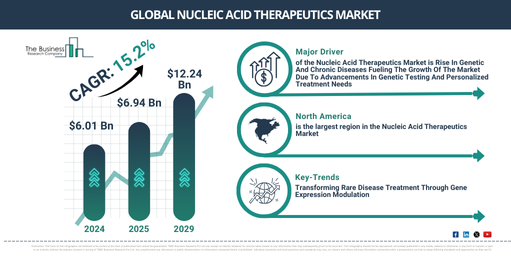
    The nucleic acid therapeutics market has experienced substantial expansion in recent years. It is projected to increase from $6.01 billion in 2024 to $6.94 billion in 2025, achieving a compound annual growth rate (CAGR) of 15.6%. This historical development can be attributed to a rise in the prevalence of genetic and chronic diseases, intensified research and development within genomics, greater adoption of RNA-based therapeutics, growing support from academic and governmental bodies, and the increasing success of mRNA vaccine platforms.

    The nucleic acid therapeutics market is anticipated to experience substantial expansion over the upcoming years. Its valuation is projected to reach $12.24 billion by 2029, demonstrating a compound annual growth rate (CAGR) of 15.2%. This projected growth during the forecast period is largely driven by factors such as the increasing demand for precision medicine, the broadened applications of mRNA vaccines beyond COVID-19, the emergence of next-generation delivery platforms, an expanding pipeline of nucleic acid-based medications, and more frequent regulatory approvals. Key trends anticipated within the same period encompass the extension of mRNA platforms into areas like oncology and rare diseases, the incorporation of AI and machine learning in the discovery of RNA drugs, the creation of targeted delivery systems for specific tissue actions, the advancement of modular and multi-target platform therapies, and the evolution of next-generation aptamer technologies.

    Unlock Your Free Sample Report for Exclusive Market Data:

    https://www.thebusinessresearchcompany.com/sample.aspx?id=27368&type=smp

    Which Industry Drivers Are Expected To Accelerate The Nucleic Acid Therapeutics Market From 2025 To 2029?

    The growing prevalence of genetic and chronic diseases is anticipated to drive the expansion of the nucleic acid therapeutics market in the future. These diseases encompass the link between inherited genetic elements and the onset, advancement, or risk of enduring health conditions like diabetes, cardiovascular diseases, cancer, and autoimmune disorders. The surge in genetics-linked and chronic illnesses is primarily attributable to enhanced diagnostic technologies that facilitate more precise and earlier identification of these conditions. Nucleic acid therapeutics prove beneficial for genetic and chronic diseases as they can target and alter the fundamental genetic origins of these conditions through the regulation, repair, or silencing of specific genes, providing accurate and customized treatment solutions. For example, as of October 2024, data from the Cystic Fibrosis Trust, a UK charity assisting individuals with cystic fibrosis, showed 11,148 cystic fibrosis patients registered in 2022, increasing to 11,318 in 2023, which signifies a 1.5% year-over-year rise in patient registrations. Consequently, the rising incidence of genetic and chronic diseases is fueling the expansion of the nucleic acid therapeutics market.

    What Are The Emerging Segments Gaining Attention In The Nucleic Acid Therapeutics Market?

    The nucleic acid therapeutics market covered in this report is segmented

    1) By Therapy Type: Antisense Oligonucleotides (ASOs), Small Interfering RNA (siRNA), Gene Therapies, Aptamers, Other Therapy Types

    2) By Therapeutic Area: Neuromuscular Disorder, Metabolic Disorders, Cardiovascular Disorders, Ophthalmological Disorders, Oncological Disorders, Other Therapeutic Areas

    3) By Route Of Administration: Intravenous, Subcutaneous, Other Route Of Administrations

    4) By Delivery Method: Viral Vector-Based Delivery Systems, Non-Viral Delivery Systems

    5) By End-Use: Pharmaceutical Companies, Government And Academic Research Institutes, Biotech Companies

    Subsegment:

    1) By Antisense Oligonucleotides (ASOs): Phosphorothioate ASOs, 2’-O-Methyl ASOs, Locked Nucleic Acid (LNA) ASOs, Gapmer ASOs, Morpholino ASOs

    2) By Small Interfering RNA (siRNA): Lipid Nanoparticle (LNP) Formulated siRNA, GalNAc-Conjugated siRNA, Chemically Modified siRNA, Naked siRNA

    3) By Gene Therapies: Viral Vector-Based Gene Therapy, Non-Viral Vector-Based Gene Therapy, CRISPR-Based Gene Therapy, Zinc Finger Nucleases (ZFNs), TALENs

    4) By Aptamers: Ribonucleic Acid (RNA) Aptamers, Deoxyribonucleic Acid (DNA) Aptamers, Spiegelmers, Pegylated Aptamers

    5) By Others Therapy Types: MicroRNA (miRNA) Therapeutics, Long Non-Coding RNA (lncRNA) Therapeutics, Ribonucleic Acid (RNA) Editing Therapies, Ribozymes

    What Are The Latest Industry Trends Transforming The Nucleic Acid Therapeutics Market?

    Companies within the nucleic acid therapeutics market are concentrating on developing innovative products like antisense oligonucleotide therapy, aiming to target and silence specific disease-causing genes and provide precise treatment options for genetic disorders and rare diseases. Antisense oligonucleotide therapy is a precise treatment utilizing short, synthetic strands of deoxyribonucleic acid (DNA) or ribonucleic acid (RNA) to either block or alter the expression of particular genes implicated in illnesses. For example, in December 2024, Ionis Pharmaceuticals Inc., a US-based biotechnology firm, obtained U.S. Food and Drug Administration (FDA) approval for TRYNGOLZ (olezarsen). This approval was for its use as an adjunctive therapy alongside diet, intended to reduce triglyceride levels in adults diagnosed with familial chylomicronemia syndrome (FCS), a rare genetic condition marked by severe hypertriglyceridemia (sHTG) and a high likelihood of acute pancreatitis (AP). This particular treatment marks the first FDA-approved solution to achieve significant and lasting triglyceride reduction in this patient group, also demonstrating a notable decrease in AP incidence when combined with a low-fat diet. The therapy is also designed for easy self-administration through a once-monthly auto-injector.

    Who Are The Top Performing Companies In The Nucleic Acid Therapeutics Market In Recent Years?

    Major companies operating in the nucleic acid therapeutics market are Pfizer Inc., Merck & Co. Inc., Sanofi S.A., Novartis AG, Moderna Inc., BioNTech SE, Astellas Pharma Inc., Vertex Pharmaceuticals Incorporated, Alnylam Pharmaceuticals Inc., Sarepta Therapeutics Inc., Arrowhead Pharmaceuticals Inc., Arcturus Therapeutics Holdings Inc., Imugene Limited, CureVac SE, Sangamo Therapeutics Inc., Beam Therapeutics Inc., Arbutus Biopharma Corporation, Silence Therapeutics plc, Copernicus Therapeutics Inc., and Exothera S.A.

    Download The Full Report For Exclusive Market Findings:

    https://www.thebusinessresearchcompany.com/report/nucleic-acid-therapeutics-global-market-report

    What Regional Growth Trends Are Shaping The Nucleic Acid Therapeutics Market Outlook?

    North America was the largest region in the nucleic acid therapeutics market in 2024. Asia-Pacific is expected to be the fastest-growing region in the forecast period. The regions covered in the nucleic acid therapeutics market report are Asia-Pacific, Western Europe, Eastern Europe, North America, South America, Middle East, Africa.

    Request A Customized Version Of The Nucleic Acid Therapeutics Market Report:

    https://www.thebusinessresearchcompany.com/customise?id=27368&type=smp

    Browse Through More Reports Similar to the Global Nucleic Acid Therapeutics Market 2025, By The Business Research Company

    Sandwich Panels Global Market Report 2025

    https://www.thebusinessresearchcompany.com/report/sandwich-panels-global-market-report

    Structural Insulated Panels Market 2025

    https://www.thebusinessresearchcompany.com/report/structural-insulated-panels-market

    Metal Structural Insulation Panels Global Market Report 2025

    https://www.thebusinessresearchcompany.com/report/metal-structural-insulation-panels-global-market-report

    Get in touch with us:

    The Business Research Company: https://www.thebusinessresearchcompany.com/

    Americas +1 310-496-7795

    Asia +44 7882 955267 & +91 8897263534

    Europe +44 7882 955267

    Email us at info@tbrc.info

    Follow us on:

    LinkedIn: https://in.linkedin.com/company/the-business-research-company

    YouTube: https://www.youtube.com/channel/UC24_fI0rV8cR5DxlCpgmyFQ

    Global Market Model: https://www.thebusinessresearchcompany.com/global-market-model
  • Global Non-Viral Gene Delivery Technologies Market Projected to Expand at 15.2% CAGR by 2029

    Global Non-Viral Gene Delivery Technologies Market Projected to Expand at 15.2% CAGR by 2029

    Unlock Global Insights – Save 20% on Market Reports with Code ONLINE20

    How Much Was The Non-Viral Gene Delivery Technologies Market Worth In 2025, And What Is Its Anticipated Value By 2029?

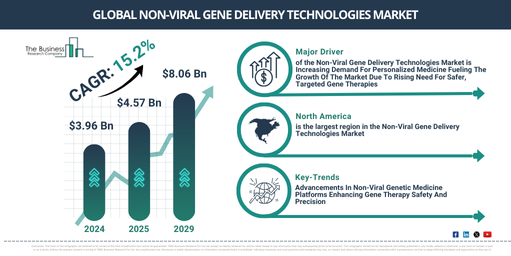
    The non-viral gene delivery technologies market has experienced rapid expansion in recent years. It is projected to increase from $3.96 billion in 2024 to $4.57 billion in 2025, showing a compound annual growth rate (CAGR) of 15.6%. This historical growth can be attributed to the broadening scope of genetic research, the increasing prevalence of chronic genetic disorders, a rise in biotechnology and pharmaceutical research and development (R&D) activities, advancements in genetic and molecular biology research, and augmented government and institutional funding.

    The non-viral gene delivery technologies market size is projected for significant expansion in the coming years. This market is anticipated to reach $8.06 billion by 2029, exhibiting a compound annual growth rate (CAGR) of 15.2%. Factors driving this expansion during the forecast period include the increasing need for personalized medicine, greater utilization in cancer and rare disease investigations, the emergence of clustered regularly interspaced short palindromic repeats and gene editing technologies, swift progress in mRNA-based treatments, and the development of cell therapy and tissue engineering. Key trends expected during the forecast timeframe encompass improvements in lipid nanoparticles and polymer-based delivery systems, the evolution of deoxyribonucleic acid and ribonucleic acid therapeutics, incorporation with artificial intelligence and computational modeling, next-generation lipid nanoparticles (LNPs), and progress in nanotechnology.

    Unlock Your Free Sample Report for Exclusive Market Data:

    https://www.thebusinessresearchcompany.com/sample.aspx?id=27367&type=smp

    What Are The Top Growth Drivers Impacting The Non-Viral Gene Delivery Technologies Market Outlook?

    The future expansion of the non-viral gene delivery technologies market is anticipated to be fueled by the rising need for personalized medicine. Personalized medicine represents a healthcare strategy where prevention, diagnosis, and treatment are tailored according to an individual’s distinct genetic profile, lifestyle choices, and environmental factors. The escalating requirement for personalized medicine stems from progress in genomic sequencing technologies, enabling more precise diagnoses, specialized treatments, and better patient-specific therapeutic results. The heightened emphasis on personalized medicine is boosting the demand for non-viral gene delivery technologies, given their provision of safer and more flexible approaches for delivering therapeutic genes aligned with an individual’s genetic makeup, free from the hazards linked to viral vectors. As an illustration, in February 2024, data from the Personalized Medicine Coalition, a US-based non-profit organization, showed that the Food and Drug Administration (FDA) sanctioned 16 new personalized treatments for rare disease patients in 2023, an increase from 6 in 2022. Consequently, the expanding need for personalized medicine is stimulating the development of the non-viral gene delivery technologies market.

    What Are The Major Segment Types Covered In The Non-Viral Gene Delivery Technologies Market?

    The non-viral gene delivery technologies market covered in this report is segmented

    1) By Product: Reagents And Kits, Delivery Devices, Pre-Formulated Nanoparticles

    2) By Delivery: In-Vitro, In-Vivo, Ex-Vivo

    3) By Technology: Electroporation, Lipid-Based Transfection, Polymer-Based Transfection, Physical Methods (Microinjection, Gene Gun), Nanoparticles

    4) By Application: Gene Therapy, Deoxyribonucleic Acid (DNA) Vaccines, Ribonucleic Acid Interference (RNAi), Clustered Regularly Interspaced Short Palindromic Repeats (CRISPR) Or Cas9 Gene Editing, Protein Expression

    5) By End-Use: Biotechnology And Biopharmaceutical Companies, Research And Academic Institutes, Other End-Uses

    Subsegments:

    1) By Reagents And Kits: Transfection Reagents, Plasmid Deoxyribonucleic Acid (DNA) Kits, Messenger Ribonucleic Acid (RNA) Delivery Kits, Small Interfering Ribonucleic Acid (RNA) Delivery Kits, Clustered Regularly Interspaced Short Palindromic Repeats Associated Protein Reagents, Cell-Specific Delivery Reagents

    2) By Delivery Devices: Electroporation Systems, Microinjection Systems, Gene Guns Or Biolistic Delivery Devices, Ultrasound-Mediated Delivery Devices, Hydrodynamic Gene Delivery Systems

    3) By Pre-Formulated Nanoparticles: Lipid-Based Nanoparticles, Polymer-Based Nanoparticles, Gold-Based Nanoparticles, Dendrimer-Based Nanoparticles, Carbon Nanotube-Based Nanoparticles, Inorganic Compound-Based Nanoparticles

    What Trends Are Redefining The Non-Viral Gene Delivery Technologies Market Dynamics?

    Leading companies operating in the non-viral gene delivery market are concentrating on developing advanced solutions like non-viral genetic medicine platforms to improve the safety and efficiency of gene therapies. A non-viral genetic medicine platform is a technology designed to introduce therapeutic genes or nucleic acids into cells without using viruses, thereby reducing immune reactions and safety concerns, and enabling precise and controlled gene therapy delivery for a range of diseases. For instance, in October 2023, Generation Bio Co., a US-based biotechnology company focused on developing genetic medicines, introduced immune-quiet DNA (iqDNA). This novel DNA is an optimized variant of their closed-ended DNA (ceDNA) that skillfully evades innate immune detection, exhibiting cytokine levels and tolerability comparable to chemically modified mRNA in mice and non-human primates when delivered via their lipid nanoparticle (LNP) system. Due to iqDNA’s superior tolerability, Generation Bio is advancing this as the primary DNA cargo in all its programs, including its flagship hemophilia A program.

    Which Leading Companies Dominate The Non-Viral Gene Delivery Technologies Market Share?

    Major companies operating in the non-viral gene delivery technologies market are Thermo Fisher Scientific Inc., Danaher Corporation, Merck KGaA, Evonik Industries AG, Moderna Inc., Boehringer Ingelheim GmbH, Agilent Technologies Inc., Lonza Group AG, Sartorius AG, Bio-Rad Laboratories Inc., Bio-Techne Corp., Takara Bio Inc., GenScript Biotech Corporation, Poseida Therapeutics Inc., ElevateBio LLC, ProBio Inc., ReCode Therapeutics Inc., Altogen Biosystems Inc., Generation Bio, Indee Labs Inc.

    Download The Full Report For Exclusive Market Findings:

    https://www.thebusinessresearchcompany.com/report/non-viral-gene-delivery-technologies-global-market-report

    Which Regional Markets Are Contributing Most To The Non-Viral Gene Delivery Technologies Industry Expansion?

    North America was the largest region in the non-viral gene delivery technologies market in 2024. Asia-Pacific is expected to be the fastest-growing region in the forecast period. The regions covered in the non-viral gene delivery technologies market report are Asia-Pacific, Western Europe, Eastern Europe, North America, South America, Middle East, Africa.

    Request A Customized Version Of The Non-Viral Gene Delivery Technologies Market Report:

    https://www.thebusinessresearchcompany.com/customise?id=27367&type=smp

    Browse Through More Reports Similar to the Global Non-Viral Gene Delivery Technologies Market 2025, By The Business Research Company

    Low Density Polyethylene Global Market Report 2025

    https://www.thebusinessresearchcompany.com/report/low-density-polyethylene-global-market-report

    Polyethylene Pipes Global Market Report 2025

    https://www.thebusinessresearchcompany.com/report/polyethylene-pipes-global-market-report

    High Density Polyethylene Global Market Report 2025

    https://www.thebusinessresearchcompany.com/report/high-density-polyethylene-global-market-report

    Get in touch with us:

    The Business Research Company: https://www.thebusinessresearchcompany.com/

    Americas +1 310-496-7795

    Asia +44 7882 955267 & +91 8897263534

    Europe +44 7882 955267

    Email us at info@tbrc.info

    Follow us on:

    LinkedIn: https://in.linkedin.com/company/the-business-research-company

    YouTube: https://www.youtube.com/channel/UC24_fI0rV8cR5DxlCpgmyFQ

    Global Market Model: https://www.thebusinessresearchcompany.com/global-market-model
  • Non-Opioid Pain Treatment Market to Grow at a CAGR of 8.9% from 2025 to 2029

    Non-Opioid Pain Treatment Market to Grow at a CAGR of 8.9% from 2025 to 2029

    Unlock Global Insights – Save 20% on Market Reports with Code ONLINE20

    What Is The Future Market Size Estimation For The Non-Opioid Pain Treatment Market Covering 2025–2034?

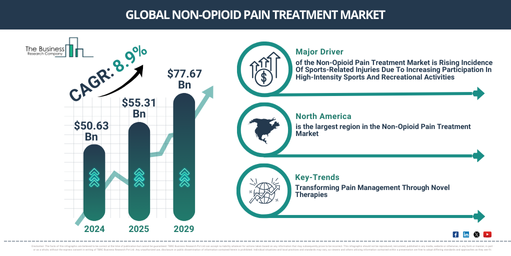
    The non-opioid pain treatment market size has experienced significant expansion in recent years. It is anticipated to grow from $50.63 billion in 2024 to $55.31 billion in 2025, demonstrating a compound annual growth rate (CAGR) of 9.2%. The contributing factors to its past growth include the increasing prevalence of chronic pain, a rising patient inclination towards safer alternatives, growing public awareness concerning opioid risks, an increasing demand for non-addictive treatments, and escalating healthcare provider initiatives.

    The non-opioid pain treatment market is anticipated to experience substantial growth over the next few years. It is projected to expand to $77.67 billion by 2029, achieving a compound annual growth rate (CAGR) of 8.9%. This expansion during the forecast period is driven by a heightened demand for customized pain management, increasing uptake of non-opioid treatments, a growing elderly demographic, rising investments in the development of non-opioid drugs, and enhanced government support along with favorable reimbursement policies. Significant trends expected in this period involve improvements in drug delivery mechanisms, the adoption of multidisciplinary care strategies, technology-enabled personalized medicine, advancements in non-opioid pharmacological solutions, and progress in patient monitoring instruments.

    Unlock Your Free Sample Report for Exclusive Market Data:

    https://www.thebusinessresearchcompany.com/sample.aspx?id=27366&type=smp

    Which Major Market Drivers Are Shaping The Future Of The Non-Opioid Pain Treatment Market?

    The non-opioid pain treatment market is anticipated to experience growth driven by the increasing occurrence of sports-related injuries. These injuries refer to physical harm sustained during sports or exercise activities, and their rising incidence is attributed to increased participation in high-intensity sports and recreational pursuits, which elevates athletes’ vulnerability to physical trauma. Non-opioid pain treatment proves beneficial for sports-related injuries by offering effective pain relief and reducing inflammation without the risks linked to opioid use, thus supporting faster recovery, enhanced function, and safer long-term management. For example, in October 2024, Howden Group Holdings Ltd, a UK-based insurance intermediary company, reported that Europe’s top five football leagues recorded 4,123 injuries during the 2023/24 season, marking a 4% increase compared to the previous season. Therefore, the growing number of sports-related injuries is a significant factor propelling the expansion of the non-opioid pain treatment market.

    What Are The Major Segment Categories Driving The Non-Opioid Pain Treatment Market Growth?

    The non-opioid pain treatment market covered in this report is segmented

    1) By Product: Medical Cannabis, Menthol-Containing, Omega 3 Fatty Acid-Containing, Botulinum Toxins, Capsaicin-Derived, Other Products

    2) By Drug Class: Nonsteroidal Anti-Inflammatory Drugs (Nsaids), Acetaminophen, Local Anesthetics, Antidepressants, Anticonvulsants, Corticosteroids, Other Drug Classes

    3) By Route Of Administration: Oral, Topical, Injectable, Other Route Of Administrations

    4) By Distribution Channel: Hospitals Pharmacies, Retail Pharmacies, Drug Stores, Mail Order Pharmacies

    5) By Application: Orthopedic And Musculoskeletal Pain, Postoperative Pain, Cancer Pain, Neuropathic Pain, Other Applications

    Subsegments:

    1) By Medical Cannabis: Cannabidiol Based Products, Tetrahydrocannabinol Based Products, Combined Cannabinoid Products

    2) By Menthol Containing: Topical Creams, Gels, Sprays

    3) By Omega 3 Fatty Acid Containing: Fish Oil Derived Supplements, Algae Derived Supplements, Krill Oil Derived Supplements

    4) By Botulinum Toxins: Onabotulinumtoxin A, Abobotulinumtoxin A, Incobotulinumtoxin A

    5) By Capsaicin Derived: Low Concentration Creams, High Concentration Patches, Nasal Sprays

    6) By Other Products: Magnesium Based Products, Acupuncture Devices, Transcutaneous Electrical Nerve Stimulation Devices

    How Are Emerging Market Trends Shaping The Non-Opioid Pain Treatment Industry Landscape?

    Leading companies within the non-opioid pain treatment market are prioritizing innovations in drug formulations, particularly non-opioid oral treatments, to deliver effective pain relief and mitigate the dangers associated with opioid use and addiction. Non-opioid oral treatment refers to pain-relieving medications taken by mouth that do not contain opioids and operate through alternative mechanisms, such as reducing inflammation, modulating nerve signals, or acting on specific receptors, thereby managing pain without the addiction potential or respiratory depression often linked to opioids. For instance, in July 2025, Vertex Pharmaceuticals Incorporated, a US-based biotechnology company, launched JOURNAVX, a pioneering non-opioid therapy designed to offer effective relief for moderate-to-severe acute pain. This advanced non-opioid treatment specifically modulates pain pathways, presents a favorable safety profile, and achieves a rapid onset of action, resulting in robust pain control, reduced dependency potential, and enhanced patient well-being. It provides targeted pain management, decreases addiction risks, and aids in faster recovery and an improved quality of life for patients experiencing acute pain.

    Who Are The Major Companies Operating In The Non-Opioid Pain Treatment Market?

    Major companies operating in the non-opioid pain treatment market are Pfizer Inc., Johnson & Johnson Services Inc., AbbVie Inc, Novartis AG, GSK plc, Amgen Inc., Teva Pharmaceutical Industries Limited, Vertex Pharmaceuticals Incorporated, SUN PHARMACEUTICAL INDUSTRIES LIMITED, Perrigo Company Public Limited Company, Dr. Reddy’s Laboratories, HIKMA PHARMACEUTICALS PUBLIC LIMITED COMPANY, Pacira BioSciences Inc, Heron Therapeutics Inc, AFT Pharmaceuticals Limited, Vivozon Pharmaceutical Co. Ltd, Levicept Ltd, Algiax Pharmaceuticals GmbH, Latigo Biotherapeutics Inc, Hyloris Pharmaceuticals SA.

    Download The Full Report For Exclusive Market Findings:

    https://www.thebusinessresearchcompany.com/report/non-opioid-pain-treatment-global-market-report

    How Does The Non-Opioid Pain Treatment Market Perform Across Key Geographic Regions?

    North America was the largest region in the non-opioid pain treatment market in 2024. Asia-Pacific is expected to be the fastest-growing region in the forecast period. The regions covered in the non-opioid pain treatment market report are Asia-Pacific, Western Europe, Eastern Europe, North America, South America, Middle East, Africa.

    Request A Customized Version Of The Non-Opioid Pain Treatment Market Report:

    https://www.thebusinessresearchcompany.com/customise?id=27366&type=smp

    Browse Through More Reports Similar to the Global Non-Opioid Pain Treatment Market 2025, By The Business Research Company

    Polyethylene Pipes Global Market Report 2025

    https://www.thebusinessresearchcompany.com/report/polyethylene-pipes-global-market-report

    Polyethylene Pipes Global Market Report 2025

    https://www.thebusinessresearchcompany.com/report/polyethylene-pipes-global-market-report

    Polyolefin Pipes Global Market Report 2025

    https://www.thebusinessresearchcompany.com/report/polyolefin-pipes-global-market-report

    Get in touch with us:

    The Business Research Company: https://www.thebusinessresearchcompany.com/

    Americas +1 310-496-7795

    Asia +44 7882 955267 & +91 8897263534

    Europe +44 7882 955267

    Email us at info@tbrc.info

    Follow us on:

    LinkedIn: https://in.linkedin.com/company/the-business-research-company

    YouTube: https://www.youtube.com/channel/UC24_fI0rV8cR5DxlCpgmyFQ

    Global Market Model: https://www.thebusinessresearchcompany.com/global-market-model
  • Global Next-Generation Sequencing Library Preparation Market 2025–2029: Competitive Insights and Opportunities

    Global Next-Generation Sequencing Library Preparation Market 2025–2029: Competitive Insights and Opportunities

    Unlock Global Insights – Save 20% on Market Reports with Code ONLINE20

    What Is The Expected Total Market Size Of The Next-Generation Sequencing Library Preparation Industry By The Forecast Year 2029?

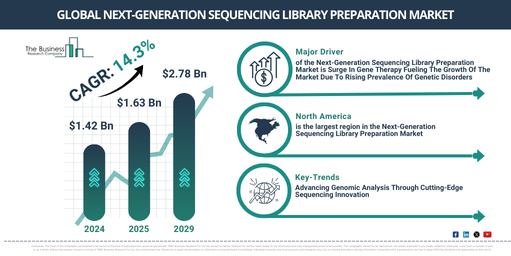
    The next-generation sequencing library preparation market size has seen rapid expansion in recent years. It is anticipated to increase from $1.42 billion in 2024 to $1.63 billion in 2025, achieving a compound annual growth rate (CAGR) of 14.7%. Historically, this growth can be attributed to its escalating usage in infectious disease surveillance, increased funding for genomic research, wider adoption during the pandemic, enhanced accessibility for research laboratories, and its expanding application in precision medicine.

    The next-generation sequencing library preparation market size is projected to experience substantial expansion over the upcoming years. This market is anticipated to reach $2.78 billion by 2029, exhibiting a compound annual growth rate (CAGR) of 14.3%. During this projected period, the expansion is primarily driven by wider acceptance in clinical diagnostics, escalating demand for tailored medicine, expanding uses in oncology research, a greater requirement for high-throughput sequencing, and an intensified focus on lowering turnaround times. Significant developments expected during the forecast timeframe encompass improvements in workflow effectiveness, the incorporation of artificial intelligence into data processing, technologically-driven harmonization of protocols, creation of more accessible systems, and progress in cloud-based data solutions.

    Unlock Your Free Sample Report for Exclusive Market Data:

    https://www.thebusinessresearchcompany.com/sample.aspx?id=27365&type=smp

    What Are The Main Drivers Boosting The Next-Generation Sequencing Library Preparation Industry’s Expansion?

    The next-generation sequencing library preparation market is expected to advance with the growing prevalence of gene therapy. Gene therapy is a medical approach that modifies an individual’s genes to prevent or cure diseases. Its increasing use stems from the rising occurrence of genetic disorders that demand targeted and enduring treatment solutions. Next-generation sequencing (NGS) library preparation is utilized within gene therapy to accurately examine and confirm genetic modifications by preparing high-quality DNA or RNA samples for sequencing. For instance, in April 2024, the American Society of Gene and Cell Therapy, a US-based non-profit medical and scientific organization, reported a 10% rise in phase III gene therapy clinical trials during the fourth quarter, signifying the first quarterly increase since the third quarter of 2022. Consequently, the expansion of gene therapy is propelling the growth of the next-generation sequencing library preparation market.

    How Is The Next-Generation Sequencing Library Preparation Market Segmented?

    The next-generation sequencing library preparation market covered in this report is segmented

    1) By Sequencing Type: Targeted Genome Sequencing, Whole Genome Sequencing, Whole Exome Sequencing, Other Sequencing Types

    2) By Product: Reagents And Consumables, DNA Library Preparation Kits, Library Preparation Kits, RNA Library Preparation Kits, Other Products

    3) By Technology: Ion Semiconductor Sequencing, Sequencing By Synthesis (SBS), Nanopore Sequencing, Single-Molecule Real-Time Sequencing (SMRT), Other Technologies

    4) By Application: Drug And Biomarker Discovery, Disease Diagnostics, Cancer Diagnostics, Reproductive Health Diagnostics, Infectious Disease Diagnostics, Other Applications

    5) By End-User: Hospitals And Clinics, Academic And Research Institutions, Pharmaceutical And Biotechnology Companies, Other End Users

    Subsegments:

    1) By Targeted Genome Sequencing: Amplicon Sequencing, Hybridization Capture-Based Sequencing, CRISPR-Based Target Enrichment, Multiplex PCR

    2) By Whole Genome Sequencing: Human Whole Genome Sequencing, Animal Whole Genome Sequencing, Plant Whole Genome Sequencing, Microbial Whole Genome Sequencing

    3) By Whole Exome Sequencing: Clinical Whole Exome Sequencing, Research Whole Exome Sequencing, Custom Exome Sequencing, Population-Scale Exome Sequencing

    4) By Other Sequencing Types: RNA Sequencing, ChIP Sequencing (ChIP-Seq), Methylation Sequencing, Single-Cell Sequencing

    Which Key Trends Are Expected To Influence The Next-Generation Sequencing Library Preparation Market In The Coming Years?

    Companies operating within the next-generation sequencing library preparation market are prioritizing the development of advanced technologies, such as Xpandomer technology, aiming to boost sequencing speed, elevate data accuracy, and increase scalability. This focus intends to simplify workflows and facilitate more effective and dependable genomic analysis. Xpandomer technology itself is an innovative method for deoxyribonucleic acid (DNA) or ribonucleic acid (RNA) sequencing, which transforms a target nucleic acid molecule into an artificial, elongated polymer, also termed an Xpandomer, that is 50 times longer than the original deoxyribonucleic acid (DNA) or ribonucleic acid (RNA) strand. For example, in February 2025, Roche AG, a Switzerland-based biotechnology firm, introduced Sequencing by Expansion, a sophisticated sequencing platform designed to improve genomic resolution for applications in advanced diagnostics, disease investigation, and precision medicine. This advanced automated next-generation sequencing (NGS) library preparation system optimizes intricate workflows, improves data quality, and speeds up genomic analysis, supporting cutting-edge research and personalized healthcare. The sequencing by expansion platform offers extensive adaptability, allowing for accurate examination of diverse genomic modifications in numerous conditions, including cancer and rare genetic disorders, by providing enhanced resolution and precision for profound biological understanding.

    Which Global Market Leaders Are Shaping The Future Of The Next-Generation Sequencing Library Preparation Sector?

    Major companies operating in the next-generation sequencing library preparation market are F. Hoffmann-La Roche Ltd., Thermo Fisher Scientific Inc., Agilent Technologies India Private Limited, Illumina Inc., Beckman Coulter Inc., Bio-Rad Laboratories Inc., IDT Corporation, Tecan Group AG, Hamilton Company, Takara Bio Inc., 10x Genomics Inc., Oxford Nanopore Technologies Plc, Twist Bioscience Corporation, New England Biolabs Inc., SPT Labtech Limited, Watchmaker Genomics Inc., Pillar Biosciences Inc., Aurora Biomed Inc., BGI Group, and SEQWELL INC.

    Download The Full Report For Exclusive Market Findings:

    https://www.thebusinessresearchcompany.com/report/next-generation-sequencing-library-preparation-global-market-report

    Which Region Is Expected To Witness The Fastest Growth In The Next-Generation Sequencing Library Preparation Market?

    North America was the largest region in the next-generation sequencing library preparation market in 2024. Asia-Pacific is expected to be the fastest-growing region in the forecast period. The regions covered in the next-generation sequencing library preparation market report are Asia-Pacific, Western Europe, Eastern Europe, North America, South America, Middle East, Africa.

    Request A Customized Version Of The Next-Generation Sequencing Library Preparation Market Report:

    https://www.thebusinessresearchcompany.com/customise?id=27365&type=smp

    Browse Through More Reports Similar to the Global Next-Generation Sequencing Library Preparation Market 2025, By The Business Research Company

    Digital Water Solution Global Market Report 2025

    https://www.thebusinessresearchcompany.com/report/digital-water-solution-global-market-report

    Industrial Water Treatment Chemicals Global Market Report 2025

    https://www.thebusinessresearchcompany.com/report/industrial-water-treatment-chemicals-global-market-report

    Cooling Water Treatment Chemicals Global Market Report 2025

    https://www.thebusinessresearchcompany.com/report/cooling-water-treatment-chemicals-global-market-report

    Get in touch with us:

    The Business Research Company: https://www.thebusinessresearchcompany.com/

    Americas +1 310-496-7795

    Asia +44 7882 955267 & +91 8897263534

    Europe +44 7882 955267

    Email us at info@tbrc.info

    Follow us on:

    LinkedIn: https://in.linkedin.com/company/the-business-research-company

    YouTube: https://www.youtube.com/channel/UC24_fI0rV8cR5DxlCpgmyFQ

    Global Market Model: https://www.thebusinessresearchcompany.com/global-market-model
  • Next-Generation Mass Spectrometer Market Trends 2025–2029: Forecasts for Key Growth Segments

    Next-Generation Mass Spectrometer Market Trends 2025–2029: Forecasts for Key Growth Segments

    Unlock Global Insights – Save 20% on Market Reports with Code ONLINE20

    How Does The Market Size Of The Next-Generation Mass Spectrometer Industry Compare Between 2025 And 2029?

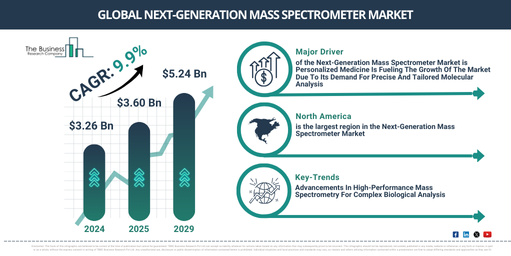
    The next-generation mass spectrometer market has experienced significant expansion in recent years. This market is projected to grow from $3.26 billion in 2024 to $3.60 billion in 2025, exhibiting a compound annual growth rate (CAGR) of 10.2%. The historical growth can be attributed to factors such as the increasing adoption in pharmaceutical research, a rising need for food safety analysis, the proliferation of environmental monitoring applications, the expansion of academic proteomics studies, and increased government funding allocated for clinical diagnostics.

    The next-generation mass spectrometer market is projected to experience substantial expansion in the coming years, reaching a valuation of $5.24 billion by 2029, exhibiting a compound annual growth rate (CAGR) of 9.9%. This anticipated growth is primarily driven by factors such as the surging need for personalized medicine, expanding utility in biotechnology and life sciences, an uptick in chronic diseases necessitating molecular diagnostics, the broadening scope of forensic and toxicology examinations, and stricter regulatory demands for contaminant analysis. Key developments expected within this timeframe encompass the emergence of miniaturized and portable instruments, advancements in software and artificial intelligence for enhanced data analysis, dedicated research and development efforts in proteomics and metabolomics, and increased automation and integration within high-throughput analytical workflows.

    Unlock Your Free Sample Report for Exclusive Market Data:

    https://www.thebusinessresearchcompany.com/sample.aspx?id=27364&type=smp

    Which Factors And Drivers Are Influencing The Next-Generation Mass Spectrometer Market In 2025?

    The next-generation mass spectrometer market is projected to experience growth due to the increasing focus on personalized medicine. This medical approach customizes treatment and healthcare choices based on an individual’s unique genetic, environmental, and lifestyle factors to achieve more effective outcomes. The heightened importance of personalized medicine arises from the need to deliver tailored treatments that enhance patient outcomes, minimize adverse reactions, and optimize healthcare efficiency, considering individual genetic and lifestyle elements. Next-generation mass spectrometers support personalized medicine by offering highly precise and comprehensive molecular analysis, which assists in identifying specific biomarkers, monitoring therapeutic responses, and guiding customized treatment plans for improved patient results. For example, in February 2024, a report by the Personalized Medicine Coalition, a US-based non-profit organization, revealed that in 2023, the Food and Drug Administration (FDA), a US-based federal agency, authorized 16 new personalized medicines for rare disease patients, an increase from six in 2022. Thus, the growing emphasis on personalized medicine is set to propel the expansion of the next-generation mass spectrometer market.

    What Are The Key Segments In The Next-Generation Mass Spectrometer Market?

    The next-generation mass spectrometer market covered in this report is segmented

    1) By Type: Fourier Transform, Linear Ion Trap Mass Spectrometry, Other Types

    2) By Application: Pharmaceuticals, Biotechnology, Clinical Diagnostics, Environmental Analysis, Food And Beverage Testing, Forensic Science, Other Applications

    3) By End User: Research Laboratories, Academic Institutions, Pharmaceutical Companies, Biotechnology Firms, Clinical Laboratories, Government Agencies

    Subsegments:

    1) By Fourier Transform Mass Spectrometry: Fourier Transform Ion Cyclotron Resonance (FT-ICR), Fourier Transform Orbitrap Mass Spectrometry, Hybrid FT-MS Systems, High-Resolution Accurate Mass (HRAM) FT-MS

    2) By Linear Ion Trap Mass Spectrometry: Quadrupole Ion Trap, Three-Dimensional Linear Ion Trap, Dual-Pressure Linear Ion Trap, Linear Ion Trap-Time Of Flight (LIT-TOF) Hybrid

    3) By Other Types: Time-Of-Flight Mass Spectrometry (TOF-MS), Quadrupole Mass Spectrometry, Orbitrap Mass Spectrometry (Non-FT Applications), Magnetic Sector Mass Spectrometry, Ion Mobility Mass Spectrometry, Hybrid Mass Spectrometers

    What Are The Major Trends Driving The Growth Of The Next-Generation Mass Spectrometer Market?

    Leading companies within the next-generation mass spectrometer market are prioritizing the creation of highly efficient instruments designed to empower researchers to analyze intricate biological samples with unparalleled precision and speed. These innovations are intended to improve biomarker discovery, facilitate the early detection of diseases, and accelerate the progression of personalized therapies. For example, in June 2023, Thermo Fisher Scientific Inc., a US-based clinical research company, unveiled the Orbitrap Astral mass spectrometer, which boasts fast throughput, high sensitivity, and deep proteome coverage, representing one of the most significant mass spectrometry advancements in 15 years. This cutting-edge instrument allows scientists to identify previously elusive low-abundance proteins by integrating ultra-fast scan speeds, exceptional sensitivity, and extensive proteome coverage, thereby considerably advancing large-scale proteomic analysis. Moreover, it incorporates enhanced ion transmission efficiency, an improved dynamic range, and up to four times higher throughput, supporting quicker biomarker discovery, precise quantification, and the development of targeted therapies for a broad spectrum of diseases.

    Which Industry Leaders Are Driving Innovation Across The Next-Generation Mass Spectrometer Market?

    Major companies operating in the next-generation mass spectrometer market are Hitachi Ltd., F. Hoffmann-La Roche Ltd, Thermo Fisher Scientific Inc., Danaher Corporation, Agilent Technologies Inc., PerkinElmer Inc., Shimadzu Corporation, Waters Corporation, Bruker Corporation, HORIBA Ltd., JEOL Ltd., Rigaku Corporation, LECO Corporation, Hiden Analytical Ltd., Scion Instruments Ltd., MOBILion Systems Inc., Jiangsu Skyray Instrument Co. Ltd., Spacetek Technology Inc., and Hexsor Scientific Ltd.

    Download The Full Report For Exclusive Market Findings:

    https://www.thebusinessresearchcompany.com/report/next-generation-mass-spectrometer-global-market-report

    Which Global Regions Are Influencing The Competitive Landscape Of The Next-Generation Mass Spectrometer Market?

    North America was the largest region in the next-generation mass spectrometer market in 2024. Asia-Pacific is expected to be the fastest-growing region in the forecast period. The regions covered in the next-generation mass spectrometer market report are Asia-Pacific, Western Europe, Eastern Europe, North America, South America, Middle East, Africa.

    Request A Customized Version Of The Next-Generation Mass Spectrometer Market Report:

    https://www.thebusinessresearchcompany.com/customise?id=27364&type=smp

    Browse Through More Reports Similar to the Global Next-Generation Mass Spectrometer Market 2025, By The Business Research Company

    Point Of Sale Pos Software Global Market Report 2025

    https://www.thebusinessresearchcompany.com/report/point-of-sale-pos-software-global-market-report

    Restaurant Point Of Sale Pos Software Global Market Report 2025

    https://www.thebusinessresearchcompany.com/report/restaurant-point-of-sale-pos-software-global-market-report

    Cloud Point Of Sale Pos Global Market Report 2025

    https://www.thebusinessresearchcompany.com/report/cloud-point-of-sale-pos-global-market-report

    Get in touch with us:

    The Business Research Company: https://www.thebusinessresearchcompany.com/

    Americas +1 310-496-7795

    Asia +44 7882 955267 & +91 8897263534

    Europe +44 7882 955267

    Email us at info@tbrc.info

    Follow us on:

    LinkedIn: https://in.linkedin.com/company/the-business-research-company

    YouTube: https://www.youtube.com/channel/UC24_fI0rV8cR5DxlCpgmyFQ

    Global Market Model: https://www.thebusinessresearchcompany.com/global-market-model
  • Next Generation Tissue Biomarkers Market Forecast 2025–2034: Where Businesses Should Invest Next

    Next Generation Tissue Biomarkers Market Forecast 2025–2034: Where Businesses Should Invest Next

    Unlock Global Insights – Save 20% on Market Reports with Code ONLINE20

    What Is The Predicted Market Size Trajectory For The Next Generation Tissue Biomarkers Market From 2025 To 2034?

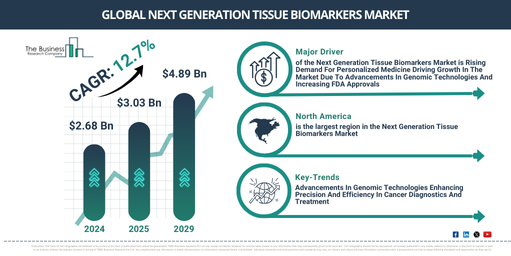
    The next generation tissue biomarkers market has seen rapid growth in recent years. It is forecast to increase from $2.68 billion in 2024 to $3.03 billion in 2025, at a compound annual growth rate (CAGR) of 13.1%. This historic growth can be ascribed to factors such as the escalating demand for personalized medicine, the expanding use of immunohistochemistry techniques, the increasing requirement for early disease detection, rising healthcare expenditures, advancements in diagnostic imaging technologies, heightened awareness about biomarker-based diagnostics, and a strengthened focus on companion diagnostics.

    The next generation tissue biomarkers market size is anticipated to experience swift expansion in the coming years. It is projected to grow to $4.89 billion in 2029, demonstrating a compound annual growth rate (CAGR) of 12.7%. This growth during the forecast period can be attributed to an escalating demand for multiplex biomarker assays, the increasing utilization of next-generation sequencing, rising investments in cancer research, the expanding applications of digital pathology, the growing deployment of AI in diagnostics, a significant increase in clinical trials for targeted therapies, and the growing availability of tissue-based genomic data. Prominent trends within this forecast period include advancements in next-generation sequencing, the integration of artificial intelligence (AI) into digital pathology, the development of advanced mass spectrometry-based proteomics, improvements in ribonucleic acid biomarker detection technologies, and seamless integration with cloud-based data platforms.

    Unlock Your Free Sample Report for Exclusive Market Data:

    https://www.thebusinessresearchcompany.com/sample.aspx?id=27363&type=smp

    What Are The Key Drivers Of Growth In The Next Generation Tissue Biomarkers Market?

    The increasing demand for personalized medicine is projected to stimulate the growth of the next generation tissue biomarkers market moving forward. Personalized medicine refers to a medical methodology that customizes treatment strategies based on an individual’s genetic makeup, lifestyle, and environmental elements. The integration of personalized medicine is expanding due to ongoing progress in genomic technologies, which facilitate highly specific and individualized treatment plans. The call for personalized medicine is boosting the creation of next-generation tissue biomarkers, as these provide exact and tailored data essential for adapting treatments to each patient’s distinct tissue profile. For instance, in February 2024, the Personalized Medicine Coalition, a US-based non-profit organization, reported that in 2023, the FDA gave approval to 16 new personalized treatments for rare disease patients, an increase from six in 2022. The newly approved personalized treatments for 2023 also encompassed seven cancer drugs and three for other diseases and conditions. Therefore, the escalating need for personalized medicine is a primary force driving the growth of the next generation tissue biomarkers market.

    What Are The Leading Segments Analyzed In The Next Generation Tissue Biomarkers Market?

    The next generation tissue biomarkers market covered in this report is segmented

    1) By Type: Genomic Biomarkers, Proteomic Biomarkers, Epigenetic Biomarkers, Transcriptomic Biomarkers, Metabolomic Biomarkers

    2) By Technology: Immunohistochemistry, Next-Generation Sequencing, Mass Spectrometry (Ms)-Based Proteomics, Spatial Biology Platforms, Digital Pathology And Artificial Intelligence Analysis, Other Technologies

    3) By Application: Oncology, Companion Diagnostics, Drug Discovery And Development, Neurology, Other Applications

    4) By End Use: Hospitals And Reference Labs, Pharma And Biotech Companies, Academic And Research Institutes, Contract Research Organizations

    Subsegments:

    1) By Genomic Biomarkers: Single Nucleotide Polymorphisms, Copy Number Variations, Gene Fusions

    2) By Proteomic Biomarkers: Protein Expression Levels, Post-Translational Modifications, Protein-Protein Interactions

    3) By Epigenetic Biomarkers: Histone Modification Patterns, Chromatin Remodeling Biomarkers, Non-Coding Ribonucleic Acid Regulation

    4) By Transcriptomic Biomarkers: Long Non-Coding Ribonucleic Acids, Circular Ribonucleic Acids, Alternative Splicing Variants

    5) By Metabolomic Biomarkers: Lipid Profiles, Amino Acid Signatures, Organic Acids

    What Are The Major Trends Driving The Growth Of The Next Generation Tissue Biomarkers Market?

    Leading companies in the next generation tissue biomarkers market are concentrating on creating advanced solutions, including genomic-based diagnostic assays and sequencing solutions, with the aim of boosting the accuracy, speed, and personalization of cancer diagnosis and treatment. These genomic-based diagnostic assays and sequencing solutions involve tools and techniques that analyze genetic information to pinpoint disease-related biomarkers, thus allowing for more precise and individualized approaches to diagnosis and therapy. For instance, in August 2024, Illumina Inc., a US-based biotechnology company, obtained FDA approval for its TruSight Oncology Comprehensive test, along with two companion diagnostics, to quickly connect cancer patients with targeted therapies. This test profiles more than 500 genes from a single tissue sample, enabling precise treatment selection for various solid tumors. It automates biomarker detection and supports 24/7 deployment, notably reducing turnaround times and improving clinical efficiency, which signifies a modern method for streamlining cancer diagnostics within a regulated framework.

    Who Are The Key Multinational Companies Dominating The Next Generation Tissue Biomarkers Market?

    Major companies operating in the next generation tissue biomarkers market are Roche Diagnostics, Thermo Fisher Scientific Inc., LabCorp., Quest Diagnostics Incorporated, Agilent Technologies Inc., Illumina Inc., Bio-Rad Laboratories Inc., QIAGEN N.V., Bio-Techne Corporation, Myriad Genetics Inc., NeoGenomics Laboratories Inc., Guardant Health Inc., Foundation Medicine Inc., NanoString Technologies Inc., PathAI Inc., Biocartis Group NV, Personalis Inc., Ultivue Inc., Indica Labs Inc., Strata Oncology Inc., Genialis Inc., Alida Biosciences Inc., and Biofidelity Ltd.

    Download The Full Report For Exclusive Market Findings:

    https://www.thebusinessresearchcompany.com/report/next-generation-tissue-biomarkers-global-market-report

    What Are The Regional Market Dynamics Impacting The Next Generation Tissue Biomarkers Industry?

    North America was the largest region in the next generation tissue biomarkers market in 2024. Asia-Pacific is expected to be the fastest-growing region in the forecast period. The regions covered in the next generation tissue biomarkers market report are Asia-Pacific, Western Europe, Eastern Europe, North America, South America, Middle East, Africa.

    Request A Customized Version Of The Next Generation Tissue Biomarkers Market Report:

    https://www.thebusinessresearchcompany.com/customise?id=27363&type=smp

    Browse Through More Reports Similar to the Global Next Generation Tissue Biomarkers Market 2025, By The Business Research Company

    Nail Care Products Global Market Report 2025

    https://www.thebusinessresearchcompany.com/report/nail-care-products-global-market-report

    Nail Salon Global Market Report 2025

    https://www.thebusinessresearchcompany.com/report/nail-salon-global-market-report

    Nail Polish Global Market Report 2025

    https://www.thebusinessresearchcompany.com/report/nail-polish-global-market-report

    Get in touch with us:

    The Business Research Company: https://www.thebusinessresearchcompany.com/

    Americas +1 310-496-7795

    Asia +44 7882 955267 & +91 8897263534

    Europe +44 7882 955267

    Email us at info@tbrc.info

    Follow us on:

    LinkedIn: https://in.linkedin.com/company/the-business-research-company

    YouTube: https://www.youtube.com/channel/UC24_fI0rV8cR5DxlCpgmyFQ

    Global Market Model: https://www.thebusinessresearchcompany.com/global-market-model