Blog

  • Global Next Generation Surgical Robotics Market Analysis 2025–2029: Opportunities for Strategic Growth

    Global Next Generation Surgical Robotics Market Analysis 2025–2029: Opportunities for Strategic Growth

    Unlock Global Insights – Save 20% on Market Reports with Code ONLINE20

    How Much Larger Is The Next Generation Surgical Robotics Market Expected To Become By 2029 Compared With Its 2025 Level?

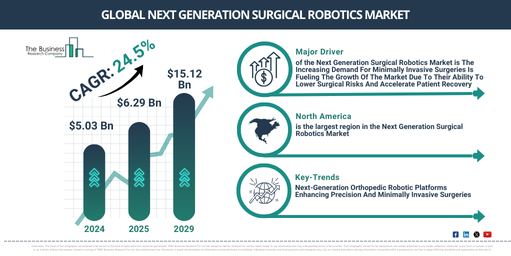
    The next-generation surgical robotics market has seen remarkable expansion in recent years. This market is projected to expand from $5.03 billion in 2024 to reach $6.29 billion by 2025, demonstrating a compound annual growth rate (CAGR) of 24.9%. Historically, this growth has been driven by factors such as the greater embrace of minimally invasive surgical techniques, a heightened need for accurate surgical procedures, an expanding elderly demographic, improvements in hospital infrastructure, and greater public knowledge regarding robotic-assisted surgery.

    The next-generation surgical robotics market is anticipated to experience substantial growth in the upcoming years, with its valuation expected to reach $15.12 billion by 2029, demonstrating a compound annual growth rate (CAGR) of 24.5%. This expansion during the forecast period can be attributed to factors such as increasing investment in healthcare automation, a rising demand for outpatient surgical procedures, the expansion of surgical robotics training programs, favorable reimbursement policies, and a growing focus on precision surgery. Key trends identified for this period include the miniaturization of robotic systems, the development of autonomous robotic systems, increased investment in research and development, innovation in haptic feedback and imaging technologies, and advancements in cloud-based surgical platforms.

    Unlock Your Free Sample Report for Exclusive Market Data:

    https://www.thebusinessresearchcompany.com/sample.aspx?id=27362&type=smp

    Which Drivers Are Supporting Growth Of The Next Generation Surgical Robotics Market?

    The increasing demand for minimally invasive surgeries is projected to drive the expansion of the next-generation surgical robotics market. These procedures involve operations through small incisions using specialized instruments, aiming to reduce pain, accelerate recovery, and minimize surgical risks. The increasing preference for minimally invasive surgeries stems from their effectiveness in minimizing incisions, which subsequently lessens patient discomfort, lowers infection risk, shortens hospital stays, and hastens recovery. Next-generation surgical robotics further refines minimally invasive techniques by providing surgeons with enhanced precision, improved visualization, and superior instrument control, thereby reducing errors, limiting tissue damage, and speeding patient recovery. A notable example is the data from March 2023, where the British Association of Aesthetic Plastic Surgeons reported approximately 31,057 minimally invasive cosmetic surgeries in the UK in 2022, representing a substantial 102% increase from the previous year. Consequently, the growing demand for minimally invasive surgeries acts as a key driver for the next-generation surgical robotics market.

    What Are The Segment Types Shaping The Next Generation Surgical Robotics Market?

    The next generation surgical robotics market covered in this report is segmented

    1) By Components: Systems, Accessories, Services

    2) By Technology: Master-Slave Robotic Technology, Minimally Invasive Robotic Technology, Robotic-Assisted Laparoscopy, Artificial Intelligence and Machine Learning Integration

    3) By Application: Gynecological Surgery, Urological Surgery, Neurosurgery, Orthopedic Surgery, General Surgery, Other Applications

    4) By End-User: Hospitals, Ambulatory Surgical Centers, Other End-Users

    Subsegments:

    1) By Systems: Autonomous Surgical Robots, Semi-Autonomous Surgical Robots, Telesurgical Robots, Haptic Feedback Robots

    2) By Accessories: Surgical Instrument Sets, Endoscopic Tools, Robotic Arms And Graspers, Visualization And Imaging Modules

    3) By Services: Maintenance And Support Services, Training And Education Services, Software Updates And Integration Services, Consulting And Implementation Services

    What Trends Are Expected To Drive The Next Generation Surgical Robotics Market?

    Leading companies in the next-generation surgical robotics market are focusing on creating innovative technology, such as orthopedic robotic platforms, to achieve improved patient outcomes using minimally invasive techniques. These sophisticated orthopedic robotic platforms assist surgeons in performing highly precise bone and joint surgeries, while simultaneously enhancing implant placement and supporting minimally invasive procedures. For instance, in March 2025, Stryker Corporation, a US-based medical technology company, launched Mako 4, representing the fourth generation of its Mako SmartRobotics system. This system integrates advanced three-dimensional CT-based planning with the company’s fourth-generation Q Guidance System to expand its applications across hip, knee, spine, and shoulder procedures. It is designed to aid surgeons in both primary and revision procedures by enabling personalized surgical planning, real-time intraoperative guidance, and enhanced workflow efficiency, while also supporting complex cases like robotic hip revision with features including augment and screw planning, intraoperative screw trajectory guidance, and compatibility with revision implant portfolios.

    Which Leading Players Are Enhancing Their Next Generation Surgical Robotics Market Presence Worldwide?

    Major companies operating in the next generation surgical robotics market are Johnson & Johnson Services Inc., Medtronic plc, Stryker Corporation, Zimmer Biomet Holdings Inc., Smith & Nephew plc, Intuitive Surgical Inc., Accuray Incorporated, Medical Microinstruments Inc., PROCEPT BioRobotics Corporation, CMR Surgical Ltd., Noah Medical Inc., Distalmotion SA, Stereotaxis Inc., Neocis Inc., Moon Surgical SAS, Quantum Surgical SAS, Activ Surgical Inc., THINK Surgical Inc., Mendaera Inc., Galen Robotics Inc.

    Download The Full Report For Exclusive Market Findings:

    https://www.thebusinessresearchcompany.com/report/next-generation-surgical-robotics-global-market-report

    Which Region Shows The Highest Potential For Future Expansion In The Next Generation Surgical Robotics Market?

    North America was the largest region in the next-generation surgical robotics market in 2024. Asia-Pacific is expected to be the fastest-growing region in the forecast period. The regions covered in the next generation surgical robotics market report are Asia-Pacific, Western Europe, Eastern Europe, North America, South America, Middle East, Africa.

    Request A Customized Version Of The Next Generation Surgical Robotics Market Report:

    https://www.thebusinessresearchcompany.com/customise?id=27362&type=smp

    Browse Through More Reports Similar to the Global Next Generation Surgical Robotics Market 2025, By The Business Research Company

    Woodworking Machinery Global Market Report 2025

    https://www.thebusinessresearchcompany.com/report/woodworking-machinery-global-market-report

    Bridges Gateways And Routers Global Market Report 2025

    https://www.thebusinessresearchcompany.com/report/bridges-gateways-and-routers-global-market-report

    Downhole Tools Global Market Report 2025

    https://www.thebusinessresearchcompany.com/report/downhole-tools-global-market-report

    Get in touch with us:

    The Business Research Company: https://www.thebusinessresearchcompany.com/

    Americas +1 310-496-7795

    Asia +44 7882 955267 & +91 8897263534

    Europe +44 7882 955267

    Email us at info@tbrc.info

    Follow us on:

    LinkedIn: https://in.linkedin.com/company/the-business-research-company

    YouTube: https://www.youtube.com/channel/UC24_fI0rV8cR5DxlCpgmyFQ

    Global Market Model: https://www.thebusinessresearchcompany.com/global-market-model
  • Next Generation Sequencing (NGS) In Agrigenomics Industry Overview 2025: Growth Projections and Market Trends

    Next Generation Sequencing (NGS) In Agrigenomics Industry Overview 2025: Growth Projections and Market Trends

    Unlock Global Insights – Save 20% on Market Reports with Code ONLINE20

    #What Are The Current (2025) And Forecast (2029) Sizes Of The Next Generation Sequencing (NGS) In Agrigenomics Market?

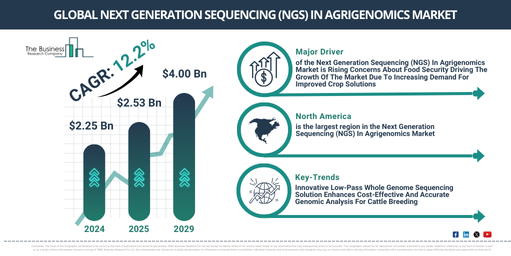
    The next-generation sequencing (NGS) in the agrigenomics market has seen rapid expansion in recent years. Its valuation is set to climb from $2.25 billion in 2024 to $2.53 billion in 2025, reflecting a compound annual growth rate (CAGR) of 12.5%. This historical upward trend is a result of factors such as the growing demand for high-yield and disease-resistant crop varieties, the increasing necessity for sustainable agricultural practices to address climate change, the expanding integration of precision farming and genomics-assisted breeding techniques, rising investment in agricultural biotechnology research and development, and heightened awareness regarding food security and the significance of genetic diversity.

    The next-generation sequencing (NGS) in the agrigenomics market size is projected to experience swift expansion over the coming years. Its valuation is anticipated to reach $4.00 billion by 2029, exhibiting a compound annual growth rate (CAGR) of 12.2%. This projected increase can be ascribed to several factors, including enhanced government investment and favorable regulatory frameworks for agrigenomics projects, wider access to sophisticated sequencing technologies, the expanding incorporation of big data and bioinformatics into efforts to enhance crop and livestock, strengthened partnerships among agribiotech firms, academic bodies, and agricultural producers, and a heightened emphasis on boosting livestock well-being and output via genetic evaluation. Key trends anticipated during this period encompass progress in high-throughput sequencing innovations, the convergence of bioinformatics and big data analysis, technological enhancements that decrease expenses and intricacy, new developments in long-read sequencing approaches, and improvements in gene editing instruments.

    Unlock Your Free Sample Report for Exclusive Market Data:

    https://www.thebusinessresearchcompany.com/sample.aspx?id=27361&type=smp

    Which Drivers Are Shaping The Next Generation Sequencing (NGS) In Agrigenomics Industry’s Market Share?

    Escalating apprehensions regarding food security are anticipated to boost the growth of next-generation sequencing (NGS) in the agrigenomics market moving forward. Food security involves guaranteeing that all individuals consistently have access to adequate, safe, and nutritious food to fulfill their dietary requirements for an active and healthy existence. These increasing concerns about food security arise from factors such as population expansion, which pushes the demand for food beyond the present agricultural production capabilities. Next-generation sequencing (NGS) in agrigenomics contributes to food security by facilitating the development of enhanced crop varieties that offer higher yield, improved disease resistance, and greater climate adaptability. For example, in August 2025, the United States Department of Agriculture, a US-based government agency, indicated that food insecurity impacted 13.5% (18.0 million) of American families in 2023, representing a statistically significant rise from 12.8% (17.0 million) in 2022. Thus, the growing worries concerning food security are propelling market expansion for next-generation sequencing (NGS) in agrigenomics.

    What Are The Different Segment Classifications Within The Next Generation Sequencing (NGS) In Agrigenomics Market?

    The next generation sequencing (NGS) in agrigenomics market covered in this report is segmented

    1) By Types: Nanopore, NextSeq, NovaSeq, Sequel

    2) By Sample Type: Blood Samples, Plant Tissue Samples, Soil Samples, Microbial Cultures, Seed Samples

    3) By Workflow Type: Sample Preparation, Sequencing, Data Analysis, Data Interpretation, Bioinformatics, Management

    4) By Application: Plant Genomics, Animal Genomics, Microbial Genomics, Food Safety Testing, Biodiversity Conservation

    5) By End-User Type: Agricultural Biotechnology Companies, Research Institutions, Food And Beverage Companies, Government, Regulatory Bodies, Farmers

    Subsegments:

    1) By Nanopore: MinION, GridION, PromethION

    2) By NextSeq: NextSeq 500, NextSeq 550

    3) By NovaSeq: NovaSeq 6000, NovaSeq X

    4) By Sequel: Sequel I, Sequel II, Sequel Iie

    Which Trends Are Impacting The Next Generation Sequencing (NGS) In Agrigenomics Market?

    Major companies engaged in next generation sequencing (NGS) within the agrigenomics market are directing their efforts toward developing advanced solutions, such as single-reaction sequencing, to provide economical and precise genomic insights that accelerate improvements in crops and livestock for sustainable agriculture. Single-reaction sequencing is a method that integrates multiple sequencing processes into a singular molecular assay, allowing for efficient concurrent genome-wide sequencing and targeted genotyping. For instance, in May 2022, Gencove Inc., a US-based biotechnology company, introduced InfiniSEEK through a partnership with NEOGEN Corporation, a US-based company specializing in food and animal safety products. This particular solution merges low-pass whole genome sequencing with high-coverage genotyping in one assay, offering cost-effective and accurate genomic data. It facilitates thorough sequencing of cattle populations to prevent selection bias, identify new genetic characteristics, and manage over 400 bovine traits with clinical-grade accuracy, validated to be over 99% concordant with deep sequencing.

    Which Major Firms Are Strengthening Their Position In The Next Generation Sequencing (NGS) In Agrigenomics Industry?

    Major companies operating in the next generation sequencing (ngs) in agrigenomics market are Thermo Fisher Scientific Inc., Eurofins Scientific SE, Agilent Technologies Inc., Illumina Inc., Daicel Corporation, Takara Holdings Inc., Tecan Group Ltd., Azenta Life Sciences, 10x Genomics Inc., Novogene Corporation, Twist Bioscience Inc., Oxford Nanopore Technologies Ltd., Genotypic Technology Pvt. Ltd., CD Genomics Inc., Zymo Research Corp., Genome Life Sciences Pvt. Ltd., Arraygen Technologies Pvt. Ltd., SciGenom Labs Pvt. Ltd., BGI Group, and Paragon Genomics Inc.

    Download The Full Report For Exclusive Market Findings:

    https://www.thebusinessresearchcompany.com/report/next-generation-sequencing-ngs-in-agrigenomics-global-market-report

    How Is Next Generation Sequencing (NGS) In Agrigenomics Market Demand Varying Across Different Regions?

    North America was the largest region in the next generation sequencing (NGS) in agrigenomics market in 2024. Asia-Pacific is expected to be the fastest-growing region in the forecast period. The regions covered in the next generation sequencing (NGS) in agrigenomics market report are Asia-Pacific, Western Europe, Eastern Europe, North America, South America, Middle East, Africa.

    Request A Customized Version Of The Next Generation Sequencing (NGS) In Agrigenomics Market Report:

    https://www.thebusinessresearchcompany.com/customise?id=27361&type=smp

    Browse Through More Reports Similar to the Global Next Generation Sequencing (NGS) In Agrigenomics Market 2025, By The Business Research Company

    Waterproof Adhesives And Sealants Global Market Report 2025

    https://www.thebusinessresearchcompany.com/report/waterproof-adhesives-and-sealants-global-market-report

    Waterproofing Chemicals Global Market Report 2025

    https://www.thebusinessresearchcompany.com/report/waterproofing-chemicals-global-market-report

    Underwater Connector Global Market Report 2025

    https://www.thebusinessresearchcompany.com/report/underwater-connector-global-market-report

    Get in touch with us:

    The Business Research Company: https://www.thebusinessresearchcompany.com/

    Americas +1 310-496-7795

    Asia +44 7882 955267 & +91 8897263534

    Europe +44 7882 955267

    Email us at info@tbrc.info

    Follow us on:

    LinkedIn: https://in.linkedin.com/company/the-business-research-company

    YouTube: https://www.youtube.com/channel/UC24_fI0rV8cR5DxlCpgmyFQ

    Global Market Model: https://www.thebusinessresearchcompany.com/global-market-model
  • Next Generation Complement Therapeutics Market Size Forecast: Revenue and CAGR by 2029

    Next Generation Complement Therapeutics Market Size Forecast: Revenue and CAGR by 2029

    Unlock Global Insights – Save 20% on Market Reports with Code ONLINE20

    What Market Value Is The Next Generation Complement Therapeutics Industry Expected To Reach By 2029, Starting From 2025 Levels?

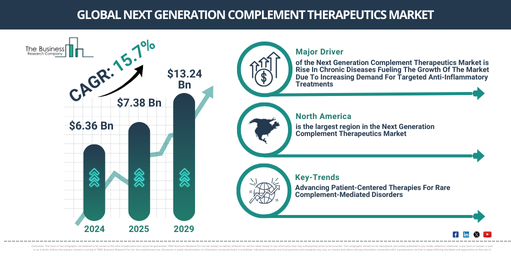
    The next generation complement therapeutics market has experienced significant expansion recently. It is projected to increase from $6.36 billion in 2024 to $7.38 billion in 2025, achieving a compound annual growth rate (CAGR) of 16.1%. The historical drivers for this growth include the rising acceptance of companion diagnostics, an uptick in personalized treatment strategies, the proliferation of telemedicine and digital health platforms, a stronger emphasis on rare and orphan diseases, and the augmented use of AI and machine learning in drug discovery.

    The next generation of complement therapeutics market is projected to experience substantial expansion over the coming years. By 2029, its valuation is anticipated to reach $13.24 billion, demonstrating a compound annual growth rate (CAGR) of 15.7%. This forecasted growth is primarily driven by factors such as increased investments from venture capital and private equity firms, the worldwide expansion of clinical trials, a greater reliance on real-world evidence (RWE), a rise in neurodegenerative disease diagnoses, and the introduction of microbiome-based therapeutic approaches. Key developments expected during this period involve the incorporation of digital biomarkers into clinical trials, the widespread adoption of CRISPR and gene editing technologies, the creation of multi-specific antibodies, the use of digital twins for simulating patients and delivering precise care, and the application of 3D bioprinting for customized drug evaluation and implants.

    Unlock Your Free Sample Report for Exclusive Market Data:

    https://www.thebusinessresearchcompany.com/sample.aspx?id=27360&type=smp

    What Are The Drivers Pushing New Developments In The Next Generation Complement Therapeutics Market?

    The rise in prevalence of chronic diseases is anticipated to fuel the expansion of the next-generation complement therapeutics market moving forward. A chronic disease refers to a persistent health condition that necessitates continuous management to alleviate symptoms and enhance the quality of life. The increase in chronic diseases stems from sedentary lifestyles, which restrict physical activity, disrupt metabolic processes, and heighten long-term health dangers. Next-generation complement therapeutics address chronic diseases by accurately targeting and regulating an overactive complement system, thereby diminishing inflammation and averting tissue damage. For example, in January 2022, the American Cancer Society, a US-based non-profit organization focused on cancer awareness, projected that the US would see approximately 1.9 million new cancer cases and 609,360 cancer-related fatalities, amounting to roughly 1,670 deaths each day. Consequently, the growing prevalence of chronic diseases is powering the expansion of the next-generation complement therapeutics market.

    What Are The Primary Types Of Segments Analyzed In The Next Generation Complement Therapeutics Market?

    The next generation complement therapeutics market covered in this report is segmented

    1) By Type Of Therapy: Monotherapy, Adjunctive Therapy

    2) By Molecule Type: Biologic, Small Molecule

    3) By Route Of Administration: Intravenous, Oral, Intravitreal, Subcutaneous

    4) By Indication: Paroxysmal Nocturnal Hemoglobinuria, Geographic Atrophy (GA) Secondary To Age-Related Macular Degeneration, Generalized Myasthenia Gravis, Atypical Hemolytic Uremic Syndrome, Other Indications

    5) By Therapeutic Area: Hematology, Ophthalmology, Neurology, Immunology Or Rheumatology, Other Therapeutic Areas

    Subsegments:

    1) By Monotherapy: C3 Inhibitors, C5 Inhibitors, Factor D Inhibitors, Factor B Inhibitors, C1 Inhibitors, MASP-2 Inhibitors

    2) By Adjunctive Therapy: Combination With Immunosuppressants, Combination With Steroids, Combination With Plasma Exchange, Combination With Biologics, Combination With Chemotherapeutics, Combination With Anticoagulants

    What Long-Term Trends Will Shape The Future Growth Of The Next Generation Complement Therapeutics Industry?

    Leading companies in the next-generation complement therapeutics market are concentrating on developing advanced treatments, such as novel anti-C5 recycling monoclonal antibodies, to offer more effective and less frequently administered options for complement-mediated disorders. An anti-C5 recycling monoclonal antibody is a bioengineered molecule designed to target and inhibit complement protein C5, thereby suppressing inflammation, while its recycling mechanism within the body enhances its half-life and overall therapeutic impact. For instance, in December 2022, Roche AG, a pharmaceutical company from Switzerland, announced promising Phase III data from its COMMODORE 3 study, revealing that crovalimab, a novel anti-C5 antibody, is both effective and well-tolerated in people with PNH in China. This treatment successfully met its primary goals of reducing the need for blood transfusions and controlling hemolysis. Crovalimab, designed for subcutaneous use every four weeks, provides a convenient, self-administered alternative to existing therapies. With Priority Review status granted by Chinese regulators, it is anticipated to soon become a valuable treatment option for PNH, particularly where access to C5 inhibitors is currently very limited.

    Who Are The Primary Competitors In The Global Next Generation Complement Therapeutics Market?

    Major companies operating in the next generation complement therapeutics market are AstraZeneca PLC, Novartis AG, Amgen Inc., Regeneron Pharmaceuticals Inc., Astellas Pharma Inc., Vertex Pharmaceuticals, Genentech Inc., Genmab A/S, Mallinckrodt Pharmaceuticals Ltd., Alnylam Pharmaceuticals Inc., Apellis Pharmaceuticals Inc., Omeros Corporation, CANbridge Pharmaceuticals Inc., Alexion Pharmaceuticals Inc., Molecular Partners AG, NovelMed Therapeutics Inc., InflaRx GmbH, Amyndas Pharmaceuticals S.A., Kira Pharmaceuticals Inc., ReAlta Life Sciences Inc.

    Download The Full Report For Exclusive Market Findings:

    https://www.thebusinessresearchcompany.com/report/next-generation-complement-therapeutics-global-market-report

    Which Geographies Are Emerging As Strong Markets For The Next Generation Complement Therapeutics Industry?

    North America was the largest region in the next generation complement therapeutics market in 2024. Asia-Pacific is expected to be the fastest-growing region in the forecast period. The regions covered in the next generation complement therapeutics market report are Asia-Pacific, Western Europe, Eastern Europe, North America, South America, Middle East, Africa.

    Request A Customized Version Of The Next Generation Complement Therapeutics Market Report:

    https://www.thebusinessresearchcompany.com/customise?id=27360&type=smp

    Browse Through More Reports Similar to the Global Next Generation Complement Therapeutics Market 2025, By The Business Research Company

    Payment Gateway Global Market Report 2025

    https://www.thebusinessresearchcompany.com/report/payment-gateway-global-market-report

    Payment Processor Global Market Report 2025

    https://www.thebusinessresearchcompany.com/report/payment-processor-global-market-report

    Quantum Technology Global Market Report 2025

    https://www.thebusinessresearchcompany.com/report/quantum-technology-global-market-report

    Get in touch with us:

    The Business Research Company: https://www.thebusinessresearchcompany.com/

    Americas +1 310-496-7795

    Asia +44 7882 955267 & +91 8897263534

    Europe +44 7882 955267

    Email us at info@tbrc.info

    Follow us on:

    LinkedIn: https://in.linkedin.com/company/the-business-research-company

    YouTube: https://www.youtube.com/channel/UC24_fI0rV8cR5DxlCpgmyFQ

    Global Market Model: https://www.thebusinessresearchcompany.com/global-market-model
  • Global Neurosurgical Robotics Market Trends and Growth Analysis 2025–2029

    Global Neurosurgical Robotics Market Trends and Growth Analysis 2025–2029

    Unlock Global Insights – Save 20% on Market Reports with Code ONLINE20

    What Is The Anticipated Size Of The Neurosurgical Robotics Market Over The Five-Year Period 2025–2029?

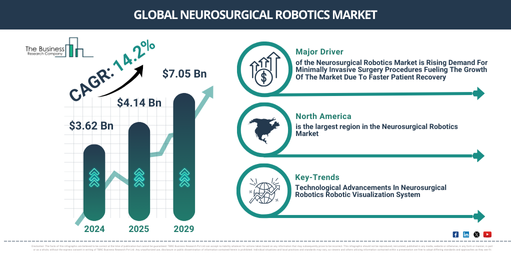
    The neurosurgical robotics market has seen rapid expansion in its size over recent years. It is anticipated to grow from $3.62 billion in 2024 to $4.14 billion in 2025, demonstrating a compound annual growth rate (CAGR) of 14.6%. The expansion observed during the historic period stems from a combination of factors, including the increasing desire for minimally invasive operations, the rising incidence of neurological conditions, an expanding global elderly population, the growth in the neurosurgeon workforce and associated training initiatives, and greater healthcare spending in developed economies.

    The neurosurgical robotics market is projected to experience substantial expansion in the coming years. By 2029, its value is set to reach $7.05 billion, demonstrating a compound annual growth rate (CAGR) of 14.2%. This growth during the forecast period is driven by several factors, including the heightened need for accuracy in intricate neurosurgical operations, the expanded presence of reimbursement policies, the developing healthcare infrastructure within emerging economies, increased understanding of the advantages of robotic surgery, and the expanding collaborations between medical technology firms and hospitals. Key trends for the upcoming period encompass improvements in neurosurgical navigation technology, ongoing breakthroughs in robotic arms and instruments, increased spending on research and development, progress in real-time imaging capabilities, and wider adoption of cloud-based data solutions within surgical systems.

    Unlock Your Free Sample Report for Exclusive Market Data:

    https://www.thebusinessresearchcompany.com/sample.aspx?id=27359&type=smp

    What Are The Emerging Market Drivers Creating New Opportunities In The Neurosurgical Robotics Industry?

    The increasing need for minimally invasive surgical procedures is projected to boost the expansion of the neurosurgical robotics market moving ahead. Minimally invasive surgery involves methods that restrict the scale and quantity of incisions, thereby minimizing physical trauma during operations. This escalating demand for minimally invasive surgical (MIS) procedures stems from quicker patient recuperation, given that these techniques result in less trauma, facilitating briefer hospitalizations, diminished discomfort, and a swifter return to daily routines. Neurosurgical robotics aids minimally invasive surgical (MIS) procedures by improving surgical exactness, steadiness, and command, enabling surgeons to perform operations via tinier incisions with higher precision and a lower chance of complications. As an illustration, in June 2024, the American Society of Plastic Surgeons, a US-based group of board-certified plastic surgeons, reported that minimally invasive procedures experienced a 7% increase in 2023, with the overall figure surpassing 25 million. Consequently, the growing requirement for minimally invasive surgical procedures is propelling the development of the neurosurgical robotics market.

    Which Key Segments Fueling The Neurosurgical Robotics Market?

    The neurosurgical robotics market covered in this report is segmented

    1) By Type Of Robot: Precision Robotic Systems, Navigation Systems, Surgical Assist Systems

    2) By Surgery Type: Minimally Invasive, Open Surgery

    3) By Application: Brain Tumor Resection, Deep Brain Stimulation (DBS), Spine Surgery

    4) By End User: Hospitals, Ambulatory Surgical Centers

    Subsegments:

    1) By Precision Robotic Systems: Robotic Tumor Resection Systems, Robotic Biopsy Devices, Robotic Laser Ablation Systems

    2) By Navigation Systems: Image-Guided Navigation Platforms, Electromagnetic Tracking Systems, Optical Tracking Navigation Systems

    3) By Surgical Assist Systems: Robotic Arm Positioning Devices, Endoscopic Assistance Robots, Instrument Guidance And Stabilization Systems

    Which Market Trends Are Creating New Opportunities In The Neurosurgical Robotics Industry?

    Leading companies in the neurosurgical robotics market are focusing on developing advanced solutions, such as robotic exoscope systems, to improve surgical precision, visualization, and minimally invasive capabilities during complex cranial and spinal procedures. A robotic exoscope system is an advanced surgical visualization device that integrates a high-resolution external scope (exoscope) with robotic-assisted controls to offer enhanced, hands-free imaging throughout surgery. For example, in September 2024, Zeiss Medical Technology, a Germany-based provider of medical technology solutions, launched the Kinevo 900 S robotic visualization system specifically for neurosurgery procedures. The ZEISS KINEVO 900 S robotic visualization system provides unique features that significantly boost neurosurgical precision and workflow efficiency. It incorporates high-resolution 4K 3D hybrid visualization, allowing surgeons to effortlessly switch between optical and digital views for enhanced comfort and accuracy. The system also includes advanced cobotic functionalities such as PointLock, PositionMemory, and AutoCenter, facilitating hands-free, AI-assisted positioning of the surgical view. Its DepthPro mode, with a single click, improves the depth of field, ensuring a greater portion of the surgical field remains in sharp focus.

    Which Key Market Players Are Investing In Expansion And Innovation Of Neurosurgical Robotics Market?

    Major companies operating in the neurosurgical robotics market are Medtronic Plc, Stryker Corporation, Zimmer Biomet Holdings Inc., Renishaw Plc, Brainlab AG, Panda Surgical Limited, Monteris Medical Inc., Synaptive Medical Inc., Novarad Corporation, Myomo Inc., ClearPoint Neuro Inc., ZAP Surgical Systems Inc., Robeauté SAS, Galen Robotics Limited, Axilum Robotics SA, AiM Medical Robotics Inc., NaoTrac, Zeta Surgical Inc., Brain Navi Biotechnology Co. Ltd., and Artedrone SAS.

    Download The Full Report For Exclusive Market Findings:

    https://www.thebusinessresearchcompany.com/report/neurosurgical-robotics-global-market-report

    Which Region Is Projected To Lead The Neurosurgical Robotics Market During The Forecast Period?

    North America was the largest region in the neurosurgical robotics market in 2024. Asia-Pacific is expected to be the fastest-growing region in the forecast period. The regions covered in the neurosurgical robotics market report are Asia-Pacific, Western Europe, Eastern Europe, North America, South America, Middle East, Africa.

    Request A Customized Version Of The Neurosurgical Robotics Market Report:

    https://www.thebusinessresearchcompany.com/customise?id=27359&type=smp

    Browse Through More Reports Similar to the Global Neurosurgical Robotics Market 2025, By The Business Research Company

    Plastic Pipes And Shapes Market 2025

    https://www.thebusinessresearchcompany.com/report/plastic-pipes-and-shapes-market

    Plastic Pipes And Pipe Fittings Global Market Report 2025

    https://www.thebusinessresearchcompany.com/report/plastic-pipes-and-pipe-fittings-global-market-report

    Polyethylene Pipes Global Market Report 2025

    https://www.thebusinessresearchcompany.com/report/polyethylene-pipes-global-market-report

    Get in touch with us:

    The Business Research Company: https://www.thebusinessresearchcompany.com/

    Americas +1 310-496-7795

    Asia +44 7882 955267 & +91 8897263534

    Europe +44 7882 955267

    Email us at info@tbrc.info

    Follow us on:

    LinkedIn: https://in.linkedin.com/company/the-business-research-company

    YouTube: https://www.youtube.com/channel/UC24_fI0rV8cR5DxlCpgmyFQ

    Global Market Model: https://www.thebusinessresearchcompany.com/global-market-model
  • Neuroregeneration Therapy Market Forecast: What to Expect by 2029

    Neuroregeneration Therapy Market Forecast: What to Expect by 2029

    Unlock Global Insights – Save 20% on Market Reports with Code ONLINE20

    What Are The Forecasted Market Size Estimates For The Neuroregeneration Therapy Market Between 2025 And 2029?

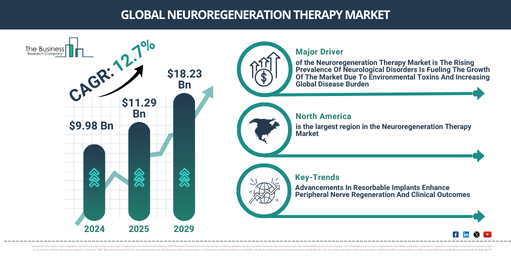
    The neuroregeneration therapy market has experienced substantial expansion in recent years. It is projected to increase from $9.98 billion in 2024 to $11.29 billion in 2025, demonstrating a compound annual growth rate (CAGR) of 13.1%. The growth observed in the historic period can be attributed to a combination of factors, including the increasing prevalence of neurological disorders, a rising global geriatric population, growing investments in research and development, increasing government support and funding, and rising collaborations between academia and industry.

    The neuroregeneration therapy market is set for significant expansion in the upcoming years, with projections indicating a rise to $18.23 billion by 2029, exhibiting a compound annual growth rate (CAGR) of 12.7%. This forecasted growth is largely driven by factors such as the escalating demand for neuroregeneration treatments, the increasing need for cell therapies, evolving healthcare requirements, augmented investments in biotechnology, and an expanding aging population. Prominent trends expected in this period include advancements in stem cell-based treatments, the progression of personalized medicine, innovations in gene editing for neurodegenerative conditions, the use of nanotechnology in drug delivery systems, and the growth of pharma-biotech collaborations.

    Unlock Your Free Sample Report for Exclusive Market Data:

    https://www.thebusinessresearchcompany.com/sample.aspx?id=27358&type=smp

    Which Drivers Are Impacting The Neuroregeneration Therapy Market?

    The neuroregeneration therapy market is anticipated to expand due to the increasing incidence of neurological disorders. These conditions, which disrupt the normal functioning of the nervous system, affect the brain, spinal cord, or peripheral nerves. The rise in neurological disorders is linked to exposure to environmental toxins; for example, prolonged contact with pollutants like heavy metals, pesticides, and industrial chemicals can harm the nervous system and increase the likelihood of developing neurodegenerative diseases. Neuroregeneration therapy addresses these disorders by mending or replacing damaged neurons and tissues, thereby restoring lost functions and encouraging healing within the brain, spinal cord, or nerves to enhance mobility, sensation, and overall quality of life. As reported in October 2023 by the World Federation of Neurology, a UK-based association of national neurological societies, over 40% of the global population currently suffers from some form of neurological condition, a burden projected to nearly double by 2050. Consequently, the growing prevalence of neurological disorders is a significant factor driving the neuroregeneration therapy market. The expanding elderly demographic is projected to boost the neuroregeneration therapy market moving forward. An aging population signifies a demographic shift characterized by an increased proportion of older individuals within society, presenting potential societal and economic challenges. This demographic growth primarily stems from longer life expectancies, a result of improvements in healthcare and living standards, leading to a greater number of elderly people. Neuroregeneration therapy assists the aging population by repairing compromised nerve cells to improve brain function and mobility, while also retarding cognitive decline to enhance the quality of life for those with neurological conditions. For instance, according to the House of Commons Library, a UK-based library and information resource of the lower house of the British Parliament, in July 2024, the population aged 65 and over accounted for approximately 19% of the UK’s total population in 2022, totaling around 12.7 million individuals. This segment is expected to increase substantially, reaching 22.1 million and making up 27% of the population by 2072. Thus, the increasing aging population is a key driver for the neuroregeneration therapy market.

    How Is The Neuroregeneration Therapy Market Classified Into Different Segments?

    The neuroregeneration therapy market covered in this report is segmented

    1) By Type Of Neuroregeneration Therapy: Stem Cell Therapy, Gene Therapy, Pharmacological Therapy, Neurostimulation Therapy, Other Types Of Neuroregeneration Therapy

    2) By Technology: Tissue Engineering, Cranial And Spinal Stimulation, Nanotechnology In Drug Delivery, Biomaterials Development

    3) By Mode Of Administration: Oral, Injectable, Implantable, Other Modes Of Administration

    4) By Indication: Spinal Cord Injury, Traumatic Brain Injury, Stroke, Parkinson’s Disease, Multiple Sclerosis, Alzheimer’s Disease, Peripheral Nerve Injury, Other Indications

    5) By End-User: Hospitals, Clinical Research Institutes, Academic Institutions, Pharmaceutical And Biotechnology Companies

    Subsegment:

    1) By Stem Cell Therapy: Embryonic Stem Cell Therapy, Mesenchymal Stem Cell Therapy, Neural Stem Cell Therapy, Induced Pluripotent Stem Cell Therapy, Hematopoietic Stem Cell Therapy

    2) By Gene Therapy: In Vivo Gene Therapy, Ex Vivo Gene Therapy, Viral Vector Based Gene Therapy, Non Viral Vector Based Gene Therapy, Genome Editing Gene Therapy

    3) By Pharmacological Therapy: Neuroprotective Drugs, Neurotrophic Factor Based Drugs, Anti Inflammatory Drugs, Antioxidant Drugs, Cholinesterase Inhibitors

    4) By Neurostimulation Therapy: Deep Brain Stimulation, Transcranial Magnetic Stimulation, Vagus Nerve Stimulation, Spinal Cord Stimulation, Transcranial Direct Current Stimulation

    5) By Other Types Of Neuroregeneration Therapy: Nanotechnology Based Therapy, Exosome Based Therapy, Biomaterial Based Therapy, Electromagnetic Field Therapy, Hyperbaric Oxygen Therapy

    How Are Trends Influencing The Neuroregeneration Therapy Market?

    Leading companies in the neuroregeneration therapy market are concentrating on developing advanced products, such as resorbable implants, to improve nerve regeneration by supporting axonal growth and enhancing clinical outcomes in peripheral nerve repair. A resorbable implant is a medical device designed to gradually dissolve and be absorbed by the body after serving its purpose, eliminating the need for surgical removal. For instance, in March 2022, Integra LifeSciences Holdings Corporation, a US-based biotechnology company, launched the NeuraGen 3D Nerve Guide Matrix, which is designed for the repair of peripheral nerve discontinuities. The product was engineered to create an optimized environment for nerve healing by combining Integra’s bovine type 1 collagen and an innovative inner matrix with porous channels, which guides Schwann cell migration and directs axonal growth. This launch represented a significant advancement in peripheral nerve repair, offering surgeons a new solution for short- to mid-gap nerve repairs, and was the culmination of years of research and technological collaboration focused on improving patient functional recovery after nerve injuries.

    Who Are The Core Companies Influencing The Neuroregeneration Therapy Market Landscape?

    Major companies operating in the neuroregeneration therapy market are F. Hoffmann-La Roche Ltd., Merck & Co. Inc., AbbVie Inc., Sanofi S.A., AstraZeneca PLC, Novartis International AG, Stryker Corporation, Biogen Inc., Synovis Life Technologies Inc., Integra LifeSciences Holdings Corporation, AxoGen Inc., Denali Therapeutics Inc., Aspen Neuroscience Inc., Neurona Therapeutics Inc., Lineage Cell Therapeutics Inc., Checkpoint Surgical Inc., Stemedica Cell Technologies Inc., Polyganics B.V., Epineuron Technologies Inc., NeuExcell Therapeutics Inc.

    Download The Full Report For Exclusive Market Findings:

    https://www.thebusinessresearchcompany.com/report/neuroregeneration-therapy-global-market-report

    What Are The Key Regional Factors Influencing The Neuroregeneration Therapy Market Growth?

    North America was the largest region in the neuroregeneration therapy market in 2024. Asia-Pacific is expected to be the fastest-growing region in the forecast period. The regions covered in the neuroregeneration therapy market report are Asia-Pacific, Western Europe, Eastern Europe, North America, South America, Middle East, Africa.

    Request A Customized Version Of The Neuroregeneration Therapy Market Report:

    https://www.thebusinessresearchcompany.com/customise?id=27358&type=smp

    Browse Through More Reports Similar to the Global Neuroregeneration Therapy Market 2025, By The Business Research Company

    Construction Plastics Global Market Report 2025

    https://www.thebusinessresearchcompany.com/report/construction-plastics-global-market-report

    Wood Plastic Composite Global Market Report 2025

    https://www.thebusinessresearchcompany.com/report/wood-plastic-composite-global-market-report

    Plastic Products Global Market Report 2025

    https://www.thebusinessresearchcompany.com/report/plastic-products-global-market-report

    Get in touch with us:

    The Business Research Company: https://www.thebusinessresearchcompany.com/

    Americas +1 310-496-7795

    Asia +44 7882 955267 & +91 8897263534

    Europe +44 7882 955267

    Email us at info@tbrc.info

    Follow us on:

    LinkedIn: https://in.linkedin.com/company/the-business-research-company

    YouTube: https://www.youtube.com/channel/UC24_fI0rV8cR5DxlCpgmyFQ

    Global Market Model: https://www.thebusinessresearchcompany.com/global-market-model
  • Nanotechnology In Cancer Treatment Industry Insights: Market Forecast to 2029

    Nanotechnology In Cancer Treatment Industry Insights: Market Forecast to 2029

    Unlock Global Insights – Save 20% on Market Reports with Code ONLINE20

    How Is The Nanotechnology In Cancer Treatment Market Size Likely To Evolve From 2025 Through 2034?

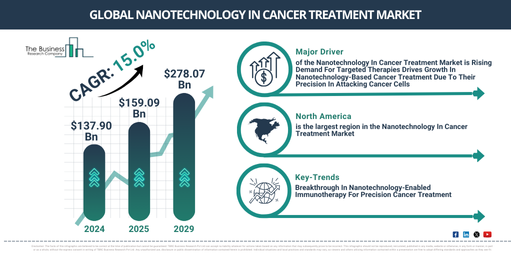
    The nanotechnology in the cancer treatment market has experienced rapid expansion in recent years. It is anticipated to grow from $137.90 billion in 2024 to $159.09 billion in 2025, achieving a compound annual growth rate (CAGR) of 15.4%. The observed growth during earlier periods can be attributed to the early rise in cancer prevalence worldwide, increased understanding of early cancer detection, greater investments in nanomedicine research and development, a growing preference for minimally invasive treatment options, and expanded government funding for oncology nanotech research.

    The nanotechnology in the cancer treatment market size is projected for swift expansion over the coming years, reaching $278.07 billion by 2029, exhibiting a compound annual growth rate (CAGR) of 15.0%. This anticipated growth during the forecast period stems from factors such as increasing demand for targeted cancer therapies, greater integration of nanotechnology into drug delivery systems, an expanding focus on personalized oncology treatment, a rise in clinical trials for nano-enabled cancer drugs, and broader adoption of nanotheranostics in cancer care. Key developments expected during this period involve progress in nanoparticle drug delivery platforms, novel cancer-specific nanocarrier solutions, the incorporation of AI with nanotechnology for precise oncology, the creation of multi-functional nanodevices for both diagnosis and therapy, and the broadening application of nanotheranostics in personalized medicine.

    Unlock Your Free Sample Report for Exclusive Market Data:

    https://www.thebusinessresearchcompany.com/sample.aspx?id=27357&type=smp

    Which Industry Drivers Are Expected To Accelerate The Nanotechnology In Cancer Treatment Market From 2025 To 2029?

    The increasing need for targeted therapies is projected to drive the expansion of nanotechnology within the cancer treatment market moving forward. These therapies are defined as cancer treatments that specifically target molecular markers or pathways involved in tumor growth and progression. The surge in demand for targeted treatments is attributed to their capability to precisely attack cancer cells, thereby minimizing harm to healthy tissue and reducing side effects. Nanotechnology in cancer treatment further enhances these therapies by enabling precise drug delivery directly to cancer cells, leading to improved effectiveness and reduced damage to healthy tissues. For instance, in July 2023, a report published by the American Society of Gene & Cell Therapy (ASGCT), a US-based professional membership organization, stated that at the close of Q1 2023, there were 247 gene therapies in Phase II. This number subsequently increased by 5%, reaching 260 by the end of Q2 2023. Thus, the escalating demand for targeted therapies is fueling the growth of nanotechnology in the cancer treatment market.

    What Are The Major Segments Identified In The Nanotechnology In Cancer Treatment Market?

    The nanotechnology in cancer treatment market covered in this report is segmented

    1) By Nanotechnology Type: Liposomes, Dendrimers, Nanoparticles

    2) By Treatment Type: Chemotherapy, Immunotherapy, Targeted Therapy, Combined Therapy Approaches, Surgery Assistance

    3) By Cancer Type: Breast Cancer, Lung Cancer, Prostate Cancer, Colorectal Cancer, Blood Cancer, Other Cancer Types

    4) By Application: Targeted Drug Delivery, Photothermal Therapy, Radiation Therapy Enhancement, Diagnostics And Imaging, Gene Delivery Systems

    5) By End-User: Hospitals, Research Institutions, Diagnostics Laboratories, Pharmaceutical Companies, Contract Research Organizations (CROs)

    Subsegments:

    1) By Liposomes: Conventional Liposomes, Stealth Liposomes, Cationic Liposomes, Immunoliposomes

    2) By Dendrimers: Polyamidoamine Dendrimers, Polypropyleneimine Dendrimers, Peptide-Based Dendrimers, Carbosilane Dendrimers

    3) By Nanoparticles: Gold Nanoparticles, Magnetic Nanoparticles, Polymeric Nanoparticles, Quantum Dots, Lipid Nanoparticles

    What Key Innovation Trends Are Fueling Advancements In The Nanotechnology In Cancer Treatment Market?

    Leading companies in the nanotechnology in cancer treatment market are prioritizing the development of advanced therapies, such as immunotherapy nano formulation, to enhance immune system targeting and mitigate adverse effects for cancer patients. Immunotherapy nano formulation employs nanotechnology to deliver immune-based treatments directly to specific target sites, thereby improving treatment precision while simultaneously boosting drug stability, bioavailability, and the activation of immune responses. For instance, in December 2023, Cello Therapeutics, a US-based biotechnology company, launched CE120, a broad-spectrum therapeutic cancer nano vaccine that successfully obtained Food and Drug Administration clearance. This therapy signifies the initial clinical use of platelet membrane-coated nanoparticles for the treatment of solid tumors. CE120 combines targeted drug delivery with the stimulation of the immune system, aiming to eliminate tumors and prevent their recurrence. Its distinct nanotechnology platform enhances both the accuracy of the therapy and the efficacy of the immune response. This significant accomplishment positions CE120 as a groundbreaking nanomedicine in cancer treatment.

    Which Major Industry Participants Are Leading The Nanotechnology In Cancer Treatment Market Growth?

    Major companies operating in the nanotechnology in cancer treatment market are Pfizer Inc., AstraZeneca PLC, Novartis AG, Amgen Inc., GE Healthcare Technologies Inc., Eisai Co. Ltd., Jazz Pharmaceuticals plc, Arrowhead Pharmaceuticals Inc., Nanobiotix S.A., EnGeneIC Ltd., Nanospectra Biosciences Inc., Sona Nanotech Inc., CritiTech Inc., Immix Biopharma Inc., DNA Nanobots LLC, Nanovery Limited, CytImmune Sciences Inc., NanOlogy LLC, NanoApps Medical Inc., ARIZ Precision Medicine.

    Download The Full Report For Exclusive Market Findings:

    https://www.thebusinessresearchcompany.com/report/nanotechnology-in-cancer-treatment-global-market-report

    How Do Regional Market Performances Compare Within The Nanotechnology In Cancer Treatment Industry?

    North America was the largest region in the nanotechnology in cancer treatment market in 2024. Asia-Pacific is expected to be the fastest-growing region in the forecast period. The regions covered in the nanotechnology in cancer treatment market report are Asia-Pacific, Western Europe, Eastern Europe, North America, South America, Middle East, Africa.

    Request A Customized Version Of The Nanotechnology In Cancer Treatment Market Report:

    https://www.thebusinessresearchcompany.com/customise?id=27357&type=smp

    Browse Through More Reports Similar to the Global Nanotechnology In Cancer Treatment Market 2025, By The Business Research Company

    Biosurfactants Global Market Report 2025

    https://www.thebusinessresearchcompany.com/report/biosurfactants-global-market-report

    Core Materials Global Market Report 2025

    https://www.thebusinessresearchcompany.com/report/core-materials-global-market-report

    Biomaterials Global Market Report 2025

    https://www.thebusinessresearchcompany.com/report/biomaterials-global-market-report

    Get in touch with us:

    The Business Research Company: https://www.thebusinessresearchcompany.com/

    Americas +1 310-496-7795

    Asia +44 7882 955267 & +91 8897263534

    Europe +44 7882 955267

    Email us at info@tbrc.info

    Follow us on:

    LinkedIn: https://in.linkedin.com/company/the-business-research-company

    YouTube: https://www.youtube.com/channel/UC24_fI0rV8cR5DxlCpgmyFQ

    Global Market Model: https://www.thebusinessresearchcompany.com/global-market-model
  • Mutation Detection Kits In Genome Editing Market Size and Growth Forecast for Businesses 2025–2029

    Mutation Detection Kits In Genome Editing Market Size and Growth Forecast for Businesses 2025–2029

    Unlock Global Insights – Save 20% on Market Reports with Code ONLINE20

    What Are The Growth Projections For The Mutation Detection Kits In Genome Editing Market Size During 2025–2029?

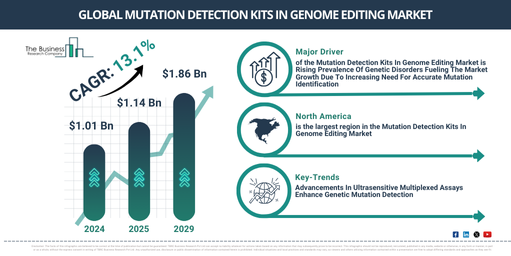
    The segment for mutation detection kits within the genome editing market has experienced substantial growth in recent years. It is projected to expand from $1.01 billion in 2024 to $1.14 billion in 2025, showing a compound annual growth rate (CAGR) of 13.4%. This historical growth can be attributed to several factors, including heightened research into genetic disorders, increased government funding allocated to genomics, a rise in academic and clinical research collaborations, the growing availability of sophisticated molecular biology tools, and increased investments from biotechnology companies.

    The mutation detection kits segment within the genome editing market is anticipated to experience substantial growth over the coming years. It is projected to reach $1.86 billion by 2029, demonstrating a compound annual growth rate (CAGR) of 13.1%. This expansion during the forecast period can be attributed to the rising adoption of autonomous mobile robots (AMRs), an increased focus on supply chain visibility, growing investment in digital twin technologies, an increasing demand for real-time asset tracking, and the wider uptake of industrial automation. Significant trends expected during this period include advancements in real-time location systems (RTLS), innovations in AI-powered asset tracking, the integration of RFID with IoT platforms, progress in ultra-wideband (UWB) technology, and the incorporation of digital twin solutions for industrial automation.

    Unlock Your Free Sample Report for Exclusive Market Data:

    https://www.thebusinessresearchcompany.com/sample.aspx?id=27356&type=smp

    What Are The Top Growth Drivers Impacting The Mutation Detection Kits In Genome Editing Market Outlook?

    The increasing incidence of genetic conditions is anticipated to fuel the expansion of mutation detection kits within the genome editing market moving ahead. Genetic disorders are defined as illnesses or states arising from irregularities in a person’s DNA, potentially passed down from parents or emerging from novel genetic changes. The growth in genetic disorders stems from heightened public understanding and sophisticated diagnostic tools, facilitating quicker and more precise recognition of these conditions, leading to elevated reported rates of occurrence. Mutation detection kits used in genome editing contribute to tackling genetic disorders by precisely locating gene mutations responsible for diseases, thereby facilitating focused research and the creation of accurate therapeutic solutions. As an illustration, in May 2024, data from the National Health Service, a UK government department, indicated that in England, roughly 17,000 individuals suffer from sickle cell disease, an inherited blood condition, with about 250 new diagnoses occurring annually. Consequently, the growing frequency of genetic disorders is stimulating the demand for mutation detection kits in the genome editing market.

    What Are The Emerging Segments Gaining Attention In The Mutation Detection Kits In Genome Editing Market?

    The mutation detection kits in genome editing market covered in this report is segmented

    1) By Product Type: Reagents, Kits, Software Solutions

    2) By Technology: Clustered Regularly Interspaced Short Palindromic Repeats (CRISPR), Transcription Activator-Like Effector Nucleases Or Meganuclease-TAL Effector Nucleases (TALENs/MegaTALs), Zinc Finger Nucleases (ZFN), Other Technologies

    3) By Application: Research, Clinical Diagnostics, Drug Development, Other Applications

    4) By End Use: Academic Institutions, Hospitals And Diagnostic Centers, Biotechnology Companies

    Subsegments:

    1) By Reagents: Deoxyribonucleic Acid Polymerases (DNA) Polymerases, Nucleases, Buffers And Enzymes, Fluorescent Dyes And Probes, Primers And Oligonucleotides

    2) By Kits: Polymerase Chain Reaction (PCR)-Based Mutation Detection Kits, Next-Generation Sequencing-Based Mutation Analysis Kits, Clustered Regularly Interspaced Short Palindromic Repeats (CRISPR) Mutation Validation Kits, Gel Electrophoresis-Based Detection Kits

    3) By Software Solutions: Mutation Analysis And Visualization Tools, Clustered Regularly Interspaced Short Palindromic Repeats (CRISPR) Off-Target Prediction Software, Genomic Alignment and Annotation Software, Data Interpretation Platforms For Next-Generation Sequencing, Cloud-Based Bioinformatics Platforms

    Which Ongoing Trends Are Expected To Shape The Mutation Detection Kits In Genome Editing Market Outlook?

    Key companies engaged in the mutation detection kits in the genome editing market are prioritizing the development of advanced solutions, such as ultrasensitive multiplexed assays, to improve the accuracy, speed, and sensitivity of identifying genetic mutations. Ultrasensitive multiplexed assays are sophisticated diagnostic tests designed to detect and quantify multiple genetic mutations simultaneously at very low levels, helping researchers and clinicians achieve faster, more precise, and comprehensive mutation analysis for enhanced disease diagnosis and treatment monitoring. For example, in April 2024, Bio-Rad Laboratories Inc., a US-based research company, launched the ddPLEX ESR1 Mutation Detection Kit, an ultrasensitive multiplexed digital PCR assay developed for breast cancer mutation detection. This kit allows for the simultaneous identification and accurate quantification of seven ESR1 mutations, offering an analytical sensitivity down to 0.01% variant allele fraction, and supports analysis of both plasma and tissue samples. These types of innovations demonstrate the industry’s commitment to enhancing diagnostic accuracy and enabling more effective disease monitoring and personalized treatment strategies.

    Who Are The Prominent Global Companies Shaping The Mutation Detection Kits In Genome Editing Market?

    Major companies operating in the mutation detection kits in genome editing market are F. Hoffmann-La Roche Ltd, Merck KGaA, Thermo Fisher Scientific Inc., QIAGEN N.V., Eurofins Scientific SE, Agilent Technologies Inc., Illumina Inc., Bio-Rad Laboratories Inc., Integrated DNA Technologies Inc., GenScript Biotech Corporation, Takara Bio Inc., Promega Corporation, Analytik Jena AG, Twist Bioscience Corporation, New England Biolabs Inc., Applied Biological Materials Inc., Synthego Corporation, Cell Signaling Technology Inc., BioVision Inc., Creative Biogene Corporation.

    Download The Full Report For Exclusive Market Findings:

    https://www.thebusinessresearchcompany.com/report/mutation-detection-kits-in-genome-editing-global-market-report

    Which Region Currently Holds The Largest Share Of The Mutation Detection Kits In Genome Editing Market?

    North America was the largest region in the mutation detection kits in genome editing market in 2024. Asia-Pacific is expected to be the fastest-growing region in the forecast period. The regions covered in the mutation detection kits in genome editing market report are Asia-Pacific, Western Europe, Eastern Europe, North America, South America, Middle East, Africa.

    Request A Customized Version Of The Mutation Detection Kits In Genome Editing Market Report:

    https://www.thebusinessresearchcompany.com/customise?id=27356&type=smp

    Browse Through More Reports Similar to the Global Mutation Detection Kits In Genome Editing Market 2025, By The Business Research Company

    Pet Insurance Global Market Report 2025

    https://www.thebusinessresearchcompany.com/report/pet-insurance-global-market-report

    Pet Healthcare Global Market Report 2025

    https://www.thebusinessresearchcompany.com/report/pet-healthcare-global-market-report

    Accidental Death Insurance Global Market Report 2025

    https://www.thebusinessresearchcompany.com/report/accidental-death-insurance-global-market-report

    Get in touch with us:

    The Business Research Company: https://www.thebusinessresearchcompany.com/

    Americas +1 310-496-7795

    Asia +44 7882 955267 & +91 8897263534

    Europe +44 7882 955267

    Email us at info@tbrc.info

    Follow us on:

    LinkedIn: https://in.linkedin.com/company/the-business-research-company

    YouTube: https://www.youtube.com/channel/UC24_fI0rV8cR5DxlCpgmyFQ

    Global Market Model: https://www.thebusinessresearchcompany.com/global-market-model
  • Global Multiomics Services Market Overview: Trends Shaping Growth to 2029

    Global Multiomics Services Market Overview: Trends Shaping Growth to 2029

    Unlock Global Insights – Save 20% on Market Reports with Code ONLINE20

    What Is The Global Market Value Of The Multiomics Services Industry In 2025?

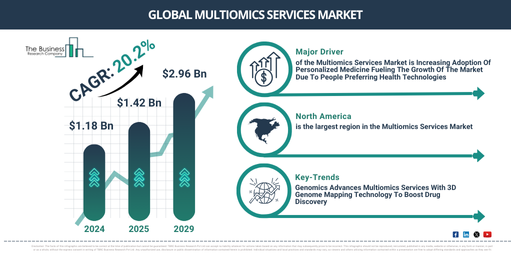
    The multiomics services market has experienced significant growth in its size recently. It is projected to increase from $1.18 billion in 2024 to $1.42 billion in 2025, demonstrating a compound annual growth rate (CAGR) of 20.6%. This historical expansion can be attributed to the rising availability of next-generation sequencing platforms, the increasing use of bioinformatics tools in research, the growing demand for biomarker discovery, rising academic collaborations in systems biology, and the growing utility of multiomics in plant science.

    The multiomics services market is projected to experience rapid expansion over the coming years, anticipated to reach $2.96 billion by 2029, exhibiting a compound annual growth rate (CAGR) of 20.2%. Factors contributing to this growth during the projection period include the emergence of sustainable agriculture practices, heightened emphasis on single-cell multiomics, broader utilization of spatial omics in studying diseases, increasing need for individualized nutrition, and the expanding scope of clinical trials incorporating multiomics. Key trends anticipated for the forecast timeframe encompass improvements in spatial transcriptomics instruments, sophisticated microfluidics-supported omics processes, the creation of multiomics monitoring systems capable of real-time data, novel cross-species multiomics uses, and the evolution of wearable omics-based diagnostic solutions.

    Unlock Your Free Sample Report for Exclusive Market Data:

    https://www.thebusinessresearchcompany.com/sample.aspx?id=27355&type=smp

    Which Major Market Drivers Are Shaping The Future Of The Multiomics Services Market?

    The rising integration of personalized medicine is expected to propel the growth of the multiomics services market going forward. Personalized medicine refers to a healthcare model that utilizes information regarding a person’s genes and lifestyle to customize treatments and medical care to their specific requirements. The increasing adoption of personalized medicine is driven by individuals preferring health technologies that offer real-time monitoring and treatment plans uniquely tailored to their biology. Multiomics services support the advancement of personalized medicine by integrating diverse biological data such as genomics, transcriptomics, proteomics, and metabolomics, thereby providing a comprehensive understanding of an individual’s health profile and enabling tailored diagnosis, treatment, and disease prevention strategies. For instance, in February 2023, the Personalized Medicine Coalition, a US-based professional membership organization, reported that in 2022, 12 new personalized medicines were approved, representing approximately 34% of all newly approved therapies, indicating a substantial increase from previous years. Therefore, the increasing adoption of personalized medicine is driving the growth of the multiomics services market.

    What Are The Major Segment Types Covered In The Multiomics Services Market?

    The multiomics services market covered in this report is segmented

    1) By Type: Single-Cell Multiomics, Bulk Multiomics

    2) By Application: Biomarker Discovery, Drug Discovery And Development, Synthetic Biology, Other Applications

    3) By End Users: Academic And Research Institutes, Pharmaceutical And Biotechnology Companies, Other End Users

    Subsegments:

    1) By Single-Cell Multiomics: Single-Cell Genomics Services, Single-Cell Transcriptomics Services, Single-Cell Proteomics Services, Single-Cell Epigenomics Services

    2) By Bulk Multiomics: Genomics And Transcriptomics Integration Services, Genomics And Proteomics Integration Services, Transcriptomics And Proteomics Integration Services, Epigenomics And Transcriptomics Integration Services

    Which Competitive Trends Are Defining The Multiomics Services Market Structure?

    Leading companies in the multiomics services market are concentrating on developing innovative methods, such as 3D genome mapping, to deepen the understanding of gene regulation, disease mechanisms, and personalized treatment strategies. 3D genome mapping involves determining the three-dimensional spatial arrangement of the genome within a cell’s nucleus. For example, in January 2025, Enhanc3D Genomics, a UK-based biotechnology firm, introduced a suite of 3D multi-omics solutions designed to accelerate and enhance the precision of drug discovery. These solutions offer unique features, such as integrating genome-wide regulatory interaction data with multi-omics profiles in a single assay, providing comprehensive insights into gene regulation. Their proprietary Promoter Capture Hi-C technology facilitates precise mapping of long-range interactions between regulatory elements and target genes, including those in non-coding regions. The platform’s modular design, incorporating GenLinkConnect, GenLinkResponse, and GenLinkProfile, supports SNP-to-gene linkage, drug response analysis, and cell-specific regulatory profiling, respectively. Moreover, the GenLinkHub software offers an intuitive interface for 3D visualization, data management, and quality control, thereby improving researchers’ capability to interpret complex datasets and accelerate drug discovery.

    Which Key Players Are Driving Competition In The Multiomics Services Market?

    Major companies operating in the multiomics services market are Thermo Fisher Scientific Inc., Agilent Technologies Inc., PerkinElmer Inc., Bruker Corporation, QIAGEN NV, Azenta Inc., BGI Group, 10x Genomics Inc., BioLegend Inc., Oxford Nanopore Technologies Plc, NanoString Technologies Inc., Pacific Biosciences Inc., Metware Biotechnology Inc., Source BioScience Limited, CD Genomics Inc., Psomagen Inc., Creative Proteomics, Sapient Bioanalytics LLC, Dalton Bioanalytics Inc., and Clinical Microbiomics A/S.

    Download The Full Report For Exclusive Market Findings:

    https://www.thebusinessresearchcompany.com/report/multiomics-services-global-market-report

    What Regional Growth Trends Are Shaping The Multiomics Services Market Outlook?

    North America was the largest region in the multiomics services market in 2024. Asia-Pacific is expected to be the fastest-growing region in the forecast period. The regions covered in the multiomics services market report are Asia-Pacific, Western Europe, Eastern Europe, North America, South America, Middle East, Africa.

    Request A Customized Version Of The Multiomics Services Market Report:

    https://www.thebusinessresearchcompany.com/customise?id=27355&type=smp

    Browse Through More Reports Similar to the Global Multiomics Services Market 2025, By The Business Research Company

    Pet Insurance Global Market Report 2025

    https://www.thebusinessresearchcompany.com/report/pet-insurance-global-market-report

    Disability Insurance Global Market Report 2025

    https://www.thebusinessresearchcompany.com/report/disability-insurance-global-market-report

    Pet Healthcare Global Market Report 2025

    https://www.thebusinessresearchcompany.com/report/pet-healthcare-global-market-report

    Get in touch with us:

    The Business Research Company: https://www.thebusinessresearchcompany.com/

    Americas +1 310-496-7795

    Asia +44 7882 955267 & +91 8897263534

    Europe +44 7882 955267

    Email us at info@tbrc.info

    Follow us on:

    LinkedIn: https://in.linkedin.com/company/the-business-research-company

    YouTube: https://www.youtube.com/channel/UC24_fI0rV8cR5DxlCpgmyFQ

    Global Market Model: https://www.thebusinessresearchcompany.com/global-market-model
  • Multi-Channel Remote Electrocardiogram (ECG) Monitors Market Growth Opportunities: Insights from 2025–2029

    Multi-Channel Remote Electrocardiogram (ECG) Monitors Market Growth Opportunities: Insights from 2025–2029

    Unlock Global Insights – Save 20% on Market Reports with Code ONLINE20

    By How Much Is The Multi-Channel Remote Electrocardiogram (ECG) Monitors Market Expected To Expand Between 2025 And 2029?

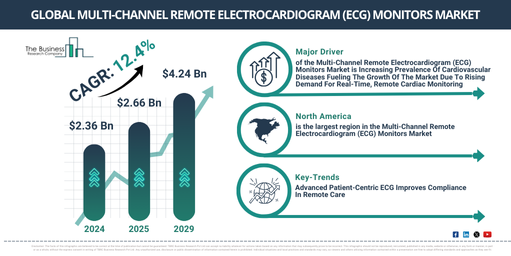
    The multi-channel remote electrocardiogram (ECG) monitor market size has experienced swift expansion in recent years. It is anticipated to grow from $2.36 billion in 2024 to $2.66 billion in 2025, exhibiting a compound annual growth rate (CAGR) of 12.7%. This historical growth can be attributed to an aging population, the increasing prevalence of cardiovascular diseases, greater awareness of preventive healthcare, the early adoption of telemedicine, and a shift towards personalized cardiac care.

    The multi-channel remote electrocardiogram (ECG) monitor market size is projected to experience significant expansion over the next few years. It is expected to reach $4.24 billion by 2029, demonstrating a compound annual growth rate (CAGR) of 12.4%. This anticipated growth can be attributed to several factors including the increasing demand for home-based cardiac monitoring, enhanced compatibility with smartphones and wearable devices, the expansion of remote patient monitoring initiatives, a rise in health insurance coverage for digital health tools, and broader application in sports and fitness diagnostics. Key trends during this period are expected to involve the integration of artificial intelligence (AI) and data analytics, continuous advancements in wireless monitoring technologies, the adoption of cloud-based electrocardiogram (ECG) data platforms, the miniaturization of electrocardiogram (ECG) monitoring devices, and strategic partnerships between technology firms and healthcare providers.

    Unlock Your Free Sample Report for Exclusive Market Data:

    https://www.thebusinessresearchcompany.com/sample.aspx?id=27354&type=smp

    What Are The Main Drivers Boosting The Multi-Channel Remote Electrocardiogram (ECG) Monitors Industry’s Expansion?

    The rising occurrence of cardiovascular ailments is projected to boost the expansion of the multi-channel remote electrocardiogram (ECG) monitor market in the future. These diseases encompass various conditions impacting the heart and blood vessels, such as coronary heart disease, heart failure, stroke, and hypertension. The growing incidence of cardiovascular diseases is largely attributed to a lack of physical activity; a sedentary lifestyle fosters risk factors like obesity, elevated blood pressure, and unhealthy cholesterol levels, substantially increasing the risk of heart-related issues. Multi-channel remote electrocardiogram (ECG) monitors aid in managing cardiovascular diseases by allowing continuous, real-time heart monitoring regardless of the patient’s location. These devices enhance diagnostic precision using multi-lead data and improve patient care by lessening the necessity for frequent hospital appointments. For example, data from January 2024, released by the American Heart Association, a US-based nonprofit group, indicated that the age-adjusted death rate for cardiovascular diseases climbed to 233.3 per 100,000 in 2022, representing a 4.0% rise from 224.4 per 100,000 in 2021. Consequently, the expanding prevalence of cardiovascular diseases is fueling the development of the multi-channel remote electrocardiogram (ECG) monitors market.

    What Are The Major Segment Categories Driving The Multi-Channel Remote Electrocardiogram (ECG) Monitors Market Growth?

    The multi-channel remote electrocardiogram (ECG) monitors market covered in this report is segmented

    1) By Type: Wired Multi Channel Remote Electrocardiogram (ECG) Monitor, Wireless Multi Channel Remote Electrocardiogram (ECG) Monitor

    2) By Technology: Wireless Electrocardiogram (ECG) Monitors, Bluetooth-Enabled Electrocardiogram (ECG) Monitors, Wi-Fi-Based Electrocardiogram (ECG) Monitors

    3) By Application: Home Care, Ambulatory Monitoring, Hospitals And Clinics

    4) By Distribution Channel: Direct Sales, Online Sales, Third-Party Distributors

    5) By End-User: Patients, Healthcare Providers, Diagnostic Centers

    Subsegments:

    1) By Wired Multi-Channel Remote Electrocardiogram (ECG) Monitor: Hospital-Based Wired Electrocardiogram Monitors, Ambulatory Care Wired Electrocardiogram Devices, Diagnostic Wired Electrocardiogram Systems, Resting Electrocardiogram Monitors, Stress Test Electrocardiogram Monitors

    2) By Wireless Multi-Channel Remote Electrocardiogram (ECG) Monitor: Bluetooth-Enabled Electrocardiogram Devices, Wi-Fi-Enabled Electrocardiogram Monitors, Wearable Electrocardiogram Monitors, Mobile-Connected Electrocardiogram Devices, Home-Based Wireless Electrocardiogram Systems

    What Are The Latest Industry Trends Transforming The Multi-Channel Remote Electrocardiogram (ECG) Monitors Market?

    Companies operating within the multi-channel remote electrocardiogram (ECG) monitor market are concentrating on developing novel solutions, such as advanced patient-centric electrocardiograms (ECGs), to enhance the precision of remote cardiac monitoring and boost patient adherence. An advanced patient-centric electrocardiogram (ECG) refers to wearable, real-time monitoring systems crafted for personalized, comfortable, and continuous assessment of heart health. For instance, in January 2022, Koninklijke Philips N.V., a Netherlands-based health technology company, unveiled a full-service, at-home, 12-lead electrocardiogram (ECG) solution. This initiative aimed to support decentralized clinical trials and improve patient compliance via real-time, remote cardiac monitoring. This advanced patient-centric electrocardiogram features a body-worn patch that ensures accurate and proper ECG lead placement, enabling clinical-grade data collection comparable to site-based systems. It transmits data securely in near real-time without requiring recurring site visits, onsite technicians, or home healthcare providers.

    Who Are The Top Performing Companies In The Multi-Channel Remote Electrocardiogram (ECG) Monitors Market In Recent Years?

    Major companies operating in the multi-channel remote electrocardiogram (ecg) monitor market are Medtronic plc, Koninklijke Philips N.V., GE HealthCare Technologies Inc., Boston Scientific Corporation, Shenzhen Mindray Bio-Medical Electronics Co. Ltd., Nihon Kohden Corporation, iRhythm Technologies Inc., Schiller AG, Edan Instruments Inc., BPL Medical Technologies Pvt. Ltd., Bionet Co. Ltd., AliveCor Inc., Turtle Shell Technologies Pvt. Ltd., LifeSignals Inc., VivaLNK Inc., Biotricity Inc., Cardiac Insight Inc., CardioComm Solutions Inc., Movesense Oy, Norav Medical Ltd.

    Download The Full Report For Exclusive Market Findings:

    https://www.thebusinessresearchcompany.com/report/multi-channel-remote-electrocardiogram-ecg-monitors-global-market-report

    Which Regional Markets Are Contributing Most To The Multi-Channel Remote Electrocardiogram (ECG) Monitors Industry Expansion?

    North America was the largest region in the multi-channel remote electrocardiogram (ECG) monitor market in 2024. Asia-Pacific is expected to be the fastest-growing region in the forecast period. The regions covered in the multi-channel remote electrocardiogram (ECG) monitors market report are Asia-Pacific, Western Europe, Eastern Europe, North America, South America, Middle East, Africa.

    Request A Customized Version Of The Multi-Channel Remote Electrocardiogram (ECG) Monitors Market Report:

    https://www.thebusinessresearchcompany.com/customise?id=27354&type=smp

    Browse Through More Reports Similar to the Global Multi-Channel Remote Electrocardiogram (ECG) Monitors Market 2025, By The Business Research Company

    Pet Insurance Global Market Report 2025

    https://www.thebusinessresearchcompany.com/report/pet-insurance-global-market-report

    Critical Illness Insurance Global Market Report 2025

    https://www.thebusinessresearchcompany.com/report/critical-illness-insurance-global-market-report

    Pet Healthcare Global Market Report 2025

    https://www.thebusinessresearchcompany.com/report/pet-healthcare-global-market-report

    Get in touch with us:

    The Business Research Company: https://www.thebusinessresearchcompany.com/

    Americas +1 310-496-7795

    Asia +44 7882 955267 & +91 8897263534

    Europe +44 7882 955267

    Email us at info@tbrc.info

    Follow us on:

    LinkedIn: https://in.linkedin.com/company/the-business-research-company

    YouTube: https://www.youtube.com/channel/UC24_fI0rV8cR5DxlCpgmyFQ

    Global Market Model: https://www.thebusinessresearchcompany.com/global-market-model
  • Motion Stimulation Therapy Market Expansion Outlook: $2.68 Billion by 2029 Forecast

    Motion Stimulation Therapy Market Expansion Outlook: $2.68 Billion by 2029 Forecast

    Unlock Global Insights – Save 20% on Market Reports with Code ONLINE20

    #What Is The Projected Market Size Of The Motion Stimulation Therapy Market By 2029?

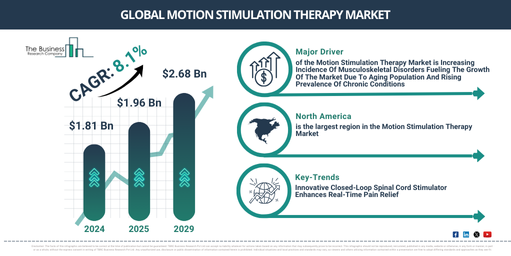
    The motion stimulation therapy market has exhibited robust growth in its size over recent years. It is forecast to expand from $1.81 billion in 2024 to reach $1.96 billion in 2025, experiencing a compound annual growth rate (CAGR) of 8.5%. The expansion witnessed in previous periods can be ascribed to the increasing prevalence of neurodegenerative diseases, enhanced awareness regarding physical rehabilitation, a rising demand for non-invasive therapy options, the growing geriatric population requiring mobility assistance, and the increasing incidence of sports injuries.

    The motion stimulation therapy market is projected for substantial expansion in the coming years, with its size expected to reach $2.68 billion by 2029, exhibiting a compound annual growth rate (CAGR) of 8.1%. This anticipated growth during the forecast period is primarily influenced by several factors, including the escalating demand for wearable and portable therapy devices, the wider adoption of telehealth and remote monitoring platforms, the increasing incidence of lifestyle-related disorders, the heightened need for personalized and targeted motion therapy solutions, and a growing emphasis on preventive healthcare, which boosts motion therapy usage. Furthermore, significant trends anticipated in this period encompass the development of compact simulation platforms, advancements in haptic feedback technology, technological innovations in artificial intelligence-powered simulators, the emergence of portable devices for at-home therapy sessions, and the integration of biofeedback systems to optimize therapy effectiveness.

    Unlock Your Free Sample Report for Exclusive Market Data:

    https://www.thebusinessresearchcompany.com/sample.aspx?id=27353&type=smp

    Which Factors And Drivers Are Influencing The Motion Stimulation Therapy Market In 2025?

    The increasing occurrence of musculoskeletal disorders is projected to drive the future expansion of the motion stimulation therapy market. Musculoskeletal disorders are defined as conditions affecting muscles, bones, joints, tendons, and ligaments, which cause discomfort or hinder movement. The rising frequency of these disorders is attributed to the global aging population, as individuals naturally experience joint deterioration and a reduction in bone density over time. Motion stimulation therapy enhances the treatment of musculoskeletal disorders by promoting improved mobility and reducing pain. It delivers targeted stimulation to the affected areas, supporting quicker recovery and better patient outcomes. For instance, in January 2024, the Office for Health Improvement and Disparities, a UK-based government department, reported that the prevalence of long-term musculoskeletal (MSK) conditions in self-reporting individuals aged 16 and over was 18.4% in 2023, an increase from 17.6% in 2022. Therefore, the growing incidence of musculoskeletal disorders is propelling the growth of the motion stimulation therapy market.

    How Is The Motion Stimulation Therapy Market Segmented?

    The motion stimulation therapy market covered in this report is segmented

    1) By Therapy Type: Functional Neuromuscular Motion Stimulation Therapy, Peripheral Motion Stimulation Therapy, Deep Brain Motion Stimulation Therapy, Therapeutic Electrical Motion Stimulation Therapy

    2) By Applications: Diabetes Management, Pain Management, Oncology, Cardiovascular Diseases, Infectious Diseases, Others Applications

    3) By End User: Hospitals, Specialty Clinics, Other End Users

    Subsegments:

    1) By Functional Neuromuscular Motion Stimulation Therapy: Muscle Activation, Nerve Stimulation, Reflex Enhancement

    2) By Peripheral Motion Stimulation Therapy: Limb Motion Stimulation, Joint Motion Stimulation, Soft Tissue Motion Stimulation

    3) By Deep Brain Motion Stimulation Therapy: Subthalamic Nucleus Stimulation, Globus Pallidus Stimulation, Thalamic Stimulation

    4) By Therapeutic Electrical Motion Stimulation Therapy: Transcutaneous Electrical Nerve Stimulation, Functional Electrical Stimulation, Neuromuscular Electrical Stimulation

    What Trends Are Redefining The Motion Stimulation Therapy Market Dynamics?

    Leading companies in the motion stimulation therapy market are concentrating on developing advanced solutions, such as closed-loop spinal cord stimulators, to enhance real-time pain management and improve patient outcomes. These closed-loop spinal cord stimulators are sophisticated devices that continuously monitor nerve signals and automatically adjust stimulation levels to provide personalized and effective pain relief. For instance, in April 2024, Medtronic plc, an Ireland-based medical technology company, received approval from the U.S. Food and Drug Administration (FDA) for the Inceptiv closed-loop rechargeable spinal cord stimulator for the treatment of chronic pain. This innovative device is designed to improve motion stimulation therapy by dynamically adapting to patients’ movements and pain levels. It monitors nerve signals 50 times per second and automatically modifies stimulation in real time to provide consistent, personalized pain relief throughout daily activities. Additionally, it is the smallest and thinnest spinal cord stimulator available, offering full-body MRI compatibility at both 1.5T and 3T, ensuring greater patient comfort and uninterrupted access to diagnostic imaging.

    Which Leading Companies Dominate The Motion Stimulation Therapy Market Share?

    Major companies operating in the motion stimulation therapy market are Abbott Laboratories, Boston Scientific Corporation, Medtronic plc, Ottobock SE & Co. KGaA, Nevro Corporation, Zynex Medical Inc., BTL Industries Inc., Onward Medical Inc., Enraf-Nonius B.V., Hocoma AG, Tyromotion GmbH, EW Motion Therapy, Ekso Bionics Holdings Inc., Mettler Electronics Corporation, Bioness Inc., Restorative Therapies Inc., ARPwave Therapy, Innovative Neurotronics Inc., St. Jude Medical Inc., Technomed Electronics Co Ltd.

    Download The Full Report For Exclusive Market Findings:

    https://www.thebusinessresearchcompany.com/report/motion-stimulation-therapy-global-market-report

    How Does The Motion Stimulation Therapy Market Perform Across Key Geographic Regions?

    North America was the largest region in the motion simulation therapy market in 2024. The regions covered in the motion stimulation therapy market report are Asia-Pacific, Western Europe, Eastern Europe, North America, South America, Middle East, Africa.

    Request A Customized Version Of The Motion Stimulation Therapy Market Report:

    https://www.thebusinessresearchcompany.com/customise?id=27353&type=smp

    Browse Through More Reports Similar to the Global Motion Stimulation Therapy Market 2025, By The Business Research Company

    Pet Insurance Global Market Report 2025

    https://www.thebusinessresearchcompany.com/report/pet-insurance-global-market-report

    Pet Healthcare Global Market Report 2025

    https://www.thebusinessresearchcompany.com/report/pet-healthcare-global-market-report

    Life Insurance Global Market Report 2025

    https://www.thebusinessresearchcompany.com/report/life-insurance-global-market-report

    Get in touch with us:

    The Business Research Company: https://www.thebusinessresearchcompany.com/

    Americas +1 310-496-7795

    Asia +44 7882 955267 & +91 8897263534

    Europe +44 7882 955267

    Email us at info@tbrc.info

    Follow us on:

    LinkedIn: https://in.linkedin.com/company/the-business-research-company

    YouTube: https://www.youtube.com/channel/UC24_fI0rV8cR5DxlCpgmyFQ

    Global Market Model: https://www.thebusinessresearchcompany.com/global-market-model