Blog

  • Global Immunocytokines Market Trends and Growth Analysis 2025–2029

    Global Immunocytokines Market Trends and Growth Analysis 2025–2029

    Unlock Global Insights – Save 20% on Market Reports with Code ONLINE20

    How Does The Market Size Of The Immunocytokines Industry Compare Between 2025 And 2029?

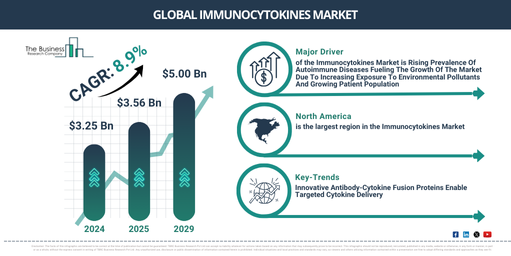
    The immunocytokines market has experienced substantial expansion in recent years. Forecasts project an increase from $3.25 billion in 2024 to $3.56 billion in 2025, representing a compound annual growth rate (CAGR) of 9.3%. The expansion observed in prior periods is due to several factors, including the rising incidence of cancer cases, a heightened focus on targeted cancer therapies, greater investment in biologics research, the escalating clinical success of immunotherapy trials, and increasing awareness of personalized medicine.

    The immunocytokines market is anticipated to experience strong growth in the coming years, with its size projected to reach $5.00 billion by 2029, reflecting a compound annual growth rate (CAGR) of 8.9%. This growth during the forecast period is fueled by several factors, including an increasing demand for precision oncology treatments, a growing pipeline of next-generation immunocytokines, a heightened interest in therapies for rare and orphan diseases, expanding presence in emerging markets, and the rising adoption of outpatient biologic therapies. Key trends expected in the forecast period encompass advancements in fusion protein engineering, sophisticated biomanufacturing technologies, innovations in targeted delivery systems, the integration of artificial intelligence in clinical development, and further development of tumor-specific cytokine payloads.

    Unlock Your Free Sample Report for Exclusive Market Data:

    https://www.thebusinessresearchcompany.com/sample.aspx?id=27315&type=smp

    Which Industry Drivers Are Expected To Accelerate The Immunocytokines Market From 2025 To 2029?

    An increase in autoimmune diseases is projected to fuel the expansion of the immunocytokines market moving ahead. These conditions involve the body’s immune system incorrectly targeting its own healthy cells and tissues. The increasing occurrence of autoimmune diseases is largely attributed to greater exposure to environmental pollutants, which can impair immune system function and provoke immune responses against the body’s own tissues. Immunocytokines tackle autoimmune diseases by merging targeted immune system adjustment with precise delivery, making them highly suitable for reducing widespread side effects. They improve the efficacy of treatment by guiding cytokines directly to the diseased tissues, thereby enhancing patient results and safety. For example, in November 2024, a survey from Versorgungsatlas.de, a German organization, revealed that out of 73,241,305 insured individuals in 2022 (compared to 68,959,472 in 2012), 6,304,340 were diagnosed with at least one autoimmune disease, leading to a raw prevalence rate of 8.61%. Consequently, the growing incidence of autoimmune diseases is fueling the expansion of the immunocytokines market.

    What Are The Major Segment Types Covered In The Immunocytokines Market?

    The immunocytokines market covered in this report is segmented

    1) By Product Type: Interleukins, Interferons, Tumor Necrosis Factors, Other Product Types

    2) By Mechanism Of Action: Antagonists, Agonists, Immune Modulators

    3) By Application: Cancer, Autoimmune Diseases, Infectious Diseases, Other Applications

    4) By End-User: Hospitals, Research Institutes, Specialty Clinics, Other End-Users

    Subsegments:

    1) By Interleukins: Recombinant Interleukin, Natural Interleukin, Modified Interleukin

    2) By Interferons: Interferon Alpha, Interferon Beta, Interferon Gamma

    3) By Tumor Necrosis Factors: Tumor Necrosis Factor Alpha, Tumor Necrosis Factor Beta, Tumor Necrosis Factor Receptor Fusion Proteins

    4) By Other Product Types: Colony Stimulating Factors, Growth Factors, Immunocytokines

    What Key Innovation Trends Are Fueling Advancements In The Immunocytokines Market?

    Key companies within the immunocytokines market are focused on developing innovative solutions, such as antibody cytokine fusion proteins, to facilitate targeted cytokine delivery and improve therapeutic effectiveness while minimizing widespread toxicity. Antibody cytokine fusion proteins are engineered molecules that merge the precise targeting capabilities of antibodies with the immune-modulating effects of cytokines, enabling direct therapy delivery to diseased tissues like tumors or inflamed regions. For example, in July 2023, SunHo BioPharmaceutical Co. Ltd., a China-based biopharmaceutical company, introduced IBB0979 (B7H3–IL-10 immunocytokine). This novel antibody-cytokine fusion protein, intended for treating advanced or metastatic solid tumors, has entered Phase I/II clinical trials. This innovative drug integrates the tumor-targeting abilities of the B7H3 antibody with the anti-inflammatory and immune-modulating properties of interleukin-10 (IL-10). IBB0979 is designed to modify the tumor microenvironment by delivering IL-10 specifically to B7H3-expressing tumor cells, aiming to reduce inflammation and boost the immune response against cancer, thereby potentially offering a new therapeutic strategy for difficult-to-treat solid tumors.

    Which Global Market Leaders Are Shaping The Future Of The Immunocytokines Sector?

    Major companies operating in the immunocytokines market are Johnson & Johnson, F. Hoffmann-La Roche Ltd, Merck & Co. Inc., AbbVie Inc., Bayer AG, Sanofi S.A., Innovent Biologics Inc., Xencor Inc., Nektar Therapeutics, PDS Biotechnology Corporation, Synthekine Inc., Philogen S.p.A, Werewolf Therapeutics Inc., SOTIO Biotech, Xilio Therapeutics Inc., Dragonfly Therapeutics Inc., Apeiron Biologics AG, Kanaph Therapeutics Inc, Cytimmune Sciences Inc., Cytune Pharma S.A.S.

    Download The Full Report For Exclusive Market Findings:

    https://www.thebusinessresearchcompany.com/report/immunocytokines-global-market-report

    How Does The Immunocytokines Market Perform Across Key Geographic Regions?

    North America was the largest region in the immunocytokines market in 2024. Asia-Pacific is expected to be the fastest-growing region in the forecast period. The regions covered in the immunocytokines market report are Asia-Pacific, Western Europe, Eastern Europe, North America, South America, Middle East, Africa.

    Request A Customized Version Of The Immunocytokines Market Report:

    https://www.thebusinessresearchcompany.com/customise?id=27315&type=smp

    Browse Through More Reports Similar to the Global Immunocytokines Market 2025, By The Business Research Company

    Nanotechnology Services Global Market Report 2025

    https://www.thebusinessresearchcompany.com/report/nanotechnology-services-global-market-report

    Healthcare Nanotechnology Global Market Report 2025

    https://www.thebusinessresearchcompany.com/report/healthcare-nanotechnology-global-market-report

    Nanotechnology Based Medical Devices Global Market Report 2025

    https://www.thebusinessresearchcompany.com/report/nanotechnology-based-medical-devices-global-market-report

    Get in touch with us:

    The Business Research Company: https://www.thebusinessresearchcompany.com/

    Americas +1 310-496-7795

    Asia +44 7882 955267 & +91 8897263534

    Europe +44 7882 955267

    Email us at info@tbrc.info

    Follow us on:

    LinkedIn: https://in.linkedin.com/company/the-business-research-company

    YouTube: https://www.youtube.com/channel/UC24_fI0rV8cR5DxlCpgmyFQ

    Global Market Model: https://www.thebusinessresearchcompany.com/global-market-model
  • Immune Response Testing Market Forecast: What to Expect by 2029

    Immune Response Testing Market Forecast: What to Expect by 2029

    Unlock Global Insights – Save 20% on Market Reports with Code ONLINE20

    What Is The Predicted Market Size Trajectory For The Immune Response Testing Market From 2025 To 2034?

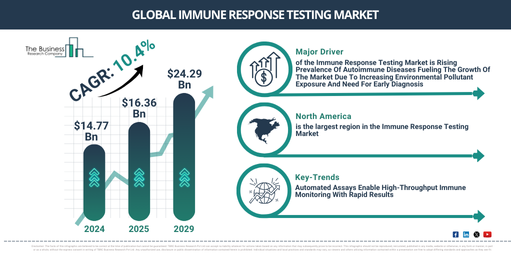
    The immune response testing market size has demonstrated rapid expansion in recent years. It is projected to expand from $14.77 billion in 2024 to $16.36 billion in 2025, achieving a compound annual growth rate (CAGR) of 10.7%. This historical growth can be attributed to several factors, including an intensified focus on monitoring vaccine efficacy, the expanding application of immunotherapy in treating cancer, increased understanding of immune system health, the establishment of more global disease surveillance programs, rising investments in biopharmaceutical research and development, and a greater need for transplant compatibility assessments.

    The immune response testing market size is anticipated to experience rapid expansion over the next few years, projected to grow to $24.29 billion in 2029 at a compound annual growth rate (CAGR) of 10.4%. This growth in the forecast period can be attributed to factors such as the increasing incidence of emerging zoonotic diseases, a growing demand for at-home immune test kits, the increasing adoption of preventive healthcare, rising investments in pandemic preparedness, and an escalating demand for transplant compatibility testing. Key trends expected during the forecast period include advancements in vaccine efficacy monitoring, the sophisticated use of AI in immune profiling, innovations in at-home immune test kits, the integration of immunotherapy into cancer treatment, and continuous advancements in transplant compatibility testing.

    Unlock Your Free Sample Report for Exclusive Market Data:

    https://www.thebusinessresearchcompany.com/sample.aspx?id=27314&type=smp

    What Are The Top Growth Drivers Impacting The Immune Response Testing Market Outlook?

    The increasing incidence of autoimmune conditions is anticipated to fuel the expansion of the immune response testing market in the future. These are medical states where the body’s defense system erroneously assaults its own healthy cells and tissues. The rising occurrence of autoimmune disorders largely stems from greater exposure to environmental contaminants, which can impair immune activity and initiate immune system attacks on the body’s native tissues. Immune response testing improves the management of autoimmune diseases by offering accurate information about the body’s immune processes, facilitating prompt diagnosis and tailored therapeutic strategies. This testing aids in superior disease surveillance and contributes to better patient results via targeted adjustments in treatment. As an illustration, in November 2024, a survey conducted by Versorgungsatlas.de, a German organization, which studied 68,959,472 individuals in 2012 and 73,241,305 in 2022, revealed that among the 73,241,305 insured individuals in 2022, 6,304,340 had been diagnosed with at least one autoimmune disease, leading to a raw prevalence rate of 8.61%. Consequently, the increasing prevalence of autoimmune conditions is fueling the expansion of the immune response testing market.

    What Are The Major Segment Categories Driving The Immune Response Testing Market Growth?

    The immune response testing market covered in this report is segmented

    1) By Type Of Testing: Antibody Testing, Cytokine Testing, Cellular Testing, Complement System Testing

    2) By Application: Allergy Testing, Human Immunodeficiency Virus (HIV) Disease, Cancer, Rheumatoid Arthritis, Systemic Lupus Erythematosus, Other Applications

    3) By End-User: Hospitals And Clinics, Diagnostic Laboratories, Research Institutes, Home Care Settings

    Subsegments:

    1) By Antibody Testing: Immunoglobulin G (IgG) Testing, Immunoglobulin A (IgA) Testing, Immunoglobulin M (IgM) Testing, Neutralizing Antibody Testing, Rapid Antibody Testing

    2) By Cytokine Testing: Enzyme-Linked Immunosorbent Assay (ELISA)-Based Cytokine Assays, Multiplex Cytokine Assays, Flow Cytometry-Based Cytokine Assays, Cytometric Bead Array, Quantitative Polymerase Chain Reaction (qPCR)-Based Cytokine Analysis

    3) By Cellular Testing: T-Cell Response Assays, B-Cell Response Assays, Natural Killer (NK) Cell Assays, Lymphocyte Proliferation Assays, ELISpot Assays

    4) By Complement System Testing: Total Hemolytic Complement (CH50) Assay, Alternative Pathway Hemolytic Complement (AH50) Assay, Complement Component 3 And 4 (C3 And C4) Complement Testing, Mannose-Binding Lectin (MBL) Testing, Complement Activity Assays

    Which Ongoing Trends Are Expected To Shape The Immune Response Testing Market Outlook?

    Leading entities within the immune response testing market are concentrating on creating sophisticated diagnostic options, including automated immune response assays, aiming to boost precision, improve operational effectiveness, and shorten processing durations. These automated assays are defined as advanced laboratory examinations that gauge the immune system’s activity, like antibody concentrations or cytokine patterns, requiring very little human involvement. An example of this is the introduction of the Elecsys IGRA SARS-CoV-2 test by F. Hoffmann-La Roche AG, a pharmaceutical company based in Switzerland, in August 2022. This novel test represents an automated interferon-gamma release assay (IGRA) specifically developed to identify T-cell immune responses against SARS-CoV-2, offering understanding into sustained immunity beyond what antibody tests provide. The Elecsys IGRA test functions on Roche’s cobas e analyzers, facilitating high-volume testing with quick outcomes, which is vital for extensive immune surveillance in both clinical and research environments. This progression contributes to a clearer comprehension of vaccine effectiveness and innate immunity, thereby assisting in public health policy formulation.

    Which Industry Leaders Are Driving Innovation Across The Immune Response Testing Market?

    Major companies operating in the immune response testing market are F. Hoffmann-La Roche Ltd., Thermo Fisher Scientific Inc., Abbott Laboratories, Danaher Corporation, Siemens Healthcare GmbH, Becton Dickinson and Company, Quest Diagnostics Incorporated, Eurofins Scientific SE, PerkinElmer Inc., bioMérieux SA, Bruker Corporation, Beckman Coulter Inc., Bio-Rad Laboratories Inc., Qiagen N.V., DiaSorin S.p.A., EUROIMMUN Medizinische Labor diagnostika AG, Myriad Genetics Inc., NanoString Technologies Inc., GenScript Biotech Corporation, Cell Signaling Technology Inc.

    Download The Full Report For Exclusive Market Findings:

    https://www.thebusinessresearchcompany.com/report/immune-response-testing-global-market-report

    Which Region Is Expected To Witness The Fastest Growth In The Immune Response Testing Market?

    North America was the largest region in the immune response testing market in 2024. Asia-Pacific is expected to be the fastest-growing region in the forecast period. The regions covered in the immune response testing market report are Asia-Pacific, Western Europe, Eastern Europe, North America, South America, Middle East, Africa.

    Request A Customized Version Of The Immune Response Testing Market Report:

    https://www.thebusinessresearchcompany.com/customise?id=27314&type=smp

    Browse Through More Reports Similar to the Global Immune Response Testing Market 2025, By The Business Research Company

    Nanorobotics Global Market Report 2025

    https://www.thebusinessresearchcompany.com/report/nanorobotics-global-market-report

    Nanomaterials Global Market Report 2025

    https://www.thebusinessresearchcompany.com/report/nanomaterials-global-market-report

    Nanosilica Global Market Report 2025

    https://www.thebusinessresearchcompany.com/report/nanosilica-global-market-report

    Get in touch with us:

    The Business Research Company: https://www.thebusinessresearchcompany.com/

    Americas +1 310-496-7795

    Asia +44 7882 955267 & +91 8897263534

    Europe +44 7882 955267

    Email us at info@tbrc.info

    Follow us on:

    LinkedIn: https://in.linkedin.com/company/the-business-research-company

    YouTube: https://www.youtube.com/channel/UC24_fI0rV8cR5DxlCpgmyFQ

    Global Market Model: https://www.thebusinessresearchcompany.com/global-market-model
  • Regenerative Aesthetics Industry Insights: Market Forecast to 2029

    Regenerative Aesthetics Industry Insights: Market Forecast to 2029

    Unlock Global Insights – Save 20% on Market Reports with Code ONLINE20

    How Much Larger Is The Regenerative Aesthetics Market Expected To Become By 2029 Compared With Its 2025 Level?

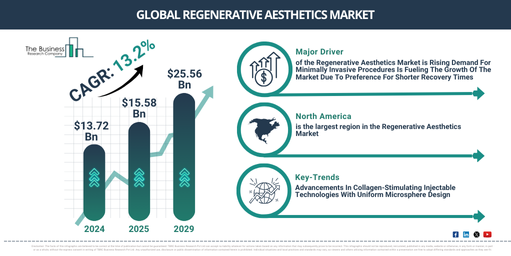
    The regenerative aesthetics market has expanded rapidly in recent years. Its valuation is set to climb from $13.72 billion in 2024 to $15.58 billion by 2025, achieving a compound annual growth rate (CAGR) of 13.5%. Historically, this expansion can be attributed to a heightened demand for natural-looking results, increased awareness of anti-aging solutions, a growing inclination towards minimally invasive procedures, the rising adoption of stem cell-based therapies, and an increase in disposable income and beauty-related expenditures.

    The regenerative aesthetics market is projected for significant expansion in the coming years. Its valuation is anticipated to reach $25.56 billion by 2029, exhibiting a compound annual growth rate (CAGR) of 13.2%. This anticipated growth during the forecast timeframe is attributable to several factors, including the increasing embrace of biological and autologous therapies, an uptick in clinical trials and research focused on aesthetic regeneration, a growing elderly demographic pursuing a more youthful look, the expansion of medical tourism for regenerative aesthetic procedures, and the enhanced application of artificial intelligence (AI) and imaging in aesthetic planning. Key trends identified for the forecast period encompass technologically advanced cell therapies, exosome delivery systems powered by technology, innovations in bioprinting, the creation of tailored aesthetic protocols, and the incorporation of artificial intelligence (AI) to foresee aesthetic results.

    Unlock Your Free Sample Report for Exclusive Market Data:

    https://www.thebusinessresearchcompany.com/sample.aspx?id=27405&type=smp

    Which Major Market Drivers Are Shaping The Future Of The Regenerative Aesthetics Market?

    The increasing demand for minimally invasive treatments is anticipated to fuel the expansion of the regenerative aesthetics market in the future. These procedures involve medical or surgical methods executed via small incisions or natural bodily orifices, as opposed to extensive incisions. The growing popularity of minimally invasive procedures stems from a preference for quicker recovery periods, enabling people to swiftly return to their routines. Regenerative aesthetics complements minimally invasive methods by leveraging the body’s inherent healing capabilities to achieve enduring enhancements with reduced recovery time. As an illustration, in June 2024, data from the American Society of Plastic Surgeons, a US-based non-profit organization, indicated that hyaluronic acid filler minimally invasive procedures reached 5.29 million in 2023, marking an 8% rise compared to 2022. Consequently, the heightened requirement for minimally invasive interventions is stimulating growth within the regenerative aesthetics market.

    How Is The Regenerative Aesthetics Market Segmented?

    The regenerative aesthetics market covered in this report is segmented

    1) By Product Type: Exosome-Based Therapies, Other Product Types

    2) By Application: Skin Rejuvenation, Hair Restoration, Scar Reduction And Wound Healing, Anti-Inflammatory Treatments, Combination Therapies

    3) By End-User: Aesthetic Clinics, Dermatology Clinics, Home Use

    Subsegments:

    1) By Exosome-Based Therapies: Stem Cell Derived Exosomes, Platelet Derived Exosomes, Plant Derived Exosomes

    2) By Other Product Types: Platelet Rich Plasma, Autologous Conditioned Serum, Peptide Based Products, Growth Factor Enriched Formulations

    What Are The Major Trends Driving The Growth Of The Regenerative Aesthetics Market?

    Key companies within the regenerative aesthetics market are concentrating on developing innovative technologies, such as uniform microsphere technology, to provide advanced collagen-stimulating injectables that ensure smoother application, precise treatment, and consistent results. Uniform microsphere technology is a formulation method that creates evenly sized and shaped microspheres, guaranteeing smooth injection, accurate placement, and reliable therapeutic performance. For instance, in July 2025, Koru Pharma Co. Ltd., a South Korea-based biopharmaceutical company, launched Reversal Neo, a next-generation collagen-stimulating injectable made from high-purity Poly-L-Lactic Acid (PLLA) designed for smoother injection performance, increased precision, and long-lasting, natural-looking aesthetic outcomes. Reversal Neo introduces a new collagen biostimulator containing 200 mg of high-purity Poly-L-Lactic Acid (PLLA) and a uniform microsphere structure for more fluid and precise injections. Its advanced formulation ensures ongoing collagen regeneration for natural and enduring results, offering excellent biocompatibility, minimal inflammation, and improved patient comfort.

    Who Are The Key Multinational Companies Dominating The Regenerative Aesthetics Market?

    Major companies operating in the regenerative aesthetics market are AbbVie Inc., Huadong Medical Company Ltd., Galderma SA, Rohto Pharmaceutical Co. Ltd., Daewoong Pharmaceutical Co. Ltd., BTL Industries Inc., Cutera Inc., Medytox Korea Co. Ltd., ABG Lab LLC, Koru Pharma Co. Ltd., Global Stem Cells Group, Cytori Therapeutics Inc., Aesthetic Regenerative Therapies Inc., EmCyte Corp., Geneo, Plasmolifting World GmbH, ReGen Lab, RepliCel Life Sciences Inc., Theraderm Clinical Skin Care, and NuEra Medical Inc.

    Download The Full Report For Exclusive Market Findings:

    https://www.thebusinessresearchcompany.com/report/regenerative-aesthetics-global-market-report

    Which Global Regions Are Influencing The Competitive Landscape Of The Regenerative Aesthetics Market?

    North America was the largest region in the regenerative aesthetics market in 2024. Asia-Pacific is expected to be the fastest-growing region in the forecast period. The regions covered in the regenerative aesthetics market report are Asia-Pacific, Western Europe, Eastern Europe, North America, South America, Middle East, Africa.

    Request A Customized Version Of The Regenerative Aesthetics Market Report:

    https://www.thebusinessresearchcompany.com/customise?id=27405&type=smp

    Browse Through More Reports Similar to the Global Regenerative Aesthetics Market 2025, By The Business Research Company

    Tokenization Global Market Report 2025

    https://www.thebusinessresearchcompany.com/report/tokenization-global-market-report

    Non Fungible Token Global Market Report 2025

    https://www.thebusinessresearchcompany.com/report/non-fungible-token-global-market-report

    Asset Backed Securities Global Market Report 2025

    https://www.thebusinessresearchcompany.com/report/asset-backed-securities-global-market-report

    Get in touch with us:

    The Business Research Company: https://www.thebusinessresearchcompany.com/

    Americas +1 310-496-7795

    Asia +44 7882 955267 & +91 8897263534

    Europe +44 7882 955267

    Email us at info@tbrc.info

    Follow us on:

    LinkedIn: https://in.linkedin.com/company/the-business-research-company

    YouTube: https://www.youtube.com/channel/UC24_fI0rV8cR5DxlCpgmyFQ

    Global Market Model: https://www.thebusinessresearchcompany.com/global-market-model
  • Hyper-Personalized Medicine Industry Insights: Market Forecast to 2029

    Hyper-Personalized Medicine Industry Insights: Market Forecast to 2029

    Unlock Global Insights – Save 20% on Market Reports with Code ONLINE20

    How Much Larger Is The Hyper-Personalized Medicine Market Expected To Become By 2029 Compared With Its 2025 Level?

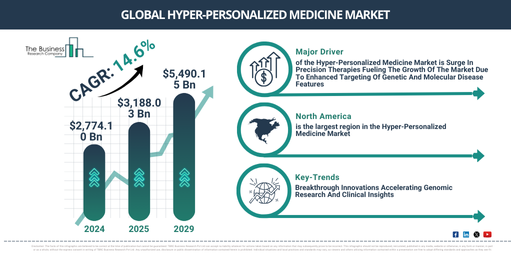
    The hyper-personalized medicine market has demonstrated substantial growth in recent years. Its size is projected to increase from $2,774.10 billion in 2024 to $3,188.03 billion in 2025, driven by a compound annual growth rate (CAGR) of 14.9%. This historic growth is attributable to several factors, including an escalating demand for targeted therapies, the broader adoption of genomic technologies, a rising awareness of the advantages of personalized treatment, augmented investment in biotechnology, and the expanded availability of health data.

    The hyper-personalized medicine market is projected to experience substantial expansion in the coming years, with its valuation set to reach $5,490.15 billion by 2029, demonstrating a compound annual growth rate (CAGR) of 14.6%. This projected growth over the forecast period stems from several factors, including the increasing creation of personalized drug delivery methods, the broadening scope of precision medicine uses, the escalating evolution of healthcare data analytics, improved techniques for biomarker identification, and the increasing integration of machine learning into diagnostic processes. Key trends anticipated during this period encompass progress in targeted drug delivery, novel personalized treatment algorithms, the incorporation of big data analytics, breakthroughs in biomarker discovery, and inventive patient-focused care platforms.

    Unlock Your Free Sample Report for Exclusive Market Data:

    https://www.thebusinessresearchcompany.com/sample.aspx?id=27313&type=smp

    Which Major Market Drivers Are Shaping The Future Of The Hyper-Personalized Medicine Market?

    The increasing requirement for precision therapies is projected to drive the expansion of the hyper-personalized medicine market. Precision therapies refer to medical treatments specifically crafted to target distinct genetic, molecular, or cellular characteristics of a disease, leading to more impactful and individualized interventions with fewer adverse effects compared to conventional treatments. The surge in precision therapies is attributed to their capability to pinpoint specific genetic or molecular features of illnesses, resulting in improved and more tailored treatment outcomes. Hyper-personalized medicine aids precision therapies by facilitating treatments customized to an individual’s unique genetic, molecular, and lifestyle factors, thereby maximizing efficacy and minimizing undesirable reactions. For instance, in February 2024, the Personalized Medicine Coalition, a US-based non-profit organization, reported that the Food and Drug Administration (FDA) approved 16 novel personalized therapies for patients with rare diseases in 2023, an increase from 6 in 2022. Consequently, the rising demand for precision therapies is fueling the growth of the hyper-personalized medicine market.

    How Is The Hyper-Personalized Medicine Market Segmented?

    The hyper-personalized medicine market covered in this report is segmented

    1) By Product: Hyper Personalized Medicine Diagnostics, Hyper Personalized Medicine Therapeutics, Hyper Personalized Medical Care, Hyper Personalized Nutrition And Wellness

    2) By Technology: Genomics, Proteomics, Bioinformatics, Metabolomics

    3) By Application: Oncology, Neurology, Blood Transfusion Safety, Diabetes, Autoimmune Diseases, Cardiology

    4) By End User: Hospitals, Diagnostic Centers, Research And Academic Institutes

    Subsegments:

    1) By Hyper Personalized Medicine Diagnostics: Genomic Sequencing, Biomarker Testing, Molecular Diagnostics, Companion Diagnostics, Liquid Biopsy

    2) By Hyper Personalized Medicine Therapeutics: Targeted Drug Therapies, Gene Therapy, Cell Therapy, Immunotherapy, RNA-based Therapeutics

    3) By Hyper Personalized Medical Care: Telemedicine And Remote Monitoring, Personalized Treatment Plans, AI-driven Clinical Decision Support, Patient-specific Rehabilitation, Precision Surgery

    4) By Hyper Personalized Nutrition And Wellness: Nutrigenomics, Personalized Diet Plans, Microbiome Analysis, Customized Supplements, Wellness Coaching And Monitoring

    Which Competitive Trends Are Defining The Hyper-Personalized Medicine Market Structure?

    Leading companies in the hyper-personalized medicine market are concentrating on developing sophisticated solutions, particularly genomic sequencing platforms, to facilitate accurate patient characterization, expedite the development of targeted therapies, and enhance treatment effectiveness. These genomic sequencing platforms are advanced technologies designed to decipher an individual’s complete deoxyribonucleic acid (DNA) sequence, enabling the identification of genetic variations crucial for research, diagnosis, and individualized treatment approaches. For example, in September 2022, Illumina Inc., a US-based biotechnology company, introduced the NovaSeq X Series, representing a new generation of high-throughput sequencers engineered to advance genomic medicine. The NovaSeq X Series integrates innovative chemistry, refined hardware and software, and ultra-dense flow cells to deliver unparalleled accuracy and scale, permitting the sequencing of over 20,000 whole genomes annually, which is 2.5 times greater than prior models. This innovation accelerates genomic research and clinical understanding, opening up new possibilities for precision therapies, expansive population studies, and early disease detection.

    Who Are The Key Multinational Companies Dominating The Hyper-Personalized Medicine Market?

    Major companies operating in the hyper-personalized medicine market are Pfizer Inc., Johnson & Johnson, Roche Holding AG, Bayer AG, Sanofi S.A., Bristol-Myers Squibb Company, AstraZeneca PLC, Abbott Laboratories, Novartis AG, Danaher Corporation, Amgen Inc., Merck KGaA, GE Healthcare Technologies Inc., Biogen Inc., Illumina Inc., Guardant Health Inc., Berry Genomics Co. Ltd., Sophia Genetics SA, Mapmygenome, and InnoCare Pharma.

    Download The Full Report For Exclusive Market Findings:

    https://www.thebusinessresearchcompany.com/report/hyper-personalized-medicine-global-market-report

    Which Global Regions Are Influencing The Competitive Landscape Of The Hyper-Personalized Medicine Market?

    North America was the largest region in the hyper-personalized medicine market in 2024. Asia-Pacific is expected to be the fastest-growing region in the forecast period. The regions covered in the hyper-personalized medicine market report are Asia-Pacific, Western Europe, Eastern Europe, North America, South America, Middle East, Africa.

    Request A Customized Version Of The Hyper-Personalized Medicine Market Report:

    https://www.thebusinessresearchcompany.com/customise?id=27313&type=smp

    Browse Through More Reports Similar to the Global Hyper-Personalized Medicine Market 2025, By The Business Research Company

    Ground Handling Services Global Market Report 2025

    https://www.thebusinessresearchcompany.com/report/ground-handling-services-global-market-report

    Power Plant Maintenance Global Market Report 2025

    https://www.thebusinessresearchcompany.com/report/power-plant-maintenance-global-market-report

    Maintenance Services Global Market Report 2025

    https://www.thebusinessresearchcompany.com/report/maintenance-services-global-market-report

    Get in touch with us:

    The Business Research Company: https://www.thebusinessresearchcompany.com/

    Americas +1 310-496-7795

    Asia +44 7882 955267 & +91 8897263534

    Europe +44 7882 955267

    Email us at info@tbrc.info

    Follow us on:

    LinkedIn: https://in.linkedin.com/company/the-business-research-company

    YouTube: https://www.youtube.com/channel/UC24_fI0rV8cR5DxlCpgmyFQ

    Global Market Model: https://www.thebusinessresearchcompany.com/global-market-model
  • Rare Disease Genetic Testing Market Size and Growth Forecast for Businesses 2025–2029

    Rare Disease Genetic Testing Market Size and Growth Forecast for Businesses 2025–2029

    Unlock Global Insights – Save 20% on Market Reports with Code ONLINE20

    #What Are The Current (2025) And Forecast (2029) Sizes Of The Rare Disease Genetic Testing Market?

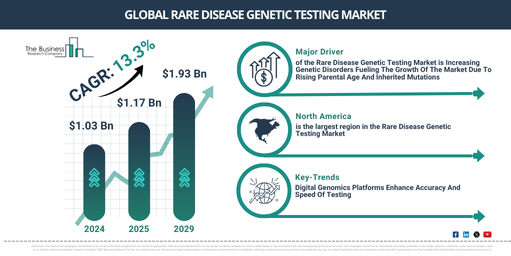
    The rare disease genetic testing market size has seen significant expansion in recent years. It is forecast to grow from $1.03 billion in 2024 to $1.17 billion in 2025, exhibiting a compound annual growth rate (CAGR) of 13.6%. Factors contributing to its historical growth include growing awareness regarding rare genetic disorders, an increasing need for early and precise diagnosis, a surge in government funding for rare disease research, improved accessibility of genetic testing services, greater investments in precision medicine, and a rising prevalence of rare genetic conditions.

    The rare disease genetic testing market is anticipated to experience swift expansion over the coming years. Projections indicate its value will reach $1.93 billion by 2029, exhibiting a compound annual growth rate (CAGR) of 13.3%. This projected growth is driven by several factors, including the increasing integration of next-generation sequencing, a heightened emphasis on personalized medical approaches, increasing financial commitments to genetic research, the expansion of healthcare infrastructure in developing economies, a surge in diagnostic procedures, an uptick in hereditary cancer screenings, and the growing need for non-invasive diagnostic alternatives. Key developments expected during this period involve enhancements in genome editing technologies, sophisticated bioinformatics tools for analyzing genetic data, advancements in multi-gene panel testing, progress in portable genetic testing devices, and novel approaches to sample collection.

    Unlock Your Free Sample Report for Exclusive Market Data:

    https://www.thebusinessresearchcompany.com/sample.aspx?id=27404&type=smp

    What Are The Main Drivers Boosting The Rare Disease Genetic Testing Industry’s Expansion?

    The anticipated expansion of the rare disease genetic testing market is fueled by the rising prevalence of genetic disorders. Genetic disorders are defined as health conditions resulting from anomalies in an individual’s deoxyribonucleic acid, which can be passed down from parents or occur as novel mutations. The increase in these disorders is attributed to elevated parental age, given that older parents face a greater likelihood of transmitting genetic mutations to their offspring. Rare disease genetic testing aids in diagnosing genetic disorders through the identification of specific mutations, facilitating precise and early discovery. This testing also supports individualized treatment plans, thereby improving patient care and boosting long-term health results. As an illustration, data from May 2024, released by the National Health Service, a UK government body, indicates that 17,000 individuals are affected by sickle cell disease, an inherited genetic blood condition, with approximately 250 new diagnoses occurring annually. Consequently, the growing incidence of genetic disorders is a key impetus for the expansion of the rare disease genetic testing market.

    What Are The Key Segments In The Rare Disease Genetic Testing Market?

    The rare disease genetic testing market covered in this report is segmented

    1) By Disease Type: Immunological Disorders, Cardiovascular Disorders, Neurological Disease, Endocrine And Metabolism Disorders Diseases, Hematological Diseases, Dermatological Disease, Other Disease Types

    2) By Technology: Next-Generation Sequencing, Sanger Sequencing, Polymerase Chain Reaction Based Testing, Array Based Testing, Fluorescence In Situ Hybridization, Other Technologies

    3) By Specialty: Molecular Genetic Tests, Chromosomal Genetic Tests, Biochemical Genetic Tests

    4) By End-User: Hospitals And Clinics, Research Laboratories And Contract Research Organizations, Diagnostic Laboratories, Other End Users

    Subsegments:

    1) By Immunological Disorders: Autoimmune Disorders, Allergic Conditions, Primary Immunodeficiency Disorders, Inflammatory Disorders

    2) By Cardiovascular Disorders: Congenital Heart Defects, Cardiomyopathies, Aortic Aneurysms, Pulmonary Hypertension

    3) By Neurological Disease: Neurodegenerative Disorders, Neuromuscular Disorders, Epileptic Syndromes, Movement Disorders

    4) By Endocrine And Metabolism Disorders Diseases: Inherited Metabolic Disorders, Thyroid Disorders, Adrenal Disorders, Diabetes Related Genetic Conditions

    5) By Hematological Diseases: Hemophilia, Thalassemia, Sickle Cell Disease, Clotting Disorders

    6) By Dermatological Disease: Genetic Skin Disorders, Connective Tissue Disorders, Pigmentary Disorders, Keratinization Disorders

    7) By Other Disease Types: Skeletal Dysplasia, Renal Genetic Disorders, Ophthalmic Genetic Conditions, Gastrointestinal Genetic Conditions

    What Trends Are Expected To Drive The Rare Disease Genetic Testing Market?

    Leading companies in the rare disease genetic testing market are directing their efforts towards creating technologically sophisticated solutions, such as digital genomics platforms, to improve the speed, precision, and scalability of diagnosing rare diseases. Digital genomics platforms are advanced software systems that consolidate genomic data analysis, interpretation, and reporting to simplify and expedite genetic testing and diagnosis. For instance, in March 2025, Strand Life Sciences Private Limited, an India-based computer software company, introduced the StrandOmics Portal, a digital platform designed to enhance the efficiency and accuracy of rare disease diagnosis. This portal offers clinicians comprehensive insights into genetic variants, enabling more rapid and exact diagnoses. It also supports advanced variant interpretation, including prenatal diagnostics, and facilitates independent reviews of genetic data. This launch demonstrates a strong commitment to progressing precision medicine and equipping healthcare professionals with effective instruments to improve patient outcomes.

    Which Leading Players Are Enhancing Their Rare Disease Genetic Testing Market Presence Worldwide?

    Major companies operating in the rare disease genetic testing market are Thermo Fisher Scientific Inc., Quest Diagnostics Inc., Eurofins Scientific SE, Agilent Technologies Inc., Illumina Inc., QIAGEN N.V., Natera Inc., OPKO Health Inc., Myriad Genetics Inc., Fulgent Genetics Inc., BioReference Laboratories Inc., Invitae Corporation, Ambry Genetics Corporation, Centogene N.V., Baylor Genetics Company, PreventionGenetics, Blueprint Genetics Oy, Realm IDX Inc., Artemis DNA Inc., BGI Genomics Co. Ltd.

    Download The Full Report For Exclusive Market Findings:

    https://www.thebusinessresearchcompany.com/report/rare-disease-genetic-testing-global-market-report

    What Are The Regional Market Dynamics Impacting The Rare Disease Genetic Testing Industry?

    North America was the largest region in the rare disease genetic testing market in 2024. Asia-Pacific is expected to be the fastest-growing region in the forecast period. The regions covered in the rare disease genetic testing market report are Asia-Pacific, Western Europe, Eastern Europe, North America, South America, Middle East, Africa.

    Request A Customized Version Of The Rare Disease Genetic Testing Market Report:

    https://www.thebusinessresearchcompany.com/customise?id=27404&type=smp

    Browse Through More Reports Similar to the Global Rare Disease Genetic Testing Market 2025, By The Business Research Company

    Data Wrangling Global Market Report 2025

    https://www.thebusinessresearchcompany.com/report/data-wrangling-global-market-report

    Alternative Data Global Market Report 2025

    https://www.thebusinessresearchcompany.com/report/alternative-data-global-market-report

    Data Catalog Global Market Report 2025

    https://www.thebusinessresearchcompany.com/report/data-catalog-global-market-report

    Get in touch with us:

    The Business Research Company: https://www.thebusinessresearchcompany.com/

    Americas +1 310-496-7795

    Asia +44 7882 955267 & +91 8897263534

    Europe +44 7882 955267

    Email us at info@tbrc.info

    Follow us on:

    LinkedIn: https://in.linkedin.com/company/the-business-research-company

    YouTube: https://www.youtube.com/channel/UC24_fI0rV8cR5DxlCpgmyFQ

    Global Market Model: https://www.thebusinessresearchcompany.com/global-market-model
  • Hyperlipidemia Drugs Market Size and Growth Forecast for Businesses 2025–2029

    Hyperlipidemia Drugs Market Size and Growth Forecast for Businesses 2025–2029

    Unlock Global Insights – Save 20% on Market Reports with Code ONLINE20

    #What Are The Current (2025) And Forecast (2029) Sizes Of The Hyperlipidemia Drugs Market?

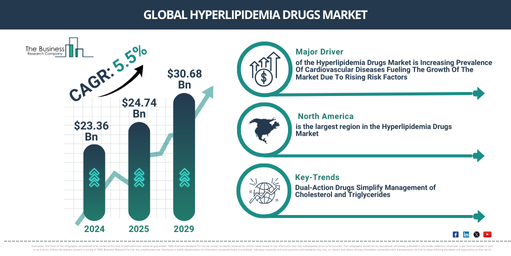
    The hyperlipidemia drugs market size has demonstrated strong growth in recent years. It is anticipated to increase from $23.36 billion in 2024 to $24.74 billion in 2025, reflecting a compound annual growth rate (CAGR) of 5.9%. The expansion observed historically stems from the rising prevalence of cardiovascular diseases, greater awareness concerning cholesterol management, an increasing incidence of obesity and diabetes, the growing embrace of sedentary lifestyles, and an expanding geriatric population.

    The hyperlipidemia drugs market size is expected to experience significant growth over the next few years. It is projected to expand to $30.68 billion by 2029, achieving a compound annual growth rate (CAGR) of 5.5%. This growth during the forecast period is attributable to the increasing demand for personalized medicine and targeted therapies, a rising adoption of combination therapies for hyperlipidemia, greater awareness of genetic hyperlipidemia disorders, enhanced integration of digital health and telemedicine, and a growing emphasis on preventive healthcare and early diagnosis. Prominent trends anticipated in the forecast period involve the development of non-statin alternatives, the creation of biosimilars, the incorporation of genomic data into treatment plans, the integration of digital health records for improved management, and advancements in gene editing techniques.

    Unlock Your Free Sample Report for Exclusive Market Data:

    https://www.thebusinessresearchcompany.com/sample.aspx?id=27312&type=smp

    What Are The Main Drivers Boosting The Hyperlipidemia Drugs Industry’s Expansion?

    The increasing occurrence of cardiovascular diseases is projected to drive the expansion of the hyperlipidemia drugs market. These disorders, which include conditions such as coronary heart disease, heart failure, stroke, and hypertension, affect the heart and blood vessels. The rising incidence of cardiovascular diseases is primarily due to poor dietary habits, with excessive consumption of saturated fats, trans fats, added sugars, and sodium contributing to high blood pressure, obesity, and elevated cholesterol. Hyperlipidemia drugs are essential for heart health, as they manage cardiovascular diseases by effectively reducing harmful cholesterol and triglyceride levels. These medications offer simplified treatment via advanced therapies, thereby lowering the risk of complications and enhancing patient outcomes. For example, in January 2024, the American Heart Association, a US-based nonprofit organization, indicated that the age-adjusted death rate from cardiovascular disease reached 233.3 per 100,000 in 2022, marking a 4.0% increase from 224.4 per 100,000 in 2021. Therefore, the growing prevalence of cardiovascular diseases is stimulating the growth of the hyperlipidemia drugs market.

    What Are The Key Segments In The Hyperlipidemia Drugs Market?

    The hyperlipidemia drugs market covered in this report is segmented

    1) By Drug Class: Statins, Bile Acid Sequestrants, Cholesterol Absorption Inhibitors, Fibric Acid Derivatives, Proprotein Convertase Subtilisin Or Kexin Type 9 (PCSK9) Inhibitors, Combination, Miscellaneous

    2) By Route Of Administration: Oral, Parenteral, Other Route Of Administrations

    3) By Distribution Channel: Hospital Pharmacies, Online Pharmacies, Retail Pharmacies

    4) By End User: Hospitals, Clinics, Other End Users

    Subsegments:

    1) By Statins: Atorvastatin, Rosuvastatin, Simvastatin, Pravastatin, Fluvastatin, Lovastatin, Pitavastatin

    2) By Bile Acid Sequestrants: Cholestyramine, Colesevelam, Colestipol

    3) By Cholesterol Absorption Inhibitors: Ezetimibe, Ezetimibe-Simvastatin Combination

    4) By Fibric Acid Derivatives: Fenofibrate, Gemfibrozil, Bezafibrate, Ciprofibrate

    5) By Proprotein Convertase Subtilisin Or Kexin Type 9 (PCSK9) Inhibitors: Evolocumab, Alirocumab, Inclisiran

    6) By Combination: Statin + Ezetimibe, Statin + Niacin, Statin + Omega-3, Statin + Bile Acid Sequestrant, Fixed-Dose Combinations (FDCs) Of Statins + Antihypertensives

    7) By Miscellaneous: Niacin (Nicotinic Acid), Omega-3 Fatty Acids (EPA/DHA), Lomitapide, Mipomersen, Bempedoic Acid

    What Are The Latest Industry Trends Transforming The Hyperlipidemia Drugs Market?

    Major companies operating in the hyperlipidemia drugs market are increasingly focusing on developing advanced treatments, such as combination therapies, to enhance effectiveness and simplify patient care for improved heart health. Combination therapies involve using two or more distinct drugs together within a single regimen to address a disease more efficiently than a solitary medication. For example, in June 2024, Daewoong Bio Inc., a pharmaceutical company based in South Korea, introduced CRA-TG Soft Capsule, a combination medication integrating rosuvastatin with omega-3 fatty acids for managing hyperlipidemia in patients. Rosuvastatin functions by decreasing cholesterol production in the liver, thus reducing harmful low-density lipoprotein (LDL) levels in the blood, while omega-3 fatty acids serve as a dietary supplement to lower triglyceride levels in individuals with elevated triglycerides. This particular product incorporates patented multi-layer capsule coating technology to boost ingredient stability and tolerability, all while maintaining a conventional capsule size.

    Which Leading Players Are Enhancing Their Hyperlipidemia Drugs Market Presence Worldwide?

    Major companies operating in the hyperlipidemia drugs market are Pfizer Inc., Merck & Co. Inc., AbbVie Inc., Sanofi S.A., Bristol-Myers Squibb Company, AstraZeneca plc, Novartis AG, GlaxoSmithKline plc, Amgen Inc., Takeda Pharmaceutical Company Limited, Boehringer Ingelheim GmbH, Teva Pharmaceutical Industries Ltd., Regeneron Pharmaceuticals Inc., Daiichi Sankyo Company Limited, Sun Pharmaceutical Industries Ltd., STADA Arzneimittel AG, Aurobindo Pharma Ltd., Zydus Lifesciences Limited, Lupin Limited, Glenmark Pharmaceuticals Ltd.

    Download The Full Report For Exclusive Market Findings:

    https://www.thebusinessresearchcompany.com/report/hyperlipidemia-drugs-global-market-report

    What Are The Regional Market Dynamics Impacting The Hyperlipidemia Drugs Industry?

    North America was the largest region in the hyperlipidemia drugs market in 2024. Asia-Pacific is expected to be the fastest-growing region in the forecast period. The regions covered in the hyperlipidemia drugs market report are Asia-Pacific, Western Europe, Eastern Europe, North America, South America, Middle East, Africa.

    Request A Customized Version Of The Hyperlipidemia Drugs Market Report:

    https://www.thebusinessresearchcompany.com/customise?id=27312&type=smp

    Browse Through More Reports Similar to the Global Hyperlipidemia Drugs Market 2025, By The Business Research Company

    Mouse Global Market Report 2025

    https://www.thebusinessresearchcompany.com/report/mouse-global-market-report

    Museums Historical Sites Zoos And Parks Global Market Report 2025

    https://www.thebusinessresearchcompany.com/report/museums-historical-sites-zoos-and-parks-global-market-report

    Exhibition Global Market Report 2025

    https://www.thebusinessresearchcompany.com/report/exhibition-global-market-report

    Get in touch with us:

    The Business Research Company: https://www.thebusinessresearchcompany.com/

    Americas +1 310-496-7795

    Asia +44 7882 955267 & +91 8897263534

    Europe +44 7882 955267

    Email us at info@tbrc.info

    Follow us on:

    LinkedIn: https://in.linkedin.com/company/the-business-research-company

    YouTube: https://www.youtube.com/channel/UC24_fI0rV8cR5DxlCpgmyFQ

    Global Market Model: https://www.thebusinessresearchcompany.com/global-market-model
  • Global Hydrogel Based Drug Delivery System Market Overview: Trends Shaping Growth to 2029

    Global Hydrogel Based Drug Delivery System Market Overview: Trends Shaping Growth to 2029

    Unlock Global Insights – Save 20% on Market Reports with Code ONLINE20

    What Market Value Is The Hydrogel Based Drug Delivery System Industry Expected To Reach By 2029, Starting From 2025 Levels?

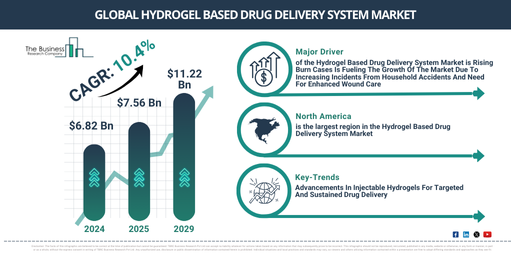
    The hydrogel-based drug delivery system market size has witnessed substantial expansion in recent years. It is anticipated to expand from $6.82 billion in 2024 to $7.56 billion in 2025, achieving a compound annual growth rate (CAGR) of 10.8%. The historical increase can be ascribed to a heightened emphasis on targeted therapy, escalating research and development endeavors, increased incorporation in regenerative medicine, broader application in wound care management, and a growing recognition of biocompatible materials.

    The hydrogel-based drug delivery system market is set for significant growth over the next few years. It is projected to expand to $11.22 billion by 2029, demonstrating a compound annual growth rate (CAGR) of 10.4%. This expansion during the forecast period is attributable to increasing demand for personalized medicine, rising investment in biotechnology and pharmaceutical research, wider adoption of stimuli-responsive hydrogels, a greater emphasis on reducing systemic side effects, and augmented government funding for regenerative medicine. Key trends expected in the forecast period include advancements in stimuli-responsive hydrogels, innovation in smart and wearable drug delivery devices, the integration of nanotechnology with hydrogels, progress in biodegradable and biocompatible materials, and novel approaches in targeted and localized delivery systems.

    Unlock Your Free Sample Report for Exclusive Market Data:

    https://www.thebusinessresearchcompany.com/sample.aspx?id=27311&type=smp

    Which Factors And Drivers Are Influencing The Hydrogel Based Drug Delivery System Market In 2025?

    An increasing occurrence of burn injuries is anticipated to drive the expansion of the hydrogel-based drug delivery system market in the future. Burn cases refer to medical conditions where individuals sustain harm to their skin or underlying tissues resulting from exposure to heat, chemicals, electricity, or radiation. The incidence of burn cases is increasing, largely stemming from a rise in domestic accidents involving the improper handling of hot liquids or cooking apparatus, leading to skin damage. This underscores the critical importance of heightened safety awareness in everyday life. Hydrogel-based drug delivery systems aid burn wound recovery by creating a humid, protective environment that speeds up the healing process and lessens discomfort. Concurrently, they deliver medications in a regulated, prolonged fashion to promote tissue regeneration and avert infections. As an illustration, data from October 2023, provided by the International Burn Injury Database (iBID), a US-based organization, revealed that during the first six months of 2023, pediatric burns and scalds saw a 45% surge compared to the corresponding period in 2022, with incidents among adults and the elderly linked to hot water bottles climbing by 19%. Consequently, the expanding occurrence of burn incidents is fueling the demand for the hydrogel-based drug delivery system market.

    What Are The Leading Segments Analyzed In The Hydrogel Based Drug Delivery System Market?

    The hydrogel based drug delivery system market covered in this report is segmented

    1) By Type Of Hydrogel: Natural Hydrogels, Synthetic Hydrogels, Hybrid Hydrogels

    2) By Drug Type: Small Molecules, Large Molecules, Peptides, Proteins

    3) By Route Of Administration: Topical, Injectable, Oral, Transdermal, Ocular

    4) By Application: Cardiology, Oncology, Immunology, Pain Management, Other Applications

    5) By End-User: Hospitals, Clinics, Research Institutes, Other End-Users

    Subsegments:

    1) By Natural Hydrogels: Alginate, Chitosan, Collagen, Gelatin, Hyaluronic Acid, Fibrin

    2) By Synthetic Hydrogels: Polyethylene Glycol (PEG), Polyvinyl Alcohol (PVA), Polyacrylamide (PAAm), Poloxamer, Poly(N-isopropylacrylamide) (PNIPAM)

    3) By Hybrid Hydrogels: Natural-Synthetic Polymer Blends, Interpenetrating Polymer Networks (IPNs), Composite Hydrogels (e.g., polymer-ceramic composites), Nanocomposite Hydrogels

    What Trends Are Redefining The Hydrogel Based Drug Delivery System Market Dynamics?

    Leading companies within the hydrogel-based drug delivery market are prioritizing the development of advanced solutions, such as injectable hydrogels, to optimize targeted drug delivery and enable controlled, sustained release. These injectable hydrogels are soft, water-based materials administered with minimal invasion into the body, ensuring drugs are delivered directly at the target site with controlled, sustained release, which enhances effectiveness and minimizes side effects. A notable instance occurred in October 2024, when UPM Biomedicals Oy, a biotechnology company from Finland, introduced Fibgel. This product is recognized as the world’s first injectable nanocellulose hydrogel specifically engineered for permanent implantable medical devices. Composed of renewable Finnish birch wood cellulose and water, this innovative hydrogel presents a safe, sustainable, and animal-free alternative to existing synthetic and animal-derived hydrogels. Fibgel provides tunable mechanical properties and excellent biocompatibility, facilitating controlled and sustained drug release directly at the target site. Its shear-thinning property allows for easy injection using minimally invasive procedures, ultimately improving patient comfort and accelerating recovery.

    Which Major Firms Are Strengthening Their Position In The Hydrogel Based Drug Delivery System Industry?

    Major companies operating in the hydrogel-based drug delivery system market are Cardinal Health Inc., Johnson & Johnson, Merck KGaA, UPM Biomedicals Oy, The Lubrizol Corporation, Smith & Nephew plc, Paul Hartmann AG, Ashland Global Holdings Inc., ConvaTec Group PLC, Integra LifeSciences Holdings Corporation, B. Braun Melsungen AG, Ocular Therapeutix Inc., Primex ehf, Heppe Medical Chitosan GmbH, BioCat GmbH, Micropore Technologies Limited, Cardiocare Private Limited, Akorn Inc., Akina Inc., KitoZyme SA.

    Download The Full Report For Exclusive Market Findings:

    https://www.thebusinessresearchcompany.com/report/hydrogel-based-drug-delivery-system-global-market-report

    Which Region Shows The Highest Potential For Future Expansion In The Hydrogel Based Drug Delivery System Market?

    North America was the largest region in the hydrogel-based drug delivery system market in 2024. Asia-Pacific is expected to be the fastest-growing region in the forecast period. The regions covered in the hydrogel based drug delivery system market report are Asia-Pacific, Western Europe, Eastern Europe, North America, South America, Middle East, Africa.

    Request A Customized Version Of The Hydrogel Based Drug Delivery System Market Report:

    https://www.thebusinessresearchcompany.com/customise?id=27311&type=smp

    Browse Through More Reports Similar to the Global Hydrogel Based Drug Delivery System Market 2025, By The Business Research Company

    Legal Services Global Market Report 2025

    https://www.thebusinessresearchcompany.com/report/legal-services-global-market-report

    Case Management Global Market Report 2025

    https://www.thebusinessresearchcompany.com/report/case-management-global-market-report

    Legal Services Global Market Report 2025

    https://www.thebusinessresearchcompany.com/report/legal-services-global-market-report

    Get in touch with us:

    The Business Research Company: https://www.thebusinessresearchcompany.com/

    Americas +1 310-496-7795

    Asia +44 7882 955267 & +91 8897263534

    Europe +44 7882 955267

    Email us at info@tbrc.info

    Follow us on:

    LinkedIn: https://in.linkedin.com/company/the-business-research-company

    YouTube: https://www.youtube.com/channel/UC24_fI0rV8cR5DxlCpgmyFQ

    Global Market Model: https://www.thebusinessresearchcompany.com/global-market-model
  • Global Radioligand Therapy Market Overview: Trends Shaping Growth to 2029

    Global Radioligand Therapy Market Overview: Trends Shaping Growth to 2029

    Unlock Global Insights – Save 20% on Market Reports with Code ONLINE20

    What Market Value Is The Radioligand Therapy Industry Expected To Reach By 2029, Starting From 2025 Levels?

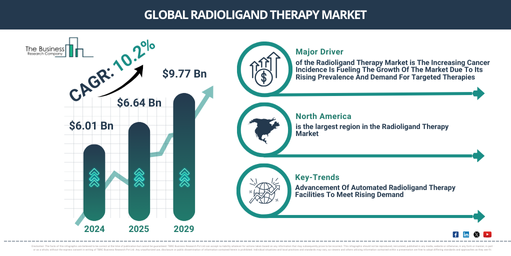
    The radioligand therapy market size has shown rapid expansion in recent years. It is anticipated to grow from $6.01 billion in 2024 to $6.64 billion in 2025, achieving a compound annual growth rate (CAGR) of 10.5%. The historical growth of this market can be attributed to factors such as the rise in liquid biopsy usage, the emergence of tumor-agnostic therapies, the integration of artificial intelligence in oncology, the expanding pipeline of bispecific antibodies, and an increase in government funding for cancer research.

    The radioligand therapy market size is anticipated to undergo substantial expansion over the upcoming years. Its value is projected to reach $9.77 billion by 2029, growing at a compound annual growth rate (CAGR) of 10.2%. This expected increase during the forecast period is driven by factors such as increasing investments from major pharmaceutical companies in oncology startups, a broader application of real-world evidence, advancements in radiopharmaceutical and theranostics research, burgeoning collaborations between academia and industry, and a rise in the occurrence of rare and orphan cancers. Prominent trends for the forecast period include AI-powered radiopharmaceutical design, theranostics employing dual imaging-therapy platforms, microfluidics-based radiotracer synthesis, next-generation alpha-emitting isotopes, and personalized 3D-printed dosimetry devices.

    Unlock Your Free Sample Report for Exclusive Market Data:

    https://www.thebusinessresearchcompany.com/sample.aspx?id=27403&type=smp

    Which Factors And Drivers Are Influencing The Radioligand Therapy Market In 2025?

    The projected rise in cancer cases is anticipated to drive expansion within the radioligand therapy market. Cancer is characterized by the unregulated proliferation of aberrant cells, which can infiltrate adjacent tissues and disseminate throughout the body. The increasing occurrence of cancer is linked to prolonged exposure to environmental contaminants, which harm DNA, interfere with cellular processes, and foster irregular cell development. Radioligand therapy addresses cancer by targeting radiation directly at tumor cells via ligands that attach to specific receptors, thereby reducing damage to healthy tissues while internally eradicating malignant cells. For instance, in January 2022, according to the American Cancer Society, a US-based cancer awareness non-profit organization, the US was projected to see an estimated 1.9 million new cancer cases and 609,360 cancer-related deaths, reaching up to approximately 1,670 deaths on daily basis. Consequently, the growing rate of cancer diagnoses is stimulating the expansion of the radioligand therapy market.

    What Are The Leading Segments Analyzed In The Radioligand Therapy Market?

    The radioligand therapy market covered in this report is segmented

    1) By Type Of Radioligand: Alpha Emitters, Beta Emitters, Auger Emitters, Combined Emissions

    2) By Molecular Target: Hormone Receptors, Growth Factor Receptors, Antigen Tumor Markers, Other Molecular Targets

    3) By Route Of Administration: Intravenous (IV), Intramuscular (IM), Subcutaneous, Oral

    4) By Application: Oncology, Cardiovascular Disorders, Neurological Disorders, Infectious Diseases

    5) By End-User: Hospitals, Diagnostic Laboratories, Research Institutions, Home Care Settings

    Subsegments:

    1) By Alpha Emitters: Actinium-225 (Ac-225), Radium-223 (Ra-223), Astatine-211 (At-211), Bismuth-213 (Bi-213)

    2) By Beta Emitters: Lutetium-177 (Lu-177), Iodine-131 (I-131), Yttrium-90 (Y-90), Samarium-153 (Sm-153)

    3) By Auger Emitters: Iodine-125 (I-125), Indium-111 (In-111), Gallium-67 (Ga-67), Thallium-201 (Tl-201)

    4) By Combined Emissions: Terbium-161 (Tb-161), Copper-67 (Cu-67), Rhenium-186 (Re-186), Lead-212 (Pb-212)

    Which Trends Are Impacting The Radioligand Therapy Market?

    Leading companies in the radioligand therapy market are prioritizing the development of advanced solutions, including radioligand therapy facilities, to improve production efficiency and maintain consistent quality and safety measures during the manufacturing and distribution of targeted cancer treatments. These specialized centers are specifically designed to manage and deliver radioactive drugs for targeted cancer treatment, utilizing advanced imaging systems and radiation shielding, while ensuring safety through trained staff and strict operational protocols. For example, in January 2024, Novartis AG, a pharmaceutical company based in Switzerland, announced the automation of its new large-scale radioligand therapy (RLT) production facility in Indiana. This plant secured Food and Drug Administration (FDA) approval for commercial manufacturing. This 70,000-square-foot facility stands as Novartis’s largest and most advanced site dedicated to RLT, built for efficient, time-sensitive production, and features plans for fully automated production lines, enabling substantial increases in supply to address growing patient demand in the US and Canada.

    Which Major Firms Are Strengthening Their Position In The Radioligand Therapy Industry?

    Major companies operating in the radioligand therapy market are Bayer AG, Novartis AG, Eli Lilly and Company, Lantheus Holdings Inc., Curium LLC, Eckert & Ziegler Strahlen- und Medizintechnik AG, Molecular Partners AG, Telix Pharmaceuticals, Nanobiotix S.A., Mariana Oncology Inc., Artios Pharma Limited, AdvanCell Pty Ltd., Evergreen Theragnostics Inc., Fusion Pharmaceuticals Inc., RadioMedix Inc., Ariceum Therapeutics GmbH, Radiopharm Theranostics Limited, Convergent Therapeutics Inc., C‑Ray Therapeutics Inc., OncoSil Medical Ltd.

    Download The Full Report For Exclusive Market Findings:

    https://www.thebusinessresearchcompany.com/report/radioligand-therapy-global-market-report

    Which Region Shows The Highest Potential For Future Expansion In The Radioligand Therapy Market?

    North America was the largest region in the radioligand therapy market in 2024. Asia-Pacific is expected to be the fastest-growing region in the forecast period. The regions covered in the radioligand therapy market report are Asia-Pacific, Western Europe, Eastern Europe, North America, South America, Middle East, Africa.

    Request A Customized Version Of The Radioligand Therapy Market Report:

    https://www.thebusinessresearchcompany.com/customise?id=27403&type=smp

    Browse Through More Reports Similar to the Global Radioligand Therapy Market 2025, By The Business Research Company

    Property Management Service Global Market Report 2025

    https://www.thebusinessresearchcompany.com/report/property-management-service-global-market-report

    Real Estate Rental Global Market Report 2025

    https://www.thebusinessresearchcompany.com/report/real-estate-rental-global-market-report

    Financial Accounting Advisory Services Global Market Report 2025

    https://www.thebusinessresearchcompany.com/report/financial-accounting-advisory-services-global-market-report

    Get in touch with us:

    The Business Research Company: https://www.thebusinessresearchcompany.com/

    Americas +1 310-496-7795

    Asia +44 7882 955267 & +91 8897263534

    Europe +44 7882 955267

    Email us at info@tbrc.info

    Follow us on:

    LinkedIn: https://in.linkedin.com/company/the-business-research-company

    YouTube: https://www.youtube.com/channel/UC24_fI0rV8cR5DxlCpgmyFQ

    Global Market Model: https://www.thebusinessresearchcompany.com/global-market-model
  • Human Serum Albumin Market Growth Opportunities: Insights from 2025–2029

    Human Serum Albumin Market Growth Opportunities: Insights from 2025–2029

    Unlock Global Insights – Save 20% on Market Reports with Code ONLINE20

    What Is The Anticipated Size Of The Human Serum Albumin Market Over The Five-Year Period 2025–2029?

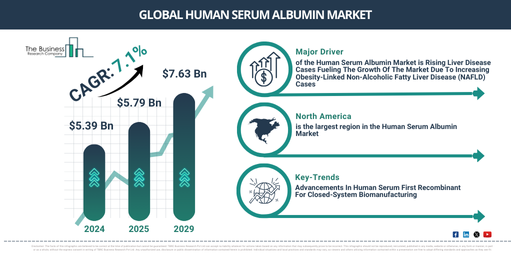
    The human serum albumin market has demonstrated substantial expansion over recent years. This market is projected to expand from $5.39 billion in 2024 to $5.79 billion by 2025, exhibiting a compound annual growth rate (CAGR) of 7.5%. Historically, this expansion has been driven by factors such as a rise in healthcare needs, the broadening uses of human serum albumin, a growing elderly population, heightened demand for blood plasma derivatives, and an increase in liver conditions and associated diseases.

    The human serum albumin market is projected to experience substantial expansion in the coming years, reaching $7.63 billion by 2029, exhibiting a compound annual growth rate (CAGR) of 7.1%. This anticipated growth during the forecast period is due to factors such as increased availability of crucial medications, wider-ranging therapeutic uses, an increasing count of hospitals, developing healthcare infrastructure, and governmental efforts. Key developments expected in the forecast period encompass cell-free protein synthesis, CRISPR-based strain engineering, adoption of continuous manufacturing techniques, innovations in transdermal delivery systems, and progress in lyophilization.

    Unlock Your Free Sample Report for Exclusive Market Data:

    https://www.thebusinessresearchcompany.com/sample.aspx?id=27310&type=smp

    What Are The Key Drivers Of Growth In The Human Serum Albumin Market?

    The anticipated rise in liver disease cases is set to boost the human serum albumin market in the coming years. Liver diseases encompass various ailments that compromise liver function, such as hepatitis, fatty liver disease, cirrhosis, and liver cancer. The surge in liver diseases is primarily linked to the increasing rates of obesity, as excessive abdominal fat contributes to non-alcoholic fatty liver disease (NAFLD), leading to fat buildup, inflammation, and potential liver failure. Human serum albumin assists in managing liver disease by reestablishing blood volume, reducing fluid retention, protecting renal function, and improving prognoses for complications like ascites and hepatorenal syndrome. Illustratively, a July 2023 publication by the Office for Health Improvement & Disparities, a UK government department, revealed that hospital admissions where liver disease was the primary diagnosis saw a 22.0% increase in the financial year ending 2022, climbing from 67,458 cases in 2021 to 82,290 cases in 2022. Consequently, the increasing prevalence of liver diseases is a significant driver for the human serum albumin market.

    What Are The Segment Types Shaping The Human Serum Albumin Market?

    The human serum albumin market covered in this report is segmented

    1) By Type Of Preparation: Recombinant Human Serum Albumin, Plasma-Derived Human Serum Albumin

    2) By Formulation Type: Injection Solutions, Lyophilized Powder

    3) By Distribution Channel: Direct Sales, Online Pharmacies, Third-party Distributors, Hospital Pharmacies

    4) By Application: Volume Expanders, Drug Delivery Systems, Nutrition Enhancement, Diagnostic Agents

    5) By End-User: Hospitals, Research Laboratories, Pharmaceutical Companies, Blood Banks

    Subsegments:

    1) By Recombinant Human Serum Albumin: Yeast-Based Recombinant Human Serum Albumin, Bacterial-Based Recombinant Human Serum Albumin, Plant-Based Recombinant Human Serum Albumin, Mammalian Cell-Based Recombinant Human Serum Albumin, Insect Cell-Based Recombinant Human Serum Albumin

    2) By Plasma-Derived Human Serum Albumin: 5% Human Serum Albumin Solution, 20% Human Serum Albumin Solution, 25% Human Serum Albumin Solution, Lyophilized Human Serum Albumin, Fatty Acid-Free Human Serum Albumin

    How Are Emerging Market Trends Shaping The Human Serum Albumin Industry Landscape?

    Major companies operating in the human serum albumin market are increasingly focusing on creating advanced solutions, particularly animal-free recombinant excipients, to bolster product safety, expand scalability, and ensure compliance with regulatory frameworks in biomanufacturing processes. An animal-free recombinant excipient refers to an inactive biological substance engineered using recombinant DNA technology, devoid of any animal- or human-derived ingredients, thus guaranteeing high purity and safety in pharmaceutical and biomanufacturing contexts. For example, in April 2025, InVitri Inc., a US-based supplier of animal-free, recombinant proteins and excipients, launched Optibumin 25, which is the first recombinant 25% human serum albumin developed for closed-system biomanufacturing. This product is specifically optimized for downstream processing, formulation, and cryopreservation workflows, and is presently available in 100 mL single-use bags. Its animal-origin-free and chemically defined composition contributes to superior purity, consistency, and minimized contamination hazards. It is also GMP-ready, scalable for commercial production volumes, and offers a stable, sterile solution that seamlessly integrates into applications such as viral vector manufacturing, stem cell preservation, vaccine formulation, and regenerative medicine.

    Who Are The Primary Competitors In The Global Human Serum Albumin Market?

    Major companies operating in the human serum albumin market are Thermo Fisher Scientific Inc., Takeda Pharmaceutical Company Limited, Merck KGaA, CSL Behring (CSL), Baxter International Inc., Grifols S A, Sartorius AG, Octapharma AG, Kedrion Biopharma, Shanghai RAAS Blood Products Co Ltd., Biotest Aktiengesellschaft, LFB Group, Hualan Biological Engineering Inc., Taibang Biologic Group, Kamada Ltd., InVitria Inc., Reliance Life Sciences, Bio Products Laboratory, Mitsubishi Tanabe Pharma, and Sichuan Yuanda Shuyang Pharmaceutical Co Ltd.

    Download The Full Report For Exclusive Market Findings:

    https://www.thebusinessresearchcompany.com/report/human-serum-albumin-global-market-report

    How Is Human Serum Albumin Market Demand Varying Across Different Regions?

    North America was the largest region in the human serum albumin market in 2024. Asia-Pacific is expected to be the fastest-growing region in the forecast period. The regions covered in the human serum albumin market report are Asia-Pacific, Western Europe, Eastern Europe, North America, South America, Middle East, Africa.

    Request A Customized Version Of The Human Serum Albumin Market Report:

    https://www.thebusinessresearchcompany.com/customise?id=27310&type=smp

    Browse Through More Reports Similar to the Global Human Serum Albumin Market 2025, By The Business Research Company

    Wall Decor Global Market Report 2025

    https://www.thebusinessresearchcompany.com/report/wall-decor-global-market-report

    Painting And Wall Covering Contractors Global Market Report 2025

    https://www.thebusinessresearchcompany.com/report/painting-and-wall-covering-contractors-global-market-report

    Commercial Flooring Global Market Report 2025

    https://www.thebusinessresearchcompany.com/report/commercial-flooring-global-market-report

    Get in touch with us:

    The Business Research Company: https://www.thebusinessresearchcompany.com/

    Americas +1 310-496-7795

    Asia +44 7882 955267 & +91 8897263534

    Europe +44 7882 955267

    Email us at info@tbrc.info

    Follow us on:

    LinkedIn: https://in.linkedin.com/company/the-business-research-company

    YouTube: https://www.youtube.com/channel/UC24_fI0rV8cR5DxlCpgmyFQ

    Global Market Model: https://www.thebusinessresearchcompany.com/global-market-model
  • Hospital Logistics Robots Market Expansion Outlook: $5.03 Billion by 2029 Forecast

    Hospital Logistics Robots Market Expansion Outlook: $5.03 Billion by 2029 Forecast

    Unlock Global Insights – Save 20% on Market Reports with Code ONLINE20

    What Are The Forecasted Market Size Estimates For The Hospital Logistics Robots Market Between 2025 And 2029?

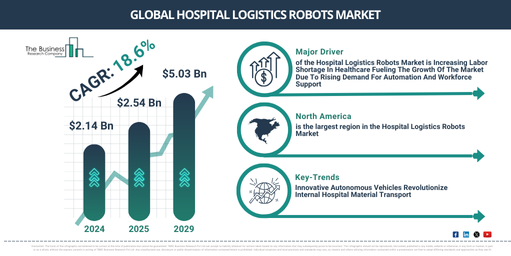
    The hospital logistics robots market has seen significant growth in recent years. It is forecast to expand from $2.14 billion in 2024 to $2.54 billion in 2025, demonstrating a compound annual growth rate (CAGR) of 19.0%. This historical expansion can be attributed to the escalating requirement to minimize human errors in medical deliveries, a greater emphasis on elevating patient safety and care quality, increasing pressure to streamline hospital operational efficiency, rising investments in healthcare infrastructure, and a surge in the demand for healthcare services.

    The market for hospital logistics robots is projected to expand significantly over the coming years. This market is forecast to reach $5.03 billion by 2029, exhibiting a compound annual growth rate (CAGR) of 18.6%. Several factors are expected to fuel this growth during the forecast period, including the increasing demand for automation within hospitals, a heightened requirement for efficient material handling, the expanding deficit of healthcare personnel, an amplified emphasis on operational efficiency, and the expanding numbers of elderly individuals coupled with a rise in chronic illnesses. Key trends anticipated during this period encompass sophisticated sensor technologies for improved navigation and safety, advancements in the designs of autonomous mobile robots, the incorporation of artificial intelligence and machine learning into hospital logistics operations, progress in battery and power management systems, and enhanced teleoperation and remote monitoring functionalities.

    Unlock Your Free Sample Report for Exclusive Market Data:

    https://www.thebusinessresearchcompany.com/sample.aspx?id=27309&type=smp

    Which Drivers Are Supporting Growth Of The Hospital Logistics Robots Market?

    The escalating labor scarcity in healthcare is anticipated to drive the expansion of the hospital logistics robots market in the future. A labor shortage in healthcare refers to a condition where the demand for qualified medical personnel exceeds the available supply, resulting in staffing deficits that hinder the delivery of healthcare services. This increasing labor deficit in healthcare is primarily due to the retirement of experienced professionals, causing a significant loss of skilled individuals in the sector. Hospital logistics robots help alleviate labor shortages in healthcare by automating routine activities, thereby enabling staff to concentrate on critical patient care and boosting overall operational efficiency. For instance, in October 2024, according to a report by the National Library of Medicine, a US-based biomedical library, in 2022, there was a shortage of 5.6 million health workers compared to the population health needs-based requirement of 9.75 million. Therefore, the growing labor shortages in healthcare are propelling the growth of the hospital logistics robots market.

    What Are The Different Segment Classifications Within The Hospital Logistics Robots Market?

    The hospital logistics robots global market report 202 market covered in this report is segmented

    1) By Type: Autonomous Guided Vehicles, Mobile Robot Platforms

    2) By Component: Sensors, Actuators, Controllers, Power Supply, Navigation Systems

    3) By Technology: Membrane Technology, Refrigerated Driers, Desiccant Driers, Heat Exchangers

    4) By Application: Food Delivery, Laboratory, Laundry Delivery, Pharmacy, Sterile Goods Or Surgical Supplies Delivery, Waste Transportation

    5) By End-User: Hospitals, Ambulatory Surgical Centers, Rehabilitation Centers, Research Institutes, Other End Users

    Subsegments:

    1) By Autonomous Guided Vehicles: Automated Delivery Robots, Disinfection Robots, Patient Transport Robots, Inventory Management Robots, Medication Dispensing Robots

    2) By Mobile Robot Platforms: Automated Guided Vehicles, Autonomous Mobile Robots, Service Robots, Inspection Robots, Delivery Robots

    Which Key Trends Are Expected To Influence The Hospital Logistics Robots Market In The Coming Years?

    Leading companies within the hospital logistics robots market are focusing on developing advanced products, such as autonomous guided vehicles (AGVs), to enhance automated material transport and improve operational efficiency in healthcare facilities. Autonomous guided vehicles are self-operating robots engineered to safely and efficiently transport materials within hospitals without human intervention. For instance, in June 2023, EK Robotics GmbH, a Germany-based robotics company, launched the Medi Move model series of automated guided vehicles (AGVs) specifically designed for internal hospital logistics automation. These robots feature a stainless steel chassis with a lifting table, capable of carrying loads up to 500 kg and lifting them up to 170 mm. They can travel at speeds of up to 1.7 m/s and boast a distinctive symmetrical six-wheel design that enables rotation around their own center, thereby requiring minimal maneuvering space. The system is equipped with 360° laser scanner navigation, ensuring safety, and is designed for continuous 24/7 hospital logistics operations across multiple floors.

    Which Key Market Players Are Investing In Expansion And Innovation Of Hospital Logistics Robots Market?

    Major companies operating in the hospital logistics robots market are Panasonic Holdings Corporation, Omron Corporation, Keenon Robotics Co. Ltd., Mobile Industrial Robots, Mobile Industrial Robots A/S, Locus Robotics Corporation, Robosoft Systems Pvt. Ltd., Blue Ocean Robotics A/S, Diligent Robotics Inc., Relay Robotics Inc, Yujin Robot Co. Ltd., Pudu Robotics Technology Co. Ltd., Aethon Inc., Vecna Robotics LLC., DS Automotion GmbH, Shenzhen Han’s Robot Co. Ltd., Richtech Robotics Co. Ltd., PAL Robotics S.L., DF Automation and Robotics S.A., CCS Robotics GmbH.

    Download The Full Report For Exclusive Market Findings:

    https://www.thebusinessresearchcompany.com/report/hospital-logistics-robots-global-market-report202

    Which Geographies Are Emerging As Strong Markets For The Hospital Logistics Robots Industry?

    North America was the largest region in the hospital logistics robots market in 2024. Asia-Pacific is expected to be the fastest-growing region in the forecast period. The regions covered in the hospital logistics robots market report are Asia-Pacific, Western Europe, Eastern Europe, North America, South America, Middle East, Africa.

    Request A Customized Version Of The Hospital Logistics Robots Market Report:

    https://www.thebusinessresearchcompany.com/customise?id=27309&type=smp

    Browse Through More Reports Similar to the Global Hospital Logistics Robots Market 2025, By The Business Research Company

    Investments Global Market Report 2025

    https://www.thebusinessresearchcompany.com/report/investments-global-market-report

    Partner And Interconnect Management Global Market Report 2025

    https://www.thebusinessresearchcompany.com/report/partner-and-interconnect-management-global-market-report

    Venture Capital Investment Global Market Report 2025

    https://www.thebusinessresearchcompany.com/report/venture-capital-investment-global-market-report

    Get in touch with us:

    The Business Research Company: https://www.thebusinessresearchcompany.com/

    Americas +1 310-496-7795

    Asia +44 7882 955267 & +91 8897263534

    Europe +44 7882 955267

    Email us at info@tbrc.info

    Follow us on:

    LinkedIn: https://in.linkedin.com/company/the-business-research-company

    YouTube: https://www.youtube.com/channel/UC24_fI0rV8cR5DxlCpgmyFQ

    Global Market Model: https://www.thebusinessresearchcompany.com/global-market-model