Blog

  • Global Genetic Analysis Market Trends and Growth Analysis 2025–2029

    Global Genetic Analysis Market Trends and Growth Analysis 2025–2029

    Unlock Global Insights – Save 20% on Market Reports with Code ONLINE20

    What Is The Anticipated Size Of The Genetic Analysis Market Over The Five-Year Period 2025–2029?

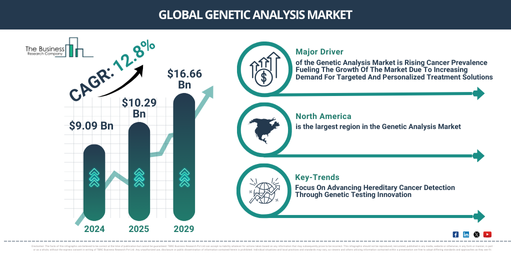
    The genetic analysis market has seen swift growth in recent years. It is forecast to expand from $9.09 billion in 2024 to $10.29 billion in 2025, achieving a compound annual growth rate (CAGR) of 13.2%. This historical expansion can be attributed to several factors, including the increasing occurrence of genetic and rare diseases, the growing use of genetic testing in oncology, a rising demand for personalized medicine, the necessity for early disease detection and prevention, and heightened awareness concerning hereditary diseases.

    The genetic analysis market is poised for significant expansion in the coming years. Its size is forecast to reach $16.66 billion in 2029, growing at a compound annual growth rate (CAGR) of 12.8%. This growth during the forecast period is attributed to a rise in newborn screening programs, increasing utilization in managing chronic conditions, an aging population, a heightened focus on pediatric genetic testing, and the growing prevalence of lifestyle-related diseases with genetic links. Prominent trends for this period include rapid advancements in next-generation sequencing technologies, the emergence of CRISPR and other gene editing tools, improved bioinformatics and data interpretation tools, the adoption of AI and machine learning in genomic data analysis, and the miniaturization of sequencing instruments.

    Unlock Your Free Sample Report for Exclusive Market Data:

    https://www.thebusinessresearchcompany.com/sample.aspx?id=27295&type=smp

    What Are The Emerging Market Drivers Creating New Opportunities In The Genetic Analysis Industry?

    The escalating incidence of cancer is anticipated to fuel the expansion of the genetic analysis market. Cancer is defined as a disease where specific body cells multiply uncontrollably and may spread to other regions. The rise in cancer cases is largely due to an aging population, as older individuals are more prone to accumulating genetic mutations and prolonged exposure to environmental and lifestyle risk factors contributing to cancer development. Genetic analysis proves beneficial for cancer by identifying the precise genetic mutations responsible for the illness, thereby enabling doctors to opt for targeted treatments that are both more effective and lead to fewer adverse effects. For instance, a report from the National Cancer Institute (NCI) in May 2025 indicated that nearly 20 million people worldwide were newly diagnosed with cancer in 2022, and approximately 9.7 million succumbed to it. Forecasts suggest that by 2050, the yearly number of new cancer cases could reach 33 million, with cancer-related deaths potentially increasing to 18.2 million. This increase in cancer cases is therefore a significant driver for the growth of the genetic analysis market.

    Which Key Segments Fueling The Genetic Analysis Market?

    The genetic analysis market covered in this report is segmented

    1) By Product: Reagents And Kits, Instruments, Software

    2) By Test: Predictive Genetic Testing, Carrier Testing, Prenatal And Newborn Testing, Disease Diagnostic Testing, Pharmacogenomic Testing, Other Tests

    3) By Technology: Next-Generation Sequencing (NGS), Real-Time PCR System, Other Technologies

    4) By Application: Cancer, Genetic Diseases, Cardiovascular Diseases, Rare Diseases, Infectious Diseases, Other Applications

    5) By End-Use: Hospitals, Research And Development Laboratories, Diagnostic Centers, Other End-Uses

    Subsegments:

    1) By Reagents And Kits: DNA Extraction Kits, RNA Extraction Kits, PCR Reagents, Sequencing Reagents, Library Preparation Kits, Electrophoresis Reagents, Microarray Kits, Genotyping Assay Kits, Target Enrichment Kits, Nucleic Acid Labeling Kits

    2) By Instruments: DNA Sequencers, PCR Machines, Microarray Scanners, Electrophoresis Systems, Real-Time PCR Systems, Automated Sample Preparation Systems, Genetic Analyzers, Bioanalyzers, Fragment Analyzers, Next-Generation Sequencing (NGS) Platforms

    3) By Software: Data Analysis Software, Bioinformatics Tools, Laboratory Information Management Systems (LIMS), Genomic Data Interpretation Software, DNA Sequence Alignment Tools, Variant Annotation Software, Clinical Decision Support Software, Cloud-Based Genomic Platforms, Workflow Management Software, Data Visualization Tools

    Which Key Trends Are Expected To Influence The Genetic Analysis Market In The Coming Years?

    Companies operating in the genetic analysis market are primarily focused on developing advanced products, such as genetic testing solutions, to enable preventive measures or early detection. Genetic testing solutions involve examining an individual’s DNA to identify changes or variations in genes that might be linked to particular health conditions or inherited traits. For instance, in June 2023, Devyser, a Sweden-based company specializing in diagnostic kit development, launched Devyser LynchFAP and Devyser BRCA PALB2, two genetic testing solutions aimed at hereditary cancer. Devyser LynchFAP distinguishes itself by offering a complete solution for analyzing PMS2 and nine additional genes related to hereditary colorectal cancer, effectively resolving the complex task of differentiating PMS2 from its pseudogene PMS2CL. It is the first commercial kit specifically designed for precise analysis of the PMS2 gene. Devyser BRCA PALB2 allows for targeted identification of genetic variants in BRCA1, BRCA2, and PALB2, which are key genes associated with an increased risk of breast and ovarian cancer. Its user-friendly interface permits quick integration into lab workflows and supports DNA analysis from both blood and tumor samples within a single test.

    Which Key Market Players Are Investing In Expansion And Innovation Of Genetic Analysis Market?

    Major companies operating in the genetic analysis market are Hoffmann-La Roche AG, Thermo Fisher Scientific Inc., Abbott Laboratories Inc., Danaher Corporation, Quest Diagnostics Inc., Illumina Inc., PerkinElmer Inc., BioRad Laboratories Inc., Qiagen NV, Oxford Nanopore Technologies Plc, 23andMe Inc., ELITech Group, MyHeritage Ltd., Dante Labs Inc., AutoGenomics Inc., IntegraGen SA, Family Tree DNA, 24 genetics, Centrillion Biosciences Inc., DNA Worldwide Group Ltd., and Genebase.

    Download The Full Report For Exclusive Market Findings:

    https://www.thebusinessresearchcompany.com/report/genetic-analysis-global-market-report

    Which Region Is Projected To Lead The Genetic Analysis Market During The Forecast Period?

    North America was the largest region in the genetic analysis market in 2024. Asia-Pacific is expected to be the fastest-growing region in the forecast period. The regions covered in the genetic analysis market report are Asia-Pacific, Western Europe, Eastern Europe, North America, South America, Middle East, Africa.

    Request A Customized Version Of The Genetic Analysis Market Report:

    https://www.thebusinessresearchcompany.com/customise?id=27295&type=smp

    Browse Through More Reports Similar to the Global Genetic Analysis Market 2025, By The Business Research Company

    Scanner Global Market Report 2025

    https://www.thebusinessresearchcompany.com/report/scanner-global-market-report

    Scanner Software Global Market Report 2025

    https://www.thebusinessresearchcompany.com/report/scanner-software-global-market-report

    Document Scanning Services Global Market Report 2025

    https://www.thebusinessresearchcompany.com/report/document-scanning-services-global-market-report

    Get in touch with us:

    The Business Research Company: https://www.thebusinessresearchcompany.com/

    Americas +1 310-496-7795

    Asia +44 7882 955267 & +91 8897263534

    Europe +44 7882 955267

    Email us at info@tbrc.info

    Follow us on:

    LinkedIn: https://in.linkedin.com/company/the-business-research-company

    YouTube: https://www.youtube.com/channel/UC24_fI0rV8cR5DxlCpgmyFQ

    Global Market Model: https://www.thebusinessresearchcompany.com/global-market-model

  • Gene Therapy On Neurological Diseases Market Forecast: What to Expect by 2029

    Gene Therapy On Neurological Diseases Market Forecast: What to Expect by 2029

    Unlock Global Insights – Save 20% on Market Reports with Code ONLINE20

    What Are The Forecasted Market Size Estimates For The Gene Therapy On Neurological Diseases Market Between 2025 And 2029?

    The gene therapy on neurological diseases market has seen substantial growth recently. It is anticipated to expand from $3.13 billion in 2024 to $3.55 billion in 2025, exhibiting a compound annual growth rate (CAGR) of 13.2%. This historical growth can be ascribed to several factors, including the increasing occurrence of neurological disorders, a heightened demand for personalized medicine, rising investment in biotech research and development, an increase in clinical trial activities, and more approvals for gene therapies.

    The gene therapy on neurological diseases market size is projected to experience swift expansion in the coming years. It is anticipated to reach $5.76 billion by 2029, demonstrating a compound annual growth rate (CAGR) of 12.9%. The projected growth during this period is attributable to several factors, including heightened global clinical trial activity, advancements in healthcare infrastructure development, greater recognition of rare diseases, an expanding array of gene therapies in development, and a rise in strategic alliances and partnerships. Key trends foreseen for the forecast period encompass the incorporation of technology into remote patient monitoring, breakthroughs in vector manufacturing platforms, automation driven by technology in biomanufacturing processes, the creation of gene therapies specifically for ultra-rare pediatric central nervous system (CNS) disorders, and the assimilation of genomic screening within clinical environments.

    Unlock Your Free Sample Report for Exclusive Market Data:

    https://www.thebusinessresearchcompany.com/sample.aspx?id=27294&type=smp

    Which Drivers Are Impacting The Gene Therapy On Neurological Diseases Market?

    The increasing incidence of neurological disorders is projected to drive the expansion of the gene therapy on neurological diseases market in the foreseeable future. Neurological disorders are medical conditions that impact the brain, spinal cord, and nerves, leading to a spectrum of symptoms including cognitive, motor, and sensory impairments. The rising prevalence of these conditions is connected to the aging population, as advancing age gradually impairs neuronal function, diminishes brain plasticity, and heightens oxidative stress, all contributing to their development and progression. Gene therapy on neurological diseases assists in managing these disorders by targeting their fundamental genetic causes, thereby offering potential long-term or permanent therapeutic solutions. This approach enhances patient outcomes by restoring or modifying gene function, alleviating symptoms, and minimizing the need for repetitive medical interventions, ultimately improving overall quality of life. For example, in July 2024, the National Health Service, a UK-based government agency, reported 487,432 patients diagnosed with dementia (a progressive brain disorder affecting memory, thinking, and daily activities) by June 30, 2024, reflecting an increase of 3,155 cases compared to May 31, 2024. Hence, the growing prevalence of neurological disorders is a significant factor propelling the growth of the gene therapy on neurological diseases market.

    How Is The Gene Therapy On Neurological Diseases Market Classified Into Different Segments?

    The gene therapy on neurological diseases market covered in this report is segmented

    1) By Type: Viral Gene Therapy, Non-Viral Gene Therapy

    2) By Target Disease: Alzheimer’s Disease, Parkinsons Disease, Amyotrophic Lateral Sclerosis (ALS), Huntington’s Disease, Multiple Sclerosis

    3) By Administration Route: Intravenous, Intrathecal, Intranasal, Intracerebral, Other Administration Routes

    4) By Application: Hospital, Clinic, Other Applications

    Subsegments:

    1) By Viral Gene Therapy Type: Adeno Associated Virus, Lentivirus, Retrovirus, Herpes Simplex Virus, Adenovirus

    2) By Non-Viral Gene Therapy Type: Liposomes, Nanoparticles, Electroporation, Gene Gun, Naked Plasmid Deoxyribonucleic Acid (DNA)

    What Are The Major Trends Driving The Growth Of The Gene Therapy On Neurological Diseases Market?

    Key companies operating in the gene therapy on neurological diseases market are concentrating on developing advanced viral delivery systems, such as the adeno-associated virus serotype 2 (AAV2) vector. These systems aim to improve targeted gene delivery, enhance efficacy, mitigate immune reactions, and enable long-lasting treatments. The adeno-associated virus serotype 2 (AAV2) vector itself is a modified, non-pathogenic viral delivery system utilized in gene therapy to transport therapeutic genes into target cells, particularly neurons, for extended expression. For example, in November 2024, PTC Therapeutics Inc., a US-based biopharmaceutical company, obtained U.S. Food and Drug Administration (FDA) approval for its gene therapy addressing aromatic L-amino acid decarboxylase (AADC) deficiency. This therapy employs an AAV2 vector to deliver a functional copy of the DDC gene into the putamen, thereby enabling dopamine production and improving motor functions. The treatment involves a one-time, intraputaminal infusion, meticulously designed to offer sustained therapeutic benefits, substantially enhancing motor function and reducing debilitating symptoms without requiring repeated interventions.

    Who Are The Core Companies Influencing The Gene Therapy On Neurological Diseases Market Landscape?

    Major companies operating in the gene therapy on neurological diseases market are Novartis AG, Biogen Inc., Neurocrine Biosciences Inc., Sarepta Therapeutics Inc., PTC Therapeutics Inc., Amicus Therapeutics Inc., Oxford Biomedica plc, Regenxbio Inc., Passage Bio Inc., Intellia Therapeutics Inc., Voyager Therapeutics Inc., UniQure N.V., AviadoBio Ltd., Capsida Biotherapeutics Inc., StrideBio Inc., Lysogene S.A., Wave Life Sciences Ltd., Taysha Gene Therapies Inc., Abeona Therapeutics Inc., CRISPR Therapeutics AG.

    Download The Full Report For Exclusive Market Findings:

    https://www.thebusinessresearchcompany.com/report/gene-therapy-on-neurological-diseases-global-market-report

    What Are The Key Regional Factors Influencing The Gene Therapy On Neurological Diseases Market Growth?

    North America was the largest region in the gene therapy on neurological diseases market in 2024. Asia-Pacific is expected to be the fastest-growing region in the forecast period. The regions covered in the gene therapy on neurological diseases market report are Asia-Pacific, Western Europe, Eastern Europe, North America, South America, Middle East, Africa.

    Request A Customized Version Of The Gene Therapy On Neurological Diseases Market Report:

    https://www.thebusinessresearchcompany.com/customise?id=27294&type=smp

    Browse Through More Reports Similar to the Global Gene Therapy On Neurological Diseases Market 2025, By The Business Research Company

    Switchboard Global Market Report 2025

    https://www.thebusinessresearchcompany.com/report/switchboard-global-market-report

    Mobile Computer Market 2025

    https://www.thebusinessresearchcompany.com/report/mobile-computer-market

    Surfing Boards Global Market Report 2025

    https://www.thebusinessresearchcompany.com/report/surfing-boards-global-market-report

    Get in touch with us:

    The Business Research Company: https://www.thebusinessresearchcompany.com/

    Americas +1 310-496-7795

    Asia +44 7882 955267 & +91 8897263534

    Europe +44 7882 955267

    Email us at info@tbrc.info

    Follow us on:

    LinkedIn: https://in.linkedin.com/company/the-business-research-company

    YouTube: https://www.youtube.com/channel/UC24_fI0rV8cR5DxlCpgmyFQ

    Global Market Model: https://www.thebusinessresearchcompany.com/global-market-model

  • Gene Therapy For Inherited Genetic Disorders Industry Insights: Market Forecast to 2029

    Gene Therapy For Inherited Genetic Disorders Industry Insights: Market Forecast to 2029

    Unlock Global Insights – Save 20% on Market Reports with Code ONLINE20

    How Is The Gene Therapy For Inherited Genetic Disorders Market Size Likely To Evolve From 2025 Through 2034?

    The gene therapy for inherited genetic disorders market size has experienced rapid expansion in recent years. It is projected to expand from $3.39 billion in 2024 to $4.05 billion in 2025, demonstrating a compound annual growth rate (CAGR) of 19.4%. Historically, this growth can be ascribed to several factors, including a rise in government initiatives and conducive policies supporting gene therapy, enhanced availability of sophisticated gene delivery systems, increased patient desire for effective and curative therapies, the expanding scope of clinical trials focused on inherited disorders, and heightened understanding among healthcare professionals regarding the advantages of gene therapy.

    The gene therapy for inherited genetic disorders market is projected to expand significantly in the coming years. It is forecast to grow to $8.15 billion by 2029, achieving a compound annual growth rate (CAGR) of 19.1%. This anticipated growth during the forecast period is driven by factors such as the increasing prevalence of inherited genetic disorders, growing investment and funding in gene therapy research and development, enhanced awareness and diagnosis rates of rare genetic diseases, a rise in regulatory approvals for novel gene therapy products, and the expanding adoption of personalized medicine approaches. Key trends for this period include the integration of advanced delivery systems for targeted gene therapy, ongoing developments in viral and non-viral vector technologies, advancements in next-generation sequencing enabling precise diagnosis, technological improvements in the manufacturing and scalability of gene therapies, and the incorporation of artificial intelligence to optimize gene therapy design.

    Unlock Your Free Sample Report for Exclusive Market Data:

    https://www.thebusinessresearchcompany.com/sample.aspx?id=27293&type=smp

    Which Industry Drivers Are Expected To Accelerate The Gene Therapy For Inherited Genetic Disorders Market From 2025 To 2029?

    The increasing need for personalized medicine is anticipated to drive the expansion of the gene therapy for inherited genetic disorders market in the future. This approach involves customizing medical interventions based on an individual’s genetic makeup and unique characteristics to provide optimal care. The prevalence of personalized medicine is growing, driven by progress in genetic technologies that facilitate easier and more cost-effective customization of treatments according to a person’s specific genetic profile. It significantly enhances gene therapy by adapting treatments to fit each patient’s distinct genetic blueprint, thereby ensuring accurate gene targeting and delivery, improving efficacy, and minimizing adverse reactions. As an illustration, in February 2024, the Personalized Medicine Coalition, a US-based non-profit organization, reported that the United States Food and Drug Administration (FDA) sanctioned 16 novel personalized treatments for patients with rare diseases in 2023, a considerable increase from six approvals in 2022. Among the new personalized treatments approved in 2023 were also seven medications for cancer and three for various other diseases and conditions. Consequently, the escalating demand for personalized medicine is fueling the growth within the gene therapy for inherited genetic disorders market.

    What Are The Major Segments Identified In The Gene Therapy For Inherited Genetic Disorders Market?

    The gene therapy for inherited genetic disorders market covered in this report is segmented

    1) By Type: Viral Vector-Based Therapies, Gene Editing Techniques, Ribonucleic Acid-Based Therapies, Ex Vivo Gene Therapy

    2) By Application: Inherited Metabolic Disorders, Neurological Disorders, Cardiovascular Disorders, Musculoskeletal Disorders, Ophthalmic Disorders

    3) By End-User: Hospitals, Specialty Clinics, Research Institutes, Other End-Users

    Subsegments:

    1) By Viral Vector-Based Therapies: Adenovirus Vectors, Adeno-Associated Virus (AAV) Vectors, Lentivirus Vectors

    2) By Gene Editing Techniques: Zinc Finger Nucleases (ZFNs), Transcription Activator-Like Effector Nucleases (TALENs), Meganucleases

    3) By Ribonucleic Acid-Based Therapies: Small Interfering Ribonucleic Acid, Antisense Oligonucleotides (ASOs), Messenger Ribonucleic Acid (mRNA) Therapies

    4) By Ex Vivo Gene Therapy: Hematopoietic Stem Cell Gene Therapy, Mesenchymal Stem Cell Gene Therapy, Induced Pluripotent Stem Cell (iPSC) Therapy

    What Are The Major Trends Driving The Growth Of The Gene Therapy For Inherited Genetic Disorders Market?

    Leading companies operating in the gene therapy for inherited genetic disorders market are concentrating on developing advanced solutions, such as establishing gene therapy firms, to deliver targeted, safer, and more effective treatments that address the underlying causes of genetic diseases. A gene therapy establishment refers to a biotechnology or pharmaceutical entity specializing in the research, development, and commercialization of gene therapy treatments aimed at correcting or modifying defective genes responsible for inherited genetic disorders. For instance, in November 2022, Replay, a US-based genome writing company, unveiled Telaria, a big DNA HSV gene therapy company. This represents Replay’s second product company, leveraging its high payload capacity herpes simplex virus (HSV) delivery vector, synHSV, with its primary indication being recessive dystrophic epidermolysis bullosa (RDEB), a severe genetic skin condition. The company was co-founded by leading HSV scientists and genetic skin disease experts, with the goal of creating transformative gene therapies for these rare skin diseases. This introduction comes after Replay’s first gene therapy company, Eudora, which targets retinal diseases. Replay’s innovative structure segregates technology development from therapeutic development within distinct product companies focused on specific disease areas.

    Which Major Industry Participants Are Leading The Gene Therapy For Inherited Genetic Disorders Market Growth?

    Major companies operating in the gene therapy for inherited genetic disorders market are Sanofi S.A., Novartis AG, Astellas Pharma Inc., Vertex Pharmaceuticals Incorporated, Genentech, Biomarin Pharmaceutical Inc, Sarepta Therapeutics Inc., Krystal Biotech Inc., Rocket Pharmaceuticals Inc., Sangamo Therapeutics Inc., REGENXBIO Inc., Passage Bio Inc., Voyager Therapeutics Inc., Generation Bio Co., Avrobio Inc, Editas Medicine Inc., MeiraGTx Holdings Plc, uniQure N.V., Intellia Therapeutics Inc., Bluebird Bio Inc, 4D Molecular Therapeutics Inc., CRISPR Therapeutics AG.

    Download The Full Report For Exclusive Market Findings:

    https://www.thebusinessresearchcompany.com/report/gene-therapy-for-inherited-genetic-disorders-global-market-report

    How Do Regional Market Performances Compare Within The Gene Therapy For Inherited Genetic Disorders Industry?

    North America was the largest region in the gene therapy for inherited genetic disorders market in 2024. Asia-Pacific is expected to be the fastest-growing region in the forecast period. The regions covered in the gene therapy for inherited genetic disorders market report are Asia-Pacific, Western Europe, Eastern Europe, North America, South America, Middle East, Africa.

    Request A Customized Version Of The Gene Therapy For Inherited Genetic Disorders Market Report:

    https://www.thebusinessresearchcompany.com/customise?id=27293&type=smp

    Browse Through More Reports Similar to the Global Gene Therapy For Inherited Genetic Disorders Market 2025, By The Business Research Company

    Asphalt Mixing Plants Global Market Report 2025

    https://www.thebusinessresearchcompany.com/report/asphalt-mixing-plants-global-market-report

    Asphalt Pavers Global Market Report 2025

    https://www.thebusinessresearchcompany.com/report/asphalt-pavers-global-market-report

    Asphalt Additives Global Market Report 2025

    https://www.thebusinessresearchcompany.com/report/asphalt-additives-global-market-report

    Get in touch with us:

    The Business Research Company: https://www.thebusinessresearchcompany.com/

    Americas +1 310-496-7795

    Asia +44 7882 955267 & +91 8897263534

    Europe +44 7882 955267

    Email us at info@tbrc.info

    Follow us on:

    LinkedIn: https://in.linkedin.com/company/the-business-research-company

    YouTube: https://www.youtube.com/channel/UC24_fI0rV8cR5DxlCpgmyFQ

    Global Market Model: https://www.thebusinessresearchcompany.com/global-market-model

  • Gene Therapy Clinical Trial Services Market Size and Growth Forecast for Businesses 2025–2029

    Gene Therapy Clinical Trial Services Market Size and Growth Forecast for Businesses 2025–2029

    Unlock Global Insights – Save 20% on Market Reports with Code ONLINE20

    What Are The Growth Projections For The Gene Therapy Clinical Trial Services Market Size During 2025–2029?

    The gene therapy clinical trial services market size has witnessed rapid expansion in recent years. It is projected to increase from $1.53 billion in 2024 to $1.82 billion in 2025, at a compound annual growth rate (CAGR) of 19.6%. The historical growth of this market can be attributed to several factors: increasing research and development investment, the rising prevalence of rare genetic disorders, a growing adoption of precision medicine approaches, enhanced regulatory support facilitated by accelerated approval pathways, and an increasing number of gene therapy candidates.

    The gene therapy clinical trial services market size is expected to experience substantial expansion in the coming years. It is projected to reach $3.69 billion in 2029, demonstrating a compound annual growth rate (CAGR) of 19.2%. This growth during the forecast period can be attributed to increasing technological advancements in gene-editing tools, a rising number of clinical trials, heightened demand for personalized treatment, growing investment in manufacturing infrastructure for cell and gene therapies, and enhanced patient recruitment efforts. Key trends anticipated in the forecast period include improvements in gene-editing technologies, progress in vector manufacturing capabilities, advancements in patient recruitment strategies, the incorporation of real-world evidence, and the adoption of the decentralized trial model.

    Unlock Your Free Sample Report for Exclusive Market Data:

    https://www.thebusinessresearchcompany.com/sample.aspx?id=27292&type=smp

    What Are The Top Growth Drivers Impacting The Gene Therapy Clinical Trial Services Market Outlook?

    The gene therapy clinical trial services market is projected to expand moving forward due to the escalating demand for personalized medicine. This approach, personalized medicine, tailors medical treatment to individual characteristics like genetic, biomarker, and lifestyle factors. The rising demand for personalized medicine is fueled by advancements in genomics and biotechnology, which enable more precise targeting of therapies. Gene therapy clinical trial services support personalized medicine by analyzing patient-specific genetic profiles and customizing treatments accordingly, utilizing biomarker analysis and companion diagnostics to optimize therapy for each individual while enhancing safety and effectiveness. For instance, in February 2024, the Personalized Medicine Coalition, a US-based hospital and health care organization, reported that in 2023, the FDA approved 16 new personalized treatments for rare disease patients, an increase from six in 2022. Therefore, the growing demand for personalized medicine is driving the growth of the gene therapy clinical trial services market.

    What Are The Emerging Segments Gaining Attention In The Gene Therapy Clinical Trial Services Market?

    The gene therapy clinical trial services market covered in this report is segmented

    1) By Type: Clinical Trial Design And Planning, Supply And Logistics Services, Regulatory Services, Data Management And Biostatistics, Site Management And Monitoring, Other Types

    2) By Application: Oncology, Hematology, Endocrine or Metabolic Disorders, Musculoskeletal Diseases, Cardiovascular Diseases, Neurology Disorders, Infectious Diseases, Ophthalmology, Immunology, Other Applications

    3) By End-User: Pharmaceutical Companies, Biotechnology Companies, Academic Institutions, Government Research Institutes, Contract Research Organizations (CROs)

    Subsegments:

    1) By Clinical Trial Design And Planning: Protocol Development, Feasibility Studies, Patient Recruitment Strategy Design

    2) By Supply And Logistics Services: Cold Chain Management, Investigational Product Packaging And Labeling, Controlled-Temperature Storage

    3) By Regulatory Services: Regulatory Consulting And Strategy, Ethics Committee Submissions, Regulatory Compliance Monitoring

    4) By Data Management And Biostatistics: Clinical Data Capture And Database Design, Data Validation And Quality Control, Statistical Analysis And Modeling

    5) By Site Management And Monitoring: Site Selection And Qualification, Investigator Training And Support, On-Site Monitoring Visits

    6) By Other Types: Pharmacovigilance And Safety Reporting, Quality Assurance And Auditing, Patient Engagement And Retention

    What Trends Are Expected To Drive The Gene Therapy Clinical Trial Services Market?

    Companies operating in the gene therapy clinical trial services market are concentrating on developing innovative solutions like the long-term follow-up (LTFU) model for cell and gene therapy (CGT) trials. This effort aims to accelerate the entire trial process while upholding regulatory compliance and safety standards. An LTFU model for cell and gene therapy (CGT) trials is a structured framework designed to monitor patients for an extended period, often up to 15 years after they receive a CGT treatment. For example, in May 2025, Medable Inc., a US-based SaaS company, introduced a digital-first Long-Term Follow-Up (LTFU) model specifically tailored for cell and gene therapy (CGT) trials. This model supports cell and gene therapy trials by decreasing the burden on patients and sites while maintaining scientific rigor during the FDA-required 15-year monitoring period. It also improves patient access, retention, and data continuity via remote and hybrid follow-up methods, thereby enhancing the monitoring of long-term safety and efficacy.

    Who Are The Prominent Global Companies Shaping The Gene Therapy Clinical Trial Services Market?

    Major companies operating in the gene therapy clinical trial services market are Thermo Fisher Scientific Inc., Sharp Services LLC, Labcorp, Pharmaceutical Product Development LLC, ICON plc, Syneos Health Inc., WuXi AppTec, Franklin Biolabs, Catalent Inc., Charles River Laboratories International Inc., Parexel International (MA) Corporation, Medpace Holdings Inc., Precision Medicine Group LLC, Worldwide Clinical Trials, IQVIA Holdings Inc., TFS HealthScience, Poseida Therapeutics Inc., Veristat LLC, Genprex Inc., Novotech Health Holdings Pte Limited, bluebird bio Inc.

    Download The Full Report For Exclusive Market Findings:

    https://www.thebusinessresearchcompany.com/report/gene-therapy-clinical-trial-services-global-market-report

    Which Region Currently Holds The Largest Share Of The Gene Therapy Clinical Trial Services Market?

    North America was the largest region in the gene therapy clinical trial services market in 2024. Asia-Pacific is expected to be the fastest-growing region in the forecast period. The regions covered in the gene therapy clinical trial services market report are Asia-Pacific, Western Europe, Eastern Europe, North America, South America, Middle East, Africa.

    Request A Customized Version Of The Gene Therapy Clinical Trial Services Market Report:

    https://www.thebusinessresearchcompany.com/customise?id=27292&type=smp

    Browse Through More Reports Similar to the Global Gene Therapy Clinical Trial Services Market 2025, By The Business Research Company

    Takaful Global Market Report 2025

    https://www.thebusinessresearchcompany.com/report/takaful-global-market-report

    Nitrobenzene Global Market Report 2025

    https://www.thebusinessresearchcompany.com/report/nitrobenzene-global-market-report

    Triazole Fungicides Global Market Report 2025

    https://www.thebusinessresearchcompany.com/report/triazole-fungicides-global-market-report

    Get in touch with us:

    The Business Research Company: https://www.thebusinessresearchcompany.com/

    Americas +1 310-496-7795

    Asia +44 7882 955267 & +91 8897263534

    Europe +44 7882 955267

    Email us at info@tbrc.info

    Follow us on:

    LinkedIn: https://in.linkedin.com/company/the-business-research-company

    YouTube: https://www.youtube.com/channel/UC24_fI0rV8cR5DxlCpgmyFQ

    Global Market Model: https://www.thebusinessresearchcompany.com/global-market-model

  • Global Gastric Cancer Diagnostic Market Overview: Trends Shaping Growth to 2029

    Global Gastric Cancer Diagnostic Market Overview: Trends Shaping Growth to 2029

    Unlock Global Insights – Save 20% on Market Reports with Code ONLINE20

    What Is The Global Market Value Of The Gastric Cancer Diagnostic Industry In 2025?

    The gastric cancer diagnostic market has seen strong expansion in recent years. It is anticipated to increase from $2.59 billion in 2024 to $2.78 billion in 2025, achieving a compound annual growth rate (CAGR) of 7.3%. This growth observed in previous periods is largely attributable to the escalating prevalence of helicobacter pylori infection, enhanced awareness concerning gastric cancer symptoms, the rising occurrence of gastric cancer among older populations, increased intake of smoked and preserved foods, and the expanded application of diagnostic screening in high-risk groups.

    The gastric cancer diagnostic market size is projected to experience substantial expansion over the coming years. It is anticipated to reach $3.63 billion by 2029, exhibiting a compound annual growth rate (CAGR) of 6.9%. This projected growth during the forecast period can be attributed to several factors, including an increasing demand for early detection and screening programs, rising awareness campaigns focused on preventing gastric cancer, the growing adoption of personalized medicine approaches, the expansion of healthcare infrastructure in emerging markets, and a heightened focus on non-invasive and rapid diagnostic tests. Key trends anticipated during this period encompass technological advancements in molecular diagnostics, the development of biomarker panels to enhance diagnostic accuracy, the creation of portable diagnostic devices for point-of-care testing, the innovation of minimally invasive diagnostic tools, and the integration of various imaging modalities.

    Unlock Your Free Sample Report for Exclusive Market Data:

    https://www.thebusinessresearchcompany.com/sample.aspx?id=27291&type=smp

    Which Major Market Drivers Are Shaping The Future Of The Gastric Cancer Diagnostic Market?

    The increasing occurrence of gastric cancer is anticipated to fuel the expansion of the gastric cancer diagnostic market in the coming years. Gastric cancer itself is defined as a malignant tumor originating in the stomach lining, where cells multiply uncontrollably, forming a mass that can penetrate nearby tissues and spread throughout the body. This surge in gastric cancer cases stems from unhealthy eating patterns, as consuming large quantities of salted, smoked, and processed foods heightens the damage to the stomach lining and increases cancer risk. Gastric cancer diagnostic tools contribute to its early detection by identifying malignant lesions, which is crucial for timely medical intervention and enhanced patient prognoses. These tools boost clinical effectiveness by yielding accurate and quick results, thereby supporting superior disease management. For instance, in May 2024, the American Cancer Society, a US-based nonprofit organization, reported that the count of new stomach cancer cases hit 26,890 in 2024, representing an increase from 26,500 cases in 2023. Thus, the escalating incidence of gastric cancer is a primary force driving the growth of the gastric cancer diagnostic market.

    What Are The Major Segment Types Covered In The Gastric Cancer Diagnostic Market?

    The gastric cancer diagnostic market covered in this report is segmented

    1) By Diagnostic Type: Endoscopy, Imaging, Biopsy, Laboratory Tests, Biomarker-Based Testing

    2) By Product: Reagents And Consumables, Instruments

    3) By Technology: Molecular Diagnostics, Immunoassays, Next-Generation Sequencing, Other Technologies

    4) By Application: Early Diagnosis, Screening, Monitoring

    5) By End User: Hospitals, Clinics, Diagnostic Laboratories, Other End Users

    Subsegments:

    1) By Endoscopy: Conventional Endoscopy, Chromoendoscopy, Narrow Band Imaging, Confocal Laser Endomicroscopy, Capsule Endoscopy

    2) By Imaging: Computed Tomography, Magnetic Resonance Imaging, Positron Emission Tomography, Ultrasound

    3) By Biopsy: Forceps Biopsy, Needle Biopsy, Endoscopic Ultrasound-Guided Biopsy, Laparoscopic Biopsy

    4) By Laboratory Tests: Blood Tests, Stool Tests, Urea Breath Test, Serology

    5) By Biomarker-Based Testing: Genetic Testing, Protein Biomarker Testing, Circulating Tumor DNA Testing, Microribonucleic Acid Testing

    Which Trends Are Impacting The Gastric Cancer Diagnostic Market?

    Leading companies operating within the gastric cancer diagnostic market are focusing on developing advanced diagnostic tools, including artificial intelligence-based endoscopic diagnostic support devices, to enhance early detection and accuracy. These AI-powered endoscopic diagnostic support devices are intelligent tools designed to assist in identifying and assessing gastrointestinal abnormalities during endoscopic procedures. For instance, in March 2024, AI Medical Service Inc., a medical technology company based in Japan, launched GastroAI-model G, an AI-powered endoscopic diagnostic support system. This system aids gastroenterologists during endoscopy by analyzing video images in real time to identify potential cancerous lesions. It employs deep learning techniques to detect suspicious areas indicative of early gastric cancer, which may necessitate a biopsy or further examination. When such lesions are identified, the system promptly alerts the physician by highlighting the area with a rectangle on the endoscopic screen, thereby improving diagnostic accuracy and enabling early cancer detection.

    Which Key Players Are Driving Competition In The Gastric Cancer Diagnostic Market?

    Major companies operating in the gastric cancer diagnostic market are F. Hoffmann-La Roche Ltd., Thermo Fisher Scientific Inc., Abbott Laboratories, Becton Dickinson and Company, Quest Diagnostics Incorporated, Agilent Technologies Inc., Illumina Inc., bioMérieux SA, Qiagen N.V., DiaSorin S.p.A, Natera Inc., Myriad Genetics Inc., Fulgent Genetics Inc., Foundation Medicine Inc., Invitae Corporation, NeoGenomics Laboratories Inc., Fujirebio Inc., MiRXES Pte Ltd., BIOCEPT Inc., Pillar Biosciences Inc.

    Download The Full Report For Exclusive Market Findings:

    https://www.thebusinessresearchcompany.com/report/gastric-cancer-diagnostic-global-market-report

    What Regional Growth Trends Are Shaping The Gastric Cancer Diagnostic Market Outlook?

    North America was the largest region in the gastric cancer diagnostic market in 2024. Asia Pacific is expected to be the fastest-growing region in the forecast period. The regions covered in the gastric cancer diagnostic market report are Asia-Pacific, Western Europe, Eastern Europe, North America, South America, Middle East, Africa.

    Request A Customized Version Of The Gastric Cancer Diagnostic Market Report:

    https://www.thebusinessresearchcompany.com/customise?id=27291&type=smp

    Browse Through More Reports Similar to the Global Gastric Cancer Diagnostic Market 2025, By The Business Research Company

    Mineral Wool Global Market Report 2025

    https://www.thebusinessresearchcompany.com/report/mineral-wool-global-market-report

    Thermal Insulation Material Global Market Report 2025

    https://www.thebusinessresearchcompany.com/report/thermal-insulation-material-global-market-report

    Building Insulation Materials Global Market Report 2025

    https://www.thebusinessresearchcompany.com/report/building-insulation-materials-global-market-report

    Get in touch with us:

    The Business Research Company: https://www.thebusinessresearchcompany.com/

    Americas +1 310-496-7795

    Asia +44 7882 955267 & +91 8897263534

    Europe +44 7882 955267

    Email us at info@tbrc.info

    Follow us on:

    LinkedIn: https://in.linkedin.com/company/the-business-research-company

    YouTube: https://www.youtube.com/channel/UC24_fI0rV8cR5DxlCpgmyFQ

    Global Market Model: https://www.thebusinessresearchcompany.com/global-market-model
  • Gamma Delta T Cell Cancer Therapy Market Growth Opportunities: Insights from 2025–2029

    Gamma Delta T Cell Cancer Therapy Market Growth Opportunities: Insights from 2025–2029

    Unlock Global Insights – Save 20% on Market Reports with Code ONLINE20

    By How Much Is The Gamma Delta T Cell Cancer Therapy Market Expected To Expand Between 2025 And 2029?

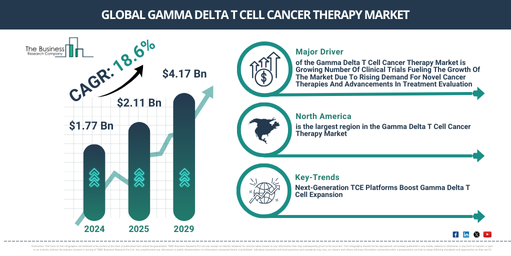
    The gamma delta T cell cancer therapy market size has shown rapid expansion in recent years. It is anticipated to increase from $1.77 billion in 2024 to $2.11 billion in 2025, reflecting a compound annual growth rate (CAGR) of 18.9%. This past growth can be ascribed to several factors, including the rising incidence of cancer, enhanced awareness regarding cell-based therapies, an expansion in immuno-oncology research, increased clinical trial activity in immunotherapy, and a growing need for safer and more effective immunotherapies.

    The gamma delta T cell cancer therapy market is projected to experience substantial growth over the next few years. Its valuation is expected to climb to $4.17 billion by 2029, maintaining a compound annual growth rate (CAGR) of 18.6%.

    The anticipated growth during the forecast period is primarily driven by an increasing demand for personalized cancer treatments, a heightened emphasis on minimizing graft-versus-host disease, the growing adoption of off-the-shelf cell therapy products, a expanding pipeline of gamma delta T cell-based therapies, and the broader application of gamma delta T cells in solid tumors.

    Significant trends expected within this period include the advancement of combination immunotherapies, the development of improved cryopreservation techniques, the integration of artificial intelligence into therapy design, the use of multi-omics for targeted tumor interventions, and innovative approaches to tumor microenvironment modulation.

    Unlock Your Free Sample Report for Exclusive Market Data:

    https://www.thebusinessresearchcompany.com/sample.aspx?id=27290&type=smp

    What Are The Main Drivers Boosting The Gamma Delta T Cell Cancer Therapy Industry’s Expansion?

    The increasing volume of clinical trials is anticipated to drive the expansion of the gamma delta T cell cancer therapy market in the future. Clinical trials involve systematic research studies conducted in humans to evaluate the safety, efficacy, and potential side effects of various medical treatments, drugs, or interventions. The rise in clinical trials stems from the growing demand for novel therapies that aim to address unmet medical needs and improve patient outcomes. These trials are instrumental in advancing gamma delta T cell cancer therapy by verifying safety and effectiveness, speeding up regulatory approvals, and facilitating optimized treatment protocols. They contribute to better therapeutic outcomes by generating vital data that supports innovation and wider clinical adoption. For example, in November 2023, a report released by the Association of the British Pharmaceutical Industry (ABPI), a UK-based non-profit organization, showed that the total number of industry-sponsored clinical trials initiated annually in the UK increased by 4.3%, climbing from 394 in 2021 to 411 in 2022. Thus, the escalating number of clinical trials is a key driver for the growth of the gamma delta T cell cancer therapy market.

    What Are The Major Segment Categories Driving The Gamma Delta T Cell Cancer Therapy Market Growth?

    The gamma delta t cell cancer therapy market covered in this report is segmented

    1) By Therapy Type: Adoptive Cell Therapy, Cytokine Therapy, Monoclonal Antibodies, Combination Therapies

    2) By Cancer Type: Leukemia, Lymphoma, Solid Tumors, Certain Rare Cancers

    3) By Stage Of Cancer: Early Stage, Advanced Stage, Relapsed Or Refractory

    4) By Mechanism Of Action: Activation Of T Cells, Inhibition Of Tumor Microenvironment, Targeting Tumor Antigens, Enhancing Immune Checkpoint Inhibition

    5) By End User: Hospitals, Specialized Clinics, Research Institutions, Pharmaceutical Companies

    Subsegments:

    1) By Adoptive Cell Therapy: Alpha Beta T Cell Therapy, Natural Killer Cell Therapy, Tumor Infiltrating Lymphocyte Therapy, Chimeric Antigen Receptor T Cell Therapy

    2) By Cytokine Therapy: Interleukin Based Therapy, Interferon Based Therapy, Tumor Necrosis Factor Therapy, Colony Stimulating Factor Therapy, Transforming Growth Factor Therapy

    3) By Monoclonal Antibodies: Naked Monoclonal Antibodies, Conjugated Monoclonal Antibodies, Bispecific Monoclonal Antibodies, Humanized Monoclonal Antibodies, Fully Human Monoclonal Antibodies

    4) By Combination Therapies: Monoclonal Antibodies And Cytokines Combination, Checkpoint Inhibitors And Cell Therapy Combination, Chemotherapy And Immunotherapy Combination, Radiation Therapy And Immunotherapy Combination, Vaccine And Immunomodulator Combination

    What Long-Term Trends Will Shape The Future Growth Of The Gamma Delta T Cell Cancer Therapy Industry?

    Major companies operating in the gamma delta T cell cancer therapy market are concentrating on developing innovative solutions, including gamma delta (?d) T cell engager (TCE) platforms, aimed at enhancing efficacy, improving targeting, and reducing off-tumor toxicity. Gamma delta (?d) T cell engager (TCE) platforms are engineered immunotherapies specifically designed to redirect and activate ?d T cells, enabling them to recognize and eliminate cancer cells by linking them with tumor-associated antigens. As an example, in March 2025, IN8bio Inc., a US-based biotechnology company, introduced the INB 600, its next-generation ?d TCE platform, which is developed to address both cancer and autoimmune diseases. The platform’s primary candidate, INB 619, specifically targets CD19 and has demonstrated the ability to expand ?d T cells by up to 450 times in preclinical studies, resulting in substantial B-cell depletion. This platform capitalizes on the distinct characteristics of gamma delta T cells, which naturally target malignant cells, combining them with engineered engagers to boost their tumor-killing capability. The TCE platform is engineered to overcome limitations of traditional immunotherapies by improving specificity, reducing systemic side effects, and broadening the range of treatable cancers.

    Who Are The Top Performing Companies In The Gamma Delta T Cell Cancer Therapy Market In Recent Years?

    Major companies operating in the gamma delta t cell cancer therapy market are Novartis AG, Takeda Pharmaceutical Company Ltd., Legend Biotech Corporation, Immunocore Holdings plc, Immatics N.V., IN8bio Inc., American Gene Technologies International Inc., Adicet Bio Inc., LAVA Therapeutics N.V., Acepodia Inc., TC BioPharm (Holdings) plc, Century Therapeutics Inc., CytoMed Therapeutics Ltd., Appia Bio Inc., Expression Therapeutics Inc., ImCheck Therapeutics S.A.S., JY BioMed Inc., Kiromic BioPharma Inc., Luminary Therapeutics Inc., PersonGen BioTherapeutics (Suzhou) Co. Ltd.

    Download The Full Report For Exclusive Market Findings:

    https://www.thebusinessresearchcompany.com/report/gamma-delta-t-cell-cancer-therapy-global-market-report

    Which Regional Markets Are Contributing Most To The Gamma Delta T Cell Cancer Therapy Industry Expansion?

    North America was the largest region in the gamma delta T cell cancer therapy market in 2024. Asia-Pacific is expected to be the fastest-growing region in the forecast period. The regions covered in the gamma delta t cell cancer therapy market report are Asia-Pacific, Western Europe, Eastern Europe, North America, South America, Middle East, Africa.

    Request A Customized Version Of The Gamma Delta T Cell Cancer Therapy Market Report:

    https://www.thebusinessresearchcompany.com/customise?id=27290&type=smp

    Browse Through More Reports Similar to the Global Gamma Delta T Cell Cancer Therapy Market 2025, By The Business Research Company

    Mineral Wool Global Market Report 2025

    https://www.thebusinessresearchcompany.com/report/mineral-wool-global-market-report

    Wool Global Market Report 2025

    https://www.thebusinessresearchcompany.com/report/wool-global-market-report

    Thermal Insulation Material Global Market Report 2025

    https://www.thebusinessresearchcompany.com/report/thermal-insulation-material-global-market-report

    Get in touch with us:

    The Business Research Company: https://www.thebusinessresearchcompany.com/

    Americas +1 310-496-7795

    Asia +44 7882 955267 & +91 8897263534

    Europe +44 7882 955267

    Email us at info@tbrc.info

    Follow us on:

    LinkedIn: https://in.linkedin.com/company/the-business-research-company

    YouTube: https://www.youtube.com/channel/UC24_fI0rV8cR5DxlCpgmyFQ

    Global Market Model: https://www.thebusinessresearchcompany.com/global-market-model
  • Fluorescent In Situ Hybridization Probe Market Expansion Outlook: $2.23 Billion by 2029 Forecast

    Fluorescent In Situ Hybridization Probe Market Expansion Outlook: $2.23 Billion by 2029 Forecast

    Unlock Global Insights – Save 20% on Market Reports with Code ONLINE20

    #What Is The Projected Market Size Of The Fluorescent In Situ Hybridization Probe Market By 2029?

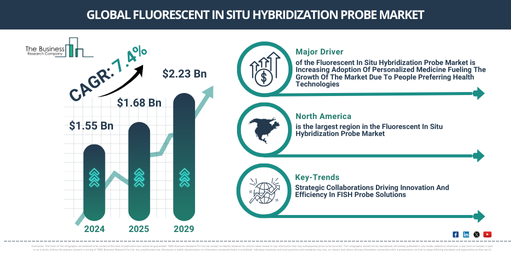
    The fluorescent in situ hybridization probe market has shown strong expansion in recent years. It is anticipated to increase from $1.55 billion in 2024 to $1.68 billion in 2025, growing at a compound annual growth rate (CAGR) of 7.8%. The historical growth of this market can be attributed to the rising adoption of cytogenetic analysis in prenatal screening, an increase in academic research focusing on chromosomal abnormalities, the expanding use of FISH in identifying microbes, a rise in government-funded genomics research efforts, and the enhanced capabilities of pathology laboratories.

    The fluorescent in situ hybridization probe market is projected to experience robust expansion in the coming years. Its valuation is anticipated to reach $2.23 billion by 2029, exhibiting a compound annual growth rate (CAGR) of 7.4%. This anticipated growth during the forecast period is fueled by several factors, including the increasing integration in research and diagnostic applications, a heightened need for multiplexed probe solutions for diagnosing rare diseases, an intensified emphasis on automation within cytogenetic testing procedures, the expanding utility of FISH in liquid biopsy, and its broadening application in plant and animal genomics research. Key trends anticipated during the same period encompass enhancements in probe signal amplification methods, the creation of nano-enabled FISH platforms, breakthroughs in automation-friendly FISH assay kits, sophisticated applications of machine learning in probe design, and the broader implementation of 3D FISH imaging.

    Unlock Your Free Sample Report for Exclusive Market Data:

    https://www.thebusinessresearchcompany.com/sample.aspx?id=27289&type=smp

    Which Factors And Drivers Are Influencing The Fluorescent In Situ Hybridization Probe Market In 2025?

    The fluorescent in situ hybridization probe market is anticipated to expand due to the growing acceptance of personalized medicine. Personalized medicine is a healthcare approach that leverages an individual’s genetic and lifestyle data to customize treatments and care plans. The rising uptake of personalized medicine stems from individuals favoring health technologies that provide real-time monitoring and treatment strategies tailored to their distinct biological makeup. Fluorescent in situ hybridization (FISH) probes play a crucial role in personalized medicine by accurately identifying genetic irregularities at the chromosomal level, thus informing customized treatment choices aligned with an individual’s specific genetic profile. As an illustration, in February 2023, the Personalized Medicine Coalition, a US-based professional membership organization, reported that in 2022, the approval of 12 new personalized medicines constituted roughly 34% of all newly approved therapies, demonstrating a significant rise compared to prior years. Consequently, the expanding adoption of personalized medicine is fueling the growth of the fluorescent in situ hybridization probe market.

    How Is The Fluorescent In Situ Hybridization Probe Market Segmented?

    The fluorescent in situ hybridization probe market covered in this report is segmented

    1) By Type: Deoxyribonucleic Acid (DNA) Probes, Ribonucleic Acid (RNA) Probes, Multiplex Probes

    2) By Target: Genes, Chromosomes, Other Targets

    3) By Technology: Single-Color Fluorescence In Situ Hybridization (FISH), Multiplex Fluorescence In Situ Hybridization (FISH), Quantitative Fluorescence In Situ Hybridization (FISH), Others Technologies

    4) By Application: Clinical Diagnostics, Research Applications, Agricultural Biotechnology, Pharmaceutical Research, Genetic Research

    5) By End User: Hospitals And Clinics, Research Laboratories, Pharmaceutical Companies, Biotechnology Companies

    Subsegments:

    1) By Deoxyribonucleic Acid (DNA) Probes: Centromeric Probes, Telomeric Probes, Whole Chromosome Paint Probes, Locus-Specific Identifier (LSI) Probes, Comparative Genomic Hybridization (CGH) Probes, Gene Fusion Probes

    2) By Ribonucleic Acid (RNA) Probes: mRNA Probes, Long Non-Coding RNA (lncRNA) Probes, MicroRNA (miRNA) Probes, Single-Molecule RNA FISH Probes (smFISH), Circular RNA (circRNA) Probes, Multiplexed Error-Robust FISH (MERFISH) Probes

    3) By Multiplex Probes: Multicolor DNA FISH Probes, Multigene Expression Analysis Probes, High-Throughput Screening Probes, Multiplex smFISH Probes, Combinatorial Barcoded Probes, Simultaneous DNA/RNA Detection Probes

    Which Market Trends Are Creating New Opportunities In The Fluorescent In Situ Hybridization Probe Industry?

    Leading companies in the fluorescent in situ hybridization probe market are concentrating on forming strategic collaborations to gain access to new markets, technologies, or expertise that would otherwise be difficult or costly to acquire independently. A strategic collaboration signifies a planned partnership between two or more entities that work together by combining their strengths and resources to achieve shared long-term objectives and mutual benefits. For example, in April 2025, Empire Genomics, a US-based molecular diagnostics company, partnered with BioDot, a US-based provider of precision dispensing automation, to introduce the BDot Probe Line. The BDot Probe Line offers a unique solution by delivering FISH probes that are pre-optimized for automated systems, tackling a critical challenge in clinical cytogenetics and molecular pathology laboratories. These probes are engineered for direct use without requiring manual adjustments, ensuring seamless operation with the Biodot CellWriter S system. This innovation decreases the need for technician intervention, streamlines workflows, and shortens the turnaround time for results. The initial range of BDot Probe Panels supports FISH analysis for a broad spectrum of blood-related cancers, including MM, MDS, CML, AML, ALL, and other common hematologic conditions.

    Which Leading Companies Dominate The Fluorescent In Situ Hybridization Probe Market Share?

    Major companies operating in the fluorescent in situ hybridization probe market are Thermo Fisher Scientific Inc., Abbott Laboratories, Oxford Gene Technology IP Limited, Sigma-Aldrich Co. LLC, Agilent Technologies Inc., Bio-Rad Laboratories Inc., QIAGEN N.V., Leica Biosystems Nussloch GmbH, Biocare Medical LLC, Enzo Biochem Inc., LGC Biosearch Technologies, ZytoVision GmbH, Creative Biolabs Inc., Empire Genomics LLC, MetaSystems GmbH, Abnova Corporation, Mirus Bio LLC, Genemed Biotechnologies Inc., Molecular Instruments Inc., and Cytocell Technologies Limited.

    Download The Full Report For Exclusive Market Findings:

    https://www.thebusinessresearchcompany.com/report/fluorescent-in-situ-hybridization-probe-global-market-report

    How Does The Fluorescent In Situ Hybridization Probe Market Perform Across Key Geographic Regions?

    North America was the largest region in the fluorescent in situ hybridization probe market in 2024. Asia-Pacific is expected to be the fastest-growing region in the forecast period. The regions covered in the fluorescent in situ hybridization probe market report are Asia-Pacific, Western Europe, Eastern Europe, North America, South America, Middle East, Africa.

    Request A Customized Version Of The Fluorescent In Situ Hybridization Probe Market Report:

    https://www.thebusinessresearchcompany.com/customise?id=27289&type=smp

    Browse Through More Reports Similar to the Global Fluorescent In Situ Hybridization Probe Market 2025, By The Business Research Company

    Insurance Global Market Report 2025

    https://www.thebusinessresearchcompany.com/report/insurance-global-market-report

    Motor Insurance Global Market Report 2025

    https://www.thebusinessresearchcompany.com/report/motor-insurance-global-market-report

    Home Insurance Global Market Report 2025

    https://www.thebusinessresearchcompany.com/report/home-insurance-global-market-report

    Get in touch with us:

    The Business Research Company: https://www.thebusinessresearchcompany.com/

    Americas +1 310-496-7795

    Asia +44 7882 955267 & +91 8897263534

    Europe +44 7882 955267

    Email us at info@tbrc.info

    Follow us on:

    LinkedIn: https://in.linkedin.com/company/the-business-research-company

    YouTube: https://www.youtube.com/channel/UC24_fI0rV8cR5DxlCpgmyFQ

    Global Market Model: https://www.thebusinessresearchcompany.com/global-market-model

  • Global Fluid-Cooled Radiofrequency Ablation Industry Trends: Where the Market Is Headed by 2029

    Global Fluid-Cooled Radiofrequency Ablation Industry Trends: Where the Market Is Headed by 2029

    Unlock Global Insights – Save 20% on Market Reports with Code ONLINE20

    How Much Was The Fluid-Cooled Radiofrequency Ablation Market Worth In 2025, And What Is Its Anticipated Value By 2029?

    The fluid-cooled radiofrequency ablation market has seen substantial growth recently. This market is forecast to expand from $2.55 billion in 2024 to $2.79 billion in 2025, at a compound annual growth rate (CAGR) of 9.6%. Historically, this growth has been driven by several factors, including the increasing incidence of cancer-related bone metastases, greater awareness among physicians and patients, a heightened demand for outpatient procedures, the expanding geriatric population, and the growing integration of imaging and navigation technologies.

    The market for fluid-cooled radiofrequency ablation is projected to experience substantial expansion in the coming years. This market is anticipated to reach $3.98 billion by 2029, exhibiting a compound annual growth rate (CAGR) of 9.2%. Factors contributing to this growth during the forecast timeframe include an increase in the number of trained interventional radiologists and pain specialists, expanding capacity in hospitals and specialty clinics, broader application in treating spinal pain and facet joint issues, heightened competition among medical device manufacturers, and a growing inclination among patients for non-pharmacological approaches to pain management. Key trends anticipated within this period encompass improvements in internally-cooled electrode designs, the incorporation of real-time temperature and impedance tracking, progress in catheter-based delivery mechanisms, innovations in feedback-controlled ablation systems, and the merging of this technology with robotic-assisted surgical platforms.

    Unlock Your Free Sample Report for Exclusive Market Data:

    https://www.thebusinessresearchcompany.com/sample.aspx?id=27288&type=smp

    What Are The Key Drivers Of Growth In The Fluid-Cooled Radiofrequency Ablation Market?

    The increasing prevalence of chronic diseases is projected to stimulate the expansion of the fluid-cooled radiofrequency ablation market in the future. Chronic diseases are persistent health conditions that typically last a year or more, demanding ongoing medical attention and potentially restricting daily activities. The aging global population is contributing to the rise in chronic diseases, as older individuals are more susceptible to long-term health issues. Fluid-cooled radiofrequency ablation aids in managing chronic diseases by applying precise heat to nerve tissues to interrupt pain signals, thereby delivering extended relief for conditions such as chronic back pain and arthritis. For instance, in June 2024, according to the Australian Institute of Health and Welfare, an Australia-based government agency, in 2022 chronic obstructive pulmonary disease (COPD) accounted for 7,691 deaths, or 29.6 per 100,000 population, representing 4.0% of all fatalities. Hence, the rising incidence of chronic diseases is propelling the growth of the fluid-cooled radiofrequency ablation market.

    What Are The Key Segments In The Fluid-Cooled Radiofrequency Ablation Market?

    The fluid-cooled radiofrequency ablation market covered in this report is segmented

    1) By Product Type: Radiofrequency Ablation Devices, Accessory Products, Fluid-Cooling Systems

    2) By Technology: Integrated Imaging Technology, Real-Time Feedback Systems

    3) By Target Tissue: Solid Tumors, Soft Tissue Tumors, Bone Tumors

    4) By Application: Cardiology, Oncology, Pain Management, Urology, Other Applications

    5) By End-User: Hospitals, Ambulatory Surgical Centers, Specialty Clinics, Other End Users

    Subsegments:

    1) By Radiofrequency Ablation Devices: Monopolar Radiofrequency Ablation Devices, Bipolar Radiofrequency Ablation Devices, Internally Cooled Radiofrequency Ablation Devices

    2) By Accessory Products: Radiofrequency Ablation Catheters, Radiofrequency Ablation Electrodes, Introducers And Sheaths

    3) By Fluid-Cooling Systems: Peristaltic Pump Systems, Closed-Loop Cooling Systems, Disposable Tubing Sets

    How Are Trends Influencing The Fluid-Cooled Radiofrequency Ablation Market?

    Leading companies in the fluid-cooled radiofrequency ablation market are concentrating on developing innovative products, such as internally cooled radiofrequency ablation systems, to enhance heat dissipation, improve procedural precision, and reduce damage to surrounding healthy tissues. These internally cooled radiofrequency ablation systems are medical devices that deliver RF energy to ablate tissue by circulating fluid inside the electrode, which prevents overheating and allows for deeper, more effective treatment. In March 2024, Medtronic Plc secured FDA 510(k) clearance for its OsteoCool 2.0 bone tumor ablation system, designed to refine the treatment of painful bone tumors with increased precision and efficiency. The system facilitates the simultaneous application of four internally cooled probes, enabling the ablation of multiple vertebral bodies or the creation of larger ablation zones. Delivering 20 watts per channel, it is recognized as the most powerful bone tumor ablation system on the market, thereby improving tumor destruction efficiency. Its internal water-cooling technology ensures predictable ablations while minimizing the risk of overheating surrounding tissues, making treatments safer. The OsteoCool 2.0 is designed to offer effective pain relief and palliative care for malignant bone metastases and benign tumors, such as osteoid osteoma, ultimately improving patient outcomes through minimally invasive procedures.

    Who Are The Major Companies Operating In The Fluid-Cooled Radiofrequency Ablation Market?

    Major companies operating in the fluid-cooled radiofrequency ablation market are Johnson & Johnson, Abbott Laboratories, Medtronic plc, Stryker Corporation, Boston Scientific Corporation, Olympus Corporation, CONMED Corporation, Lepu Medical Technology, MicroPort Scientific Corporation, Avanos Medical, Japan Lifeline Co. Ltd., AtriCure Inc, AngioDynamics, SyMap Medical, CardioFocus Inc, Imricor Medical Systems Inc., Stereotaxis Inc., Autonomix Medical, Innoblative Designs Inc, livetec Ingenieurbüro GmbH.

    Download The Full Report For Exclusive Market Findings:

    https://www.thebusinessresearchcompany.com/report/fluid-cooled-radiofrequency-ablation-global-market-report

    Which Region Is Expected To Witness The Fastest Growth In The Fluid-Cooled Radiofrequency Ablation Market?

    North America was the largest region in the fluid-cooled radiofrequency ablation market in 2024. Asia-Pacific is expected to be the fastest-growing region in the forecast period. The regions covered in the fluid-cooled radiofrequency ablation market report are Asia-Pacific, Western Europe, Eastern Europe, North America, South America, Middle East, Africa.

    Request A Customized Version Of The Fluid-Cooled Radiofrequency Ablation Market Report:

    https://www.thebusinessresearchcompany.com/customise?id=27288&type=smp

    Browse Through More Reports Similar to the Global Fluid-Cooled Radiofrequency Ablation Market 2025, By The Business Research Company

    Bioplastics Global Market Report 2025

    https://www.thebusinessresearchcompany.com/report/bioplastics-global-market-report

    Bioplastics And Biopolymers Global Market Report 2025

    https://www.thebusinessresearchcompany.com/report/bioplastics-and-biopolymers-global-market-report

    Medical Plastics Global Market Report 2025

    https://www.thebusinessresearchcompany.com/report/medical-plastics-global-market-report

    Get in touch with us:

    The Business Research Company: https://www.thebusinessresearchcompany.com/

    Americas +1 310-496-7795

    Asia +44 7882 955267 & +91 8897263534

    Europe +44 7882 955267

    Email us at info@tbrc.info

    Follow us on:

    LinkedIn: https://in.linkedin.com/company/the-business-research-company

    YouTube: https://www.youtube.com/channel/UC24_fI0rV8cR5DxlCpgmyFQ

    Global Market Model: https://www.thebusinessresearchcompany.com/global-market-model

  • Global Fluid Aspiration Systems Market Trends and Growth Analysis 2025–2029

    Global Fluid Aspiration Systems Market Trends and Growth Analysis 2025–2029

    Unlock Global Insights – Save 20% on Market Reports with Code ONLINE20

    How Does The Market Size Of The Fluid Aspiration Systems Industry Compare Between 2025 And 2029?

    The fluid aspiration systems market has seen considerable growth in recent years. It is forecast to expand from $1.18 billion in 2024 to $1.28 billion in 2025, exhibiting a compound annual growth rate (CAGR) of 8.9%. Throughout the historical period, this expansion can be attributed to several factors, including a surging demand for laboratory automation, an increasing volume of diagnostic procedures, wider adoption in clinical research settings, heightened awareness regarding fluid handling safety, and a stronger emphasis on infection control.

    The fluid aspiration systems market is anticipated to undergo significant expansion over the next few years. It is projected to achieve a value of $1.79 billion by 2029, exhibiting a compound annual growth rate (CAGR) of 8.6%. This growth during the forecast period is primarily driven by the increasing prevalence of chronic diseases, wider adoption in biotechnology applications, growing investment in healthcare infrastructure, expanded use in stem cell and regenerative medicine, and intensified research within biotechnology. Notable trends anticipated for this period include technological advancements in automated aspiration devices, innovations in ergonomic system design, developments in multi-channel aspiration technologies, increased investment in compact and portable aspiration units, and the emergence of smart aspiration control platforms.

    Unlock Your Free Sample Report for Exclusive Market Data:

    https://www.thebusinessresearchcompany.com/sample.aspx?id=27287&type=smp

    Which Industry Drivers Are Expected To Accelerate The Fluid Aspiration Systems Market From 2025 To 2029?

    The escalating requirement for minimally invasive surgical procedures is anticipated to stimulate the expansion of the fluid aspiration systems market moving ahead. These procedures involve operations conducted through small incisions, employing specialized instruments like cameras, to minimize damage to the body compared to conventional open surgery. The growing appeal of minimally invasive surgical procedures is fueled by benefits such as quicker recovery times, enabling patients to heal rapidly, reduce hospital stays, and return to their normal routines sooner than with traditional surgery. Fluid aspiration systems play a crucial role by effectively clearing blood, bodily fluids, and debris from the surgical site during these procedures, which helps maintain clear visibility and reduces the necessity for larger incisions. As an illustration, in June 2024, the American Society of Plastic Surgeons, a US-based organization of board-certified plastic surgeons, reported that minimally invasive procedures experienced a 7% surge in 2023, with the overall count surpassing 25 million. Hence, the increasing demand for minimally invasive surgical procedures is a key driver for the growth of the fluid aspiration systems market.

    What Are The Major Segment Types Covered In The Fluid Aspiration Systems Market?

    The fluid aspiration systems market covered in this report is segmented

    1) By Product Type: Manual Fluid Aspiration Systems, Automatic Fluid Aspiration Systems, Electromechanical Fluid Aspiration Systems, Use Specific Fluid Aspiration Systems

    2) By Material Type: Plastic, Metal, Glass, Biocompatible Materials

    3) By Distribution Channel: Direct Sales, Online Retail, Distributors, Wholesale Suppliers

    4) By Application: Healthcare, Medical Research, Industrial Applications, Aquaculture

    5) By End User: Hospitals, Diagnostic Laboratories, Research Institutes, Other End Users

    Subsegments:

    1) By Manual Fluid Aspiration Systems: Syringe-Based Aspirators, Manual Vacuum Pumps, Handheld Suction Devices, Disposable Aspiration Kits

    2) By Automatic Fluid Aspiration Systems: Motorized Vacuum Aspirators, Programmable Suction Units, Closed-Loop Aspiration Systems, High-Throughput Suction Systems

    3) By Electromechanical Fluid Aspiration Systems: Peristaltic Pump Aspirators, Diaphragm Pump Systems, Gear-Driven Aspiration Units, Integrated Aspiration And Dispensing Modules

    4) By Use-Specific Fluid Aspiration Systems: Surgical Aspiration Systems, Laboratory Aspiration Systems, Dental Fluid Suction Devices, Endoscopic Suction Systems, Obstetric Or Gynecological Aspiration Devices

    What Key Innovation Trends Are Fueling Advancements In The Fluid Aspiration Systems Market?

    Leading companies in the fluid aspiration systems market are concentrating on developing sophisticated technologies, such as continuous vacuum-assisted clearance (CVAC) technology, to improve stone clearance efficiency while preserving safe intrarenal pressure during endourological procedures. Continuous vacuum-assisted clearance (CVAC) technology represents an advanced fluid aspiration mechanism utilized during endourological procedures, facilitating the constant removal of stone fragments and irrigation fluid through controlled suction. For instance, in March 2025, Calyxo Inc., a U.S.-based provider of vacuum-assisted retrieval devices, introduced the Continuous Vacuum-Assisted Clearance (CVAC) System, which effectively removes stone fragments and irrigation fluid during endourological procedures. The CVAC system presents advanced capabilities that differentiate it from traditional aspiration methods. It integrates a continuous vacuum mechanism that actively extracts stone fragments and irrigation fluid in real-time, considerably enhancing procedural efficiency. Unlike conventional systems, the CVAC System maintains consistent and safe intrarenal pressure throughout the procedure, thereby lowering the risk of renal trauma and postoperative complications. Its closed-loop aspiration design allows for efficient fragment evacuation without compromising visibility or procedural control. These innovations collectively contribute to quicker stone clearance, improved safety profiles, and better patient outcomes.

    Which Global Market Leaders Are Shaping The Future Of The Fluid Aspiration Systems Sector?

    Major companies operating in the fluid aspiration systems market are Olympus Corporation, Drägerwerk AG & Co. KGaA, Teleflex Incorporated, Cook Medical LLC, Merit Medical Systems Inc., Penumbra Inc., Hamilton Company, DeRoyal Industries Inc., SKAN AG, INTEGRA Biosciences AG, Gilson Inc., Labconco Corporation, Weinmann Emergency Medical Technology GmbH & Co. KG, Clements Medical Equipment Pty Ltd., Vacuubrand GmbH & Co. KG, KNF Group, Nouvag AG, Haeberle GmbH & Co. KG, Hospitech Respiration Ltd., and Welch Vacuum Technology.

    Download The Full Report For Exclusive Market Findings:

    https://www.thebusinessresearchcompany.com/report/fluid-aspiration-systems-global-market-report

    How Does The Fluid Aspiration Systems Market Perform Across Key Geographic Regions?

    North America was the largest region in the fluid aspiration systems market in 2024. Asia-Pacific is expected to be the fastest-growing region in the forecast period. The regions covered in the fluid aspiration systems market report are Asia-Pacific, Western Europe, Eastern Europe, North America, South America, Middle East, Africa.

    Request A Customized Version Of The Fluid Aspiration Systems Market Report:

    https://www.thebusinessresearchcompany.com/customise?id=27287&type=smp

    Browse Through More Reports Similar to the Global Fluid Aspiration Systems Market 2025, By The Business Research Company

    Mechanical Control Cable Global Market Report 2025

    https://www.thebusinessresearchcompany.com/report/mechanical-control-cable-global-market-report

    Medium Voltage Cable Global Market Report 2025

    https://www.thebusinessresearchcompany.com/report/medium-voltage-cable-global-market-report

    Industrial Automation Cable Global Market Report 2025

    https://www.thebusinessresearchcompany.com/report/industrial-automation-cable-global-market-report

    Get in touch with us:

    The Business Research Company: https://www.thebusinessresearchcompany.com/

    Americas +1 310-496-7795

    Asia +44 7882 955267 & +91 8897263534

    Europe +44 7882 955267

    Email us at info@tbrc.info

    Follow us on:

    LinkedIn: https://in.linkedin.com/company/the-business-research-company

    YouTube: https://www.youtube.com/channel/UC24_fI0rV8cR5DxlCpgmyFQ

    Global Market Model: https://www.thebusinessresearchcompany.com/global-market-model
  • Epigenetics Diagnostics Market Forecast: What to Expect by 2029

    Epigenetics Diagnostics Market Forecast: What to Expect by 2029

    Unlock Global Insights – Save 20% on Market Reports with Code ONLINE20

    What Is The Predicted Market Size Trajectory For The Epigenetics Diagnostics Market From 2025 To 2034?

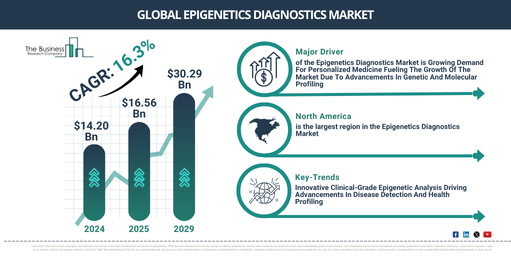
    The epigenetics diagnostics market has experienced rapid growth in recent years. It is projected to expand from $14.20 billion in 2024 to $16.56 billion in 2025, at a compound annual growth rate (CAGR) of 16.6%. The market’s historical growth can be attributed to a rise in research funding for epigenetic studies, growth in government initiatives, a rise in the aging population, an increasing prevalence of neurological disorders, and an increasing number of clinical trials.

    The epigenetics diagnostics market is projected to experience substantial expansion in the coming years. This market is forecast to reach $30.29 billion by 2029, demonstrating a compound annual growth rate (CAGR) of 16.3%. This anticipated growth during the forecast period is primarily driven by factors such as the increasing need for personalized and precision medicine, the heightened demand for liquid biopsy procedures, and the expanding requirement for non-invasive diagnostic approaches. Key trends anticipated within this period encompass ongoing technological progress, innovations in liquid biopsy, the adoption of whole-genome bisulfite sequencing, the application of deep learning for discovering biomarkers, and the greater integration with personalized medicine.

    Unlock Your Free Sample Report for Exclusive Market Data:

    https://www.thebusinessresearchcompany.com/sample.aspx?id=27286&type=smp

    What Are The Top Growth Drivers Impacting The Epigenetics Diagnostics Market Outlook?

    The epigenetics diagnostics market is anticipated to expand due to the escalating requirement for personalized medicine. This approach involves tailoring medical treatments according to an individual’s genetic composition, biological characteristics, and lifestyle. The growing need for personalized medicine is driven by advancements in genetic and molecular profiling, enabling the creation of treatments specifically adapted to an individual’s unique biological makeup, thereby enhancing their effectiveness and reducing undesirable side effects. Epigenetics diagnostics supports personalized medicine by identifying distinct epigenetic patterns that guide the development of customized prevention and treatment strategies for optimal patient results. For example, in February 2024, the Personalized Medicine Coalition, a US-based non-profit organization, reported that the FDA approved 16 new personalized therapies for patients with rare diseases in 2023, an increase from six in 2022. Therefore, the increasing demand for personalized medicine is a key factor propelling the expansion of the epigenetics diagnostics market.

    What Are The Major Segment Categories Driving The Epigenetics Diagnostics Market Growth?

    The epigenetics diagnostics market covered in this report is segmented

    1) By Product: Kits And Reagents, Software And Services, Instruments

    2) By Technology: Deoxyribonucleic Acid (DNA) Methylation, Histone Methylation, Histone Acetylation, Large NonCoding, Ribonucleic Acid (RNA), Micro Ribonucleic Acid (RNA) Modification, Chromatin Structures

    3) By Application: Oncology, Metabolic Diseases, Developmental Biology, Immunology, Cardiovascular Diseases, Other Applications

    4) By End User: Pharmaceutical And Biotechnology firms, Academic And Research Institutes, Clinical Diagnostic Laboratories

    Subsegments:

    1) By Kits and Reagents: Deoxyribonucleic Acid Methylation Kits, Histone Modification Kits, Chromatin Accessibility Kits, Bisulfite Conversion Kits, Polymerase Chain Reaction Reagents, Antibodies and Probes, Enzymes and Buffers

    2) By Software and Services: Data Analysis Software, Bioinformatics Services, Epigenetic Data Interpretation, Cloud-based Data Storage, Custom Assay Development, Validation and Consulting Services

    3) By Instruments: Next-Generation Sequencers, Microarray Systems, Polymerase Chain Reaction and Quantitative Polymerase Chain Reaction Instruments, Mass Spectrometry Systems, Imaging Systems, Automation and Liquid Handling Systems

    Which Ongoing Trends Are Expected To Shape The Epigenetics Diagnostics Market Outlook?

    Companies operating within the epigenetics diagnostics market are dedicated to pioneering novel methodologies, such as clinical-grade epigenetic analysis, aimed at improving the precision, responsiveness, and clinical applicability of identifying epigenetic modifications linked to diseases. Clinical-grade epigenetic analysis denotes the application of validated and standardized procedures for detecting epigenetic shifts with the degree of accuracy and dependability essential for clinical diagnoses and treatment planning. As an example, in October 2024, EpiMedTech, a Singapore-based biotechnology company, launched epiGeneComplete. This clinical-grade assessment merges genetic and epigenetic insights by utilizing next-generation sequencing and advanced DNA methylation techniques to offer thorough understanding of vital health aspects like aging, stress, inflammation, addiction risk, and metabolism. Carried out in CAP-accredited laboratories, this non-invasive, saliva-based assay provides excellent sensitivity and accuracy, enables tailored health profiling, and is constructed as a flexible, expandable platform for future diagnostic developments, representing a significant stride in routine health evaluations and early illness detection.

    Which Industry Leaders Are Driving Innovation Across The Epigenetics Diagnostics Market?

    Major companies operating in the epigenetics diagnostics market are F. Hoffmann-La Roche Ltd., Merck KGaA, Thermo Fisher Scientific Inc., Agilent Technologies Inc., Illumina Inc., PerkinElmer Inc., Bio-Rad Laboratories Inc., QIAGEN N.V., GeneTex Inc., Bio-Techne Corporation, Promega Corporation, New England Biolabs Incorporated, Pacific Biosciences of California Inc., Enzo Biochem Inc., Diagenode Société Anonyme, Zymo Research Corporation, Active Motif Inc., ADmit Therapeutics SL, Epigentek Group Inc., and INHERENT Biosciences Inc.

    Download The Full Report For Exclusive Market Findings:

    https://www.thebusinessresearchcompany.com/report/epigenetics-diagnostics-global-market-report

    Which Region Is Expected To Witness The Fastest Growth In The Epigenetics Diagnostics Market?

    North America was the largest region in the epigenetics diagnostics market in 2024. Asia-Pacific is expected to be the fastest-growing region in the forecast period. The regions covered in the epigenetics diagnostics market report are Asia-Pacific, Western Europe, Eastern Europe, North America, South America, Middle East, Africa.

    Request A Customized Version Of The Epigenetics Diagnostics Market Report:

    https://www.thebusinessresearchcompany.com/customise?id=27286&type=smp

    Browse Through More Reports Similar to the Global Epigenetics Diagnostics Market 2025, By The Business Research Company

    Online Trading Platform Market 2025

    https://www.thebusinessresearchcompany.com/report/online-trading-platform-market

    Microfinance Global Market Report 2025

    https://www.thebusinessresearchcompany.com/report/microfinance-global-market-report

    Cloud Based Financial Platform Global Market Report 2025

    https://www.thebusinessresearchcompany.com/report/cloud-based-financial-platform-global-market-report

    Get in touch with us:

    The Business Research Company: https://www.thebusinessresearchcompany.com/

    Americas +1 310-496-7795

    Asia +44 7882 955267 & +91 8897263534

    Europe +44 7882 955267

    Email us at info@tbrc.info

    Follow us on:

    LinkedIn: https://in.linkedin.com/company/the-business-research-company

    YouTube: https://www.youtube.com/channel/UC24_fI0rV8cR5DxlCpgmyFQ

    Global Market Model: https://www.thebusinessresearchcompany.com/global-market-model