Blog

  • Global Digestible Sensor Market Projected to Expand at 13.8% CAGR by 2029

    Global Digestible Sensor Market Projected to Expand at 13.8% CAGR by 2029

    Unlock Global Insights – Save 20% on Market Reports with Code ONLINE20

    How Much Was The Digestible Sensor Market Worth In 2025, And What Is Its Anticipated Value By 2029?

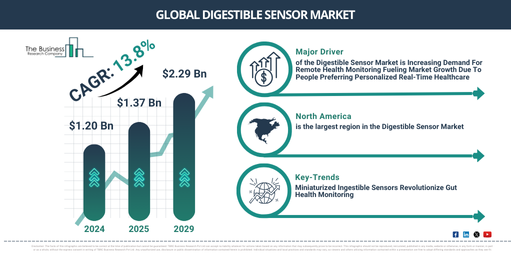
    The digestible sensor market has seen considerable growth recently. Its value is projected to expand from $1.20 billion in 2024 to $1.37 billion in 2025, indicating a compound annual growth rate (CAGR) of 14.2%. Factors contributing to this historical expansion include an increase in the prevalence of chronic diseases, a rising need for non-invasive monitoring solutions, the widespread adoption of smartphones, a growing elderly population, and the escalating demand for personalized medicine.

    The digestible sensor market is projected for substantial expansion in the coming years, reaching a valuation of $2.29 billion by 2029, demonstrating a compound annual growth rate (CAGR) of 13.8%. This anticipated growth is influenced by a surge in consumer preference for health tracking, the increasing prevalence of wearable devices, the broadening scope of healthcare data analytics, the advent of personalized healthcare, a heightened requirement for real-time health monitoring, and the growing adoption of telemedicine. Significant developments expected in this timeframe include enhancements in sensor technology, improvements in biosensors, the integration of AI for health data analysis, the miniaturization of sensors, advancements in wearable health technology, and new digital therapeutics.

    Unlock Your Free Sample Report for Exclusive Market Data:

    https://www.thebusinessresearchcompany.com/sample.aspx?id=27275&type=smp

    What Are The Top Growth Drivers Impacting The Digestible Sensor Market Outlook?

    The rising need for remote health monitoring is projected to propel the expansion of the digestible sensor market moving forward. Remote health monitoring involves employing technology to oversee and manage a patient’s well-being outside of conventional healthcare environments, typically from a distance. This increase in remote health monitoring is due to individuals favoring personalized, real-time healthcare from the comfort of their homes, along with it being a more economical alternative to traditional in-person appointments. Digestible sensors assist remote health monitoring by enabling the real-time tracking of internal health indicators, such as gastrointestinal function. These sensors provide medical professionals with valuable information on a patient’s digestive system, allowing for the early detection of issues like infections or diseases without invasive procedures. For instance, in June 2022, according to The Health Innovation Network, a US-based publication specializing in medical technology news and analysis, in 2021/22, over 286,000 people received home support through technology-enabled remote monitoring, which was rapidly implemented and expanded under the guidance of the National Innovation Collaborative for digital health. Therefore, the heightened demand for remote health monitoring is fostering the growth of the digestible sensor market.

    What Are The Major Segment Types Covered In The Digestible Sensor Market?

    The digestible sensor market covered in this report is segmented

    1) By Type: Capsule Sensors, Wearable Sensors, Ingestible Sensors, Implantable Sensors

    2) By Distribution Channel: Online Retail, Pharmacies, Hospitals And Clinics, Direct Sales

    3) By Technology: Microelectromechanical Systems (MEMS), Wireless Communication Technologies, Optical Sensors, Bioelectronic Interfaces

    4) By Application: Medical Diagnostics, Drug Delivery, Patient Monitoring, Sports And Fitness, Other Applications

    5) By End-User: Healthcare Providers, Research Institutions, Pharmaceutical Companies, Individual Consumers

    Subsegments:

    1) By Capsule Sensors: pH Monitoring Capsules, Temperature Monitoring Capsules, Pressure Sensing Capsules, Smart Capsule Endoscopy, Drug Delivery Capsules With Sensors

    2) By Wearable Sensors: Patch-Based External Receivers, Gastrointestinal Motility Trackers, Bio-Signal Monitoring Wearables, Wearable Adherence Trackers

    3) By Ingestible Sensors: Vital Sign Monitoring Sensors, Drug Adherence Monitoring Sensors, Imaging Sensors, Gas Sensing Sensors, Electrochemical Sensors

    4) By Implantable Sensors: GI Electrophysiology Sensors, pH And Enzyme Sensors, Neuromodulation Devices, Metabolic Sensors

    Which Market Trends Are Creating New Opportunities In The Digestible Sensor Industry?

    Leading companies in the digestible sensor market are concentrating on advanced solutions, such as multi-parameter sensors, to boost diagnostic precision, broaden application scope, and enhance real-time health monitoring capabilities. Multi-parameter sensors refer to devices crafted to concurrently measure multiple physical or chemical parameters from their environment or subject, consolidating diverse sensing technologies into a single compact unit. For example, in May 2025, the Interuniversity Microelectronics Centre, a Belgium-based non-profit research organization, introduced a highly miniaturized ingestible sensor for monitoring gut health. This highly miniaturized ingestible sensor measures just 2.1 cm in length and 0.75 cm in diameter. The capsule is approximately three times smaller than conventional endoscopic capsules, allowing for easier swallowing and improved patient comfort. It integrates multiple sensors, including oxidation-reduction potential (ORP), pH, and temperature, to provide real-time biochemical data from the gastrointestinal tract. The capsule logs readings every 20 seconds throughout the entire digestive journey, powered by low-energy electronics and a compact battery. With wireless data transmission and a biocompatible casing, the device facilitates continuous, noninvasive analysis of internal gut conditions, presenting significant potential for the early diagnosis of inflammation, oxidative stress, and microbiome imbalances.

    Which Leading Companies Dominate The Digestible Sensor Market Share?

    Major companies operating in the digestible sensor market are Medtronic plc, Koninklijke Philips N.V., Otsuka Pharmaceutical Co Ltd., Olympus Corporation, Sencure B.V., Millar Inc., Check Cap Ltd, Proteus Digital Health Inc., CapsoVision Inc., Atmo Biosciences, IntroMedic Co Ltd., RF Co. Ltd, BodyCAP S.A.S, Capsule Technologies Inc., etectRx Inc., Motus GI Inc., SmartPill Corporation, JINSHAN Science & Technology (Group) Co Ltd., MC10, and HQ Inc.

    Download The Full Report For Exclusive Market Findings:

    https://www.thebusinessresearchcompany.com/report/digestible-sensor-global-market-report

    Which Regional Markets Are Contributing Most To The Digestible Sensor Industry Expansion?

    North America was the largest region in the digestible sensor market in 2024. Asia-Pacific is expected to be the fastest-growing region in the forecast period. The regions covered in the digestible sensor market report are Asia-Pacific, Western Europe, Eastern Europe, North America, South America, Middle East, Africa.

    Request A Customized Version Of The Digestible Sensor Market Report:

    https://www.thebusinessresearchcompany.com/customise?id=27275&type=smp

    Browse Through More Reports Similar to the Global Digestible Sensor Market 2025, By The Business Research Company

    Building Panels Global Market Report 2025

    https://www.thebusinessresearchcompany.com/report/building-panels-global-market-report

    Precast Construction Global Market Report 2025

    https://www.thebusinessresearchcompany.com/report/precast-construction-global-market-report

    Wood Based Panel Global Market Report 2025

    https://www.thebusinessresearchcompany.com/report/wood-based-panel-global-market-report

    Get in touch with us:

    The Business Research Company: https://www.thebusinessresearchcompany.com/

    Americas +1 310-496-7795

    Asia +44 7882 955267 & +91 8897263534

    Europe +44 7882 955267

    Email us at info@tbrc.info

    Follow us on:

    LinkedIn: https://in.linkedin.com/company/the-business-research-company

    YouTube: https://www.youtube.com/channel/UC24_fI0rV8cR5DxlCpgmyFQ

    Global Market Model: https://www.thebusinessresearchcompany.com/global-market-model

  • Deoxyribonucleic Acid (DNA) Read, Write And Edit Market to Grow at a CAGR of 17.3% from 2025 to 2029

    Deoxyribonucleic Acid (DNA) Read, Write And Edit Market to Grow at a CAGR of 17.3% from 2025 to 2029

    Unlock Global Insights – Save 20% on Market Reports with Code ONLINE20

    What Is The Future Market Size Estimation For The Deoxyribonucleic Acid (DNA) Read, Write And Edit Market Covering 2025–2034?

    The deoxyribonucleic acid (DNA) read, write, and edit market has seen significant expansion in recent years. It is forecast to grow from $8.65 billion in 2024 to $10.18 billion in 2025, at a compound annual growth rate (CAGR) of 17.7%. This historic growth can be linked to the increasing occurrence of genetic disorders, a growing requirement for personalized medicine, expanding genomics research in both academic and industrial settings, the rising acceptance of next-generation sequencing, and increased government and private sector funding in sequencing infrastructure.

    The deoxyribonucleic acid (DNA) read, write, and edit market is projected to experience significant expansion in the coming years. Its valuation is anticipated to reach $19.28 billion by 2029, exhibiting a compound annual growth rate (CAGR) of 17.3%. This projected growth is driven by the increasing demand for precision medicine, heightened investment in deoxyribonucleic acid-based data storage, the growing adoption of synthetic biology, the broadening of deoxyribonucleic acid sequencing services, and a greater understanding of the importance of early disease detection. Noteworthy trends during this forecast period include technological breakthroughs in genome editing, ongoing innovation in deoxyribonucleic acid synthesis methods, progress in portable sequencing devices, advancements in research and development, and improvements in bioinformatics tools.

    Unlock Your Free Sample Report for Exclusive Market Data:

    https://www.thebusinessresearchcompany.com/sample.aspx?id=27274&type=smp

    Which Major Market Drivers Are Shaping The Future Of The Deoxyribonucleic Acid (DNA) Read, Write And Edit Market?

    The increasing incidence of genetic disorders is anticipated to propel the growth of the deoxyribonucleic acid (DNA) read, write and edit market in the future. Genetic disorders are defined as medical conditions resulting from anomalies in an individual’s deoxyribonucleic acid, which can be inherited from either parent or arise from new genetic changes. The rise in genetic disorders is partly attributed to increasing parental age, as older parents face a higher probability of passing on genetic mutations to their children. Deoxyribonucleic acid (DNA) reading, writing, and editing capabilities are crucial in tackling genetic disorders by enabling the precise identification, correction, and modification of disease-causing genes. These technologies enhance healthcare outcomes by facilitating targeted therapies, minimizing the risk of inherited conditions, and advancing personalized medicine for those affected. As an illustration, the National Health Service, a UK government department, indicated in May 2024 that there are 17,000 people living with sickle cell disease, an inherited genetic blood disorder, with roughly 250 new cases diagnosed annually. Therefore, the growing prevalence of genetic disorders is a significant factor driving the expansion of the deoxyribonucleic acid (DNA) read, write and edit market.

    What Are The Major Segment Categories Driving The Deoxyribonucleic Acid (DNA) Read, Write And Edit Market Growth?

    The deoxyribonucleic acid (DNA) read, write and edit market covered in this report is segmented

    1) By Types: Kits And Reagents, Cell Line Engineering, Animal Models, Services

    2) By Technology: Clustered Regularly Interspaced Short Palindromic Repeats (CRISPR), Transcription Activator-Like Effector Nucleases (Talen), Zinc Finger Nucleases, Other Technologies

    3) By Delivery Mode: Viral Vectors, Non-Viral Vectors, Electroporation, Microinjection

    4) By Application: Gene Therapy, Diagnostics, Biotechnology, Agricultural, Synthetic Biology

    5) By End Users: Pharmaceutical And Biotechnology Companies, Academic And Research Institutes, Clinical Research Organizations

    Subsegments:

    1) By Kits And Reagents: Deoxyribonucleic Acid Kits (DNA Kits), Ribonucleic Acid Kits (RNA Kits), Protein Assay Kits (PA Kits), Gene Editing Reagents (GER), Polymerase Chain Reaction Reagents (PCR Reagents)

    2) By Cell Line Engineering: Stable Cell Lines (SCL), Transient Cell Lines (TCL), Hybridoma Cell Lines (HCL), Reporter Cell Lines (RCL), Primary Cell Lines (PCL)

    3) By Animal Models: Transgenic Animals (TA), Knockout Animals (KA), Humanized Animals (HA), Xenograft Models (XM), Inbred Strains (IS)

    4) By Services: Custom Gene Editing (CGE), Cell Line Development (CLD), Animal Model Development (AMD), Analytical Testing Services (ATS), Consulting Services (CS)

    How Are Trends Influencing The Deoxyribonucleic Acid (DNA) Read, Write And Edit Market?

    Leading companies within the deoxyribonucleic acid (DNA) read, write, and edit market are concentrating on developing sophisticated products, such as premium, regulatory-compliant synthetic DNA, to accelerate research, guarantee safety, and facilitate the commercialization of advanced therapies. This high-quality, regulatory-compliant synthetic DNA is laboratory-created DNA that is precise, free from contaminants, and manufactured in accordance with safety and legal standards, making it suitable for research, diagnostic, and therapeutic purposes. For instance, in May 2022, GenScript Inc., a US-based biotechnology company, introduced its GenExact (GMP single-stranded DNA) and GenWand (GMP closed-end linear double-stranded DNA) services. These offerings promote quicker advancement from research and development to investigational new drug (IND) filing and clinical trials by providing top-tier, non-viral homology-directed repair (HDR) templates, which support safer and more efficient CRISPR non-viral gene insertion for advanced cell and gene therapies. This DNA is produced in specialized cGMP facilities, is offered with complete documentation and regulatory assistance, and is rigorously evaluated to confirm it fulfills standards for identity, purity, potency, and safety, thereby establishing a dependable and scalable supply of genetic material for therapeutic applications.

    Who Are The Major Companies Operating In The Deoxyribonucleic Acid (DNA) Read, Write And Edit Market?

    Major companies operating in the deoxyribonucleic acid (DNA) read, write and edit market are Roche Holding AG, Bayer AG, Thermo Fisher Scientific Inc., Danaher Corporation, Agilent Technologies Inc., MGI Tech, Bio-Rad Laboratories Inc., BGI Group, Ginkgo Bioworks, Oxford Nanopore Technologies, Twist Bioscience Corporation, New England Biolabs, GenScript Biotech Corporation, Pacific Biosciences, Beam Therapeutics Inc., Prime Medicine, Editas Medicine Inc., Cellectis S.A., 3Billion Inc., and CRISPR Therapeutics AG.

    Download The Full Report For Exclusive Market Findings:

    https://www.thebusinessresearchcompany.com/report/deoxyribonucleic-acid-dna-read-write-and-edit-global-market-report

    How Does The Deoxyribonucleic Acid (DNA) Read, Write And Edit Market Perform Across Key Geographic Regions?

    North America was the largest region in the deoxyribonucleic acid (DNA) read, write and edit market in 2024. Asia-Pacific is expected to be the fastest-growing region in the forecast period. The regions covered in the deoxyribonucleic acid (DNA) read, write and edit market report are Asia-Pacific, Western Europe, Eastern Europe, North America, South America, Middle East, Africa.

    Request A Customized Version Of The Deoxyribonucleic Acid (DNA) Read, Write And Edit Market Report:

    https://www.thebusinessresearchcompany.com/customise?id=27274&type=smp

    Browse Through More Reports Similar to the Global Deoxyribonucleic Acid (DNA) Read, Write And Edit Market 2025, By The Business Research Company

    Architectural Lighting Global Market Report 2025

    https://www.thebusinessresearchcompany.com/report/architectural-lighting-global-market-report

    Decorative Lighting Global Market Report 2025

    https://www.thebusinessresearchcompany.com/report/decorative-lighting-global-market-report

    Interior Lighting Global Market Report 2025

    https://www.thebusinessresearchcompany.com/report/interior-lighting-global-market-report

    Get in touch with us:

    The Business Research Company: https://www.thebusinessresearchcompany.com/

    Americas +1 310-496-7795

    Asia +44 7882 955267 & +91 8897263534

    Europe +44 7882 955267

    Email us at info@tbrc.info

    Follow us on:

    LinkedIn: https://in.linkedin.com/company/the-business-research-company

    YouTube: https://www.youtube.com/channel/UC24_fI0rV8cR5DxlCpgmyFQ

    Global Market Model: https://www.thebusinessresearchcompany.com/global-market-model

  • Global Deoxyribonucleic Acid (DNA) Nanotechnology Market 2025–2029: Competitive Insights and Opportunities

    Global Deoxyribonucleic Acid (DNA) Nanotechnology Market 2025–2029: Competitive Insights and Opportunities

    Unlock Global Insights – Save 20% on Market Reports with Code ONLINE20

    What Is The Expected Total Market Size Of The Deoxyribonucleic Acid (DNA) Nanotechnology Industry By The Forecast Year 2029?

    The deoxyribonucleic acid (DNA) nanotechnology market has experienced substantial growth in recent years. Projections indicate it will increase from $5.55 billion in 2024 to $6.97 billion in 2025, progressing at a compound annual growth rate (CAGR) of 25.7%. This expansion observed historically can be attributed to several factors, including heightened funding for deoxyribonucleic acid research, the rising adoption of deoxyribonucleic acid computing technologies, pioneering breakthroughs in deoxyribonucleic acid origami structures, enhanced collaboration between academic institutions and industrial sectors, and initial successes in molecular-level diagnostics.

    The deoxyribonucleic acid (DNA) nanotechnology market is projected to experience substantial growth in the coming years, with its size anticipated to reach $17.18 billion by 2029, demonstrating a compound annual growth rate (CAGR) of 25.3%. This expansion during the forecast period is attributed to several factors, including the expanding applications of deoxyribonucleic acid nanostructures in personalized medicine, a rising demand for targeted drug delivery systems, an increase in the development of nanoscale robotic systems based on deoxyribonucleic acid, a growing emphasis on eco-friendly and sustainable nanomaterials, and a heightened need for precision diagnostics utilizing deoxyribonucleic acid platforms. Prominent trends for the upcoming period include technological advancements in deoxyribonucleic acid self-assembly techniques, ongoing innovations in deoxyribonucleic acid-based biosensors, the creation of deoxyribonucleic acid nanorobots for medical uses, intensified research and development activities in structural deoxyribonucleic acid nanotechnology, and the integration of deoxyribonucleic acid systems with quantum computing.

    Unlock Your Free Sample Report for Exclusive Market Data:

    https://www.thebusinessresearchcompany.com/sample.aspx?id=27273&type=smp

    What Are The Main Drivers Boosting The Deoxyribonucleic Acid (DNA) Nanotechnology Industry’s Expansion?

    The escalating occurrence of genetic illnesses is anticipated to drive the future growth of the deoxyribonucleic acid (DNA) nanotechnology market. These genetic diseases are conditions resulting from alterations or mutations in DNA, which can be inherited or emerge spontaneously, affecting health, development, or various bodily functions. The uptick in genetic disease prevalence is largely attributable to increased awareness and advancements in diagnostic technologies, which facilitate earlier and more precise detection of previously undiagnosed conditions. Deoxyribonucleic acid (DNA) nanotechnology aids in addressing genetic diseases by enabling the precise targeting of defective genes, thereby supporting accurate diagnoses and personalized treatment plans. The technology enhances therapeutic outcomes through controlled drug delivery and gene editing, ultimately improving patient care and disease management. For instance, in September 2023, the Cystic Fibrosis Trust, a UK-based national charity, stated that 11,148 patients were diagnosed with cystic fibrosis (CF), a genetic disorder, in 2022, showing an increase from 10,908 in 2021. Thus, the growing prevalence of genetic diseases is a significant catalyst for the growth of the deoxyribonucleic acid (DNA) nanotechnology market.

    How Is The Deoxyribonucleic Acid (DNA) Nanotechnology Market Segmented?

    The deoxyribonucleic acid (DNA) nanotechnology market covered in this report is segmented

    1) By Type: Dynamic Deoxyribonucleic Acid (DNA) Nanotechnology, Structural Deoxyribonucleic Acid (DNA) Nanotechnology

    2) By Formulation Type: Water-Soluble Formulations, Oil-Soluble Formulations, Hybrid Formulations

    3) By Distribution Channel: Online Sales, Direct Sales, Retail Sales, Distributors Or Wholesalers

    4) By Application: Smart Pills, Nanolithography, Targeted Drug Delivery, Other Applications

    5) By End-User: Academic And Research Institutions, Biotechnology And Pharmaceuticals, Other End-Users

    Subsegments:

    1) By Dynamic Deoxyribonucleic Acid Nanotechnology: Strand Displacement Circuits, Conformational Switching Devices, Deoxyribonucleic Acid Walkers, Logic Gate Systems, Nanomachines-Based On Deoxyribonucleic Acid

    2) By Structural Deoxyribonucleic Acid Nanotechnology: Tile-Based Structures, Deoxyribonucleic Acid Origami, Wireframe Nanostructures, Lattice-Based Designs, Hybrid Nanostructures

    What Key Innovation Trends Are Fueling Advancements In The Deoxyribonucleic Acid (DNA) Nanotechnology Market?

    Leading companies within the DNA nanotechnology sector are concentrating on creating sophisticated solutions, such as AI-driven DNA sequencing, to enhance precision and enable more accurate molecular diagnostics and the design of nanodevices. This AI-driven DNA sequencing leverages artificial intelligence to rapidly process and interpret DNA information, boosting accuracy, speed, and tailored disease identification. As an illustration, in May 2025, the Indian Institute of Technology, an India-based technical institution, unveiled quantum AI nanotechnology, which facilitates the swift, highly precise, and economical early detection of genetic mutations, including those associated with cancer. This technology integrates explainable artificial intelligence with quantum transport mechanisms to decode raw electrical signals from DNA sequencing with unparalleled accuracy. This quantum-AI methodology employs solid-state nanopore or nanogap devices that capture unique electronic signatures of nucleotides, thereby enabling comprehensive identification of natural, epigenetic, and artificial DNA mutations. The development is expected to have revolutionary effects in genomics, personalized medicine, and cancer diagnostics by enabling prompt mutation detection and customized treatment approaches.

    Which Global Market Leaders Are Shaping The Future Of The Deoxyribonucleic Acid (DNA) Nanotechnology Sector?

    Major companies operating in the deoxyribonucleic acid (dna) nanotechnology market are Twist Bioscience Corporation, SomaLogic Inc., Alamar Biosciences Inc., Nanion Technologies GmbH, Eligo Bioscience SA, DNA Nanobots LLC, Nanovery Limited, Parabon NanoLabs Inc., tilibit nanosystems GmbH, Luna Nanotech Inc., Code Biotherapeutics Inc., Sona Nanotech Inc., Cello Therapeutics Inc., Esya Labs Inc., NuProbe Global Inc., Ansa Biotechnologies Inc., GATTAquant GmbH, ARIZ Precision Medicine Inc., NanoApps Medical Inc., Aura Biosciences Inc

    Download The Full Report For Exclusive Market Findings:

    https://www.thebusinessresearchcompany.com/report/deoxyribonucleic-acid-dna-nanotechnology-global-market-report

    Which Region Is Expected To Witness The Fastest Growth In The Deoxyribonucleic Acid (DNA) Nanotechnology Market?

    North America was the largest region in the deoxyribonucleic acid (DNA) nanotechnology market in 2024. Asia-Pacific is expected to be the fastest-growing region in the forecast period. The regions covered in the deoxyribonucleic acid (DNA) nanotechnology market report are Asia-Pacific, Western Europe, Eastern Europe, North America, South America, Middle East, Africa.

    Request A Customized Version Of The Deoxyribonucleic Acid (DNA) Nanotechnology Market Report:

    https://www.thebusinessresearchcompany.com/customise?id=27273&type=smp

    Browse Through More Reports Similar to the Global Deoxyribonucleic Acid (DNA) Nanotechnology Market 2025, By The Business Research Company

    Cumene Global Market Report 2025

    https://www.thebusinessresearchcompany.com/report/cumene-global-market-report

    White Cement Global Market Report 2025

    https://www.thebusinessresearchcompany.com/report/white-cement-global-market-report

    Green Cement Global Market Report 2025

    https://www.thebusinessresearchcompany.com/report/green-cement-global-market-report

    Get in touch with us:

    The Business Research Company: https://www.thebusinessresearchcompany.com/

    Americas +1 310-496-7795

    Asia +44 7882 955267 & +91 8897263534

    Europe +44 7882 955267

    Email us at info@tbrc.info

    Follow us on:

    LinkedIn: https://in.linkedin.com/company/the-business-research-company

    YouTube: https://www.youtube.com/channel/UC24_fI0rV8cR5DxlCpgmyFQ

    Global Market Model: https://www.thebusinessresearchcompany.com/global-market-model

  • Deoxyribonucleic Acid (DNA) Manufacturing Market Trends 2025–2029: Forecasts for Key Growth Segments

    Deoxyribonucleic Acid (DNA) Manufacturing Market Trends 2025–2029: Forecasts for Key Growth Segments

    Unlock Global Insights – Save 20% on Market Reports with Code ONLINE20

    How Does The Market Size Of The Deoxyribonucleic Acid (DNA) Manufacturing Industry Compare Between 2025 And 2029?

    The market for deoxyribonucleic acid (DNA) manufacturing has experienced substantial expansion in recent years. Projections indicate a rise from $4.77 billion in 2024 to $5.58 billion in 2025, demonstrating a compound annual growth rate (CAGR) of 16.9%. Historically, this expansion has been driven by factors such as the emergence of genomics research, the development of biotechnology and biopharmaceutical sectors, the proliferation of contract manufacturing organizations (CMOs), the broadening scope of CRISPR and gene editing technologies, and supportive government investments and programs.

    The deoxyribonucleic acid (DNA) manufacturing market is projected to experience substantial expansion over the coming years. It is anticipated to reach $10.28 billion by 2029, exhibiting a compound annual growth rate (CAGR) of 16.5%. This projected growth is driven by factors such as the broadening of cell and gene therapy pipelines, a rise in drug discovery initiatives, growing biodefense efforts, increased expenditure on pandemic preparedness, and the worldwide integration of biomanufacturing supply chains. Key trends expected during this period involve the incorporation of next-generation sequencing (NGS), the evolution of mRNA and DNA vaccines, improvements in long-read and high-fidelity synthesis techniques, the application of automation and robotics in DNA manufacturing, and the emergence of next-generation enzymatic DNA synthesis (EDS).

    Unlock Your Free Sample Report for Exclusive Market Data:

    https://www.thebusinessresearchcompany.com/sample.aspx?id=27272&type=smp

    Which Factors And Drivers Are Influencing The Deoxyribonucleic Acid (DNA) Manufacturing Market In 2025?

    The growing need for gene therapies is projected to boost the deoxyribonucleic acid (DNA) manufacturing market’s expansion in the future. Gene therapies involve methods for altering or substituting defective genes to manage or avert illnesses, while personalized medicine customizes medical care based on a person’s genetic makeup, biological traits, and lifestyle. This surge in gene therapy demand stems from the increasing occurrence of genetic conditions, including cystic fibrosis, sickle cell anemia, and specific forms of inherited blindness. Deoxyribonucleic acid (DNA) manufacturing facilitates gene therapies by supplying the essential high-quality, customized DNA sequences required for creating and administering therapeutic genes capable of rectifying or replacing defective genetic material in patients. For example, data from August 2024, provided by the Association of the British Pharmaceutical Industry, a UK-based trade association, anticipates a significant increase in eligible gene therapy patients in the UK, from 2,500 in 2021 to an estimated 10,000 annually by 2028. Consequently, the escalating demand for gene therapies is fueling the expansion of the deoxyribonucleic acid (DNA) manufacturing market.

    What Are The Key Segments In The Deoxyribonucleic Acid (DNA) Manufacturing Market?

    The deoxyribonucleic acid (DNA) manufacturing market covered in this report is segmented

    1) By Type: Plasmid Deoxyribonucleic Acid (DNA), Synthetic Deoxyribonucleic Acid (DNA), Gene Synthesis, Oligonucleotide Synthesis

    2) By Grade: Good Manufacturing Practices (GMP) Grade, Research And Development Grade

    3) By Application: Cell And Gene Therapy, Vaccines, Oligonucleotide-Based Drugs, Other Applications

    4) By End-Use: Pharmaceutical And Biotechnology Companies, Academic And Research Institutes, Contract Research Organizations

    Subsegments:

    1) By Plasmid Deoxyribonucleic Acid (DNA): GMP-Grade Plasmid DNA, Non-GMP-Grade Plasmid DNA, High Copy Number Plasmids, Low Copy Number Plasmids, Bacterial Fermentation-Based Plasmid Production, Transfection-Grade Plasmid DNA

    2) By Synthetic Deoxyribonucleic Acid (DNA): Enzymatic DNA Synthesis, Chemical DNA Synthesis, Long DNA Fragments, Short DNA Fragments, Single-Stranded Synthetic DNA, Double-Stranded Synthetic DNA

    3) By Gene Synthesis: Custom Gene Synthesis, Standard Gene Synthesis, Complex Gene Constructs, Codon Optimization Services, Gene Library Synthesis

    4) By Oligonucleotide Synthesis: DNA Oligonucleotides, Modified Oligonucleotides, Long Oligonucleotides, PCR Primers, SiRNA And Antisense Oligos, Adapter And Linker Oligos

    Which Ongoing Trends Are Expected To Shape The Deoxyribonucleic Acid (DNA) Manufacturing Market Outlook?

    Major companies in the DNA manufacturing market are concentrating on developing innovative methods, such as GMP-grade plasmid DNA production, to improve the quality, safety, and scalability of gene and cell therapy applications. GMP-grade plasmid DNA production involves manufacturing plasmid DNA under Good Manufacturing Practice (GMP) conditions, which are regulatory guidelines that ensure the quality, safety, and consistency of biopharmaceutical products. For instance, in April 2025, ProBio Genomics Inc., a US-based contract development and manufacturing organization (CDMO), launched its GMP Plasmid DNA Manufacturing Services in Hopewell, encompassing in-house analytical testing, method development, and project management. This service features unique aspects like internal process development, analytical testing, method development, and project management, which eliminates the need for various suppliers and quickens development timelines. It guarantees a high-quality output with =85% supercoiled plasmid DNA content while minimizing contamination risks. ProBio also makes available GMP-like plasmids with a four-week delivery timeline, and full GMP-grade plasmids are provided within three months.

    Which Industry Leaders Are Driving Innovation Across The Deoxyribonucleic Acid (DNA) Manufacturing Market?

    Major companies operating in the deoxyribonucleic acid (DNA) manufacturing market are Thermo Fisher Scientific Inc., Merck KGaA, Lonza Group AG, Kaneka Corporation, Catalent Inc., Charles River Laboratories International Inc., WuXi Biologics Inc., AGC Biologics Inc., Integrated DNA Technologies Inc., GenScript Biotech Corporation, Takara Bio USA Inc., Twist Bioscience Corp., Ajinomoto Bio-Pharma Services, OriGene Technologies Inc., DNA Script SAS, Eurofins Genomics LLC, Touchlight Genetics Ltd., Elegen Inc., VGXI Inc., PlasmidFactory GmbH & Co. KG.

    Download The Full Report For Exclusive Market Findings:

    https://www.thebusinessresearchcompany.com/report/deoxyribonucleic-acid-dna-manufacturing-global-market-report

    Which Global Regions Are Influencing The Competitive Landscape Of The Deoxyribonucleic Acid (DNA) Manufacturing Market?

    North America was the largest region in the deoxyribonucleic acid (DNA) manufacturing market in 2024. Asia-Pacific is expected to be the fastest-growing region in the forecast period. The regions covered in the deoxyribonucleic acid (DNA) manufacturing market report are Asia-Pacific, Western Europe, Eastern Europe, North America, South America, Middle East, Africa.

    Request A Customized Version Of The Deoxyribonucleic Acid (DNA) Manufacturing Market Report:

    https://www.thebusinessresearchcompany.com/customise?id=27272&type=smp

    Browse Through More Reports Similar to the Global Deoxyribonucleic Acid (DNA) Manufacturing Market 2025, By The Business Research Company

    Electronic Equipment Repair Service Global Market Report 2025

    https://www.thebusinessresearchcompany.com/report/electronic-equipment-repair-service-global-market-report

    Maintenance Services Global Market Report 2025

    https://www.thebusinessresearchcompany.com/report/maintenance-services-global-market-report

    Industrial Maintenance Services Global Market Report 2025

    https://www.thebusinessresearchcompany.com/report/industrial-maintenance-services-global-market-report

    Get in touch with us:

    The Business Research Company: https://www.thebusinessresearchcompany.com/

    Americas +1 310-496-7795

    Asia +44 7882 955267 & +91 8897263534

    Europe +44 7882 955267

    Email us at info@tbrc.info

    Follow us on:

    LinkedIn: https://in.linkedin.com/company/the-business-research-company

    YouTube: https://www.youtube.com/channel/UC24_fI0rV8cR5DxlCpgmyFQ

    Global Market Model: https://www.thebusinessresearchcompany.com/global-market-model

  • Dental Orthotic Devices Market Forecast 2025–2034: Where Businesses Should Invest Next

    Dental Orthotic Devices Market Forecast 2025–2034: Where Businesses Should Invest Next

    Unlock Global Insights – Save 20% on Market Reports with Code ONLINE20

    What Is The Predicted Market Size Trajectory For The Dental Orthotic Devices Market From 2025 To 2034?

    The dental orthotic devices market has experienced rapid expansion in recent years. It is projected to increase from $4.66 billion in 2024 to $5.23 billion in 2025, showing a compound annual growth rate (CAGR) of 12.3%. This historical growth can be attributed to the rising prevalence of malocclusion, greater awareness of dental aesthetics, an expanding aging population, increasing disposable income, and a surge in dental tourism.

    The dental orthotic devices market is anticipated to experience significant expansion in the upcoming years. It is projected to reach $8.20 billion by 2029, demonstrating a compound annual growth rate (CAGR) of 11.9%. This growth during the forecast period is propelled by factors such as the increasing adoption of clear aligners, the expansion of tele orthodontics, a rising demand for minimally invasive treatments, the integration of artificial intelligence into treatment planning, and an escalating number of dental clinics and practitioners. Prominent trends expected in this period encompass 3-dimensional printing of dental orthotics, artificial intelligence-driven treatment planning, intraoral scanning technology, innovations in clear aligners, and various advancements in orthodontic technology.

    Unlock Your Free Sample Report for Exclusive Market Data:

    https://www.thebusinessresearchcompany.com/sample.aspx?id=27271&type=smp

    What Are The Key Drivers Of Growth In The Dental Orthotic Devices Market?

    The future expansion of the dental orthotic devices market is anticipated to be driven by an increasing volume of dental procedures. These procedures encompass a range of treatments and interventions carried out by dental professionals aimed at preserving or enhancing the health, aesthetics, and functionality of teeth and gums. This increase in dental procedures largely stems from heightened oral health awareness, encouraging more individuals to pursue routine check-ups and preventative care. Dental orthotic devices assist in these procedures by offering tailored support for stabilizing the jaw and aligning the bite, rendering them crucial for addressing conditions like TMJ disorders and bruxism. These devices enhance procedural outcomes by lessening stress on oral structures, boosting patient comfort, and fostering better long-term dental health. As an illustration, in January 2024, Uniqa Dental, a dental solutions provider based in Israel, reported that approximately 5.5 million dental implants were inserted in the United States during 2023, indicating a 10% rise compared to 2022. Consequently, the expanding volume of dental procedures is fueling the growth of the dental orthotic devices market.

    What Are The Leading Segments Analyzed In The Dental Orthotic Devices Market?

    The dental orthotic devices market covered in this report is segmented

    1) By Type: Anterior Repositioning Dental Orthotic Devices, Anterior Bite Plane Dental Orthotic Devices, Posterior Bite Plane Dental Orthotic Devices, Other Types

    2) By Material: Metal, Plastic, Carbon Fiber, Rubber, Composite Materials

    3) By Application: Orthodontics, Temporomandibular Joint (TMJ) Disorders, Post-Surgical Rehabilitation, Accident Recovery, General Orthopedic Treatment

    4) By Distribution Channel: Online Stores, Offline Stores

    5) By End-User: Dental Clinics, Hospitals, Orthopedic Centers, Home Care Settings, Specialized Rehabilitation Centers

    Subsegments:

    1) By Anterior Repositioning Dental Orthotic Devices: Mandibular Advancement Devices, Temporomandibular Joint (TMJ) Repositioning Splints, Dual-Laminate Repositioning Appliances

    2) By Anterior Bite Plane Dental Orthotic Devices: Hard Acrylic Bite Planes, Soft Bite Planes, Maxillary Anterior Deprogrammers

    3) By Posterior Bite Plane Dental Orthotic Devices: Maxillary Posterior Bite Blocks, Mandibular Posterior Bite Blocks, Full-Arch Posterior Splints

    4) By Other Types: Palatal Orthotic Devices, Occlusal Stabilization Splints, Custom Night Guards

    Which Competitive Trends Are Defining The Dental Orthotic Devices Market Structure?

    Leading entities in the dental orthotic devices market are focusing on developing technologically advanced offerings, such as 3D-printed mandibular advancement devices. This push aims to improve treatment precision, elevate patient comfort, and decrease manufacturing time. 3D-printed mandibular advancement devices are custom oral appliances created with 3D printing technology, designed to reposition the lower jaw forward, thereby maintaining an open airway during sleep, primarily to address obstructive sleep apnea and snoring. As an illustration, in May 2024, Glidewell, a US-based dental company, unveiled the Silent Nite 3D Sleep Appliance. This digitally designed, 3D-printed mandibular advancement device targets the reduction of snoring and the treatment of mild to moderate obstructive sleep apnea in adults. The appliance is custom-fitted through advanced 3D printing technology, constructed from durable light-cured resin to provide enhanced precision and patient comfort. It gently moves the lower jaw forward while sleeping to help keep the airway open, incorporating adjustable and replaceable nylon connectors that permit fine-tuning in 0.5 mm increments over a 10 mm range.

    Who Are The Key Multinational Companies Dominating The Dental Orthotic Devices Market?

    Major companies operating in the dental orthotic devices market are Dentsply Sirona Inc., Align Technology Inc., Straumann Holding AG, Glidewell, Ivoclar Vivadent AG, Hiossen Inc., Ormco Corporation, Angelalign Technology Inc., ClearCorrect LLC, American Orthodontics Corporation, Byte Inc., TP Orthodontics Inc., Great Lakes Dental Technologies Inc., SCHEU-DENTAL GmbH, BioMers Pte Ltd., FORESTADENT Bernhard Förster GmbH, G&H Orthodontics Inc, ProSomnus Sleep Technologies, Vivos Therapeutics Inc., Smartee Denti-Technology Co. Ltd., Candid Care Co, Panthera Dental, Dynaflex Company LLC, Geniova Technologies S.L, Institut Straumann AG.

    Download The Full Report For Exclusive Market Findings:

    https://www.thebusinessresearchcompany.com/report/dental-orthotic-devices-global-market-report

    What Are The Regional Market Dynamics Impacting The Dental Orthotic Devices Industry?

    North America was the largest region in the dental orthotic devices market in 2024. Asia-Pacific is expected to be the fastest-growing region in the forecast period. The regions covered in the dental orthotic devices market report are Asia-Pacific, Western Europe, Eastern Europe, North America, South America, Middle East, Africa.

    Request A Customized Version Of The Dental Orthotic Devices Market Report:

    https://www.thebusinessresearchcompany.com/customise?id=27271&type=smp

    Browse Through More Reports Similar to the Global Dental Orthotic Devices Market 2025, By The Business Research Company

    Artificial Lift System Global Market Report 2025

    https://www.thebusinessresearchcompany.com/report/artificial-lift-system-global-market-report

    Vertical Lift Module Global Market Report 2025

    https://www.thebusinessresearchcompany.com/report/vertical-lift-module-global-market-report

    Lifting Equipment Global Market Report 2025

    https://www.thebusinessresearchcompany.com/report/lifting-equipment-global-market-report

    Get in touch with us:

    The Business Research Company: https://www.thebusinessresearchcompany.com/

    Americas +1 310-496-7795

    Asia +44 7882 955267 & +91 8897263534

    Europe +44 7882 955267

    Email us at info@tbrc.info

    Follow us on:

    LinkedIn: https://in.linkedin.com/company/the-business-research-company

    YouTube: https://www.youtube.com/channel/UC24_fI0rV8cR5DxlCpgmyFQ

    Global Market Model: https://www.thebusinessresearchcompany.com/global-market-model

  • Global Dental Diamond Burs Market Analysis 2025–2029: Opportunities for Strategic Growth

    Global Dental Diamond Burs Market Analysis 2025–2029: Opportunities for Strategic Growth

    Unlock Global Insights – Save 20% on Market Reports with Code ONLINE20

    How Much Larger Is The Dental Diamond Burs Market Expected To Become By 2029 Compared With Its 2025 Level?

    The dental diamond burs market has shown substantial growth recently. It is anticipated to expand from $1.96 billion in 2024 to $2.07 billion in 2025, achieving a compound annual growth rate (CAGR) of 5.6%. This historical expansion can be attributed to several factors including the rise in cosmetic dentistry procedures, an increase in root canal treatments, a growing demand for restorative dentistry, an upsurge in orthodontic treatments, and an increase in prosthodontic procedures.

    The dental diamond burs market size is anticipated to undergo significant expansion in the coming years. It is expected to achieve a valuation of $2.53 billion by 2029, growing at a compound annual growth rate (CAGR) of 5.2%. This projected growth throughout the forecast period can be attributed to an increase in tooth reshaping and contouring, the expansion of geriatric dental care services, more frequent dental hygiene appointments, a higher occurrence of dental caries, and a rise in minimally invasive dental procedures. Prominent trends for the forecast period include progress in diamond coating technology, the development of precision-engineered burs, the increasing prevalence of CAD or CAM dentistry, the launch of multi-layered diamond burs, and improvements in manufacturing processes.

    Unlock Your Free Sample Report for Exclusive Market Data:

    https://www.thebusinessresearchcompany.com/sample.aspx?id=27270&type=smp

    Which Drivers Are Supporting Growth Of The Dental Diamond Burs Market?

    A projected driver for the dental diamond burs market is the rising occurrence of dental diseases. These conditions affect teeth and adjacent oral structures, frequently stemming from bacterial accumulation, insufficient oral hygiene, or other contributing elements. The surge in dental ailments is linked to greater consumption of sugary and processed foods, which foster detrimental oral bacteria, subsequently increasing instances of tooth decay and gum infections. Dental diamond burs play a role in preventing dental diseases by enabling the precise elimination of decayed tooth material, thereby reducing the likelihood of residual bacteria and mitigating the risk of subsequent infections or oral issues. For example, in August 2024, data from the National Health Service (NHS), the UK’s publicly funded healthcare system, indicated approximately 34 million dental treatment courses were recorded in England during 2023/24, representing a 4.3% rise compared to the prior year. Concurrently, overall dental activity units saw a 3.4% increase, reaching 73 million. Consequently, the expanding occurrence of dental diseases is stimulating the growth within the dental diamond burs market.

    What Are The Segment Types Shaping The Dental Diamond Burs Market?

    The dental diamond burs market covered in this report is segmented

    1) By Technology: Electrolytic Co-Deposition, Micro Brazing, Chemical Vapor Deposition, Sintering, Other Technologies

    2) By Application: Oral Surgery, Implantology, Orthodontics, Cavity Preparation, Other Applications

    3) By End User: Dental Clinics, Hospitals

    Subsegments:

    1) By Electrolytic Co-Deposition: Nickel Matrix Co-Deposition, Cobalt Matrix Co-Deposition, Hybrid Metal Matrix Co-Deposition

    2) By Micro Brazing: Silver-Based Brazing, Copper-Based Brazing, Alloy Composite Brazing

    3) By Chemical Vapor Deposition (CVD): Low-Pressure CVD, Plasma-Enhanced CVD, Hot-Filament CVD

    4) By Sintering: High-Temperature Sintering, Pressure-Assisted Sintering, Spark Plasma Sintering

    5) By Other Technologies: Laser Welding, Galvanic Bonding, Hybrid Bonding Methods

    What Are The Latest Industry Trends Transforming The Dental Diamond Burs Market?

    Leading companies within the dental diamond burs market are concentrating on developing advanced solutions, such as pre-sterilized, single-patient-use rotary burs, to enhance clinical efficiency and infection control in dental practices. A pre-sterilized single-use diamond bur eliminates the necessity for cleaning, sterilization, and processing between patients, while maintaining the cutting performance of traditional multi-use burs. For instance, in February 2024, Kerr Dental, a US-based manufacturer of dental products, introduced the SimpliCut pre-sterilized single-patient-use diamond burs rotary line. This product offers pre-sterilized, individually packaged diamond burs that support hygienic, contamination-free use right out of the box. They are available in multiple shapes and color-coded grit levels, facilitating easy selection and an uninterrupted workflow. Designed for high-speed cutting and reliability, these burs assist dental professionals in performing complex restorations with improved precision and safety.

    Which Leading Players Are Enhancing Their Dental Diamond Burs Market Presence Worldwide?

    Major companies operating in the dental diamond burs market are Dentsply Sirona Inc., Kerr Dental, COLTENE Holding AG, SHOFU Inc., HuFriedyGroup, MANI Inc., Bien-Air Dental, Komet USA LLC, JOTA AG, M.D.T. Ltd., Prima Dental Group, Microcopy Dental, Eagle Dental Burs, Tri Hawk Inc., Diatech Diamond Instruments, DFS-DIAMON GmbH, Lasco Diamond Products Inc., Johnson Promident, MICRODONT, and Tangshan UMG Medical Instrument Co. Ltd.

    Download The Full Report For Exclusive Market Findings:

    https://www.thebusinessresearchcompany.com/report/dental-diamond-burs-global-market-report

    Which Region Shows The Highest Potential For Future Expansion In The Dental Diamond Burs Market?

    North America was the largest region in the dental diamond burs market in 2024. Asia-Pacific is expected to be the fastest-growing region in the forecast period. The regions covered in the dental diamond burs market report are Asia-Pacific, Western Europe, Eastern Europe, North America, South America, Middle East, Africa.

    Request A Customized Version Of The Dental Diamond Burs Market Report:

    https://www.thebusinessresearchcompany.com/customise?id=27270&type=smp

    Browse Through More Reports Similar to the Global Dental Diamond Burs Market 2025, By The Business Research Company

    Life Insurance Global Market Report 2025

    https://www.thebusinessresearchcompany.com/report/life-insurance-global-market-report

    Variable Life Insurance Global Market Report 2025

    https://www.thebusinessresearchcompany.com/report/variable-life-insurance-global-market-report

    Term Life Insurance Market 2025

    https://www.thebusinessresearchcompany.com/report/term-life-insurance-market

    Get in touch with us:

    The Business Research Company: https://www.thebusinessresearchcompany.com/

    Americas +1 310-496-7795

    Asia +44 7882 955267 & +91 8897263534

    Europe +44 7882 955267

    Email us at info@tbrc.info

    Follow us on:

    LinkedIn: https://in.linkedin.com/company/the-business-research-company

    YouTube: https://www.youtube.com/channel/UC24_fI0rV8cR5DxlCpgmyFQ

    Global Market Model: https://www.thebusinessresearchcompany.com/global-market-model

  • Dental Caries Treatment Industry Overview 2025: Growth Projections and Market Trends

    Dental Caries Treatment Industry Overview 2025: Growth Projections and Market Trends

    Unlock Global Insights – Save 20% on Market Reports with Code ONLINE20

    #What Are The Current (2025) And Forecast (2029) Sizes Of The Dental Caries Treatment Market?

    The dental caries treatment market size has experienced robust growth in recent years. It is anticipated to expand from $6.32 billion in 2024 to $6.68 billion in 2025, achieving a compound annual growth rate (CAGR) of 5.7%. The expansion observed in the past can be attributed to heightened awareness regarding oral hygiene, an increasing prevalence of dental caries among both children and adults, a rising demand for cosmetic dentistry, increased dietary sugar consumption, and an overall rise in healthcare expenditure.

    The dental caries treatment market is projected to experience significant expansion in the coming years. It is expected to reach $8.24 billion by 2029, growing at a compound annual growth rate (CAGR) of 5.4%. This projected growth throughout the forecast period is driven by the increasing incidence of tooth decay, a rise in the adoption of preventive dental care, growing consumer preference for minimally invasive procedures, expanding reach of dental insurance, and enhanced government initiatives focused on oral health. Noteworthy trends anticipated during the forecast period include the advancement of nanotechnology in dental care, the development of biocompatible fillings, the integration of digital workflows in dental practices, the incorporation of wearable oral health devices, and innovations in bioactive dental materials.

    Unlock Your Free Sample Report for Exclusive Market Data:

    https://www.thebusinessresearchcompany.com/sample.aspx?id=27269&type=smp

    Which Drivers Are Shaping The Dental Caries Treatment Industry’s Market Share?

    The rising incidence of tooth decay is anticipated to fuel the expansion of dental caries treatment in the future. This condition involves the gradual erosion of tooth enamel, resulting from acids generated by bacteria consuming sugars within the mouth, which can lead to cavities and eventual tooth impairment. The rise in tooth decay cases is attributed to significant intake of sugary foods and drinks, fostering the proliferation of detrimental bacteria that create enamel-damaging acids. Dental caries treatment aids in both preventing and managing this decay by addressing initial signs and repairing affected teeth. Such treatment enhances oral health by decreasing the likelihood of cavities and tooth loss, boosting overall dental hygiene, and increasing patient comfort. As an illustration, in December 2024, data from the Parliament of the United Kingdom, a UK-based governing body, indicated that during 2022-23, roughly 31,165 children were admitted to hospitals for the removal of decayed teeth. Consequently, the growing frequency of tooth decay is propelling the demand for dental caries treatment.

    What Are The Different Segment Classifications Within The Dental Caries Treatment Market?

    The dental caries treatment market covered in this report is segmented

    1) By Treatment: Non-Invasive Treatments, Invasive Treatments, Surgical Treatments

    2) By Type: Enamel Caries, Dentin Caries, Root Caries, Secondary Caries

    3) By Material: Amalgam Fillings, Composite Resin Fillings, Glass Ionomer Fillings, Ceramic Fillings, Gold Fillings

    4) By Distribution Channel: Direct Sales, Online Retail, Distributors, Wholesalers

    5) By End-User: Dental Clinics, Hospitals, Homecare, Research Organizations

    Subsegments:

    1) By Non-Invasive Treatments: Fluoride Application, Dental Sealants, Resin Infiltration, Silver Diamine Fluoride

    2) By Invasive Treatments: Dental Fillings, Root Canal Therapy, Pulpotomy, Indirect Pulp Capping

    3) By Surgical Treatments: Tooth Extraction, Crown Lengthening, Surgical Endodontics, Dental Implants

    What Trends Are Redefining The Dental Caries Treatment Market Dynamics?

    Leading companies in the dental caries treatment market are concentrating on developing technologically advanced products, such as AI-powered diagnostic tools, with the goal of improving early detection and refining treatment accuracy. These AI-powered diagnostic tools are sophisticated technologies that utilize artificial intelligence to analyze dental data and images, enabling quicker and more precise identification of dental caries. For example, in January 2025, VideaHealth Inc., a US-based healthcare technology company, introduced Caries 3.0, an advanced dental AI model engineered for detecting caries. This cutting-edge clinical instrument incorporates enhanced deep-learning algorithms and improved image analysis capabilities, empowering dentists to identify cavities at earlier stages and with greater confidence. It also seamlessly integrates with existing dental practice software, thereby streamlining workflows and reducing diagnostic errors. This innovation highlights the expanding trend of AI adoption in dentistry, where advanced tools are being deployed to optimize diagnostics, enhance treatment planning, and ultimately deliver improved patient care.

    Which Major Firms Are Strengthening Their Position In The Dental Caries Treatment Industry?

    Major companies operating in the dental caries treatment market are 3M Company, Henry Schein Inc., Dentsply Sirona Inc., Acteon Group, Quantum Dental Technologies Inc., Septodont Holding S.A., Coltene Group, Shofu Dental Corporation, VOCO GmbH, GC Corporation, Clove Dental Services Pvt. Ltd., Biolase Inc., Air Techniques Inc., vVARDIS Technologies Pvt. Ltd., PulpDent Corporation, DentCare Dental Laboratories, HUGE Dental Private Limited., Kuraray Noritake Dental Inc., DiaDent Group International Co. Ltd., Prevest DenPro Ltd.

    Download The Full Report For Exclusive Market Findings:

    https://www.thebusinessresearchcompany.com/report/dental-caries-treatment-global-market-report

    How Is Dental Caries Treatment Market Demand Varying Across Different Regions?

    North America was the largest region in the dental caries treatment market in 2024. Asia-Pacific is expected to be the fastest-growing region in the forecast period. The regions covered in the dental caries treatment market report are Asia-Pacific, Western Europe, Eastern Europe, North America, South America, Middle East, Africa.

    Request A Customized Version Of The Dental Caries Treatment Market Report:

    https://www.thebusinessresearchcompany.com/customise?id=27269&type=smp

    Browse Through More Reports Similar to the Global Dental Caries Treatment Market 2025, By The Business Research Company

    Insurance Brokers Global Market Report 2025

    https://www.thebusinessresearchcompany.com/report/insurance-brokers-global-market-report

    Life Insurance Global Market Report 2025

    https://www.thebusinessresearchcompany.com/report/life-insurance-global-market-report

    Insurance Brokers And Agents Global Market Report 2025

    https://www.thebusinessresearchcompany.com/report/insurance-brokers-and-agents-global-market-report

    Get in touch with us:

    The Business Research Company: https://www.thebusinessresearchcompany.com/

    Americas +1 310-496-7795

    Asia +44 7882 955267 & +91 8897263534

    Europe +44 7882 955267

    Email us at info@tbrc.info

    Follow us on:

    LinkedIn: https://in.linkedin.com/company/the-business-research-company

    YouTube: https://www.youtube.com/channel/UC24_fI0rV8cR5DxlCpgmyFQ

    Global Market Model: https://www.thebusinessresearchcompany.com/global-market-model
  • C-X-C Chemokine Receptor Type 2 Market Size Forecast: Revenue and CAGR by 2029

    C-X-C Chemokine Receptor Type 2 Market Size Forecast: Revenue and CAGR by 2029

    Unlock Global Insights – Save 20% on Market Reports with Code ONLINE20

    What Market Value Is The C-X-C Chemokine Receptor Type 2 Industry Expected To Reach By 2029, Starting From 2025 Levels?

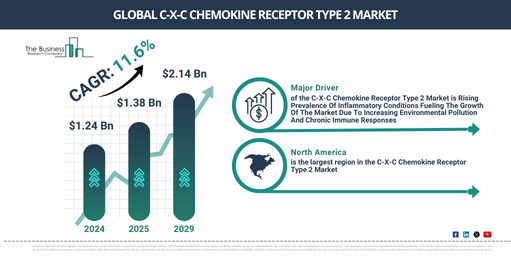
    The C-X-C chemokine receptor type 2 market has experienced rapid expansion in recent years. It is anticipated to grow from $1.24 billion in 2024 to $1.38 billion in 2025, at a compound annual growth rate (CAGR) of 11.9%. This historical growth can be ascribed to several factors, including the increasing prevalence of CXC chemokine receptor type 2-related diseases, rising investments in research and development, a higher incidence of chronic diseases, a growing aging population, and an increasingly favorable regulatory environment.

    The C-X-C chemokine receptor type 2 market size is projected to undergo substantial expansion in the coming years. It is expected to grow to $2.14 billion in 2029, achieving a compound annual growth rate (CAGR) of 11.6%. The anticipated growth within this forecast period is attributed to the escalating demand for targeted therapies, increasing investment in anti-inflammatory drugs, a growing emphasis on cancer immunotherapy, rising collaborations and partnerships, and an increase in healthcare spending. Furthermore, significant trends for the forecast period include advancements in drug formulation technologies, sophisticated biomarker discovery, progress in targeted therapy, and the integration of digital health.

    Unlock Your Free Sample Report for Exclusive Market Data:

    https://www.thebusinessresearchcompany.com/sample.aspx?id=27268&type=smp

    What Are The Drivers Pushing New Developments In The C-X-C Chemokine Receptor Type 2 Market?

    The escalating occurrence of inflammatory disorders is anticipated to fuel the expansion of the C-X-C chemokine receptor type 2 market in the future. These medical conditions arise from the body’s immune system response, leading to symptoms such as swelling, redness, warmth, pain, and functional impairment in affected tissues or organs. The rise in inflammatory conditions is primarily attributed to increased environmental pollution, which triggers immune system responses and chronic inflammation. C-X-C Chemokine Receptor Type 2 (CXCR2) supports the management of inflammatory conditions by precisely regulating immune cell migration and inflammatory responses. It also helps in reducing off-target effects by facilitating the development of small-molecule inhibitors and biologics that specifically modulate CXCR2 activity, thereby enhancing treatment efficacy and patient outcomes. For instance, in May 2024, the Centers for Disease Control and Prevention, a US-based government agency, reported that the prevalence of asthma among adults aged 18 and over in the United States climbed from 8.7% in 2022 to 8.9% in 2023. Thus, the increasing prevalence of inflammatory conditions is driving the growth of the C-X-C chemokine receptor type 2 market.

    What Are The Primary Types Of Segments Analyzed In The C-X-C Chemokine Receptor Type 2 Market?

    The c-x-c chemokine receptor type 2 market covered in this report is segmented

    1) By Product Type: Antagonists, Agonists, Inhibitors, Other Product Types

    2) By Drug Type: Monoclonal Antibodies, Small Molecule Inhibitors, Peptide-based Therapeutics, Gene Therapy Products

    3) By Route Of Administration: Intravenous, Subcutaneous, Oral, Topical

    4) By Application: Cancer Treatment, Autoimmune Disorders, Infectious Diseases, Inflammatory Diseases, Other Applications

    5) By End User: Hospitals, Research Institutions, Pharmaceutical Companies, Contract Research Organizations, Other End Users

    Subsegments:

    1) By Antagonists: Small Molecule Antagonists, Peptide Antagonists, Monoclonal Antibody Antagonists, Synthetic Antagonists

    2) By Agonists: Chemokine-Based Agonists, Recombinant Protein Agonists, Peptide-Based Agonists, Modified Cytokine Agonists

    3) By Inhibitors: Selective CXCR2 Inhibitors, Dual CXCR1 Or 2 Inhibitors, Allosteric Inhibitors, Irreversible Inhibitors

    4) By Other Product Types: RNA-Based Therapeutics, Gene Therapy Vectors, Cell-Based Therapeutics, Biologic Response Modifiers

    Who Are The Primary Competitors In The Global C-X-C Chemokine Receptor Type 2 Market?

    Major companies operating in the c-x-c chemokine receptor type 2 market are AstraZeneca plc, GSK plc, Eli Lilly and Company, Bio-Techne Corporation, Dompé Farmaceutici S.p.A., Miltenyi Biotec B.V. & Co. KG, Abcam plc, Selleck Chemicals LLC, Cell Signaling Technology Inc., RayBiotech Inc., Bethyl Laboratories Inc., Creative Biolabs Inc., TargetMol LLC, MedChemExpress LLC, BioCompare Inc., Boster Biological Technology Co. Ltd., TME Pharma GmbH, InvivoChem Ltd., Abbexa Ltd., Abiocode Inc.

    Download The Full Report For Exclusive Market Findings:

    https://www.thebusinessresearchcompany.com/report/c-x-c-chemokine-receptor-type-2-global-market-report

    Which Geographies Are Emerging As Strong Markets For The C-X-C Chemokine Receptor Type 2 Industry?

    North America was the largest region in the C-X-C chemokine receptor type 2 market in 2024. Asia-Pacific is expected to be the fastest-growing region in the forecast period. The regions covered in the c-x-c chemokine receptor type 2 market report are Asia-Pacific, Western Europe, Eastern Europe, North America, South America, Middle East, Africa.

    Request A Customized Version Of The C-X-C Chemokine Receptor Type 2 Market Report:

    https://www.thebusinessresearchcompany.com/customise?id=27268&type=smp

    Browse Through More Reports Similar to the Global C-X-C Chemokine Receptor Type 2 Market 2025, By The Business Research Company

    Laser Cutting Machine Global Market Report 2025

    https://www.thebusinessresearchcompany.com/report/laser-cutting-machine-global-market-report

    Construction Lasers Global Market Report 2025

    https://www.thebusinessresearchcompany.com/report/construction-lasers-global-market-report

    Laser Welding Machine Global Market Report 2025

    https://www.thebusinessresearchcompany.com/report/laser-welding-machine-global-market-report

    Get in touch with us:

    The Business Research Company: https://www.thebusinessresearchcompany.com/

    Americas +1 310-496-7795

    Asia +44 7882 955267 & +91 8897263534

    Europe +44 7882 955267

    Email us at info@tbrc.info

    Follow us on:

    LinkedIn: https://in.linkedin.com/company/the-business-research-company

    YouTube: https://www.youtube.com/channel/UC24_fI0rV8cR5DxlCpgmyFQ

    Global Market Model: https://www.thebusinessresearchcompany.com/global-market-model

  • Global Cross-Species Organ Transplantation Market Trends and Growth Analysis 2025–2029

    Global Cross-Species Organ Transplantation Market Trends and Growth Analysis 2025–2029

    Unlock Global Insights – Save 20% on Market Reports with Code ONLINE20

    What Is The Anticipated Size Of The Cross-Species Organ Transplantation Market Over The Five-Year Period 2025–2029?

    The cross-species organ transplantation market size has shown significant growth over recent years. This market is anticipated to expand from $13.98 billion in 2024 to $15.20 billion in 2025, reflecting a compound annual growth rate (CAGR) of 8.7%. Historically, this expansion has been driven by factors such as animal model experimentation, the emergence of bioethics debates, the rising prevalence of chronic diseases, experimental pig-to-primate transplants, and high mortality from end-stage organ failure.

    The cross-species organ transplantation market is projected to experience substantial expansion in the coming years, reaching a valuation of $20.95 billion by 2029, demonstrating a compound annual growth rate (CAGR) of 8.3%. This anticipated growth is driven by several factors, including the rising need for transplantable organs, increased funding in regenerative medicine, the worldwide prevalence of chronic kidney and liver conditions, patient advocacy for transplant accessibility, and the decreasing supply of human donors. Key trends anticipated during this period encompass the development of gene-edited pig organs, engineering human-compatible genomes, leveraging artificial intelligence for organ matching, the 3D bioprinting of vascular structures, advancements in machine perfusion and preservation technologies, and nanoscale drug delivery methods for managing immunosuppression.

    Unlock Your Free Sample Report for Exclusive Market Data:

    https://www.thebusinessresearchcompany.com/sample.aspx?id=27267&type=smp

    What Are The Emerging Market Drivers Creating New Opportunities In The Cross-Species Organ Transplantation Industry?

    The increasing adoption of genetic engineering is anticipated to advance the expansion of the cross-species organ transplantation market in the future. This field involves the intentional alteration of an organism’s DNA through biotechnological methods to either insert, eliminate, or change particular genes. The surge in genetic engineering stems from the pressing requirement to tackle the scarcity of organs by developing animal organs with enhanced compatibility for human recipients. It facilitates the progress of cross-species organ transplantation by allowing animal organs to be modified, thereby minimizing immune rejection and rendering them viable for human transplants. An illustrative example is provided by the American Society of Gene & Cell Therapy (ASGCT), a US-based non-profit medical and scientific organization, which reported in July 2023 that 247 gene therapies were in Phase II at the close of the first quarter of 2023, subsequently rising by 5% to a total of 260 by the end of the second quarter. Consequently, the expanding adoption of genetic engineering is propelling the development of the cross-species organ transplantation market.

    Which Key Segments Fueling The Cross-Species Organ Transplantation Market?

    The cross-species organ transplantation market covered in this report is segmented

    1) By Product Type: Organ Preservation Solution, Transplant Diagnostics, Xeno Products, Other Product Types

    2) By Application: Kidney, Heart, Liver, Lung, Other Applications

    3) By End-User: Transplant Centers, Hospitals, Other End-Users

    Subsegments:

    1) By Organ Preservation Solution: Hypothermic Machine Perfusion (HMP) Solutions, Normothermic Machine Perfusion (NMP) Solutions, Static Cold Storage (SCS) Solutions, Oxygenated Perfusion Solutions

    2) By Transplant Diagnostics: Histocompatibility Testing, Crossmatching Tests, Molecular Typing (DNA-based Testing), Immunological Monitoring Assays

    3) By Xeno Products: Genetically Engineered Donor Organs, Decellularized Organ Scaffolds, Xenogeneic Cellular Therapies, Immunosuppressive Regimens For Xenotransplants

    4) By Other Product Types: Organ Transport Devices, Organ Recovery and Preservation Equipment, Surgical Instruments For Transplantation, Post-Transplant Monitoring Devices

    Which Key Trends Are Expected To Influence The Cross-Species Organ Transplantation Market In The Coming Years?

    Leading firms within the cross-species organ transplantation market are prioritizing the formation of strategic alliances to expedite the regulatory clearance process for their xenotransplantation offerings. Such a partnership represents a collaborative arrangement where entities collaborate, leveraging their respective strengths and assets to attain shared objectives, thereby fostering expansion, inventive solutions, and market advantage without undergoing a merger. An illustrative example is seen in February 2025, when United Therapeutics, a US-based biotechnology firm, and eGenesis, a US-based pharmaceutical enterprise, commenced clinical trials involving pig kidney (xenotransplant) transplants in human subjects. The U.S. Food and Drug Administration (FDA) granted approval for this specific trial, permitting the transplantation of genetically modified pig kidneys into individuals suffering from kidney failure. These trials endeavor to alleviate the severe scarcity of donor kidneys by potentially supplying a novel and durable source of organs for individuals requiring them.

    Which Key Market Players Are Investing In Expansion And Innovation Of Cross-Species Organ Transplantation Market?

    Major companies operating in the cross-species organ transplantation market are Pfizer Inc, F. Hoffmann-la Roche Ltd, Sanofi SA, Novartis AG, Optipharm Co Ltd, Astellas Pharma Inc., United Therapeutics Corporation, TransMedics Group Inc., Artivion Inc., eGenesis Inc., Organ Recovery Systems Inc., OrganOX Ltd, Paragonix Technologies Inc., Qihan Biotech, PorMedTec Co., XenoTheraputics Inc., Makana Therapeutics Inc., Preservation Solutions Inc., Nzeno Ltd, Infigen Inc.

    Download The Full Report For Exclusive Market Findings:

    https://www.thebusinessresearchcompany.com/report/cross-species-organ-transplantation-global-market-report

    Which Region Is Projected To Lead The Cross-Species Organ Transplantation Market During The Forecast Period?

    North America was the largest region in the cross-species organ transplantation market in 2024. Asia-Pacific is expected to be the fastest-growing region in the forecast period. The regions covered in the cross-species organ transplantation market report are Asia-Pacific, Western Europe, Eastern Europe, North America, South America, Middle East, Africa.

    Request A Customized Version Of The Cross-Species Organ Transplantation Market Report:

    https://www.thebusinessresearchcompany.com/customise?id=27267&type=smp

    Browse Through More Reports Similar to the Global Cross-Species Organ Transplantation Market 2025, By The Business Research Company

    Landscaping Services Global Market Report 2025

    https://www.thebusinessresearchcompany.com/report/landscaping-services-global-market-report

    Architectural Services Global Market Report 2025

    https://www.thebusinessresearchcompany.com/report/architectural-services-global-market-report

    Crop Production Global Market Report 2025

    https://www.thebusinessresearchcompany.com/report/crop-production-global-market-report

    Get in touch with us:

    The Business Research Company: https://www.thebusinessresearchcompany.com/

    Americas +1 310-496-7795

    Asia +44 7882 955267 & +91 8897263534

    Europe +44 7882 955267

    Email us at info@tbrc.info

    Follow us on:

    LinkedIn: https://in.linkedin.com/company/the-business-research-company

    YouTube: https://www.youtube.com/channel/UC24_fI0rV8cR5DxlCpgmyFQ

    Global Market Model: https://www.thebusinessresearchcompany.com/global-market-model

  • Critical Care Drugs Market Forecast: What to Expect by 2029

    Critical Care Drugs Market Forecast: What to Expect by 2029

    Unlock Global Insights – Save 20% on Market Reports with Code ONLINE20

    What Are The Forecasted Market Size Estimates For The Critical Care Drugs Market Between 2025 And 2029?

    The critical care drugs market size has seen robust expansion in recent years. It is anticipated to expand from $1.06 billion in 2024 to $1.13 billion in 2025, achieving a compound annual growth rate (CAGR) of 6.6%. This growth during the historical period is attributable to several factors, including an increase in ICU admissions, the rising prevalence of chronic and life-threatening illnesses, a greater number of surgical procedures, the aging global population, an uptick in trauma and accident occurrences, and frequent outbreaks of infectious diseases.

    The critical care drugs market is projected to observe robust growth in the coming years. It is set to expand to $1.44 billion by 2029, achieving a compound annual growth rate (CAGR) of 6.2%. This anticipated growth is influenced by the rising prevalence of multi-organ failure, increasing demand for advanced ICU treatments, a growing geriatric population with intricate health conditions, the expansion of hospital infrastructure in emerging economies, an uptick in antimicrobial resistance cases, a heightened focus on rapid-response emergency care, and increasing investments in the development of novel drugs for acute conditions. Significant trends during this forecast period include the creation of new biologics, the integration of AI in ICU drug management, advancements in personalized medicine, improvements in drug delivery systems, the expansion of tele-ICU services, continuous innovation in sepsis and shock treatments, and the adoption of nanotechnology for improved drug efficacy.

    Unlock Your Free Sample Report for Exclusive Market Data:

    https://www.thebusinessresearchcompany.com/sample.aspx?id=27266&type=smp

    Which Drivers Are Impacting The Critical Care Drugs Market?

    An increase in surgical operations is anticipated to drive the expansion of the critical care drugs market moving forward. Surgical procedures involve medical interventions performed by physicians to correct or manage health conditions, including injuries or illnesses. The volume of surgical interventions is rising, driven by the increasing occurrence of chronic illnesses necessitating operative care. Critical care drugs are utilized during surgical procedures for pain management, stabilization of vital signs, infection prevention, and to aid recovery both during and following surgery. For example, in May 2025, the Australian Institute of Health and Welfare, an Australia-based government agency, reported that approximately 778,500 patients were admitted for surgery from public hospital waiting lists in 2023–24, which represented a 5.8% rise compared to 2022–23. Consequently, the growing frequency of surgical procedures is fueling the expansion of the critical care drugs market.

    How Is The Critical Care Drugs Market Classified Into Different Segments?

    The critical care drugs market covered in this report is segmented

    1) By Drug Type: Opioids, Morphine, Pethidine, Naloxone, Fentanyl, Benzodiazepines, Diazepam, Midazolam, Lorazepum, Other Types

    2) By Clinical Applications: Sepsis And Septic Shock, Acute Respiratory Distress Syndrome (ARDS), Acute Cardiovascular Events, Acute Kidney Injury, Traumatic Injuries

    3) By Route Of Administration: Intravenous (IV), Intramuscular (IM), Inhalation, Subcutaneous

    4) By End User: Intensive Care Unit (ICU), Coronary Care Unit (CCU), Operation Theatres, Trauma Centers

    Subsegments:

    1) By Opioids: Codeine, Hydromorphone, Oxycodone, Tapentadol, Methadone

    2) By Morphine: Immediate-Release Morphine, Extended-Release Morphine, Injectable Morphine, Oral Morphine Solutions

    3) By Pethidine: Injectable Pethidine, Oral Pethidine, Pethidine Combinations

    4) By Naloxone: Injectable Naloxone, Nasal Naloxone, Auto-injector Naloxone

    5) By Fentanyl: Transdermal Patches, Injectable Fentanyl, Buccal Tablets, Sublingual Spray, Lozenges

    6) By Benzodiazepines: Short-Acting Benzodiazepines, Intermediate-Acting Benzodiazepines, Long-Acting Benzodiazepines

    7) By Diazepam: Oral Tablets, Injectable Diazepam, Rectal Gel, Oral Solution

    8) By Midazolam: Injectable Midazolam, Nasal Spray, Buccal Formulation, Oral Syrup

    9) By Lorazepam: Oral Tablets, Injectable Lorazepam, Oral Concentrate

    10) By Other Types: Propofol, Ketamine, Dexmedetomidine, Etomidate, Clonidine

    What Are The Major Trends Driving The Growth Of The Critical Care Drugs Market?

    Leading companies in the critical care drugs market are concentrating on strategic alliances to expand their product portfolios, enhance research capabilities, accelerate market entry, and solidify their standing in high-growth therapeutic areas. These strategic collaborations support critical care drug advancements by speeding up research, development, and market access through shared knowledge and resources. They facilitate pharmaceutical firms in working with hospitals, research institutions, or biotech companies to boost drug innovation and improve the efficiency of clinical trials. For instance, in March 2024, Dr. Reddy’s Laboratories Ltd., an India-based pharmaceutical company, formed a partnership with Pharmazz Inc., a US-based pharmaceutical company, to introduce and market Centhaquine, a groundbreaking resuscitative drug for hypovolemic shock, in India under the brand name Lyfaquin. This strategic decision grants Dr. Reddy’s exclusive marketing and distribution rights in India and Nepal, while Pharmazz will receive initial payments and royalties. The partnership bolsters Dr. Reddy’s critical care portfolio by integrating a novel therapy, approved by the Drugs Controller General of India (DCGI) for emergency medical situations, reinforcing its dedication to providing life-saving treatments for critically ill patients.

    Who Are The Core Companies Influencing The Critical Care Drugs Market Landscape?

    Major companies operating in the critical care drugs market are Intas Pharmaceuticals, Sun Pharmaceutical Industries Ltd., Aurobindo Pharma, Dr. Reddy’s Laboratories Ltd., Cipla Ltd., Lupin Ltd., Zydus Lifesciences Limited, Cargus Biopharma, Glenmark Pharmaceuticals, Torrent Pharmaceuticals, Mankind Pharma, Novalab Healthcare, Arlak Biotech Ltd., Pax Healthcare, SwissChem Healthcare, Iskon Remedies, Salvus Pharma, Fortune Labs, H&I Critical Care, and Biofield Pharma.

    Download The Full Report For Exclusive Market Findings:

    https://www.thebusinessresearchcompany.com/report/critical-care-drugs-global-market-report

    What Are The Key Regional Factors Influencing The Critical Care Drugs Market Growth?

    North America was the largest region in the critical care drugs market in 2024. Asia-Pacific is expected to be the fastest-growing region in the forecast period. The regions covered in the critical care drugs market report are Asia-Pacific, Western Europe, Eastern Europe, North America, South America, Middle East, Africa.

    Request A Customized Version Of The Critical Care Drugs Market Report:

    https://www.thebusinessresearchcompany.com/customise?id=27266&type=smp

    Browse Through More Reports Similar to the Global Critical Care Drugs Market 2025, By The Business Research Company

    Ceiling Tile Global Market Report 2025

    https://www.thebusinessresearchcompany.com/report/ceiling-tile-global-market-report

    Gypsum Global Market Report 2025

    https://www.thebusinessresearchcompany.com/report/gypsum-global-market-report

    Synthetic Gypsum Global Market Report 2025

    https://www.thebusinessresearchcompany.com/report/synthetic-gypsum-global-market-report

    Get in touch with us:

    The Business Research Company: https://www.thebusinessresearchcompany.com/

    Americas +1 310-496-7795

    Asia +44 7882 955267 & +91 8897263534

    Europe +44 7882 955267

    Email us at info@tbrc.info

    Follow us on:

    LinkedIn: https://in.linkedin.com/company/the-business-research-company

    YouTube: https://www.youtube.com/channel/UC24_fI0rV8cR5DxlCpgmyFQ

    Global Market Model: https://www.thebusinessresearchcompany.com/global-market-model