Blog

  • Advanced Therapy Medicinal Products Market Expansion Outlook: $104.43 Billion by 2029 Forecast

    Advanced Therapy Medicinal Products Market Expansion Outlook: $104.43 Billion by 2029 Forecast

    Unlock Global Insights – Save 20% on Market Reports with Code ONLINE20

    #What Is The Projected Market Size Of The Advanced Therapy Medicinal Products Market By 2029?

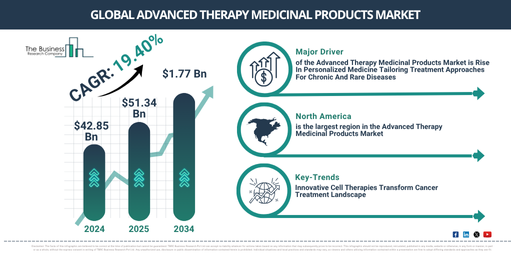
    The advanced therapy medicinal products market has seen rapid expansion in recent years. It is projected to increase from $42.85 billion in 2024 to $51.34 billion in 2025, reflecting a compound annual growth rate (CAGR) of 19.8%. This historical growth can be attributed to several factors: an increasing volume of clinical trials for gene and cell therapies, a rising incidence of rare and genetic disorders, a growing demand for curative treatments rather than chronic disease management, enhanced success rates in early-phase clinical studies, and a greater prevalence of chronic and age-related conditions.

    The advanced therapy medicinal products market size is anticipated to experience rapid expansion over the next few years, projected to grow to $104.43 billion in 2029, at a compound annual growth rate (CAGR) of 19.4%. This growth during the forecast period is fueled by an increasing demand for personalized and precision medicine approaches, a growing number of chimeric antigen receptor t-cell and gene-editing therapies in development, the rising adoption of precision medicine and genomics, increasing healthcare spending in emerging markets, and a greater focus on decentralized clinical trial models. Significant trends expected in the forecast period include the development of allogeneic off-the-shelf therapies, the creation of non-viral gene delivery vectors, the integration of digital twins in therapy simulation, the incorporation of blockchain in supply chain tracking, and innovations in 3D bioprinting for tissue engineering.

    Unlock Your Free Sample Report for Exclusive Market Data:

    https://www.thebusinessresearchcompany.com/sample.aspx?id=25689&type=smp

    Which Factors And Drivers Are Influencing The Advanced Therapy Medicinal Products Market In 2025?

    The advanced therapy medicinal products market is expected to experience growth due to the increasing requirement for personalized medicine. Personalized medicine represents a medical approach focused on customizing treatment and prevention strategies to an individual’s distinct genetic makeup, lifestyle, and environment. The growing need for personalized medicine primarily stems from the rising occurrence of chronic illnesses, as it allows for tailored treatments that enhance patient outcomes and minimize side effects for individual patients. Advanced therapy medicinal products support personalized medicine by offering specialized treatments, such as gene, cell, and tissue-engineered therapies, which target the unique genetic and biological characteristics of individual patients. As of February 2024, the Personalized Medicine Coalition, a US-based non-profit organization, reported that in 2023, the FDA gave approval to 16 new personalized treatments for rare disease patients, an increase from six in 2022. The newly approved personalized treatments for 2023 also featured seven cancer drugs and three for other diseases and conditions. Thus, the escalating demand for personalized medicine is a key factor driving the expansion of the advanced therapy medicinal products market.

    How Is The Advanced Therapy Medicinal Products Market Segmented?

    The advanced therapy medicinal products market covered in this report is segmented –

    1) By Product: Somatic Cell Therapy Medicinal Products, Tissue Engineered Medicinal Products, Gene Therapy Medicinal Products

    2) By Technology: Gene Editing Technologies, Viral Vector Technology, Stem Cell Technology, Automation And Artificial Intelligence-Driven Processes

    3) By Application: Muscular Dystrophies, Alzheimer’s, Hemophilia, Cystic Fibrosis, Other Applications

    4) By Distribution Channel: Hospital Pharmacy, Retail Pharmacy, Online Pharmacy

    5) By End User: Hospitals, Specialty Clinics, Other End Users

    Subsegments:

    1) By Somatic Cell Therapy Medicinal Products: Autologous Cell Therapy, Allogeneic Cell Therapy, Stem Cell Therapy, Dendritic Cell Therapy, Natural Killer Cell Therapy

    2) By Tissue Engineered Medicinal Products: Autologous Tissue-Engineered Products, Allogeneic Tissue-Engineered Products, Scaffold-Based Tissue Engineering, Scaffold-Free Tissue Engineering, Skin Substitutes

    3) By Gene Therapy Medicinal Products: In Vivo Gene Therapy, Ex Vivo Gene Therapy, Viral Vector-Based Gene Therapy, Non-Viral Vector-Based Gene Therapy, Gene Editing Therapies

    Which Key Trends Are Expected To Influence The Advanced Therapy Medicinal Products Market In The Coming Years?

    Leading companies in the advanced therapy medicinal products market are concentrating on innovative treatments, such as novel CAR-T cell therapies, to enhance outcomes for cancer and other serious diseases. CAR-T cell therapies are sophisticated cancer interventions that utilize a patient’s own T cells, which are genetically modified to identify and eliminate cancer cells. For example, in May 2022, Novartis AG, a Switzerland-based pharmaceutical company, obtained approval from the U.S. Food and Drug Administration (FDA) for Kymriah, a CAR-T cell therapy designed to treat adult patients with relapsed or refractory follicular lymphoma (FL) after two or more prior systemic treatments. This therapy involves employing the patient’s own T cells, genetically engineered to express a chimeric antigen receptor (CAR) specifically targeting the cd19 protein. This alteration allows the T cells to recognize and destroy malignant B cells. Kymriah also includes a 4-1BB costimulatory domain, which supports T cell expansion and persistence, leading to sustained antitumor effects from a single infusion.

    Which Leading Companies Dominate The Advanced Therapy Medicinal Products Market Share?

    Major companies operating in the advanced therapy medicinal products market are F. Hoffmann-La Roche Limited., Novartis AG, Bristol-Myers Squibb Company, Takeda Pharmaceutical Company Limited., Lonza Group AG, Catalent Inc., BioMarin Pharmaceutical Inc., AGC Biologics Inc., ViaCyte Inc., Rentschler Biopharma SE, JCR Pharmaceuticals Co. Ltd., Vericel Corporation, UniQure N.V., Fate Therapeutics Inc., WuXi Advanced Therapies Inc., Celonic Group AG, Pharmicell Co. Ltd., Magenta Therapeutics Inc, MEDIPOST Co. Ltd., Kolon TissueGene Inc

    Download The Full Report For Exclusive Market Findings:

    https://www.thebusinessresearchcompany.com/report/advanced-therapy-medicinal-products-global-market-report

    How Does The Advanced Therapy Medicinal Products Market Perform Across Key Geographic Regions?

    North America was the largest region in the advanced therapy medicinal products market in 2024. Asia-Pacific is expected to be the fastest-growing region in the forecast period. The regions covered in the advanced therapy medicinal products market report are Asia-Pacific, Western Europe, Eastern Europe, North America, South America, Middle East, Africa.

    Request A Customized Version Of The Advanced Therapy Medicinal Products Market Report:

    https://www.thebusinessresearchcompany.com/customise?id=25689&type=smp

    Browse Through More Reports Similar to the Global Advanced Therapy Medicinal Products Market 2025, By The Business Research Company

    Advanced Therapy Medicinal Products Contract Development And Manufacturing Organization Cdmo Global Market Report 2025

    https://www.thebusinessresearchcompany.com/report/advanced-therapy-medicinal-products-contract-development-and-manufacturing-organization-cdmo-global-market-report

    Herbal Medicine Global Market Report 2025

    https://www.thebusinessresearchcompany.com/report/herbal-medicine-global-market-report

    Anti Inflammatory Therapeutics Global Market Report 2025

    https://www.thebusinessresearchcompany.com/report/anti-inflammatory-therapeutics-global-market-report

    Get in touch with us:

    The Business Research Company: https://www.thebusinessresearchcompany.com/

    Americas +1 310-496-7795

    Asia +44 7882 955267 & +91 8897263534

    Europe +44 7882 955267

    Email us at info@tbrc.info

    Follow us on:

    LinkedIn: https://in.linkedin.com/company/the-business-research-company

    YouTube: https://www.youtube.com/channel/UC24_fI0rV8cR5DxlCpgmyFQ

    Global Market Model: https://www.thebusinessresearchcompany.com/global-market-model
  • Global Acute Care Telemedicine Industry Trends: Where the Market Is Headed by 2029

    Global Acute Care Telemedicine Industry Trends: Where the Market Is Headed by 2029

    Unlock Global Insights – Save 20% on Market Reports with Code ONLINE20

    How Much Was The Acute Care Telemedicine Market Worth In 2025, And What Is Its Anticipated Value By 2029?

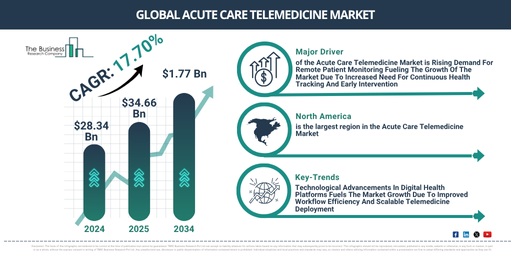
    The acute care telemedicine market has experienced significant growth in recent years. This market is anticipated to expand from $28.34 billion in 2024 to $34.66 billion by 2025, reflecting a compound annual growth rate (CAGR) of 18.1%. Historically, this expansion has been driven by several factors, including a heightened need for immediate specialist consultations, the increasing prevalence of both chronic and acute medical issues, a widening scarcity of critical care experts in remote regions, escalating healthcare expenses necessitating more streamlined service delivery, and enhanced financial commitments and support for telehealth infrastructure.

    The acute care telemedicine market size is projected to expand significantly over the coming years. Its value is set to reach $66.59 billion by 2029, exhibiting a compound annual growth rate (CAGR) of 17.7%. This expansion during the forecast period is primarily driven by factors such as the increasing need for 24/7 emergency medical services, enhanced regulatory backing and favorable reimbursement policies, the expanded implementation of telemedicine carts in emergency departments, the elevated requirement for infectious disease management in acute settings, and the expanding adoption of wearable devices and remote monitoring in emergency care. Significant developments anticipated during this period involve progress in real-time video communication tools, the evolution of 5G and high-speed connectivity infrastructure, advancements in mobile telehealth units and portable carts, technology-driven remote patient monitoring for acute conditions, and enhancements in clinical workflow automation and tele-triage.

    Unlock Your Free Sample Report for Exclusive Market Data:

    https://www.thebusinessresearchcompany.com/sample.aspx?id=25688&type=smp

    What Are The Key Drivers Of Growth In The Acute Care Telemedicine Market?

    The increasing need for remote patient monitoring is anticipated to drive the expansion of the acute care telemedicine market in the future. Remote patient monitoring involves utilizing digital tools to gather and convey patient health information from non-traditional medical environments to healthcare professionals for evaluation and continuous management of care. This surge in demand for remote patient monitoring stems from the increasing occurrence of chronic illnesses, which necessitate constant health tracking and prompt intervention to avert complications and lessen hospitalizations. Acute care telemedicine facilitates remote patient monitoring by allowing immediate evaluations and swift clinical interventions for significant alterations in a patient’s health status, even when outside conventional medical facilities. For example, in January 2025, ElectroIQ, a US-based technology and electronics company, reported that heightened interest in healthcare delivered at home resulted in a 20% rise in remote monitoring device sales relative to last year. Consequently, the escalating demand for remote patient monitoring is fostering the expansion of the acute care telemedicine market.

    What Are The Key Segments In The Acute Care Telemedicine Market?

    The acute care telemedicine market covered in this report is segmented –

    1) By Product Type: Telehealth Units, Telemedicine Carts, Portable Telemedicine Systems

    2) By Delivery: Clinician To Patient, Clinician To Clinician

    3) By Connectivity: Local Area Network (LAN), Wireless

    4) By Application: Emergency Medicine, Critical Care, Remote Patient Monitoring

    5) By End User: Hospitals, Clinics, Ambulatory Surgical Centers, Other End Users

    Subsegments:

    1) By Telehealth Units: Fixed Telehealth Stations, Wall-Mounted Telehealth Systems, Integrated Telemedicine Workstations

    2) By Telemedicine Carts: Basic Telemedicine Carts, Advanced and High-Acuity Telemedicine Carts, Specialty-Specific Carts

    3) By Portable Telemedicine Systems: Handheld Telemedicine Devices, Mobile App-Based Telehealth Tools, Wearable Telemonitoring Devices

    What Are The Major Trends Driving The Growth Of The Acute Care Telemedicine Market?

    Major companies operating within the acute care telemedicine market are concentrating on technological advancements, including digital health platforms, to improve clinical workflow efficiency, real-time care coordination, and the scalability of telemedicine services across diverse acute care settings. Digital health platforms are integrated software solutions that support the delivery, coordination, and management of healthcare services through various digital tools, facilitating real-time communication, remote monitoring, data analytics, and streamlined clinical workflows. For instance, in May 2024, Avel eCare, a US-based telemedicine provider, introduced Avel eSync, its proprietary clinical workflow platform engineered to optimize telemedicine deployment across various care environments. This platform incorporates customizable clinical workflows, advanced scheduling tools, embedded secure video functionality, and integrated analytics to enable data-driven decision-making. Created to enhance clinician-to-clinician telemedicine services, Avel eSync empowers healthcare organizations to tailor workflows for specialties such as emergency care, intensive care unit (ICU), behavioral health, and senior care, while ensuring adherence to licensing, credentialing, and regulatory standards.

    Who Are The Major Companies Operating In The Acute Care Telemedicine Market?

    Major companies operating in the acute care telemedicine market are Koninklijke Philips N.V., Mercy Health, AMN Healthcare Inc., MedStar Health, Teladoc Health, Apollo Hospitals, U.S. Acute Care Solutions LLC, Enghouse Systems Limited, American Well Corporation, ScienceSoft USA Corporation, Health Tap Inc., K Health Inc., Caregility, Eagle Telemedicine, SynergenX Health, RelyMD Inc., Orbit Health, eVisit LLC, Teledigm Health, Vitalchat Inc., GenieMD Inc.

    Download The Full Report For Exclusive Market Findings:

    https://www.thebusinessresearchcompany.com/report/acute-care-telemedicine-global-market-report

    Which Region Is Expected To Witness The Fastest Growth In The Acute Care Telemedicine Market?

    North America was the largest region in the acute care telemedicine market in 2024. Asia-Pacific is expected to be the fastest-growing region in the forecast period. The regions covered in the acute care telemedicine market report are Asia-Pacific, Western Europe, Eastern Europe, North America, South America, Middle East, Africa.

    Request A Customized Version Of The Acute Care Telemedicine Market Report:

    https://www.thebusinessresearchcompany.com/customise?id=25688&type=smp

    Browse Through More Reports Similar to the Global Acute Care Telemedicine Market 2025, By The Business Research Company

    Tele Intensive Care Global Market Report 2025

    https://www.thebusinessresearchcompany.com/report/tele-intensive-care-global-market-report

    Tele Intensive Care Unit Global Market Report 2025

    https://www.thebusinessresearchcompany.com/report/tele-intensive-care-unit-global-market-report

    Telemedicine Services Global Market Report 2025

    https://www.thebusinessresearchcompany.com/report/telemedicine-services-market

    Get in touch with us:

    The Business Research Company: https://www.thebusinessresearchcompany.com/

    Americas +1 310-496-7795

    Asia +44 7882 955267 & +91 8897263534

    Europe +44 7882 955267

    Email us at info@tbrc.info

    Follow us on:

    LinkedIn: https://in.linkedin.com/company/the-business-research-company

    YouTube: https://www.youtube.com/channel/UC24_fI0rV8cR5DxlCpgmyFQ

    Global Market Model: https://www.thebusinessresearchcompany.com/global-market-model

  • Polyether Ether Ketone (PEEK) Interbody Devices Market Forecast 2025–2034: Where Businesses Should Invest Next

    Polyether Ether Ketone (PEEK) Interbody Devices Market Forecast 2025–2034: Where Businesses Should Invest Next

    Unlock Global Insights – Save 20% on Market Reports with Code ONLINE20

    What Is The Predicted Market Size Trajectory For The Polyether Ether Ketone (PEEK) Interbody Devices Market From 2025 To 2034?

    The polyether ether ketone (PEEK) interbody devices market has seen substantial growth in recent years. Projections indicate it will expand from $1.79 billion in 2024 to $1.92 billion in 2025, achieving a compound annual growth rate (CAGR) of 7.6%. This historical expansion is attributable to several factors, including increased adoption in non-medical industries, a rise in medical tourism, growing demand for MRI-compatible implants, an increase in favorable clinical outcomes, and a surge in chronic back pain cases.

    The polyether ether ketone (PEEK) interbody devices market is anticipated to experience substantial growth in the upcoming years. Its valuation is projected to reach $2.56 billion by 2029, demonstrating a compound annual growth rate (CAGR) of 7.3%. This expansion during the forecast period can be attributed to factors such as an increase in spinal disorders, rising vehicle production, a burgeoning automotive industry, escalating healthcare expenditure, and the expanded utilization of hybrid material devices. Noteworthy trends expected over the forecast horizon encompass technological innovations, advancements in medical technology, the adoption of sophisticated spinal implants, the creative possibilities offered by PEEK technology, and refined surgical techniques.

    Unlock Your Free Sample Report for Exclusive Market Data:

    https://www.thebusinessresearchcompany.com/sample.aspx?id=25879&type=smp

    What Are The Top Growth Drivers Impacting The Polyether Ether Ketone (PEEK) Interbody Devices Market Outlook?

    The rising occurrence of spinal conditions is anticipated to fuel the expansion of the PEEK interbody devices market. Spinal disorders encompass medical ailments impacting the spine’s components, such as bones, discs, nerves, and muscles. These disorders are becoming more common, largely attributed to inactive lifestyles, where extended periods of sitting and insufficient physical exercise compromise spinal support muscles and escalate stress on the spine. PEEK interbody devices offer a solution for spinal disorders by providing robust yet adaptable support between vertebrae, fostering spinal stability, and stimulating organic bone integration, all while preserving clear imaging for subsequent examinations. For example, in May 2023, data from Spinal Cord Inc., a US-based organization supporting individuals and families impacted by spinal cord injuries, indicated that the United States saw approximately 18,000 new cases of spinal cord injuries (SCI) in 2023, with an estimated 302,000 people living with SCI nationwide. Consequently, the growing incidence of spinal disorders is a key driver for the PEEK interbody devices market’s expansion.

    What Are The Leading Segments Analyzed In The Polyether Ether Ketone (PEEK) Interbody Devices Market?

    The polyether ether ketone (peek) interbody devices market covered in this report is segmented –

    1) By Product Type: Posterolateral Fusion Devices, Interbody Fusion Devices, Anterior Lumbar Interbody Fusion Devices (Alif), Extreme Lateral Interbody Fusion Devices (Xlif), Posterior Lumbar Interbody Fusion Devices (Plif), Transforaminal Lumbar Interbody Fusion Devices (Tlif), Other Devices

    2) By Application: Spinal Fusion Surgery, Degenerative Disc Disease, Spinal Trauma, Spinal Deformity

    3) By Distribution Channel: Direct Sales, Online Sales, Third-Party Distributors

    4) By End-User: Hospitals And Clinics, Ambulatory Surgery Clinics, Other End-Users

    Subsegments:

    1) By Posterolateral Fusion Devices: Single-Level Devices, Multi-Level Devices, Expandable Devices

    2) By Interbody Fusion Devices: Cervical Fusion Devices, Lumbar Fusion Devices, Hybrid Devices

    3) By Anterior Lumbar Interbody Fusion Devices (ALIF): Flat-Profile Devices, Curved-Profile Devices, Cage-Style Devices

    4) By Extreme Lateral Interbody Fusion Devices (XLIF): Plated Devices, Cage-Style Devices, Oblique Devices

    5) By Posterior Lumbar Interbody Fusion Devices (PLIF): Lordotic Devices, Flat-Cage Devices, Mesh Or Porous Devices

    6) By Transforaminal Lumbar Interbody Fusion Devices (TLIF): Hollow Devices, Expandable Cages, Radiolucent Devices

    7) By Other Devices: Miniature Interbody Fusion Devices, Biocomposite Devices, Modular Devices

    Which Market Trends Are Creating New Opportunities In The Polyether Ether Ketone (PEEK) Interbody Devices Industry?

    Major companies operating in the PEEK interbody devices market are concentrating on developing innovative products, such as porous cervical IBF systems, to boost osseointegration, strengthen implant stability, and facilitate quicker patient recuperation. A porous cervical IBF (interbody fusion) system is a medical implant utilized in spinal operations, particularly for cervical spine fusion procedures. Its purpose is to substitute damaged or degenerated cervical intervertebral discs and encourage bone formation between neighboring vertebrae, leading to spinal stabilization. For example, in August 2022, Innovasis, an American medical device firm, obtained 510(k) approval from the US Food and Drug Administration for HAcancellous PEEK-C, which stands as the inaugural hydroxyapatite (HA) porous PEEK interbody fusion device crafted for cervical spine interventions. This device is intended for single-level anterior cervical discectomy and fusion (ACDF) procedures situated between C2 and T1 in skeletally mature individuals suffering from degenerative disc disease. It features a porous architecture combined with hydroxyapatite (HA) to aid bone development and quicken fusion. The introduction of this product aims to enhance spinal fusion outcomes by promoting superior bone integration and encouraging more rapid fusion.

    Which Major Firms Are Strengthening Their Position In The Polyether Ether Ketone (PEEK) Interbody Devices Industry?

    Major companies operating in the polyether ether ketone (peek) interbody devices market are Medtronic Inc., Stryker Corporation, Zimmer Biomet Holdings Inc., Globus Medical Inc., NuVasive Inc., Orthofix Medical Inc., Exactech Inc., Xtant Medical Holdings Inc., Alphatec Spine Inc., Spinal Elements Inc., Providence Medical Technology Inc., FossiLabs LLC, Life Spine Inc., Curiteva Inc., Medacta International S.A., LDR Holding Corporation, Cavendish Implants Limited, SINTX Technologies Inc., In2Bones Global Inc., and Xilloc Medical International B.V.

    Download The Full Report For Exclusive Market Findings:

    https://www.thebusinessresearchcompany.com/report/polyether-ether-ketone-peek-interbody-devices-global-market-report

    How Is Polyether Ether Ketone (PEEK) Interbody Devices Market Demand Varying Across Different Regions?

    North America was the largest region in the polyether ether ketone (PEEK) interbody devices market in 2024. Asia-Pacific is expected to be the fastest-growing region in the forecast period. The regions covered in the polyether ether ketone (peek) interbody devices market report are Asia-Pacific, Western Europe, Eastern Europe, North America, South America, Middle East, Africa.

    Request A Customized Version Of The Polyether Ether Ketone (PEEK) Interbody Devices Market Report:

    https://www.thebusinessresearchcompany.com/customise?id=25879&type=smp

    Browse Through More Reports Similar to the Global Polyether Ether Ketone (PEEK) Interbody Devices Market 2025, By The Business Research Company

    Molded Interconnect Device Mid Global Market Report 2025

    https://www.thebusinessresearchcompany.com/report/molded-interconnect-device-mid-global-market-report

    Silicone Elastomers Global Market Report 2025

    https://www.thebusinessresearchcompany.com/report/silicone-elastomers-global-market-report

    Polyethylene Pipes Global Market Report 2025

    https://www.thebusinessresearchcompany.com/report/polyethylene-pipes-global-market-report

    Get in touch with us:

    The Business Research Company: https://www.thebusinessresearchcompany.com/

    Americas +1 310-496-7795

    Asia +44 7882 955267 & +91 8897263534

    Europe +44 7882 955267

    Email us at info@tbrc.info

    Follow us on:

    LinkedIn: https://in.linkedin.com/company/the-business-research-company

    YouTube: https://www.youtube.com/channel/UC24_fI0rV8cR5DxlCpgmyFQ

    Global Market Model: https://www.thebusinessresearchcompany.com/global-market-model
  • Global Pharmaceutical Warehousing Market Analysis 2025–2029: Opportunities for Strategic Growth

    Global Pharmaceutical Warehousing Market Analysis 2025–2029: Opportunities for Strategic Growth

    Unlock Global Insights – Save 20% on Market Reports with Code ONLINE20

    How Much Larger Is The Pharmaceutical Warehousing Market Expected To Become By 2029 Compared With Its 2025 Level?

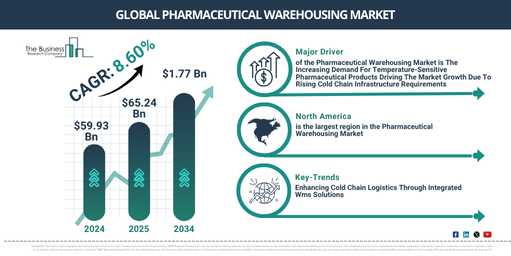
    The pharmaceutical warehousing market has shown significant expansion in recent years. Its valuation is predicted to climb from $59.93 billion in 2024 to $65.24 billion in 2025, achieving a compound annual growth rate (CAGR) of 8.9%. This historical surge can be attributed to several factors: an increasing demand for essential medicines, the rising incidence of chronic diseases, growing pharmaceutical production volumes, the expansion of global drug distribution networks, and increased healthcare spending in emerging economies.

    The pharmaceutical warehousing market is projected to experience substantial expansion in the coming years, reaching $90.70 billion by 2029, propelled by a compound annual growth rate (CAGR) of 8.6%. This anticipated growth stems from several factors, including the escalating demand for temperature-sensitive biologics, a heightened focus on supply chain transparency, the growing acceptance of contract warehousing services, the broadening reach of personalized medicine distribution, and increased regulatory oversight concerning storage protocols. Key developments expected during this timeframe encompass technological progress in warehouse automation, breakthroughs in temperature-controlled packaging, advancements in real-time tracking solutions, increased investment in smart logistics research and development, and novel applications of AI in inventory management.

    Unlock Your Free Sample Report for Exclusive Market Data:

    https://www.thebusinessresearchcompany.com/sample.aspx?id=25878&type=smp

    Which Major Market Drivers Are Shaping The Future Of The Pharmaceutical Warehousing Market?

    The pharmaceutical warehousing market is anticipated to grow due to the rising need for temperature-sensitive pharmaceutical products. These products, which include medications, vaccines, and biologics, necessitate specific controlled temperature conditions to ensure their effectiveness and safety. The surge in demand for these sensitive pharmaceuticals is largely attributed to the expanded use of biologics, which demand stringent cold chain storage and transportation protocols to preserve their stability, efficacy, and shelf life. Pharmaceutical warehousing plays a crucial role by providing controlled environments for these products, thereby maintaining their stability, effectiveness, and compliance with regulatory standards across the entire supply chain. As an illustration, a report released by the World Health Organization (WHO), a Switzerland-based intergovernmental organization, in December 2023, indicated that global volumes (excluding COVID-19 vaccines) increased from 19% in 2021 to 24% in 2022. This rise was predominantly driven by a significant increase in the volumes of pneumococcal conjugate vaccine (PCV), measles-rubella (MR) vaccine, and tetanus-diphtheria (Td)-containing vaccines. Consequently, the escalating demand for temperature-sensitive pharmaceutical products is a key factor propelling the expansion of the pharmaceutical warehousing market.

    What Are The Segment Types Shaping The Pharmaceutical Warehousing Market?

    The pharmaceutical warehousing market covered in this report is segmented –

    1) By Type: Cold Chain Warehouse, Non-Cold Chain Warehouse

    2) By Product Type: Raw Materials, Finished Goods, Other Product Types

    3) By Service Type: Storage, Distribution, Inventory Management, Packaging, Other Service Types

    4) By Application: Pharmaceutical Factory, Pharmacy, Hospital, Other Applications

    5) By End User: Pharmaceutical Manufacturers, Distributors, Retailers, Other End Users

    Subsegments:

    1) By Cold Chain Warehouse: Refrigerated Storage (2°C to 8°C), Frozen Storage (-20°C), Ultra-Low Temperature Storage (-80°C), Cryogenic Storage (Below -150°C)

    2) By Non-Cold Chain Warehouse: Ambient Storage (15°C to 25°C), Bulk Drug Storage, Finished Goods Storage, Hazardous Material Storage

    How Are Trends Influencing The Pharmaceutical Warehousing Market?

    Key companies active in the pharmaceutical warehousing market are increasingly integrating advanced systems, such as sophisticated warehouse management systems (WMS), to boost inventory precision, improve adherence to regulations, and enhance distribution efficiency. These advanced warehouse management systems (WMS) represent software tools that streamline warehouse functions by managing stock, monitoring shipments, and coordinating order dispatch, thereby enabling pharmaceutical firms to ensure regulatory compliance, accurate inventory control, real-time tracking of temperature-sensitive items, and effective order processing. For example, in February 2025, Cadila Pharmaceuticals Limited, an India-based pharmaceutical company, unveiled an advanced pharmaceutical warehouse in Ahmedabad that incorporates a state-of-the-art warehouse management system (WMS). This new facility covers an area of approximately 30,000 sq. ft. and offers storage for 3,888 pallets, complemented by a temperature-controlled cold room with a 75-pallet capacity. The integrated WMS significantly improves inventory accuracy, guarantees real-time tracking, and optimizes distribution operations for sensitive healthcare products like vaccines and insulin.

    Who Are The Primary Competitors In The Global Pharmaceutical Warehousing Market?

    Major companies operating in the pharmaceutical warehousing market are Deutsche Post AG, United Parcel Service Inc., Kuehne + Nagel International AG, GEODIS S.A., XPO Logistics Inc., Penske Logistics LLC, Hellmann Worldwide Logistics SE & Co. KG, Agility Public Warehousing Company K.S.C.P., Commonwealth Inc., Yusen Logistics Co. Ltd., Allcargo Logistics Limited, Nippon Express Holdings Inc., CJ Logistics America LLC, DACHSER SE, Broekman Logistics B.V., Atlanta Bonded Warehouse Corporation, S.F. Holding Co. Ltd., DGD Transport Inc., Almac Group Limited, SK Pharma Logistics AG.

    Download The Full Report For Exclusive Market Findings:

    https://www.thebusinessresearchcompany.com/report/pharmaceutical-warehousing-global-market-report

    Which Geographies Are Emerging As Strong Markets For The Pharmaceutical Warehousing Industry?

    North America was the largest region in the pharmaceutical warehousing market in 2024. Asia-Pacific is expected to be the fastest-growing region in the forecast period. The regions covered in the pharmaceutical warehousing market report are Asia-Pacific, Western Europe, Eastern Europe, North America, South America, Middle East, Africa.

    Request A Customized Version Of The Pharmaceutical Warehousing Market Report:

    https://www.thebusinessresearchcompany.com/customise?id=25878&type=smp

    Browse Through More Reports Similar to the Global Pharmaceutical Warehousing Market 2025, By The Business Research Company

    Pharmaceutical Logistics Global Market Report 2025

    https://www.thebusinessresearchcompany.com/report/pharmaceutical-logistics-global-market-report

    Pharmaceutical Continuous Manufacturing Global Market Report 2025

    https://www.thebusinessresearchcompany.com/report/pharmaceutical-continuous-manufacturing-global-market-report

    Pharmaceutical Packaging Equipment Global Market Report 2025

    https://www.thebusinessresearchcompany.com/report/pharmaceutical-packaging-equipment-global-market-report

    Get in touch with us:

    The Business Research Company: https://www.thebusinessresearchcompany.com/

    Americas +1 310-496-7795

    Asia +44 7882 955267 & +91 8897263534

    Europe +44 7882 955267

    Email us at info@tbrc.info

    Follow us on:

    LinkedIn: https://in.linkedin.com/company/the-business-research-company

    YouTube: https://www.youtube.com/channel/UC24_fI0rV8cR5DxlCpgmyFQ

    Global Market Model: https://www.thebusinessresearchcompany.com/global-market-model

  • Pharmaceutical Impurity Synthesis and Isolation Services Industry Overview 2025: Growth Projections and Market Trends

    Pharmaceutical Impurity Synthesis and Isolation Services Industry Overview 2025: Growth Projections and Market Trends

    Unlock Global Insights – Save 20% on Market Reports with Code ONLINE20

    #What Are The Current (2025) And Forecast (2029) Sizes Of The Pharmaceutical Impurity Synthesis and Isolation Services Market?

    The pharmaceutical impurity synthesis and isolation services market has demonstrated strong expansion in recent years. This market is set to increase from $1.09 billion in 2024 to $1.19 billion in 2025, progressing at a compound annual growth rate (CAGR) of 8.5%. The historical growth of this market is attributable to several factors, including stringent regulatory requirements for impurity profiling, the increased complexity of drug molecules, a rise in outsourcing activities by pharmaceutical companies, the growth in generic drug manufacturing, and advancements in analytical instrumentation.

    The pharmaceutical impurity synthesis and isolation services market is projected to experience substantial expansion in the coming years, with its size expected to reach $1.63 billion by 2029, exhibiting a compound annual growth rate (CAGR) of 8.3%. This anticipated growth during the forecast period is fueled by several factors, including the expansion of biopharmaceutical pipelines, an increasing need for high-purity active pharmaceutical ingredients (APIs), heightened regulatory focus on nitrosamine and genotoxic impurities, the advancement of personalized medicine, and greater investment in Contract Research Organization (CRO) and Contract Development and Manufacturing Organization (CDMO) services. Furthermore, key trends anticipated during this period encompass the adoption of AI-driven methods for impurity identification, the incorporation of green chemistry principles into synthesis processes, the growth of global Good Manufacturing Practice (GMP)-compliant service providers, the application of high-resolution mass spectrometry and Nuclear Magnetic Resonance (NMR) techniques, and the formation of strategic collaborations to expedite impurity profiling and isolation.

    Unlock Your Free Sample Report for Exclusive Market Data:

    https://www.thebusinessresearchcompany.com/sample.aspx?id=25877&type=smp

    What Are The Main Drivers Boosting The Pharmaceutical Impurity Synthesis and Isolation Services Industry’s Expansion?

    An anticipated increase in biosimilar manufacturing is projected to fuel the expansion of the pharmaceutical impurity synthesis and isolation services market. Biosimilars are defined as biologic medications closely resembling an already authorized reference product, sharing comparable safety, effectiveness, and quality profiles. The uptick in biosimilar production stems from the expiry of patents for original biologic drugs, allowing companies to develop more cost-effective options and broaden patient access to therapies. These services are crucial for biosimilar manufacturing, facilitating the identification, characterization, and management of impurities, which in turn guarantees the biosimilar’s safety, quality, and adherence to regulations. As an illustration, in March 2025, the African Development Bank, a private banking entity based in Cote d’Ivoire, reported that the upcoming XpandC facility is poised to elevate its yearly biosimilar production capacity from 3 million to 7.65 million doses by 2032, alongside introducing two new biosimilars. Consequently, the expanding output of biosimilars is a primary catalyst for the growth experienced by the pharmaceutical impurity synthesis and isolation services market.

    What Are The Different Segment Classifications Within The Pharmaceutical Impurity Synthesis and Isolation Services Market?

    The pharmaceutical impurity synthesis and isolation services market covered in this report is segmented –

    1) By Service: Synthesis Services, Isolation Services, Analytical Services

    2) By Impurity Type: Organic Impurities, Inorganic Impurities, Residual Solvents

    3) By Technique: Chromatography, Spectroscopy, Crystallization, Hyphenated Techniques, Other Techniques

    4) By Application: Drug Development, Commercial Manufacturing, Quality Control, Regulatory Compliance

    5) By End User: Biotech And Pharmaceutical Companies, Contract Research Organizations (CRO), Other End Users

    Subsegments:

    1) By Synthesis Services: Custom Impurity Synthesis, Stable Isotope-Labeled Impurity Synthesis, Process-Related Impurity Synthesis, Degradation Product Synthesis, Metabolite Synthesis

    2) By Isolation Services: Isolation Of Process Impurities, Isolation Of Degradation Impurities, Preparative Chromatography-Based Isolation, Crystallization-Based Isolation, Flash Chromatography Isolation

    3) By Analytical Services: Impurity Profiling, Structural Elucidation, Quantitative Analysis, Genotoxic Impurity Analysis, Stability Studies

    What Key Innovation Trends Are Fueling Advancements In The Pharmaceutical Impurity Synthesis and Isolation Services Market?

    Leading companies within the pharmaceutical impurity synthesis and isolation services market are concentrating on creating innovative solutions, including lidocaine impurity validation and testing. This effort aims to guarantee drug safety, bolster regulatory adherence, and elevate the overall quality of pharmaceutical products. Lidocaine impurity validation and testing specifically involves the process of identifying and quantifying contaminants in lidocaine products, thereby ensuring their safety, quality, and conformity with regulatory standards. For example, in July 2025, Advent Pharma Limited, a pharmaceutical firm based in Bangladesh, introduced a high-purity reference standard for a significant lidocaine impurity, 1,4-Bis(2,6-dimethylphenyl) piperazine-2,5-dione. This was launched to assist pharmaceutical companies with method validation, stability assessments, and regulatory submissions for lidocaine formulations. This particular impurity, which can develop during lidocaine synthesis or degradation, necessitates regular monitoring to maintain drug safety and efficacy. Advent’s standard, with a purity of =97%, is provided with exhaustive analytical documentation and is engineered to fulfill rigorous regulatory requirements, such as the ICH Q3A/B and Q2 guidelines.

    Which Key Market Players Are Investing In Expansion And Innovation Of Pharmaceutical Impurity Synthesis and Isolation Services Market?

    Major companies operating in the pharmaceutical impurity synthesis and isolation services market are Thermo Fisher Scientific Inc., Merck KGaA, Laboratory Corporation of America Holdings, SGS SA, Eurofins Scientific SE, Agilent Technologies Inc., WuXi AppTec Co. Ltd., Catalent Inc., Charles River Laboratories International Inc., Intertek Group plc, Waters Corporation, Almac Group Limited, Piramal Pharma Limited, Cambrex Corporation, Syngene International Limited, Frontage Laboratories Inc., Pharmaron Beijing Co. Ltd., Symeres B.V., Synergenics Canada Inc., Veeda Clinical Research Limited, Alfa Chemistry LLC, Epichem Pty Ltd., Creative Dynamics Inc., PCI Pharma Services LLC, and VEEPRHO s.r.o.

    Download The Full Report For Exclusive Market Findings:

    https://www.thebusinessresearchcompany.com/report/pharmaceutical-impurity-synthesis-and-isolation-services-global-market-report

    Which Region Is Projected To Lead The Pharmaceutical Impurity Synthesis and Isolation Services Market During The Forecast Period?

    North America was the largest region in the pharmaceutical impurity synthesis and isolation services market in 2024. Asia-Pacific is expected to be the fastest-growing region in the forecast period. The regions covered in the pharmaceutical impurity synthesis and isolation services market report are Asia-Pacific, Western Europe, Eastern Europe, North America, South America, Middle East, Africa.

    Request A Customized Version Of The Pharmaceutical Impurity Synthesis and Isolation Services Market Report:

    https://www.thebusinessresearchcompany.com/customise?id=25877&type=smp

    Browse Through More Reports Similar to the Global Pharmaceutical Impurity Synthesis and Isolation Services Market 2025, By The Business Research Company

    Pharmaceutical Isolator Global Market Report 2025

    https://www.thebusinessresearchcompany.com/report/pharmaceutical-isolator-global-market-report

    Pharmaceutical Filtration Global Market Report 2025

    https://www.thebusinessresearchcompany.com/report/pharmaceutical-filtration-global-market-report

    Sterile Compounding Pharmacies Global Market Report 2025

    https://www.thebusinessresearchcompany.com/report/sterile-compounding-pharmacies-global-market-report

    Get in touch with us:

    The Business Research Company: https://www.thebusinessresearchcompany.com/

    Americas +1 310-496-7795

    Asia +44 7882 955267 & +91 8897263534

    Europe +44 7882 955267

    Email us at info@tbrc.info

    Follow us on:

    LinkedIn: https://in.linkedin.com/company/the-business-research-company

    YouTube: https://www.youtube.com/channel/UC24_fI0rV8cR5DxlCpgmyFQ

    Global Market Model: https://www.thebusinessresearchcompany.com/global-market-model

  • Pharmaceutical Contract Development And Manufacturing Organization (CDMO) For Formulations Market Size Forecast: Revenue and CAGR by 2029

    Pharmaceutical Contract Development And Manufacturing Organization (CDMO) For Formulations Market Size Forecast: Revenue and CAGR by 2029

    Unlock Global Insights – Save 20% on Market Reports with Code ONLINE20

    What Market Value Is The Pharmaceutical Contract Development And Manufacturing Organization (CDMO) For Formulations Industry Expected To Reach By 2029, Starting From 2025 Levels?

    The market size for pharmaceutical contract development and manufacturing organizations (CDMO) focusing on formulations has demonstrated swift growth in recent years. This market is projected to expand from $49.32 billion in 2024 to reach $54.73 billion by 2025, driven by a compound annual growth rate (CAGR) of 11.0%. Historically, this growth has been primarily due to increased pharmaceutical outsourcing, the escalating complexity of drug formulations, cost-efficiency measures undertaken by pharmaceutical companies, the surging need for generics and biosimilars, and the proliferation of small and medium-sized pharmaceutical enterprises.

    The pharmaceutical contract development and manufacturing organization (CDMO) for formulations market is projected to experience substantial growth over the next few years, reaching $82.15 billion by 2029, with a compound annual growth rate (CAGR) of 10.7%. This anticipated expansion can be attributed to several factors, including a surge in biologics and advanced therapies, the increasing prevalence of personalized medicine, a heightened emphasis on continuous manufacturing, supportive regulatory frameworks for outsourcing, and the growing adoption of digitalization and automation in manufacturing. Prominent trends expected during the forecast period include the rise of continuous manufacturing, the integration of artificial intelligence and machine learning in drug development, an expansion of high-potency API (HPAPI) handling capabilities, the increasing embrace of biologics and complex injectable formulations, and a stronger focus on sustainable and green manufacturing practices.

    Unlock Your Free Sample Report for Exclusive Market Data:

    https://www.thebusinessresearchcompany.com/sample.aspx?id=25876&type=smp

    Which Factors And Drivers Are Influencing The Pharmaceutical Contract Development And Manufacturing Organization (CDMO) For Formulations Market In 2025?

    An anticipated boost in the pharmaceutical contract development and manufacturing organization (CDMO) for formulations market going forward is linked to the increasing drug development and manufacturing efforts. These activities encompass the expanded endeavors of pharmaceutical and biopharmaceutical firms in researching, formulating, and producing novel medications. The primary cause for the surge in drug development and manufacturing activities is the escalating worldwide need for innovative and potent treatments, compelling companies to broaden their development initiatives and accelerate production schedules. A pharmaceutical CDMO assists drug development processes through the creation and refinement of dosage forms, conducting stability tests, and upholding regulatory standards. Additionally, it oversees scale-up operations and overall production, which facilitates quicker and more economical product introductions. For example, data from June 2023 provided by the European Federation of Pharmaceutical Industries and Associations (EFPIA), a Belgium-based trade association representing the pharmaceutical industry in Europe, indicated that the total pharmaceutical production in Europe reached $422,803 million (€390,000 million) in 2023, an increase from $393,857 million (€363,300 million) in 2022. Consequently, the expansion in drug development and manufacturing activities is a key factor propelling the growth of the pharmaceutical contract development and manufacturing organization (CDMO) for formulations market.

    What Are The Primary Types Of Segments Analyzed In The Pharmaceutical Contract Development And Manufacturing Organization (CDMO) For Formulations Market?

    The pharmaceutical contract development and manufacturing organization (cdmo) for formulations market covered in this report is segmented –

    1) By Dosage Form: Oral Solids, Oral Liquids, Injectables, Topicals, Inhalation Products, Transdermal And Patches, Other Dosage Forms

    2) By Therapeutic Area: Oncology, Cardiology, Central Nervous System, Gastroenterology, Infectious Diseases, Endocrinology

    3) By End-User: Pharmaceutical Companies, Biopharmaceutical Companies, Other End-Users

    Subsegments:

    1) By Oral Solids: Tablets, Capsules, Granules, Powders, Modified-Release Formulations

    2) By Oral Liquids: Syrups, Suspensions, Solutions, Emulsions, Elixirs

    3) By Injectables: Vials, Ampoules, Prefilled Syringes, Lyophilized Injections, Injectable Emulsions

    4) By Topicals: Creams, Ointments, Gels, Lotions, Foams,

    5) By Inhalation Products: Metered Dose Inhalers (MDIs), Dry Powder Inhalers (DPIs), Nebulizer Solutions, Nasal Sprays, Inhalation Capsules

    6) By Transdermal And Patches: Matrix Patches, Reservoir Patches, Drug-In-Adhesive Patches, Microneedle Patches, Iontophoretic Patches

    7) By Other Dosage Forms: Suppositories, Ophthalmic Preparations, Buccal Tablets, Sublingual Tablets, Implants

    Which Ongoing Trends Are Expected To Shape The Pharmaceutical Contract Development And Manufacturing Organization (CDMO) For Formulations Market Outlook?

    Major companies operating in the pharmaceutical contract development and manufacturing organization (CDMO) for formulations market are focusing on developing advanced solutions, including biologic formulation platforms, to improve drug stability and quicken the market entry of complex biologic therapies. Biologic formulation platforms are specialized systems engineered to produce stable and efficient formulations of biologic drugs. They carefully adjust factors such as pH, excipients, and delivery methods to enhance stability, bioavailability, and safety throughout the entire product lifecycle. For instance, in June 2025, WuXi Biologics, a China-based contract research, development, and manufacturing organization, introduced WuXiHigh 2.0, an advanced high-concentration formulation platform. This cutting-edge platform enables biologic formulations to achieve protein concentrations up to 230 mg/mL, surpassing the current Food and Drug Administration-approved maximum of 200 mg/mL, while also reducing viscosity by up to 90% through unique excipient blends and high-throughput instrumentation. It addresses key difficulties in creating high-concentration biologics, such as viscosity and aggregation, and is designed to enhance injection efficiency, patient compliance, and manufacturing outcomes throughout clinical and commercial phases.

    Who Are The Core Companies Influencing The Pharmaceutical Contract Development And Manufacturing Organization (CDMO) For Formulations Market Landscape?

    Major companies operating in the pharmaceutical contract development and manufacturing organization (cdmo) for formulations market are Thermo Fisher Scientific Inc., Lonza Group, Catalent Inc., WuXi Biologics, Samsung Biologics, Recipharm AB, Siegfried Holding AG, Evonik Industries AG, Almac Group, Aenova Group, Piramal Pharma Limited, Cambrex, Jubilant Pharmova Limited, CordenPharma, Altasciences, Hovione, Aurigene Pharmaceutical Services Ltd., DPT Laboratories Ltd., CARBOGEN AMCIS, Biopharma Group, LGM Pharma, Aarti Pharmalabs Limited.

    Download The Full Report For Exclusive Market Findings:

    https://www.thebusinessresearchcompany.com/report/pharmaceutical-contract-development-and-manufacturing-organization-cdmo-for-formulations-global-market-report

    What Are The Key Regional Factors Influencing The Pharmaceutical Contract Development And Manufacturing Organization (CDMO) For Formulations Market Growth?

    Asia-Pacific was the largest region in the pharmaceutical contract development and manufacturing organization (CDMO) for formulations market in 2024. North America is expected to be the fastest-growing region in the forecast period. The regions covered in the pharmaceutical contract development and manufacturing organization (cdmo) for formulations market report are Asia-Pacific, Western Europe, Eastern Europe, North America, South America, Middle East, Africa.

    Request A Customized Version Of The Pharmaceutical Contract Development And Manufacturing Organization (CDMO) For Formulations Market Report:

    https://www.thebusinessresearchcompany.com/customise?id=25876&type=smp

    Browse Through More Reports Similar to the Global Pharmaceutical Contract Development And Manufacturing Organization (CDMO) For Formulations Market 2025, By The Business Research Company

    Pharmaceutical Contract Developments And Manufacturing Organization Cmo Global Market Report 2025

    https://www.thebusinessresearchcompany.com/report/pharmaceutical-contract-developments-and-manufacturing-organization-cmo-global-market-report

    Topical Drugs Contract Development And Manufacturing Organization Cdmo Global Market Report 2025

    https://www.thebusinessresearchcompany.com/report/topical-drugs-contract-development-and-manufacturing-organization-cdmo-global-market-report

    Advanced Therapy Medicinal Products Contract Development And Manufacturing Organization Cdmo Global Market Report 2025

    https://www.thebusinessresearchcompany.com/report/advanced-therapy-medicinal-products-contract-development-and-manufacturing-organization-cdmo-global-market-report

    Get in touch with us:

    The Business Research Company: https://www.thebusinessresearchcompany.com/

    Americas +1 310-496-7795

    Asia +44 7882 955267 & +91 8897263534

    Europe +44 7882 955267

    Email us at info@tbrc.info

    Follow us on:

    LinkedIn: https://in.linkedin.com/company/the-business-research-company

    YouTube: https://www.youtube.com/channel/UC24_fI0rV8cR5DxlCpgmyFQ

    Global Market Model: https://www.thebusinessresearchcompany.com/global-market-model

  • Global Pharmaceutical Cold Chain Packaging Market Trends and Growth Analysis 2025–2029

    Global Pharmaceutical Cold Chain Packaging Market Trends and Growth Analysis 2025–2029

    Unlock Global Insights – Save 20% on Market Reports with Code ONLINE20

    What Is The Anticipated Size Of The Pharmaceutical Cold Chain Packaging Market Over The Five-Year Period 2025–2029?

    The pharmaceutical cold chain packaging market size has seen rapid expansion in recent years. This market is set to increase from $23.44 billion in 2024 to $27.14 billion by 2025, exhibiting a compound annual growth rate (CAGR) of 15.8%. The historical growth of this market is linked to an upsurge in vaccine production, a rise in worldwide pharmaceutical exports and imports, increased capital expenditure in healthcare logistics, the proliferation of clinical trials requiring international transportation, and the enhancement of cold chain facilities in developing economies.

    The market size for pharmaceutical cold chain packaging is set to witness significant expansion over the next few years. It is projected to reach $48.34 billion by 2029, growing at a compound annual growth rate (CAGR) of 15.5%. This anticipated growth during the forecast period is propelled by factors such as the broadening scope of mRNA, cell, and gene therapies, the increase in biologics and personalized medicine, escalating global temperature fluctuations, the worldwide integration of pharmaceuticals and supply chains, and a growing elderly demographic. Notable trends expected during this period include the deployment of smart packaging with IoT-enabled sensors, the application of blockchain for enhanced traceability and temperature history, the utilization of phase change materials (PCMs) for superior insulation, the adoption of AI/ML for predictive temperature excursion management, and the implementation of integrated software platforms for managing cold chain logistics.

    Unlock Your Free Sample Report for Exclusive Market Data:

    https://www.thebusinessresearchcompany.com/sample.aspx?id=25875&type=smp

    What Are The Key Drivers Of Growth In The Pharmaceutical Cold Chain Packaging Market?

    The anticipated expansion of the pharmaceutical cold chain packaging market is significantly propelled by the increasing demand for biologics and vaccines. These therapeutic products, derived from living organisms, encompass biologics, which treat various diseases, and vaccines, specifically designed to stimulate immunity against infections. The rising prevalence of chronic conditions like cancer, autoimmune disorders, and diabetes is driving this demand, as these advanced therapies offer targeted and effective treatment solutions. Pharmaceutical cold chain packaging is crucial for biologics and vaccines, ensuring their storage and transportation within strict temperature parameters to maintain their stability, potency, and safety from manufacturing to administration. For instance, in June 2025, according to GOV.UK, a UK-based government website, coverage for the first dose of the measles, mumps, and rubella (MMR1) vaccine demonstrated an increase across all regions when compared to the first quarter of 2025. The East of England, London, and the Southwest each experienced a rise of 0.5 percentage points. The Southeast and the Midlands registered smaller increases of 0.1 percentage points, while the Northeast and Yorkshire, along with the Northwest, saw increases of 0.2 percentage points. Therefore, the growing demand for biologics and vaccines is a key factor driving the growth of the pharmaceutical cold chain packaging market.

    Which Key Segments Fueling The Pharmaceutical Cold Chain Packaging Market?

    The pharmaceutical cold chain packaging market covered in this report is segmented –

    1) By Product Type: Insulated Shippers, Insulated Containers, Gel Packs And Ice Packs, Phase Change Materials, Dry Ice

    2) By Packaging Format: Active Packaging, Passive Packaging

    3) By Distribution Channel: Direct Sales, Distributors, Online Sales, Retail Pharmacies, Cold Chain Logistics Providers

    4) By Application: Vaccines, Biologics, Pharmaceuticals, Clinical Trials, Laboratory Samples

    5) By End Use: Biopharmaceutical Companies, Clinical Research Organizations, Hospitals, Research Institutes, Logistics And Distribution Companies, Other End Uses

    Subsegments:

    1) By Insulated Shippers: Passive Insulated Shippers, Active Insulated Shippers, Single-Use Shippers, Reusable Shippers

    2) By Insulated Containers: Small Payload Containers, Medium Payload Containers, Large Payload Containers, Pallet-Sized Containers

    3) By Gel Packs And Ice Packs: Water-Based Gel Packs, Polymer-Based Ice Packs, Foam Brick Refrigerants, Reusable Cold Packs

    4) By Phase Change Materials: Organic Phase Change Materials, Inorganic Phase Change Materials, Eutectic Mixtures, Bio-Based Phase Change Materials

    5) By Dry Ice: Dry Ice Pellets, Dry Ice Blocks, Dry Ice Slabs, Dry Ice Slices For Small Parcel Use

    Which Competitive Trends Are Defining The Pharmaceutical Cold Chain Packaging Market Structure?

    Major companies in the pharmaceutical cold chain packaging market are prioritizing the implementation of technologically innovative solutions, including eco-friendly temperature-controlled packaging solutions, to bolster the stability, safety, and efficacy of temperature-sensitive pharmaceutical products during both storage and transportation. These sustainable eco-friendly temperature-controlled packaging systems are specifically designed to preserve product temperatures while minimizing environmental impact through the utilization of recyclable, biodegradable, or reusable materials. For instance, in April 2025, Cold Chain Technologies, LLC, a US-based packaging company, introduced TailorTemp, a fiber-based, temperature-controlled packaging solution crafted for the pharmaceutical industry. Made entirely from recyclable, corrugated cardboard and completely plastic-free, TailorTemp serves as an environmentally conscious alternative to expanded polystyrene (EPS) containers. This solution incorporates a computer-based parametric algorithm, co-developed with a thermal transfer laboratory, to optimize its dimensions, insulation, and coolant requirements for each customer, thereby helping maintain product temperature for up to 36 hours and enabling quick prototyping and rigorous validation. Its flat-pack shipping further contributes to its efficiency and sustainability benefits, with ongoing research focused on extending its performance and further strengthening its cold chain logistics capabilities.

    Which Major Industry Participants Are Leading The Pharmaceutical Cold Chain Packaging Market Growth?

    Major companies operating in the pharmaceutical cold chain packaging market are Sonoco Products Company, Sealed Air Corporation, Biobase Group, Csafe Global LLC, Cryoport Systems LLC, Cold Chain Technologies LLC, Topa Thermal BV, Envirotainer AB, Haier Biomedical Co. Ltd., Peli BioThermal Limited, SkyCell AG, Cryopak Industries Inc., Sofrigam SAS, Intelsius LLC, Softbox Systems Ltd., Inmark Global Holdings LLC, Insulated Products Corporation, Chill-Pak, CoolPac Pty Ltd, Practical Packaging Solutions Inc., The Wool Packaging Solutions Limited, Thermal Energy Service Solutions Pvt. Ltd., Thermal Packaging Solutions Ltd.

    Download The Full Report For Exclusive Market Findings:

    https://www.thebusinessresearchcompany.com/report/pharmaceutical-cold-chain-packaging-global-market-report

    How Do Regional Market Performances Compare Within The Pharmaceutical Cold Chain Packaging Industry?

    North America was the largest region in the pharmaceutical cold chain packaging market in 2024. Asia-Pacific is expected to be the fastest-growing region in the forecast period. The regions covered in the pharmaceutical cold chain packaging market report are Asia-Pacific, Western Europe, Eastern Europe, North America, South America, Middle East, Africa.

    Request A Customized Version Of The Pharmaceutical Cold Chain Packaging Market Report:

    https://www.thebusinessresearchcompany.com/customise?id=25875&type=smp

    Browse Through More Reports Similar to the Global Pharmaceutical Cold Chain Packaging Market 2025, By The Business Research Company

    Cold Chain Packaging Global Market Report 2025

    https://www.thebusinessresearchcompany.com/report/cold-chain-packaging-global-market-report

    Pharmaceutical Contract Packaging Global Market Report 2025

    https://www.thebusinessresearchcompany.com/report/pharmaceutical-contract-packaging-global-market-report

    Pharmaceutical Packaging Equipment Global Market Report 2025

    https://www.thebusinessresearchcompany.com/report/pharmaceutical-packaging-equipment-global-market-report

    Get in touch with us:

    The Business Research Company: https://www.thebusinessresearchcompany.com/

    Americas +1 310-496-7795

    Asia +44 7882 955267 & +91 8897263534

    Europe +44 7882 955267

    Email us at info@tbrc.info

    Follow us on:

    LinkedIn: https://in.linkedin.com/company/the-business-research-company

    YouTube: https://www.youtube.com/channel/UC24_fI0rV8cR5DxlCpgmyFQ

    Global Market Model: https://www.thebusinessresearchcompany.com/global-market-model
  • Personalized Knee Implants Market Forecast: What to Expect by 2029

    Personalized Knee Implants Market Forecast: What to Expect by 2029

    Unlock Global Insights – Save 20% on Market Reports with Code ONLINE20

    What Are The Forecasted Market Size Estimates For The Personalized Knee Implants Market Between 2025 And 2029?

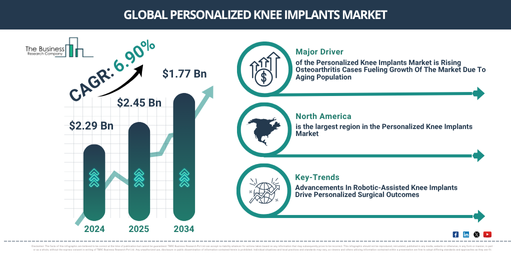
    In recent years, the personalized knee implants market has demonstrated significant expansion. This market is forecast to expand from $2.29 billion in 2024 to reach $2.45 billion by 2025, achieving a compound annual growth rate (CAGR) of 7.1%. Factors contributing to past market expansion include enhanced imaging and diagnostic methods, favorable government healthcare regulations, increased patient understanding of joint replacement choices, a surge in knee replacement procedures, and an elevated desire for superior post-surgical outcomes.

    The personalized knee implants market is projected to experience substantial growth in the upcoming years. Its valuation is expected to reach $3.20 billion by 2029, exhibiting a compound annual growth rate (CAGR) of 6.9%. This anticipated expansion over the forecast period is primarily driven by a heightened emphasis on patient-specific implant fit and alignment, an increased focus on rapid post-surgery recovery protocols, wider insurance coverage, a rise in sports-related and trauma knee injuries, and growing healthcare expenditure. Noteworthy trends during this period include the application of virtual reality for surgical training and planning, the use of wearable devices for monitoring post-surgery, augmented reality aiding in surgical assistance, and the integration of nanotechnology and remote patient monitoring with implants.

    Unlock Your Free Sample Report for Exclusive Market Data:

    https://www.thebusinessresearchcompany.com/sample.aspx?id=25874&type=smp

    Which Drivers Are Supporting Growth Of The Personalized Knee Implants Market?

    The rising prevalence of osteoarthritis is projected to stimulate the expansion of the personalized knee implants market moving forward. Osteoarthritis is defined as a degenerative joint condition where the cartilage cushioning bone ends gradually erodes, leading to pain, stiffness, and restricted joint movement. The increased incidence of osteoarthritis is attributed to the aging demographic, as the risk escalates with age due to the progressive wear and tear of joint cartilage. Personalized knee implants address osteoarthritis by offering a custom fit that corresponds to each patient’s unique anatomy, thereby improving joint alignment, alleviating pain, and enhancing mobility more effectively than standard implants. For instance, in June 2024, a report from the Australian Institute of Health and Welfare, an Australian-based government organization, stated that in Australia, osteoarthritis contributed to 143,410 disability-adjusted life years (DALYs) (4.46 per 1,000 people) in 2023 and 2,314 deaths (8.9 per 100,000) in 2022, accounting for 2.5% of the total disease burden and 1.2% of all deaths, respectively. Therefore, the growing occurrence of osteoarthritis is driving the growth of the personalized knee implants market.

    How Is The Personalized Knee Implants Market Classified Into Different Segments?

    The personalized knee implants market covered in this report is segmented –

    1) By Type: Femoral, Tibia, Patella

    2) By Fixation Material: Cemented, Cementless, Hybrid

    3) By Material: Metal-On-Plastic, Ceramic-On-Plastic, Metal-On-Metal, Ceramic-On-Ceramic

    4) By Procedure: Primary, Partial, Revision

    5) By End Use: Hospitals, Ambulatory Surgical Centers, Other End Uses

    Subsegments:

    1) By Femoral Type: Standard Femoral Implants, Customized Femoral Implants, Gender-Specific Femoral Implants

    2) By Tibia Type: Standard Tibial Implants, Customized Tibial Implants, Modular Tibial Baseplates

    3) By Patella Type: Standard Patellar Implants, Customized Patellar Implants, Patellar Resurfacing Implants

    What Are The Latest Industry Trends Transforming The Personalized Knee Implants Market?

    Major companies in the personalized knee implants market are increasingly emphasizing technological advancements, such as robotic-assisted total knee arthroplasty, to improve surgical precision, the accuracy of implant alignment, patient-specific customization, and overall clinical outcomes. Robotic-assisted total knee arthroplasty is a knee replacement surgery where a robotic system aids the surgeon in planning and executing the procedure with enhanced precision. As an illustration, in April 2025, THINK Surgical, Inc., a US-based supplier of robotic surgical systems, introduced and first implemented the Freedom Total Knee Implant, marking the initial utilization by Maxx Orthopedics with the TMINI miniature robotic system. The Freedom total knee implant provides extensive patient-specific customization while ensuring surgical efficiency. It incorporates a bone-preserving design, which reduces bone removal during implantation, and offers diverse sizing and configuration options to align with individual patient anatomy. This system accommodates both cemented and cementless fixation and includes an optimized polyethylene insert for superior wear resistance and fluid articulation. Its design aims to deliver natural knee kinematics, consistent stability across the full range of motion, and extended durability.

    Who Are The Prominent Global Companies Shaping The Personalized Knee Implants Market?

    Major companies operating in the personalized knee implants market are Stryker Corporation, DePuy Synthes Inc., Zimmer Biomet Holdings Inc., Smith & Nephew plc, Arthrex Inc., Stanmore Implants Worldwide Ltd, Globus Medical Inc., Exactech Inc., Medacta International SA, Corin Group PLC, MicroPort Orthopedics Inc., B. Braun Melsungen AG, LimaCorporate S.p.A., Baumer S.A., Waldemar Link GmbH & Co. KG, THINK Surgical Inc., Signature Orthopaedics Pty Ltd, Maxx Orthopedics Inc., restor3d Inc., NanoKnee LLC

    Download The Full Report For Exclusive Market Findings:

    https://www.thebusinessresearchcompany.com/report/personalized-knee-implants-global-market-report

    Which Region Currently Holds The Largest Share Of The Personalized Knee Implants Market?

    North America was the largest region in the personalized knee implants market in 2024. Asia-Pacific is expected to be the fastest-growing region in the forecast period. The regions covered in the personalized knee implants market report are Asia-Pacific, Western Europe, Eastern Europe, North America, South America, Middle East, Africa.

    Request A Customized Version Of The Personalized Knee Implants Market Report:

    https://www.thebusinessresearchcompany.com/customise?id=25874&type=smp

    Browse Through More Reports Similar to the Global Personalized Knee Implants Market 2025, By The Business Research Company

    Knee Implants Global Market Report 2025

    https://www.thebusinessresearchcompany.com/report/knee-implants-global-market-report

    Advanced Orthopedic Technologies Implants And Regenerative Products Global Market Report 2025

    https://www.thebusinessresearchcompany.com/report/advanced-orthopedic-technologies-implants-and-regenerative-products-global-market-report

    Pediatric Orthopedic Implants Global Market Report 2025

    https://www.thebusinessresearchcompany.com/report/pediatric-orthopedic-implants-global-market-report

    Get in touch with us:

    The Business Research Company: https://www.thebusinessresearchcompany.com/

    Americas +1 310-496-7795

    Asia +44 7882 955267 & +91 8897263534

    Europe +44 7882 955267

    Email us at info@tbrc.info

    Follow us on:

    LinkedIn: https://in.linkedin.com/company/the-business-research-company

    YouTube: https://www.youtube.com/channel/UC24_fI0rV8cR5DxlCpgmyFQ

    Global Market Model: https://www.thebusinessresearchcompany.com/global-market-model
  • Personalized Cranial Implant Industry Insights: Market Forecast to 2029

    Personalized Cranial Implant Industry Insights: Market Forecast to 2029

    Unlock Global Insights – Save 20% on Market Reports with Code ONLINE20

    How Is The Personalized Cranial Implant Market Size Likely To Evolve From 2025 Through 2034?

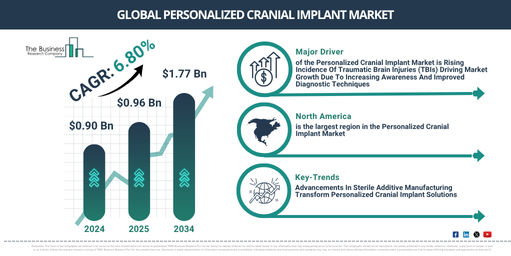
    The personalized cranial implant market size has experienced robust growth in recent years. It is forecast to expand from $0.90 billion in 2024 to $0.96 billion in 2025, exhibiting a compound annual growth rate (CAGR) of 7.1%. This historical growth can be attributed to a rise in traumatic brain injury cases, the increasing adoption of 3D printing in healthcare, an uptick in neurosurgical procedures, growing awareness regarding cranial reconstruction, and an escalating demand for aesthetic restoration following head trauma.

    The personalized cranial implant market is projected to experience substantial expansion in the coming years. This market is set to reach $1.25 billion by 2029, exhibiting a compound annual growth rate (CAGR) of 6.8%. Factors contributing to this anticipated growth include an expanding elderly demographic facing cranial defects, a heightened demand for patient-specific implants, increased healthcare investments within developing nations, the proliferation of neurorehabilitation facilities, and a wider adoption of biocompatible substances. Key developments expected during this period involve progress in 3D printing technologies, the creation of implant materials that are both biocompatible and lightweight, the incorporation of artificial intelligence into planning cranial surgeries, breakthroughs in surgical navigation systems, and ongoing research and development into regenerative solutions for cranial issues.

    Unlock Your Free Sample Report for Exclusive Market Data:

    https://www.thebusinessresearchcompany.com/sample.aspx?id=25873&type=smp

    Which Drivers Are Shaping The Personalized Cranial Implant Industry’s Market Share?

    An increasing occurrence of traumatic brain injuries (TBIs) is anticipated to drive the expansion of the personalized cranial implant market in the future. TBIs involve damage to the brain resulting from external mechanical forces. This rise in TBIs can be attributed to heightened public understanding of head injury dangers and improvements in medical diagnostic techniques. Personalized cranial implants play a crucial role in treating traumatic brain injuries by providing exact, custom-designed skull reconstruction, which enhances brain safety, aesthetics, and the patient’s recuperation process. For example, in 2024, data from the Tennessee Department of Health, a US-based government agency, indicated a 2.4% increase in the number of patients on the traumatic brain injury (TBI) registry in 2023 compared to 2022. Consequently, the increasing frequency of traumatic brain injuries (TBIs) along with cranial defects is stimulating growth within the personalized cranial implants market.

    What Are The Major Segments Identified In The Personalized Cranial Implant Market?

    The personalized cranial implant market covered in this report is segmented –

    1) By Implant Material: Titanium, Polymethylmethacrylate (PMMA), Polyether Ether Ketone (PEEK), Other Implant Materials

    2) By Indication: Traumatic Brain Injury, Oncology (Tumor Resection), Congenital Disorders, Infections, Cosmetic Or Deformity Correction

    3) By End Use: Hospitals, Ambulatory Surgical Centers, Other End Uses

    Subsegments:

    1) By Titanium: Pure Titanium, Titanium Alloy, Mesh Titanium Implants, Solid Titanium Plates

    2) By Polymethylmethacrylate: Preformed Polymethylmethacrylate Implants, Hand-Molded Polymethylmethacrylate, Custom Molded Polymethylmethacrylate, Antibiotic-Impregnated Polymethylmethacrylate

    3) By Polyether Ether Ketone: Standard Polyether Ether Ketone Implants, Reinforced Polyether Ether Ketone Implants, Three-Dimensionally Printed Polyether Ether Ketone Implants, Patient-Specific Polyether Ether Ketone Implants

    4) By Other Implant Materials: Ceramic Implants, Composite Material Implants, Bioactive Glass Implants, Bioresorbable Polymer Implants

    What Trends Are Redefining The Personalized Cranial Implant Market Dynamics?

    Leading companies in the personalized cranial implant market are focusing on advanced technologies like hospital-site sterile 3D printing to streamline production and enhance the delivery of patient-specific implants. This hospital-site sterile 3D printing technology involves utilizing specialized, cleanroom-compatible 3D printers that can fabricate medical-grade implants directly within healthcare facilities, thereby minimizing contamination risk and improving turnaround time. For example, in April 2024, 3D Systems, a US-based additive manufacturing company, launched the VSP PEEK Cranial Implant. This is a patient-specific cranial implant solution that uses high-performance PEEK material and an FDA-cleared 3D printing workflow, encompassing modeling software, a sterile-environment 3D printer, and a streamlined post-processing system. It is engineered to replicate the mechanical properties of human bone. The implant provides superior biocompatibility, radiolucency, and resistance to bodily fluids. The system reduces material usage by up to 85% compared to traditional machining, significantly lowering costs. Its sterile, hospital-site deployment allows for faster surgical planning and improved outcomes, positioning it as a transformative tool in neurosurgery and cranioplasty.

    Which Key Players Are Driving Competition In The Personalized Cranial Implant Market?

    Major companies operating in the personalized cranial implant market are Johnson & Johnson Services Inc., Medtronic PLC, Stryker Corporation, Zimmer Biomet Holdings Inc., Renishaw PLC, KLS Martin Group, B. Braun Melsungen AAG, Medartis Holding AG, CranioTech GmbH, evonos GmbH & Co. KG, Matrix Surgical USA LLC, Jeil Medical Corporation, Anatomics Pty Ltd., Calavera Surgical Design Inc., KELYNIAM Global Incorporated, Xilloc Medical B.V., INCREDIBLE AM Private Limited, Poriferous LLC, LUCID Implants Private Limited, Ortho Baltic Joint-Stock Company.

    Download The Full Report For Exclusive Market Findings:

    https://www.thebusinessresearchcompany.com/report/personalized-cranial-implant-global-market-report

    What Regional Growth Trends Are Shaping The Personalized Cranial Implant Market Outlook?

    North America was the largest region in the personalized cranial implant market in 2024. Asia-Pacific is expected to be the fastest-growing region in the forecast period. The regions covered in the personalized cranial implant market report are Asia-Pacific, Western Europe, Eastern Europe, North America, South America, Middle East, Africa.

    Request A Customized Version Of The Personalized Cranial Implant Market Report:

    https://www.thebusinessresearchcompany.com/customise?id=25873&type=smp

    Browse Through More Reports Similar to the Global Personalized Cranial Implant Market 2025, By The Business Research Company

    Cranial Implants Global Market Report 2025

    https://www.thebusinessresearchcompany.com/report/cranial-implants-global-market-report

    Neural Implants Global Market Report 2025

    https://www.thebusinessresearchcompany.com/report/neural-implants-global-market-report

    Facial Implants Global Market Report 2025

    https://www.thebusinessresearchcompany.com/report/facial-implants-global-market-report

    Get in touch with us:

    The Business Research Company: https://www.thebusinessresearchcompany.com/

    Americas +1 310-496-7795

    Asia +44 7882 955267 & +91 8897263534

    Europe +44 7882 955267

    Email us at info@tbrc.info

    Follow us on:

    LinkedIn: https://in.linkedin.com/company/the-business-research-company

    YouTube: https://www.youtube.com/channel/UC24_fI0rV8cR5DxlCpgmyFQ

    Global Market Model: https://www.thebusinessresearchcompany.com/global-market-model
  • Personal Protective Equipment For Infection Control Market Size and Growth Forecast for Businesses 2025–2029

    Personal Protective Equipment For Infection Control Market Size and Growth Forecast for Businesses 2025–2029

    Unlock Global Insights – Save 20% on Market Reports with Code ONLINE20

    What Are The Growth Projections For The Personal Protective Equipment For Infection Control Market Size During 2025–2029?

    The personal protective equipment for infection control market size has shown significant expansion in recent years. It is anticipated to increase from $25.10 billion in 2024 to $26.64 billion in 2025, achieving a compound annual growth rate (CAGR) of 6.1%. The historical rise in this market can be linked to heightened worries about nosocomial infections, more rigorous workplace safety legislation, advancements in healthcare infrastructure, an uptick in surgical procedures, governmental efforts in stockpiling, and a surge in medical tourism.

    The personal protective equipment for infection control market is anticipated to witness significant expansion in the upcoming years. It is projected to climb to $33.43 billion by 2029, demonstrating a compound annual growth rate (CAGR) of 5.8%. This growth throughout the forecast period can be attributed to an aging global demographic, the rise of telehealth and home healthcare services, improved infection control measures, the proliferation of ambulatory surgical centers, and increased financial commitments to public health initiatives. Prominent trends expected in this period encompass the advancement of smart personal protective equipment, technological breakthroughs in PPE materials, innovation within infection control technologies, sophisticated filtration techniques, and integration with telehealth/IoT ecosystems.

    Unlock Your Free Sample Report for Exclusive Market Data:

    https://www.thebusinessresearchcompany.com/sample.aspx?id=25872&type=smp

    What Are The Drivers Pushing New Developments In The Personal Protective Equipment For Infection Control Market?

    The personal protective equipment for infection control market is anticipated to expand due to the increasing occurrence of infectious diseases. These diseases, which are ailments stemming from pathogenic microorganisms like bacteria, viruses, fungi, or parasites, are transmissible either directly or indirectly among individuals, or from animals or the environment to people. An uptick in infectious disease cases can be attributed to preferences for dense urban environments and a rise in international travel, both of which accelerate disease dissemination. Personal protective equipment (PPE) designed for infection control plays a crucial role in lowering the frequency of infectious diseases by enabling healthcare professionals and the general public to establish a physical defense against pathogens, thereby averting direct contact with infectious agents. For example, a report from the UK Health Security Agency, a UK-based government department, released in March 2025, indicated that in England, from 2023 to 2024, hospital admission rates for infectious diseases and infections were nearly twice as high for residents in the most deprived 20% of areas when compared to those in the least deprived areas. Additionally, GOV.UK, another UK-based government department, reported in February 2024 that the count of tuberculosis (TB) cases in England rose by 10.7%, increasing from 4,380 in 2022 to 4,850 in 2023. Consequently, the growing occurrence of infectious diseases is a key factor propelling the expansion of the personal protective equipment for infection control market.

    What Are The Emerging Segments Gaining Attention In The Personal Protective Equipment For Infection Control Market?

    The personal protective equipment for infection control market covered in this report is segmented –

    1) By Product Type: Gloves, Face Masks, Gowns And Coveralls, Eye Protection, Respirators

    2) By Material Type: Latex, Nitrile, Polyethylene, Polypropylene, Other Advanced Materials

    3) By Distribution Channel: Direct Sales, Online Retail, Traditional Retail, Catalog Sales, Wholesalers And Distributors

    4) By Application Area: Infection Prevention, Occupational Safety, Emergency Response, Aerosol Transmission Protection, Healthcare Settings

    5) By End-User: Hospitals, Ambulatory Surgical Centers, Pharmacies, Diagnostic Laboratories, Public Health Institutions

    Subsegments:

    1) By Gloves: Disposable Gloves, Sterile Gloves, Non-Sterile Gloves, Latex Gloves, Nitrile Gloves, Vinyl Gloves, Polyethylene Gloves

    2) By Face Masks: Surgical Masks, N95 Respirators, KN95 Masks, Cloth Masks, Respirator Masks With Valves, Face Shields

    3) By Gowns And Coveralls: Isolation Gowns, Surgical Gowns, Coveralls, Reusable Gowns, Disposable Gowns, Fluid-Resistant Gowns

    4) By Eye Protection: Safety Goggles, Face Shields, Protective Glasses, Prescription Safety Glasses

    5) By Respirators: Half-Face Respirators, Full-Face Respirators, Powered Air-Purifying Respirators (PAPR), Reusable Respirators, Disposable Respirators

    How Are Emerging Market Trends Shaping The Personal Protective Equipment For Infection Control Industry Landscape?

    Leading companies in the personal protective equipment for infection control market are prioritizing the development of innovative solutions, such as next-generation personal protective shields, to enhance user safety, improve comfort, and provide superior protection against airborne pathogens. These next-generation personal protective shields are advanced face and body shielding equipment engineered with improved materials, ergonomic designs, and enhanced protective features to offer superior defense against infectious agents. For example, in March 2025, Stryker Corporation, a US-based medical technology company, unveiled the Steri-Shield 8 personal protection system, which is a next-generation personal protective equipment (PPE) specifically designed for healthcare professionals. This system incorporates a customizable helmet with three points of contact for a secure and adjustable fit, and notably includes a unique ponytail path to accommodate users with long hair. It delivers enhanced visibility through a 22% wider field of vision and a brighter helmet light, in addition to a redesigned fan system that cools the front and back of the neck for increased comfort. The system also features three toga styles providing AAMI level 4 (2012) protection, ensuring the highest fluid and microbial barrier. Furthermore, it comes with a sleeker battery and a more efficient charging station, demonstrating Stryker’s dedication to innovation and user-centric design in PPE.

    Who Are The Top Performing Companies In The Personal Protective Equipment For Infection Control Market In Recent Years?

    Major companies operating in the personal protective equipment for infection control market are Cardinal Health Inc., Honeywell International Inc., 3M Company, Kimberly-Clark Corporation, Stryker Corporation, DuPont de Nemours Inc., STERIS plc, ELIS UK Limited, Ansell Limited, SHOWA Group, SAS Safety Corp., Moldex-Metric Inc., Uvex Arbeitsschutz GmbH, MEC Industries Inc., Alpha Pro Tech Ltd., Polyco Healthline Ltd., Berner International GmbH, Gateway Safety Inc., Plasti Surge Industries Pvt. Ltd., Phillips Safety Products Inc., Franz Mensch GmbH, Univet S.p.A., Dastex Reinraumzubehör GmbH & Co. KG

    Download The Full Report For Exclusive Market Findings:

    https://www.thebusinessresearchcompany.com/report/personal-protective-equipment-for-infection-control-global-market-report

    Which Regional Markets Are Contributing Most To The Personal Protective Equipment For Infection Control Industry Expansion?

    North America was the largest region in the personal protective equipment for infection control market in 2024. Asia-Pacific is expected to be the fastest-growing region in the forecast period. The regions covered in the personal protective equipment for infection control market report are Asia-Pacific, Western Europe, Eastern Europe, North America, South America, Middle East, Africa.

    Request A Customized Version Of The Personal Protective Equipment For Infection Control Market Report:

    https://www.thebusinessresearchcompany.com/customise?id=25872&type=smp

    Browse Through More Reports Similar to the Global Personal Protective Equipment For Infection Control Market 2025, By The Business Research Company

    Infection Control Supplies Global Market Report 2025

    https://www.thebusinessresearchcompany.com/report/infection-control-supplies-global-market-report

    Infection Control Global Market Report 2025

    https://www.thebusinessresearchcompany.com/report/infection-control-global-market-report

    Law Enforcement Personal Protective Equipment Global Market Report 2025

    https://www.thebusinessresearchcompany.com/report/law-enforcement-personal-protective-equipment-global-market-report

    Get in touch with us:

    The Business Research Company: https://www.thebusinessresearchcompany.com/

    Americas +1 310-496-7795

    Asia +44 7882 955267 & +91 8897263534

    Europe +44 7882 955267

    Email us at info@tbrc.info

    Follow us on:

    LinkedIn: https://in.linkedin.com/company/the-business-research-company

    YouTube: https://www.youtube.com/channel/UC24_fI0rV8cR5DxlCpgmyFQ

    Global Market Model: https://www.thebusinessresearchcompany.com/global-market-model