Blog

  • Biotechnology And Pharmaceutical Services Outsourcing Market Expansion Outlook: $94.91 Billion by 2029 Forecast

    Biotechnology And Pharmaceutical Services Outsourcing Market Expansion Outlook: $94.91 Billion by 2029 Forecast

    Unlock Global Insights – Save 20% on Market Reports with Code ONLINE20

    What Are The Forecasted Market Size Estimates For The Biotechnology And Pharmaceutical Services Outsourcing Market Between 2025 And 2029?

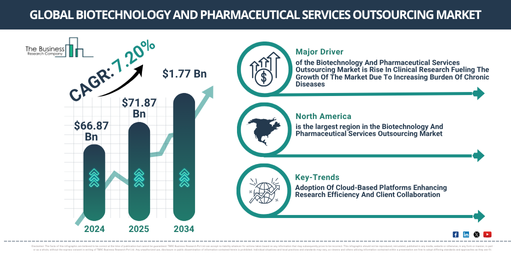
    The biotechnology and pharmaceutical services outsourcing market size has demonstrated robust growth in recent years. It is projected to increase from $66.87 billion in 2024 to $71.87 billion in 2025, registering a compound annual growth rate (CAGR) of 7.5%. The expansion witnessed in the historic period is attributable to the rising demand for therapeutic expertise and global trial design, an escalating number of orphan drug and rare disease trials, advancements in biologics and biosimilar development, an increased reliance on laboratory testing and analytical services, and the proliferation of virtual biotech firms.

    The biotechnology and pharmaceutical services outsourcing market is anticipated to experience substantial expansion over the next few years. It is projected to reach $94.91 billion by 2029, growing at a compound annual growth rate (CAGR) of 7.2%. This growth within the forecast period can be attributed to heightened demands for swifter drug approvals, the globalization of clinical research endeavors, an increase in global clinical trial volumes, the rising outsourcing of phase I–IV trials, and an emphasis on adaptive and decentralized trial approaches. Significant trends during this period are expected to encompass the implementation of cloud-based platforms for real-time collaboration, the utilization of AI and ML in drug discovery and development, advanced bioinformatics and data analytics, the integration of automation and robotics in laboratory services, and the deployment of electronic data capture systems.

    Unlock Your Free Sample Report for Exclusive Market Data:

    https://www.thebusinessresearchcompany.com/sample.aspx?id=25709&type=smp

    Which Drivers Are Supporting Growth Of The Biotechnology And Pharmaceutical Services Outsourcing Market?

    Heightened engagement in clinical research is anticipated to propel the expansion of the biotechnology and pharmaceutical services outsourcing market. This type of research involves structured investigations with human subjects, aiming to deepen the understanding of health conditions and assess the efficacy and safety of medical treatments. The growing prevalence of chronic illnesses primarily drives this surge in clinical research, making the creation and evaluation of novel therapies crucial for improving patient outcomes. By offering access to specialized expertise and sophisticated facilities, the outsourcing of biotechnology and pharmaceutical services facilitates clinical research, enabling trials to be conducted efficiently, economically, and in compliance with regulations worldwide. For example, in November 2023, the Association of the British Pharmaceutical Industry, a UK-based trade association, reported that the UK experienced a 4.3% annual increase in industry-led clinical trials, rising from 394 in 2021 to 411 in 2022. Consequently, the escalating involvement in clinical research is a significant impetus behind the growth of the biotechnology and pharmaceutical services outsourcing market.

    What Are The Different Segment Classifications Within The Biotechnology And Pharmaceutical Services Outsourcing Market?

    The biotechnology and pharmaceutical services outsourcing market covered in this report is segmented –

    1) By Service: Consulting, Regulatory Affairs, Product Design And Development, Auditing And Assessment, Product Maintenance, Training And Education, Other Services

    2) By Application: Oncology, Neurology, Cardiovascular, Infectious Diseases

    3) By End-Use: Pharma, Biotech

    Subsegments:

    1) By Consulting: Strategic Consulting, Market Access Consulting, Commercialization Strategy, Portfolio Management, Technology And Digital Transformation Consulting

    2) By Regulatory Affairs: Regulatory Submissions, Compliance And Risk Management, Product Registration, Labeling And Packaging Review, Regulatory Intelligence

    3) By Product Design And Development: Formulation Development, Preclinical Development, Bioprocess Development, Analytical Development, Drug Delivery System Design

    4) By Auditing And Assessment: Good Manufacturing Practice (GMP) Audits, Good Clinical Practice (GCP) Audits, Quality System Audits, Supplier And Vendor Audits, Risk Assessments

    5) By Product Maintenance: Lifecycle Management, Change Management, Technical Support, Software And IT System Updates, Compliance Monitoring

    6) By Training And Education: Regulatory Training, Good Laboratory Practice (GLP) Training, Pharmacovigilance Training, Clinical Trial Training, Quality Management Systems Training

    7) By Other Services: Intellectual Property Support, Medical Writing, Data Management And Biostatistics, Pharmacovigilance And Drug Safety, Translation And Localization Services

    How Are Trends Influencing The Biotechnology And Pharmaceutical Services Outsourcing Market?

    Leading companies in the biotechnology and pharmaceutical services outsourcing market are concentrating on developing advanced solutions, such as cloud-based systems, to support real-time collaboration and remote access. These cloud-based platforms are internet-driven systems that enable users to access and utilize computing resources, including storage, software, and processing power, without depending on local servers or devices. For instance, in March 2023, Charles River Labs, a US-based non-clinical contract research organization, introduced Apollo, a cloud-based platform aimed at enhancing toxicology studies. This platform offers a distinct advantage by simplifying client access to a broad array of study data, which assists in safety and toxicology evaluations. It incorporates self-service functionalities that allow users to independently track study progress, analyze data, and retrieve essential documents. Among its key tools is a quoting feature, facilitating more accurate and efficient budget planning.

    Which Key Market Players Are Investing In Expansion And Innovation Of Biotechnology And Pharmaceutical Services Outsourcing Market?

    Major companies operating in the biotechnology and pharmaceutical services outsourcing market are Thermo Fisher Scientific Inc., Boehringer Ingelheim, LabCorp Holdings, IQVIA Inc., ICON plc., Eurofins Scientific SE, Lonza Group Ltd., Syneos Health, Catalent Inc., Charles River Laboratories, Samsung Biologics Co. Ltd., WuXi Biologics, Recipharm AB, Medpace Holdings Inc., Curia Inc., CordenPharma Corp., Parexel International Ltd., Lachman Consultants, Concept Heidelberg GmbH, The Quantic Group Ltd.

    Download The Full Report For Exclusive Market Findings:

    https://www.thebusinessresearchcompany.com/report/biotechnology-and-pharmaceutical-services-outsourcing-global-market-report

    Which Geographies Are Emerging As Strong Markets For The Biotechnology And Pharmaceutical Services Outsourcing Industry?

    North America was the largest region in the biotechnology and pharmaceutical services outsourcing market in 2024. Asia-Pacific is expected to be the fastest-growing region in the forecast period. The regions covered in the biotechnology and pharmaceutical services outsourcing market report are Asia-Pacific, Western Europe, Eastern Europe, North America, South America, Middle East, Africa.

    Request A Customized Version Of The Biotechnology And Pharmaceutical Services Outsourcing Market Report:

    https://www.thebusinessresearchcompany.com/customise?id=25709&type=smp

    Browse Through More Reports Similar to the Global Biotechnology And Pharmaceutical Services Outsourcing Market 2025, By The Business Research Company

    Advanced Therapeutics Pharmaceutical Outsourcing Global Market Report 2025

    https://www.thebusinessresearchcompany.com/report/advanced-therapeutics-pharmaceutical-outsourcing-global-market-report

    Biotechnology Services Global Market Report 2025

    https://www.thebusinessresearchcompany.com/report/biotechnology-services-global-market-report

    Biologics Outsourcing Global Market Report 2025

    https://www.thebusinessresearchcompany.com/report/biologics-outsourcing-global-market-report

    Get in touch with us:

    The Business Research Company: https://www.thebusinessresearchcompany.com/

    Americas +1 310-496-7795

    Asia +44 7882 955267 & +91 8897263534

    Europe +44 7882 955267

    Email us at info@tbrc.info

    Follow us on:

    LinkedIn: https://in.linkedin.com/company/the-business-research-company

    YouTube: https://www.youtube.com/channel/UC24_fI0rV8cR5DxlCpgmyFQ

    Global Market Model: https://www.thebusinessresearchcompany.com/global-market-model
  • Global Biologic Hernia Repair Mesh Industry Trends: Where the Market Is Headed by 2029

    Global Biologic Hernia Repair Mesh Industry Trends: Where the Market Is Headed by 2029

    Unlock Global Insights – Save 20% on Market Reports with Code ONLINE20

    How Is The Biologic Hernia Repair Mesh Market Size Likely To Evolve From 2025 Through 2034?

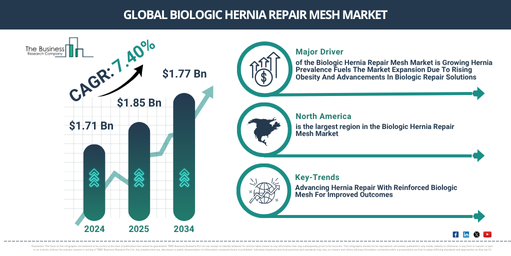
    The biologic hernia repair mesh market size has seen strong growth in recent years. It is anticipated to expand from $1.71 billion in 2024 to $1.85 billion in 2025, exhibiting a compound annual growth rate (CAGR) of 7.8%. This historical growth can be linked to several factors, including increased healthcare expenditure, expanding clinical evidence supporting its effectiveness, a growing demand for customized and patient-specific implants, wider adoption in veterinary and pediatric surgeries, and the rising prevalence of obesity and lifestyle-related disorders.

    The biologic hernia repair mesh market is projected to experience substantial expansion in the coming years. Its valuation is anticipated to reach $2.46 billion by 2029, exhibiting a compound annual growth rate (CAGR) of 7.4%. This projected growth during the forecast period is primarily driven by several factors, including the rising incidence of hernia cases, the increasing acceptance of advanced biologic implants, an expanding elderly demographic, a greater inclination towards minimally invasive surgical procedures, and heightened understanding of potential post-surgical issues. Key trends expected over the forecast period encompass breakthroughs in tissue engineering technologies, the creation of innovative next-generation biologic scaffolds, enhancements in decellularization processes, progress in bioresorbable material science, and the evolution of composite biologic-synthetic mesh solutions.

    Unlock Your Free Sample Report for Exclusive Market Data:

    https://www.thebusinessresearchcompany.com/sample.aspx?id=25708&type=smp

    Which Drivers Are Shaping The Biologic Hernia Repair Mesh Industry’s Market Share?

    The escalating frequency of hernia cases is anticipated to stimulate the expansion of the biologic hernia repair mesh market. Hernia cases describe situations where an internal organ or tissue protrudes abnormally through a compromised muscle or connective tissue area. This increase in hernia occurrences is linked to rising obesity levels, as excessive body weight places more strain on abdominal muscles, thereby heightening the risk of hernia development. Biologic hernia repair mesh assists in managing these cases by providing a natural tissue scaffold that supports healing, integrates with the patient’s system, and reduces the chance of rejection or prolonged inflammation. For instance, in July 2024, data from Eurostat, a Luxembourg-based government agency, indicated that inguinal hernia repairs were generally performed between 142 and 231 times per 100,000 inhabitants in 2022, with Austria showing a particularly elevated rate of 273.2 per 100,000 inhabitants. Consequently, the rising occurrence of hernia cases is a key factor propelling the growth of the biologic hernia repair mesh market.

    What Are The Primary Types Of Segments Analyzed In The Biologic Hernia Repair Mesh Market?

    The biologic hernia repair mesh market covered in this report is segmented –

    1) By Type: Partially Absorbable Hernia Repair Mesh, Fully Absorbable Hernia Repair Mesh

    2) By Product Type: Porcine, Bovine, Human Dermis, Other Product Types

    3) By Distribution Channel: Direct Sales, Distributors, Online Sales, Pharmacies

    4) By Application: Inguinal Hernia Repair, Ventral Hernia Repair, Umbilical Hernia Repair, Other Hernia Repairs

    5) By End-User: Hospitals, Ambulatory Surgical Centers, Clinics, Other End Users

    Subsegments:

    1) By Partially Absorbable Hernia Repair Mesh: Composite Mesh, Reinforced Biologic Mesh

    2) By Fully Absorbable Hernia Repair Mesh: Extracellular Matrix (Ecm) Mesh, Acellular Dermal Matrix (Adm) Mesh

    What Key Innovation Trends Are Fueling Advancements In The Biologic Hernia Repair Mesh Market?

    Companies within the biologic hernia repair mesh market are actively developing innovative solutions, such as reinforced biologic mesh, to improve strength, flexibility, and integration with host tissue. Reinforced biologic mesh represents a type of surgical mesh that combines biologic tissue with synthetic fibers to enhance durability, support tissue regeneration, and reduce hernia recurrence. For example, in April 2024, TELA Bio Inc., a US-based medical technology company, introduced OviTex inguinal hernia repair (IHR), providing a reinforced biologic mesh option for inguinal hernia repair. This reinforced tissue matrix is specifically engineered for laparoscopic and robotic inguinal hernia procedures, utilizing a blend of biologic ovine extracellular matrix (ECM) and minimal synthetic polymer to offer strength, facilitate rapid tissue integration, and decrease the potential for complications. Its benefits include lower recurrence rates, accelerated healing, and greater patient satisfaction, effectively addressing the limitations associated with conventional synthetic meshes.

    Who Are The Core Companies Influencing The Biologic Hernia Repair Mesh Market Landscape?

    Major companies operating in the biologic hernia repair mesh market are Johnson & Johnson, Medtronic plc, Becton Dickinson and Company, DSM Biomedical, Baxter International Inc., W. L. Gore & Associates Inc., Meril Life Sciences, Cook Medical LLC, Integra LifeSciences Corporation, MTF Biologics, LifeCell Corporation, AlloSource, TELA Bio Inc., Kerecis, Assut Europe S.p.A., Serag-Wiessner GmbH & Co. KG, Aroa Biosurgery Limited, ACell Inc., Tissue Regenix Group plc., RTI Surgical Inc., Beijing Datsing Bio-Tech Co. Ltd., Shanghai Pine & Power Biotech Co. Ltd.

    Download The Full Report For Exclusive Market Findings:

    https://www.thebusinessresearchcompany.com/report/biologic-hernia-repair-mesh-global-market-report

    Which Region Is Projected To Lead The Biologic Hernia Repair Mesh Market During The Forecast Period?

    North America was the largest region in the biologic hernia repair mesh market in 2024. Asia-Pacific is expected to be the fastest-growing region in the forecast period. The regions covered in the biologic hernia repair mesh market report are Asia-Pacific, Western Europe, Eastern Europe, North America, South America, Middle East, Africa.

    Request A Customized Version Of The Biologic Hernia Repair Mesh Market Report:

    https://www.thebusinessresearchcompany.com/customise?id=25708&type=smp

    Browse Through More Reports Similar to the Global Biologic Hernia Repair Mesh Market 2025, By The Business Research Company

    Hernia Mesh Devices Global Market Report 2025

    https://www.thebusinessresearchcompany.com/report/hernia-mesh-devices-global-market-report

    Hernia Repair Devices And Consumables Global Market Report 2025

    https://www.thebusinessresearchcompany.com/report/hernia-repair-devices-and-consumables-global-market-report

    Surgical Meshes Global Market Report 2025

    https://www.thebusinessresearchcompany.com/report/surgical-meshes-global-market-report

    Get in touch with us:

    The Business Research Company: https://www.thebusinessresearchcompany.com/

    Americas +1 310-496-7795

    Asia +44 7882 955267 & +91 8897263534

    Europe +44 7882 955267

    Email us at info@tbrc.info

    Follow us on:

    LinkedIn: https://in.linkedin.com/company/the-business-research-company

    YouTube: https://www.youtube.com/channel/UC24_fI0rV8cR5DxlCpgmyFQ

    Global Market Model: https://www.thebusinessresearchcompany.com/global-market-model
  • Bio-Detectors And Accessories Industry Forecast to Hit $42.88 Billion by 2029 With a Strong 15.9% CAGR

    Bio-Detectors And Accessories Industry Forecast to Hit $42.88 Billion by 2029 With a Strong 15.9% CAGR

    Unlock Global Insights – Save 20% on Market Reports with Code ONLINE20

    What Are The Growth Projections For The Bio-Detectors And Accessories Market Size During 2025–2029?

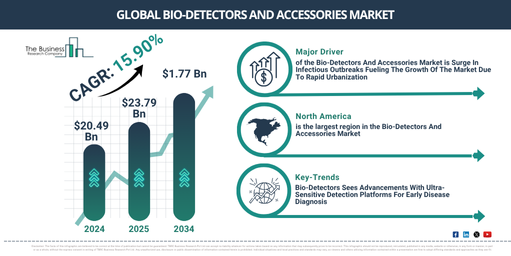
    The bio-detectors and accessories market has experienced significant expansion recently. Its size is projected to expand from $20.49 billion in 2024 to $23.79 billion in 2025, demonstrating a compound annual growth rate (CAGR) of 16.1%. Historically, this growth can be ascribed to several factors, including an intensified government focus on biodefense, growing apprehension regarding bioterrorism dangers, an increase in financial support for public health surveillance, escalating requirements from military and defense sectors, and heightened understanding of infectious disease outbreaks.

    The bio-detectors and accessories market is projected to undergo significant expansion in the coming years. It is expected to reach $42.88 billion by 2029, demonstrating a compound annual growth rate (CAGR) of 15.9%. This anticipated growth during the forecast period can be attributed to several factors, including heightened investment in biosurveillance infrastructure, increasing application in civilian safety scenarios, the escalating global threat of pandemics, a rising demand for real-time detection solutions, and an increase in government grants. Prominent trends for this period include advancements in portable biosensor technologies, innovations in rapid pathogen identification tools, the integration of AI into bio-threat detection systems, sophisticated miniaturization of detection devices, novel developments in multiplexed detection platforms, and integration with mobile and cloud-based monitoring systems.

    Unlock Your Free Sample Report for Exclusive Market Data:

    https://www.thebusinessresearchcompany.com/sample.aspx?id=25707&type=smp

    What Are The Drivers Pushing New Developments In The Bio-Detectors And Accessories Market?

    The escalating prevalence of infectious diseases is set to drive the expansion of the bio-detectors and accessories market moving ahead. These conditions are described as ailments originating from detrimental microorganisms, including bacteria, viruses, fungi, or parasites, which penetrate the body, proliferate, and lead to infection. The rising incidence of infectious diseases is attributable to rapid urbanization, fostering greater population density and close human contact, thereby aiding the dissemination of infections. Bio-detectors and accessories offer support against infectious diseases through the rapid and precise identification of pathogens, thereby allowing for prompt diagnosis, therapy, and outbreak control. As an illustration, in November 2023, according to the World Health Organization, a Switzerland-based intergovernmental organization, in 2022, there were an estimated 249 million malaria cases globally, marking an increase of 5 million cases (2%) compared to 2021. Consequently, the escalating occurrence of infectious diseases serves as a key impetus for the growth of the bio-detectors and accessories market.

    Which Key Segments Fueling The Bio-Detectors And Accessories Market?

    The bio-detectors and accessories market covered in this report is segmented –

    1) By Product: Instruments, Reagents And Media, Accessories And Consumables

    2) By Detection: Optical, Electrochemical, Mass Spectrometry, Immunoassay

    3) By Sensitivity: High, Medium, Low

    4) By Application: Clinical, Defense, Food And Environmental

    5) By End-Use: Point Of Care Testing, Research Laboratories, Diagnostics, Other End Users

    Subsegments:

    1) By Instruments: Spectrometers, PCR Instruments, Biosensors, Immunoassay Analyzers, Mass Detectors

    2) By Reagents And Media: Assay Kits, Detection Reagents, Sample Preparation Reagents, Buffers And Solutions

    3) By Accessories And Consumables: Microplates, Cartridges, Tubes And Vials, Filters, Calibration Standards

    Which Ongoing Trends Are Expected To Shape The Bio-Detectors And Accessories Market Outlook?

    Leading companies in the bio-detectors and accessories market are concentrating on developing advanced technology, such as ultra-sensitive detection platforms, to enhance early disease diagnosis, improve detection accuracy, and facilitate real-time monitoring in critical healthcare and biodefense applications. These ultra-sensitive detection platforms are sophisticated systems and technologies capable of identifying extremely low concentrations of biological molecules, including proteins, deoxyribonucleic acid (DNA), or biomarkers, in samples like blood, saliva, or tissue. For example, in April 2024, Bio-Rad Laboratories, a US-based life science and clinical diagnostics company, launched its first ultrasensitive multiplexed digital PCR assay, the ddPLEX ESR1 Mutation Detection Kit. The ddPLEX ESR1 Mutation Detection Kit enables the simultaneous detection, discrimination, and absolute quantification of seven clinically relevant ESR1 mutations within a single well, achieving an analytical sensitivity as low as 0.01% variant allele fraction (VAF). Designed for use with Bio-Rad’s QX600 Droplet Digital PCR System, this kit delivers same-day results from circulating tumor DNA (ctDNA) in plasma or DNA extracted from formalin-fixed paraffin-embedded (FFPE) tissue samples. It also includes controls for reliable performance and utilizes advanced multiplexing with a simple workflow and robust data analysis capabilities.

    Which Major Industry Participants Are Leading The Bio-Detectors And Accessories Market Growth?

    Major companies operating in the bio-detectors and accessories market are Roche Diagnostics GmbH, Thermo Fisher Scientific Inc., Danaher Corporation, Siemens Healthineers AG, GE HealthCare Technologies Inc., Agilent Technologies Inc., Shimadzu Corporation, Smiths Detection Inc., Bio-Rad Laboratories Inc., Bruker Corporation, Sandia National Laboratories, MSA Safety Incorporated, Teledyne FLIR LLC, Rapiscan Systems Inc., Air Techniques International Inc., Quanterix Corporation, AWSensors S.L., Proengin S.A.S., MBio Diagnostics Inc., Bertin Technologies S.A.S.

    Download The Full Report For Exclusive Market Findings:

    https://www.thebusinessresearchcompany.com/report/bio-detectors-and-accessories-global-market-report

    What Are The Key Regional Factors Influencing The Bio-Detectors And Accessories Market Growth?

    North America was the largest region in the bio-detectors and accessories market in 2024. Asia-Pacific is expected to be the fastest-growing region in the forecast period. The regions covered in the bio-detectors and accessories market report are Asia-Pacific, Western Europe, Eastern Europe, North America, South America, Middle East, Africa.

    Request A Customized Version Of The Bio-Detectors And Accessories Market Report:

    https://www.thebusinessresearchcompany.com/customise?id=25707&type=smp

    Browse Through More Reports Similar to the Global Bio-Detectors And Accessories Market 2025, By The Business Research Company

    Absorbable Hemostats Global Market Report 2025

    https://www.thebusinessresearchcompany.com/report/absorbable-hemostats-global-market-report

    Hemostasis Products Global Market Report 2025

    https://www.thebusinessresearchcompany.com/report/hemostasis-products-global-market-report

    Hemostats Global Market Report 2025

    https://www.thebusinessresearchcompany.com/report/hemostats-global-market-report

    Get in touch with us:

    The Business Research Company: https://www.thebusinessresearchcompany.com/

    Americas +1 310-496-7795

    Asia +44 7882 955267 & +91 8897263534

    Europe +44 7882 955267

    Email us at info@tbrc.info

    Follow us on:

    LinkedIn: https://in.linkedin.com/company/the-business-research-company

    YouTube: https://www.youtube.com/channel/UC24_fI0rV8cR5DxlCpgmyFQ

    Global Market Model: https://www.thebusinessresearchcompany.com/global-market-model
  • Biodegradable Hemostat Market to Reach $1.48 Billion by 2029, Growing at a CAGR of 10.9%

    Biodegradable Hemostat Market to Reach $1.48 Billion by 2029, Growing at a CAGR of 10.9%

    Unlock Global Insights – Save 20% on Market Reports with Code ONLINE20

    What Is The Global Market Value Of The Biodegradable Hemostat Industry In 2025?

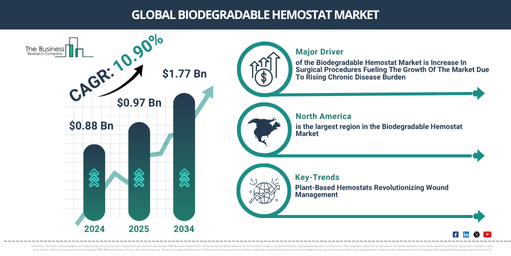
    The market size for biodegradable hemostats has seen rapid growth recently. It is forecast to expand from $0.88 billion in 2024 to $0.97 billion in 2025, with a compound annual growth rate (CAGR) of 11.2%. This historical expansion can be attributed to increasing recognition of post-surgical complications, favorable government regulations, a surge in chronic ailments such as cancer and cardiovascular conditions, a rising number of hospitals and surgical centers, and growing investments in healthcare infrastructure.

    The biodegradable hemostat market size is anticipated to experience substantial expansion over the next few years. It is projected to reach $1.48 billion by 2029, growing at a compound annual growth rate (CAGR) of 10.9%. This projected growth can be linked to a global increase in surgical procedures, a rising preference for biodegradable medical products, an escalation in trauma and accident cases, an expanding aging population, and a greater demand for minimally invasive surgeries. Significant trends expected during this forecast period involve advancements in wound care technology, innovations in biodegradable materials, a rising demand for absorbable implants, improvements in product packaging and delivery formats, and the development of hybrid hemostats.

    Unlock Your Free Sample Report for Exclusive Market Data:

    https://www.thebusinessresearchcompany.com/sample.aspx?id=25706&type=smp

    What Are The Emerging Market Drivers Creating New Opportunities In The Biodegradable Hemostat Industry?

    The growing volume of surgical interventions is anticipated to fuel the expansion of the biodegradable hemostat market in the future. These medical operations are performed by healthcare professionals using specialized instruments to address, repair, or remove parts of the body for health-related purposes. The increase in such procedures largely stems from a rise in chronic conditions, which often necessitate surgical intervention to manage health issues and improve patient outcomes. Biodegradable hemostats offer an advantage in surgeries, as they naturally dissolve within the body after use, thereby avoiding the need for removal and lowering the chances of post-surgical complications. For example, in March 2023, the British Association of Aesthetic Plastic Surgeons (BAAPS), a UK-based professional organization, reported 31,057 cosmetic procedures conducted in 2022, representing a 102% surge from the previous year. Additionally, women constituted 93% of these procedures, showing a 101% increase compared to 2021. Therefore, the increasing number of surgical procedures is driving the growth of the biodegradable hemostat market.

    How Is The Biodegradable Hemostat Market Classified Into Different Segments?

    The biodegradable hemostat market covered in this report is segmented –

    1) By Product Type: Natural Polymer-Based Hemostats, Synthetic Polymer-Based Hemostats, Composite Hemostats, Cellulose-Based Hemostats, Gelatin-Based Hemostats

    2) By Formulation: Powdered Hemostats, Granular Hemostats, Liquid Hemostats, Foam Hemostats, Film Or Sheet Hemostats

    3) By Application: Surgical Procedures, Trauma Procedures, Dental Procedures, Laparoscopic Procedures, Other Applications

    4) By Distribution Channel: Direct Sales, Distributors, E-Commerce Platforms, Pharmaceutical Retailers, Healthcare Supply Companies

    5) By End-User: Hospitals, Ambulatory Surgical Centers, Clinics, Research Laboratories, Other End Users

    Subsegments:

    1) By Natural Polymer-Based Hemostats: Collagen-Based, Chitosan-Based, Alginate-Based, Fibrin-Based, Dextran-Based

    2) By Synthetic Polymer-Based Hemostats: Polyethylene Glycol (PEG)-Based, Polyurethane-Based, Polylactic Acid (PLA)-Based, Polyglycolic Acid (PGA)-Based, Polycaprolactone (PCL)-Based

    3) By Composite Hemostats: Natural-Synthetic Polymer Blends, Polymer-Cellulose Composites, Polymer-Gelatin Composites, Multi-Layer Composites, Nano-Composite Hemostats

    4) By Cellulose-Based Hemostats: Oxidized Regenerated Cellulose (ORC), Microcrystalline Cellulose (MCC), Carboxymethyl Cellulose (CMC), Nanocellulose-Based, Hydroxypropyl Cellulose (HPC)

    5) By Gelatin-Based Hemostats: Porcine Gelatin-Based, Bovine Gelatin-Based, Fish Gelatin-Based, Cross-Linked Gelatin, Modified Gelatin Formulations

    Which Competitive Trends Are Defining The Biodegradable Hemostat Market Structure?

    Leading companies within the biodegradable hemostat market are concentrating on developing advanced solutions, such as plant-based cellulose matrices, to rapidly control bleeding and minimize blood loss. A plant-based cellulose matrix is a naturally sourced material made from plant fibers, serving as a biodegradable support structure commonly utilized in medical settings due to its safe absorption by the body. For example, in April 2024, LifeScience PLUS, a US-based medical device company, launched DonorSeal, a unique hemostatic dressing composed entirely of plant-derived cellulose. DonorSeal creates a gel that adheres upon contact with blood, effectively managing bleeding while being fully biodegradable, absorbable, non-toxic, and pH neutral, thus safe for use even in patients taking blood thinners. It aids in maintaining a moist and soothing environment that supports natural tissue repair. The dressing can be easily removed without causing the wound to reopen or stick, offering enhanced comfort and quicker recovery for donor site wounds.

    Who Are The Prominent Global Companies Shaping The Biodegradable Hemostat Market?

    Major companies operating in the biodegradable hemostat market are Johnson & Johnson Services Inc., Medtronic Plc, Medline Industries LP, Becton, Dickinson and Co., Stryker Corporation, Baxter International Inc., Meril Life Sciences Pvt. Ltd., Samyang Holdings Corp., Mölnlycke Health Care AB, GELITA Medical GmbH, B. Braun Melsungen AG, Tricol Biomedical Inc., Medtrade Products Limited, CryoLife Inc., Hemostasis LLC, Cura Medical, RevMedx Inc., Speed Care Mineral GmbH, Regenity, C. R. Bard Inc.

    Download The Full Report For Exclusive Market Findings:

    https://www.thebusinessresearchcompany.com/report/biodegradable-hemostat-global-market-report

    How Do Regional Market Performances Compare Within The Biodegradable Hemostat Industry?

    North America was the largest region in the biodegradable hemostat market in 2024. The regions covered in the biodegradable hemostat market report are Asia-Pacific, Western Europe, Eastern Europe, North America, South America, Middle East, Africa.

    Request A Customized Version Of The Biodegradable Hemostat Market Report:

    https://www.thebusinessresearchcompany.com/customise?id=25706&type=smp

    Browse Through More Reports Similar to the Global Biodegradable Hemostat Market 2025, By The Business Research Company

    Surgical Meshes Global Market Report 2025

    https://www.thebusinessresearchcompany.com/report/surgical-meshes-global-market-report

    Surgical Tables Global Market Report 2025

    https://www.thebusinessresearchcompany.com/report/surgical-tables-global-market-report

    Biosurgery Global Market Report 2025

    https://www.thebusinessresearchcompany.com/report/biosurgery-global-market-report

    Get in touch with us:

    The Business Research Company: https://www.thebusinessresearchcompany.com/

    Americas +1 310-496-7795

    Asia +44 7882 955267 & +91 8897263534

    Europe +44 7882 955267

    Email us at info@tbrc.info

    Follow us on:

    LinkedIn: https://in.linkedin.com/company/the-business-research-company

    YouTube: https://www.youtube.com/channel/UC24_fI0rV8cR5DxlCpgmyFQ

    Global Market Model: https://www.thebusinessresearchcompany.com/global-market-model
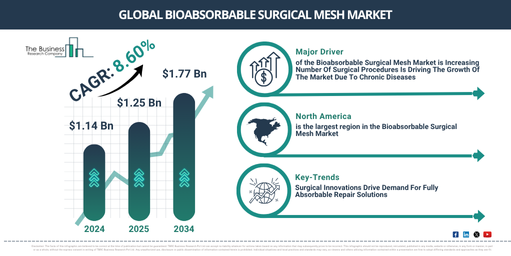
  • Global Bioabsorbable Surgical Mesh Market Size Projected to Reach $1.73 Billion During the Forecast Period

    Global Bioabsorbable Surgical Mesh Market Size Projected to Reach $1.73 Billion During the Forecast Period

    Unlock Global Insights – Save 20% on Market Reports with Code ONLINE20

    By How Much Is The Bioabsorbable Surgical Mesh Market Expected To Expand Between 2025 And 2029?

    The bioabsorbable surgical mesh market has experienced robust growth in recent years. It is projected to expand from $1.14 billion in 2024 to $1.25 billion in 2025, progressing at a compound annual growth rate (CAGR) of 8.9%. This historical expansion is attributable to the increasing prevalence of chronic diseases, a rising incidence of surgical procedures, an expanding geriatric population, the growing adoption of minimally invasive surgeries, and ongoing improvements in healthcare infrastructure.

    The bioabsorbable surgical mesh market is anticipated to experience robust expansion over the coming years. Its valuation is projected to reach $1.73 billion by 2029, achieving a compound annual growth rate (CAGR) of 8.6%. This expansion during the projection period stems from factors such as escalating healthcare spending, enhanced awareness regarding sophisticated surgical alternatives, a greater inclination towards absorbable mesh products, an increase in regulatory authorizations, and growing demand within developing economies. Significant trends identified for this period encompass breakthroughs in bioabsorbable substances, the incorporation of less invasive surgical methods, innovations in products propelled by technology, enhancements in mesh biocompatibility, and refined, customized absorption profiles.

    Unlock Your Free Sample Report for Exclusive Market Data:

    https://www.thebusinessresearchcompany.com/sample.aspx?id=25705&type=smp

    Which Drivers Are Impacting The Bioabsorbable Surgical Mesh Market?

    The bioabsorbable surgical mesh market is expected to grow as the number of surgical procedures increases. A surgical procedure is defined as a medical intervention that purposefully and non-transiently modifies body structures, often by cutting into tissue or repairing or removing a part of the body to address, identify, or prevent disease, injury, or other medical issues. This rise in surgical procedures is largely attributed to the increasing occurrence of chronic diseases such as cardiovascular diseases, cancer, and conditions related to obesity. Bioabsorbable surgical mesh assists in these procedures by providing temporary support to healing tissues and gradually dissolving, which helps reduce the risk of long-term complications associated with permanent implants. For example, in June 2024, the International Society of Aesthetic Plastic Surgery (ISAPS), a US-based professional body for board-certified aesthetic plastic surgeons, indicated a 5.5% rise in surgical procedures in 2023, with over 15.8 million surgeries and 19.1 million non-surgical procedures performed globally. Therefore, the growing number of surgical procedures is driving the expansion of the bioabsorbable surgical mesh market.

    What Are The Major Segments Identified In The Bioabsorbable Surgical Mesh Market?

    The bioabsorbable surgical mesh market covered in this report is segmented –

    1) By Product Type: Polymer-Based Mesh, Composite Mesh, Bioactive Mesh

    2) By Material Type: Polylactic Acid, Polyglycolic Acid, Polycaprolactone, Composite Materials, Natural Polymers

    3) By Distribution Channel: Direct Sales, Online Sales, Distributors And Wholesalers

    4) By Application: Hernia Repair, Dural Repair, Urological Surgery, Cardiovascular Surgery, Orthopedic Surgery, Other Applications

    5) By End-Use: Hospitals, Ambulatory Surgical Centers, Specialty Clinics, Research Institutions

    Subsegments:

    1) By Polymer-Based Mesh: Polyglycolic Acid (PGA) Mesh, Polylactic Acid (PLA) Mesh, Polycaprolactone (PCL) Mesh, Polydioxanone (PDO) Mesh

    2) By Composite Mesh: Polymer-Collagen Composite Mesh, Polymer-Coated Composite Mesh, Synthetic-Biological Composite Mesh, Polymer-Hydrogel Composite Mesh

    3) By Bioactive Mesh: Antimicrobial-Embedded Mesh, Growth Factor-Embedded Mesh, Drug-Eluting Mesh, Stem Cell-Seeded Mesh

    What Are The Latest Industry Trends Transforming The Bioabsorbable Surgical Mesh Market?

    Major companies within the bioabsorbable surgical mesh market are concentrating on creating sophisticated products, such as fully bioabsorbable pocket and strap configurations, to improve the ease of placement and secure fixation during hernia repair procedures. These fully bioabsorbable pocket and strap designs integrate absorbable structural components into the mesh, enabling accurate positioning and lateral fixation while eliminating the need for permanent implants. For example, in April 2025, Becton, Dickinson and Company, a US-based medical device company, introduced the Phasix ST Umbilical Hernia Patch. This product is the first completely absorbable hernia patch specifically made for umbilical hernias, featuring a pocket and strap design constructed from poly-4-hydroxybutyrate (P4HB), a biologically derived polymer. This innovative design offers similar handling and placement techniques as permanent mesh, yet it is fully absorbed by the body over time. Additionally, the patch incorporates a hydrogel barrier utilizing Sepra Technology to reduce tissue adhesion. Available in various sizes, the product addresses a wide array of umbilical hernia defects, reflecting increasing market demand for non-permanent, patient-centric solutions in soft tissue reconstruction.

    Which Key Players Are Driving Competition In The Bioabsorbable Surgical Mesh Market?

    Major companies operating in the bioabsorbable surgical mesh market are Johnson & Johnson, Medtronic plc, Becton, Dickinson and Company, Baxter International Inc., Integra LifeSciences Holdings Corporation, B. Braun Melsungen AG, Advanced Medical Solutions Group plc, TELA Bio Inc., Kerecis Limited , W. L. Gore & Associates Inc., Assut Europe S.p.A., BioHealth Medical Technology Co Ltd., Aroa Biosurgery Limited, Cook Biotech Incorporated, Tissue Regenix Group plc, Aran Biomedical Teoranta, Deep Blue Medical Advances Inc., Meccellis Biotech, PrintBio Inc., Atrium Medical Corporation

    Download The Full Report For Exclusive Market Findings:

    https://www.thebusinessresearchcompany.com/report/bioabsorbable-surgical-mesh-global-market-report

    Which Region Currently Holds The Largest Share Of The Bioabsorbable Surgical Mesh Market?

    North America was the largest region in the bioabsorbable surgical mesh market in 2024. Asia-Pacific is expected to be the fastest-growing region in the forecast period. The regions covered in the bioabsorbable surgical mesh market report are Asia-Pacific, Western Europe, Eastern Europe, North America, South America, Middle East, Africa.

    Request A Customized Version Of The Bioabsorbable Surgical Mesh Market Report:

    https://www.thebusinessresearchcompany.com/customise?id=25705&type=smp

    Browse Through More Reports Similar to the Global Bioabsorbable Surgical Mesh Market 2025, By The Business Research Company

    Biosensors Global Market Report 2025

    https://www.thebusinessresearchcompany.com/report/biosensors-global-market-report

    Portable Food Safety Detectors Global Market Report 2025

    https://www.thebusinessresearchcompany.com/report/portable-food-safety-detectors-global-market-report

    Biopsy Devices Global Market Report 2025

    https://www.thebusinessresearchcompany.com/report/biopsy-devices-global-market-report

    Get in touch with us:

    The Business Research Company: https://www.thebusinessresearchcompany.com/

    Americas +1 310-496-7795

    Asia +44 7882 955267 & +91 8897263534

    Europe +44 7882 955267

    Email us at info@tbrc.info

    Follow us on:

    LinkedIn: https://in.linkedin.com/company/the-business-research-company

    YouTube: https://www.youtube.com/channel/UC24_fI0rV8cR5DxlCpgmyFQ

    Global Market Model: https://www.thebusinessresearchcompany.com/global-market-model
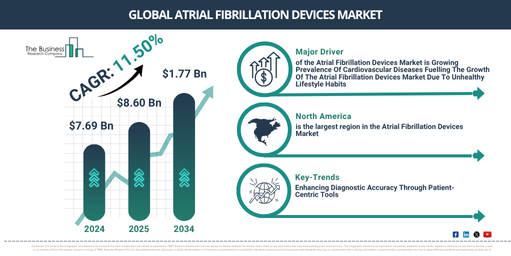
  • Atrial Fibrillation Devices Industry Anticipated to Expand at 11.5% CAGR During the Forecast Period

    Atrial Fibrillation Devices Industry Anticipated to Expand at 11.5% CAGR During the Forecast Period

    Unlock Global Insights – Save 20% on Market Reports with Code ONLINE20

    #What Is The Projected Market Size Of The Atrial Fibrillation Devices Market By 2029?

    The market size for atrial fibrillation devices has seen significant expansion over the past few years. This market is projected to expand from $7.69 billion in 2024 to reach $8.60 billion in 2025, driven by a compound annual growth rate (CAGR) of 11.8%. Factors contributing to its expansion historically include an increasing elderly population, a greater need for minimally invasive cardiac procedures, supportive government initiatives, and the spread of telecardiology services.

    The atrial fibrillation devices market is projected to expand significantly over the coming years. This market is anticipated to reach a valuation of $13.28 billion by 2029, demonstrating a compound annual growth rate (CAGR) of 11.5%. This forecasted expansion stems from factors such as increased spending on healthcare, a rising count of multi-specialty hospitals, greater acceptance of modern treatment options, enhanced regulatory backing for device authorizations, and an increasing need for less invasive surgical procedures. Key developments influencing this period encompass technological innovations, improvements in remote monitoring devices, the incorporation of artificial intelligence for diagnostic purposes, progress in minimally invasive ablation systems, and new capabilities in mapping and imaging.

    Unlock Your Free Sample Report for Exclusive Market Data:

    https://www.thebusinessresearchcompany.com/sample.aspx?id=25704&type=smp

    Which Industry Drivers Are Expected To Accelerate The Atrial Fibrillation Devices Market From 2025 To 2029?

    The increasing prevalence of cardiovascular diseases is projected to propel the growth of the atrial fibrillation device market. Cardiovascular diseases refer to disorders impacting the heart and blood vessels, such as heart attacks, strokes, and hypertension. The incidence of cardiovascular diseases is rising globally, attributed to the surge in obesity and diabetes, alongside widespread sedentary lifestyles and poor dietary habits. Atrial fibrillation (AFib) devices play a crucial role in managing cardiovascular diseases by detecting, monitoring, and treating irregular heart rhythms, which are often linked to or result from underlying heart conditions. For instance, in June 2024, data published by the American Heart Association, a US-based public health organization, indicated that as high blood pressure is expected to increase from 51.2% to 61.0%, the number of individuals diagnosed with cardiovascular diseases is projected to rise from 128 million in 2020 to over 184 million by 2050. Consequently, the expansion of cardiovascular diseases is driving the growth of the atrial fibrillation device market.

    What Are The Emerging Segments Gaining Attention In The Atrial Fibrillation Devices Market?

    The atrial fibrillation devices market covered in this report is segmented –

    1) By Device Type: Implantable Devices, External Devices, Catheter-Based Devices

    2) By Product: Electrophysiology Ablation Catheters, Cardiac Monitors Or Implantable Loop Recorder, Electrophysiology Diagnostic Catheters, Mapping And Recording Systems, Access Devices, Intracardiac Echocardiography, Left Atrial Appendage Closure Devices, Other Products

    3) By Technology: Radiofrequency, Cryotherapy, Ultrasound, Other Technologies

    4) By Distribution Channel: Direct Sales, Distributors, Online Sales

    5) By End-Use: Hospitals, Cardiac Centers, Ambulatory Surgical Centers, Other End Users

    Subsegments:

    1) By Implantable Devices: Implantable Cardioverter Defibrillators, Pacemakers, Insertable Cardiac Monitors

    2) By External Devices: External Defibrillators, Holter Monitors, Mobile Cardiac Telemetry Devices, Electrocardiogram Monitors

    3) By Catheter-Based Devices: Radiofrequency Ablation Catheters, Cryoablation Catheters, Laser Ablation Catheters, Mapping and Navigation Systems, Transseptal Access Devices

    What Trends Are Redefining The Atrial Fibrillation Devices Market Dynamics?

    Leading firms within the atrial fibrillation devices market are prioritizing technological advancements, such as patient-centric clinical decision support tools, with the goal of enhancing diagnostic precision, personalizing treatment plans, and improving overall patient outcomes. These patient-centric clinical decision support tools are digital solutions designed to assist healthcare professionals in tailoring treatment decisions by analyzing individual patient data. An illustration of this occurred in August 2023, when GE HealthCare Technologies Inc., a US-based medical technology company, launched CardioVisio for Atrial Fibrillation. This digital clinical decision support tool is engineered to streamline clinician workflows and facilitate precision care for patients with atrial fibrillation. It enables healthcare providers to visualize the progression of AFib, including previous diagnoses, treatments, medications, and associated conditions. Furthermore, the platform offers guideline-based therapy recommendations, which aids in reducing diagnostic errors and streamlining clinical decision-making. CardioVisio effectively organizes fragmented patient information into an accessible format, thereby easing the burden on medical staff and supporting more timely, personalized, and effective management of atrial fibrillation.

    Who Are The Top Performing Companies In The Atrial Fibrillation Devices Market In Recent Years?

    Major companies operating in the atrial fibrillation devices market are Johnson & Johnson Services Inc., Abbott Laboratories, Medtronic Public Limited Company, Koninklijke Philips N.V., Boston Scientific Corporation, Shanghai MicroPort EP MedTech Co. Ltd., Japan Lifeline Co. Ltd., Microlife Corporation, AliveCor Inc., CardioFocus Inc., Imricor Medical Systems Inc., Kardium Inc., Stereotaxis Inc., Volta Medical, Synaptic Medical Corporation, Osypka AG, CathRx Ltd., BIOTRONIK SE & Co. KG, EP Solutions SA, CardiacSense Ltd.

    Download The Full Report For Exclusive Market Findings:

    https://www.thebusinessresearchcompany.com/report/atrial-fibrillation-devices-global-market-report

    What Regional Growth Trends Are Shaping The Atrial Fibrillation Devices Market Outlook?

    North America was the largest region in the atrial fibrillation devices market in 2024. Asia-Pacific is expected to be the fastest-growing region in the forecast period. The regions covered in the atrial fibrillation devices market report are Asia-Pacific, Western Europe, Eastern Europe, North America, South America, Middle East, Africa.

    Request A Customized Version Of The Atrial Fibrillation Devices Market Report:

    https://www.thebusinessresearchcompany.com/customise?id=25704&type=smp

    Browse Through More Reports Similar to the Global Atrial Fibrillation Devices Market 2025, By The Business Research Company

    Atrial Fibrillation Global Market Report 2025

    https://www.thebusinessresearchcompany.com/report/atrial-fibrillation-global-market-report

    Cardiac Arrhythmia Monitoring Devices Global Market Report 2025

    https://www.thebusinessresearchcompany.com/report/cardiac-arrhythmia-monitoring-devices-global-market-report

    Ventricular Fibrillation Global Market Report 2025

    https://www.thebusinessresearchcompany.com/report/ventricular-fibrillation-global-market-report

    Get in touch with us:

    The Business Research Company: https://www.thebusinessresearchcompany.com/

    Americas +1 310-496-7795

    Asia +44 7882 955267 & +91 8897263534

    Europe +44 7882 955267

    Email us at info@tbrc.info

    Follow us on:

    LinkedIn: https://in.linkedin.com/company/the-business-research-company

    YouTube: https://www.youtube.com/channel/UC24_fI0rV8cR5DxlCpgmyFQ

    Global Market Model: https://www.thebusinessresearchcompany.com/global-market-model
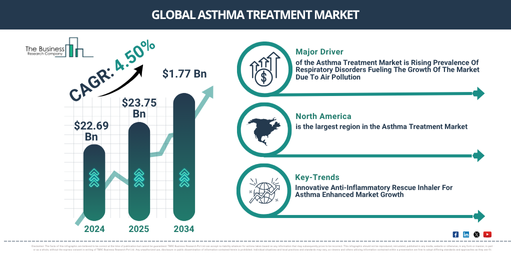
  • Global Asthma Treatment Market Projected to Expand at 4.5% CAGR by 2029

    Global Asthma Treatment Market Projected to Expand at 4.5% CAGR by 2029

    Unlock Global Insights – Save 20% on Market Reports with Code ONLINE20

    How Much Was The Asthma Treatment Market Worth In 2025, And What Is Its Anticipated Value By 2029?

    The asthma treatment market size has observed consistent growth in recent years. The market is forecast to expand from $22.69 billion in 2024 to $23.75 billion in 2025, achieving a compound annual growth rate (CAGR) of 4.7%. Historically, this expansion has been driven by factors including increasing urbanization and pollution levels, the rising adoption of inhalers and nebulizers, improved access to healthcare in emerging economies, enhanced awareness and diagnosis rates, and a general increase in allergen exposure.

    The asthma treatment market is projected to experience consistent expansion over the next few years, with its size anticipated to reach $28.27 billion in 2029, growing at a compound annual growth rate (CAGR) of 4.5%. This growth throughout the forecast period stems from a heightened focus on personalized asthma treatments, the increasing adoption of biologics and monoclonal antibodies, augmented investment in research and development for respiratory drugs, the expanding utilization of telehealth and digital asthma management tools, and intensified government initiatives aimed at chronic respiratory care. Significant developments anticipated during this period encompass advancements in biologic therapies for severe asthma, sophisticated digital inhalers featuring tracking functionalities, the progression of personalized medicine strategies, innovations in drug-delivery technologies, and the evolution of AI-powered platforms for asthma management.

    Unlock Your Free Sample Report for Exclusive Market Data:

    https://www.thebusinessresearchcompany.com/sample.aspx?id=25703&type=smp

    What Are The Top Growth Drivers Impacting The Asthma Treatment Market Outlook?

    The increasing occurrence of respiratory disorders is expected to boost the expansion of the asthma treatment market moving forward. Respiratory disorders are a collection of illnesses impacting the lungs and breathing, including conditions like chronic obstructive pulmonary disease (COPD), bronchitis, and asthma. The growing incidence of these disorders is predominantly attributed to air pollution, as particulate matter and nitrogen oxides irritate and inflame the airways, leading to breathing difficulties and either triggering or worsening conditions such as asthma. The rise in respiratory disorders subsequently drives the demand for asthma treatment, which is managed through medication, inhalers, and lifestyle modifications aimed at controlling airway inflammation and symptoms. For instance, in December 2023, the National Library of Medicine, a US-based national library, indicated that by 2050, chronic obstructive pulmonary disease (COPD) cases in low- and middle-income countries are anticipated to more than double those in high-income countries, with sub-Saharan Africa projected to experience a 59% increase and lead globally in chronic obstructive pulmonary disease (COPD) prevalence and cases by 2040. Consequently, the escalating prevalence of respiratory disorders is a significant factor driving the growth of the asthma treatment market.

    What Are The Major Segment Types Covered In The Asthma Treatment Market?

    The asthma treatment market covered in this report is segmented –

    1) By Treatment: Long-Term Control Medications, Quick-Relief Medications

    2) By Device Type: Inhalers, Dry Powder, Metered Dose, Soft Mist Nebulizers

    3) By Drug Class: Short-Acting Beta-Agonists (SABA), Long-Acting Beta-Agonists (LABA), Inhaled Corticosteroids (ICS), Leukotriene Modifiers, Immunomodulators, Combination Drugs, Other Drug Class

    4) By Route Of Administration: Oral, Inhaled, Intravenous, Subcutaneous

    5) By Distribution Channel: Hospital Pharmacies, Retail Pharmacies, Online Pharmacies, Other Distribution Channels

    Subsegments:

    1) By Long-Term Control Medications: Inhaled Corticosteroids (ICS), Long-Acting Beta-Agonists (LABA), Leukotriene Receptor Antagonists (LTRA), Long-Acting Muscarinic Antagonists (LAMA), Methylxanthines, Biologics

    2) By Quick-Relief Medications: Short-Acting Beta-Agonists (SABA), Systemic Corticosteroids, Anticholinergics

    How Are Emerging Market Trends Shaping The Asthma Treatment Industry Landscape?

    Major companies operating in the asthma treatment market are prioritizing the creation of innovative solutions, including anti-inflammatory rescue inhalers, to improve rapid symptom relief while simultaneously addressing underlying airway inflammation in patients. Anti-inflammatory rescue inhalers are defined as inhalers that offer quick relief of asthma symptoms (their rescue function) concurrently with reducing airway inflammation (their anti-inflammatory action) during an asthma attack. As an illustration, in January 2024, AstraZeneca, a biopharmaceutical company based in the UK, launched AIRSUPRA (albuterol/budesonide), an innovative inhaler for asthma. This product is the first and only FDA-approved fixed-dose combination comprising albuterol, a short-acting beta2-agonist (SABA), and budesonide, an inhaled corticosteroid (ICS), developed as a rescue medication for asthma. It facilitates rapid bronchodilation while simultaneously targeting airway inflammation during asthma exacerbations, effectively addressing both symptoms and underlying inflammation in a single inhalation. This inhaler is intended for individuals aged 18 years and older, supporting better overall asthma control and reducing dependence on separate controller medications.

    Which Leading Companies Dominate The Asthma Treatment Market Share?

    Major companies operating in the asthma treatment market are Pfizer Inc., Johnson & Johnson, F. Hoffmann-La Roche Ltd., Merck & Co. Inc., AbbVie Inc., Bayer AG, Novartis AG, Sanofi S.A., AstraZeneca PLC, GlaxoSmithKline plc, Takeda Pharmaceutical Company Limited, Amgen Inc., Boehringer Ingelheim International GmbH, Teva Pharmaceutical Industries Limited, Regeneron Pharmaceuticals Inc., Sun Pharmaceutical Industries Limited, Genentech Inc., Sumitomo Pharma Co Ltd., Chiesi Farmaceutici S.p.A., Cipla Limited.

    Download The Full Report For Exclusive Market Findings:

    https://www.thebusinessresearchcompany.com/report/asthma-treatment-global-market-report

    Which Regional Markets Are Contributing Most To The Asthma Treatment Industry Expansion?

    North America was the largest region in the asthma treatment market in 2024. Asia-Pacific is expected to be the fastest-growing region in the forecast period. The regions covered in the asthma treatment market report are Asia-Pacific, Western Europe, Eastern Europe, North America, South America, Middle East, Africa.

    Request A Customized Version Of The Asthma Treatment Market Report:

    https://www.thebusinessresearchcompany.com/customise?id=25703&type=smp

    Browse Through More Reports Similar to the Global Asthma Treatment Market 2025, By The Business Research Company

    Asthma Drugs Global Market Report 2025

    https://www.thebusinessresearchcompany.com/report/asthma-drugs-global-market-report

    Anti Asthmatics And Copd Drugs Market 2025

    https://www.thebusinessresearchcompany.com/report/anti-asthmatics-and-copd-drugs-market

    Anti Asthmatics And Copd Drugs Market 2025

    https://www.thebusinessresearchcompany.com/report/anti-asthmatics-and-copd-drugs-market

    Get in touch with us:

    The Business Research Company: https://www.thebusinessresearchcompany.com/

    Americas +1 310-496-7795

    Asia +44 7882 955267 & +91 8897263534

    Europe +44 7882 955267

    Email us at info@tbrc.info

    Follow us on:

    LinkedIn: https://in.linkedin.com/company/the-business-research-company

    YouTube: https://www.youtube.com/channel/UC24_fI0rV8cR5DxlCpgmyFQ

    Global Market Model: https://www.thebusinessresearchcompany.com/global-market-model
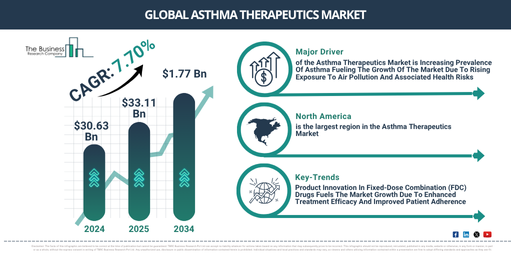
  • Asthma Therapeutics Market to Grow at a CAGR of 7.7% from 2025 to 2029

    Asthma Therapeutics Market to Grow at a CAGR of 7.7% from 2025 to 2029

    Unlock Global Insights – Save 20% on Market Reports with Code ONLINE20

    What Is The Future Market Size Estimation For The Asthma Therapeutics Market Covering 2025–2034?

    The asthma therapeutics market size has experienced significant expansion in recent years. Its valuation is anticipated to climb from $30.63 billion in 2024 to $33.11 billion in 2025, reflecting a compound annual growth rate (CAGR) of 8.1%. This historical growth can be linked to heightened awareness concerning asthma management, the increasing utilization of inhalers and nebulizers, the rising incidence of allergic asthma due to pollution, burgeoning government initiatives for respiratory health, and the developing healthcare infrastructure in emerging economies.

    The asthma therapeutics market is projected to experience substantial growth in the upcoming years. This market is anticipated to reach a valuation of $44.53 billion by 2029, demonstrating a compound annual growth rate (CAGR) of 7.7%. This expansion during the forecast period is primarily driven by factors such as the increasing demand for biologics in asthma treatment, a heightened focus on personalized medicine, the expanding adoption of digital inhalers and smart health devices, a rising prevalence of pediatric asthma, and increased investment in research and development for novel therapeutics. Significant trends anticipated within this period include advancements in biologic therapies for severe asthma, sophisticated inhaler technologies with digital tracking functionalities, the development of individualized asthma treatment plans, innovations in drug-delivery mechanisms, and the integration of artificial intelligence and wearable devices for asthma monitoring.

    Unlock Your Free Sample Report for Exclusive Market Data:

    https://www.thebusinessresearchcompany.com/sample.aspx?id=25702&type=smp

    Which Major Market Drivers Are Shaping The Future Of The Asthma Therapeutics Market?

    The rising occurrence of asthma is anticipated to drive expansion within the asthma therapeutics market. Asthma is defined as a chronic condition leading to inflammation and swelling of the respiratory passages, which in turn constricts the tubes transporting air from the nose and mouth to the lungs. This growing prevalence of asthma stems from a rise in pollutants that irritate the airways, thereby increasing the likelihood of developing the condition. Asthma treatments aid in managing the condition through controlling inflammation in the airways, alleviating symptoms, and preventing acute asthma episodes. Medications for long-term control, such as inhaled corticosteroids, work to diminish chronic inflammation, whereas rapid-acting drugs like bronchodilators offer immediate symptom relief during acute attacks. As an illustration, figures from April 2024, reported by Asthma + Lung UK, an England-based charity assisting individuals with lung conditions, revealed that asthma-related fatalities in England rose from 1,146 in 2021 to 1,236 in 2022. Consequently, the expanding occurrence of asthma is fueling the market growth for asthma therapeutics.

    What Are The Major Segment Categories Driving The Asthma Therapeutics Market Growth?

    The asthma therapeutics market covered in this report is segmented –

    1) By Drug Class: Inhaled Corticosteroids (ICS), Long-Acting Beta Agonists (LABA), Leukotriene Receptor Antagonists (LTRA), Short-Acting Beta Agonists (SABA), Biologics, Combination Inhalers (ICS + LABA)

    2) By Treatment Stage: Acute Treatment, Long-Term Control, Preventive Treatment, Maintenance Regimens, Rescue Medications

    3) By Route Of administration: Oral, Inhaled, Intravenous, Subcutaneous

    4) By Distribution Channel: Hospital Pharmacies, Retail Pharmacies, Online Pharmacies

    5) By End-User: Hospitals, Homecare, Specialty Clinics

    Subsegments:

    1) By Inhaled Corticosteroids (ICS): Fluticasone, Budesonide, Beclomethasone, Mometasone, Ciclesonide

    2) By Long-Acting Beta Agonists (LABA): Salmeterol, Formoterol, Indacaterol, Olodaterol

    3) By Leukotriene Receptor Antagonists (LTRA): Montelukast, Zafirlukast, Pranlukast

    4) By Short-Acting Beta Agonists (SABA): Albuterol (Salbutamol), Levalbuterol, Terbutaline

    5) By Biologics: Omalizumab, Mepolizumab, Benralizumab, Dupilumab, Reslizumab

    6) By Combination Inhalers (ICS + LABA): Fluticasone + Salmeterol, Budesonide + Formoterol, Mometasone + Indacaterol, Beclomethasone + Formoterol

    Which Key Trends Are Expected To Influence The Asthma Therapeutics Market In The Coming Years?

    Leading companies in the asthma therapeutics market are concentrating on developing innovative products, such as fixed-dose combination (FDC) drugs, to boost treatment effectiveness and enhance patient compliance. An FDC drug is a pharmaceutical preparation containing two or more active ingredients combined into a single dosage form, like a tablet or inhaler, intended for treating a specific condition. For example, in June 2022, Glenmark Pharmaceuticals Limited, an India-based pharmaceutical company, introduced a new fixed-dose combination (FDC) drug, Indacaterol plus Mometasone, for asthma treatment. Indacaterol serves as a long-acting beta-agonist (LABA) that aids in relaxing airway muscles, while Mometasone is an inhaled corticosteroid (ICS) that reduces lung inflammation. This specific FDC aims to provide improved symptom management and convenience via once-daily dosing, thereby enhancing treatment adherence among individuals with moderate to severe asthma.

    Who Are The Major Companies Operating In The Asthma Therapeutics Market?

    Major companies operating in the asthma therapeutics market are Roche Holding AG, Merck & Co Inc., Pfizer Inc., AstraZeneca plc, Sanofi S.A., Novartis AG, GlaxoSmithKline plc, Takeda Pharmaceutical Company Limited, Amgen Inc., Boehringer Ingelheim GmbH, Teva Pharmaceutical Industries Ltd., Regeneron Pharmaceuticals Inc., Astellas Pharma Inc., Vertex Pharmaceuticals Incorporated, Sun Pharmaceutical Industries Ltd., Chiesi Farmaceutici S.p.A., Cipla Limited, Mundipharma International Limited, ALK-Abello, Mylan N.V., Whanin Pharmaceutical, Mitsubishi Tanabe Pharma, Allergan plc.

    Download The Full Report For Exclusive Market Findings:

    https://www.thebusinessresearchcompany.com/report/asthma-therapeutics-global-market-report

    How Does The Asthma Therapeutics Market Perform Across Key Geographic Regions?

    North America was the largest region in the asthma therapeutics market in 2024. Asia-Pacific is expected to be the fastest-growing region in the forecast period. The regions covered in the asthma therapeutics market report are Asia-Pacific, Western Europe, Eastern Europe, North America, South America, Middle East, Africa.

    Request A Customized Version Of The Asthma Therapeutics Market Report:

    https://www.thebusinessresearchcompany.com/customise?id=25702&type=smp

    Browse Through More Reports Similar to the Global Asthma Therapeutics Market 2025, By The Business Research Company

    Asthma Drugs Global Market Report 2025

    https://www.thebusinessresearchcompany.com/report/asthma-drugs-global-market-report

    Anti Asthmatics And Copd Drugs Market 2025

    https://www.thebusinessresearchcompany.com/report/anti-asthmatics-and-copd-drugs-market

    Anti Asthmatics And Copd Drugs Market 2025

    https://www.thebusinessresearchcompany.com/report/anti-asthmatics-and-copd-drugs-market

    Get in touch with us:

    The Business Research Company: https://www.thebusinessresearchcompany.com/

    Americas +1 310-496-7795

    Asia +44 7882 955267 & +91 8897263534

    Europe +44 7882 955267

    Email us at info@tbrc.info

    Follow us on:

    LinkedIn: https://in.linkedin.com/company/the-business-research-company

    YouTube: https://www.youtube.com/channel/UC24_fI0rV8cR5DxlCpgmyFQ

    Global Market Model: https://www.thebusinessresearchcompany.com/global-market-model
  • Global Asthma Disease Market 2025–2029: Competitive Insights and Opportunities

    Global Asthma Disease Market 2025–2029: Competitive Insights and Opportunities

    Unlock Global Insights – Save 20% on Market Reports with Code ONLINE20

    What Is The Expected Total Market Size Of The Asthma Disease Industry By The Forecast Year 2029?

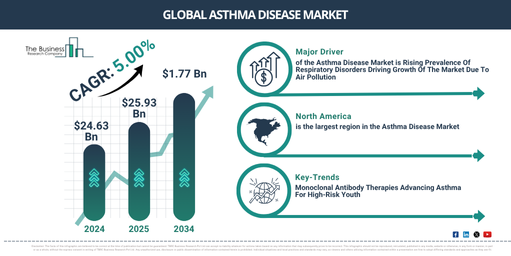
    The asthma disease market has experienced robust growth over the past few years. Forecasts indicate its expansion from $24.63 billion in 2024 to $25.93 billion by 2025, demonstrating a compound annual growth rate (CAGR) of 5.3%. This historical expansion stems from several factors, including the increasing prevalence of asthma among urban populations, elevated air pollution in industrialized areas, heightened awareness regarding asthma symptoms and diagnosis, the increased adoption of corticosteroids and bronchodilators, and improved healthcare accessibility in emerging economies.

    The asthma disease market is projected to experience robust expansion over the coming years. This market is set to reach $31.56 billion by 2029, exhibiting a compound annual growth rate (CAGR) of 5.0%. This anticipated growth during the forecast period is fueled by factors such as the increasing uptake of biologics for severe asthma, a rising demand for personalized medicine, growing investments in asthma research, the broader adoption of digital health and remote monitoring, and the expansion of telemedicine services for effective asthma management. Key trends anticipated within this period encompass advancements in biologic therapies specifically for severe asthma, the emergence of advanced inhaler technologies incorporating smart features, the creation of AI-based tools for asthma monitoring, novel approaches in personalized asthma treatment, and the development of digital health platforms designed for remote asthma management.

    Unlock Your Free Sample Report for Exclusive Market Data:

    https://www.thebusinessresearchcompany.com/sample.aspx?id=25701&type=smp

    What Are The Main Drivers Boosting The Asthma Disease Industry’s Expansion?

    The increasing incidence of respiratory ailments is expected to drive the growth of the asthma disease market in the future. Respiratory disorders encompass a range of conditions that affect the lungs and breathing, including chronic obstructive pulmonary disease (COPD), bronchitis, and asthma. The rising occurrence of these disorders is attributed to particulate matter and nitrogen oxides irritating and inflaming the airways, which leads to breathing difficulties and the worsening of conditions such as asthma. Respiratory diseases can cause inflammation and structural changes in the airways, either triggering or exacerbating asthma symptoms. For instance, in December 2023, the National Library of Medicine, a US-based national library, reported that by 2050, chronic obstructive pulmonary disease (COPD) cases in low- and middle-income countries are projected to more than double those in high-income countries, with sub-Saharan Africa anticipated to see a 59% increase and lead globally in COPD prevalence and cases by 2040. Therefore, the growing prevalence of respiratory disorders is stimulating the expansion of the asthma disease market.

    How Is The Asthma Disease Market Segmented?

    The asthma disease market covered in this report is segmented –

    1) By Treatment Type: Controller Medications, Rescue Medications, Biologics, Combination Therapy

    2) By Cause Of Asthma: Allergic Asthma, Non-Allergic Asthma, Exercise-Induced Asthma, Occupational Asthma

    3) By Severity: Mild Intermittent, Mild Persistent, Moderate Persistent, Severe Persistent

    4) By Route Of Administration: Oral, Inhaled, Intravenous, Other Route Of Administration

    5) By End-Users: Hospitals, Homecare, Specialty Clinics , Others End-Users

    Subsegments:

    1) By Controller Medications Inhaled Corticosteroids (ICS), Long-Acting Beta-Agonists (LABA), Leukotriene Receptor Antagonists (LTRA), Long-Acting Muscarinic Antagonists (LAMA), Methylxanthines

    2) By Rescue Medications: Short-Acting Beta-Agonists (SABA), Systemic Corticosteroids, Anticholinergics

    3) By Biologics: Anti-IGE Therapy, Anti-IL-5 Therapy, Anti-IL-4/IL-13 Therapy, Anti-TSLP Therapy

    4) By Combination Therapy: ICS Or LABA Combinations, ICS Or LABA Or LAMA Combinations, ICS Or LAMA Combinations

    What Are The Major Trends Driving The Growth Of The Asthma Disease Market?

    Leading companies in the asthma disease market are concentrating on developing solutions like monoclonal antibody therapies to improve treatment effectiveness and patient outcomes. Monoclonal antibody therapy is a type of targeted treatment that employs laboratory-made proteins to mimic the immune system’s capacity to combat harmful pathogens, thereby offering more precise and effective management for chronic conditions such as asthma. For example, in June 2022, the National Institutes of Health (NIH), a US-based medical research agency, initiated the PANDA trial (preventing asthma in high-risk kids) to assess the monoclonal antibody dupilumab as a therapy for asthma in urban youth. The PANDA trial is a Phase 2, randomized, placebo-controlled study that evaluates dupilumab in approximately 240 children aged 6–17 who have poorly controlled, type 2 inflammation, high allergic asthma and reside in low-income urban areas. Participants receive subcutaneous injections every two weeks for one year alongside standard asthma care, with a 2:1 randomization to dupilumab or placebo. The trial also encompasses mechanistic studies using nasal swabs and blood samples to analyze gene expression, particularly during respiratory viral infections, with the aim of understanding the molecular pathways of asthma exacerbations and treatment response within this high-risk pediatric population.

    Which Global Market Leaders Are Shaping The Future Of The Asthma Disease Sector?

    Major companies operating in the asthma disease market are Pfizer Inc., Johnson & Johnson, F. Hoffmann-La Roche Ltd., Merck & Co. Inc., AbbVie Inc., Novartis AG, Sanofi S.A., AstraZeneca PLC, Abbott Laboratories, GlaxoSmithKline plc, Eli Lilly and Company, Amgen Inc., Boehringer Ingelheim GmbH, Teva Pharmaceutical Industries Ltd., Regeneron Pharmaceuticals Inc., Astellas Pharma Inc., Chiesi Farmaceutici S.p.A., Cipla Limited, Mundipharma International Limited, Generate Biomedicines.

    Download The Full Report For Exclusive Market Findings:

    https://www.thebusinessresearchcompany.com/report/asthma-disease-global-market-report

    Which Region Is Expected To Witness The Fastest Growth In The Asthma Disease Market?

    North America was the largest region in the asthma disease market in 2024. The regions covered in the asthma disease market report are Asia-Pacific, Western Europe, Eastern Europe, North America, South America, Middle East, Africa.

    Request A Customized Version Of The Asthma Disease Market Report:

    https://www.thebusinessresearchcompany.com/customise?id=25701&type=smp

    Browse Through More Reports Similar to the Global Asthma Disease Market 2025, By The Business Research Company

    Asthma Drugs Global Market Report 2025

    https://www.thebusinessresearchcompany.com/report/asthma-drugs-global-market-report

    Anti Asthmatics And Copd Drugs Market 2025

    https://www.thebusinessresearchcompany.com/report/anti-asthmatics-and-copd-drugs-market

    Anti Asthmatics And Copd Drugs Market 2025

    https://www.thebusinessresearchcompany.com/report/anti-asthmatics-and-copd-drugs-market

    Get in touch with us:

    The Business Research Company: https://www.thebusinessresearchcompany.com/

    Americas +1 310-496-7795

    Asia +44 7882 955267 & +91 8897263534

    Europe +44 7882 955267

    Email us at info@tbrc.info

    Follow us on:

    LinkedIn: https://in.linkedin.com/company/the-business-research-company

    YouTube: https://www.youtube.com/channel/UC24_fI0rV8cR5DxlCpgmyFQ

    Global Market Model: https://www.thebusinessresearchcompany.com/global-market-model

  • Assistive Technology For Low Vision Market Trends 2025–2029: Forecasts for Key Growth Segments

    Assistive Technology For Low Vision Market Trends 2025–2029: Forecasts for Key Growth Segments

    Unlock Global Insights – Save 20% on Market Reports with Code ONLINE20

    How Does The Market Size Of The Assistive Technology For Low Vision Industry Compare Between 2025 And 2029?

    The assistive technology for low vision market size has experienced robust growth in recent years. This market is anticipated to expand from $1.05 billion in 2024 to $1.14 billion in 2025, demonstrating a compound annual growth rate (CAGR) of 8.7%. The expansion observed during the historic period can be ascribed to the increasing prevalence of age-related macular degeneration, a growing diabetic population leading to retinopathy, enhanced awareness concerning low vision aids, rising government support for vision rehabilitation, and the increasing incidence of glaucoma and cataracts.

    The market for assistive technology designed for low vision is projected to experience substantial expansion in the coming years. This market is forecast to reach $1.57 billion by 2029, exhibiting a compound annual growth rate (CAGR) of 8.5%. This anticipated growth during the forecast period stems from several factors, including the increasing uptake of portable and wearable low vision devices, heightened investment in startups focused on assistive technology, the expansion of telehealth and remote vision assessment services, greater personalization of assistive devices, and a wider penetration of smartphones. Key developments expected within this period encompass the creation of navigation aids utilizing artificial intelligence, the introduction of more affordable assistive devices, seamless integration with smartphones and tablets, incorporation into widely used platforms, and advancements in text-to-speech engine technology.

    Unlock Your Free Sample Report for Exclusive Market Data:

    https://www.thebusinessresearchcompany.com/sample.aspx?id=25700&type=smp

    Which Factors And Drivers Are Influencing The Assistive Technology For Low Vision Market In 2025?

    The growing occurrence of age-related vision issues is projected to drive the expansion of the assistive technology for low-vision market in the future. These impairments describe the slow decrease in visual ability that naturally happens with aging, encompassing conditions like age-related macular degeneration, cataracts, glaucoma, and diabetic retinopathy. The heightened prevalence of age-related vision problems largely stems from the expanding elderly population, given that older individuals are more prone to developing eye conditions such as macular degeneration, cataracts, and glaucoma as they age. Assistive technology for low vision addresses age-related vision impairments by improving residual visual function and allowing elderly individuals to sustain their independence in everyday tasks. For example, in August 2023, data from the World Health Organization, a Switzerland-based United Nations specialized agency focused on health, indicated that a minimum of 2.2 billion people worldwide experience either near or distance vision impairment. Nevertheless, projections suggest that only 36% of individuals with distance vision impairment from refractive errors and merely 17% of those with vision impairment resulting from cataracts have obtained suitable treatment. Consequently, the rising occurrence of age-related vision impairments is fueling the expansion of the assistive technology for low-vision market.

    What Are The Key Segments In The Assistive Technology For Low Vision Market?

    The assistive technology for low vision market covered in this report is segmented –

    1) By Product Type: Electronic Magnifiers, Screen Readers, Optical Magnifiers, Video Magnifiers, Smartphone Applications

    2) By Technology Type: Low-Tech Solutions, High-Tech Solutions, Assistive Robotics, Wearable Technology, Augmented Reality Solutions

    3) By Application: Blind Schools, Enterprises And Social Organizations, Personal Use, Federations And Hospitals

    4) By Distribution Channel: Online Retail, Brick-And-Mortar Stores, Direct Sales, Third-Party Distributors, Wholesale Suppliers

    5) By End-User: Individuals, Educational Institutions, Healthcare Providers, Senior Care Facilities, Government Organizations

    Subsegments:

    1) By Electronic Magnifiers: Desktop Electronic Magnifiers, Portable Electronic Magnifiers, Wearable Electronic Magnifiers

    2) By Screen Readers: Windows-Based Screen Readers, Mac Operating System Based Screen Readers, Android-Based Screen Readers, Linux-Based Screen Readers

    3) By Optical Magnifiers: Handheld Magnifiers, Stand Magnifiers, Spectacle Magnifiers, Dome Magnifiers

    4) By Video Magnifiers: Closed-Circuit Television-Based Video Magnifiers, Head-Mounted Video Magnifiers, Portable Video Magnifiers

    5) By Smartphone Applications: Text-to-Speech Apps, Object Recognition Apps, Navigation And Wayfinding Apps, Magnification And Contrast Adjustment Apps

    What Trends Are Expected To Drive The Assistive Technology For Low Vision Market?

    Major companies operating in the assistive technology for low vision market are directing their efforts toward creating inventive solutions, notably wearable electronic low vision devices, to improve visual assistance and enhance the quality of life for users. Wearable electronic low vision devices are compact units worn by individuals that utilize technologies such as cameras and displays to augment visual clarity for those with vision impairments. For instance, in January 2023, eSight Corporation, a Canada-based technology company, unveiled its newest assistive device, the eSight Go, specifically designed for individuals with legal blindness. The device incorporates full high definition organic light emitting diode screens, a high-resolution smart autofocus camera, and a wide 45° field of view that maintains natural peripheral vision, allowing for full mobility. Its lightweight, wireless design supports up to 24x magnification and offers customizable color and contrast settings, providing superior visual clarity and comfort for extended daily use, particularly for those with central vision loss.

    Which Industry Leaders Are Driving Innovation Across The Assistive Technology For Low Vision Market?

    Major companies operating in the assistive technology for low vision market are Vispero Holdings LLC, HumanWare Group, Freedom Scientific Inc., Aira Tech Corp., Low Vision International AB, IrisVision Global Inc., SELVAS Healthcare Inc., KAPSYS PTE. LTD., Sight and Sound Technology, Envision Technologies B.V., American Thermoform Corporation, Dot Incorporation Ltd, Optelec B.V., ViewPlus Technologies Inc., VisionAid Technologies Limited., Access Ingenuity LLC, Zoomax Technology Co. Limited, OrCam Technologies Ltd., Chuck Cohen Technology Inc., Quantum Reading Learning Vision.

    Download The Full Report For Exclusive Market Findings:

    https://www.thebusinessresearchcompany.com/report/assistive-technology-for-low-vision-global-market-report

    Which Global Regions Are Influencing The Competitive Landscape Of The Assistive Technology For Low Vision Market?

    North America was the largest region in the assistive technology for low vision market in 2024. The regions covered in the assistive technology for low vision market report are Asia-Pacific, Western Europe, Eastern Europe, North America, South America, Middle East, Africa.

    Request A Customized Version Of The Assistive Technology For Low Vision Market Report:

    https://www.thebusinessresearchcompany.com/customise?id=25700&type=smp

    Browse Through More Reports Similar to the Global Assistive Technology For Low Vision Market 2025, By The Business Research Company

    Assistive Technologies For Visually Impaired Global Market Report 2025

    https://www.thebusinessresearchcompany.com/report/assistive-technologies-for-visually-impaired-global-market-report

    Vision Care Devices And Equipment Global Market Report 2025

    https://www.thebusinessresearchcompany.com/report/vision-care-devices-and-equipment-global-market-report

    Robotic Vision Global Market Report 2025

    https://www.thebusinessresearchcompany.com/report/robotic-vision-global-market-report

    Get in touch with us:

    The Business Research Company: https://www.thebusinessresearchcompany.com/

    Americas +1 310-496-7795

    Asia +44 7882 955267 & +91 8897263534

    Europe +44 7882 955267

    Email us at info@tbrc.info

    Follow us on:

    LinkedIn: https://in.linkedin.com/company/the-business-research-company

    YouTube: https://www.youtube.com/channel/UC24_fI0rV8cR5DxlCpgmyFQ

    Global Market Model: https://www.thebusinessresearchcompany.com/global-market-model