Blog

  • Global Dental 3D Printing Devices Market Trends and Growth Analysis 2025–2029

    Global Dental 3D Printing Devices Market Trends and Growth Analysis 2025–2029

    Unlock Global Insights – Save 20% on Market Reports with Code ONLINE20

    By How Much Is The Dental 3D Printing Devices Market Expected To Expand Between 2025 And 2029?

    The market for dental 3D printing devices has expanded rapidly in recent years. It is projected to increase from $5.42 billion in 2024 to $6.33 billion in 2025, achieving a compound annual growth rate (CAGR) of 16.7%. This historical growth can be attributed to the increasing availability of biocompatible printing materials, rising investment in dental healthcare infrastructure, a growing number of dental clinics and laboratories, an evolving preference for chairside dental solutions, and an increasing demand for patient-specific dental devices.

    The market size for dental 3D printing devices is anticipated to undergo significant expansion in the coming years. It is projected to increase to $11.57 billion by 2029, exhibiting a compound annual growth rate (CAGR) of 16.3%. This projected growth can be ascribed to several factors, including the increasing occurrence of dental issues, a rising demand for cosmetic dentistry, an expanding elderly population, the growing adoption of digital dentistry workflows, and greater awareness about oral health. Prominent trends expected in this forecast period involve advancements in 3D printing technologies, progress in biocompatible printing materials, technological innovation in resin-based printing, enhancements in multi-material printing systems, and developments in hot lithography technology.

    Unlock Your Free Sample Report for Exclusive Market Data:

    https://www.thebusinessresearchcompany.com/sample.aspx?id=25735&type=smp

    Which Major Market Drivers Are Shaping The Future Of The Dental 3D Printing Devices Market?

    The increasing occurrence of dental conditions is anticipated to fuel the expansion of the dental 3D printing devices market moving forward. These disorders encompass various ailments that negatively impact the well-being, utility, or composition of teeth and their adjacent oral tissues. A significant factor contributing to the rise in dental issues is unhealthy eating patterns, particularly consuming large amounts of sugar and acid, which encourages cavities and periodontal disease. Dental 3D printing devices provide solutions for dental problems through the swift, accurate, and economical creation of tailored dental products like crowns, bridges, aligners, dentures, and surgical guides, thereby enhancing the precision of treatments and results for patients. As an illustration, in January 2024, data from a report issued by the American Cancer Society, a US-based nonprofit cancer advocacy organization, indicated that approximately 58,450 adults in the United States, including 41,510 men and 16,940 women, are forecast to be diagnosed with oral or oropharyngeal cancer in 2024, an increase from 54,000 adults in 2022. Consequently, the expanding incidence of dental conditions is propelling the development of the dental 3D printing devices market.

    What Are The Leading Segments Analyzed In The Dental 3D Printing Devices Market?

    The dental 3d printing devices market covered in this report is segmented –

    1) By Device Type: Desktop 3D Printers, Industrial 3D Printers, Dental Specific 3D Printers

    2) By Technology Type: Stereolithography (SLA), Digital Light Processing (DLP), Selective Laser Sintering (SLS), Material Jetting

    3) By Material Type: Resins, Biocompatible Materials, Thermoplastics, Wax

    4) By Application Area: Orthodontics, Prosthodontics, Implantology, Maxillofacial Surgery, Custom Dental Devices

    5) By End-User: Dental Laboratories, Dental Clinics, Educational Institutions, Research Organizations

    Subsegments:

    1) By Desktop 3D Printers: Resin-Based Desktop Printers, Fused Deposition Modeling (FDM) Desktop Printers, Multi-Material Desktop Printers

    2) By Industrial 3D Printers: Selective Laser Sintering (SLS) Industrial Printers, Multi-Jet Fusion (MJF) Printers, Binder Jetting Printers, Polyjet Printers

    3) By Dental Specific 3D Printers: Crown And Bridge Printers, Denture Printers, Orthodontic Appliance Printers, Surgical Guide Printers

    How Are Trends Influencing The Dental 3D Printing Devices Market?

    Leading companies in the dental 3D printing devices market are concentrating on creating sophisticated technologies, such as 3D-printed dentures, to boost treatment accuracy, decrease processing times, and improve patient-specific personalization. 3D-printed dentures refer to dental prosthetics that are designed digitally and manufactured using 3D printing technology, allowing for precise, customizable, and efficient replacement of lost teeth. As an illustration, in February 2024, 3D Systems Corporation, a US-based computer manufacturing company, introduced the sector’s initial multi-material, jetted, monolithic dentures to streamline manufacturing and enhance denture quality. This product integrates bespoke materials for teeth and gums into a single unit, offering superior durability, resistance to breakage, and realistic esthetics, thereby significantly cutting down production time and labor for dental laboratories. This advancement provides patients with quicker, more comfortable, and enduring dentures, elevating both clinical results and patient contentment.

    Which Major Industry Participants Are Leading The Dental 3D Printing Devices Market Growth?

    Major companies operating in the dental 3d printing devices market are Renishaw, Stratasys Ltd., 3D Systems Corporation, Roland DG Corporation, Formlabs Inc., Materialise NV, Desktop Metal Inc., Carbon Inc., EnvisionTEC GmbH, SprintRay Inc., Prodways Group SA, UnionTech, Structo Pte. Ltd., Zortrax S.A., Kulzer GmbH, BEGO GmbH & Co. KG., Sisma S.p.A., Asiga Pty Ltd., Rapid Shape GmbH, Raise3D Technologies Inc.

    Download The Full Report For Exclusive Market Findings:

    https://www.thebusinessresearchcompany.com/report/dental-3d-printing-devices-global-market-report

    Which Geographies Are Emerging As Strong Markets For The Dental 3D Printing Devices Industry?

    North America was the largest region in the dental 3D printing devices market in 2024. Asia-Pacific is expected to be the fastest-growing region in the forecast period. The regions covered in the dental 3d printing devices market report are Asia-Pacific, Western Europe, Eastern Europe, North America, South America, Middle East, Africa.

    Request A Customized Version Of The Dental 3D Printing Devices Market Report:

    https://www.thebusinessresearchcompany.com/customise?id=25735&type=smp

    Browse Through More Reports Similar to the Global Dental 3D Printing Devices Market 2025, By The Business Research Company

    3D Printed Medical Devices Global Market Report 2025

    https://www.thebusinessresearchcompany.com/report/3d-printed-medical-devices-global-market-report

    3D Dental Scanners Global Market Report 2025

    https://www.thebusinessresearchcompany.com/report/3d-dental-scanners-global-market-report

    3D Printed Implants Global Market Report 2025

    https://www.thebusinessresearchcompany.com/report/3d-printed-implants-global-market-report

    Get in touch with us:

    The Business Research Company: https://www.thebusinessresearchcompany.com/

    Americas +1 310-496-7795

    Asia +44 7882 955267 & +91 8897263534

    Europe +44 7882 955267

    Email us at info@tbrc.info

    Follow us on:

    LinkedIn: https://in.linkedin.com/company/the-business-research-company

    YouTube: https://www.youtube.com/channel/UC24_fI0rV8cR5DxlCpgmyFQ

    Global Market Model: https://www.thebusinessresearchcompany.com/global-market-model
  • Cytokine-Based Therapies And Inhibitors Market Forecast: What to Expect by 2029

    Cytokine-Based Therapies And Inhibitors Market Forecast: What to Expect by 2029

    Unlock Global Insights – Save 20% on Market Reports with Code ONLINE20

    #What Is The Projected Market Size Of The Cytokine-Based Therapies And Inhibitors Market By 2029?

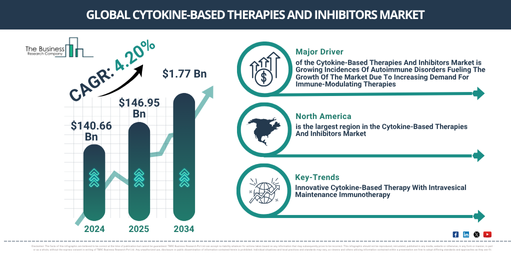
    The cytokine-based therapies and inhibitors market has demonstrated consistent expansion in recent years. Forecasts suggest it will grow from $140.66 billion in 2024 to $146.95 billion in 2025, at a compound annual growth rate (CAGR) of 4.5%. This historical growth can be attributed to the increasing prevalence of autoimmune diseases, a rising incidence of cancer, the escalating burden of infectious diseases, the growing demand for personalized medicine, improvements in vaccine production, and heightened awareness of immunotherapies.

    The cytokine-based therapies and inhibitors market is anticipated to experience consistent expansion over the upcoming years. This market is projected to reach $173.32 billion by 2029, demonstrating a compound annual growth rate (CAGR) of 4.2%. Factors contributing to this expansion during the forecast period include a globally aging population, the growing use of targeted therapies, an increase in chronic inflammatory diseases, expanding clinical trial pipelines, governmental backing for immunology research, and a heightened emphasis on patient outcomes and safety. Key trends anticipated for the forecast period encompass progress in protein engineering, the emergence of multi-cytokine inhibitors, the application of artificial intelligence in drug discovery, the utilization of next-generation sequencing for identifying biomarkers, the incorporation of digital health platforms, and advancements in formulation technologies aimed at greater stability.

    Unlock Your Free Sample Report for Exclusive Market Data:

    https://www.thebusinessresearchcompany.com/sample.aspx?id=25734&type=smp

    What Are The Main Drivers Boosting The Cytokine-Based Therapies And Inhibitors Industry’s Expansion?

    An anticipated increase in autoimmune disorders is projected to propel the expansion of the cytokine-based therapies and inhibitors market moving forward. These conditions involve the body’s immune system erroneously attacking its own healthy cells and tissues, perceiving them as foreign entities. The rise in autoimmune disorders is attributed to changes in dietary habits, especially the escalating intake of highly processed foods, which can disrupt gut microbiota and compromise immune regulation. Cytokine-based therapies and inhibitors function by modulating the immune response, targeting specific cytokines implicated in inflammation, thus proving effective in managing autoimmune disorders. For instance, in November 2024, a survey study by Versorgungsatlas.de, a Germany-based online healthcare information portal, revealed that among 73,241,305 insured individuals in 2022, 6,304,340 were diagnosed with at least one autoimmune disease, leading to a raw prevalence rate of 8.61%. Therefore, the increasing incidence of autoimmune disorders is a key factor driving the growth of the cytokine-based therapies and inhibitors market.

    What Are The Segment Types Shaping The Cytokine-Based Therapies And Inhibitors Market?

    The cytokine-based therapies and inhibitors market covered in this report is segmented –

    1) By Type: Interleukins, Tumor Necrosis Factor, Epidermal Growth Factor, Interferon, Chemokine

    2) By Application: Cancer And Malignancies, Inflammatory And Immune Disorders, Infectious Diseases, Asthma And Airway Inflammation, Other Applications

    3) By End User: Hospitals, Clinics, Research Laboratories, Academic And Research Institutes, Specialty Centers, Other End Users

    Subsegments:

    1) By Interleukins: Interleukin-2, Interleukin-6, Interleukin-10, Interleukin-12, Interleukin-17, Interleukin-23

    2) By Tumor Necrosis Factor (TNF): Tumor Necrosis Factor-Alpha Inhibitors, Tumor Necrosis Factor-Beta Inhibitors

    3) By Epidermal Growth Factor (EGF): Epidermal Growth Factor Receptor Inhibitors, Human Epidermal Growth Factor Receptor 2 Inhibitors

    4) By Interferon: Interferon-Alpha, Interferon-Beta, Interferon-Gamma

    5) By Chemokine: C-C Chemokine Receptor Type 5 Antagonists, C-X-C Chemokine Receptor Type 4 Inhibitors, C-X-C Chemokine Receptor Type 1/2 Inhibitors

    What Key Innovation Trends Are Fueling Advancements In The Cytokine-Based Therapies And Inhibitors Market?

    Major companies in the cytokine-based therapy and inhibitor market are prioritizing innovative treatments, such as intravesical cytokine maintenance immunotherapy, to improve the durability of complete responses and reduce recurrence rates in individuals with Bacillus Calmette-Guérin-unresponsive non-muscle invasive bladder cancer (BCG-unresponsive NMIBC). This particular immunotherapy involves the direct administration of immune-activating proteins into the bladder, followed by long-term maintenance dosing to continually stimulate local immune responses and suppress tumor regrowth. For instance, in April 2024, the Food and Drug Administration (FDA), a US-based government regulatory authority, approved nogapendekin alfa inbakicept-pmln (Anktiva), a new cytokine-based therapy for use in combination with Bacillus Calmette-Guérin (BCG). This advanced immunotherapy operates as a fusion protein, specifically targeting interleukin-15 (IL-15) pathways, which activates CD122-positive immune cells like natural killer (NK) cells and CD8-positive T cells. This mechanism is consistent with the foundational principles of cytokine-based therapy, which employs signaling proteins such as IL-15 to enhance the body’s immune surveillance and anti-tumor capabilities.

    Who Are The Prominent Global Companies Shaping The Cytokine-Based Therapies And Inhibitors Market?

    Major companies operating in the cytokine-based therapies and inhibitors market are Pfizer Inc., Johnson & Johnson, F. Hoffmann-La Roche Ltd, AbbVie Inc., Bayer AG, Novartis AG, Sanofi SA, Bristol-Myers Squibb Company, Thermo Fisher Scientific Inc., AstraZeneca Plc, GlaxoSmithKline plc, Eli Lilly and Company, Amgen Inc, Lonza Group AG, Cytiva, UCB S.A., Sartorius CellGenix GmbH, Biocon Limited, Bio-Techne Corporation, Miltenyi Biotec B.V. & Co. KG.

    Download The Full Report For Exclusive Market Findings:

    https://www.thebusinessresearchcompany.com/report/cytokine-based-therapies-and-inhibitors-global-market-report

    Which Region Is Projected To Lead The Cytokine-Based Therapies And Inhibitors Market During The Forecast Period?

    North America was the largest region in the cytokine-based therapies and inhibitors market in 2024. Asia-Pacific is expected to be the fastest-growing region in the forecast period. The regions covered in the cytokine-based therapies and inhibitors market report are Asia-Pacific, Western Europe, Eastern Europe, North America, South America, Middle East, Africa.

    Request A Customized Version Of The Cytokine-Based Therapies And Inhibitors Market Report:

    https://www.thebusinessresearchcompany.com/customise?id=25734&type=smp

    Browse Through More Reports Similar to the Global Cytokine-Based Therapies And Inhibitors Market 2025, By The Business Research Company

    Anti Inflammatory Therapeutics Global Market Report 2025

    https://www.thebusinessresearchcompany.com/report/anti-inflammatory-therapeutics-global-market-report

    Non Steroidal Anti Inflammatory Drugs Global Market Report 2025

    https://www.thebusinessresearchcompany.com/report/non-steroidal-anti-inflammatory-drugs-global-market-report

    Tumor Necrosis Factor Inhibitor Drugs Global Market Report 2025

    https://www.thebusinessresearchcompany.com/report/tumor-necrosis-factor-inhibitor-drugs-global-market-report

    Get in touch with us:

    The Business Research Company: https://www.thebusinessresearchcompany.com/

    Americas +1 310-496-7795

    Asia +44 7882 955267 & +91 8897263534

    Europe +44 7882 955267

    Email us at info@tbrc.info

    Follow us on:

    LinkedIn: https://in.linkedin.com/company/the-business-research-company

    YouTube: https://www.youtube.com/channel/UC24_fI0rV8cR5DxlCpgmyFQ

    Global Market Model: https://www.thebusinessresearchcompany.com/global-market-model
  • Cryptococcosis Therapeutics Industry Insights: Market Forecast to 2029

    Cryptococcosis Therapeutics Industry Insights: Market Forecast to 2029

    Unlock Global Insights – Save 20% on Market Reports with Code ONLINE20

    How Much Was The Cryptococcosis Therapeutics Market Worth In 2025, And What Is Its Anticipated Value By 2029?

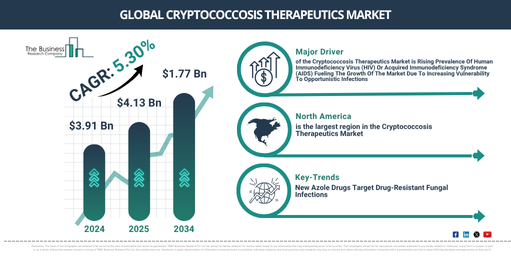
    The cryptococcosis therapeutics market has demonstrated substantial growth in recent years. It is anticipated to expand from $3.91 billion in 2024 to $4.13 billion in 2025, achieving a compound annual growth rate (CAGR) of 5.6%. Historically, this expansion has been driven by factors such as the increasing occurrence of human immunodeficiency virus (HIV) or acquired immunodeficiency syndrome (AIDS), a heightened understanding of fungal infections, improved access to antifungal medications, the development of global surveillance and fungal disease awareness initiatives, and the proliferation of non-governmental health programs.

    The cryptococcosis therapeutics market is anticipated to experience substantial expansion over the upcoming years. It is projected to reach $5.07 billion by 2029, demonstrating a compound annual growth rate (CAGR) of 5.3%. This projected growth during the forecast period stems from factors such as increased investment in antifungal research and development alongside novel drug creation, the escalating prevalence of immunosuppressive conditions and their treatments, a rise in the global burden of fungal diseases, and an amplified need for quick diagnostic tools and combination therapies. Key trends anticipated for the forecast period encompass a move towards combination antifungal treatments, the creation of next-generation antifungals utilizing new mechanisms, the incorporation of comprehensive fungal disease management strategies, the adoption of sophisticated drug delivery systems, and the integration of artificial intelligence and machine learning technologies.

    Unlock Your Free Sample Report for Exclusive Market Data:

    https://www.thebusinessresearchcompany.com/sample.aspx?id=25733&type=smp

    Which Factors And Drivers Are Influencing The Cryptococcosis Therapeutics Market In 2025?

    The increasing occurrence of human immunodeficiency virus (HIV) or acquired immunodeficiency syndrome (AIDS) is anticipated to boost the expansion of the cryptococcosis therapeutics market. HIV/AIDS is a severe, life-threatening illness caused by a virus that compromises the body’s immune system, making it susceptible to various infections and diseases. The rise in HIV/AIDS prevalence in certain areas stems from limited access to healthcare, which hinders timely diagnosis, consistent treatment, and effective prevention. Cryptococcosis therapeutics play a vital role in managing HIV/AIDS by targeting opportunistic fungal infections commonly seen in individuals with weakened immune systems. These therapies enhance patient results by lowering the risk of severe issues such as cryptococcal meningitis, thus improving life quality and aiding long-term disease management. For example, the UK Health Security Agency reported 6,008 HIV diagnoses in England (including those previously diagnosed abroad) in 2023, representing a 51% increase from 3,975 cases in 2022. Consequently, the growing prevalence of human immunodeficiency virus (HIV) or acquired immunodeficiency syndrome (AIDS) is a key driver for the cryptococcosis therapeutics market. The increasing healthcare expenditure is projected to stimulate the growth of the cryptococcosis therapeutics market. Healthcare expenditure refers to the total funds allocated to medical services, treatments, facilities, research, and public health initiatives aimed at maintaining or enhancing health outcomes. The rise in healthcare spending is primarily attributed to an aging global population that requires more extensive medical attention, treatments, and ongoing healthcare services. Greater healthcare expenditure supports cryptococcosis therapeutics by improving patient access to advanced treatments, facilitating early diagnosis, and providing funding for research into more effective antifungal therapies. For instance, the Centers for Medicare & Medicaid Services (CMS) stated that national health expenditures (NHE) in the US climbed by 7.5% to $4.9 trillion in 2023, accounting for 17.6% of the gross domestic product (GDP). Furthermore, between 2023 and 2032, average national health expenditures (NHE) are expected to grow at an average annual rate of 5.6%, leading to an increase in health spending’s share of gross domestic product (GDP) from 17.3% in 2022 to 19.7% in 2032. Thus, the escalating healthcare expenditure is a significant factor propelling the cryptococcosis therapeutics market’s expansion.

    What Are The Different Segment Classifications Within The Cryptococcosis Therapeutics Market?

    The cryptococcosis therapeutics market covered in this report is segmented –

    1) By Drug Type: Branded, Generic

    2) By Treatment: Amphotericin B, Flucytosine, Fluconazole, Other Treatments

    3) By Route Of Administration: Oral, Intravenous, Inhalation

    4) By Distribution Channel: Hospital Pharmacies, Retail Pharmacies, Online Pharmacies

    5) By End-User: Hospitals, Ambulatory Surgical Centers, Other End Users

    Subsegments:

    1) By Branded Drugs: Ambisome, Diflucan, Vfend, Noxafil, Cresemba

    2) By Generic Drugs: Amphotericin B Deoxycholate, Fluconazole, Voriconazole, Itraconazole, Flucytosine

    Which Ongoing Trends Are Expected To Shape The Cryptococcosis Therapeutics Market Outlook?

    Major companies active in the cryptococcosis therapeutics market are strategically concentrating on developing novel products and securing regulatory approvals, such as for azole antifungal drugs, to enhance treatment, combat resistance, and expand their market footprint. Azole antifungal drugs represent a class of medications designed to inhibit fungal growth by blocking the synthesis of ergosterol, a crucial element of fungal cell membranes. For example, in December 2022, Asahi Kasei Pharma Corporation, a Japan-based pharmaceutical company, was granted approval by the Ministry of Health, Labour, and Welfare (MHLW) of Japan to produce and distribute Cresemba capsule 100 mg and Cresemba intravenous infusion 200 mg for the treatment of severe fungal infections, including aspergillosis, mucormycosis, and cryptococcosis. Cresemba (isavuconazonium sulfate) is an azole antifungal available as capsules and an intravenous infusion, functioning by disrupting ergosterol synthesis in fungal cell membranes, which results in fungal cell death. The capsule form is appropriate for patients aged 6 years and older (weighing a minimum of 16 kg), while the intravenous form can be utilized from the age of 1 year.

    Which Key Players Are Driving Competition In The Cryptococcosis Therapeutics Market?

    Major companies operating in the cryptococcosis therapeutics market are Pfizer Inc., Merck & Co. Inc., Bayer AG, Bristol-Myers Squibb Company, Gilead Sciences Inc., Asahi Kasei Pharma Corporation, Astellas Pharma Inc., Bausch Health Companies Inc., Sun Pharmaceutical Industries Limited, Eisai Co. Ltd., Dr. Reddy’s Laboratories Ltd., Cipla Limited, Takeda Pharmaceutical Company Limited, Luminex Corporation, Evotec SE, Kaken Pharmaceutical Co. Ltd., Basilea Pharmaceutica AG, Vical Incorporated, F2G Limited, Century Pharmaceuticals Ltd., LGM Pharma LLC, Zeon Health Industries Pvt. Ltd., Matinas BioPharma Holdings Inc.

    Download The Full Report For Exclusive Market Findings:

    https://www.thebusinessresearchcompany.com/report/cryptococcosis-therapeutics-global-market-report

    What Are The Key Regional Factors Influencing The Cryptococcosis Therapeutics Market Growth?

    North America was the largest region in the cryptococcosis therapeutics market in 2024. Asia-Pacific is expected to be the fastest-growing region in the forecast period. The regions covered in the cryptococcosis therapeutics market report are Asia-Pacific, Western Europe, Eastern Europe, North America, South America, Middle East, Africa.

    Request A Customized Version Of The Cryptococcosis Therapeutics Market Report:

    https://www.thebusinessresearchcompany.com/customise?id=25733&type=smp

    Browse Through More Reports Similar to the Global Cryptococcosis Therapeutics Market 2025, By The Business Research Company

    Infectious Disease Therapeutics Global Market Report 2025

    https://www.thebusinessresearchcompany.com/report/infectious-disease-therapeutics-global-market-report

    Cephalosporin Global Market Report 2025

    https://www.thebusinessresearchcompany.com/report/cephalosporin-global-market-report

    Anti Infective Drugs Global Market Report 2025

    https://www.thebusinessresearchcompany.com/report/anti-infective-drugs-global-market-report

    Get in touch with us:

    The Business Research Company: https://www.thebusinessresearchcompany.com/

    Americas +1 310-496-7795

    Asia +44 7882 955267 & +91 8897263534

    Europe +44 7882 955267

    Email us at info@tbrc.info

    Follow us on:

    LinkedIn: https://in.linkedin.com/company/the-business-research-company

    YouTube: https://www.youtube.com/channel/UC24_fI0rV8cR5DxlCpgmyFQ

    Global Market Model: https://www.thebusinessresearchcompany.com/global-market-model
  • Cryopreservation Equipment Market Size and Growth Forecast for Businesses 2025–2029

    Cryopreservation Equipment Market Size and Growth Forecast for Businesses 2025–2029

    Unlock Global Insights – Save 20% on Market Reports with Code ONLINE20

    What Is The Future Market Size Estimation For The Cryopreservation Equipment Market Covering 2025–2034?

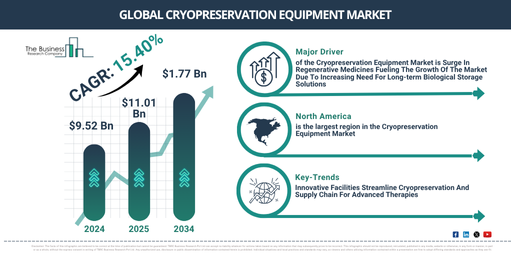
    The cryopreservation equipment market has seen significant expansion in recent years. It is projected to increase from $9.52 billion in 2024 to $11.01 billion in 2025, achieving a compound annual growth rate (CAGR) of 15.7%. This historical growth is attributable to several factors, such as the rising demand for regenerative medicine, advancements in stem cell research, the expansion of biobanking, innovations in fertility preservation, increasing healthcare expenditure, government-backed initiatives for stem cell preservation, technological progress in cryopreservation equipment, growing awareness of personalized medicine, an increase in organ transplantation procedures, and the development of cryogen-free preservation systems.

    The cryopreservation equipment market is projected to experience substantial expansion in the coming years, with its size anticipated to reach $19.55 billion by 2029, demonstrating a compound annual growth rate (CAGR) of 15.4%. This forecasted growth is driven by a multitude of factors, including the escalating demand for cell-based therapies, ongoing advancements in regenerative medicine, the increasing adoption of biobanking practices, growing awareness surrounding personalized medicine, the expansion of stem cell research, continuous technological innovations in cryopreservation apparatus, governmental support for stem cell preservation, rising healthcare expenditure, an increase in organ transplantation procedures, and the development of cryogen-free preservation systems. Key trends expected within this period encompass the integration of automation into cryopreservation processes, the creation of cryogen-free preservation solutions, significant advancements in vitrification techniques, the application of nanotechnology for enhanced preservation, the implementation of AI and machine learning for process optimization, the development of portable cryopreservation devices, the establishment of more robust monitoring and control systems, the improvement of cryoprotectant formulations, seamless integration with digital health records, and progress in ultra-low temperature storage solutions.

    Unlock Your Free Sample Report for Exclusive Market Data:

    https://www.thebusinessresearchcompany.com/sample.aspx?id=25732&type=smp

    What Are The Key Drivers Of Growth In The Cryopreservation Equipment Market?

    The projected growth of the cryopreservation equipment market is anticipated to be propelled by the escalating demand for regenerative medicines. Regenerative medicines are defined as therapies designed to repair, replace, or regenerate damaged tissues or organs, thereby restoring their normal functionality. The surge in demand for these medicines is primarily driven by their capacity to restore damaged tissues, offering enduring solutions and diminishing the need for repetitive treatments. Cryopreservation equipment plays a supportive role in regenerative medicines by enabling the long-term storage of cells, tissues, and other biological materials without compromising their vitality or therapeutic potential. For instance, in January 2025, information from the Catapult, a UK-based biotechnology company, revealed that clinical trials—including gene therapies, cell therapies, and tissue-engineered products—made up 9.5% of global trials and nearly 50% of all European trials in 2024. These clinical trials significantly contribute to the expansion of regenerative medicine. Therefore, the increasing demand for regenerative medicines is a primary force driving the cryopreservation equipment market.

    What Are The Primary Types Of Segments Analyzed In The Cryopreservation Equipment Market?

    The cryopreservation equipment market covered in this report is segmented –

    1) By Type: Freezers, Incubators, Sample Preparation Systems, Accessories

    2) By Application: Cord Blood Stem Cells, Sperms, Semen And Testicular Tissues, Embryos And Oocytes, Other Applications

    3) By End User: Stem Cells Banks, Biotechnology And Pharmaceutical Organizations, Contract Research Organizations, Stem Cell Research Laboratories, Research And Academic Institutes

    Subsegments:

    1) By Freezers: Ultra-Low Temperature Freezers (ULT Freezers), Mechanical Freezers, Liquid Nitrogen Freezers, Cryogenic Freezers, Portable Freezers

    2) By Incubators: CO2 Incubators, Non-CO2 Incubators, Hypoxia Incubators, Shaking Incubators, Vacuum Incubators

    3) By Sample Preparation Systems: Automated Sample Thawing Systems, Controlled Rate Freezing Systems, Vial Filling and Sealing Systems, Cryovial Handling Systems, Cell Processing Systems

    4) By Accessories: Cryovials And Cryotubes, Storage Boxes And Racks, Temperature Monitoring Devices, Labels And Markers, Cryogenic Gloves And Protective Gear

    Which Competitive Trends Are Defining The Cryopreservation Equipment Market Structure?

    Leading companies within the cryopreservation equipment market are concentrating on creating innovative solutions, such as integrated hubs for cell and gene therapy. These initiatives aim to streamline the preservation, storage, and transport of biological materials, enhance overall process efficiency, and support the rapid commercialization of advanced therapeutic treatments. One-stop hubs for cell and gene therapy are defined as integrated facilities that deliver comprehensive services, from processing and cryopreservation to storage and distribution, all within a single location. For example, in October 2024, Cryoport Inc., a US-based temperature-controlled supply chain solutions provider for life sciences, introduced its IntegriCell cryopreservation services. This service is provided through Cryoport Systems at a newly opened, advanced facility situated on its Houston supply chain campus. This specific facility focuses on the standardized cryopreservation of leukapheresis material. It integrates smoothly with Cryoport’s global logistics platform to support the advancement and commercialization of cell therapies. This strategic development strengthens Cryoport’s capabilities in biostorage and cell therapy logistics.

    Who Are The Top Performing Companies In The Cryopreservation Equipment Market In Recent Years?

    Major companies operating in the cryopreservation equipment market are Thermo Fisher Scientific Inc., Linde LLC, Danaher Corporation, Merck KGaA, Avantor Inc., Beckman Coulter Inc., PHC Corporation, Chart Biomedical Co. Ltd., Hamilton Company, Azenta Life Sciences, Cryoport Systems Inc., Chemglass Life Sciences Inc., BioLife Solutions Inc., Charter Medicals, Planer PLC, CellBios Healthcare and Lifesciences Pvt. Ltd., Antech Group Inc., Cryologic Pty. Ltd., Bluechiip Ltd., Haimen United Laboratory Equipment Development Co. Ltd.

    Download The Full Report For Exclusive Market Findings:

    https://www.thebusinessresearchcompany.com/report/cryopreservation-equipment-global-market-report

    How Do Regional Market Performances Compare Within The Cryopreservation Equipment Industry?

    North America was the largest region in the cryopreservation equipment market in 2024. Asia-Pacific is expected to be the fastest-growing region in the forecast period. The regions covered in the cryopreservation equipment market report are Asia-Pacific, Western Europe, Eastern Europe, North America, South America, Middle East, Africa.

    Request A Customized Version Of The Cryopreservation Equipment Market Report:

    https://www.thebusinessresearchcompany.com/customise?id=25732&type=smp

    Browse Through More Reports Similar to the Global Cryopreservation Equipment Market 2025, By The Business Research Company

    Cryogenic Equipment Market 2025

    https://www.thebusinessresearchcompany.com/report/cryogenic-equipment-market

    Cell Cryopreservation Global Market Report 2025

    https://www.thebusinessresearchcompany.com/report/cell-cryopreservation-global-market-report

    Cryoablation Devices Global Market Report 2025

    https://www.thebusinessresearchcompany.com/report/cryoablation-devices-global-market-report

    Get in touch with us:

    The Business Research Company: https://www.thebusinessresearchcompany.com/

    Americas +1 310-496-7795

    Asia +44 7882 955267 & +91 8897263534

    Europe +44 7882 955267

    Email us at info@tbrc.info

    Follow us on:

    LinkedIn: https://in.linkedin.com/company/the-business-research-company

    YouTube: https://www.youtube.com/channel/UC24_fI0rV8cR5DxlCpgmyFQ

    Global Market Model: https://www.thebusinessresearchcompany.com/global-market-model
  • Global Cryo-Electron Microscopy Market Overview: Trends Shaping Growth to 2029

    Global Cryo-Electron Microscopy Market Overview: Trends Shaping Growth to 2029

    Unlock Global Insights – Save 20% on Market Reports with Code ONLINE20

    What Is The Expected Total Market Size Of The Cryo-Electron Microscopy Industry By The Forecast Year 2029?

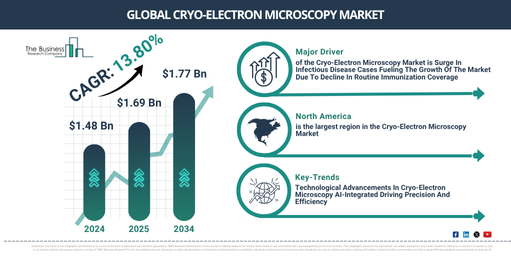
    The cryo-electron microscopy market has seen significant expansion in recent years. It is anticipated to increase from $1.48 billion in 2024 to $1.69 billion in 2025, exhibiting a compound annual growth rate (CAGR) of 14.0%. This past growth can be attributed to a rising need for high-resolution imaging in structural biology, continuous improvements in electron microscopy hardware, an increase in studies related to infectious diseases and virology, greater integration into academic and research bodies, and the limitations inherent in traditional microscopy methods.

    The cryo-electron microscopy market is projected to experience substantial expansion over the next few years, set to reach $2.84 billion by 2029, exhibiting a compound annual growth rate (CAGR) of 13.8%. This anticipated growth can be linked to the increasing use of cryo-EM technology in drug discovery, greater investment in life sciences and biotechnology research, progress in automation and image processing, the provision of advanced structural insights, and its widening application in clinical diagnostics. Significant trends for the upcoming period are expected to feature the integration of artificial intelligence with cryo-EM technology, the development of miniaturized and portable cryo-EM systems, a transition towards cloud-based platforms for cryo-EM data analysis, advancements in high-resolution imaging technologies, and the creation of hybrid imaging systems.

    Unlock Your Free Sample Report for Exclusive Market Data:

    https://www.thebusinessresearchcompany.com/sample.aspx?id=25731&type=smp

    Which Drivers Are Supporting Growth Of The Cryo-Electron Microscopy Market?

    The rising occurrence of infectious diseases is anticipated to boost the cryo-electron microscopy market’s expansion in the future. These disorders are characterized by their causation from pathogenic microorganisms like bacteria, viruses, fungi, or parasites, with examples such as malaria capable of spreading through direct or indirect means. The heightened prevalence is a result of swift urbanization, contributing to greater population density and close human interaction, which aids the transmission of infections. Cryo-electron microscopy significantly assists infectious disease research through its capacity for high-resolution visualization of viruses, bacteria, and host-pathogen interactions in conditions close to their natural state. This capability helps in quickly identifying viral structures, comprehending infection mechanisms, and accelerating the creation of antivirals and vaccines. For example, data from November 2023, published by the Switzerland-based intergovernmental World Health Organization, indicated approximately 249 million malaria cases worldwide in 2022, representing an increment of 5 million cases (2%) from 2021 figures. Consequently, the expanding occurrence of infectious diseases is a key factor propelling the growth of the cryo-electron microscopy market.

    Which Key Segments Fueling The Cryo-Electron Microscopy Market?

    The cryo-electron microscopy market covered in this report is segmented –

    1) By Product: Instruments, Fully Automated Instruments, Semi-Automated Instruments, Software, Services

    2) By Nano Formulations: Lipid Nanoparticle Formulations (LNFS), Metal Oxide Formulations, Metal Formulations, Other NanoForms

    3) By Technology: Electron Crystallography, Single Particle Analysis, Cryo-Electron Tomography, Other Technologies

    4) By Application: Life Science Research And Academia, Cancer Research, Omics Research, Pharma And Biotech Manufacturing, Cell And Gene Therapy, Vaccines, Preclinical And Clinical Research, Healthcare Or Medical Applications, Disease Diagnosis And Pathology

    5) By End-User: Research Laboratories And Institutes, Forensic And Diagnostic Laboratories, Pharmaceutical And Biotechnology Companies, Contract Research Organization, Other End-Users

    Subsegments:

    1) By Instruments, Electron Microscopes: Sample Preparation Equipment, Detectors And Cameras, Cryo-Transfer Holders

    2) By Fully Automated Instruments: Automated Sample Loading Systems, Automated Data Acquisition Systems, Automated Imaging Systems

    3) By Semi-Automated Instruments: Semi-Automated Sample Preparation Systems, Semi-Automated Imaging Systems, Semi-Automated Data Processing Units

    4) By Software: Image Analysis Software, 3D Reconstruction Software, Data Processing Software, Workflow Management Software

    4) By Services: Sample Preparation Services, Data Analysis Services, Training And Support Services, Maintenance And Repair Services

    What Are The Latest Industry Trends Transforming The Cryo-Electron Microscopy Market?

    Leading companies active in the cryo-electron microscopy market are prioritizing technological advancements, such as artificial intelligence (AI)-integrated cryo-transmission electron microscope (cryo-TEM) systems. Their aim is to enhance image processing, automate data acquisition, improve resolution, and accelerate the 3D reconstruction of biomolecular structures. AI-integrated cryo-TEM systems are sophisticated transmission electron microscopes that merge artificial intelligence with high-resolution optics to refine sample targeting, minimize user variability, and expedite data acquisition. For instance, in April 2025, Thermo Fisher Scientific, a US-based provider of scientific instruments and laboratory equipment, unveiled the Thermo Scientific Krios 5 Cryo-TEM. This next-generation atomic-resolution platform leverages enhanced optics and AI-enabled automation. The Thermo Scientific Krios 5 Cryo-TEM offers distinct features including advanced automated data collection, improved sample throughput, and high-resolution imaging capabilities, enabling researchers to visualize molecular and cellular structures with remarkable clarity. Furthermore, it incorporates enhanced stability and automation, thereby reducing manual intervention and increasing productivity for high-volume cryo-EM workflows.

    Which Leading Companies Dominate The Cryo-Electron Microscopy Market Share?

    Major companies operating in the cryo-electron microscopy market are Hitachi High-Tech Corporation , Thermo Fisher Scientific Inc., Danaher Corporation, Charles River Laboratories International Inc., Intertek Group plc, Bruker Corporation, Carl Zeiss AG, Japan Electron Optics Laboratory Ltd., Leica Microsystems GmbH, Gatan Inc., Oxford Instruments plc, Rigaku Corporation, TESCAN ORSAY HOLDING a.s., Nanoscience Instruments Inc., Protochips Inc., E.A. Fischione Instruments Inc., NanoImaging Services Inc., DENSsolutions B.V., Direct Electron LP, Hummingbird Scientific LLC

    Download The Full Report For Exclusive Market Findings:

    https://www.thebusinessresearchcompany.com/report/cryo-electron-microscopy-global-market-report

    Which Region Currently Holds The Largest Share Of The Cryo-Electron Microscopy Market?

    North America was the largest region in the cryo-electron microscopy market in 2024. Asia-Pacific is expected to be the fastest-growing region in the forecast period. The regions covered in the cryo-electron microscopy market report are Asia-Pacific, Western Europe, Eastern Europe, North America, South America, Middle East, Africa.

    Request A Customized Version Of The Cryo-Electron Microscopy Market Report:

    https://www.thebusinessresearchcompany.com/customise?id=25731&type=smp

    Browse Through More Reports Similar to the Global Cryo-Electron Microscopy Market 2025, By The Business Research Company

    Electron Microscope Global Market Report 2025

    https://www.thebusinessresearchcompany.com/report/electron-microscope-global-market-report

    Electron Microscopy And Sample Preparation Global Market Report 2025

    https://www.thebusinessresearchcompany.com/report/electron-microscopy-and-sample-preparation-global-market-report

    Cryoablation Devices Global Market Report 2025

    https://www.thebusinessresearchcompany.com/report/cryoablation-devices-global-market-report

    Get in touch with us:

    The Business Research Company: https://www.thebusinessresearchcompany.com/

    Americas +1 310-496-7795

    Asia +44 7882 955267 & +91 8897263534

    Europe +44 7882 955267

    Email us at info@tbrc.info

    Follow us on:

    LinkedIn: https://in.linkedin.com/company/the-business-research-company

    YouTube: https://www.youtube.com/channel/UC24_fI0rV8cR5DxlCpgmyFQ

    Global Market Model: https://www.thebusinessresearchcompany.com/global-market-model

  • Corticosteroid Eyedrops Market Growth Opportunities: Insights from 2025–2029

    Corticosteroid Eyedrops Market Growth Opportunities: Insights from 2025–2029

    Unlock Global Insights – Save 20% on Market Reports with Code ONLINE20

    How Does The Market Size Of The Corticosteroid Eyedrops Industry Compare Between 2025 And 2029?

    The corticosteroid eyedrops market has seen significant expansion in recent years. Its valuation is predicted to climb from $8.36 billion in 2024 to $10.00 billion in 2025, exhibiting a compound annual growth rate (CAGR) of 6.8%. This historical growth can be linked to an aging population, an uptick in eye inflammation cases, a rise in cataract surgeries, the proliferation of ophthalmology clinics, a greater incidence of allergic conjunctivitis, and better understanding of eye health.

    The corticosteroid eyedrops market is projected to experience substantial expansion over the upcoming years. Its valuation is set to reach $12.88 billion by 2029, exhibiting a compound annual growth rate (CAGR) of 6.5%. This anticipated growth during the forecast period stems from factors such as an increase in diabetic eye complications, a rising demand for minimally invasive therapeutic options, an uptick in digital eye strain, the expansion of teleophthalmology services, a rise in chronic ocular conditions, and an increase in global surgical eye interventions. Key developments expected within this timeframe encompass nano-formulation delivery systems, preservative-free product compositions, intelligent packaging offering dose tracking capabilities, AI-powered prescription platforms, and combination medications designed for enhanced bioavailability.

    Unlock Your Free Sample Report for Exclusive Market Data:

    https://www.thebusinessresearchcompany.com/sample.aspx?id=25730&type=smp

    Which Drivers Are Shaping The Corticosteroid Eyedrops Industry’s Market Share?

    The escalating occurrence of eye conditions is anticipated to stimulate the expansion of the corticosteroid eyedrops market moving forward. Eye diseases are defined as ailments that compromise the health and functionality of the eyes, potentially leading to visual impairments or even blindness if not adequately managed. The rise in the prevalence of eye diseases is largely attributed to increased screen time, which contributes to digital eye strain and the development of conditions like dry eye and blurred vision. Corticosteroid eyedrops are commonly employed in the treatment of eye diseases to mitigate inflammation and alleviate symptoms such as redness, swelling, and discomfort. For example, in May 2024, a report published by the Joint Strategic Needs Assessment, a UK-based community health center, indicated that approximately 2 million people in the UK currently live with some degree of sight loss, a figure predicted to rise to 2.7 million by 2030. Hence, the increasing prevalence of eye diseases is a primary factor driving the growth of the corticosteroid eyedrops market.

    How Is The Corticosteroid Eyedrops Market Classified Into Different Segments?

    The corticosteroid eyedrops market covered in this report is segmented –

    1) By Product Type: Topical Corticosteroid Eyedrops, Systemic Corticosteroid Eyedrops, Combination Therapy Eyedrops

    2) By Delivery Device: Dropper Bottles, Spray Formulations, Ointments And Gels, Punctal Plugs

    3) By Distribution Channel: Hospital Pharmacy, Retail Pharmacy, Online Pharmacy, Other Distribution Channels

    4) By Application: Adult, Children

    5) By End User: Hospitals, Specialty Clinics, Community Pharmacies, Online Pharmacies

    Subsegments:

    1) By Topical Corticosteroid Eyedrops: Prednisolone Acetate Eyedrops, Dexamethasone Eyedrops, Fluorometholone Eyedrops, Loteprednol Etabonate Eyedrops, Rimexolone Eyedrops

    2) By Systemic Corticosteroid Eyedrops: Hydrocortisone-Based Eyedrops, Methylprednisolone-Based Eyedrops, Triamcinolone-Based Eyedrops, Betamethasone-Based Eyedrops

    3) By Combination Therapy Eyedrops: Corticosteroid + Antibiotic Combination Eyedrops, Corticosteroid + Non-Steroidal Anti-Inflammatory Drug (NSAID) Eyedrops, Corticosteroid + Antihistamine Eyedrops, Corticosteroid + Antiglaucoma Agent Eyedrops

    What Trends Are Redefining The Corticosteroid Eyedrops Market Dynamics?

    Major companies operating in the corticosteroid eyedrops market are prioritizing the attainment of regulatory approvals to expand their product portfolios and enhance market access. Regulatory approvals refer to the official authorization granted by health authorities, ensuring that corticosteroid eyedrops meet required safety, efficacy, and quality standards before being marketed and prescribed to patients. For instance, in March 2024, Formosa Pharmaceuticals Inc., a Taiwan-based pharmaceutical company, and AimMax Therapeutics, a US-based pharmaceutical company, received FDA approval for clobetasol propionate ophthalmic suspension 0.05% (APP13007) for the treatment of postoperative inflammation and pain following ocular surgery. Developed using Formosa’s APNT nanoparticle technology, this corticosteroid formulation allows for effective drug delivery with a simple twice-daily dosing for 14 days without tapering. Clinical trials demonstrated its strong anti-inflammatory effects, making it a promising addition to corticosteroid treatment options for managing inflammation and pain after eye surgery. As the first ophthalmic corticosteroid containing clobetasol and the first new steroid approved in this category in over 15 years, it represents a significant advancement in ocular corticosteroid therapy.

    Who Are The Major Companies Operating In The Corticosteroid Eyedrops Market?

    Major companies operating in the corticosteroid eyedrops market are Pfizer Inc., AbbVie Inc., Novartis AG, Alcon Inc., Bausch Health Companies Inc., Sun Pharmaceutical Industries Ltd., Cipla Ltd., Santen Pharmaceutical Co. Ltd., Lupin Limited, Zydus Lifesciences Limited, Glenmark Pharmaceuticals Ltd., Alkem Laboratories Ltd., Sunways Pvt. Ltd., FDC Limited, Alimera Sciences Inc., Eurocrit Labs International Pvt. Ltd., Entod Pharmaceuticals Pvt. Ltd., Akorn Pharmaceuticals Inc., Pace Biotech Pvt. Ltd., Wellona Pharma Pvt. Ltd., Kala Pharmaceuticals Inc., Ophdenas Lifesciences Pvt. Ltd.

    Download The Full Report For Exclusive Market Findings:

    https://www.thebusinessresearchcompany.com/report/corticosteroid-eyedrops-global-market-report

    What Regional Growth Trends Are Shaping The Corticosteroid Eyedrops Market Outlook?

    North America was the largest region in the corticosteroid eyedrops market in 2024. Asia-Pacific is expected to be the fastest-growing region in the forecast period. The regions covered in the corticosteroid eyedrops market report are Asia-Pacific, Western Europe, Eastern Europe, North America, South America, Middle East, Africa.

    Request A Customized Version Of The Corticosteroid Eyedrops Market Report:

    https://www.thebusinessresearchcompany.com/customise?id=25730&type=smp

    Browse Through More Reports Similar to the Global Corticosteroid Eyedrops Market 2025, By The Business Research Company

    Optic Nerve Disorders Treatment Global Market Report 2025

    https://www.thebusinessresearchcompany.com/report/optic-nerve-disorders-treatment-global-market-report

    Ocular Inflammation Treatment Global Market Report 2025

    https://www.thebusinessresearchcompany.com/report/ocular-inflammation-treatment-global-market-report

    Optic Atrophy Management Global Market Report 2025

    https://www.thebusinessresearchcompany.com/report/optic-atrophy-management-global-market-report

    Get in touch with us:

    The Business Research Company: https://www.thebusinessresearchcompany.com/

    Americas +1 310-496-7795

    Asia +44 7882 955267 & +91 8897263534

    Europe +44 7882 955267

    Email us at info@tbrc.info

    Follow us on:

    LinkedIn: https://in.linkedin.com/company/the-business-research-company

    YouTube: https://www.youtube.com/channel/UC24_fI0rV8cR5DxlCpgmyFQ

    Global Market Model: https://www.thebusinessresearchcompany.com/global-market-model
  • Continuous Bladder Irrigation Devices Market Expansion Outlook: $1.77 Billion by 2029 Forecast

    Continuous Bladder Irrigation Devices Market Expansion Outlook: $1.77 Billion by 2029 Forecast

    Unlock Global Insights – Save 20% on Market Reports with Code ONLINE20

    What Is The Predicted Market Size Trajectory For The Continuous Bladder Irrigation Devices Market From 2025 To 2034?

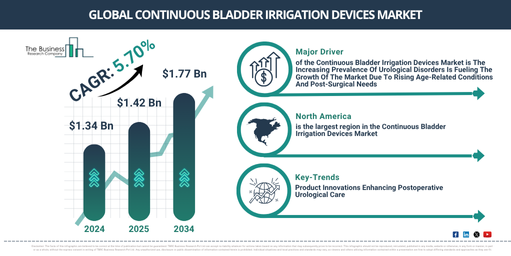
    The continuous bladder irrigation devices market has demonstrated robust growth in recent years. It is projected to expand from $1.34 billion in 2024 to $1.42 billion in 2025, registering a compound annual growth rate (CAGR) of 6.0%. This historical growth can be attributed to factors such as the increasing prevalence of urological disorders, a rising geriatric patient population, an increase in prostate cancer cases, growing demand for postoperative care, and increasing adoption within hospitals.

    The continuous bladder irrigation devices market is anticipated to experience robust expansion in the coming years, with its size projected to reach $1.77 billion by 2029, demonstrating a compound annual growth rate (CAGR) of 5.7%. This expected growth throughout the forecast period is primarily driven by an increase in urinary retention treatments, greater awareness of urology health, a rising incidence of hematuria, an amplified focus on patient comfort, and the growing adoption of minimally invasive procedures. Significant trends influencing the market during this period include advancements in automated irrigation systems, the integration of real-time monitoring sensors, technology aimed at enhancing infection control, ongoing developments in catheter material coatings, and improvements in closed-system irrigation.

    Unlock Your Free Sample Report for Exclusive Market Data:

    https://www.thebusinessresearchcompany.com/sample.aspx?id=25729&type=smp

    What Are The Drivers Pushing New Developments In The Continuous Bladder Irrigation Devices Market?

    The expanding occurrence of urological disorders is projected to boost the growth of the continuous bladder irrigation devices market moving forward. Urological disorders are medical conditions that impact the urinary system or male reproductive organs. Their rise is primarily linked to an aging population, as age-related changes elevate the likelihood of developing urinary and prostate issues. Continuous bladder irrigation (CBI) devices assist in managing these conditions by constantly flushing the bladder to eliminate clots, debris, or infections. This action helps prevent catheter blockages and promotes recovery, particularly after surgical interventions. For example, in March 2023, the Government of Canada, a government department based in Canada, indicated that an estimated 12,500 new cases of bladder cancer were reported in Canada in 2022, alongside approximately 2,600 related deaths, demonstrating the significant impact of this disease that year. Consequently, the rising prevalence of urological disorders is a key factor propelling the continuous bladder irrigation devices market.

    What Are The Major Segments Identified In The Continuous Bladder Irrigation Devices Market?

    The continuous bladder irrigation devices market covered in this report is segmented –

    1) By Product: Foley 3 Way Catheters, Accessories, Irrigation Bags

    2) By Application: Post-Surgical Irrigation, Bladder Cancer Management, Hemorrhagic Cystitis, Urinary Tract Infections, Trauma And Urinary Retention, Home-Based Irrigation

    3) By End-Use: Hospitals, Long Term Care Facilities, Other End-Uses

    Subsegments:

    1) By Foley 3 Way Catheters: Silicone 3-Way Foley Catheters, Latex 3-Way Foley Catheters, Antimicrobial-Coated Foley Catheters, Pediatric 3-Way Foley Catheters, Temperature Sensing Foley Catheters

    2) By Accessories: Catheter Connectors, Catheter Stabilization Devices, Leg Drainage Bags, Extension Tubing, Clamps And Valves

    3) By Irrigation Bags: Sterile Irrigation Bags, Non-Sterile Irrigation Bags, Pressure Irrigation Bags, Manual Irrigation Bags, Refillable Irrigation Bags

    How Are Emerging Market Trends Shaping The Continuous Bladder Irrigation Devices Industry Landscape?

    Leading companies in the continuous bladder irrigation (CBI) devices market are prioritizing the development of sophisticated products, including those for postoperative care, to enhance urological procedures. Postoperative care items are medical supplies and equipment utilized to aid healing, prevent infections, and alleviate pain after surgery, ensuring a successful recovery. For instance, in January 2025, UNOQUIP GmbH, a medical device company based in Switzerland, announced the integration of new postoperative catheter solutions into its existing product line. These additions comprise two distinct catheters, namely the Hematuria Management Catheter and the 3-Way Silicone Foley Catheter, both engineered to facilitate effective continuous bladder irrigation subsequent to urological operations. These new products demonstrate Uno Medical’s commitment to elevating patient safety and comfort by addressing clinical challenges like clot retention and ensuring optimal bladder drainage. This expansion of their product range bolsters their position within the CBI devices segment, enabling the company to better equip global healthcare providers with advanced urological care options.

    Which Global Market Leaders Are Shaping The Future Of The Continuous Bladder Irrigation Devices Sector?

    Major companies operating in the continuous bladder irrigation devices market are Cardinal Health Inc., Medline Industries LP, Coloplast A/S, Teleflex Incorporated, Cook Medical LLC, Hollister Incorporated, B. Braun Melsungen AG, Poly Medicure Limited, Angiplast Pvt. Ltd., Sterimed Group, Narang Medical Limited, Pocket Nurse Enterprises Inc., Advin Health Care, AdvaCare Pharma, Ribbel International Ltd., UROMED Kurt Drews KG, Multiphze LLC, Romsons Group of Industries, GCMEDICA, Medilivescare Manufacturing Pvt. Ltd., CODAN Companies.

    Download The Full Report For Exclusive Market Findings:

    https://www.thebusinessresearchcompany.com/report/continuous-bladder-irrigation-devices-global-market-report

    Which Regional Markets Are Contributing Most To The Continuous Bladder Irrigation Devices Industry Expansion?

    North America was the largest region in the continuous bladder irrigation devices market in 2024. The regions covered in the continuous bladder irrigation devices market report are Asia-Pacific, Western Europe, Eastern Europe, North America, South America, Middle East, Africa.

    Request A Customized Version Of The Continuous Bladder Irrigation Devices Market Report:

    https://www.thebusinessresearchcompany.com/customise?id=25729&type=smp

    Browse Through More Reports Similar to the Global Continuous Bladder Irrigation Devices Market 2025, By The Business Research Company

    Irrigation Equipment Global Market Report 2025

    https://www.thebusinessresearchcompany.com/report/irrigation-equipment-global-market-report

    Drip Irrigation Global Market Report 2025

    https://www.thebusinessresearchcompany.com/report/drip-irrigation-global-market-report

    Precision Irrigation Global Market Report 2025

    https://www.thebusinessresearchcompany.com/report/precision-irrigation-global-market-report

    Get in touch with us:

    The Business Research Company: https://www.thebusinessresearchcompany.com/

    Americas +1 310-496-7795

    Asia +44 7882 955267 & +91 8897263534

    Europe +44 7882 955267

    Email us at info@tbrc.info

    Follow us on:

    LinkedIn: https://in.linkedin.com/company/the-business-research-company

    YouTube: https://www.youtube.com/channel/UC24_fI0rV8cR5DxlCpgmyFQ

    Global Market Model: https://www.thebusinessresearchcompany.com/global-market-model
  • Global Continence Care Industry Trends: Where the Market Is Headed by 2029

    Global Continence Care Industry Trends: Where the Market Is Headed by 2029

    Unlock Global Insights – Save 20% on Market Reports with Code ONLINE20

    How Much Larger Is The Continence Care Market Expected To Become By 2029 Compared With Its 2025 Level?

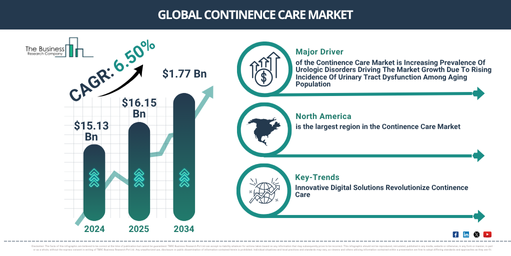
    The continence care market has seen substantial expansion in recent years. Its valuation is set to rise from $15.13 billion in 2024 to $16.15 billion in 2025, reflecting a compound annual growth rate (CAGR) of 6.7%. The growth observed historically is primarily due to an expanding aging demographic, increased focus on personal hygiene, a surge in chronic diseases, reduced mobility among the elderly, and a greater number of institutional care admissions.

    The continence care market is projected to experience substantial expansion over the upcoming years. By 2029, its valuation is anticipated to reach $20.78 billion, achieving a compound annual growth rate (CAGR) of 6.5%. This projected growth during the forecast period is primarily driven by factors such as an increasing need for home healthcare services, the broadening reach of e-commerce platforms, escalating healthcare spending, more favorable reimbursement policies, and a higher occurrence of urologic disorders. Key trends anticipated during this period encompass technological progress in absorbent materials, novelties in intelligent continence devices, the creation of biodegradable products, extensive research and development into skin-compatible materials, and the incorporation of wearable sensor technology.

    Unlock Your Free Sample Report for Exclusive Market Data:

    https://www.thebusinessresearchcompany.com/sample.aspx?id=25728&type=smp

    What Are The Emerging Market Drivers Creating New Opportunities In The Continence Care Industry?

    The increasing prevalence of urologic disorders is expected to propel the growth of the continence care market going forward. Urologic disorders encompass a range of conditions that impact the urinary tract system, including the kidneys, bladder, and urethra. The rise in these disorders is primarily driven by the aging population, as older adults are more susceptible to urinary tract dysfunction due to declining muscle tone and other age-related physiological changes. Continence care helps manage symptoms and improve comfort for individuals affected by urologic conditions by providing essential products that support urinary control, hygiene, and overall quality of life, especially for those with chronic bladder issues or age-related urinary dysfunction. For instance, in November 2024, according to the American Urological Association, a US-based professional association, more than 33 million Americans experienced symptoms of overactive bladder, while an estimated 1 to 4 million men and 3 to 8 million women were affected by interstitial cystitis or bladder pain syndrome. Therefore, the increasing prevalence of urologic disorders is driving the growth of the continence care market.

    What Are The Emerging Segments Gaining Attention In The Continence Care Market?

    The continence care market covered in this report is segmented –

    1) By Product: Urinary Catheter, Non-Implanting Electric Stimulation Devices, Protective Garments, Urine Bag, Bowel Management Products, Other Products

    2) By Material Type: Cotton, Polymer, Nonwoven Fabrics, Foam

    3) By Application: Diabetes, Strokes, Benign Prostatic Hyperplasia, Alzheimer, Cerebral Palsy, Parkinson, Prostate Cancer, Spinal Cord Injury, Bladder Cancer, Other Applications

    4) By Distribution Channel: Hospital Pharmacies, Retail Pharmacies, Online Stores, Medical Supply Stores

    5) By End User: Hospitals, Home Care Settings, Nursing Homes, Clinics

    Subsegments:

    1) By Urinary Catheter: Intermittent Catheters, Indwelling (Foley) Catheters, External (Condom) Catheters, Suprapubic Catheters, Catheter Maintenance Products

    2) By Non-Implanting Electric Stimulation Devices: Pelvic Floor Stimulators, Transcutaneous Electrical Nerve Stimulation (TENS) Devices For Bladder Control, External Tibial Nerve Stimulation Devices

    3) By Protective Garments: Adult Diapers, Protective Underwear, Pads And Liners, Male Guards, Belted Shields

    4) By Urine Bag: Leg Urine Bags, Bedside Urine Bags, Pediatric Urine Bags, Night Drainage Bags, Urine Bag Accessories

    5) By Bowel Management Products: Rectal Catheters, Stool Collection Bags, Irrigation Systems, Anal Plugs, Bowel Stimulation Devices

    6) By Other Products: Absorbent Sheets, Skin Care Products For Incontinence, Odor Control Products, Deodorizing Tablets

    Which Key Trends Are Expected To Influence The Continence Care Market In The Coming Years?

    Leading companies in the continence care market are concentrating on developing innovative offerings, such as digital health solutions, to facilitate real-time urinary tracking, hydration management, and individualized continence care. A digital health solution encompasses the utilization of digital technologies like mobile apps, software, and connected devices to support health management, enhance patient outcomes, and improve healthcare delivery. It provides benefits by allowing for real-time monitoring, personalized health insights, remote supervision, and better communication between patients and healthcare providers. For instance, in August 2024, Convatec Group Plc, a UK-based medical products and technologies company, introduced the me+ Companion app. This digital health solution is tailored to assist intermittent catheter users and healthcare professionals by enabling real-time urinary tracking, setting hydration goals, recording leaks, and generating personalized summary reports for improved continence care management. The app allows users to conveniently log their fluid intake and urine output from their mobile devices, helping them gain deeper insight into their condition and make informed decisions. It also promotes enhanced communication between patients and care teams through its provision of downloadable and printable reports.

    Which Industry Leaders Are Driving Innovation Across The Continence Care Market?

    Major companies operating in the continence care market are Cardinal Health Inc., 3M Healthcare, Medtronic plc, Kimberly-Clark Corporation, Unicharm Corporation, Coloplast A/S, Paul Hartmann AG, Convatec Group PLC, Ontex International N.V., Drylock Technologies, First Quality Enterprises Inc., Hollister Incorporated, ABENA A/S, Lohmann & Rauscher GmbH & Co. KG, B. Braun Melsungen AG, Principle Business Enterprises Inc., Premiere Care Industries Inc., Santex S.p.A., Pioneer Hygiene Industries, TZMO SA.

    Download The Full Report For Exclusive Market Findings:

    https://www.thebusinessresearchcompany.com/report/continence-care-global-market-report

    How Does The Continence Care Market Perform Across Key Geographic Regions?

    North America was the largest region in the continence care market in 2024. Asia-Pacific is expected to be the fastest-growing region in the forecast period. The regions covered in the continence care market report are Asia-Pacific, Western Europe, Eastern Europe, North America, South America, Middle East, Africa.

    Request A Customized Version Of The Continence Care Market Report:

    https://www.thebusinessresearchcompany.com/customise?id=25728&type=smp

    Browse Through More Reports Similar to the Global Continence Care Market 2025, By The Business Research Company

    Care Services Global Market Report 2025

    https://www.thebusinessresearchcompany.com/report/care-services-global-market-report

    Direct Primary Care Global Market Report 2025

    https://www.thebusinessresearchcompany.com/report/direct-primary-care-global-market-report

    Hospice Care Global Market Report 2025

    https://www.thebusinessresearchcompany.com/report/hospice-care-global-market-report

    Get in touch with us:

    The Business Research Company: https://www.thebusinessresearchcompany.com/

    Americas +1 310-496-7795

    Asia +44 7882 955267 & +91 8897263534

    Europe +44 7882 955267

    Email us at info@tbrc.info

    Follow us on:

    LinkedIn: https://in.linkedin.com/company/the-business-research-company

    YouTube: https://www.youtube.com/channel/UC24_fI0rV8cR5DxlCpgmyFQ

    Global Market Model: https://www.thebusinessresearchcompany.com/global-market-model
  • Consumer Health Contract Manufacturing Industry Anticipated to Expand at 11.7% CAGR During the Forecast Period

    Consumer Health Contract Manufacturing Industry Anticipated to Expand at 11.7% CAGR During the Forecast Period

    Unlock Global Insights – Save 20% on Market Reports with Code ONLINE20

    #What Are The Current (2025) And Forecast (2029) Sizes Of The Consumer Health Contract Manufacturing Market?

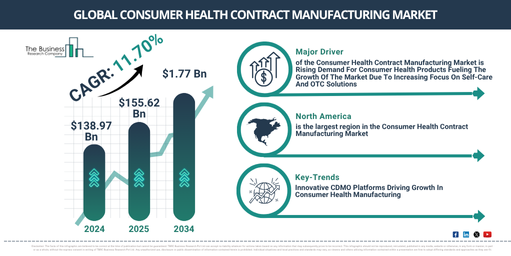
    The consumer health contract manufacturing market size has experienced significant expansion recently. Projections indicate it will increase from $138.97 billion in 2024 to $155.62 billion in 2025, demonstrating a compound annual growth rate (CAGR) of 12.0%. This historical growth is primarily due to several factors, including the increasing demand for over-the-counter (OTC) medications, heightened consumer awareness regarding wellness and preventive care, a trend of pharmaceutical firms outsourcing more operations, the expansion of retail pharmacy chains and e-commerce platforms, and increased investment in regional manufacturing facilities.

    The consumer health contract manufacturing market size is anticipated to experience substantial growth over the next few years. It is projected to expand to 242.36 billion by 2029, achieving a compound annual growth rate (CAGR) of 11.7%. This projected growth is driven by factors such as the increasing demand for personalized consumer health products, a rise in health-conscious consumers, the growing complexity of regulatory landscapes, an expanding market for direct-to-consumer (DTC) health brands, and the increasing digitization of supply chains and manufacturing processes. Significant trends expected during this period include the adoption of continuous manufacturing technologies, the utilization of AI and predictive analytics, the integration of blockchain within supply chains, the development of smart packaging solutions, and investments in green manufacturing processes.

    Unlock Your Free Sample Report for Exclusive Market Data:

    https://www.thebusinessresearchcompany.com/sample.aspx?id=25727&type=smp

    Which Drivers Are Impacting The Consumer Health Contract Manufacturing Market?

    The increasing need for consumer health products is anticipated to drive the expansion of the consumer health contract manufacturing sector in the future. These products encompass non-prescription drugs, dietary supplements, and personal care goods that individuals utilize to maintain their health and wellness independently, without requiring a doctor’s script. The uptake of consumer health products is growing because more individuals are focusing on personal well-being and opting for readily available remedies to manage their health, reducing the necessity for frequent medical consultations. Through consumer health contract manufacturing, businesses can efficiently produce premium consumer health items by delegating production to expert manufacturers, thereby enabling brands to concentrate on promotional activities and new developments. As an illustration, in September 2024, Barclays Bank UK PLC, a UK-based provider of retail banking operations, reported that figures from July and August 2024 indicated a thriving health and beauty industry, with consumer spending within this area increasing by 7.3% year-on-year in August 2024. Consequently, the expanding demand for consumer health products is fueling the development of the consumer health contract manufacturing market.

    What Are The Major Segment Types Covered In The Consumer Health Contract Manufacturing Market?

    The consumer health contract manufacturing market covered in this report is segmented –

    1) By Product: Over-The-Counter (OTC) Drugs, Nutritional Supplements, Personal Care Products, Medical Devices, Other Products

    2) By Service: Active Pharmaceutical Ingredient (API) Manufacturing, Finished Dose Manufacturing, Medical Device Manufacturing, Packaging And Labelling, Other Services

    3) By End Use: Pharmaceutical And Biopharmaceutical Companies, Nutraceutical Companies, Cosmeceutical Companies, Medical Device Companies, Other End Uses

    Subsegments:

    1) By Over-The-Counter (OTC) Drugs: Pain Relief, Cold And Allergy, Digestive Health, Vitamins And Minerals, Respiratory Products, Topical Products

    2) By Nutritional Supplements: Vitamins, Minerals, Herbal Supplements, Protein And Sports Nutrition, Omega Fatty Acids, Probiotics

    3) By Personal Care Products: Skincare Products, Hair Care Products, Oral Care Products, Baby Care Products, Feminine Hygiene Products, Cosmetics And Makeup

    4) By Medical Devices: Diagnostic Devices, Monitoring Devices, Therapeutic Devices, Surgical Instruments, Consumables And Accessories

    5) By Other Products: Wellness Products, Functional Foods And Beverages, Home Health Care Products, Herbal And Traditional Medicines

    What Are The Major Trends Driving The Growth Of The Consumer Health Contract Manufacturing Market?

    Major companies within the consumer health contract manufacturing market are concentrating on introducing innovative solutions, such as contract development and manufacturing platforms, to streamline production processes, enhance scalability, and accelerate the time-to-market for consumer health products. A contract development and manufacturing platform refers to an integrated system or service model that combines product development, including formulation and testing, with large-scale manufacturing capabilities under one roof. For instance, in October 2023, Lallemand Inc., a Canada-based company specializing in microorganism development, launched Expert Biome CDMO, a comprehensive contract development and manufacturing platform designed to support the development and production of next-generation probiotic and live biotherapeutic strains. This platform offers end-to-end services, encompassing microbial strain research and development, bioprocess scaling, drug manufacturing, formulation, and regulatory support. Expert Biome operates under the highest quality standards, such as cGMP Pharma, and aims to address critical challenges in the health supplements and live biotherapeutics markets.

    Who Are The Key Multinational Companies Dominating The Consumer Health Contract Manufacturing Market?

    Major companies operating in the consumer health contract manufacturing market are Thermo Fisher Scientific Inc., Lonza Group Ltd., Siegrified AG, Vetter Pharma, Sirio Pharma Co. Ltd., Piramal Consumer Products, Aenova Group, Recipharm AB, Vit-Best Nutrition Inc., Laurus Labs, UFP Technologies, Scapa Healthcare, Robinson Pharma Inc., Trividia Health Inc., Tishcon Corporation, Famar SA, SCN BestCo, Akums Drugs And Pharmaceuticals, Bactolac Pharmaceutical Inc., ION Labs Inc., Rubicon Research Private Limited, Captek Softgel International.

    Download The Full Report For Exclusive Market Findings:

    https://www.thebusinessresearchcompany.com/report/consumer-health-contract-manufacturing-global-market-report

    Which Region Is Expected To Witness The Fastest Growth In The Consumer Health Contract Manufacturing Market?

    North America was the largest region in the consumer health contract manufacturing market in 2024. Asia-Pacific is expected to be the fastest-growing region in the forecast period. The regions covered in the consumer health contract manufacturing market report are Asia-Pacific, Western Europe, Eastern Europe, North America, South America, Middle East, Africa.

    Request A Customized Version Of The Consumer Health Contract Manufacturing Market Report:

    https://www.thebusinessresearchcompany.com/customise?id=25727&type=smp

    Browse Through More Reports Similar to the Global Consumer Health Contract Manufacturing Market 2025, By The Business Research Company

    Personal Care Contract Manufacturing Global Market Report 2025

    https://www.thebusinessresearchcompany.com/report/personal-care-contract-manufacturing-global-market-report

    Medical Device Contract Manufacturing Global Market Report 2025

    https://www.thebusinessresearchcompany.com/report/medical-device-contract-manufacturing-global-market-report

    Biopharmaceuticals Contract Manufacturing Global Market Report 2025

    https://www.thebusinessresearchcompany.com/report/biopharmaceuticals-contract-manufacturing-global-market-report

    Get in touch with us:

    The Business Research Company: https://www.thebusinessresearchcompany.com/

    Americas +1 310-496-7795

    Asia +44 7882 955267 & +91 8897263534

    Europe +44 7882 955267

    Email us at info@tbrc.info

    Follow us on:

    LinkedIn: https://in.linkedin.com/company/the-business-research-company

    YouTube: https://www.youtube.com/channel/UC24_fI0rV8cR5DxlCpgmyFQ

    Global Market Model: https://www.thebusinessresearchcompany.com/global-market-model
  • Connective Tissue Disease Treatment Market to Reach $31.11 Billion by 2029, Growing at a CAGR of 6.1%

    Connective Tissue Disease Treatment Market to Reach $31.11 Billion by 2029, Growing at a CAGR of 6.1%

    Unlock Global Insights – Save 20% on Market Reports with Code ONLINE20

    What Market Value Is The Connective Tissue Disease Treatment Industry Expected To Reach By 2029, Starting From 2025 Levels?

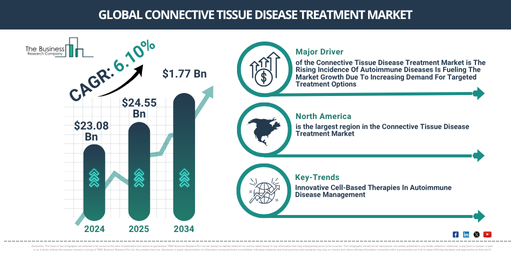
    The connective tissue disease treatment market has demonstrated strong expansion in recent years. It is projected to expand from $23.08 billion in 2024 to $24.55 billion in 2025, reflecting a compound annual growth rate (CAGR) of 6.3%. Historically, this expansion has been driven by factors such as the increasing prevalence of autoimmune disorders, rising awareness about early diagnosis, improving healthcare infrastructure in developing regions, the growing adoption of biologics, and expanding insurance coverage for chronic disease management.

    The connective tissue disease treatment market is projected to experience substantial expansion in the coming years. By 2029, this market is anticipated to reach a valuation of $31.11 billion, exhibiting a compound annual growth rate (CAGR) of 6.1%. Factors contributing to this anticipated expansion include an aging global demographic, increased research and development spending by drug manufacturers, a greater need for individualized medical approaches, a broadening array of targeted treatments in development, and an emphasis on healthcare models centered around patient needs. Significant developments expected during this outlook period encompass progress in monoclonal antibody treatments, the incorporation of telemedicine for tracking disease progression, a move towards biological and biosimilar products, the creation of drug regimens designed for multiple targets, and enhanced partnerships between scholarly and medical research organizations.

    Unlock Your Free Sample Report for Exclusive Market Data:

    https://www.thebusinessresearchcompany.com/sample.aspx?id=25726&type=smp

    Which Industry Drivers Are Expected To Accelerate The Connective Tissue Disease Treatment Market From 2025 To 2029?

    The growing occurrence of autoimmune diseases is projected to stimulate the expansion of the connective tissue disease treatment market moving forward. Autoimmune diseases are conditions where the body’s immune system mistakenly targets its own healthy tissues and organs. The escalating incidence of these diseases is primarily attributed to a combination of genetic predisposition, which makes certain individuals more susceptible to immune system malfunctions, and environmental factors such as infections, dietary habits, stress, and exposure to toxins, all of which can trigger or worsen these ailments. Treatment for connective tissue diseases aids in managing autoimmune conditions by addressing the fundamental immune system dysfunction that causes inflammation and tissue damage, thereby easing symptoms, slowing the progression of the disease, and enhancing the overall quality of life for patients affected by conditions like lupus, rheumatoid arthritis, and scleroderma. For instance, in November 2024, according to Versorgungsatlas.de, a Germany-based online platform that presents healthcare information, in 2022, 6,304,340 out of 73,241,305 insured individuals were diagnosed with at least one autoimmune disease, resulting in a raw prevalence rate of 8.61%. Hence, the increasing incidence of autoimmune diseases is propelling the growth of the connective tissue disease treatment market.

    What Are The Major Segment Categories Driving The Connective Tissue Disease Treatment Market Growth?

    The connective tissue disease treatment market covered in this report is segmented –

    1) By Drug Class: Anti-Inammatory Drugs, Immunosuppressants, Biologics And Targeted Therapy, Disease-Modifying Anti-Rheumatic Drugs (DMARDs), Other Drug Classes

    2) By Disease Type: Systemic Lupus Erythematosus (SLE), Rheumatoid Arthritis (RA), Scleroderma, Dermatomyositis, Mixed Connective Tissue Disease (MCTD), Polymyositis, Sjögren’s Syndrome, Vasculitis, Antiphospholipid Syndrome (APS)

    3) By Route Of Administration: Oral, Injectable, Topical

    4) By Distribution Channel: Hospital Pharmacies, Retail Pharmacies, Online Pharmacies

    5) By End-User: Hospitals, Clinics, Homecare Settings

    Subsegments:

    1) By Anti-Inflammatory Drugs: Nonsteroidal Anti-Inflammatory Drugs (NSAIDs), Systemic Corticosteroids

    2) By Immunosuppressants: Calcineurin Inhibitors, Mammalian Target Of Rapamycin (mTOR) Inhibitors, Antimetabolites, Alkylating Agents

    3) By Biologics And Targeted Therapy: Tumor Necrosis Factor (TNF) Inhibitors, Interleukin-6 (IL-6) Inhibitors, B-Cell Inhibitors, T-Cell Co-Stimulation Modulators, Janus Kinase (JAK) Inhibitors

    4) By Disease-Modifying Anti-Rheumatic Drugs (DMARDs): Conventional Synthetic Disease-Modifying Anti-Rheumatic Drugs (DMARDs), Biologic Disease-Modifying Anti-Rheumatic Drugs (DMARDs), Targeted Synthetic Disease-Modifying Anti-Rheumatic Drugs (DMARDs)

    5) By Other Drug Classes: Analgesics, Antimalarial Drugs, Antibiotics, Monoclonal Antibodies

    What Trends Are Expected To Drive The Connective Tissue Disease Treatment Market?

    Leading companies in the connective tissue disease treatment market are concentrating on conducting clinical trials to develop innovative therapies, such as allogeneic CAR-NK cell therapy, with the aim of enhancing effectiveness and addressing unmet patient needs in autoimmune conditions. Allogeneic CAR-NK cell therapy is a treatment that utilizes natural killer (NK) cells from healthy donors, which are genetically modified with a chimeric antigen receptor (CAR) to specifically target and eliminate disease-causing cells. This approach helps by boosting the immune system’s capacity to remove harmful B-cells involved in autoimmune diseases, thus offering a potentially safer and more accessible option compared to traditional cell therapies. For instance, in July 2024, Nkarta Inc., a US-based clinical-stage biotechnology company, initiated the Ntrust-1 clinical trial to evaluate NKX019, an investigational allogeneic CAR-NK cell therapy, for the treatment of lupus nephritis, and also received FDA clearance to begin a separate trial (Ntrust-2) for systemic sclerosis, idiopathic inflammatory myopathy, and ANCA-associated vasculitis. These efforts aim to tackle significant unmet needs in autoimmune diseases by improving the safety, accessibility, and efficacy of cell-based therapies through genetically engineered NK cells that selectively target CD19-expressing B-cells.

    Which Leading Players Are Enhancing Their Connective Tissue Disease Treatment Market Presence Worldwide?

    Major companies operating in the connective tissue disease treatment market are Pfizer Inc., F. Hoffmann-La Roche AG, AbbVie Inc., Sanofi S.A., Bristol Myers Squibb Company, AstraZeneca PLC, Novartis AG, GlaxoSmithKline (GSK) PLC, Eli Lilly and Company, Amgen Inc., Biogen Inc., Vertex Pharmaceuticals, UCB S.A., Hikma Pharmaceuticals PLC, Innovent Biologics Inc., RemeGen Co. Ltd, Kymera Therapeutics, Adicet Bio, Equillium Inc., Stem Cell Care India.

    Download The Full Report For Exclusive Market Findings:

    https://www.thebusinessresearchcompany.com/report/connective-tissue-disease-treatment-global-market-report

    Which Global Regions Are Influencing The Competitive Landscape Of The Connective Tissue Disease Treatment Market?

    North America was the largest region in the connective tissue disease treatment market in 2024. Asia-Pacific is expected to be the fastest-growing region in the forecast period. The regions covered in the connective tissue disease treatment market report are Asia-Pacific, Western Europe, Eastern Europe, North America, South America, Middle East, Africa.

    Request A Customized Version Of The Connective Tissue Disease Treatment Market Report:

    https://www.thebusinessresearchcompany.com/customise?id=25726&type=smp

    Browse Through More Reports Similar to the Global Connective Tissue Disease Treatment Market 2025, By The Business Research Company

    Neurofibromatosis Treatment Global Market Report 2025

    https://www.thebusinessresearchcompany.com/report/neurofibromatosis-treatment-global-market-report

    Soft Tissue Repair Global Market Report 2025

    https://www.thebusinessresearchcompany.com/report/soft-tissue-repair-global-market-report

    Bleeding Disorders Treatment Global Market Report 2025

    https://www.thebusinessresearchcompany.com/report/bleeding-disorders-treatment-global-market-report

    Get in touch with us:

    The Business Research Company: https://www.thebusinessresearchcompany.com/

    Americas +1 310-496-7795

    Asia +44 7882 955267 & +91 8897263534

    Europe +44 7882 955267

    Email us at info@tbrc.info

    Follow us on:

    LinkedIn: https://in.linkedin.com/company/the-business-research-company

    YouTube: https://www.youtube.com/channel/UC24_fI0rV8cR5DxlCpgmyFQ

    Global Market Model: https://www.thebusinessresearchcompany.com/global-market-model