Blog

  • Strabismus Treatment Apparatus Market Growth Outlook For 2026: Drivers, Trends And Future Opportunities

    Strabismus Treatment Apparatus Market Growth Outlook For 2026: Drivers, Trends And Future Opportunities

    Built to provide research that’s more actionable and strategically valuable, The Business Research Company’s 2026 market reports include market attractiveness analysis, total addressable market sizing, company benchmarking matrices, interactive Excel dashboards, broader supply chain intelligence, emerging startup tracking, and in-depth product insights.

    Strabismus Treatment Apparatus Market Value Growth And Long-Term Outlook

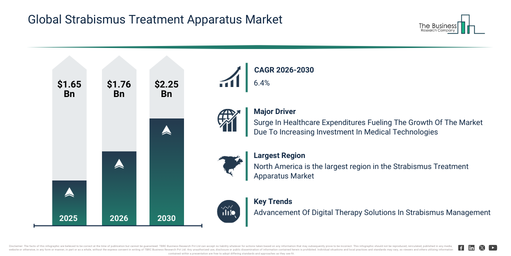
    The strabismus treatment apparatus market has experienced substantial growth in recent years. This market is anticipated to increase from $1.65 billion in 2025 to $1.76 billion in 2026, exhibiting a compound annual growth rate (CAGR) of 6.3%. The expansion observed in the historic period can be linked to factors such as early childhood eye screening, the continued application of traditional patch therapy, the provision of hospital-based ophthalmology care, a rise in pediatric eye disorders, and the adoption of orthoptic therapy.

    The strabismus treatment apparatus market is expected to experience significant growth in the upcoming years. It is projected to reach $2.25 billion in 2030, demonstrating a compound annual growth rate (CAGR) of 6.4%. This expansion during the forecast period can be attributed to innovations in digital therapy, the increasing use of homecare vision correction, rising screen exposure, the growing pediatric population, and the expansion of tele-ophthalmology. Noteworthy trends anticipated in this period include the development of vision therapy devices, the adoption of digital and VR-based therapies, an increase in pediatric strabismus diagnoses, the broadening of home-based treatment solutions, and an enhanced focus on non-surgical interventions.

    Get A Free Sample Report With In-Depth Market Insights:

    https://thebusinessresearchcompany.com/sample_request?id=71547891&type=smp&name=Strabismus%20Treatment%20Apparatus%20Market%20Report%202026&utm_source=Blogs&utm_medium=Paid&utm_campaign=Oct_PR

    Strabismus Treatment Apparatus Market Development Factors: What’s Supporting Demand?

    Increased spending on healthcare is expected to propel the expansion of the strabismus treatment apparatus market in the foreseeable future. These expenditures represent the aggregate financial outlay by individuals, entities, or governments towards medical services, health-related products, and public health initiatives within a defined timeframe. The upward trend in healthcare spending is fueled by the growing occurrence of chronic illnesses, which necessitate extensive, long-duration care and significantly add to overall health expenses. This funding plays a crucial role in supporting the strabismus treatment apparatus by facilitating the creation and availability of sophisticated diagnostic and therapeutic devices, thereby guaranteeing patients access to efficient, non-invasive treatment alternatives via public or private healthcare frameworks. As an illustration, a May 2024 report from the UK’s Office for National Statistics indicated that total healthcare spending in 2023 increased by 5.6%, an rise from the 2.8% recorded in 2022. Consequently, the increase in healthcare expenditures is a key driver for the growth of the strabismus treatment apparatus market.

    Strabismus Treatment Apparatus Market Segment Outlook: Which Categories Are Growing Fastest?

    The strabismus treatment apparatus market covered in this report is segmented –

    1) By Product Type: Prism Glasses, Eye Patches, Vision Therapy Software, Adjustable Sutures, Other Products

    2) By Age Group: Pediatric, Adult

    3) By End-User: Hospitals, Outpatient Clinics, Home Healthcare Settings

    Subsegments:

    1) By Prism Glasses: Fresnel Prism Glasses, Ground-in Prism Glasses, Clip-on Prisms

    2) By Eye Patches: Adhesive Eye Patches, Reusable Fabric Eye Patches, Pediatric Eye Patches, Orthoptic Training Patches

    3) By Vision Therapy Software: Home-Based Vision Therapy Software, Clinic-Based Vision Therapy Software, Gamified Vision Therapy Programs, VR-Based Vision Therapy Solutions

    4) By Adjustable Sutures: Sliding Noose Technique Sutures, Bow Tie Technique Sutures, Post-Operative Adjustable Sutures

    5) By Other Products: Occlusion Glasses, Eye Exercise Equipment, Electronic Eye-Tracking Devices

    Strabismus Treatment Apparatus Market Transformation Trends: What Innovations Are Driving Change?

    Leading firms within the strabismus treatment apparatus market are prioritizing the integration of digital therapy powered by eye-tracking technology, aiming to improve the accuracy of treatment, increase patient participation, and facilitate better monitoring of visual outcomes. These eye-tracking technologies utilize rapid sensors to record and evaluate eye movements instantly, enabling functions like adaptive visual stimulation, training for binocular alignment, and automatic evaluation of progress. As an illustration, in March 2024, NovaSight, an ophthalmic medical-device company based in Israel, disclosed the one-year follow-up outcomes for CureSight. This system is an eye-tracking digital therapy system intended for managing amblyopia linked to mild strabismus, and it includes features such as real-time adjustment of image sharpness to stimulate the weaker eye, ongoing tracking of improvements in visual acuity, and remote reporting tools for clinicians. The CureSight system contributes to better therapy compliance, greater treatment accuracy, and more informed long-term decisions in pediatric vision management.

    Strabismus Treatment Apparatus Market Leading Companies And Competitive Benchmarking

    Major companies operating in the strabismus treatment apparatus market are EssilorLuxottica Société Anonyme, NovaSight Ltd., Vivid Vision Inc., Metrovision SAS, RevitalVision Ltd., CooperVision Inc., HOYA Vision Care Company, ZEISS Vision Care, Essilor Instruments USA, Bernell Corporation, Good-Lite Company, Stereo Optical Company Inc., Richmond Products Inc., Oculus Optikgeräte GmbH, Vision Science Labs, RightEye Vision Therapy Solutions, Orthoptika, Amblyoplay, Visionary Tool & Technologies, Optelec US Inc., Rehacom GmbH, HTS Vision Therapy, NeuroVision Technologies, Insight Instruments Inc., Optovue Incorporated

    View The Full Strabismus Treatment Apparatus Market Report:

    https://thebusinessresearchcompany.com/report/strabismus-treatment-apparatus-global-market-report?utm_source=Blogs&utm_medium=Paid&utm_campaign=Oct_PR

    Strabismus Treatment Apparatus Market Regional Split: Which Areas Are Fueling Growth?

    North America was the largest region in the strabismus treatment apparatus market in 2025. Asia-Pacific is expected to be the fastest-growing region in the forecast period. The regions covered in the strabismus treatment apparatus market report are Asia-Pacific, South East Asia, Western Europe, Eastern Europe, North America, South America, Middle East, Africa.

    Reach Out To Our Team:

    The Business Research Company: https://www.thebusinessresearchcompany.com/

    Americas: +1 310-496-7795

    Asia: +44 7882 955267 & +91 8897263534

    Europe: +44 7882 955267

    Email us at: marketing@tbrc.info

    Follow us on:

    LinkedIn: https://in.linkedin.com/company/the-business-research-company

    YouTube: https://www.youtube.com/channel/UC24_fI0rV8cR5DxlCpgmyFQ

    Global Market Model: https://www.thebusinessresearchcompany.com/global-market-model
  • Sterile Injectables CDMO Market Size Forecast From 2026 To 2030: Key Industry Trends

    Sterile Injectables CDMO Market Size Forecast From 2026 To 2030: Key Industry Trends

    Backed by market attractiveness analysis, total addressable market sizing, company benchmarking matrices, interactive Excel dashboards, wider supply chain intelligence, emerging startup coverage, and detailed product-level insights, The Business Research Company’s 2026 market reports are designed to offer research that is more actionable and strategically valuable than ever.

    Sterile Injectables CDMO Market Poised To Hit $10.91 Billion By 2030 With A 10.3% CAGR

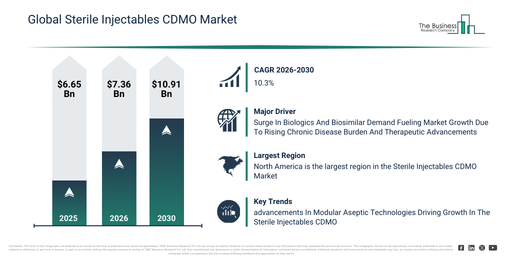
    The sterile injectables CDMO market has shown rapid expansion in recent years. This market is anticipated to grow from $6.65 billion in 2025 to $7.36 billion in 2026, exhibiting a compound annual growth rate (CAGR) of 10.7%. The historical growth of this market can be attributed to several factors including limited CDMO infrastructure for sterile injectables, a growing demand for small molecule injectables, the reliance on in-house formulation development, increasing regulatory scrutiny for sterile manufacturing, and rising global pharmaceutical production.

    The sterile injectables cdmo market is projected to experience swift expansion over the coming years. This market is set to reach $10.91 billion by 2030, driven by a compound annual growth rate (CAGR) of 10.3%. Factors contributing to this growth include the expansion of large molecule biologics manufacturing, the rising need for cell and gene therapies, the implementation of advanced aseptic processing techniques, increased outsourcing to cdmos, and the growing requirements for specialized packaging and cold chain storage. Key developments anticipated during this period involve an escalating demand for contract manufacturing of sterile injectables, the broadening of analytical and testing services for quality assurance, an increase in the production of monoclonal antibodies, peptides, and cell/gene therapy, a greater embrace of lyophilized, emulsion, and reconstitutable injectable formulations, and the unification of formulation development with packaging and storage offerings.

    Get A Free Sample Report With In-Depth Market Insights:

    https://thebusinessresearchcompany.com/sample_request?id=42057935&type=smp&name=Sterile%20Injectables%20CDMO%20Market%20Report%202026&utm_source=Blogs&utm_medium=Paid&utm_campaign=Oct_PR

    Sterile Injectables CDMO Market Industry Drivers: What’s Behind The Revenue Growth?

    The expanding requirement for biologics and biosimilars is projected to propel the growth of the sterile injectables CDMO market moving forward. Biologics are medicinal products derived from living cells or organisms, designed to target specific disease elements, whereas biosimilars are almost identical versions of approved biologics, matching them in terms of quality, safety, and efficacy. The heightened need for biologics and biosimilars stems from the increasing prevalence of chronic and intricate health conditions, as these advanced therapies provide more focused and potent treatment options compared to conventional medicines. This escalating demand for biologics and biosimilars leads to a greater dependence on sterile injectable CDMO services, given that these treatments are commonly administered through injection and necessitate meticulously maintained sterile conditions to guarantee safety, quality, and compliance with regulations. For example, in February 2025, according to the Center for Biosimilars, a US-based nonprofit research organization, the US allocated an estimated US $324 billion to biologic medicines in 2023, constituting approximately 45% of the nation’s overall prescription drug expenditure. Consequently, the rising demand for biologics and biosimilars is fostering the expansion of the sterile injectables CDMO market.

    Sterile Injectables CDMO Market Segment Landscape: Which Areas Lead Development?

    The sterile injectables cdmo market covered in this report is segmented –

    1) By Type: Small Molecule, Large Molecule

    2) By Service: Formulation Development, Analytical And Testing Services, Manufacturing, Packaging, Storage, Other Services

    3) By Route Of Administration: Subcutaneous (SC), Intravenous (IV), Intramuscular (IM), Other Routes Of Administration

    4) By Therapeutic Area: Oncology, Cardiovascular Diseases, Central Nervous System Diseases, Infectious Disorders, Musculoskeletal Diseases, Hormonal Diseases, Other Therapeutic Areas

    5) By End-User: Pharmaceutical Companies, Biopharmaceutical Companies, Research Institutes, Other End-Users

    Subsegments:

    1) By Small Molecule: Solutions, Suspensions, Lyophilized Injectables, Emulsions, Reconstitutable Powders

    2) By Large Molecule: Monoclonal Antibodies (mAbs), Peptides And Proteins, Vaccines, Cell And Gene Therapies, Insulins And Biosimilars

    #Sterile Injectables CDMO Market Growth Trends: What’s Shaping The Future Outlook?

    Leading companies in the Sterile Injectables CDMO market are concentrating on creating advanced solutions, specifically modular aseptic filling platforms, to improve adaptability and productivity in sterile drug manufacturing. These platforms represent adaptable isolator-based sterile filling systems, constructed from interchangeable modules, which allow CDMOs to readily alternate between vial, syringe, or cartridge formats. This capability helps in shortening changeover times, reducing product wastage, and effectively managing small- to mid-scale batches for both clinical and commercial sterile injectables. As an illustration, in February 2025, Recipharm AB, a CDMO based in Sweden, unveiled a fully operational modular sterile filling system at its Wasserburg, Germany facility. This system is designed for the aseptic filling of small to mid-scale batches (ranging from 500–50,000 units), minimizes product loss to less than 500 milliliters, supports various interchangeable filling modules, and enables the efficient processing of high-value biologics within a complete isolator environment.

    Sterile Injectables CDMO Market Industry Leaders And Competitive Landscape

    Major companies operating in the sterile injectables cdmo market are Pfizer Inc., Thermo Fisher Scientific Inc., Boehringer Ingelheim, Fresenius Kabi AG, Lonza Group Ltd., Catalent Inc., Samsung Biologics Co. Ltd., Fareva SA, Recipharm AB, PCI Pharma Services, Vetter Pharma, Delpharm, Kindeva Drug Delivery LP, Ajinomoto Bio-Pharma Services, Cenexi, Grand River Aseptic Manufacturing Inc., INCOG BioPharma Services, Aurigene Pharmaceutical Services, Jubilant HollisterStier LLC, Symbiosis Pharmaceutical Services Ltd., Afton Scientific Corp., Amaran Biotechnology Inc.

    View The Full Sterile Injectables CDMO Market Report:

    https://thebusinessresearchcompany.com/report/sterile-injectables-cdmo-global-market-report?utm_source=Blogs&utm_medium=Paid&utm_campaign=Oct_PR

    Sterile Injectables CDMO Market Top Region: Where Does Most Revenue Come From?

    North America was the largest region in the sterile injectables CDMO market in 2025. Asia-Pacific is expected to be the fastest-growing region in the forecast period. The regions covered in the sterile injectables cdmo market report are Asia-Pacific, South East Asia, Western Europe, Eastern Europe, North America, South America, Middle East, Africa.

    Reach Out To Our Team:

    The Business Research Company: https://www.thebusinessresearchcompany.com/

    Americas: +1 310-496-7795

    Asia: +44 7882 955267 & +91 8897263534

    Europe: +44 7882 955267

    Email us at: marketing@tbrc.info

    Follow us on:

    LinkedIn: https://in.linkedin.com/company/the-business-research-company

    YouTube: https://www.youtube.com/channel/UC24_fI0rV8cR5DxlCpgmyFQ

    Global Market Model: https://www.thebusinessresearchcompany.com/global-market-model

  • Stem Cell Therapy Market 2026: Market Size, Growth Drivers And Emerging Opportunities

    Stem Cell Therapy Market 2026: Market Size, Growth Drivers And Emerging Opportunities

    Featuring market attractiveness scoring, total addressable market sizing, company benchmarking matrices, interactive Excel dashboards, deeper supply chain intelligence, emerging startup tracking, and granular product-level insights, The Business Research Company’s 2026 market reports are built to deliver research that is both more actionable and more strategically valuable.

    Stem Cell Therapy Market Size And Revenue Outlook Through 2030

    The stem cell therapy market has experienced rapid expansion in recent years. This market is projected to expand from $9.26 billion in 2025 to $10.51 billion in 2026, reflecting a compound annual growth rate (CAGR) of 13.5%. Historically, this growth can be attributed to the limited effectiveness of conventional treatments, the increasing prevalence of chronic and degenerative diseases, a rise in academic and clinical research funding, the early success of bone marrow transplantation, and growing awareness of regenerative medicine.

    The stem cell therapy market size is projected for significant expansion over the coming years, expected to reach $16.12 billion in 2030, demonstrating a compound annual growth rate (CAGR) of 11.3%. This anticipated growth during the forecast period is largely driven by expanding therapeutic applications beyond hematology, improving clinical outcomes through combination therapies, increasing investment from biotechnology firms, greater acceptance by regulatory authorities, and a rising demand for personalized medicine. Prominent trends identified for this period include the broadening of cell-based regenerative therapies, increased adoption of autologous stem cell procedures, a rise in clinical trials for multisystem disorders, advancements in stem cell banking infrastructure, and the growing integration of stem cell therapy in oncology.

    Get A Free Sample Report With In-Depth Market Insights:

    https://thebusinessresearchcompany.com/sample_request?id=32306372&type=smp&name=Stem%20Cell%20Therapy%20Market%20Report%202026&utm_source=Blogs&utm_medium=Paid&utm_campaign=Oct_PR

    Stem Cell Therapy Market Growth Factors: What’s Supporting Expansion?

    The expanding evolution of personalized medicine is anticipated to drive the advancement of the stem cell therapy market in the future. Personalized medicine, also referred to as precision medicine, represents a healthcare strategy that considers individual differences in genetic makeup, surroundings, and daily habits when devising patient treatment regimens. This approach customizes stem cell therapies for specific patients, utilizing their distinct genetic and health profiles to boost treatment efficacy, minimize negative reactions, and prioritize the patient’s welfare. Such a patient-focused method, combined with accurate patient identification, improved clinical trial outcomes, and broadening market reach, is poised to increase the attractiveness of stem cell therapies and stimulate market expansion. As an illustration, in February 2024, the Personalized Medicine Coalition, a US-based non-profit, reported that the FDA approved 16 new personalized treatments for rare disease patients in 2023, a rise from six in 2022. Among these newly sanctioned personalized treatments for 2023 were also seven cancer drugs and three for various other diseases and conditions. Consequently, the ongoing advancement of personalized medicine is a key driver for the growth of the stem cell therapy market.

    Stem Cell Therapy Market Segments: Where Is Growth Concentrated?

    The stem cell therapy market covered in this report is segmented –

    1) By Type: Allogeneic Stem Cell Therapy, Autologous Stem Cell Therapy

    2) By Cell Source: Adult Stem Cells, Induced Pluripotent Stem Cells, Embryonic Stem Cells

    3) By Application: Musculoskeletal Disorders and Wounds & Injuries, Cancer, Autoimmune Disorders, Others

    4) By End-Users: Hospitals And Clinics, Research Centers, Others

    Stem Cell Therapy Market Industry Trends: What’s Reshaping Demand?

    Major companies operating in the stem cell therapy market are concentrating on developing advanced automated manufacturing technologies, including end-to-end microfluidic-based cell processing platforms, to improve the scalability, consistency, and efficiency in cell therapy production. End-to-end microfluidic-based cell processing platforms are integrated automated systems that employ microfluidic technology to perform all crucial steps of cell therapy manufacturing within a single closed, precise, and scalable unit. For instance, in March 2025, Limula SA, a Switzerland-based cell therapy technology company, launched LimONE, which is designed to streamline the production of autologous and allogeneic cell therapies. LimONE combines automated cell enrichment, bioprocessing, and final product formulation within one modular system, enabling standardized, scalable, and cost-efficient cell therapy manufacturing. By minimizing process variability and allowing continuous, closed-system production, LimONE enhances manufacturing reliability and supports broader clinical and commercial adoption of stem cell and other cell-based therapies.

    Stem Cell Therapy Market Key Participants And Competitive Landscape

    Major companies operating in the stem cell therapy market are Fujifilm Holding Corporation, Thermo Fisher Scientific Inc., Takara Bio Inc., MEDIPOST Co. Ltd., Astellas Pharma Inc., Catalent Inc., Pharmicell Co. Ltd., JCR Pharmaceuticals Co. Ltd., Stemedica Cell Technologies Inc., Pluristem Technologies Ltd, Becton Dickinson Private Limited, Stem Cell Technologies India Pvt. Ltd, Cordlife India Pvt. Ltd, Lifecell International Pvt. Ltd, Stemcyte India Therapeutics Private Limited, Stempeutics Research Private Limited, Anterogen Co. Ltd, Tonghua Dongbao Pharmaceutical Co, China Biologic Products Holdings Inc, Cellerix, Cellgenix, NSgene, Tigenix, Renuron Group, Smart Cells, Genenta Science, Amsterdam Molecular Therapeutics (AMT), Ark Therapeutics, Arthrogen Bv, Diamyd Medical Ab, Oxford Biomedica, Transgene, Oncoarendi Therapeutics, Celon Pharma, Osiris Therapeutics, Capricortherapeutics, Cellular Dynamics, Discgenics, Takeda Pharmaceuticals, Kolon Tissue Gene, Athersys, Cyro-Cell International, Geron Corporation, Mesoblast Ltd, Astrom Biosciences Inc, Invitrogen, Cytori Therapeutics Inc, Nuvasive Inc, Aldagen Inc, Caladrius Biosciences Inc, Biogen Sa, Gamida Cell Ltd, Hisun Pharma, Novartis

    View The Full Stem Cell Therapy Market Report:

    https://thebusinessresearchcompany.com/report/Stem-Cells-Therapy-global-market-report?utm_source=Blogs&utm_medium=Paid&utm_campaign=Oct_PR

    Stem Cell Therapy Market Regional Breakdown: Where Is Demand Concentrated?

    North America was the largest region in the stem cell therapy market in 2025. The Middle East is expected to be the fastest-growing region in the global stem cell therapy market during the forecast period. The regions covered in the stem cell therapy market report are Asia-Pacific, South East Asia, Western Europe, Eastern Europe, North America, South America, Middle East, Africa.

    Reach Out To Our Team:

    The Business Research Company: https://www.thebusinessresearchcompany.com/

    Americas: +1 310-496-7795

    Asia: +44 7882 955267 & +91 8897263534

    Europe: +44 7882 955267

    Email us at: marketing@tbrc.info

    Follow us on:

    LinkedIn: https://in.linkedin.com/company/the-business-research-company

    YouTube: https://www.youtube.com/channel/UC24_fI0rV8cR5DxlCpgmyFQ

    Global Market Model: https://www.thebusinessresearchcompany.com/global-market-model
  • STAY-C For Feed Market Set To Expand From $6.96 Billion In 2026: Growth Outlook Through 2030

    STAY-C For Feed Market Set To Expand From $6.96 Billion In 2026: Growth Outlook Through 2030

    Built to provide research that’s more actionable and strategically valuable, The Business Research Company’s 2026 market reports include market attractiveness analysis, total addressable market sizing, company benchmarking matrices, interactive Excel dashboards, broader supply chain intelligence, emerging startup tracking, and in-depth product insights.

    STAY-C For Feed Market Growth From $5.03 Billion In 2026 To $6.96 Billion By 2030 At A CAGR Of 8.4%

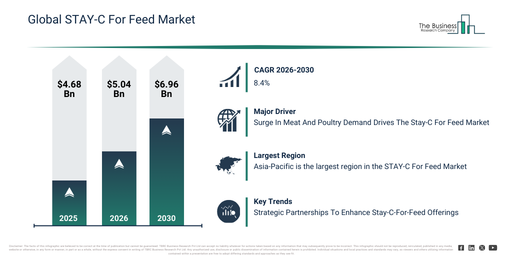
    The stay-c for feed market has experienced substantial growth in recent years. It is projected to expand from $4.68 billion in 2025 to $5.04 billion in 2026, at a compound annual growth rate (CAGR) of 7.7%. This historical expansion can be ascribed to an intensified focus on animal health and immunity, the proliferation of commercial poultry and swine farming, a heightened awareness of vitamin deficiencies in livestock, the enlargement of compound feed manufacturing, and the established practice of utilizing vitamin c for animal stress management.

    The stay-c for feed market is projected to experience substantial expansion in the coming years, reaching $6.96 billion by 2030 with a compound annual growth rate (CAGR) of 8.4%. This anticipated growth during the forecast period can be attributed to factors such as the increasing global demand for animal protein, the expansion of aquaculture and functional feeds, the growing implementation of precision nutrition for livestock, the need for high-performance and stable feed additives, and supportive regulations aimed at enhancing feed quality standards. Key trends identified for the forecast period encompass a growing requirement for stable vitamin C sources in animal nutrition, an increased utilization of antioxidant feed additives to bolster livestock immunity, the rising use of stay-c in aquaculture feed supplementation, a move towards feed additives with high bioavailability, and the expansion of commercial livestock farming alongside intensive feeding methods.

    Get A Free Sample Report With In-Depth Market Insights:

    https://thebusinessresearchcompany.com/sample_request?id=49249799&type=smp&name=STAY-C%20For%20Feed%20Market%20Report%202026&utm_source=Blogs&utm_medium=Paid&utm_campaign=Oct_PR

    STAY-C For Feed Market Demand Drivers: What’s Powering Industry Growth?

    The rising demand for meat and poultry products is expected to stimulate the growth of the STAY-C for feed market in the future. Meat is defined as animal flesh consumed as food, encompassing fish, fowl, and poultry products. STACY-C is vital for maintaining the health of feed and for generating collagen, which supports muscles, vascular tissues, bones, and cartilage. For instance, in March 2023, the Australian Bureau of Statistics, an Australia-based government agency, indicated that pig meat production increased by 5.9% in the March 2023 quarter, reaching 117,512 tonnes, an increase from 111,000 tonnes recorded in December 2022. Thus, the escalating demand for meat and poultry products is a key driver for the expansion of the STAY-C for feed market.

    STAY-C For Feed Market Segment Analysis: What Are The Core Market Categories?

    The stay-c for feed market covered in this report is segmented –

    1) By Function: Single Functioned, Multi Functioned

    2) By Formulation: Dry, Liquid, Other Formulations

    3) By Livestock: Swine, Ruminants, Poultry, Aquatic Animals, Other Livestock

    Subsegments:

    1) By Single Functioned: Stay-c For Specific Feed Types, Basic Formulations With A Single Benefit

    2) By Multi Functioned: Stay-c With Multiple Benefits, Formulations Combining Various Ingredients For Enhanced Performance

    STAY-C For Feed Market Innovation Trends: What Developments Are Reshaping The Industry?

    Leading companies in the Stay-C-for-feed market are focusing on strategic alliances to enhance product development, extend their market reach, and improve animal health solutions. A strategic partnership generally signifies a collaborative relationship between two or more organizations, combining their resources, expertise, and efforts to achieve shared objectives. As an illustration, in February 2024, Cargill, Incorporated, a US-based food corporation that offers STAY-C for feed, formed a partnership with Enough, a UK-based producer of mycoprotein-based food. This collaboration saw Cargill invest in Enough’s Series C funding round and sign a commercial agreement to utilize and market its Abunda mycoprotein. This mycoprotein, generated via a zero-waste fermentation process using fungi and sustainably sourced sugars from Cargill’s glucose syrup, is a complete food ingredient abundant in amino acids and dietary fiber. The broadened partnership with Cargill is expected to enable the joint creation of alternative protein foods and support the scaling of production throughout Europe and other areas.

    STAY-C For Feed Market Top Companies Driving Competitive Growth

    Major companies operating in the stay-c for feed market are BASF SE, DSM Firmenich AG, Evonik Industries AG, Cargill Incorporated, Balchem Corporation, Adisseo France SAS, Zhejiang NHU Company Ltd, Northeast Pharmaceutical Group Co Ltd, CSPC Pharmaceutical Group Ltd, Shandong Luwei Pharmaceutical Co Ltd, Hebei Welcome Pharmaceutical Co Ltd, Henan Huaxing Pharmaceutical Co Ltd, Shandong Tianli Pharmaceutical Co Ltd, Anhui Tiger Biotech Co Ltd, Hubei Artec Biotechnology Co Ltd, Shanghai Longyu Biotechnology Co Ltd, Hugestone Enterprise Co Ltd, Shandong Hongda Biotechnology Co Ltd, Jiangsu Kolod Food Ingredients Co Ltd, Zhejiang Delekang Food Co Ltd, Anhui Biochem Biotechnology Co Ltd, Hebei Zhongsheng Pharmaceutical Co Ltd

    View The Full STAY-C For Feed Market Report:

    https://thebusinessresearchcompany.com/report/stay-C-for-feed-global-market-report?utm_source=Blogs&utm_medium=Paid&utm_campaign=Oct_PR

    STAY-C For Feed Market Geographic Landscape: Which Region Dominates Industry Growth?

    Asia-Pacific was the largest region in the STAY-C for feed market in 2025. The regions covered in the stay-c for feed market report are Asia-Pacific, South East Asia, Western Europe, Eastern Europe, North America, South America, Middle East, Africa.

    Reach Out To Our Team:

    The Business Research Company: https://www.thebusinessresearchcompany.com/

    Americas: +1 310-496-7795

    Asia: +44 7882 955267 & +91 8897263534

    Europe: +44 7882 955267

    Email us at: marketing@tbrc.info

    Follow us on:

    LinkedIn: https://in.linkedin.com/company/the-business-research-company

    YouTube: https://www.youtube.com/channel/UC24_fI0rV8cR5DxlCpgmyFQ

    Global Market Model: https://www.thebusinessresearchcompany.com/global-market-model
  • Sprycel Market Size And Growth In 2026: Key Factors Shaping Future Demand

    Sprycel Market Size And Growth In 2026: Key Factors Shaping Future Demand

    Backed by market attractiveness analysis, total addressable market sizing, company benchmarking matrices, interactive Excel dashboards, wider supply chain intelligence, emerging startup coverage, and detailed product-level insights, The Business Research Company’s 2026 market reports are designed to offer research that is more actionable and strategically valuable than ever.

    Sprycel Market Expansion Outlook: What Revenue Opportunities Are Ahead?

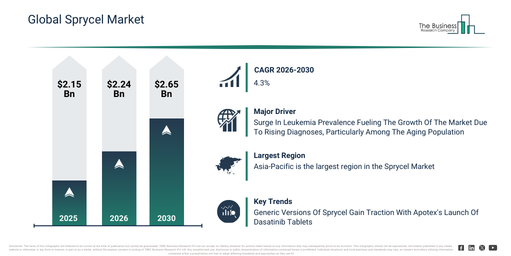
    The sprycel market has experienced consistent expansion in recent years. Its value is set to rise from $2.15 billion in 2025 to $2.24 billion in 2026, achieving a compound annual growth rate (CAGR) of 4.3%. This historical growth can be linked to factors like the elevated incidence of leukemia, the emergence of resistance to first-line treatments, the successful clinical outcomes of tyrosine kinase inhibitors, the integration into hospital oncology practices, and various regulatory clearances.

    The sprycel market size is anticipated to show consistent expansion over the next few years. It is projected to reach $2.65 billion in 2030 at a compound annual growth rate (CAGR) of 4.3%. This growth throughout the forecast period is attributable to advancements in precision oncology, personalized cancer treatment, the broadening of specialty care, innovation in oncology drugs, and improved survival rates. Key trends for the projected period encompass the sustained utilization of targeted leukemia therapies, increasing application in drug-resistant cml, the wider adoption of precision oncology treatments, the growth of specialty oncology pharmacies, and an emphasis on long-term disease management.

    Get A Free Sample Report With In-Depth Market Insights:

    https://thebusinessresearchcompany.com/sample_request?id=84858570&type=smp&name=Sprycel%20Market%20Report%202026&utm_source=Blogs&utm_medium=Paid&utm_campaign=Oct_PR

    Sprycel Market Growth Drivers: What’s Behind The Acceleration?

    The growing occurrence of leukemia is anticipated to fuel the expansion of the sprycel market in the coming years. Leukemia, a malignancy affecting the blood and bone marrow, is defined by an overproduction of abnormal white blood cells. The increasing number of leukemia cases is largely due to an aging demographic, as older individuals are more susceptible to developing this condition, resulting in a rise in diagnoses. Sprycel (dasatinib) serves as a treatment for particular forms of leukemia, including Philadelphia chromosome-positive chronic myeloid leukemia (CML) and acute lymphoblastic leukemia (ALL), by blocking the BCR-ABL protein essential for cancer cell proliferation. For example, the American Cancer Society (ACS), a US-based nonprofit health organization committed to eradicating cancer as a major health concern, reported that approximately 59,610 individuals were diagnosed with leukemia in 2023, with around 23,940 fatalities. Consequently, the rising incidence of leukemia is propelling the development of the sprycel market.

    Sprycel Market Segment Breakdown: Which Categories Lead On Revenue?

    The sprycel market covered in this report is segmented –

    1) By Indication: Chronic Myeloid Leukemia, Acute Lymphoblastic Leukemia

    2) By Dosage Forms: Tablets, Oral Suspension

    3) By Distribution Channel: Hospitals and Clinics, Retail Pharmacies, Online Pharmacies, Specialty Pharmacies

    Subsegments:

    1) By Chronic Myeloid Leukemia: Newly Diagnosed Chronic Phase CML, Imatinib-Resistant Or Intolerant CML, Accelerated Phase CML, Blast Phase CML

    2) By Acute Lymphoblastic Leukemia: Philadelphia Chromosome-Positive (Ph+) ALL In Adults, Philadelphia Chromosome-Positive (Ph+) ALL In Pediatric Patients, Relapsed Or Refractory Ph+ ALL

    Sprycel Market Trends: What’s Defining The Industry’s Next Phase?

    Leading companies in the sprycel market are concentrating on developing a generic version of sprycel, aiming to leverage the upcoming patent expiry and satisfy the increasing need for affordable cancer treatments. A generic Sprycel product refers to dasatinib-based medications produced by other manufacturers following the expiration of the original patent, delivering the same therapeutic effects at a reduced price. For example, in September 2024, Apotex Corp., a Canada-based pharmaceutical company, launched dasatinib tablets, representing a generic equivalent of Sprycel, a kinase inhibitor used for treating specific forms of leukemia. Dasatinib acts as a kinase inhibitor employed to manage certain types of leukemia in adults and children aged one year and older, encompassing Philadelphia chromosome-positive chronic myeloid leukemia (CML) and acute lymphoblastic leukemia (ALL), particularly when previous therapies were unsuccessful or not well-tolerated. The product is manufactured to meet stringent quality requirements, being free from latex, sugar, dyes, alcohol, and preservatives, and is supplied in bottles containing 30 or 60 tablets, depending on its strength.

    Sprycel Market Leading Players And Competitive Positioning

    Major companies operating in the sprycel market are Bristol-Myers Squibb Company, Otsuka Pharmaceutical Co. Ltd., Beacon Pharmaceuticals Limited, Panacea Biotec Limited, Apotex Corp., Hubei Haosun Pharmaceutical Co. Ltd., Dr. Reddy’s Laboratories Ltd., Lupin Limited, Zydus Lifesciences Limited, Biocon Limited, Zentiva k.s., Alembic Pharmaceuticals Limited, Granules India Limited, Natco Pharma Limited, Shilpa Medicare Limited, Prasco Laboratories, Stason Pharmaceuticals Inc., HRV Global Life Sciences Pvt. Ltd., Sichuan Elixir Pharmaceutical Co. Ltd., Gonane Pharma Limited

    View The Full Sprycel Market Report:

    https://thebusinessresearchcompany.com/report/sprycel-global-market-report?utm_source=Blogs&utm_medium=Paid&utm_campaign=Oct_PR

    Sprycel Market Largest Region: Which Geography Holds The Highest Market Share?

    Asia-Pacific was the largest region in the sprycel market in 2025. North America is expected to be the fastest-growing region in the forecast period. The regions covered in the sprycel market report are Asia-Pacific, South East Asia, Western Europe, Eastern Europe, North America, South America, Middle East, Africa.

    Reach Out To Our Team:

    The Business Research Company: https://www.thebusinessresearchcompany.com/

    Americas: +1 310-496-7795

    Asia: +44 7882 955267 & +91 8897263534

    Europe: +44 7882 955267

    Email us at: marketing@tbrc.info

    Follow us on:

    LinkedIn: https://in.linkedin.com/company/the-business-research-company

    YouTube: https://www.youtube.com/channel/UC24_fI0rV8cR5DxlCpgmyFQ

    Global Market Model: https://www.thebusinessresearchcompany.com/global-market-model
  • Spray-Dried Biologics Market Forecast 2026–2030: Market Size, Trends And Growth Opportunities

    Spray-Dried Biologics Market Forecast 2026–2030: Market Size, Trends And Growth Opportunities

    Featuring market attractiveness scoring, total addressable market sizing, company benchmarking matrices, interactive Excel dashboards, deeper supply chain intelligence, emerging startup tracking, and granular product-level insights, The Business Research Company’s 2026 market reports are built to deliver research that is both more actionable and more strategically valuable.

    Spray-Dried Biologics Market Growth Potential: How Will Market Size Shift Through 2030?

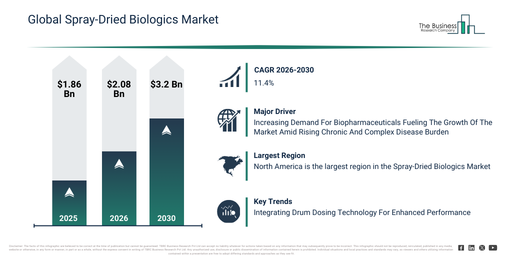
    The spray-dried biologics market has expanded considerably in recent times. It is anticipated to increase in value from $1.86 billion in 2025 to $2.08 billion in 2026, achieving a compound annual growth rate (CAGR) of 11.7%. The historical development of this market is due to several factors, including developments in biologics formulation science, a rise in biologic drug approvals, the requirement for improved drug stability, growth in vaccine manufacturing capacity, and the implementation of advanced pharmaceutical processing technologies.

    The spray-dried biologics market is projected to experience substantial expansion over the coming years, with its size forecasted to reach $3.2 billion by 2030, exhibiting a compound annual growth rate (CAGR) of 11.4%. This growth during the prediction period is largely driven by a rising demand for non-injectable biologics, increased capital allocation in dry powder delivery technologies, the growth of global vaccine manufacturing, an increased emphasis on minimizing cold-chain requirements, and improvements in spray-drying equipment technology. Key trends anticipated during the forecast period involve the wider acceptance of spray-drying for improving biologic stability, an escalating need for inhalable and orally administered biologic formulations, the expansion of continuous spray-drying methods, the growing application of dry powder biologics in vaccines, and a heightened emphasis on extending product shelf-life.

    Get A Free Sample Report With In-Depth Market Insights:

    https://thebusinessresearchcompany.com/sample_request?id=82435234&type=smp&name=Spray-Dried%20Biologics%20Market%20Report%202026&utm_source=Blogs&utm_medium=Paid&utm_campaign=Oct_PR

    Spray-Dried Biologics Market Growth Factors Behind Sustained Expansion

    The escalating demand for biopharmaceuticals is anticipated to fuel the expansion of the spray-dried biologics market moving forward. Biopharmaceuticals are therapeutic products sourced from biological origins, including living cells, proteins, and other biomolecules. The need for biopharmaceuticals is increasing globally due to a rise in chronic and complex health conditions, which creates a critical requirement for treatments offering enhanced specificity, improved efficacy, and reduced systemic side effects. The spray-dried biologics industry is observing growing demand as the swift growth of biopharmaceuticals prompts companies to implement scalable formulation technologies that enhance stability, extend shelf life, and optimize delivery efficiency. For instance, in February 2025, the World Health Organization (WHO), a Switzerland-based international public health agency, noted that its 2023 essential medicines list (EML) included 81 biologic therapies, accounting for more than 15% of all essential medicines. Thus, the increasing demand for biopharmaceuticals is propelling the growth of the spray-dried biologics market.

    Spray-Dried Biologics Market Segmentation: How Does The Market Break Down By Category?

    The spray-dried biologics market covered in this report is segmented –

    1) By Product Type: Monoclonal Antibodies, Vaccines, Enzymes, Hormones, Other Product Types

    2) By Route Of Administration: Oral, Inhalation Or Pulmonary, Injectable, Topical

    3) By End-User: Hospitals, Research Institutes, Pharmaceutical And Biotechnology Companies, Other End-Users

    Subsegments:

    1) By Monoclonal Antibodies: Chimeric Antibodies, Humanized Antibodies, Fully Human Antibodies, Bispecific Antibodies, Antibody Fragments

    2) By Vaccines: Live Attenuated Vaccines, Inactivated Vaccines, Subunit Vaccines, Toxoid Vaccines, Viral Vector Vaccines, Recombinant Protein Vaccines

    3) By Enzymes: Therapeutic Enzymes, Digestive Enzymes, Metabolic Enzymes, Recombinant Enzymes, Replacement Enzymes

    4) By Hormones: Peptide Hormones, Protein Hormones, Steroid Hormones, Recombinant Hormones, Growth Hormones

    5) By Other Product Types: Blood Factors, Cytokines, Fusion Proteins, Nucleic Acid Therapeutics, Cell Culture Media Proteins

    Spray-Dried Biologics Market Industry Trends Fueling Future Revenue Growth

    Major companies operating in the spray-dried biologics market are focusing on incorporating technological advancements, such as drum dosing technology, to enhance dose accuracy, powder handling efficiency, and reliable large-scale capsule filling. Drum dosing technology is an advanced powder-filling method that uses a rotating drum with precision-engineered dosing cavities and vacuum-assisted transfer to accurately meter and deposit dry powders into capsules, enabling capabilities such as consistent low-dose filling, improved flow management of spray-dried powders, and high-throughput scalability. For instance, in February 2024, Catalent Inc., a US-based contract development and manufacturing organization (CDMO), upgraded its inhalation manufacturing facility in the US by adding potent capsule-filling capabilities powered by drum-based dosing systems and in-line advanced mass verification. The upgraded platform supports accurate filling of engineered and spray-dried powders, featuring real-time dose validation and controlled low-humidity processing. This enhancement improves manufacturing efficiency, product consistency, and readiness for commercial-scale production of spray-dried biologic dry-powder inhalation therapies.

    Spray-Dried Biologics Market Competitive Overview And Top Companies

    Major companies operating in the spray-dried biologics market are Thermo Fisher Scientific Inc., Evonik Industries AG, Lonza Group AG, GEA Group, Fareva Group, Almac Group Limited, Seqens Group, Fabbrica Italiana Sintetici S.p.A., CordenPharma International, Hovione FarmaCiencia SA, Veranova Inc., Pace Analytical Services LLC, Olon S.p.A., Nova Laboratories Ltd, Leukocare AG, Micro Sphere SA, Seran Bioscience LLC, CritiTech Particle Engineering Solutions LLC, Xedev BV, BÜCHI Labortechnik AG.

    View The Full Spray-Dried Biologics Market Report:

    https://thebusinessresearchcompany.com/report/global-spray-dried-biologics-market-report?utm_source=Blogs&utm_medium=Paid&utm_campaign=Oct_PR

    Spray-Dried Biologics Market Regional Analysis: Which Region Leads By Revenue?

    North America was the largest region in the spray-dried biologics market in 2025. Asia-Pacific is expected to be the fastest-growing region in the forecast period. The regions covered in the spray-dried biologics market report are Asia-Pacific, South East Asia, Western Europe, Eastern Europe, North America, South America, Middle East, Africa.

    Reach Out To Our Team:

    The Business Research Company: https://www.thebusinessresearchcompany.com/

    Americas: +1 310-496-7795

    Asia: +44 7882 955267 & +91 8897263534

    Europe: +44 7882 955267

    Email us at: marketing@tbrc.info

    Follow us on:

    LinkedIn: https://in.linkedin.com/company/the-business-research-company

    YouTube: https://www.youtube.com/channel/UC24_fI0rV8cR5DxlCpgmyFQ

    Global Market Model: https://www.thebusinessresearchcompany.com/global-market-model
  • Sports Medicine Market Size Reaches $9.54 Billion In 2026: What Is Driving Growth?

    Sports Medicine Market Size Reaches $9.54 Billion In 2026: What Is Driving Growth?

    Built to provide research that’s more actionable and strategically valuable, The Business Research Company’s 2026 market reports include market attractiveness analysis, total addressable market sizing, company benchmarking matrices, interactive Excel dashboards, broader supply chain intelligence, emerging startup tracking, and in-depth product insights.

    Sports Medicine Market Value Analysis: What Growth Lies Ahead Over The Forecast Period?

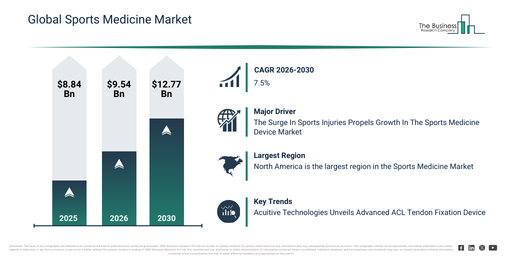
    The sports medicine market has experienced substantial growth in recent years. It is projected to expand from $8.84 billion in 2025 to $9.54 billion in 2026, exhibiting a compound annual growth rate (CAGR) of 8.0%. This historic period’s growth can be linked to factors such as the increasing frequency of sports injuries, a heightened awareness of musculoskeletal health, the rising adoption of orthopedic devices, the expansion of sports facilities and professional leagues, and advancements in surgical procedures.

    The sports medicine market is anticipated to show significant expansion in the coming years. It is projected to achieve a size of $12.77 billion in 2030, growing at a compound annual growth rate (CAGR) of 7.5%. This expansion during the forecast period stems from increasing demand for tele-rehabilitation, the integration of AI in injury diagnosis, the adoption of wearable recovery devices, a heightened focus on preventive care, and an expanding population of aging athletes. Key trends expected over the forecast period include minimally invasive surgical techniques, personalized rehabilitation programs, tele-rehabilitation and remote monitoring, advanced sports injury diagnostics, and wearable technologies for performance and recovery monitoring.

    Get A Free Sample Report With In-Depth Market Insights:

    https://thebusinessresearchcompany.com/sample_request?id=35113709&type=smp&name=Sports%20Medicine%20Market%20Report%202026&utm_source=Blogs&utm_medium=Paid&utm_campaign=Oct_PR

    Sports Medicine Market Demand Drivers Opening New Revenue Streams

    The projected increase in sports injuries is anticipated to fuel the expansion of the sports medicine device market moving forward. A sports injury defines the diverse range of wounds frequently sustained during athletic endeavors. Beyond merely treating injuries, sports medicine devices find application in performance training, physical therapy, and injury prevention; thus, the escalating number of sports injuries is set to propel the sports medicine devices market. As an illustration, Insideworldfootball, a UK-based web-based news-driven service, reported in October 2024 that sports injuries amounted to 4,123 in the 2023-24 season, indicating a 4% rise from the 2022-23 period. Consequently, the heightened occurrence of sports injuries is stimulating the growth of the sports medicine device market.

    Sports Medicine Market Segment Trends And Revenue Contributors

    The sports medicine market covered in this report is segmented –

    1) By Product: Orthopedic Devices, Body Reconstruction And Repair, Body Support And Recovery, Body Monitoring And Evaluation, Accessories

    2) By Orthopedic Product: Artificial Joint Implants, Arthroscopy Devices, Fracture Repair Devices, Prosthesis, Orthobiologic

    3) By Recovery And Support Product: Braces, Performance Monitoring Devices, Accessories, Other Recovery Products

    4) By Application: Knee Injury, Shoulder Injury, Ankle-Foot Injury, Back-Spine Injury, Hand-Wrist Injury, Hip-Groin Injury, Arm-Elbow Injury

    5) By End Users: Ambulatory Surgical Centers, Hospitals, Orthopedic Clinics, Other End Users

    Subsegments:

    1) By Orthopedic Devices: Braces And Supports, Splints, Orthopedic Implants

    2) By Body Reconstruction And Repair: Surgical Instruments, Biologics, Soft Tissue Repair Devices

    3) By Body Support And Recovery: Compression Wear, Rehabilitation Devices, Physiotherapy Equipment

    4) By Body Monitoring And Evaluation: Wearable Sensors, Diagnostic Imaging Devices, Motion Analysis Systems

    5) By Accessories: Ice Packs And Heat Wraps, Taping And Strapping Materials, Therapeutic Gel Packs

    Sports Medicine Market Trends Powering Strategic Industry Growth

    Leading companies active in the sports medicine device market are focused on developing innovative solutions, such as advanced resorbable tendon-fixation technologies, to cater to the growing demand for more robust fixation, minimally invasive procedures, and devices that support the body’s natural healing process in orthopedic and sports injury repairs. These technologies employ bioresorbable materials specifically engineered to mimic the properties of natural bone, thereby providing improved biocompatibility and fewer long-term complications compared to traditional metal implants. For example, in June 2023, Acuitive Technologies Inc., a US-based medical device manufacturer, launched the CITRELOCK ACL Tendon Fixation Device, an innovative system designed for secure tendon fixation. This device features a spiral thread for easy insertion and firm anchoring without harming the tendon, and it integrates Citregen, an advanced resorbable material optimized for orthopedic use. Citregen replicates natural bone composition, offers compressive strength comparable to cortical bone, and exhibits a modulus similar to trabecular bone, thus delivering strong fixation, natural integration, and predictable resorption.

    Sports Medicine Market Competitive Landscape: Which Companies Lead The Industry?

    Major companies operating in the sports medicine market are Stryker Corporation, Arthrex Inc., Zimmer Biomet Holdings Inc., Smith & Nephew plc, Mueller Sports Medicine Inc., Karl Storz SE & Co KG, CONMED Corporation, Johnson & Johnson, DJ Orthopedics LLC, Breg Inc., RTI Surgical Inc., Performance Health International Limited, Bauerfeind AG, Ossur Corporate, Cramer Product Inc., Medtronic plc, Bioventus LLC, Hanger Inc., AlloSource Inc., Surgalign Holdings Inc., DePuy Synthes Companies, Acumed LLC, Integra LifeSciences Corporation, Orthofix Medical Inc., Musculoskeletal Transplant Foundation

    View The Full Sports Medicine Market Report:

    https://thebusinessresearchcompany.com/report/sports-medicine-devices-global-market-report?utm_source=Blogs&utm_medium=Paid&utm_campaign=Oct_PR

    Sports Medicine Market Geographic Distribution And Regional Opportunities

    North America was the largest region in the sports medicine device market in 2025. Asia-Pacific is expected to be the fastest-growing region in the sports medicine devices market report during the forecast period. The regions covered in the sports medicine market report are Asia-Pacific, South East Asia, Western Europe, Eastern Europe, North America, South America, Middle East, Africa.

    Reach Out To Our Team:

    The Business Research Company: https://www.thebusinessresearchcompany.com/

    Americas: +1 310-496-7795

    Asia: +44 7882 955267 & +91 8897263534

    Europe: +44 7882 955267

    Email us at: marketing@tbrc.info

    Follow us on:

    LinkedIn: https://in.linkedin.com/company/the-business-research-company

    YouTube: https://www.youtube.com/channel/UC24_fI0rV8cR5DxlCpgmyFQ

    Global Market Model: https://www.thebusinessresearchcompany.com/global-market-model
  • Spine Biologics Market Valued At $3.16 Billion In 2026: Key Trends And Growth Drivers

    Spine Biologics Market Valued At $3.16 Billion In 2026: Key Trends And Growth Drivers

    Backed by market attractiveness analysis, total addressable market sizing, company benchmarking matrices, interactive Excel dashboards, wider supply chain intelligence, emerging startup coverage, and detailed product-level insights, The Business Research Company’s 2026 market reports are designed to offer research that is more actionable and strategically valuable than ever.

    Spine Biologics Market Size Forecast: How Big Could The Market Get By 2030?

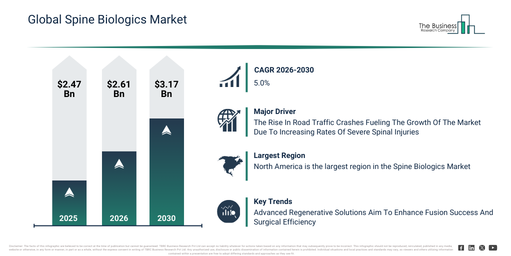
    The spine biologics market size has demonstrated robust growth over recent years. It is anticipated to increase from $2.47 billion in 2025 to $2.61 billion in 2026, registering a compound annual growth rate (CAGR) of 5.5%. The historical growth of this market can be attributed to various factors such as the rising incidence of degenerative spine disorders, an increase in spinal fusion surgeries performed, the limitations associated with traditional bone grafts, the expanding aging population, and the improved surgical outcomes provided by biologics.

    The spine biologics market is anticipated to experience consistent expansion over the upcoming years, projected to reach $3.17 billion in 2030 with a compound annual growth rate (CAGR) of 5.0%. This growth during the forecast period is driven by factors such as the increasing demand for regenerative medicine solutions, a rise in minimally invasive spine surgeries, a heightened focus on reducing post-surgical complications, ongoing technological advancements in biologic materials, and increased healthcare spending on orthopedic care. Key trends expected in the forecast period include the rising adoption of biologic bone grafts in spinal fusion, the increasing use of synthetic bone graft substitutes, a growing preference for minimally invasive spine procedures, the expansion of cell-based and regenerative spine therapies, and a higher demand for solutions that facilitate faster bone healing.

    Get A Free Sample Report With In-Depth Market Insights:

    https://thebusinessresearchcompany.com/sample_request?id=93329122&type=smp&name=Spine%20Biologics%20Market%20Report%202026&utm_source=Blogs&utm_medium=Paid&utm_campaign=Oct_PR

    Spine Biologics Market Growth Backed By Core Demand Fundamentals

    The increasing occurrence of road accidents is expected to drive the expansion of the spinal biologics market in the future. An unforeseen collision of vehicles on public roads, a road accident is a significant source of traumatic spinal injuries that require advanced biologic interventions. The escalation in road accident rates stems from elements such as higher traffic volume, distracted driving, impaired driving, and inadequate road infrastructure. Spinal biologics assist patient recovery by fostering spinal fusion, accelerating bone healing, minimizing surgical complications, and improving long-term functional outcomes. For example, in August 2025, the International Transport Forum reported that Australia recorded 1,297 road deaths in 2024, indicating a 4% increase compared to 2023. Thus, the rising count of road accidents is stimulating the growth of the spinal biologics market.

    Spine Biologics Market Segment Analysis Spotlighting Growth Areas

    The spine biologics market covered in this report is segmented –

    1) By Product: Bone Allografts, Bone Graft Substitute, Platelet Rich Plasma, Bone Marrow Aspirate Therapy

    2) By Surgery Type: Anterior Cervical Discectomy And Fusion (ACDF), ??Posterior Lumbar Interbody Fusion (PLIF), Transforaminal Lumbar Interbody Fusion (TLIF), ??Anterior Lumbar Interbody Fusion (ALIF), ??Lateral Lumbar Interbody Fusion (LLIF), Other Surgery Types

    3) By Application: Spinal Fusion, Spinal Non-Union And Fracture Repair, Degenerative Disc Disease Treatment, Other Applications

    4) By End User: Hospitals, Spinal Surgery Centers, Orthopedic Clinics, Other End Users

    Subsegments:

    1) By Bone Allografts: Fresh Allografts, Freeze-Dried Allografts

    2) By Bone Graft Substitute: Synthetic Bone Grafts, Demineralized Bone Matrix (DBM), Calcium Phosphate-Based Grafts, Platelet Rich Plasma (PRP)

    3) By Bone Marrow Aspirate Therapy: Concentrated Bone Marrow Aspirate, Bone Marrow Concentrates

    Spine Biologics Market Growth Trends Reshaping The Competitive Landscape

    Leading companies within the spinal biologics market are prioritizing the creation of advanced solutions, notably regenerative biologics, to enhance spinal fusion results and operational effectiveness. Regenerative biologics are medical products originating from natural or engineered biological components that encourage the repair, regeneration, or replacement of compromised tissues. For example, in October 2025, Aurora Spine Corporation, a Canada-based manufacturing entity, unveiled a new biologics portfolio through its dedicated Aurora Biologics division, with the aim of advancing spinal fusion success. This portfolio showcases 100% allograft bone products, including TURBO FUSE Fiber Putty and OSTEO BRIDGE Sponge Strips, specifically designed to improve spinal fusion outcomes. These biologics are seamlessly integrated with Aurora’s minimally invasive spinal implant technologies, which serves to boost surgical efficiency and facilitate long-term patient recovery. This strategic launch extends Aurora’s biologics offerings by over 30%, thereby fostering growth and aligning with their organizational mission to simplify complex spine care.

    Spine Biologics Market Leading Companies: Who Holds The Strongest Market Presence?

    Major companies operating in the spine biologics market are Medtronic PLC, Johnson & Johnson Services Inc., Stryker Corporation, Zimmer Biomet Holdings Inc., Integra LifeSciences Corporation, RTI Surgical Inc., LifeNet Health Inc., Xtant Medical Holdings Inc., Kuros Biosciences A.G., Cerapedics Inc, Aziyo Biologics, Bone Biologics Corp., Orthofix Medical Inc., NuVasive Inc., SeaSpine Holdings Corporation, Exactech Inc., DePuy Synthes, Globus Medical Inc., Spine Wave Inc., Osiris Therapeutics Inc.

    View The Full Spine Biologics Market Report:

    https://thebusinessresearchcompany.com/report/spine-biologics-global-market-report?utm_source=Blogs&utm_medium=Paid&utm_campaign=Oct_PR

    Spine Biologics Market Largest Region By Revenue And Market Share

    North America was the largest region in the spine biologics market in 2025. Asia-Pacific is expected to be the fastest-growing region in the forecast period. The regions covered in the spine biologics market report are Asia-Pacific, South East Asia, Western Europe, Eastern Europe, North America, South America, Middle East, Africa.

    Reach Out To Our Team:

    The Business Research Company: https://www.thebusinessresearchcompany.com/

    Americas: +1 310-496-7795

    Asia: +44 7882 955267 & +91 8897263534

    Europe: +44 7882 955267

    Email us at: marketing@tbrc.info

    Follow us on:

    LinkedIn: https://in.linkedin.com/company/the-business-research-company

    YouTube: https://www.youtube.com/channel/UC24_fI0rV8cR5DxlCpgmyFQ

    Global Market Model: https://www.thebusinessresearchcompany.com/global-market-model

  • Spinal Muscular Atrophy Treatment Market Size In 2026: Growth Outlook And Forecast Through 2030

    Spinal Muscular Atrophy Treatment Market Size In 2026: Growth Outlook And Forecast Through 2030

    Featuring market attractiveness scoring, total addressable market sizing, company benchmarking matrices, interactive Excel dashboards, deeper supply chain intelligence, emerging startup tracking, and granular product-level insights, The Business Research Company’s 2026 market reports are built to deliver research that is both more actionable and more strategically valuable.

    Spinal Muscular Atrophy Treatment Market Revenue Outlook: What CAGR Lies Ahead Through 2030?

    The spinal muscular atrophy treatment market size has experienced significant growth in recent years. It is anticipated to expand from $5.1 billion in 2025 to $5.89 billion in 2026, exhibiting a compound annual growth rate (CAGR) of 15.5%. Historically, this market expansion can be linked to several factors: a limited array of therapeutic options for SMA, insufficient awareness of genetic disorders, a reliance on hospital-based treatment, a sluggish adoption rate for innovative therapies, and the absence of comprehensive early diagnosis programs.

    The spinal muscular atrophy treatment market size is projected to experience substantial expansion in the coming years. It will grow to $10.38 billion in 2030 at a compound annual growth rate (CAGR) of 15.2%. This anticipated growth during the projection period can be attributed to several factors, including the advancement of gene therapies, increased funding for SMA research, expanded newborn screening programs, the proliferation of specialty clinics and at-home care options, and the incorporation of digital health and remote medical solutions. Key trends anticipated for the forecast period encompass a greater acceptance of gene therapy and SMN2-modifying treatments, an intensified emphasis on early detection and newborn screening efforts, an expansion of SMA management services through homecare and specialized clinics, the formation of more multidisciplinary care teams for SMA patients, and the seamless integration of telehealth with remote patient monitoring systems.

    Get A Free Sample Report With In-Depth Market Insights:

    https://thebusinessresearchcompany.com/sample_request?id=84911296&type=smp&name=Spinal%20Muscular%20Atrophy%20Treatment%20Market%20Report%202026&utm_source=Blogs&utm_medium=Paid&utm_campaign=Oct_PR

    Spinal Muscular Atrophy Treatment Market Growth Catalysts And Demand Drivers

    The increasing emphasis on gene therapy is projected to boost the expansion of the spinal muscular atrophy treatment market in the future. This medical approach entails altering an individual’s genetic makeup, specifically DNA or RNA, with the aim of treating or preventing various illnesses. The heightened attention on gene therapy stems mainly from its capacity to address or resolve the fundamental cause of genetic conditions through direct modification or replacement of defective genes, providing sustained or lasting therapeutic outcomes relative to conventional therapies. Specifically, spinal muscular atrophy treatments benefit from gene therapy, exemplified by onasemnogene abeparvovec (Zolgensma), which offers a single-dose, precise method to introduce a working copy of the SMN1 gene, substantially enhancing motor capabilities and patient life quality for those with SMA. As an illustration, in January 2024, the American Society of Gene and Cell Therapy, a US-based organization focused on gene and cell therapy, reported that the volume of gene therapies undergoing Phase III trials saw a rise of 10% in the fourth quarter of 2023 when contrasted with the preceding quarter. This represented the initial such uptick recorded since the third quarter of 2022. Consequently, the increased emphasis on gene therapy is fueling the expansion of the spinal muscular atrophy treatment market.

    Spinal Muscular Atrophy Treatment Market Segment Performance And Emerging Opportunities

    The spinal muscular atrophy treatment market covered in this report is segmented –

    1) By Treatment: Medication, Physical Therapy, Surgery, Other Treatments

    2) By Type: Werdnig-Hoffmann Disease, Infant Spinal Muscular Atrophy, Kugelberg-Welander Disease, Adult Spinal Muscular Atrophy

    3) By Route Of Administration: Oral, Parenteral

    4) By Distribution Channel: Hospital Pharmacies, Retail Pharmacies, Other Distribution Channels

    5) By End User: Hospitals, Homecare, Specialty Clinics, Other End Users

    Subsegments:

    1) By Medication: Nusinersen (Spinraza), Onasemnogene Abeparvovec-Xioi (Zolgensma), Risdiplam (Evrysdi), Antisense Oligonucleotides, Spinal Muscular Atrophy (SMN2) Splicing Modifiers, Corticosteroids, Supportive Medications

    2) By Physical Therapy: Occupational Therapy, Respiratory Therapy, Aquatic Therapy, Orthotic Support, Assistive Mobility Devices, Range-Of-Motion Exercises

    3) By Surgery: Spinal Fusion Surgery, Scoliosis Correction Surgery, Orthopedic Surgery, Gastrostomy Tube Placement, Tracheostomy

    4) By Other Treatments: Nutritional Support, Respiratory Support, Psychosocial Support And Counseling, Genetic Counseling, Stem Cell Therapy

    Spinal Muscular Atrophy Treatment Market Trends Shaping Long-Term Demand

    Leading companies in the spinal muscular atrophy treatment market are concentrating on developing innovative formulations like survival motor neuron 2 (SMN2) splicing modifier tablets to improve motor function and slow disease progression. Survival motor neuron 2 (SMN2) splicing modifier tablets are oral medications crafted to modify the splicing of the SMN2 gene, thereby enabling the production of functional SMN protein essential for motor neuron survival. These tablets aid in treating spinal muscular atrophy (SMA) by boosting the levels of full-length SMN protein, consequently enhancing muscle function and slowing the disease’s advancement. For instance, in February 2025, Genentech, Inc., a US-based biotechnology company, secured U.S. Food and Drug Administration approval for its Evrysdi (risdiplam) tablet, recognized as the inaugural and only non-invasive SMN2 splicing modifier tablet for SMA treatment. The Evrysdi tablet provides comparable efficacy and safety to the current oral solution, with additional benefits such as storage at room temperature and simplified administration for patients aged 2 years and older who weigh more than 44 lbs (20 kgs), offering enhanced convenience and adaptability in managing the condition.

    Spinal Muscular Atrophy Treatment Market Key Players: Which Companies Lead Industry Competition?

    Major companies operating in the spinal muscular atrophy treatment market are F. Hoffmann-La Roche Ltd, Novartis AG, Biogen Inc., Ionis Pharmaceuticals Inc., Chugai Pharmaceutical Co. Ltd, PTC Therapeutics Inc., Voyager Therapeutics Inc., Scholar Rock Holding Corporation, Genethon, Exegenesis Bio Inc., Alcyone Therapeutics Inc., Biophytis SA, Ractigen Therapeutics, Sarepta Therapeutics Inc., Astellas Pharma Inc., Pfizer Inc., AstraZeneca PLC, Roche Molecular Systems Inc., Avexis Inc., Cytokinetics Incorporated, Repligen Corporation, Neurogene Inc., Solid Biosciences Inc., Entrada Therapeutics Inc., Regenxbio Inc., Rocket Pharmaceuticals Inc., Asklepios BioPharmaceutical (AskBio) Inc., Ultragenyx Pharmaceutical Inc., Catalyst Pharmaceuticals Inc., NMD Pharma A/S, Biohaven Pharmaceutical Holding Company Ltd, Vybion Inc., Apteeus SAS, BIOCAD INDIA PRIVATE LIMITED

    View The Full Spinal Muscular Atrophy Treatment Market Report:

    https://thebusinessresearchcompany.com/report/spinal-muscular-atrophy-treatment-global-market-report?utm_source=Blogs&utm_medium=Paid&utm_campaign=Oct_PR

    Spinal Muscular Atrophy Treatment Market Regional Analysis And Leading Geography

    North America was the largest region in the spinal muscular atrophy treatment market in 2025. Asia-Pacific is expected to be the fastest-growing region in the forecast period. The regions covered in the spinal muscular atrophy treatment market report are Asia-Pacific, South East Asia, Western Europe, Eastern Europe, North America, South America, Middle East, Africa.

    Reach Out To Our Team:

    The Business Research Company: https://www.thebusinessresearchcompany.com/

    Americas: +1 310-496-7795

    Asia: +44 7882 955267 & +91 8897263534

    Europe: +44 7882 955267

    Email us at: marketing@tbrc.info

    Follow us on:

    LinkedIn: https://in.linkedin.com/company/the-business-research-company

    YouTube: https://www.youtube.com/channel/UC24_fI0rV8cR5DxlCpgmyFQ

    Global Market Model: https://www.thebusinessresearchcompany.com/global-market-model

  • Sphingosine 1 Phosphate Receptor (S1PR) Modulator Drugs Market Trends Supporting 5.5% CAGR Growth Through 2030

    Sphingosine 1 Phosphate Receptor (S1PR) Modulator Drugs Market Trends Supporting 5.5% CAGR Growth Through 2030

    Built to provide research that’s more actionable and strategically valuable, The Business Research Company’s 2026 market reports include market attractiveness analysis, total addressable market sizing, company benchmarking matrices, interactive Excel dashboards, broader supply chain intelligence, emerging startup tracking, and in-depth product insights.

    Sphingosine 1 Phosphate Receptor (S1PR) Modulator Drugs Market Growth Analysis: How Will Revenue Trend Over The Forecast Period?

    The sphingosine 1 phosphate receptor (s1pr) modulator drugs market has demonstrated robust expansion over recent years. It will grow from $2.57 billion in 2025 to $2.72 billion in 2026 at a compound annual growth rate (CAGR) of 5.6%. This historical increase can be ascribed to elements such as the clinical achievements of fingolimod, the rising prevalence of autoimmune conditions, the expansion of neurology treatment guidelines, the adoption of hospital-based immunotherapy, and regulatory approvals granted for s1pr drugs.

    The sphingosine 1 phosphate receptor (s1pr) modulator drugs market size is anticipated to undergo significant expansion in the coming years. It is projected to achieve a value of $3.37 billion by 2030, demonstrating a compound annual growth rate (CAGR) of 5.5%. This growth throughout the forecast period stems from factors such as an expanding population of multiple sclerosis patients, the broadening of s1pr drug development pipelines, a heightened preference for oral immunotherapies, increasing diagnosis rates for autoimmune diseases, and the rising adoption of specialty clinics. Prominent trends for the forecast period include the increasing deployment of immune cell trafficking modulators, their growing acceptance in multiple sclerosis treatment, the expansion of oral immunomodulatory therapies, a greater emphasis on targeted immune modulation, and their enhanced application in chronic autoimmune conditions.

    Get A Free Sample Report With In-Depth Market Insights:

    https://thebusinessresearchcompany.com/sample_request?id=65557585&type=smp&name=Sphingosine%201%20Phosphate%20Receptor%20%28S1PR%29%20Modulator%20Drugs%20Market%20Report%202026&utm_source=Blogs&utm_medium=Paid&utm_campaign=Oct_PR

    Sphingosine 1 Phosphate Receptor (S1PR) Modulator Drugs Market Opportunity Drivers: What’s Unlocking New Revenue Potential?

    The rising occurrence of autoimmune conditions is anticipated to drive the expansion of the sphingosine 1 phosphate receptor (S1PR) modulator drugs market in the future. Autoimmune diseases are characterized by the immune system mistakenly attacking the body’s own healthy cells, resulting in inflammation and damage. The increasing prevalence of these diseases is influenced by genetic factors, environmental triggers, shifts in lifestyle, and improved diagnostic methods. Sphingosine 1-Phosphate Receptor (S1PR) modulator drugs are utilized in autoimmune diseases to regulate immune cell migration, thereby reducing inflammation in conditions such as multiple sclerosis and ulcerative colitis. For example, in February 2025, the Australian Broadcasting Corporation, an Australia-based national public broadcaster, indicated that inflammatory bowel disease currently affects almost 180,000 Australians, with 93,700 individuals suffering from Crohn’s Disease and 80,430 from Ulcerative Colitis, and this total is projected to increase to 200,000 over the next 10 years. Hence, the growing incidence of autoimmune diseases is fueling the growth of the sphingosine 1-phosphate receptor (S1PR) modulator drugs market.

    Sphingosine 1 Phosphate Receptor (S1PR) Modulator Drugs Market Segment Landscape And Growth Outlook

    The sphingosine 1 phosphate receptor (s1pr) modulator drugs market covered in this report is segmented –

    1) By Type: Fingolimod, Ozanimod

    2) By Route Of Administration: Oral, Injectable

    3) By Application: Multiple Sclerosis, Cardiovascular Diseases, Transplant Rejection

    4) By End User: Hospital, Rehabilitation Centres, Retail Pharmacies

    Subsegments:

    1) By Fingolimod: Branded Formulations, Generic Formulations

    2) By Ozanimod: Oral Capsules, Other Formulations

    Sphingosine 1 Phosphate Receptor (S1PR) Modulator Drugs Market Innovation Trends Shaping Future Development

    Major companies operating in the sphingosine 1 phosphate receptor (S1PR) modulator drugs market are advancing oral therapies, such as etrasimod (VELSIPITY), with the goal of boosting patient adherence, enhancing efficacy, and expanding treatment reach in immuno inflammatory disorders. An oral S1PR modulator is defined as a small molecule pill that selectively binds to S1P receptors to modulate immune cell trafficking and reduce inflammation. For instance, in October 2023, Pfizer, a US based pharmaceutical and biotechnology company, obtained FDA approval for VELSIPITY (etrasimod) for moderately to severely active ulcerative colitis; this once daily drug delivers high receptor selectivity, a favorable safety profile, and convenient oral dosing.

    Sphingosine 1 Phosphate Receptor (S1PR) Modulator Drugs Market Competitive Landscape: Who Leads The Industry?

    Major companies operating in the sphingosine 1 phosphate receptor (s1pr) modulator drugs market are Novartis International AG, Bristol Myers Squibb Company, Celgene Corporation, Biogen Inc., Pfizer Inc., Merck & Co. Inc., AbbVie Inc., Johnson & Johnson, Ventyx Biosciences Inc., Arena Pharmaceuticals, Idorsia Pharmaceuticals Ltd., Sun Pharmaceutical Industries Ltd., Eisai Co. Ltd., Ono Pharmaceutical Co. Ltd., KYORIN Pharmaceutical Co. Ltd., Actelion Pharmaceuticals Ltd., Vanda Pharmaceuticals Inc., Juvisé Pharmaceuticals, Priothera Limited, Teva Pharmaceutical Industries Ltd.

    View The Full Sphingosine 1 Phosphate Receptor (S1PR) Modulator Drugs Market Report:

    https://thebusinessresearchcompany.com/report/sphingosine-1-phosphate-receptor-s1pr-modulator-drugs-global-market-report?utm_source=Blogs&utm_medium=Paid&utm_campaign=Oct_PR

    Sphingosine 1 Phosphate Receptor (S1PR) Modulator Drugs Market Geographic Analysis: Where Is Demand Accelerating Fastest?

    Asia-Pacific was the largest region in the sphingosine 1 phosphate receptor (S1PR) modulator drugs market in 2025. The regions covered in the sphingosine 1 phosphate receptor (s1pr) modulator drugs market report are Asia-Pacific, South East Asia, Western Europe, Eastern Europe, North America, South America, Middle East, Africa.

    Reach Out To Our Team:

    The Business Research Company: https://www.thebusinessresearchcompany.com/

    Americas: +1 310-496-7795

    Asia: +44 7882 955267 & +91 8897263534

    Europe: +44 7882 955267

    Email us at: marketing@tbrc.info

    Follow us on:

    LinkedIn: https://in.linkedin.com/company/the-business-research-company

    YouTube: https://www.youtube.com/channel/UC24_fI0rV8cR5DxlCpgmyFQ

    Global Market Model: https://www.thebusinessresearchcompany.com/global-market-model