Blog

  • Bone Densitometer Industry Overview 2025: Growth Projections and Market Trends

    Bone Densitometer Industry Overview 2025: Growth Projections and Market Trends

    Unlock Global Insights – Save 20% on Market Reports with Code ONLINE20

    #What Are The Current (2025) And Forecast (2029) Sizes Of The Bone Densitometer Market?

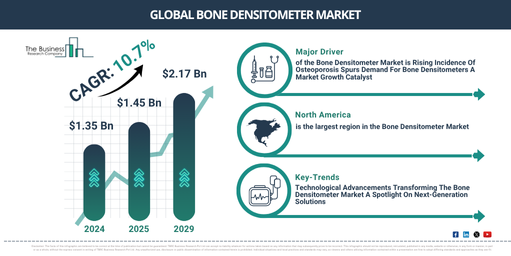
    Strong expansion has characterized the bone densitometer market lately; projections indicate a rise from a valuation of $1.35 billion in 2024 to $1.45 billion by 2025, reflecting a compound annual growth rate (CAGR) of 7.2%. This upward trajectory observed during the past period stems from several key factors, including an increasing elderly demographic, heightened public knowledge regarding skeletal wellness significance, improvements in medical facilities, and general economic advancement.

    Projections indicate that the market for bone densitometers anticipates swift expansion over the coming years, achieving a valuation of $2.17 billion by 2029, fueled by a compound annual growth rate (CAGR) of 10.7%; this upward trajectory is primarily driven by heightened focus on preventative healthcare measures, escalated investment in research and development activities, increasing expenditure within the healthcare sector, and a growing incidence rate of osteoporosis, while key market movements shaping the forecast include the incorporation of artificial intelligence technology, the adoption of sustainable and environmentally conscious technologies, the emergence of wearable devices for monitoring bone health, the deployment of patient engagement platforms, and the expansion of remote monitoring capabilities.

    Unlock Your Free Sample Report for Exclusive Market Data:

    https://www.thebusinessresearchcompany.com/sample.aspx?id=6681&type=smp

    Which Drivers Are Shaping The Bone Densitometer Industry’s Market Share?

    The heightened prevalence of osteoporosis is anticipated to significantly boost the market for bone densitometers, as this ailment is defined by reduced bone strength and mass, rendering the skeletal structure brittle; factors contributing to osteoporosis encompass insufficient calcium consumption, hereditary conditions, surgical procedures involving the digestive tract, among others. Bone densitometers facilitate healthcare facilities in precisely determining bone density through specialized instruments and software, which is crucial for effective patient management, and consequently, the rising frequency of osteoporosis cases will stimulate the demand for these diagnostic tools; for example, data from Amgen, an American biotech firm, indicated in 2022 that osteoporosis leads to approximately 1.5 million fractures annually in the US, incurring costs around $19 billion, meaning that the global escalation of osteoporosis occurrences will serve as a major impetus for the expansion of the bone densitometer market.

    What Are The Different Segment Classifications Within The Bone Densitometer Market?

    The bone densitometermarket covered in this report is segmented –

    1) By Type: DXA Systems, Peripheral Bone Densitometers, Radiographic Absorptiometry Scanners, Quantitative Ultrasound Scanners

    2) By Application: Osteoporosis & Osteopenia Diagnosis, Cystic Fibrosis Diagnosis, Body Composition Measurement, Rheumatoid Arthritis Diagnosis

    3) By End-User: Hospitals, Clinics, Diagnostic and Imaging Centers, Other End-Users

    Subsegments:

    1) By DXA Systems: Central DXA Systems, Dual-Energy X-ray Absorptiometry Systems

    2) By Peripheral Bone Densitometers: Peripheral Dual-Energy X-ray Absorptiometry (pDXA), Peripheral Quantitative Computed Tomography (pQCT)

    3) By Radiographic Absorptiometry Scanners: Single X-ray Absorptiometry, Multi-energy Radiographic Absorptiometry

    4) By Quantitative Ultrasound Scanners: Heel Ultrasound Systems, Other Peripheral Ultrasound Systems

    Which Market Trends Are Creating New Opportunities In The Bone Densitometer Industry?

    A paramount trend currently gaining traction within the marketplace for bone densitometers is the continuous progression of technology. Leading entities engaged in this sector are concentrating their efforts on delivering solutions imbued with cutting-edge technology, aiming both to satisfy the requirements of end-users and to solidify their standing in the industry. Such firms are actively integrating sophisticated, next-generation technologies—including radiography, computed tomography, fluoroscopy, mammography, diffraction, 3D visualization, and modeling, among others—into their offerings. As an illustration, Echolight SPA, an Italian manufacturer of medical equipment, has introduced a novel bone densitometry system; this pioneering, radiation-free method assesses the bone condition of the femoral neck and lumbar vertebral column by utilizing its patented R.E.M.S. (Radiofrequency Echographic Multi Spectrometry) technology, which represents a transformative, non-radiating method for detailing bone microarchitecture. This foundation is established through radio frequency signals captured during a routine ultrasound examination, successfully mitigating the primary drawbacks associated with both DXA (Dual-Energy X-ray Absorptiometry) and QUS (Quantitative Bone Ultrasound).

    Which Major Firms Are Strengthening Their Position In The Bone Densitometer Industry?

    Major companies operating in the bone densitometer market include Diagnostic Medical Systems SA, GE Healthcare Technologies Inc., Hologic Inc., BeamMed Ltd., Demetech AB, Osteometer Meditech Inc., OSTEOSYS Corp., Trivitron Healthcare Private Limited, Swissray International Inc., MEDILINK Global Ltd., Xingaoyi Medical Equipment Co. Ltd., Echolight S.p.a, Eurotec Medical Systems srl, Scanflex Healthcare AB, Medonica Co. Ltd., CyberLogic Inc., Oscare Medical Oy, L’Acn Srl., Shenzhen Xray Electric Co. Ltd., YOZMA BMTech Co. Ltd., Nanoomtech Co. Ltd., FURUNO Electric Co. Ltd., ARTANN Laboratories Inc., StemLab Inc., CooperSurgical Inc., Medtronic PLC, Siemens AG, Canon Medical Systems Corporation, Koninklijke Philips N.V., Samsung Medison Co. Ltd.

    Download The Full Report For Exclusive Market Findings:

    https://www.thebusinessresearchcompany.com/report/bone-densitometer-global-market-report

    How Is Bone Densitometer Market Demand Varying Across Different Regions?

    North America was the largest region in the bone densitometer market in 2024. Asia-Pacific is expected to be the fastest-growing region in the forecast period. The regions covered in the bone densitometer market report include Asia-Pacific, Western Europe, Eastern Europe, North America, South America, Middle East and Africa.

    Request A Customized Version Of The Bone Densitometer Market Report:

    https://www.thebusinessresearchcompany.com/customise?id=6681&type=smp

    Browse Through More Reports Similar to the Global Bone Densitometer Market 2025, By The Business Research Company

    Cardiovascular Devices Global Market Report 2025

    https://www.thebusinessresearchcompany.com/report/cardiovascular-devices-global-market-report

    Cardiovascular Surgery Devices And Equipment Global Market Report 2025

    https://www.thebusinessresearchcompany.com/report/cardiovascular-surgery-devices-and-equipment-global-market-report

    Spinal Surgery Devices And Equipment Global Market Report 2025

    https://www.thebusinessresearchcompany.com/report/spinal-surgery-devices-and-equipment-global-market-report

    Get in touch with us:

    The Business Research Company: https://www.thebusinessresearchcompany.com/

    Americas +1 310-496-7795

    Asia +44 7882 955267 & +91 8897263534

    Europe +44 7882 955267

    Email us at info@tbrc.info

    Follow us on:

    LinkedIn: https://in.linkedin.com/company/the-business-research-company

    YouTube: https://www.youtube.com/channel/UC24_fI0rV8cR5DxlCpgmyFQ

    Global Market Model: https://www.thebusinessresearchcompany.com/global-market-model
  • Blood Group Typing Market Size Forecast: Revenue and CAGR by 2029

    Blood Group Typing Market Size Forecast: Revenue and CAGR by 2029

    Unlock Global Insights – Save 20% on Market Reports with Code ONLINE20

    What Market Value Is The Blood Group Typing Industry Expected To Reach By 2029, Starting From 2025 Levels?

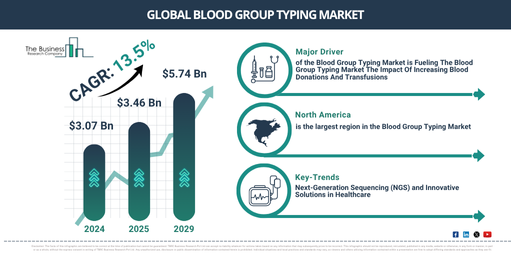
    The market for blood group typing has experienced substantial expansion lately, poised to advance from a valuation of $3.07 billion in 2024 to $3.46 billion by 2025, which reflects a compound annual growth rate (CAGR) of 12.5%; this historical upward trajectory is linked to several factors, including the proliferation of blood donation initiatives, an increasing elderly demographic, improvements in medical facility development, and an uplift in clinical study execution.

    Anticipation for escalating expansion characterizes the blood group typing sector, projecting a rise to $5.74 billion by the year 2029, propelled by an annual growth rate compounded at 13.5%. This surge throughout the projection timeframe is fundamentally driven by several key factors: escalating needs for transfusable blood and associated medical supplies, a greater incidence of long-term illnesses, a higher frequency of vehicular incidents, concurrent increases in overall expenditure on healthcare services, alongside market trends such as the adoption of automated and high-capacity processing apparatus, the incorporation of data linkage functionalities, supportive public health campaigns, and various technological advancements.

    Unlock Your Free Sample Report for Exclusive Market Data:

    https://www.thebusinessresearchcompany.com/sample.aspx?id=4092&type=smp

    What Are The Drivers Pushing New Developments In The Blood Group Typing Market?

    Surging volumes of blood donations coupled with increased blood transfusions acted as the primary catalyst for the expansion of the blood group typing market throughout the review period. Various awareness initiatives spearheaded by governmental bodies, non-profit entities, and supplementary organizations have underscored the vital significance of both donating and receiving blood. As the volume of donations rose, so too did the necessity for blood typing procedures so that individuals making donations could ascertain their specific blood type. Illustratively, data from a 2022 World Health Organization publication indicated that high-income economies, representing only 16 percent of the global populace, account for a substantial 40 percent of the 118.5 million total blood donations recorded globally. Furthermore, a disparity in transfusion recipients emerges: up to 54 percent of transfusions in lower-income settings go to youngsters under five years old, whereas in wealthier nations, the majority, reaching up to 76 percent, are administered to seniors exceeding the age of sixty. Consequently, this heightened activity in both donating and utilizing donated blood directly fueled the advancement of the blood typing sector.

    What Are The Primary Types Of Segments Analyzed In The Blood Group Typing Market?

    The blood group typingmarket covered in this report is segmented –

    1) By Test Type: Antibody Screening, Cross-Matching Tests, ABO Tests, Antigen Typing, HLA Typing

    2) By Product: Instruments, Reagents And Kits

    3) By Techniques: Serology Tests, Molecular Tests

    4) By End User: Hospital Based Laboratories, Independent Laboratories And Blood Banks

    Subsegments:

    1) By Antibody Screening: Indirect Coombs Test, Enzyme-Linked Immunosorbent Assay (ELISA)

    2) By Cross-Matching Tests: Major Crossmatch, Minor Crossmatch, Electronic Crossmatch

    3) By ABO Tests: Forward Typing, Reverse Typing

    4) By Antigen Typing: Rh Factor Typing, Kell Typing, Other Blood Group Antigen Typings

    5) By HLA Typing: Serological Methods, Molecular Methods (PCR-based)

    How Are Trends Influencing The Blood Group Typing Market?

    Leading firms within the blood group identification sector are actively creating novel offerings incorporating cutting-edge methods like next-generation sequencing (NGS) to boost both the precision and effectiveness of blood classification procedures; this NGS capability facilitates an in-depth examination of genetic deviations within blood group antigens, thereby achieving a finer and more thorough blood type determination. For example, in April of 2023, Metropolis Healthcare Limited, a healthcare entity situated in India, introduced its NextGen HLA Typing Test, which leverages NGS technology specifically to refine the accuracy of human leukocyte antigen (HLA) typing essential for organ transplantation, a sophisticated testing approach engineered to optimize compatibility evaluations connecting donors and recipients, a step vital for achieving successful transplant outcomes.

    Who Are The Primary Competitors In The Global Blood Group Typing Market?

    Major companies operating in the blood group typing market include Grifols S.A., Bio-Rad Laboratories Inc., Immucor Inc., Ortho-Clinical Diagnostics Inc., Quotient Limited, B. Braun Melsungen AG, AXO Science SAS, Agena Bioscience Inc., Merck KGaA, Beckman Coulter Inc., Rapid Labs Ltd., Day Medical SA, Novacyt Group, Chemtrade Logistics Income Fund, DIAGAST SAS, Thermo Fisher Scientific Inc., One Lambda Inc., Tulip Diagnostics (P) Ltd., Guangzhou Wondfo Biotech Co. Ltd., Mesa Laboratories Inc., Hemaxis Inc., ZenTech S.A., Hemogenyx Pharmaceuticals plc, Lifespan Diagnostics LLC, TECOmedical AG, Blood Systems Inc., Japan Blood Products Organization, Medion Diagnostics GmbH, BioMedomics Inc., DiaSorin S.p.A., Grifols Diagnostic Solutions Inc., Hemo bioscience Inc.

    Download The Full Report For Exclusive Market Findings:

    https://www.thebusinessresearchcompany.com/report/blood-group-typing-global-market-report

    Which Geographies Are Emerging As Strong Markets For The Blood Group Typing Industry?

    North America was the largest region in the blood group typing market in 2024. Asia-Pacific is expected to be the fastest growing region in the forecast period. The regions covered in the blood group typing market market report include Asia-Pacific, Western Europe, Eastern Europe, North America, South America, Middle East and Africa.

    Request A Customized Version Of The Blood Group Typing Market Report:

    https://www.thebusinessresearchcompany.com/customise?id=4092&type=smp

    Browse Through More Reports Similar to the Global Blood Group Typing Market 2025, By The Business Research Company

    Blood Transfusion Diagnostics Global Market Report 2025

    https://www.thebusinessresearchcompany.com/report/blood-transfusion-diagnostics-global-market-report

    Blood Glucose Meters Global Market Report 2025

    https://www.thebusinessresearchcompany.com/report/blood-glucose-meters-global-market-report

    Blood And Blood Components Global Market Report 2025

    https://www.thebusinessresearchcompany.com/report/blood-and-blood-components-global-market-report

    Get in touch with us:

    The Business Research Company: https://www.thebusinessresearchcompany.com/

    Americas +1 310-496-7795

    Asia +44 7882 955267 & +91 8897263534

    Europe +44 7882 955267

    Email us at info@tbrc.info

    Follow us on:

    LinkedIn: https://in.linkedin.com/company/the-business-research-company

    YouTube: https://www.youtube.com/channel/UC24_fI0rV8cR5DxlCpgmyFQ

    Global Market Model: https://www.thebusinessresearchcompany.com/global-market-model
  • Global Blood Culture Tests Market Trends and Growth Analysis 2025–2029

    Global Blood Culture Tests Market Trends and Growth Analysis 2025–2029

    Unlock Global Insights – Save 20% on Market Reports with Code ONLINE20

    What Is The Anticipated Size Of The Blood Culture Tests Market Over The Five-Year Period 2025–2029?

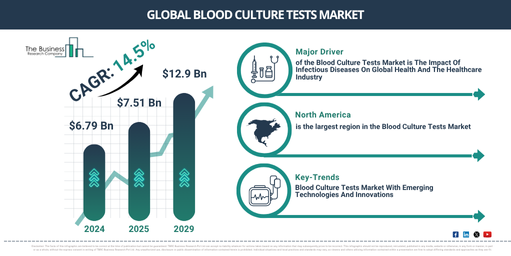
    The overall valuation of the blood culture tests sector has experienced quick expansion lately, projected to increase from $6.79 billion in the year 2024 to reach $7.51 billion by 2025, signifying a compound annual growth rate (CAGR) of 10.5 percent. This upswing witnessed during the past period stems from several key factors, notably the heightened incidence of communicable diseases, a steadily increasing elderly demographic, improvements within healthcare facilities, and amplified investments in research and development efforts.

    The market for blood culture testing is poised for substantial expansion in the immediate future, projected to reach a valuation of $12.9 billion by 2029, achieving this milestone via a compound annual growth rate (CAGR) of 14.5%. This significant upward trajectory throughout the projected timeframe is fundamentally driven by several key factors: a surge in infections contracted within healthcare settings, escalating requirements for testing conducted at the point where care is delivered, greater overall expenditure on medical services, and the successful attainment of necessary regulatory clearances. Furthermore, several important shifts are shaping the landscape during this period, notably the integration of telehealth and remote diagnostic capabilities, the adoption of artificial intelligence and automated processes, the development of tests capable of identifying multiple pathogens simultaneously, continuous efforts to enhance sepsis treatment protocols, and improved systems for monitoring the spread of infectious diseases.

    Unlock Your Free Sample Report for Exclusive Market Data:

    https://www.thebusinessresearchcompany.com/sample.aspx?id=7763&type=smp

    What Are The Emerging Market Drivers Creating New Opportunities In The Blood Culture Tests Industry?

    The rising prevalence of ailments transmitted by pathogens such as viruses, bacteria, fungi, and parasites is anticipated to stimulate expansion within the blood culture testing sector.Microorganisms or infectious agents, capable of entering the human body externally or from an infected source, are responsible for these maladies.Conditions like influenza, measles, HIV, tuberculosis, COVID-19, and strep throat, among others, range in severity from causing temporary discomfort to inducing severe tissue impairment or even fatality.Globally, the World Health Organization identifies infectious diseases as the second leading cause of mortality.Consequently, the escalating frequency of these infections boosts the need for blood culture evaluations, which aid in diagnosing potentially lethal conditions such as septicemia or bacteremia.To illustrate this trend, data from the Uk Health Security Agency indicated that by the close of 2022, 3,732 confirmed cases of mpox were recorded in the UK, predominantly situated in England; further growth was noted with 21 additional cases reported by May 31, 2023, mostly in England and one in Scotland.Thus, the escalating occurrence of infectious diseases serves as a key impetus for the market growth of blood culture testing solutions.

    Which Key Segments Fueling The Blood Culture Tests Market?

    The blood culture testsmarket covered in this report is segmented –

    1) By Method: Conventional/Manual Methods, Automated Methods

    2) By Product: Consumables, Instruments, Software and Services

    3) By Technology: Culture-Based Technology, Molecular Technologies, Microarrays, PCR (Polymerase Chain Reaction), PNA-FiSH (Peptide Nucleic Acid – Fluorescent in Situ Hybridization), Proteomics Technology

    4) By Application: Bacteremia, Fungemia, Mycobacterial Detection

    5) By End User: Hospital Laboratories, Reference Laboratories, Academic Research Laboratories, Other Laboratories

    Subsegments:

    1) By Conventional/Manual Methods: Blood Culture Bottles (Aerobic and Anaerobic), Culture Media Preparation, Manual Observation and Identification

    2) By Automated Methods: Automated Blood Culture Systems, Continuous Monitoring Systems, Integrated Identification and Sensitivity Testing Systems

    What Key Innovation Trends Are Fueling Advancements In The Blood Culture Tests Market?

    A significant movement presently observed within the sphere of blood culture testing involves the advancement of technology, where novelty and worldwide expansion are unlocking fresh avenues for sectors such as pharmaceuticals, biologics production, health supplements, and medical equipment manufacturing. The imperative to introduce novel offerings to the marketplace in a manner that is both secure, expedited, and cost-effective compels developers and producers to establish top-tier blood culture evaluation processes, thereby substantiating adherence to increasingly stringent regulatory mandates. Such technological leaps serve to lower expenses by providing dependable and unbiased verification of both safety parameters and operational efficacy. Illustratively, in the month of May in 2022, Labcorp, a firm specializing in testing based in the United States, introduced its Labcorp OnDemandTM at-home collection apparatus, designed to ascertain hemoglobin A1c (HbA1c) levels utilizing only a minimal quantity of drawn blood. This particular OnDemand diagnostic for diabetes relies on dried blood methodology to furnish stakeholders with a summary of glycemic control across extended periods. The utility of this device allows individuals to manage their well-being routinely from their residences, requiring merely a finger puncture to yield the necessary few drops of blood for analysis.

    Which Key Market Players Are Investing In Expansion And Innovation Of Blood Culture Tests Market?

    Major companies operating in the blood culture tests market include Becton, Dickinson and Company, BioMerieux SA, Thermo Fisher Scientific Inc., Luminex Corporation, Danaher Corporation, Terumo Corporation, Bruker Corporation, F. Hoffmann-La Roche AG, Biobase Biotech Co. Ltd., Scenker Biological Technology Co. Ltd., Bulldog Bio, Anaerobe Systems Inc., Himedia Laboratories Pvt. Ltd., Autobio Diagnostics Co. Ltd., Axiom Laboratories, Biosystems Inc., BINDER GmBH, Roche Diagnostics, Mikroscan Technologies Inc., Labotronics Ltd., Hardy Diagnostics, OpGen Inc., Meditech Technologies India Private Limited, Siemens Healthineers, Abbott Laboratories, Cepheid, T2 Biosystems Inc., Beckman Coulter Inc., Accelerate Diagnostics, Bio-Rad Laboratories Inc., Hologic Inc., Quidel Corporation, Copan Diagnostics Inc., Greiner Bio-One International GmbH, Carl Zeiss AG, Nanosphere Health Sciences, GenMark Diagnostics, Meridian Bioscience Inc., Nikon Corporation

    Download The Full Report For Exclusive Market Findings:

    https://www.thebusinessresearchcompany.com/report/blood-culture-tests-global-market-report

    Which Region Is Projected To Lead The Blood Culture Tests Market During The Forecast Period?

    North America was the largest region in the blood culture tests market in 2024. The regions covered in the blood culture tests market report include Asia-Pacific, Western Europe, Eastern Europe, North America, South America, Middle East and Africa.

    Request A Customized Version Of The Blood Culture Tests Market Report:

    https://www.thebusinessresearchcompany.com/customise?id=7763&type=smp

    Browse Through More Reports Similar to the Global Blood Culture Tests Market 2025, By The Business Research Company

    Blood Transfusion Diagnostics Global Market Report 2025

    https://www.thebusinessresearchcompany.com/report/blood-transfusion-diagnostics-global-market-report

    Blood Glucose Meters Global Market Report 2025

    https://www.thebusinessresearchcompany.com/report/blood-glucose-meters-global-market-report

    Blood And Blood Components Global Market Report 2025

    https://www.thebusinessresearchcompany.com/report/blood-and-blood-components-global-market-report

    Get in touch with us:

    The Business Research Company: https://www.thebusinessresearchcompany.com/

    Americas +1 310-496-7795

    Asia +44 7882 955267 & +91 8897263534

    Europe +44 7882 955267

    Email us at info@tbrc.info

    Follow us on:

    LinkedIn: https://in.linkedin.com/company/the-business-research-company

    YouTube: https://www.youtube.com/channel/UC24_fI0rV8cR5DxlCpgmyFQ

    Global Market Model: https://www.thebusinessresearchcompany.com/global-market-model
  • Blood Collection Devices Market Forecast: What to Expect by 2029

    Blood Collection Devices Market Forecast: What to Expect by 2029

    Unlock Global Insights – Save 20% on Market Reports with Code ONLINE20

    What Are The Forecasted Market Size Estimates For The Blood Collection Devices Market Between 2025 And 2029?

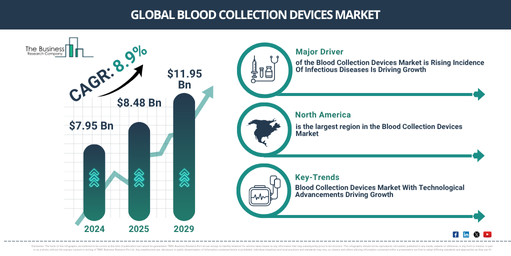
    The overall volume of the blood collection devices market has seen robust expansion throughout the past few years, projected to increase from a valuation of $7.95 billion in 2024 to $8.48 billion by 2025, reflecting a steady compound annual growth rate of 6.7%. This upward trajectory observed during the preceding years stems from several key factors, including a higher incidence of ailments related to blood, enhancements in medical care facilities, the demographic shift toward an older populace, and supportive actions and rules implemented by governmental bodies.

    Anticipation is high for a significant expansion within the blood collection devices sector over the forthcoming years, projecting to reach a valuation of $11.95 billion by 2029, fueled by a compound annual growth rate (CAGR) of 8.9%. This upward trajectory through the projection timeframe is bolstered by several factors, notably the escalation in healthcare spending, an increasing focus on customized medical treatments and diagnostic procedures, expanding research and developmental initiatives, and a higher incidence of contagious diseases. Key developments anticipated to shape this market during the forecast period encompass the adoption of less invasive methods, the implementation of distanced blood drawing services, the incorporation of automated systems and robotics, the introduction of sophisticated blood collection kits, and a rise in strategic alliances and cooperative ventures.

    Unlock Your Free Sample Report for Exclusive Market Data:

    https://www.thebusinessresearchcompany.com/sample.aspx?id=6363&type=smp

    Which Drivers Are Impacting The Blood Collection Devices Market?

    Elevated occurrences of communicable ailments are fueling expansion within the market for blood collection apparatuses.These infections, stemming from various pathogens like bacteria, viruses, fungi, or parasites, necessitate diagnostic procedures involving blood sampling; examples of such infectious conditions scrutinized via blood tests include hepatitis B (HBV), hepatitis C (HCV), the human immunodeficiency virus (HIV), malaria, syphilis, and brucellosis.The persistent rise in the frequency of these infectious diseases, alongside heightened associated diagnostic efforts, is projected to subsequently increase the deployment of blood collection equipment.To illustrate this trend, an August 2024 report from the UK Health Security Agency indicated that by the close of 2022, the United Kingdom recorded 3,732 confirmed cases of mpox, predominantly situated in England.Subsequently, between the start of the year and May 31, 2023, an additional 21 cases were identified, with the bulk occurring in England and a single instance in Scotland, thus suggesting that the growing prevalence of infectious illnesses will stimulate the necessity for blood collection devices throughout the anticipated timeframe.

    How Is The Blood Collection Devices Market Classified Into Different Segments?

    The blood collection devicesmarket covered in this report is segmented –

    1) By Type: Blood Collection Tubes, Lancet, Micro Container Tubes, Warming Devices

    2) By Method: Manual Blood Collection, Automatic Blood Collection

    3) By Material: Glass, Stainless Steel, Plastic

    4) By End User: Hospitals, Blood Donation Centers, Diagnostic Center, Other End Users

    Subsegments:

    1) By Blood Collection Tubes: Vacuum Blood Collection Tubes, Serum Separator Tubes, EDTA Tubes

    2) By Lancet: Safety Lancets, Manual Lancets, Automatic Lancets

    3) By Micro Container Tubes: Capillary Tubes, Microtainer Tubes, Hematocrit Tubes

    4) By Warming Devices: Blood Warming Devices, Temperature Regulation Units, Infusion Warming Devices

    Which Ongoing Trends Are Expected To Shape The Blood Collection Devices Market Outlook?

    A significant driver within the market for blood collection devices is the upward trend in technological progress. Numerous enterprises engaged in this sector are innovating through the creation of novel products and the implementation of new technologies, aiming to satisfy the rapidly escalating industry requirements and broaden their operational footprint worldwide. These technologically sophisticated offerings from various firms prioritize augmenting user comfort while simultaneously delivering superior protection to the clientele. For example, in April of 2022, Owen Mumford, a specialist in designing and fabricating medical equipment, launched an updated collection of venous blood collection items under its established Unistik line. This fresh assortment leverages the firm’s established background and proficiency in capillary blood sampling to present a suite of venous apparatuses designed to guarantee high standards of patient well-being, ease, and product efficacy. Specifically, the Unistik ShieldLock Ultra incorporates a safety mechanism that is operable with a single hand and is engaged directly within the vein, thus decreasing the likelihood of needlestick injuries. Furthermore, this instrument boasts a distinctive safeguard that, upon activation, seals the tubing separating the needle from the Luer connection, thereby preventing any blood leakage subsequent to the needle’s withdrawal from the vessel.

    Who Are The Core Companies Influencing The Blood Collection Devices Market Landscape?

    Major companies operating in the blood collection devices market include Becton, Dickinson and Company, Greiner Holding AG, Kabe Labortechnik GmbH, Sarstedt AG & Company, ICU Medical Inc., Terumo BCT Inc., Fresenius Kabi AG, Grifols S.A., Haematonics, Nipro Medical Corporation, Quest Diagnostics Incorporated, Macopharma SA, Smiths Medical International Ltd., Cardinal Health Inc., Retractable Technologies Inc., Sekisui Medical Co. Ltd., Qiagen NV, Smiths Group plc, NIPRO Corporation, PT. Adi Buana Mandiri, Covidien Ltd., Kawasumi Laboratories Inc., F.L. Medical SRL, Ajosha Bio Teknik Pvt. Ltd., A-M Systems Ltd., Commonwealth Serum Laboratories Behring, Teleflex Medical Inc., Abbott Laboratories, Denova Sciences Pte. Ltd., VedaLab SA

    Download The Full Report For Exclusive Market Findings:

    https://www.thebusinessresearchcompany.com/report/blood-collection-devices-global-market-report

    What Are The Key Regional Factors Influencing The Blood Collection Devices Market Growth?

    North America was the largest region in the blood collection devices market in 2024. The Asia-Pacific is expected to be the fastest-growing region in the forecast period. The regions covered in the blood collection devices market report include Asia-Pacific, Western Europe, Eastern Europe, North America, South America, Middle East and Africa.

    Request A Customized Version Of The Blood Collection Devices Market Report:

    https://www.thebusinessresearchcompany.com/customise?id=6363&type=smp

    Browse Through More Reports Similar to the Global Blood Collection Devices Market 2025, By The Business Research Company

    Blood Transfusion Diagnostics Global Market Report 2025

    https://www.thebusinessresearchcompany.com/report/blood-transfusion-diagnostics-global-market-report

    Blood Glucose Meters Global Market Report 2025

    https://www.thebusinessresearchcompany.com/report/blood-glucose-meters-global-market-report

    Blood And Blood Components Global Market Report 2025

    https://www.thebusinessresearchcompany.com/report/blood-and-blood-components-global-market-report

    Get in touch with us:

    The Business Research Company: https://www.thebusinessresearchcompany.com/

    Americas +1 310-496-7795

    Asia +44 7882 955267 & +91 8897263534

    Europe +44 7882 955267

    Email us at info@tbrc.info

    Follow us on:

    LinkedIn: https://in.linkedin.com/company/the-business-research-company

    YouTube: https://www.youtube.com/channel/UC24_fI0rV8cR5DxlCpgmyFQ

    Global Market Model: https://www.thebusinessresearchcompany.com/global-market-model
  • Bioprocess Containers Industry Insights: Market Forecast to 2029

    Bioprocess Containers Industry Insights: Market Forecast to 2029

    Unlock Global Insights – Save 20% on Market Reports with Code ONLINE20

    How Is The Bioprocess Containers Market Size Likely To Evolve From 2025 Through 2034?

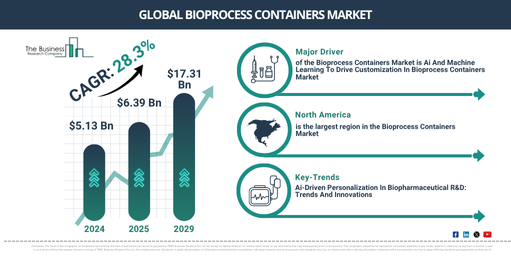
    The overall valuation of the bioprocess containers market has expanded dramatically over the past few years, projected to move from a value of $5.13 billion in 2024 to $6.39 billion by 2025, reflecting a significant compound annual growth rate of 24.6% across this timeframe. This upward trajectory throughout the historical period is attributable to several key factors, including the expansion of the biopharmaceutical sector, increased government funding dedicated to research and development initiatives, a growing trend toward the privatization of laboratory services, and an upward trend in expenditures on healthcare.

    Exponential expansion is anticipated for the bioprocess containers market in the forthcoming years, projected to achieve a value of $17.31 billion by 2029, demonstrating a robust compound annual growth rate of 28.3%; this upward trajectory during the projection window is fueled by increasing financial outlays in healthcare, the broadening scope of developing economies, favorable governmental regulations, and an upswing in personal spending power, while key developments shaping this era encompass an emphasis on sustainable and environmentally conscious approaches, the integration of digital technologies and data analysis capabilities, greater reliance on external providers for manufacturing through outsourcing and contract arrangements, the development of bespoke and adaptable system designs, and a shift toward individualized medical treatments accompanied by manufacturing processes centered around the patient.

    Unlock Your Free Sample Report for Exclusive Market Data:

    https://www.thebusinessresearchcompany.com/sample.aspx?id=6364&type=smp

    Which Industry Drivers Are Expected To Accelerate The Bioprocess Containers Market From 2025 To 2029?

    The expansion of the bioprocess containers sector is fundamentally propelled by escalating research and development efforts within the biopharmaceutical industry. This intensified biopharma R&D necessitates a shift away from conventional drug development methodologies, aiming to accelerate therapeutic delivery to patients while simultaneously lowering both the costs associated with development and everyday operations, thereby enhancing the quality of insights gained and the efficacy of decisions made. Greater utilization of data analytics, digital tools, and artificial intelligence is being leveraged to boost the likelihood of successful therapeutic discovery, making the process of finding new medications significantly more streamlined and their subsequent distribution markedly more effective. Consequently, as the scope of biopharmaceutical development broadens, so too does the requirement for reliable bioprocess containers, these being essential for ensuring the protection, sterility, and secure transit of these delicate materials. A case in point, data released in February 2022 by IQVIA, a US-based global pharmaceutical services firm, indicated that the worldwide biopharmaceutical landscape is experiencing robust growth, evidenced by over 6,000 products currently under active development, with innovation increasingly originating from previously less prominent geographic areas. Thus, the heightened pace of biopharmaceutical research and development is directly fueling the expansion observed in the bioprocess containers market.

    What Are The Major Segments Identified In The Bioprocess Containers Market?

    The bioprocess containersmarket covered in this report is segmented –

    1) By Type: 2D Bioprocess Containers, 3D Bioprocess Containers, Tank Liners, Other Containers & Accessories

    2) By Application: Process Development, Upstream, Downstream

    3) By End User: Biopharmaceutical Companies, Life Science R&D Companies, Other End Users

    Subsegments:

    1) By 2D Bioprocess Containers: Single-Use Bags, Flexible Film Containers

    2) By 3D Bioprocess Containers: Bioreactor Bags, 3D Cell Culture Containers

    3) By Tank Liners: Protective Liners, Flexible Tank Liners

    4) By Other Containers & Accessories: Connectors and Tubing, Manifolds, Holders and Racks

    Which Competitive Trends Are Defining The Bioprocess Containers Market Structure?

    The bioprocess container sector is experiencing a significant surge driven by the adoption of novel technologies, compelling key market participants to concentrate their efforts on delivering state-of-the-art offerings to keep pace with the swift evolution of industry needs and consolidate their standing. Integration of sophisticated capabilities like ultrafiltration/defiltration, sterile filtration, virus filtration, depth filtration, and disposable chromatography is becoming standard practice in their product development. This incorporation of advanced solutions yields superior advantages such as enhanced productivity and improved safeguarding of samples, among other positive attributes. A clear illustration of this trend emerged in October 2022 when Austria’s Single Use Support GmbH introduced the IRIS single-use bag product family, engineered particularly for the reliable preservation, shipment, and freezing of medicinal compounds, principally serving the biopharmaceutical sphere where these containers handle storage and cryopreservation, especially for biologics and cell and gene therapies. Manufacturers have the option to tailor these bags concerning parameters like the quantity of ports, overall volume, and connected tubing to suit their distinct operational necessities. Furthermore, their construction is robust enough to preserve material integrity even at extremely frigid conditions, down to minus 150 degrees Celsius (minus 238 degrees Fahrenheit), guaranteeing the secure and sterile condition of the contents during all handling procedures.

    Which Major Industry Participants Are Leading The Bioprocess Containers Market Growth?

    Major companies operating in the bioprocess containers market include Sartorius Stedim Biotech S.A., Thermo Fisher Scientific Inc., Danaher Corporation, Merck KGaA, Sartorius AG, Compagnie de Saint-Gobain S.A., Lonza Group AG, Avantor Inc., Eppendorf AG, Meissner Filtration Products Inc., Corning Incorporated, GE Healthcare Technologies Inc., Fluids Control Inc., Neta Scientific Incorporated, ALLpaQ Packaging Group plc, Kawasumi Laboratories Inc., F.L. Medical SRL, Sani-Tech West Inc., Cellon SA, Celltainer Biotech BV, Entegris Inc., Flexboy AG, GE Healthcare Life Sciences, GEA Group AG, GEMÜ Group, GVS Group Ltd., Integra Companies, Kuhner AG, L.B. Bohle Maschinen + Verfahren GmbH

    Download The Full Report For Exclusive Market Findings:

    https://www.thebusinessresearchcompany.com/report/bioprocess-containers-global-market-report

    How Do Regional Market Performances Compare Within The Bioprocess Containers Industry?

    North America was the largest region in the bioprocess containers market in 2024. Asia-Pacific is expected to be the fastest-growing region in the forecast period. The regions covered in the bioprocess containers market report include Asia-Pacific, Western Europe, Eastern Europe, North America, South America, Middle East and Africa.

    Request A Customized Version Of The Bioprocess Containers Market Report:

    https://www.thebusinessresearchcompany.com/customise?id=6364&type=smp

    Browse Through More Reports Similar to the Global Bioprocess Containers Market 2025, By The Business Research Company

    Animal And Pet Food Global Market Report 2025

    https://www.thebusinessresearchcompany.com/report/animal-and-pet-food-global-market-report

    Greenhouse Nursery And Flowers Global Market Report 2025

    https://www.thebusinessresearchcompany.com/report/greenhouse-nursery-and-flowers-global-market-report

    Crop Production Global Market Report 2025

    https://www.thebusinessresearchcompany.com/report/crop-production-global-market-report

    Get in touch with us:

    The Business Research Company: https://www.thebusinessresearchcompany.com/

    Americas +1 310-496-7795

    Asia +44 7882 955267 & +91 8897263534

    Europe +44 7882 955267

    Email us at info@tbrc.info

    Follow us on:

    LinkedIn: https://in.linkedin.com/company/the-business-research-company

    YouTube: https://www.youtube.com/channel/UC24_fI0rV8cR5DxlCpgmyFQ

    Global Market Model: https://www.thebusinessresearchcompany.com/global-market-model
  • Bifurcation Lesions Market Size and Growth Forecast for Businesses 2025–2029

    Bifurcation Lesions Market Size and Growth Forecast for Businesses 2025–2029

    Unlock Global Insights – Save 20% on Market Reports with Code ONLINE20

    What Are The Growth Projections For The Bifurcation Lesions Market Size During 2025–2029?

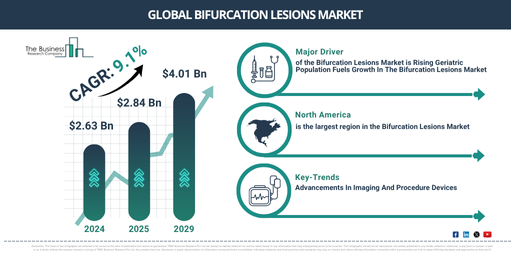
    Strong expansion has been noted recently within the market segment focused on bifurcation lesions, where the valuation is projected to climb from a figure of $2.63 billion in 2024 to $2.84 billion the following year, reflecting a compound annual growth rate (CAGR) averaging 7.8%; this upward trajectory throughout the historical span is largely traceable to escalating occurrences of coronary artery diseases, an expanding segment of elderly individuals, increasing outlays within the healthcare sector, and broader economic development.

    Anticipation surrounds the bifurcation lesions sector, projecting considerable expansion ahead; specifically, its market value is slated to reach $4.01 billion by 2029, fueled by a compound annual growth rate approximating 9.1%. This upward trajectory throughout the projection timeframe is powered by several key factors, notably the rising preference for less invasive surgical procedures, the enhancement of medical infrastructure and services worldwide, the greater incidence of heart-related ailments, and supportive governmental health initiatives. Within this emerging landscape, prominent developments set to shape the industry involve a heightened focus on care tailored to individual patients, the introduction of stents that dissolve naturally, the incorporation of artificial intelligence and machine learning technologies, and increased cooperation across different medical specializations.

    Unlock Your Free Sample Report for Exclusive Market Data:

    https://www.thebusinessresearchcompany.com/sample.aspx?id=7414&type=smp

    What Are The Top Growth Drivers Impacting The Bifurcation Lesions Market Outlook?

    A rising elderly demographic is anticipated to fuel the expansion of the market for treating bifurcation lesions, as individuals surpassing the age of 60 face a greater susceptibility to cardiac events such as myocardial infarction, cerebrovascular accident, or the onset of both coronary artery disease and heart failure when compared to their younger counterparts; in these specific medical situations, employing bifurcation lesion treatments facilitates the management of thromboses, thereby ensuring sufficient blood circulation reaches the heart, for example, data shared by the World Health Organization, which is an international public health body headquartered in Switzerland, indicated in October 2022 that projections suggest by 2030, globally, one out of every six individuals will have reached the age of 60 or surpassed it, with the worldwide population aged 60 and above projected to reach 2.1 billion by 2050, and furthermore, the cohort aged 80 and above is set to increase by 426 million between 2020 and 2050 relative to the present figures, consequently, this upward trend in the older population segment serves as a catalyst for the growth trajectory of the bifurcation lesions market.

    What Are The Emerging Segments Gaining Attention In The Bifurcation Lesions Market?

    The bifurcation lesionsmarket covered in this report is segmented –

    1) By Types: One-Stent, Two-Stent

    2) By Application: Coronary Vascular, Peripheral Vascular

    Subsegments:

    1) By One-Stent: Single-Stent Deployment, Balloon-Expandable Stents, Self-Expanding Stents

    2) By Two-Stent: Crush Technique, T- or Y-Configuration Stenting, Side Branch Stenting Techniques

    What Are The Latest Industry Trends Transforming The Bifurcation Lesions Market?

    A significant upward trend observed within the market for bifurcation lesions involves progress in the instrumentation employed for imaging and various interventional procedures. Leading corporations in this sector are channeling considerable resources toward enhancing the current generation of imaging and procedural tools. As an illustration, Advanced Bifurcation Systems (ABS), a firm currently in its clinical development stage for medical devices, possesses a distinct technological approach for stenting bifurcation lesions, aiming to establish a consistent standard across all such coronary angioplasty treatments; their platform incorporates the sole modular, self-adjusting stent technology designed specifically to uniformly manage bifurcations, presenting a singular system intended to decrease incidents requiring subsequent interventions while simultaneously facilitating successful bifurcation stenting interventions.

    Who Are The Prominent Global Companies Shaping The Bifurcation Lesions Market?

    Major companies operating in the bifurcation lesions market include Boston Scientific Corporation, Terumo Medical Corporation, Spectranetics Corporation, Medtronic plc, Cardinal Health Inc., Cardinal Health Company, Abbott Laboratories, Biosensors International Group Ltd., B. Braun Melsungen AG, Cook Medical LLC, Cordis Corporation, Endologix Inc., W. L. Gore & Associates Inc., InspireMD Inc., MicroPort Scientific Corporation, OrbusNeich Medical Company Limited, Biotronik SE & Co. KG, Cardionovum GmbH, Elixir Medical Corporation, Medinol Ltd., Meril Life Sciences Pvt. Ltd., Opto Circuits (India) Ltd., QualiMed Innovative Medizinprodukte GmbH, Sahajanand Medical Technologies Pvt. Ltd., Svelte Medical Systems Inc., Translumina GmbH, Vascular Concepts Limited, Vascular Solutions Inc., Veryan Medical Ltd., X-Cell Medical Inc., Zorion Medical Inc., Amaranth Medical Inc., Cardiomind Inc., Cardiva Medical Inc.

    Download The Full Report For Exclusive Market Findings:

    https://www.thebusinessresearchcompany.com/report/bifurcation-lesions-global-market-report

    Which Region Currently Holds The Largest Share Of The Bifurcation Lesions Market?

    North America was the largest region in the bifurcation lesions market in 2024. Asia-Pacific is expected to be the fastest-growing region in the forecast period. The regions covered in the bifurcation lesions market report include Asia-Pacific, Western Europe, Eastern Europe, North America, South America, Middle East and Africa.

    Request A Customized Version Of The Bifurcation Lesions Market Report:

    https://www.thebusinessresearchcompany.com/customise?id=7414&type=smp

    Browse Through More Reports Similar to the Global Bifurcation Lesions Market 2025, By The Business Research Company

    Anticoagulant Global Market Report 2025

    https://www.thebusinessresearchcompany.com/report/anticoagulant-global-market-report

    Vascular Grafts Global Market Report 2025

    https://www.thebusinessresearchcompany.com/report/vascular-grafts-global-market-report

    Bioabsorbable Stents Global Market Report 2025

    https://www.thebusinessresearchcompany.com/report/bioabsorbable-stents-global-market-report

    Get in touch with us:

    The Business Research Company: https://www.thebusinessresearchcompany.com/

    Americas +1 310-496-7795

    Asia +44 7882 955267 & +91 8897263534

    Europe +44 7882 955267

    Email us at info@tbrc.info

    Follow us on:

    LinkedIn: https://in.linkedin.com/company/the-business-research-company

    YouTube: https://www.youtube.com/channel/UC24_fI0rV8cR5DxlCpgmyFQ

    Global Market Model: https://www.thebusinessresearchcompany.com/global-market-model
  • Arrhythmia Monitoring Devices Market Growth Opportunities: Insights from 2025–2029

    Arrhythmia Monitoring Devices Market Growth Opportunities: Insights from 2025–2029

    Unlock Global Insights – Save 20% on Market Reports with Code ONLINE20

    By How Much Is The Arrhythmia Monitoring Devices Market Expected To Expand Between 2025 And 2029?

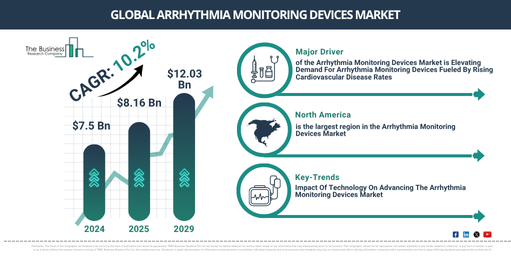
    The market for arrhythmia monitoring apparatus has seen significant upward momentum lately, projected to escalate from a valuation of $7.5 billion in 2024 to $8.16 billion the following year, reflecting an 8.8% compound annual growth rate throughout that span; this expansion during the historical phase stems from factors such as the increasing global elderly demographic, enhancements in medical facility frameworks, a trend toward tailored medical treatments, the proliferation of care delivered at patients’ residences, and augmented financial allocations to the sector.

    Anticipating substantial expansion, the sphere of arrhythmia monitoring devices is projected to experience swift escalation, reaching a valuation of $12.03 billion by 2029, propelled by a compound annual growth rate (CAGR) of 10.2% across the coming years. This accelerated expansion throughout the projection timeframe stems from several key factors, including the increasing prevalence of heart-related ailments, the burgeoning adoption of telemedicine practices, the securing of crucial regulatory clearances, the escalating use of remote patient observation systems, and general economic upturns. Concerning prevailing dynamics set to influence this market, significant developments involve sophisticated wearable technology innovations, the implementation of artificial intelligence and machine learning techniques, the development of solutions centered around patient needs, deeper integration of the Internet of Things (IoT), and a greater emphasis on proactive health management alongside fitness tracking.

    Unlock Your Free Sample Report for Exclusive Market Data:

    https://www.thebusinessresearchcompany.com/sample.aspx?id=7437&type=smp

    What Are The Main Drivers Boosting The Arrhythmia Monitoring Devices Industry’s Expansion?

    The expanding prevalence of heart and blood vessel disorders, collectively termed cardiovascular diseases (CVDs), is anticipated to fuel growth within the arrhythmia monitoring devices sector. These specialized devices are employed to track aberrant heart rhythms, which frequently signify underlying CVD conditions. Consequently, as the occurrence rate of cardiovascular diseases escalates, so too does the demand for apparatus capable of monitoring arrhythmia. To illustrate the scope of this trend, in August 2022, the American College of Cardiology, a US non-profit organization dedicated to medical advancement, released data indicating substantial projected surges in cardiovascular risk factors and the diseases themselves within the United States spanning the period from 2025 through 2060; specifically, conditions such as heart failure are forecast to rise by 33.4 percent, and ischemic heart disease by 30.7 percent by 2060, directly correlating the heightened incidence of cardiovascular ailments with increased market activity for arrhythmia monitoring tools.

    What Are The Major Segment Categories Driving The Arrhythmia Monitoring Devices Market Growth?

    The arrhythmia monitoring devicesmarket covered in this report is segmented –

    1) By Type: ECG, Implantable Monitors, Holter Monitors, Mobile Cardiac Telemetry

    2) By Application: Bradycardia, Tachycardia, Atrial Fibrillation, Ventricular Fibrillation, Premature Contraction, Other Applications

    3) By End-User: Hospitals And Diagnostic Centers, Ambulatory Centers, Other End Users

    Subsegments:

    1) By ECG (Electrocardiogram): Resting ECG Machines, Stress ECG Machines, 12-Lead ECG Systems

    2) By Implantable Monitors: Implantable Loop Recorders (ILRs), Subcutaneous Implantable Cardioverter Defibrillators (S-ICDs)

    3) By Holter Monitors: 24-Hour Holter Monitors, 48-Hour Holter Monitors, 7-Day Holter Monitors

    4) By Mobile Cardiac Telemetry: Wireless Telemetry Devices, Smartphone-Integrated Telemetry Systems

    How Are Emerging Market Trends Shaping The Arrhythmia Monitoring Devices Industry Landscape?

    The arrhythmia monitoring devices sector is profoundly shaped by ongoing technological progress, where prominent industry participants are embedding innovative capabilities like artificial intelligence and advanced detection methods to boost precision and streamline data handling. A tangible illustration of this evolution occurred in September 2024, when iRhythm Technologies, a firm situated in the United States specializing in digital healthcare solutions, secured official clearance in Japan for its Zio ECG Monitoring System. This Zio offering represents a significant step beyond conventional Holter monitoring for diagnosing heart rhythm irregularities, delivering enhanced clinical exactitude that empowers physicians to achieve correct initial assessments, with iRhythm’s sophisticated machine learning underpinning the accurate categorization of diverse arrhythmias, reaching diagnostic excellence equivalent to that of expert cardiologists; this capability stands to decrease the incidence of erroneous automated ECG readings in actual patient care settings while simultaneously improving general clinical throughput.

    Who Are The Top Performing Companies In The Arrhythmia Monitoring Devices Market In Recent Years?

    Major companies operating in the arrhythmia monitoring devices market include Abbott Laboratories, Medtronic plc, Biotronik Inc., Hill-Rom Services Inc., iRhythm Technologies Inc., GE HealthCare Technologies Inc., Koninklijke Philips NV, ACS Diagnostics Inc., AliveCor Inc., Medi-Lynx Cardiac Monitoring LLC, Welch Allyn Inc., Spacelabs Healthcare Inc., Fukuda Denshi Co. Ltd., Applied Cardiac Systems Inc., BIOTRONIK SE & Co. KG, Hill-Rom Holdings Inc., Nihon Kohden Corporation, CardioNet LLC, Bardy Diagnostics Inc., BioTelemetry Inc., Boston Scientific Corporation, CardioComm Solutions Inc., Cardiac Insight Inc., Cardiac Science Corporation, Johnson & Johnson, Preventice Solutions Inc., Qardio Inc., ZOLL Medical Corporation, Stryker Corporation, Drägerwerk AG & Co. KGaA, Mindray Medical International Limited, Cardinal Health Inc., Physio-Control Corporation

    Download The Full Report For Exclusive Market Findings:

    https://www.thebusinessresearchcompany.com/report/arrhythmia-monitoring-devices-global-market-report

    Which Regional Markets Are Contributing Most To The Arrhythmia Monitoring Devices Industry Expansion?

    North America was the largest region in the arrhythmia monitoring devices market in 2024. Asia-Pacific is expected to be the fastest-growing region in the forecast period. The regions covered in the arrhythmia monitoring devices market report include Asia-Pacific, Western Europe, Eastern Europe, North America, South America, Middle East and Africa.

    Request A Customized Version Of The Arrhythmia Monitoring Devices Market Report:

    https://www.thebusinessresearchcompany.com/customise?id=7437&type=smp

    Browse Through More Reports Similar to the Global Arrhythmia Monitoring Devices Market 2025, By The Business Research Company

    Anesthesia Monitoring Devices Global Market Report 2025

    https://www.thebusinessresearchcompany.com/report/anesthesia-monitoring-devices-global-market-report

    Patient Monitoring Devices Global Market Report 2025

    https://www.thebusinessresearchcompany.com/report/patient-monitoring-devices-global-market-report

    Remote Patient Monitoring Devices And Equipment Global Market Report 2025

    https://www.thebusinessresearchcompany.com/report/remote-patient-monitoring-devices-and-equipment-global-market-report

    Get in touch with us:

    The Business Research Company: https://www.thebusinessresearchcompany.com/

    Americas +1 310-496-7795

    Asia +44 7882 955267 & +91 8897263534

    Europe +44 7882 955267

    Email us at info@tbrc.info

    Follow us on:

    LinkedIn: https://in.linkedin.com/company/the-business-research-company

    YouTube: https://www.youtube.com/channel/UC24_fI0rV8cR5DxlCpgmyFQ

    Global Market Model: https://www.thebusinessresearchcompany.com/global-market-model
  • AI-based Surgical Robots Market Expansion Outlook: $15.02 Billion by 2029 Forecast

    AI-based Surgical Robots Market Expansion Outlook: $15.02 Billion by 2029 Forecast

    Unlock Global Insights – Save 20% on Market Reports with Code ONLINE20

    #What Is The Projected Market Size Of The AI-based Surgical Robots Market By 2029?

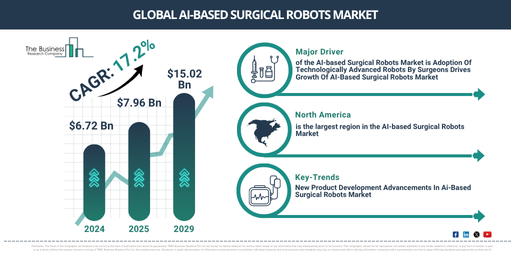
    The market for surgical robots powered by artificial intelligence has experienced swift expansion lately; projections indicate a progression from a $\$6.72$ billion valuation in $2024$ to $\$7.96$ billion by $2025$, reflecting an $18.4$ percent compound annual growth rate over that span, with historical expansion being propelled by factors such as an increasing elderly demographic, the escalating desire for procedures involving minimal incisions, greater outlays on medical care, a focus on ensuring patient well-being, and the heightened incidence of long-term health conditions.

    Anticipated for substantial expansion in the coming years, the market for AI-powered surgical robots is projected to reach a valuation of $15.02 billion by 2029, marked by a compound annual growth rate (CAGR) of 17.2%; this upward trajectory is fueled by factors such as the rise of telemedicine and remote surgical procedures, greater capital investment flowing into the sector, a greater volume of surgeries being performed with robotics, and a scarcity of qualified medical personnel, while key developments shaping this era encompass the incorporation of artificial intelligence and machine learning, the progression of robotics-as-a-service models, advancements towards smaller and more portable devices, the utilization of surgical data analytics, the development of patient-specific surgical blueprints, and enhanced teamwork across different medical disciplines.

    Unlock Your Free Sample Report for Exclusive Market Data:

    https://www.thebusinessresearchcompany.com/sample.aspx?id=7274&type=smp

    Which Factors And Drivers Are Influencing The AI-based Surgical Robots Market In 2025?

    The proliferation of sophisticated robotic tools utilized by medical practitioners across numerous procedures is fueling the expansion of the market for artificial intelligence-powered surgical robotics. These devices are essentially automated mechanisms capable of executing routines that have been established beforehand. As technological progress continues, AI is increasingly integrated to enhance the effectiveness, precision, and overall capability of these robots. AI-driven surgical robots are finding application in a spectrum of operations and medical disciplines, including neurosurgery, urology, ear, nose, and throat procedures, thoracic interventions, and colorectal surgery, among others. To illustrate the current landscape, Oliver Wyman, a consulting firm based in the United States, reported in 2023 that approximately 2% of all surgical procedures in Europe involved robotics, contrasted sharply with about 15% usage in the US. Consequently, the escalating uptake of these cutting-edge robotic systems by surgeons for diverse medical procedures is what propels the AI-based surgical robot market forward.

    How Is The AI-based Surgical Robots Market Segmented?

    The ai-based surgical robotsmarket covered in this report is segmented –

    1) By Product: Services, Instrument and Accessories

    2) By Application: Orthopedics, Neurology, Urology, Gynecology, Other Applications

    3) By End User: Hospitals, Ambulatory Surgical Centers

    Subsegments:

    1) By Services: Installation and Commissioning Services, Training and Support Services, Maintenance and Repair Services

    2) By Instruments and Accessories: Surgical Instruments, Vision Systems and Cameras, Software for Surgical Planning and Navigation, Consumables and Disposable Accessories, Integration Solutions, Specialized Robotic Systems

    Which Key Trends Are Expected To Influence The AI-based Surgical Robots Market In The Coming Years?

    A prominent movement observed within the sphere of AI-powered surgical robotics involves the continuous introduction of novel offerings, as established firms actively introduce new devices to fortify their competitive standings. For example, in the month of December in 2022, the Chinese medical enterprise Suzhou Kang Duo Robot Co. released its Kang Duo Surgical Robot-01 (KD SR 01); this specific piece of equipment successfully executed a robotically aided radical pyeloplasty, and the procedures utilizing the KD SR 01 proved more time efficient while showcasing benefits compared to established techniques like laparoscopic surgery.

    Which Leading Companies Dominate The AI-based Surgical Robots Market Share?

    Major companies operating in the AI-based surgical robots market include Accuray Incorporated, Intuitive Surgical Inc., Medtronic plc, Medrobotics Corporation, Zimmer Biomet Holdings Inc., Stereotaxis Inc., Transenterix Inc., Stryker Corporation, Activ Surgical Inc., Titan Medical Inc., CMR Surgical Inc., Smith and Nephew plc, Auris Health Inc., Corindus Vascular Robotics Inc., EndoMaster Pte Ltd., Freehand 2010 Ltd., Globus Medical Inc., Hansen Medical Inc., Johnson & Johnson, Memic Innovative Surgery Ltd., Microbot Medical Inc., Neural Analytics Inc., Renishaw plc, Restoration Robotics Inc., Synaptive Medical Inc., Think Surgical Inc., XACT Robotics Ltd., Zavation Medical Products LLC, Vicarious Surgical Inc., Asensus Surgical Inc., Brainlab AG, Corin Group plc, IMRIS Inc.

    Download The Full Report For Exclusive Market Findings:

    https://www.thebusinessresearchcompany.com/report/ai-based-surgical-robots-global-market-report

    How Does The AI-based Surgical Robots Market Perform Across Key Geographic Regions?

    North America was the largest region in the AI-based surgical robots market in 2024. Asia-Pacific is expected to be the fastest-growing region in the AI-based surgical robots market share during the forecast period. The regions covered in the AI-based surgical robots market report include Asia-Pacific, Western Europe, Eastern Europe, North America, South America, Middle East and Africa.

    Request A Customized Version Of The AI-based Surgical Robots Market Report:

    https://www.thebusinessresearchcompany.com/customise?id=7274&type=smp

    Browse Through More Reports Similar to the Global AI-based Surgical Robots Market 2025, By The Business Research Company

    Artificial Intelligence In Healthcare Global Market Report 2025

    https://www.thebusinessresearchcompany.com/report/artificial-intelligence-in-healthcare-global-market-report

    Smart Robots Global Market Report 2025

    https://www.thebusinessresearchcompany.com/report/smart-robots-global-market-report

    Robotic Surgery Devices Global Market Report 2025

    https://www.thebusinessresearchcompany.com/report/robotic-surgery-devices-global-market-report

    Get in touch with us:

    The Business Research Company: https://www.thebusinessresearchcompany.com/

    Americas +1 310-496-7795

    Asia +44 7882 955267 & +91 8897263534

    Europe +44 7882 955267

    Email us at info@tbrc.info

    Follow us on:

    LinkedIn: https://in.linkedin.com/company/the-business-research-company

    YouTube: https://www.youtube.com/channel/UC24_fI0rV8cR5DxlCpgmyFQ

    Global Market Model: https://www.thebusinessresearchcompany.com/global-market-model
  • Global 3D Bioprinting Industry Trends: Where the Market Is Headed by 2029

    Global 3D Bioprinting Industry Trends: Where the Market Is Headed by 2029

    Unlock Global Insights – Save 20% on Market Reports with Code ONLINE20

    How Much Was The 3D Bioprinting Market Worth In 2025, And What Is Its Anticipated Value By 2029?

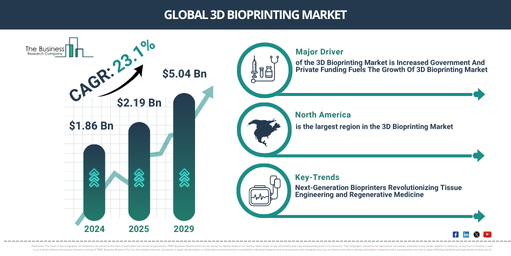
    The field of 3D bioprinting has witnessed substantial expansion lately; valued at $1.86 billion in 2024, projections indicate an advance to $2.19 billion by 2025, reflecting an 18.2% compound annual growth rate during this time, a trajectory fueled by increased financial investment in research and development efforts, the escalating prevalence of long-term health conditions, the scarcity of transplantable organs, a surge in pharmaceutical testing methodologies, and the advancement of tissue engineering techniques.

    Exponential expansion is anticipated for the 3D bioprinting market over the coming years, projecting a valuation of $5.04 billion by 2029, driven by a compound annual growth rate (CAGR) reaching 23.1%. This projected growth throughout the forecast window stems from progress in healthcare, increased efforts in developing bioprinted skin, heightened patient understanding, and the expanding demographic of older individuals. Key developments expected during this period encompass multi-material printing capabilities, advancements in vascularization methodologies, the proliferation of organ-on-a-chip technology, personalized implant creation, and the application of biofabrication within space exploration.

    Unlock Your Free Sample Report for Exclusive Market Data:

    https://www.thebusinessresearchcompany.com/sample.aspx?id=5341&type=smp

    What Are The Key Drivers Of Growth In The 3D Bioprinting Market?

    Anticipated expansion in the 3D bioprinting sector over the upcoming period is set to be fueled by heightened governmental and internal investment directed towards research in this domain. Greater utilization of 3D bioprinting within medical settings has successfully drawn capital from both public and commercial entities, offering necessary financial backing and technological aid throughout the various stages of perfecting 3D bioprinting methods. As an example illustrating this support, in May of 2022, the European Union provided $600,000 in financing to Readily3D SA, a Swiss firm specializing in bioprinting, specifically to advance the creation of a functional pancreatic micro-organ using their proprietary Tomolite 3D bioprinting process. Furthermore, the Australian Minister for Health allocated $737,690 to Curtin University as a means to further refine and enhance 3D technology, enabling the direct bioprinting of skin tissue onto simulated injuries in preparation for future human skin regeneration efforts.

    What Are The Key Segments In The 3D Bioprinting Market?

    The 3D bioprintingmarket covered in this report is segmented –

    1) By Component: 3D Bioprinters, Bioinks

    2) By Material: Living Cells, Hydrogels, Extracellular Matrices, Other Materials

    3) By Application: Research Applications, Clinical Application, Other Applications

    4) By End User: Research Organization And Academic Institutes, Biopharmaceuticals Companies, Hospitals, Other End Users

    Subsegments:

    1) By 3D Bioprinters: Inkjet 3D Bioprinters, Microextrusion 3D Bioprinters, Laser-Assisted 3D Bioprinters, Stereolithography (SLA) Bioprinters

    2) By Bioinks: Natural Bioinks, Synthetic Bioinks, Hybrid Bioinks, Hydrogels

    What Are The Major Trends Driving The Growth Of The 3D Bioprinting Market?

    Leading firms within the 3D bioprinting sector are concentrating efforts on engineering advanced bioprinters tailored for use in tissue restoration and regenerative medical procedures. A bio 3D printer functions as a dedicated instrument, responsible for fabricating biological constructs like organs and tissues, utilizing bioinks composed of viable cells or materials that the body will accept. To illustrate this progression, in November of 2022, Avay Biosciences, a healthcare entity situated in India, introduced the Mito Plus device. This particular printer facilitates the construction of intricate human tissues, thus helping to resolve significant issues like the scarcity of transplantable organs and refining the processes involved in pharmaceutical testing. Key functionalities incorporated into this model encompass accurate thermal regulation spanning from 4°C up to 80°C, a system allowing for two separate extruders to work with various biocompatible substances, integrated UV curing to boost the structural integrity of the printed tissue, and the inclusion of HEPA filtration to guarantee a contaminant-free operational space.

    Who Are The Major Companies Operating In The 3D Bioprinting Market?

    Major companies operating in the 3D bioprinting market include Organovo Holdings Inc., Allevi Inc., Cellink AB, Aspect Biosystems Ltd., 3D Systems Corporation, Cyfuse Biomedical KK, EnvisionTEC GmbH, Poietis SA, TeVido BioDevices, Nano3D Biosciences Inc., Digilab Inc., RegenHU Ltd., GeSiM mbH, Advanced Solutions Life Sciences LLC, Regenovo Biotechnology Co. Ltd., Regemat 3D S.L., Bio3D Technologies, Stratasys Ltd., ROKIT Healthcare Co. Ltd., Inventia Life Science Pvt. Ltd., Vivax Bio LLC, GE HealthCare Technologies Inc., 3D Biotek LLC, Nuclera Nucleics Ltd., 3D Fortify Inc., Carbon Inc., Divergent Technologies Inc., Markforged Inc., SprintRay Inc., 3D Bio Corp, 3D Bioprinting Solutions, BICO Group AB, CollPlant Biotechnologies Ltd., Shining 3D Tech Co. Ltd., 3Dynamic Systems Ltd., Modern Meadow Inc.

    Download The Full Report For Exclusive Market Findings:

    https://www.thebusinessresearchcompany.com/report/3d-bioprinting-global-market-report

    Which Region Is Expected To Witness The Fastest Growth In The 3D Bioprinting Market?

    North America was the largest region in the 3D bioprinting market in 2024. The Asia-Pacific is expected to be the fastest-growing region in the 3D bioprinting market during the forecast period. The regions covered in the 3D bioprinting market report include Asia-Pacific, Western Europe, Eastern Europe, North America, South America, Middle East and Africa.

    Request A Customized Version Of The 3D Bioprinting Market Report:

    https://www.thebusinessresearchcompany.com/customise?id=5341&type=smp

    Browse Through More Reports Similar to the Global 3D Bioprinting Market 2025, By The Business Research Company

    3D Cell Culture Technologies Global Market Report 2025

    https://www.thebusinessresearchcompany.com/report/3d-cell-culture-technologies-global-market-report

    Biologics Global Market Report 2025

    https://www.thebusinessresearchcompany.com/report/biologics-market

    3D Printed Medical Devices Global Market Report 2025

    https://www.thebusinessresearchcompany.com/report/3d-printed-medical-devices-global-market-report

    Get in touch with us:

    The Business Research Company: https://www.thebusinessresearchcompany.com/

    Americas +1 310-496-7795

    Asia +44 7882 955267 & +91 8897263534

    Europe +44 7882 955267

    Email us at info@tbrc.info

    Follow us on:

    LinkedIn: https://in.linkedin.com/company/the-business-research-company

    YouTube: https://www.youtube.com/channel/UC24_fI0rV8cR5DxlCpgmyFQ

    Global Market Model: https://www.thebusinessresearchcompany.com/global-market-model
  • Global Primary Myelofibrosis Industry Trends: Where the Market Is Headed by 2029

    Global Primary Myelofibrosis Industry Trends: Where the Market Is Headed by 2029

    Unlock Global Insights – Save 20% on Market Reports with Code ONLINE20

    How Much Larger Is The Primary Myelofibrosis Market Expected To Become By 2029 Compared With Its 2025 Level?

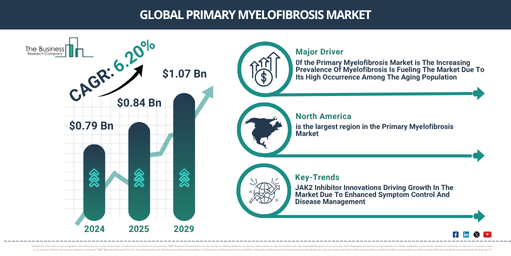
    The primary myelofibrosis market has experienced significant growth in recent years. It is anticipated to increase from $0.79 billion in 2024 to $0.84 billion in 2025, demonstrating a compound annual growth rate (CAGR) of 6.4%. This historical expansion can be attributed to factors such as improved disease recognition among medical professionals, the increasing application of JAK inhibitors, enhanced diagnostic capabilities and genetic testing, greater availability of hematology specialists for patients, and a rise in clinical trial initiatives.

    The primary myelofibrosis market is projected to experience substantial growth in the upcoming years. This market is anticipated to expand, reaching $1.07 billion by 2029, demonstrating a compound annual growth rate (CAGR) of 6.2%. The expected growth during this forecast period stems from factors such as an expanding pipeline of innovative therapies, a rising demand for treatments that modify the disease, increasing prevalence within aging demographics, a growing emphasis on combination treatment strategies, and heightened investment from pharmaceutical and biotech enterprises. Significant trends for the forecast duration encompass progress in targeted drug development, the incorporation of next-generation sequencing (ngs) in diagnostic procedures, technology-enabled monitoring solutions, advancements in combination therapy protocols, and improvements in bone marrow fibrosis imaging techniques.

    Unlock Your Free Sample Report for Exclusive Market Data:

    https://www.thebusinessresearchcompany.com/sample.aspx?id=24669&type=smp

    What Are The Key Drivers Of Growth In The Primary Myelofibrosis Market?

    The projected increase in the occurrence of myelofibrosis is anticipated to drive the expansion of the primary myelofibrosis market moving forward. Myelofibrosis is a rare form of bone marrow cancer that interferes with the body’s normal generation of blood cells, resulting in extensive scarring within the bone marrow, which then causes severe anemia, weakness, fatigue, and an enlarged spleen. The heightened prevalence of myelofibrosis is primarily attributed to the world’s aging population, given that the condition typically impacts individuals over the age of 60, and extended life expectancies are leading to a greater number of diagnosed cases. This rising prevalence of myelofibrosis enhances the management of primary myelofibrosis by fostering research, improving early detection, expanding therapeutic options, and advocating for better clinical guidelines and specialized medical attention. For instance, in November 2024, a report published by the National Institute for Health and Care Excellence, an independent executive non-departmental public body based in the UK, stated that myelofibrosis has a prevalence of 3.2 per 100,000 people in the UK and an incidence rate of 0.6 per 100,000. Therefore, the growing prevalence of myelofibrosis is a significant factor boosting the primary myelofibrosis market.

    What Are The Emerging Segments Gaining Attention In The Primary Myelofibrosis Market?

    The primary myelofibrosis market covered in this report is segmented –

    1) By Type: Spinocerebellar Primary Myelofibrosiss, Primary Myelofibrosis-Telangiectasia, Episodic Primary Myelofibrosis, Other Types

    2) By Services: Treatment, Diagnosis

    3) By Dosage Forms: Solid, Liquids, Other Dosage Forms

    4) By Age: Adult, Child, Geriatric

    5) By End User: Hospitals, Clinics, Other End Users

    Subsegments:

    1) By Spinocerebellar Primary Myelofibrosis: Spinocerebellar Ataxia With Myelofibrosis, Hereditary Spinocerebellar Degeneration With Bone Marrow Fibrosis, Neurodegenerative Spinocerebellar Syndromes With Fibrotic Manifestations

    2) By Primary Myelofibrosis-Telangiectasia: Cutaneous Telangiectasia With Myelofibrosis, Hereditary Hemorrhagic Telangiectasia With Marrow Fibrosis, Ocular Telangiectasia-Associated Myelofibrosis

    3) By Episodic Primary Myelofibrosis: Intermittent Marrow Fibrosis Episodes, Periodic Cytopenia With Fibrosis Flare, Cyclical Myelofibrosis In Autoimmune Disorders

    4) By Other Types: Familial Primary Myelofibrosis, Idiopathic Myelofibrosis, Therapy-Related Primary Myelofibrosis, Juvenile Primary Myelofibrosis

    What Trends Are Expected To Drive The Primary Myelofibrosis Market?

    Leading companies in the primary myelofibrosis market are concentrating on developing innovative solutions, such as Janus kinase 2 inhibiting tablets, to enhance symptom control and slow the advancement of the disease. Janus kinase 2 (JAK2) inhibiting tablets are oral drugs that obstruct the action of the JAK2 enzyme, which plays a role in the irregular signaling pathways causing excessive blood cell production in primary myelofibrosis. These tablets contribute to reducing spleen size, alleviating symptoms of fatigue and bone pain, and decelerating disease progression. For example, in March 2025, GlaxoSmithKline Korea (GSK Korea) Ltd., a Korea-based pharmaceutical and biotechnology company, introduced Omjjara (momelotinib) as a novel treatment for myelofibrosis. It has been approved by South Korea’s Ministry of Food and Drug Safety and is designated for adult patients with intermediate- or high-risk primary or secondary myelofibrosis who also suffer from moderate to severe anemia. Omjjara is an oral medication that inhibits Janus kinases (JAK1 and JAK2) and activin A receptor type 1 (ACVR1), thereby effectively addressing symptoms like anemia, an enlarged spleen, and fatigue. Its approval is substantiated by clinical trial data that demonstrated notable improvements in anemia, spleen size, and overall symptoms compared to existing treatments.

    Which Leading Players Are Enhancing Their Primary Myelofibrosis Market Presence Worldwide?

    Major companies operating in the primary myelofibrosis market are Merck & Co. Inc., AbbVie Inc., Bristol-Myers Squibb Company, Sumitomo Pharma Oncology Inc., Incyte Corporation, Nippon Shinyaku Co. Ltd., MorphoSys AG, Keros Therapeutics Inc., Geron Corporation, Lynk Pharmaceuticals Co. Ltd., Pharmaxis Ltd, Kartos Therapeutics Inc., Disc Medicine Inc., Galecto Inc., Cellenkos Inc., Chia Tai Tianqing Pharmaceutical Group Co. Ltd., Taiga Biotechnologies Inc., Suzhou Zelgen Biopharmaceuticals Co. Ltd., Telios Pharma Inc., Samus Therapeutics Inc., Jacobio Pharmaceuticals Co. Ltd.

    Download The Full Report For Exclusive Market Findings:

    https://www.thebusinessresearchcompany.com/report/primary-myelofibrosis-global-market-report

    Which Global Regions Are Influencing The Competitive Landscape Of The Primary Myelofibrosis Market?

    North America was the largest region in the primary myelofibrosis market in 2024. Asia-Pacific is expected to be the fastest-growing region in the forecast period. The regions covered in the primary myelofibrosis market report are Asia-Pacific, Western Europe, Eastern Europe, North America, South America, Middle East, Africa.

    Request A Customized Version Of The Primary Myelofibrosis Market Report:

    https://www.thebusinessresearchcompany.com/customise?id=24669&type=smp

    Browse Through More Reports Similar to the Global Primary Myelofibrosis Market 2025, By The Business Research Company

    Myelodysplastic Syndrome Drugs Global Market Report 2025

    https://www.thebusinessresearchcompany.com/report/myelodysplastic-syndrome-drugs-global-market-report

    Myeloproliferative Disorders Drugs Global Market Report 2025

    https://www.thebusinessresearchcompany.com/report/myeloproliferative-disorders-drugs-global-market-report

    Thrombectomy Devices Global Market Report 2025

    https://www.thebusinessresearchcompany.com/report/thrombectomy-devices-global-market-report

    Get in touch with us:

    The Business Research Company: https://www.thebusinessresearchcompany.com/

    Americas +1 310-496-7795

    Asia +44 7882 955267 & +91 8897263534

    Europe +44 7882 955267

    Email us at info@tbrc.info

    Follow us on:

    LinkedIn: https://in.linkedin.com/company/the-business-research-company

    YouTube: https://www.youtube.com/channel/UC24_fI0rV8cR5DxlCpgmyFQ

    Global Market Model: https://www.thebusinessresearchcompany.com/global-market-model