Blog

  • Pre-workout Vegan Supplements Industry Forecast to Hit $9.23 Billion by 2029 With a Strong 13.2% CAGR

    Pre-workout Vegan Supplements Industry Forecast to Hit $9.23 Billion by 2029 With a Strong 13.2% CAGR

    Unlock Global Insights – Save 20% on Market Reports with Code ONLINE20

    #What Are The Current (2025) And Forecast (2029) Sizes Of The Pre-workout Vegan Supplements Market?

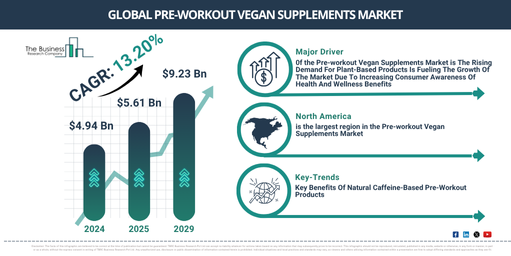
    The pre-workout vegan supplements market has experienced rapid growth in its size during recent years. This market is projected to expand from $4.94 billion in 2024 to $5.61 billion in 2025, reflecting a compound annual growth rate (CAGR) of 13.6%. Historically, this expansion can be attributed to several factors, including heightened consumer awareness of plant-based nutrition, an increasing demand for clean-label products, the rising adoption of veganism and vegetarianism, a growing prevalence of lactose intolerance and dairy allergies, and the increasing number of fitness influencers and athletes advocating vegan lifestyles.

    The pre-workout vegan supplements market is projected to undergo substantial expansion in the coming years, reaching $9.23 billion by 2029 at a compound annual growth rate (CAGR) of 13.2%. This anticipated growth during the forecast period is fueled by an increasing focus on sustainability and ethical sourcing, escalating innovation in plant-based ingredient technology, a rise in investment in vegan sports nutrition from major brands, the growing appeal of personalized nutrition, and the expanding reach of e-commerce and direct-to-consumer channels. Notable trends expected during this period include improvements in plant-based protein extraction technologies, the incorporation of adaptogens and nootropics, technology-powered platforms for product personalization, advancements in flavor-masking techniques, and enhancements in encapsulation and delivery systems.

    Unlock Your Free Sample Report for Exclusive Market Data:

    https://www.thebusinessresearchcompany.com/sample.aspx?id=24668&type=smp

    Which Drivers Are Supporting Growth Of The Pre-workout Vegan Supplements Market?

    The increasing consumer preference for plant-based goods is projected to fuel the expansion of the pre-workout vegan supplements sector in the future. These products are defined as items composed wholly or predominantly of components sourced from plants, including fruits, vegetables, grains, nuts, seeds, and legumes. This escalating demand for plant-based items mainly stems from consumers’ growing understanding of their health advantages, such as reduced probabilities of heart disease, obesity, and diabetes, prompting more people to embrace plant-based eating patterns for enhanced wellness. Pre-workout vegan supplements contribute to the expansion of plant-based products by boosting consumer desire for clean, cruelty-free performance nutrition that aligns with vegan principles. They also foster innovation in the sourcing, formulation, and branding of plant-based ingredients, simultaneously broadening the market for sustainable, health-focused options within the wider fitness and wellness domain. An illustration of this trend is found in the report by the Good Food Institute, a US-based non-profit organization, released in April 2023. It stated that in 2022, worldwide sales of plant-based milk, cheese, and yogurt collectively hit $21.6 billion, marking a 7% rise compared to 2021. Consequently, the heightened demand for plant-based items is stimulating the expansion of the pre-workout vegan supplements market.

    What Are The Major Segment Types Covered In The Pre-workout Vegan Supplements Market?

    The pre-workout vegan supplements market covered in this report is segmented –

    1) By Product: Vitamins, Minerals, Amino Acids, Plant-Based, Other Products

    2) By Form: Powder, Liquid, Capsules, Bars, Other Forms

    3) By Distribution Channel: Hypermarkets Or Supermarkets, Convenience Stores, Drug Stores And Pharmacies, Health And Wellness Stores, Online Retail

    4) By End-User: Athletes And Fitness Enthusiasts, General Health Consumers

    Subsegments:

    1) By Vitamins: Vitamin B Complex, Vitamin C, Vitamin D, Vitamin E, Vitamin K, Multivitamins

    2) By Minerals: Magnesium, Calcium, Potassium, Zinc, Iron, Electrolytes

    3) By Amino Acids: Branched-Chain Amino Acids (BCAAs), L-Arginine, L-Citrulline, L-Glutamine, L-Taurine, Beta-Alanine

    4) By Plant-Based: Beetroot Extract, Maca Root, Rhodiola Rosea, Ashwagandha, Cordyceps, Spirulina

    5) By Other Products: Natural Caffeine Sources (Green Tea, Guarana), Adaptogens, Electrolyte Blends, Herbal Extracts, Enzyme Blends

    Which Trends Are Impacting The Pre-workout Vegan Supplements Market?

    Leading businesses within the pre-workout vegan supplements market are concentrating on creating novel items, including natural caffeine pre-workout formulations. These products are designed to boost energy, elevate endurance, and offer clean, plant-based nutritional support for consumers mindful of their health. Such a supplement is a plant-derived item containing caffeine extracted from natural origins like green tea, guarana, or coffee beans, intended to elevate energy. It aids in sharpening focus, increasing stamina, and optimizing workout performance, all while being free from synthetic additives. As an example, in June 2022, RSP Nutrition, LLC, a US-based nutritional supplement firm, introduced aminoLean MAX. This product is described as their most potent high-stimulant pre-workout supplement yet, tailored for individuals desiring superior energy, concentration, and performance during their workouts. This updated formula brings together natural caffeine derived from green coffee beans with sophisticated nootropics like Alpha GPC, tyrosine, and alpinia galanga, aiming to provide sustained energy, improved mental sharpness, and a robust mind-to-muscle link. Furthermore, AminoLean MAX incorporates a full spectrum of all nine essential amino acids (EAAs) and branched-chain amino acids (BCAAs), which assist in muscle building, fostering lean muscle development, and facilitating post-exercise recovery.

    Which Major Firms Are Strengthening Their Position In The Pre-workout Vegan Supplements Industry?

    Major companies operating in the pre-workout vegan supplements market are Thorne HealthTech Inc., Xymogen, The Protein Works Ltd., Vitamin-One Formulas Ltd. (dba VitaminLab), Nutrabay Retail Private Limited, Legion Athletics Inc., Transparent Labs LLC, Clean Machine Inc., Ora Organic Inc., Warrior Supplements Ltd., Cosmix Retail Private Limited, Naked Nutrition Inc., Rari Nutrition LLC, Whitewolf Nutrition Pty Ltd, Vedge Nutrition Inc., ZOA Energy LLC, KOS Naturals Inc., Bulk Powders Ltd., True Athlete, Plantigo Inc.

    Download The Full Report For Exclusive Market Findings:

    https://www.thebusinessresearchcompany.com/report/pre-workout-vegan-supplements-global-market-report

    What Are The Regional Market Dynamics Impacting The Pre-workout Vegan Supplements Industry?

    North America was the largest region in the pre-workout vegan supplements market in 2024. The regions covered in the pre-workout vegan supplements market report are Asia-Pacific, Western Europe, Eastern Europe, North America, South America, Middle East, Africa.

    Request A Customized Version Of The Pre-workout Vegan Supplements Market Report:

    https://www.thebusinessresearchcompany.com/customise?id=24668&type=smp

    Browse Through More Reports Similar to the Global Pre-workout Vegan Supplements Market 2025, By The Business Research Company

    Adult Vaccines Global Market Report 2025

    https://www.thebusinessresearchcompany.com/report/adult-vaccines-global-market-report

    Therapeutic Bcg Vaccines Global Market Report 2025

    https://www.thebusinessresearchcompany.com/report/therapeutic-bcg-vaccines-global-market-report

    Travel Vaccines Global Market Report 2025

    https://www.thebusinessresearchcompany.com/report/travel-vaccines-global-market-report

    Get in touch with us:

    The Business Research Company: https://www.thebusinessresearchcompany.com/

    Americas +1 310-496-7795

    Asia +44 7882 955267 & +91 8897263534

    Europe +44 7882 955267

    Email us at info@tbrc.info

    Follow us on:

    LinkedIn: https://in.linkedin.com/company/the-business-research-company

    YouTube: https://www.youtube.com/channel/UC24_fI0rV8cR5DxlCpgmyFQ

    Global Market Model: https://www.thebusinessresearchcompany.com/global-market-model
  • Preventive Vaccines Market to Reach $106.47 Billion by 2029, Growing at a CAGR of 6.9%

    Preventive Vaccines Market to Reach $106.47 Billion by 2029, Growing at a CAGR of 6.9%

    Unlock Global Insights – Save 20% on Market Reports with Code ONLINE20

    What Market Value Is The Preventive Vaccines Industry Expected To Reach By 2029, Starting From 2025 Levels?

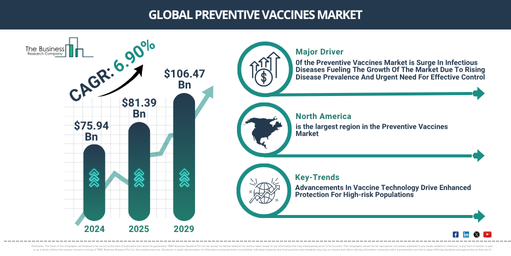
    The preventive vaccines market size has experienced robust growth in recent years. This market is projected to expand from $75.94 billion in 2024 to $81.39 billion in 2025, demonstrating a compound annual growth rate (CAGR) of 7.2%. Historically, this expansion has been driven by increasing government funding, rising awareness of infectious diseases, a rise in global immunization programs, increasing technological advancements in vaccine development, and rising demand for childhood immunization.

    The preventive vaccines market is poised for significant expansion in the coming years. Its valuation is projected to reach $106.47 billion by 2029, exhibiting a compound annual growth rate (CAGR) of 6.9%. This anticipated growth during the forecast period is fueled by several factors, including escalating investment in vaccine research, the increasing occurrence of infectious diseases, a rising need for personalized vaccines, more government initiatives and backing, and the wider uptake of cutting-edge vaccine technologies. Key trends anticipated within this period encompass progress in mRNA vaccine technology, the development of sophisticated delivery systems, breakthroughs in nanoparticle-based vaccines, the incorporation of artificial intelligence into vaccine research, and improvements in cold chain logistics.

    Unlock Your Free Sample Report for Exclusive Market Data:

    https://www.thebusinessresearchcompany.com/sample.aspx?id=24667&type=smp

    Which Drivers Are Shaping The Preventive Vaccines Industry’s Market Share?

    The anticipated expansion of the preventive vaccines market is linked to the growing occurrence of infectious diseases. These diseases are defined as ailments resulting from pathogenic microorganisms, including bacteria, viruses, fungi, or parasites, capable of spreading between individuals or via the surroundings. Factors like escalating urbanization, widespread global travel, and resistance to antimicrobials contribute to the heightened incidence of infectious diseases, making their spread quicker and control more challenging. Preventive vaccines assist in managing infectious diseases by prompting the immune system to identify and combat pathogens prior to infection, consequently lowering the frequency and spread of illnesses. As an illustration, a report in July 2024 from the Australian Institute of Health and Welfare, an Australia-based government agency, indicated that in 2022, infectious diseases were responsible for more than 15,770 fatalities in Australia, with lower respiratory infections comprising a third of these non-notifiable disease-related deaths. Consequently, the rising occurrence of infectious diseases is a key factor propelling the expansion of the preventive vaccines market.

    What Are The Major Segment Categories Driving The Preventive Vaccines Market Growth?

    The preventive vaccines market covered in this report is segmented –

    1) By Type: Live Or Attenuated Vaccines, Inactivated Vaccines, Toxoid Vaccines, Subunit Vaccines, Conjugate Vaccines, DNA Vaccines, Recombinant Vector Vaccines

    2) By Disease Type: Pneumococcal, Poliovirus, Hepatitis, Influenza, Measles, Rubella, Other Disease Types

    3) By Age Group: Pediatric, Adult, Geriatric

    4) By Distribution Channel: Hospitals, Clinics, Pharmacies, Other Distribution Channels

    Subsegments:

    1) By Live or Attenuated Vaccines: Measles, Mumps, and Rubella (MMR) Vaccine, Varicella (Chickenpox) Vaccine, Oral Polio Vaccine (OPV), Yellow Fever Vaccine, Rotavirus Vaccine, Bacillus Calmette-Guérin (BCG) Vaccine

    2) By Inactivated Vaccines: Inactivated Poliovirus Vaccine (IPV), Hepatitis A Vaccine, Rabies Vaccine, Influenza (Inactivated) Vaccine, Japanese Encephalitis Vaccine

    3) By Toxoid Vaccines: Tetanus Toxoid Vaccine, Diphtheria Toxoid Vaccine, Pertussis (whooping cough) Vaccine

    4) By Subunit Vaccines: Hepatitis B Vaccine, Human Papillomavirus (HPV) Vaccine, Pertussis (acellular) Vaccine, Influenza (recombinant protein) Vaccine

    5) By Conjugate Vaccines: Pneumococcal Conjugate Vaccine (PCV), Haemophilus influenzae type b (Hib) Vaccine, Meningococcal Conjugate Vaccine

    6) By DNA Vaccines: Zika Virus DNA Vaccine, Cytomegalovirus (CMV) DNA Vaccine, Infectious Disease DNA Vaccines

    7) By Recombinant Vector Vaccines: Ebola Vaccine (rVSV-ZEBOV), COVID-19 Recombinant Vector Vaccines, Dengue Recombinant Vector Vaccines

    What Long-Term Trends Will Shape The Future Growth Of The Preventive Vaccines Industry?

    Leading companies within the preventive vaccines market are concentrating on progress in vaccine technology, including advanced mRNA technology platforms, to boost vaccine effectiveness, improve safety profiles, facilitate quicker development and production, and offer broader defense against evolving variants of infectious diseases. Advanced mRNA technology platforms are sophisticated techniques employing messenger RNA to instruct cells to generate specific proteins, initiating a targeted immune response. For example, in March 2025, Moderna Inc., a US-based biotechnology firm, declared FDA clearance for mNEXSPIKE (mRNA-1283), a novel COVID-19 vaccine. It is approved for adults aged 65 and older and individuals aged 12–64 who have one or more CDC-defined risk factors. The introduction of mNEXSPIKE represents a considerable leap in next-generation mRNA vaccine technology, providing enhanced stability and simpler storage compared to previous iterations. This innovation is anticipated to improve vaccine availability and delivery, especially in underserved and remote regions.

    Who Are The Primary Competitors In The Global Preventive Vaccines Market?

    Major companies operating in the preventive vaccines market are Pfizer Inc., Johnson & Johnson Services Inc., F. Hoffmann-La Roche Ltd., Sanofi Pasteur SA, AstraZeneca plc, GlaxoSmithKline plc (GSK), Takeda Pharmaceutical Company Limited, Moderna Inc., CSL Limited, Novavax Inc., Emergent BioSolutions Inc., Dynavax Technologies Corporation, Serum Institute of India Pvt. Ltd., Vaxcyte Inc., Bavarian Nordic A/S, Valneva SE, Panacea Biotec Ltd., Inovio Pharmaceuticals Inc., Mitsubishi Tanabe Pharma Corporation, Afrigen Biologics and Vaccines (Pty) Ltd.

    Download The Full Report For Exclusive Market Findings:

    https://www.thebusinessresearchcompany.com/report/preventive-vaccines-global-market-report

    Which Region Shows The Highest Potential For Future Expansion In The Preventive Vaccines Market?

    North America was the largest region in the preventive vaccines market in 2024. Asia-Pacific is expected to be the fastest-growing region in the forecast period. The regions covered in the preventive vaccines market report are Asia-Pacific, Western Europe, Eastern Europe, North America, South America, Middle East, Africa.

    Request A Customized Version Of The Preventive Vaccines Market Report:

    https://www.thebusinessresearchcompany.com/customise?id=24667&type=smp

    Browse Through More Reports Similar to the Global Preventive Vaccines Market 2025, By The Business Research Company

    Probiotics Dietary Supplements Global Market Report 2025

    https://www.thebusinessresearchcompany.com/report/probiotics-dietary-supplements-global-market-report

    Probiotics Food And Cosmetics Global Market Report 2025

    https://www.thebusinessresearchcompany.com/report/probiotics-food-and-cosmetics-global-market-report

    Animal Antibiotics And Antimicrobials Global Market Report 2025

    https://www.thebusinessresearchcompany.com/report/animal-antibiotics-and-antimicrobials-global-market-report

    Get in touch with us:

    The Business Research Company: https://www.thebusinessresearchcompany.com/

    Americas +1 310-496-7795

    Asia +44 7882 955267 & +91 8897263534

    Europe +44 7882 955267

    Email us at info@tbrc.info

    Follow us on:

    LinkedIn: https://in.linkedin.com/company/the-business-research-company

    YouTube: https://www.youtube.com/channel/UC24_fI0rV8cR5DxlCpgmyFQ

    Global Market Model: https://www.thebusinessresearchcompany.com/global-market-model
  • Global Prebiotics Market Size Projected to Reach $19.96 Billion During the Forecast Period

    Global Prebiotics Market Size Projected to Reach $19.96 Billion During the Forecast Period

    Unlock Global Insights – Save 20% on Market Reports with Code ONLINE20

    What Is The Anticipated Size Of The Prebiotics Market Over The Five-Year Period 2025–2029?

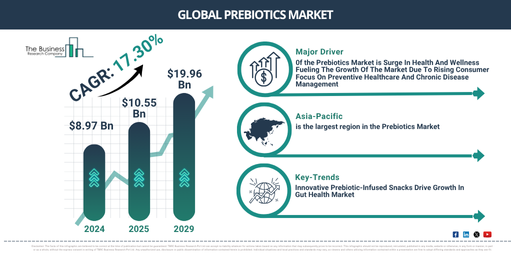
    The prebiotics market has experienced rapid expansion in recent years. Its value is projected to rise from $8.97 billion in 2024 to $10.55 billion in 2025, reflecting a compound annual growth rate (CAGR) of 17.6%. This historical expansion can be attributed to several factors including the escalating demand for functional foods, increased public understanding of digestive well-being, a growing preference for clean label items, wider incorporation into dietary supplements, and a heightened consumer focus on immunity.

    The prebiotics market is poised for substantial expansion in the coming years. Its valuation is projected to reach $19.96 billion by 2029, growing at a compound annual growth rate (CAGR) of 17.3%. This anticipated growth throughout the forecast period is attributed to the increasing use in infant nutrition, a rising preference for natural ingredients, growing investment in food innovation, an increasing demand for plant-based products, and a consumer base that is increasingly health-conscious. Major developments expected during this period include advancements in gut microbiome research, the integration of prebiotics into beverages, technology supporting personalized nutrition, innovations in synbiotic formulations, and progress in plant-based prebiotic sources.

    Unlock Your Free Sample Report for Exclusive Market Data:

    https://www.thebusinessresearchcompany.com/sample.aspx?id=24666&type=smp

    What Are The Drivers Pushing New Developments In The Prebiotics Market?

    The increasing recognition among consumers regarding health and wellness is anticipated to boost the expansion of the prebiotics market in the future. Health and wellness encompasses a comprehensive condition of physical, mental, and emotional well-being attained through balanced lifestyle decisions and proactive health measures. This growing consumer awareness stems from a movement towards preventive healthcare, motivated by the wish to avert illnesses linked to lifestyle and to lower future medical expenses. Prebiotics contribute to health awareness by fostering a balanced gut microbiome, which is progressively acknowledged as vital for comprehensive well-being and making educated lifestyle decisions. As an illustration, a survey study conducted in May 2022 by the International Food Information Council, a US-based non-profit organization, among 1,005 American adults aged 18–80 and adult Gen Z consumers ages 18-24, revealed that in 2022, approximately 52% of participants indicated they followed a particular diet or eating pattern, an increase from 39% in 2021. The prevalent strategies adopted included clean eating (16%), mindful eating (14%), and calorie counting (13%). Consequently, the expanding consumer consciousness regarding health and wellness is propelling the prebiotics market.

    How Is The Prebiotics Market Segmented?

    The prebiotics market covered in this report is segmented –

    1) By Type: Fructo-Oligosaccharides, Galacto-Oligosaccharides, Inulin, Mannan-Oligosaccharides

    2) By Product: Capsules, Drinks, Powder

    3) Demography: Pediatric, Adult, Geriatric

    4) Distribution Channel: Hypermarkets Or Supermarkets, Pharmacies And Drug Stores, Specialty Stores, Online Sales

    5) By End-User: Foods And Beverages, Pharmaceutical, Animal Feed, Other End-Users

    Subsegments:

    1) By Fructo-Oligosaccharides: Short-Chain Fructo-Oligosaccharides, Long-Chain Fructo-Oligosaccharides, Enzymatically Synthesized Fructo-Oligosaccharides

    2) By Galacto-Oligosaccharides: High-Purity Galacto-Oligosaccharides, Liquid Galacto-Oligosaccharides, Powder Galacto-Oligosaccharides

    3) By Inulin: High Performance Inulin, Standard Inulin, Short-Chain Inulin

    4) By Mannan-Oligosaccharides: Feed Grade Mannan-Oligosaccharides, Food Grade Mannan-Oligosaccharides, Functional Mannan-Oligosaccharides

    Which Market Trends Are Creating New Opportunities In The Prebiotics Industry?

    Companies operating within the prebiotics market are significantly investing in the development of innovative solutions, such as snack options enriched with prebiotics, to meet the expanding consumer interest in gut health and digestive wellness. Prebiotic-infused snack options are defined as convenient food items that have been enhanced with ingredients designed to encourage the growth of beneficial gut bacteria, thereby contributing to digestive health. For example, in March 2025, Beech-Nut Nutrition Corporation, a baby food company based in the US, unveiled a new collection of baby and toddler foods and snacks that incorporate prebiotics, whole milk yogurt, fruits, and vegetables, all formulated to bolster digestive health and comprehensive nutrition. This launch features specific products like Organic Fruit & Yogurt Jars with Prebiotics, Smoothies with Prebiotics, Jammin’ Waffles with fruit filling, and Fruti Bites with Hidden Veggies. These products are made with non-GMO ingredients and contain no artificial additives, and are available at major retailers such as Walmart, offering parents convenient, palatable, and nutrient-rich choices for children starting from 6 months of age.

    Which Key Market Players Are Investing In Expansion And Innovation Of Prebiotics Market?

    Major companies operating in the prebiotics market are Cargill Inc., Archer Daniels Midland, Nestlé S.A., Bayer AG, Abbott Laboratories, Danone S.A., Kraft Foods Group Inc., FrieslandCampina, Haleon Group of companies, DuPont de Nemours Inc., Amway Corp., Herbalife Nutrition Ltd., Royal Cosun, NU SKIN, Roquette Frères, Nature’s Bounty, Nature’s Sunshine Products Inc., Good Health New Zealand, NOW Foods, Jarrow Formulas Inc.

    Download The Full Report For Exclusive Market Findings:

    https://www.thebusinessresearchcompany.com/report/prebiotics-global-market-report

    How Is Prebiotics Market Demand Varying Across Different Regions?

    Asia-Pacific was the largest region in the prebiotics market in 2024. Asia-Pacific is expected to be the fastest-growing region in the forecast period. The regions covered in the prebiotics market report are Asia-Pacific, Western Europe, Eastern Europe, North America, South America, Middle East, Africa.

    Request A Customized Version Of The Prebiotics Market Report:

    https://www.thebusinessresearchcompany.com/customise?id=24666&type=smp

    Browse Through More Reports Similar to the Global Prebiotics Market 2025, By The Business Research Company

    Botanical Supplements Global Market Report 2025

    https://www.thebusinessresearchcompany.com/report/botanical-supplements-global-market-report

    Herbal Supplements Global Market Report 2025

    https://www.thebusinessresearchcompany.com/report/herbal-supplements-global-market-report

    Probiotics Dietary Supplements Global Market Report 2025

    https://www.thebusinessresearchcompany.com/report/probiotics-dietary-supplements-global-market-report

    Get in touch with us:

    The Business Research Company: https://www.thebusinessresearchcompany.com/

    Americas +1 310-496-7795

    Asia +44 7882 955267 & +91 8897263534

    Europe +44 7882 955267

    Email us at info@tbrc.info

    Follow us on:

    LinkedIn: https://in.linkedin.com/company/the-business-research-company

    YouTube: https://www.youtube.com/channel/UC24_fI0rV8cR5DxlCpgmyFQ

    Global Market Model: https://www.thebusinessresearchcompany.com/global-market-model
  • Postmenopausal Vaginal Atrophy Treatment Industry Anticipated to Expand at 8.3% CAGR During the Forecast Period

    Postmenopausal Vaginal Atrophy Treatment Industry Anticipated to Expand at 8.3% CAGR During the Forecast Period

    Unlock Global Insights – Save 20% on Market Reports with Code ONLINE20

    What Are The Forecasted Market Size Estimates For The Postmenopausal Vaginal Atrophy Treatment Market Between 2025 And 2029?

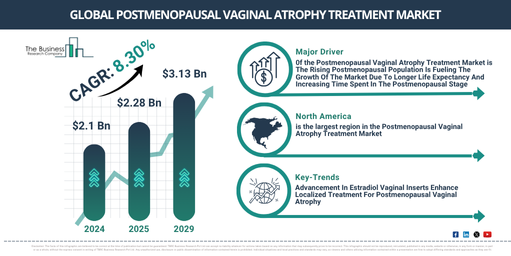
    The postmenopausal vaginal atrophy treatment market size has experienced strong growth in recent years. It is forecast to increase from $2.1 billion in 2024 to $2.28 billion in 2025, at a compound annual growth rate (CAGR) of 8.6%. The historical growth of this market is attributable to the increasing prevalence of postmenopausal symptoms, greater awareness regarding vaginal health and menopause-related conditions, a growing aging female population worldwide, rising healthcare expenditure on women’s health, and a developing preference for non-hormonal and localized treatment options.

    The postmenopausal vaginal atrophy treatment market size is projected to experience substantial growth in the forthcoming years, with an expected increase to $3.13 billion by 2029, demonstrating a compound annual growth rate (CAGR) of 8.3%. This projected expansion is driven by several factors, including the growing number of gynecological consultations and menopause clinics, increasing demand for personalized and patient-centric therapies, rising support from government and health organizations, growing incidence of early menopause due to lifestyle factors and medical treatments, and increasing availability of OTC and online pharmacy options. Significant trends expected during this period encompass advancements in selective estrogen receptor modulators (SERMs), integration of digital health platforms and telemedicine, technology-driven drug delivery systems, developments in non-hormonal treatment alternatives, and advancements in minimally invasive gynecological procedures.

    Unlock Your Free Sample Report for Exclusive Market Data:

    https://www.thebusinessresearchcompany.com/sample.aspx?id=24665&type=smp

    What Are The Emerging Market Drivers Creating New Opportunities In The Postmenopausal Vaginal Atrophy Treatment Industry?

    The increasing demographic of postmenopausal women is anticipated to drive the expansion of the postmenopausal vaginal atrophy treatment market in the coming years. This demographic comprises females who have ceased menstruation for twelve consecutive months, indicating the end of their reproductive period. An increase in life expectancy contributes to a larger postmenopausal population, as women live longer and spend a greater number of years in the postmenopausal phase. Treatment for postmenopausal vaginal atrophy offers relief from symptoms like dryness and irritation, which are consequences of diminished estrogen levels. This treatment fosters vaginal health and improves the general comfort and welfare of postmenopausal women. For example, data from October 2022, provided by the Mayo Clinic, a US-based medical institution, projects that the worldwide count of menopausal and postmenopausal women will hit 1.2 billion by 2030, with approximately 47 million women entering this phase each year. Consequently, the expanding postmenopausal population is a key factor propelling the growth of the postmenopausal vaginal atrophy treatment market.

    What Are The Key Segments In The Postmenopausal Vaginal Atrophy Treatment Market?

    The postmenopausal vaginal atrophy treatment market covered in this report is segmented –

    1) By Therapy Type: Estrogen Based Drugs, Non-Estrogen Based Drugs, Other Therapy Types

    2) By Route Of Administration: Oral, Intravaginal, Other Routes Of Administration

    3) By Distribution Channel: Hospital Pharmacy, Online Pharmacy, Retail Pharmacy

    4) By Application: Gynecology, Sexual Health, Pharmaceuticals

    5) By End-User: Hospitals, Homecare, Specialty Clinics, Other End-Users

    Subsegments:

    1) By Estrogen Based Drugs: Oral Estrogen Therapy, Transdermal Estrogen Therapy, Estrogen Implants, Vaginal Estrogen Therapy, Branded Products

    2) By Non-Estrogen Based Drugs: Selective Estrogen Receptor Modulators, Prasterone, Other Non-Estrogen Hormonal Agents

    3) By Other Therapy Types: Non-Drug Therapies, Over-The-Counter Products

    How Are Trends Influencing The Postmenopausal Vaginal Atrophy Treatment Market?

    Leading companies in the postmenopausal vaginal atrophy treatment market are focusing on developing advanced solutions, such as estradiol vaginal inserts, to offer targeted symptom relief and improve patient adherence to hormone therapy. Estradiol vaginal inserts are small devices inserted into the vagina that locally release estrogen, aiding in the restoration of thinning vaginal tissue caused by menopause. They effectively alleviate symptoms like dryness, itching, and discomfort with minimal absorption into the bloodstream. For example, in January 2024, Knight Therapeutics, a Canada-based pharmaceutical company, launched IMVEXXY in Canada. This product is designed to address moderate to severe dyspareunia, a symptom of vulvar and vaginal atrophy linked to menopause. It delivers 4 mcg or 10 mcg of estradiol directly to the vaginal tissue, supporting mucosal integrity and reducing discomfort during intercourse. Its unique softgel formulation ensures rapid dissolution and minimal systemic absorption, making it suitable for women seeking localized therapy with a favorable safety profile. IMVEXXY differentiates itself from traditional estrogen creams or tablets by offering a mess-free, easy-to-use, applicator-free option, thereby enhancing patient compliance and comfort. This launch signifies the industry’s commitment to advancing patient-centric treatments that cater to the specific needs of postmenopausal women.

    Who Are The Core Companies Influencing The Postmenopausal Vaginal Atrophy Treatment Market Landscape?

    Major companies operating in the postmenopausal vaginal atrophy treatment market are Pfizer Inc., AbbVie Inc., Bayer AG, Novartis AG, Novo Nordisk A/S, Viatris Inc., Teva Pharmaceutical Industries Ltd., Perrigo Company, Shionogi & Co. Ltd., Hikma Pharmaceuticals, Amneal Pharmaceuticals LLC, Lupin Pharmaceuticals, Mayne Pharma, Upsher-Smith Laboratories, Alvogen, Ligand Pharmaceuticals Incorporated, Dare Bioscience, Millicent Pharma Limited, TherapeuticsMD, Bionovo Inc.

    Download The Full Report For Exclusive Market Findings:

    https://www.thebusinessresearchcompany.com/report/postmenopausal-vaginal-atrophy-treatment-global-market-report

    Which Geographies Are Emerging As Strong Markets For The Postmenopausal Vaginal Atrophy Treatment Industry?

    North America was the largest region in the postmenopausal vaginal atrophy treatment market in 2024. Asia-Pacific is expected to be the fastest-growing region in the forecast period. The regions covered in the postmenopausal vaginal atrophy treatment market report are Asia-Pacific, Western Europe, Eastern Europe, North America, South America, Middle East, Africa.

    Request A Customized Version Of The Postmenopausal Vaginal Atrophy Treatment Market Report:

    https://www.thebusinessresearchcompany.com/customise?id=24665&type=smp

    Browse Through More Reports Similar to the Global Postmenopausal Vaginal Atrophy Treatment Market 2025, By The Business Research Company

    Vaginal Sling Global Market Report 2025

    https://www.thebusinessresearchcompany.com/report/vaginal-sling-global-market-report

    Optic Atrophy Management Global Market Report 2025

    https://www.thebusinessresearchcompany.com/report/optic-atrophy-management-global-market-report

    Menopausal Hot Flashes Global Market Report 2025

    https://www.thebusinessresearchcompany.com/report/menopausal-hot-flashes-global-market-report

    Get in touch with us:

    The Business Research Company: https://www.thebusinessresearchcompany.com/

    Americas +1 310-496-7795

    Asia +44 7882 955267 & +91 8897263534

    Europe +44 7882 955267

    Email us at info@tbrc.info

    Follow us on:

    LinkedIn: https://in.linkedin.com/company/the-business-research-company

    YouTube: https://www.youtube.com/channel/UC24_fI0rV8cR5DxlCpgmyFQ

    Global Market Model: https://www.thebusinessresearchcompany.com/global-market-model
  • Global Postherpetic Neuralgia (PHN) Market Projected to Expand at 6.6% CAGR by 2029

    Global Postherpetic Neuralgia (PHN) Market Projected to Expand at 6.6% CAGR by 2029

    Unlock Global Insights – Save 20% on Market Reports with Code ONLINE20

    How Is The Postherpetic Neuralgia (PHN) Market Size Likely To Evolve From 2025 Through 2034?

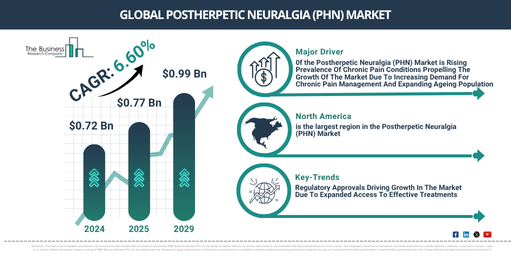
    The market size for postherpetic neuralgia (phn) has shown robust growth over recent years. It is anticipated to expand from $0.72 billion in 2024 to $0.77 billion in 2025, at a compound annual growth rate (CAGR) of 7.0%. The expansion observed in the past can be linked to an increase in the incidence of herpes zoster infections, an expanding older adult population, heightened awareness among both patients and healthcare providers, a growing need for effective neuropathic pain management strategies, and rising healthcare spending.

    The postherpetic neuralgia (PHN) market size is set to experience significant expansion in the coming years. It is projected to reach $0.99 billion by 2029, growing at a compound annual growth rate (CAGR) of 6.6%. This anticipated growth can be attributed to the increasing utilization of antiviral medications and vaccines, the rising prevalence of chronic pain disorders, the growing adoption of advanced drug delivery systems, an increase in clinical trials and research and development investments, and more regulatory approvals for new therapeutics. Prominent trends throughout the forecast period include advancements in neuropathic pain research, innovations in drug delivery technologies, technology-driven diagnostic tools, the integration of artificial intelligence in clinical trials, and progress in non-opioid pain management alternatives.

    Unlock Your Free Sample Report for Exclusive Market Data:

    https://www.thebusinessresearchcompany.com/sample.aspx?id=24664&type=smp

    Which Drivers Are Impacting The Postherpetic Neuralgia (PHN) Market?

    The growing occurrence of chronic pain conditions is projected to boost the expansion of the postherpetic neuralgia (PHN) market in the future. Chronic pain is defined as ongoing or recurrent discomfort enduring for over three months, frequently extending past the typical duration of an ailment or injury, thereby impacting an individual’s daily activities and overall well-being. The widespread nature of chronic pain stems from the aging demographic, given that seniors are more susceptible to degenerative conditions such as arthritis and neuropathy, which result in persistent discomfort. Postherpetic neuralgia is valuable in chronic pain research, offering a distinct model for investigating nerve-related pain mechanisms and assessing long-term therapeutic approaches. For instance, a January 2024 report from the UK government’s Office for Health Improvement and Disparities indicated that approximately 18.4% of individuals aged 16 and above reported a long-term musculoskeletal (MSK) condition in 2023, an increase from 17.6% in 2022. Consequently, the rising prevalence of chronic pain conditions is fueling the expansion of the postherpetic neuralgia (PHN) market.

    What Are The Leading Segments Analyzed In The Postherpetic Neuralgia (PHN) Market?

    The postherpetic neuralgia (PHN) market covered in this report is segmented –

    1) By Type: Patches, Drugs, Opioids

    2) By Distribution Channel: Hospital Pharmacies, Retail Pharmacies, Online Pharmacies

    3) By End Users: Hospitals, Clinics, Ambulatory Surgical Centers, Other End Users

    Subsegments:

    1) By Patches: Transdermal Drug Delivery Patches, Nicotine Patches, Hormone Replacement Therapy Patches, Analgesic Patches, Orthopedic Support Patches

    2) By Drugs: Prescription Drugs, Over-The-Counter (OTC) Drugs, Generic Drugs, Branded Drugs, Biologic Drugs

    3) By Opioids: Natural Opioids, Semi-Synthetic Opioids, Synthetic Opioids, Opioid Analgesics, Opioid Antagonists

    What Key Innovation Trends Are Fueling Advancements In The Postherpetic Neuralgia (PHN) Market?

    Leading companies operating in the postherpetic neuralgia (PHN) market are actively pursuing regulatory clearances to expand their product portfolios, gain a competitive advantage, and address the significant unmet clinical need for more effective and tolerable treatments. Regulatory approvals denote the official permissions granted by government health authorities that allow a drug or therapy to be legally marketed and utilized for a specific medical condition. For instance, in February 2023, Zydus Lifesciences Ltd., an India-based pharmaceutical company, secured final United States Food and Drug Administration approval to manufacture and market once-daily generic Gabapentin Tablets in 300 mg and 600 mg strengths, indicated for the management of postherpetic neuralgia (PHN). These gabapentin tablets are intended for treating PHN, a form of neuropathic pain resulting from nerve damage caused by the reactivation of the varicella-zoster virus. For PHN, the typical dosing commences at 300 mg on the first day, increases to 600 mg (300 mg twice daily) on the second day, and 900 mg (300 mg three times daily) on the third day, with titration up to a maximum of 1800 mg per day (600 mg three times daily) as needed for pain relief.

    Which Major Industry Participants Are Leading The Postherpetic Neuralgia (PHN) Market Growth?

    Major companies operating in the postherpetic neuralgia (PHN) market are Pfizer Inc., Merck & Co. Inc., Novartis AG, GlaxoSmithKline plc, Teva Pharmaceutical Industries Limited, Astellas Pharma Inc., Daiichi Sankyo Company Limited, Sun Pharmaceutical Industries Limited, Mylan N.V., Mallinckrodt plc, Merz Therapeutics GmbH, Acorda Therapeutics Inc., Scilex Holding Company, Elorac Inc., Lexicon Pharmaceuticals Inc., Oxford Cannabinoid Technologies Holdings plc, Teikoku Pharma USA Inc., Acasti Pharma Inc., Flexion Therapeutics Inc., Haisco Pharmaceutical Group Co. Ltd., Shanghai SIMR Biotechnology Co. Ltd.

    Download The Full Report For Exclusive Market Findings:

    https://www.thebusinessresearchcompany.com/report/postherpetic-neuralgia-phn-global-market-report

    Which Region Is Projected To Lead The Postherpetic Neuralgia (PHN) Market During The Forecast Period?

    North America was the largest region in the postherpetic neuralgia (PHN) market in 2024. The regions covered in the postherpetic neuralgia (PHN) market report are Asia-Pacific, Western Europe, Eastern Europe, North America, South America, Middle East, Africa.

    Request A Customized Version Of The Postherpetic Neuralgia (PHN) Market Report:

    https://www.thebusinessresearchcompany.com/customise?id=24664&type=smp

    Browse Through More Reports Similar to the Global Postherpetic Neuralgia (PHN) Market 2025, By The Business Research Company

    Neuralgia Treatment Global Market Report 2025

    https://www.thebusinessresearchcompany.com/report/neuralgia-treatment-global-market-report

    Breast Implants Global Market Report 2025

    https://www.thebusinessresearchcompany.com/report/breast-implants-global-market-report

    Ocular Implants Global Market Report 2025

    https://www.thebusinessresearchcompany.com/report/ocular-implants-global-market-report

    Get in touch with us:

    The Business Research Company: https://www.thebusinessresearchcompany.com/

    Americas +1 310-496-7795

    Asia +44 7882 955267 & +91 8897263534

    Europe +44 7882 955267

    Email us at info@tbrc.info

    Follow us on:

    LinkedIn: https://in.linkedin.com/company/the-business-research-company

    YouTube: https://www.youtube.com/channel/UC24_fI0rV8cR5DxlCpgmyFQ

    Global Market Model: https://www.thebusinessresearchcompany.com/global-market-model
  • Porcine Gelatin Market to Grow at a CAGR of 6.3% from 2025 to 2029

    Porcine Gelatin Market to Grow at a CAGR of 6.3% from 2025 to 2029

    Unlock Global Insights – Save 20% on Market Reports with Code ONLINE20

    What Are The Growth Projections For The Porcine Gelatin Market Size During 2025–2029?

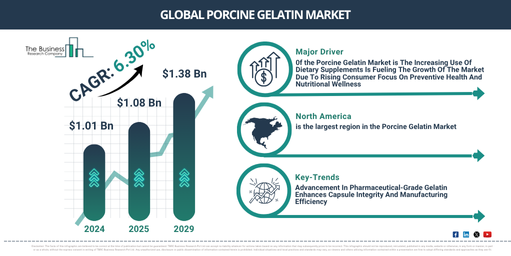
    The porcine gelatin market size has experienced robust expansion in recent years. This market is projected to expand from $1.01 billion in 2024 to $1.08 billion in 2025, demonstrating a compound annual growth rate (CAGR) of 6.7%. Historically, this growth has been fueled by factors such as increasing demand within the food and beverage sector, advancements in pharmaceutical uses, a broader adoption of porcine gelatin, the increasing appeal of classic sweets and desserts, and an uptick in the consumption of processed foods.

    The porcine gelatin market is poised for significant expansion in the coming years. It is projected to reach $1.38 billion by 2029, achieving a compound annual growth rate (CAGR) of 6.3%. This anticipated growth throughout the forecast period is driven by factors such as increasing consumer consciousness regarding clean-label and natural ingredients, the expanding application of gelatin in biomedical contexts, a rising demand for protein-centric food items and snacks, and the demographic increase in the aging population. Prominent trends for the forecast period include a strategic move towards pharmaceutical-grade gelatin, the evolving challenges surrounding halal and kosher certifications, the integration of gelatin into sports nutrition products, ongoing technological advancements in gelatin extraction and processing methods, and a strong consumer preference for product transparency and traceability.

    Unlock Your Free Sample Report for Exclusive Market Data:

    https://www.thebusinessresearchcompany.com/sample.aspx?id=24663&type=smp

    Which Industry Drivers Are Expected To Accelerate The Porcine Gelatin Market From 2025 To 2029?

    The porcine gelatin market is expected to experience growth driven by the increasing consumption of dietary supplements. These supplements are oral products that contain nutrients or other substances, aiming to enhance an individual’s diet and support overall health. The demand for dietary supplements is expanding as more people focus on maintaining preventive health and use them to improve their well-being and address any nutritional shortfalls. Porcine gelatin finds common application in dietary supplements, functioning both as a material for capsules and as a nutritional ingredient. It is extensively utilized in the production of soft gel and hard gelatin capsules, which serve to enclose vitamins, minerals, and herbal extracts. This offers an easy-to-swallow form, while also safeguarding the active ingredients and extending their shelf life. For instance, in October 2022, a survey conducted by the Council for Responsible Nutrition, a US-based non-profit trade association, among 3,133 U.S. adults aged 18 and older, indicated that approximately 2,342 adults were using dietary supplements seasonally, occasionally, or regularly. Furthermore, 75% of Americans integrate dietary supplements into their routine. Thus, the rising utilization of dietary supplements is a key factor propelling the growth of the porcine gelatin market.

    What Are The Segment Types Shaping The Porcine Gelatin Market?

    The porcine gelatin market covered in this report is segmented –

    1) By Product Type: Food Grade, Pharmaceutical Grade, Industrial Grade

    2) By Source: Skin, Bones, Other Sources

    3) By Distribution Channel: Online Retail, Supermarkets Or Hypermarkets, Specialty Stores, Other Distribution Channels

    4) By Application: Chemical Industry, Food Industry, Pharmaceuticals, Other Applications

    Subsegments:

    1) By Food Grade: Confectionery, Dairy Products, Bakery Products, Beverages, Meat Products, Nutraceuticals

    2) By Pharmaceutical Grade: Capsule Shells, Tablet Coatings, Injectable Formulations, Wound Care Products, Diagnostics, Drug Delivery Systems

    3) By Industrial Grade: Photographic Films, Adhesives, Cosmetics, Paper Coatings, Textile Finishing, Explosives

    Which Ongoing Trends Are Expected To Shape The Porcine Gelatin Market Outlook?

    Key players in the porcine gelatin market are concentrating on creating advanced products, including pharmaceutical-grade gelatin, to meet the increasing needs of the healthcare and nutraceutical industries. This specialized gelatin is highly purified, adhering to strict quality benchmarks for medical applications such as capsules, tablets, and wound care, ensuring reliable, safe, and efficient drug administration. An example of this innovation is Gelita, a German gelatin and collagen peptide producer, introducing Easyseal gelatin in December 2023. This product, offered in both porcine and bovine varieties, aims to substantially cut down waste and manufacturing expenses linked to leaky soft gels. Easyseal improves seam integrity, boosting seam thickness and stability by up to 50%, which in turn makes capsules more resilient to leaks, even when operating at faster production rates or with difficult fillings. This leads to reduced processing costs and enhanced product quality without necessitating major alterations to current procedures.

    Who Are The Prominent Global Companies Shaping The Porcine Gelatin Market?

    Major companies operating in the porcine gelatin market are Darling Ingredients, Tessenderlo Group, Gelita AG, PB Leiner, Weishardt Group, Foodchem International Corporation, Juncà Gelatines S.L., Trobas Gelatine B.V., Nitta Gelatin Inc., Great Lakes Wellness, Norland Products Incorporated, Lapi Gelatine S.p.A., Geltech, Ewald Gelatine GmbH, Xiamen Gelken Gelatin Co. Ltd., Baotou Dongbao Bio-Tech, ITALGEL srl, Hebei Chengda Mingjiao, Reinert Gruppe Ingredients GmbH, Sterling Biotech Ltd., Jellice.

    Download The Full Report For Exclusive Market Findings:

    https://www.thebusinessresearchcompany.com/report/porcine-gelatin-global-market-report

    What Are The Key Regional Factors Influencing The Porcine Gelatin Market Growth?

    North America was the largest region in the porcine gelatin market in 2024. Asia-Pacific is expected to be the fastest-growing region in the forecast period. The regions covered in the porcine gelatin market report are Asia-Pacific, Western Europe, Eastern Europe, North America, South America, Middle East, Africa.

    Request A Customized Version Of The Porcine Gelatin Market Report:

    https://www.thebusinessresearchcompany.com/customise?id=24663&type=smp

    Browse Through More Reports Similar to the Global Porcine Gelatin Market 2025, By The Business Research Company

    Gelatin Global Market Report 2025

    https://www.thebusinessresearchcompany.com/report/gelatin-global-market-report

    Bovine Gelatin Global Market Report 2025

    https://www.thebusinessresearchcompany.com/report/bovine-gelatin-global-market-report

    Pregelatinized Starch Global Market Report 2025

    https://www.thebusinessresearchcompany.com/report/pregelatinized-starch-global-market-report

    Get in touch with us:

    The Business Research Company: https://www.thebusinessresearchcompany.com/

    Americas +1 310-496-7795

    Asia +44 7882 955267 & +91 8897263534

    Europe +44 7882 955267

    Email us at info@tbrc.info

    Follow us on:

    LinkedIn: https://in.linkedin.com/company/the-business-research-company

    YouTube: https://www.youtube.com/channel/UC24_fI0rV8cR5DxlCpgmyFQ

    Global Market Model: https://www.thebusinessresearchcompany.com/global-market-model
  • Global Poly (ADP-Ribose) Polymerase (PARP) Inhibitors Market 2025–2029: Competitive Insights and Opportunities

    Global Poly (ADP-Ribose) Polymerase (PARP) Inhibitors Market 2025–2029: Competitive Insights and Opportunities

    Unlock Global Insights – Save 20% on Market Reports with Code ONLINE20

    What Is The Global Market Value Of The Poly (ADP-Ribose) Polymerase (PARP) Inhibitors Industry In 2025?

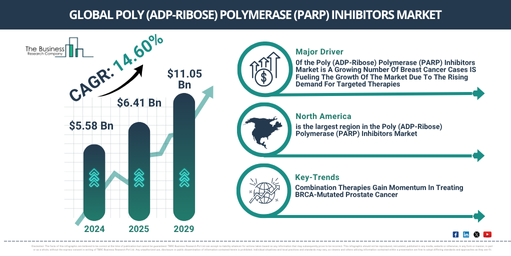
    The poly (adp-ribose) polymerase (parp) inhibitors market has experienced substantial expansion in recent years. It is projected to expand from $5.58 billion in 2024 to $6.41 billion in 2025, demonstrating a compound annual growth rate (CAGR) of 14.9%. This historical growth can be linked to factors such as rising healthcare spending, an increasing need for maintenance treatments, the growing application of combination therapies, the emerging focus on personalized medicine approaches, and greater investment in oncology pipelines.

    The market for poly (adp-ribose) polymerase (parp) inhibitors is projected to experience substantial expansion in the coming years. By 2029, its valuation is anticipated to reach $11.05 billion, demonstrating a compound annual growth rate (CAGR) of 14.6%. This anticipated growth during the forecast period stems from factors such as the rising incidence of cancer, the wider acceptance of targeted therapies, an expanding elderly demographic, heightened awareness surrounding genetic testing, and increased engagement in clinical trials. Key trends characterizing this period encompass breakthroughs in genomic sequencing technologies, the creation of companion diagnostic instruments, the incorporation of technology into drug development platforms, and the progression of next-generation poly (ADP-ribose) polymerase (PARP) inhibitors.

    Unlock Your Free Sample Report for Exclusive Market Data:

    https://www.thebusinessresearchcompany.com/sample.aspx?id=24662&type=smp

    What Are The Top Growth Drivers Impacting The Poly (ADP-Ribose) Polymerase (PARP) Inhibitors Market Outlook?

    An increasing incidence of breast cancer is anticipated to drive the expansion of the poly(ADP-ribose) polymerase (PARP) inhibitors market in the future. Breast cancer is a condition where abnormal cells within the breast multiply uncontrollably, potentially forming a tumor and spreading to other body parts. The growing number of breast cancer cases is attributed to lifestyle factors such as obesity, inactivity, and alcohol consumption, which raise estrogen levels and promote tumor development. Poly(ADP-ribose) polymerase (PARP) inhibitors assist breast cancer treatment by specifically targeting cancer cells with DNA repair deficiencies, particularly BRCA mutations. They reduce tumor proliferation by preventing DNA repair, offering a targeted therapy that enhances patient outcomes and lessens damage to healthy cells. For instance, in March 2025, according to Breastcancer.org, a US-based nonprofit organization, breast cancer makes up about 32% of all new cancer diagnoses, with an estimated 316,950 women projected to be diagnosed with invasive breast cancer, including 59,080 cases of non-invasive types, by 2025. Therefore, the rising number of breast cancer cases is fueling the growth of the poly(ADP-ribose) polymerase (PARP) inhibitors market.

    What Are The Different Segment Classifications Within The Poly (ADP-Ribose) Polymerase (PARP) Inhibitors Market?

    The poly (ADP-ribose) polymerase (PARP) inhibitors market covered in this report is segmented –

    1) By Drug Type: Niraparib, Olaparib, Rucaparib, Talazoparib, Veliparib, Other Drug Types

    2) By Distribution Channel: Online Pharmacies, Retail Pharmacies, Hospital Pharmacies

    3) By Application: Ovarian Cancer, Fallopian Tube Cancer, Breast Cancer, Prostate Cancer, Pancreatic Cancer, Other Applications

    4) By End-User: Hospitals, Clinics, Research Institutes, Other End-Users

    Which Competitive Trends Are Defining The Poly (ADP-Ribose) Polymerase (PARP) Inhibitors Market Structure?

    Key companies operating in the poly(ADP-ribose) polymerase (PARP) inhibitors market are concentrating on developing innovative solutions, such as combination therapies, to improve drug effectiveness, lessen side effects, and expand treatment applications beyond oncology. Combination therapies are treatment approaches that utilize two or more therapeutic agents, including drugs, radiation, or biologics, simultaneously to boost overall efficacy and enhance patient outcomes. For example, in June 2023, Merck & Co. Inc., a US-based pharmaceutical company, and AstraZeneca plc, a UK-based pharmaceutical company, gained approval from the U.S. Food and Drug Administration (FDA) for olaparib (Lynparza) in conjunction with abiraterone and prednisone (or prednisolone) for adult patients suffering from breast cancer gene (BRCA)-mutated metastatic castration-resistant prostate cancer (mCRPC). Olaparib (Lynparza) operates by inhibiting PARP enzymes, which prevents DNA repair in BRCA-mutated cancer cells, leading to cell demise. When combined with abiraterone and prednisone (or prednisolone), it amplifies anti-tumor activity by obstructing androgen production, a critical factor for prostate cancer growth, thereby decelerating disease progression.

    Which Key Players Are Driving Competition In The Poly (ADP-Ribose) Polymerase (PARP) Inhibitors Market?

    Major companies operating in the poly (ADP-ribose) polymerase (PARP) inhibitors market are Pfizer Inc., Johnson & Johnson, Merck & Co. Inc., AbbVie Inc., Bayer AG, Bristol-Myers Squibb Company, AstraZeneca Plc, GSK plc, Teva Pharmaceutical Industries Ltd., Eisai Co. Ltd., Genentech Inc., Ono Pharmaceutical Co. Ltd., Jiangsu Hengrui Medicine Co. Ltd., BeiGene, EMD Serono, Myriad Genetics, Clovis Oncology Inc., Repare Therapeutics Inc., Karyopharm Therapeutics, Checkpoint Therapeutics Inc.

    Download The Full Report For Exclusive Market Findings:

    https://www.thebusinessresearchcompany.com/report/poly-adp-ribose-polymerase-parp-inhibitors-global-market-report

    How Do Regional Market Performances Compare Within The Poly (ADP-Ribose) Polymerase (PARP) Inhibitors Industry?

    North America was the largest region in the poly(ADP-ribose) polymerase (PARP) inhibitors market in 2024. Asia-Pacific is expected to be the fastest-growing region in the forecast period. The regions covered in the poly (ADP-ribose) polymerase (PARP) inhibitors market report are Asia-Pacific, Western Europe, Eastern Europe, North America, South America, Middle East, Africa.

    Request A Customized Version Of The Poly (ADP-Ribose) Polymerase (PARP) Inhibitors Market Report:

    https://www.thebusinessresearchcompany.com/customise?id=24662&type=smp

    Browse Through More Reports Similar to the Global Poly (ADP-Ribose) Polymerase (PARP) Inhibitors Market 2025, By The Business Research Company

    Proton Pump Inhibitors Global Market Report 2025

    https://www.thebusinessresearchcompany.com/report/proton-pump-inhibitors-global-market-report

    Mtor Inhibitors Global Market Report 2025

    https://www.thebusinessresearchcompany.com/report/mtor-inhibitors-global-market-report

    Alpha Glucosidase Inhibitors Global Market Report 2025

    https://www.thebusinessresearchcompany.com/report/alpha-glucosidase-inhibitors-global-market-report

    Get in touch with us:

    The Business Research Company: https://www.thebusinessresearchcompany.com/

    Americas +1 310-496-7795

    Asia +44 7882 955267 & +91 8897263534

    Europe +44 7882 955267

    Email us at info@tbrc.info

    Follow us on:

    LinkedIn: https://in.linkedin.com/company/the-business-research-company

    YouTube: https://www.youtube.com/channel/UC24_fI0rV8cR5DxlCpgmyFQ

    Global Market Model: https://www.thebusinessresearchcompany.com/global-market-model
  • Pneumoconiosis Market Trends 2025–2029: Forecasts for Key Growth Segments

    Pneumoconiosis Market Trends 2025–2029: Forecasts for Key Growth Segments

    Unlock Global Insights – Save 20% on Market Reports with Code ONLINE20

    By How Much Is The Pneumoconiosis Market Expected To Expand Between 2025 And 2029?

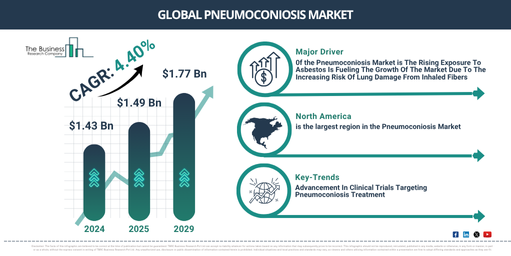
    The pneumoconiosis market has experienced consistent growth in recent years. It is anticipated to expand from $1.43 billion in 2024 to $1.49 billion in 2025, reflecting a compound annual growth rate (CAGR) of 4.7%. The historical expansion of this market can be attributed to the growing prevalence of occupational lung diseases, increased industrialization across emerging economies, heightened awareness about safety in the workplace, stricter government regulations concerning industrial dust exposure, and a rise in coal and silica mining activities.

    The pneumoconiosis market is projected to experience consistent expansion in the coming years. This market is anticipated to reach $1.77 billion by 2029, demonstrating a compound annual growth rate (CAGR) of 4.4%. Several factors are driving this expansion during the forecast period, including an expanding elderly demographic, wider implementation of sophisticated imaging and diagnostic tools, escalating healthcare spending, increased funding for respiratory illness research, and a rise in legal and financial claims. Key trends foreseen over this period involve progress in diagnostic imaging, the incorporation of artificial intelligence (AI) into radiology, remote monitoring solutions facilitated by technology, the evolution of wearable devices for respiratory monitoring, and enhancements in pulmonary drug delivery methods.

    Unlock Your Free Sample Report for Exclusive Market Data:

    https://www.thebusinessresearchcompany.com/sample.aspx?id=24661&type=smp

    Which Major Market Drivers Are Shaping The Future Of The Pneumoconiosis Market?

    Increased exposure to asbestos is projected to drive the expansion of the pneumoconiosis market in the future. Individuals face asbestos exposure when they breathe in or come into contact with its fibers, which can potentially lead to serious health issues such as asbestosis, mesothelioma, and lung cancer. This exposure is on the rise as the renovation and demolition of older structures release dangerous fibers into the air, thereby escalating the risks of inhalation. Breathing in asbestos fibers can result in pneumoconiosis because these fibers embed themselves in the lungs, triggering continuous inflammation. This constant irritation causes lung scarring, also known as fibrosis, which progressively hinders both breathing and general lung function. For instance, a report from July 2024 by the UK Asbestos Training Association (UKATA), a UK-based training and awareness organization, revealed that over 5,000 asbestos-related disease deaths occur annually in the UK, with 493 asbestosis-related deaths in 2022, and over 70% of these deaths are in individuals aged over 75. Consequently, the heightened exposure to asbestos is fueling the expansion of the pneumoconiosis market.

    What Are The Primary Types Of Segments Analyzed In The Pneumoconiosis Market?

    The pneumoconiosis market covered in this report is segmented –

    1) By Type Of Pneumoconiosis: Asbestosis, Silicosis, Coal Workers’ Pneumoconiosis, Berylliosis

    2) By Diagnosis: Chest X-Ray, Computed Axial Tomography Scan, Lung Function Tests, Other Diagnosis

    3) By Treatment: Medication, Oxygen Therapy, Pulmonary Rehabilitation, Other Treatments

    4) By Distribution Channel: Hospital Pharmacy, Retail Pharmacy, Online Pharmacy, Other Distribution Channels

    5) By End-User: Hospitals, Specialty Clinics, Diagnostic Centers, Other End-Users

    Subsegments:

    1) By Asbestosis: Occupational Exposure, Environmental Exposure, Secondary Exposure, Severity Level

    2) By Silicosis: Chronic Silicosis, Accelerated Silicosis, Acute Silicosis, Industry Type

    3) By Coal Workers’ Pneumoconiosis: Simple Coal Workers’ Pneumoconiosis (CWP), Complicated Coal Workers’ Pneumoconiosis (CWP), Underground Mining Exposure, Surface Mining Exposure

    4) By Berylliosis: Acute Berylliosis, Chronic Berylliosis, Occupational Exposure, Genetic Susceptibility

    What Are The Latest Industry Trends Transforming The Pneumoconiosis Market?

    Leading firms in the pneumoconiosis sector are concentrating on creating sophisticated remedies, including clinical trials for medications targeting pneumoconiosis, with the goals of boosting treatment effectiveness, retarding disease advancement, and improving patient results. Such a clinical trial involves a research methodology designed to evaluate the safety, efficacy, and adverse reactions of a novel drug in treating the condition. This process enrolls human subjects and advances through various stages to ascertain the drug’s appropriateness for widespread medical application. As an illustration, in June 2022, the China-based pharmaceutical entity, Beijing Continent Pharmaceutical Co. Ltd., reported the commencement of patient enrollment for a Phase III clinical trial of Pirfenidone Capsules (F647), intended for the treatment of pneumoconiosis, a severe occupational lung ailment resulting from dust inhalation and causing fibrosis. Pirfenidone, an orally administered small-molecule drug known for inhibiting collagen synthesis and modulating fibrotic cytokines like TGF-ß, is already a significant offering for the company, and this particular trial marks its fifth therapeutic application. This Phase III investigation aims to validate the efficacy and safety of F647 for pneumoconiosis, which continues to be China’s predominant occupational disease.

    Who Are The Top Performing Companies In The Pneumoconiosis Market In Recent Years?

    Major companies operating in the pneumoconiosis market are AbbVie Inc., Bayer AG, Bristol-Myers Squibb Company, AstraZeneca plc, Abbott Laboratories, Novartis AG, GlaxoSmithKline plc, Medtronic plc, Takeda Pharmaceutical Company Limited, Eli Lilly and Company, Amgen Inc., Novo Nordisk, Koninklijke Philips NV, Teva Pharmaceutical Industries Ltd., Boehringer Ingelheim, Sun Pharmaceutical Industries Ltd., Lupin Pharmaceuticals Inc., Inogen, GNI Group Ltd., DRIVE MEDICAL GMBH & CO. KG.

    Download The Full Report For Exclusive Market Findings:

    https://www.thebusinessresearchcompany.com/report/pneumoconiosis-global-market-report

    Which Region Currently Holds The Largest Share Of The Pneumoconiosis Market?

    North America was the largest region in the pneumoconiosis market in 2024. Asia-Pacific is expected to be the fastest-growing region in the forecast period. The regions covered in the pneumoconiosis market report are Asia-Pacific, Western Europe, Eastern Europe, North America, South America, Middle East, Africa.

    Request A Customized Version Of The Pneumoconiosis Market Report:

    https://www.thebusinessresearchcompany.com/customise?id=24661&type=smp

    Browse Through More Reports Similar to the Global Pneumoconiosis Market 2025, By The Business Research Company

    Psoriasis Drugs Global Market Report 2025

    https://www.thebusinessresearchcompany.com/report/psoriasis-drugs-global-market-report

    Voice Prosthesis Devices And Equipment Global Market Report 2025

    https://www.thebusinessresearchcompany.com/report/voice-prosthesis-devices-and-equipment-global-market-report

    Apheresis Consumables And Equipment Global Market Report 2025

    https://www.thebusinessresearchcompany.com/report/apheresis-consumables-and-equipment-global-market-report

    Get in touch with us:

    The Business Research Company: https://www.thebusinessresearchcompany.com/

    Americas +1 310-496-7795

    Asia +44 7882 955267 & +91 8897263534

    Europe +44 7882 955267

    Email us at info@tbrc.info

    Follow us on:

    LinkedIn: https://in.linkedin.com/company/the-business-research-company

    YouTube: https://www.youtube.com/channel/UC24_fI0rV8cR5DxlCpgmyFQ

    Global Market Model: https://www.thebusinessresearchcompany.com/global-market-model
  • Plexiform Neurofibroma Treatment Market Forecast 2025–2034: Where Businesses Should Invest Next

    Plexiform Neurofibroma Treatment Market Forecast 2025–2034: Where Businesses Should Invest Next

    Unlock Global Insights – Save 20% on Market Reports with Code ONLINE20

    #What Is The Projected Market Size Of The Plexiform Neurofibroma Treatment Market By 2029?

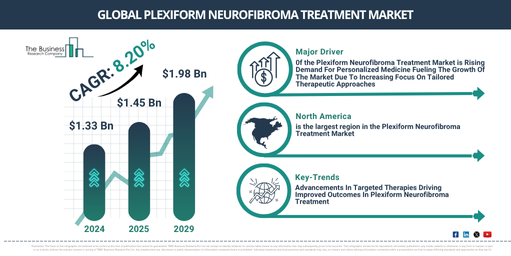
    The plexiform neurofibroma treatment market has exhibited strong expansion in recent years. This market is set to increase from $1.33 billion in 2024 to $1.45 billion in 2025, registering a compound annual growth rate (CAGR) of 8.5%. The historical growth can be attributed to several factors, including the rising incidence of neurofibromatosis type 1, enhanced global recognition and diagnosis of plexiform neurofibroma, increased investments in research and development by pharmaceutical firms, a growing roster of innovative drug candidates in clinical development, and the expansion of healthcare infrastructure.

    The plexiform neurofibroma treatment market size is projected to experience substantial growth in the upcoming years. It is forecast to reach $1.98 billion by 2029, demonstrating a compound annual growth rate (CAGR) of 8.2%. This expansion over the forecast period is primarily driven by factors such as increasing healthcare expenditure, rising government initiatives supporting rare disease treatments, the growth of patient advocacy groups raising awareness, increasing demand for non-invasive treatment options, and a growing preference for oral therapies over invasive procedures. Major trends anticipated in this period include advances in molecular biology enabling targeted therapies, the adoption of advanced imaging technologies facilitating early detection, the development of novel small-molecule inhibitors targeting specific pathways, advances in biotechnology enabling antibody-based therapies, and advances in biomarker research to monitor disease progression.

    Unlock Your Free Sample Report for Exclusive Market Data:

    https://www.thebusinessresearchcompany.com/sample.aspx?id=24660&type=smp

    What Are The Main Drivers Boosting The Plexiform Neurofibroma Treatment Industry’s Expansion?

    The plexiform neurofibroma treatment market is anticipated to expand, driven by the rising need for personalized medicine. This approach involves tailoring medical treatments to an individual’s unique genetic makeup, biological traits, and personal health information. Its increasing demand stems from its capacity to enhance treatment efficacy by matching therapies to a patient’s distinct genetic and biological profiles, resulting in improved patient outcomes and reduced adverse effects. The escalating call for personalized medicine therefore bolsters the requirement for plexiform neurofibroma treatment, as it facilitates customized therapeutic strategies designed to address the specific genetic mutations and tumor characteristics of individual patients, thereby enhancing the precision and effectiveness of care. A notable example is provided by the Personalized Medicine Coalition, a US-based professional membership organization, which reported in February 2024 that 12 newly approved personalized medicines accounted for approximately 34% of all new therapies approved in 2022, signifying a considerable rise compared to earlier years. Consequently, the expanding need for personalized medicine is fueling the expansion of the plexiform neurofibroma treatment market.

    Which Key Segments Fueling The Plexiform Neurofibroma Treatment Market?

    The plexiform neurofibroma treatment market covered in this report is segmented –

    1) By Type: Surgery, Radiation Therapy, Chemotherapy, Targeted Therapy

    2) By Indication: Pain Management, Tumor Reduction, Functional Restoration

    3) By Patient Population: Pediatric, Adult

    4) By End User: Hospitals, Clinics, Home Care Settings

    Subsegments:

    1) By Surgery: Open Surgery, Minimally Invasive Surgery, Robotic Surgery, Laparoscopic Surgery, Cryosurgery, Laser Surgery

    2) By Radiation Therapy: External Beam Radiation Therapy (EBRT), Internal Radiation Therapy (Brachytherapy)

    3) By Chemotherapy: Alkylating Agents, Antimetabolites, Anti-Tumor Antibiotics, Plant Alkaloids, Topoisomerase Inhibitors, Miscellaneous Agents, Combination Chemotherapy

    4) By Targeted Therapy: Monoclonal Antibodies, Small Molecule Inhibitors, Angiogenesis Inhibitors, Tyrosine Kinase Inhibitors, mTOR Inhibitors, PARP Inhibitors, CDK Inhibitors

    What Trends Are Redefining The Plexiform Neurofibroma Treatment Market Dynamics?

    Leading firms within the plexiform neurofibroma treatment market are prioritizing the creation of sophisticated remedies, including small-molecule inhibitors, with the aim of improving therapeutic results. These inhibitors are compounds of low molecular weight, engineered to disrupt particular proteins or enzymes, thereby impeding atypical cellular activities. For example, in February 2025, SpringWorks Therapeutics, a biopharmaceutical entity based in the US, disclosed that Gomekli, an oral small-molecule MEK inhibitor, received approval from the U.S. Food and Drug Administration (FDA). Gomekli is prescribed for individuals aged 2 years and older, both adults and children, suffering from neurofibromatosis type 1 (NF1) with symptomatic plexiform neurofibromas that are inoperable for complete surgical removal. Clinical studies demonstrated that 41% of adult patients and 52% of pediatric patients experienced a verified decrease in tumor dimensions. The average reduction in tumor volume was 41% for adults and 42% for children. Furthermore, treatment responses extending for a minimum of 12 months were noted in 88% of adults and 90% of children, with close to half of patients across both demographics sustaining their response for over 24 months.

    Which Leading Companies Dominate The Plexiform Neurofibroma Treatment Market Share?

    Major companies operating in the plexiform neurofibroma treatment market are Pfizer Inc., Johnson & Johnson, Merck & Co. Inc., Novartis AG, Bristol-Myers Squibb Company, AstraZeneca plc, GSK plc., Takeda Pharmaceutical Company Limited, Teva Pharmaceutical Industries Ltd., Sun Pharmaceuticals Industries Limited, Aurobindo Pharma, Amneal Pharmaceuticals LLC, Endo Pharmaceuticals Inc., Exelixis Inc., Mallinckrodt Plc, SpringWorks Therapeutics, Sangamo Therapeutics Inc., Recursion Pharmaceuticals Inc., Noveome Biotherapeutics Inc., BioXcel Therapeutics Inc.

    Download The Full Report For Exclusive Market Findings:

    https://www.thebusinessresearchcompany.com/report/plexiform-neurofibroma-treatment-global-market-report

    What Regional Growth Trends Are Shaping The Plexiform Neurofibroma Treatment Market Outlook?

    North America was the largest region in the plexiform neurofibroma treatment market in 2024. The regions covered in the plexiform neurofibroma treatment market report are Asia-Pacific, Western Europe, Eastern Europe, North America, South America, Middle East, Africa.

    Request A Customized Version Of The Plexiform Neurofibroma Treatment Market Report:

    https://www.thebusinessresearchcompany.com/customise?id=24660&type=smp

    Browse Through More Reports Similar to the Global Plexiform Neurofibroma Treatment Market 2025, By The Business Research Company

    Neurofibromatosis Treatment Global Market Report 2025

    https://www.thebusinessresearchcompany.com/report/neurofibromatosis-treatment-global-market-report

    Fibromyalgia Treatment Global Market Report 2025

    https://www.thebusinessresearchcompany.com/report/fibromyalgia-treatment-global-market-report

    Glioma Treatment Global Market Report 2025

    https://www.thebusinessresearchcompany.com/report/glioma-treatment-global-market-report

    Get in touch with us:

    The Business Research Company: https://www.thebusinessresearchcompany.com/

    Americas +1 310-496-7795

    Asia +44 7882 955267 & +91 8897263534

    Europe +44 7882 955267

    Email us at info@tbrc.info

    Follow us on:

    LinkedIn: https://in.linkedin.com/company/the-business-research-company

    YouTube: https://www.youtube.com/channel/UC24_fI0rV8cR5DxlCpgmyFQ

    Global Market Model: https://www.thebusinessresearchcompany.com/global-market-model
  • Global Orthopedic Regenerative Surgical Products Market Analysis 2025–2029: Opportunities for Strategic Growth

    Global Orthopedic Regenerative Surgical Products Market Analysis 2025–2029: Opportunities for Strategic Growth

    Unlock Global Insights – Save 20% on Market Reports with Code ONLINE20

    How Much Larger Is The Orthopedic Regenerative Surgical Products Market Expected To Become By 2029 Compared With Its 2025 Level?

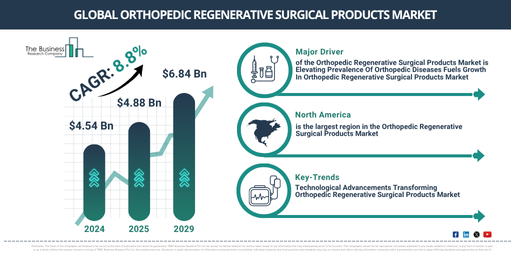
    The market for orthopedic regenerative surgical products has experienced robust expansion lately, projected to increase its valuation from $4.54 billion in 2024 to $4.88 billion in the subsequent year, achieving a compound annual growth rate of 7.5%. Key factors fueling this growth over the past period include the increasing elderly demographic, the prevalence of orthopedic trauma, higher consumer desire for advanced treatments, advancements in sports medicine applications, and the rising incidence of musculoskeletal conditions.

    Anticipation for the orthopedic regenerative surgical products sphere points toward considerable expansion ahead, projecting a market valuation reaching $6.84 billion by the year 2029, expanding at a steady compound annual growth rate (CAGR) of 8.8%; this anticipated surge through the projection timeframe is underpinned by factors such as timely regulatory clearances, the adoption of environmentally sound methods, a shift toward less intrusive surgical techniques, increasing emphasis on physical therapy and patient recovery, and strategies aimed at preserving joints, while key developments shaping this market include developments in sophisticated biomaterials, progress in surgical methodologies, the incorporation of artificial intelligence and forecasting tools, strides in the field of regenerative medicine, and innovations in orthopedic implants.

    Unlock Your Free Sample Report for Exclusive Market Data:

    https://www.thebusinessresearchcompany.com/sample.aspx?id=6764&type=smp

    Which Drivers Are Supporting Growth Of The Orthopedic Regenerative Surgical Products Market?

    The increasing worldwide incidence of ailments affecting the musculoskeletal system is anticipated to fuel the expansion of the market for regenerative surgical solutions in orthopedics, products designed to mitigate orthopedic issues like breaks, twists, and pulls, alongside chronic conditions resulting in persistent mobility restrictions and impairments. As an illustration, data released in June 2024 by the Australian Bureau of Statistics, an agency specializing in statistical information for Australia, indicated that musculoskeletal disorders were responsible for 12.8% of the overall disease burden (DALY), 23.1% of the non-fatal burden (YLD), and a modest 0.8% of the fatal burden (YLL) during 2023; furthermore, these conditions served as the primary or contributing factor in 10,446 fatalities in 2022, which translates to 40 deaths per 100,000 individuals and constitutes 5.5% of the total mortality figure for that year, thus evidencing how the elevated frequency of orthopedic pathologies propels demand for orthopedic regenerative surgical items.

    What Are The Segment Types Shaping The Orthopedic Regenerative Surgical Products Market?

    The orthopedic regenerative surgical productsmarket covered in this report is segmented –

    1) By Product: Allograft, Synthetic, Cell-based, Viscosupplements

    2) By Application: Orthopedic Pain Management, Trauma Repair, Cartilage and Tendon Repair, Joint Reconstruction

    3) By End User: Hospitals, Ambulatory Surgical Centers, Other End Users

    Subsegments:

    1) By Allograft: Bone Allograft, Soft Tissue Allograft, Osteoinductive Allograft, Osteoconductive Allograft

    2) By Synthetic: Synthetic Bone Grafts, Synthetic Soft Tissue Grafts, Composite Synthetic Grafts

    3) By Cell-based: Stem Cell Therapies, Platelet-Rich Plasma (PRP), Mesenchymal Stem Cells (MSCs)

    4) By Viscosupplements: Hyaluronic Acid Injections, Sodium Hyaluronate, Other Viscosupplement Products

    What Are The Latest Industry Trends Transforming The Orthopedic Regenerative Surgical Products Market?

    Evolving technology represents a significant movement experiencing growth within the sphere of orthopedic regenerative surgical products. A concrete illustration of this trend involves Ocugen Inc., an American biopharmaceutical firm, introducing NeoCart in May of 2022; this item functions as a Phase 3 cell therapy platform utilizing neocartilage derived from a patient’s own chondrocytes. Furthermore, the U.S. Food and Drug Administration (FDA) recently bestowed Regenerative Medicine Advanced Therapy (RMAT) status upon NeoCart, specifically recognizing its potential to repair deep-layer defects within the knee cartilage of adult patients.

    Which Leading Players Are Enhancing Their Orthopedic Regenerative Surgical Products Market Presence Worldwide?

    Major companies operating in the orthopedic regenerative surgical products market include Baxter International Inc., Zimmer Biomet Holdings Inc., Stryker Corporation, Smith&Nephew plc, Allosource, Anika Therapeutics Inc., Vericel Corporation, Amniox Medical Inc., MIMEDX Group Inc., Aptissen S.A, Arthrex Inc., Bioventus LLC, Conmed Corporation, DePuy Synthes Inc., Exactech Inc., Globus Medical Inc., Integra LifeSciences Corporation, Johnson & Johnson Medical Devices group, Kuros Biosciences AG, Medtronic plc, NuVasive Inc., Orthofix Medical Inc., Osiris Therapeutics Inc., RTI Surgical Inc., SeaSpine Holdings Corporation, Terumo BCT Inc., Tissue Regenix Group plc, Wright Medical Group N.V., Xtant Medical Holdings Inc., Camber Spine Technologies, Lima Corporate, Life Spine Inc., CollPlant Biotechnologies Ltd.

    Download The Full Report For Exclusive Market Findings:

    https://www.thebusinessresearchcompany.com/report/orthopedic-regenerative-surgical-products-global-market-report

    Which Region Shows The Highest Potential For Future Expansion In The Orthopedic Regenerative Surgical Products Market?

    North America was the largest region in the orthopedic regenerative surgical products market in 2024 and is also expected to be the fastest-growing region in the forecast period. The regions covered in the orthopedic regenerative surgical products market report include Asia-Pacific, Western Europe, Eastern Europe, North America, South America, Middle East and Africa.

    Request A Customized Version Of The Orthopedic Regenerative Surgical Products Market Report:

    https://www.thebusinessresearchcompany.com/customise?id=6764&type=smp

    Browse Through More Reports Similar to the Global Orthopedic Regenerative Surgical Products Market 2025, By The Business Research Company

    Cardiovascular Devices Global Market Report 2025

    https://www.thebusinessresearchcompany.com/report/cardiovascular-devices-global-market-report

    Cardiovascular Surgery Devices And Equipment Global Market Report 2025

    https://www.thebusinessresearchcompany.com/report/cardiovascular-surgery-devices-and-equipment-global-market-report

    Spinal Surgery Devices And Equipment Global Market Report 2025

    https://www.thebusinessresearchcompany.com/report/spinal-surgery-devices-and-equipment-global-market-report

    Get in touch with us:

    The Business Research Company: https://www.thebusinessresearchcompany.com/

    Americas +1 310-496-7795

    Asia +44 7882 955267 & +91 8897263534

    Europe +44 7882 955267

    Email us at info@tbrc.info

    Follow us on:

    LinkedIn: https://in.linkedin.com/company/the-business-research-company

    YouTube: https://www.youtube.com/channel/UC24_fI0rV8cR5DxlCpgmyFQ

    Global Market Model: https://www.thebusinessresearchcompany.com/global-market-model