Blog

  • Invasive Ductal Carcinoma Therapeutics Industry Insights: Market Forecast to 2029

    Invasive Ductal Carcinoma Therapeutics Industry Insights: Market Forecast to 2029

    Unlock Global Insights – Save 20% on Market Reports with Code ONLINE20

    How Is The Invasive Ductal Carcinoma Therapeutics Market Size Likely To Evolve From 2025 Through 2034?

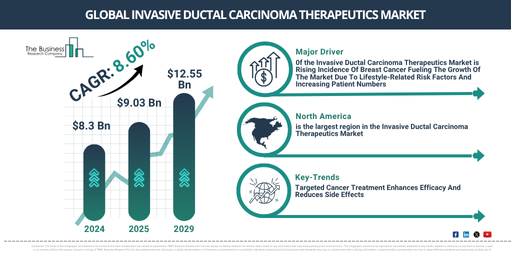
    The invasive ductal carcinoma therapeutics market size has experienced robust expansion over recent years. It is projected to grow from $8.3 billion in 2024 to $9.03 billion in 2025, achieving a compound annual growth rate (CAGR) of 8.9%. The market’s historical growth can be attributed to factors such as the increasing incidence of breast cancer cases, a rising adoption of combination therapies, the growing prevalence of obesity and an aging population, enhanced utilization of hormone receptor testing, and escalating government support for cancer research.

    The invasive ductal carcinoma therapeutics market size is anticipated to experience significant growth in the upcoming years. It is projected to expand to $12.55 billion by 2029, achieving a compound annual growth rate (CAGR) of 8.6%. This growth throughout the forecast period can be attributed to an increasing preference for personalized treatment strategies, a rising demand for minimally invasive surgical interventions, a surge in approvals for biosimilar monoclonal antibodies, an expanding clinical pipeline of antibody-drug conjugates, and a growing emphasis on value-based cancer care models. Prominent trends for the forecast period include the advancement of immune checkpoint inhibitors, the integration of imaging and therapy systems, the adoption of digital health platforms in patient management, innovations in microRNA modulators, and novel developments in nanoparticle drug delivery.

    Unlock Your Free Sample Report for Exclusive Market Data:

    https://www.thebusinessresearchcompany.com/sample.aspx?id=24574&type=smp

    What Are The Top Growth Drivers Impacting The Invasive Ductal Carcinoma Therapeutics Market Outlook?

    The increasing occurrence of breast cancer is anticipated to propel the expansion of the invasive ductal carcinoma therapeutics market moving forward. Breast cancer is characterized as a condition where cells within the breast multiply uncontrollably, forming a malignant tumor capable of invading nearby tissues or spreading throughout the body. The growing prevalence of breast cancer can be attributed to lifestyle factors, such as obesity and insufficient physical activity, which heighten the risk of developing malignant growths in breast tissue. Invasive ductal carcinoma therapeutics manage breast cancer through targeted and effective treatments, making them vital for addressing the most common type of breast cancer. These therapies employ precision medicines to curb tumor growth and dissemination, consequently improving patient outcomes and their quality of life. For example, according to the American Cancer Society Facts and Figures, a US-based nonprofit organization, the count of new breast cancer cases climbed from 300,590 in 2023 to 313,510 in 2024. Hence, the rising incidence of breast cancer is a key driver for the growth of the invasive ductal carcinoma therapeutics market.

    What Are The Major Segments Identified In The Invasive Ductal Carcinoma Therapeutics Market?

    The invasive ductal carcinoma therapeutics market covered in this report is segmented –

    1) By Drug Type: Targeted Therapy, Hormone Therapy

    2) By Type: Hormone Receptor, Human Epidermal Growth Factor Receptor 2 (HER2+), Triple-Negative Breast

    3) By End Use: Hospitals, Oncology Clinics, Other End Uses

    Subsegments:

    1) By Targeted Therapy: Monoclonal Antibodies, Tyrosine Kinase Inhibitors, Poly ADP Ribose Polymerase (PARP) Inhibitors, Proteasome Inhibitors

    2) By Hormone Therapy: Aromatase Inhibitors, Selective Estrogen Receptor Modulators, Estrogen Receptor Downregulators, Luteinizing Hormone-Releasing Hormone Agonists

    How Are Trends Influencing The Invasive Ductal Carcinoma Therapeutics Market?

    Leading companies active in the invasive ductal carcinoma (IDC) therapeutics market are concentrating on developing innovative treatments, such as antibody-drug conjugates, to improve targeted treatment efficacy and diminish side effects. Antibody-drug conjugates (ADCs) are specifically designed cancer therapies that integrate an antibody with a cytotoxic drug, crafted to transport the medication directly to cancerous cells while minimizing harm to healthy tissues. For instance, in January 2024, AstraZeneca Pharma India Limited, an India-based pharmaceutical company, in collaboration with Daiichi Sankyo Company, Limited, a Japan-based pharmaceutical company, introduced trastuzumab deruxtecan. This antibody-drug conjugate therapy is developed for adult patients with unresectable or metastatic HER2-positive breast cancer, functioning by delivering a potent topoisomerase I inhibitor (deruxtecan) straight to HER2-expressing cancer cells, causing targeted DNA damage and ultimately cell death.

    Which Global Market Leaders Are Shaping The Future Of The Invasive Ductal Carcinoma Therapeutics Sector?

    Major companies operating in the invasive ductal carcinoma therapeutics market are Pfizer Inc., F. Hoffmann-La Roche AG, Merck And Co. Inc., AbbVie Inc., Bayer AG, Novartis International AG, AstraZeneca plc, Sanofi S.A., Bristol-Myers Squibb Company, Takeda Pharmaceutical Company Limited, Eli Lilly and Company, Gilead Sciences Inc., Amgen Inc., Boehringer Ingelheim, Mylan N.V., Daiichi Sankyo, Astellas Pharma Inc., Eisai Co. Ltd., BeiGene Ltd, Dr. Reddy’s Laboratories, Cipla Limited, Seagen Inc., Glenmark Pharmaceuticals, Olema Pharmaceuticals Inc.

    Download The Full Report For Exclusive Market Findings:

    https://www.thebusinessresearchcompany.com/report/invasive-ductal-carcinoma-therapeutics-global-market-report

    Which Geographies Are Emerging As Strong Markets For The Invasive Ductal Carcinoma Therapeutics Industry?

    North America was the largest region in the invasive ductal carcinoma therapeutics market in 2024. The regions covered in the invasive ductal carcinoma therapeutics market report are Asia-Pacific, Western Europe, Eastern Europe, North America, South America, Middle East, Africa.

    Request A Customized Version Of The Invasive Ductal Carcinoma Therapeutics Market Report:

    https://www.thebusinessresearchcompany.com/customise?id=24574&type=smp

    Browse Through More Reports Similar to the Global Invasive Ductal Carcinoma Therapeutics Market 2025, By The Business Research Company

    Small Cell Lung Cancer Therapeutics Global Market Report 2025

    https://www.thebusinessresearchcompany.com/report/small-cell-lung-cancer-therapeutics-global-market-report

    Intestine Cancer Therapeutics Global Market Report 2025

    https://www.thebusinessresearchcompany.com/report/intestine-cancer-therapeutics-global-market-report

    Intratumoral Cancer Therapies Global Market Report 2025

    https://www.thebusinessresearchcompany.com/report/intratumoral-cancer-therapies-global-market-report

    Get in touch with us:

    The Business Research Company: https://www.thebusinessresearchcompany.com/

    Americas +1 310-496-7795

    Asia +44 7882 955267 & +91 8897263534

    Europe +44 7882 955267

    Email us at info@tbrc.info

    Follow us on:

    LinkedIn: https://in.linkedin.com/company/the-business-research-company

    YouTube: https://www.youtube.com/channel/UC24_fI0rV8cR5DxlCpgmyFQ

    Global Market Model: https://www.thebusinessresearchcompany.com/global-market-model
  • Farber’s Disease Market Size and Growth Forecast for Businesses 2025–2029

    Farber’s Disease Market Size and Growth Forecast for Businesses 2025–2029

    Unlock Global Insights – Save 20% on Market Reports with Code ONLINE20

    #What Are The Current (2025) And Forecast (2029) Sizes Of The Farber’s Disease Market?

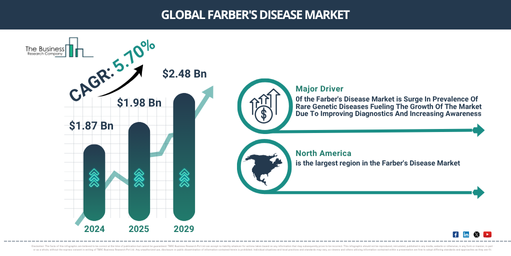
    The farber’s disease market size has experienced significant expansion recently. Projections show it will increase from $1.87 billion in 2024 to $1.98 billion in 2025, achieving a compound annual growth rate (CAGR) of 6.0%. The expansion observed in previous periods is due to rising awareness and diagnosis rates, growing adoption of genetic testing, increasing research activities in lysosomal storage disorders, expanding rare disease registries, rising support from patient advocacy groups.

    The market size for Farber’s disease is projected to exhibit substantial expansion over the coming years. It is expected to reach $2.48 billion by 2029, growing at a compound annual growth rate (CAGR) of 5.7%. This anticipated growth during the forecast period can be attributed to several factors, including a burgeoning pipeline of targeted therapies, an increase in government incentives and orphan drug designations, broadened access to specialized healthcare services, rising investment in rare disease biotech startups, and a greater utilization of next-generation sequencing. Key trends identified for the forecast period involve ongoing advancements in gene therapy technologies, the integration of artificial intelligence in diagnosing rare diseases, technology-driven biomarker discovery, continued developments in enzyme replacement therapy, and improvements in newborn screening programs.

    Unlock Your Free Sample Report for Exclusive Market Data:

    https://www.thebusinessresearchcompany.com/sample.aspx?id=24533&type=smp

    What Are The Emerging Market Drivers Creating New Opportunities In The Farber’s Disease Industry?

    The increasing occurrence of rare genetic conditions is anticipated to fuel the expansion of the farber’s disease market in the future. These conditions are hereditary disorders resulting from DNA mutations, impacting a small fraction of individuals. This rise in prevalence stems from enhanced diagnostic tools, allowing for earlier and more precise detection of conditions previously missed or misidentified. Farber’s disease plays a vital role in addressing this increasing prevalence by providing a framework for creating targeted treatments and furthering research into enzyme replacement therapies for extremely rare disorders. For example, data from November 2022 by the Australian Government Department of Health and Aged Care, an Australian government body, indicates that rare diseases, defined as affecting fewer than 5 in 10,000 people, affect around 2 million individuals, constituting 8% of the population, and involve more than 7,000 recognized life-threatening or chronic conditions. Consequently, the expanding incidence of rare genetic diseases is boosting the farber’s disease market’s growth. Greater funding directed towards clinical trials is projected to stimulate the expansion of the farber’s disease market in the future. These trials are human research studies designed to assess the safety, efficacy, and results of medical interventions like medications, therapies, or equipment. This surge in clinical trial investment stems from a rising demand for novel treatments, fueled by progress in medical science, personalized medicine, and the critical necessity to tackle unfulfilled healthcare requirements. Farber’s disease contributes to managing this increased investment by underscoring the pressing requirement for research into uncommon and neglected genetic conditions. For example, Citeline, a US-based provider of pharma intelligence solutions, reported in October 2024 that TrialTrove recorded 9,959 Phase I–III clinical trials initiated in 2024 to investigate at least one drug, which represents a 9.4% increase from 2023. Consequently, the heightened investment in clinical trials is fueling the expansion of the farber’s disease market.

    What Are The Key Segments In The Farber’s Disease Market?

    The farber’s disease market covered in this report is segmented –

    1) By Type Of Farber’s Disease: Classical Farber’s Disease, Non-Classical Farber’s Disease

    2) By Treatment: Enzyme Replacement Therapy, Symptomatic Treatment, Gene Therapy, Bone Marrow Transplant, Supportive Care

    3) By Clinical Symptoms: Joint Involvement And Deformities, Hearing Loss, Respiratory Distress, Dermatological Manifestations

    4 By End-User: Hospitals, Specialty Clinics, Diagnostic Centers, Other End-Users

    Subsegments:

    1) By Classical Farber’s Disease: Type 1 Severe Infantile Form, Type 2 Intermediate Childhood Form, Type 3 Juvenile-Onset Form

    2) By Non-Classical Farber’s Disease: Type 4 Neurological Predominant Form, Type 5 Visceral Predominant Form, Type 6 Cardiopulmonary Involvement Form

    Who Are The Major Companies Operating In The Farber’s Disease Market?

    Major companies operating in the farber’s disease market are Pfizer Inc., Merck & Co. Inc., Sanofi S.A., Takeda Pharmaceutical Company Limited, Mount Sinai Health System, Emory Healthcare, Kyowa Kirin Co. Ltd., BioMarin Pharmaceutical Inc., Children’s National Hospital, Medanta – The Medicity (Global Health Ltd.), Amicus Therapeutics Inc., JCR Pharmaceuticals Co. Ltd., Spark Therapeutics Inc., REGENXBIO Inc., Passage Bio Inc., Protalix BioTherapeutics Inc., Medicover Hospitals, Minoryx Therapeutics S.L., bluebird bio Inc., Avrobio Inc.

    Download The Full Report For Exclusive Market Findings:

    https://www.thebusinessresearchcompany.com/report/farbers-disease-global-market-report

    What Are The Key Regional Factors Influencing The Farber’s Disease Market Growth?

    North America was the largest region in the farber’s disease market in 2024. Asia-Pacific is expected to be the fastest-growing region in the forecast period. The regions covered in the farber’s disease market report are Asia-Pacific, Western Europe, Eastern Europe, North America, South America, Middle East, Africa.

    Request A Customized Version Of The Farber’s Disease Market Report:

    https://www.thebusinessresearchcompany.com/customise?id=24533&type=smp

    Browse Through More Reports Similar to the Global Farber’s Disease Market 2025, By The Business Research Company

    Rare Disease Diagnostics Global Market Report 2025

    https://www.thebusinessresearchcompany.com/report/rare-disease-diagnostics-global-market-report

    Rare Diseases Treatment Global Market Report 2025

    https://www.thebusinessresearchcompany.com/report/rare-diseases-treatment-global-market-report

    Rare Kidney Diseases Global Market Report 2025

    https://www.thebusinessresearchcompany.com/report/rare-kidney-diseases-global-market-report

    Get in touch with us:

    The Business Research Company: https://www.thebusinessresearchcompany.com/

    Americas +1 310-496-7795

    Asia +44 7882 955267 & +91 8897263534

    Europe +44 7882 955267

    Email us at info@tbrc.info

    Follow us on:

    LinkedIn: https://in.linkedin.com/company/the-business-research-company

    YouTube: https://www.youtube.com/channel/UC24_fI0rV8cR5DxlCpgmyFQ

    Global Market Model: https://www.thebusinessresearchcompany.com/global-market-model
  • Global Familial Amyloid Polyneuropathy Market Overview: Trends Shaping Growth to 2029

    Global Familial Amyloid Polyneuropathy Market Overview: Trends Shaping Growth to 2029

    Unlock Global Insights – Save 20% on Market Reports with Code ONLINE20

    What Market Value Is The Familial Amyloid Polyneuropathy Industry Expected To Reach By 2029, Starting From 2025 Levels?

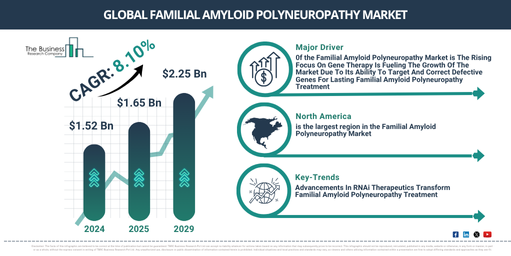
    The familial amyloid polyneuropathy market has experienced substantial expansion in recent times. Projections indicate its value will rise from $1.52 billion in 2024 to $1.65 billion by 2025, at a compound annual growth rate (CAGR) of 8.4%. This historical growth is linked to factors such as the increasing occurrence of familial amyloid polyneuropathy, elevated awareness and diagnosis rates driven by advancements in genetic testing, the wider acceptance of new therapeutic choices and targeted interventions, expanded investment in research and development for amyloidosis treatments, and an expanding elderly population vulnerable to amyloid-related neuropathies.

    The market size for familial amyloid polyneuropathy is anticipated to experience substantial expansion in the coming years. It is projected to reach $2.25 billion by 2029, demonstrating a compound annual growth rate (CAGR) of 8.1%. The expansion during the forecast period can be attributed to increasing government initiatives and funding supporting treatments for rare diseases, a growing number of clinical trials evaluating innovative therapeutic candidates, rising patient advocacy and support groups driving demand for improved therapies, enhanced accessibility to healthcare infrastructure in emerging markets, and the increasing availability of advanced diagnostic tools. Significant trends expected in the forecast period include advancements in genetic sequencing technologies, the integration of personalized medicine, technological improvements in biomarker identification, progress in drug delivery systems, and the incorporation of digital health tools and telemedicine.

    Unlock Your Free Sample Report for Exclusive Market Data:

    https://www.thebusinessresearchcompany.com/sample.aspx?id=24532&type=smp

    Which Drivers Are Impacting The Familial Amyloid Polyneuropathy Market?

    The increasing attention on gene therapy is anticipated to boost the expansion of the familial amyloid polyneuropathy market in the future. This therapeutic approach involves altering or substituting faulty genes to tackle the root causes of illnesses. It is gaining traction because it targets and corrects genetic defects, providing durable or permanent cures instead of merely alleviating symptoms. Specifically for familial amyloid polyneuropathy, gene therapy aims to rectify or silence the flawed transthyretin (TTR) gene, thereby preventing the creation of detrimental amyloid protein. This action aids in reducing amyloid deposits, which in turn slows the disease’s advancement and maintains nerve function. For example, data from July 2023, shared by the American Society of Gene & Cell Therapy (ASGCT), a US-based professional membership organization, and Citeline, a US-based provider of drugs and devices, indicated that at the close of the first quarter of 2023, 247 gene therapies were in Phase II. This figure subsequently increased by 5% to 260 by the conclusion of the second quarter. Consequently, the increased emphasis on gene therapy is stimulating the growth of the familial amyloid polyneuropathy market.

    What Are The Leading Segments Analyzed In The Familial Amyloid Polyneuropathy Market?

    The familial amyloid polyneuropathy market covered in this report is segmented –

    1) By Treatment: Medication, Gene Therapy, Supportive Care, Pain Management, Symptomatic Treatment

    2) By Diagnosis: Genetic Testing, Biopsy, Imaging, Other Diagnosis

    3) By Patient Age Group: Pediatric, Adult, Geriatric

    4) By Distribution Channel: Hospital Pharmacies, Retail Pharmacies, Online Pharmacies, Specialty Pharmacies, Direct Sales

    5) By End-User: Hospitals, Specialty Clinics, Research Institutes, Other End-Users

    Subsegments:

    1) By Medication: Transthyretin (TTR) Stabilizers, Transthyretin (TTR) Gene Silencers, Tafamidis, Diflunisal, Patisiran

    2) By Gene Therapy: Clustered Regularly Interspaced Short Palindromic Repeats (CRISPR) Or Cas9-Based Therapy, RNA Interference (RNAi) Therapy, Antisense Oligonucleotides (ASO) Therapy

    3) By Supportive Care: Physical Therapy, Occupational Therapy, Nutritional Support, Psychological Counseling

    4) By Pain Management: Non-Steroidal Anti-Inflammatory Drugs (NSAIDs), Opioids, Antidepressants, Anticonvulsants

    5) By Symptomatic Treatment: Gastrointestinal Symptom Management, Cardiovascular Symptom Management, Autonomic Dysfunction Management, Orthostatic Hypotension Treatment

    Which Competitive Trends Are Defining The Familial Amyloid Polyneuropathy Market Structure?

    Leading companies active in the familial amyloid polyneuropathy market are focusing on developing advanced treatment solutions, such as RNA interference (RNAi) therapeutics, aiming to slow disease progression and enhance patient outcomes. RNA interference (RNAi) therapeutics are sophisticated treatments that silence genes responsible for disease by targeting their messenger RNA (mRNA). This approach obstructs the creation of harmful proteins, tackling genetic diseases at their origin. For example, in March 2025, Alnylam Pharmaceuticals, a US-based biopharmaceutical company, introduced AMVUTTRA (vutrisiran), which secured approval from the Food and Drug Administration (FDA) for the treatment of cardiomyopathy resulting from wild-type or hereditary transthyretin-mediated amyloidosis (ATTR-CM) in adults. It is administered as four subcutaneous doses annually and is designed to treat both ATTR-CM and the polyneuropathy of hereditary transthyretin-mediated amyloidosis (hATTR-PN). By decreasing the production of transthyretin (TTR) protein, the fundamental cause of the disease, it notably reduces cardiovascular mortality, hospitalizations, and urgent heart failure visits, as shown in the HELIOS-B Phase 3 clinical trial.

    Which Global Market Leaders Are Shaping The Future Of The Familial Amyloid Polyneuropathy Sector?

    Major companies operating in the familial amyloid polyneuropathy market are Pfizer Inc., AstraZeneca plc, Novo Nordisk A/S, Regeneron Pharmaceuticals Inc., NYU Langone Hospitals, Alexion Pharmaceuticals Inc., Alnylam Pharmaceuticals Inc., Mount Sinai Medical Center, PTC Therapeutics Inc., Ionis Pharmaceuticals Inc., Mayo Foundation for Medical Education and Research, Arcturus Therapeutics Inc., Prothena Corporation plc, Precision BioSciences Inc., Intellia Therapeutics Inc., Creative Biolabs, Stanford Health Care, Attralus Inc., Duke University Health System, YolTech Therapeutics.

    Download The Full Report For Exclusive Market Findings:

    https://www.thebusinessresearchcompany.com/report/familial-amyloid-polyneuropathy-global-market-report

    How Do Regional Market Performances Compare Within The Familial Amyloid Polyneuropathy Industry?

    North America was the largest region in the familial amyloid polyneuropathy market in 2024. Asia-Pacific is expected to be the fastest-growing region in the forecast period. The regions covered in the familial amyloid polyneuropathy market report are Asia-Pacific, Western Europe, Eastern Europe, North America, South America, Middle East, Africa.

    Request A Customized Version Of The Familial Amyloid Polyneuropathy Market Report:

    https://www.thebusinessresearchcompany.com/customise?id=24532&type=smp

    Browse Through More Reports Similar to the Global Familial Amyloid Polyneuropathy Market 2025, By The Business Research Company

    Peripheral Neuropathy Global Market Report 2025

    https://www.thebusinessresearchcompany.com/report/peripheral-neuropathy-global-market-report

    Transthyretin Amyloidosis Treatment Global Market Report 2025

    https://www.thebusinessresearchcompany.com/report/transthyretin-amyloidosis-treatment-global-market-report

    Diabetic Neuropathy Global Market Report 2025

    https://www.thebusinessresearchcompany.com/report/diabetic-neuropathy-global-market-report

    Get in touch with us:

    The Business Research Company: https://www.thebusinessresearchcompany.com/

    Americas +1 310-496-7795

    Asia +44 7882 955267 & +91 8897263534

    Europe +44 7882 955267

    Email us at info@tbrc.info

    Follow us on:

    LinkedIn: https://in.linkedin.com/company/the-business-research-company

    YouTube: https://www.youtube.com/channel/UC24_fI0rV8cR5DxlCpgmyFQ

    Global Market Model: https://www.thebusinessresearchcompany.com/global-market-model
  • Facet-Joint Injection Market Growth Opportunities: Insights from 2025–2029

    Facet-Joint Injection Market Growth Opportunities: Insights from 2025–2029

    Unlock Global Insights – Save 20% on Market Reports with Code ONLINE20

    What Is The Anticipated Size Of The Facet-Joint Injection Market Over The Five-Year Period 2025–2029?

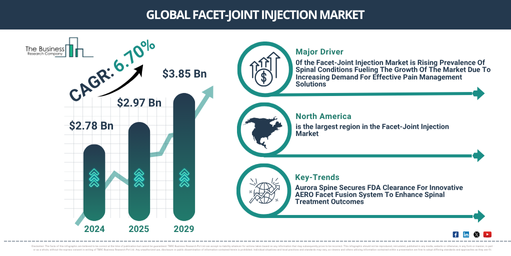
    The facet-joint injection market has experienced significant growth in recent years. It is anticipated to expand from $2.78 billion in 2024 to $2.97 billion in 2025, exhibiting a compound annual growth rate (CAGR) of 7.0%. This historical expansion can be attributed to a rise in chronic back and neck pain incidents, the increasing adoption of minimally invasive pain management therapies, an expanding aging demographic with spinal degeneration, greater access to image-guided injection methods, and heightened awareness of non-surgical options for pain relief.

    The facet-joint injection market is projected to experience substantial expansion over the coming years. This market is anticipated to reach $3.85 billion by 2029, exhibiting a compound annual growth rate (CAGR) of 6.7%. This projected growth during the forecast period stems from factors such as an escalating need for non-opioid approaches to pain management, the wider uptake of image-guided injection techniques, an increased emphasis on outpatient and day-care interventions, the broader application of regenerative injection therapies, and a rise in healthcare spending directed towards spinal disorder treatments. Key trends anticipated during this period encompass progress in ultrasound and fluoroscopy-guided injections, enhanced drug formulations designed for prolonged pain relief, the emergence of combination therapies for joint discomfort, breakthroughs in regenerative treatments like platelet-rich plasma and stem cells, and developments in wearable technology for monitoring after injections.

    Unlock Your Free Sample Report for Exclusive Market Data:

    https://www.thebusinessresearchcompany.com/sample.aspx?id=24531&type=smp

    Which Industry Drivers Are Expected To Accelerate The Facet-Joint Injection Market From 2025 To 2029?

    The increasing incidence of spinal conditions and persistent back discomfort is projected to fuel the expansion of the facet-joint injection market in the coming years. These long-term ailments, such as disc degeneration, arthritis, or nerve compression, lead to ongoing pain, restricted movement, and a diminished quality of life. The escalating occurrence of spinal diseases and chronic back pain stems from inactive lifestyles and inadequate posture, prompting individuals to seek effective yet minimally disruptive treatments to alleviate discomfort and restore functional capacity. Facet-joint injections provide relief for these conditions by mitigating spinal pain and inflammation. For instance, in May 2023, Spinal Cord Inc., a US-based non-profit resource center, indicated that approximately 18,000 new spinal cord injury (SCI) cases are reported each year in the United States in 2023, with an estimated 302,000 people currently living with such injuries nationwide. Consequently, the growing prevalence of spinal diseases and chronic back pain is a significant driver for the facet-joint injection market’s growth.

    What Are The Segment Types Shaping The Facet-Joint Injection Market?

    The facet-joint injection market covered in this report is segmented –

    1) By Product Type: Corticosteroids, Local Anesthetics, Hyaluronic Acid, Other Product Types

    2) By Application: Cervical Facet Joints, Thoracic Facet Joints, Lumbar Facet Joints, Facet Joint Injections

    3) By End-User: Hospitals, Ambulatory Surgical Centers, Specialty Clinics, Other End-Users

    Subsegments:

    1) By Corticosteroids: Triamcinolone Acetonide, Methylprednisolone Acetate, Dexamethasone Sodium Phosphate, Betamethasone, Other Corticosteroids

    2) By Local Anesthetics: Lidocaine, Bupivacaine, Ropivacaine, Prilocaine, Other Local Anesthetics

    3) By Hyaluronic Acid: High Molecular Weight Hyaluronic Acid, Low Molecular Weight Hyaluronic Acid, Cross-Linked Hyaluronic Acid, Non-Cross-Linked Hyaluronic Acid

    4) By Other Product Types: Platelet-Rich Plasma, Biological Agents, Combination Formulations, Other Injectables

    What Are The Latest Industry Trends Transforming The Facet-Joint Injection Market?

    Leading companies in the facet-joint injection market are concentrating on developing innovative products, such as facet fusion systems, to provide more enduring relief and enhance treatment outcomes. Facet fusion systems are medical devices specifically designed to stabilize and fuse the facet joints of the spine by promoting bone growth between adjacent vertebrae. For instance, in March 2025, Aurora Spine Corporation, a US-based medical device company, announced that the AEROTM Facet Fusion System, its newest product, has received 510(k) clearance from the U.S. Food and Drug Administration (FDA). The system integrates titanium plasma spray coating to improve osseointegration and its fusion potential. It also supports multiple implant sizes to accommodate varied patient anatomies and offers radiolucent instrumentation to enhance intraoperative visibility. Collectively, these features aim to improve procedural efficiency and long-term outcomes in treating chronic back pain caused by facet joint disorders.

    Which Industry Leaders Are Driving Innovation Across The Facet-Joint Injection Market?

    Major companies operating in the facet-joint injection market are Pfizer Inc., Merck & Co. Inc, AbbVie Inc., Sanofi S.A., Medtronic plc, Stryker Corporation, Teva Pharmaceutical Industries Ltd., Boston Scientific Corporation, Henry Schein Inc., Bausch Health Companies Inc., Zimmer Biomet Holdings Inc., Smith & Nephew plc, Dr. Reddy’s Laboratories Ltd., Arthrex Inc., Aspen Pharmacare Holdings Limited, Pacira BioSciences Inc., Bioventus Inc., Ferring Pharmaceuticals, Anika Therapeutics Inc., Symbiotec Pharmalab Pvt. Ltd.

    Download The Full Report For Exclusive Market Findings:

    https://www.thebusinessresearchcompany.com/report/facet-joint-injection-global-market-report

    Which Region Currently Holds The Largest Share Of The Facet-Joint Injection Market?

    North America was the largest region in the facet-joint injection market in 2024. Asia-Pacific is expected to be the fastest-growing region in the forecast period. The regions covered in the facet-joint injection market report are Asia-Pacific, Western Europe, Eastern Europe, North America, South America, Middle East, Africa.

    Request A Customized Version Of The Facet-Joint Injection Market Report:

    https://www.thebusinessresearchcompany.com/customise?id=24531&type=smp

    Browse Through More Reports Similar to the Global Facet-Joint Injection Market 2025, By The Business Research Company

    Self Injections Global Market Report 2025

    https://www.thebusinessresearchcompany.com/report/self-injections-global-market-report

    Joint Pain Injections Global Market Report 2025

    https://www.thebusinessresearchcompany.com/report/joint-pain-injections-global-market-report

    Facial Injectable Global Market Report 2025

    https://www.thebusinessresearchcompany.com/report/facial-injectable-global-market-report

    Get in touch with us:

    The Business Research Company: https://www.thebusinessresearchcompany.com/

    Americas +1 310-496-7795

    Asia +44 7882 955267 & +91 8897263534

    Europe +44 7882 955267

    Email us at info@tbrc.info

    Follow us on:

    LinkedIn: https://in.linkedin.com/company/the-business-research-company

    YouTube: https://www.youtube.com/channel/UC24_fI0rV8cR5DxlCpgmyFQ

    Global Market Model: https://www.thebusinessresearchcompany.com/global-market-model
  • Eye-Drop And Lubricants Market Expansion Outlook: $26.47 Billion by 2029 Forecast

    Eye-Drop And Lubricants Market Expansion Outlook: $26.47 Billion by 2029 Forecast

    Unlock Global Insights – Save 20% on Market Reports with Code ONLINE20

    What Are The Forecasted Market Size Estimates For The Eye-Drop And Lubricants Market Between 2025 And 2029?

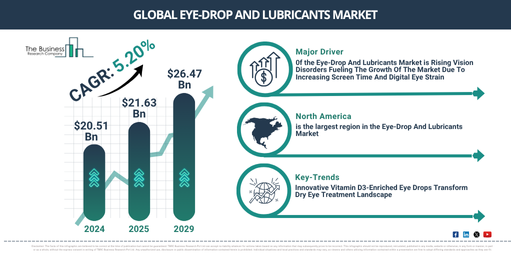
    The size of the eye-drop and lubricants market has experienced robust growth recently. This market is projected to expand from $20.51 billion in 2024 to $21.63 billion by 2025, at a compound annual growth rate (CAGR) of 5.4%. Historically, this expansion has been attributed to several factors, including an increased demand for eye-drop and lubricant products, the need for effective treatments, a rise in screen time, greater screen exposure paired with a digital lifestyle, and the growing use of contact lenses.

    The eye-drop and lubricants market is anticipated to experience robust expansion in the coming years. Its size is projected to reach $26.47 billion by 2029, achieving a compound annual growth rate (CAGR) of 5.2%. This expected growth throughout the forecast period stems from factors such as increasing awareness of eye health, the growing prevalence of dry eye syndrome (DES), an expanding geriatric population, and a rise in allergies and environmental irritants. Significant trends during this period are expected to include the integration of digital eye health monitoring, the evolution of smart delivery systems, broader application in post-surgical recovery, and the establishment of strategic collaborations.

    Unlock Your Free Sample Report for Exclusive Market Data:

    https://www.thebusinessresearchcompany.com/sample.aspx?id=24530&type=smp

    What Are The Top Growth Drivers Impacting The Eye-Drop And Lubricants Market Outlook?

    An increasing incidence of vision-related issues is anticipated to stimulate the expansion of the eye-drop and lubricants market moving ahead. These cases encompass medical conditions, disorders, or problems that impair clear or comfortable vision. The growing occurrence of vision-related issues is primarily fueled by increased screen exposure, leading to digital eye strain and hastening the onset of myopia, particularly in younger demographics. Eye drops and lubricants offer relief for symptoms of vision-related ailments like dry eye, irritation, and redness, achieving this by delivering moisture, decreasing inflammation, and boosting tear film stability, thereby improving general eye comfort and visual sharpness. For example, as reported by the Royal National Institute of Blind People, a UK-based charity supporting individuals with visual impairments, in October 2024, the count of people experiencing severe sight loss or officially registered as blind is forecast to climb by 29%, escalating from 298,000 in 2022 to 379,000 by 2035. Consequently, the increasing prevalence of vision-related conditions is fueling the expansion of the eye-drop and lubricant market.

    What Are The Different Segment Classifications Within The Eye-Drop And Lubricants Market?

    The eye-drop and lubricants market covered in this report is segmented –

    1) By Type: Antibiotics, Hormones, Artificial Tears, Other Types

    2) By Formulation Type: Liquid, Ointment, Gel, Spray

    3) By Distribution Channel: Online Retail, Pharmacies, Supermarkets Or Hypermarkets, Specialty Stores

    4) By Application: Eye Disease, Eye Care, Other Applications

    5) By End User: Hospitals, Clinics, Homecare, Eyewear Centers

    Subsegments:

    1) By Antibiotics: Broad-Spectrum Antibiotics, Fluoroquinolones, Aminoglycosides, Macrolides

    2) By Hormones: Corticosteroids, Non-Corticosteroid Hormones

    3) By Artificial Tears: Preserved Artificial Tears, Preservative-Free Artificial Tears

    4) By Other Types: Antihistamines, Decongestants, Antiglaucoma Agents, Immunomodulators

    What Trends Are Redefining The Eye-Drop And Lubricants Market Dynamics?

    Leading companies in the eye-drop and lubricants market are concentrating on introducing advanced solutions, such as lubricating eye drops fortified with vitamin D3, to more effectively alleviate dry eye symptoms and satisfy the increasing need for versatile ocular health products. These vitamin D3-enriched lubricating eye drops are ophthalmic formulations combining vitamin D3 (cholecalciferol) with hydrating agents, designed to provide relief from dry eye while also offering anti-inflammatory and immune-modulating advantages. As an illustration, in May 2024, Entod Pharmaceuticals, an India-based pharmaceutical firm, launched vitamin D3-enriched lubricating eye drops, marking a significant step forward in ocular health by delivering targeted comfort for individuals experiencing dry eye syndrome. This inventive formulation integrates vitamin D3 into specific lubricant eye drop brands with the objective of improving ocular surface health, enhancing tear film stability, and assisting corneal wound recovery. The product is exclusively available via prescription from healthcare professionals, addressing the pervasive issue of vitamin D deficiency in India, which is associated with various eye conditions including age-related macular degeneration and diabetic retinopathy.

    Who Are The Key Multinational Companies Dominating The Eye-Drop And Lubricants Market?

    Major companies operating in the eye-drop and lubricants market are Bayer AG, Sanofi S.A., Novartis AG, Viatris Inc., Teva Pharmaceutical Industries Ltd., Otsuka Pharmaceutical Co. Ltd., Regeneron Pharmaceuticals Inc., Alcon Inc., Genentech Inc., Bausch + Lomb Incorporated, Santen Pharmaceutical Co. Ltd., Alimera Sciences Inc., Scope Ophthalmics Ltd., Lenz Therapeutics Inc., Eyeris Vision Care Pvt. Ltd., Nicox S.A., Akums Drugs and Pharmaceuticals Ltd., Allergan plc, Jawa Pharmaceuticals Pvt. Ltd., Medtech Products Inc.

    Download The Full Report For Exclusive Market Findings:

    https://www.thebusinessresearchcompany.com/report/eye-drop-and-lubricants-global-market-report

    What Regional Growth Trends Are Shaping The Eye-Drop And Lubricants Market Outlook?

    North America was the largest region in the eye-drop and lubricants market in 2024. North America is expected to be the fastest-growing region in the forecast period. The regions covered in the eye-drop and lubricants market report are Asia-Pacific, Western Europe, Eastern Europe, North America, South America, Middle East, Africa.

    Request A Customized Version Of The Eye-Drop And Lubricants Market Report:

    https://www.thebusinessresearchcompany.com/customise?id=24530&type=smp

    Browse Through More Reports Similar to the Global Eye-Drop And Lubricants Market 2025, By The Business Research Company

    Personal Lubricants Global Market Report 2025

    https://www.thebusinessresearchcompany.com/report/personal-lubricants-global-market-report

    Aviation Lubricants Global Market Report 2025

    https://www.thebusinessresearchcompany.com/report/aviation-lubricants-global-market-report

    Dry Eye Products Global Market Report 2025

    https://www.thebusinessresearchcompany.com/report/dry-eye-products-global-market-report

    Get in touch with us:

    The Business Research Company: https://www.thebusinessresearchcompany.com/

    Americas +1 310-496-7795

    Asia +44 7882 955267 & +91 8897263534

    Europe +44 7882 955267

    Email us at info@tbrc.info

    Follow us on:

    LinkedIn: https://in.linkedin.com/company/the-business-research-company

    YouTube: https://www.youtube.com/channel/UC24_fI0rV8cR5DxlCpgmyFQ

    Global Market Model: https://www.thebusinessresearchcompany.com/global-market-model

  • Global Estrogen Receptor Modulators Industry Trends: Where the Market Is Headed by 2029

    Global Estrogen Receptor Modulators Industry Trends: Where the Market Is Headed by 2029

    Unlock Global Insights – Save 20% on Market Reports with Code ONLINE20

    How Is The Estrogen Receptor Modulators Market Size Likely To Evolve From 2025 Through 2034?

    The estrogen receptor modulators market size has experienced robust growth in recent years. It is projected to increase from $15.73 billion in 2024 to $17.12 billion by 2025, registering a compound annual growth rate (CAGR) of 8.8%. This growth in the past can be ascribed to the escalating demand for targeted cancer therapies, the surge in research on selective estrogen receptor modulators (SERMs), the rise in clinical trials for estrogen-related conditions, and the broadening applications in male health disorders.

    The estrogen receptor modulators market is anticipated to show significant expansion in the upcoming years, with its size expected to reach $23.68 billion by 2029, demonstrating a compound annual growth rate (CAGR) of 8.4%. The impetus for this projected growth within the forecast period stems from factors such as a growing pipeline of next-generation SERMs, increased investment in oncology research and development, a rising prevalence of hormone-sensitive cancers, the expanding application of personalized medicine, and the expected approval of novel estrogen receptor modulators. Prominent trends for the forecast period encompass advancements in selective estrogen receptor degraders (SERDs), the development of tissue-selective modulators, innovative approaches in combination therapy, progress in biomarker-based drug targeting, and the creation of oral SERMs featuring improved safety profiles.

    Unlock Your Free Sample Report for Exclusive Market Data:

    https://www.thebusinessresearchcompany.com/sample.aspx?id=24529&type=smp

    Which Major Market Drivers Are Shaping The Future Of The Estrogen Receptor Modulators Market?

    An increase in breast cancer cases is anticipated to drive expansion in the estrogen receptor modulators market moving ahead. Breast cancer is characterized by the uncontrolled proliferation of abnormal cells within the breast, leading to tumor formation that may spread to adjacent tissues or distant body parts. The growing incidence of breast cancer stems from more women postponing childbirth, resulting in altered hormonal balance and extended lifetime exposure to estrogen, thereby heightening cancer risk. In the management of breast cancer, estrogen receptor modulators are employed to inhibit or modify estrogen’s impact on cancer cells, thus decelerating or halting their development and mitigating the likelihood of disease advancement or return. As an illustration, the United Nations, a US-based intergovernmental organization, reported that in February 2025, breast cancer was responsible for approximately 2.3 million new cases and 670,000 deaths globally in 2022. Global forecasts indicate that by 2050, new cases are projected to increase by 38% and annual deaths by 68%, underscoring a considerably expanding disease burden. Consequently, the increasing prevalence of breast cancer is fueling the expansion of the estrogen receptor modulators market.

    What Are The Primary Types Of Segments Analyzed In The Estrogen Receptor Modulators Market?

    The estrogen receptor modulators market covered in this report is segmented –

    1) By Type: Select Estrogen Receptor Modulators, Non-Selective Estrogen Receptor Modulators, Selective Estrogen Receptor Downregulators (SERDs)

    2) By Route Of Administration: Oral, Injectable, Topical

    3) By Application: Breast Cancer Treatment, Osteoporosis Treatment, Infertility Treatment, Hormone Replacement Therapy (HRT)

    4) By Distribution Channel: Hospital Pharmacy, Online Pharmacy, Retail Pharmacy

    5) By End-Users: Homecare, Speciality Centres, Other End Users

    Subsegments:

    1) By Select Estrogen Receptor Modulators: Tamoxifen, Raloxifene, Toremifene, Bazedoxifene, Lasofoxifene

    2) By Non-Selective Estrogen Receptor Modulators: Clomiphene, Diethylstilbestrol (DES), Other Non-Selective Modulators

    3) By Selective Estrogen Receptor Downregulators (SERDs): Fulvestrant, Elacestrant, OP-1250 (Investigational), Other Oral SERDs

    How Are Emerging Market Trends Shaping The Estrogen Receptor Modulators Industry Landscape?

    Major companies in the estrogen receptor modulators market are concentrating on developing advanced solutions, such as estrogen-based menopause hormone therapy, to effectively manage menopausal symptoms like hot flashes while minimizing the risk of hormone-related cancers and cardiovascular complications. Estrogen-based menopause hormone therapy is a medical treatment involving the administration of estrogen, either alone or with progestin, to alleviate symptoms linked to menopause. For instance, in June 2023, Pfizer Inc., a US-based pharmaceutical and biotechnology company, re-introduced DUAVEE (conjugated estrogens/bazedoxifene), a hormone therapy for postmenopausal women with a uterus, now available with improved packaging. This product combines conjugated estrogens with bazedoxifene, a selective estrogen receptor modulator, providing an alternative to traditional estrogen-progestin therapies by reducing the risk of uterine lining thickening. The medication is taken as a once-daily oral tablet and is recommended for the shortest necessary duration to manage symptoms, with common side effects including muscle spasms, nausea, and stomach discomfort.

    Which Leading Players Are Enhancing Their Estrogen Receptor Modulators Market Presence Worldwide?

    Major companies operating in the estrogen receptor modulators market are Pfizer Inc., Johnson & Johnson, Roche Holding AG, Merck & Co. Inc., AbbVie Inc., Bayer AG, Sanofi SA, AstraZeneca PLC, Novartis AG, Eli Lilly and Company, Teva Pharmaceutical Industries Ltd., Sun Pharmaceutical Industries Ltd., Apotex Inc, Jiangsu Hengrui Pharmaceuticals Co. Ltd., Aurobindo Pharma, Alkem Laboratories Ltd., Atossa Therapeutics, Ligand Pharmaceuticals, Panacea Biotec, Sermonix Pharmaceuticals Inc., MSN Laboratories, Deus Medical

    Download The Full Report For Exclusive Market Findings:

    https://www.thebusinessresearchcompany.com/report/estrogen-receptor-modulators-global-market-report

    Which Regional Markets Are Contributing Most To The Estrogen Receptor Modulators Industry Expansion?

    North America was the largest region in the estrogen receptor modulators market in 2024. Asia-Pacific is expected to be the fastest-growing region in the forecast period. The regions covered in the estrogen receptor modulators market report are Asia-Pacific, Western Europe, Eastern Europe, North America, South America, Middle East, Africa.

    Request A Customized Version Of The Estrogen Receptor Modulators Market Report:

    https://www.thebusinessresearchcompany.com/customise?id=24529&type=smp

    Browse Through More Reports Similar to the Global Estrogen Receptor Modulators Market 2025, By The Business Research Company

    Synthetic Hormones Global Market Report 2025

    https://www.thebusinessresearchcompany.com/report/synthetic-hormones-global-market-report

    Bioidentical Hormones Global Market Report 2025

    https://www.thebusinessresearchcompany.com/report/bioidentical-hormones-global-market-report

    Hormone Therapy Global Market Report 2025

    https://www.thebusinessresearchcompany.com/report/hormone-therapy-global-market-report

    Get in touch with us:

    The Business Research Company: https://www.thebusinessresearchcompany.com/

    Americas +1 310-496-7795

    Asia +44 7882 955267 & +91 8897263534

    Europe +44 7882 955267

    Email us at info@tbrc.info

    Follow us on:

    LinkedIn: https://in.linkedin.com/company/the-business-research-company

    YouTube: https://www.youtube.com/channel/UC24_fI0rV8cR5DxlCpgmyFQ

    Global Market Model: https://www.thebusinessresearchcompany.com/global-market-model
  • Endoscopy Visualization Systems Industry Forecast to Hit $35.69 Billion by 2029 With a Strong 7.3% CAGR

    Endoscopy Visualization Systems Industry Forecast to Hit $35.69 Billion by 2029 With a Strong 7.3% CAGR

    Unlock Global Insights – Save 20% on Market Reports with Code ONLINE20

    What Are The Growth Projections For The Endoscopy Visualization Systems Market Size During 2025–2029?

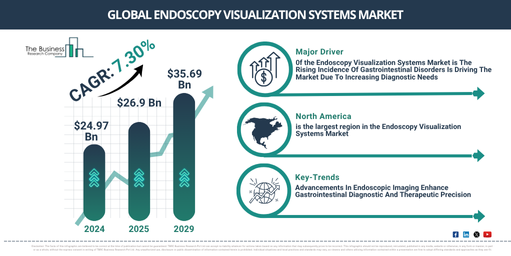
    The endoscopy visualization systems market has demonstrated substantial growth over recent years. It is anticipated to expand from $24.97 billion in 2024 to $26.9 billion in 2025, achieving a compound annual growth rate (CAGR) of 7.7%. This historic expansion can be attributed to several factors, including the increasing embrace of minimally invasive procedures, the rising incidence of gastrointestinal disorders, an expanding elderly population, the widening applications of endoscopy in both diagnostic and surgical contexts, and heightened awareness regarding early disease detection.

    The market size for endoscopy visualization systems is expected to show significant expansion over the next few years. It is projected to increase to $35.69 billion by 2029, growing at a compound annual growth rate (CAGR) of 7.3%. This anticipated growth can be linked to factors such as an increasing need for ambulatory surgical centers, growing healthcare investments in developing markets, a strong emphasis on boosting diagnostic accuracy, the rising incidence of chronic diseases, and governmental support for advancements in medical devices. Important trends during the forecast period are set to include the wider implementation of AI-assisted real-time image analysis, a shift towards 3D and 4K visualization systems, the broadening of tele-endoscopy functions, the incorporation of visualization systems with robotic surgery platforms, and an enhanced adoption of cloud-enabled storage and sharing.

    Unlock Your Free Sample Report for Exclusive Market Data:

    https://www.thebusinessresearchcompany.com/sample.aspx?id=24528&type=smp

    What Are The Main Drivers Boosting The Endoscopy Visualization Systems Industry’s Expansion?

    The increasing occurrence of gastrointestinal disorders is anticipated to propel the expansion of the endoscopy visualization systems market in the future. Gastrointestinal conditions are illnesses affecting the digestive system, frequently resulting in symptoms such as abdominal discomfort, gas, and digestive problems. The rise in these disorders is largely fueled by a greater consumption of ultra-processed foods, which disrupt gut microbiota and initiate inflammation. Endoscopy visualization systems assist in diagnosing and treating gastrointestinal disorders by providing distinct, live images of the digestive tract. They facilitate accurate problem identification, focused biopsies, and minimally invasive interventions. For instance, in September 2023, according to the Inflammatory Bowel Disease (IBD) Clinical and Research Centre, a Canada-based organization, with a prevalence of 825 per 100,000 in 2023, over 320,000 people in Canada have inflammatory bowel disease (IBD), and as the prevalence is expected to increase by 2.44% annually, 1.1% of the population, or 470,000 Canadians, is projected to be living with IBD by 2035. Consequently, the growing prevalence of gastrointestinal disorders is stimulating the endoscopy visualization systems market.

    Which Key Segments Fueling The Endoscopy Visualization Systems Market?

    The endoscopy visualization systems market covered in this report is segmented –

    1) By Type: Standard Endoscopy Systems, High Definition (HD) Endoscopy Systems, Ultra High Definition (UHD) Endoscopy Systems, Endoscopic Ultrasound (EUS) Systems, Wireless Endoscopy Systems

    2) By Component: Endoscopes, Visualization Systems, Light Sources, Processing Systems, Accessories

    3) By Application: Gastrointestinal (GI) Endoscopy, Laparoscopy, Arthroscopy, Obstetrics Or Gynecology Endoscopy, Urology Endoscopy, Bronchoscopy, ENT Endoscopy, Neurology Endoscopy, Other Applications

    4) By End User: Hospitals, Ambulatory Surgical Centers (ASCs), Specialty Clinics, Diagnostic Imaging Centers, Academic And Research Institutes

    Subsegments:

    1) By Standard Endoscopy Systems: Analog Camera Units, Basic Video Processors

    2) By High Definition (HD) Endoscopy Systems: High Definition (HD) Cameras, High Definition (HD) Cameras

    3) By Ultra High Definition (UHD) Endoscopy Systems: 4K Cameras, 4K Processors

    4) By Endoscopic Ultrasound (EUS) Systems: Radial Echoendoscopes, Linear Echoendoscopes

    5) By Wireless Endoscopy Systems: Capsule Endoscopes, Wireless Data Receivers

    Which Key Trends Are Expected To Influence The Endoscopy Visualization Systems Market In The Coming Years?

    Leading companies in the endoscopy visualization systems market are prioritizing the development of advanced products, such as visualization gastroscopes, to enhance endoscopic imaging and procedural capabilities for gastrointestinal diagnostics and treatment. Visualization gastroscopes are flexible endoscopic instruments featuring high-definition imaging and advanced optical technologies, designed to deliver clear, detailed views of the upper gastrointestinal tract for precise diagnosis and therapy. For instance, in April 2025, Fujifilm Healthcare Americas Corporation, a US-based provider of medical imaging and informatics solutions, introduced the EG-840T and EG-840TP, a new series of gastroscopes. These gastroscopes, powered by the ELUXEO Endoscopic Imaging System, incorporate advanced LED multi-light technology for superior visualization and improved maneuverability, enabling clinicians to conduct complex upper gastrointestinal procedures with greater accuracy and efficiency. This launch emphasizes Fujifilm’s commitment to advancing endoscopic care through outstanding image quality and expanded therapeutic options.

    Which Major Firms Are Strengthening Their Position In The Endoscopy Visualization Systems Industry?

    Major companies operating in the endoscopy visualization systems market are Johnson & Johnson, Medtronic Plc, FUJIFILM Holdings Corporation, Stryker Corporation, Boston Scientific Corporation, Baxter International Inc., Braun Melsungen AG, Olympus Corporation, Smith & Nephew plc, Shenzhen Mindray Bio-Medical Electronics Co. Ltd., Karl Storz GmbH & Co. KG, Cook Medical, CONMED Corporation, Ambu A/S, Richard Wolf GmbH, Pentax Medical, Inline Systems, Biovision Veterinary Endoscopy, Machida Endoscope Co. Ltd., Medical Tek Co. Ltd., Ecleris Technologies, Vision Sciences Inc.

    Download The Full Report For Exclusive Market Findings:

    https://www.thebusinessresearchcompany.com/report/endoscopy-visualization-systems-global-market-report

    How Does The Endoscopy Visualization Systems Market Perform Across Key Geographic Regions?

    North America was the largest region in the endoscopy visualization systems market in 2024. Asia-Pacific is expected to be the fastest-growing region in the forecast period. The regions covered in the endoscopy visualization systems market report are Asia-Pacific, Western Europe, Eastern Europe, North America, South America, Middle East, Africa.

    Request A Customized Version Of The Endoscopy Visualization Systems Market Report:

    https://www.thebusinessresearchcompany.com/customise?id=24528&type=smp

    Browse Through More Reports Similar to the Global Endoscopy Visualization Systems Market 2025, By The Business Research Company

    Gastrointestinal Endoscopy Global Market Report 2025

    https://www.thebusinessresearchcompany.com/report/gastrointestinal-endoscopy-global-market-report

    Endoscopy Video Systems Global Market Report 2025

    https://www.thebusinessresearchcompany.com/report/endoscopy-video-systems-global-market-report

    Endoscopy Devices And Equipment Global Market Report 2025

    https://www.thebusinessresearchcompany.com/report/endoscopy-devices-and-equipment-global-market-report

    Get in touch with us:

    The Business Research Company: https://www.thebusinessresearchcompany.com/

    Americas +1 310-496-7795

    Asia +44 7882 955267 & +91 8897263534

    Europe +44 7882 955267

    Email us at info@tbrc.info

    Follow us on:

    LinkedIn: https://in.linkedin.com/company/the-business-research-company

    YouTube: https://www.youtube.com/channel/UC24_fI0rV8cR5DxlCpgmyFQ

    Global Market Model: https://www.thebusinessresearchcompany.com/global-market-model
  • Elderly Walkers Market to Reach $2.15 Billion by 2029, Growing at a CAGR of 7.1%

    Elderly Walkers Market to Reach $2.15 Billion by 2029, Growing at a CAGR of 7.1%

    Unlock Global Insights – Save 20% on Market Reports with Code ONLINE20

    What Is The Global Market Value Of The Elderly Walkers Industry In 2025?

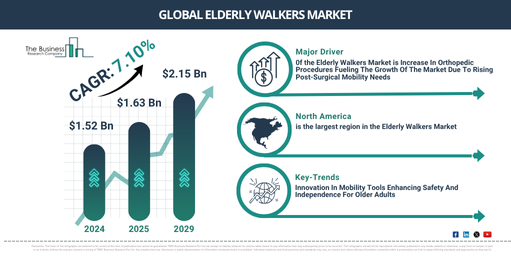
    The elderly walkers market has experienced robust growth in recent years. This market is projected to expand from $1.52 billion in 2024 to $1.63 billion in 2025, demonstrating a compound annual growth rate (CAGR) of 7.5%. Factors contributing to its historical growth include the expansion of healthcare infrastructure, increasing urbanization and shifts in lifestyle, higher disposable income among older adults, longer life expectancy, and the spread of home healthcare services.

    The elderly walkers market is projected to experience robust expansion in the coming years. This market is anticipated to reach $2.15 billion by 2029, exhibiting a compound annual growth rate (CAGR) of 7.1%. Factors contributing to this growth include a global rise in the elderly population, an increasing occurrence of mobility-related health conditions, heightened awareness regarding fall prevention, a greater emphasis on fostering elderly independence, and a higher prevalence of arthritis and joint pain. Key trends expected during this period encompass advancements in walker design and technology, the introduction of customizable and lightweight walker options, the uptake of smart and connected walker devices, the incorporation of ergonomic features for enhanced comfort, and the creation of multi-functional walkers offering supplementary capabilities.

    Unlock Your Free Sample Report for Exclusive Market Data:

    https://www.thebusinessresearchcompany.com/sample.aspx?id=24527&type=smp

    Which Factors And Drivers Are Influencing The Elderly Walkers Market In 2025?

    A growing number of orthopedic procedures are projected to fuel the expansion of the elderly walkers market moving forward. Orthopedic procedures involve both surgical and non-surgical medical treatments aimed at identifying and correcting issues related to bones, joints, muscles, tendons, and ligaments. The primary driver behind this increase in orthopedic procedures is the aging population, as older adults are more prone to musculoskeletal conditions such as osteoarthritis. Elderly walkers provide vital support for patients recovering from orthopedic procedures by enhancing stability, decreasing the risk of falls, and promoting safe, independent mobility during their rehabilitation. For instance, in September 2023, Curvo Labs Inc., a US-based healthcare supply chain management company, reported that the number of knee replacement procedures performed in the U.S. climbed from 1,235,835 in 2021 to 1,299,084 in 2022, indicating a steady increase in the demand for orthopedic interventions. Therefore, the rising volume of orthopedic procedures is set to boost the growth of the elderly walkers market.

    How Is The Elderly Walkers Market Classified Into Different Segments?

    The elderly walkers market covered in this report is segmented –

    1) By Type: Standard Walkers, Knee Walkers, Rollators

    2) By Distribution Channel: Online, Offline

    3) By Application: Orthopedic Care, Emergency Care, Geriatric Care, Other Applications

    4) By End-Use: Hospitals, Home Care, Other End-Use

    Subsegments:

    1) By Standard Walkers: With Wheels, Without Wheels, Foldable Standard Walkers, Height Adjustable Walkers, Bariatric Standard Walkers

    2) By Knee Walkers: Steerable Knee Walkers, Non-steerable Knee Walkers, Foldable Knee Walkers, All-Terrain Knee Walkers, Pediatric Knee Walkers

    3) By Rollators: 3-Wheel Rollators, 4-Wheel Rollators, Heavy-Duty Rollators, Rollators with Seat, Foldable Rollators, Indoor Rollators, Outdoor Rollators

    What Are The Major Trends Driving The Growth Of The Elderly Walkers Market?

    Leading companies in the elderly walkers market are concentrating on developing advanced solutions, such as mobility aids, to improve the safety, comfort, and autonomy of older adults. Mobility tools are supportive devices created to assist individuals in moving more securely and independently by offering support, steadiness, or enhanced movement capabilities. As an illustration, in February 2024, Audelacare, an eldercare enterprise based in Singapore, unveiled its One-Push Walking Stick. This novel walking assistance device is specifically engineered to boost comfort and security for seniors during ambulation. It incorporates a straightforward push-button mechanism allowing for rapid and simple height customization to match personal requirements. Constructed from lightweight yet robust anodized aluminum, it provides substantial support for individuals up to 113 kg and is resistant to corrosion over its lifespan. Its handle is crafted from thermoplastic rubber, guaranteeing a firm and non-slip hold. Beyond being merely a supportive instrument, it fosters self-reliance, encourages active living, and contributes to seniors feeling more assured in their everyday activities.

    Who Are The Primary Competitors In The Global Elderly Walkers Market?

    Major companies operating in the elderly walkers market are Medline Industries Inc., Invacare Holdings Corporation, Drive Medical, Sunrise Medical LLC, GrahamField Health Products Inc., Compass Health Brands Corp., Briggs Corporation, Roma Medical Aids Ltd., Topro Industri AS, Nova Medical Products, Trust Care, Just Walkers, Kaye Products Inc., Cofoe Medical Technology Co. Ltd., Rollz International BV, Aidapt, Days Mobility, Shenzhen Ruihan Meditech Co. Ltd., Uplivin, Z-Tec Mobility

    Download The Full Report For Exclusive Market Findings:

    https://www.thebusinessresearchcompany.com/report/elderly-walkers-global-market-report

    Which Region Is Expected To Witness The Fastest Growth In The Elderly Walkers Market?

    North America was the largest region in the elderly walkers market in 2024. Asia-Pacific is expected to be the fastest-growing region in the forecast period. The regions covered in the elderly walkers market report are Asia-Pacific, Western Europe, Eastern Europe, North America, South America, Middle East, Africa.

    Request A Customized Version Of The Elderly Walkers Market Report:

    https://www.thebusinessresearchcompany.com/customise?id=24527&type=smp

    Browse Through More Reports Similar to the Global Elderly Walkers Market 2025, By The Business Research Company

    Walking Aids Global Market Report 2025

    https://www.thebusinessresearchcompany.com/report/walking-aids-global-market-report

    Luxury Footwear Global Market Report 2025

    https://www.thebusinessresearchcompany.com/report/luxury-footwear-global-market-report

    Hip Replacement Global Market Report 2025

    https://www.thebusinessresearchcompany.com/report/hip-replacement-global-market-report

    Get in touch with us:

    The Business Research Company: https://www.thebusinessresearchcompany.com/

    Americas +1 310-496-7795

    Asia +44 7882 955267 & +91 8897263534

    Europe +44 7882 955267

    Email us at info@tbrc.info

    Follow us on:

    LinkedIn: https://in.linkedin.com/company/the-business-research-company

    YouTube: https://www.youtube.com/channel/UC24_fI0rV8cR5DxlCpgmyFQ

    Global Market Model: https://www.thebusinessresearchcompany.com/global-market-model
  • Global Dysfunctional Uterine Bleeding Market Size Projected to Reach $4.82 Billion During the Forecast Period

    Global Dysfunctional Uterine Bleeding Market Size Projected to Reach $4.82 Billion During the Forecast Period

    Unlock Global Insights – Save 20% on Market Reports with Code ONLINE20

    By How Much Is The Dysfunctional Uterine Bleeding Market Expected To Expand Between 2025 And 2029?

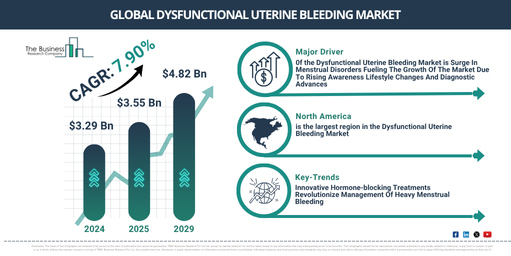
    The dysfunctional uterine bleeding market size has experienced robust expansion in recent years. It is projected to grow from $3.29 billion in 2024 to $3.55 billion in 2025, achieving a compound annual growth rate (CAGR) of 8.1%. The growth observed in the past can be attributed to the increasing occurrence of hormonal imbalances, enhanced awareness about menstrual health, a rise in the adoption of hormone therapy treatments, a greater number of women seeking gynecological care, and escalating research and development efforts in women’s health.

    The market for dysfunctional uterine bleeding is anticipated to experience substantial expansion over the upcoming years. Projections indicate it will reach $4.82 billion by 2029, exhibiting a compound annual growth rate (CAGR) of 7.9%. This anticipated growth during the forecast period is primarily driven by the increasing occurrence of menstrual disorders, heightened understanding of women’s health issues, greater utilization of sophisticated diagnostic approaches, the expansion of healthcare facilities, and an escalating need for less invasive treatment solutions. Key trends expected during this period encompass enhancements in non-hormonal therapeutic alternatives, sophisticated diagnostic instruments for menstrual conditions, the evolution of minimally invasive surgical procedures, breakthroughs in menstrual health monitoring technologies, and progress in patient education and awareness initiatives.

    Unlock Your Free Sample Report for Exclusive Market Data:

    https://www.thebusinessresearchcompany.com/sample.aspx?id=24526&type=smp

    What Are The Key Drivers Of Growth In The Dysfunctional Uterine Bleeding Market?

    A growing occurrence of menstrual disorders is projected to fuel expansion within the dysfunctional uterine bleeding market in the future. These disorders encompass any deviations or unusual patterns within the menstrual cycle, such as alterations in how often, how long, or how much bleeding occurs. The increasing frequency of menstrual disorders stems from heightened awareness, shifts in lifestyle, and improved diagnostic methods, which allow for a greater number of cases to be detected and managed. Dysfunctional uterine bleeding assists in comprehending menstrual disorders by pinpointing unusual uterine bleeding patterns not attributable to underlying structural or systemic illnesses, thus aiding in accurate diagnosis and appropriate treatment. For example, data from December 2023, shared by the UK-based nonprofit Trust for London, indicated that 2.8 million individuals in the UK faced difficulties affording period products. This figure accounts for one in five menstruating individuals and signifies a notable increase from 12% in 2022 to 21% in 2023. Consequently, the expanding occurrence of menstrual disorders is propelling the growth of the dysfunctional uterine bleeding market.

    What Are The Major Segments Identified In The Dysfunctional Uterine Bleeding Market?

    The dysfunctional uterine bleeding market covered in this report is segmented –

    1) By Type: Ovulatory, Anovulatory

    2) By Diagnosis: Hysteroscopy, Ultrasonography, Dilation And Curettage, Endometrial Biopsy

    3) By Application: Menopause, Dysfunctional Uterine Bleeding, Endometrial Cancer, Contraception, Hyperplastic Precursor Lesions, Other Applications

    4) By End User: Hospital, Clinics, Diagnostic Centers, Pharmaceutical Companies

    Subsegments:

    1) By Ovulatory: Menorrhagia, Polymenorrhea, Metrorrhagia, Dysmenorrhea

    2) By Anovulatory: Amenorrhea, Oligomenorrhea, Dysfunctional Bleeding, Breakthrough Bleeding

    What Trends Are Expected To Drive The Dysfunctional Uterine Bleeding Market?

    Leading companies within the dysfunctional uterine bleeding market are concentrating on developing novel treatments, including oral GnRH antagonists, to offer effective, non-surgical solutions that reduce heavy menstrual bleeding by regulating hormones. An oral GnRH antagonist functions as a medication that obstructs gonadotropin-releasing hormone receptors, thereby decreasing estrogen levels and shrinking uterine fibroids without requiring invasive procedures. For instance, in September 2024, Theramex, a UK-based pharmaceutical company, introduced Yselty (linzagolix) as an oral, once-daily GnRH antagonist specifically formulated to treat heavy menstrual bleeding linked to uterine fibroids. This medication offers adaptable dosing options to better customize treatment for individual patient requirements. It effectively mitigates symptoms while helping to preserve patients’ quality of life. Furthermore, Yselty supports fertility preservation during therapy, collectively representing an innovative method for managing uterine fibroid-related bleeding.

    Which Key Market Players Are Investing In Expansion And Innovation Of Dysfunctional Uterine Bleeding Market?

    Major companies operating in the dysfunctional uterine bleeding market are Pfizer Inc., Merck & Co. Inc., AbbVie Inc., Bayer AG, Sanofi S.A., Medtronic plc, Boston Scientific Corporation, Smith & Nephew plc, Sun Pharmaceutical Industries Ltd., Hologic Inc., Sumitomo Pharma, Karl Storz SE & Co. KG, Cook Medical Incorporated, Gedeon Richter Plc, Lupin Ltd., Torrent Pharmaceuticals Ltd., CooperSurgical Inc., Ferring Pharmaceuticals SA, Minerva Surgical Inc., Medgyn Products Inc.

    Download The Full Report For Exclusive Market Findings:

    https://www.thebusinessresearchcompany.com/report/dysfunctional-uterine-bleeding-global-market-report

    Which Global Regions Are Influencing The Competitive Landscape Of The Dysfunctional Uterine Bleeding Market?

    North America was the largest region in the dysfunctional uterine bleeding market in 2024. Asia-Pacific is expected to be the fastest-growing region in the forecast period. The regions covered in the dysfunctional uterine bleeding market report are Asia-Pacific, Western Europe, Eastern Europe, North America, South America, Middle East, Africa.

    Request A Customized Version Of The Dysfunctional Uterine Bleeding Market Report:

    https://www.thebusinessresearchcompany.com/customise?id=24526&type=smp

    Browse Through More Reports Similar to the Global Dysfunctional Uterine Bleeding Market 2025, By The Business Research Company

    Cyclic Heavy Menstrual Bleeding Global Market Report 2025

    https://www.thebusinessresearchcompany.com/report/cyclic-heavy-menstrual-bleeding-global-market-report

    Uterine Fibroids Treatment Global Market Report 2025

    https://www.thebusinessresearchcompany.com/report/uterine-fibroids-treatment-global-market-report

    Bleeding Disorders Treatment Global Market Report 2025

    https://www.thebusinessresearchcompany.com/report/bleeding-disorders-treatment-global-market-report

    Get in touch with us:

    The Business Research Company: https://www.thebusinessresearchcompany.com/

    Americas +1 310-496-7795

    Asia +44 7882 955267 & +91 8897263534

    Europe +44 7882 955267

    Email us at info@tbrc.info

    Follow us on:

    LinkedIn: https://in.linkedin.com/company/the-business-research-company

    YouTube: https://www.youtube.com/channel/UC24_fI0rV8cR5DxlCpgmyFQ

    Global Market Model: https://www.thebusinessresearchcompany.com/global-market-model

  • Dynamic Blood Pressure Monitor Industry Anticipated to Expand at 13% CAGR During the Forecast Period

    Dynamic Blood Pressure Monitor Industry Anticipated to Expand at 13% CAGR During the Forecast Period

    Unlock Global Insights – Save 20% on Market Reports with Code ONLINE20

    #What Is The Projected Market Size Of The Dynamic Blood Pressure Monitor Market By 2029?

    The dynamic blood pressure monitor market has seen rapid growth over recent years. It is anticipated to expand from $1.44 billion in 2024 to $1.63 billion in 2025, achieving a compound annual growth rate (CAGR) of 13.3%. This historical growth can be attributed to several factors, including the increasing prevalence of hypertension, a heightened awareness of cardiovascular health, the expansion of home healthcare, a rising geriatric population, the digitization of healthcare, and a general shift towards preventive care.

    The size of the dynamic blood pressure monitor market is projected to experience substantial expansion over the upcoming years. This market is anticipated to reach $2.66 billion by 2029, exhibiting a compound annual growth rate (CAGR) of 13.0%. Factors driving this growth during the forecast period include the increasing uptake of remote patient monitoring, an emphasis on personalized healthcare, escalating investments in digital health infrastructure, wider smartphone penetration, and supportive government programs. Key trends expected during this period involve the incorporation of artificial intelligence (AI)-based analytics, utilization of cloud-based data storage, capabilities for real-time health tracking, the emergence of cuffless monitoring devices, and continuous advancements in wearable technology.

    Unlock Your Free Sample Report for Exclusive Market Data:

    https://www.thebusinessresearchcompany.com/sample.aspx?id=24525&type=smp

    Which Drivers Are Supporting Growth Of The Dynamic Blood Pressure Monitor Market?

    The anticipated rise in cardiovascular diseases is set to drive the expansion of the dynamic blood pressure monitors market going forward. These conditions, which impact the heart and blood vessels, see high blood pressure playing a crucial role in elevating the risk of heart attacks, strokes, and other serious health complications. The increase in cardiovascular diseases largely stems from sedentary lifestyles, as a lack of physical activity weakens heart health and raises blood pressure. Dynamic blood pressure monitors aid in managing cardiovascular diseases by providing continuous, real-world blood pressure data, which enhances diagnosis accuracy and identifies high-risk patterns like nocturnal hypertension. For instance, in January 2024, the American Heart Association, a US-based nonprofit organization, reported that the age-adjusted death rate from cardiovascular disease increased to 233.3 per 100,000, marking a 4.0% rise from the prior year’s rate of 224.4 per 100,000, following a 4.6% increase in the year before that. Consequently, the escalating prevalence of cardiovascular diseases is propelling the growth of the dynamic blood pressure monitors market.

    What Are The Emerging Segments Gaining Attention In The Dynamic Blood Pressure Monitor Market?

    The dynamic blood pressure monitor market covered in this report is segmented –

    1) By Product Type: Wrist Blood Pressure Monitors, Arm Blood Pressure Monitors, Finger Blood Pressure Monitors

    2) By Measurement Method: Automatic Measurement, Manual Measurement

    3) By Distribution Channel: Online Stores, Pharmacies, Specialty Stores, Other Distribution Channels

    4) By Application: Home Health Monitoring, Clinical Settings, Preventive Healthcare, Telemedicine

    5) By End-User: Hospitals, Clinics, Home Care Settings, Other End-Users

    Subsegments:

    1) By Wrist Blood Pressure Monitors: Bluetooth-Enabled Monitors, Manual Inflation Monitors, Automatic Inflation Monitors

    2) By Arm Blood Pressure Monitors: Upper Arm Monitors With Cuff, Bluetooth Or Wi-Fi Integrated Monitors, Manual Arm Monitors

    3) By Finger Blood Pressure Monitors: Compact Digital Monitors, Rechargeable Finger Monitors, USB-Connected Monitors

    Which Trends Are Impacting The Dynamic Blood Pressure Monitor Market?

    Leading companies in the dynamic blood pressure monitor market are focused on developing innovative monitoring devices, such as next-generation hemodynamic monitoring systems, to enhance the accuracy and real-time tracking of blood pressure and cardiovascular parameters. Next-generation hemodynamic monitoring systems are advanced medical devices designed for the continuous and precise measurement of cardiovascular parameters including blood pressure, cardiac output, and blood flow dynamics in real time. For instance, in April 2025, Becton, Dickinson and Company, a US-based medical technology company, launched the HemoSphere Alta platform, a next-generation hemodynamic monitoring solution tailored for operating rooms and intensive care units. This advanced system utilizes artificial intelligence-based predictive algorithms to empower clinicians to proactively address blood pressure instability and optimize blood flow, detecting potential life-threatening changes instantly. Key features include a cerebral autoregulation index (CAI) for personalized blood pressure targets, the acumen hypotension prediction index (HPI) software for forecasting low blood pressure events, and a high-resolution touchscreen offering voice and gesture commands for hands-free, sterile interaction.

    Who Are The Core Companies Influencing The Dynamic Blood Pressure Monitor Market Landscape?

    Major companies operating in the dynamic blood pressure monitor market are Koninklijke Philips N.V., Becton Dickinson and Company, GE HealthCare Technologies Inc., OMRON HEALTHCARE Co. Ltd., Hill-Rom Holdings Inc., Nihon Kohden Corporation, Spacelabs Healthcare Inc., Fluke Biomedical, Contec Medical Systems Co. Ltd., Schiller AG, Microlife Corporation, Qingdao Meditech Equipment Co .Ltd, A&D Company Limited, SunTech Medical Inc., Rudolf Riester GmbH, Bionet America Inc., Shenzhen Hingmed Instrument Co. Ltd, Kardinero Medical Systems Inc., CNSystems Medizintechnik GmbH., WHALETEQ Co. LTD, Bosch + Sohn GmbH & Co. KG, DynaPulse Inc.

    Download The Full Report For Exclusive Market Findings:

    https://www.thebusinessresearchcompany.com/report/dynamic-blood-pressure-monitor-global-market-report

    What Are The Regional Market Dynamics Impacting The Dynamic Blood Pressure Monitor Industry?

    North America was the largest region in the dynamic blood pressure monitor market in 2024. Asia-Pacific is expected to be the fastest-growing region in the forecast period. The regions covered in the dynamic blood pressure monitor market report are Asia-Pacific, Western Europe, Eastern Europe, North America, South America, Middle East, Africa.

    Request A Customized Version Of The Dynamic Blood Pressure Monitor Market Report:

    https://www.thebusinessresearchcompany.com/customise?id=24525&type=smp

    Browse Through More Reports Similar to the Global Dynamic Blood Pressure Monitor Market 2025, By The Business Research Company

    Wearable Blood Pressure Monitors Global Market Report 2025

    https://www.thebusinessresearchcompany.com/report/wearable-blood-pressure-monitors-global-market-report

    Blood Pressure Monitoring Devices Global Market Report 2025

    https://www.thebusinessresearchcompany.com/report/blood-pressure-monitoring-devices-global-market-report

    Hemodynamic Monitoring Systems Global Market Report 2025

    https://www.thebusinessresearchcompany.com/report/hemodynamic-monitoring-systems-global-market-report

    Get in touch with us:

    The Business Research Company: https://www.thebusinessresearchcompany.com/

    Americas +1 310-496-7795

    Asia +44 7882 955267 & +91 8897263534

    Europe +44 7882 955267

    Email us at info@tbrc.info

    Follow us on:

    LinkedIn: https://in.linkedin.com/company/the-business-research-company

    YouTube: https://www.youtube.com/channel/UC24_fI0rV8cR5DxlCpgmyFQ

    Global Market Model: https://www.thebusinessresearchcompany.com/global-market-model